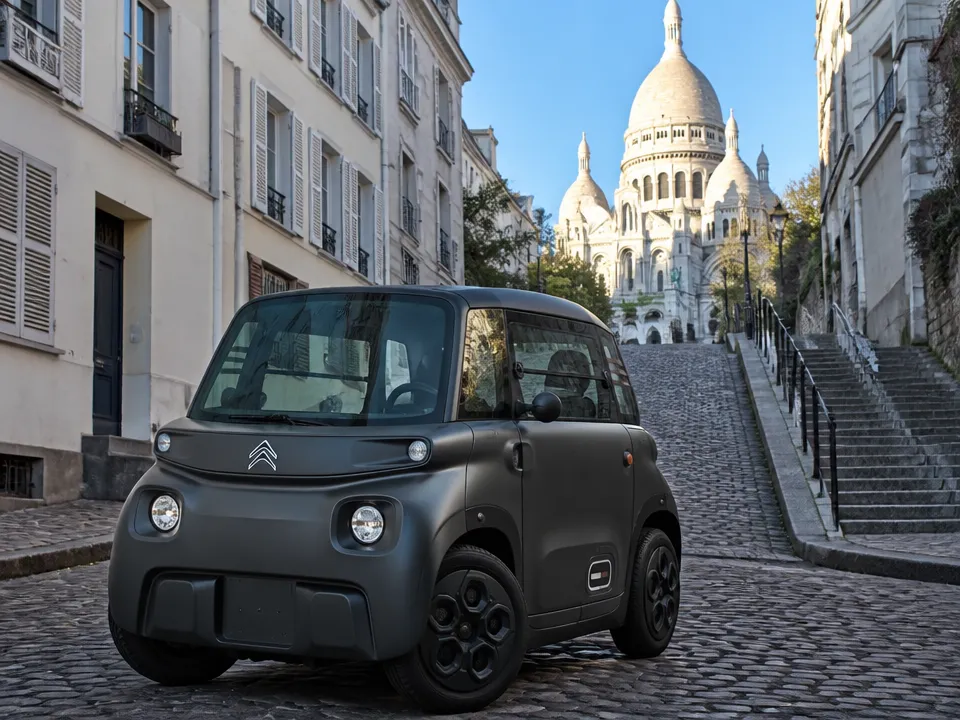
Citroen Ami
★4.4· 69Automatic5.5 kWh8 hpFront-wheel2 seats
€29per day
Book now






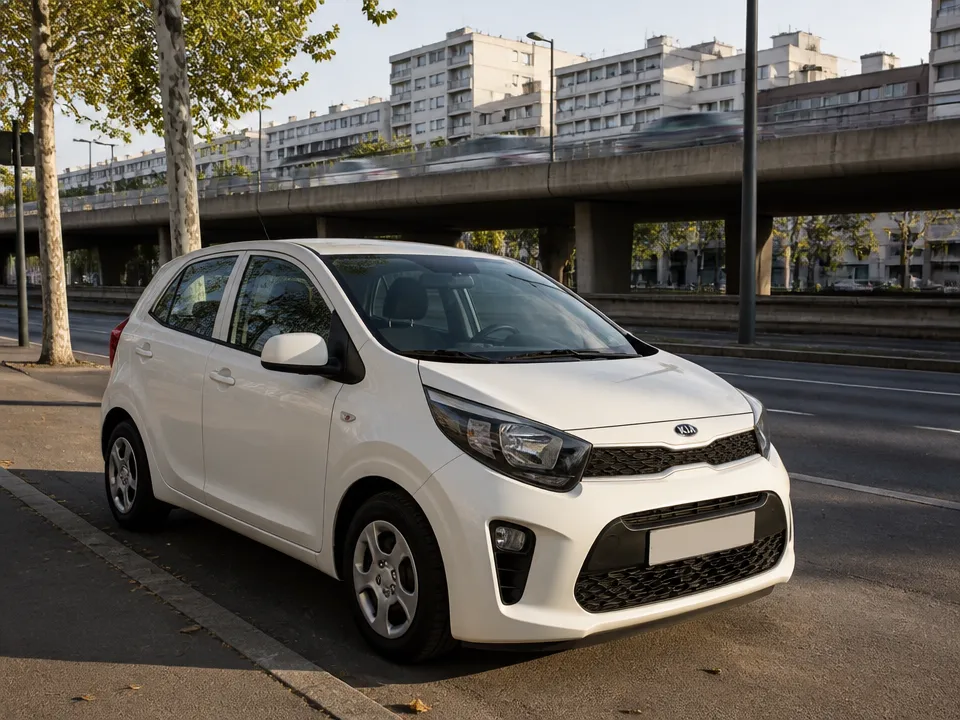
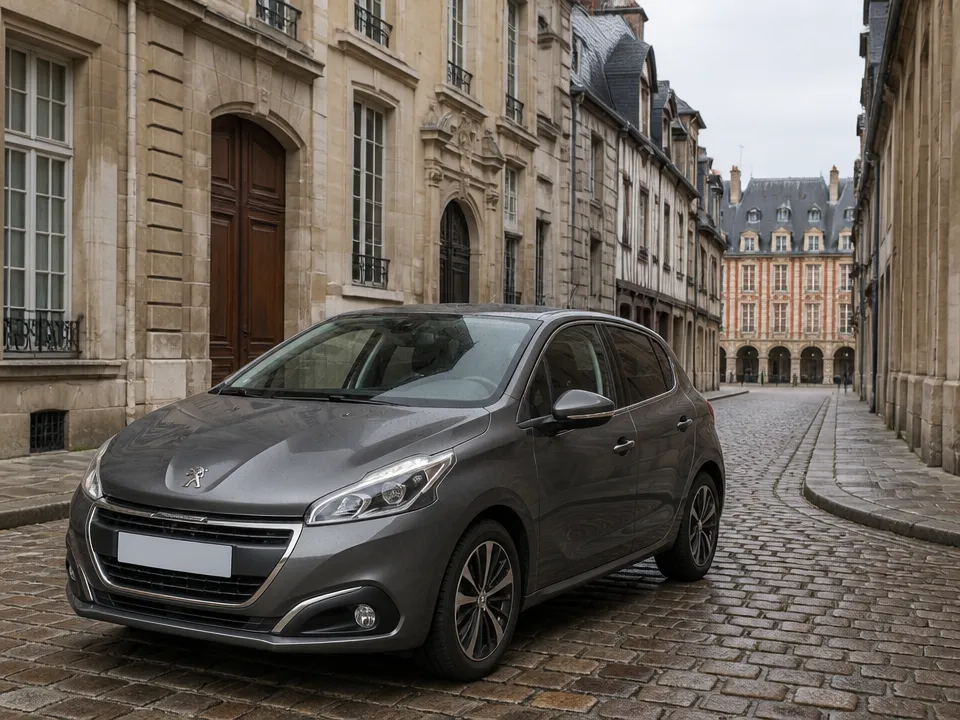
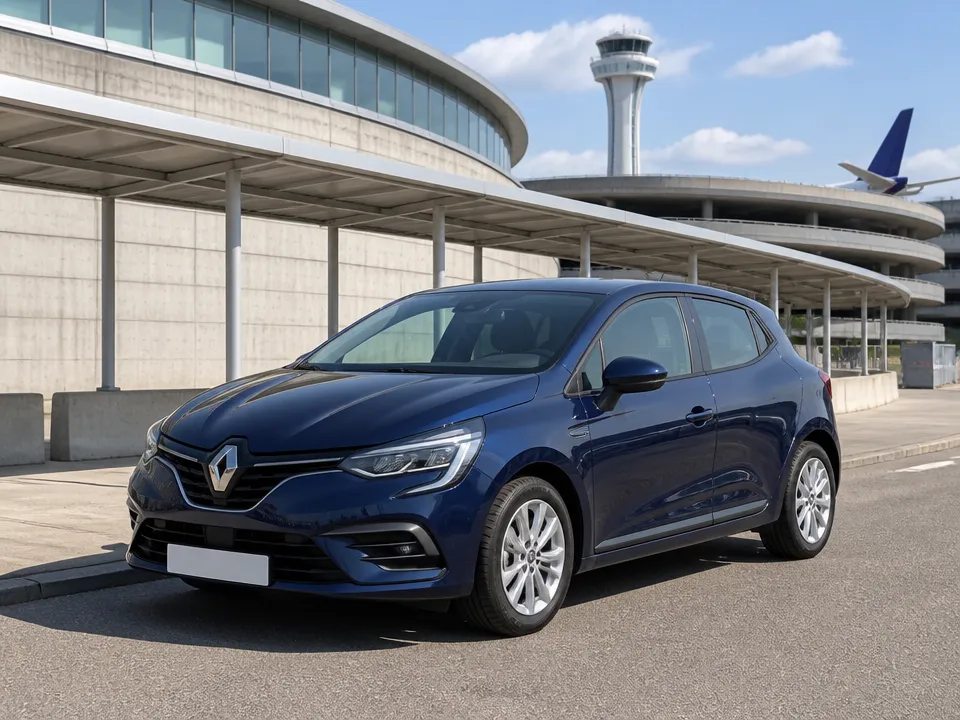
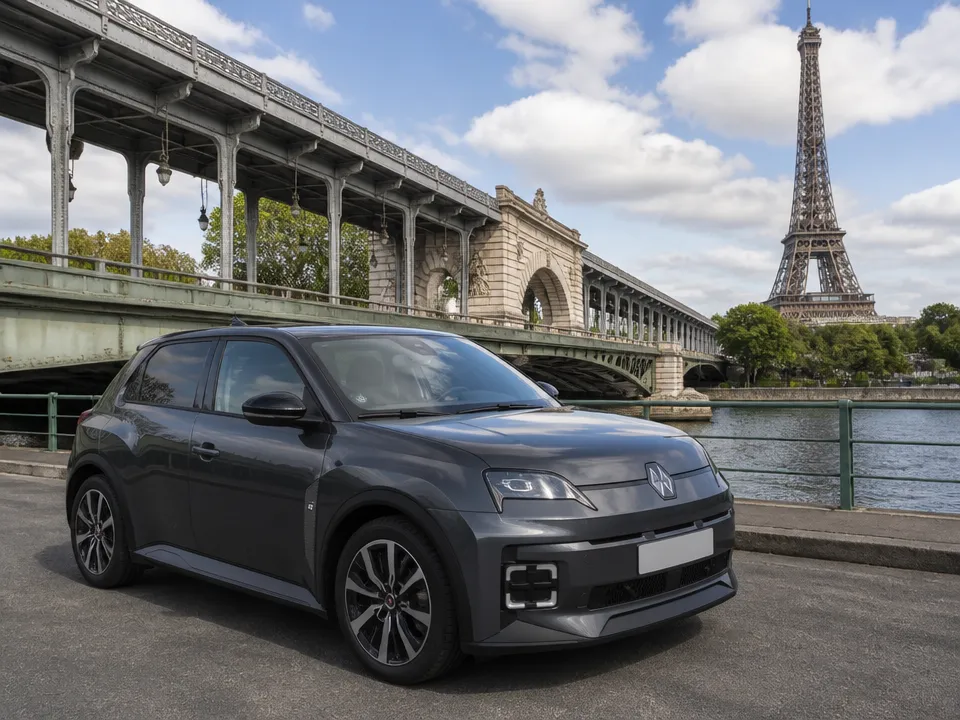
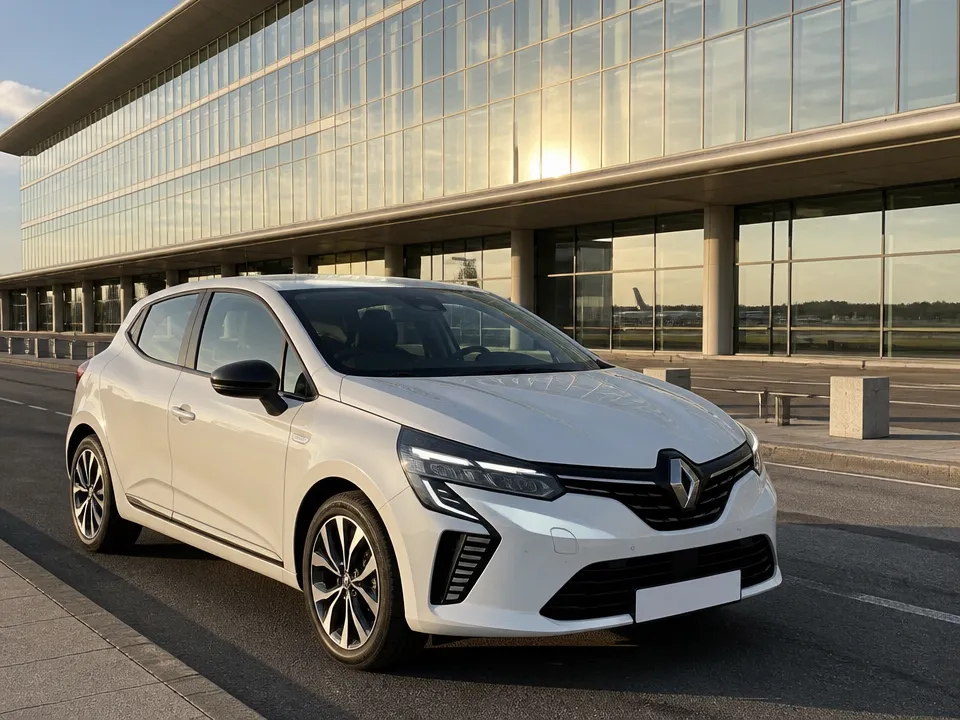




Our fleet for weekly car rental in Paris holds 24 cars, from €29 a day — a week from €174. We deliver the car to you anywhere in Paris, and every booking is agreed with a manager.
Weekly car rental in Paris with Rent-Trip runs from €174 for a week, built on a simple rule: the weekly rate is the daily rate multiplied by 6. On this page we have 24 cars, and daily prices spread from €29 to €76 depending on class and model.
We build a weekly rate as the daily rate multiplied by 6, so a car at €29 a day costs €174 for the week. That rule does not change with the season or the length of the booking — it is the same arithmetic behind every figure we quote, from the Citroen Ami at the bottom of the range to the Opel Crossland at €76 a day. The same logic extends to longer stays: a monthly rate is the daily rate multiplied by 21, which puts a week and a month on one consistent scale. In our practice, that is the part travellers get wrong most often — they compare a weekly total against seven separate days and expect a different number. The two multipliers are the only ones we use, so the weekly price you see is the daily price you already checked, six times over.
| Class | Cars | From, per day | From, per week |
|---|---|---|---|
| Economy | 15 | €29 | €174 |
| Commercial | 3 | €47 | €282 |
| Electric | 4 | €55 | €330 |
| Crossover | 2 | €75 | €450 |
The deposit, the insurance excess and any delivery fee are set out in the rental agreement, not in the weekly price. We do not fold them into the figure you see on the page, because they depend on the car, the level of protection you choose and the terms of that particular booking — and those are agreed with a manager before you drive away. Read those three lines before you confirm, because they are the only costs that can move after the weekly total is fixed; the weekly rate itself is settled the moment the class is chosen, at daily rate multiplied by 6. Everything else — mileage limits, the fuel policy, the terms of the hand-over — is confirmed in the same conversation, so nothing about the final bill is a surprise at the end of the week.
The 24 cars on this page split by seats, fuel and gearbox rather than by badge, and the right weekly pick follows from how many of you are travelling and what you plan to carry. Rent-Trip keeps Economy, Electric, Commercial and Crossover classes on the fleet, and the specification of each model sits in the table below.
| Class | Cars | From, per day | From, per week | Typical model |
|---|---|---|---|---|
| Economy | 15 | €29 | €174 | Citroen Ami |
| Commercial | 3 | €47 | €282 | Volkswagen Caddy Cargo |
| Electric | 4 | €55 | €330 | Renault Zoe |
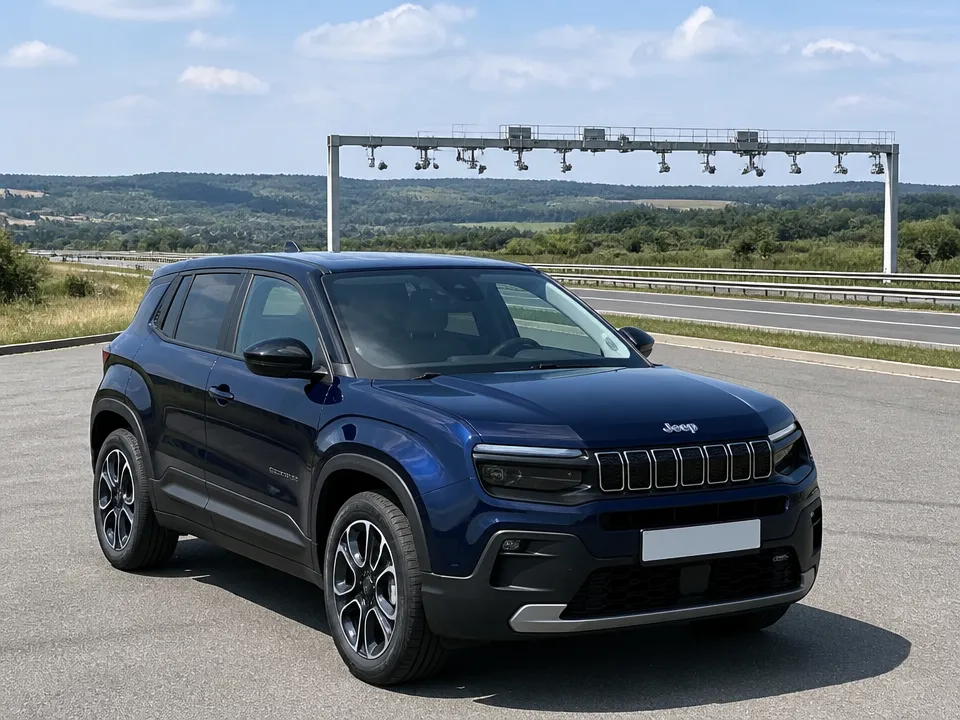
| Crossover | 2 | €75 | €450 | Jeep Avenger |
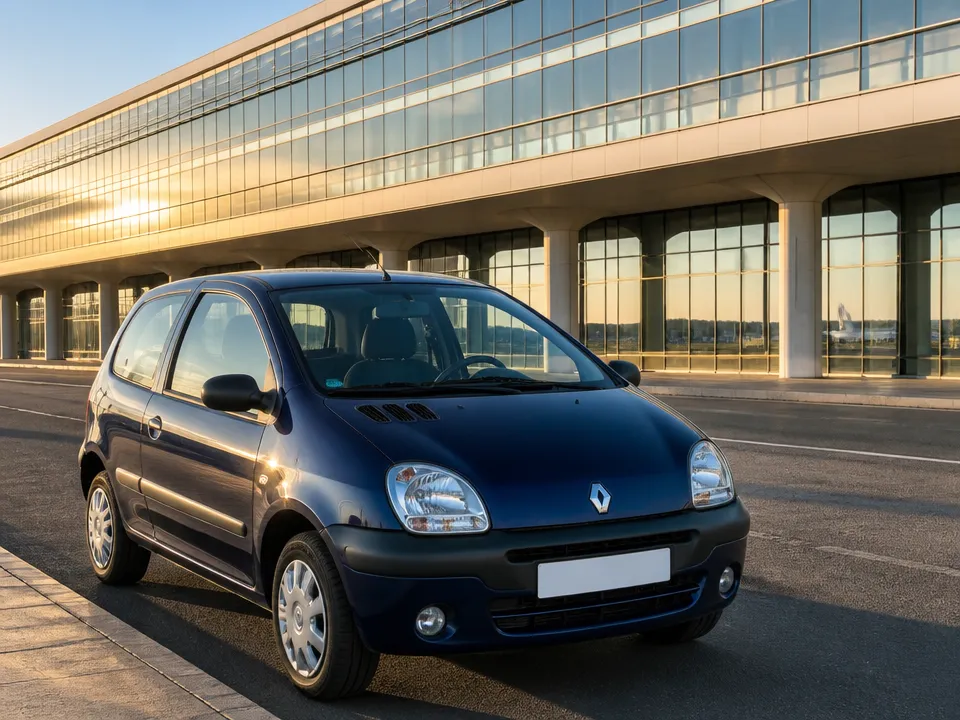
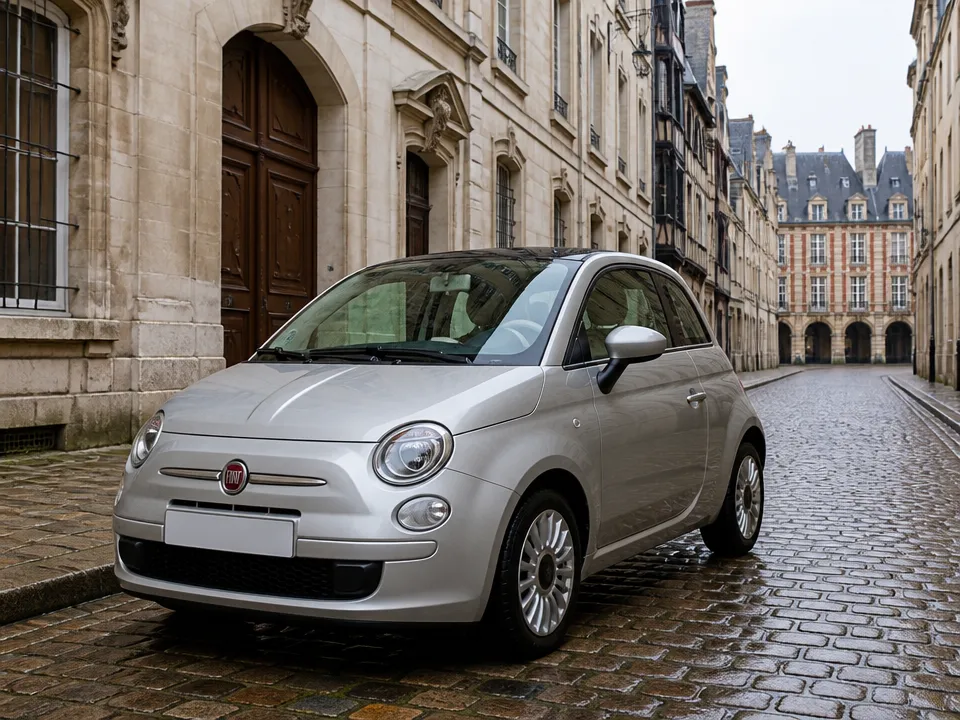
The smallest weekly option is the Citroen Ami at €29 a day — 2 seats, Electric, Automatic, 5.5 kWh — with the Renault Twingo at €35 a day for 4 seats, Gasoline and Manual. The Fiat 500 Hybrid adds a fourth seat with Hybrid fuel at €49 a day. A 2-seat microcar suits a couple with light luggage and short hops between arrondissements; if you plan day trips with bags, the 4-seat Twingo costs €6 a day more and removes the packing problem entirely.
Hybrid and gasoline models in this group differ by a few euros a day, so pick on boot space and gearbox rather than on price — the weekly gap between a €39 and a €45 car is €36, less than a single tank of fuel.
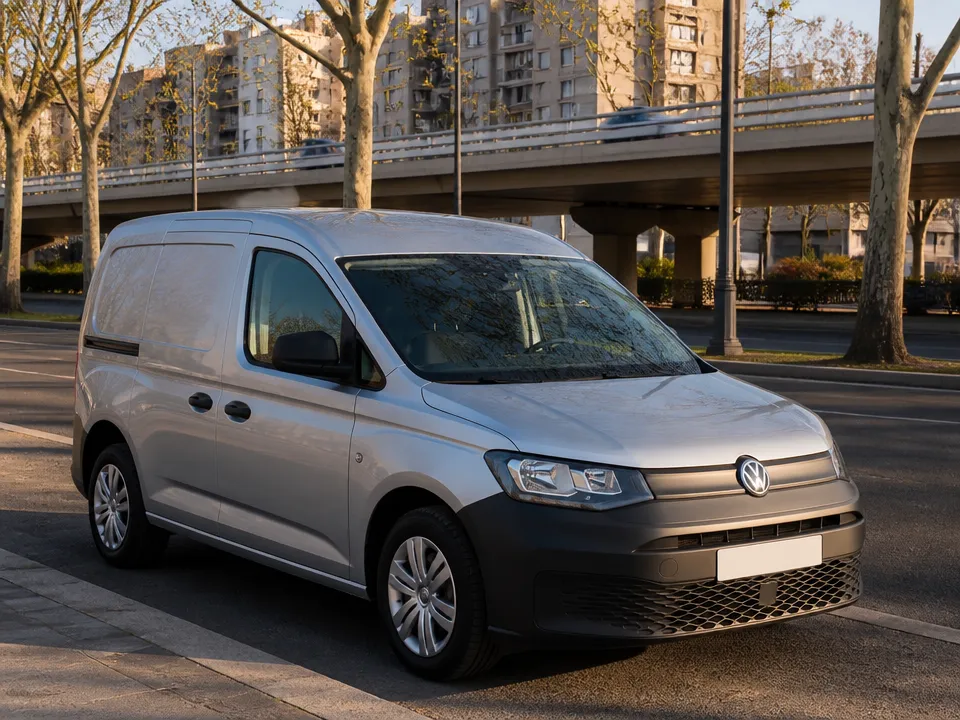
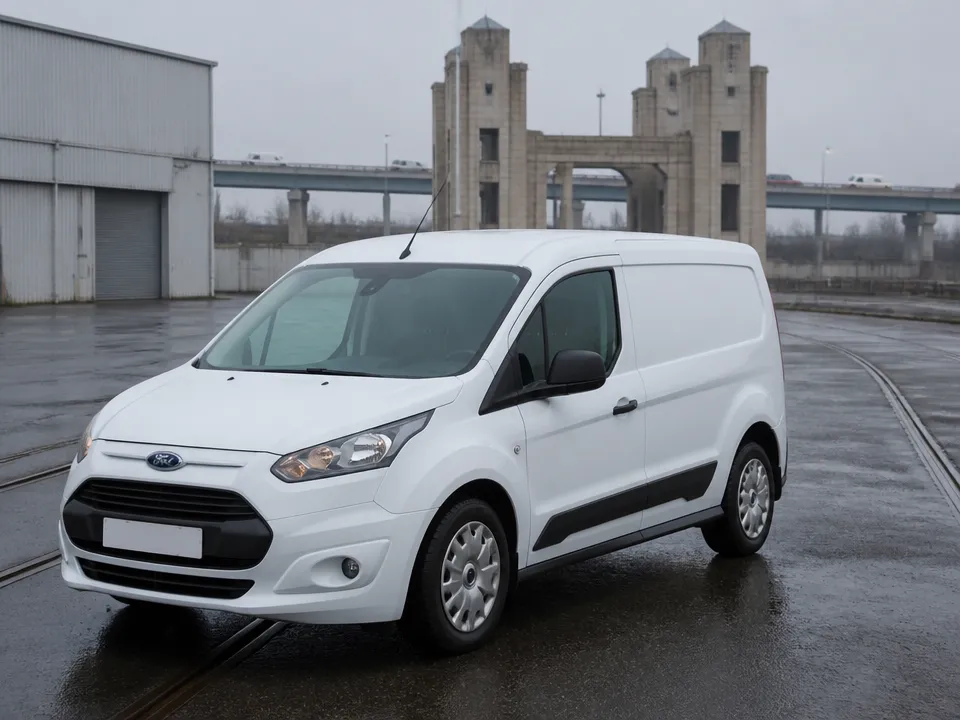
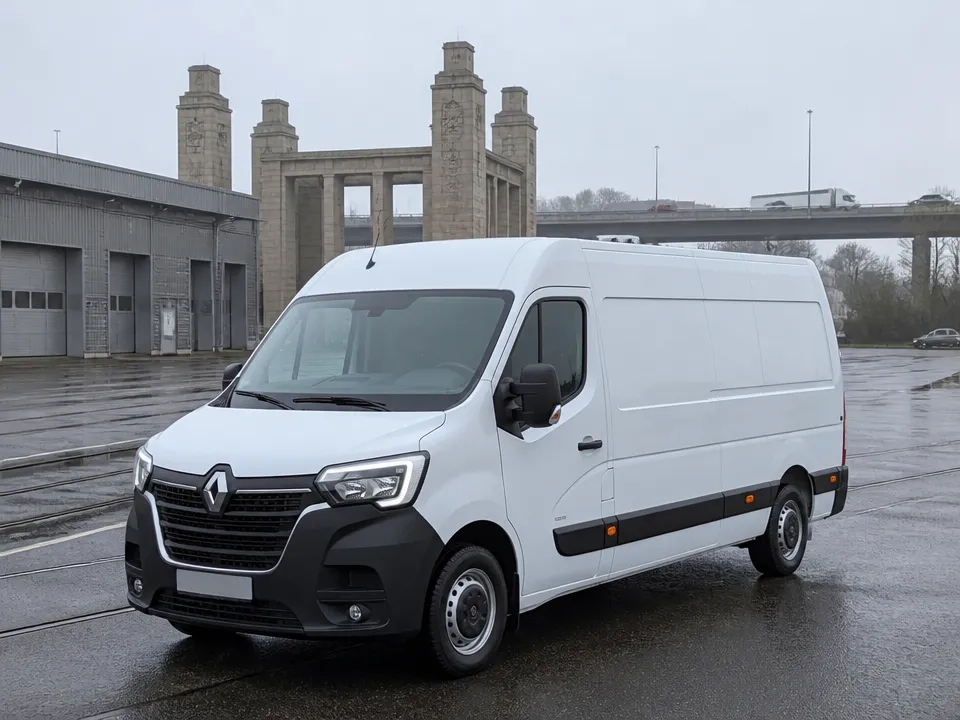
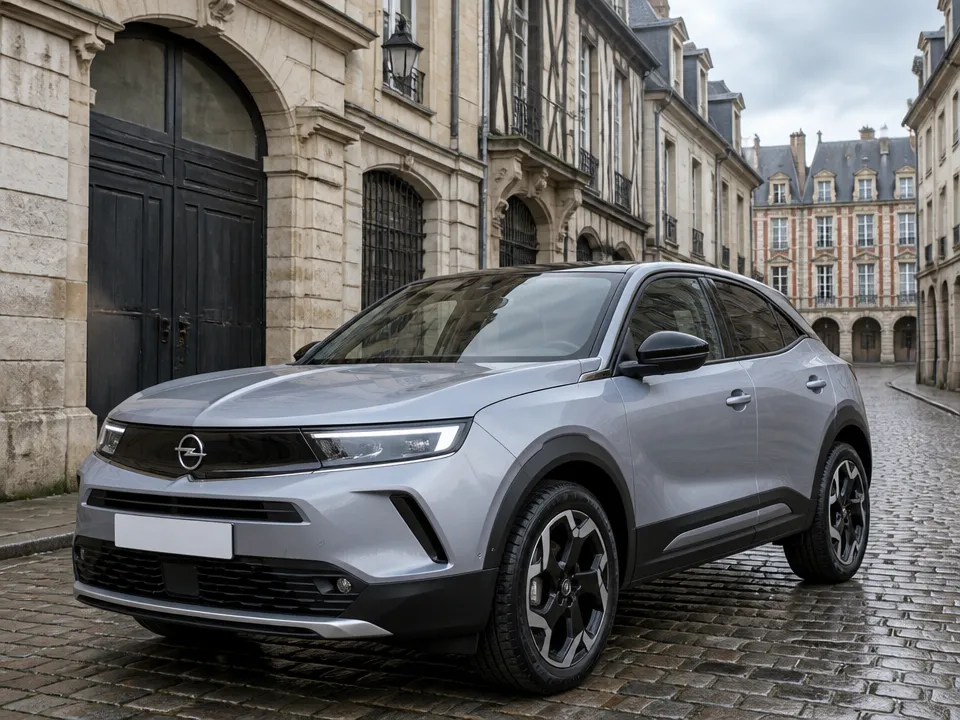
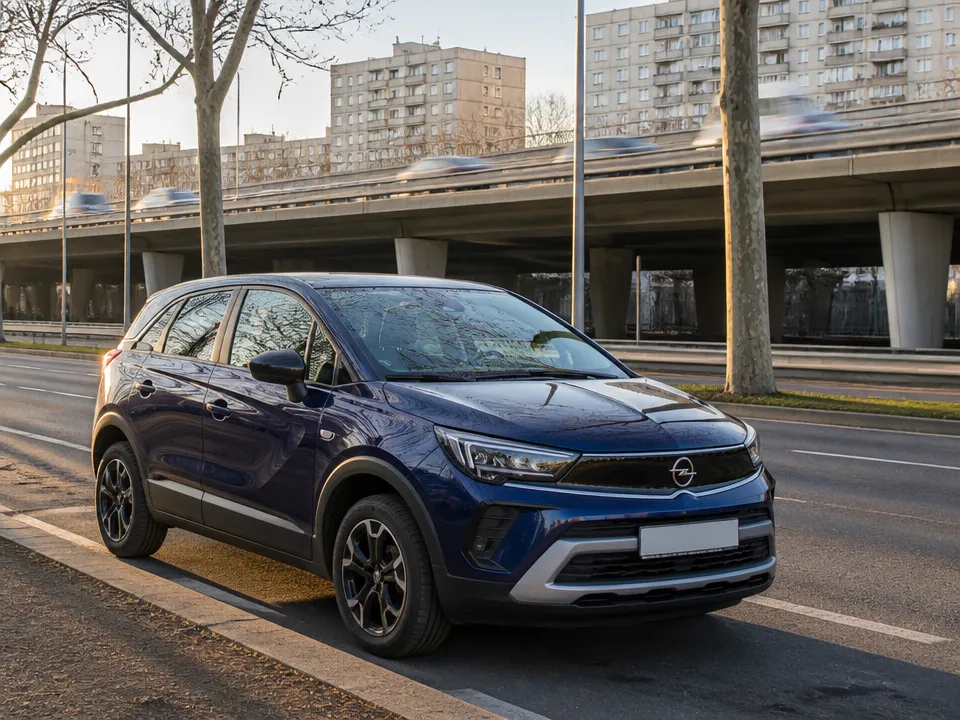
Commercial vans start at €47 a day for the Volkswagen Caddy Cargo, with the Ford Transit Connect at €55 and the Renault Master at €75 for 3 seats and 2.3 L of Diesel. Crossovers begin at €75 a day with the Jeep Avenger, Opel Mokka Electric and Opel Crossland at €76. A panel van carries 2 or 3 seats only, so a van week is a cargo week, not a family week — check the seat count before you book, because the Caddy Cargo and Transit Connect both seat 2 and the Master seats 3.
Electric and low-emission cars make up a growing part of our fleet: 4 electric models from €55 a day and hybrids from €39. The weekly rate is the daily rate multiplied by 6, so an electric week starts at €330 and a hybrid week at €234.
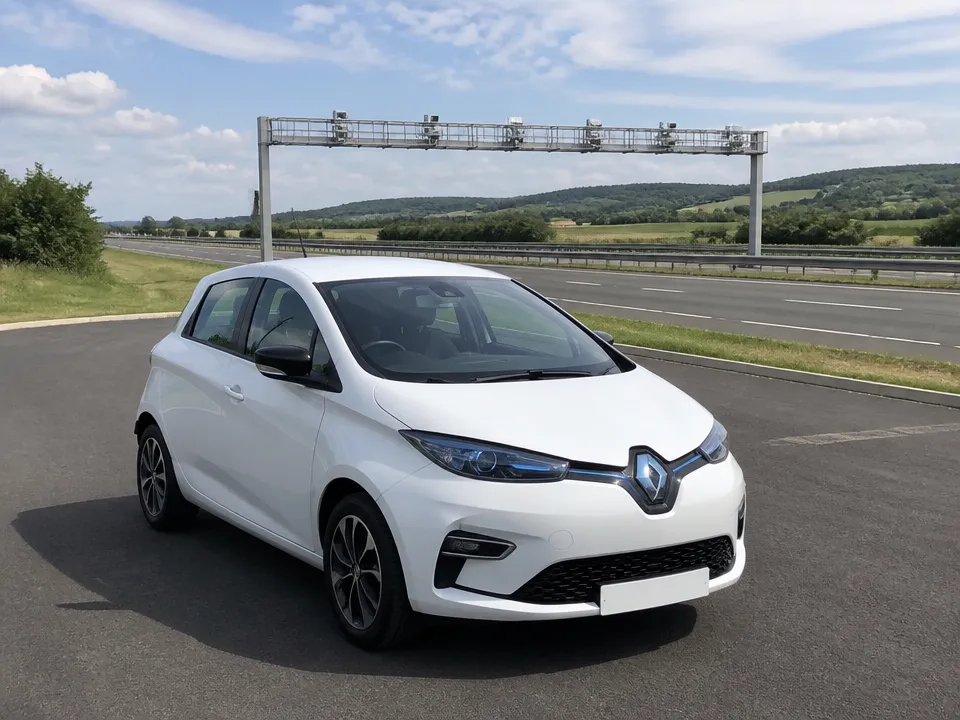
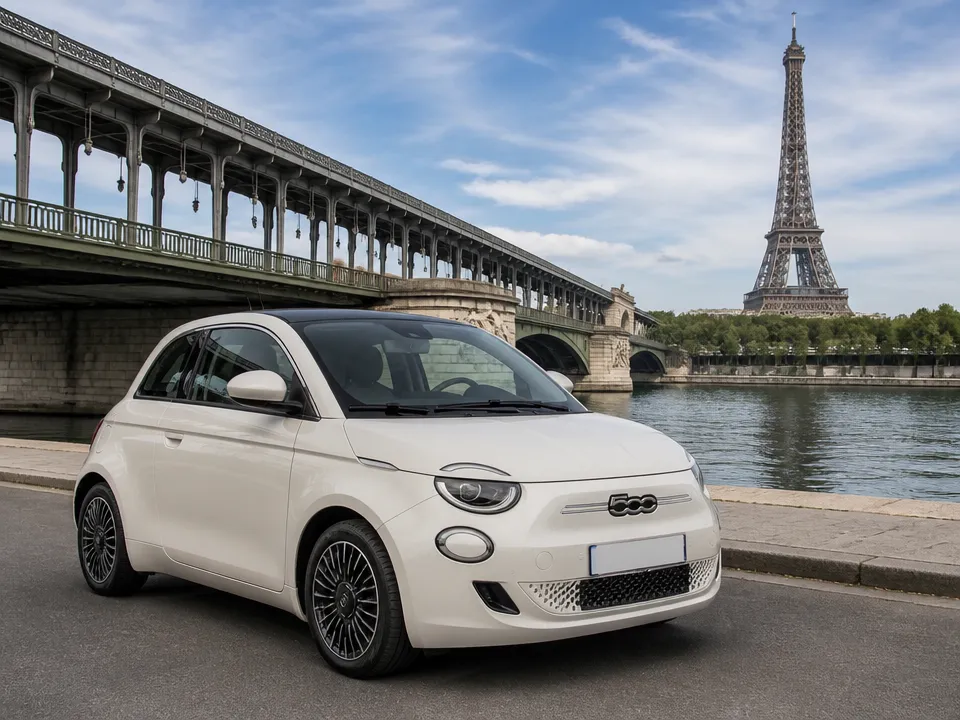
The Renault Zoe is the cheapest electric option at €55 a day — 5 seats, Automatic, 52 kWh and 136 hp. The Fiat 500e follows at €59 a day with 4 seats and a 42 kWh battery, and the Renault 5 E-Tech at €69 a day pairs 5 seats with 52 kWh and 150 hp. If you want an electric crossover, the Opel Mokka Electric at €75 a day offers 5 seats, 54 kWh and 156 hp. All four are Automatic and front-wheel drive, so there is no manual gearbox to learn on the move. Charging is not part of the weekly price — the fuel and charging policy is set out in the rental agreement, and the manager confirms the details when your booking is agreed.
The ZFE perimeter runs inside the A86 motorway, the A86 itself excluded, and takes in the boulevard périphérique along with the Bois de Boulogne and the Bois de Vincennes. Crit'Air 5, 4, 3 and «Non classé» vehicles are banned there, and the Crit'Air 3 restriction has applied since 1 January 2025. A week is long enough for the zone to matter on every trip into the centre, not just once. In our experience, drivers who book an electric or hybrid for a week ask about the sticker before they ask about range — and that is the right order. Confirm the Crit'Air class of your chosen car with the manager when the booking is agreed, because the class decides which streets you can use at all.
The documents and the hand-over are the two things people ask about most before a weekly booking, so here is what the French rules actually say and what we agree with you in advance.
An EU or EEA licence is valid in France for as long as it stays valid, with no exchange needed. A visitor from outside the EU or EEA may drive on a national licence, and if that licence is not in Latin script you need an official translation or an International Driving Permit to go with it — the IDP is a translation only and never replaces the original. If you live outside the EU or EEA and hold a residence permit, driving is allowed for 1 year from the entry date shown in your visa, and an exchange becomes necessary once you settle. To hire, the licence must have been issued more than 1 year ago, and digital licences are not accepted. Carry the physical card: a scan on your phone will not get you behind the wheel.
Bring the physical driving licence, your passport and the card you booked with. If your licence is not in Latin script, pack the official translation or the IDP alongside it, and check the IDP is not older than 3 years. Minimum age, a young-driver surcharge and the exact card requirements are not a single national rule in France — each company sets its own, so treat that as a condition agreed when booking. It takes two minutes to confirm, and it saves a wasted trip if something is missing.
A week behind the wheel here is mostly about three things: the low-emission zone, the speed limits on the ring road, and parking. Get those right and the rest of the week runs itself.
The ZFE de la Métropole du Grand Paris (Zone à Faibles Émissions) covers everything inside the A86 motorway, and the A86 itself is excluded — but the boulevard périphérique, the Bois de Boulogne and the Bois de Vincennes are inside it. The zone is enforced by the Crit'Air sticker on the windscreen, and Crit'Air 5, 4, 3 and «Non classé» vehicles are banned; Crit'Air 3 has been caught by the ban since 1 January 2025. Without a sticker, entry into the ZFE is formally prohibited. Our fleet is recent enough that the class you book decides whether the sticker question even comes up — ask the manager when you agree the booking.
Street parking in zones 1–11 is not charged by the hour but progressively: 1 hour €6, 2 hours €12, 3 hours €24, 4 hours €39, 5 hours €57, 6 hours €75, with a maximum of 6 consecutive hours in one place under the visiteur tariff in force since 01.08.2021 and split into 15-minute blocks. The covoiturage lane on the périphérique — the left lane between the Issy embankment and porte de Bercy in both directions — is reserved for cars carrying 2 or more passengers. The alcohol limit is 0.5 g/l of blood (0.25 mg/l of breath), and 0.2 g/l (0.10 mg/l) for drivers within three years of the test since 1 July 2015. Keep the parking app handy and save yourself a walk back to the car.
A weekly car is the cheapest way to leave the city — the same seven days that carry you around town also reach Versailles, Giverny, Reims and the Champagne cellars, Deauville and the Normandy coast, the Loire Valley châteaux and Mont-Saint-Michel. A week with us starts at €174 for an Economy car, and the vehicle is delivered to you with the booking agreed with a manager.
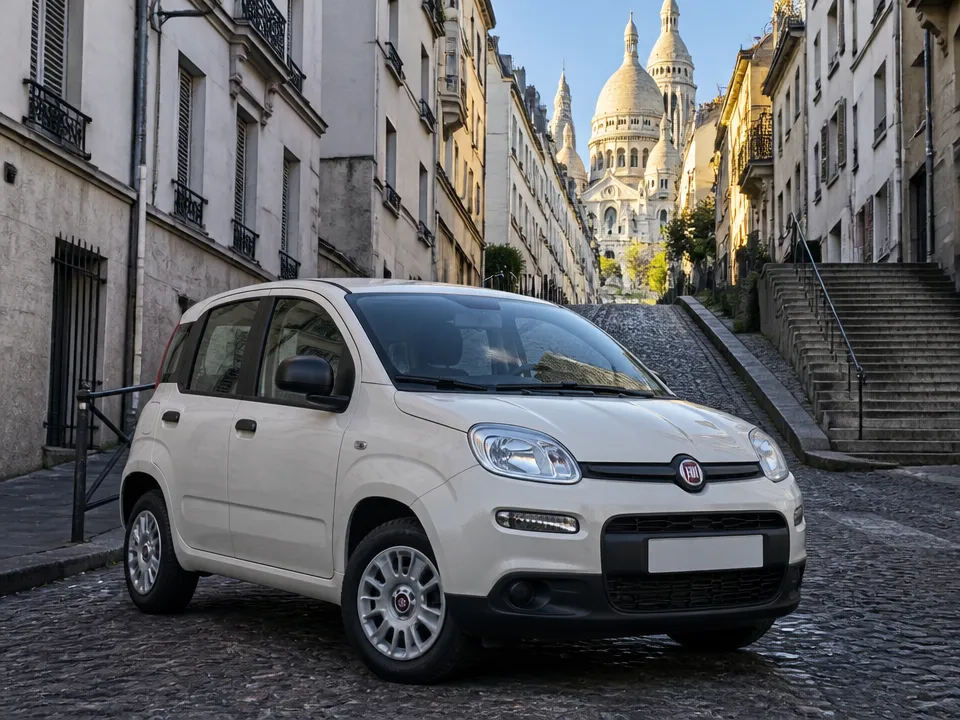
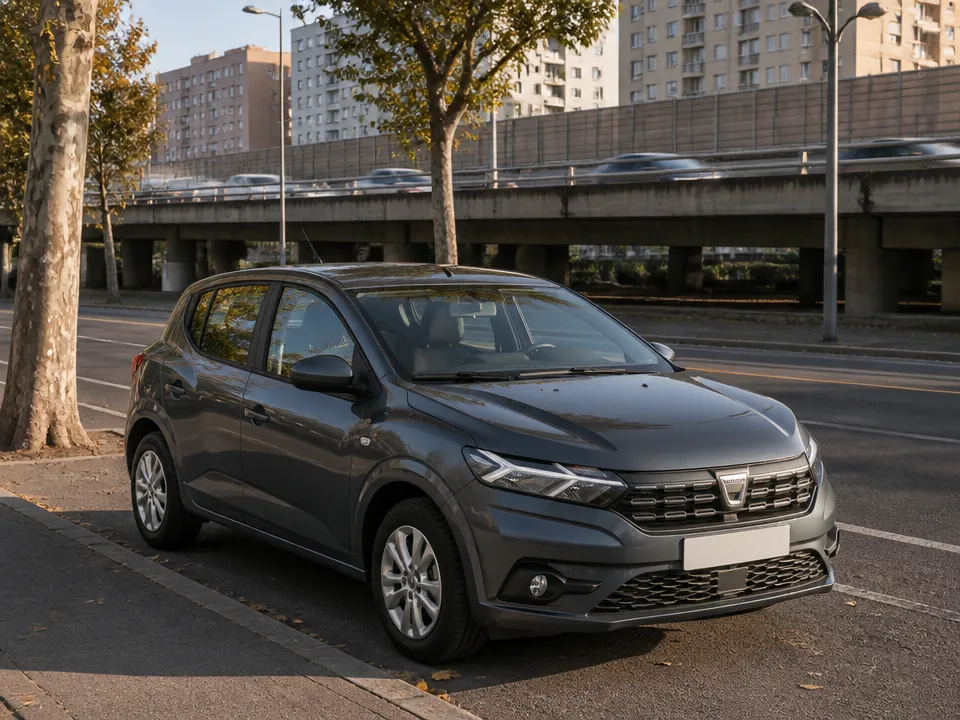
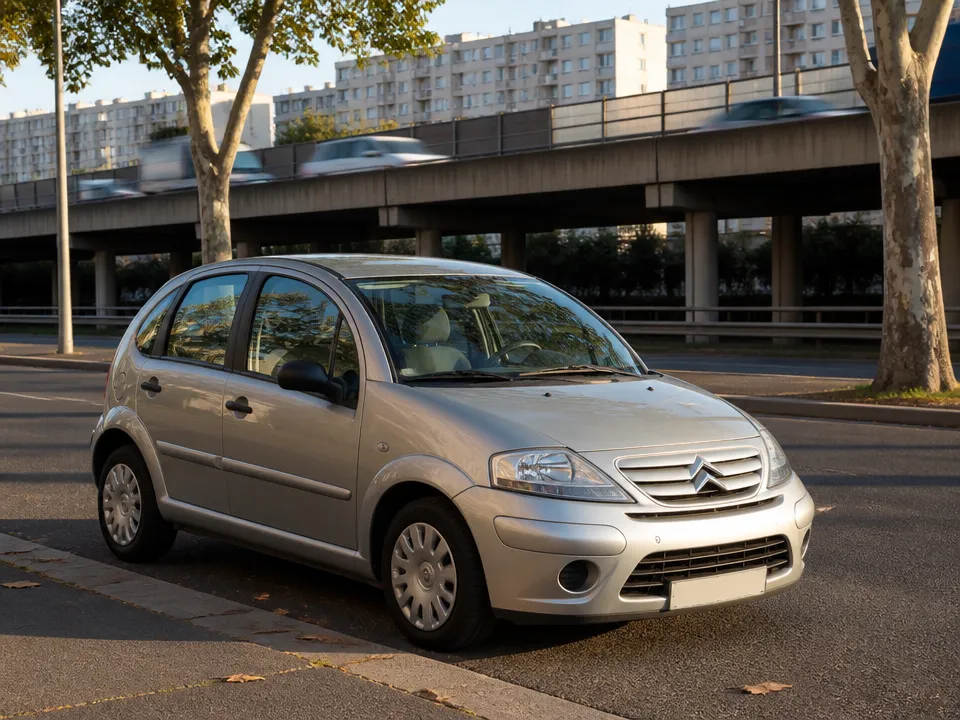
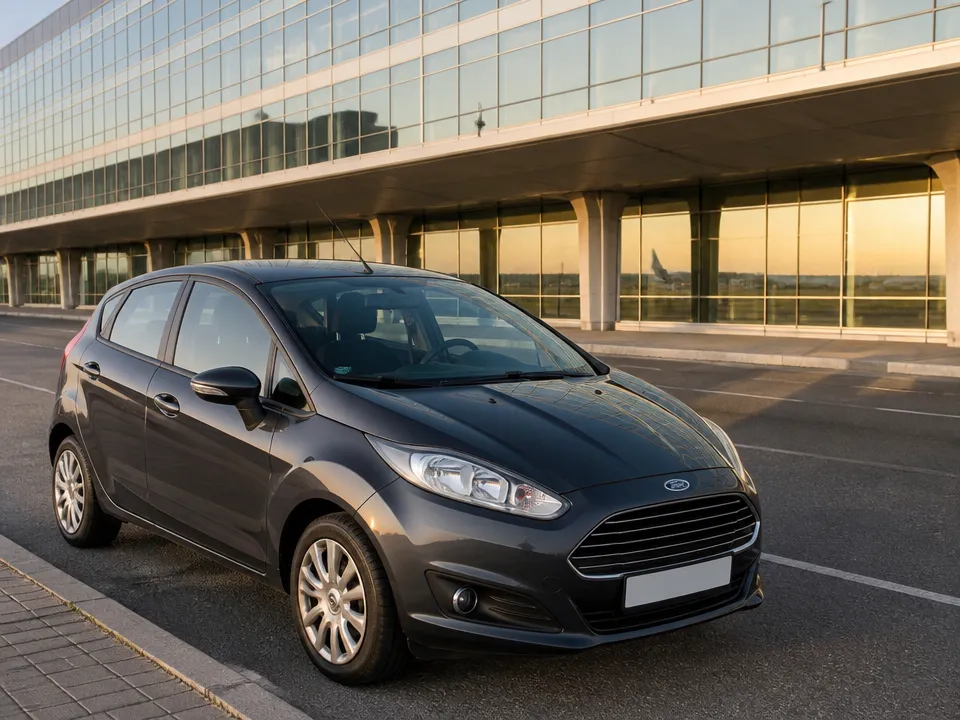
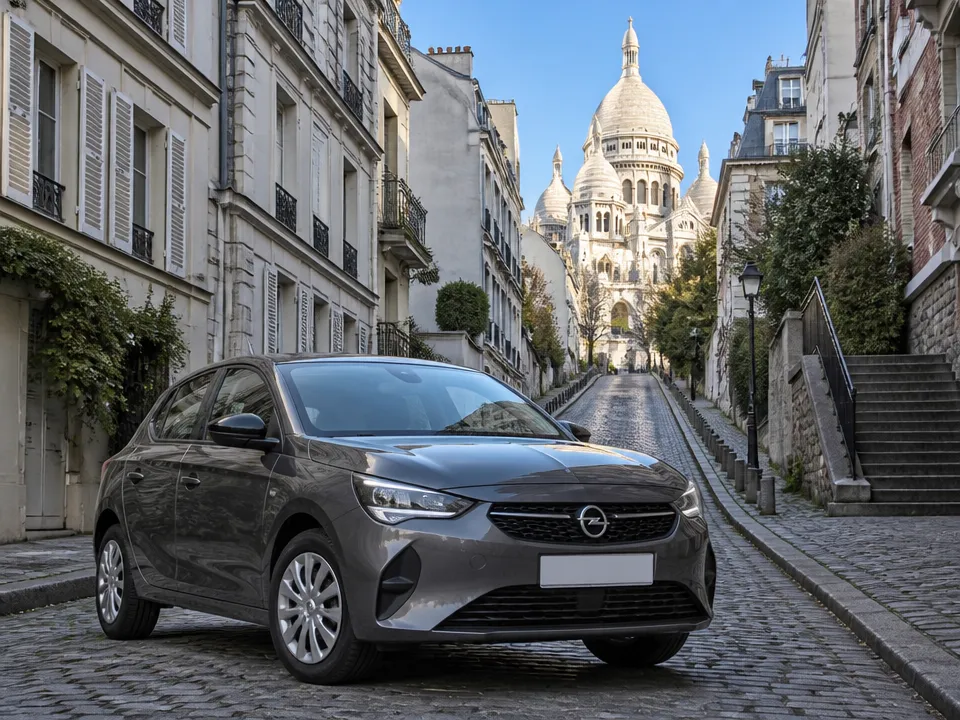
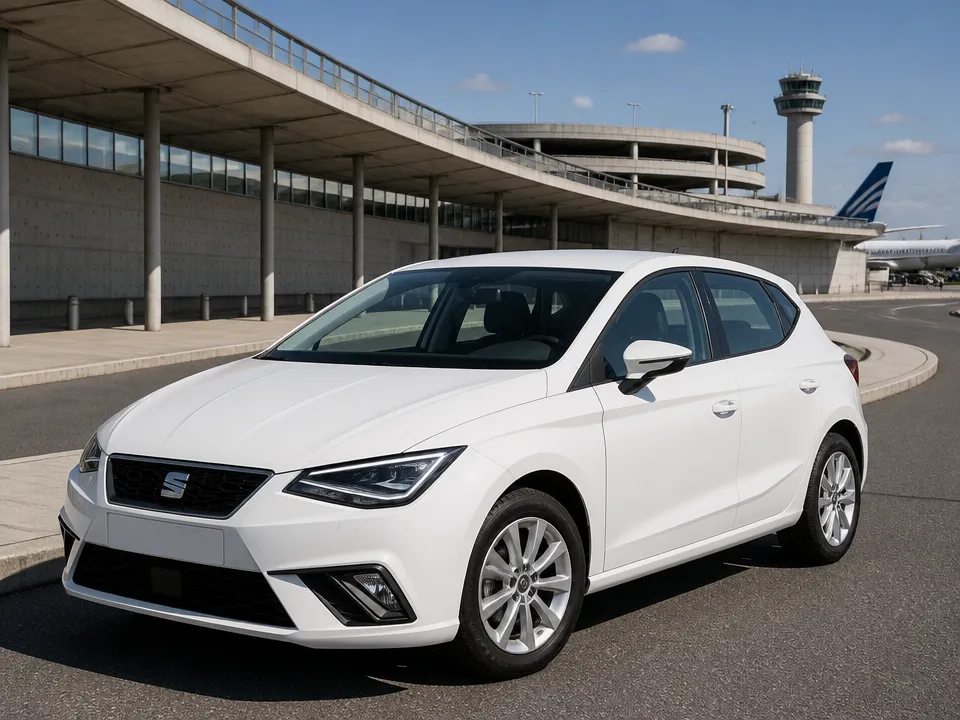
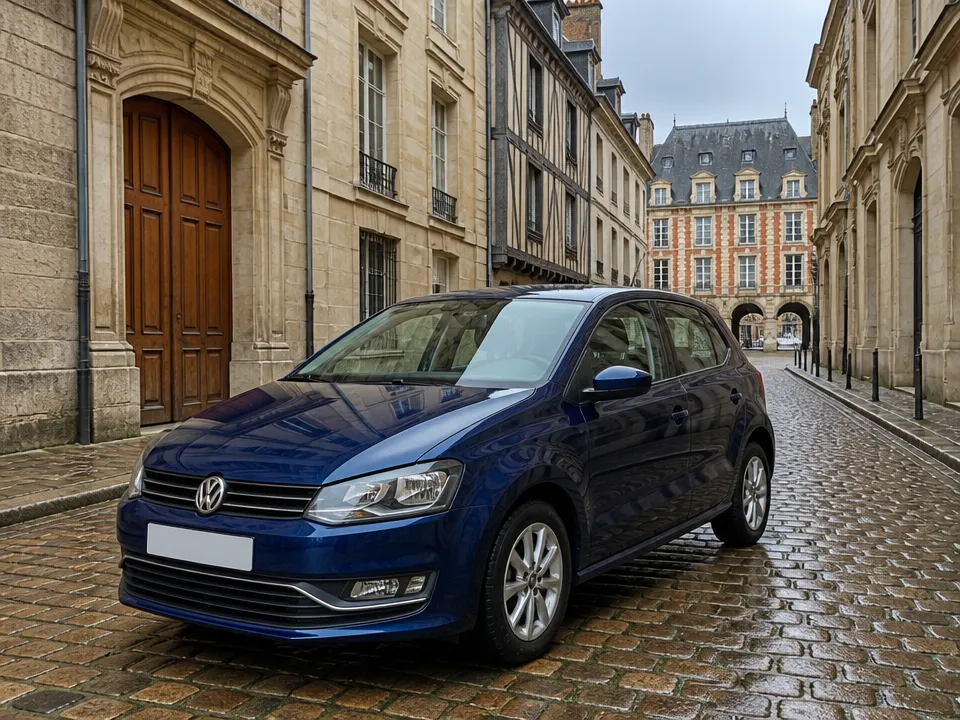
For two people with light luggage, the Citroen Ami at €29 a day is the cheapest weekly booking on this page — 2 seats, Electric, Automatic — but its range keeps it inside the city. The Renault Twingo at €35 a day gives 4 seats with a 1.0 L gasoline engine and a manual gearbox, and the Fiat Panda Hybrid at €39 a day adds a fifth seat and a hybrid drivetrain for the longer runs. Five-seat gasoline hatchbacks fill the middle of the range: Dacia Sandero at €42, Citroen C3 and Ford Fiesta at €45, Opel Corsa and Seat Ibiza at €49, Volkswagen Polo at €52. For a family week with luggage, a Crossover such as the Jeep Avenger or Opel Crossland at €75 a day carries five in more comfort. In our experience, the boot matters more than the badge once you add a suitcase per person — a 5-seat hatchback with a full boot beats a bigger car with a cramped one.
Tolls are the one cost that grows with distance, and French motorways charge by section, with the amount set out in the rental agreement. Duplex A86, the underground tunnel between Rueil-Malmaison, Vaucresson and Vélizy, is priced by hour and by day of the week. Winter tyres are compulsory from 1 November to 31 March in roughly 34 mountain departments — the Alps, Pyrenees, Massif Central, Jura, Vosges and Corsica — under loi Montagne II, with either four winter tyres or chains on two driven wheels; Paris and Île-de-France are not covered, so the rule only bites if your week heads for the Alps.
Weekly car rental in Paris from Rent-Trip is priced as the daily rate multiplied by 6, but the terms that sit around that price — protection, mileage and the deposit — are agreed with a manager when you book. We set them out in the rental agreement, so read those lines before you confirm and you will know exactly where you stand for the week.
Our weekly total covers the car and the mileage we agree. The deposit, the excess figure and any delivery fee are not part of it — they are set out in the rental agreement, so ask the manager to walk you through all three before you confirm.
Mileage is agreed when you book, so tell the manager whether a week here means school runs inside the périphérique or a run down to the Loire, and the allowance is set accordingly. Fuel follows the plein-plein rule: collect the car full, return it full.
Base protection has gaps worth knowing before you drive off. Tyres damaged by abnormal use, glass (unless it came from a collision), the sunroof and panoramic roof, the underbody, wrong-fuel damage to the engine, and lost or stolen keys all sit outside it, as does damage from negligence.
Sort the licence question before anything else: a week of driving here is agreed around the documents you hold, and the manager confirms the rest when you book.
A weekly booking is agreed with a manager, and the earlier you settle the car, the dates and the hand-over, the less there is to sort out on the day. Our fleet on this page holds 24 cars, so a popular class can be gone within a week of a busy period.
Where the car is brought to you and when the agreement is arranged are both part of the booking conversation, so raise them at the same time as the dates rather than the evening before collection. If the week includes a longer run, say so when you book — a trip to Reims and Champagne or down to the Loire Valley châteaux changes what you want from the car, and the manager can match the class to it. In our experience the bookings that go smoothly are the ones where the client names the hand-over point, the return time and the driver in one message.
The city rewards a small car: parking in zone 1 runs on a progressive tariff — €6 for the first hour, €12 for two, up to €75 for six — and a compact hatchback slots into spaces a crossover will circle past. Add the ZFE de la Métropole du Grand Paris inside the A86, where a Crit'Air sticker is required, and the case for a low-emission class gets stronger. Pick the car around the week you have planned, not around the headline rate, and confirm the rest with a manager before the keys change hands.
This page lists 24 cars and daily prices run from €29 to €76. Citroen Ami is at €29 per day, Renault Twingo at €35 per day and Fiat Panda Hybrid at €39 per day. Seats range from 2 to 5.
This page lists 24 cars for weekly rental in Paris. Classes are Commercial, Crossover, Economy and Electric, with body types Crossover, Hatchback, Microcar and Panel Van. Both Automatic and Manual transmissions appear.
The ZFE covers the area inside the A86 motorway, the A86 itself excluded, including the boulevard périphérique and the Bois de Boulogne and Bois de Vincennes. For cars it applies Monday to Friday, 8:00 to 20:00, except public holidays.