




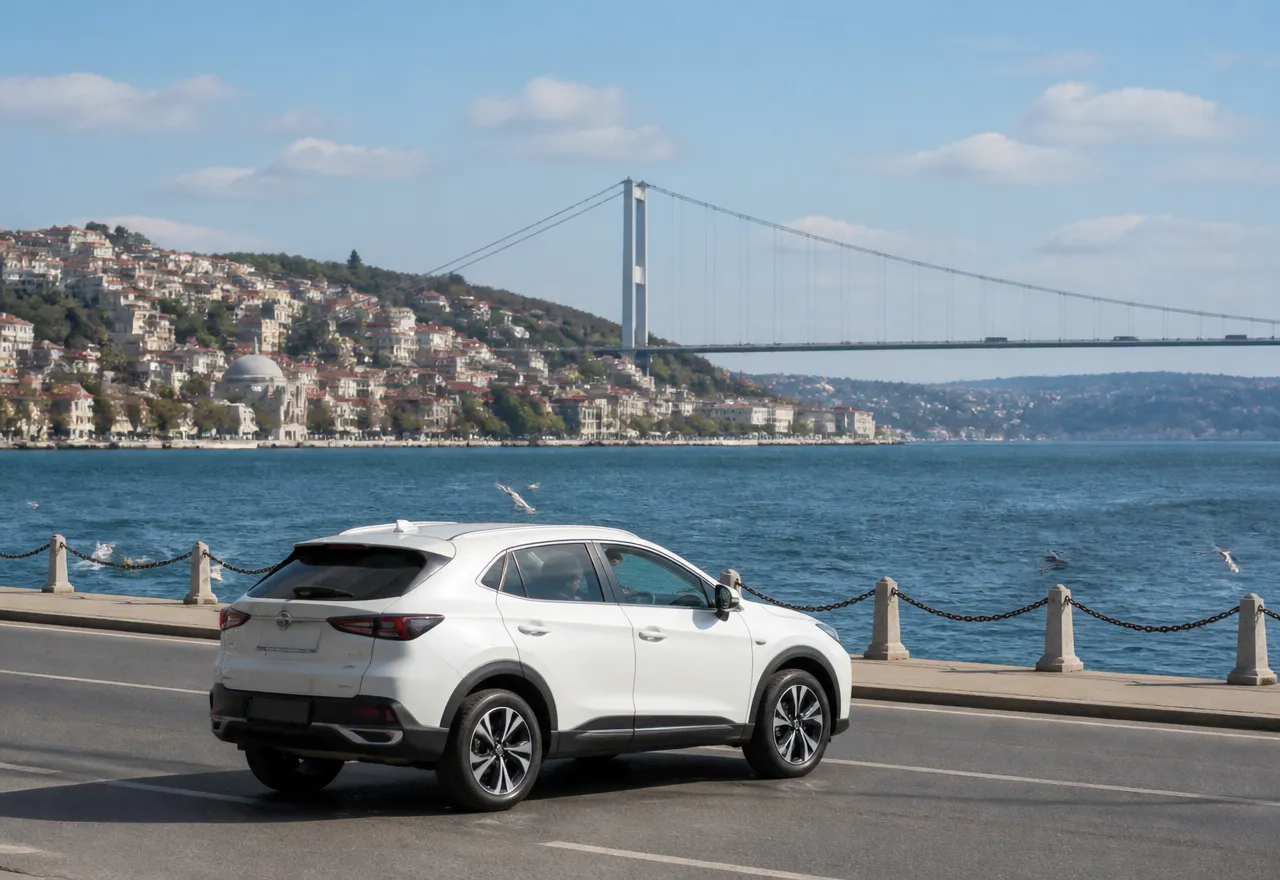
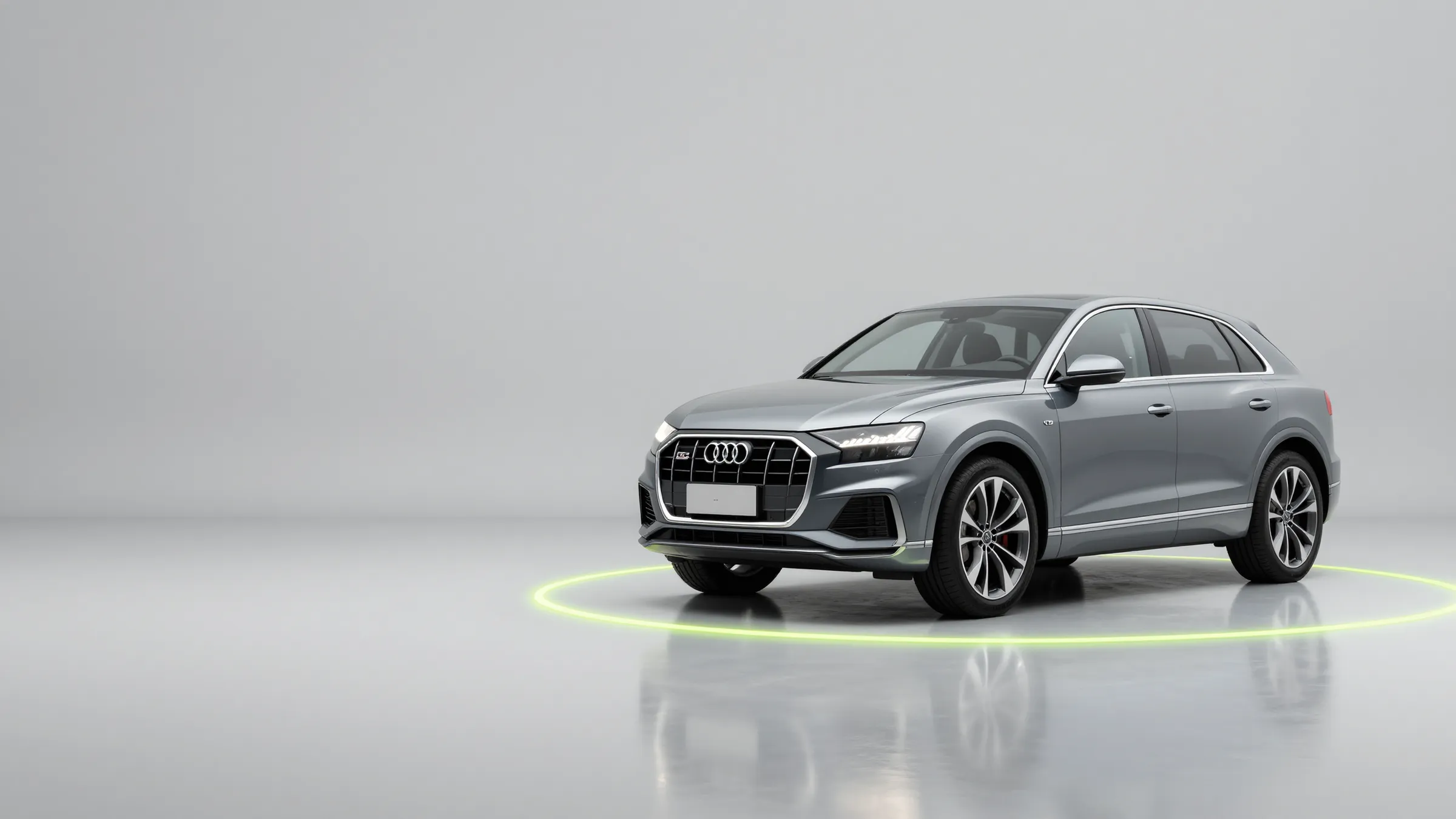









Crossover car rental in Turkey

A crossover sits one step above the smallest city cars in our Turkish fleet and one below the largest SUVs: 15 crossovers, from ₺2,183 a day, all five-seat, all automatic, with a choice of petrol or hybrid power.
What crossover car rental in Turkey gives you that other classes do not
A crossover is a raised five-door body on a passenger-car platform: 1.0–1.8 L engine, front-wheel drive, five seats and a boot whose size is worth checking at booking. On this page the crossover body covers 14 of the 15 cars, with a single SUV — the Opel Frontera — sitting alongside them. The class sits between the smallest city cars and the largest SUVs in the fleet.
Crossover or SUV for a driving holiday in Turkey
A crossover carries five people on front-wheel drive with a 1.0–1.8 L engine, while the SUV body on this page appears once, on the Opel Frontera with its 1.2 L hybrid and 136 hp. The difference shows up in the dimensions rather than in the badge: a crossover sits narrower and shorter than a full-size SUV, so it slots into kerbside gaps and multi-storey car parks that a larger body has to pass by. Ground clearance is not stated here, so plan the route on sealed roads. Front-wheel drive is the trade-off — it is not an off-road drivetrain, and the rental agreement does not permit off-road driving. The practical case for this class: on cobbled streets and in tight old-town lanes it parks where an SUV circles the block.
Where a crossover makes sense on Turkish roads
- Motorway cruising: passenger-car limits run to 130 km/h on KGM motorways and 140 km/h on YİD routes, and every car here is a 1.0–1.8 L automatic.
- City traffic: the 1.0 L Volkswagen Taigo and Hyundai Bayon are small-engined, lower-priced picks for stop-start traffic.
- Coastal and rural roads: a 110 km/h limit on divided roads suits the 100–140 hp range across the fleet, on front-wheel drive.
- Toll gates and bridges: HGS is required for bridges and motorway gates; the mechanics are described on the HGS page.
Fuel choice splits 13 petrol cars against 2 hybrids, so a long tour with heavy city mileage is the case to compare the two hybrids for. Every car on the page seats five and comes with an automatic gearbox — check the number of large suitcases before you book, because five passengers and four big cases is a different packing problem from five and two.
The crossover car rental in Turkey fleet, model by model
Rent-Trip runs 15 crossovers across 13 brands, and every one of them is a five-seat automatic. Two run on hybrid power, the other thirteen on petrol — that is the whole spread before you get to engines and rates.
Every model on the page with its engine and daily rate
| Model | Engine and power | Fuel | Gearbox |
|---|---|---|---|
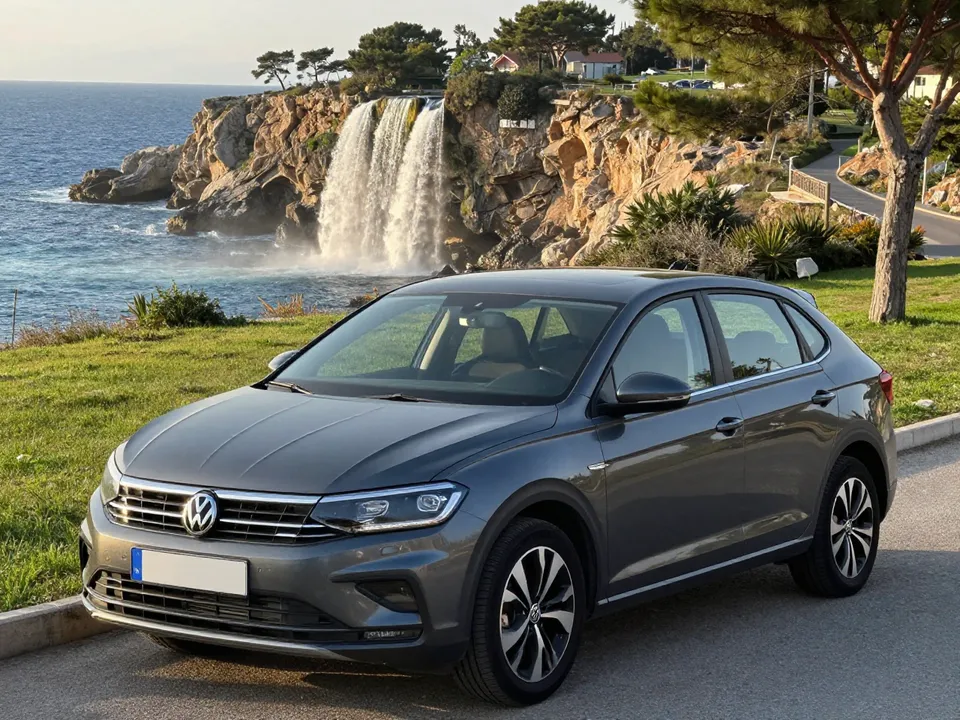
| Volkswagen Taigo | 1.0 L, 110 hp | Petrol | Automatic |
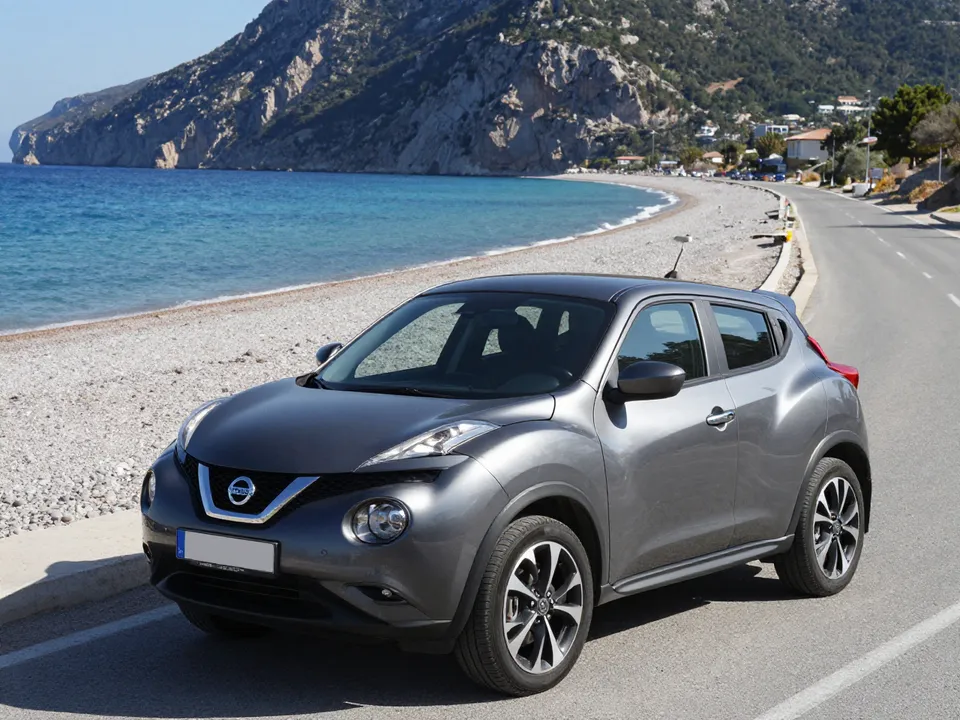
| Nissan Juke | 1.0 L, 114 hp | Petrol | Automatic |
| Hyundai Bayon | 1.0 L, 100 hp | Petrol | Automatic |
| Opel Crossland | 1.2 L, 110 hp | Petrol | Automatic |
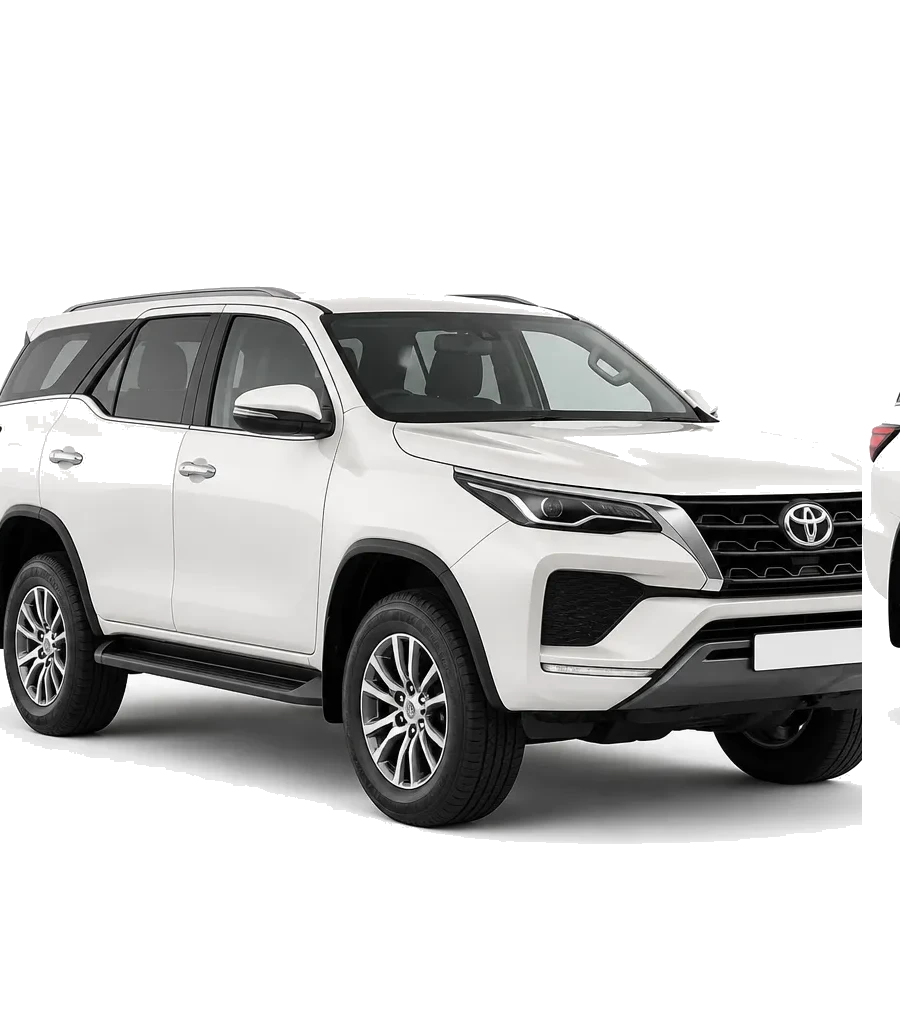
| Opel Frontera | 1.2 L, 136 hp | Hybrid | Automatic |
| Opel Mokka | 1.2 L, 130 hp | Petrol | Automatic |
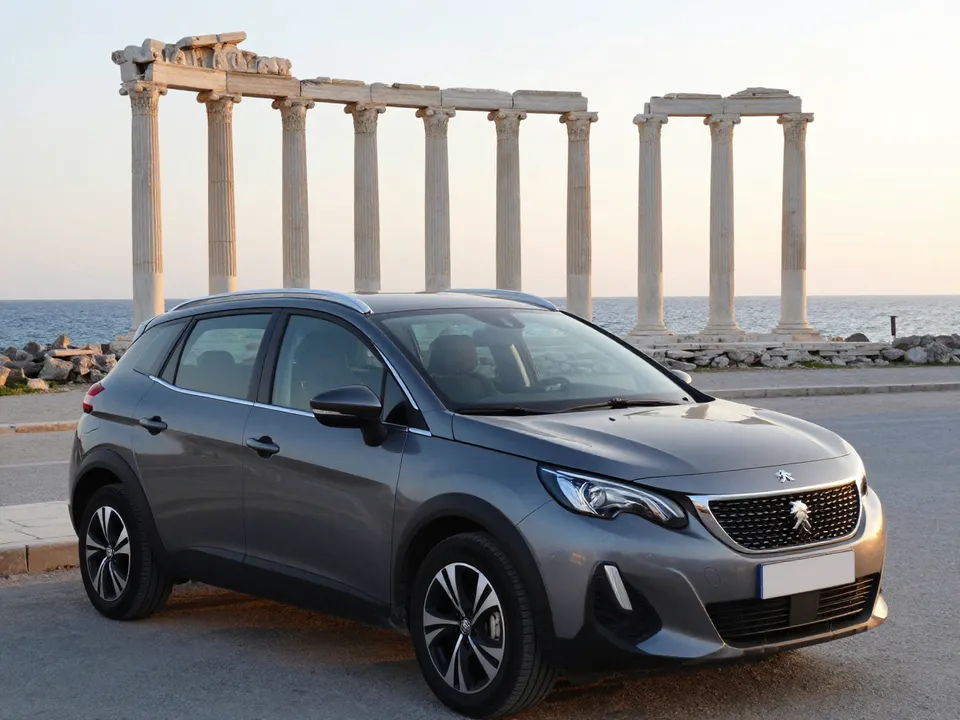
| Peugeot 2008 | 1.2 L, 130 hp | Petrol | Automatic |
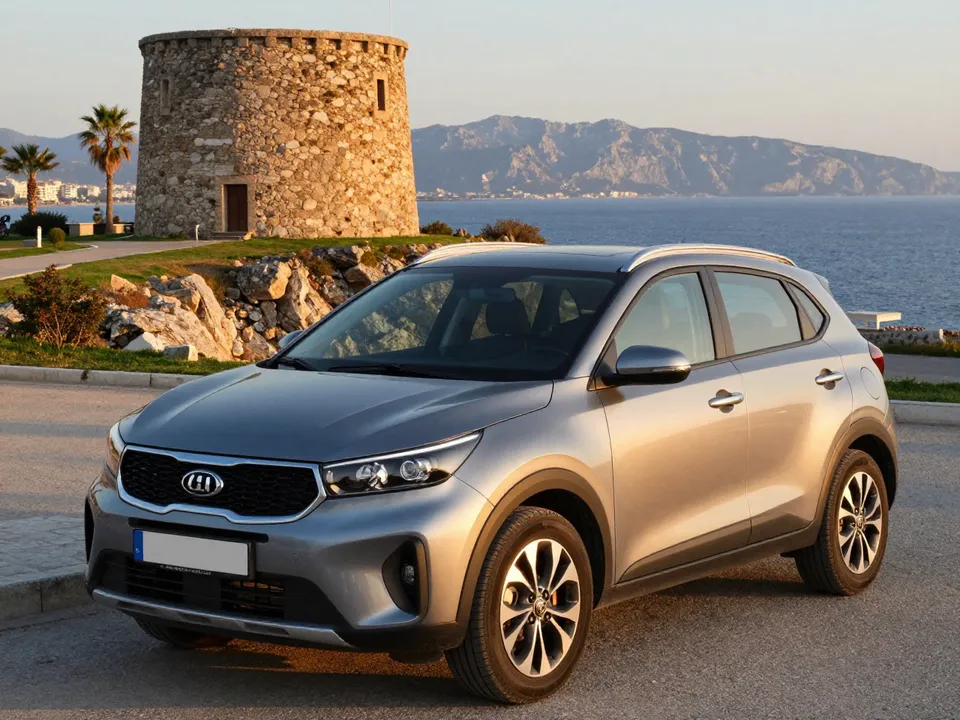
| Kia Stonic | 1.0 L, 100 hp | Petrol | Automatic |
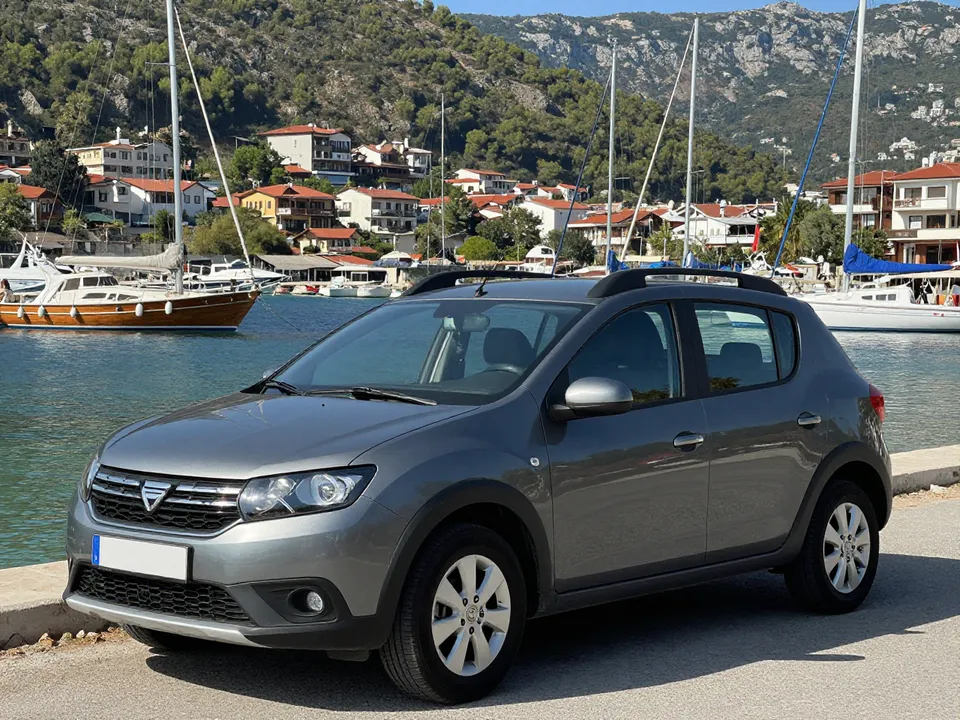
| Dacia Sandero Stepway | 1.0 L, 90 hp | Petrol | Automatic |
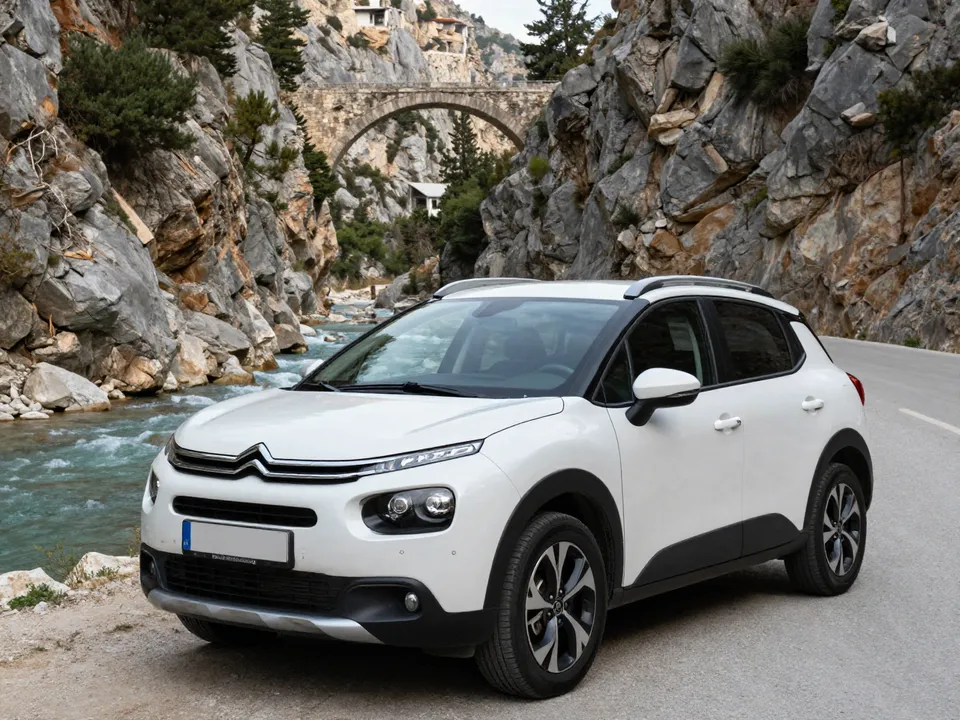
| Citroën C3 Aircross | 1.2 L, 110 hp | Petrol | Automatic |
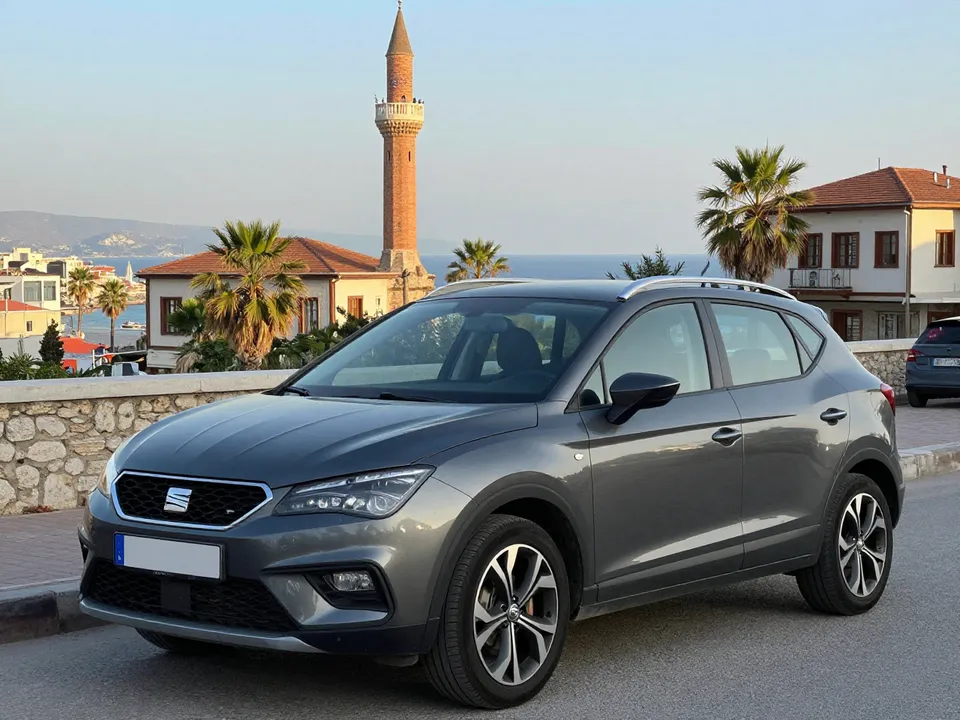
| SEAT Arona | 1.0 L, 110 hp | Petrol | Automatic |
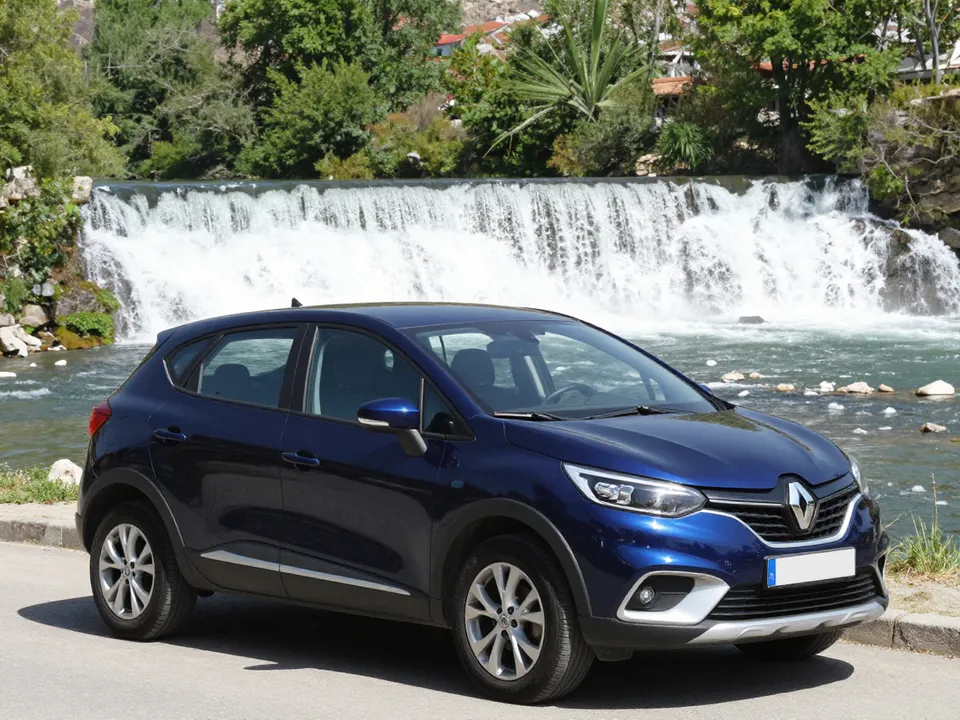
| Renault Captur | 1.3 L, 140 hp | Petrol | Automatic |
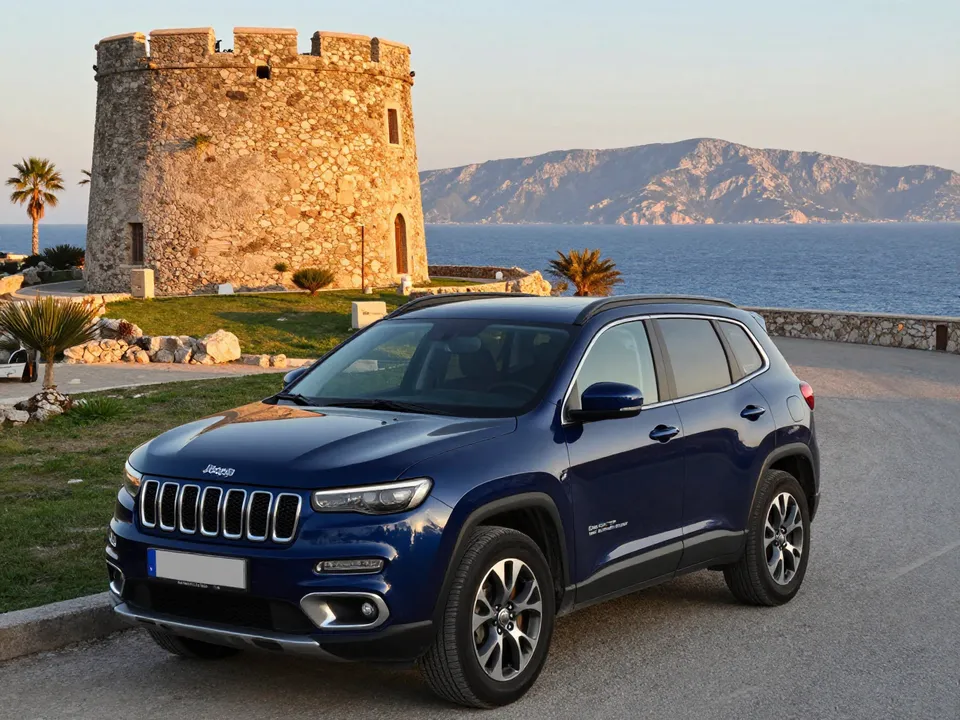
| Jeep Avenger | 1.2 L, 100 hp | Petrol | Automatic |
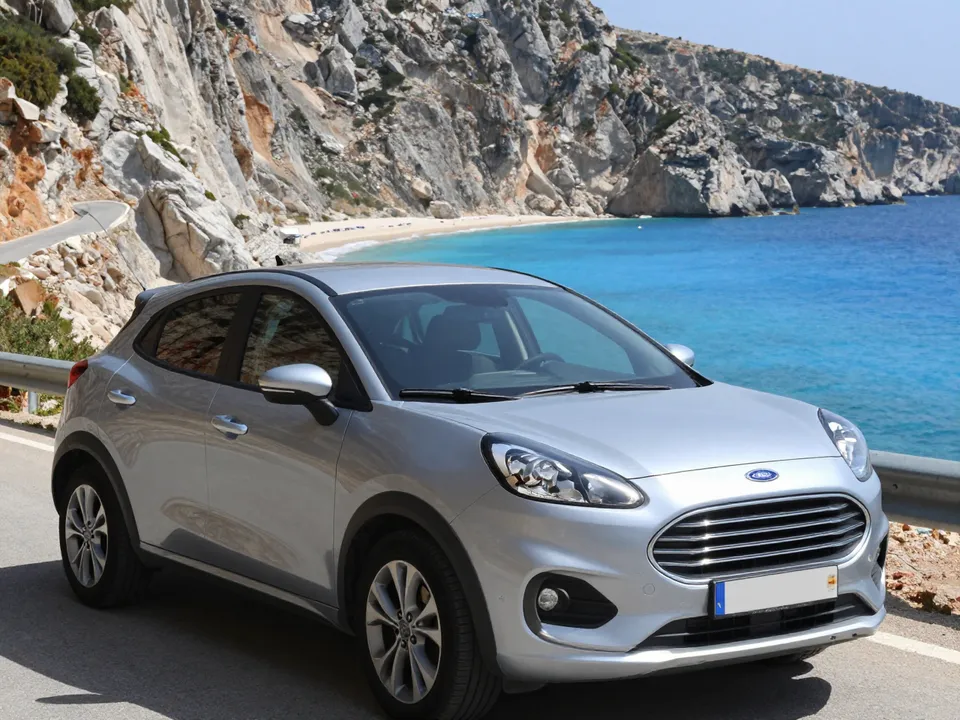
| Ford Puma | 1.0 L, 125 hp | Petrol | Automatic |
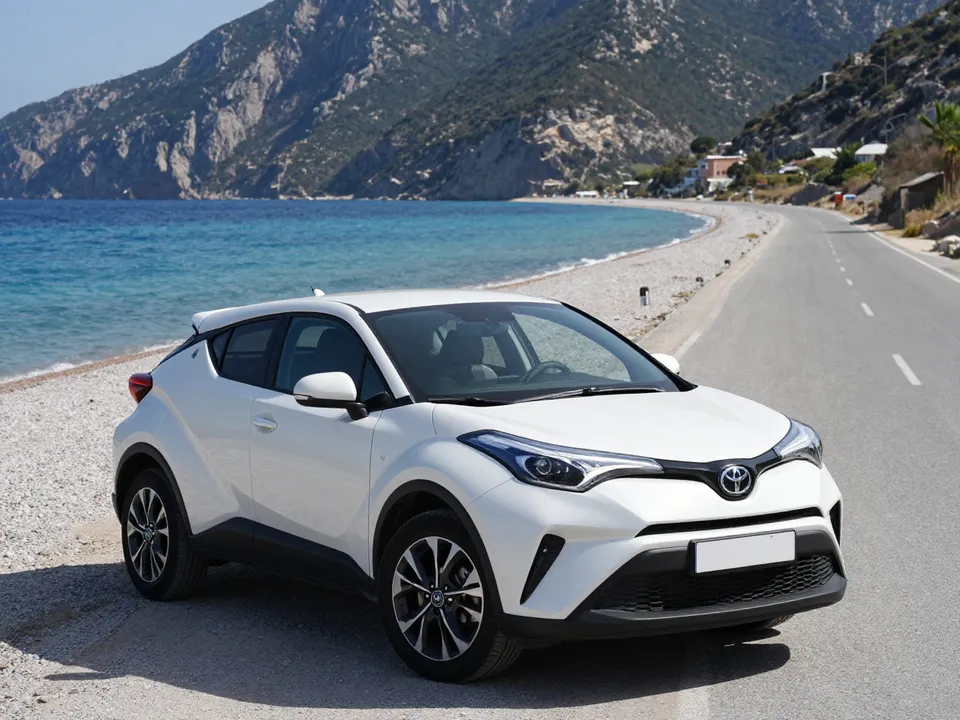
| Toyota C-HR | 1.8 L, 140 hp | Hybrid | Automatic |
The cheapest option on the page is the Volkswagen Taigo; the most expensive is the Toyota C-HR. The two hybrids — the C-HR and the Opel Frontera — sit far apart on that ladder, at ₺2,661 and ₺6,634, so the hybrid badge alone does not set the price. In our experience the C-HR earns its rate on long intercity runs, while the Frontera at ₺2,661 is the quieter way into electrified driving.
Seats, gearbox and fuel across the range
- Five seats everywhere: all 15 cars carry five people, so a family of four plus a child seat fits without upgrading to a bigger body.
- Automatic only: every unit in the fleet shifts itself — no manual option to book by mistake.
- Fuel split: 13 petrol cars and 2 hybrids, both hybrids front-wheel drive like the rest.
- Body count: 14 crossovers and one SUV body, the Opel Frontera, which still seats five.
- Boot reality: boot sizes are not listed here — check the number of large suitcases before you book.
That last point is where most bookings go wrong. Five people with four full-size cases may not fit a crossover boot, so ask first, and a roof box is not part of the deal. Measure your luggage first, then pick the model — a Taigo and a Captur both seat five, so the boot is the deciding question.
Picking a crossover car rental in Turkey for your trip
The right crossover for a trip here comes down to three things: how many people travel, how much luggage comes along and how far you plan to drive. Our 15 models all seat five and all have an automatic gearbox, so the choice is really about engine size, boot space and how the car behaves in traffic versus on a long coastal run.
City driving and short hops
For two adults and city traffic the 1.0 L Volkswagen Taigo covers the job. Its 110 hp is enough for the stop-start of Istanbul traffic, and the short body slips into kerbside gaps that a longer car refuses. The Hyundai Bayon at ₺2,569 and the Kia Stonic at ₺3,025 sit in the same bracket: 1.0 L engines, 100–114 hp, five doors and five seats. In our experience the smaller-engined crossovers are also the easiest to place in tight hotel forecourts and multi-storey car parks, where a turning circle matters more than horsepower. Book one of these if your driving is mostly within a city and out to the coast for a day.
Longer tours and a full family of five
For five people plus luggage the 1.3 L Renault Captur or the 140 hp Toyota C-HR hybrid give the most power on the page. The Captur's 140 hp pulls a loaded car up the climbs on the way to Antalya's coast without the engine straining, while the C-HR pairs a 1.8 L hybrid system with the largest engine on the page. The Opel Frontera at ₺2,661 is the one SUV body here, with a 136 hp hybrid and the only SUV body on the page. Fuel use per model is not stated on this page, so compare the day rates of the hybrids and the petrol 1.3 L first.
| Trip shape | Model to pick | Why |
|---|---|---|
| Two adults, city only | Volkswagen Taigo | Short body, 1.0 L, easiest to park |
| Five people, motorway miles | Renault Captur | 140 hp, 1.3 L, holds speed loaded |
| Heavy traffic, long stay | Toyota C-HR | Hybrid, 1.8 L, 140 hp |
| Family with bulky bags | Opel Frontera | SUV body, hybrid, 136 hp |
Tell the manager your passenger count and luggage at booking — we match the car to the trip before the delivery address and time are fixed.
Documents for crossover car rental in Turkey
Crossover car rental in Turkey is open to foreign drivers who arrive with the right paperwork, and the list is short: passport, entry stamp, home driving licence, and an International Driving Permit where the licence is not in Latin script.
Licence, passport and the six-month rule
- Passport and entry stamp: the passport you entered on, with the stamp showing the date you crossed the border — the six-month clock runs from that date.
- Home driving licence: your national licence, held for the class of car you book; age and driving-experience requirements rise with the class of car.
- International Driving Permit: needed if your licence is not in Latin script, so a licence printed in Arabic, Cyrillic, Chinese or Japanese script goes with an IDP.
- Six-month rule: a foreign licence lets you drive in Turkey for no more than six months from the date of entry, after which it must be exchanged for a Turkish licence at any nüfus müdürlüğü.
- Credit card in the main driver's name: required for the security hold, and the card must belong to whoever signs as the main driver.
The six-month limit is worth planning around on a long stay: rent on a home licence and the last weeks of a six-month trip still fall inside the window, while anyone staying longer needs the Turkish licence before the window closes. In our experience, the IDP catches people out most often — a driver whose licence carries Latin letters usually skips it, and a driver whose licence does not cannot collect the car without one. Settle the document list with the manager at booking, well before delivery.
Card, age and the rental agreement
The credit card in the main driver's name carries the security hold, and the hold, the excess and any delivery charge are set out in the rental agreement rather than on this page. Rent-Trip brings the crossover to the address, date and time agreed with a manager when you book, and Rent-Trip confirms the delivery slot before the car leaves the lot, in Istanbul, Antalya or anywhere else inside our delivery area, and the car returns to the same point unless a different one is arranged, which may carry a fee set out in the agreement. Compulsory third-party cover comes with every registered vehicle by law, so a crossover rented through Rent-Trip is never on the road without it. Ask for the agreement text before you confirm: the class of car decides the age and experience thresholds, and the thresholds for this class are set out there.
Crossover car rental in Turkey prices by day, week and month
Crossover car rental in Turkey on this page runs from the daily rate of the Volkswagen Taigo to that of the Toyota C-HR, and every rate is VAT included. Longer bookings are calculated on a fixed multiplier rather than a negotiated discount: a week is the daily rate times six, a month is the daily rate times twenty-one.
Daily, weekly and monthly rates on the crossover car rental in Turkey page
| Booking length | How it is calculated | From |
|---|---|---|
| One day | Daily rate of the chosen model | ₺2,183 |
| One week | Daily rate × 6 | ₺13,098 |
| One month | Daily rate × 21 | ₺45,843 |
Weekly crossover car rental in Turkey starts at ₺13,098 and monthly at ₺45,843, both VAT included. The multiplier is what makes the longer booking cheaper per day: the same Volkswagen Taigo works out lower on each of the days inside a week or a month, because six and twenty-one days are charged for seven and thirty. The saving grows with the length of the booking and with the model — the Toyota C-HR at ₺6,634 a day carries the largest absolute difference between a one-day and a monthly rate, while the 1.0 L models at the bottom of the range sit closest to the page minimum. Work out which model you actually want before fixing dates: dropping one class usually saves more over a month than stretching a booking by a couple of days.
What sits inside a crossover car rental in Turkey rate
- VAT included: every figure on this page already includes Turkish VAT at 20%, so the daily, weekly and monthly rates are what you settle.
- Compulsory traffic insurance: compulsory third-party insurance covers every registered vehicle in Turkey by law, so it applies to all 15 crossovers without a separate line.
- HGS: bridges and motorway gates need the HGS tag; the mechanics are described on the HGS page, and how it is handled is agreed when booking.
- Fuel: the car comes with a full tank and is returned full-to-full; any missing fuel and the refuelling service fee are charged as set out in the rental agreement.
- Delivery: the address, date and time are agreed with a manager before the booking is fixed, and returning to a different point may carry a fee set out in the rental agreement.
Deposit, insurance excess, mileage and delivery charges are not quoted here — they are set out in the rental agreement, which is agreed when booking. For a long stay, compare the weekly figure with the monthly: the monthly rate beats three weekly blocks only from 25 days.
Delivery for crossover car rental in Turkey
Delivery is where a crossover booking stops being a screen and becomes a car standing outside your door. We do not run offices, desks or counters at any airport or in any district: the vehicle itself travels to you. Every one of the 15 crossovers in our fleet leaves the lot clean, with a full tank, at an address and time you have already fixed with a manager. Nothing on this page is a promise about a terminal building or a rental counter, because there is none.
How the hand-over works
- Address: any address you name in Istanbul or Antalya, including both airports of each city.
- Timing: the delivery address, the date and the time are agreed with a manager before the booking is fixed.
- Fuel: the car comes with a full tank and goes back with a full tank — full-to-full.
- Return point: the same place you received it, on the date and time written in the contract.
- Different return point: possible, and it may carry an additional fee, which is set out in the rental agreement.
That last point matters more than it looks. A crossover collected in one place and dropped somewhere else is a common request on a touring holiday, and the fee for it lives in the contract rather than on a rate card — ask about it while the booking is still being arranged, not on the morning you fly home.
Delivery across the country, not just one address
Around the southern coast the net reaches Kaleiçi, Lara, Konyaaltı, Antalya Bus Station, Belek, Kemer and Side. Anything outside these places is arranged case by case and is not promised on the site — so if your hotel sits somewhere else, raise it early and a manager will tell you honestly whether it can be done.
In our experience the smoothest bookings are the ones where the address arrives together with the flight number and a mobile number that works on the day. Traffic on the way in from either airport can stretch a journey, and a driver who can reach you is worth more than a slot on a schedule. The rest — deposit, excess, any delivery charge — is set out in the rental agreement, and the agreement is what you read before the keys change hands.
Driving rules that shape crossover car rental in Turkey
Crossover car rental in Turkey means driving a passenger car (M1) under Turkish law, so the limits that apply to it are the car limits — not the van or the bus ones. In built-up areas that is 50 km/h, on two-way intercity roads 90 km/h, on divided roads 110 km/h, and on motorways 130 km/h on KGM-operated routes and 140 km/h on YİD routes, raised for cars by a 02.06.2022 letter of the Ministry of the Interior. Signs on the spot override all of it. The small petrol engines across our crossover fleet are built for exactly this kind of cruising, so the practical takeaway is simple: set the cruise where the sign says, not where the car feels happy.
Speed and alcohol: the two rules that cost the most
- Built-up areas: 50 km/h for a passenger car, and the limit drops further near schools and roadworks where signs say so.
- Intercity two-way roads: 90 km/h; divided roads 110 km/h; motorways 130 km/h on KGM routes and 140 km/h on YİD routes.
- Speeding fines (art. 51, as amended in 2026): from 2 000 TL for 6–10 km/h over in town up to 30 000 TL for 66 km/h and more; outside town the ladder starts at 11–15 km/h over.
- Top three speeding steps: a 30, 60 or 90-day licence withdrawal comes on top of the fine.
- Alcohol (art. 48): over 0.50 promille in a private car means a 25 000 TL fine and a six-month licence withdrawal; a second time within five years is 50 000 TL and two years.
- Refusing the test: 150 000 TL and five years without a licence.
Phones, seat belts and the crossover cabin
A phone in your hand while moving is 5 000 TL (art. 73), 10 000 TL for a second offence within a year, and 20 000 TL plus a 30-day withdrawal from the third. Seat belts are compulsory for driver and passengers at 2 500 TL per offence (art. 78), and a child under 15 without the proper restraint system is 5 000 TL to the driver. On a five-seat crossover that last rule matters more than on a two-seater: three adults in the back means three belts fastened, every trip, no exceptions for short hops. A radar detector in the car is 185 000 TL to the owner, so leave any gadget of that sort at home.
Tolls, insurance and paperwork
HGS is required for bridges and motorway gates, and the mechanics are described on the HGS page. Compulsory third-party insurance covers every registered vehicle in Turkey by law, so it is already in place on the crossover you collect. Beyond that, what the package covers, the deposit and the excess are set out in the rental agreement, not on this page.
Documents for a foreign renter: passport, entry stamp, home driving licence, and an International Driving Permit if the licence is not in Latin script. A credit card in the main driver's name is required for the security hold, and age and driving-experience requirements rise with the class of car. Foreign licences are valid for driving here for no more than six months from the date of entry; after that they must be exchanged for a Turkish licence at any nüfus müdürlüğü. That six-month clock starts at the border, not at hand-over — worth checking before a long stay turns into a licence problem.