Mini One
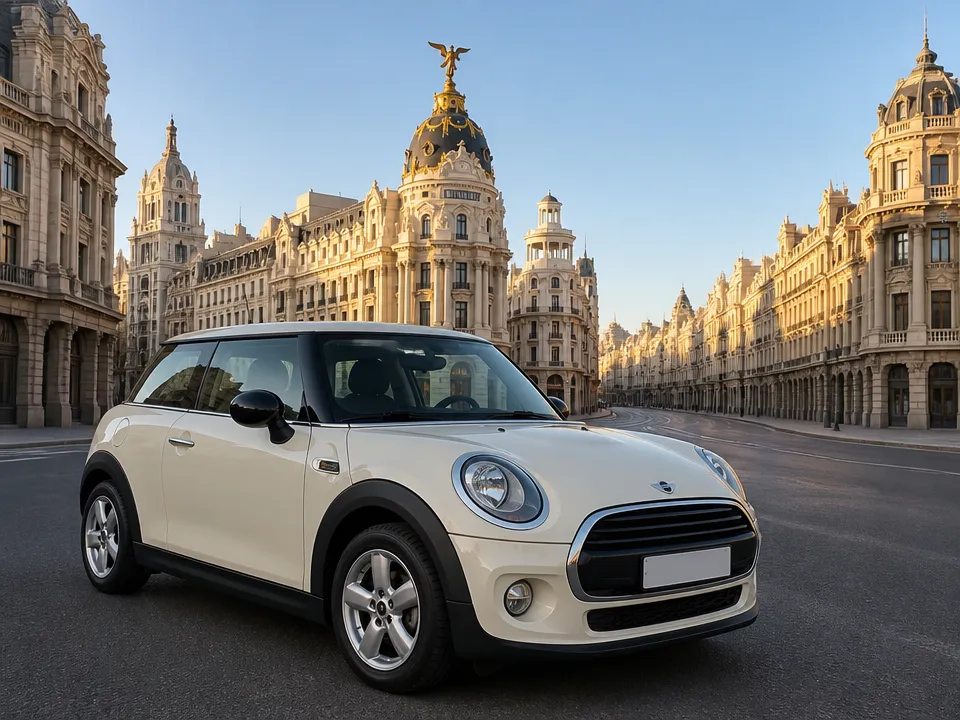
★4.6· 70Manual1.5 L102 hpFront-wheel4 seats
€41per day
Book now






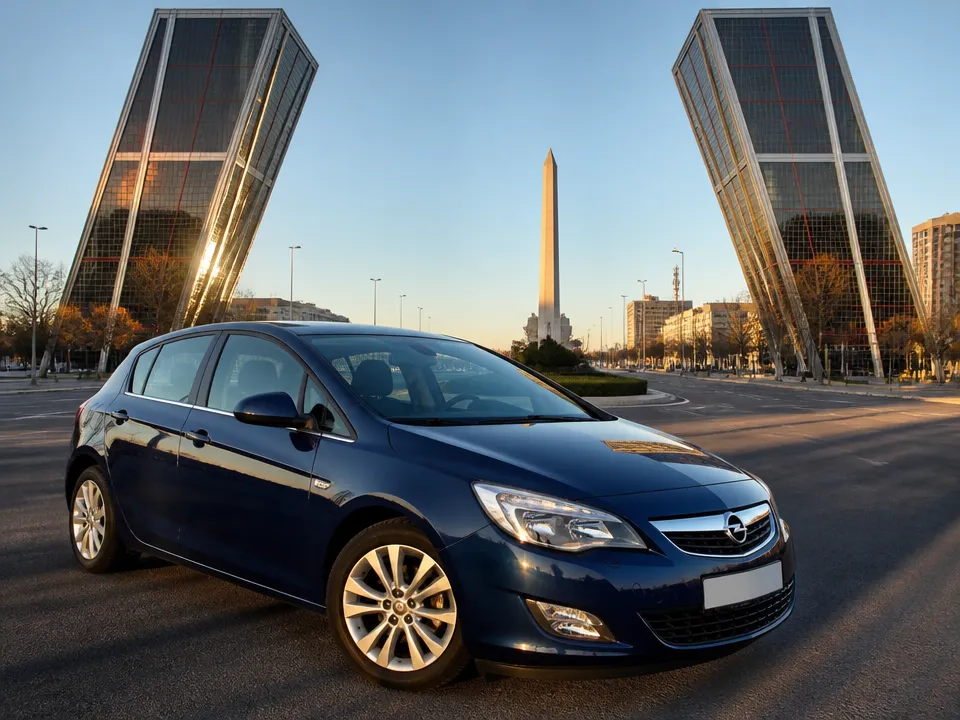
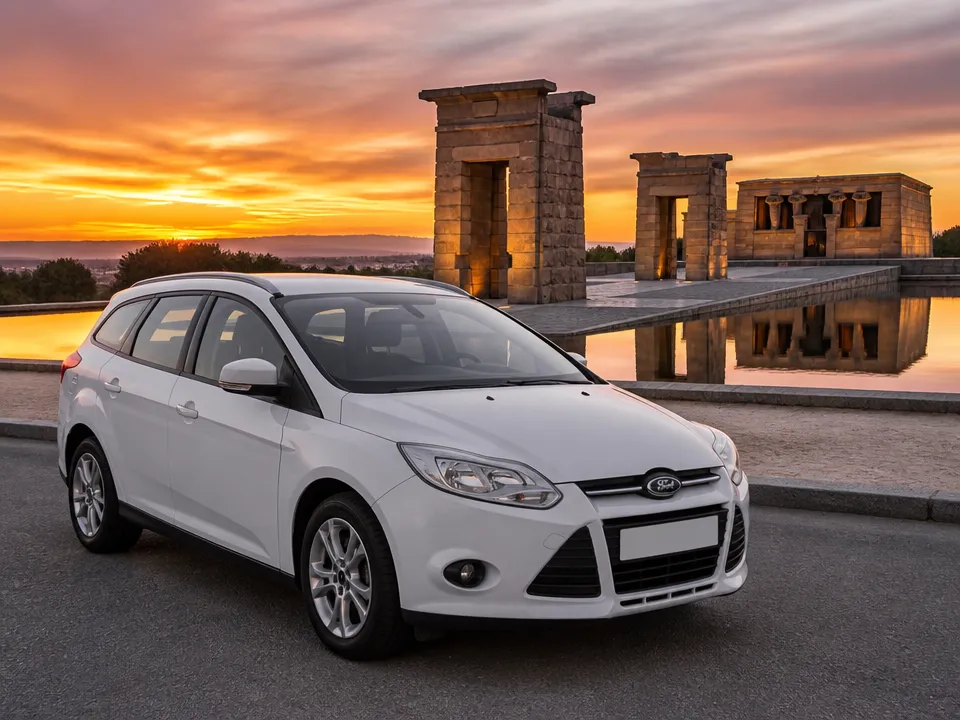
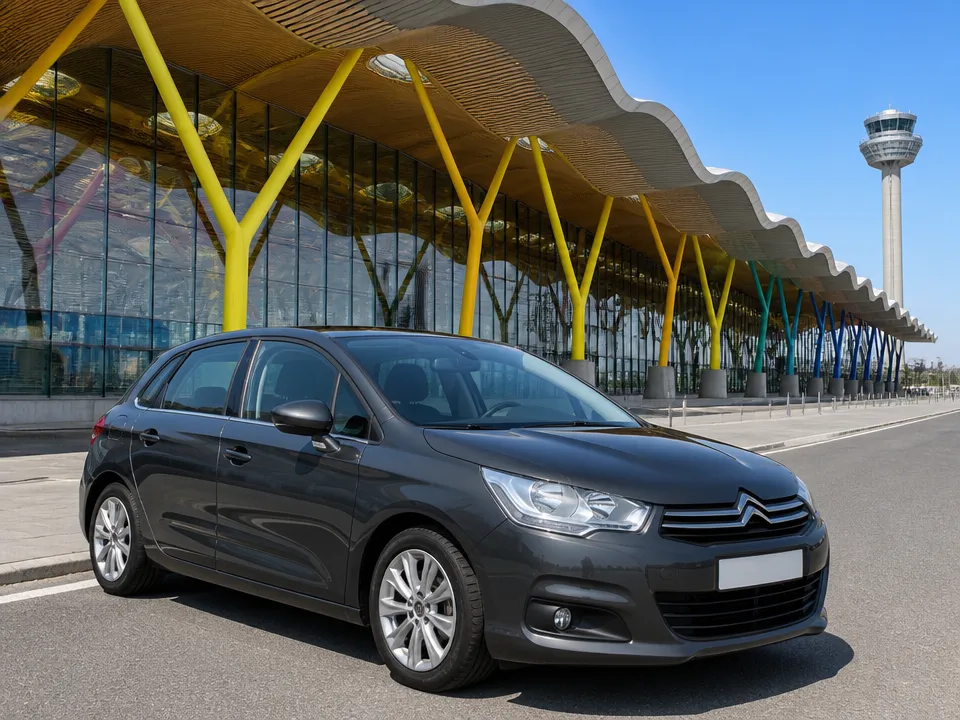
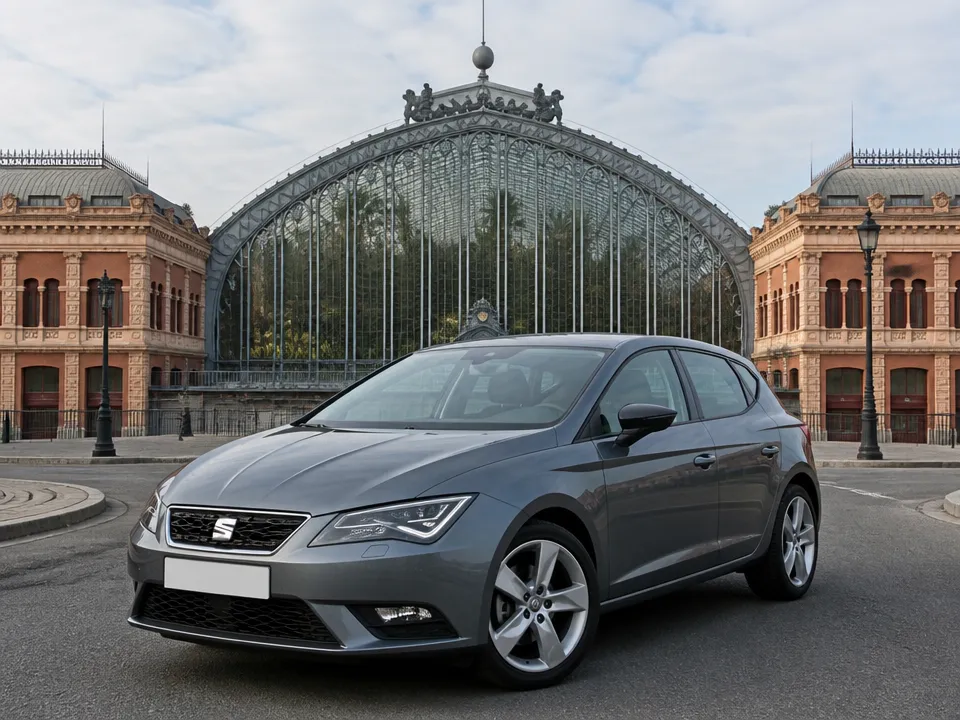
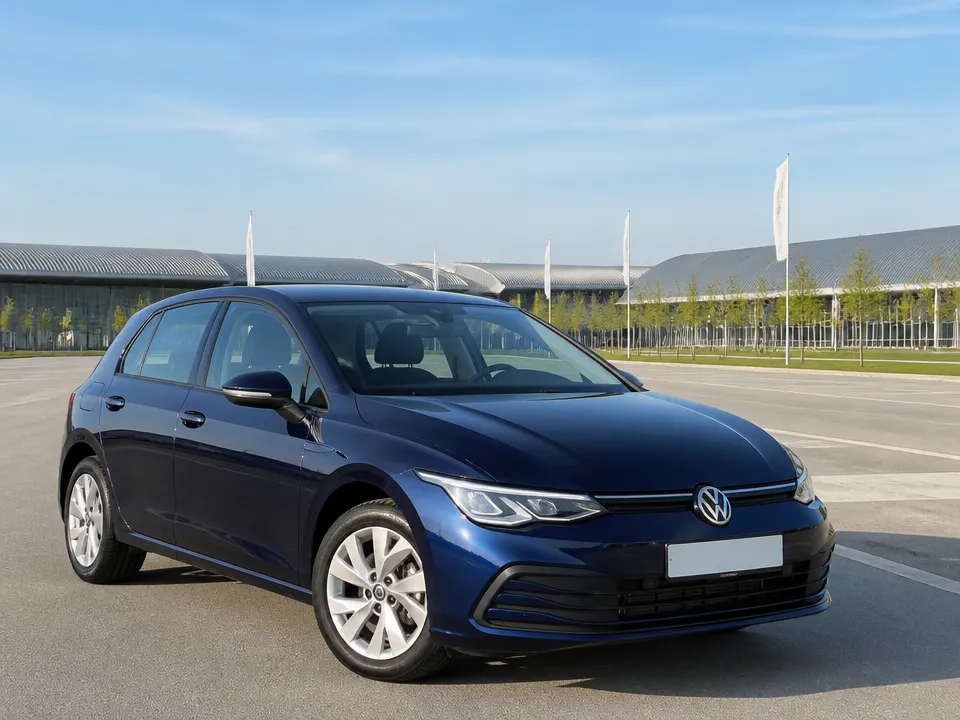
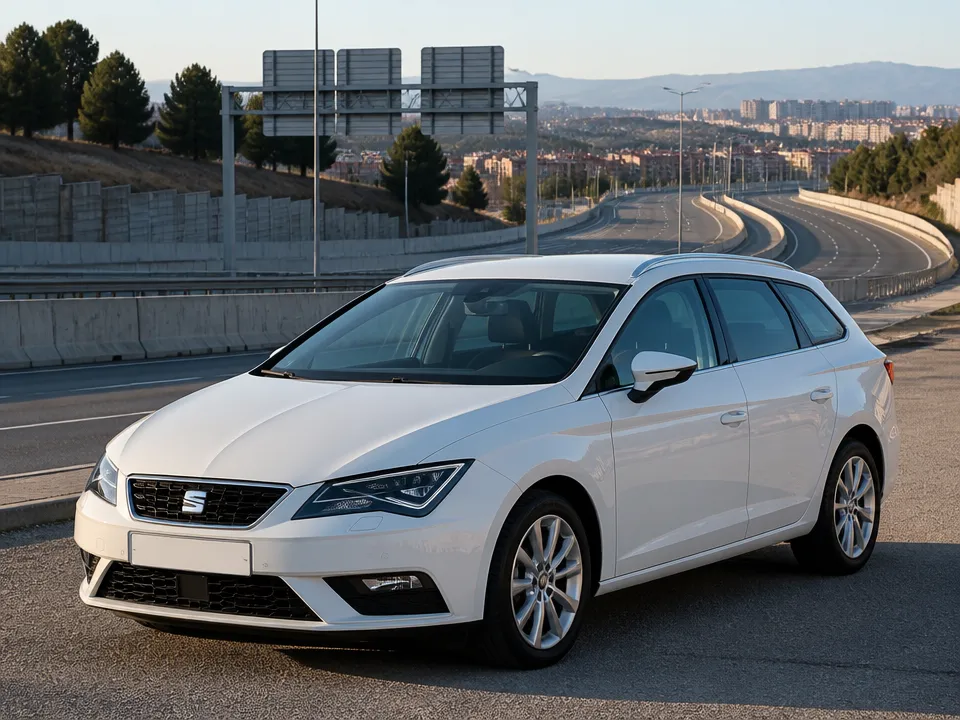
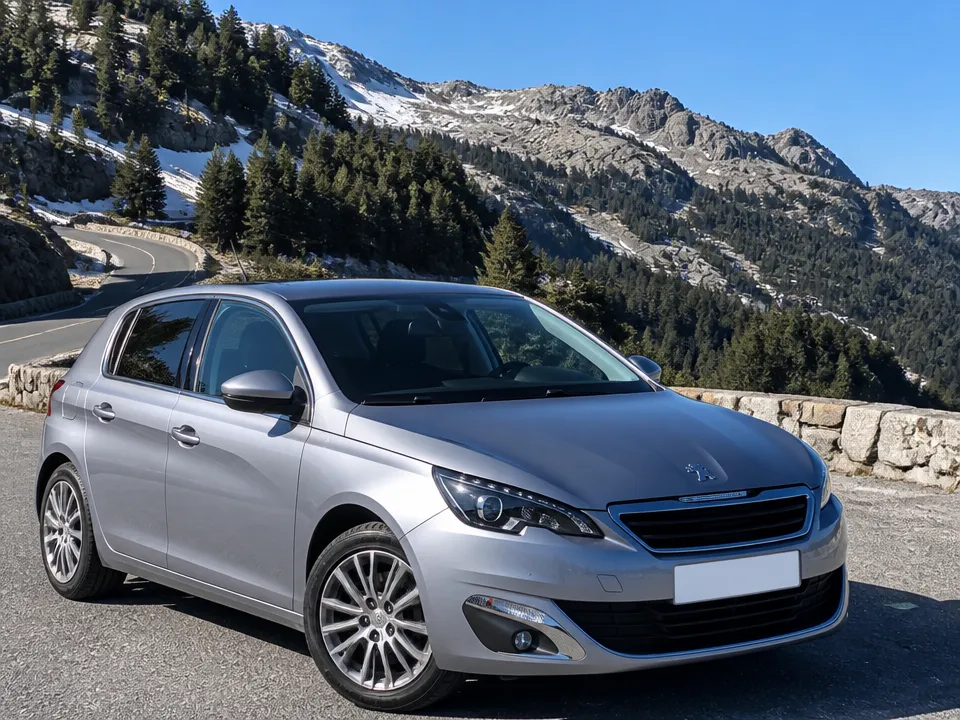
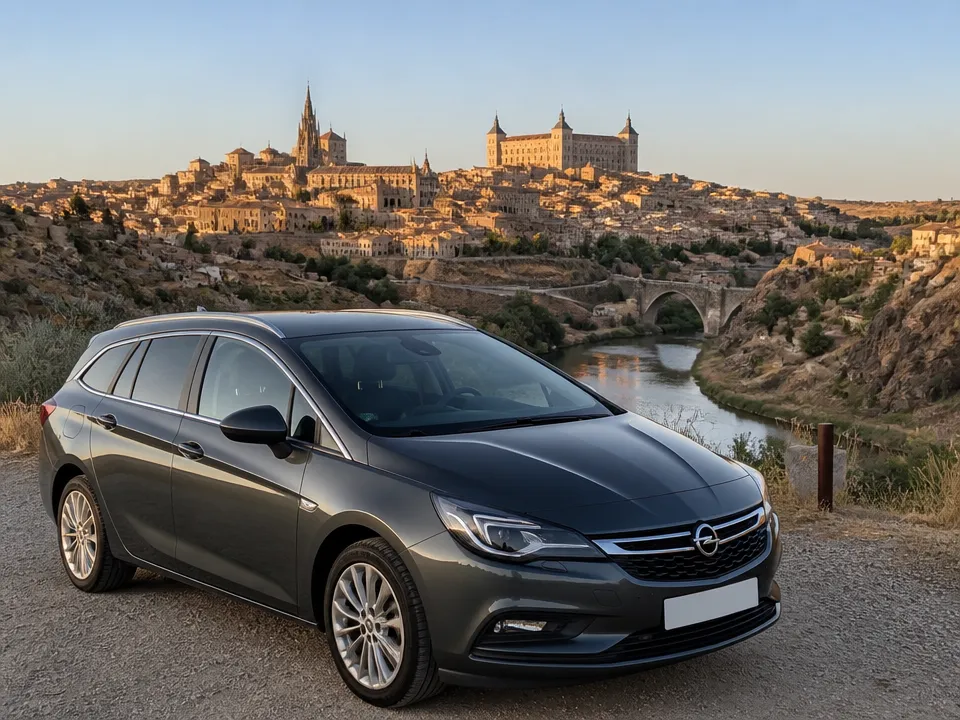
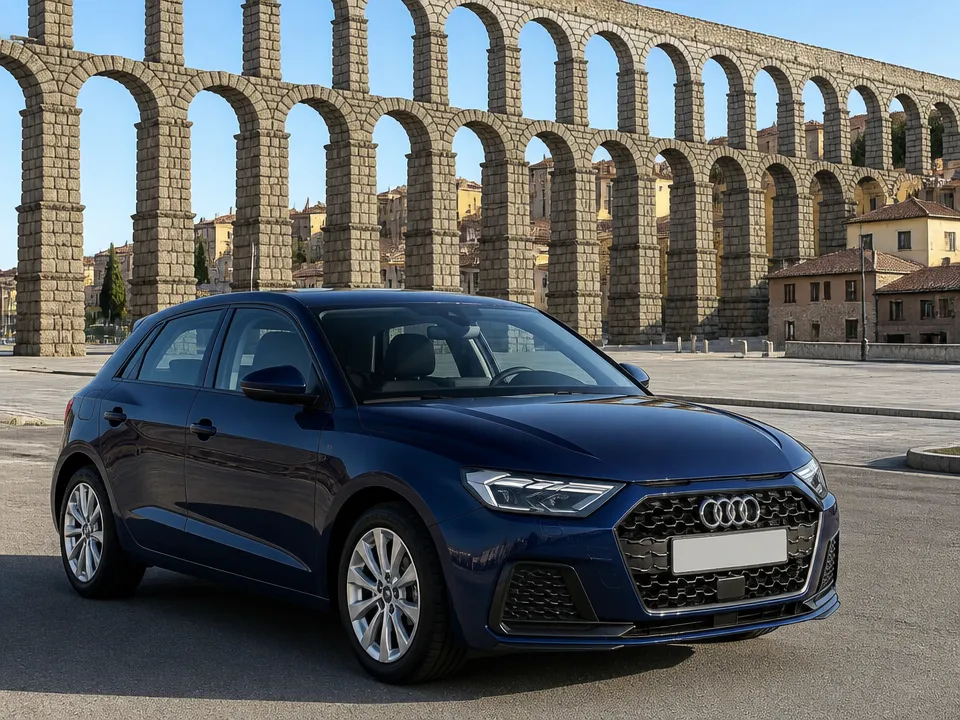
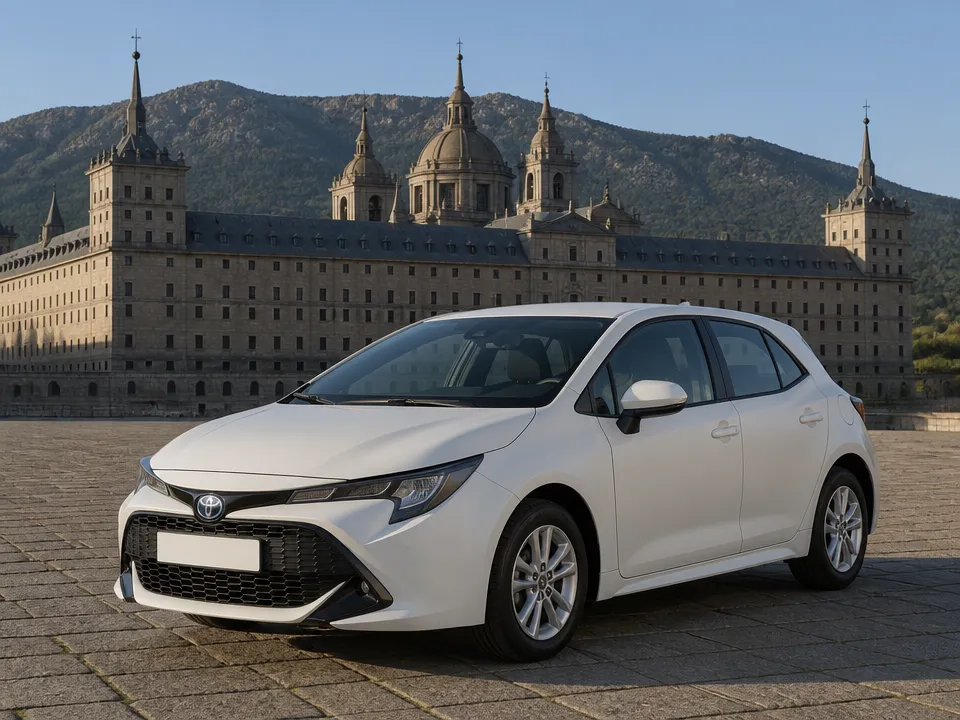
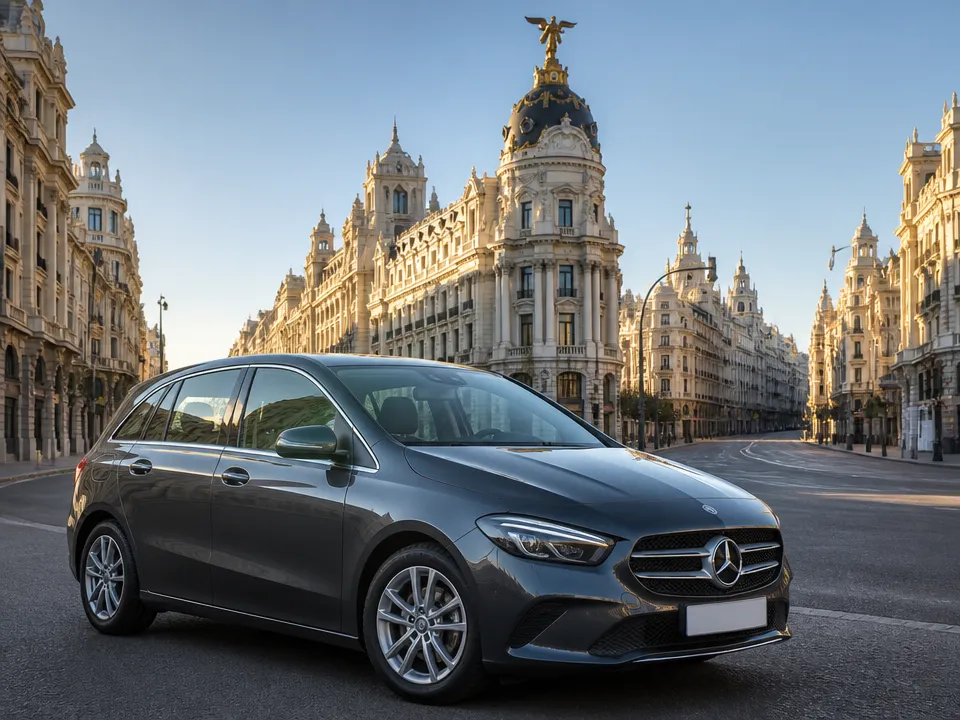
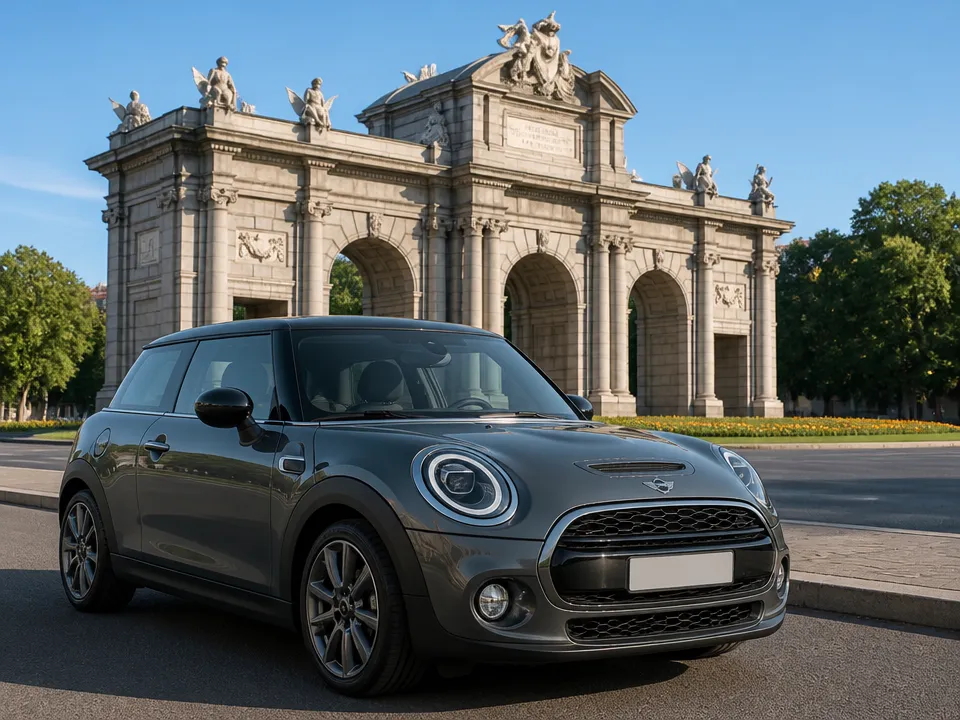
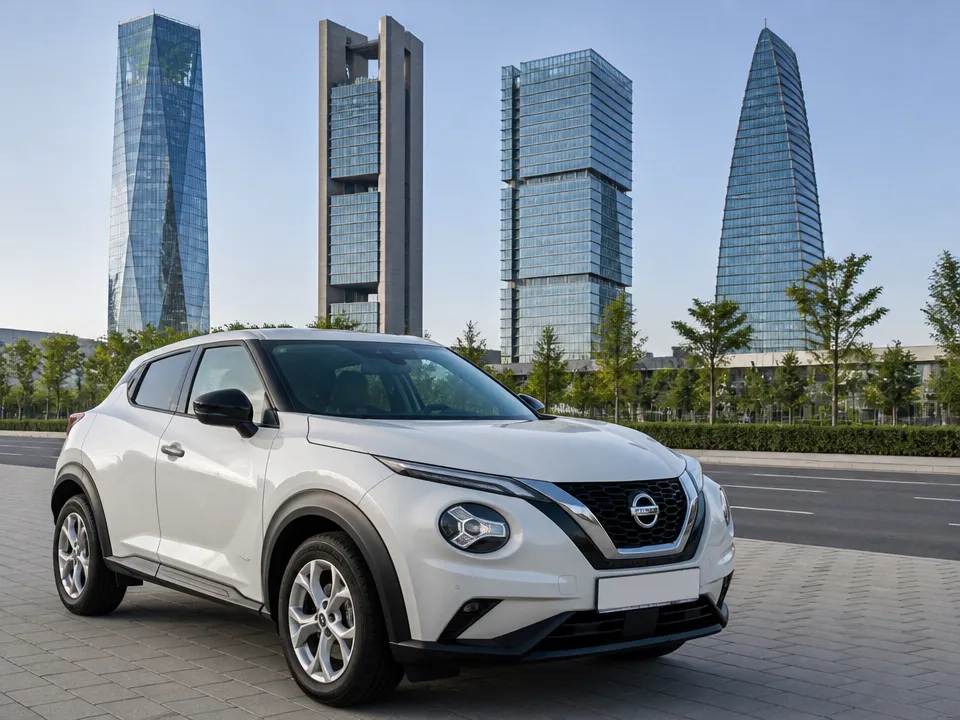
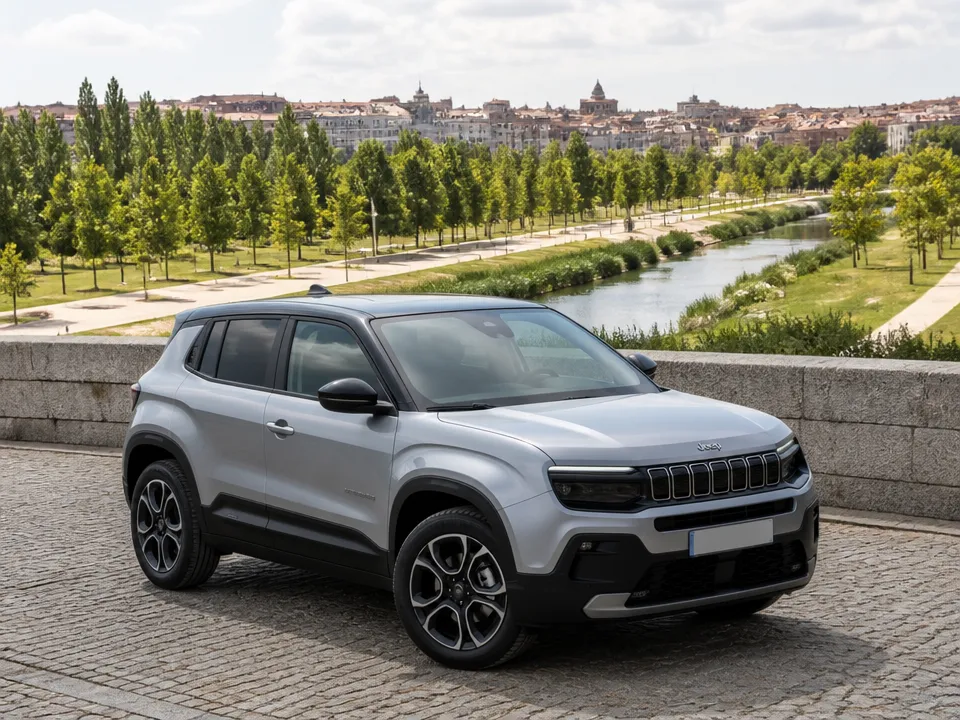
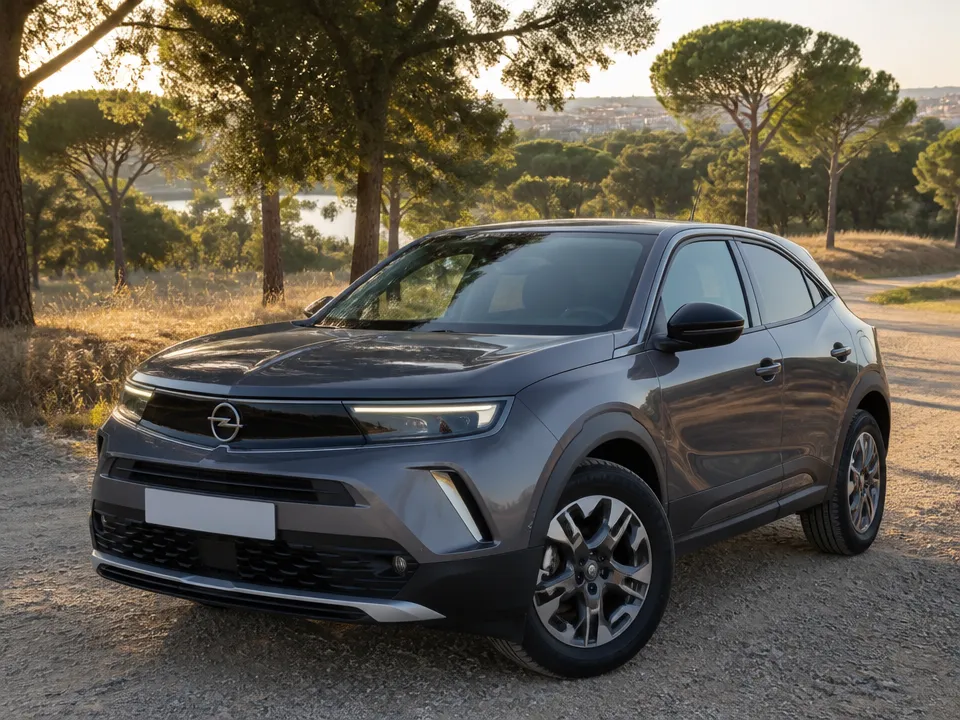
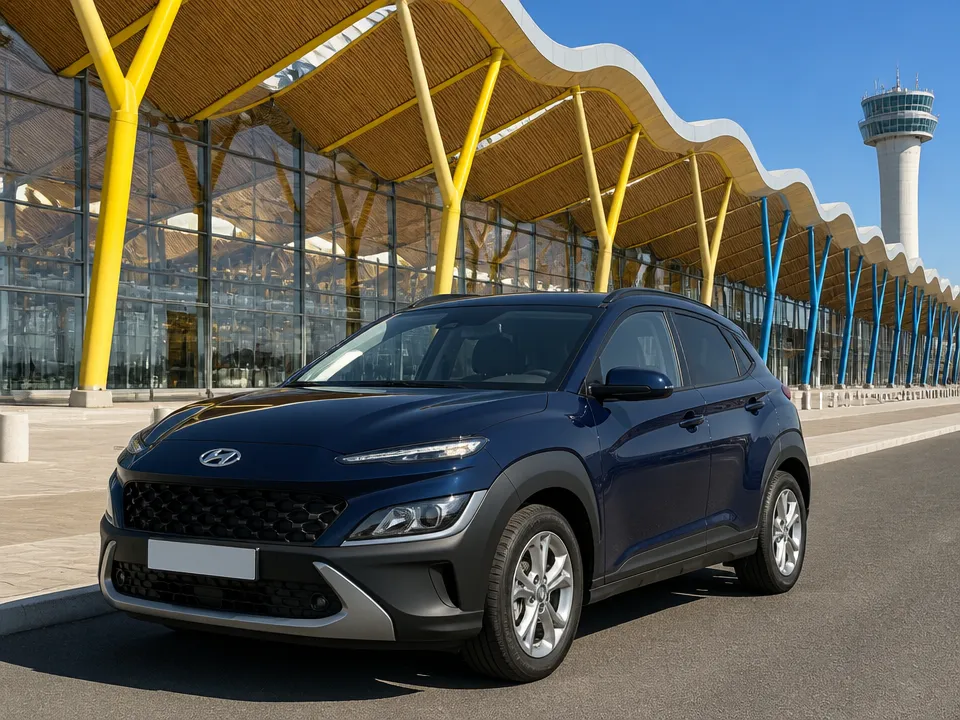
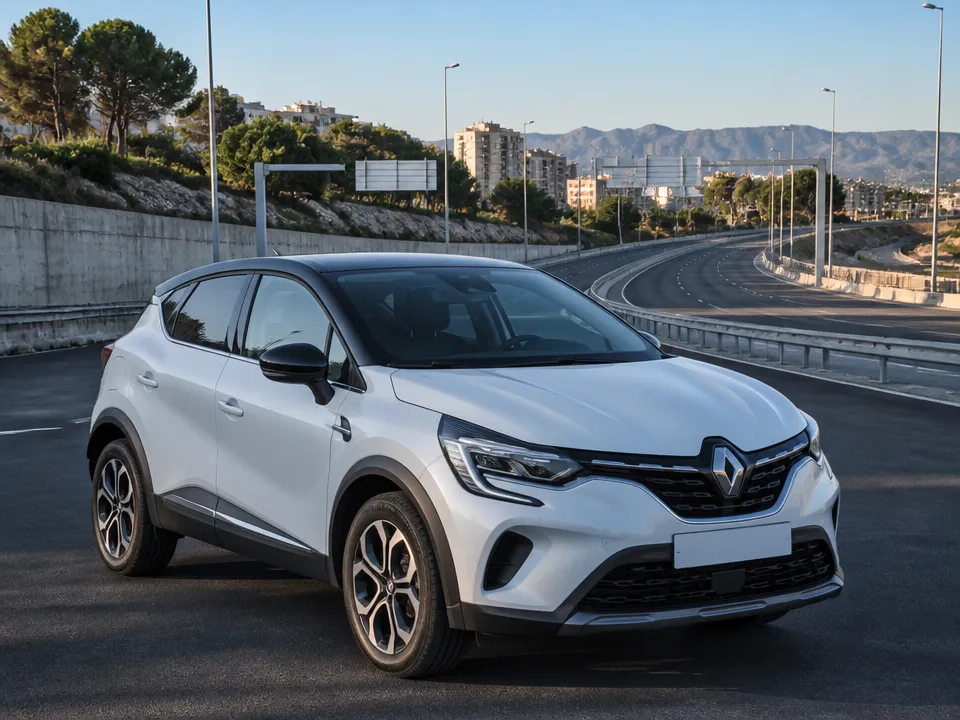
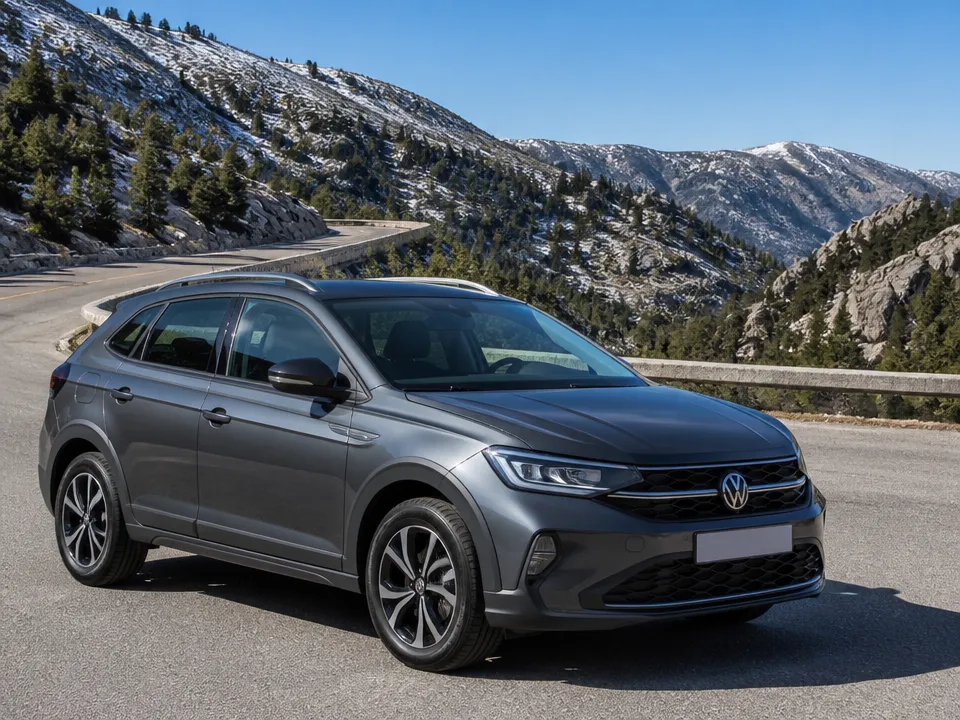
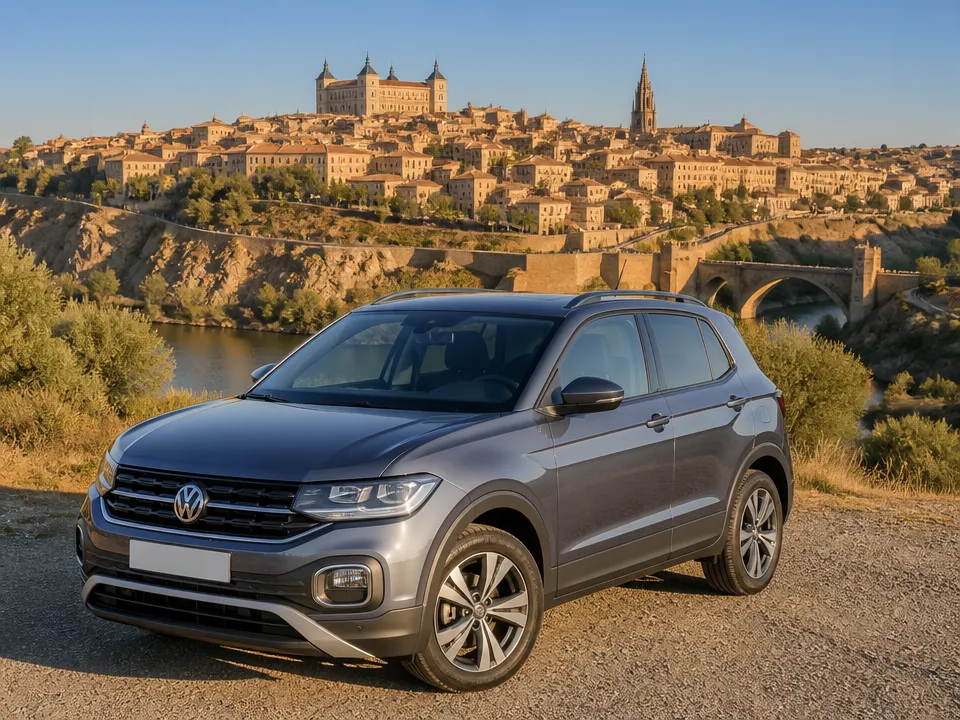
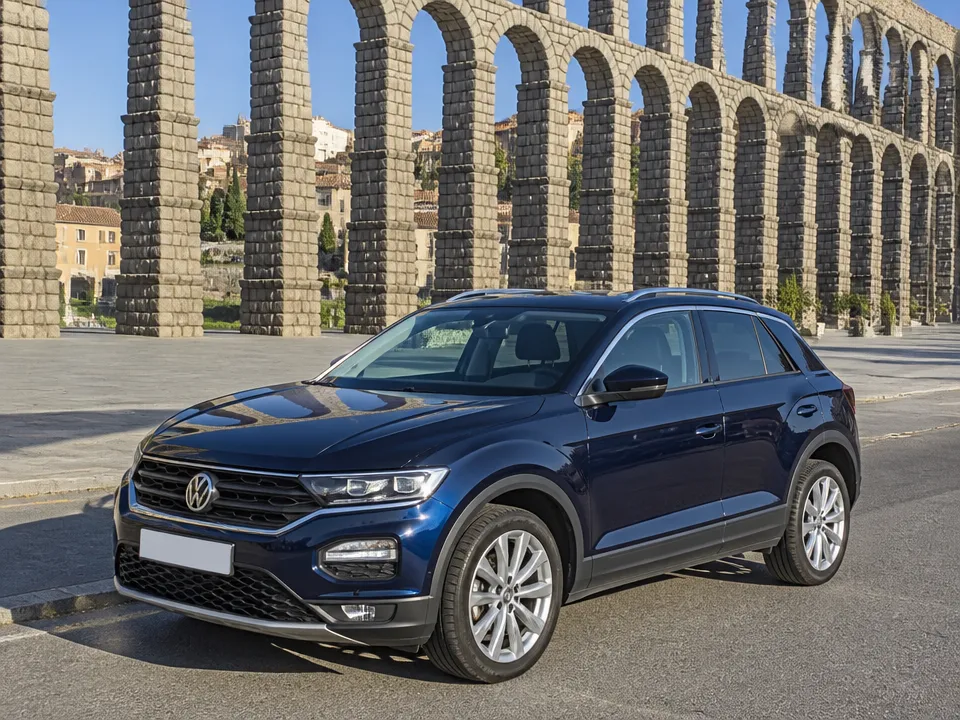
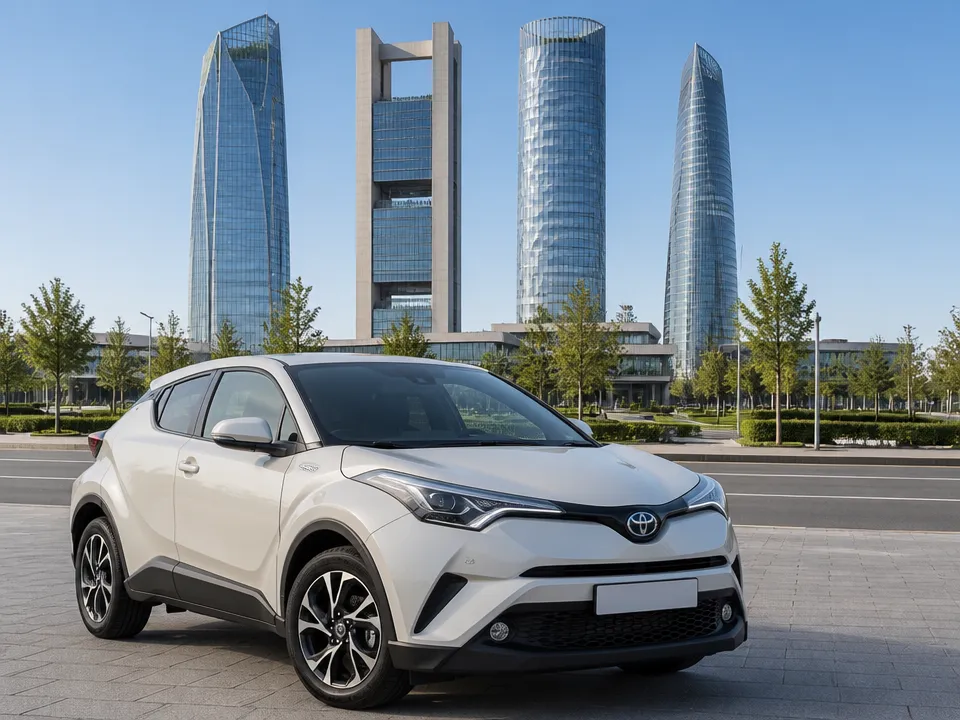
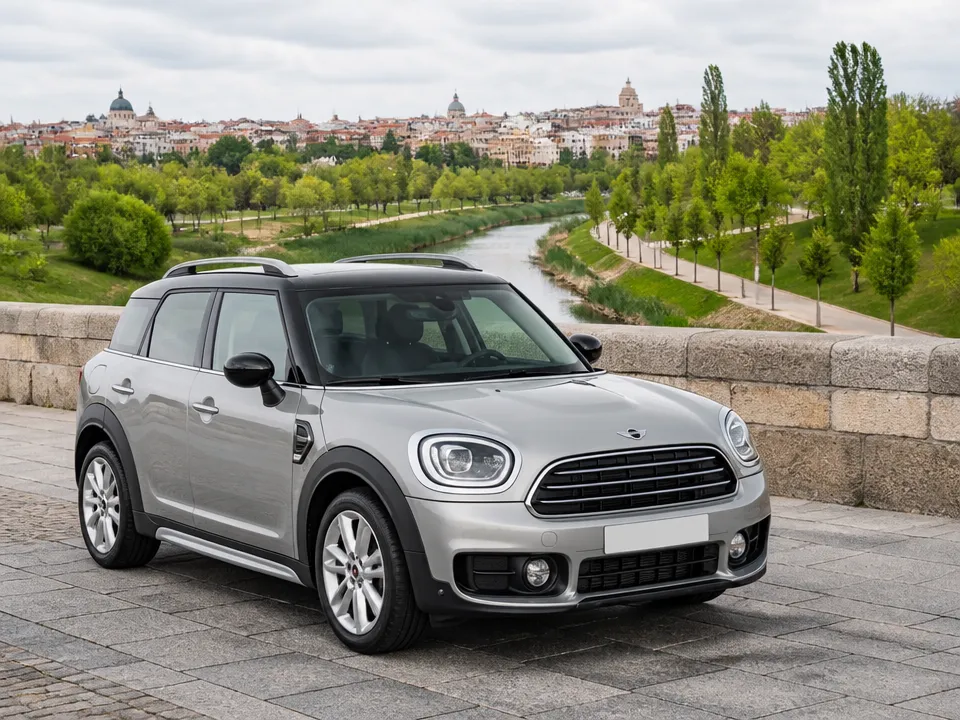
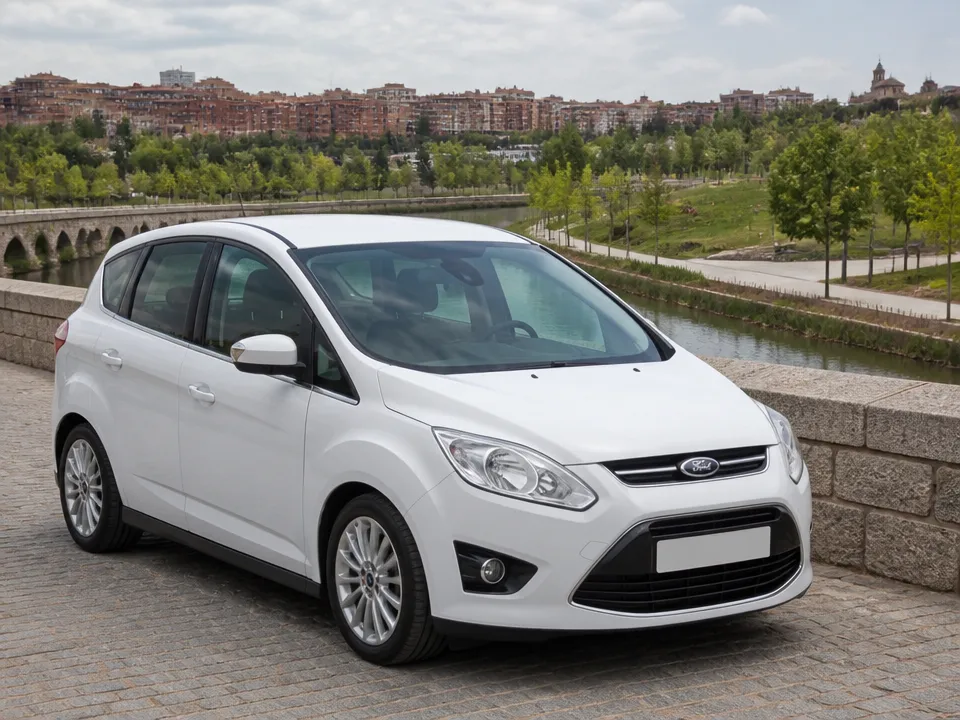
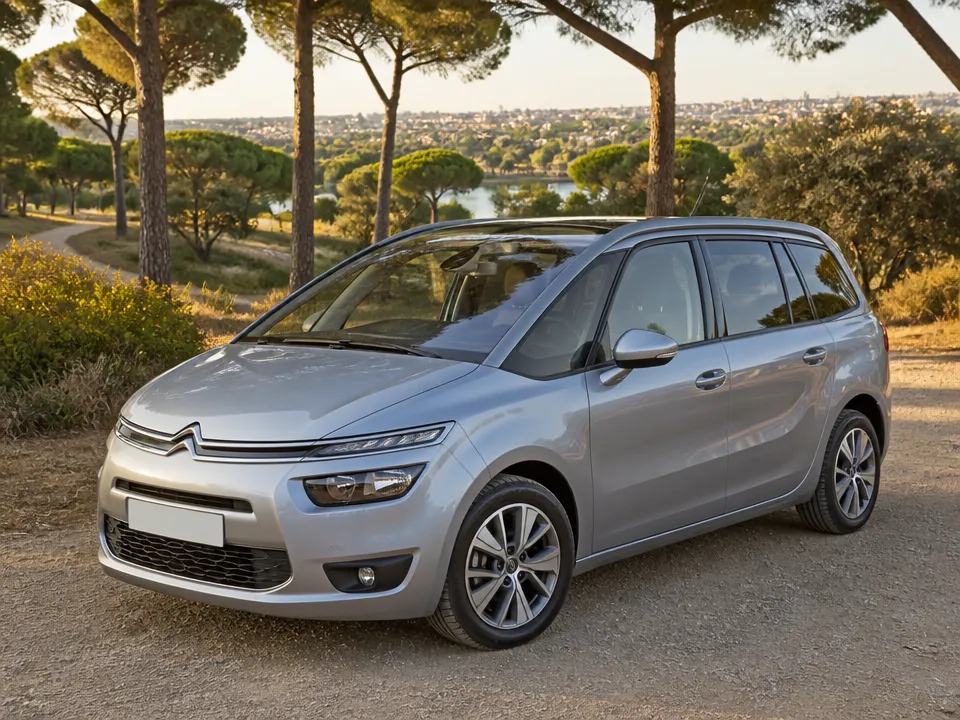
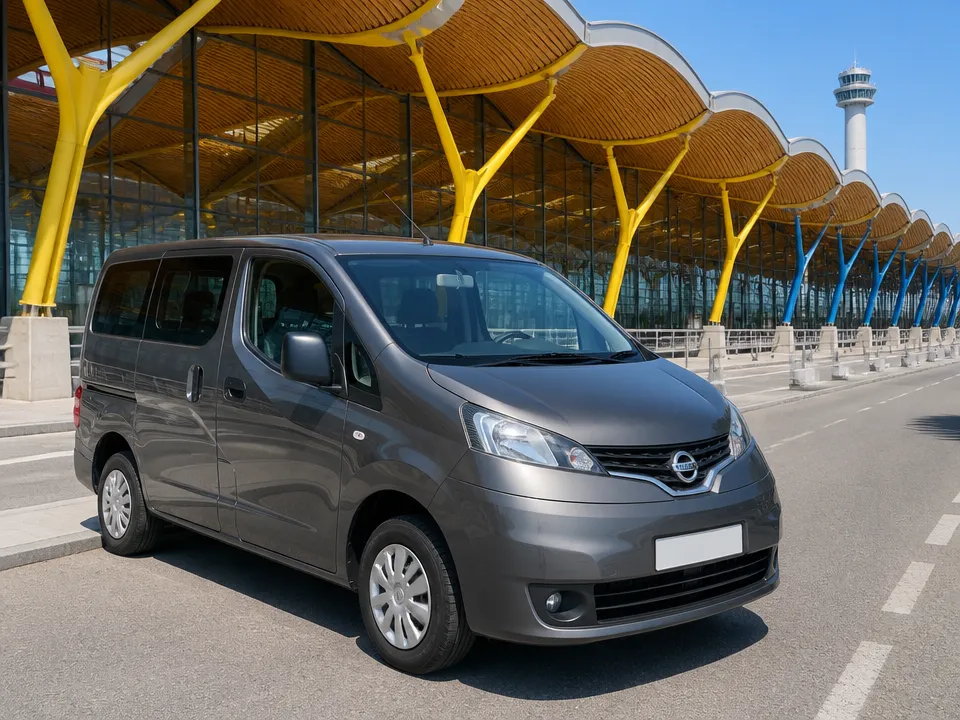
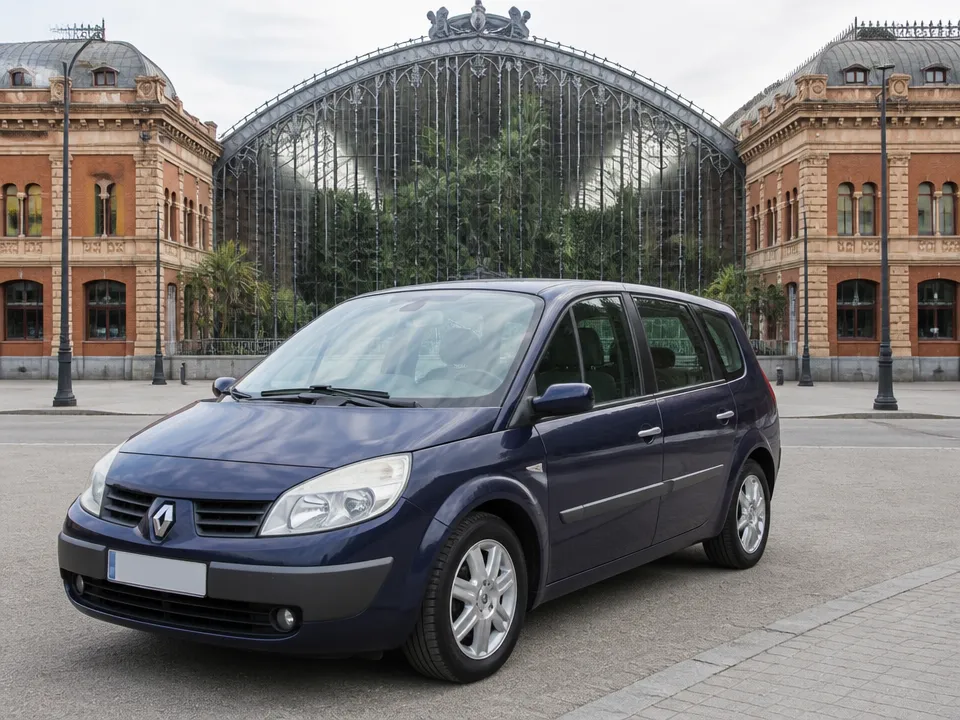
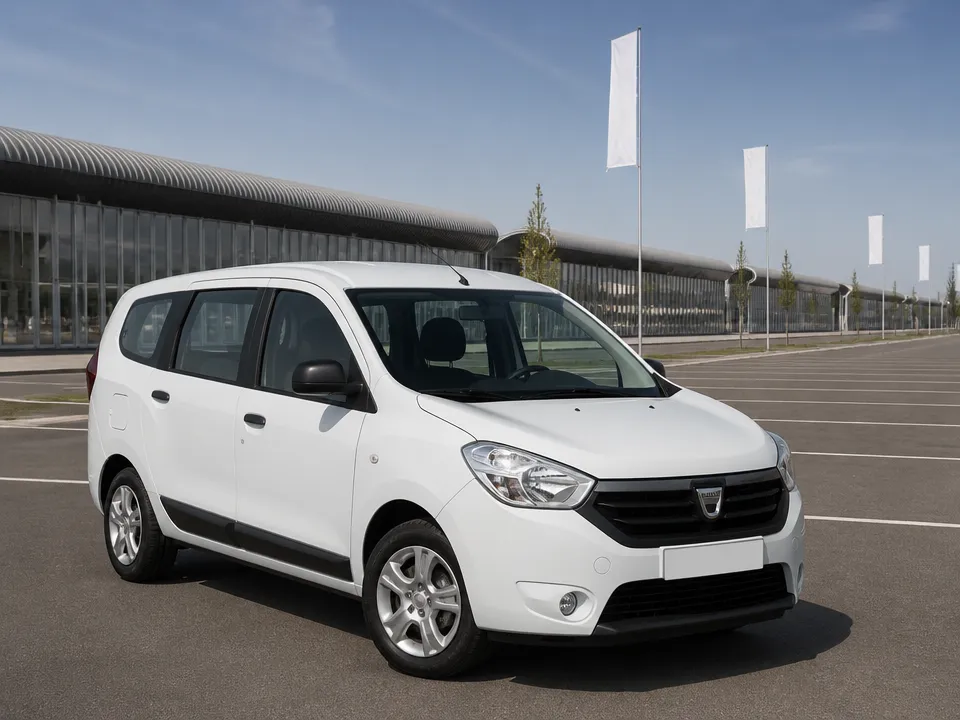
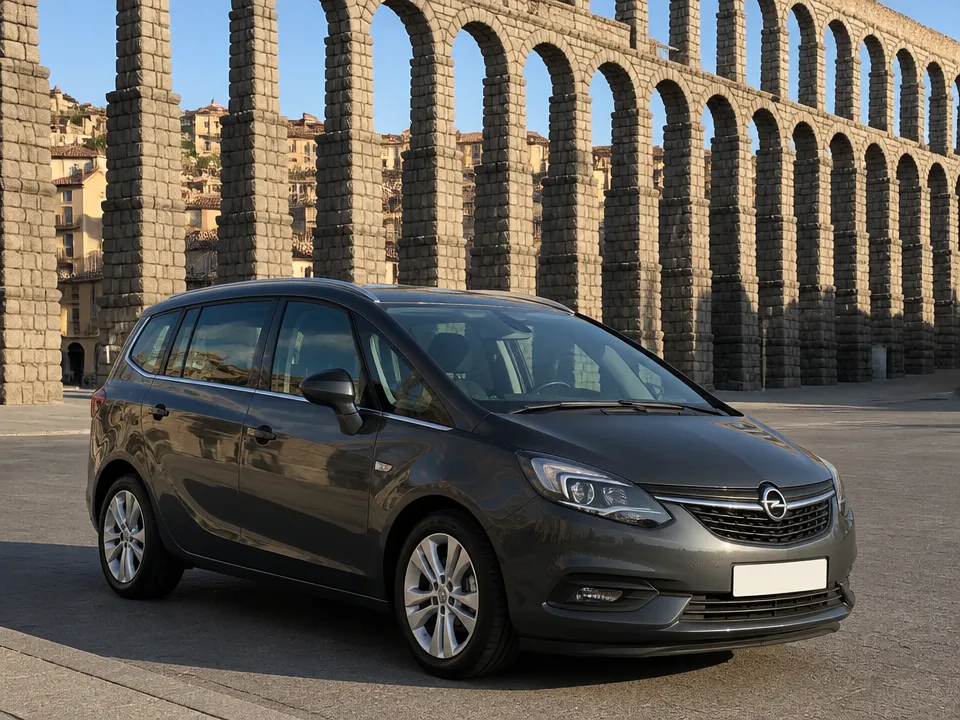
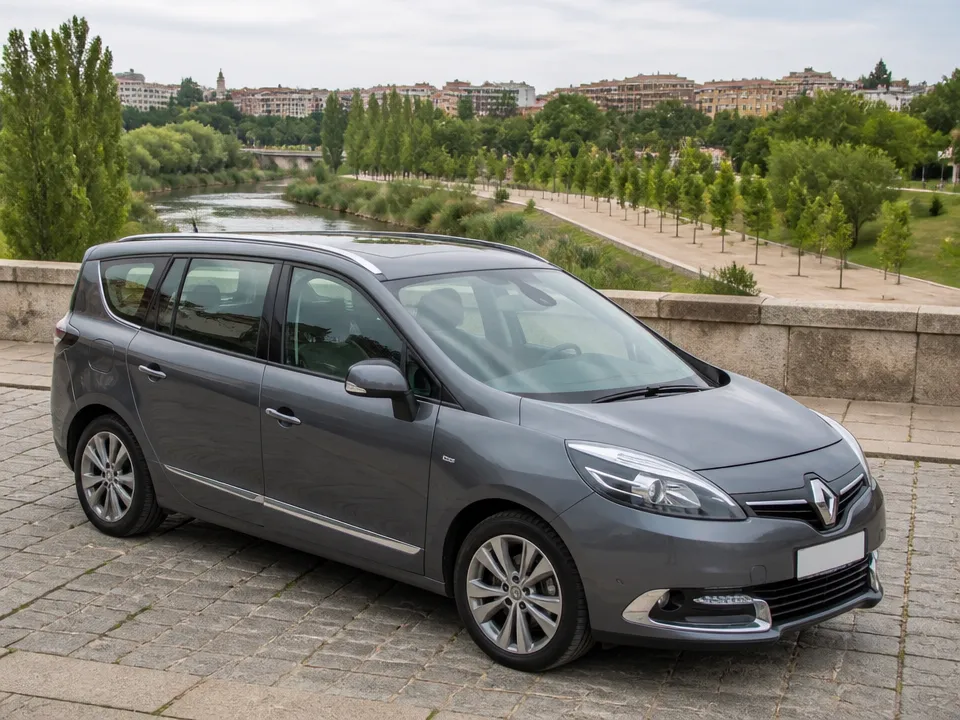
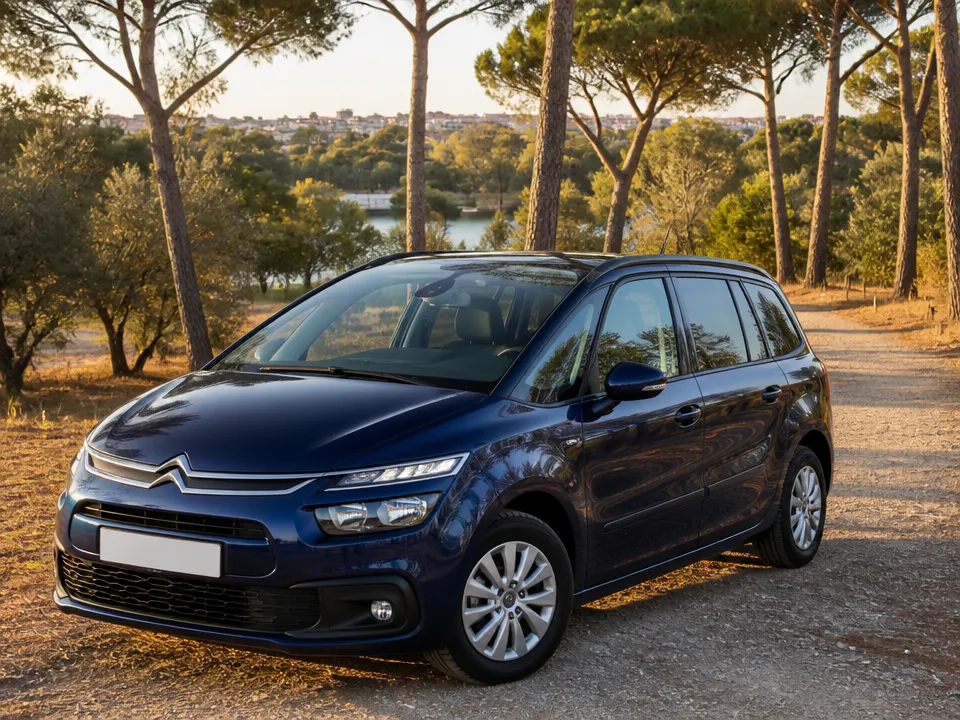
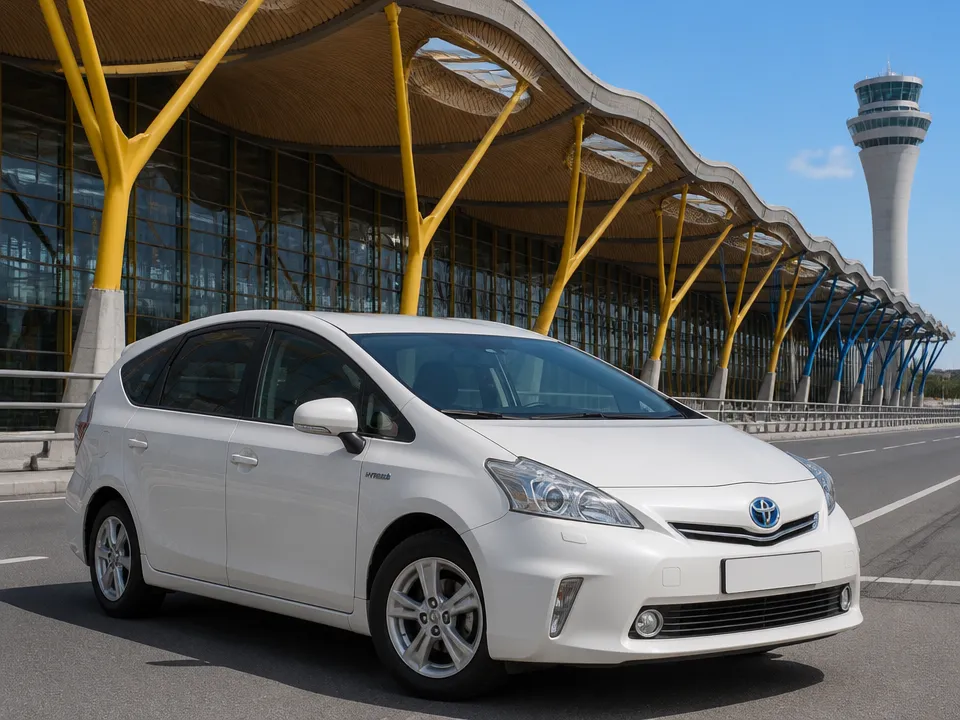
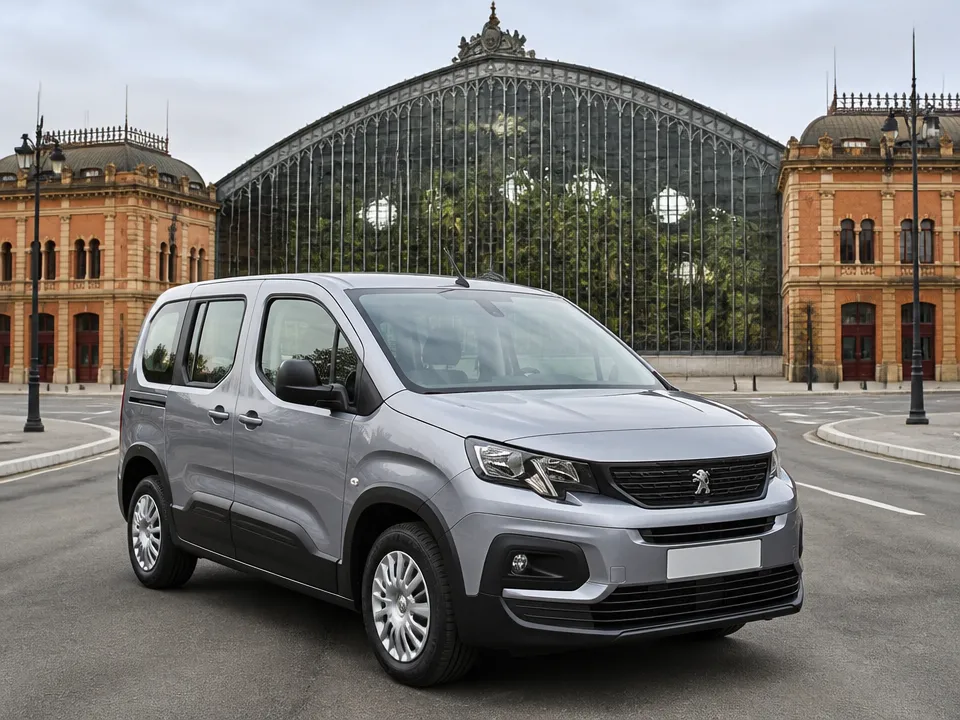
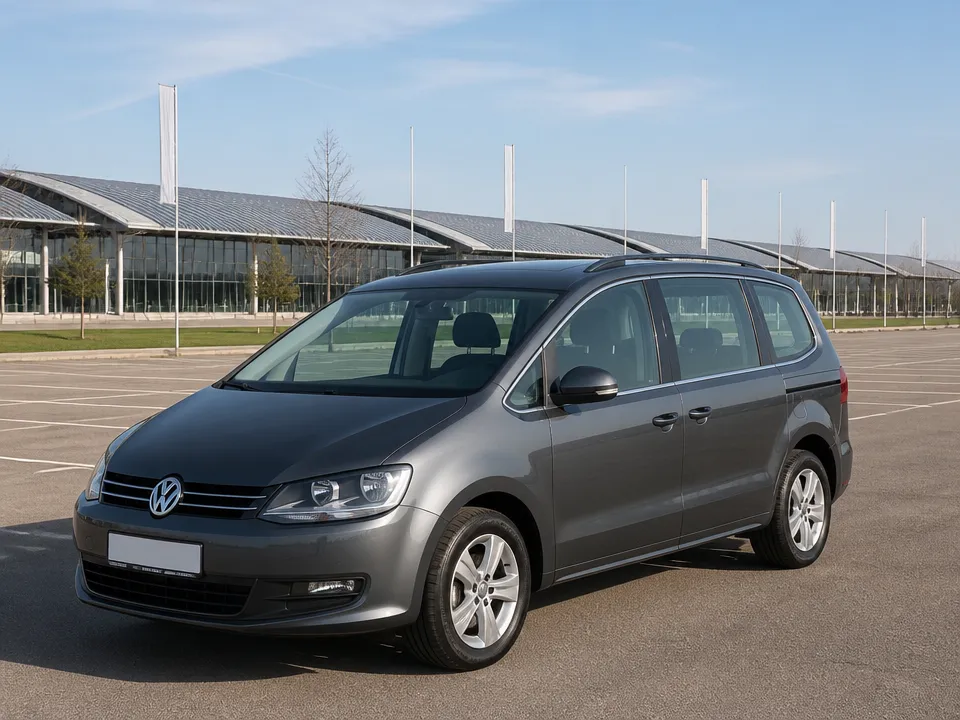
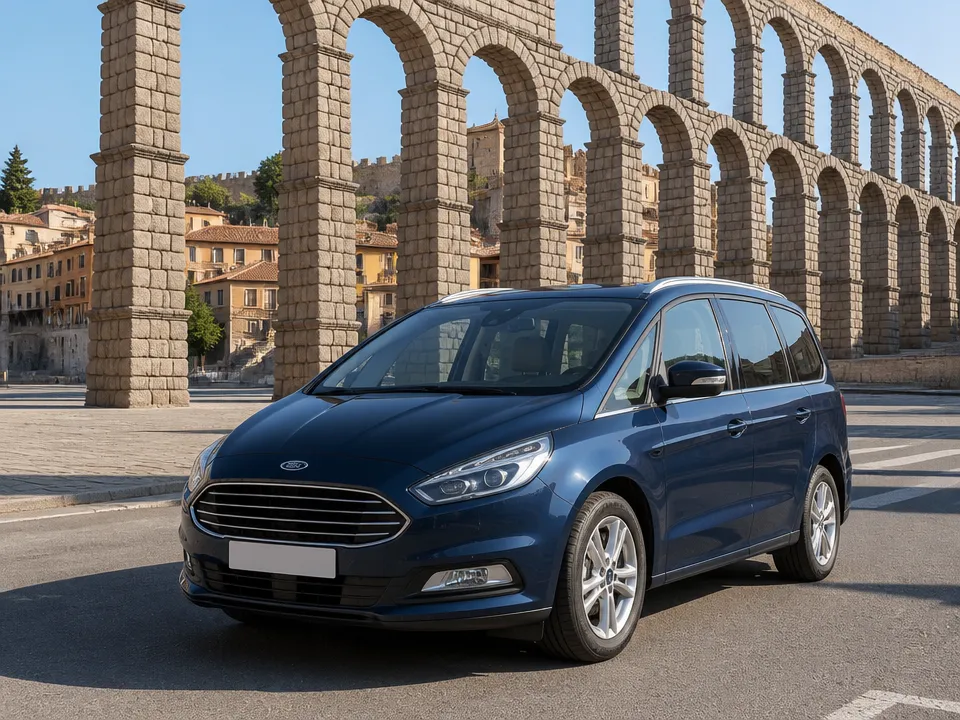
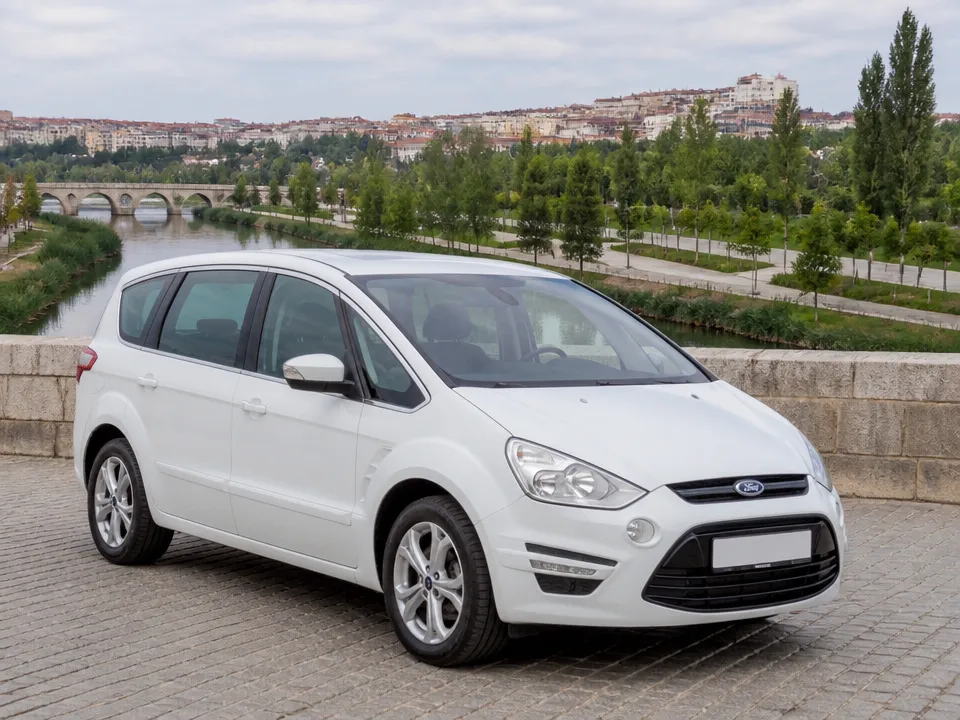
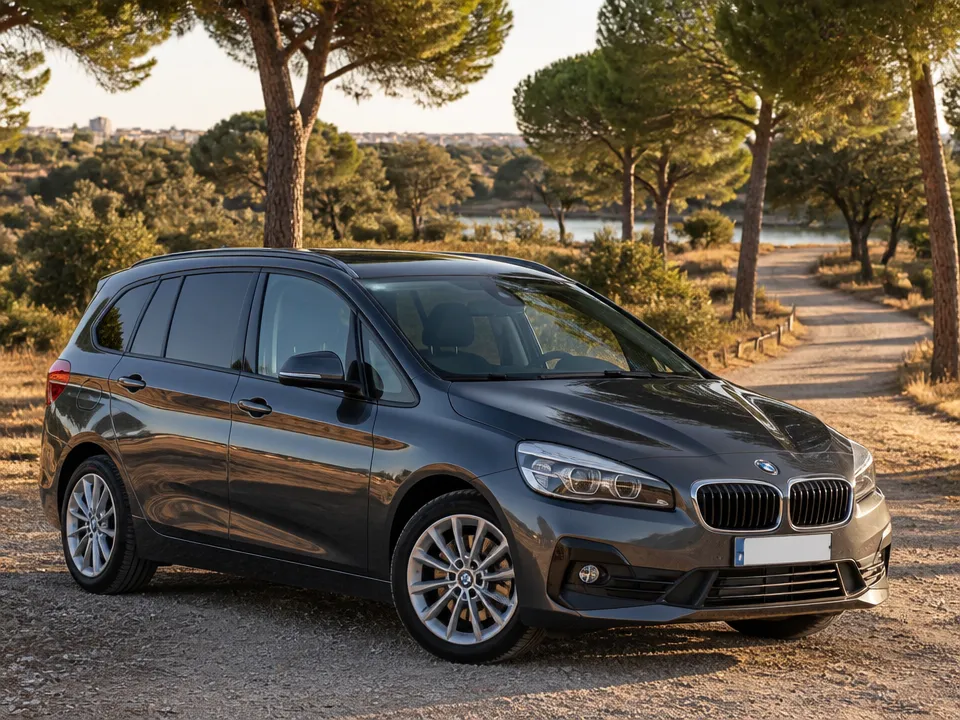
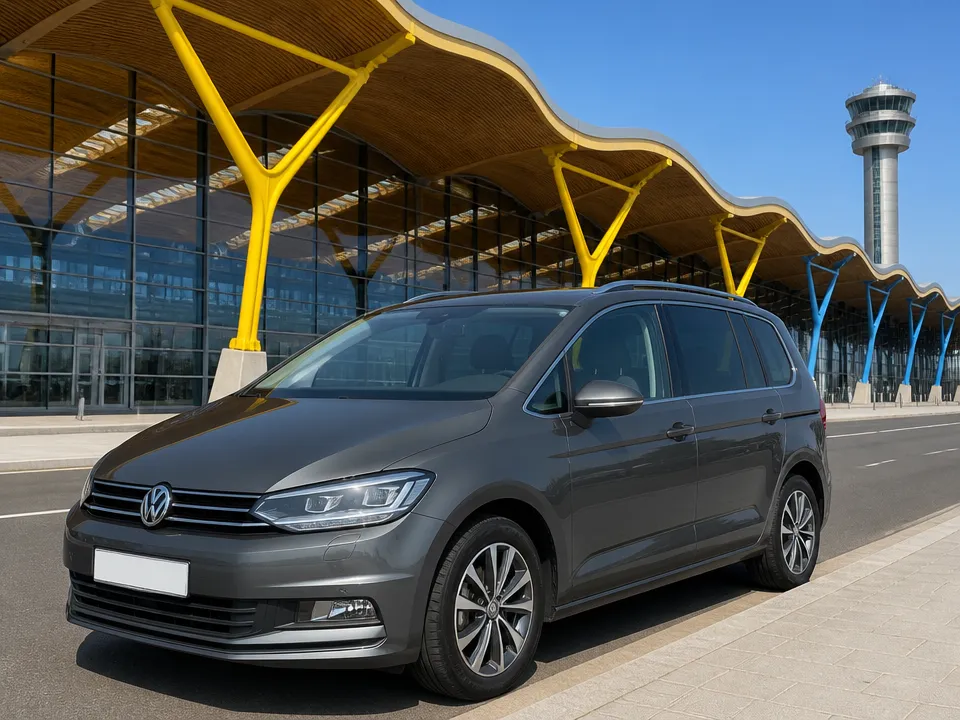
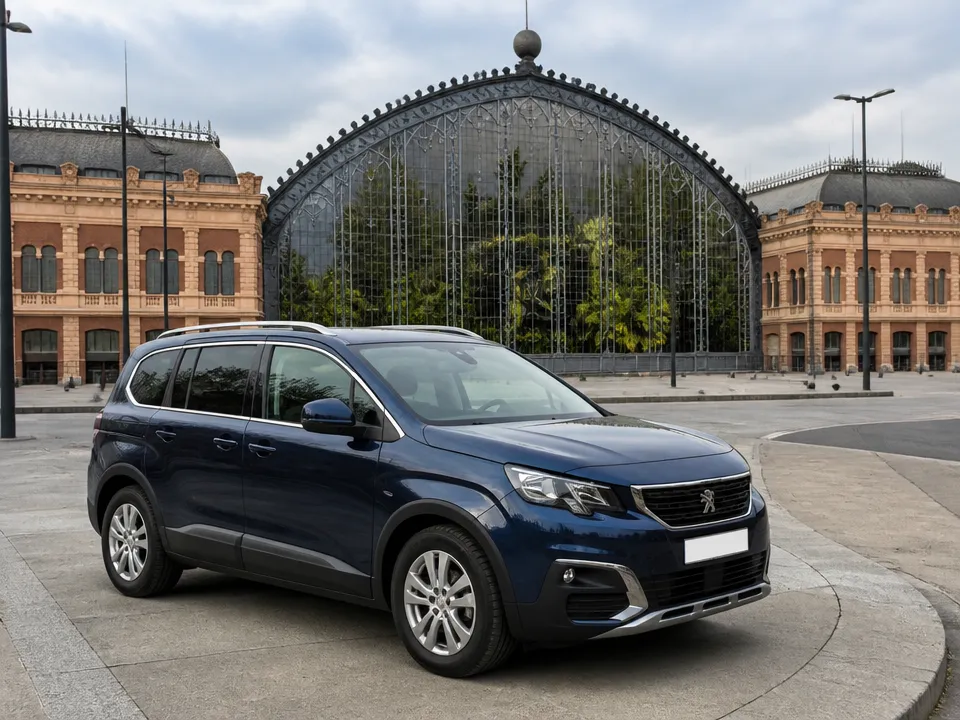
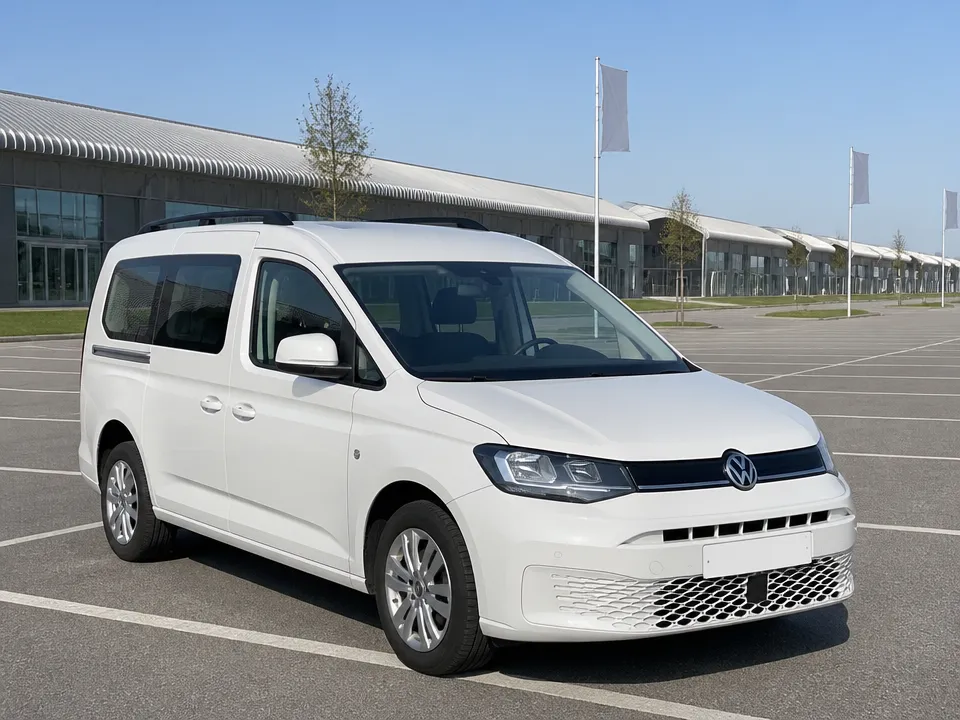
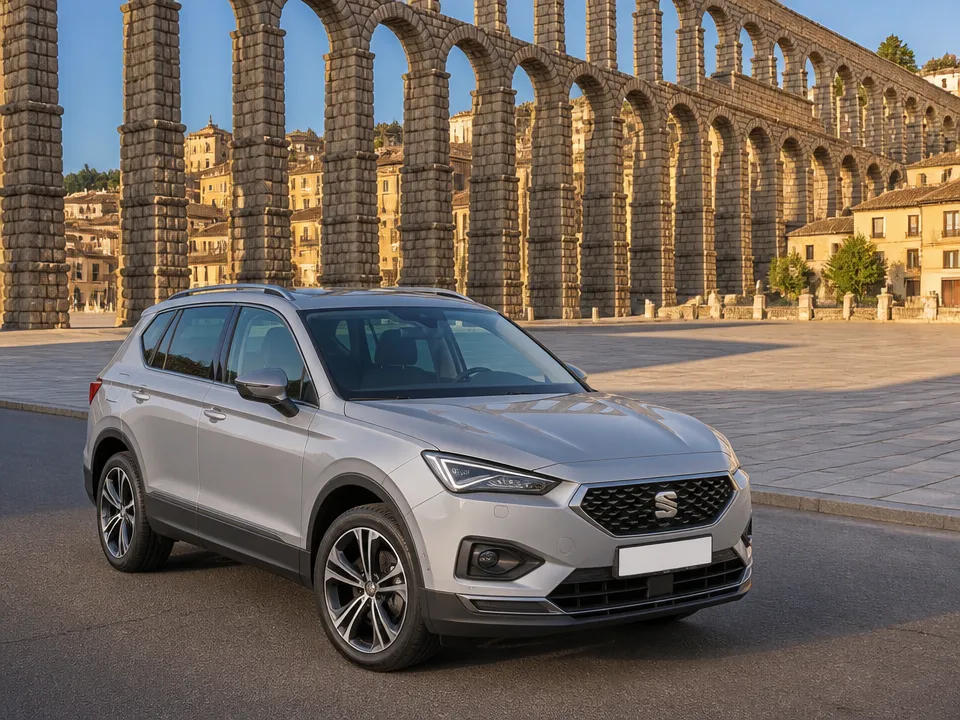
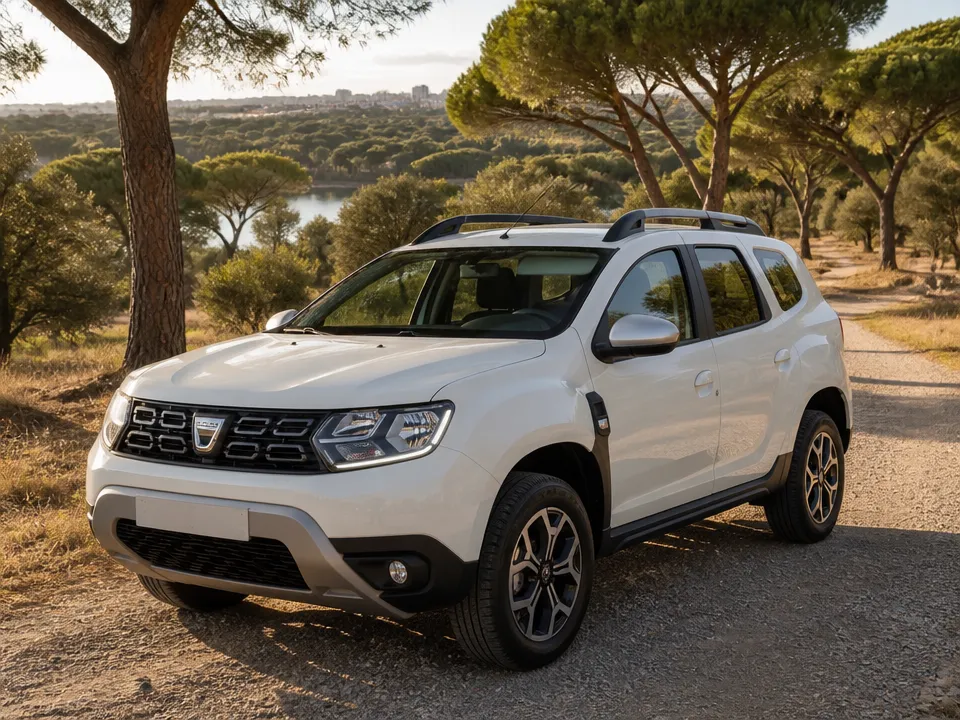
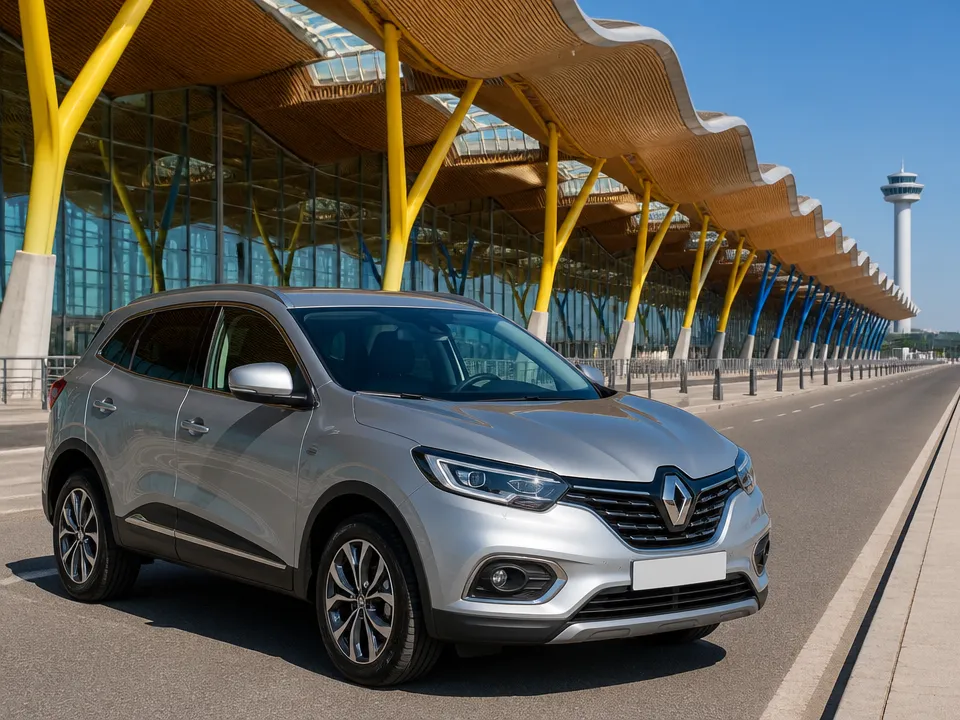
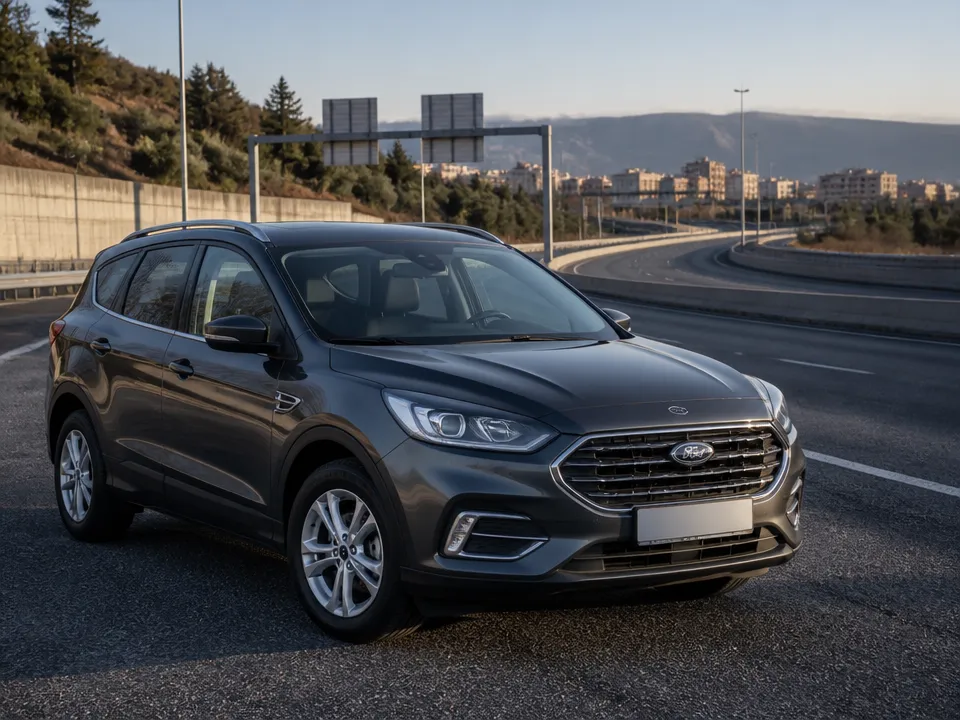
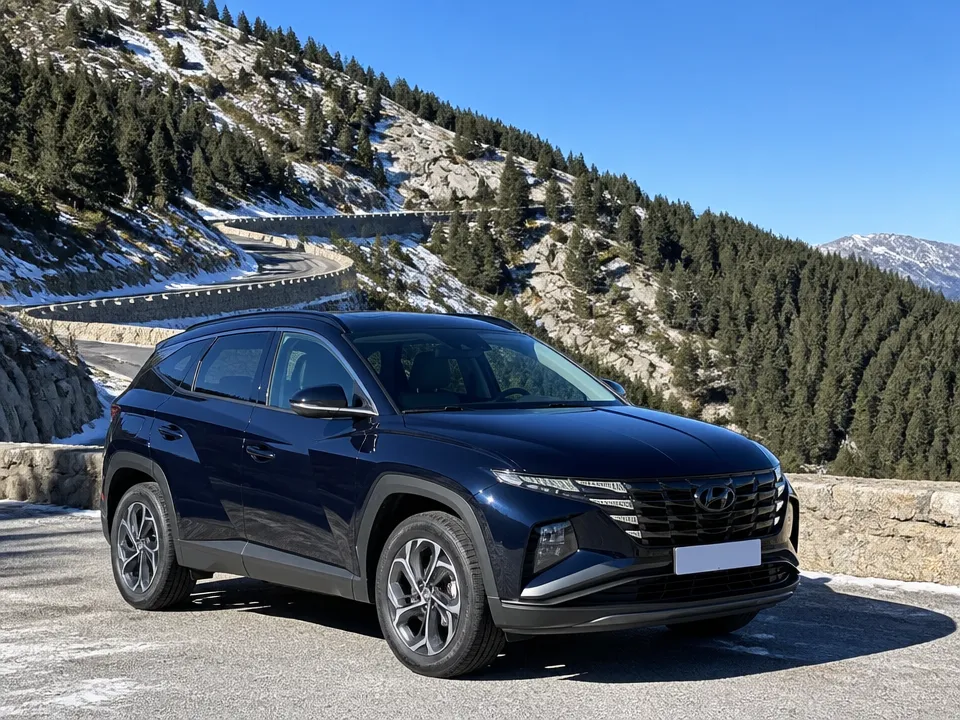
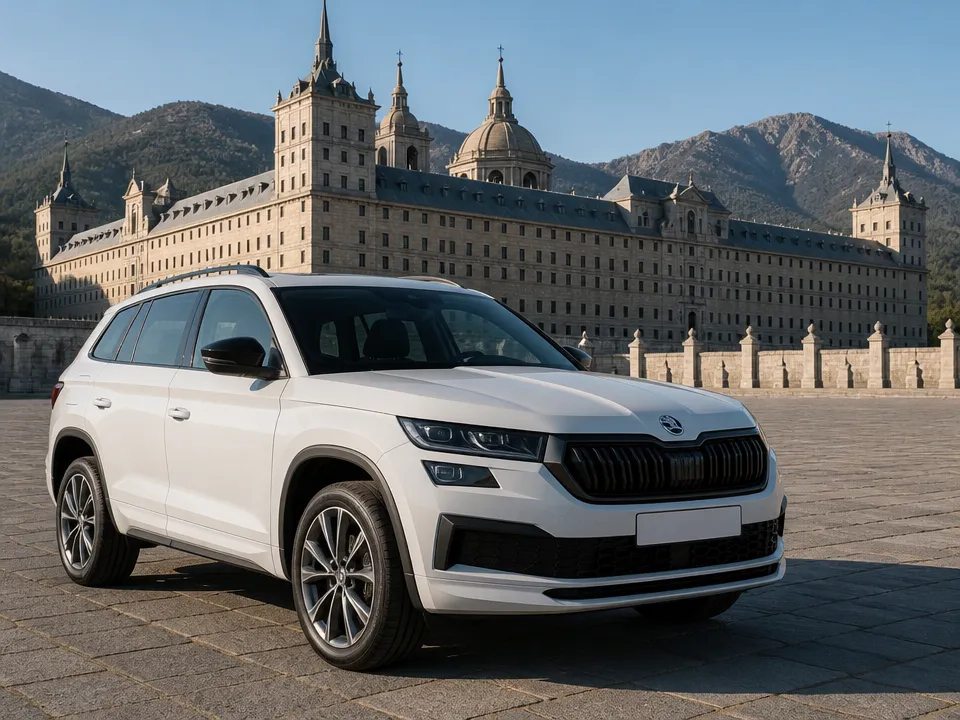
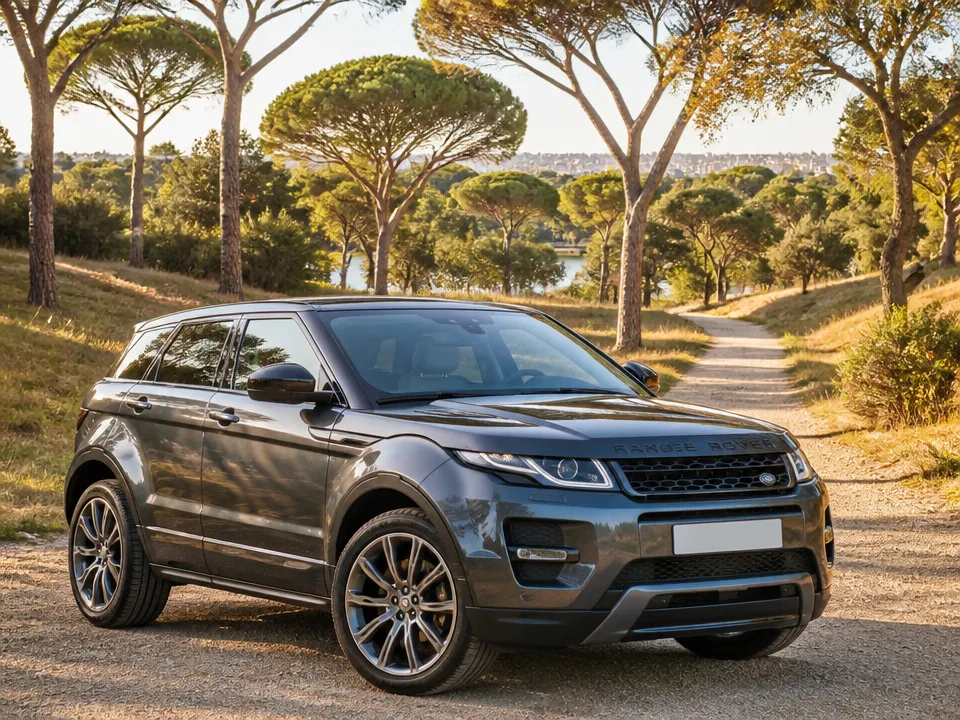
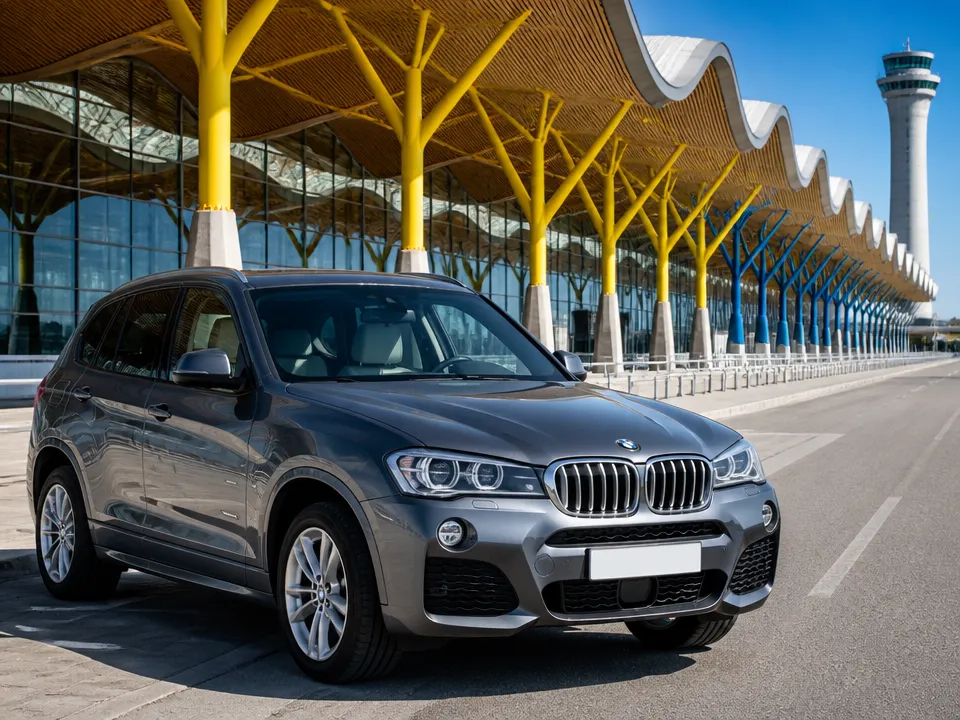
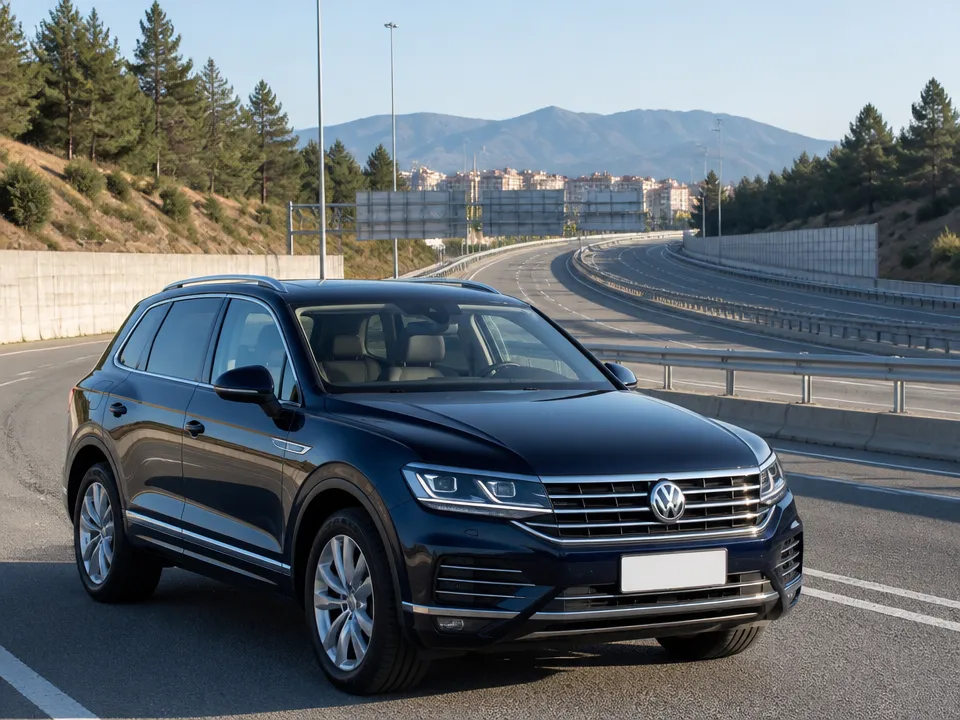

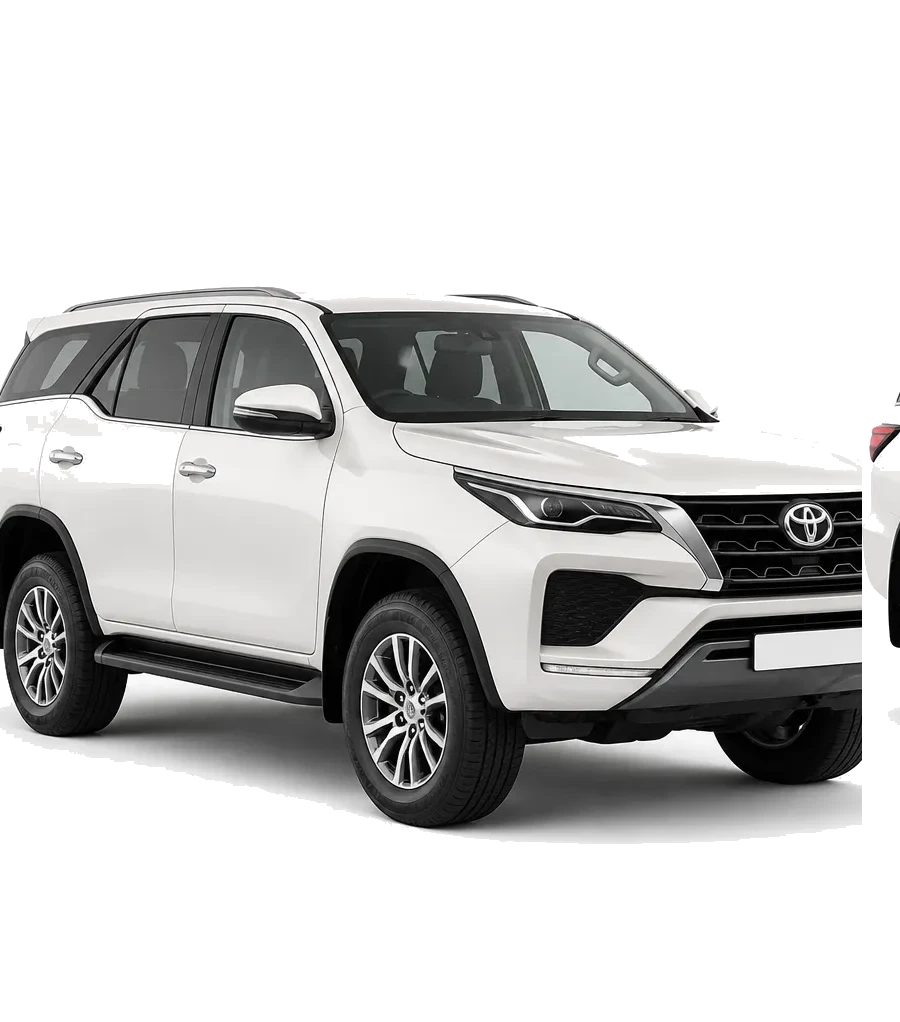
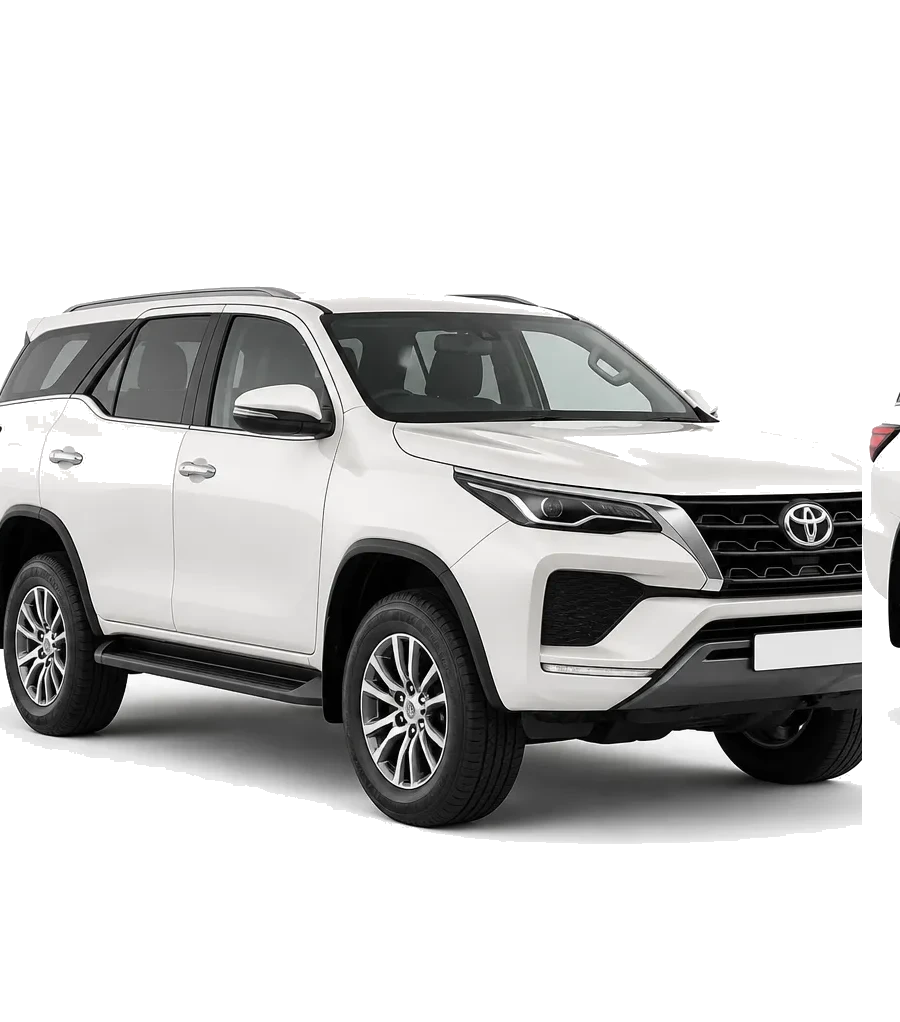

A week of driving from Madrid to Toledo, Segovia and the Sierra de Guadarrama starts with the right car — and Rent-Trip brings it to you. We have 51 cars for intercity car rental in Madrid, from €41 to €108 per day, with weekly bookings from €246 and monthly from €861. Choose a model, agree the details with a manager, and the car is delivered to the address you give when booking.
Intercity hire with Rent-Trip works the other way round from a counter: we bring the car to you, you drive it yourself, and the booking is agreed with a manager before anything moves. No queue, no shuttle to a depot on the edge of town.
Rent-Trip delivers the car to you and agrees the intercity booking with a manager, so you drive yourself to another city and back. The idea is simple: you name the address and the time, a manager confirms both, and the car arrives where you already are — your flat, your hotel, the office you are working from. Because the hand-over point is agreed rather than fixed, the same booking covers a one-way run out of the city and a return leg days later, and the class you picked stays the class you get. Everything about the arrangement — the address, the window, the length of the hire — is settled in one conversation rather than at a desk. Agree the hand-over point when you book, not on the day: the delivery slot shapes which class can reach you and when, and a slot fixed late narrows your choice of the 51 cars on this page.
You are the driver — we hand over the car under a hire agreement, and only the people named in that agreement may drive it. That is what self-drive means here: without a chauffeur, no guide, no one else at the wheel. The same goes for anything else that changes who is responsible for the vehicle. Sort the additional driver out at the booking stage — a second name added later means the agreement no longer matches who is actually driving, and that is the kind of detail that turns a straightforward trip into an argument at the roadside.
Rates on this page run from €41 to €108 a day, with a week from €246 and a month from €861. The weekly and monthly figures follow one rule: a week is six daily rates, a month is twenty-one, so longer bookings spread the same daily price across fewer charged days.
The cheapest way into an intercity booking is the Comfort class at €41 a day, and the top of the range sits at €108. Four classes cover the whole page: Comfort with 15 cars from €41, Minivans with 18 cars from €42, Crossover with 10 cars from €48 and SUV with 8 cars from €58. Every rate is per day for the car, and the class you pick sets the floor — a Mini One at €41 and a Hyundai i30 at €44 sit in the same Comfort bracket, while a Dacia Duster at €58 opens the SUV group. In our practice the daily rate matters most for trips of two or three days, where the class difference of a few euro is the whole cost difference. If your dates are fixed, book the class rather than the model: the daily rate holds, the exact car is confirmed when the manager agrees the booking.
A week of intercity hire starts at €246 and a month at €861, because a week is counted as six daily rates and a month as twenty-one. That arithmetic rewards longer stays: a Comfort car at €41 a day becomes €246 for the week and €861 for the month, and the same multipliers apply up the range — an SUV at €58 a day lands at €348 for the week. On longer bookings the fuel type matters more than the daily figure. Diesel and hybrid models in our fleet — the Citroen C4 Picasso at €46, the Toyota Corolla at €60, the Toyota Prius+ at €58 — cover distance on less fuel than a petrol equivalent, and over a month of driving that gap outweighs a small difference in the daily rate. Pick the class by how you will use the car, then check the weekly or monthly total.
| Class | Cars | From, per day | Typical models | Best for |
|---|---|---|---|---|
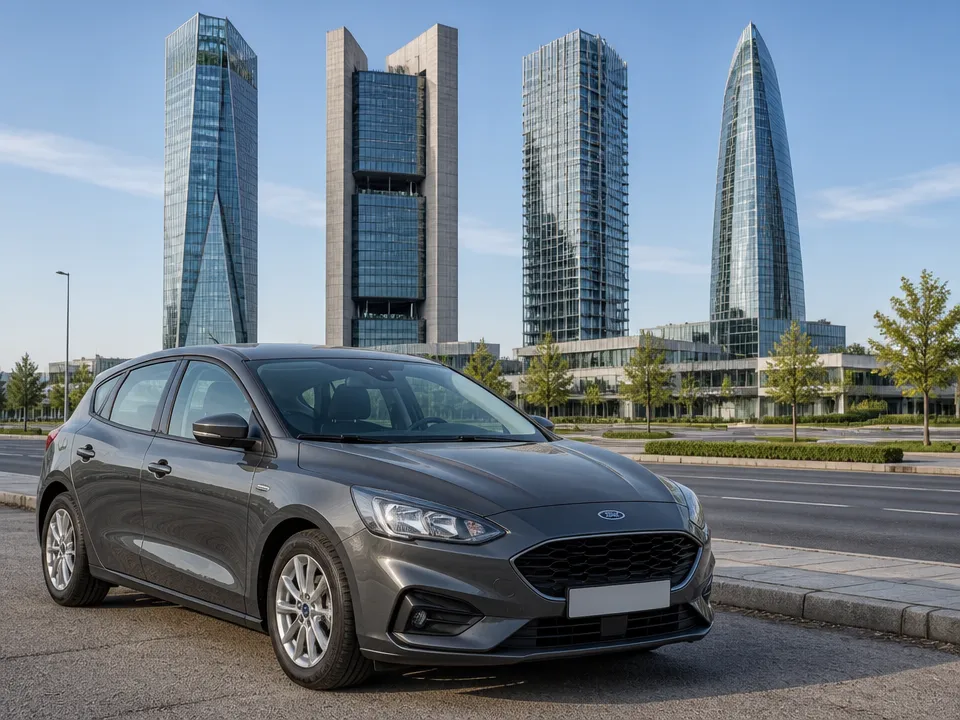
| Comfort | 15 | €41 | Mini One, Hyundai i30, Ford Focus | Two people, light luggage |
| Minivans | 18 | €42 | Ford C-Max, Nissan NV200, Opel Zafira | Groups, seven seats |
| Crossover | 10 | €48 | Nissan Juke, Renault Captur, Hyundai Kona | Mixed city and highway |
| SUV | 8 | €58 | Dacia Duster, Renault Kadjar, Hyundai Tucson | Rough roads, high seating |
Minivans are the largest block on this page at 18 cars, so a seven-seat MPV is the easiest thing to secure at short notice — the Nissan NV200, Dacia Lodgy and Opel Zafira all come with seven seats from €48 to €52 a day. Deposit, insurance excess and any delivery fee are set out in the rental agreement and are confirmed when you book.
The car you pick decides how the whole run feels — seats for everyone, a gearbox you are happy with for four hours, and fuel that does not eat the budget. On this page we hold 51 cars across four classes.
Automatic or manual, diesel, hybrid or petrol — the choice matters more on an intercity run than on a city hop. Of the 51 cars here, 18 are Minivans, and that class carries every seven-seater on the page: the Nissan NV200, Dacia Lodgy, Opel Zafira, Renault Grand Scenic, Citroen C4 Grand Picasso, Peugeot Rifter, Toyota Prius+, Volkswagen Sharan, Ford Galaxy, Ford S-Max and BMW 2 Series Gran Tourer. Diesel dominates there, which suits motorway work: a Ford Galaxy or Volkswagen Sharan at 150 hp holds a steady 120 km/h on the autovía without hunting for gears. If you would rather not work a clutch for hours, book automatic early — the Citroen C4 Picasso, Renault Scenic, Renault Grand Scenic, Citroen C4 Grand Picasso, Toyota Prius+, Volkswagen Sharan, Ford Galaxy, Ford S-Max, BMW 2 Series Gran Tourer, Peugeot 308, Opel Astra Sports Tourer, Audi A1 Sportback, Toyota Corolla, Mercedes-Benz B-Class, Mini Cooper, Volkswagen Taigo and Volkswagen T-Cross are the ones we list with an automatic box. Hybrid is the other option at the pump: the Toyota Prius+ and Toyota Corolla both run on it, and on a return leg of 400 km or more the fuel bill usually matters more than the daily rate gap between classes.
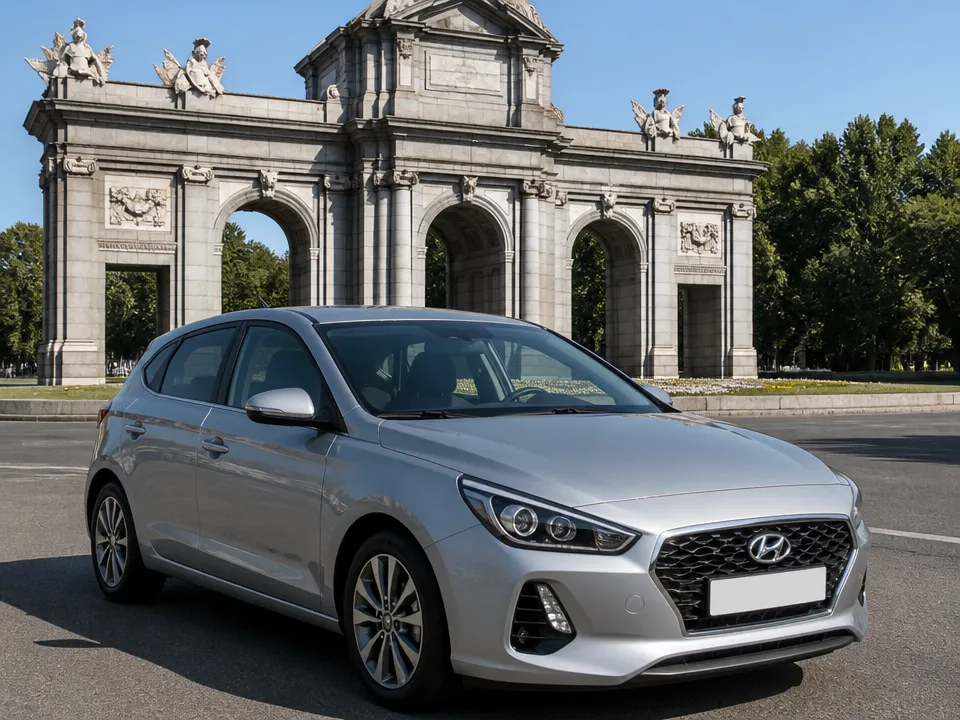
A day trip to Toledo or Segovia is light work for a Mini One or Hyundai i30 — 4 and 5 seats, petrol, manual, from €41 and €44 a day. Take the Sierra de Guadarrama or a run out to San Lorenzo de El Escorial and the taller Crossover or SUV body is the better pick: the Nissan Juke, Jeep Avenger, Opel Mokka, Renault Captur, Hyundai Kona, Volkswagen Taigo, Volkswagen T-Cross, Dacia Duster, Renault Kadjar, Ford Kuga and Hyundai Tucson all sit in that pair of classes. Seven seats and a full boot for a family week point straight at the Minivans — the Citroen C4 Grand Picasso and Ford Galaxy both give 7 seats with automatic and diesel. In our booking practice the question that decides it is rarely the model name; it is how many people plus how many suitcases, and whether anyone in the party drives manual. Tell the manager both at booking and the class follows from there.
Long-distance car rental in Madrid is mostly about seats, luggage and fuel, not about the daily rate. On this page 18 Minivans and 10 Crossovers cover the group and family demand, and the seven-seat MPVs are the models a full carload ends up in. Below is how we match a car to a full carload and a long drive.
Seven seats are the reason a group books a minivan rather than two hatchbacks, and we hold 18 Minivans on this page. The Nissan NV200 (7 seats, Diesel, Manual, €48), Dacia Lodgy (7 seats, Diesel, Manual, €50) and Opel Zafira (7 seats, Diesel, Manual, €52) are the manual options; the Renault Grand Scenic (7 seats, Diesel, Automatic, €54), Citroen C4 Grand Picasso (7 seats, Diesel, Automatic, €56), Volkswagen Sharan (7 seats, Diesel, Automatic, €62) and Ford Galaxy (7 seats, Diesel, Automatic, €64) come with an automatic. The Toyota Prius+ is the only hybrid seven-seater here, at €58 a day. Two things decide the choice in practice: the third row eats the boot, so seven people and seven suitcases do not travel in one car, and a seven-seat diesel automatic at €54–€64 a day is the version that stays comfortable on a four-hour run.
Diesel and hybrid pay off on distance, and the split on this page reflects that: the seven-seat MPVs are listed with their own fuel and transmission, while the petrol units sit in the smaller Comfort and Crossover classes. Automatic matters as much as fuel — the Renault Scenic (5 seats, Diesel, Automatic, €48), Peugeot 308 (Petrol, Automatic, €55) and Toyota Corolla (Hybrid, Automatic, €60) remove clutch work on the motorway crawl out of the city. In our experience families underestimate the boot long before they underestimate the engine: check the seat count and the luggage against the model, not the class name. A week at daily × 6 starts from €246, a month at daily × 21 from €861, so a long booking is where the class upgrade costs least in proportion.
An intercity hire puts you on the radial motorways within twenty minutes of the city centre, and the rules you meet on the way out are the same ones that govern the whole drive. Below is what the road asks of you before you leave, and what changes once you are past the M-50.
The R-5 is the one most intercity drivers meet first, because it is the fast run south-west towards the A-5 corridor and the Toledo road. If you would rather not stop, the free A-5 and A-42 run parallel to the R-5 and cost you nothing but time. Check your route before you set off — the difference between the tolled and the free road is often ten minutes and several euros.
ZBE Madrid, the Zona de Bajas Emisiones de Madrid, covers every urban street in the municipality — all 21 districts — and cars without a DGT environmental sticker, the category A vehicles registered before the petrol and diesel cut-off dates, cannot enter. A car from our fleet carries the sticker it needs, but the vehicle's category is worth confirming when you book, because it decides which streets you may use on the way to your pick-up point and on the way back. The practical consequence for an intercity trip is simple: plan your exit so that you leave the low-emission perimeter on a road that suits the car's sticker rather than discovering the restriction at a camera. Parking inside the city follows the same logic — the SER zona azul allows a maximum of four hours and the zona verde two, with the 0 emisiones and ECO stickers earning a 75% reduction on resident permits.
Snow restrictions are not permanent in Spain, and there is no nationwide winter-tyre rule; DGT imposes them point by point, with signs and variable message boards, on specific roads when snow affects traffic. For a drive out of the city that means the mountain roads of the Sierra de Guadarrama, not the motorways. Where chains or winter tyres are required, only tyres marked with the three-peak mountain snowflake symbol let you continue without chains. Carry the right equipment if your route climbs, and check the boards before the climb rather than at the first closed barrier.
Intercity hire in Madrid runs on three documents — your driving permit, your identity document and the hire agreement — plus the insurance that is already built into every legally roadworthy car in Spain. Nothing here is signed at a fixed office: the paperwork and the hand-over are agreed when you book, and a manager confirms what applies to your booking before the car comes to you.
The DGT recommends getting an international permit before you travel. For a booking of this kind, tell the manager which permits the drivers hold at the booking stage rather than on the day — a permit that needs a translation is the one detail that delays a hand-over.
Our own position is simple: the deposit, the excess and any delivery charge are never a figure on this page — they are set out in the agreement, and we confirm them for your specific booking. Read the excess line before you drive away, because reducing it later is not the same conversation as agreeing it at booking.
Booking intercity car rental in Madrid with Rent-Trip runs through a manager rather than an automated checkout: you send the dates, the address and the class you want, and a person confirms the car, the price and the hand-over point with you. Nothing is fixed until that confirmation comes back, which is why the details below are worth settling before the trip rather than on the day.
The manager comes back with the exact model from the fleet, the daily rate, and the total for your dates — a week is counted as six daily rates, a month as twenty-one, so a longer booking changes the figure you see. Rates on this page run from €41 to €108 per day, a week from €246 and a month from €861, and the class you pick sets where in that range you land.
Anything the agreement itself carries — the deposit, the insurance excess, delivery fees and any discount — is set out in the rental agreement and is confirmed to you at booking, not quoted here. Our practice is to put the class, the gearbox and the seat count in writing before the car is assigned, because a seven-seat MPV and a five-seat hatchback are not interchangeable once luggage is in the boot. If you are travelling with a group, tell the manager the passenger count rather than the car you have in mind.
Changes are handled the same way as the original booking — through the manager, by message or call, before the new dates begin. Extending a rental changes the multiplier: past the first week, days start counting towards the monthly rate of twenty-one daily rates, and the manager recalculates the total rather than charging the daily figure for each extra day. If you return the car to a different point from the one agreed, say so at booking, since a one-way arrangement is not the same booking as a round trip. Give as much notice as you can for date changes — the fleet on this page holds 51 cars, and the seven-seat Minivans are the smallest block to move around.
On the day, the car arrives at the address you agreed, and you take it over under the rental agreement — the driver is you, not a company driver. What is checked at hand-over, and where the agreement is signed, is confirmed to you when the booking is agreed, so ask the manager then if you want it clear in advance. The documents you need are agreed when booking rather than assumed. One practical note from our side: photograph nothing less than the fuel gauge and the odometer reading at hand-over, whichever arrangement you agree — it settles most disputes about the tank and the mileage later.
This page lists 51 cars for intercity journeys from Madrid. Classes here are Comfort, Crossover, Minivans and SUV, with 4, 5 or 7 seats and automatic or manual transmission.
Daily prices on this page run from €41 to €108. The Mini One is €41 per day, the Ford C-Max €42 per day and the Hyundai i30 €44 per day, all from Madrid.
EU and EEA licences are valid in Spain as they are while unexpired, and no international driving permit is needed. For third-country licences, the DGT recommends getting an international driving permit before the trip to Madrid.