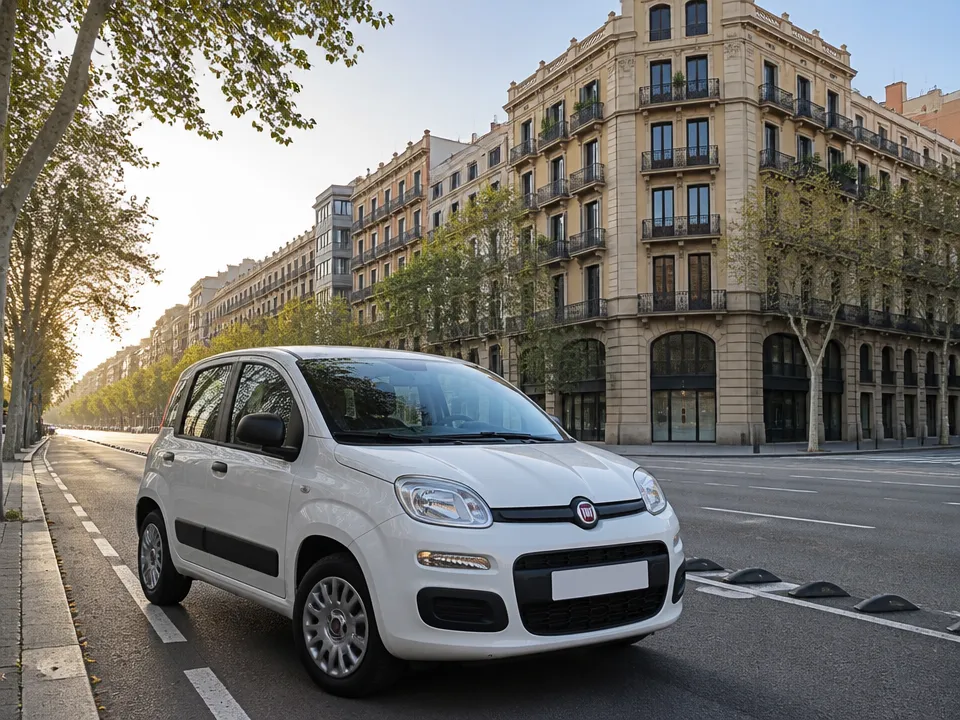
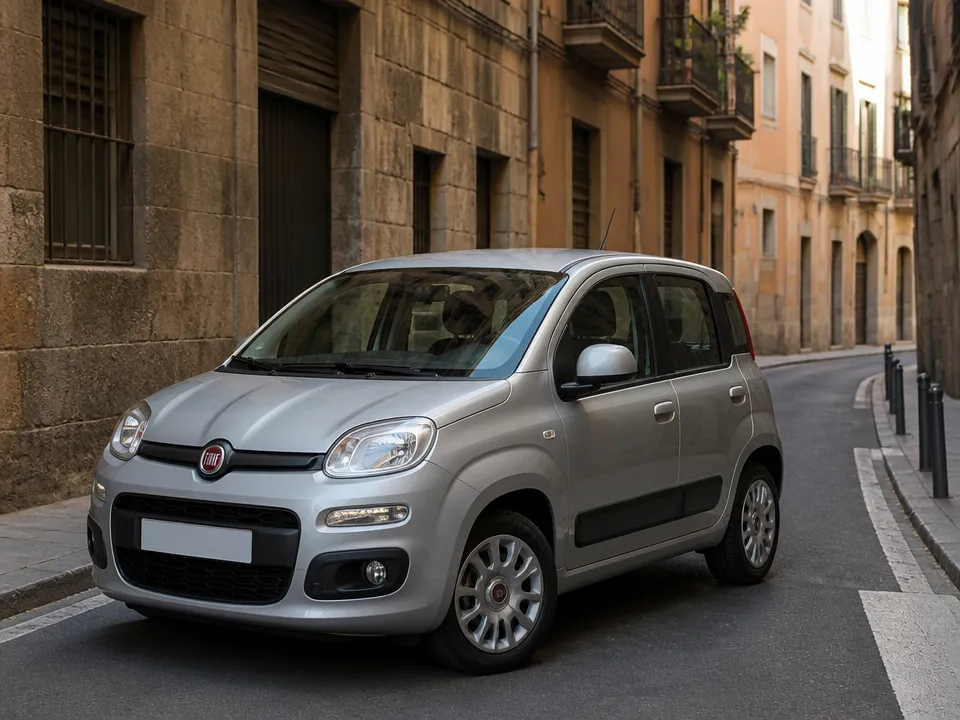
Fiat Panda
★4.5· 53Manual1.0 L70 hpFront-wheel4 seats
€19per day
Book now






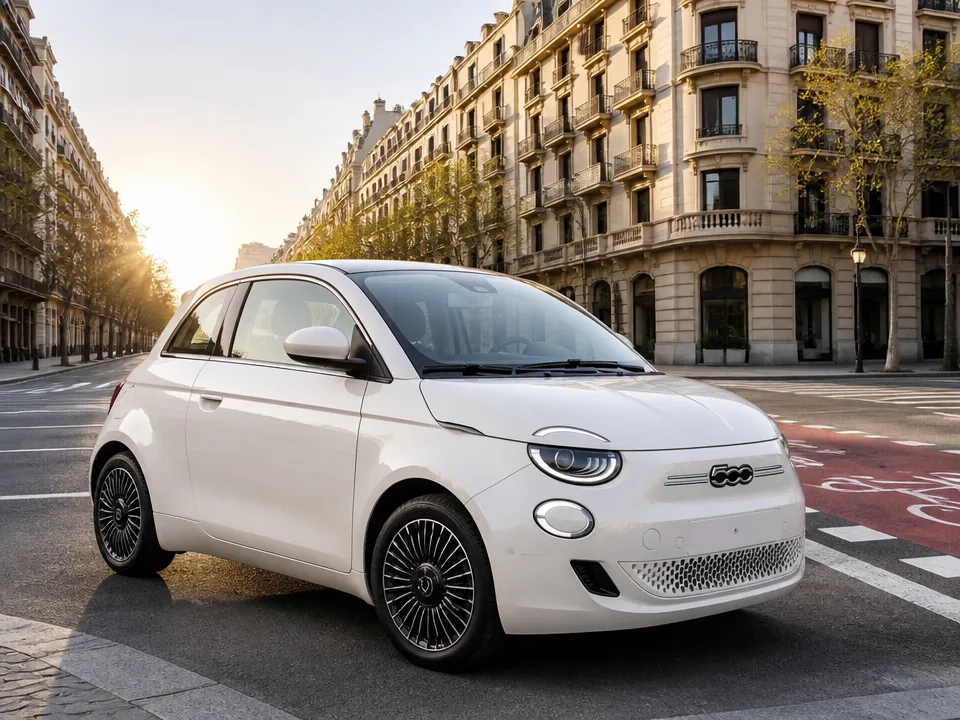
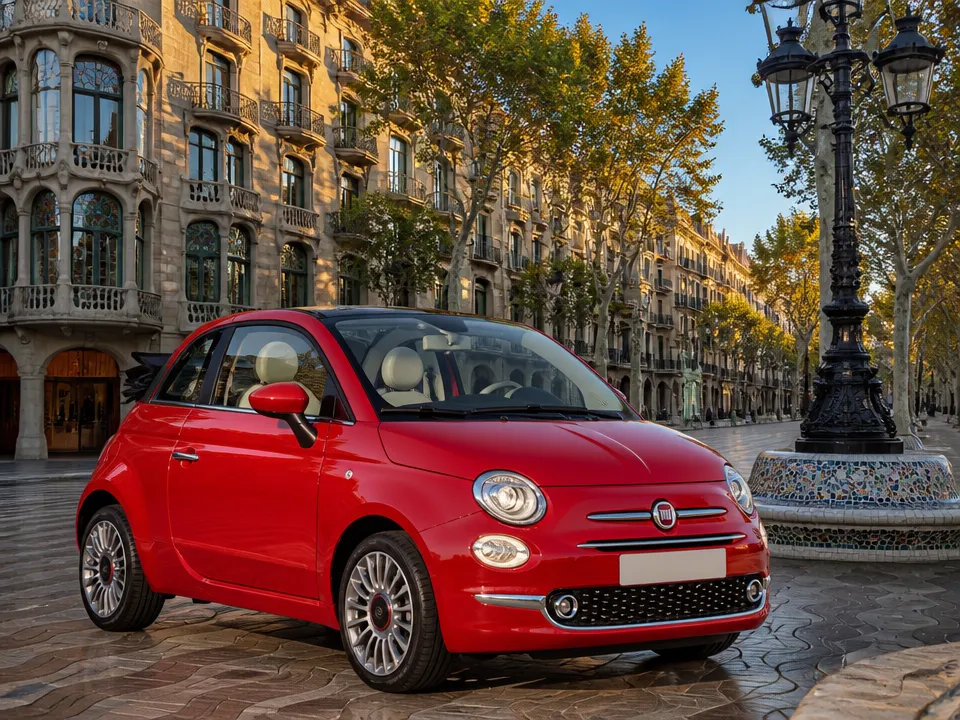
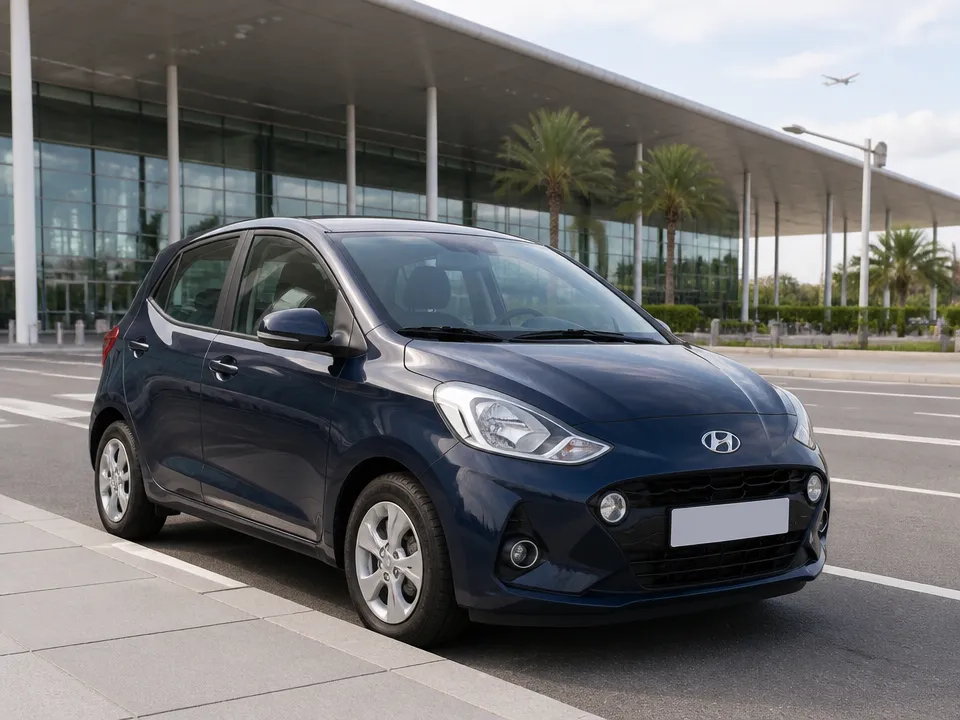
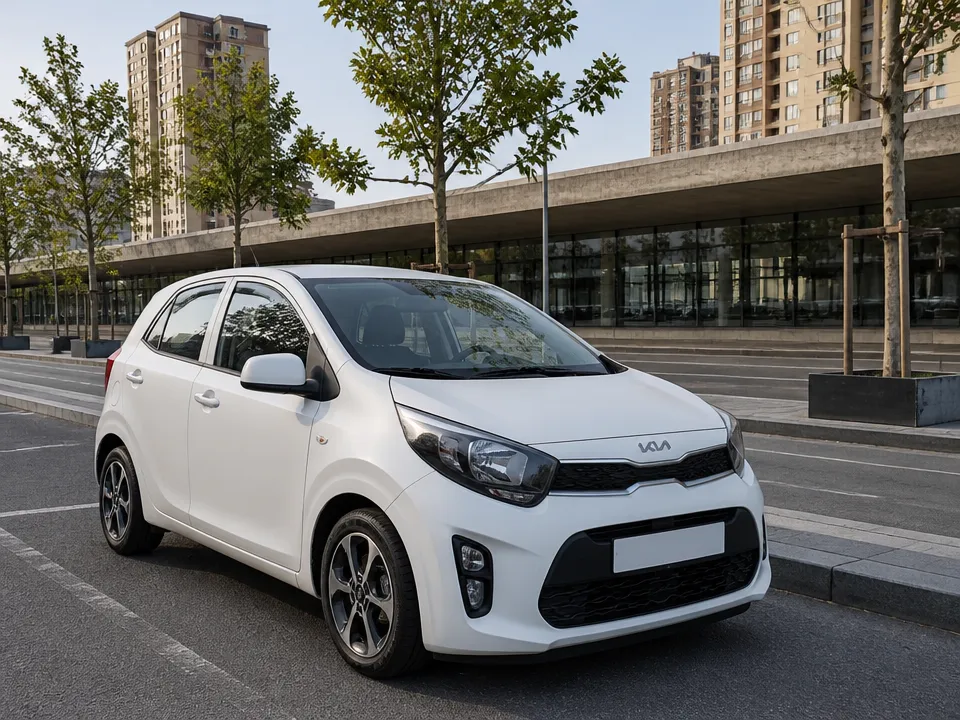
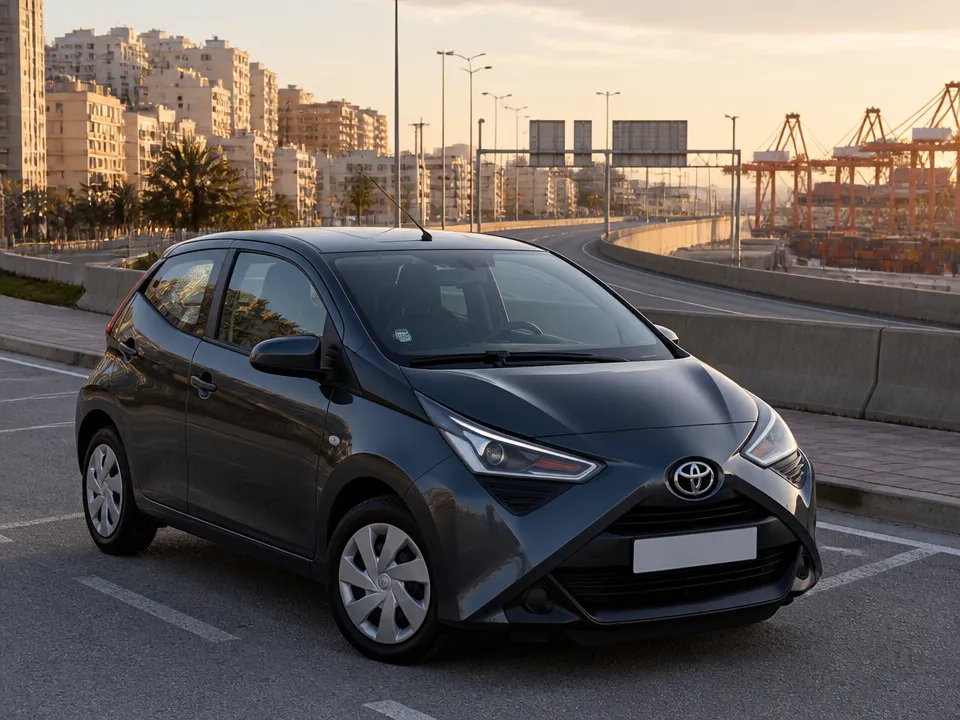
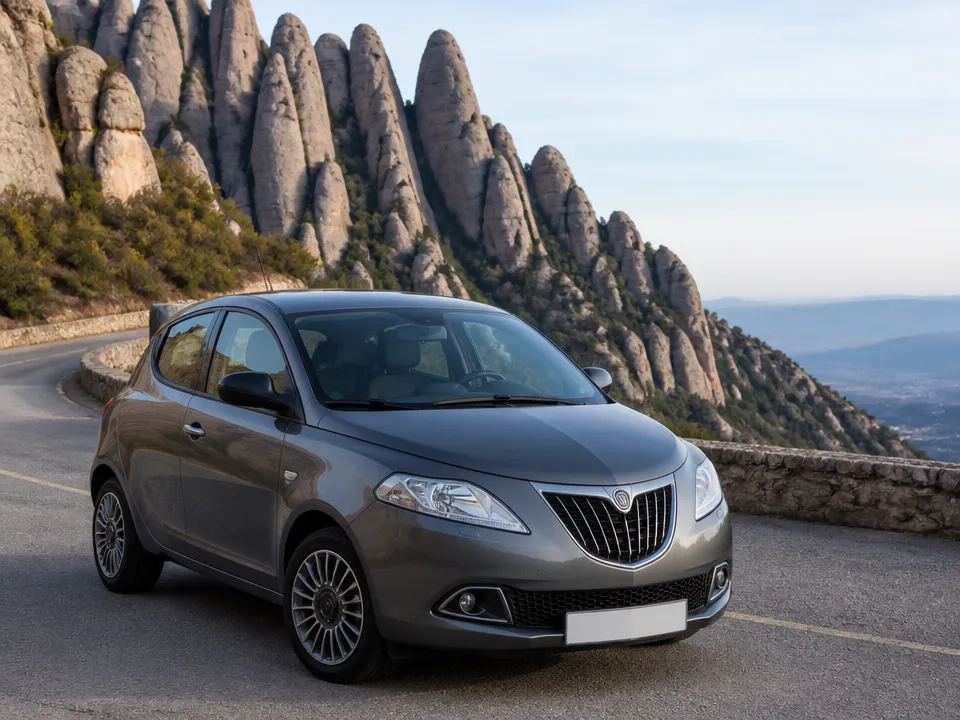
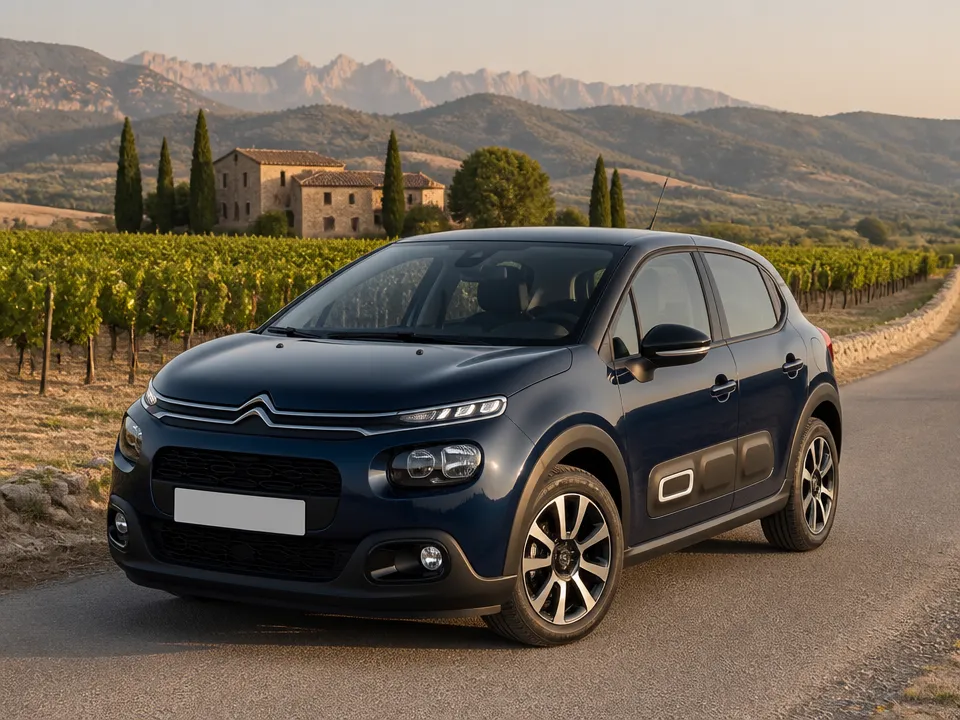
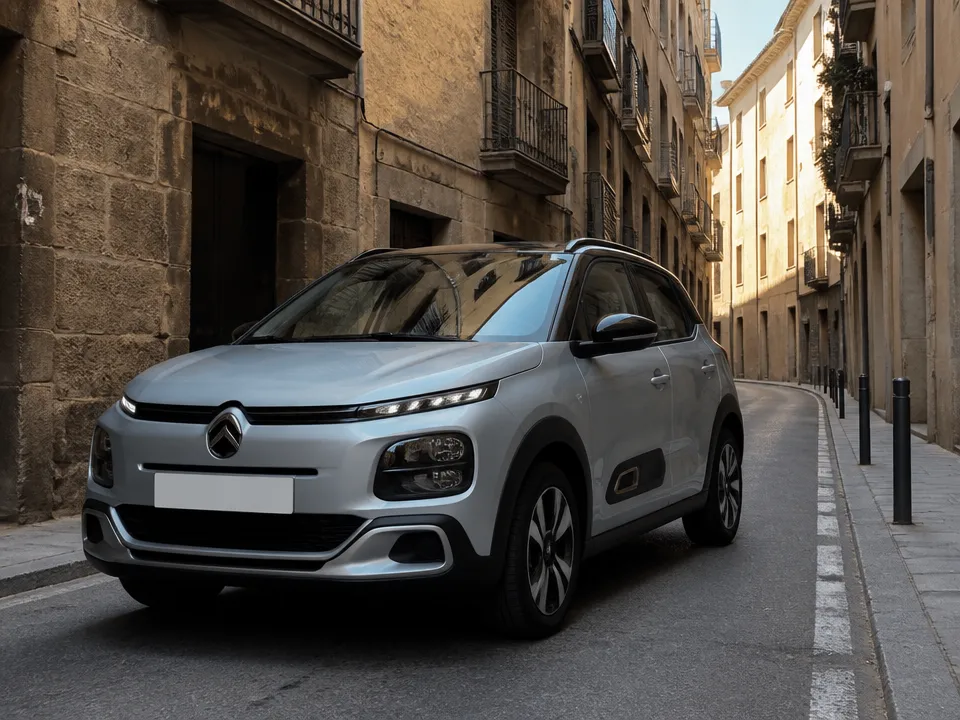
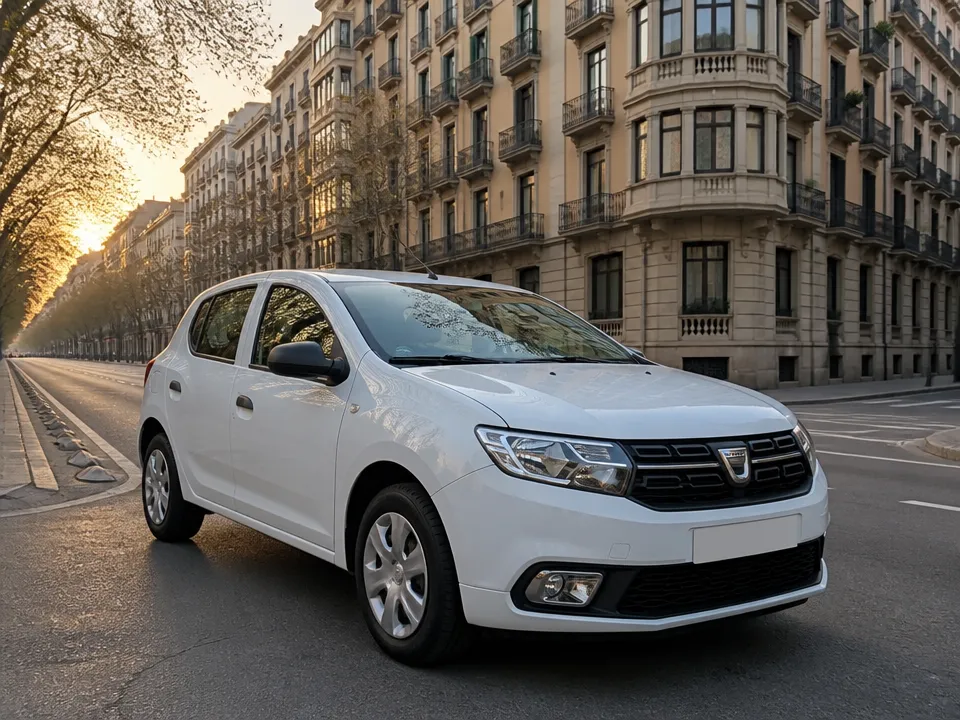
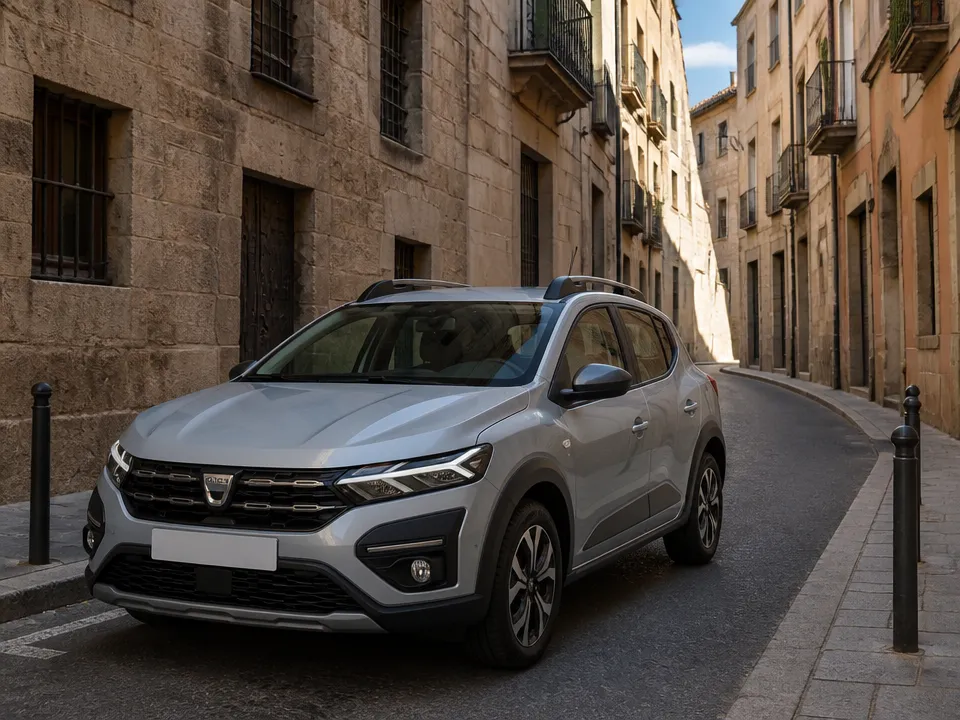
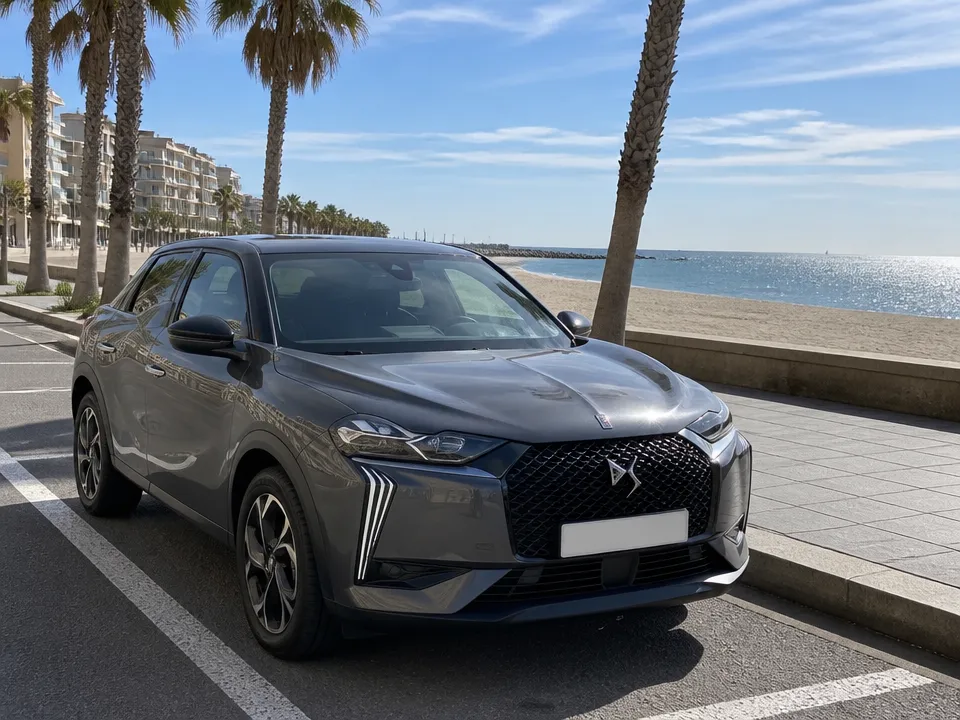
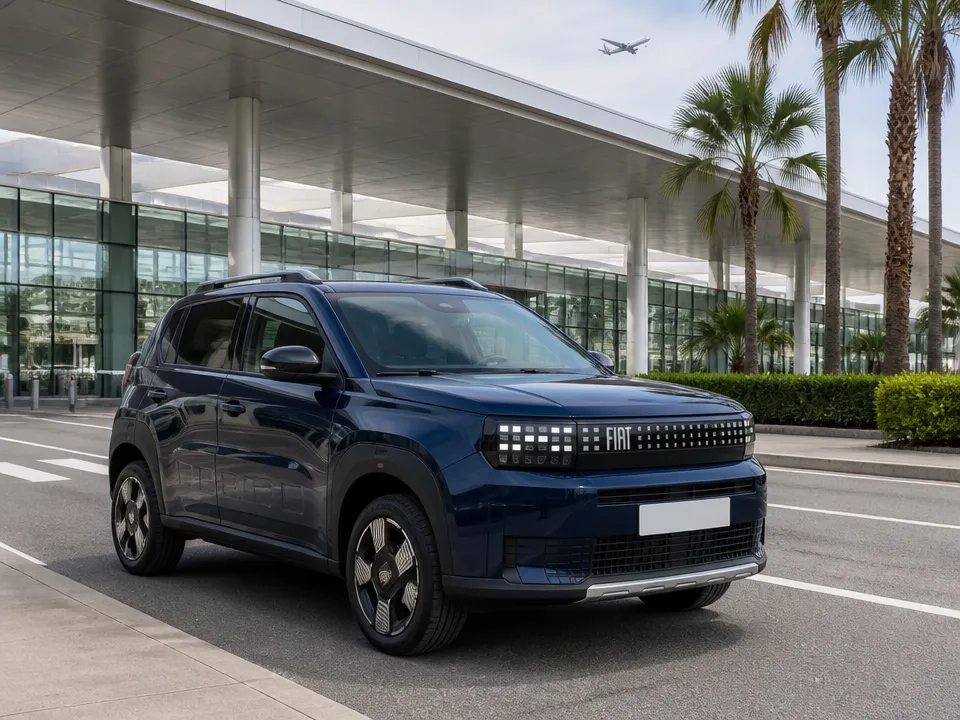
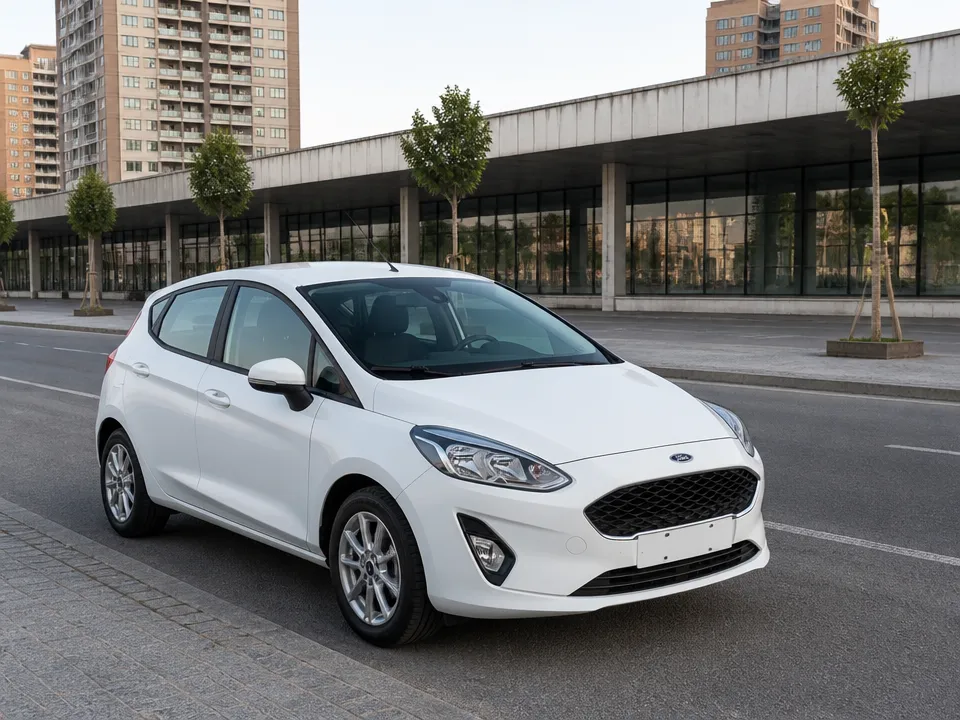
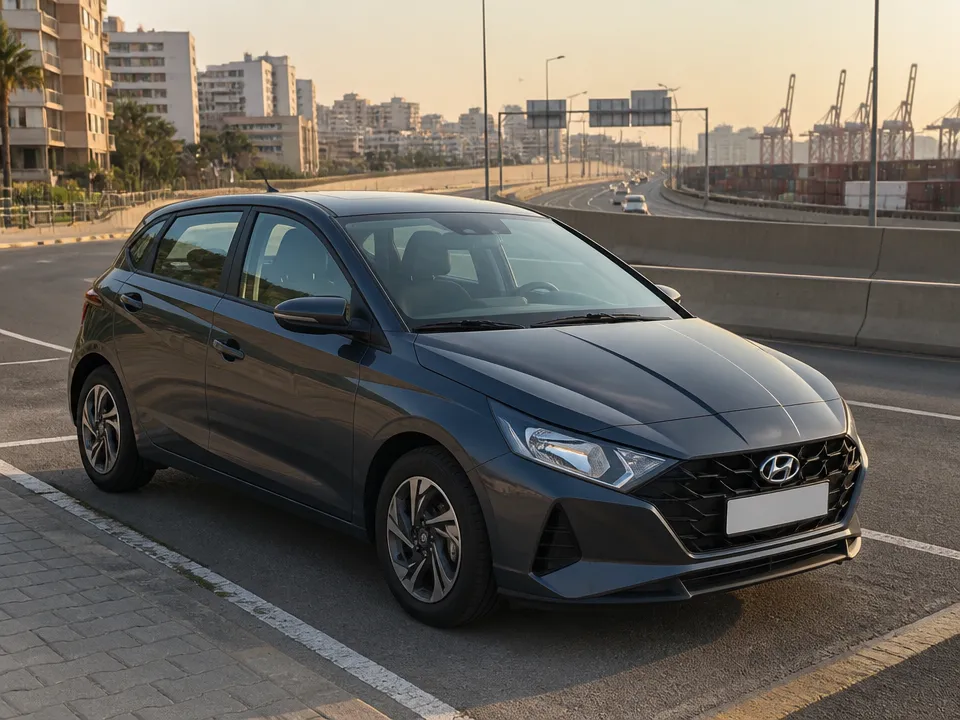
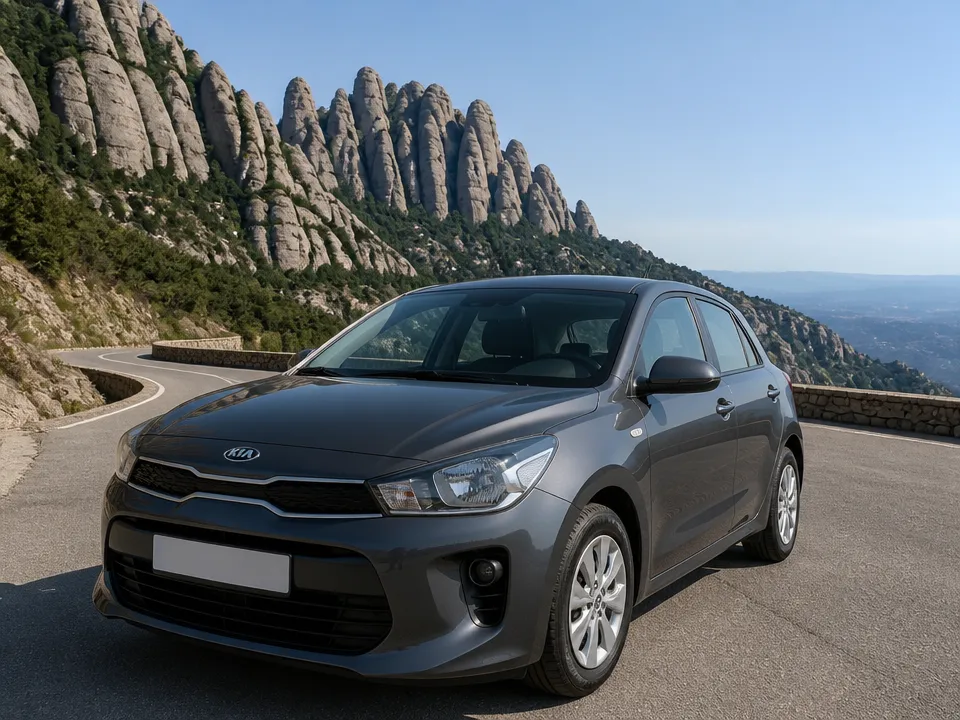
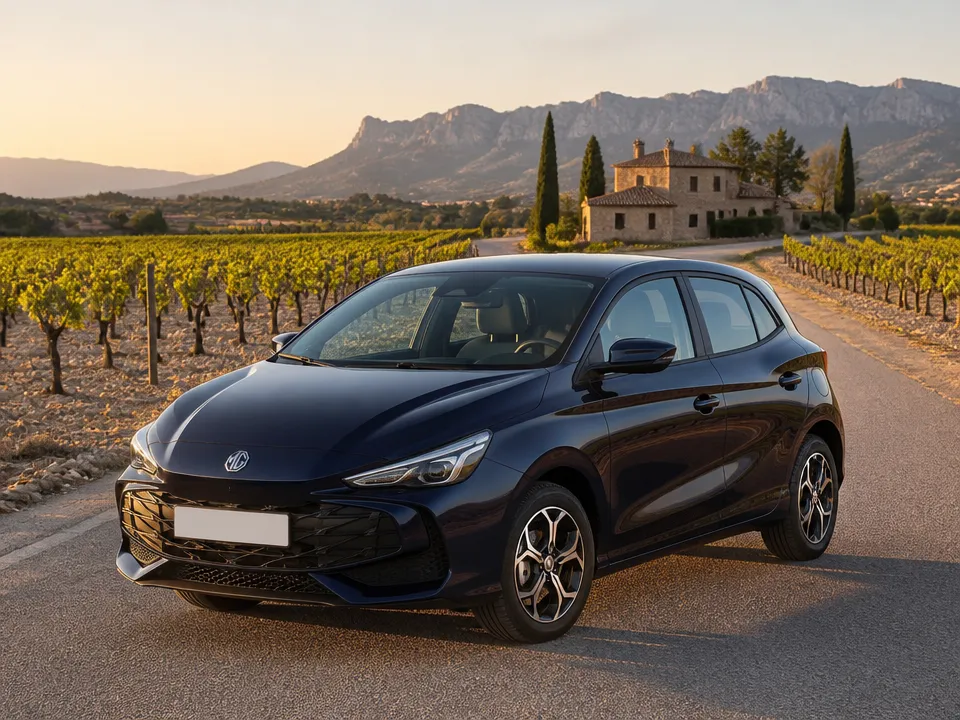
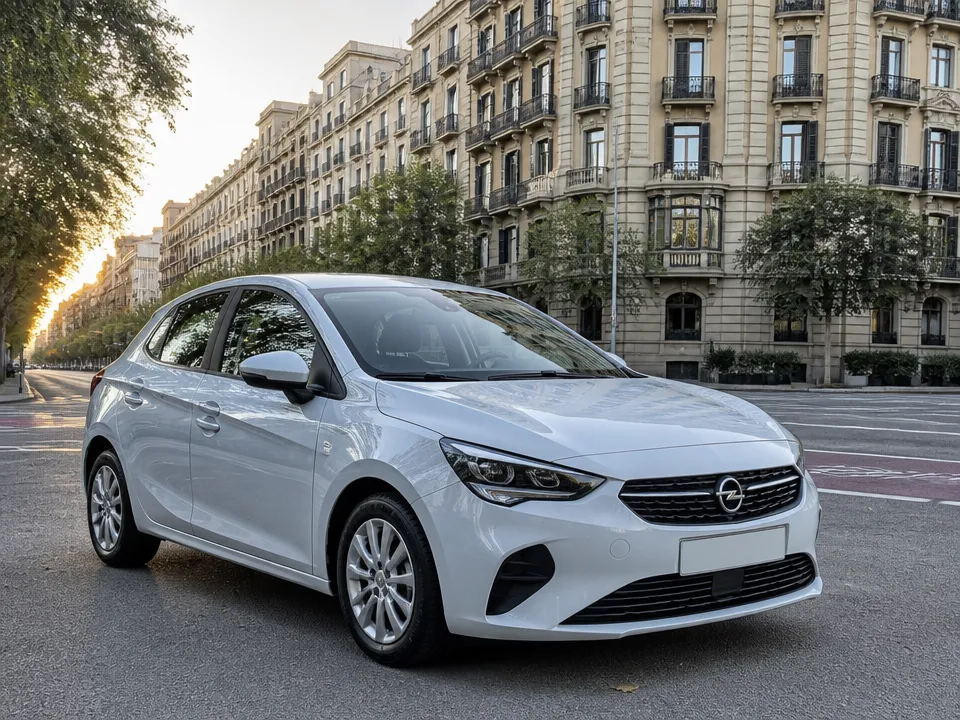
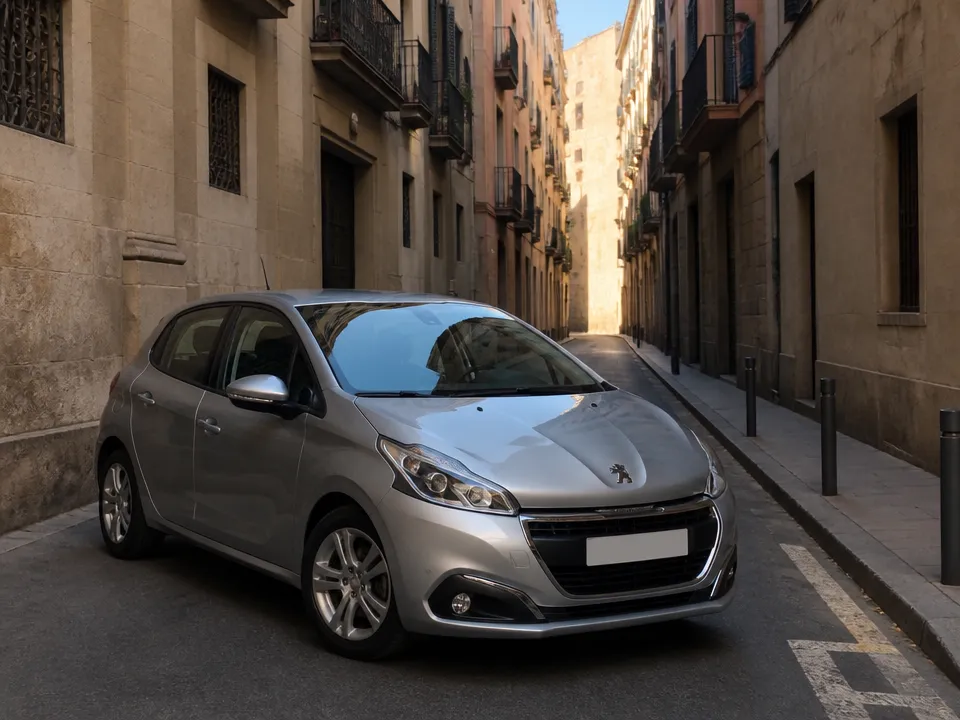
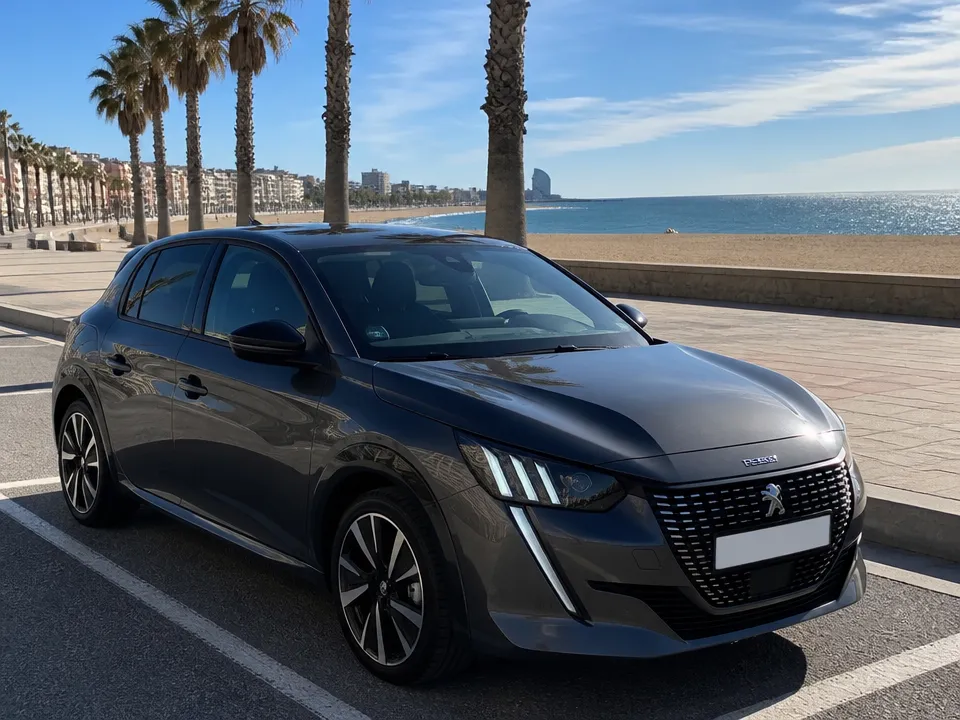
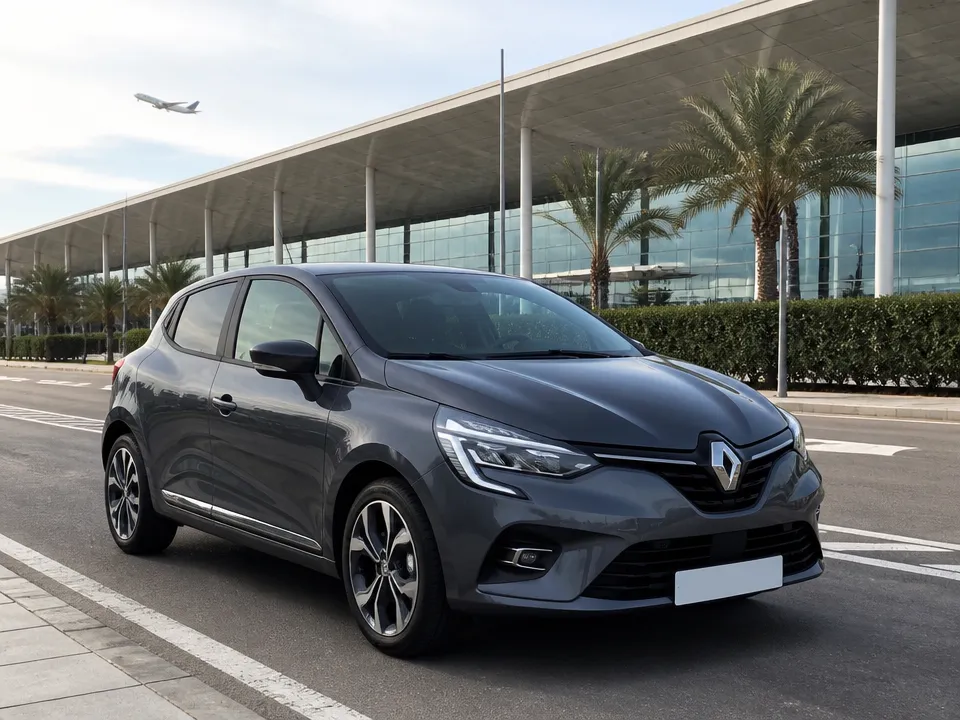
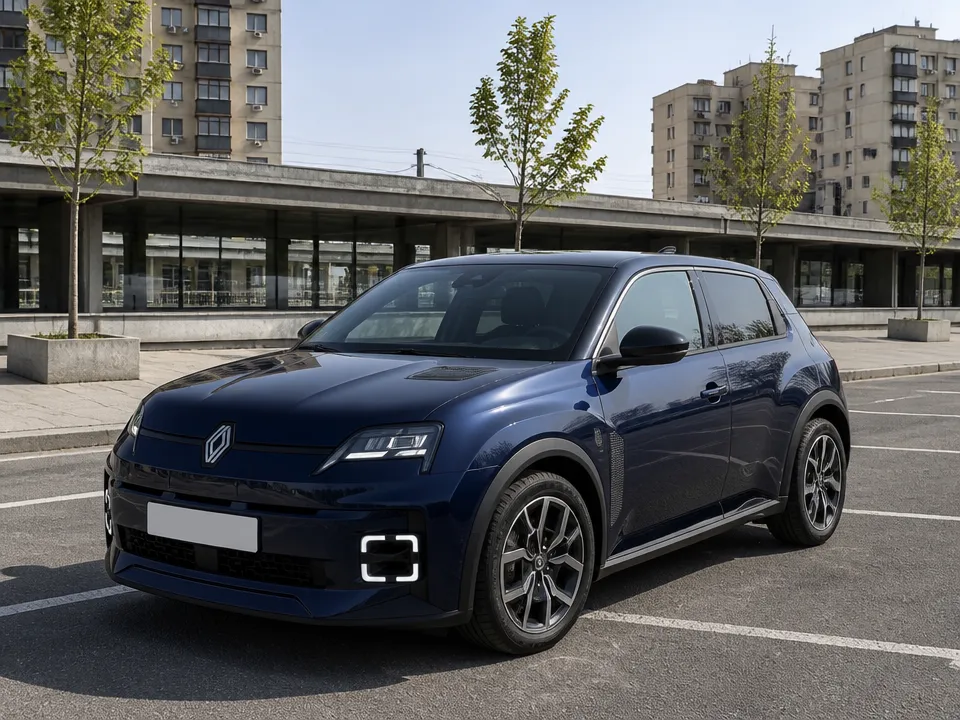
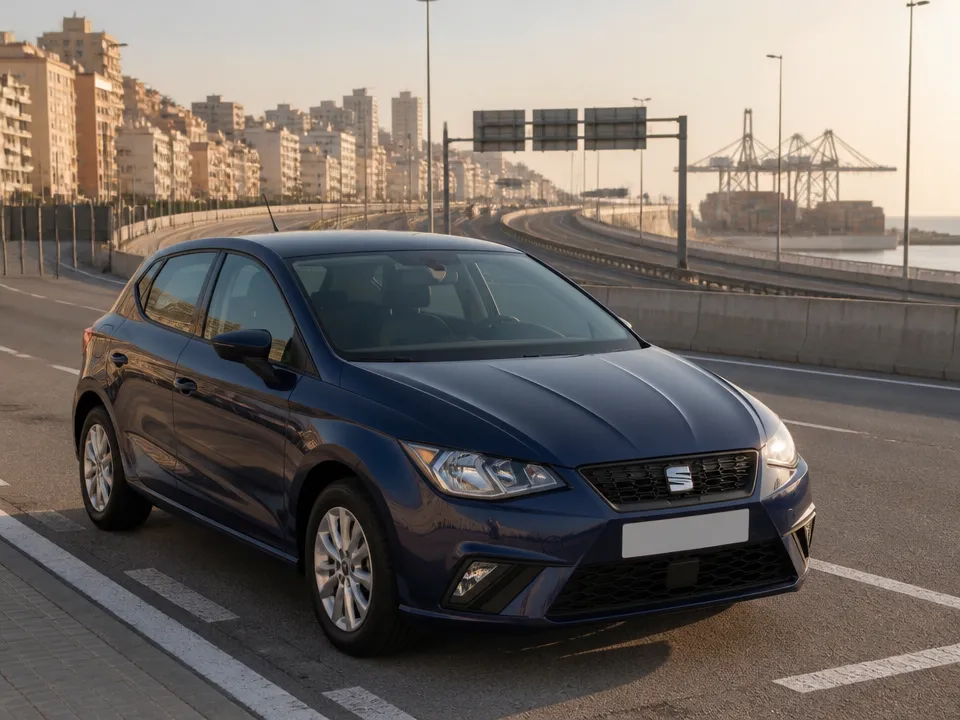
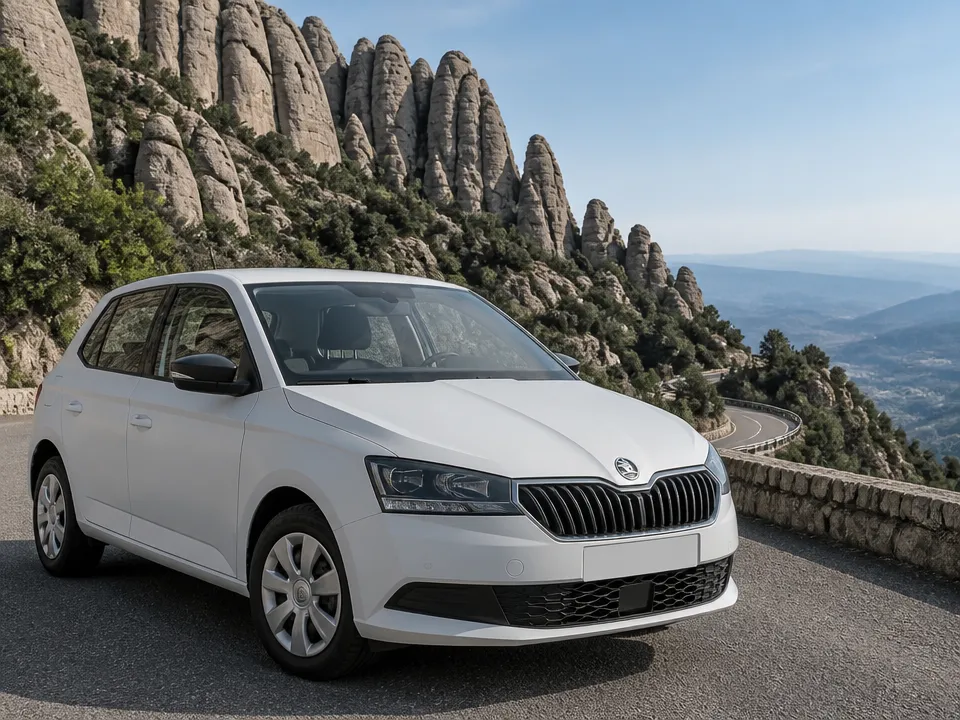
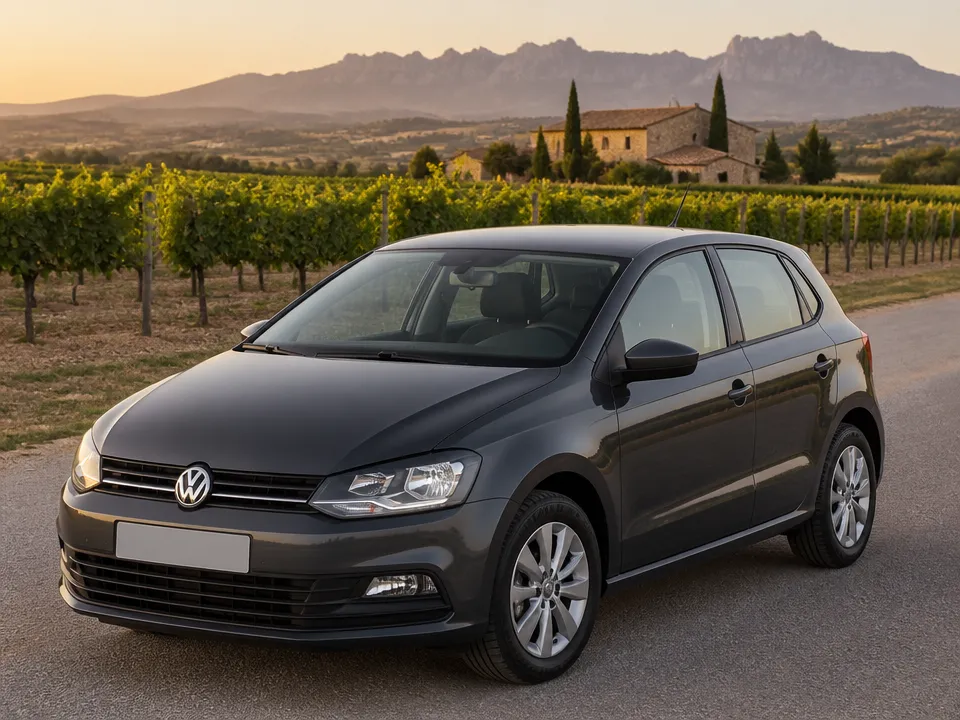
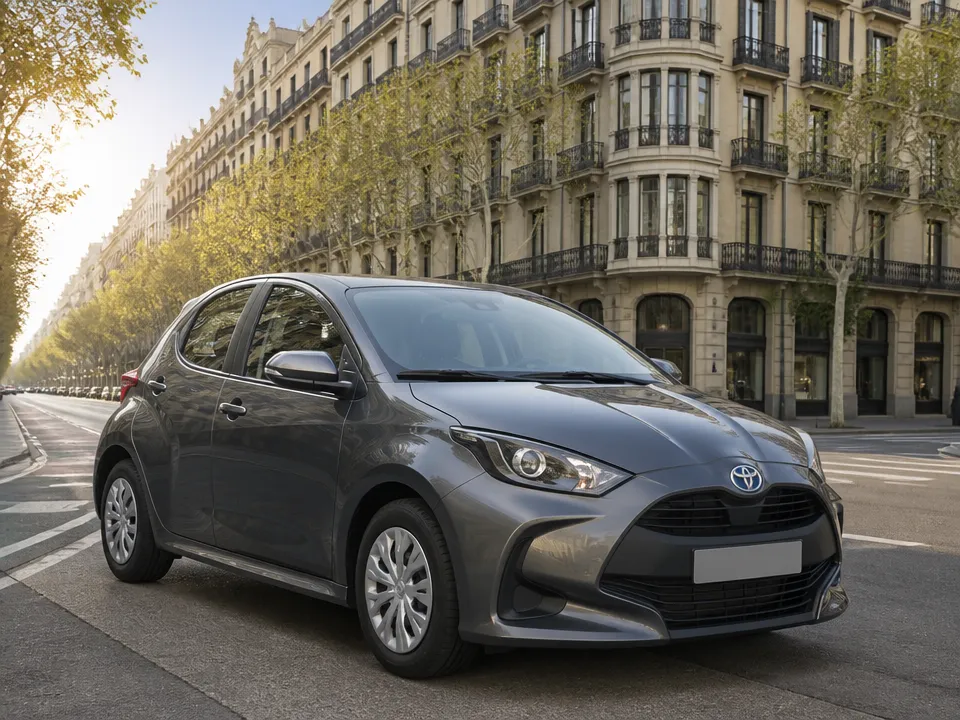
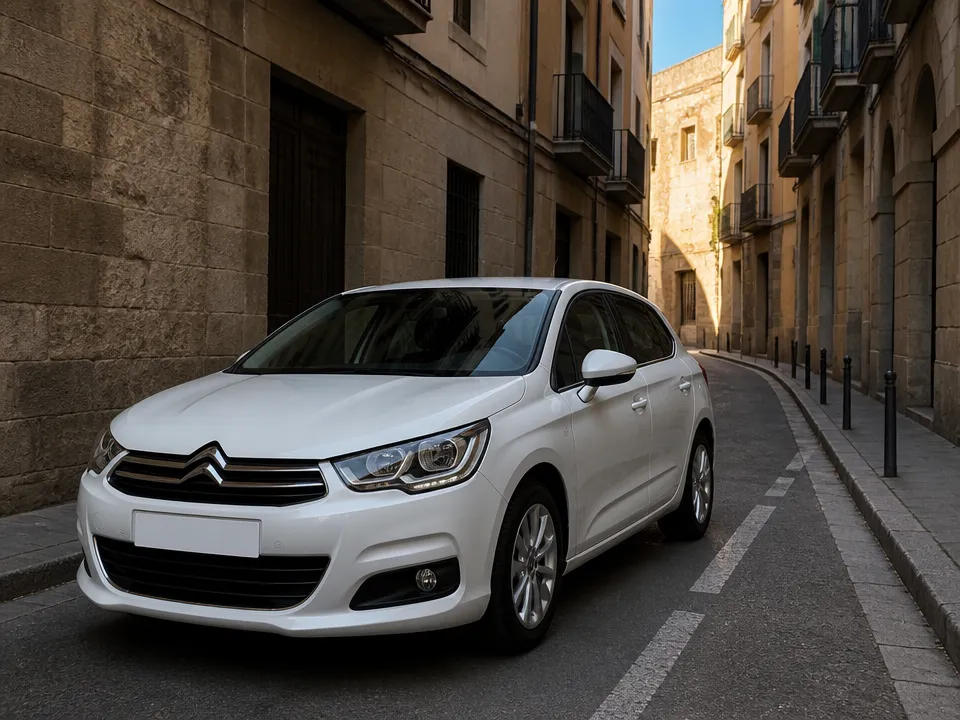
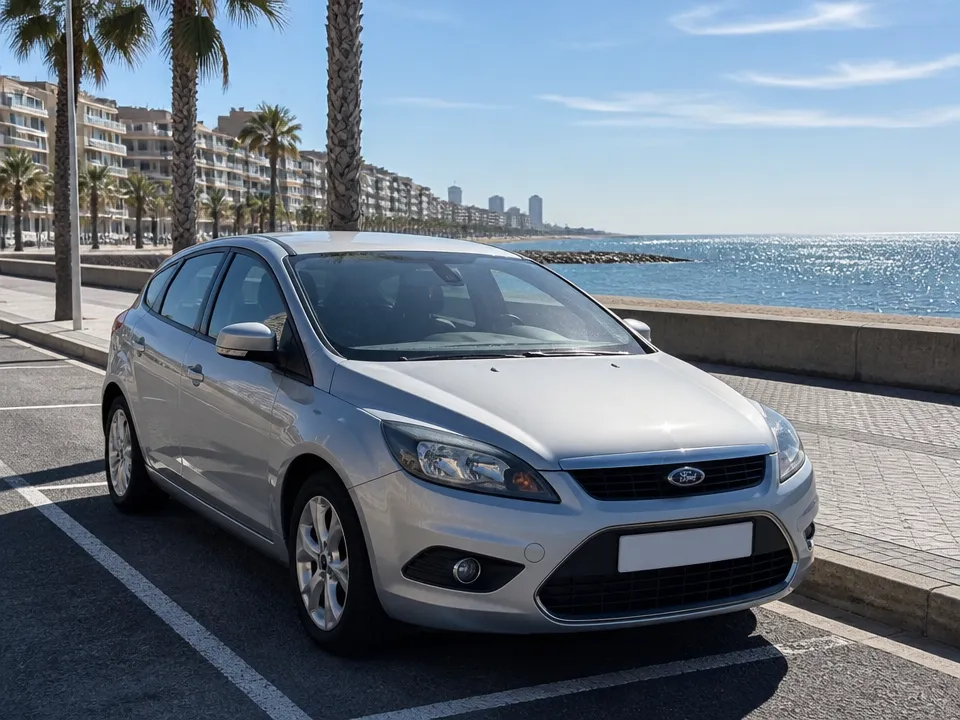
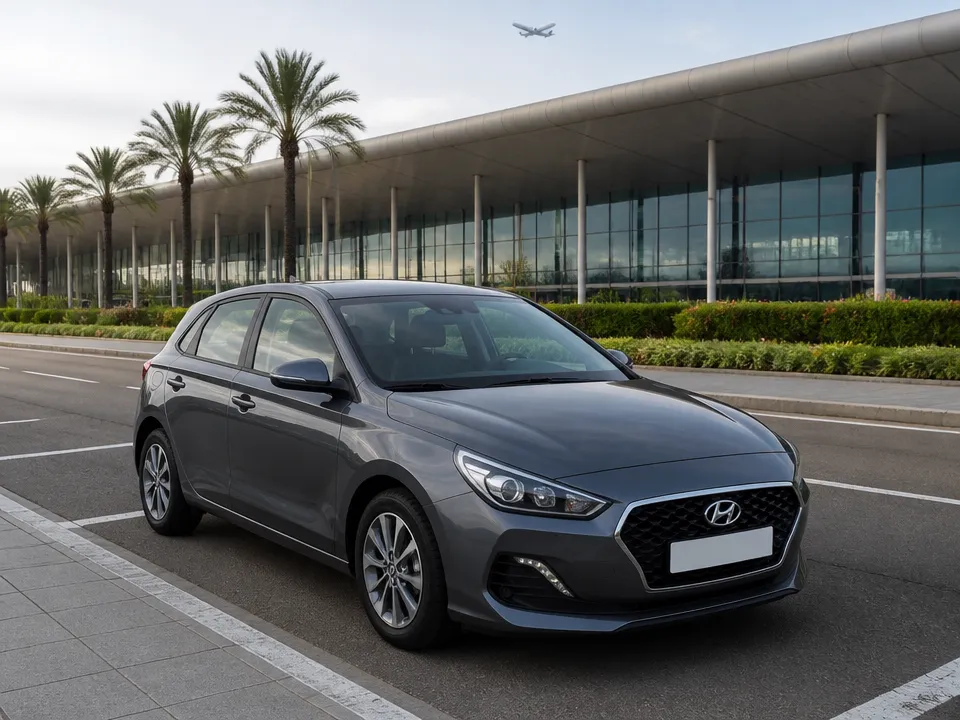
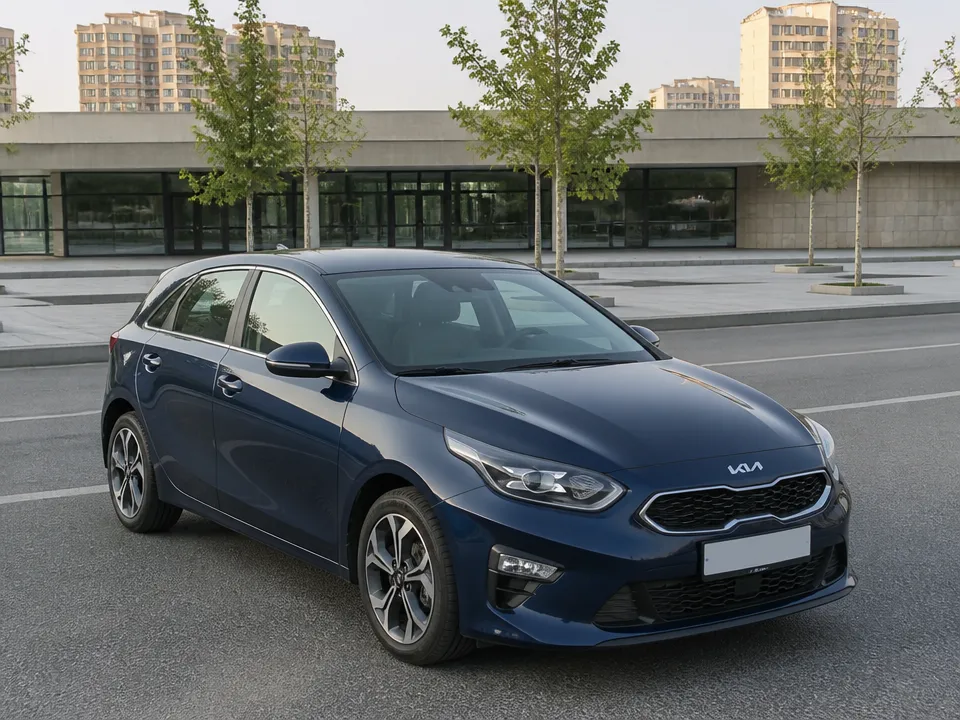
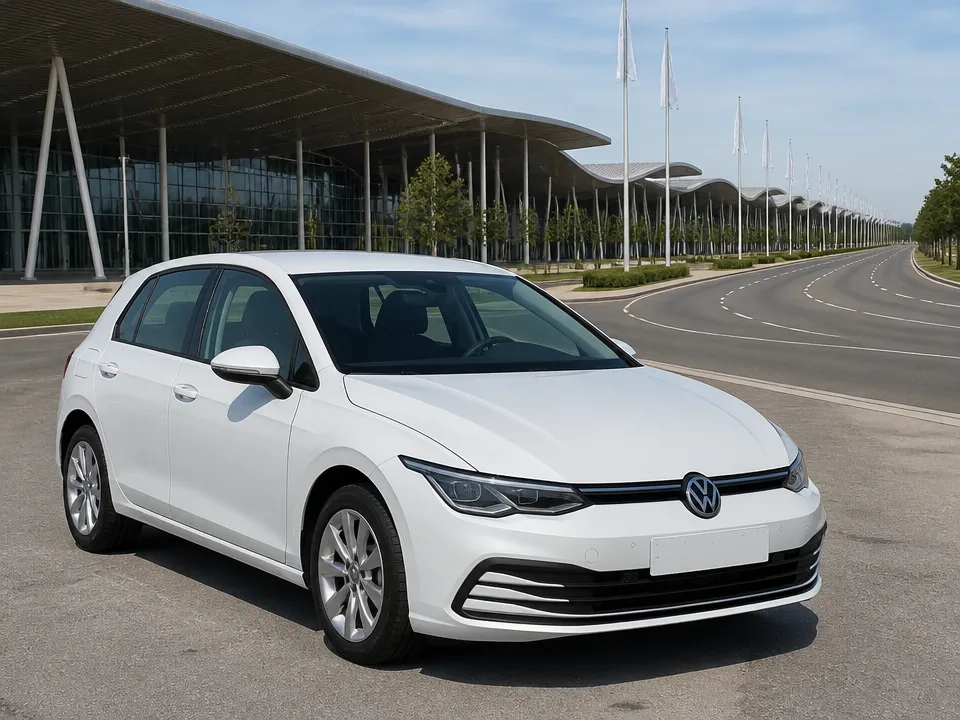
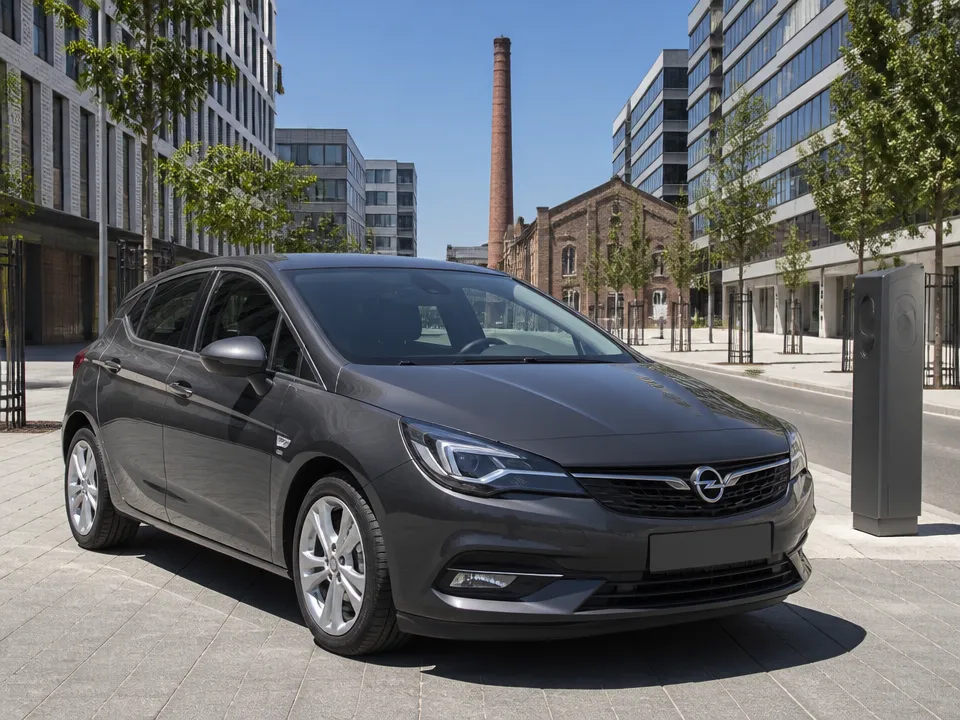
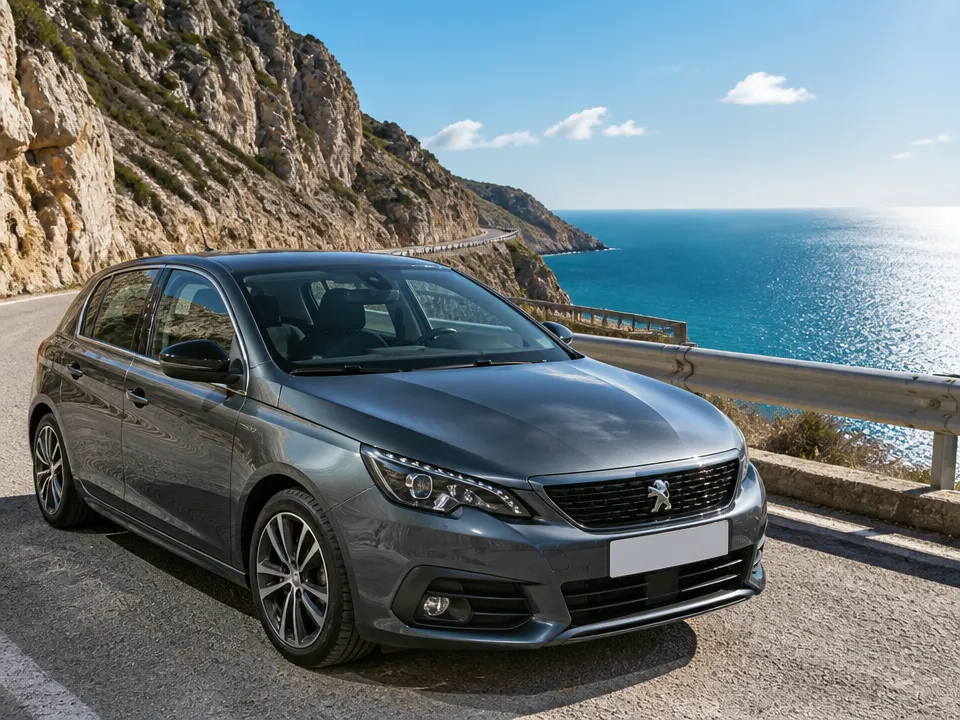
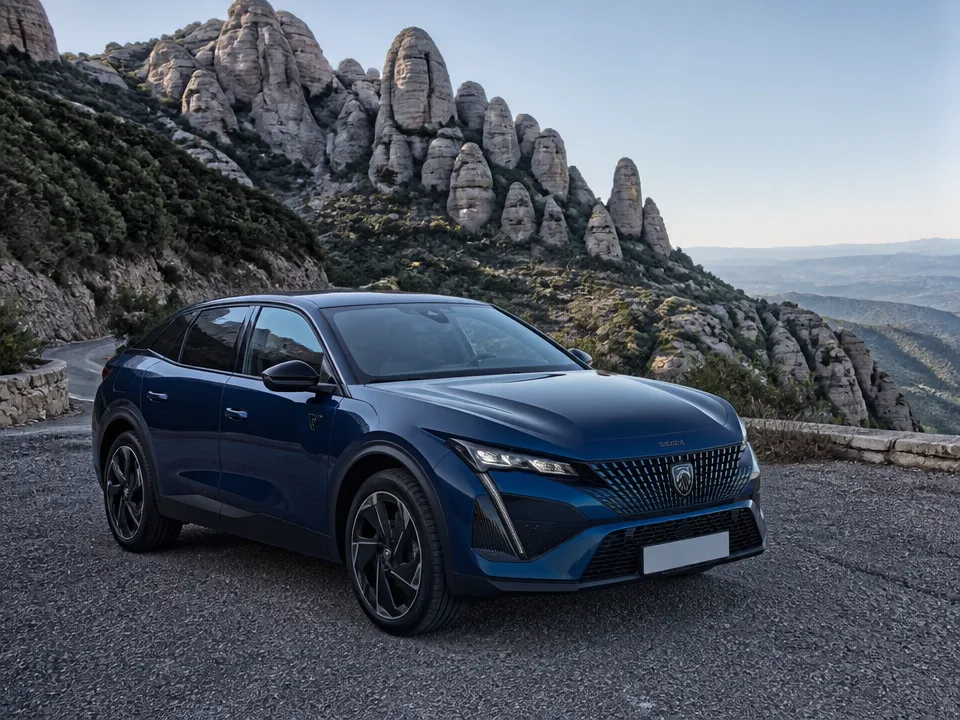
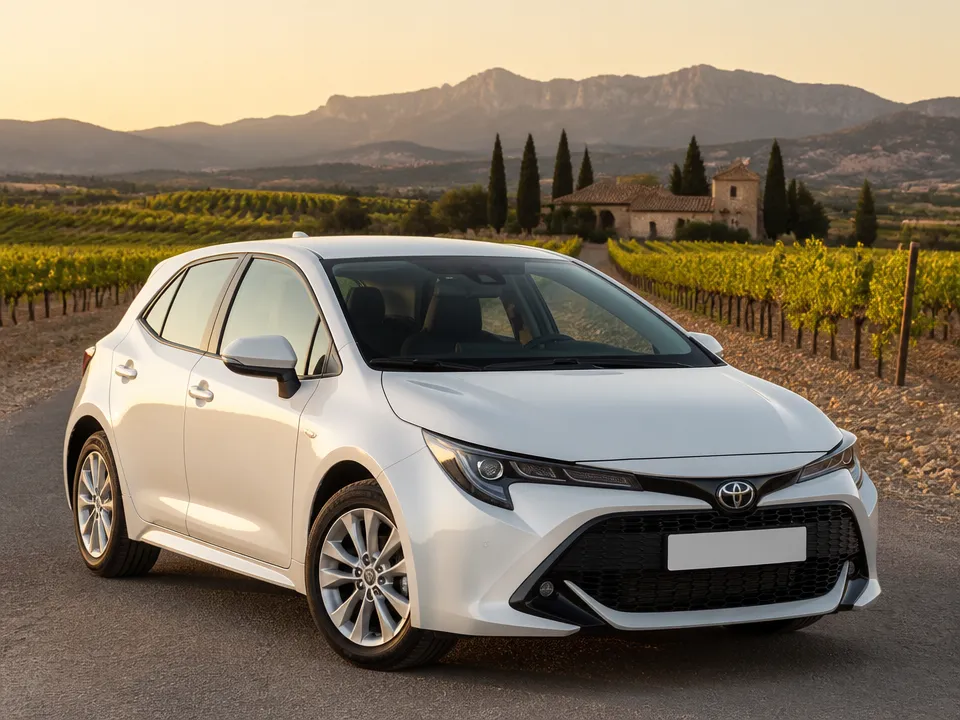
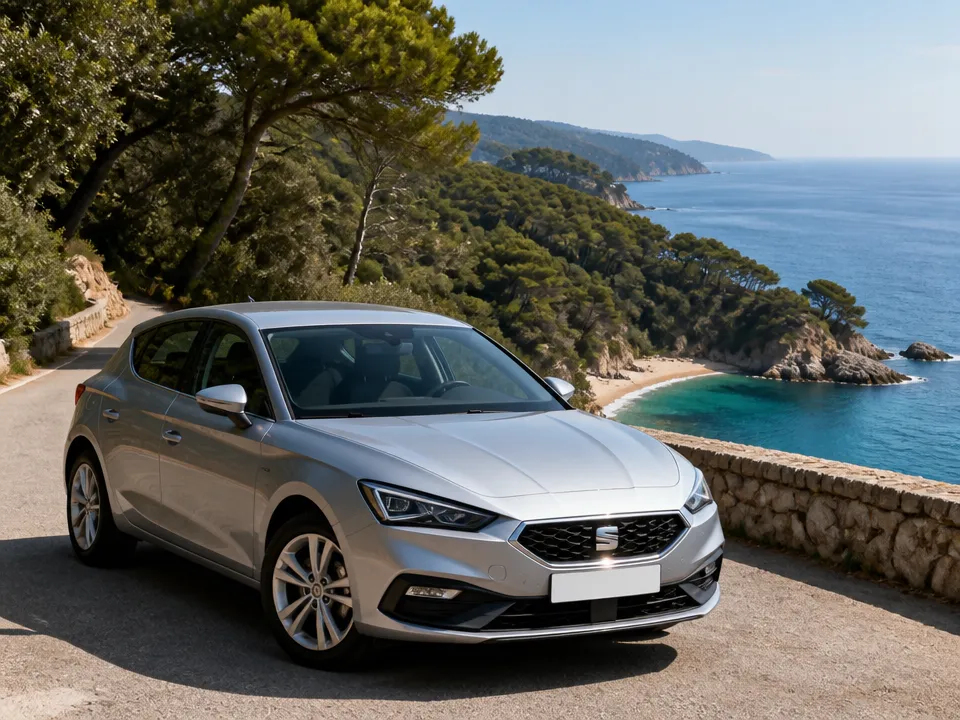
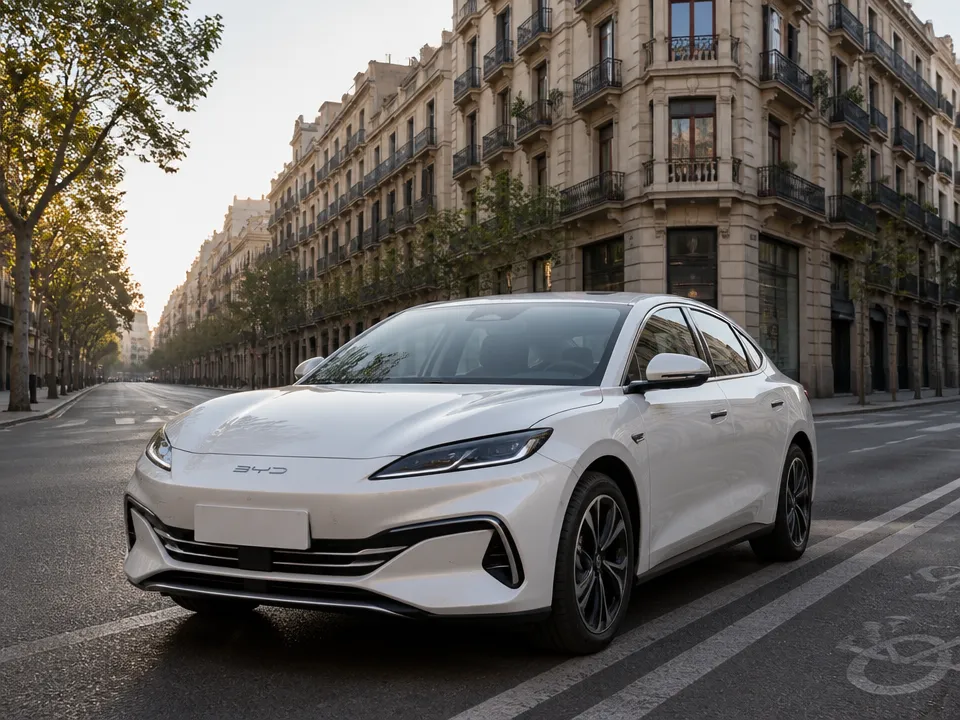
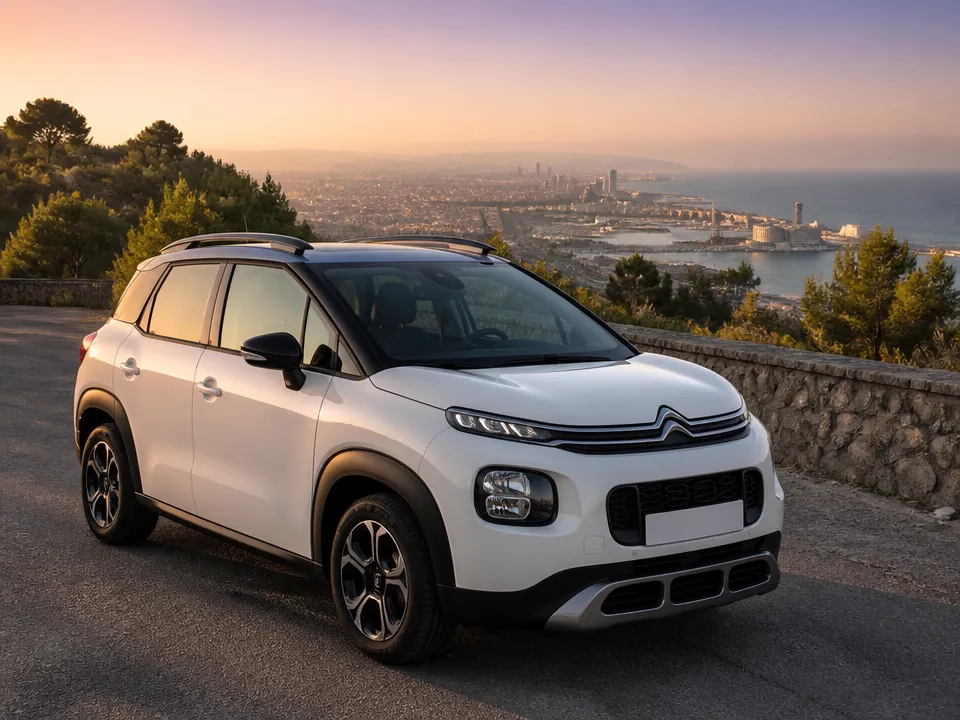
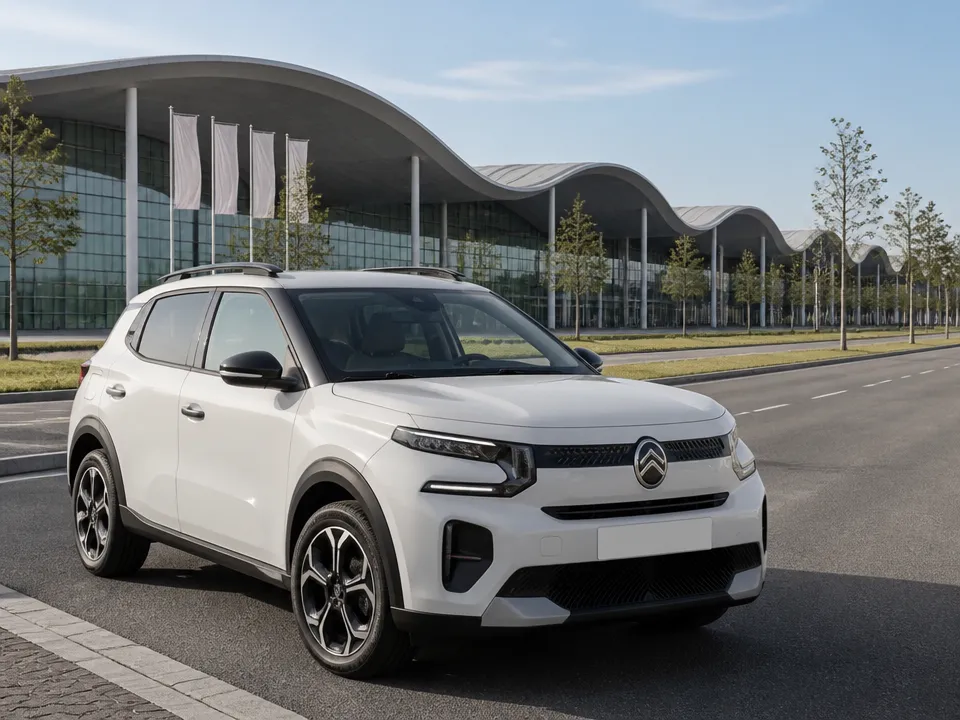
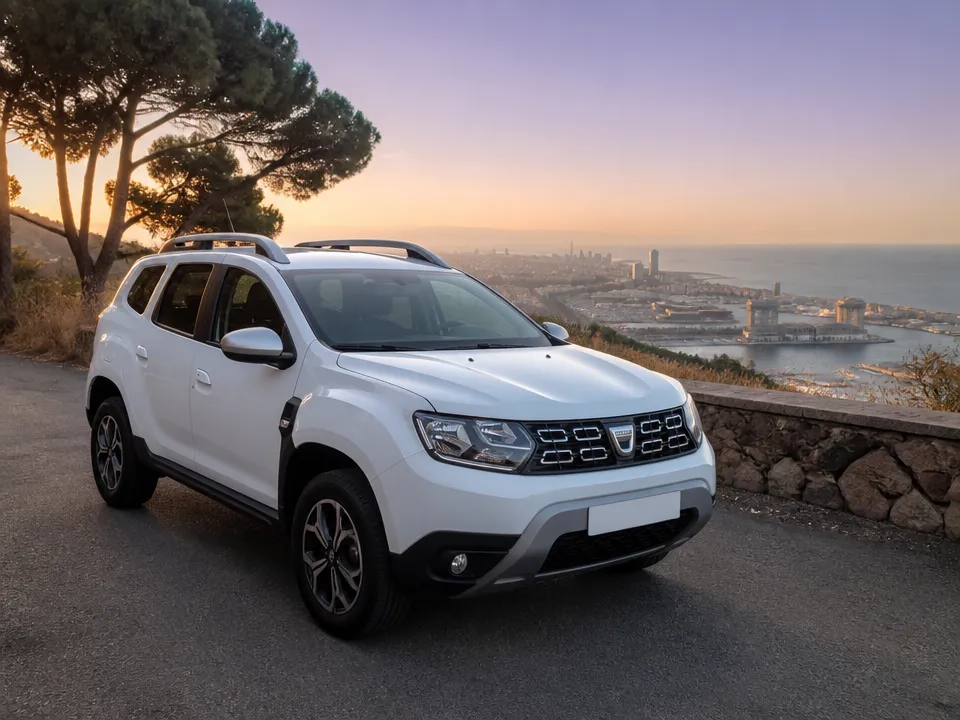
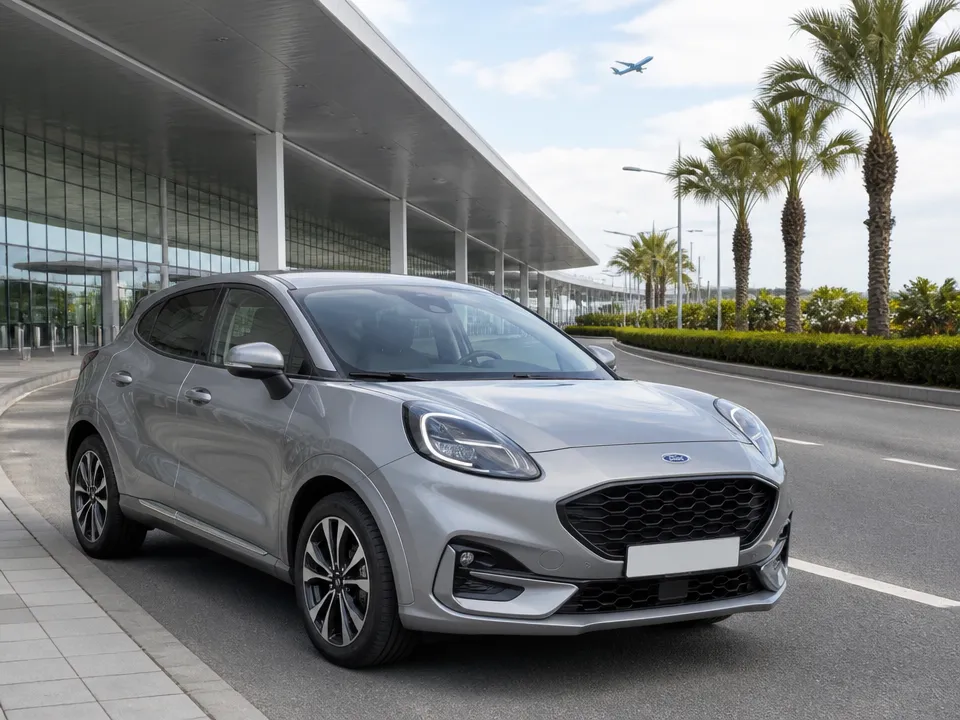
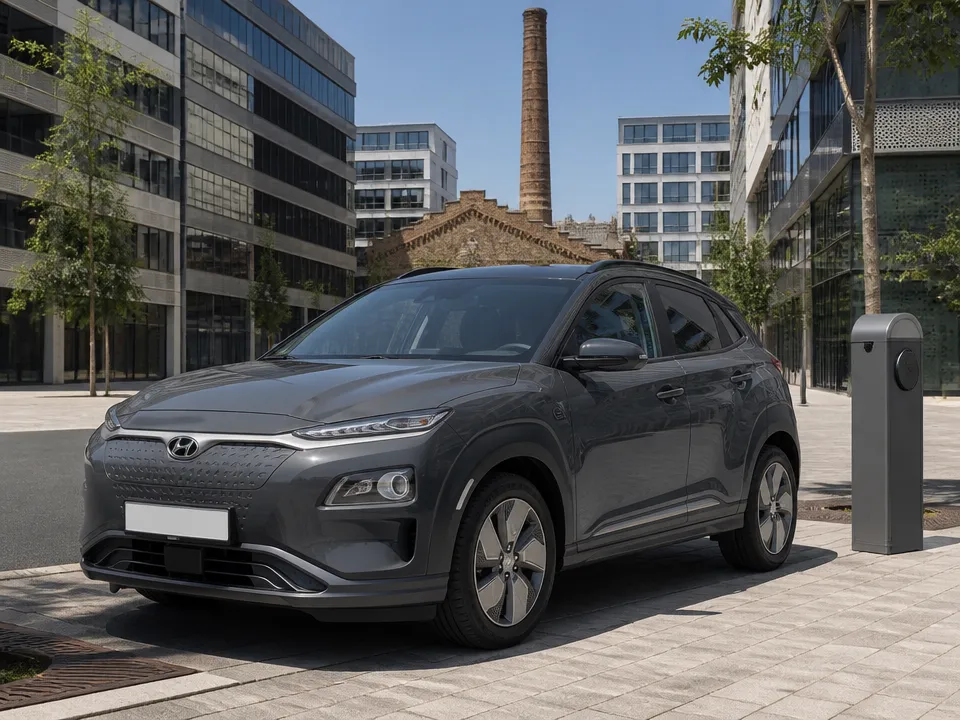
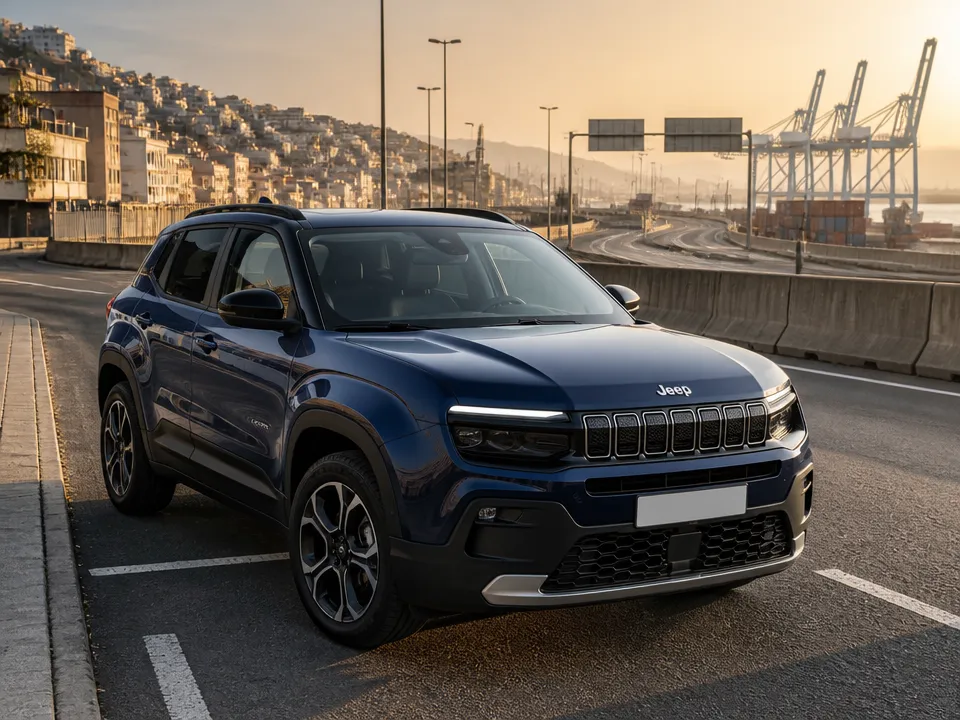
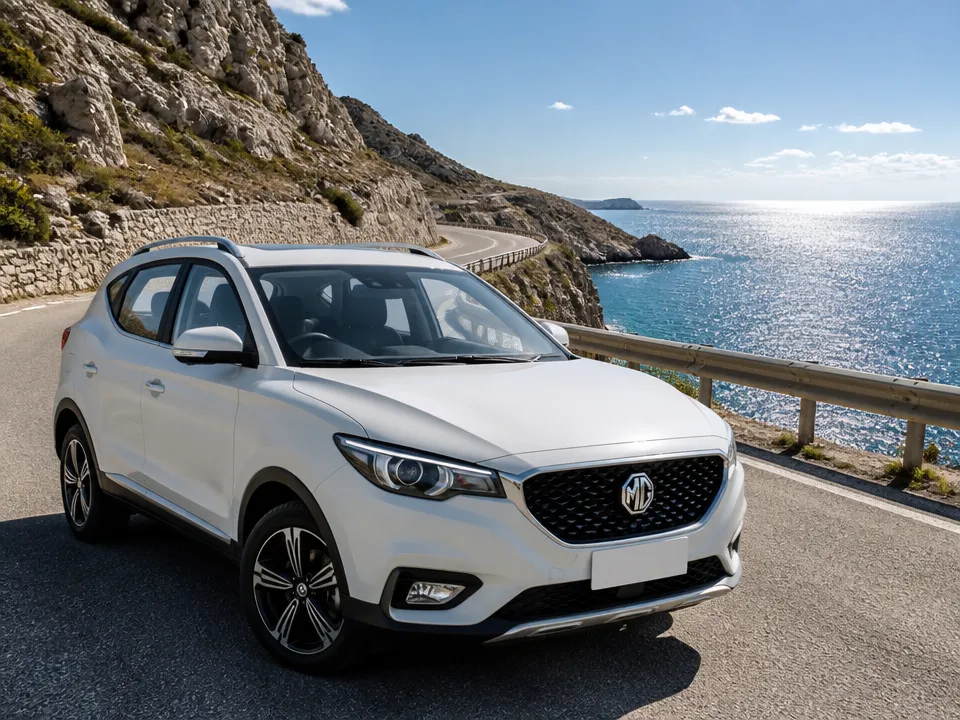
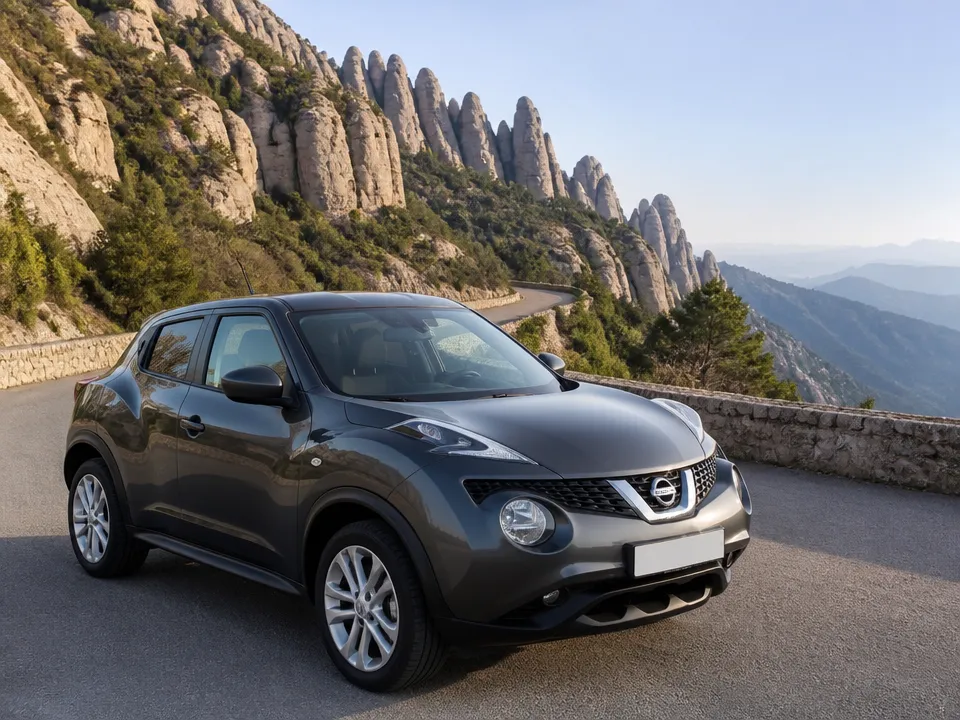
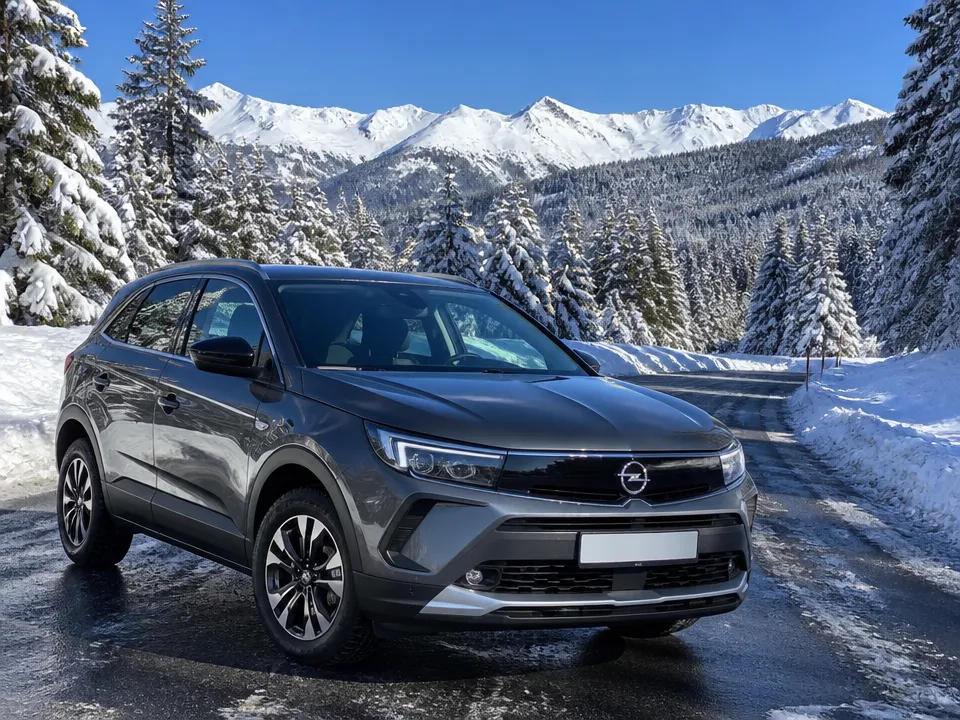
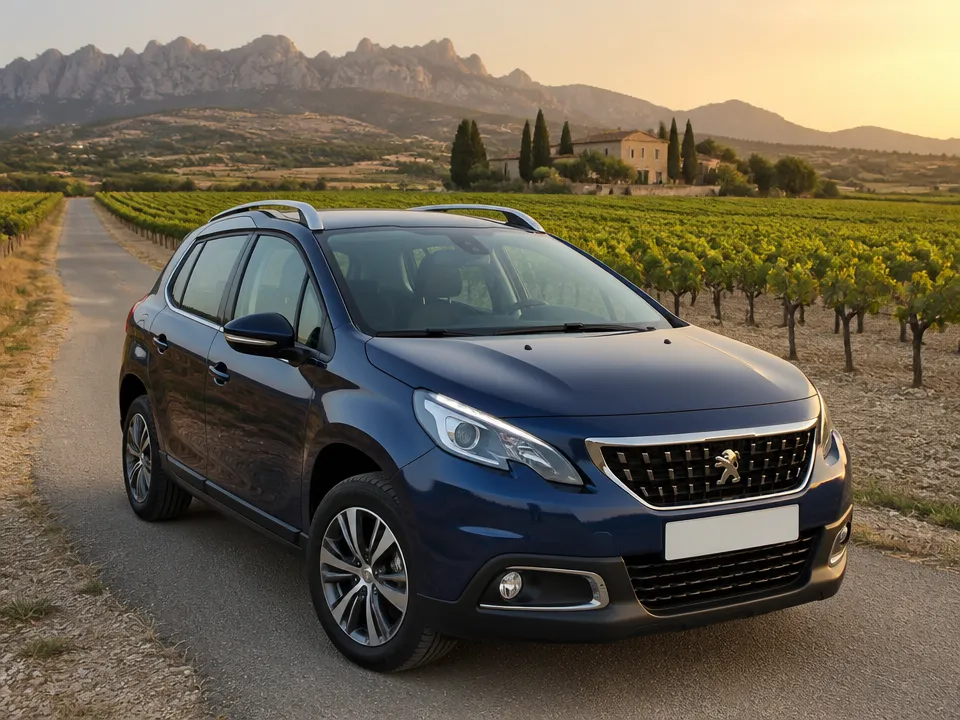
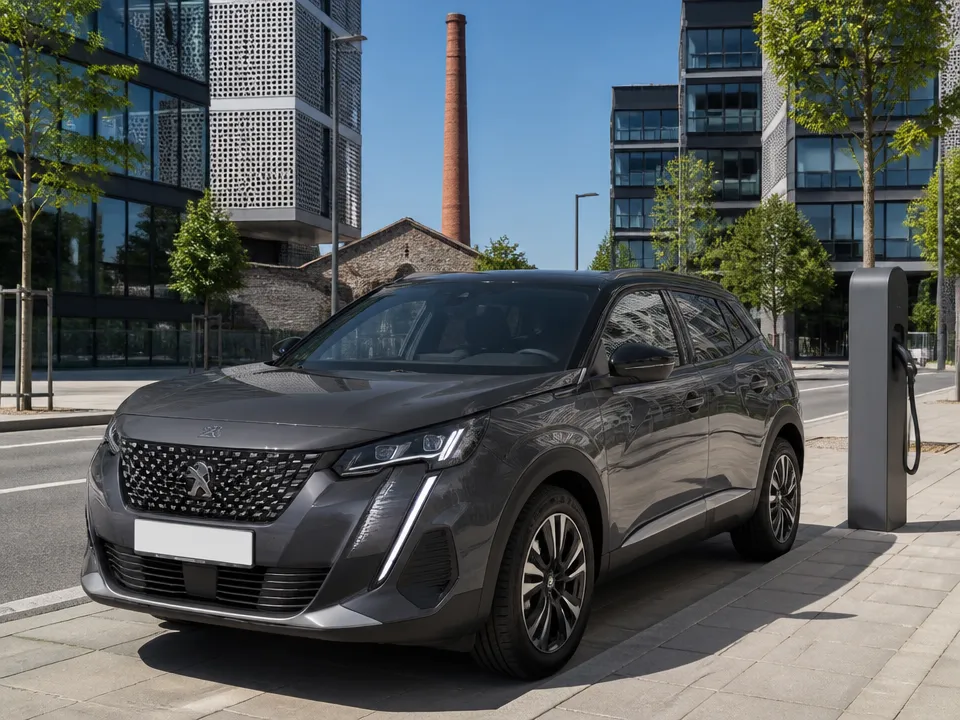
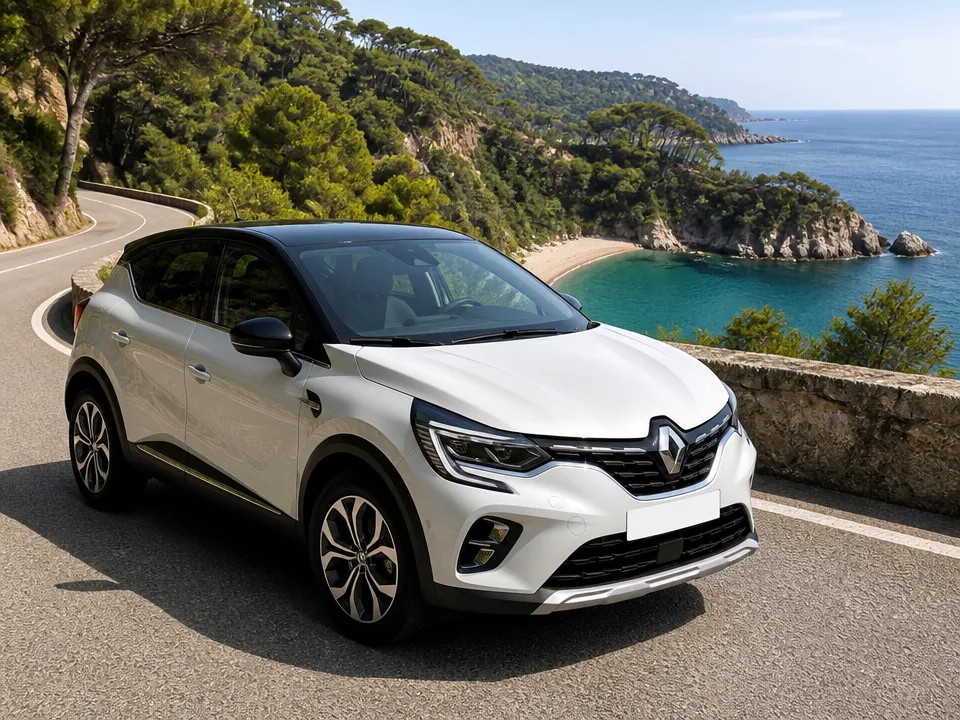
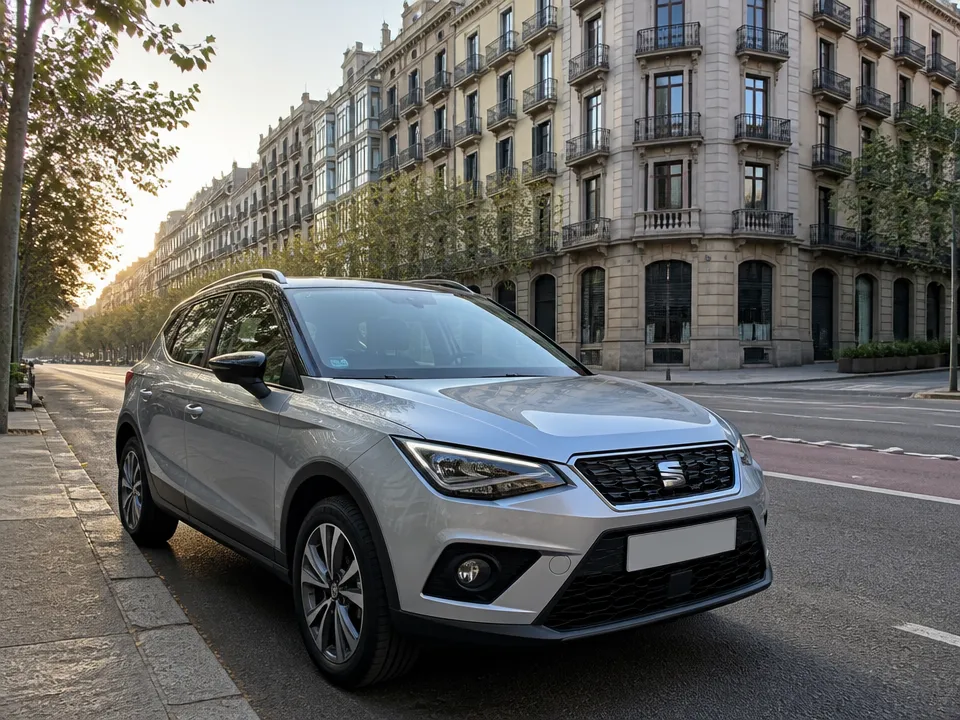
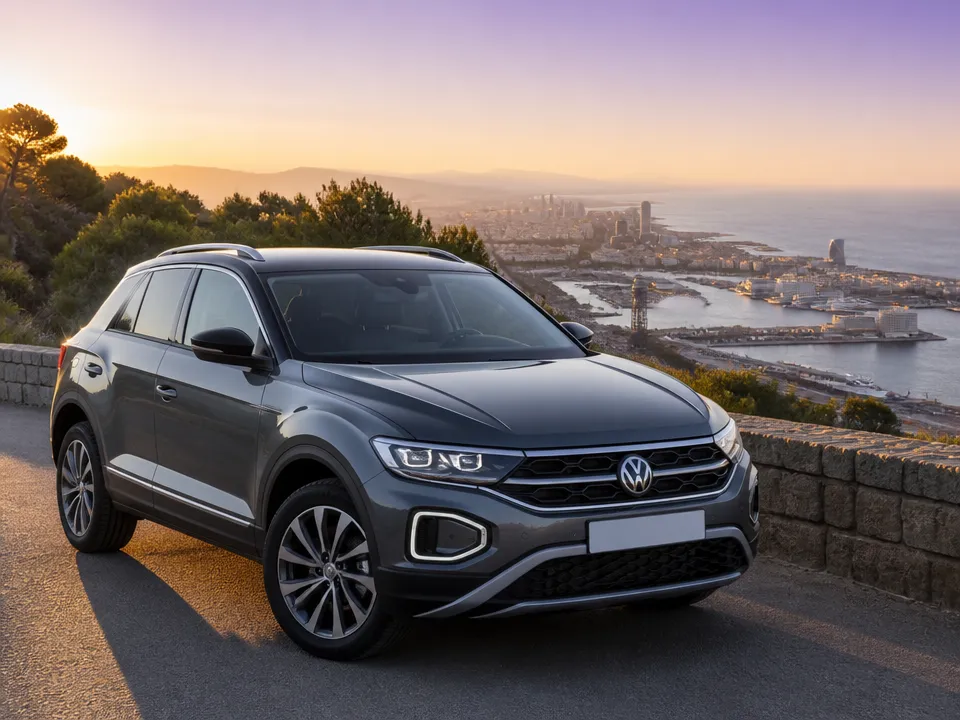
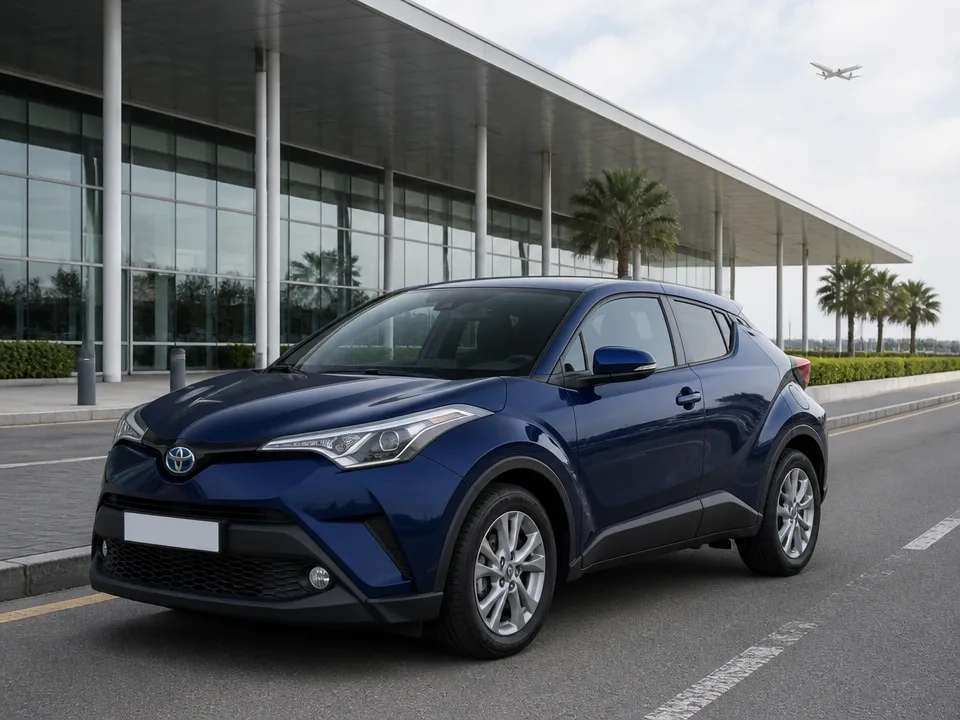
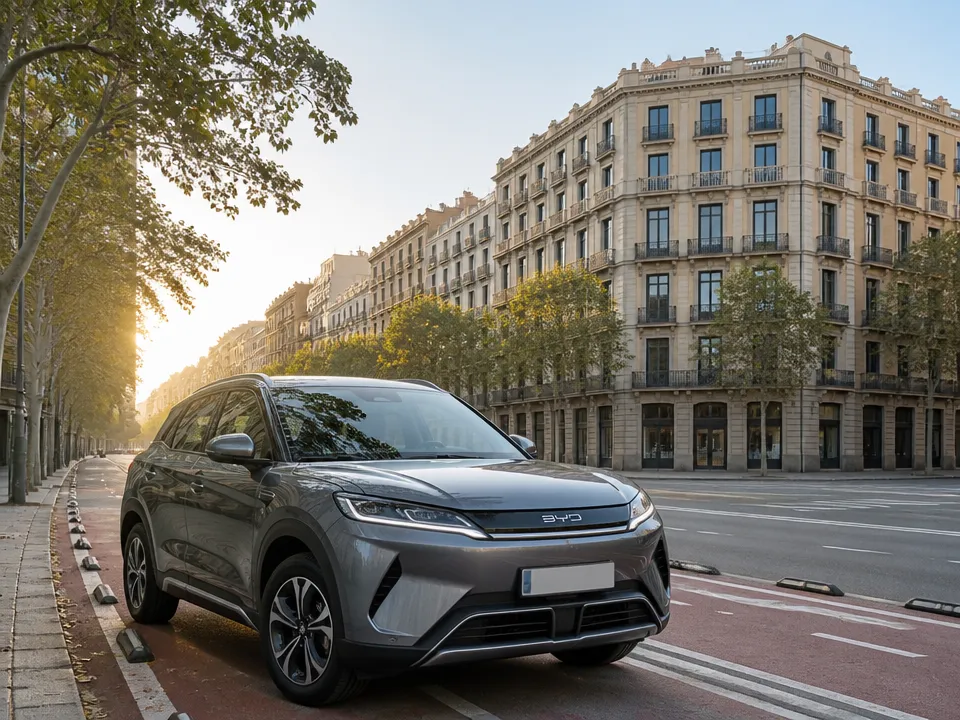
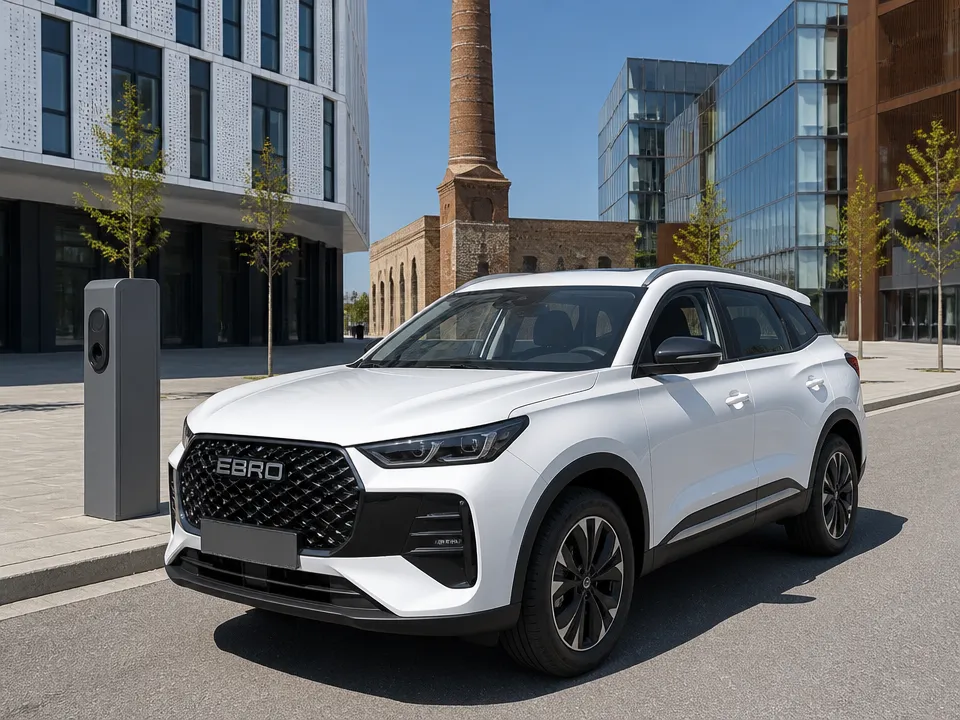
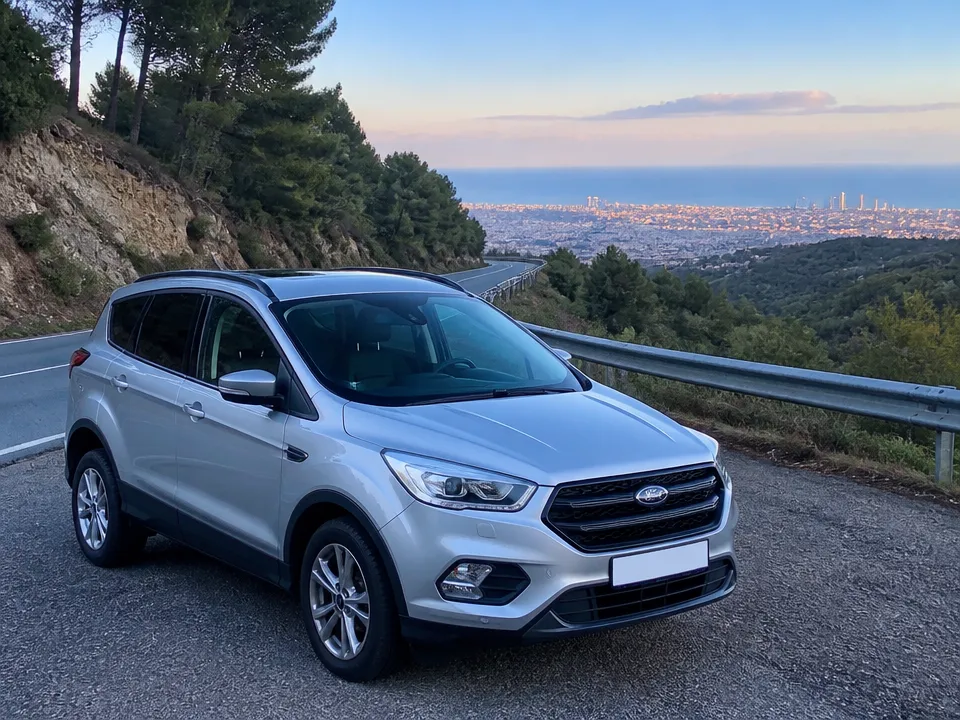
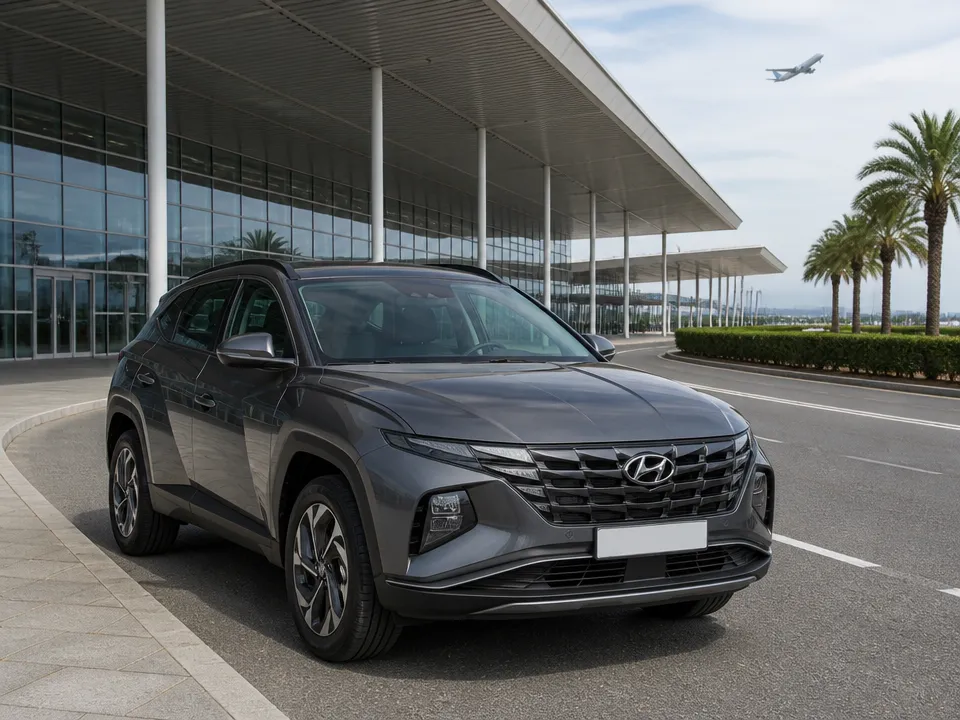
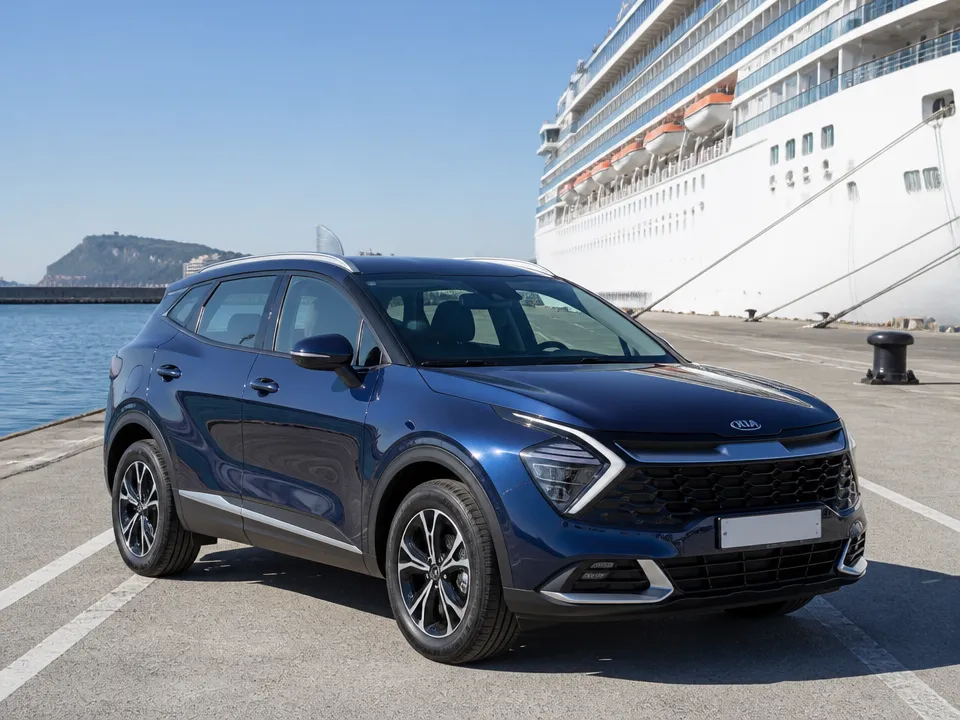
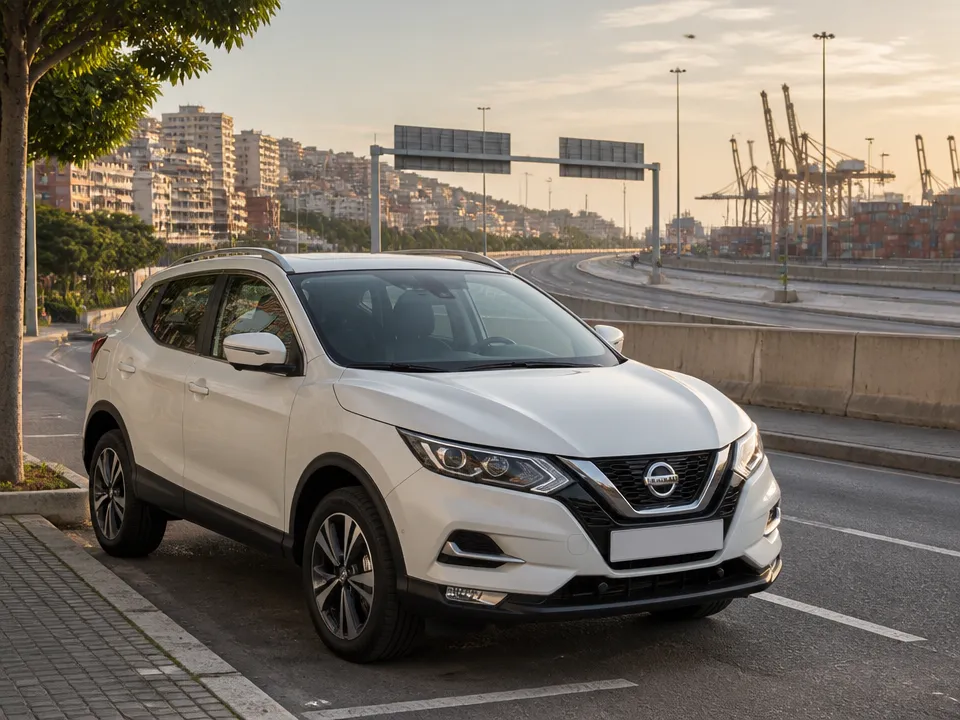
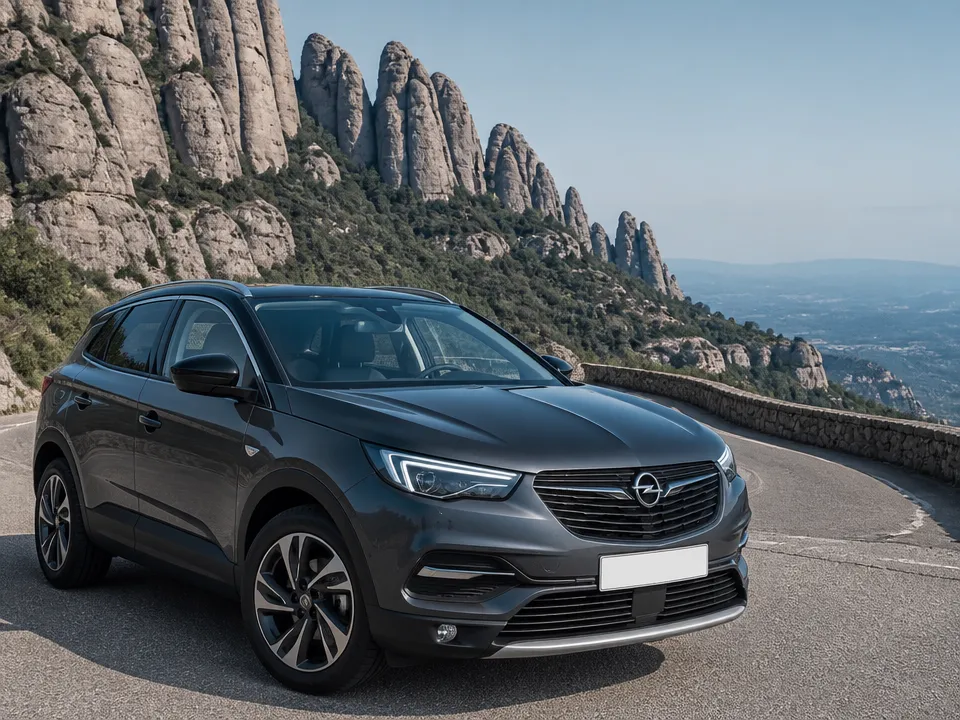
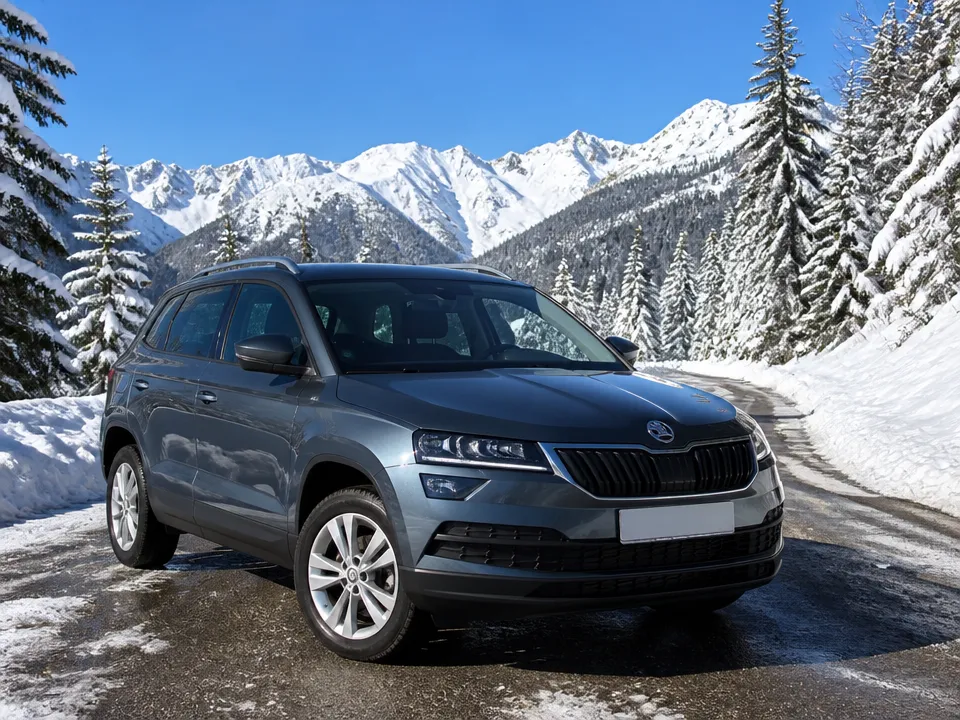
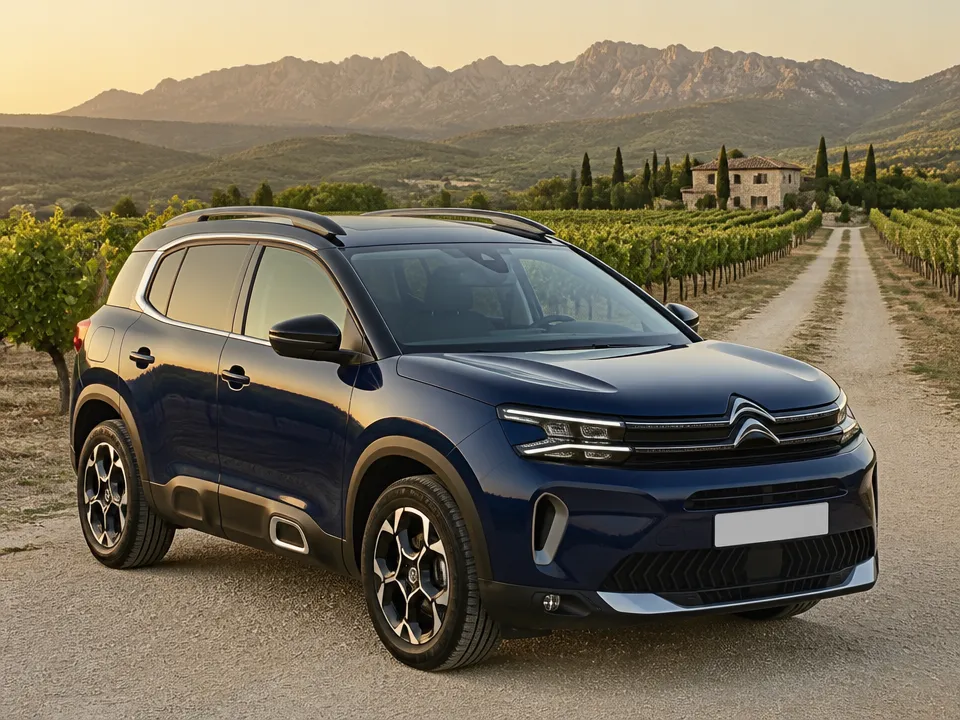
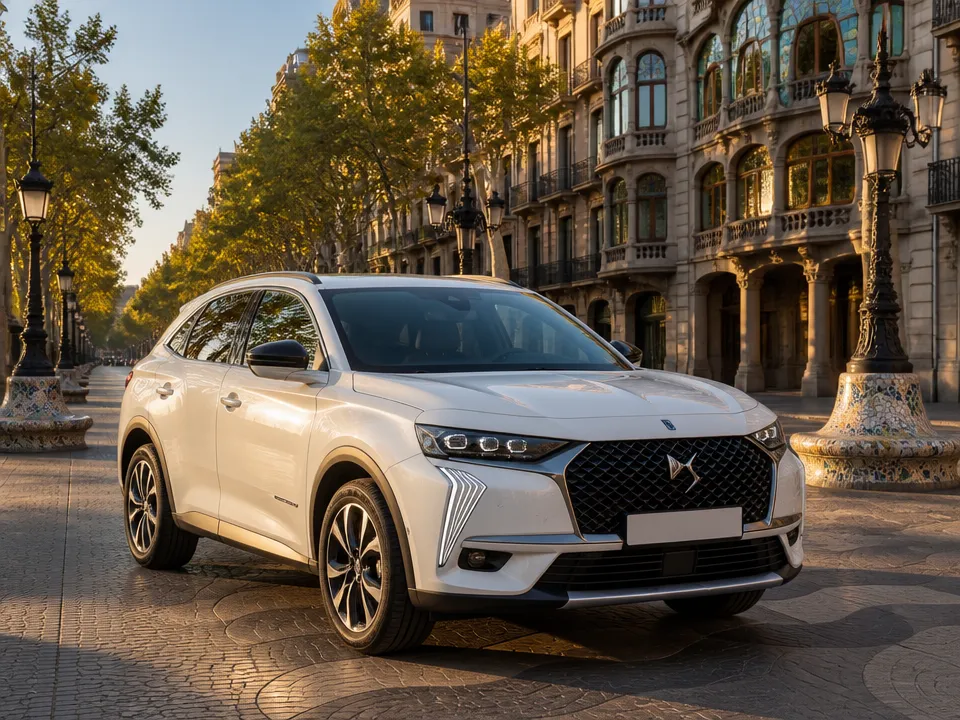
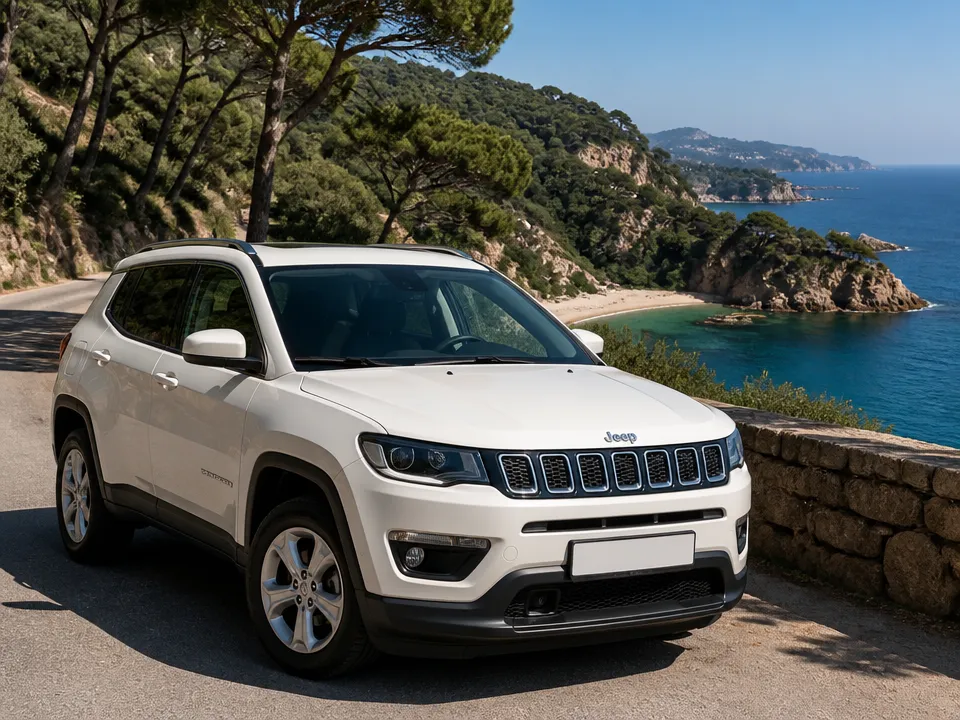
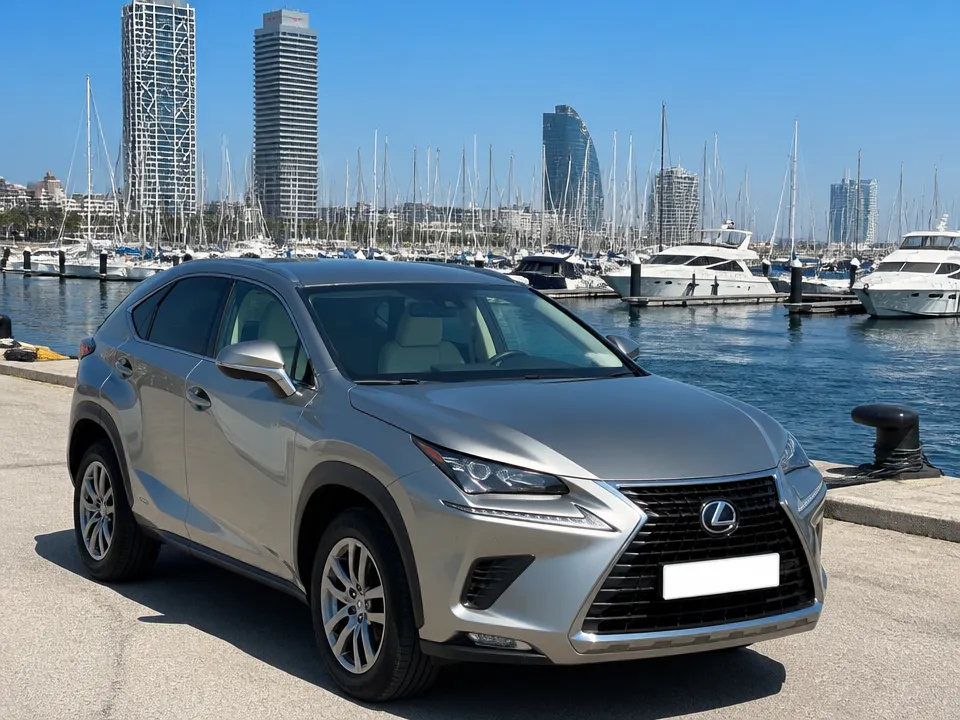
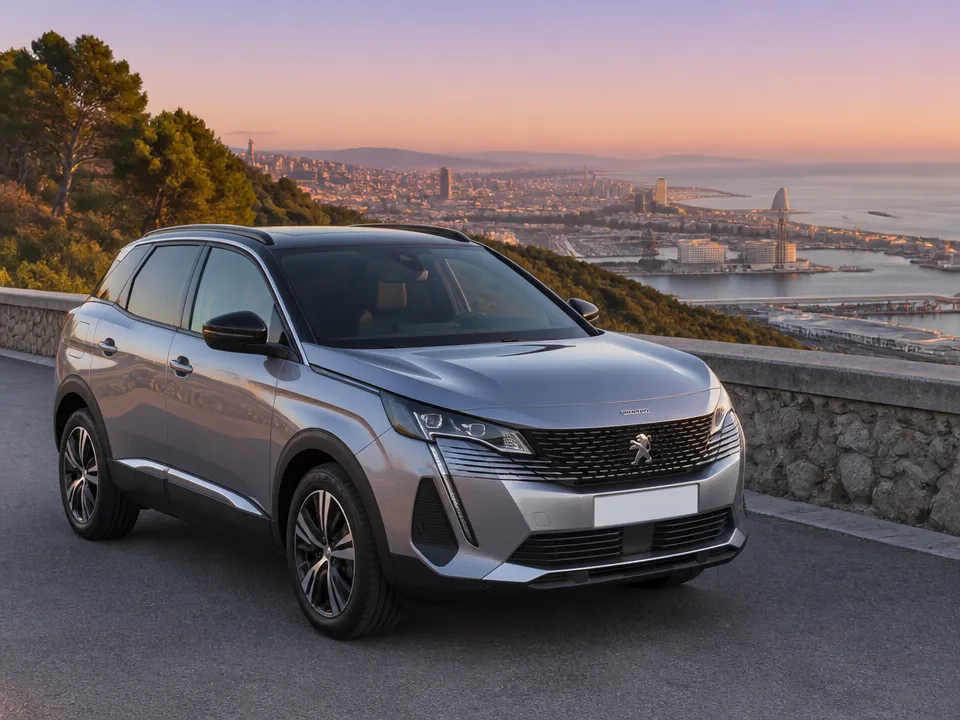
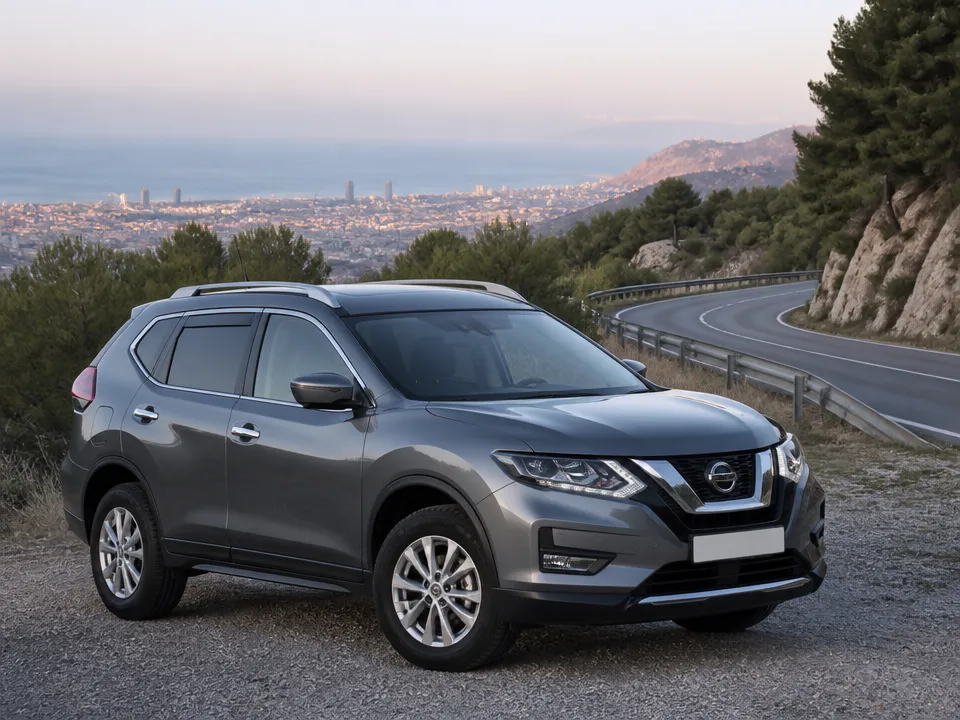
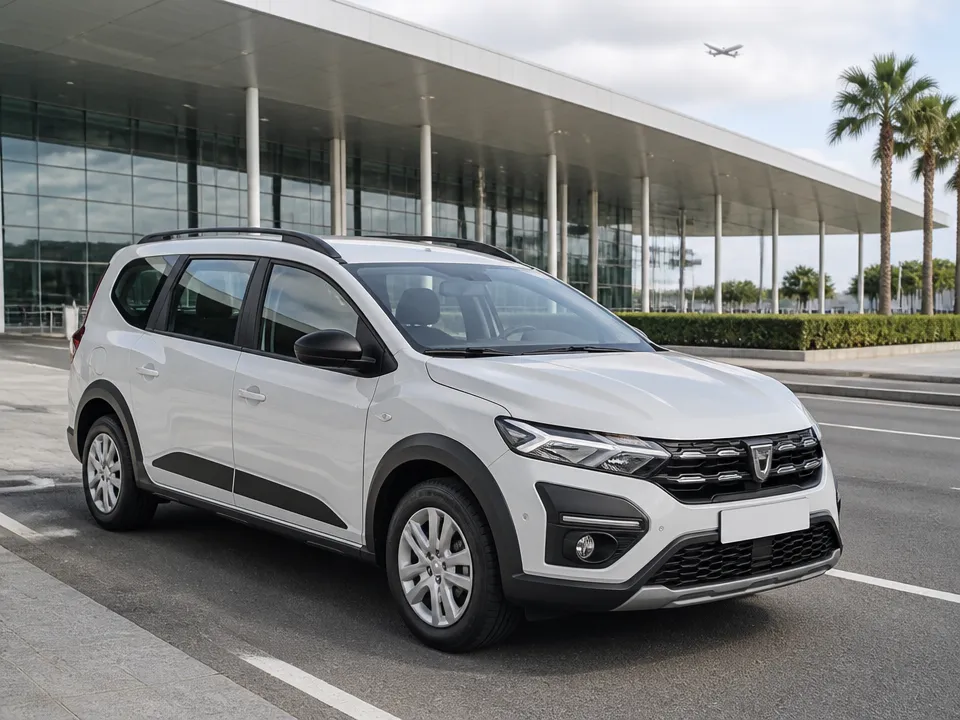
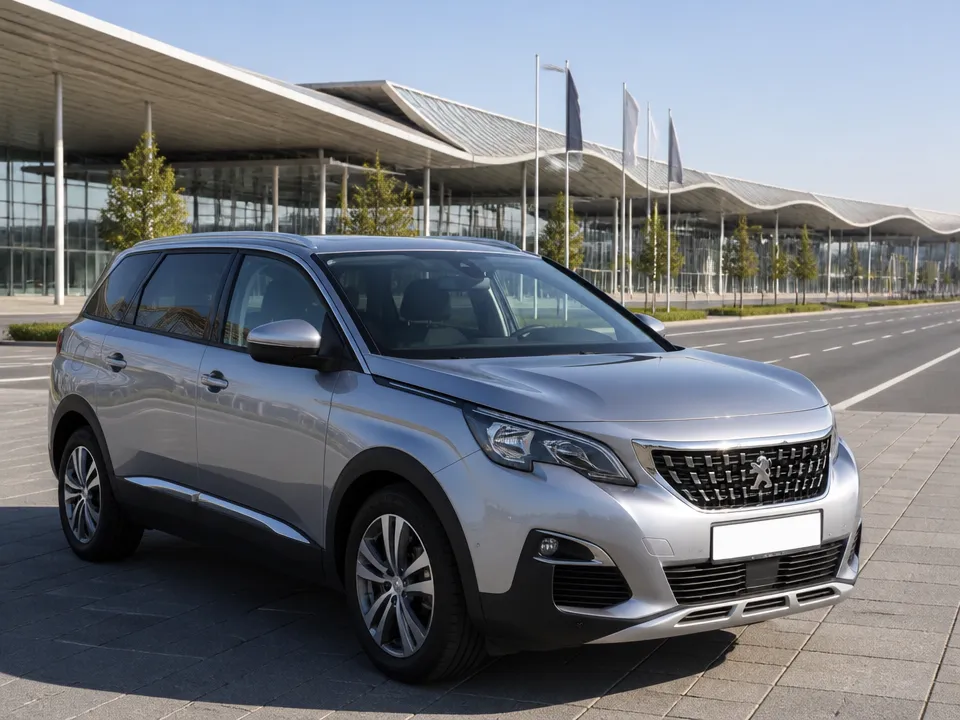
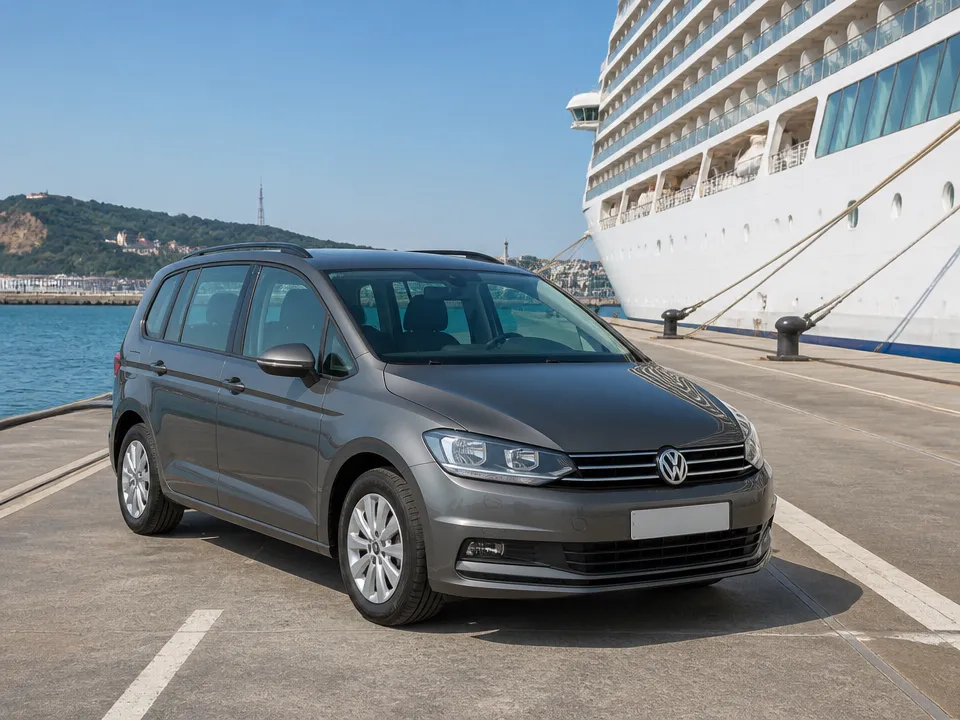
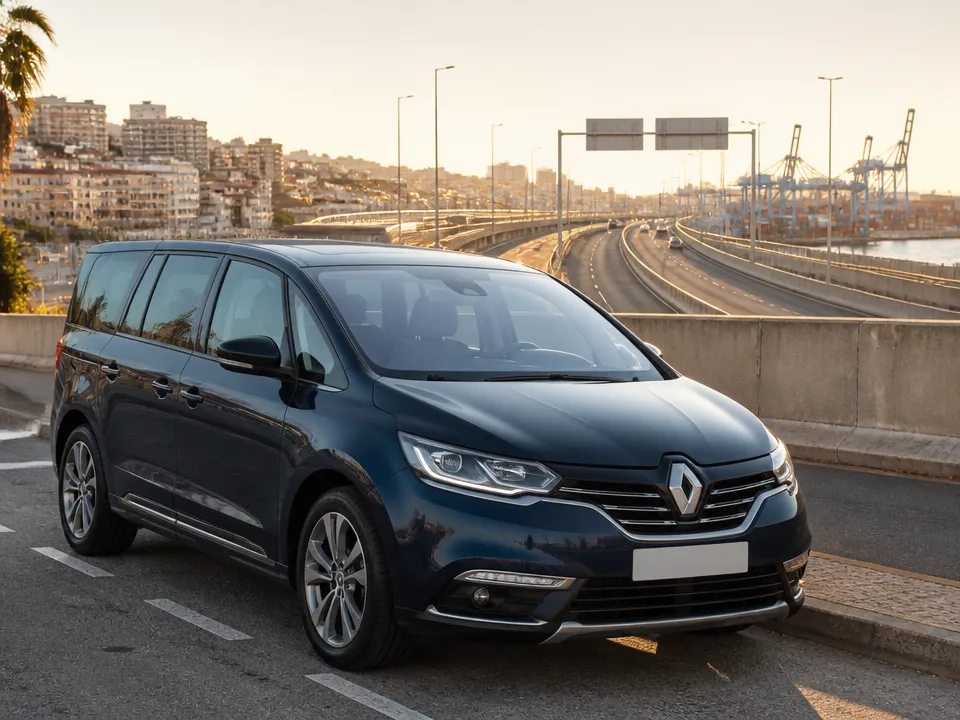
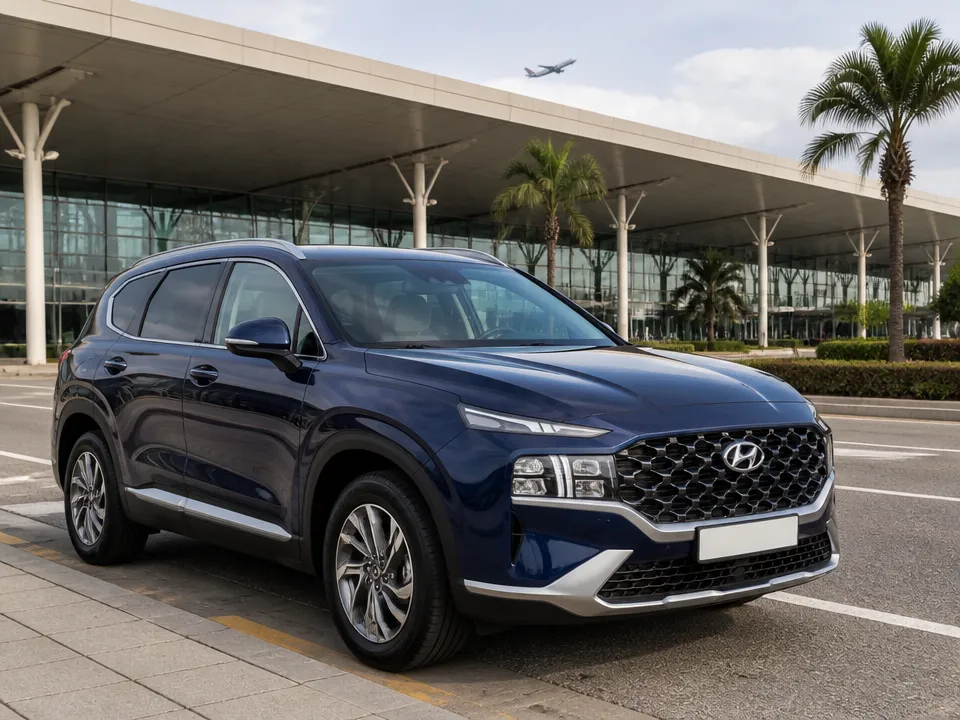
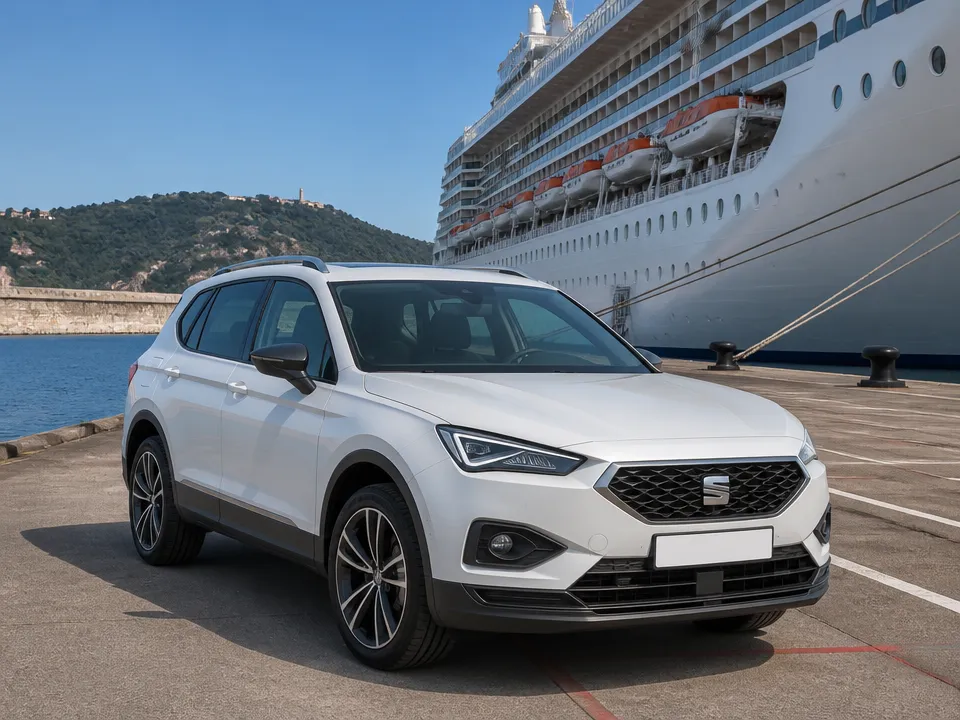
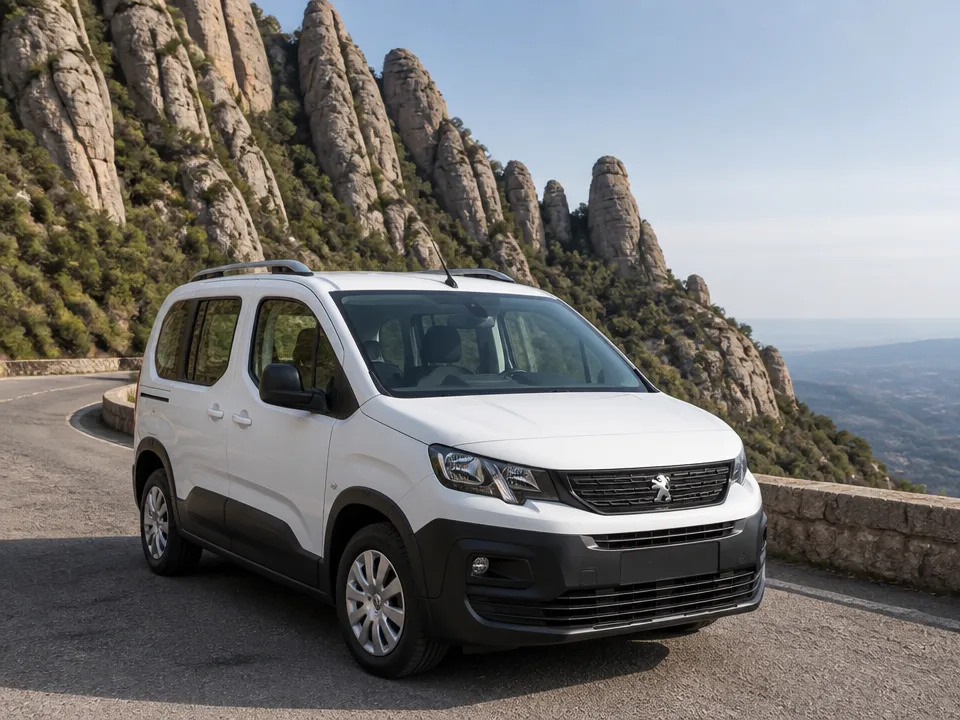
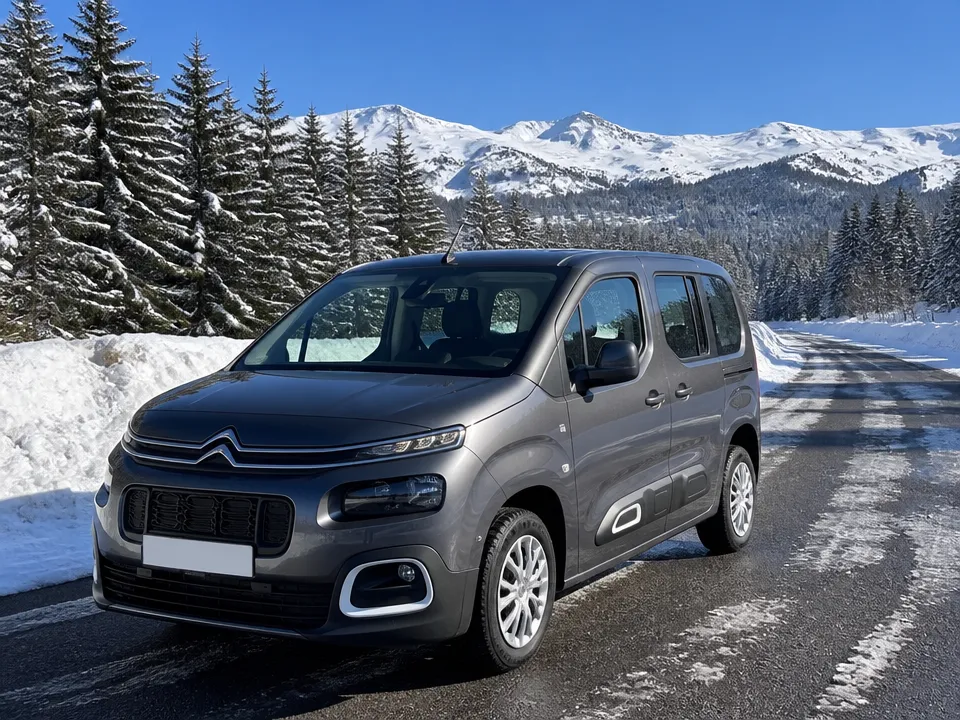
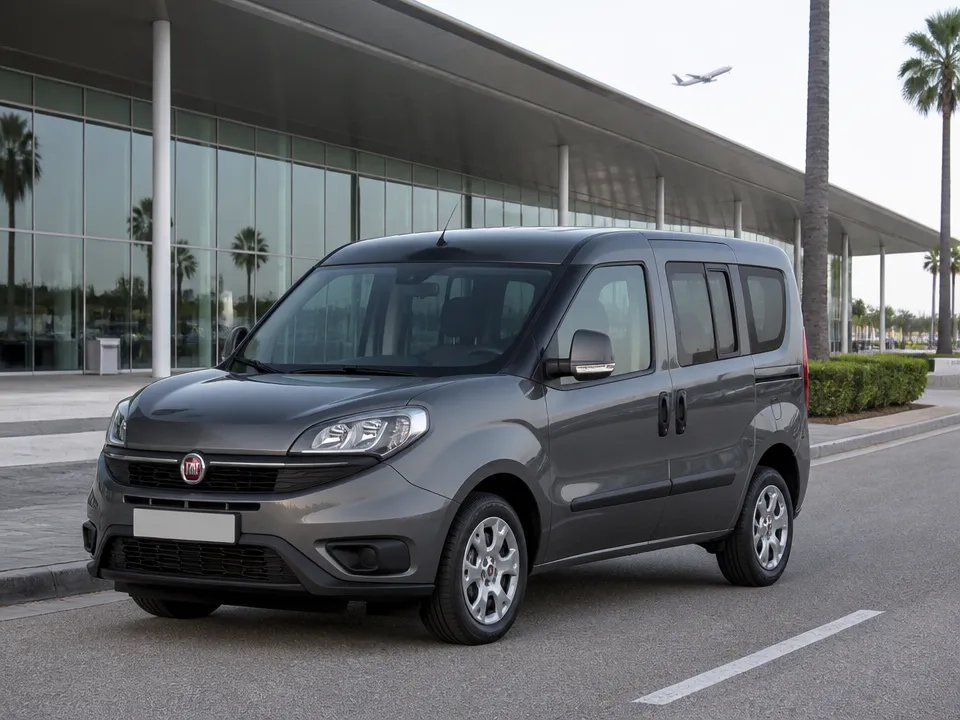
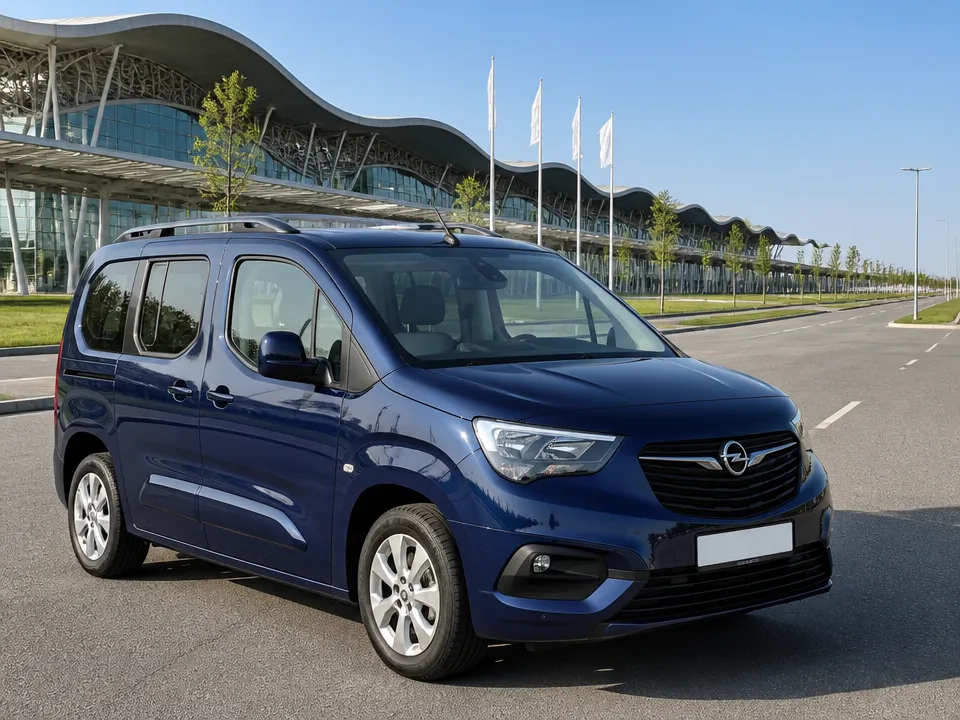
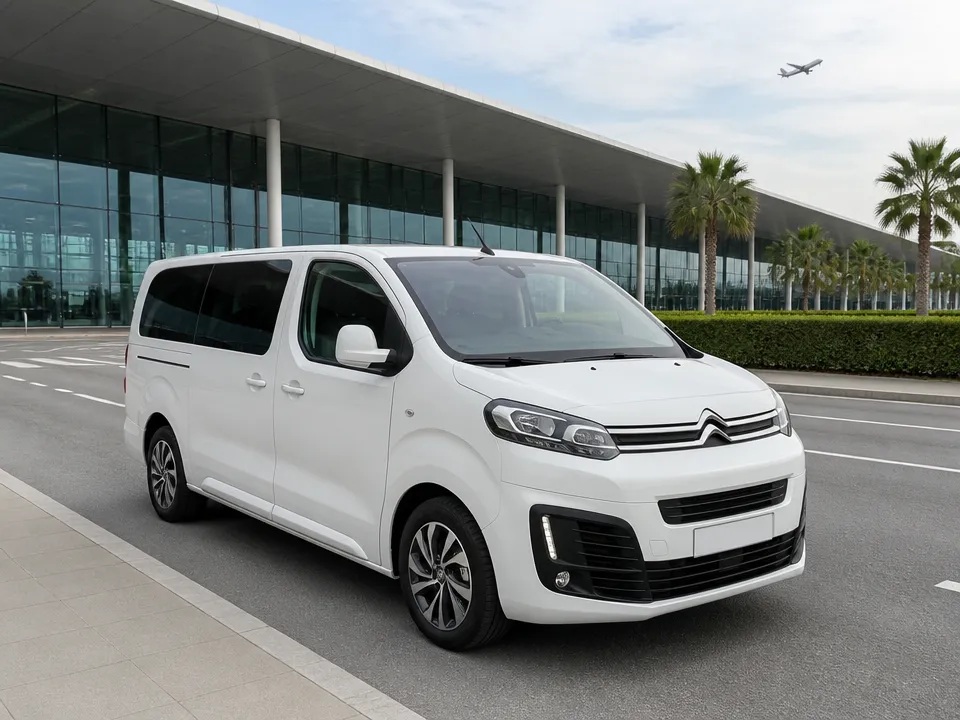
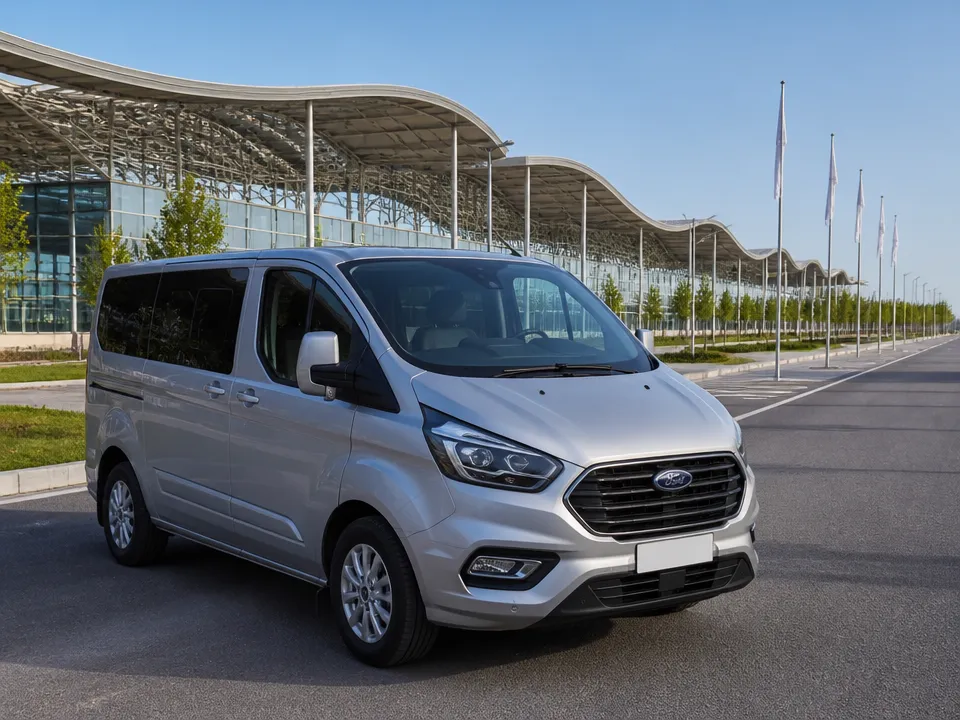
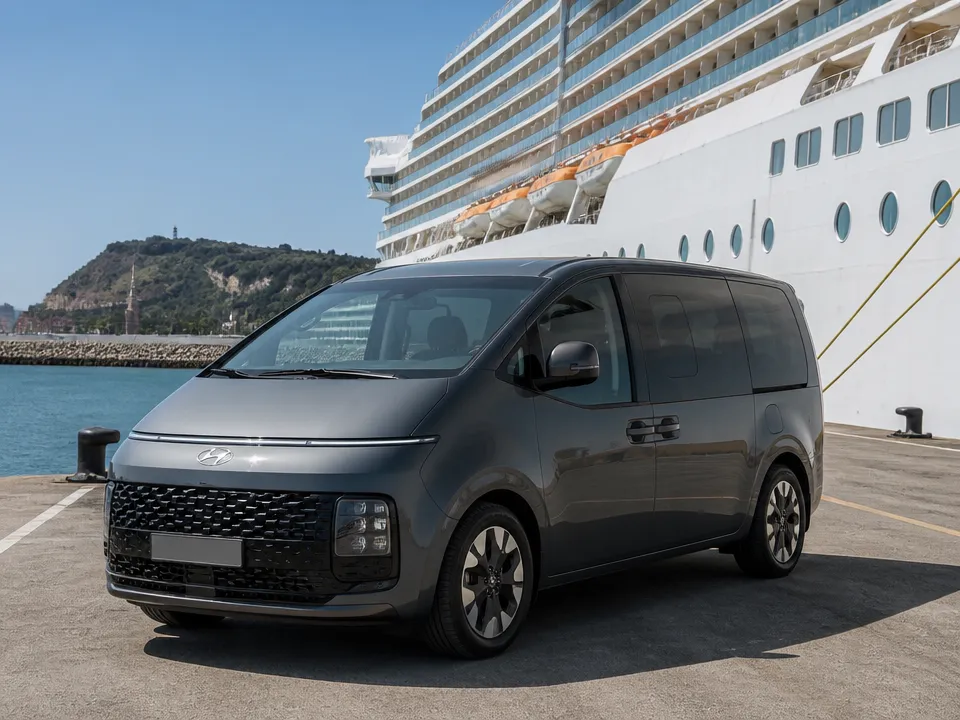
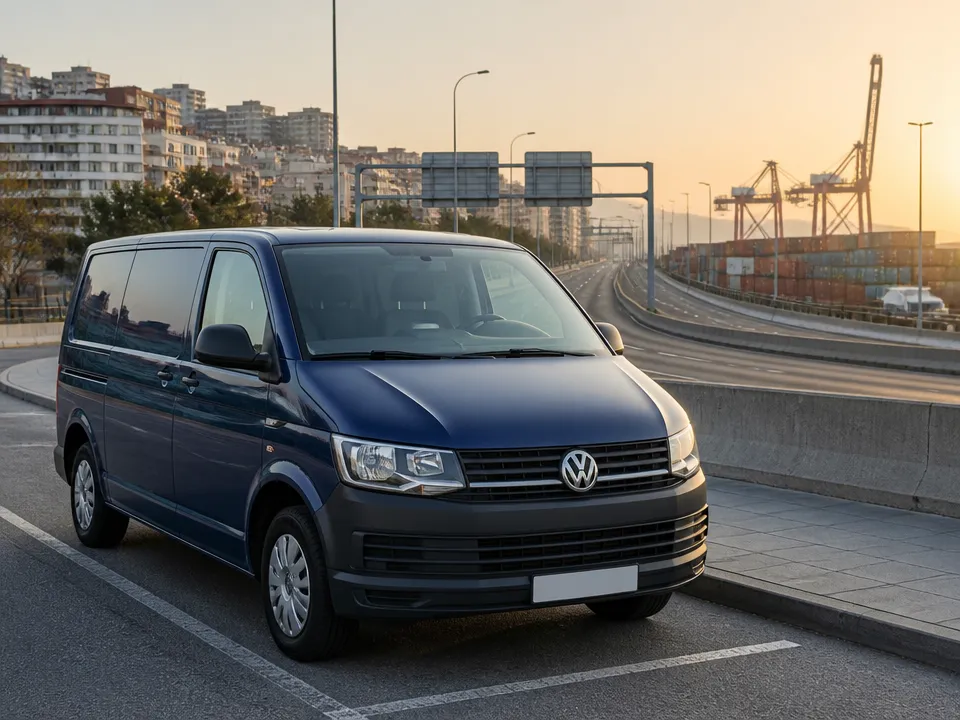
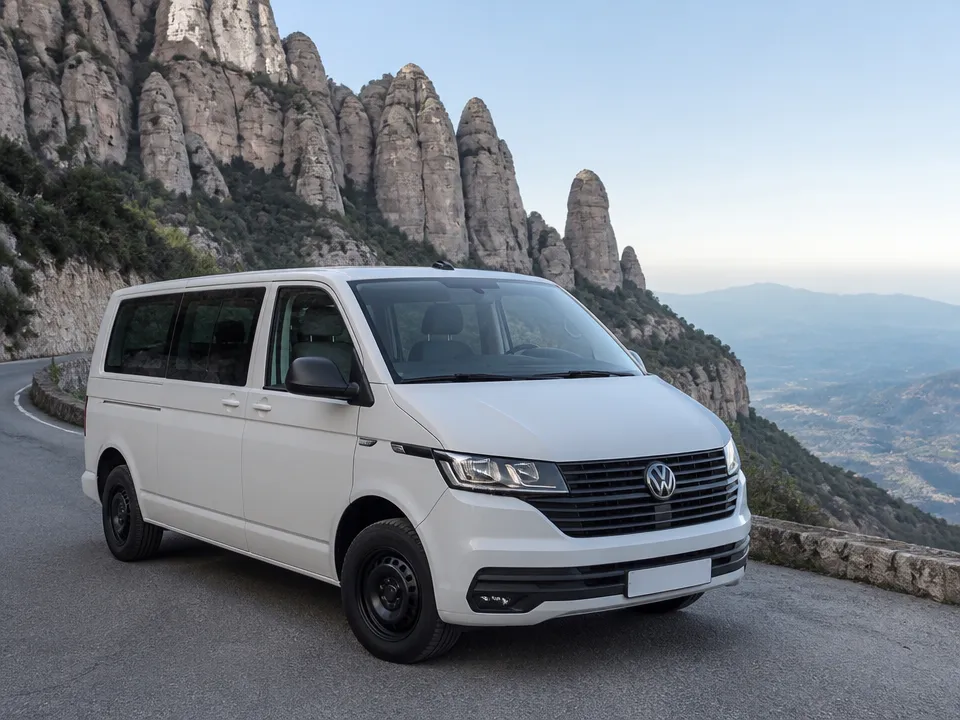
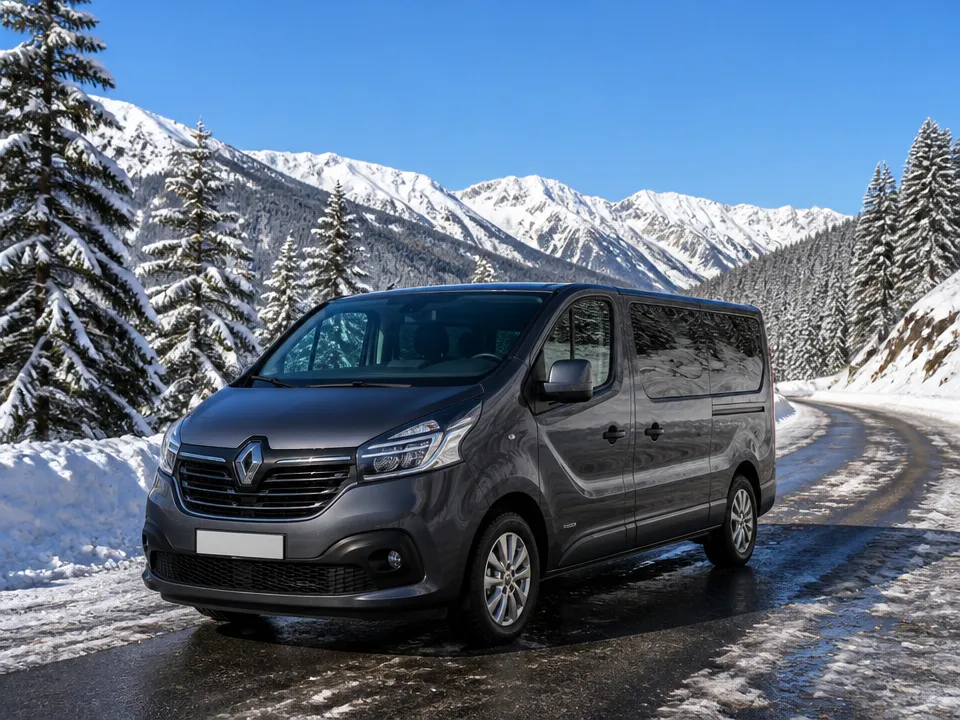
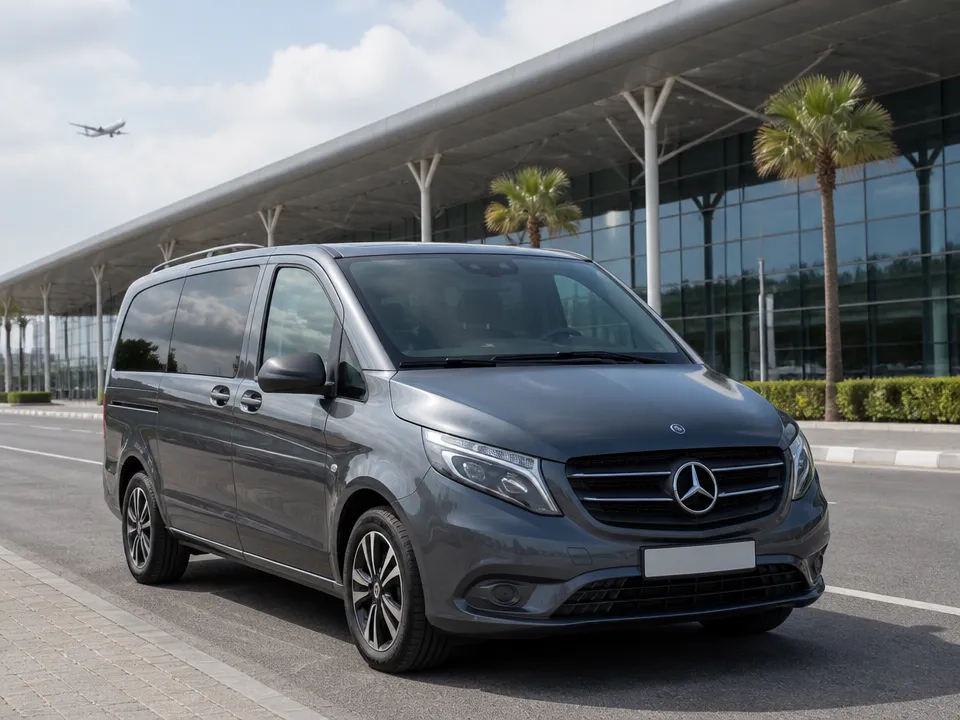
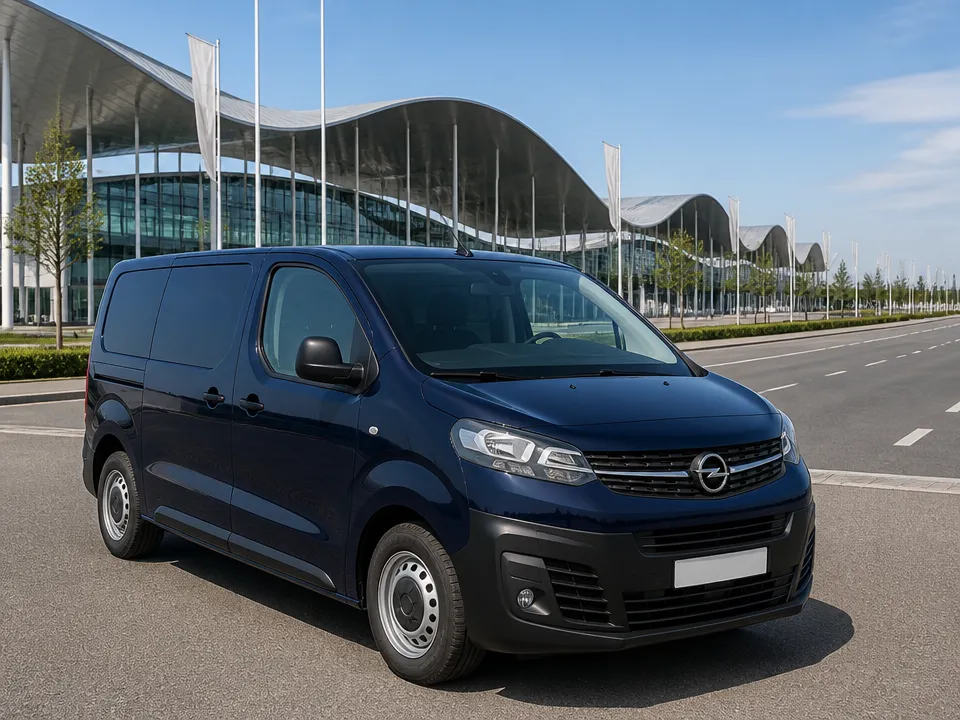
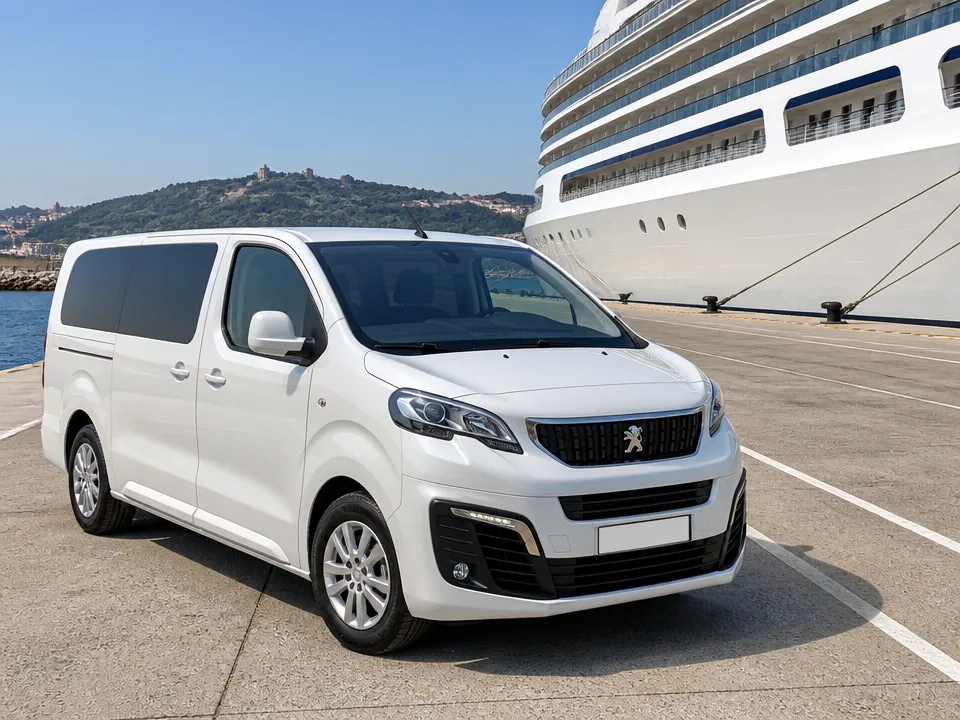
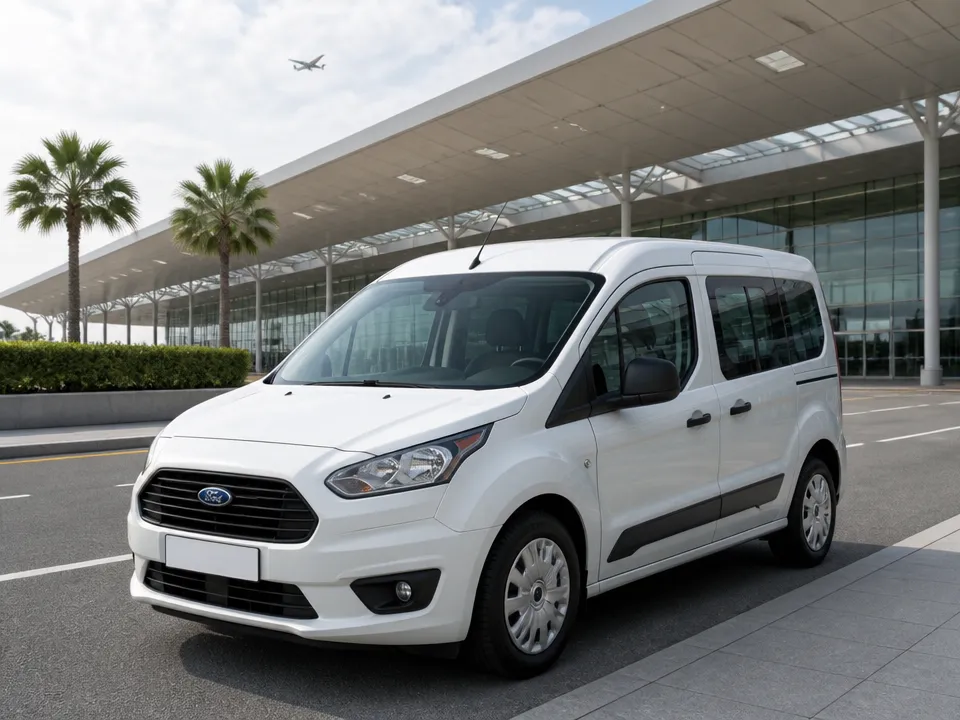
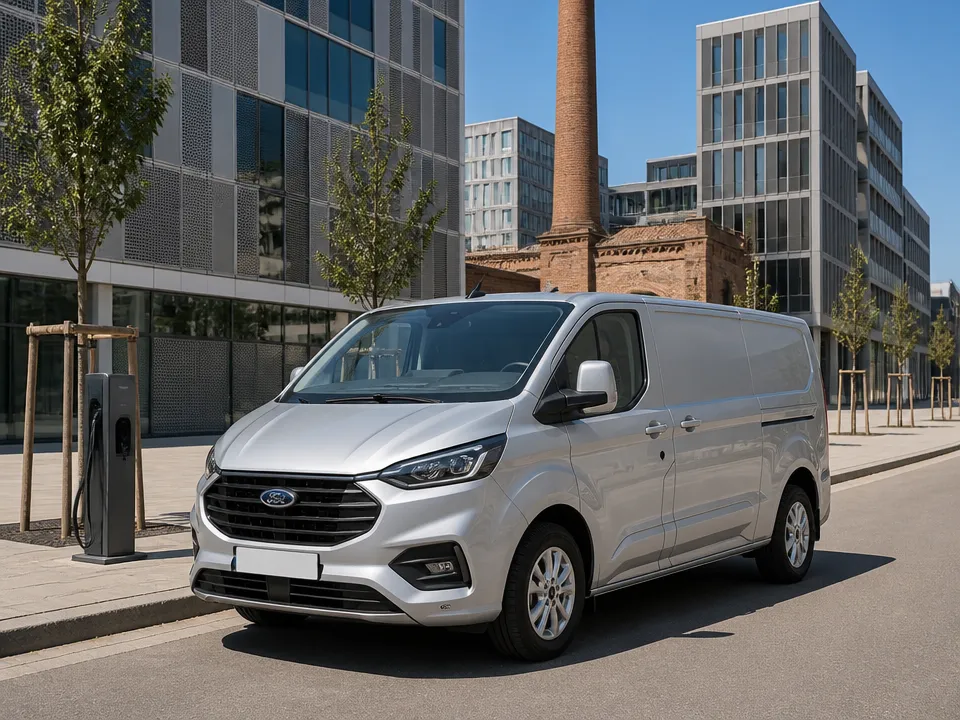
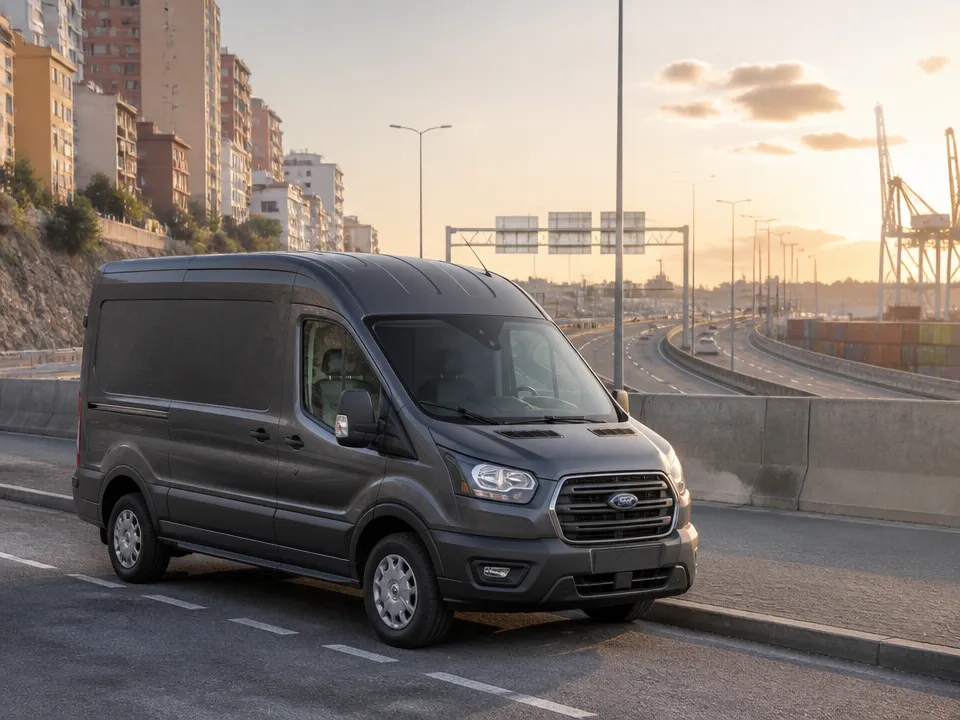
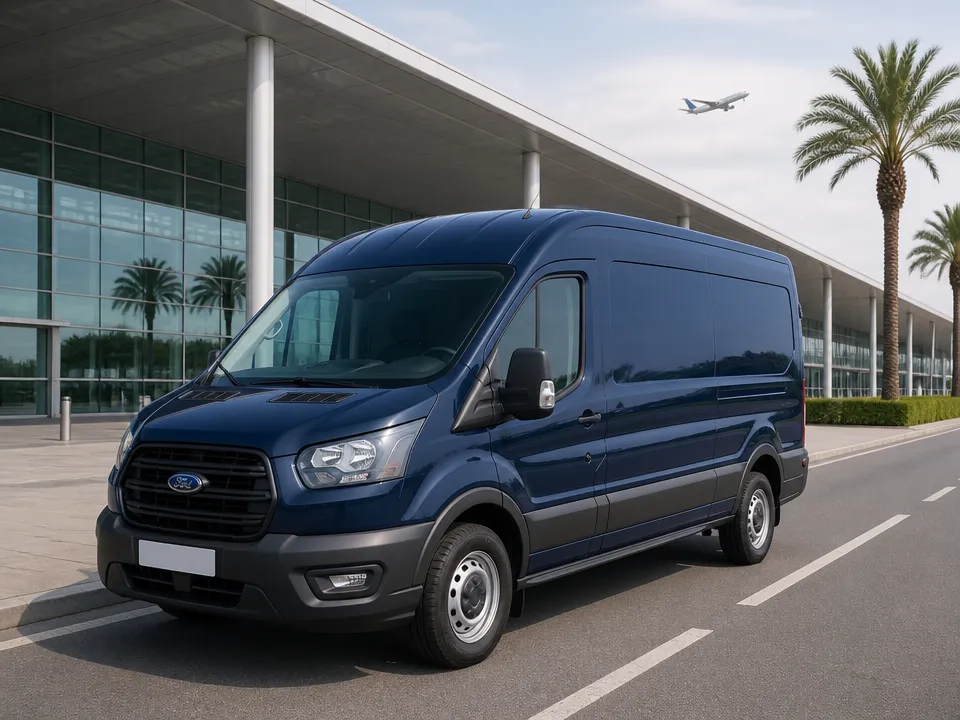
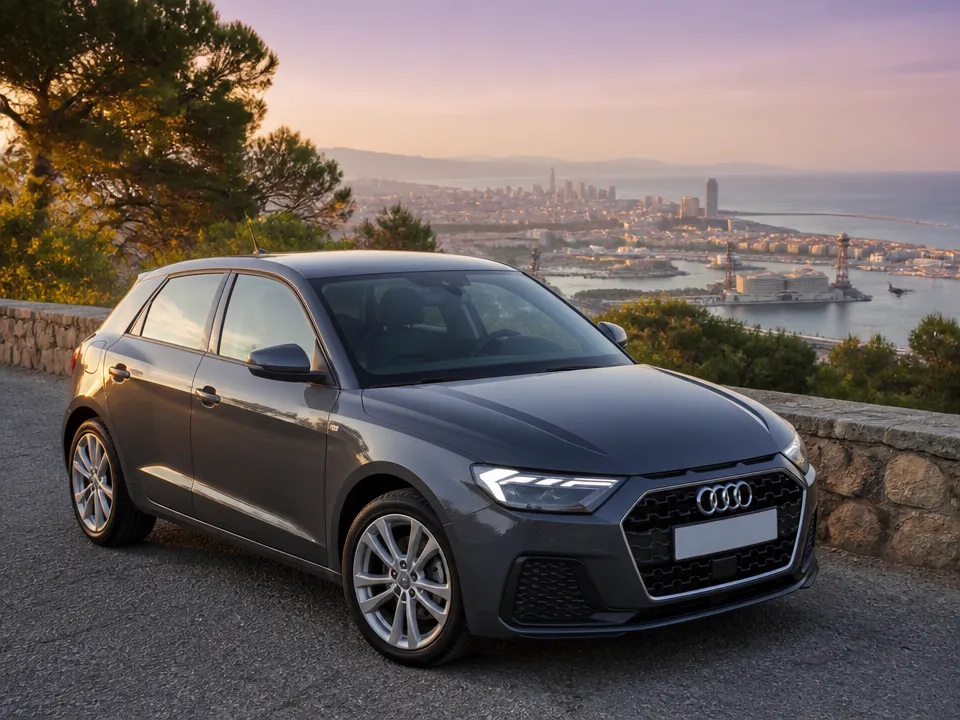
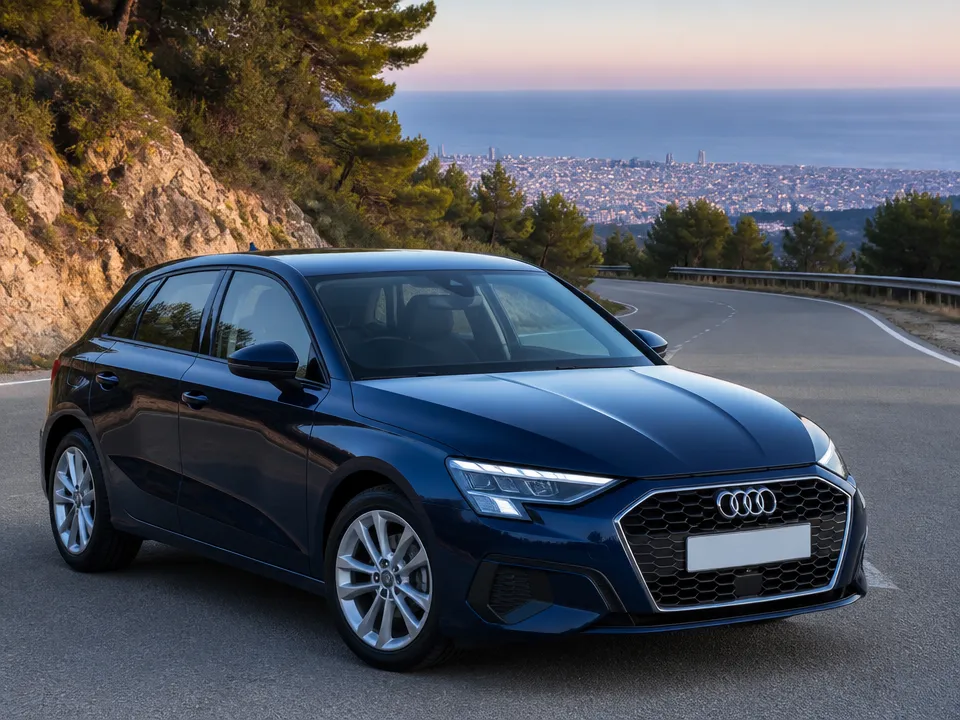
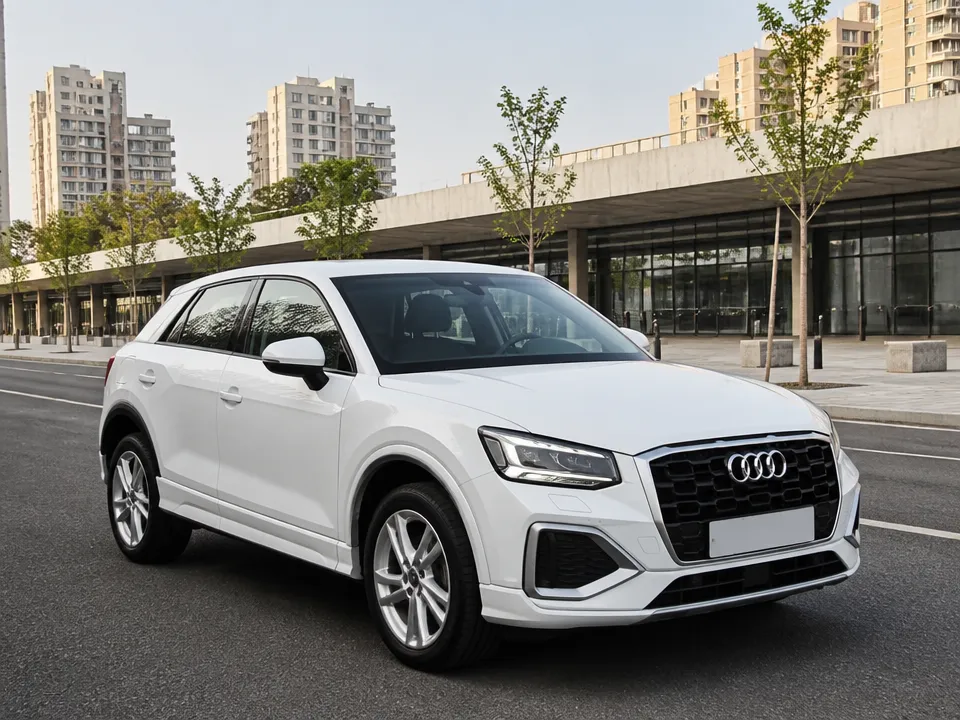
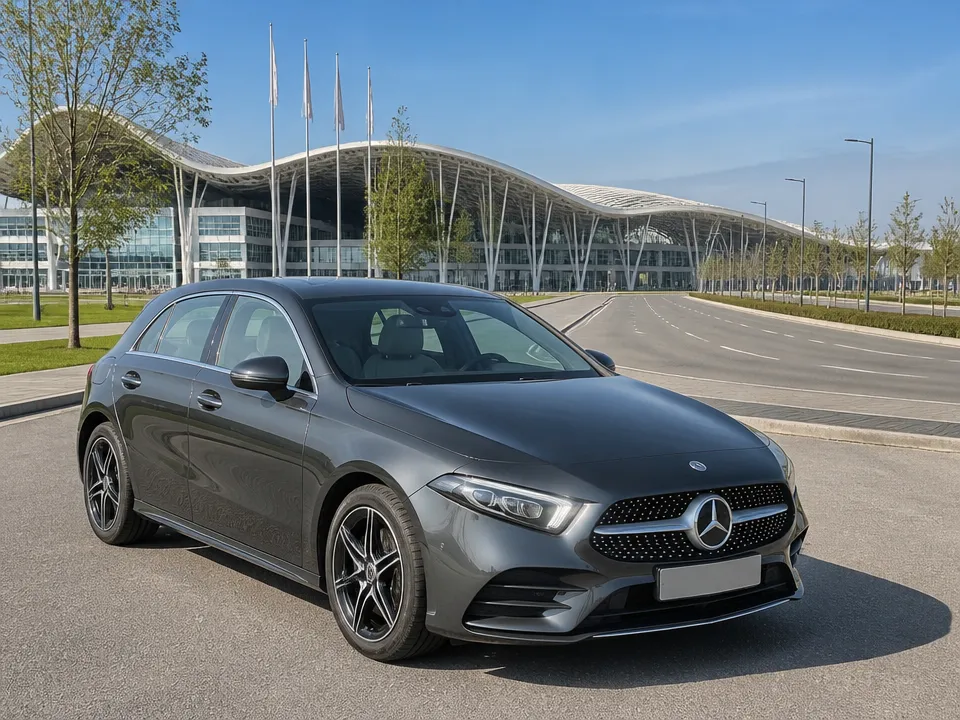
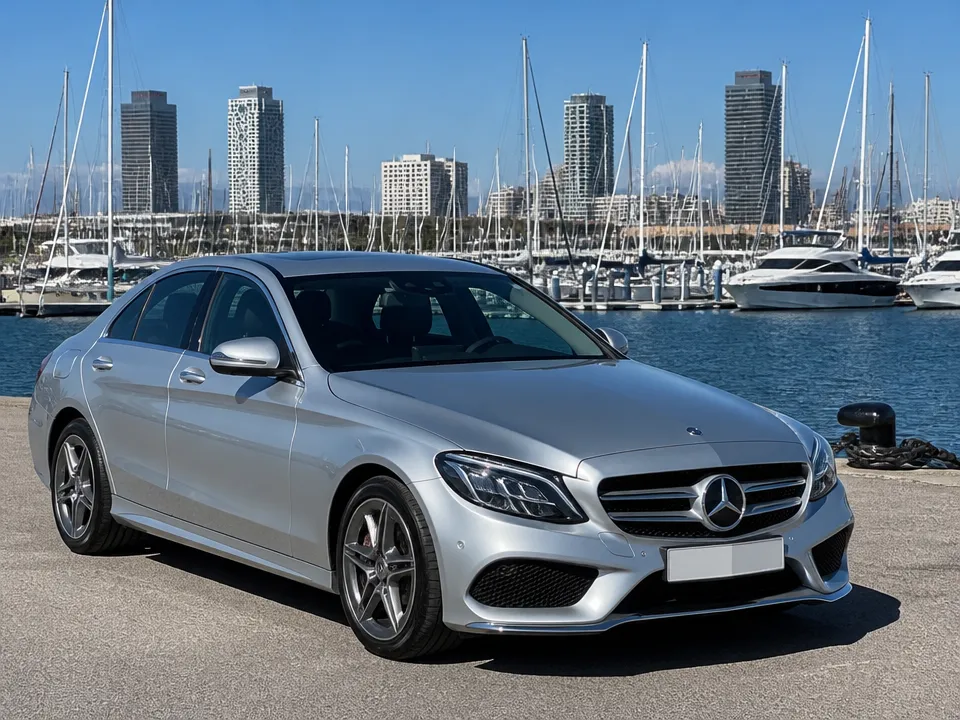
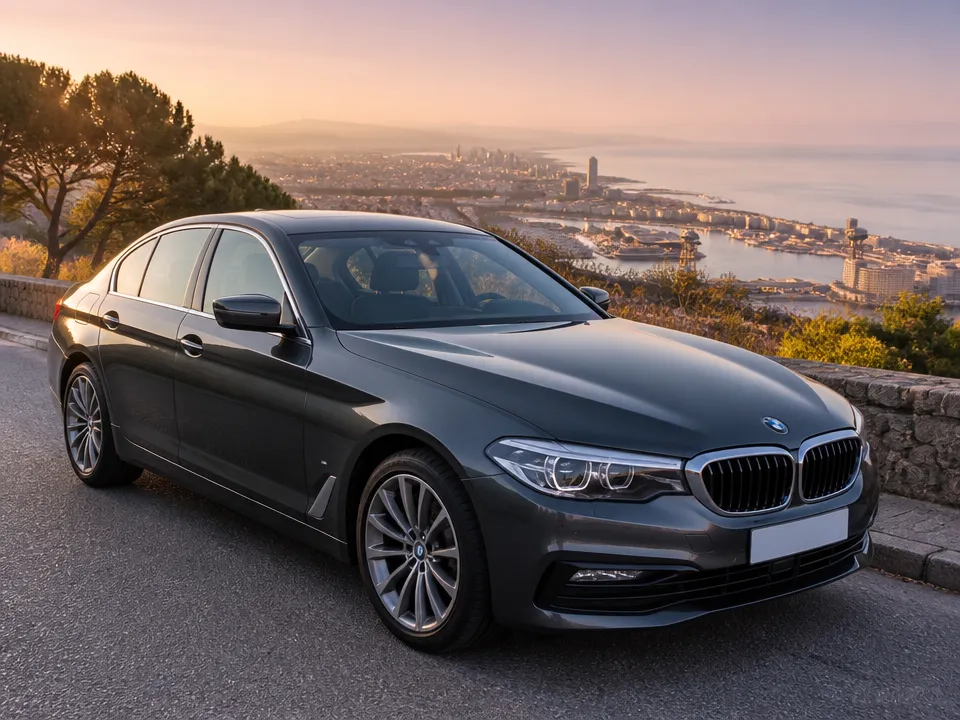
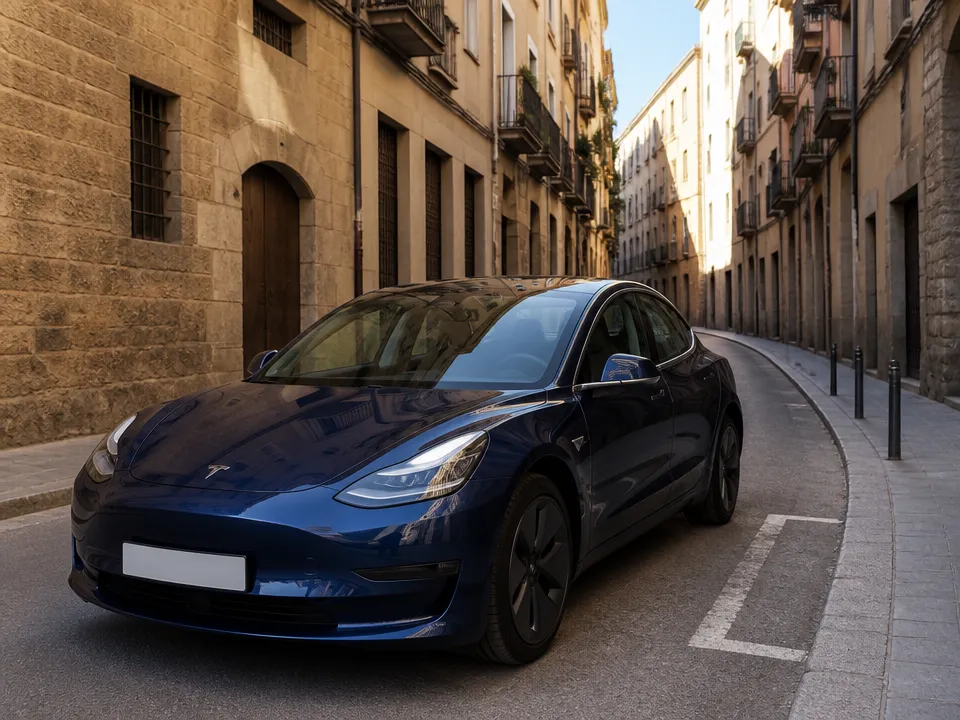
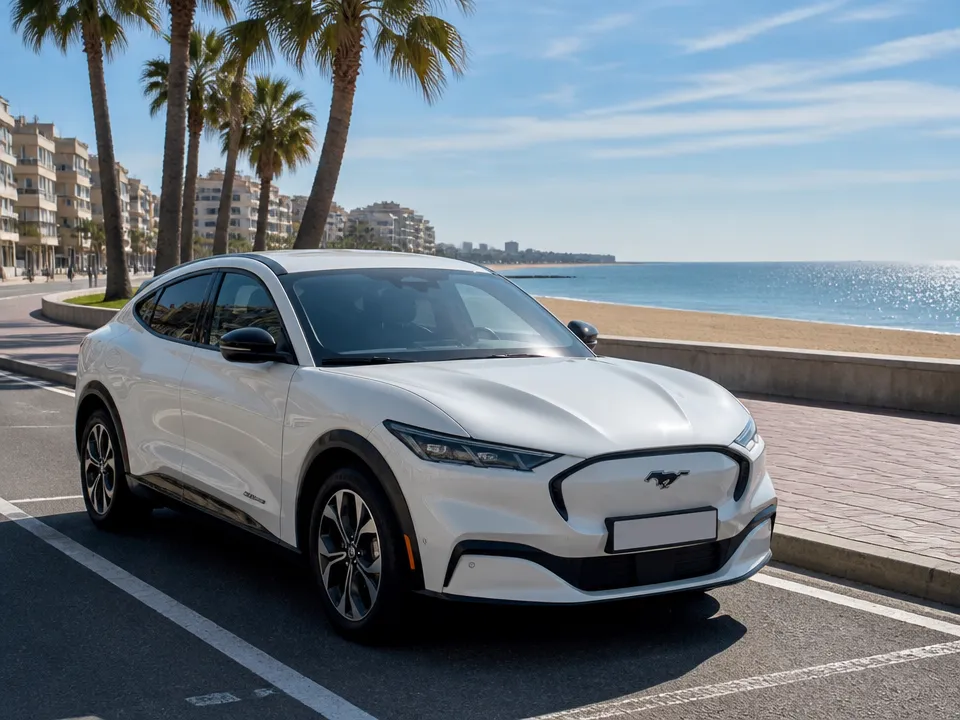
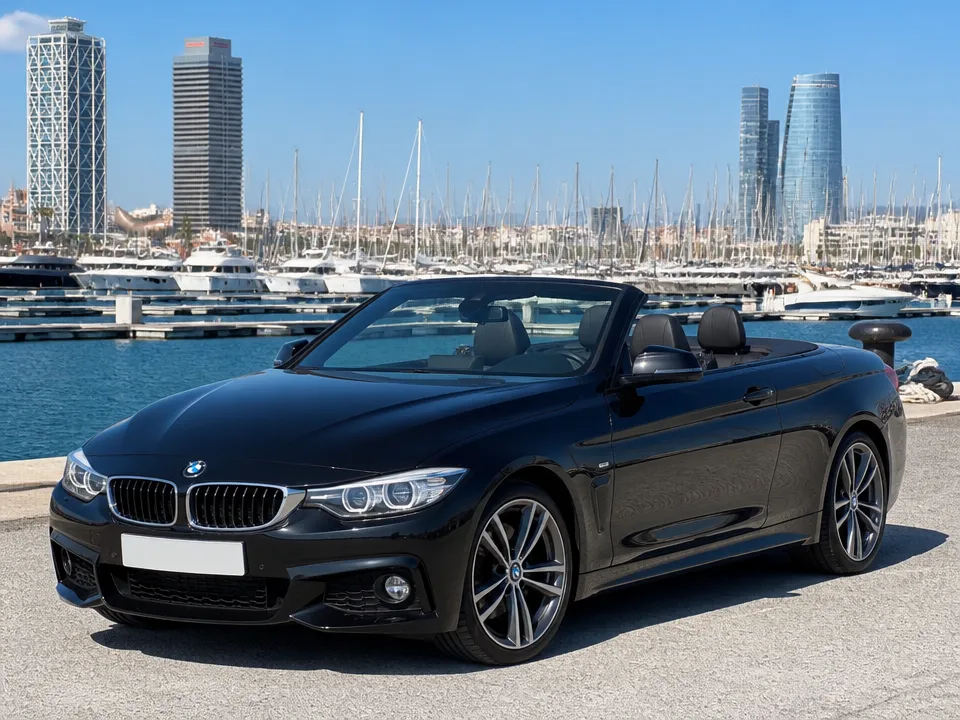
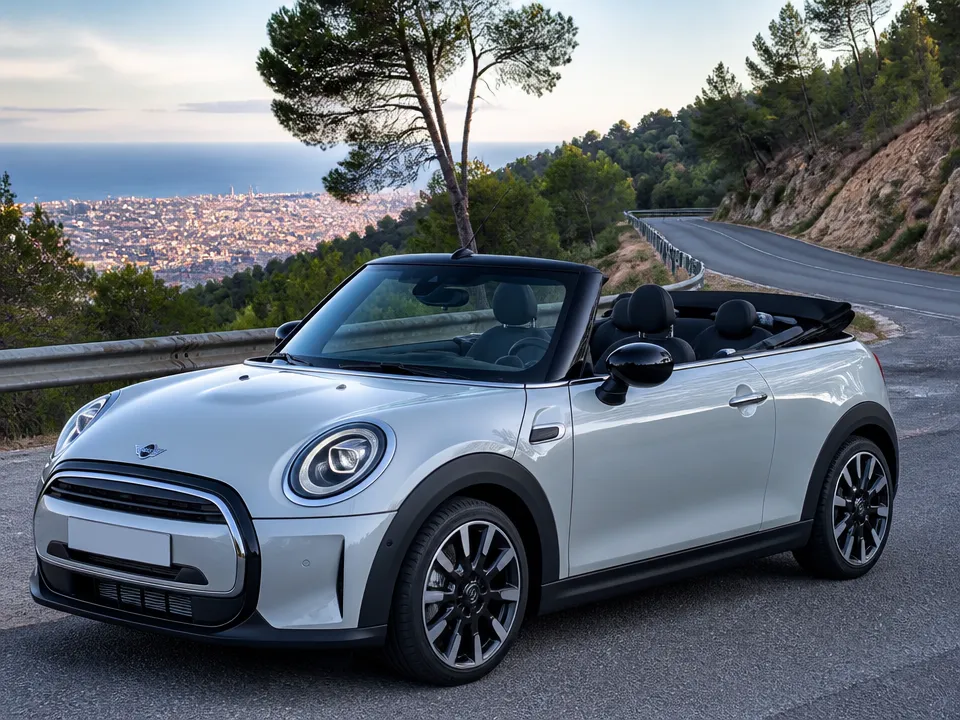
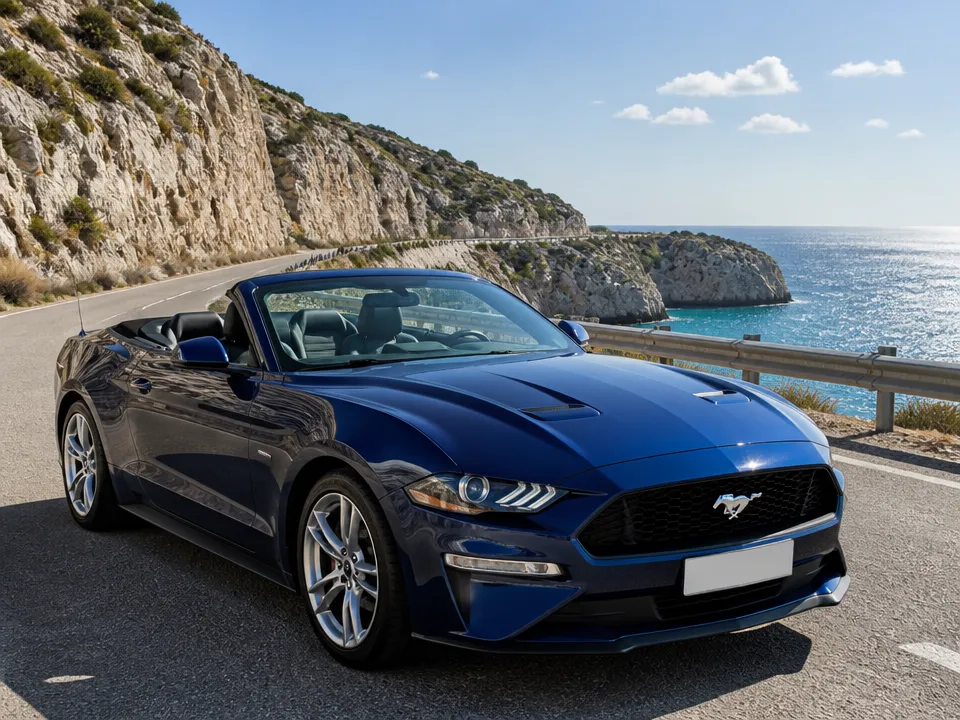
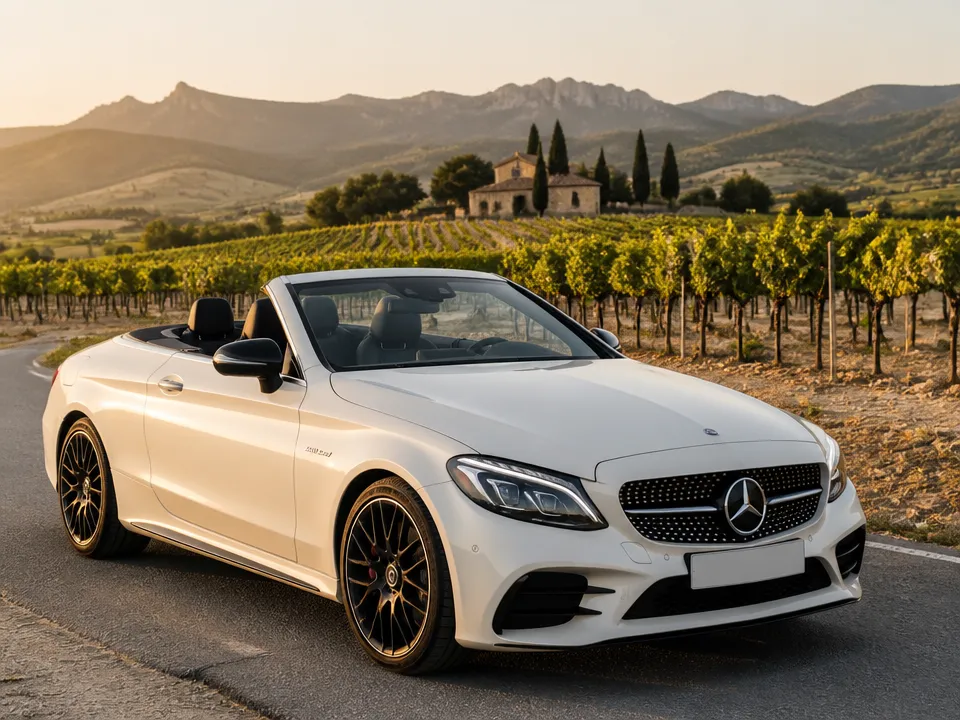
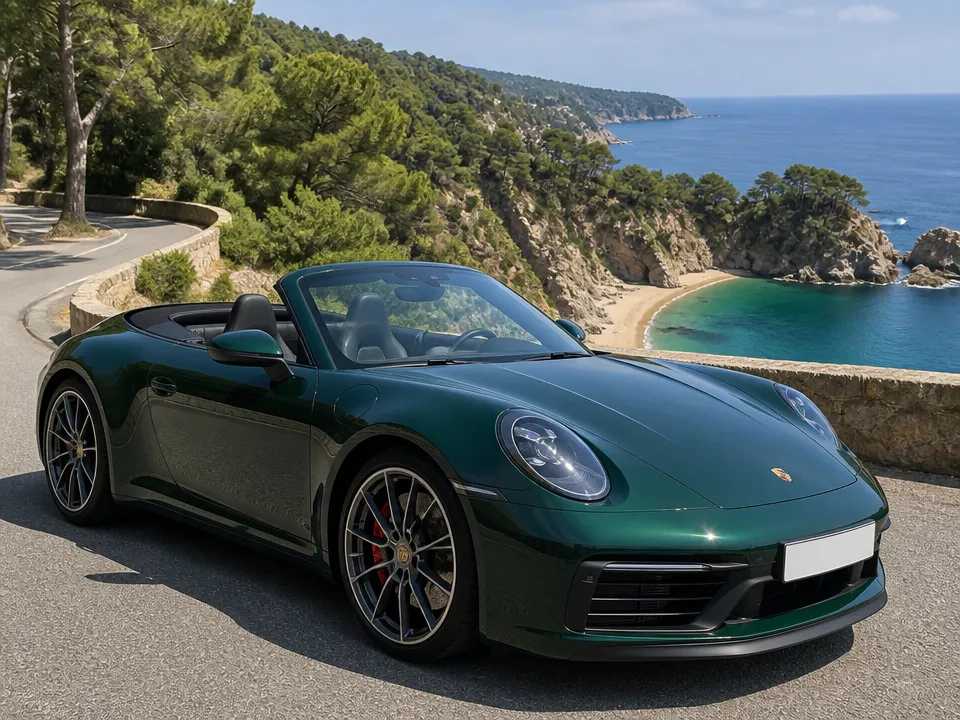
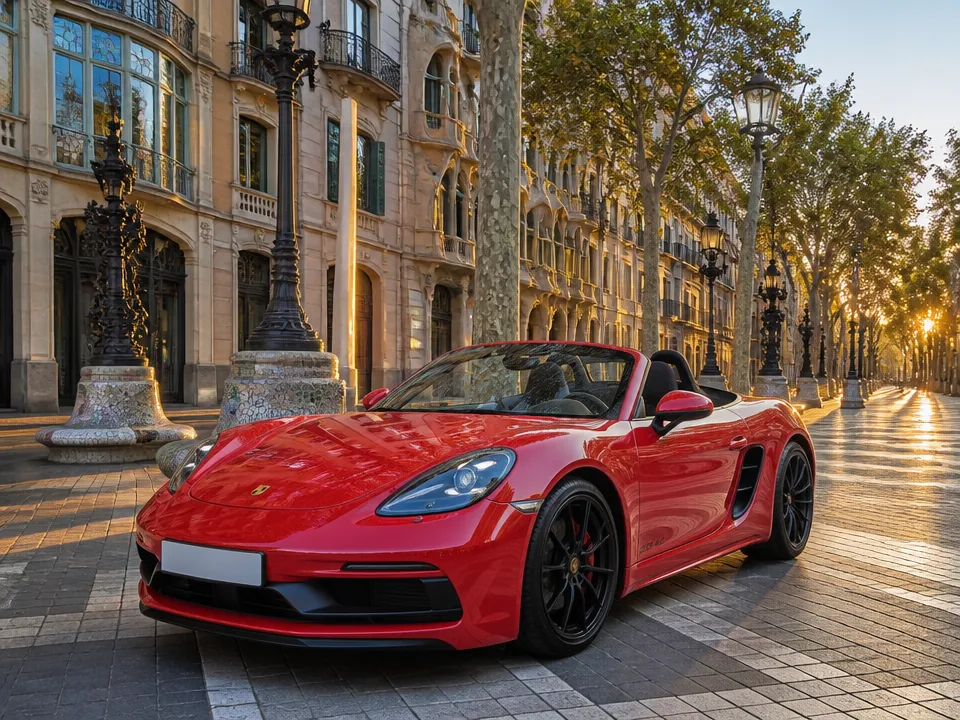
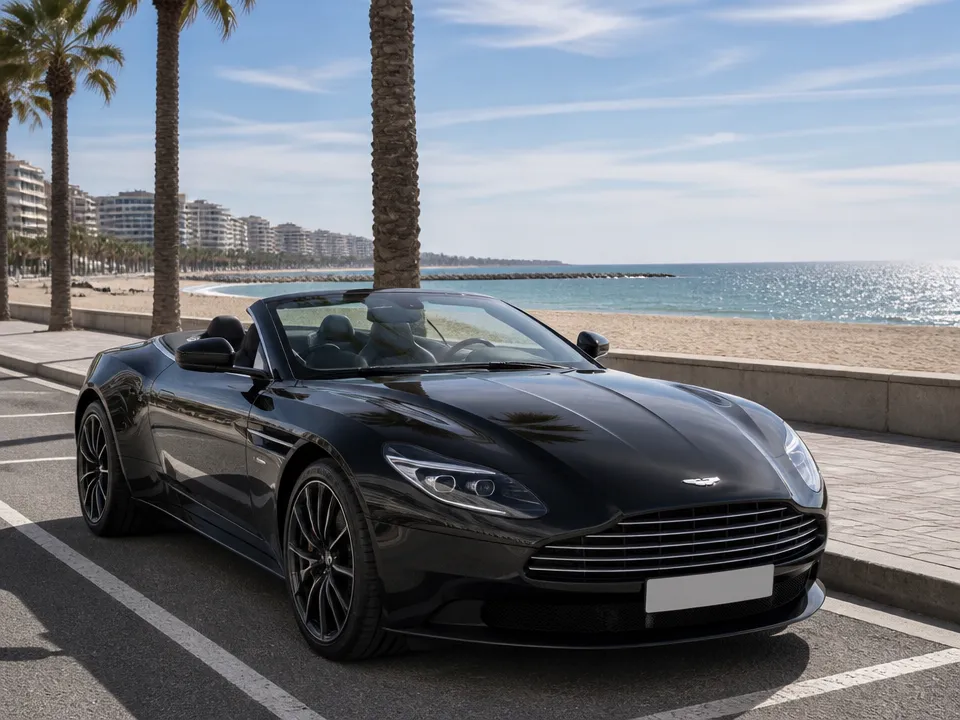
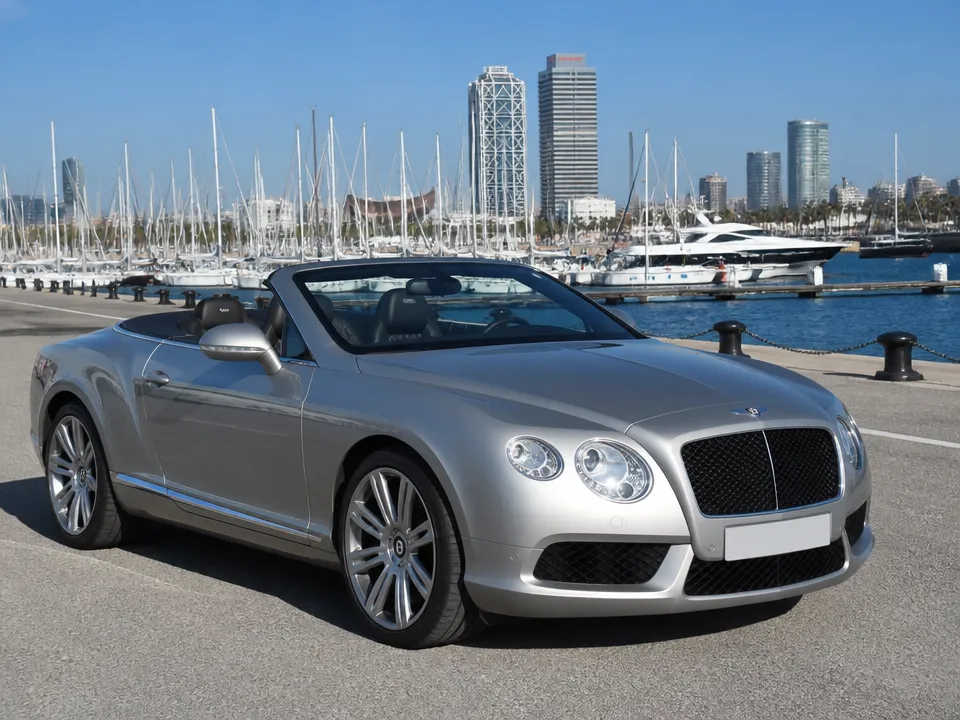
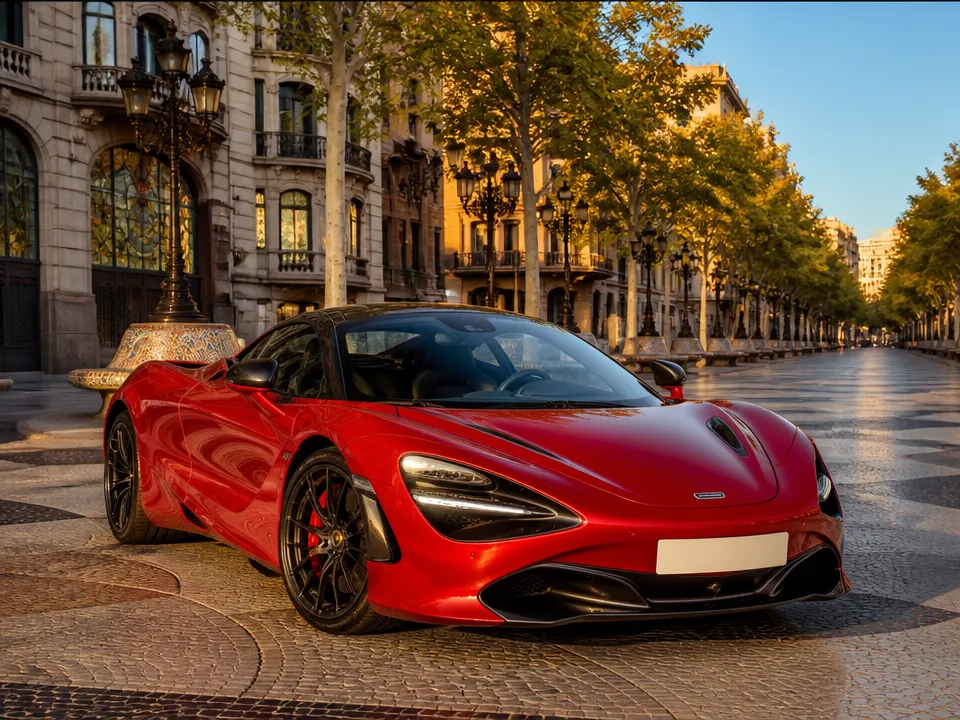
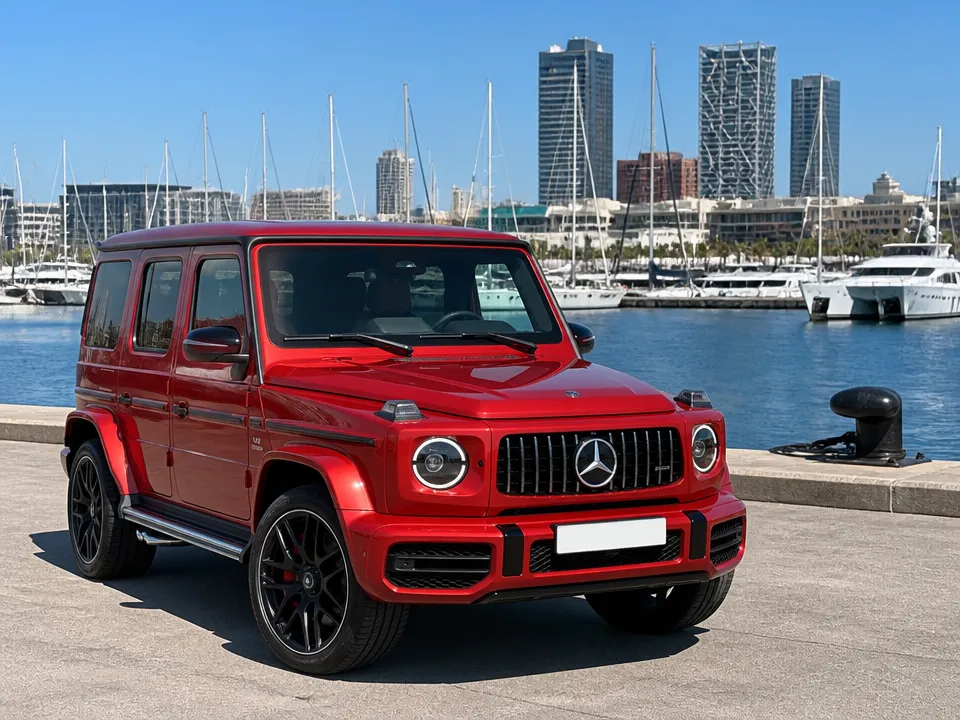
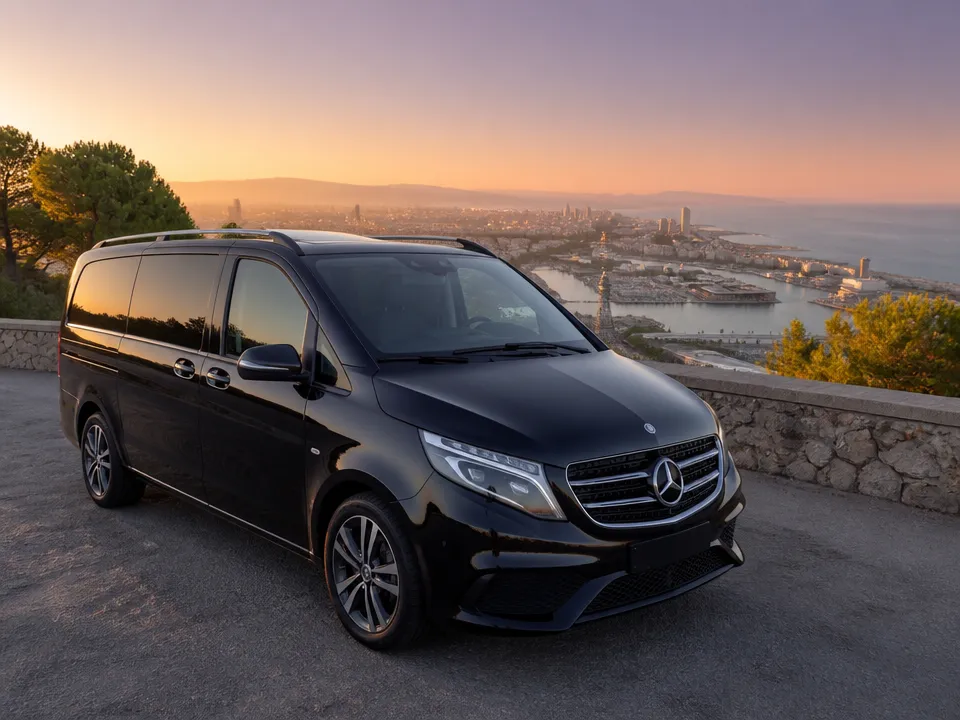
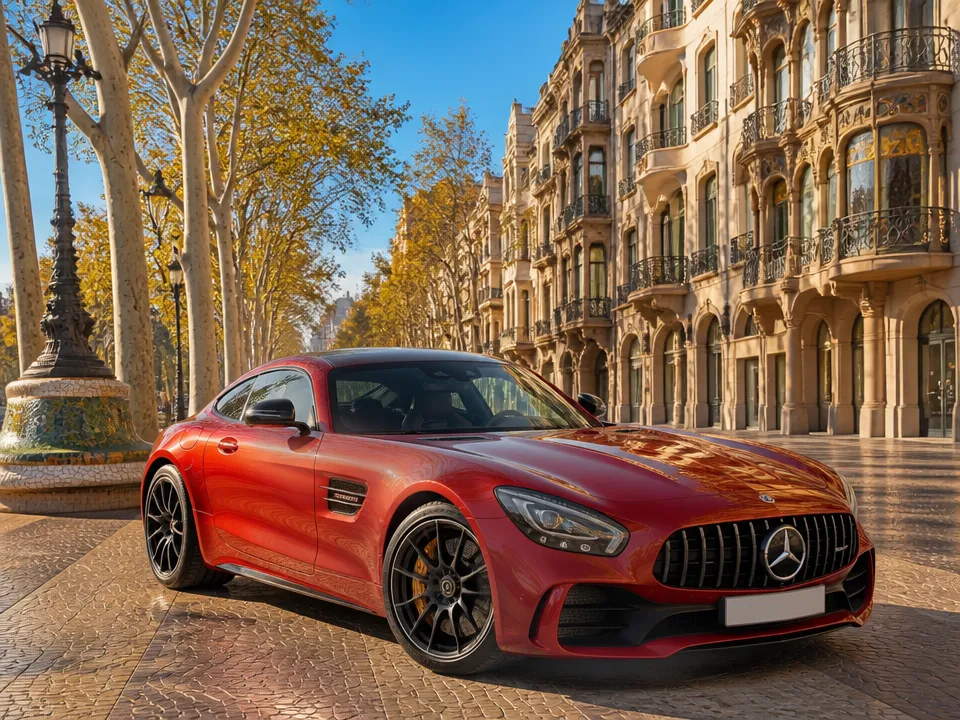
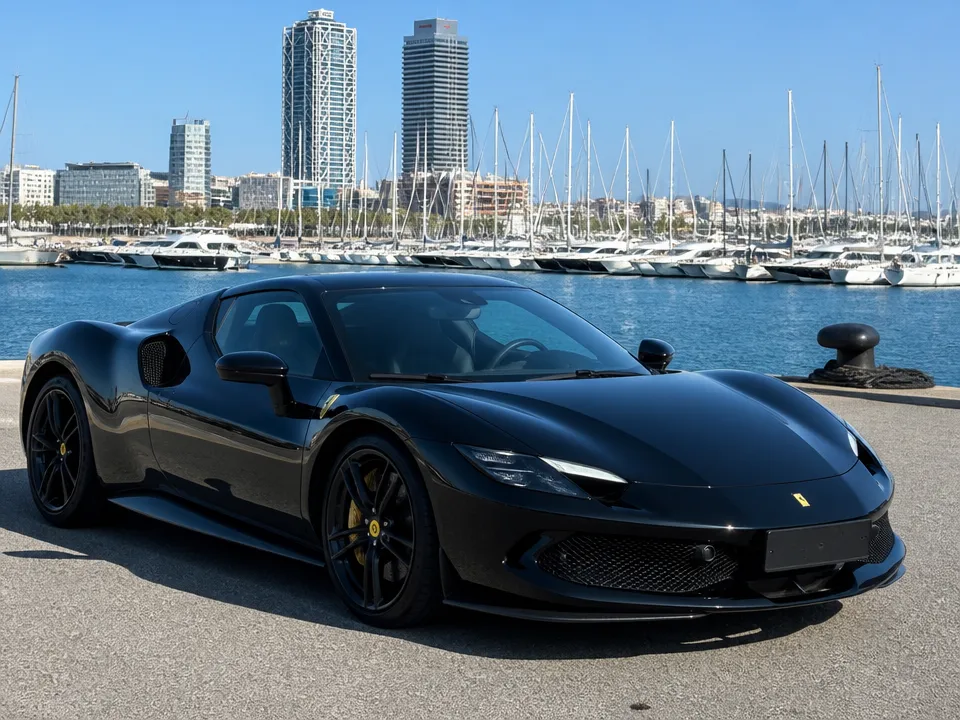
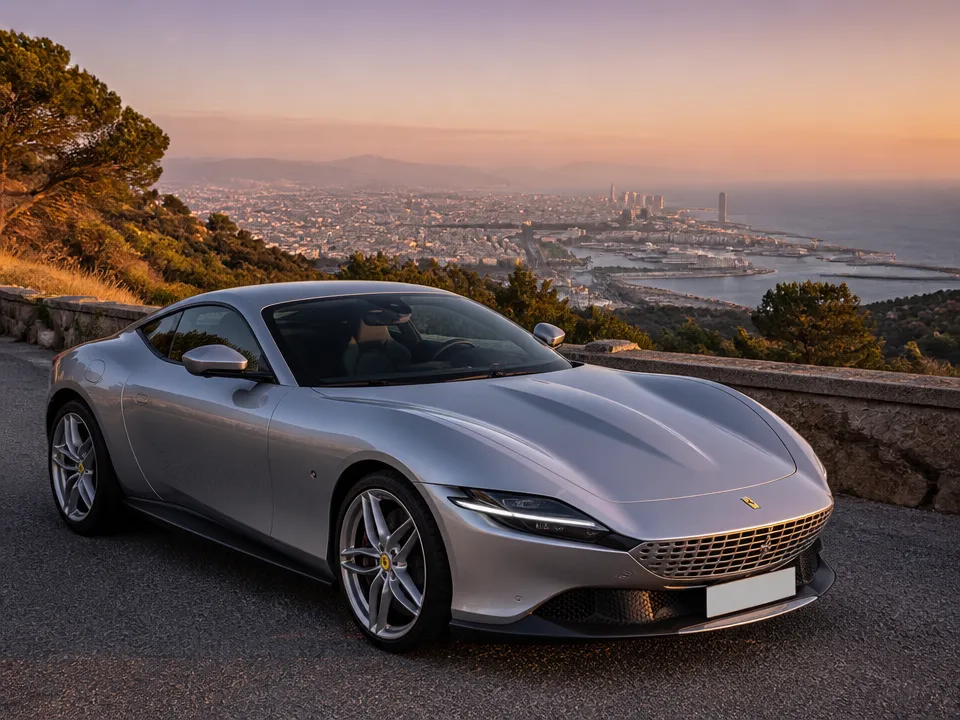
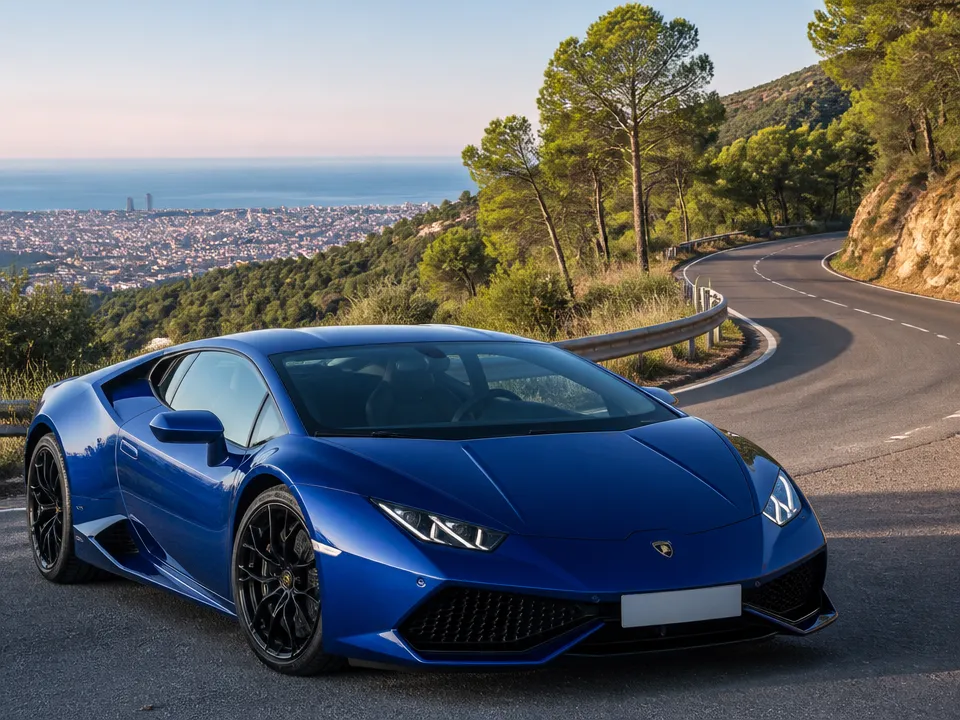
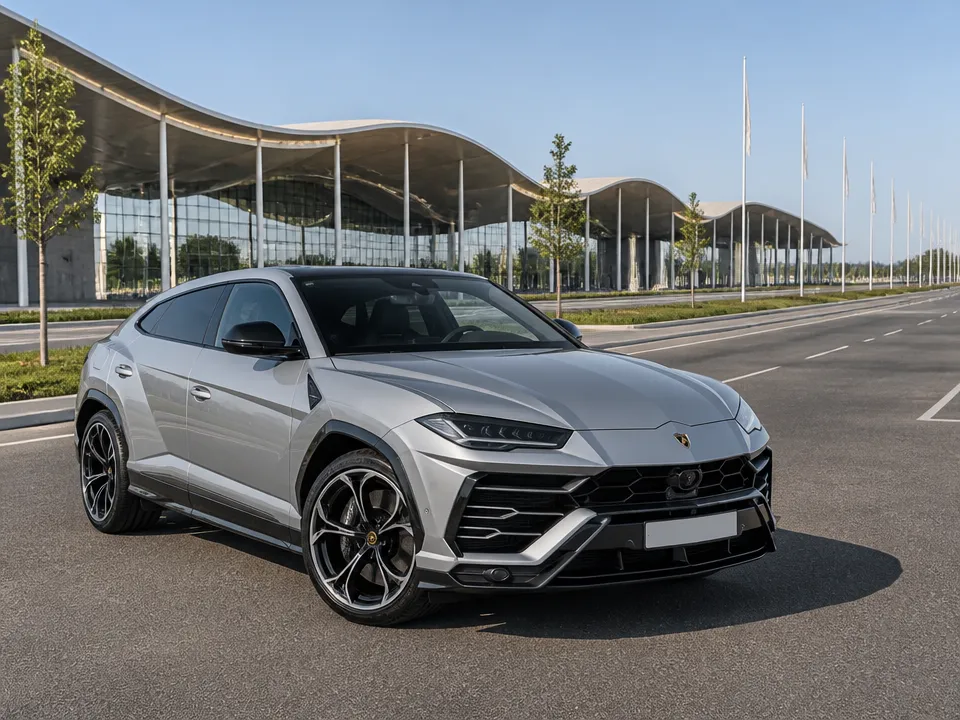
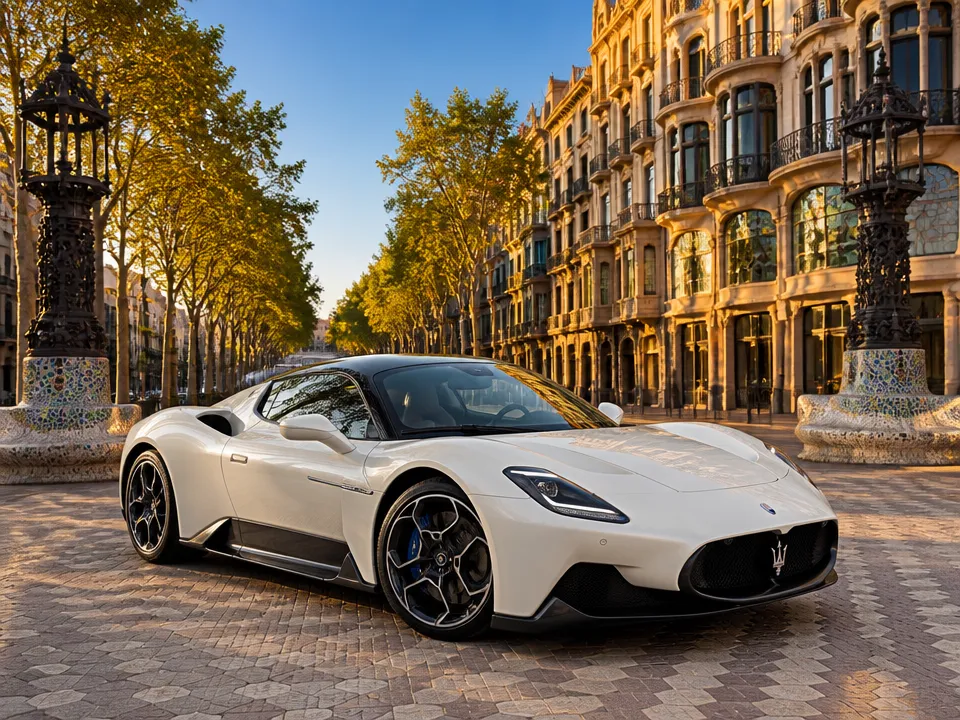
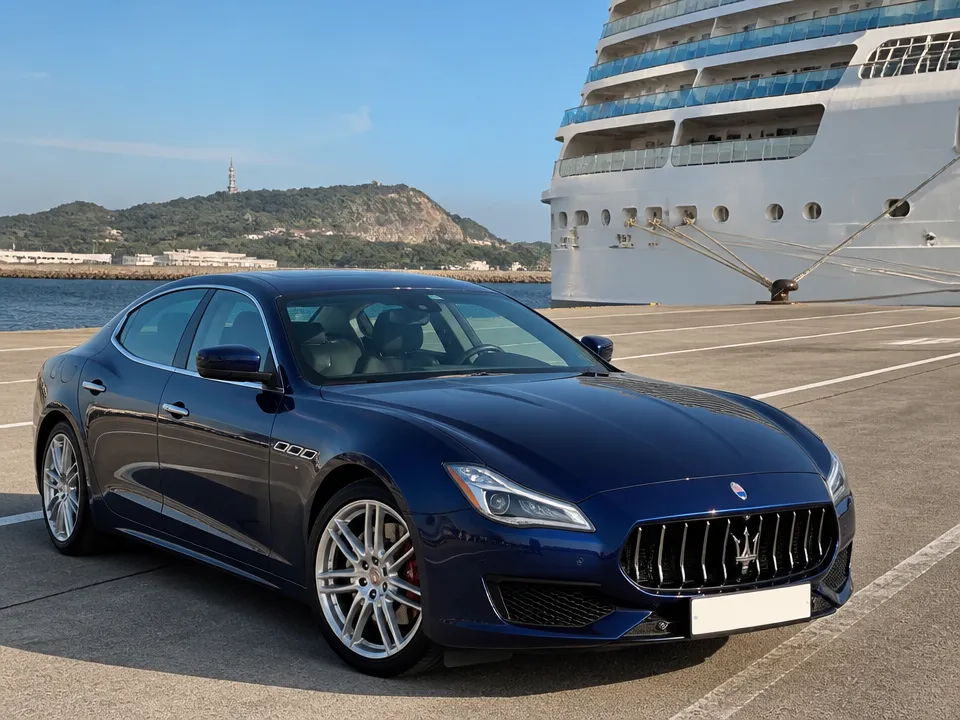
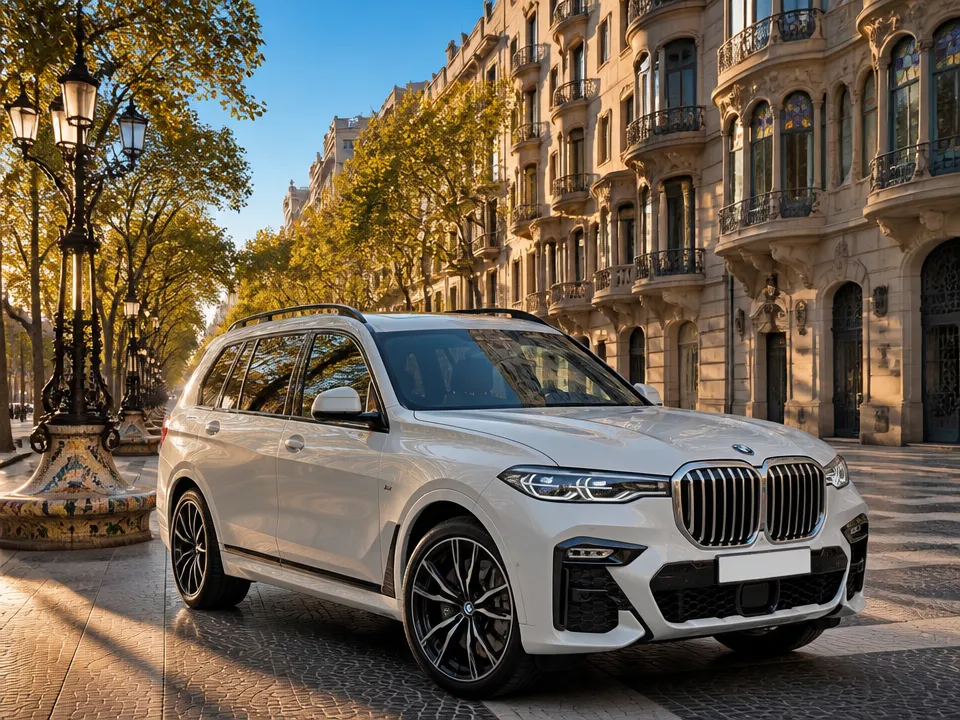
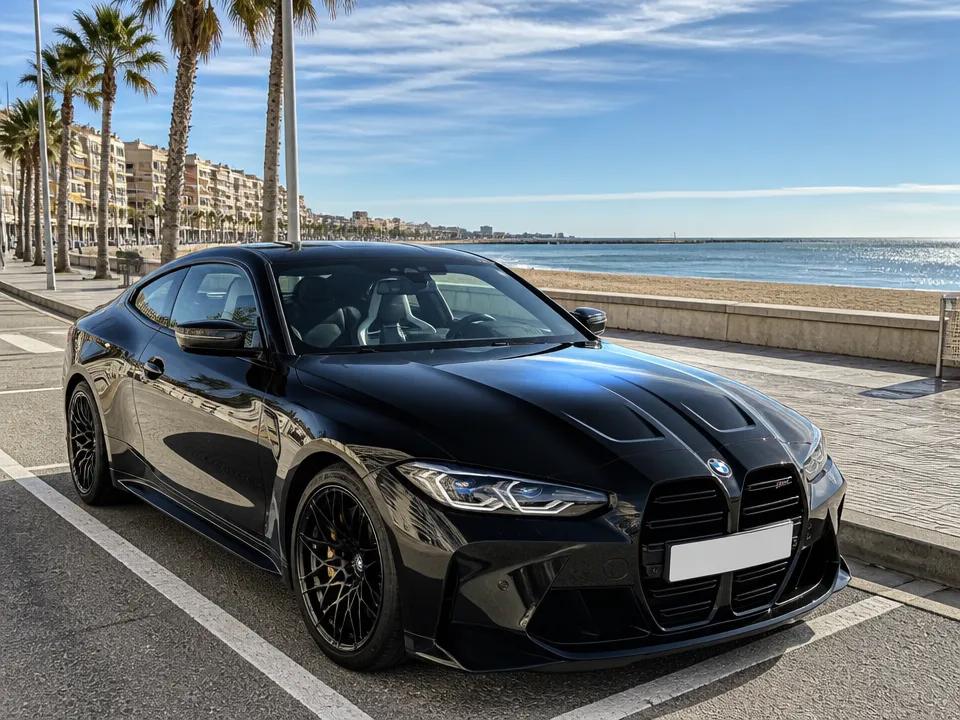
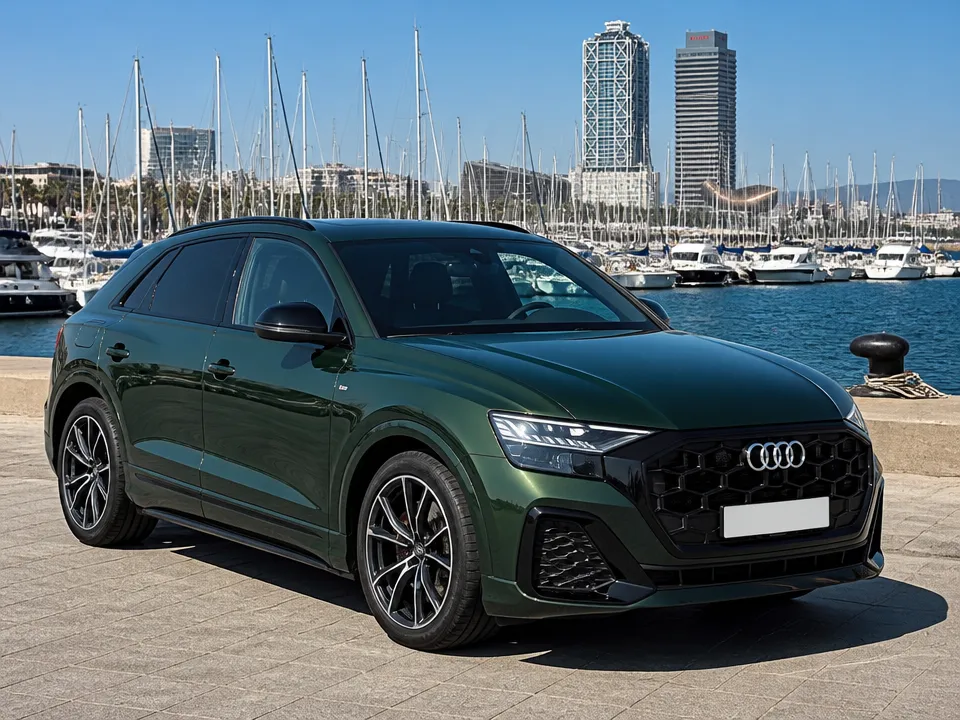
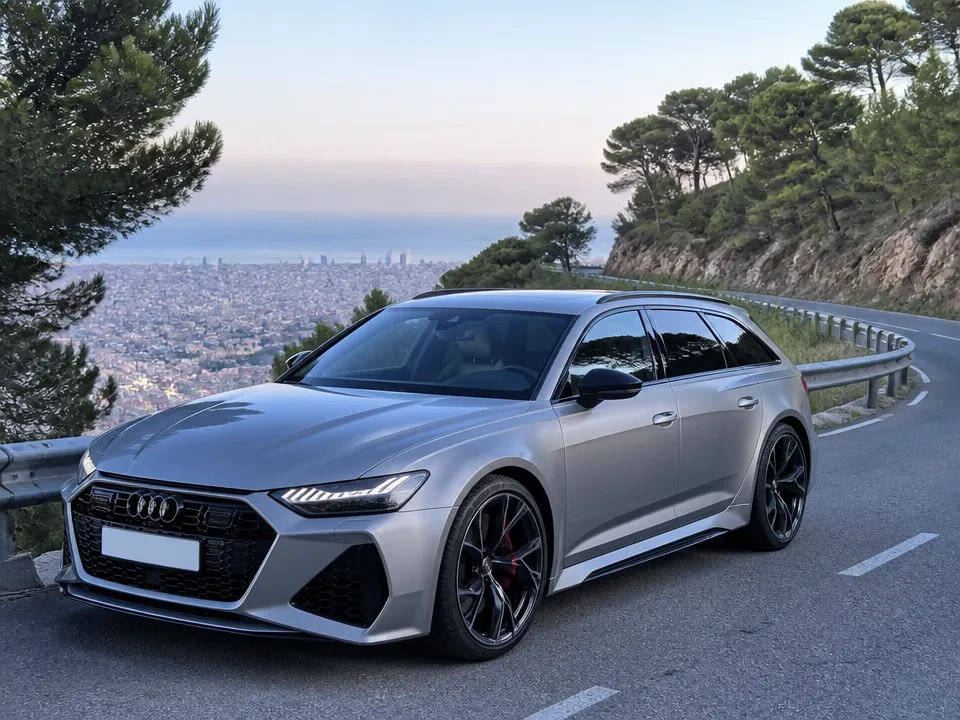
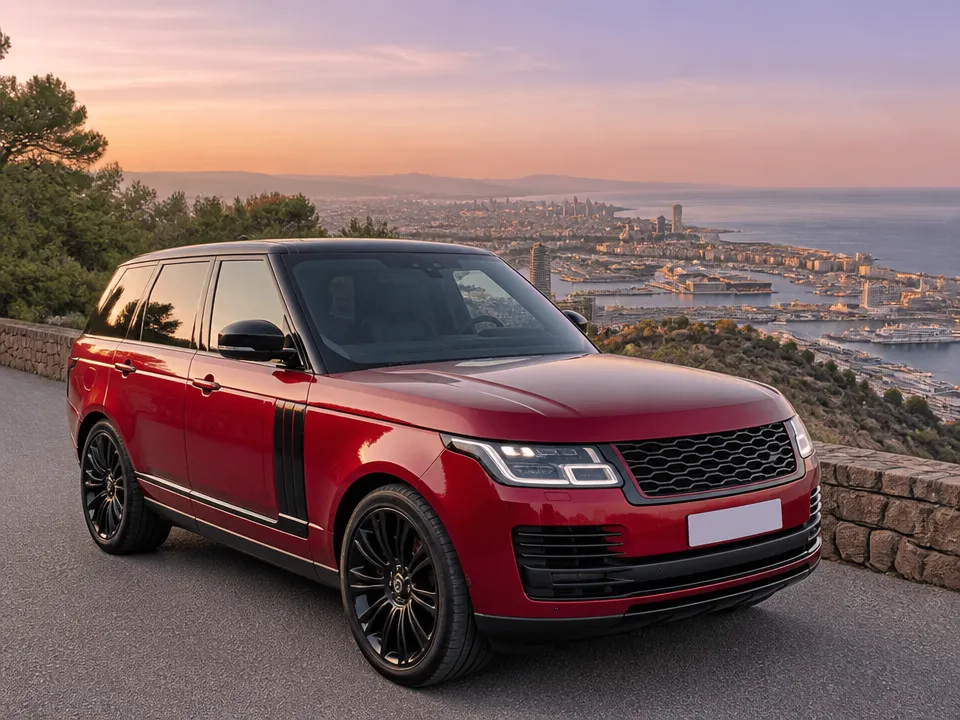
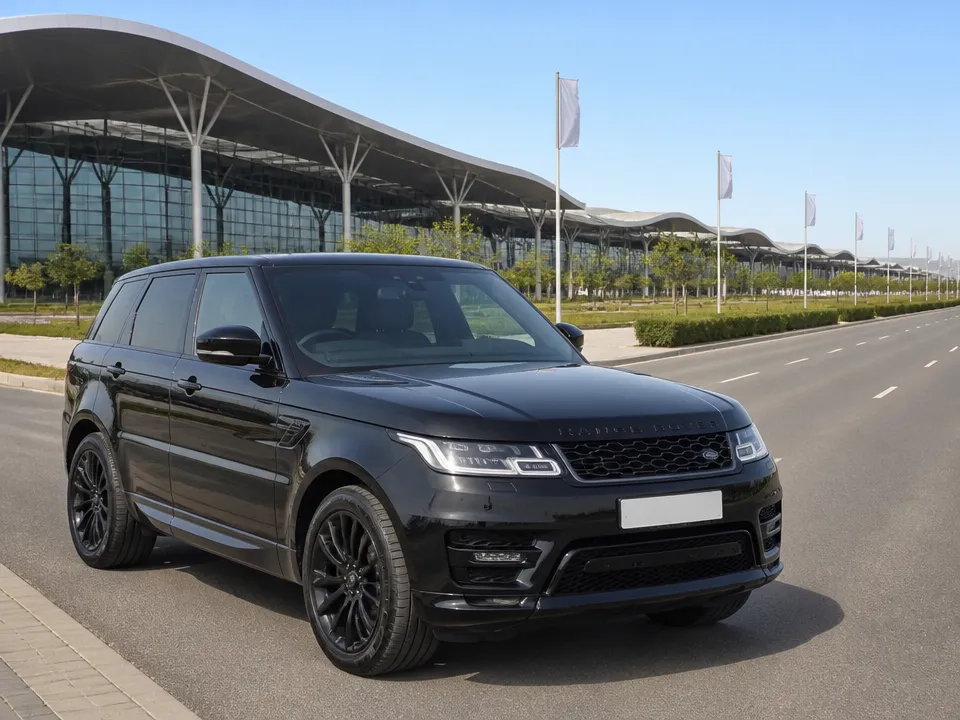
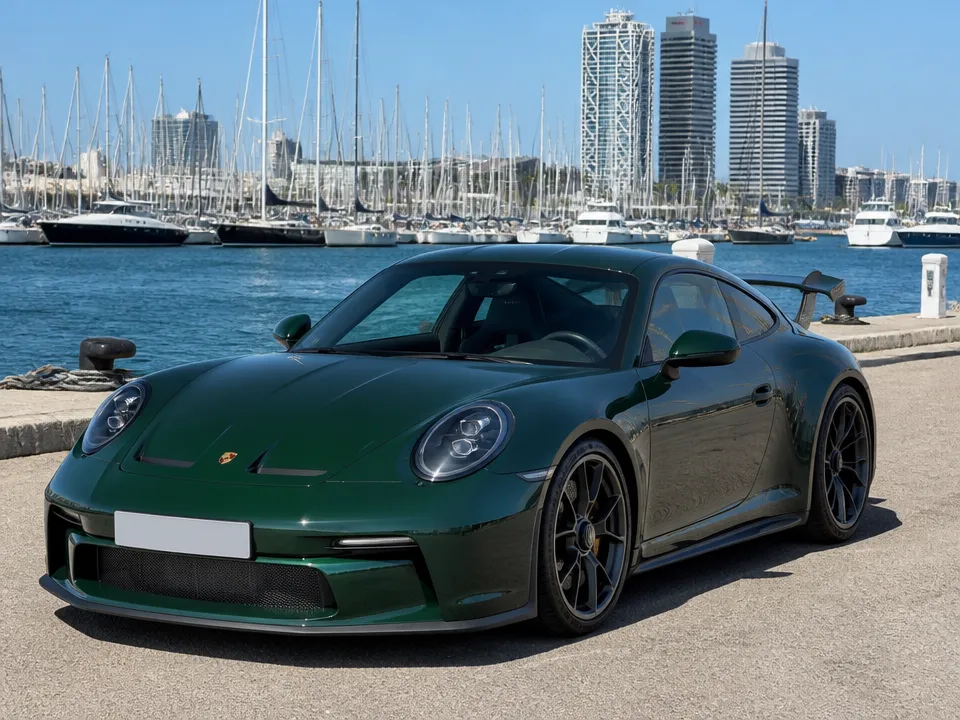
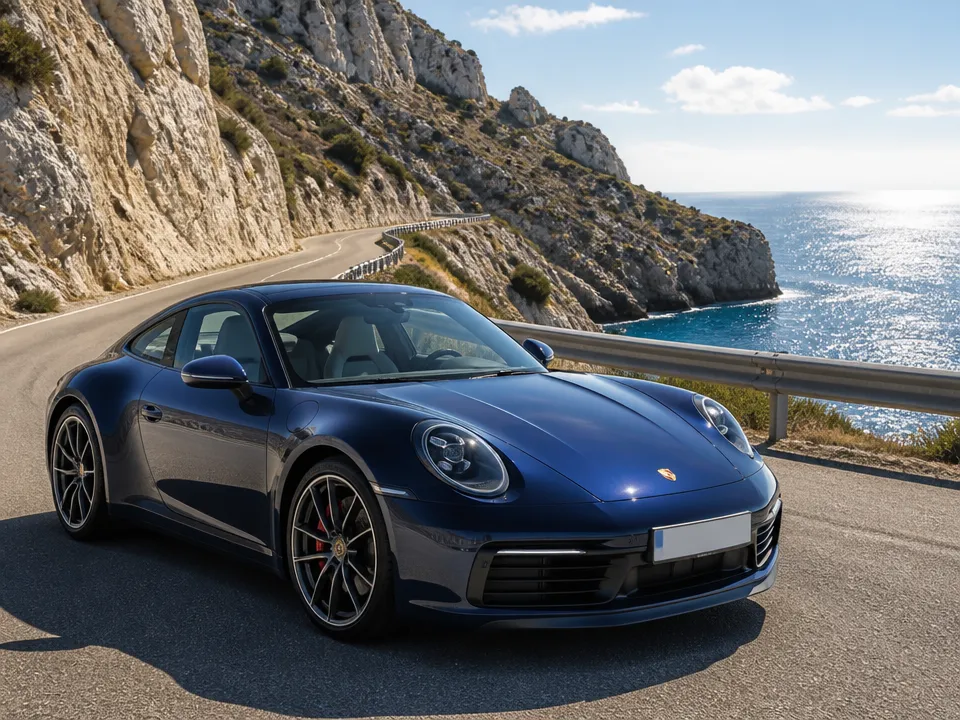
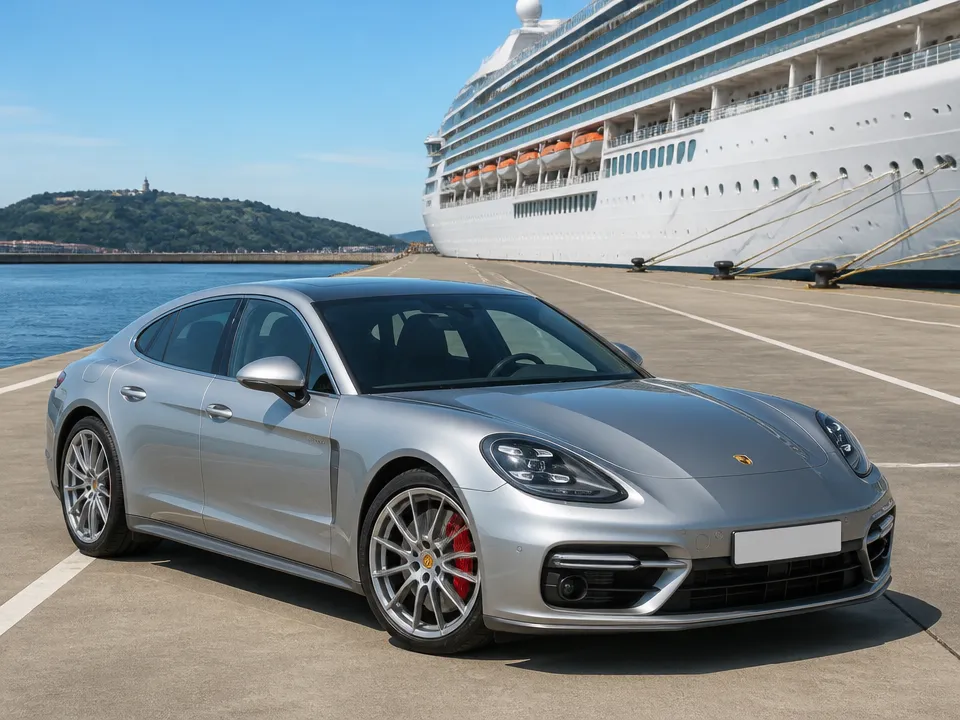
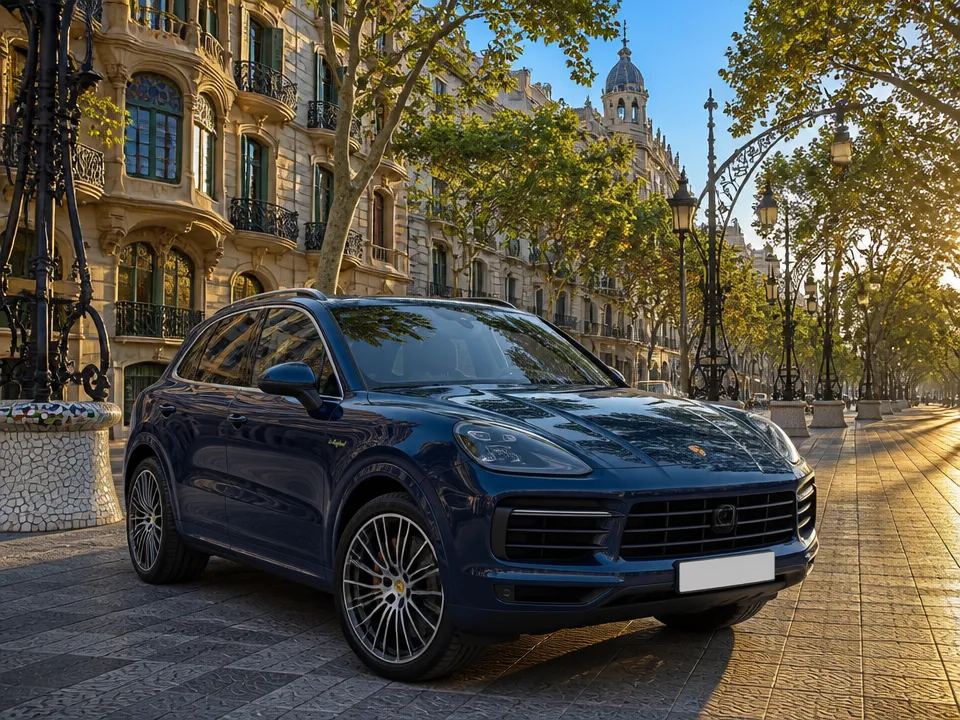
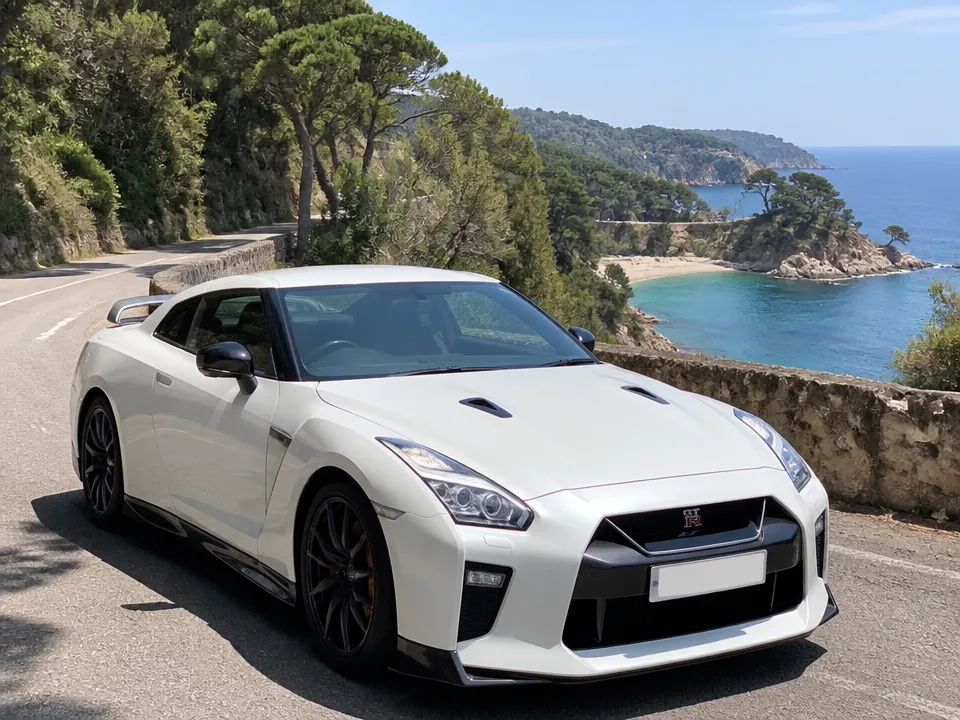
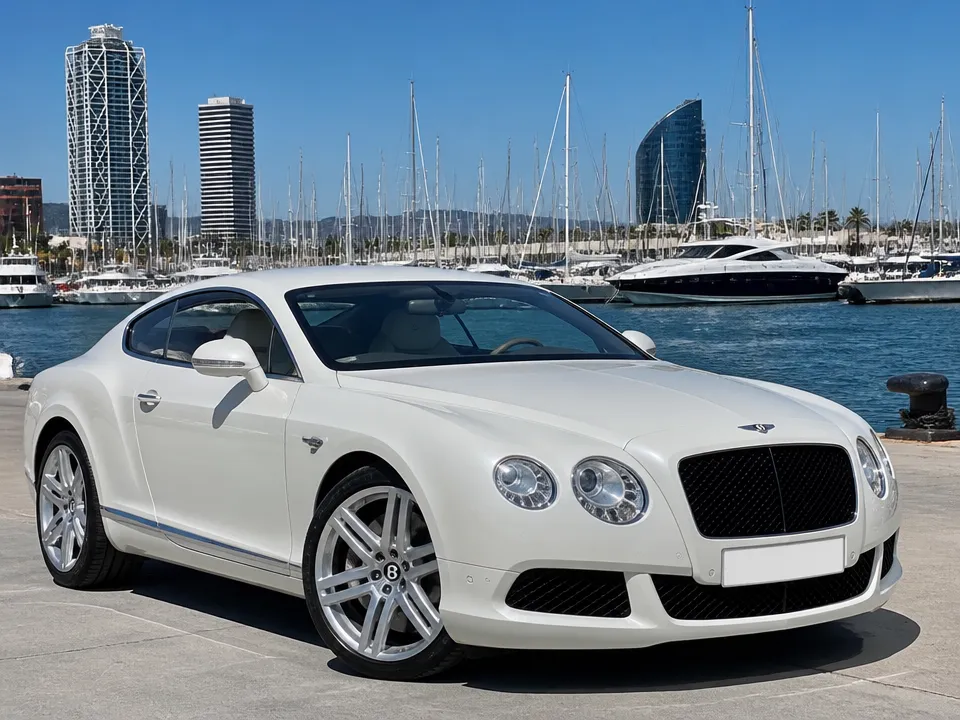
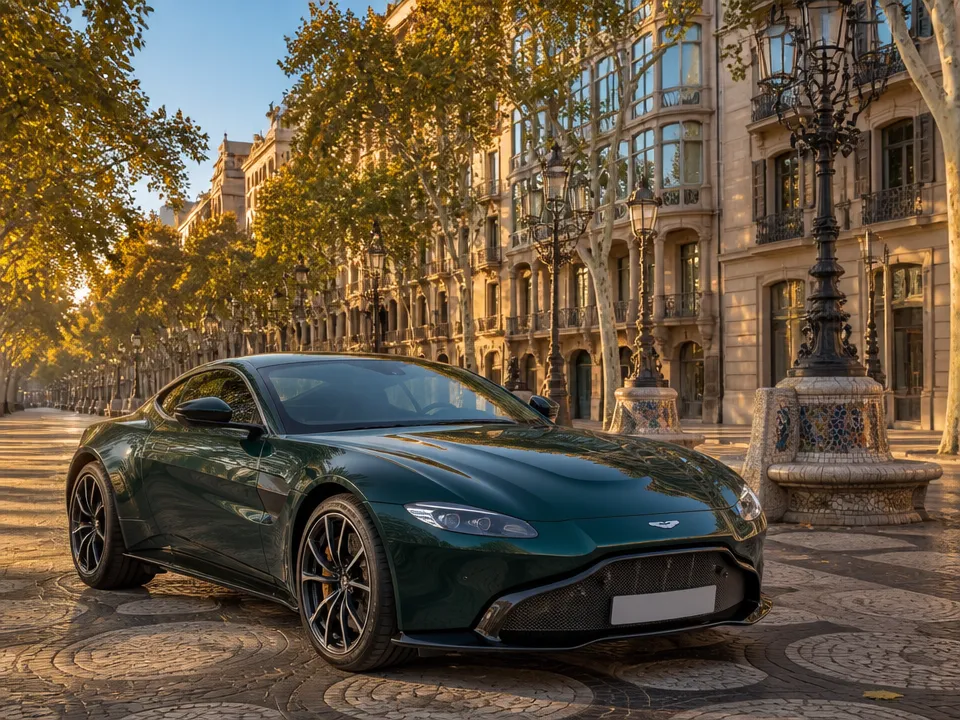
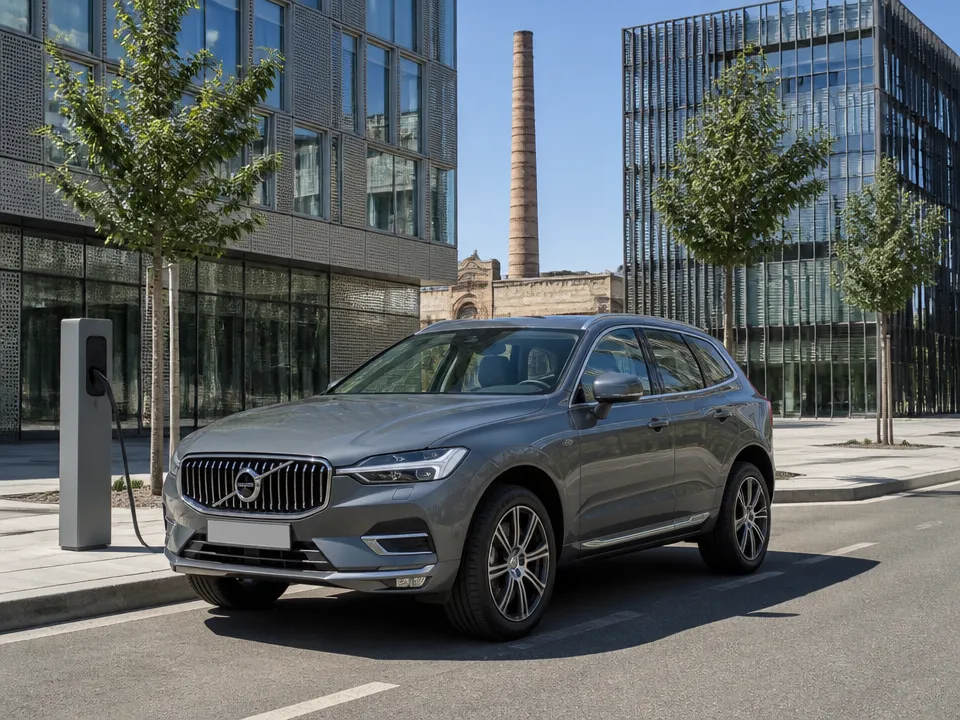
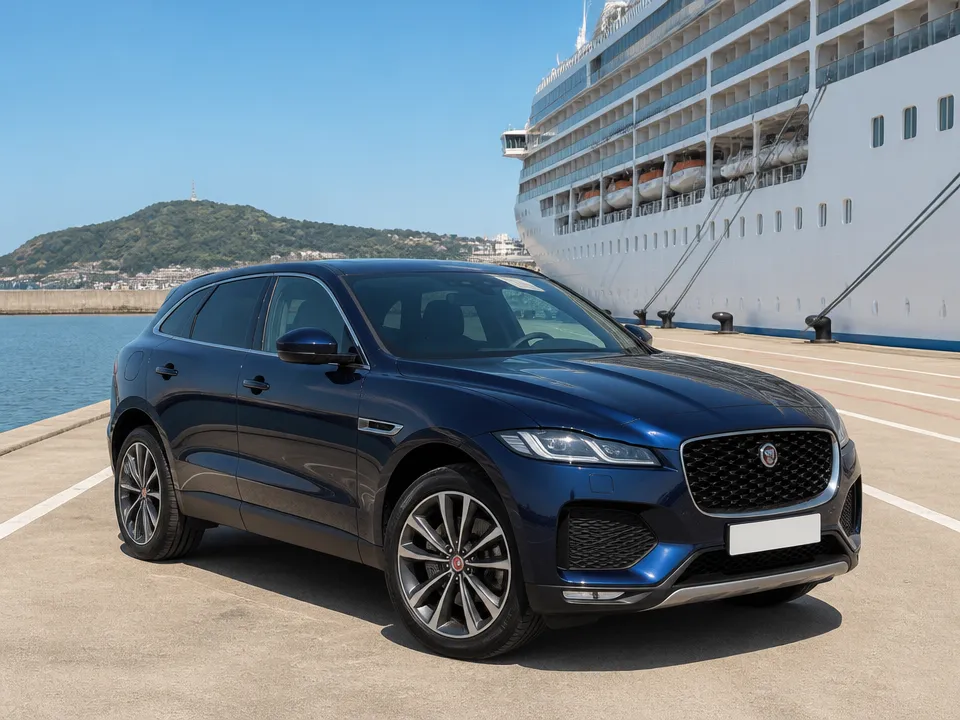
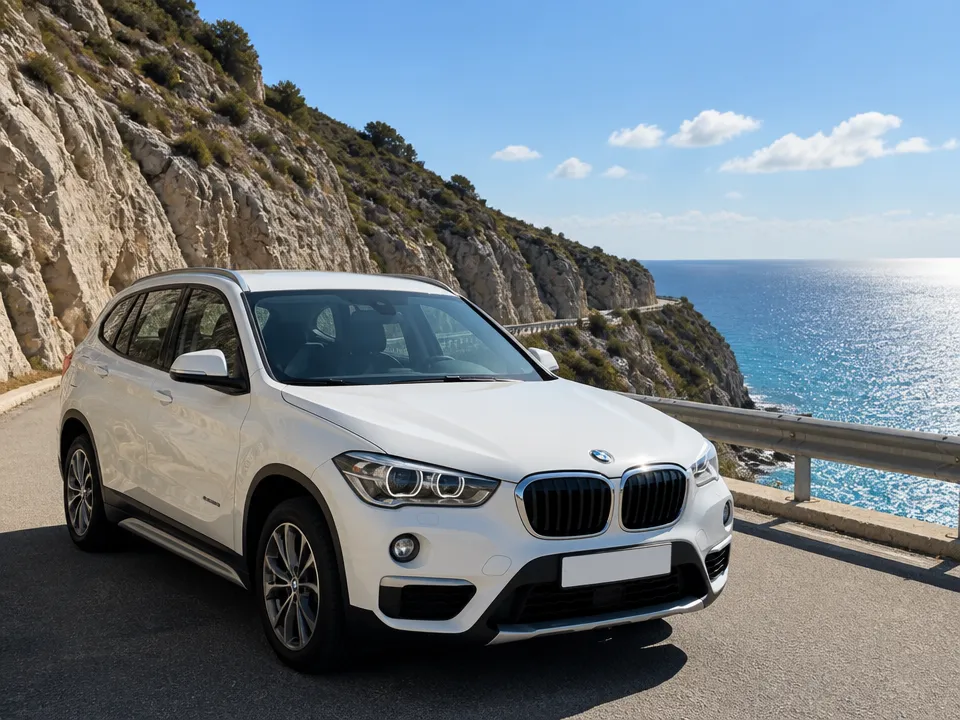
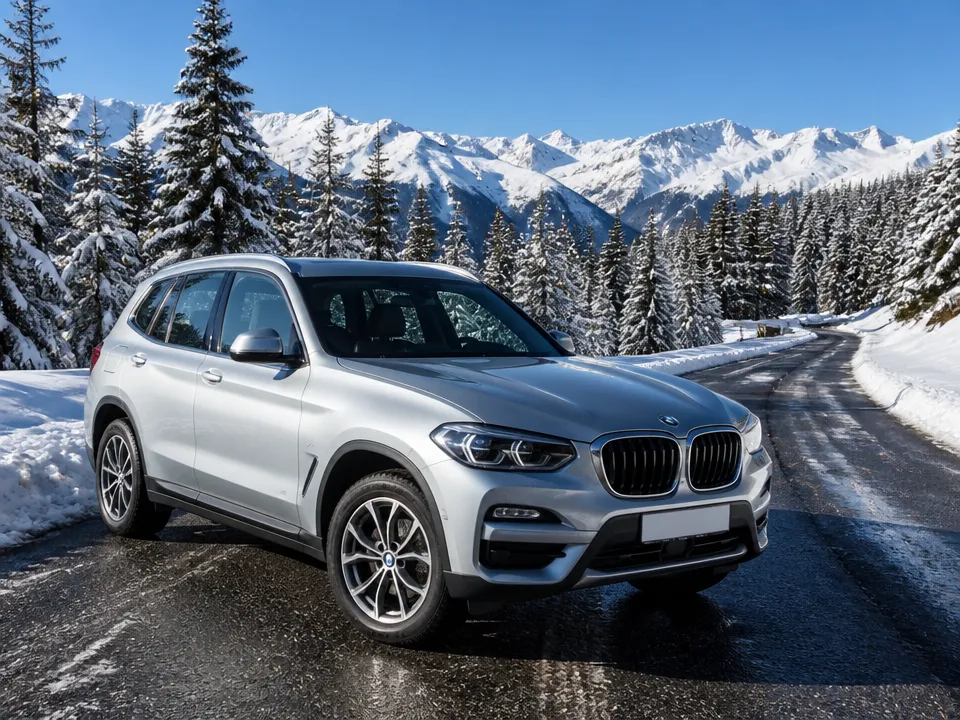
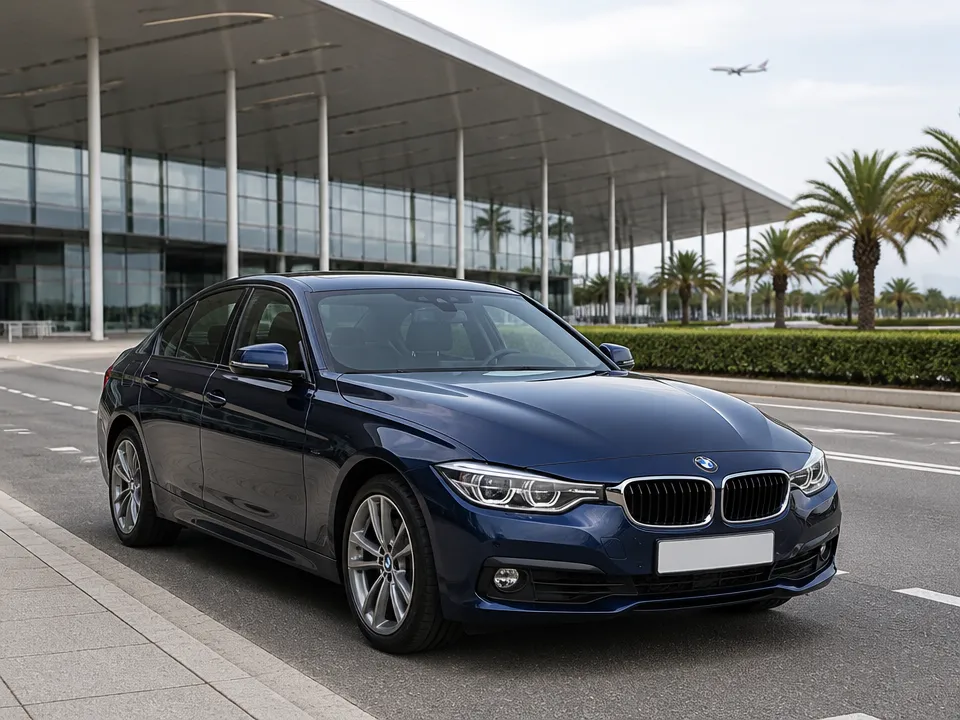
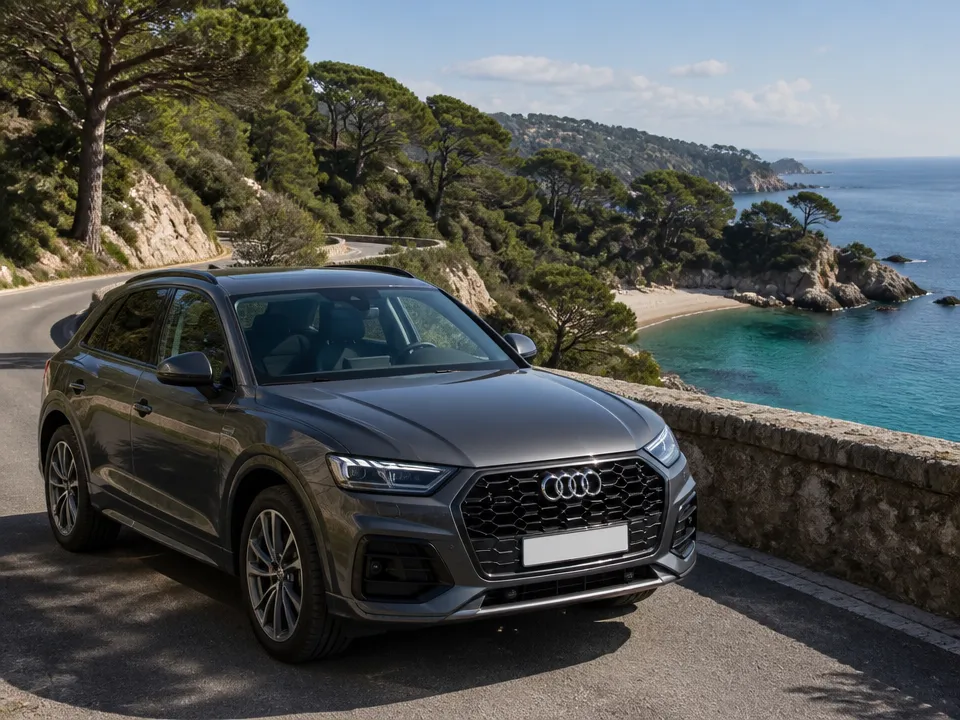

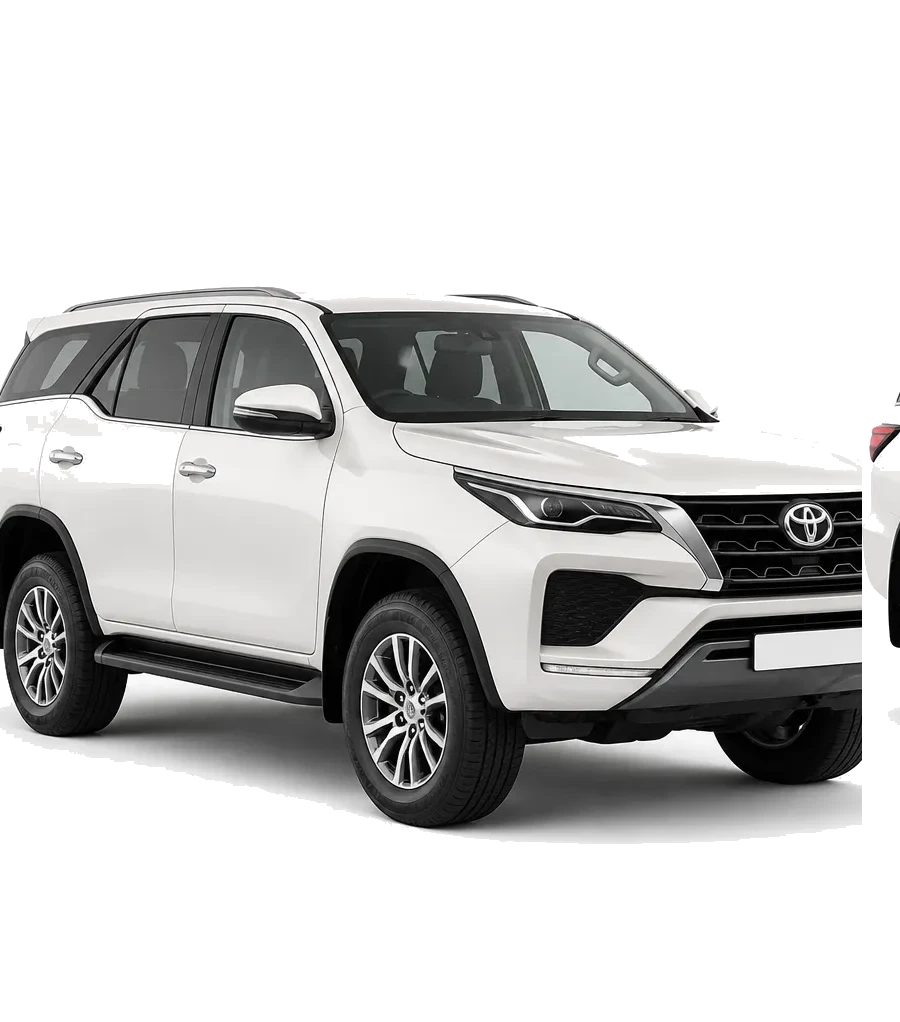

From €19 per day, car rental at Girona–Costa Brava Airport with Rent-Trip puts 136 cars in your hands — from a Fiat Panda or Kia Picanto in Economy up to Sports and Exotic classes at €896 per day. We deliver the car to you, and the booking is agreed with a manager.
Rent-Trip lists 136 cars on this page, spread across 14 classes and priced from €19 to €1,490 per day. The full site holds 754 cars, so anything not shown here can usually be sourced on request. Below is what the fleet looks like class by class, and which named models sit at the entry price.
We hold 136 cars on this page across 14 classes, from €19 to €1,490 per day. Economy is the deepest tier with 23 cars, followed by Crossover and SUV at 13 each, Premium and Luxury at 11 each, Comfort at 10, and Electric, Convertibles and Passenger vans at 9 apiece. Minivans add 8, Sports and Exotic 6 each, Sedan and Commercial 4 each. The cheapest class is not always the smallest — Economy carries more cars than any other tier, so entry-level availability is the widest we can offer. If you need a specific model rather than a class, ask for it by name when the booking is agreed; on a 23-car tier the odds of matching it are better than on a 4-car one.
| Class | Cars | From, €/day | Seats |
|---|---|---|---|
| Economy | 23 | €19 | 4–5 |
| Crossover | 13 | €38 | 5 |
| SUV | 13 | €42 | 5 |
| Premium | 11 | €46 | 5 |
| Luxury | 11 | €302 | 5 |
| Comfort | 10 | €40 | 5 |
| Electric | 9 | €34 | 4–5 |
| Convertibles | 9 | €35 | 4 |
| Passenger vans | 9 | €90 | 7–9 |
| Minivans | 8 | €52 | 7 |
| Sports | 6 | €588 | 2–4 |
| Exotic | 6 | €896 | 2–4 |
| Sedan | 4 | €55 | 5 |
| Commercial | 4 | €84 | 2–3 |
Seat count, not price, is usually the deciding column — 7 and 9 seats sit in vans and minivans, not in the cheapest tiers.
Two of the three cheapest models are 5-seaters, so a group of five can travel at the entry price without moving up a class. Ask for the model by name rather than the class alone — that is the difference between a Fiat Panda at €19 and a Toyota Yaris at €29 on the same booking.
Daily rates on this page run from €19 to €1,490, weekly rates start at €114 and monthly rates at €399. The class you pick is what moves the figure, so the band is wide by design: 136 cars sit across 14 tiers, and the spread between the cheapest hatchback and the top of the range is the whole point of the list.
The daily rate is set by class, not by model: Economy opens at €19, Crossover at €38, SUV at €42, Premium at €46 and Luxury at €302. Seat count, gearbox and fuel type sit inside each tier rather than changing it, so a five-door hatchback and a three-door of the same class cost the same per day. The steps between tiers are uneven, and that is where the money is. Moving from Economy to Crossover adds €19 a day, from Crossover to SUV another €4, while the climb from Premium to Luxury adds €256 in one jump. In our bookings, travellers who want a bigger boot rather than a bigger engine do better by stepping up one class than by chasing the cheapest car in the tier above. Rent-Trip lists the full band, from €19 to €1,490, so you can see the ceiling before you commit.
| Class | Cars | From, €/day | Seats |
|---|---|---|---|
| Economy | 23 | 19 | 4–5 |
| Electric | 9 | 34 | 4–5 |
| Convertibles | 9 | 35 | 4 |
| Crossover | 13 | 38 | 5 |
| Comfort | 10 | 40 | 5 |
| SUV | 13 | 42 | 5 |
| Premium | 11 | 46 | 5 |
| Minivans | 8 | 52 | 7 |
| Sedan | 4 | 55 | 5 |
| Commercial | 4 | 84 | 2–3 |
| Passenger vans | 9 | 90 | 7–9 |
| Luxury | 11 | 302 | 5 |
| Sports | 6 | 588 | 2–4 |
| Exotic | 6 | 896 | 2–4 |
Weekly rates start at €114 and monthly rates at €399, worked out as the daily rate × 6 and × 21. The multiplier is fixed, so the class you choose sets the longer figure too: €19 a day becomes €114 a week, €42 a day becomes €252, and €302 a day becomes €1,812. That is why a longer booking is worth comparing tier by tier rather than day by day — the gap between Economy and SUV is €23 a day, which is €138 across a week. If your dates are flexible, price the class you actually need for the full period instead of the cheapest car for the first days.
Ask for the first three figures before you confirm. They are the numbers that change your total, and they are settled with the manager rather than shown in the daily rate.
Booking a car with Rent-Trip is a conversation, not a checkout form. You tell us the class, the dates and where you want the vehicle handed over; a manager confirms what is available and what the arrangement costs before anything is fixed. Nothing is charged and no car is held until you and the manager have agreed the same set of terms.
The car comes to you. Delivery to the client is how the service is built, and the manager agrees the exact hand-over point with you while the booking is being arranged. The agreement itself, and everything that has to be checked or signed at that moment, is handled the way the rental agreement describes; the manager walks you through it when you book rather than leaving it to the day of travel.
A self-drive rental has more moving parts than a seat on a bus: the class has to match the luggage, the licence has to match the car, and the delivery has to match your arrival. One manager holding all three means the answer you get at booking is the answer you get at hand-over. Ask about the deposit, the excess and the delivery fee in the same conversation — those are the numbers that decide what the trip actually costs, and they are agreed before you commit, not after.
Class decides almost everything on this page: the price, the seats, the gearbox and the luggage you can carry. With 136 cars across 14 classes, the honest answer to «which one?» is usually the smallest class that still fits your group and your bags.
Rent-Trip lists a Crossover from €38 and an SUV from €42 a day, against €19 for the entry Economy tier — so the step up costs roughly the price of a restaurant lunch per day, and it buys boot space and ride height that a hatchback cannot offer. Premium starts at €46 and Luxury at €302, and that gap is where the decision stops being practical: above Premium you are paying for the car itself, not for capacity. For a week of coastal driving with four people and luggage, the Crossover band is the one most of our clients settle on. On a two-person city break, though, the cheaper hatchback does the same job — it parks in Ciutat Vella and Gràcia without a second thought, and the saving pays for the tolls on the C-16 toward the Pyrenees.
Seat count, not price, is the column that decides most bookings — and it is the one figure worth confirming with a manager before you travel, along with the gearbox, since both are fixed for the class you agree.
Spain drives on the right and every car in our fleet is left-hand drive, so the first kilometres from the airport feel familiar to most arrivals. What catches people out is not the side of the road but the speed limits, the low-emission zone and the toll tunnels between the coast and the city.
The Zona de Bajas Emisiones Rondas de Barcelona covers more than 95 km² — the whole municipality of Barcelona except the Zona Franca industrial estate and the Vallvidrera – el Tibidabo i les Planes neighbourhood, plus L'Hospitalet de Llobregat, Sant Adrià de Besòs and parts of Esplugues de Llobregat and Cornellà de Llobregat. It runs on working days, Monday to Friday. Foreign plates need prior registration in the Registre metropolità de vehicles estrangers i altres vehicles autoritzats a les zones de baixes emissions. The DGT environmental badge decides entry: 0 emisiones (blue) and ECO (blue-green) are the clean tiers. Tell us your plate before you travel and we will note it when the booking is agreed — a car with a foreign plate that is not registered is the most common way visitors pick up a fine they only discover weeks later.
Fuel sits around €1.953 a litre for Gasolina 95 E5 across the 74 stations measured in the municipality, so a full tank on a small Economy model is a modest line in the trip budget. In our experience the toll tunnels and the blue zones are what surprise first-time drivers, not the fuel.
Speeding is graded by the DGT table and runs from €100 with no points to €600 with 6 points; going more than 60 km/h over the limit in town or 80 km/h outside it turns into a criminal offence rather than an administrative fine. The alcohol limit is 0.25 mg/l of breath, 0.15 mg/l for drivers in their first two years and for professionals, and above 0.60 mg/l it is a crime. Holding a phone costs €200 and 3 to 6 points, and a seat belt or child seat offence is €200 with 4 points. Child restraints are compulsory for children under 135 cm tall; from 135 cm, and under 12, the standard belt is allowed. A 50 % discount applies if a fine is paid within 20 calendar days — worth knowing, because the paperwork reaches the registered keeper, and on a hired car that is agreed when booking. Fines for parking, toll evasion and traffic offences are handled under the rental agreement, so ask the manager which of them lands on you and which on the vehicle owner before you drive off.
A longer booking changes the arithmetic more than it changes the fleet. The daily band on this page runs from €19 to €1,490, and the two longer rates are fixed multipliers of whatever daily figure you pick: weekly from €114, monthly from €399.
Weekly pricing is the daily rate × 6, and monthly pricing is the daily rate × 21. There is no separate tariff table for longer hires and no class that is excluded from the multipliers — the same car you would take for three days is the car you take for three weeks, priced on the same daily figure. On the cheapest Economy models at €19 a day, that puts a week at €114 and a month at €399. Move up to an SUV at €42 a day and the same multipliers give €252 for the week and €882 for the month. Because the calculation is linear, the difference between classes stays proportional at every duration: a longer booking does not close the gap between an Economy hatchback and a Premium car, it widens it by the same factor.
The multiplier is fixed, so the thing worth comparing class by class is the total: run the same week or month through two or three tiers before you settle. If your plans include leaving mainland Spain, say so when the booking is agreed — the territory covered by the rental agreement is confirmed at that point, not assumed. For anything beyond a fortnight, tell the manager your return date and drop-off point up front, since those are the details that shape the agreement rather than the daily rate. Longer hires also reward a little flexibility on dates: shifting a booking by a few days rarely changes the multiplier, but it can change which cars are free in the class you want.
Spanish rules split into two groups: what you must carry as a driver, and what the agreement adds on top. The first group is fixed by law, the second is agreed when booking.
DGT advises third-country drivers to obtain an international permit before travelling. For Cyrillic, Arabic and hieroglyphic scripts this is what it comes down to in practice: either an IDP or a certified translation, because the licence alone will not be read at the counter.
Every car legally on a Spanish road carries the Seguro Obligatorio de Responsabilidad Civil, and it is included by default. It covers harm to third parties — not the driver, not the car — with limits of 70,000,000 EUR per incident for personal injury regardless of how many people are hurt, and 15,000,000 EUR per incident for property damage.
On top of that sit the provider's options. CDW removes your liability for damage to the car itself after a collision with another vehicle or an object, except for the excess; vandalism is excluded unless it happened while the car was in use. THW covers full or partial theft and vandalism damage, again except for the excess. SCDW and SPCDW buy out the part of the excess CDW leaves with you, and STHW and SPTHW do the same for the theft excess — neither works if CDW was not taken or if a CDW exclusion applies. Glass and tyres usually fall outside basic CDW and need their own option.
The excess itself is printed in the agreement whether or not you buy it out, and the deposit is a pre-authorisation on a credit card for possible damage and extras. Both figures are set out in the agreement and are agreed when booking — ask for them before you confirm.
Spanish consumer rules give you two things worth knowing. The advertised price has to include every mandatory charge you cannot drive without — the compulsory liability cover, the young-driver surcharge and the like. And at hand-over, all scratches and dents must be written into the agreement or the inspection record before you drive away, signed by both sides, with a copy for you; otherwise the damage is put on you. If the model you booked is not there, you can ask for another car at no extra cost, even a class above; if you are given a lower class, the price must come down.
Four things decide what you actually pay and what you actually drive: the dates, the class, the hand-over, and the small print of the agreement. Settle them with the manager before the booking is confirmed, not at the airport.
Most of the 136 cars on this page are manual, and the seat count runs from 2 to 9, so the two questions that matter are how many people travel and whether anyone in the party drives a manual. Economy covers 23 cars from €19 a day, and the five-seat versions — Hyundai i10, Kia Picanto, Dacia Sandero — carry a full group at the entry price. Automatic sits in specific models rather than whole classes: Toyota Yaris, Lancia Ypsilon, Fiat 500e. Electric cars, nine of them from €34, need a charging plan rather than a fuel plan; the municipal network here is Endolla Barcelona, and EcoOne charges per kWh with no subscription. If the exact model you booked is not on the lot, the alternative is agreed before you drive away, and a substitute of a lower class changes the price.
Walk round the car before you drive off and make sure every scratch and dent is written into the agreement or the inspection sheet — the document is signed by both sides and your copy stays with you. Note the fuel or charge level shown on the gauge, and the mileage if the agreement sets a limit. Fines for parking and unpaid tolls follow the owner or the renter of the vehicle, while offences committed behind the wheel follow whoever was driving, so keep the paperwork with you.
This page covers car rental at Girona–Costa Brava Airport, with 136 cars listed for Barcelona. Daily prices here run from €19 to €1490. Fiat Panda, Hyundai i10 and Kia Picanto start at €19 per day.
Classes listed include Comfort, Commercial, Convertibles, Crossover, Economy, Electric, Exotic, Luxury, Minivans, Passenger vans, Premium, SUV, Sedan and Sports. Makes range from Fiat, Hyundai and Kia to Audi, BMW, Mercedes-Benz, Porsche, Ferrari and Lamborghini. Seats run from 2 to 9.
Under the DGT rule, EU and EEA licences, including Iceland, Liechtenstein and Norway, are fully valid in Spain while unexpired and nothing extra is needed. For third-country licences the DGT advises getting an international driving permit before the trip.