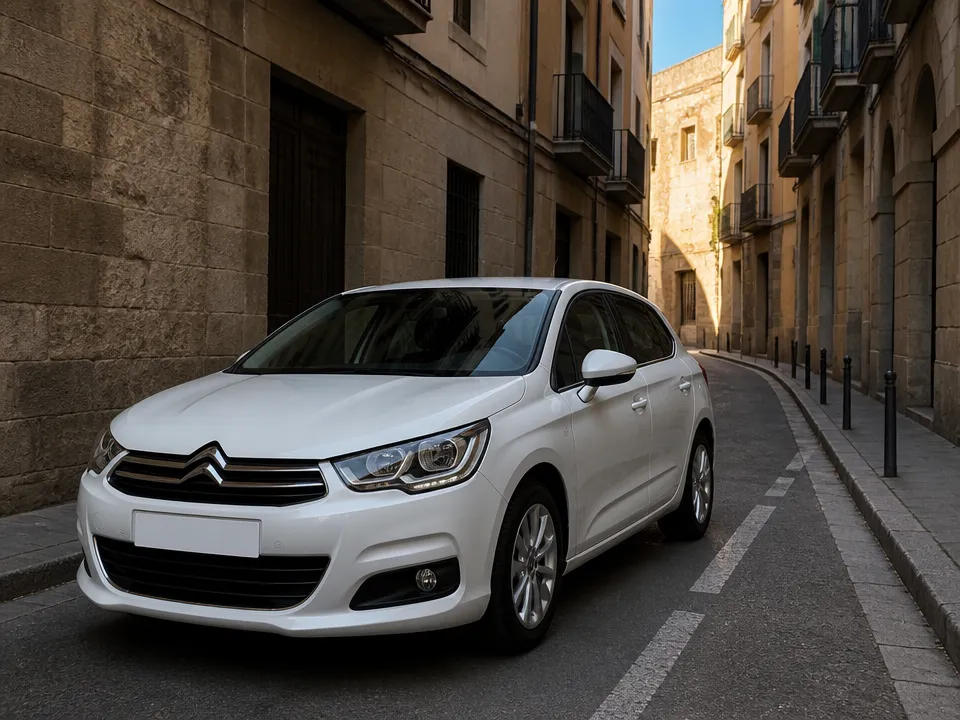
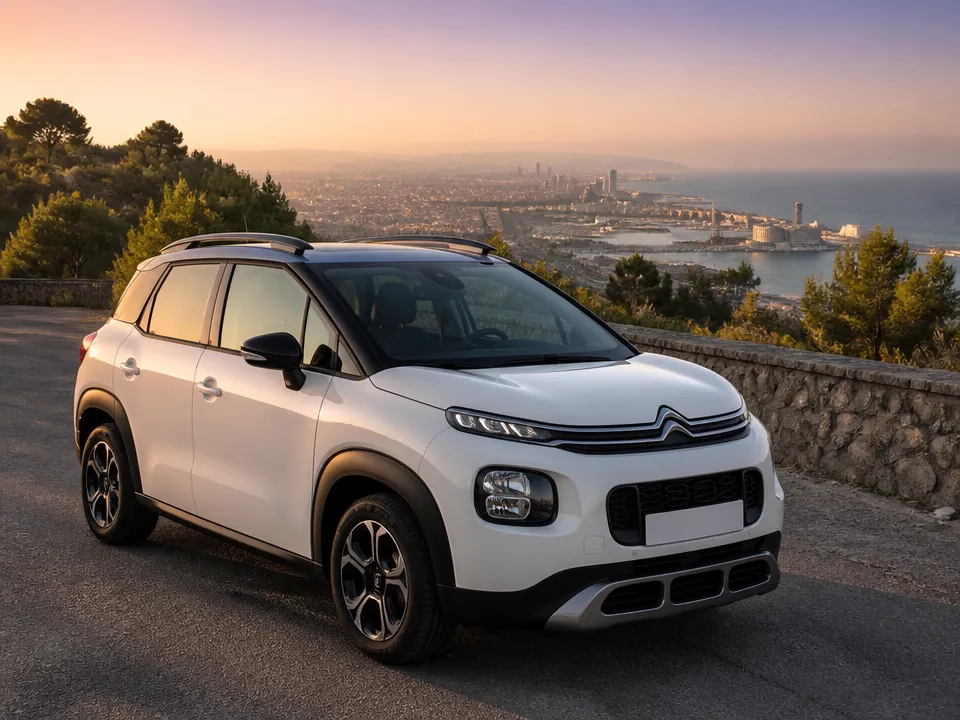
Citroen C4
★4.6· 86Manual1.2 L130 hpFront-wheel5 seats
€40per day
Book now






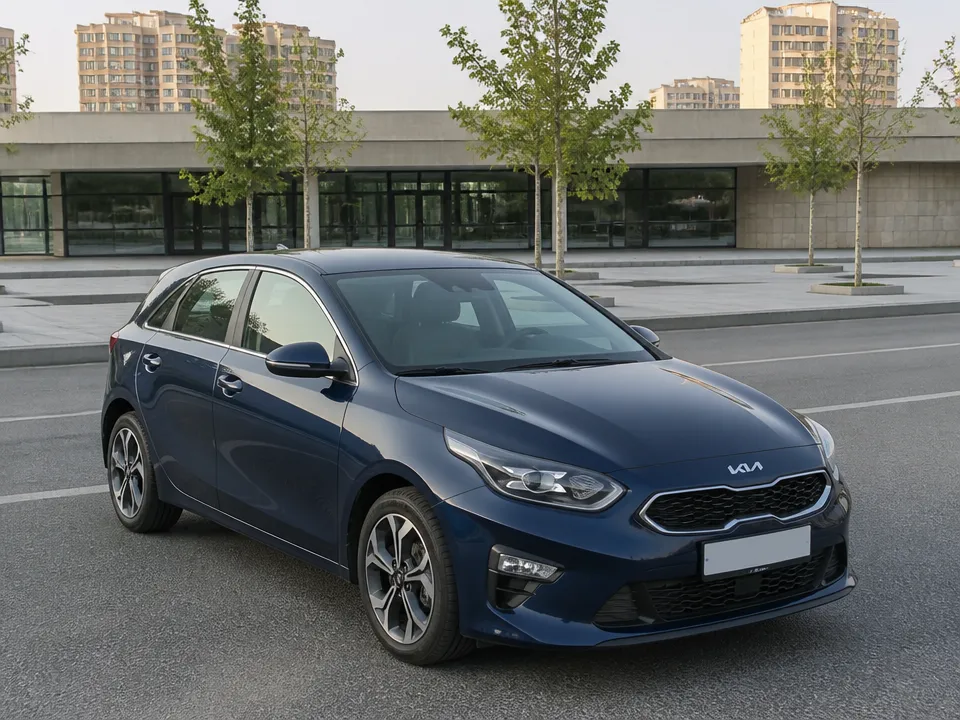
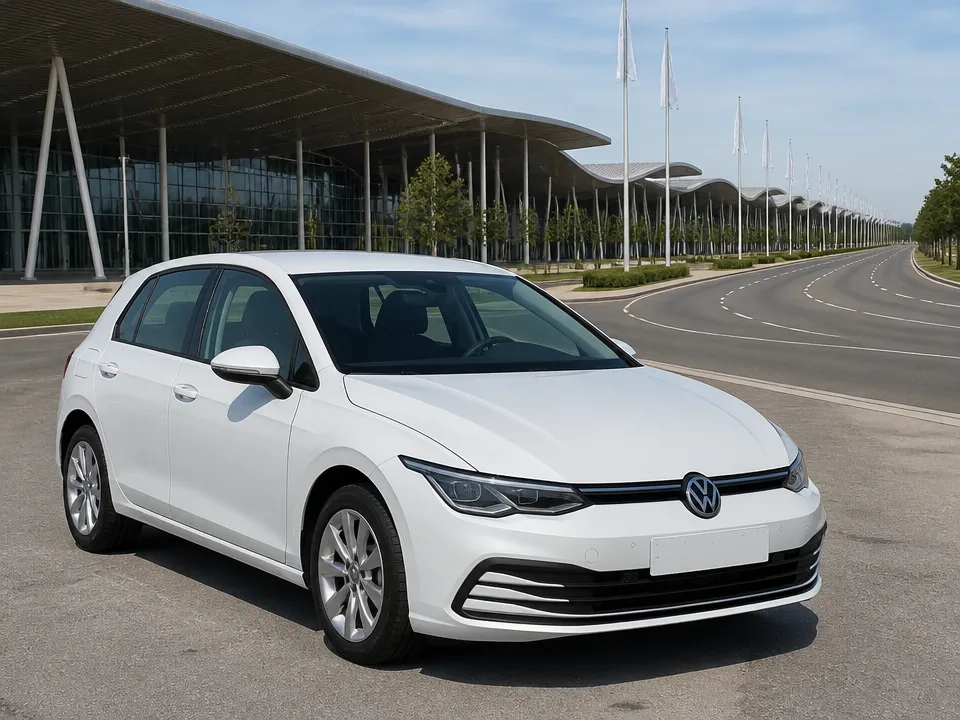
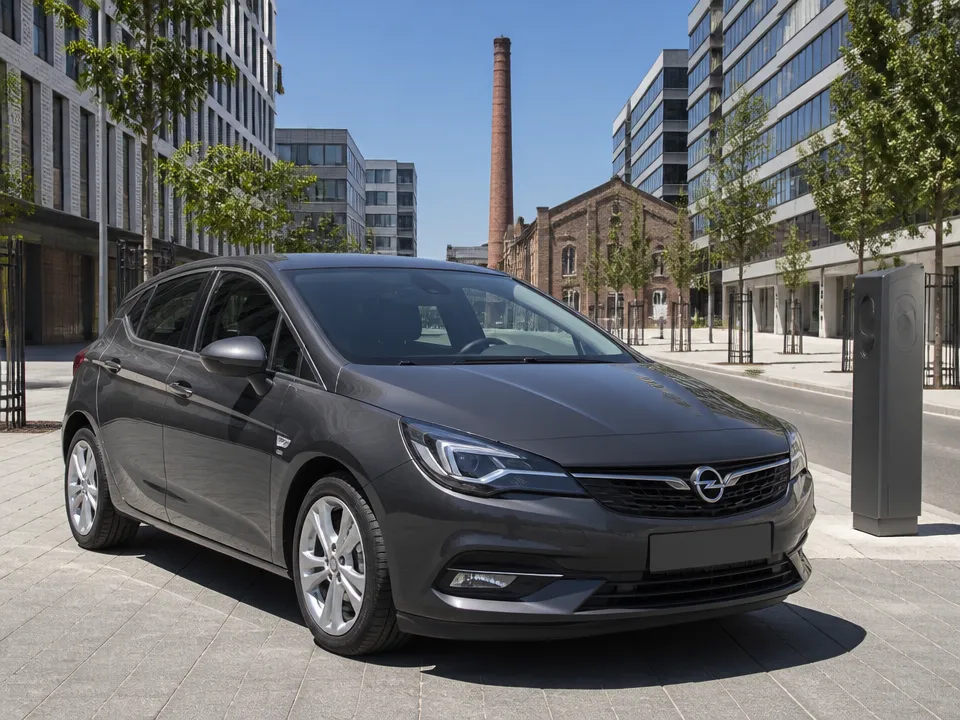
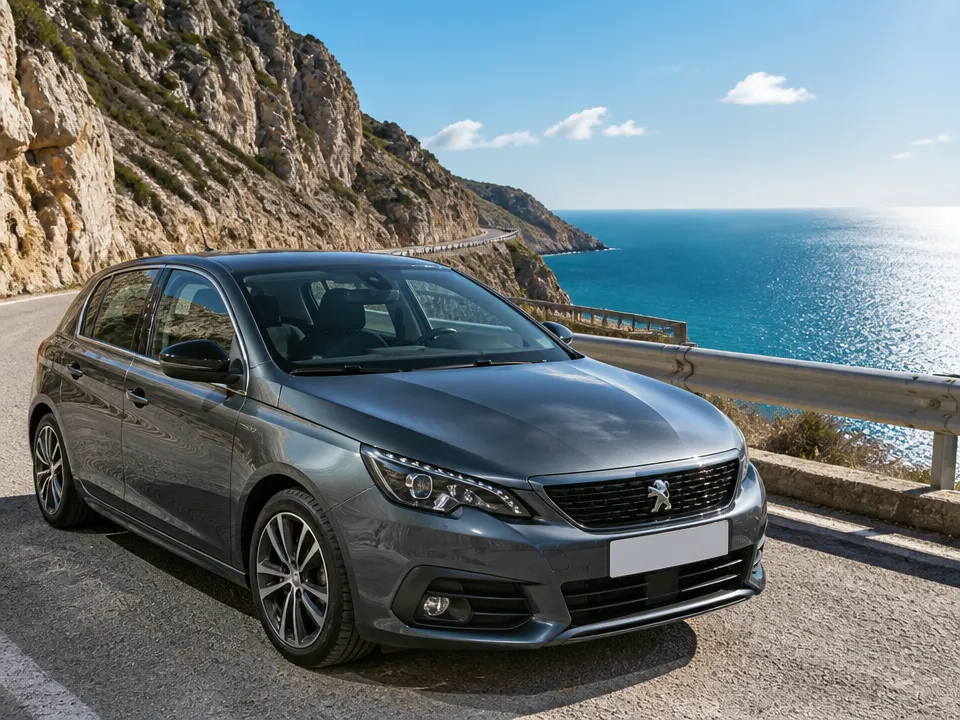
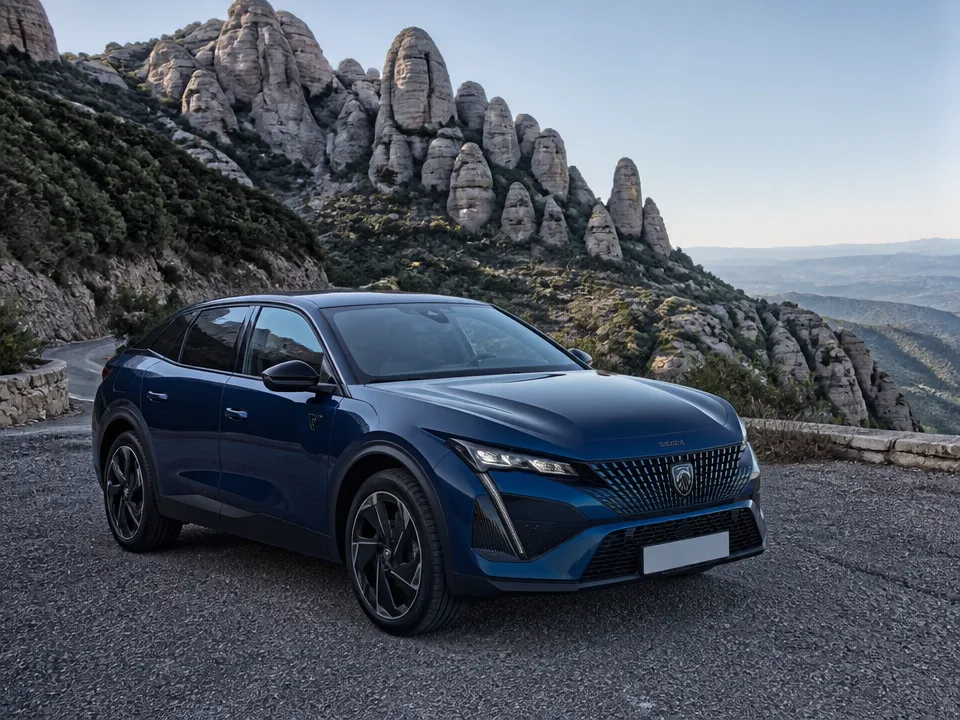
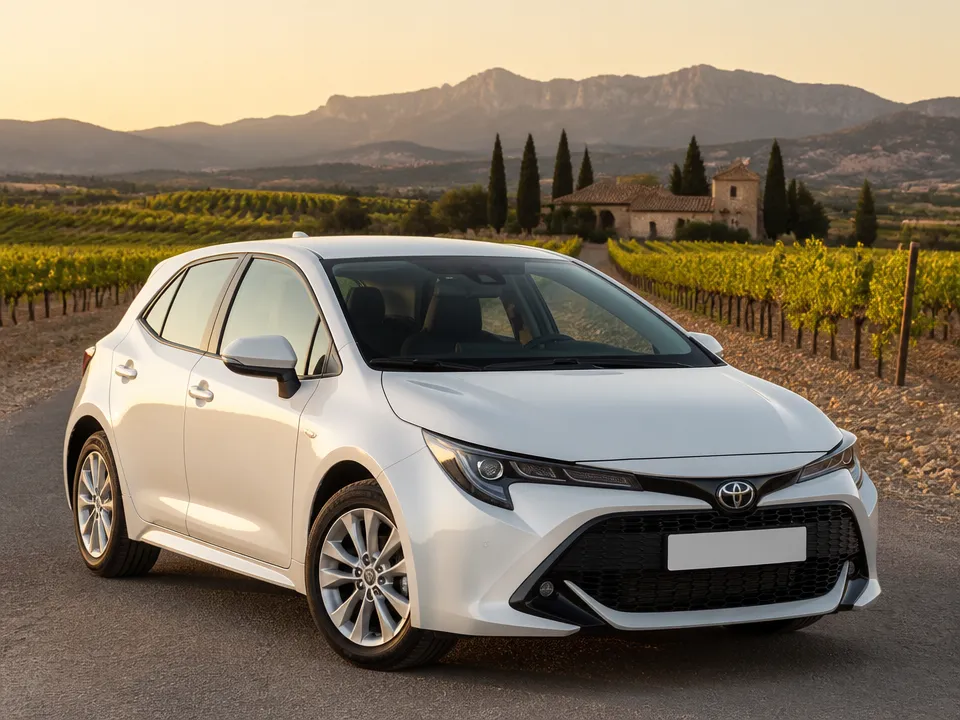
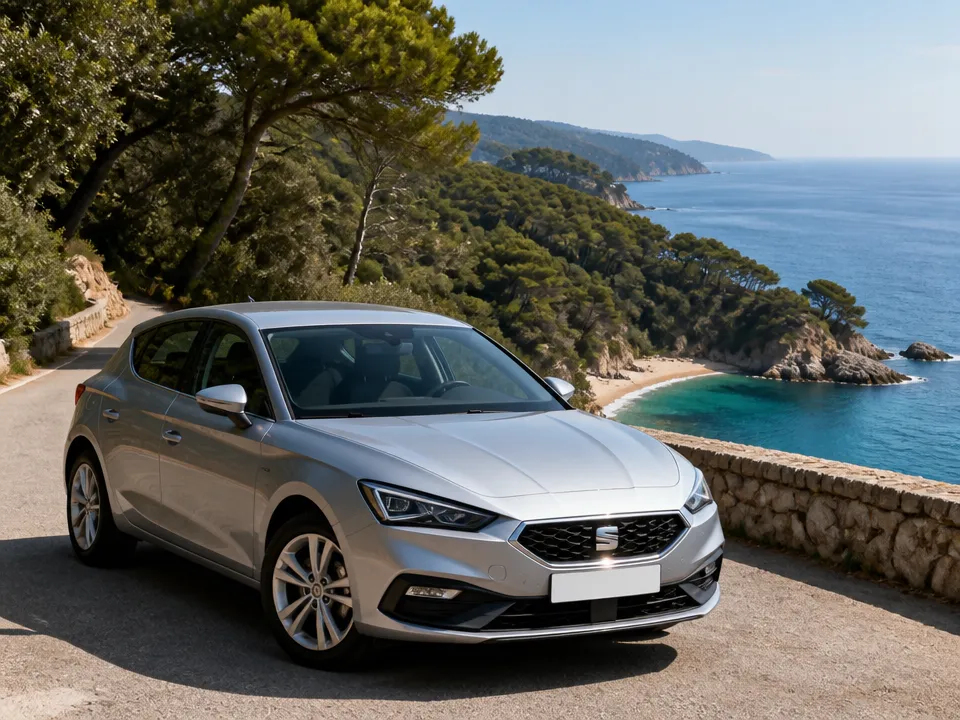
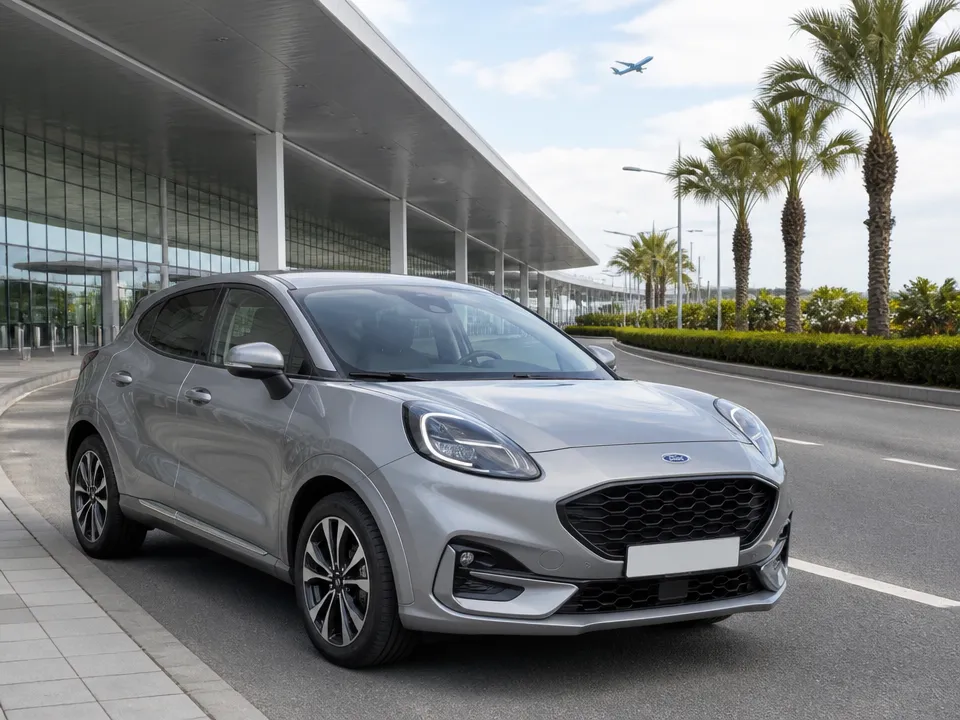
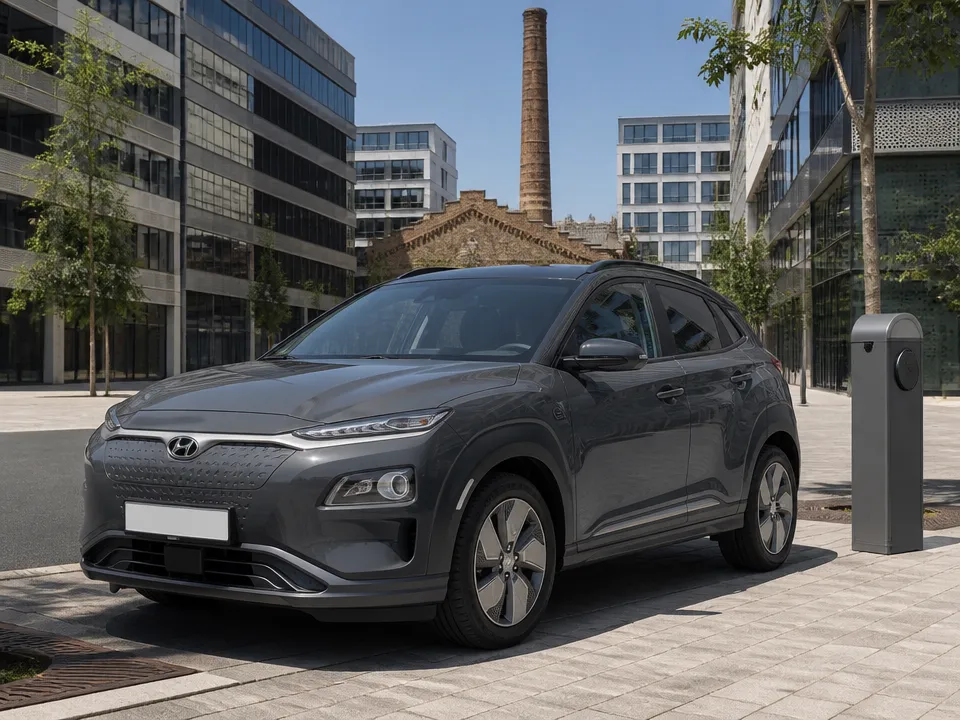
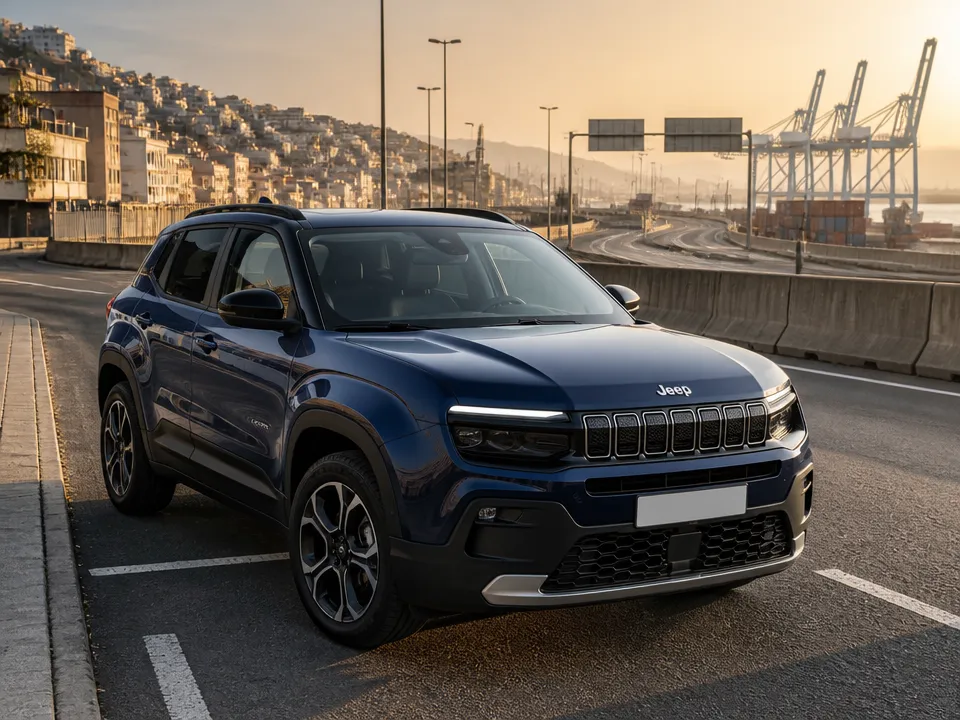
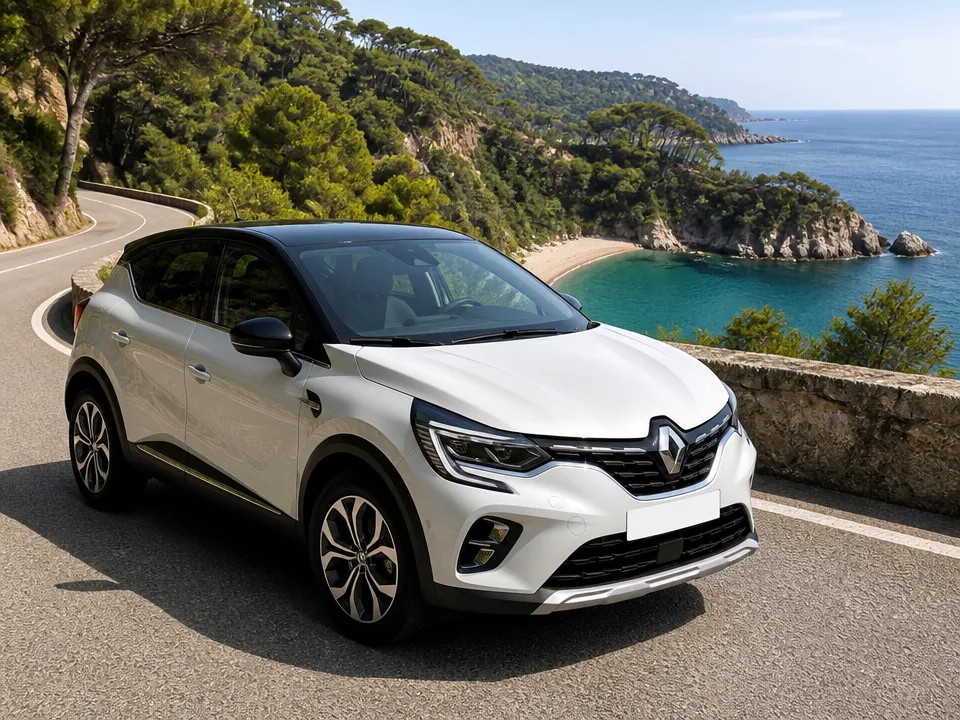
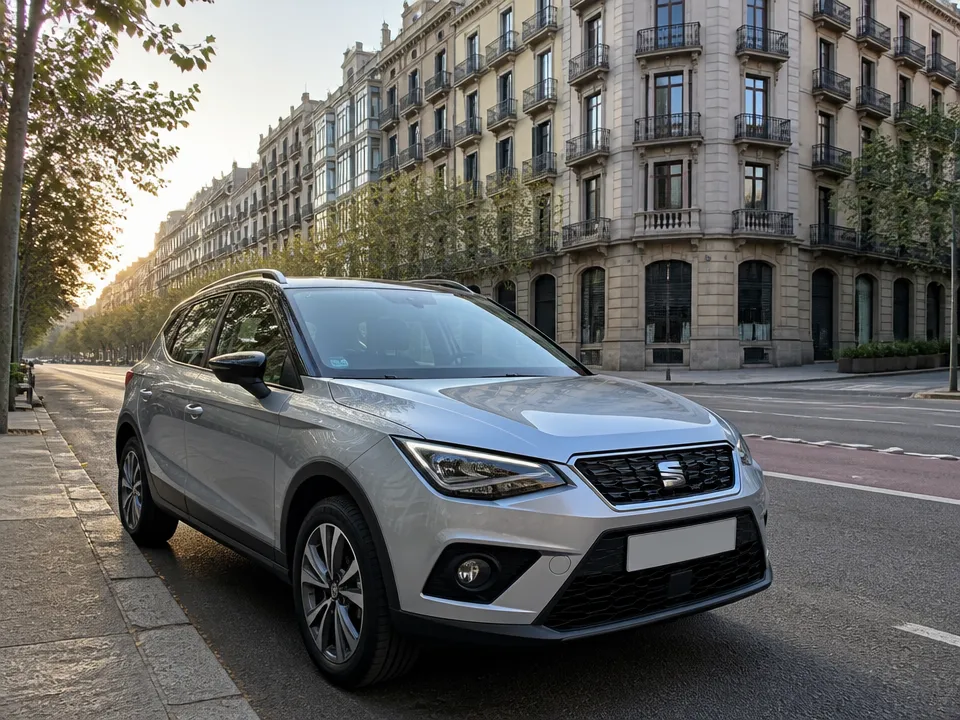
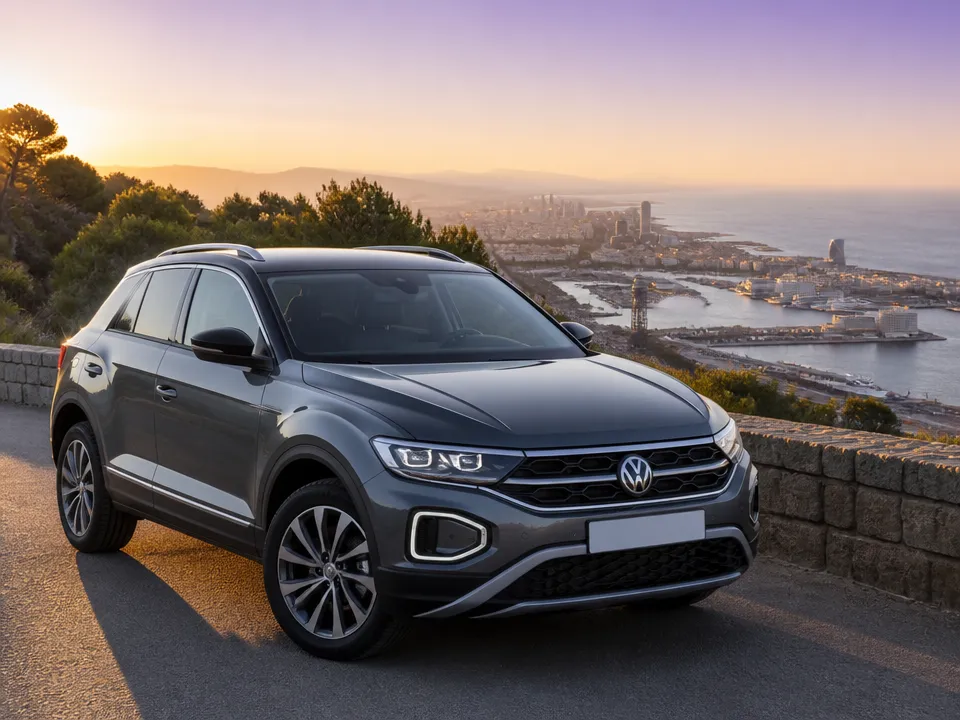
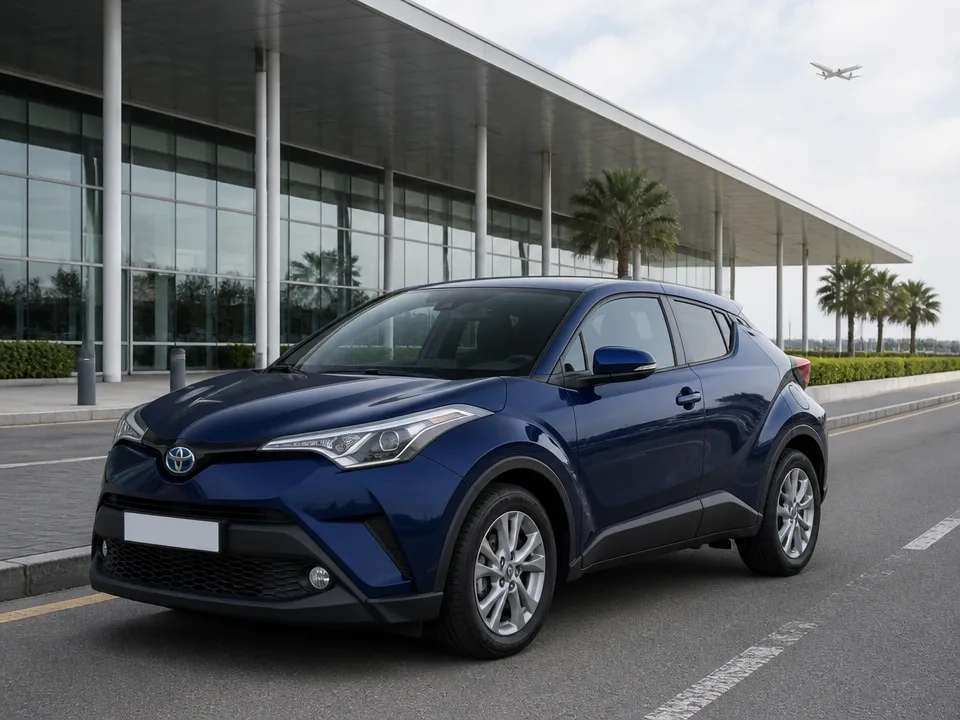
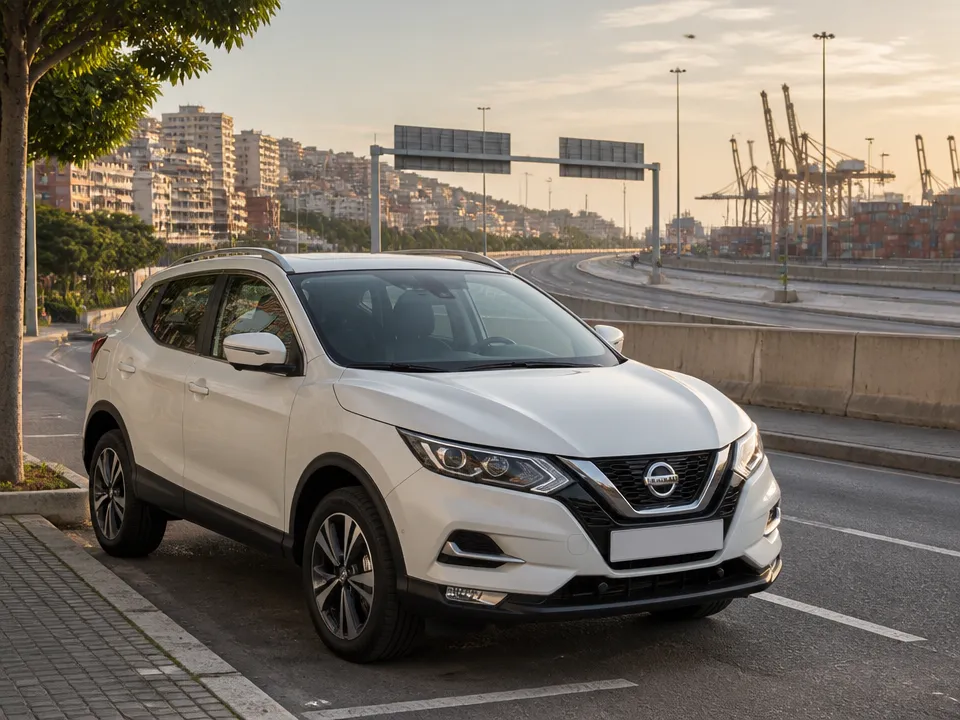
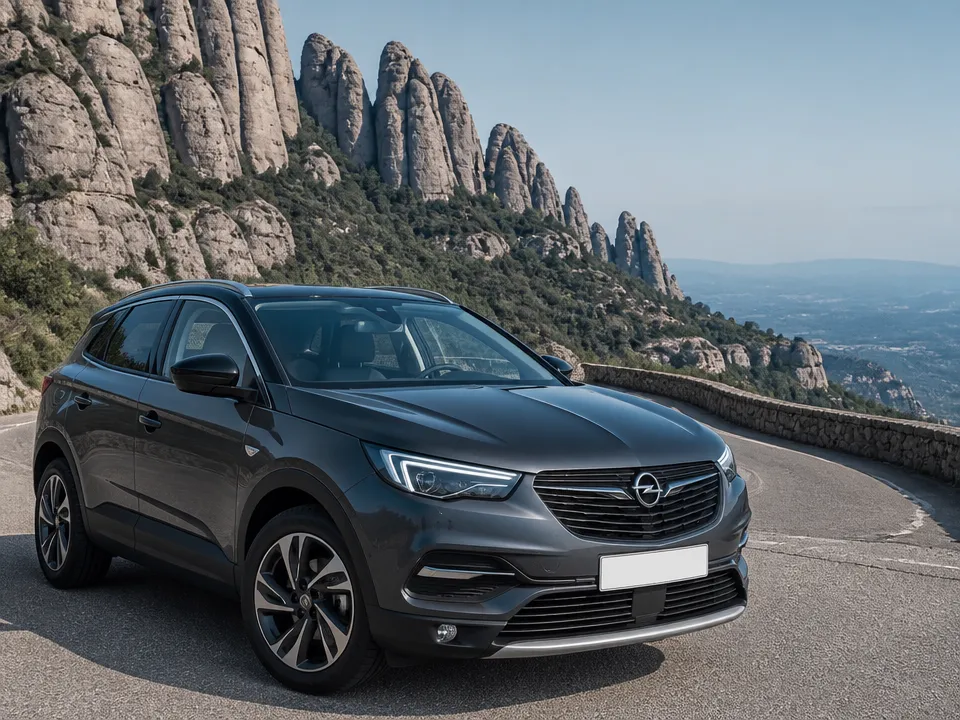
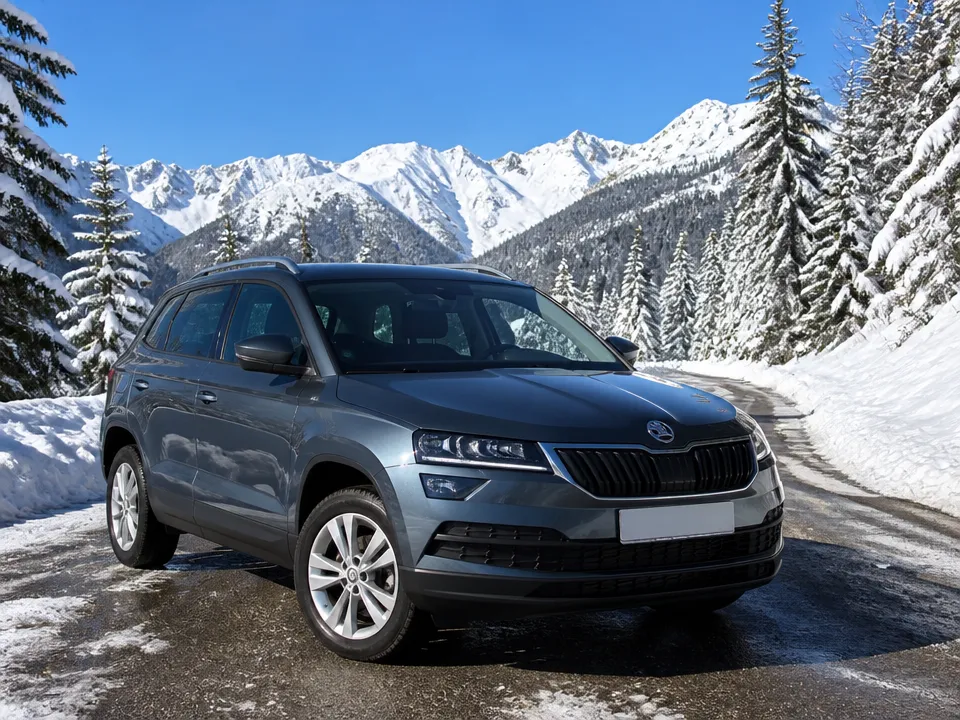
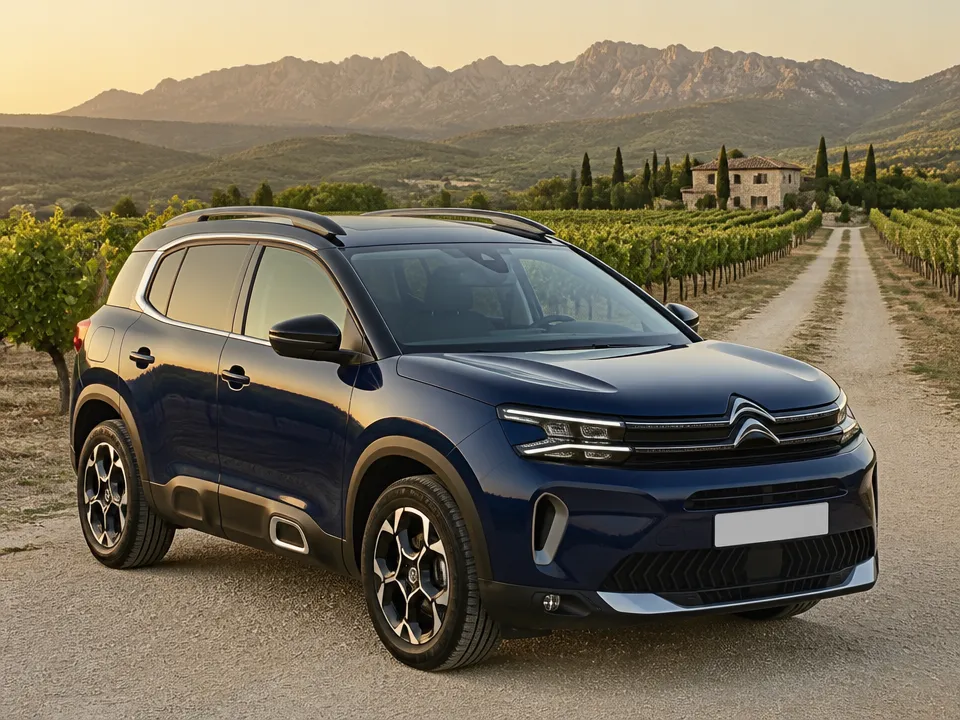
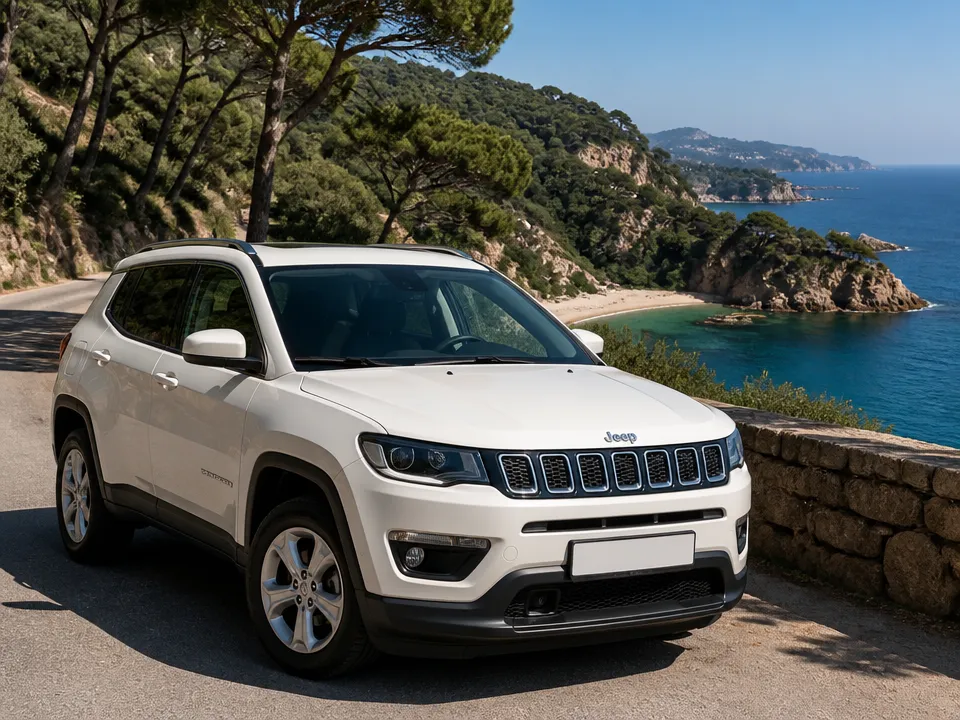
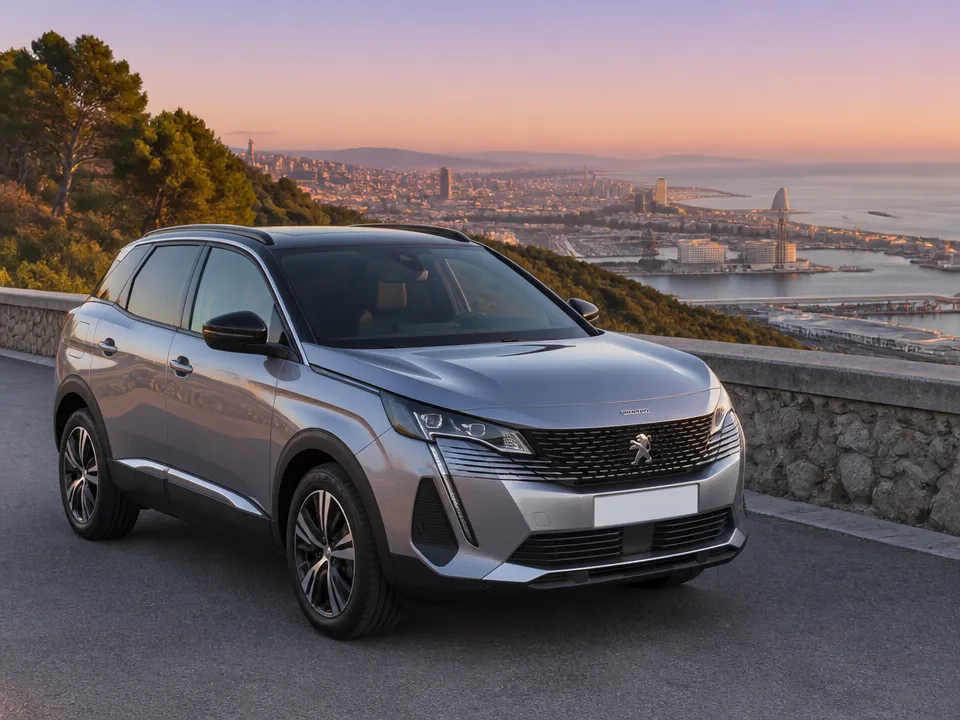
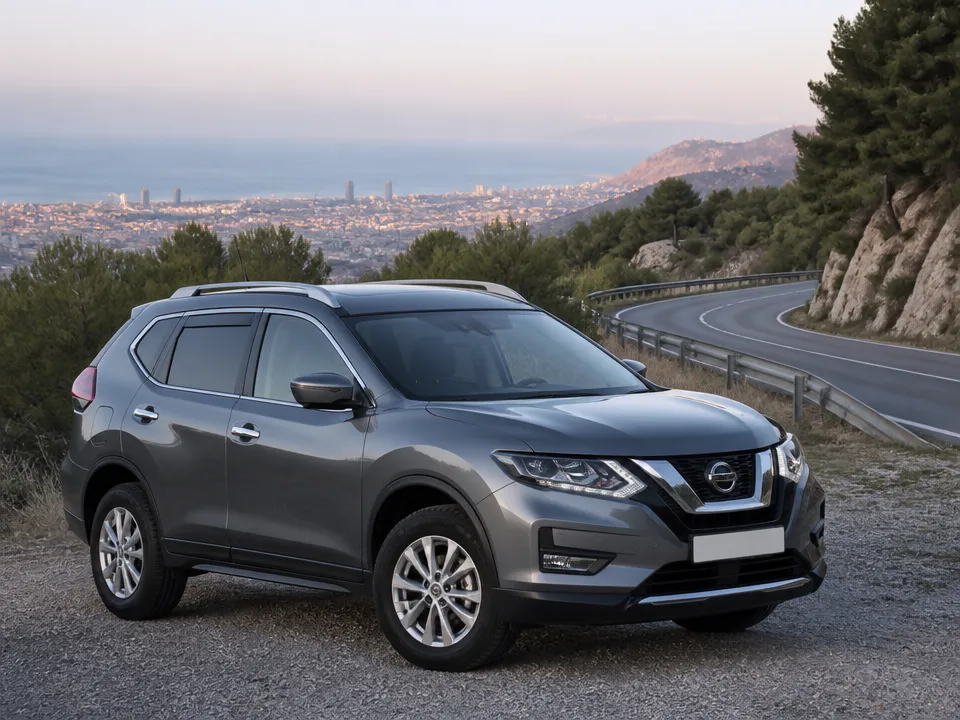
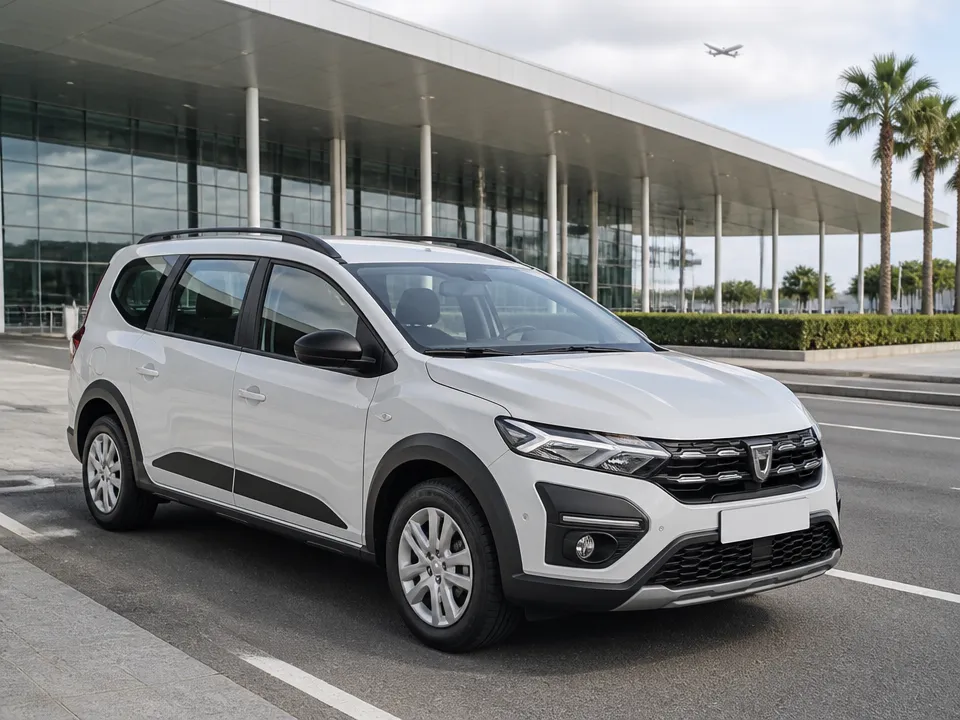
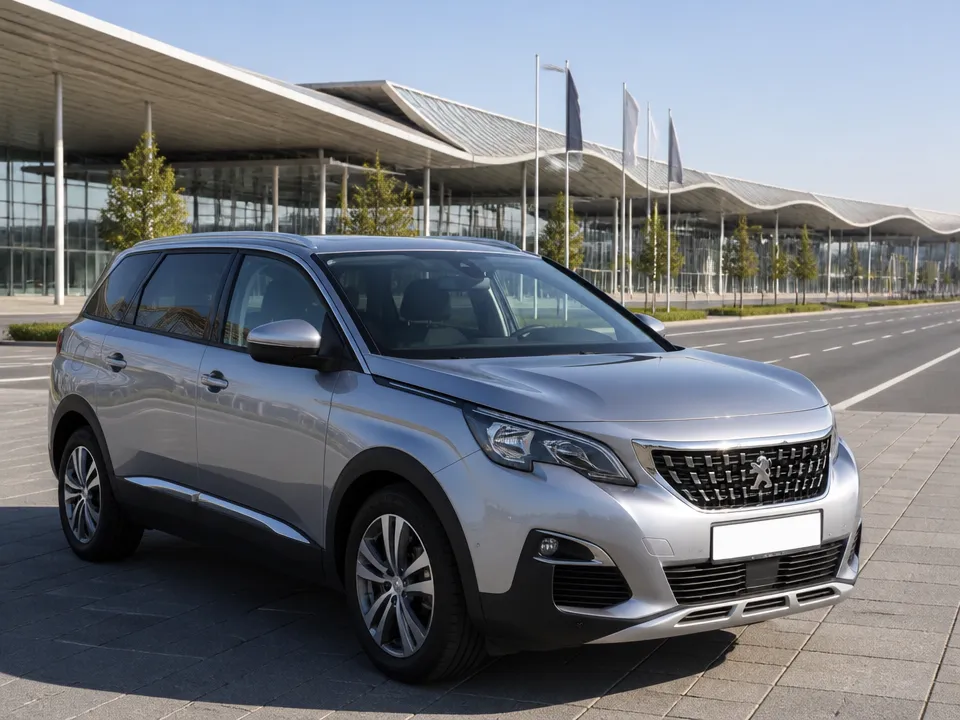
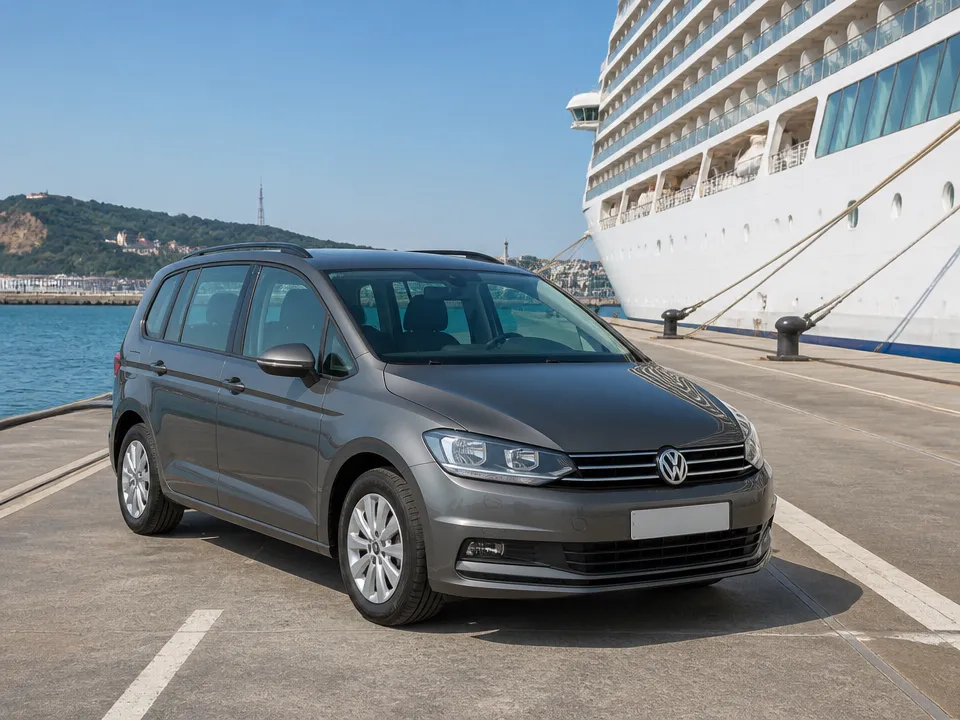
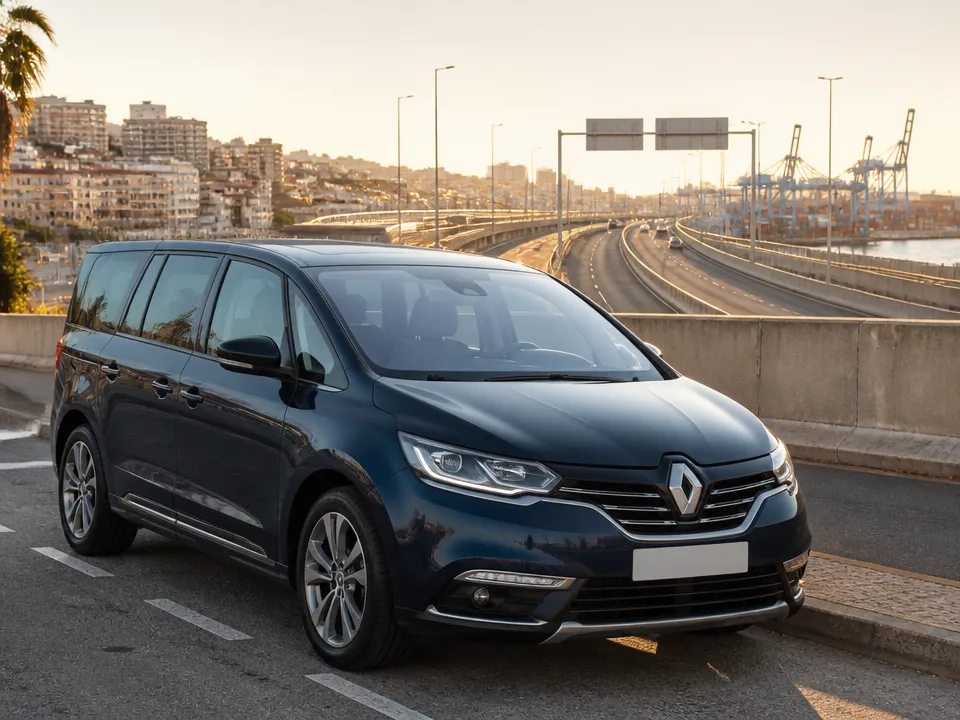
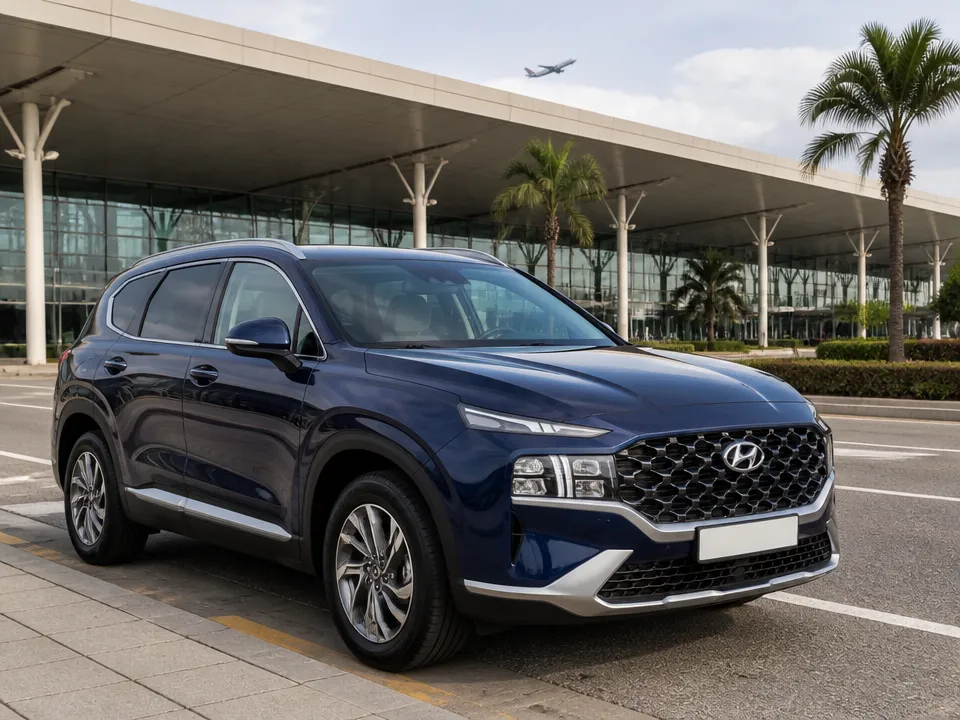
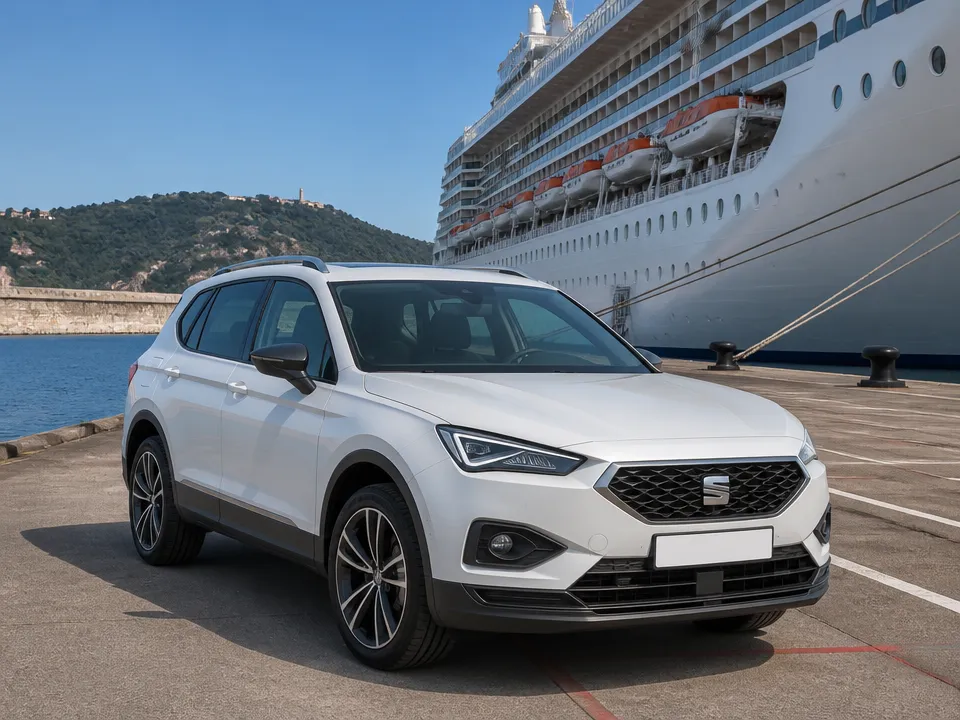
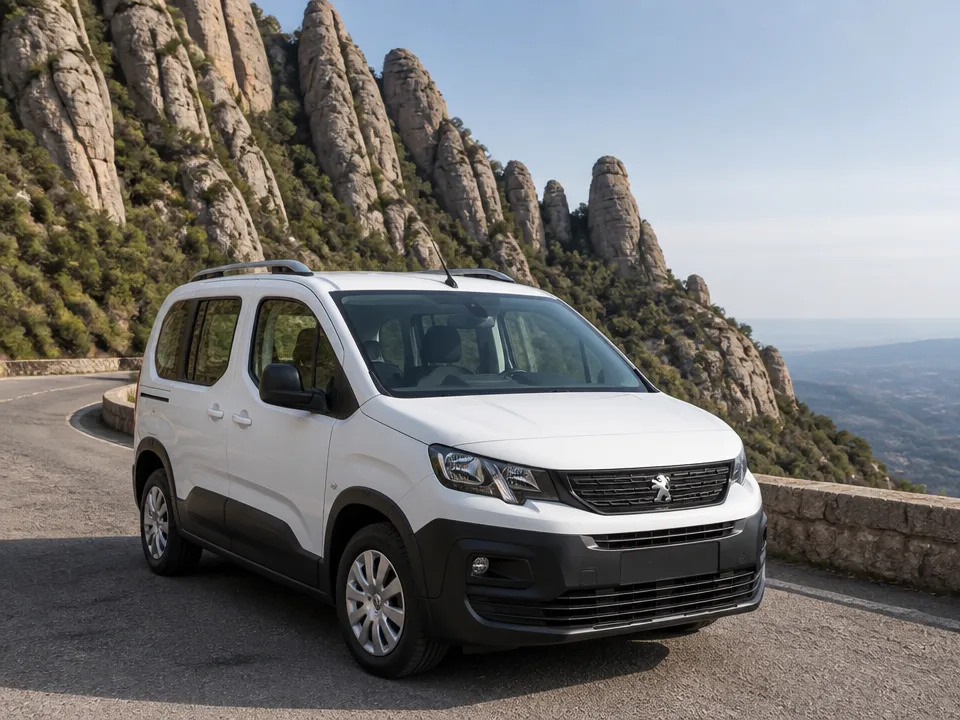
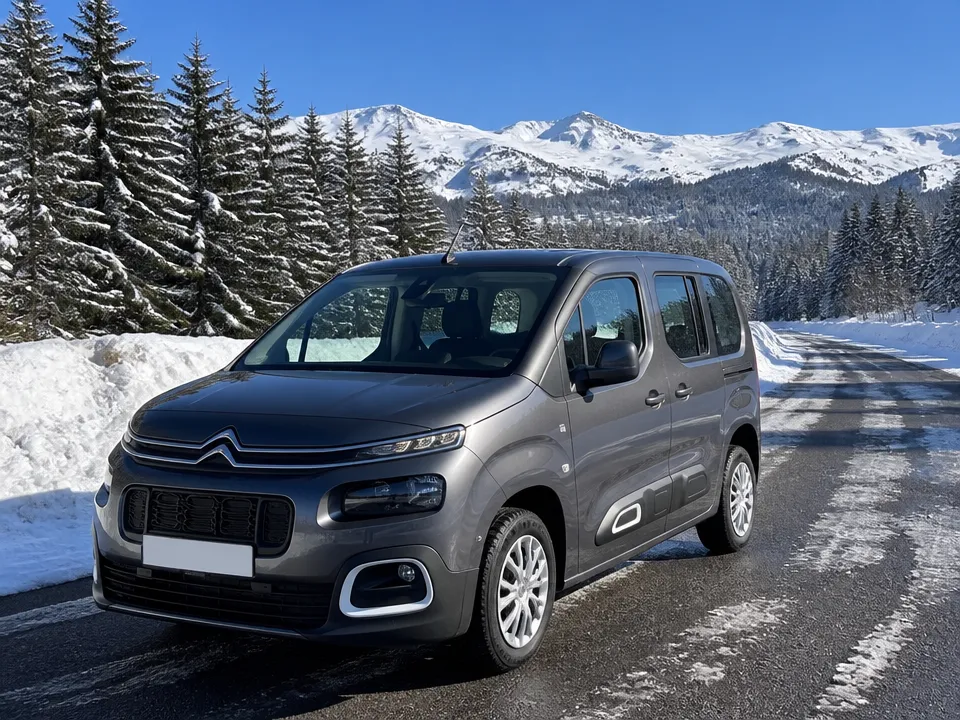
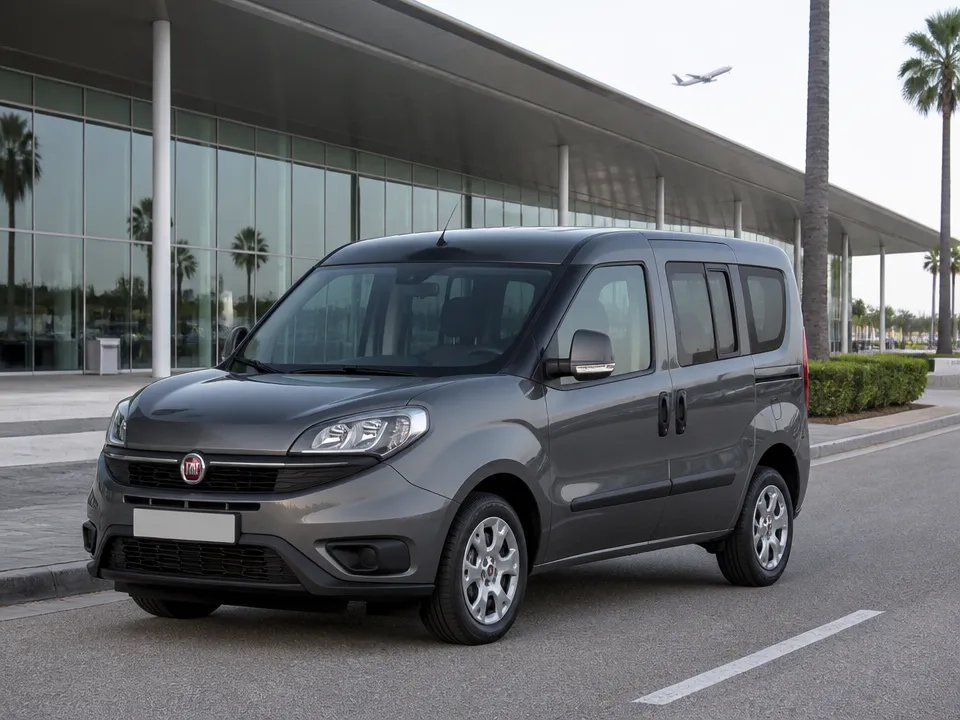
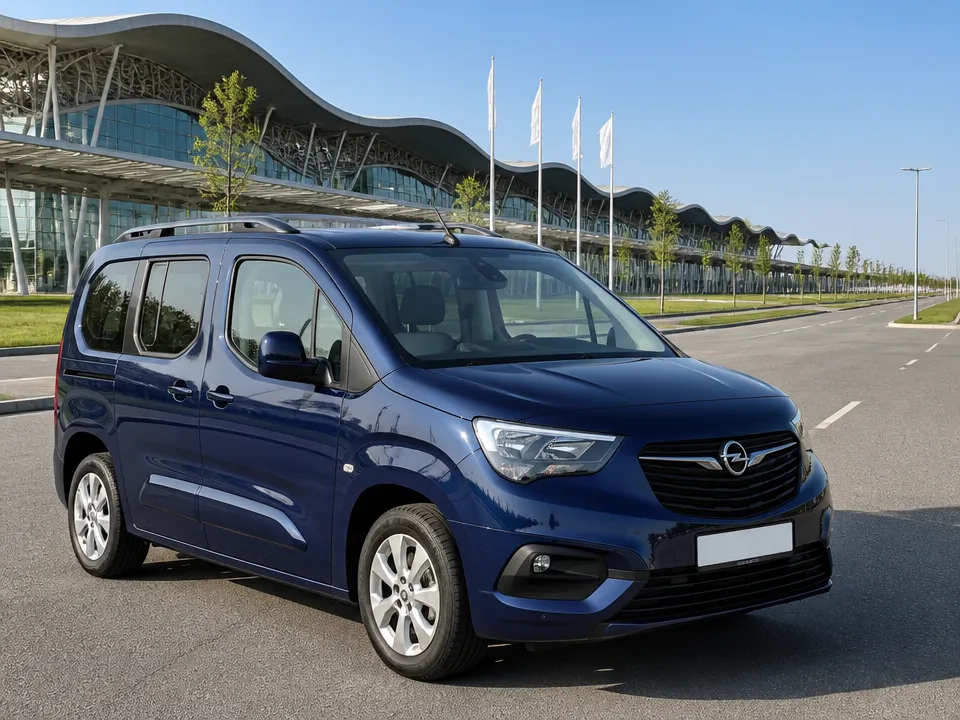

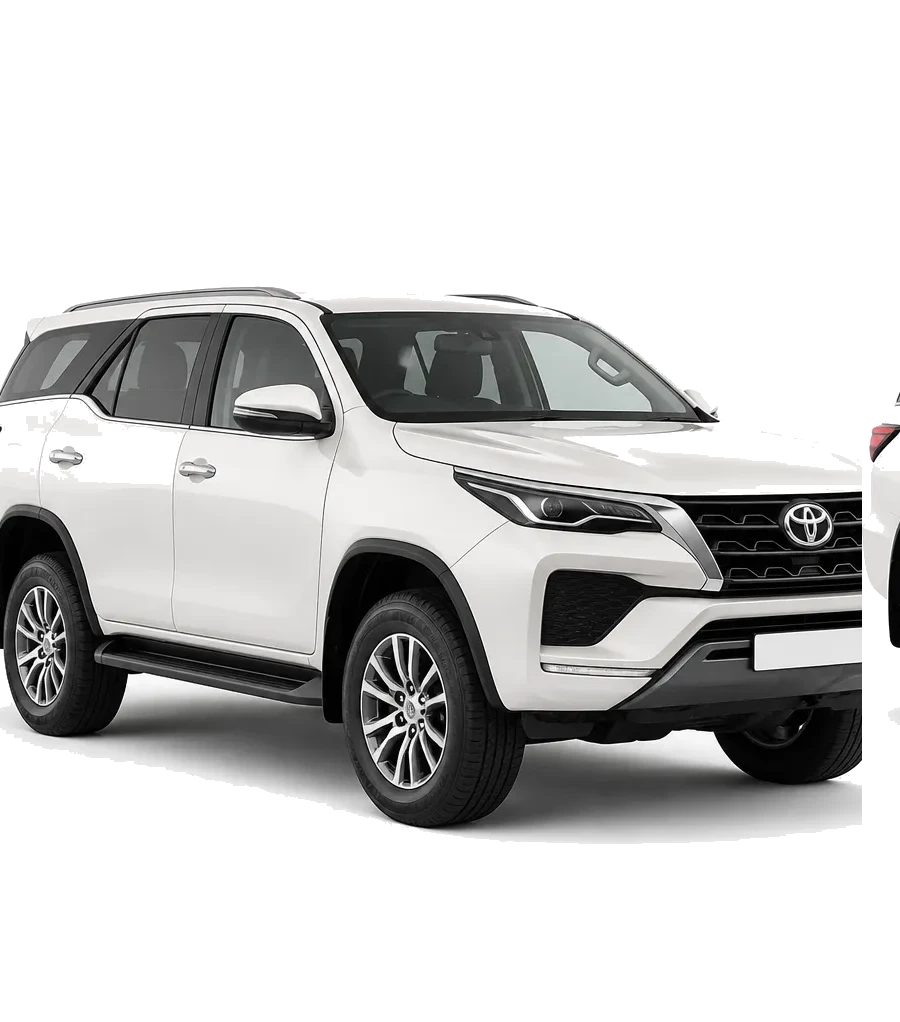
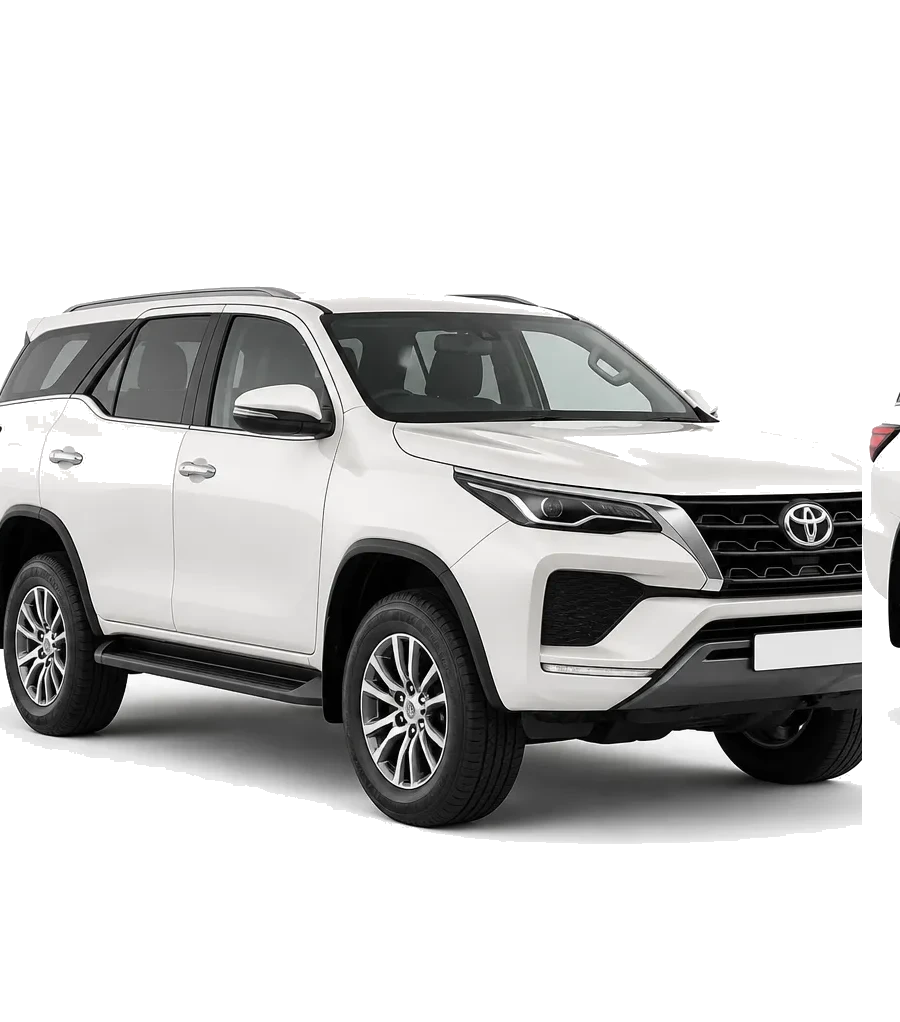

Our fleet for intercity car rental in Barcelona numbers 44 vehicles, with crossover, SUV, comfort and minivan classes from €38 per day. We deliver the car to you and agree the booking with a manager.
Intercity car rental in Barcelona means taking the car out of the city to another town or region and bringing it back — with the vehicle delivered to you and the booking agreed with a manager. Below we set out what the service covers, where our renters actually drive, and how pick-up and return work when the two ends of the trip are not the same place.
Rent-Trip intercity car rental in Barcelona covers trips from the city to another town or region and back, with the car delivered to you and the booking agreed with a manager rather than at a counter. The 44 cars on this page — Crossover, SUV, Comfort and Minivans — are all available for routes that leave the city and return, from €38 to €72 a day, weekly from €228 and monthly from €798. What separates intercity use from a city hire is not the car but the shape of the journey: a longer distance, often mixed motorway and secondary road, sometimes a mountain pass, and a return leg that has to be planned before you set off. In our practice the trips that go wrong are the ones where the client decided the route after collecting the car. Agree the return point and the route with the manager when booking — that is where the trip is actually shaped.
Mountain and cross-border routes need the class and the paperwork checked with the manager before you leave, not on the morning of departure.
Pick-up and return points are agreed with a manager when you book, so a one-way intercity trip is arranged in the same conversation as the car itself. That covers the common cases: collecting at your address and returning to the same place after a loop, or starting in the city and handing the car back somewhere else at the end of the route. Nothing about the return is fixed automatically — it is part of the booking, which is why it is worth raising it before the car is confirmed rather than during the trip. Settle the return point before the trip starts: a change made mid-route is harder to arrange than one agreed up front.
Four classes sit on this page, and each does a different job once the route leaves the city. The table below puts them side by side.
| Class | Cars on this page | From, per day | Best for |
|---|---|---|---|
| Crossover | 13 | €38 | Two people, light luggage, long motorway days |
| Comfort | 10 | €40 | City-to-city runs on sealed roads |
| SUV | 13 | €42 | Mountain roads, gravel, mixed terrain |
| Minivans | 8 | €52 | Groups, 7 seats, heavy luggage |
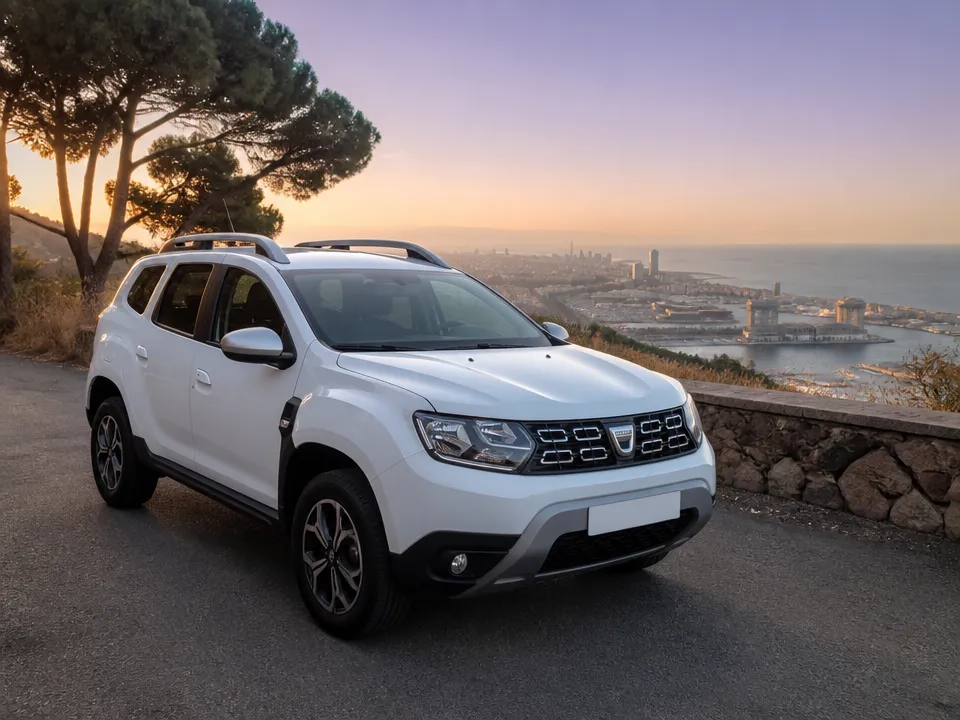
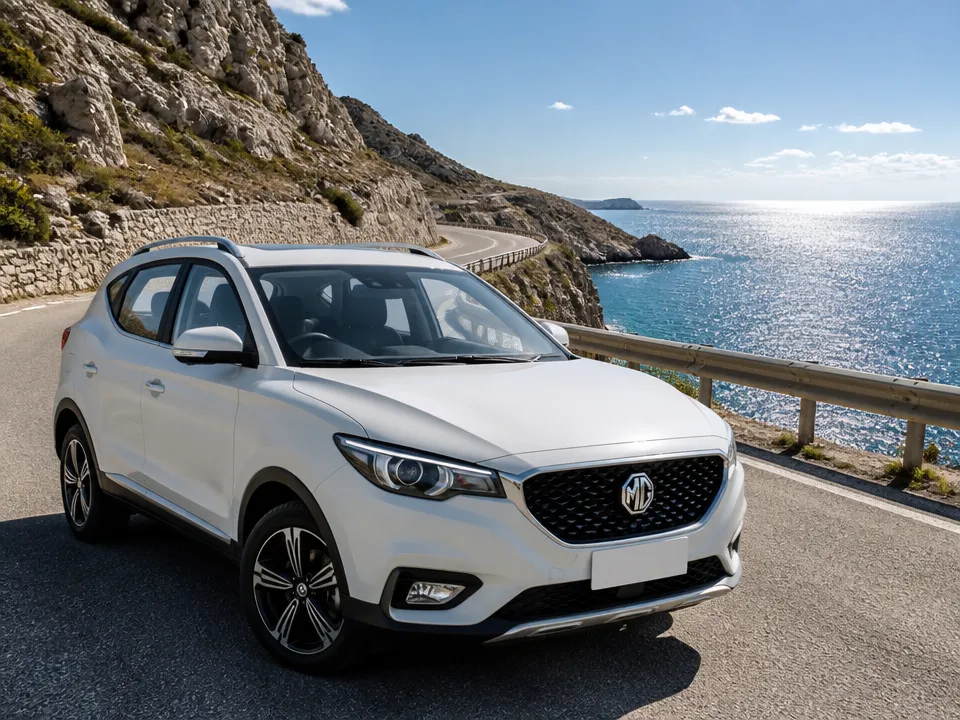
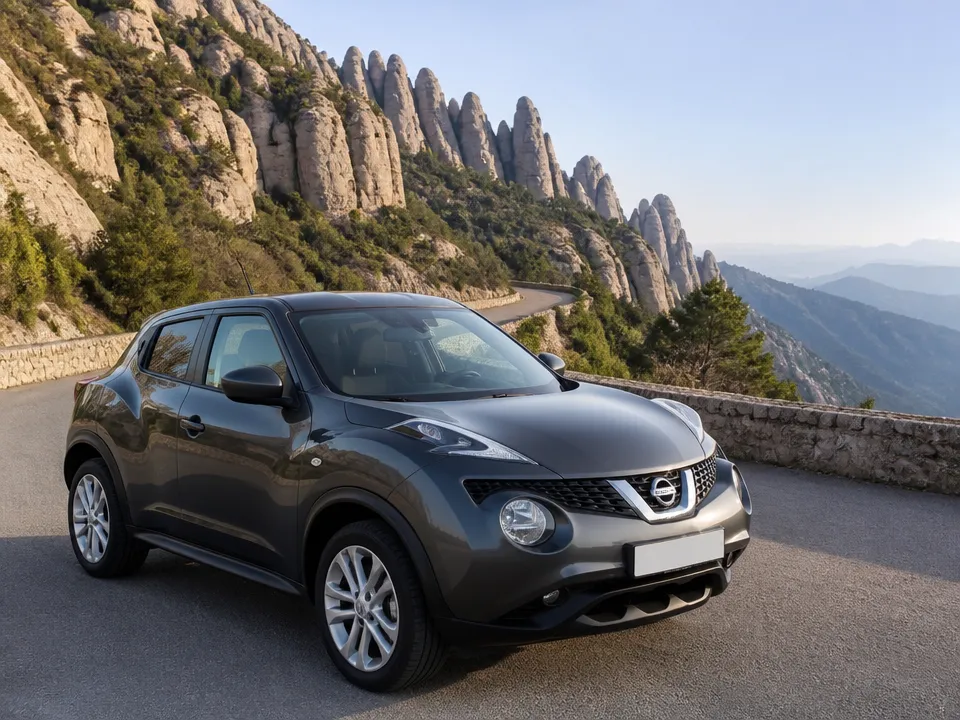
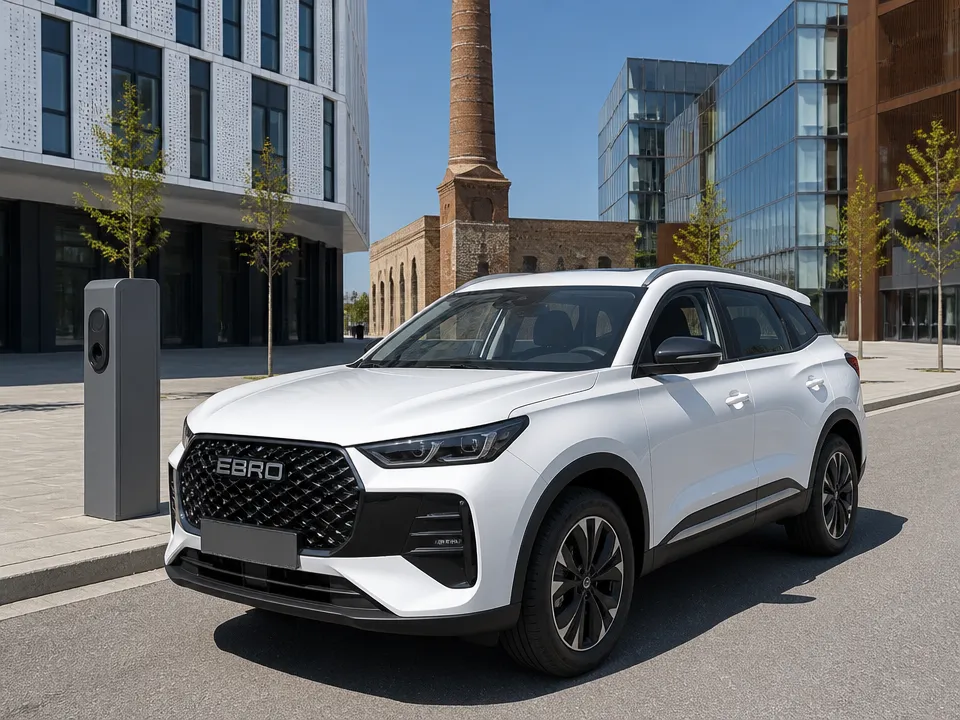
The cheapest Crossover here is the Citroen C3 Aircross at €38 a day, and a week of it starts at €228. Above it sit the MG ZS at €39, the Ebro S400 at €40 and the Seat Arona at €41, all 5-seaters with front-wheel drive. For rougher ground, the Dacia Duster at €42, with front-wheel or four-wheel drive, is the cheapest SUV in the range and runs on petrol or LPG; the Nissan Qashqai and Skoda Karoq at €48 and the Nissan X-Trail at €60 cover longer motorway stages with hybrid power. Groups of seven should look at the Peugeot Rifter at €55 or the Seat Tarraco at €58. On a week-long route the fuel type moves the running cost more than the daily rate does — diesel and hybrid models repay the difference over distance, and the Duster's LPG option cuts it further on Spanish forecourts.
In our practice, the class decides the route more than the price does: a 4x4 option matters on mountain roads, and seat count matters the moment a group travels together.
Where the car meets you at the start of an intercity trip and where it goes back at the end are settled in one conversation with a manager when you book. Nothing about collection or return is fixed at the last minute — the whole loop, out and back, is agreed up front.
The car is delivered to you: we bring it to the address agreed when booking, and the booking itself is agreed with a manager rather than dropped into a checkout box. For an intercity route that matters more than it does for a city errand, because the delivery point and the departure hour decide how much of the day is left for driving. If you are setting off early towards Girona or the Costa Brava, say so when the booking is agreed — the hand-over slot is agreed when booking. Our fleet on this page holds 44 cars, from €38 a day, and any of them can be brought to you. The return point is named in the same booking: for a loop trip it is the same address, and for a one-way run it is the address you give the manager.
An intercity route out of Barcelona does not always stay inside Spain, and the manager flags that when the booking is agreed — Andorra and the Pyrenees sit within reach of a day's drive. Documents, the deposit and the excess are all set out in the rental agreement, and we walk through them at booking so nothing is a surprise at the hand-over. Driving in Spain is on the right, and every car on this page is left-hand drive. In our practice, the trips that run smoothly are the ones where the return point, the fuel level and the route were named in the first conversation — not the ones where a driver improvised a drop-off at the end of a long day.
Rates on this page run from €38 to €72 a day, and the class you pick moves the figure more than the length of the route does. Below are the four classes we deliver, what each one starts at, and what it is actually good for once you leave the city.
| Class | Cars on this page | From, per day | Best for |
|---|---|---|---|
| Crossover | 13 | €38 | Two people, light luggage, easy parking at the far end |
| Comfort | 10 | €40 | Longer motorway days, lower fuel use |
| SUV | 13 | €42 | Mountain roads, rough side roads, four people |
| Minivans | 8 | €52 | Five to seven people, group luggage |
Crossover is the largest group here at 13 cars and the cheapest way in; Minivans is the smallest at 8 cars and the one to book early.
Fuel type changes the running cost of a long route more than the daily rate does, so a diesel or hybrid model often works out better over a week of driving than the cheapest petrol car on the list.
The daily rate is the headline, not the whole bill. What you actually pay depends on the class, how long you keep the car, and the options you take — and those are set out in the rental agreement rather than quoted here. Longer bookings follow a simple rule: a week is charged at daily x 6, a month at daily x 21, so the per-day figure drops the longer the car stays with you. Deposit, insurance excess and any delivery fee are agreed when you book, and the manager confirms them before the trip is fixed. Ask about them in the same conversation as the route — a figure you know in advance is worth more than one you discover at hand-over.
Traffic in Barcelona drives on the right and every car we hand over is left-hand drive, so the first ten minutes are about leaving the city rather than learning the car. This section covers what governs an intercity hire before it reaches the open road: the low-emission zone, tolls, parking and the speed limits that apply while you are still inside the metropolitan area.
A car needs a valid environmental badge to enter the Zona de Bajas Emisiones Rondas de Barcelona (ZBE Rondes BCN), which covers more than 95 km² — the whole municipality apart from the Zona Franca industrial estate and the Vallvidrera – el Tibidabo i les Planes neighbourhood, plus L'Hospitalet de Llobregat, Sant Adrià de Besòs and parts of Esplugues de Llobregat and Cornellà de Llobregat. The scheme runs on working days, Monday to Friday. Vehicles on foreign plates must be registered in advance in the Registre metropolità de vehicles estrangers i altres vehicles autoritzats a les zones de baixes emissions. Badges are graded 0 emisiones (blue) and ECO (blue-green). Check the badge class of the vehicle you are given before you plan a route through the centre — a class that cannot enter the zone changes your whole morning.
Speeding penalties follow the DGT table: €100 with no points, then €300 with 2 points, €400 with 4, €500 with 6 and €600 for the most serious band, with a 50% reduction if you pay within 20 calendar days. Holding a phone in your hand is €200 and 6 points. Petrol 95 E5 averaged €1.953 across 74 filling stations in the municipality in our reference measurement, with a median of €1.987. A child under 135 cm needs a child restraint. In our experience the two things that catch people out on a long route are the badge class and the return fuel level, so settle both before you leave the city rather than on the way back.
Every intercity booking runs the same way: you tell us the dates and the route, a manager confirms the car and the price, and the car is delivered to you. Nothing is promised before a person has checked it.
An intercity trip has two variables a booking form cannot check on its own: the route and the return point. A one-way run to Girona or Tarragona and back is a different booking from a loop through the Penedès, and the manager is the person who matches the car, the days and the drop-off to what you actually plan to drive. The same conversation covers the paperwork side — the deposit and the excess sit in the rental agreement, and the manager tells you what they are before anything is confirmed, not after.
In our practice the trips that go wrong are the ones where the return point was assumed rather than stated. A renter books a car for a week, drives to the Pyrenees, then decides to hand it back near the coast instead of where it was collected. That is a change to the booking, and it is far easier to arrange before the keys change hands than halfway up a mountain road. Say the whole route out loud when you book, including the leg you are not sure about yet.
The manager works through this list with you in one conversation, and the terms that apply to your booking — deposit, excess, delivery and any extras — are the ones written into the agreement you receive. Ask about them at that point if anything is unclear; it is the moment when they can still be changed.
Intercity car rental in Barcelona runs on the same paperwork as any other booking — what changes is that you take the car further and for longer, so the documents, the deposit and the excess all matter more than they do on a short city hop. Everything below is what Spanish law requires and what is agreed when you book with a manager.
The deposit is a pre-authorisation on a credit card under the main driver's name, held against possible damage and extras; the amount is set out in the rental agreement and told to you before anything is signed. The excess works the same way: it is the sum you carry yourself if the car comes back damaged, it is printed in the agreement whether or not you have bought an excess waiver, and the figures depend on the company and the class of car — there is no single official number. Collision damage waiver and theft protection are options that remove your liability down to that excess, and the Super and Full versions buy the excess out in part or in full. By Spanish consumer rules the advertised price must include every compulsory charge you cannot legally drive without, compulsory third-party insurance and the young-driver surcharge among them, and any scratches or dents must be written into the agreement or the inspection sheet before you drive off, signed by both sides, with a copy left in your hands.
Third-party liability insurance is compulsory under Spanish law and comes with any booking, covering injury and property damage to others up to the statutory limits of 70 million EUR per incident for personal injury and 15 million EUR for property — it does not cover you or the car itself. Glass and tyres usually fall outside basic collision damage waiver and are covered by a separate option. On a longer intercity route, walk the car with the inspection sheet before you leave and photograph nothing that the sheet does not already list; a mark agreed at hand-over costs you nothing later, while one discovered at return is argued about at the counter.
Intercity car rental comes down to a short list of decisions: which class you drive, where the car goes and comes back, and what the agreement says about damage. Get those three right and the trip runs itself.
The minimum rental age, the young-driver surcharge, which cards are accepted, the fuel policy and where the car may be taken are not fixed by Spanish law — they are agreed when booking. The same goes for delivery and collection: the place and time are set in that conversation, not assumed from a map pin. Ask about the ZBE Rondes de Barcelona sticker at the same time — the low-emission zone covers more than 95 km², and foreign plates need prior registration in the Registre metropolità de vehicles estrangers. Charge the car before the return if you took an electric one, and keep the fuel receipt if you drove under 100 km.
Walk round the car and get every scratch and dent written into the agreement or the inspection sheet before you drive off — both sides sign it and you keep a copy, which is what protects you afterwards. Photograph the fuel gauge and the odometer at hand-over. And check the return point on the booking confirmation against where you actually plan to finish, because changing it mid-route is harder than agreeing it up front.
This page lists 44 cars. Daily prices on this page run from €38 to €72.
Classes on this page include Comfort, Crossover, Minivans and SUV. Seat counts on this page are 5 and 7.
The ZBE Rondes BCN operates on working days, Monday to Friday, 07:00 to 20:00. Vehicles without a DGT environmental badge are prohibited. The fine is 200 EUR, rising by 30 % during a pollution episode. The Ronda de Dalt (B-20) and Ronda del Litoral (B-10) are not included in the restriction.