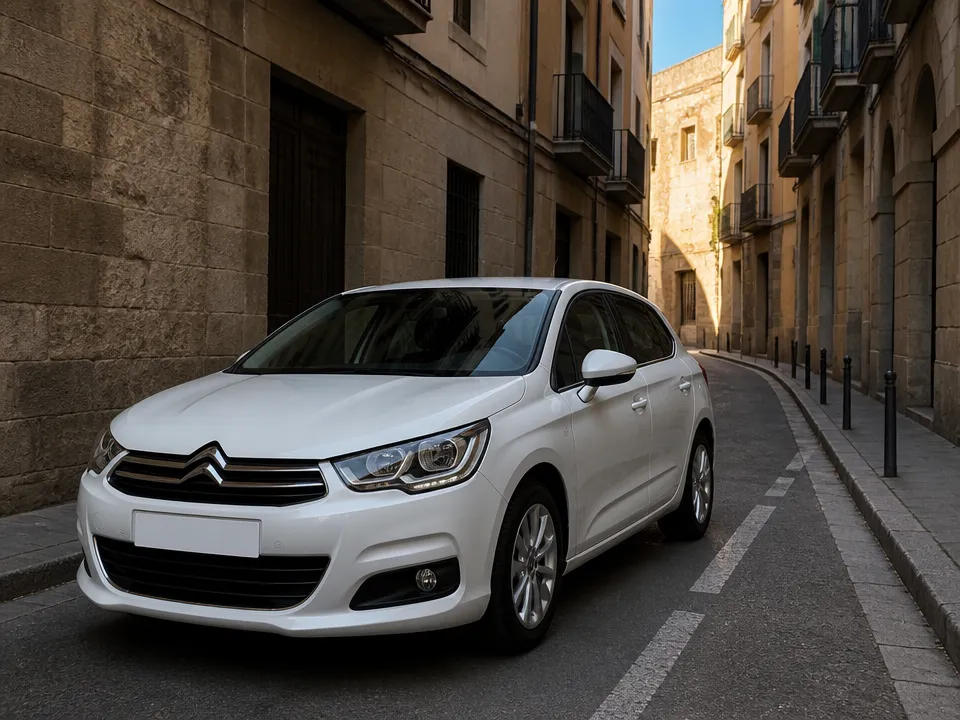
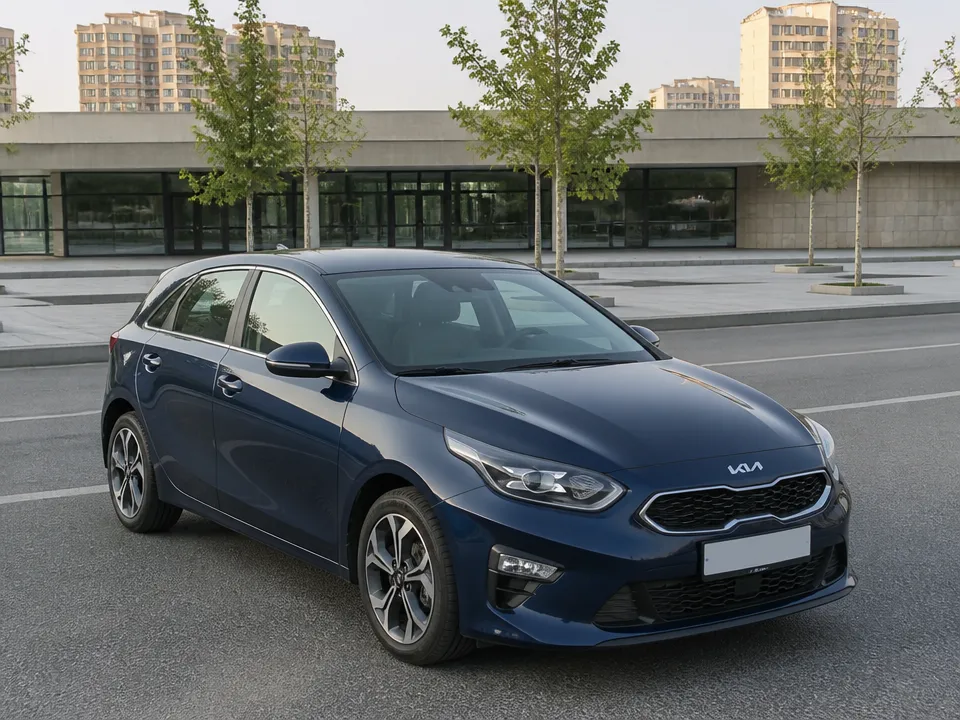
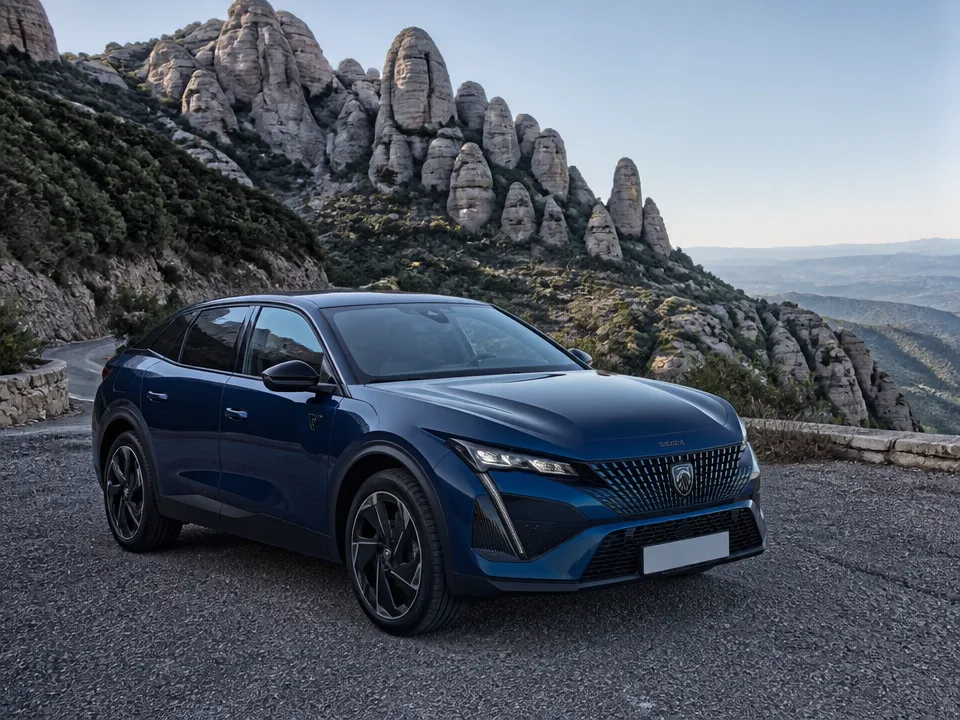
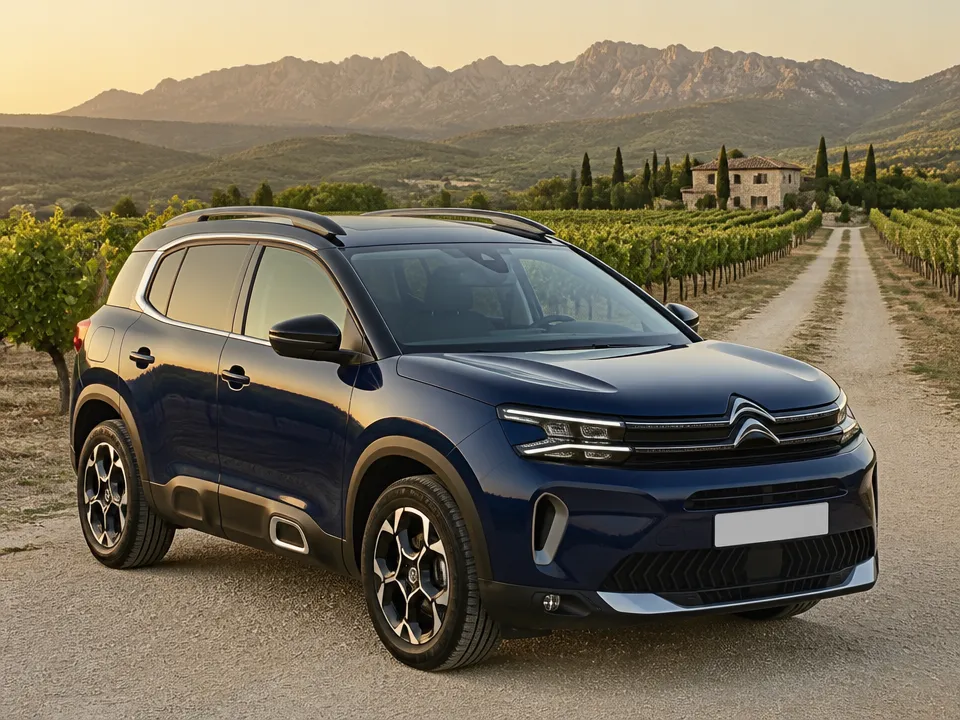
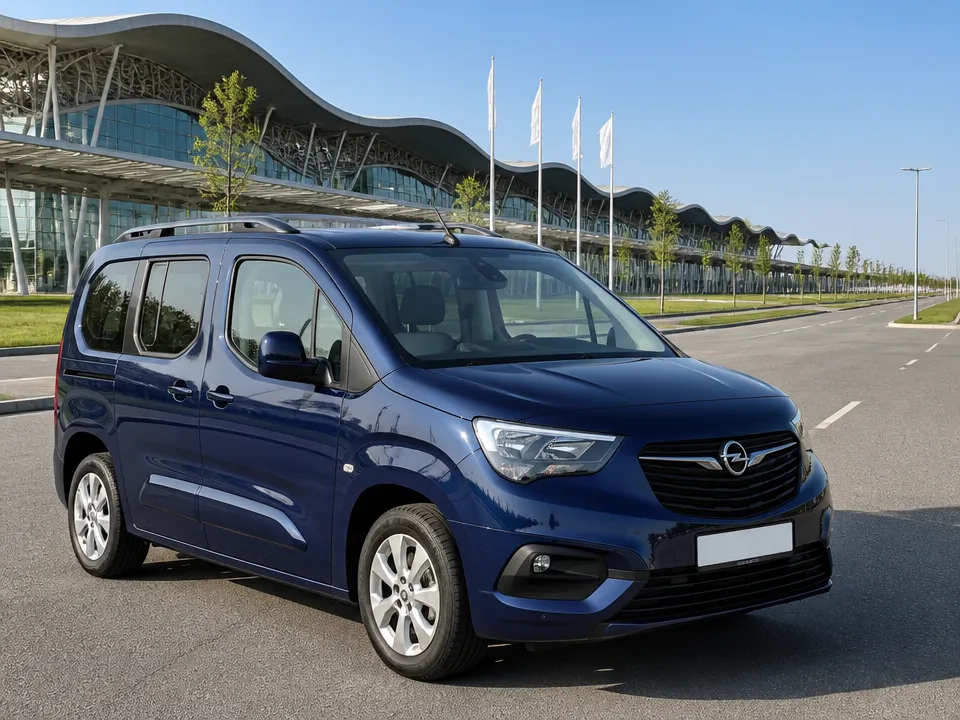
Citroen C4
★4.6· 86Manual1.2 L130 hpFront-wheel5 seats
€40per day
Book now






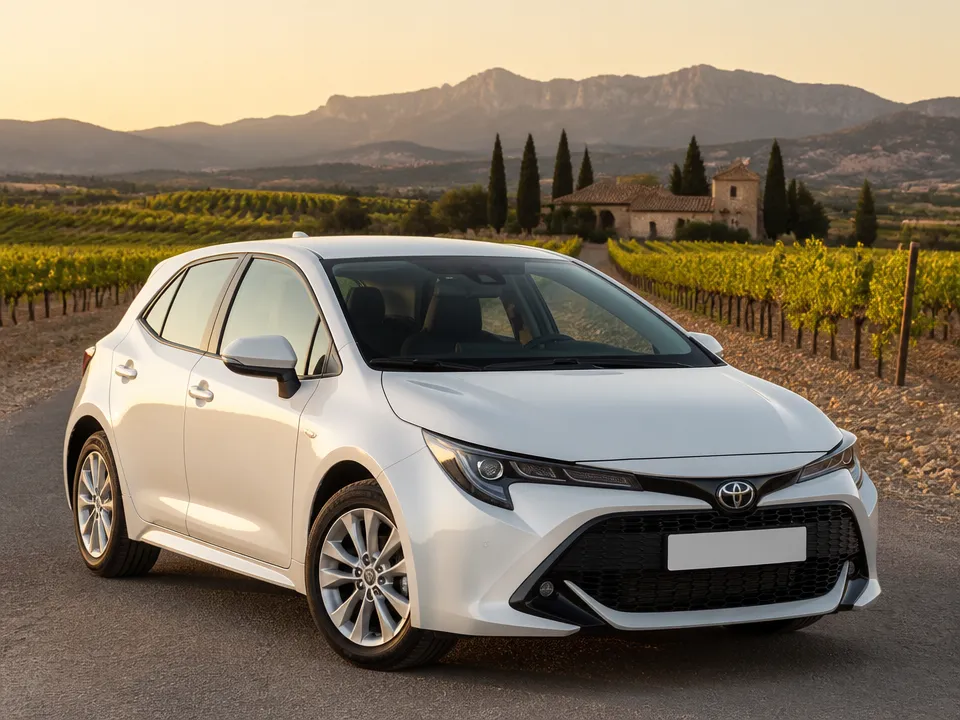
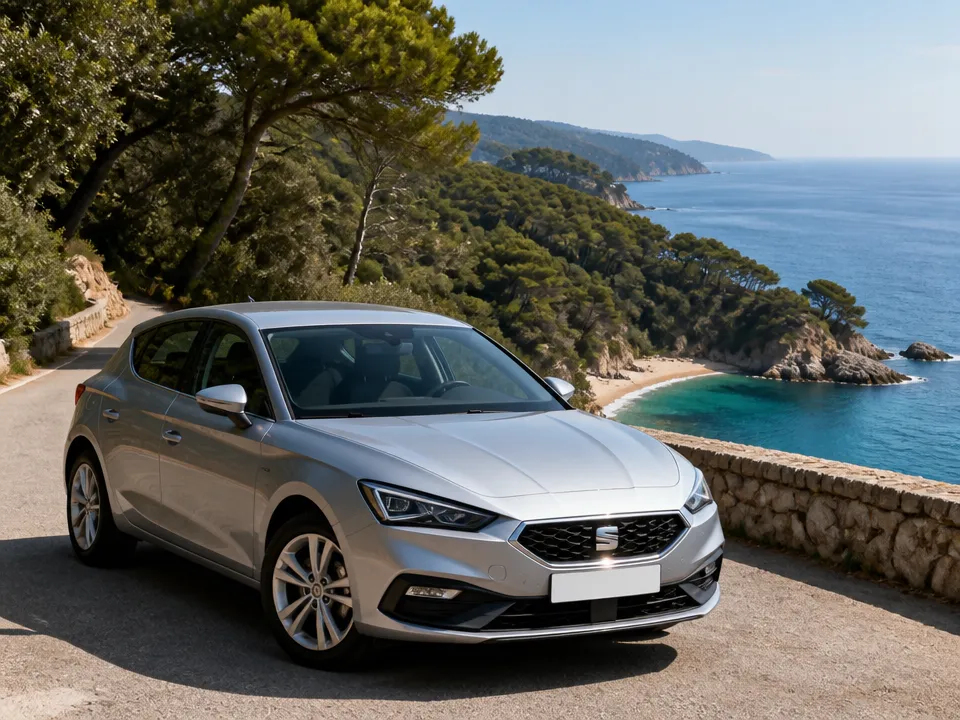
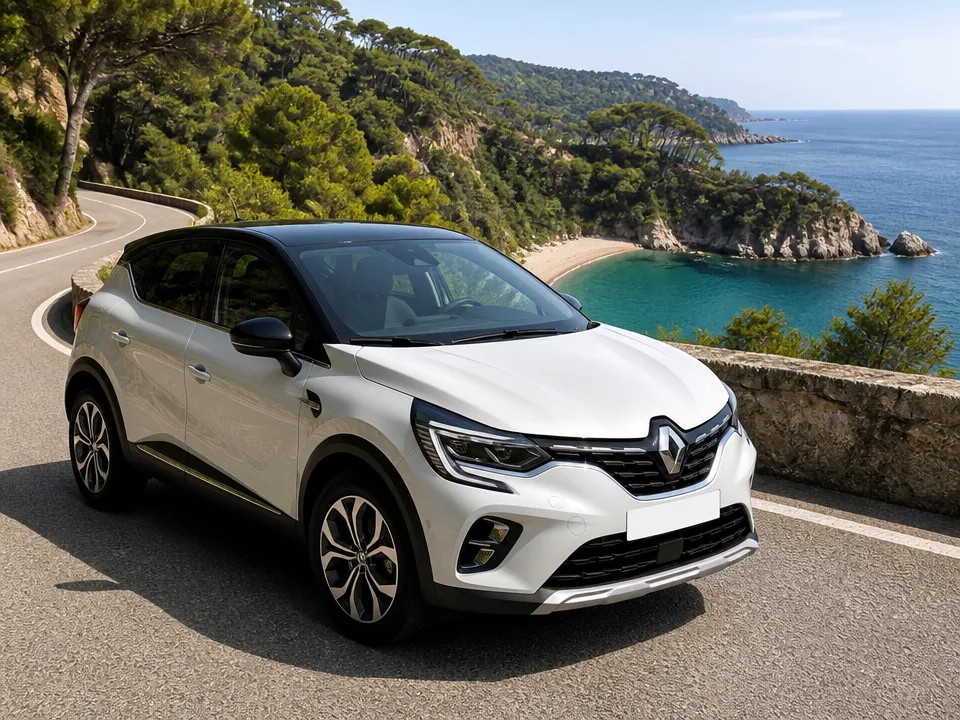
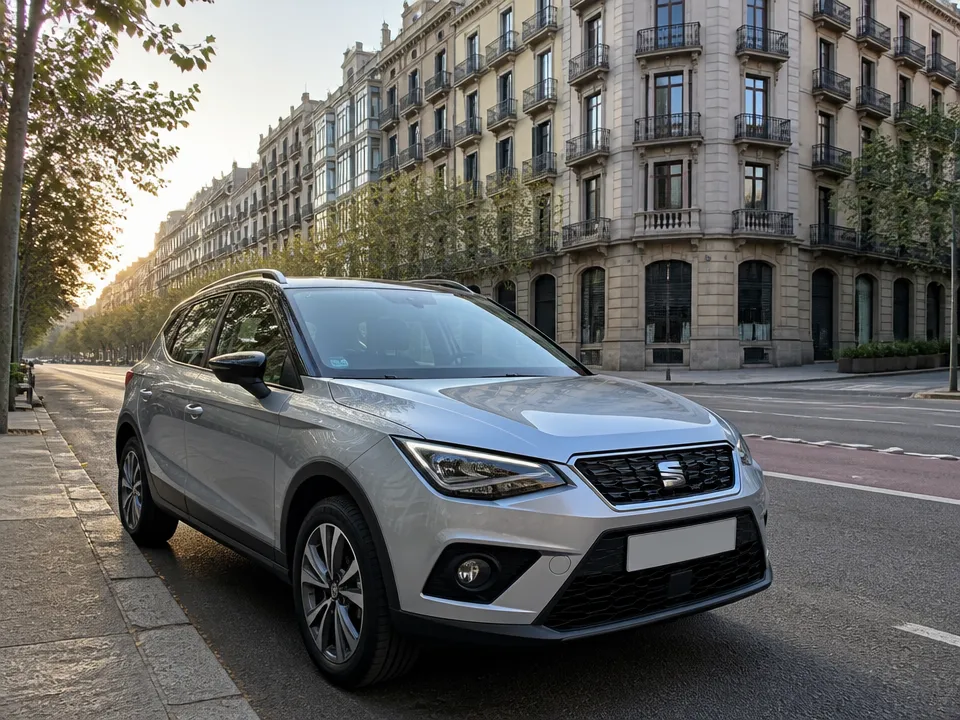
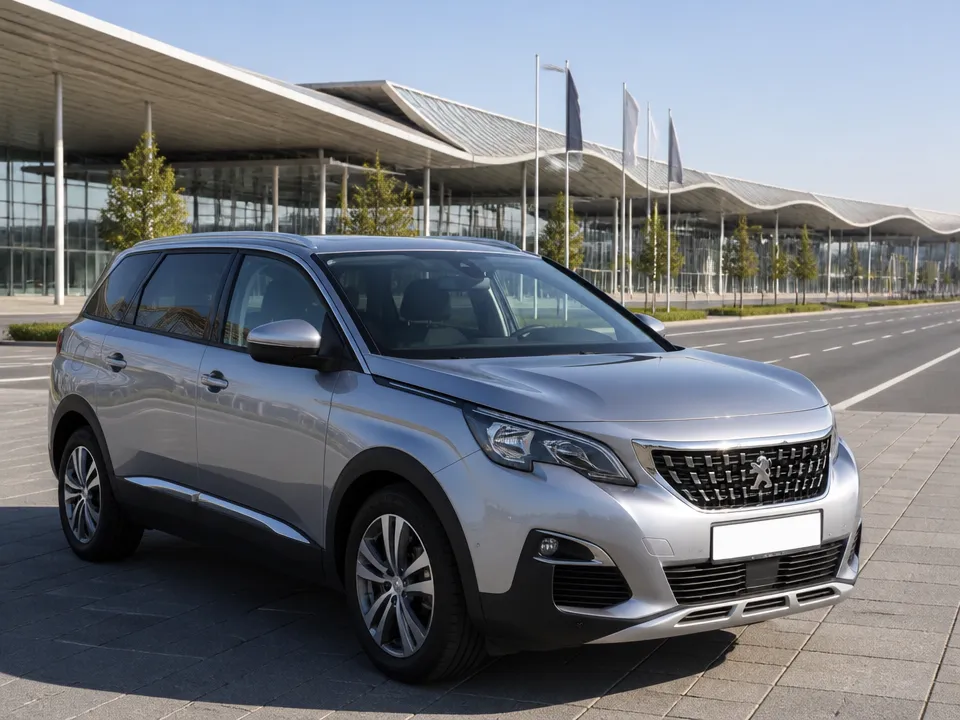
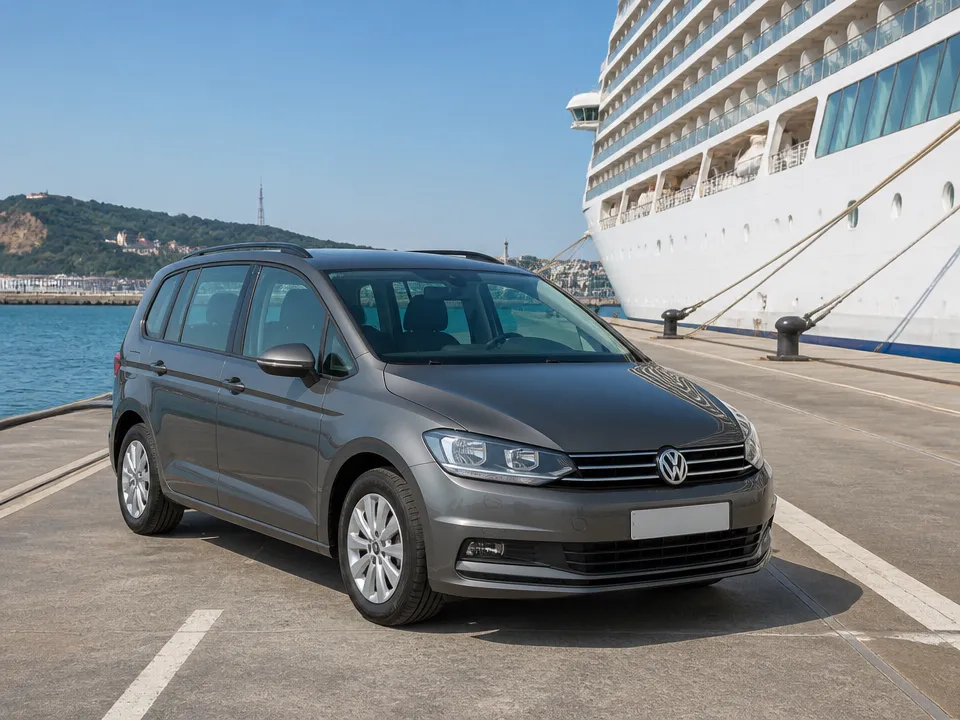
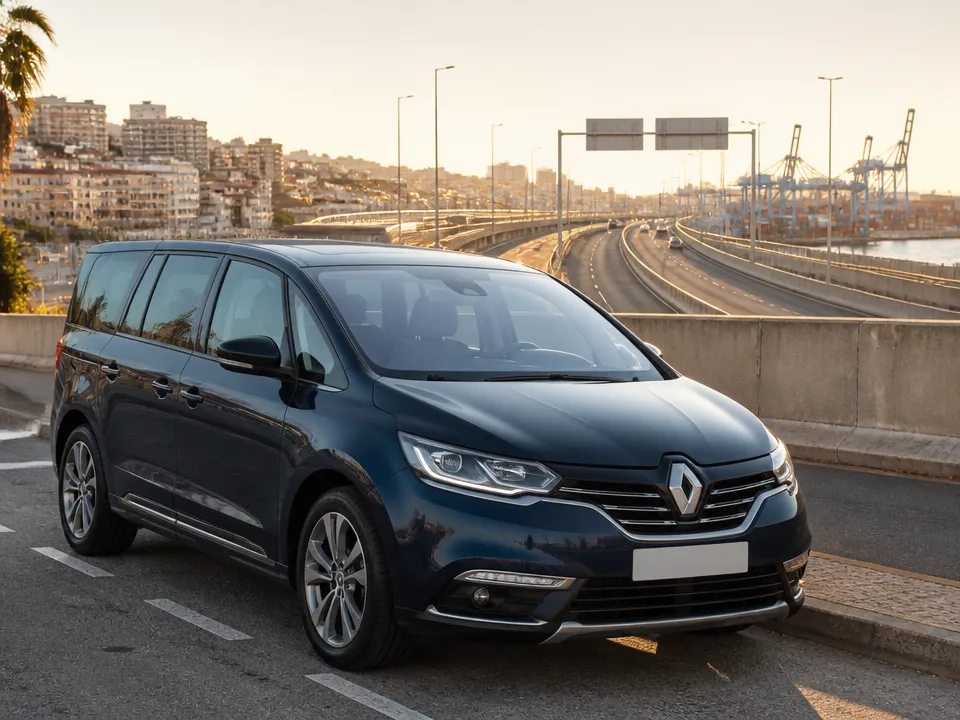
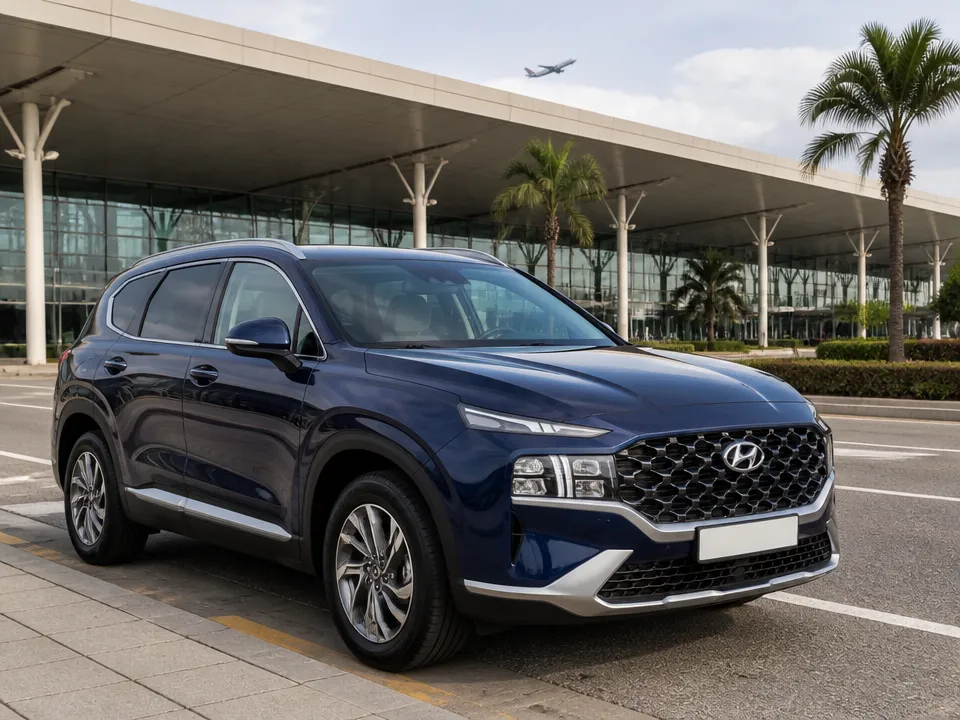




Planning a drive from Barcelona down the coast and wondering how to sort out car rental in Barcelona for a trip to Sitges? We keep 44 cars on this route — Crossover, SUV, Comfort and Minivans from €38 a day, weekly from €228 and monthly from €798 — and the car is delivered to you, with the booking agreed with a manager.
Self-drive hire for a trip to Sitges means you take the car yourself and drive the 35 km down the C-32 to the coast, rather than booking a seat on a scheduled service. Rent-Trip works on two rules that shape the whole booking: the car is delivered to you, and every booking is agreed with a manager before you travel.
We agree every booking with a manager, so the car, the dates and the hand-over point are confirmed before you travel. You tell us the dates, the class you want and where you would like the car brought; we check what is free on those dates and come back with a confirmed arrangement, not an automatic reservation. Nothing is final until that exchange is done, which matters because the fleet on this page holds 44 cars and the 7-seat Minivans are only a handful of them. A booking agreed in advance also fixes the pick-up time in writing. Settle the details early rather than the day before you fly — in our experience the July and August weekends are the first to lose the larger classes.
We deliver the car to you, so the hand-over point is agreed when booking instead of being fixed at a counter. That means the car can meet you at Josep Tarradellas Barcelona–El Prat Airport, at Barcelona Sants railway station, or at your address in the city, depending on what suits the trip. You do not build a detour to a depot into your first morning. The exact place and hour are confirmed with the manager during the booking exchange. Pin both down in writing, because the time you collect decides whether you clear the city before the evening build-up on the Rondes — leave after 18:00 on a weekday and the first 20 km can take as long as the rest of the drive.
The deposit, the excess and any fees are set out in the rental agreement, not quoted on this page.
Read the agreement through before you accept it. The excess line is printed even when full protection is bought, and that is the line worth checking against what the manager told you.
The 44 cars on this page split into four classes, and the drive to Sitges is short enough that the class matters more than the badge on the bonnet. Crossover, SUV, Comfort and Minivans cover 5 and 7 seats, with prices from €38 to €72 per day. Here is how the four line up before you pick.
| Class | Cars | From | Seats | Typical models |
|---|---|---|---|---|
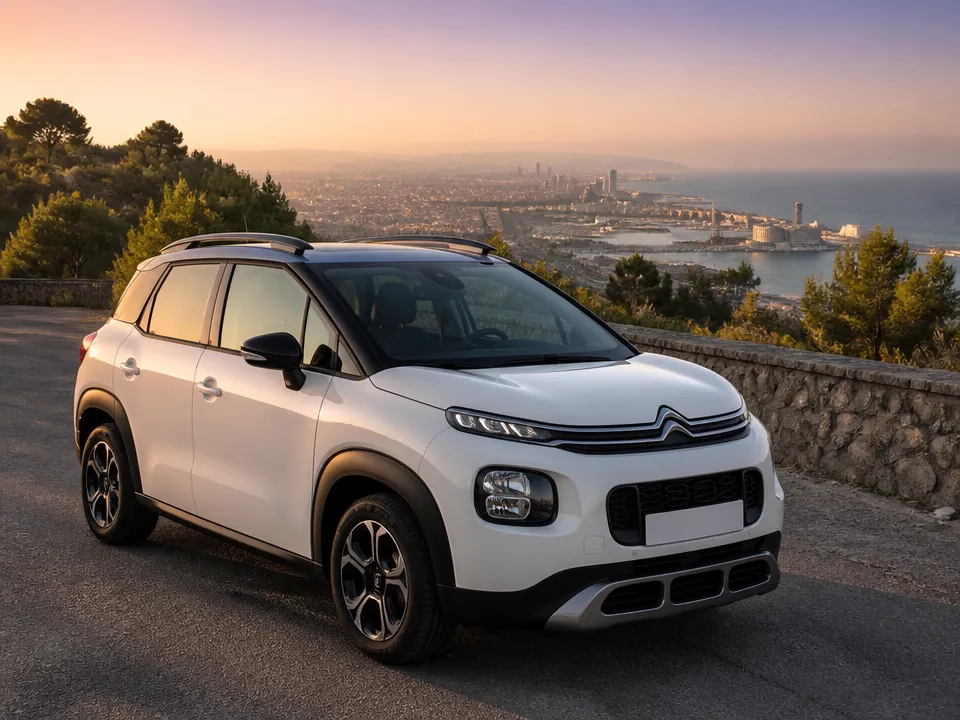
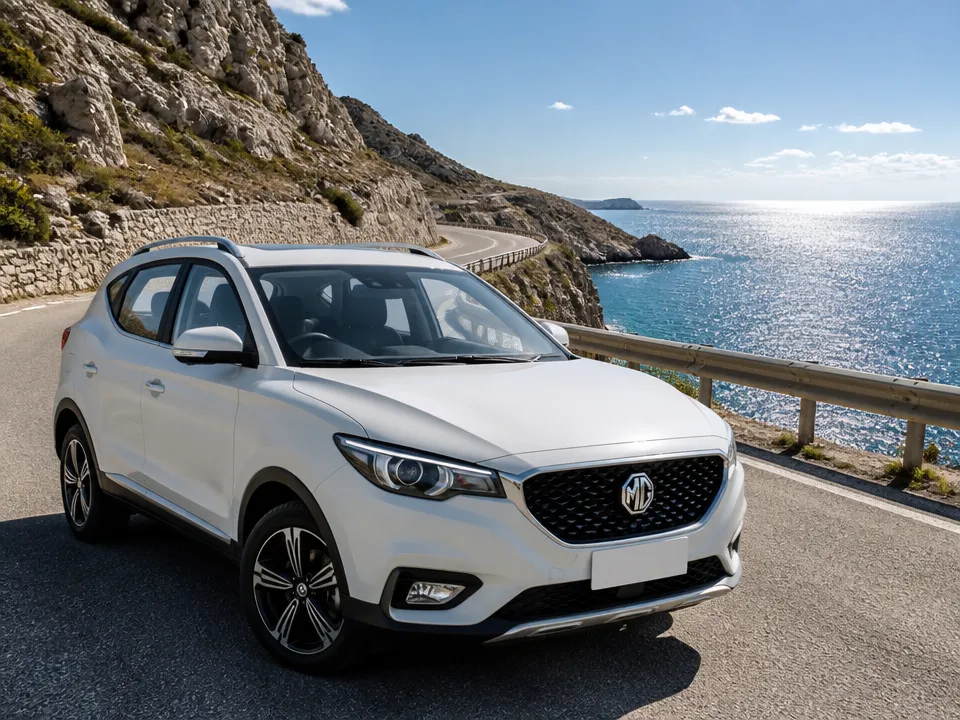
| Crossover | 13 | €38/day | 5 | Citroen C3 Aircross, MG ZS, Seat Arona |
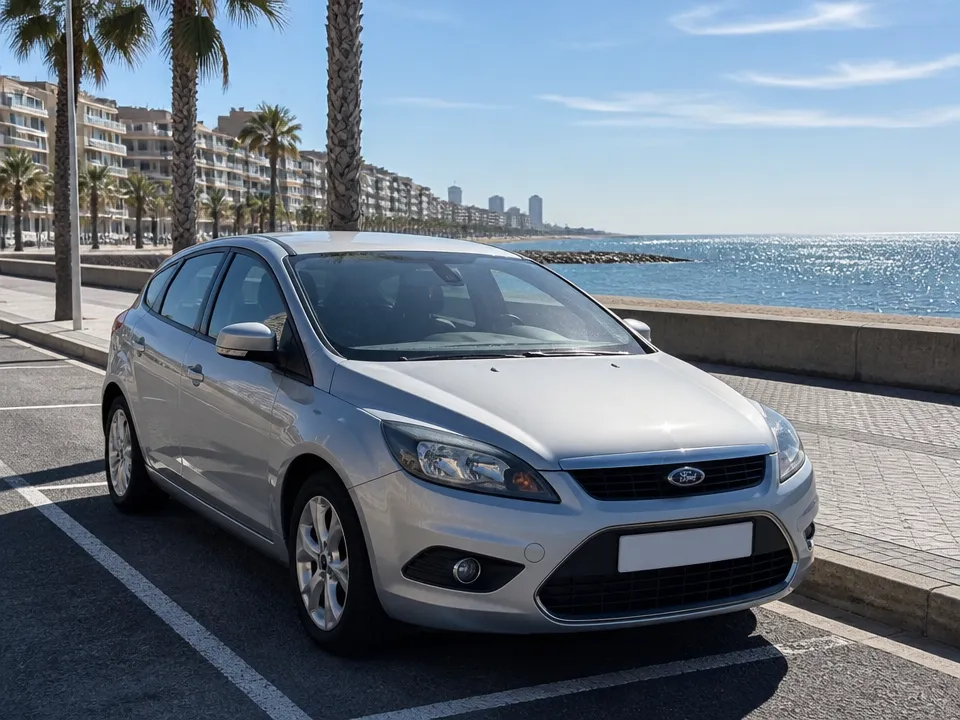
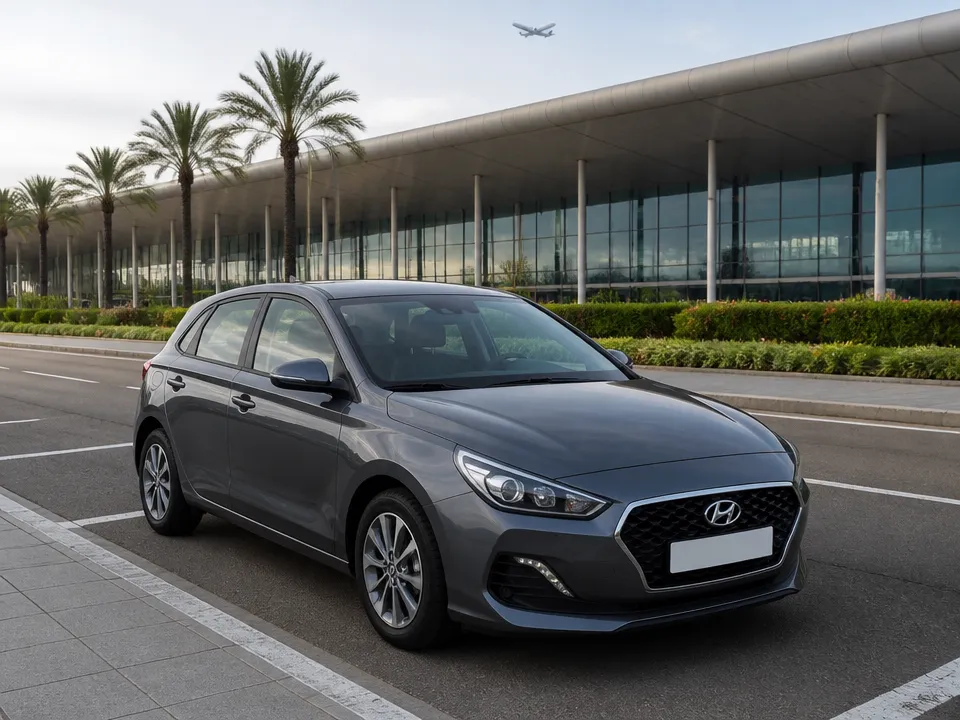
| Comfort | 10 | €40/day | 5 | Citroen C4, Ford Focus, Hyundai i30 |
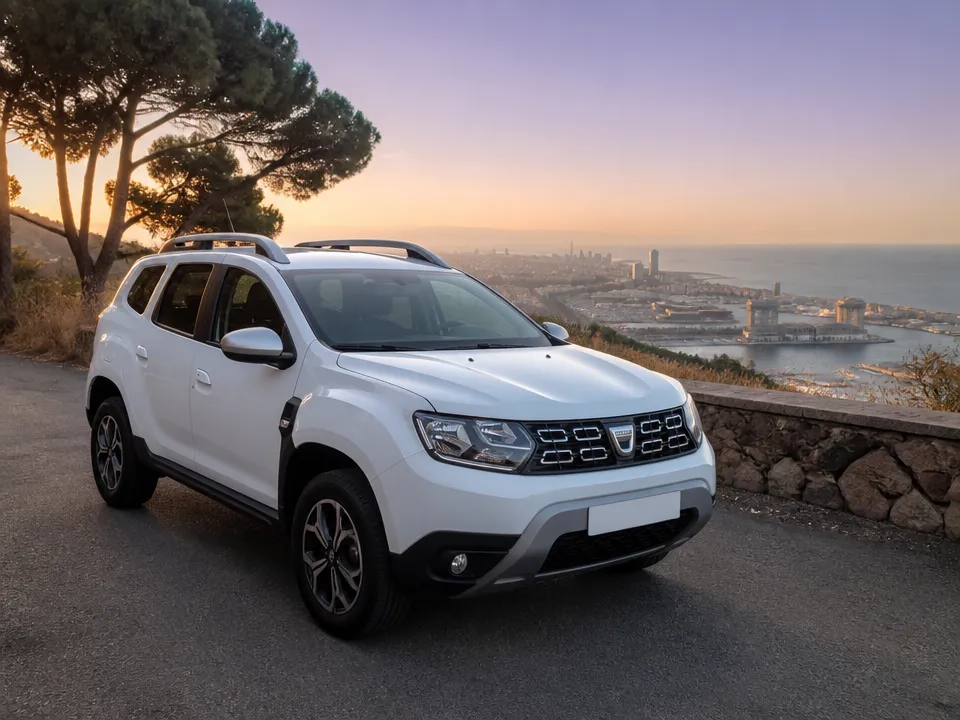
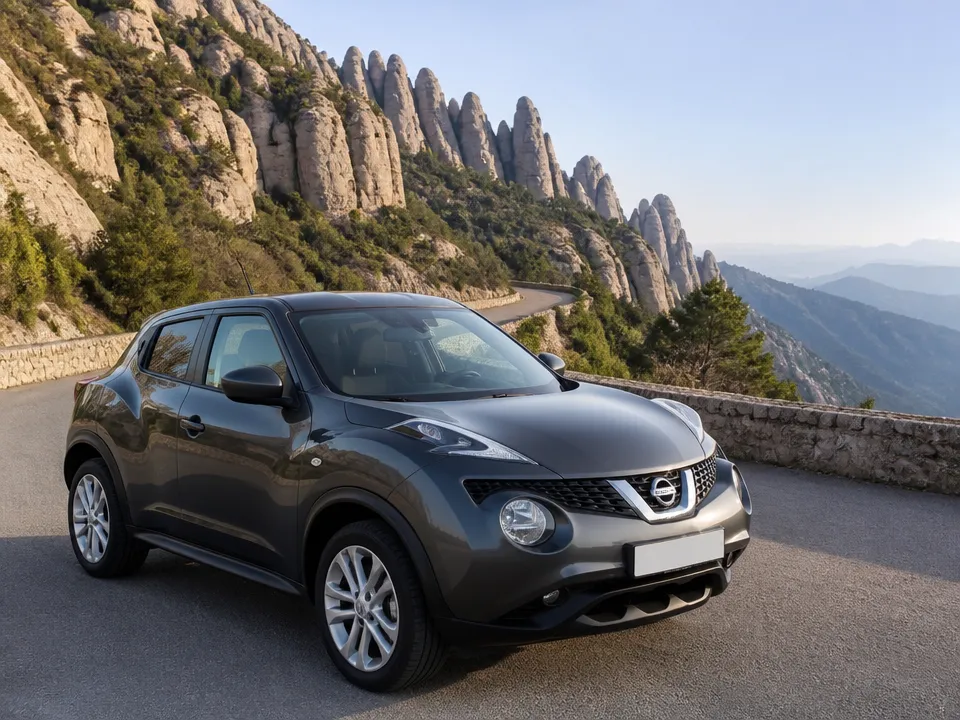
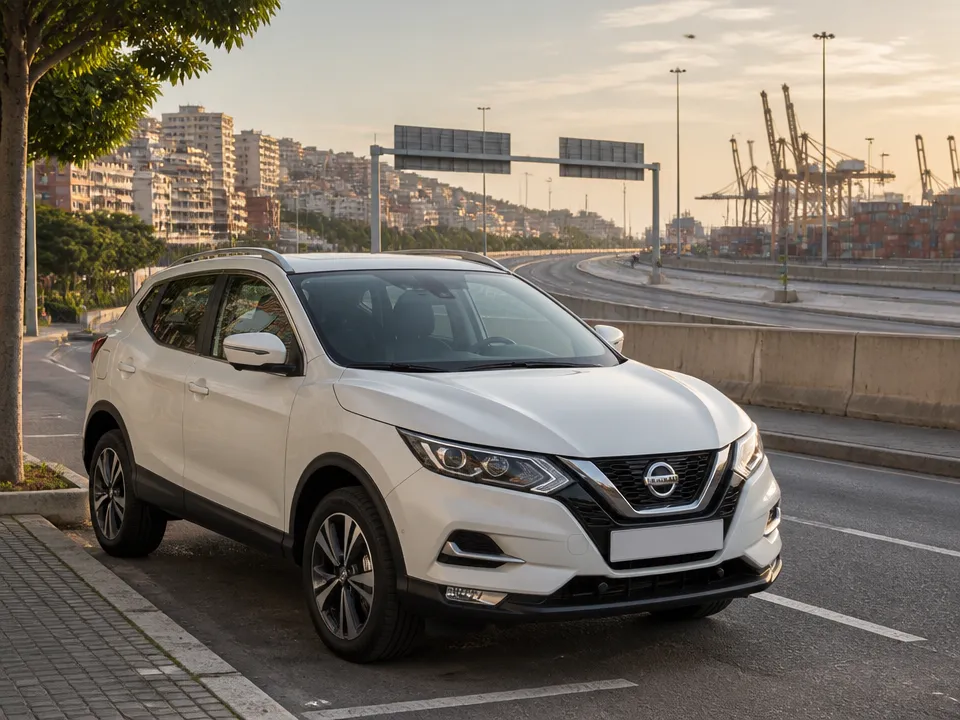
| SUV | 13 | €42/day | 5 | Dacia Duster, Nissan Qashqai, Kia Sportage |
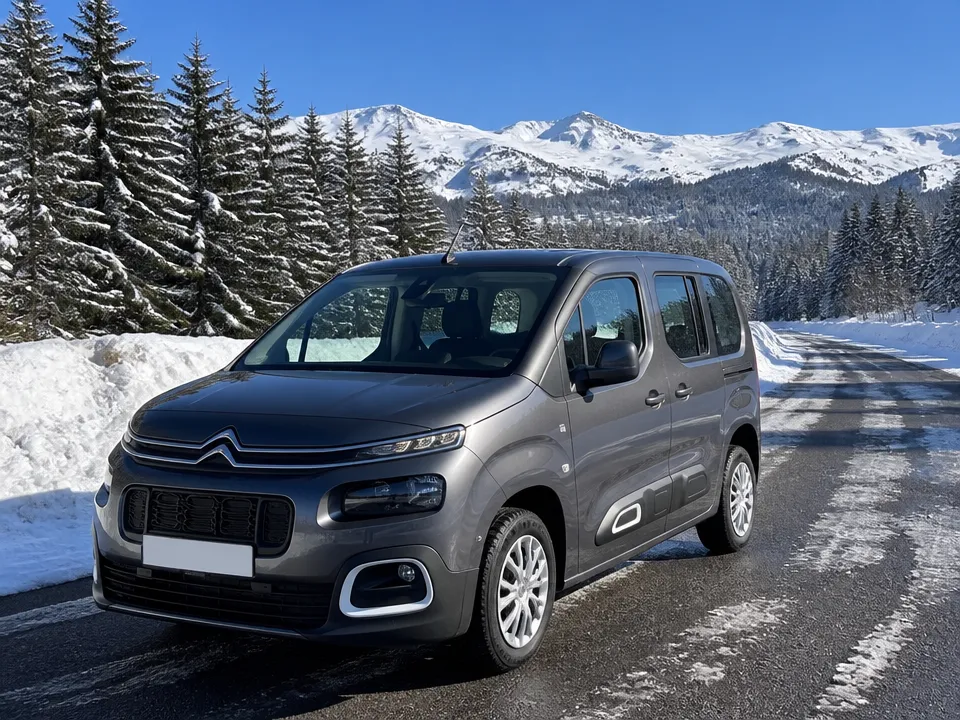
| Minivans | 8 | €52/day | 5 and 7 | Citroen Berlingo, Peugeot Rifter, Dacia Jogger |
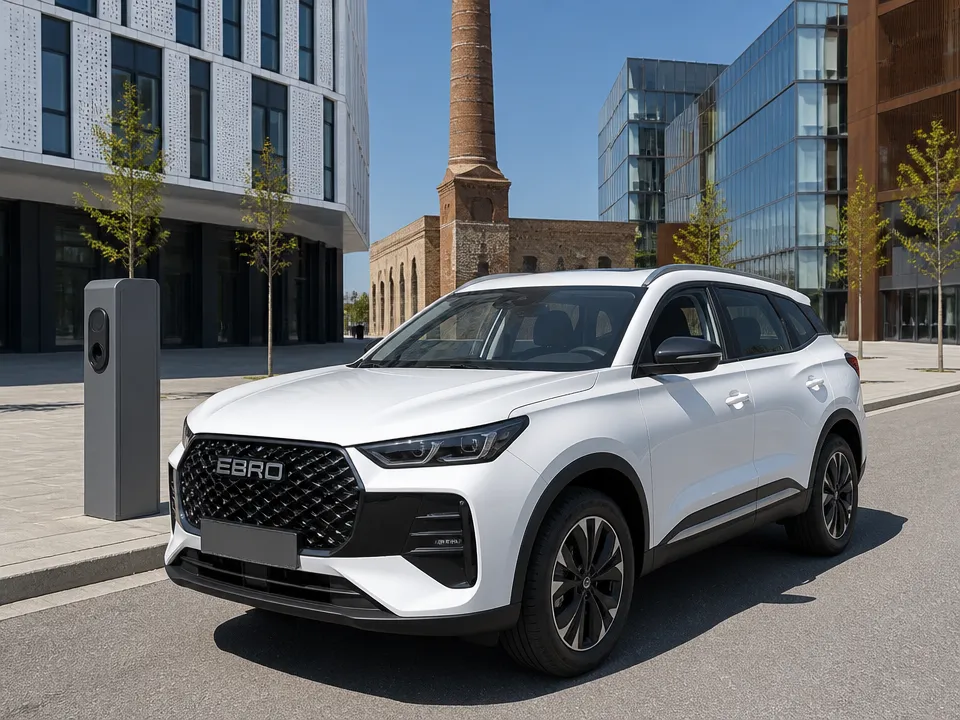
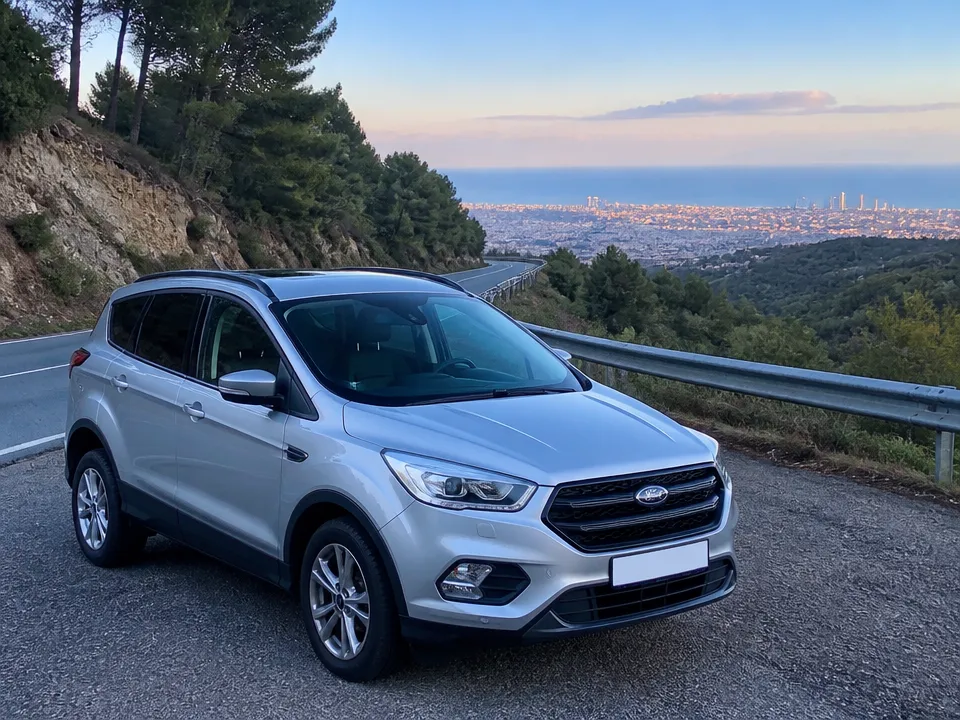
Crossover starts at €38 a day with 13 cars, and Comfort at €40 with 10 cars — the cheapest way to pick up a car in Barcelona for a trip to Sitges. The Citroen C3 Aircross opens the range at €38 with a 1.2 L, 110 hp petrol engine and a manual gearbox, while the Citroen C4 steps into Comfort at €40 with 130 hp. Both are five-seaters with front-wheel drive, which is all the C-32 coastal motorway asks for. In our experience the shorter body pays off at the other end: parking in Sitges is tight in season, and a compact crossover slots into a blue bay where a full-size SUV circles the block. If you are two people with hand luggage and a beach bag, paying more than €41 a day buys you nothing on this route.
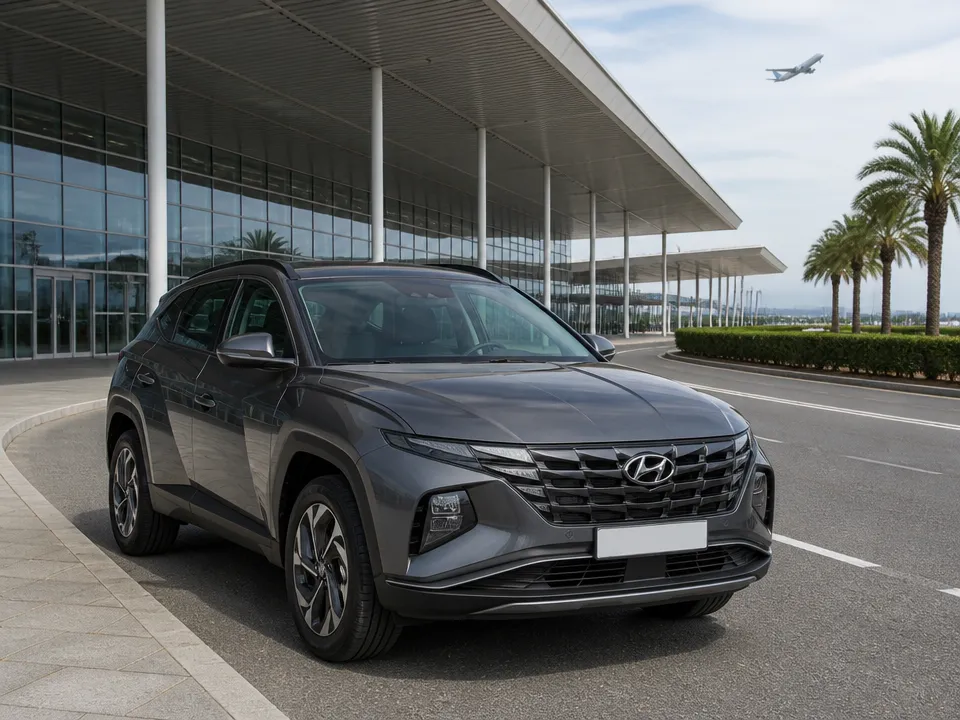
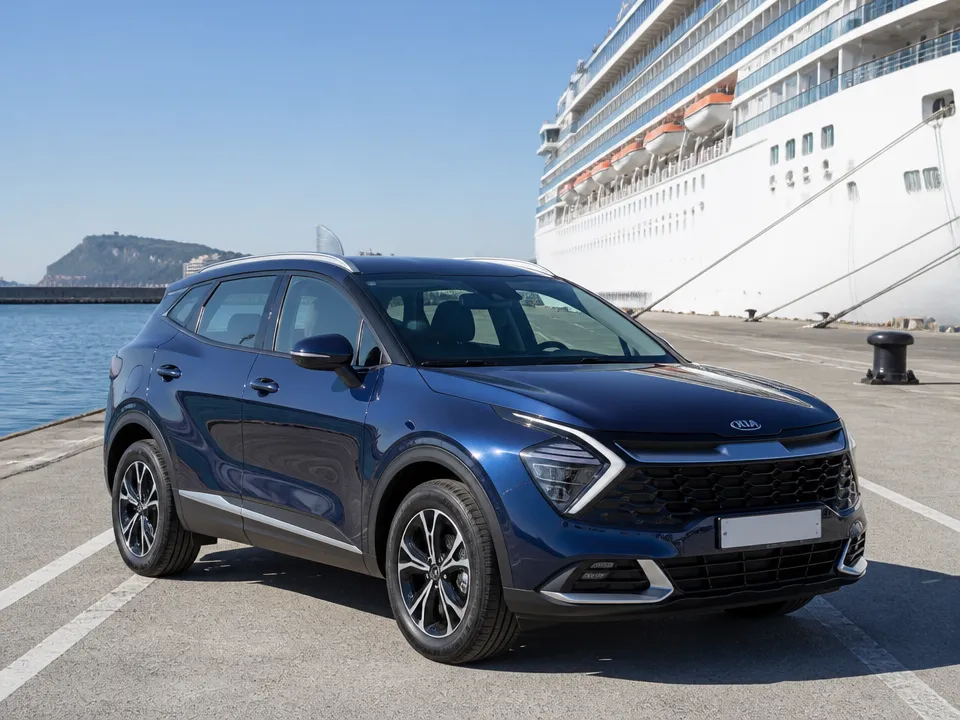
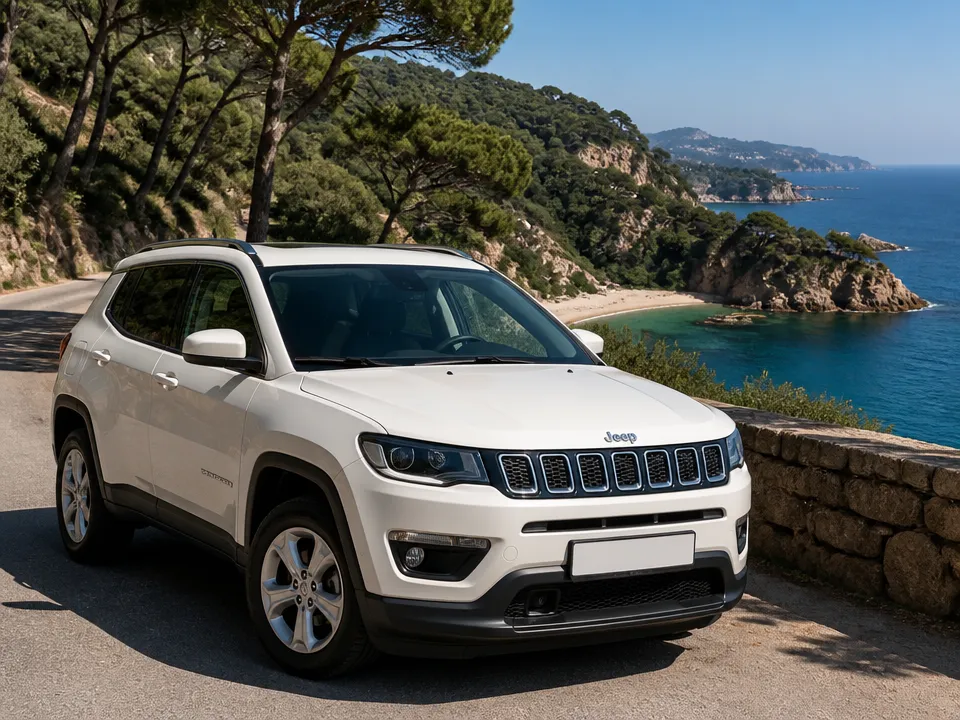
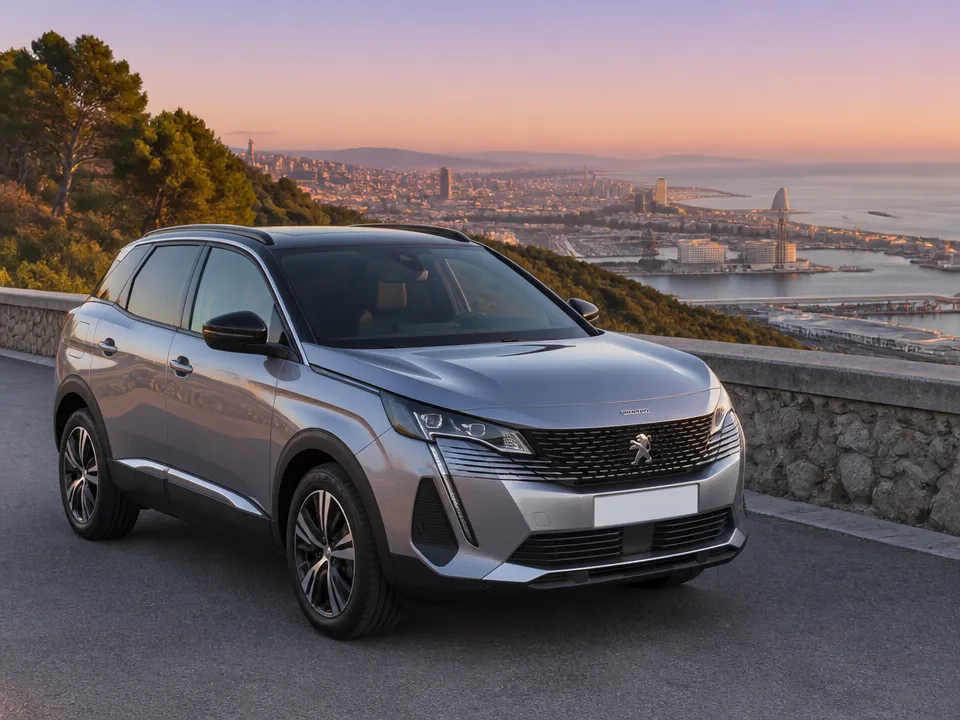
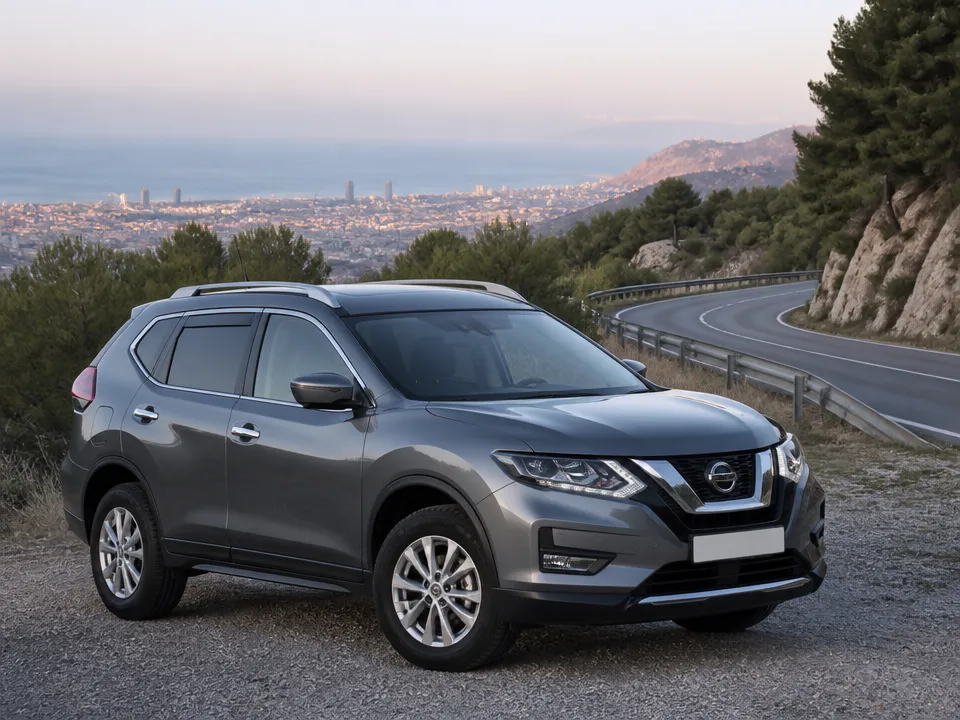
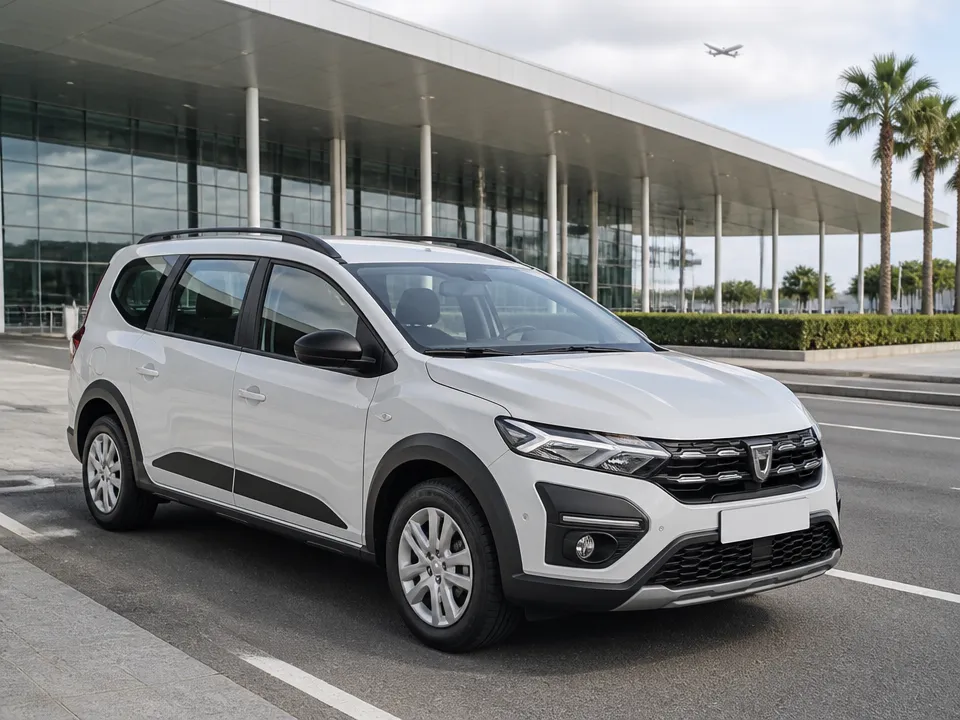
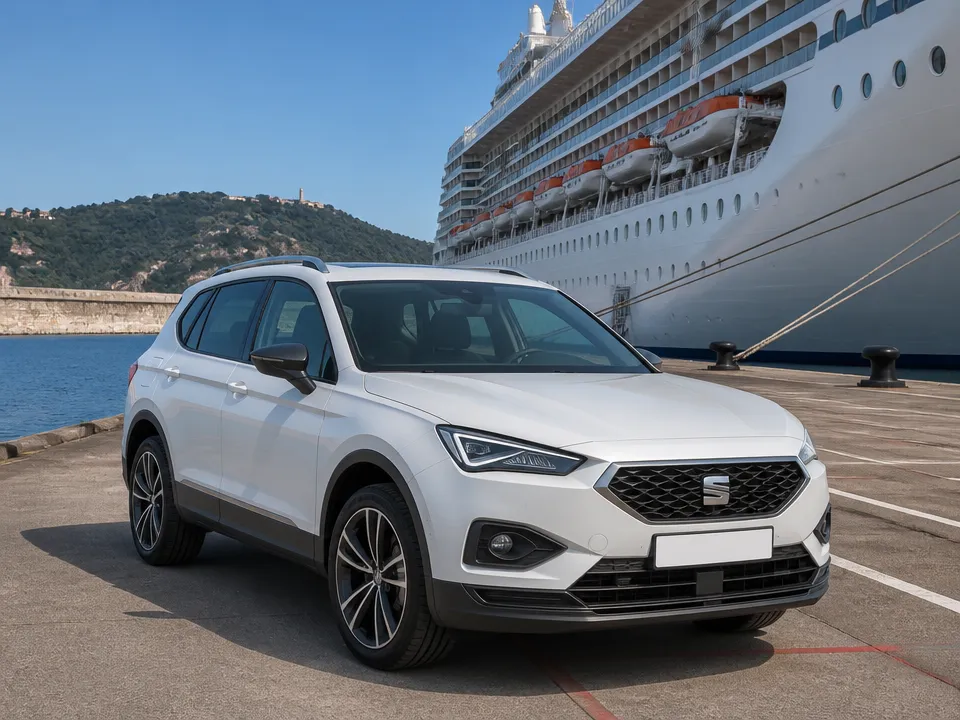
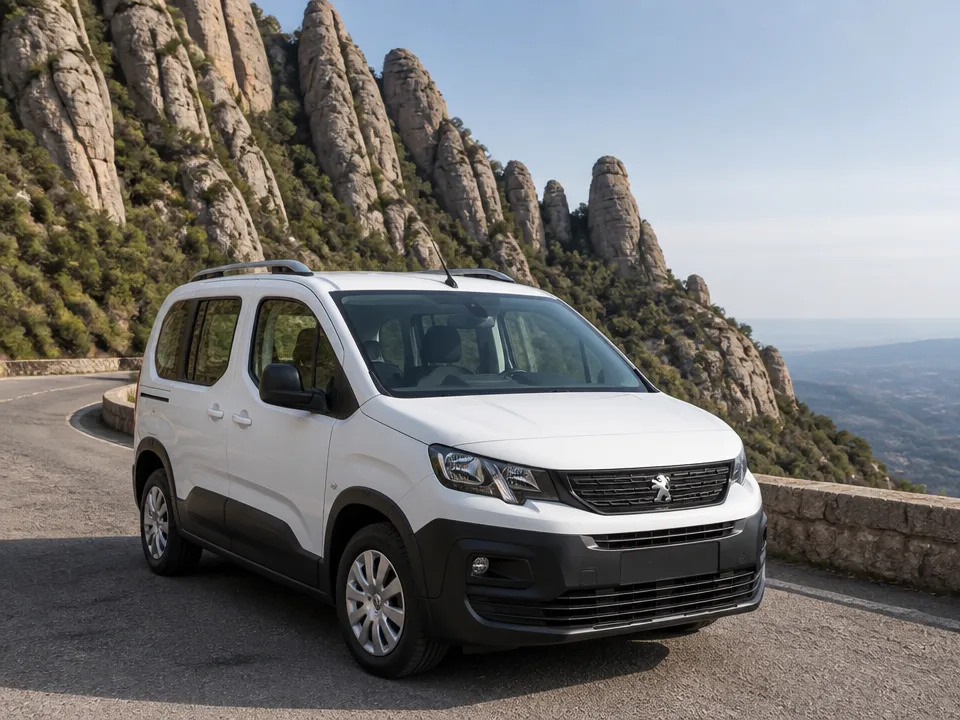
SUV starts at €42 with 13 cars and Minivans at €52 with 8 cars, including 7-seat options for a family trip. The Dacia Duster is the cheapest way into the class at €42/day — 1.2 L, 130 hp, petrol or LPG, and front-wheel or 4x4 drive. Above it sit the Nissan Qashqai and Kia Sportage at €48 and €50, both hybrids with 140 and 150 hp. For seven seats the choice narrows to the Peugeot Rifter at €55/day and the Dacia Jogger at €56/day, plus the Nissan X-Trail at €60. Only a handful of 7-seat cars sit on this page, so if your group is six or seven, book early. A roof box is not part of the deal — pack to the boot you actually get.
Automatic gearboxes sit higher in the range here, so if you want one, say so when the booking is agreed.
Rates on this page run from €38 to €72 per day across four classes, and the class you pick decides both the daily figure and how the car behaves on the C-32 and the C-31 towards Sitges. Longer bookings are priced as weekly from €228 and monthly from €798.
Prices run from €38 to €72 per day, weekly from €228 and monthly from €798. The weekly figure is the daily rate multiplied by six, and the monthly figure is the daily rate multiplied by twenty-one — so a seven-day booking and a thirty-day booking are both charged on the cheaper multiplier rather than on the full number of days. A long weekend in Sitges therefore sits at the low end of the range, while a full month of commuting between the city and the Garraf coast sits at the top of the discount structure. Work out your own trip length before you book, because the multiplier only helps once your dates cross the weekly or monthly threshold. In our practice, travellers who add two extra days to reach a full week almost always pay less than they would for five separate days.
| Class | Cars | From, per day | Typical models |
|---|---|---|---|
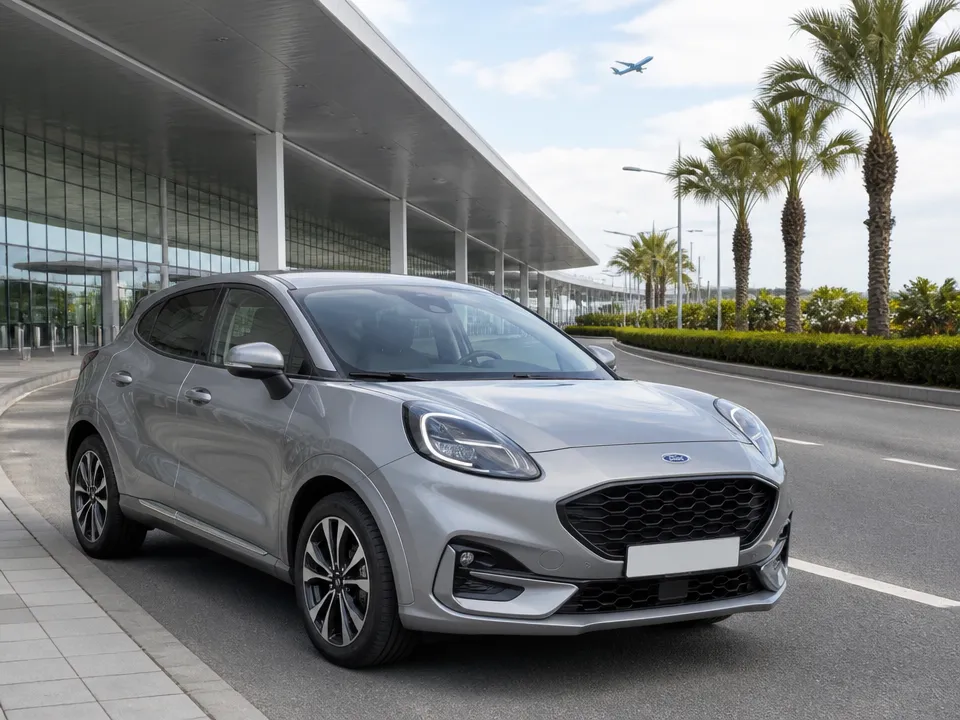
| Crossover | 13 | €38 | Citroen C3 Aircross, MG ZS, Seat Arona, Ford Puma |
| Comfort | 10 | €40 | Citroen C4, Ford Focus, Hyundai i30, Kia Ceed |
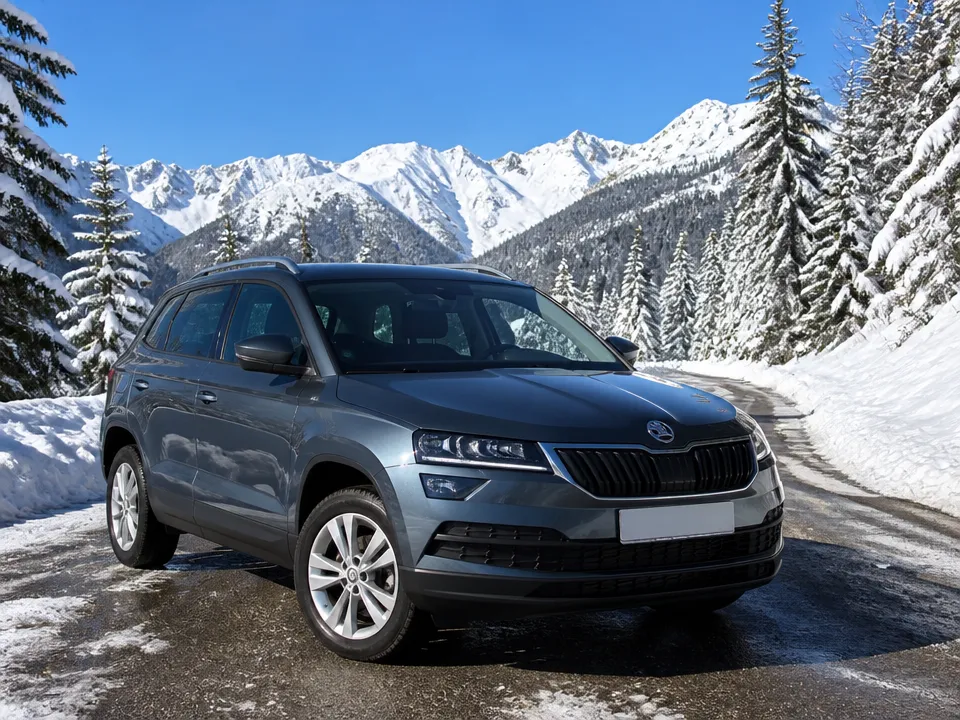
| SUV | 13 | €42 | Dacia Duster, Nissan Qashqai, Skoda Karoq, Kia Sportage |
| Minivans | 8 | €52 | Citroen Berlingo, Peugeot Rifter, Dacia Jogger |
Deposit, excess and any delivery fees are set out in the rental agreement rather than quoted here, and the manager confirms them when the booking is agreed. If your dates are fixed, compare the class rate against the weekly multiplier before you commit — on a nine-day trip the saving is often enough to move up a class.
We hand the car over at the point you agree when booking, and the booking itself is confirmed with a manager before you travel. That single arrangement covers most of what travellers ask about picking up a car for the drive south.
We deliver the car to you, so the meeting point is settled in the booking rather than fixed at a counter. In practice the places travellers name most often are Josep Tarradellas Barcelona–El Prat Airport, Barcelona Sants railway station, the Port of Barcelona cruise terminals at Moll Adossat and the Fira de Barcelona Gran Via exhibition halls. The exact address, the hour and the person meeting you are settled with the manager, and we confirm the details in writing before the day. Nothing on this page replaces that confirmation — it is the only version of the hand-over that counts. Ask for a slot before the morning rush if you want to leave the city without sitting in traffic on the Rondes.
Every booking is agreed with a manager, so the car, the dates and the meeting point are settled before you travel. You tell us the dates, the class and how many people are travelling; the manager checks what is free among the 44 cars on this page and comes back with the confirmation. Crossover, SUV, Comfort and Minivans are all on this page, but the 7-seat Minivans are only a handful of the total, so a family booking needs to be agreed early rather than the day before. The same conversation sets the drop-off time and whether you return the car to the same point.
Walk round the car before you drive off and have every scratch and dent written into the agreement or the inspection sheet, signed by both sides, with a copy for you. That sheet is what protects you from a damage claim later.
The drive from Barcelona to Sitges is short enough to treat as a day trip and long enough to reward having your own car: the C-32 autopista and the coastal C-31 both run south-west along the Garraf coast, and the distance is roughly 35 km. With a car hired for a trip to Sitges, you leave when you want, stop where the view is good, and keep the boot for beach gear. A manager agrees the hand-over point when you book, so the route starts wherever suits you.
The C-32 between the city and Sitges is a tolled motorway, and the Túnels de Vallvidrera carry their own charge — budget for the peaje in cash or by card at the barrier. Traffic out of the city builds from about 07:30 on weekdays and again after 18:00, so a mid-morning departure on a Saturday is the quietest window. The Zona de Bajas Emisiones Rondas de Barcelona (ZBE Rondes BCN) covers more than 95 km² of the municipality and applies on working days, Monday to Friday, so check the environmental badge on the windscreen before you set off. In our experience, drivers who leave after 10:00 reach Sitges in well under an hour.
Sitges is compact and its seafront streets fill early in summer, so plan where the car sleeps. The blue AREA Blava zones charge €2.25–€2.50 an hour and are enforced on working days; the large car parks at the station and on the town's edge cost less for a full day. If you are staying overnight, ask your accommodation about a resident or hotel space before you drive down — the difference between a garage place and circling the centre for half an hour is the whole point of having your own car.
Spain drives on the right, and every car in our fleet is left-hand drive — the C-32 and C-31 out to Sitges follow that same right-hand pattern, so nothing about the motorway feels reversed on your first kilometres.
| Road type | Limit for cars |
|---|---|
| Autopista / autovía | 120 km/h |
| Ordinary out-of-town road (carretera convencional) | 90 km/h, or 100 km/h where the road owner raises it |
| City street, single carriageway each way | 30 km/h |
| City street, two or more lanes one way | 50 km/h |
| Rondes B-10 and B-20 inside the city | 80 km/h |
We keep the terms of your own booking — deposit, excess and any fees — in the rental agreement rather than on this page, because those sit with the class of car and are confirmed when the booking is agreed with a manager. In our experience the two things that actually cost visitors money on this run are the phone and the ZBE badge, not the motorway itself.
Compulsory third-party cover is included in every hire by Spanish law, so you are never driving uninsured. What sits above it — the excess, the waivers, the deposit — is where the real money lives, and that is what we walk through with you before the car is handed over.
Seguro Obligatorio de Responsabilidad Civil covers harm to third parties, not the car and not the driver, and the legal limits are 70,000,000 EUR per incident for personal injury however many people are hurt, and 15,000,000 EUR for property damage. It stays valid even if the person behind the wheel was not named in the rental agreement. Above that, CDW removes your liability for damage to the car itself after a collision with another vehicle or an object, except for the franquicia. Theft Protection covers full or partial theft and vandalism, again minus the excess. SCDW and SPCDW buy down part or all of the collision excess; STHW and SPTHW do the same for the theft excess, and neither works if the waiver underneath was not taken or an exclusion applied. Glass and tyres usually sit outside base CDW, so WWI is a separate option. The exact excess figure depends on the class of car and is printed in the rental agreement — read it before you sign, because the franquicia appears there whether or not you bought the buy-down.
Under Spanish consumer rules, the advertised price must already include every compulsory charge you cannot legally drive without. The same rules require every scratch and dent to be written into the agreement or the inspection sheet before you drive away, signed by both sides, with a copy for you; without that record, damage found later lands on the renter. On our side, the delivery point, the hand-over time and the paperwork for your Sitges car rental are agreed with a manager when you book, so nothing is settled at the kerb.
Three things decide whether the trip works: the class you book, the point where the car is handed over, and how early you sort both out. Everything else — fuel, parking, the drive itself — follows from those. Here is what we would tell a friend planning the run down to Sitges.
The route to Sitges is short, but two things catch visitors out. The ZBE Rondes de Barcelona covers more than 95 km² — the whole municipality apart from the Zona Franca industrial area and the Vallvidrera – el Tibidabo i les Planes neighbourhood — and applies on working days, Monday to Friday. Cars with foreign plates need prior registration in the Registre metropolità de vehicles estrangers. Paid parking in the city runs at €2.5 an hour in AREA Blava A and €2.25 in AREA Blava B, and the Túnels de Vallvidrera on the C-16 out towards Sant Cugat costs €4.7 for a car.
Book the class you actually need rather than the cheapest one on the page. Of the 44 cars here, only a handful carry seven seats, and families travelling together tend to leave that decision to the last week. Pick the model, agree the hand-over, read the agreement — then the drive down the coast is the easy part.
Daily prices on this page run from €38 to €72. The cars listed at €38 per day are the Citroen C3 Aircross, the MG ZS at €39 per day and the Citroen C4 at €40 per day.
EU and EEA licences, including Iceland, Liechtenstein and Norway, are fully valid in Spain while they remain in force, and nothing further is needed. An international driving permit is not required for them.
The ZBE Rondes de Barcelona operates on working days, Monday to Friday, from 07:00 to 20:00. On Saturdays, Sundays and public holidays the restriction does not apply. Vehicles without a DGT environmental badge are not allowed.