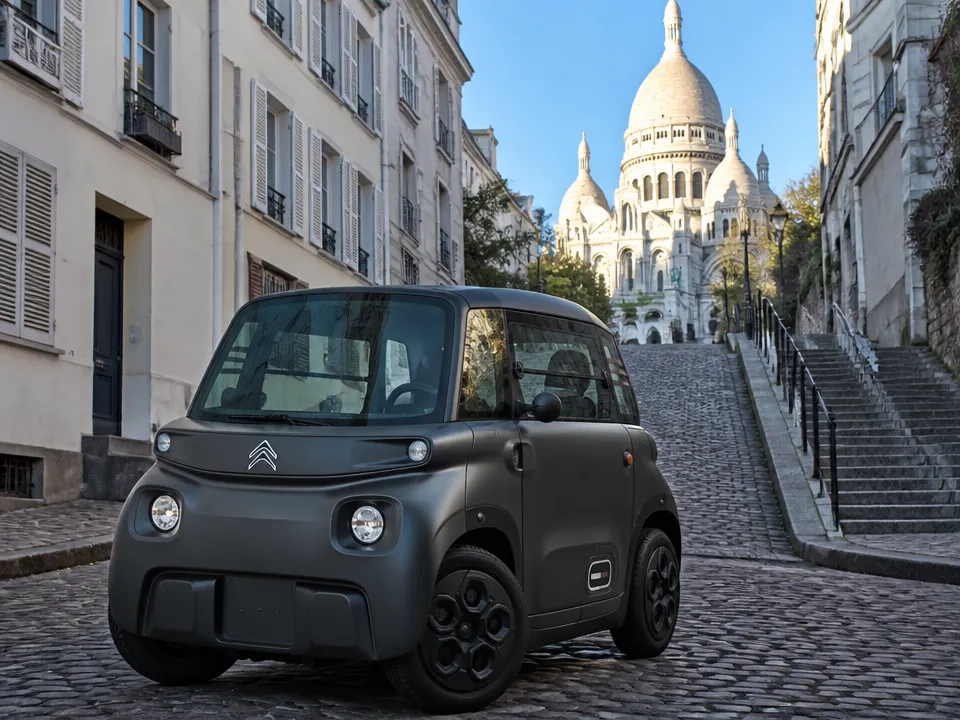
Citroen Ami, Economy
★4.4· 69Automatic5.5 kWh8 hpFront-wheel2 seats
€29per day
Book now




No cars match the selected filters. Remove some of the conditions.


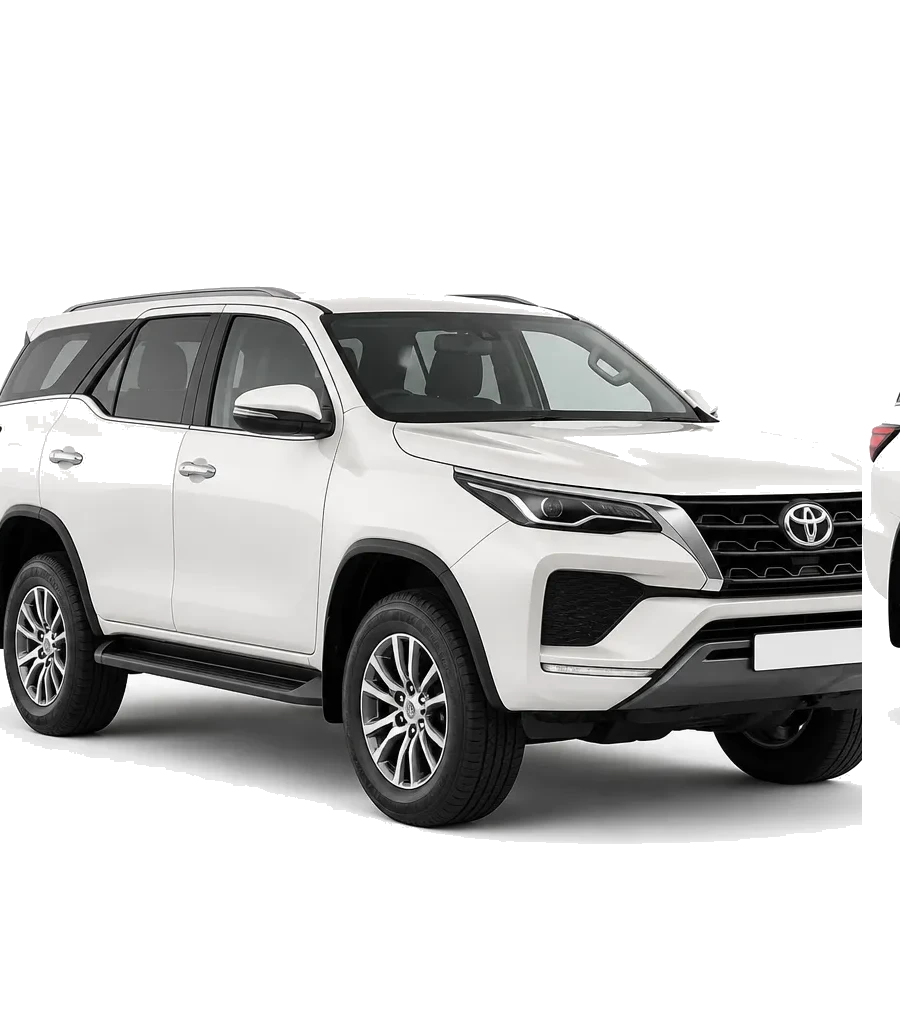
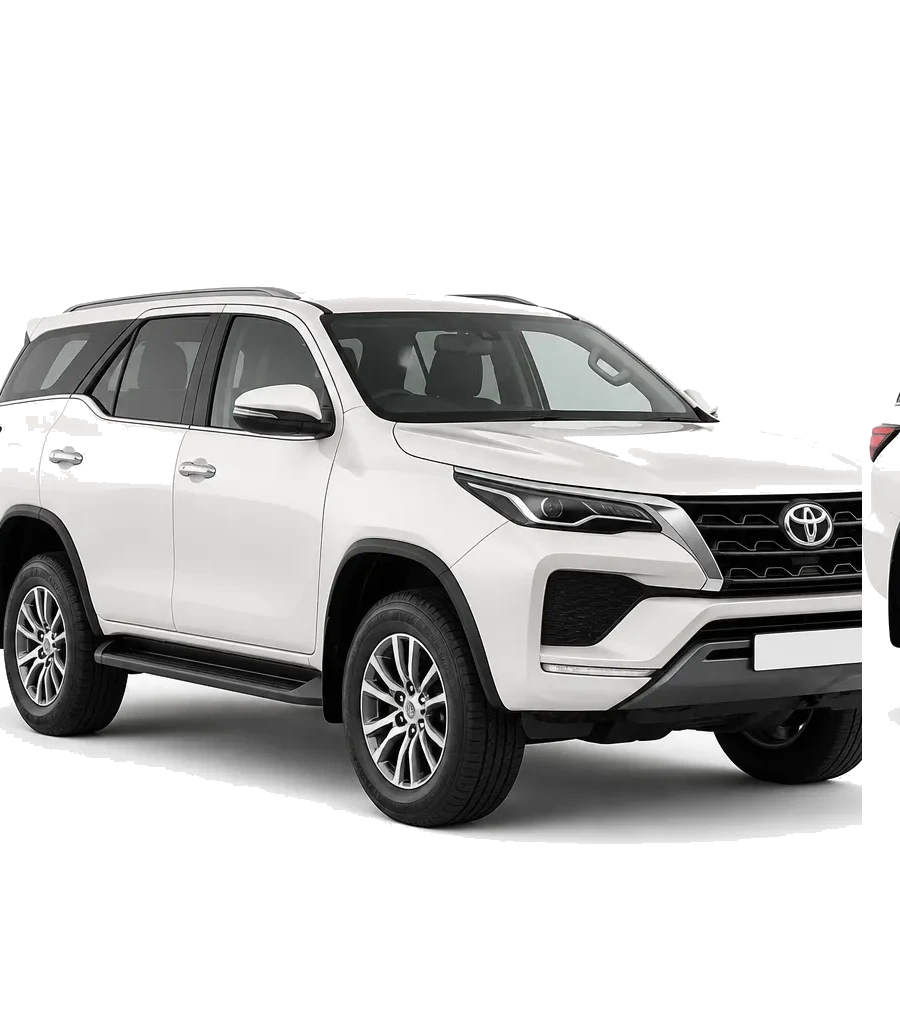

Daily prices on this page in Paris run from €29 to €75. Examples are the Citroen Ami at €29 per day, the Renault Twingo at €35 per day and the Fiat Panda Hybrid at €39 per day.
EU and EEA licences are valid in France with no time limit and no exchange while they stay valid. Drivers from outside the EU and EEA may use their national licence; if it is not in Latin script, an official translation or an IDP is needed with it.
The ZFE de la Métropole du Grand Paris covers the area inside the A86 motorway, the A86 itself excluded, including the boulevard périphérique and the Bois de Boulogne and Vincennes. A Crit'Air sticker is required; Crit'Air 5, 4, 3 and unclassified vehicles are banned.
If you need economy car rental in Paris, Rent-Trip has 15 economy cars from €29 per day, with weekly rates from €174 and monthly rates from €609. We deliver the car to you anywhere in Paris, and every booking is agreed with a manager — the hand-over details are set out in the rental agreement.
Economy car rental in Paris with Rent-Trip means 15 cars from €29 to €75 per day, with weekly from €174 and monthly from €609. The class runs from a two-seat electric microcar to a five-seat automatic hybrid.
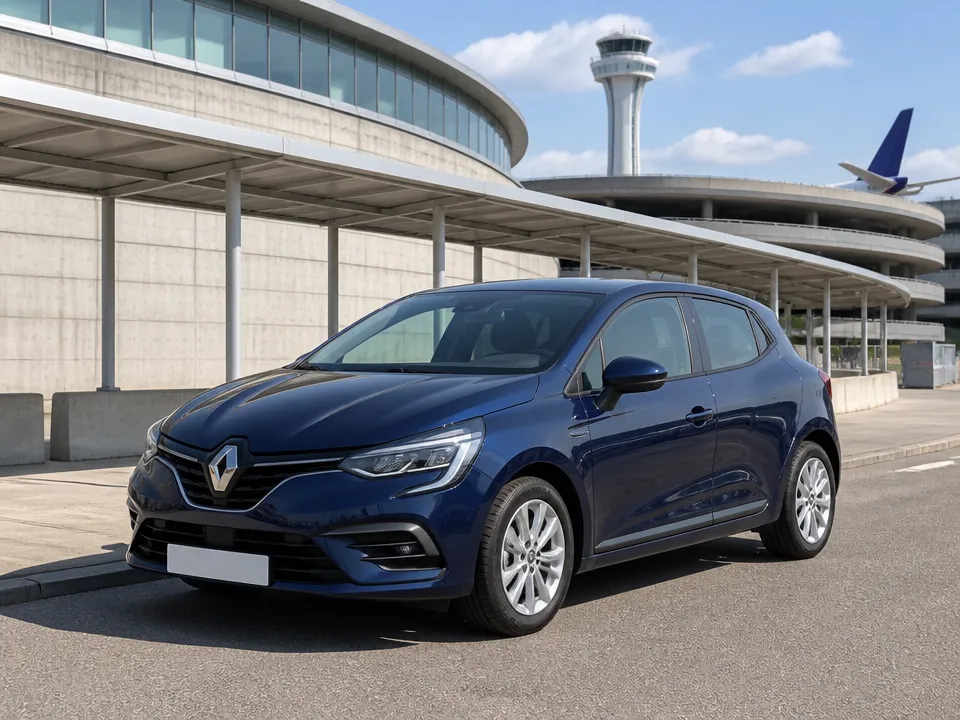
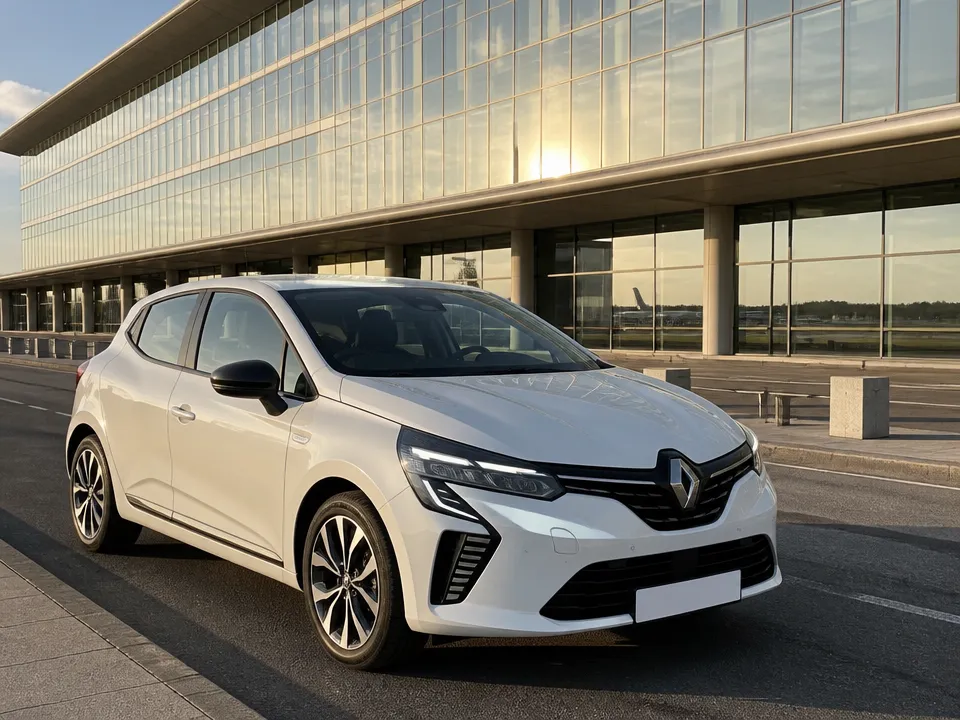
Our economy car rental starts at €29 per day and runs to €75, with weekly from €174 and monthly from €609. The Citroen Ami sits at the bottom at €29, the Renault Twingo at €35, and a cluster of five-seaters — Fiat Panda Hybrid, Kia Picanto and Toyota Aygo X — all land at €39. The top of the class is the automatic Renault Clio E-Tech Hybrid at €75. Weekly is daily x 6 and monthly is daily x 21, so a longer booking changes the total, not the daily band.
| Model | Seats | Fuel | Gearbox | € per day |
|---|---|---|---|---|
| Citroen Ami | 2 | Electric | Automatic | €29 |
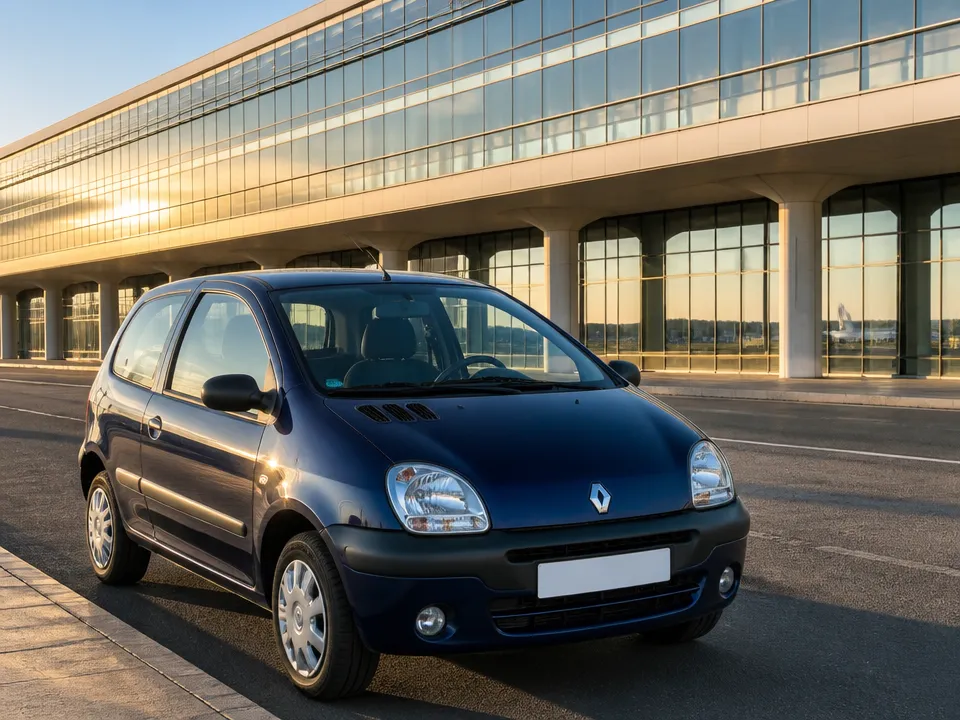
| Renault Twingo | 4 | Gasoline | Manual | €35 |
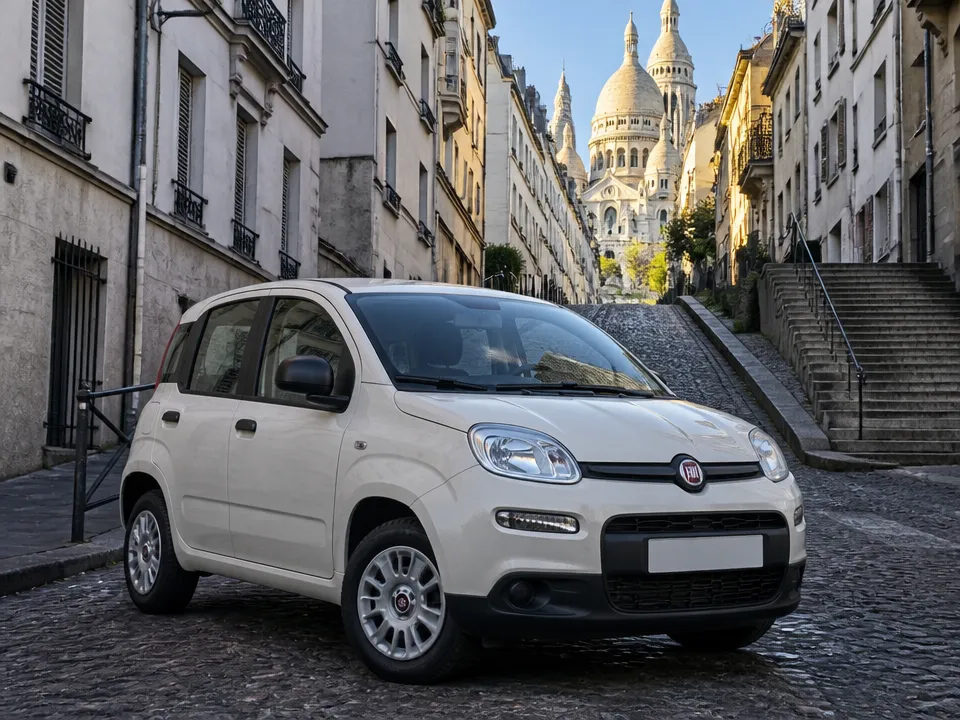
| Fiat Panda Hybrid | 5 | Hybrid | Manual | €39 |
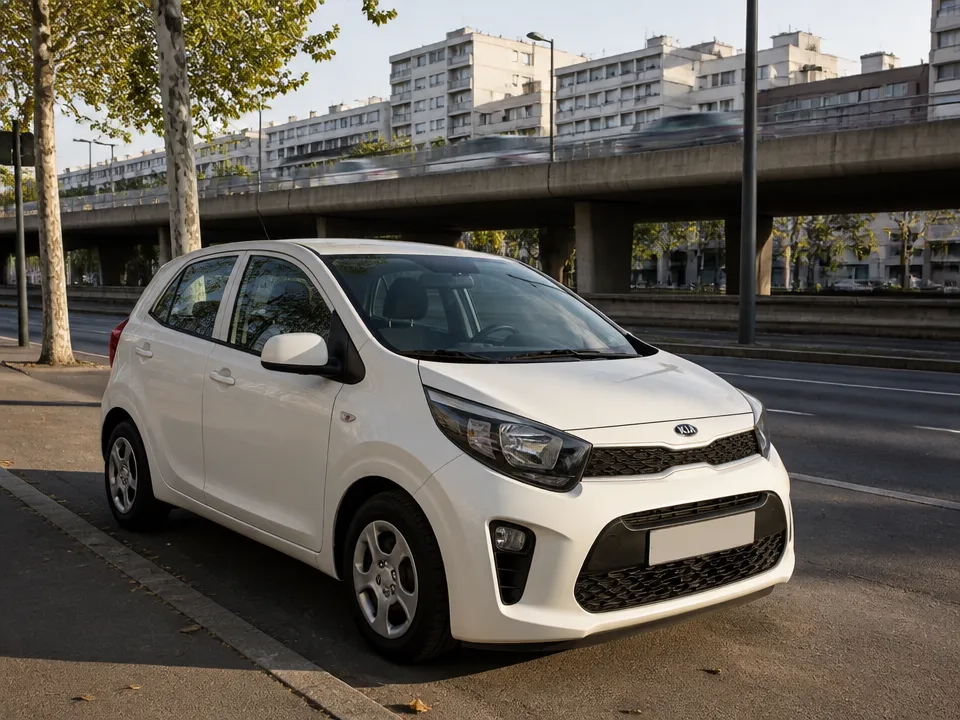
| Kia Picanto | 5 | Gasoline | Manual | €39 |
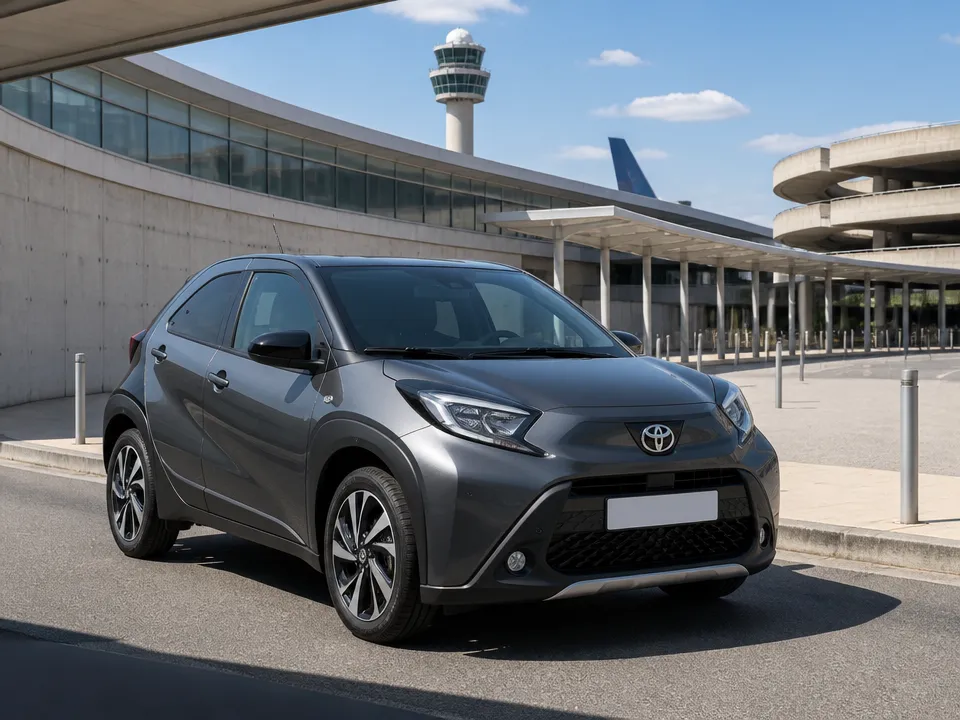
| Toyota Aygo X | 5 | Gasoline | Manual | €39 |
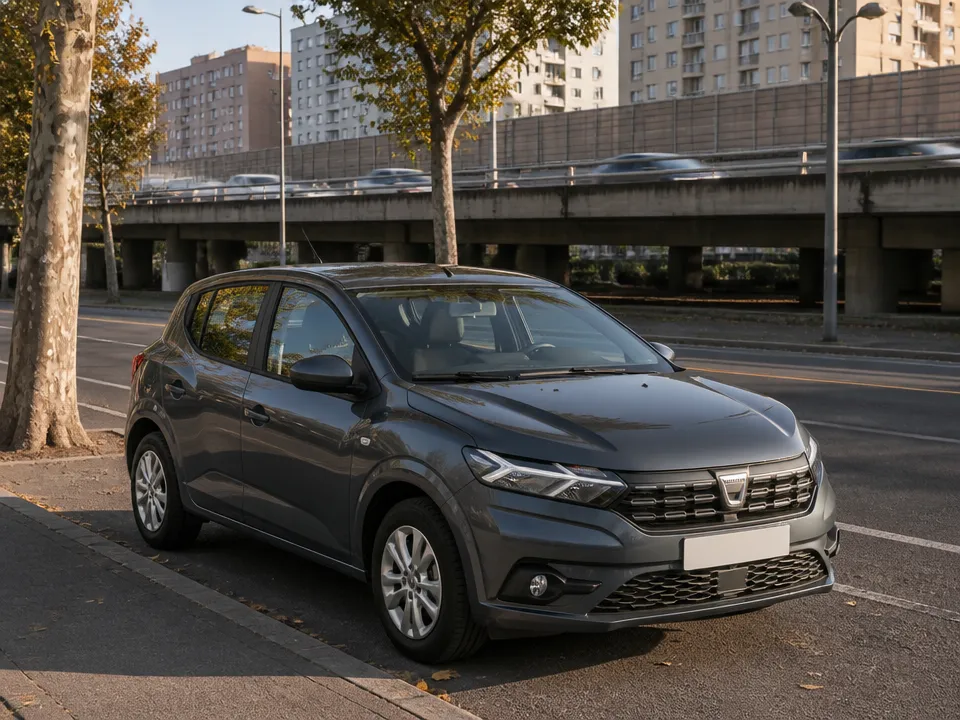
| Dacia Sandero | 5 | Gasoline | Manual | €42 |
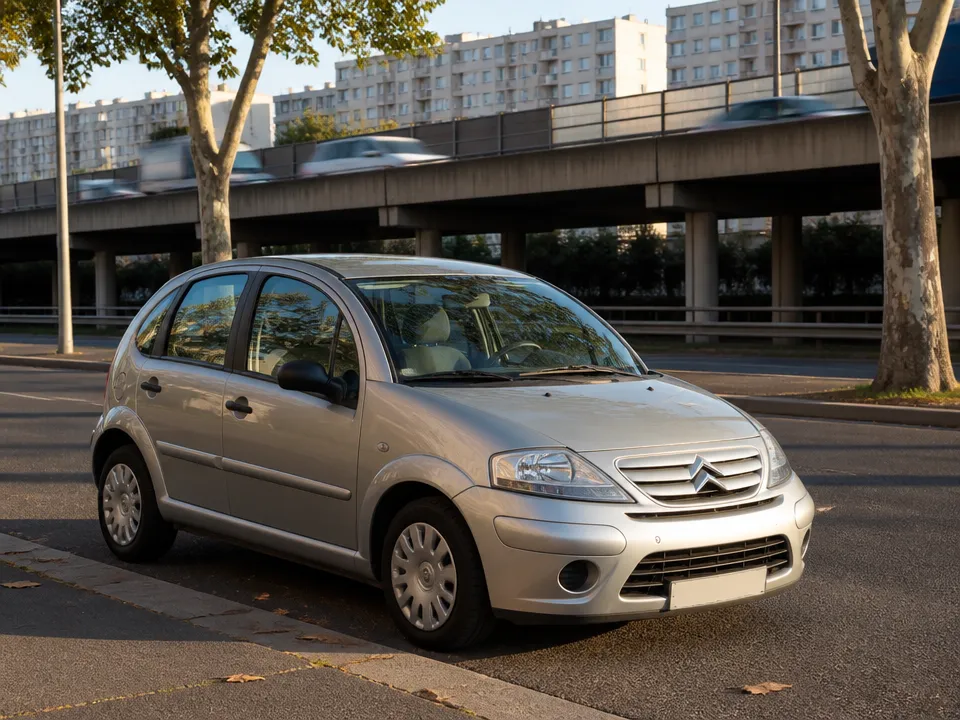
| Citroen C3 | 5 | Gasoline | Manual | €45 |
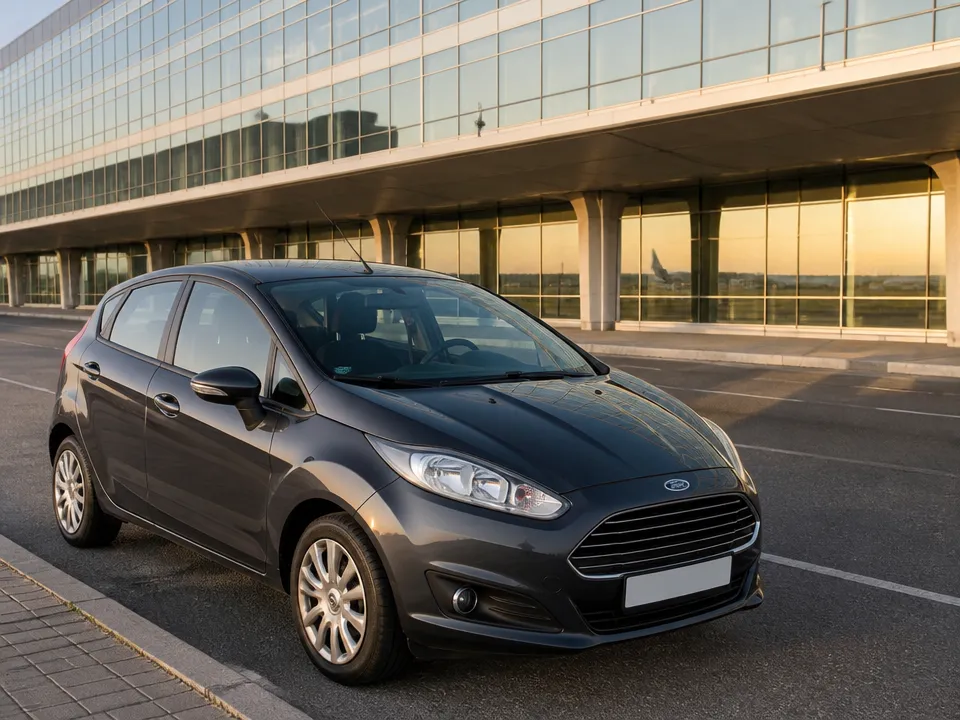
| Ford Fiesta | 5 | Gasoline | Manual | €45 |
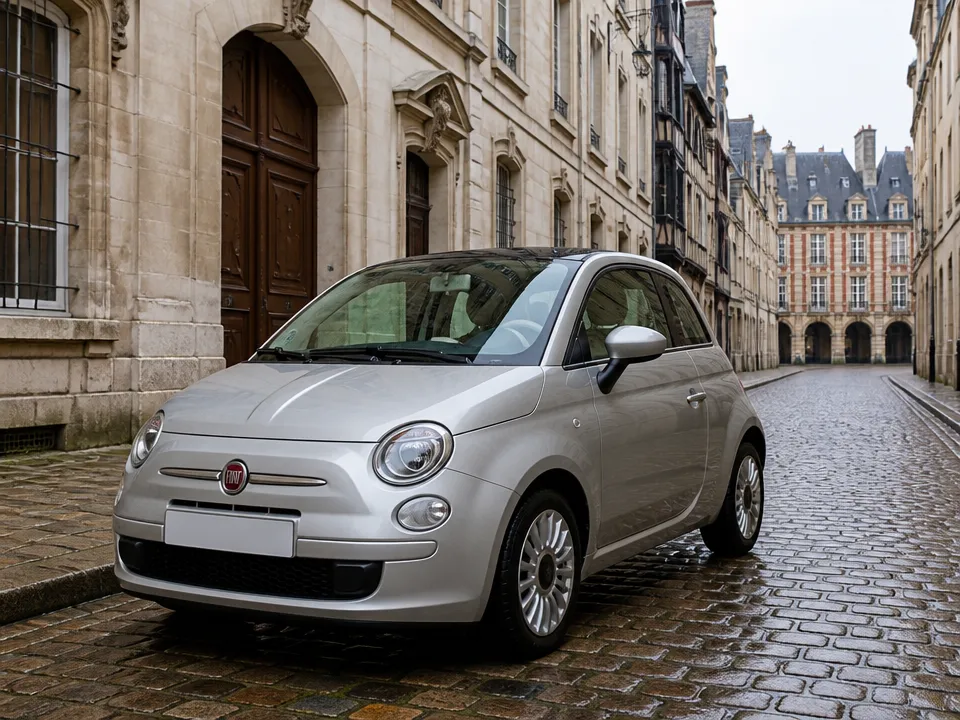
| Fiat 500 Hybrid | 4 | Hybrid | Manual | €49 |
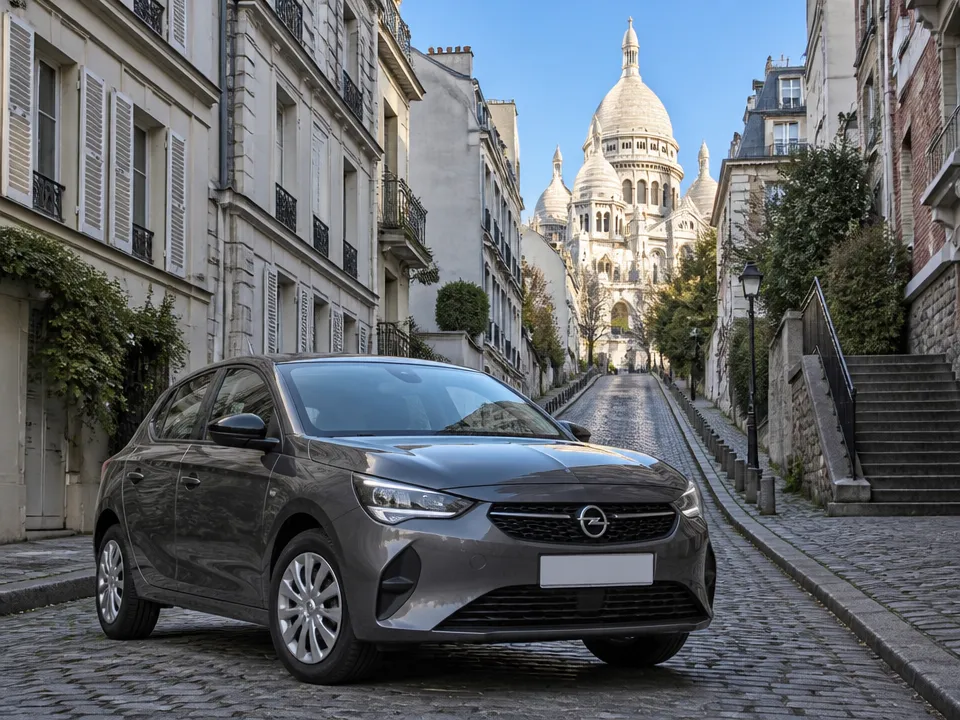
| Opel Corsa | 5 | Gasoline | Manual | €49 |
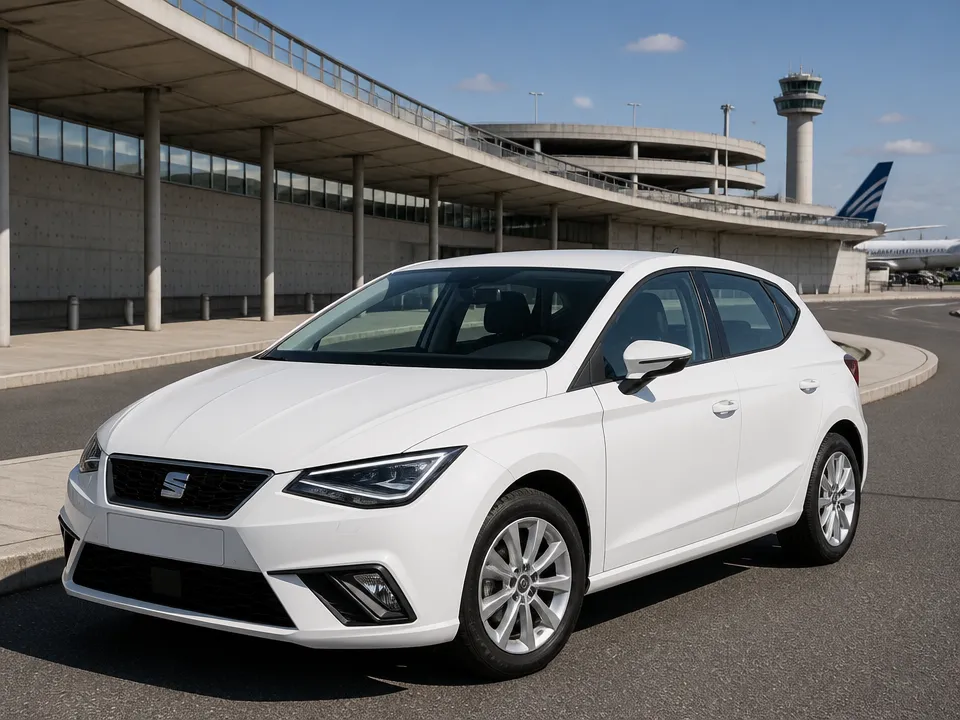
| Seat Ibiza | 5 | Gasoline | Manual | €49 |
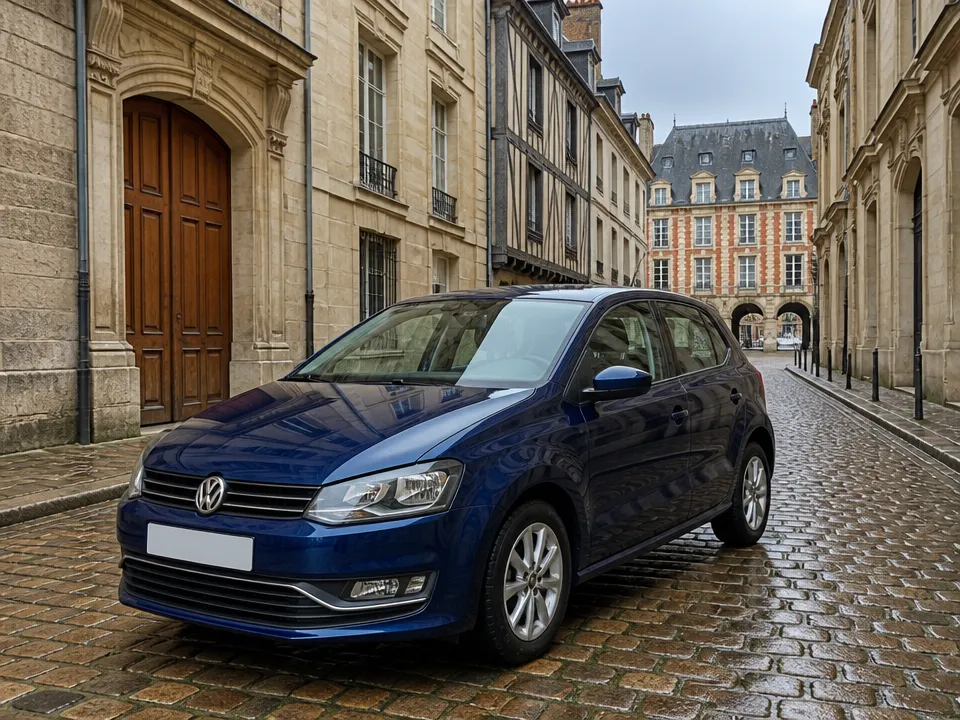
| Volkswagen Polo | 5 | Gasoline | Manual | €52 |
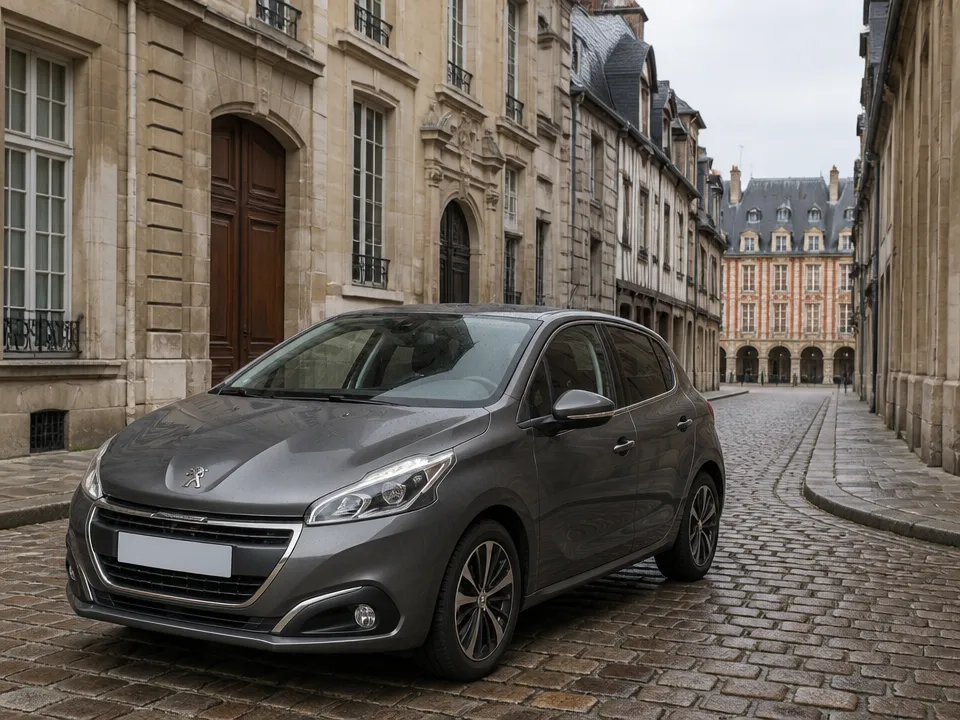
| Peugeot 208 | 5 | Gasoline | Manual | €69 |
| Renault Clio | 5 | Gasoline | Manual | €69 |
| Renault Clio E-Tech Hybrid | 5 | Hybrid | Automatic | €75 |
An economy car earns its place when your plans sit outside the centre or outside the city limits. For short hops inside the ring road, the metro does the job; for Versailles, Disneyland Paris or a Normandy run, our small hatchbacks start where the useful part of the trip begins.
| Trip type | Best-fit economy model | Seats | Fuel | Gearbox | From |
|---|---|---|---|---|---|
| Two people, short hops | Citroen Ami | 2 | Electric | Automatic | €29/day |
| Couple, city plus suburbs | Renault Twingo | 4 | Gasoline | Manual | €35/day |
| Family of four, day trips | Fiat Panda Hybrid | 5 | Hybrid | Manual | €39/day |
| Long run, low fuel bill | Toyota Aygo X | 5 | Gasoline | Manual | €39/day |
| Five up with luggage | Dacia Sandero | 5 | Gasoline | Manual | €42/day |
| Automatic, longer drive | Renault Clio E-Tech Hybrid | 5 | Hybrid | Automatic | €75/day |
The boulevard périphérique carries a 50 km/h limit since 1 October 2024, brought in by the city in stages, while the Code de la route allows up to 70 km/h on that road. In town the general limit is 50 km/h under Code de la route, art. R413-3, and the left lane of the périphérique between the Issy embankment and Porte de Bercy is reserved for cars with two or more occupants, Monday to Friday, 7:00–10:30 and 16:00–20:00. Driving with under three years on the licence means lower limits everywhere: 110 km/h on the motorway, 100 km/h on divided roads, 80 km/h elsewhere. Where the périphérique sign and the national rule disagree, follow the sign on the gantry.
Before you book, the paperwork decides whether the hand-over happens at all. French rules are specific about which licences are accepted, how old the licence must be and what a digital copy is worth.
The licence must have been issued more than 1 year ago, and a digital licence on your phone will not be accepted for economy car hire in the French capital. Holding a permis probatoire — the probationary period that runs for the first 3 years after passing — changes your speed limits rather than your eligibility: 110 km/h on motorways, 100 km/h on divided roads and 80 km/h elsewhere, against 130, 110 and 80 for a fully qualified driver, and the alcohol limit drops to 0.2 g/l of blood. The minimum age, any young-driver surcharge, the card and the passport are not a single national rule in France, so they are agreed when booking, and we confirm them with you before the car is reserved.
We agree the booking with a manager, so the document set is confirmed before anything is scheduled rather than at the last minute.
The 15 economy cars on this page split three ways by seat count, three ways by fuel and two ways by gearbox. Which combination suits you depends on how many people travel, how far you plan to drive and whether you want to shift gears yourself in city traffic.
Power across the class runs from 8 hp in the Ami to 145 hp in the Clio E-Tech Hybrid, and the spread is wider than the price band suggests. The 1.0-litre group — Twingo, Panda Hybrid, Picanto, Aygo X, Fiesta, Ibiza, Polo and Clio — sits between 63 hp and 100 hp, while the 1.2-litre Citroen C3, Opel Corsa and Peugeot 208 reach 83 hp to 100 hp. For short hops between the centre and the airports, that difference rarely shows; on a longer run out of the city it does.
Gearbox choice is the sharper trade-off. Manual dominates this class, and in France a manual car is the ordinary option, while an automatic is a separate and pricier category — here it costs €29 or €75 per day, nothing in between. If you cannot drive a manual, your choice is effectively two cars, so book early rather than assume an automatic will be free later.
A couple touring the city fits a Twingo or a 500 Hybrid comfortably, but five adults with luggage will not fit into a four-seater whatever the price. Check the seat count before the daily rate — swapping to a smaller car after booking is not something we can promise.
Weekly rates start at €174 and monthly at €609, which is daily x 6 and daily x 21 respectively, so the car you pick sets the multiplier that applies to it.
The ZFE de la Métropole du Grand Paris (Zone à Faibles Émissions) is the single rule most likely to catch an economy hire off guard, because it is enforced by a windscreen sticker rather than by a barrier or a toll booth.
The zone sits inside the A86 motorway, with the A86 itself excluded, and it takes in the boulevard périphérique plus the Bois de Boulogne and the Bois de Vincennes. Cars marked Crit'Air 5, Crit'Air 4, Crit'Air 3 and «Non classé» are barred from it. Crit'Air 3 has been restricted since 1 January 2025. The sticker, the vignette Crit'Air, must sit on the windscreen; without it, entry into the ZFE is formally prohibited. The restriction applies to the vehicle, not to who is driving it, so the same car is barred whoever holds the wheel.
The boulevard périphérique carries a 50 km/h limit from 1 October 2024, a decision by the city hall; the Code de la route permits up to 70 km/h on that road, so the lower sign is a municipal measure, not a national one. The left lane between the Issy embankment and Porte de Bercy, in both directions, is reserved for cars with two or more occupants, Monday to Friday 7:00–10:30 and 16:00–20:00. If you plan a trip into the Alps between 1 November and 31 March, the loi Montagne II winter-tyre rule applies in around 34 mountain departments — Île-de-France is not among them, but the destination is.
Before any economy car rental in Paris begins, three things get settled: how the car reaches you, what fuel policy applies, and what sits behind the deposit. All three are agreed with a manager when booking, so nothing is left to guesswork on the day.
The deposit and the excess are set out in the rental agreement — we do not quote a figure before the booking is confirmed. What the market calls the franchise is the fixed amount a renter pays personally if the car comes back damaged or is stolen; it is not a deductible you earn back, and it is fixed by the level of protection chosen. French rental practice splits protection into tiers: the base package includes responsabilité civile by law, plus collision damage protection and theft protection, both capped by that excess. A paid buy-back option reduces the excess, and the top tier brings it down to zero or close to it. Bank cards such as Visa Premier or Gold Mastercard often cover the excess if the rental was paid with that card and the holder is the main driver — worth checking with your bank before you travel, not at the counter.
Photograph the car yourself at collection and return, and the deposit is released when the keys come back.
An economy car earns its keep once your plans leave the city limits. We keep 15 economy cars from €29 to €75 per day, and a small hatchback handles a day trip to Versailles or the Champagne vineyards without the parking headache a larger car brings.
Toll tunnels cost extra: the Duplex A86, an underground link between Rueil-Malmaison, Vaucresson and Vélizy, runs about 10 km and charges €8.30 to €13.70 for a class 1 car from Monday to Thursday depending on the hour. The 2-seat Citroen Ami at €29 per day is the cheapest way into the class, though its 5.5 kWh battery and 8 hp suit short hops rather than a motorway run. From 1 November to 31 March winter tyres or chains are compulsory in roughly 34 mountain departments — the Alps, Pyrenees, Massif Central, Jura, Vosges and Corsica — covering more than 4,000 communes named by prefects. Paris and Île-de-France are not among them, so the rule never applies to a booking made here, but it does apply the moment an Alpine trip enters the plan. A missing set costs €135 and the car can be immobilised.
Longer bookings are priced by the multiplier, not by a flat discount: weekly from €174 and monthly from €609, so a five-day Champagne run is still charged at the daily band. We agree the booking with a manager, which is where the delivery point and the timing of the hand-over are settled. Tell the manager which day trips you have in mind — an automatic gearbox matters on the périphérique at 50 km/h in stop-start traffic, while a manual keeps the daily rate lower for open-road routes. Our fleet sits in Paris and the car comes to you, so the first leg of any day trip is agreed when booking.