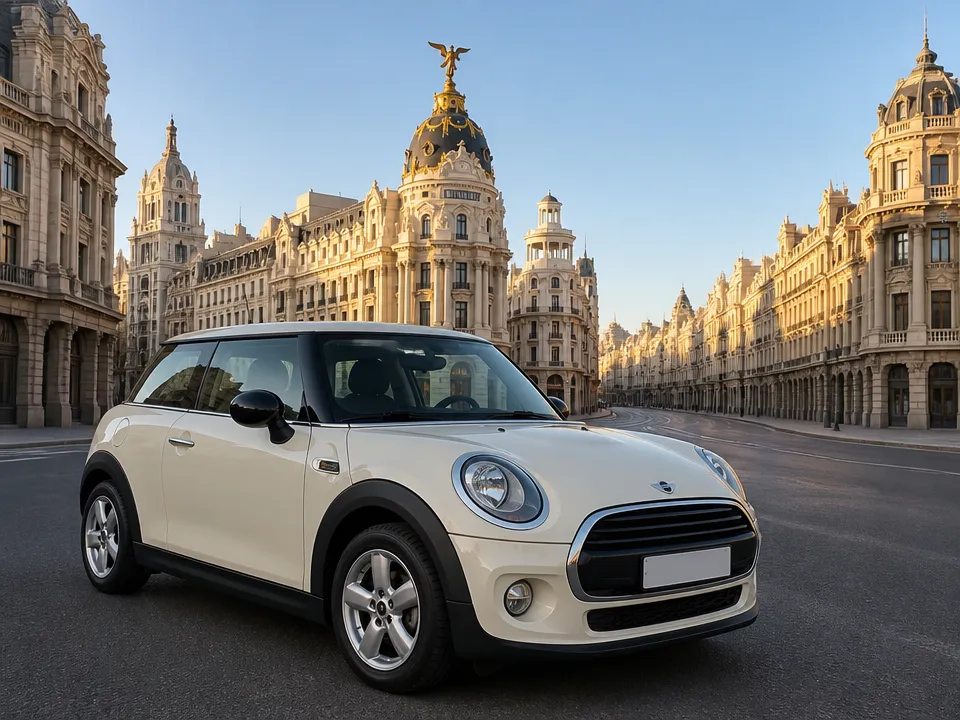
Mini One
★4.6· 70Manual1.5 L102 hpFront-wheel4 seats
€41per day
Book now






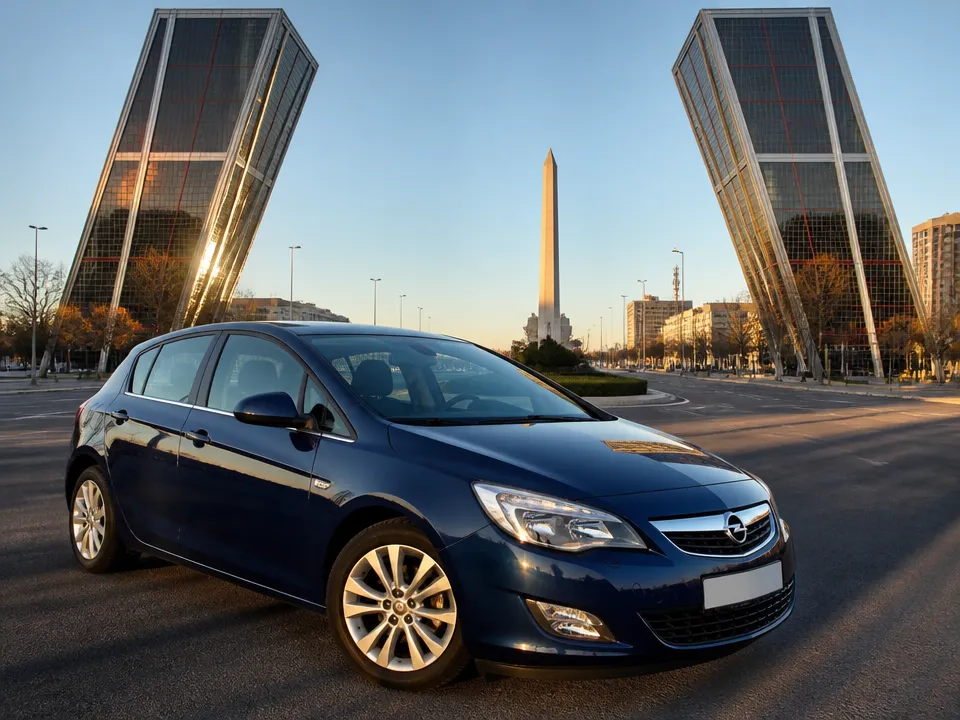
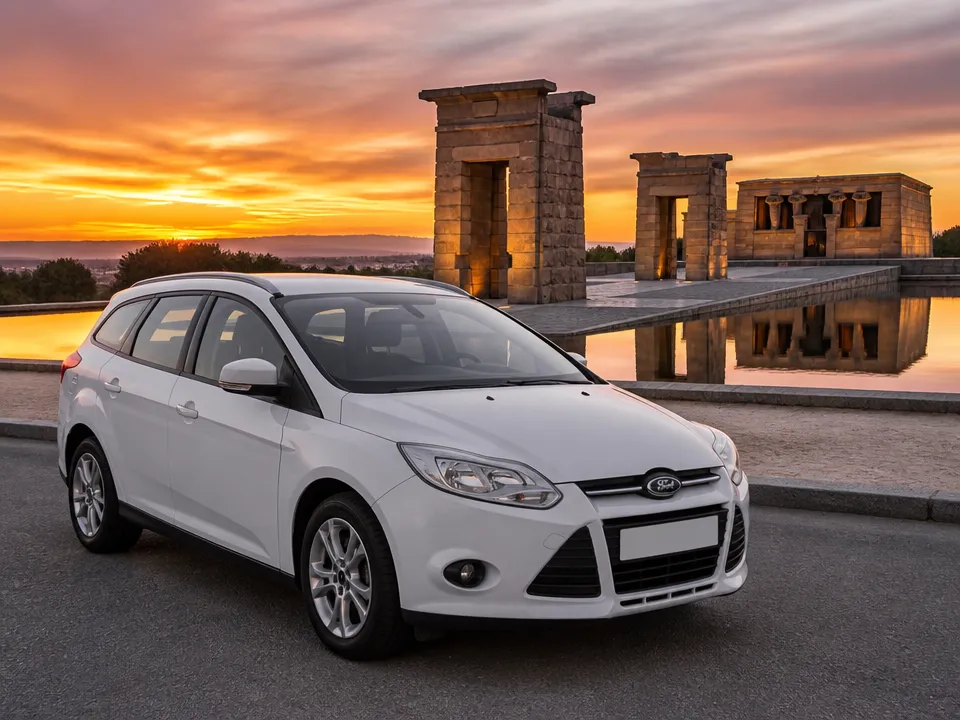
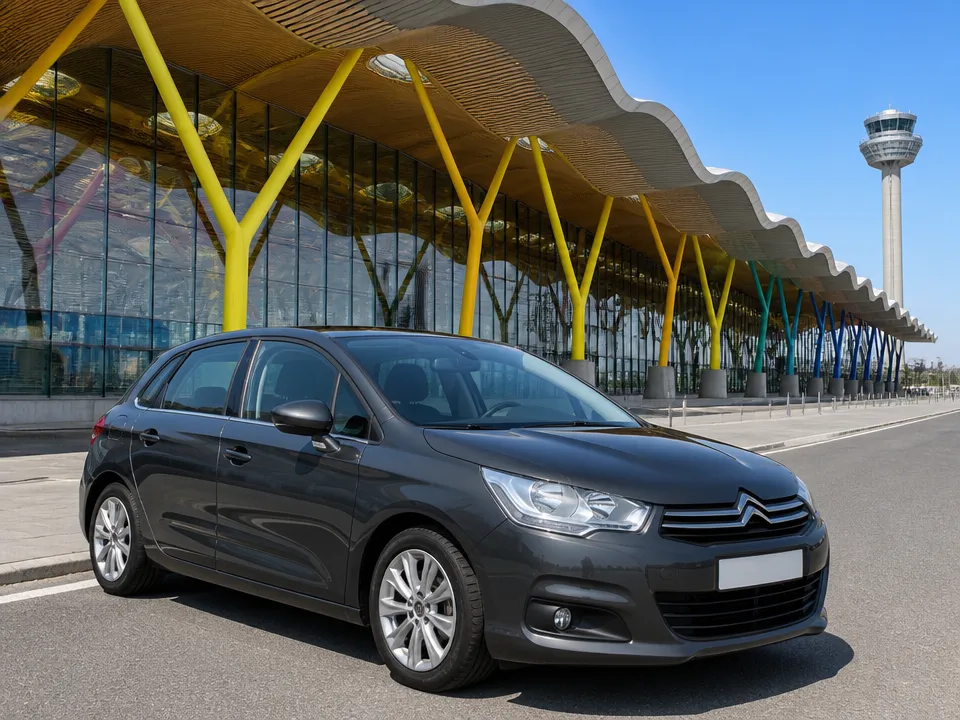
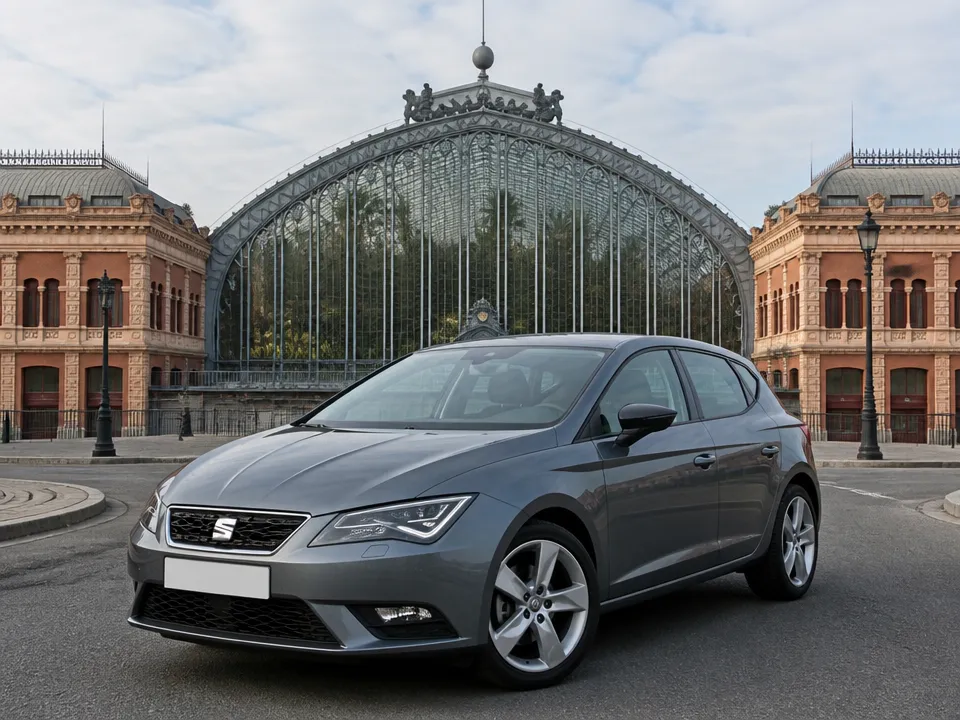
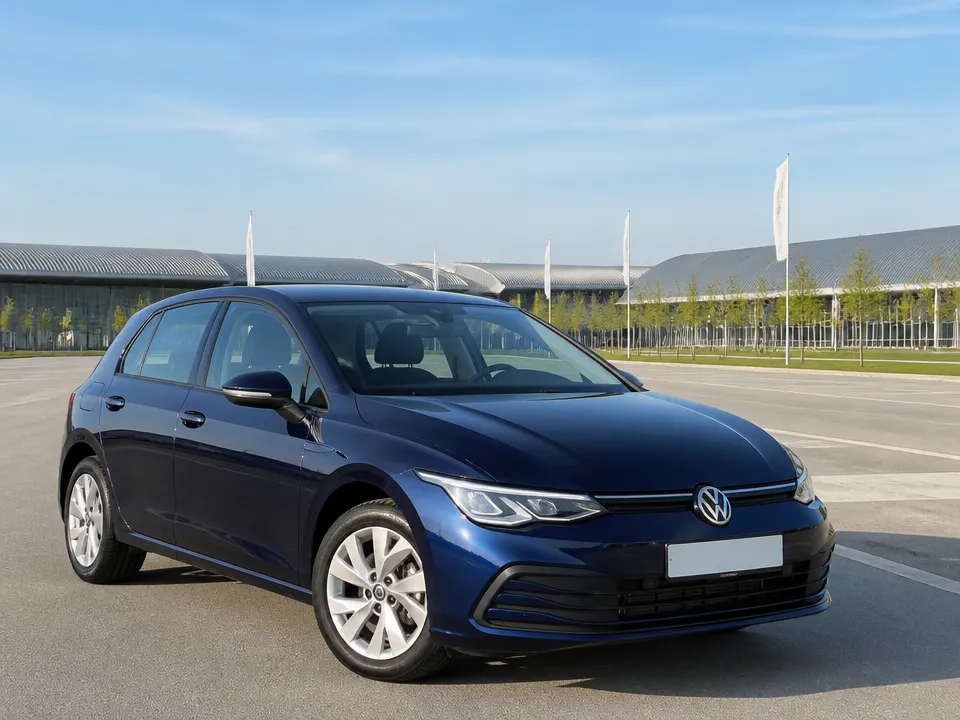
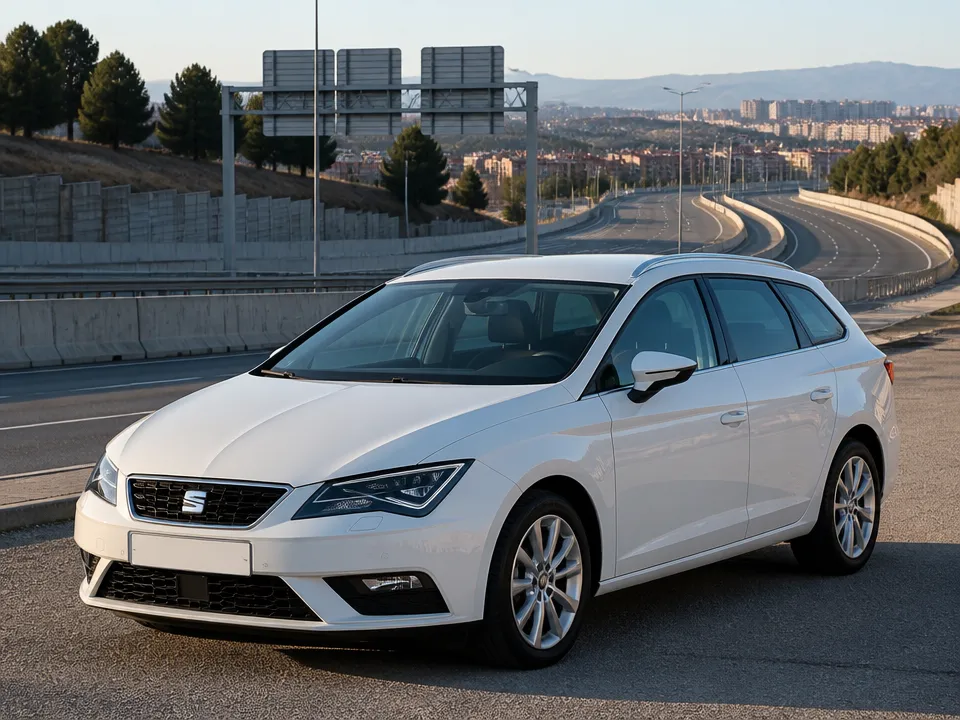
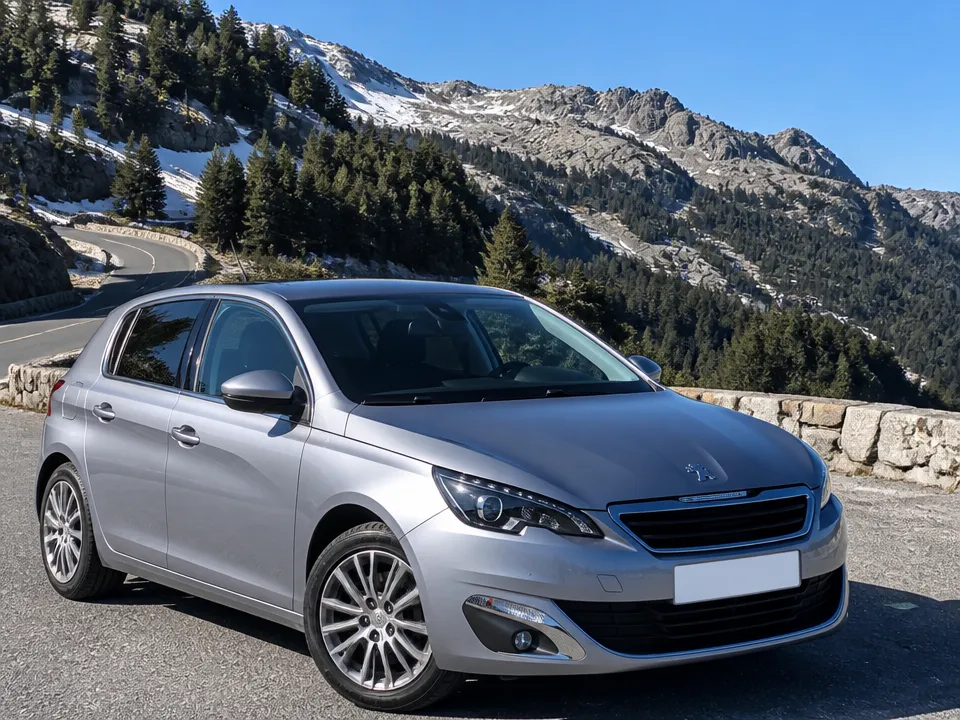
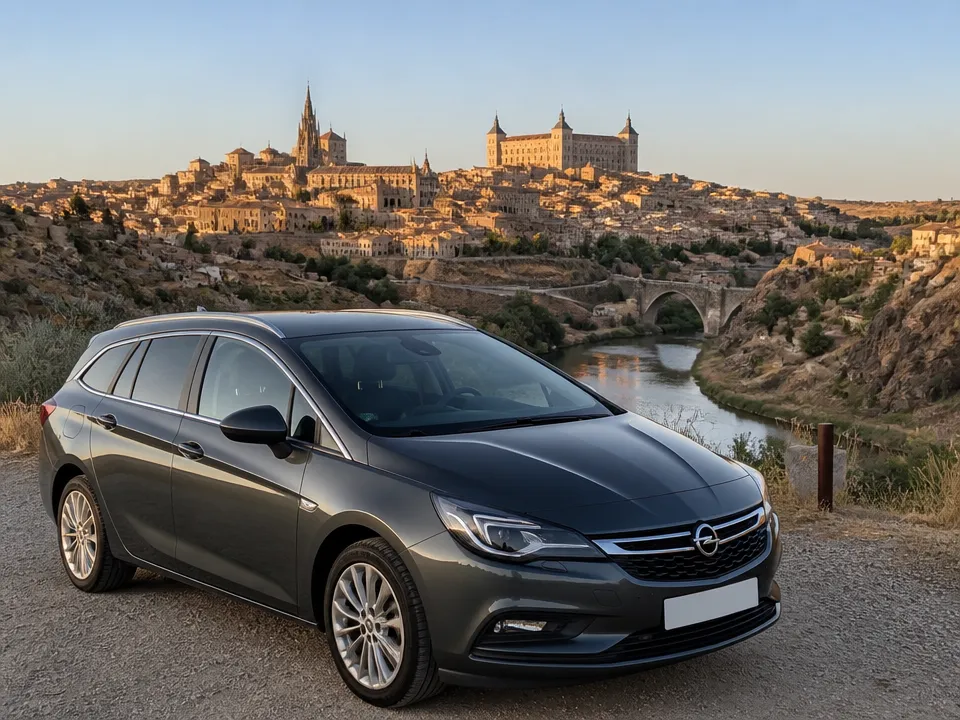
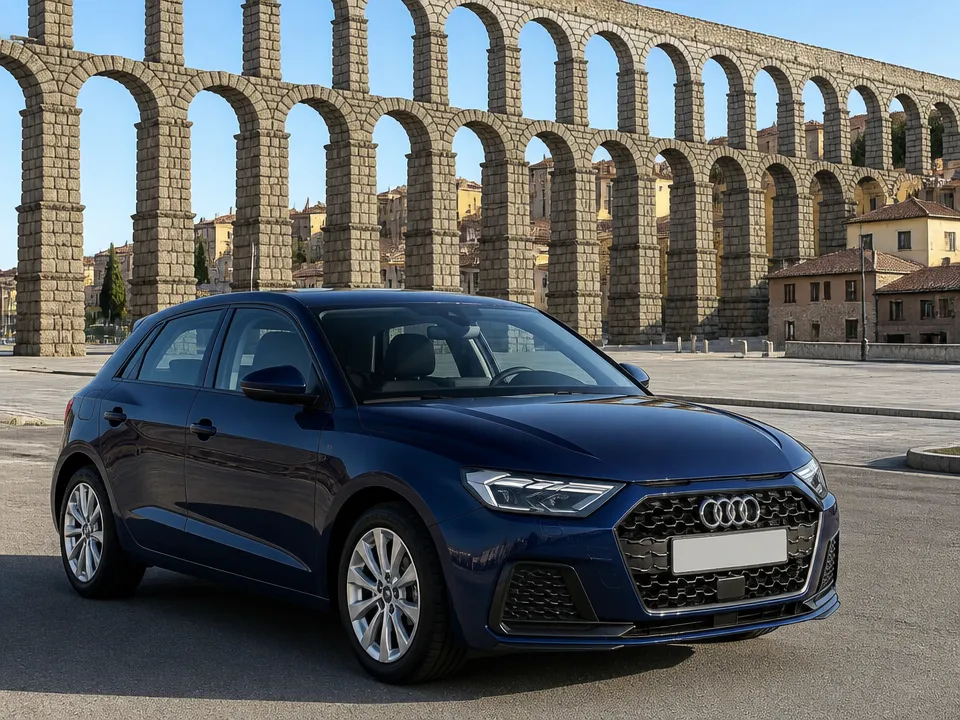
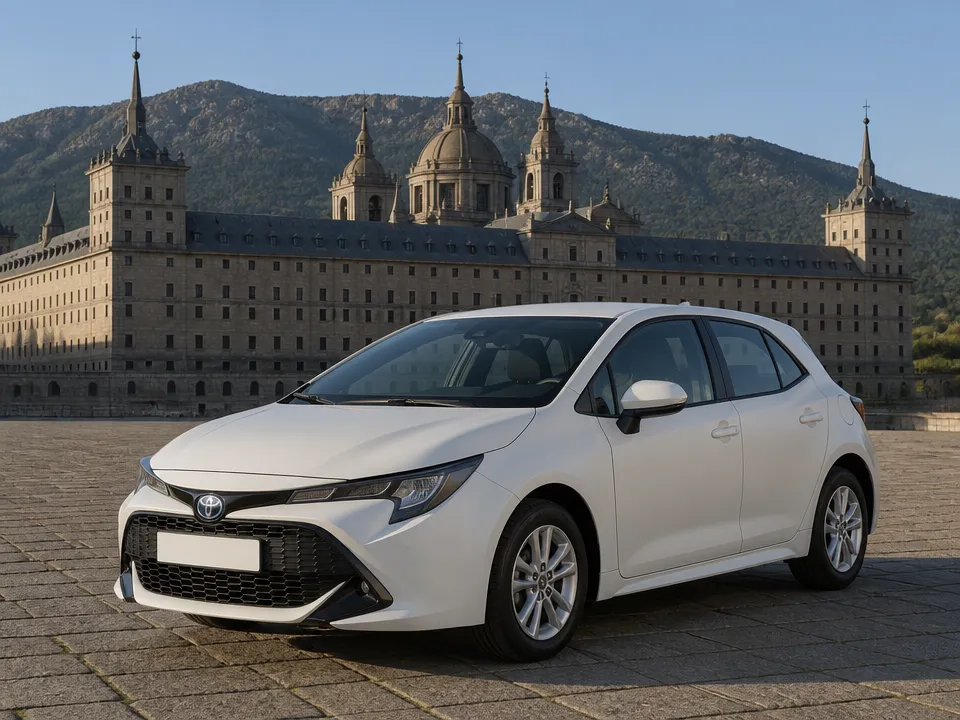
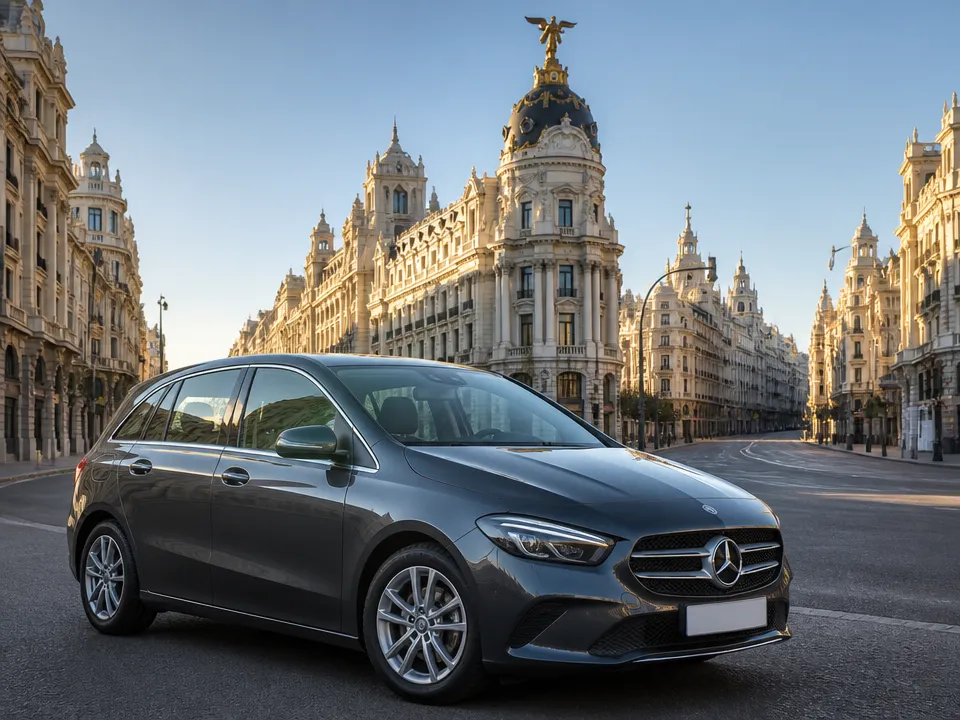
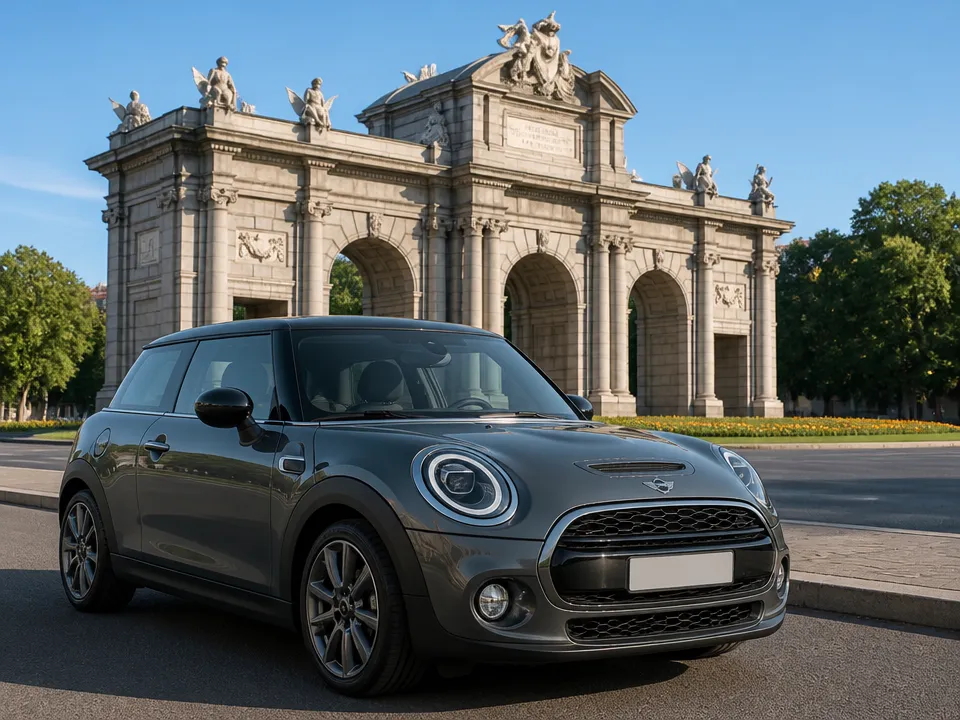
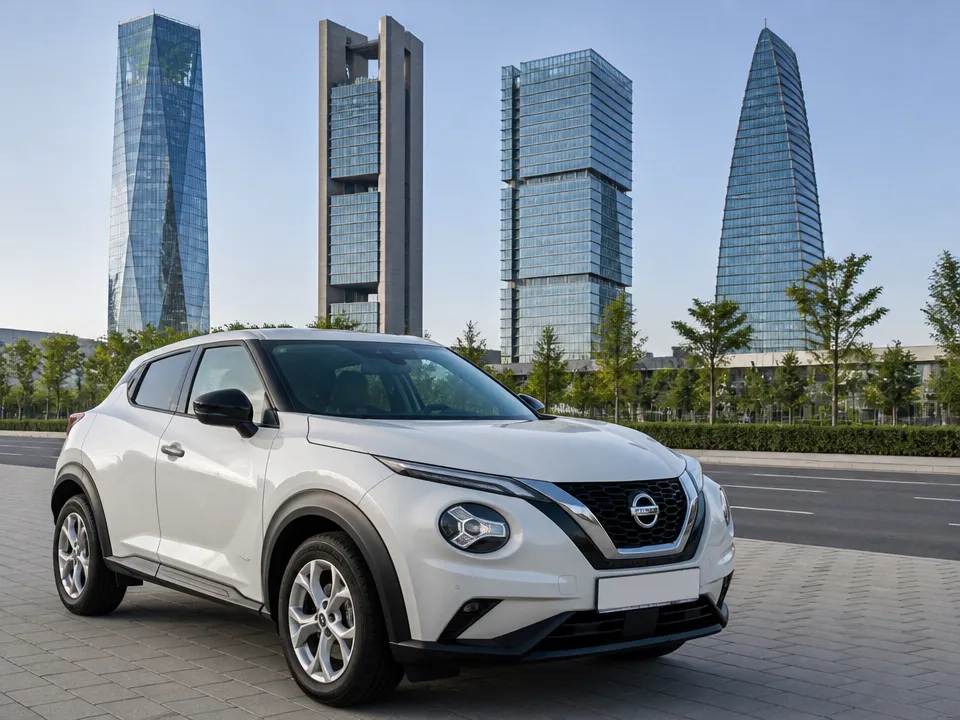
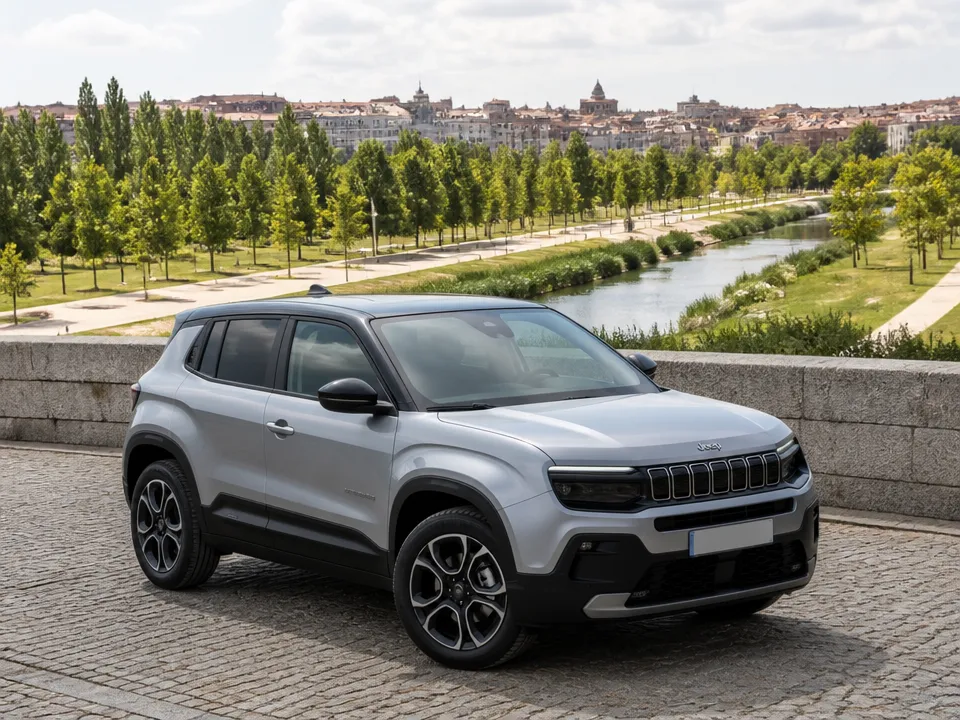
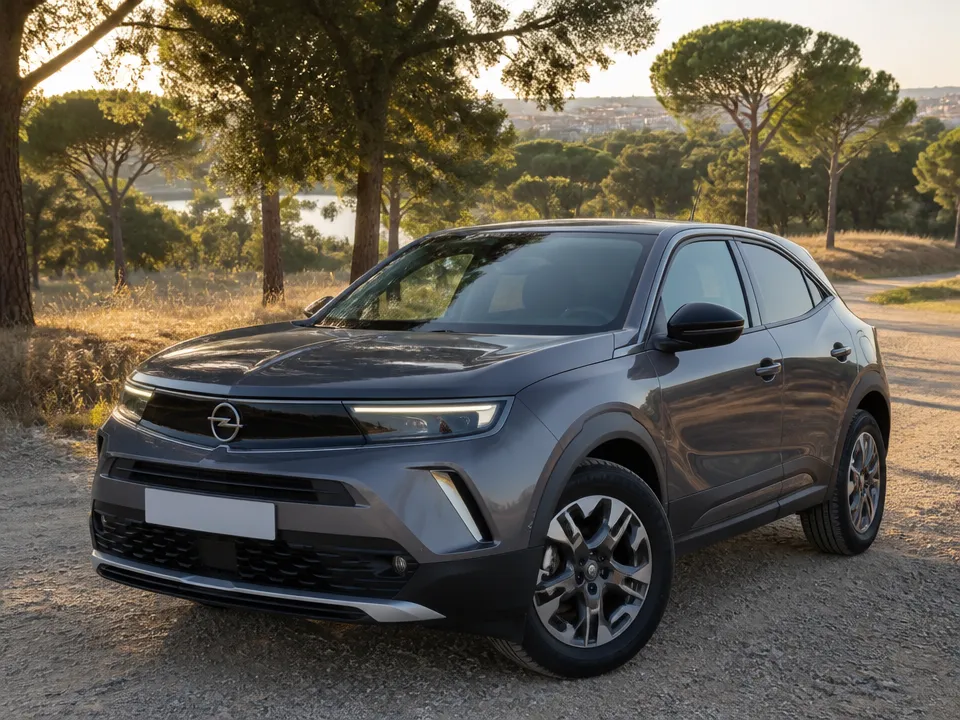
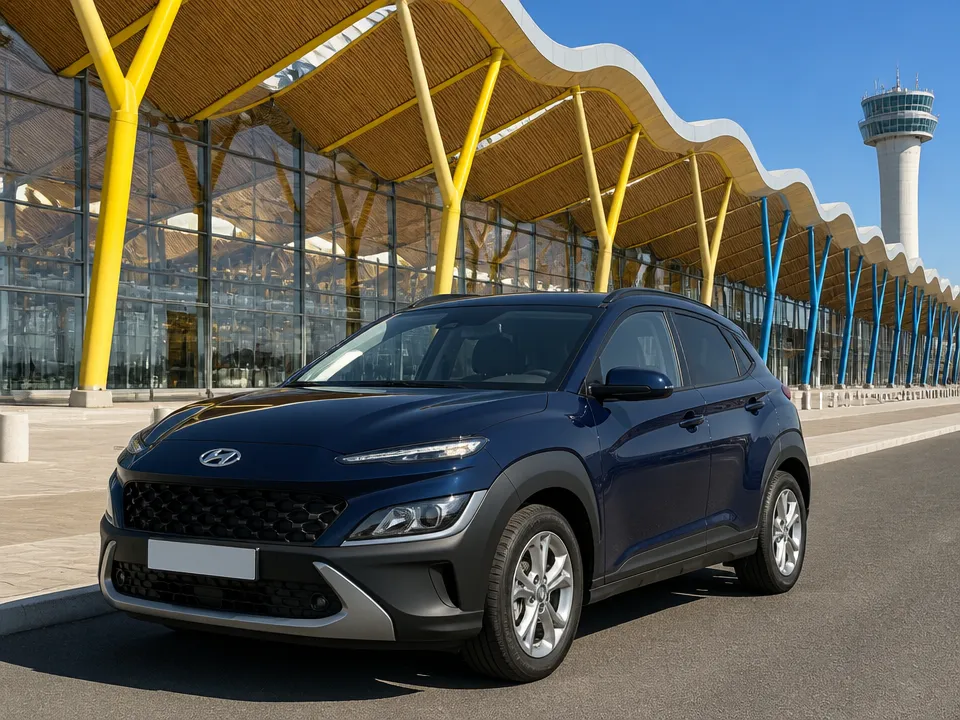
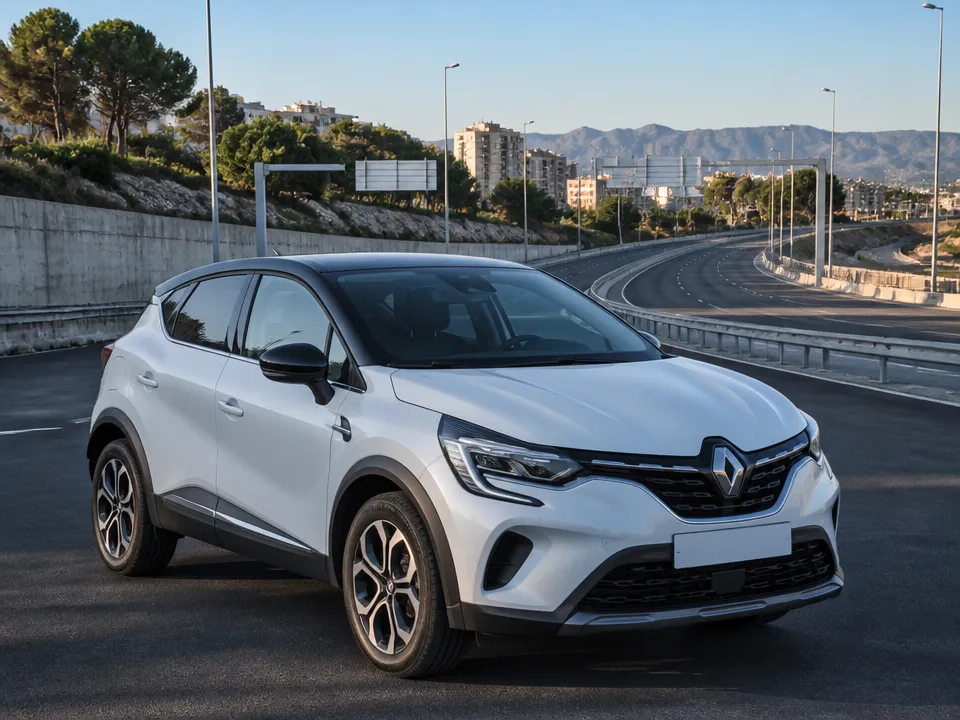
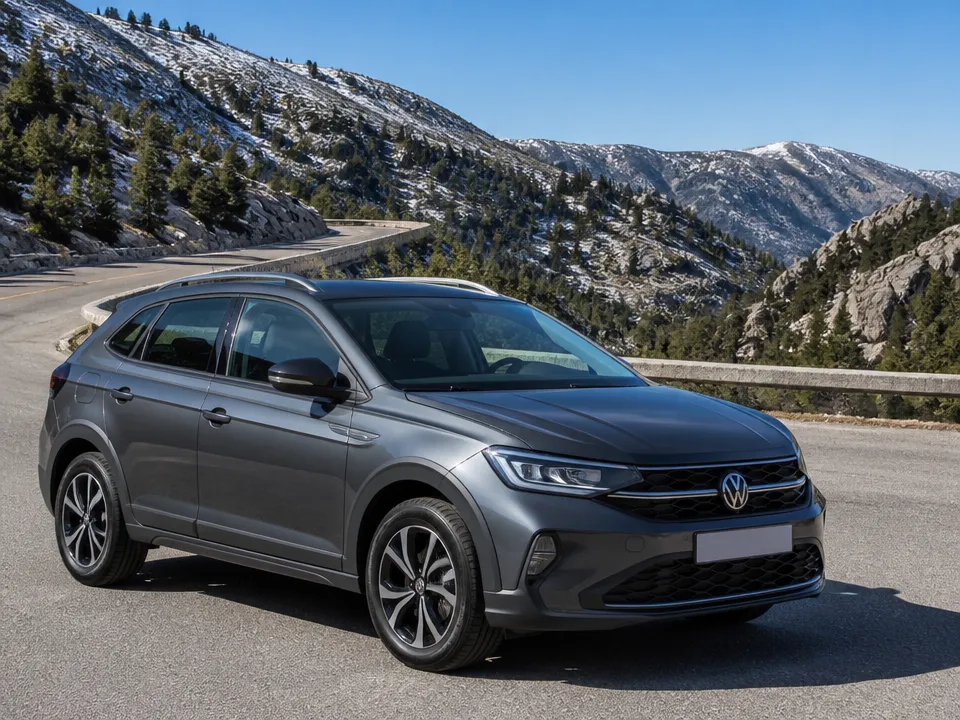
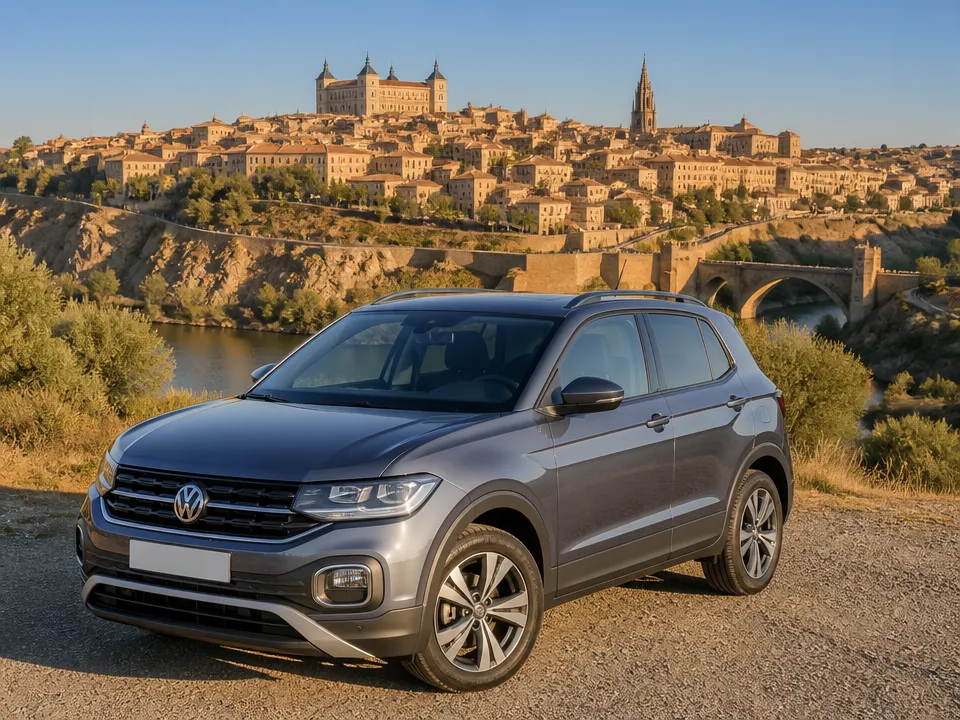
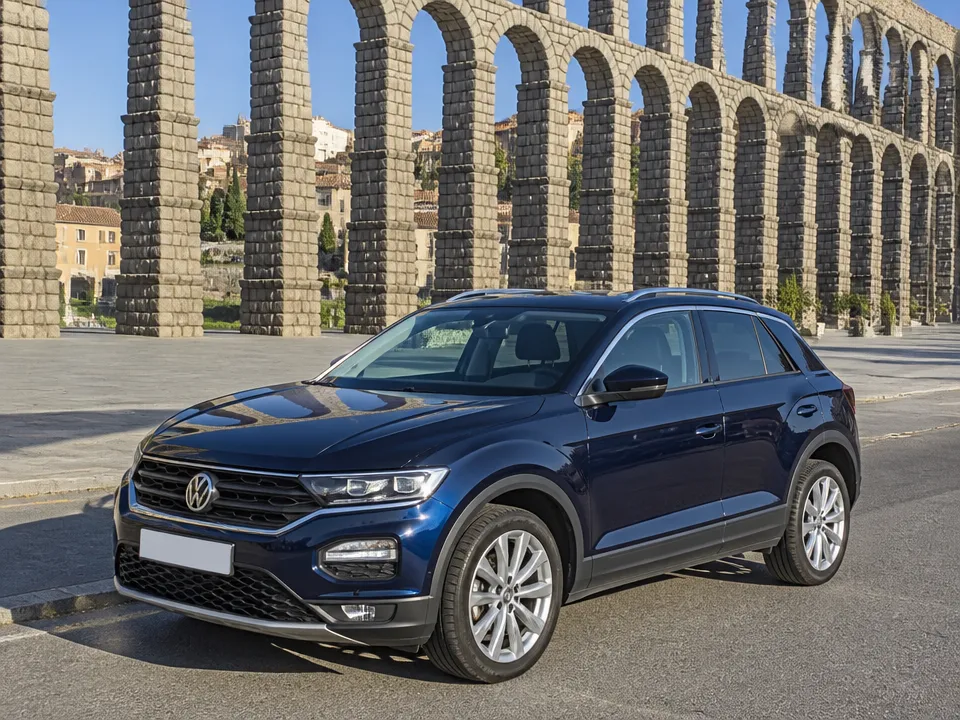
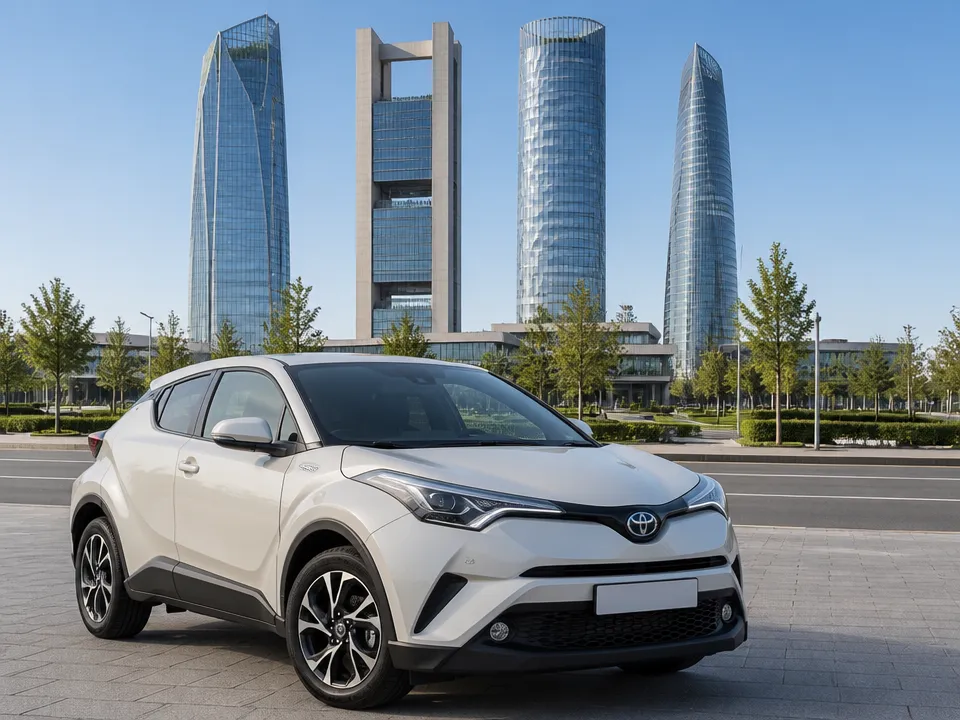
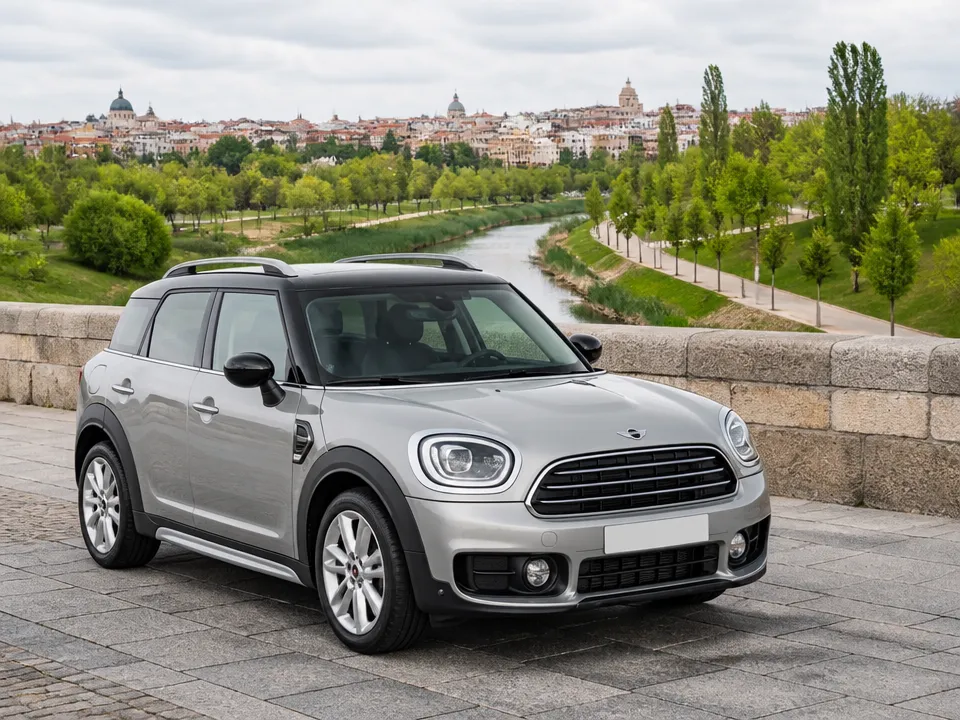
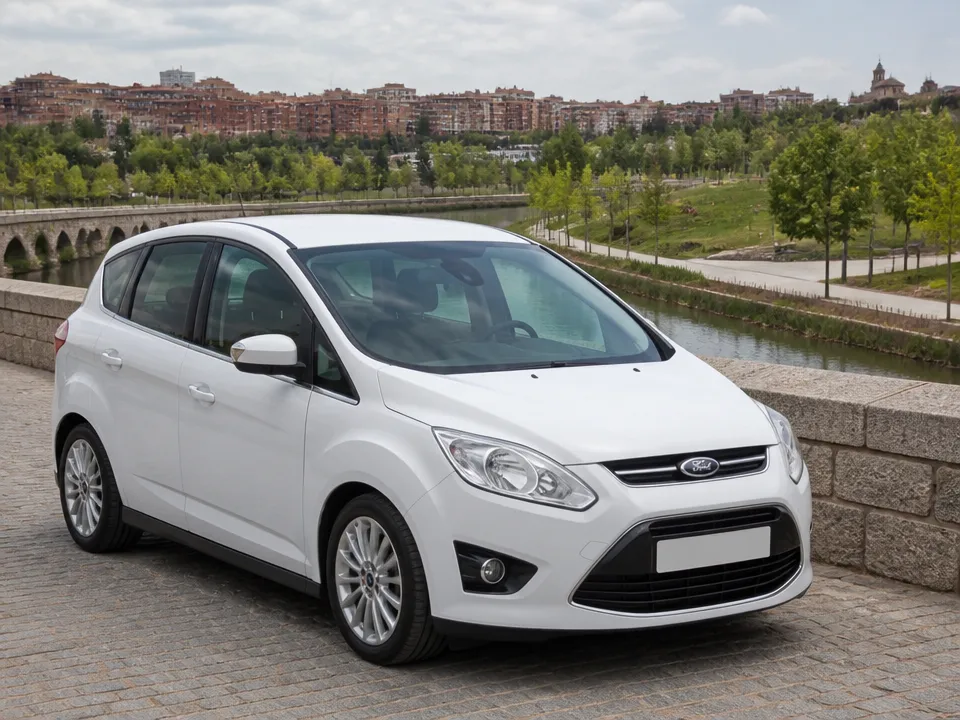
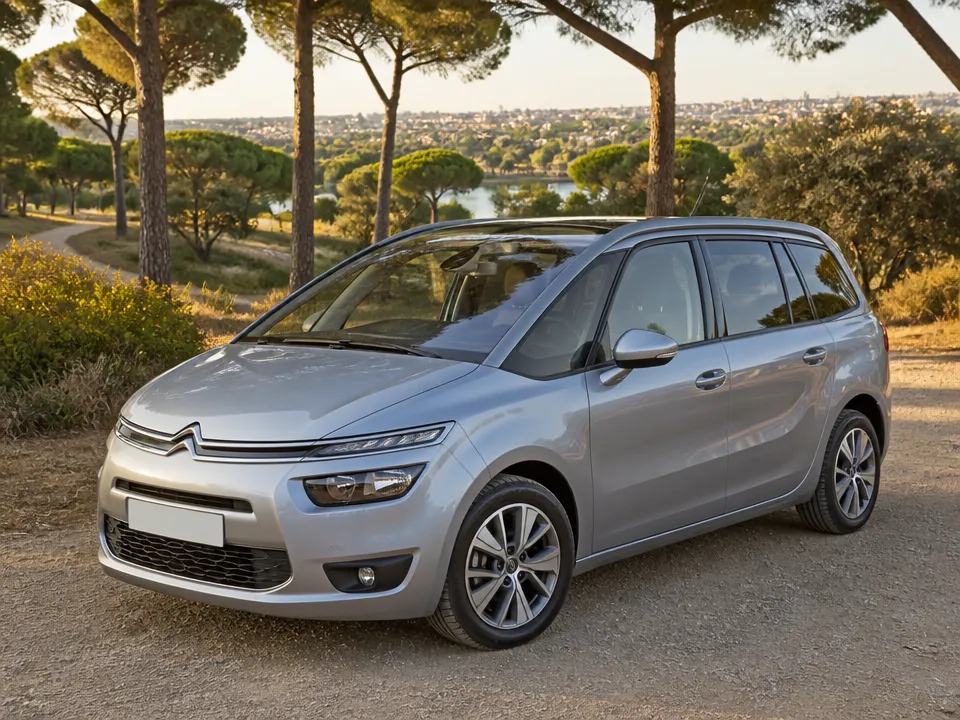
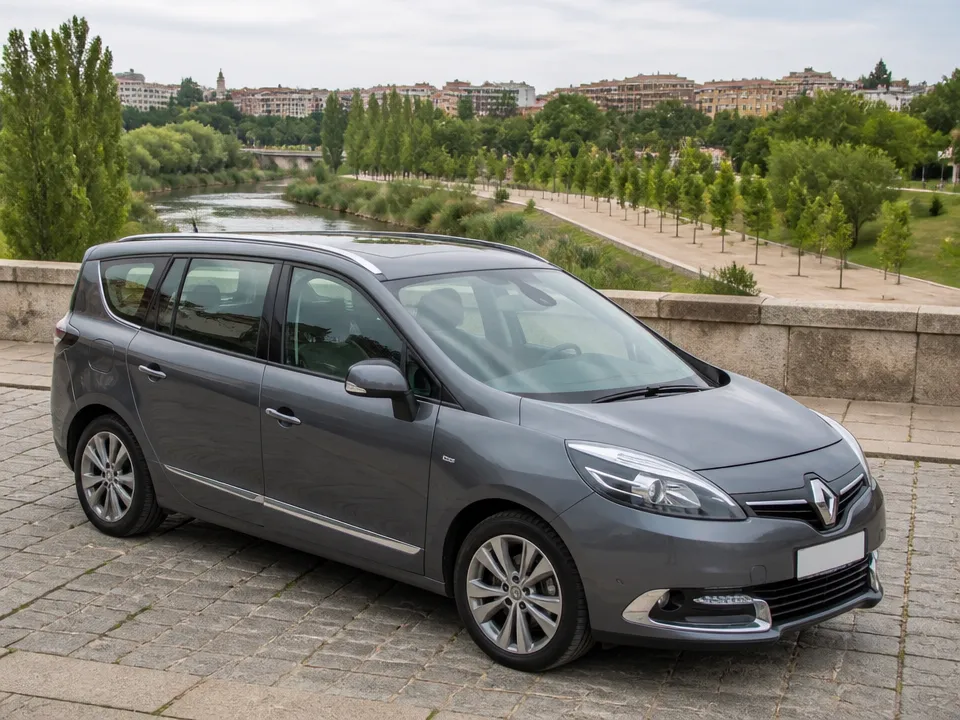
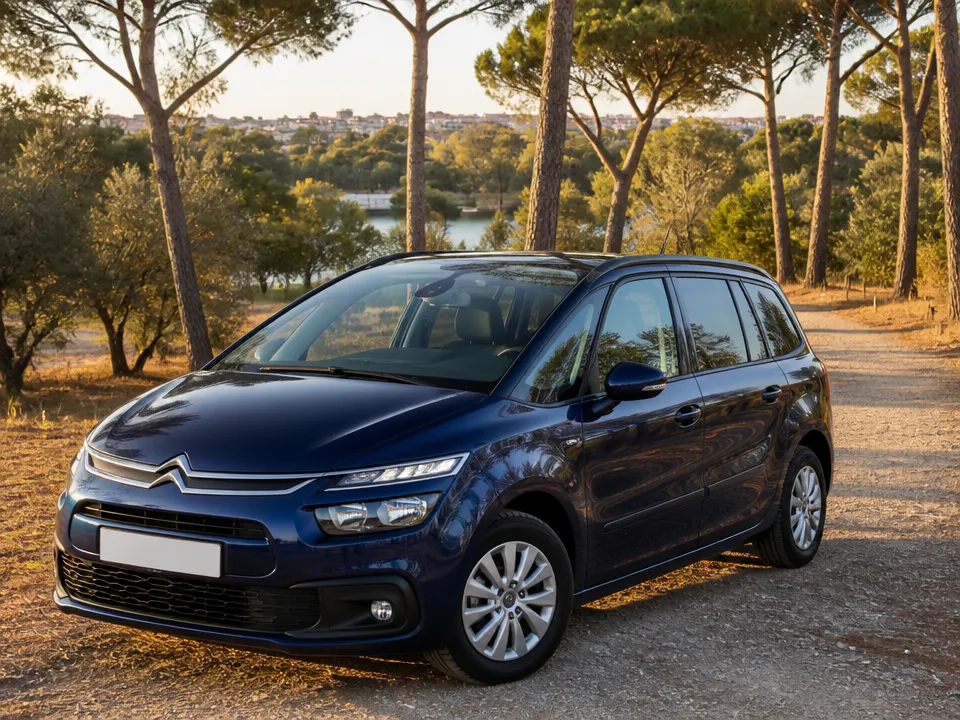
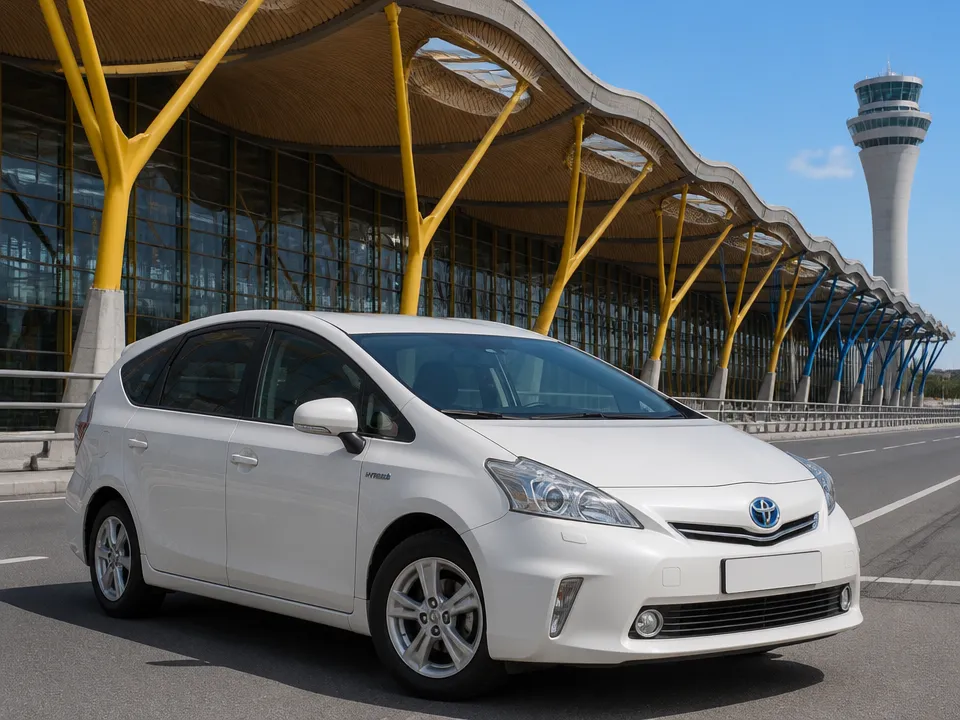
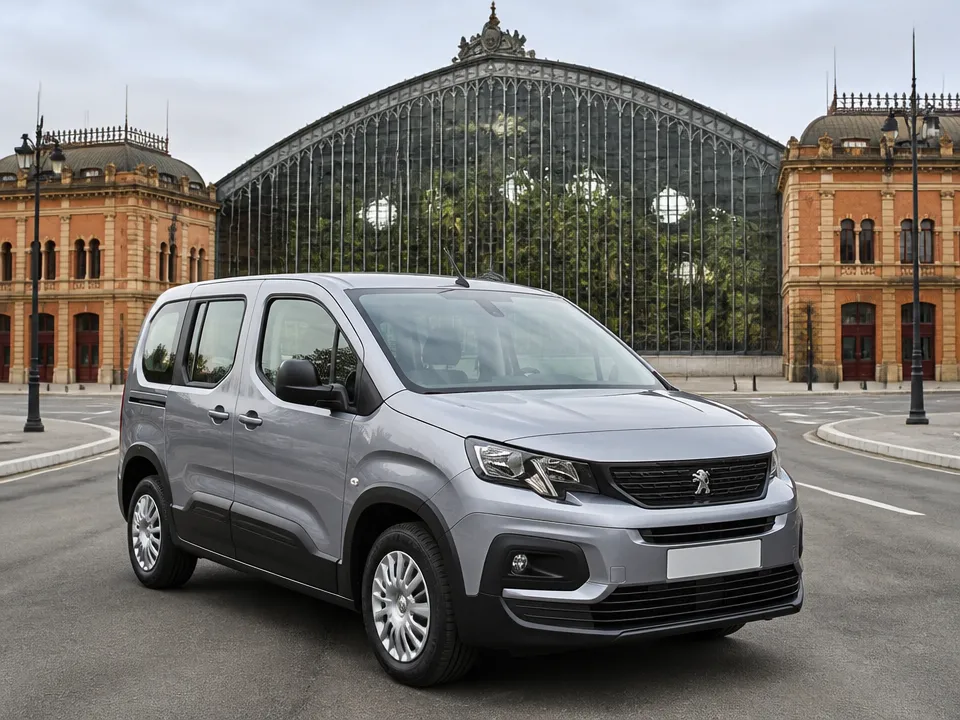
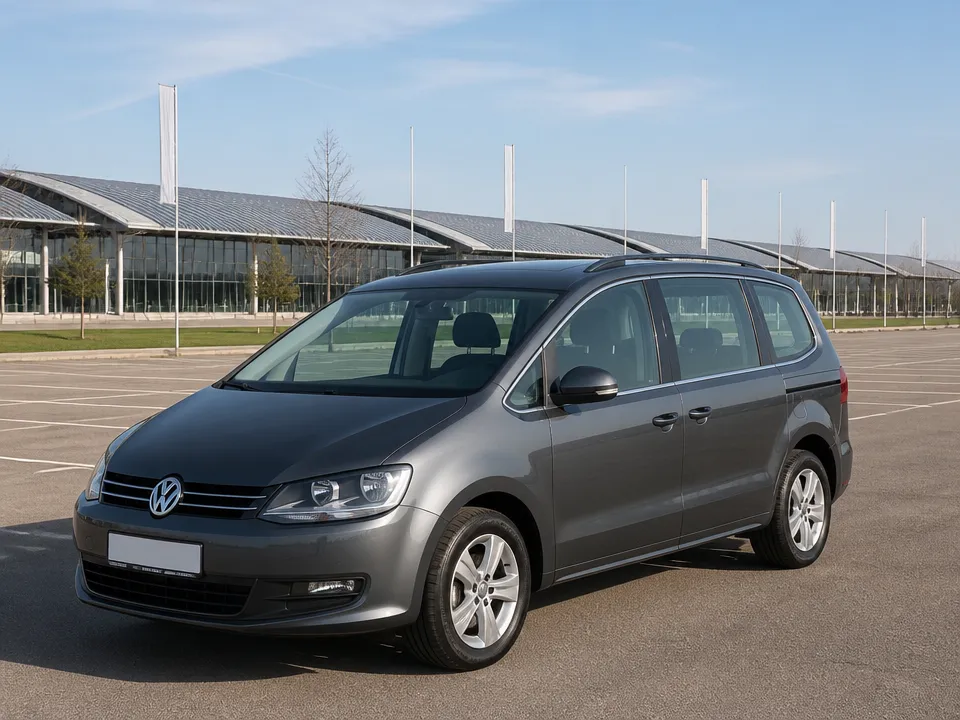
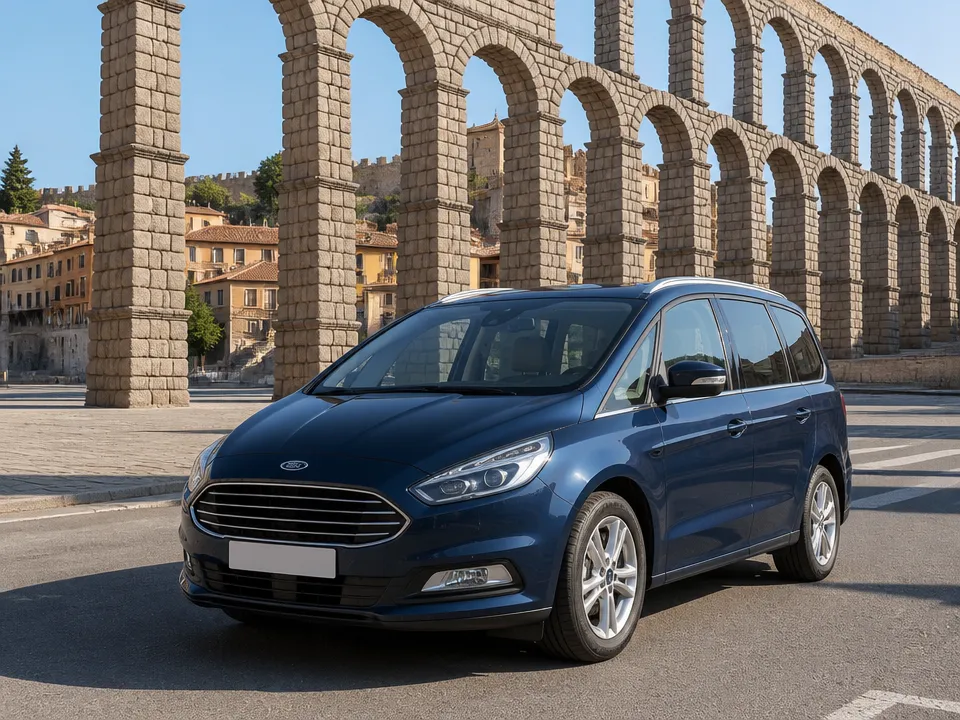
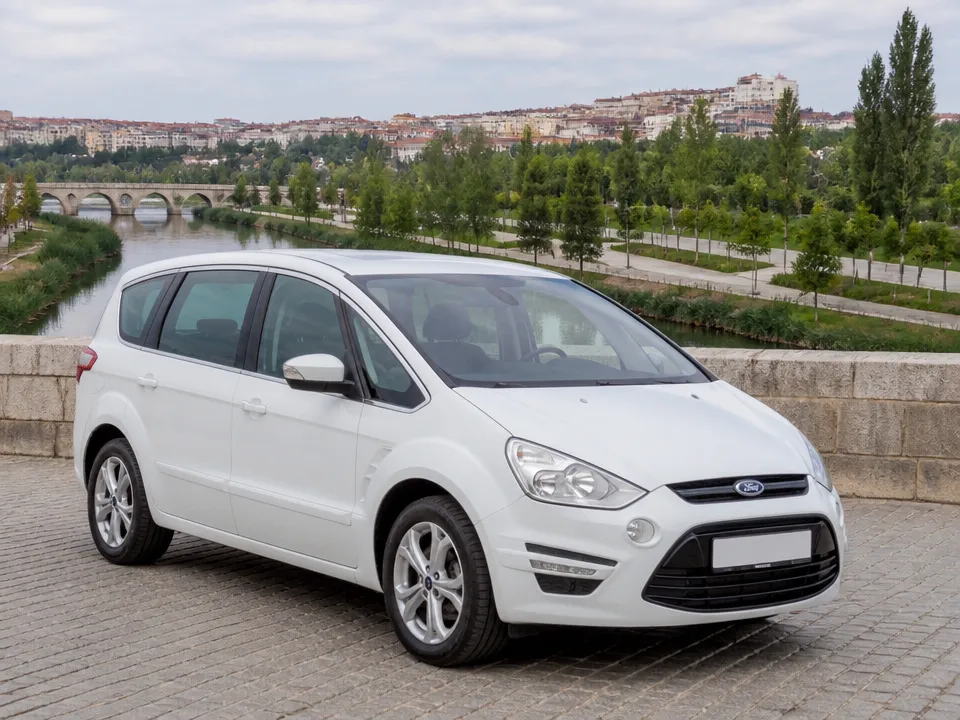
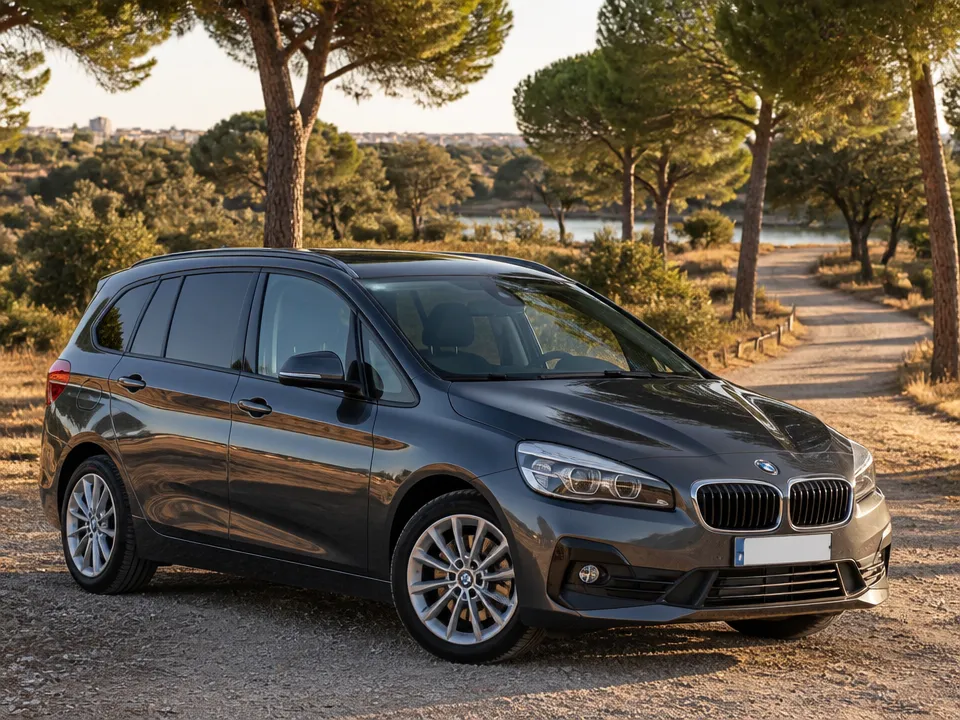
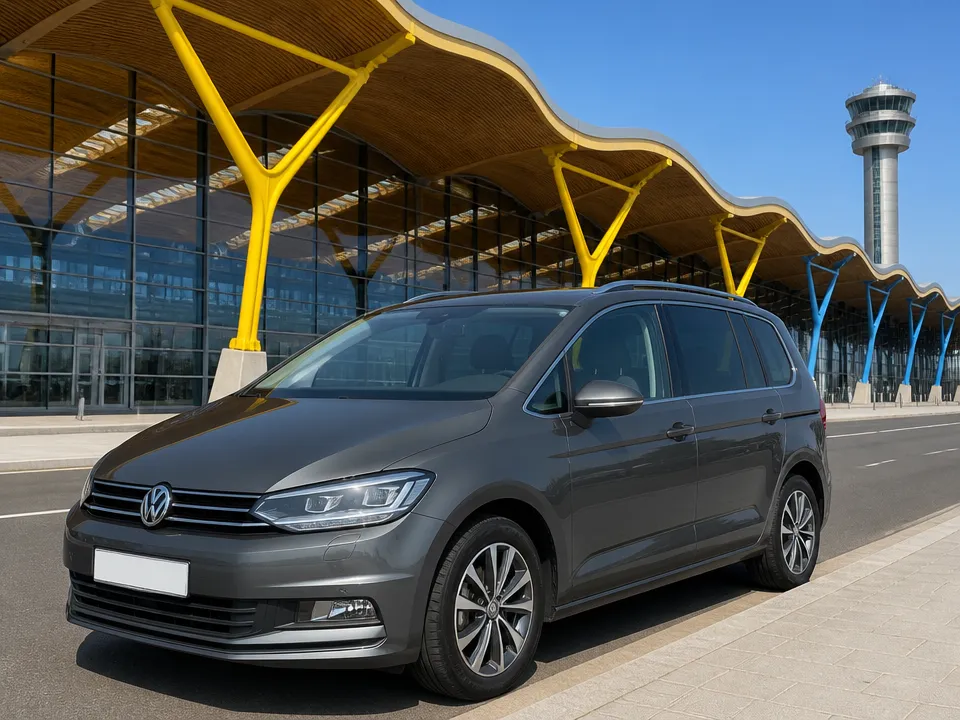
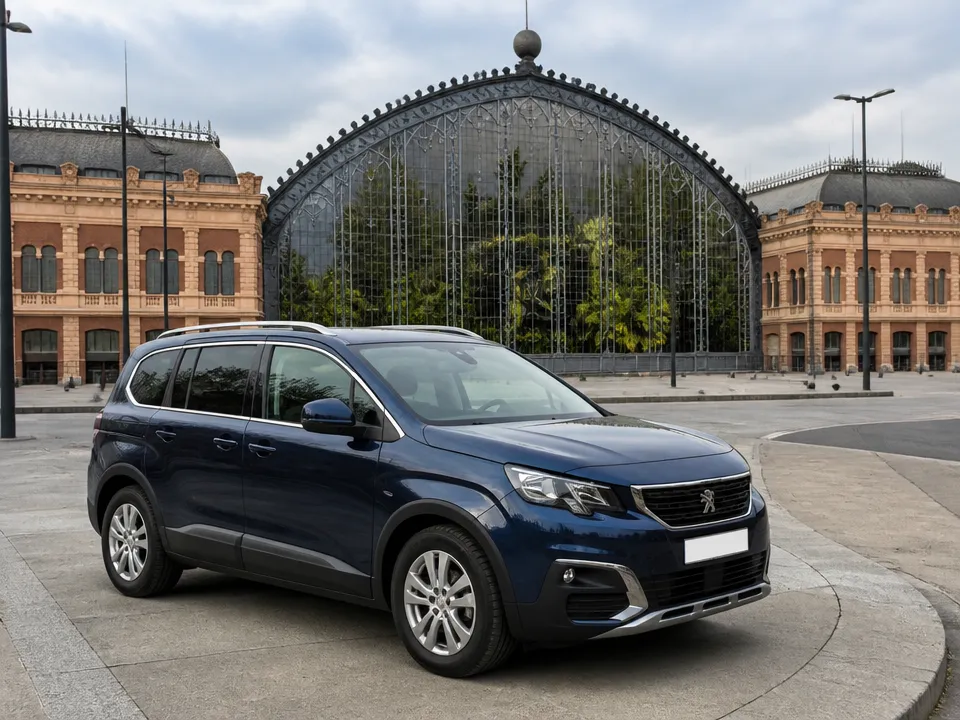
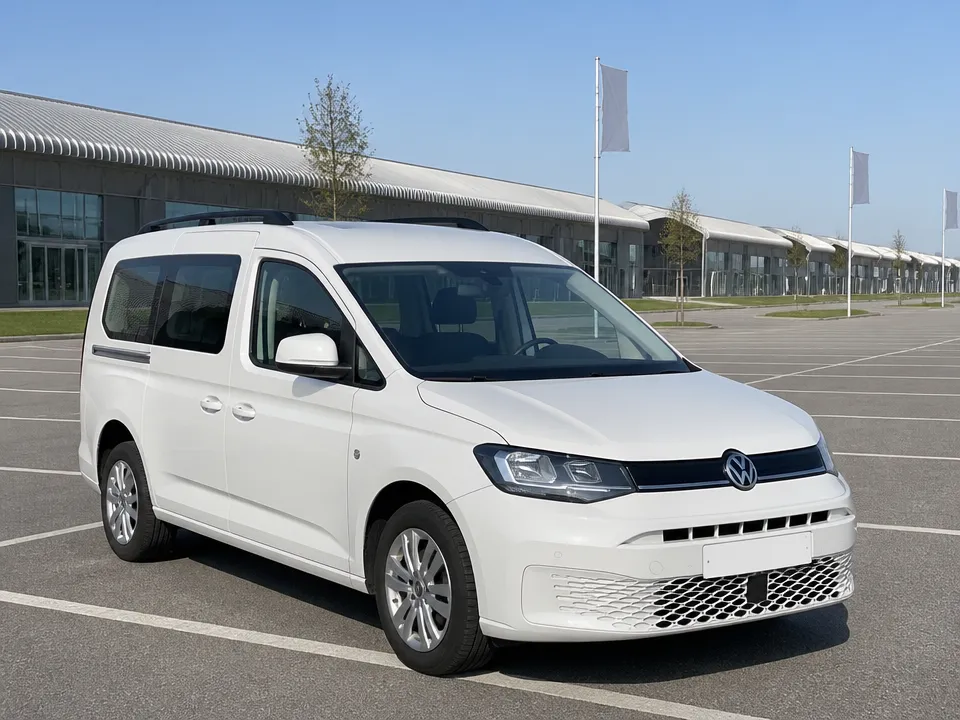
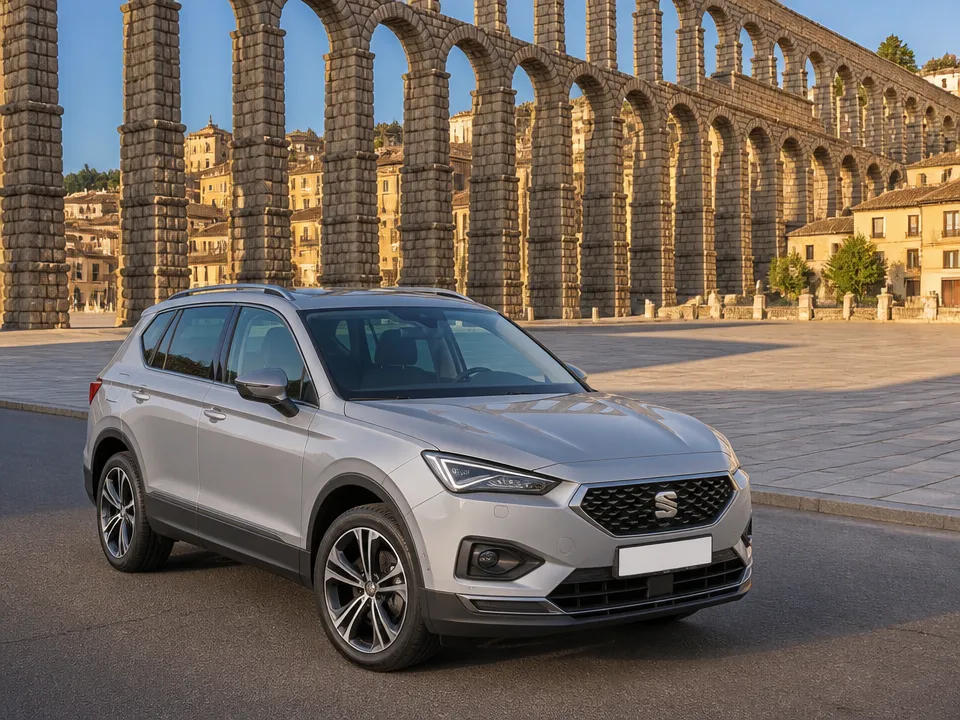
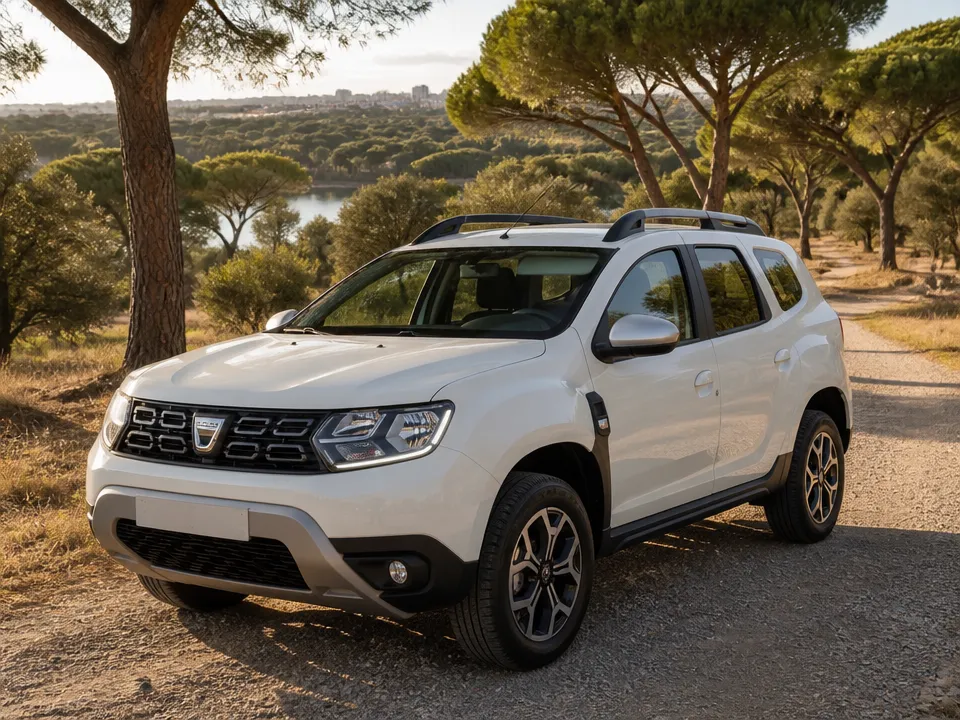
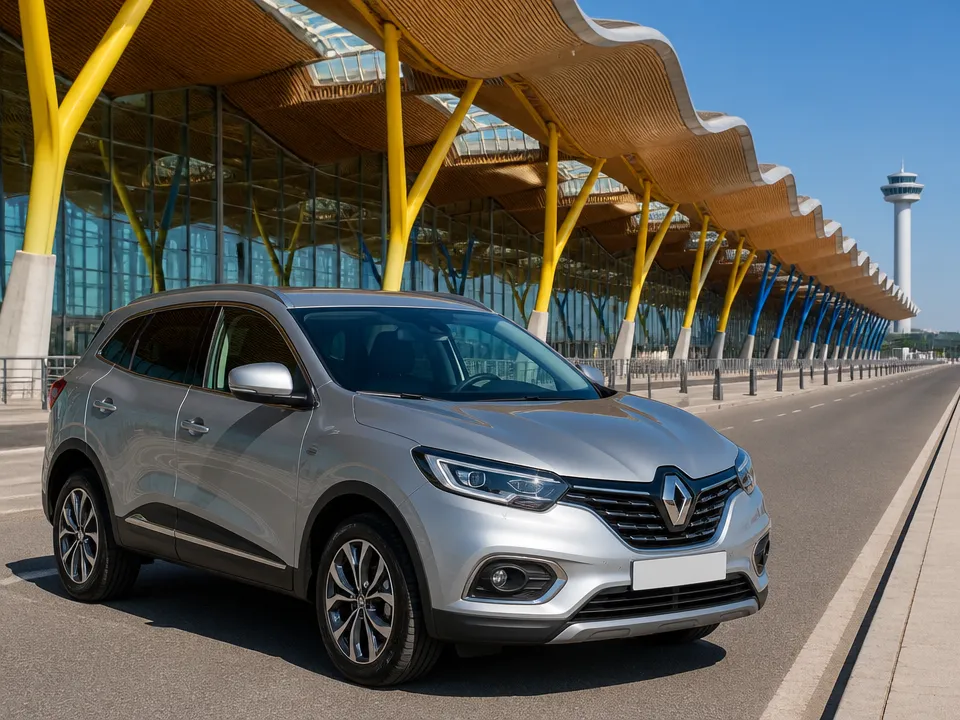
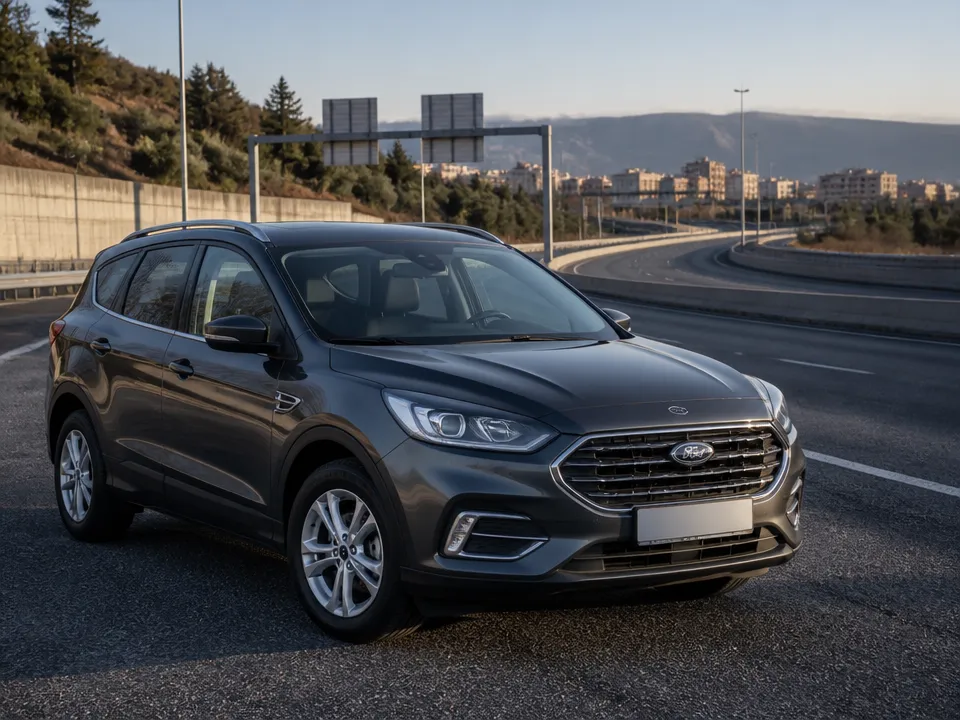
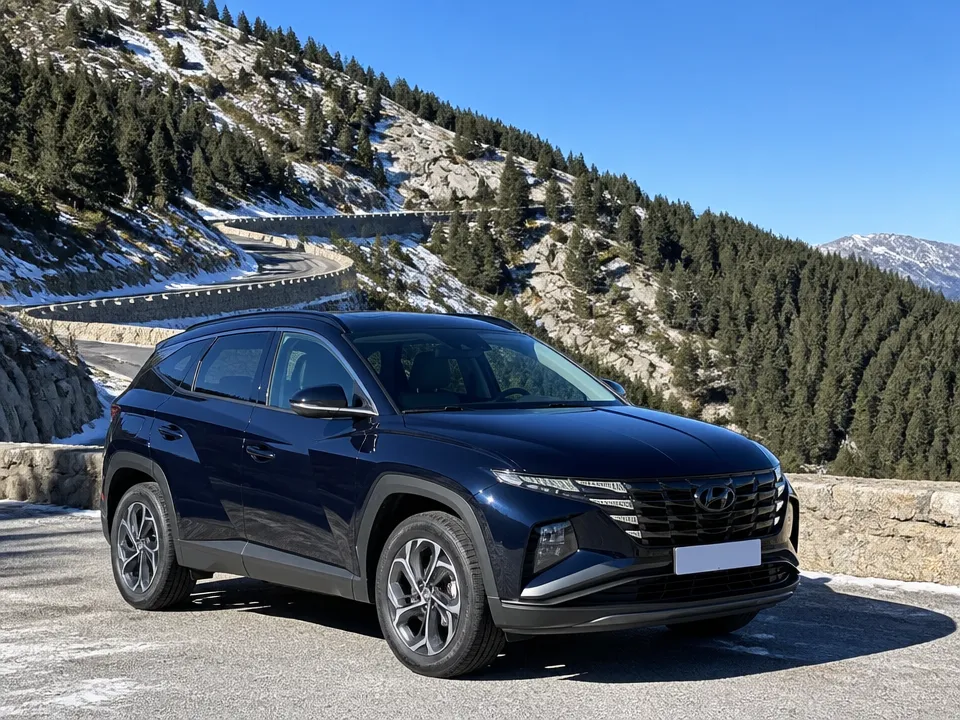
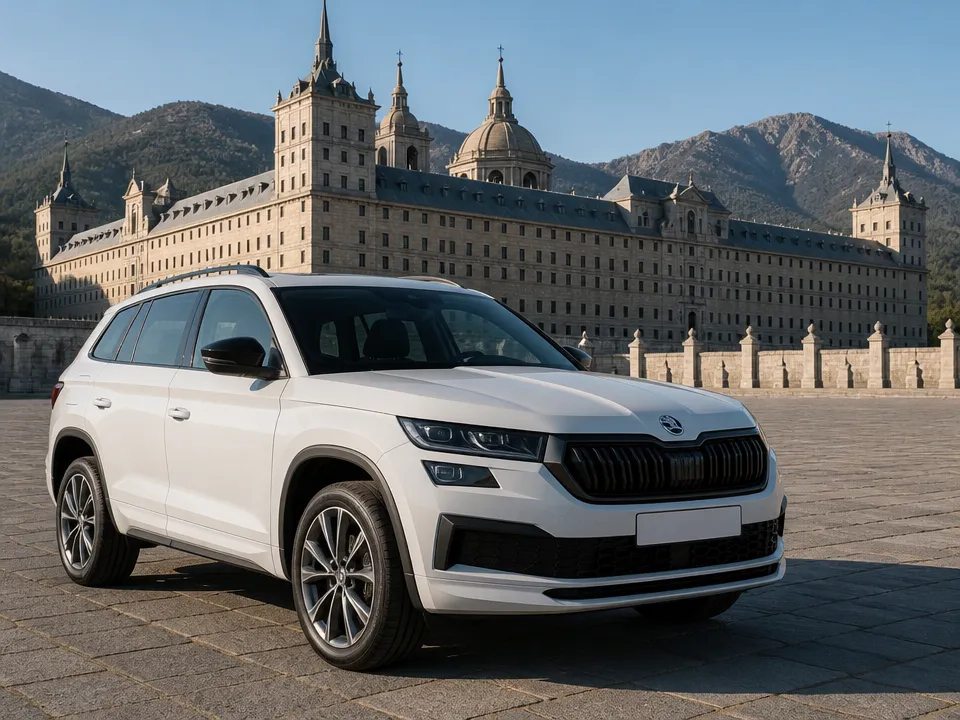
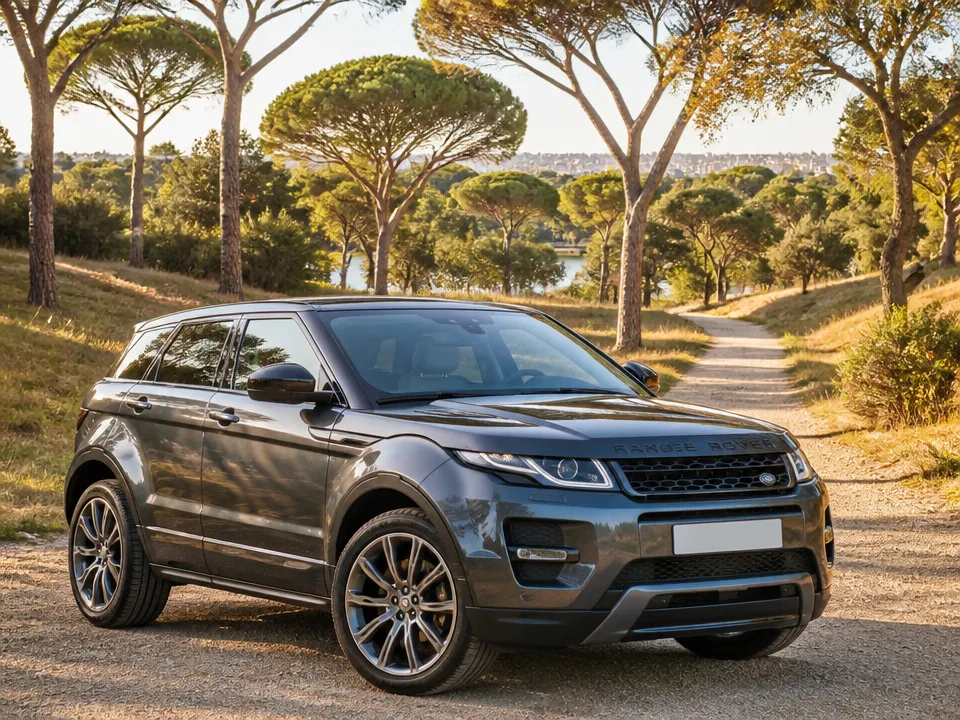
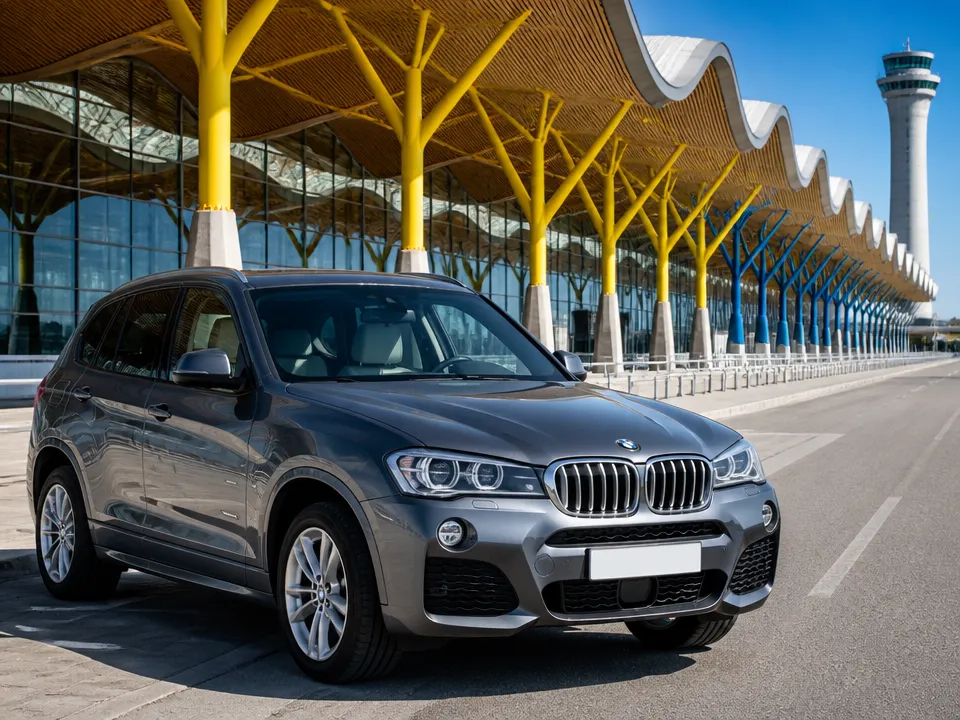
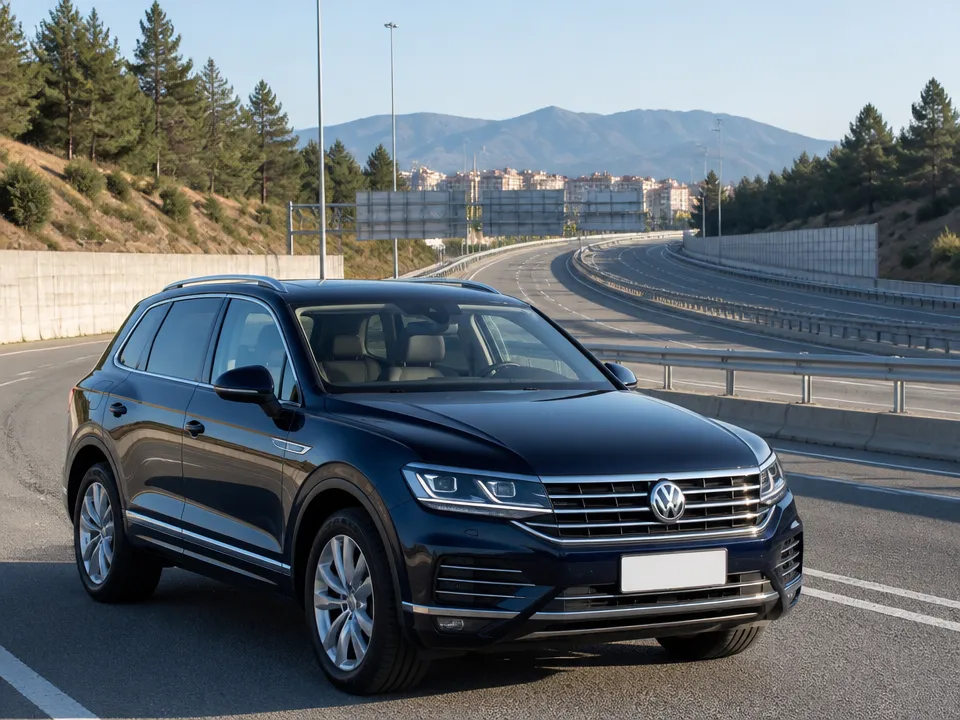




Fifty-one cars are available for car rental in Madrid for a trip to Alcalá de Henares, from €41 per day, with weekly bookings from €246 and monthly from €861. We deliver the car to you in Madrid and agree the booking details with a manager.
Alcalá de Henares sits about 35 km north-east of the city, and the A-2 covers almost the whole run. The question is not whether you can get there — the Cercanías does that — but what happens once you arrive and want a second stop on the way home.
Alcalá de Henares sits roughly 35 km north-east of the capital, straight along the A-2. From the M-30 ring the run takes about 35–40 minutes outside peak hours, and the motorway carries you almost to the town's edge — the last few kilometres are ordinary urban streets. The A-2 links the capital and Alcalá directly, so there is no need to thread through smaller roads or change onto a second highway. Leave before 08:00 if you can: after that the A-2 outbound clogs at the city exits, and the same 35 km can take an hour. In our experience the return leg is worse — the inbound crawl starts around 18:00 and lasts until past 20:00, so plan the drive back for mid-afternoon or after 21:00.
Parking in the centre is paid and tight on weekdays, so the flexibility a car buys you comes with a ten-minute walk at the other end.
The A-2 out of Madrid is a straight north-east run, but the first ten kilometres decide the whole trip. Get the ring road wrong and you sit in traffic on the north-east edge of the city; get it right and you are on the open autovía in fifteen minutes.
From the centre you reach the A-2 through the M-30 or the M-40, then head north-east past the airport turn. The M-30 is the inner ring and feeds the A-2 directly at its north-east corner; the M-40 is the outer ring and joins further out, which suits anyone starting from Barrio de Salamanca or Las Tablas. The M-45 and M-50 sit beyond that and only make sense if you are already on that side of the city. Our own advice: on a weekday morning, take the M-40 rather than the M-30, because the inner ring backs up between 07:30 and 09:30 well before the A-2 turn-off.
| Route | Type | Best for | Cost |
|---|---|---|---|
| M-30 then A-2 | Inner ring | Start from Centro or Gran Vía | Free |
| M-40 then A-2 | Outer ring | Start from Salamanca or Las Tablas | Free |
| R-2 | Radial toll | Avoiding the A-2 queue at peak | Set out in the rental agreement |
One thing worth knowing before you set off: the speed table the DGT works from is built on the pair of permitted limit and actual speed, not on how far over you went. On a 30 km/h street, 31–50 km/h is €100 with no points, and it climbs from there.
The right car for the run to Alcalá de Henares depends on three things: how many people travel, how much luggage goes with them, and whether the driver wants a manual or an automatic. Our Madrid page carries 51 cars across four classes, from €41 to €108 a day.
| Class | Cars | From, per day | Seats | Example model |
|---|---|---|---|---|
| Comfort | 15 | €41 | 4–5 | Mini One |
| Minivans | 18 | €42 | 5–7 | Ford C-Max |
| Crossover | 10 | €48 | 5 | Nissan Juke |
| SUV | 8 | €58 | 5 | Dacia Duster |
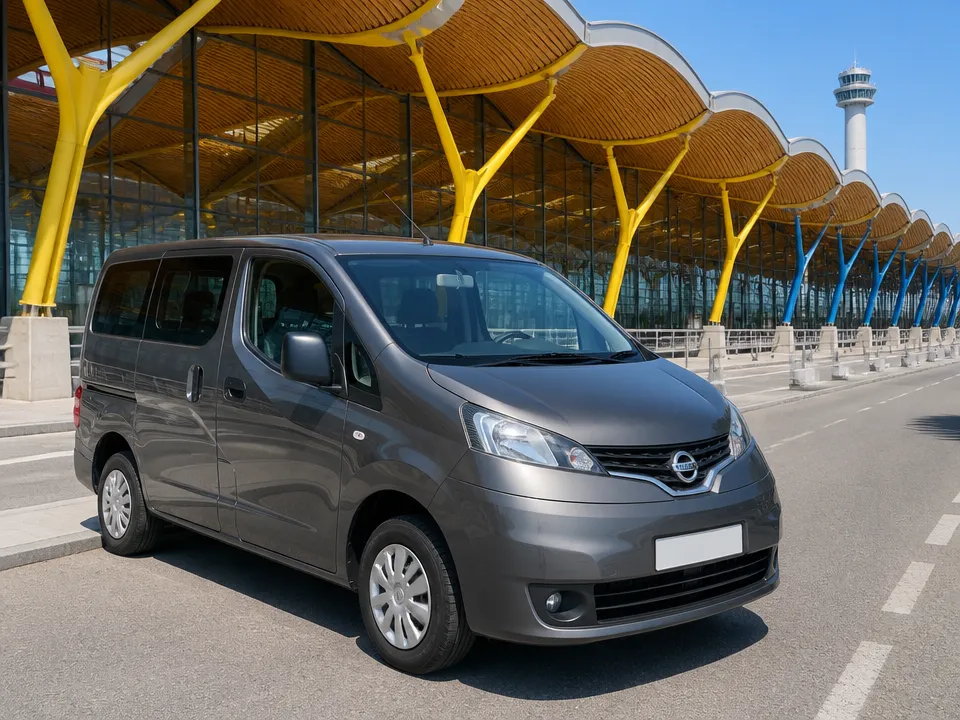
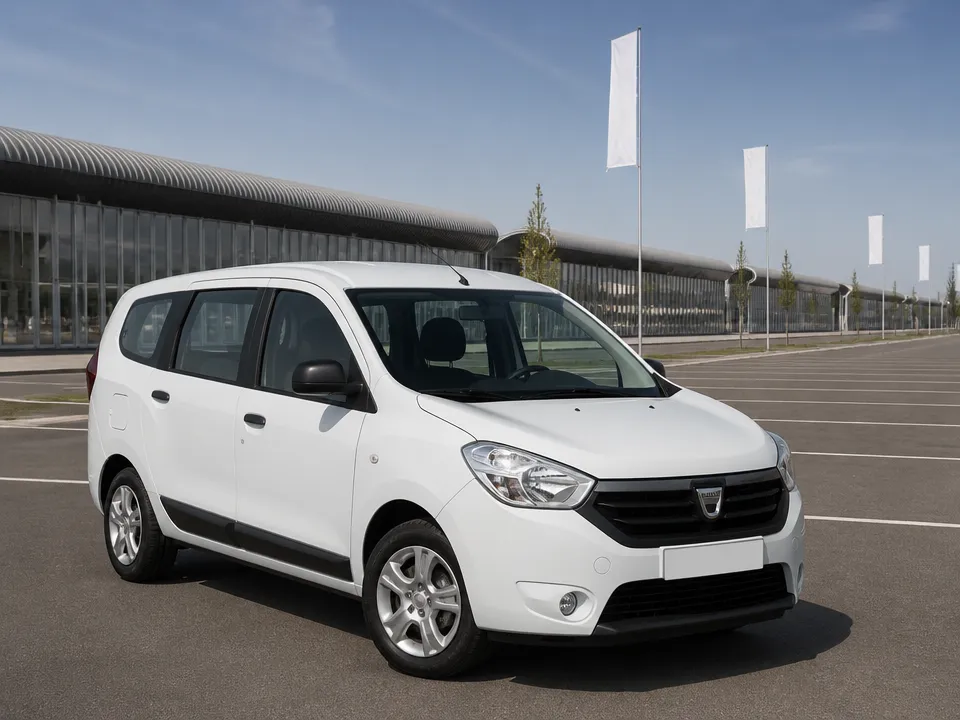
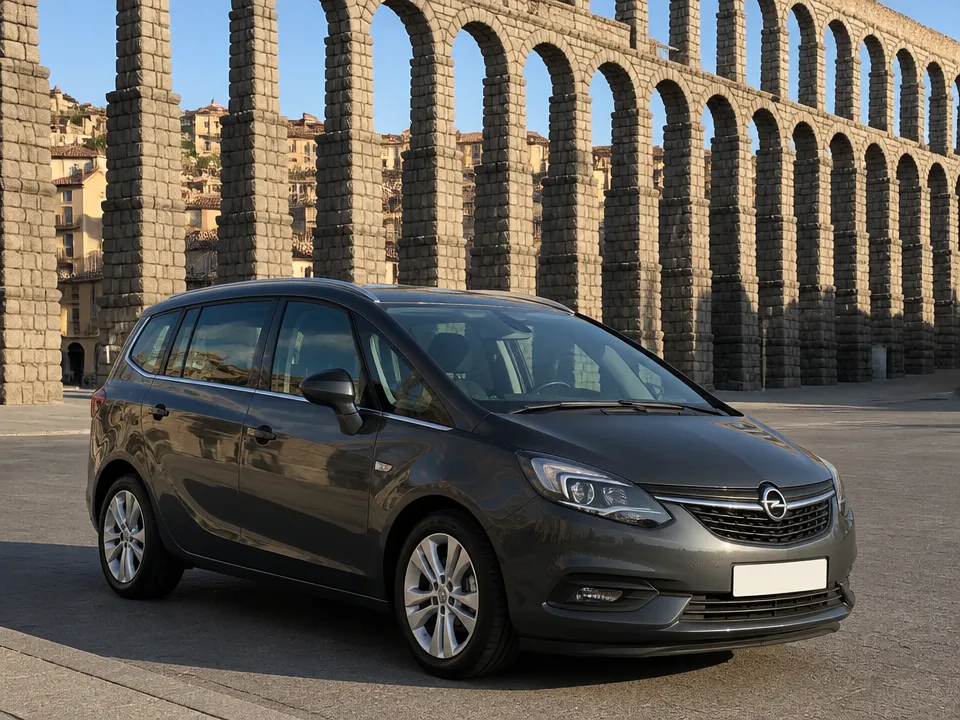
Seven-seat MPVs on our fleet include Nissan NV200, Dacia Lodgy, Opel Zafira, Volkswagen Sharan, Ford Galaxy, Ford S-Max and BMW 2 Series Gran Tourer. The Nissan NV200 and Dacia Lodgy are the cheapest route to seven seats at €48 and €50 a day, while the Volkswagen Sharan and Ford Galaxy add automatic transmission and a 2.0 L diesel at €62 and €64. An SRI — sistema de retención infantil — is required for any child 135 cm or shorter, and DGT recommends one up to 150 cm. Child seats are not part of the car spec, so tell the manager the ages and heights when you book and the right seats are agreed with the booking. For a family of five with two child seats, an estate such as the Ford Focus Estate or Seat Leon ST gives more boot room for the same money as a hatchback.
Our page carries 51 cars priced from €41 to €108 a day, and the longer you keep the car the lower the day rate works out: a week is charged at six days, a month at twenty-one. Those multipliers are the whole pricing logic — nothing is added for mileage on the run out to Alcalá de Henares, and nothing is discounted for booking early.
The spread between the cheapest and the dearest car on this page is €67 a day, and it is not a spread between good and bad cars. A Mini One at €41 and a BMW 2 Series Gran Tourer at €70 both do the 35 km to Alcalá de Henares in the same half hour; what changes is seats, gearbox and fuel. Pick the class by the people travelling, then look at the price.
A weekly booking is billed as six days, so the daily figure you see on the card is not what a seven-day trip costs: multiply by six and you get the total. A month works the same way at twenty-one days. On a Comfort car at €41 that is €246 for the week and €861 for the month — the arithmetic is fixed, not negotiated, and it applies to every class on the page.
Two things are not on the price card. The deposit and any excess are set out in the rental agreement, and the delivery of the car to you in Madrid is agreed when booking. We do not quote either as a number here, because both depend on the class and the dates you take.
For the Alcalá de Henares run specifically, the Comfort class covers it: four to five seats, a full tank policy agreed at booking, and a car that fits the parking around the Casco Histórico. Take a Minivan or an SUV only if you need the seats or the boot — the extra €1 to €17 a day buys space, not speed.
Rent-Trip does not run a counter you have to find. We bring the car to the address you give us, and the time and the place are agreed with a manager when you book. That covers the airport terminals, the two main stations and any hotel or flat inside the city.
The agreement itself, the deposit and the fuel policy are settled when booking, and the paperwork is agreed with the manager at the same point — nothing is left for you to guess at the kerb. If your licence is not written in Latin script, it is valid in Spain only with an official translation or with an international driving permit, so sort that out before the hand-over slot rather than during it. The car arrives with the tank at the level agreed in the booking, and you return it at the same level; fuel is the one cost that stays in your hands for the whole run to Alcalá de Henares.
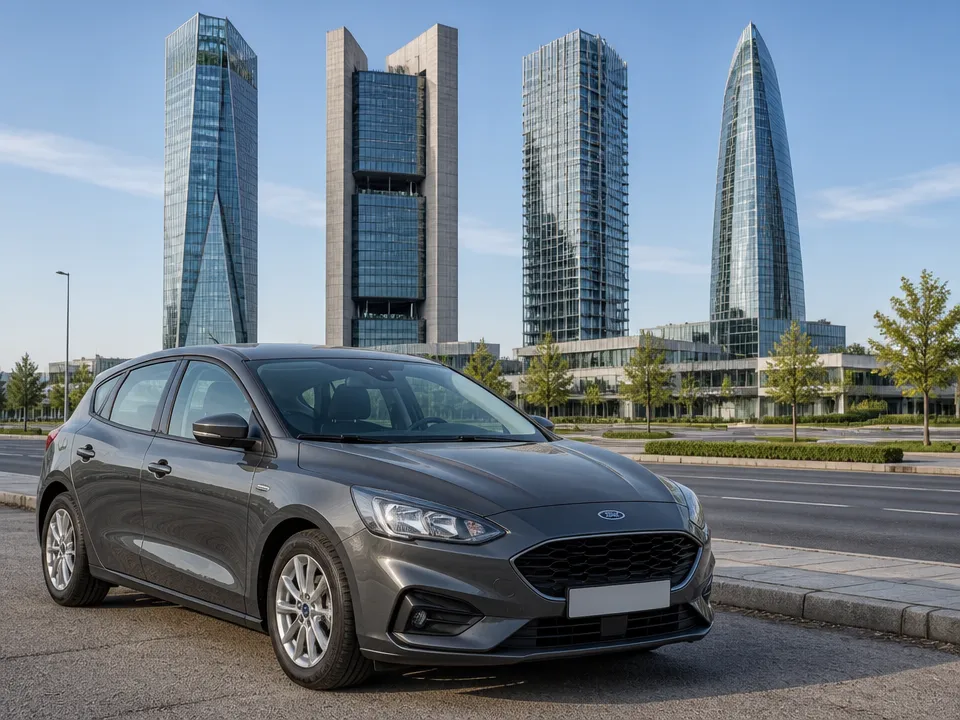
Our fleet here covers 51 cars from €41 to €108 a day, in four classes: Comfort from €41, Minivans from €42, Crossover from €48 and SUV from €58. Seats run from 4 to 7, fuel from petrol and diesel to hybrid, and both manual and automatic gearboxes are available. If you are collecting at the airport and driving straight out, a Comfort hatchback such as the Mini One or Ford Focus is the simplest thing to park later in Alcalá's Casco Histórico, where most kerbside spaces are paid. Families who need the third row should name the seat count at booking — the seven-seat MPVs such as the Nissan NV200, Dacia Lodgy and Opel Zafira carry the whole group, and the seat count is agreed when booking.
Spanish road law meets you the moment you leave the rental kerb, and the part that catches visitors out is not the motorway — it is the low-emission zone that now covers every street of the municipality. The rules below are the ones that matter on the run out to Alcalá de Henares and back.
A car on an autovía runs at 120 km/h, an ordinary out-of-town road at 90 km/h, and the city drops to 30 km/h on a street with one lane in each direction. Streets built on a single platform shared with the pavement are 20 km/h, and streets with two or more lanes each way are 50 km/h — bus and taxi lanes do not count when you add up the lanes. Speed fines are not graded by how far over you went but by the pair of allowed limit and actual speed: on a 30 km/h street, 31–50 km/h costs €100 with no points, 51–60 km/h costs €300 and 2 points, 61–70 km/h costs €400 and 4 points, 71–80 km/h costs €500 and 6 points, and anything above 81 km/h costs €600 and 6 points. The same ladder applies on a 120 km/h autovía from 121 km/h upward. Driving more than 60 km/h over the limit in town, or 80 km/h over it outside town, stops being a fine and becomes a criminal offence — so keep the cruise control honest on the A-2.
ZBE Madrid (Zona de Bajas Emisiones de Madrid) covers all urban streets of the municipality — every one of its 21 districts — and cars without a DGT environmental badge, category A, are the ones shut out: petrol registered before 2000 and diesel before 2005. Badges themselves come in four grades — 0 emisiones in blue for battery-electric, range-extended and hydrogen vehicles, then ECO, C and B — and a 0 emisiones or ECO badge also buys a 75% discount on resident parking permits. Under Ordenanza 2/2026 of 24.03.2026, transitional provision seven, the arrangement changed from 00:00 on 07.04.2026. Foreign-registered cars have no DGT badge at all and must be registered in advance, which is why we hand over a Spanish-plated car with its badge already in place. It is worth checking the badge grade against your route before you set off, because the fine lands on whoever is driving when the camera reads the plate.
Alcalá de Henares packs its monuments into a compact Casco Histórico, and the parking around that historic core is almost entirely regulated and paid. Plan the last kilometre before you leave Madrid, because circling the old town in a seven-seat MPV is the least enjoyable part of the day.
The regulated hours are the part drivers miss. On weekdays the blue and green zones run from 09:00 to 21:00, and on Saturday from 09:00 to 15:00, so a Sunday arrival costs nothing on the street. Cars carrying the 0 emisiones badge park free in these zones, and the ECO badge cuts the resident subscription rate by 75%. Our own advice: take a garage space for the day rather than hunting for a bay on a Saturday morning.
Alcalá de Henares keeps its sights within roughly a fifteen-minute walk of one another — the car stays parked once you are in. That is the practical reason a self-drive trip works here: you cover the A-2 in about half an hour, then leave the vehicle for the whole afternoon and walk.
Two things decide whether this booking goes smoothly: the size of the car against the size of your group, and the paperwork each driver carries. Everything else — delivery, timing, the class you end up with — is agreed with a manager before the car is handed over, so nothing is left to guesswork on the day of the run to Alcalá de Henares.
Compulsory third-party cover is part of any legally roadworthy car in Spain and comes with the booking by default, under Real Decreto Legislativo 8/2004, article 4.2, as amended by Ley 5/2025 — the minimums are €70,000,000 per incident for personal injury and €15,000,000 for property damage, in force since 26.07.2025. Driving without it is fined between €601 and €3,005 depending on the circumstances. What that policy does not cover is the car itself: CDW, theft protection and any buy-out of the excess are options, and the excess is always printed in the agreement whether or not you have bought a waiver.
On the A-2 the car runs at 120 km/h; in town the limit is 30 km/h on streets with one lane in each direction, 20 km/h where road and pavement form a single platform, and 50 km/h where there are two or more lanes each way. Speed fines follow the DGT table, which works off the pair of permitted limit and actual speed: on a 30 km/h street, 31–50 km/h costs €100 with no points, 51–60 km/h €300 with 2 points, 61–70 km/h €400 with 4 points, and anything above 81 km/h €600 with 6 points. Above 60 km/h over the limit in town it stops being an administrative fine at all. Alcohol limits are 0.25 mg/l of breath for ordinary drivers and 0.15 mg/l for drivers in their first two years; a phone held in the hand is €200 and 6 points. Pay within 20 days and the fine drops by 50%.
Bring the licence and identity document of every driver named in the agreement, and a credit card in the main driver's name for the deposit — debit cards are often not accepted, so check that with the manager rather than at the kerb. The condition of the car is recorded in the contract or the inspection sheet before you drive away, and both sides sign it, with a copy staying with you; without that record, later damage can be pinned on the renter. Fuel policy is the agreed level in the tank on return, and the most common arrangement in Spain is full-to-full. Fill up before you leave the city rather than on the motorway: Gasolina 95 E5 averaged €1.971 a litre across a sample of 231 filling stations.
One last thing worth settling in the same conversation: whether the trip stays inside mainland Spain. Taking the car to the islands or across a border is a service that has to be paid for separately, so raise it before the agreement is drawn up rather than at the wheel.
This page lists 51 cars for Madrid, in classes Comfort, Crossover, Minivans and SUV, with 4, 5 or 7 seats. Makes include Audi, BMW, Citroën, Dacia, Ford, Hyundai, Jeep, Land Rover, Mercedes-Benz, Mini, Nissan, Opel, Peugeot, Renault, Seat, Toyota, Volkswagen and Škoda.
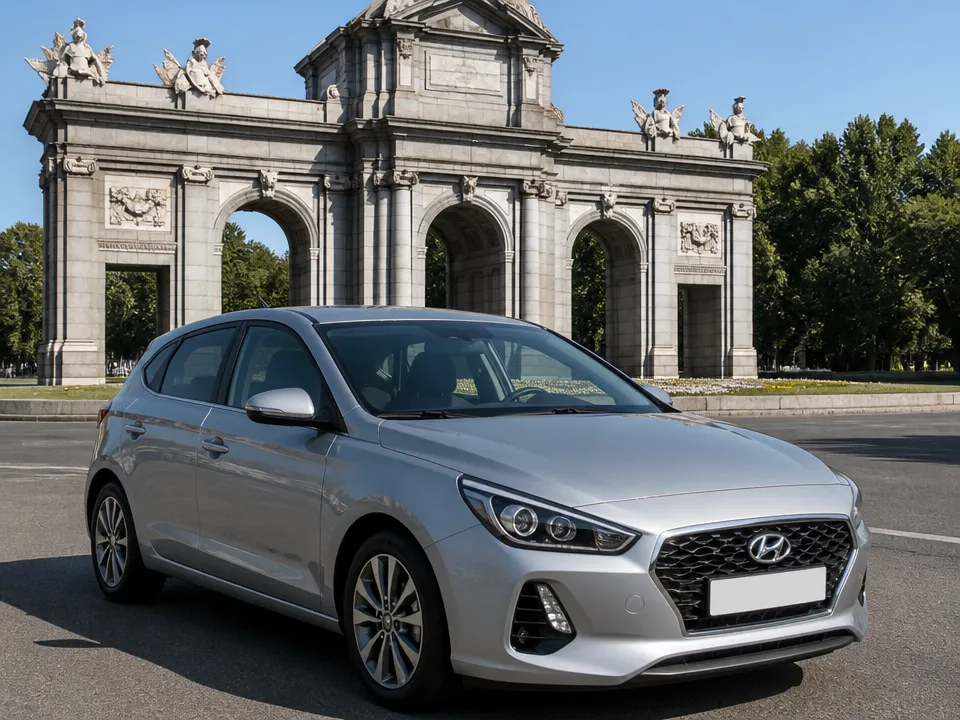
Daily prices on this page run from €41 to €108. Cars at €41 per day include the Mini One, the Ford C-Max at €42 per day and the Hyundai i30 at €44 per day. Automatic and manual transmissions are listed.
Under the DGT rule, third-country licences are valid for driving as a tourist in Spain. Residents may drive for no more than 6 months from obtaining permanent residence in Spain, then exchange (canje). The DGT recommends getting an international driving permit before the trip.