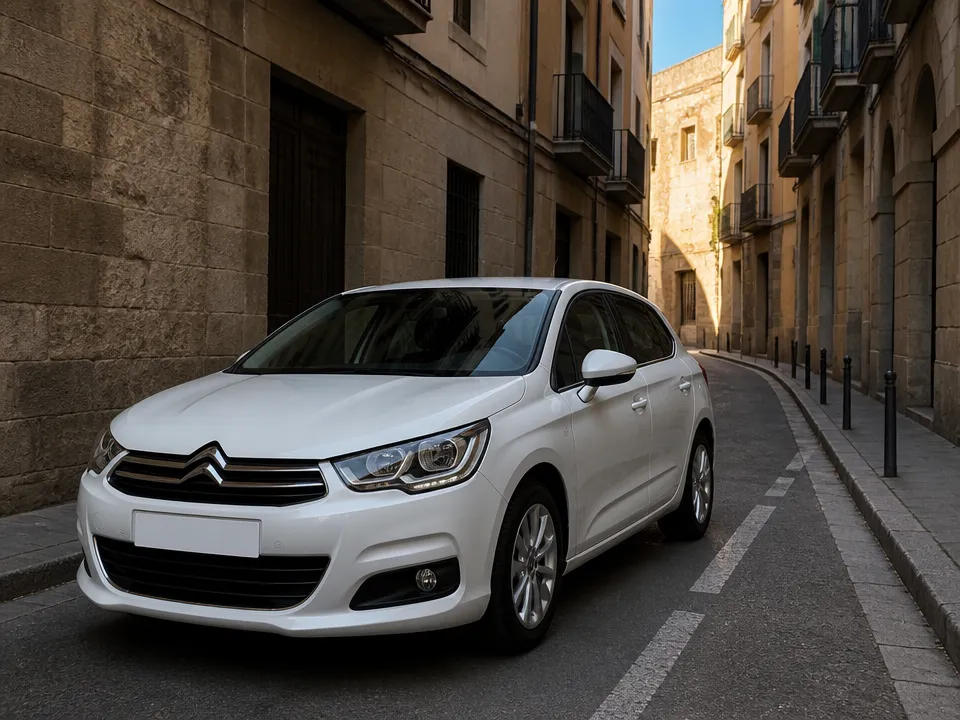
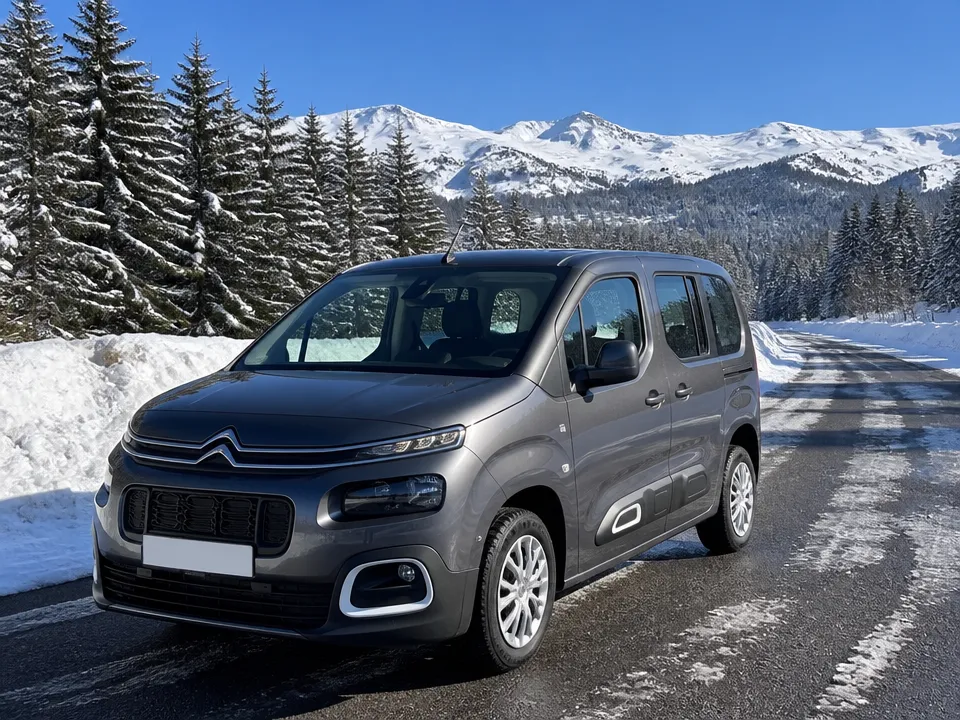
Citroen C4
★4.6· 86Manual1.2 L130 hpFront-wheel5 seats
€40per day
Book now





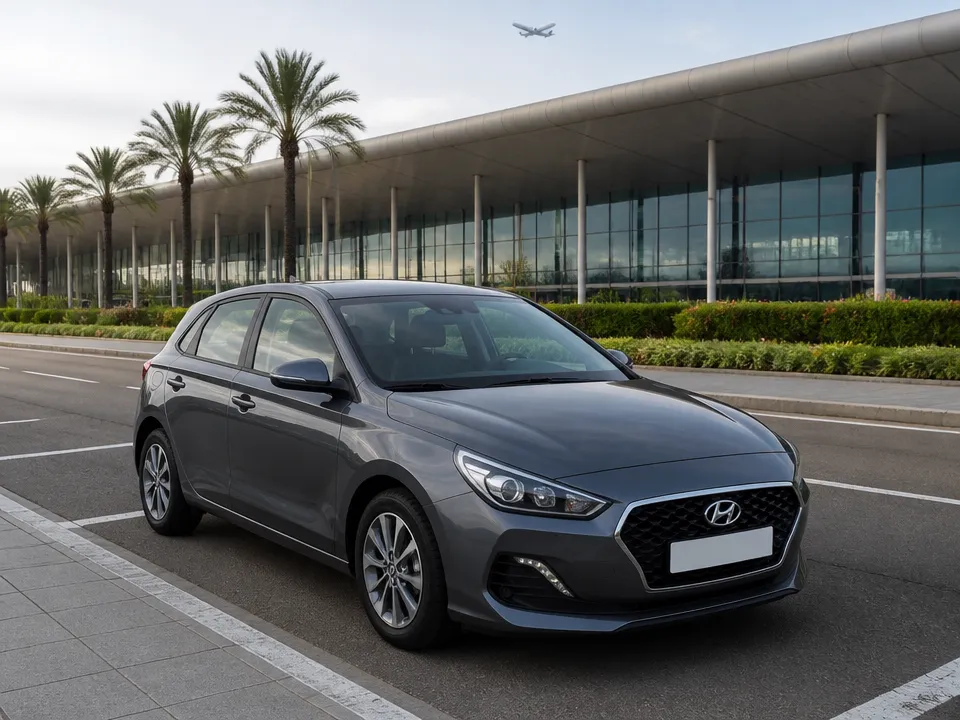
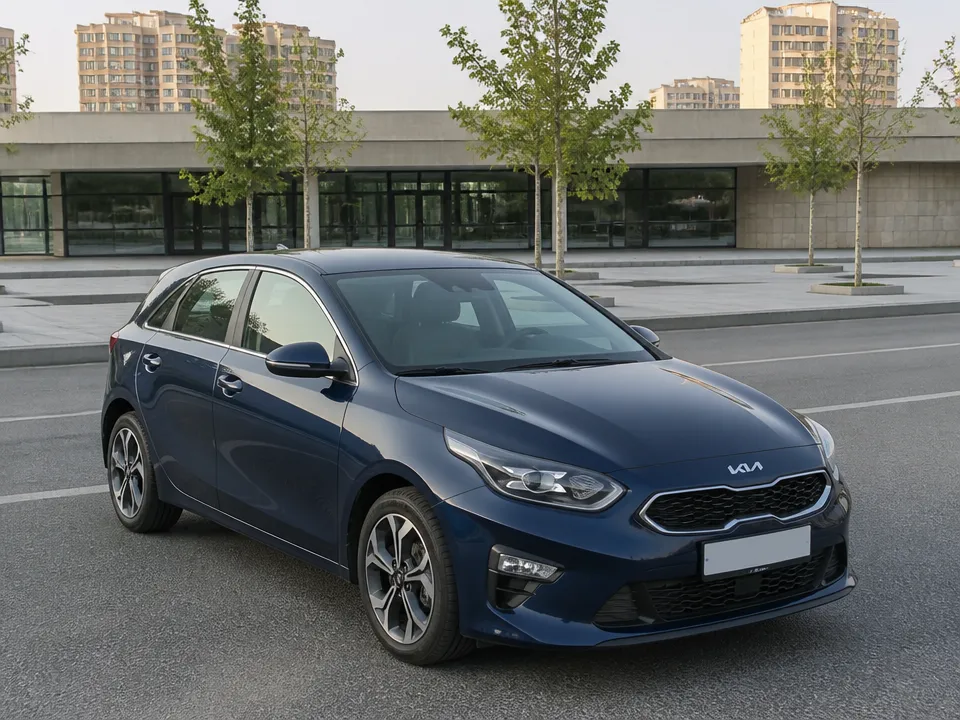
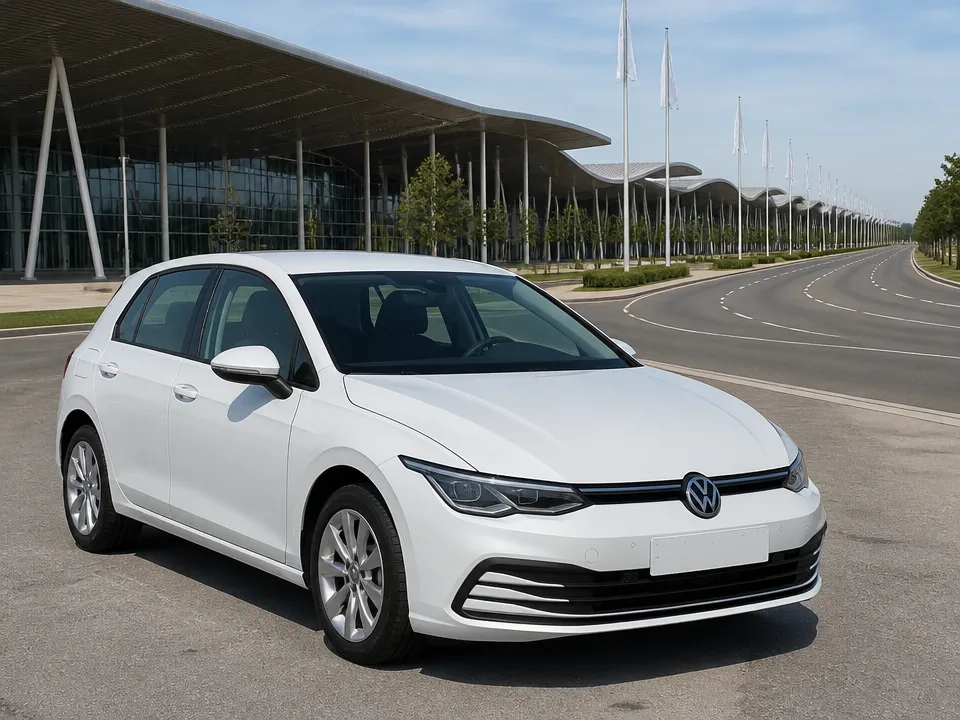
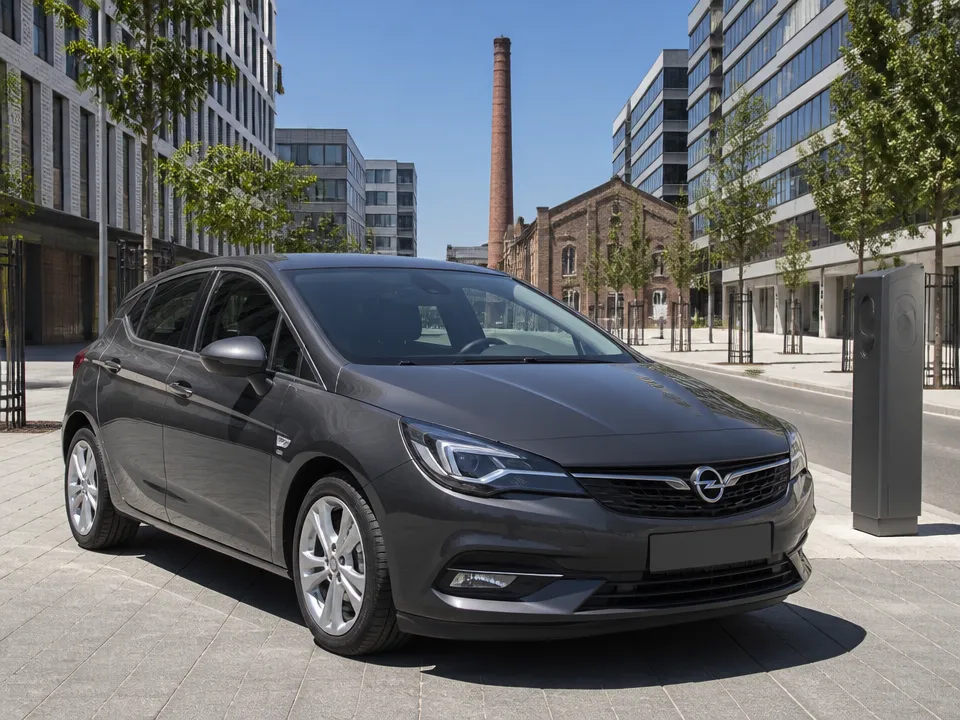
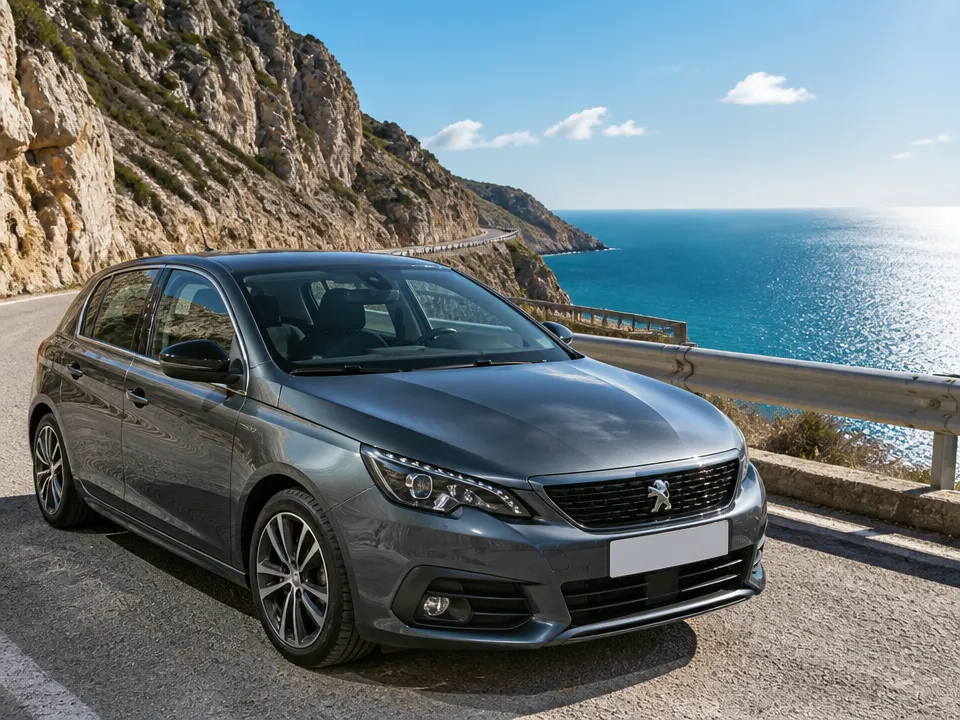
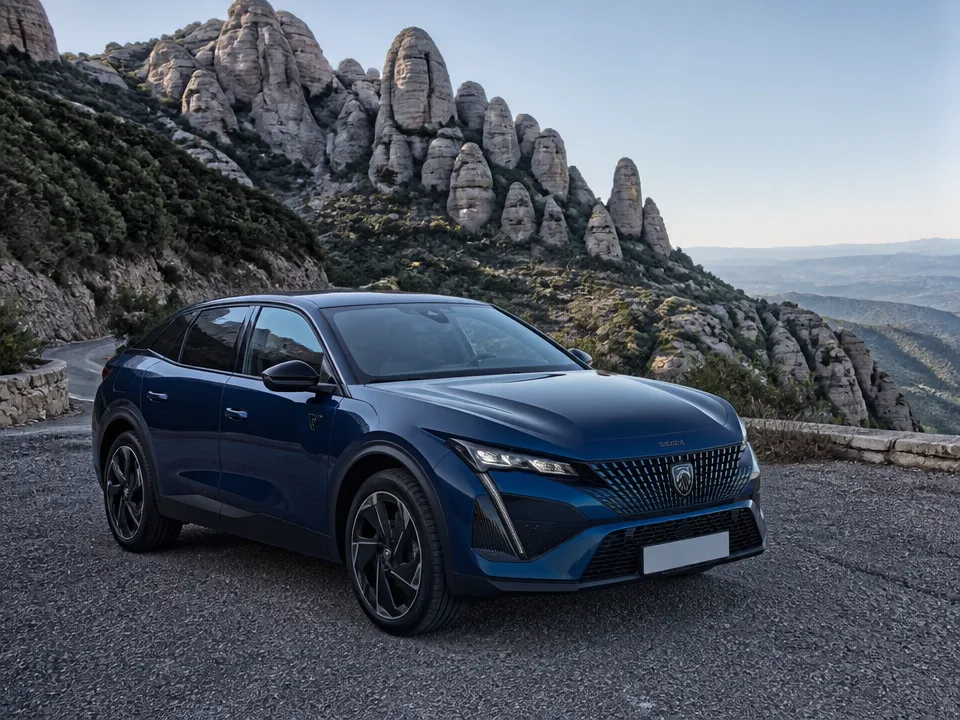
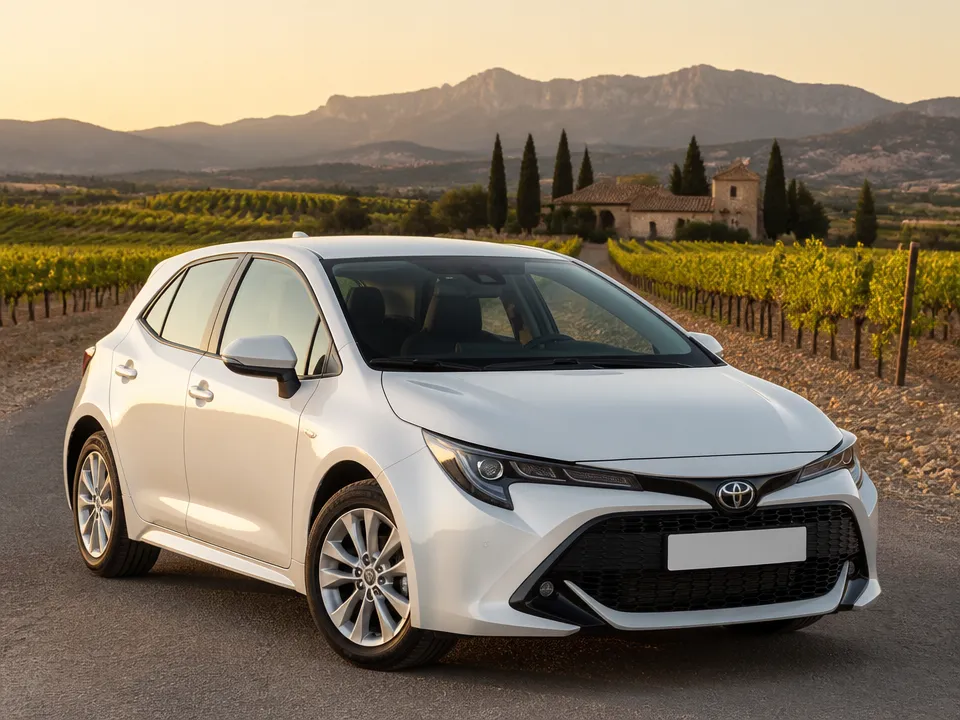
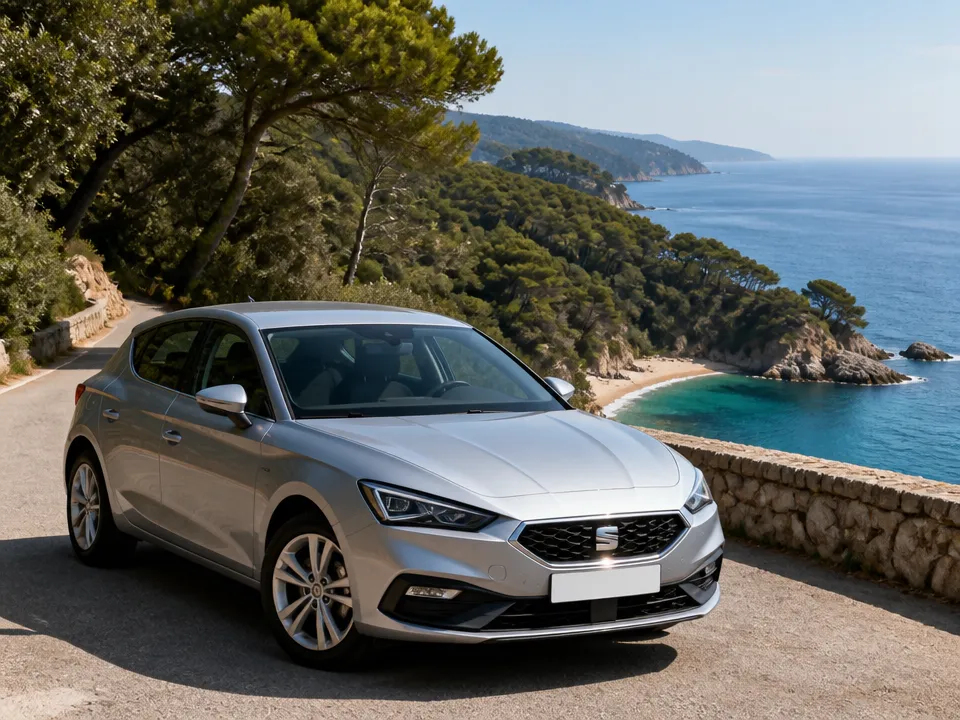
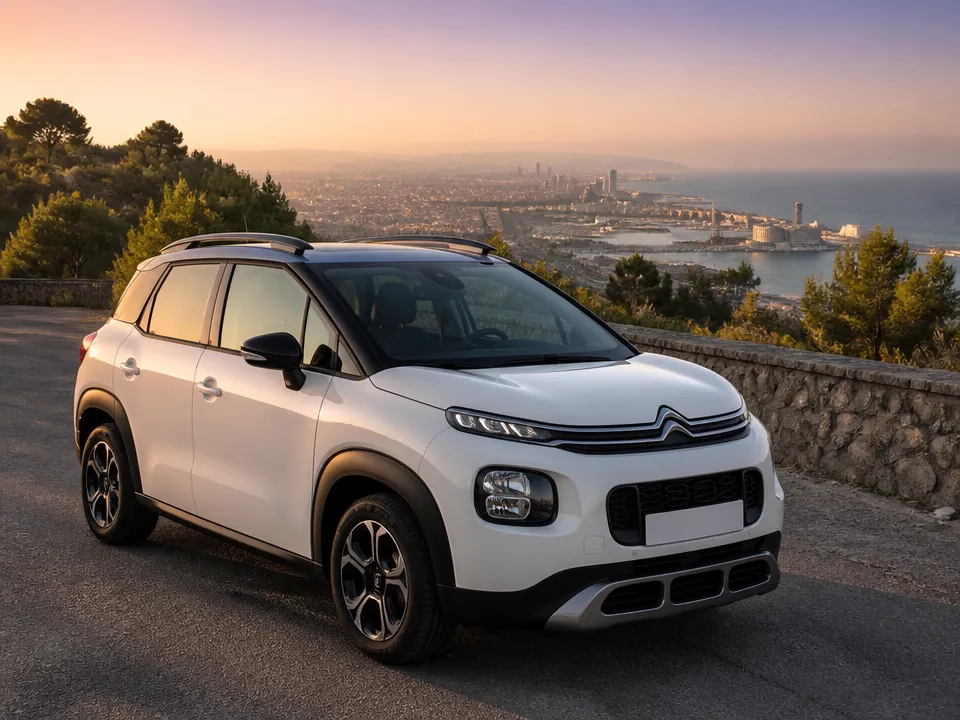
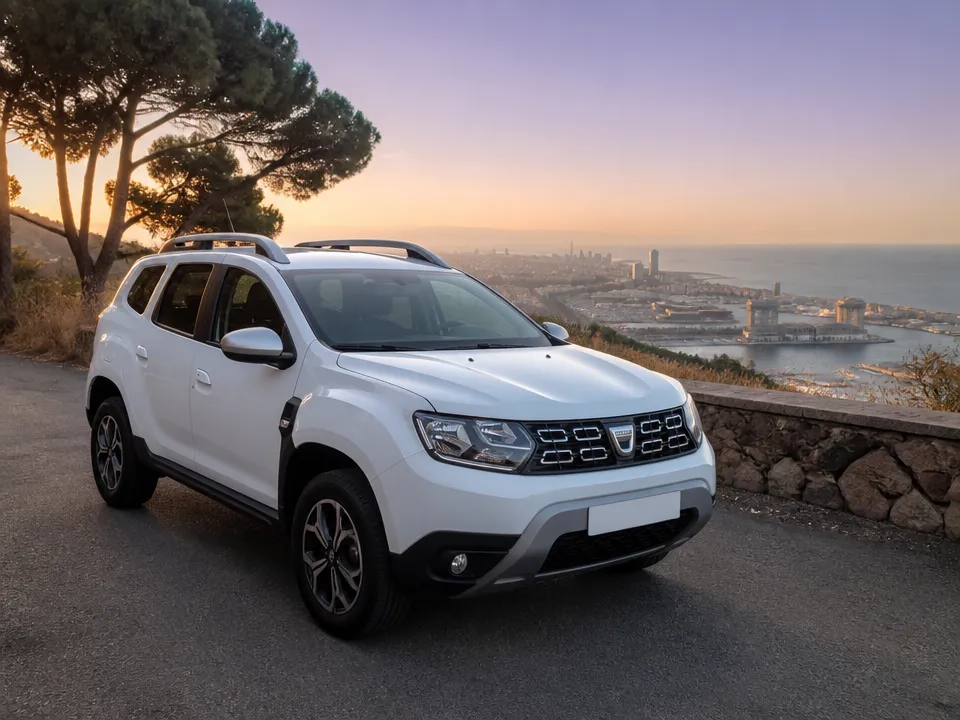
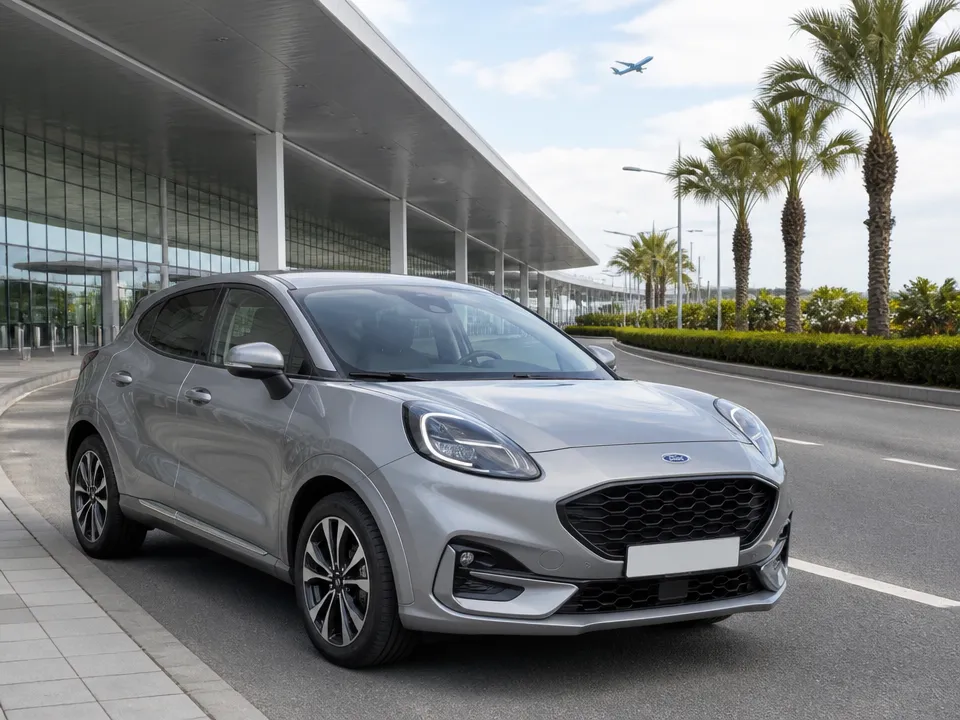
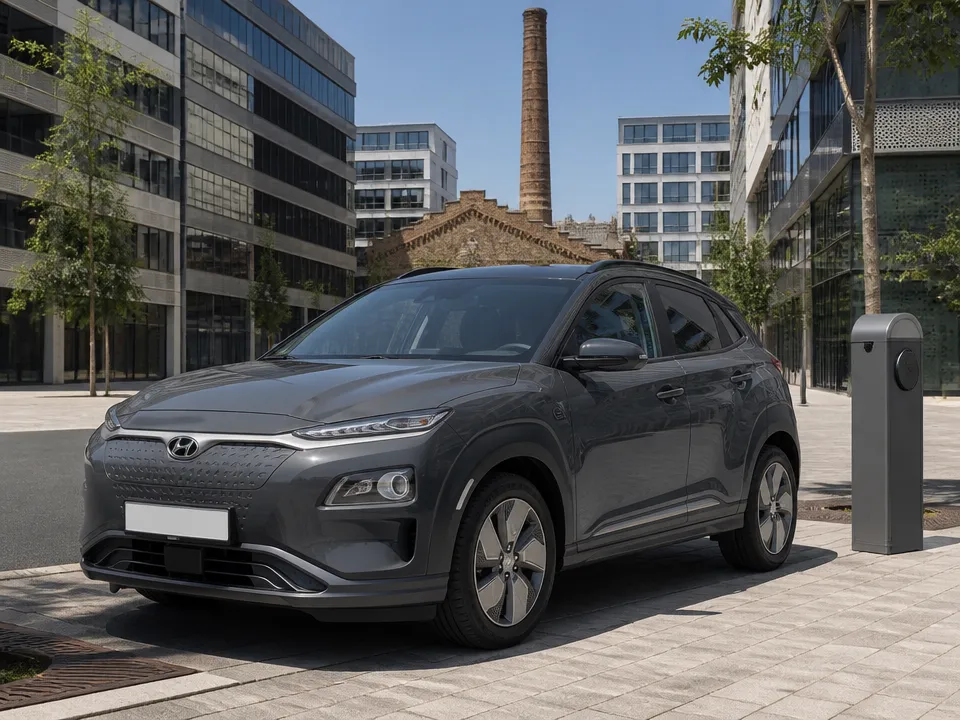
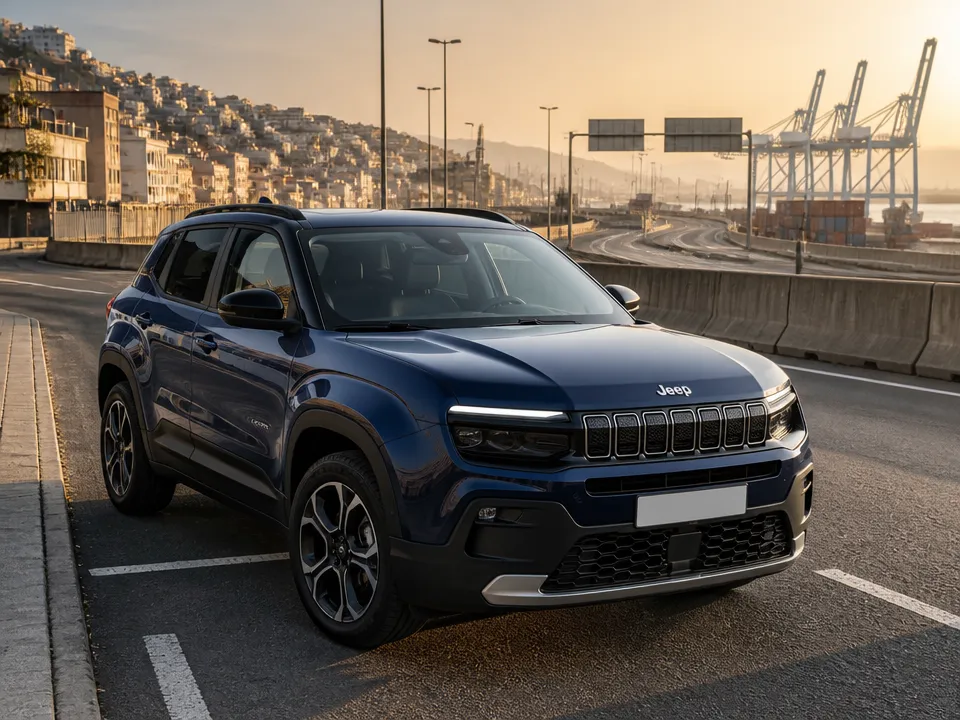
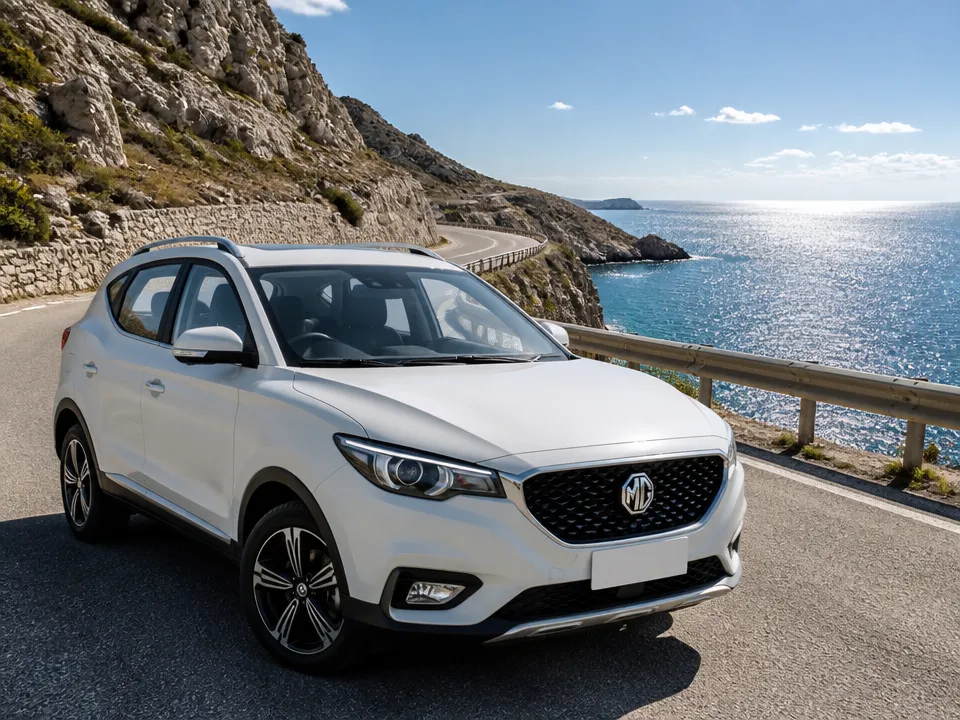
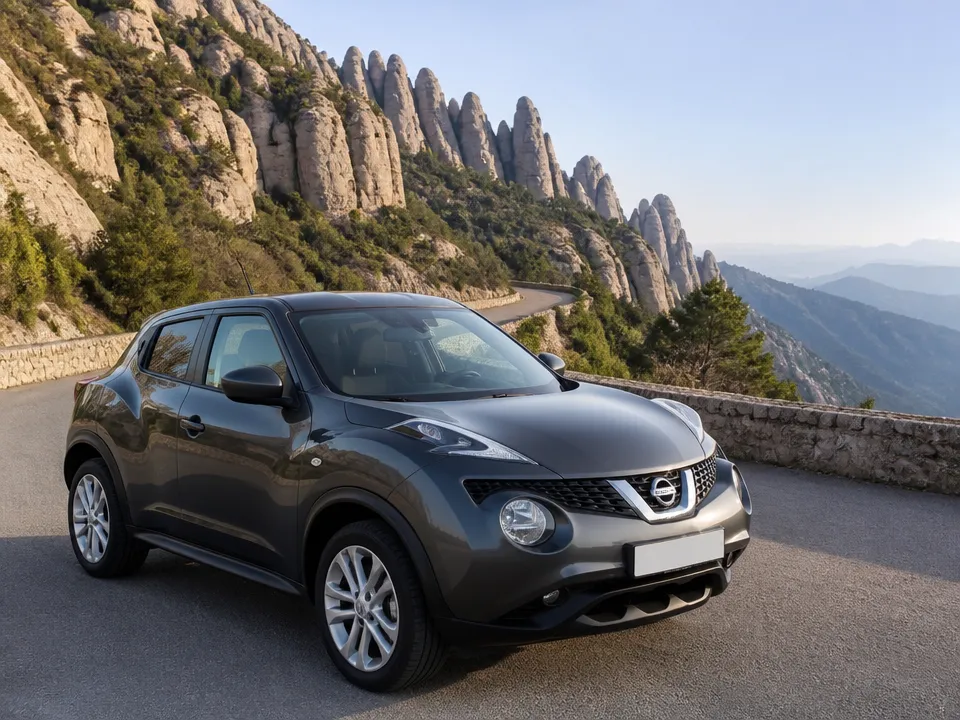
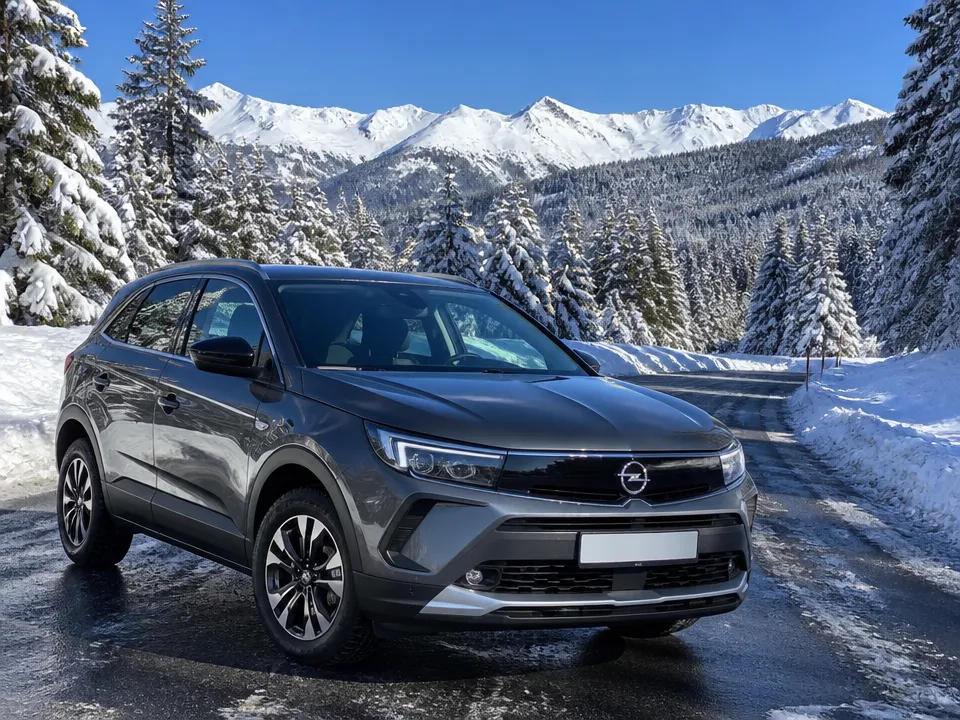
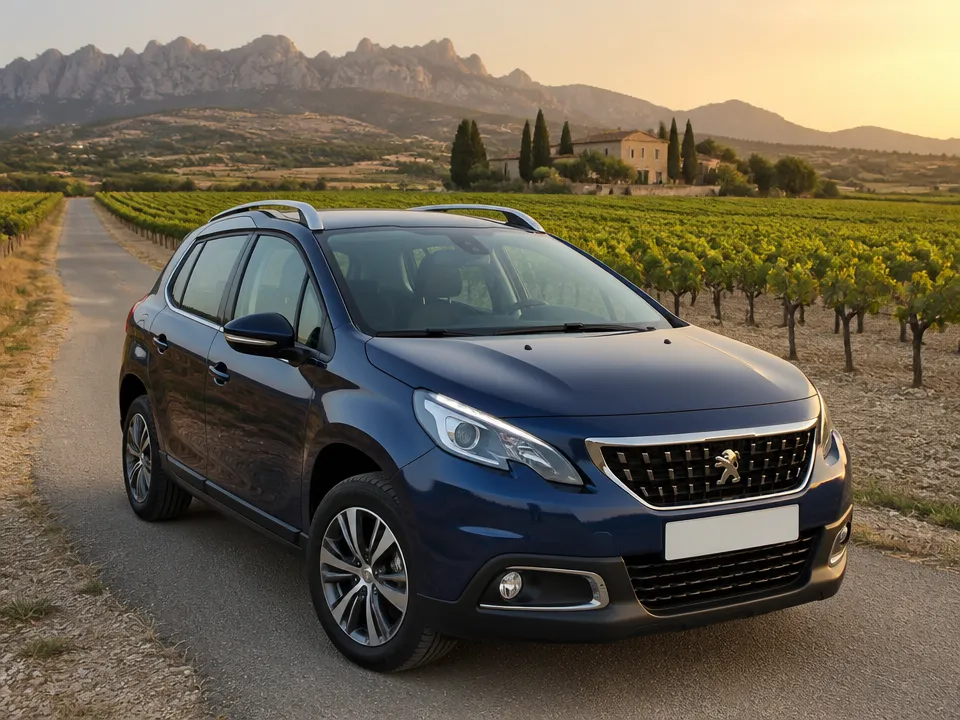
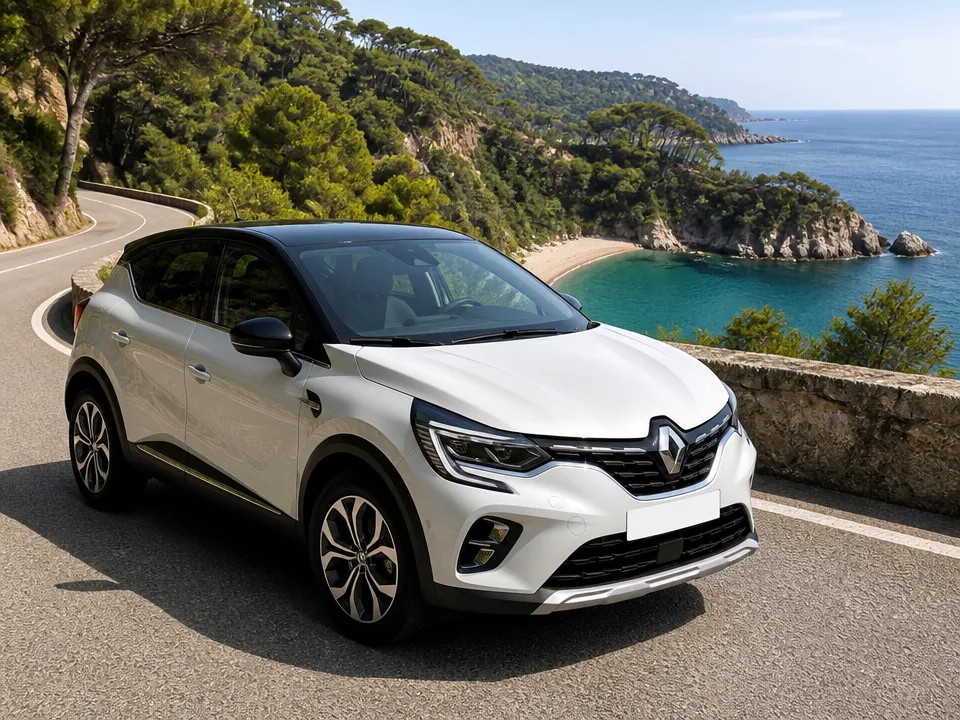
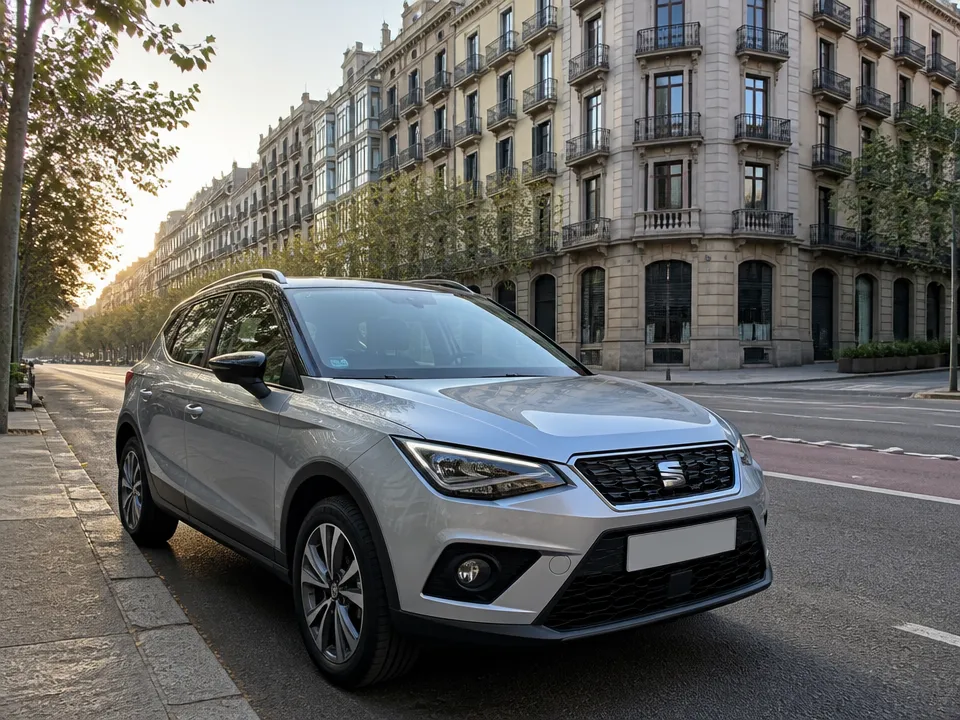
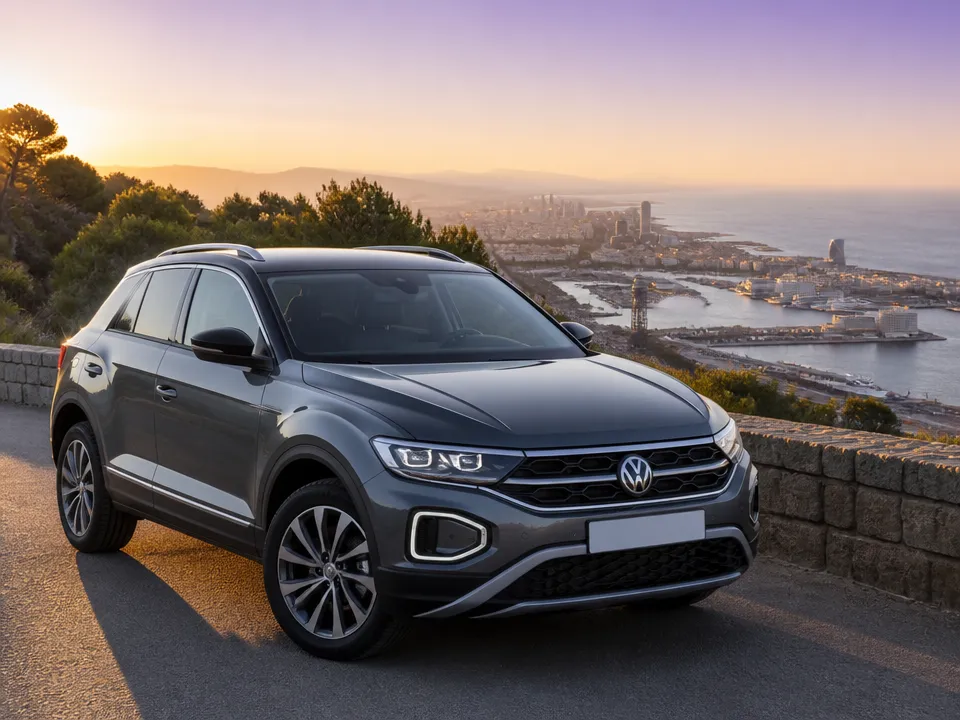
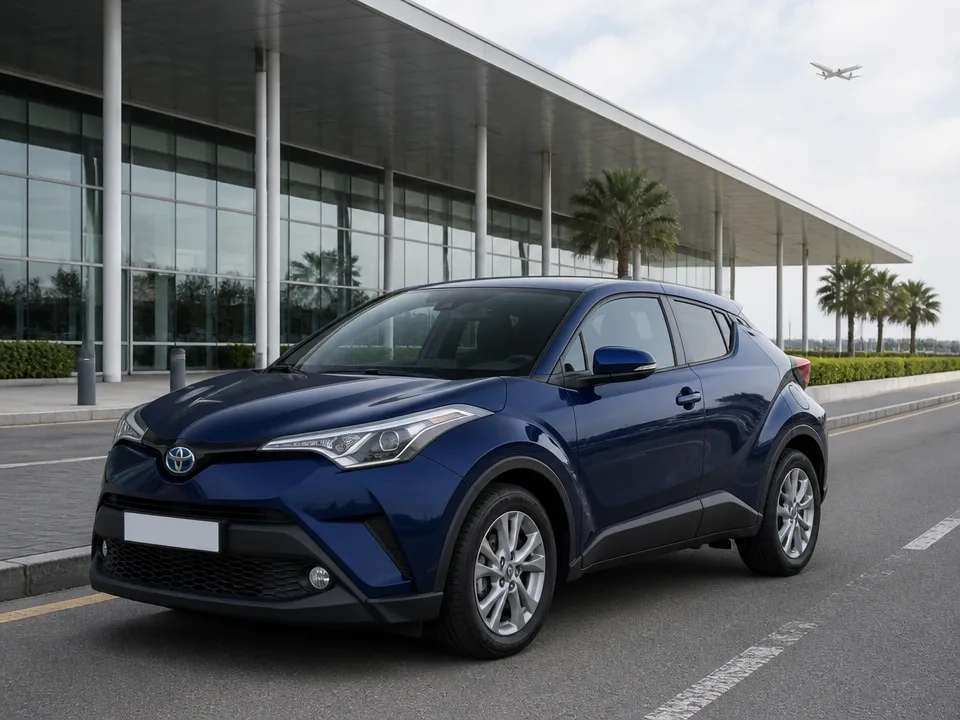
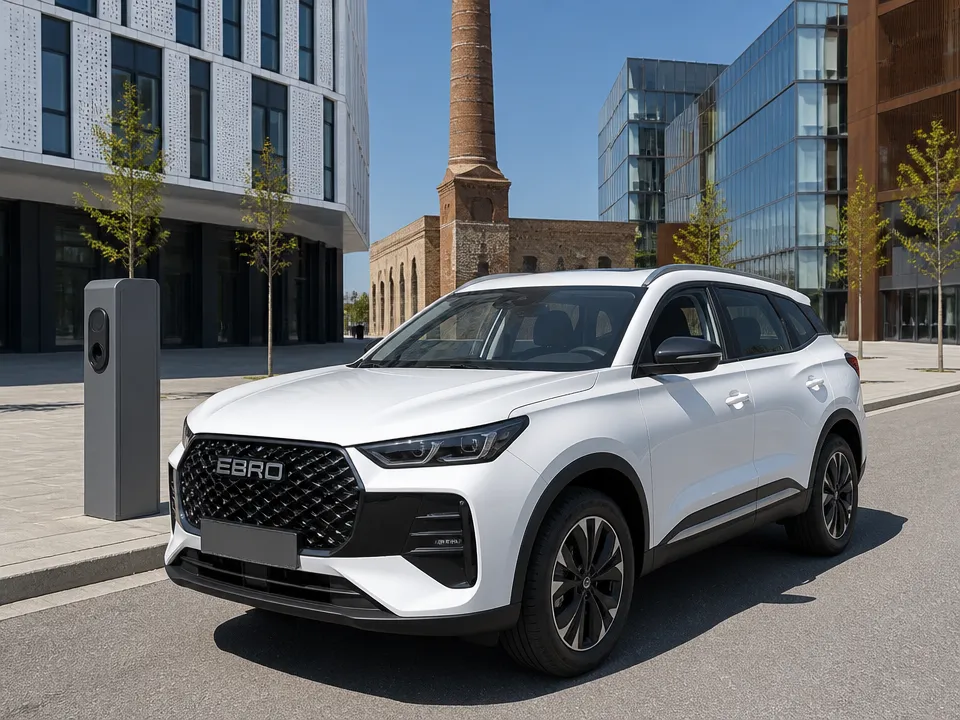
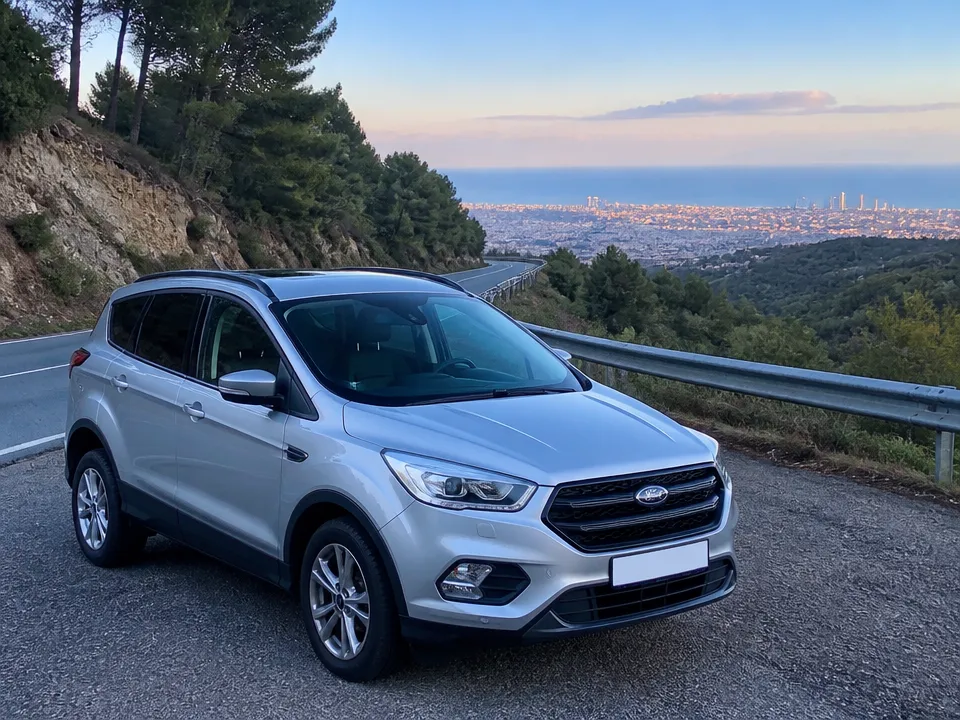
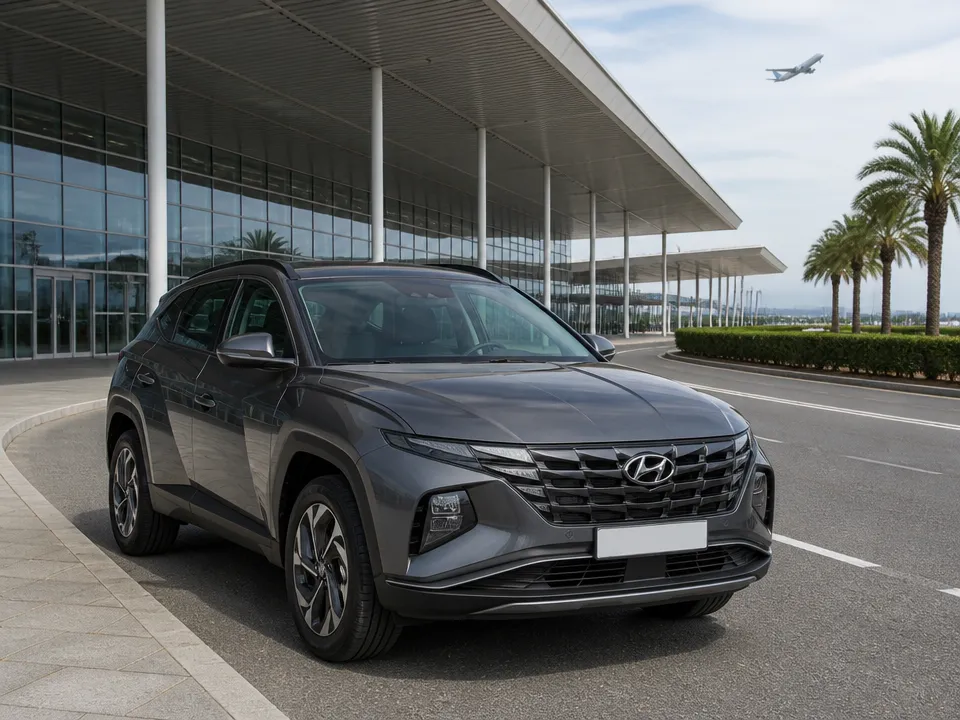
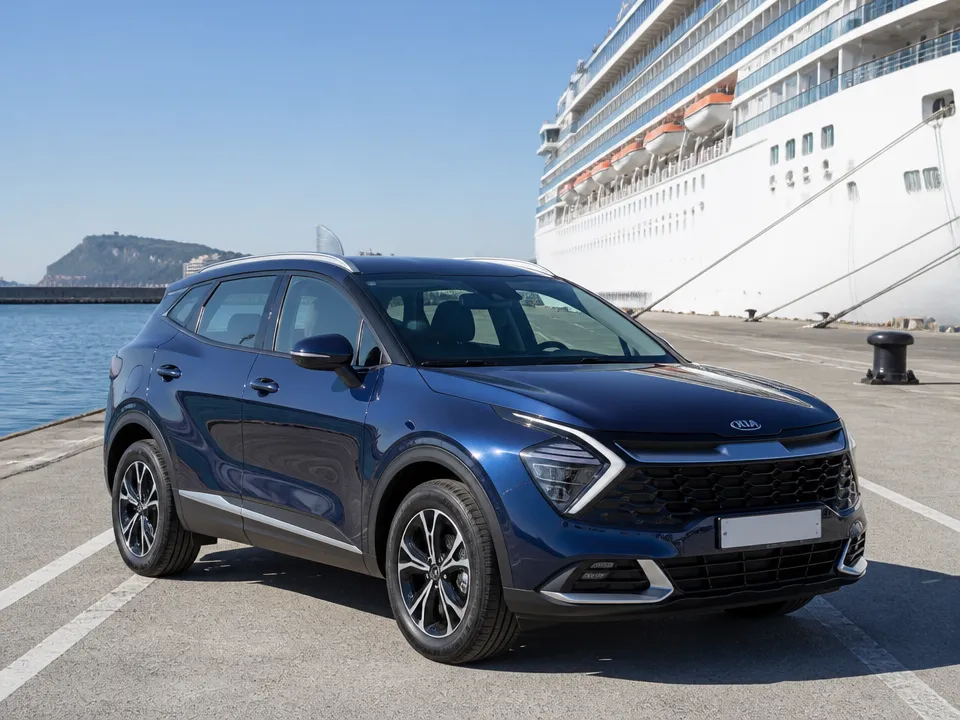
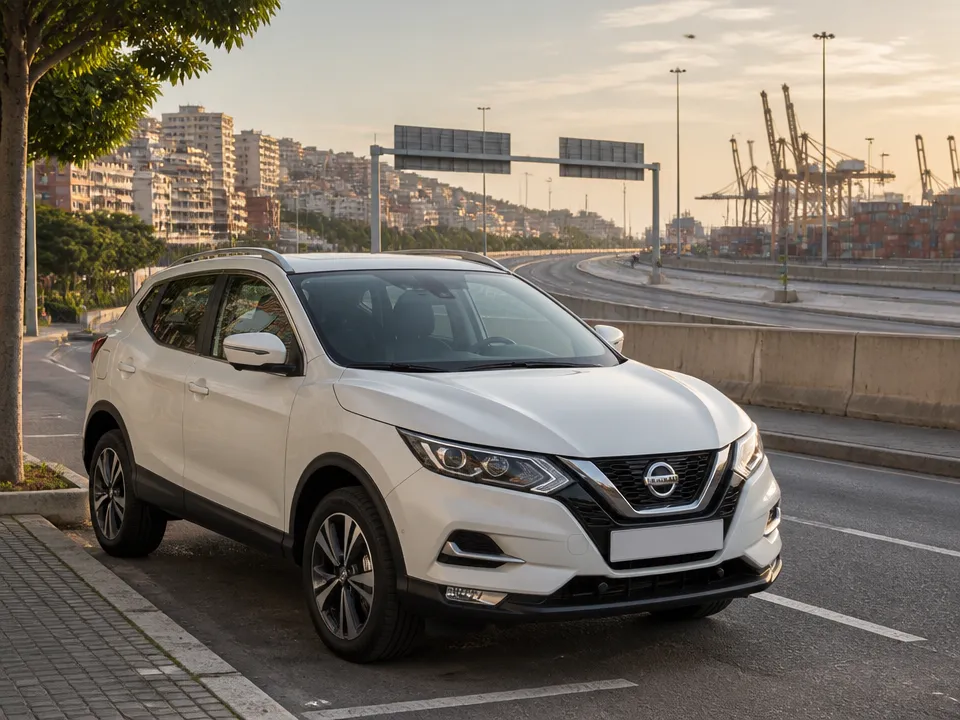
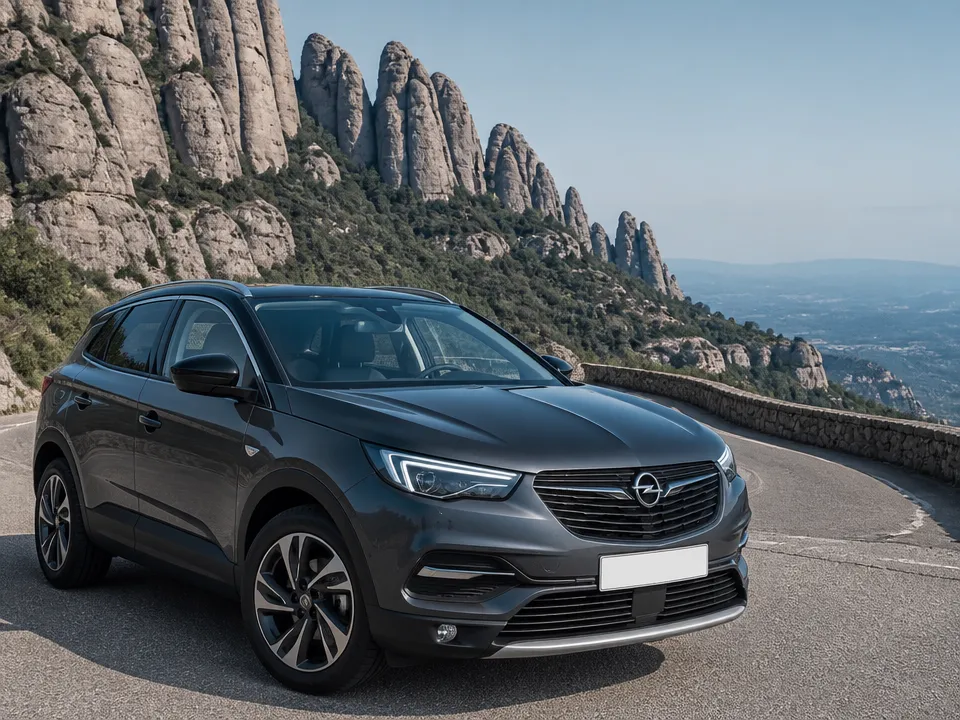
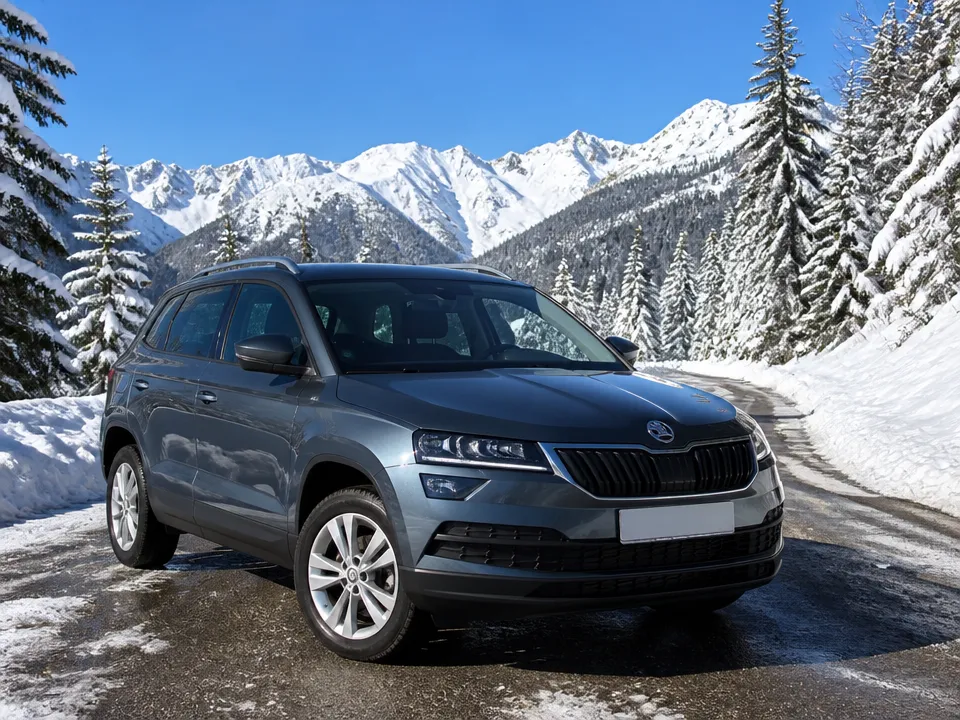
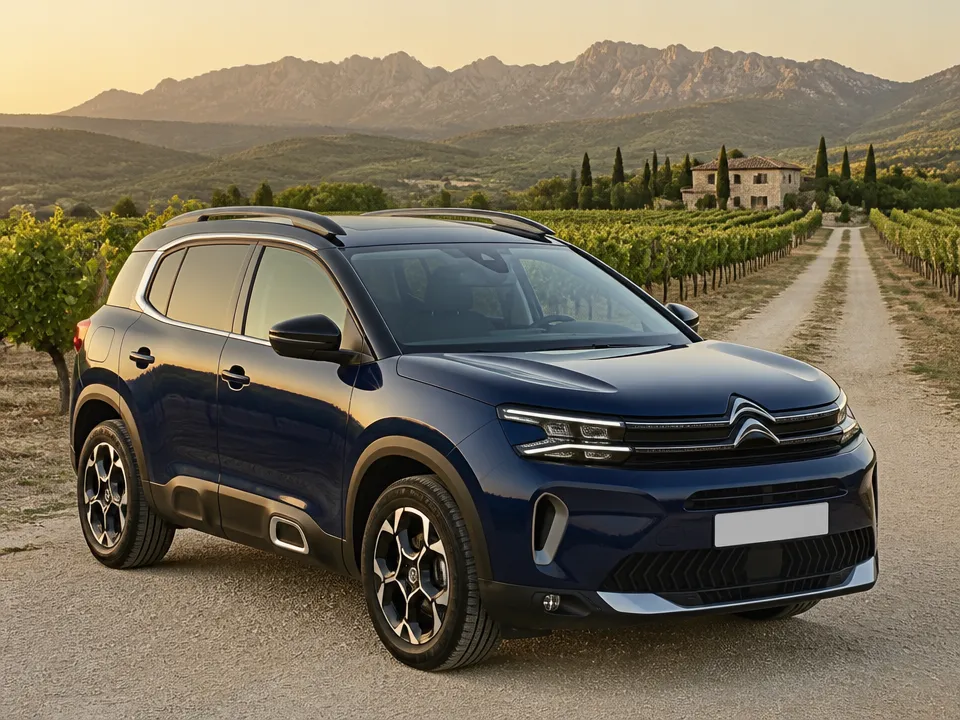
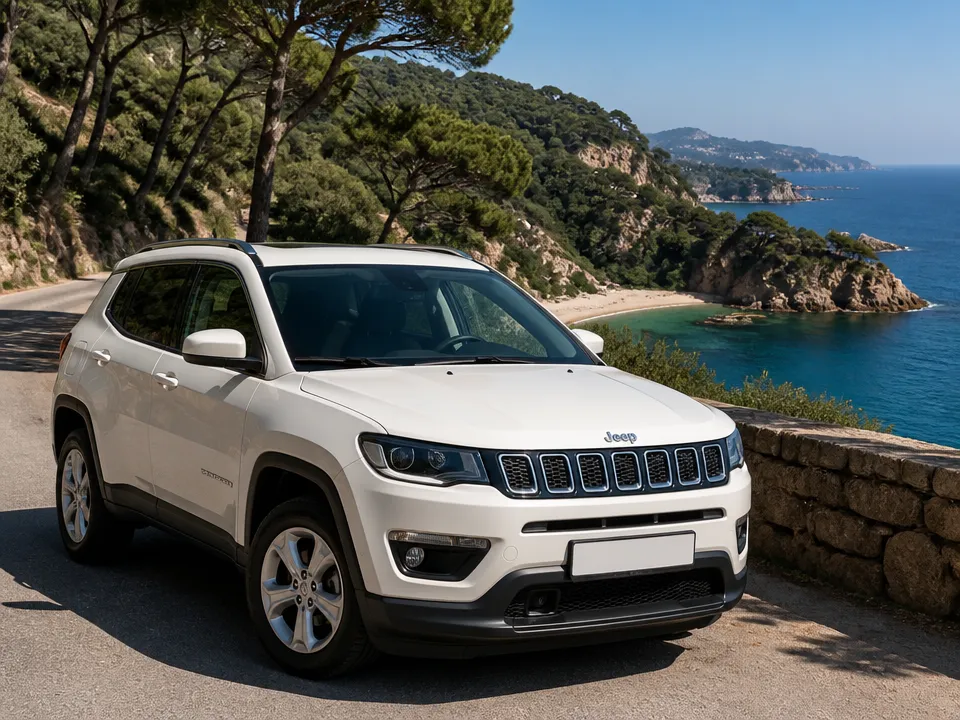
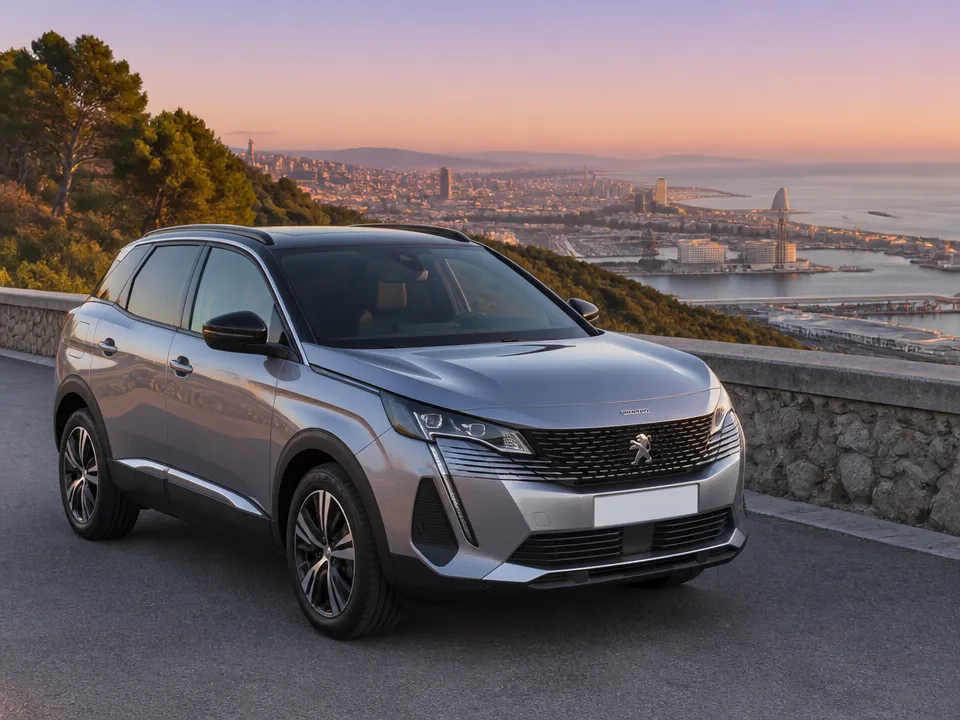
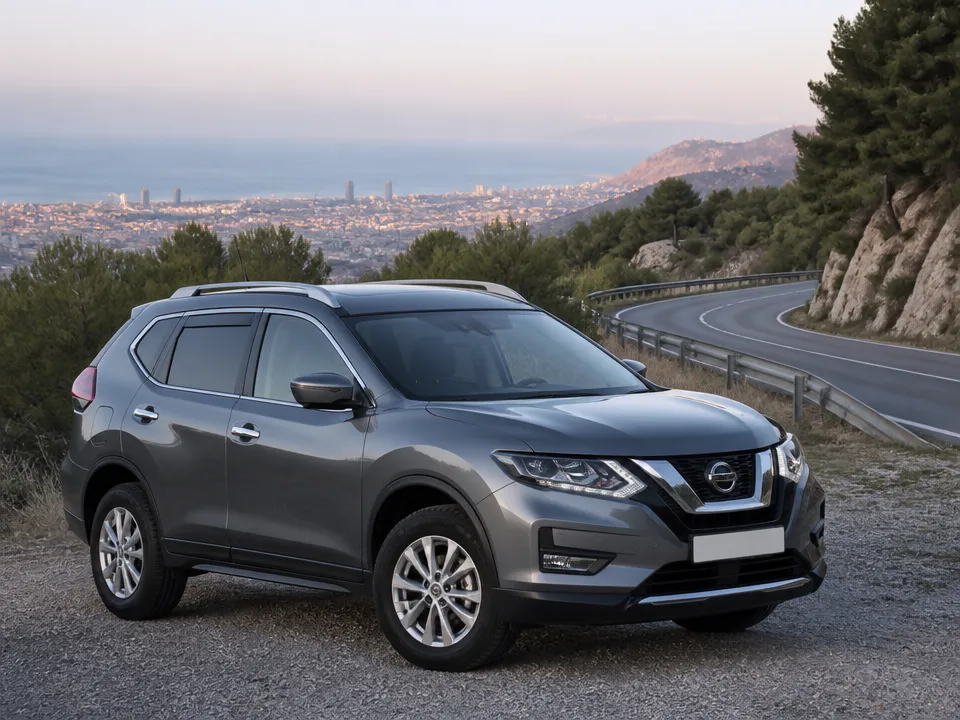
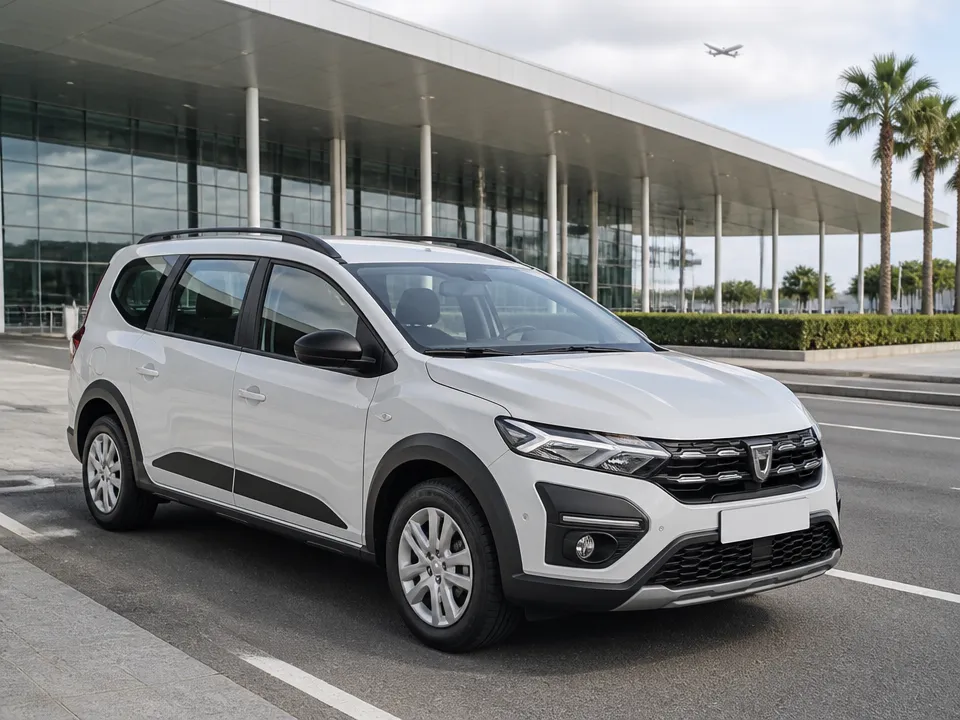
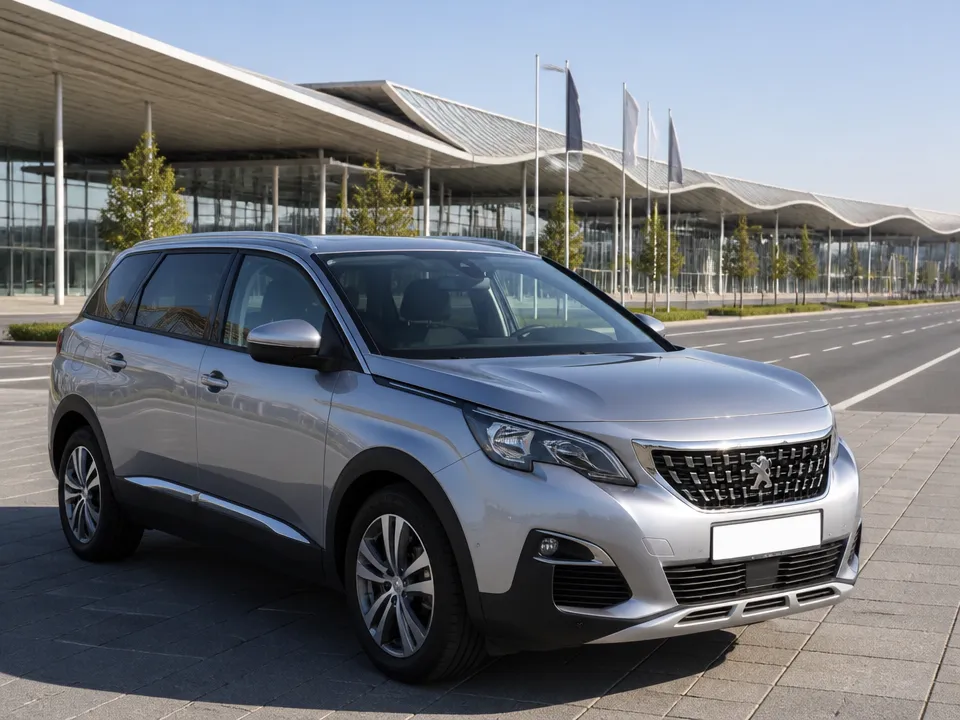
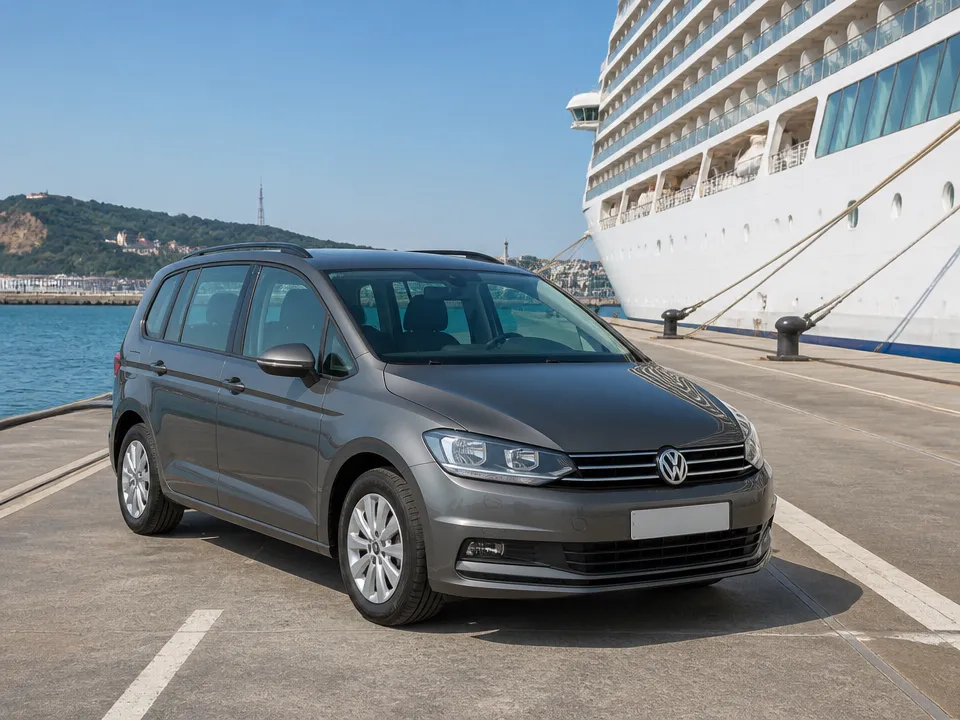
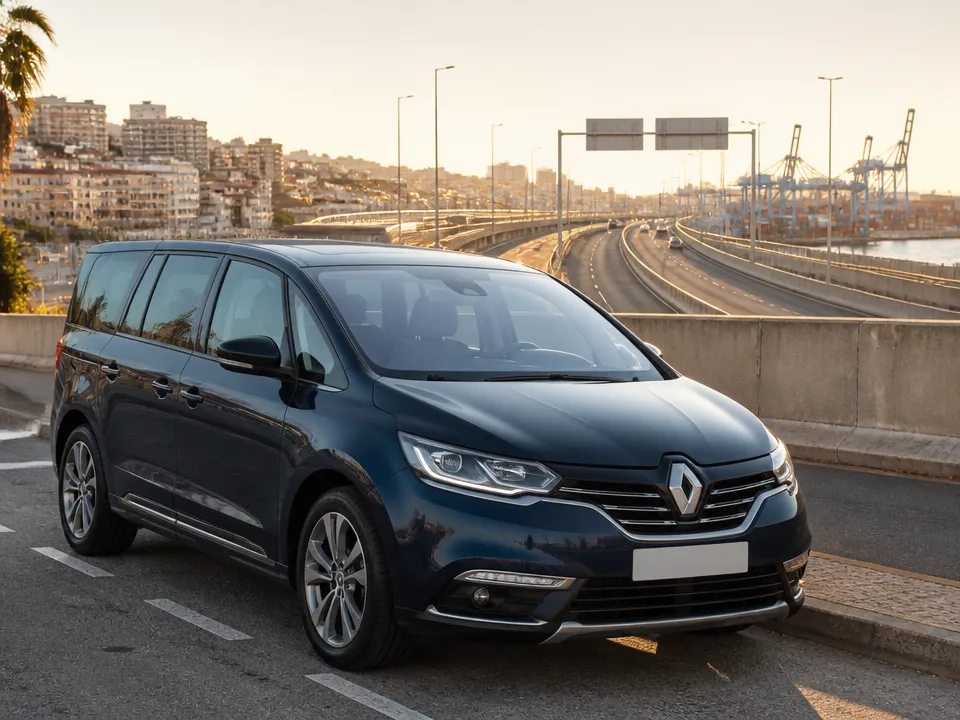
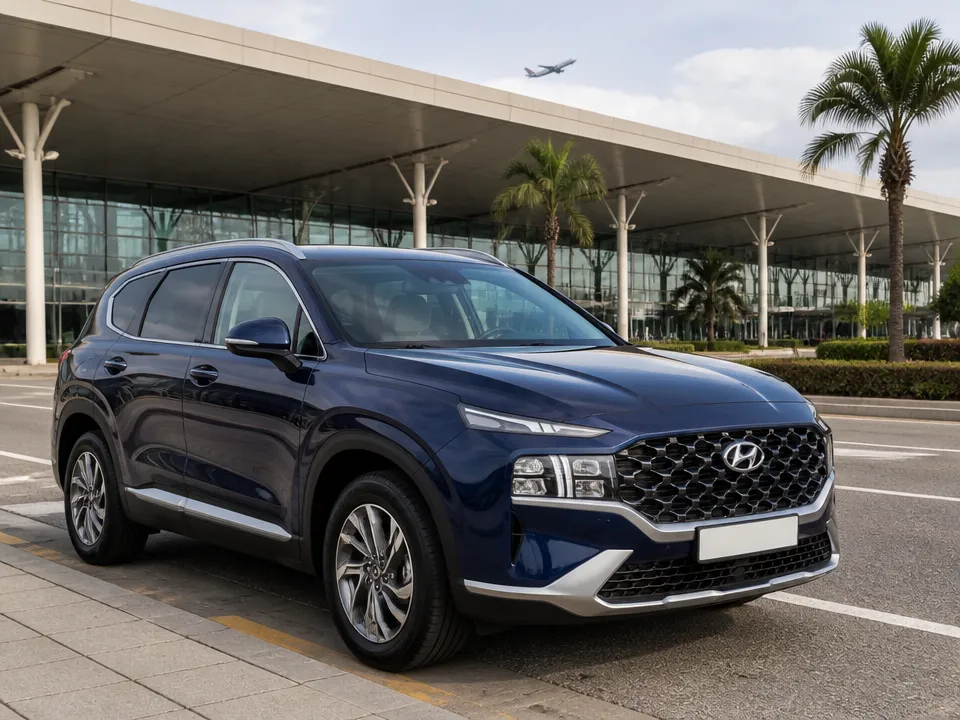
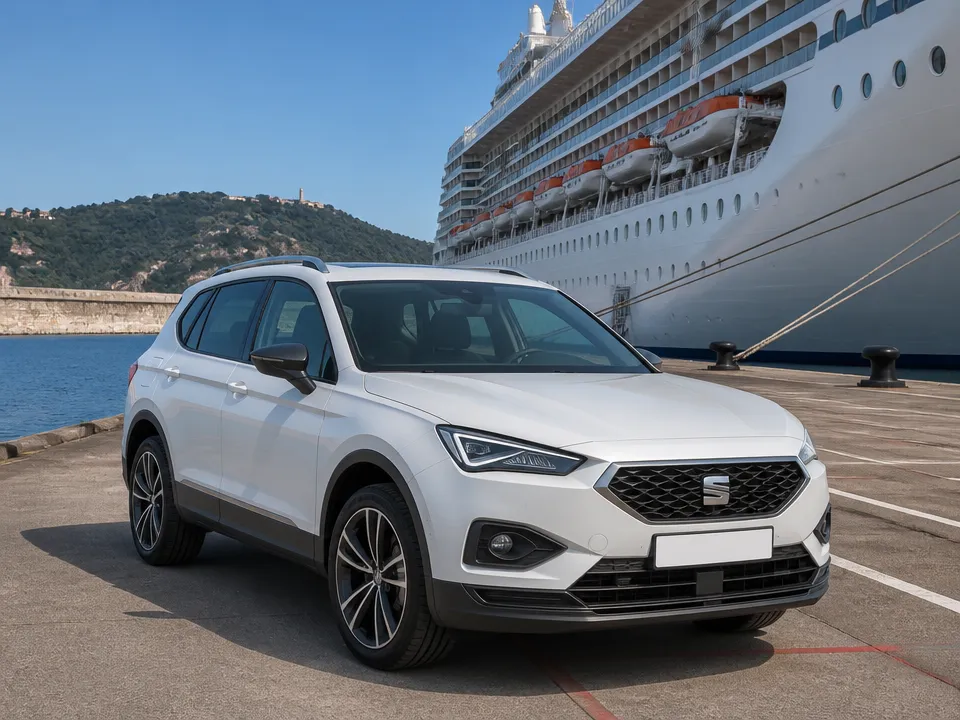
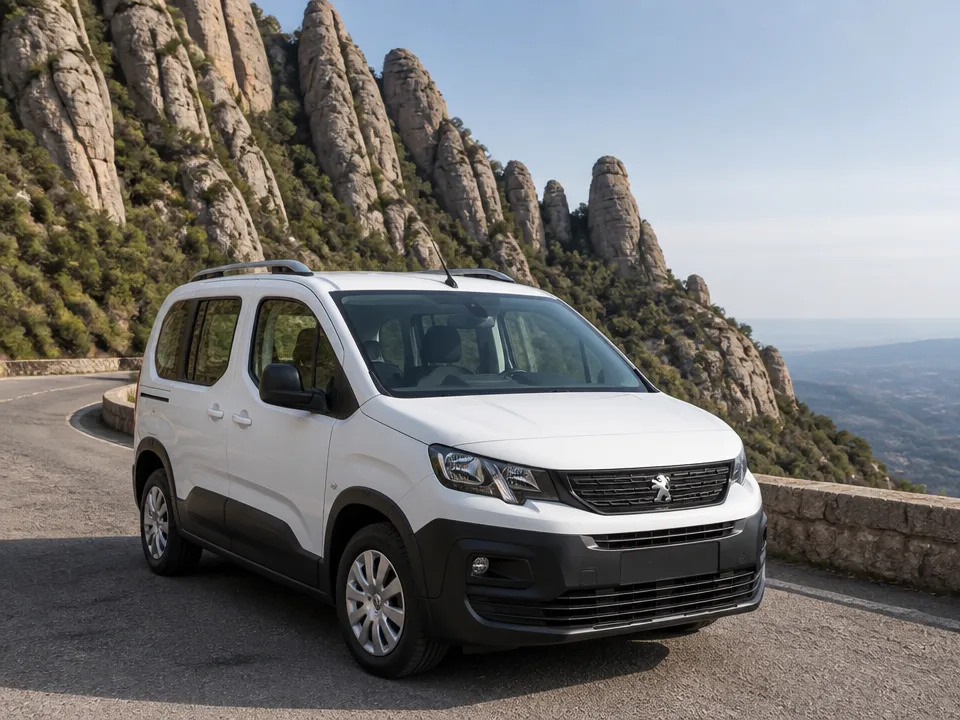
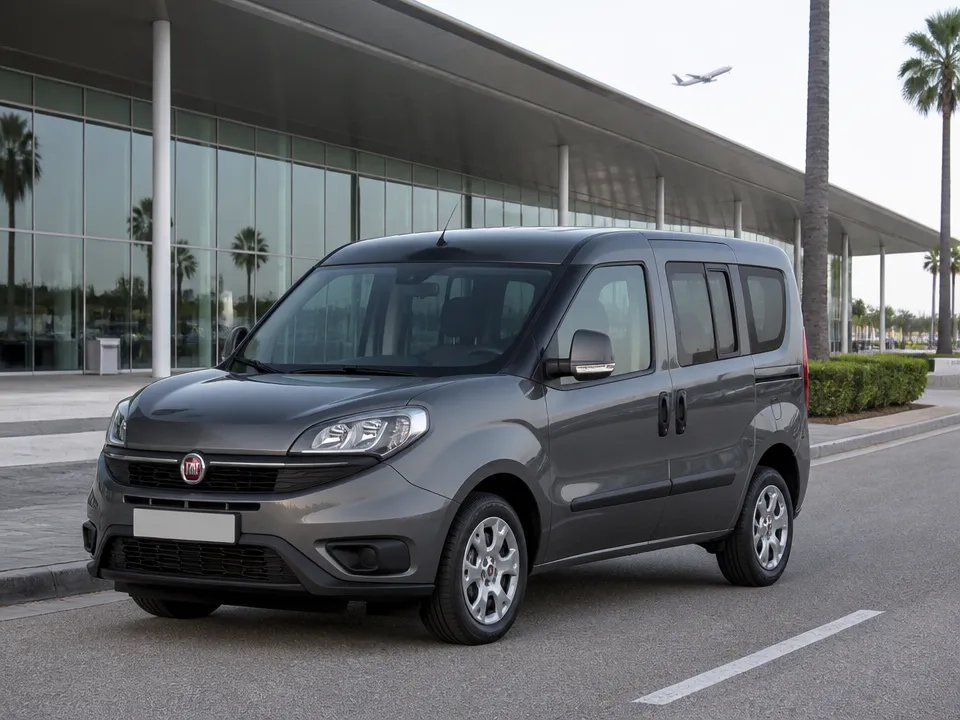
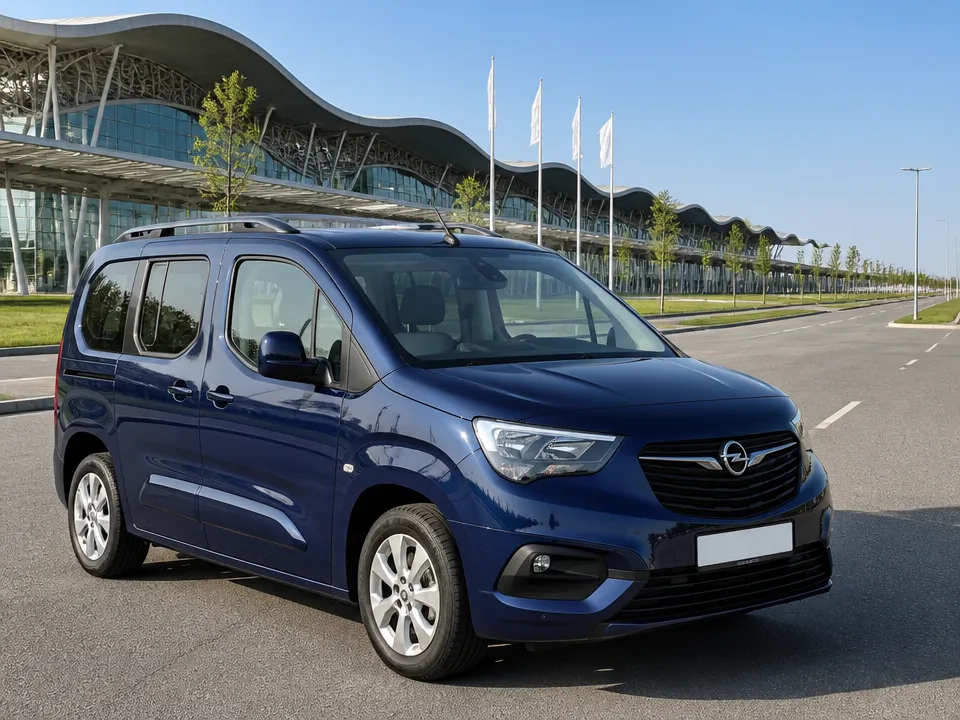

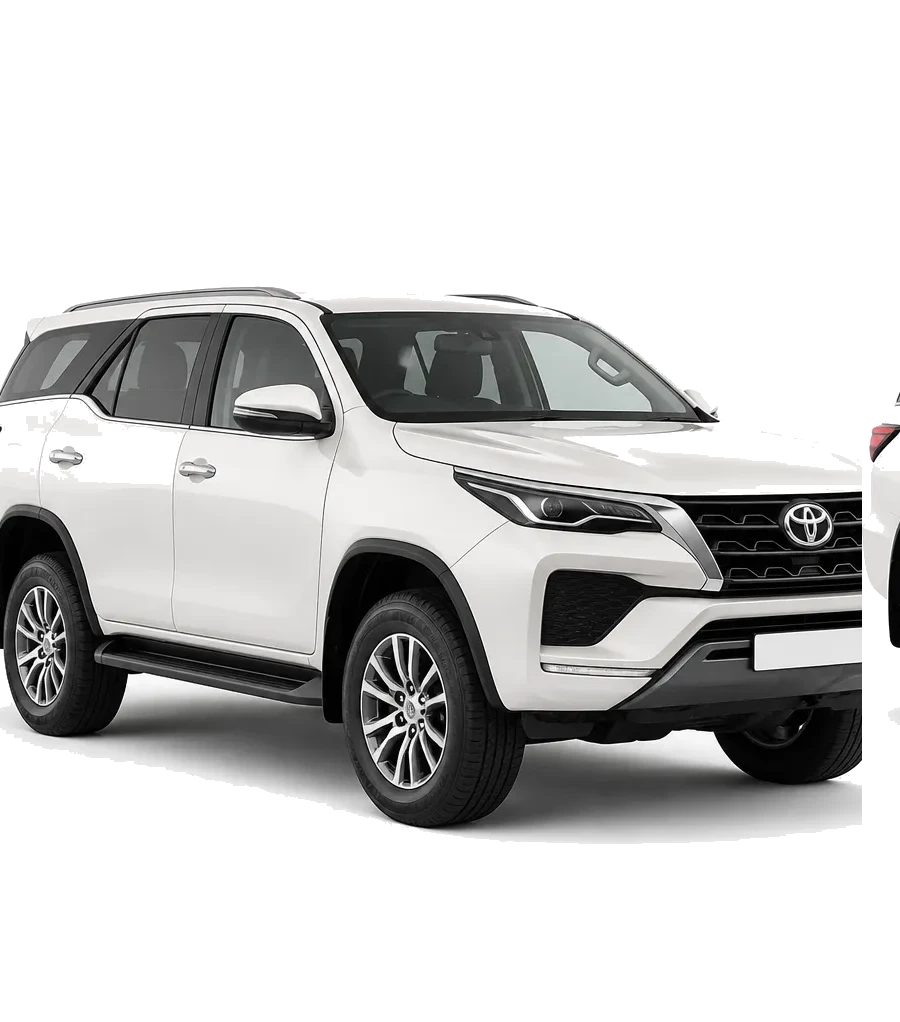

Our fleet for a Barcelona car rental trip to Andorra runs to 44 self-drive cars, from €38 a day for a Crossover such as the Citroen C3 Aircross, with weekly bookings from €228 and monthly from €798. We deliver the car to you in Barcelona, and the booking is agreed with a manager.
Cross-border travel to Andorra is possible on a self-drive hire, but the territory permission is not automatic — it is agreed with a manager when you book. Sort this out before the car is handed over, not at the border.
Rent-Trip authorises cross-border travel to Andorra through the EMS service, agreed with a manager at the booking stage. EMS is the paid territory extension that turns a standard mainland-Spain hire into a car you can legally drive into the Principality. Without it, the vehicle is permitted only in mainland Spain, and the Andorra crossing falls outside that permission. The arrangement is confirmed in writing alongside your booking, so nothing is left to interpretation at the Pyrenean frontier. In our practice, travellers heading north for a ski week or a duty-free day trip are the ones who ask about this first — and the ones who lose a morning when they leave it until collection day. So request EMS when you reserve, not on the morning of departure: the amendment has to be processed before the vehicle leaves our hands, and a border post is the wrong place to discover the paperwork is missing.
Andorra sits outside the Schengen area, so carry your passport or national ID and the rental agreement naming the main driver.
Keep the rental agreement in the car rather than in your suitcase — it is the document that proves you are allowed to take this particular vehicle across the border if anyone asks.
Two corridors do the work: the AP-7 and C-16 combination through the Túnel del Cadí, or the N-260 approach from the west. Both end at the same border.
The standard route leaves the city on the C-16, passes the Túnels de Vallvidrera and continues via the Túnel del Cadí towards La Seu d'Urgell. From there the C-14 and N-260 carry you up to the Andorran frontier near La Farga de Moles, and the whole run sits comfortably inside a morning. The AP-7 does the heavy lifting south of the Cadí massif, then the C-16 takes over through Berga and Bagà; the tunnel itself cuts under the Sierra del Cadí and saves you the old coll de Pendís climb. Túnels de Vallvidrera is the first toll you meet leaving the city — keep change or a card ready, because the barrier does not take notes and there is no attendant on the automatic lanes. The Cadí tunnel charges separately, so budget for two toll points rather than one.
The last stretch climbs through Pas de la Casa and over Port d'Envalira, the highest paved pass in the Pyrenees. Road N-260 brings you up from La Seu d'Urgell to the border, and once you cross, the CG-2 winds through Pas de la Casa before the climb to the Envalira summit. Snow gates and chain controls appear on this section first when weather turns, and the pass can close while the valley below stays completely clear. If you are travelling between November and April, check the road status before you set off rather than at the foot of the climb — turning back from Pas de la Casa costs you an hour you did not plan for.
| Leg | Road | Distance | Drive time |
|---|
The table uses our own driving estimates for the corridor, not a routing engine's optimistic numbers. Plan your refuelling stop on the Spanish side before La Seu d'Urgell, where the last larger stations sit before the climb to the border.
Mountain gradients, long climbs and winter conditions make traction and power the deciding factors, not the size of the boot. On this page we hold 44 cars across four classes, and the right pick for the Andorra run depends on how many of you are travelling and when you drive.
| Class | Seats | Drive | From €/day |
|---|---|---|---|
| Crossover | 5 | Front-wheel | €38 |
| Comfort | 5 | Front-wheel | €40 |
| SUV | 5 or 7 | Front-wheel, 4x4 or AWD | €42 |
| Minivans | 5 or 7 | Front-wheel | €52 |
Rent-Trip recommends a 4x4 or AWD car for the Pyrenees, because the climb to Port d'Envalira is where a front-wheel car runs out of grip first. The Dacia Duster at €42 a day is the cheapest all-wheel option we hold, with the Nissan X-Trail at €60 topping the range at 163 hp and seven seats. Front-wheel drive handles the C-16 and the Túnel del Cadí comfortably in dry weather, so if you are travelling between May and October a Crossover at €38–€43 is enough. In our experience the deciding question is not power but the return leg: a loaded seven-seat car climbing in low gear burns noticeably more fuel, and the Dacia Duster's petrol-LPG setup keeps that cost down on a long mountain day. Check the road conditions before you leave Barcelona — the pass closes to cars without winter tyres or chains during heavy snow, and that decision is made on the day, not at booking.
Prices on this page run from €38 to €72 per day across 44 cars, and the class you pick decides both the daily rate and how comfortable the Pyrenees climb feels. Longer bookings follow the same logic: a week costs six daily rates, a month costs twenty-one.
Rent-Trip prices weekly bookings from €228 and monthly from €798 on this page, and both figures come straight off the daily rate of the car you choose. A Crossover at €38 per day works out at €228 for a week and €798 for a month; a Minivan at €52 per day scales the same way. The weekly and monthly figures are not separate tariffs — they are the daily price multiplied out, so the class decision you make for the mountains is also the decision that sets your total. In our experience, travellers heading for Andorra book five to eight days and rarely need the monthly rate at all. Ask the manager to quote the total for your exact dates when you book, because the agreement is what fixes the final amount.
| Class | Cars on this page | Seats | From €/day |
|---|---|---|---|
| Crossover | 13 | 5 | €38 |
| Comfort | 10 | 5 | €40 |
| SUV | 13 | 5 | €42 |
| Minivans | 8 | 5 or 7 | €52 |
A 110 hp Crossover with a manual gearbox and front-wheel drive handles the C-16 and the Túnel del Cadí without complaint in summer — the Citroen C3 Aircross at €38 per day, the MG ZS at €39 and the Seat Arona at €41 all sit in that bracket. The Ebro S400 at €40 adds an automatic gearbox and 211 hp, which takes the sting out of the long climb through Pas de la Casa. Our advice: if your trip falls between November and March, look at an SUV with 4x4 or AWD instead — the Dacia Duster at €42 and the Nissan X-Trail at €60 are the two ends of that range, and traction matters more than horsepower once the Port d'Envalira turns white. Fuel is your own cost either way, and the tank is handed over full and returned full under the lleno a lleno policy.
The drive north costs less than most people expect, and the biggest single item is fuel rather than tolls. On our cars the hire itself runs from €38 to €72 per day, so the road spend is a small slice of the trip budget — but it is worth counting properly before you leave Barcelona.
Fuel is the line that moves most, because it depends on how hard the climb works the engine. Petrol 95 E5 in the municipality of Barcelona averaged 1.953 per litre in the last measurement, with a median of 1.987, a minimum of 1.758 and a maximum of 2.059 across 74 stations — so filling up before you leave the city rather than on the mountain road is a real saving. Our diesel, hybrid and petrol-LPG cars on this page cover the distance on less fuel than a pure petrol equivalent, and the Dacia Duster at €42 per day also runs on LPG, which costs less at the pump than petrol. Fill the tank on the Spanish side before the climb.
Once you arrive, parking is the cost that surprises people. The paid hours run on working days, and residential zones behave differently at weekends; the exact rates are set out in the rental agreement. In Andorra, town car parks and hotel garages are the normal solution rather than street parking. Add the hire, fuel, the two tunnel crossings and a night or two of parking, and a three-day return trip stays comfortably inside the price of a mid-range daily rate. Ask the manager at booking how the fuel policy works, so you know what to hand back at the end.
Crossing into Andorra means leaving the Schengen area, so the paperwork you carry matters more than on a domestic drive. The documents themselves are ordinary; what is not ordinary is the territory permission on the car, and that is the part we sort out with you before the keys change hands.
An EU/EEA licence, including Iceland, Liechtenstein and Norway, is fully valid in Spain while it has not expired, and nothing extra is required — no international permit for these holders. A licence from a third country is valid in Spain if it is still in force, if you are old enough for the equivalent category, and if fewer than six months have passed since you took up ordinary residence in Spain; the DGT advises getting an international driving permit before the trip. If your licence is not in Spanish, it is accepted either with an official certified translation or if it was issued on the Appendix 9 Geneva or Appendix 6 Vienna model. An IDP is a supplementary document: it is shown only together with your passport and your national licence, is valid for one year, and comes as a grey triptych with 16 pages in Spanish, German, English, French, Italian, Portuguese, Arabic and Russian. Carry the original licence, not a photograph of it — a translation or permit is an alternative to the other, never a replacement for the licence itself.
On top of that sit the optional waivers: CDW takes collision damage off you except for the excess, THW covers theft and vandalism except for the excess, and SCDW or SPCDW buy that excess down partly or fully. Glass and tyres are usually outside basic CDW, which is why WWI exists as a separate option. The excess itself is set out in the rental agreement whatever you buy. In our experience the waiver question is settled fastest when you decide it at booking rather than at the counter — the terms are in the agreement, and reading it before you drive north is the whole trick.
Winter changes the drive north more than any other factor: the C-16 towards the Túnel del Cadí and the climb over Port d'Envalira sit high enough to collect snow from November, while the coast itself stays mild. Tyres, timing and a check of the road before you leave decide how the day goes.
Port d'Envalira is the highest paved pass in the Pyrenees, and the weather on it rarely matches what you left behind. Temperature at the pass can sit 8–10 °C below the city, and the surface can move from wet tarmac to slush to ice within a few kilometres. Pas de la Casa, the last settlement before the border, is where the road narrows and traffic bunches when the ski season is running. Drive on the engine brake downhill rather than the pedal, leave a longer gap than feels necessary, and start early — the same stretch that takes 40 minutes at 08:00 can take two hours after a snowfall. Check the road status before you set off; if the boards close the pass, the tunnel route below is the fallback.
Our cars are delivered to you, so the hand-over is the moment to raise winter kit and mountain driving — anything you need is agreed when booking. If you tell us the dates and the route, we will match the car to the conditions rather than to the price list.
The drive from Barcelona to Andorra rewards the planning you do before you leave. Pick the car by the road, not by the badge: the C-16 climbs hard past the Túnel del Cadí and over Port d'Envalira, so a Crossover or SUV with enough power and, in winter, all-wheel drive makes the day easier than a lower hatchback with a smaller engine. Book the cross-border permission when you reserve, collect the car with a full tank, and keep the agreement in the glovebox for the border.
A short checklist that saves time at both ends:
Our own booking pattern points the same way. Most trips to Andorra are booked two to four weeks ahead, and the 7-seat Minivans go first because groups split the cost. On this page we keep 44 cars from €38 to €72 a day, with the SUV class starting at €42 and the Crossover class at €38. If your dates fall in a school holiday, reserve earlier — the choice of all-wheel-drive cars narrows fast.
Two habits separate an easy trip from a stressful one. First, treat the drive as the trip: the C-16 through the Cadí tunnel and the run down to La Seu d'Urgell are the best part of the day, so leave time for them. Second, before you sign anything, walk the car and note every scratch on the inspection sheet. Damage recorded before you drive off is damage you do not pay for. After that, the road north is yours.
Fact note for the editor: the section names no city more than twice, quotes only the €38–€72 daily range from FACTS, and mentions the brand name once, in the first person plural.
On this page in Barcelona daily prices run from €38 to €72. Cars listed at €38 per day include the Citroen C3 Aircross, at €39 the MG ZS, at €40 the Citroen C4. The page lists 44 cars.
This Barcelona page lists 44 cars in the Comfort, Crossover, Minivans and SUV classes, with 5 or 7 seats and automatic or manual transmission. Makes include Citroën, Dacia, Ebro, Fiat, Ford, Hyundai, Jeep, Kia, MG, Nissan, Opel, Peugeot, Renault, Seat, Toyota, Volkswagen and Škoda.
In Spain the limit is 120 km/h on autopista and autovía for cars, motorcycles and motorhomes up to 3 500 kg. On an ordinary country road it is 90 km/h, and the road owner may raise it to 100 km/h.