




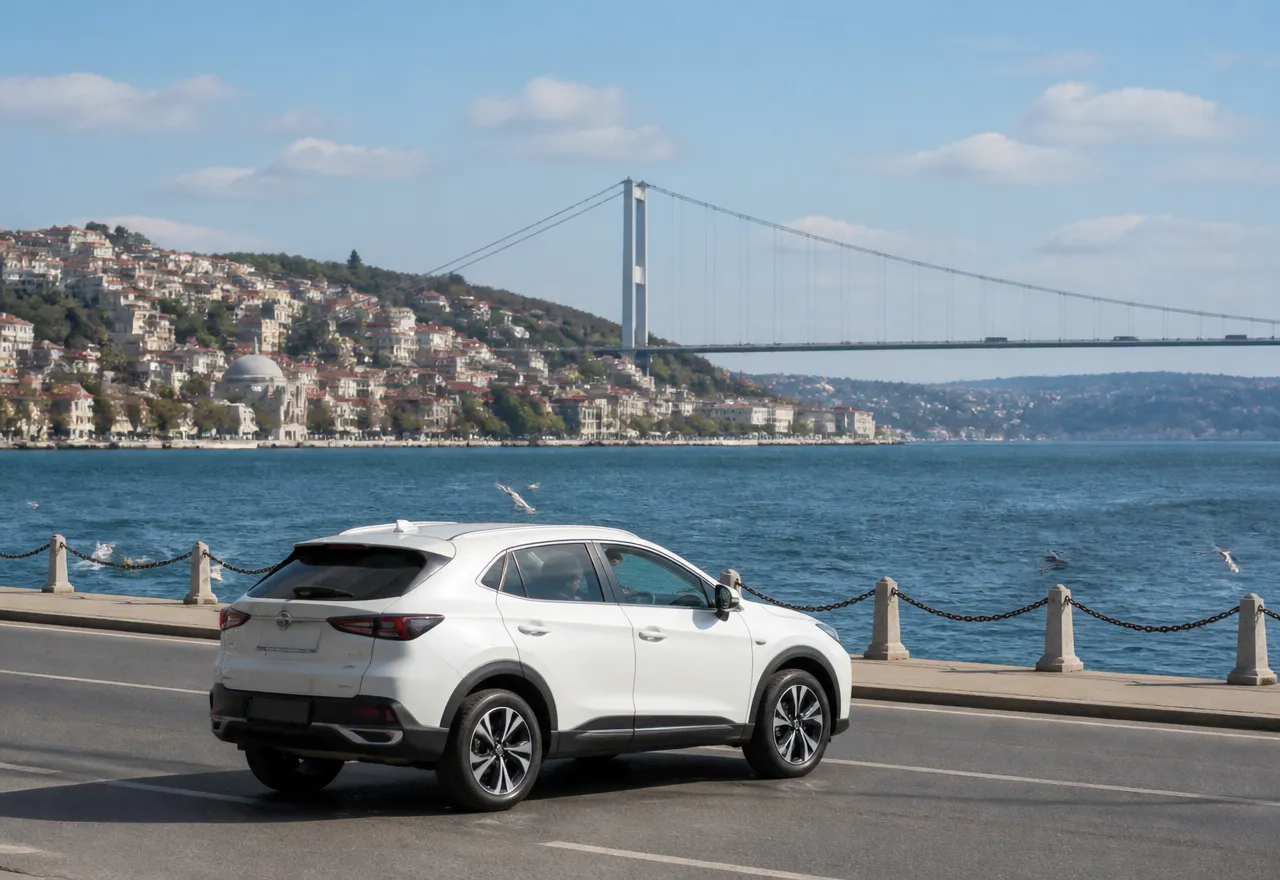
from ₺1,600
per day
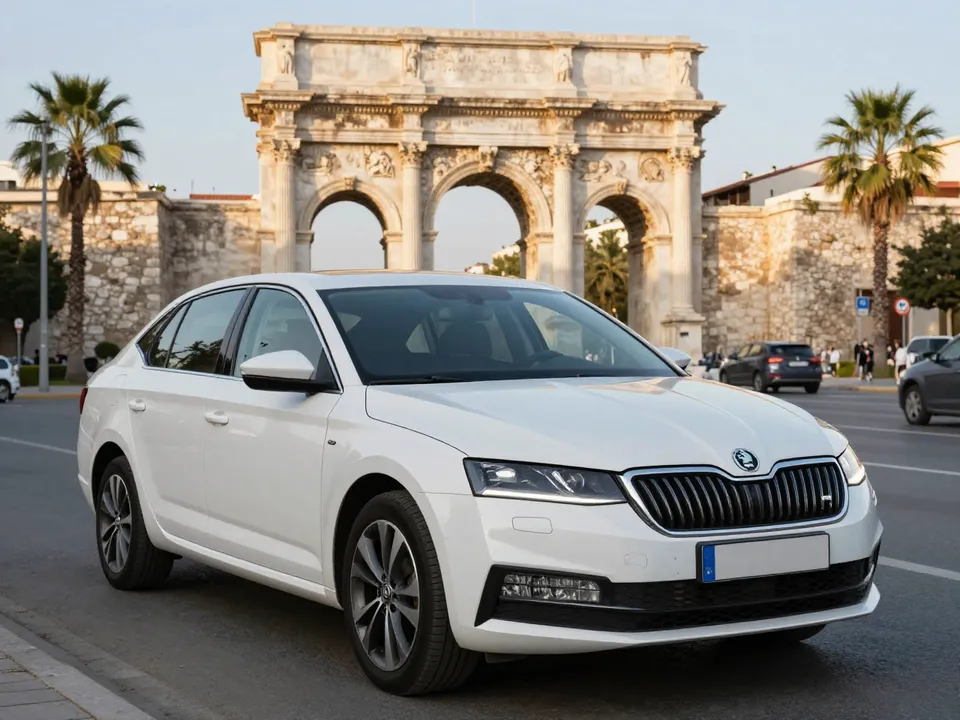
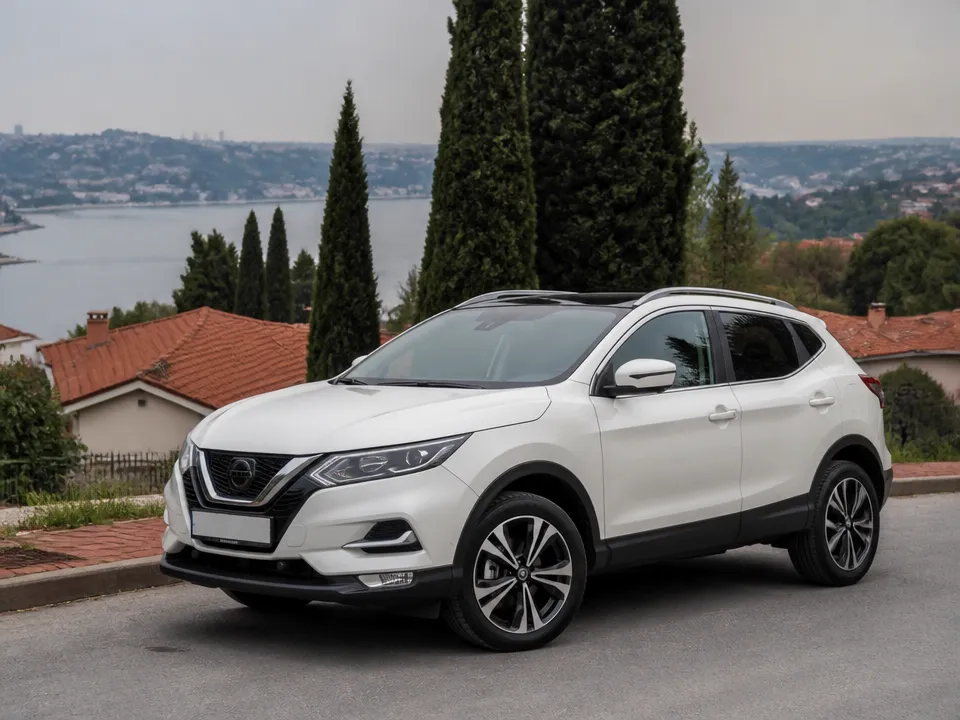
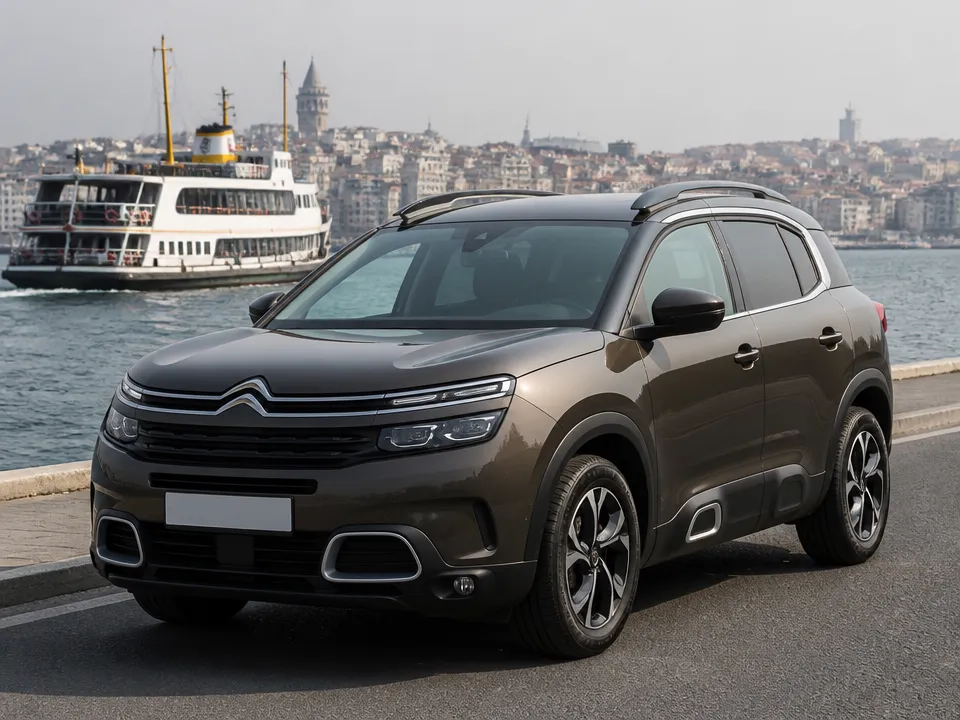
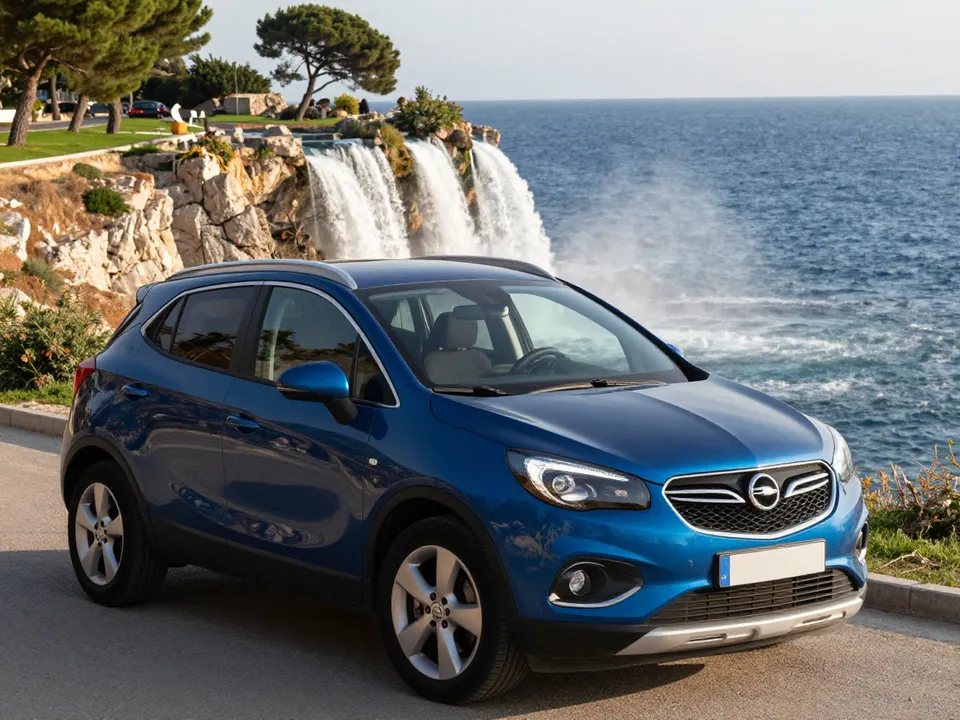
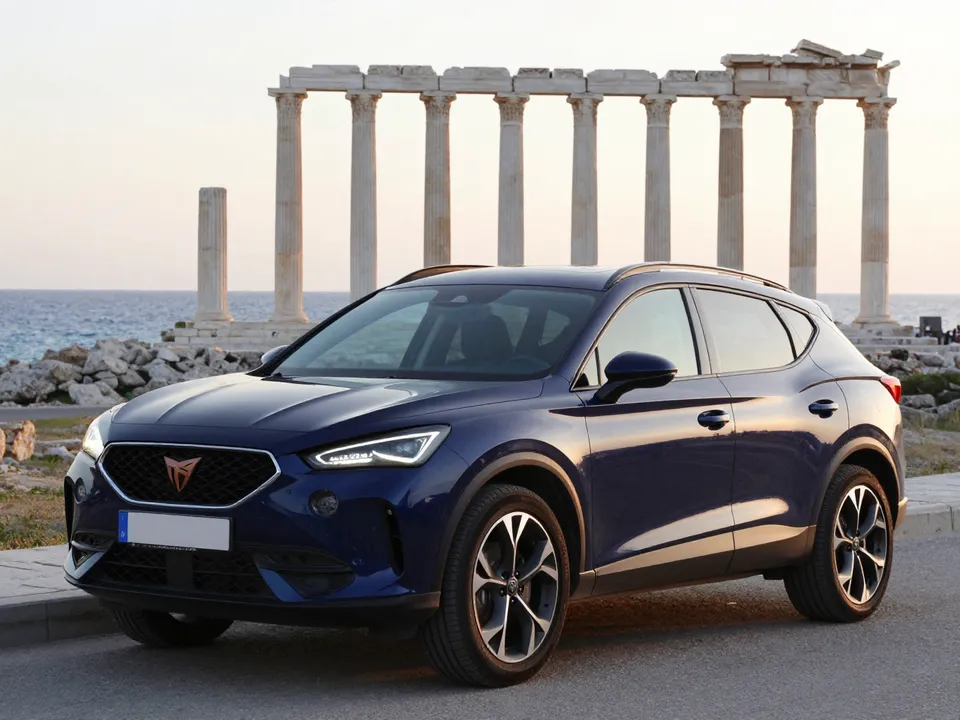
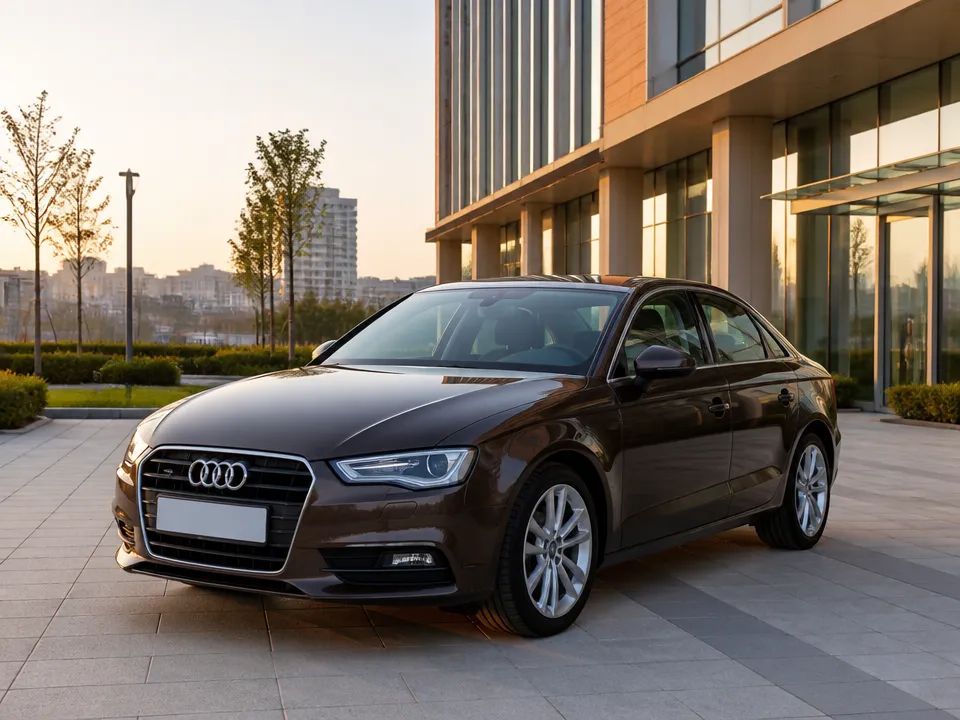
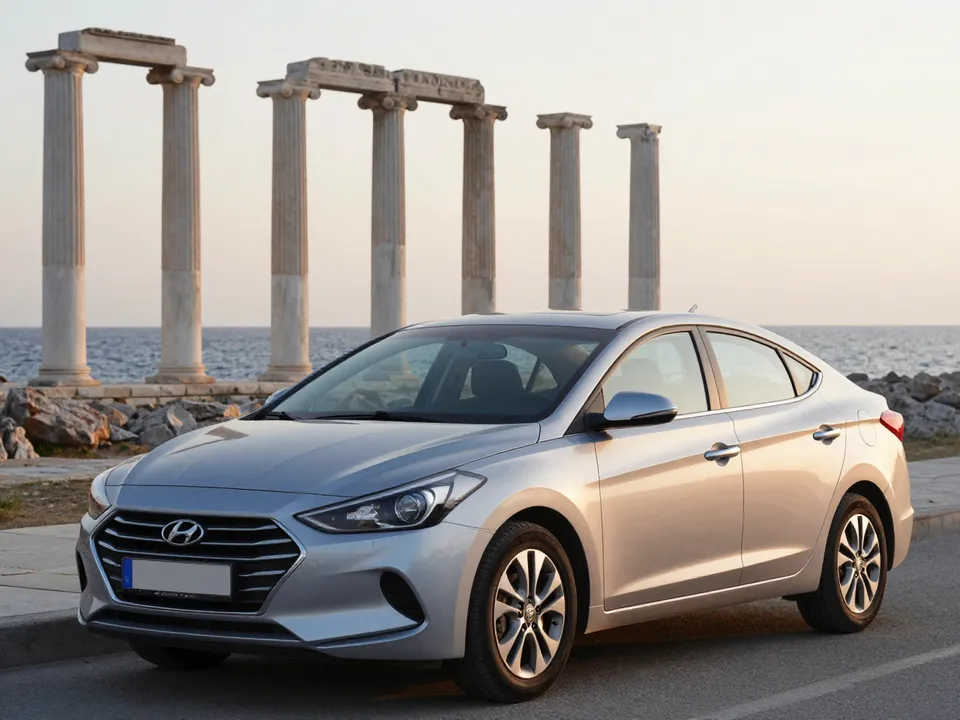
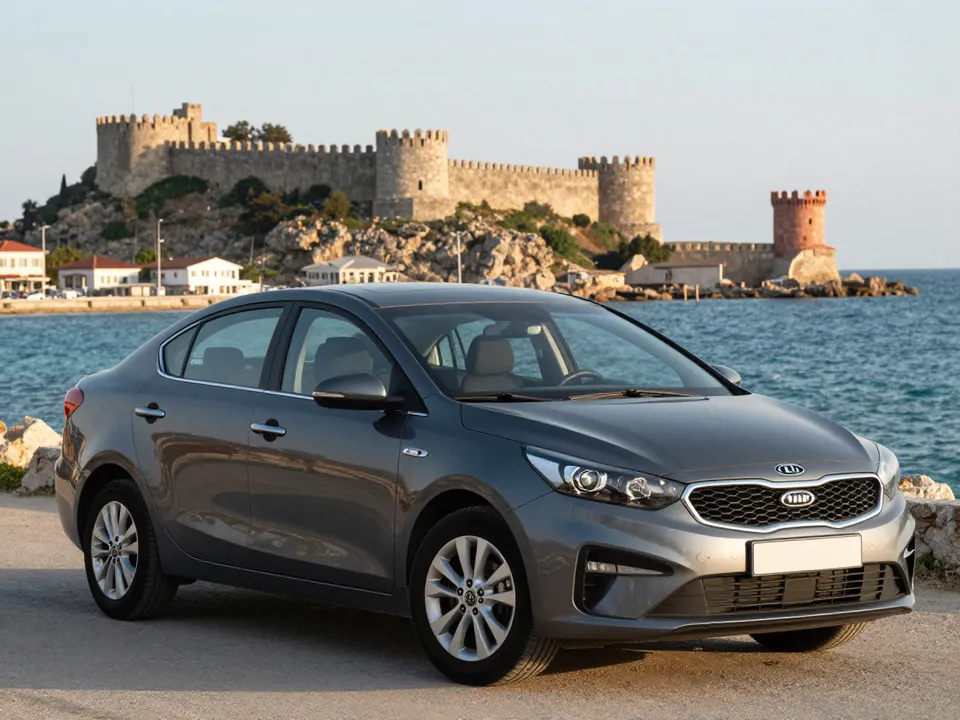

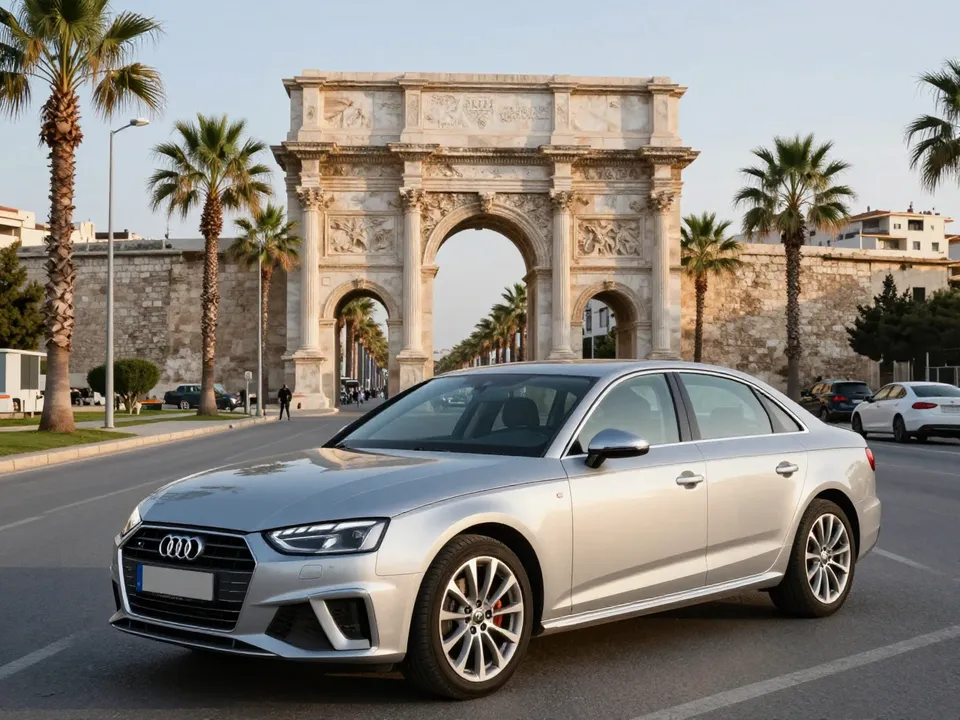
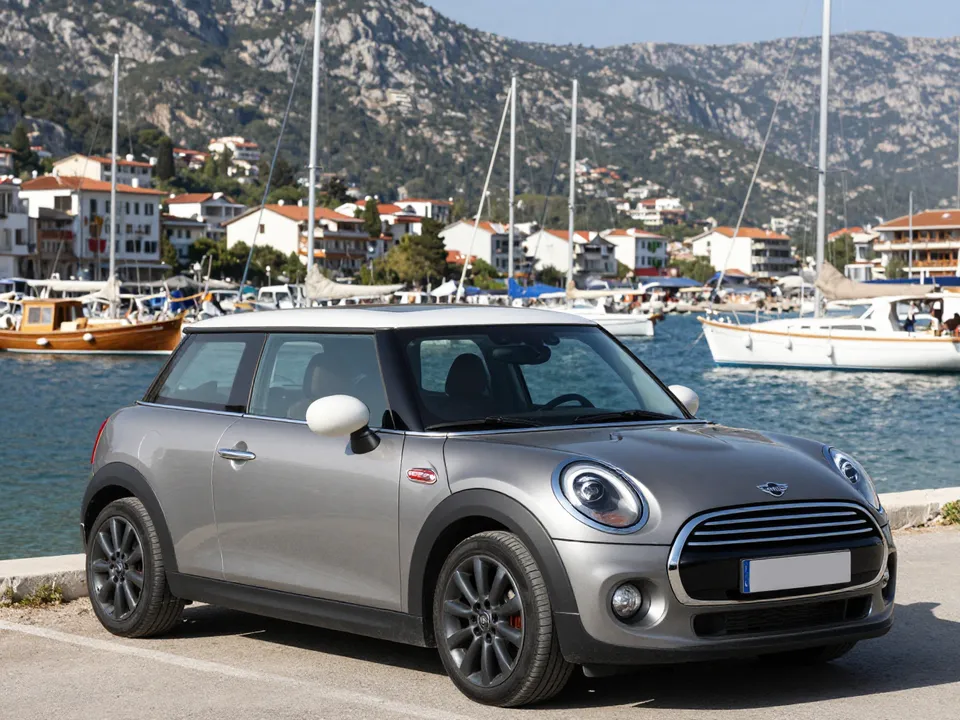
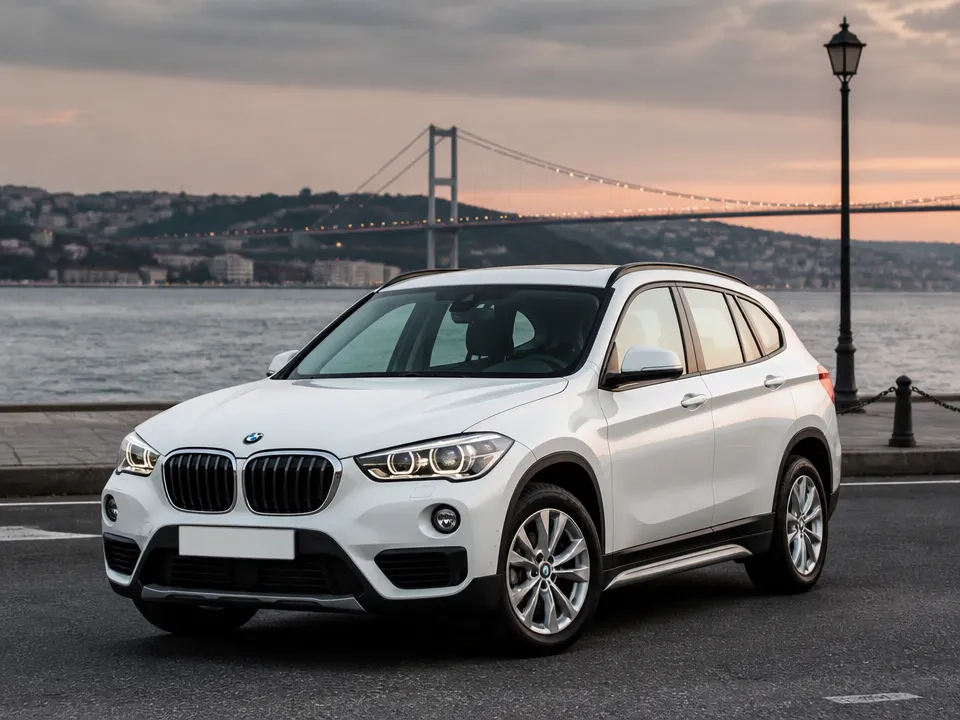
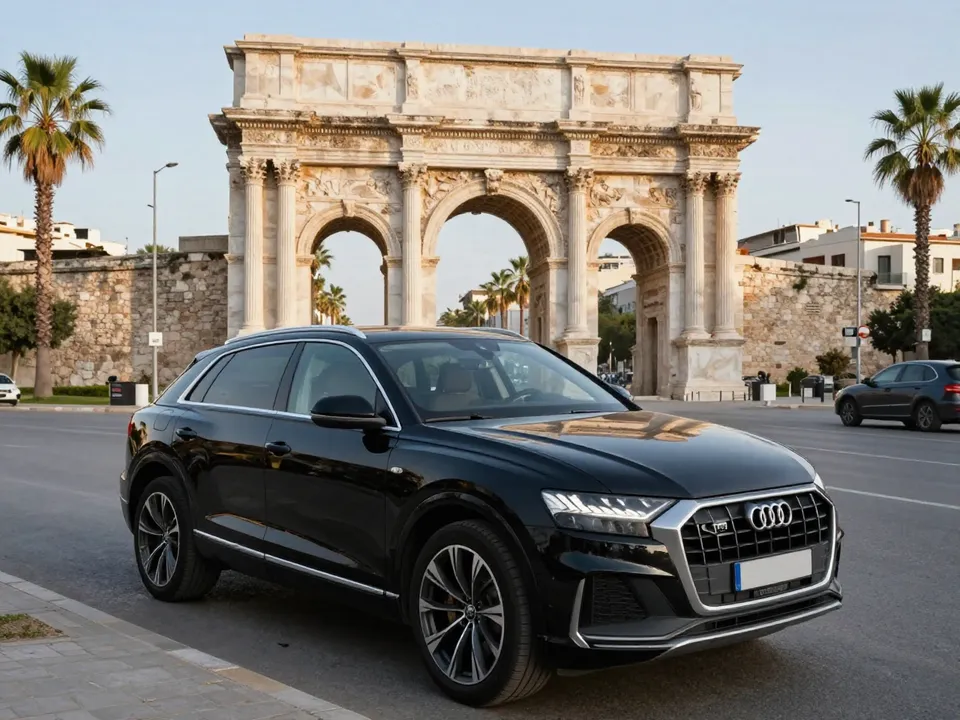
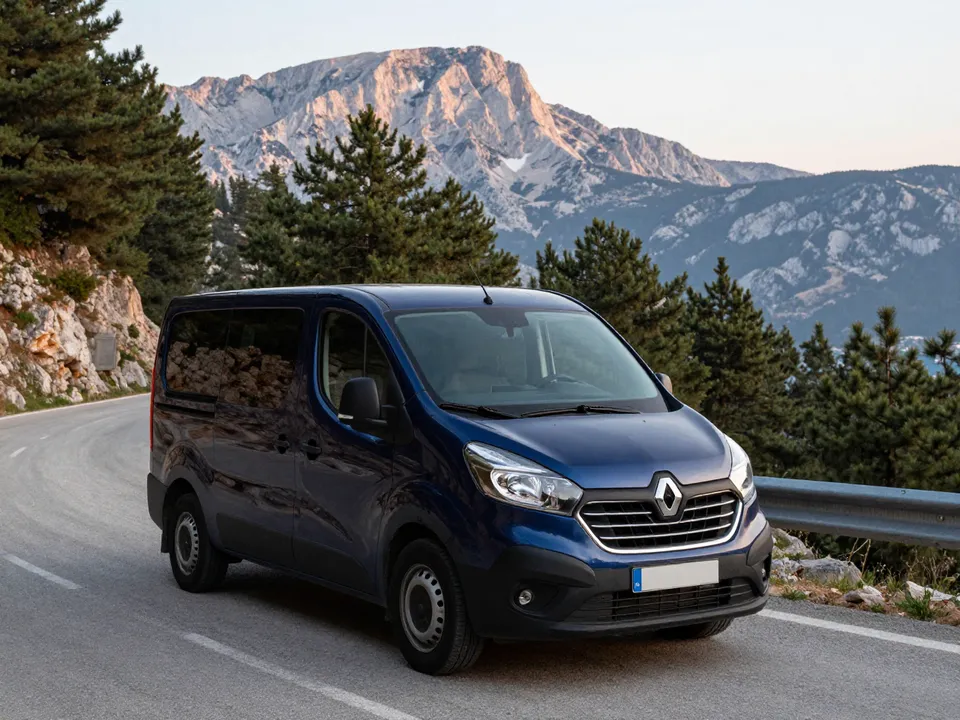
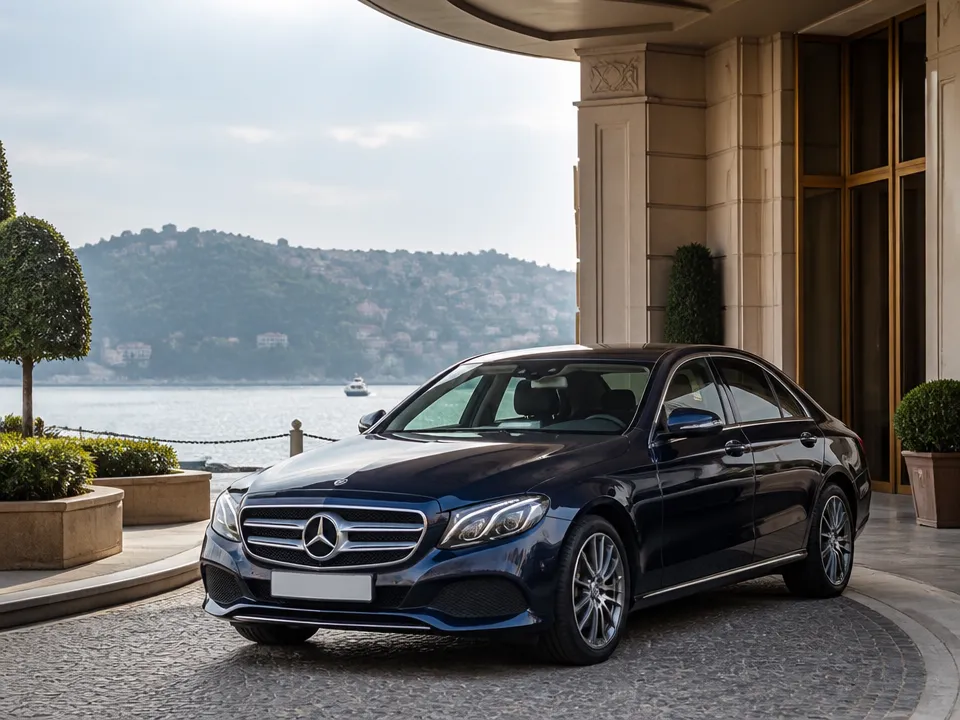
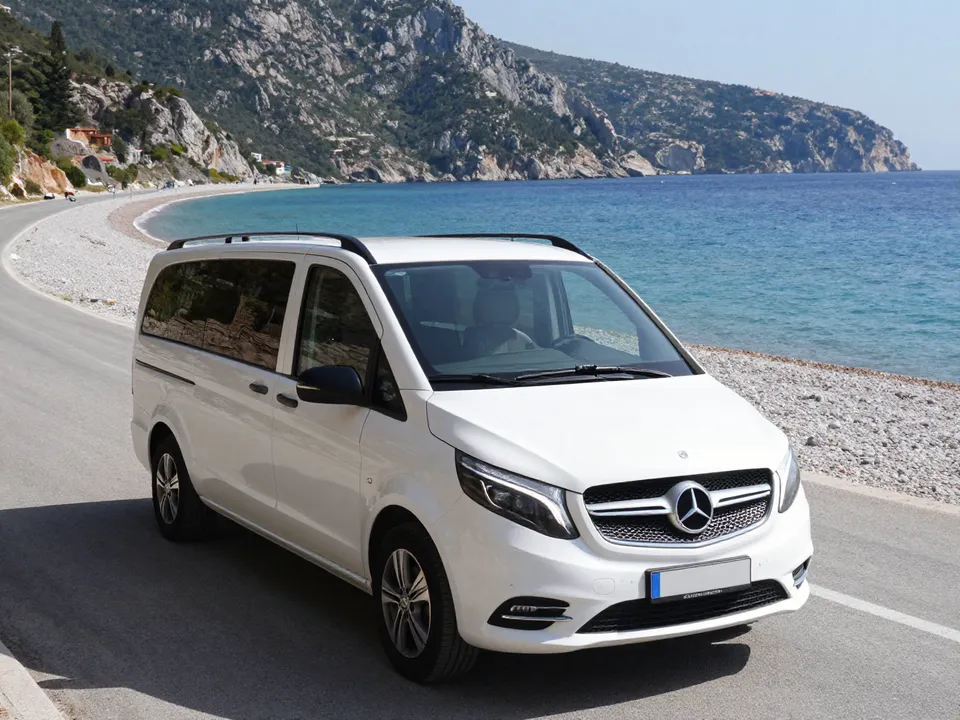

















Car rental in Turkey
Sedat ÖnalanLimousine driver

Published Updated
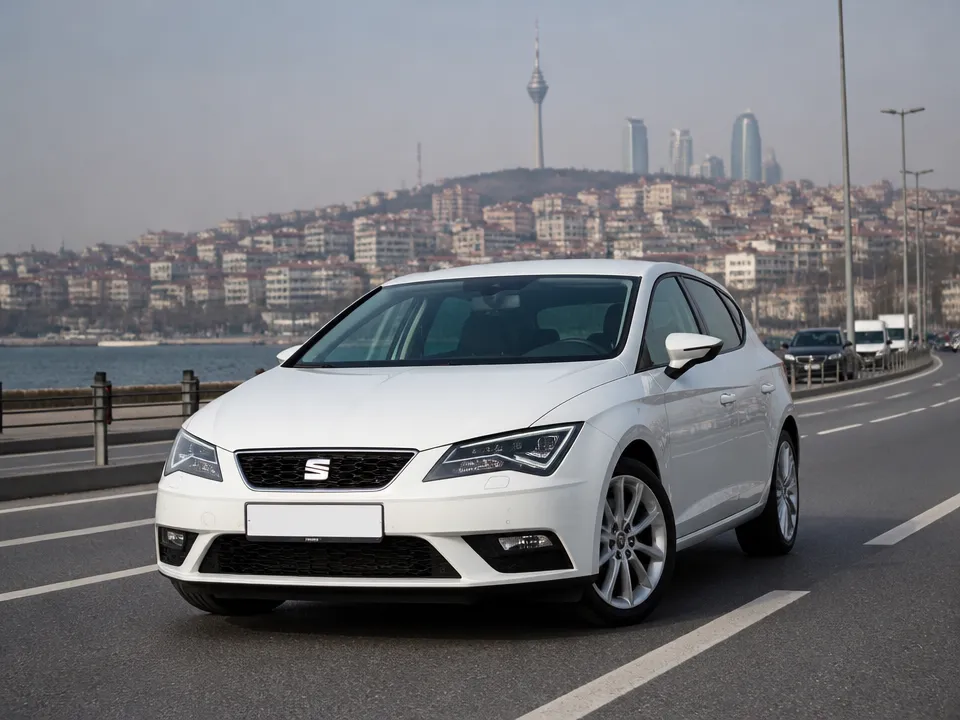
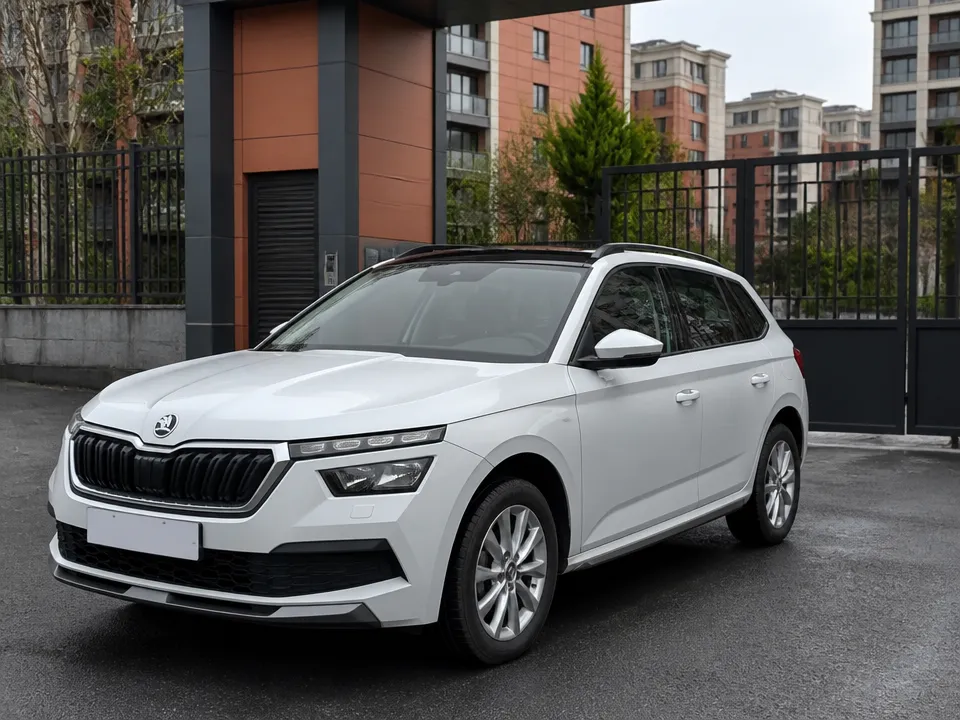
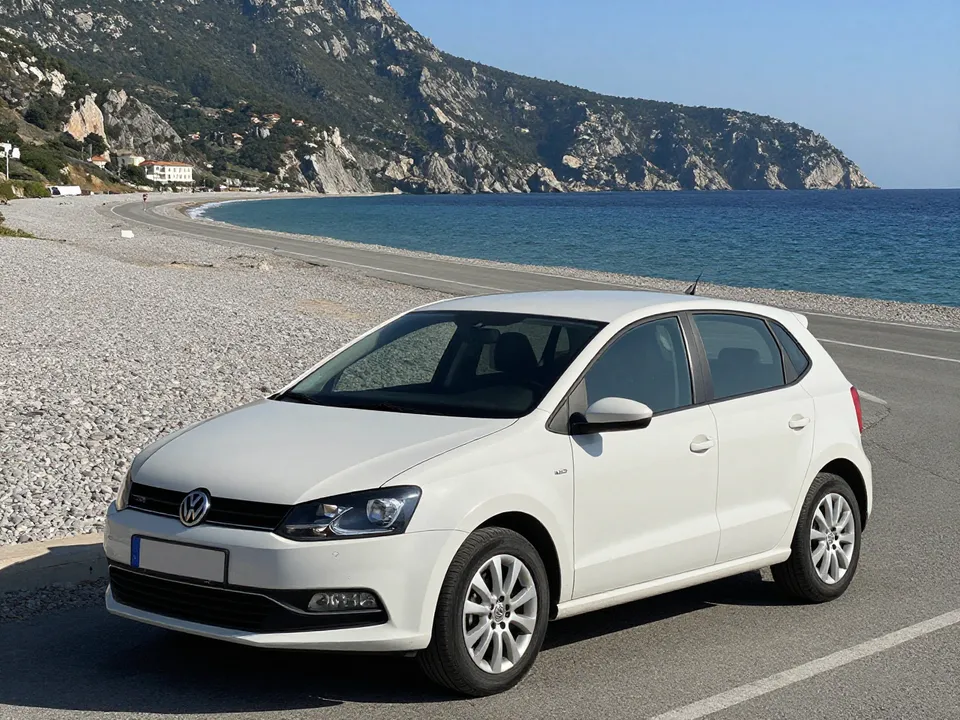
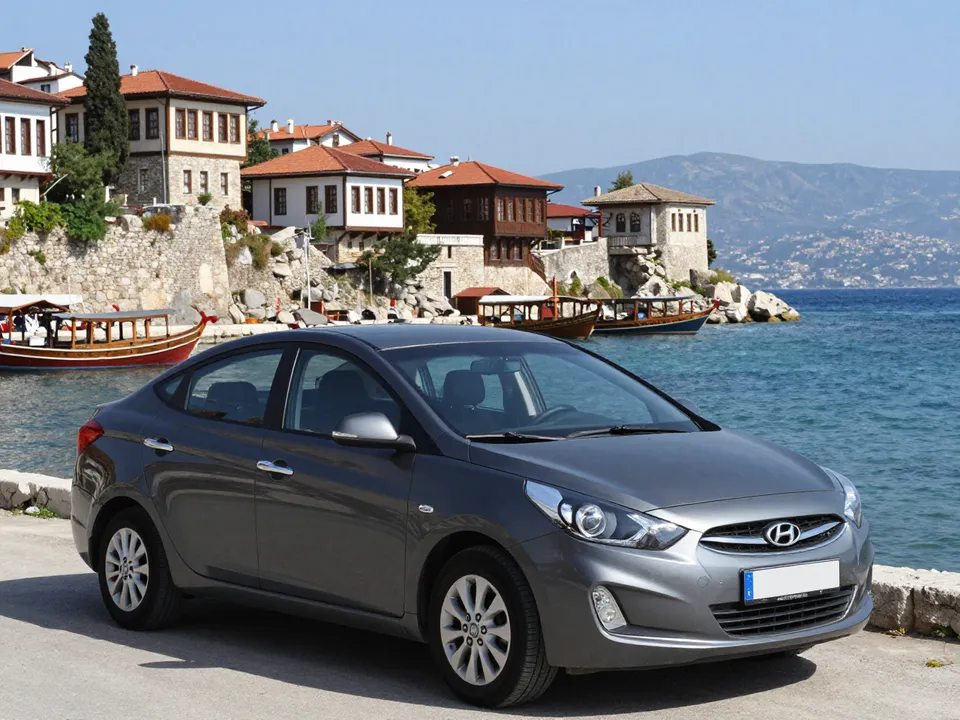
Car rental in Turkey with Rent-Trip means choosing from 222 vehicles, from ₺1,456 a day for an Economy car to ₺18,153 for the Volvo XC90 in Luxury. We deliver the car free of charge to any address you name in Istanbul and to both of its airports; in Antalya we bring it to any address and to Antalya Airport and Gazipaşa-Alanya Airport as agreed with a manager.
What car rental in Turkey with Rent-Trip includes
Booking with Rent-Trip works without a counter: we bring the car to the address you choose, and the delivery address, date and time are agreed with a manager before the reservation is fixed. The hand-over happens where you are staying, and the car arrives with a full tank.
How delivery works
We deliver free of charge in Istanbul and to IST and SAW; in Antalya and to AYT and GZP delivery is agreed with a manager. The point on the map is yours to name — a hotel, an apartment, a friend's place — and the manager confirms it together with the date and the time before the booking is fixed. Delivery outside those places is arranged case by case and is not promised on the site. Name your address, date and time early: the manager fixes all three before the booking is confirmed, and a late change of address moves the hand-over slot with it. Return goes to the same delivery point on the date and time written in the contract; a different return point carries a fee that is set out in the rental agreement.
Fuel, cleanliness and return rules
- Full-to-full fuel: every car leaves with a full tank and must come back with a full tank; the missing fuel and a refuelling service fee are charged as set out in the rental agreement.
- Clean car: the vehicle is supplied clean and with a full tank; anything further about its condition is set out in the rental agreement.
- Same return point: bring the car back to the address it was delivered to, on the date and time in the contract.
- Different return point: possible, but the extra fee for it is set out in the rental agreement, not quoted on this page.
- One fuel option only: we do not offer a pre-paid tank or full-to-empty — full-to-full is the single arrangement on this page.
Two hundred and twenty-two cars sit on this page, from ₺1,456 to ₺18,153 a day, and every price already includes VAT. In our practice the hand-over takes the longest when the address is agreed late — send the exact street and building number when you book, and the car arrives at the slot you were promised.
Classes and models for car rental in Turkey
Nine classes sit in the fleet, 222 cars in total, and every one of them is a current model with a full tank at hand-over. The spread runs from Economy at ₺1,456 a day to Luxury at ₺18,153, so the choice is really about seats, luggage and how far you plan to drive.
Which class fits your trip
| Class | Cars | From per day |
|---|---|---|
| Economy | 39 | ₺1,456 |
| Premium | 34 | ₺2,457 |
| SUV | 33 | ₺2,100 |
| Comfort | 30 | ₺1,893 |
| Minivans | 25 | ₺2,240 |
| Commercial | 19 | ₺1,750 |
| Crossover | 15 | ₺2,183 |
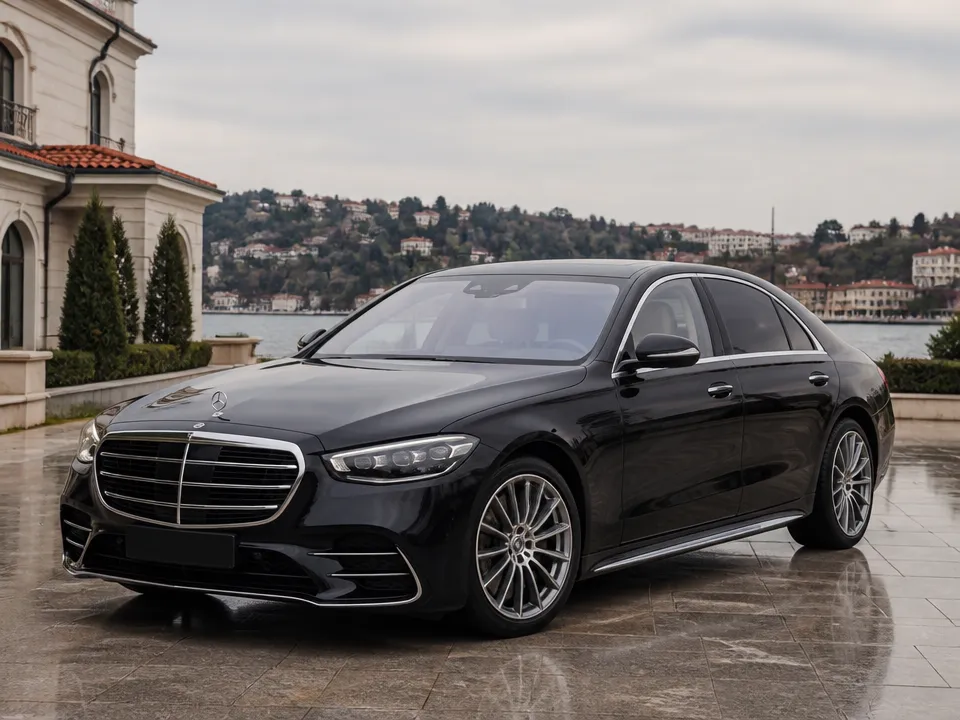
| Luxury | 14 | ₺6,709 |
| Sedan | 13 | ₺2,900 |
Economy is the largest group at 39 cars from ₺1,456, while Sedan is the smallest line at 13 cars from ₺2,900, Luxury has 14 cars from ₺6,709 — and 187 of the 222 cars seat five, so a party of seven or more should look at Minivans, where the nine-seaters start at ₺2,240.
Named models in our fleet
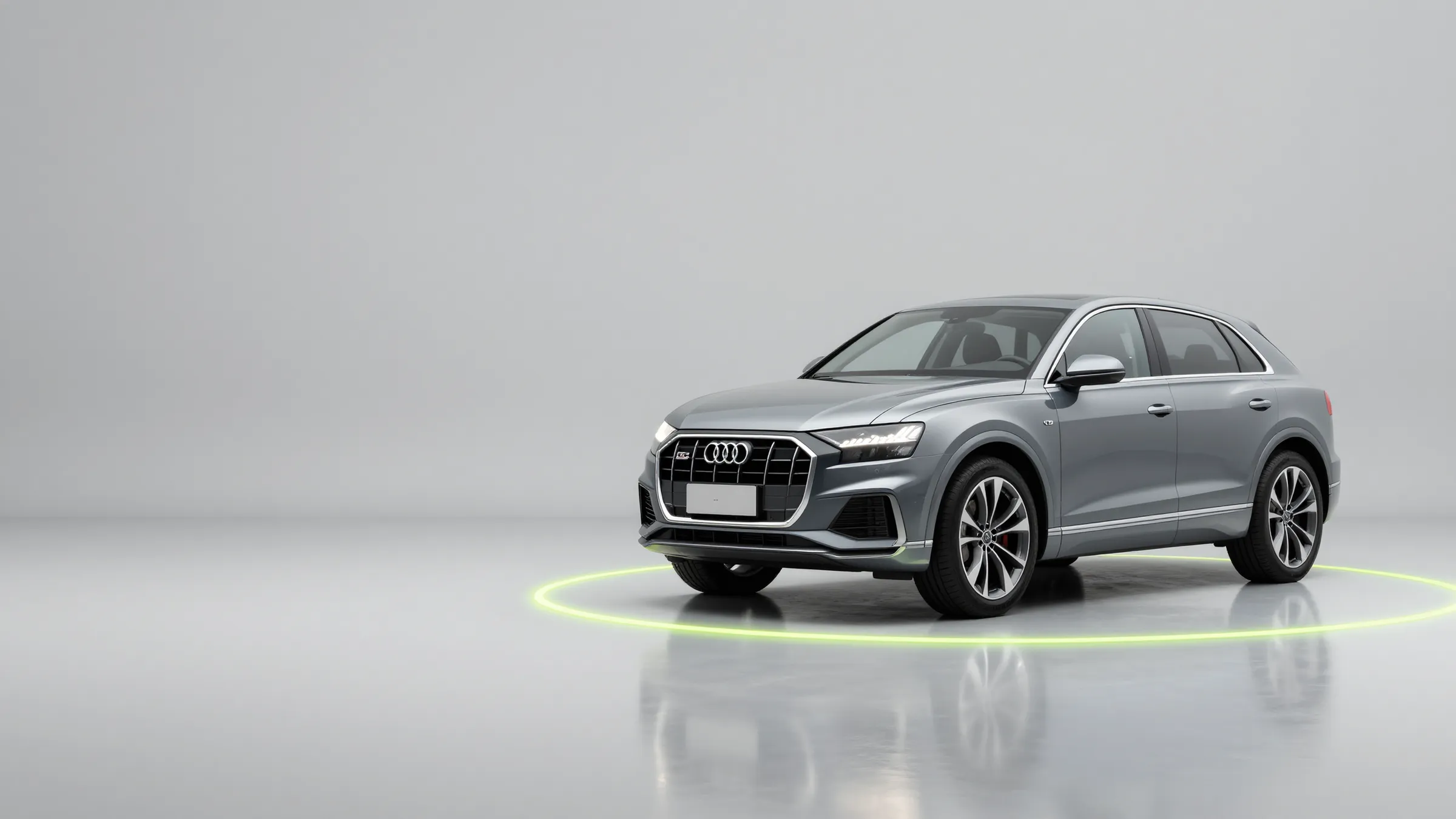
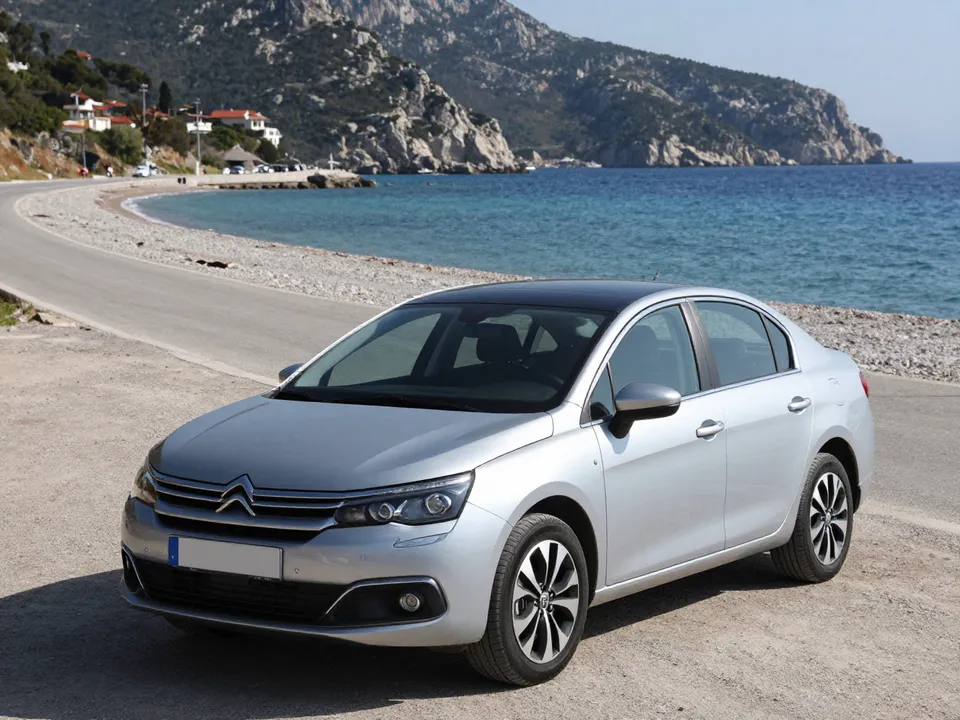
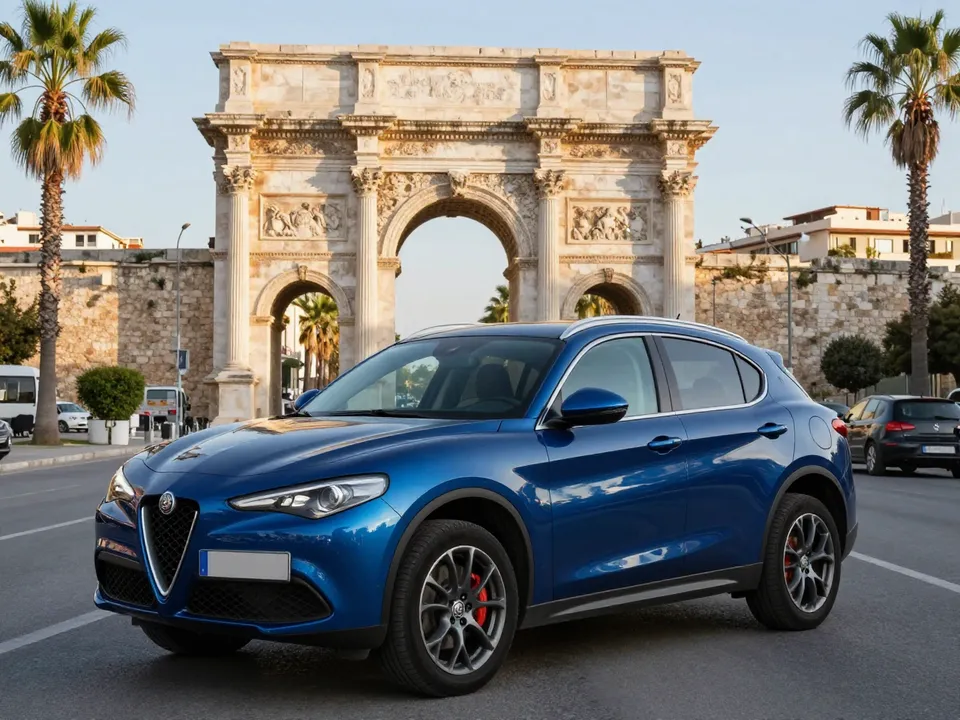
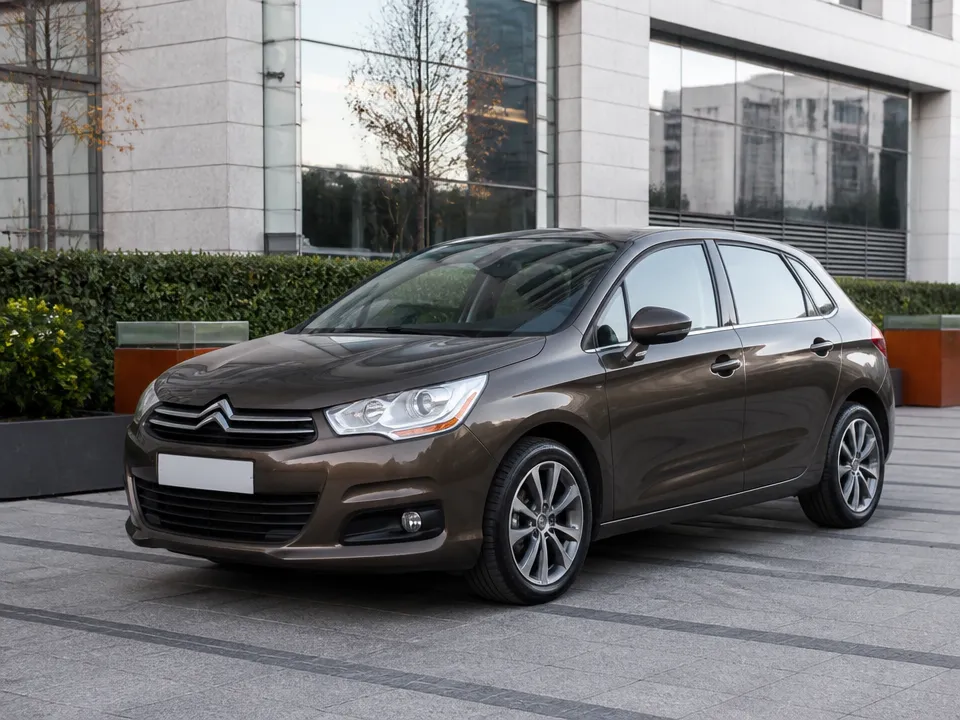
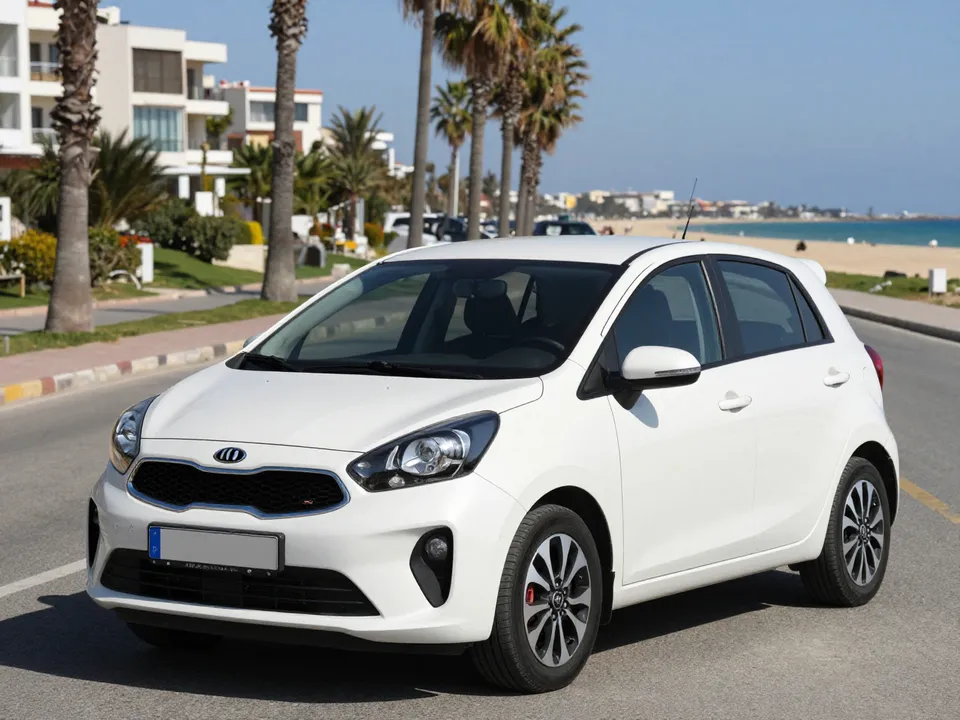
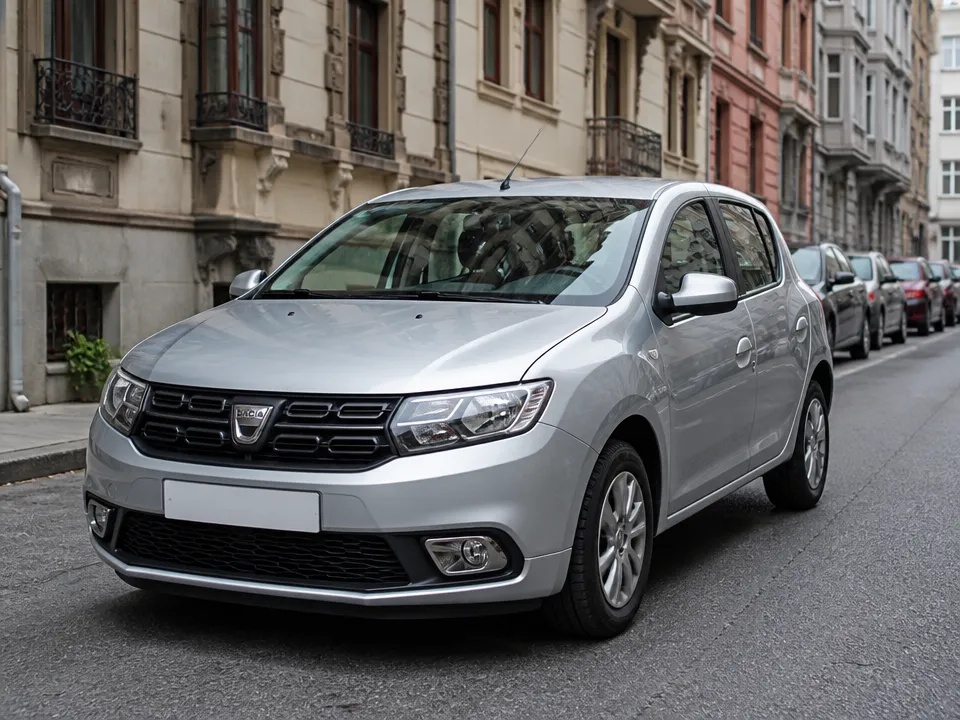
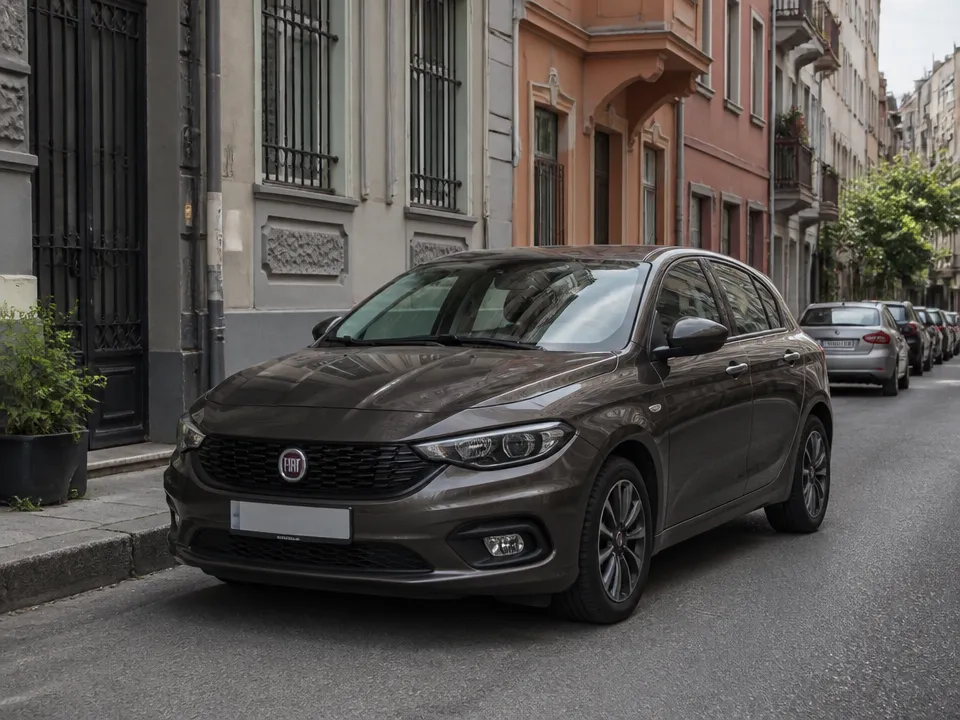
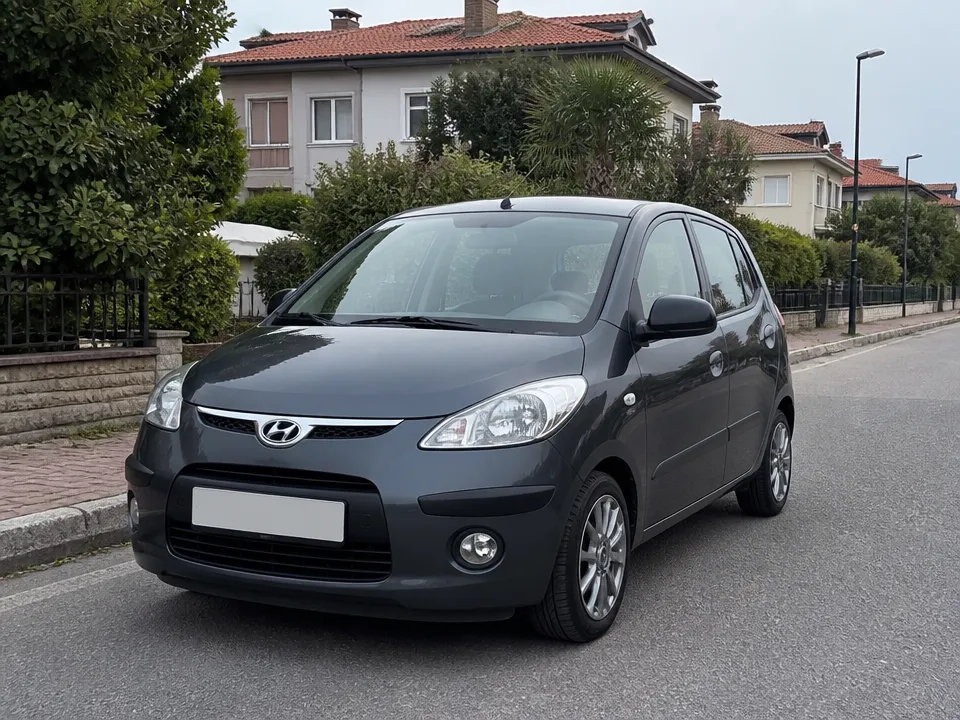
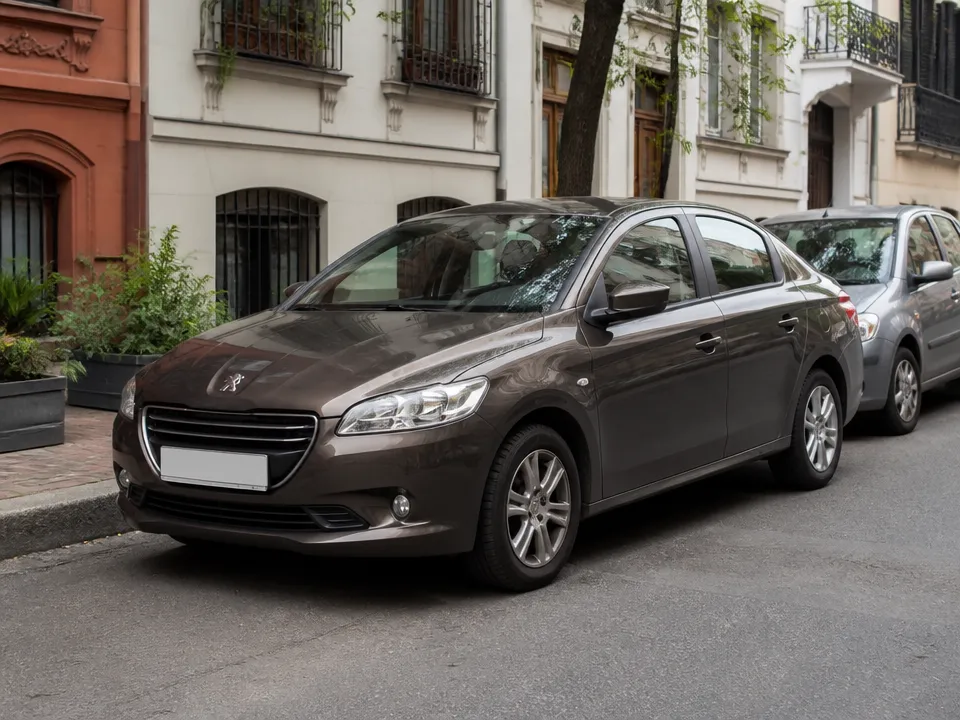
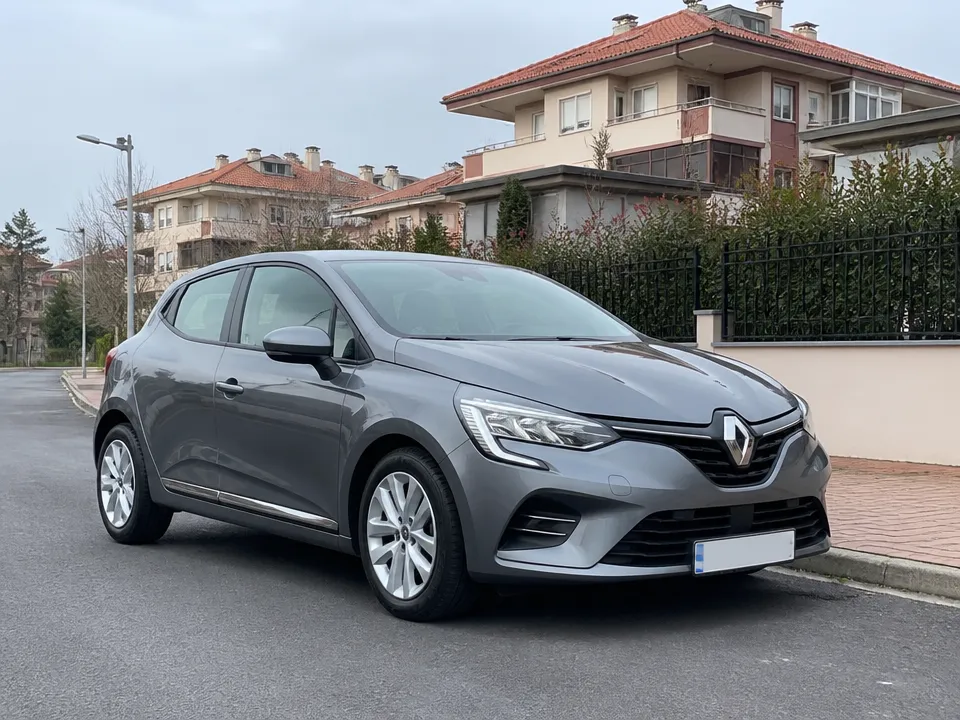
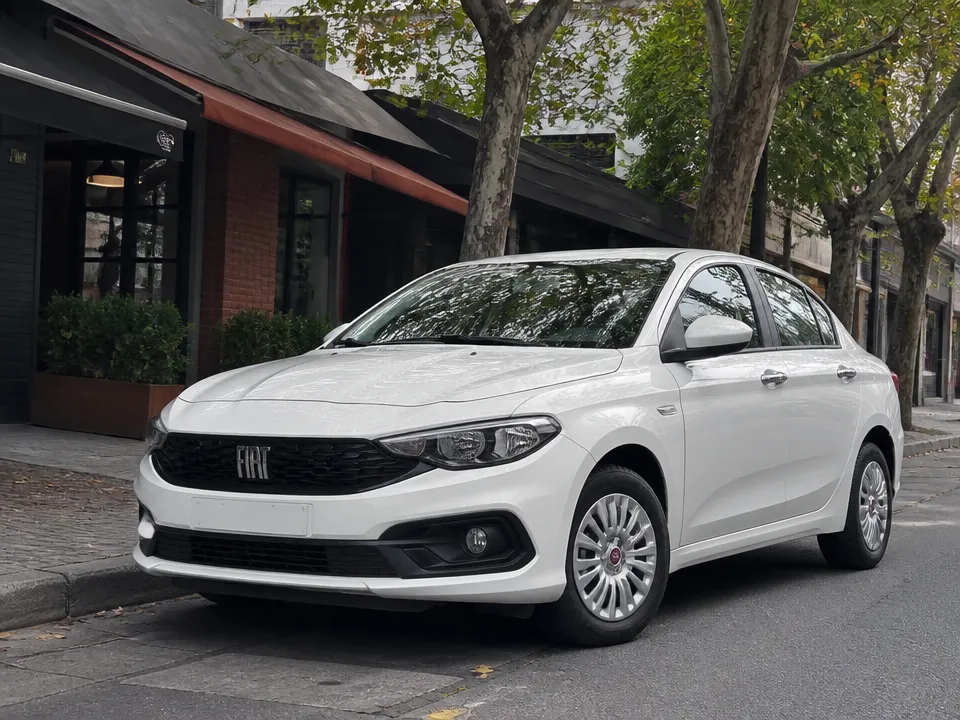
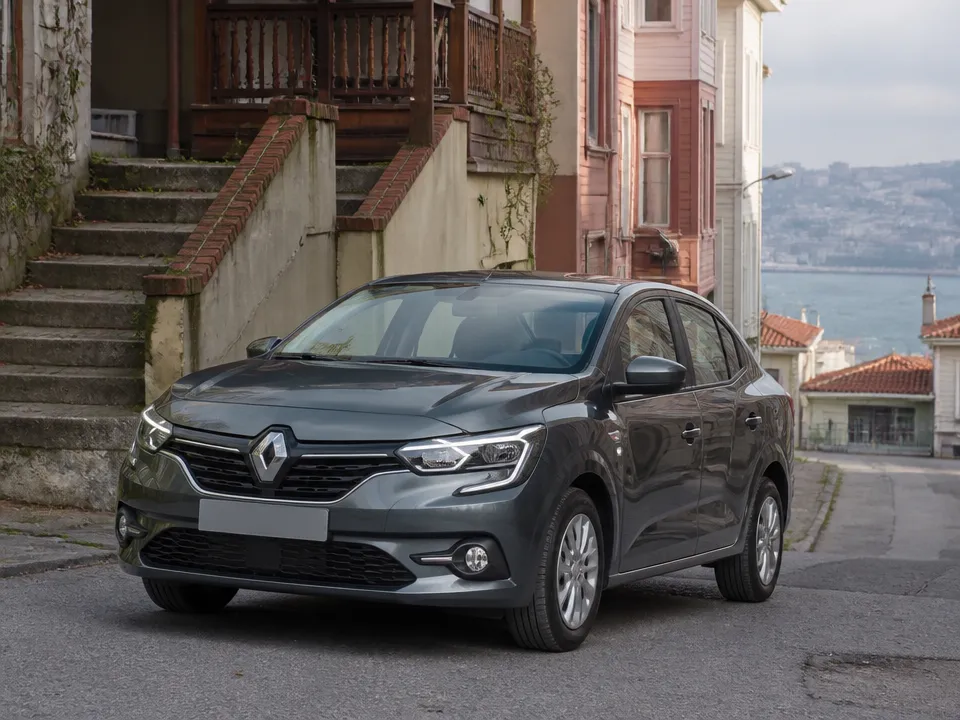
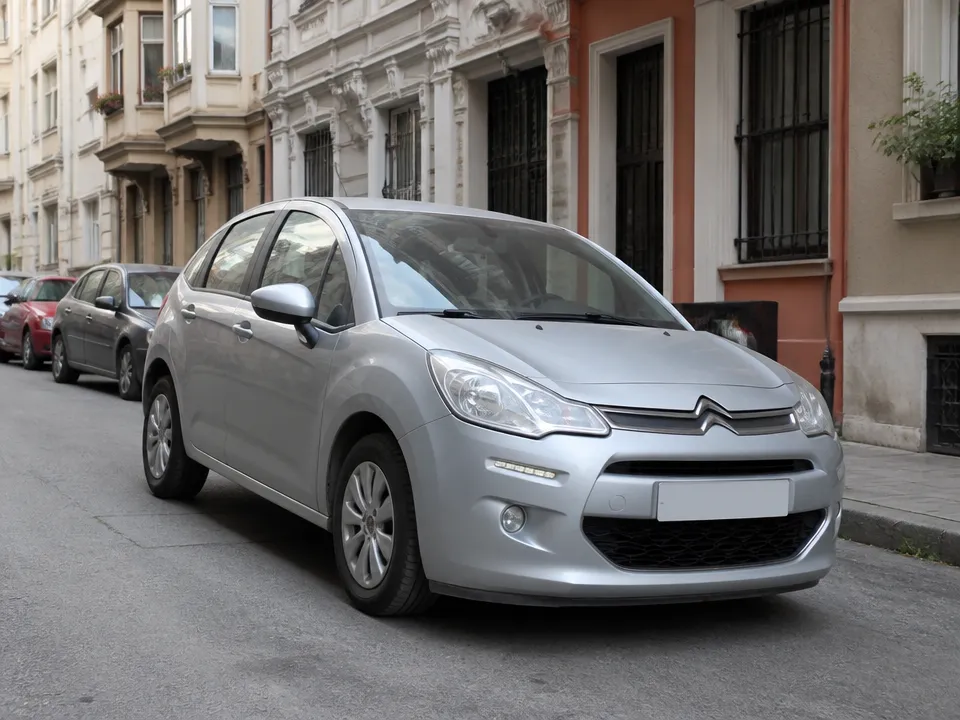
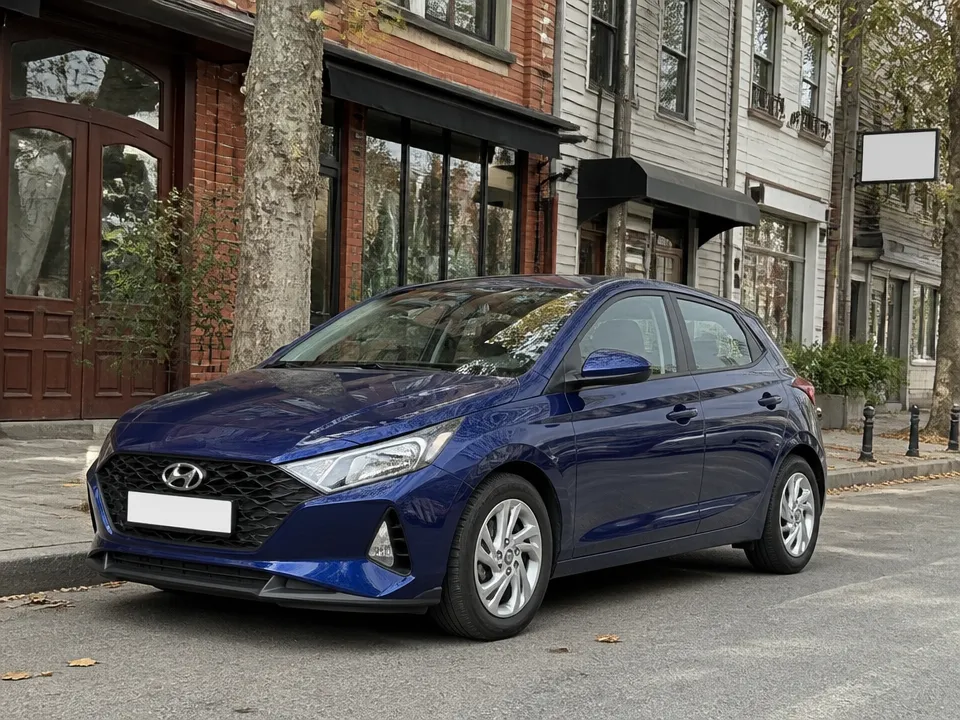
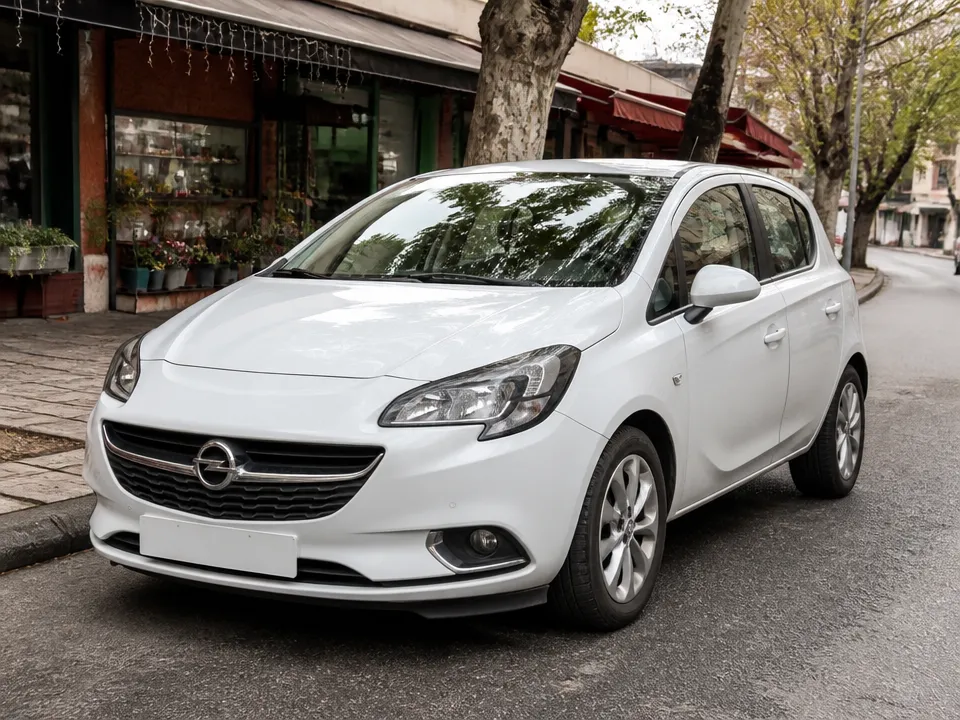
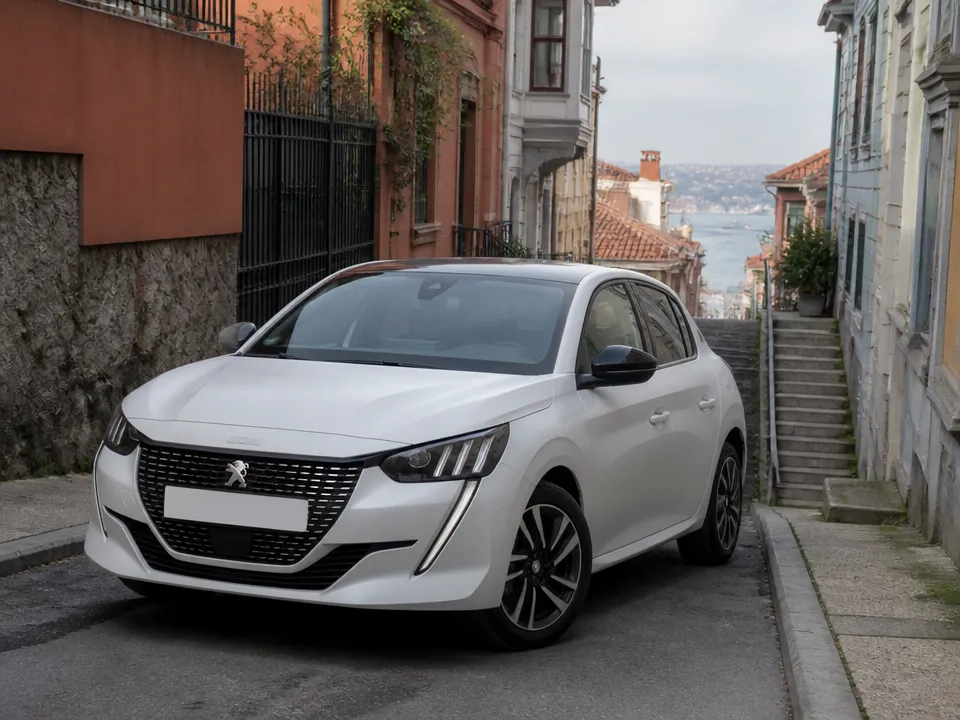
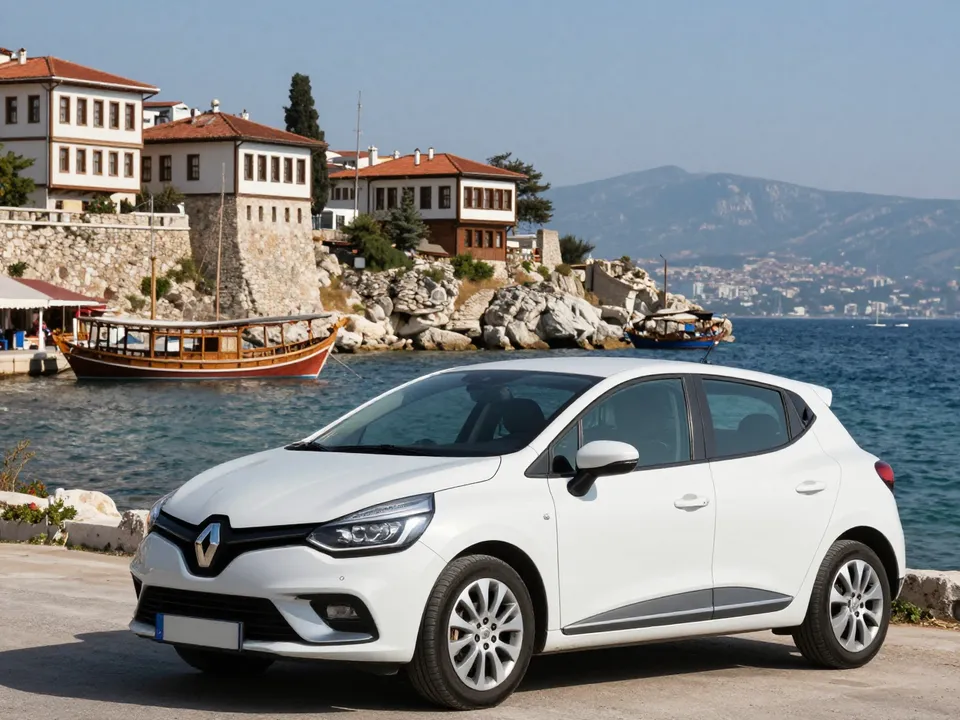
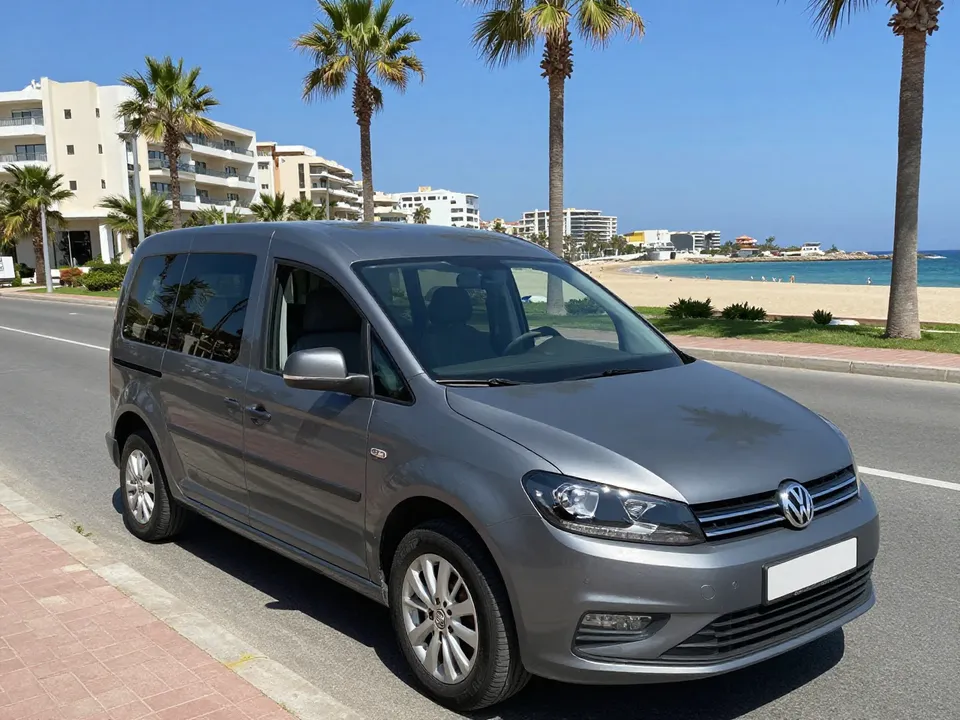
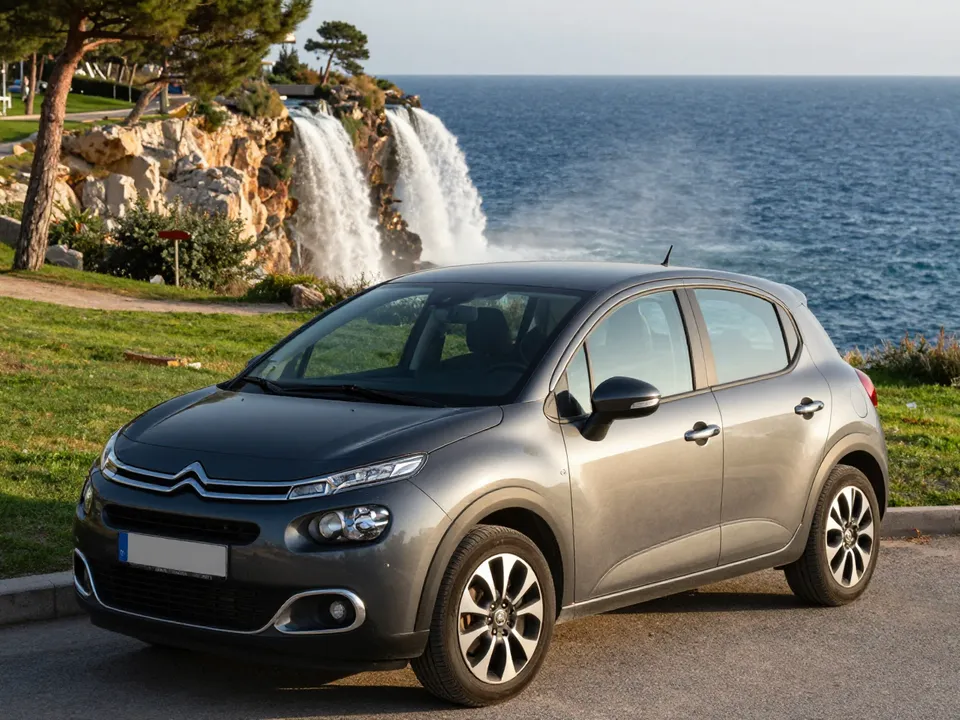
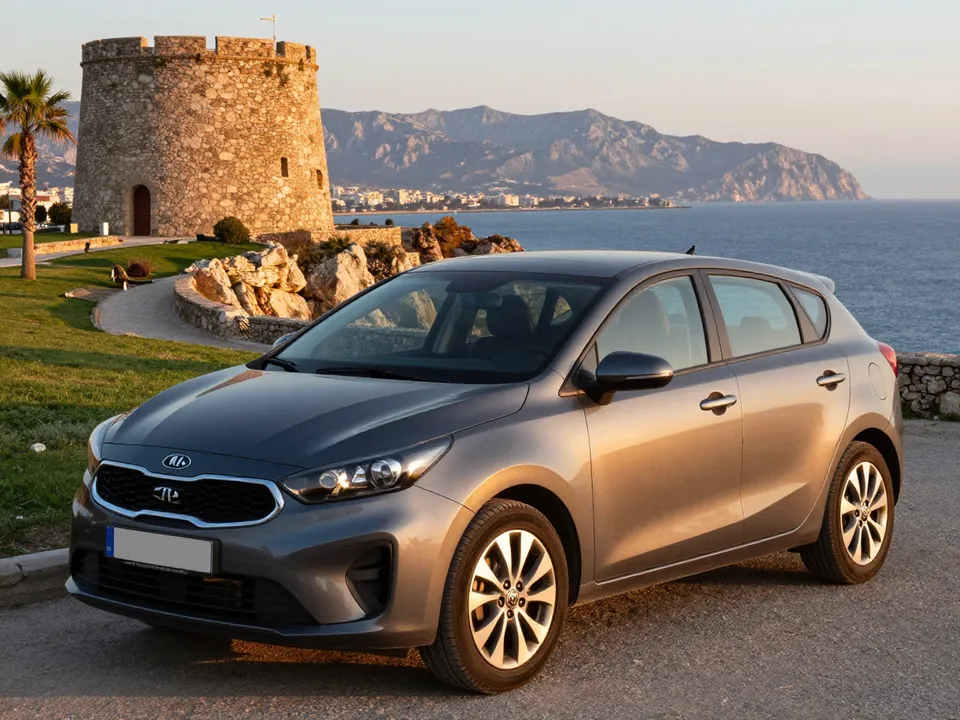
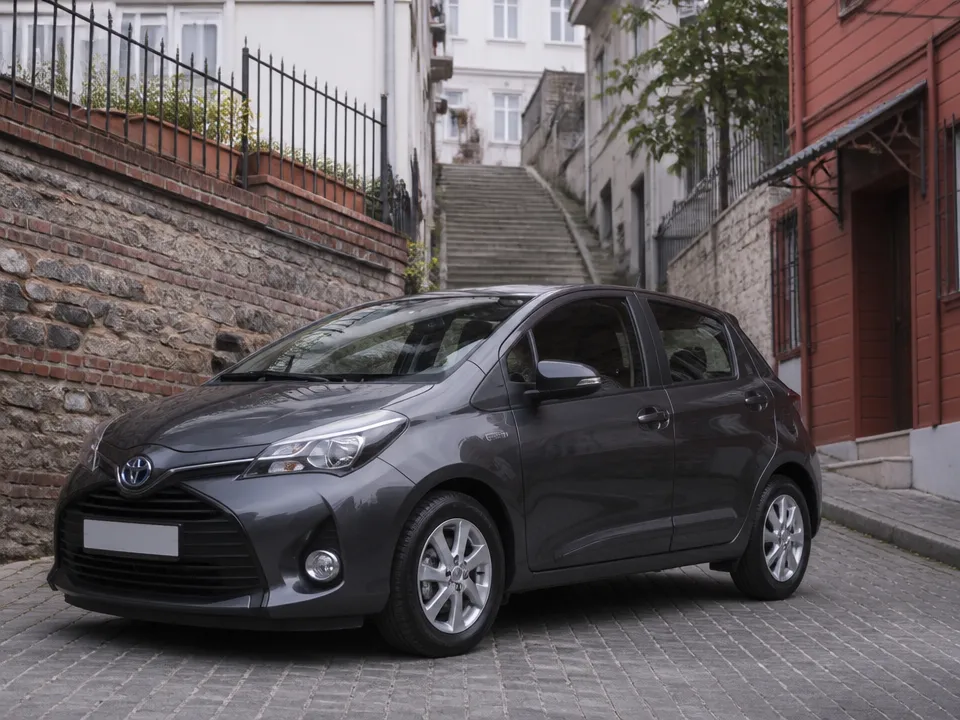
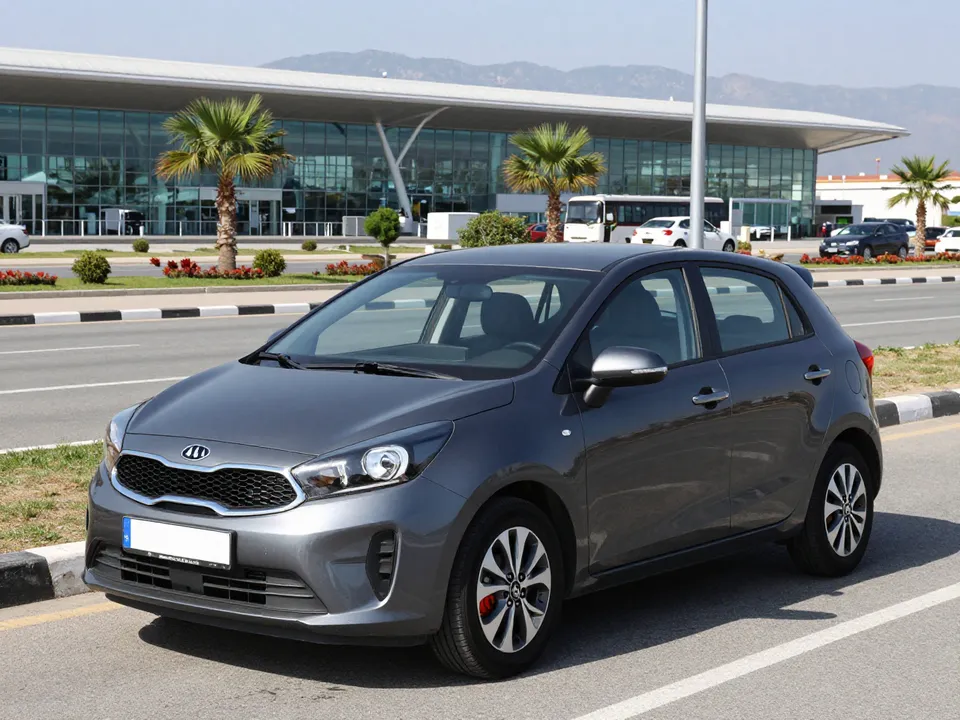
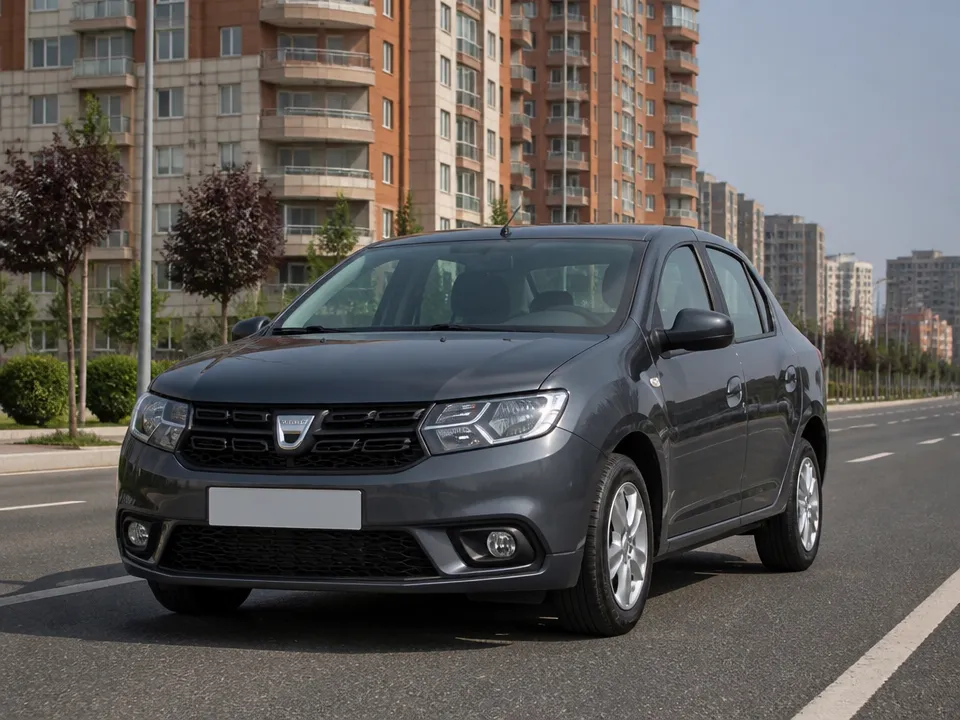
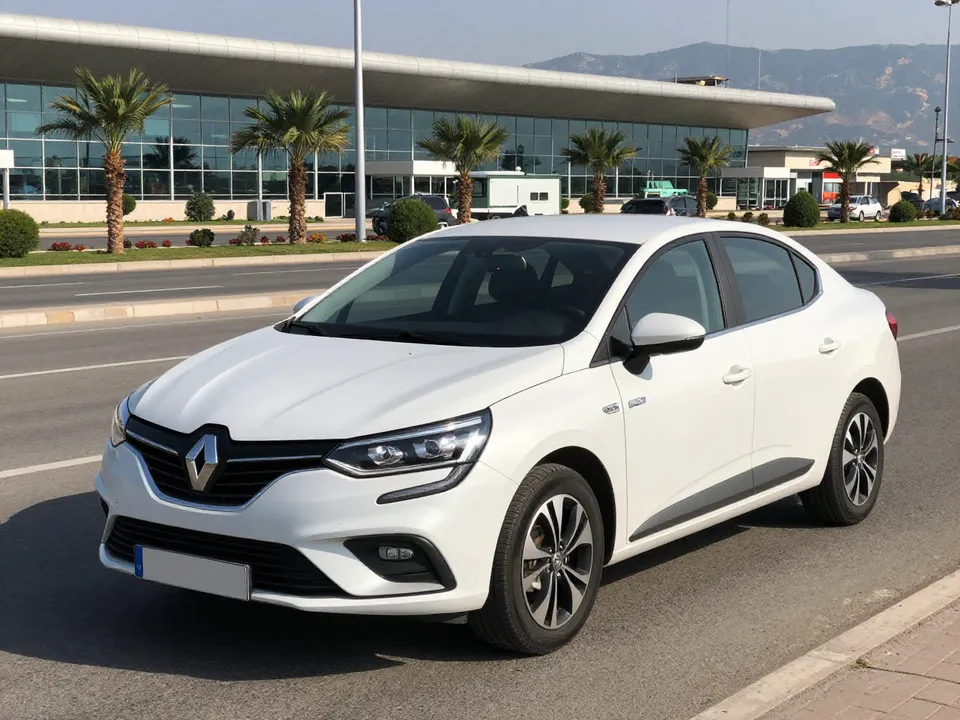
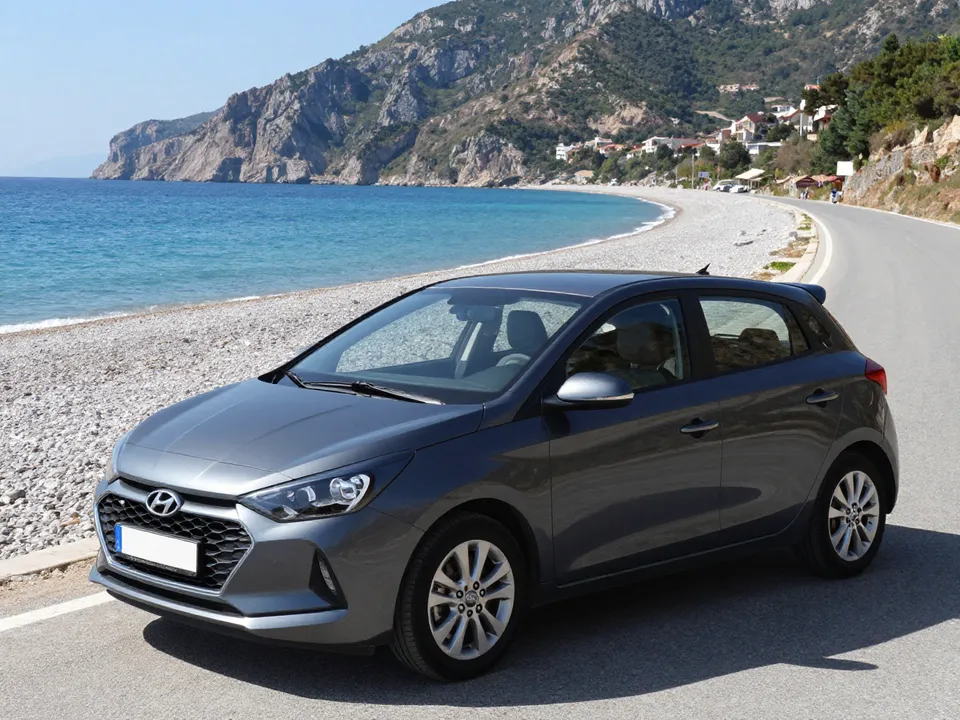
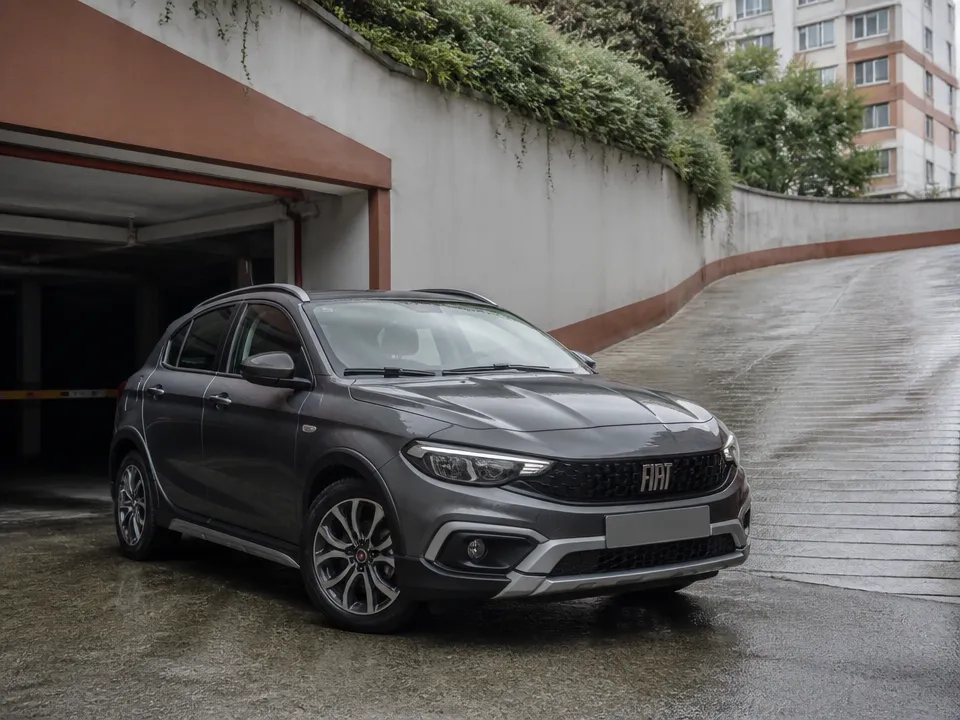
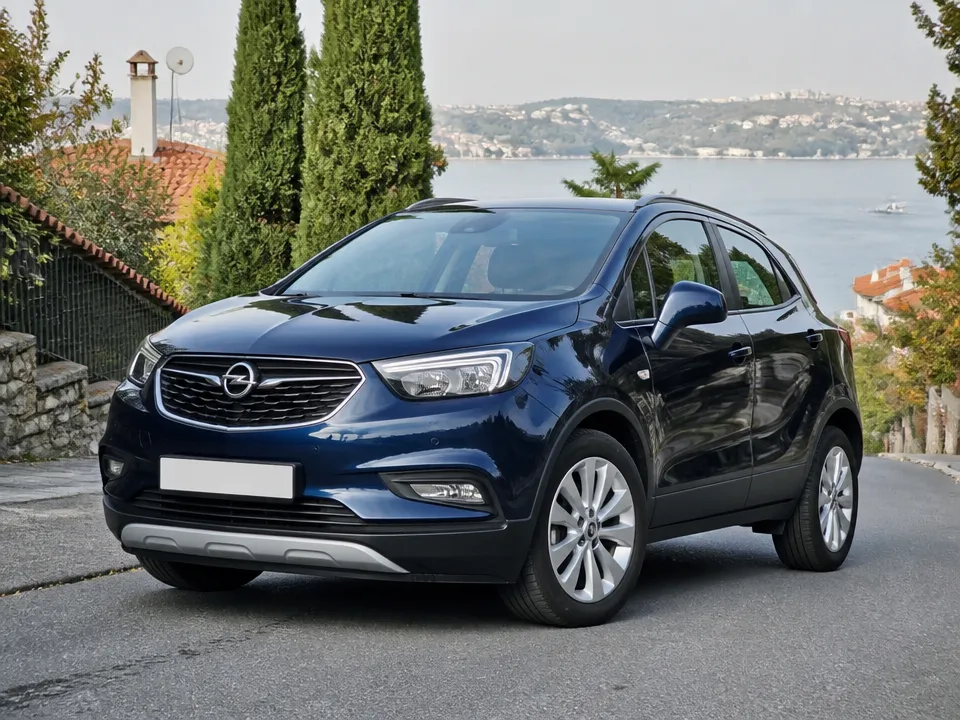
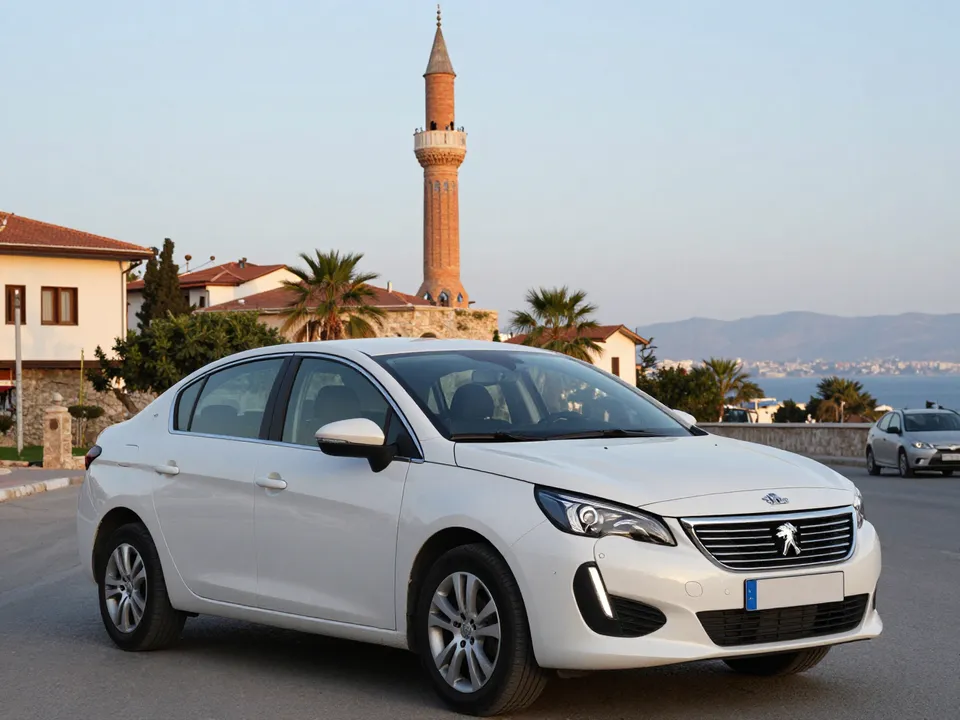
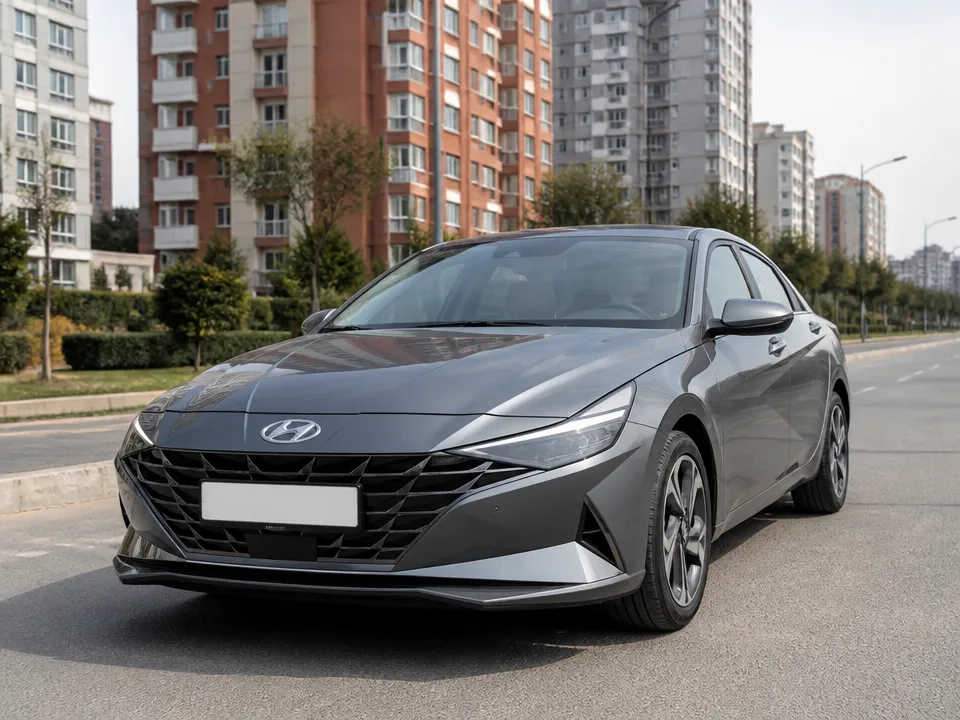
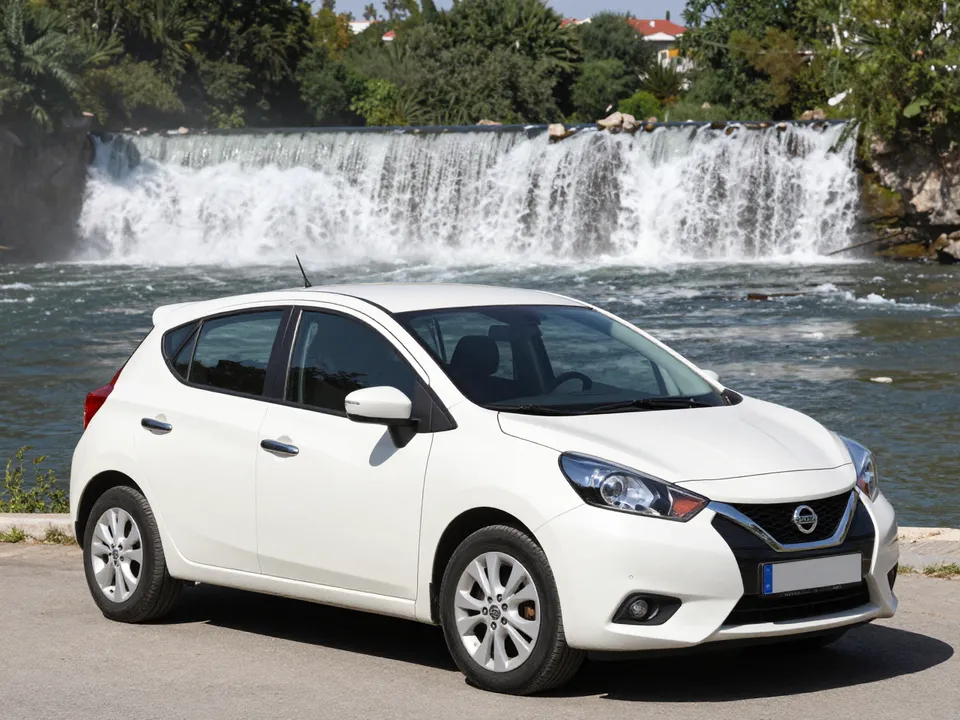
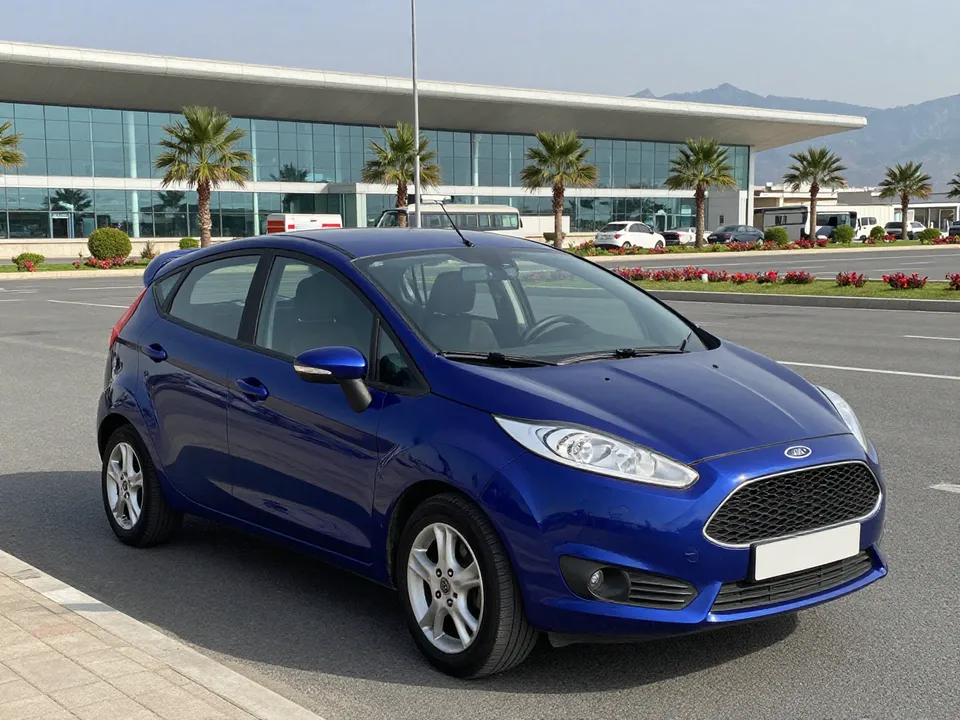
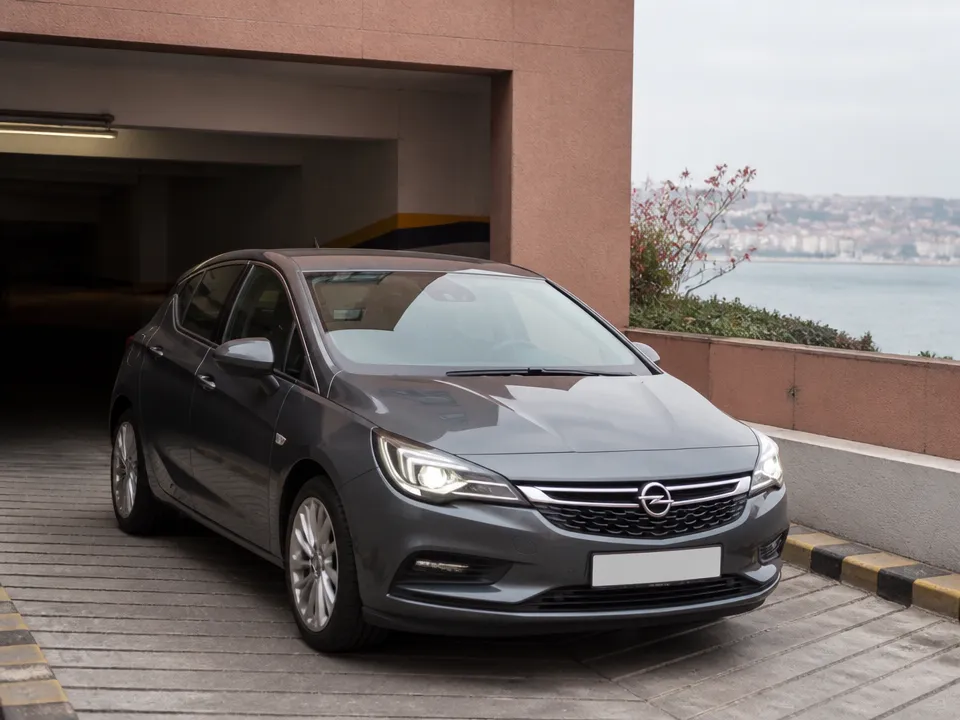
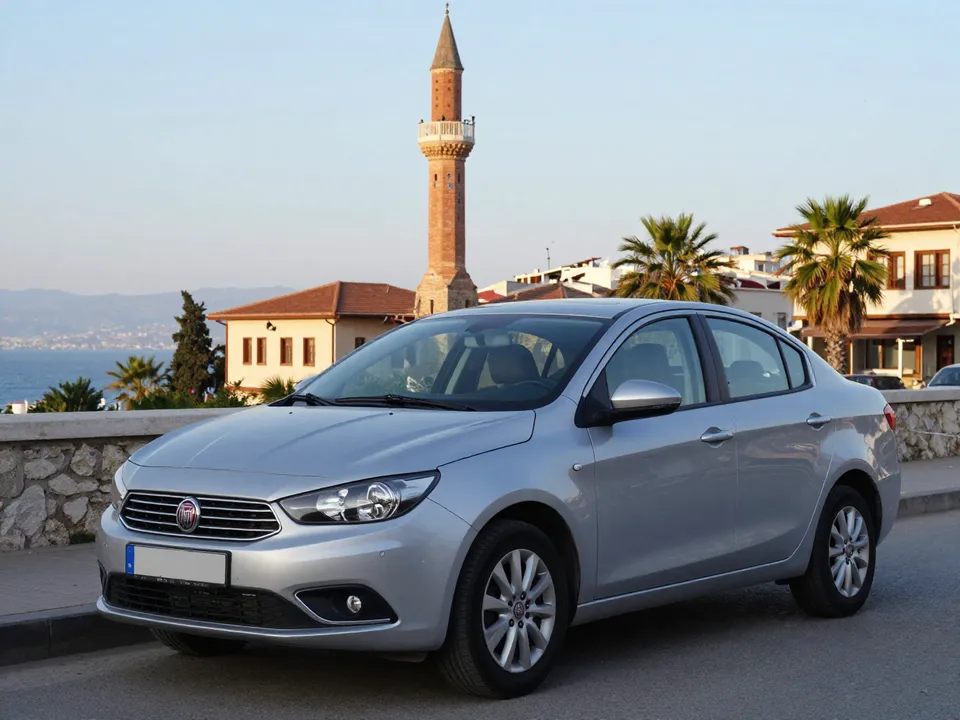
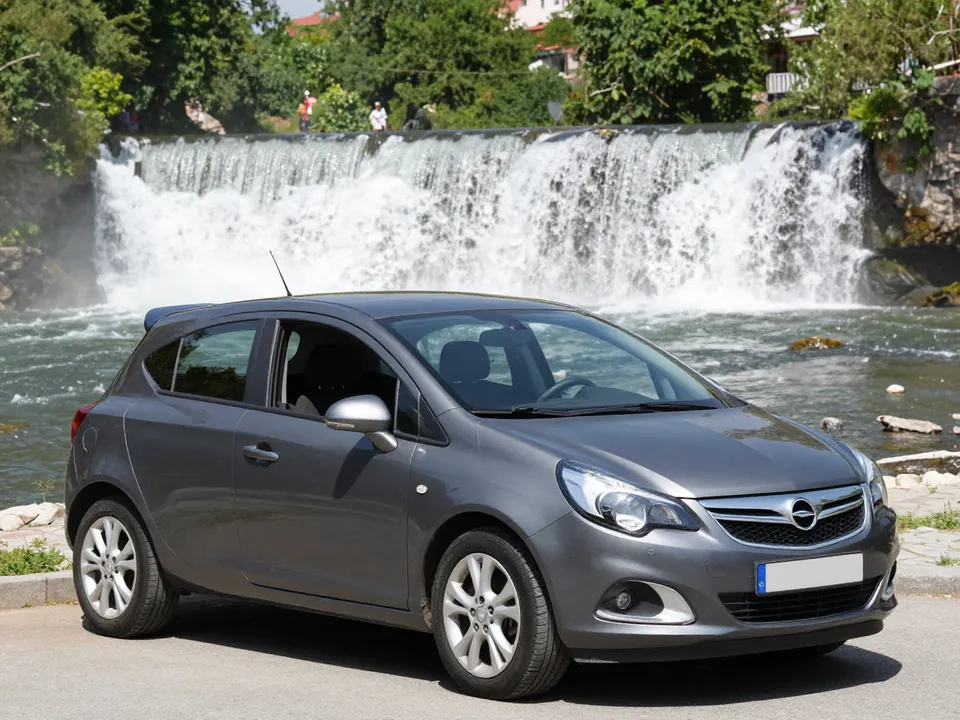
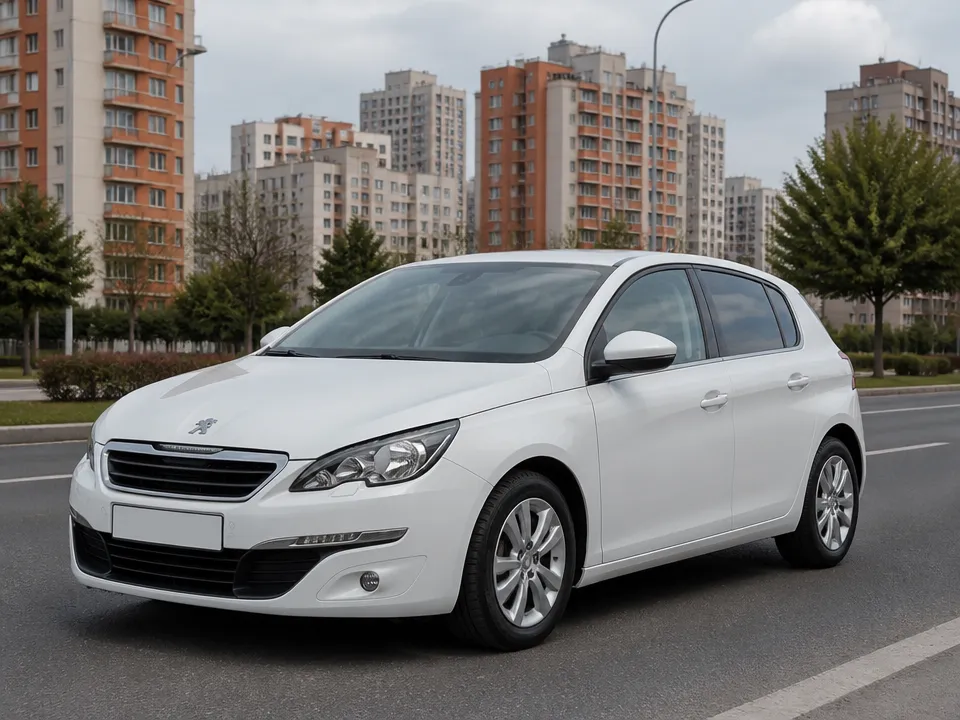
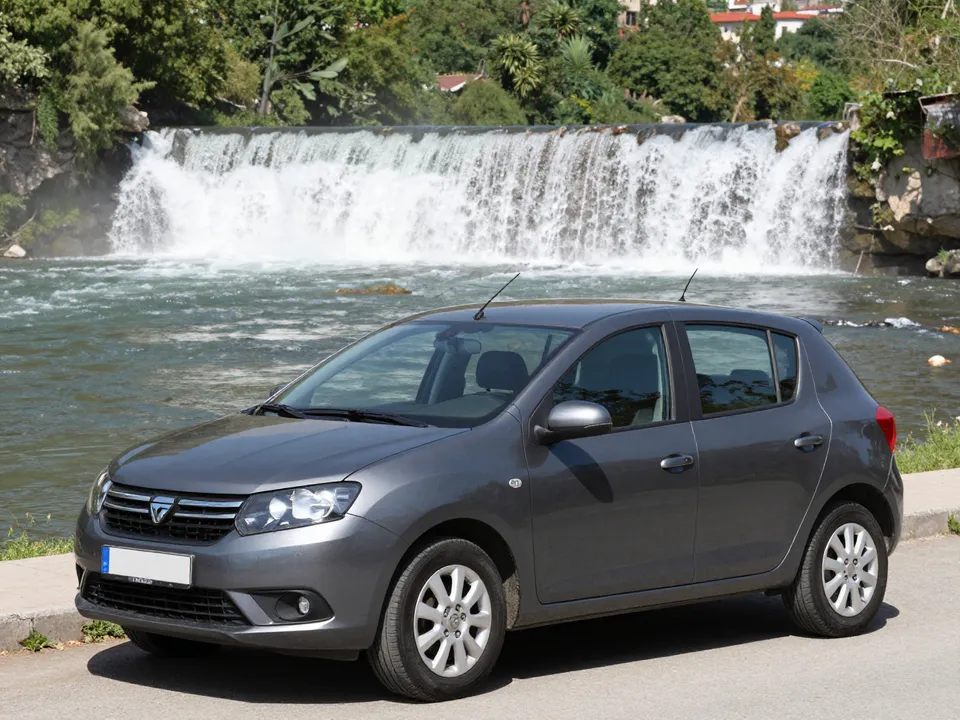
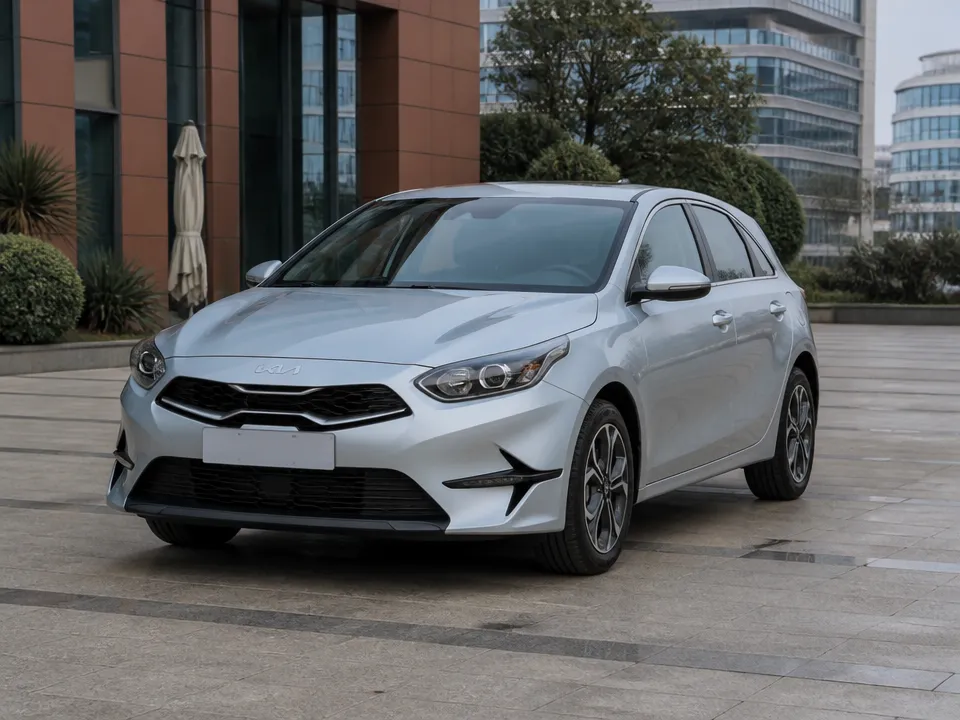
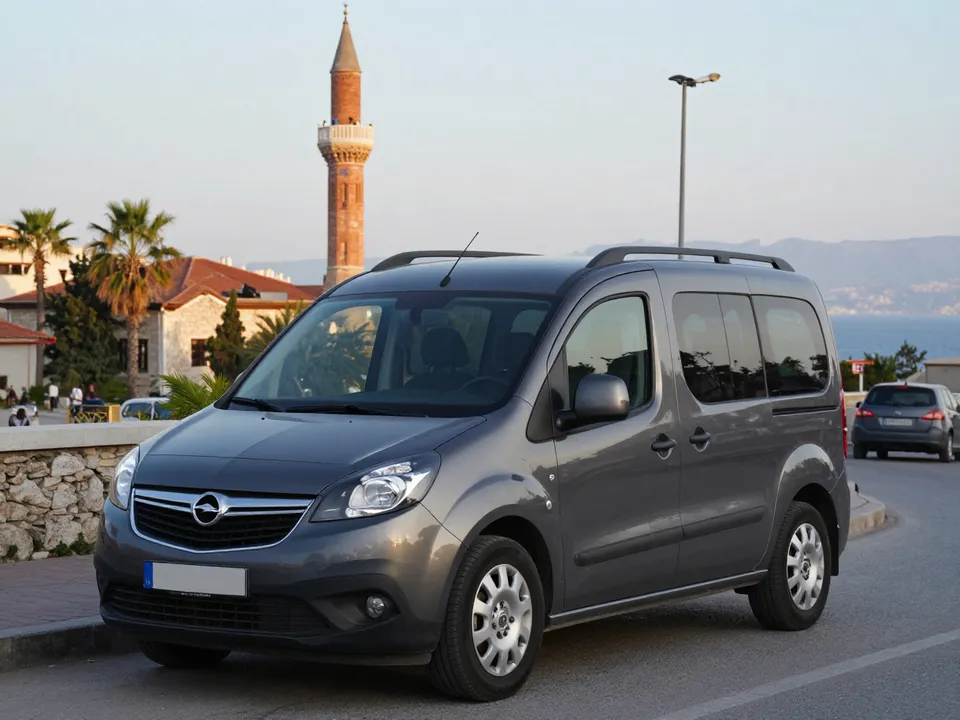
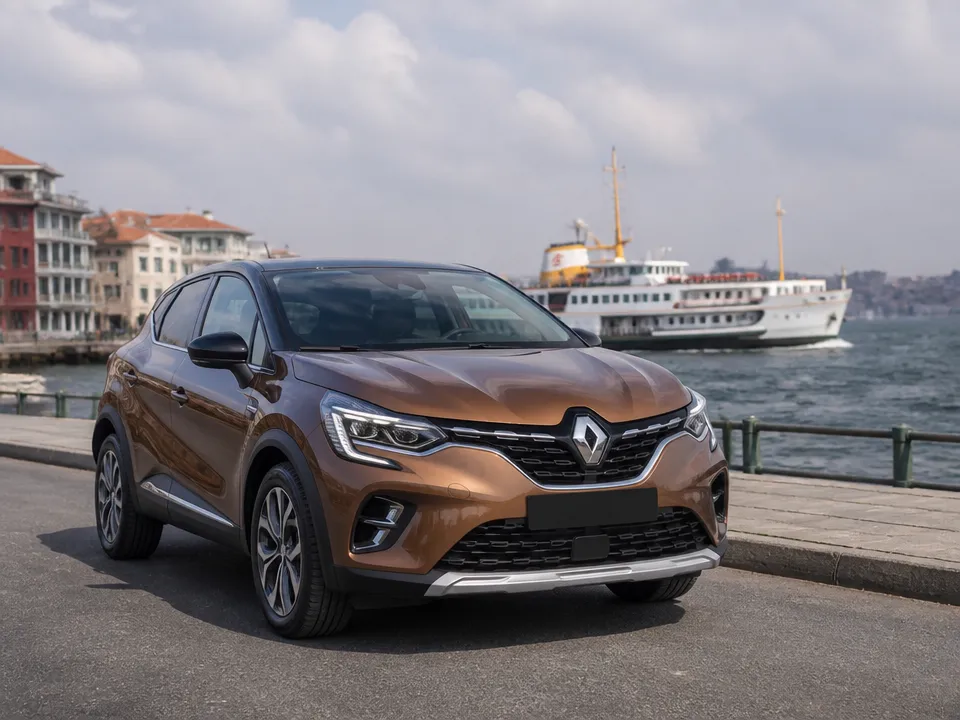
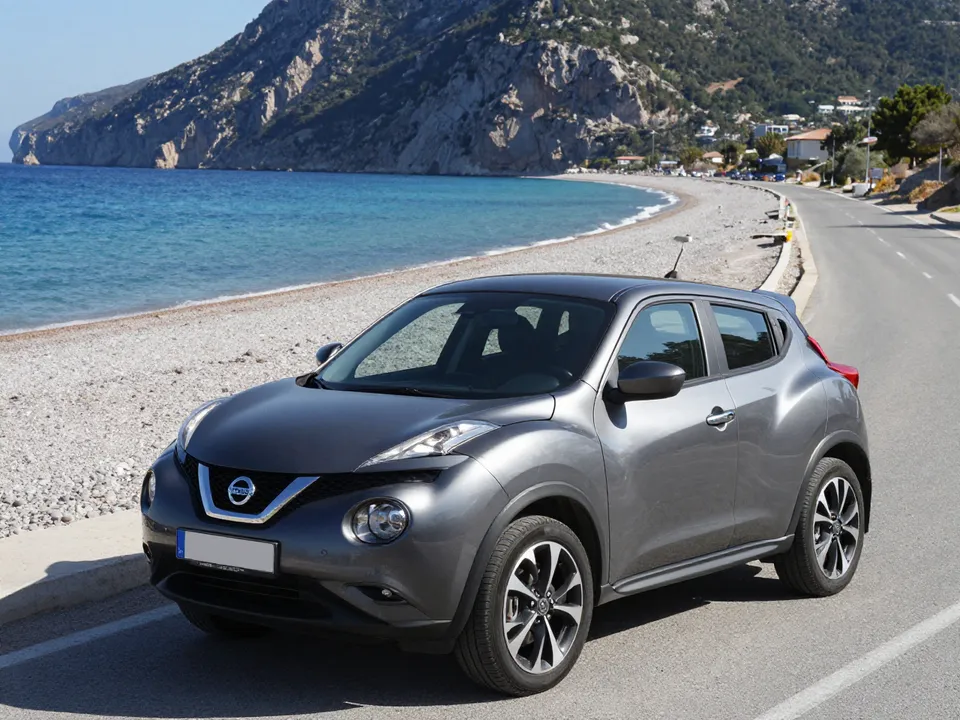
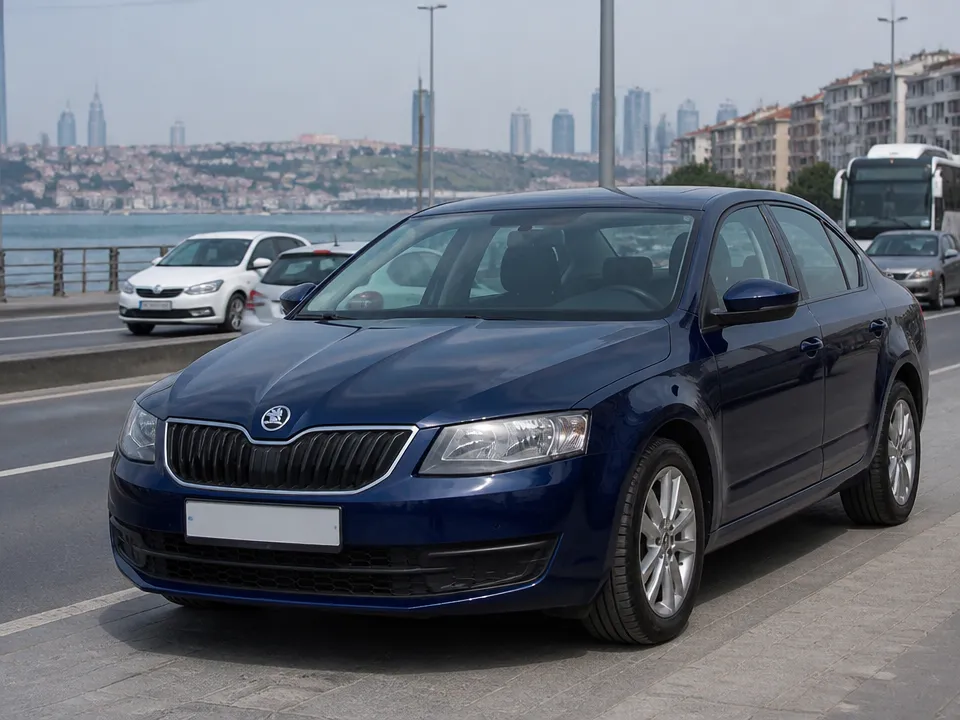
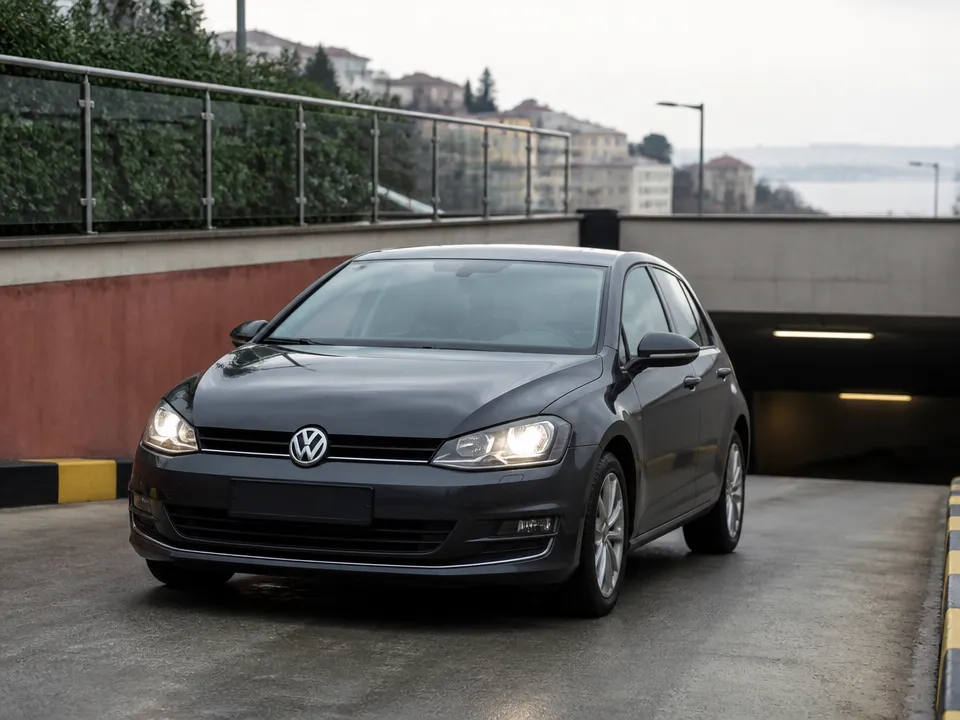
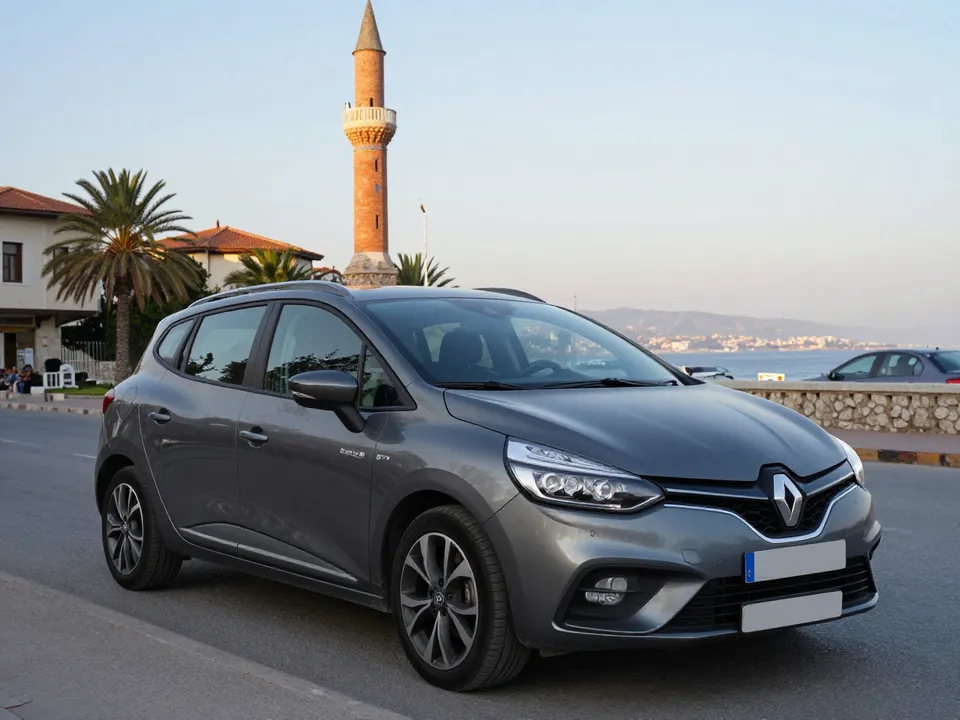
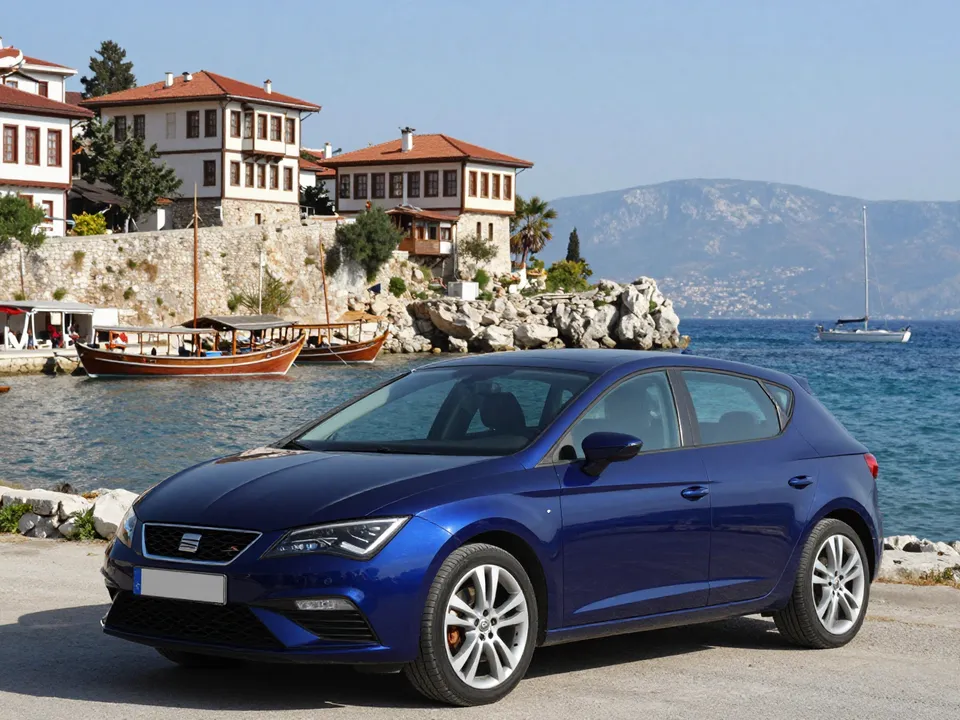
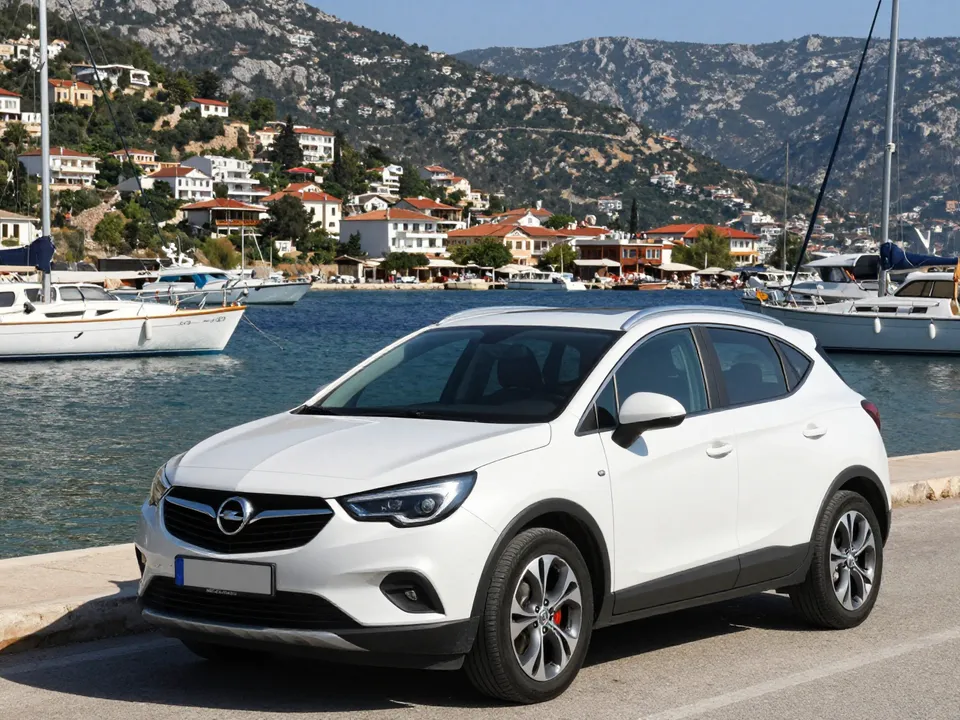
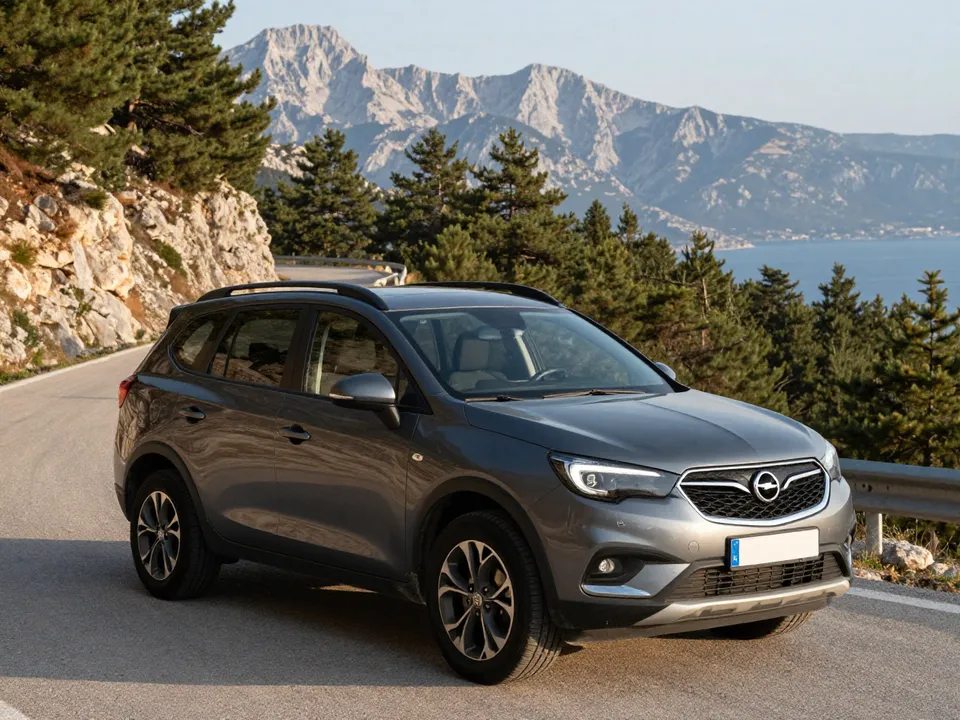
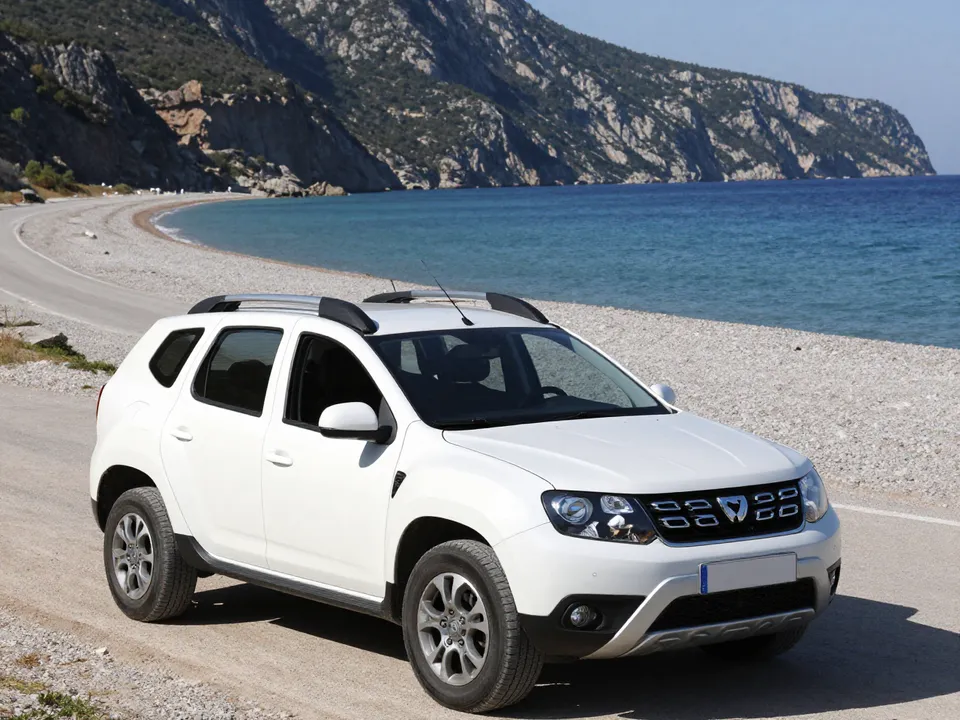
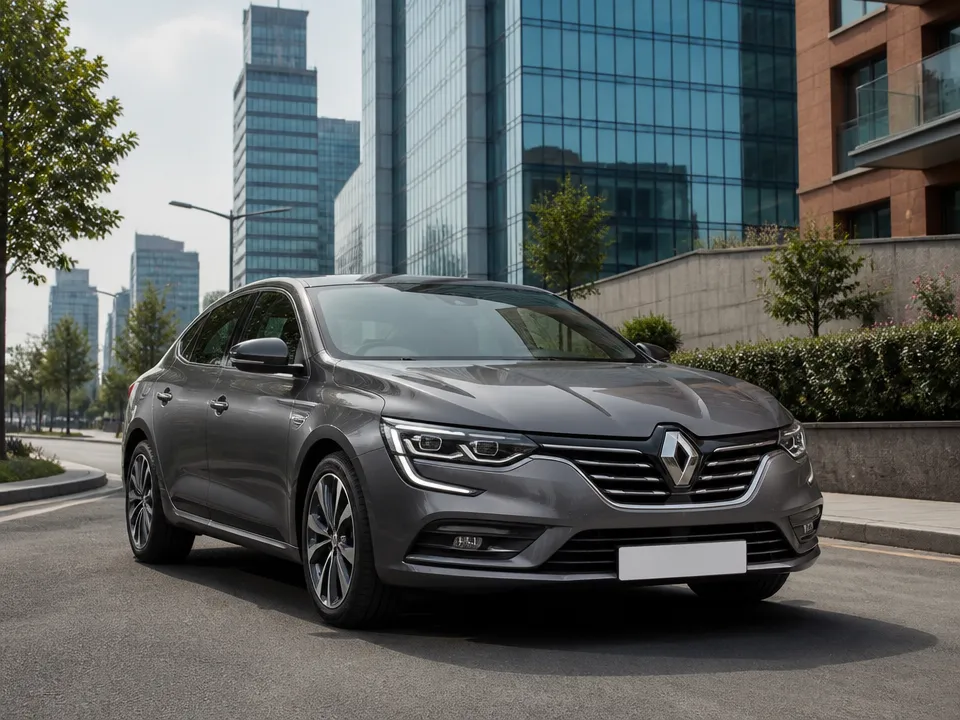
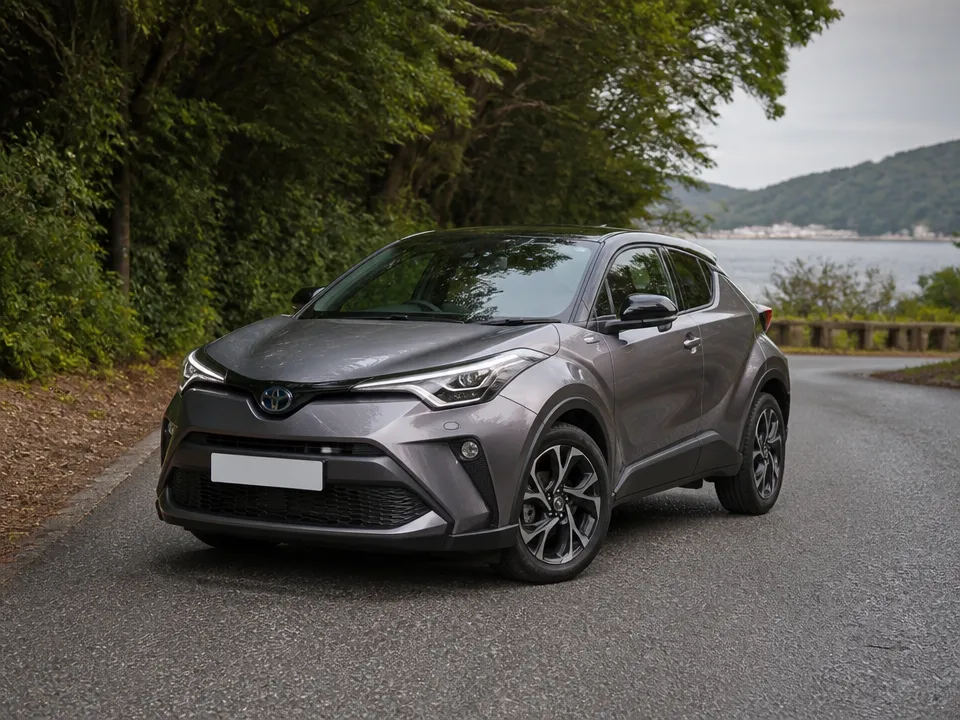
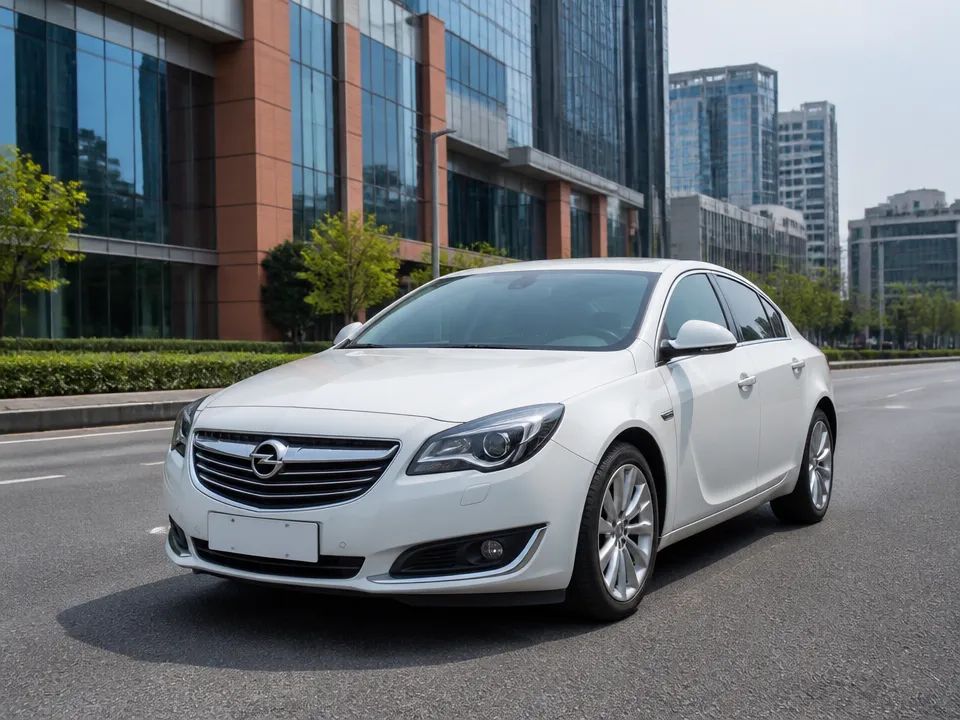
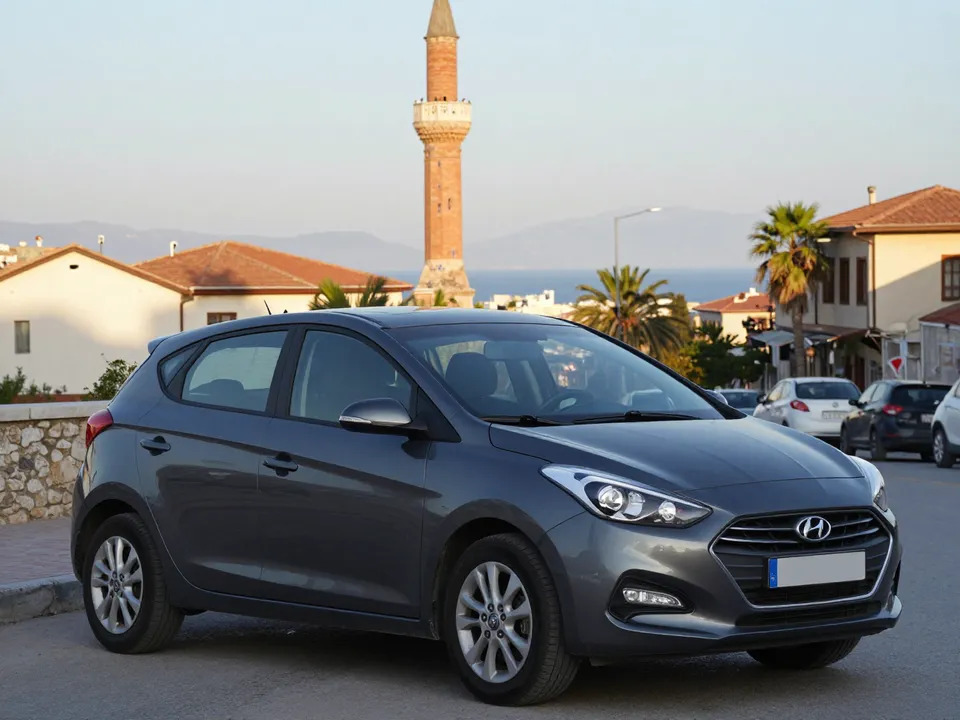
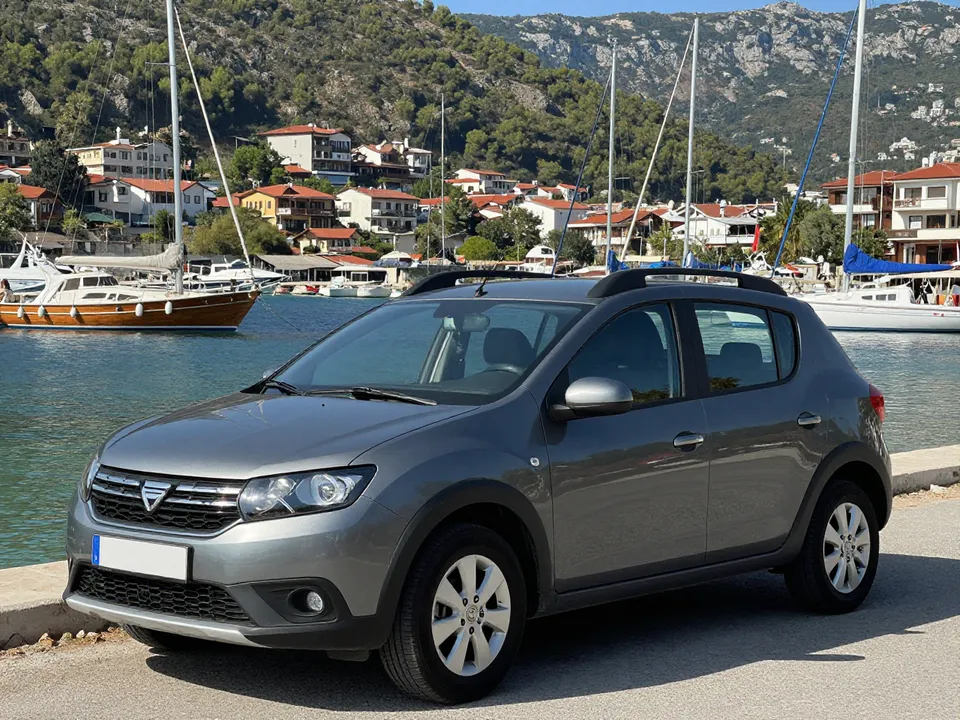
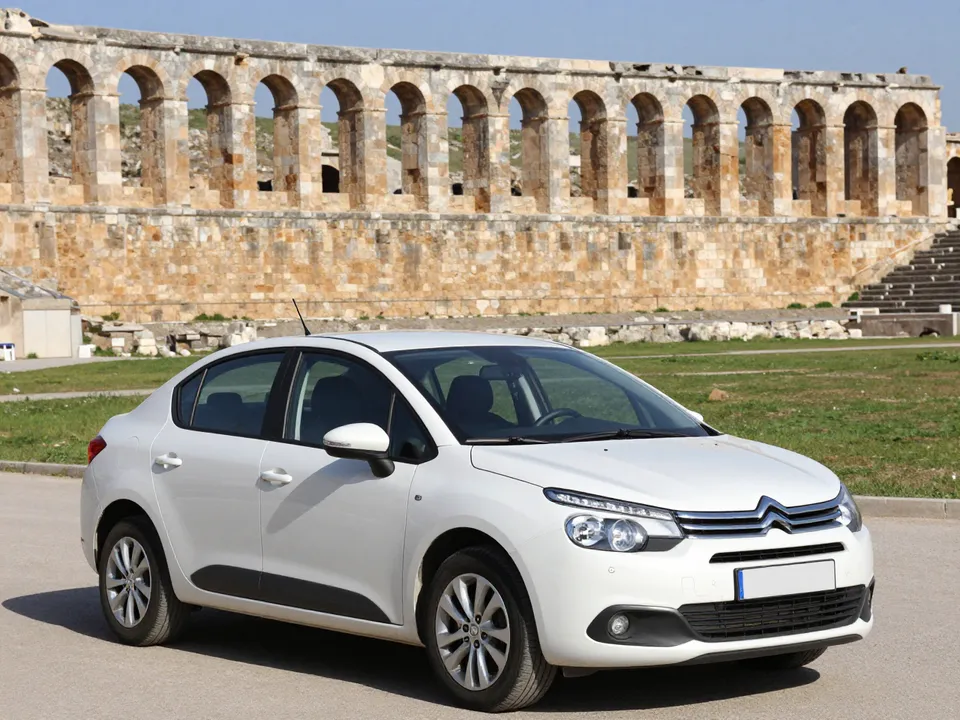
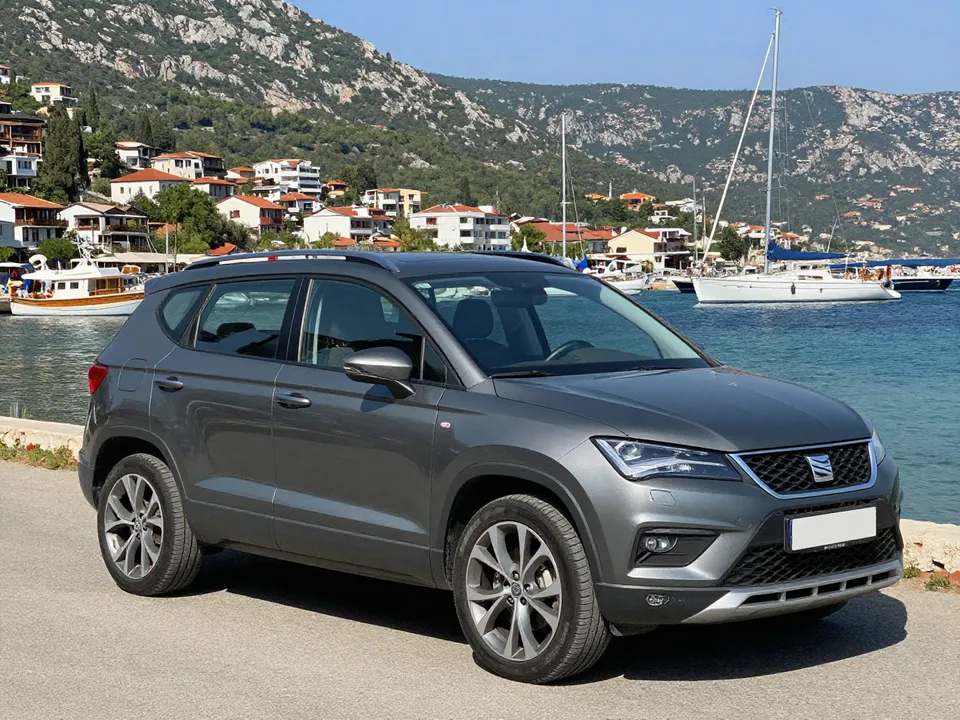
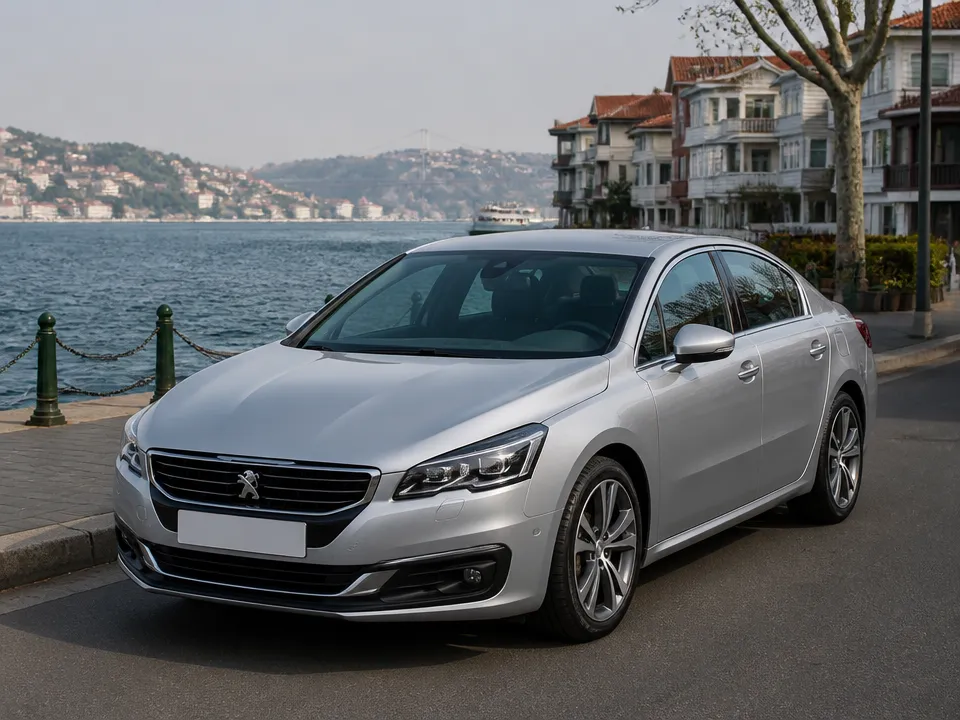
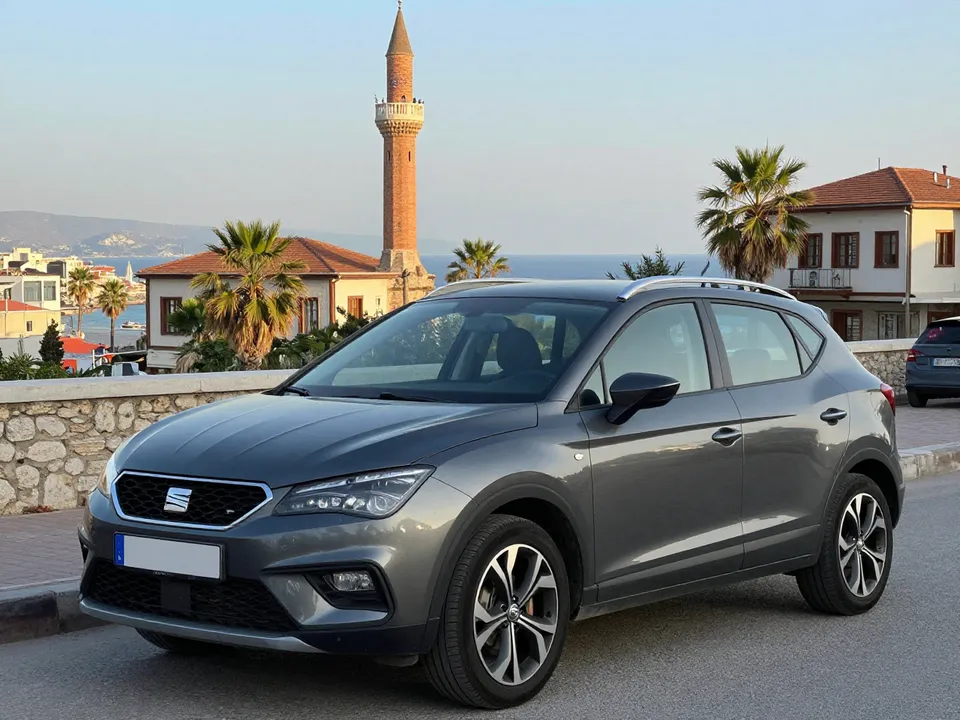
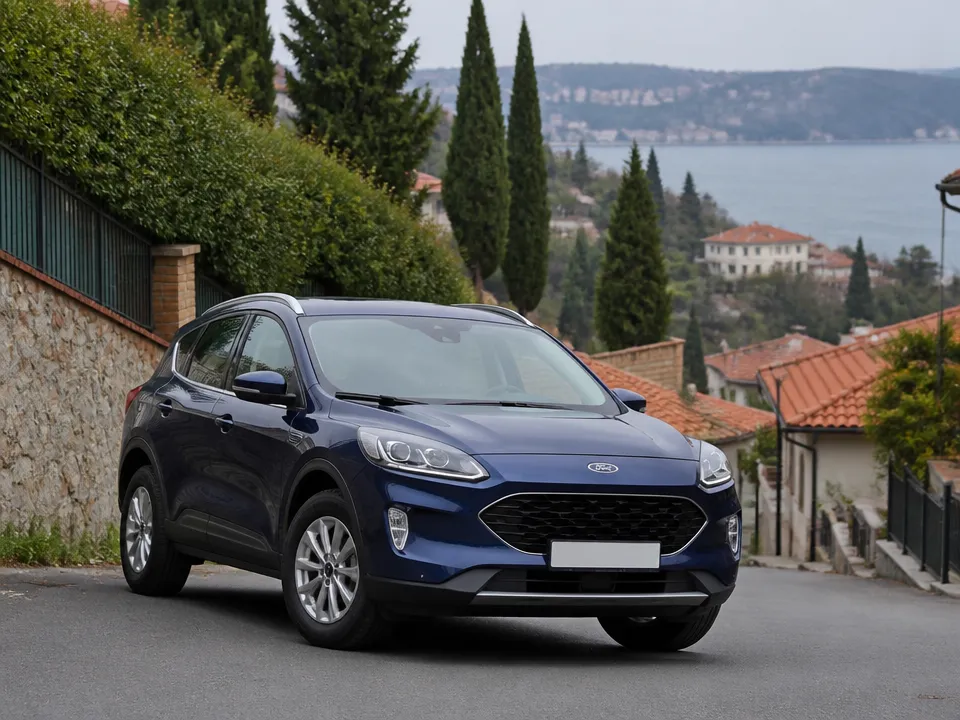
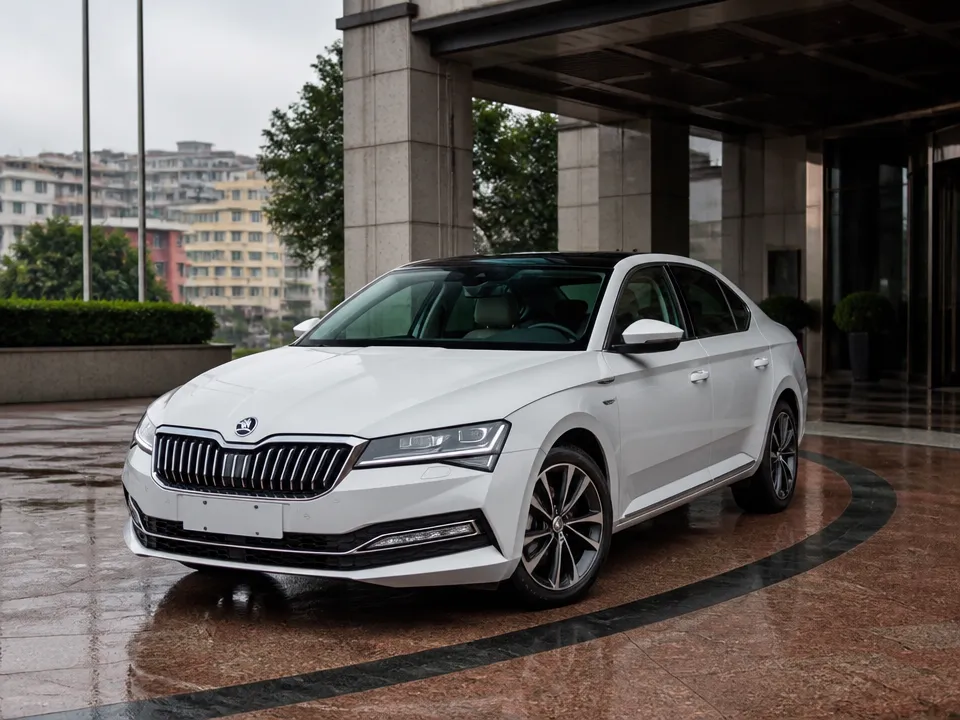
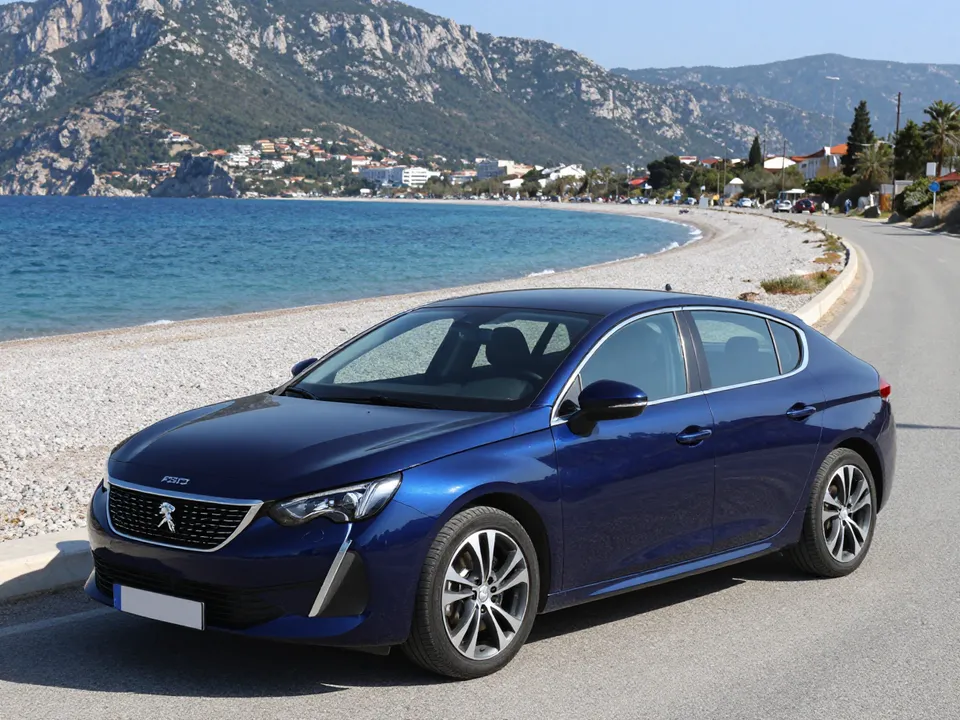
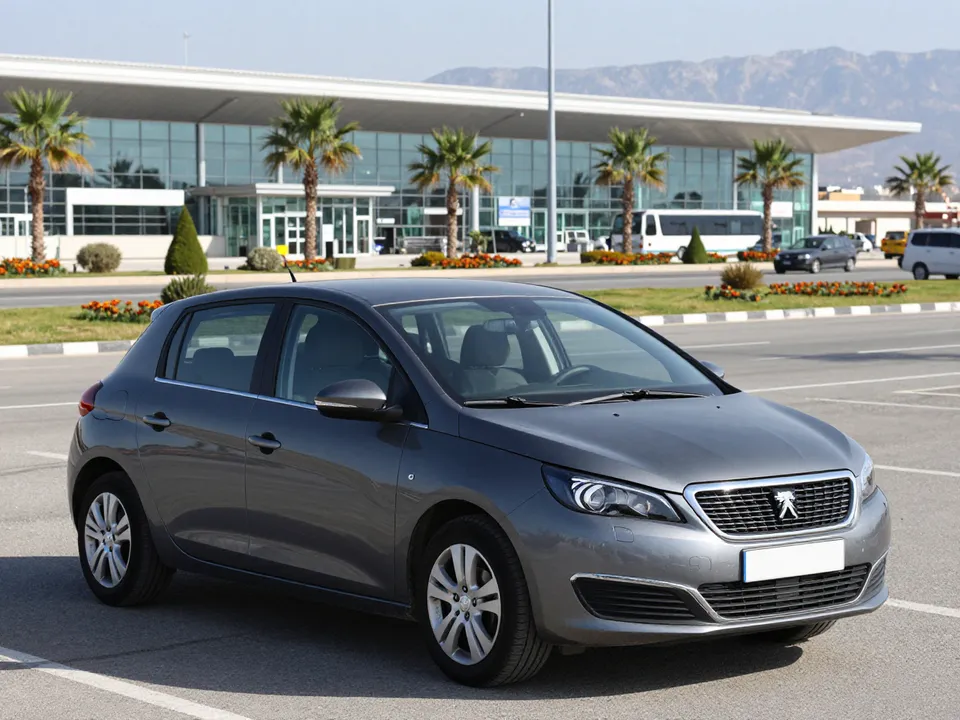
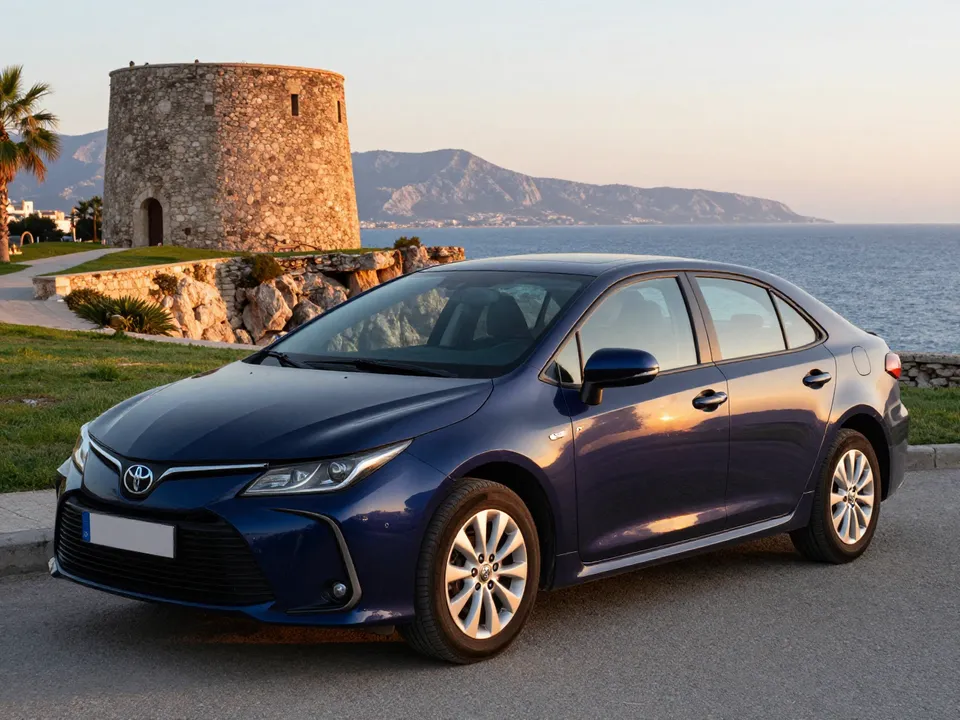
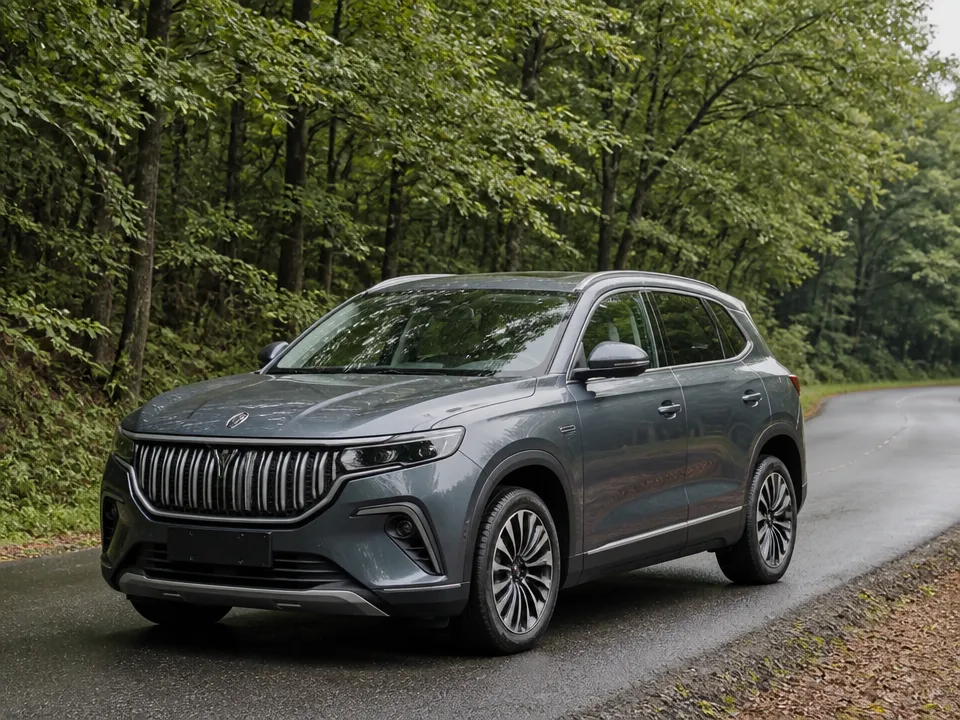
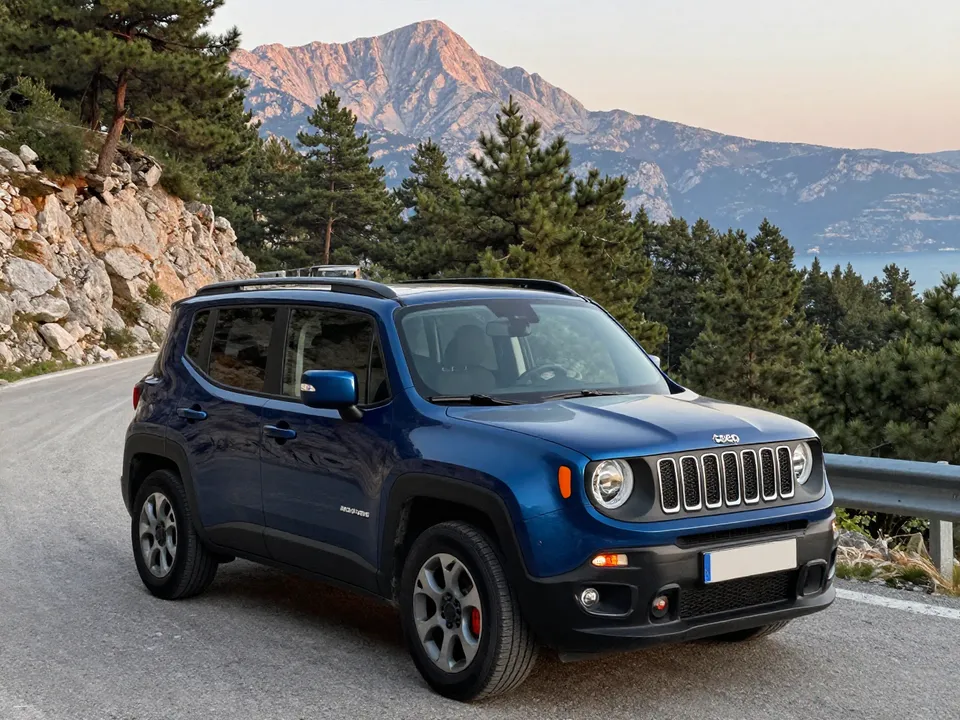
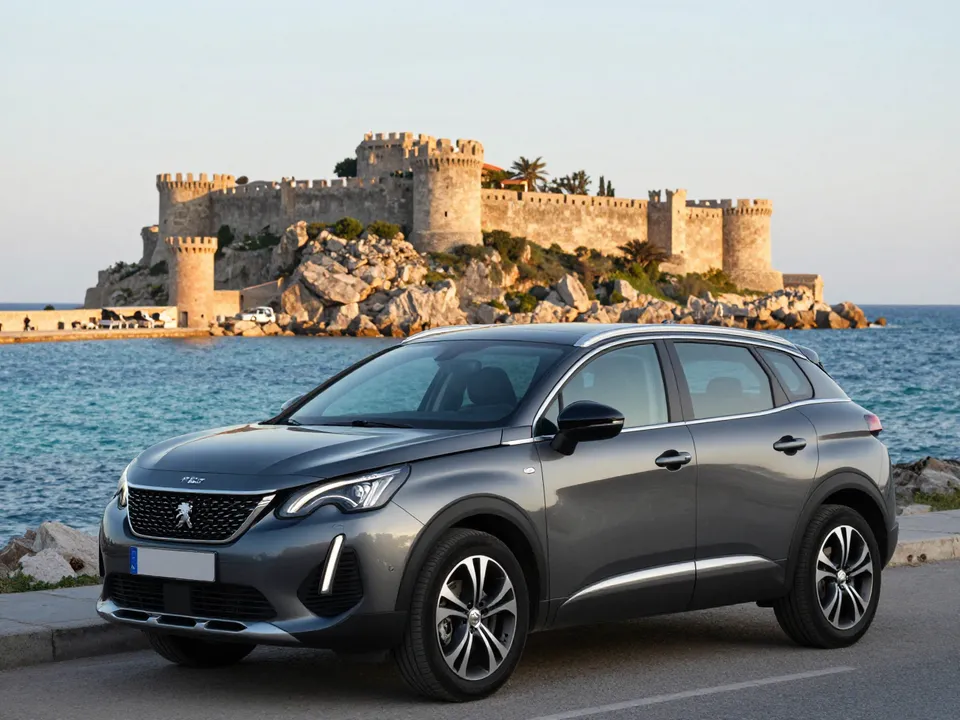
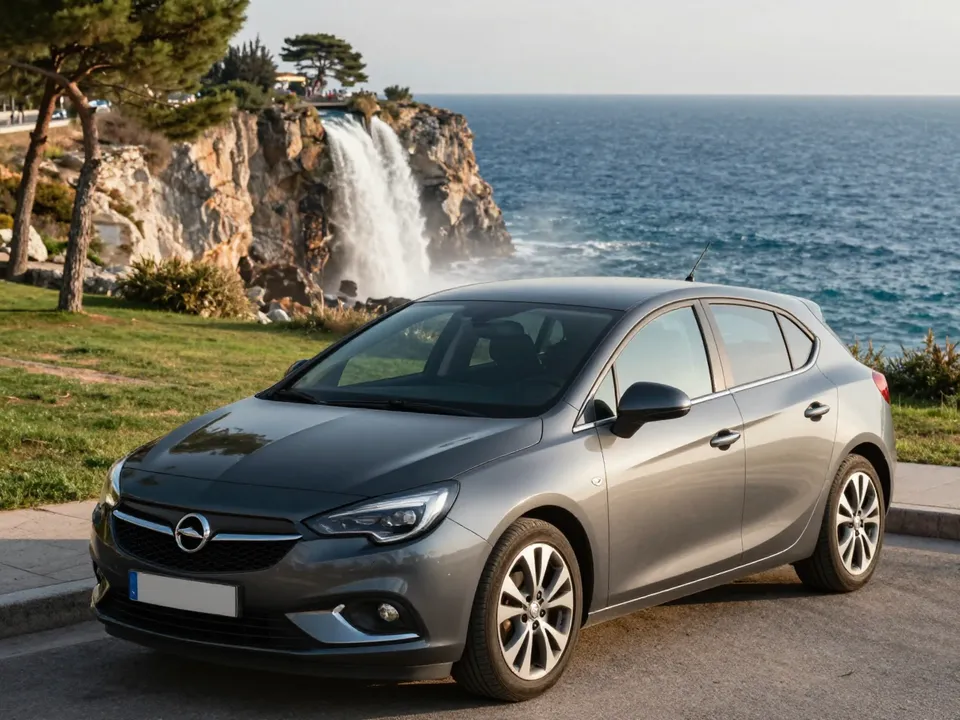
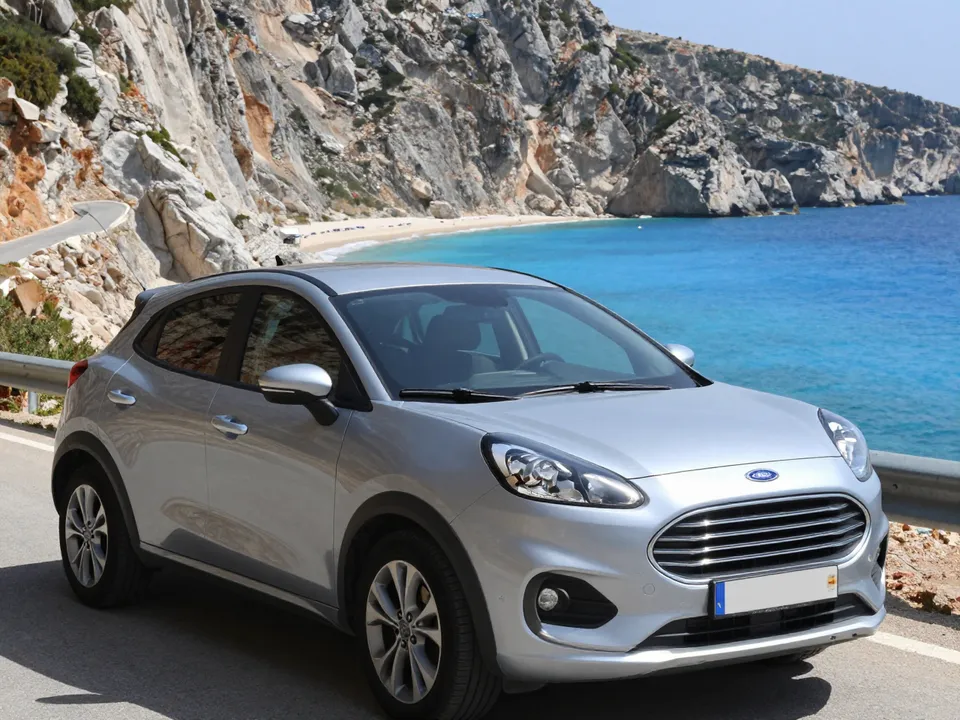
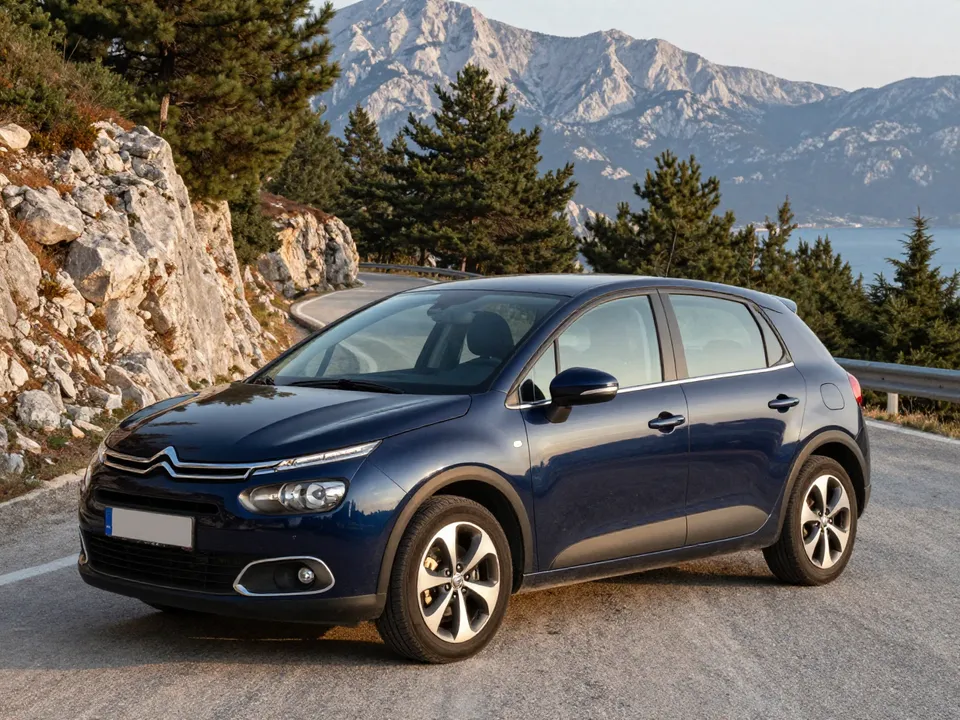
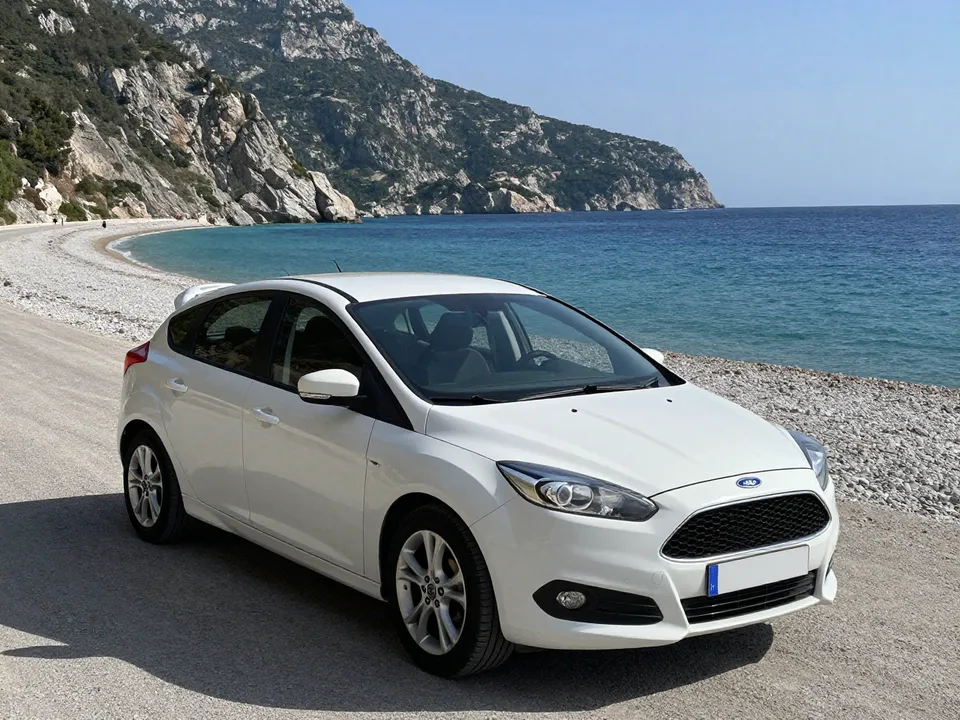
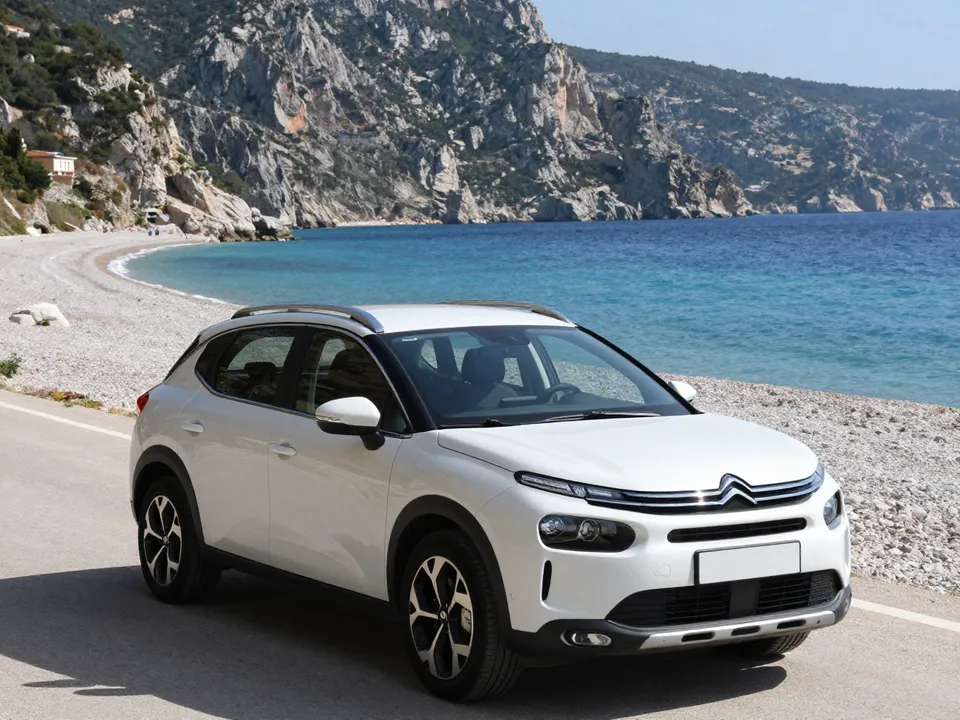
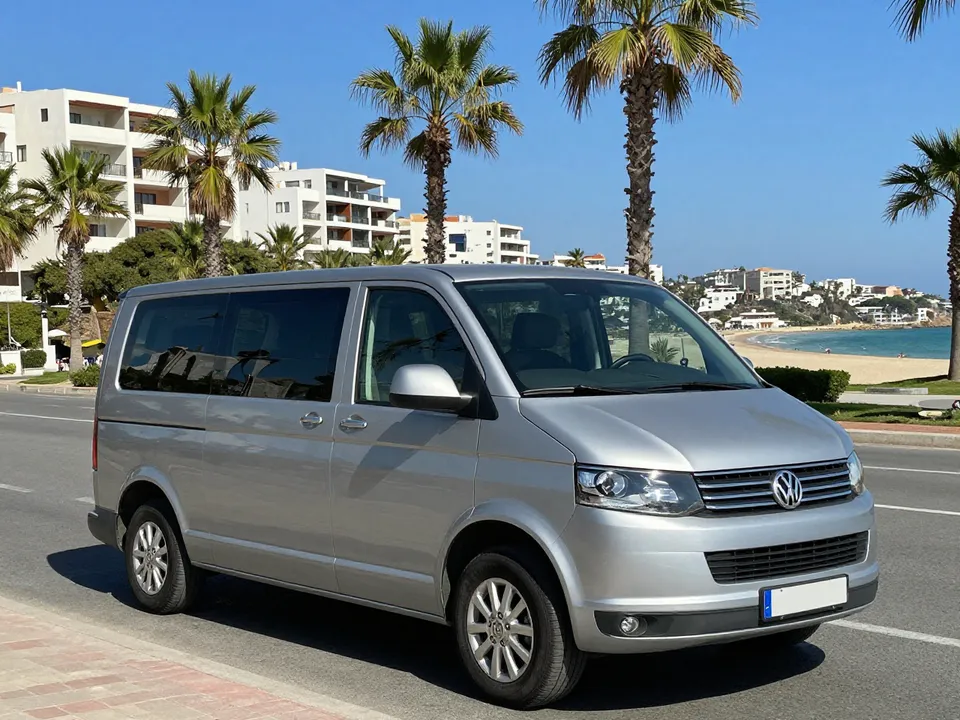
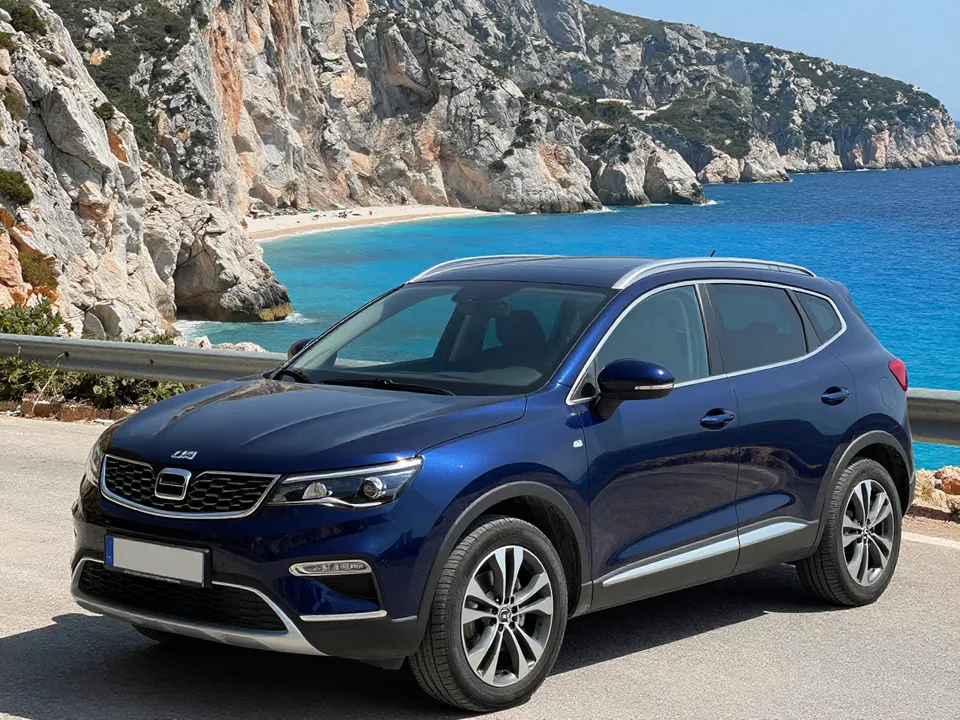
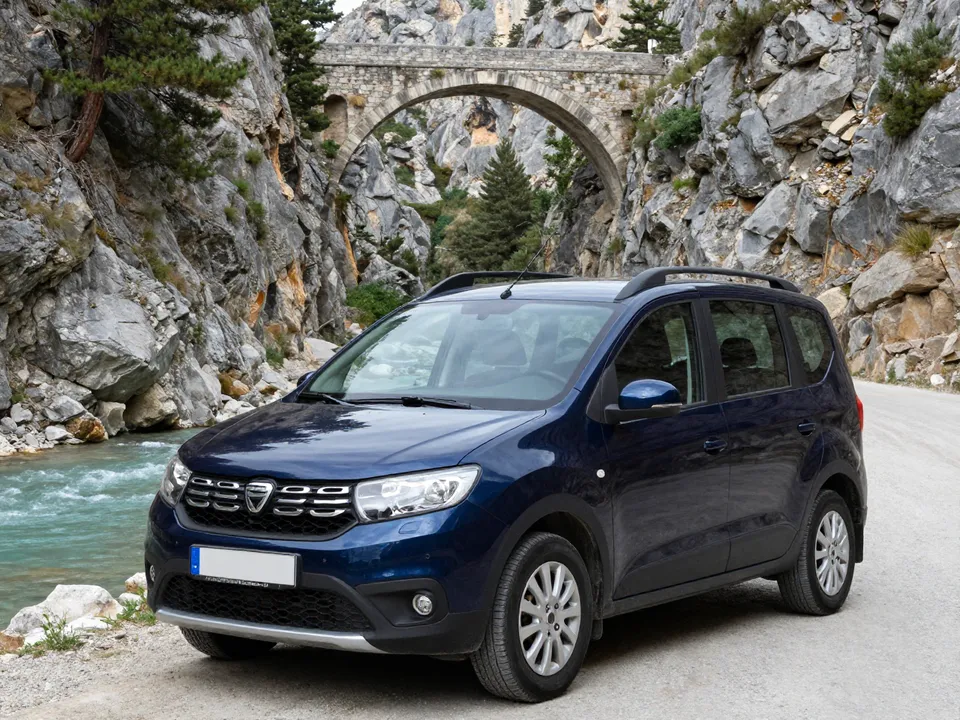
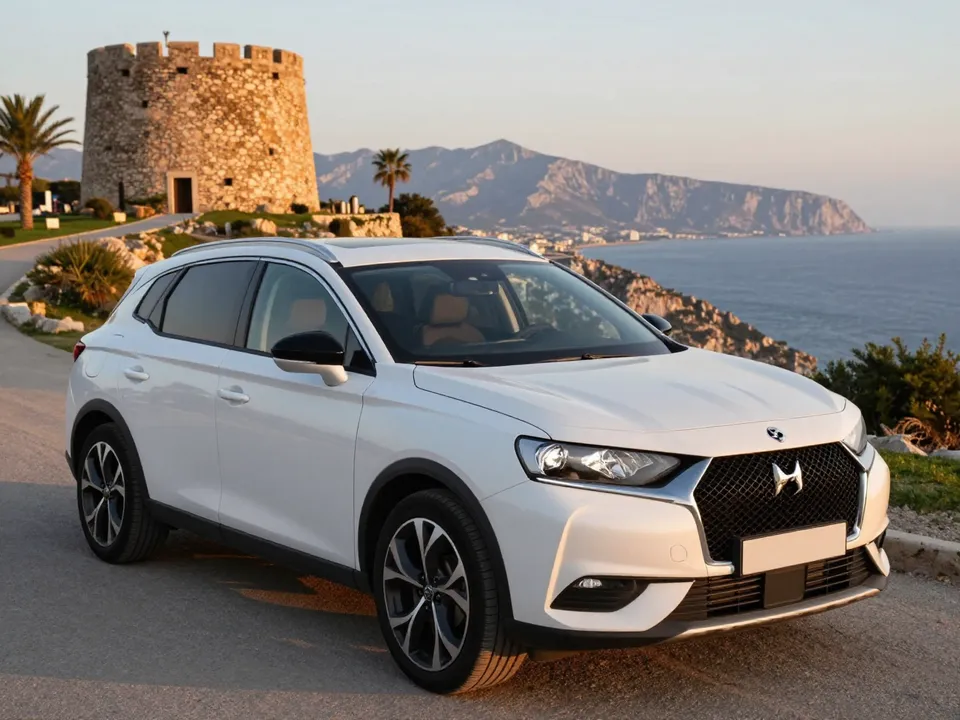
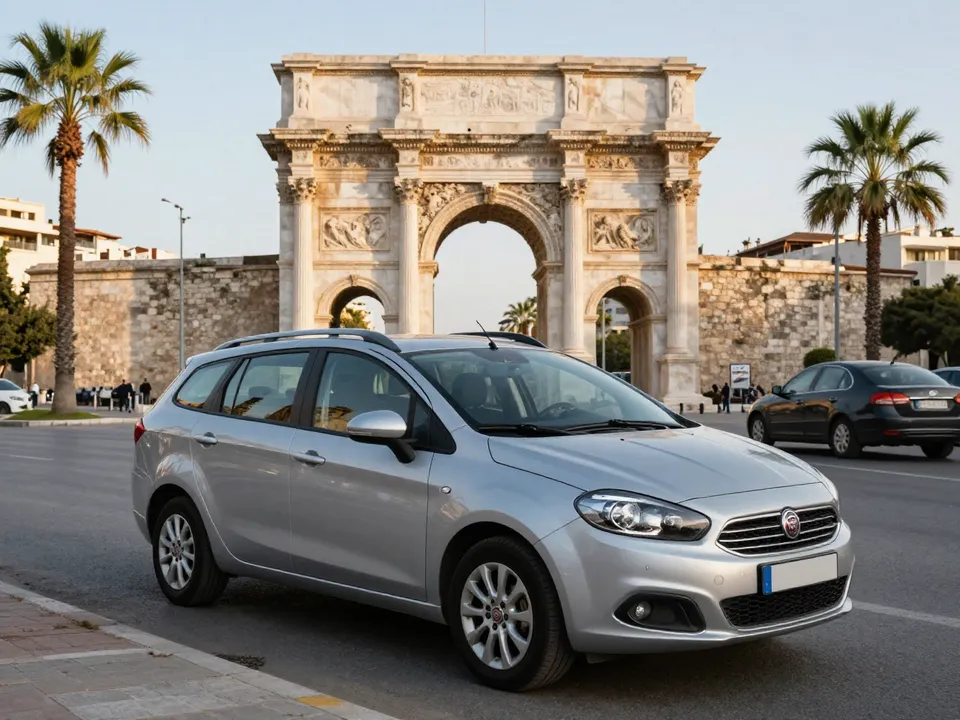
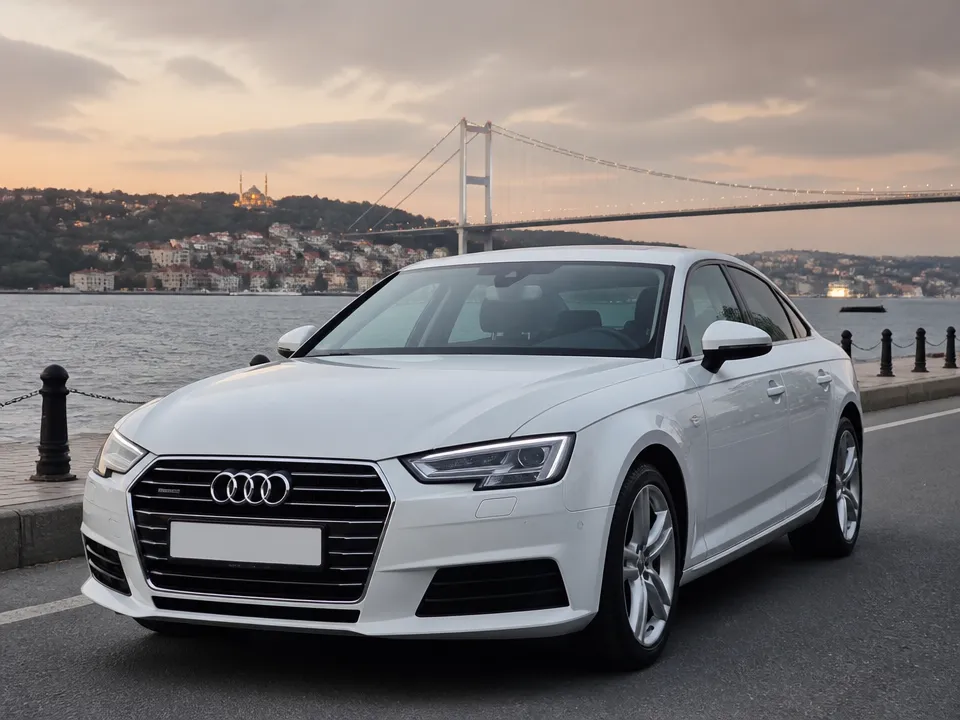
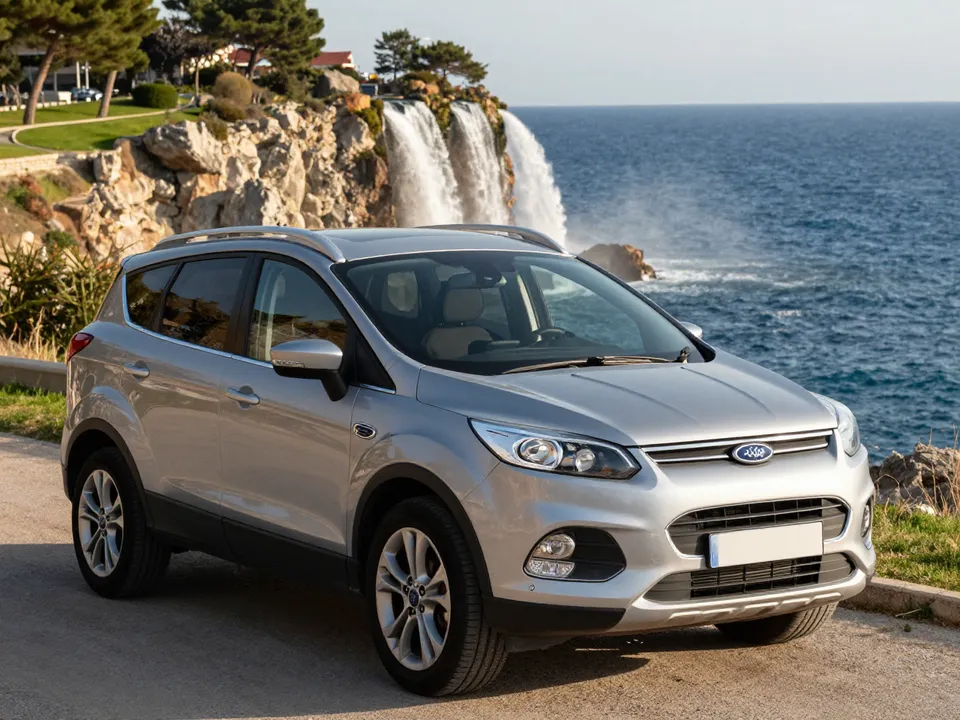
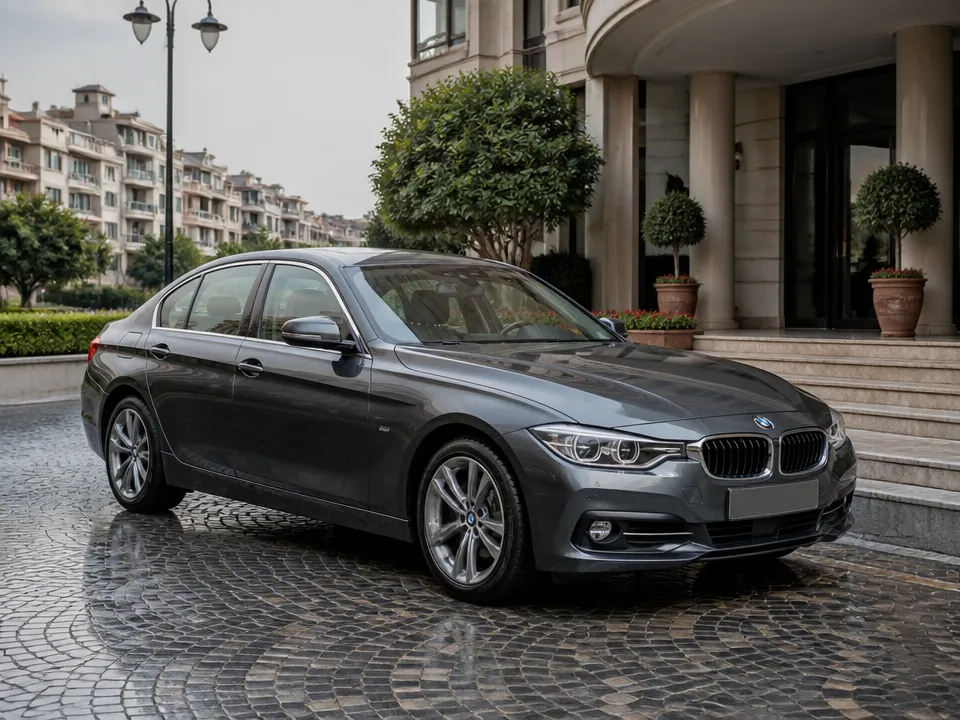
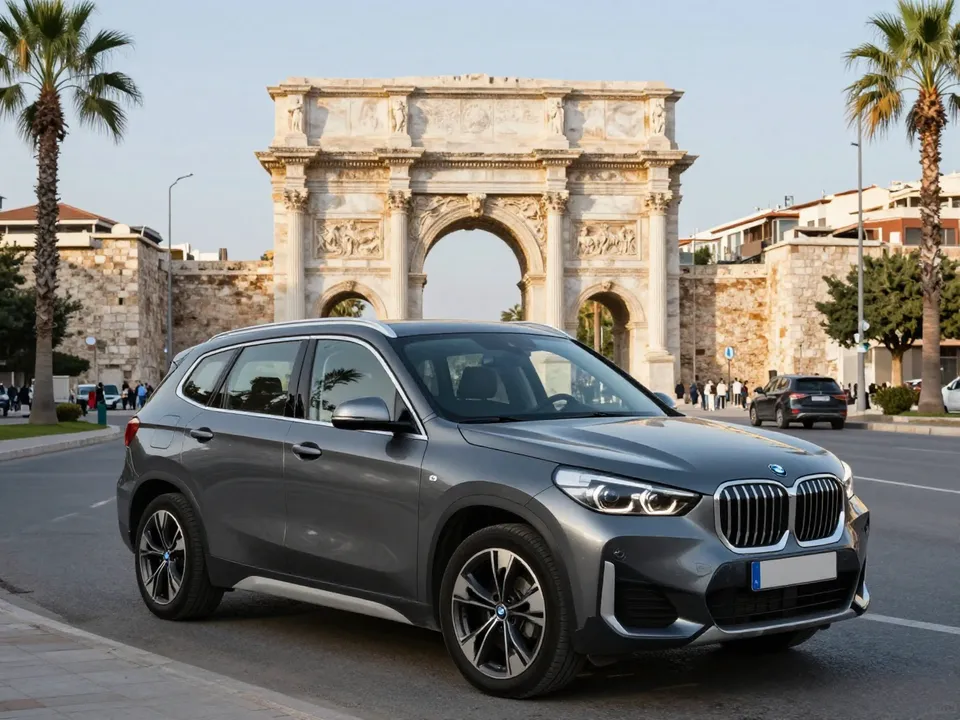
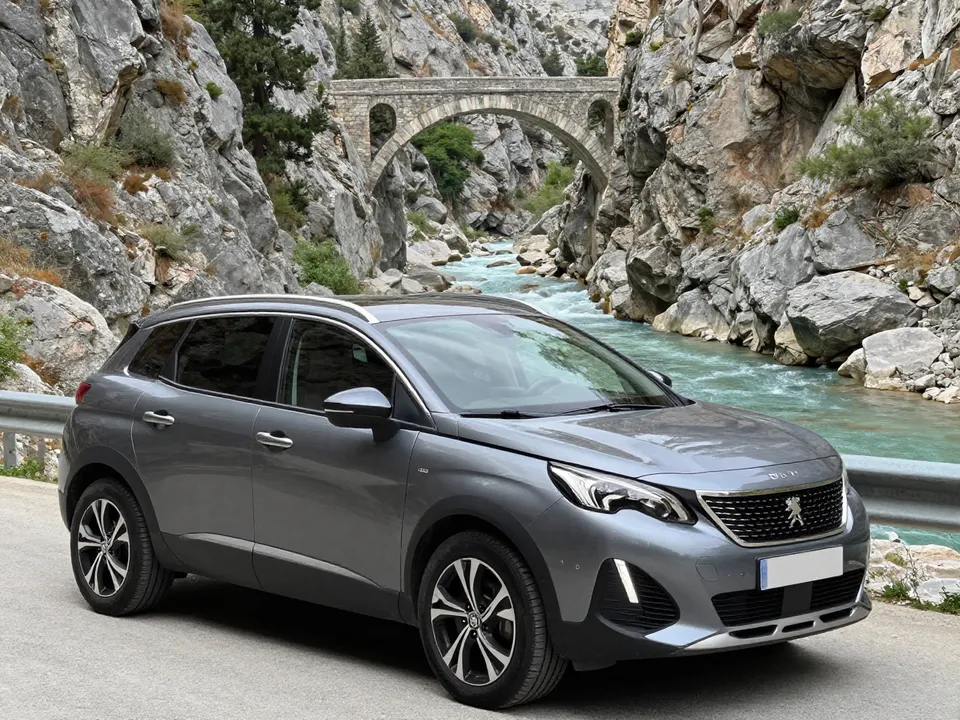
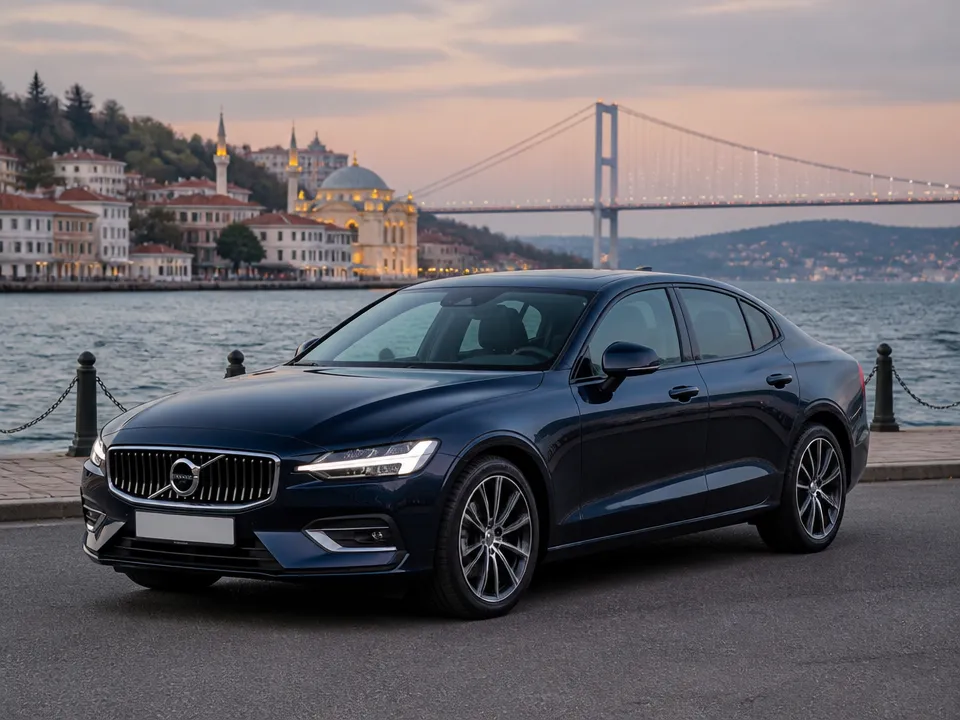
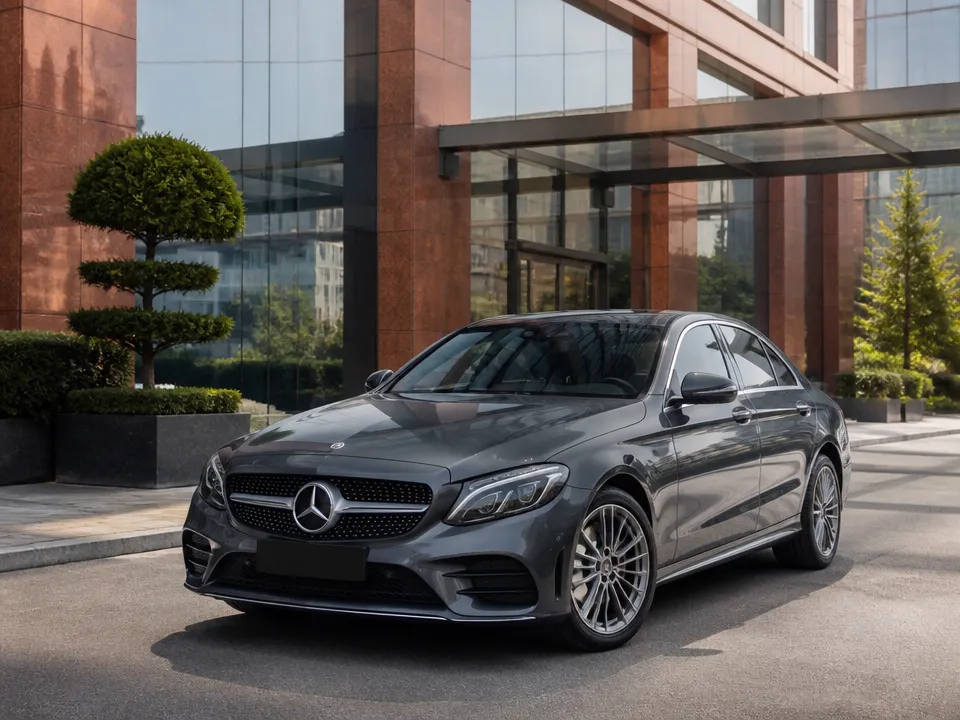
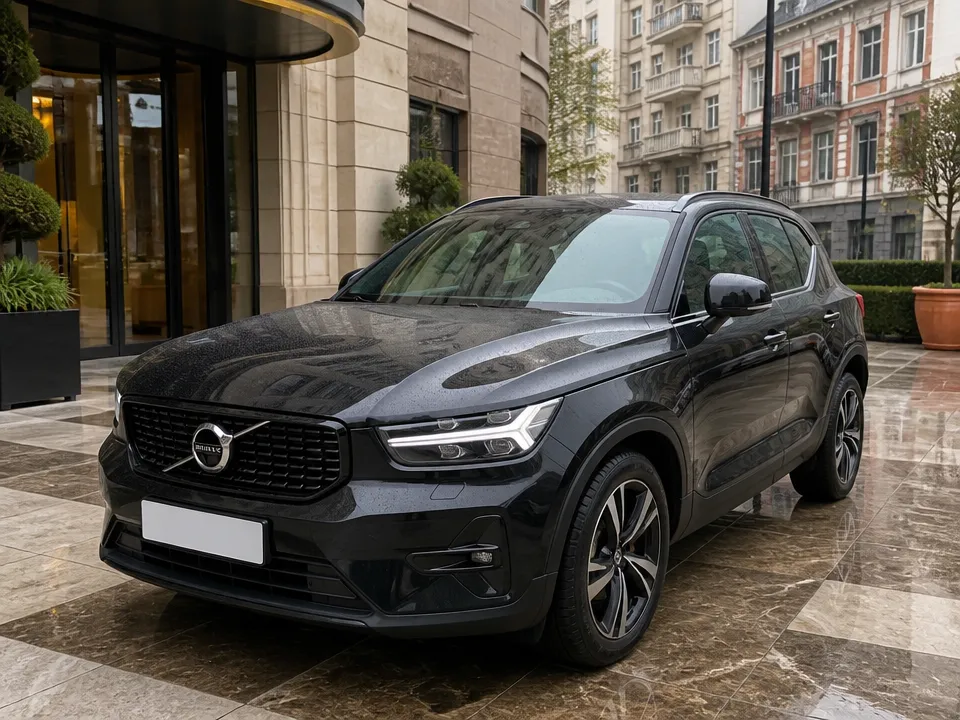
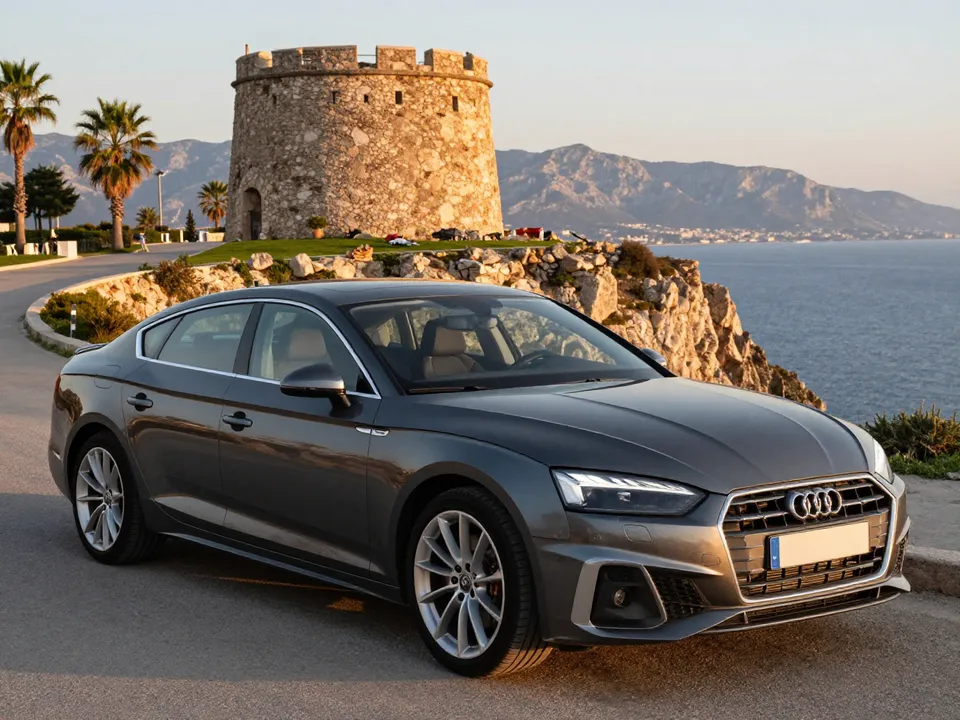
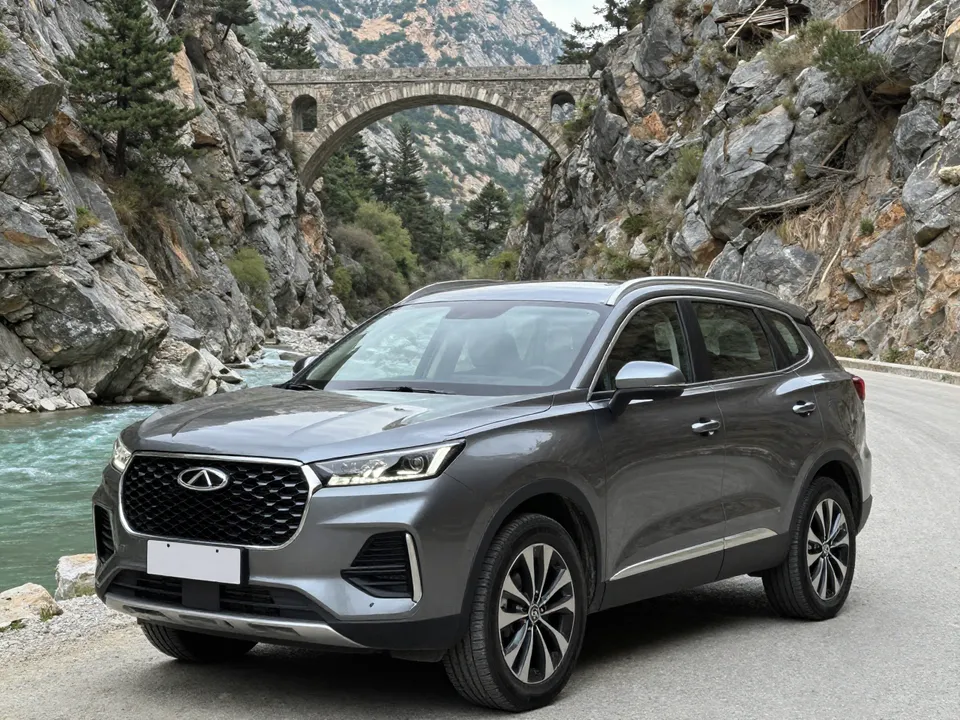
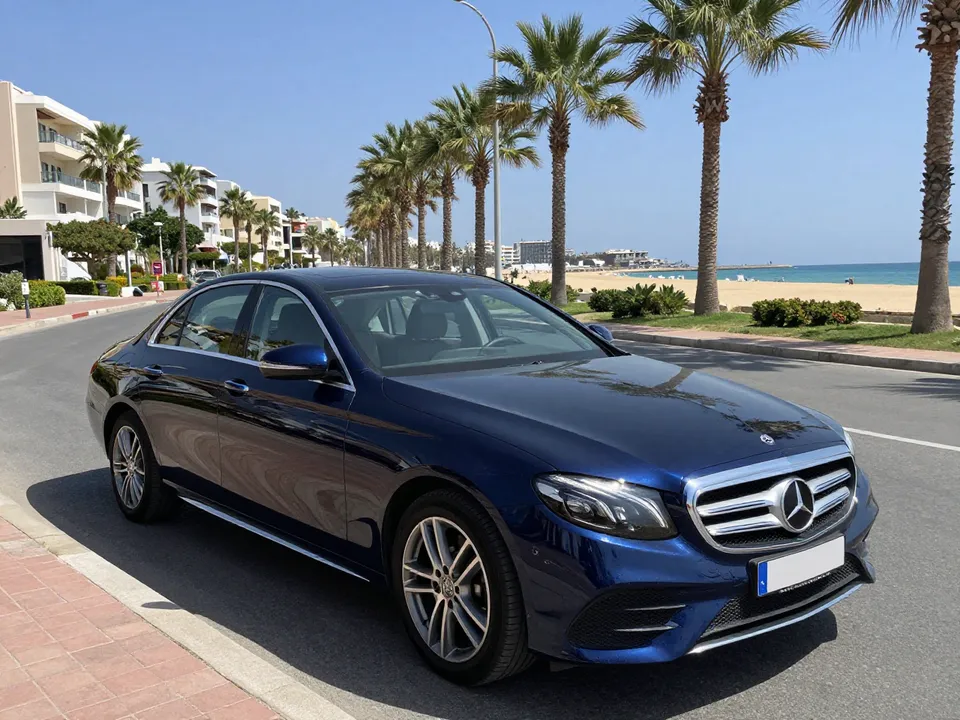
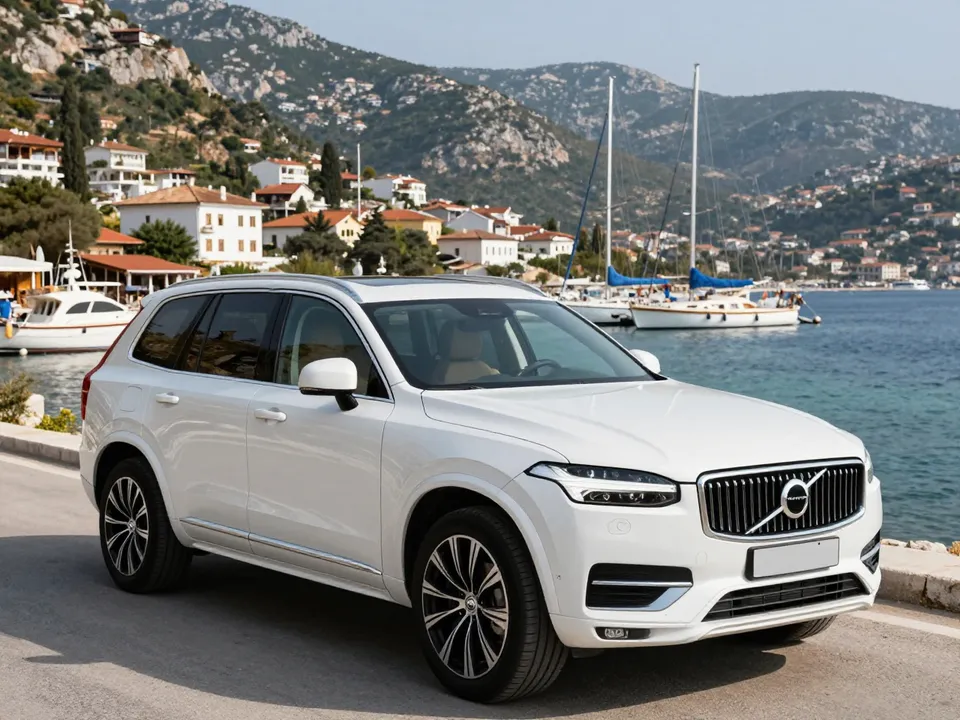
The cheapest car on the page is the Citroën C-Elysée at ₺1,456 a day — a 1.5 L diesel sedan with a manual gearbox and five seats. At the other end sits the Volvo XC90 at ₺18,153, a seven-seat hybrid in the Luxury line. Between them run the cars most people actually book: the Hyundai i10 and Kia Picanto at ₺1,535 and ₺1,546, the Dacia Sandero and Fiat Egea Hatchback at ₺1,600, the Peugeot 301 and Renault Clio at ₺1,650, then the Renault Taliant, Citroën C3 and Hyundai i20 through the ₺1,700–₺1,750 band. Comfort opens with the Kia XCeed at ₺1,893 and the Dacia Logan at ₺1,950; the SUV line starts with the Opel Mokka at ₺2,100.
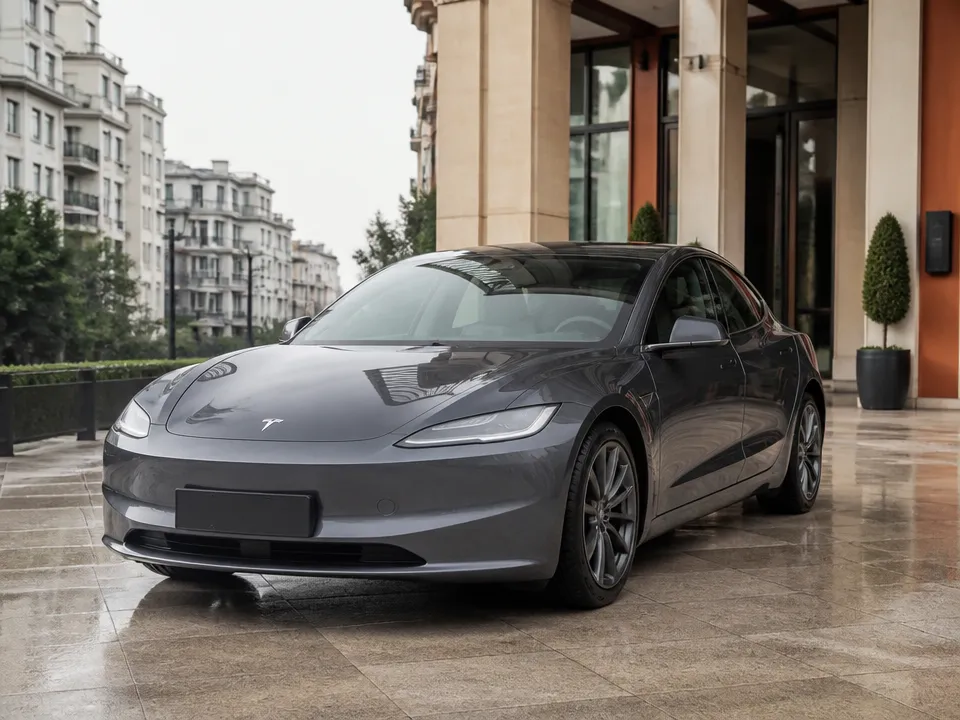
Drivetrain counts matter more than the badge. Of the 222 cars, 196 are automatic and only 26 manual, 127 run on petrol, 69 on diesel, 20 are hybrids and 6 electric. Body styles split almost evenly at the top — 48 sedans, 48 hatchbacks, 46 SUVs — with 27 crossovers and 16 minibuses behind them. With only 26 manual cars across both cities, if you specifically want a clutch pedal, book it early rather than assume one will be left.
Matching the car to the road ahead
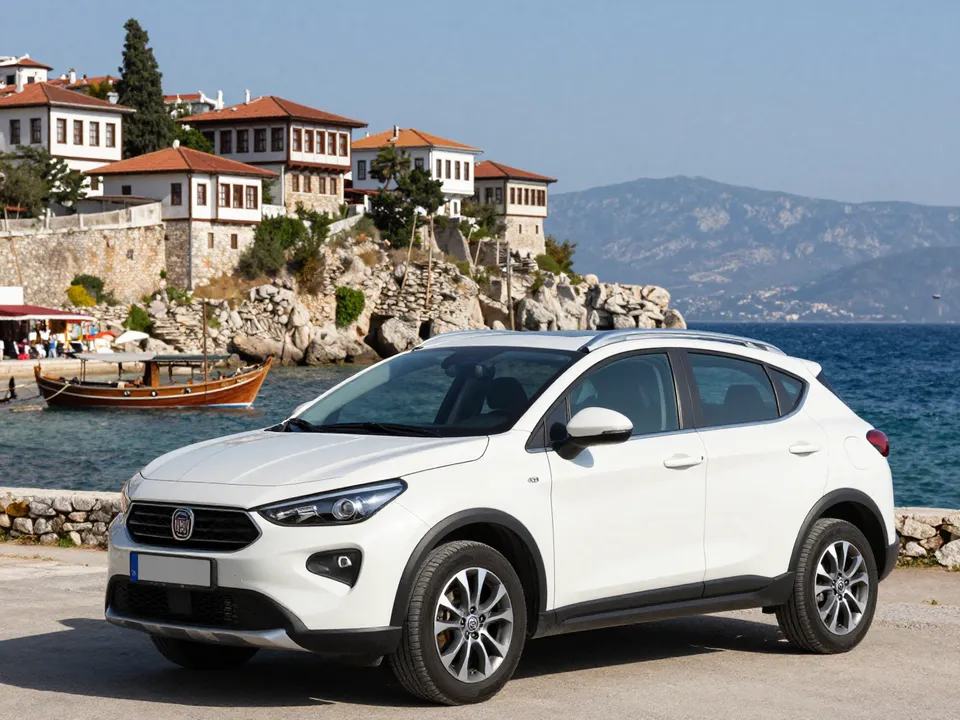
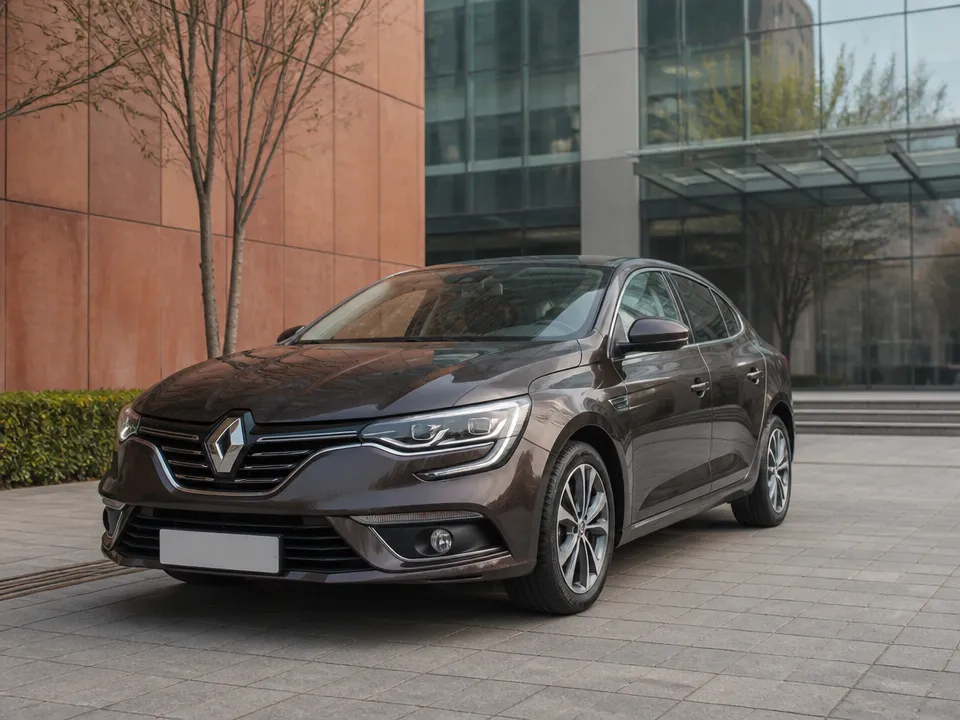
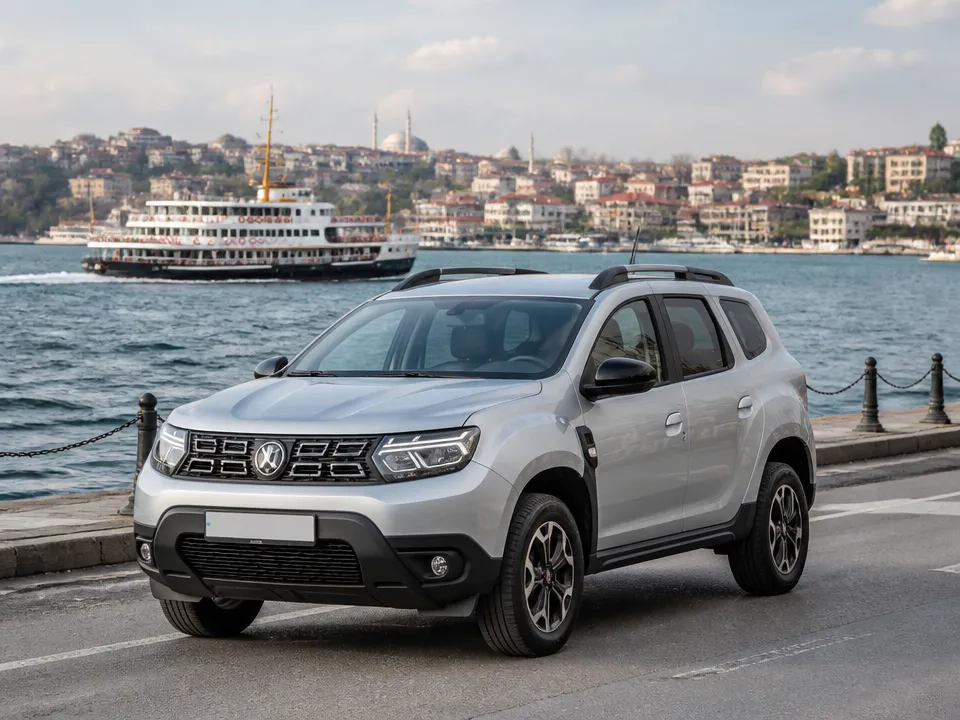
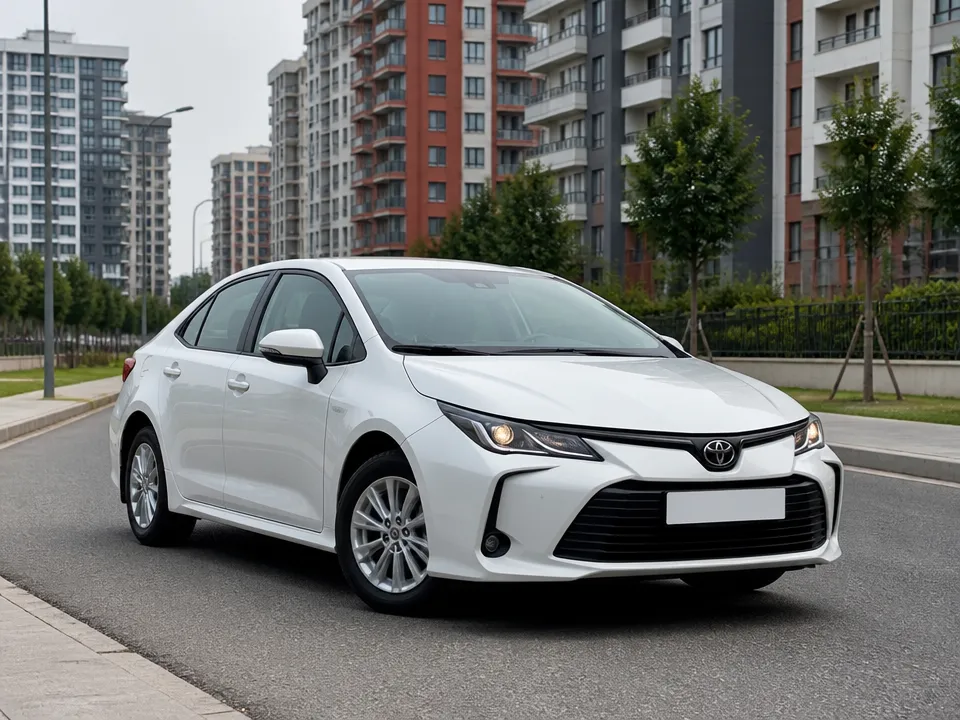
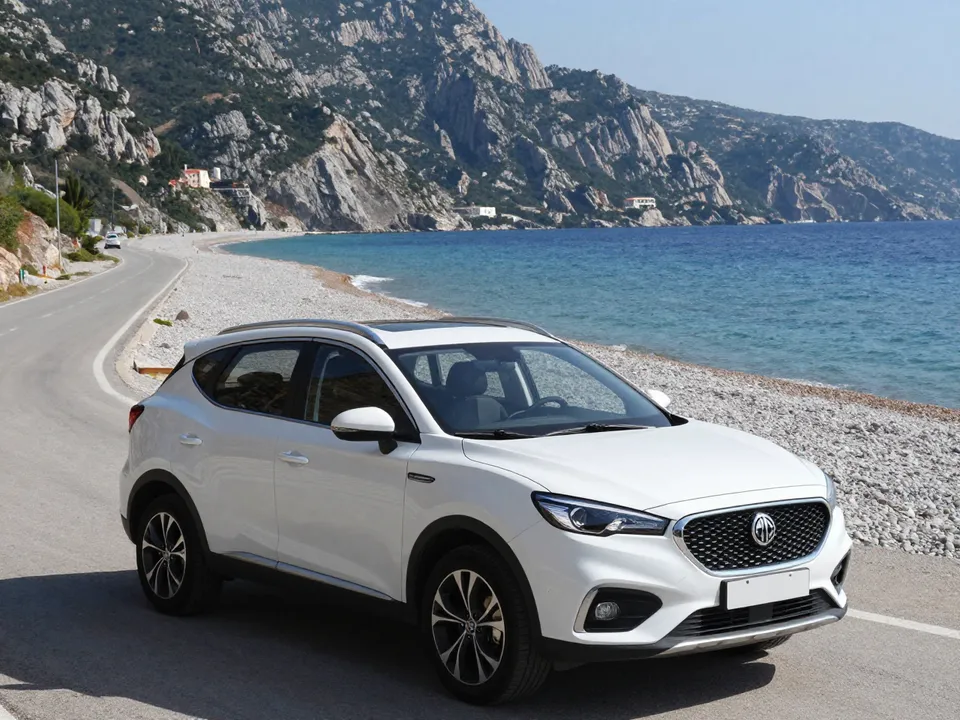
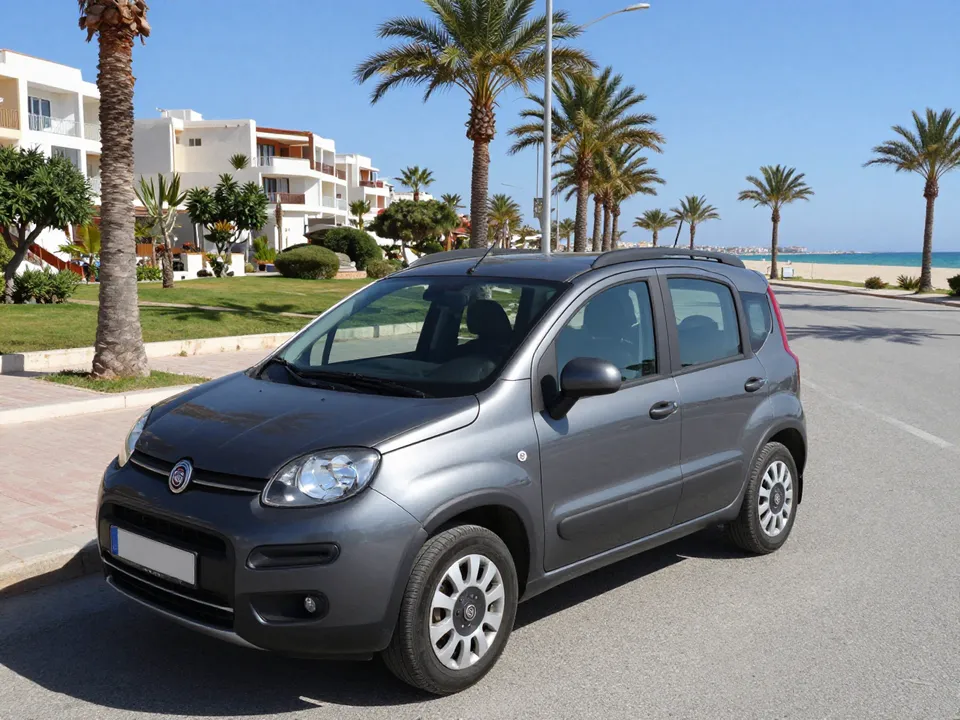
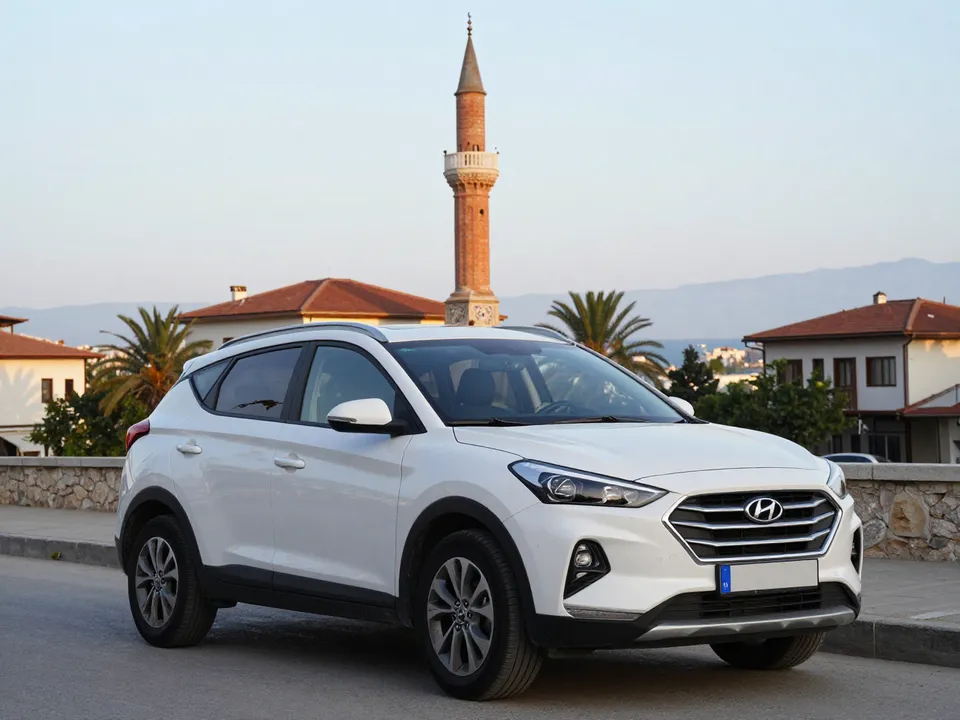
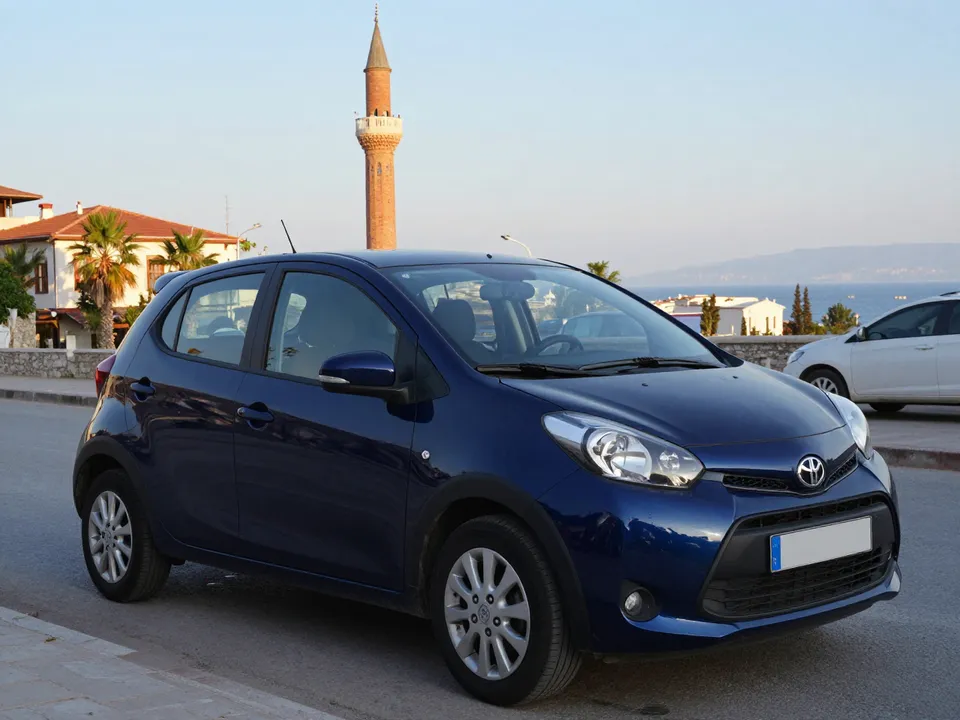
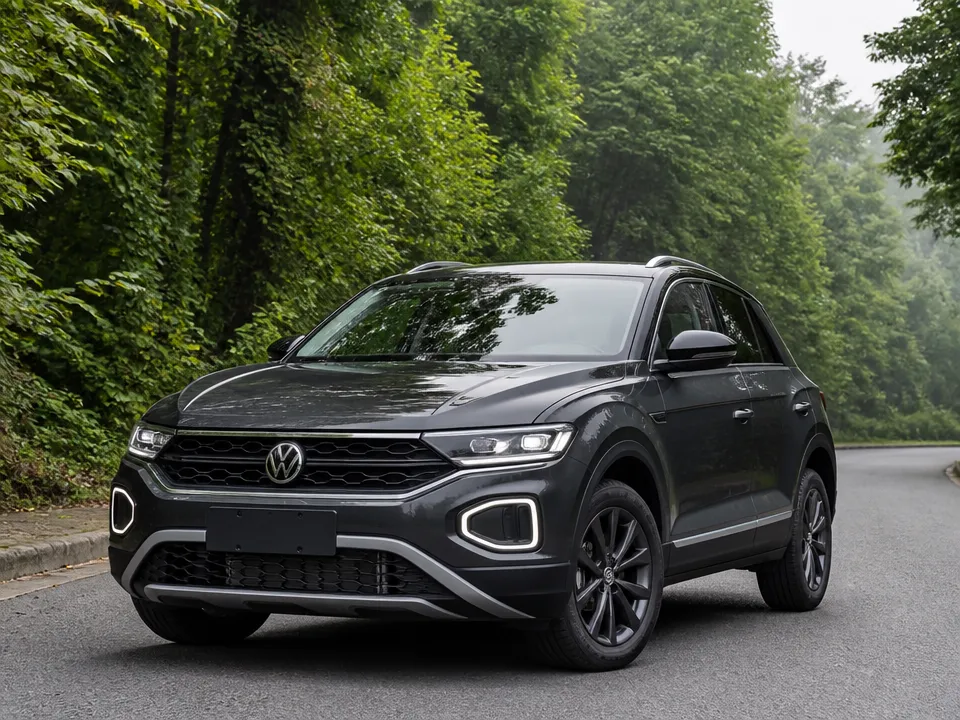
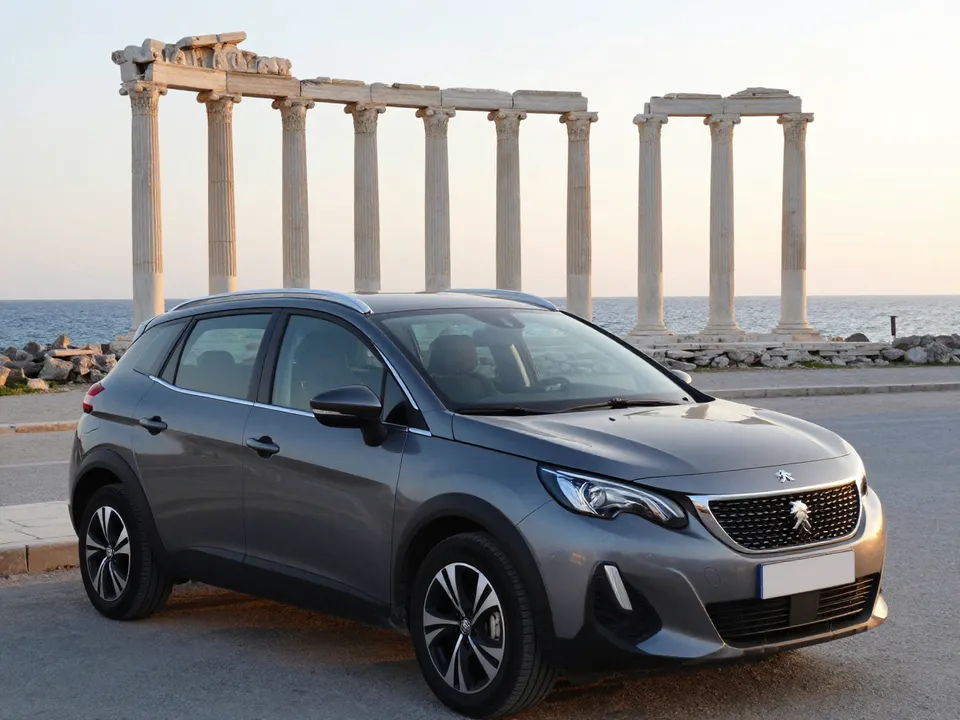
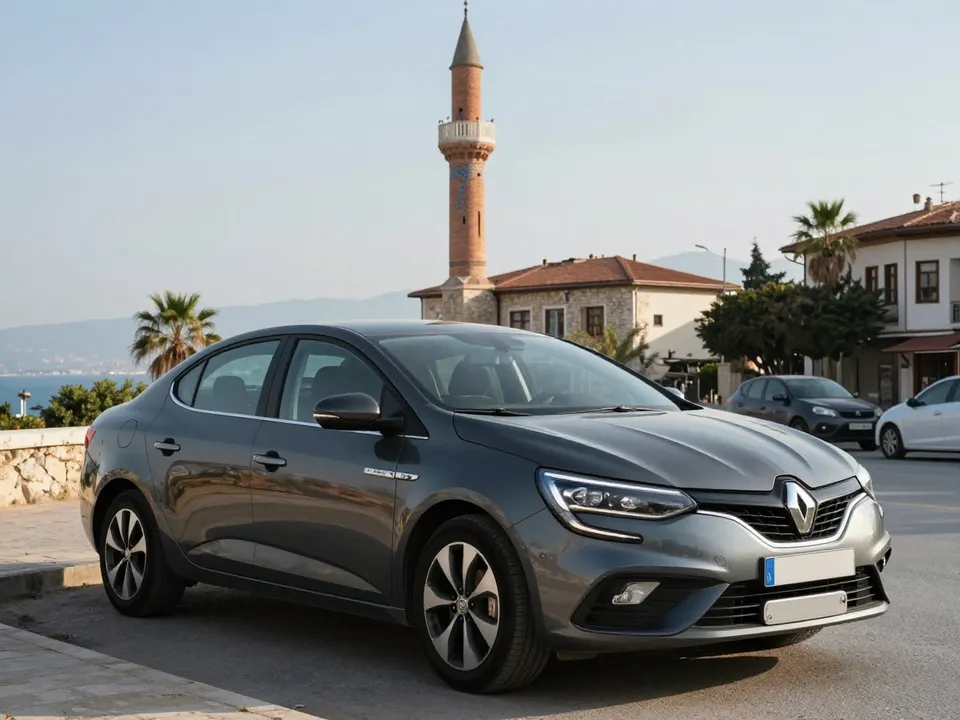
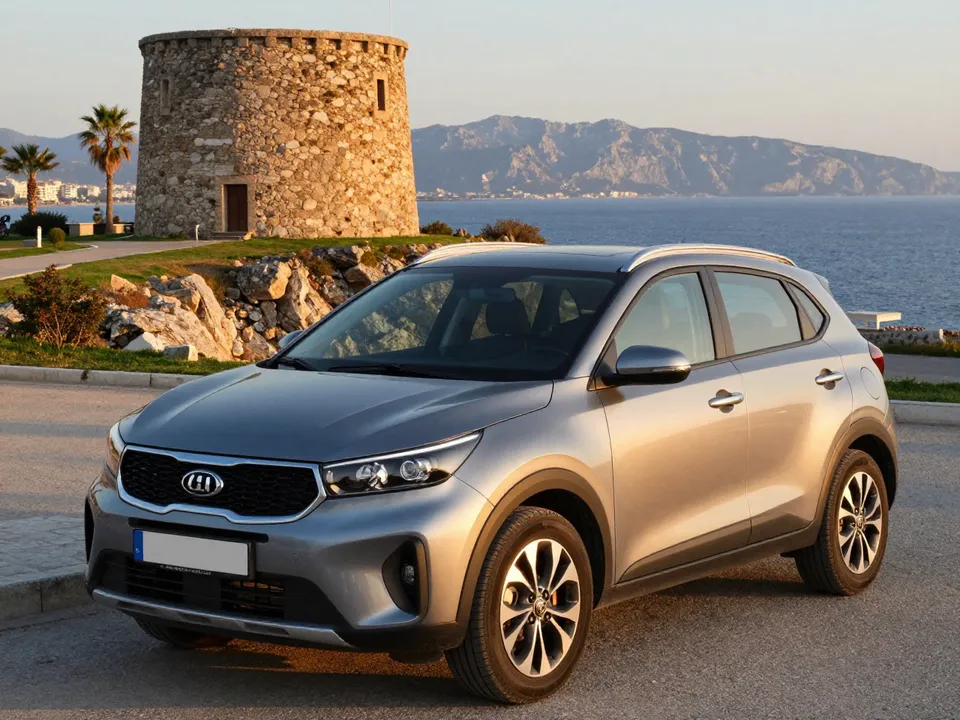
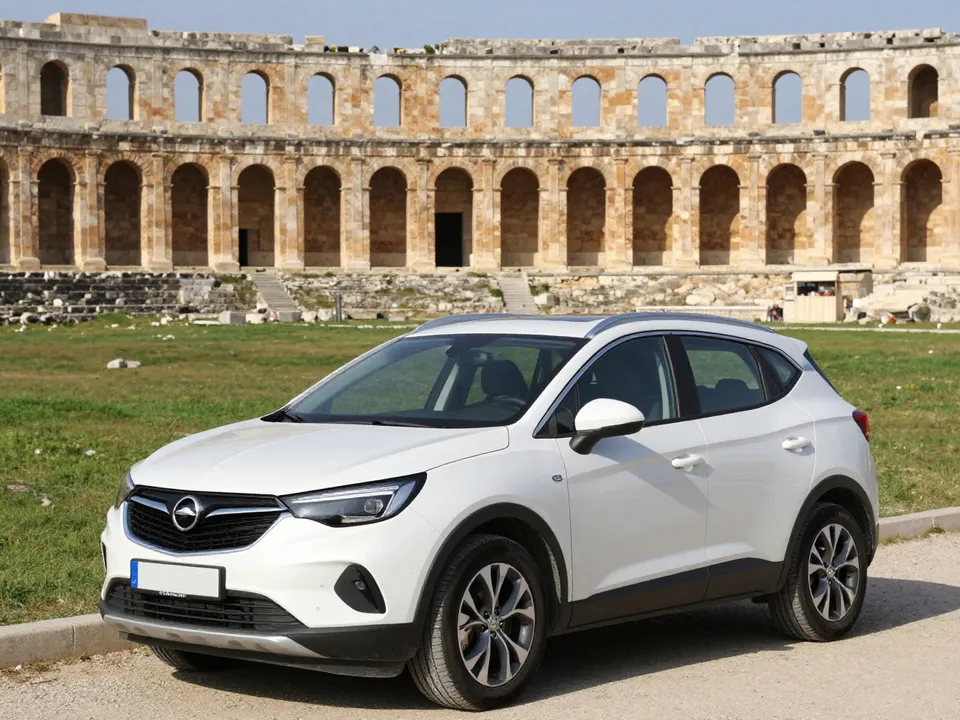
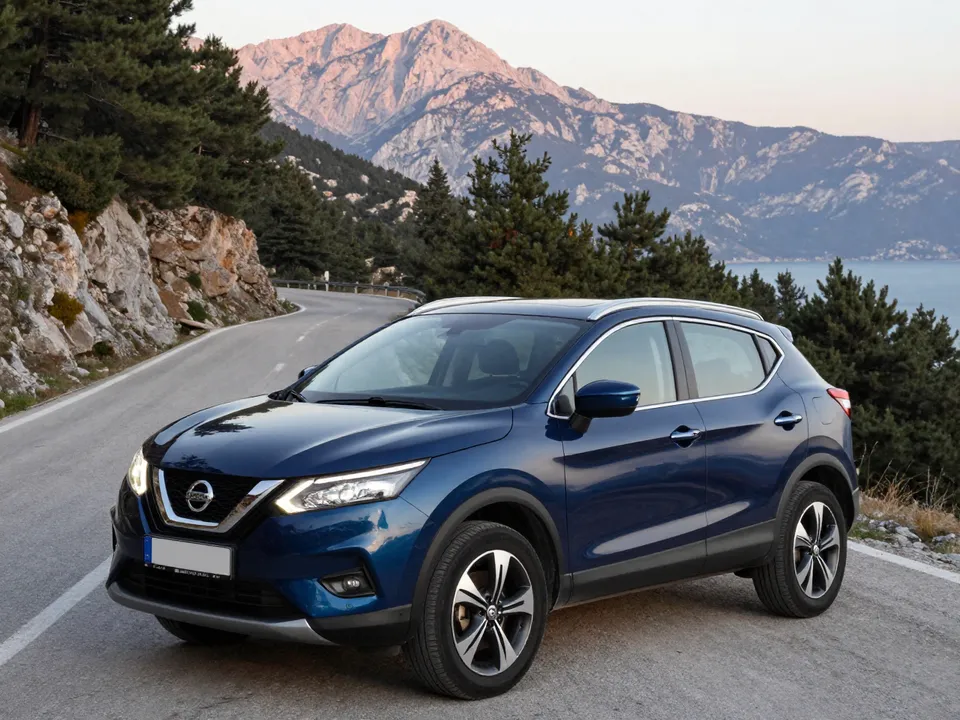
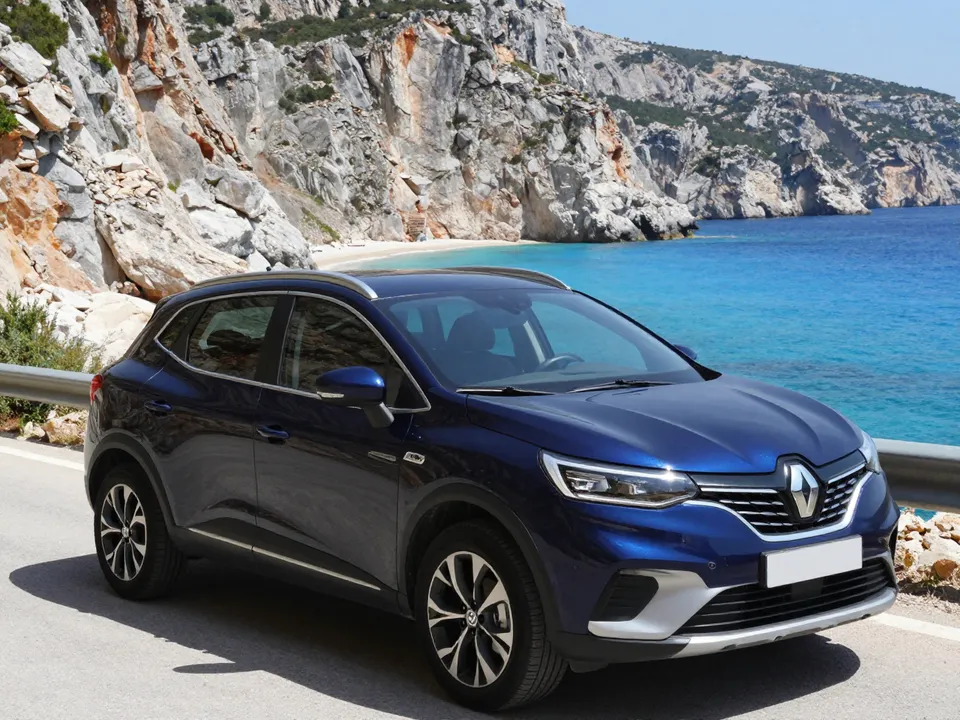
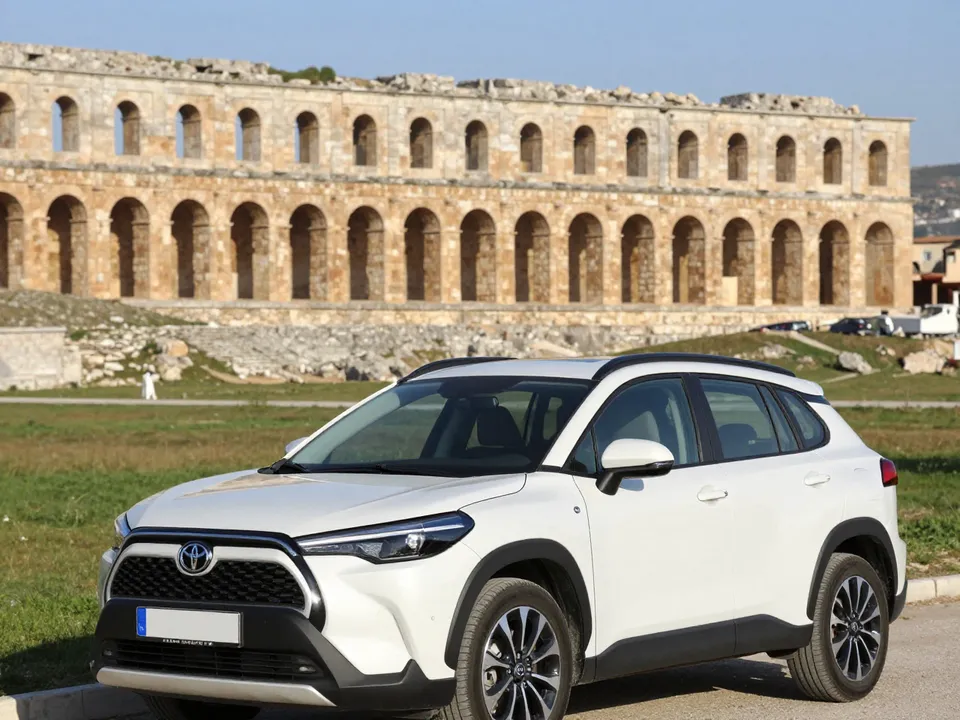
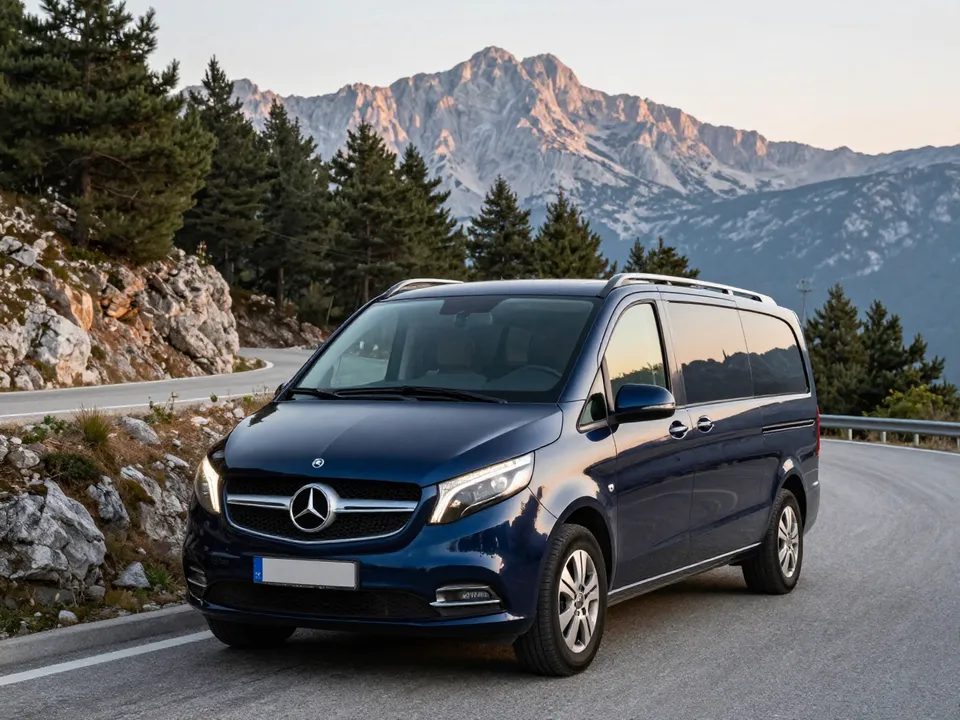
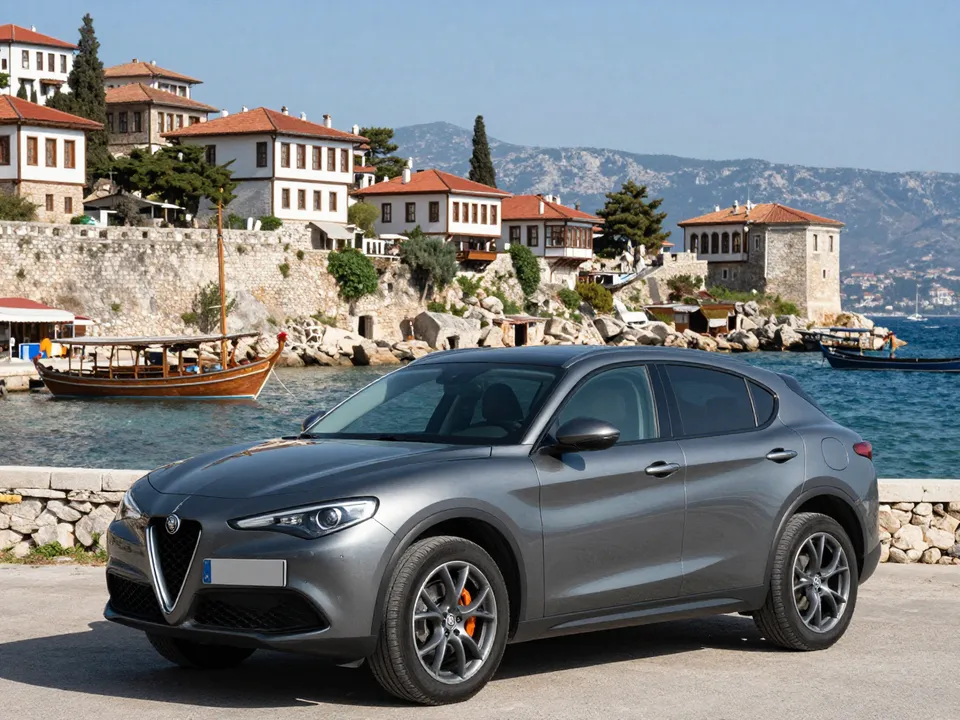
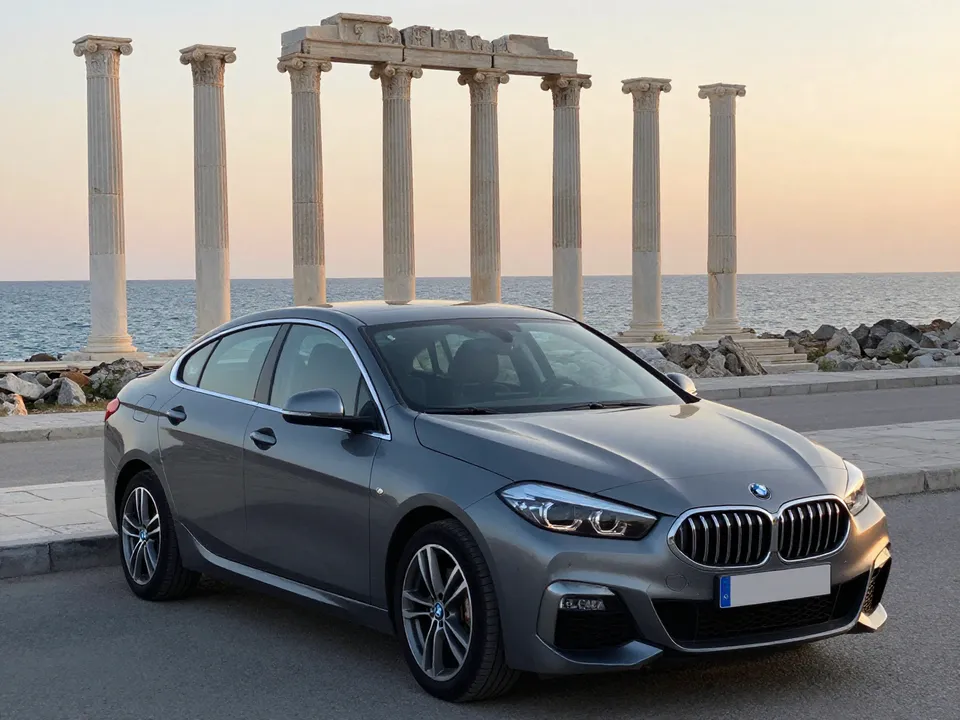
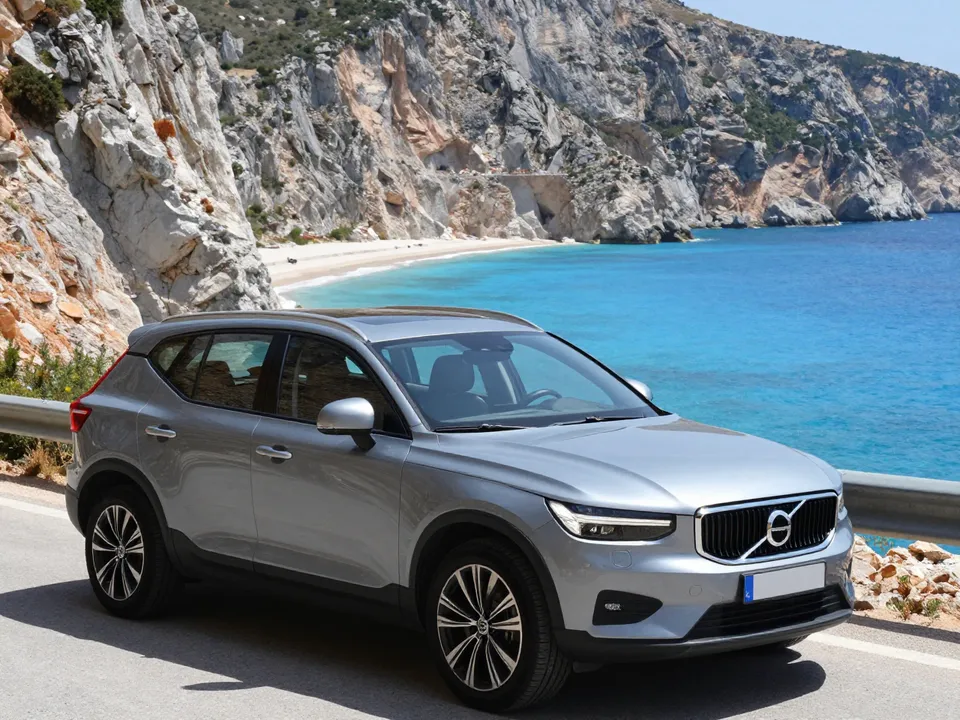
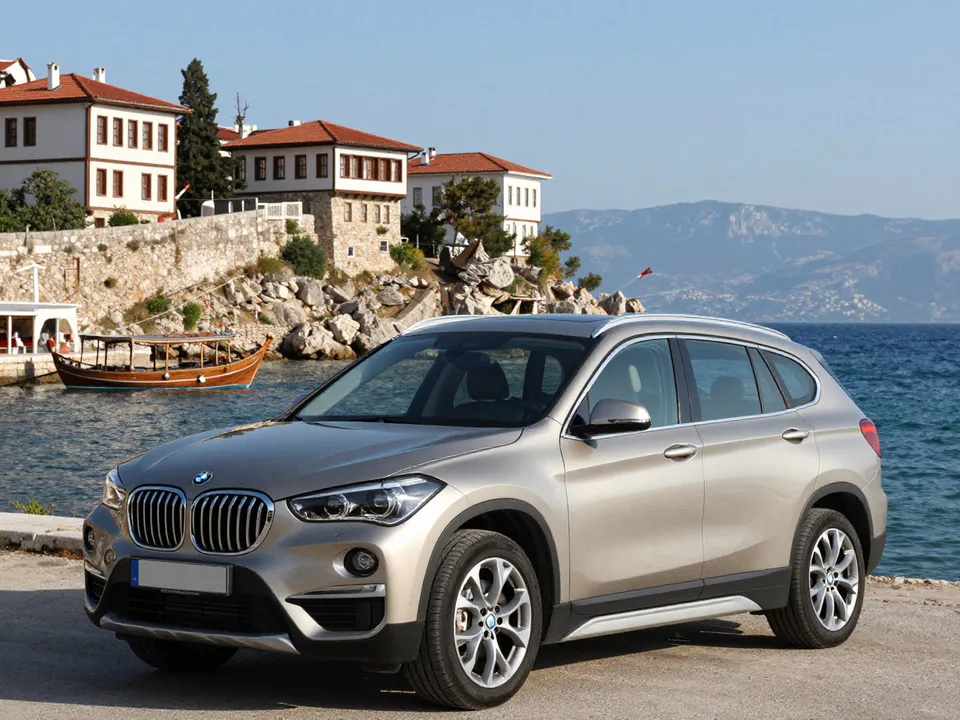
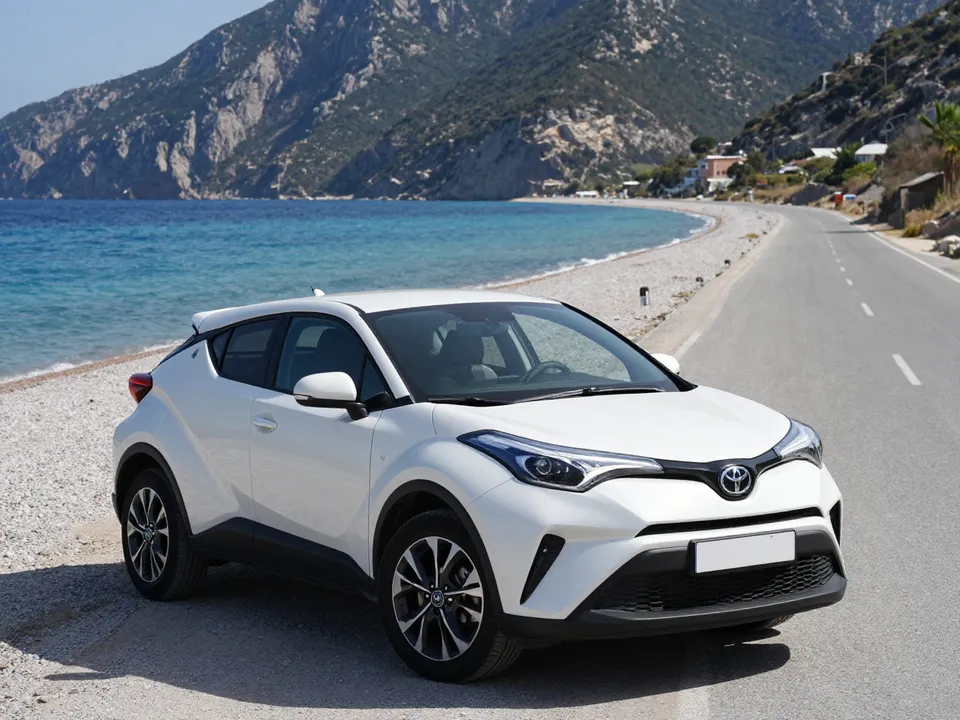
A five-seat Economy hatchback covers city driving and short coastal hops comfortably, and the automatic i10 or Picanto is the easiest thing to park in dense traffic. For two adults with luggage and a long motorway run, a Comfort sedan such as the Renault Megane Sedan at ₺2,100 — a 1.5 L diesel automatic with five seats — costs no more than the cheapest SUV. Families of five with children in seats should look at the SUV and Crossover lines, where the Opel Mokka, Dacia Duster and Volkswagen Taigo start at ₺2,100–₺2,200.
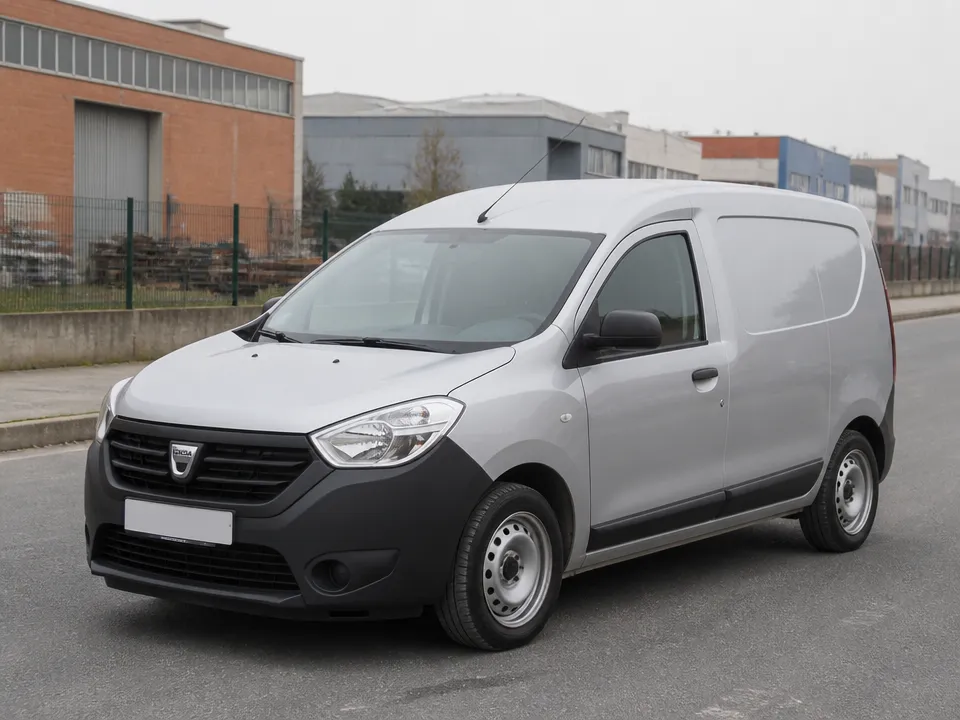
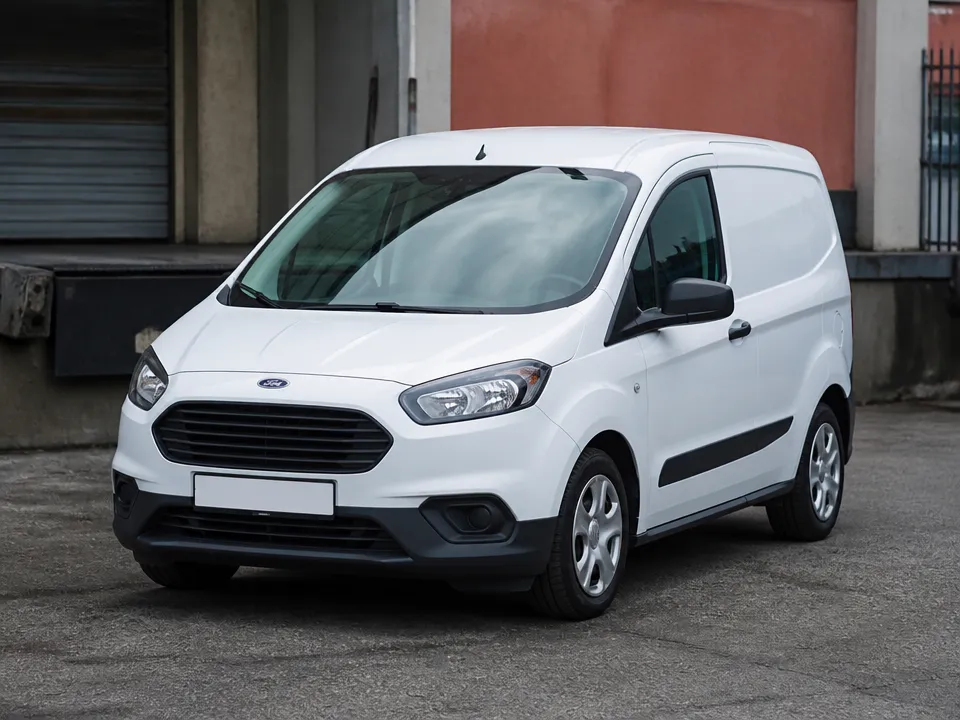
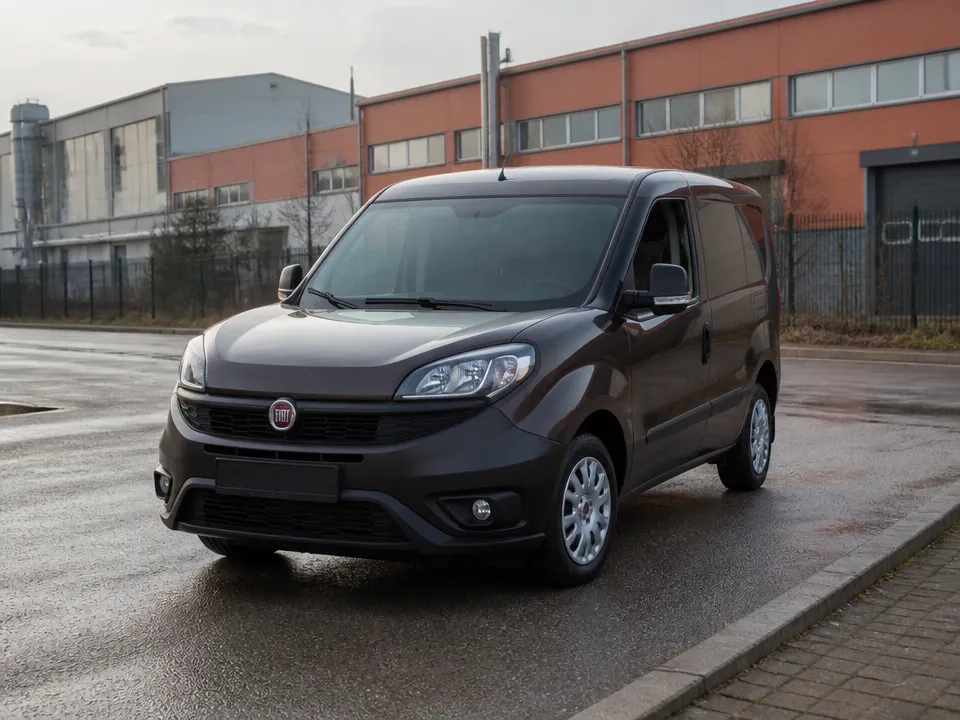
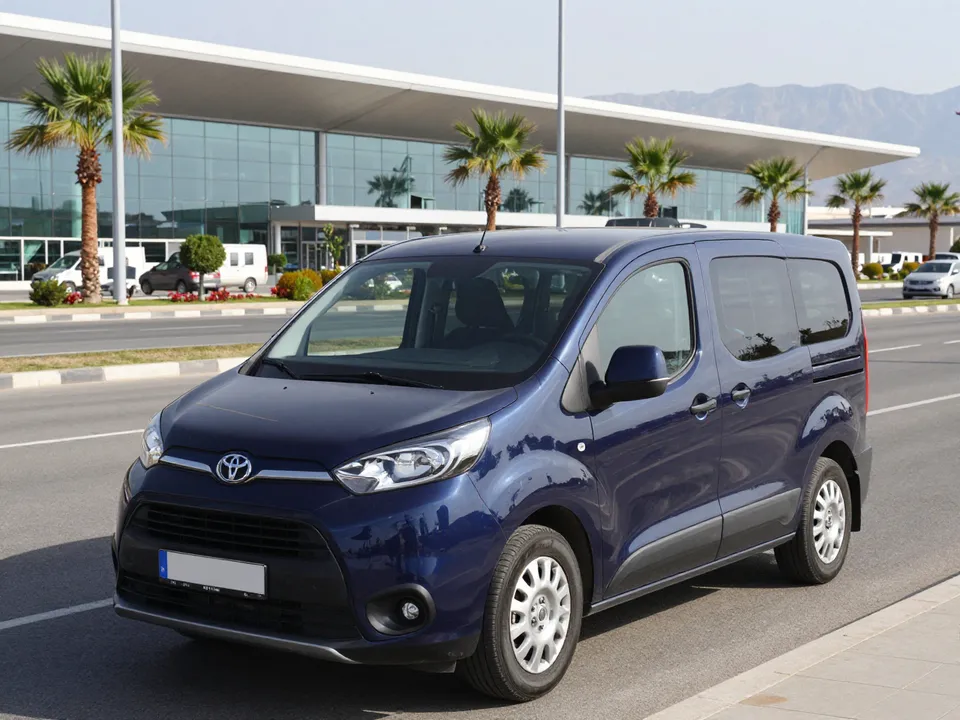
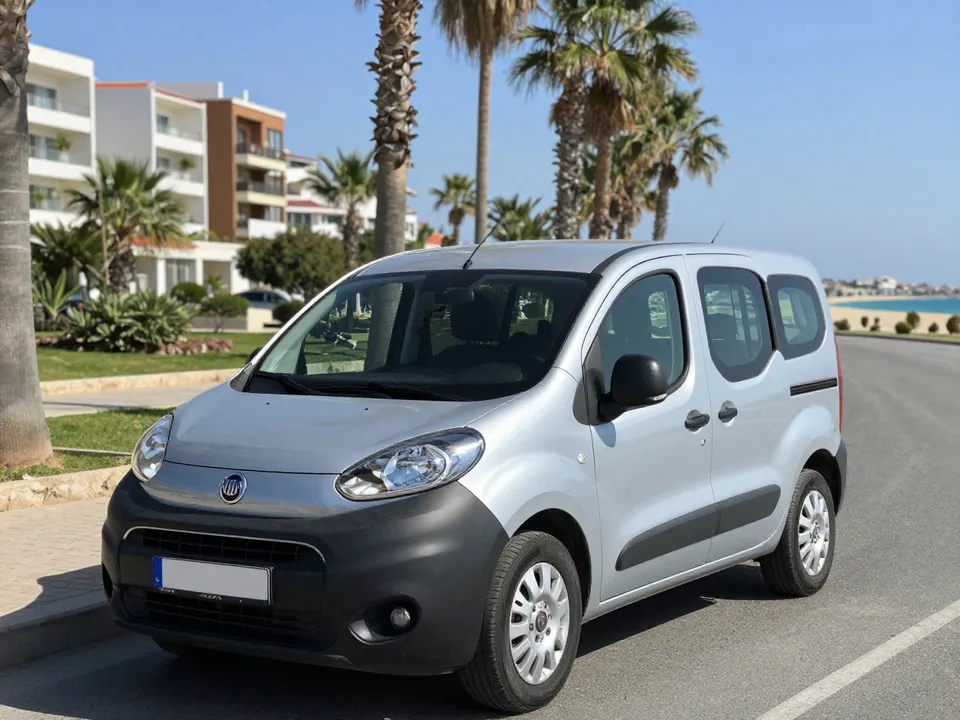
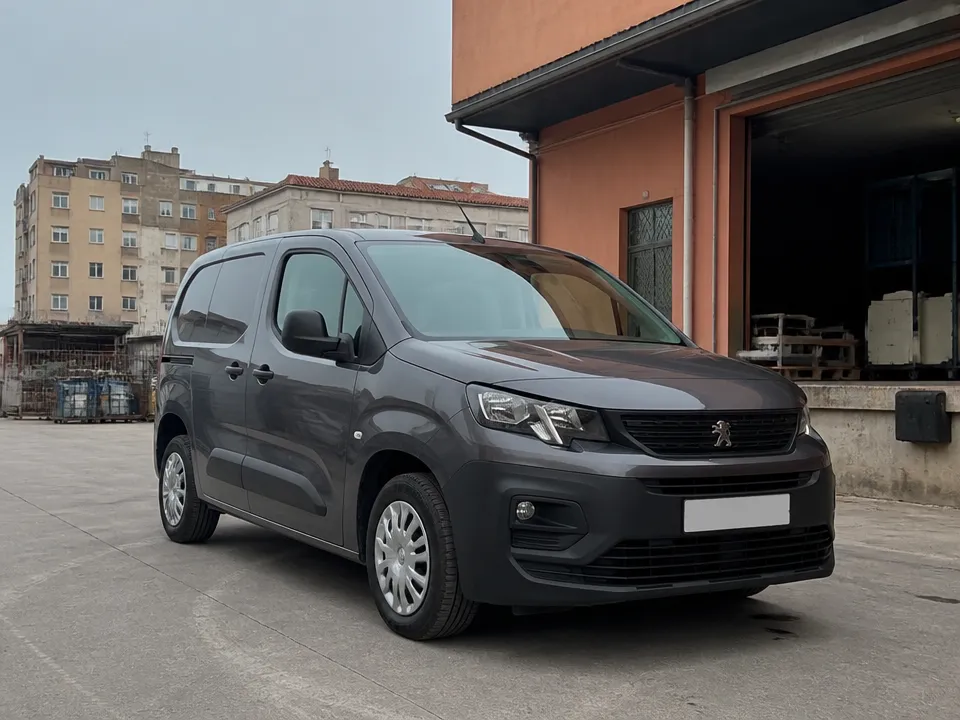
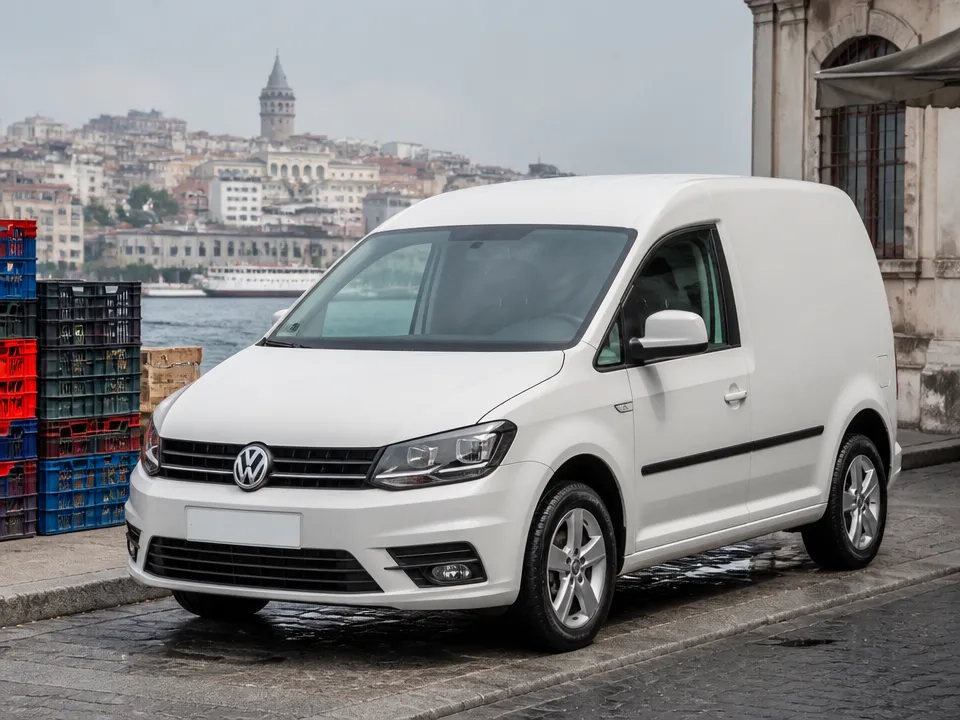
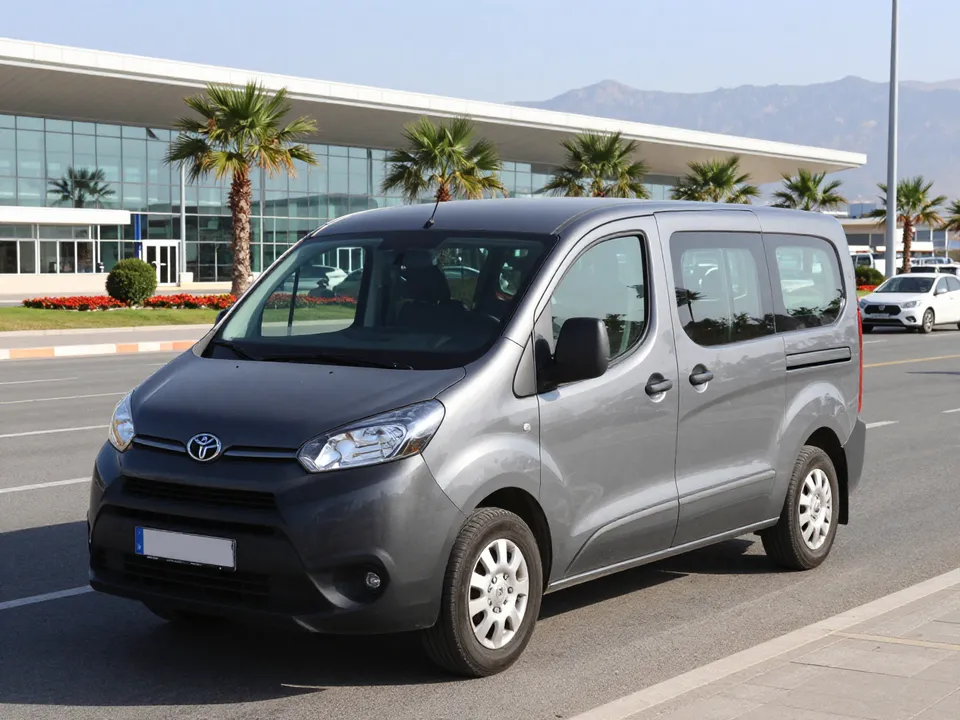
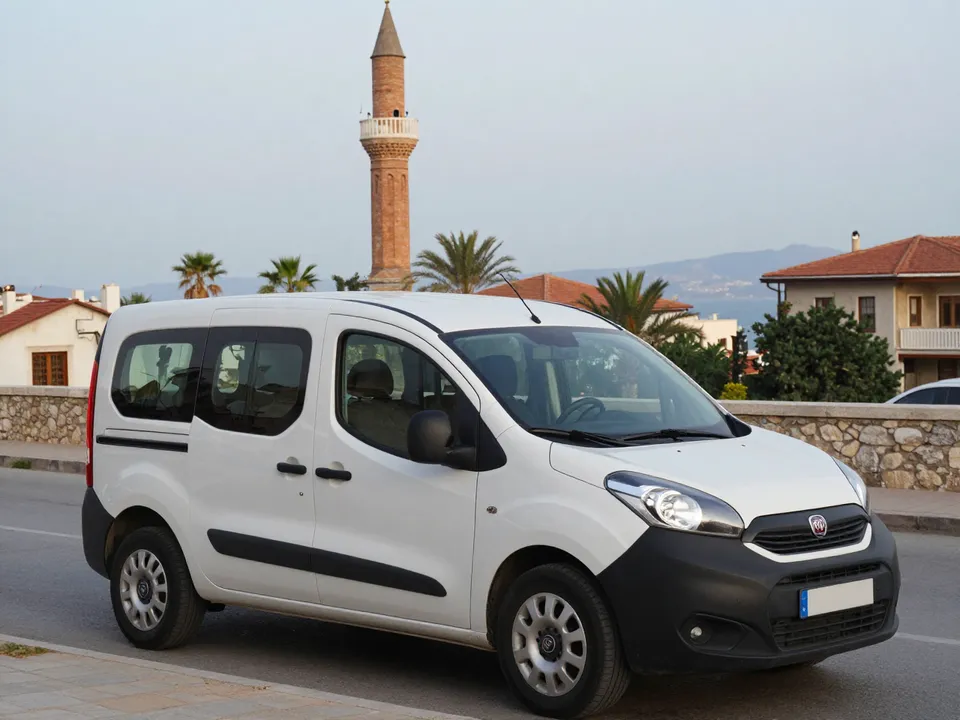
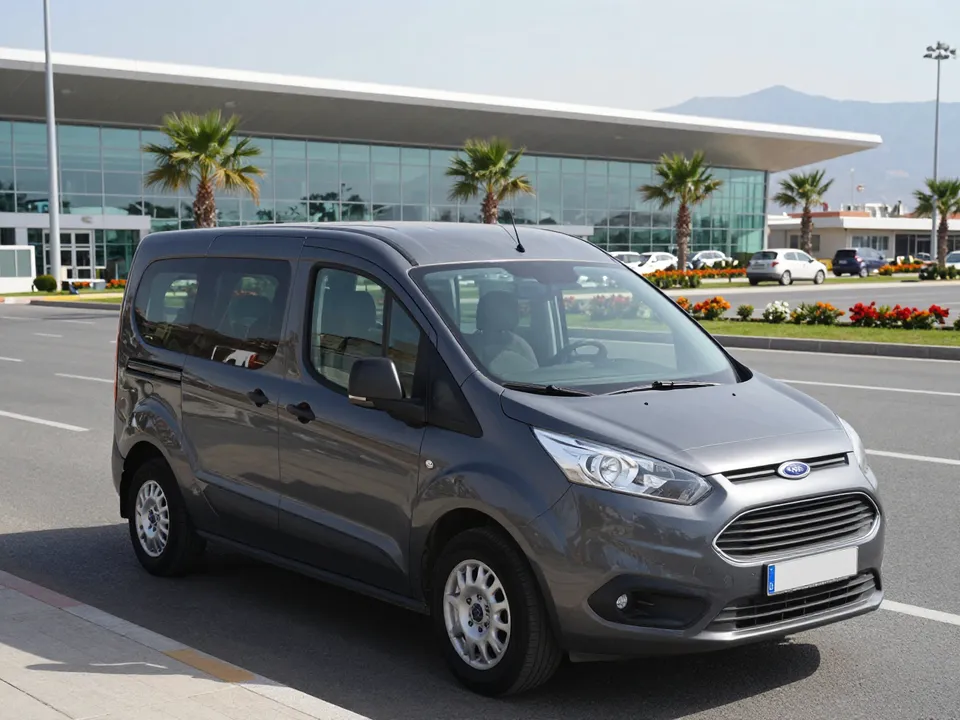
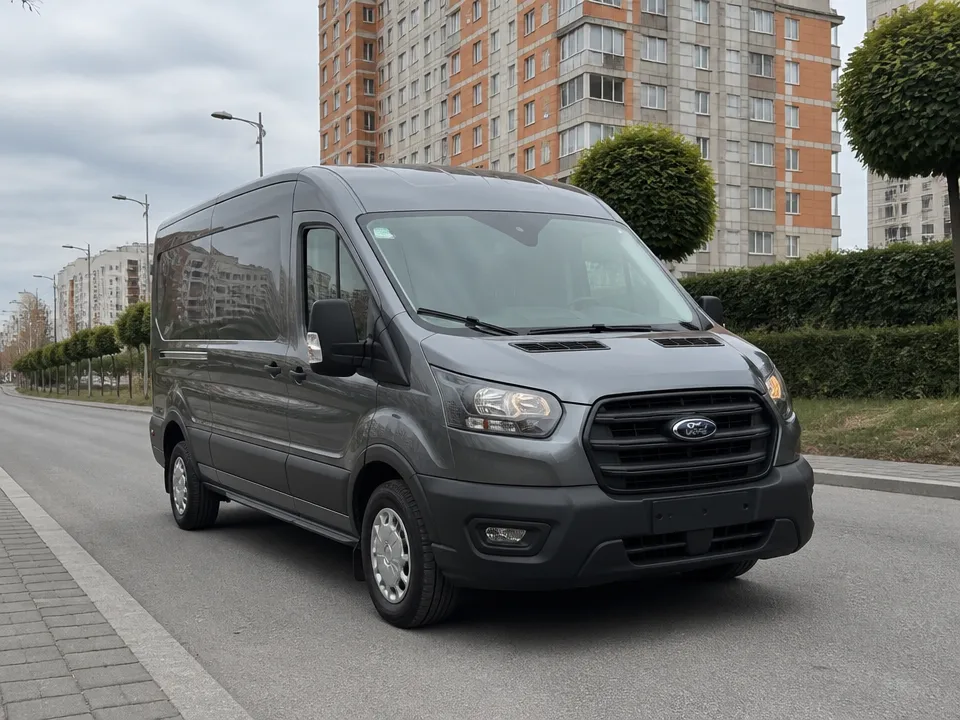
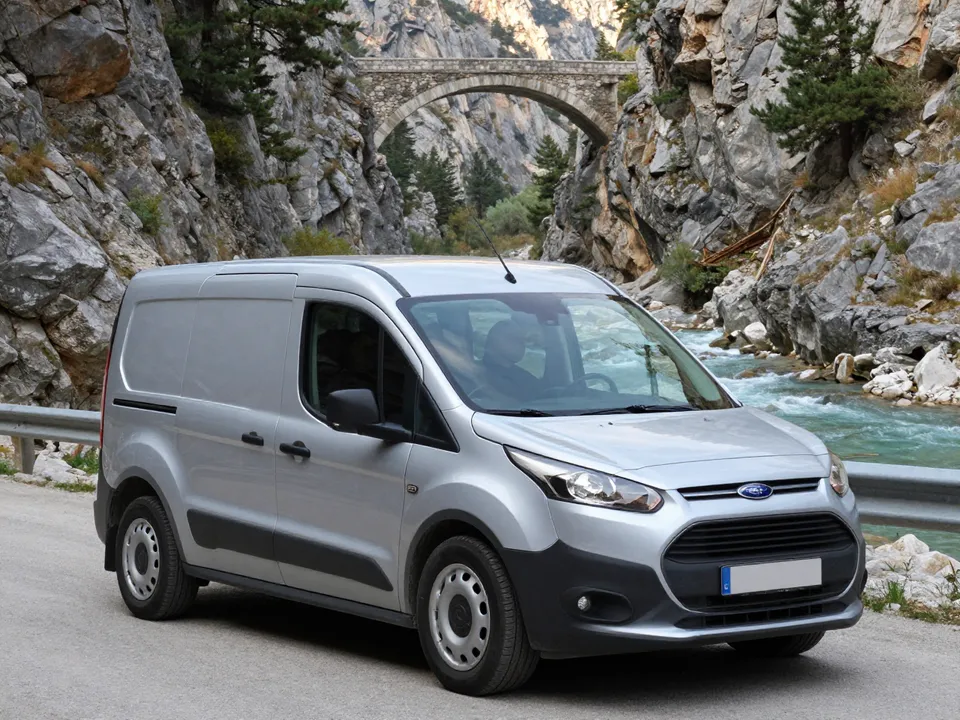
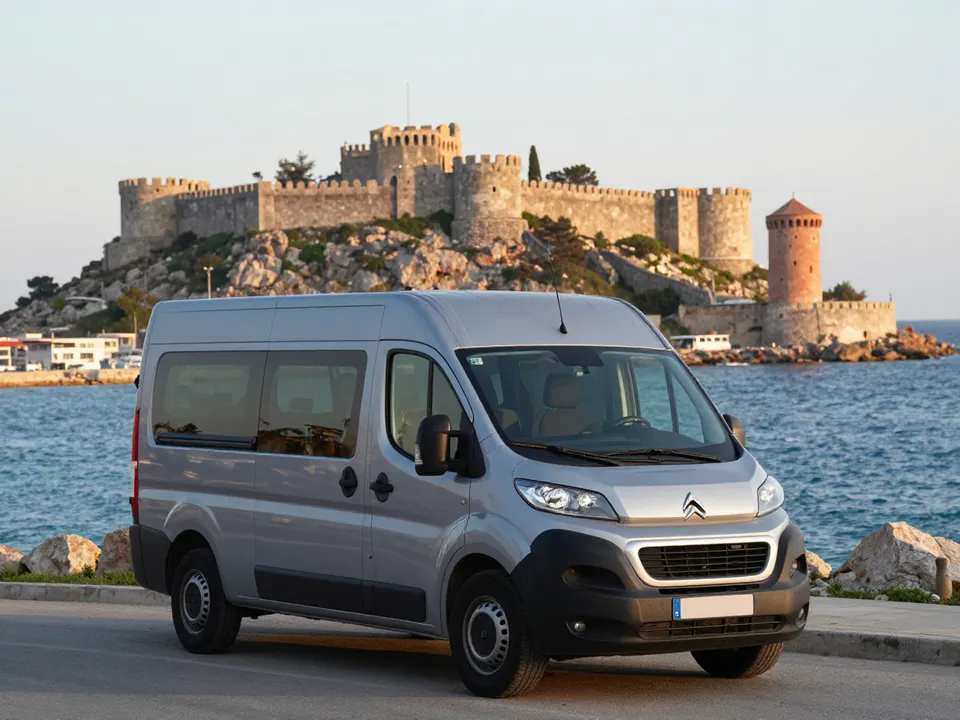
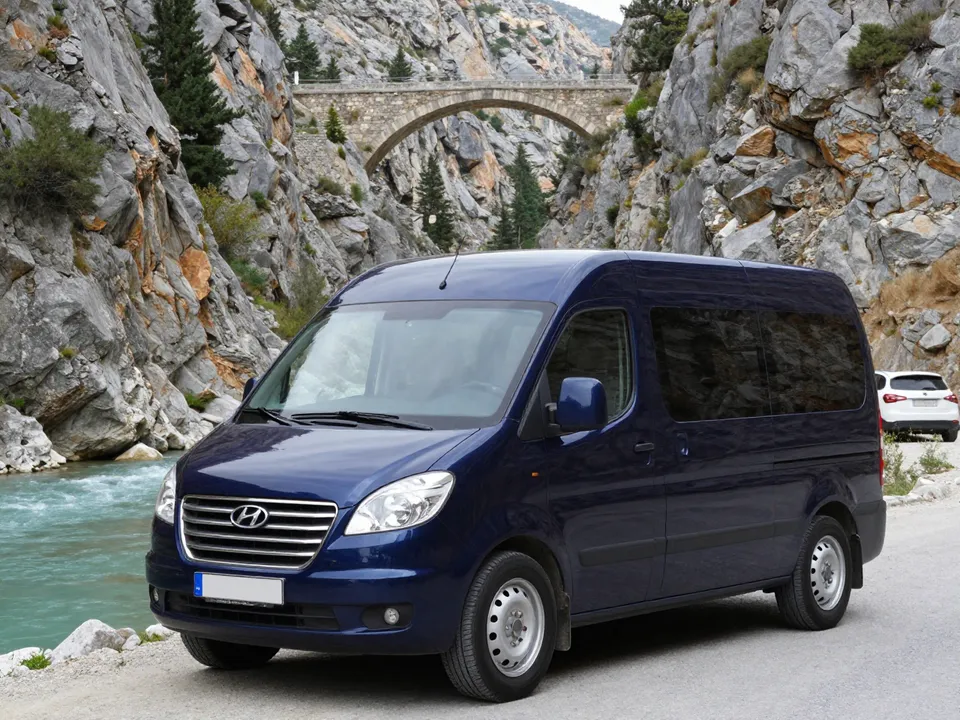
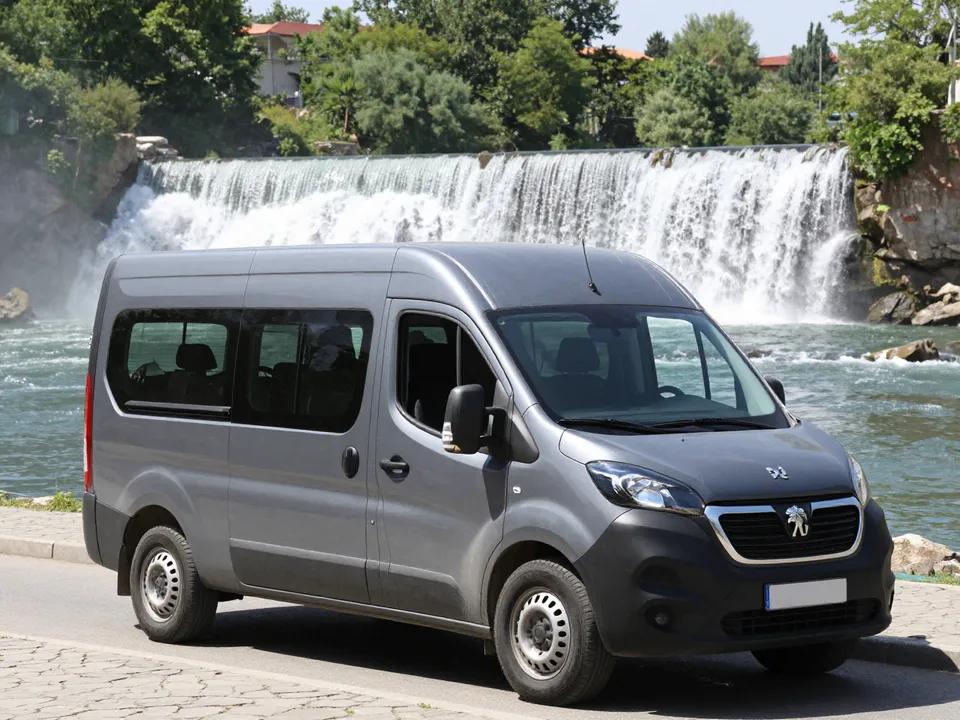
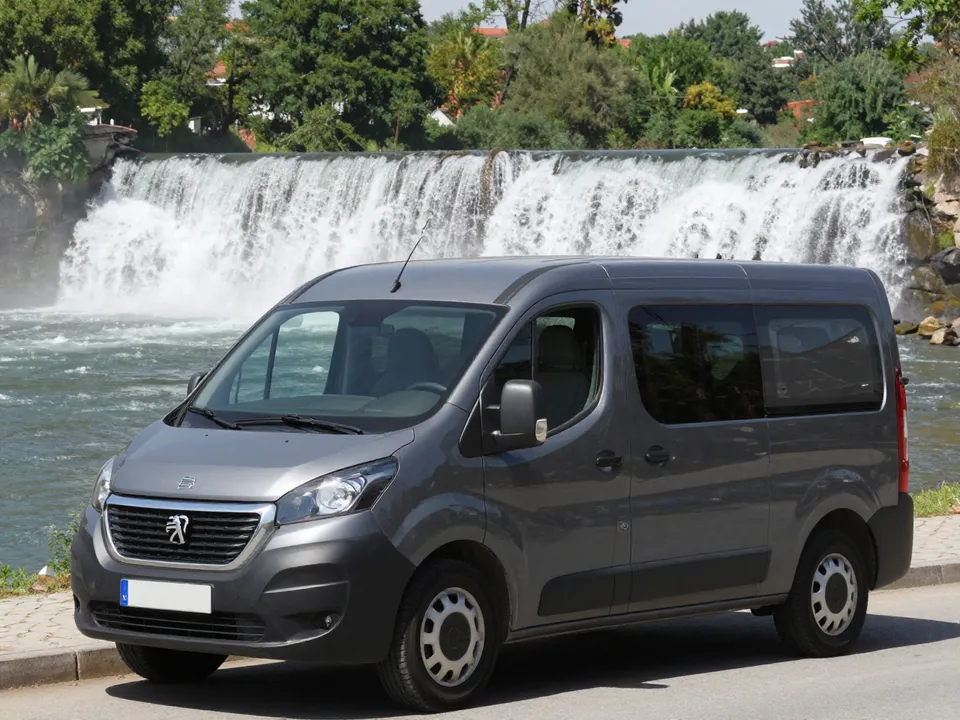
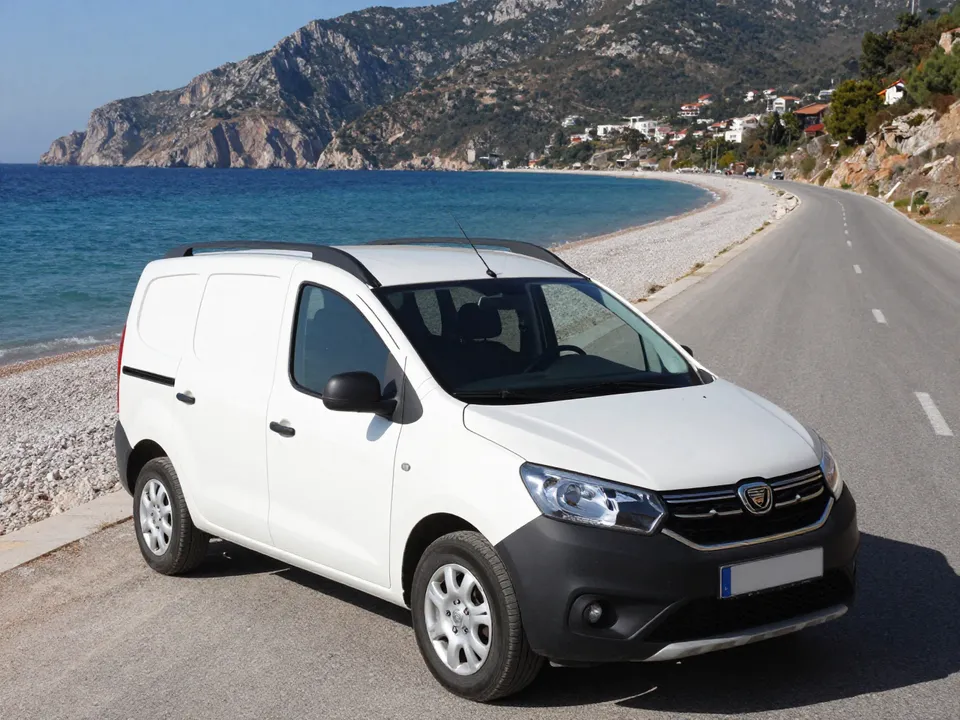
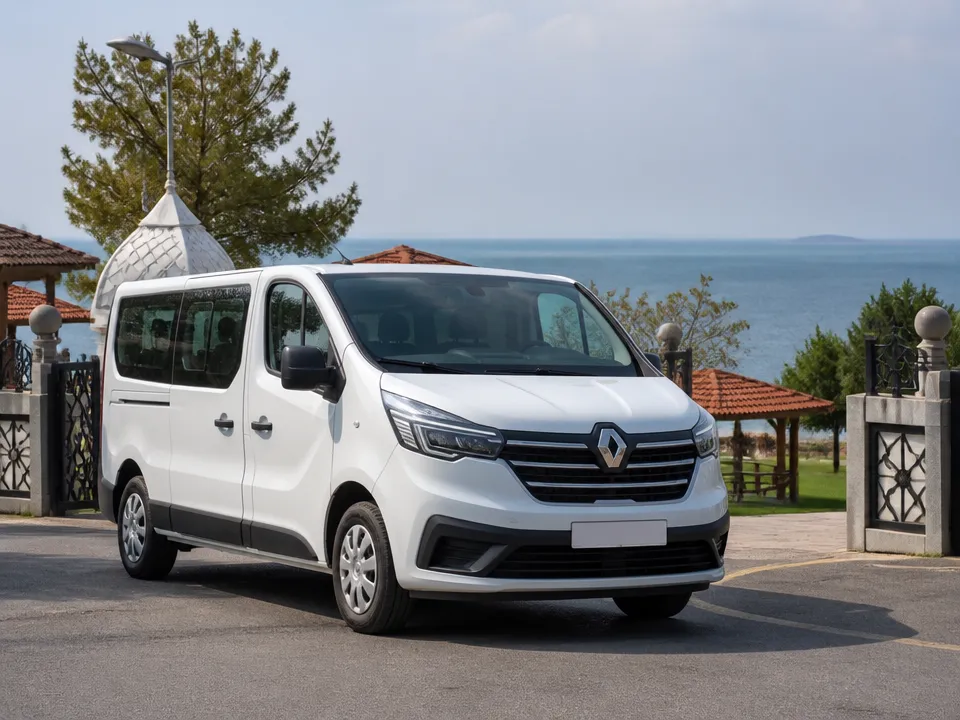
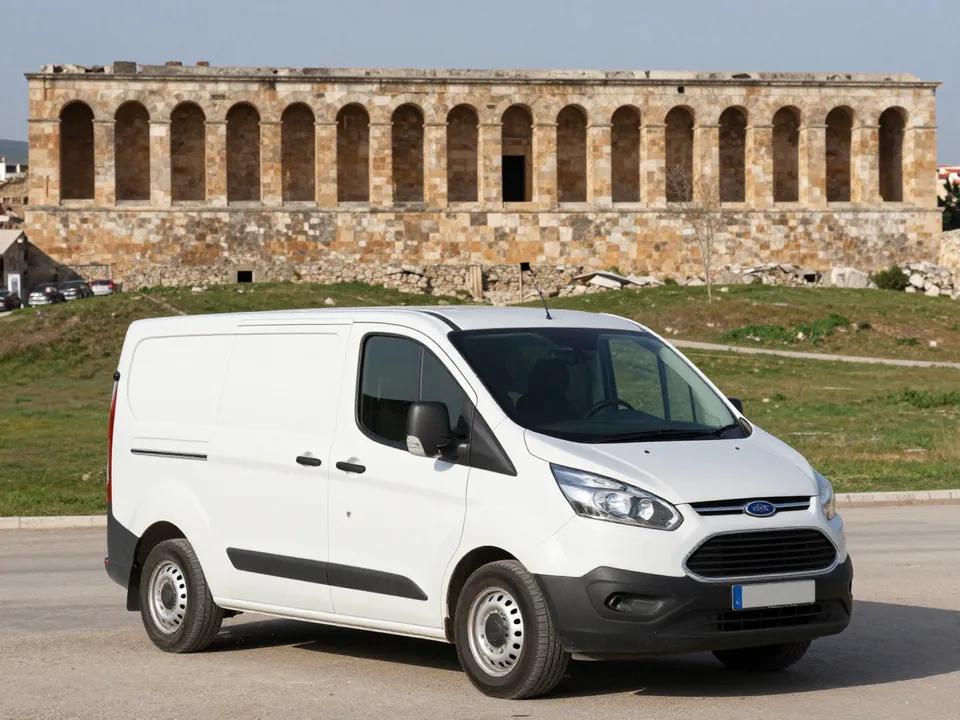
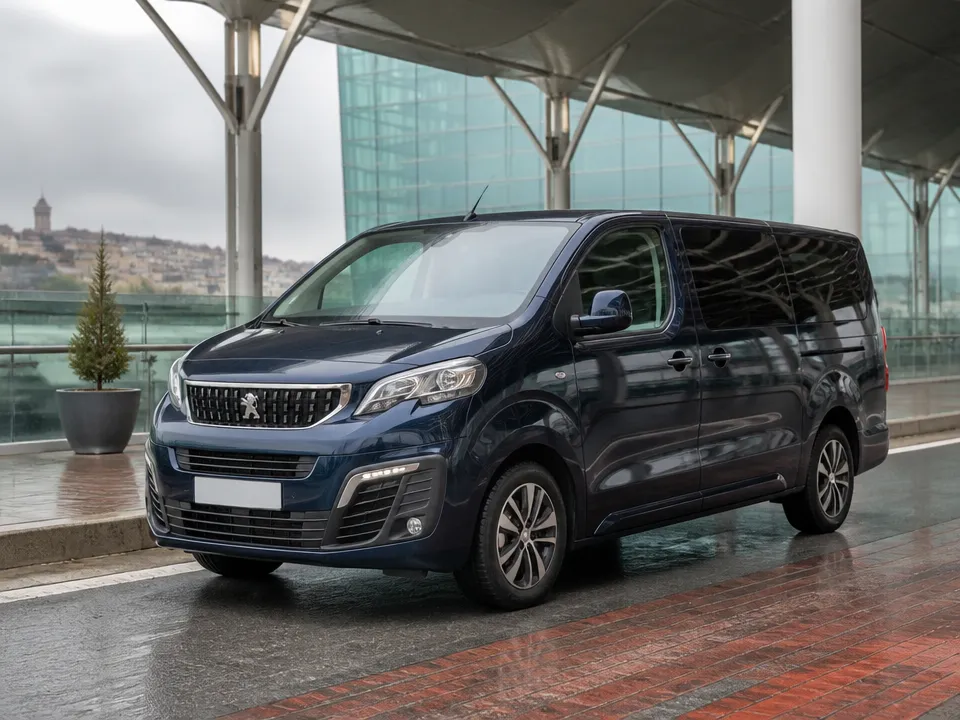
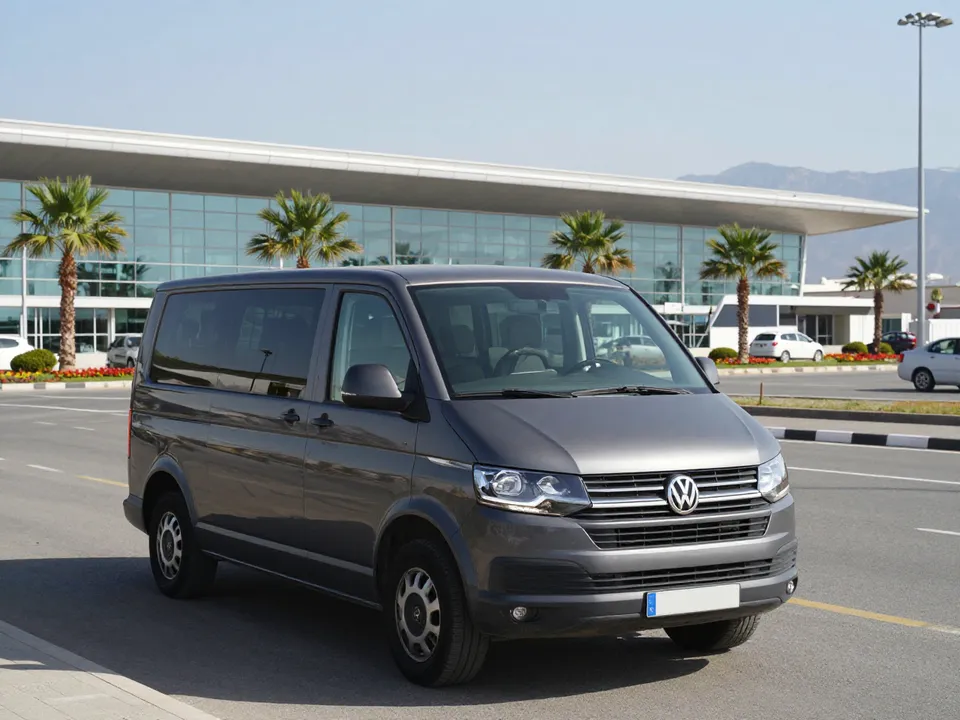
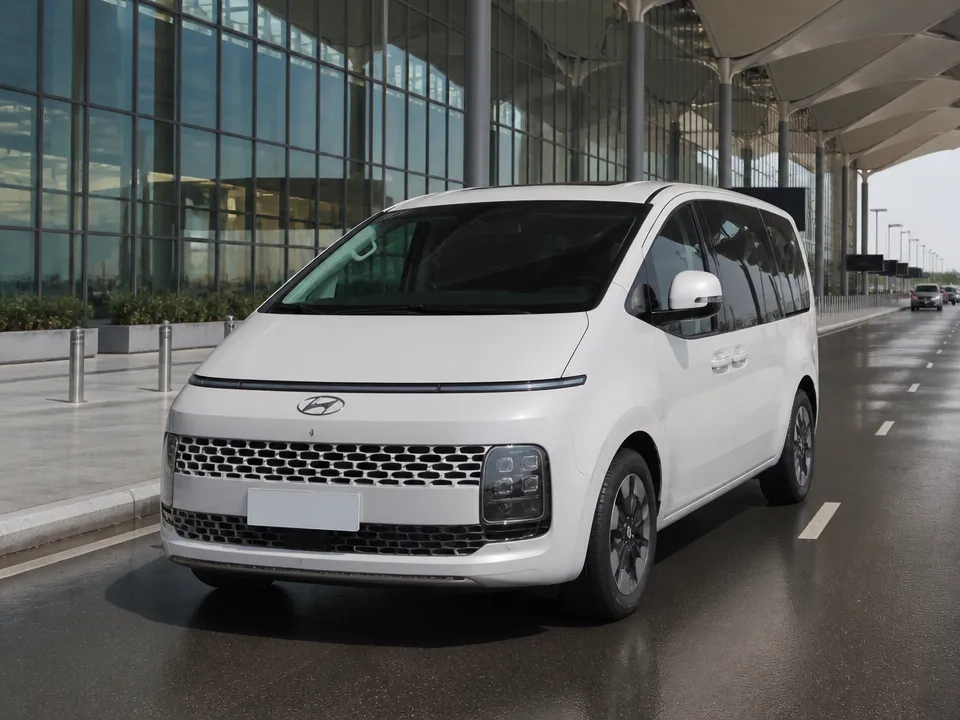
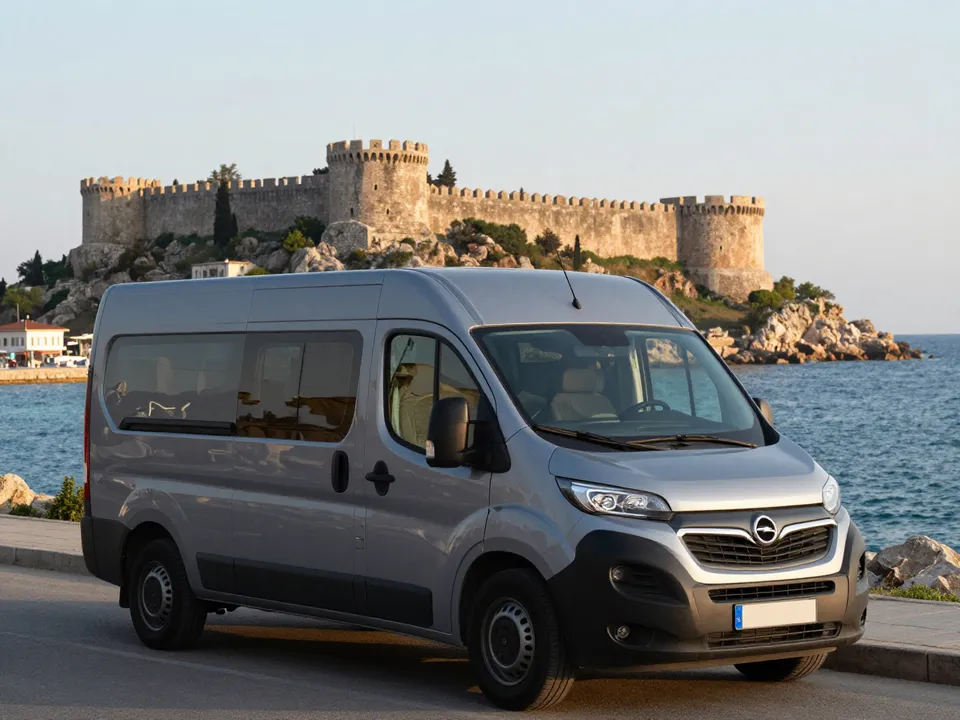
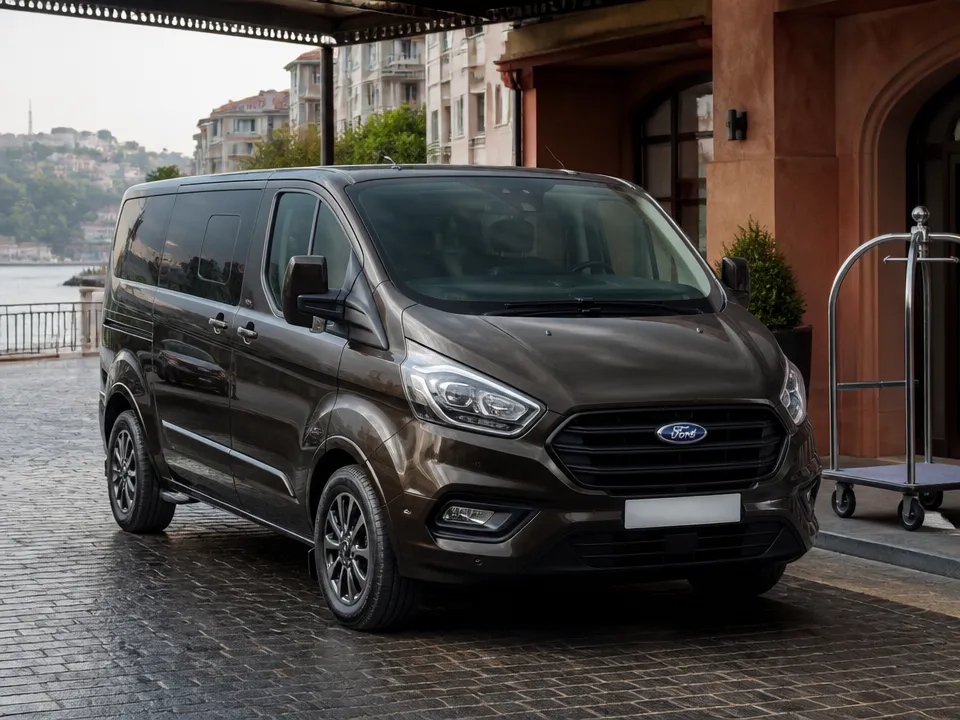
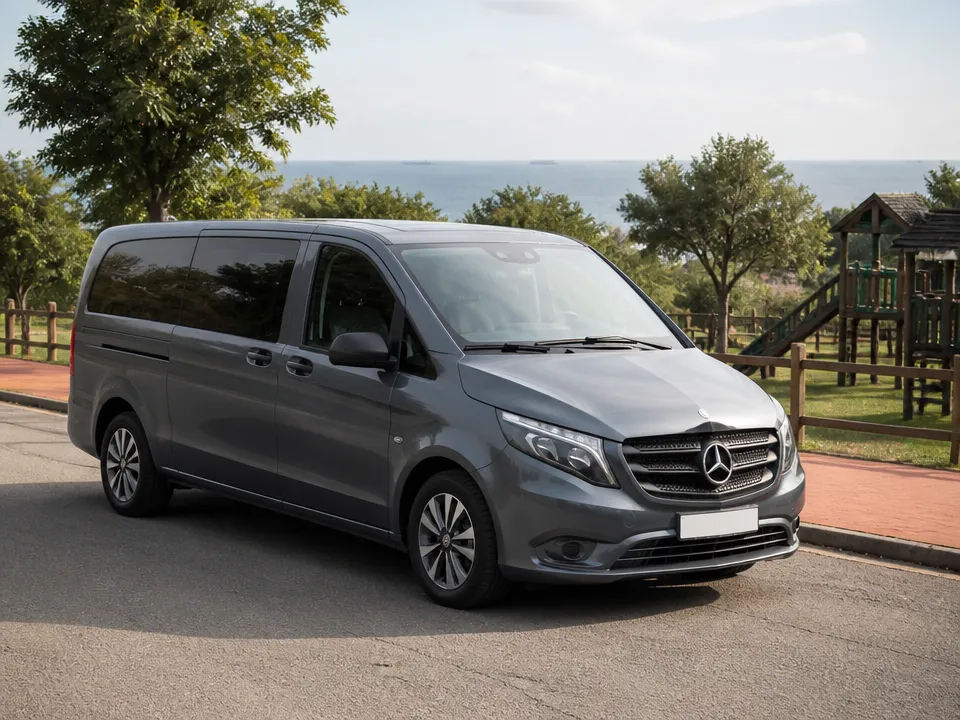
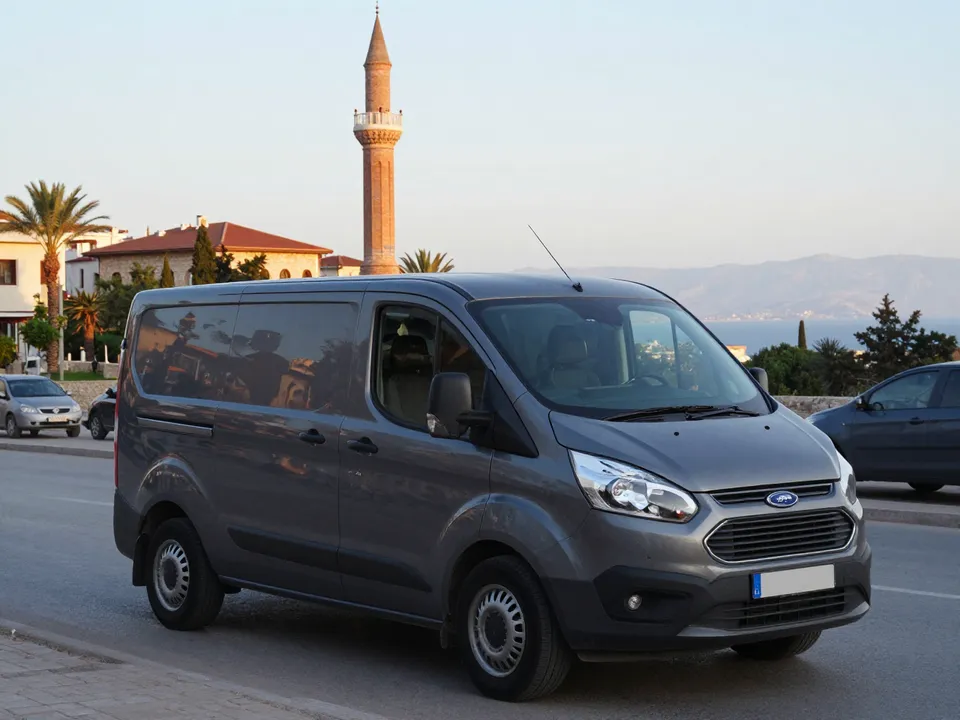
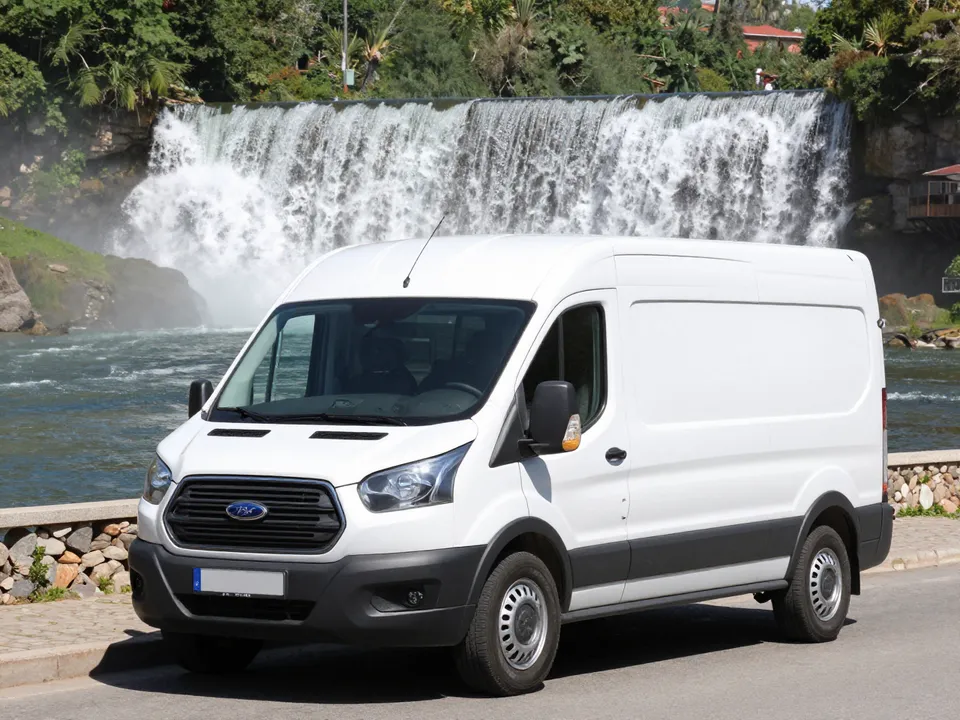
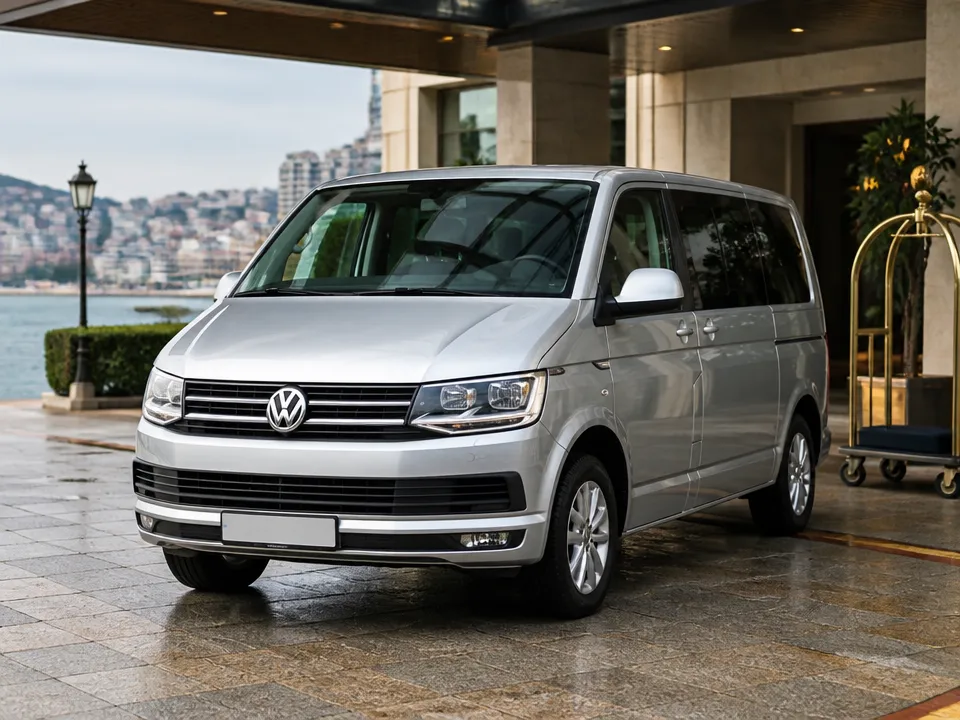
Groups are the case where the class list earns its keep: seven-seat minivans begin at ₺4,081 and nine-seaters at ₺2,240, while the 15-seat Ford Transit at ₺6,165 handles a full team. The Commercial line — Dacia Dokker, Ford Tourneo Courier, Fiat Doblo — is what people take when they need load space rather than passenger space. Tell the manager the seat count and luggage volume when you book; that is what fixes the right class faster than the price does.
Documents for car rental in Turkey
Car rental in Turkey is open to foreign drivers, but the paperwork is checked against two things at once: what you carry and how long you have been in the country. A passport, your home licence and a credit card in the main driver's name cover most bookings; the six-month clock on a foreign licence decides the rest.
Passport, licence and credit card
- Passport with entry stamp: the stamp is not decoration — the six-month period for a foreign licence is counted from the day you entered, not from the day your booking starts.
- Home driving licence: valid, held for the minimum period the class requires; age and driving-experience thresholds rise with the class of car, so a Luxury booking carries stricter requirements than an Economy one.
- International Driving Permit: needed when your licence is not in Latin script; some companies ask for one more broadly, so check the offer's terms before you travel.
- Credit card in the main driver's name: required for the security hold; the hold amount is set out in the rental agreement and is not quoted here.
A second driver is not covered by the main driver's documents, and the conditions that apply are agreed when booking.
The six-month rule for foreign licences
A foreign licence may be used here for no more than six months from the date of entry. The rule comes from the Turkish highway code, and the wording is explicit: licences issued abroad are valid for driving here for at most six months from the day of entry into the country, after which they must be exchanged for a Turkish licence at any nüfus müdürlüğü. Bilateral and multilateral agreements sit on top of that as a caveat, so a driver from a country with such an arrangement may face a different reading of the clock. In practice the date in your passport stamp decides everything. If your trip runs close to the six-month mark, plan the exchange or shorten the booking; an expired right to drive is not something an agreement can fix.
What we ask before the car is delivered
The licence and card details the agreement requires are agreed when booking, together with the address, date and time. Delivery runs to addresses in Istanbul and Antalya, and the car arrives clean with a full tank. Bring the physical licence and passport with you on the day — the paperwork is agreed in advance, but the documents themselves travel with the driver.
Insurance and tolls in car rental in Turkey
Car rental in Turkey here means every vehicle is registered and insured locally, and the two things renters ask about most are the compulsory cover and the motorway tolls. Every car on this page is registered and insured here, and the two things renters ask about most are the compulsory cover and the motorway tolls. Both are fixed by Turkish law and by the way the roads work, not by the rental company, so the same rules follow you from Istanbul to Antalya.
Compulsory insurance on every car
Compulsory traffic insurance — compulsory third-party liability insurance — covers every registered vehicle in Turkey by law, and every car we rent carries it. Under article 91 of law 2918, the operator of a vehicle must hold a valid zorunlu mali sorumluluk sigortası policy, and a car without one is removed from traffic. That is the legal floor: it pays for damage you cause to another person's vehicle or health, not for the rented car itself. What sits above that floor — whether the excess is reduced, what happens to the bodywork, how a claim is handled — is written into the rental agreement, and the manager confirms it when booking. Read that clause before you drive off, because the compulsory policy alone will not cover a scrape on your own bumper.
HGS for bridges and motorway gates
HGS is the electronic tag that pays bridges and motorway gates, and it is required. How the tag works and how crossings are charged is described on our HGS page. KGM operates the state motorways and bridges, and the speed table separates its motorways from those built under the YİD model. How tolls are handled is set out in the rental agreement. Read the HGS page before the first bridge or motorway gate, since the tag is required on both.
What the paperwork covers, and what it does not
- Compulsory cover: compulsory traffic insurance is included on every car and cannot be declined or upgraded away.
- Beyond compulsory: any additional protection, the excess level and what is excluded are set out in the rental agreement for the class you book.
- Tolls: HGS crossings are handled as set out in the rental agreement.
- Fines: speed, alcohol and phone penalties under law 2918 apply to the driver, and how a fine on the car is passed on is set out in the rental agreement.
- Fuel: a full tank goes out and a full tank comes back; the shortfall and a refuelling service fee follow the rental agreement.
The practical point: ask the manager at booking which protection tier sits on top of the compulsory policy for your class, because that answer — not the legal minimum — decides what you pay if the car comes back damaged.
Weekly and monthly car rental in Turkey
Longer bookings on this page are priced from the same daily rate as a single day's rental, and the multiplier is fixed: weekly is daily × 6, monthly is daily × 21. For the cheapest car in our fleet, Citroën C-Elysée at ₺1,456 a day, that works out to ₺8,736 for a week and ₺30,576 for a month, VAT included. The same arithmetic applies to every one of the 222 cars we list on this page, from the Economy group up to the 14 Luxury cars.
How longer bookings are priced
A week with Rent-Trip is charged at daily × 6, starting from ₺8,736; a month is charged at daily × 21, starting from ₺30,576, both VAT included. A seven-day booking is charged at daily × 6 — the multiplier is fixed by Rent-Trip's pricing, not negotiated per booking. The starting figures come from the cheapest car on this page, Citroën C-Elysée at ₺1,456 a day; a Kia Picanto at ₺1,546 a day runs to ₺9,276 weekly and ₺32,466 monthly, and a Volkswagen Taigo at ₺2,183 a day to ₺13,098 and ₺45,843. Work out your own total from the daily rate of the car you actually want — quoting the fleet minimum against a Luxury booking understates the bill by a wide margin.
What changes on a longer rental
- Weekly rate: daily × 6, from ₺8,736; applies to every class on the page, including the 25 Minivans and 19 Commercial vehicles.
- Monthly rate: daily × 21, from ₺30,576; per day it works out lower than both the daily and the weekly rate.
- Per-day saving: both rates are lower per day than a single day's booking, which is why a two-week stay rarely makes sense to split into separate daily bookings.
- Taxes: all prices on this page are VAT included, so the weekly and monthly totals already carry VAT at 20%.
- Long-stay classes: for a month, the 34 Premium cars from ₺2,457 and 33 SUVs from ₺2,100 spread the cost across more days without changing the multiplier.
Planning a long stay around delivery
A month-long booking is still a delivered car, not a counter pick-up: we bring the vehicle to the address you give us in Istanbul or Antalya, and the date and time are agreed with a manager before the booking is fixed. Return goes to the same delivery point on the date in the contract; a different return point may carry a fee, and that fee is set out in the rental agreement. In our experience, the practical question on a long booking is not the multiplier but the return date — a monthly booking is charged at daily × 21 whatever the month, but the return day is the one in the contract, so confirm the exact return day with the manager rather than counting backwards from your flight.
Driving rules that matter for car rental in Turkey
Car rental in Turkey puts the same traffic-law figures in front of a foreign driver as a local one, and four norms come up in almost every conversation with a renter: alcohol, the phone, the seat belt and speed. The figures below are the ones written into Turkish traffic law, and they apply to a vehicle hired here exactly as they apply to a Turkish-registered one.
Alcohol, phones and seat belts
- Alcohol: the private-car limit is 0.50 promille, and going over it means an administrative fine of 25,000 TL plus a six-month withdrawal of the licence; for vehicles other than a hususi otomobil the threshold drops to 0.21 promille.
- Repeat offences: a second alcohol offence within five years costs 50,000 TL and two years without a licence, a third and any later one 150,000 TL and five years each time.
- Refusing a breath test: treated as the heaviest case — 150,000 TL and five years without a licence, whatever the reading would have been.
- Phones: holding a mobile or car phone while moving is banned under article 73 — 5,000 TL the first time, 10,000 TL the second within a year, 20,000 TL and a 30-day withdrawal from the third.
- Seat belts: the driver and every passenger must be belted — 2,500 TL to the driver or the passenger, and four or more offences by the same driver in a year add a 30-day withdrawal.
- Children under 15: carried without the proper restraint system, the 5,000 TL fine goes to the driver.
The alcohol rules were rewritten by law 7574 of 12 February 2026, so a figure remembered from an older trip is likely out of date — and above 1.00 promille the case moves beyond administrative fines into article 179/3 of the Criminal Code.
Speed limits for a rented car
A passenger car (class M1) may do 50 km/h inside built-up areas, 90 km/h on two-way intercity roads, 110 km/h on divided roads, and 130 km/h on KGM motorways or 140 km/h on those built under the YİD model. Those last two figures come from a Ministry of the Interior letter of 2 June 2022 that raised the motorway limit for cars above the 120 km/h ceiling of law 2918, article 50, which allows up to 20 km/h more. Signs on the ground always beat the table: roadworks and black-spot sections carry their own, lower limits.
Speeding is fined on a sliding scale under article 51, from 2,000 TL for 6–10 km/h over the limit in town (11–15 km/h outside it) up to 30,000 TL at 66 km/h over in town or 71 km/h over outside. The top three steps also cost the licence for 30, 60 or 90 days, and a radar detector found in the car is a 185,000 TL penalty for the owner. The rules on what may be fitted inside a hired car are set out in the rental agreement, so check them before you set off.
Booking car rental in Turkey step by step
Booking with us runs on one principle: you choose the car and the place, a manager fixes the details, and the vehicle arrives where you are. There is no counter to find and no queue to stand in — the hand-over happens at the address you name, in Istanbul or Antalya, at the date and time written into the reservation.
From choosing a class to hand-over
- Pick the class: Economy covers 39 cars from ₺1,456 a day, Comfort 30 from ₺1,893, SUV 33 from ₺2,100, Minivans 25 from ₺2,240 and Luxury 14 from ₺6,709 — choose by seats and luggage, not by badge.
- Name the address: the delivery point, date and time are agreed with a manager before the booking is fixed; a different return point carries a fee set out in the rental agreement.
- Confirm the driver: the main driver's passport, entry stamp and home licence go into the booking, plus an International Driving Permit if the licence is not in Latin script.
- Settle the security hold: a credit card in the main driver's name is required; the amount is set out in the rental agreement.
- Meet the car: it arrives clean with a full tank, and you return it full-to-full at the same point.
What to sort out before the manager confirms
Two details decide how smoothly the hand-over goes, and both are easier to fix at the booking stage than on the day. The first is the clock: give the manager your flight or check-in time and the delivery slot is built around it, so a delayed landing does not leave you waiting at the kerb. The second is the gearbox — 196 cars on this page are automatic and only 26 are manual, so if you specifically want a manual, say so when you book rather than at hand-over. The same applies to seat count: 187 cars seat five, while the 7-, 8-, 9- and 15-seat options sit mostly in Minivans and Commercial, with a few seven-seaters in SUV and Luxury.
Rent-Trip keeps the booking simple on purpose: you tell us the class, the address and the dates, and the rest — the fuel rule, the return point, the hold on the card — is written into the rental agreement so nothing is settled verbally at the last minute. If your plans move, tell the manager before the delivery time; the date and time are part of the confirmed booking, not a rough intention.