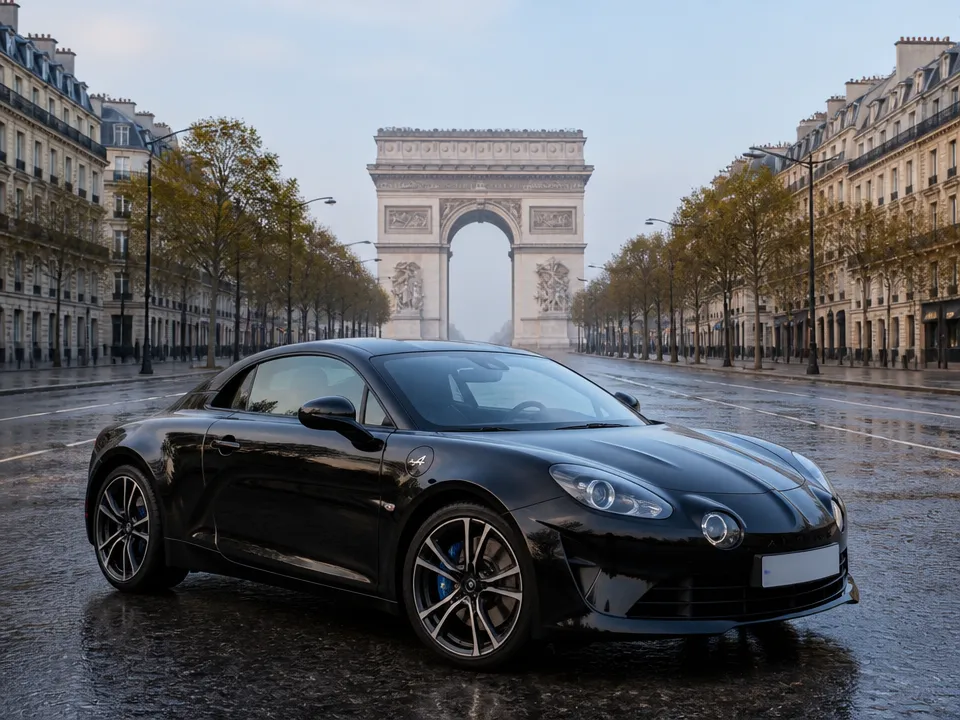
Alpine A110
★4.9· 28Automatic1.8 L300 hpRear-wheel2 seats
€450per day
Book now






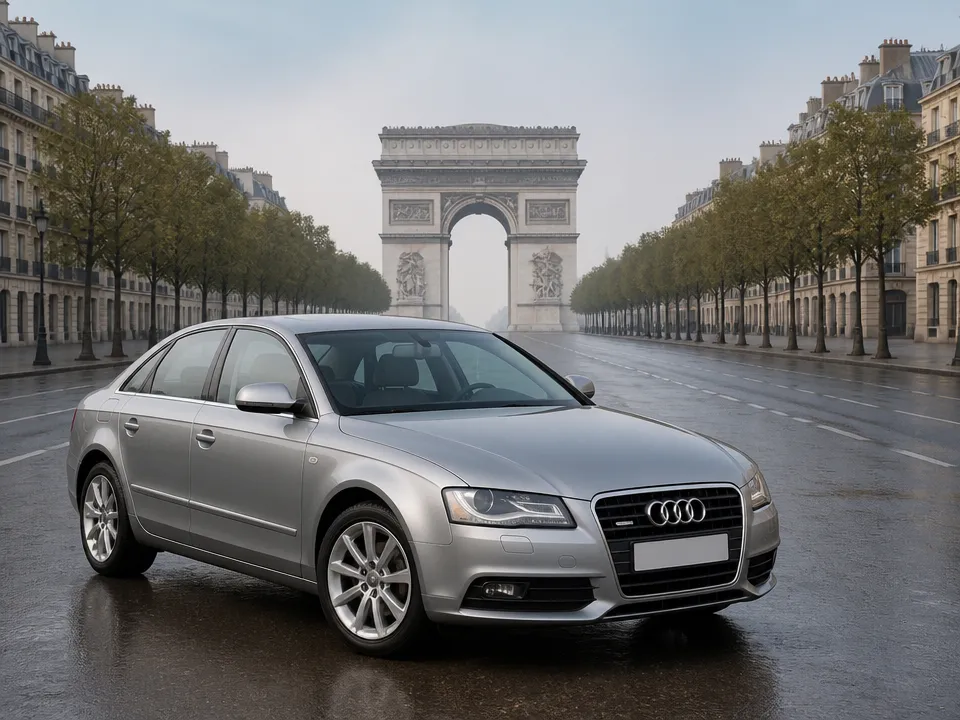
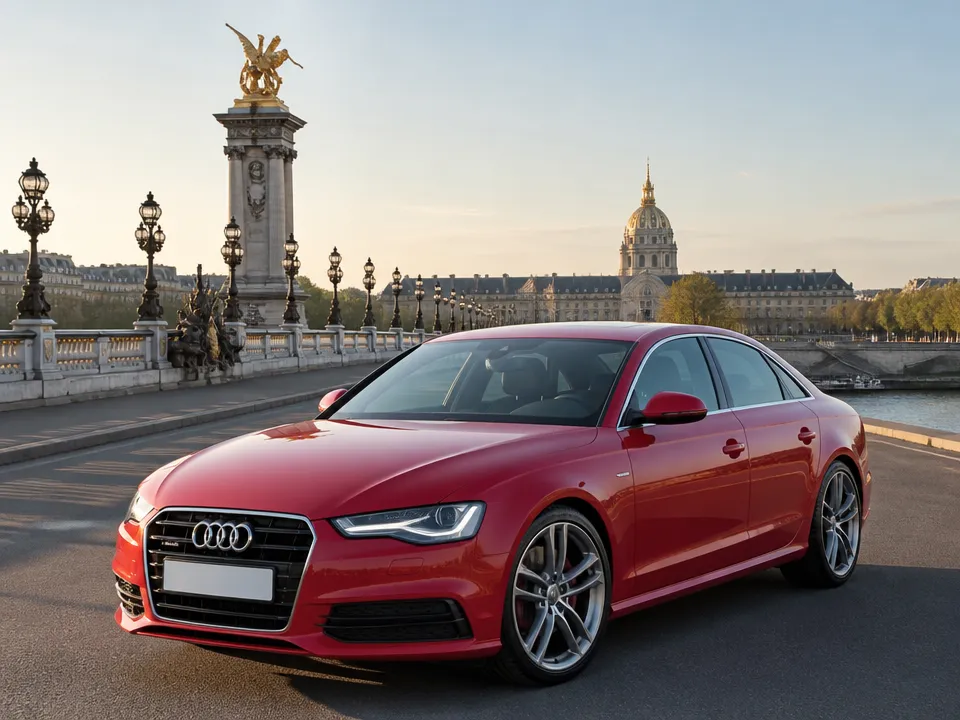
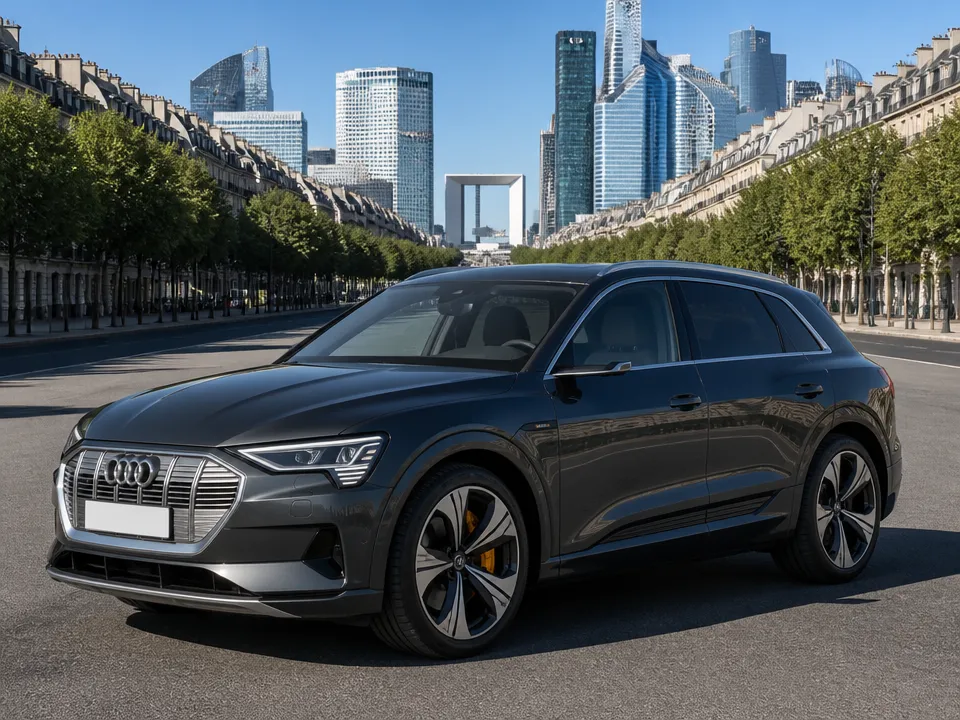
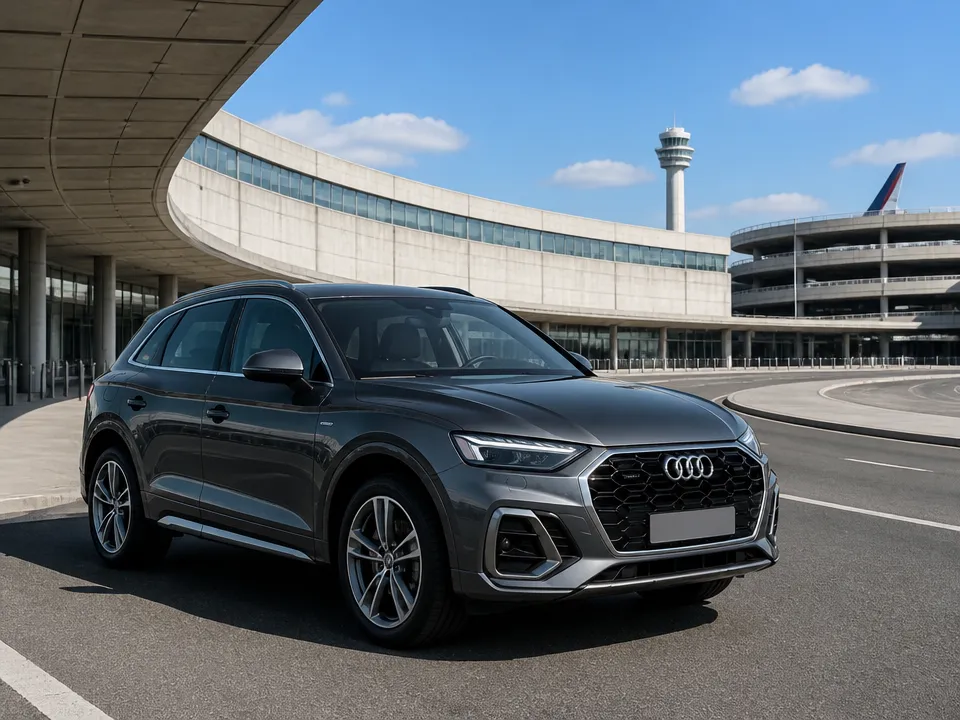
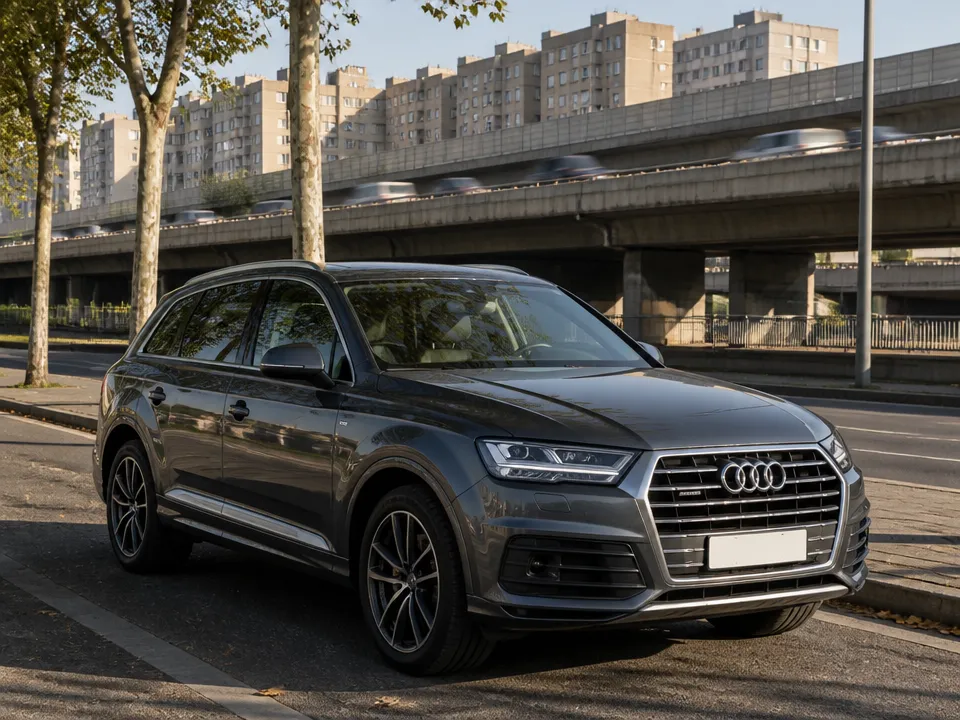
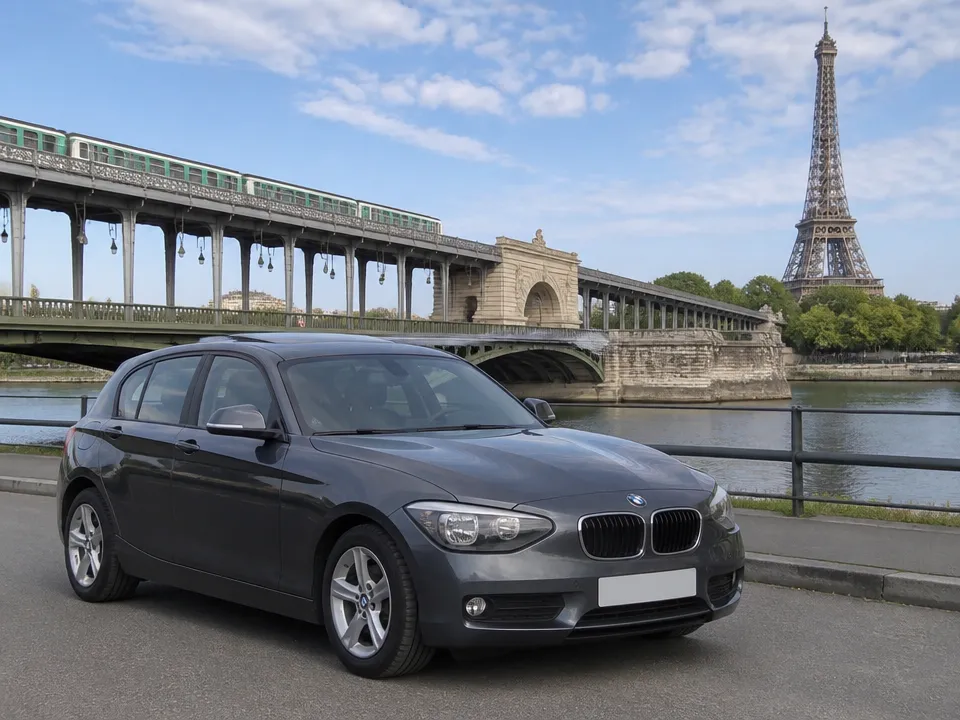
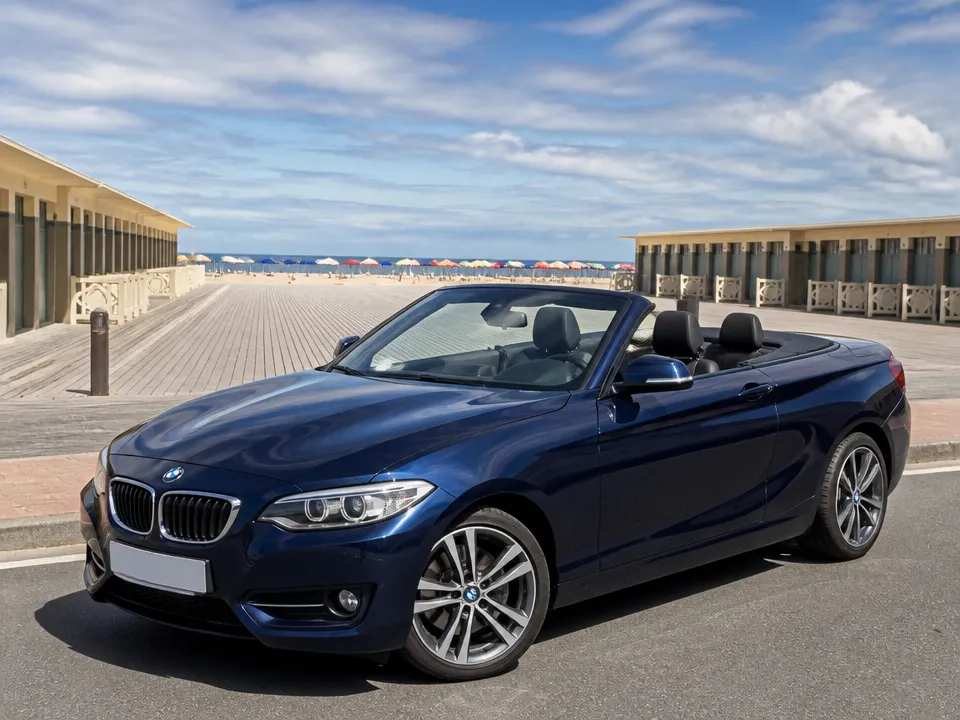
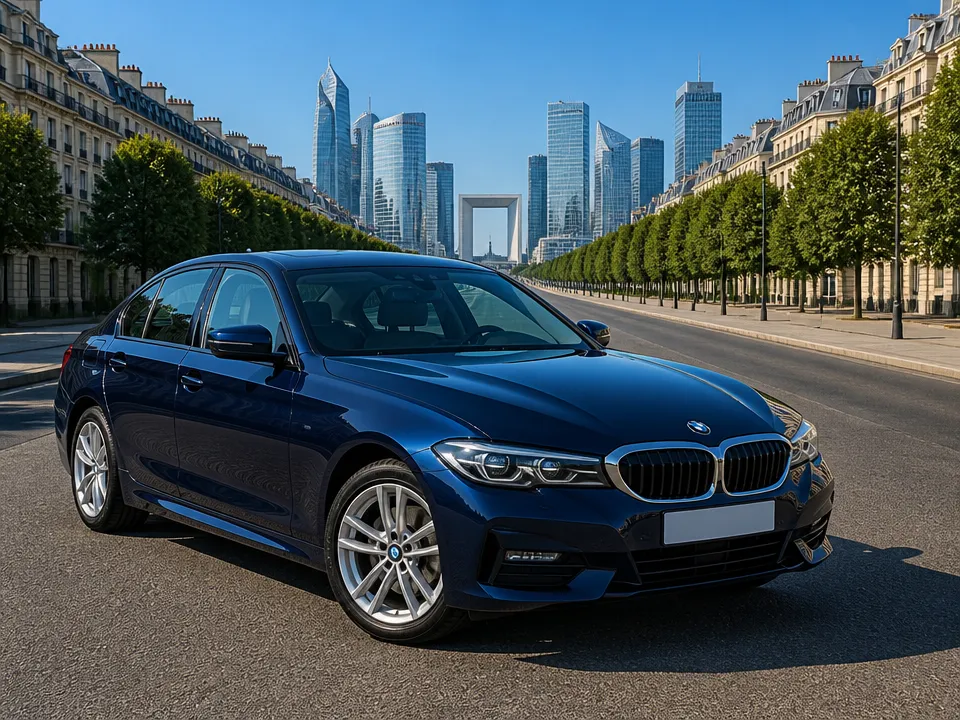
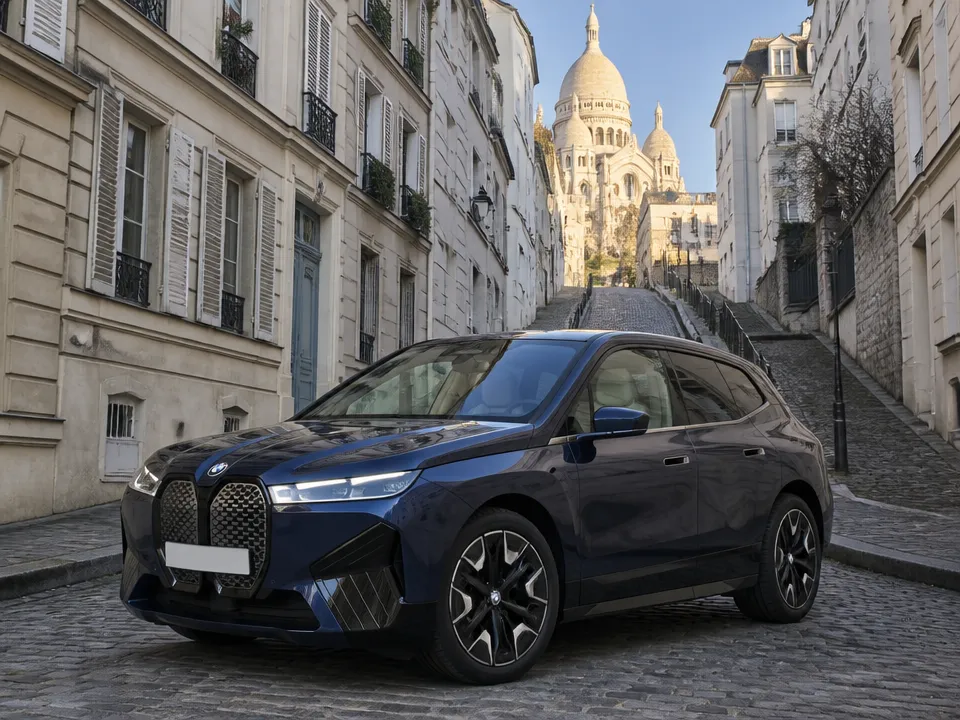
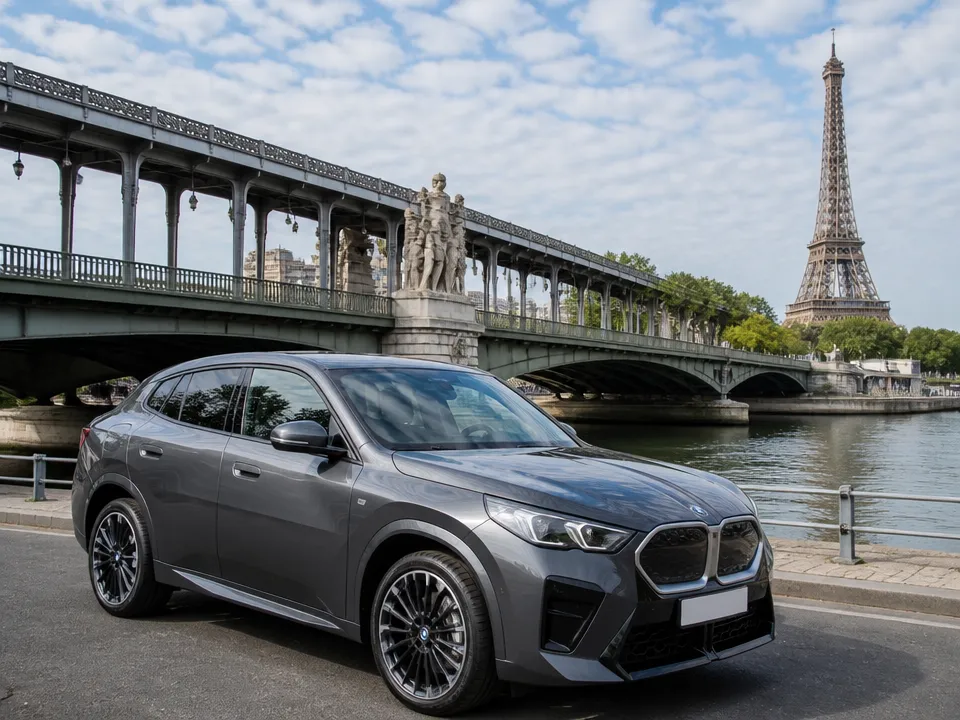
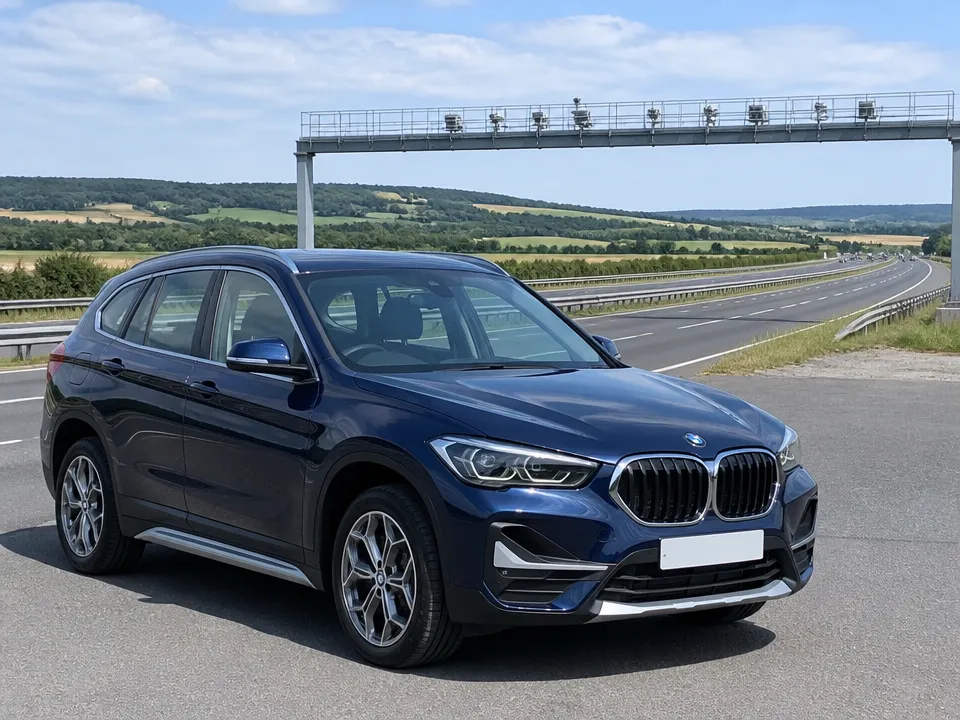
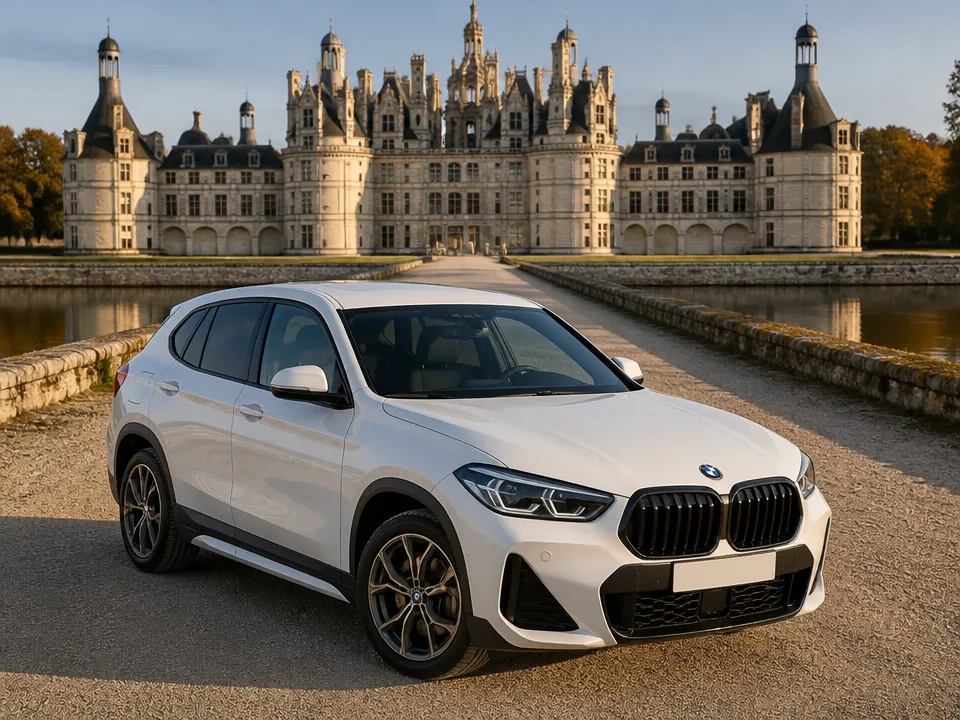
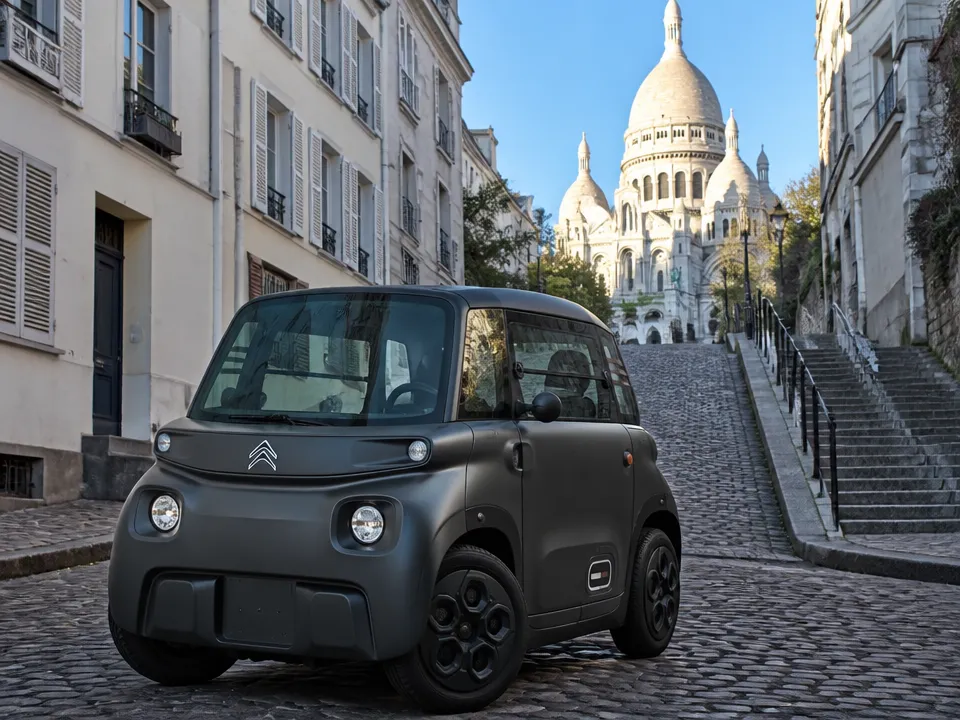
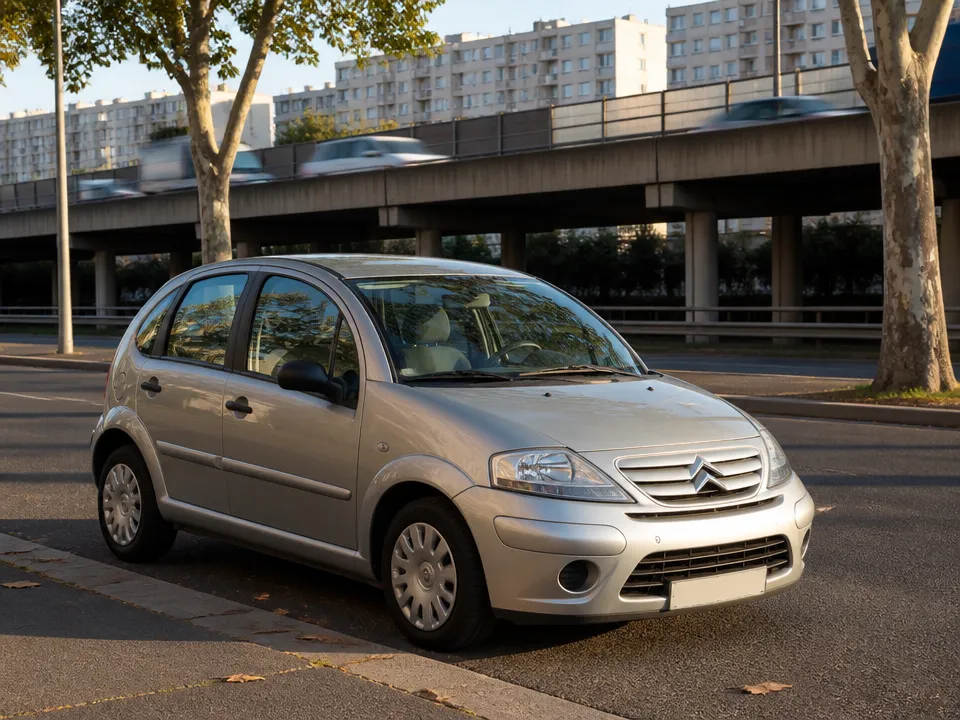
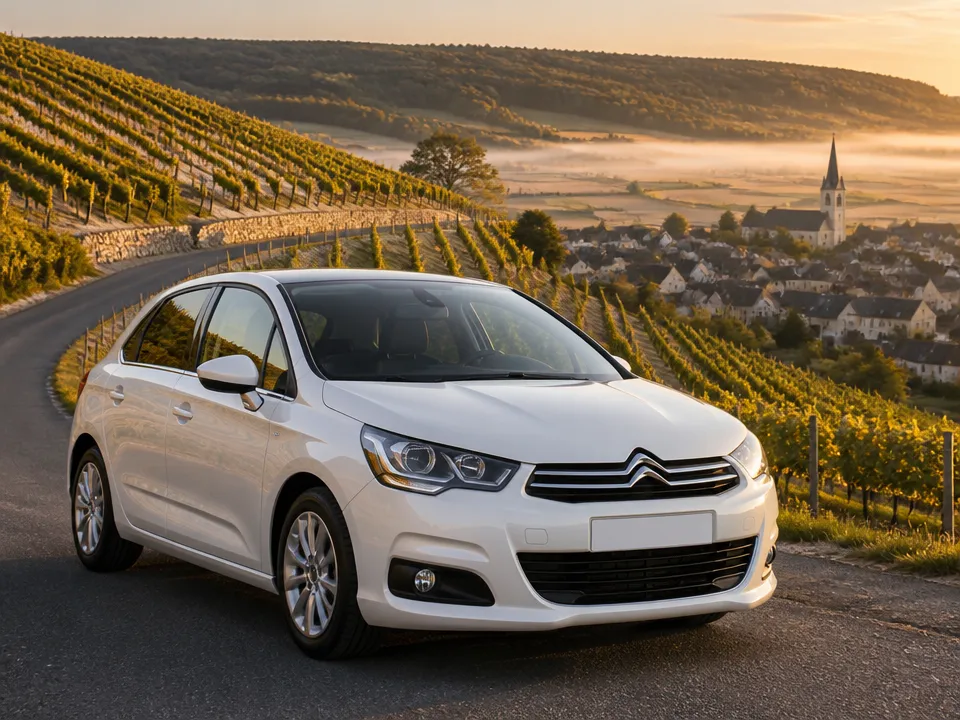
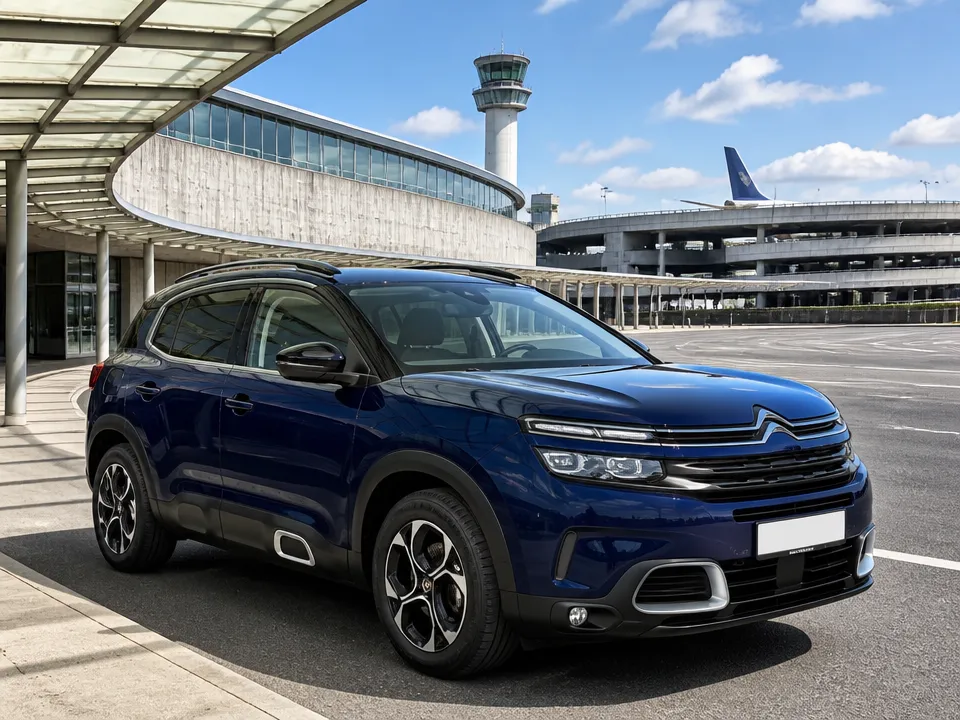
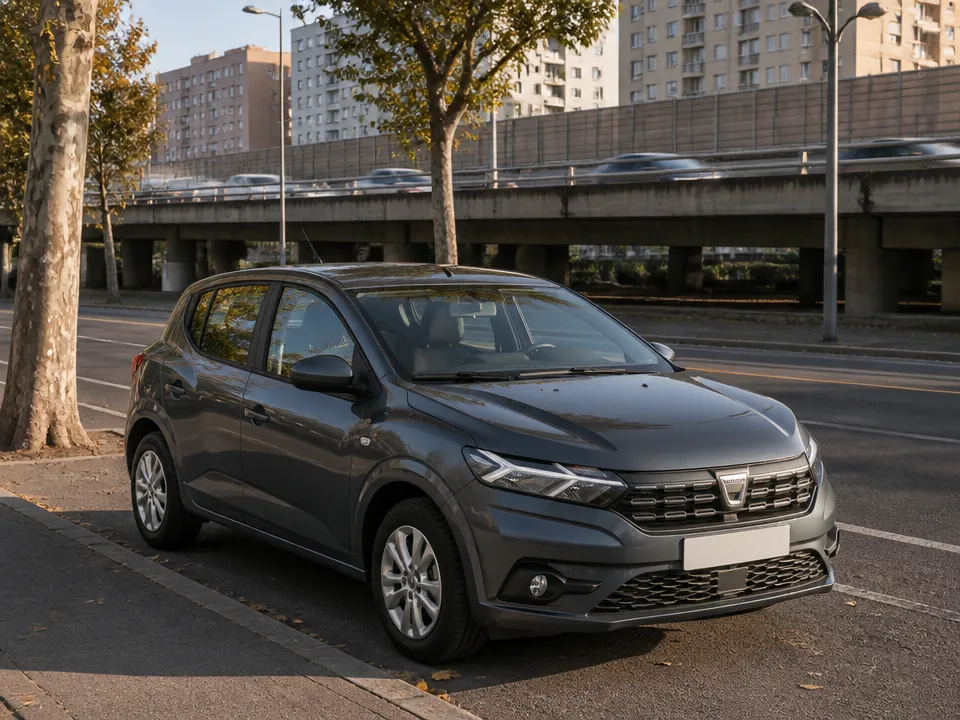
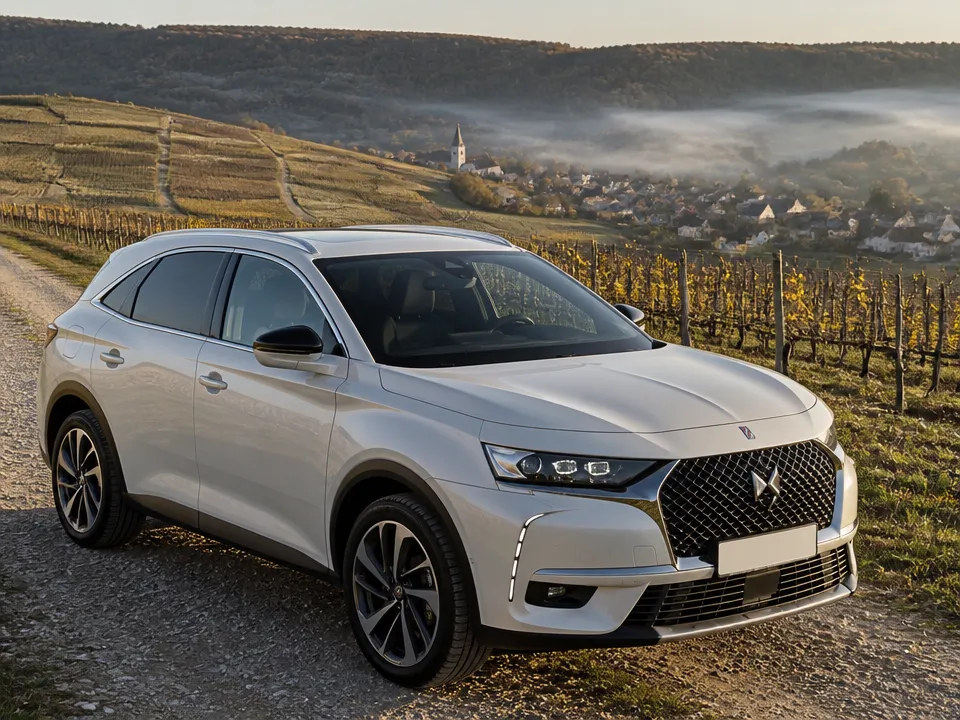
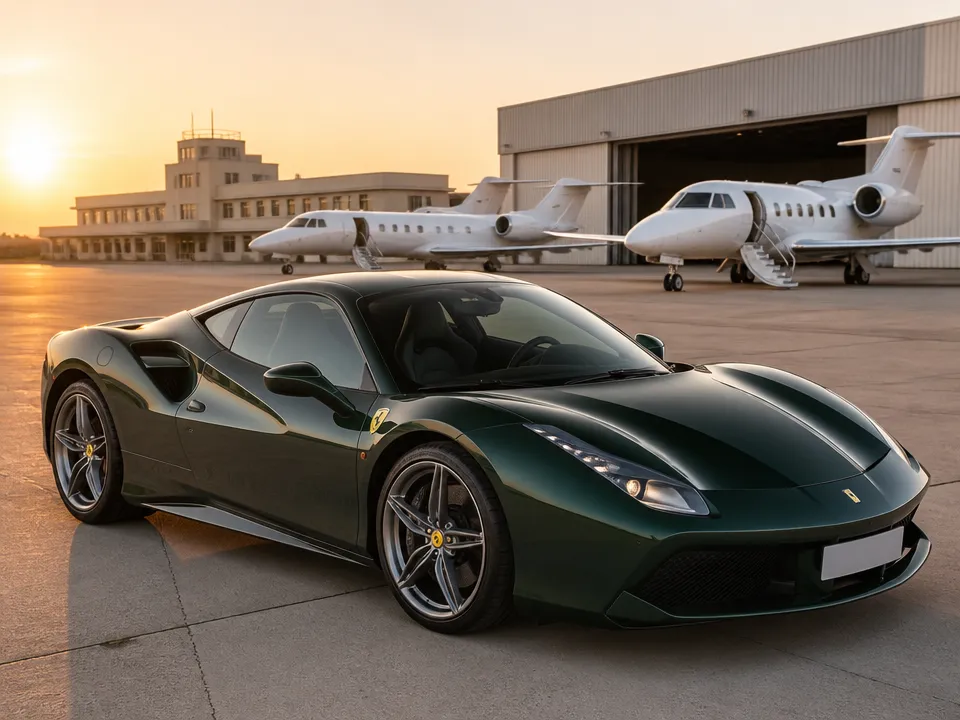
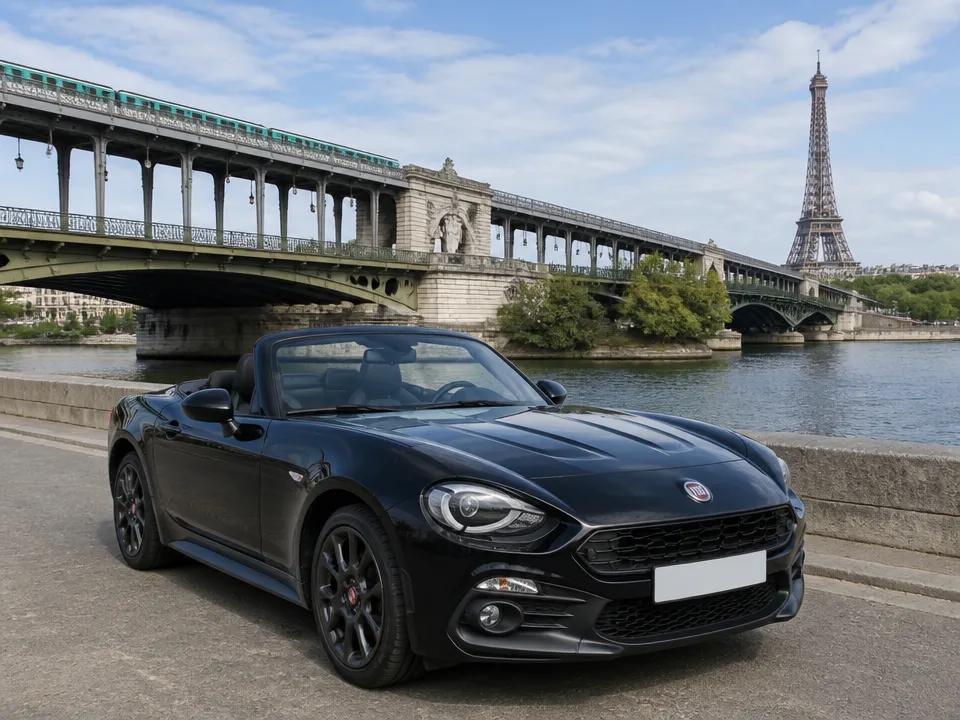
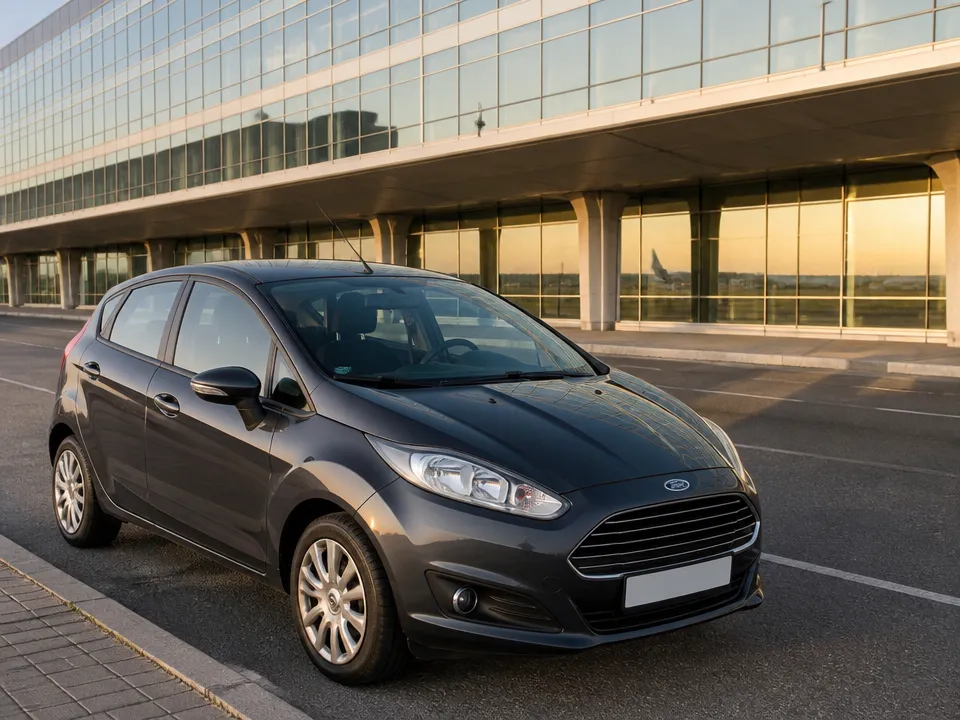
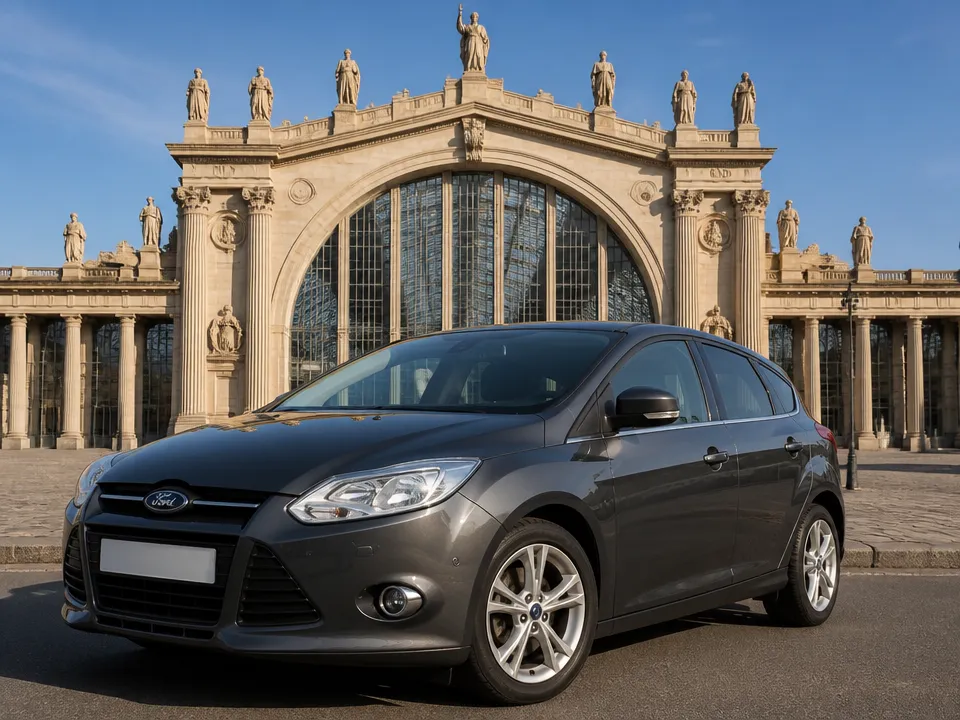
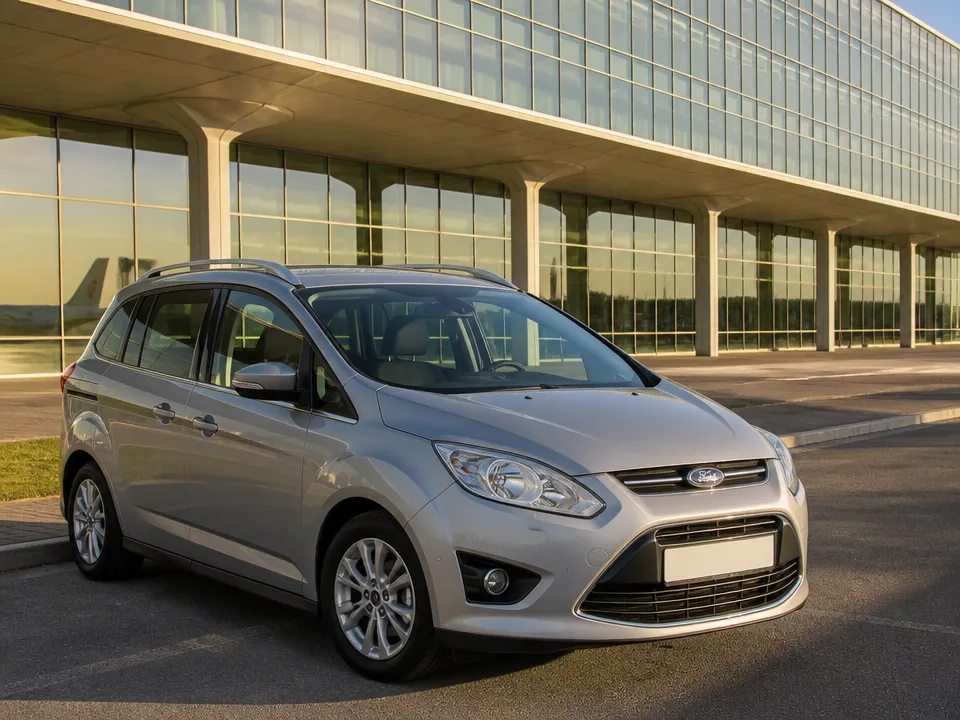
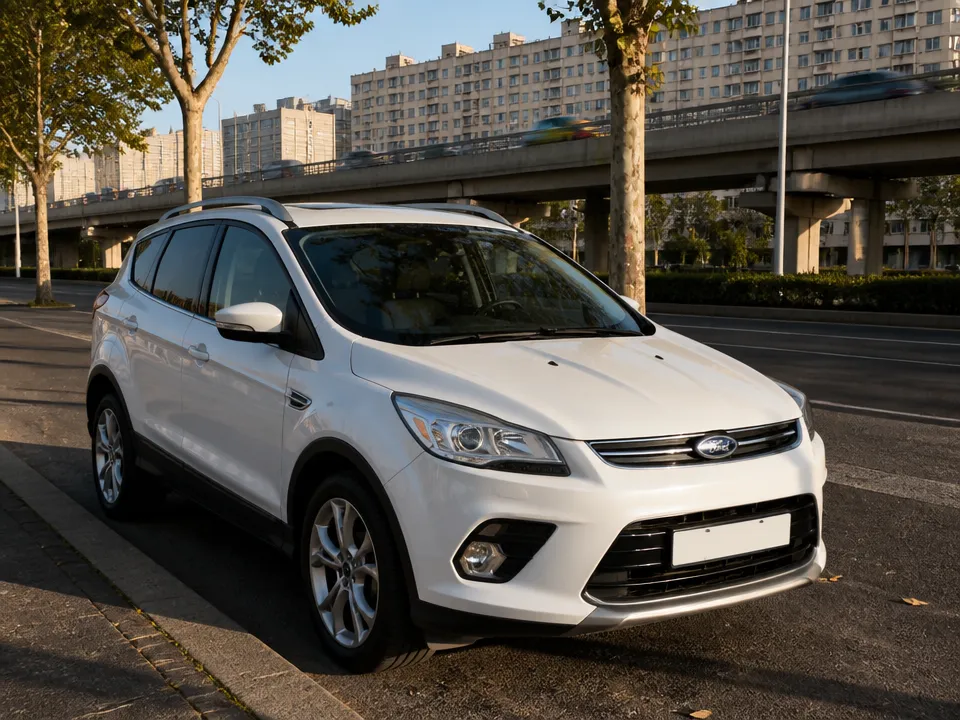
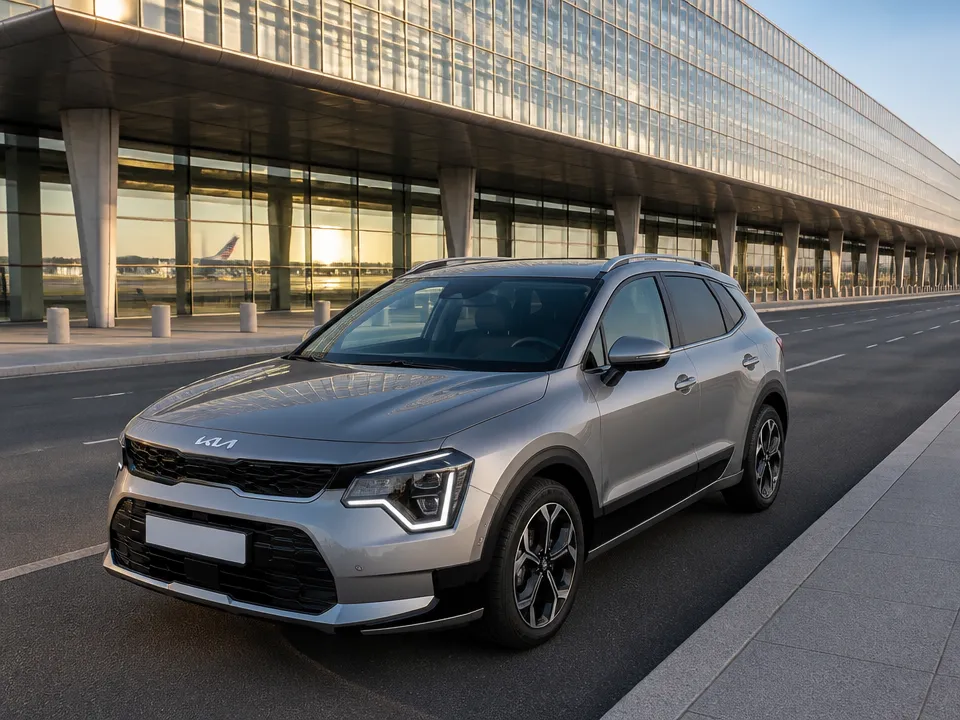
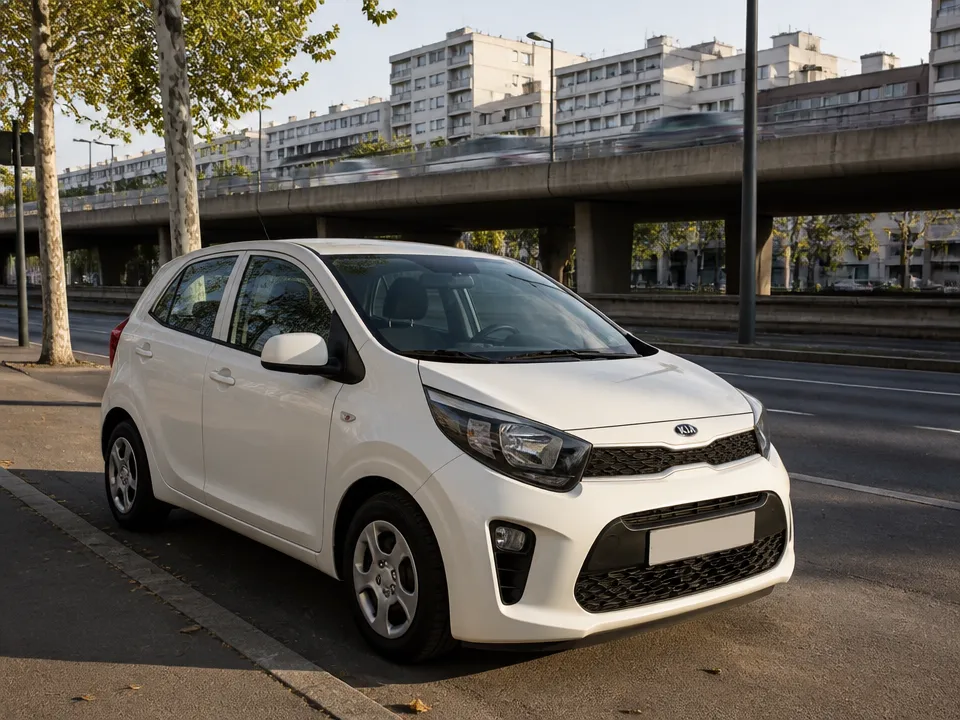

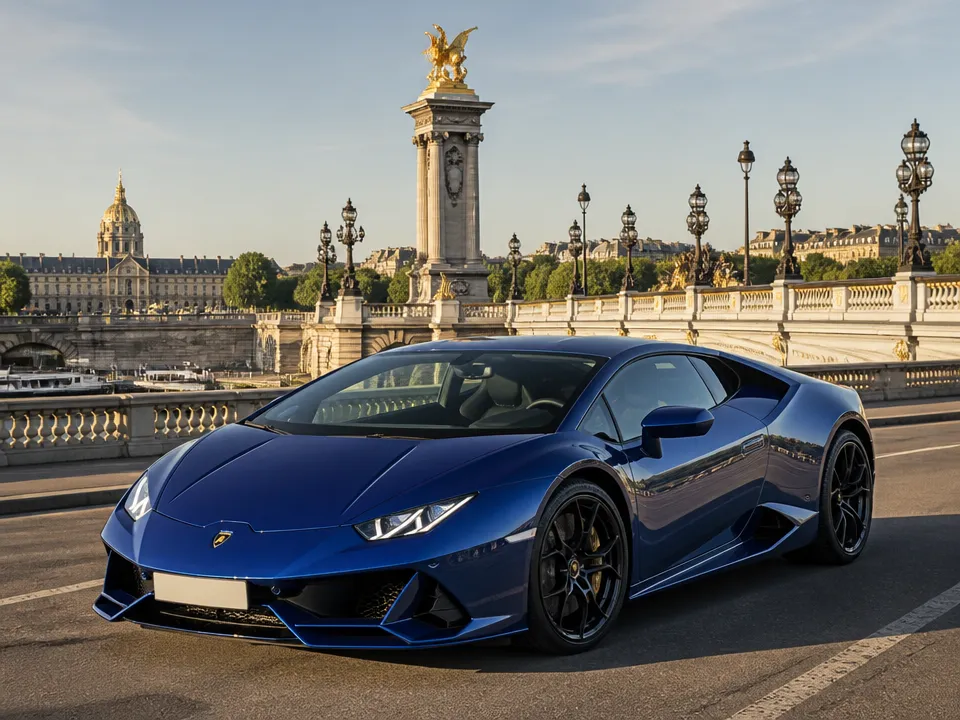
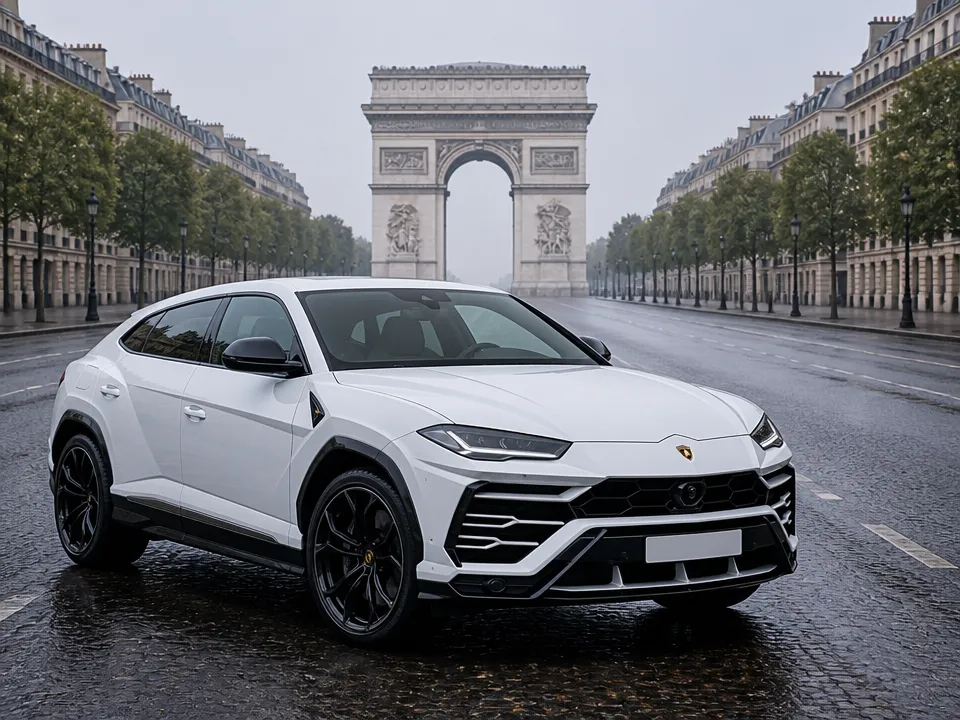

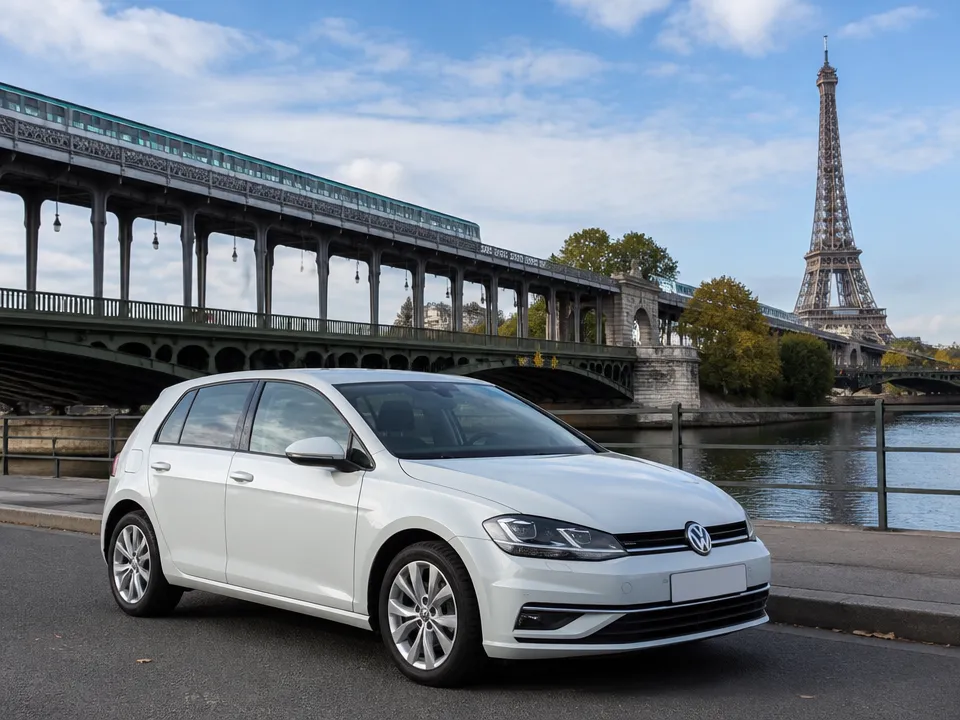
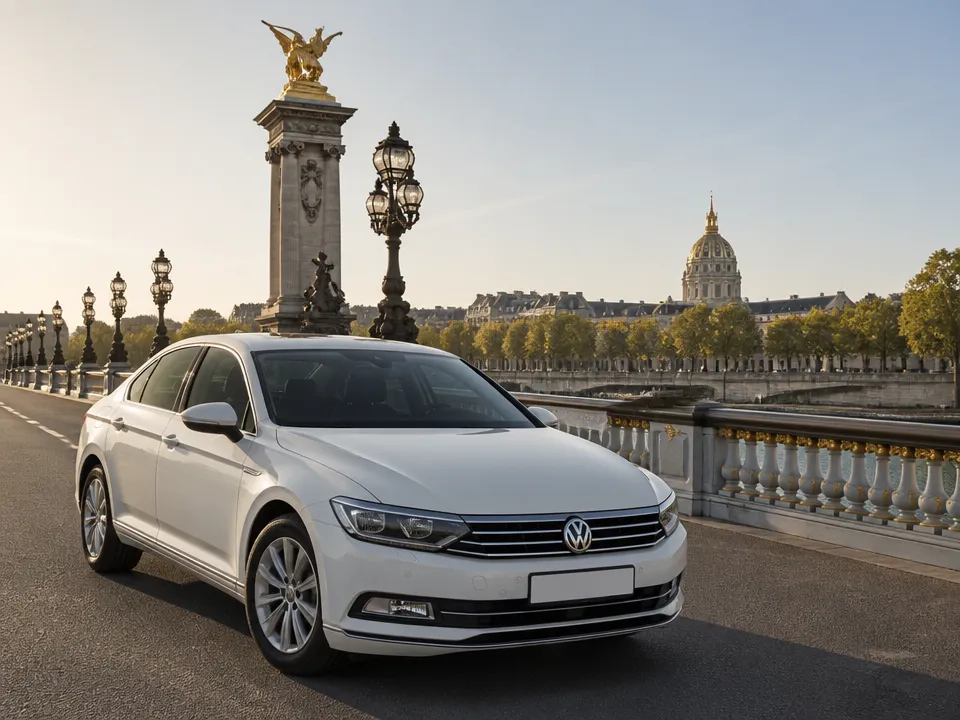
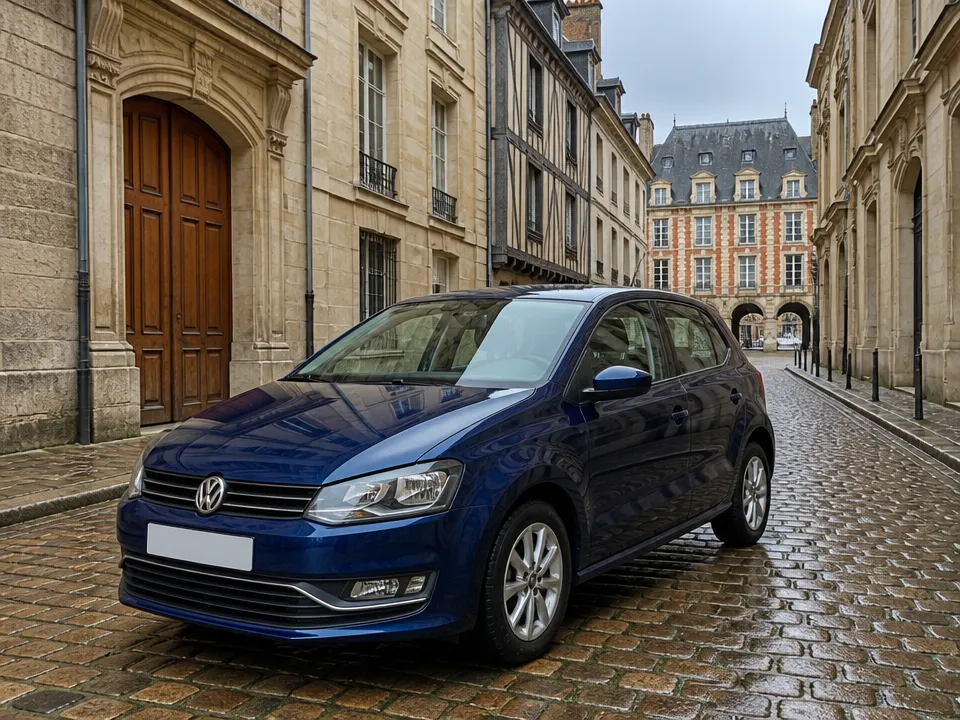
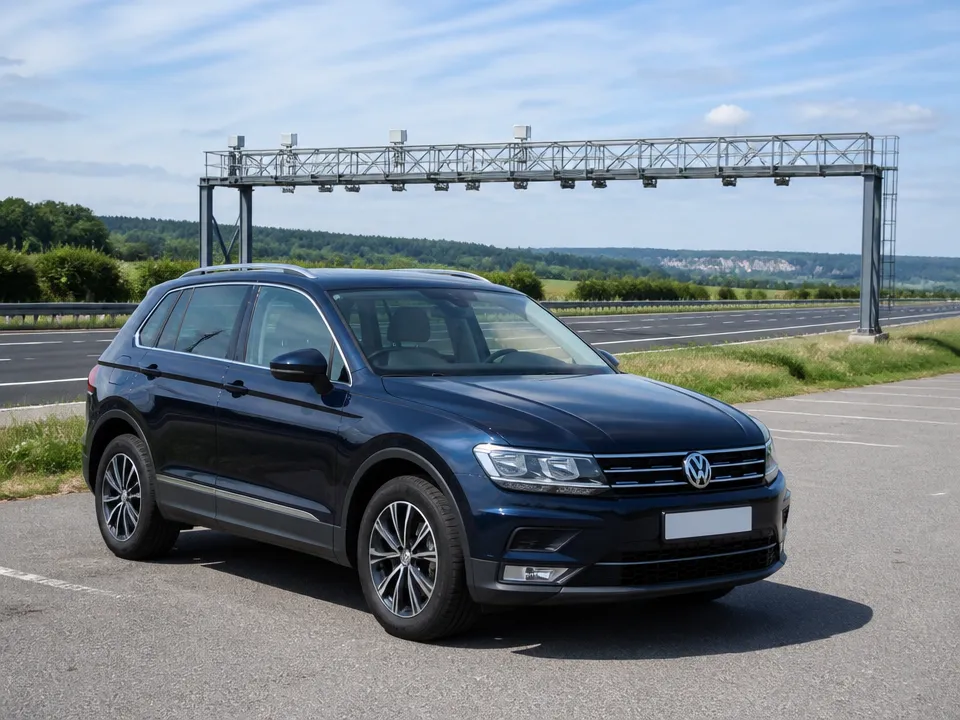
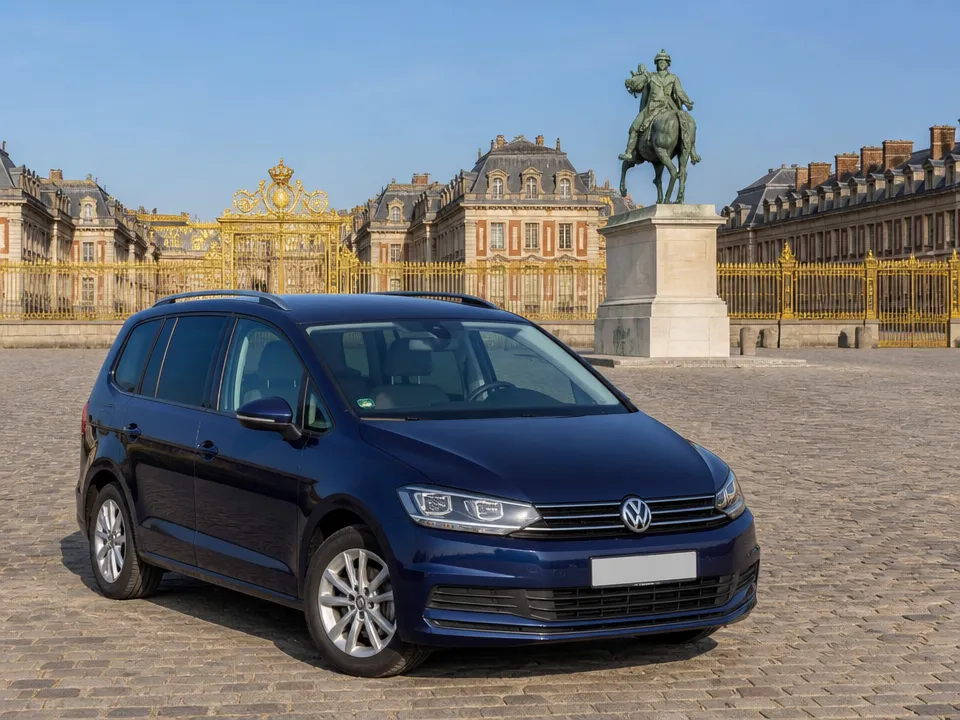
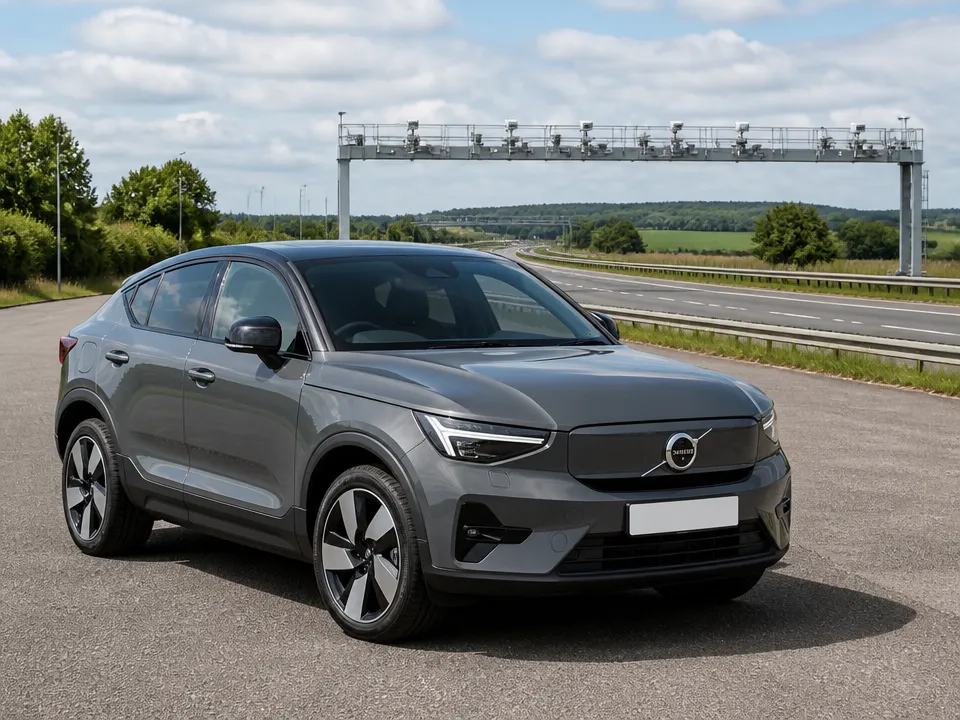
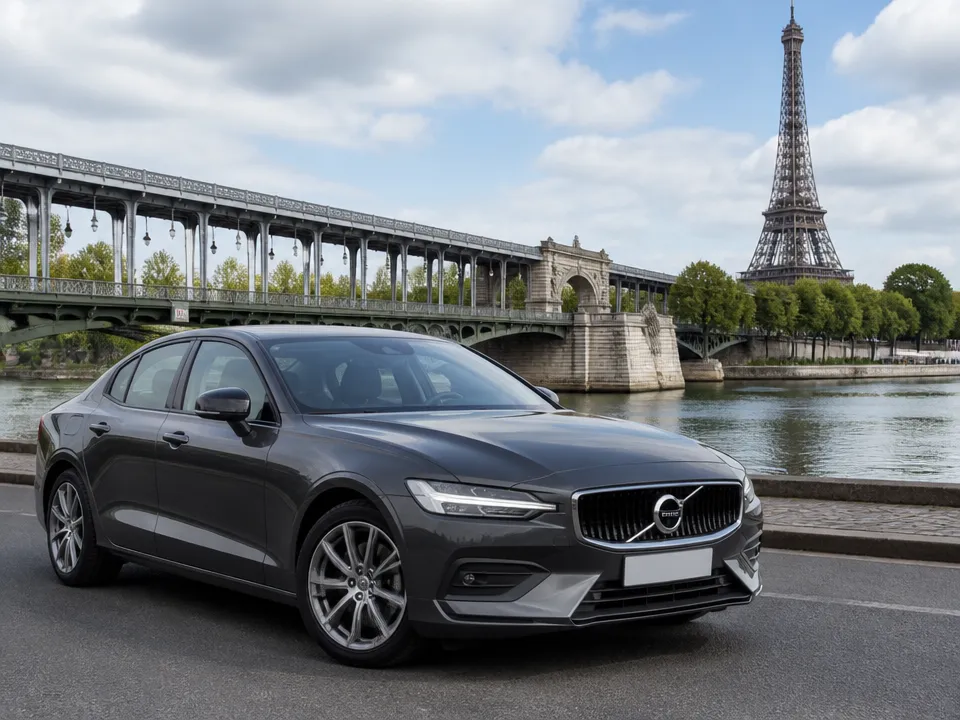
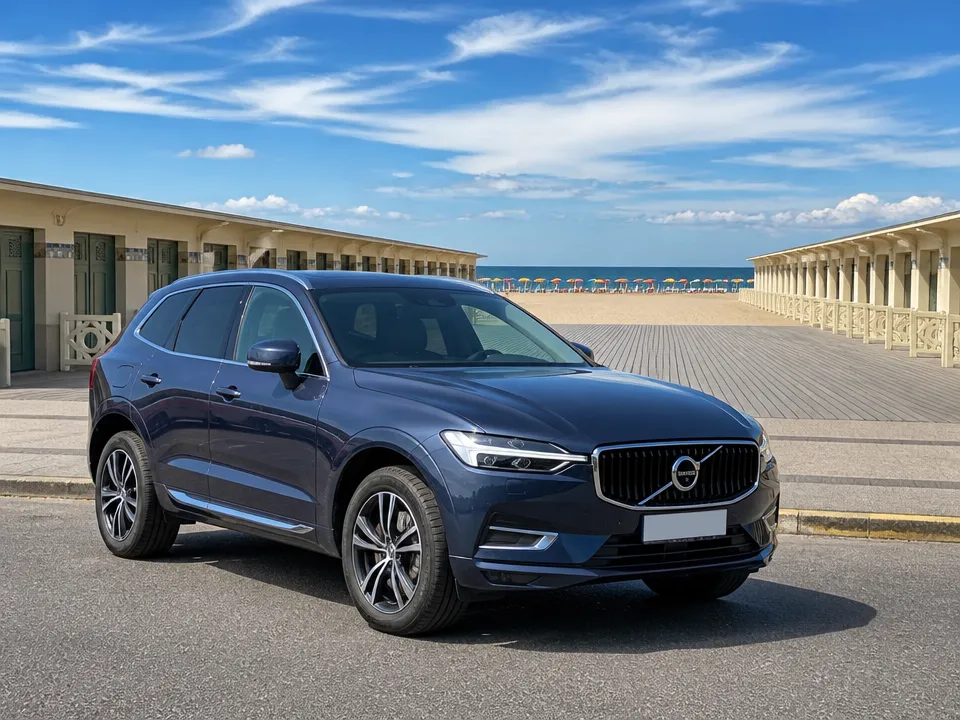
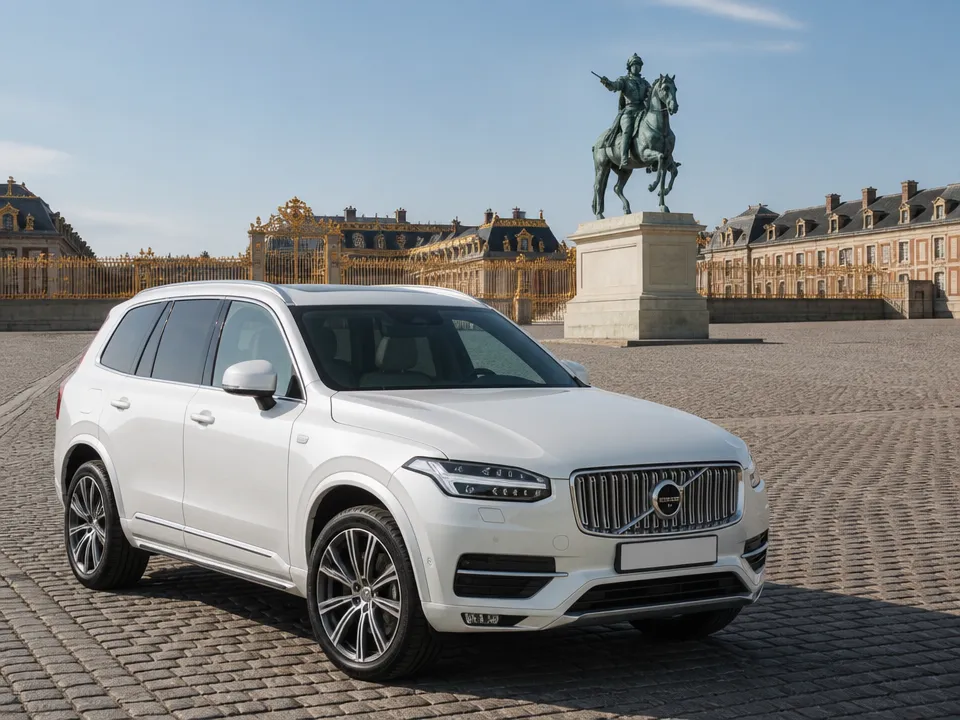




Rent-Trip delivers self-drive cars in Paris — 134 vehicles across 13 classes, from €29 per day for a Citroen Ami to €1,300 per day for the top of the range. Book with a manager and we bring the car to you, with the hand-over point agreed when you reserve.
Rent-Trip is a self-drive service: we hand you the keys, you drive yourself, and the car comes to the address you agree with our manager. The fleet here holds 134 cars, drawn from 754 across the company.
Rent-Trip is a self-drive service — you drive the car yourself, and we deliver it to the address you agree with our manager. Nothing is fixed at a counter: you pick the class, the dates and the hand-over point, and the manager confirms the details with you before the car is released. Our fleet here runs to 134 vehicles across 13 classes, from a two-seat Citroen Ami at €29 a day to Sports and Luxury at the top of the range. Booking is a conversation, not a checkout — the manager checks availability in the class you want, confirms the terms, and only then is the car scheduled. Because the hand-over point is agreed at booking rather than fixed at a counter, the same booking works whether you start from a station, a hotel or a flat — the manager confirms the details with you before the car is released.
Two things decide whether a booking actually works: the class you want being free on your dates, and the hand-over point being somewhere the car can realistically reach. Thin classes feel this first — Sedan holds 3 cars and Passenger vans 5, so a specific date in those can go quickly, while Economy holds 15. The manager also walks you through the fuel policy and the mileage terms in the agreement, because those are the two clauses that most often surprise a first-time renter in France. Ask about the excess level and whether you want to reduce it at the moment you book, not at hand-over — it is part of the agreement, and it is easier to settle while the terms are still open.
Rent-Trip keeps 134 cars in the city across 13 classes, and the price range runs from €29 to €1,300 per day. Longer bookings follow two fixed multipliers: weekly from €174 and monthly from €609.
Our 134 cars run from €29 a day in Economy to €1,300 a day at the top of the range, spread over 13 classes.
| Class | Cars | From, per day |
|---|---|---|
| Economy | 15 | €29 |
| Commercial | 6 | €47 |
| Electric | 18 | €55 |
| Crossover | 13 | €75 |
| SUV & 4x4 | 19 | €79 |
| Comfort | 13 | €79 |
| Convertibles | 10 | €99 |
| Premium | 11 | €105 |
| Minivans | 5 | €119 |
| Sedan | 3 | €120 |
| Passenger vans | 5 | €155 |
| Luxury | 10 | €195 |
| Sports | 6 | €450 |
The cheapest class is not the smallest fleet: Economy holds 15 cars, while Sedan holds only 3 and Passenger vans 5. In our experience, the thin classes are the ones that run out first on a bank holiday weekend, so book those early rather than assuming a car will still be free on the day.
A week starts at €174 and a month at €609. Weekly works out as the daily rate multiplied by six, monthly as the daily rate multiplied by twenty-one — the same two multipliers whatever class you pick, so a week in a €79 SUV & 4x4 comes to €474 and a month to €1,659.
Because the multiplier is fixed rather than a seasonal discount, you can price any long booking yourself from the table above before you speak to a manager. What we would add: the deposit, the excess and any delivery fee are not part of that arithmetic — they are set out in the rental agreement, so read it before you confirm a month-long booking rather than working from the daily figure alone.
Seat count, fuel type and gearbox decide more about your trip than the badge on the bonnet. Our fleet covers 2, 3, 4, 5, 7, 8 and 9 seats, four fuel types and both pedal layouts, and the outline of the plan is simple: match the car to the journey, not to the price list.
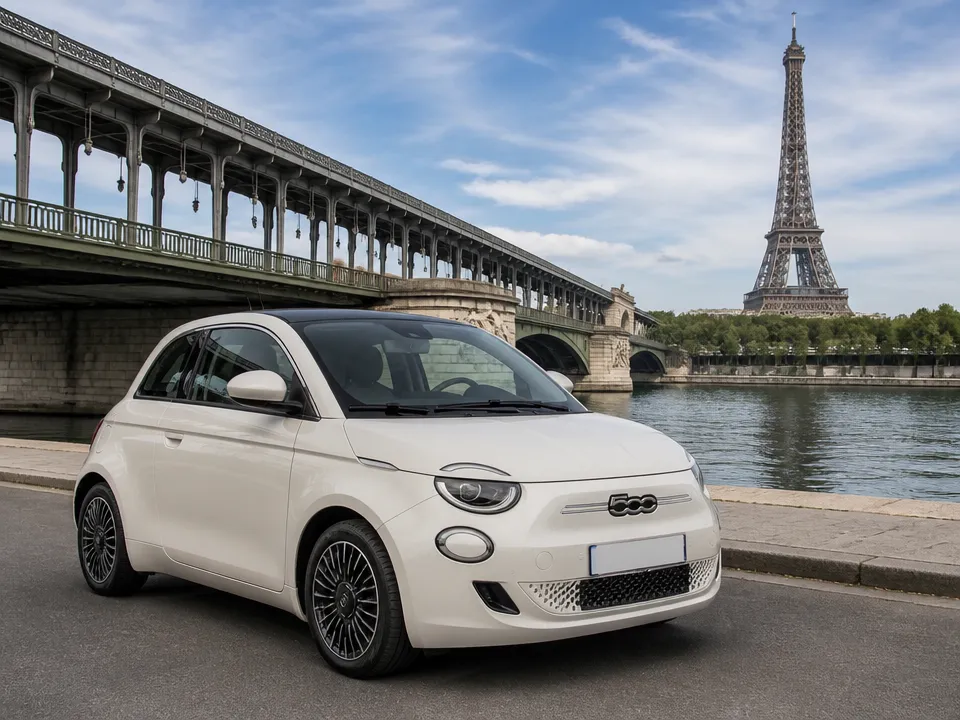
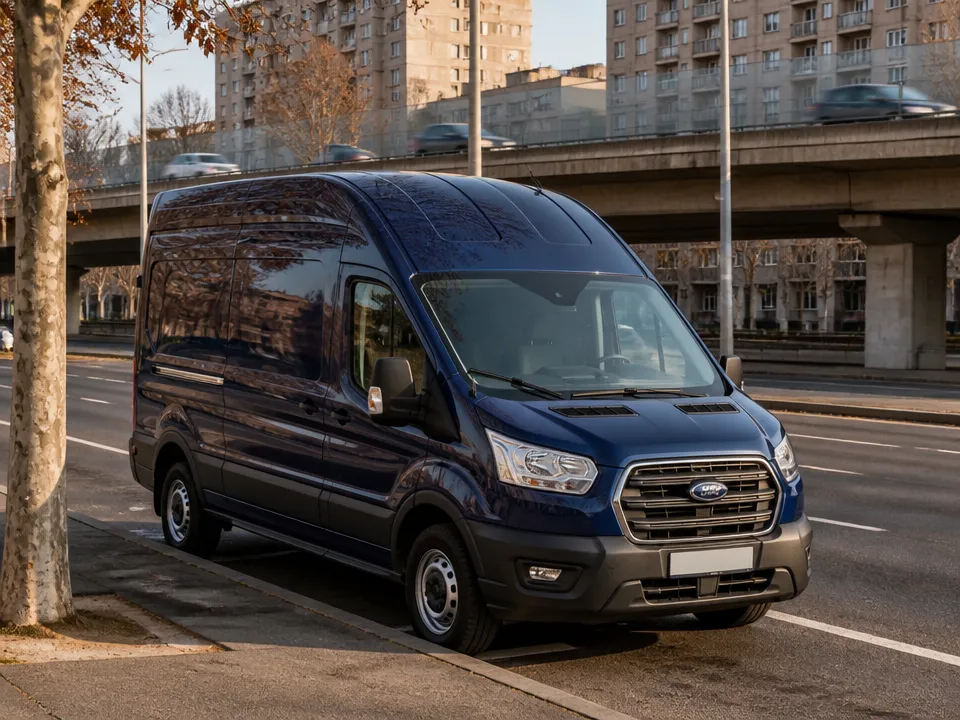
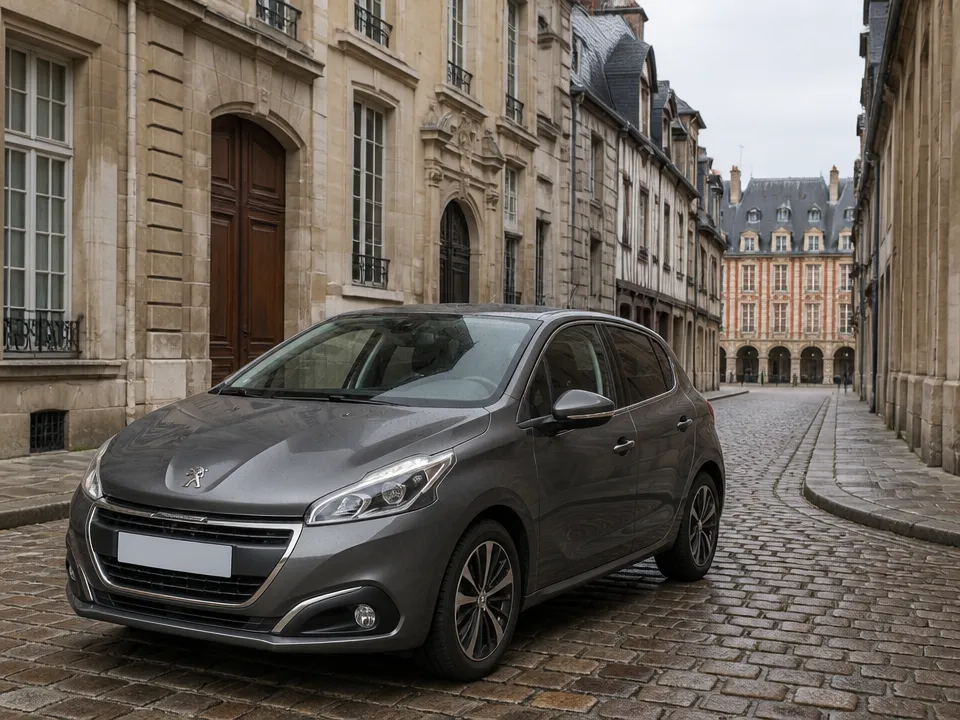
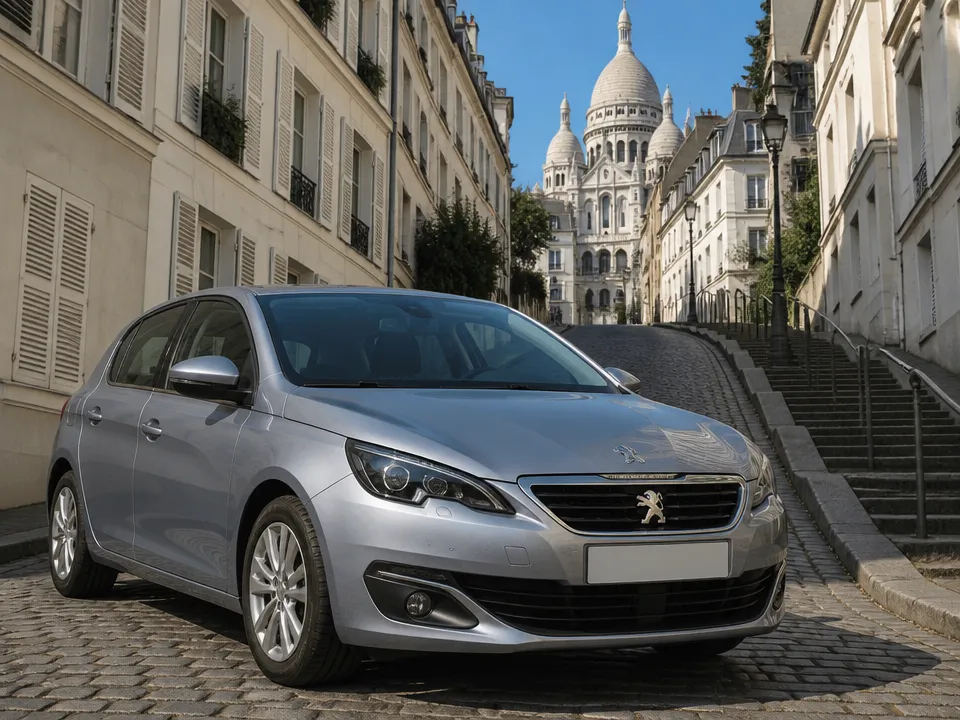
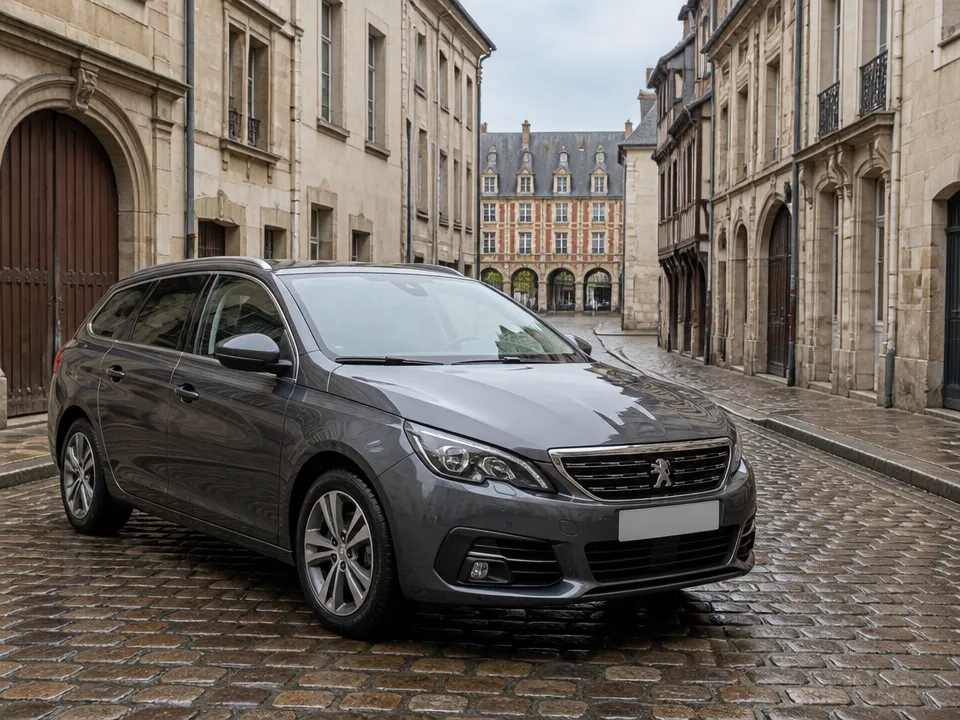
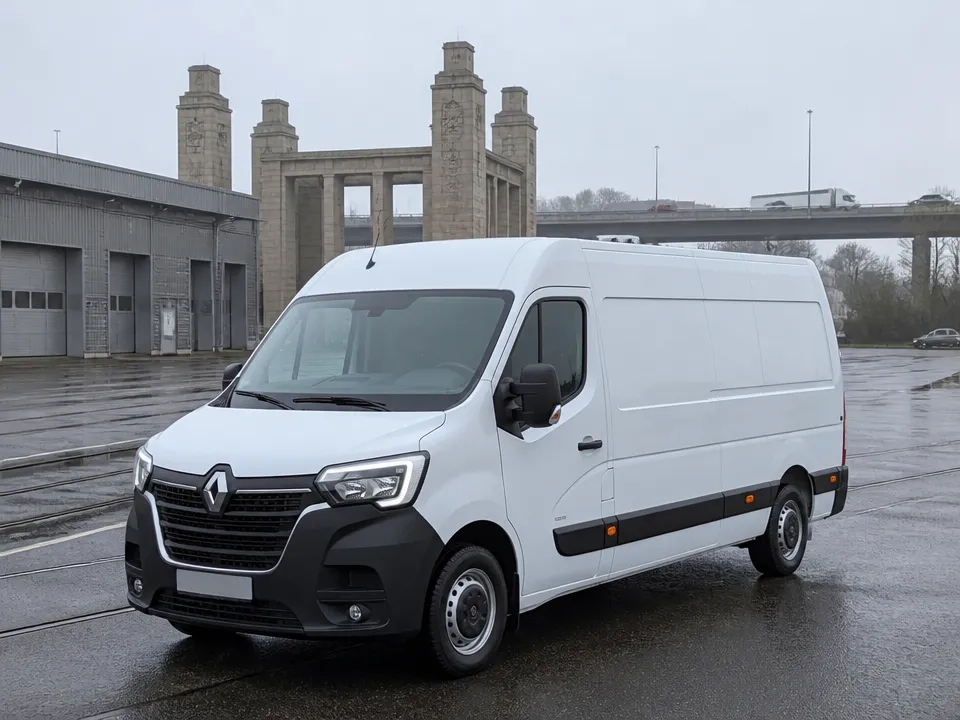
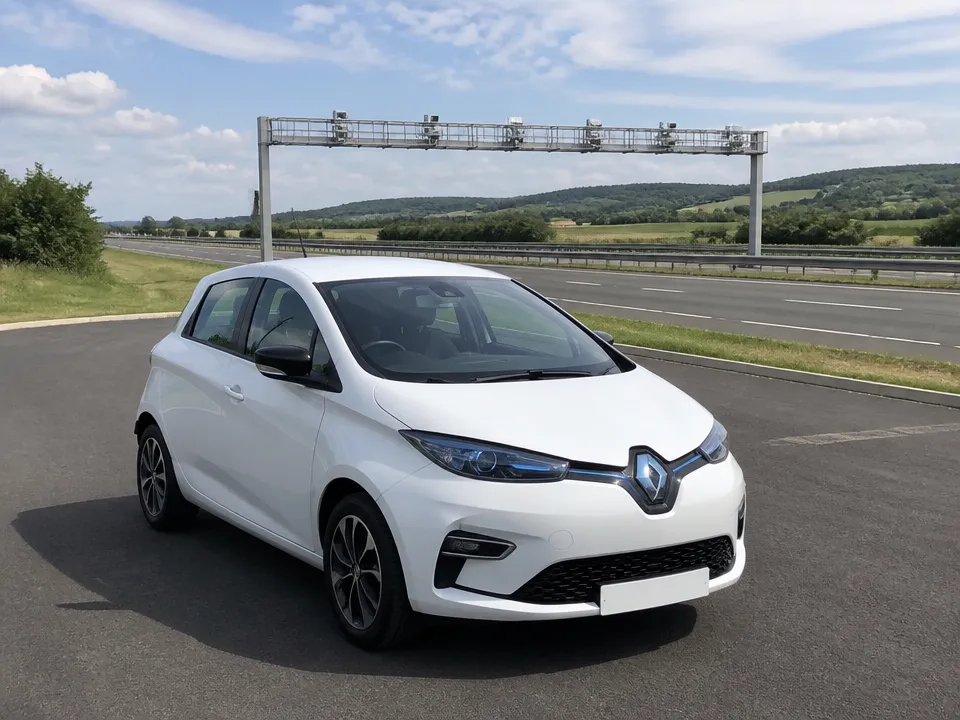
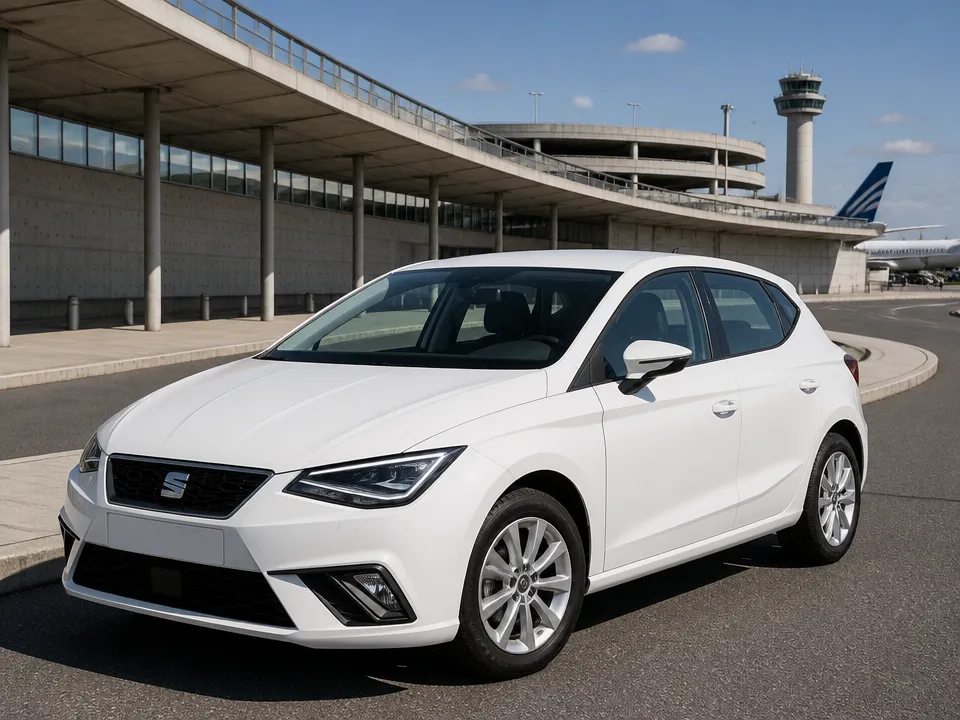
Rent-Trip keeps 134 cars in Paris covering 2, 3, 4, 5, 7, 8 and 9 seats, with Diesel, Electric, Gasoline and Hybrid engines and both Automatic and Manual gearboxes. Two-seat microcars such as the Citroen Ami are the smallest option we hold, while the Renault Master and Ford Transit panel vans take three people and carry cargo behind them. Five-seat hatchbacks dominate the mid-range — the Volkswagen Polo, Seat Ibiza, Opel Corsa and Peugeot 208 all sit in Economy, and the Ford Focus, Kia Ceed and Peugeot 308 step up to Comfort with the same seating. Seven-seat minivans start at €119 a day, and the larger passenger vans at €155 cover eight and nine seats for group transfers. Manual cars remain the norm in French fleets and automatic is a separate, more expensive category, so if you cannot drive a manual, book an automatic early rather than late. Automatic gearboxes appear across the Electric line — Renault Zoe, Fiat 500e, Renault 5 E-Tech — and in the Crossover and Hybrid classes, so an automatic booking does not force you into one body style.
The gearbox you pick has a knock-on effect on where you can drive: a manual car is fine anywhere, but an electric one needs a charging plan before you leave, and that plan starts with the low-emission zone rules that apply to central Paris. Check the Crit'Air class of the model you are booking before you confirm — it decides whether the car may enter the restricted perimeter at all.
Electric models make up 18 of the 134 cars we keep in the city, starting at €55 a day, and they are the only class that clears the low-emission rules without a sticker question. The zone has a perimeter and a class list worth knowing before you book.
The ZFE de la Métropole du Grand Paris (Zone à Faibles Émissions) covers the area inside the A86 motorway, with the A86 itself excluded, and takes in the boulevard périphérique, the Bois de Boulogne and the Bois de Vincennes. Access is controlled by the Crit'Air sticker on the windscreen, and the banned classes are Crit'Air 5, 4, 3 and «Non classé». Enforcement runs on camera and on patrol, so a missing or wrong sticker is treated as an offence rather than a warning. Electric cars carry the least restrictive Crit'Air class, which is why going electric removes the whole category of risk in one step. If your trip stays inside the A86, check the sticker class of any car before you confirm it — not after.
Charging is the part travellers underestimate. A 52 kWh battery in the Renault Zoe or the Renault 5 E-Tech covers a normal day of city driving with a comfortable margin, but a 5.5 kWh Citroen Ami is a two-seat short-hop car and nothing more — we hand it over for errands and short transfers, not for a run out to Versailles. Public charging in the city runs on the same cards and apps you would use at home, and the car comes with its charging cable. Our advice from practice: if your day includes the périphérique at peak hours, take the 52 kWh model rather than the 42 kWh one — stop-start traffic eats range faster than steady driving, and the difference in daily price is €10.
The ZFE rules apply to the vehicle, not to the length of the booking, so a weekly or monthly hire does not change your access. What changes is how much the electric option saves you in fuel: petrol and diesel prices move weekly, while a full charge at home or at a hotel costs a fraction of a tank. Rent-Trip delivers the car to the point you agree with our manager, and the Crit'Air class of the specific model is confirmed in the rental agreement. Ask about it at booking if a low-emission class is the reason you are choosing electric.
Rent-Trip hands the car over where you are, not at a counter. The delivery address and the time are agreed with a manager when you book, and the same booking works whether you arrive by plane, by train or stay in a flat in the centre. With 134 cars in the city, we match the model to your dates before the hand-over is confirmed.
The car is released only after the details of the booking are confirmed with you. We do not publish a fixed hand-over script, because the practical steps — the condition check, the fuel level, the paperwork — follow the rental agreement you receive for your booking. What we can state plainly is the shape of the arrangement: you drive the car yourself, and the terms of the rental are set out in the rental agreement rather than a figure quoted on this page. Read it before the car is released, and ask the manager about anything that is unclear while you still have the car in front of you. That single habit prevents most disputes at return.
Collection times are agreed at booking and not fixed by a depot schedule, which matters if your flight lands late or your train is delayed. Tell the manager your arrival details when you confirm, and the hand-over moves with them. For a weekend trip, a Friday evening collection and a Sunday return are both agreed the same way — through the manager, in advance. If you need the car before an early start towards Giverny or the Loire Valley châteaux, say so at booking: an early hand-over is a scheduling question, not a separate service.
Driving rules here are denser than the road network suggests: the périphérique dropped to 50 km/h, street parking is priced by the hour in rising steps, and a low-emission zone covers everything inside the A86. Here is what matters behind the wheel.
Urban roads run at 50 km/h under Code de la route, art. R413-3, though some sections are raised to 70 km/h. Outside built-up areas the limit is 80 km/h on ordinary roads, 90 km/h on two-lane sections where the département has decided so, 110 km/h on divided roads and 130 km/h on motorways, all under art. R413-2. In rain those drop to 110, 100 and 80 km/h, and below 50 m of visibility every road is capped at 50 km/h under art. R413-4. Drivers holding a licence for under three years — permis probatoire — are limited to 110 km/h on motorways, 100 km/h on divided roads and 80 km/h elsewhere under art. R413-5. The boulevard périphérique has run at 50 km/h since 1 October 2024 by decision of the Paris city hall, phased from the inner ring between porte des Lilas and porte d'Orléans to the whole ring by 10 October, even though Code de la route still permits up to 70 km/h there.
One detail worth knowing before you set off: the left lane of the périphérique between the Issy embankment and porte de Bercy, in both directions, is reserved Monday to Friday 07:00–10:30 and 16:00–20:00 for cars carrying two or more people, under the experiment that began on 3 March 2025. If your trip is a solo one, stay out of it — the covoiturage lane carries its own penalty, and the exact terms are set out in the rental agreement.
This section covers what you need to hold, what the law requires and what the rental agreement sets out before you drive away.
EU and EEA licences are valid in France with no time limit and do not need exchanging while they remain valid. Visitors from outside the EU and EEA may drive on their national licence; if that licence is not in Latin script, an official translation or an International Driving Permit must accompany it, and the IDP never replaces the licence itself. Anyone moving to France may drive for 1 year from the entry date stamped in their visa, after which the licence has to be exchanged. To hire, the licence must have been issued more than 1 year ago, digital licences are not accepted, and an IDP used at booking must be no older than 3 years. Minimum age, a young-driver surcharge and the exact card and passport requirements are not fixed by any French state norm — each company sets its own, so confirm yours with our manager when you book.
Responsabilité civile is compulsory under French law and comes with every booking automatically: it covers injury and property damage caused to third parties within the country's legal limits, but not injuries to the driver. French packages also include CDW, which caps your liability at the excess and covers repair and vehicle downtime, and TW, which covers theft, attempted theft and vandalism in a car park, again up to the excess. The excess itself is a fixed sum you pay after damage or theft, and it is not reducible by negotiation — the protection level you choose sets it, so ask which tier applies before you sign.
A car turns the city into a base rather than a boundary: Disneyland Paris, Versailles, Giverny, Reims and Champagne, Deauville and the Normandy coast, Mont-Saint-Michel and the Loire Valley châteaux all sit within a day's drive. Our 134 cars are handed over in the city, so the trip starts when you want it to, not when a timetable allows.
In our experience the day-trip question is never really about distance — it is about when you get the keys. Because the hand-over point and time are agreed with a manager when you book, a 7:00 departure for Giverny costs you nothing extra and buys you an empty road. Tell us the trip when you reserve, and we will match the car to it: a five-seat Economy hatchback for Versailles, a seven-seat Minivan if the whole family is coming to Disneyland Paris.
A long booking is the same fleet at a lower rate: weekly hire starts at €174 and monthly at €609. The multiplier is fixed rather than seasonal, so a seven-day booking is the daily rate times six and a twenty-one-day booking is the daily rate times twenty-one, whatever class you pick.
The longer you keep a car, the more the class choice matters — and not in the direction most people expect. A month in Economy at €609 sits below a week in Sports, so the class you want and the budget you set rarely point at the same car. Long bookings also make the paperwork worth reading properly: the deposit, the excess and any delivery fee are not fixed numbers on this page, they are set out in the rental agreement, and the same document governs a three-day and a thirty-day hire.
One thing we see repeatedly: travellers book a small city car for a month, then discover a fortnight in that a crossover would have cost a little more per day and a lot less in effort. In our practice, the honest answer is to match the class to the trips you actually have planned, not to the headline daily figure.
Because the car is delivered to the address agreed with our manager, a long booking starts the same way as a short one — you set the dates, the class and the hand-over point when you book, and the details are confirmed with you before the car is released. Nothing about a monthly hire requires a depot visit or a fixed collection slot, which is why the same process covers a weekend and a full month.
If your plans are still forming, book the class and the start date first and settle the return day later with the manager — the weekly and monthly multipliers stay the same either way, so you are not penalised for deciding late.
Two things decide how smoothly a self-drive booking goes: the class you pick and the paperwork you read. A 2-seat Citroen Ami at €29 and a 9-seat passenger van at €155 are both in the fleet, and the gap between them is not just money — it is seats, luggage, gearbox and where the car can legally go. In our experience the travellers who run into trouble are the ones who book the cheapest daily rate and only then discover that four people plus four suitcases do not fit into a 4-seat hatchback.
The city itself rewards a car more than most visitors expect. Versailles, Giverny, Disneyland Paris and the Champagne route to Reims all sit outside the rail network's easy reach, and a car turns each of them into a half-day rather than a full-day expedition. Inside the périphérique the opposite is true: parking in zone 1 climbs to €75 for six hours, so the practical split is to leave the car at the edge and use it for what lies beyond.
One habit pays off more than any other — decide the class before the date. Because the multipliers are fixed rather than seasonal, a week at €174 and a month at €609 are arithmetic, not negotiation, and you can price any car in the fleet yourself. What you cannot calculate in advance is availability in a class of three cars.
Decide what the trip actually is — a city break, a family run to the coast, a month of working from an apartment — and the class, the fuel type and the length of the booking follow from it. Everything else is in the agreement.
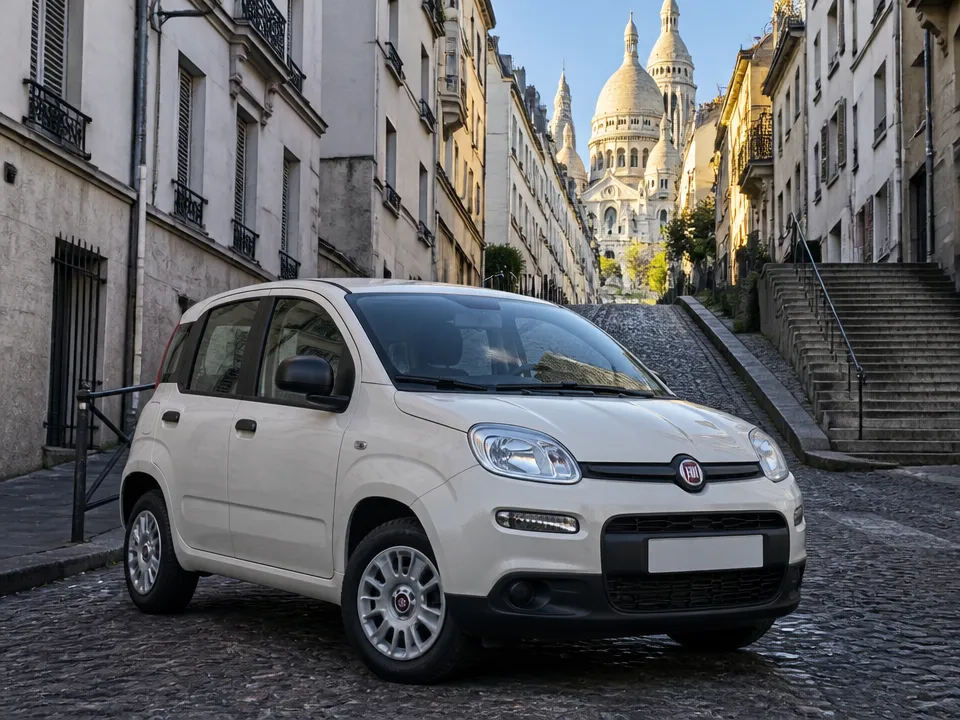
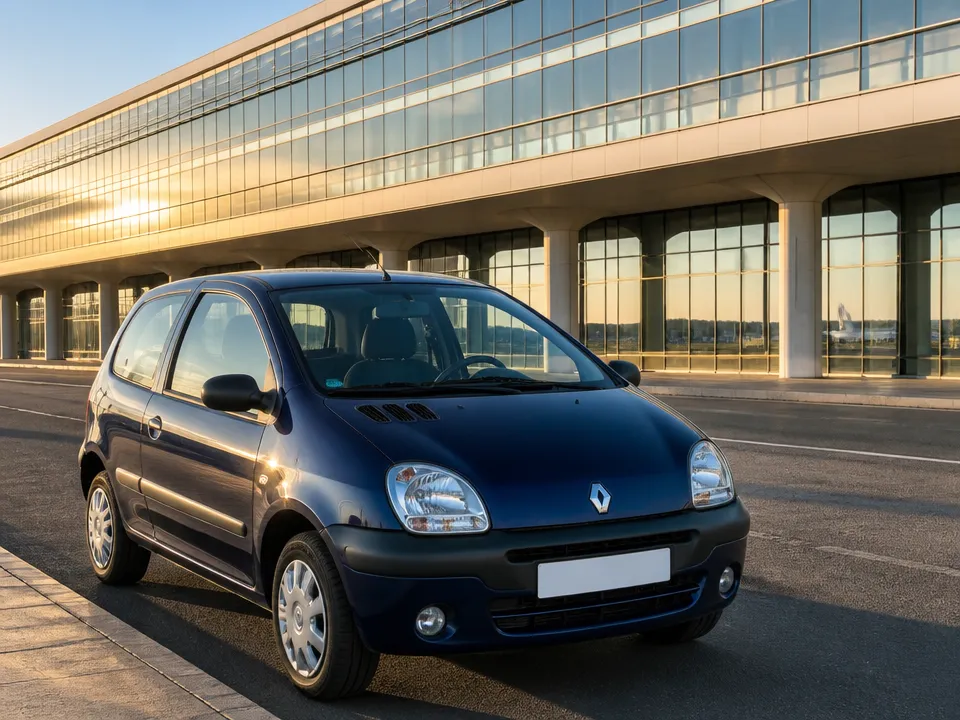
Prices run from €29 to €1,300 per day depending on the class and model. The cheapest option is the Citroen Ami at €29 per day, while a Renault Twingo starts at €35 and a Fiat Panda Hybrid at €39. Longer bookings are charged at the daily rate multiplied out, so a week works out at six daily rates.
Every rental includes the mandatory responsabilité civile cover required by French law, plus collision damage protection and theft protection within the excess. The exact excess, the deposit and any extras are set out in the rental agreement for the car you choose. Fuel policy is normally full-to-full.
Drivers from the EU and EEA can use their national licence, and drivers from outside those areas may drive on their national licence with an official translation or an international driving permit alongside it. Your licence must have been issued more than one year ago, and digital licences are not accepted. Anything else is agreed with the manager when booking.
A week is charged as six daily rates, so the cheapest Economy cars start from €174 per week. A month is charged as twenty-one daily rates, which puts the same cars from €609 per month. The exact total depends on the class and model you pick.