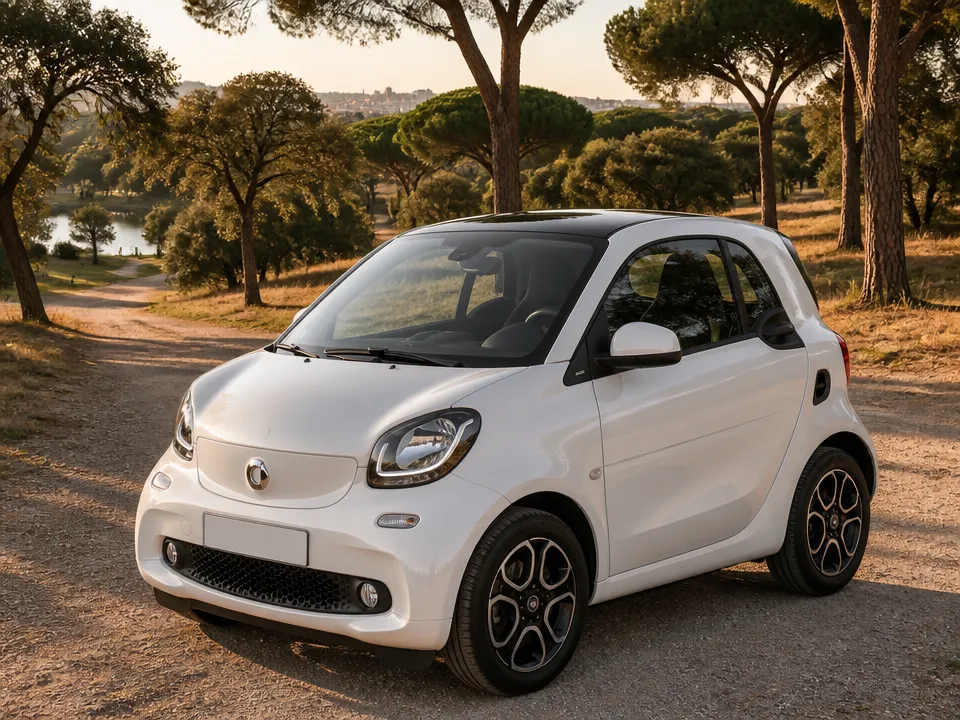
Smart Fortwo
★4.5· 78Manual1.0 L71 hpRear-wheel2 seats
€14per day
Book now






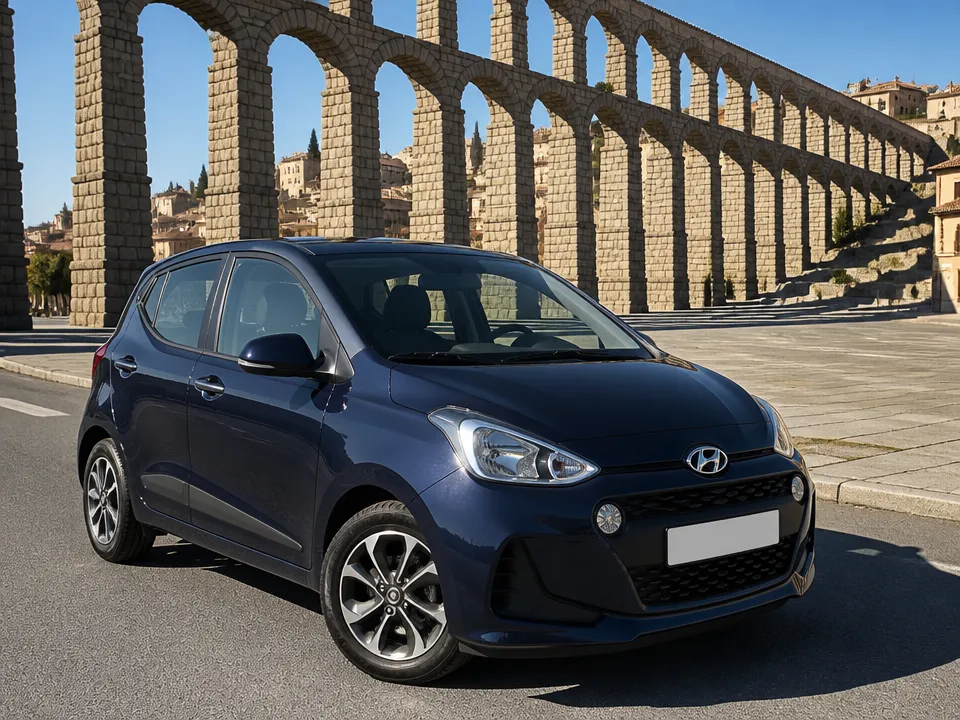
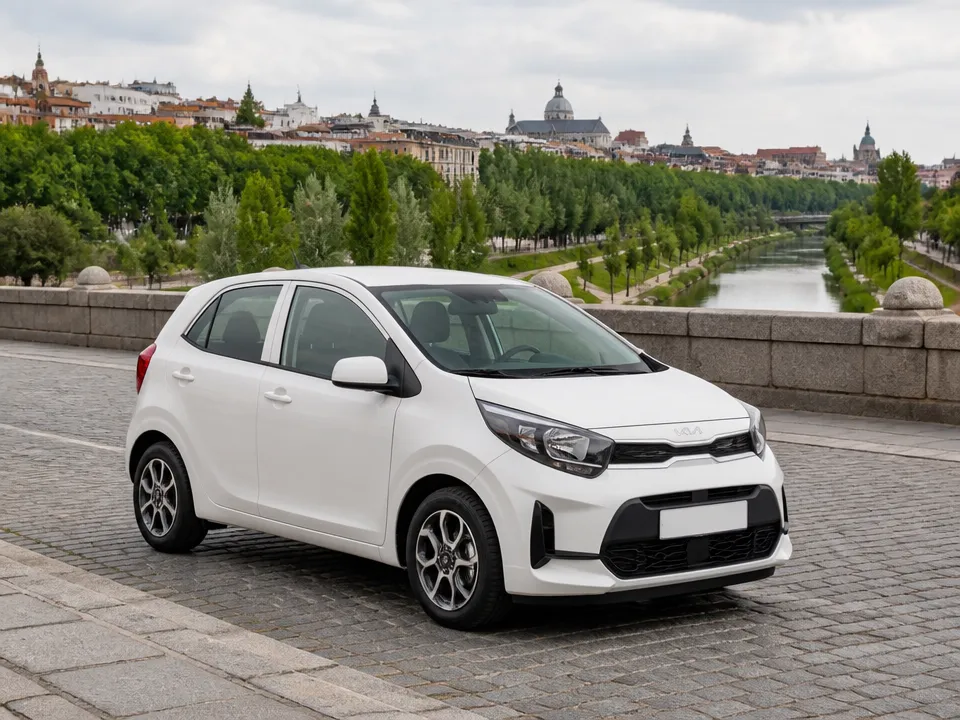
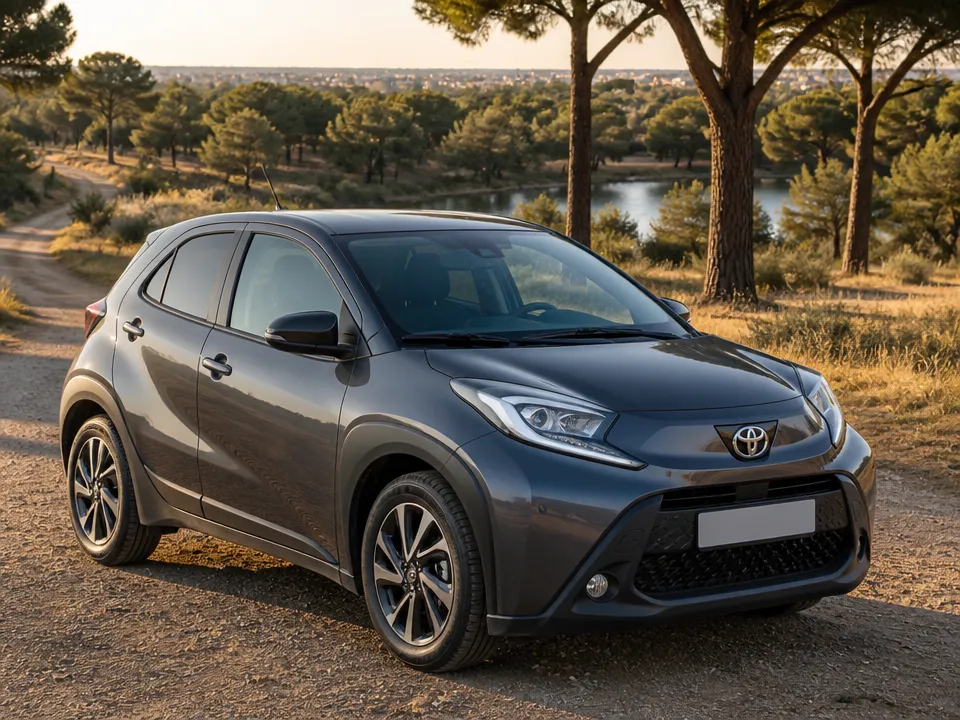
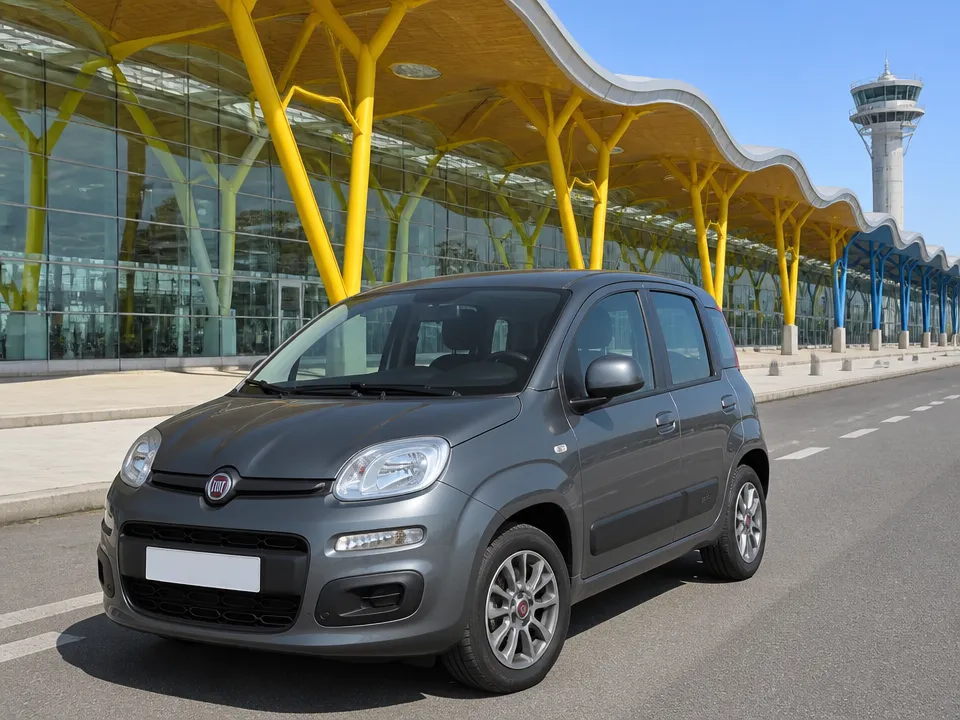
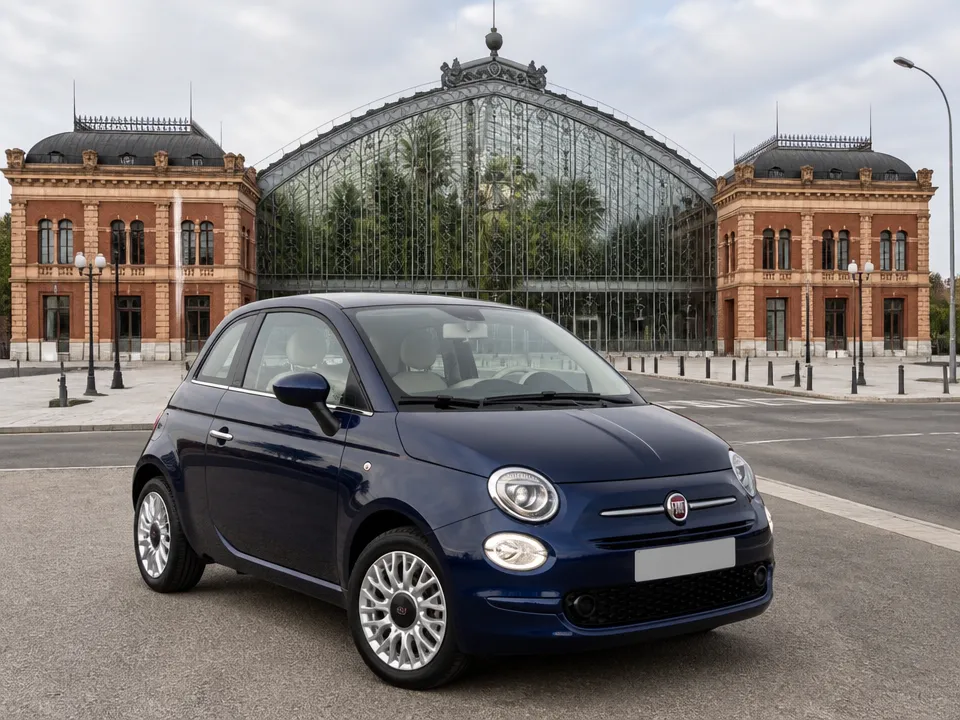
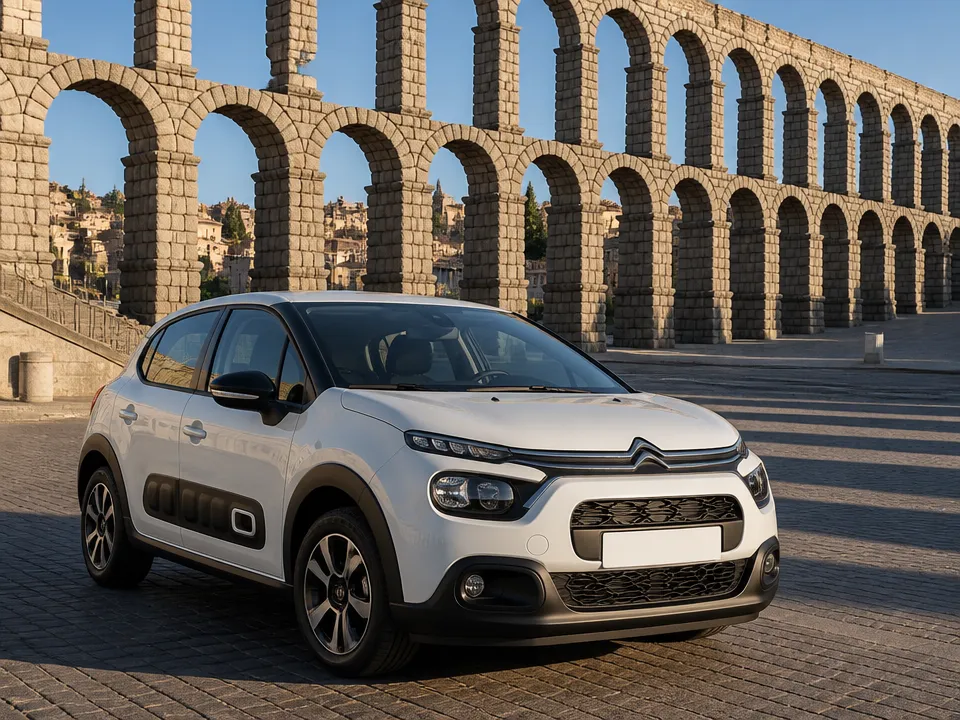
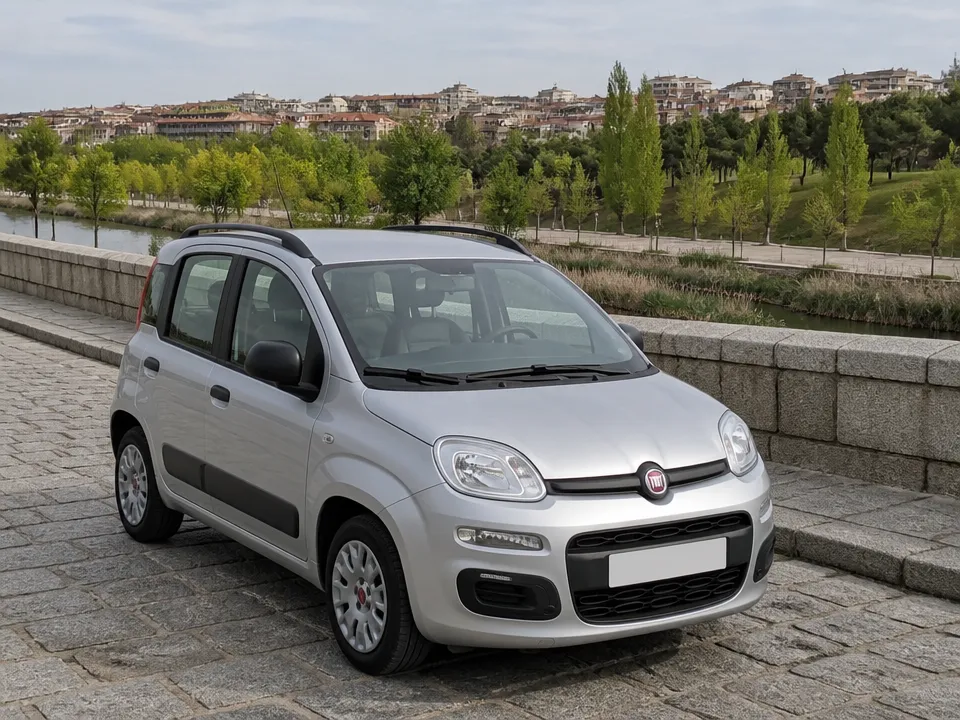
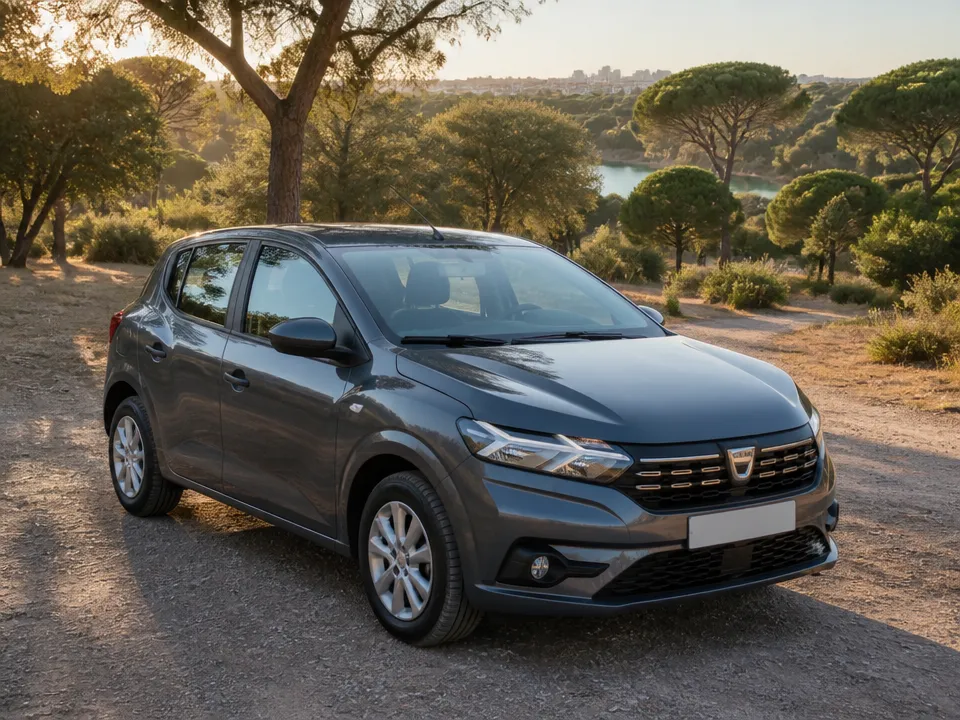
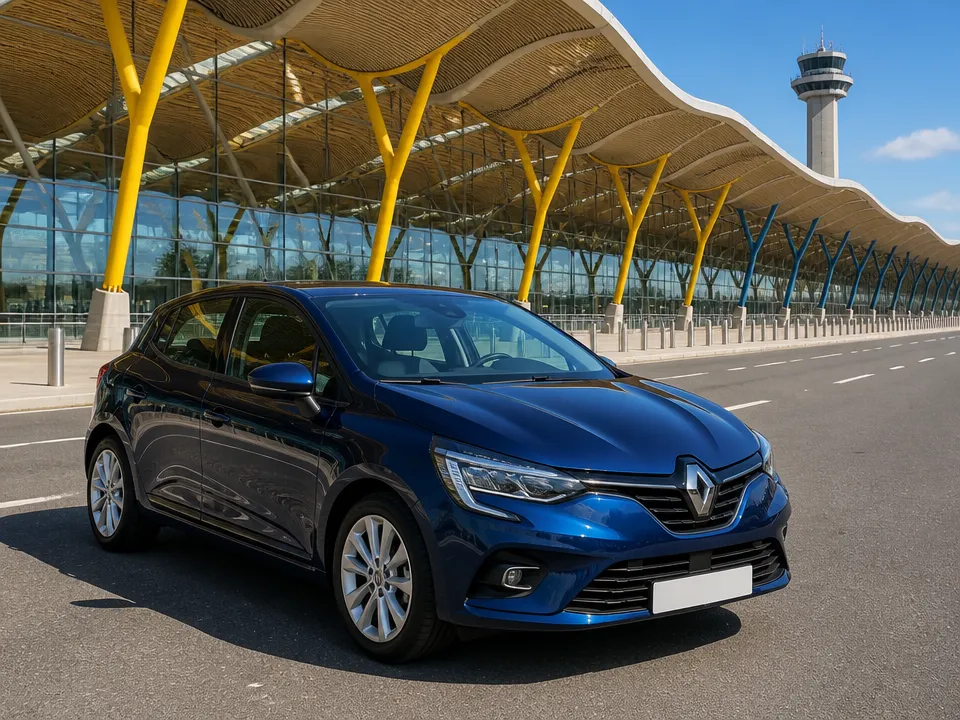
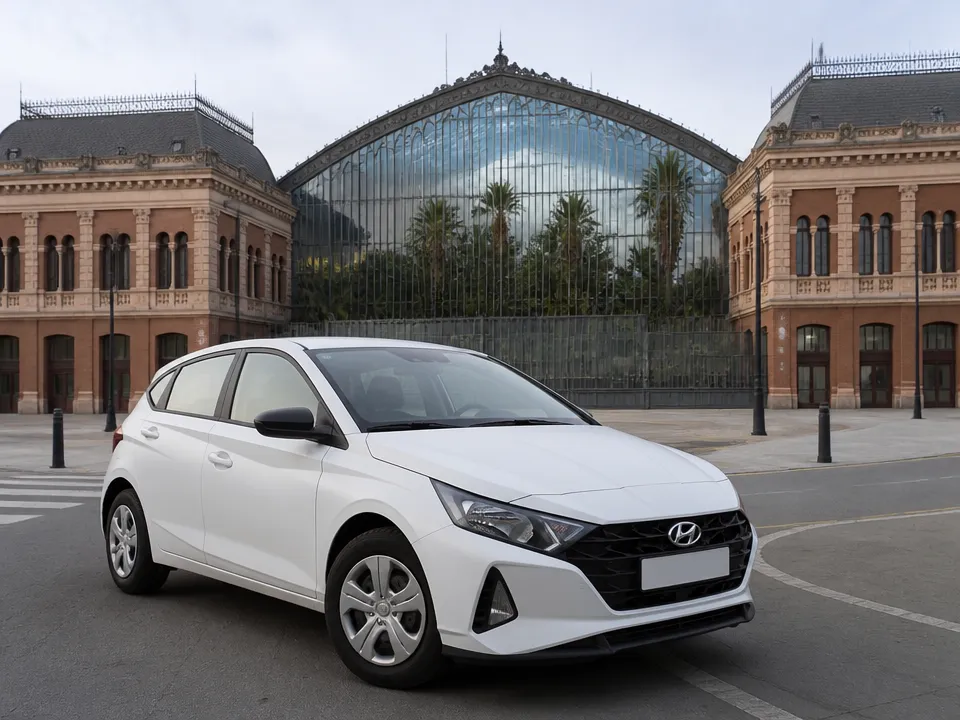
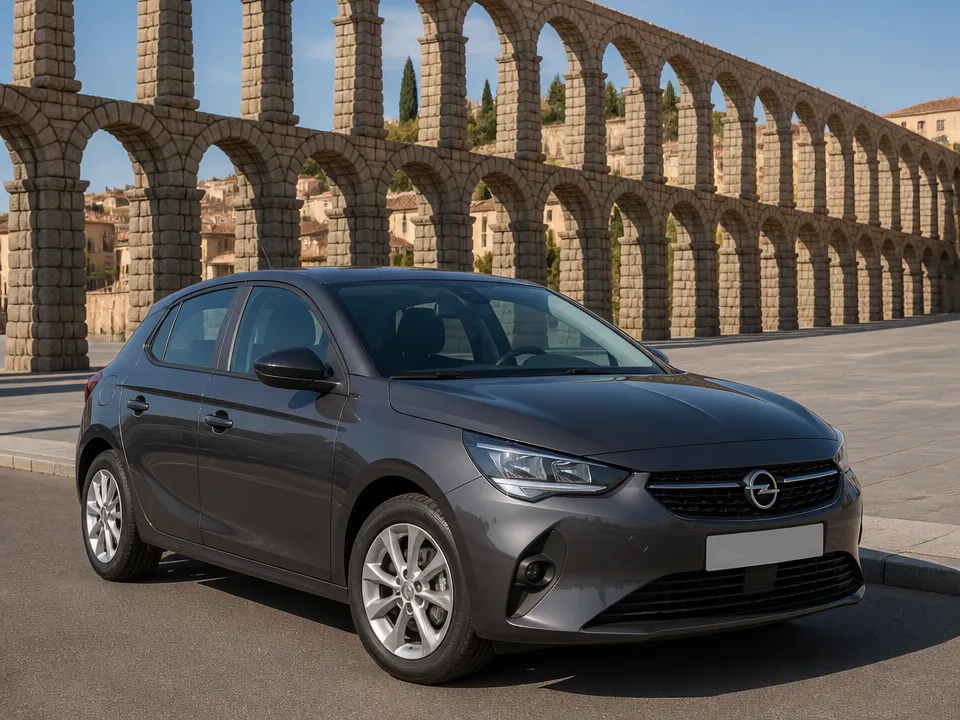
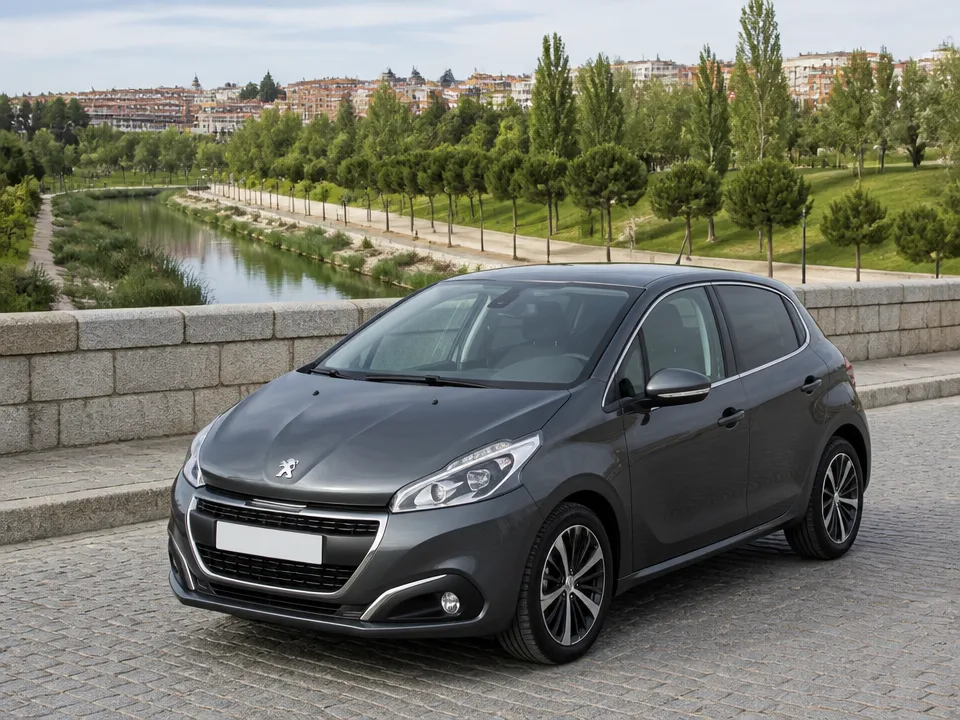
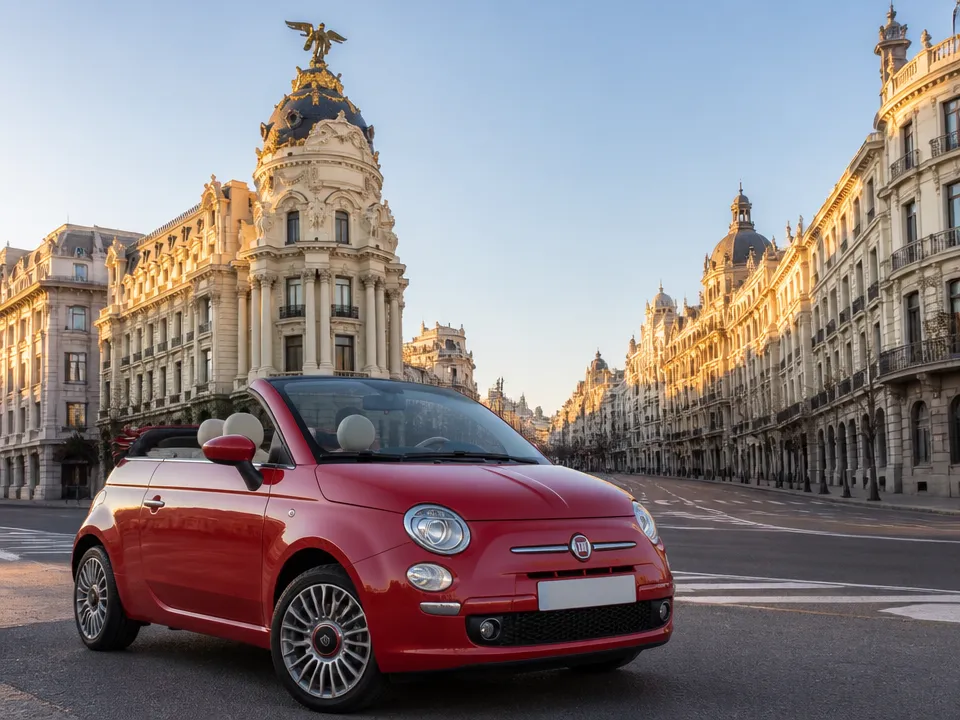
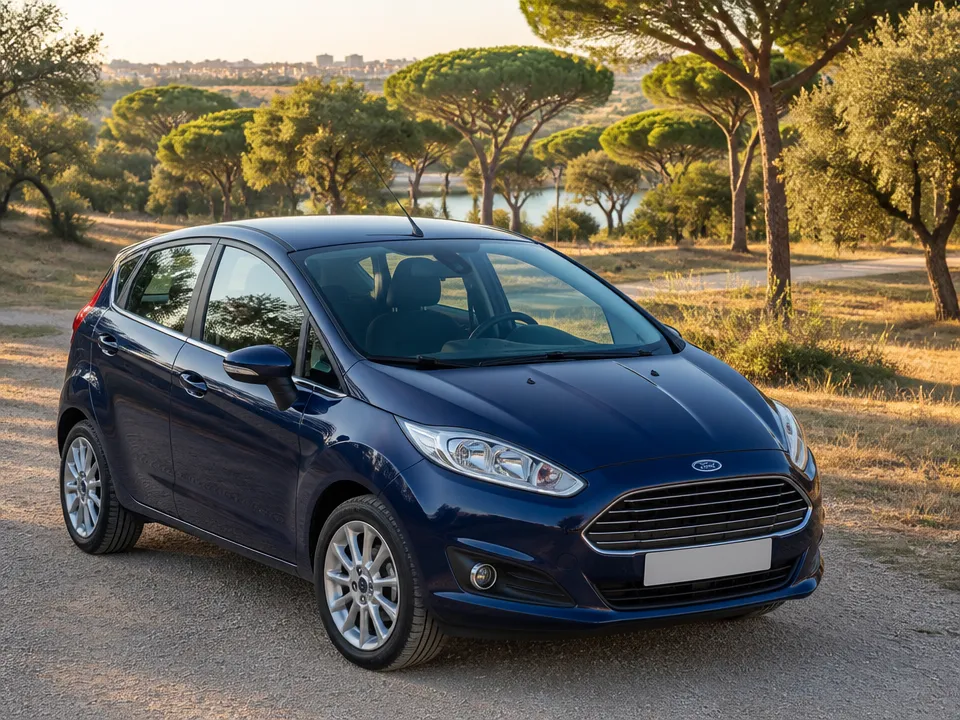
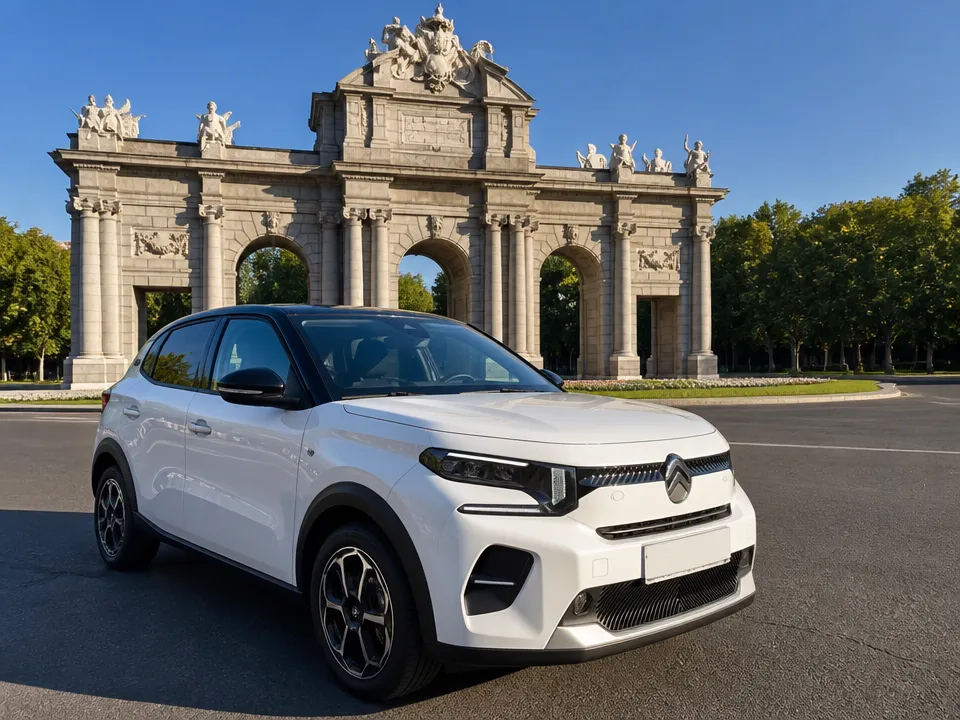
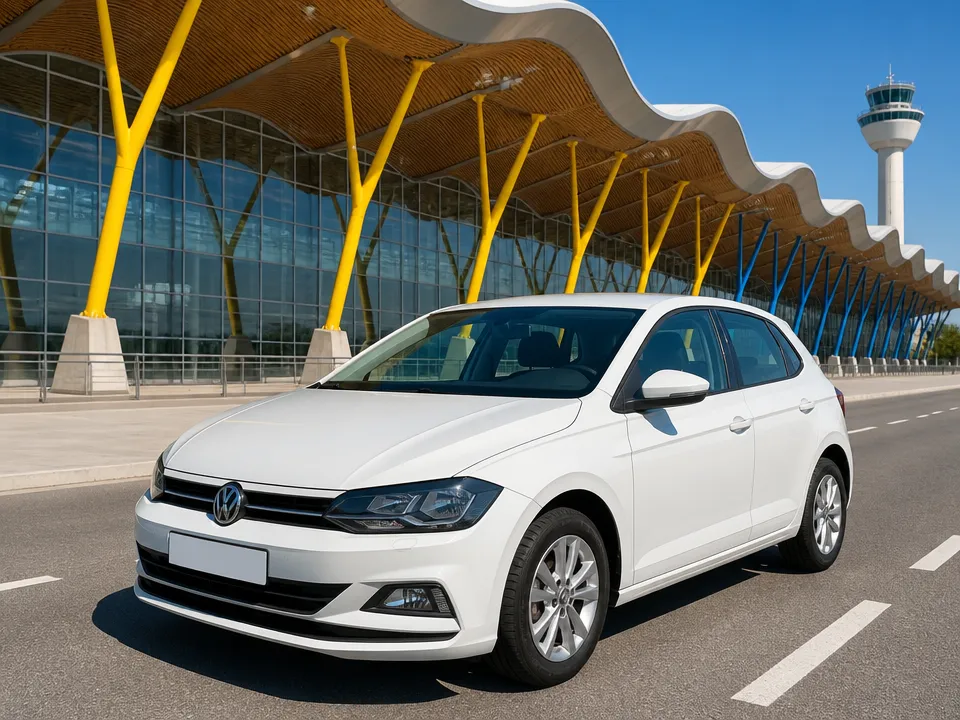
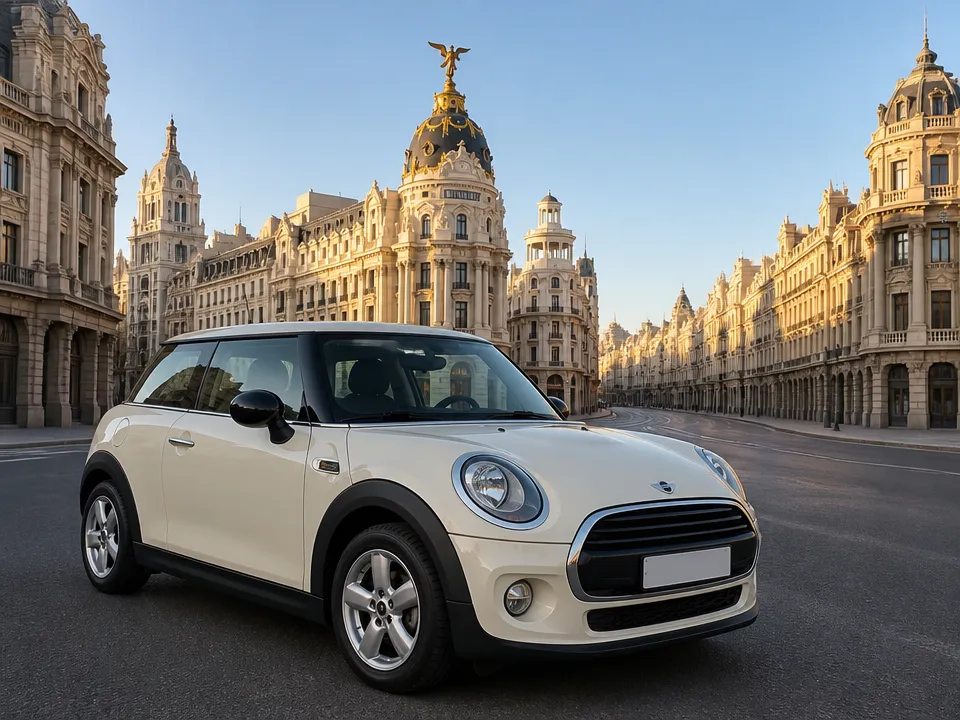




Our fleet for long-term car rental in Madrid holds 24 cars, from €14 a day, with weekly rates from €84 and monthly rates from €294. We deliver the car to you anywhere in Madrid — at the airport, the station or your address — and the booking is agreed with a manager.
Long-term car rental starts at one week and runs for a month or longer. The car comes to you rather than waiting at a counter, and every booking is agreed with a manager before anything is prepared.
We agree every long-term booking with a manager — dates, car and length are settled before the car is prepared. You tell us how long you need the vehicle, which class suits the trip and where the car should be handed over; the manager confirms what is free and what the final price is. Nothing is charged on assumptions: the deposit, any delivery fee and the excess are all set out in the rental agreement, and the manager explains them before you commit. A month-long booking is worth fixing early — the longer the period, the fewer cars stay free in the class you want. In our experience the Electric class, with only 4 cars on this page, is the first to go for a full month, so a booking for 30 days is better placed two or three weeks ahead.
Rent-Trip delivers the car to the client, so a long-term hire starts where you are, not at a counter. You agree the hand-over point with the manager when booking — the exact spot, the time and who signs for the vehicle — and the car arrives there. Delivery details and any fees are set out in the rental agreement, so agree the exact point with the manager in advance rather than on the day. Long-term clients usually ask for the same place twice: once when the period begins and once when it ends, which keeps the return simple.
A long booking is not a weekend extended — it changes which car makes sense, how the running costs add up and which rules apply on the street where the car will stand. The sections below take those one at a time, from class and price through to the documents and the city's low-emission zone.
Long-term car rental in Madrid runs across four classes and 24 cars on this page, from €14 to €41 a day. Weekly works out at the daily rate times six, monthly at the daily rate times 21 — so the class you pick decides what a season of driving actually costs.
| Class | Cars | From per day | From per week | From per month |
|---|---|---|---|---|
| Economy | 18 | €14 | €84 | €294 |
| Electric | 4 | €30 | €180 | €630 |
| Convertibles | 1 | €30 | €180 | €630 |
| Comfort | 1 | €41 | €246 | €861 |
The gap between classes looks small on a daily rate and stops looking small once you multiply it out. Weekly and monthly figures are the ones to compare when the booking runs past a fortnight — the cheapest Economy car starts at €14 a day, the Comfort Mini One at €41, and the monthly rate follows the same daily figure times 21.
We keep 18 of the 24 cars in Economy, which is where most month-long bookings land. For a month of city driving, a 5-seat 1.0 L hatchback costs little more per day than a 2-seater and carries far more — the Smart Fortwo only makes sense if you drive alone and park in tight spots.
Long-term car rental in Madrid turns on three things: how many seats you need, what the car burns, and whether you want an automatic. Over a week or a month those choices shape both the bill and your daily routine more than they would on a weekend hire.
Most cars here are Petrol with Manual transmission; the Electric class is Automatic, and one Hybrid — the Fiat Pandina — sits in Economy. The fleet runs from the 2-seat Smart Fortwo at €14 a day to the 4-seat Mini One at €41, with 4- and 5-seat hatchbacks filling the space between. Fiat Panda, Citroen C3, Dacia Sandero, Renault Clio, Hyundai i20 and Opel Corsa all carry five, and the Citroen e-C3 pairs five seats with an Automatic box and 113 hp at €30 a day. Transmission is the real dividing line: only the Electric cars and the Fiat Pandina come without a clutch pedal, so if you cannot drive a manual, your shortlist is four cars wide. In our experience a month of city driving makes that constraint matter far more than horsepower does — pick Automatic only if you genuinely need it, because it narrows the class hard.
Gasolina 95 E5 averages €1.971 a litre in Madrid, while public charging sits at €0.20 per kWh. Both numbers are city averages, not our prices, and they are the ones to weigh against the daily rate. A 1.0 L petrol hatchback such as the Kia Picanto or Toyota Aygo X stays cheap to fill and cheap to rent; the Electric class starts at €30 a day, roughly double the cheapest petrol car, so the fuel saving has to earn back that gap over your booking. On a month of short trips it usually can — but only if charging is convenient where the car actually stands overnight.
Tell the manager your seat count, fuel preference and gearbox when you book — that is when the car is matched to you and the terms of the rental agreement are set out.
Low-emission rules decide where a long-term car can actually go. Madrid runs ZBE Madrid (Zona de Bajas Emisiones de Madrid), and its reach covers all urban streets of the municipality — all 21 districts — so a car kept for a month lives inside the zone whether you drive it or leave it parked.
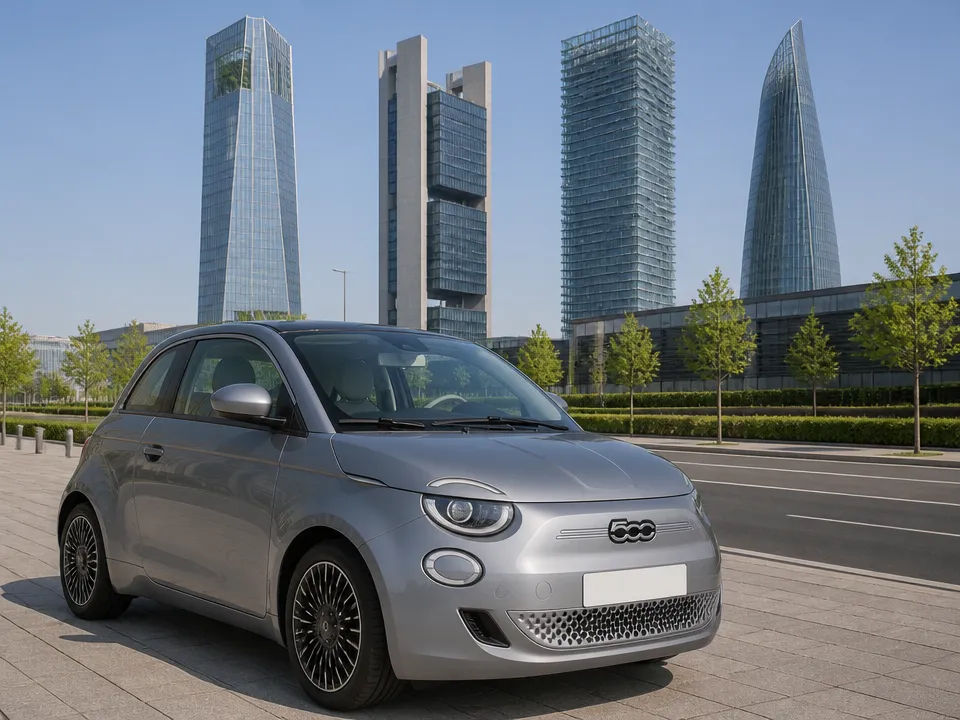
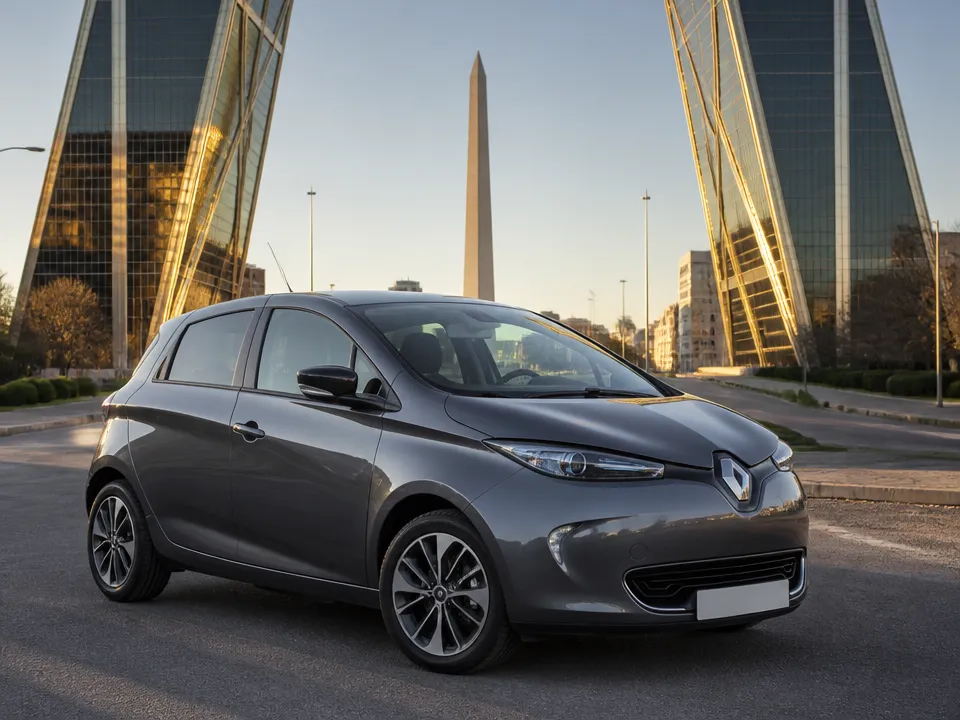
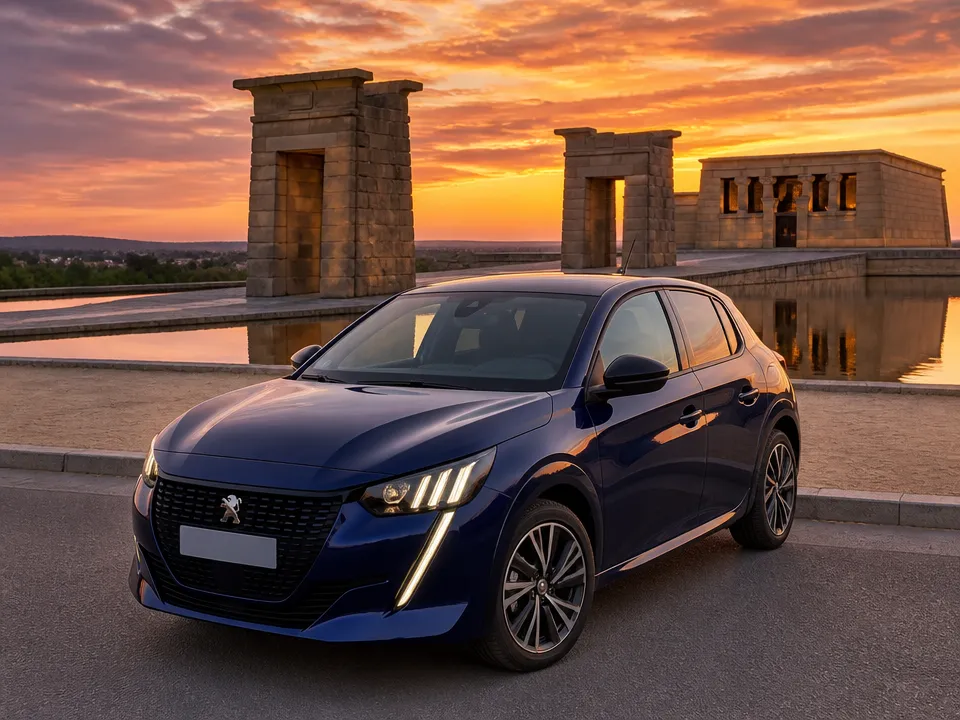
Our long-term car rental in Madrid is built around cars that already meet the access rules, so you are not shopping for a sticker on top of the rental. The Electric class holds 4 cars from €30 a day — Citroen e-C3, Fiat 500e, Renault Zoe and Peugeot e-208, all Automatic — and the Hybrid Fiat Pandina sits in Economy at €23 a day. A petrol hatchback from the same class is cheaper per day, but the label on the windscreen decides which districts the car may enter. We keep the paperwork side simple: the rental agreement carries the car's details, and anything beyond that is agreed when booking.
Madrid's parking scheme rewards the same labels. A 0 emisiones sticker parks in SER zones on the resident terms, an ECO sticker takes 75% off resident season tickets, and blue bays cap you at 4 hours while green bays cap you at 2 — the meters run 09:00–21:00 on weekdays and 09:00–15:00 on Saturday. On a month-long rental that matters more than on a weekend, because the car is standing in the city every night, not just for two days.
Since 00:00 on 07.04.2026 a new transitional provision has been in force under Ordenanza 2/2026 of 24.03.2026, and the rules inside the zone apply to every car that is kept there. Before you commit to a month, confirm the class against the address where the car will actually live — a 0 emisiones car covers every district, while a petrol car without a sticker covers none of them.
Every long-term booking is agreed with a manager before the car is prepared, and the paperwork follows the same route: what you hold, what the agreement states, and what changes over a month rather than a weekend.
The agreement carries the terms that matter on a long stay: the fuel policy, the deposit, the excess and the delivery arrangements. We do not put figures for any of these on this page — the deposit amount, the insurance excess, delivery fees and any discount are set out in the rental agreement, and the manager confirms them with you when the booking is agreed. A credit card in the main driver's name is the usual instrument for the deposit; debit cards are often not accepted, but that is the practice of the individual company rather than a rule of Spanish law. Read the excess line before you sign anything, because on a month-long booking it applies to the whole period, not to a single day.
Spanish law answers the question of who pays a fine on a hired car. Parking fines and unpaid motorway tolls fall on the owner or the renter of the vehicle, while moving offences, alcohol and drugs fall on whoever was driving. Where an offence was not handed over at the roadside, the owner or the renter answers — the DGT names both vehículos de alquiler and de renting here — until it is established who was actually at the wheel. For long-term car rental in Madrid that distinction is worth keeping in mind: the agreement names the drivers, and only those named may take the wheel. Photograph the car and note every scratch in the hand-over document before you drive away — the consumer authority expects damage to be written into the contract or the inspection sheet before departure, signed by both sides, with a copy kept by the renter. Without that record, later damage is charged to you.
Every car we hand over for a long-term booking carries the compulsory Spanish liability cover, and the money question on any long-term car rental in Madrid is not whether you are insured but how much of the damage bill you carry yourself. Two separate things sit behind that: the legal cover that comes with the car and the optional waivers that shrink your exposure.
On top of the compulsory cover, the waivers are what decide your real risk on a month-long booking. CDW removes part of your liability for bodywork damage, and you stay responsible for a franquicia — the excess printed in the rental agreement whatever the class of car. Super CDW, Zero Excess and Full Protection buy that excess down, and the price of that sits in the agreement too. Theft protection works the same way for a full or partial theft, again up to the excess. Glass and tyres usually fall outside basic CDW, and vandalism is excluded unless it happened while the car was in your use. Excess amounts vary by class and by company, and there is no single official tariff — so ask for the figure before you sign, not after.
The deposit and the excess are not the same number: the deposit is a pre-authorisation held on a card against possible damage and extras, and the excess is the ceiling on what you actually pay. Both are set out in the rental agreement, and the amount is told to you before signing. Spanish consumer rules give you two useful levers on a long booking — the advertised price must include every compulsory charge you cannot legally drive without, and every scratch and dent has to be written into the agreement or the inspection sheet before you drive away, signed by both sides, with your copy staying with you. In our experience, a car kept for a month collects more small marks than a weekend rental, so photograph the sheet and keep it with the agreement until the car goes back.
We set out what a month of driving here looks like in practice.
The M-30, M-40, M-45 and M-50 rings and the radial A-1 to A-6 motorways carry no toll, while the R-2, R-3 and R-4 radials are paid. The ZBE covers every street of the municipality, and a car without a DGT environmental sticker cannot enter it. Our Electric class — 4 cars from €30 a day — carries the 0 emisiones label, which settles the question for a month of city driving. On the long booking we hand over the car with the paperwork in the rental agreement, and any charge for a toll or a parking ticket is settled as the agreement sets out. Check where the car will stand overnight before you fix the class: charging and garage access decide more about a month than the daily rate does.
The ZBE Madrid sticker question is the one that catches people out on a long booking. A car kept for a month lives inside the zone far more than a weekend hire does — it is parked, driven to work, left overnight in Centro or Salamanca, and every one of those movements happens inside the same boundary. So the class you pick at booking is really a question about where the car will stand, not about how far you plan to drive. Decide that first, then choose between the 18 Economy cars and the 4 Electric ones.
On running cost, the arithmetic is simple enough. Gasolina 95 E5 averages €1.971 a litre, and a month of short city trips on a 1.0 L hatchback adds up quickly; public charging at €0.20 per kWh does not. But the Electric class is four cars, all Automatic, from €30 a day — and charging has to be practical near the address where the car will actually sit overnight, not near a station you pass once a week. We would rather see a client take a Petrol Economy car and be relaxed about it than an electric one that spends the month hunting for a free connector.
Two things are worth settling before the car is prepared. First, the period: weekly works out at daily × 6 and monthly at daily × 21, so the monthly figure is the one that decides whether a class is affordable over four weeks. Second, the paperwork side — the deposit, the excess and any delivery fee are set out in the rental agreement, and the minimum age, the cards accepted and the fuel policy are agreed when booking, never assumed. Get those three straight with the manager in one conversation and the rest of the booking is a formality.
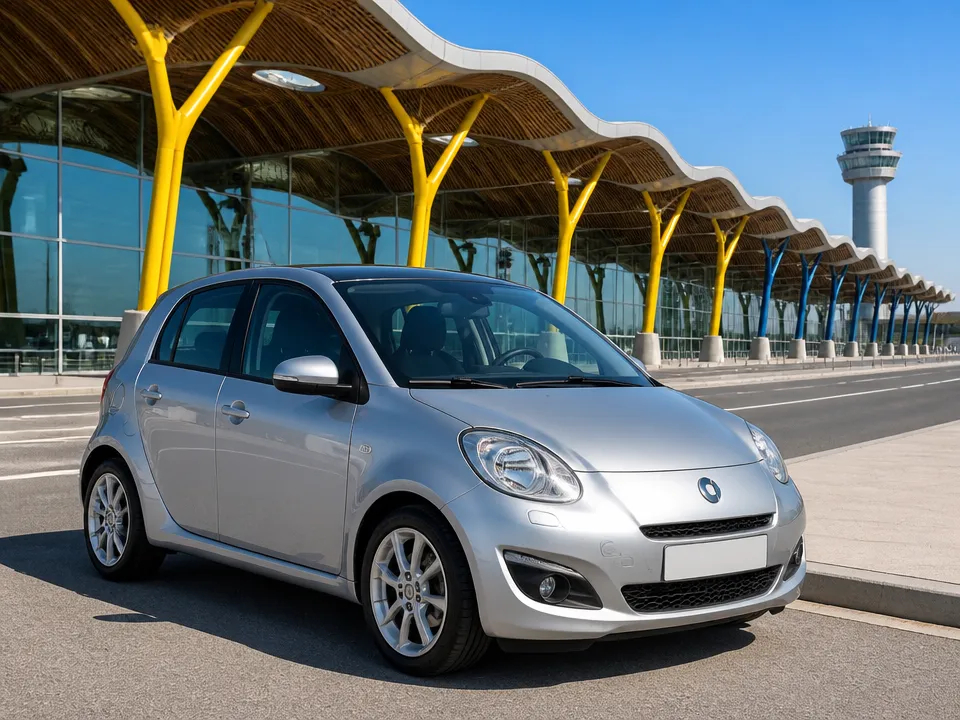
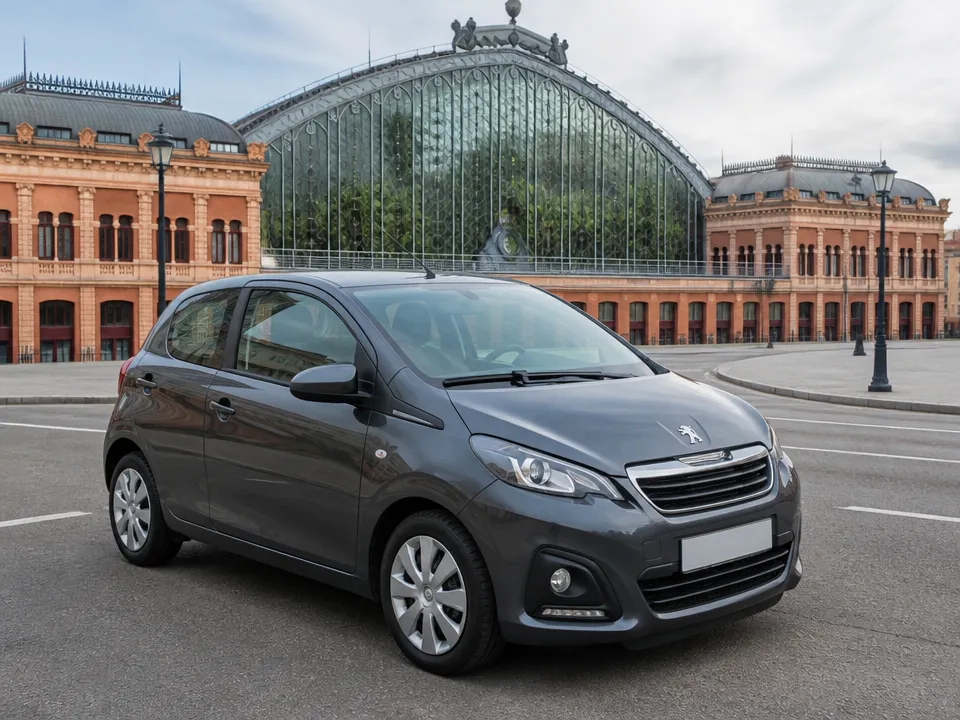
On this page daily prices run from €14 to €41. The Smart Fortwo is €14 per day, the Smart Forfour €16 per day and the Peugeot 108 €17 per day.
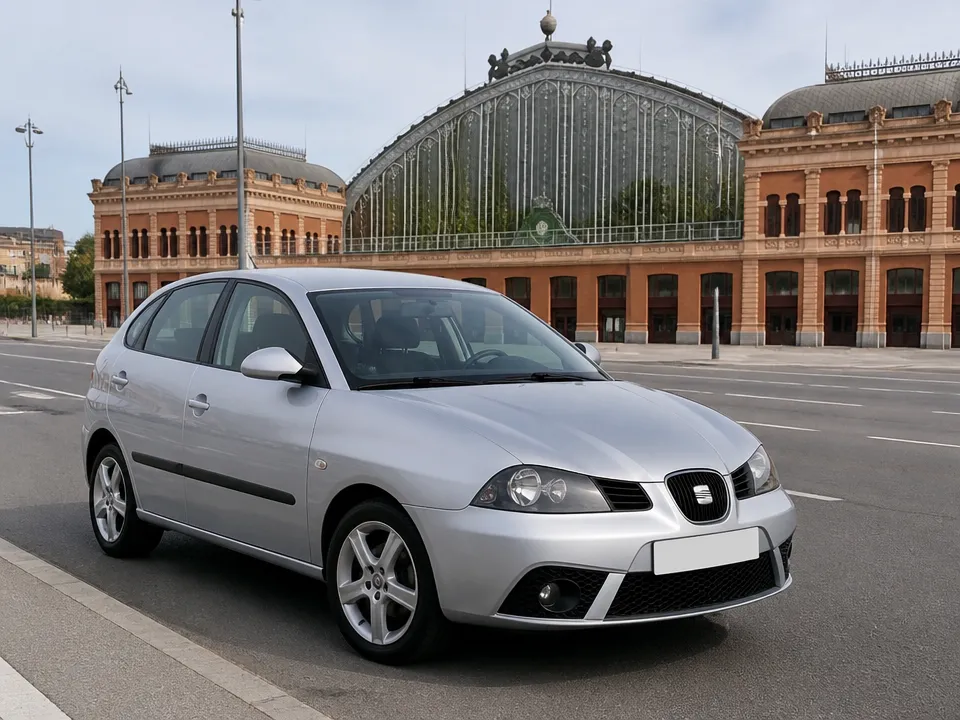
The page lists 24 cars. Classes are Comfort, Convertibles, Economy and Electric. Makes include Citroën, Dacia, Fiat, Ford, Hyundai, Kia, Mini, Opel, Peugeot, Renault, Seat, Smart, Toyota and Volkswagen.
Rental cars with Spanish plates carry a C, ECO or 0 sticker and the ZBE Madrid restriction does not apply to them. In ZBEDEP Distrito Centro, cars with a C sticker may enter to reach a public car park.