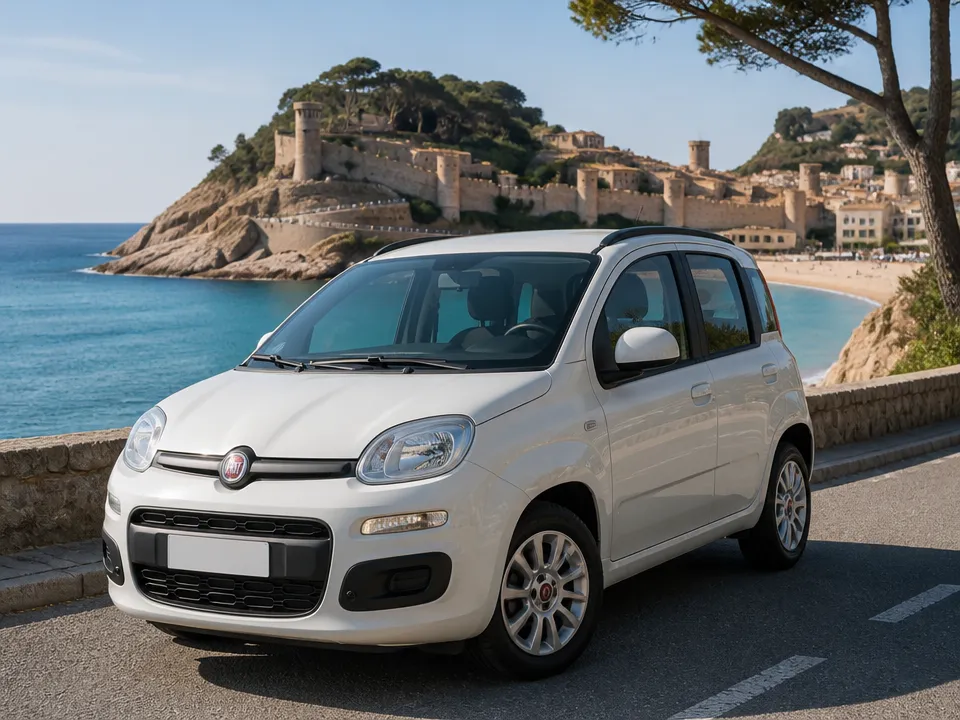
Fiat Panda
★4.5· 53Manual1.0 L70 hpFront-wheel5 seats
€24per day
Book now






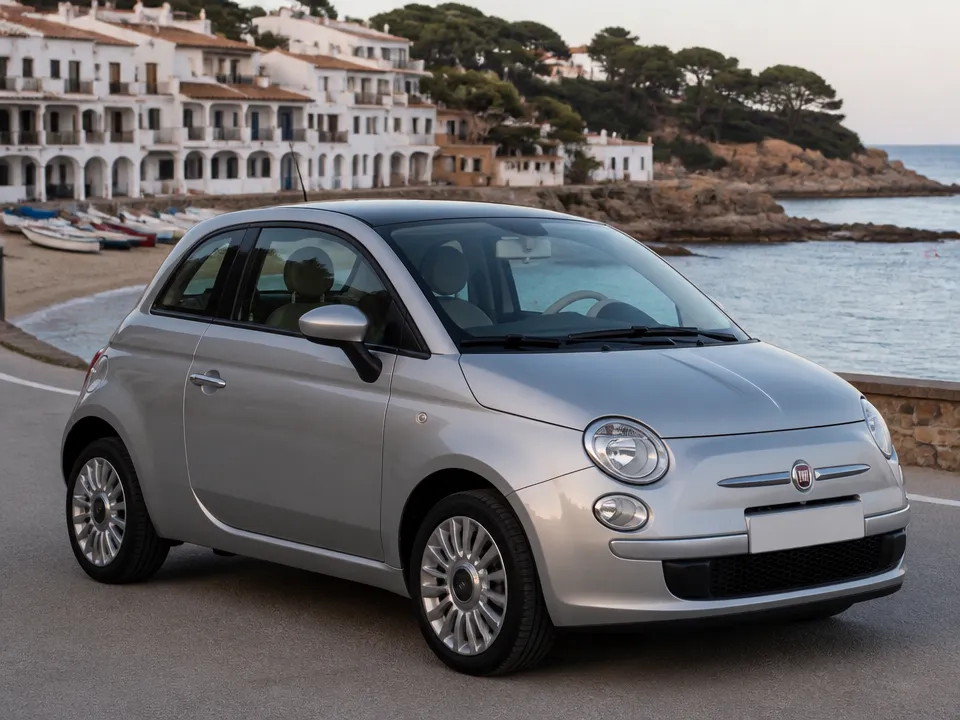
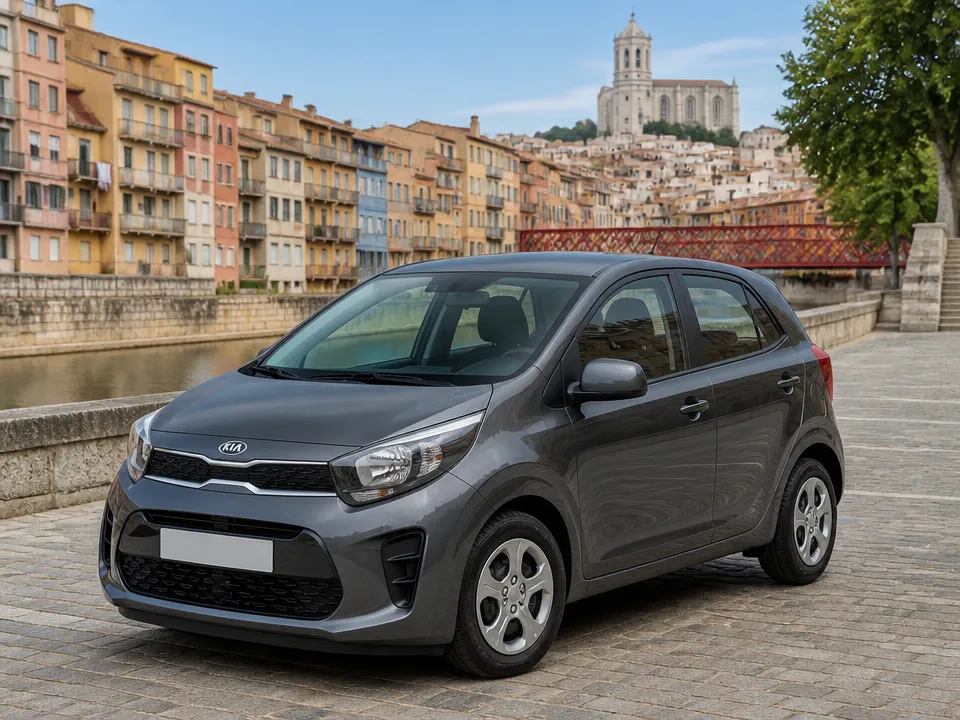
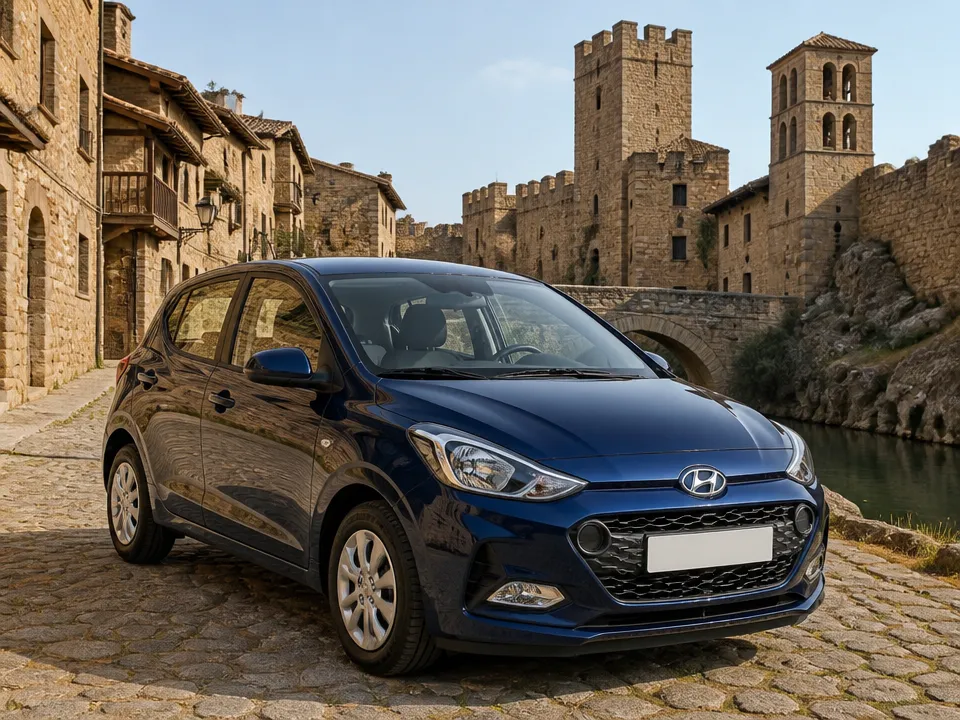
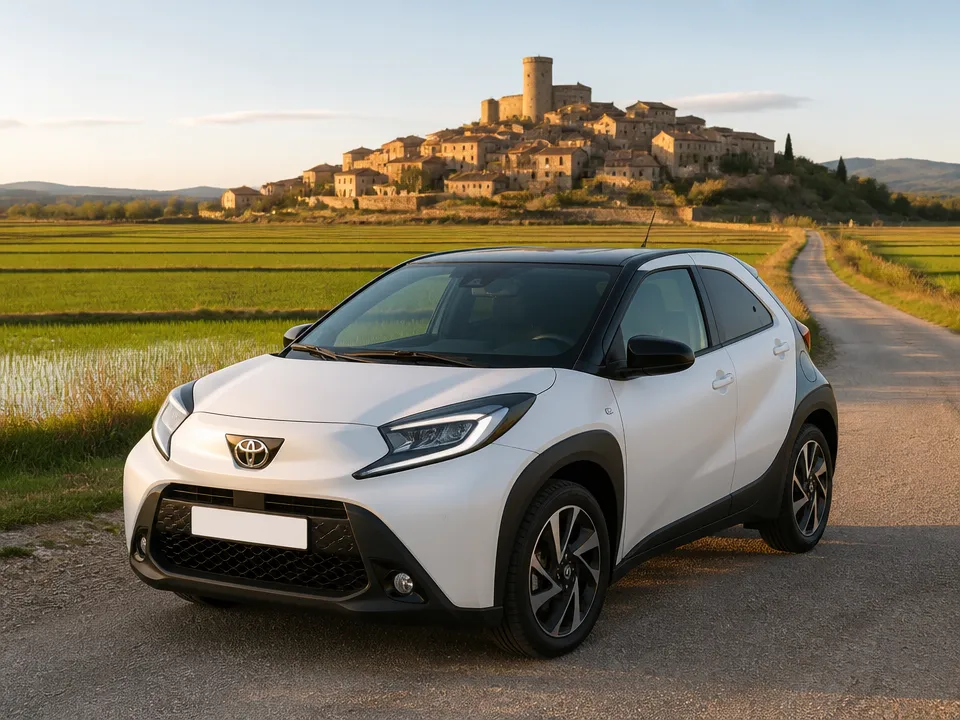
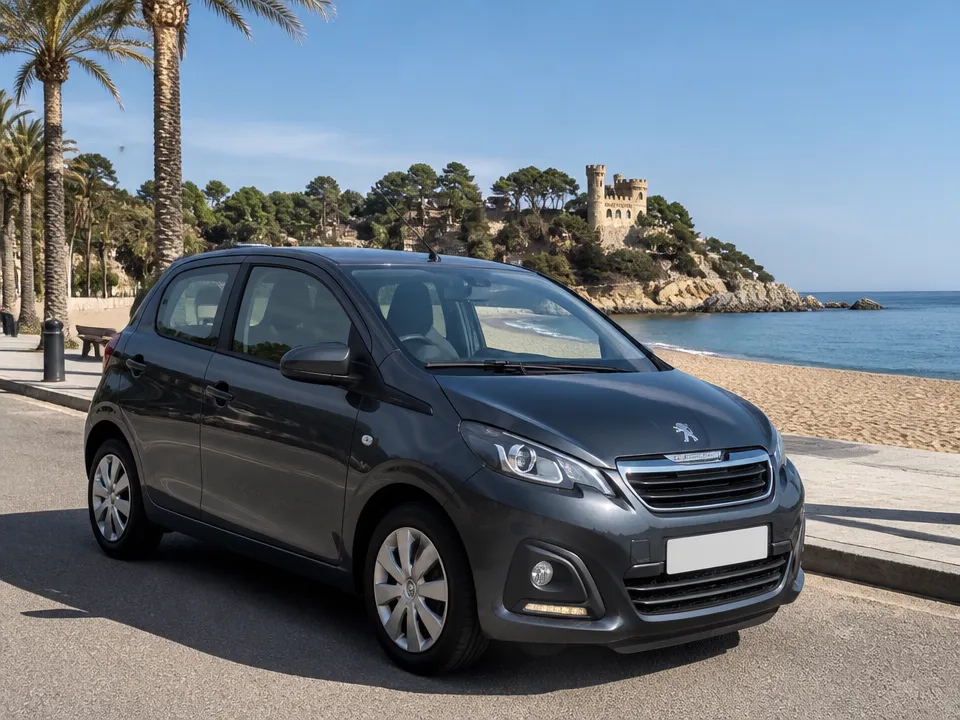
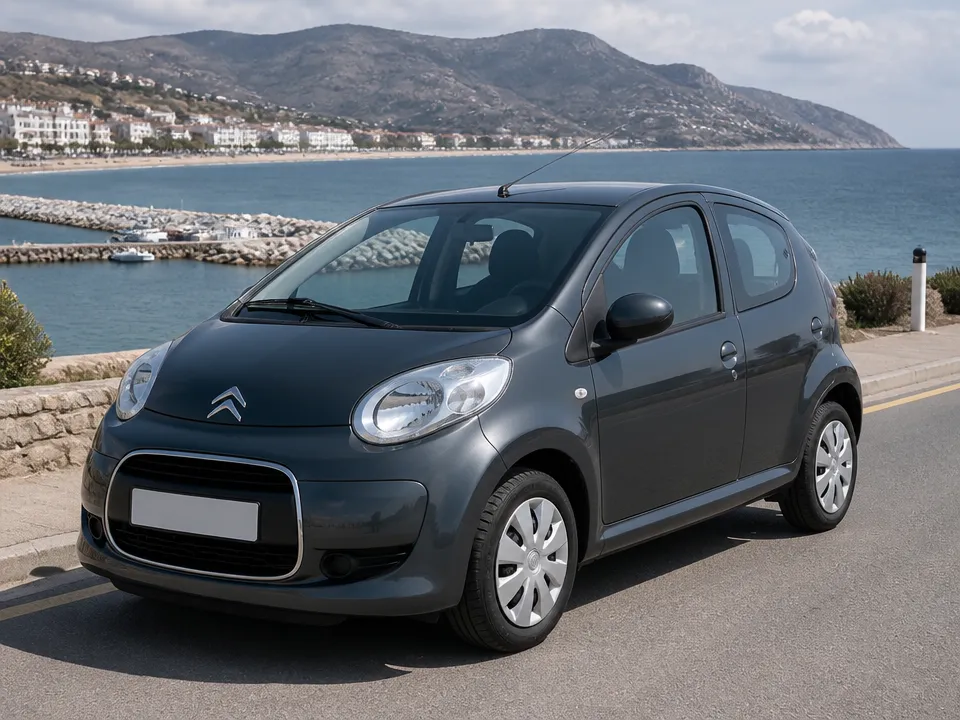
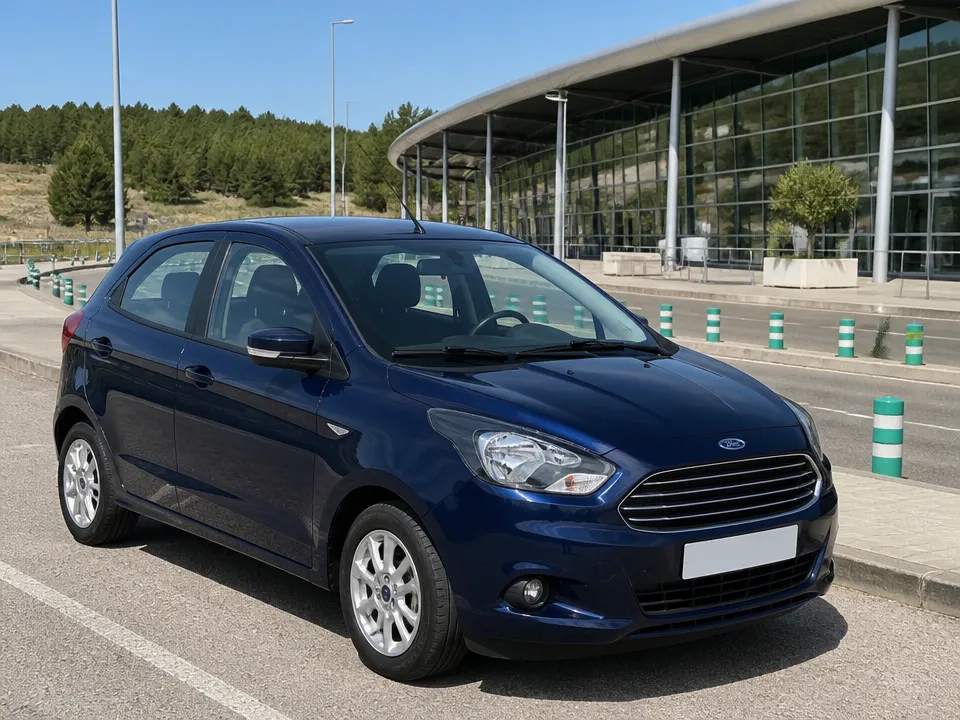
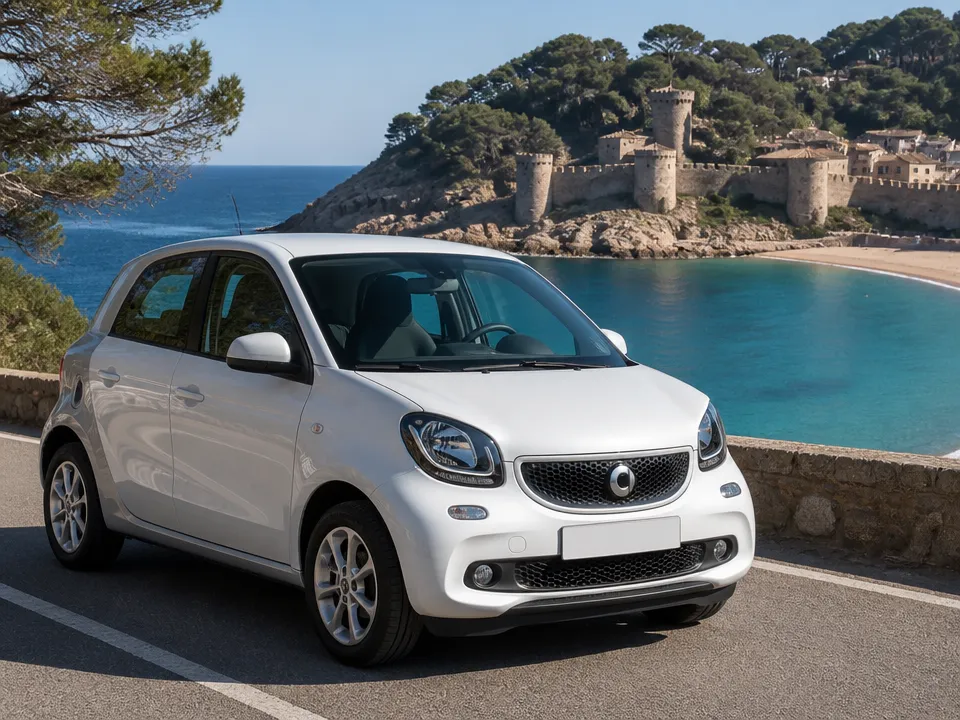
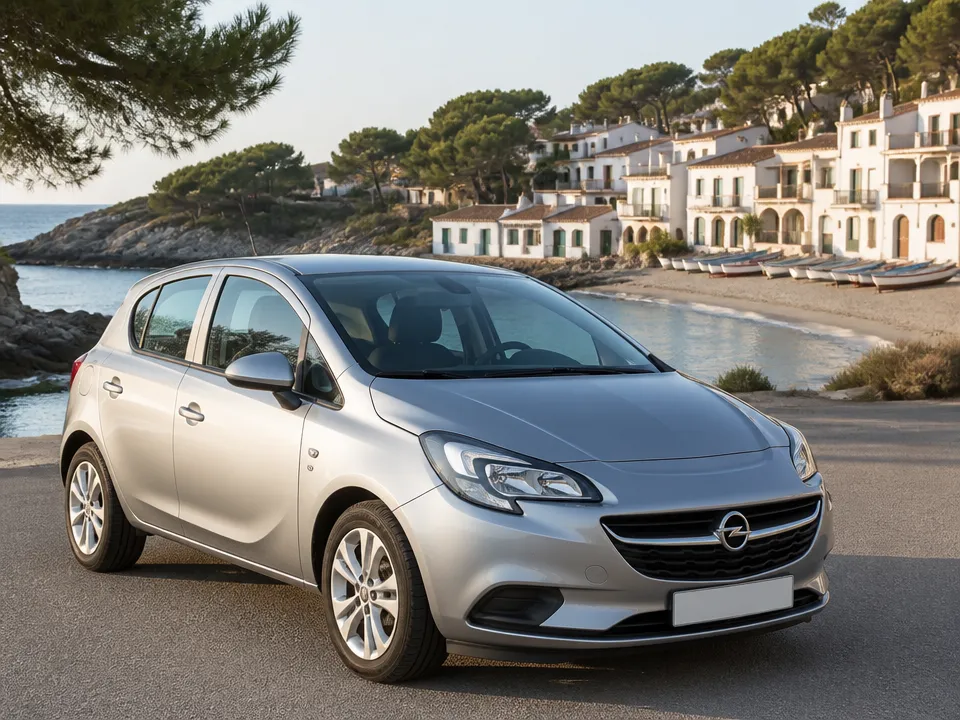
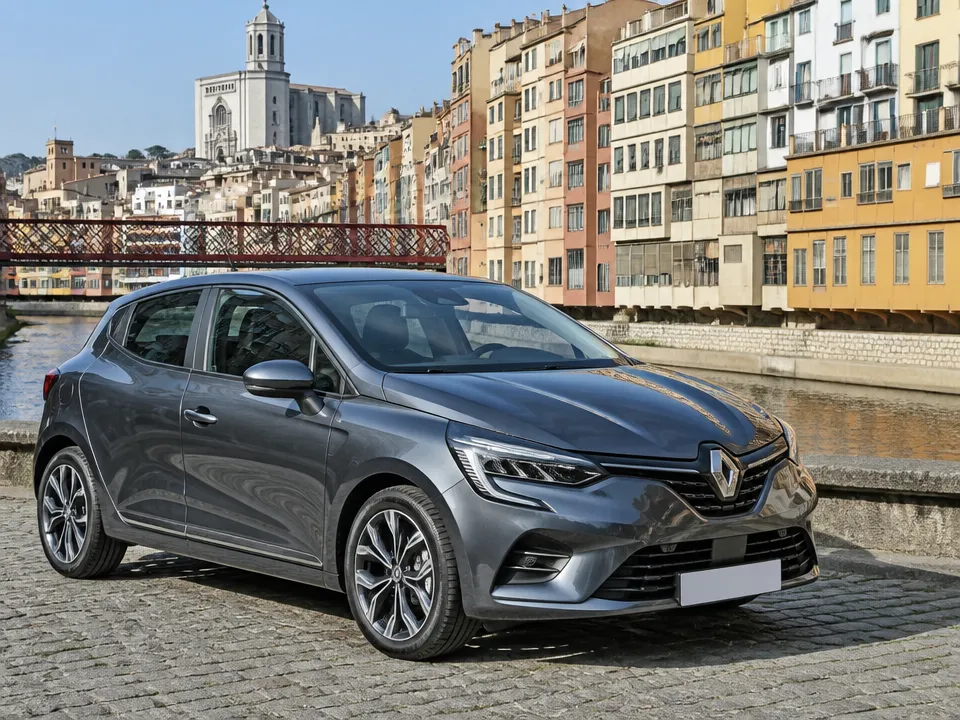
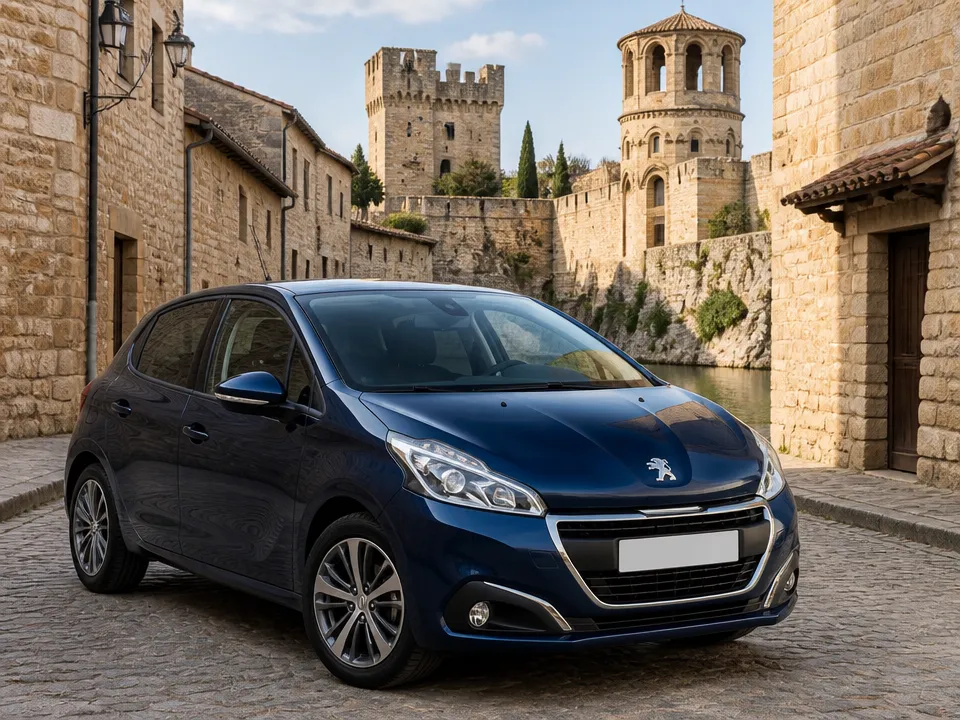
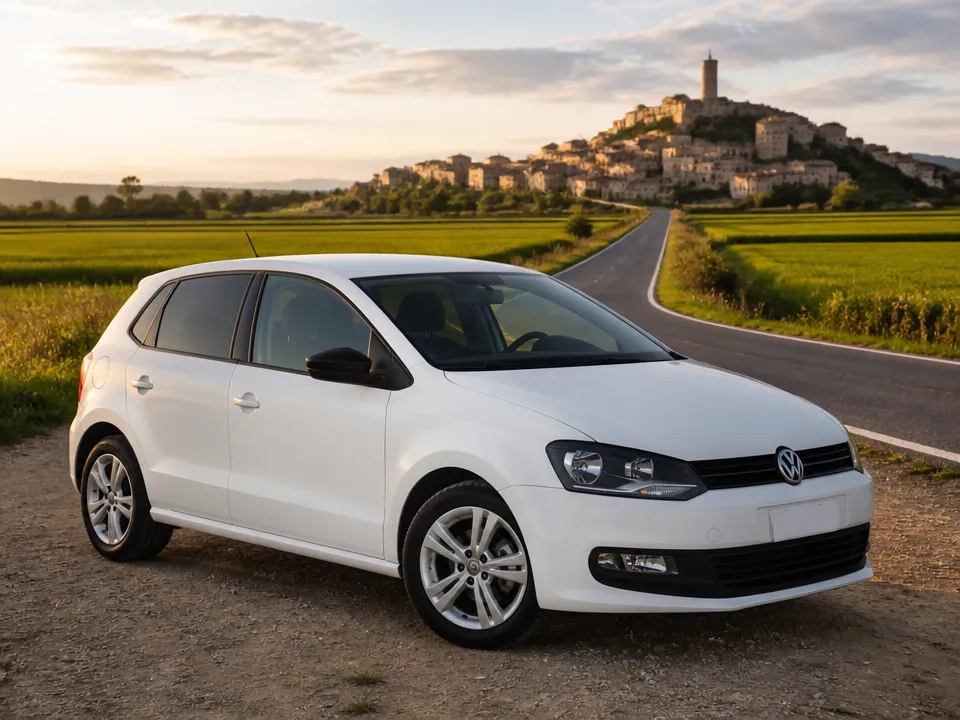
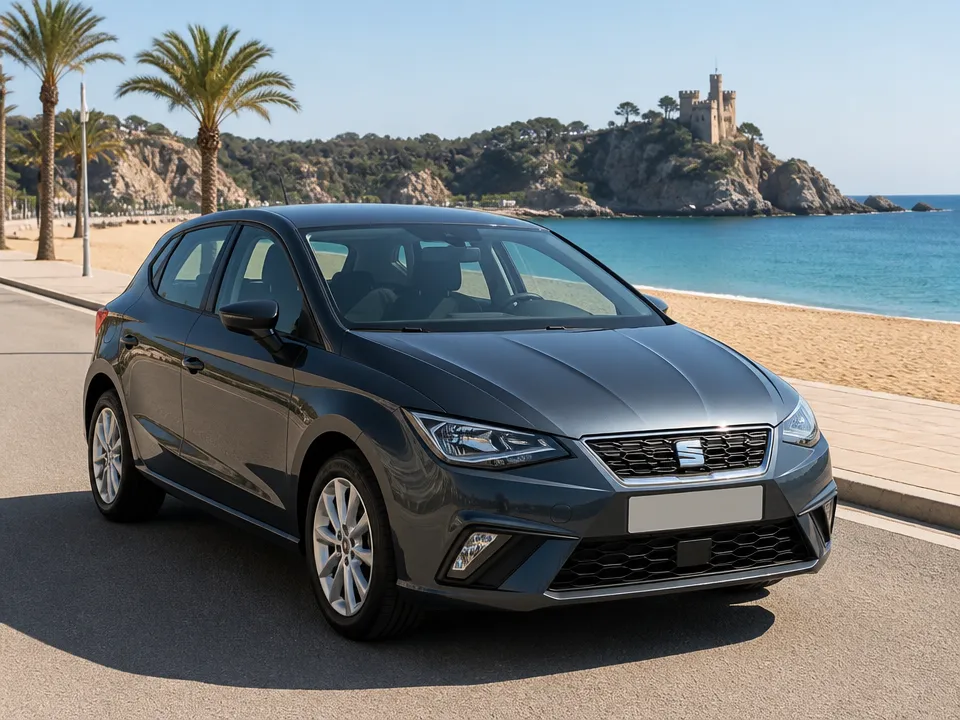
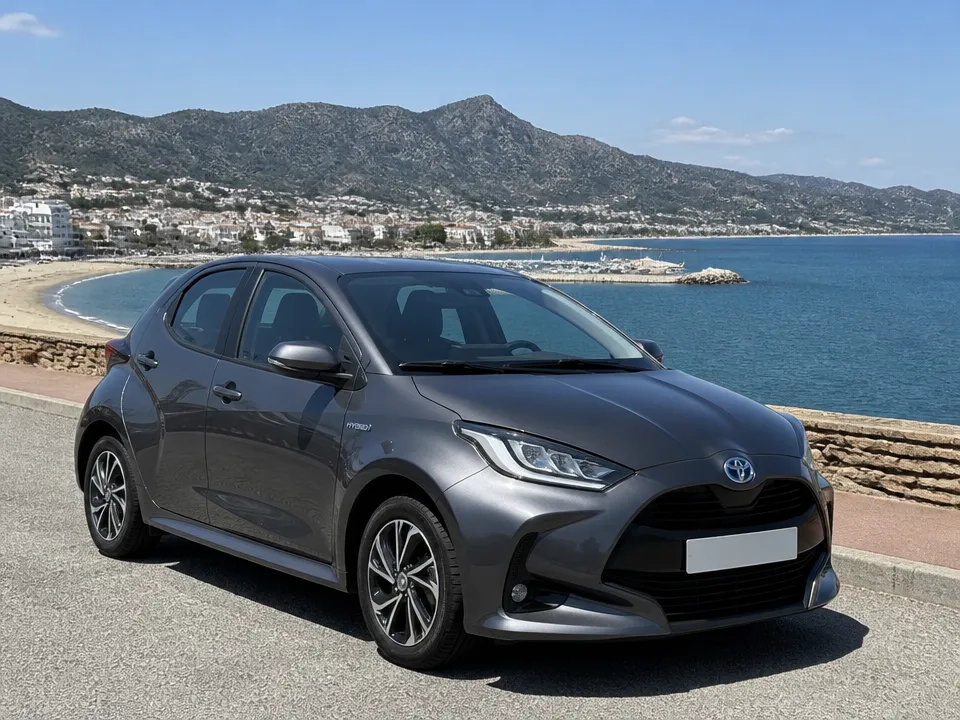
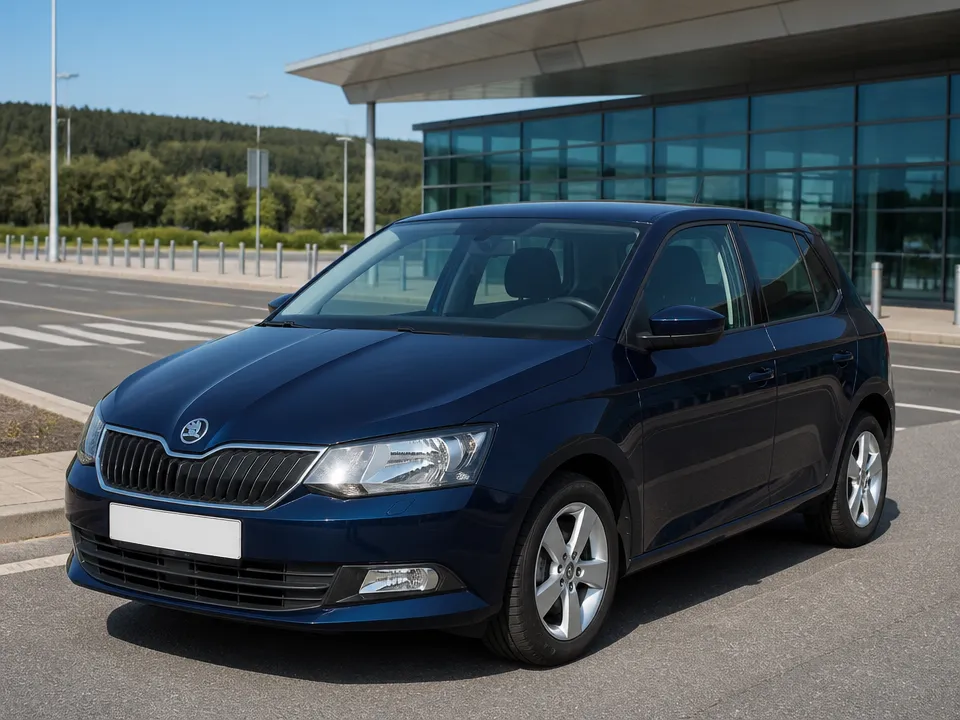
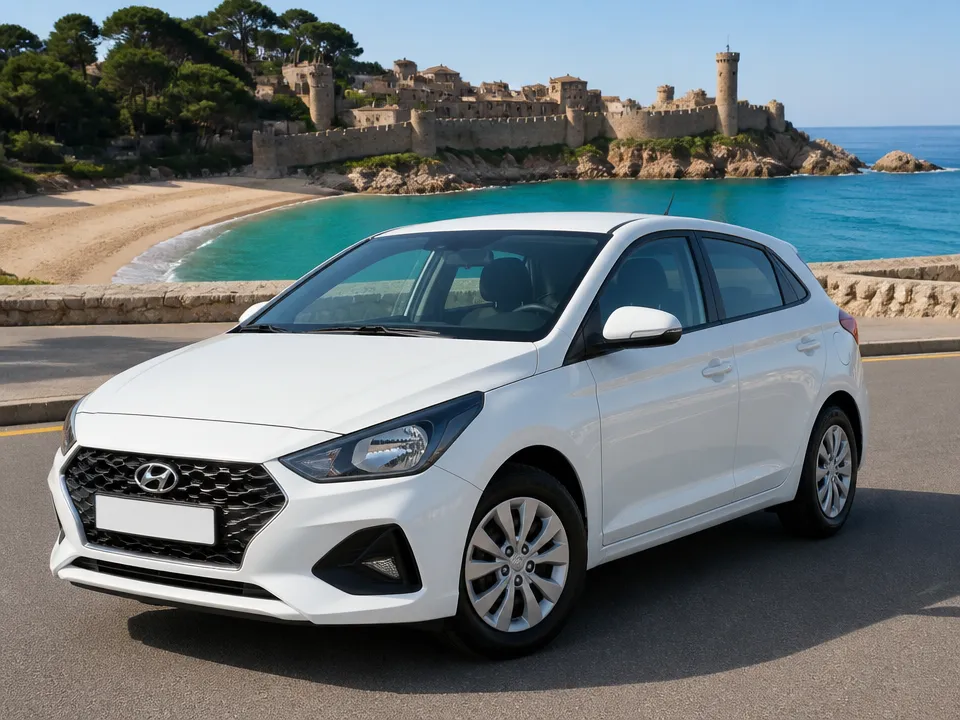
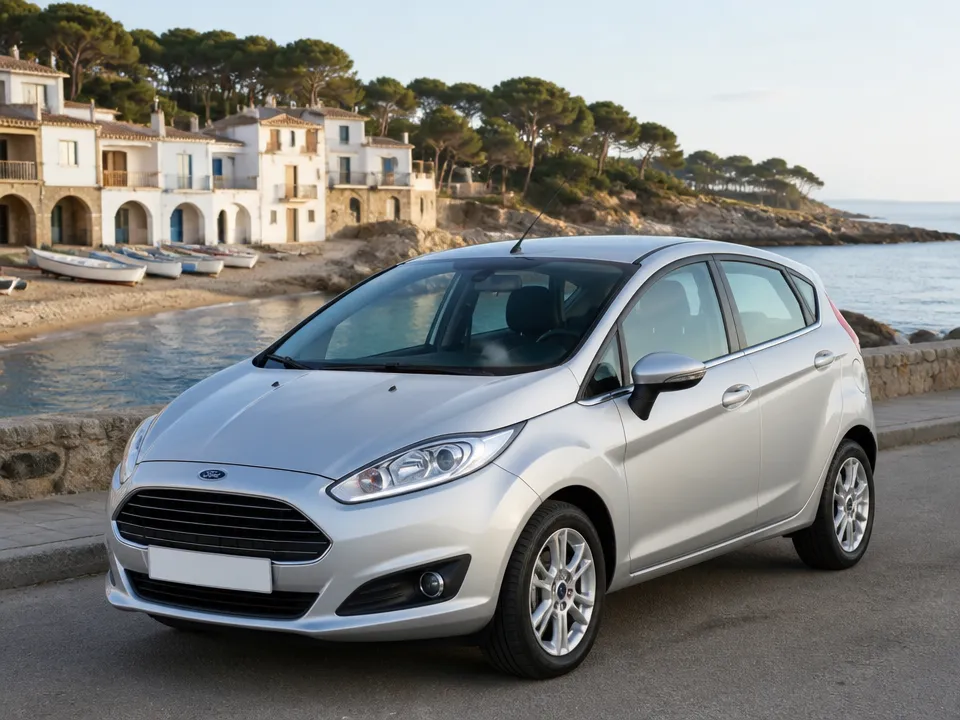
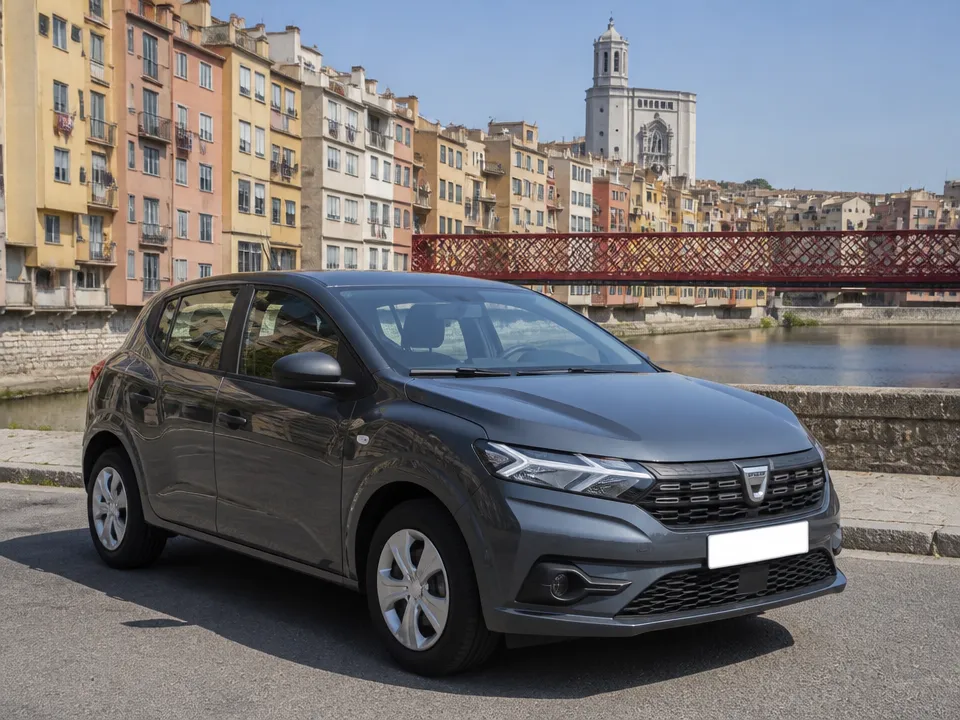
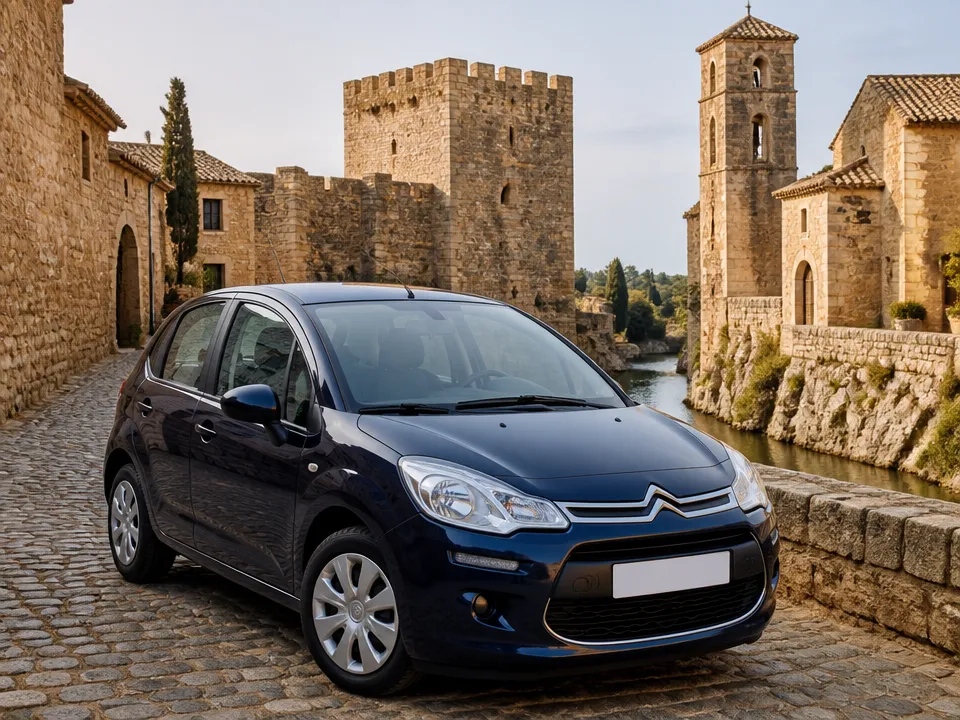
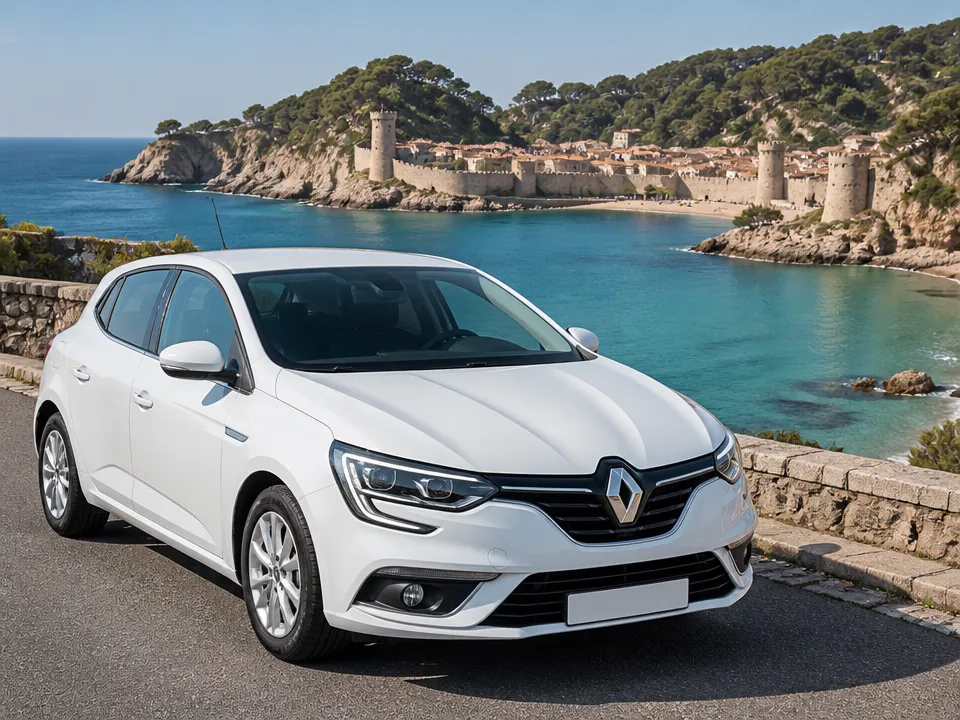
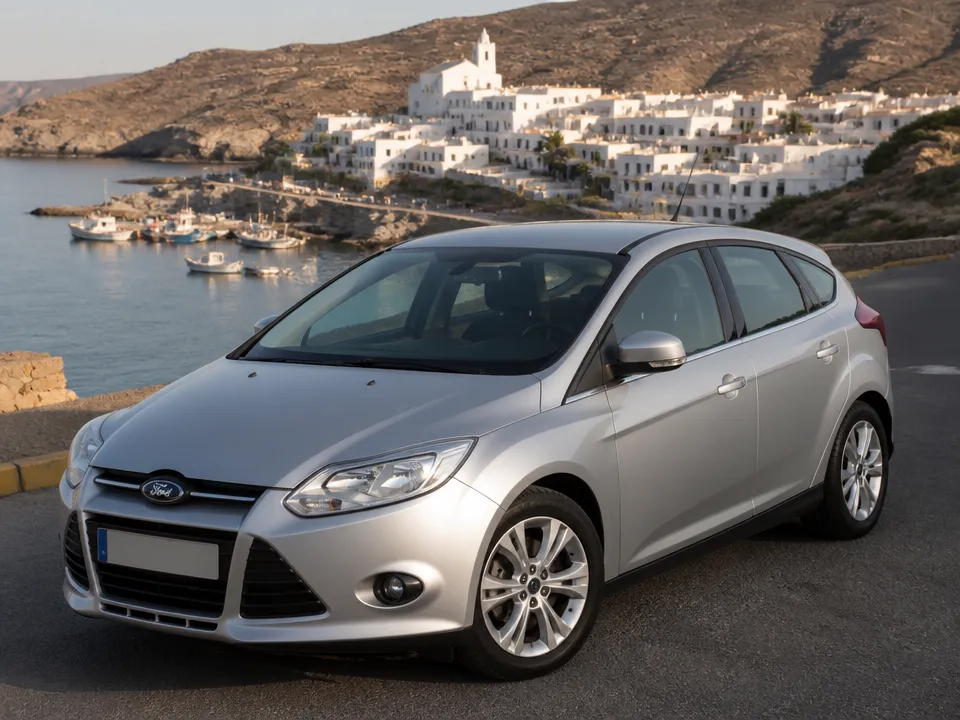
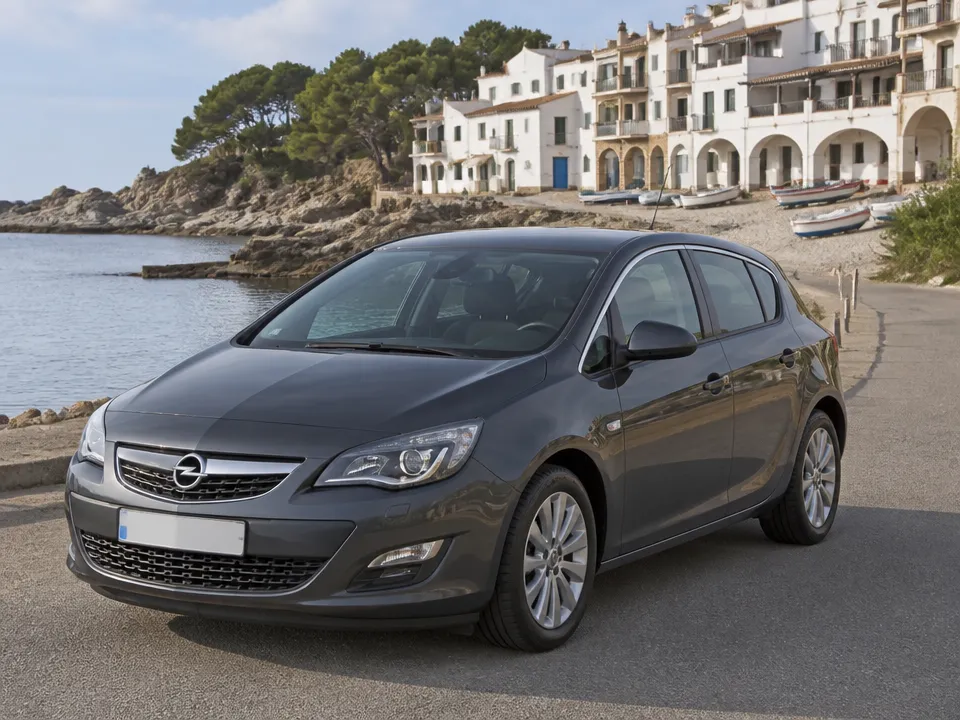
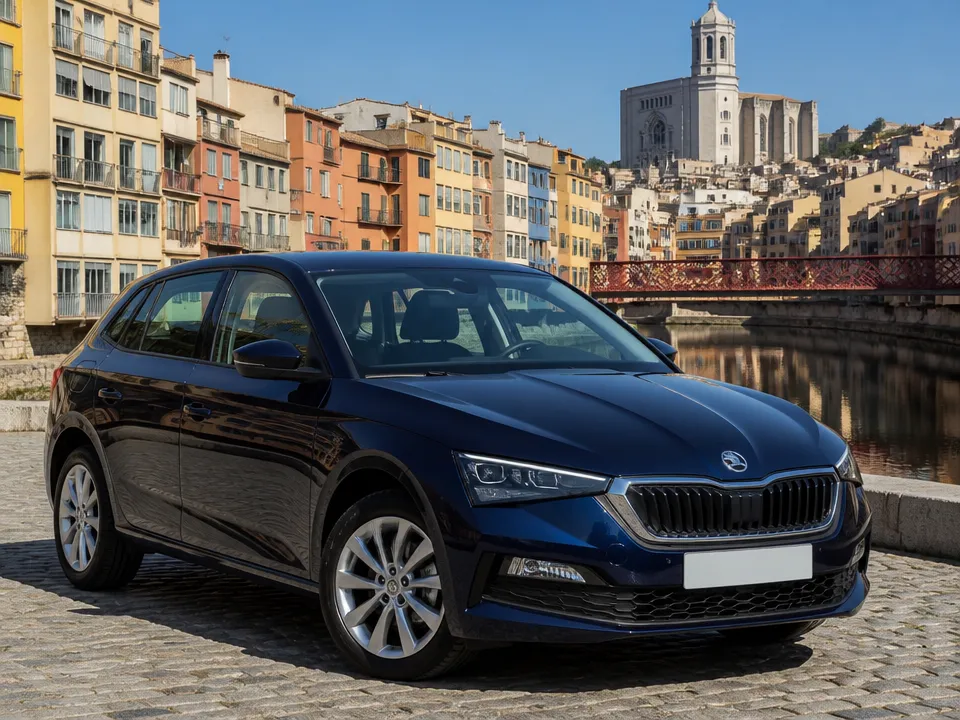
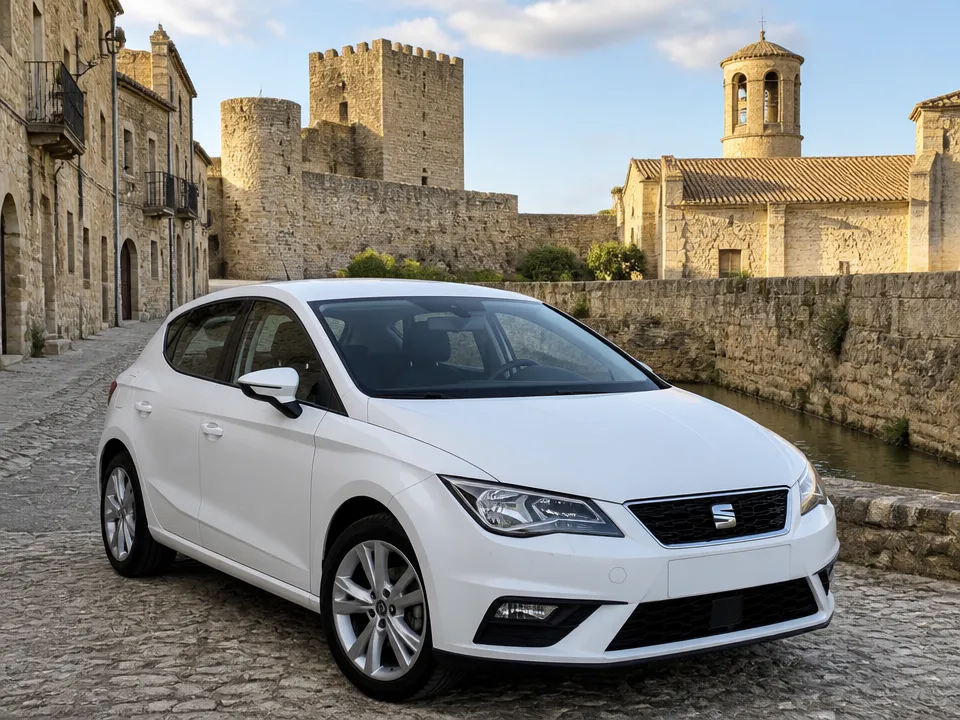
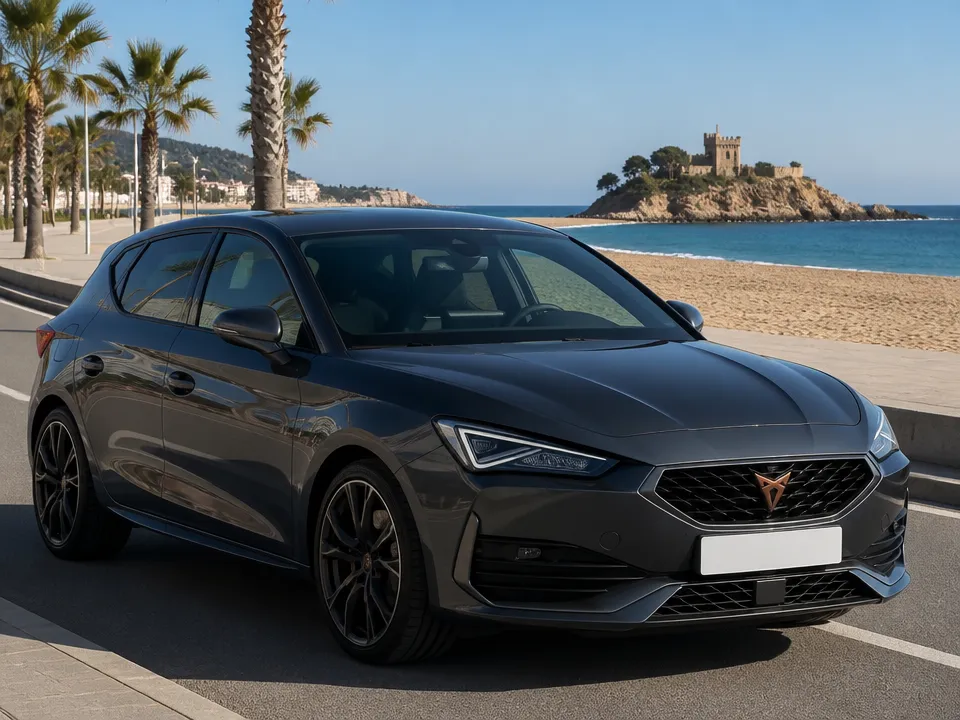
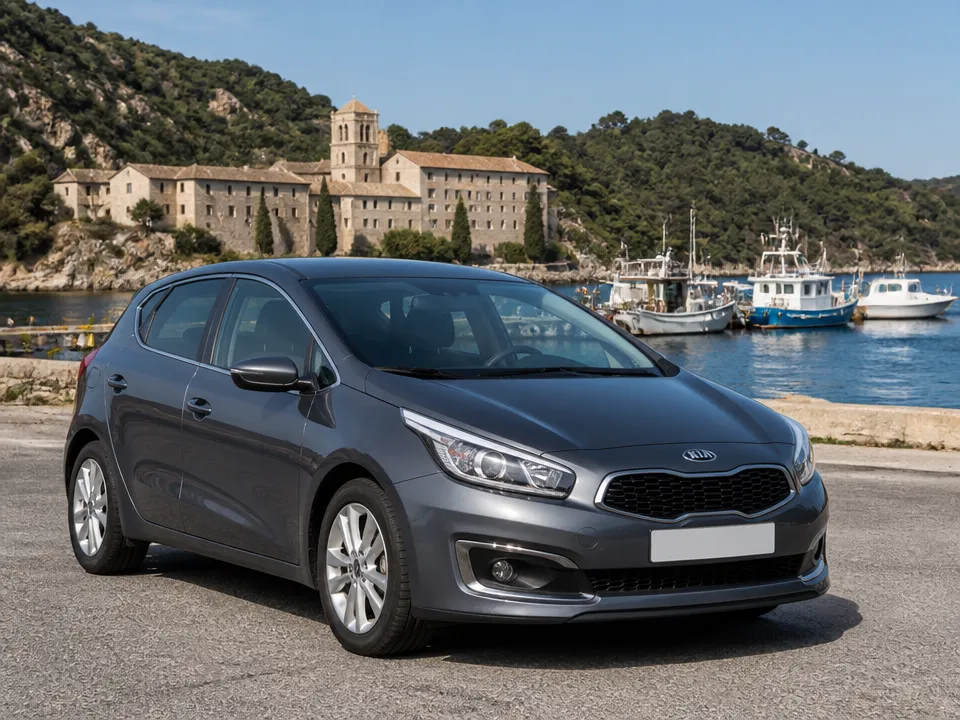
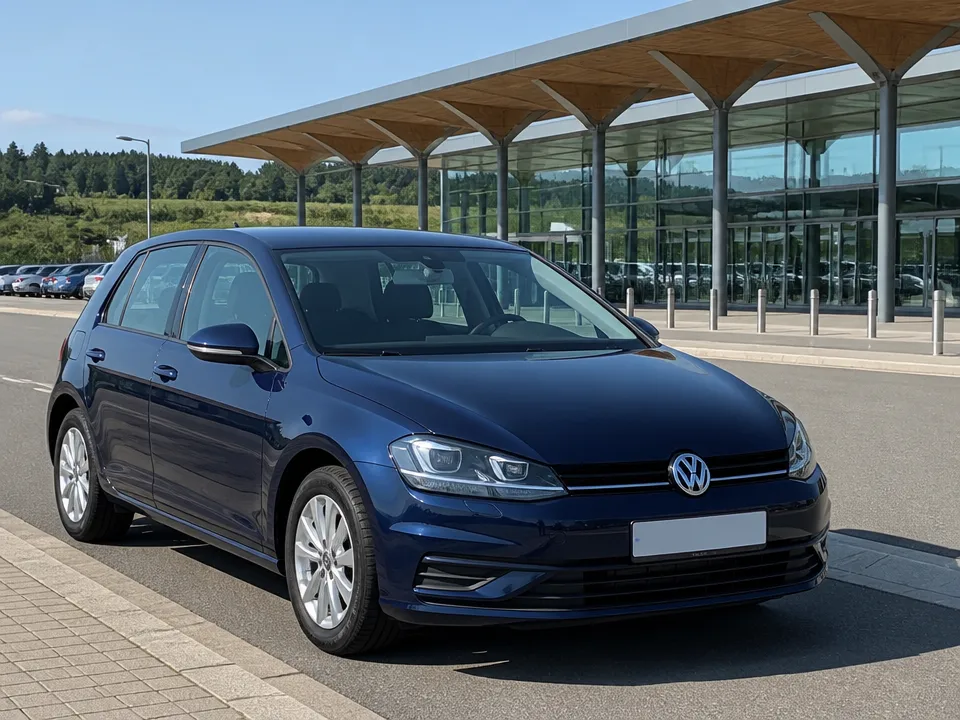
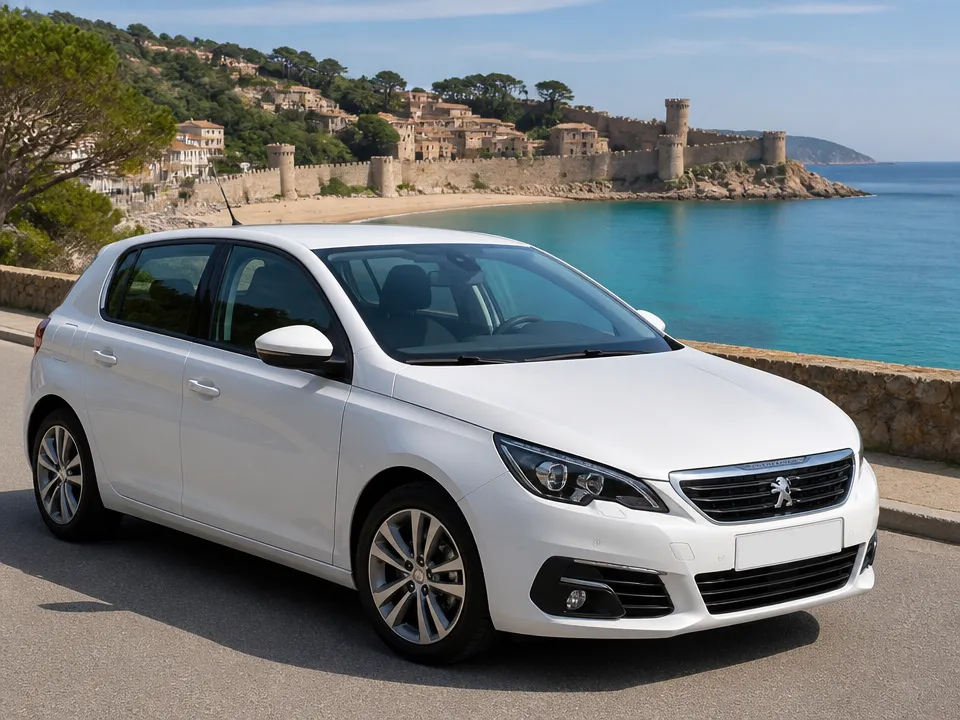
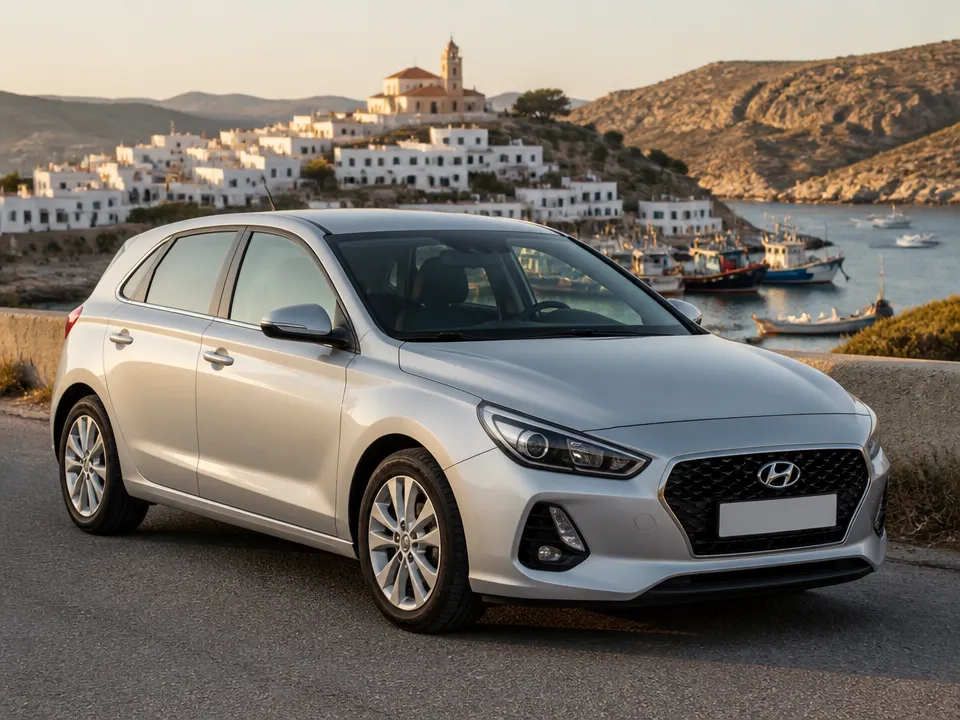
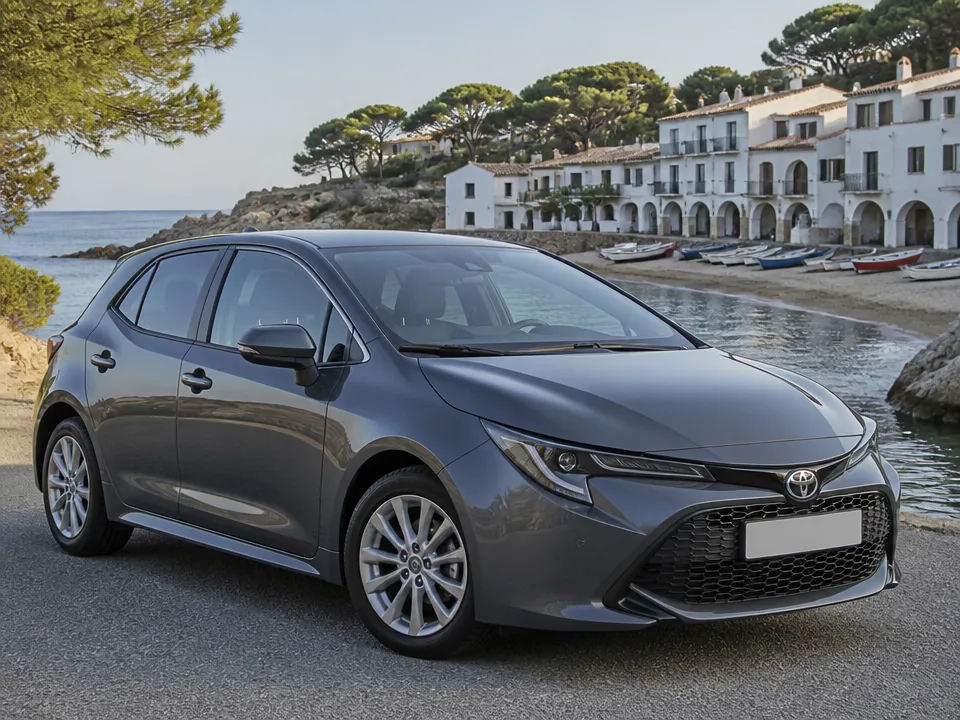
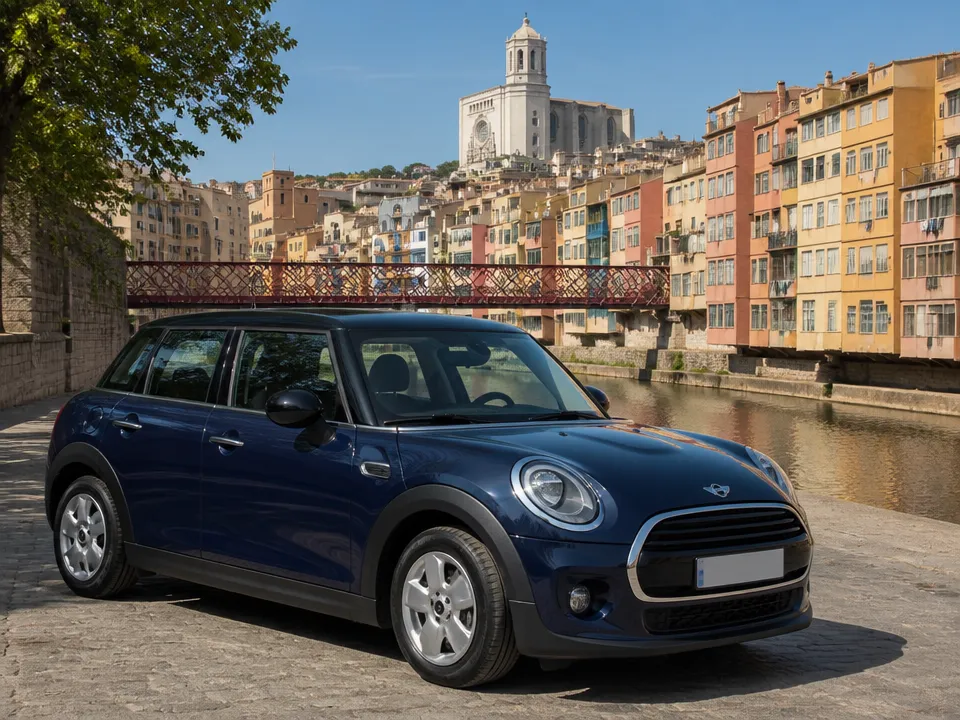
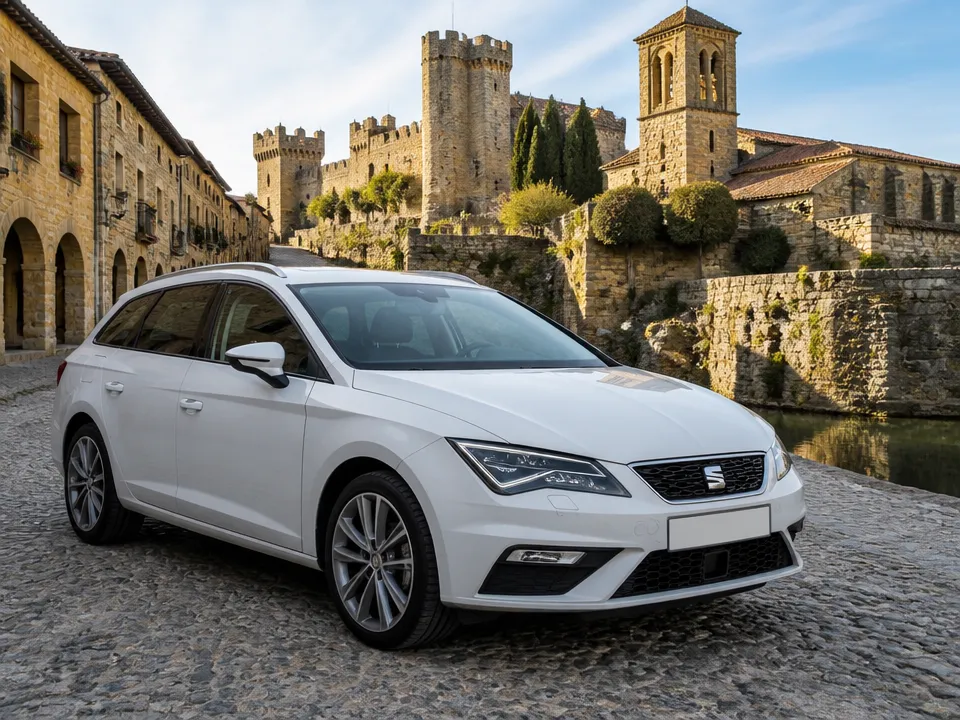
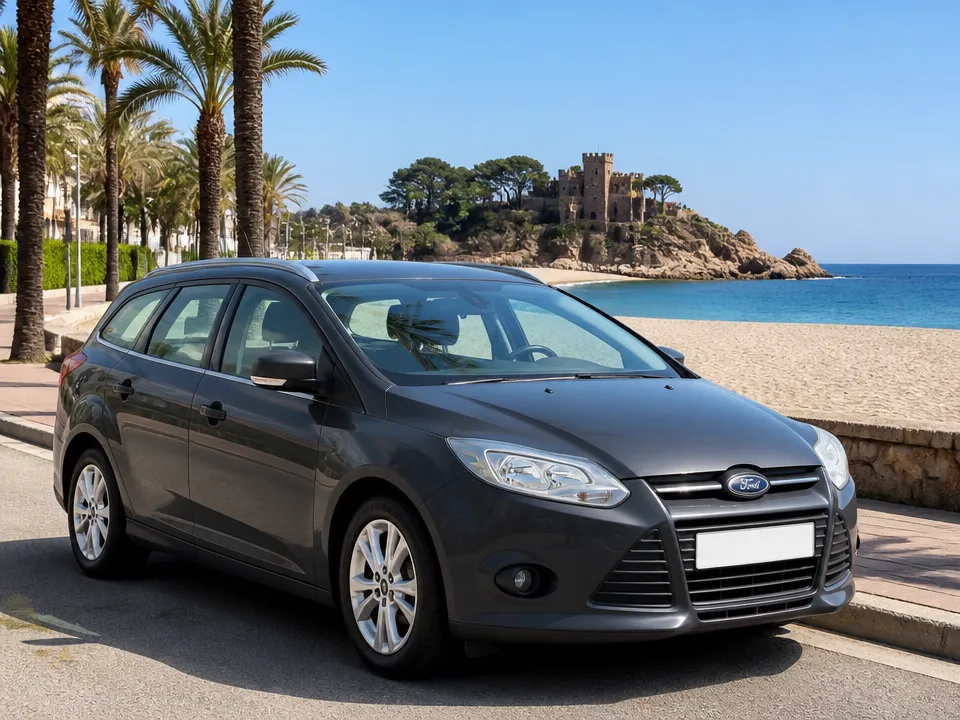
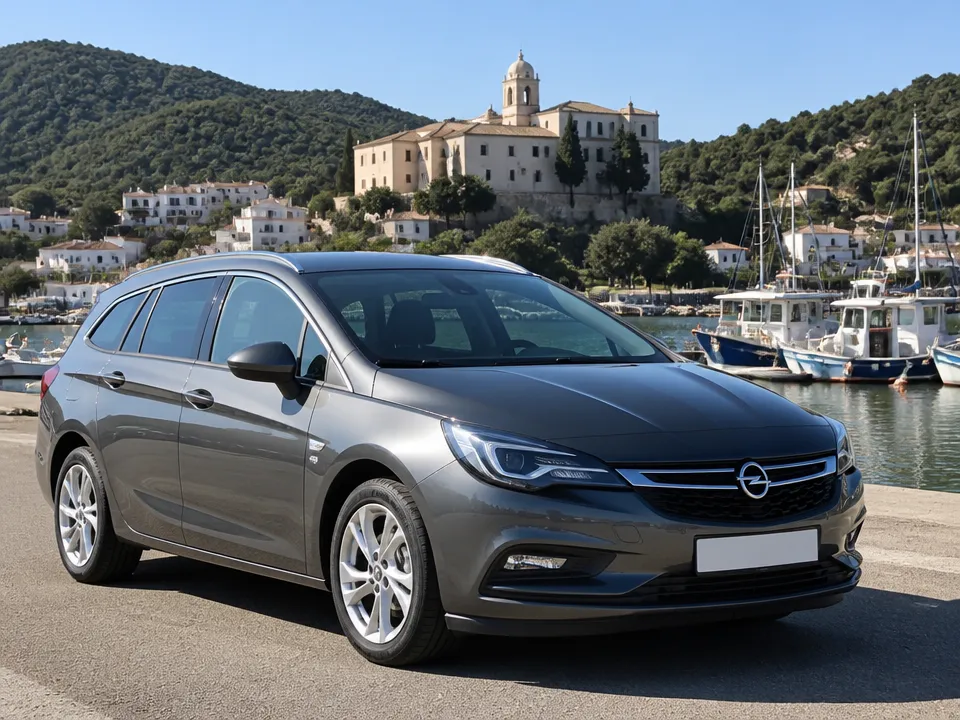
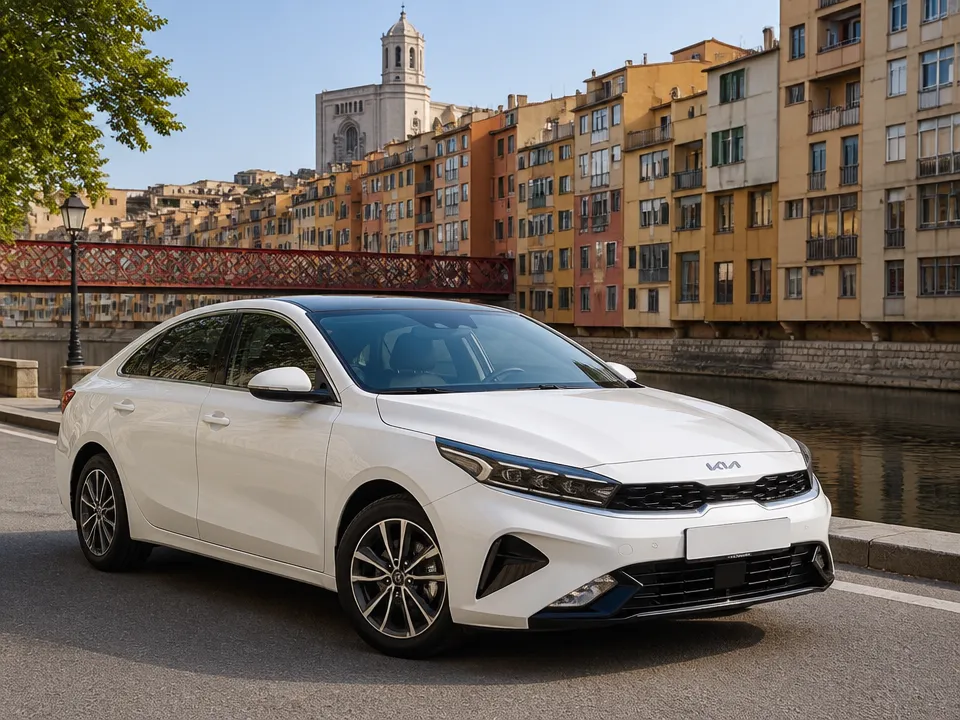
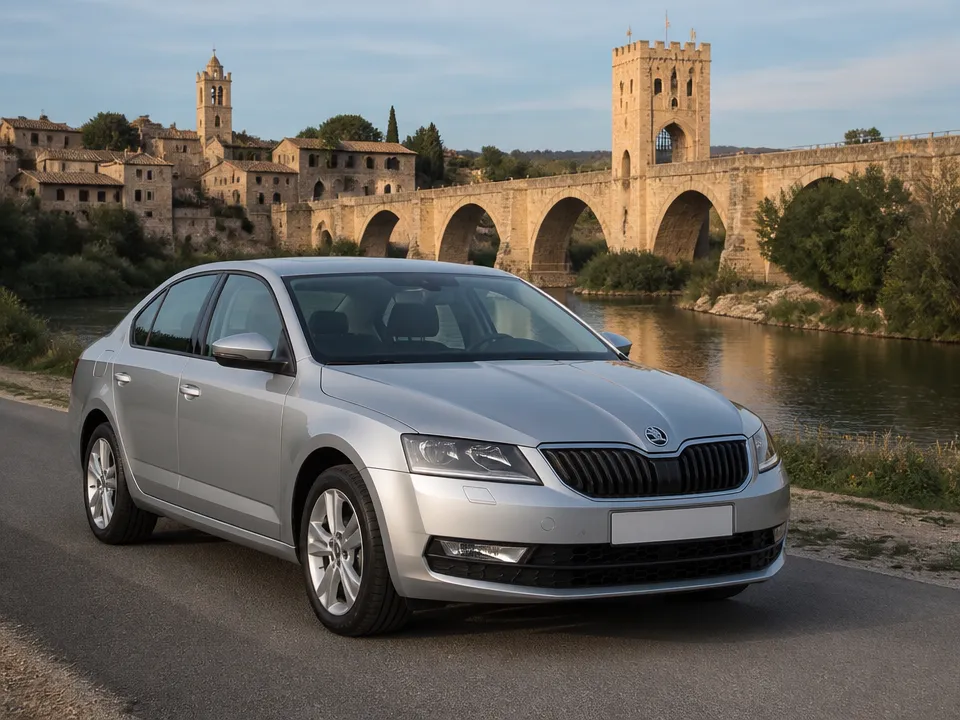
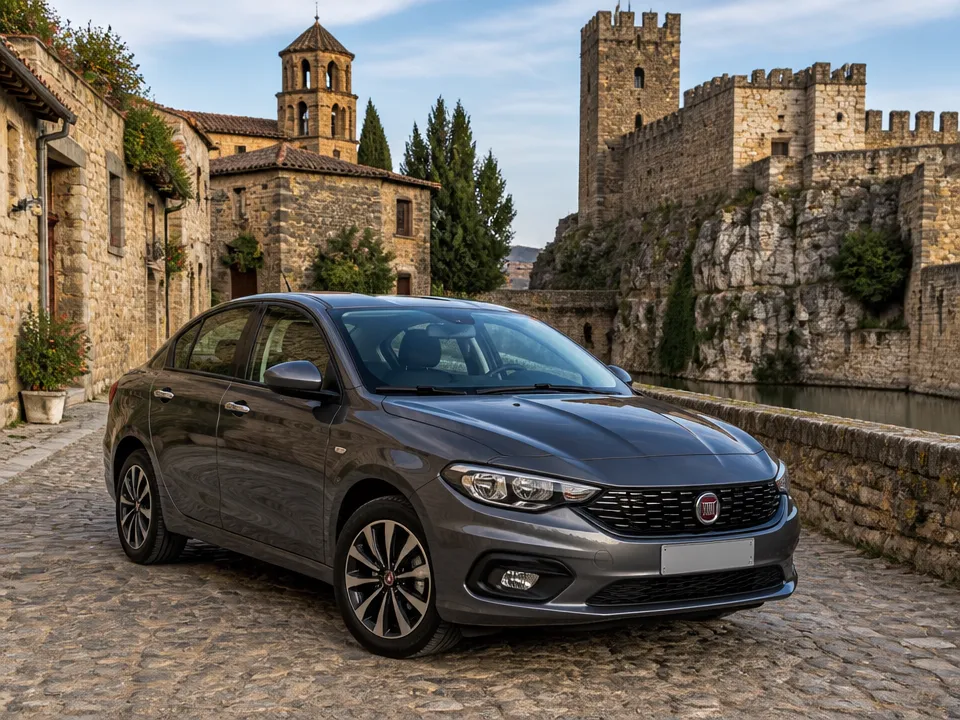
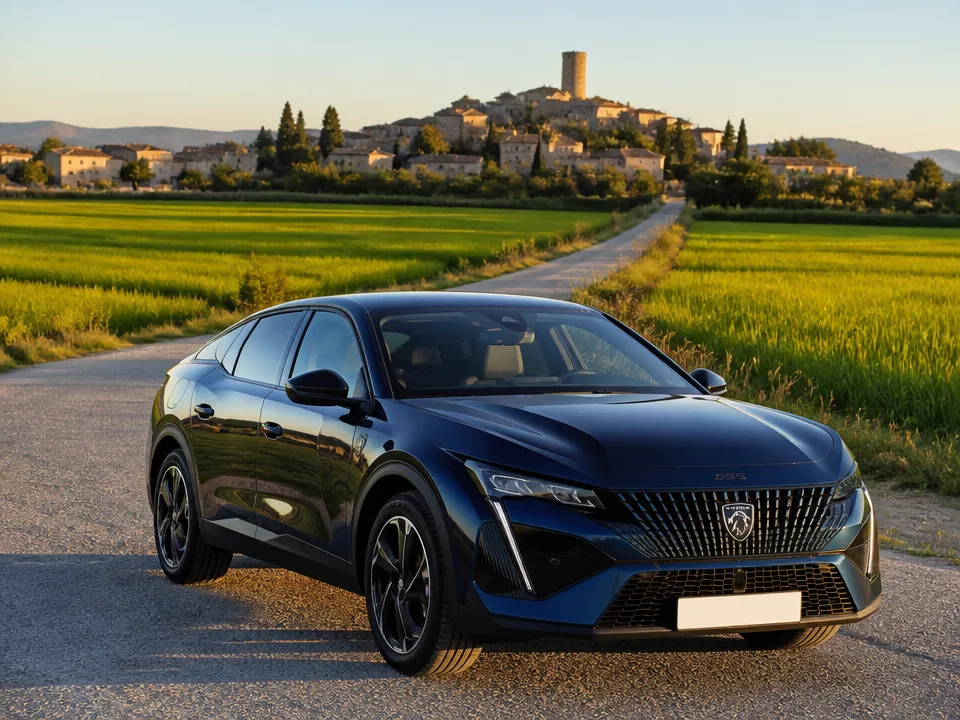
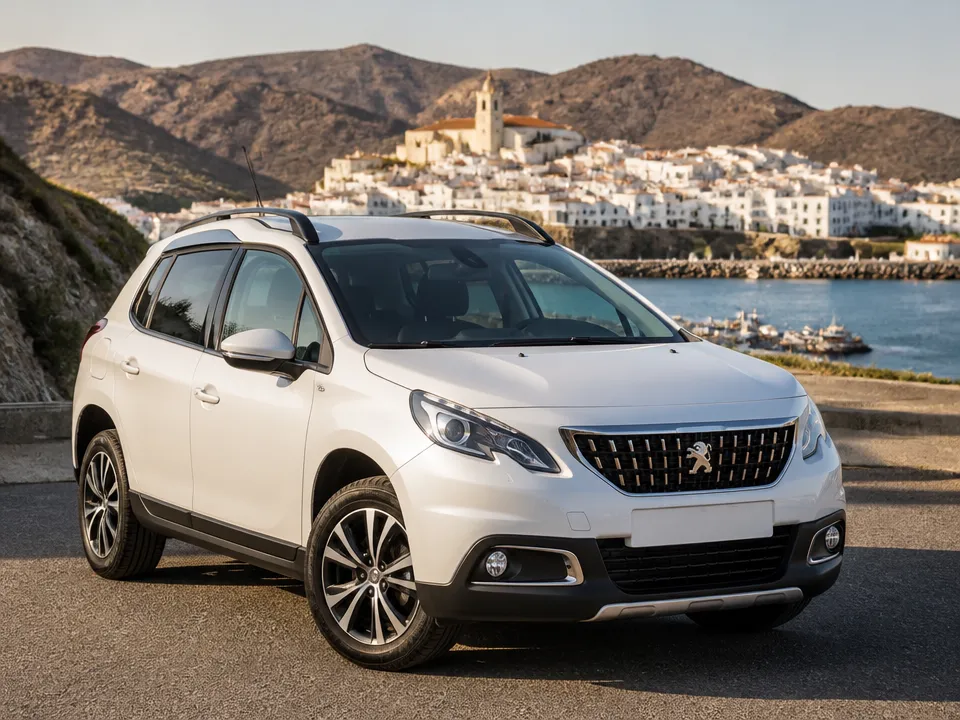
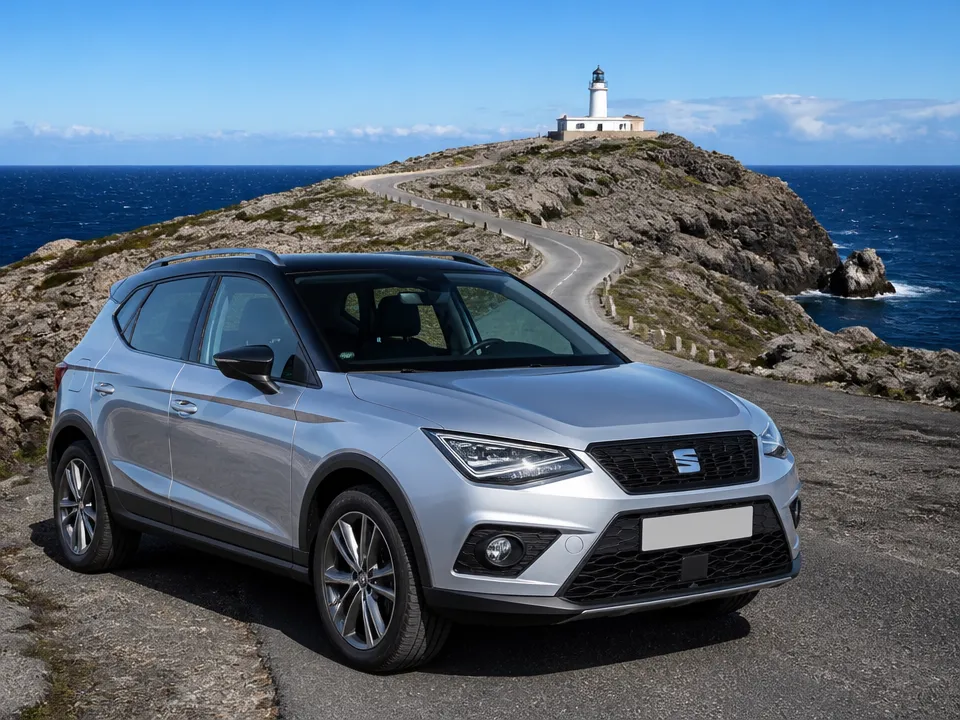
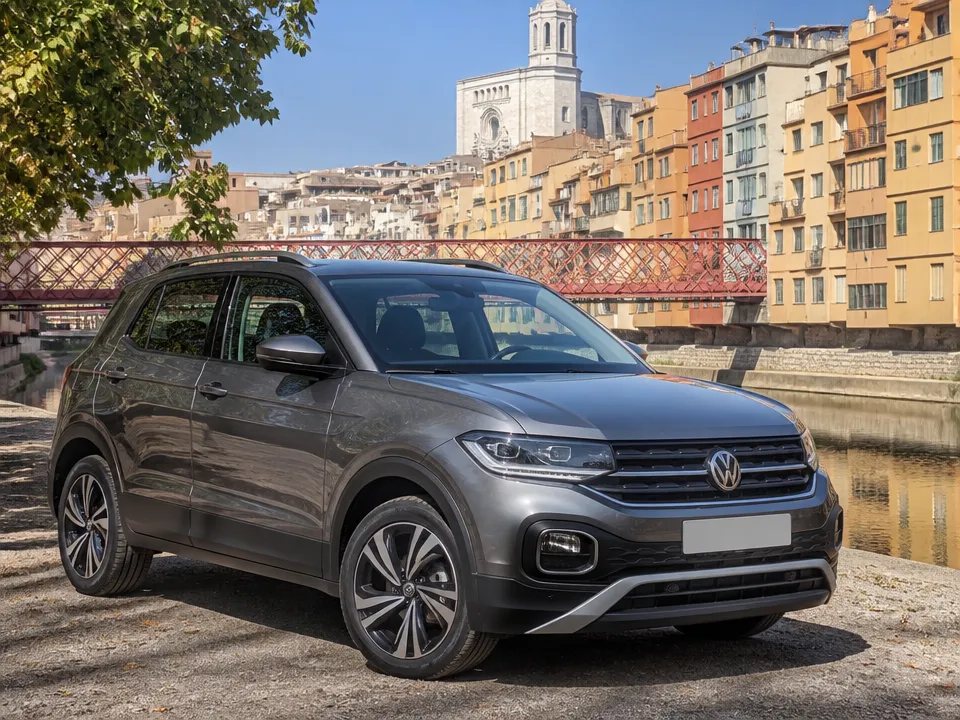
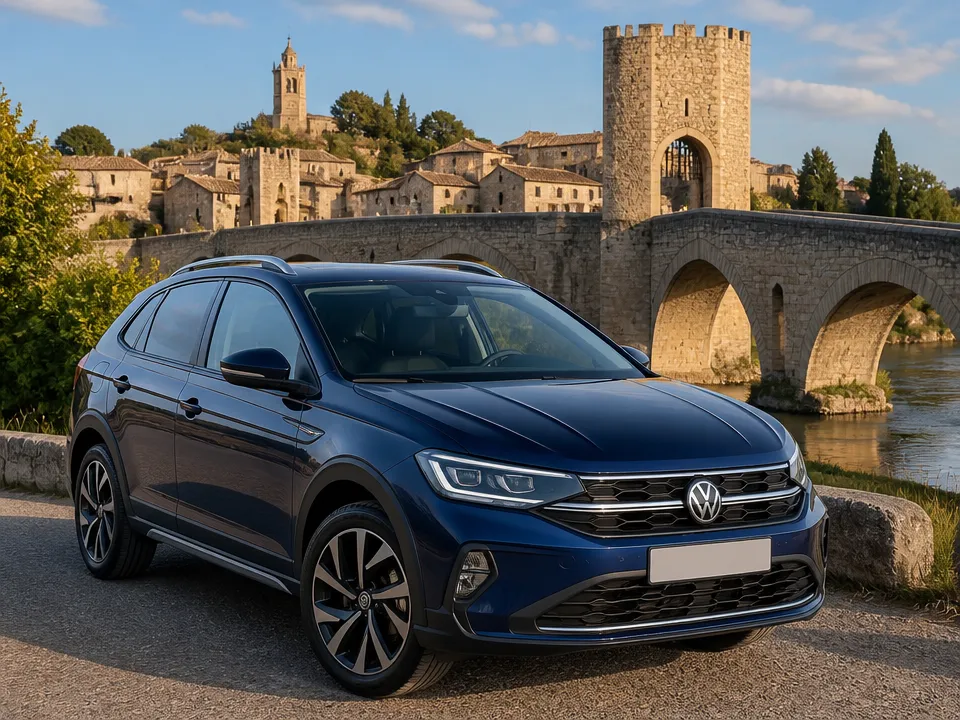
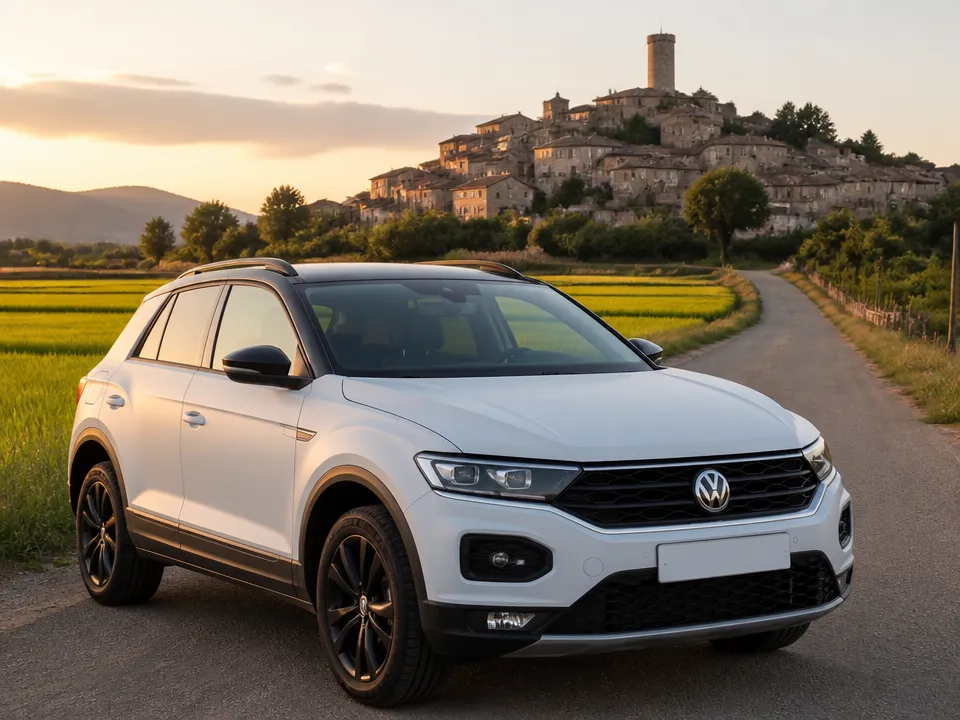
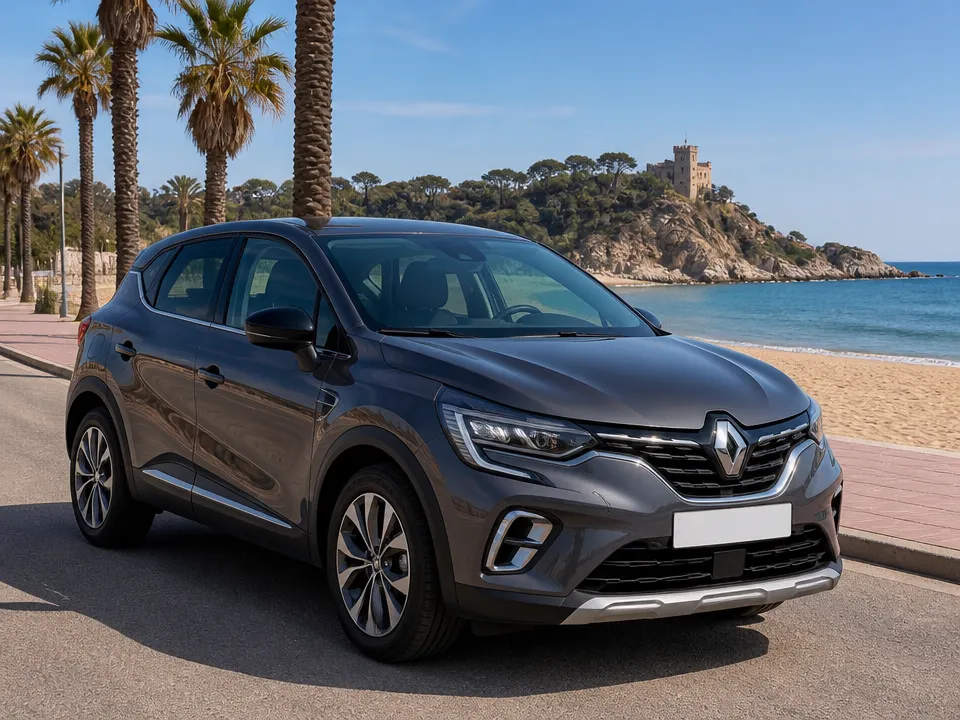
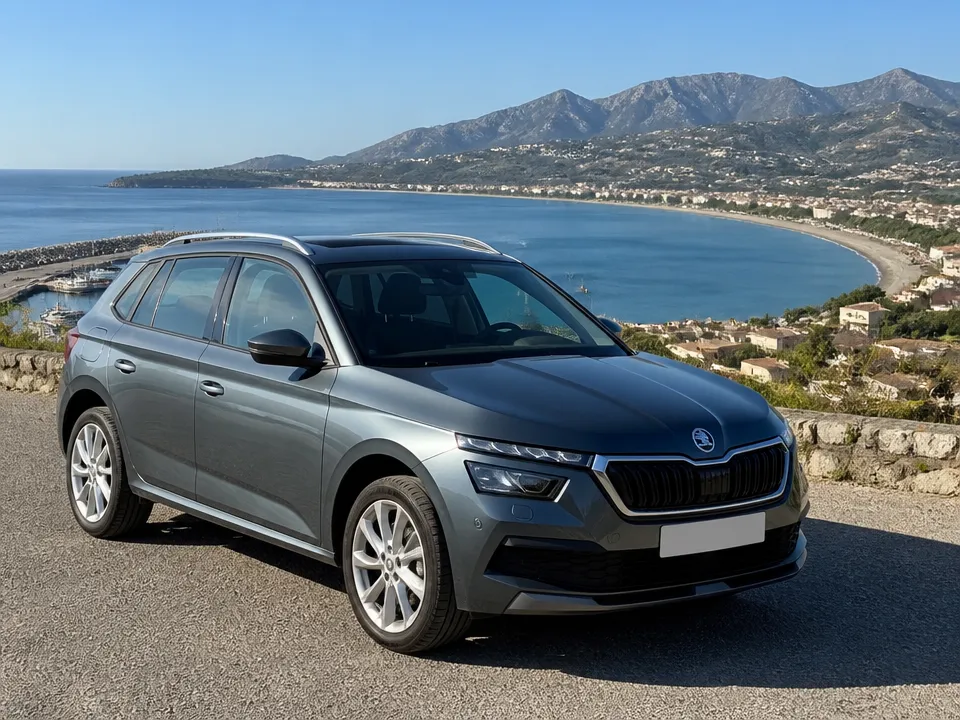
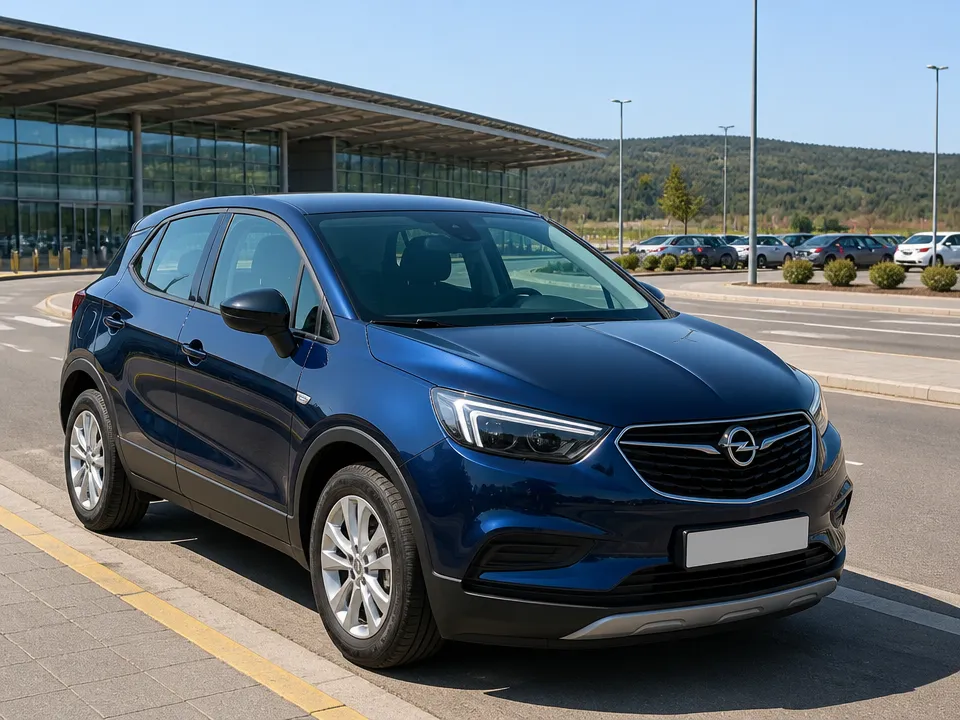
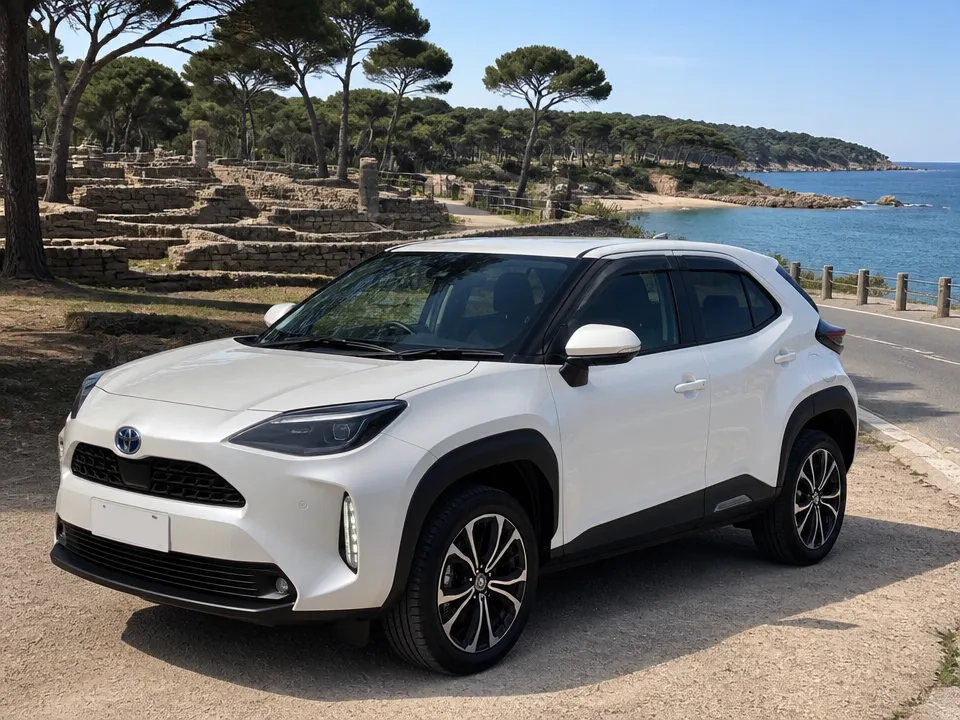
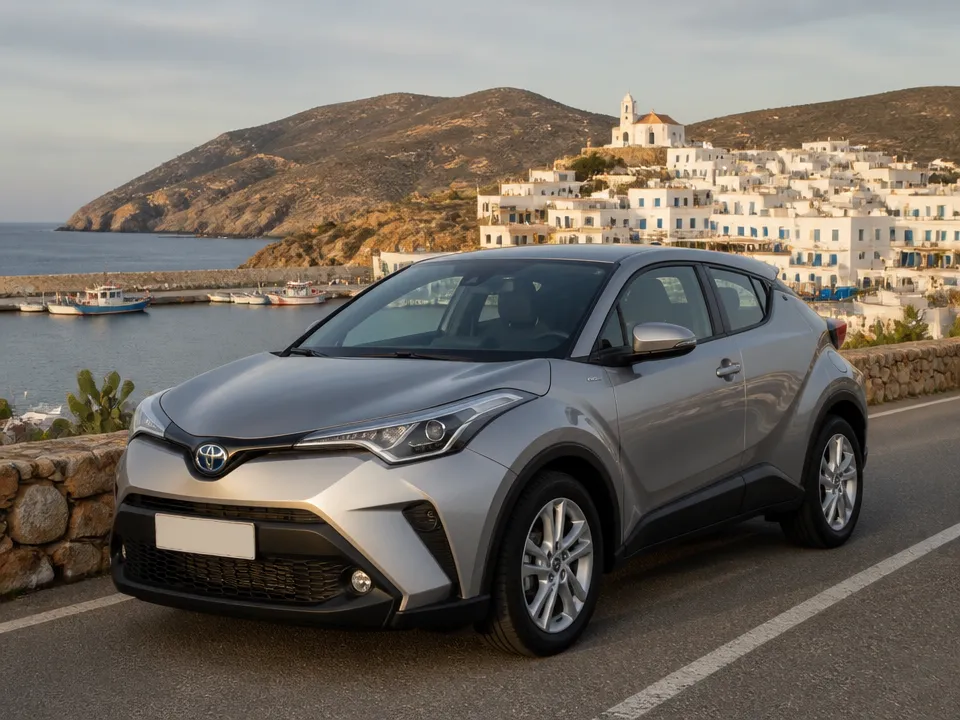
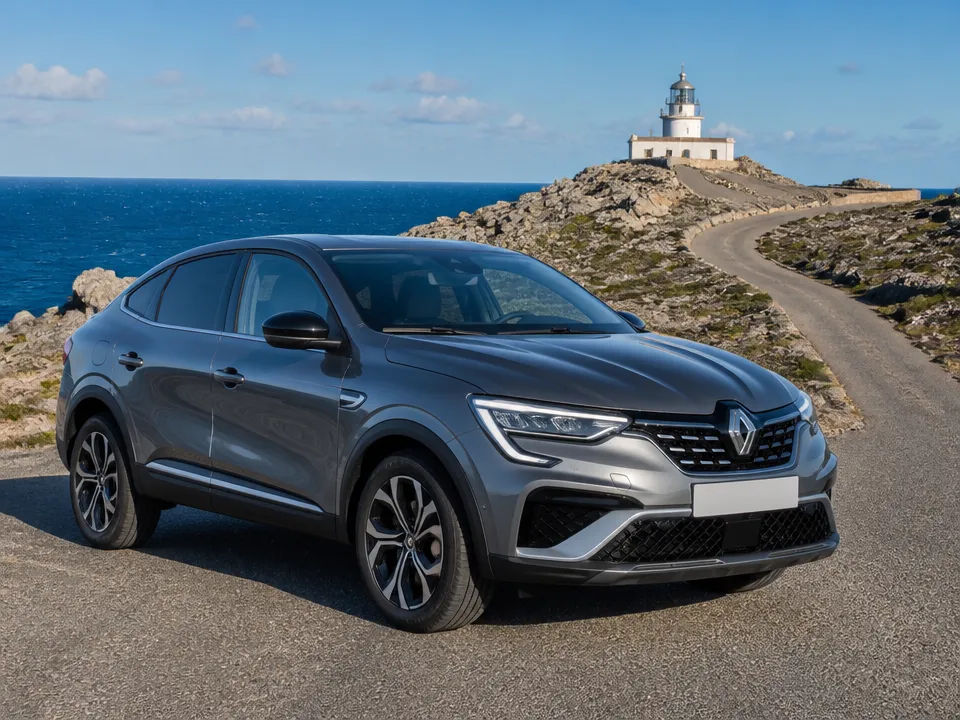
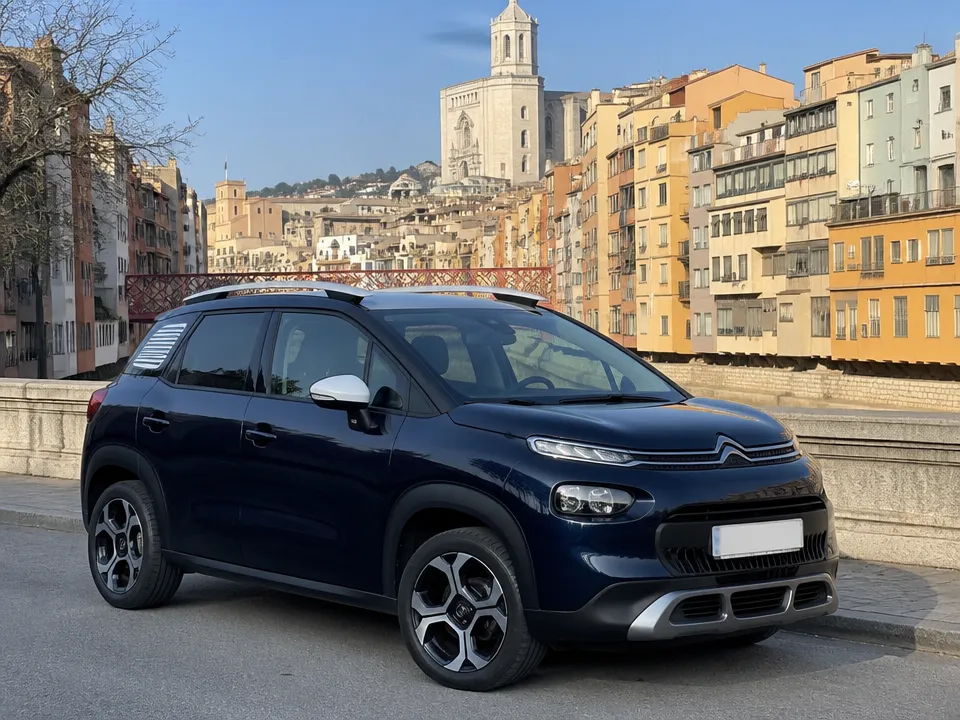
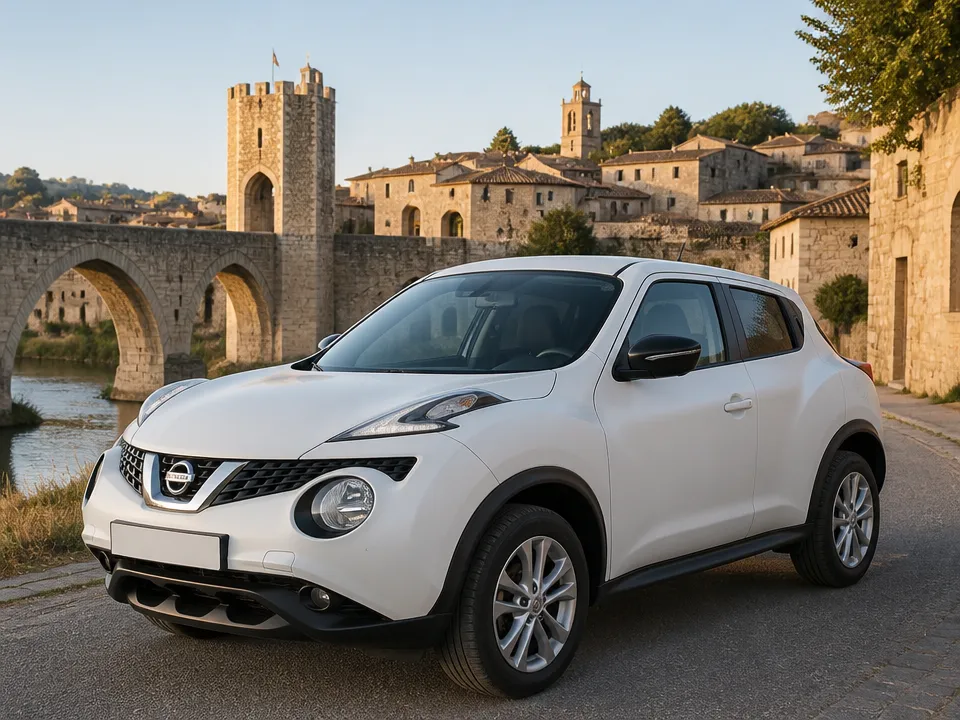
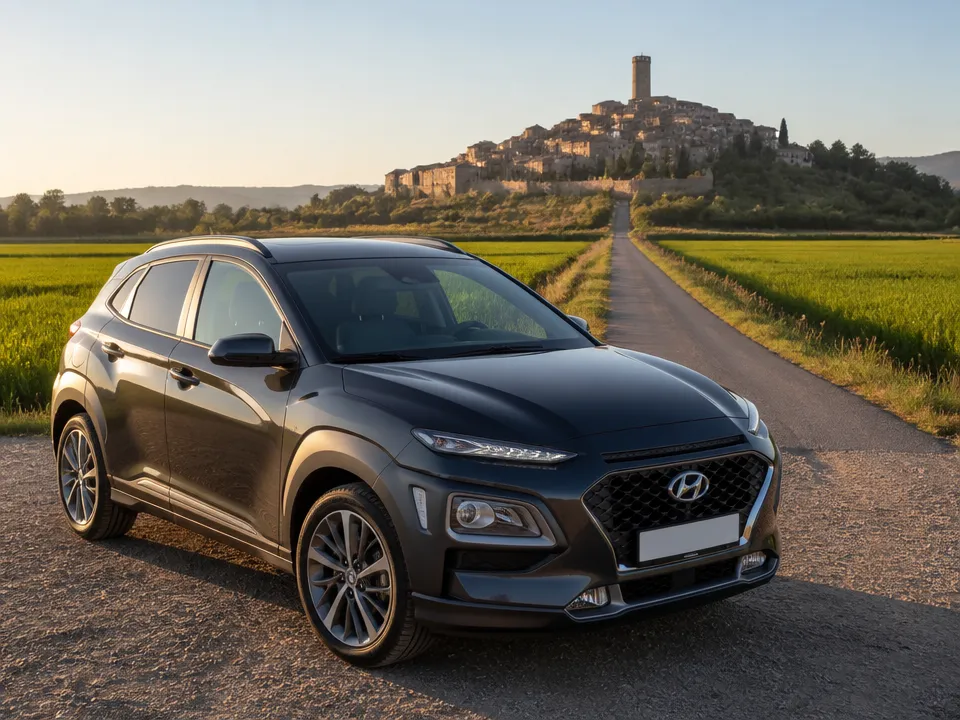
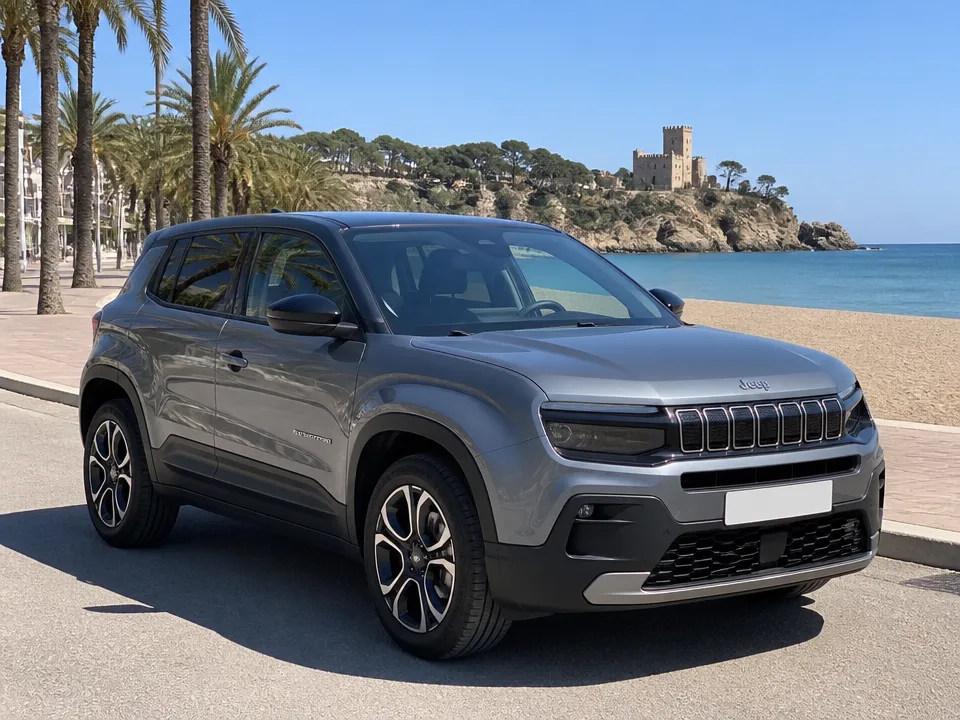
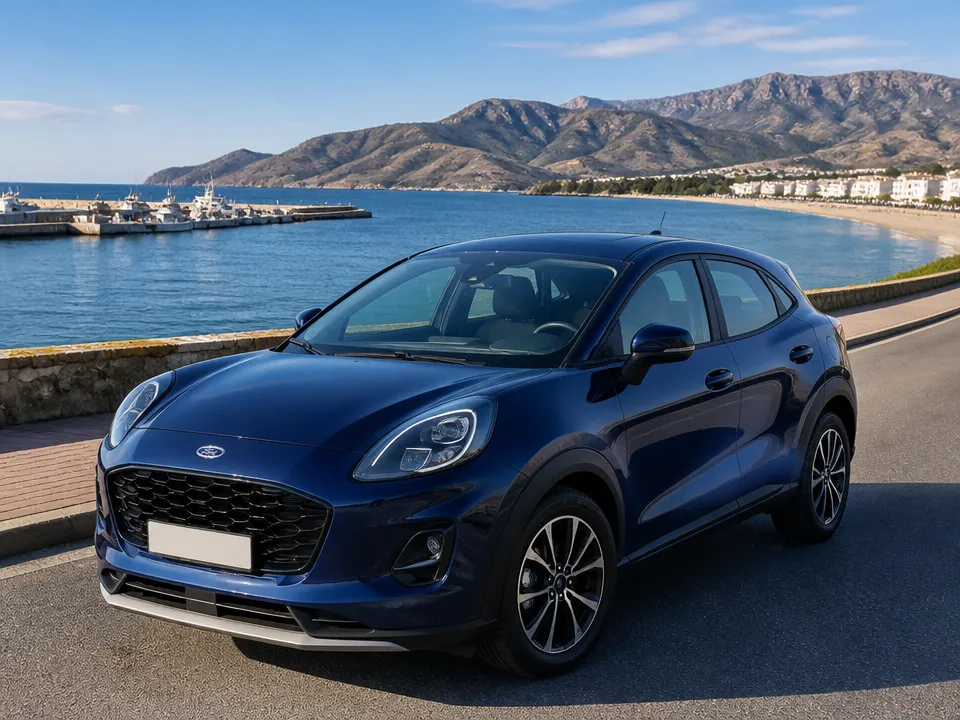
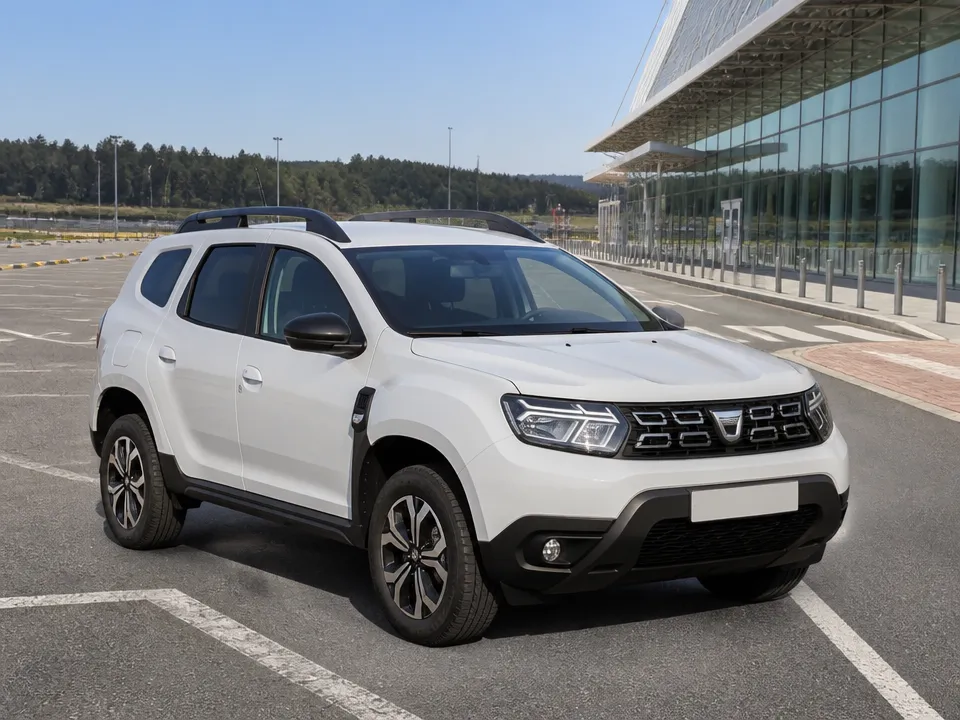
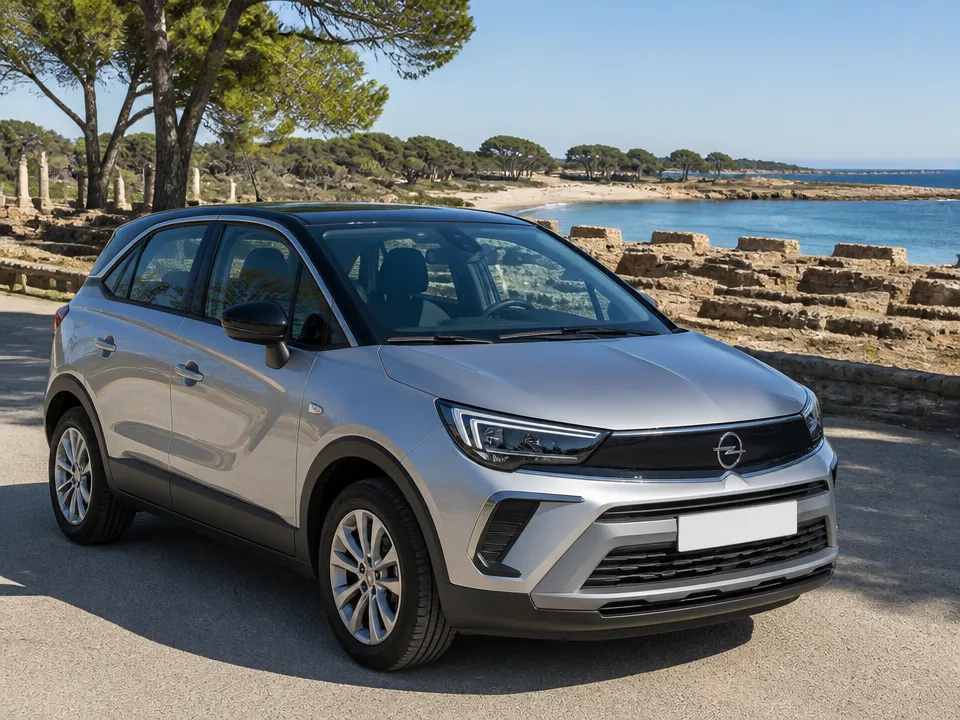
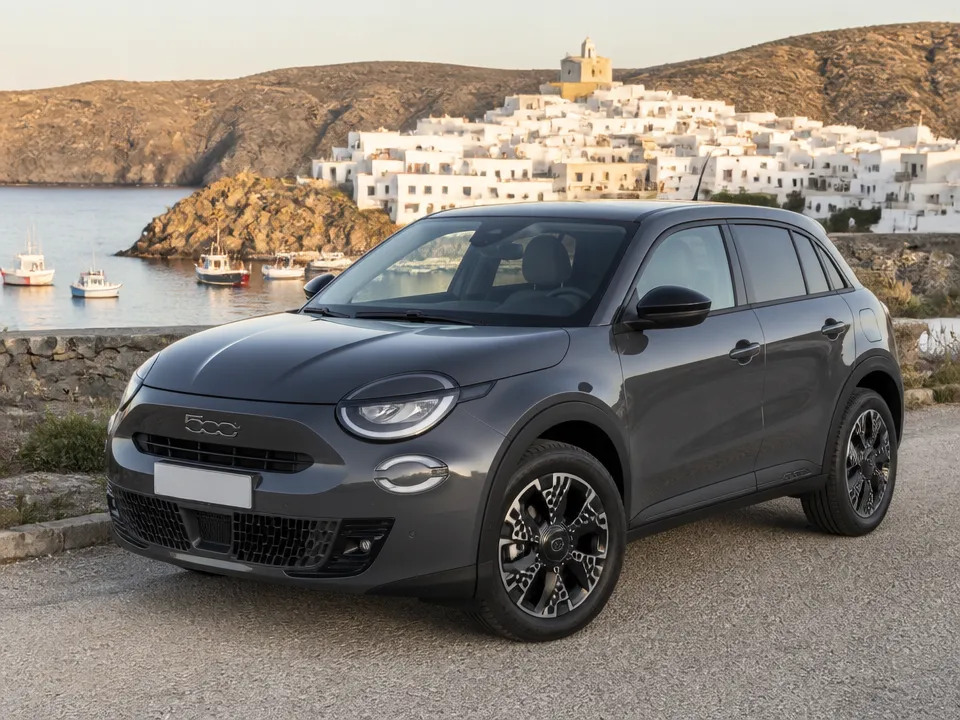
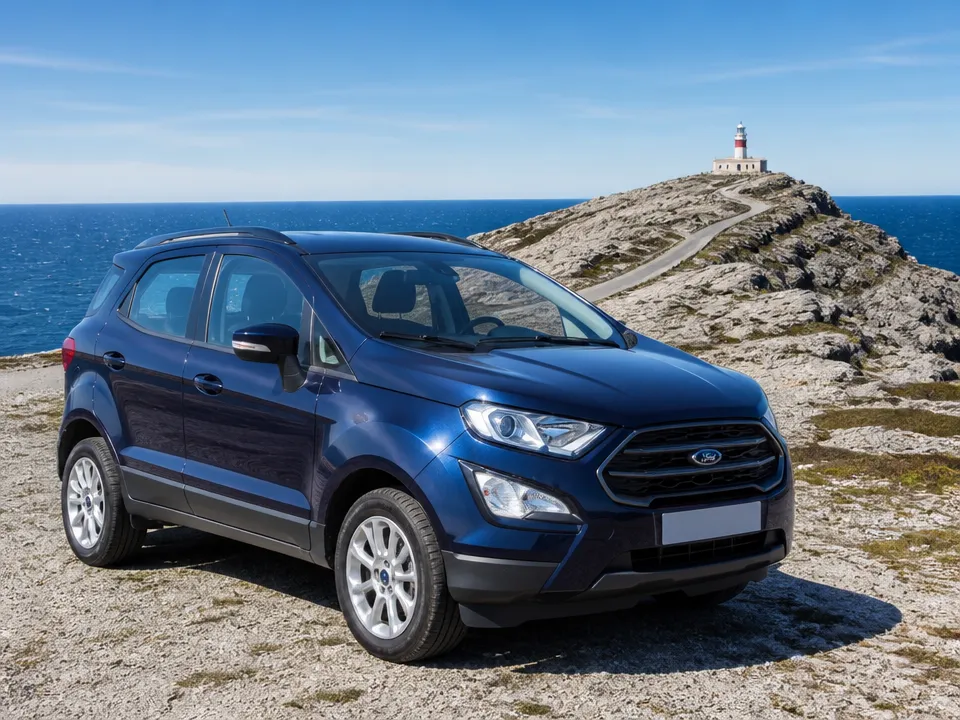
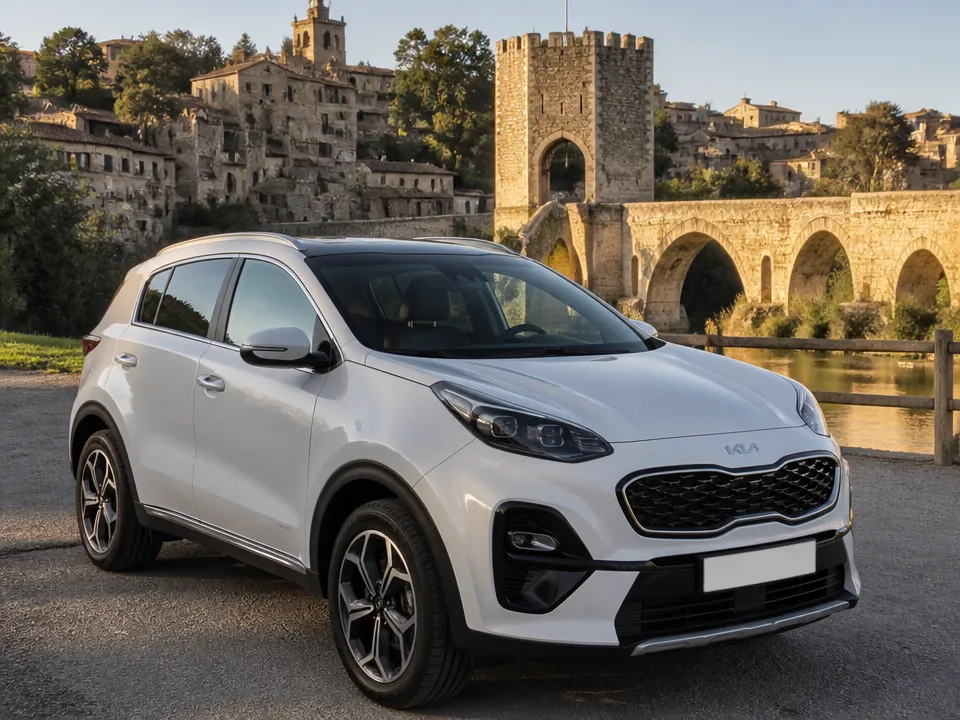
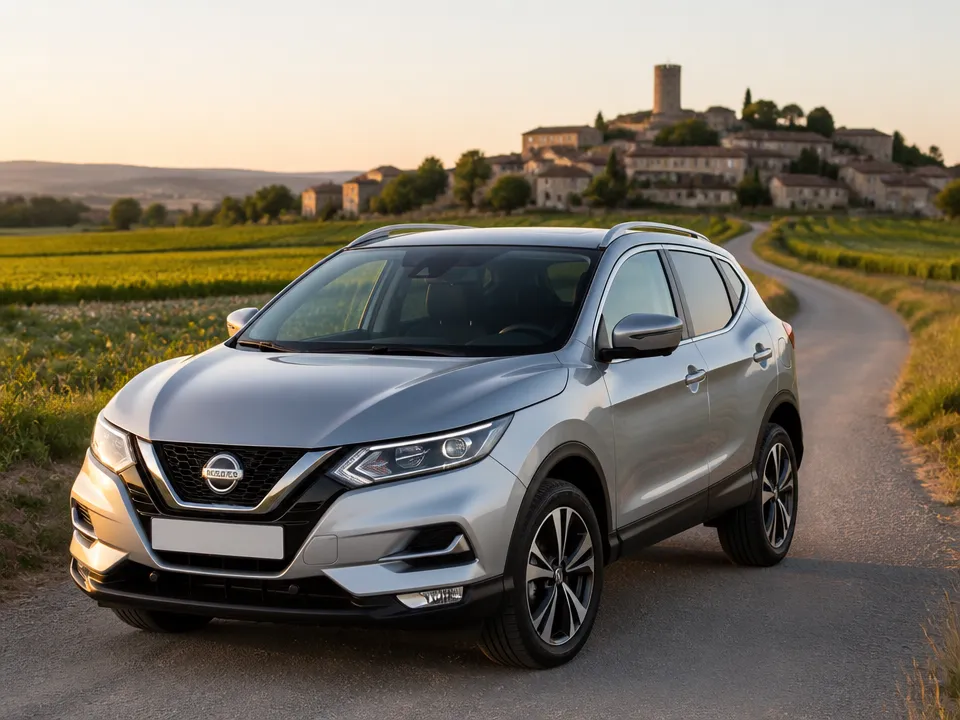
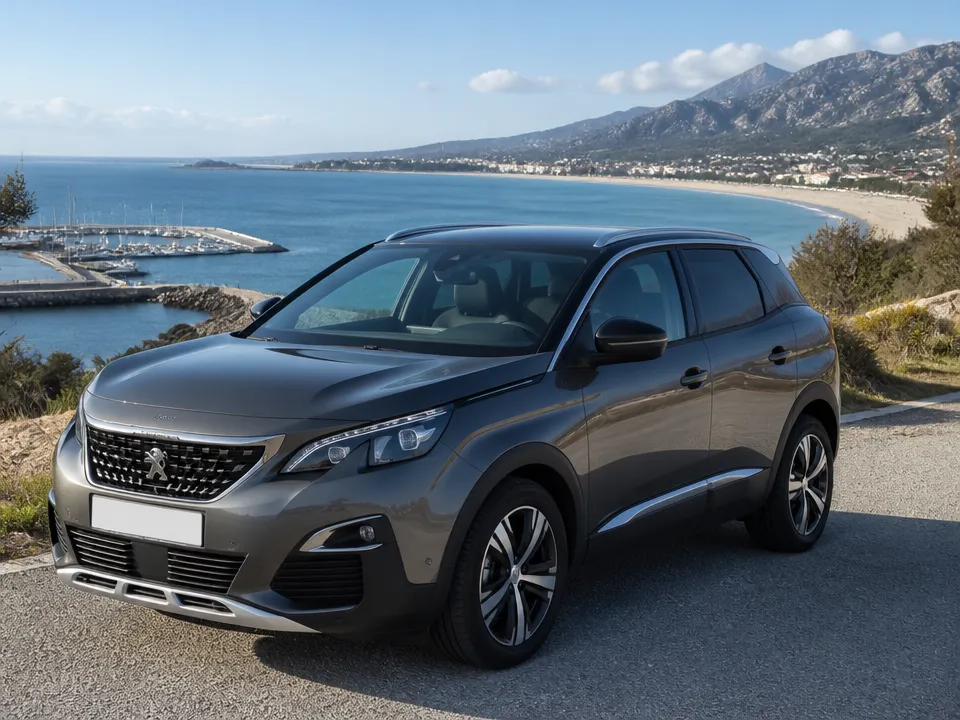
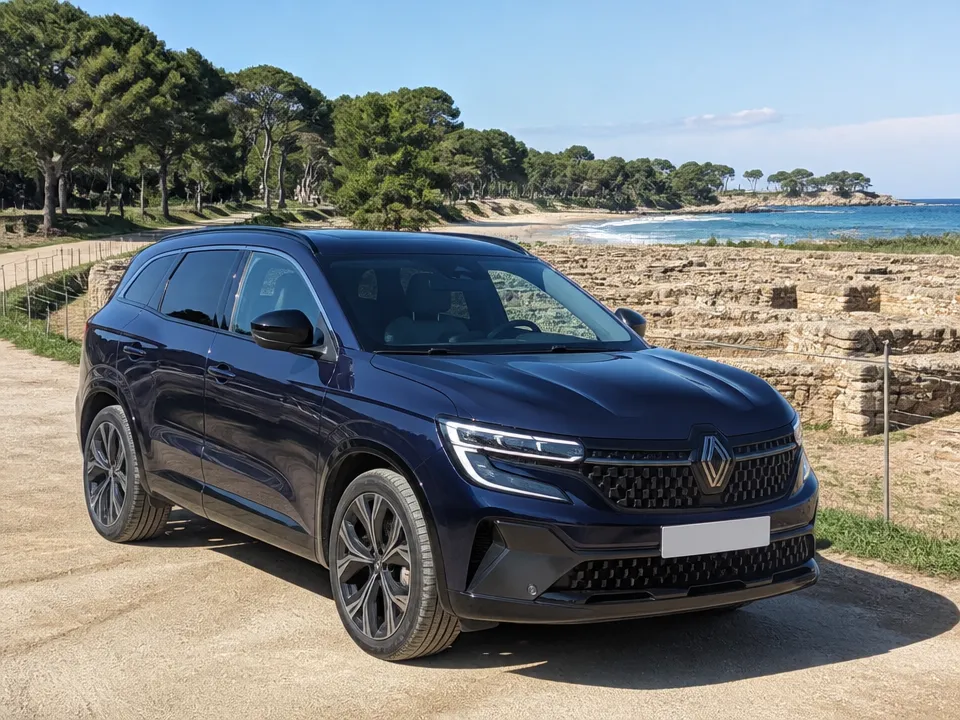
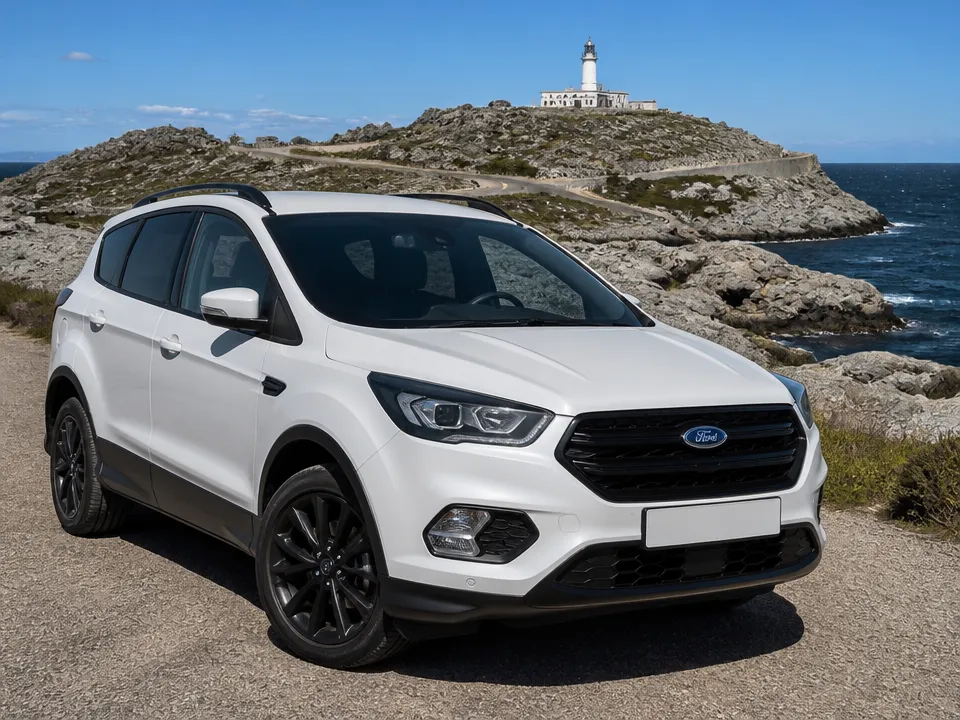
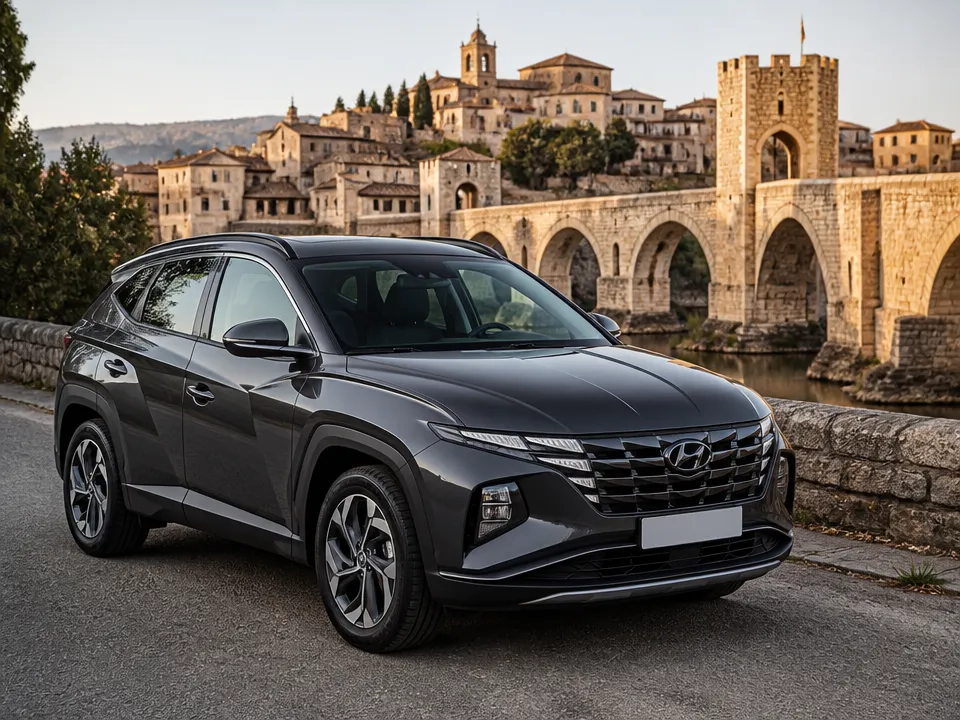
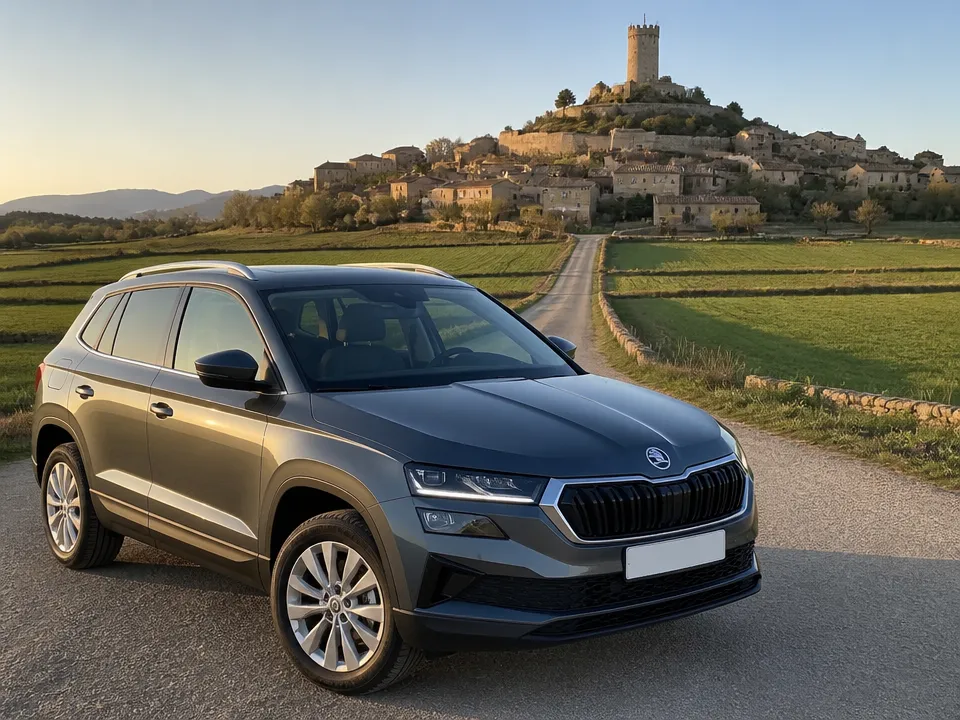
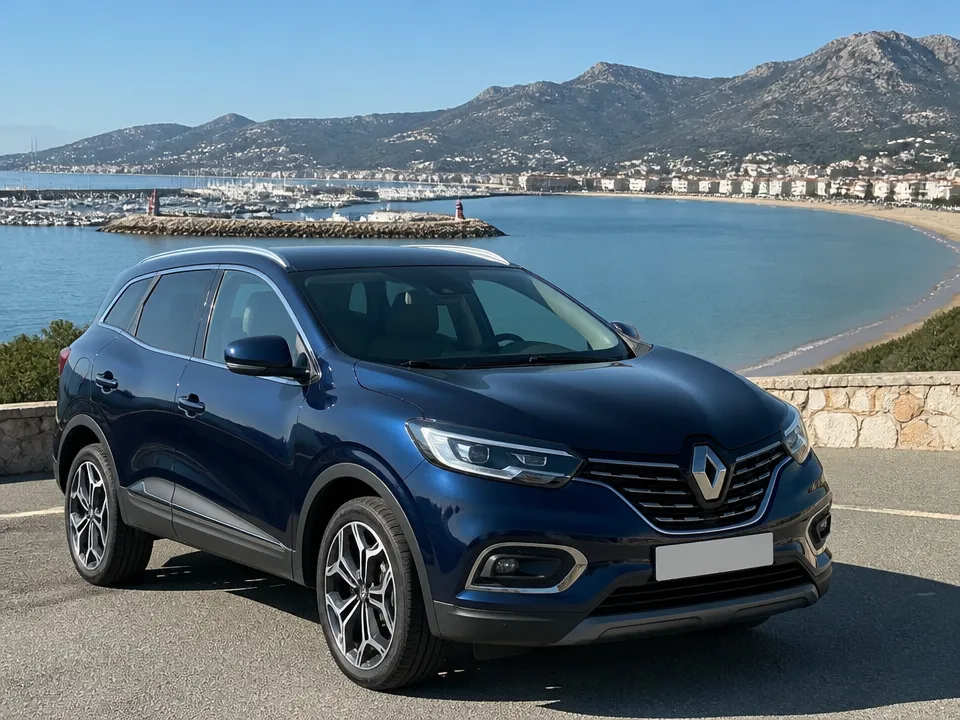
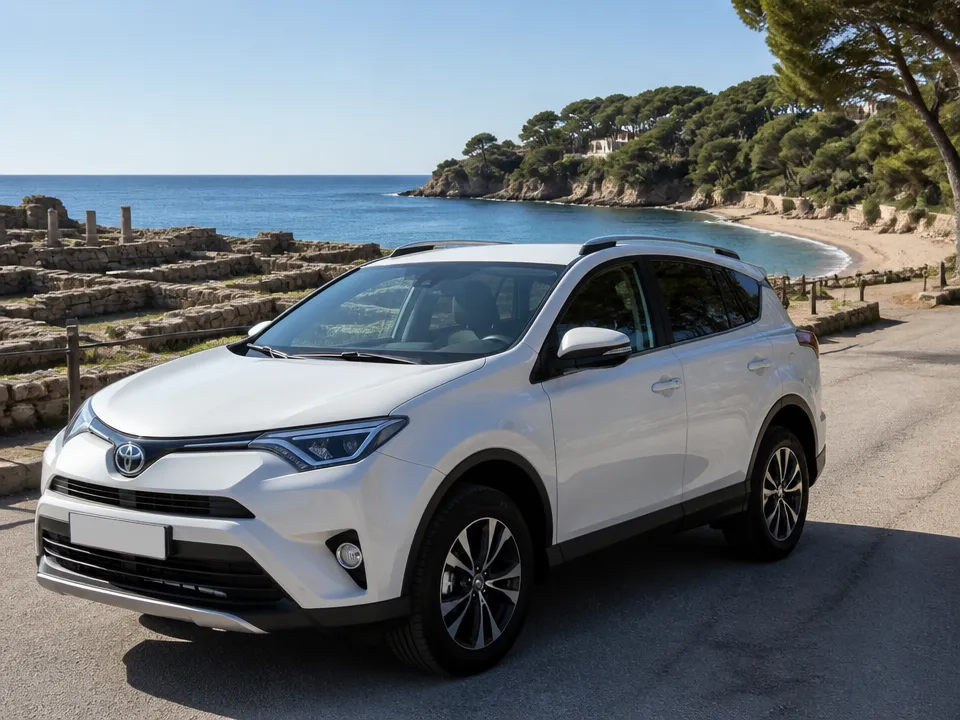
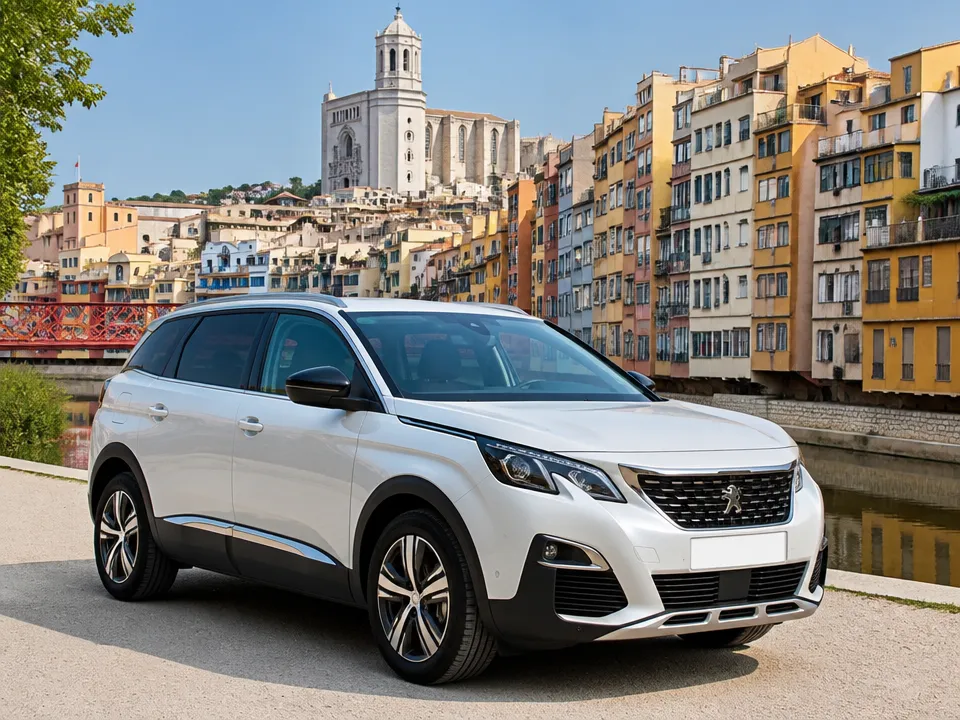
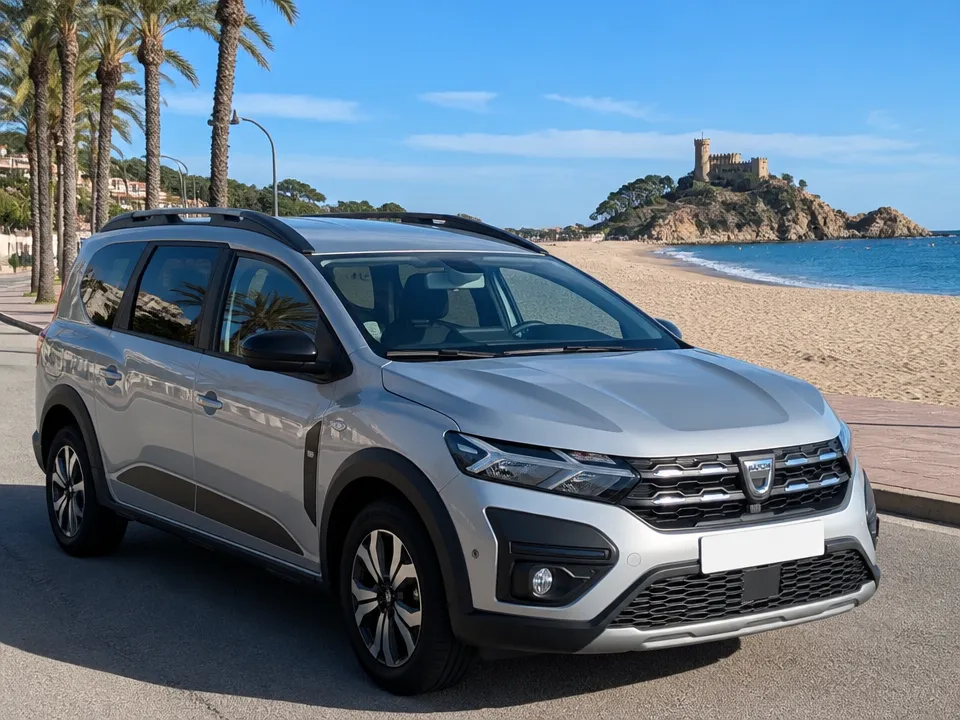
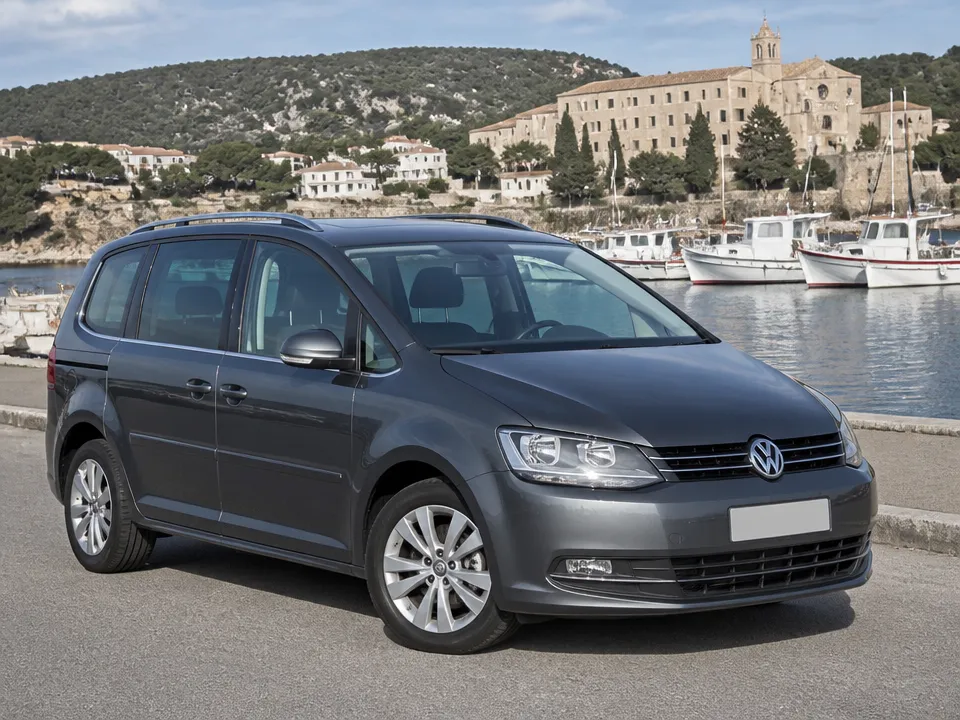
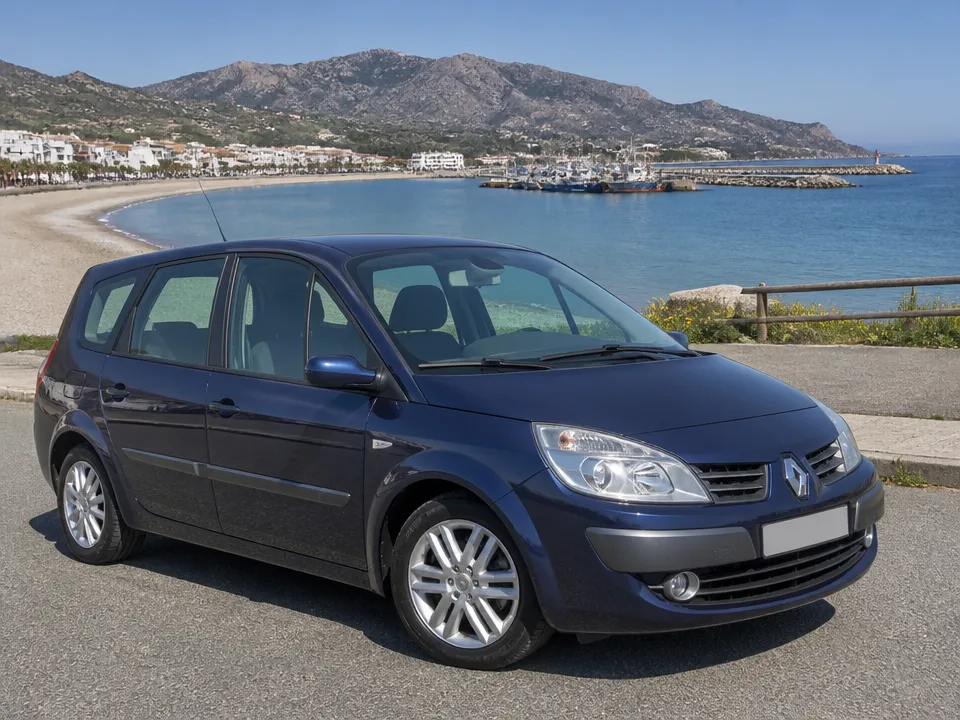
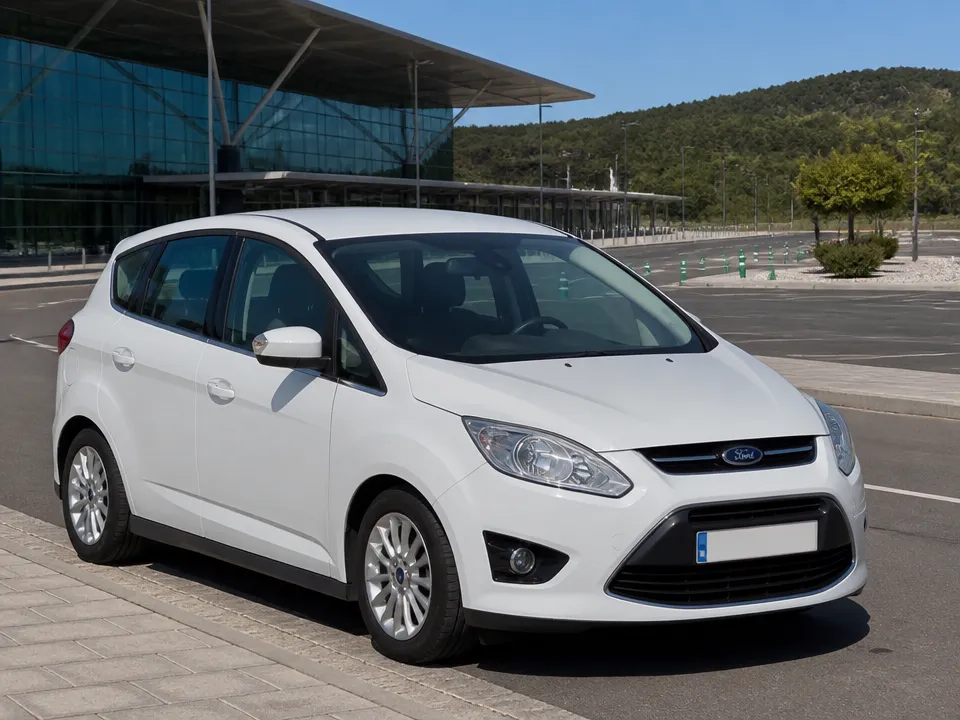
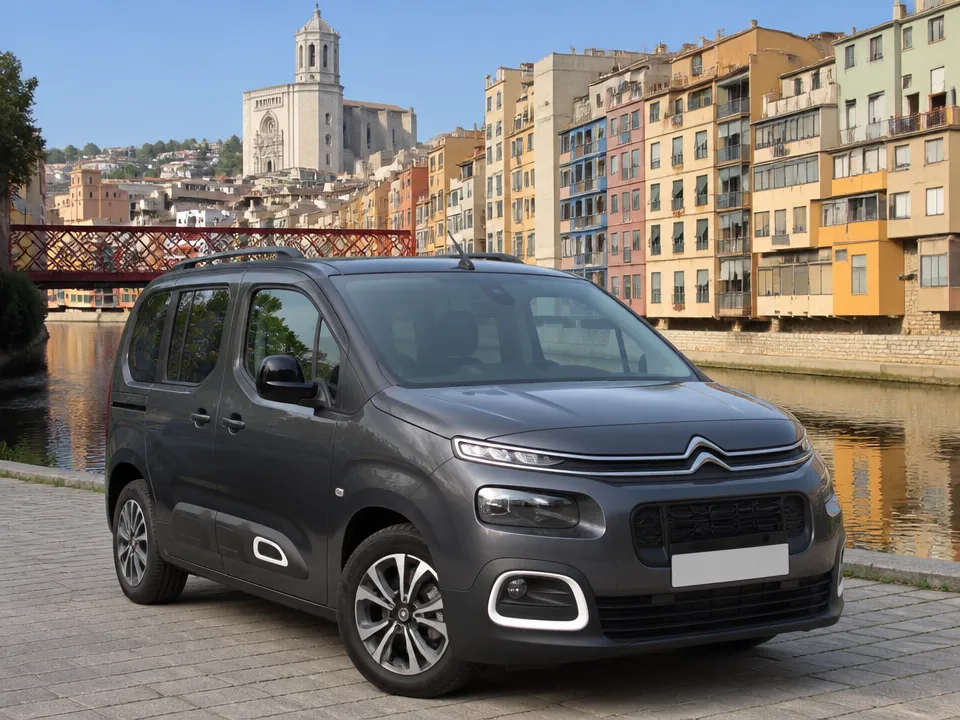
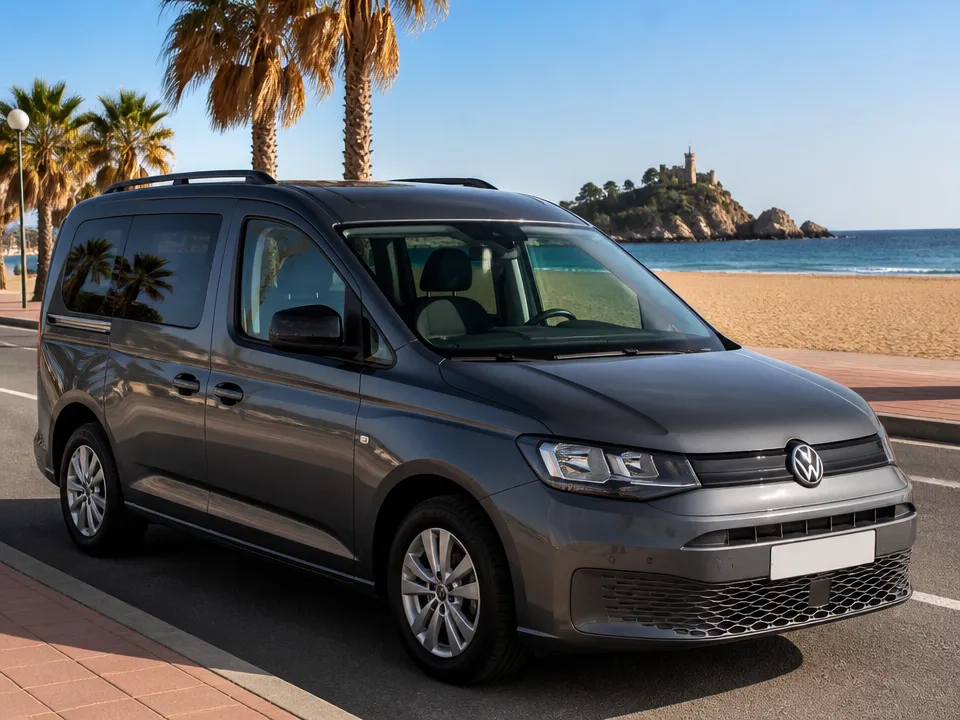
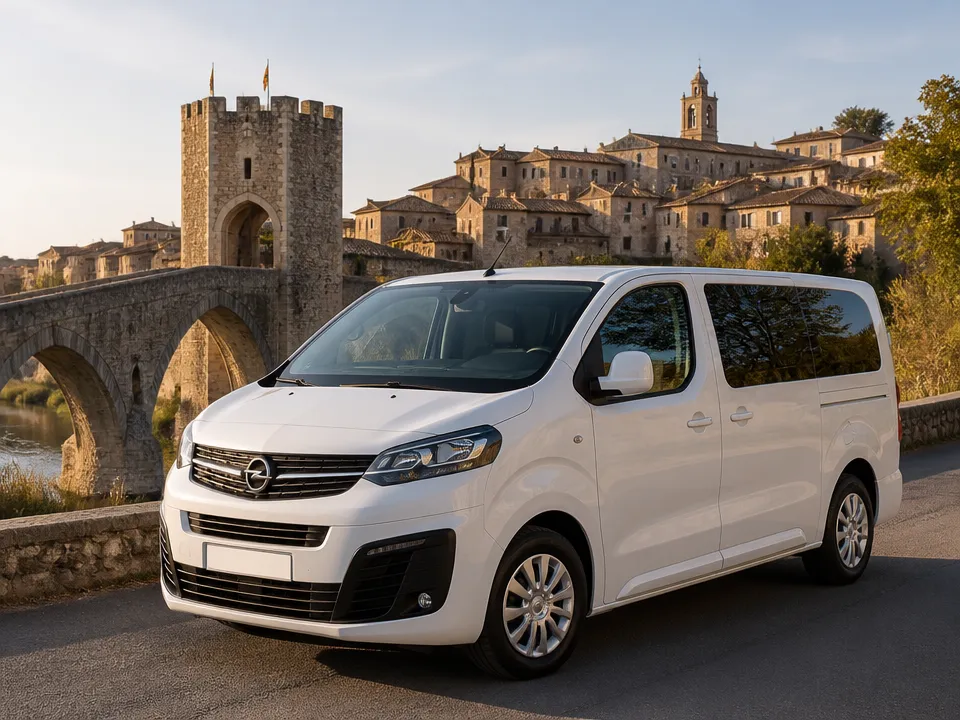
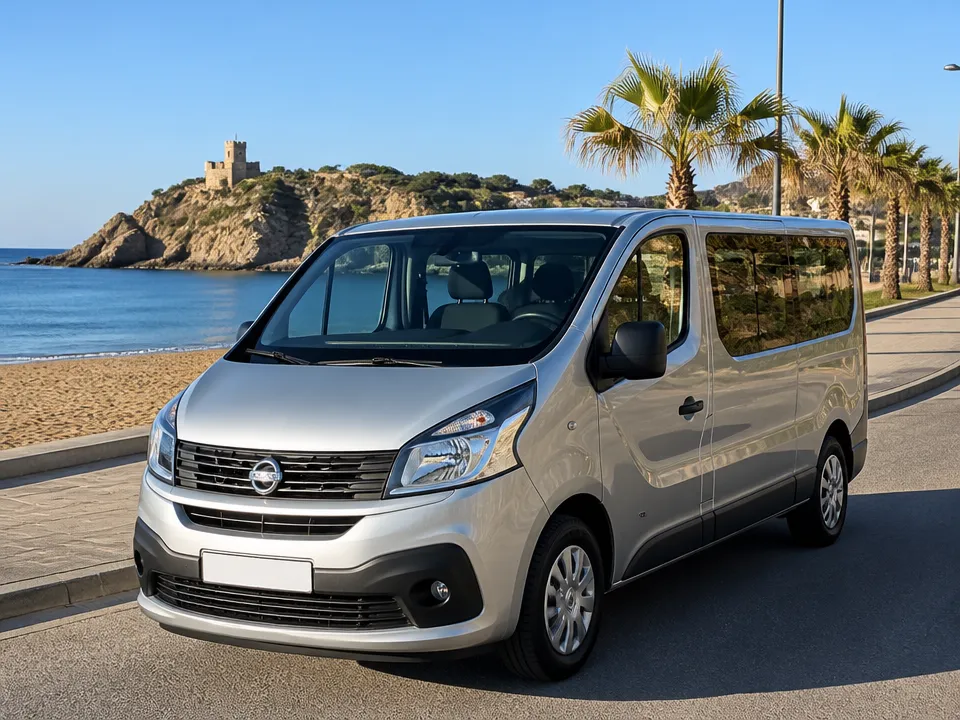
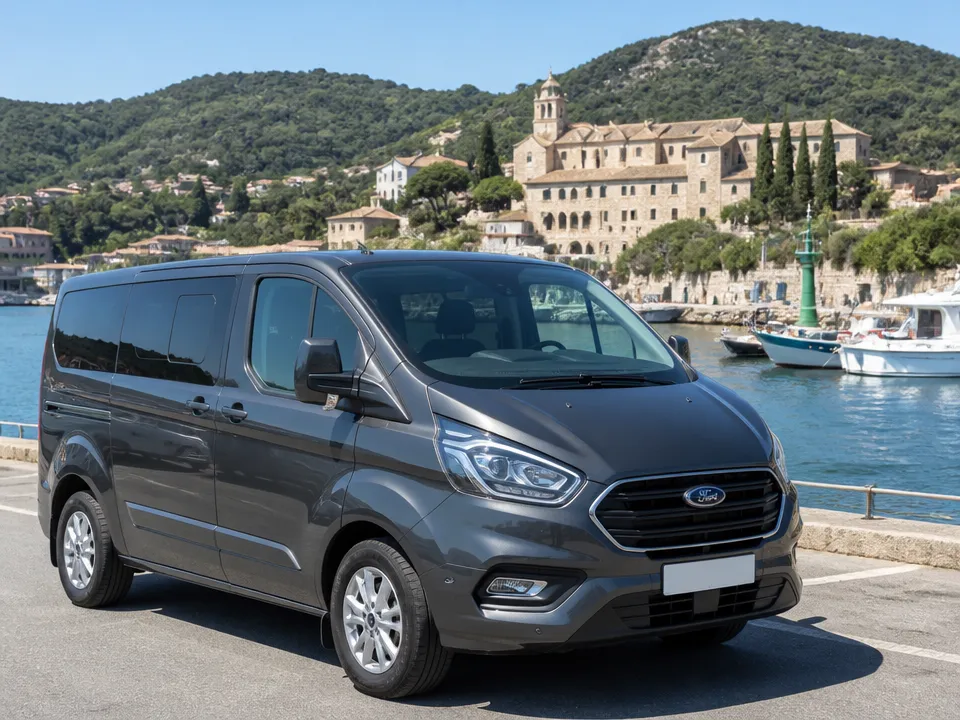
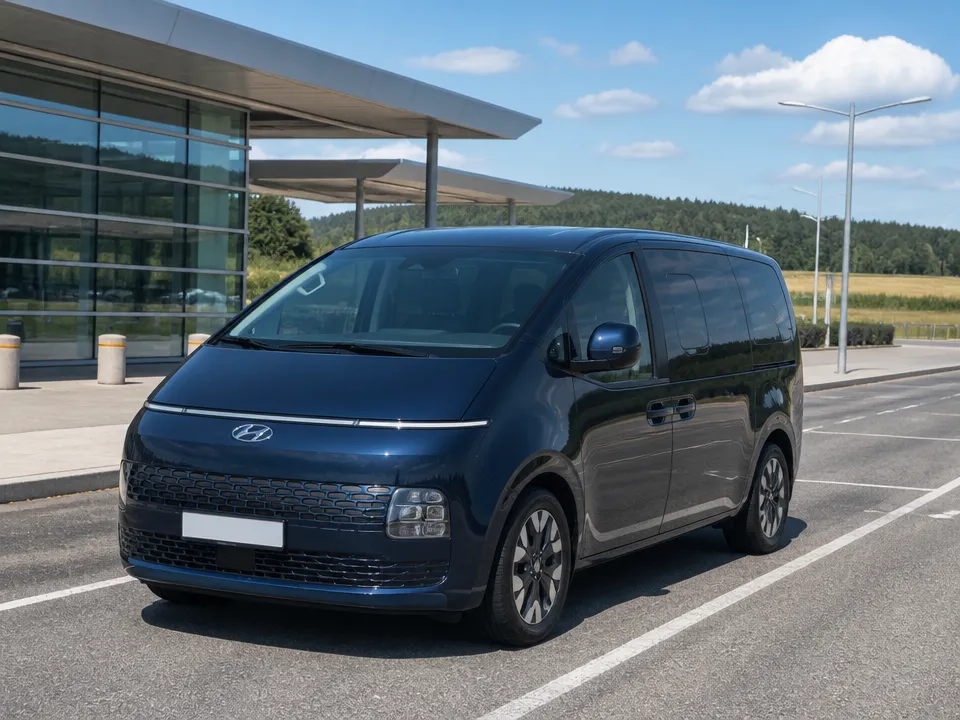
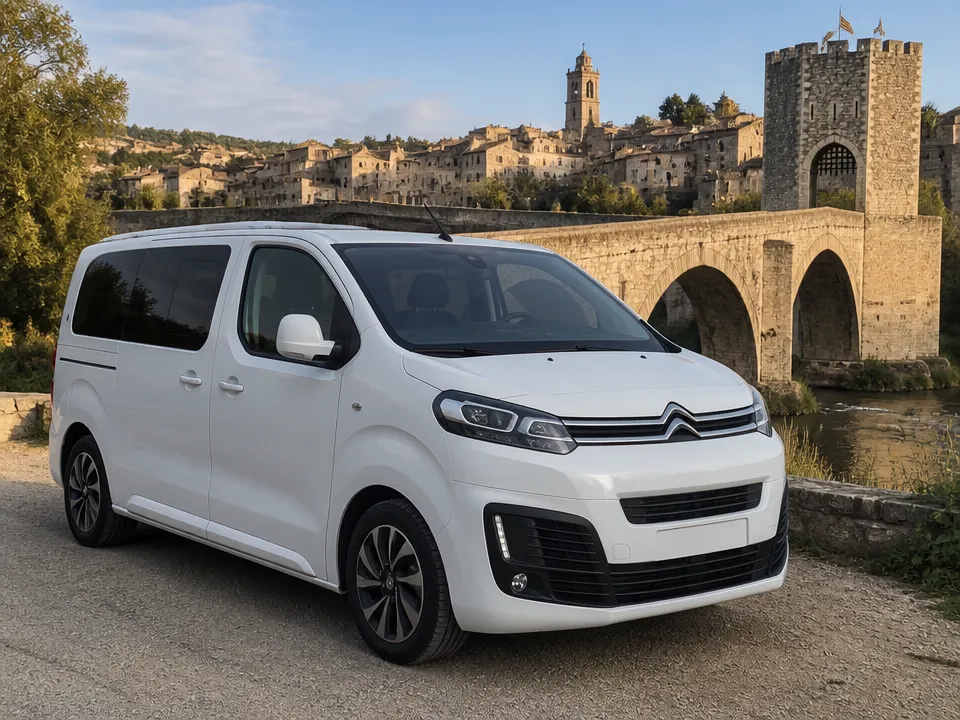
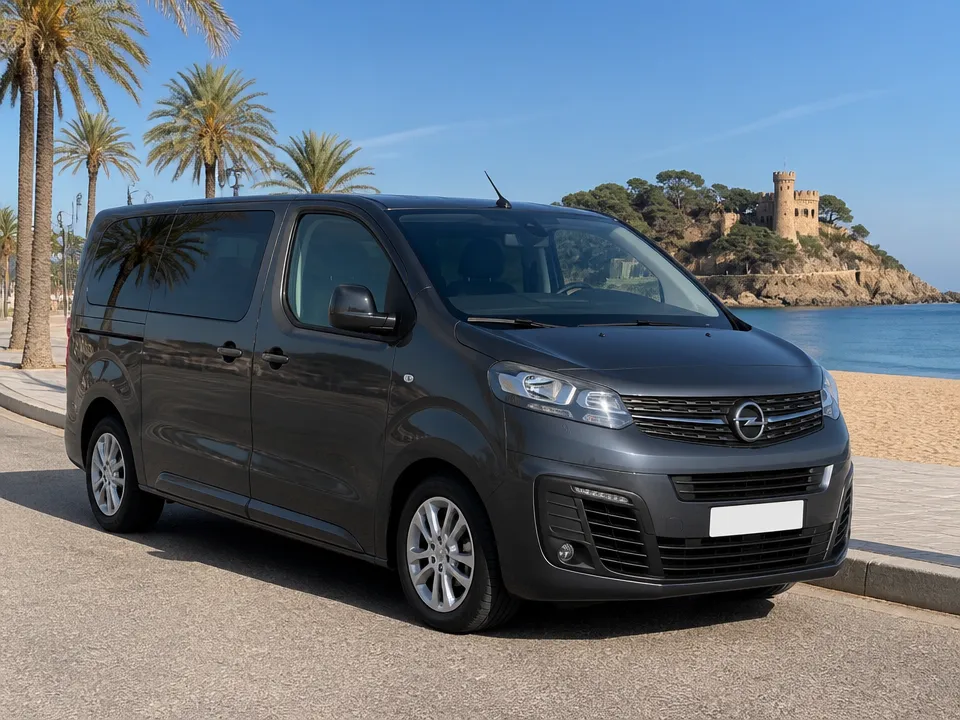
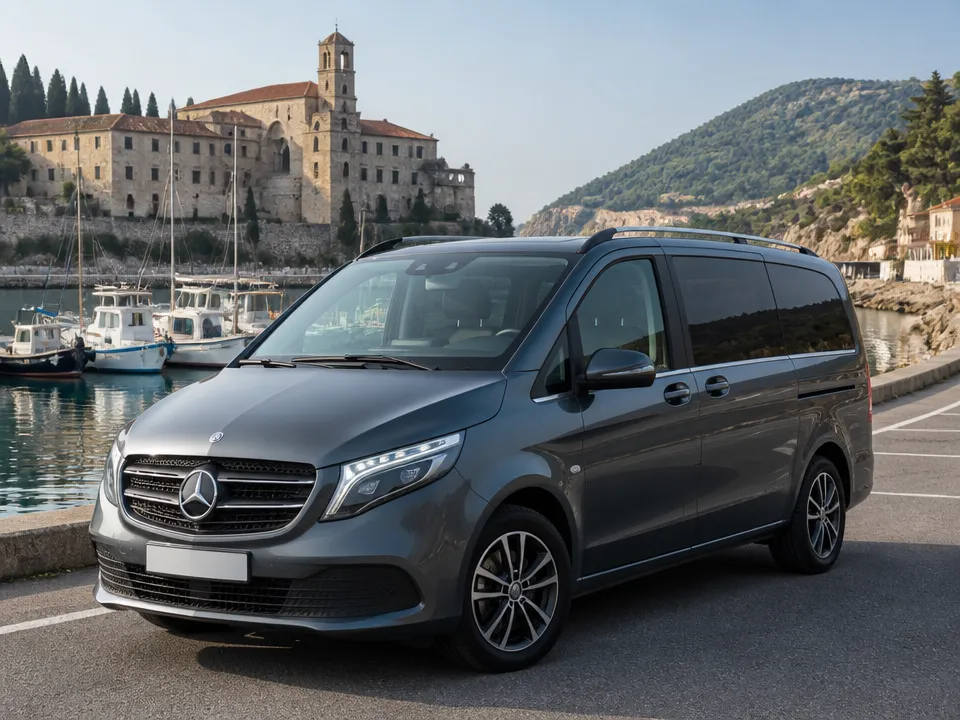
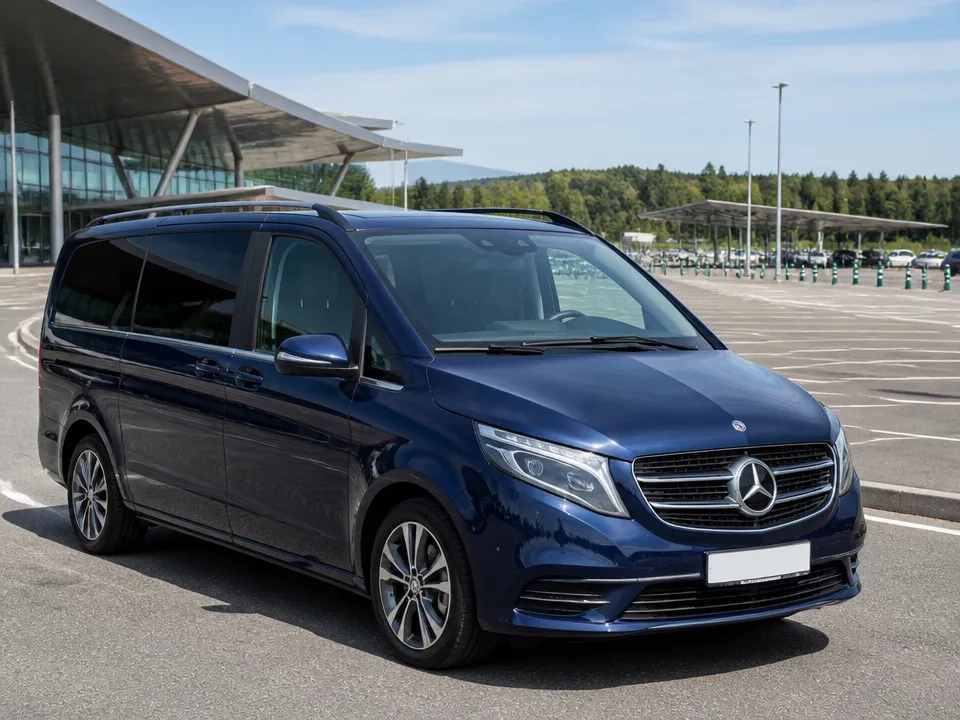
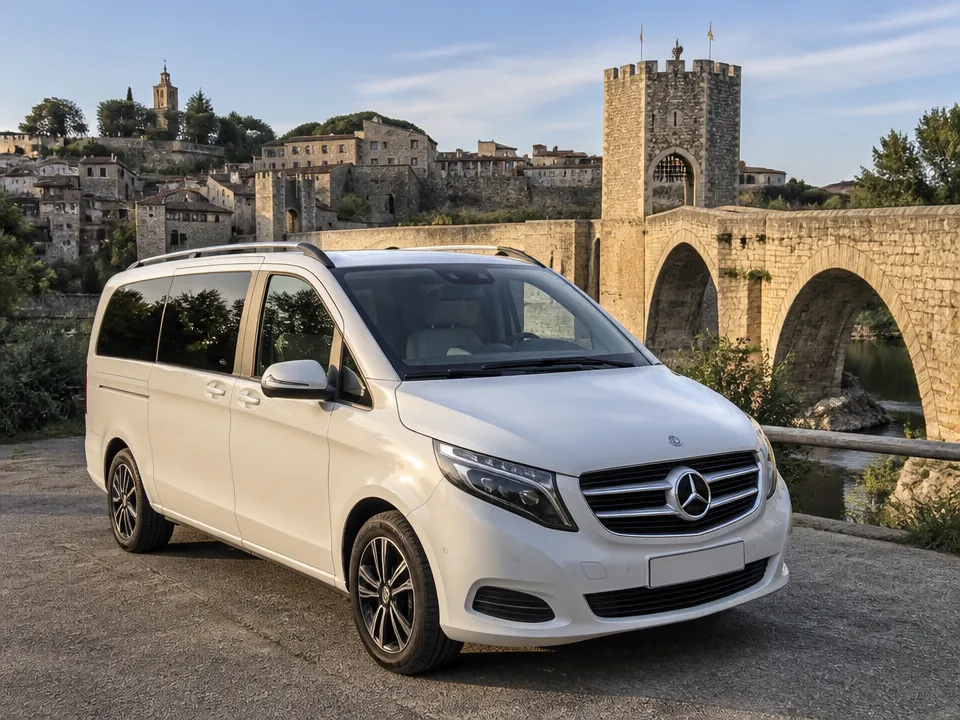
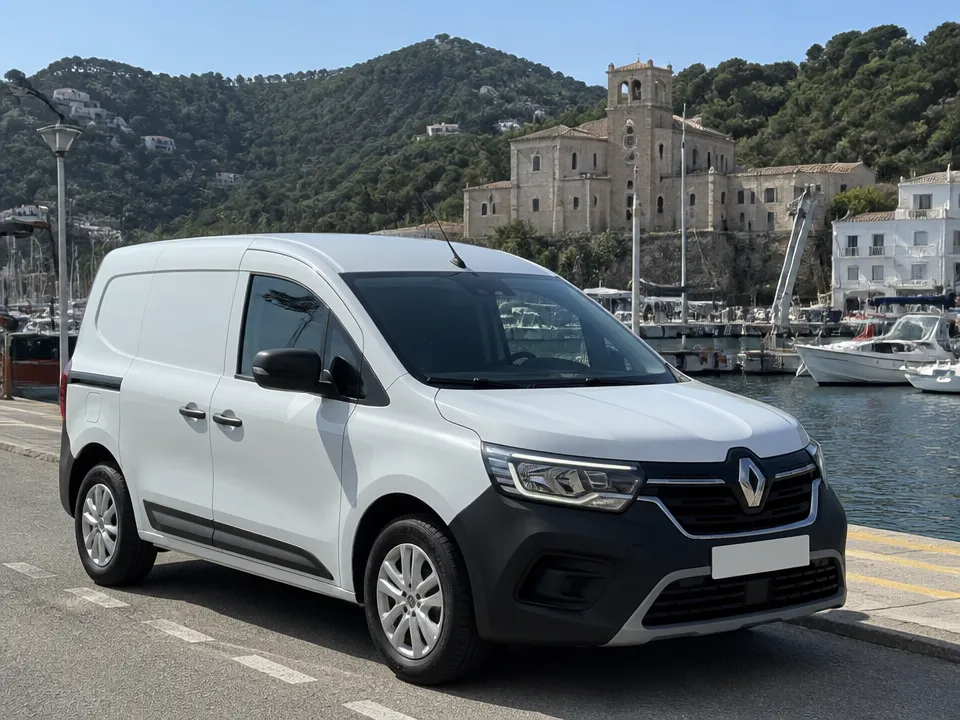
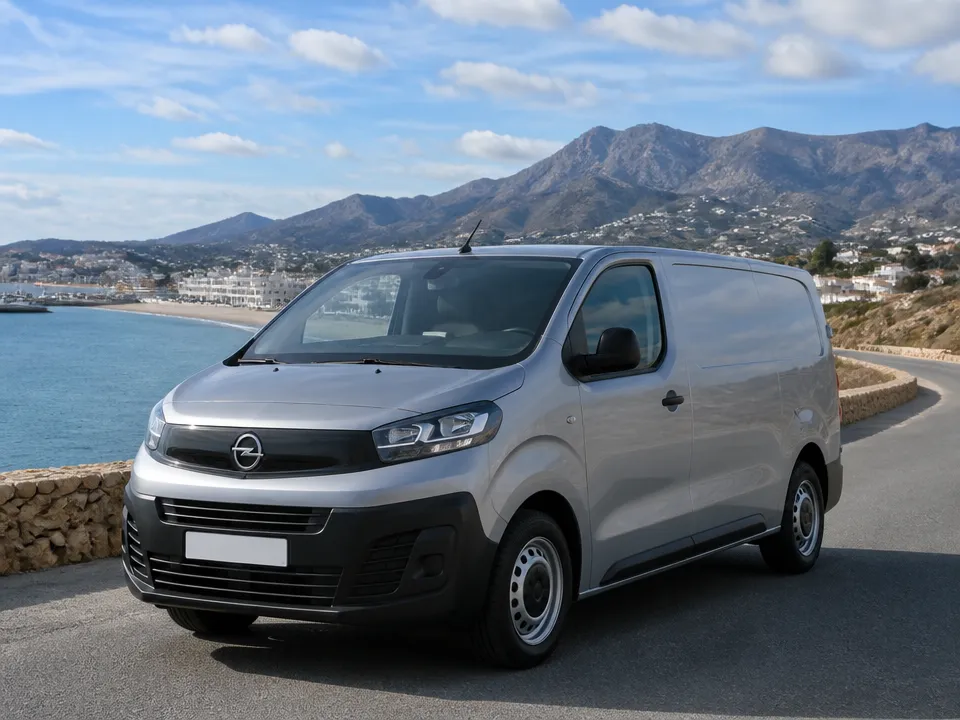
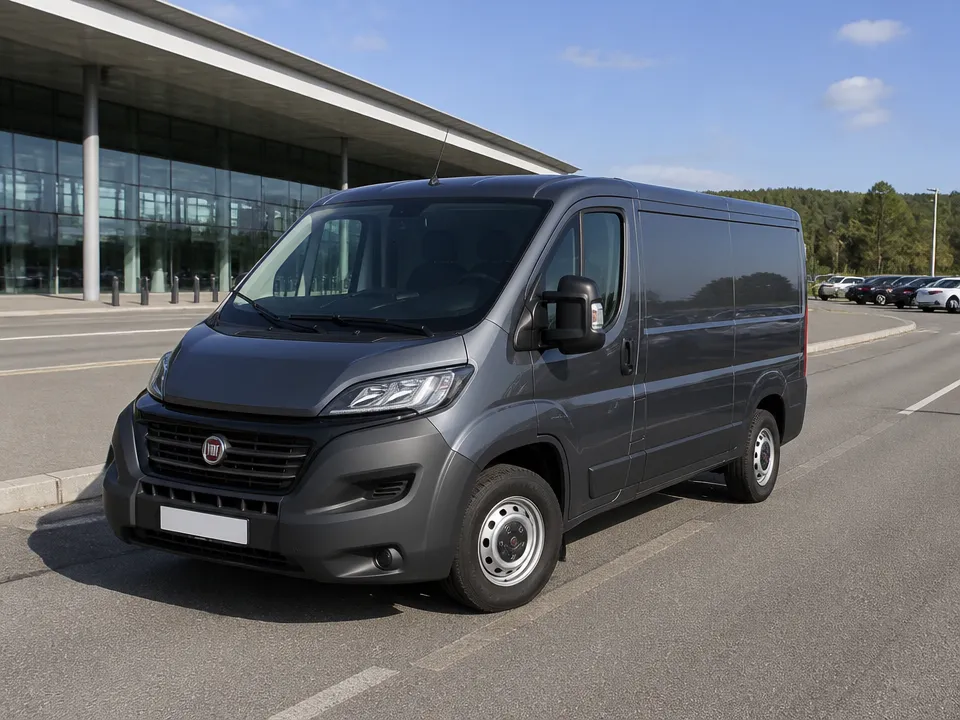
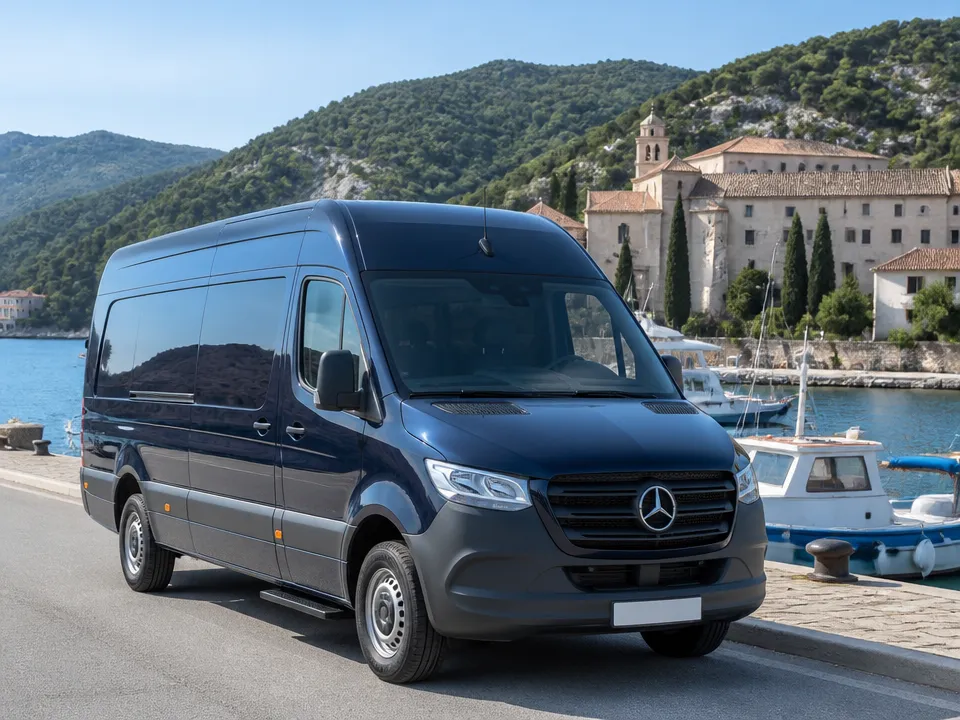
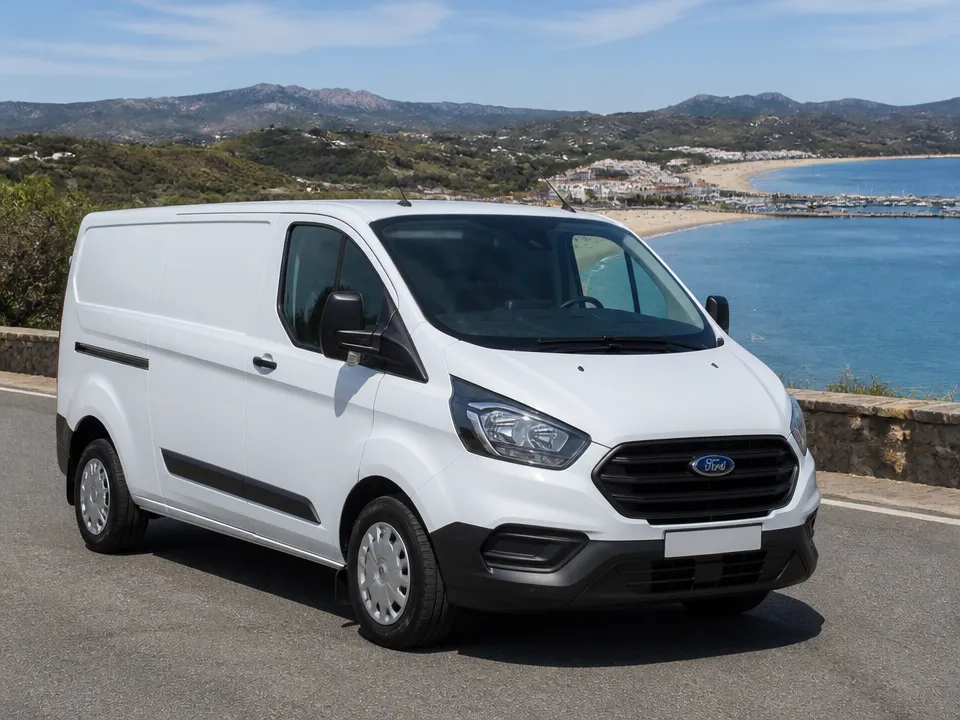
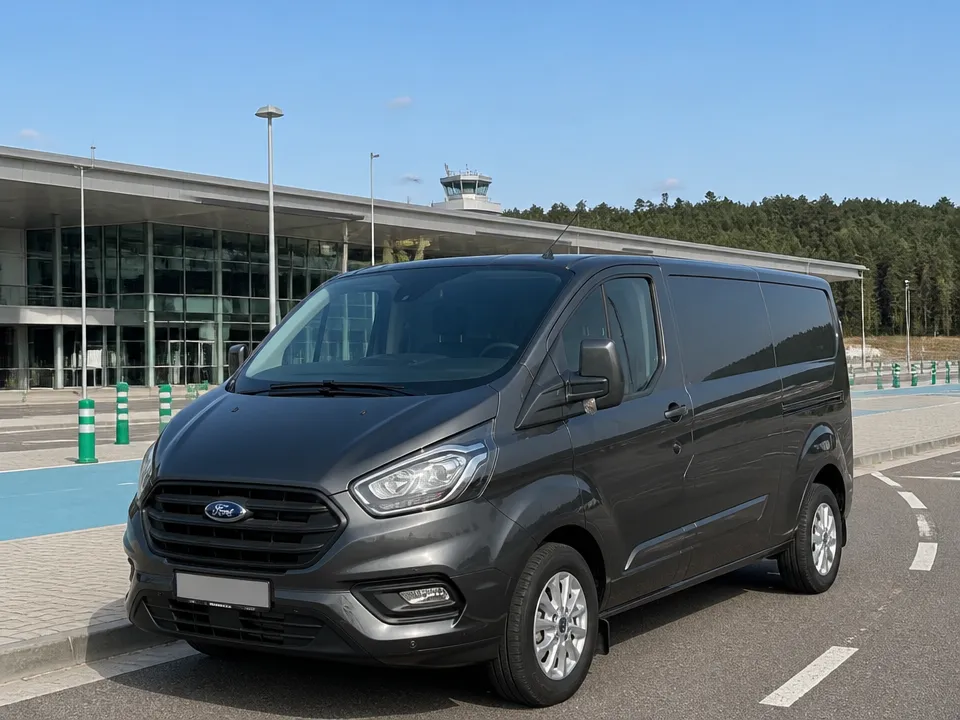
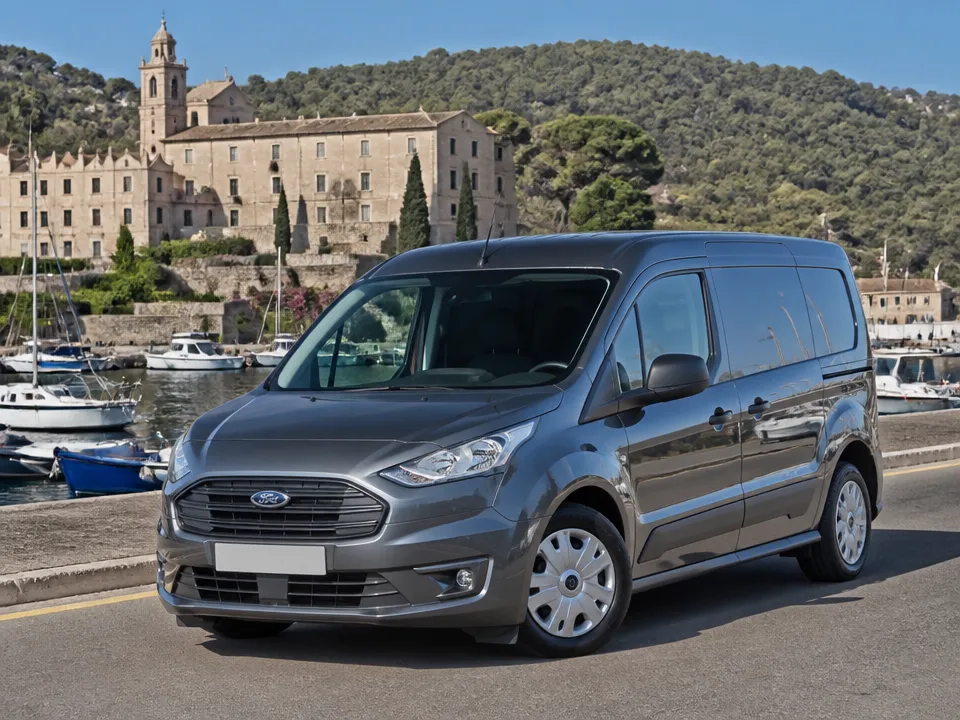
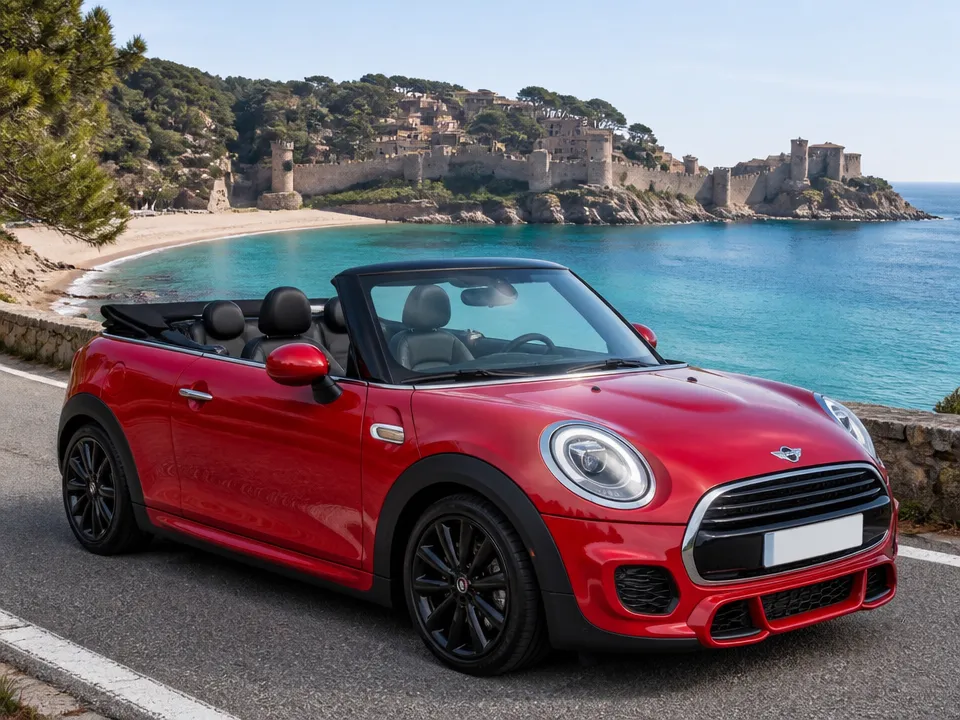
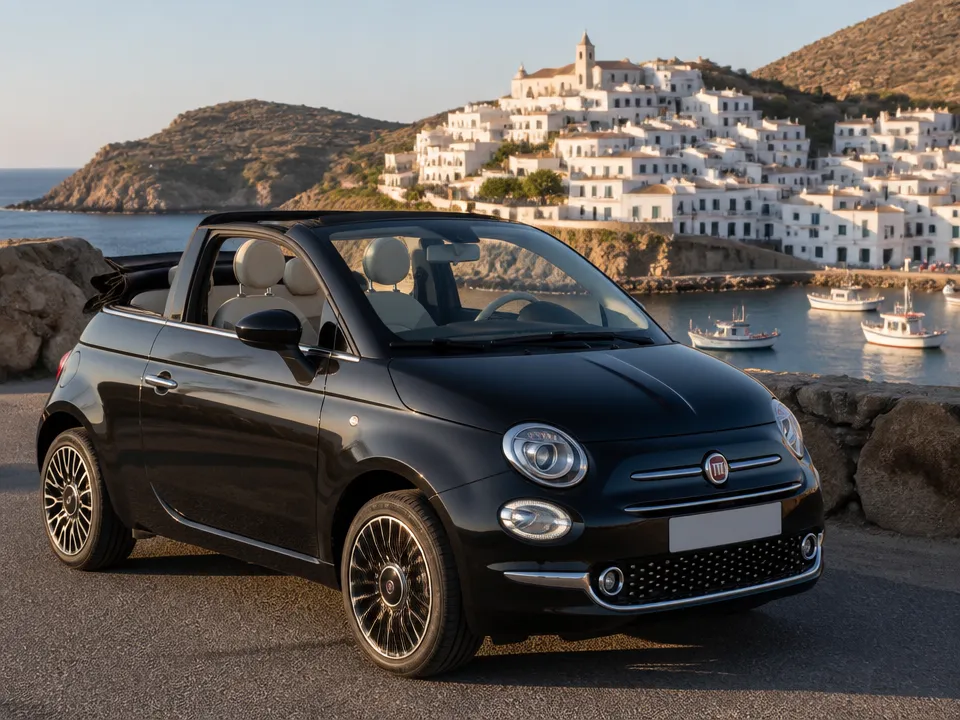
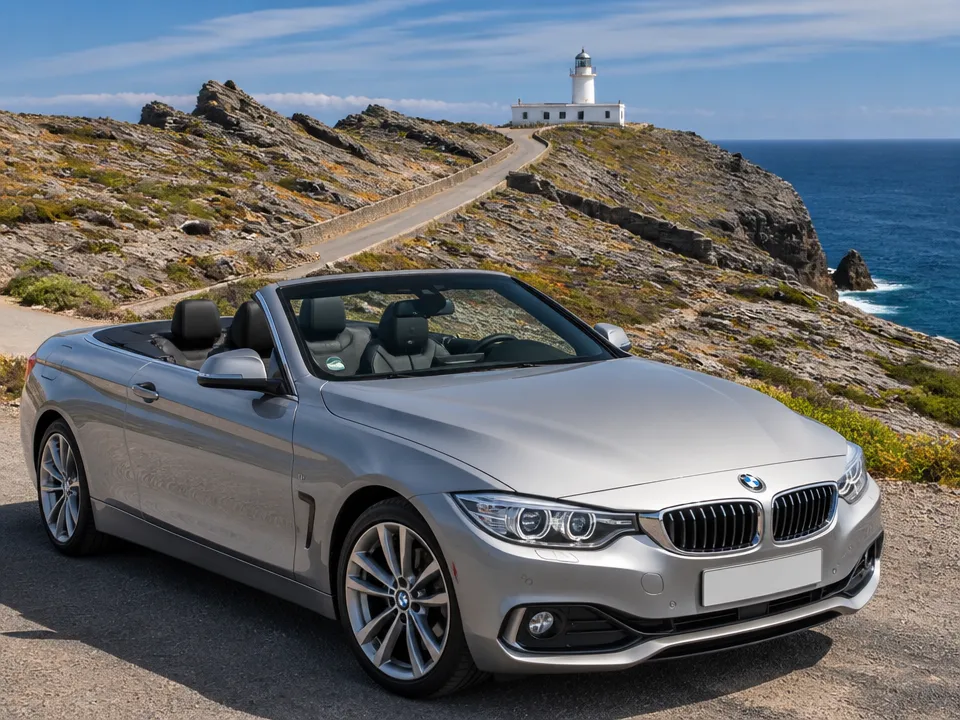
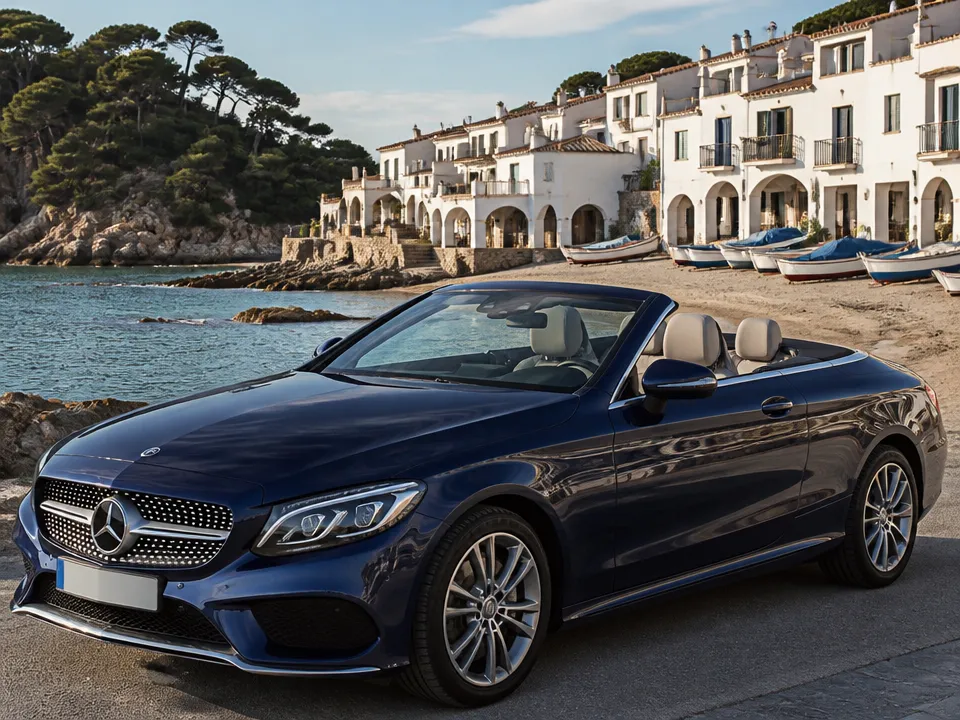
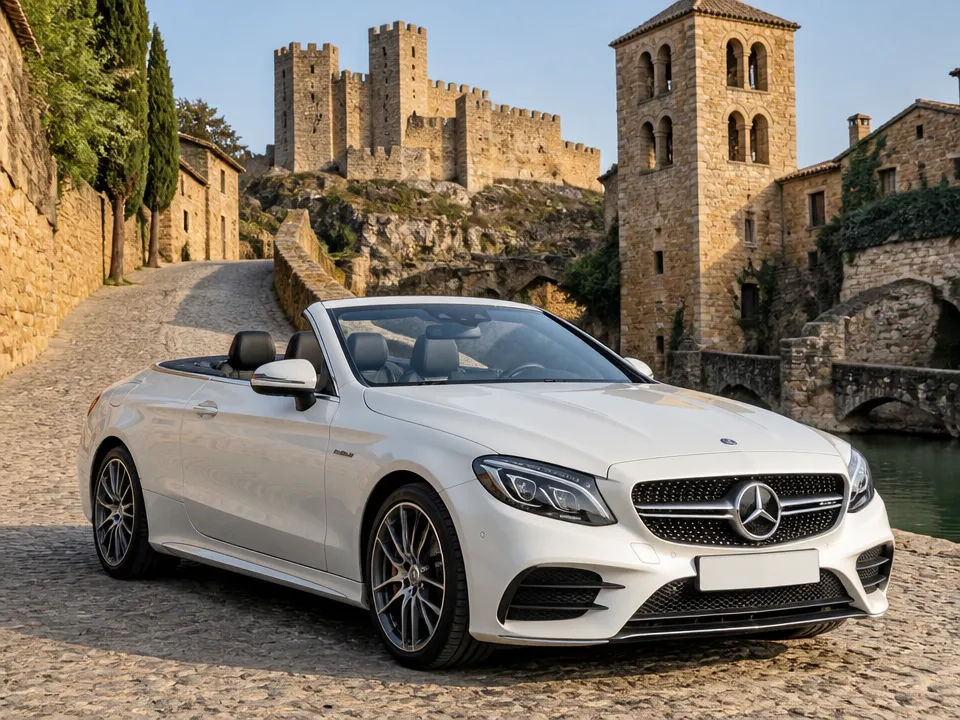
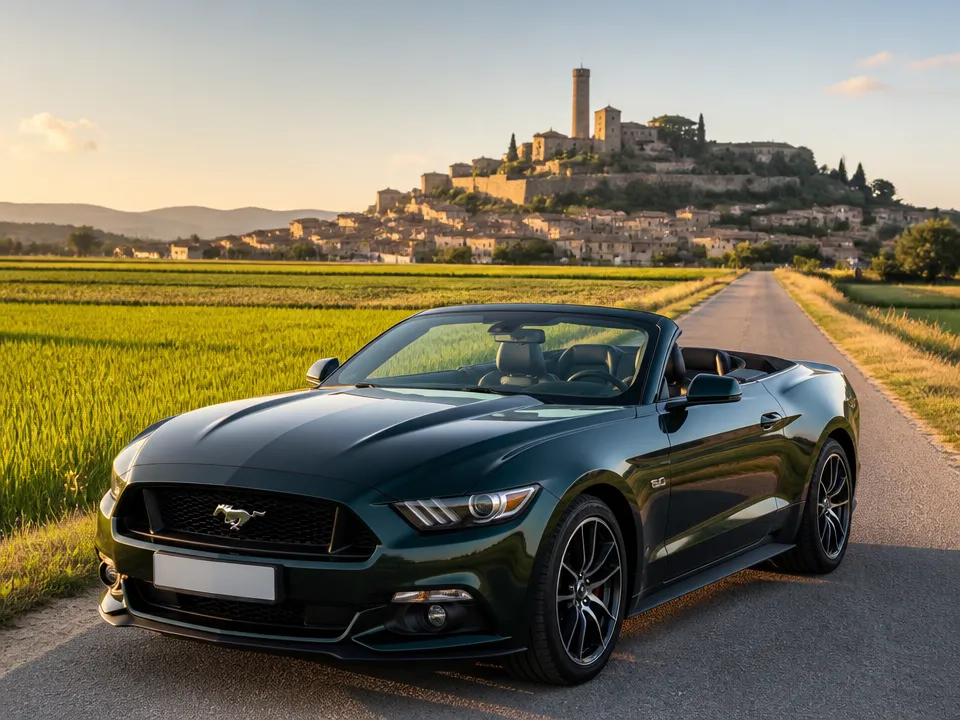
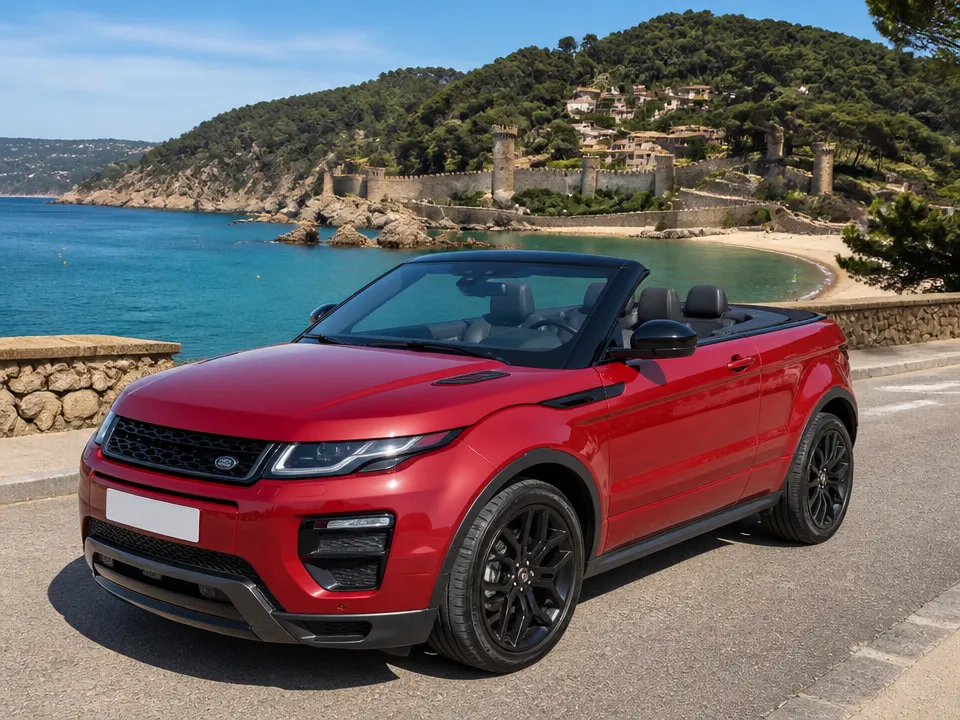
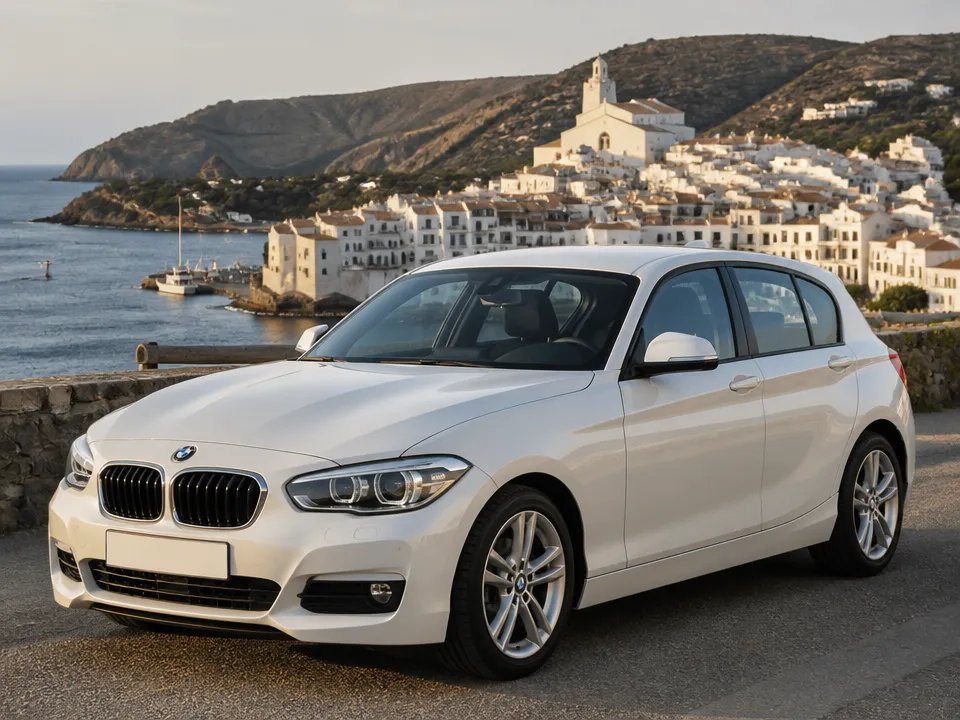
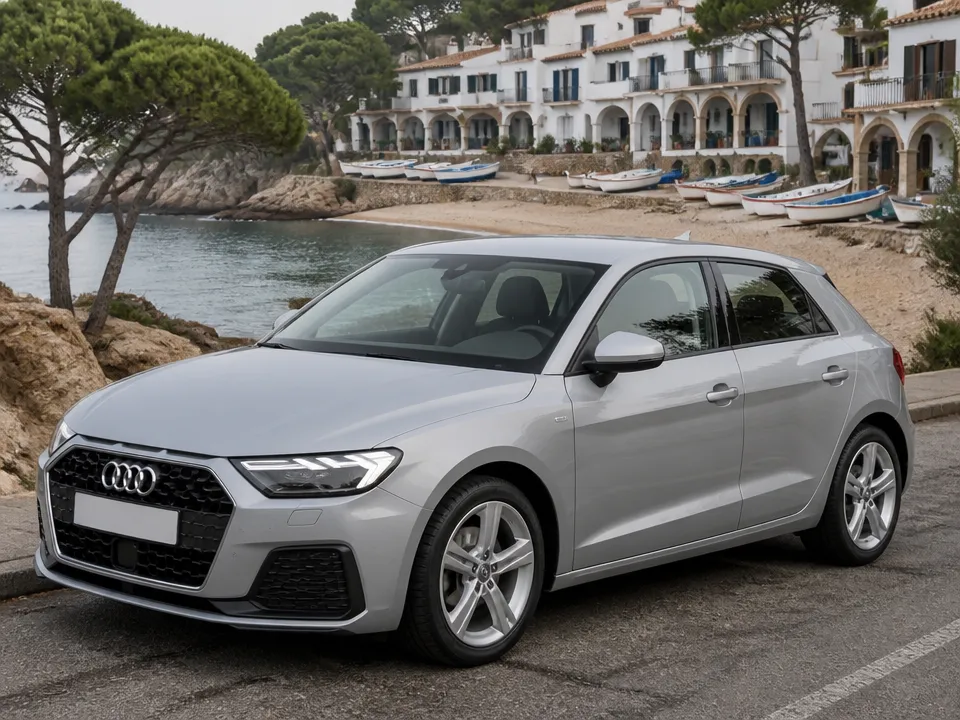
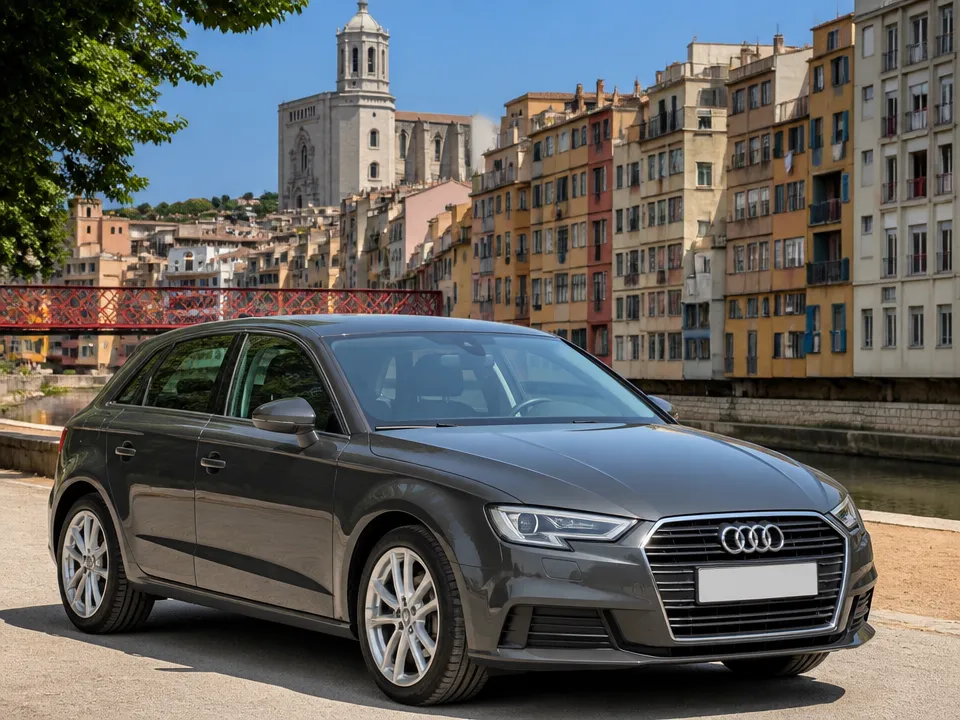
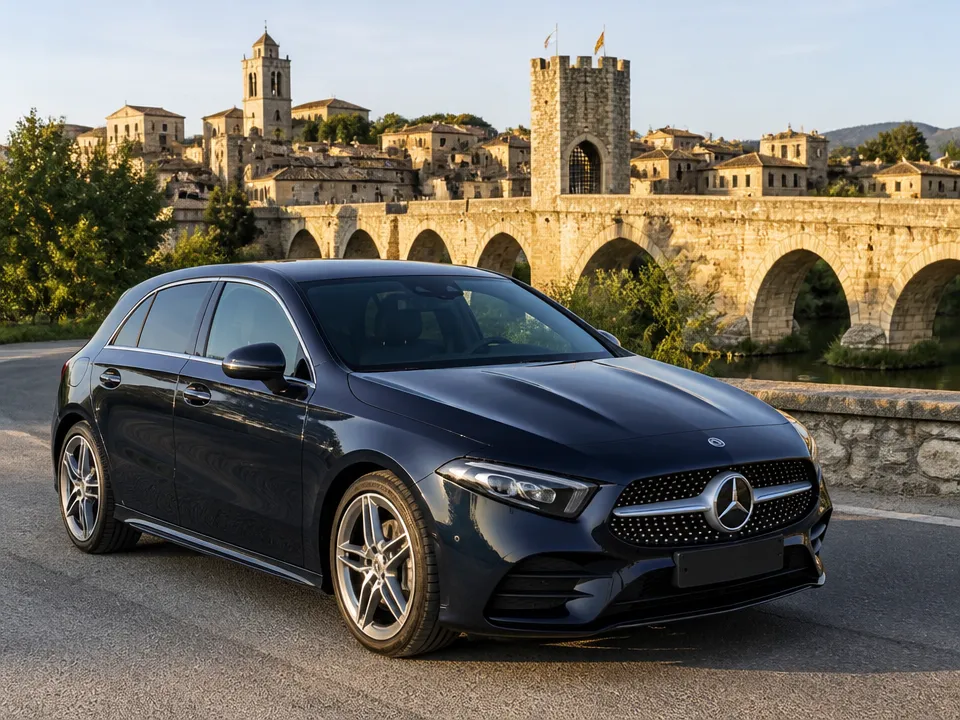
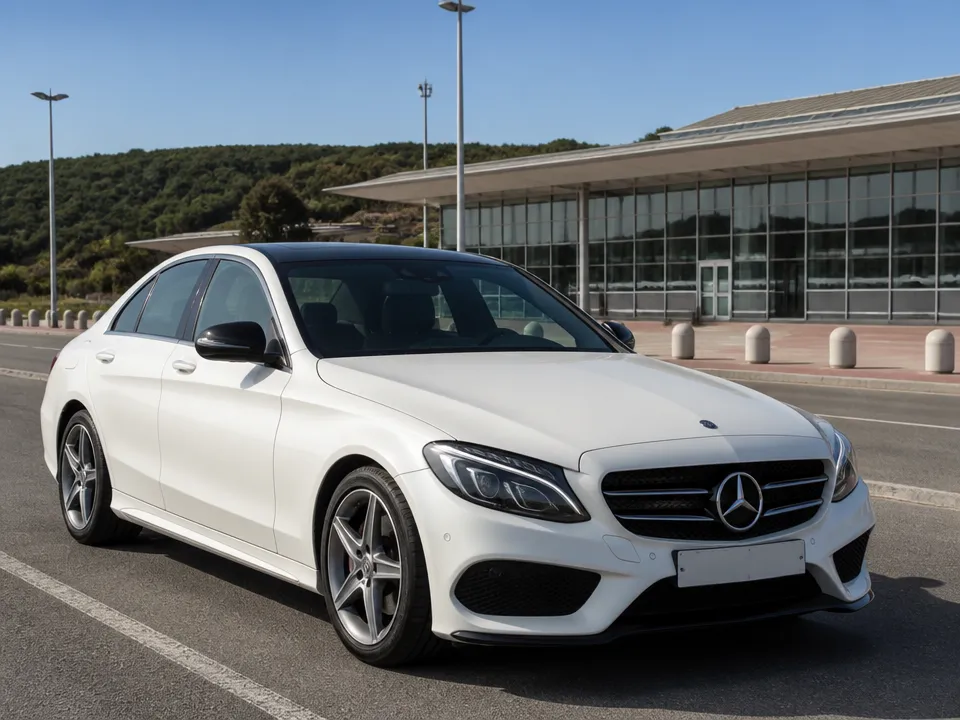
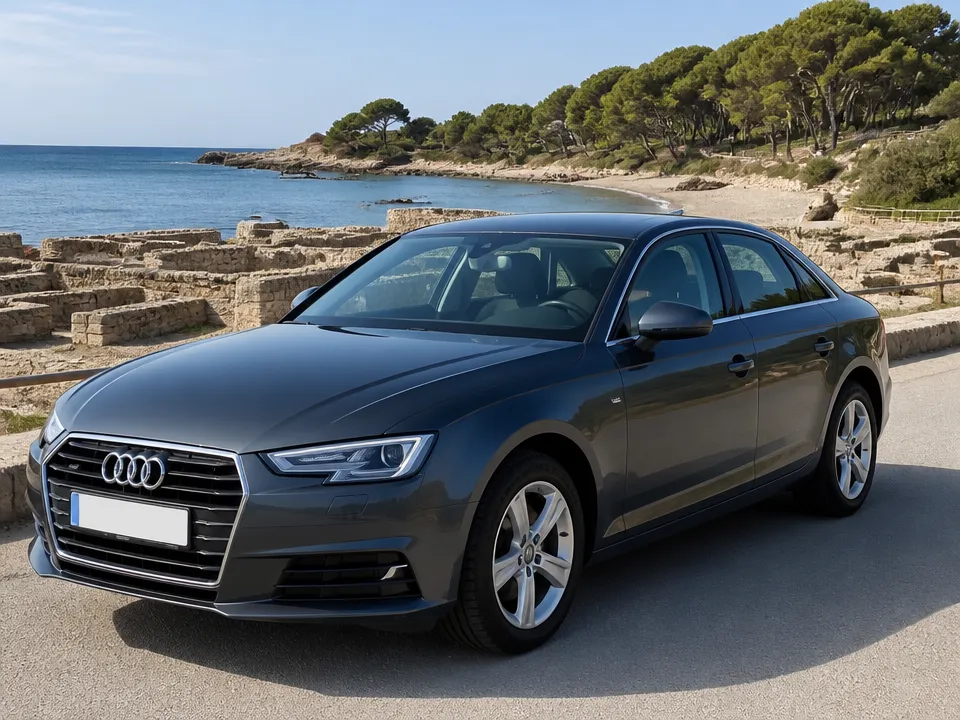
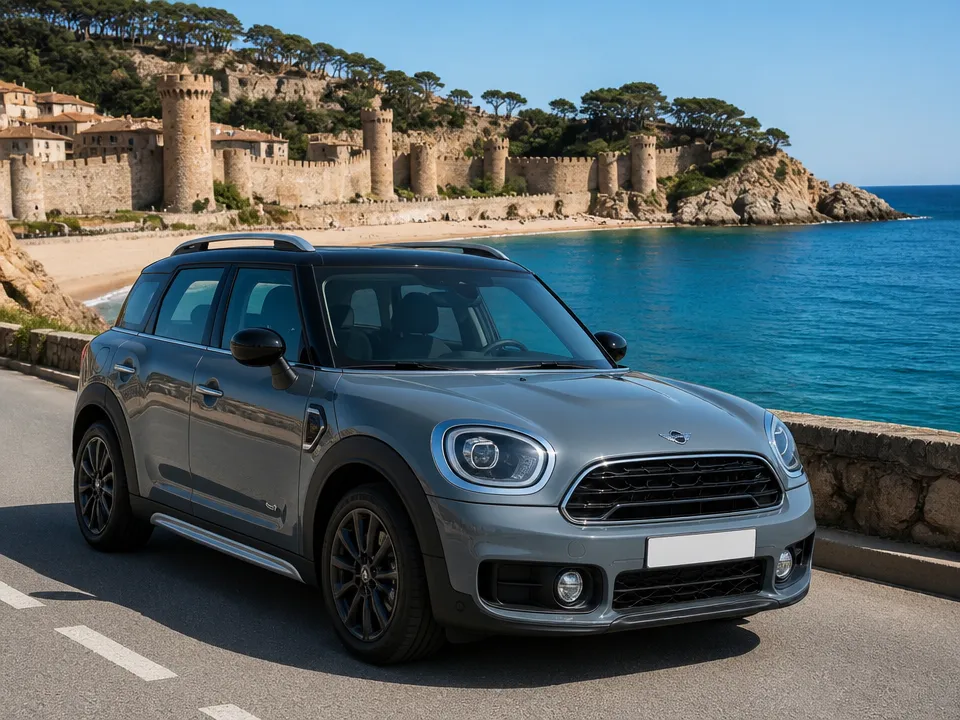
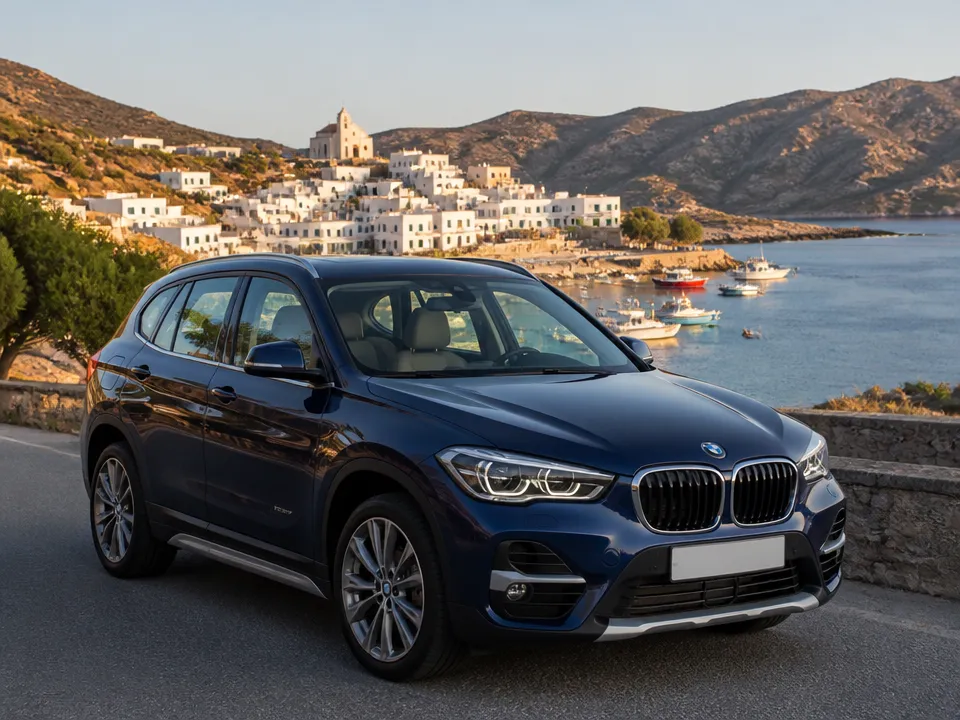
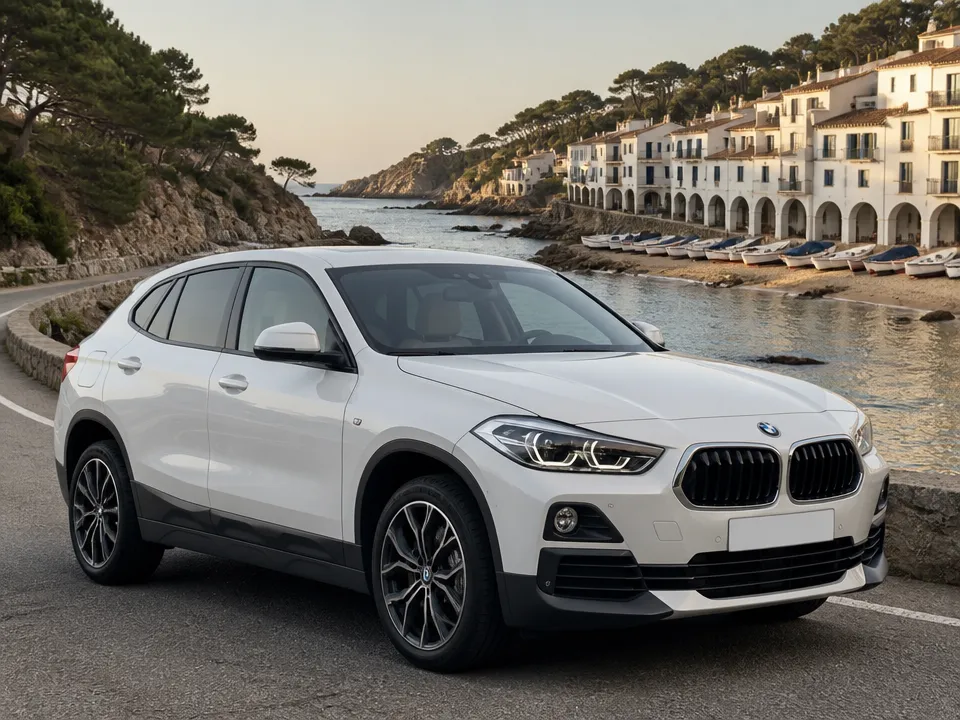
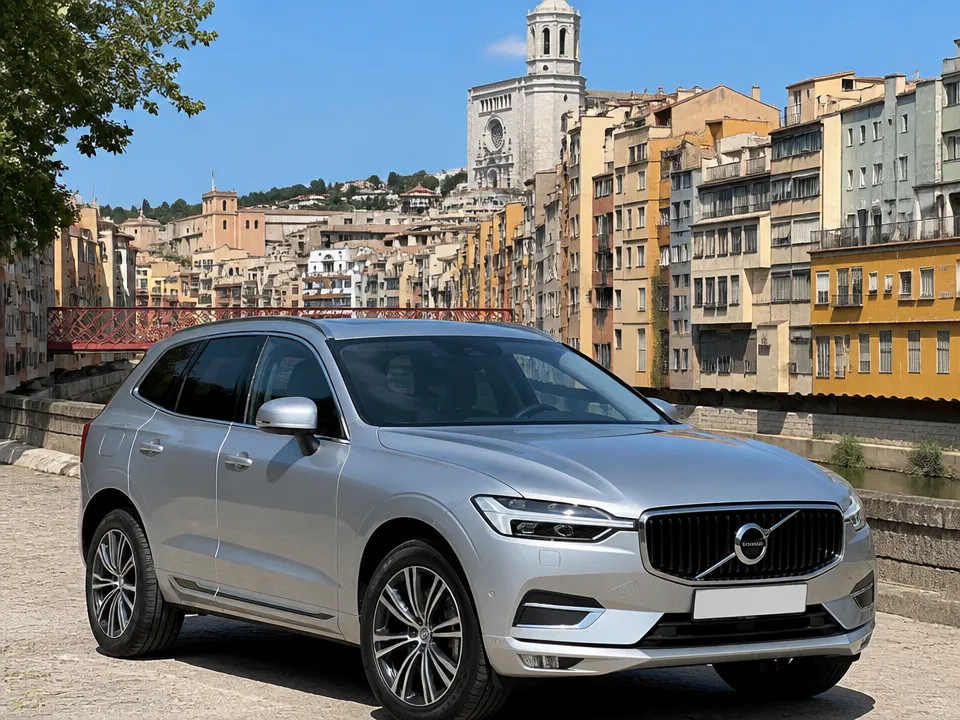
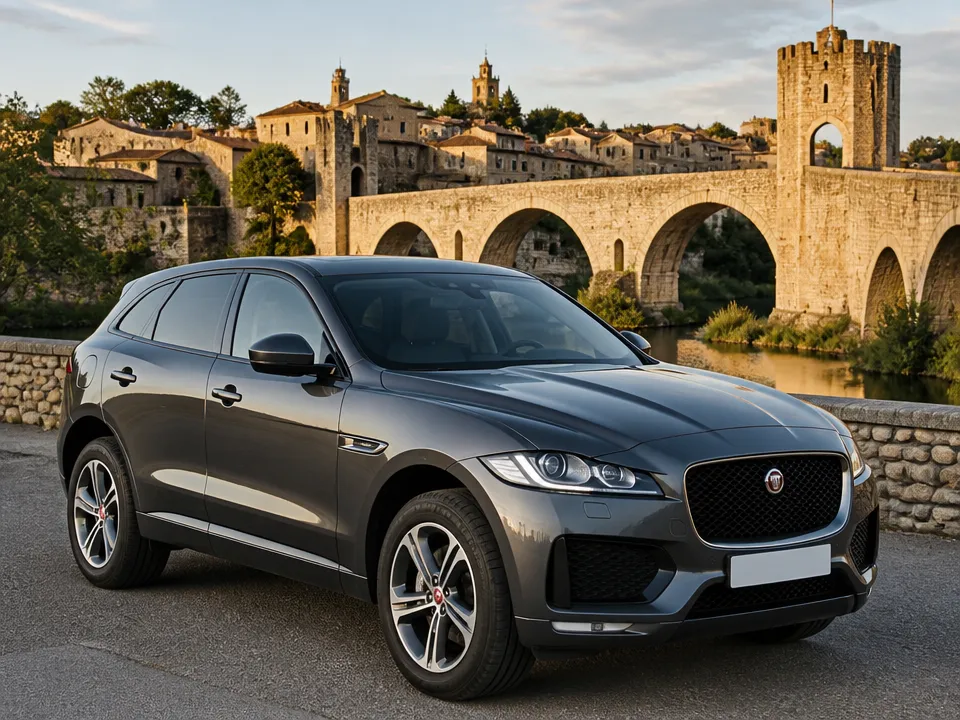
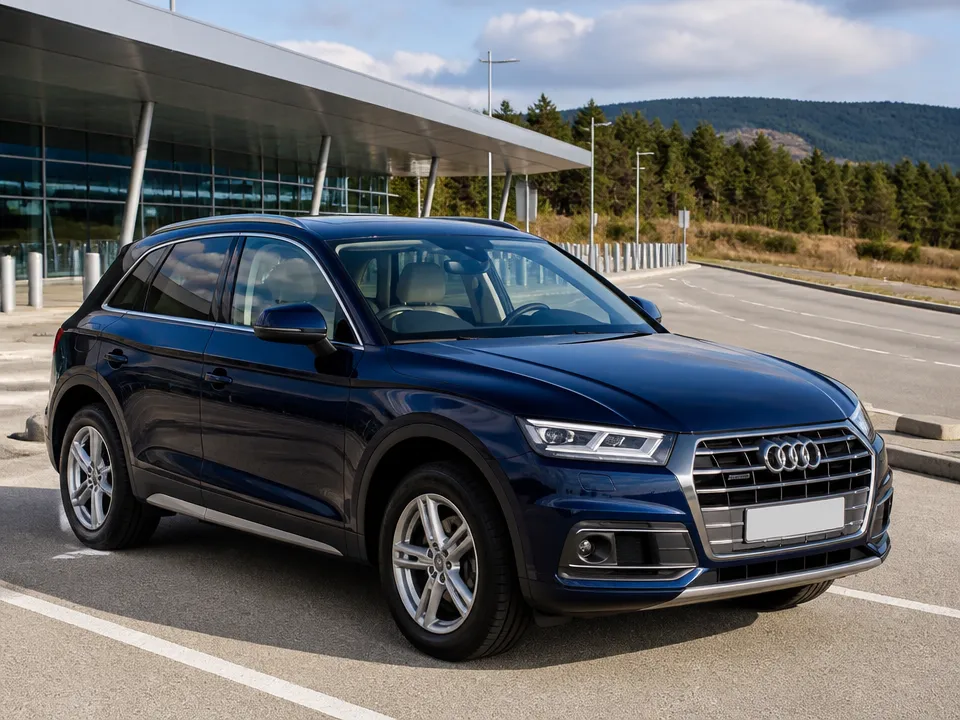
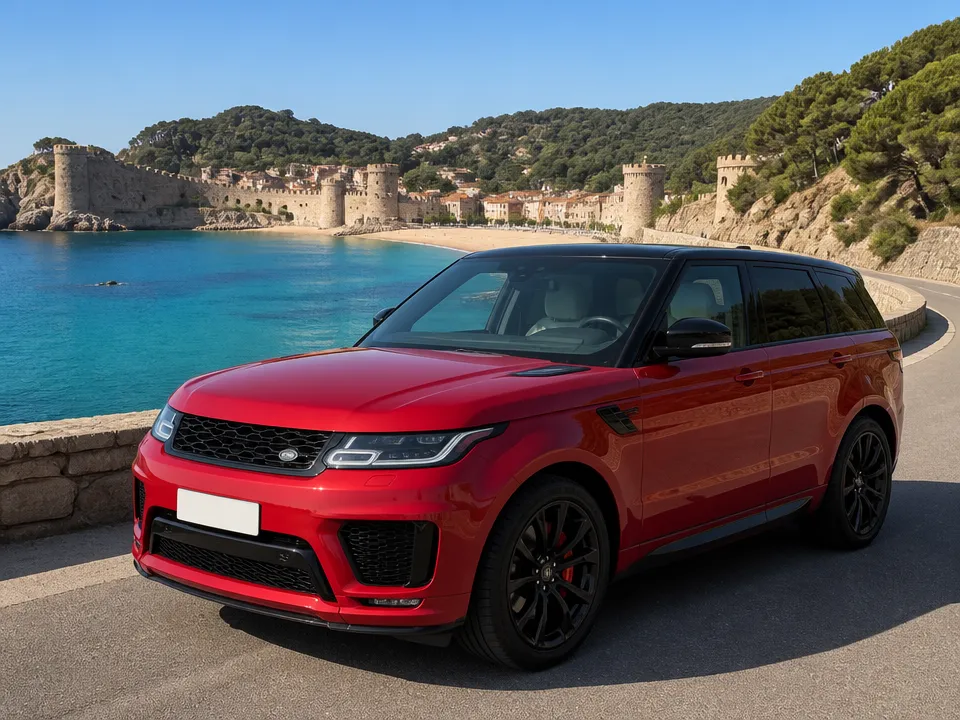
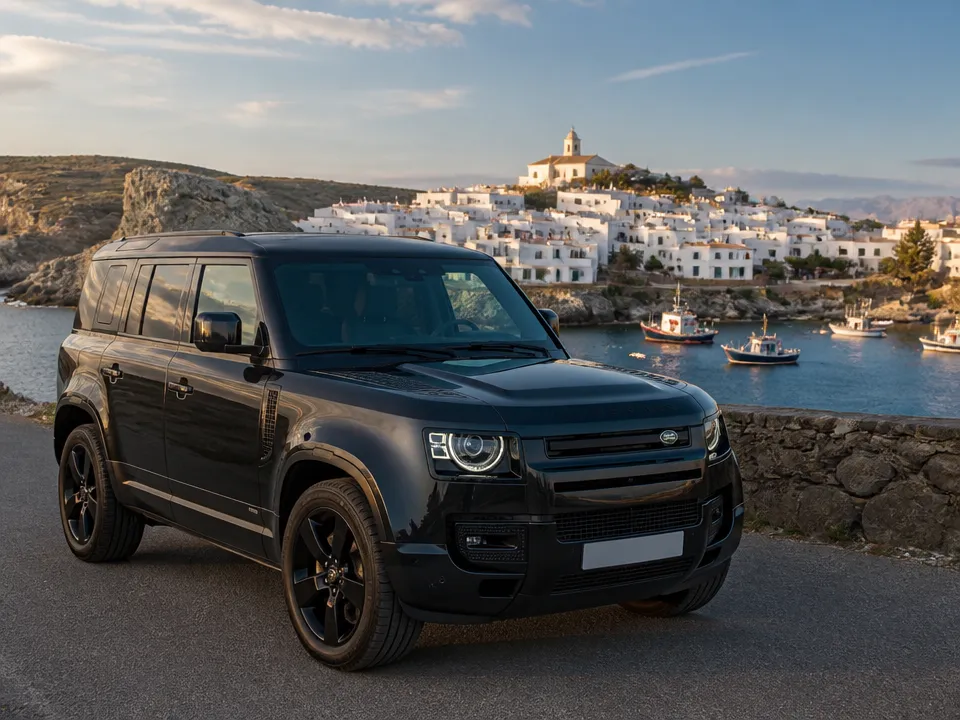
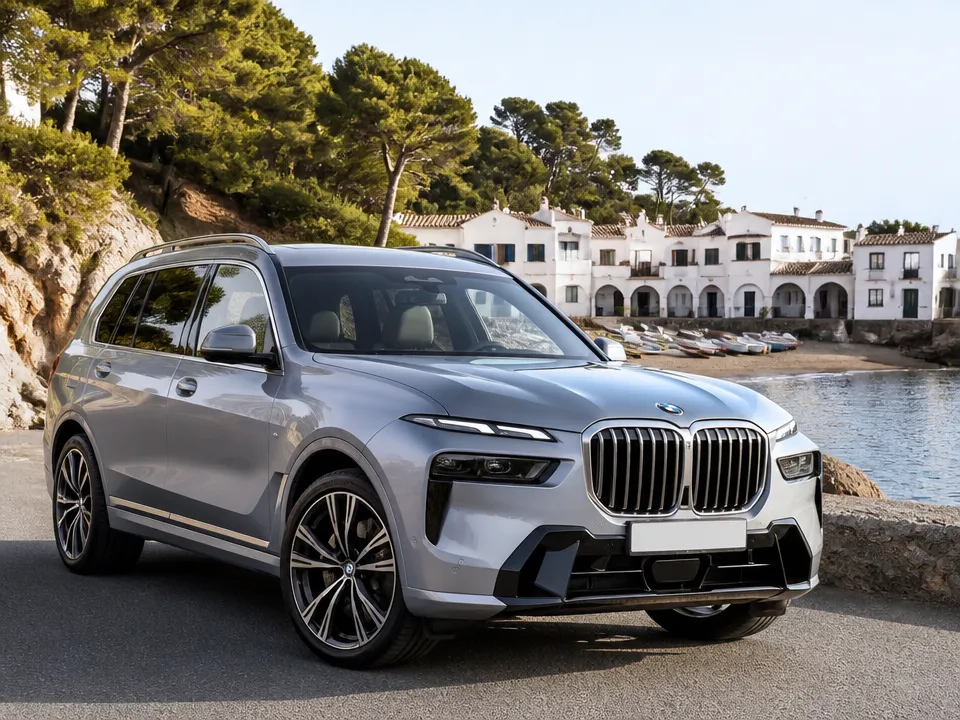
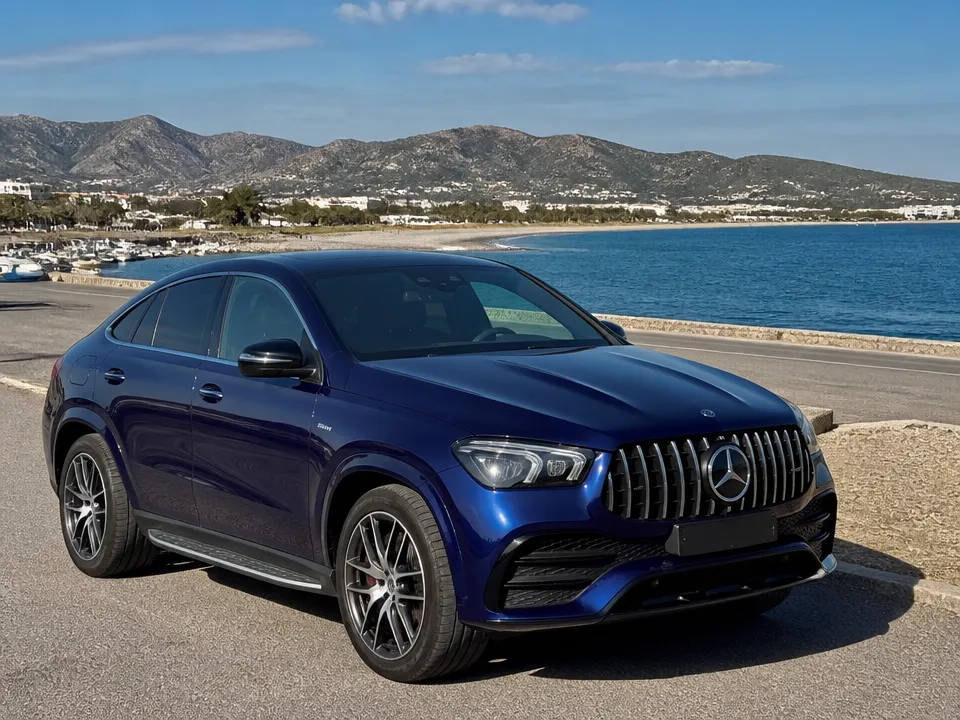
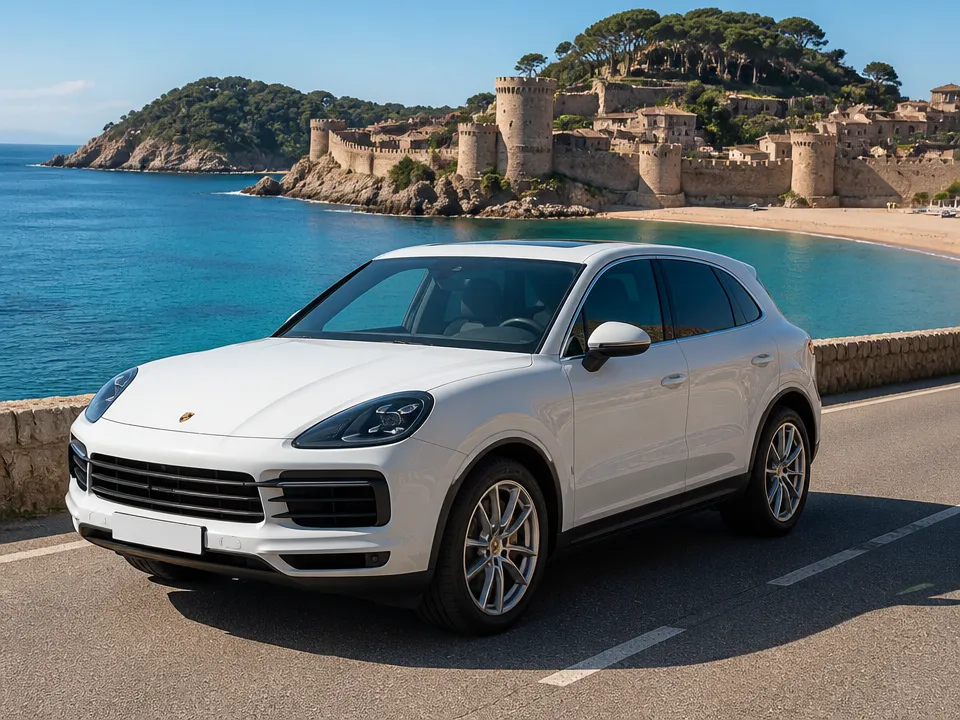
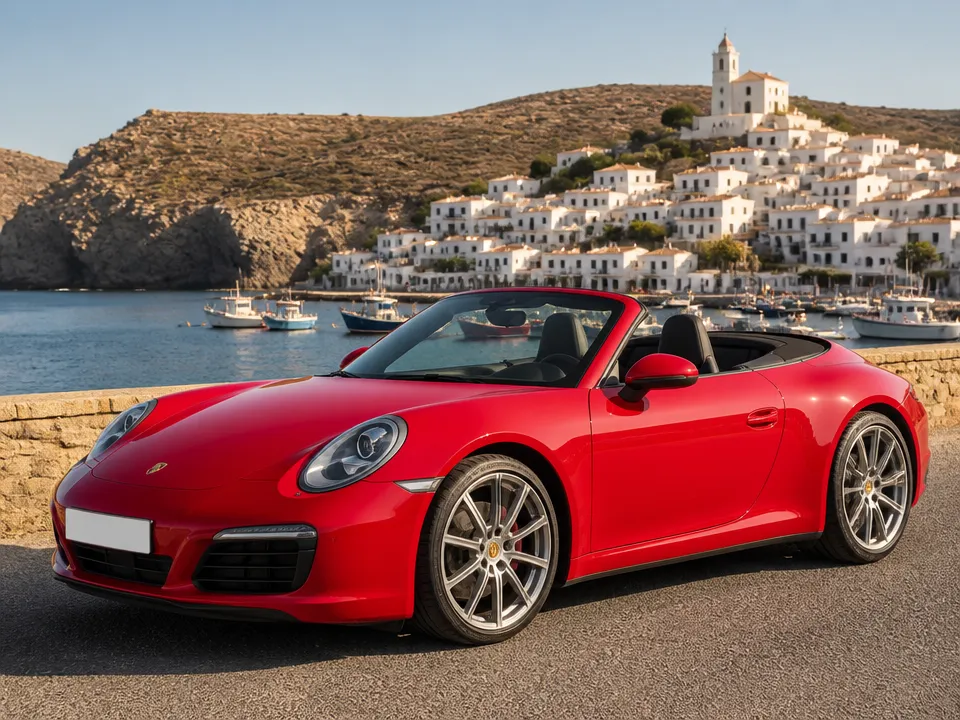
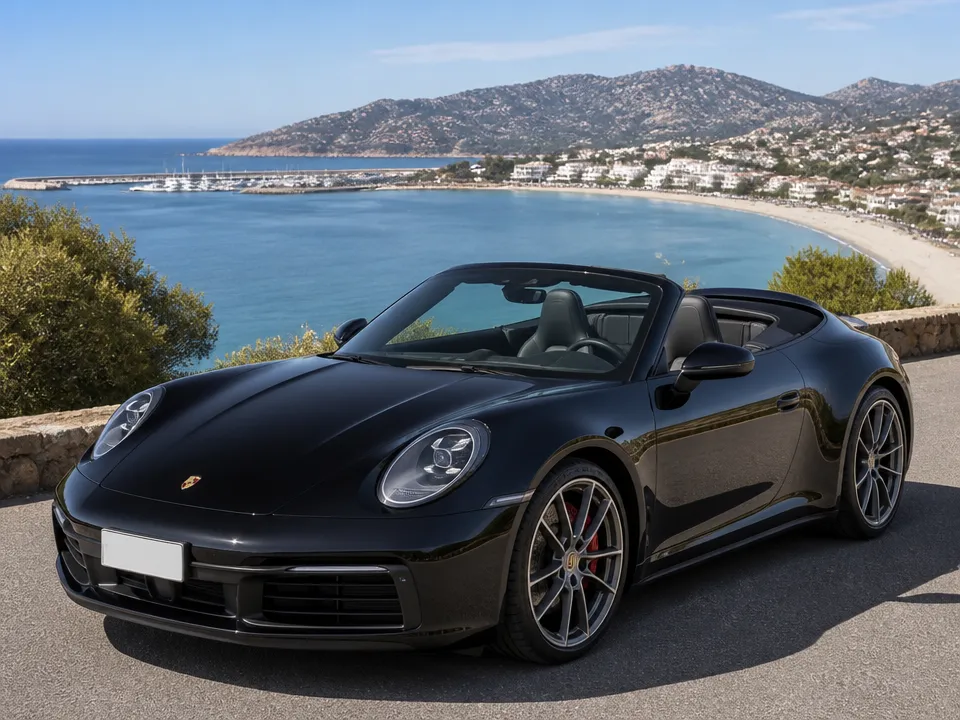
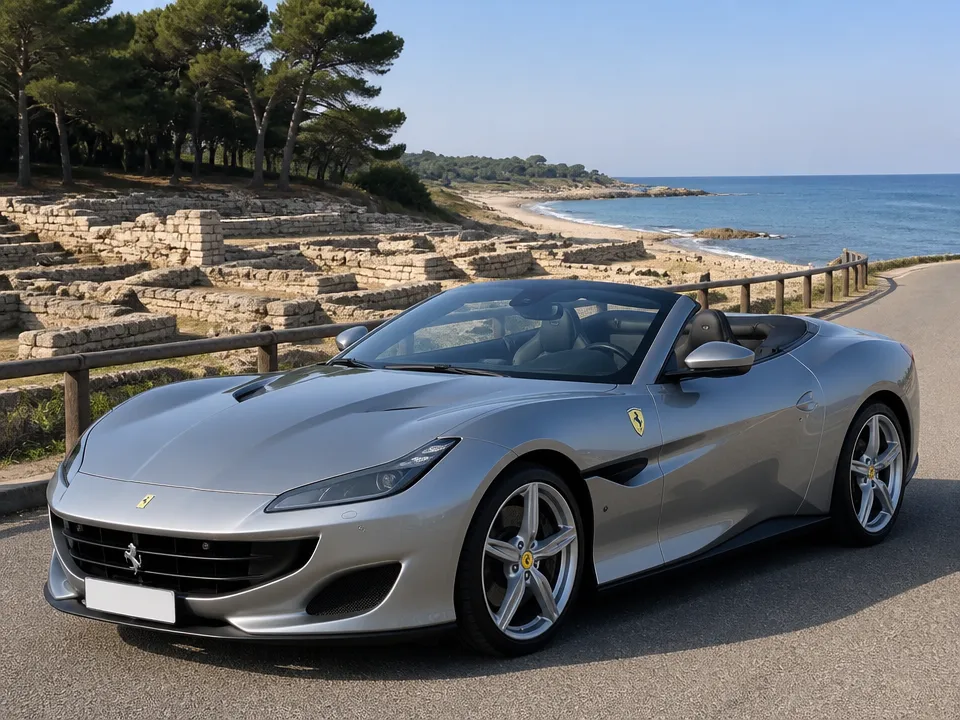
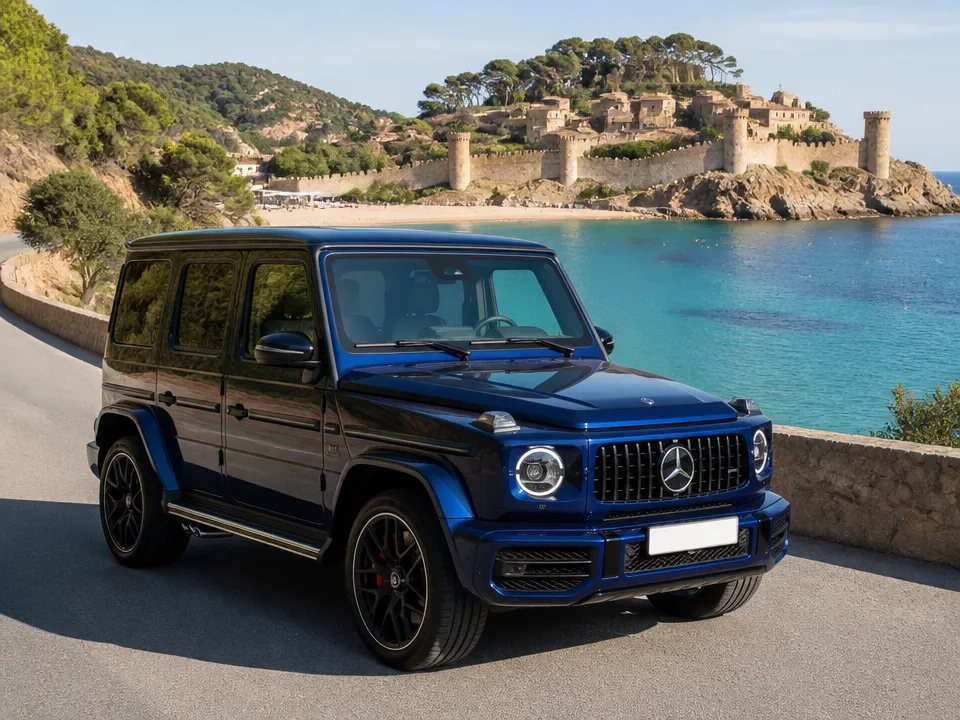
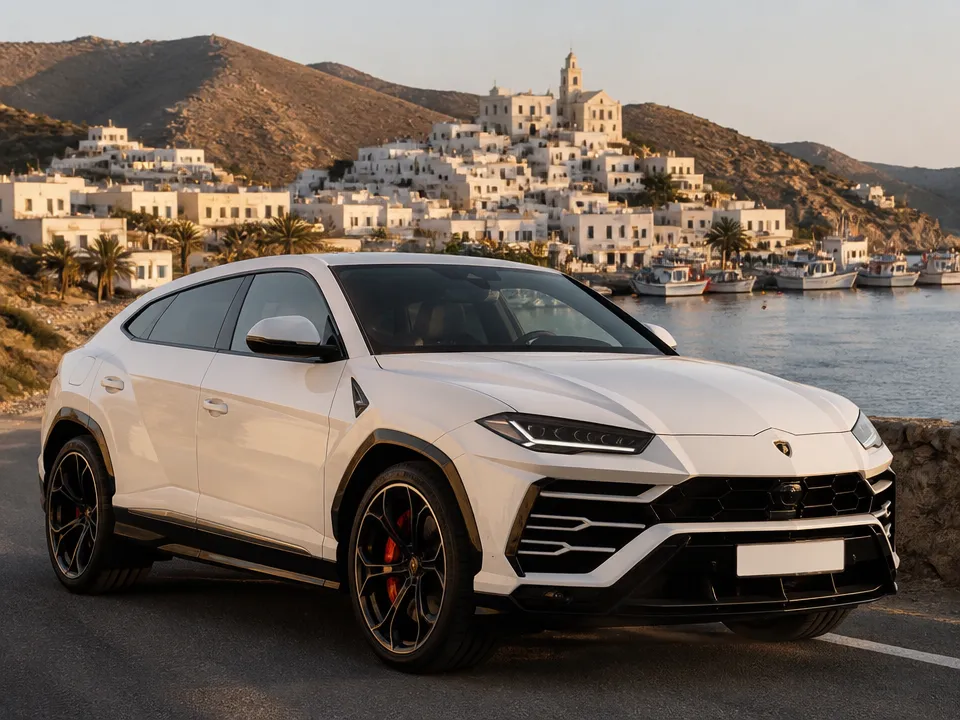
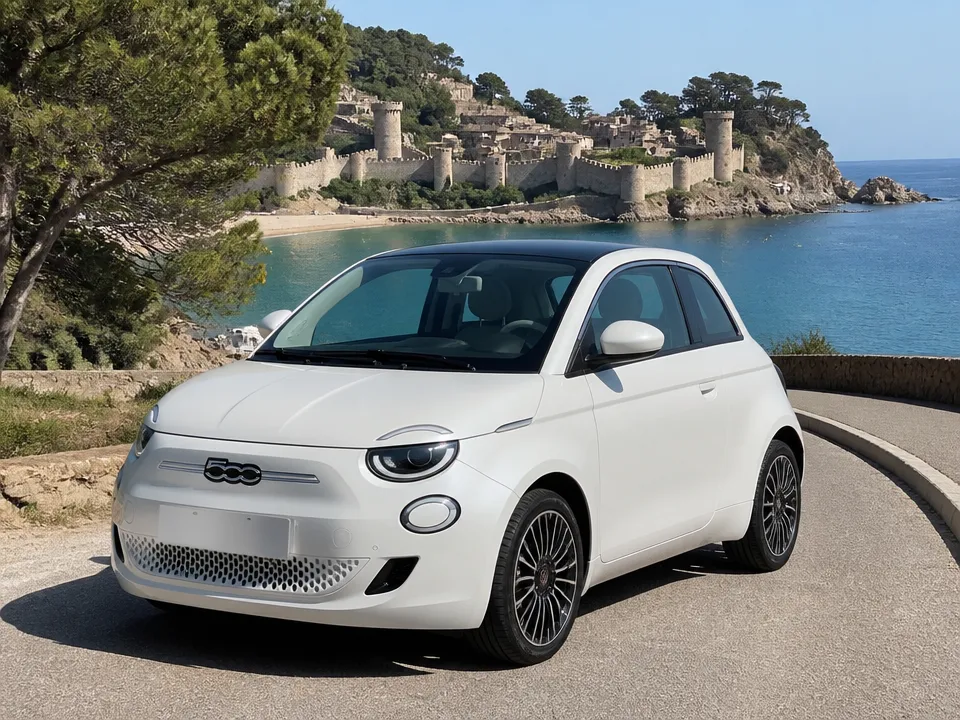
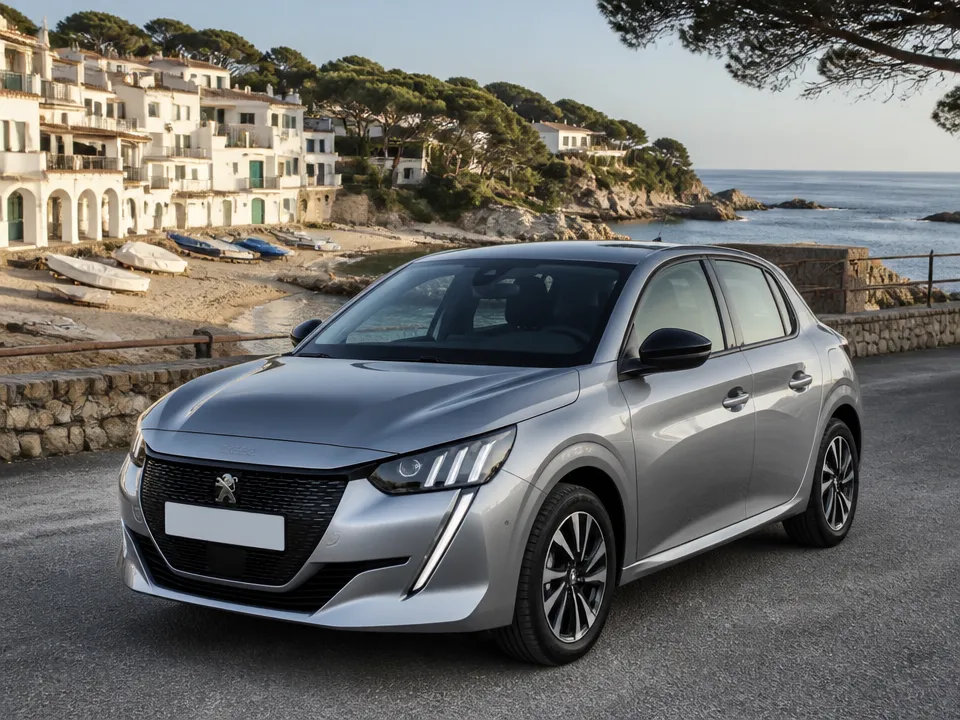
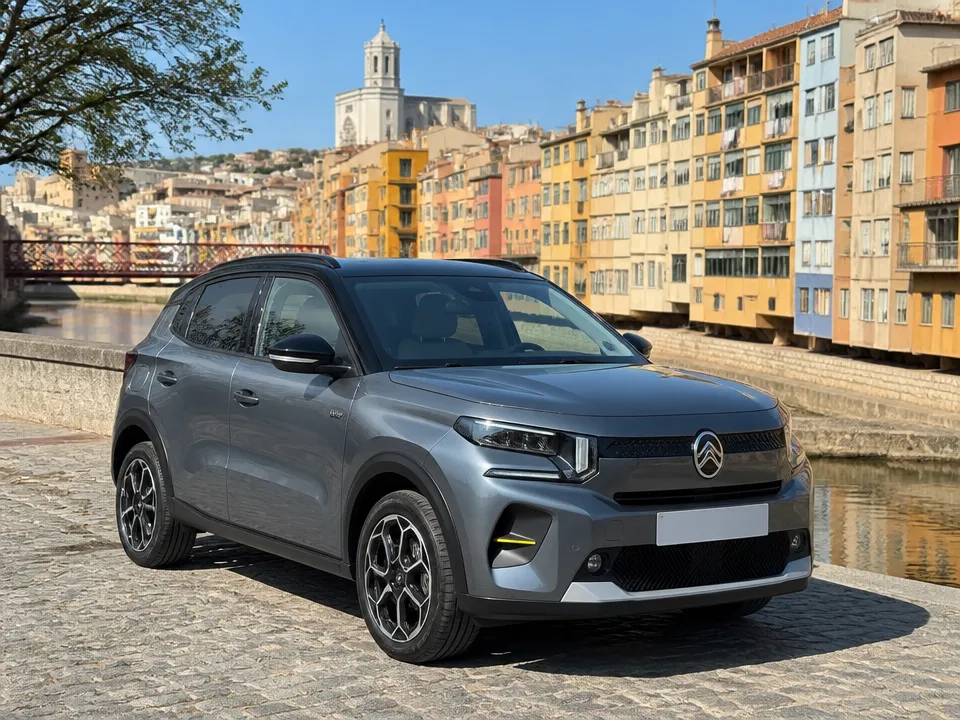
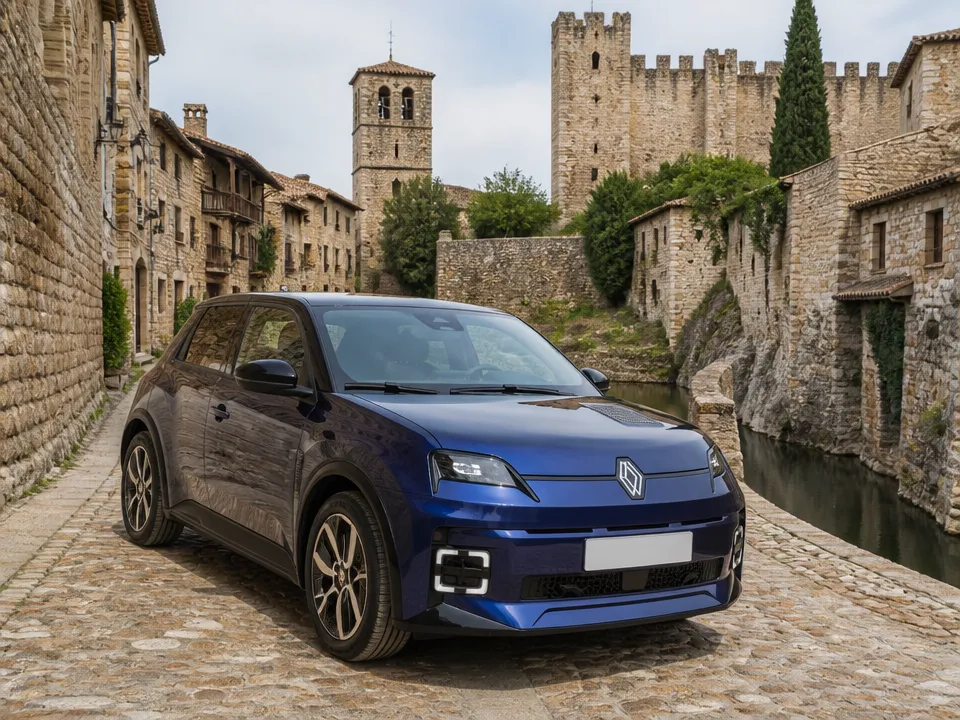
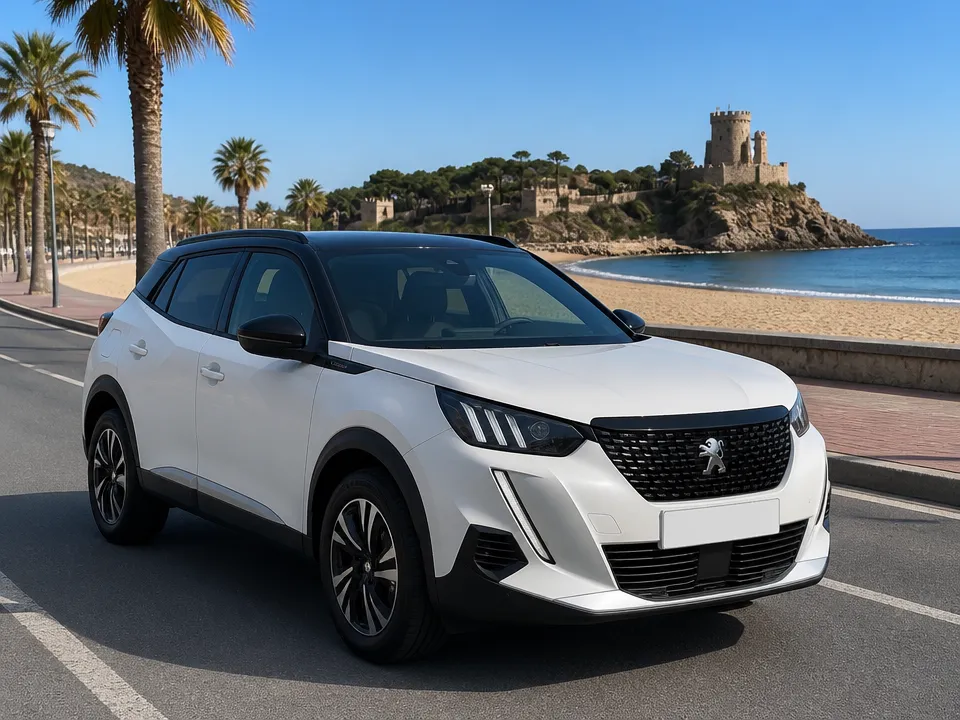







Our fleet at Girona railway station in Costa Brava numbers 125 cars, from €22 to €1,100 per day, weekly from €132 and monthly from €462. We deliver the car to any address in the Costa Brava towns we have a page for, and to Girona-Costa Brava Airport (GRO) and Barcelona-El Prat Airport (BCN) for the Costa Brava.
Rent-Trip delivers a self-drive car straight to Girona railway station, and the whole arrangement is settled with a manager before anything is confirmed. You step off the train, the car is already waiting, and from there you drive yourself along the Costa Brava.
We deliver to Girona railway station and to any address in the Costa Brava towns we have a page for. That includes Girona-Costa Brava Airport (GRO) and Barcelona-El Prat Airport (BCN) for the Costa Brava, plus addresses in Girona, Figueres, Lloret de Mar, Tossa de Mar, Blanes, Platja d'Aro, Palafrugell, Begur, L'Escala, Roses and Cadaqués. The car arrives clean and with a full tank. Delivery outside those areas is arranged case by case and is not promised on the site.
The delivery address, the date and the time are agreed with a manager before the booking is fixed. You name the meeting point, we confirm whether it works, and only then does the reservation hold. Payment methods, the deposit and the insurance excess are set out in the rental agreement rather than quoted here.
Self-drive means you drive the car yourself; no driver is provided. The car is supplied with a full tank and must be returned with a full tank — full-to-full, or lleno-lleno in Spain. No other fuel option is offered on the site.
Our fleet on this page holds 125 cars across 13 classes, from Economy hatchbacks at €22 a day to Exotic models at €500 and Luxury at €200.
| Class | Cars | From per day |
|---|---|---|
| Economy | 20 | €22 |
| Crossover | 20 | €38 |
| Comfort | 15 | €35 |
| Premium | 12 | €50 |
| SUV | 9 | €50 |
| Passenger vans | 9 | €90 |
| Minivans | 7 | €55 |
| Commercial | 7 | €60 |
| Convertibles | 7 | €70 |
| Electric | 5 | €40 |
| Luxury | 5 | €200 |
| Exotic | 5 | €500 |
| Sedan | 4 | €38 |
Bookable models include Citroen C1, Ford Ka+, Kia Picanto, Peugeot 108, Smart Forfour, Toyota Aygo X, Dacia Sandero, Fiat 500, Fiat Panda, Citroen C3, Ford Fiesta, Hyundai i10, Hyundai i20 and Opel Corsa. Citroen C1, Ford Ka+, Kia Picanto and Peugeot 108 all sit at €22/day with 4 seats and a 1.0–1.2 L engine, which makes them the cheapest way to leave the station with a car. The Smart Forfour and Toyota Aygo X step up to €23/day, and the Dacia Sandero gives five seats at €24/day.
Prices for car rental at Girona railway station on this page run from €22 to €1,100 per day, and every class is priced by the day it is booked for. The band covers 13 classes and 125 cars, so the same station hand-over can put a four-seat city hatchback or a rear-wheel-drive sports car in front of you.
| Class | Cars | From per day |
|---|---|---|
| Economy | 20 | €22 |
| Crossover | 20 | €38 |
| Comfort | 15 | €35 |
| Premium | 12 | €50 |
| SUV | 9 | €50 |
| Passenger vans | 9 | €90 |
| Minivans | 7 | €55 |
| Commercial | 7 | €60 |
| Convertibles | 7 | €70 |
| Electric | 5 | €40 |
| Luxury | 5 | €200 |
| Exotic | 5 | €500 |
| Sedan | 4 | €38 |
The cheapest bookable car on this page is €22/day, and the top of the band is €1,100/day. Between those two figures the spread is wide: Luxury opens at €200 and Exotic at €500, while a Crossover such as Ford Ecosport or Opel Crossland starts at €38 — the same money as a Sedan like Fiat Tipo or Kia Cerato.
A weekly rate is the daily rate × 6, and a monthly rate is the daily rate × 21. Weekly starts at €132 and monthly at €462, so the longest bookings on the page are the ones where the daily figure stops being the number that matters. The multipliers are the only longer-rental rule we apply — the rest of the longer-booking conditions are set out in the rental agreement.
The hand-over point and the time are agreed when booking, so the first thing you do is drive out towards the coast.
Distances from Girona-Costa Brava Airport to the coast give a fair picture of the scale: 34.6 km to Lloret de Mar in 37 minutes, 54.4 km to Palafrugell, 75.2 km to Roses, 89.4 km to Cadaqués in 80 minutes. The station itself is 13.5 km by road from the airport. El Prat is 89.6 km from Lloret via the C-32, C-31 and B-10 — useful if you land there and drive up.
Catalonia is discussing bringing back charges on fast roads, as a vignette or a pay-per-use scheme, but no decision has been taken — so budget for the tolls that exist today, not for a scheme that may never arrive.
Speed limits are worth knowing before you leave the station: 120 km/h on autopista and autovía such as the AP-7, A-2, C-32 and C-33, and 90 km/h on carretera convencional like the GI-614, GI-682 and C-260.
Access to the Cap de Creus road out to the Far de Cap de Creus lighthouse is restricted on set dates: 28–31 March, 9:30–19:00; individual days in April and May, 9:30–19:00; set June dates and daily from July to 13 September, 9:30–21:30. Check the calendar before you commit to a day there — otherwise you drive to Cadaqués and find the lighthouse road closed.
Pick up a car at Girona railway station and the paperwork question comes first: what to bring, who may drive, and which rules apply on the road. Below is what Spanish law says, what we ask for, and what is agreed when booking.
Driving licences from the EU and the EEA are valid in Spain for as long as they remain in force, with no extra document needed. Licences issued outside the EU and the EEA are accepted for driving here if they are still valid and the holder is old enough for the equivalent Spanish category, and they stop being valid six months after the holder takes up ordinary residence in Spain. The DGT advises getting an International Driving Permit before the trip, and it counts as an official translation for licences not written in Spanish.
Every car legally on a Spanish road carries compulsory third-party cover, and it is included by law: up to 70 million EUR per incident for personal injury and 15 million EUR for property damage. That cover protects third parties — not the driver and not the car itself.
Motorways and autovías — the AP-7, A-2, C-32 and C-33 you will use on the way to the coast — run at 120 km/h, and conventional roads such as the GI-614, GI-682 and C-260 at 90 km/h. Speeding fines follow the DGT table and start at 100 EUR, reaching 600 EUR and six points, with more than 60 km/h over the limit in town treated as a criminal offence rather than an administrative one. Fines for a rental car can land with the owner or the renter, so keep the agreement and the hand-over sheet until the trip is closed.
The AP-7 between Vila-seca and La Jonquera — the whole corridor down to the French border — has been toll-free since 01.09.2021, and the C-32 Maresme between Montgat and Palafolls, the run towards Blanes and Lloret de Mar, lost its barriers on the same date, as did the C-33 between Barcelona and Montmeló. What remains payable is the Generalitat network: the C-16 towards the Cadí and Vallvidrera, and the C-32 south of Barcelona through Castelldefels, Sitges and El Vendrell, where the Vallcarca barrier charges €8.42 and Cubelles €5.03 in category 2. None of those sit on a Costa Brava route, so a station pick-up heading north to Roses or Cadaqués pays nothing at the booths. Catalonia has discussed bringing back charges on fast roads through a vignette or a usage fee, but no decision exists — plan on the current free corridor and treat any change as something to confirm when booking.
Parking in Girona splits into zona blava and zona verda, both at €1.20 per hour with a two-hour maximum, so €2.40 is the most a single stop costs. Blue-zone hours run Monday to Saturday on working days, 09:30–13:00 and 16:00–20:00, with Sant Narcís on a different schedule; green-zone hours differ by area, with Pedreres–Vista Alegre running Monday to Friday 09:30–13:00 and 17:00–20:00 plus Saturday 09:30–13:00, and Güell–Devesa Monday to Saturday 08:00–20:00. Out at the resorts the picture changes: Lloret de Mar's Can Lloranes car park holds 160 spaces and costs about €15 per day from 23 June to 11 September, free the rest of the year, while the Avinguda Alegries park-and-ride holds 200 spaces and is free for stays over 12 hours, with a free bus ticket into the centre between 15 June and 15 September.
The reservation is settled with a manager before it holds: you send the train details, the manager confirms where and when to meet you, and the car is handed over at Girona railway station.
Fix the time once your service is confirmed, not before — a delayed arrival moves the hand-over, and a booking pinned to a timetable that has already changed costs you a wait at the station. If you are arriving on a late service, say so when you book: the hand-over is arranged around your actual arrival, and the manager will tell you what is possible that evening.
The car arrives clean with a full tank, and it must go back with a full tank — full-to-full, or lleno-lleno in Spain. The deposit, the insurance excess and any delivery fee are set out in the rental agreement, not quoted here.
A different train, a different address in the Costa Brava towns we have a page for, a longer hire — all of it goes back through the manager who fixed the booking. Weekly is charged as the daily rate × 6 and monthly as the daily rate × 21, so extending from four days to a week changes the total by the multiplier, not by a new price list. Delivery beyond the Costa Brava is arranged case by case and is not promised on the site.
Four things decide whether your trip runs smoothly: where the car is handed over, which class you book, what the daily rate turns into over a week or a month, and the Spanish rules you drive under. Everything below is agreed before the booking is fixed, so nothing is left to the day of arrival.
A phone held in the hand is 200 EUR and 6 points.
Keep the fuel receipt if you fill up close to the return, and check the car over before you drive off.
This page in Costa Brava lists 125 cars, in classes including Comfort, Economy, SUV, Minivans and Convertibles. Daily prices on this page run from €22 to €1100.
Spain's DGT recommends getting an international driving permit before the trip and carrying it with your passport and national licence. Six months after you become a resident, your non-EU licence loses validity.
In Girona's zona blava parking runs on working days Monday to Saturday, 9:30–13 and 16–20, with Sant Narcís different. The rate is €1.20 per hour, maximum two hours, so €2.40.