





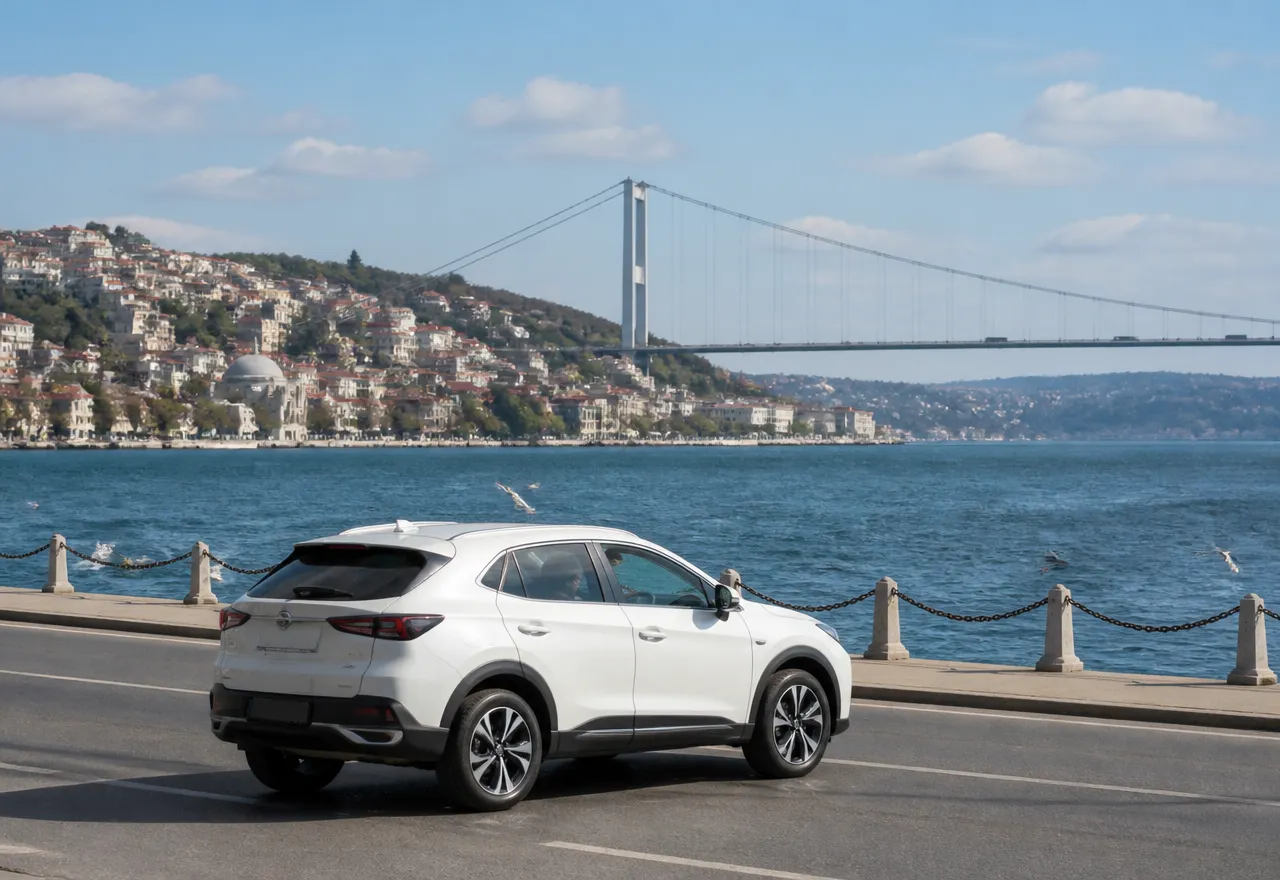









Economy car rental in Turkey
Our fleet of 16 economy cars in Turkey starts at ₺1,600 per day, with weekly rates from ₺9,600 and monthly rates from ₺33,600. We deliver the car to you in Istanbul — to your hotel, your address or either airport — and the booking is agreed with a manager before hand-over. Choose from models such as the Dacia Sandero, Renault Clio, Hyundai i10 and Toyota Yaris, all with VAT included in the price.
What economy car rental in Turkey costs with Rent-Trip
Economy car rental in Turkey with Rent-Trip runs from ₺1,600 to ₺1,900 per day, and every price on this page is VAT included. There are 16 economy cars in the fleet, spread across 13 hatchbacks and 3 sedans. Longer bookings change the arithmetic: weekly rates start at ₺9,600 and monthly rates at ₺33,600.
Daily rates across the economy fleet
| Model | Body | Gearbox | Fuel | ₺ per day |
|---|---|---|---|---|
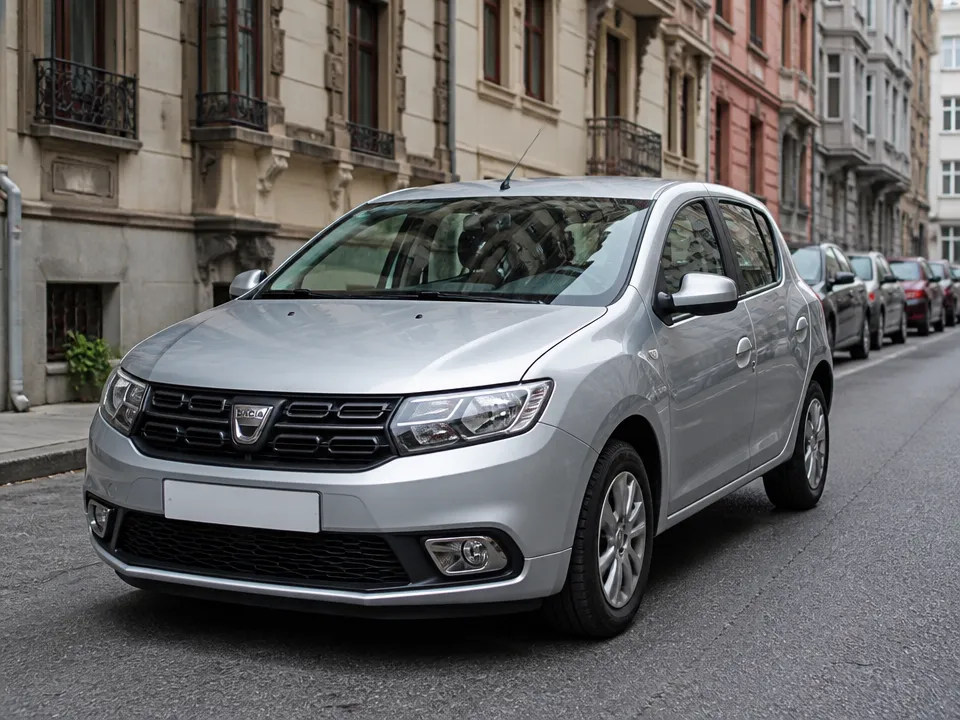
| Dacia Sandero | Hatchback | Manual | Gasoline | ₺1,600 |
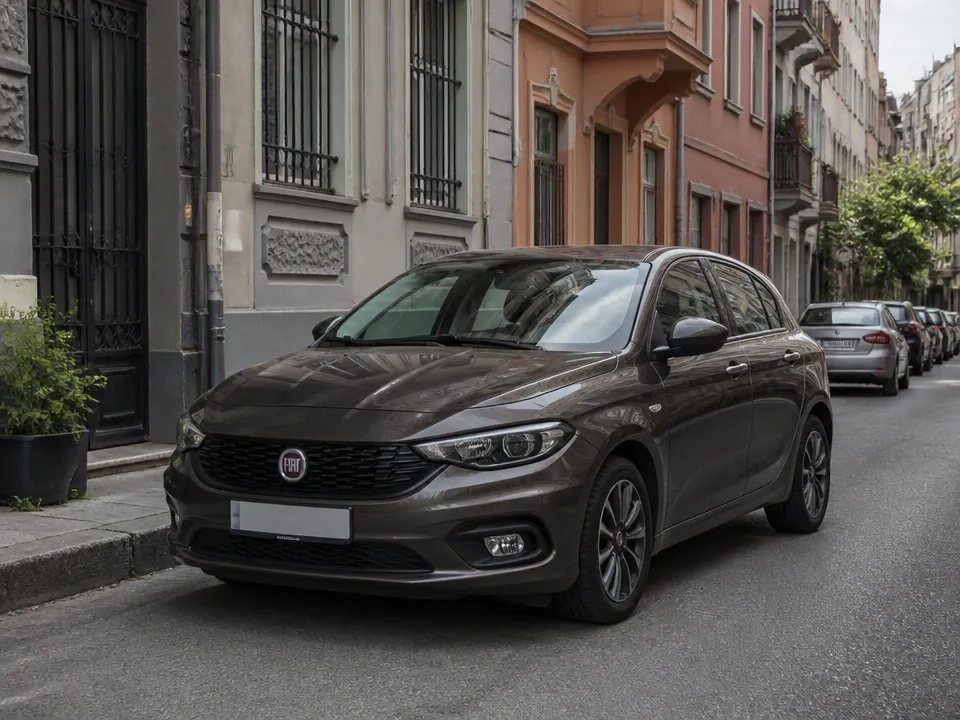
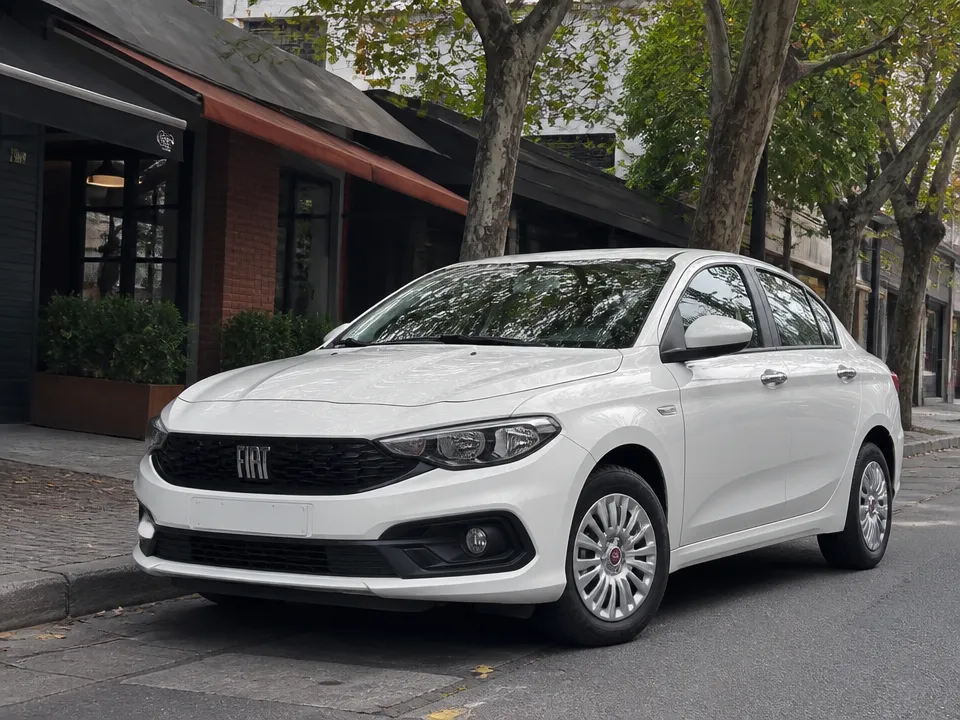
| Fiat Egea Hatchback | Hatchback | Manual | Gasoline | ₺1,600 |
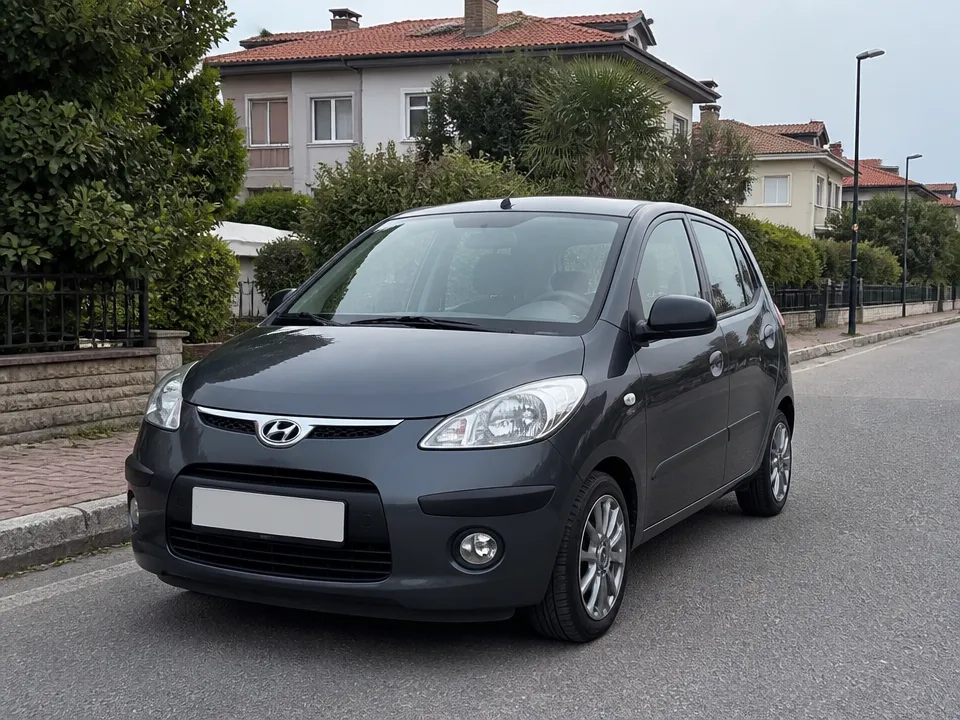
| Hyundai i10 | Hatchback | Automatic | Gasoline | ₺1,600 |
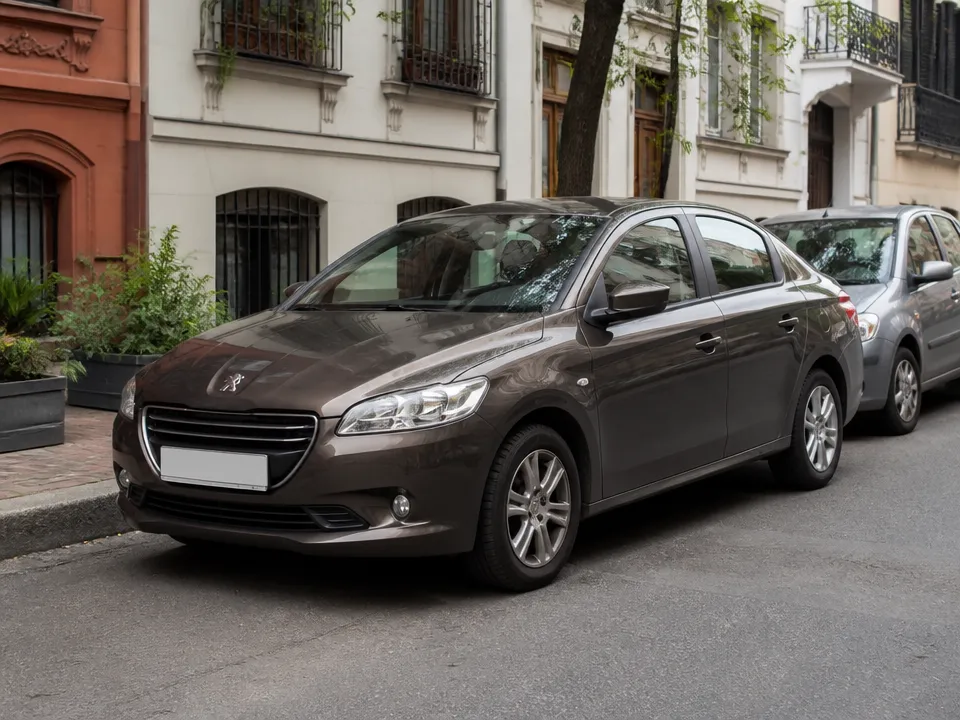
| Peugeot 301 | Sedan | Manual | Diesel | ₺1,650 |
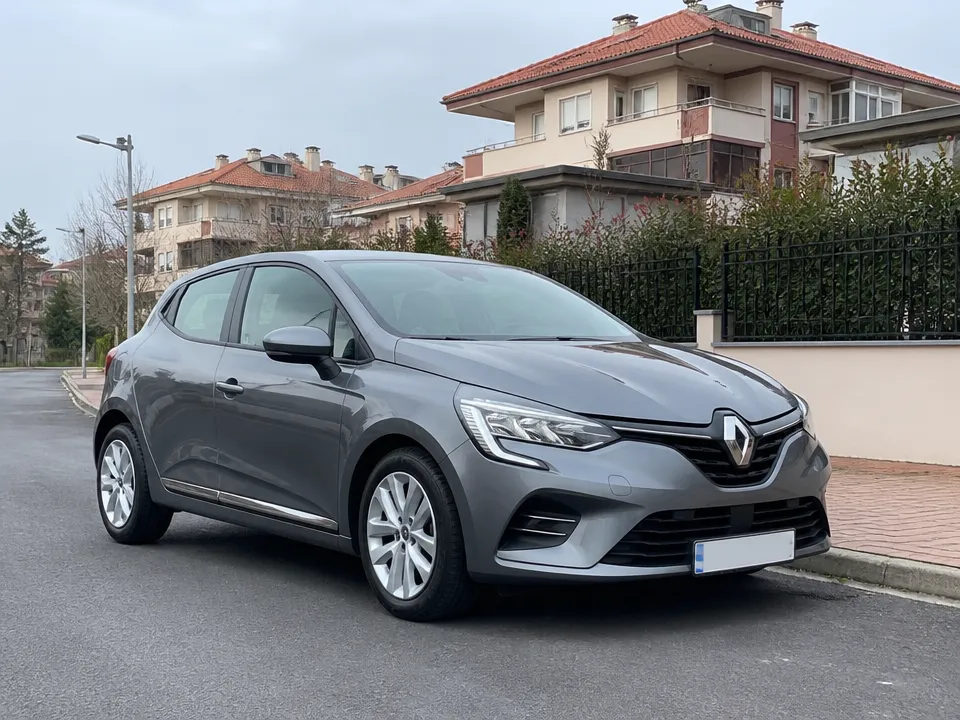
| Renault Clio | Hatchback | Automatic | Gasoline | ₺1,650 |
| Fiat Egea Sedan | Sedan | Manual | Diesel | ₺1,700 |
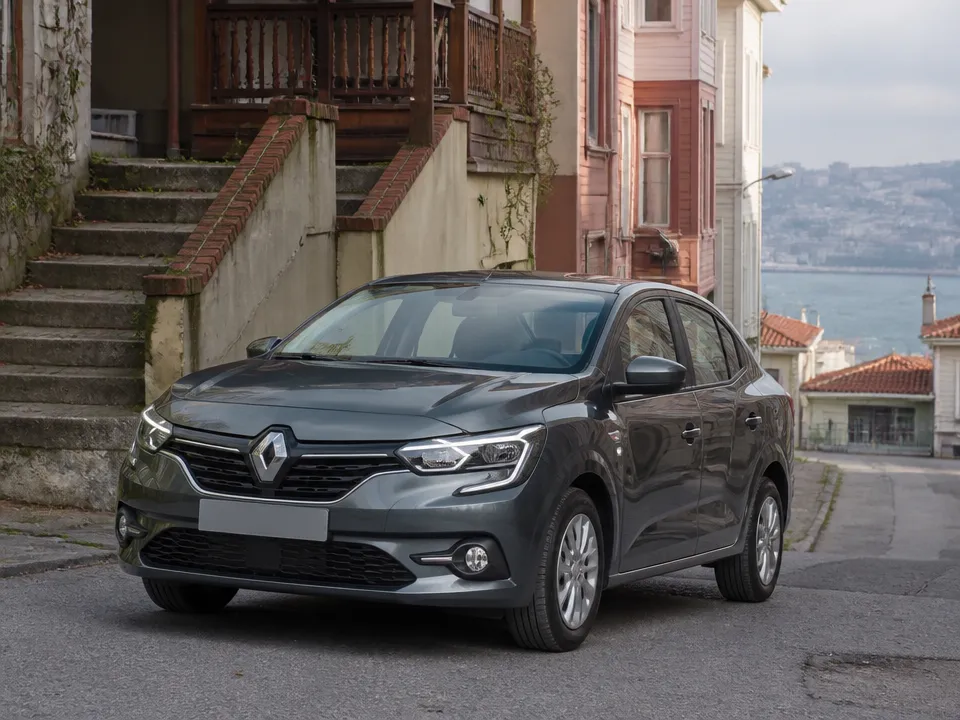
| Renault Taliant | Sedan | Automatic | Gasoline | ₺1,700 |
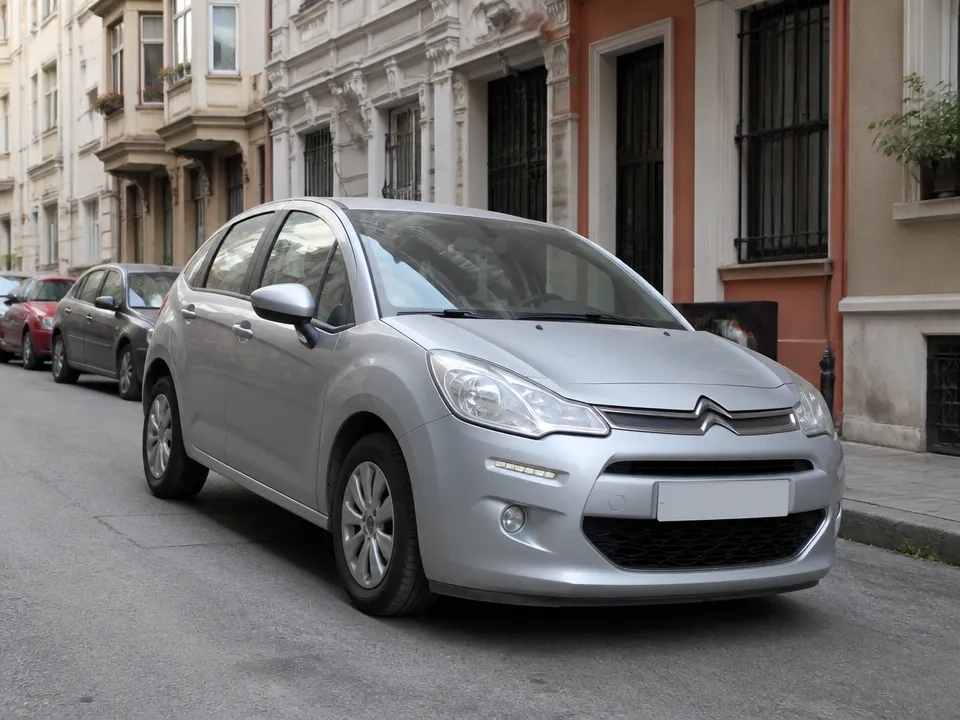
| Citroën C3 | Hatchback | Automatic | Gasoline | ₺1,750 |
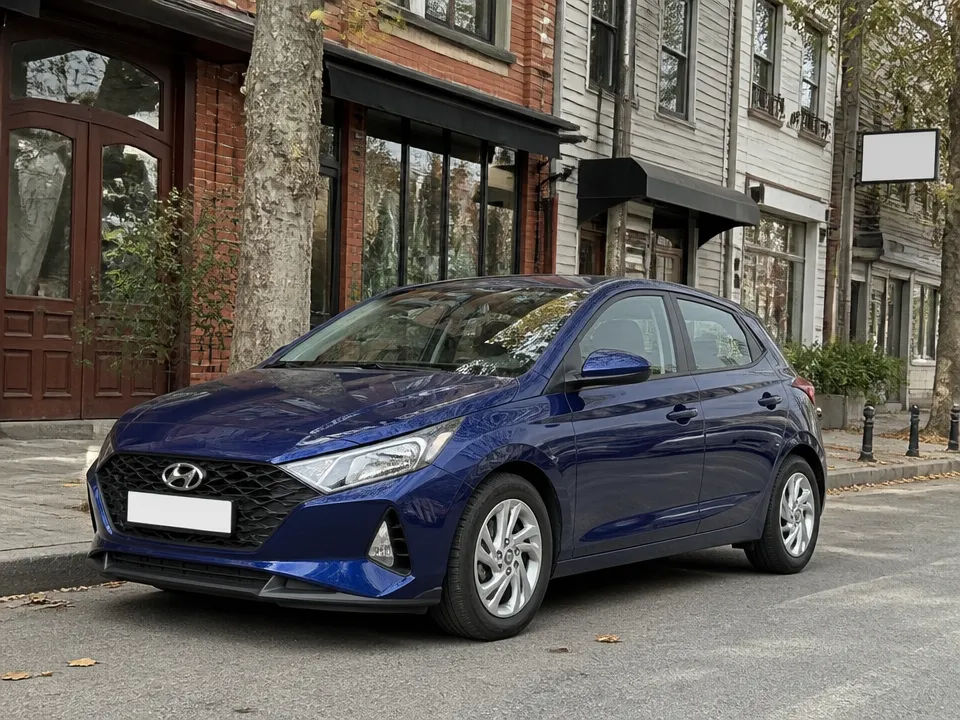
| Hyundai i20 | Hatchback | Automatic | Gasoline | ₺1,750 |
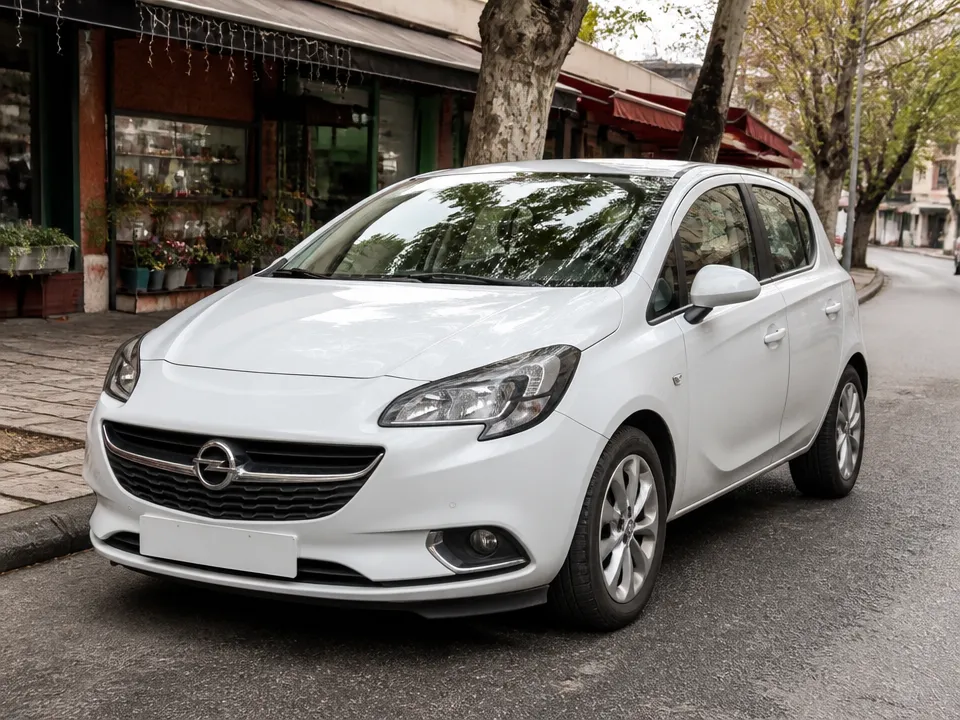
| Opel Corsa | Hatchback | Automatic | Gasoline | ₺1,800 |
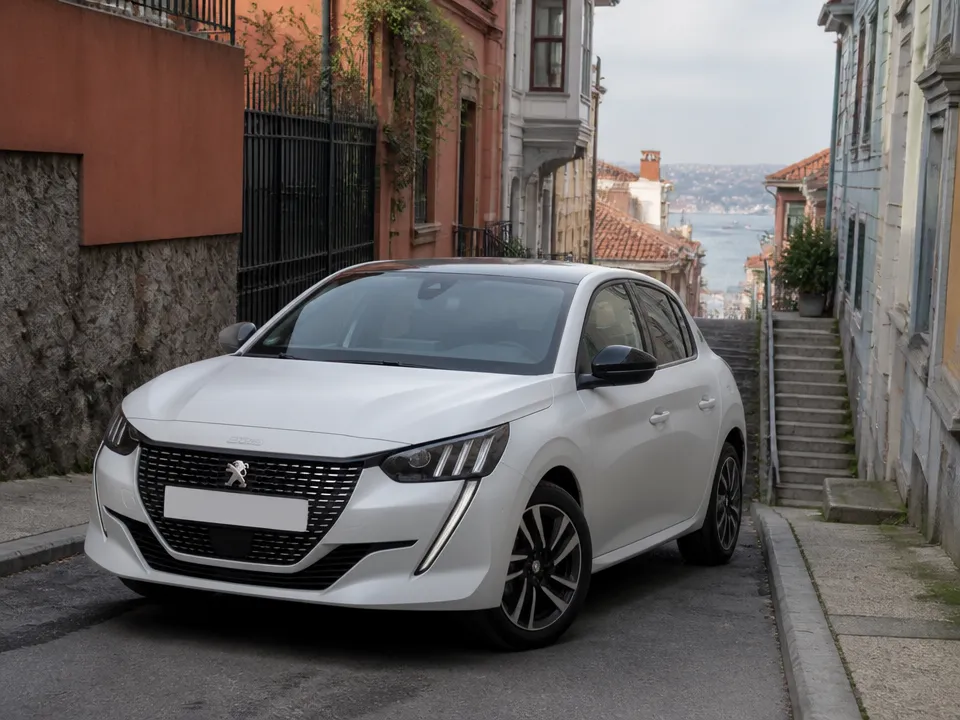
| Peugeot 208 | Hatchback | Automatic | Gasoline | ₺1,800 |
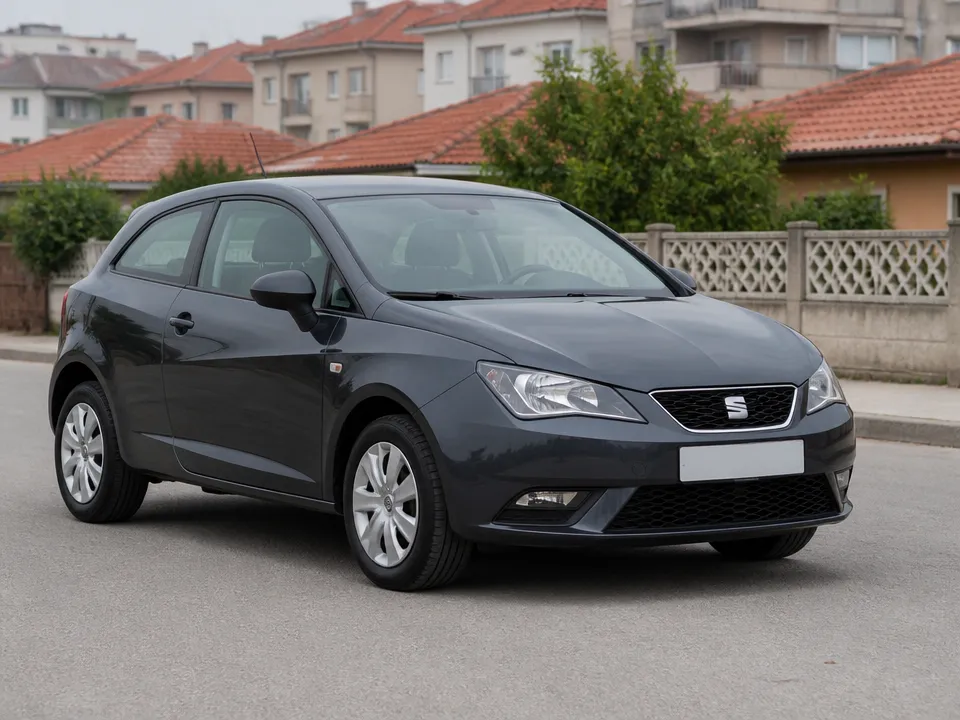
| Seat Ibiza | Hatchback | Automatic | Gasoline | ₺1,800 |
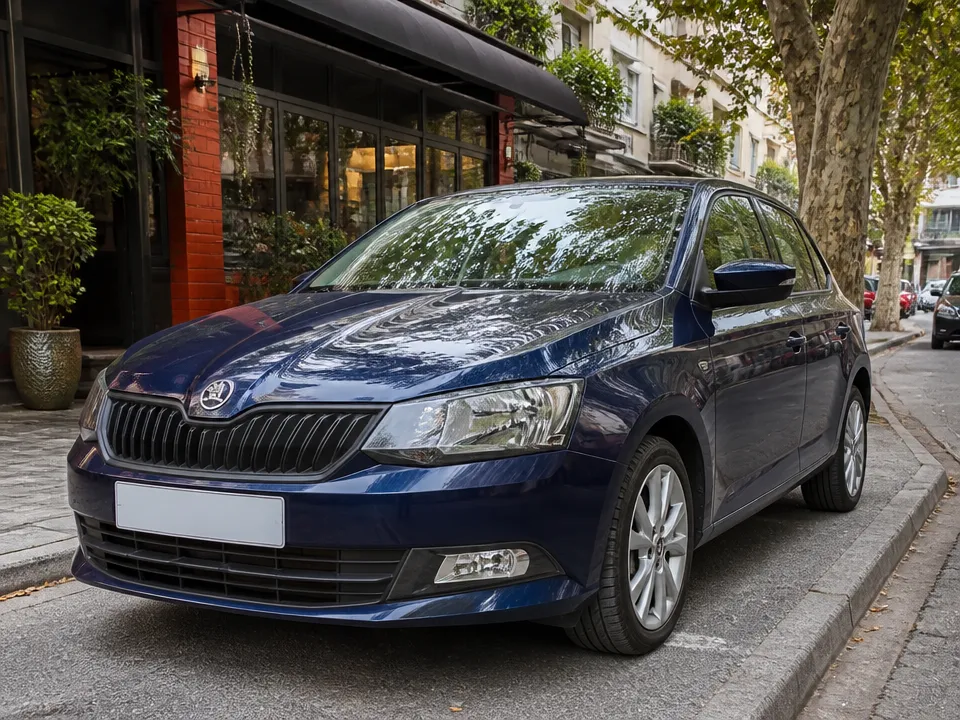
| Škoda Fabia | Hatchback | Automatic | Gasoline | ₺1,800 |
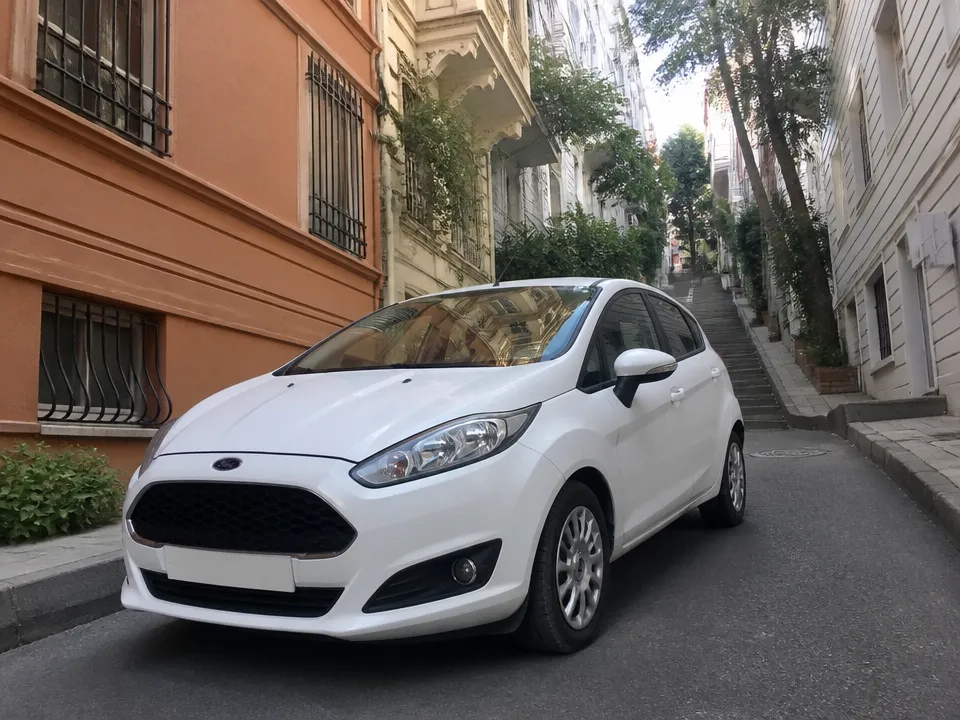
| Ford Fiesta | Hatchback | Automatic | Gasoline | ₺1,850 |
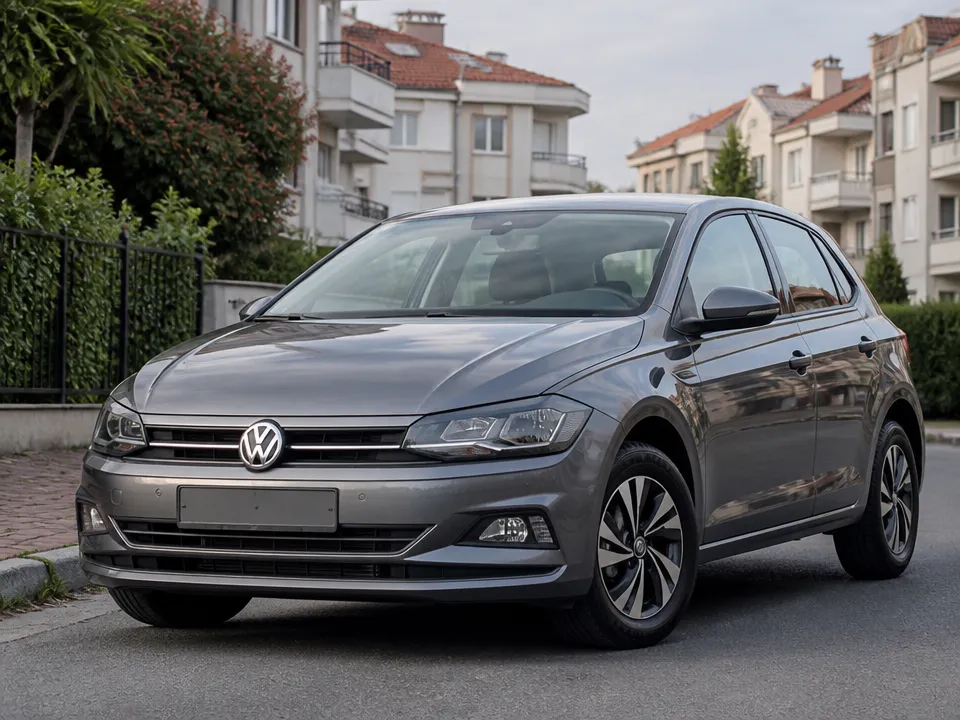
| Volkswagen Polo | Hatchback | Automatic | Gasoline | ₺1,850 |
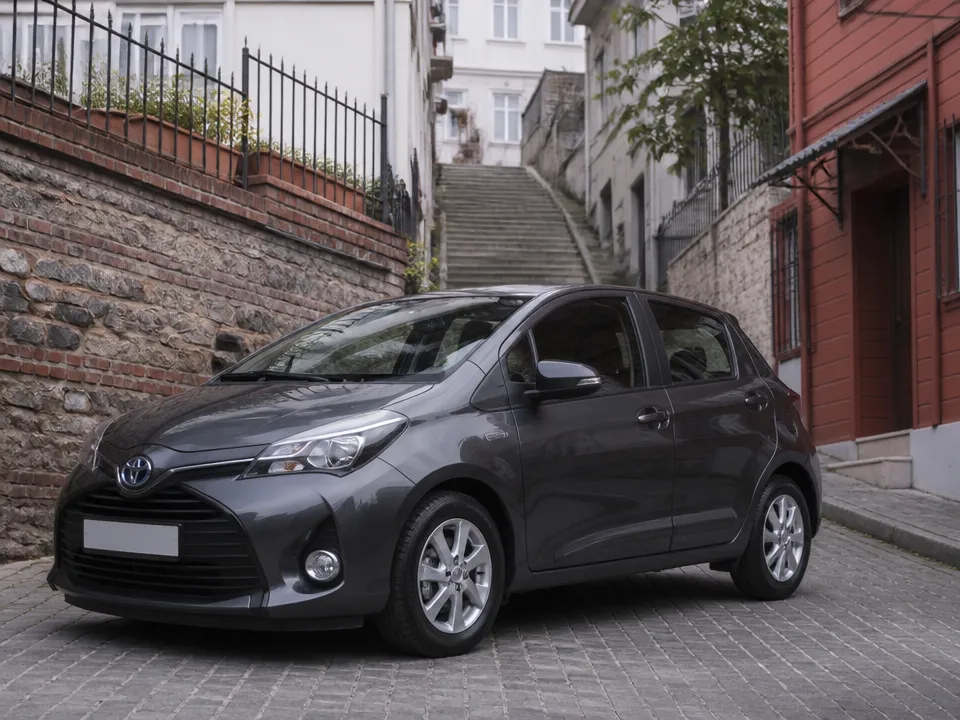
| Toyota Yaris | Hatchback | Automatic | Hybrid | ₺1,900 |
Two of the three cheapest cars in the band are manual gasoline hatchbacks, and the hybrid sits at the top of it. If a low daily figure matters more than convenience, the Dacia Sandero, Fiat Egea Hatchback and Hyundai i10 all hold ₺1,600 — but the i10 is the only one of the three with an automatic gearbox. Pick the manual if you want the lowest rate; pick the automatic if you would rather not work a clutch in traffic.
How weekly and monthly rates change the daily price
A week of economy car rental in Turkey costs from ₺9,600 and a month from ₺33,600 — weekly is the daily rate multiplied by 6, monthly by 21. The same car therefore costs less per day the longer you keep it: a week at ₺9,600 works out well below seven separate daily bookings, and a month at ₺33,600 below thirty.
If your dates are flexible by a day or two, stretching the booking to the nearest weekly or monthly block is where the money sits. The exact rate for your dates is agreed with the manager when booking.
Choosing your economy car for rental in Turkey
Our economy fleet runs on 16 cars, and the class splits cleanly: 13 hatchbacks, three sedans, 12 automatics, four manuals, and three fuel types. That is the whole decision tree. What you pick comes down to boot space, gearbox and what you pay per day.
Hatchback or sedan for economy car rental in Turkey
Thirteen of our 16 economy cars are hatchbacks; the three sedans are Peugeot 301, Fiat Egea Sedan and Renault Taliant. The sedans sit at ₺1,650–₺1,700 a day and bring a separate boot — handy when four people travel with full-size suitcases rather than cabin bags. Hatchbacks start at ₺1,600 with Dacia Sandero and Fiat Egea Hatchback, both 5-seat, 1.0–1.4 L gasoline manuals. In our Istanbul hand-overs, the pattern is consistent: hatchback for two travellers and city days, sedan for three or four with luggage. Sedans give more boot space for luggage; hatchbacks are easier to park in tight streets.
Automatic, diesel and hybrid options in the economy class
- Automatic: 12 of the 16 cars, from Hyundai i10 at ₺1,600 to Toyota Yaris at ₺1,900.
- Manual: four cars — Dacia Sandero, Fiat Egea Hatchback, Peugeot 301, Fiat Egea Sedan.
- Diesel: Peugeot 301 (1.5 L, 102 hp) and Fiat Egea Sedan (1.6 L, 130 hp), both manual.
- Gasoline: 13 cars, from 1.0 L units up to the 1.4 L Hyundai i20.
- Hybrid: one car — the Toyota Yaris, 1.5 L, 116 hp, automatic, ₺1,900 a day.
- Cheapest automatic: Hyundai i10 at ₺1,600 — but it seats four, not five.
Seats and space across the economy fleet
Fifteen of our economy cars seat five; only the Hyundai i10 seats four. So if you are travelling as a group of five, the i10 is out before you look at anything else — everything from the Dacia Sandero up carries five. All 16 are front-wheel drive, 1.0–1.6 L, and none is suited to anything but sealed roads. Boot volume is not quoted per model in our fleet data, so judge by body style: the sedans take the most luggage, the larger hatchbacks (Clio, Corsa, Fabia, Polo) sit in the middle, and the smallest (i10, Yaris) are for light bags. For a family of five with suitcases, book a sedan or the 1.4 L Hyundai i20 rather than the i10.
| Trip shape | Best fit from our fleet | Why |
|---|---|---|
| Two travellers, city days | Hyundai i10, ₺1,600 | Smallest automatic, easy to park |
| Five seats on a budget | Dacia Sandero, ₺1,600 | 5 seats, manual, lowest daily rate |
| Long motorway days | Peugeot 301, ₺1,650 | Diesel, 1.5 L, separate boot |
| Automatic plus luggage | Renault Taliant, ₺1,700 | Sedan body, automatic gearbox |
| Lowest running cost | Toyota Yaris, ₺1,900 | Only hybrid in the class |
Documents for economy car rental in Turkey as a foreign renter
Paperwork is the part of economy car rental in Turkey that catches people out, not the driving. The set is short — passport, entry stamp, home licence, and an International Driving Permit where the licence is not in Latin script — but each item is checked against the booking, so it is worth assembling before you fly.
What to bring for economy car rental in Turkey
- Passport: the same document you entered on, valid for the whole rental period, not a photocopy or a scan on your phone.
- Entry stamp: the stamp or record showing when you entered Turkey — it is what ties your stay to the booking dates.
- Home driving licence: the licence you hold, not a translation or a photo of it.
- International Driving Permit: needed when your home licence is not written in Latin script, carried alongside the original, never instead of it.
- Credit card: required for the security hold; the conditions are set out in the rental agreement.
An IDP is not a replacement for your own licence and does not extend its categories — it is a translation that lets an agent here read what you are entitled to drive. If your licence is in Latin script, you travel on that alone.
Age and experience rules for economy car rental in Turkey
Age and driving-experience requirements rise with the class of car, so economy sits at the lowest threshold on the site. That is one practical reason the class suits first rentals and shorter trips: the younger a driver is, or the shorter their time on the road, the less paperwork stands between them and the keys. The exact figures are set out in the rental agreement, so confirm them with the manager when you book — the same conversation covers the credit card hold and the deposit, both of which are agreed at booking rather than published as fixed numbers. If a second person intends to drive, raise it in that same conversation: additional-driver conditions sit in the agreement too, and sorting them out after arrival is the slow route.
Where the documents are checked
You will be asked for the same set whether you collect at Istanbul Airport or somewhere central, and our delivery in Istanbul follows that rule rather than a counter queue — a manager confirms the details with you when the booking is agreed, and the hand-over is arranged around your arrival time. Rent-Trip handles both sides of the city on this basis, and the booking is only confirmed once the manager has agreed it with you. Keep the physical documents on you for the first day rather than in a checked bag: the hold is taken against a card, and the licence and passport are the two items that cannot be produced from a suitcase in a hotel room.
Insurance, deposit and the rental agreement in Turkey
Every car we hand over is covered by the compulsory third-party insurance that Turkish law attaches to each registered vehicle. What sits above that baseline — and how the security hold works — is written into the agreement you get with the booking.
What insurance comes with an economy car
- Compulsory traffic insurance: compulsory third-party cover, required by law for every registered vehicle in Turkey, including all 16 economy models we run from ₺1,600 a day.
- Beyond the compulsory layer: any additional cover, and what it does or does not pay out for, is set out in the agreement — we do not promise a package here.
- VAT included: the day rates you see on this page already include VAT, so ₺1,600 is the figure you compare, not a pre-tax number that grows at hand-over.
Deposit and the credit card
A credit card in the main driver's name is required for the security hold. The hold amount itself is set out in the agreement, and it is released according to the terms written there rather than on the spot. We mention this early because it is the single most common reason a foreign renter's booking stalls: the card is not in the main driver's name. Check that before you confirm, and the handover stops being a negotiation.
What the agreement covers, and what to read twice
Age and driving-experience requirements rise with the class of car, and economy sits at the lowest threshold — one more reason this class suits a first booking in Turkey. Mileage limits, the full contents of any insurance package above the compulsory one, and any discount scheme are all set out in the agreement; where a condition matters to your route, ask the manager to point you to the clause when the booking is agreed. Reading those three lines before you drive off takes two minutes and settles most of what people later argue about.
Picking up your economy rental car in Turkey
Rent-Trip does not run rental counters, so there is no desk queue and no shuttle bus to a depot. We bring the economy car to the address you give us, hand over the keys, and the booking is agreed with a manager beforehand — dates, model, meeting point. In Istanbul that covers both sides of the Bosphorus, from Şişli and Beşiktaş to Kadıköy and Üsküdar, and both airports.
How the hand-over is arranged
- Meeting point: you name the address — hotel, residence or another spot — and the manager confirms it when the booking is agreed.
- Timing: the delivery window is fixed in the same conversation, so nobody waits on the pavement guessing.
- The car: the exact model from the fleet page, or an equivalent economy car if that unit is not free.
- The agreement: the terms of the rental are set out in the rental agreement, and everything else is agreed when booking.
- The fleet: 16 economy cars from ₺1,600 a day, with 4 or 5 seats, diesel, gasoline or hybrid engines, and automatic or manual transmission.
What to check before you drive off
Walk around the car with the keys in hand and look at the bodywork, the glass, the tyres and the fuel gauge. If something does not match what you expect, say so at that moment rather than three days later — it is far easier to note a scuff while the delivery is still in front of you. Then start the engine, check that the lights and wipers work, and set the mirrors and seat before you pull into traffic.
Most of our economy cars are automatic, so the first minutes are simple. If you have booked a manual — the Dacia Sandero or the Fiat Egea Hatchback — give yourself a quiet street to get used to the clutch before joining the E5 or the TEM.
If your flight is late
Tell the manager as soon as you know. The booking is agreed with a person, not a slot machine, so a delayed arrival is a message and a new time rather than a cancelled reservation. Keep the phone number from your booking confirmation to hand, and send the update before you land if you can — mobile data at the airport is easier than a queue at passport control.
Tolls and routes when you drive an economy rental car in Turkey
Turkey charges for its motorways and the two straits crossings through HGS, the electronic toll system, and every economy car in the Rent-Trip fleet is set up to use it. HGS is required for bridges and motorway gates, and the mechanics are described on our HGS page. Cameras at the gate read the car's plate, and the toll is deducted from the HGS account linked to that plate.
Three crossings carry most of the traffic:
- Yavuz Sultan Selim Bridge: northern Bosphorus bridge, ₺110 per passage, the usual line for traffic heading between the Black Sea coast and the Marmara side.
- Eurasia Tunnel: road tunnel under the Bosphorus, ₺280 by day and ₺140 at night.
- Osmangazi Bridge: on the İzmit Bay crossing toward Bursa and Uludağ, ₺1,170 per passage, so it only pays off if it genuinely shortens your day.
An unpaid passage is the trap to avoid. A missed HGS crossing is logged as an unauthorized toll passage and can be penalised at four times the toll if it is not settled in time, so check with the manager that each passage has registered before you hand the car back.
What the car itself can do shapes the route more than the tolls do. All 16 economy models are front-wheel drive, so sealed roads are the only sensible surface — the rental agreement rules out off-road driving, and there is no reason to test it on a 1.0-litre hatchback. For a long motorway day the two diesels, the Peugeot 301 and the Fiat Egea Sedan, hold their fuel figures better than the gasoline cars, while the automatic 1.0-litre hatchbacks are the easier choice in stop-start traffic.
Distances are worth planning around. Şile and Ağva sit roughly 1.5 hours out, Sapanca about 2 hours, and Cappadocia about 8 hours — a long haul that suits a diesel sedan far better than a city hatchback. In our experience, drivers who fix the crossing and the return leg before leaving spend far less time recalculating at the barrier.
Economy car rental in Turkey for a week or a month
Weekly and monthly bookings are the simplest way to cut the daily cost of an economy car. The arithmetic is fixed and published: a week costs the daily rate × 6, a month costs the daily rate × 21. Nothing is added for the extra days beyond those multipliers.
What a week and a month cost at Rent-Trip
- Weekly from ₺9,600: the cheapest economy cars — Dacia Sandero, Fiat Egea Hatchback, Hyundai i10 — at ₺1,600 a day × 6.
- Weekly at the top of the band: the hybrid Toyota Yaris at ₺1,900 a day works out at ₺11,400.
- Monthly from ₺33,600: the same ₺1,600 cars at daily × 21.
- Monthly at the top of the band: the Yaris at ₺1,900 a day comes to ₺39,900.
- VAT included: every figure above already includes Turkish VAT at 20%.
Why the per-day price falls
A week of economy car rental is not seven daily bookings stacked together — it is one contract priced at daily × 6, and a month is one contract at daily × 21. At the two ends of the band, a Dacia Sandero at ₺1,600 a day gives you seven days for ₺9,600, while the same week in the ₺1,900 Yaris costs ₺11,400. For a stay of three weeks or more, the monthly figure is the one worth asking about, because it is calculated from the daily rate of the car you actually pick, not from a separate long-stay price list.
In our experience the model matters less than the length of the booking. Travellers who arrive in Istanbul for a fortnight and take the cheapest manual hatchback end up paying less per day than someone who books a single automatic weekend. If your dates are fixed, tell the manager the full length of the booking when you reserve — the weekly and monthly rates are quoted from the same 16 economy cars, so the only variable left is which one is free.
Booking a longer rental
- Dates first: give the manager your pick-up and return days, and the total is worked out on the × 6 or × 21 basis.
- One car, one contract: a longer booking stays with the same vehicle for the whole period.
- Delivery: we bring the car to you within Istanbul and to both airports, as with any other booking.
- Anything not listed here: the remaining conditions are agreed when booking.
The car you keep for a month is the same economy class you would take for a day — a 1.0–1.6 L front-wheel-drive hatchback or sedan, automatic on 12 of the 16 models.
Making economy car rental in Turkey work for your trip
Match the car to the shape of your trip rather than to the lowest number on the page. A five-day run between two cities with two passengers and hand luggage sits comfortably in a 1.0 L hatchback; a two-week family stay with four suitcases does not, and swapping mid-trip costs more than booking the sedan from the start. Our 16 economy cars split into 13 hatchbacks and three sedans, so the choice is usually decided by luggage, not by budget.
Booking early matters more than people expect, because the economy band is the first to run out. Sixteen cars is the whole economy fleet on this page, and automatic versions — 12 of the 16 — go first. If your dates fall on a Turkish public holiday or a summer weekend, reserve before you book flights.
A short checklist that saves the most time on collection day:
- Licence check: confirm your home licence is in Latin script, or arrange an International Driving Permit before you fly.
- Card in the main driver's name: the security hold needs a credit card, and the terms are set out in the rental agreement.
- HGS: bridges and motorway gates in Turkey are paid through HGS, and the mechanics are described on our HGS page.
- Fuel type: diesel and gasoline are not interchangeable at the pump — check whether you booked a diesel or a gasoline car.
- Return plan: agree the drop-off point and time with the manager when booking, since we deliver the car and collect it.
Longer stays change the arithmetic in your favour. At daily × 6 for a week from ₺9,600 and daily × 21 for a month from ₺33,600, the per-day figure drops the longer you keep the same car — so a single three-week booking costs less each day than three separate ones. If your plans are still forming, ask the manager to hold the rate for the dates you know and adjust later.
One practical note from our own handovers: travellers who land at one Istanbul airport and leave from the other usually do better with a car they keep for the whole stay, rather than splitting the booking around the city. Decide the route first, then the model — the reverse order is what turns a cheap rental into an expensive one.