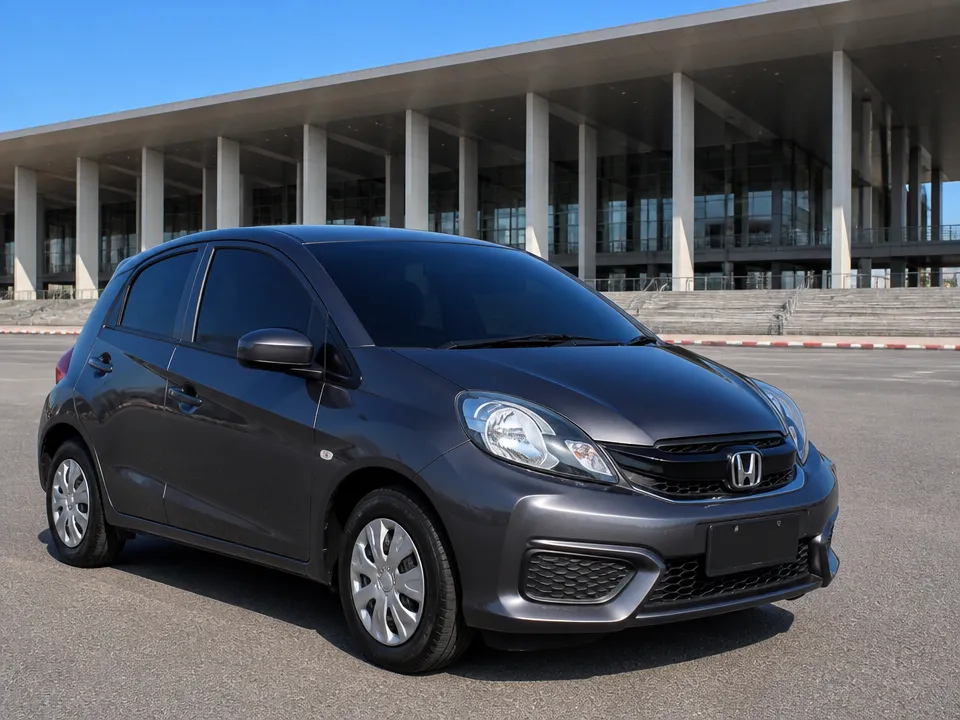
Honda Brio
★4.5· 61Automatic1.2 L90 hpFront-wheel5 seats
฿1,150per day
Book now








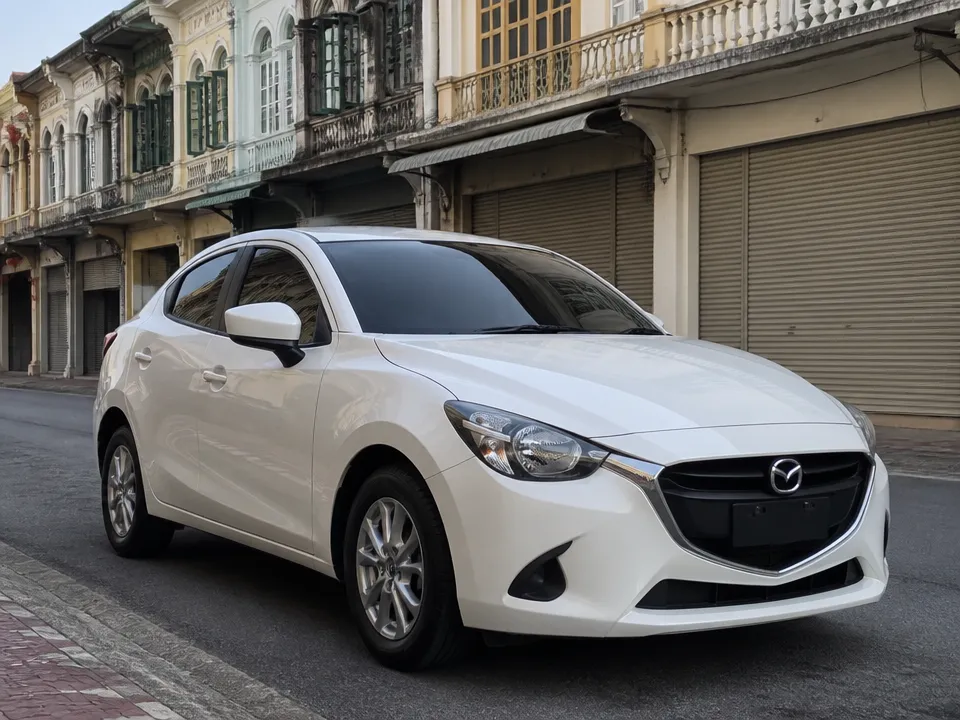
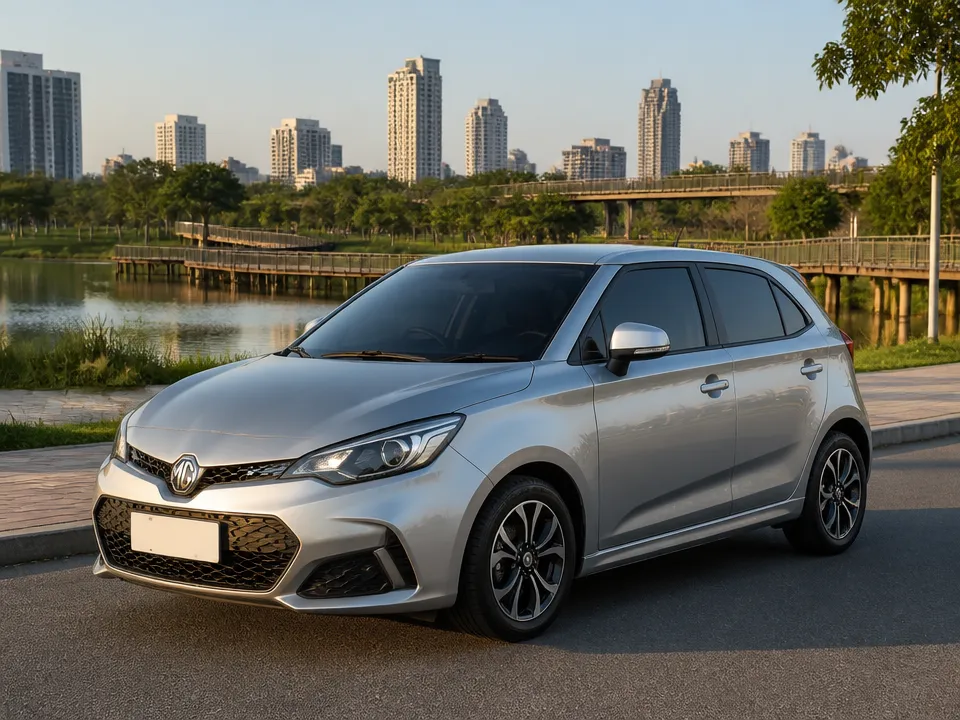
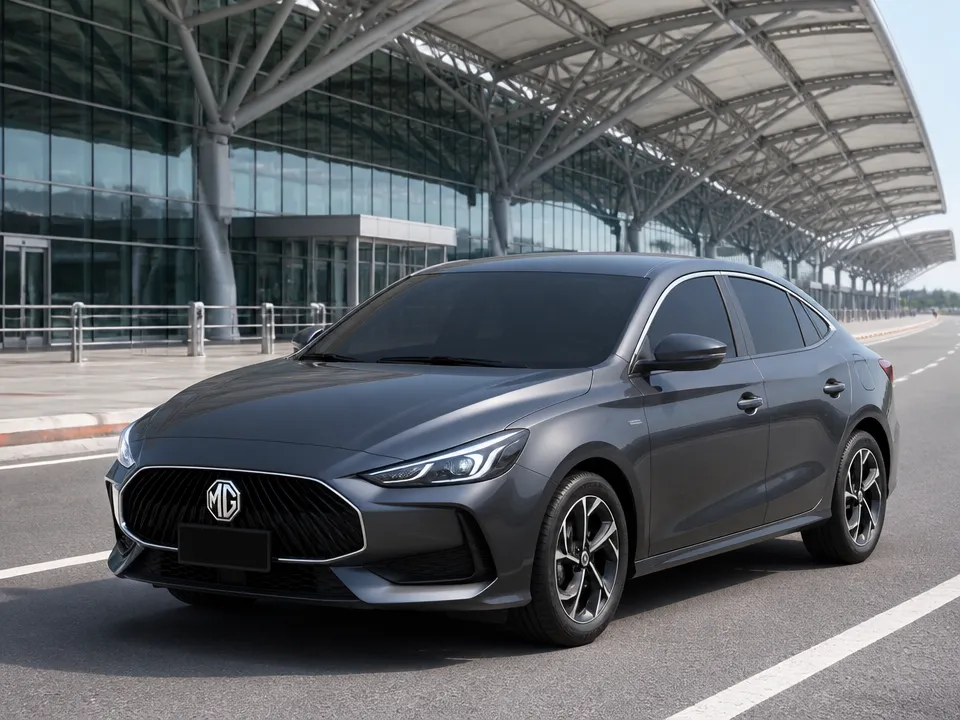
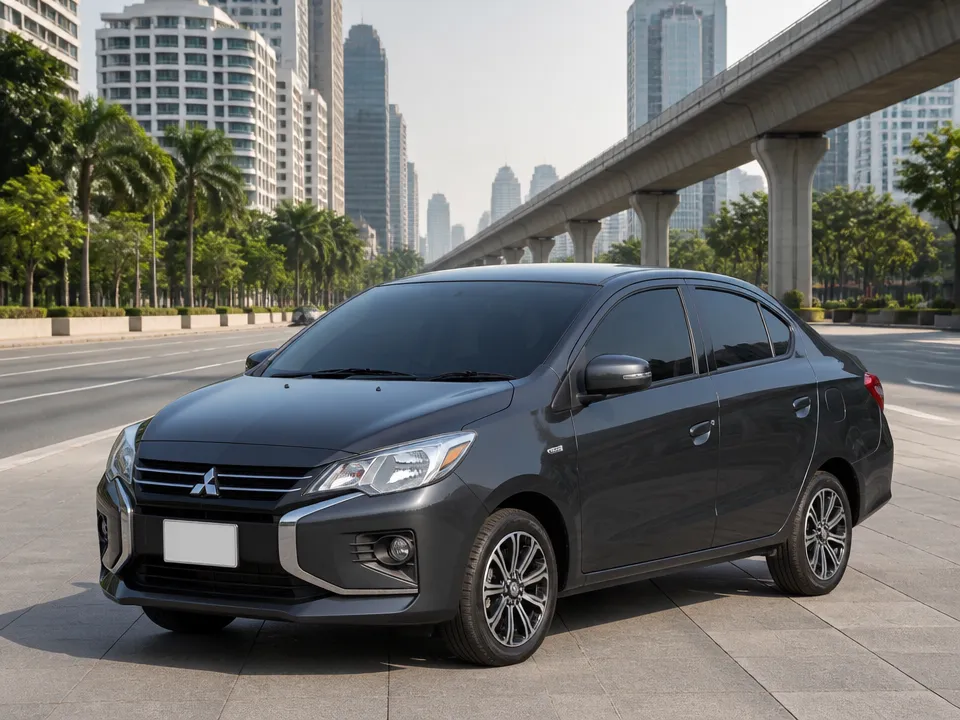
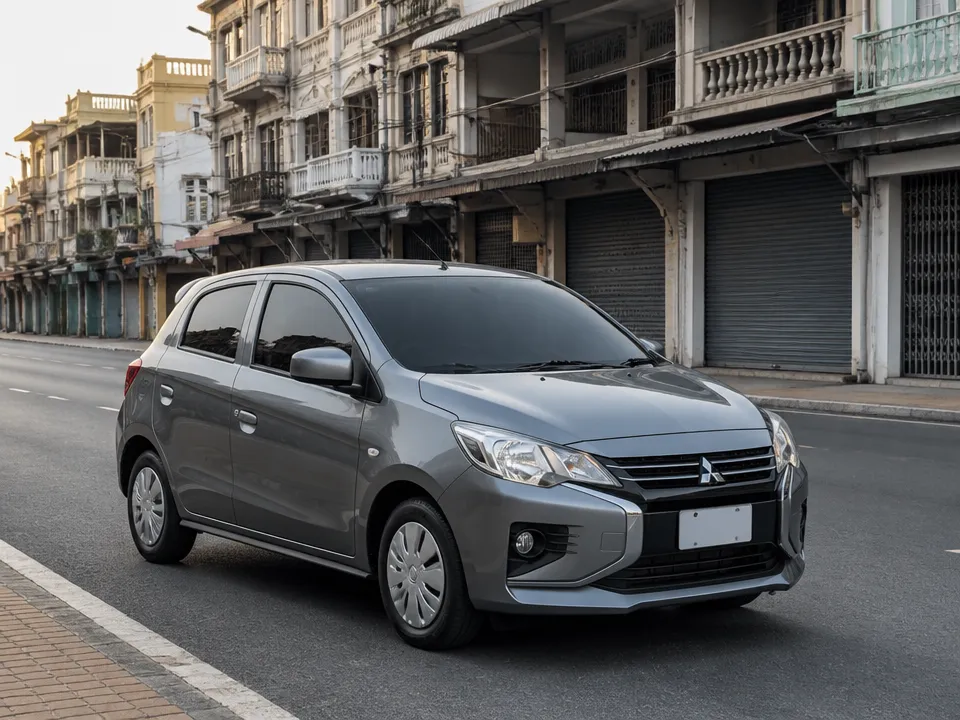
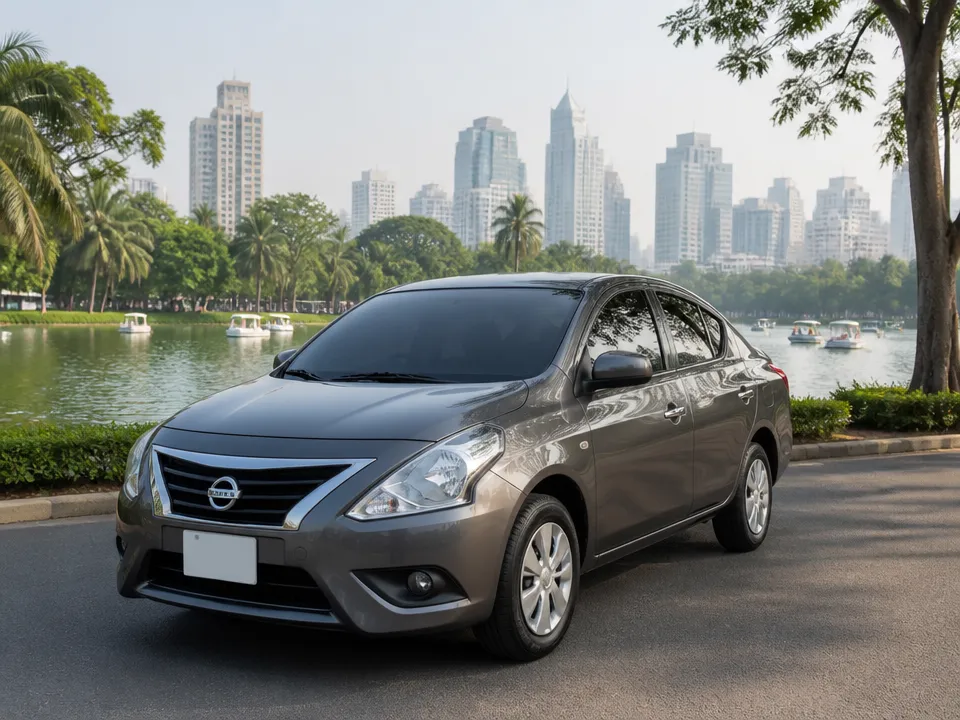
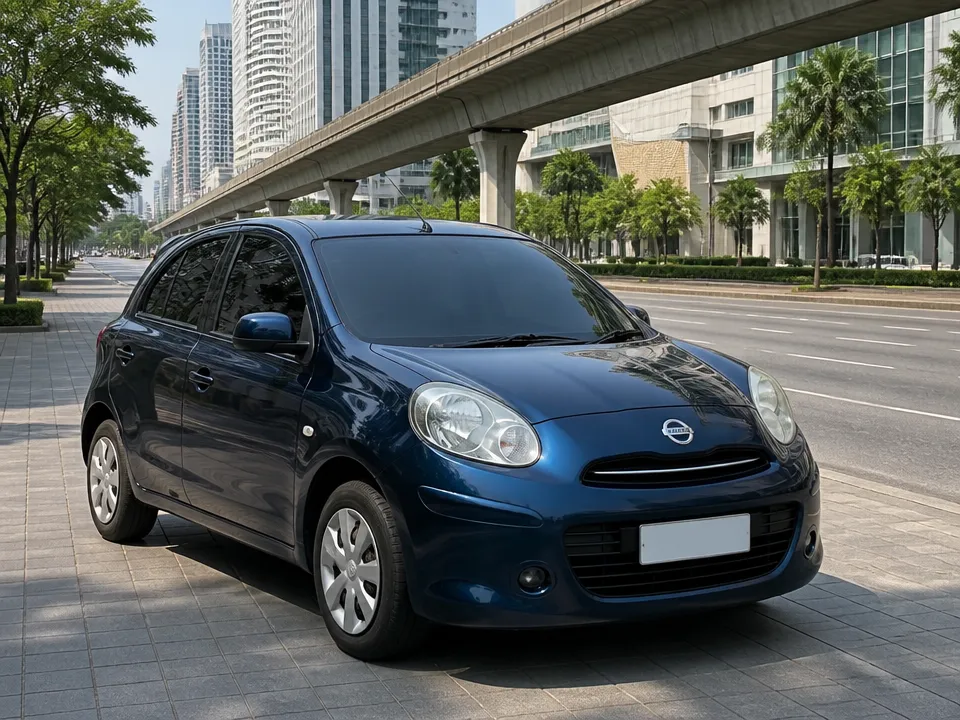
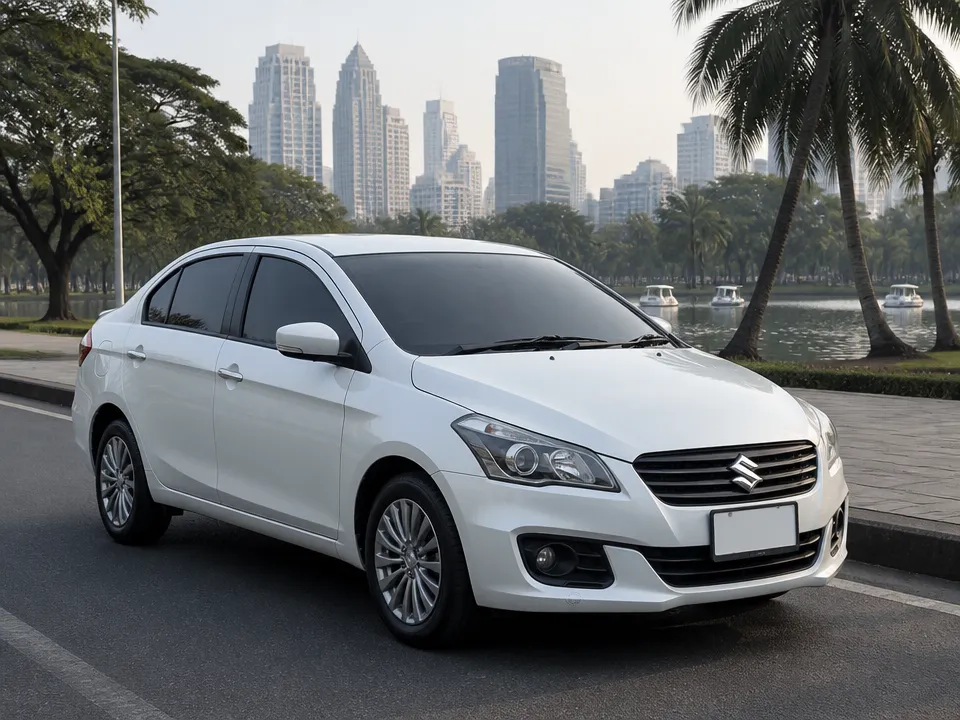




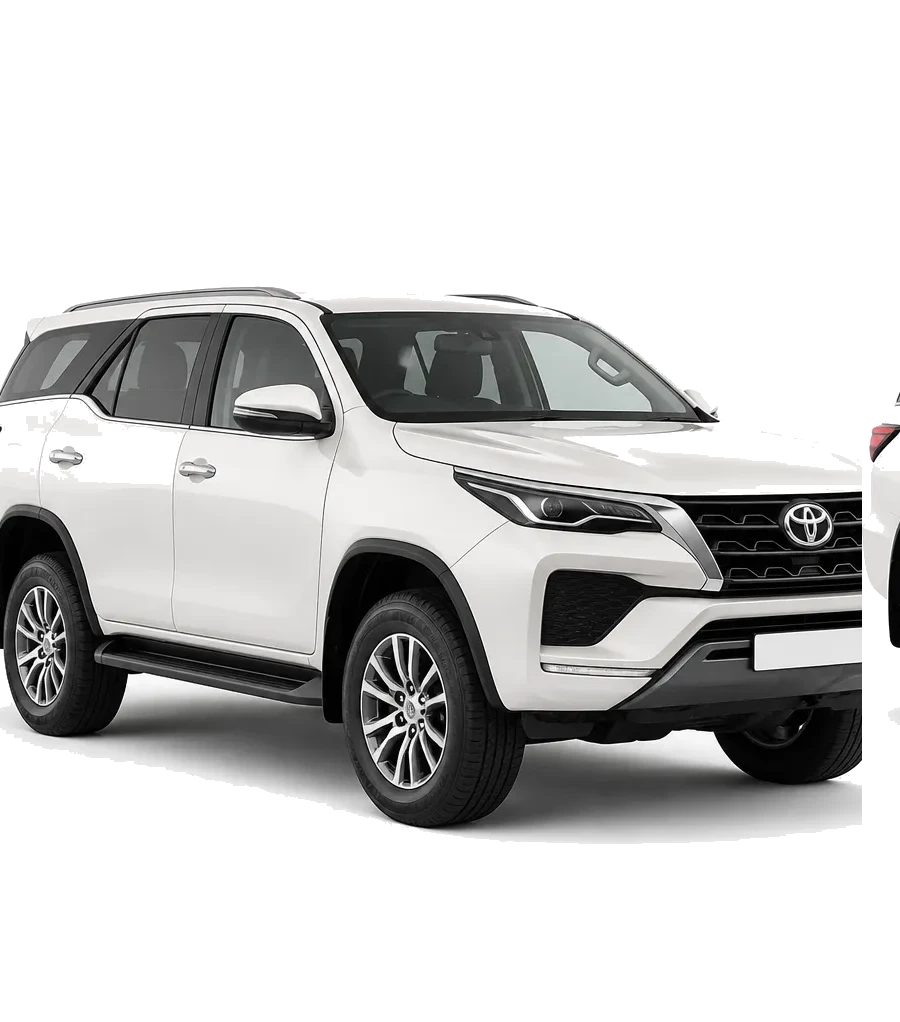
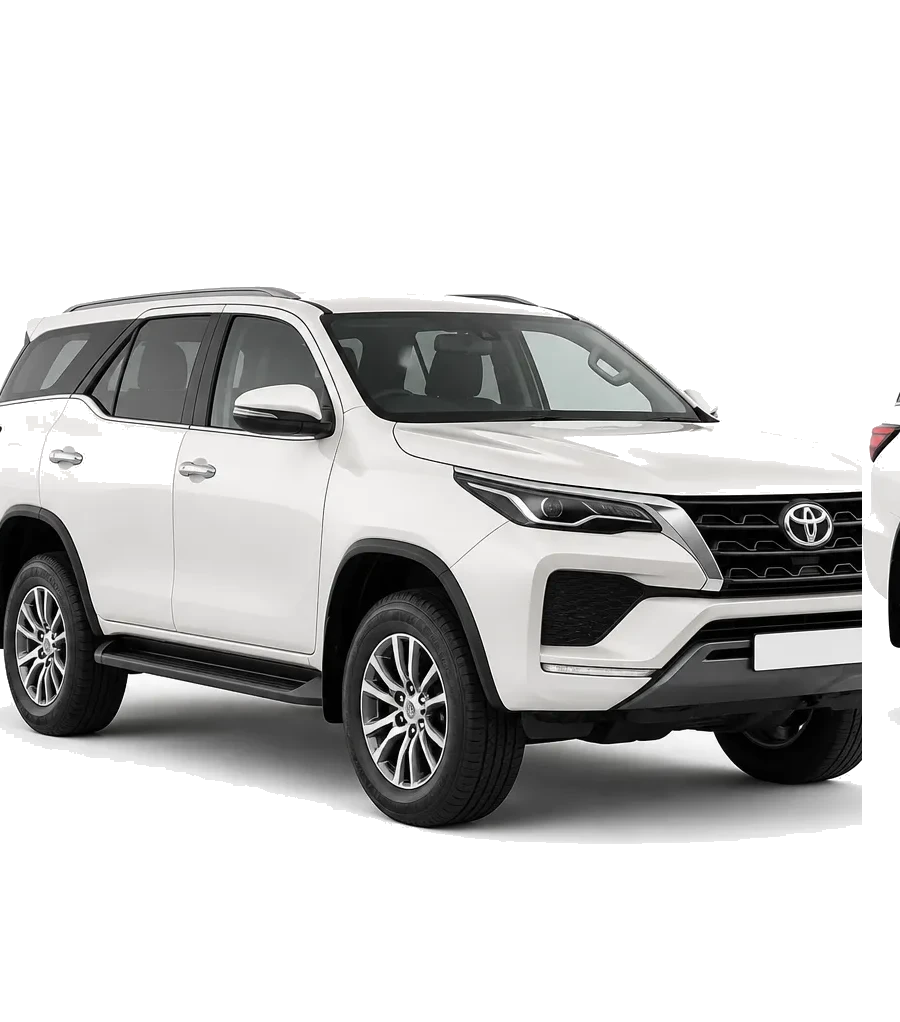

A week of temple runs, market stops and day trips out of Bangkok is easier when the car is yours — Rent-Trip delivers a self-drive economy car to any address in Bangkok, to Suvarnabhumi Airport (BKK) and to Don Mueang Airport (DMK), with the delivery address, date and time agreed with a manager before the booking is fixed.
Economy class here means a compact 5-seat automatic petrol car, handed over at the address you choose, from ฿700 a day. Every car in the class has five seats and a full tank at hand-over.
Every car in our economy fleet is a 5-seat, petrol, automatic, front-wheel-drive model with a 1.0–1.5 L engine. The class covers 15 cars from ฿700 to ฿1,300 per day, split between hatchbacks and sedans — Nissan March and Suzuki Ciaz open the band, Toyota Vios closes it. Power runs from 78 hp in the Mitsubishi Attrage and Mirage up to 122 hp in the Honda City, and all fifteen take the same fuel: petrol from any forecourt on the route.
We deliver the car to any address in Bangkok and to Suvarnabhumi Airport (BKK) and Don Mueang Airport (DMK). The delivery address, the date and the time are agreed with a manager before the booking is fixed, and any delivery fee is agreed when booking. Confirm the exact spot and the arrival time, not just the district: «Sukhumvit» covers a long road, and a flight that lands late shifts the hand-over.
The Class 1 excess and the hold are the two figures we cannot quote in advance — both stand in the agreement you receive.
Fifteen models sit in this class, split into hatchbacks and sedans. Every one is a 5-seat, petrol, automatic car on the page, and each carries its own daily rate.
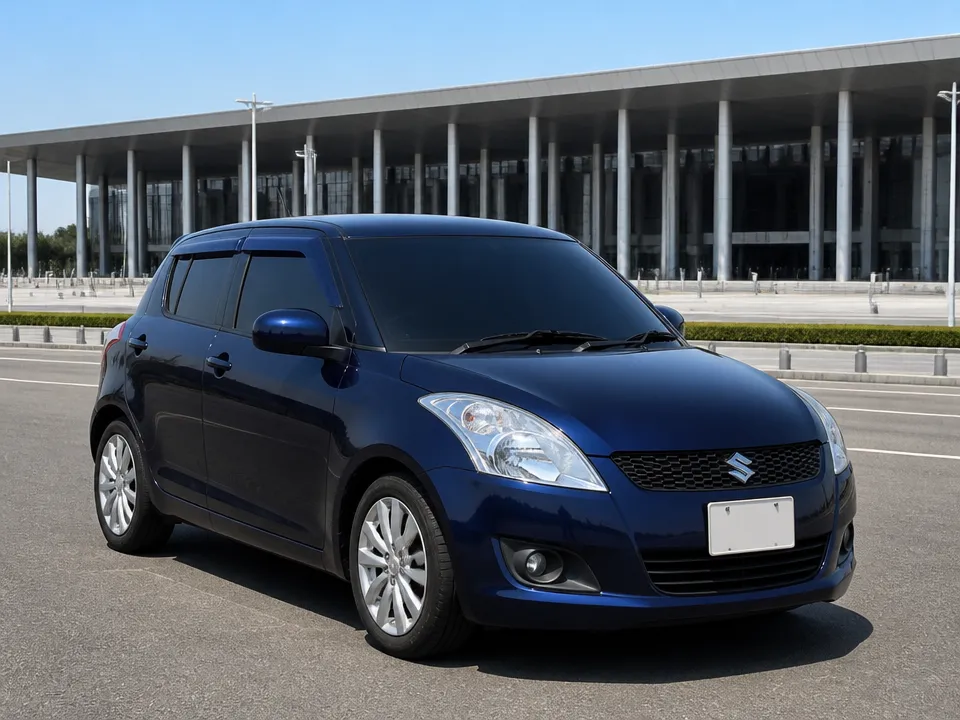
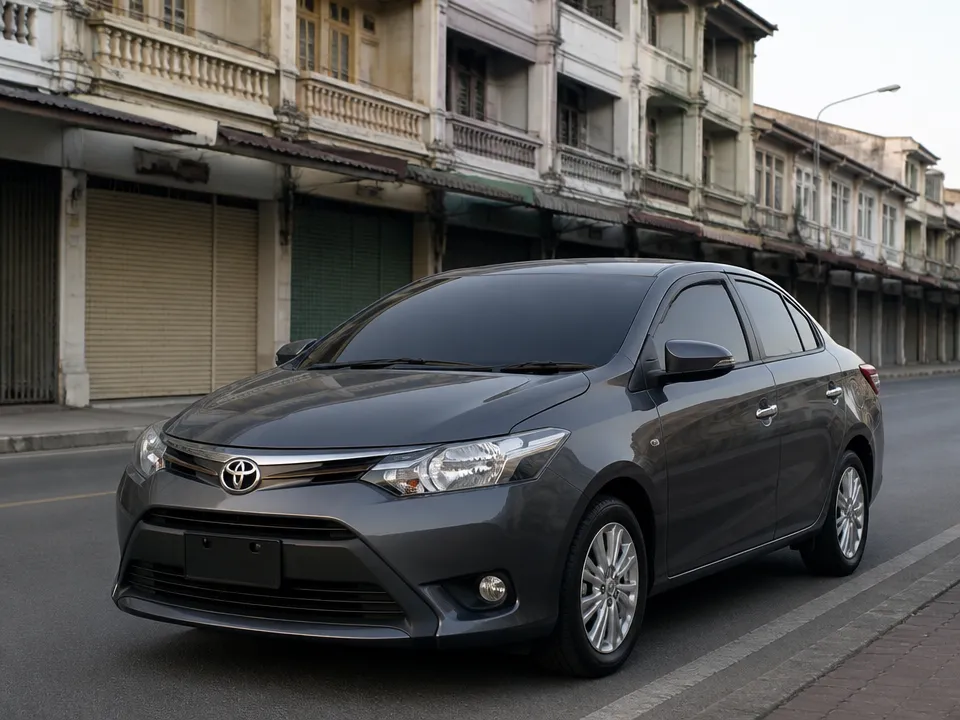
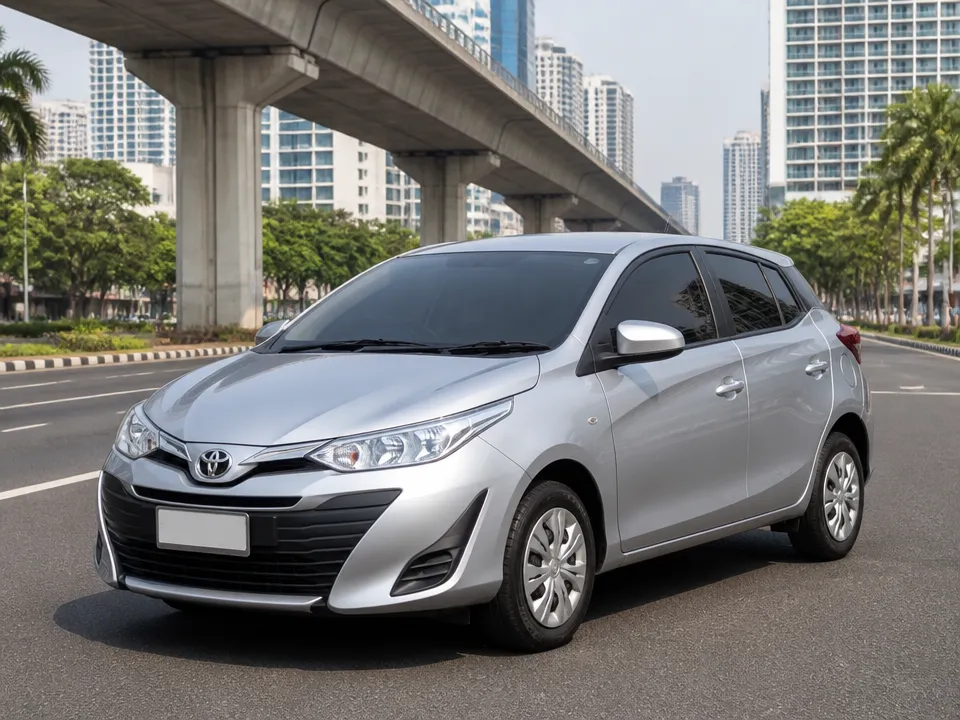
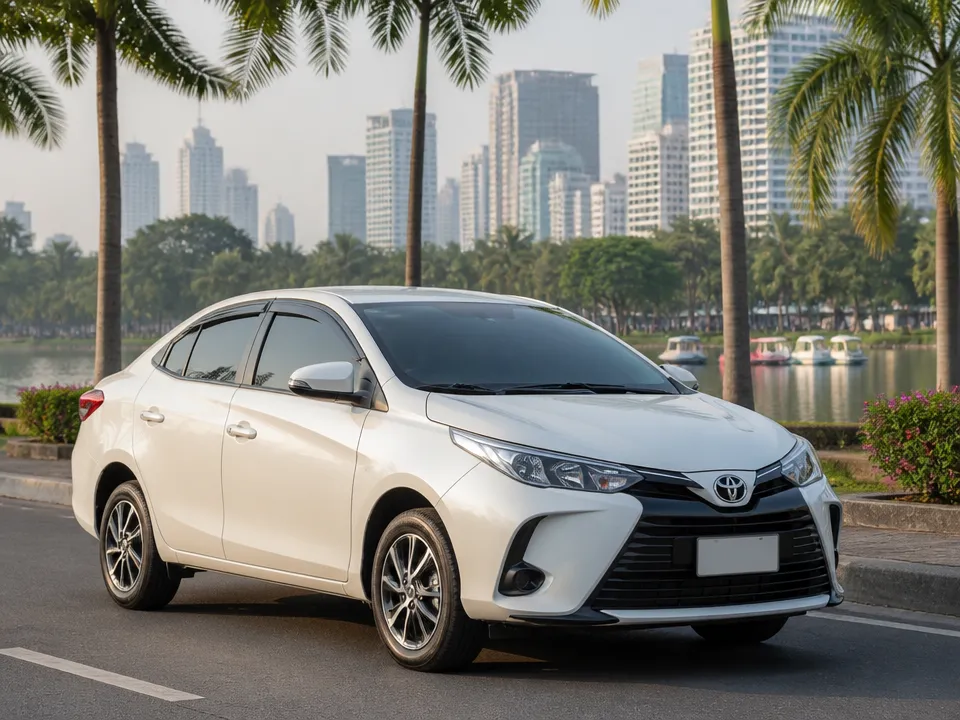
Our fleet splits into 7 hatchbacks and 8 sedans, all with 5 seats and the same automatic petrol drivetrain. The hatchback group runs from the Nissan March at ฿700 a day through the Suzuki Swift, Toyota Yaris, MG 3, Honda Brio, Mitsubishi Mirage and Honda Jazz. The sedan side opens with the Suzuki Ciaz at ฿700 and continues through the Mitsubishi Attrage, MG 5, Toyota Yaris Ativ, Honda City, Mazda 2, Nissan Almera and Toyota Vios. Engines sit between 1.0 L and 1.5 L, output between 78 hp and 122 hp.
| Model | Body | Engine | Power | Price per day |
|---|---|---|---|---|
| Nissan March | Hatchback | 1.2 L | 79 hp | ฿700 |
| Suzuki Ciaz | Sedan | 1.2 L | 91 hp | ฿700 |
| Mitsubishi Attrage | Sedan | 1.2 L | 78 hp | ฿850 |
| Suzuki Swift | Hatchback | 1.2 L | 83 hp | ฿900 |
| Toyota Yaris | Hatchback | 1.2 L | 92 hp | ฿950 |
| MG 3 | Hatchback | 1.5 L | 114 hp | ฿1,000 |
| MG 5 | Sedan | 1.5 L | 114 hp | ฿1,100 |
| Toyota Yaris Ativ | Sedan | 1.2 L | 94 hp | ฿1,100 |
| Honda Brio | Hatchback | 1.2 L | 90 hp | ฿1,150 |
| Mitsubishi Mirage | Hatchback | 1.2 L | 78 hp | ฿1,150 |
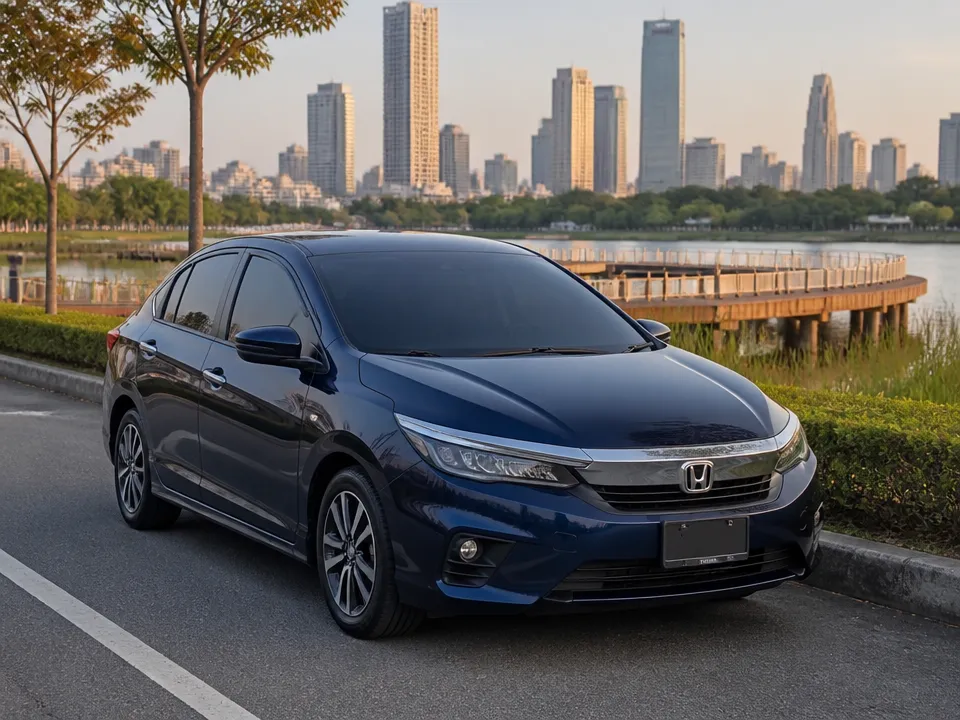
| Honda City | Sedan | 1.0 L | 122 hp | ฿1,200 |
| Mazda 2 | Sedan | 1.3 L | 93 hp | ฿1,200 |
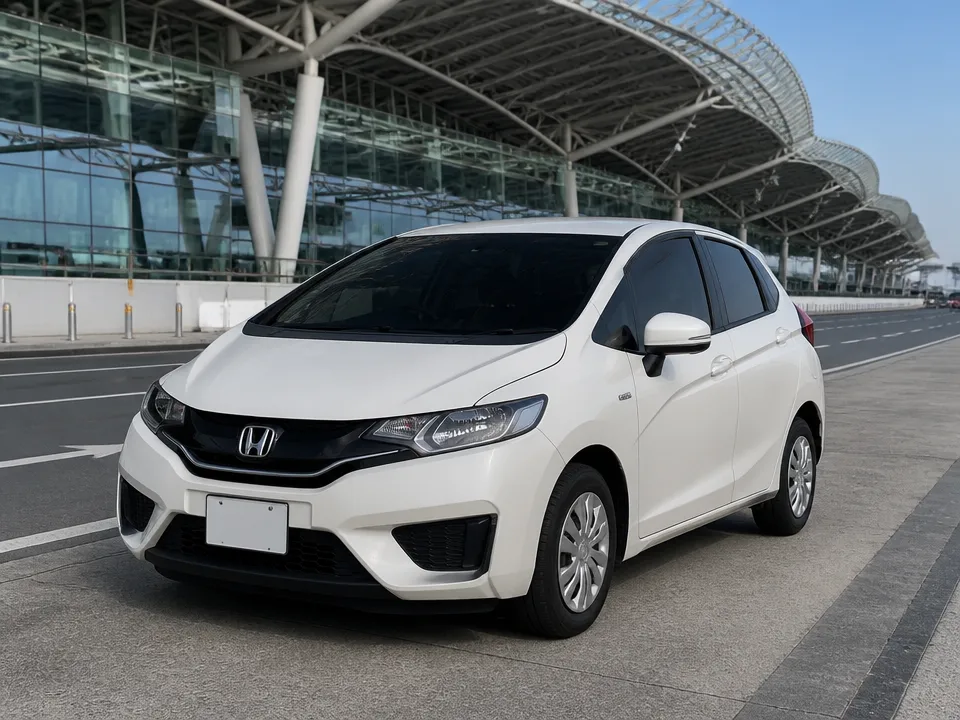
| Honda Jazz | Hatchback | 1.5 L | 117 hp | ฿1,250 |
| Nissan Almera | Sedan | 1.0 L | 100 hp | ฿1,250 |
| Toyota Vios | Sedan | 1.5 L | 109 hp | ฿1,300 |
The two ฿700 cars are the cheapest way into the class; the ฿1,300 Toyota Vios is the top of the band.
Rates in this class run from ฿700 to ฿1,300 per day for the 15 cars on this page, and longer bookings are cheaper per day. VAT 7% is already inside the figures we show. Anything beyond the rate — a delivery fee, a security hold, the excess — is set out in the rental agreement or agreed when booking.
Economy car rental in Bangkok starts at ฿700 per day and tops out at ฿1,300 per day; weekly rates start from ฿4,200 and monthly from ฿14,700. Weekly is calculated as the daily rate × 6 and monthly as the daily rate × 21, so a longer term always lowers the cost per day. Take the Nissan March or Suzuki Ciaz at ฿700 a day: a week of either comes to ฿4,200 and a month to ฿14,700. The Toyota Vios sits at the top of the band at ฿1,300 a day. The daily rate is fixed by the model; the term then applies the multiplier.
A monthly booking is where the arithmetic does the most work. At ฿700 a day the monthly rate of ฿14,700 works out far below 30 separate daily rentals, and at the top of the class a ฿1,300 car comes to ฿27,300 for the month. The rate is per car per day, so knowing your dates before you choose a model helps. Rental is available from 1 day, so a short city stay and a month-long booking sit on the same page. Confirm the term when you book, and the manager will match the rate to it.
Booking an economy car takes one message and one confirmation: you tell us the dates, the car and where you want it delivered, a manager confirms the address, the date and the time, and the booking is fixed. The delivery fee, if there is one, is agreed when booking.
A foreign visitor drives on a home driving licence plus an International Driving Permit issued under the 1949 Geneva Convention; citizens of ASEAN countries may drive on their national licence instead. The police fine for driving without the permit is ฿500–1,000, and an insurer may refuse a claim. Bring your passport, your home driving licence, the International Driving Permit unless you hold an ASEAN licence, and a bank card in the main driver's name — that card carries the security hold, and the amount is set out in the rental agreement. The minimum driver age is 21, and the conditions for drivers under 25 are also set out in the agreement.
Once the dates, the car and the delivery address are agreed, the manager fixes the booking and the car is brought to you with a full tank and clean. Since 30 December 2025 a car rental agreement in Thailand is a contract controlled by the OCPB: it is written in Thai, and every fee and penalty is disclosed inside it, so read it before you drive off — the excess and the terms of the Class 1 insurance cover sit there, not in the booking chat. VAT 7% is already included in the prices shown, and traffic-camera fines are issued to the car owner and re-invoiced to the renter, which is worth knowing on the expressways. Hire is available from 1 day, and weekly and monthly rates are lower per day than the daily rate. If you are unsure which model to take, say how many people and how much luggage you are carrying — that decides it faster than the price list.
The paperwork side of a Thai hire is short but unforgiving, and the order of it rarely bends: a passport, a national driving licence, an International Driving Permit for anyone arriving from outside ASEAN, and a bank card in the main driver's name. The minimum age is 21, and terms for those below 25 sit in the agreement rather than on a page. Traffic keeps to the left, and every vehicle in our fleet is right-hand drive.
Thailand's Motor Vehicle Act, section 42 bis, requires a home licence plus an International Driving Permit for foreign visitors, and the police fine for driving without one runs from ฿500 to ฿1,000. Speed limits are 80 km/h in built-up areas, 90 km/h outside them, 120 km/h on the motorways and 110 km/h on the expressways.
Compulsory motor insurance, Por Ror Bor, covers injury to third parties and is attached to every registered car. First-class (Class 1) insurance covers damage to the car itself; its terms and the excess are set out in the rental agreement. Read that document before you drive off — the excess figure and what Class 1 does and does not cover sit there, not in any summary, and it is the version that counts if something happens.
A rental agreement in Thailand is not a form you skim at the kerb — since 30 December 2025 it is a contract controlled by the OCPB, written in Thai, with every fee and penalty disclosed inside it.
The agreement is written in Thai and comes under OCPB control, so the numbers that matter — the security hold on your card, the excess on Class 1 cover, any delivery fee — live in that document rather than in a headline rate. We confirm the delivery address, date and time with a manager before the booking is fixed, and anything not covered by the standard terms is agreed at the same stage. Drivers under 25 and premium classes carry their own conditions, also set out in the agreement. Traffic-camera fines are issued to the car owner and re-invoiced to the renter, which is worth knowing on Motorway 7 towards Pattaya, where speed cameras do the enforcing.
Know the gap between Por Ror Bor and Class 1: the compulsory policy handles the other party's injuries, while damage to your own car depends on the first-class terms and the excess. Read those two lines before you sign, and check that the excess figure is set out in the rental agreement.
Thailand drives on the left and every car we hand over is right-hand drive, so your first ten minutes should be a slow loop away from the kerb you just left. Fill up before the return, because the car leaves us with a full tank.
In built-up areas the limit is 80 km/h, outside them 90 km/h, on the motorways (M7 and M9) 120 km/h, on the expressways 110 km/h and on elevated sections 100 km/h. Enforcement on Motorway 7 is primarily by speed cameras, and the fine is issued to the car owner — meaning the company — then re-invoiced to the driver. Our advice: keep to the signed limit rather than the flow, because the sign can drop below the general rule.
The Low Emission Zone does not touch you: it applies only to vehicles with six wheels or more — trucks and buses — on high PM2.5 days, so a 5-seat economy car is outside it. Congestion charging for Sukhumvit, Silom and Ratchadaphisek has been announced but is not in force, so do not budget for it. Parking at the kerb is the one thing to avoid: red-and-white and yellow-and-white markings mean no parking; if you are unsure where your hotel lets you leave the car, ask the manager at booking.
Daily prices on this page run from ฿700 to ฿1300. The cars listed at ฿700 per day are the Nissan March and the Suzuki Ciaz.
In Thailand traffic keeps to the left and the steering wheel is on the right. That rule applies to the cars on this Bangkok page too.
Citizens of ASEAN countries may drive on their own national licences without an IDP. Holders of other licences are not covered by that rule.