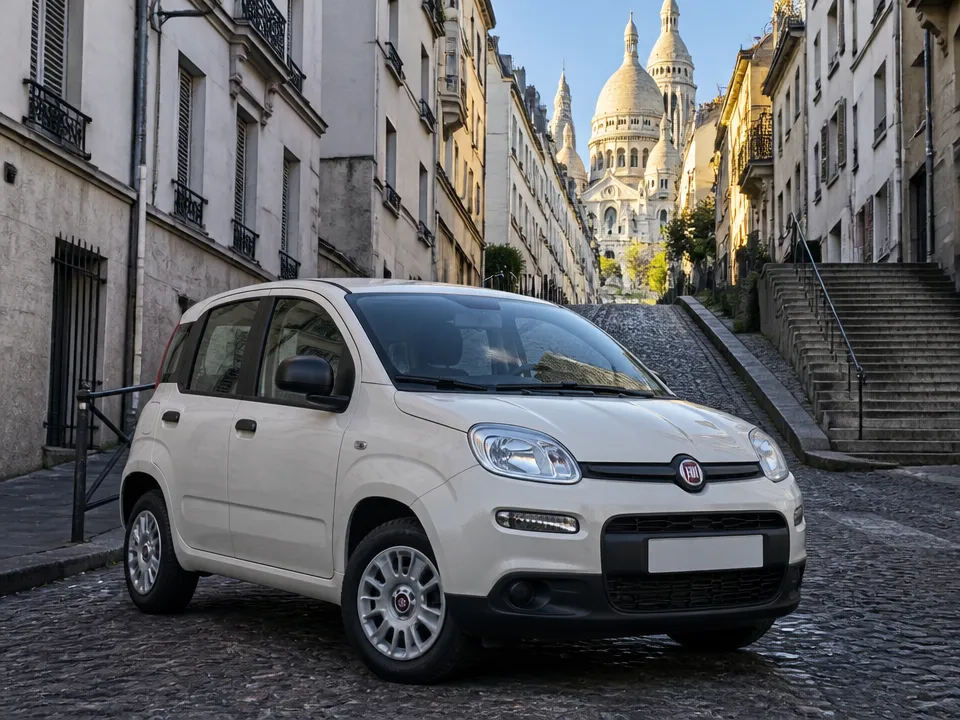
Fiat Panda Hybrid
★4.9· 86Manual1.0 L70 hpFront-wheel5 seats
€39per day
Book now






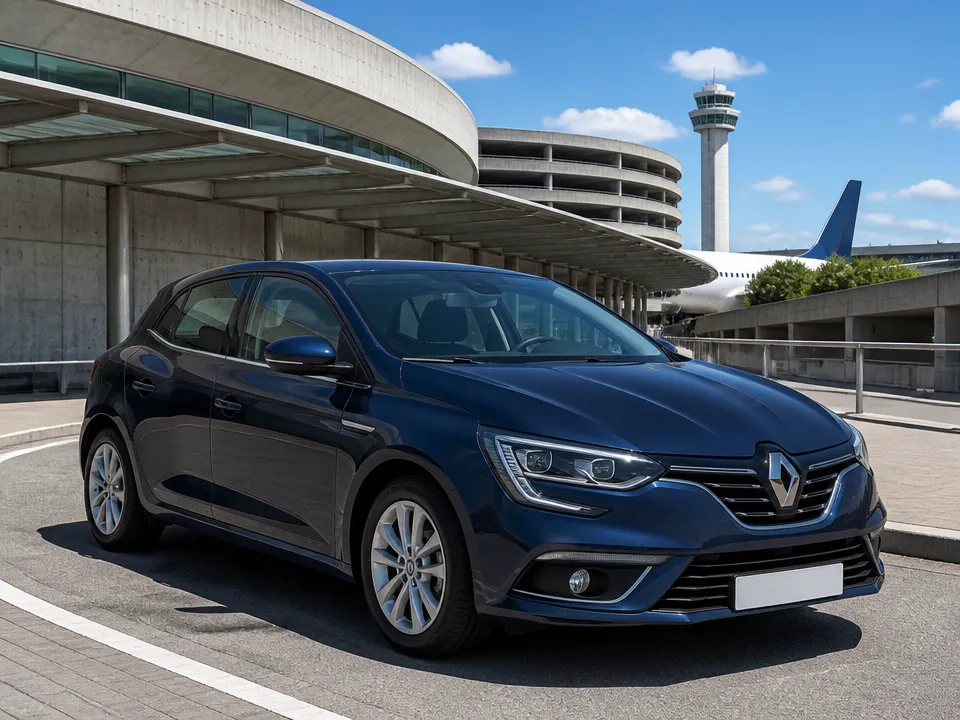
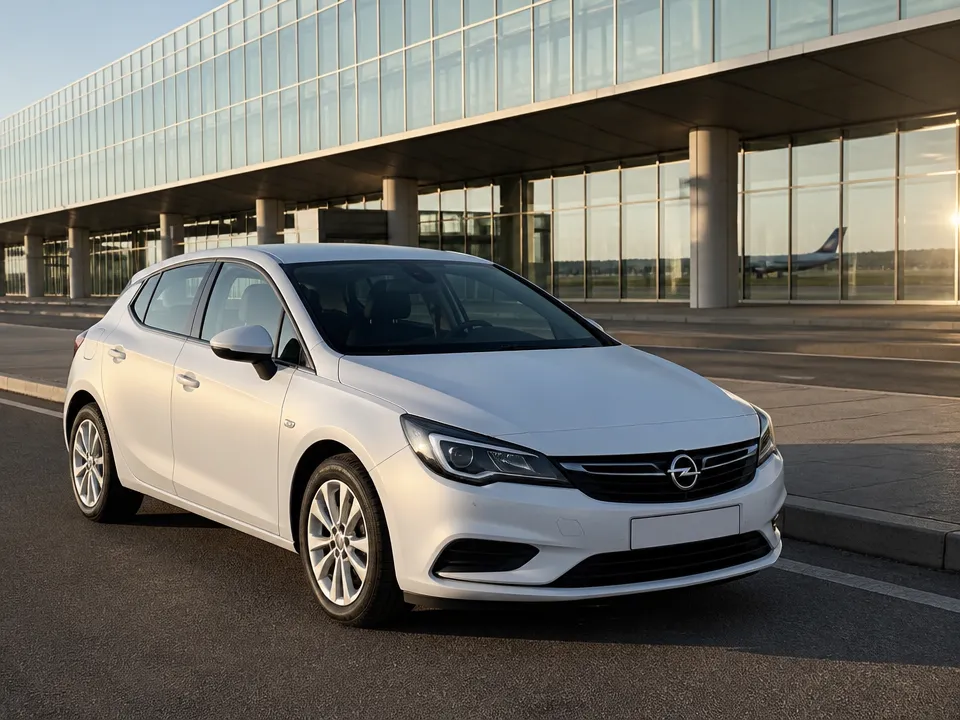
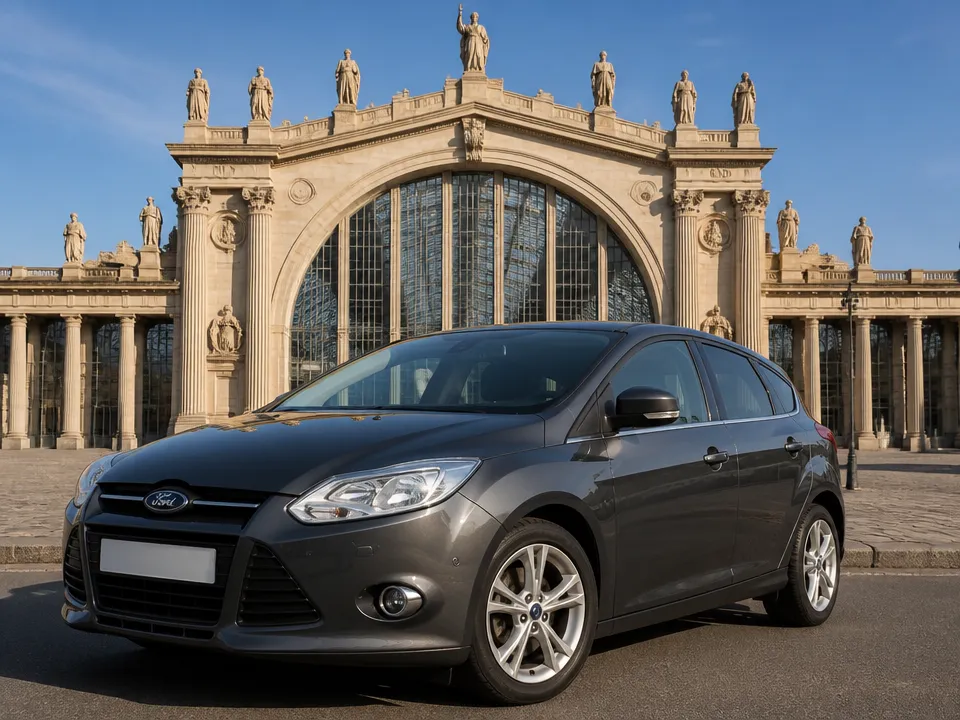
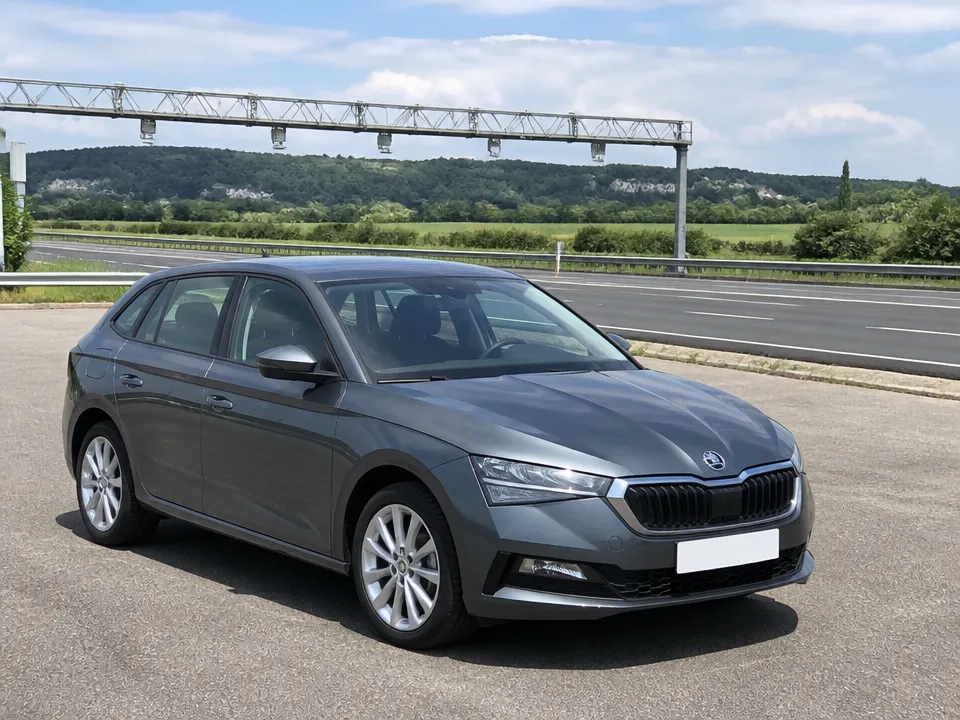
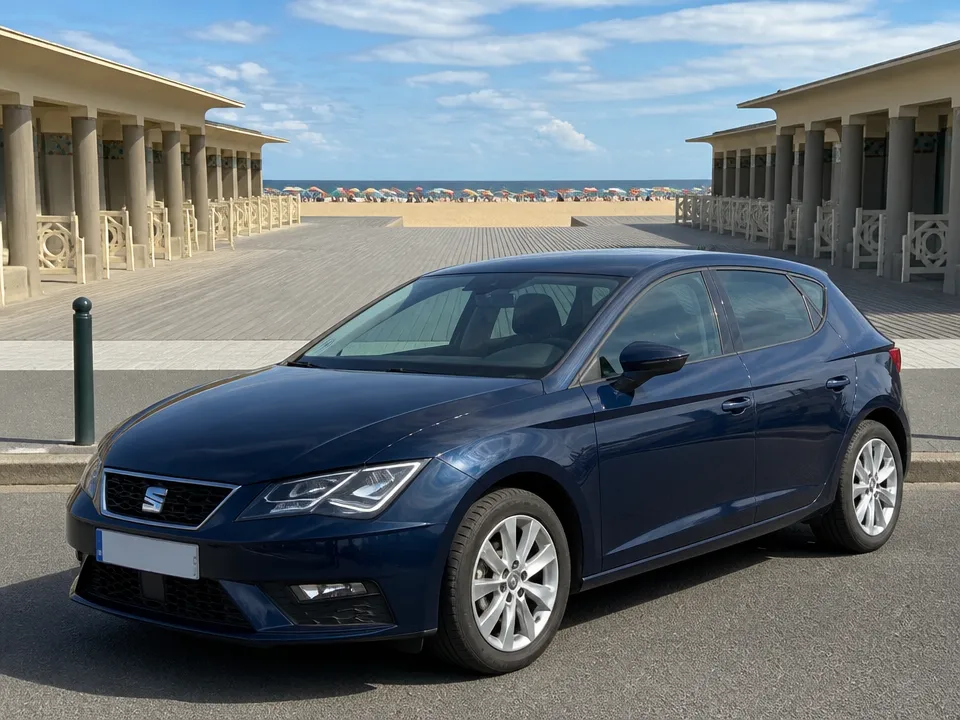
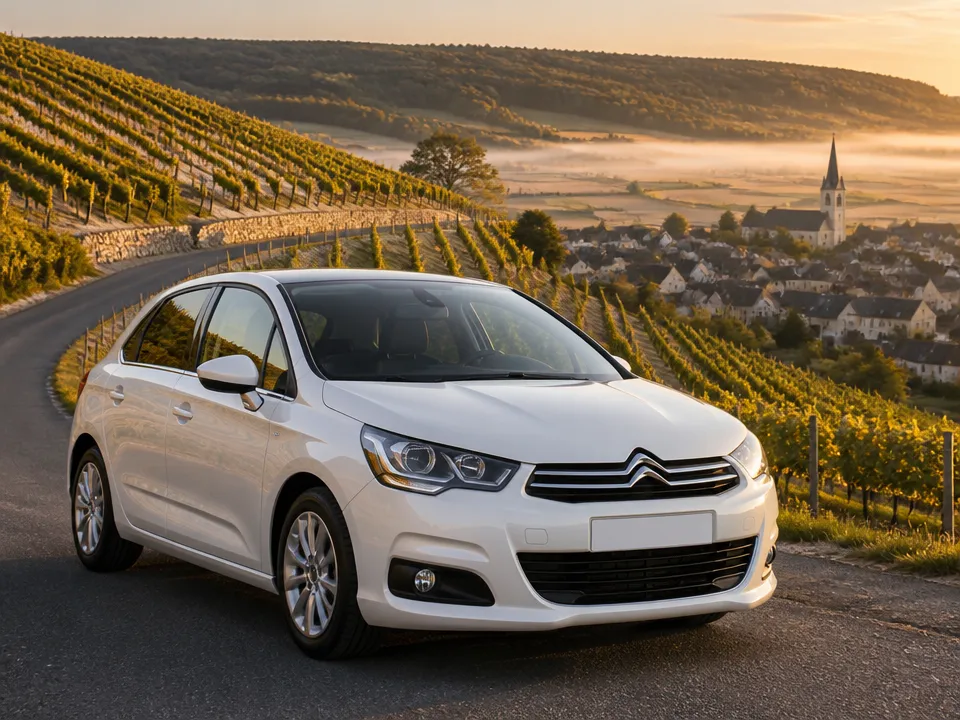
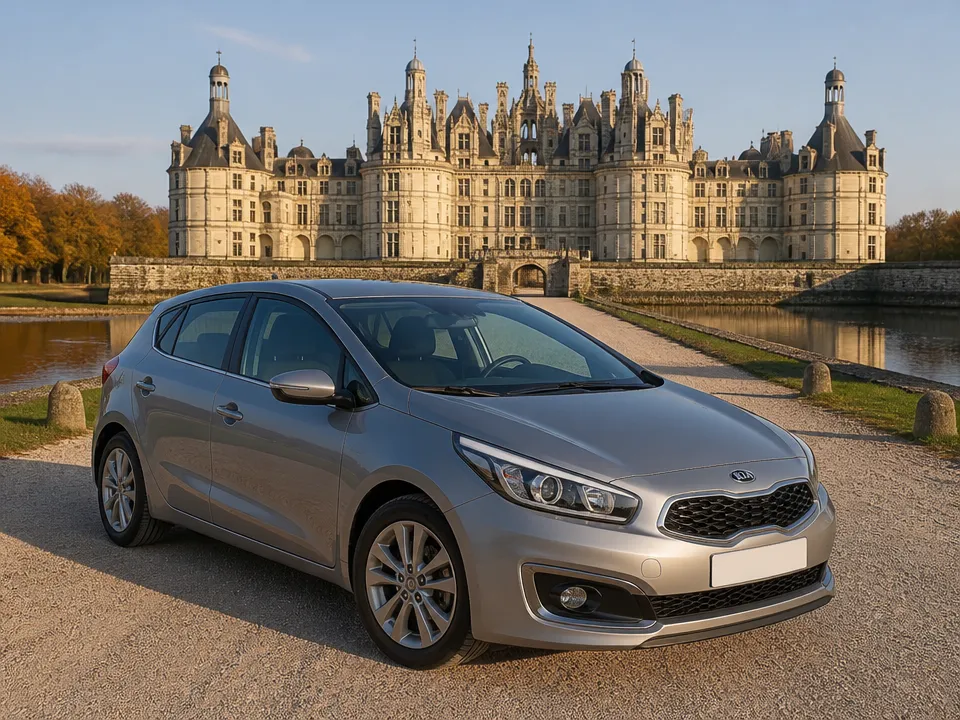
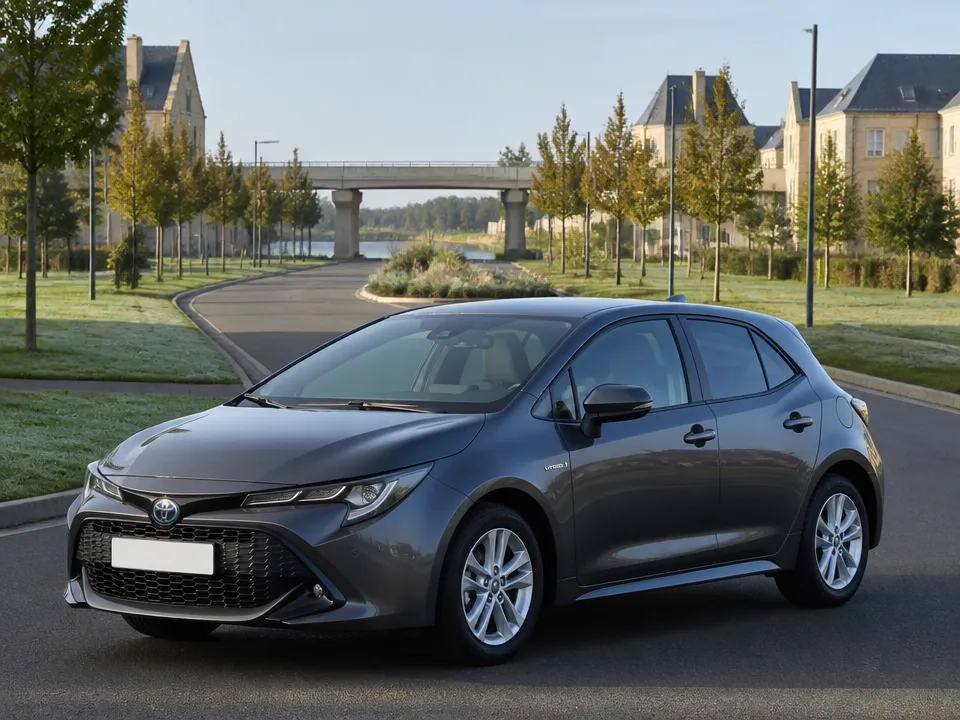
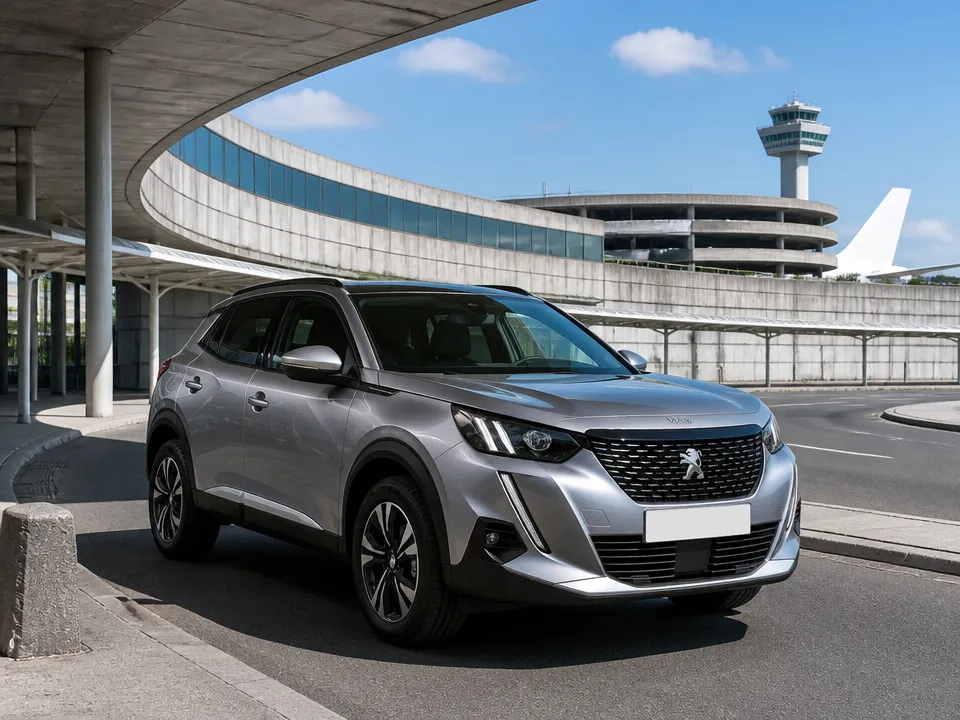
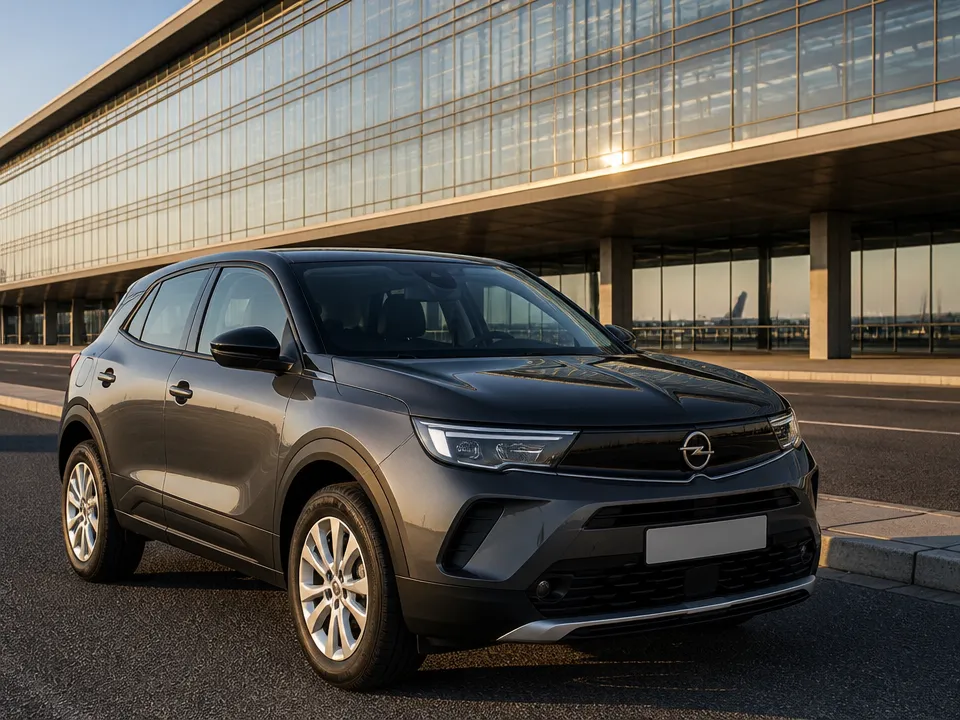
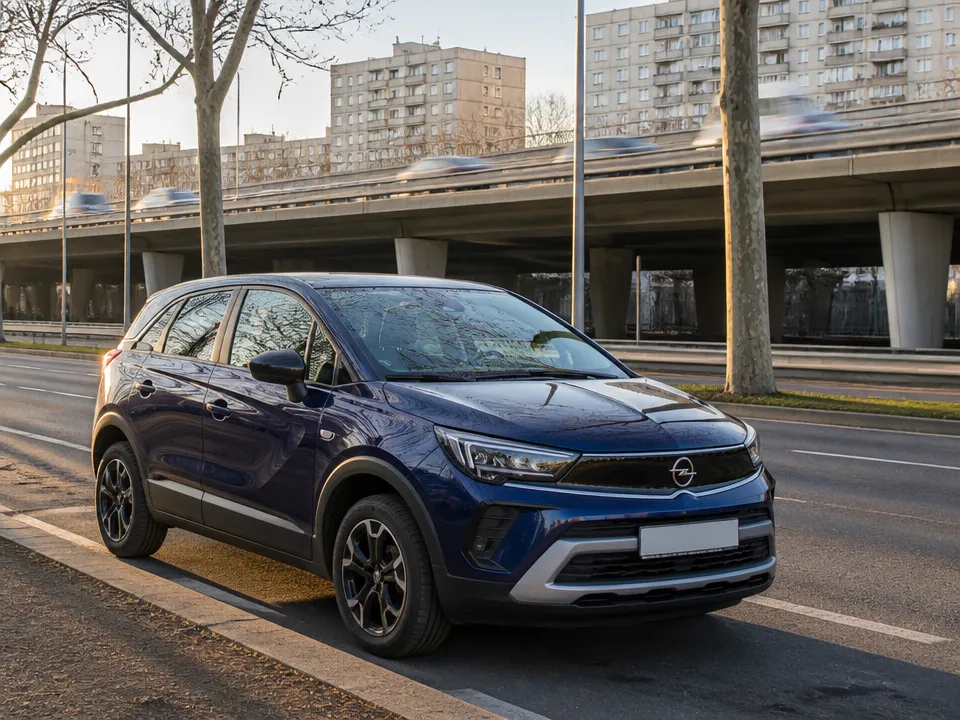
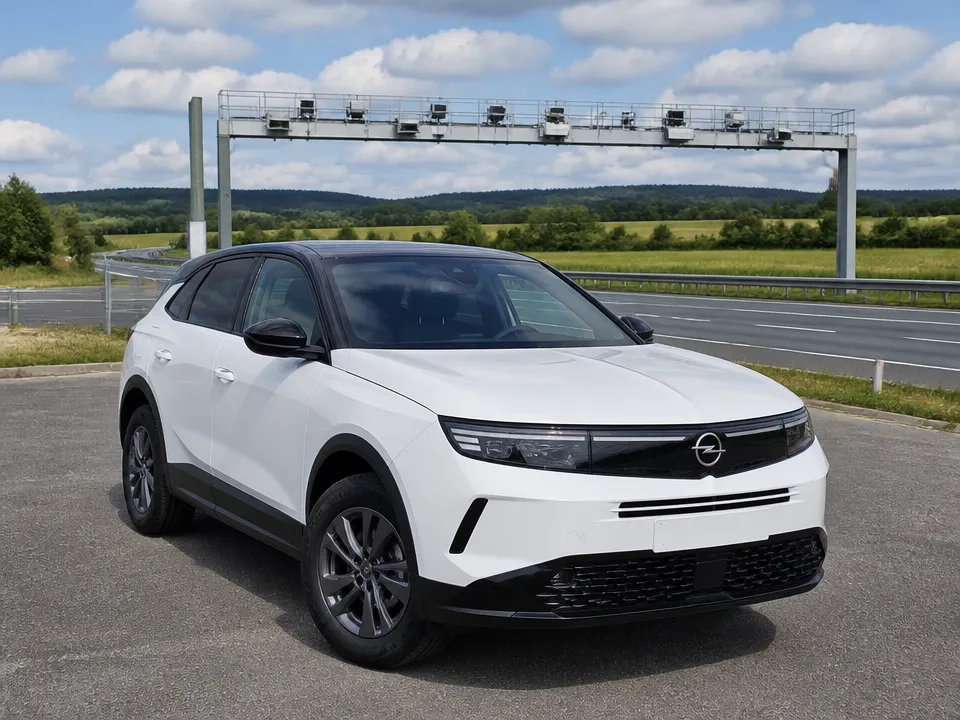
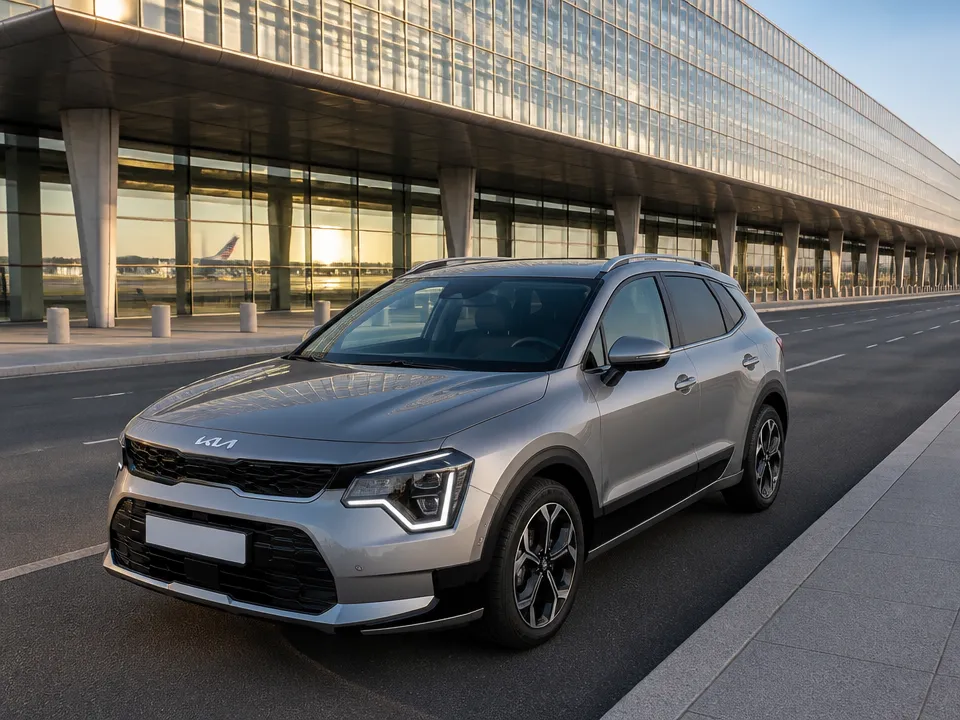
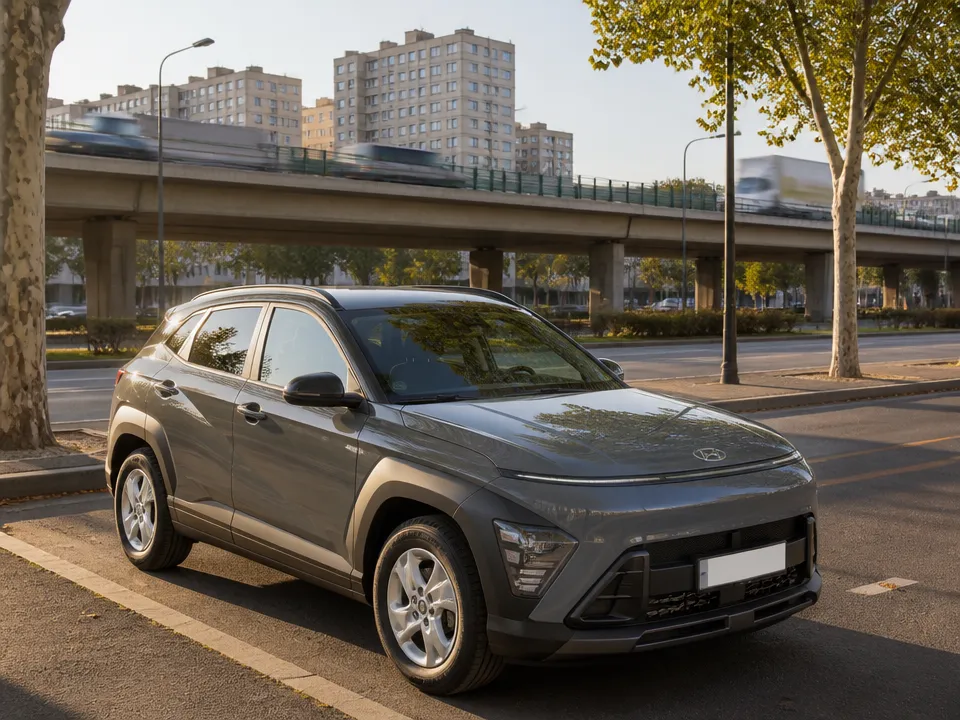
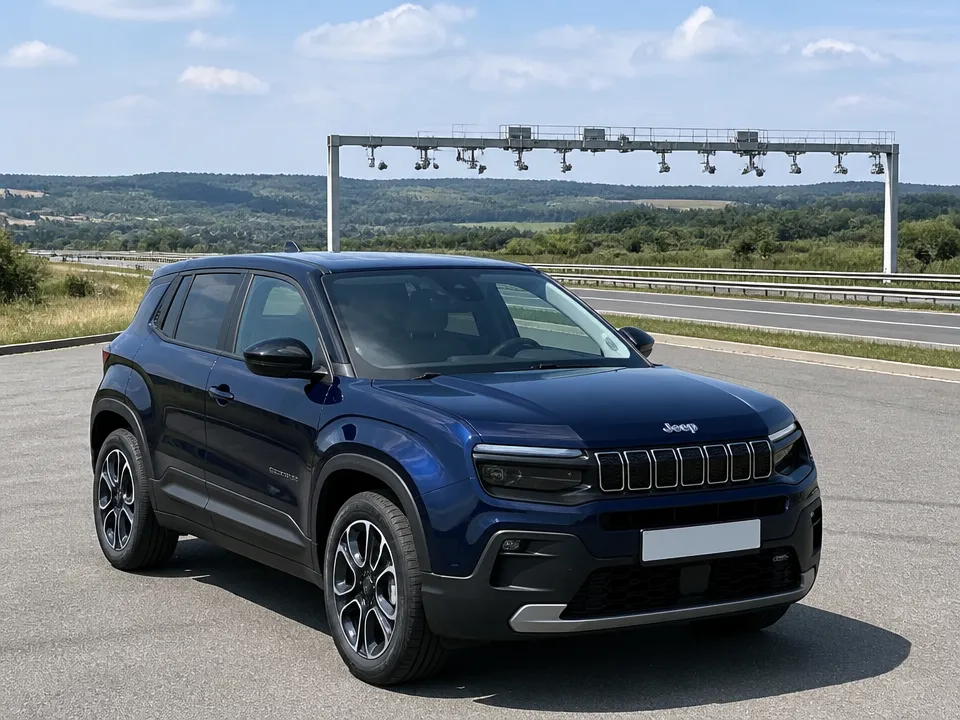
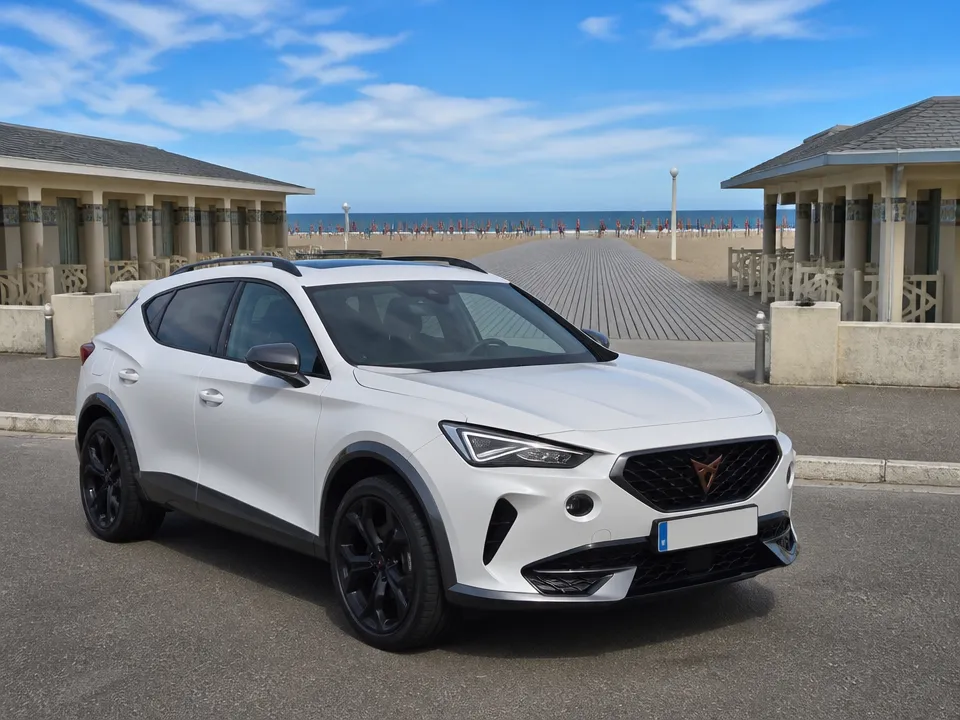

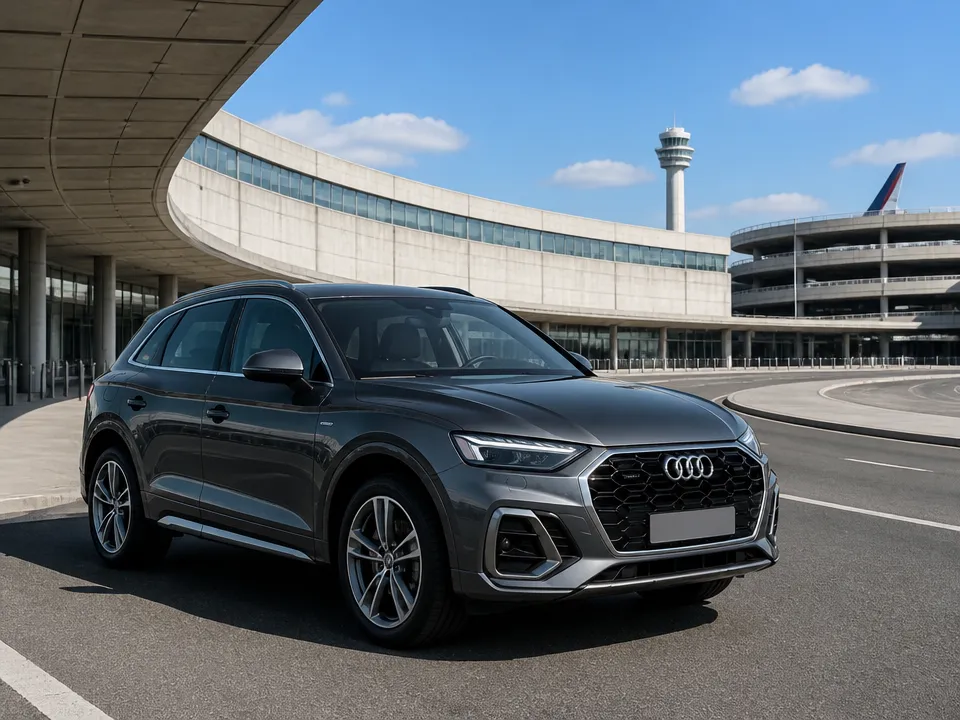
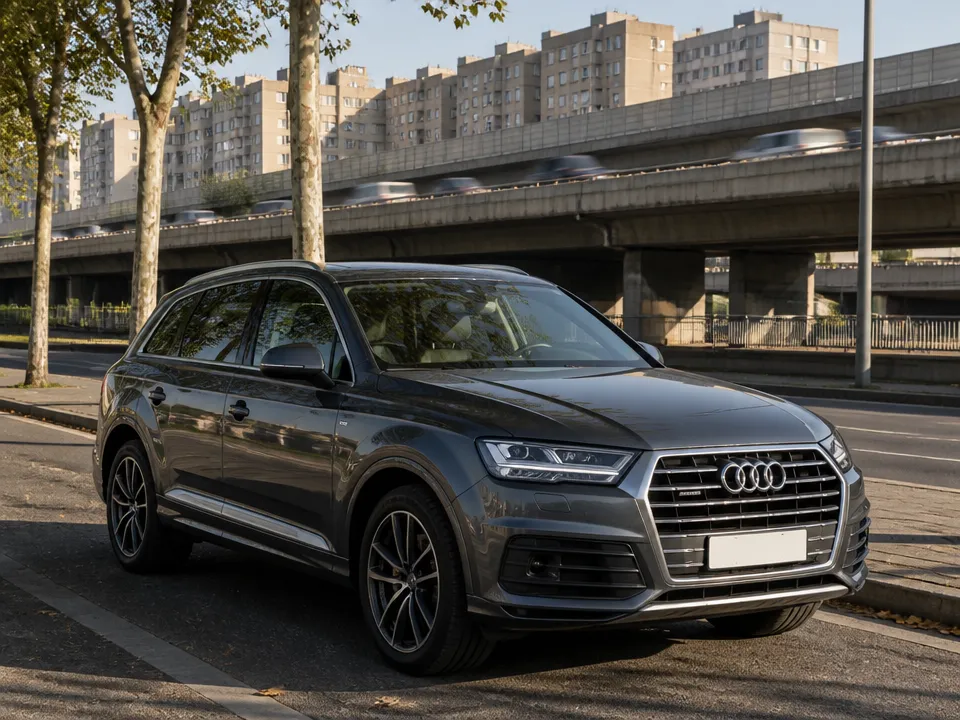
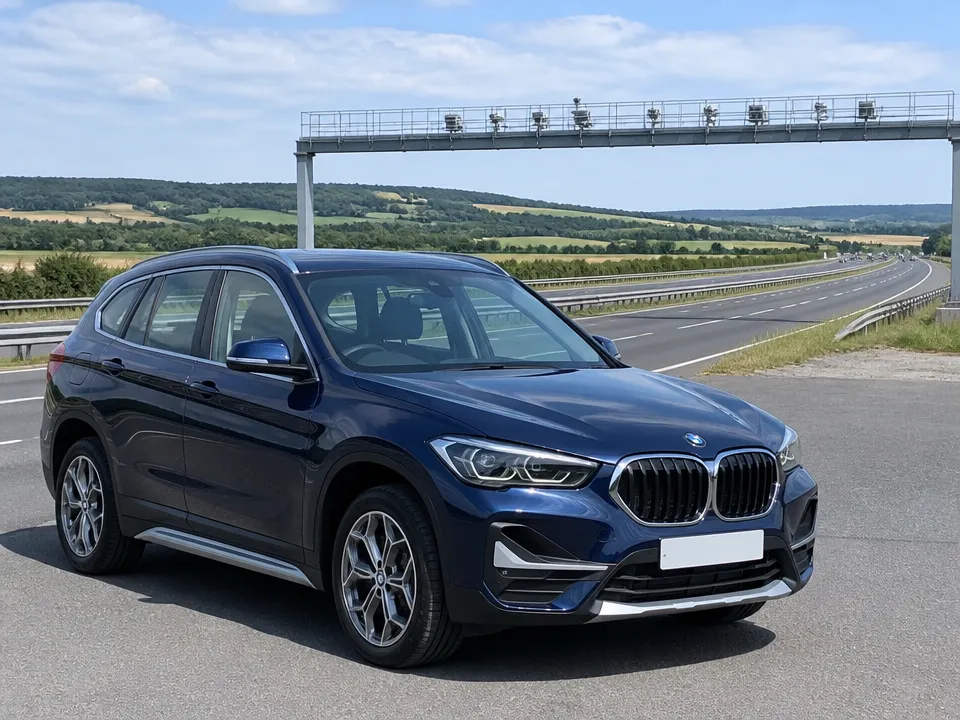
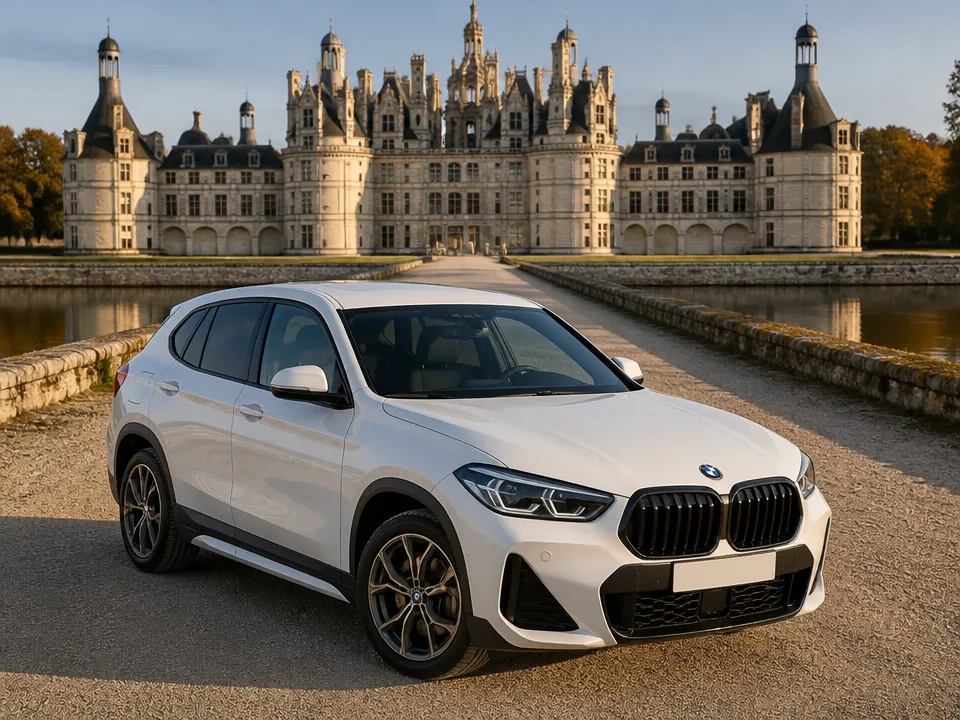
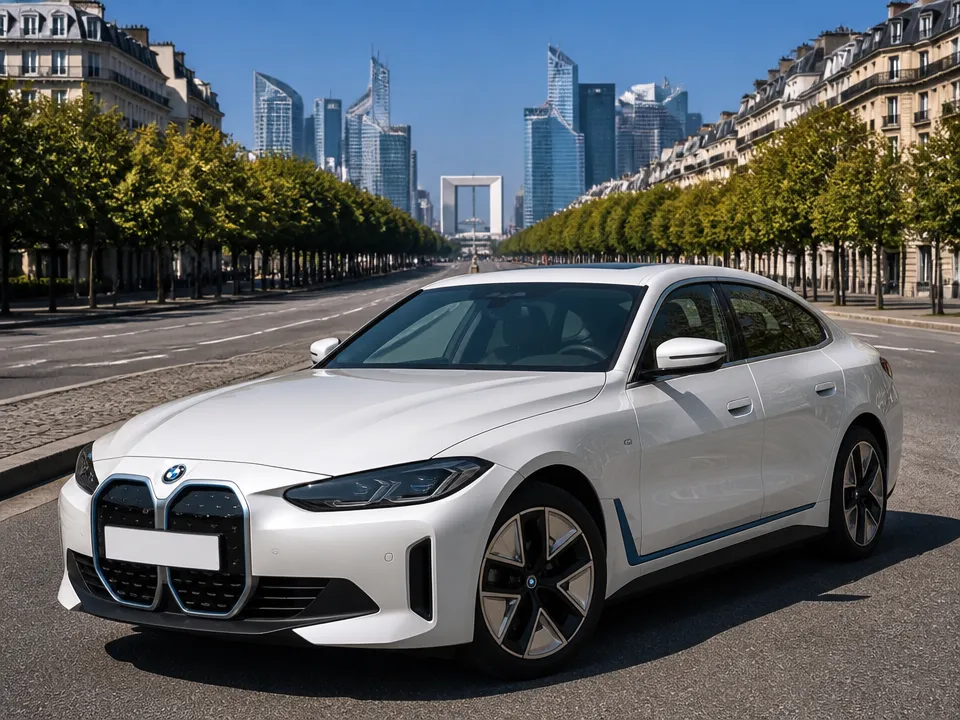
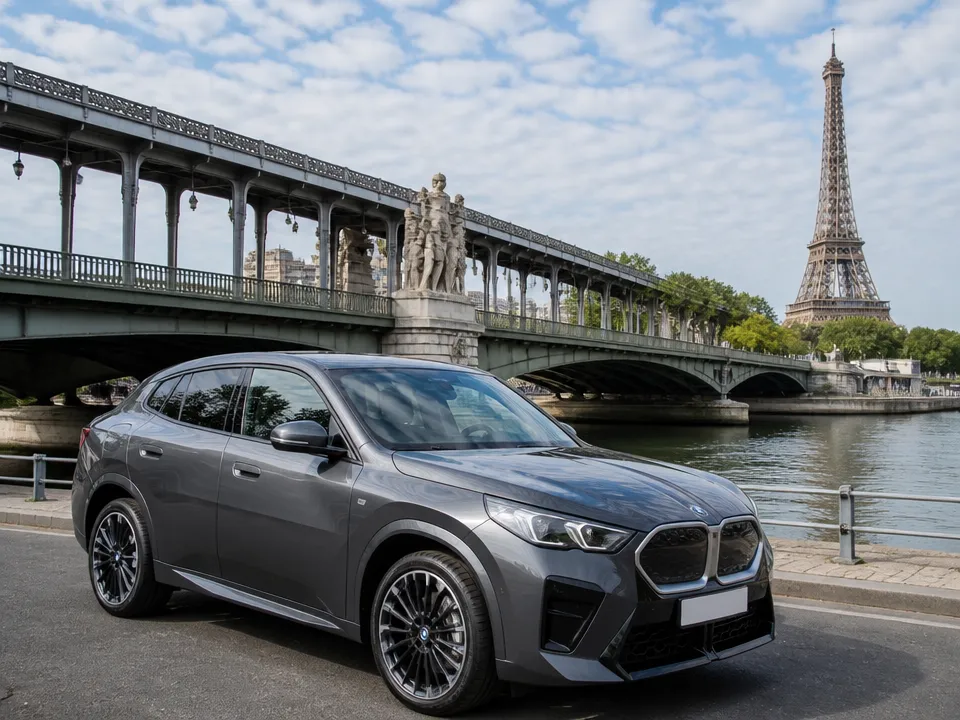
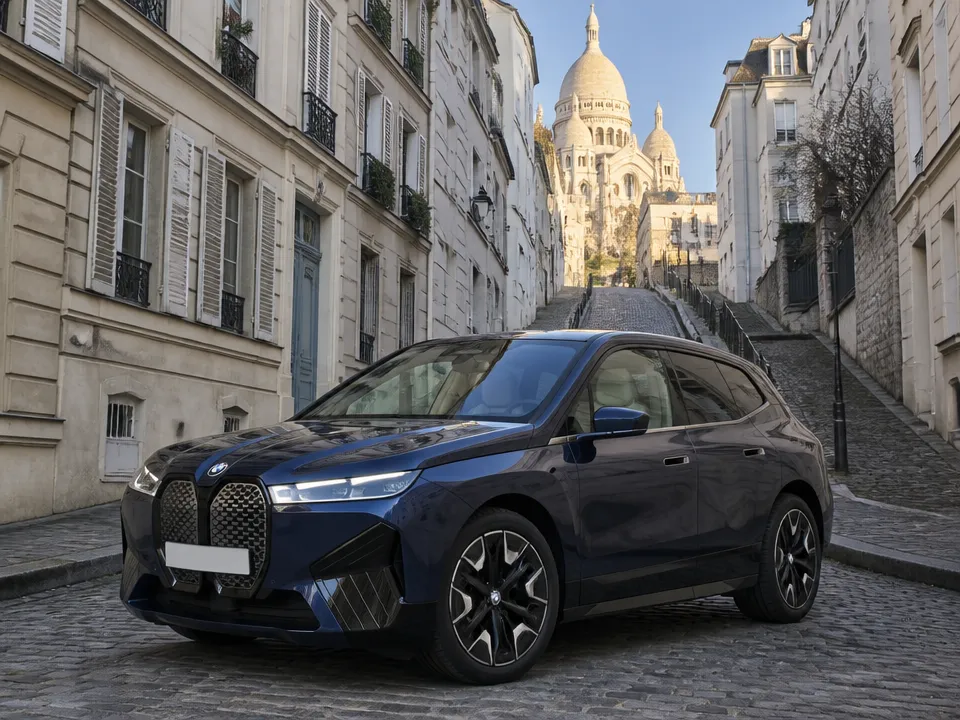


Looking for self-drive car rental in Paris? Rent-Trip has 134 cars on this page, from €29 a day for a Citroen Ami to €1,300 for the top of the range, and we bring the car to you — you tell us where and when, a manager confirms the details when you book.
Self-drive means you are behind the wheel, not a chauffeur, and with Rent-Trip the booking is agreed with a manager before the car is delivered to you. This section explains what that arrangement actually involves.
Self-drive means you are the driver — the car comes without a chauffeur, and you control the route, the stops and the timing. There is no driver to negotiate with, no schedule to keep to, and no meter running while you wait. The fleet on this page covers seat counts of 2, 3, 4, 5, 7, 8 and 9, so the same arrangement fits a solo traveller, a couple and a group of nine. Fuel types run across Diesel, Electric, Gasoline and Hybrid, and gearboxes are both Automatic and Manual. Because you drive yourself, the class you pick matters more than the price alone: a 2-seat Citroen Ami and a 9-seat van are both self-drive, but they suit completely different trips.
We agree every booking with a manager, and we deliver the car to the client — the hand-over point and the timing are settled when you book. The class, the dates, the length of the booking and the return are confirmed in advance, in one conversation. Everything that belongs to the agreement is set out in the rental agreement, so we do not quote it here as a flat figure. Our fleet on this page is 134 cars, from €29 to €1,300 per day. Agreeing everything with a manager before the trip means the class, the dates and the return are confirmed in one conversation instead of being guessed at a counter.
For a first trip, my advice is to settle the class before the dates — the seat count and the fuel type narrow the fleet faster than the calendar does, and the manager can then confirm what is actually available for the days you want.
Our fleet on this page holds 134 cars across 13 classes, priced from €29 to €1,300 per day. The table below shows what each class starts at, so you can line up a budget before you look at a single model.
| Class | Cars | From, per day |
|---|---|---|
| Economy | 15 | €29 |
| Commercial | 6 | €47 |
| Electric | 18 | €55 |
| Crossover | 13 | €75 |
| SUV & 4x4 | 19 | €79 |
| Comfort | 13 | €79 |
| Convertibles | 10 | €99 |
| Premium | 11 | €105 |
| Minivans | 5 | €119 |
| Sedan | 3 | €120 |
| Passenger vans | 5 | €155 |
| Luxury | 10 | €195 |
| Sports | 6 | €450 |
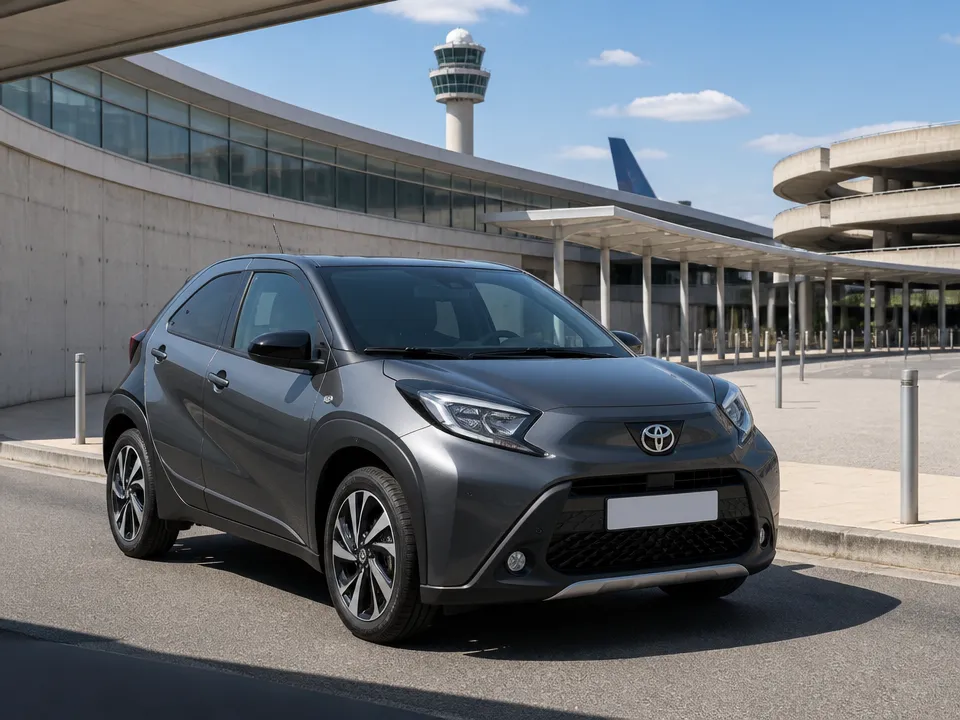
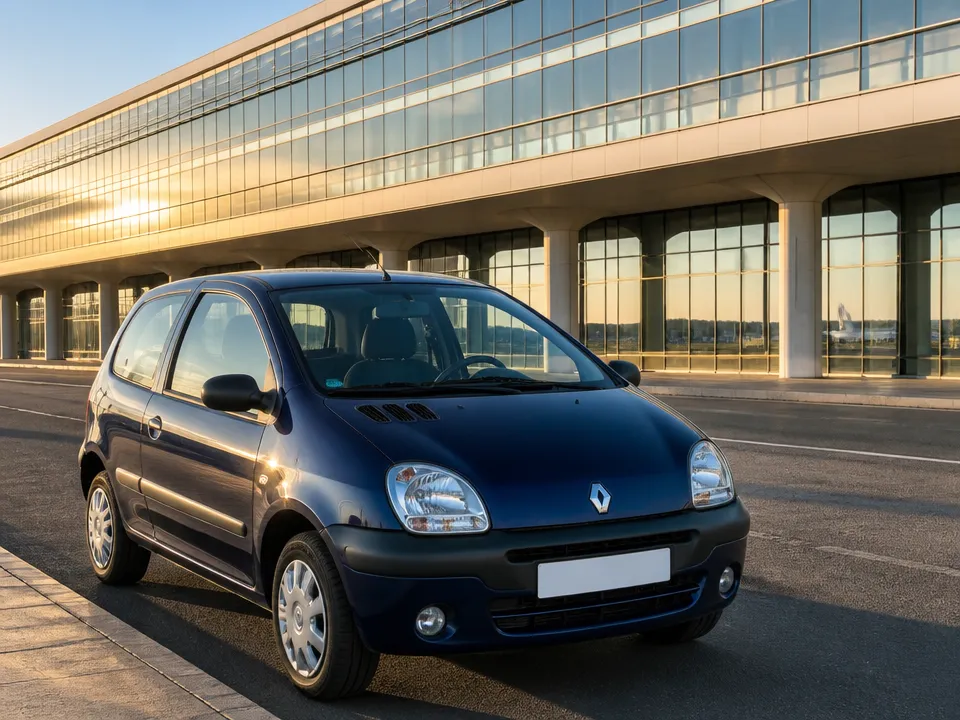
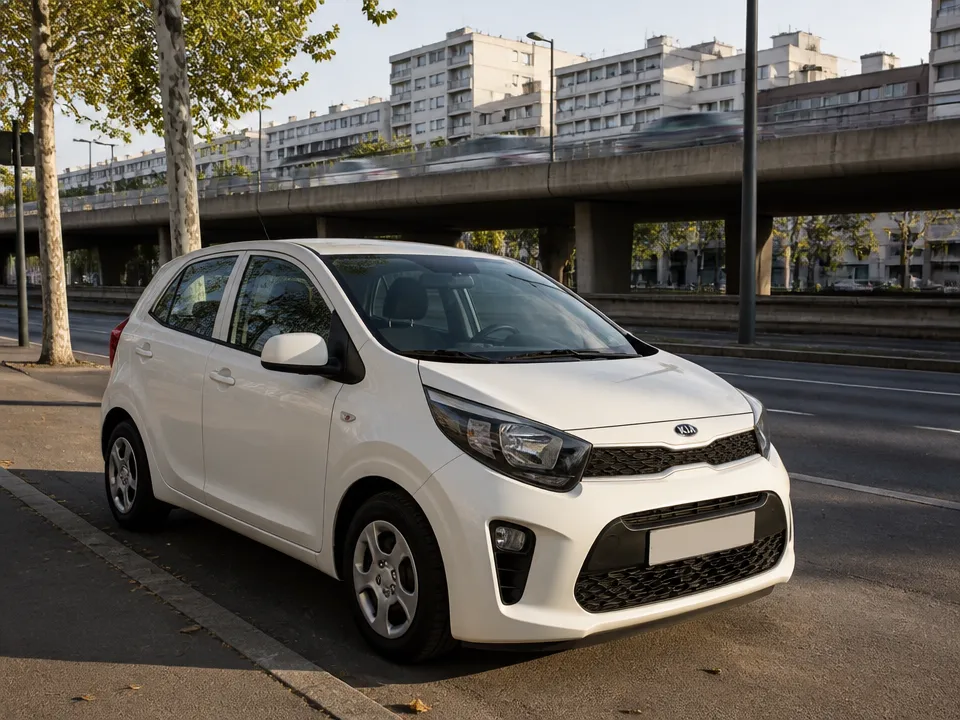
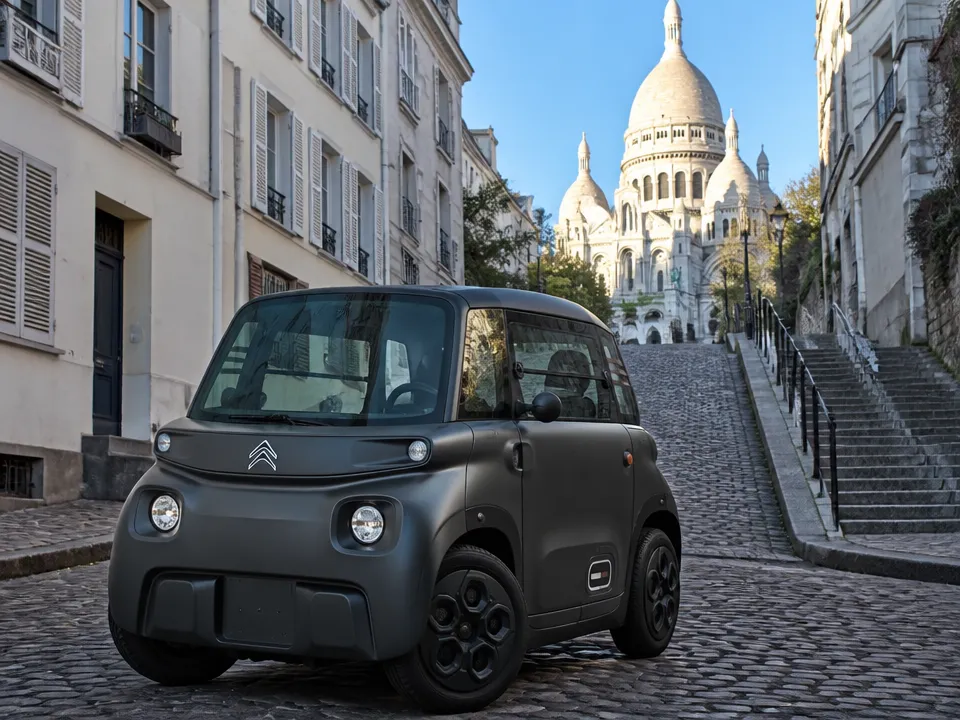
The cheapest class is not always the cheapest trip. A Citroen Ami at €29 carries 2 seats and runs on a 5.5 kWh battery, while a 5-seat Kia Picanto, Toyota Aygo X or Dacia Sandero at €39 covers a family of five for €10 more per day. In our experience the Economy line — 15 cars in total — absorbs most city bookings, and the €29 microcar ends up as a second car for a couple rather than the only one. Check the seat count before the price: a 4-seat Renault Twingo at €35 and a 5-seat Citroen C3 at €45 sit in the same class, but they solve different problems.
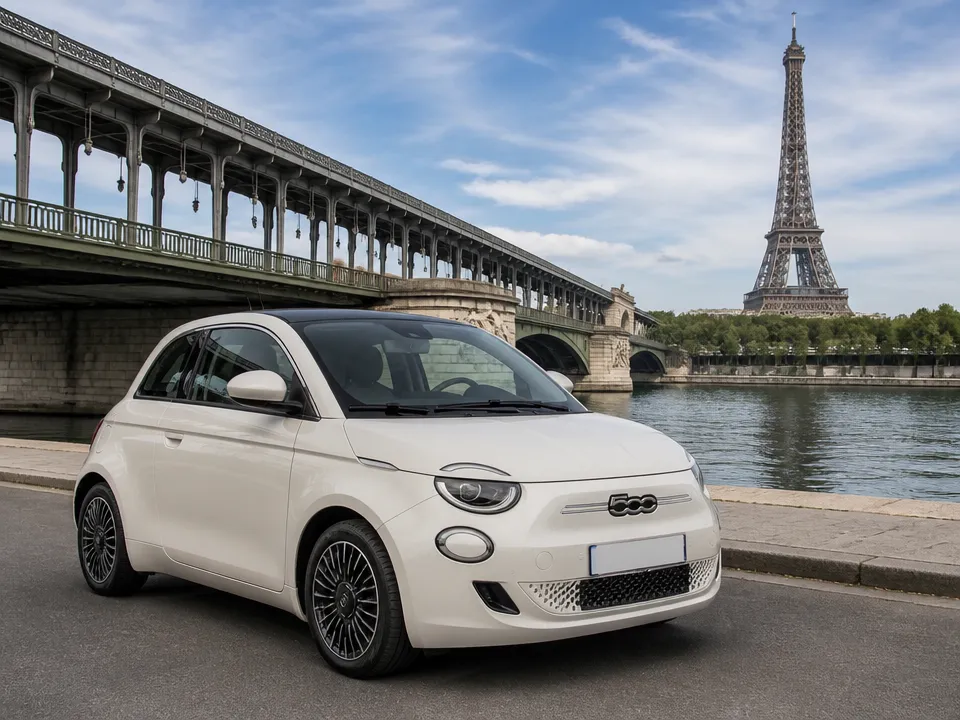
Longer self-drive hire is priced at weekly from €174 and monthly from €609, calculated as the daily rate multiplied by six and by twenty-one. Because the multiplier is fixed, the class you choose sets the longer rate directly — moving from a €29 Economy car to a €55 Electric one shifts the weekly figure by the same ratio, and a €79 SUV and 4x4 or Comfort car carries that ratio further. The Electric line deserves a second look for a long stay: 18 cars from €55, including the Renault Zoe at 52 kWh and 136 hp, the Fiat 500e at 42 kWh and the Renault 5 E-Tech at 150 hp. A weekly booking also settles the class question early, so we agree the dates and the return in one conversation with a manager rather than at the last minute.
Seats, fuel and gearbox decide more than the badge on the bonnet. Here is how our fleet maps onto real trips, and which class answers which question.
Our fleet covers 2, 3, 4, 5, 7, 8 and 9 seats, so the group size picks the class before the price does. Larger groups push you into the Minivan and Passenger van classes, where the daily rate starts at €119 and €155.
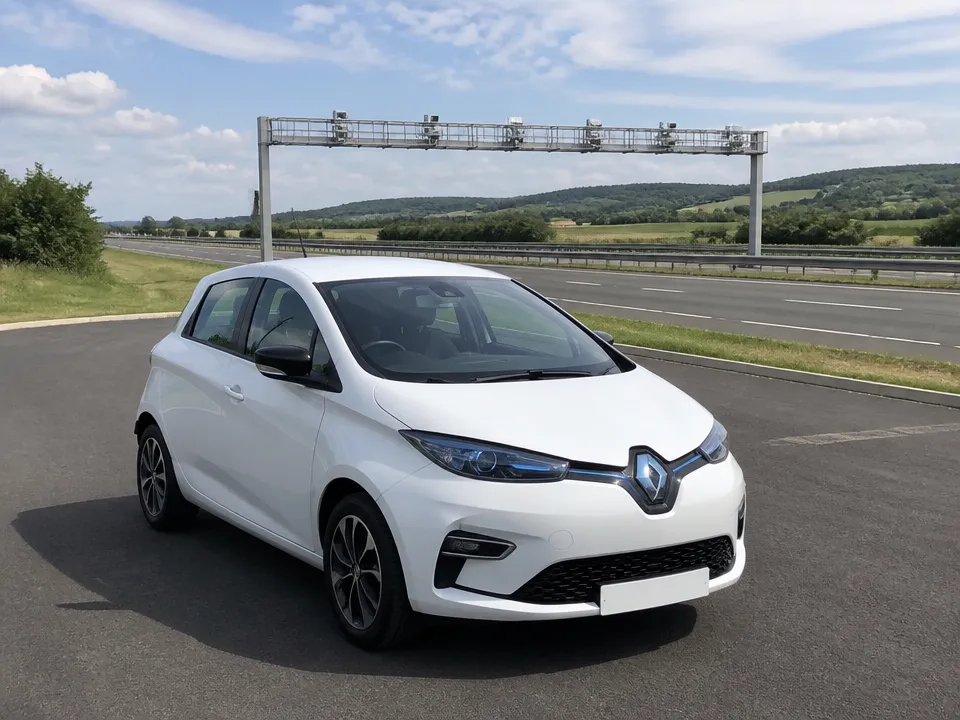
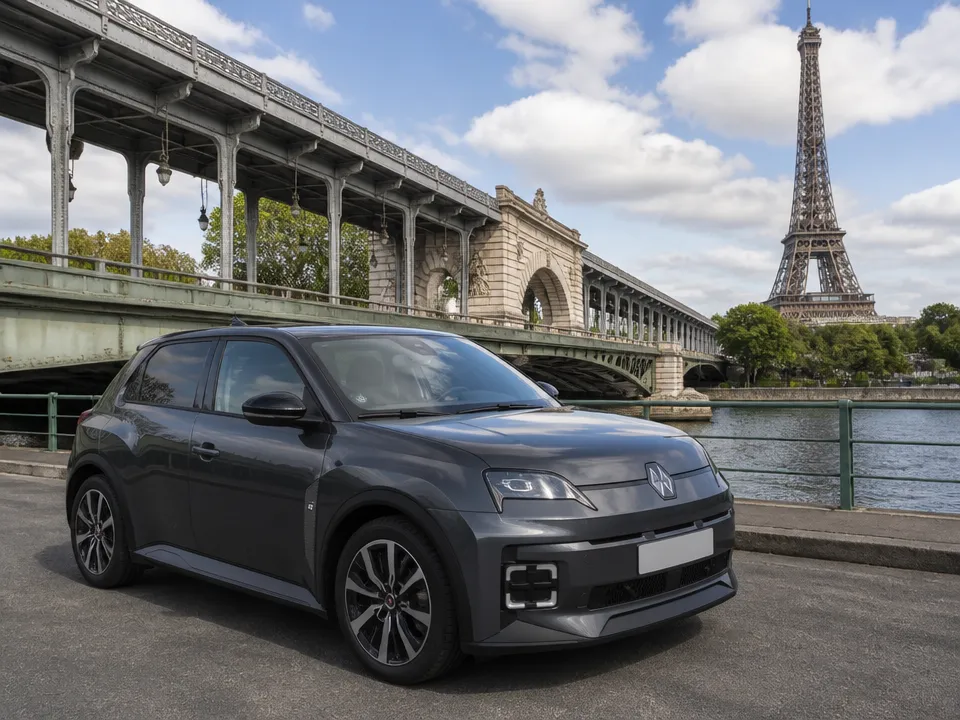
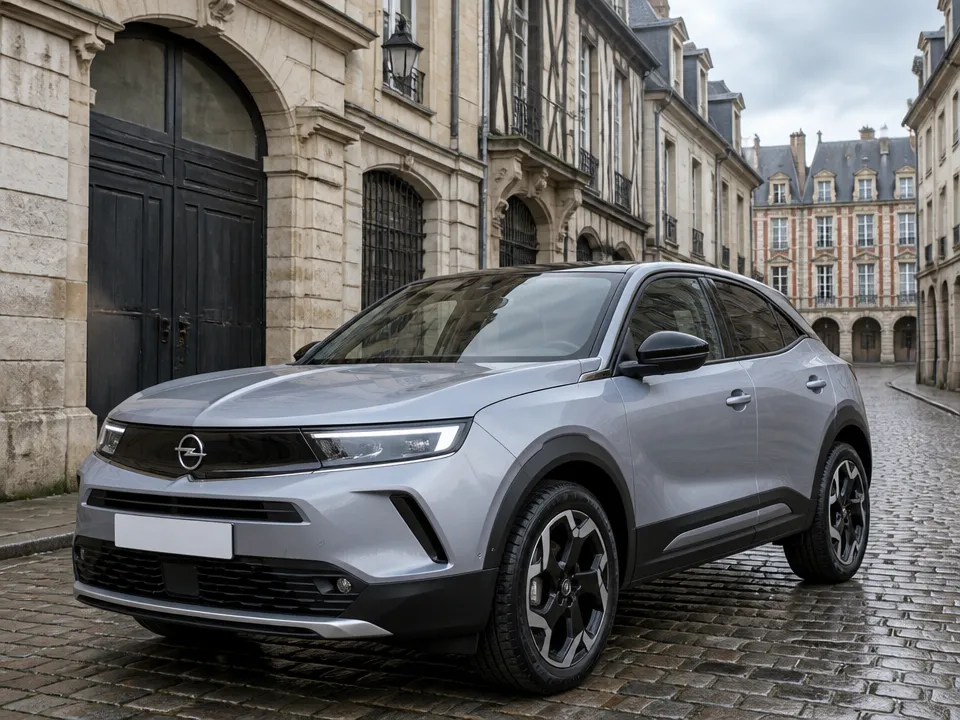
We list Diesel, Electric, Gasoline and Hybrid cars, with both Automatic and Manual gearboxes, and the Electric class starts at €55 per day. The Renault Zoe at €55, the Fiat 500e at €59, the Renault 5 E-Tech at €69 and the Opel Mokka Electric at €75 all come with an Automatic box and a 42–54 kWh battery; the Renault Clio E-Tech Hybrid at €75 pairs a 1.6 L petrol engine with an Automatic transmission. Manual gearboxes dominate the Gasoline and Diesel classes, from the Twingo at €35 upwards.
The Crit'Air sticker decides where a car may go inside the ZFE de la Métropole du Grand Paris, so the fuel type is a route question, not just a running-cost one. If your plans include the Alps, the loi Montagne II requires winter tyres or chains on two driven wheels from 1 November to 31 March in roughly 34 mountain departments — Paris and Île-de-France are not among them, but a ski trip changes what you should book. Tell the manager where you intend to drive, and we will match the car to the route rather than to the price list.
We agree the hand-over point and the timing when you book, and we deliver the car to the client — so the first and last steps of a self-drive hire are settled before you arrive, not at a counter.
Every booking is agreed with a manager, and the collection point, the drop-off point and the hours are confirmed in that conversation. We deliver the car to the client, so the address and the time slot come from you rather than from a fixed depot list. The agreement sets out what the hand-over covers, so nothing about the return is left to be worked out on the day. In our practice, the trips that go smoothly are the ones where the client names an exact address and a realistic window at the booking stage — a hotel side street off the Champs-Élysées and a railway station forecourt need very different amounts of time, and the timing of the hand-over is agreed when booking.
The return follows the same agreed arrangement as the collection: the manager confirms the point and the hour, and the état des lieux closes the hire. Two details catch people out. The first is the vignette Crit'Air on the windscreen — without it, entry to the ZFE de la Métropole du Grand Paris is formally prohibited, and the sticker stays with the car, not with you. The second is the covoiturage lane on the boulevard périphérique: the left-hand lane between the Issy embankment and porte de Bercy, in both directions, is reserved Monday to Friday 7:00–10:30 and 16:00–20:00 for cars carrying 2 or more passengers, and the penalty is 135 € as a contravention 4th class, issued from 2 May 2025. Plan the return leg outside those windows if you are driving alone — a solo driver in that lane pays whether or not the trip itself went well.
Speed limits, the low-emission zone and the périphérique rules decide what you can do with a self-drive car rental in Paris — and what it costs when you get them wrong. Here is what actually applies on the road.
The default limit in built-up areas is 50 km/h under Code de la route, art. R413-3, though individual stretches can be raised to 70 km/h. Outside town the ordinary-road limit is 80 km/h, rising to 90 km/h on two-lane sections where the département has decided so; roads with a central divider run at 110 km/h and motorways at 130 km/h, both under Code de la route, art. R413-2. Rain drops those three figures to 110, 100 and 80 km/h respectively, and visibility under 50 m means 50 km/h everywhere (art. R413-4). Drivers holding a permis probatoire — less than three years since the licence was issued — follow 110, 100 and 80 km/h regardless of the road (art. R413-5). The boulevard périphérique has run at 50 km/h since 1 October 2024 by decision of the city hall, phased in from porte des Lilas to porte d'Orléans on that date and across the whole ring by 10 October, even though the Code de la route still permits 70 km/h there. In our experience the périphérique figure surprises clients most, so budget your airport run accordingly.
The general alcohol limit is 0.5 g/l of blood, or 0.25 mg/l of breath; for permis probatoire holders it falls to 0.2 g/l of blood and 0.10 mg/l of breath, in force since 1 July 2015. A young driver over the limit faces 135 €, six points and possible licence suspension. Child seats are compulsory for children under 10 years old OR shorter than 135 cm — both conditions must be met before a seat becomes unnecessary (Code de la route, R412-1 onwards), and the fine for going without reaches 750 €, a contravention 4th class. Winter tyres are required from 1 November to 31 March in roughly 34 mountain départements and over 4,000 communes, where the choice is four winter tyres or chains and socks on two driven wheels under loi Montagne II; Île-de-France is not covered, so the rule bites only if your trip heads for the Alps, where the penalty is 135 € plus immobilisation of the car. Mention the destination when you book, and we will confirm the class that suits the route.
Longer bookings follow one arithmetic rule: weekly is the daily rate multiplied by six, monthly by twenty-one. Nothing else changes — the same car, the same self-drive terms, the same delivery to you.
We price longer hires at weekly from €174 and monthly from €609, and both figures come straight from the daily rate of the car you choose. The multiplier is fixed at six for a week and twenty-one for a month, so a €29 Economy car and a €450 Sports car scale by exactly the same factor — the difference between them stays proportional rather than shrinking with length of hire. That is worth knowing before you pick a class for a fortnight away: the gap between the cheapest and the most expensive car does not narrow just because the booking is longer. In our experience, travellers who plan a two-week stay often assume a long booking flattens the price difference, and then book a smaller car than they need.
A single day at €29 for a 2-seat Citroen Ami and a month at €609 for the same microcar serve completely different trips, so length of hire should drive the class as much as group size does. For a week of city errands, an Economy hatchback from €39 keeps the total low while still seating five; for a month that includes weekend runs out of the city, a Crossover from €75 or an SUV and 4x4 from €79 pays back in comfort and luggage room. Electric cars from €55 a day suit a long stay only if your parking includes charging — check that before you commit to three weeks with a Renault Zoe or a Fiat 500e. Our 134 cars on this page include 19 SUV and 4x4 models and 18 Electric ones, so there is room to switch class between two separate bookings without changing the multiplier.
Every driver on a French rental needs a licence issued more than one year ago, and the rest of the paperwork splits into two groups: what you carry, and what the rental agreement sets out.
Minimum age, the card and passport you bring, and any other condition of the driver are not fixed by French law — each company sets its own rule, so we confirm ours when the booking is agreed.
Third-party liability (responsabilité civile) is compulsory by law and is included in every booking automatically. It covers injury and property damage caused to other people within the country's legal limits, but it does not cover injury to the driver. Collision damage protection and theft protection sit in the base package on the French market: they cap your liability at the excess and cover repair, vehicle downtime, theft, attempted theft and vandalism in a car park. The excess itself is a fixed sum you pay if the car is damaged or stolen, it is not reducible after the fact, and it depends on the level of protection you choose. The exact amount is set out in the rental agreement.
Tyres damaged through abnormal use, glass unless it went in a collision, the sunroof and panoramic roof, the underside, filling the tank with the wrong fuel and the engine damage that follows, lost or stolen keys, and damage from negligence or intent all stay with the driver. A paid buy-back of the excess lowers it on the Medium package and removes or substantially reduces it on Premium. Visa Premier and Gold Mastercard often cover the excess if the booking was paid with that card and the holder is the main driver on the agreement — that is industry practice, not a bank guarantee, so check your own card terms before you rely on it.
The fuel policy on our cars is full-to-full: you collect with a full tank and return it full. At hand-over and return we carry out an état des lieux, the joint inspection of the car, and any damage found is recorded against the excess. Keep the paperwork from that inspection — the condition report is what settles a damage claim, and without it the discussion comes down to memory.
These are the small things that decide how smoothly a self-drive trip runs — fuel policy, parking, tolls and the ZFE sticker. None of them are hard, but each one is cheaper to sort out before you drive off than after.
The ZFE de la Métropole du Grand Paris (Zone à Faibles Émissions) covers everything inside the A86 motorway, which itself is excluded, and takes in the boulevard périphérique plus the Bois de Boulogne and Bois de Vincennes. Crit'Air 5, Crit'Air 4, Crit'Air 3 and unclassified vehicles are barred from that perimeter. The sticker goes on the windscreen, and without one entry is formally prohibited. Because the classes are graded by emissions, the fuel you choose at booking decides whether you can drive into the centre at all — a €55 Electric car and a €39 Gasoline one are not interchangeable inside the zone.
Driving licences issued in the EU or EEA are valid in France with no time limit, and tourists on licences from outside that area may drive on their national permit, with an official translation or an International Driving Permit alongside it if the script is not Latin. The IDP is a translation only and must be carried together with the national licence, and it must be no more than 3 years old. Cover rests on responsabilité civile, which is compulsory and included, with CDW and TW limiting your liability to the excess. The excess itself, any reduction package and the deposit sit in the rental agreement for your specific booking, and we confirm them with you when the booking is agreed.
On this page you rent the car and drive it yourself. The page lists 134 cars in Paris, in classes such as Economy, Comfort, SUV & 4x4, Minivans and Luxury, with Automatic or Manual transmission.
Daily prices on this page run from €29 to €1300. Cars at €29 per day include the Citroen Ami, at €35 per day the Renault Twingo, and at €39 per day the Fiat Panda Hybrid.
EU and EEA licences are valid in France with no time limit while they stay valid. Drivers from outside the EU or EEA may use national licences; if the script is not Latin, an official translation or an IDP is needed alongside them.