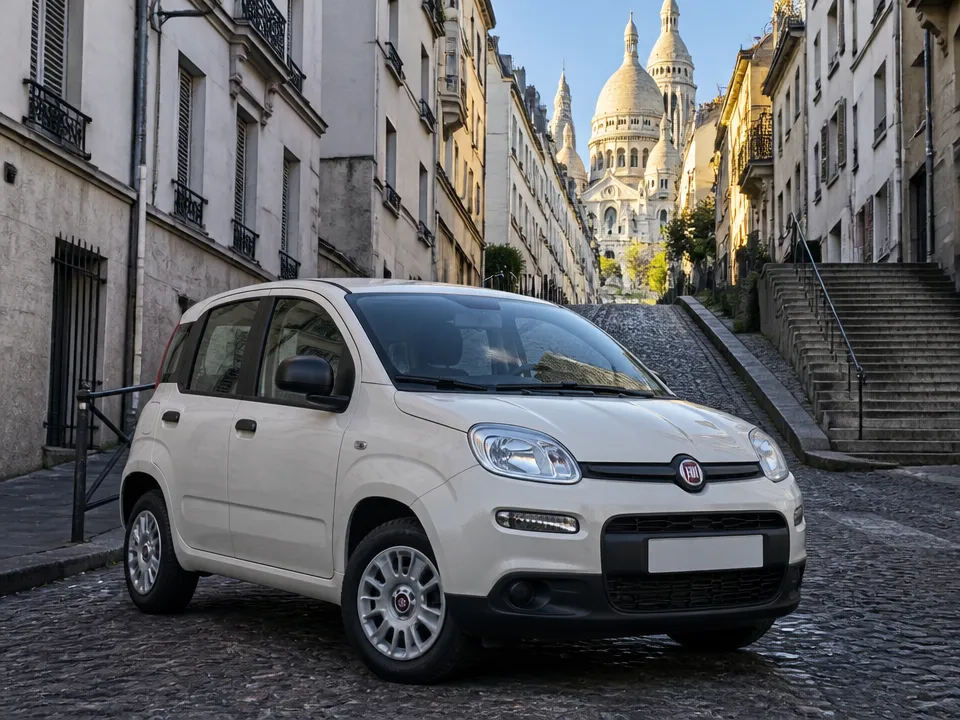
Fiat Panda Hybrid
★4.9· 86Manual1.0 L70 hpFront-wheel5 seats
€39per day
Book now






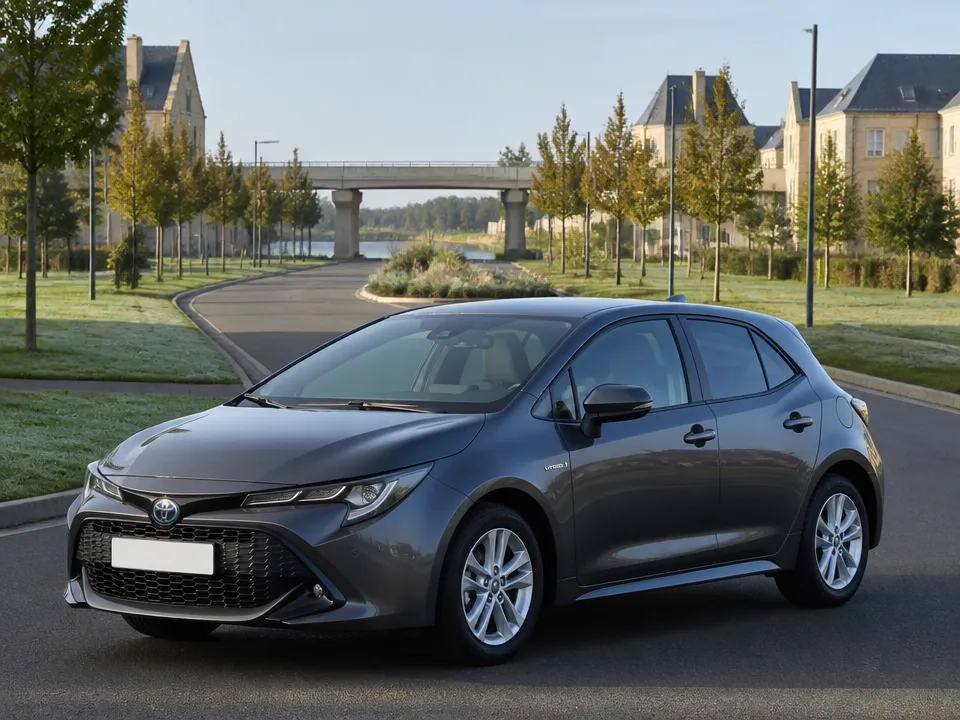
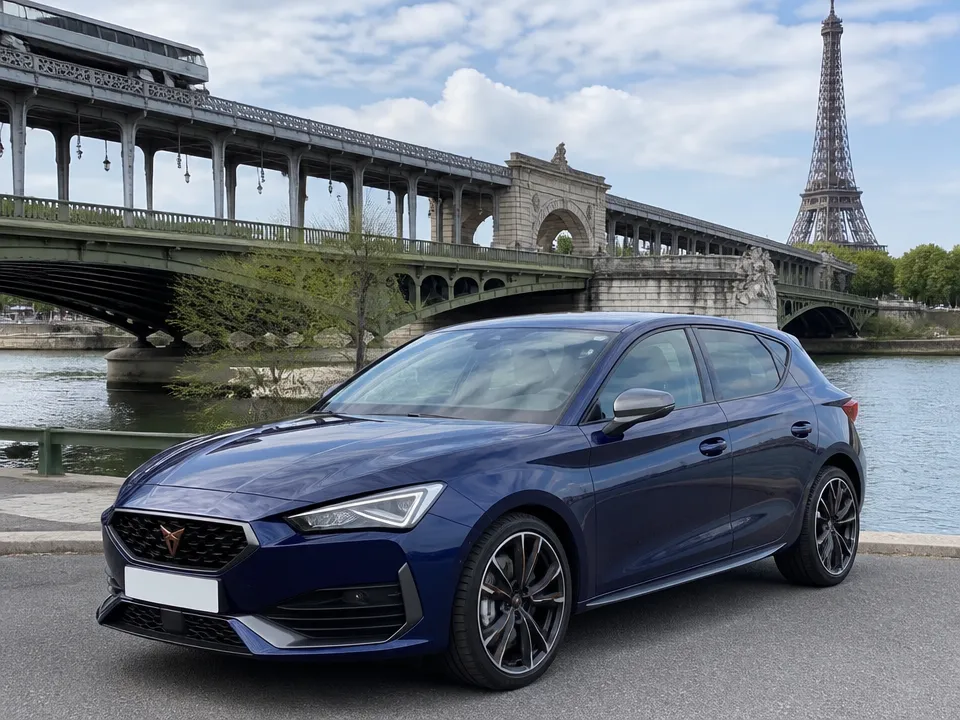
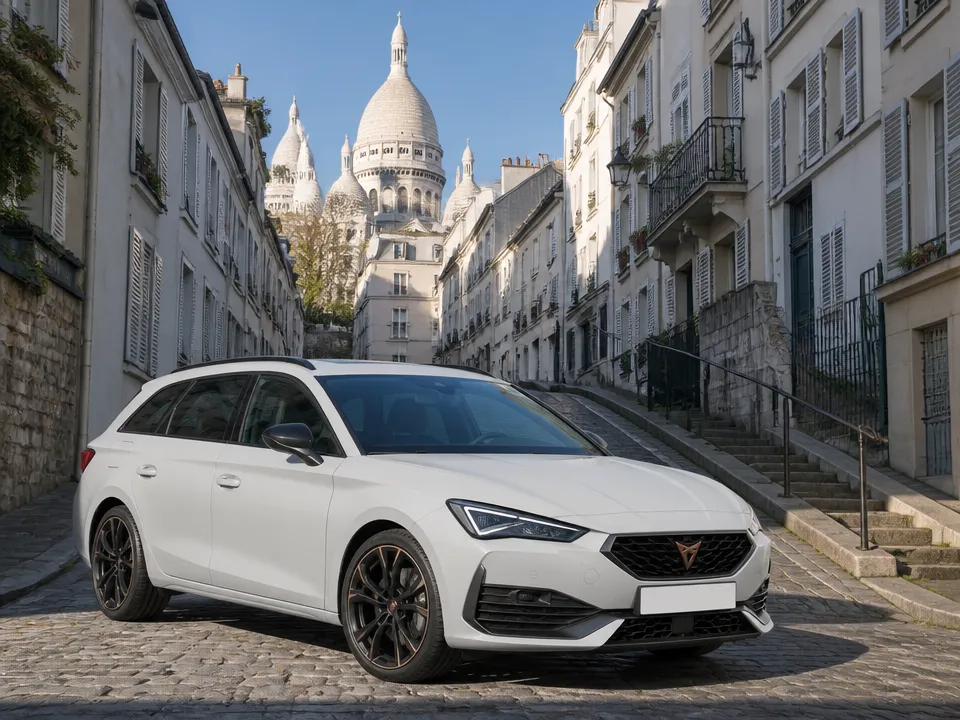
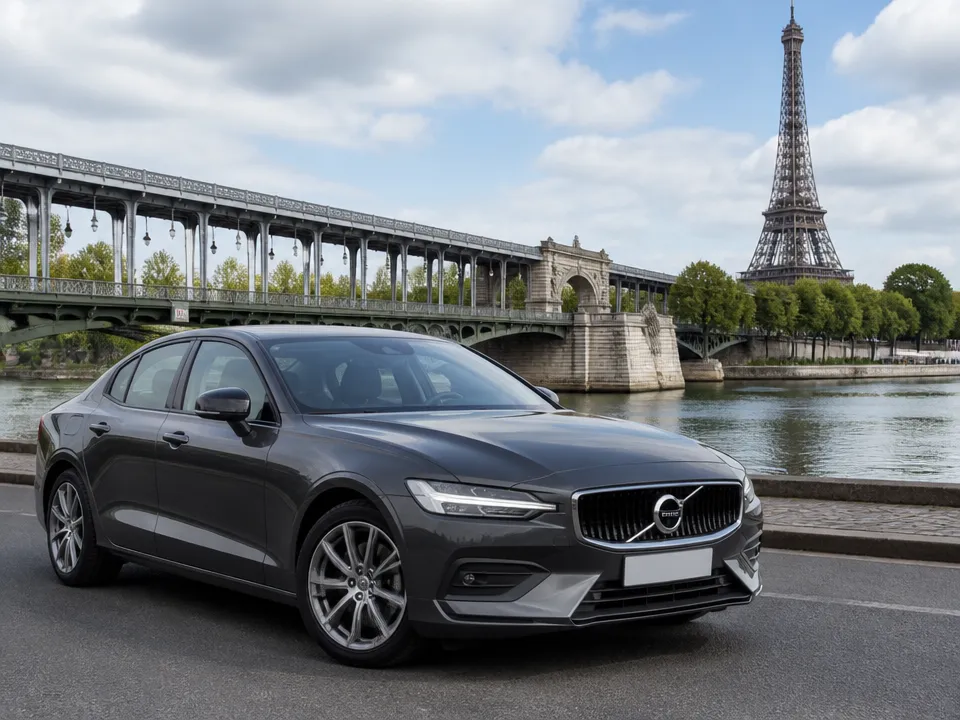
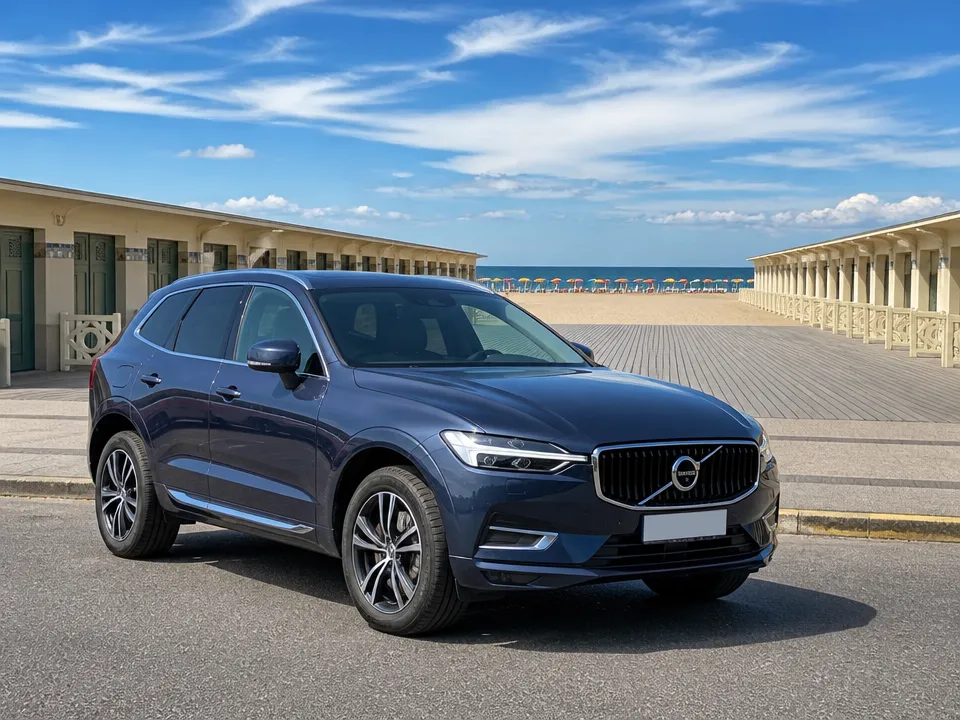
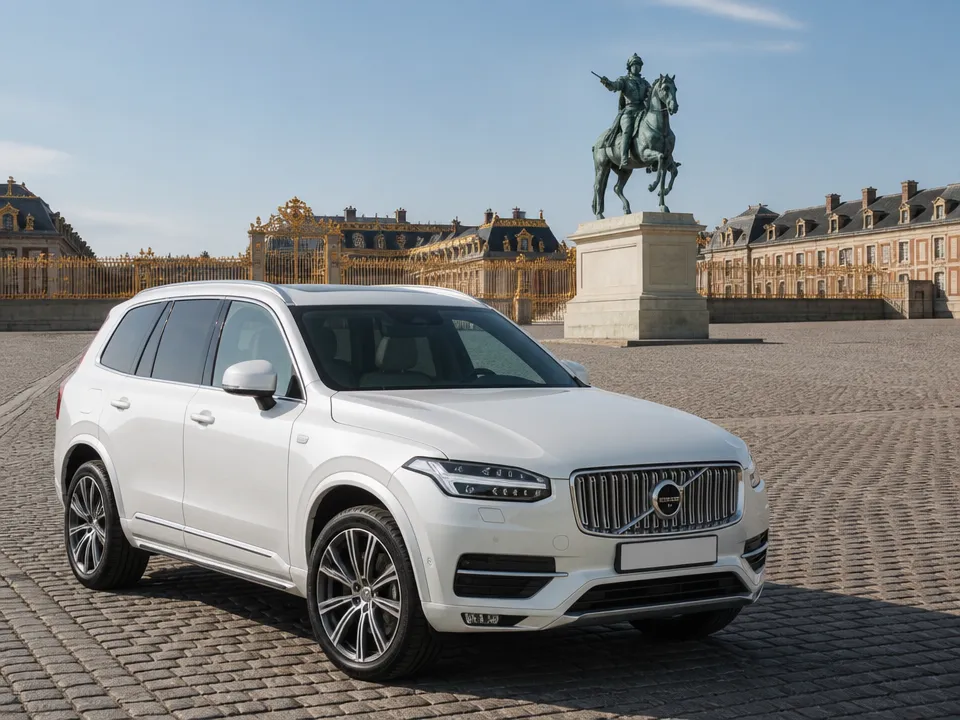
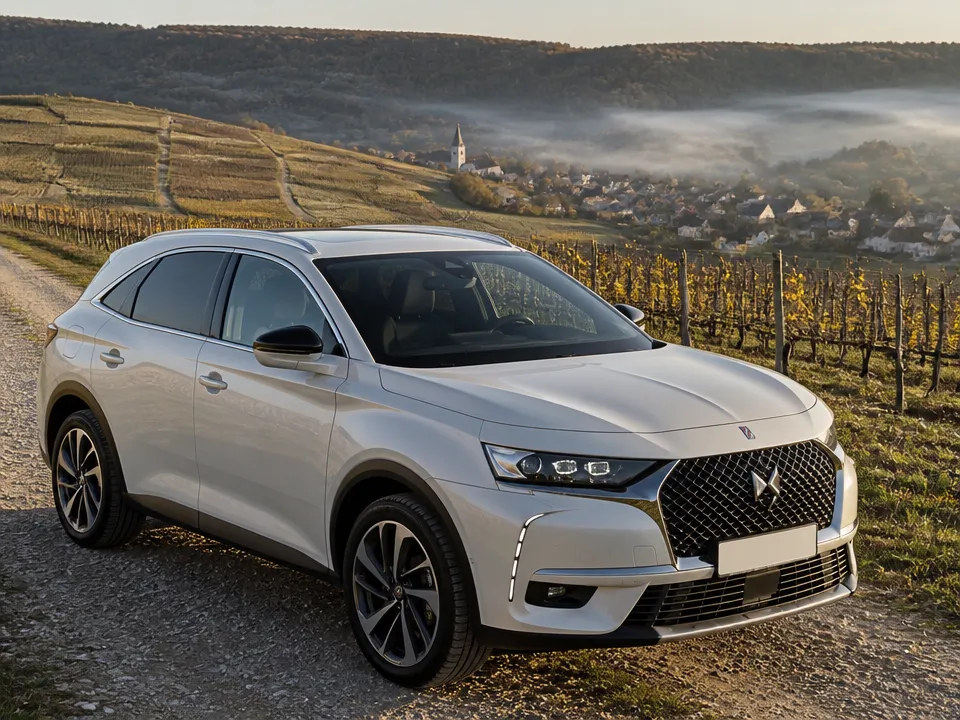
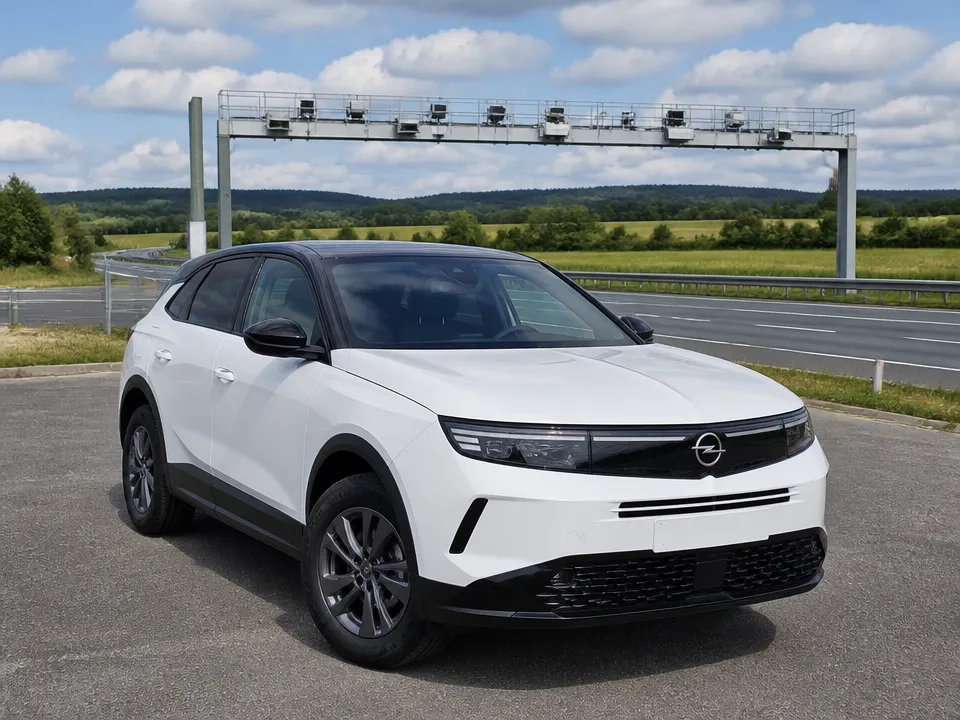
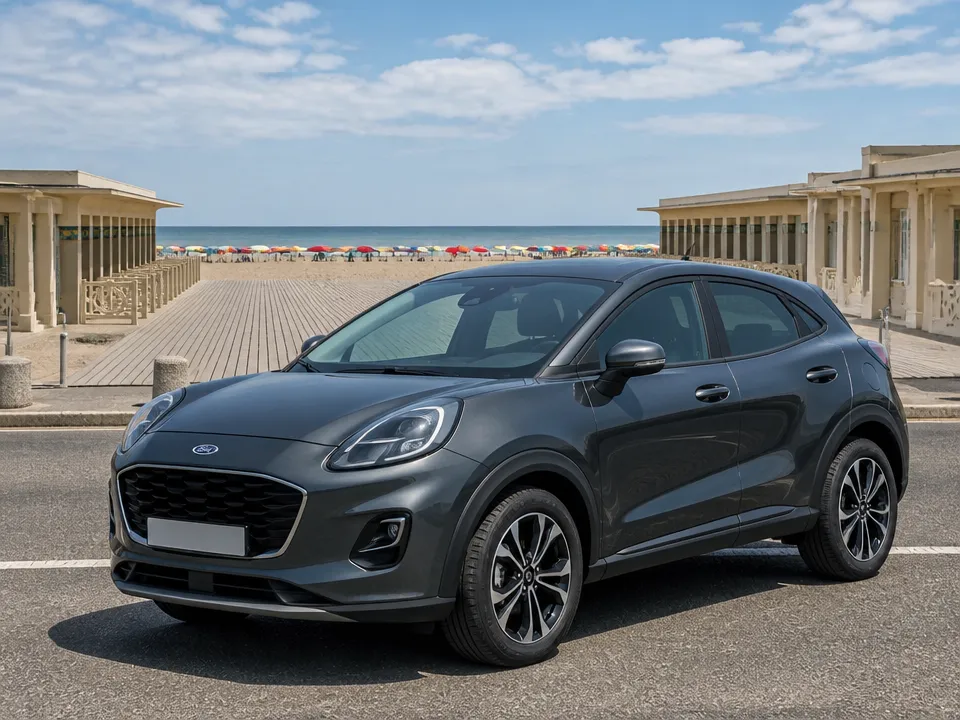
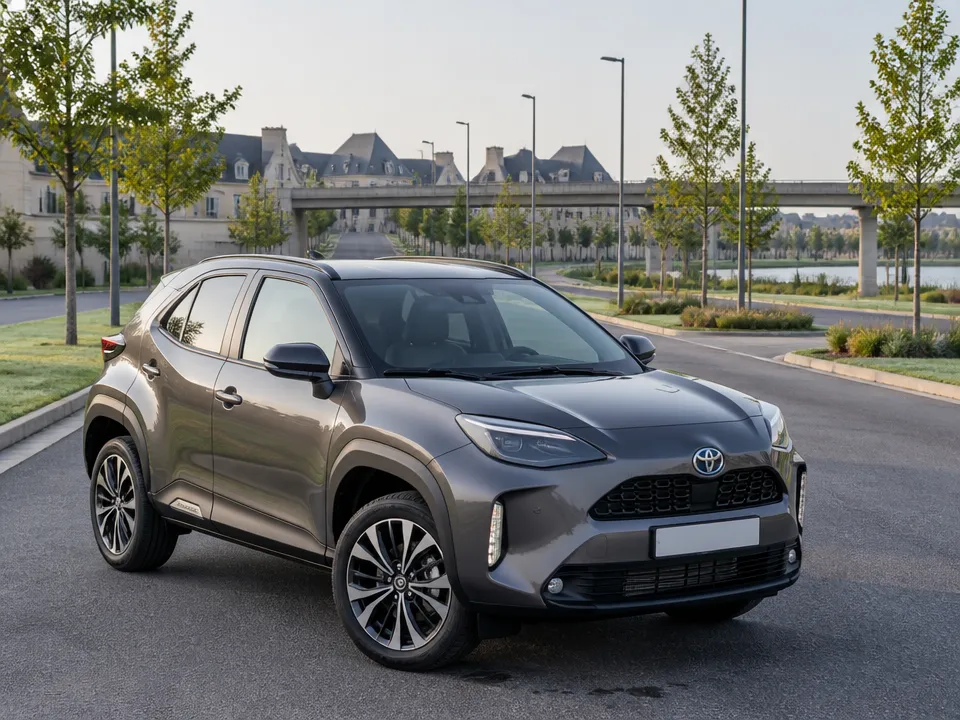
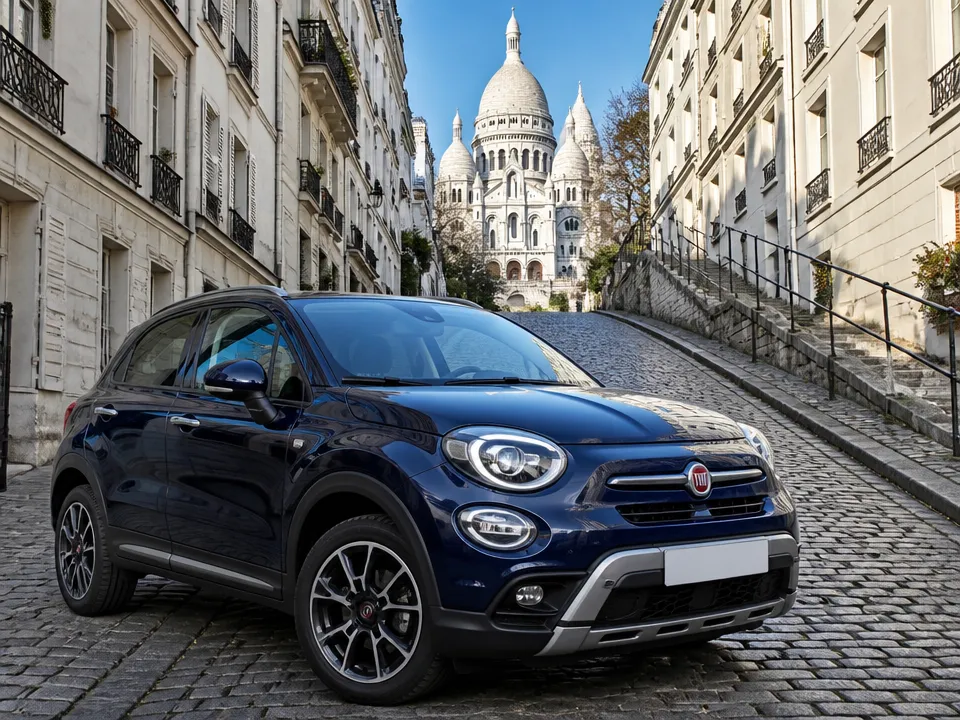
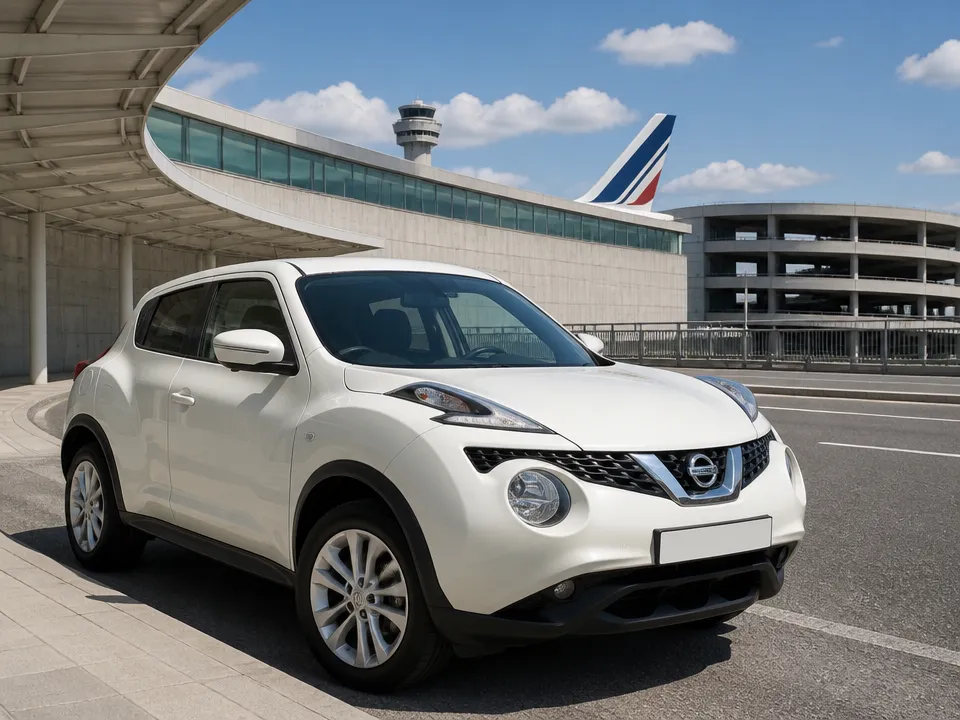
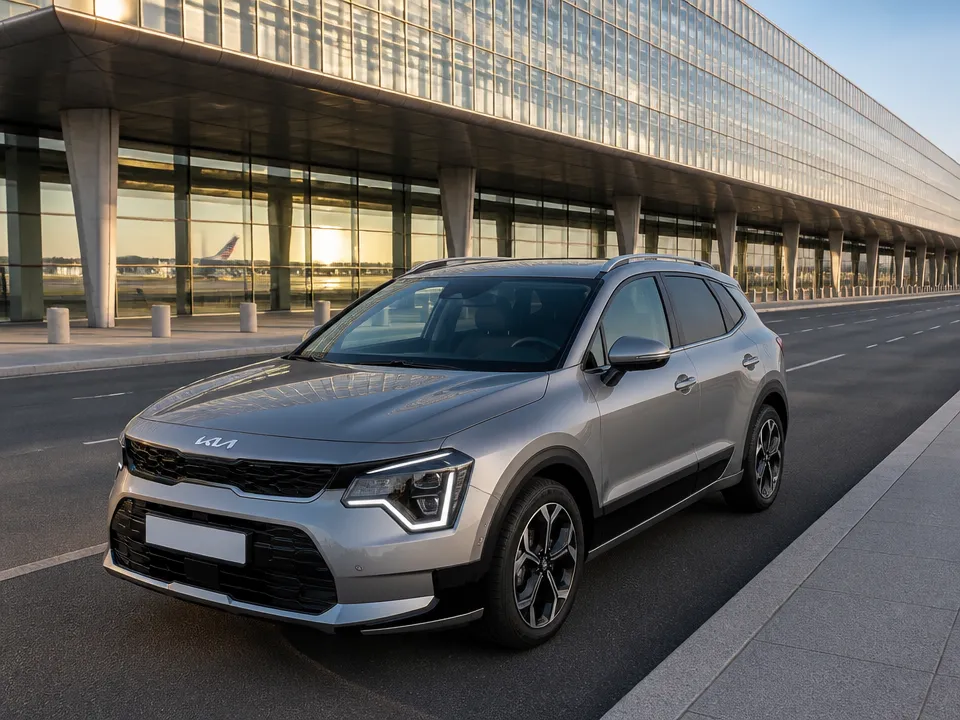
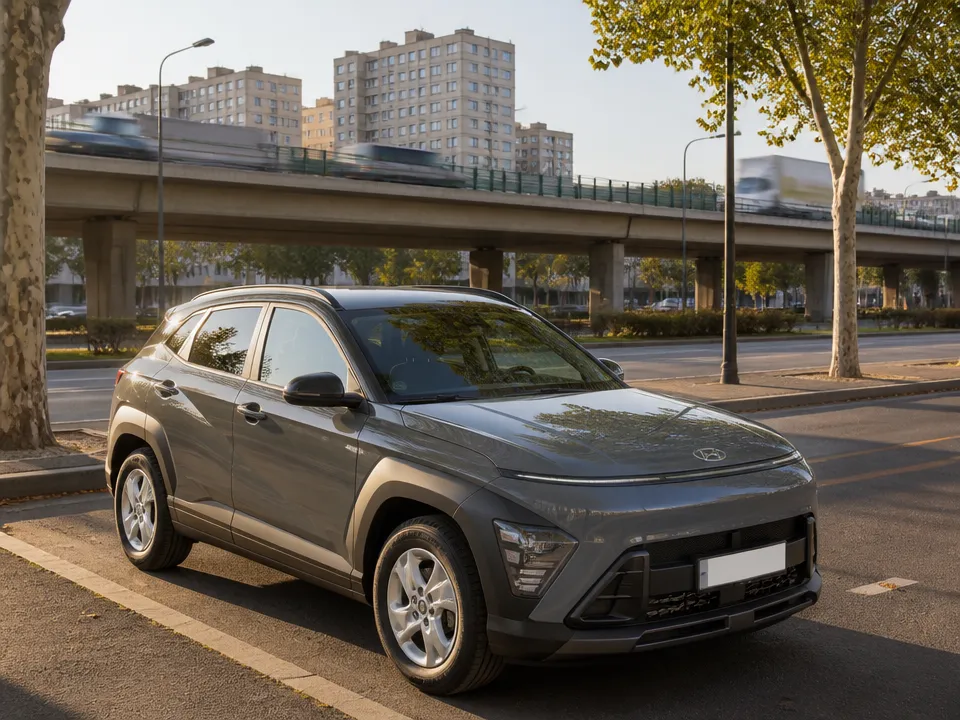
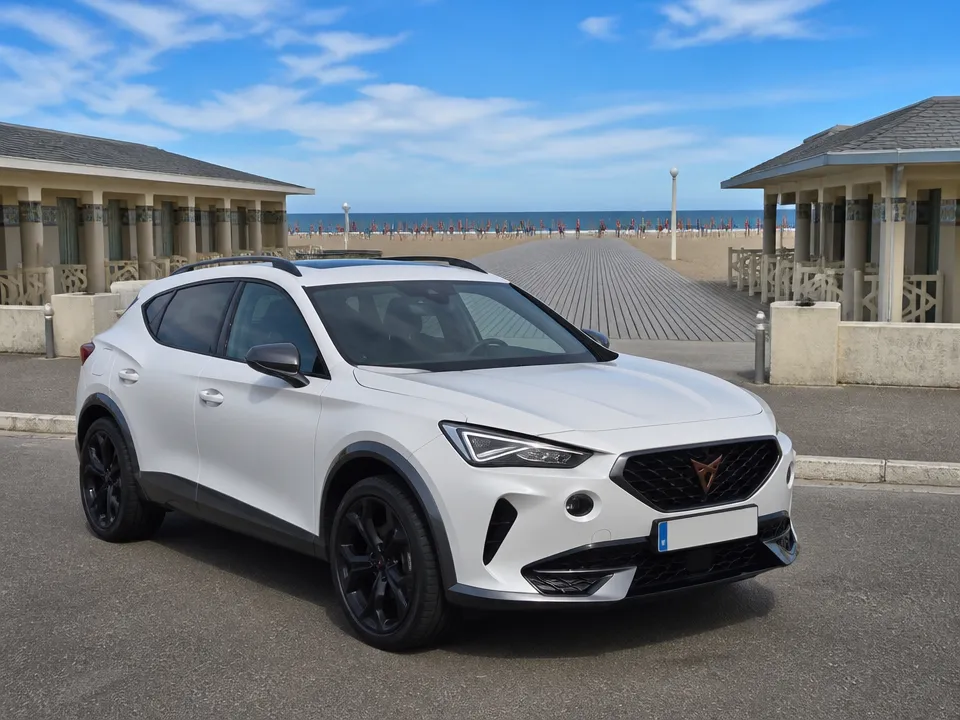
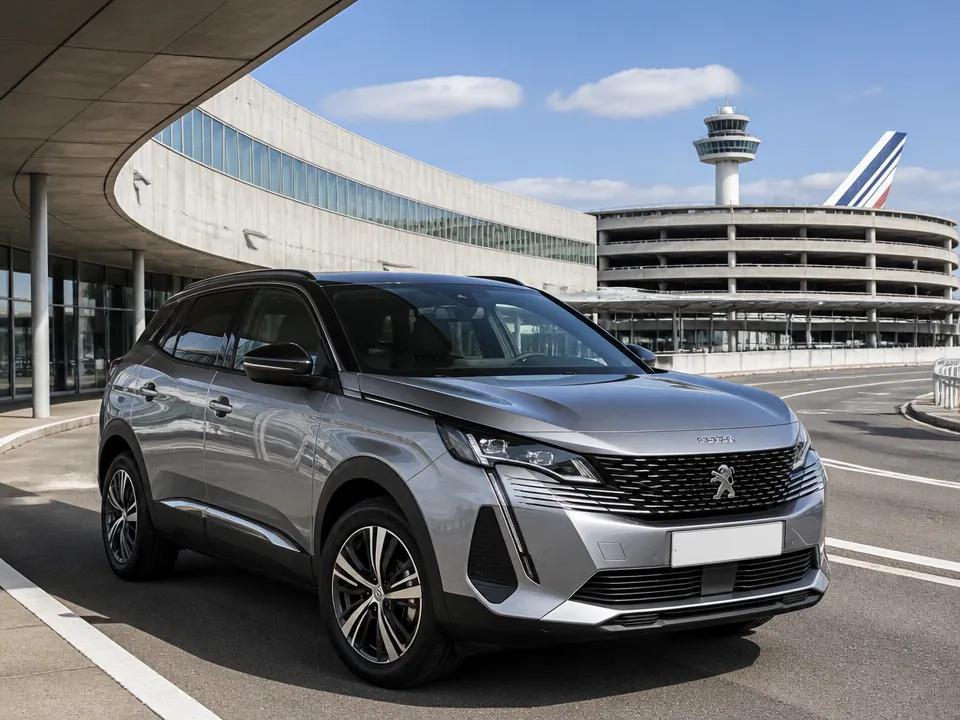
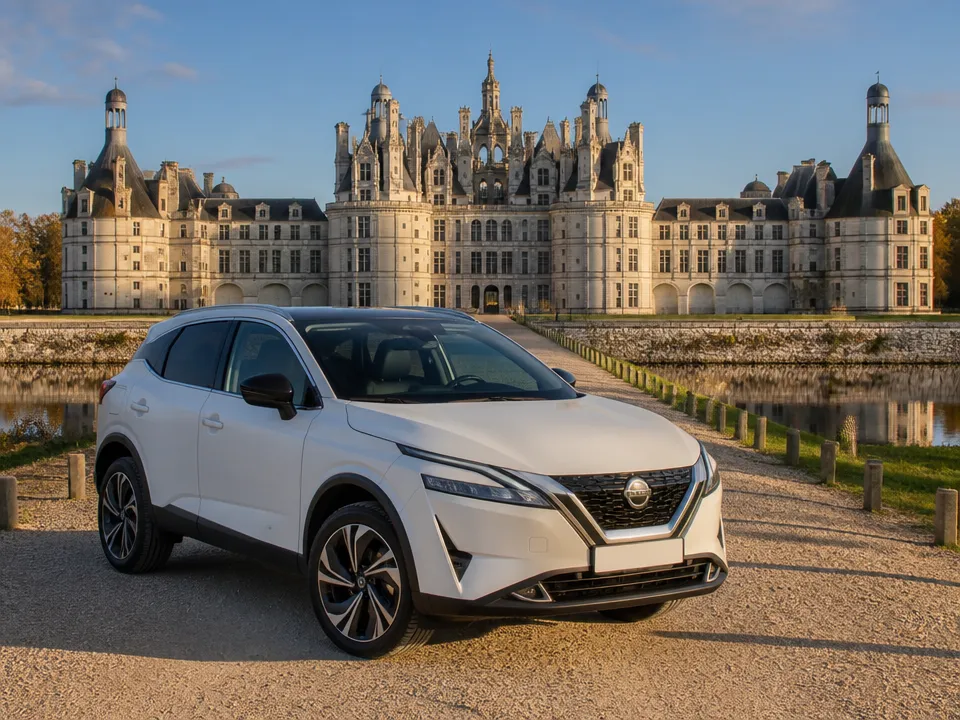
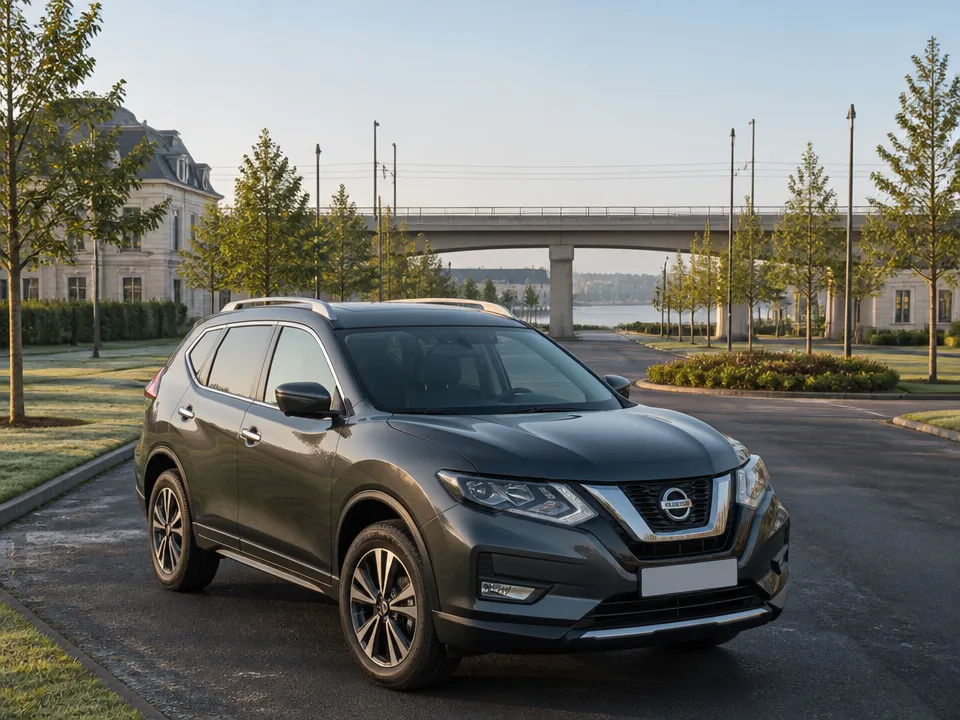
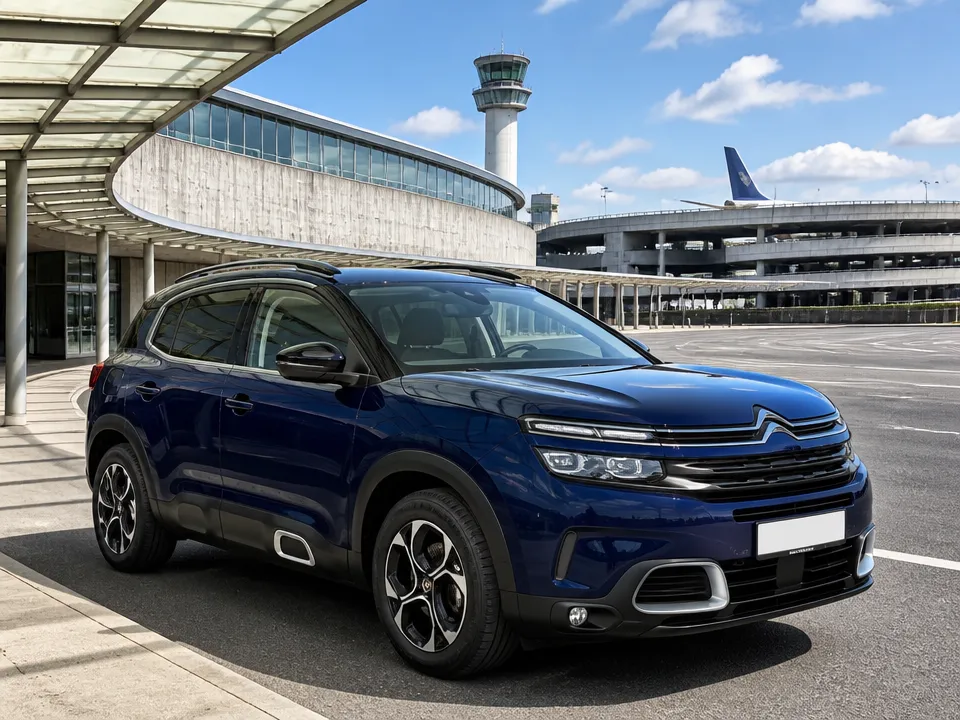
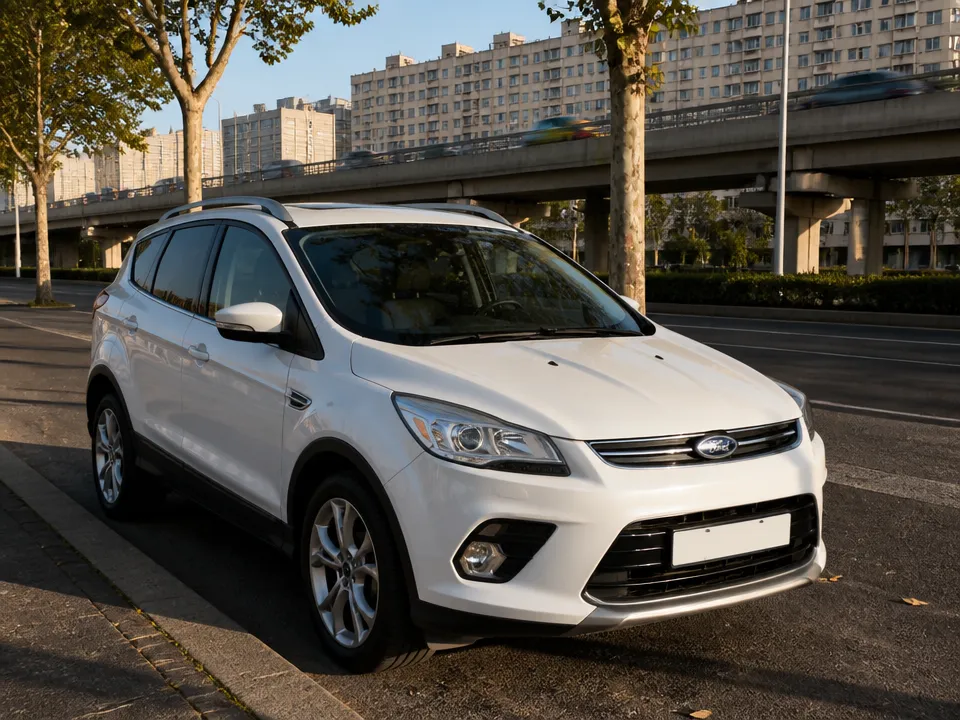

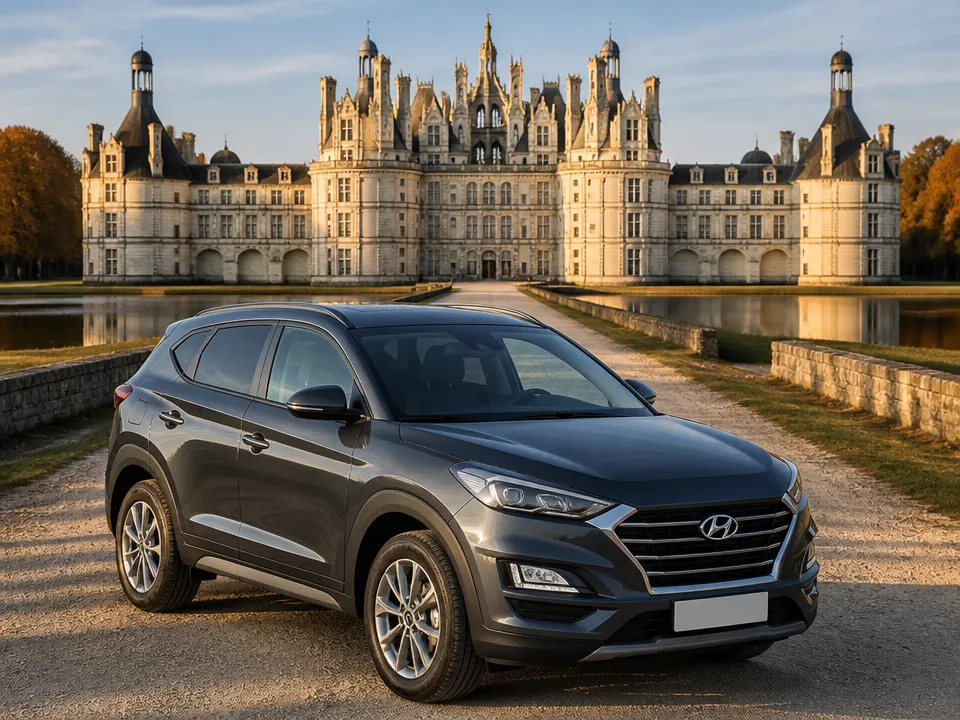
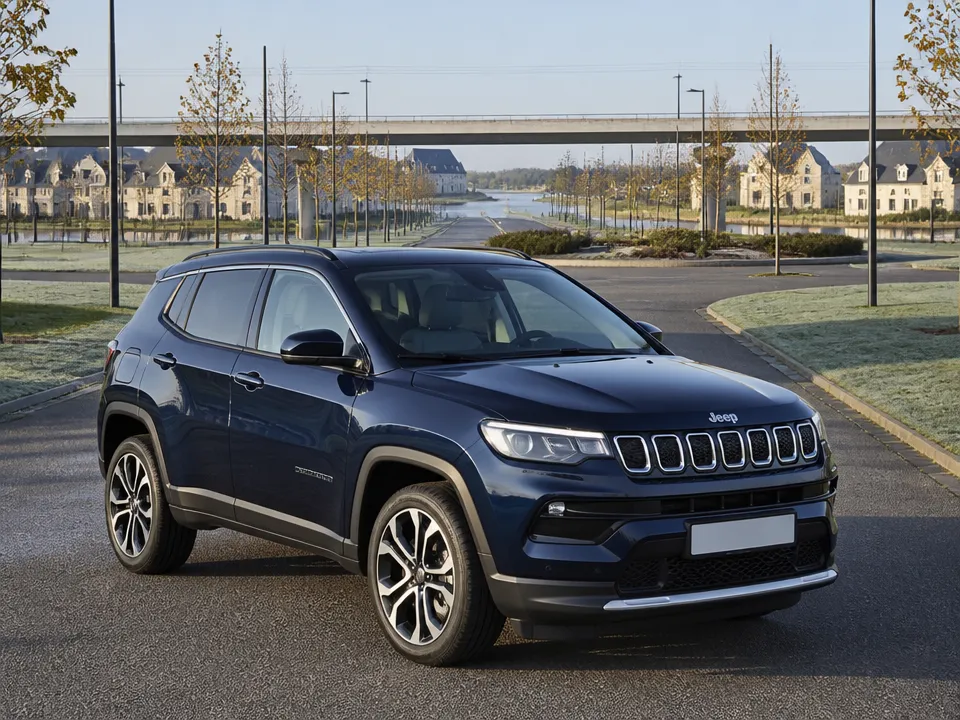
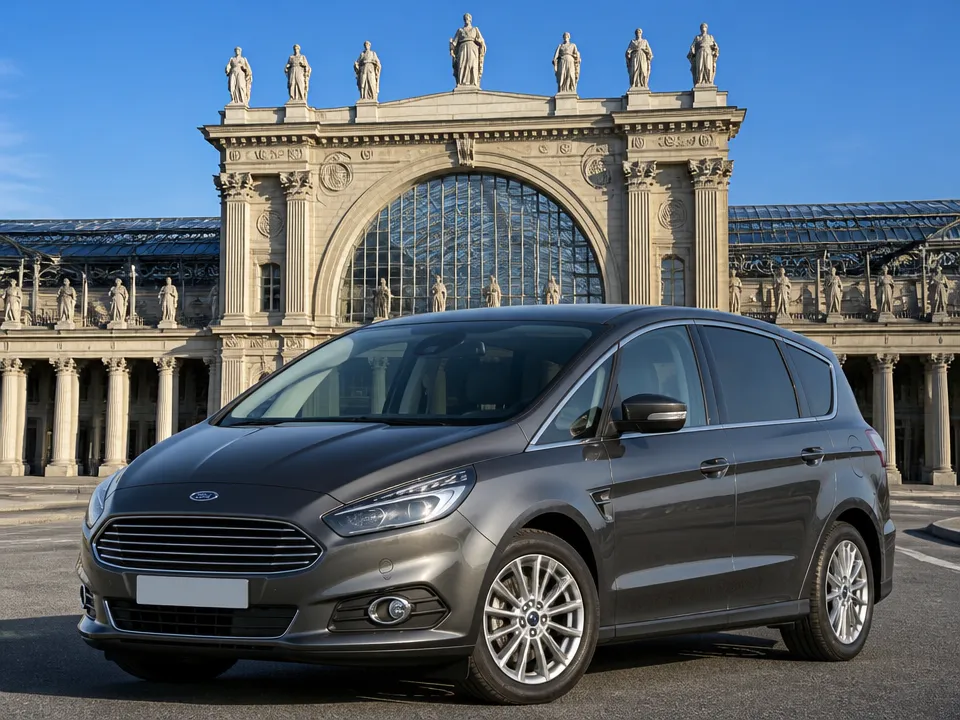




Our fleet of hybrid cars for rent in Paris numbers 27 vehicles, from €39 per day, with weekly hire from €234 and monthly from €819. We deliver the car to you anywhere in Paris — at the airport, at your hotel or at the address you give us — and the hand-over is agreed with a manager when you book. Every class is here, from the Fiat Panda Hybrid at €39 to the Volvo XC90 Hybrid at €230 a day.
Rent-Trip keeps 27 self-drive hybrids in Paris, spread across 8 classes from Economy at €39 a day to Luxury at €230. Every car is delivered to the point you agree when booking, so the fleet list below is what you actually choose from, not a catalogue of what might be free.
| Class | Cars | From, per day |
|---|---|---|
| Economy | 3 | €39 |
| Crossover | 8 | €79 |
| Comfort | 3 | €85 |
| SUV & 4x4 | 8 | €105 |
| Premium | 2 | €129 |
| Sedan | 1 | €135 |
| Minivans | 1 | €149 |
| Luxury | 1 | €230 |
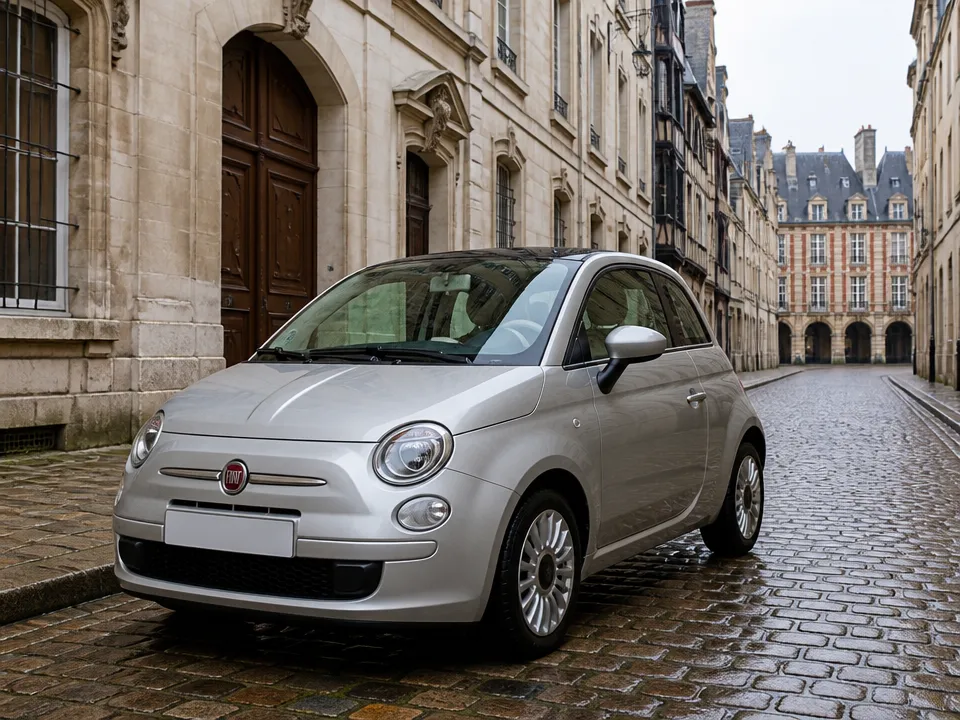
The Fiat Panda Hybrid is our lowest-priced hybrid at €39 per day, and the Nissan X-Trail and Ford S-Max both seat 7. The Panda runs a 1.0 L, 70 hp engine with a manual gearbox and 5 seats; the X-Trail pairs a 1.5 L, 163 hp hybrid with an automatic and front-wheel drive at €129, while the Ford S-Max MPV costs €149 with the same 7 seats and a 2.5 L, 190 hp unit. For a family of five with luggage, a Crossover gives more boot space than an Economy hatchback at nearly the same daily rate — the Toyota Yaris Cross at €85 and the Hyundai Kona at €89 both take five, and the extra height makes loading a pushchair noticeably easier than in a Fiat 500 Hybrid.
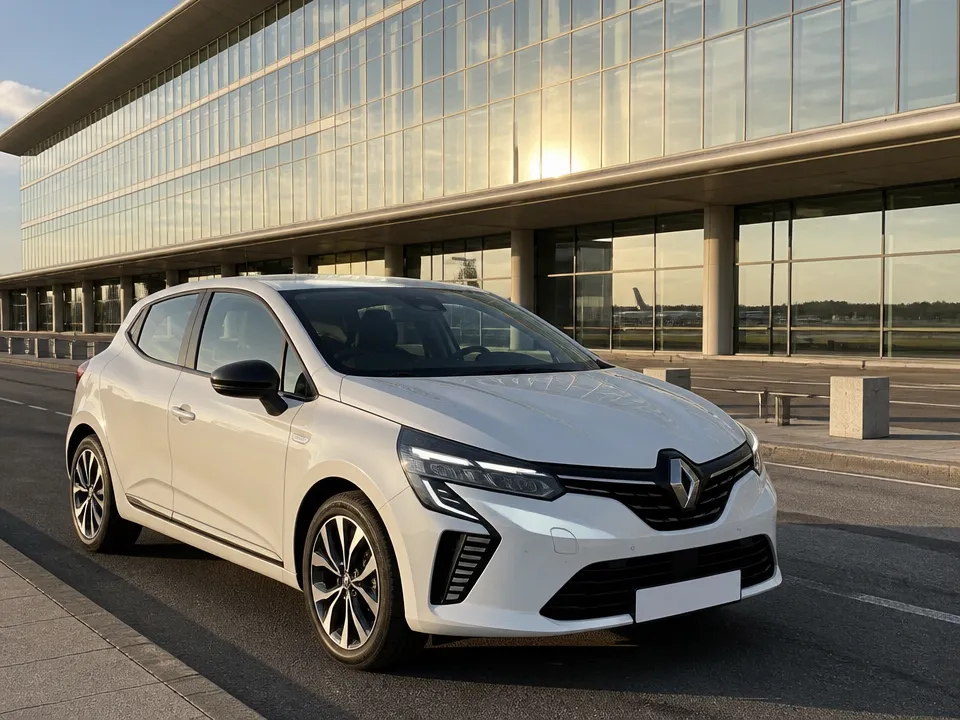
Both the Renault Clio E-Tech Hybrid and Toyota Yaris Cross are automatic hybrids suited to city driving, at €75 and €85 per day. The Clio pairs a 1.6 L, 145 hp hybrid with a 5-seat hatchback body and front-wheel drive; the Yaris Cross uses a 1.5 L, 116 hp hybrid in a taller Crossover shell. The Clio is the smaller of the two for tight parking, while the Yaris Cross sits higher for visibility in traffic. If most of your driving is inside the boulevard périphérique, the Clio's shorter body saves time in the underground car parks off Champs-Élysées and Le Marais — in our experience, a shorter car turns into those ramps without a second attempt.
Hybrid car rental in Paris is priced by class, not by model, and the spread is wide enough that the class you pick decides the budget before anything else. Across 27 hybrids, daily rates run from €39 to €230, weekly bookings from €234 and monthly from €819 — the same car, three different ways of paying for it.
| Class | Cars | From, per day |
|---|---|---|
| Economy | 3 | €39 |
| Crossover | 8 | €79 |
| Comfort | 3 | €85 |
| SUV & 4x4 | 8 | €105 |
| Premium | 2 | €129 |
| Sedan | 1 | €135 |
| Minivans | 1 | €149 |
| Luxury | 1 | €230 |
Weekly hybrid bookings start from €234 and monthly from €819, calculated as the daily rate times six and times twenty-one respectively. A week in the Fiat Panda Hybrid at €39 a day comes to €234; the same arithmetic on the Renault Clio E-Tech Hybrid at €75 gives €450 for the week, and the Toyota Corolla Hybrid at €95 lands at €570. Monthly follows the same logic: €819 for the cheapest Economy hybrid, €1,575 for the Clio, €1,995 for the Corolla. The Crossover band is where most of our longer bookings sit — eight cars from €79, so a month in a Ford Puma or Fiat 500X is €1,659, and a month in the Kia Niro at €89 is €1,869. For stays beyond a fortnight, I would fix the rate at booking rather than re-booking week by week: in our experience the class you want is the first thing to go in the busy months, and re-booking means starting the search again.
Fuel and parking sit outside the rate. Street parking in the central zones is progressive — €6 for one hour, €12 for two, €24 for three, up to €75 for six — and the ZFE rules that decide which cars may enter the centre are covered further down this page. The deposit, the excess and any delivery fee are set out in the rental agreement, so ask the manager to confirm them alongside the rate when the booking is agreed. If your dates are fixed, tell us the class and the length of the trip in one message — that is what keeps the quote accurate.
Booking a hybrid with us is a conversation, not a checkout form. The page shows 27 hybrids and the daily rate for each, but the dates, the class and the hand-over point are settled with a booking manager who confirms every detail before the car is released. We work by delivery: the hybrid comes to the point you name, and nothing about the arrangement is left to chance on the day.
Every hybrid car hire in Paris is agreed with a booking manager before hand-over. You tell us the dates, the class you want and where you would like the car brought; we check the model against the live fleet and come back with what is actually available, rather than with a generic confirmation. If the Crossover you picked is out on your dates, the manager offers the nearest alternative at the same tier — a Nissan Juke at €85 instead of a Toyota Yaris Cross, for instance — so you are never left comparing a booking against a car that does not exist. The deposit, the insurance excess and any delivery fee are set out in the rental agreement, and the manager walks you through them at the same stage. Confirming the class and the dates early keeps the model you want available, especially across the busy April–September stretch when Île-de-France records close to 49 million nights and the fleet turns over fastest.
We deliver the hybrid car to the point you agree when booking. It can be a hotel entrance, a residential address or a meeting point you pick — the manager records the exact spot in the booking so the driver and the client are working from the same instruction. Delivery is arranged around your arrival time, not the other way round, which matters when a flight lands late or a train into Gare de Lyon runs behind. The same manager stays on the booking from the first message to the return, so there is one person to call if the plan shifts. Naming the exact point at booking avoids last-minute changes: a vague «somewhere central» costs more time than a street and a number, and the timetable is built once rather than renegotiated on the day.
Minimum age, the young-driver supplement, the payment card and the passport check are agreed when booking — France has no single national rule on them, and each company sets its own.
The low-emission zone around the capital is the single rule that most affects what you can drive into the city. A hybrid carries a lower Crit'Air class than a diesel or an older petrol car, which is why it stays usable where other vehicles are turned away.
The ZFE de la Métropole du Grand Paris (Zone à Faibles Émissions) bans Crit'Air 5, 4, 3 and «Non classé» vehicles inside the A86 motorway, with the A86 itself excluded from the perimeter. The zone takes in the boulevard périphérique and both the Bois de Boulogne and the Bois de Vincennes. Compliance is shown by a Crit'Air sticker fixed to the windscreen. A hybrid carries a lower Crit'Air class than a diesel of the same age, so it remains able to enter the zone while those classes cannot. Before you plan a route through the centre, confirm the vignette is in place — without it, entry into the ZFE is formally prohibited.
Street parking in central zones is progressive rather than hourly: €6 for one hour, €12 for two, €24 for three, €39 for four, €57 for five and €75 for six, with a maximum of six consecutive hours in one place. The visiteur tariff has applied since 01.08.2021 and is split into 15-minute steps. An unpaid parking session draws a forfait post-stationnement of €75 for a light vehicle, which is a parking charge rather than a road-traffic fine. Fuel runs at €2.183 per litre for SP95-E10 and €2.414 for Gazole across France, with the Paris department at €2.44 for diesel. Stop-start traffic is where a hybrid's lower consumption shows most, so the running cost gap between a hybrid and a petrol-only car widens in the centre.
We hand the car over with the vignette already accounted for, and anything about the agreement itself — deposit, excess, delivery point — is set out in the rental agreement and agreed when booking.
Every hybrid car rental in Paris we arrange includes responsabilité civile by law and a basic protection package — CDW and TW — with the excess set out in the rental agreement, not on this page.
We hand the hybrid over with a full tank and you return it full — plein à plein. Fuel here runs at €2.183 per litre for SP95-E10 and €2.44 per litre for Gazole at departmental stations, so a full tank on a Crossover is a real line in the budget rather than a rounding error. Kilométrage illimité, unlimited mileage, is part of the arrangement — no per-kilometre surcharge on a longer run out to Versailles or the Loire Valley châteaux. The deposit is blocked on your card for the period and released when the keys come back, with the amount set out in the rental agreement.
The état des lieux — the joint inspection of the car — happens twice, when the hybrid is handed to you and when you bring it back. We photograph and note the body, wheels, glass and interior at both points, and you get the record, which is what settles any later question about a scratch or a kerbed alloy. At the return, check the fuel gauge reads full and that nothing has been left in the boot; a missing charging cable or warning triangle is charged as a loss, not as damage. If the trip takes you into the Alps between 1 November and 31 March, winter tyres or chains are compulsory in roughly 34 mountain departments — Paris and Île-de-France are not among them, but the rule follows the car, and the equipment is arranged when booking.
A hybrid suits the longer run out of the city better than a pure petrol car: the electric motor takes the slow stretches, the engine covers the motorway, and you refuel less often. Our hybrids are delivered to the point you agree when booking, and the booking manager confirms the arrangements with you before hand-over.
One-way hybrid rental is arranged with the booking manager when you book, not picked from a list at the counter. Tell us the collection point and the point where you will leave the car, and the manager confirms whether that pairing is available for your dates and what it costs. The charge depends on the distance between the two points and is set out in the rental agreement. Two things are worth deciding early. First, the drop-off point — a return to the same place is the simplest arrangement and usually the cheapest. Second, the dates: a one-way booking holds a specific car on a specific day, and the hybrid classes with the fewest units are the first to go. If your trip runs into July, when Île-de-France records its peak of 8.6 million overnight stays, book the one-way leg before you book anything else.
Weekly hybrid bookings start from €234 and monthly from €819, which is the rate structure to use when a long trip stretches past a few days rather than re-booking day by day. On the road, the limits are 130 km/h on the motorway, 110 km/h on dual carriageways with a central reservation and 80 km/h on ordinary roads; in rain those drop to 110, 100 and 80 km/h, and with visibility under 50 m the limit is 50 km/h everywhere. Winter tyres are compulsory from 1 November to 31 March in roughly 34 mountain départements — the Alps, Pyrenees, Massif Central, Jura, Vosges and Corsica. Paris and Île-de-France are not covered, so a hybrid hired here needs no winter set-up, but a ski trip does. The fine for driving without them is €135, plus the car can be immobilised.
Licence rules for hybrid car rental in Paris are set by French law, and the first thing to check is which side of the EU/EEA line your licence sits on. EU/EEA licences stay valid in France for as long as they remain in force — no exchange, no time limit, no extra paperwork. Drivers from outside the EU/EEA who are visiting as tourists may drive on their national licence, but if that licence is not written in Latin characters, an official translation or an International Driving Permit has to travel with it. The IDP is only a translation, not a licence in its own right, and it is shown alongside the national document, never instead of it. The permit itself must be at least 3 years old, and digital licences are not accepted for hire. Everything else — minimum age, young-driver surcharge, which card and passport we ask for — depends on the company, so we agree those details with you when booking.
Residents follow a different clock. If you live outside the EU/EEA and hold a foreign licence, driving is permitted for 1 year from the date of entry shown in your visa; once you settle here permanently, the licence has to be exchanged. An IDP used for hire must be no older than 3 years.
France requires third-party liability cover (responsabilité civile) by law, and it comes with every booking automatically, covering injury and property damage to third parties within the country's statutory limits — it does not cover the driver's own injuries. French packages also include CDW and theft protection, both capped by the excess. The excess itself is set out in the rental agreement, and a paid rachat de franchise — Medium or Premium — reduces it or removes it entirely. The exact terms of any card-based cover are set out in the rental agreement.
What base protection leaves out is worth knowing before you drive off: tyres damaged by abnormal use, glass (unless from a collision), the sunroof and panoramic roof, the underside, misfuelling and the engine damage that follows, lost or stolen keys, and damage caused by negligence or intent. We confirm the class, dates and the point of delivery with you when booking, so the paperwork side is settled before the keys change hands.
This page lists 27 cars for hybrid rental in Paris.
Daily prices on this page run from €39 to €230 in Paris. The cars here are Fiat Panda Hybrid at €39 per day, Fiat 500 Hybrid at €49 per day and Renault Clio E-Tech Hybrid at €75 per day.
Classes on this page are Comfort, Crossover, Economy, Luxury, Minivans, Premium, SUV & 4x4 and Sedan. Makes include Citroën, Cupra, DS, Fiat, Ford, Hyundai, Jeep, Kia, Nissan, Opel, Peugeot, Renault, Toyota and Volvo. Seat counts are 4, 5 and 7.