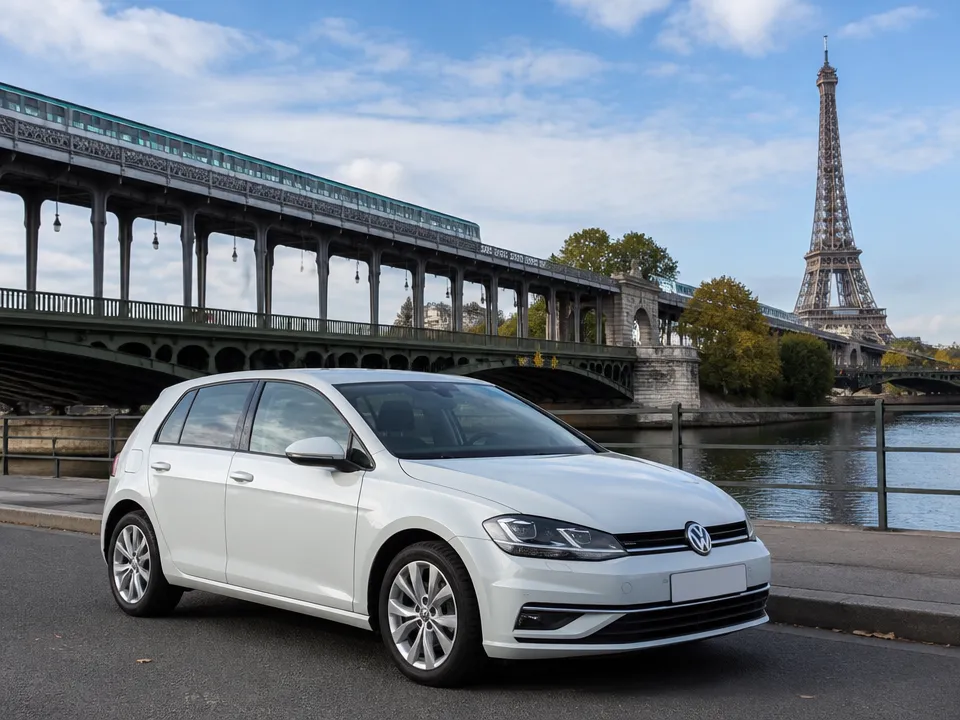
Volkswagen Golf
★4.6· 47Manual1.5 L130 hpFront-wheel5 seats
€89per day
Book now






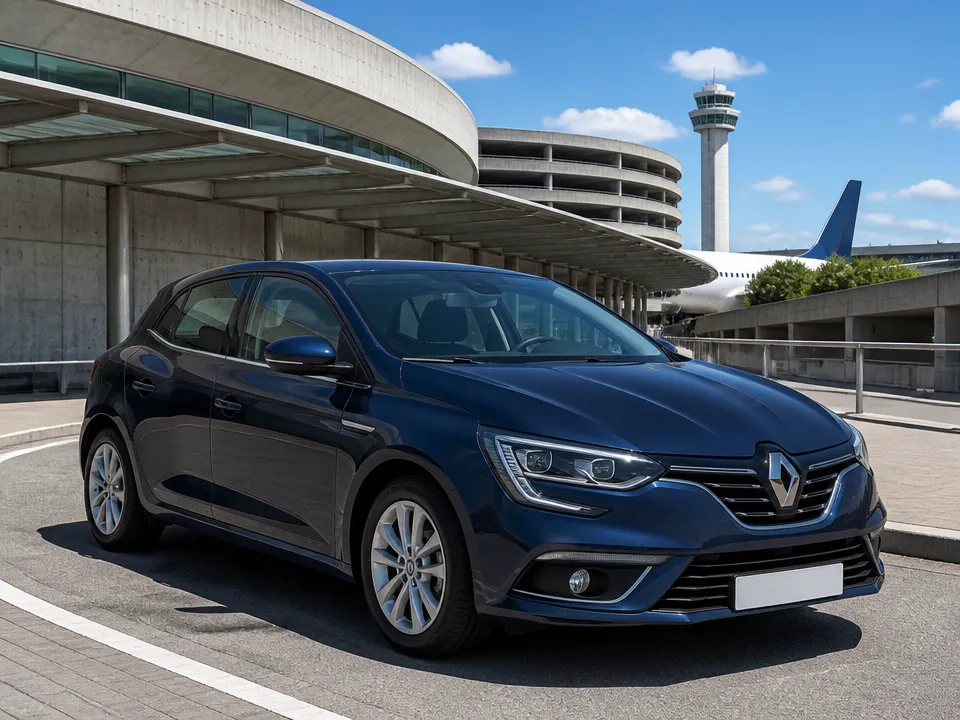
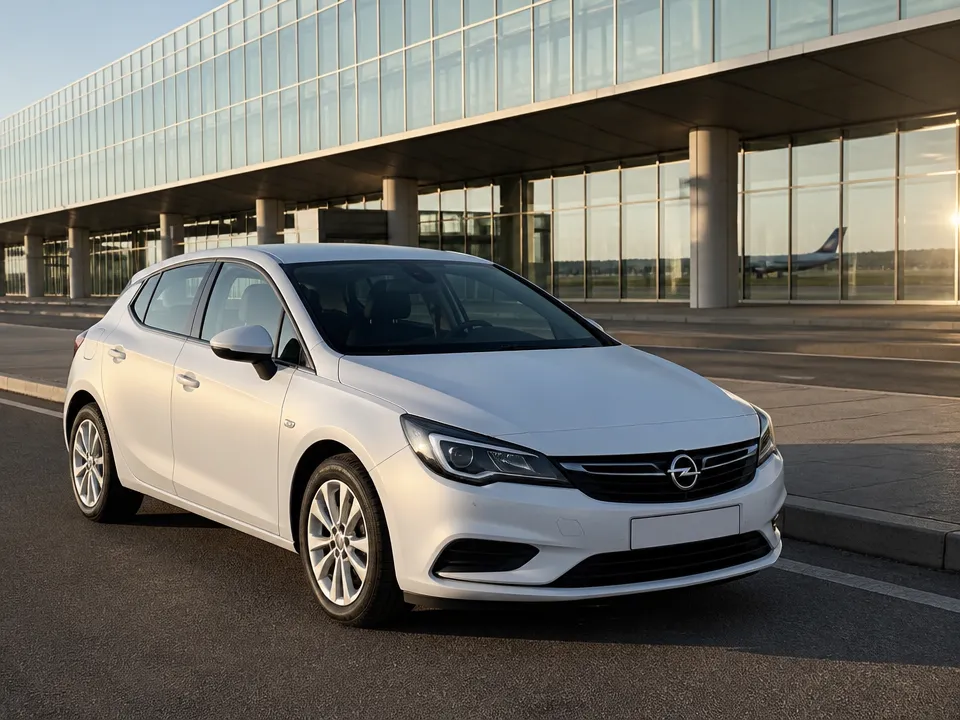
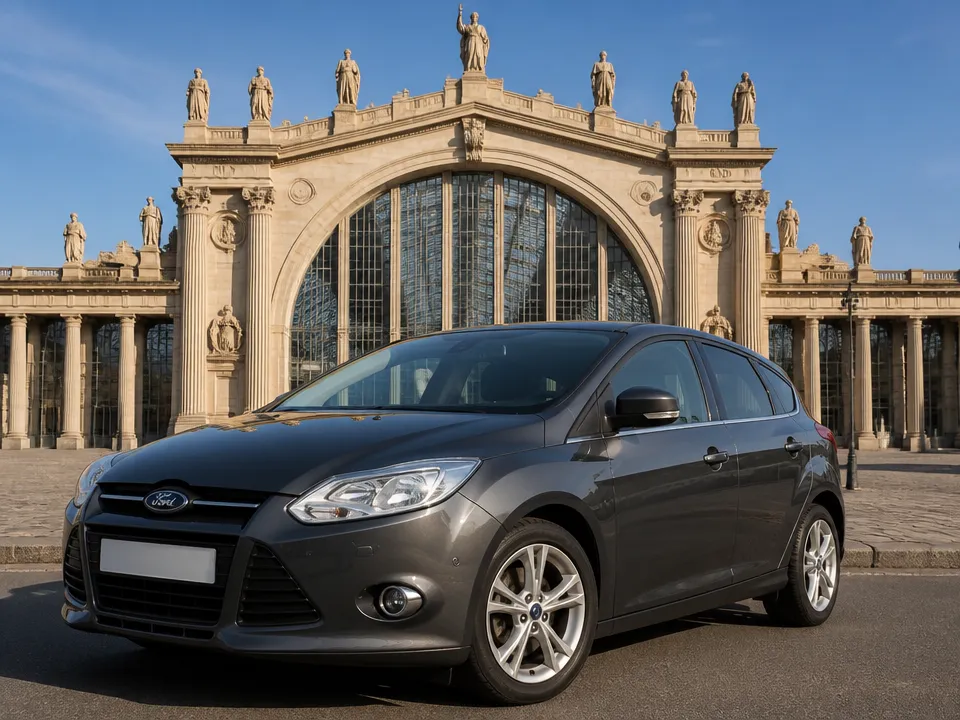
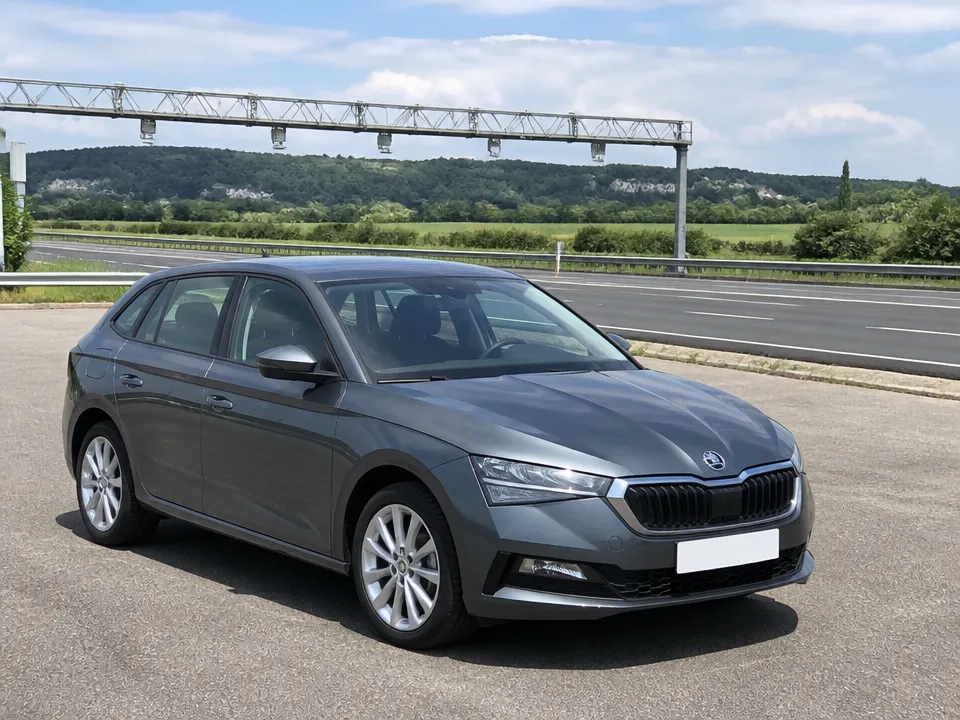
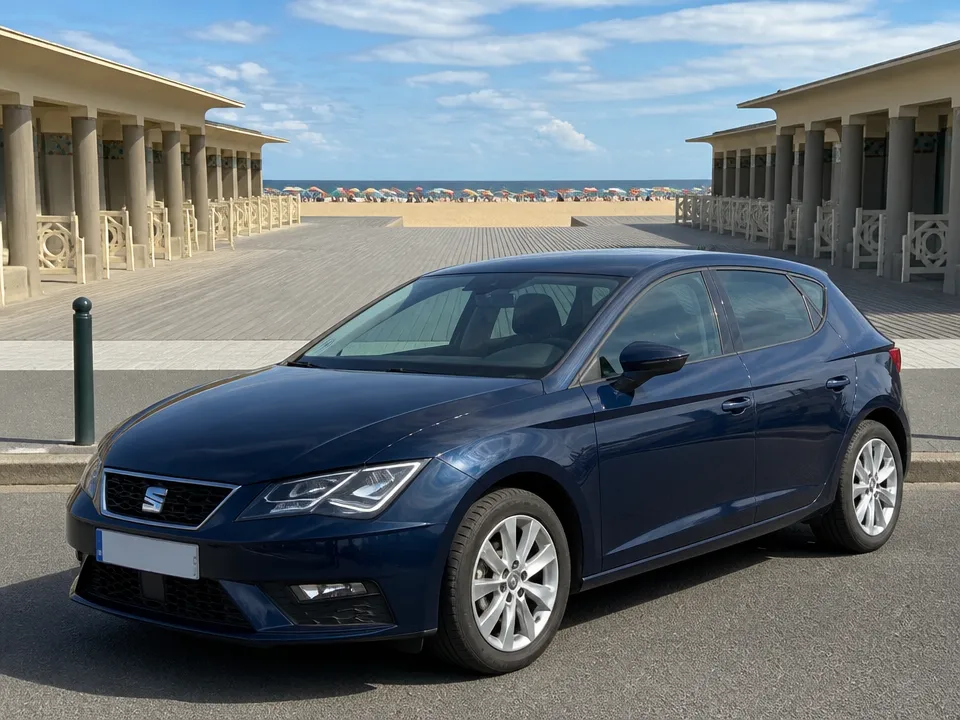
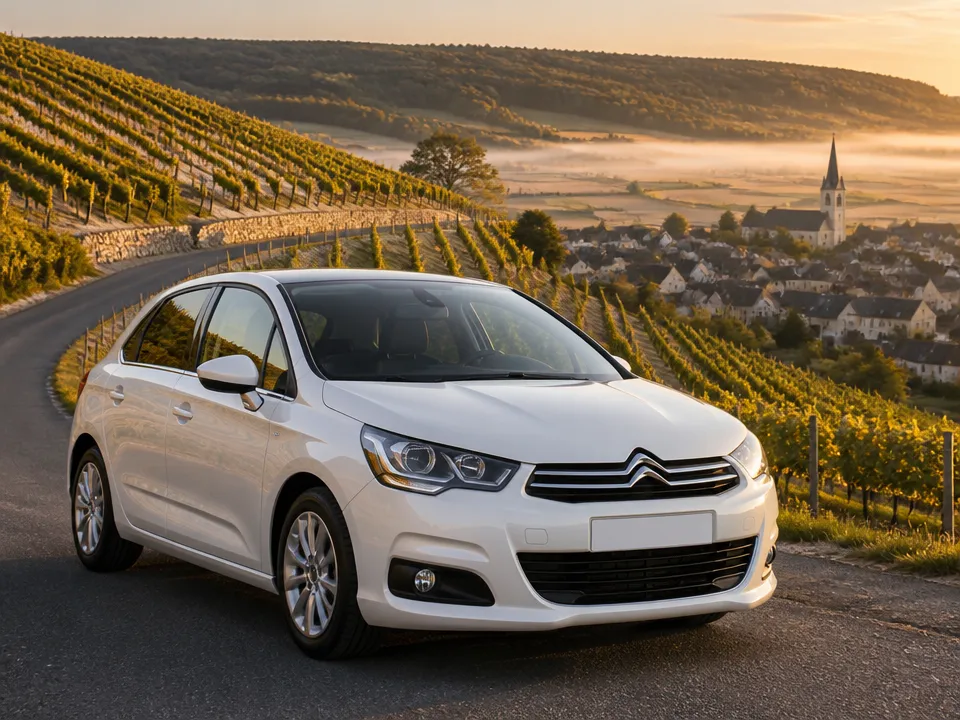
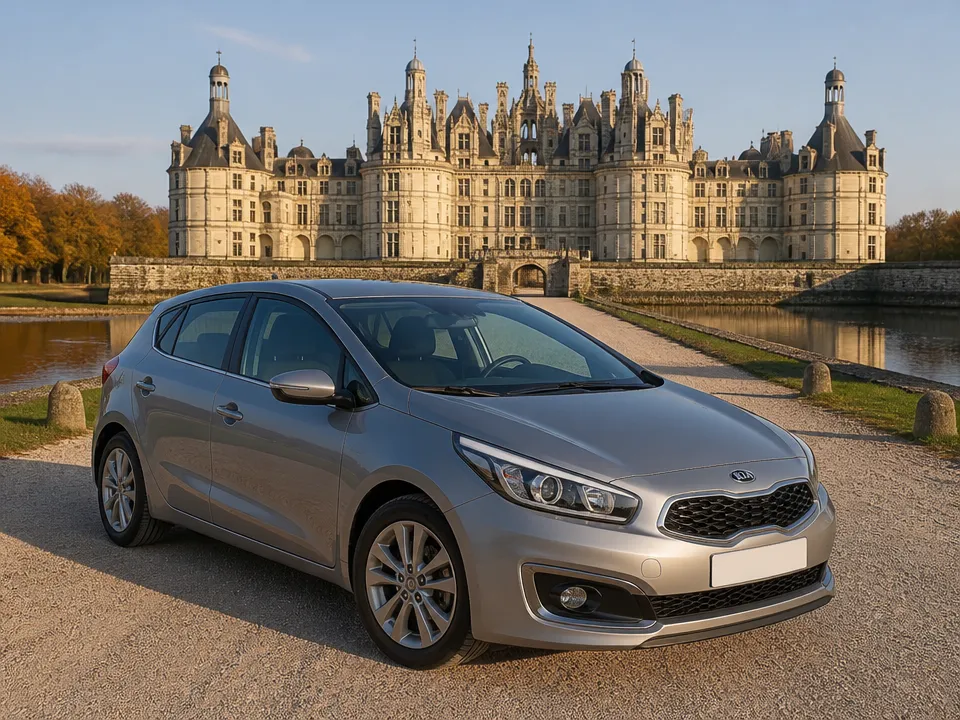
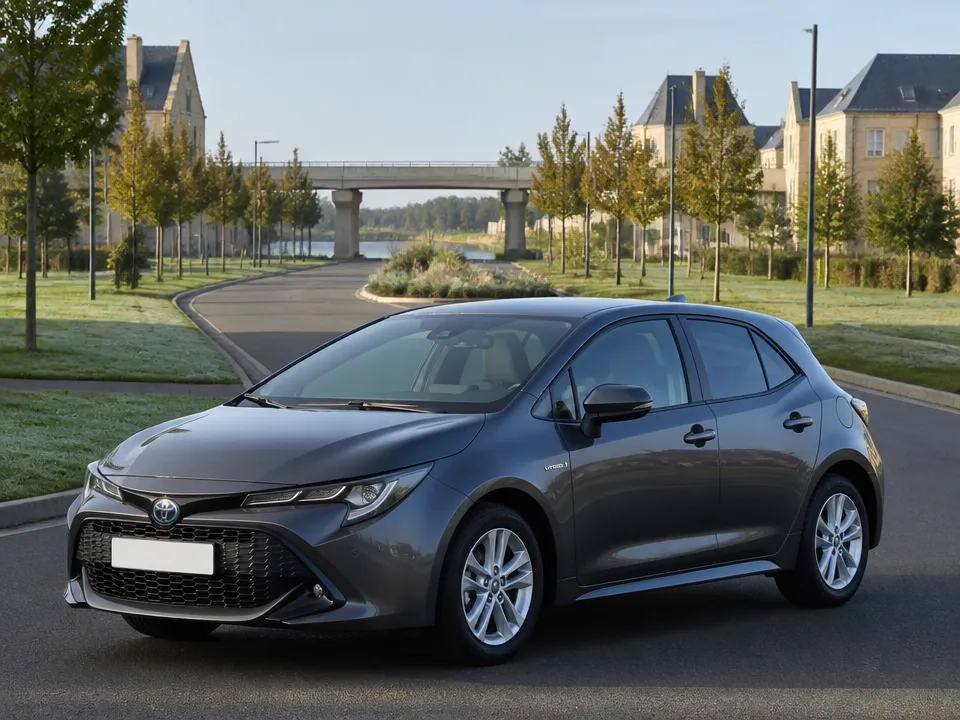
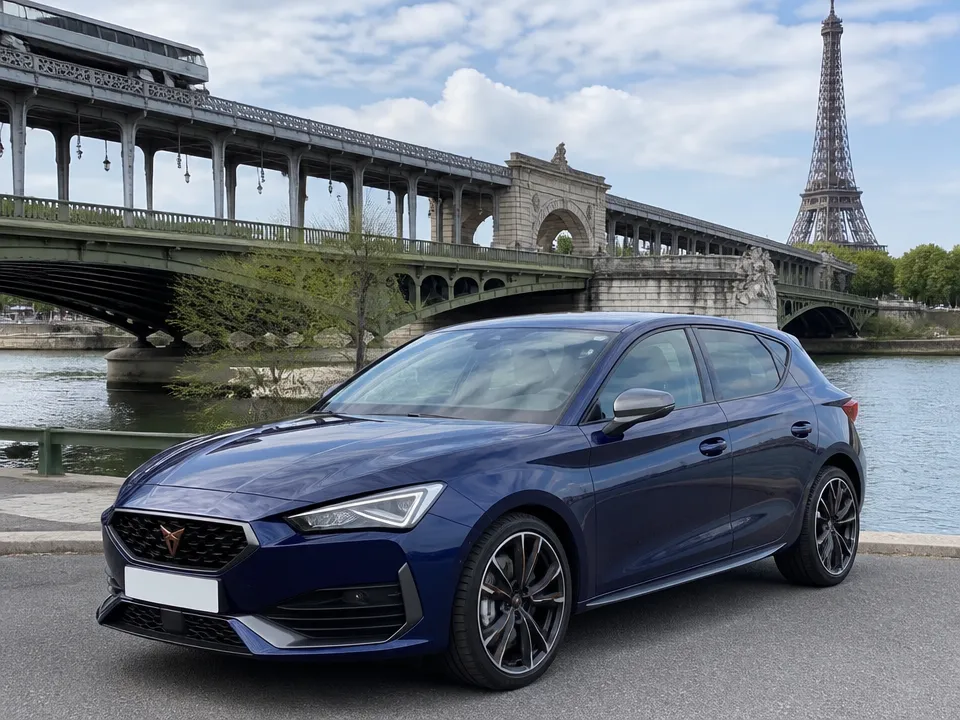
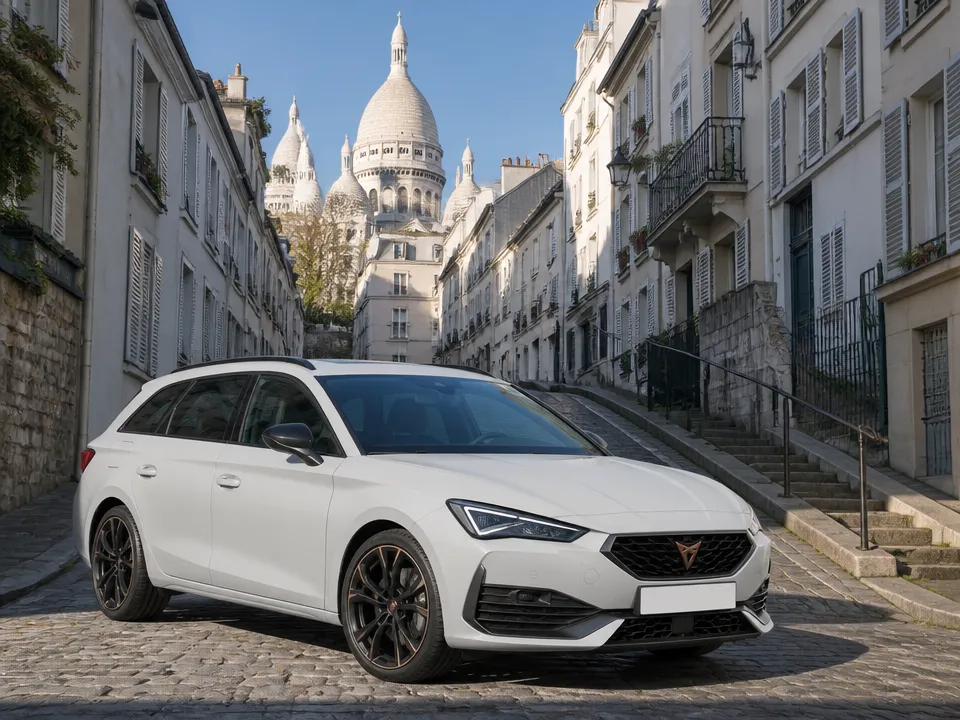
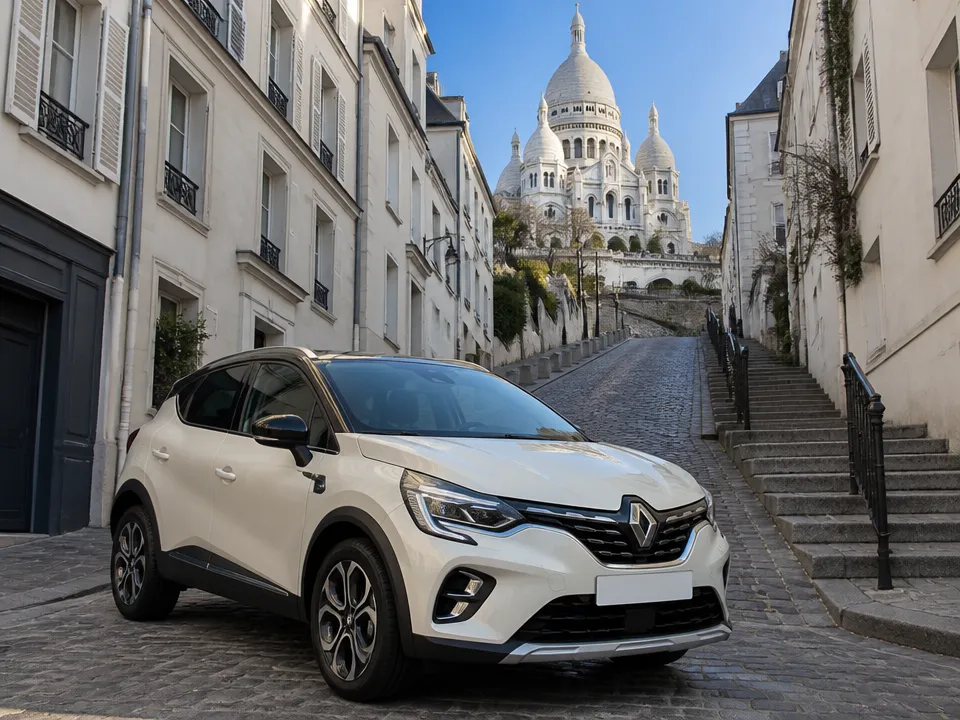
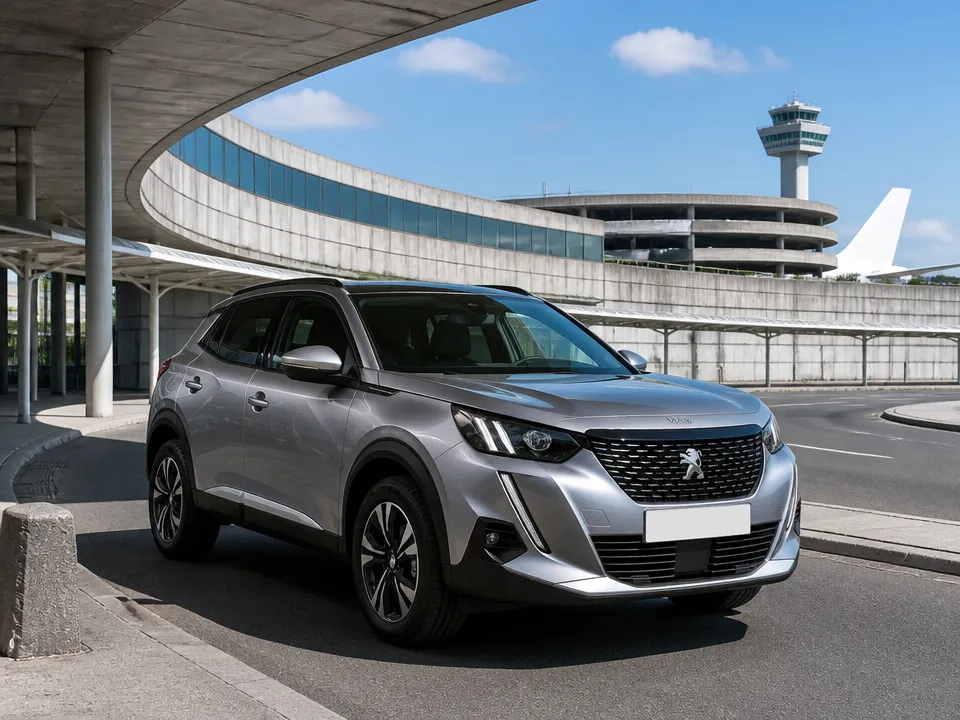
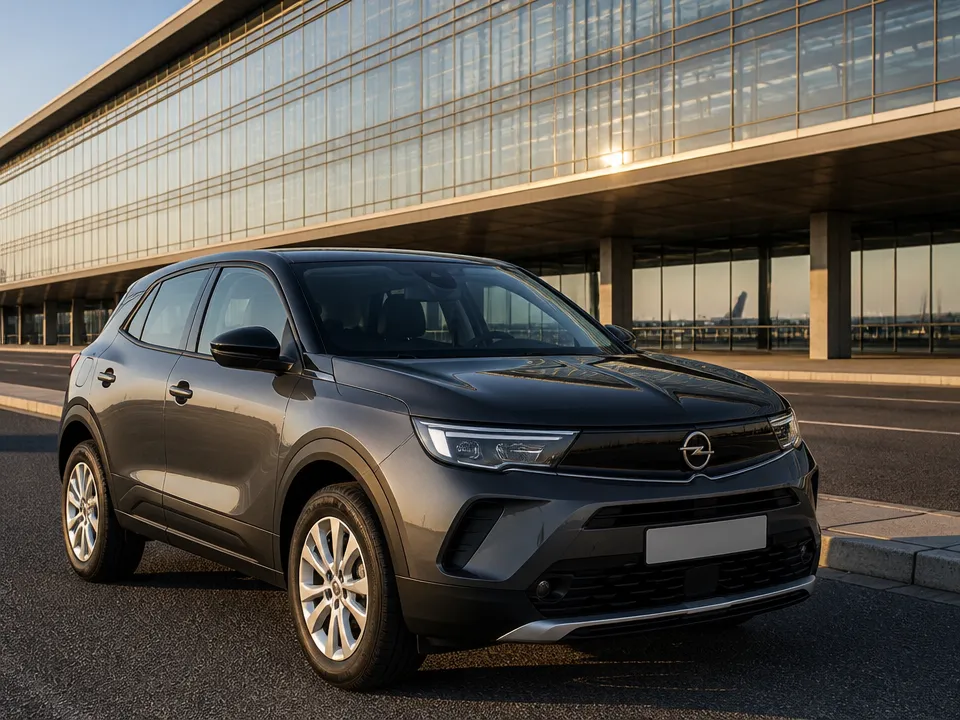
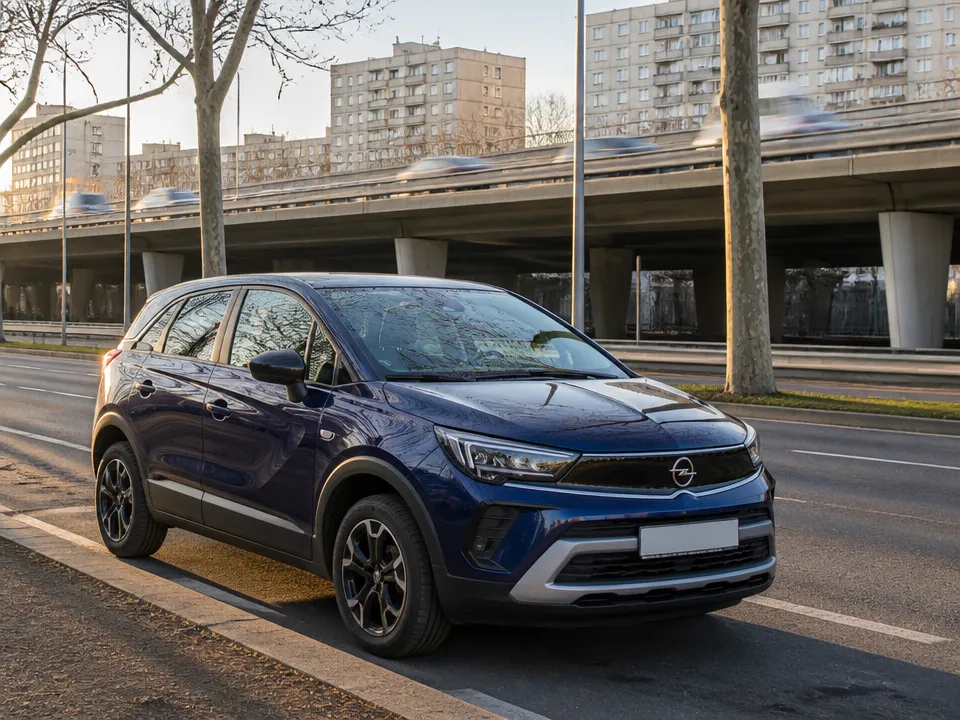
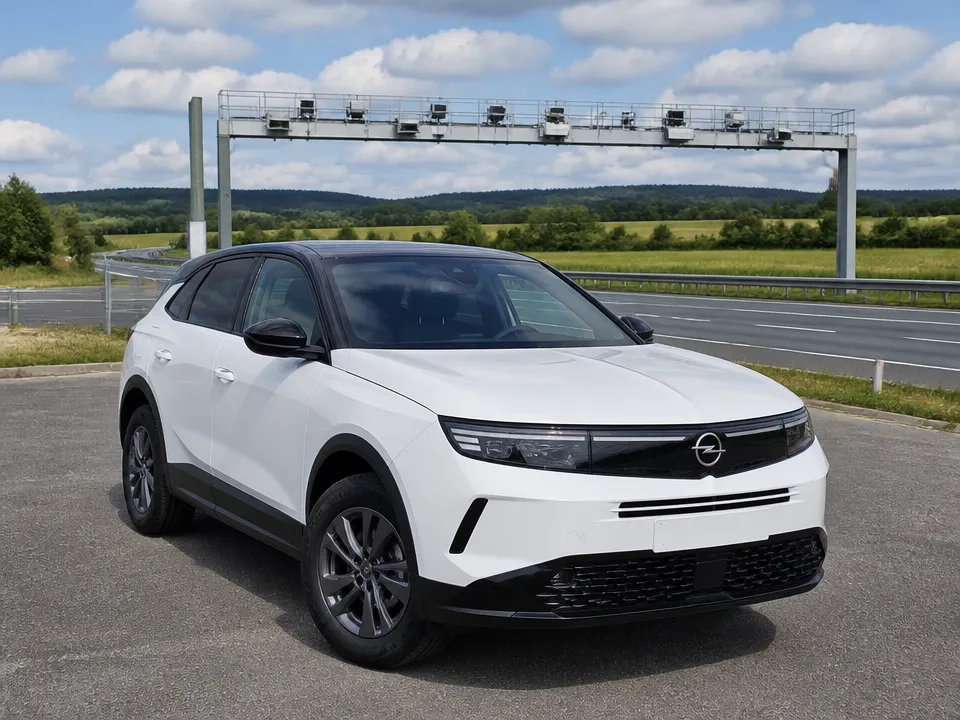
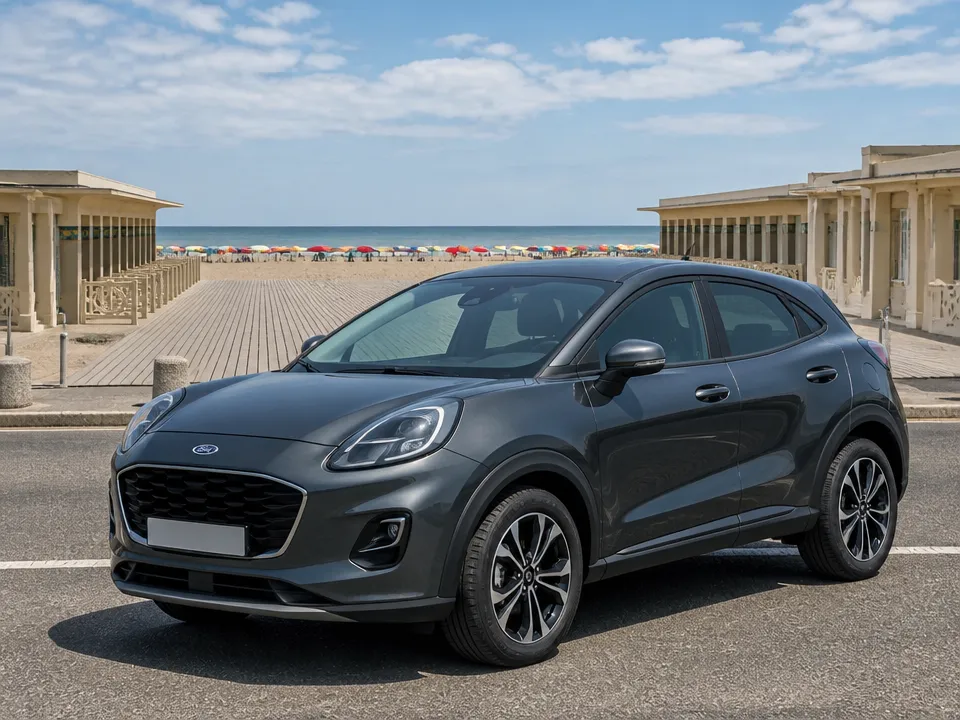
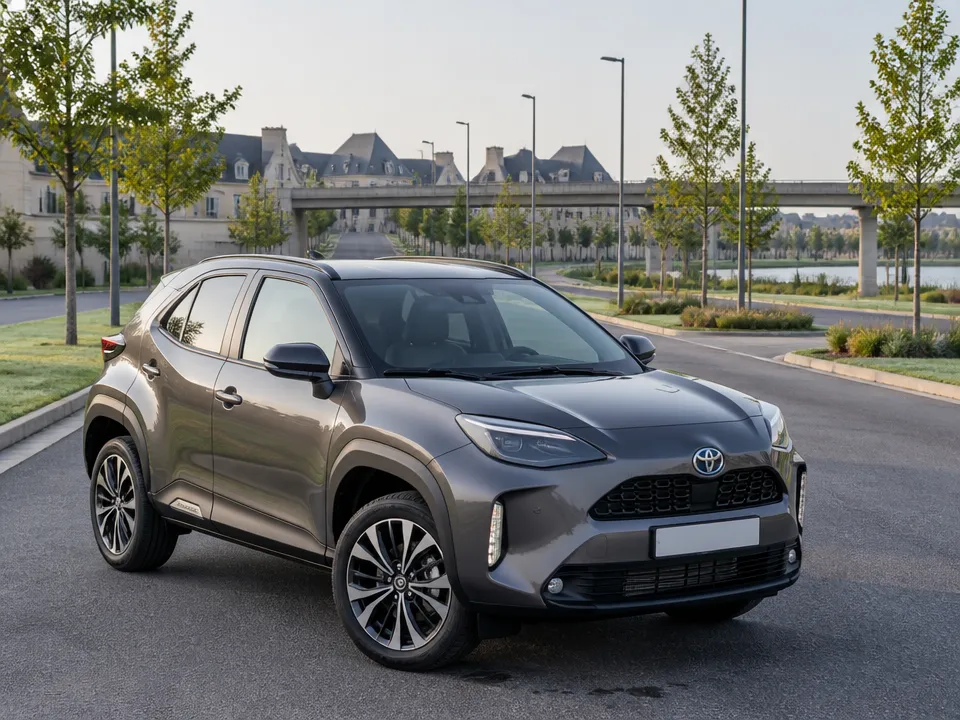
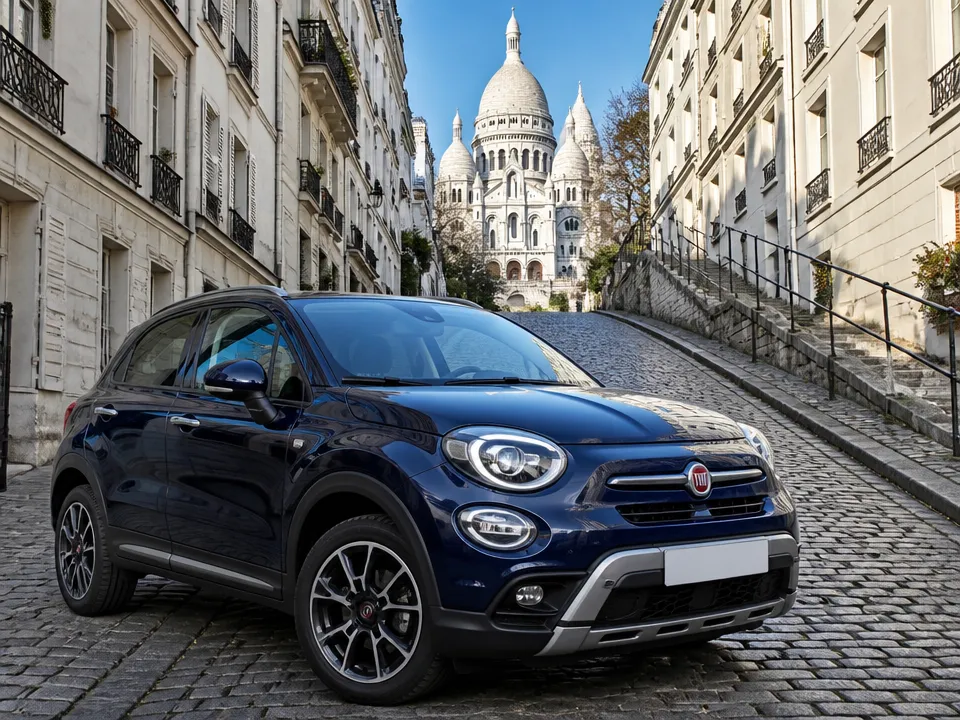
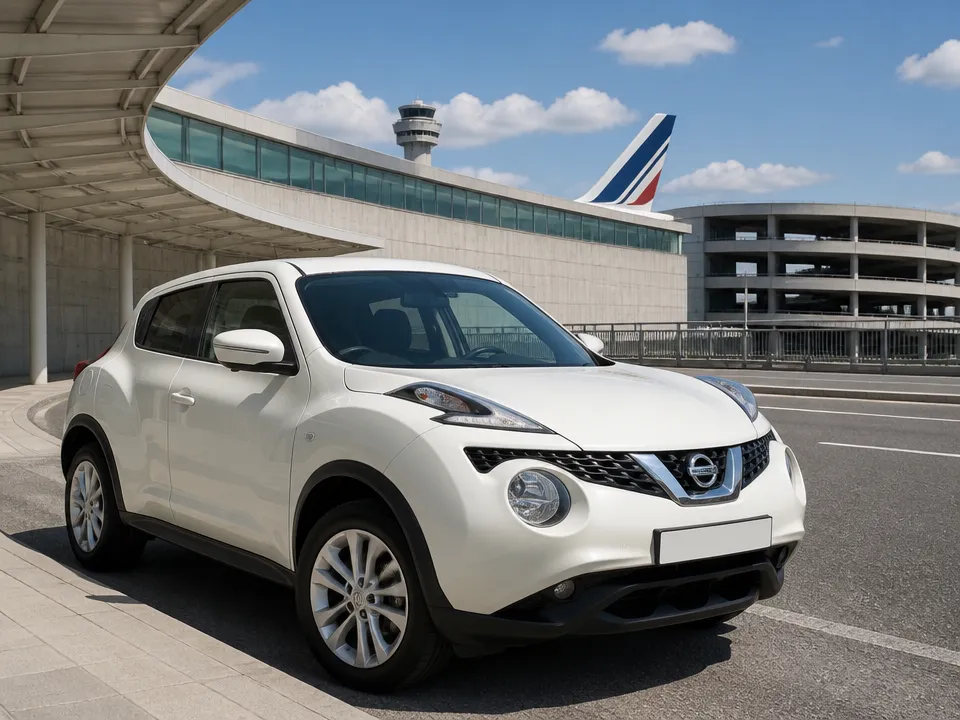
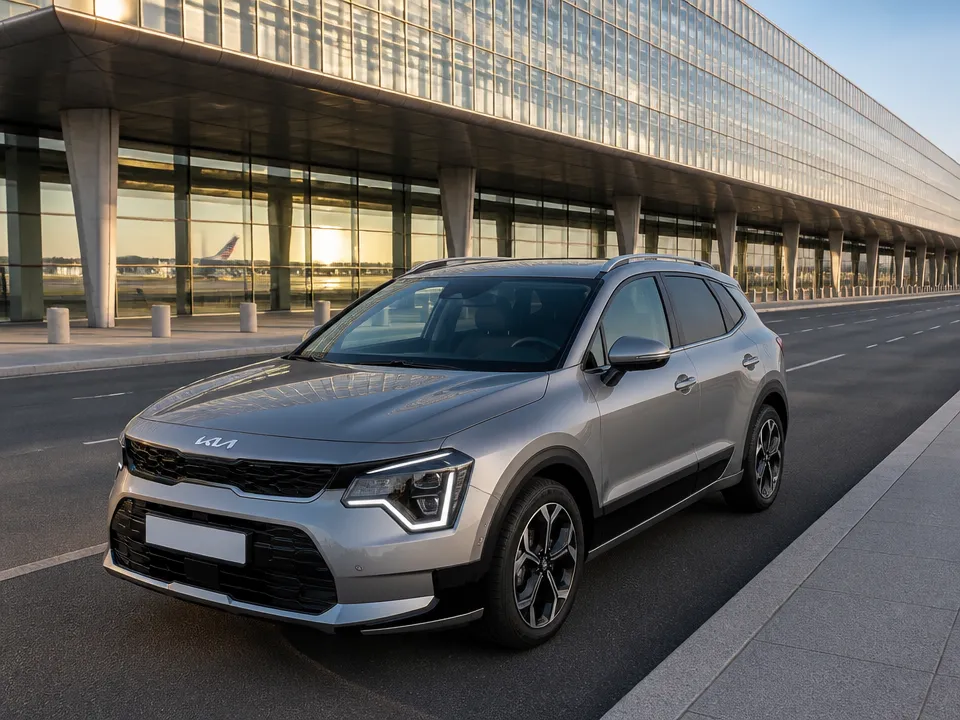
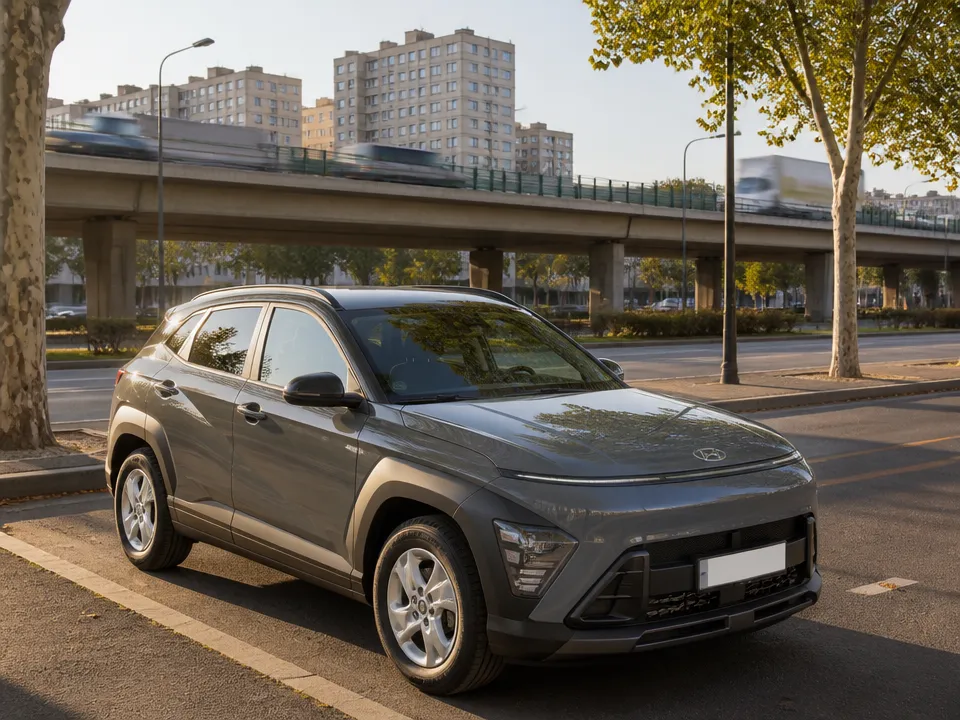
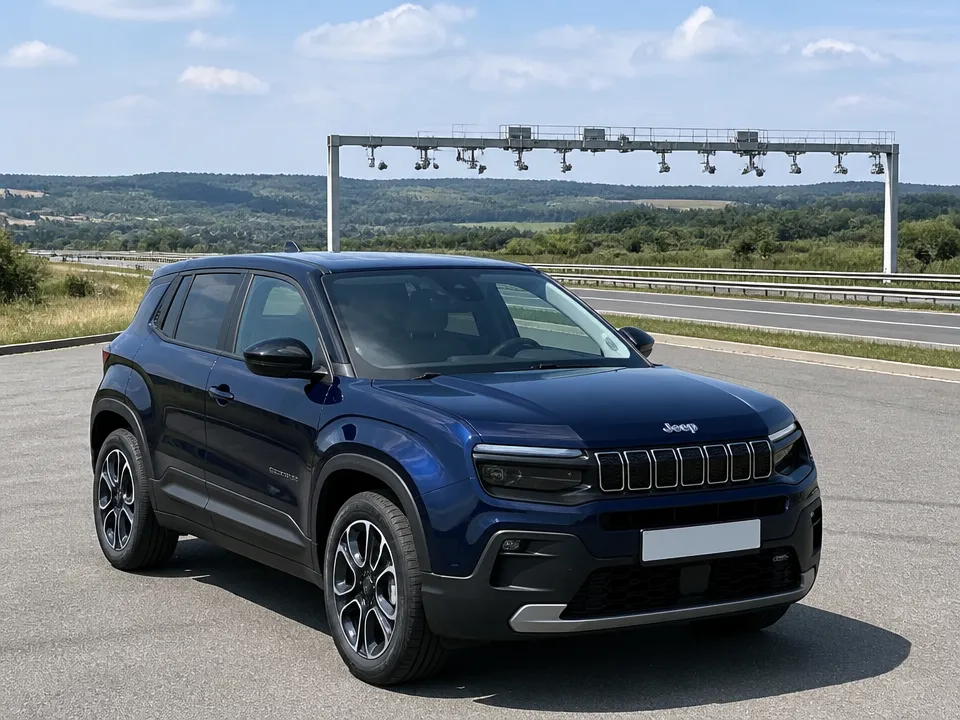
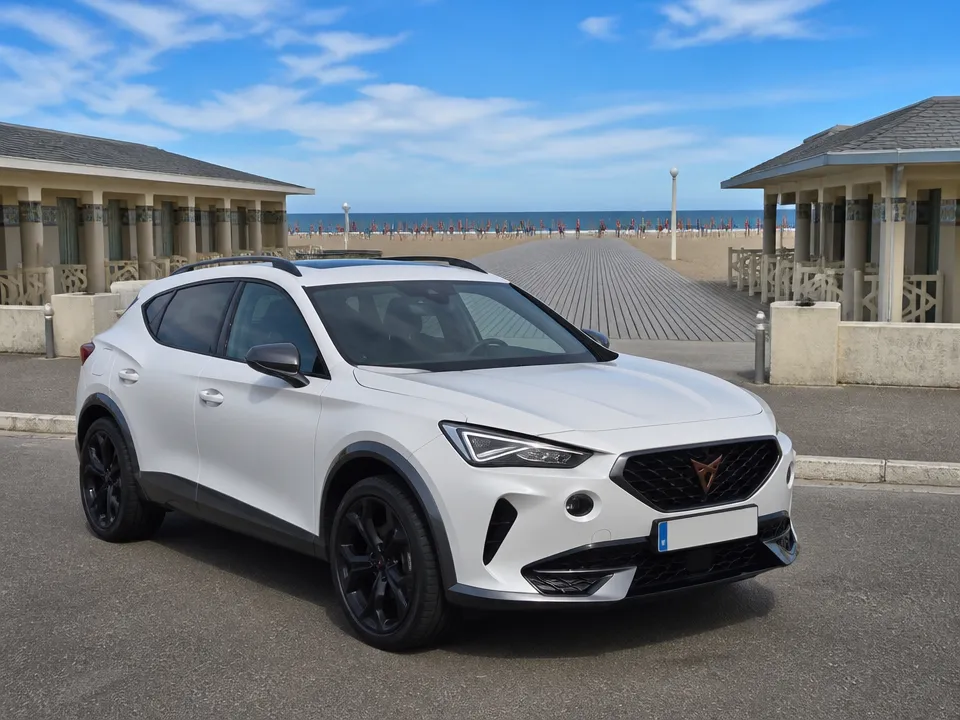
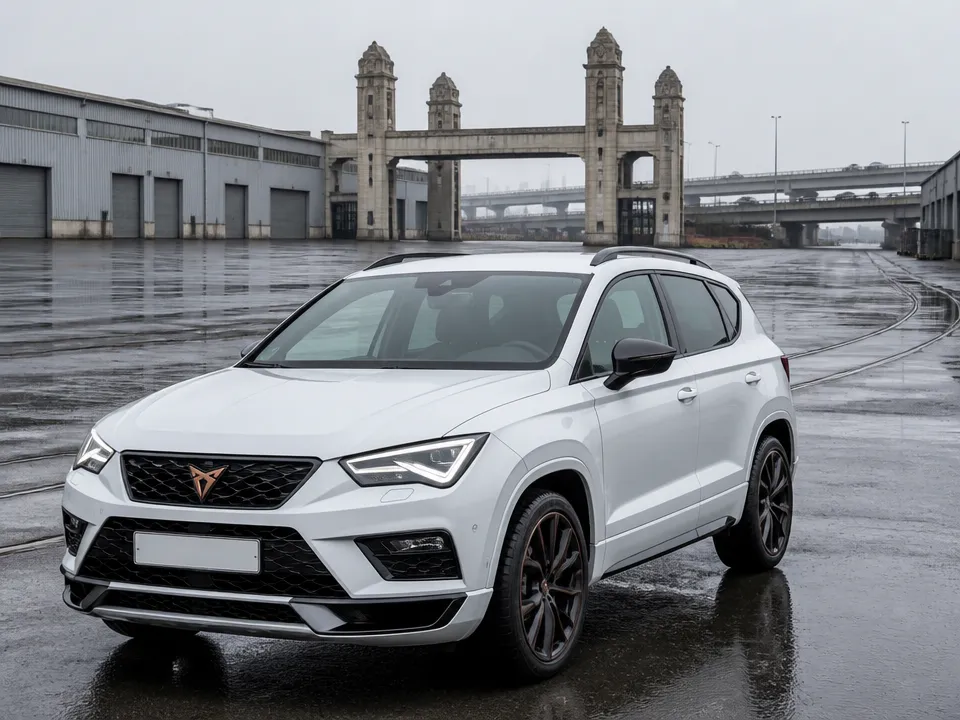
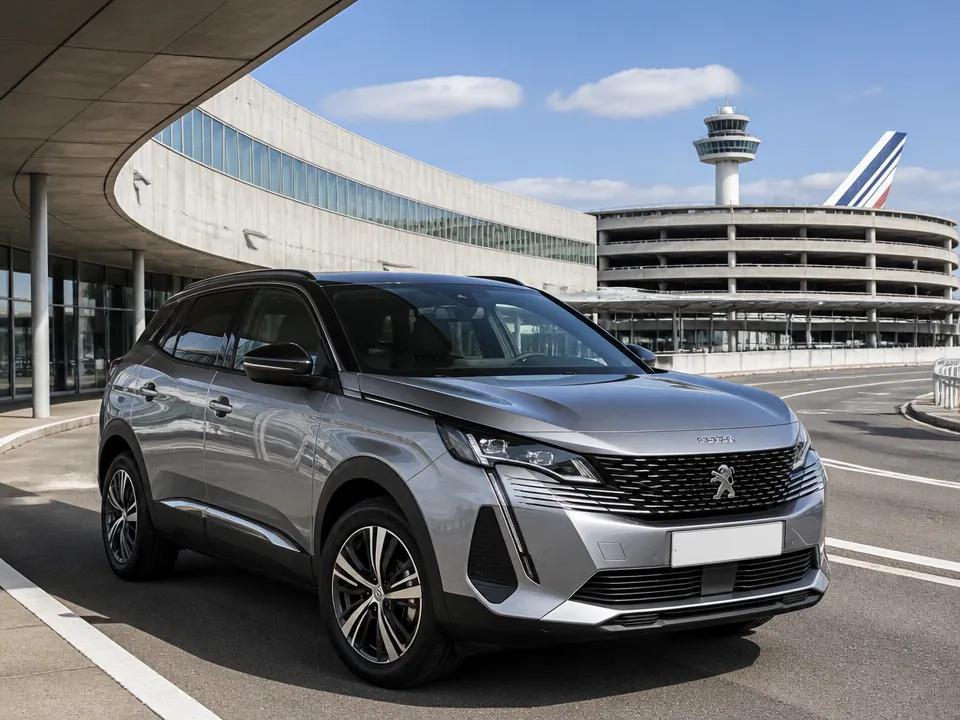
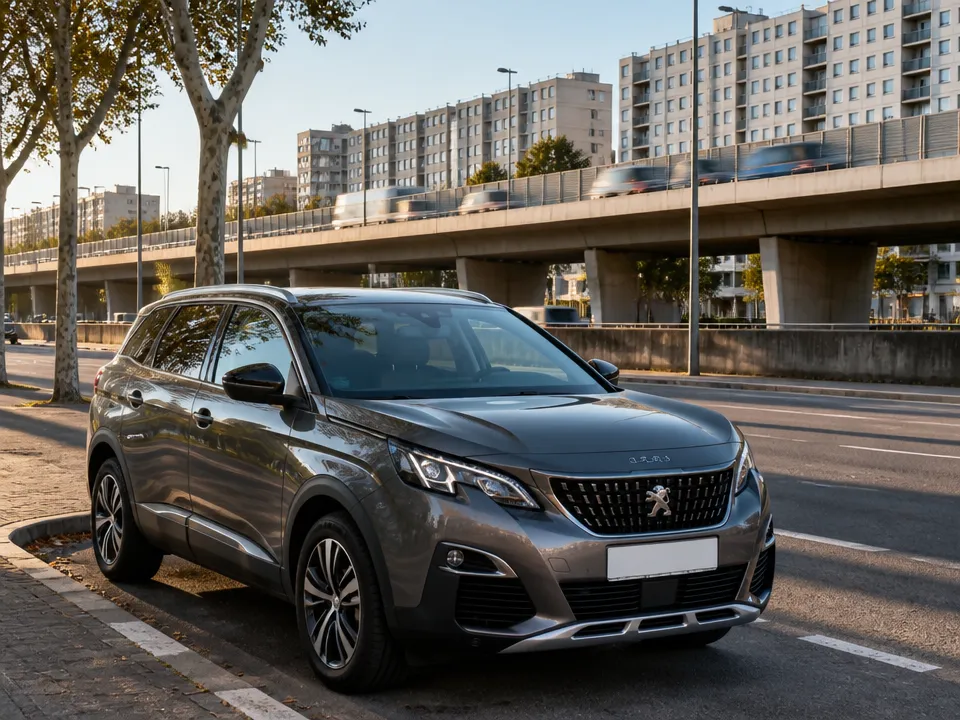
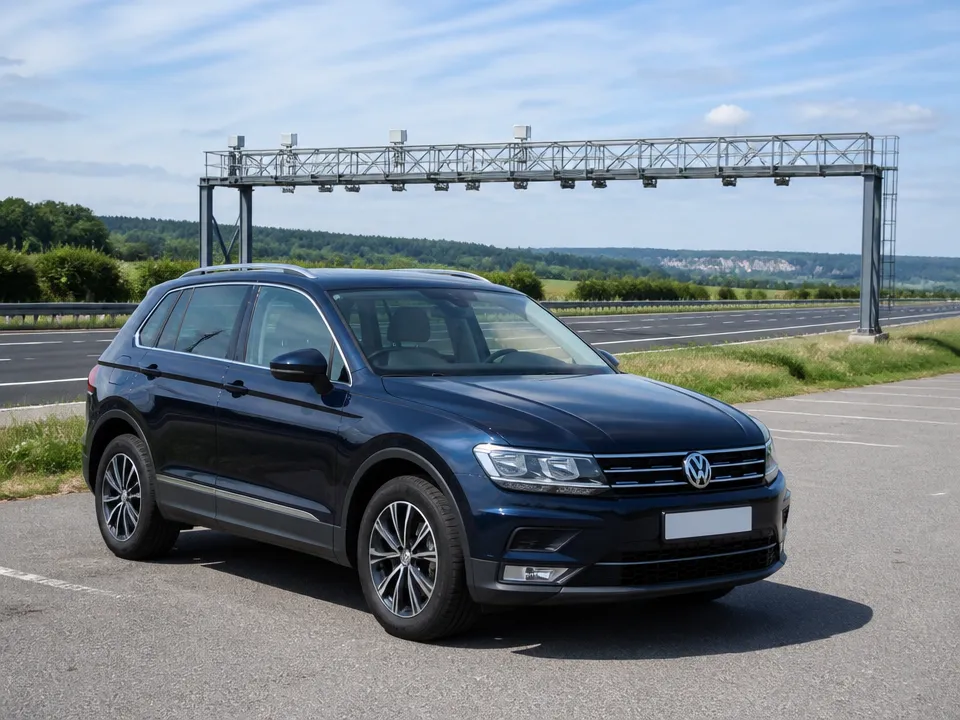
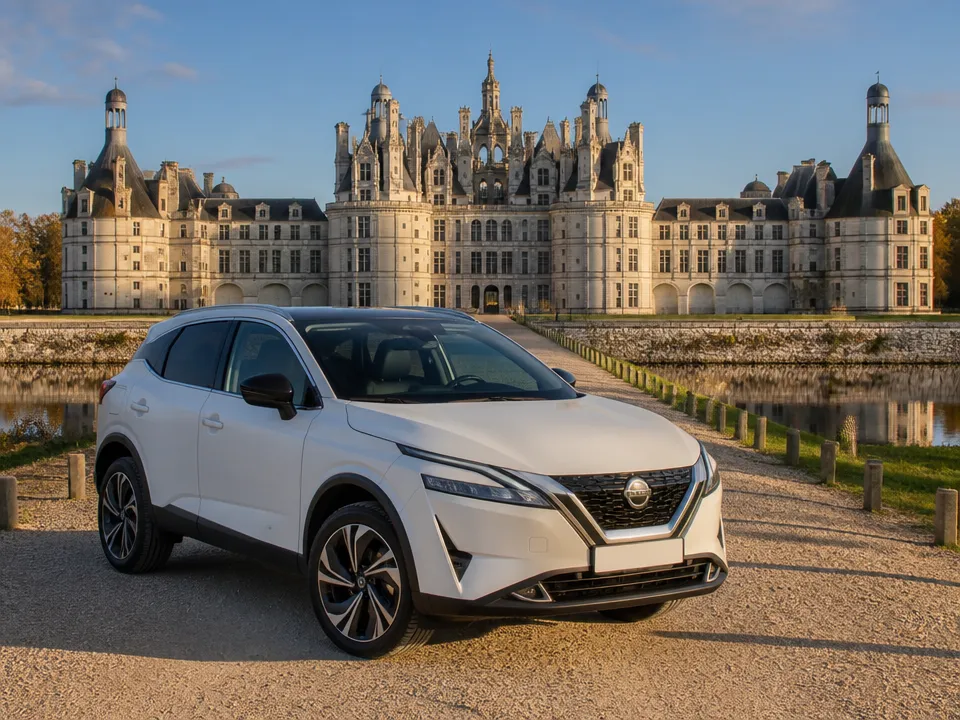
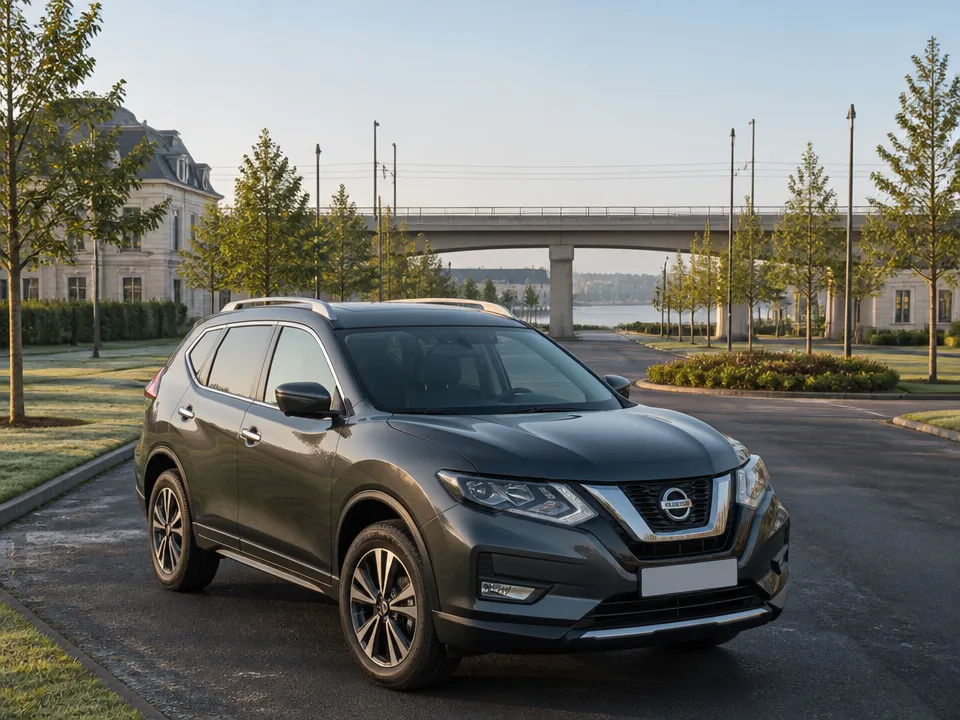
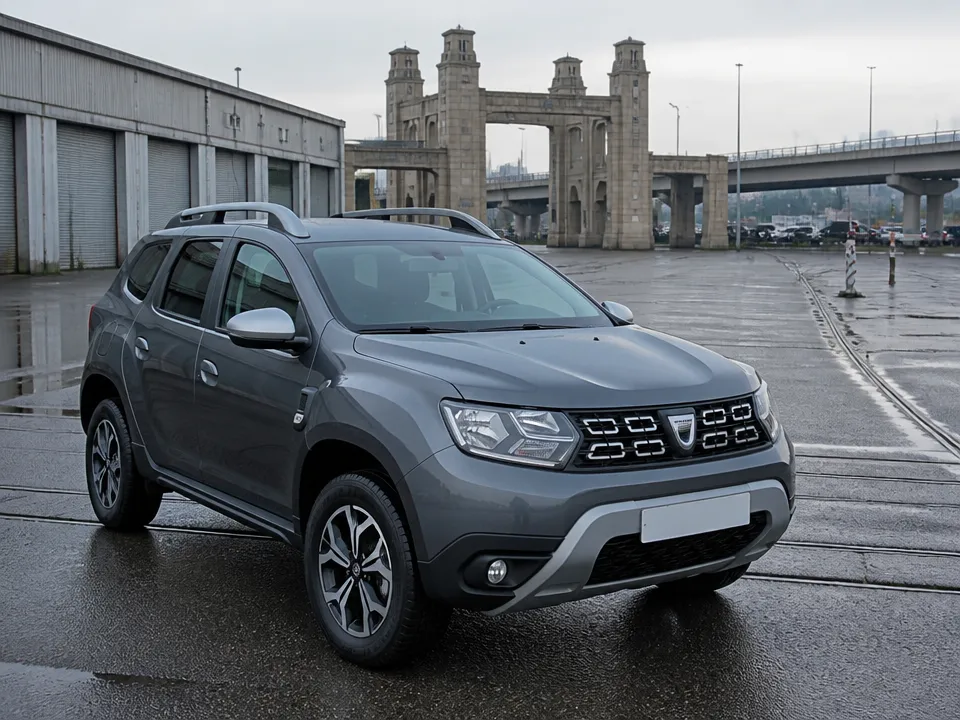
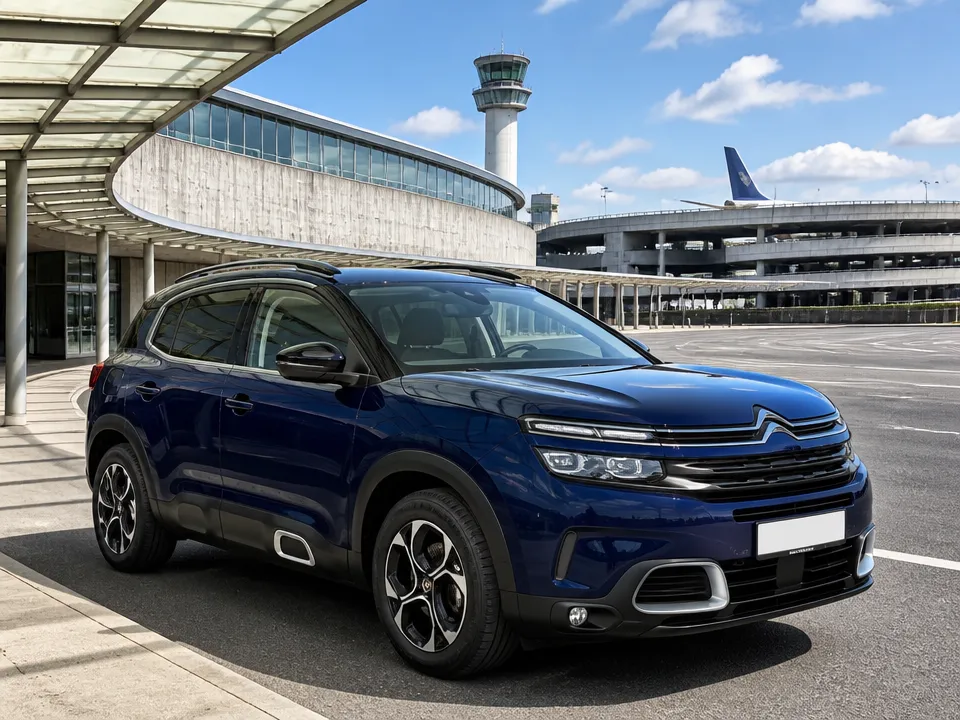
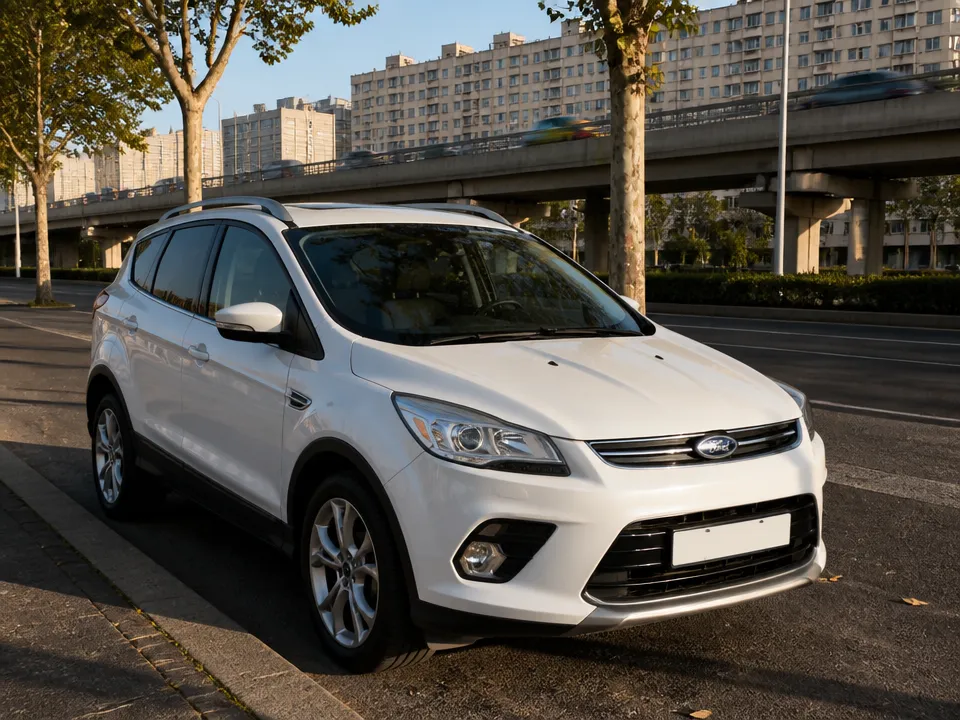

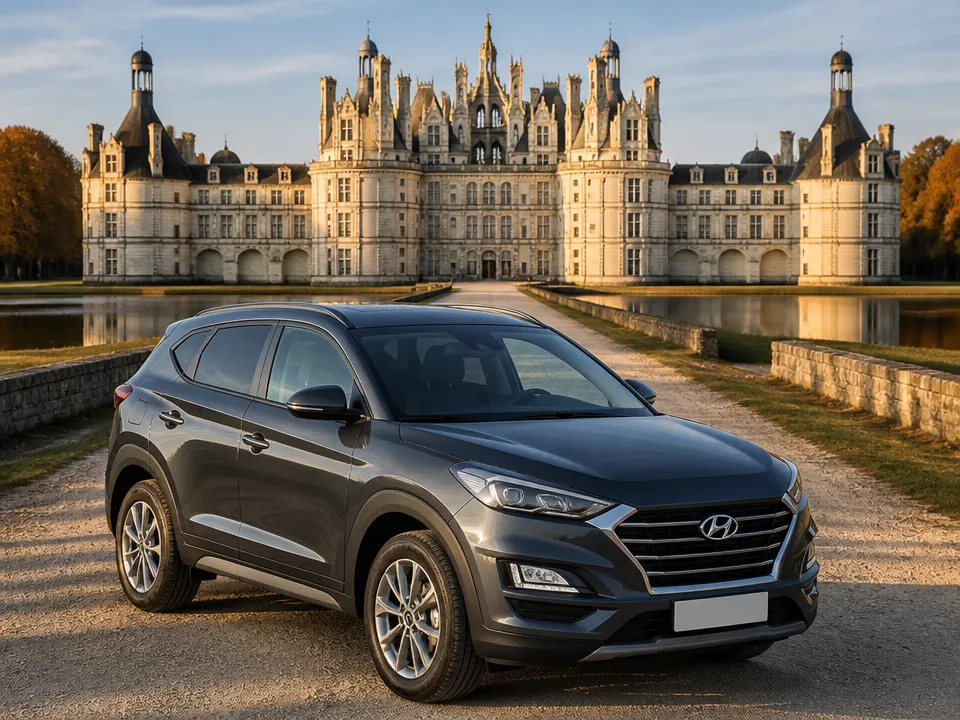
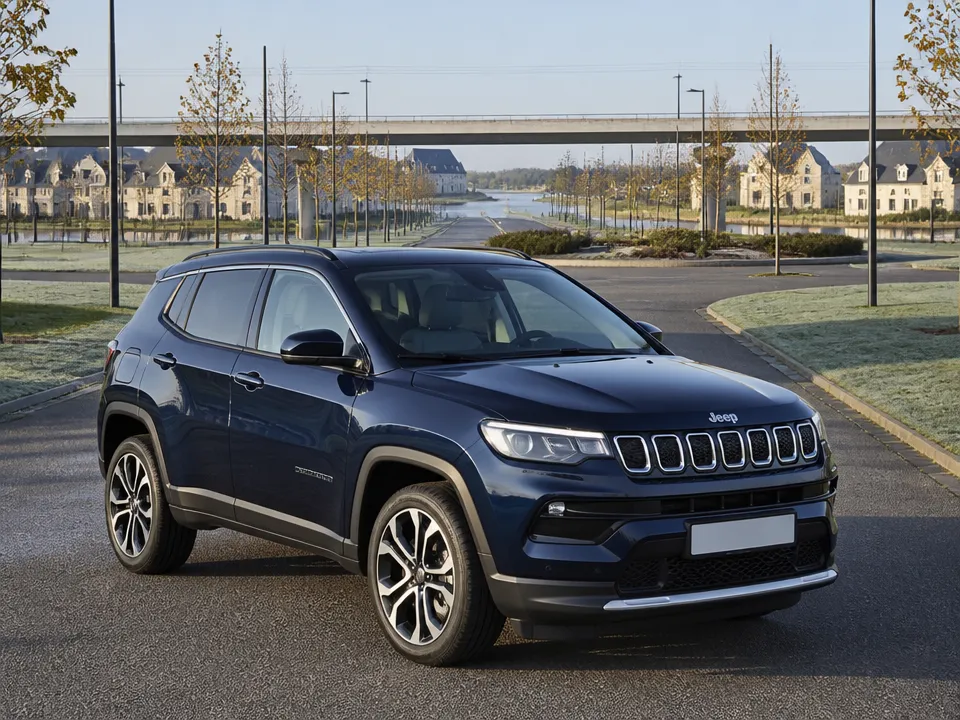
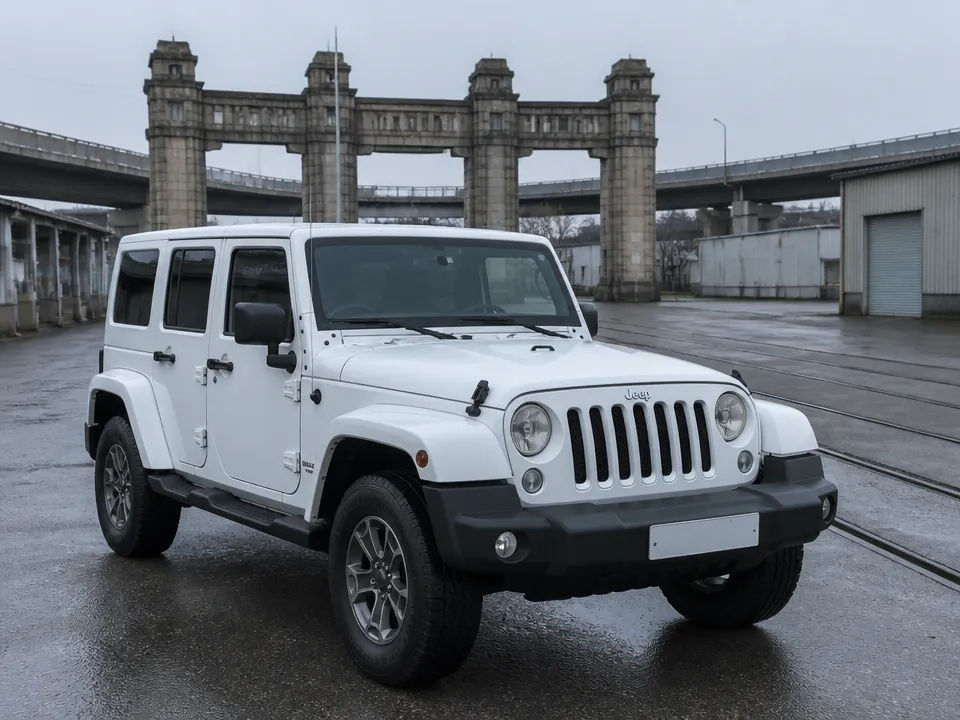
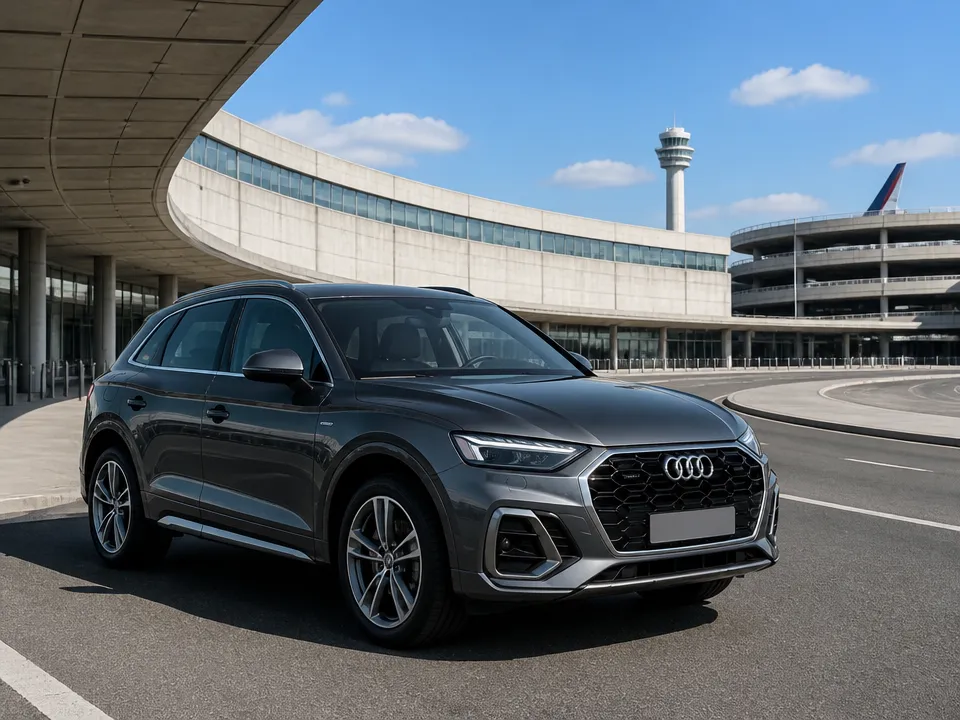
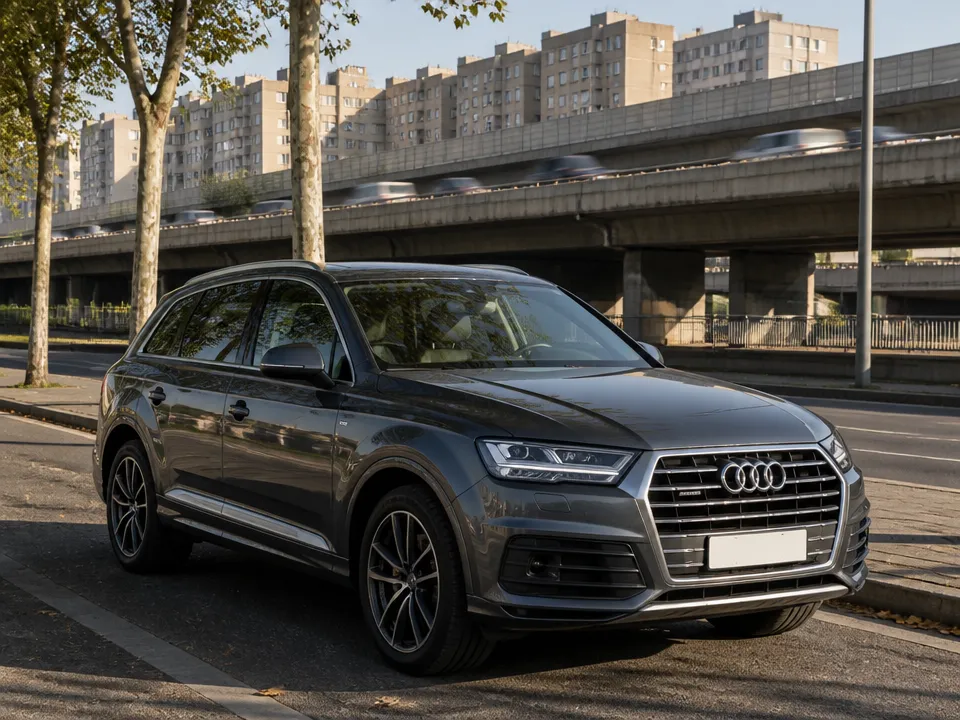
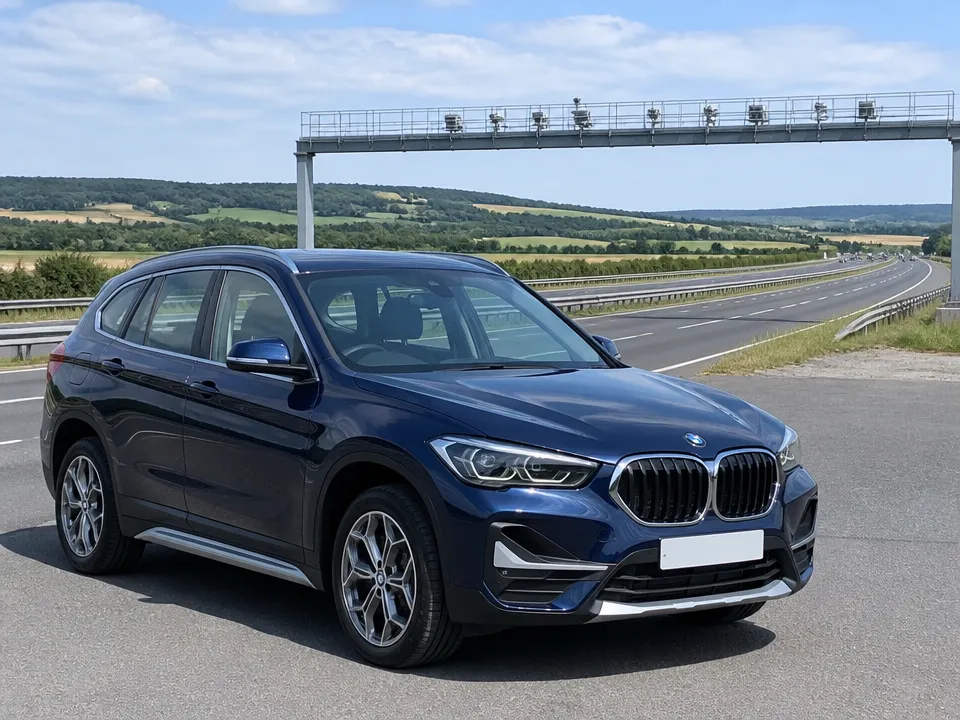
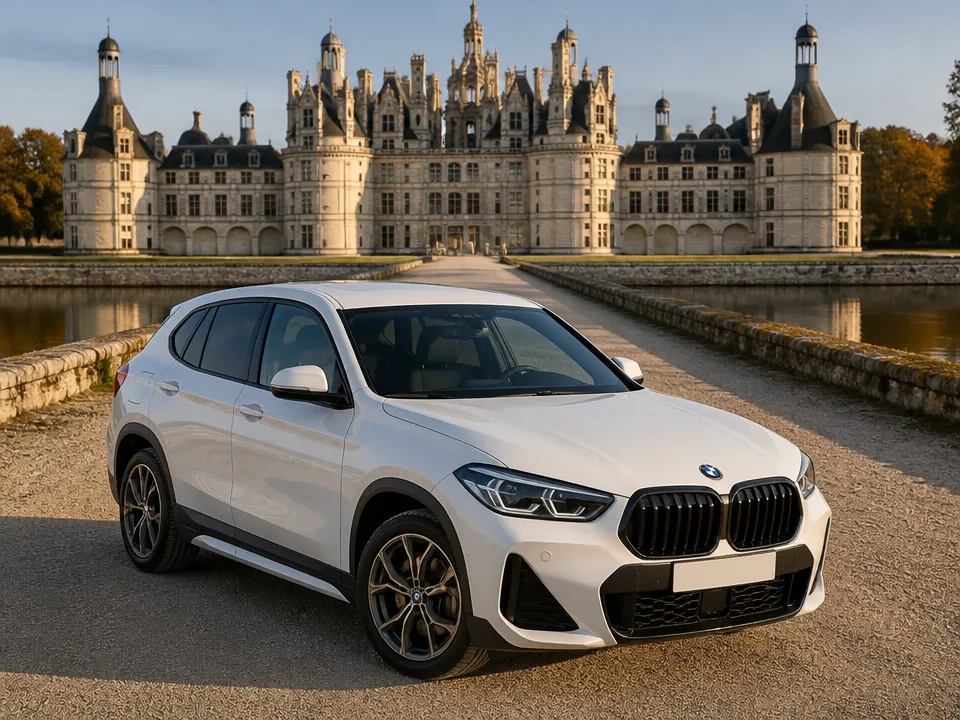
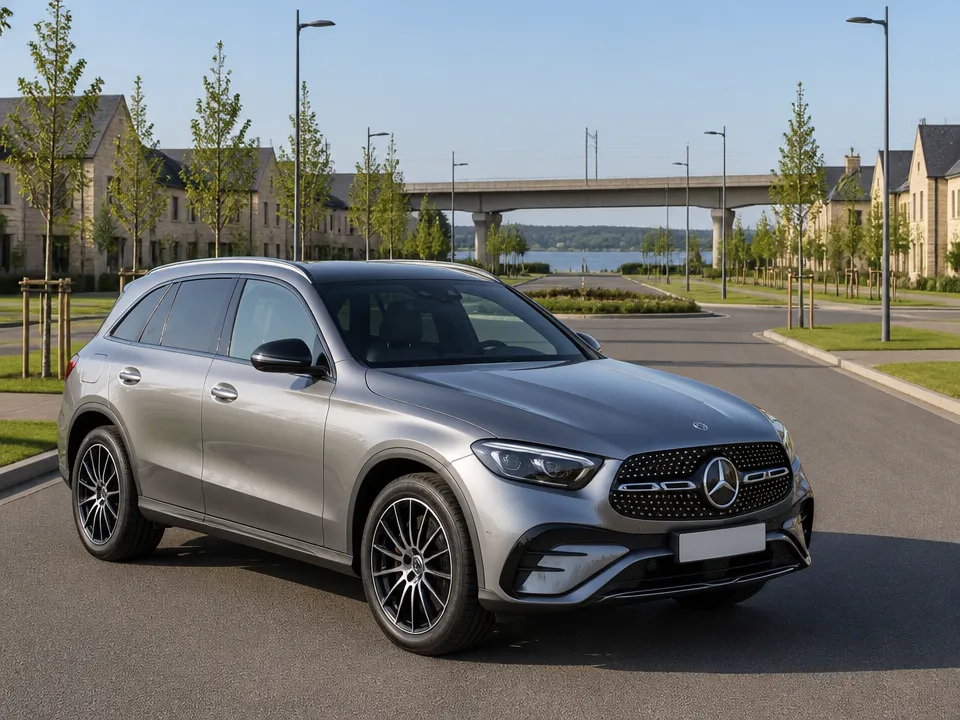
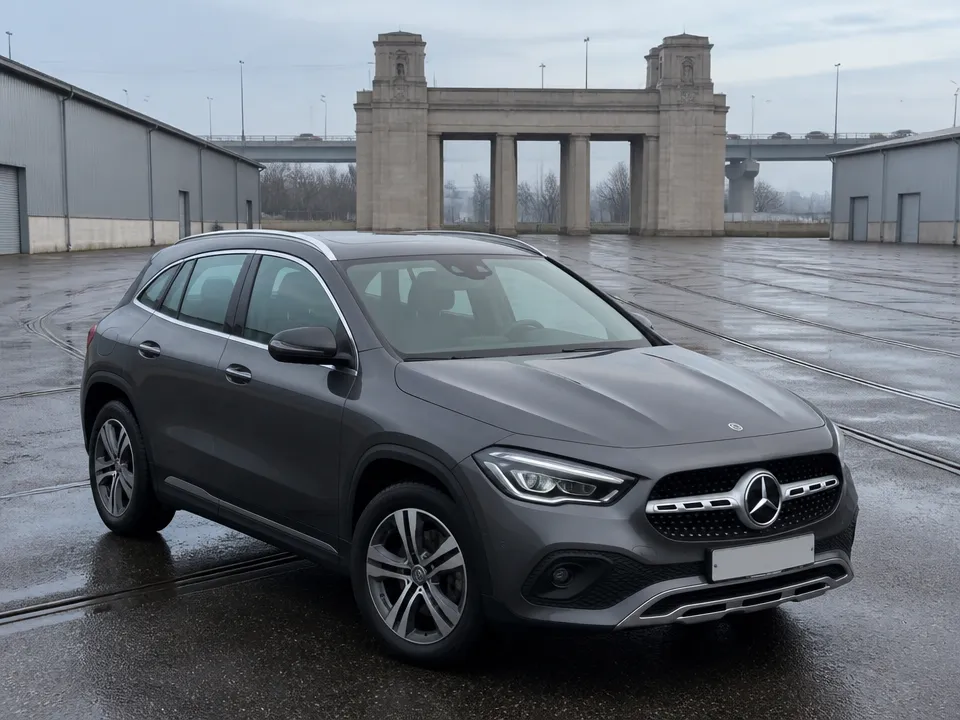
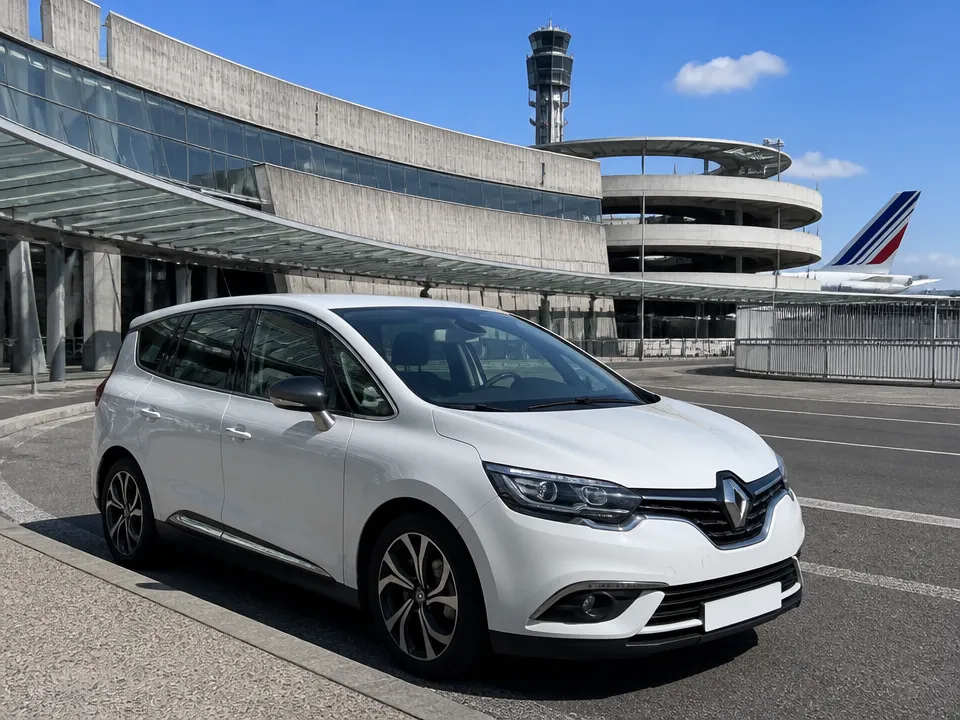
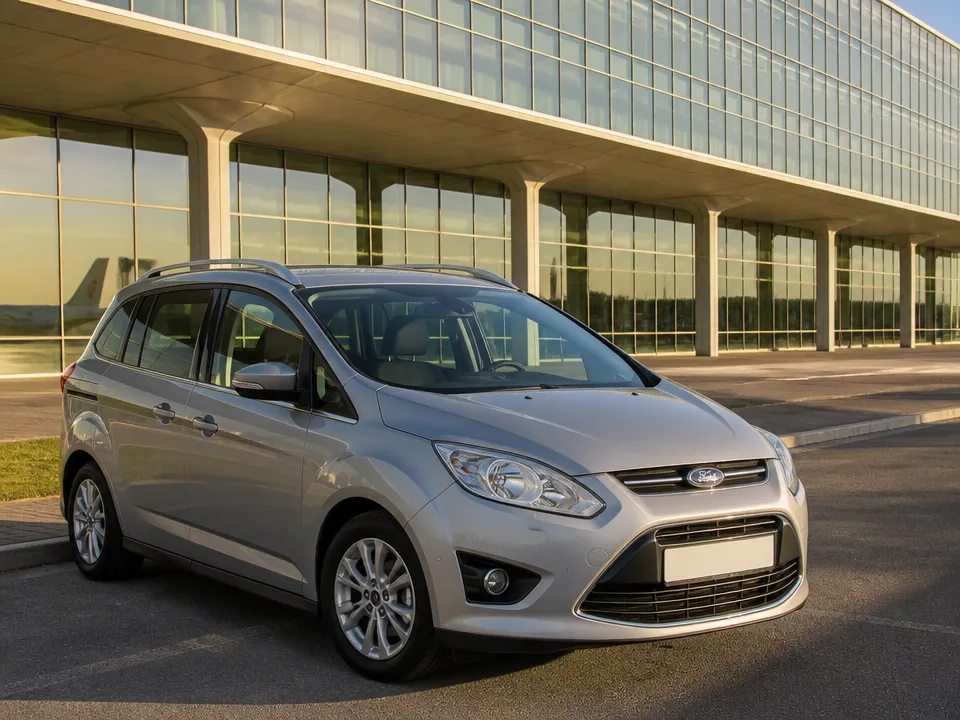
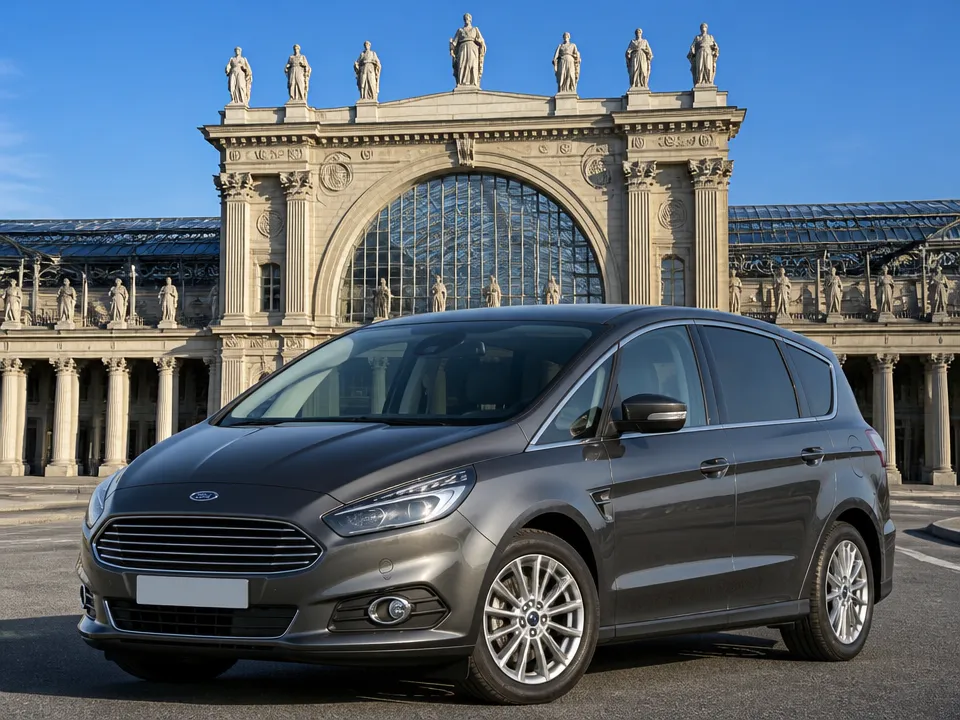
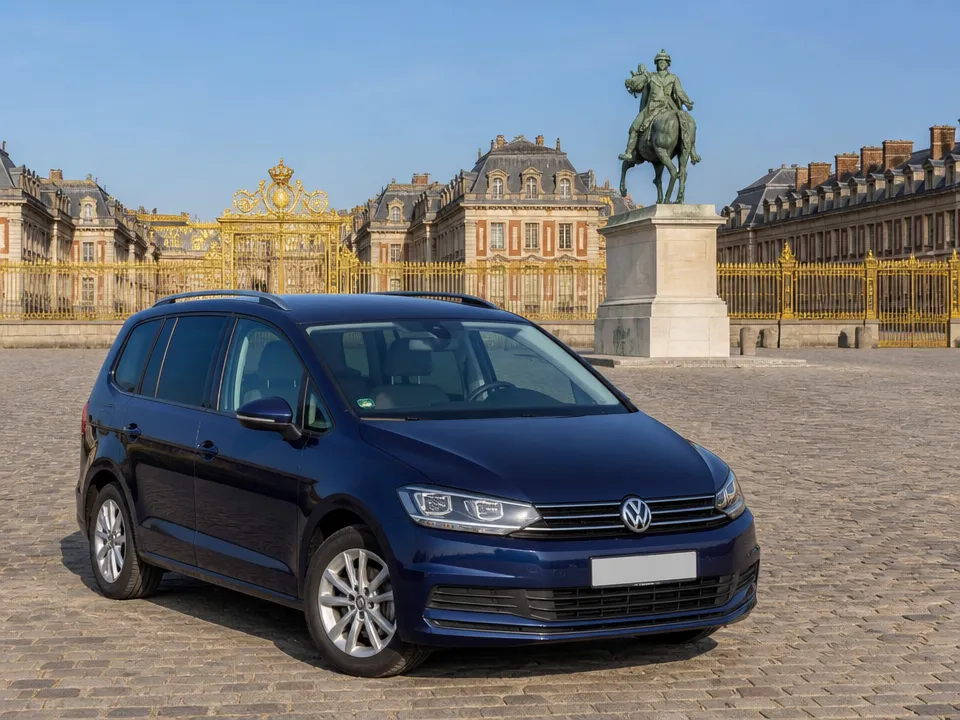
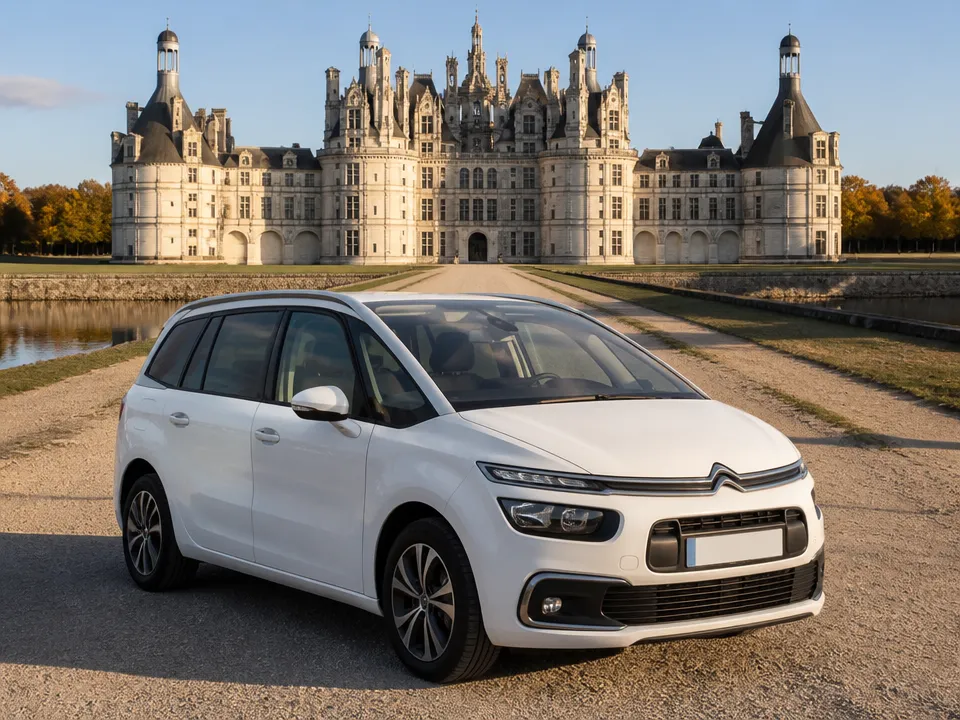


One step above the Crossover class, our SUV & 4x4 line-up starts at €79 per day and puts all-wheel drive under you for the run south to the Loire Valley châteaux. Rent-Trip keeps 50 cars on this page, from €75 to €185 per day, weekly from €450 and monthly from €1,575, and we deliver the car to you in Paris — the exact time and place are agreed with a manager when you book.
Yes — the Loire Valley châteaux sit within easy reach of the capital by car, and a self-drive vehicle gives you the freedom to set your own pace between them.
Chambord is roughly two hours from the capital on the A10, and Blois about two hours ten minutes; Chenonceau, further south-west, runs closer to three hours. The last stretch on D-roads through villages adds time. In our experience the drive out is quicker than the drive back: southbound traffic thins after Orléans, while the return into the Île-de-France builds from mid-afternoon. Leave before 7:00 and you clear the périphérique before it locks up, which buys you a full morning at Chambord before the coach parties arrive at 11:00.
The overnight option is the one we recommend most often. A single day at the châteaux means six hours behind the wheel and two rushed visits; two nights in Tours turns the same trip into four unhurried stops with dinner in between.
The A10 is the backbone of this trip: it leaves the ring road heading south-west towards Orléans, and every château in the Loire has its own exit off it or off the A71 that branches south.
Take the A10 from the périphérique towards Orléans and stay on it past the city. For Chambord, leave at exit 16 (Mer) — that is roughly two hours from the ring road. For Blois and Cheverny, exit 17 puts you on the D956 into Blois. For Amboise, Chenonceau and Tours, stay with the A10 to exit 18 (Amboise) or follow the A71 south to Blois then the A85 towards Tours. The A71 runs south from Orléans and the A85 links it to Tours, so the two motorways cover the eastern châteaux as well as the western ones.
| Route | Exit / road | Châteaux served | Drive from Paris |
|---|---|---|---|
| A10 south | exit 16 (Mer) | Chambord | ~2 h |
| A10 south | exit 17 (Blois) | Blois, Cheverny | ~1 h 50 min |
| A10 / A85 | exit 18 (Amboise) | Amboise, Chenonceau | ~2 h 20 min |
The A10 is a péage road from the ring road onwards, and the barrier tolls are where you lose time on a busy afternoon. A télépéage badge such as badge Liber-t lets you pass the barrier without stopping, and on the sections run as péage en flux libre you drive straight through with no barrier at all. In that case you have 72 hours to pay online or at a tabac — miss the window and the operator adds a fee on top of the toll.
One practical note from our own bookings: drivers who leave after 9:00 on a Friday often reach Blois closer to three hours than two, because the toll queues at Saint-Arnoult stack up with weekend traffic heading south. Tuesday to Thursday, the same route runs at the times above.
Two things decide the class: how many people and how much luggage you carry, and how much rural lane driving you plan around the châteaux. A10 motorway hours are easy in anything; the last five kilometres to a château gate are not.
| Class | Cars on this page | From, per day | Best for |
|---|---|---|---|
| Crossover | 13 | €75 | Two travellers, light bags, mostly motorway and D-roads |
| Comfort | 13 | €79 | Couples and small families wanting a bigger boot |
| SUV & 4x4 | 19 | €79 | Wet Loire lanes, gravel approaches, five adults |
| Minivans | 5 | €119 | Seven seats, group trips, heavy luggage |
We hold 50 cars on this page across those four classes, and the spread matters more than the badge: an all-wheel-drive SUV handles a rain-soaked track to a château car park better than a hatchback with the same engine.
If you are unsure between a Crossover and an SUV, take the SUV when your group is five adults with full-size suitcases — the boot difference decides it, not the price gap.
Manual gearboxes are the norm in French fleets, and automatic sits in a separate, higher-priced band. On this page the automatics start with the Jeep Avenger at €75 per day and run up through the hybrid Crossovers. Motorway driving makes the choice almost irrelevant, but the stop-start traffic on the way out of the capital and the narrow village streets around Amboise and Chenonceau make an automatic noticeably easier if you are not used to a clutch. Book the gearbox you actually want rather than assuming an upgrade will be available on the day — the class you reserve is agreed with a manager when booking.
Rates depend on how long you keep the car and which class you pick. Everything below is the pricing we work to on this page.
Booking with us starts at €75 per day and runs to €185 per day across the fleet of 50 cars on this page. A weekly booking is priced as daily x 6, so the cheapest crossover comes to €450 for the week; a monthly booking is daily x 21, from €1,575. Those two multipliers are the whole of our long-stay logic — nothing else changes the arithmetic. On our side, the spread is wide because the range is wide: a Jeep Avenger crossover at €75/day sits at one end, a Nissan X-Trail seven-seater at €129/day and a Mercedes-Benz GLA at €125/day near the other. In our practice, most travellers heading for the châteaux book four to six days — long enough to see Chambord, Cheverny and Chenonceau without rushing, short enough to stay inside the weekly band. If your dates straddle a weekend, price the whole stretch as one booking rather than two shorter ones; the multiplier only works in your favour on a single continuous rental.
Read the franchise line before you decide on a protection level — it is the one number that changes what a scratched door or a chipped windscreen actually costs you, and it is cheaper to settle that question at booking than at hand-over.
Driving to the châteaux runs on the same paperwork as any other French hire, and the rules differ by where your licence was issued. The details below cover what we ask for at booking, what the base protection includes, and where the excess sits.
An EU or EEA licence is valid in France for as long as it stays valid — no exchange for a French one is needed. Drivers on a licence from outside the EU/EEA can legally drive here on their national permit as tourists; if that permit is not in Latin script, an official translation or an International Driving Permit is required alongside it. An IDP is a translation only — it never replaces your national licence and is shown together with it. Anyone moving to France on a residence permit may drive for 1 year from the visa entry date, then must exchange the licence. We require a licence issued more than 1 year ago, and we do not accept digital licences. For hire, the IDP must be no older than 3 years. The minimum age, the young-driver surcharge, and the card and passport conditions are not fixed by French law — each company sets its own, and we confirm ours when the booking is agreed.
French rentals come with three layers as standard. Responsabilité civile is compulsory by law and included automatically in every agreement; it covers injury and property damage caused to third parties within the country's legal limits, but it does not cover injuries to the driver. CDW limits your liability to a fixed excess (franchise) and covers repair and loss of use of the car. TW covers theft, attempted theft and vandalism in a car park, also within the excess. The excess itself is a fixed amount you pay yourself if the car is damaged or stolen — it is non-waivable in the sense that it applies until you buy a level of protection that lowers it. The exact figure sits in the rental agreement for your specific booking. What the base cover excludes: tyres under abnormal use, glass unless it comes from a collision, the sunroof and panoramic roof, the underside, misfuelling and the engine damage it causes, lost or stolen keys, and damage from negligence or intent.
The A10 out of Paris is a péage road, so the drive to the châteaux mixes French motorway rules with a handful of toll barriers. Speeds, alcohol limits and the Crit'Air sticker matter more here than the route itself.
France sets its limits in the Code de la route, and they change with the road under you. R413-2). R413-4). R413-5). In our experience the drop from 130 to 110 in wet weather catches visitors out on the A10 most often, because the signposts look identical to the dry-weather ones.
The A10 is a péage road, and a badge Liber-t transponder clears the barriers without stopping. Tariffs vary by operator and by hour, which is why we tell drivers to keep the receipt and check the total against the rental agreement rather than assume a flat rate.
Street parking in central arrondissements is priced progressively, not by the hour: 1 hour is €6, 2 hours €12, 3 hours €24, 4 hours €39, 5 hours €57 and 6 hours €75, with a maximum of six consecutive hours in one spot. The tariff is split into 15-minute blocks, and an unpaid stay becomes a forfait post-stationnement of €75 or €50 depending on the vehicle. Around the châteaux the pressure disappears — village squares and château car parks are usually free or a few euros — so leave the car on the outskirts and walk in.
We take the booking by phone or message, then a manager confirms the class, the dates and the delivery address with you. Nothing is charged at the moment you ask — the reservation exists only once a manager has agreed it, and the rest is agreed when booking. Tell us the châteaux you plan to see and we will match the car to the mileage rather than to the price list.
An automated checkout cannot tell you that the Dacia Duster at €79/day has all-wheel drive for wet Loire lanes, or that a seven-seat Peugeot 5008 at €125/day is the only sensible choice for a family of six. A manager can. Our fleet on this page runs from €75 to €185 per day, weekly from €450 and monthly from €1,575, and the class you pick changes the total far more than the daily rate suggests over a four-day châteaux loop.
In our practice, the most common booking mistake is a car chosen for the outbound motorway run and then driven onto gravel access roads at the châteaux. If your itinerary includes Blois, Amboise or the smaller estates, say so at booking — we will steer you to a Crossover or an SUV rather than a Comfort hatchback, and the manager will confirm what is available for your dates.
Once the booking is agreed, the delivery point, the time and the class are fixed, and the rest is agreed when booking. Read the franchise line before you decide on a protection level — it is the one number that changes what you pay if the car comes back with a scratch from a château car park. Bring your licence and your passport to the hand-over; the rest is agreed when booking.
Two things decide how a châteaux run feels: when you leave and how you pay for the road. Both are manageable in advance, and neither needs special equipment beyond a card that works at an unmanned barrier.
In our experience, the travellers who enjoy the Loire most are the ones who book a slightly larger car than they think they need. A Crossover at €75–€85 per day swallows two suitcases, a cool bag and a folded map without anyone holding a bag on their knees, and the extra €10 over the smallest class disappears next to a single tank of fuel. Book early in the week for a weekend departure — the 50 cars on this page move fastest on Thursdays and Fridays.
Daily prices on this page run from €75 to €185. The cars listed at €75 per day are the Jeep Avenger, with the Opel Crossland at €76 per day and the Dacia Duster at €79 per day. The page lists 50 cars for Paris.
Classes on this page are Comfort, Crossover, Minivans, and SUV & 4x4. Body types are Crossover, Estate, Hatchback, MPV, and SUV. Cars here have 5 or 7 seats, with automatic or manual transmission.
The ZFE de la Métropole du Grand Paris covers the area inside the A86 motorway, including the boulevard périphérique. A Crit'Air sticker is required. Crit'Air 5, 4, 3 and unclassified vehicles are banned; the sticker costs €3.85 including postage.