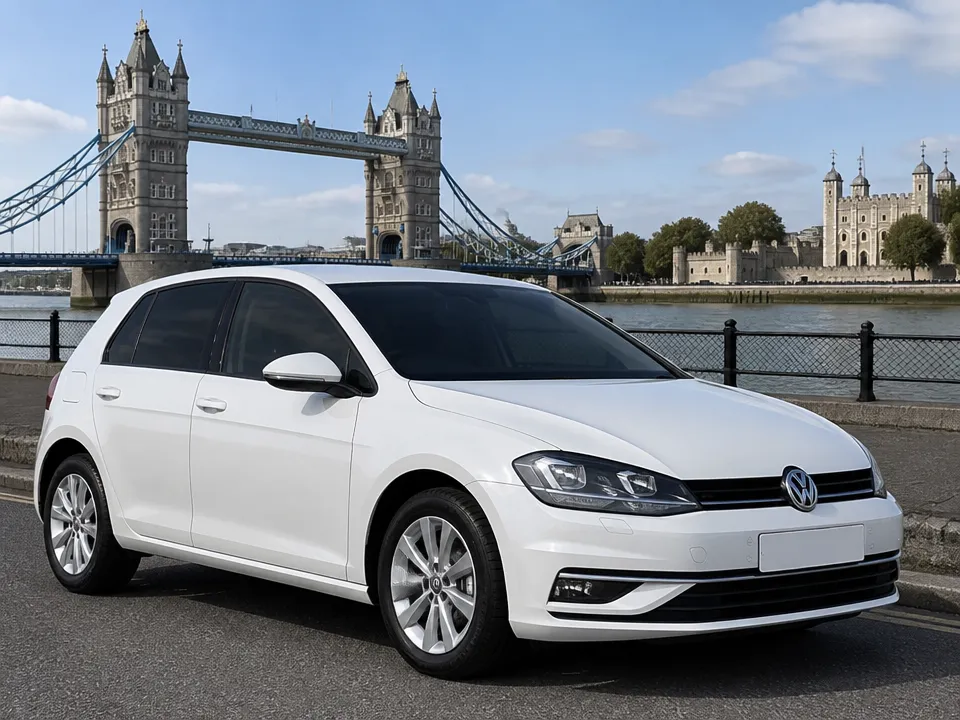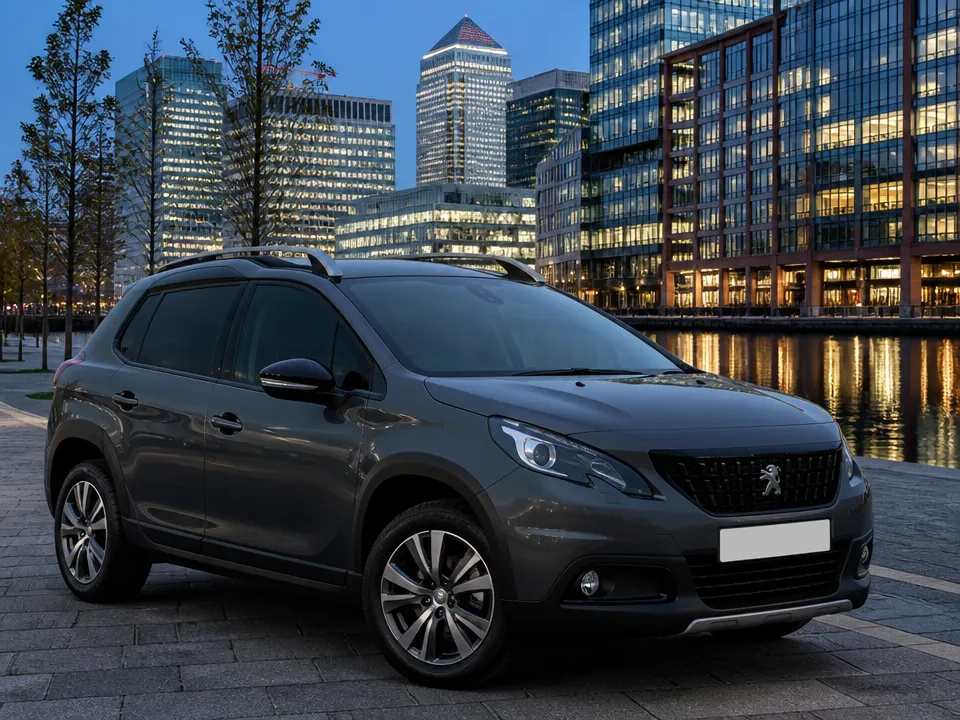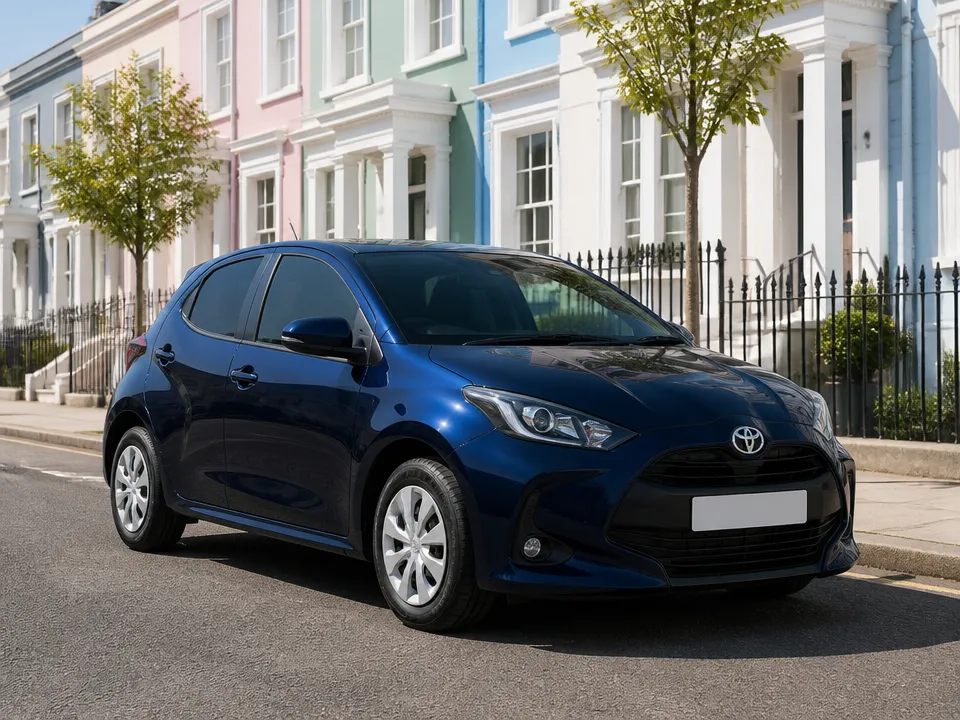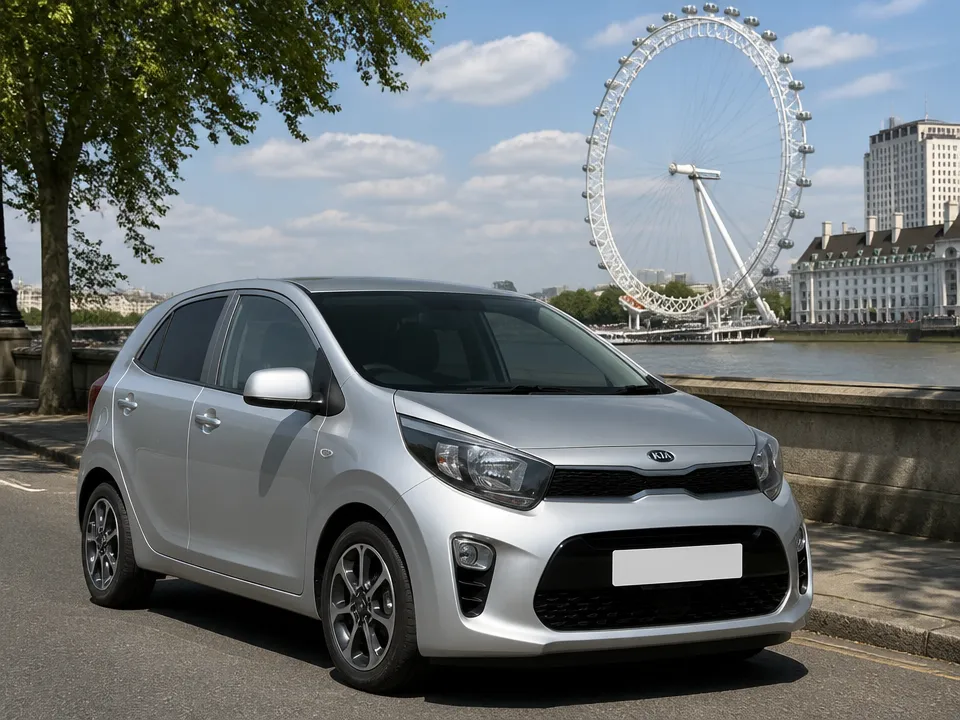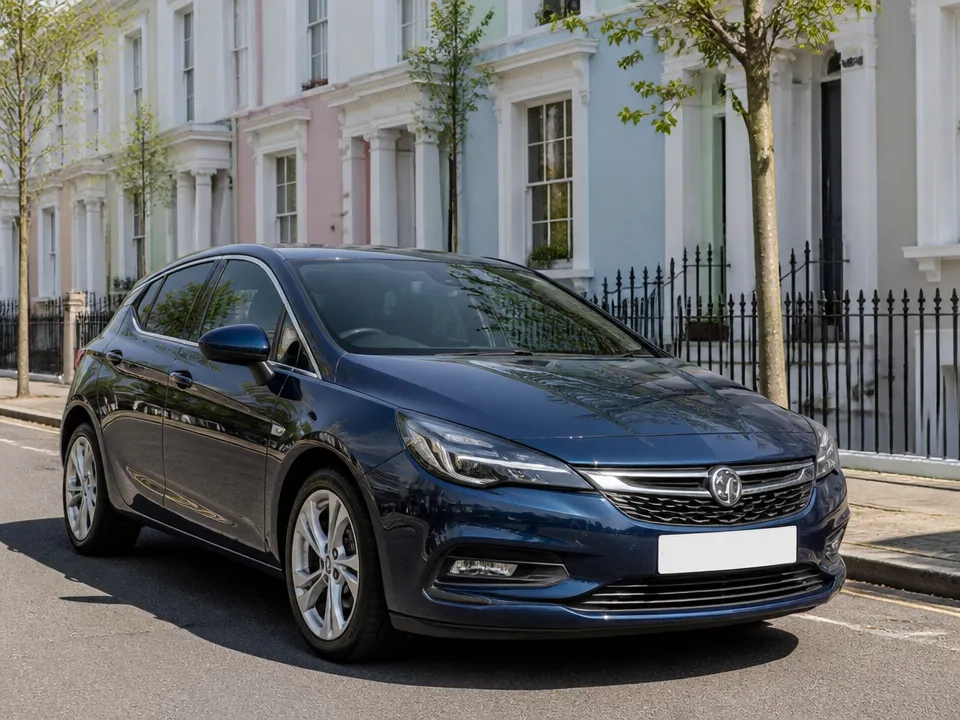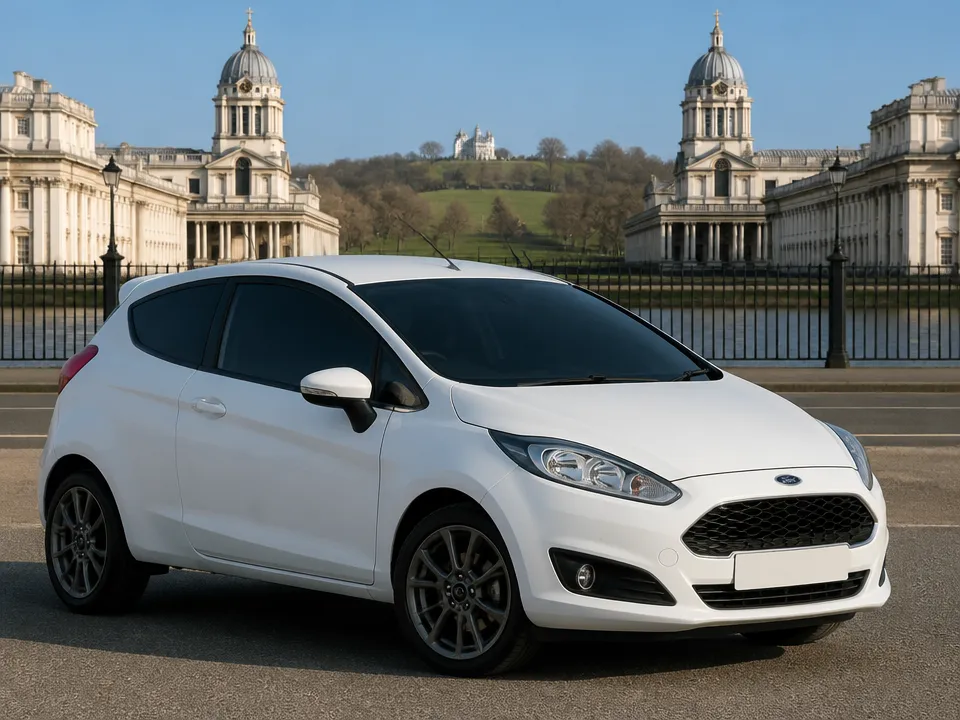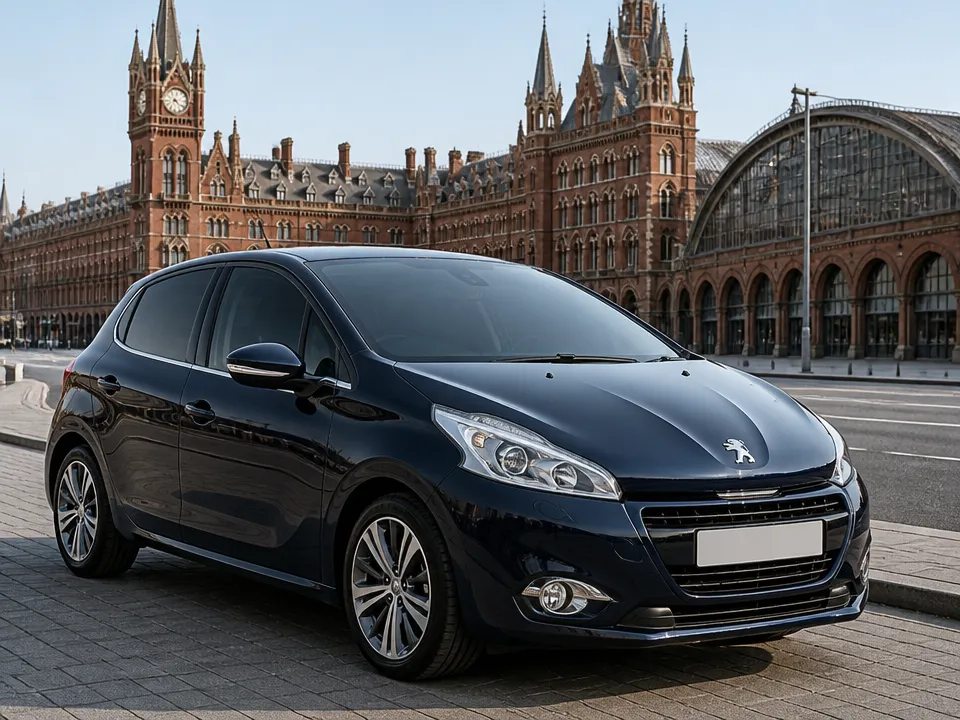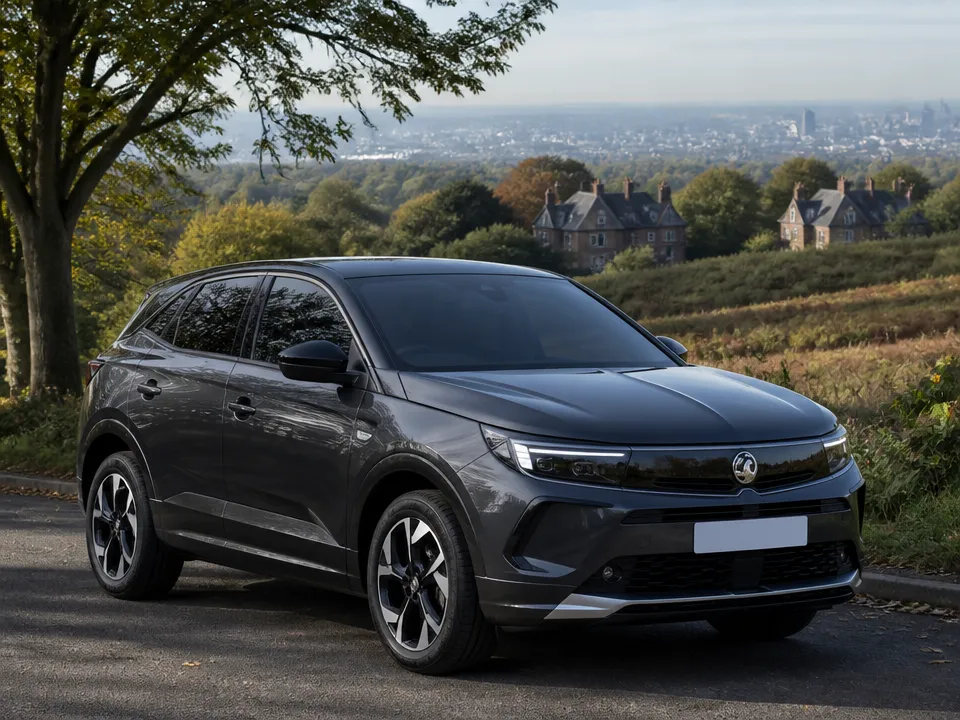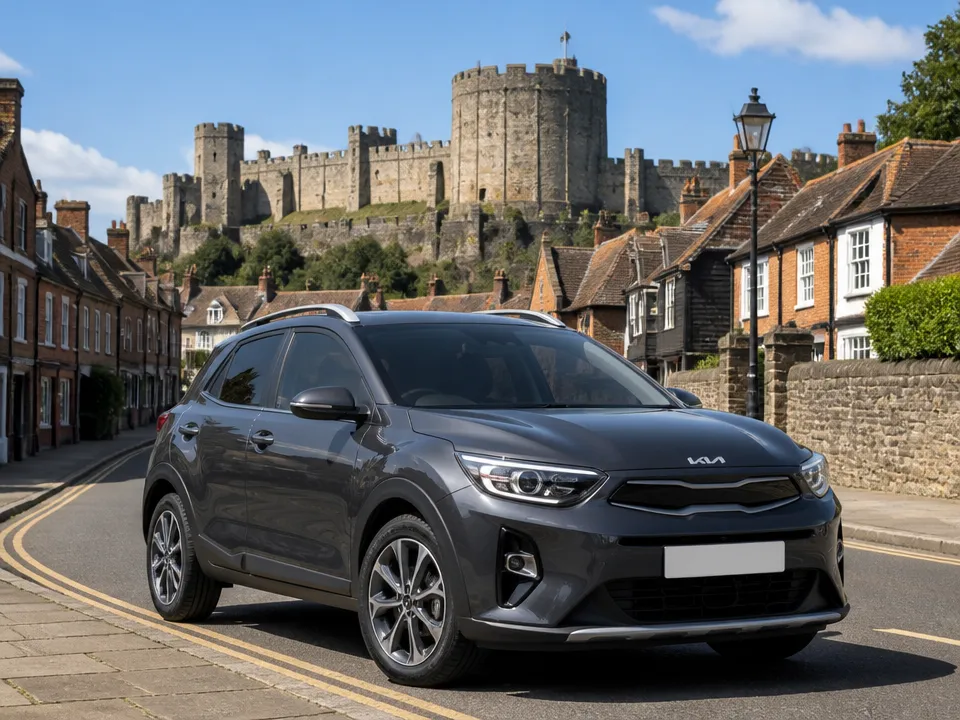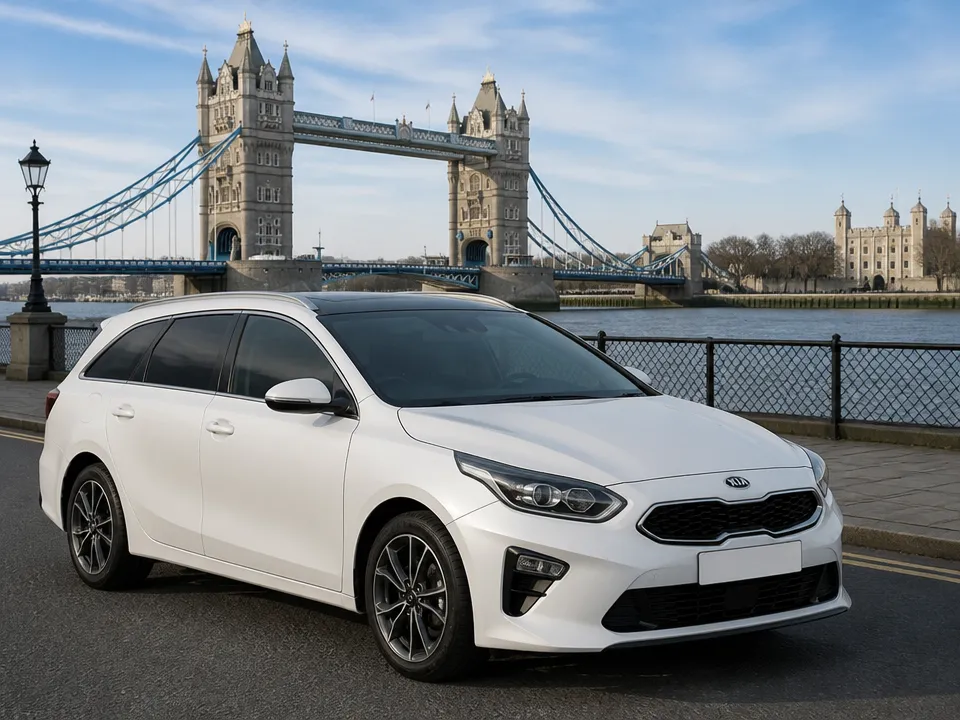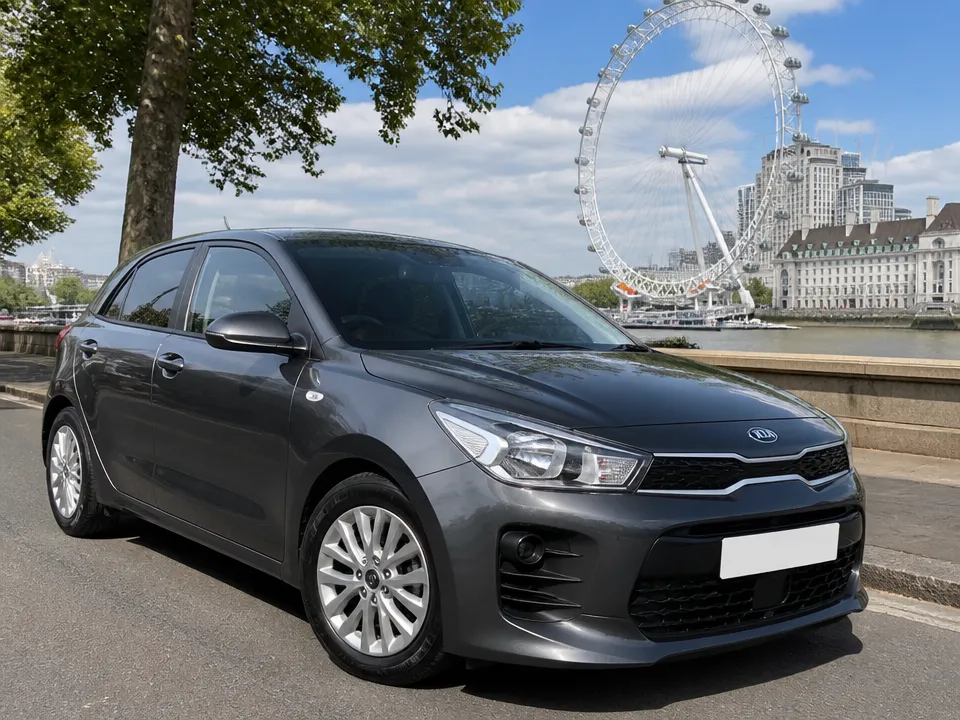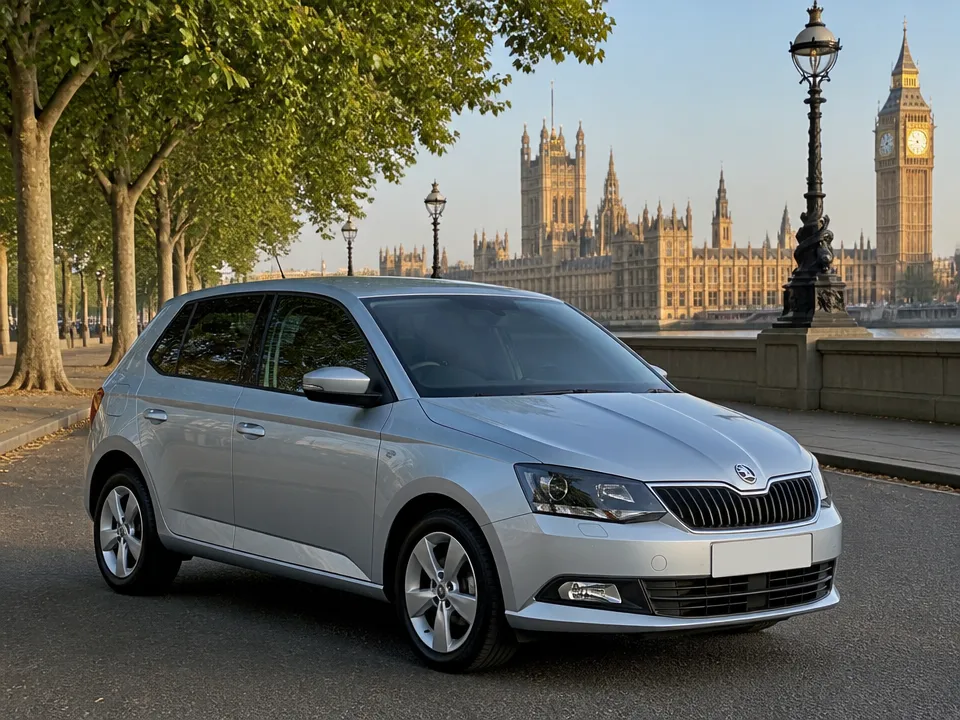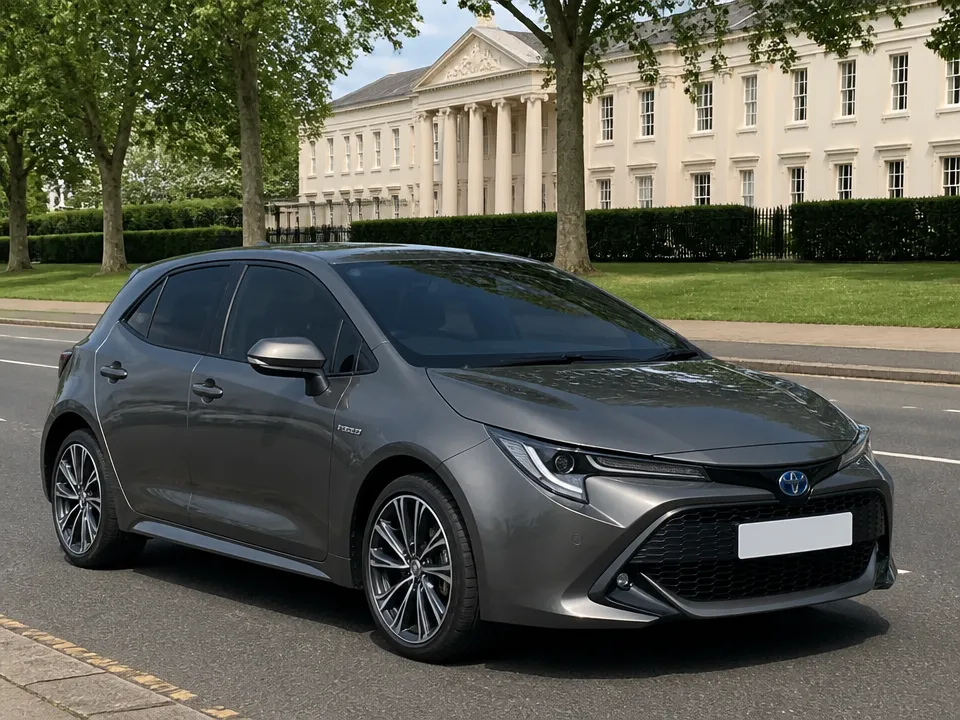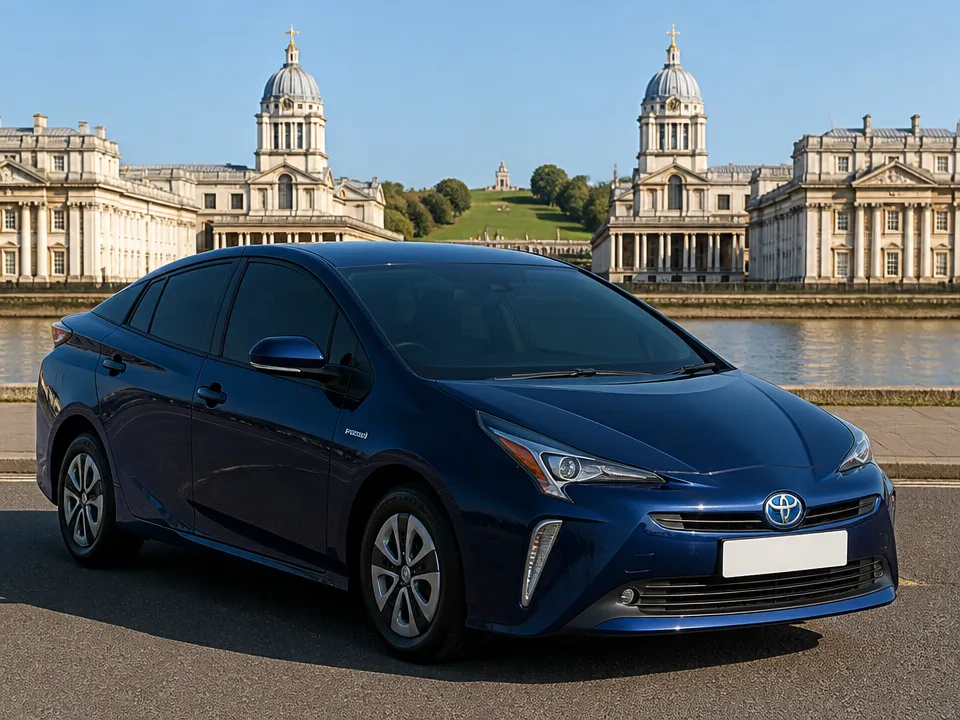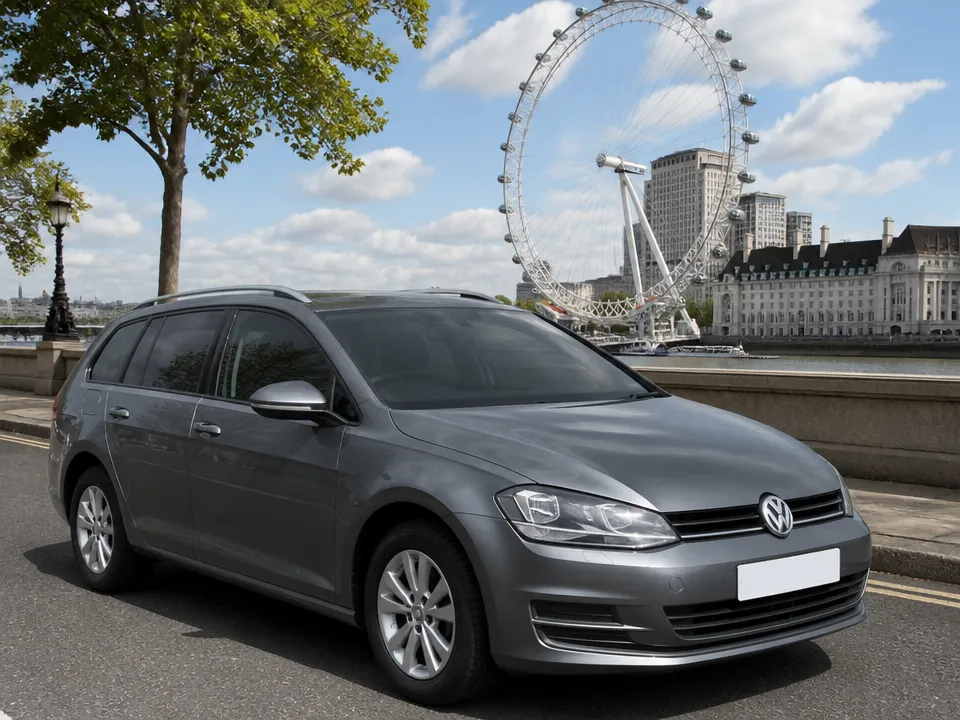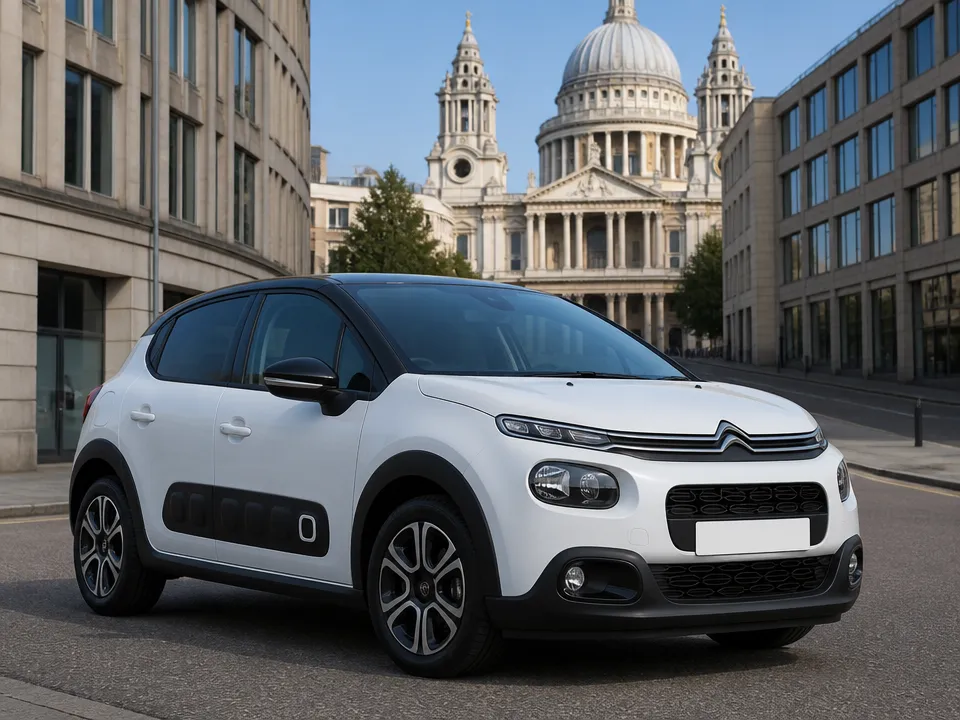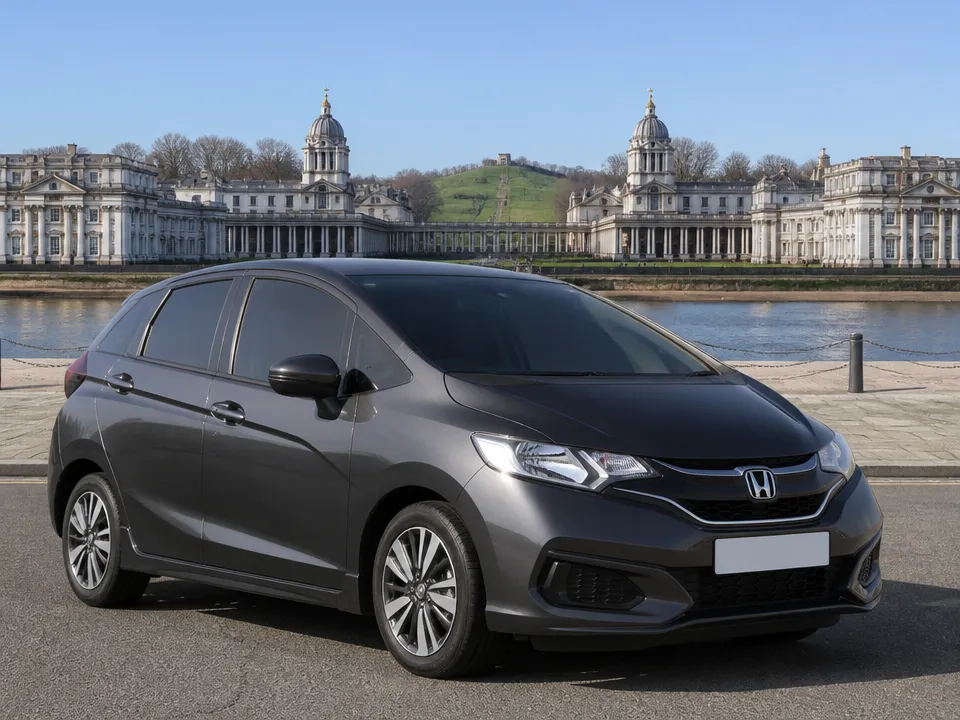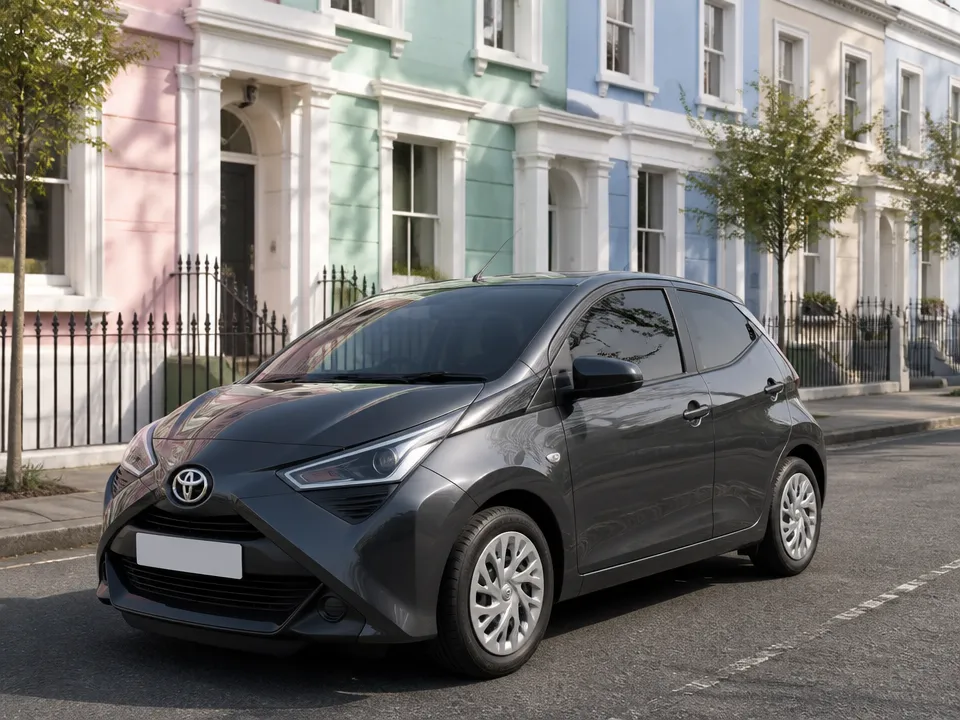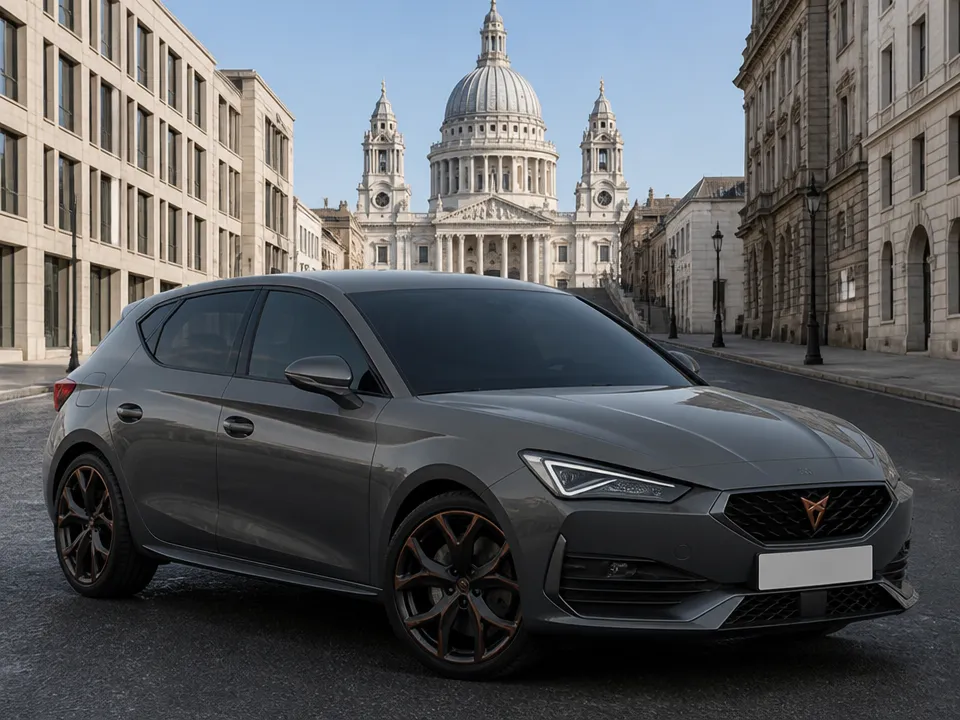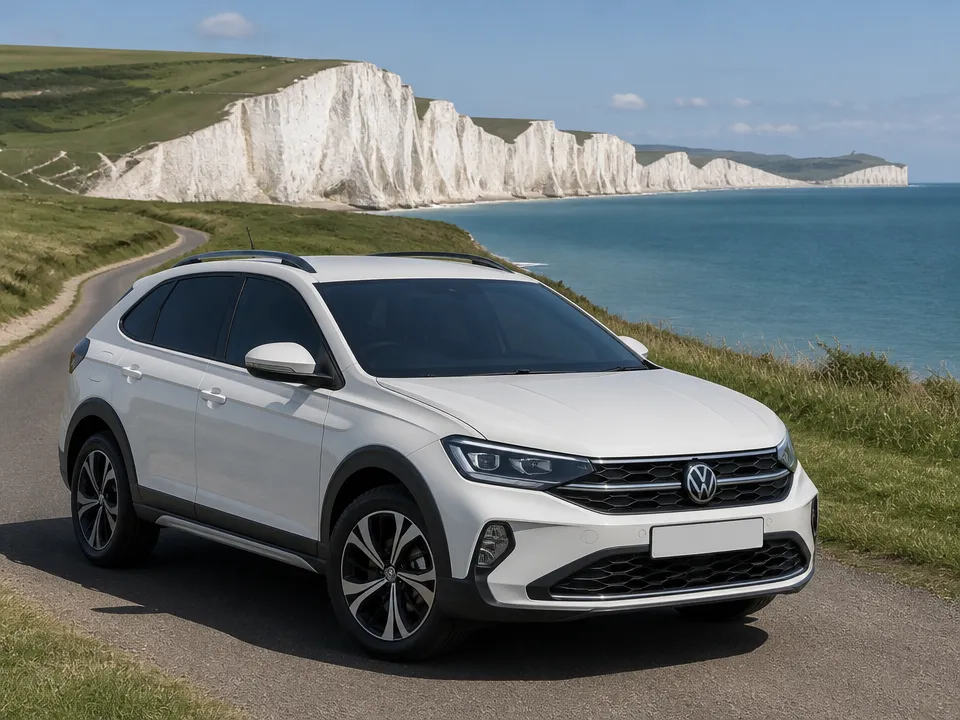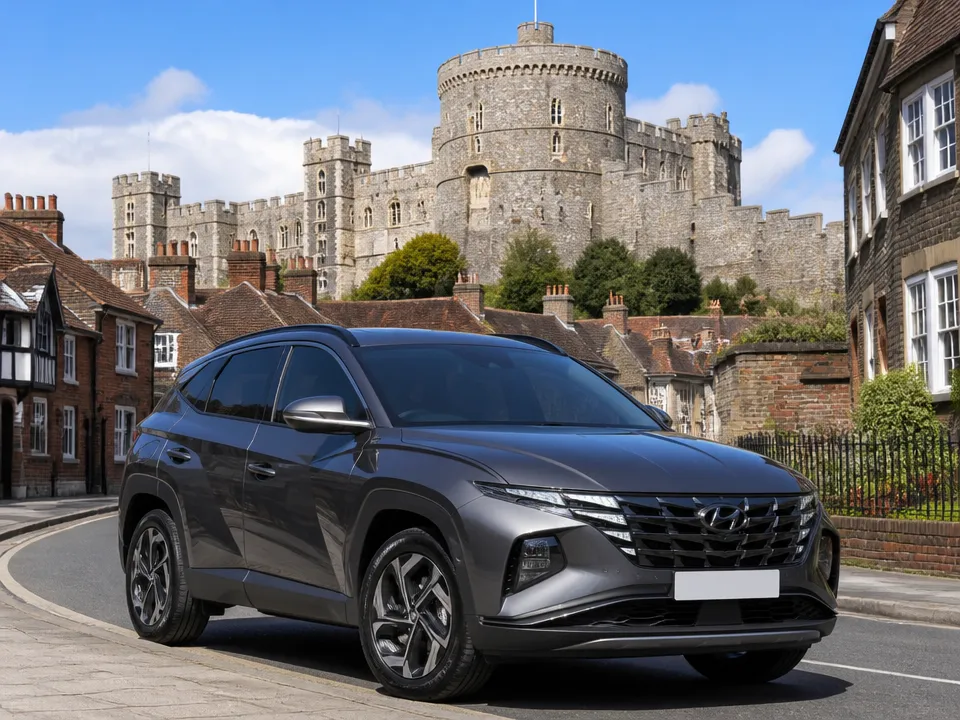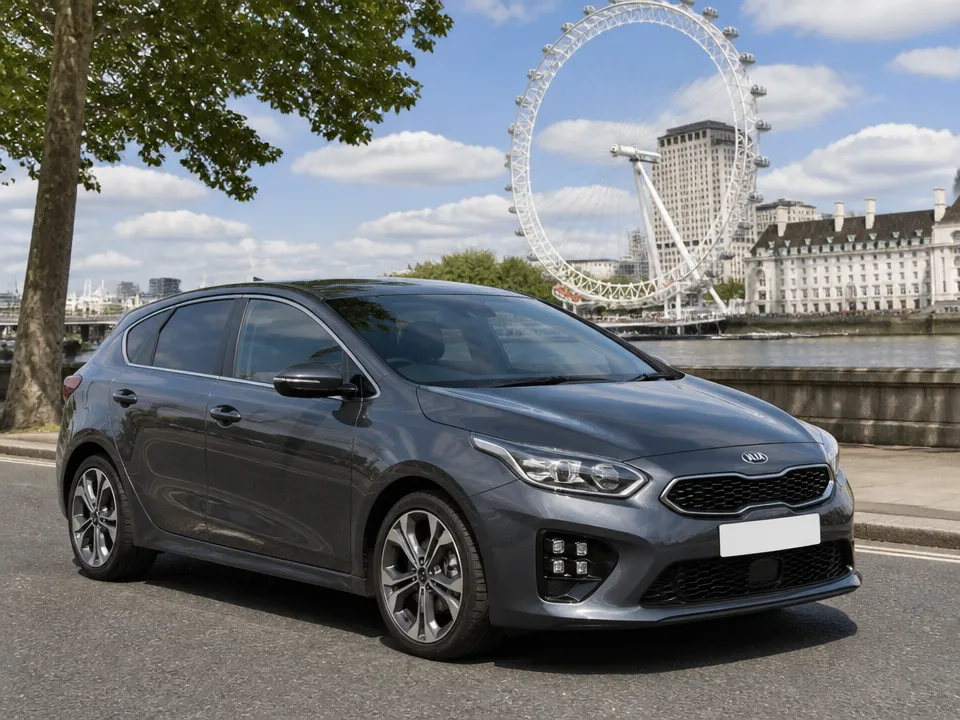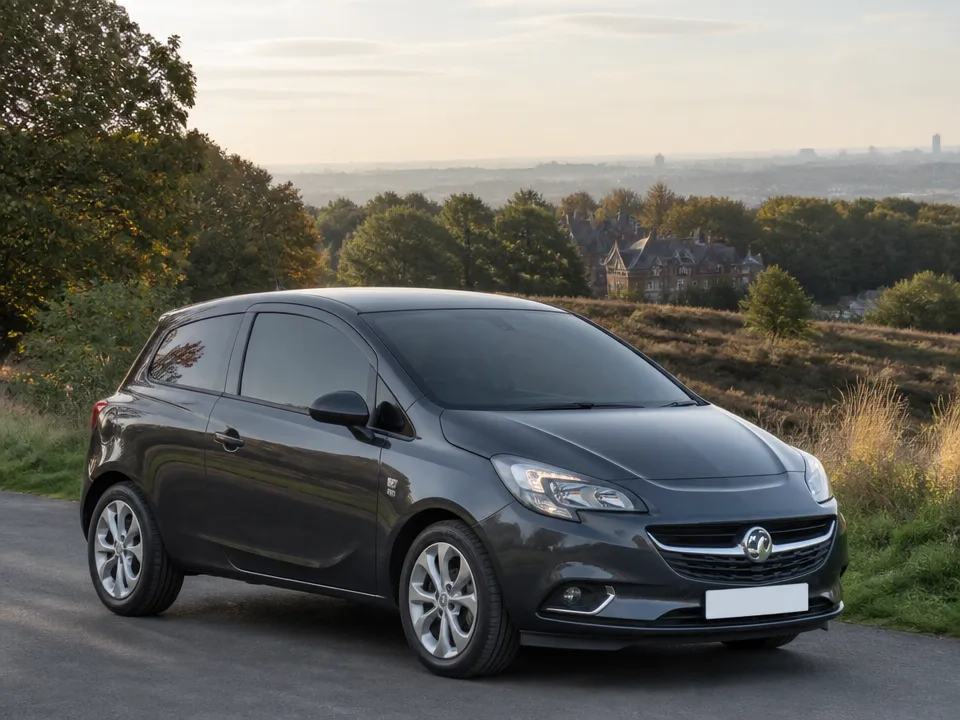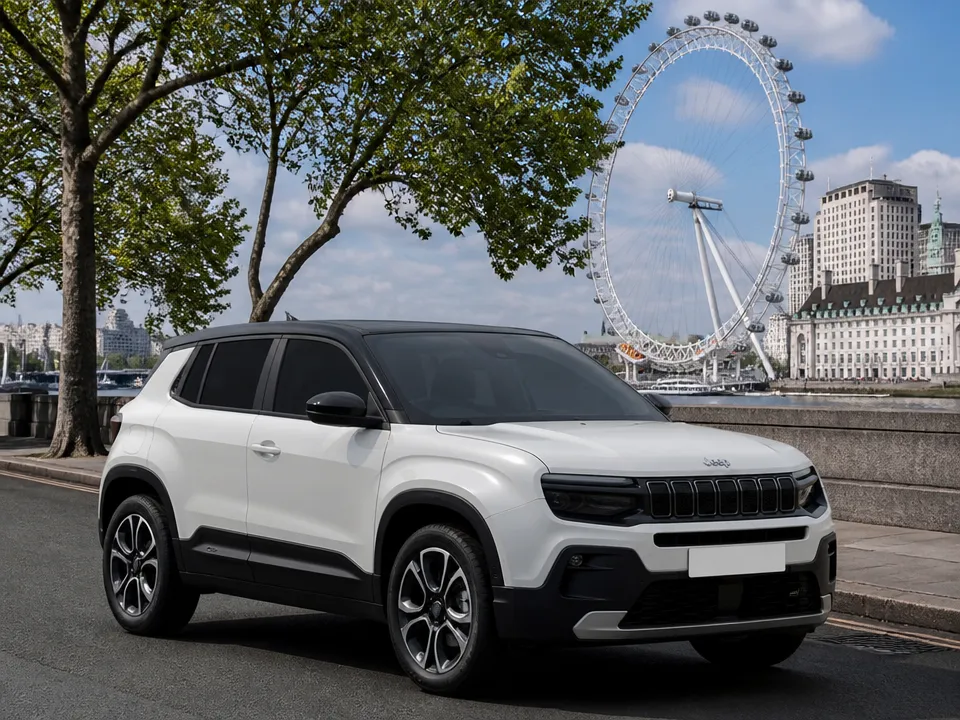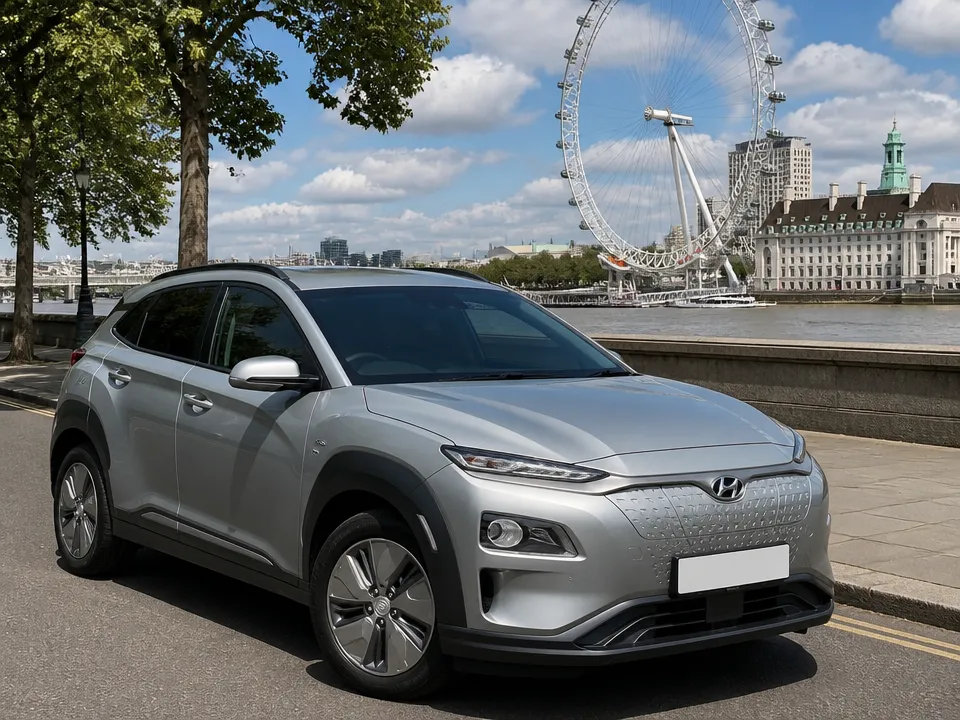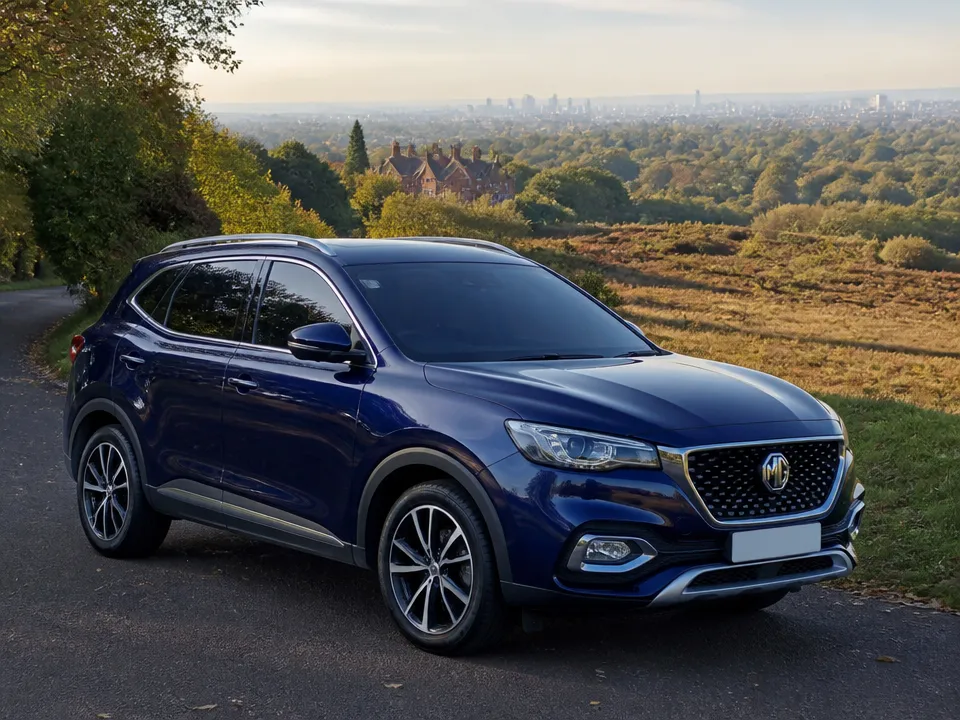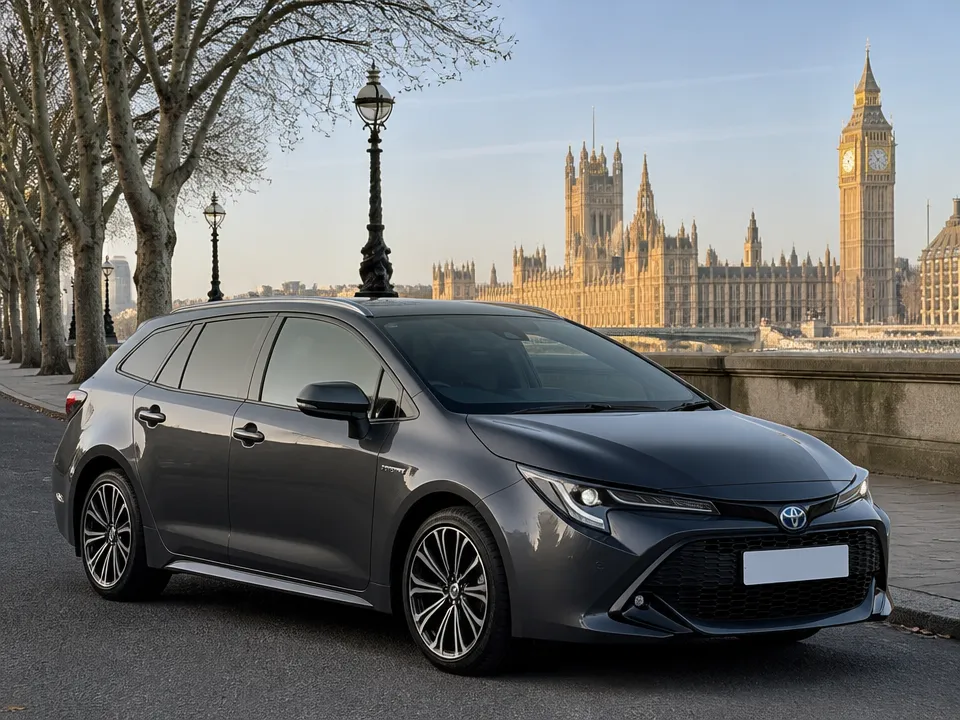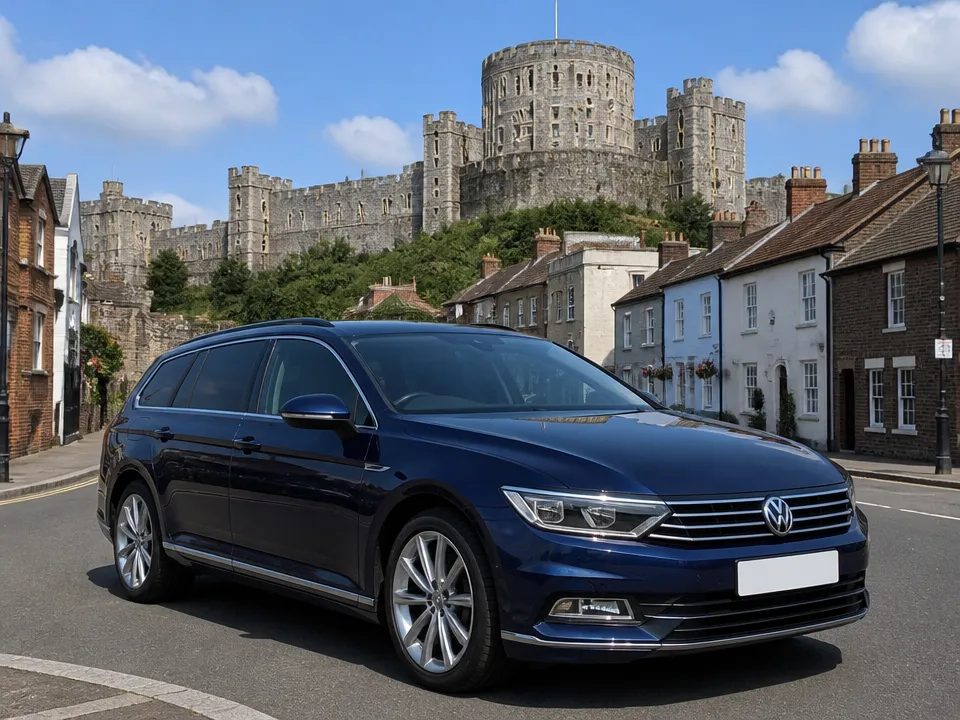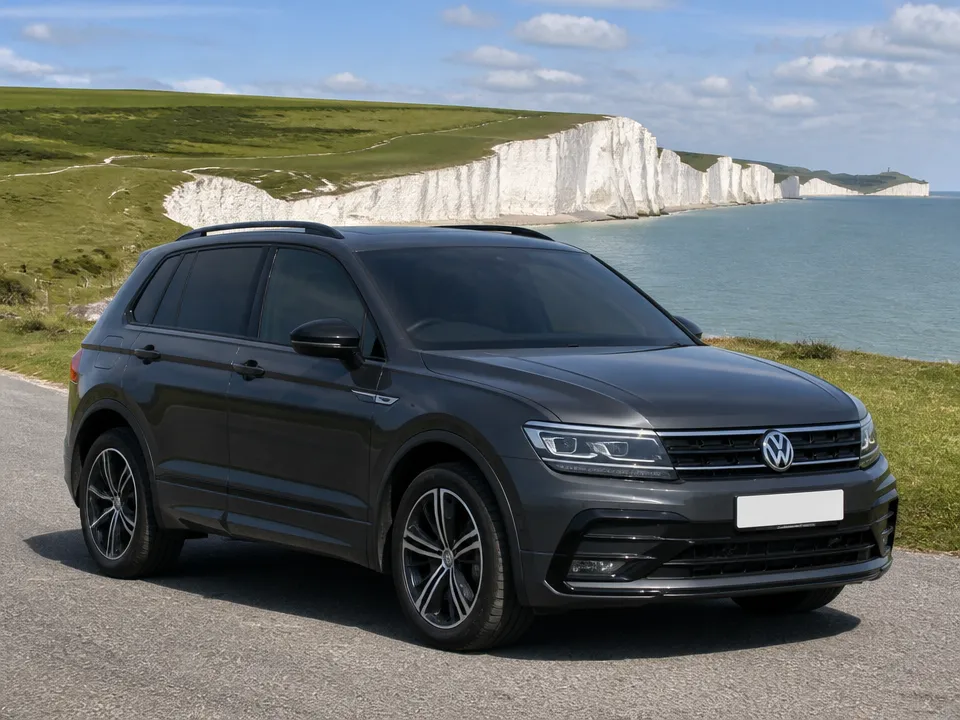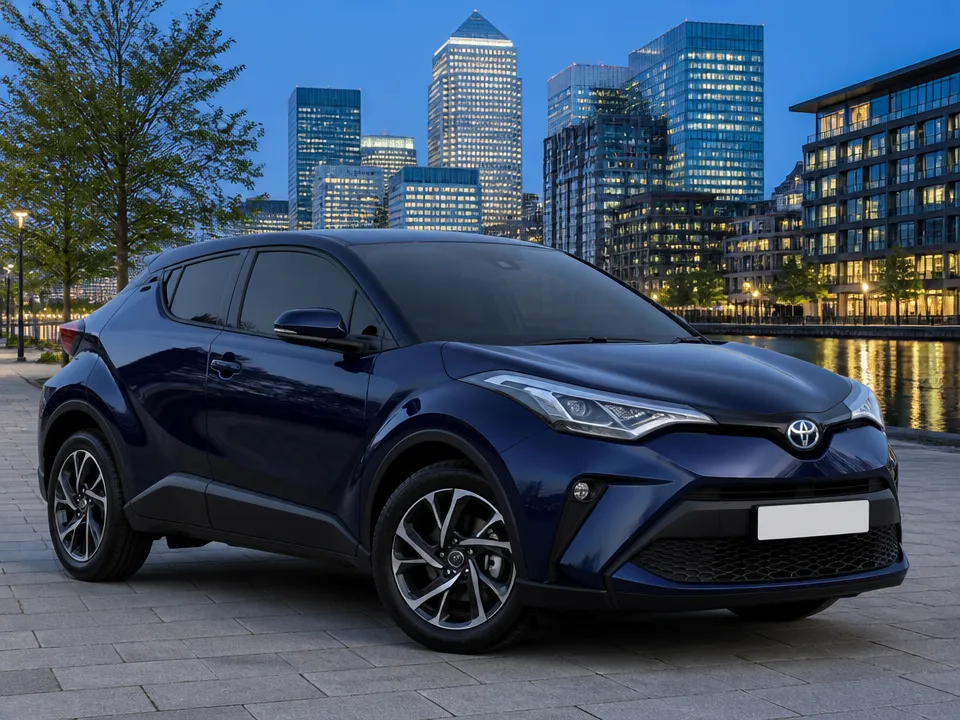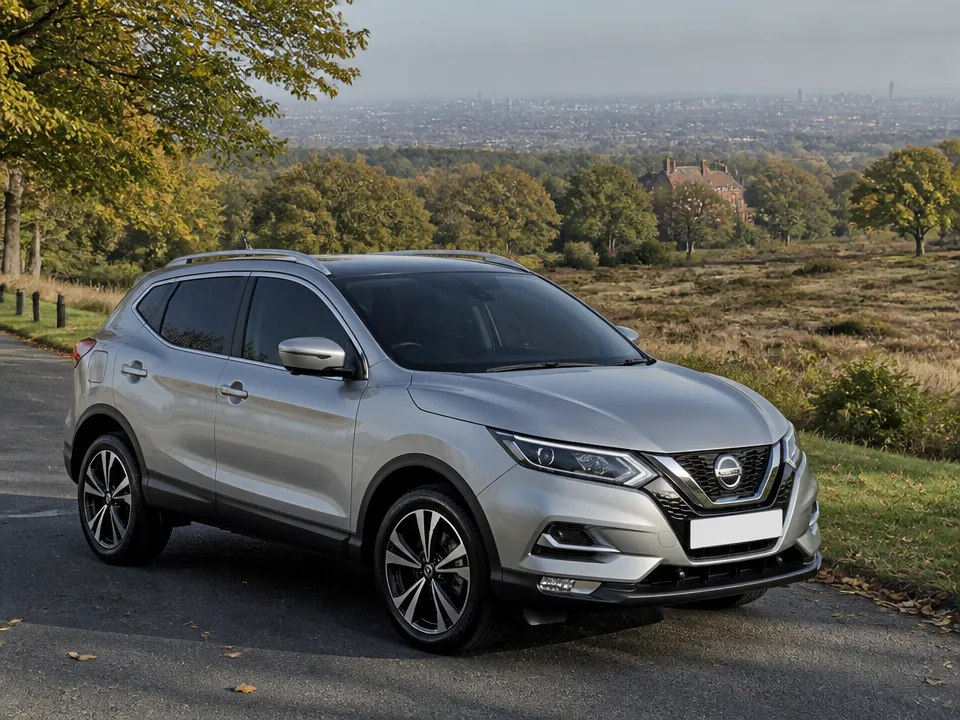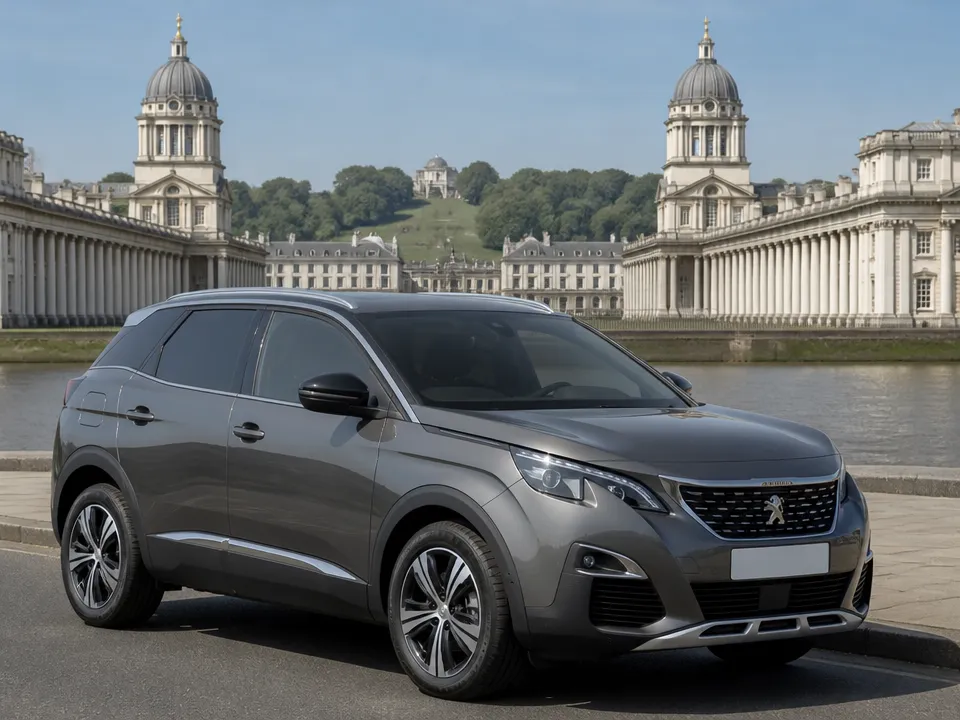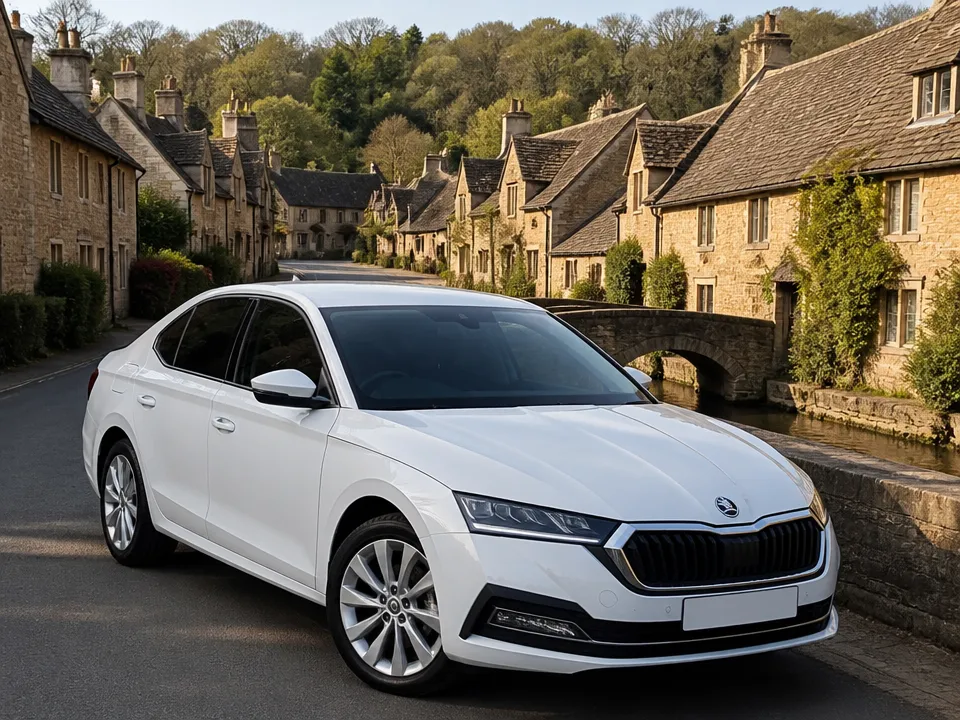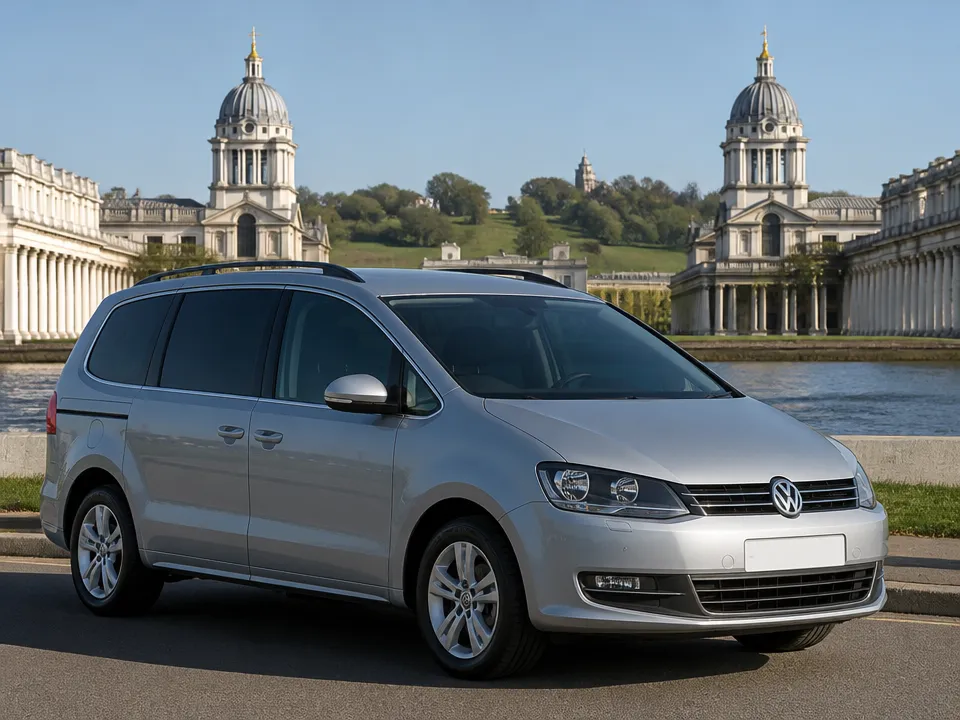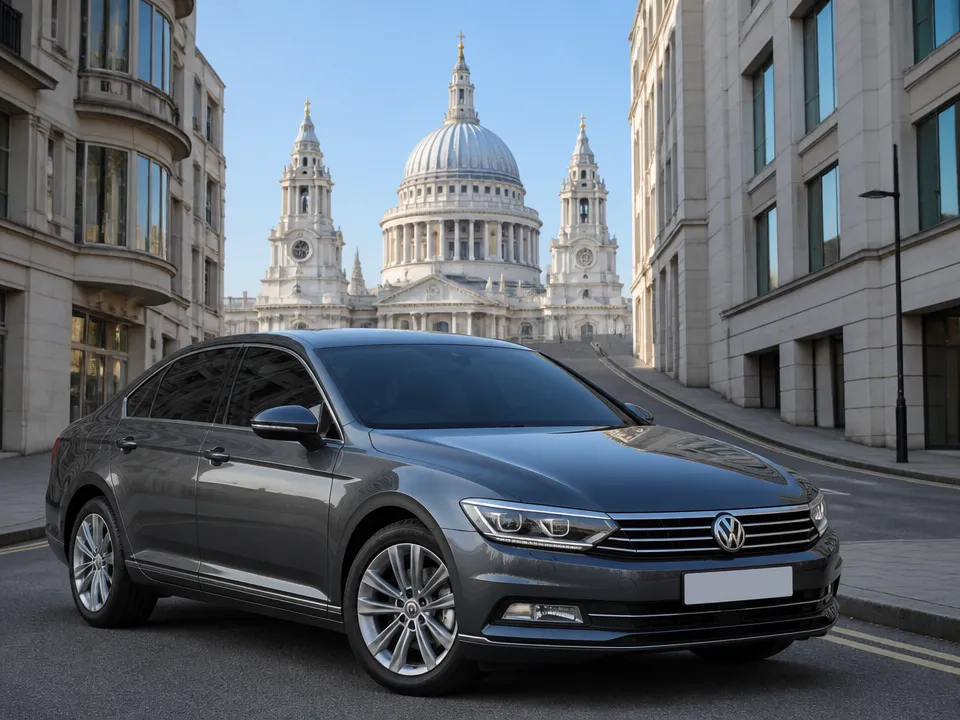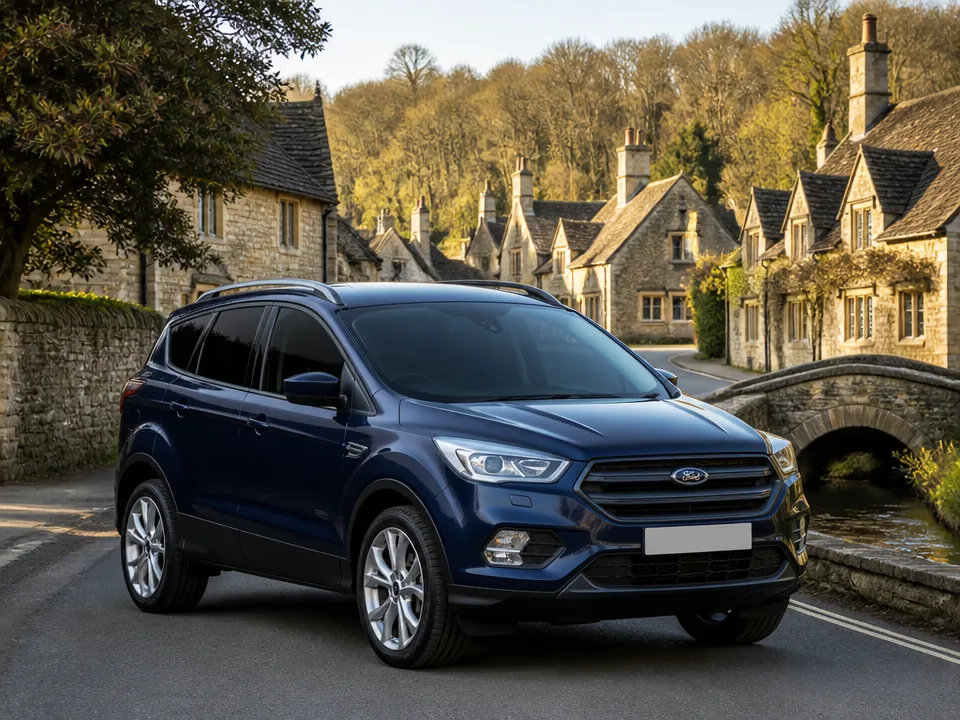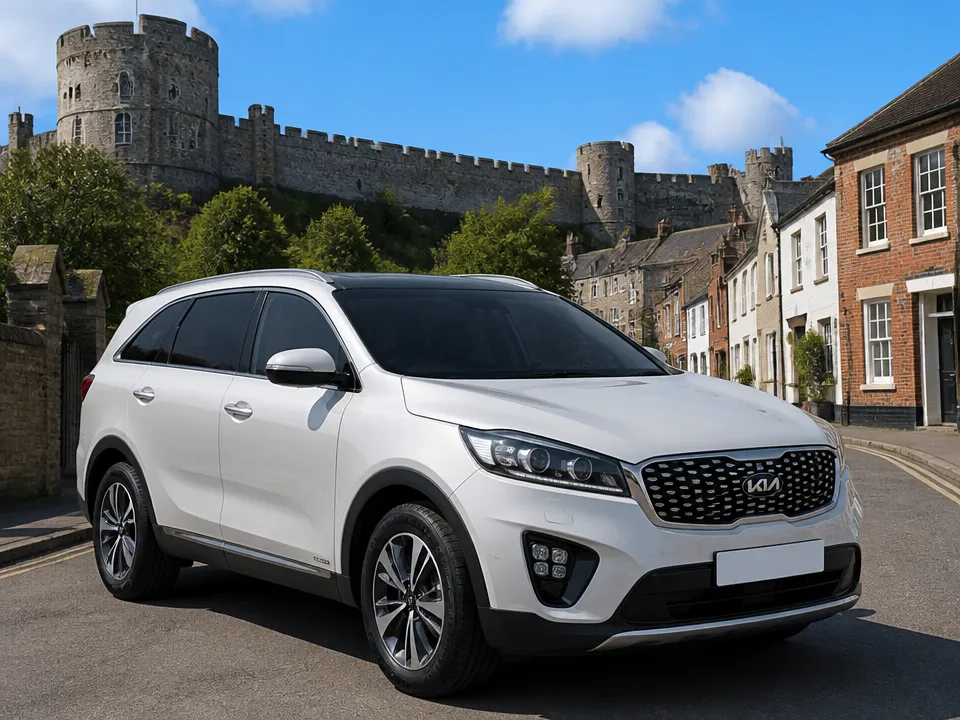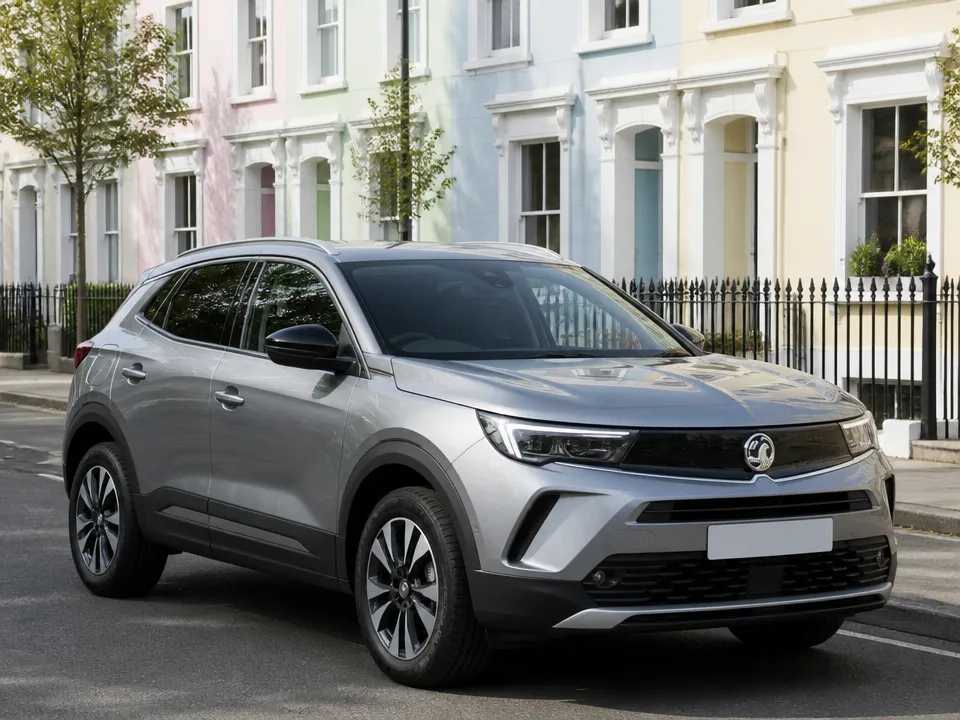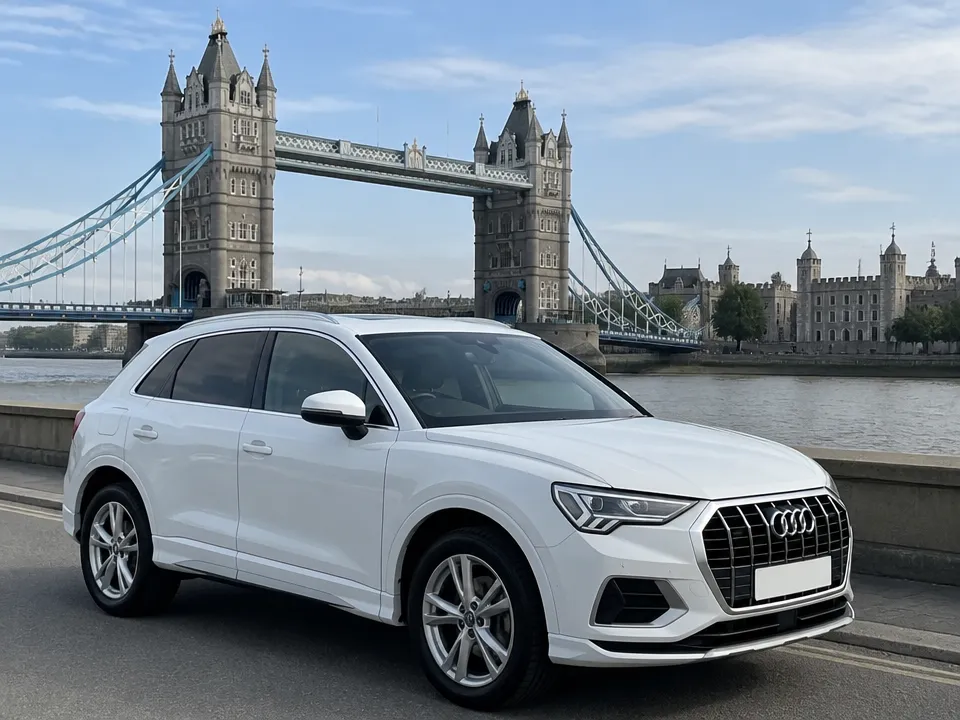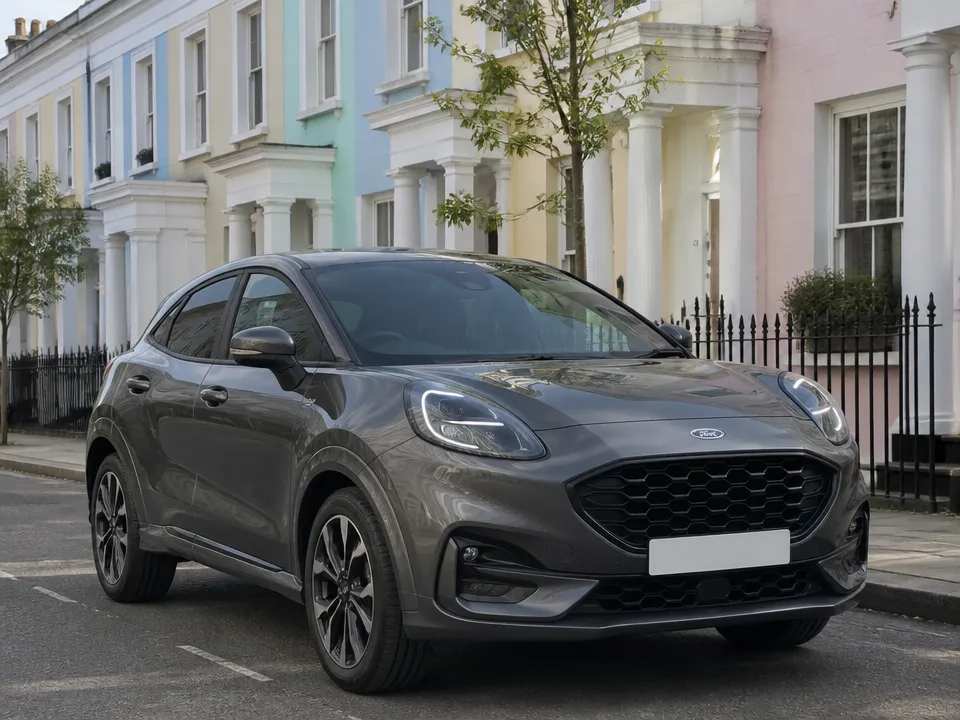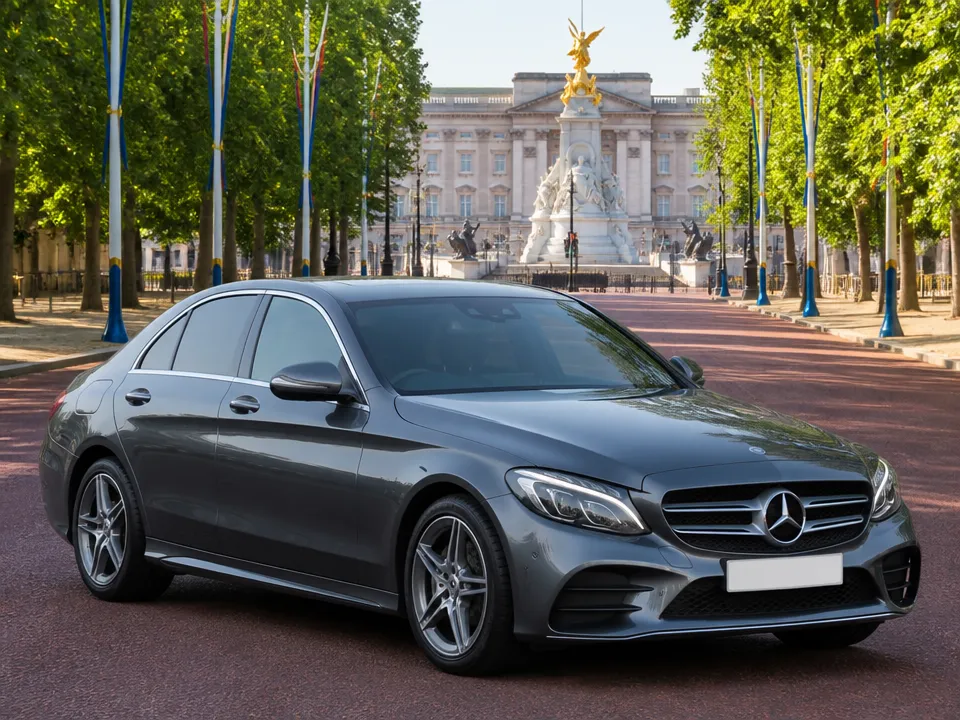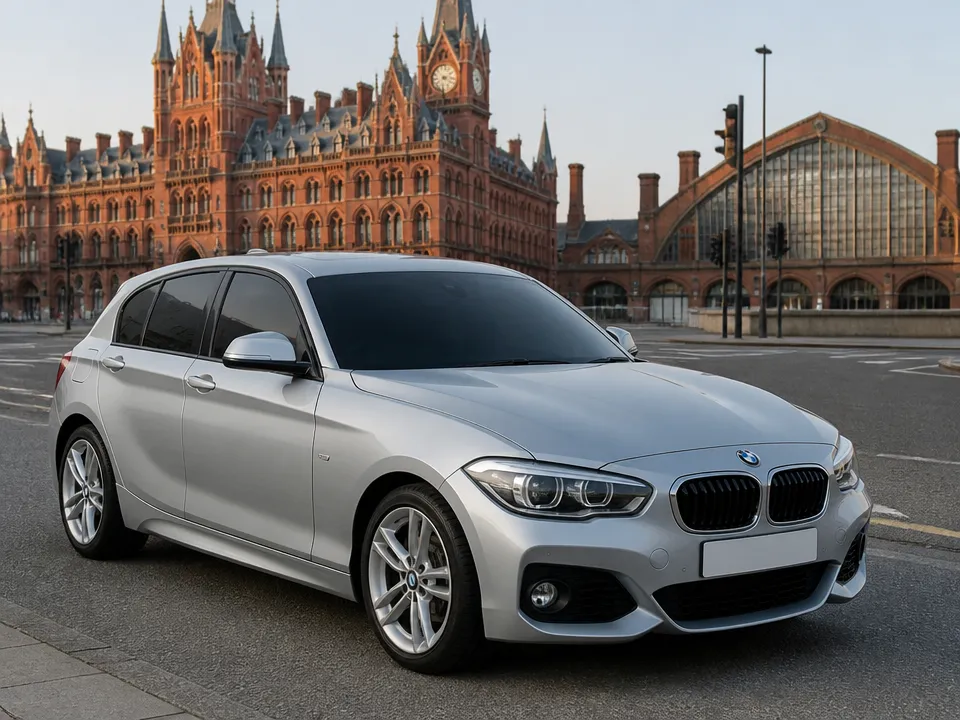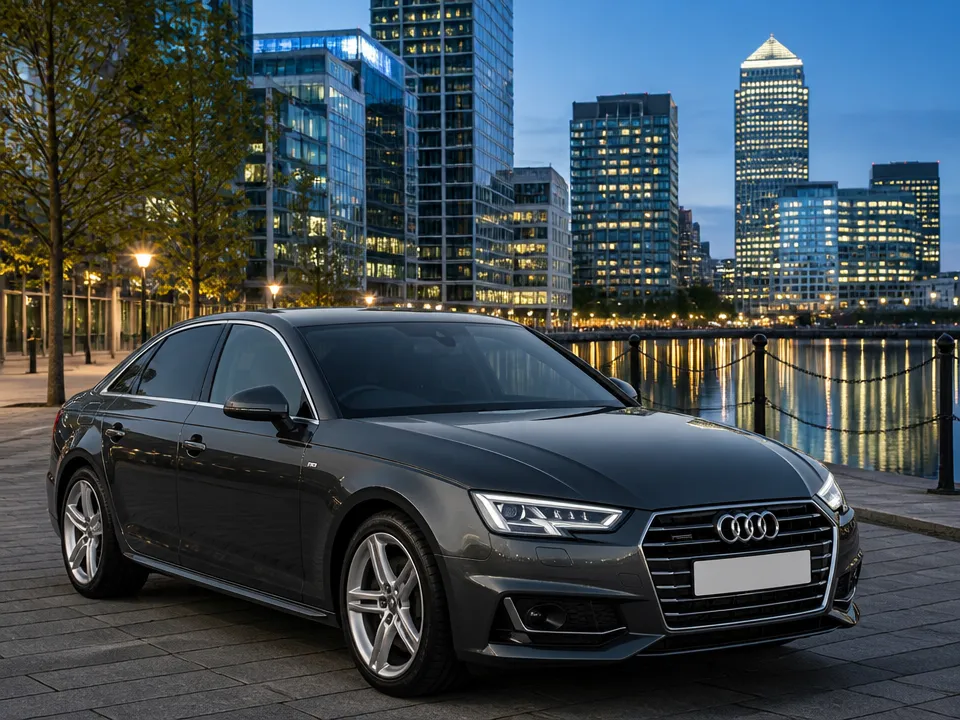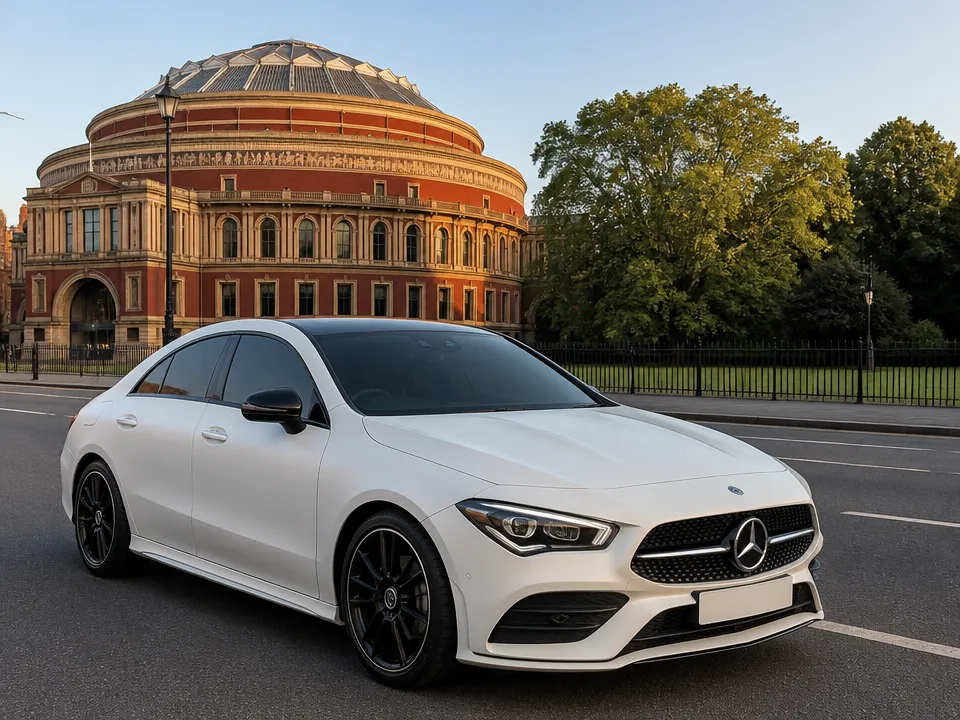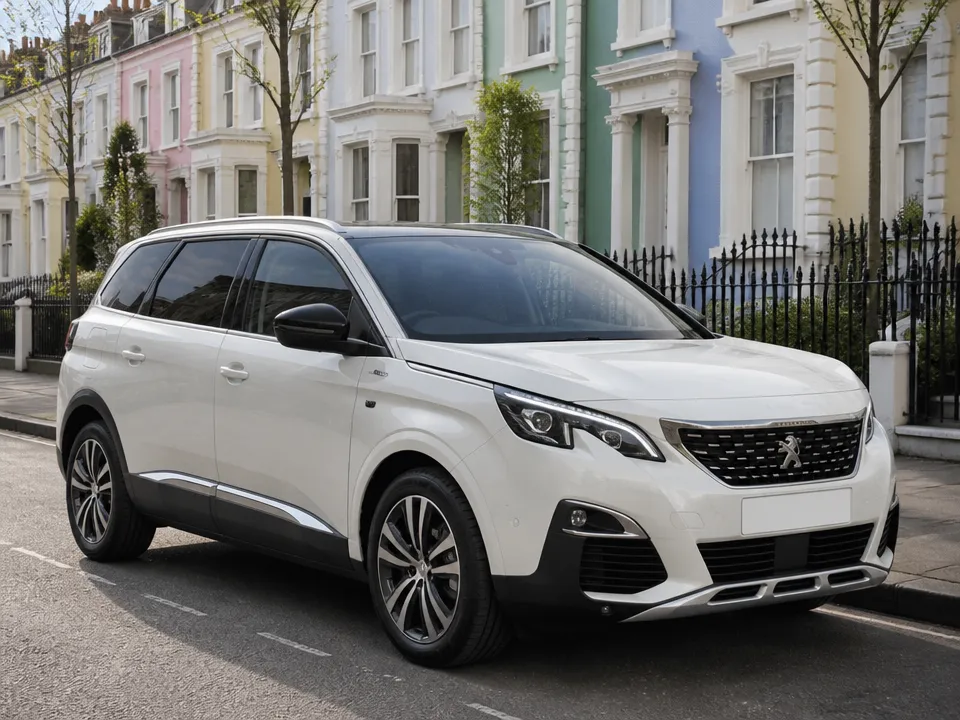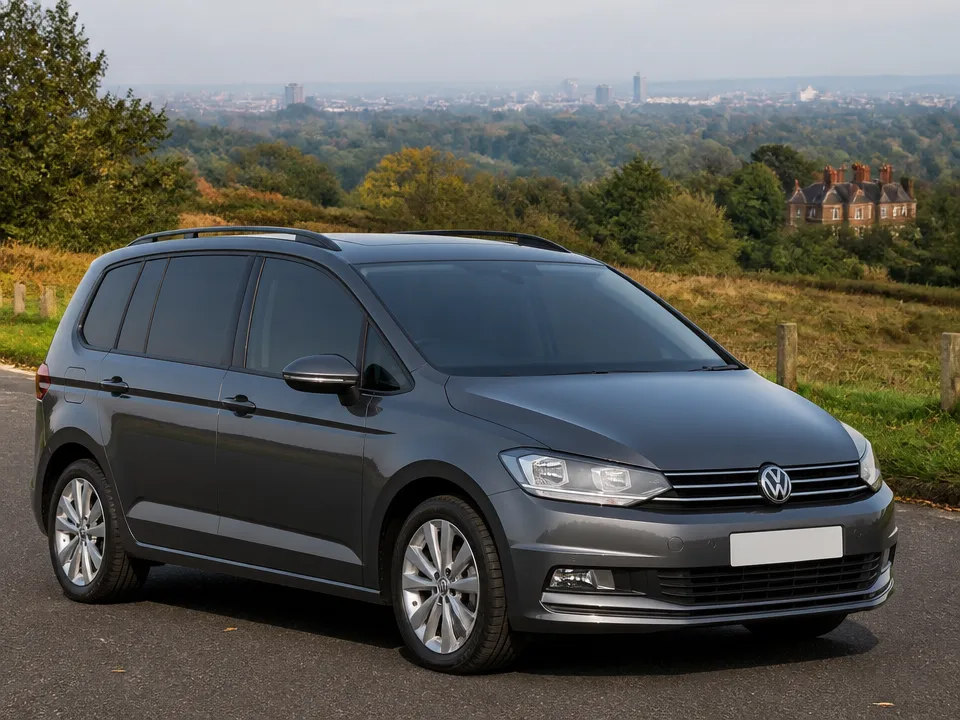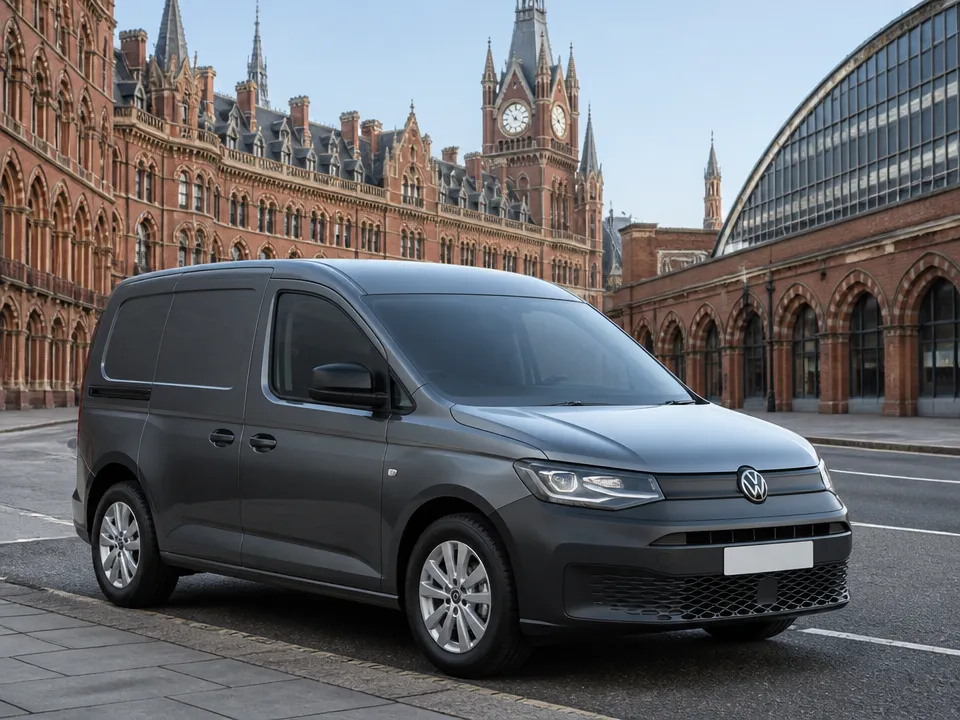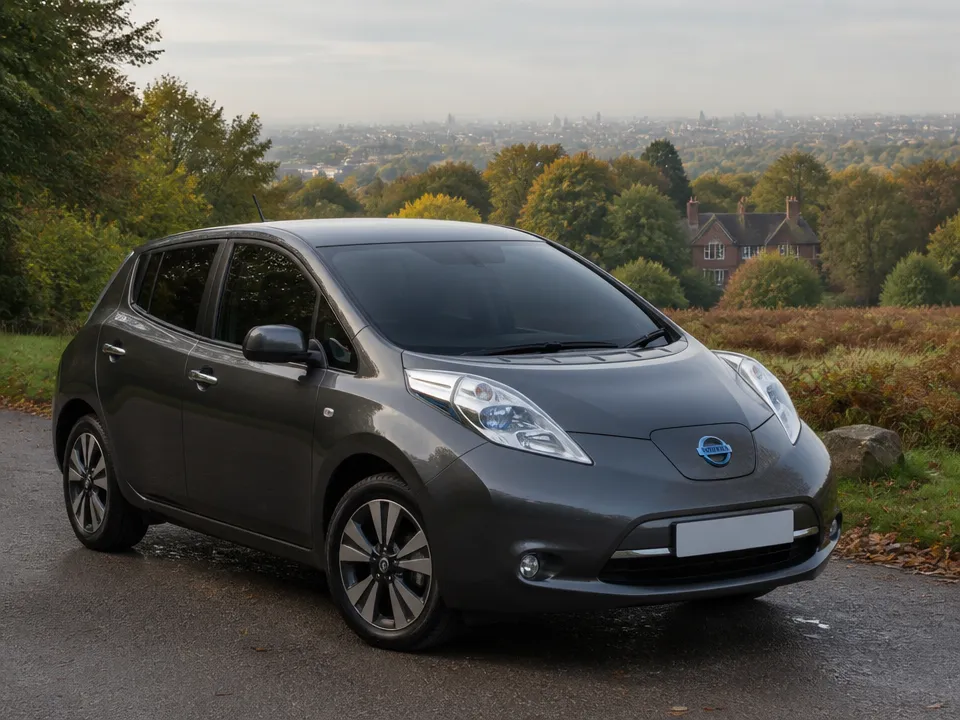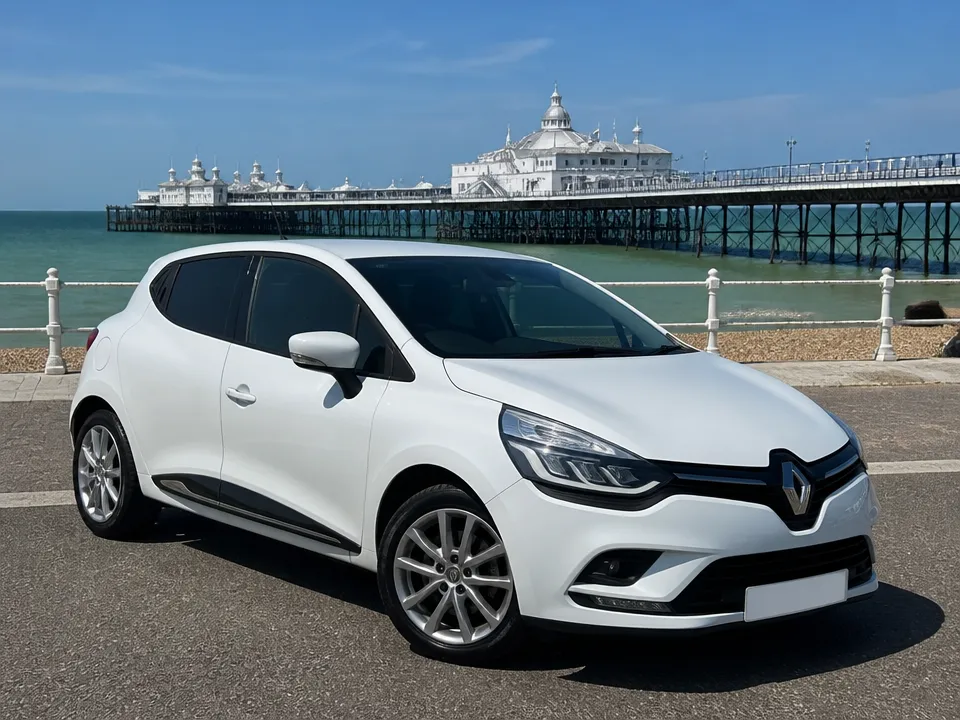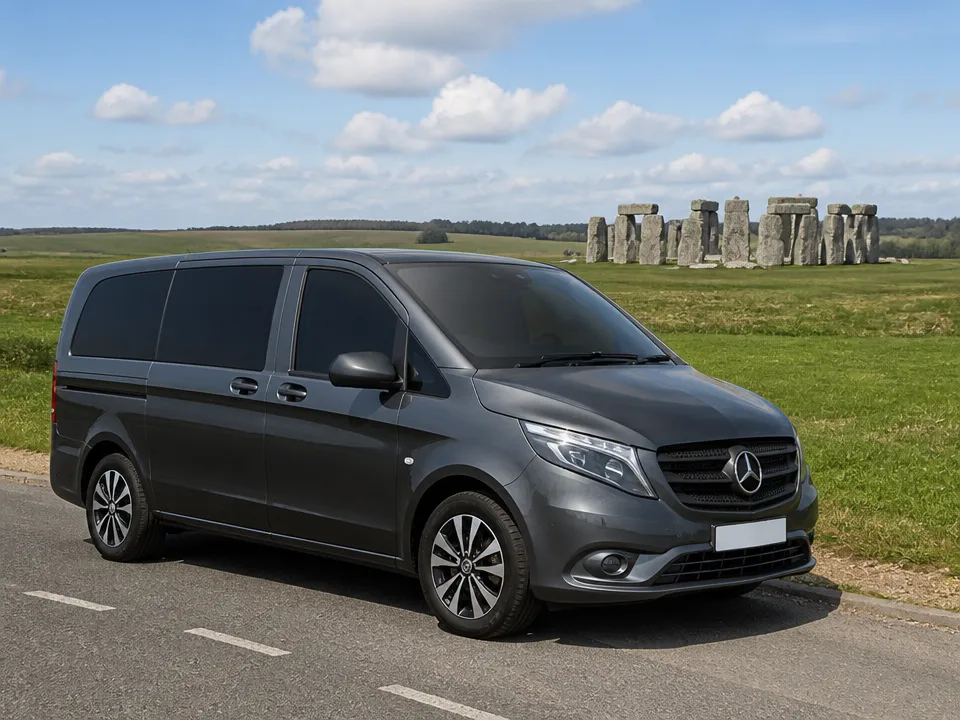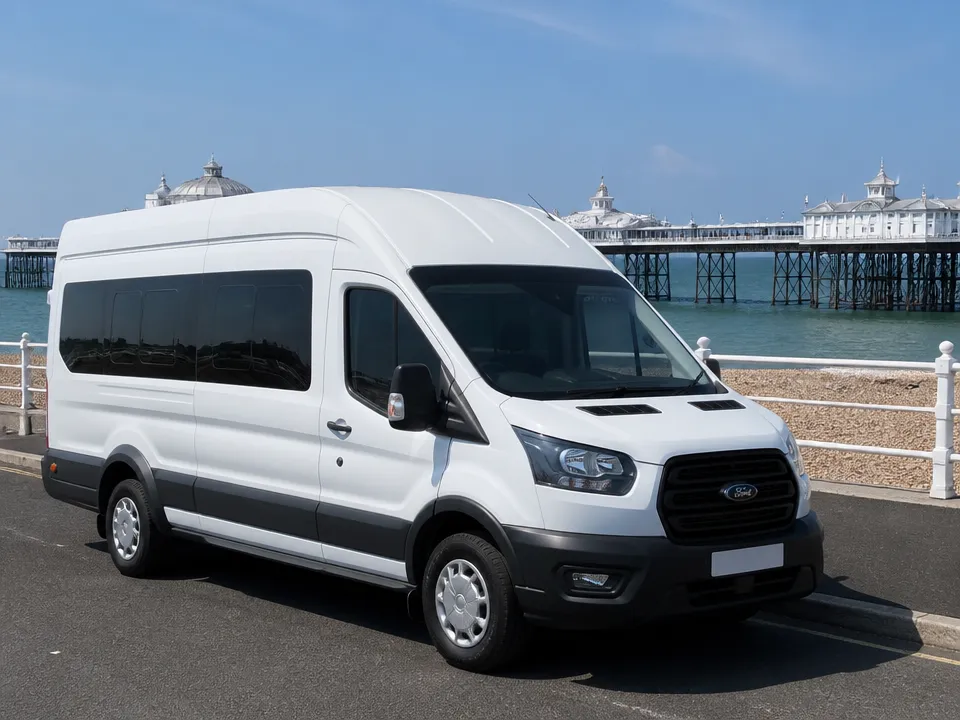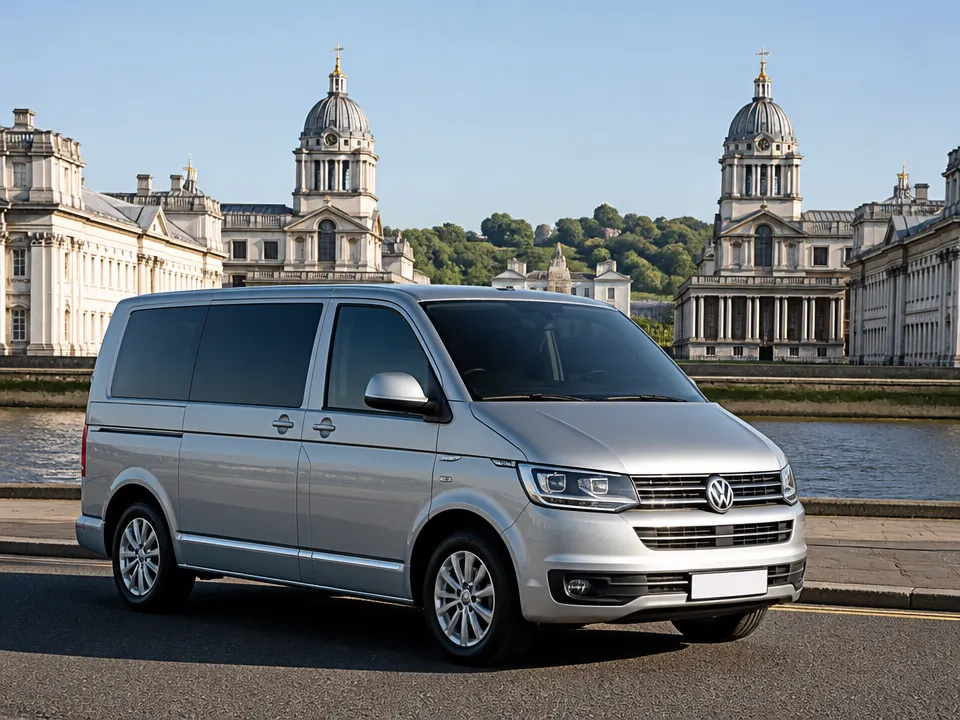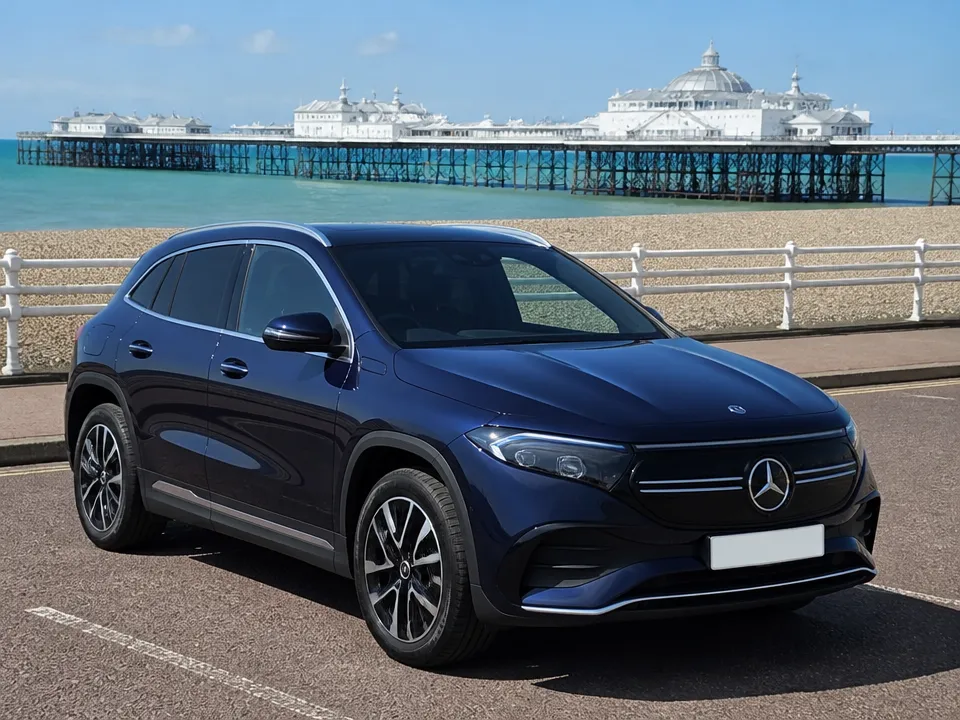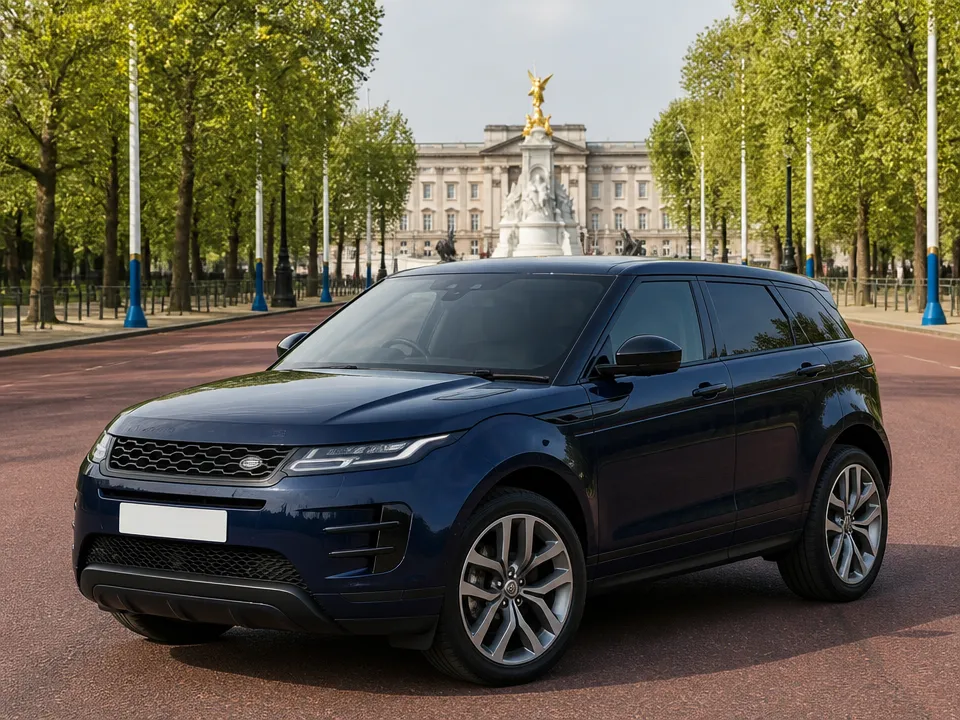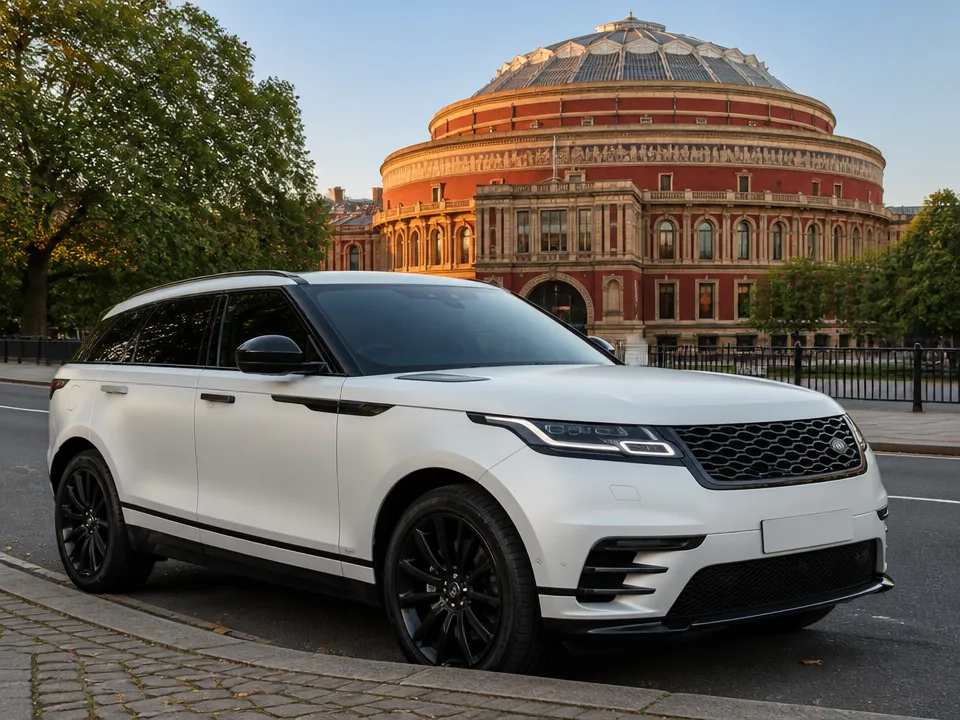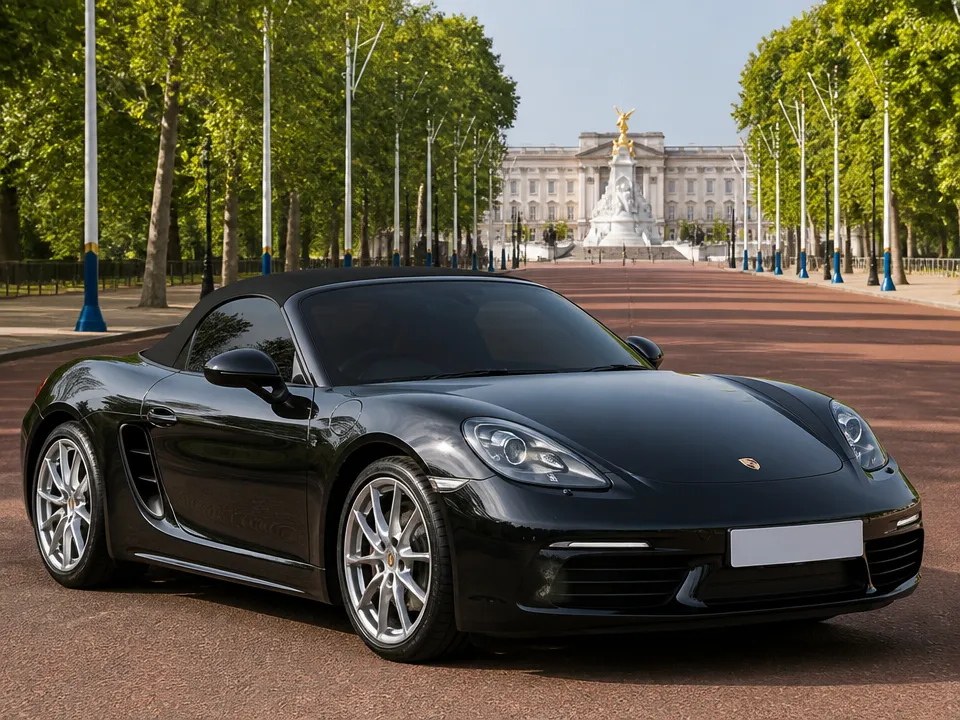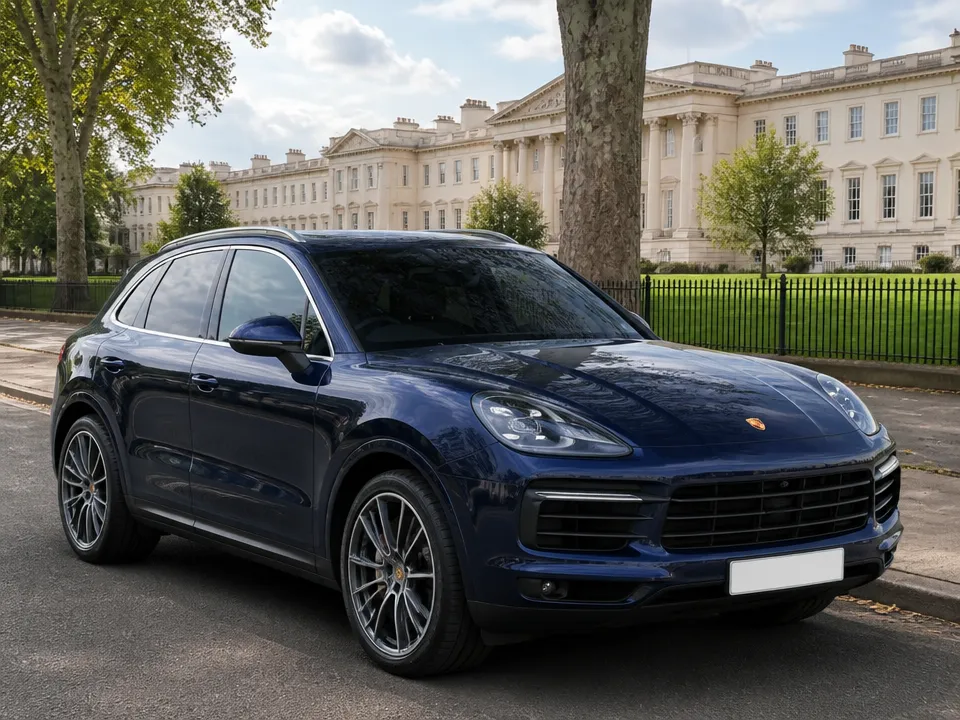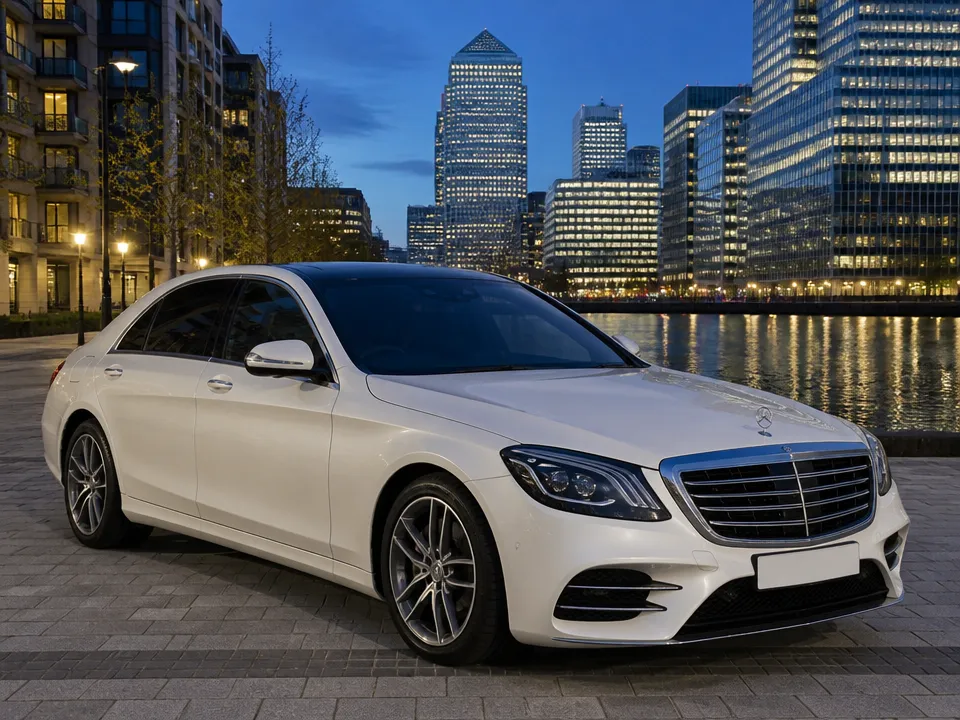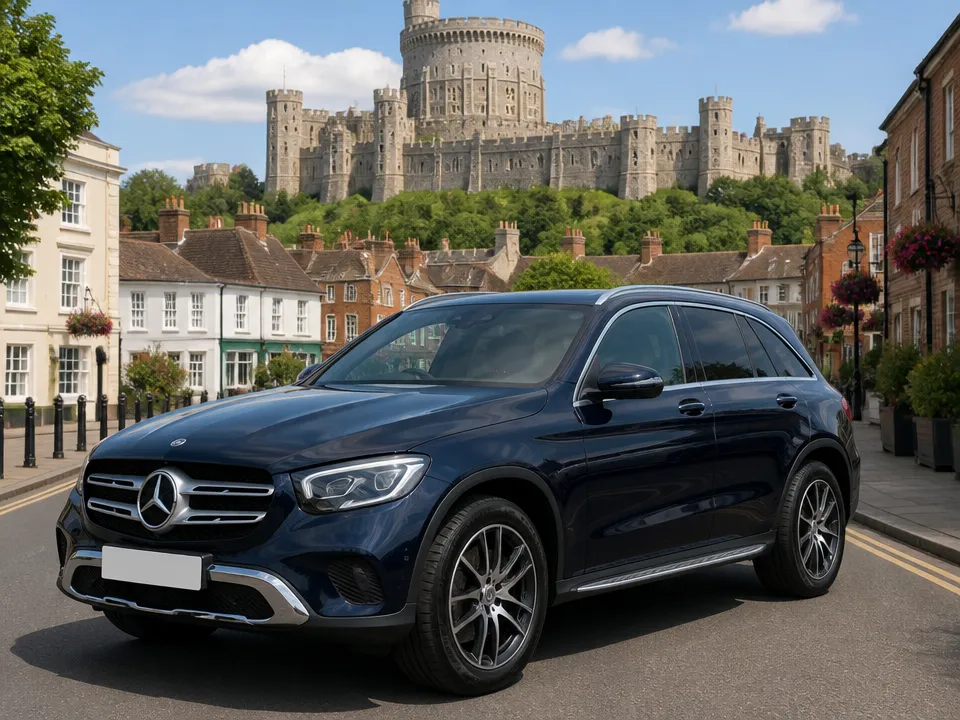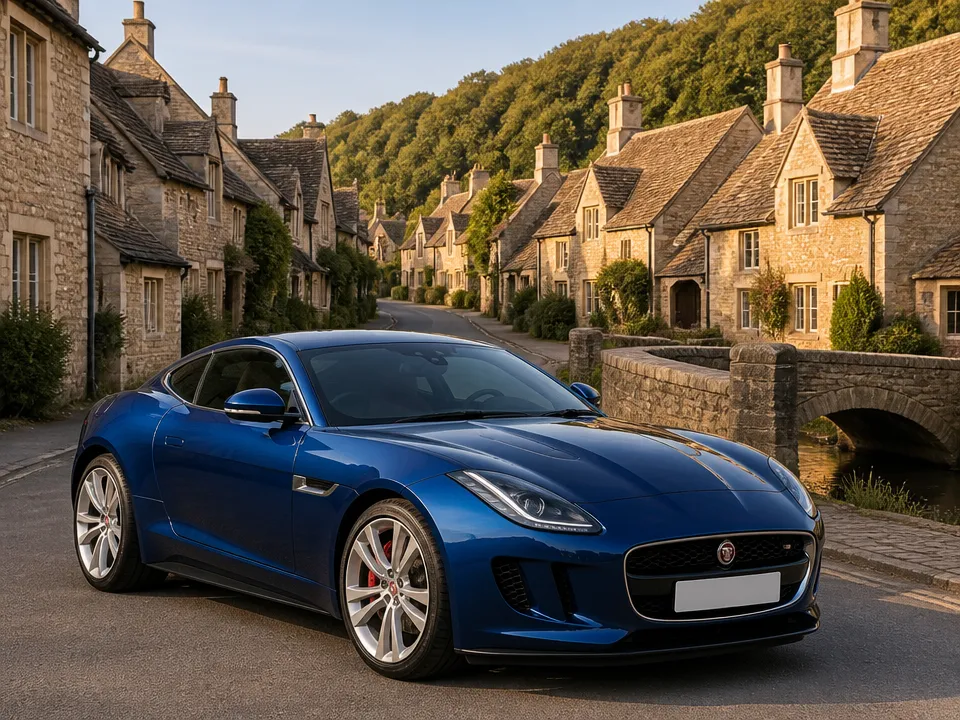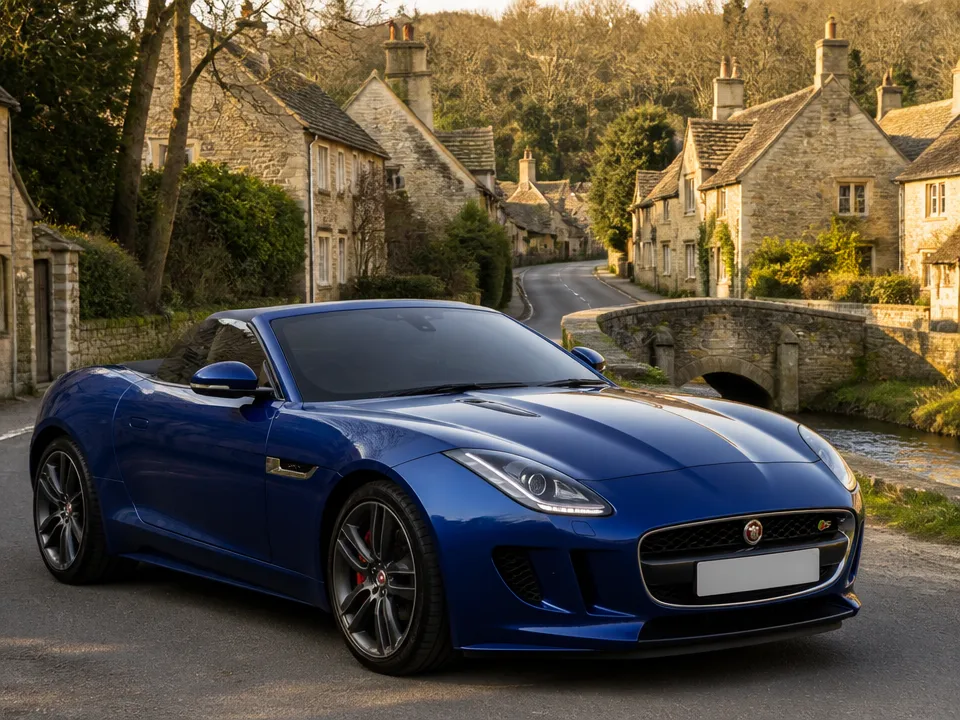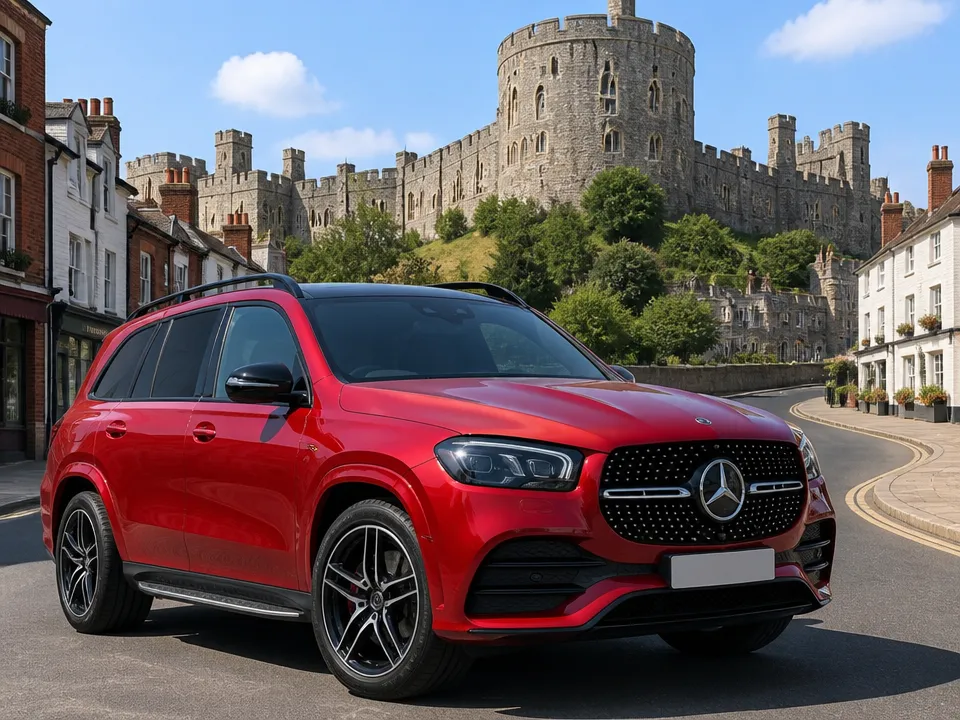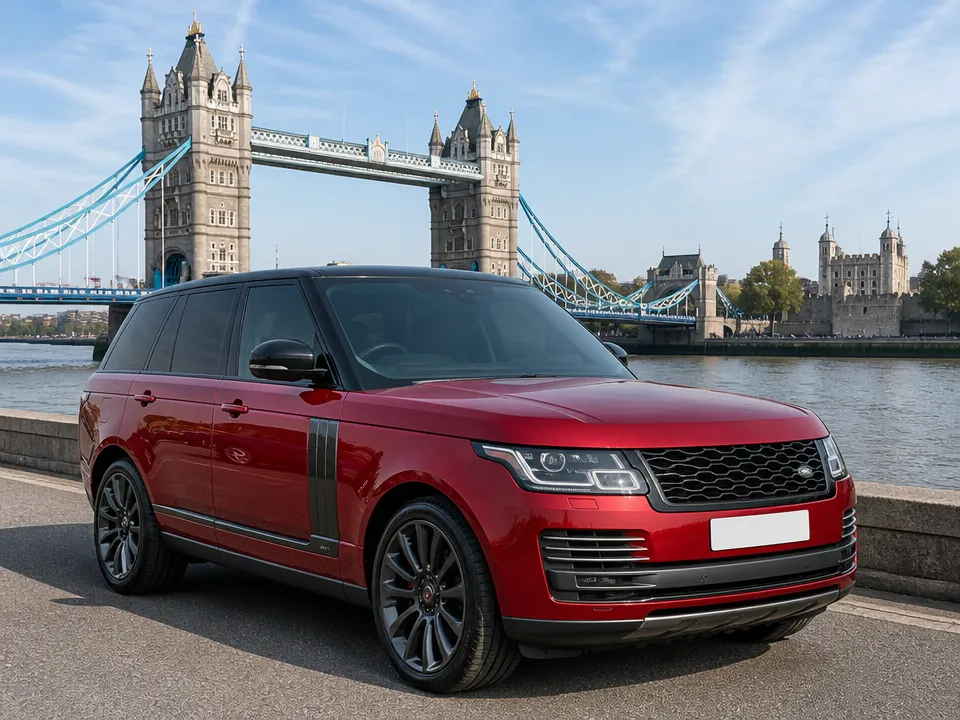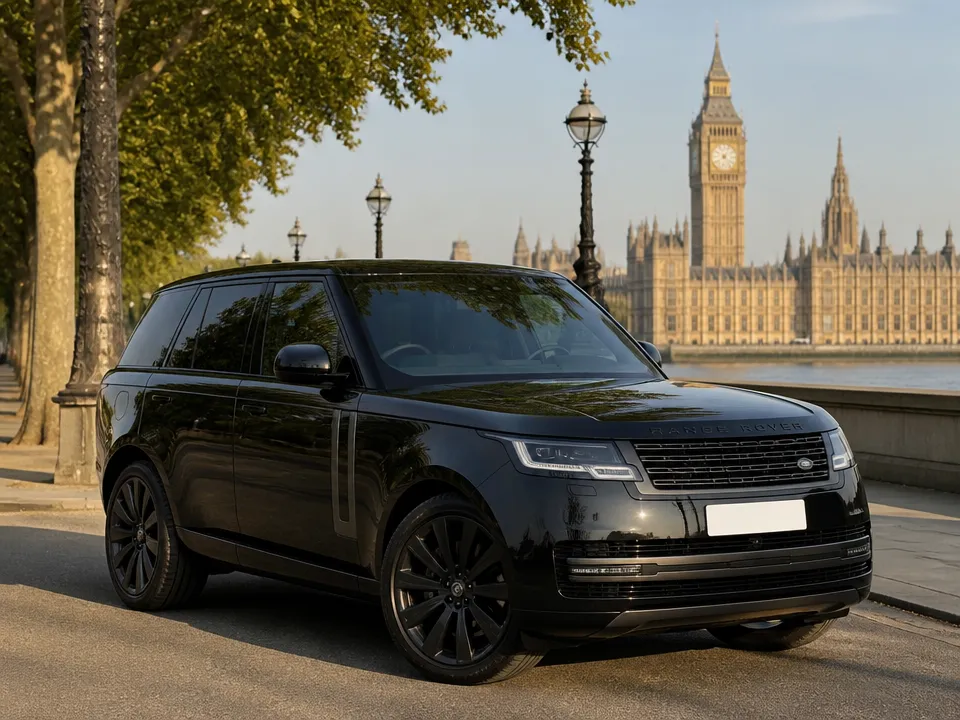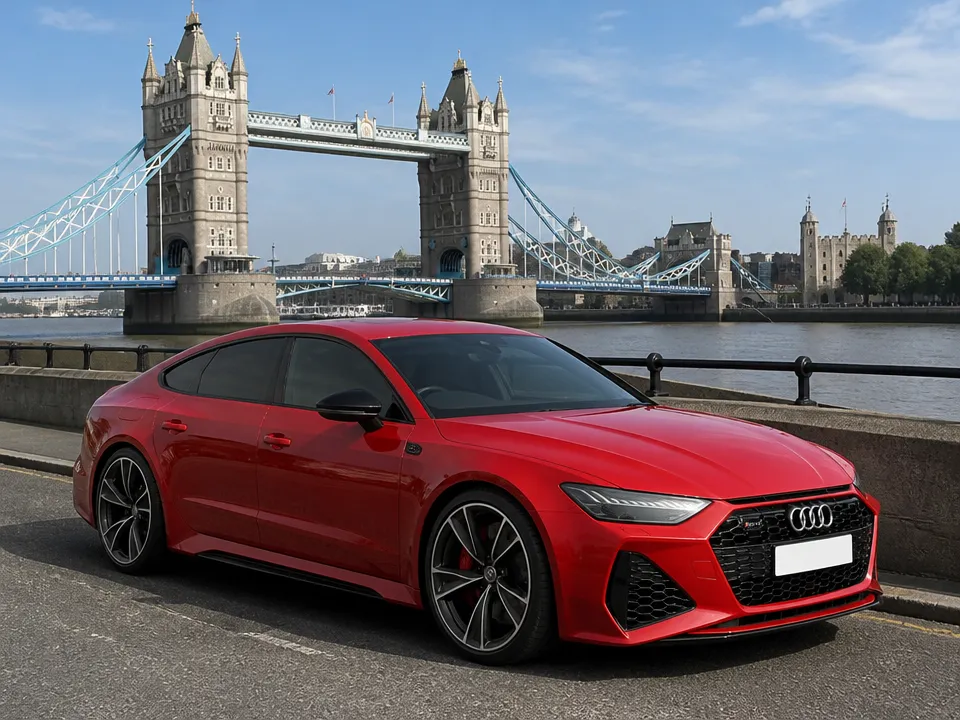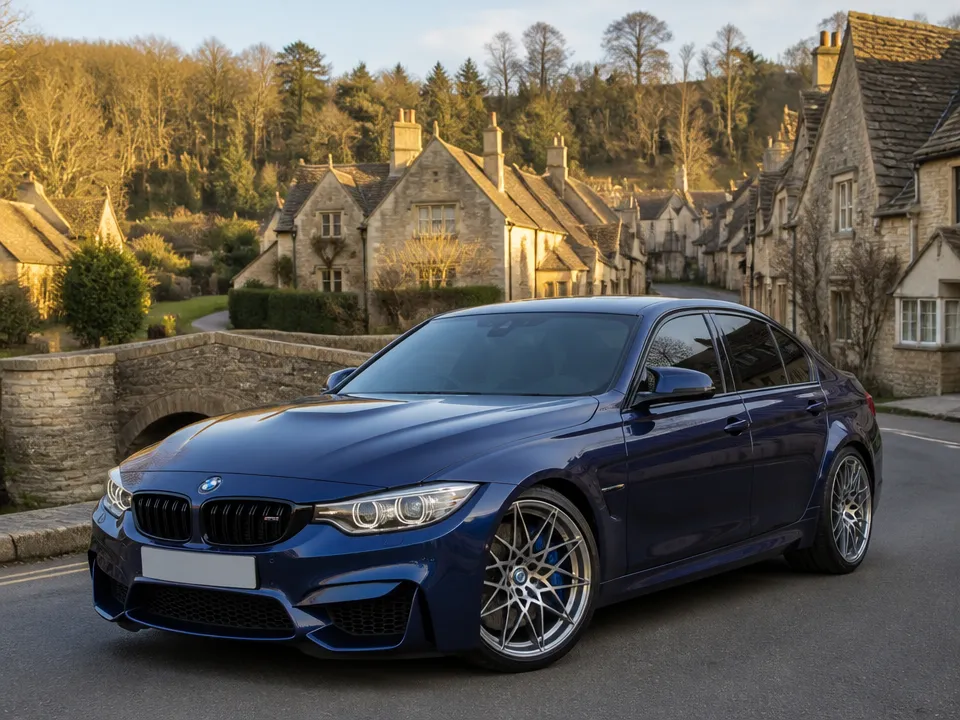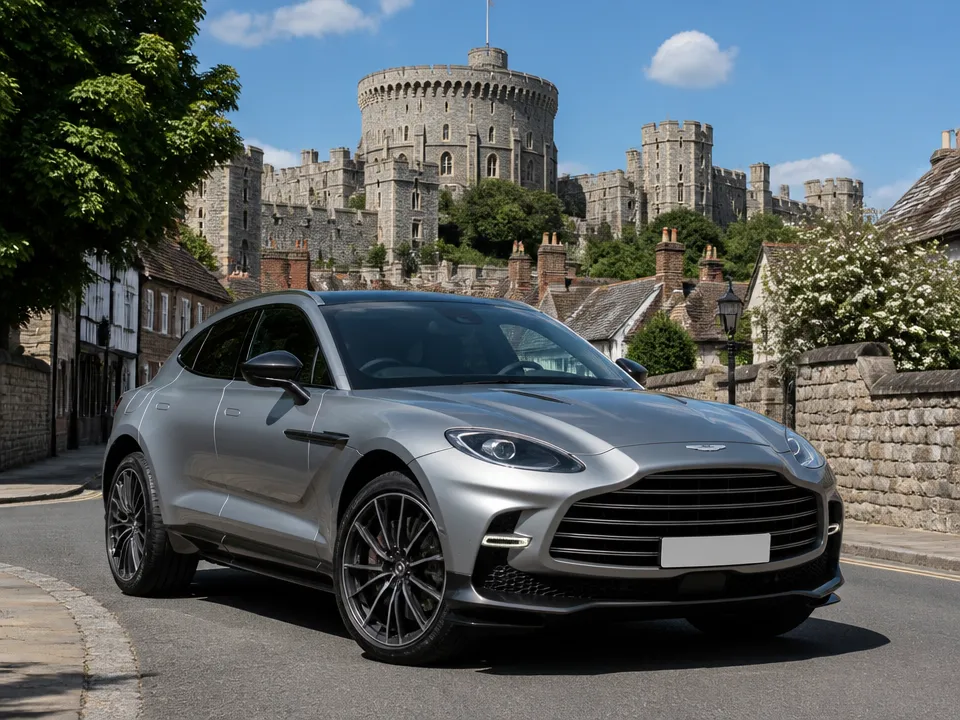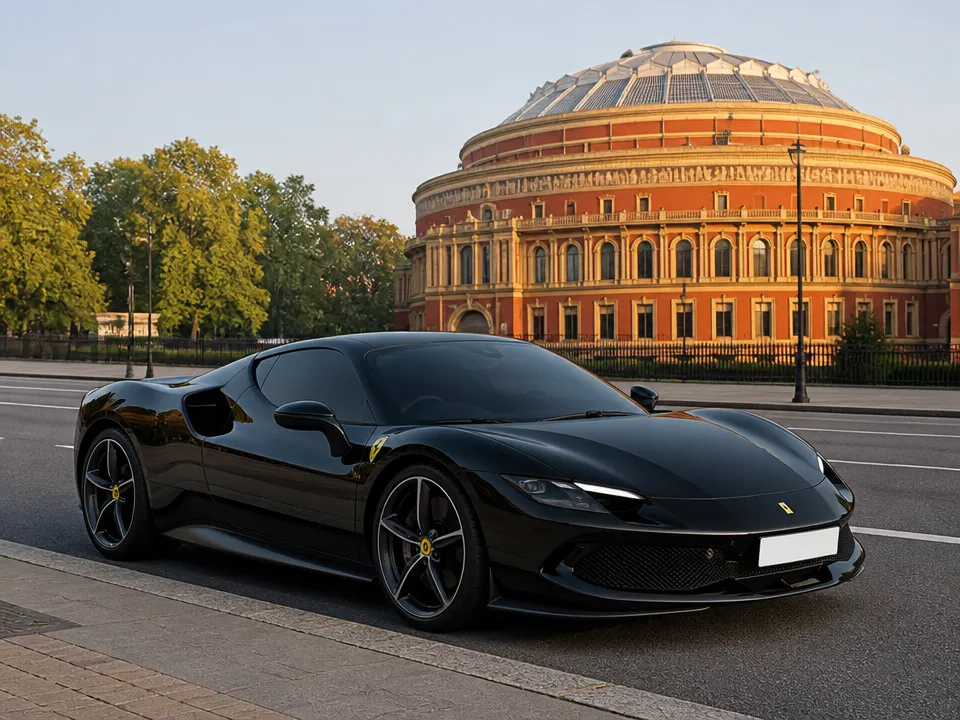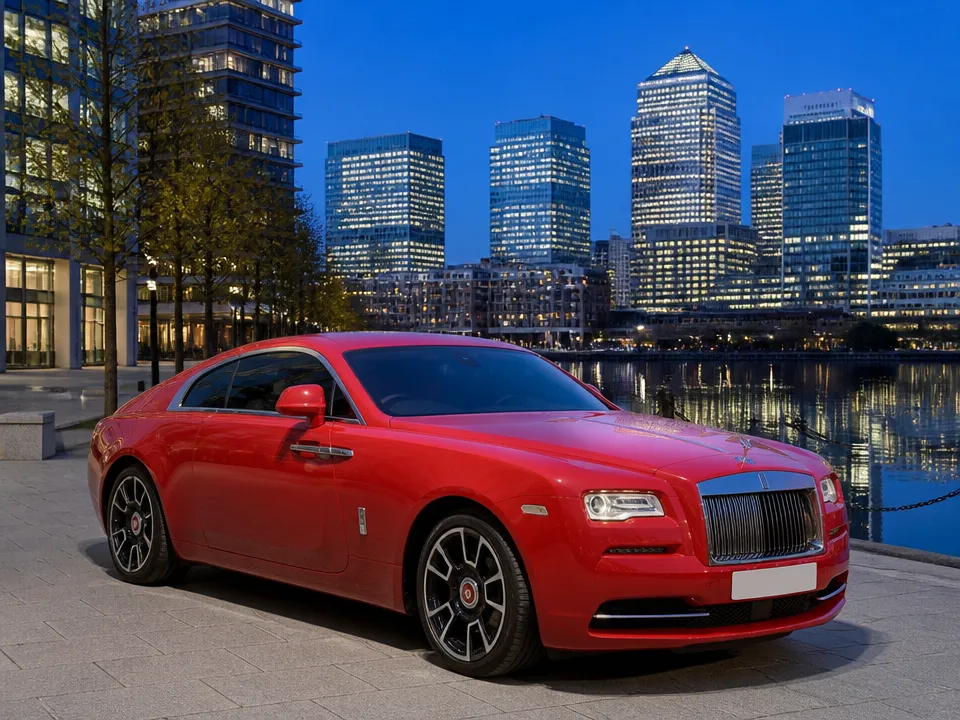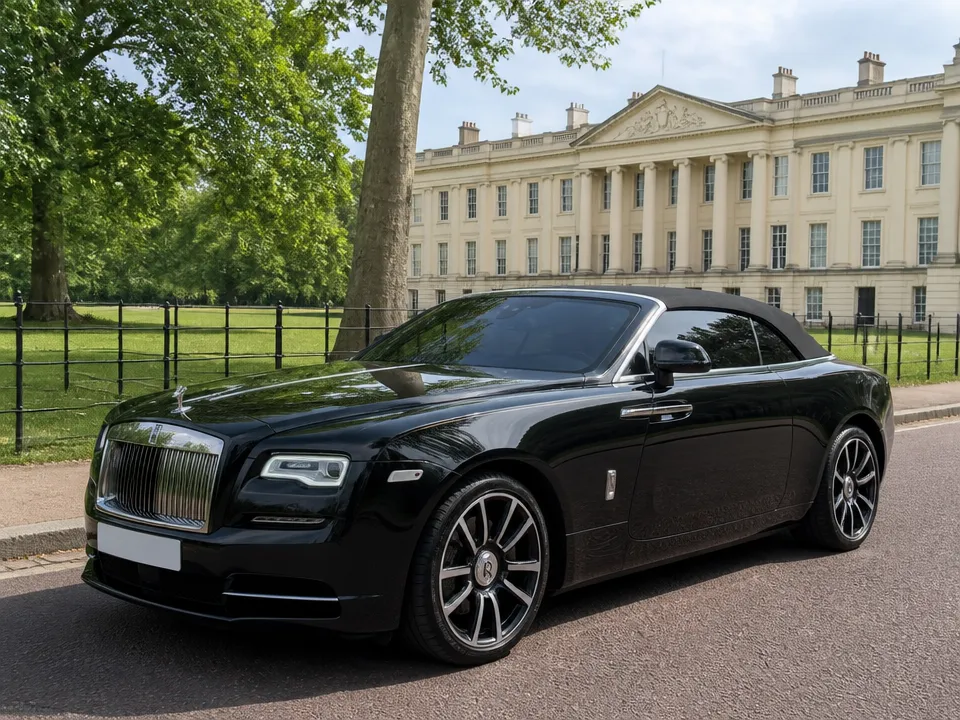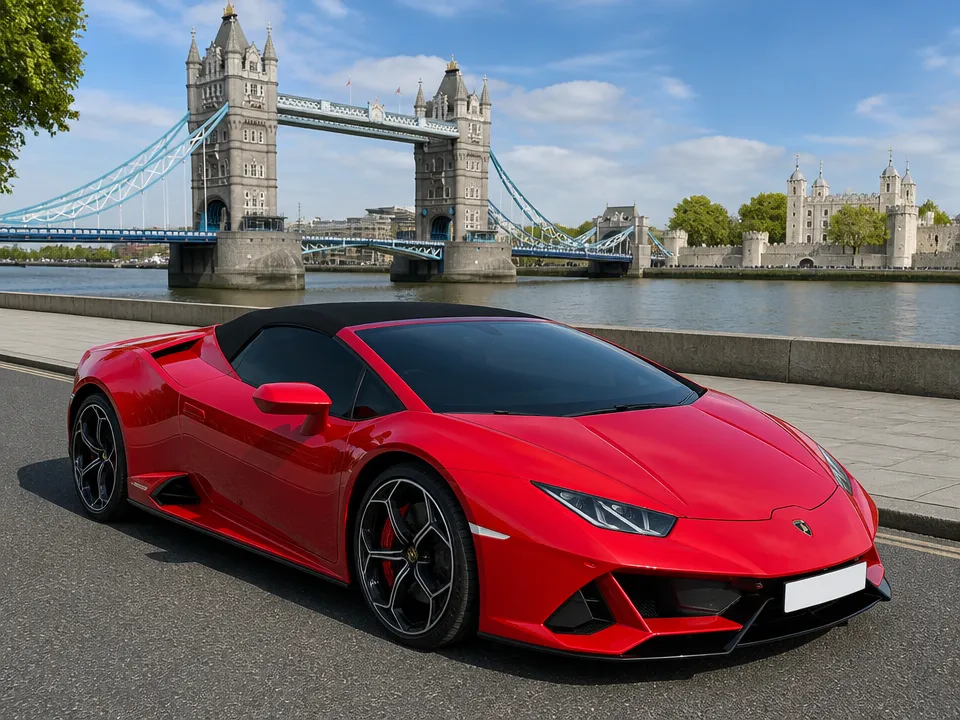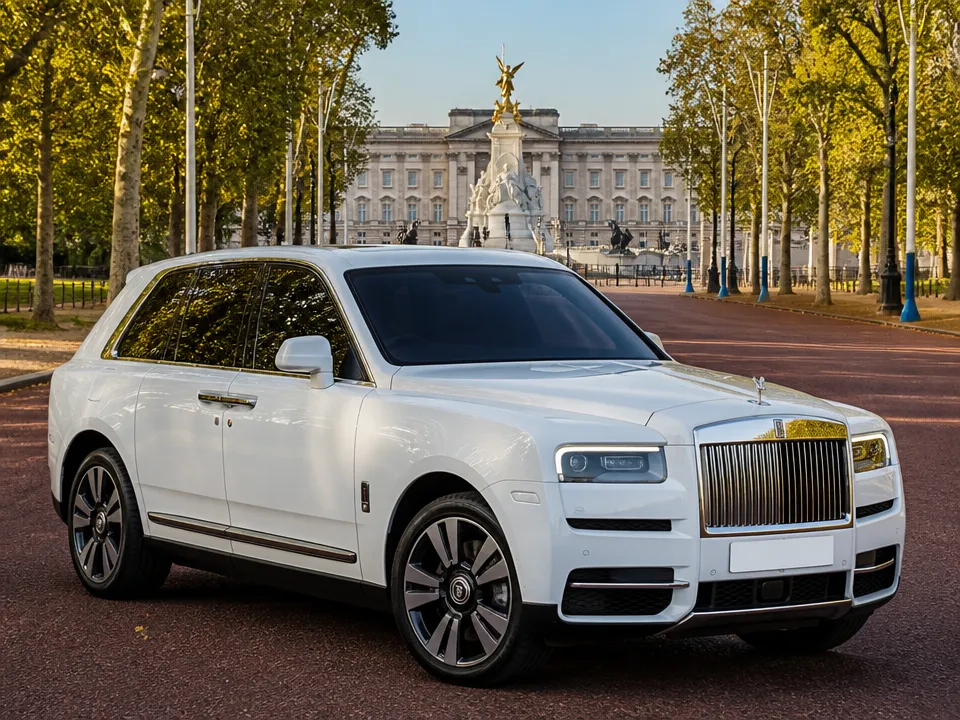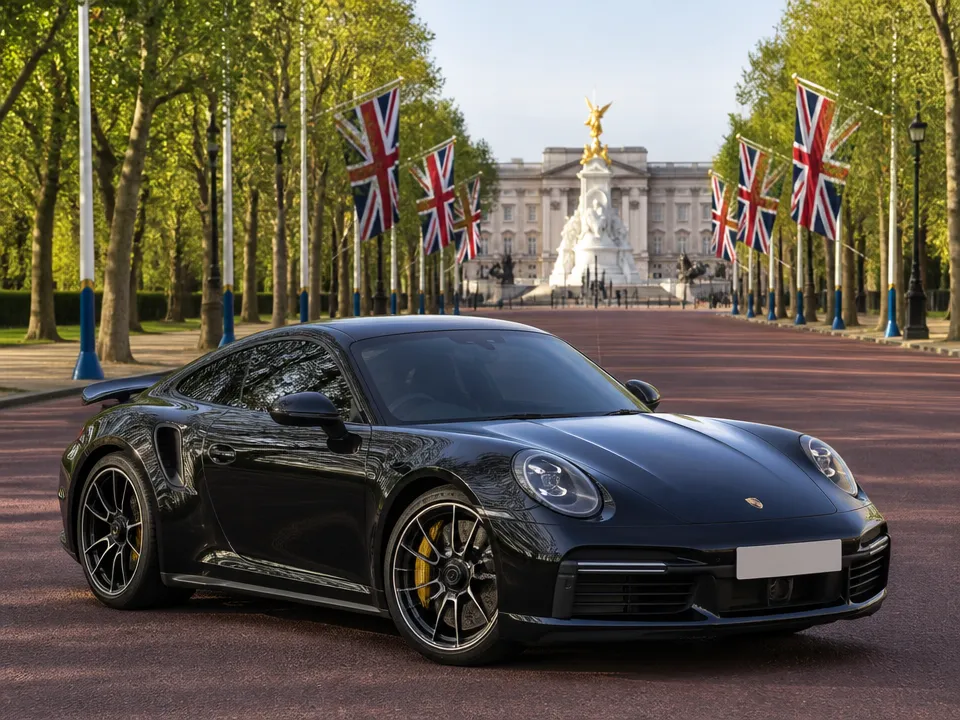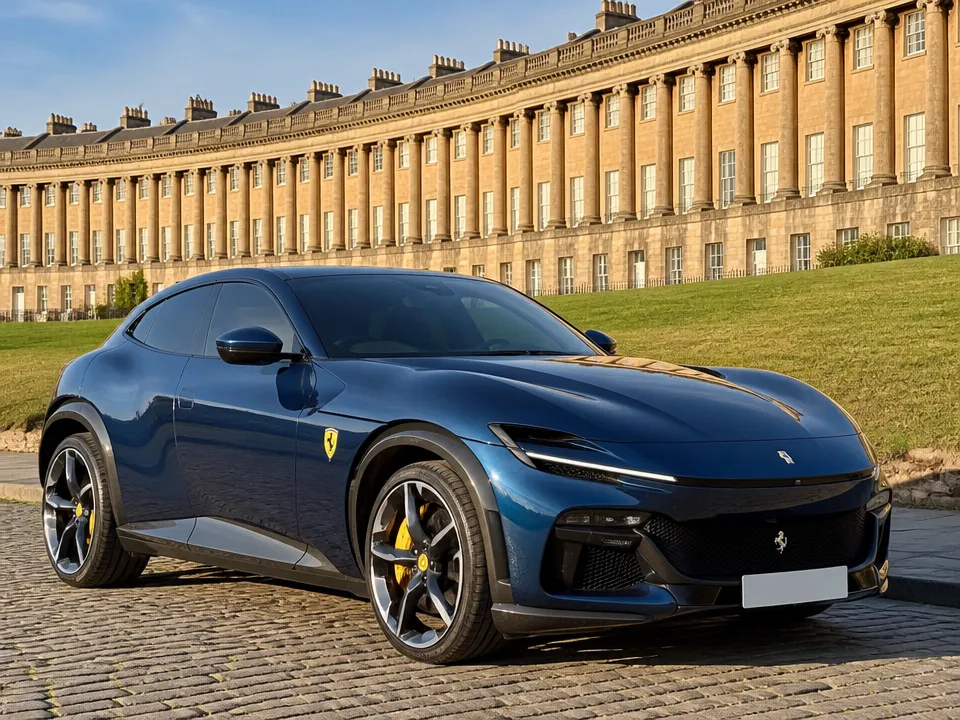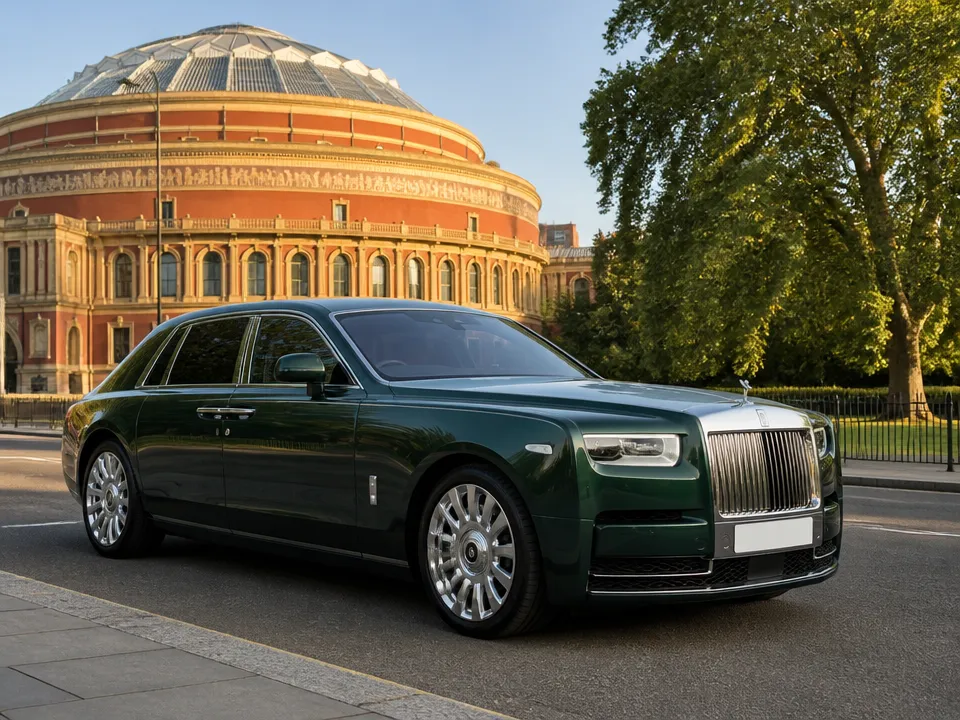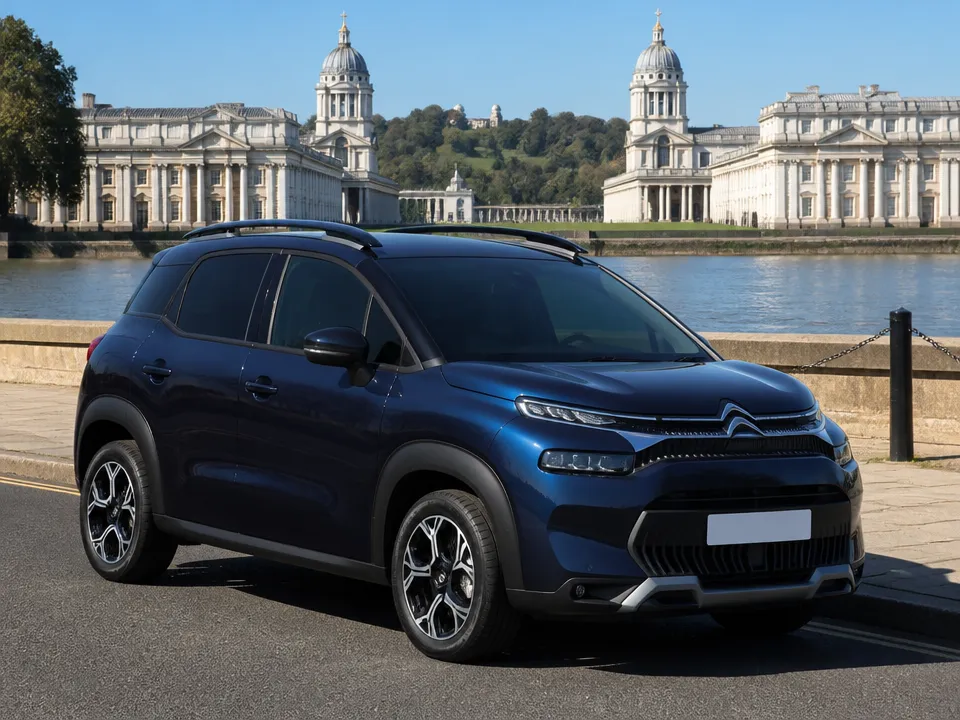
Citroen C3 Aircross, Crossover
★4.8· 33Manual1.2 L110 hpFront-wheel5 seats
£22per day
Book now




No cars match the selected filters. Remove some of the conditions.









Toyota Yaris for five days at £25 a day, £125 in total. Collected at Heathrow after a morning flight, then out to Windsor and back. Small enough for London streets and very easy to park.
Volkswagen Golf at £24 a day, handed over near Paddington. A clean car, a clear contract, and the manager marked every scratch on the photos with me before I left.
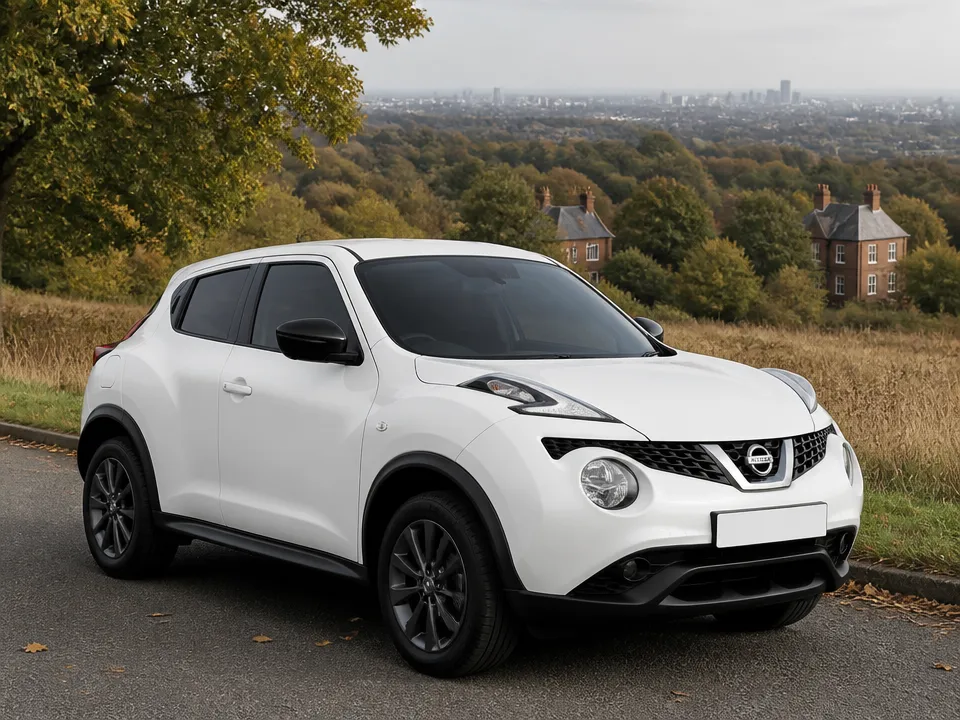
Nissan Qashqai for four days at £43 a day, £172 total. Picked up at Gatwick and drove down to Brighton for the weekend. Plenty of room for two cases and a pushchair.
Ford Fiesta for three days at £29 a day, £87 total. Fine to drive, but the boot was too small for our three cases from Stansted. My mistake for choosing the smallest car.
Thank you, Priya. For three cases we will suggest a bigger boot first next time, and we have added a luggage question to the booking chat.
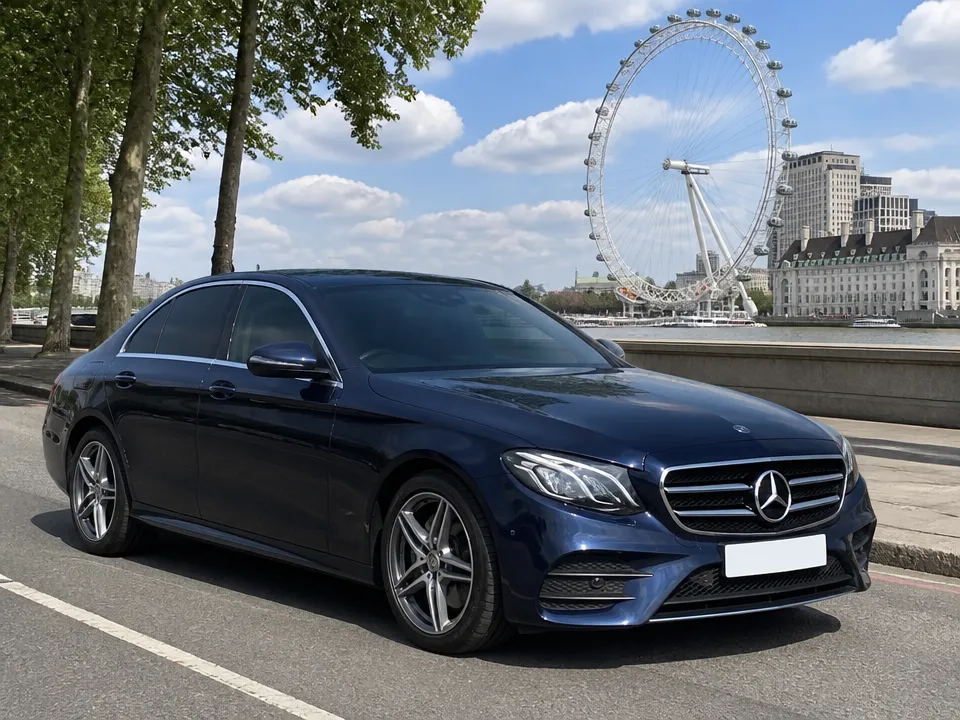
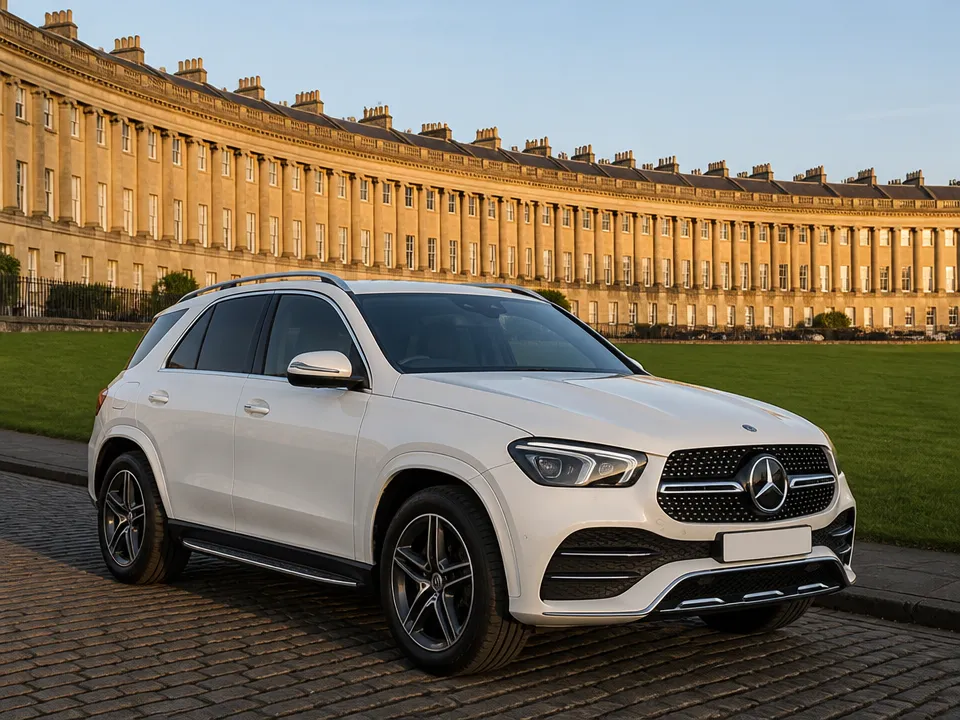
Mercedes-Benz E-Class for our wedding day in Mayfair at £74 a day. Spotless inside and out, and the handover was exactly at the time we asked for.
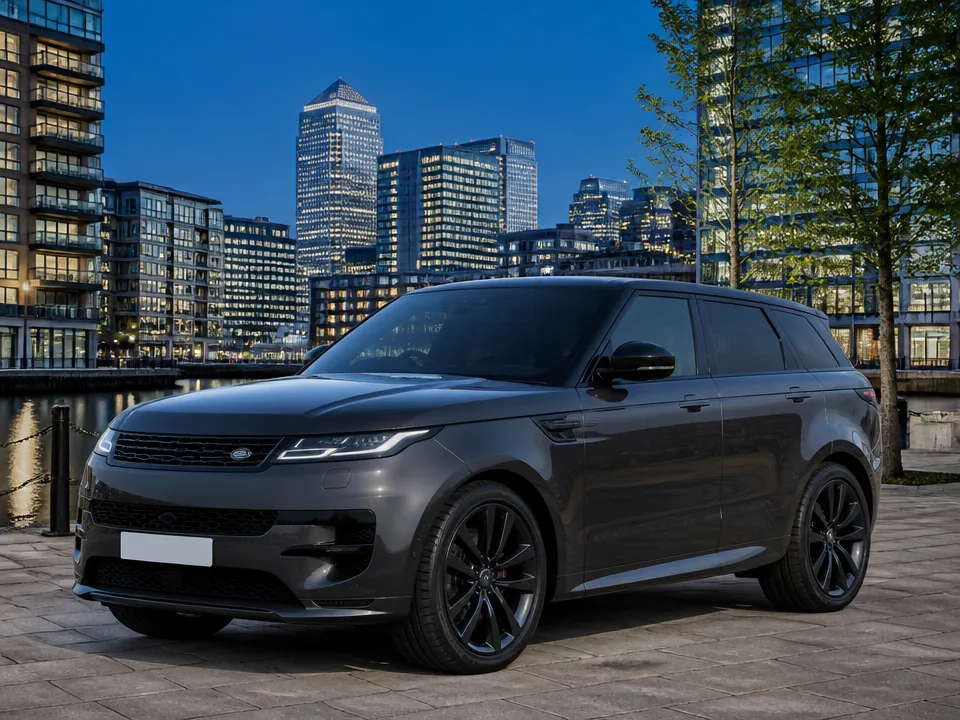
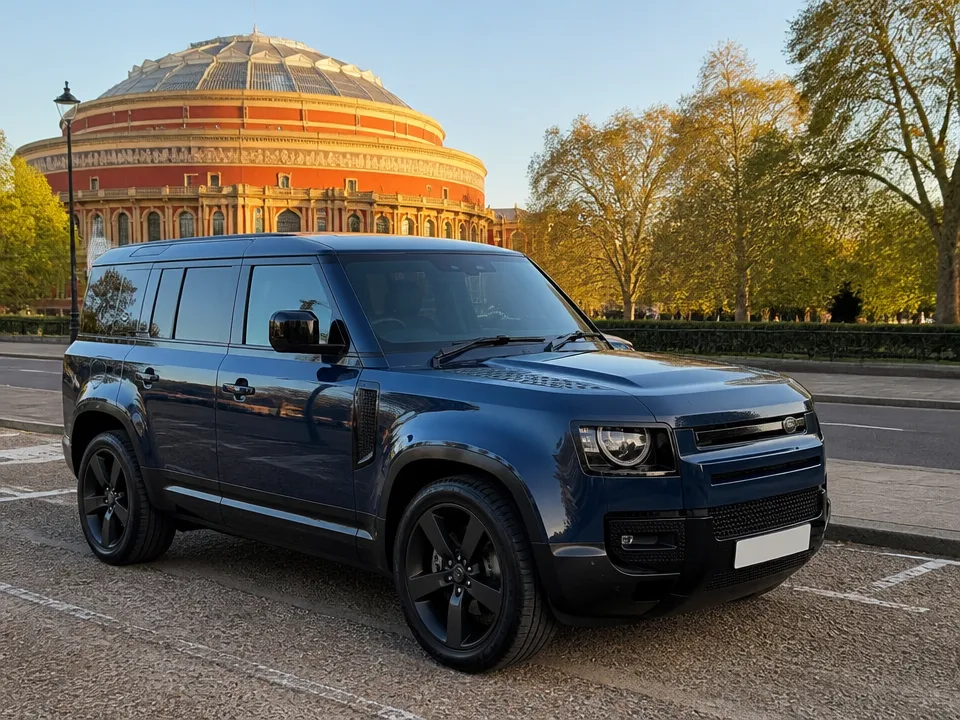
Land Rover Range Rover Sport at £226 a day for a weekend in the Cotswolds. Quiet on the motorway, comfortable on the narrow lanes, and the staff showed us every control before we set off.
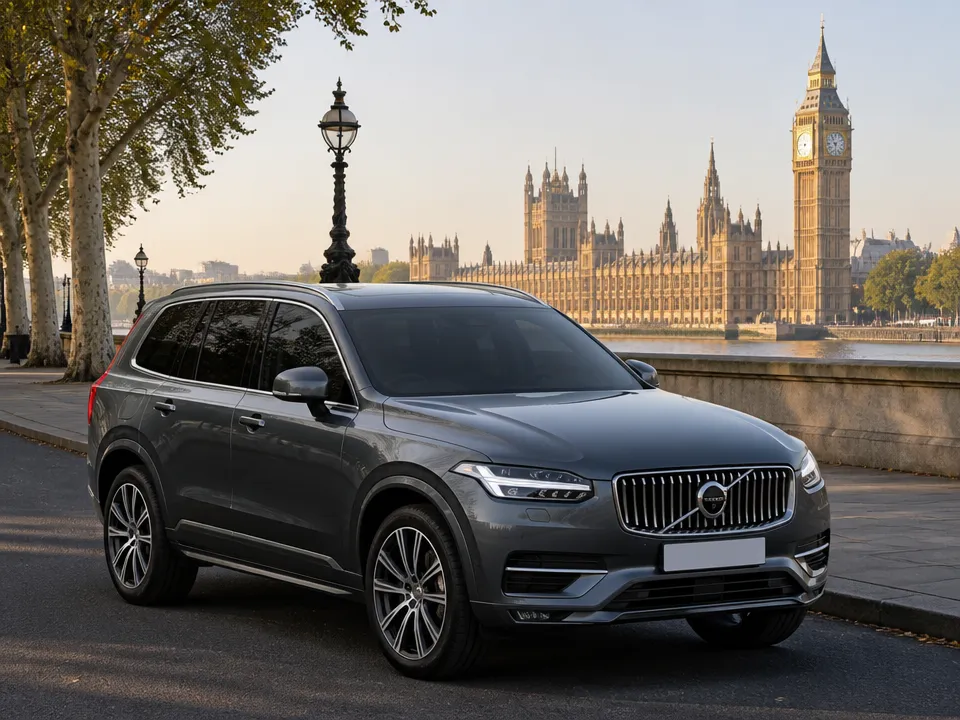
Volvo XC90 for four days at £102 a day, £408 in total. Six of us with luggage, a day in Oxford and another in Bath. Big, calm and very well kept.
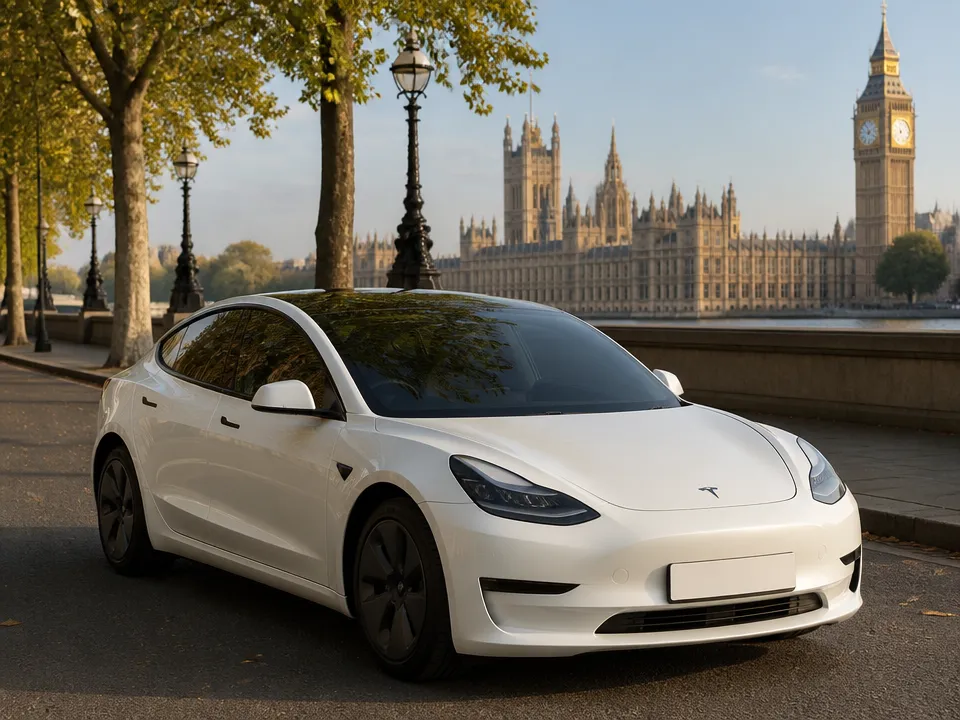
Tesla Model 3 at £309 a day near Canary Wharf. A lovely car, but it took twenty minutes to find the right charging cable at the handover. Everything else was smooth.
Thank you, Mei. The charging cable is now checked at every handover, and we send a short charging guide with each electric booking.
Kia Sportage for a week at £35 a day. Collected at St Pancras and used for a trip to Cambridge and a few days in the countryside. Clean, economical and no surprises.
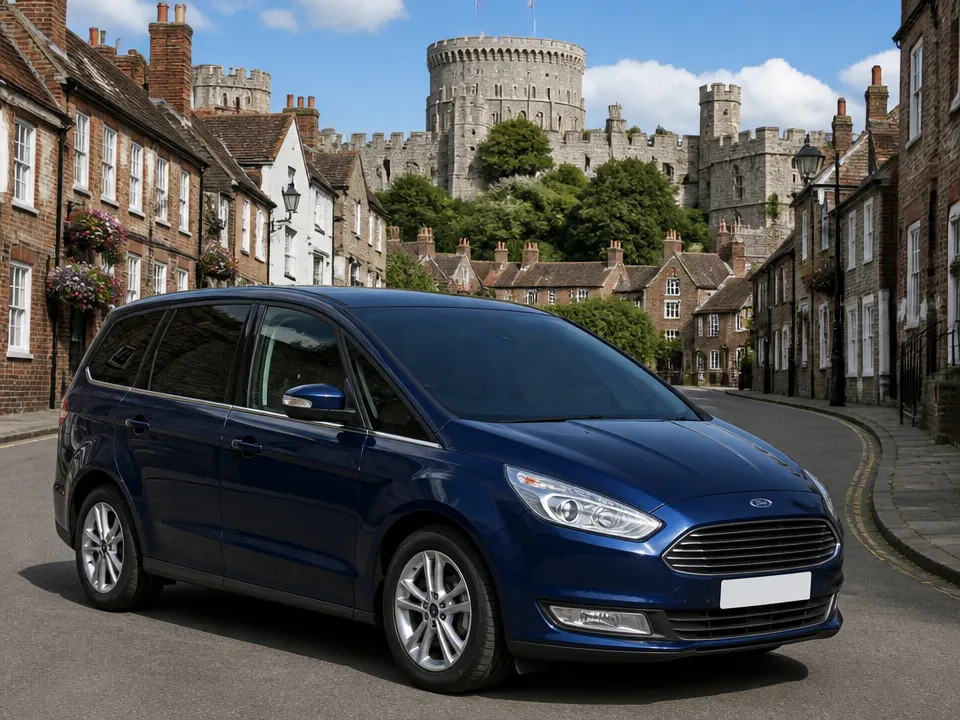
Ford Galaxy at £79 a day for a group of seven going to a match at Wembley. Easy to drive, the seats folded flat, and the return took five minutes.
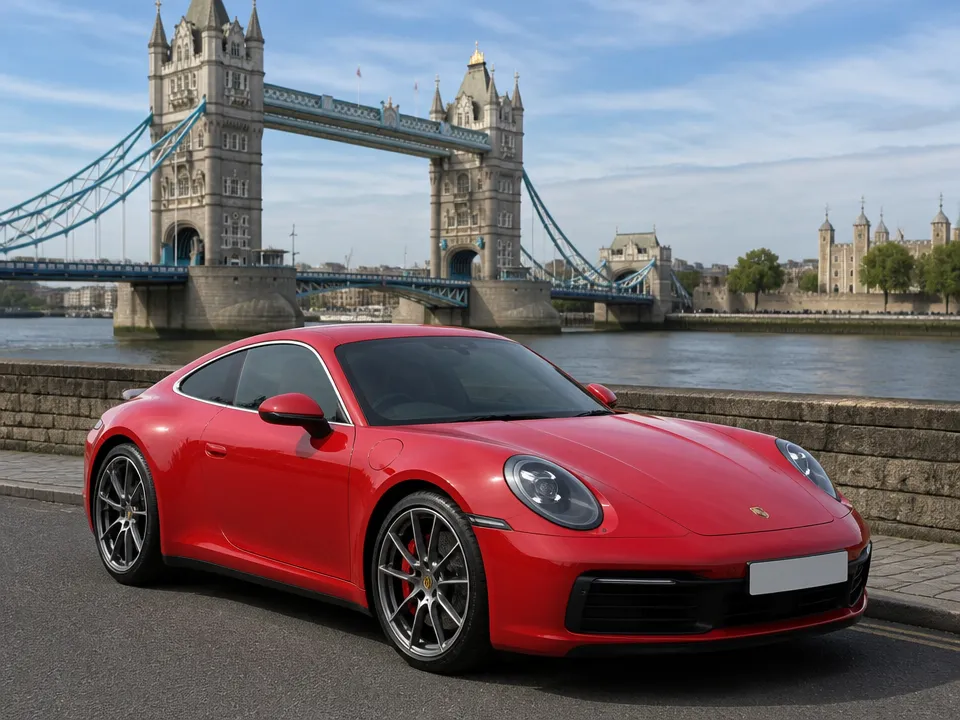
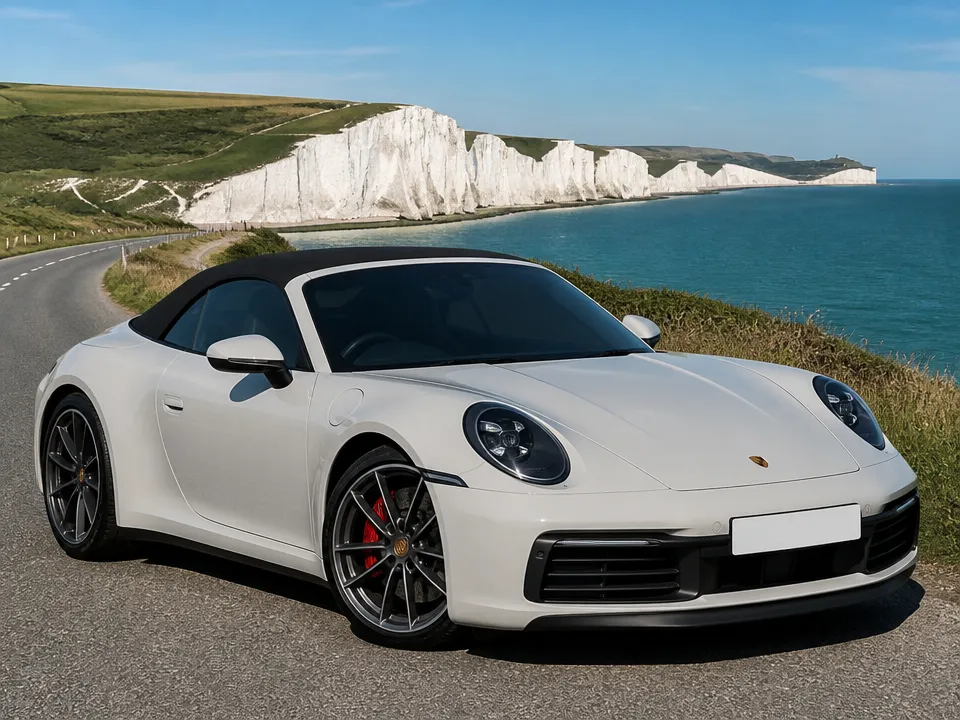
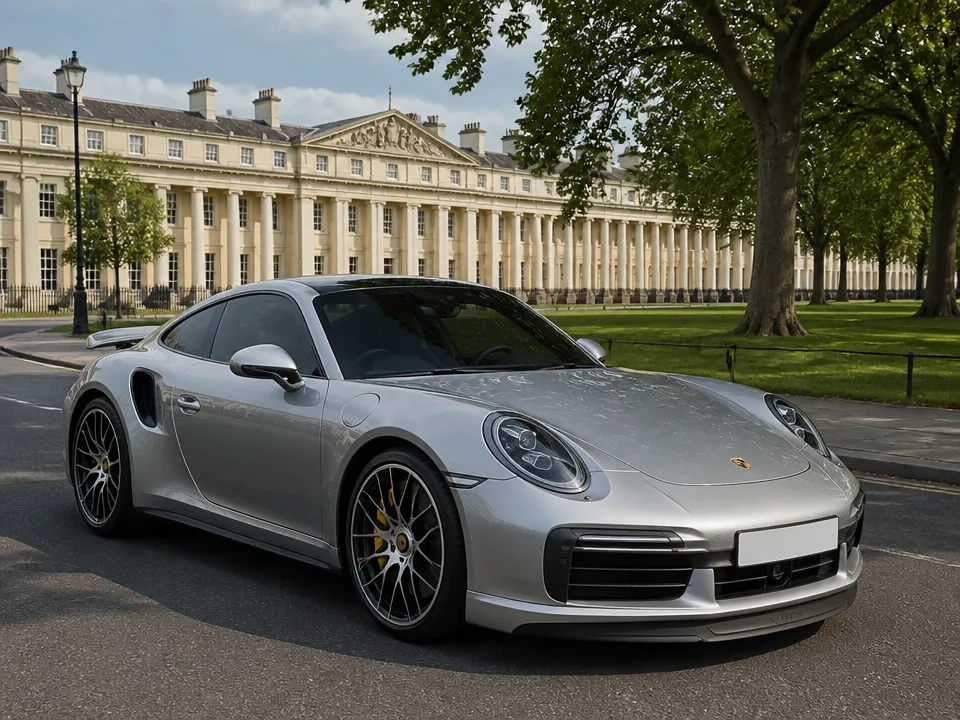
Porsche 911 Carrera S for one day at £495. A birthday drive out to Stonehenge and back on a dry autumn morning. The car was immaculate and the handover was relaxed.
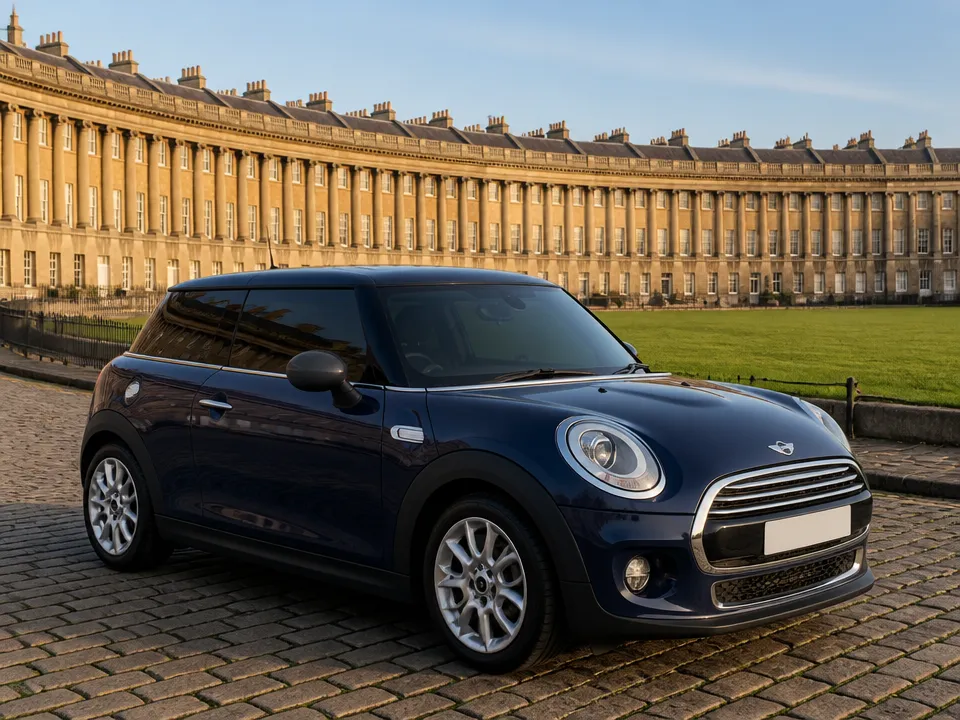
Mini Cooper at £37 a day, picked up near Victoria. We drove to Canterbury for the Christmas market. Fun to drive and small enough for the old streets.

Prepares the cars: each one is checked and cleaned before hand-over.

Confirms availability and the final price before you book.

Arranges the hand-over at the airport, your hotel or another address.

Helps visitors with documents, driving licences and local road rules.

Explains the rental agreement, the deposit and the insurance cover.

Answers questions during your rental and handles complaints.
This page lists 147 cars across 14 classes, from Economy hatchbacks to Exotic and Luxury models.
Longer bookings follow daily x 6 for a week and daily x 21 for a month.
The car is supplied clean with a full tank and must be returned with a full tank; otherwise the missing fuel and a refuelling service fee are charged as set out in the rental agreement.
You can drive on full, valid foreign licences for 12 months from your last entry into Great Britain, which covers England, Wales and Scotland. Traffic drives on the left and all our cars are right-hand drive.
We deliver to any address in London and to London Heathrow Airport (LHR), London Gatwick Airport (LGW), London Stansted Airport (STN), London Luton Airport (LTN), London City Airport (LCY) and London Southend Airport (SEN). The delivery address, date and time are agreed with a manager before the booking is fixed. Delivery anywhere else is arranged case by case.
A week is charged at daily x 6 and a month at daily x 21.
There are 14 classes on this page: Premium with 16 cars, Comfort with 15, Luxury with 15, Economy with 14, Crossover with 14 and Exotic with 12. Sports, SUV, Electric, Sedan, Convertibles, Minivans, Passenger vans and Commercial fill out the list.
The delivery address, date and time are agreed with a manager before the booking is fixed. The car comes clean with a full tank and is returned full.
Ready to book a car rental in London? Rent-Trip keeps 147 cars in the city, from £22 a day, and delivers the car to any address in London as well as to Heathrow, Gatwick, Stansted, Luton, London City and Southend airports — the delivery address, date and time are agreed with a manager before the booking is fixed.
Car rental with Rent-Trip runs on one simple sequence: you send a request, a manager confirms the car, the delivery address, the date and the time, and the vehicle is brought to you. No counter queue, no shuttle bus to an out-of-town depot.
We bring the car to any address in London, and the delivery address, the date and the time are agreed with a manager before the booking is fixed. That covers the six airports — Heathrow, Gatwick, Stansted, Luton, London City and Southend — as well as St Pancras & King's Cross, Euston, Paddington, Victoria, Waterloo, Canary Wharf, Wembley, ExCeL London and Mayfair. Requests outside those places are arranged case by case and are not promised on the site.
In our practice, the single most useful thing a customer does is name the exact address early: narrow residential streets and kerbside parking restrictions decide where the hand-over can physically happen, and a postcode plus a building entrance saves a second trip.
Petrol sits at £1.75 a litre and diesel at £1.99 a litre (19.10.2026), which makes the last fill-up worth planning a day ahead rather than hunting for a station on the way back.
Fourteen classes, 32 brands and 147 cars sit in one fleet, so the real question is not whether we have a car for you but which of the fourteen fits the trip. Below are the classes with their counts and starting rates, then the two ends of the range.
| Class | Cars | From per day | Typical use |
|---|---|---|---|
| Crossover | 14 | £22 | City streets, easy parking |
| Economy | 14 | £22 | Two people, short hops |
| Comfort | 15 | £23 | Longer drives, more boot space |
| SUV | 10 | £34 | Family trips out of town |
| Electric | 10 | £71 | Low running costs in town |
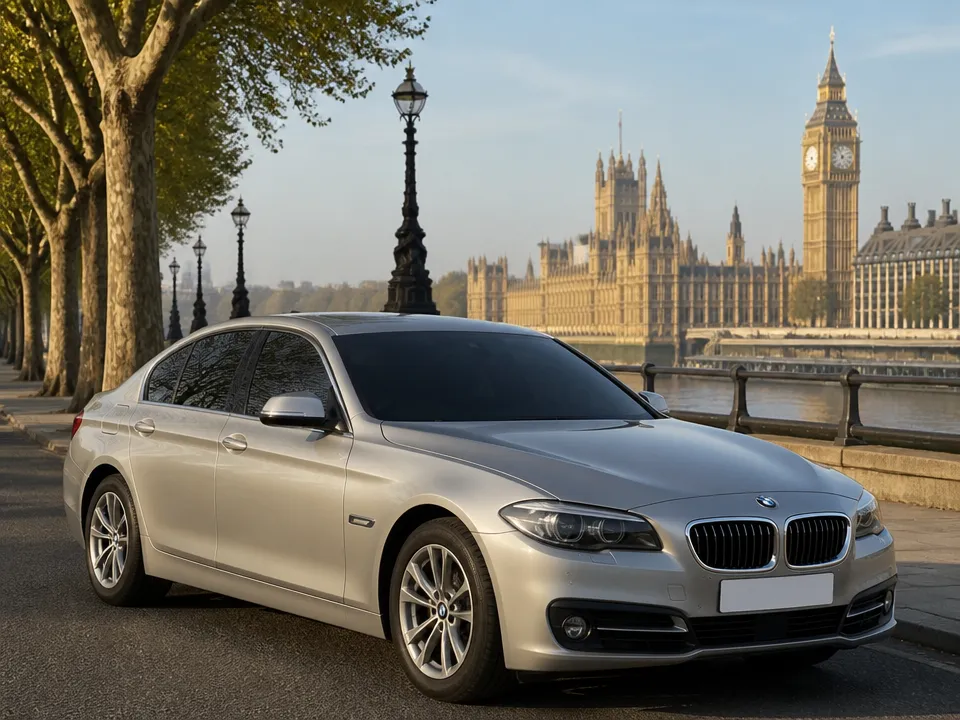
| Sedan | 8 | £36 | Business travel, airport runs |
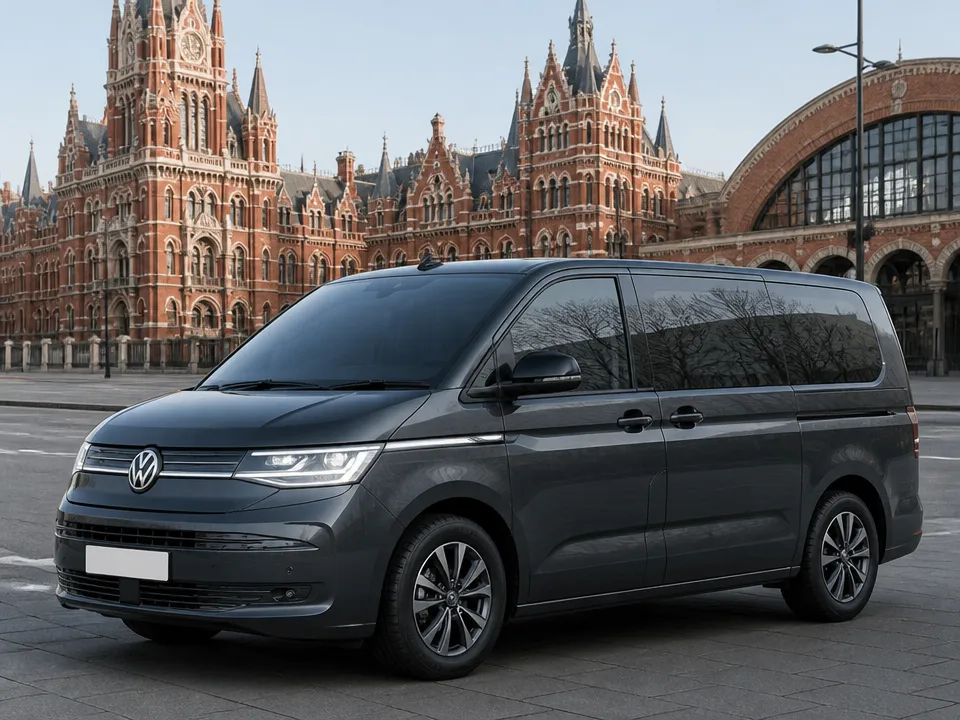
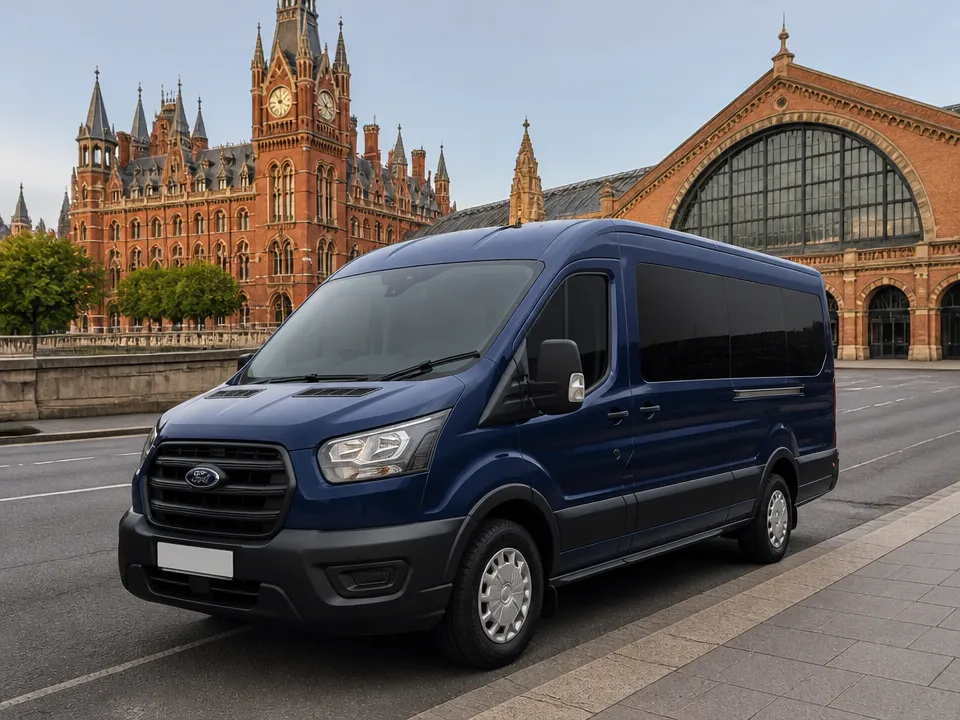
| Minivans | 6 | £44 | Seven seats, group luggage |
| Luxury | 15 | £294 | Occasions, executive pick-ups |
Economy and Crossover start at £22, Comfort at £23, Luxury at £294 and Exotic at £954, and each class has its own top of the range — a Crossover runs to £58, an Economy car to £72, a Comfort to £80.
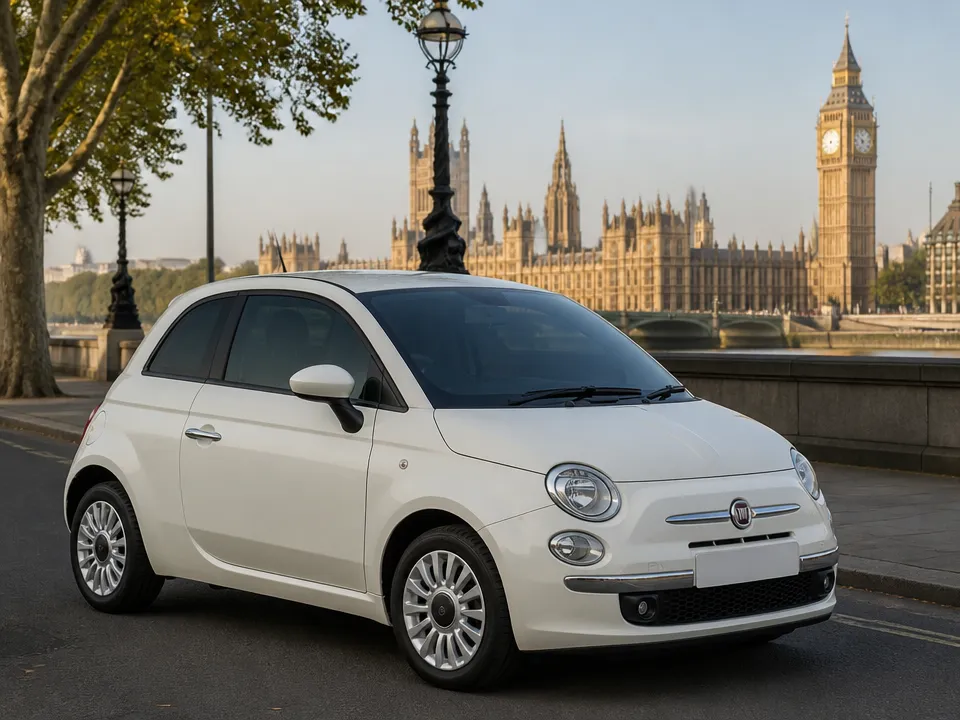
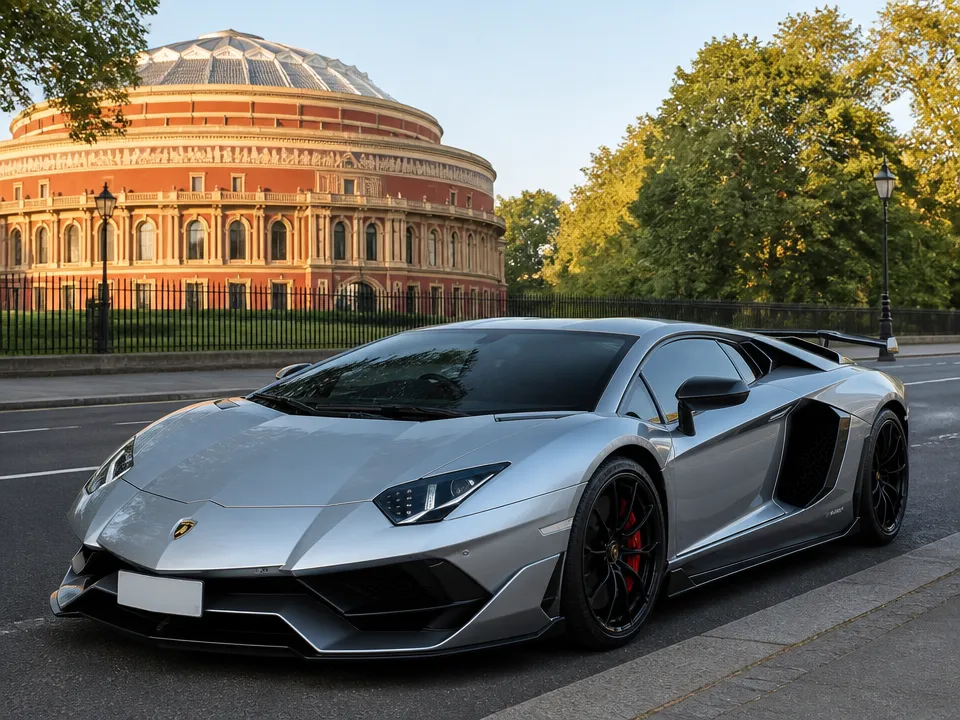
The Citroen C3 Aircross and the Fiat 500 open the fleet at £22 a day, both with a manual gearbox, and the Lamborghini Aventador SVJ closes it at £3,300 a day. That spread is what 32 brands in one park produce: the same booking page carries a 1.0 L petrol hatchback and a 2-seat exotic with nothing in between but choice.
In our practice, most travellers settle one class above the cheapest — the step from £22 to £31 buys an estate boot that swallows four suitcases, and the step to £40 adds all-wheel drive for a weekend in the Cotswolds. Pick the class by the largest thing you plan to carry, not by the daily rate.
Weekly bookings start at £132 and monthly bookings at £462 — figures that come straight from the daily rate of the class you pick. For car rental in London the multipliers are fixed: a week is the daily rate times six, a month is the daily rate times twenty-one. Nothing else changes, and no separate long-stay tariff exists.
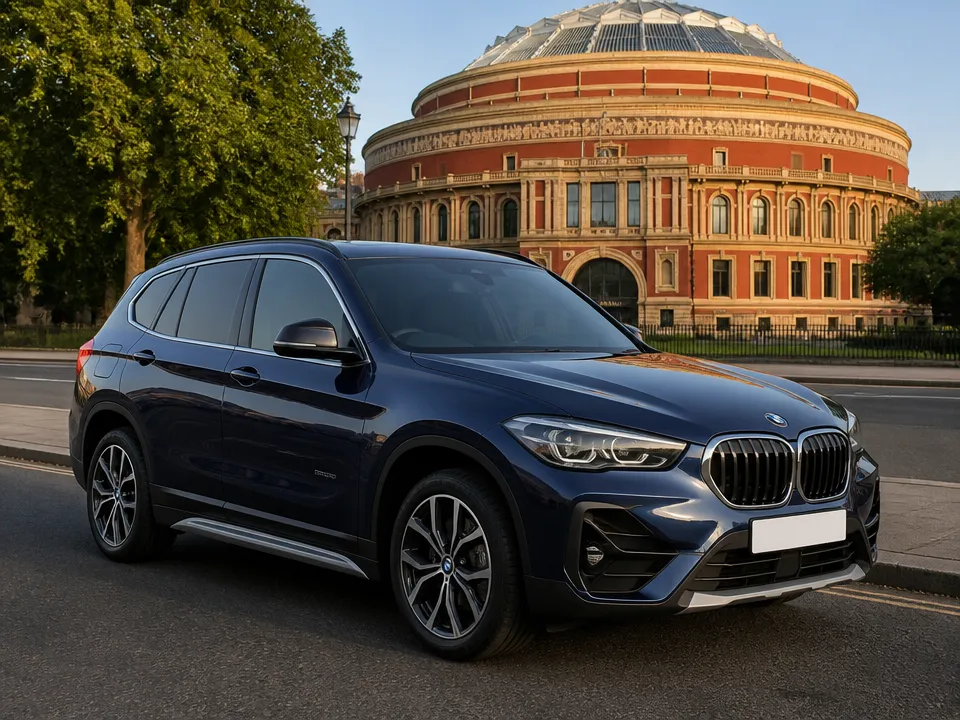
At Rent-Trip a weekly booking is calculated as the daily rate of the chosen class multiplied by six, and a monthly booking as that same daily rate multiplied by twenty-one. Take the cheapest cars on this page: the Citroen C3 Aircross and Fiat 500 at £22 a day give £132 for a week and £462 for a month. A Comfort class car such as the Volkswagen Golf Estate at £31 a day works out at £186 weekly and £651 monthly, while a Premium model like the BMW X1 at £84 a day comes to £504 for a week and £1,764 for a month. The arithmetic holds across all 14 classes and 147 cars, from Economy hatchbacks to the Exotic group. The saving comes from the multiplier itself, not from a discount code — so compare classes on their daily rate first and let the multiplier do the rest.
In our practice, travellers who book three weeks or more get a better effective rate by moving one class down than by hunting for a promotion.
A month at the daily rate times twenty-one is the only long-stay formula we quote; anything else — a season, a half-year — is arranged case by case with a manager and is not promised on the site.
Six airports sit inside our delivery area, and the meeting point at each is agreed with a manager before the booking is fixed. That covers the big intercontinental hubs as well as the smaller city fields.
St Pancras & King's Cross, Euston, Paddington, Victoria, Waterloo, Canary Wharf, Wembley, ExCeL London and Mayfair all fall inside the delivery area, so the car can meet you at a terminus or at your hotel rather than at a depot. Anything outside the listed places is arranged case by case and is not promised on the site, so ask before you assume.
In our experience the rail terminals are the trickiest hand-over of the lot: forecourts at Euston and Waterloo run short-stay only, and a driver waiting on the rank blocks buses. Name the exact postcode and a realistic window when you book, and build in 15–20 minutes for the taxi rank or the drop-off lane.
Landing times slip, and a car parked at Arrivals for two hours costs everyone. Send the manager your flight number and the agreed time gets built around it, not around the schedule you booked weeks earlier. Heathrow alone moves 84,481,178 passengers a year, so terminal roads there clog fastest between 07:00 and 10:00 and again from 16:00 to 19:00 — a mid-afternoon arrival at LHR usually clears the car park exit quicker than a dawn one.
The rules below are what guests ask about most often at hand-over: which side of the road to keep to, how long a foreign licence stays valid, and how speed limits work on a road system built around left-hand traffic. Traffic drives on the left and every car in our fleet is right-hand drive, so the steering wheel sits where a British driver expects it — the adjustment for most visitors is the lane position, not the controls. The Highway Code sets the framework: keep left unless signs or markings say otherwise (rule 160), turn closer to the left kerb (rule 183), and at roundabouts give way to traffic approaching from the right (rule 185), travelling clockwise around the island.
In our experience the first hour is the steepest — a car collected at Heathrow and driven straight onto the M4 motorway is a harder start than one collected at a hotel in Mayfair with a few quiet streets first. Ask the manager to route your first drive away from the busiest junctions if you land at peak time.
The minimum age for the driver and any young-driver surcharge are agreed when booking, not fixed by the rules above.
Three charges shape the cost of driving a hire car here: the Congestion Charge, the Ultra Low Emission Zone (ULEZ) and the toll crossings on the eastern side of the city. Each has its own hours, its own tariff and its own payment deadline, and each is separate from the hire itself.
The Congestion Charge is £18 a day when paid on the day of travel or in advance, and £21 if paid by midnight on the third day after the trip; it runs 07:00–18:00 Monday to Friday and 12:00–18:00 on Saturdays, Sundays and bank holidays, and is not charged from 25 December to the New Year bank holiday inclusive. The zone sits inside the Inner Ring Road — Pentonville Road, City Road, Old Street, Commercial Street, Mansell Street, Tower Bridge Road, New Kent Road, Elephant & Castle, Kennington Lane, Vauxhall Bridge Road, Park Lane, Edgware Road, Marylebone Road and Euston Road form its edge and stay outside it. ULEZ is £12.50 a day for non-compliant vehicles, operates 24 hours a day, seven days a week except 25 December, and covers all 32 boroughs; the M25 itself is outside the zone. Petrol cars must meet Euro 4 and diesel cars Euro 6 to avoid the ULEZ charge, and TfL's vehicle checker confirms a registration by plate. Who pays the charges and any penalty notices on a hired vehicle is agreed when booking — it is not fixed by the tariff.
The Dartford Crossing on the M25 uses Dart Charge: £3.50 per crossing for cars (class B) on pay as you go, or £2.80 when prepaid, usually charged 06:00–22:00 every day of the week including weekends and holidays, with payment due by midnight on the following day. Missing a Dart Charge payment brings a £70 penalty charge notice, reduced to £35 if paid within 14 days and raised to £105 if left unpaid. The Blackwall and Silvertown tunnels carry their own charge as well — £4.20 at peak (northbound 06:00–10:00 and southbound 16:00–19:00 on weekdays) and £1.55 off-peak with Auto Pay between 06:00 and 22:00 on weekdays and all day at weekends.
In our experience the tunnel and crossing bills arrive after the trip, so keep the crossing dates and the car's registration to hand for a fortnight afterwards.
Fuel is the one running cost you control directly: our fleet runs on petrol, diesel, hybrid and electric power, and the price you pay at the pump depends on the grade. Petrol accounts for 100 of the 147 cars, diesel for 24, hybrid for 13 and electric for 10, so the majority of bookings never need a charging plan at all.
Rent-Trip hands over every car clean with a full tank, and it must come back with a full tank — the full-to-full rule. If the tank is short on return, the missing fuel and a refuelling service fee are charged as set out in the rental agreement.
A petrol car covers the whole of Greater London and the M25 on a single fill, so in practice most drivers refuel once, on the way back to the delivery address. Our advice: fill up at a supermarket forecourt rather than a motorway services, where the litre rate runs noticeably higher, and keep the receipt until the hand-over is closed.
The Congestion Charge and the ULEZ are separate from fuel, and who pays them is agreed when booking. The Congestion Charge runs £18 a day (£21 if paid by the third day) between 07:00 and 18:00 Monday to Friday and 12:00–18:00 on Saturdays, Sundays and bank holidays, and ULEZ is £12.50 a day for vehicles that do not meet the emission standard. Dartford Crossing adds £3.50 per crossing, or £2.80 prepaid, and payment is due by midnight the following day. Who pays road charges, tolls and any penalty notice on a hired car is agreed when booking, so settle it with the manager before you collect the keys.
On a longer booking the multipliers do the work: weekly is daily x 6 and monthly is daily x 21, so a fuel-efficient Economy class stretches furthest across a month.
For car rental in London the fleet splits into two clear groups by seat count: 98 five-seat cars and 49 that carry between two and seventeen people. Gearboxes follow the same logic — 101 automatics against 46 manuals — so the choice usually comes down to how many passengers you carry and whether you want to work a clutch in traffic.
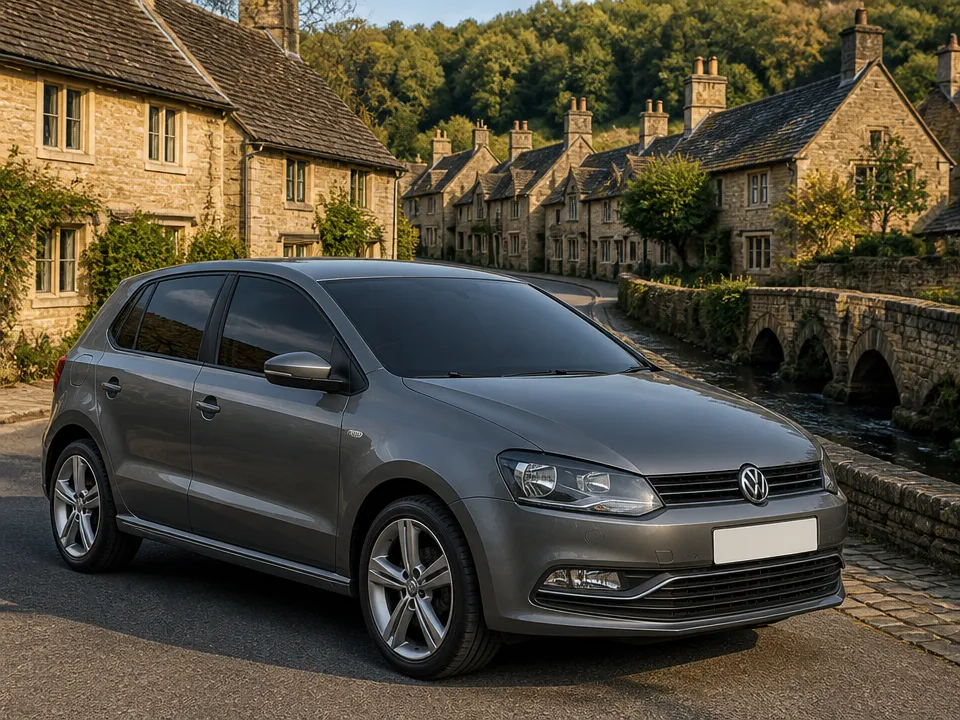
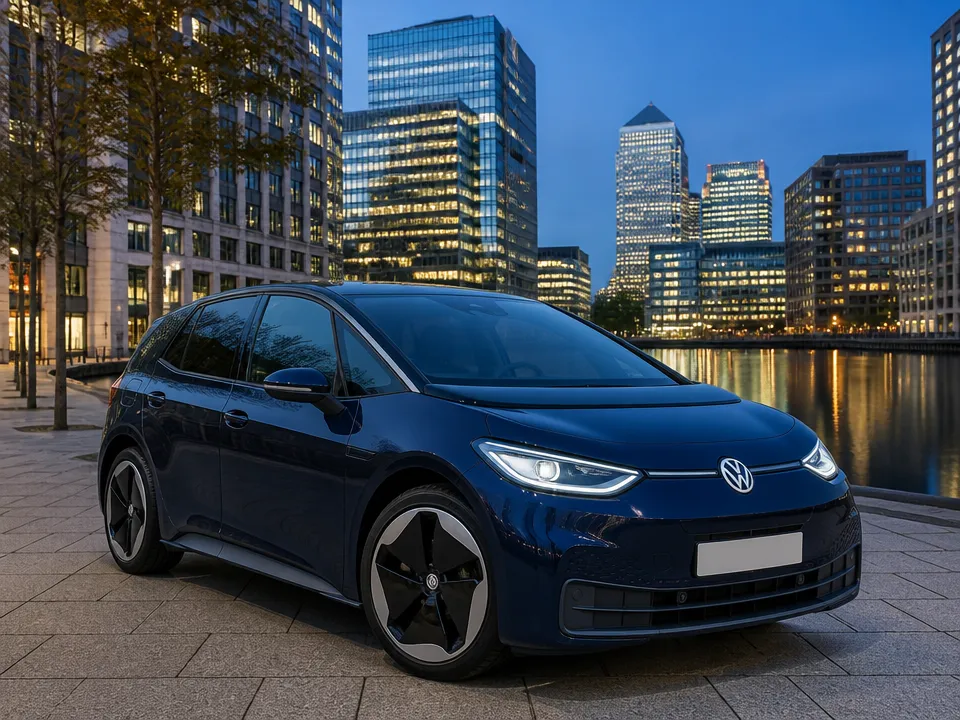
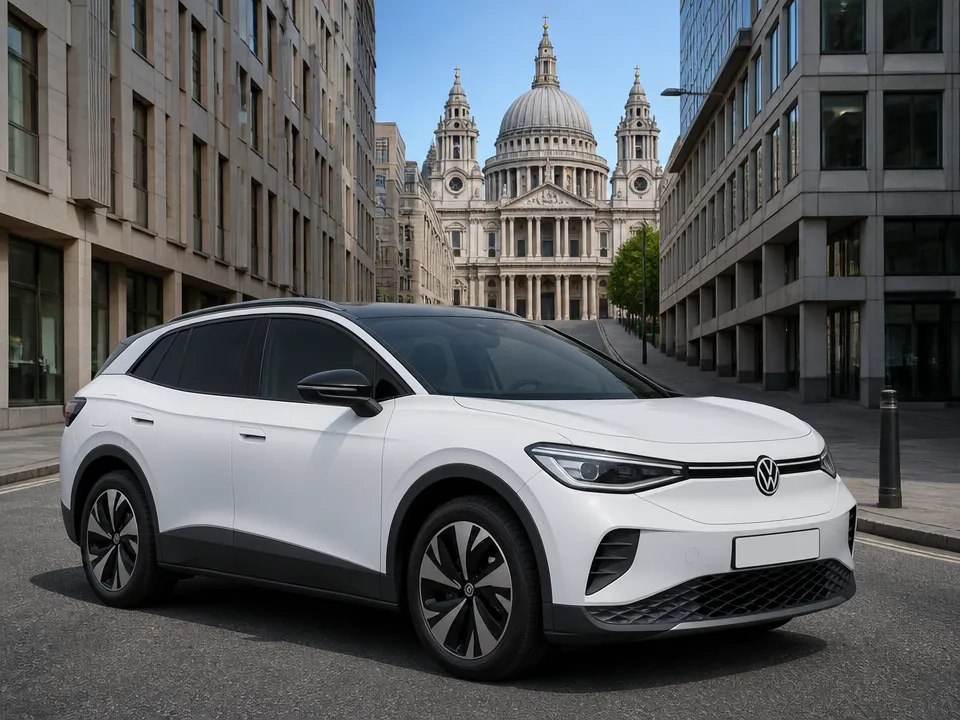
Automatic covers 101 of the 147 cars, and the split is not random: nearly every hybrid and electric model in the fleet is automatic, while the cheapest Economy and Crossover cars — Citroen C3 Aircross, Fiat 500, Volkswagen Polo — are mostly manual. Front-wheel drive dominates, with all-wheel drive on models such as the Toyota RAV4; the Volkswagen ID.4 is rear-wheel drive.
In our experience, a driver arriving from a right-hand-traffic country should book the automatic first and the class second — the first hour in central traffic is not the moment to relearn a manual gearbox on the wrong side of the road. If you need seven seats and an automatic together, the Kia Sorento, Volkswagen Touran and Ford Galaxy pair a seven-seat layout with an automatic gearbox, and the exact combination is agreed when booking.
Self-drive means you take the wheel yourself, and the paperwork, deposit and insurance excess are set out in the rental agreement rather than promised on this page. What Rent-Trip can state plainly is the fleet and the hand-over standard. Every booking is agreed with a manager before it is fixed: the car, the delivery address, the date and the time.
The car comes clean with a full tank and must be returned with a full tank — full-to-full. If the tank is short on return, the missing fuel and a refuelling service fee are charged as set out in the rental agreement; no other fuel option, such as a pre-paid tank, is offered.
In our practice the bookings that run smoothest are the ones where the address is given down to the postcode and the arrival time is a real one, not the scheduled landing time. A flight that lands at 07:00 rarely has you at the kerb by 07:20. Tell the manager the flight number and let them work backwards from it — that single detail removes most of the friction from the first hour.
Car hire works best when you start from the class you actually need and then let the practical details follow: 147 cars across 14 classes, from £22 to £3,300 a day, delivered to the address you agree with a manager. The fleet covers petrol, diesel, hybrid and electric, automatic and manual, from two seats to seventeen — so the choice is rarely about availability and almost always about matching the vehicle to the trip.
Four things decide how smoothly a booking goes:
In our experience the bookings that go wrong are the ones where the delivery address was left vague — a narrow street with no room to stop, or a terminal meeting point nobody pinned down. Name the exact address and the exact time when you book, and the hand-over takes minutes rather than an hour. Everything else — deposit, excess, delivery fee, additional drivers — is set out in the rental agreement, so read it before you sign rather than after.
Drive on the left, keep to the posted limit, and return the car with a full tank on the same full-to-full basis it arrived.