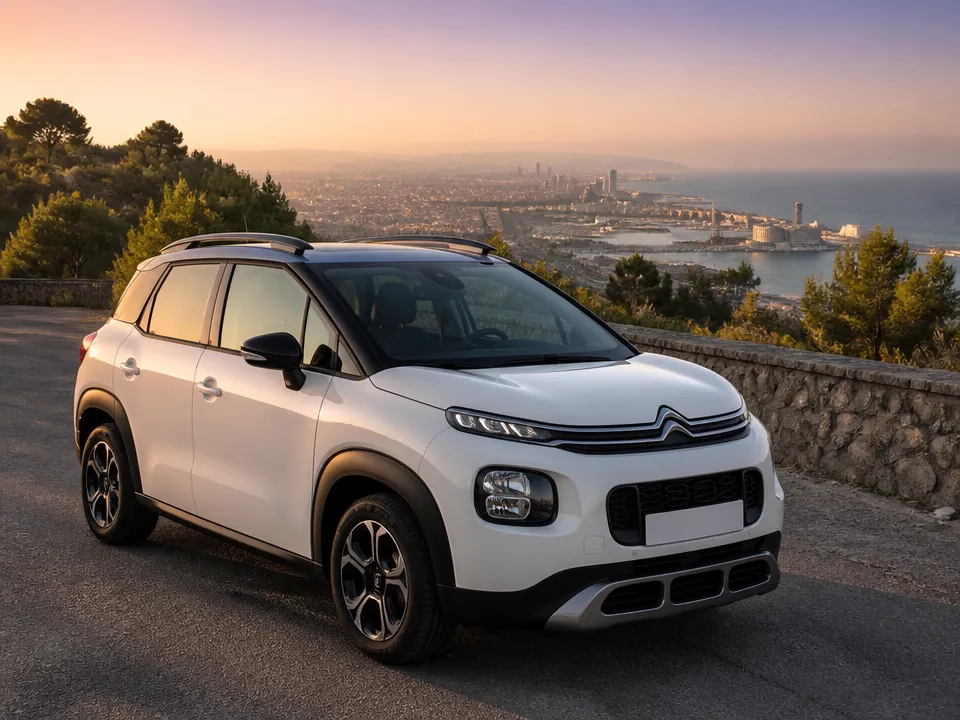
Citroen C3 Aircross
★4.8· 33Manual1.2 L110 hpFront-wheel5 seats
€38per day
Book now








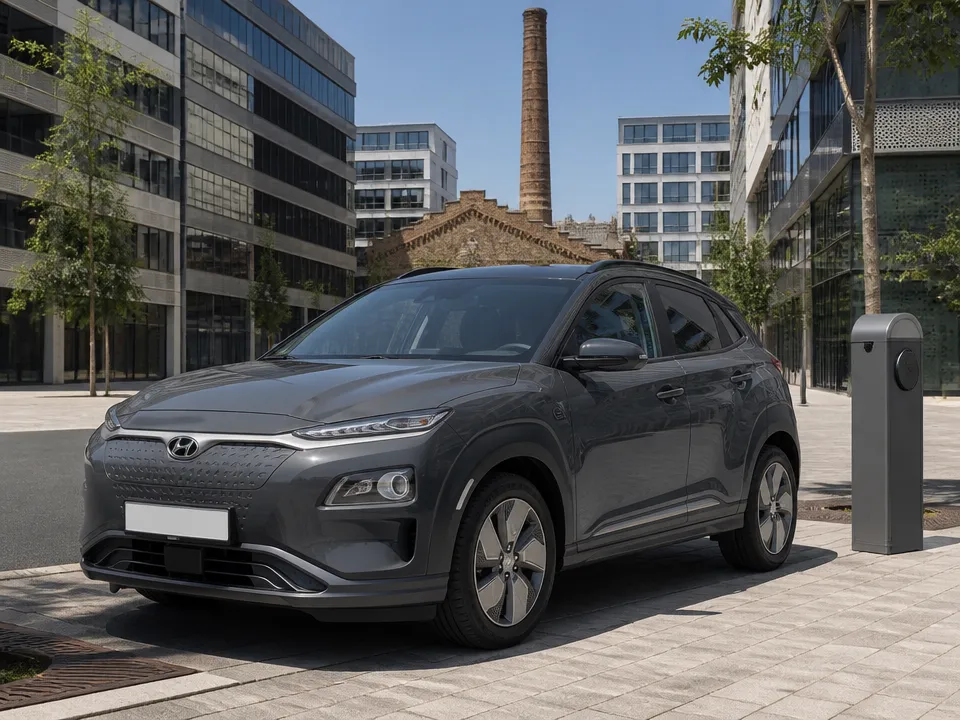
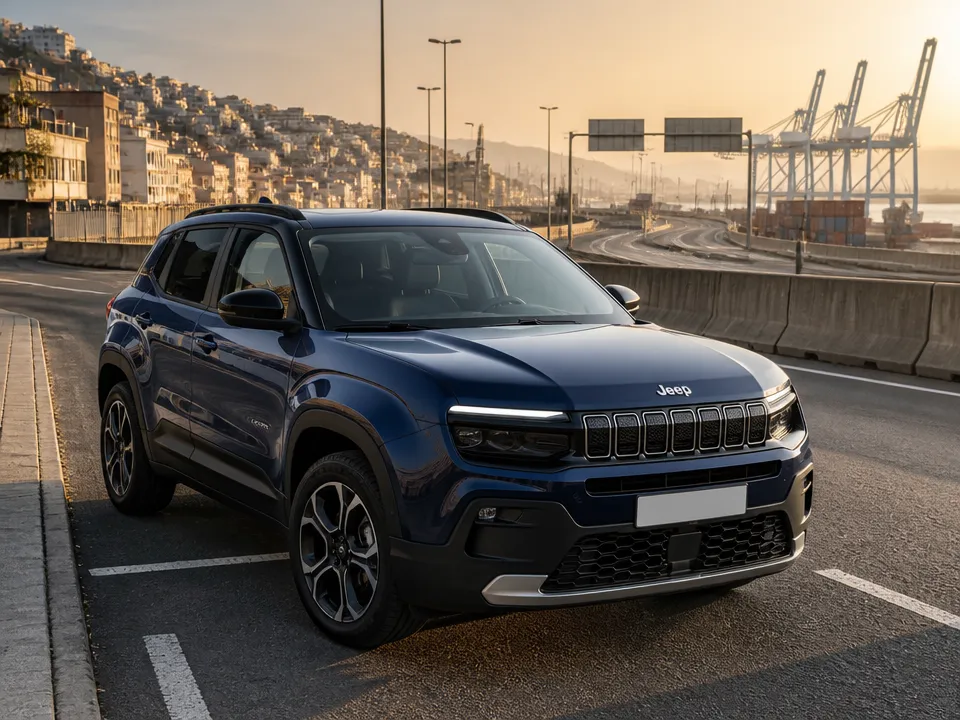
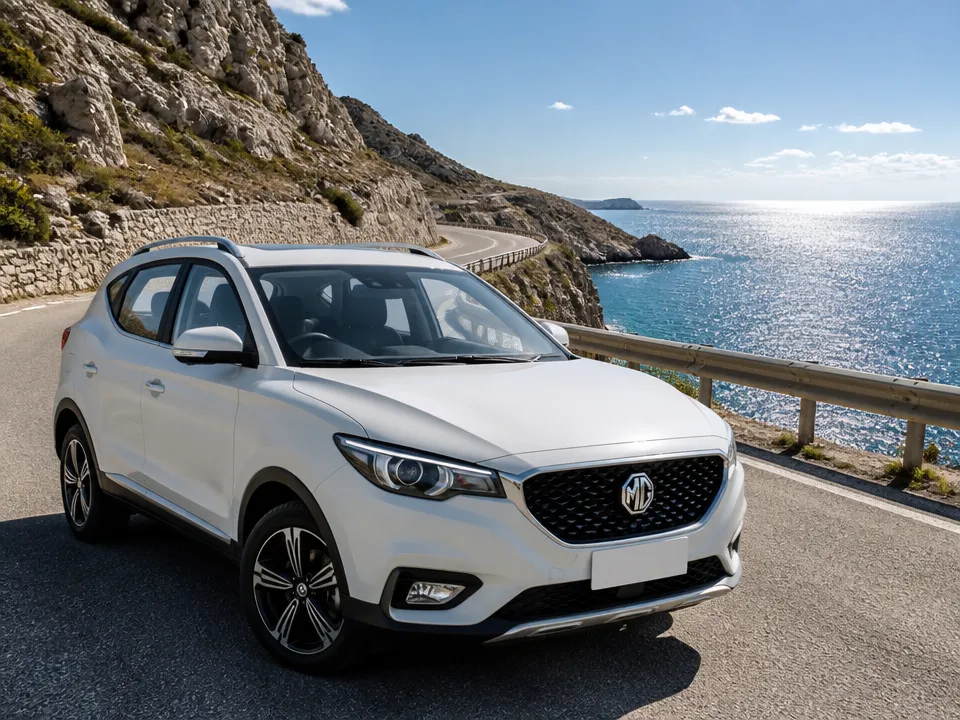
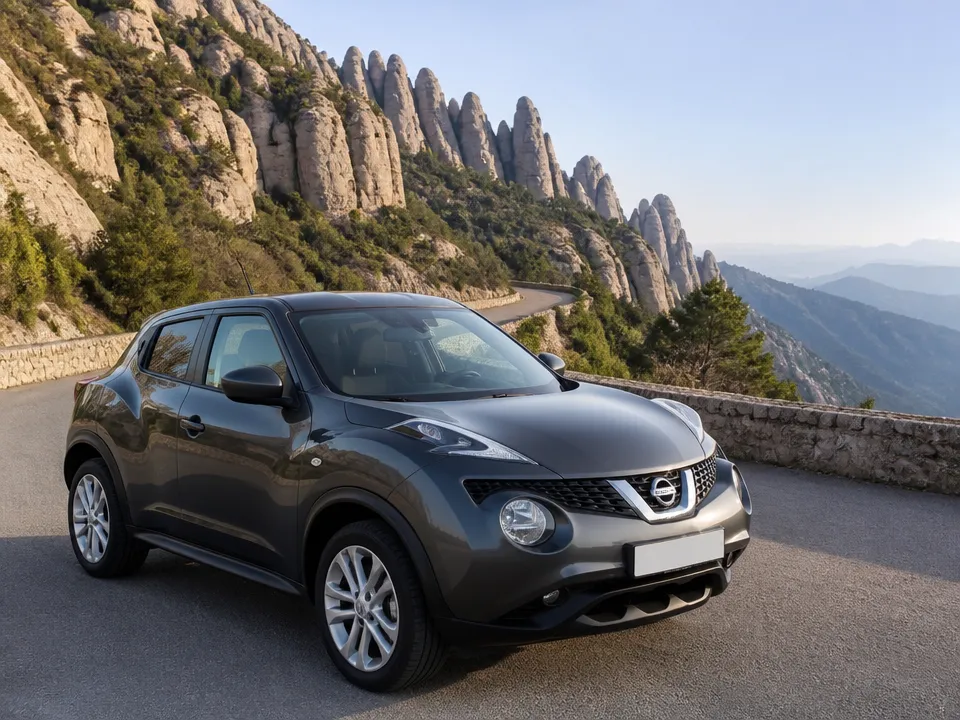
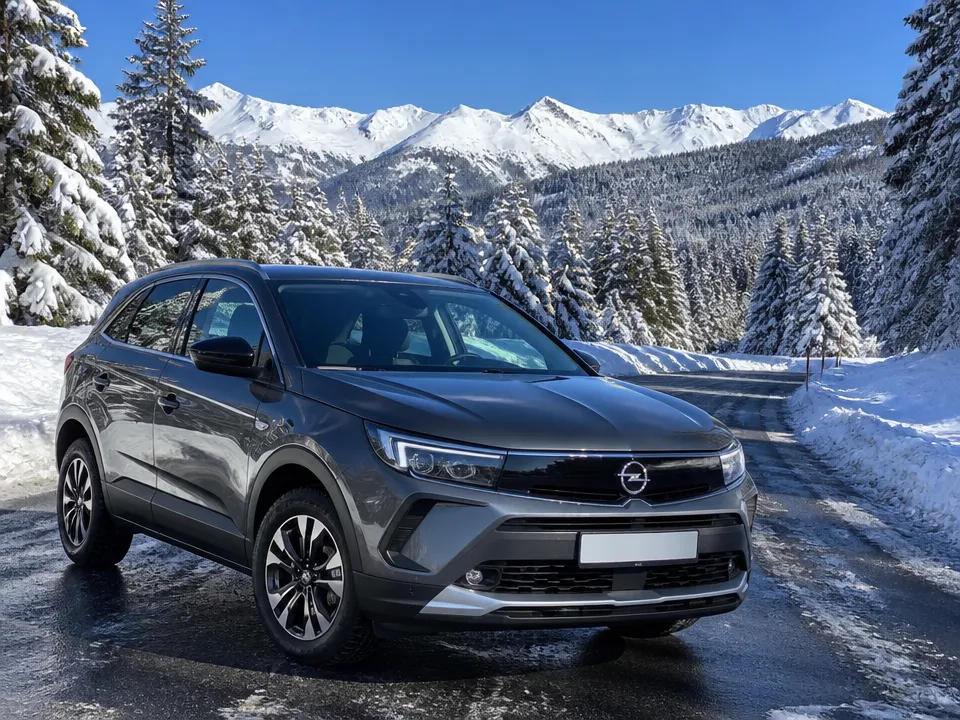
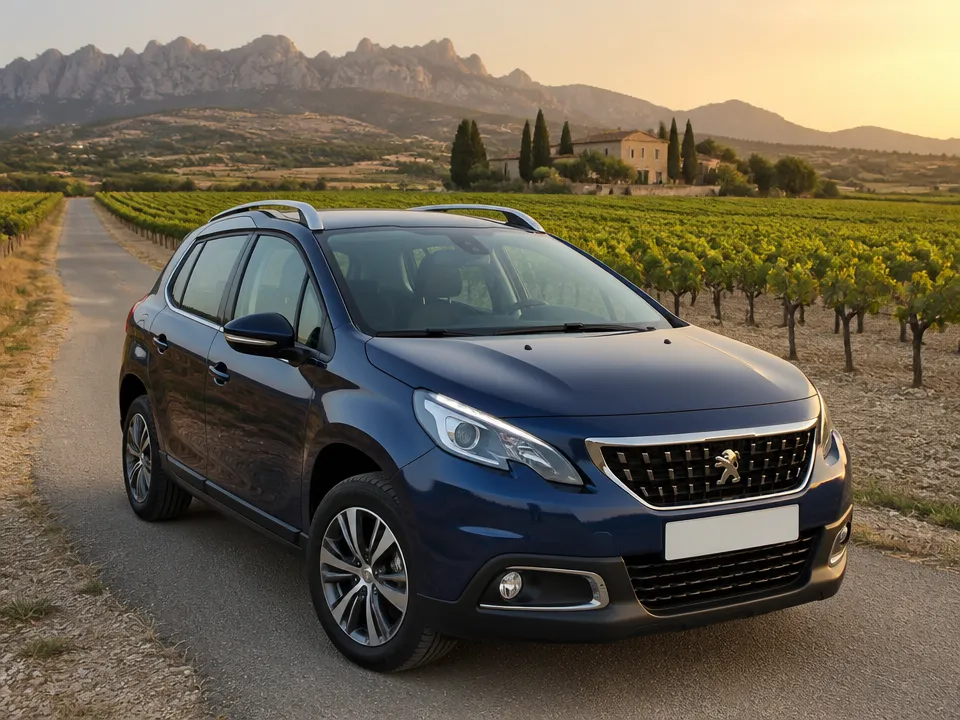
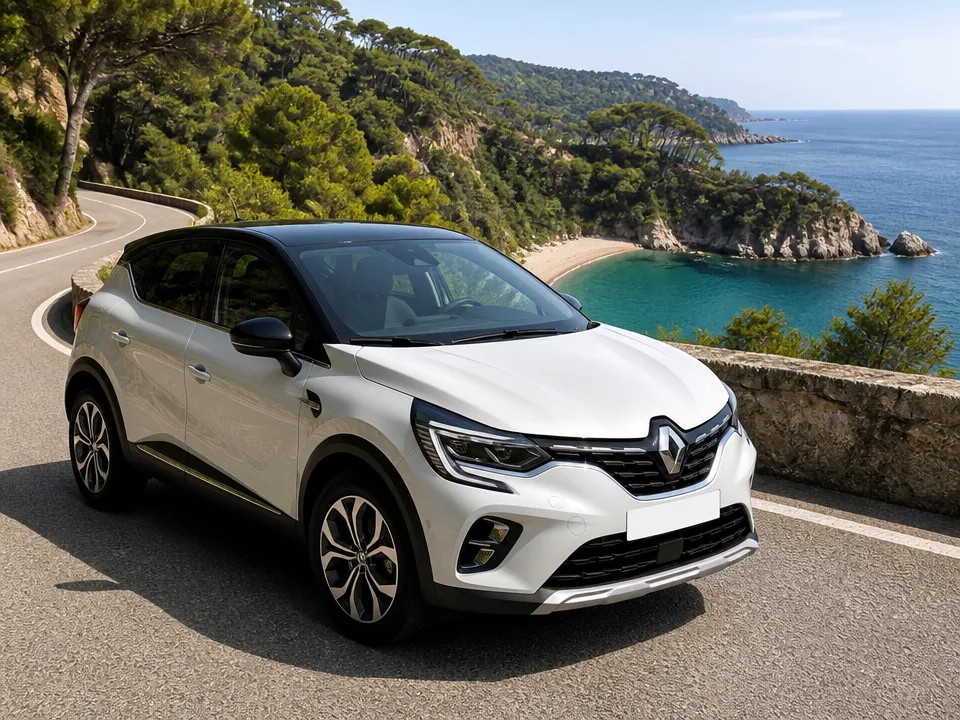
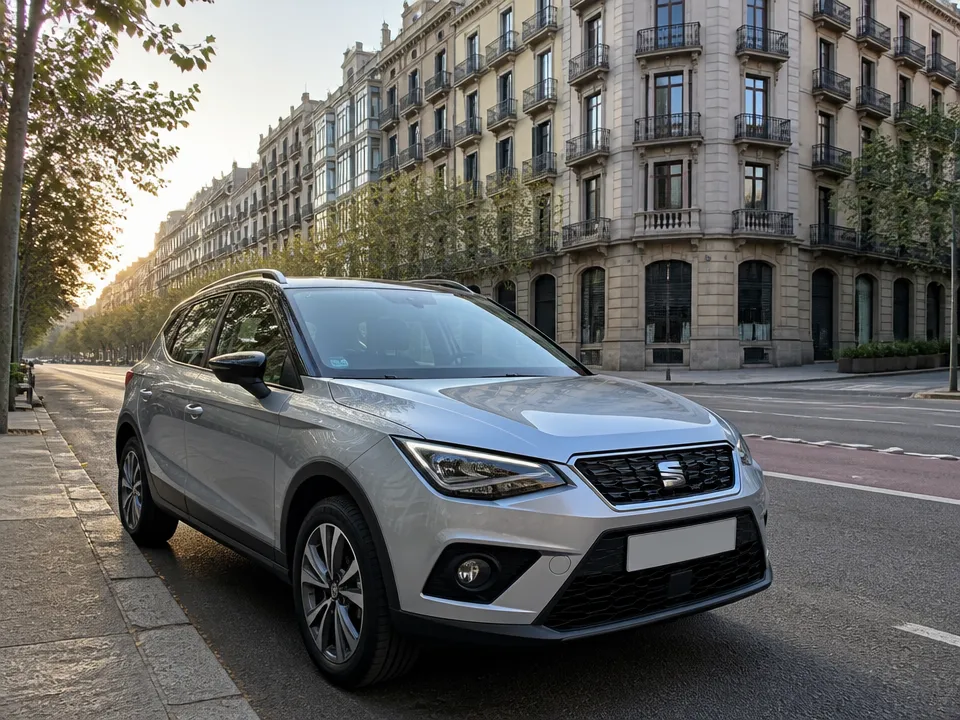
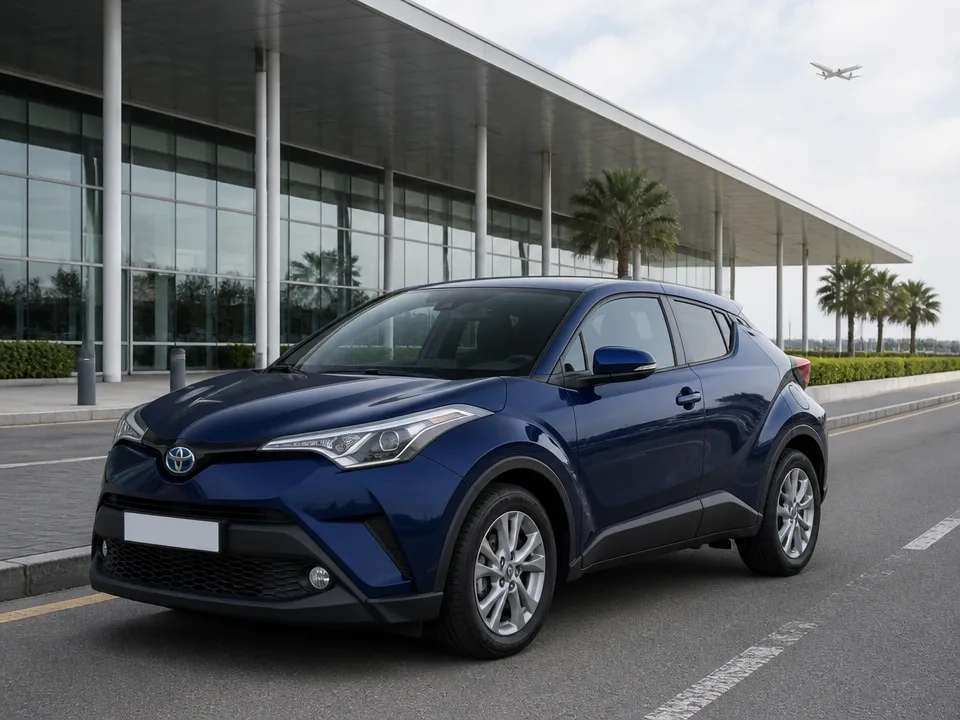
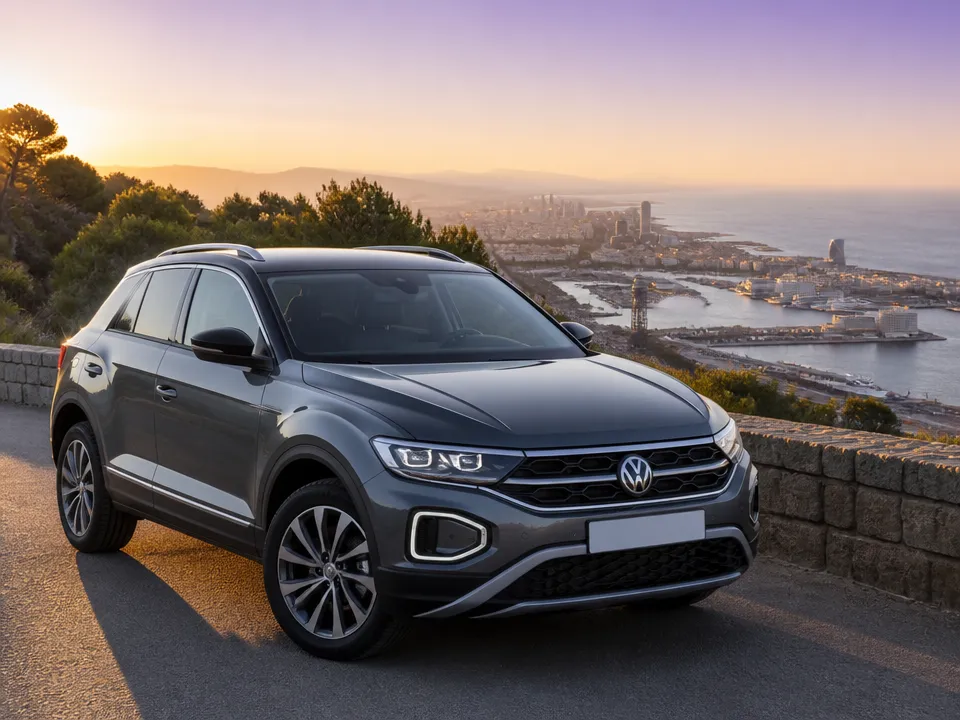

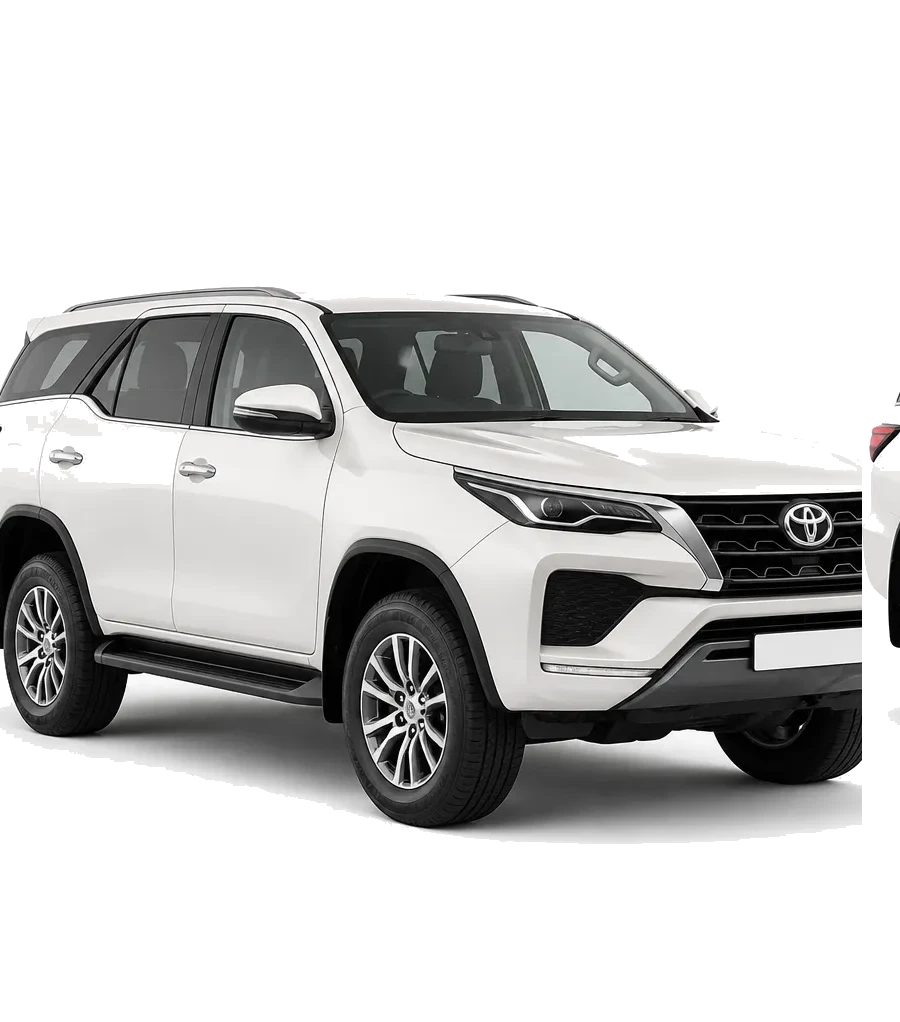

Our fleet of 13 crossover cars in Barcelona starts at €38 per day, with weekly bookings from €228 and monthly from €798. We bring the car to you anywhere in the city — the airport, Sants station or your hotel — and agree every detail with a manager when you book.
A crossover sits between a hatchback and a full SUV: raised seating, compact footprint, front-wheel drive. For this city that mix means city lanes and the ZBE Rondes de Barcelona without the bulk of a truck-derived 4x4.
A crossover is built on a car platform with a raised body, while an SUV sits on a heavier truck-derived chassis. That single difference decides almost everything else: our 13 crossovers carry 5 seats, front-wheel drive and engines from 1.0 L to 1.8 L, so they weigh and turn like a car rather than a utility vehicle. An SUV of the same footprint runs on a separate ladder frame, burns more fuel and needs more room to park. In the Ciutat Vella lanes and the underground car parks under L'Eixample, those extra centimetres of width and turning circle matter far more than ground clearance you will never use on asphalt. Choose by footprint, not by ride height.
Our crossovers seat five, drive the front wheels and span 1.0 L to 1.8 L engines, which keeps them easy to place in city lanes. Hybrid and petrol-electric versions — the MG ZS, Jeep Avenger, Nissan Juke, Hyundai Kona and Toyota C-HR among them — cut fuel use in the stop-start stretches along Gran Via and the Diagonal. The raised seating position lets you see over parked rows, which on narrow streets noticeably lowers the tension of driving an unfamiliar car.
Our Barcelona crossover fleet holds 13 models, all five-seat and front-wheel drive, spanning €38 to €48 per day. Engines run from 1.0 L to 1.8 L and 90 hp to 211 hp, with petrol, hybrid and part-electric drivetrains. Two cars come with automatic transmission; the other eleven are manual.
| Model | Fuel | Transmission | Engine | Power | €/day |
|---|---|---|---|---|---|
| Citroen C3 Aircross | Petrol | Manual | 1.2 L | 110 hp | €38 |
| MG ZS | Petrol/Hybrid | Manual | 1.5 L | 106 hp | €39 |
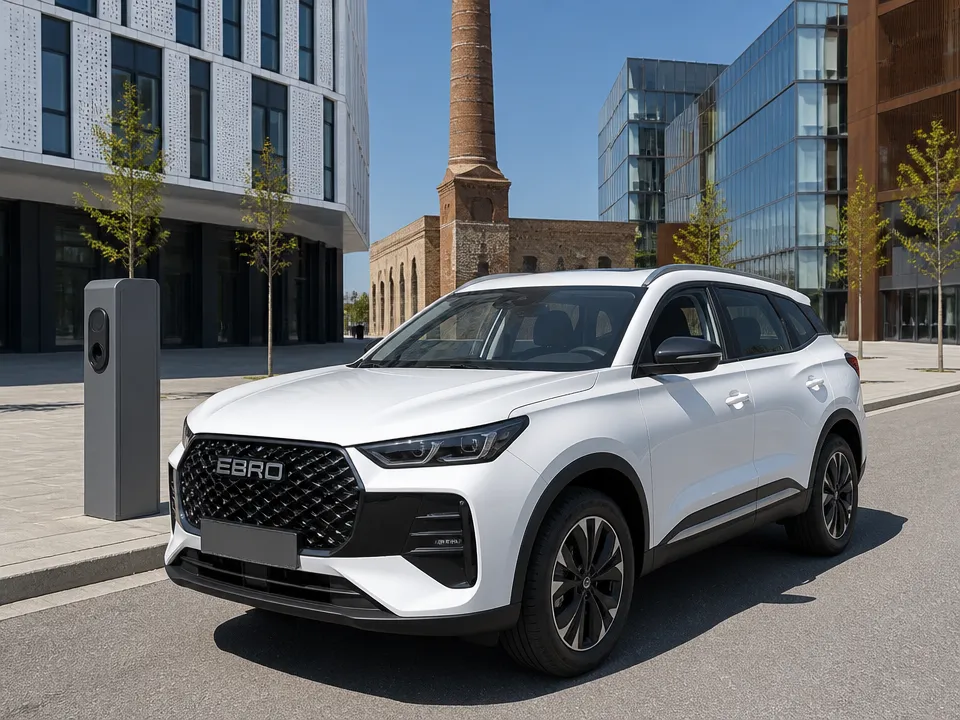
| Ebro S400 | Hybrid | Automatic | 1.5 L | 211 hp | €40 |
| Seat Arona | Petrol | Manual | 1.0 L | 110 hp | €41 |
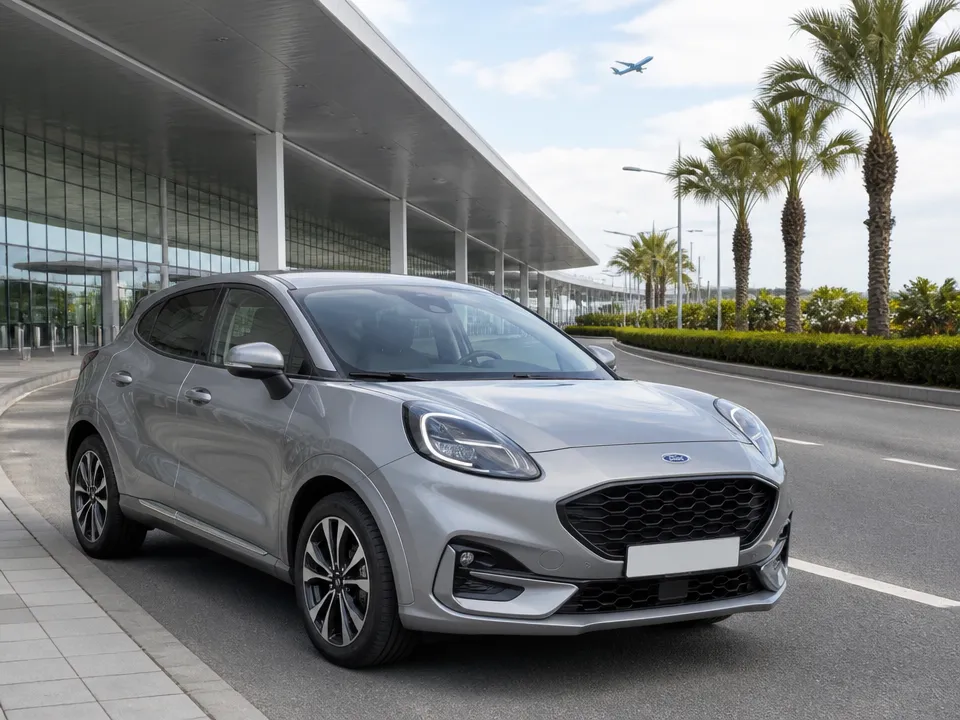
| Ford Puma | Hybrid | Manual | 1.0 L | 125 hp | €42 |
| Jeep Avenger | Petrol/Electric | Manual | 1.2 L | 100 hp | €43 |
| Nissan Juke | Petrol/Hybrid | Manual | 1.0 L | 114 hp | €43 |
| Opel Mokka | Petrol | Manual | 1.2 L | 130 hp | €43 |
| Renault Captur | Petrol/Hybrid | Manual | 1.0 L | 90 hp | €43 |
| Hyundai Kona | Petrol/Hybrid | Manual | 1.0 L | 120 hp | €44 |
| Peugeot 2008 | Petrol | Manual | 1.2 L | 130 hp | €44 |
| Volkswagen T-Roc | Petrol | Manual | 1.0 L | 115 hp | €46 |
| Toyota C-HR | Hybrid | Automatic | 1.8 L | 140 hp | €48 |
Every crossover on this page seats five, so the choice comes down to luggage and engine, not seat count. For four adults with checked bags, the 1.5 L Ebro S400 and the 1.8 L Toyota C-HR carry the strongest power figures in our fleet — 211 hp and 140 hp — and both run automatic, which takes the edge off repeated stop-start traffic. If most of your driving stays inside the city and you pack light, the 1.0 L Seat Arona at €41 per day or the 1.0 L Renault Captur at €43 keeps the engine small and the fuel bill low, and both still give you the raised seating position that makes lane placement easier. In our experience, families booking a week tend to settle on the mid-range 1.2 L cars — the Peugeot 2008 or the Opel Mokka at €44 — because the extra 130 hp shows on the climbs out toward Montserrat and the Costa Brava. Match the engine to your longest planned trip, not your shortest.
Two of our crossovers come with automatic transmission — the Ebro S400 and the Toyota C-HR — and both sit at the lower and upper ends of the range at €40 and €48 per day.
In the Spanish market a manual gearbox is the default and automatic sits in a separate, dearer class — so if you need an automatic, reserve it early rather than assuming one will be free on the day.
Crossover car rental in Barcelona with Rent-Trip runs from €38 to €48 per day, with weekly bookings from €228 and monthly from €798.
| Period | From | Basis |
|---|---|---|
| One day | €38 | Daily rate of the chosen model |
| One week | €228 | Daily rate × 6 |
| One month | €798 | Daily rate × 21 |
A week is charged as six daily rates and a month as twenty-one, so the longer you book, the lower the effective cost of a single day. At the bottom of the range the Citroen C3 Aircross, MG ZS and Ebro S400 sit between €38 and €40 per day; the Toyota C-HR at €48 is the top of the class. The monthly figure of €798 is calculated on the entry rate, so a T-Roc or a C-HR booked for a month costs more — the exact total for your dates and model is agreed when booking.
Spain's consumer authority also gives you a lever if the model you booked is not there. If the car handed over does not match the agreed conditions — an automatic when you booked an automatic, four doors when the agreement says four doors — you can cancel the booking and take your prepayment back. If you are given a lower class instead, the price has to come down; if you are upgraded, you pay nothing extra. In our practice, the argument almost never happens, because the model is confirmed with a manager before you collect. Ask for that confirmation in writing when you book, and keep the message until the trip is over — it is the simplest evidence you can hold if the car at hand-over differs from the one you agreed.
Two of the thirteen crossovers come with an automatic gearbox — the Ebro S400 at €40 per day and the Toyota C-HR at €48 — while the other eleven are manual. In the Spanish market a manual is the default and an automatic is treated as a separate, more expensive class, which is why the two automatics bracket the range rather than sitting in the middle of it. The Ebro S400 is the cheaper way into an automatic: hybrid, 1.5 L, 211 hp, front-wheel drive, five seats. If you want the automatic without paying the top rate, book the Ebro early — there is only one of it on this page, against twelve manual cars.
Crossover car rental puts you inside the ZBE Rondes de Barcelona, so the environmental rules, the blue parking zones and the toll tunnels are the three things worth knowing before you pull out of the delivery spot. All of it is manageable; the trick is knowing it in advance.
The Zona de Bajas Emisiones Rondes de Barcelona covers over 95 km² — the whole municipality except the Zona Franca industrial area and the Vallvidrera – el Tibidabo i les Planes neighbourhood, plus L'Hospitalet de Llobregat, Sant Adrià de Besòs and parts of Esplugues de Llobregat and Cornellà de Llobregat. It operates on working days, Monday to Friday. The environmental badge matters here: 0 emisiones (blue) and ECO (blue-green) are the two that clear the zone. Foreign-registered vehicles need prior registration in the Registre metropolità de vehicles estrangers i altres vehicles autoritzats a les zones de baixes emissions. Which badge a given model carries is worth checking before you plan a route through the centre — the details are agreed when booking.
A crossover's footprint helps here: at 1.0 to 1.8 litres and front-wheel drive, these cars slot into the standard blue bays without the width penalty a full-size SUV pays.
We bring the crossover to you rather than asking you to collect it from a counter.
The crossover arrives fuelled, and the condition report is the part worth your full attention. Spanish consumer rules require every scratch and dent to be written into the agreement or the inspection sheet before you drive away, signed by both sides, with a copy left in your hands — damage recorded later can otherwise be charged to you. Walk the car once with the sheet in hand and check the four alloy wheels, the lower bumpers and the windscreen for chips, because those are the panels a city car picks up first in local traffic.
The compulsory third-party cover, the Seguro Obligatorio de Responsabilidad Civil, is already in the car and in the price you are quoted — Spanish law sets its limits at 70 million EUR per incident for personal injury and 15 million EUR for property damage, and it applies even if someone not named in the agreement is driving. Everything else sits in the rental agreement: the minimum age and licence history, and the fuel and territory conditions. Those are agreed with the manager when you book, so ask before you sign rather than after. Keep the agreement and the inspection copy in the glovebox for the whole trip — a ZBE Rondes de BCN control or a parking warden can ask for the vehicle papers, and the sheet is your proof of the car's condition on the day you took it.
Spain is strict about paperwork, and a crossover booking is no exception. What you need, what is covered and what you sign all depend on where your licence was issued — so bring the original documents, not photos.
Every car legally on a Spanish road carries Seguro Obligatorio de Responsabilidad Civil, and it is included by law. It does not cover the driver or the car itself. On top of that, CDW removes your liability for damage to the vehicle after a collision with another vehicle or an object, except for the excess; vandalism is excluded unless it happened while the car was in use. THW covers total or partial theft and vandalism damage, again minus the excess. SCDW and SPCDW buy down part or all of the excess left by CDW, and STHW and SPTHW do the same for the theft excess. Glass and tyres are usually outside basic CDW, which is what WWI addresses. The excess itself — the amount you pay yourself after damage — is printed in the agreement whatever level of protection you choose, and it is set out there rather than quoted here.
Spanish consumer rules require the advertised price to include every compulsory charge you cannot legally drive without, such as the mandatory third-party insurance. The consumer authority also requires that every scratch and dent be written into the contract or the inspection sheet before you leave, signed by both sides, with a copy kept by the renter — otherwise the damage is charged to you. If the model you booked is not available, you are entitled to another car at no extra cost, even a class above; if you are given a lower class, the price must come down. If the car does not match the agreed conditions, you can cancel and get your prepayment back. Deposit, excess and delivery fees are set out in the agreement, and a manager agrees each booking with you beforehand.
A crossover earns its place on a city break the moment you point it at the roads beyond the ring roads. Our crossovers seat five, run 1.0 L to 1.8 L engines and cover 90 to 211 hp, so a loaded car still holds its pace on the climbs out of the coastal plain.
Andorra is a further run inland. On those routes the differences inside our 13-model line-up start to matter: the Toyota C-HR with its 1.8 L hybrid and automatic transmission is the easiest of the group over a long day at the wheel, while the Ebro S400 pairs a 1.5 L hybrid with an automatic for 211 hp, the strongest figure on the page.
The ZBE Rondes de Barcelona covers over 95 km² of the municipality in working hours, Monday to Friday, and a foreign-plate car needs prior registration in the Registre metropolità de vehicles estrangers i altres vehicles autoritzats a les zones de baixes emissions. Winter tyres are not a seasonal requirement in Spain — restrictions appear only point by point on signs and gantries when it snows, and for a Barcelona-based trip that means the mountain roads towards the Pyrenees, such as the C-16 and the Túnel del Cadí. In our experience the trips that go wrong are the ones booked as a single long day: two shorter runs out of the city leave room for the parking, the tolls and the traffic on the way back.
Daily prices on this page run from €38 to €48. The page lists 13 cars, all in the Crossover class, with 5 seats and automatic or manual transmission. Rates on this page start at €38 a day.
The Citroen C3 Aircross is listed at €38 per day, the MG ZS at €39 per day and the Ebro S400 at €40 per day. This page lists 13 cars in total, from €38 to €48 a day.
Barcelona's ZBE Rondes BCN applies on working days, Monday to Friday, 07:00 to 20:00, and vehicles without a DGT environmental badge are not allowed. On Saturdays, Sundays and public holidays the restriction does not apply.