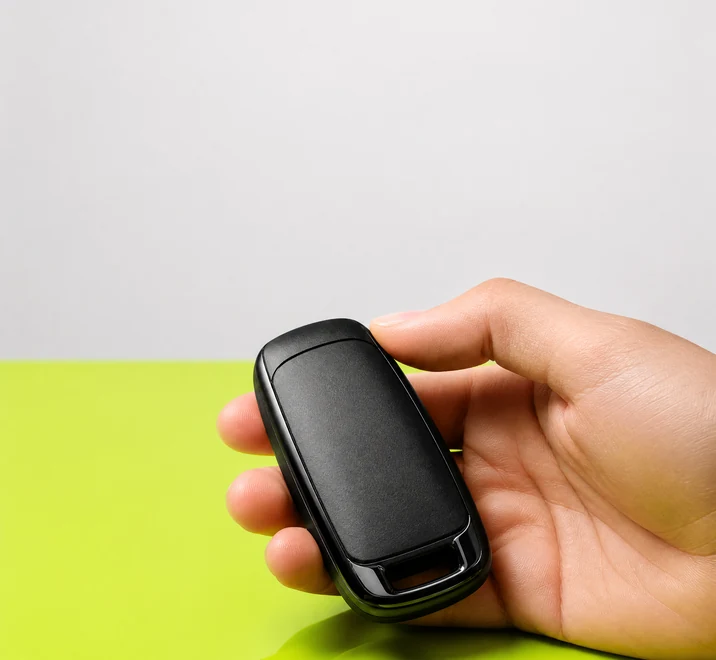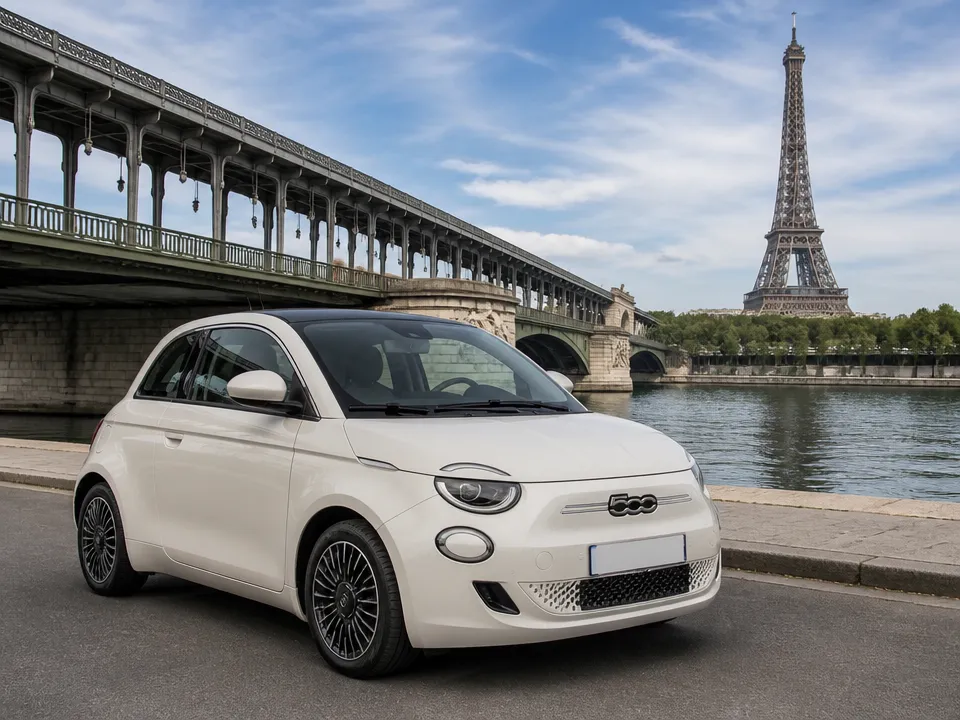
Fiat 500e
★4.9· 20Automatic42 kWh118 hpFront-wheel4 seats
€59per day
Book now






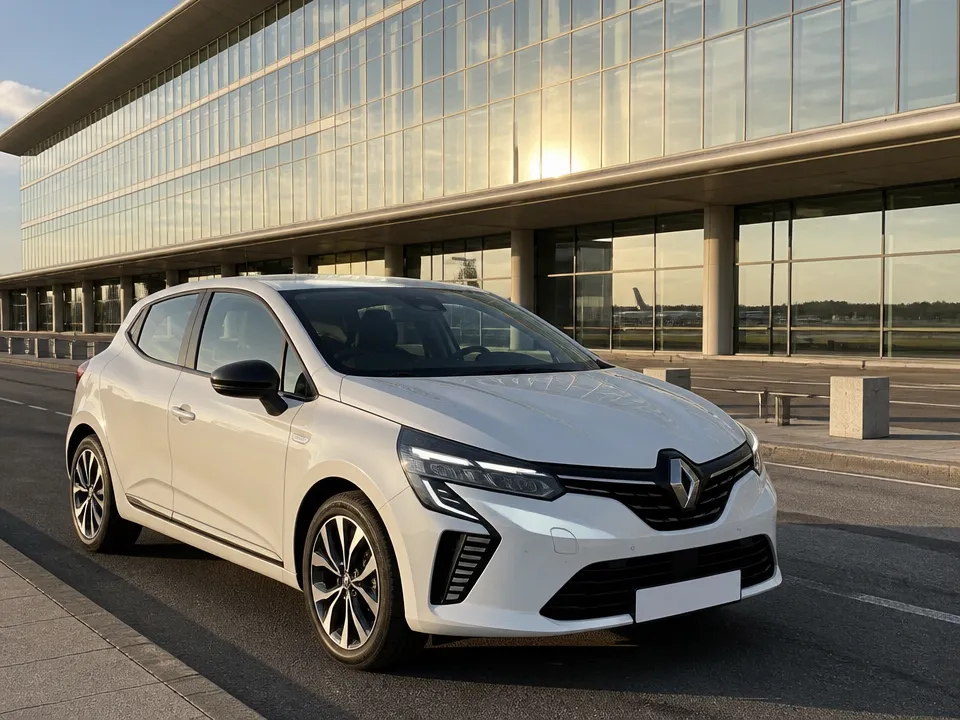
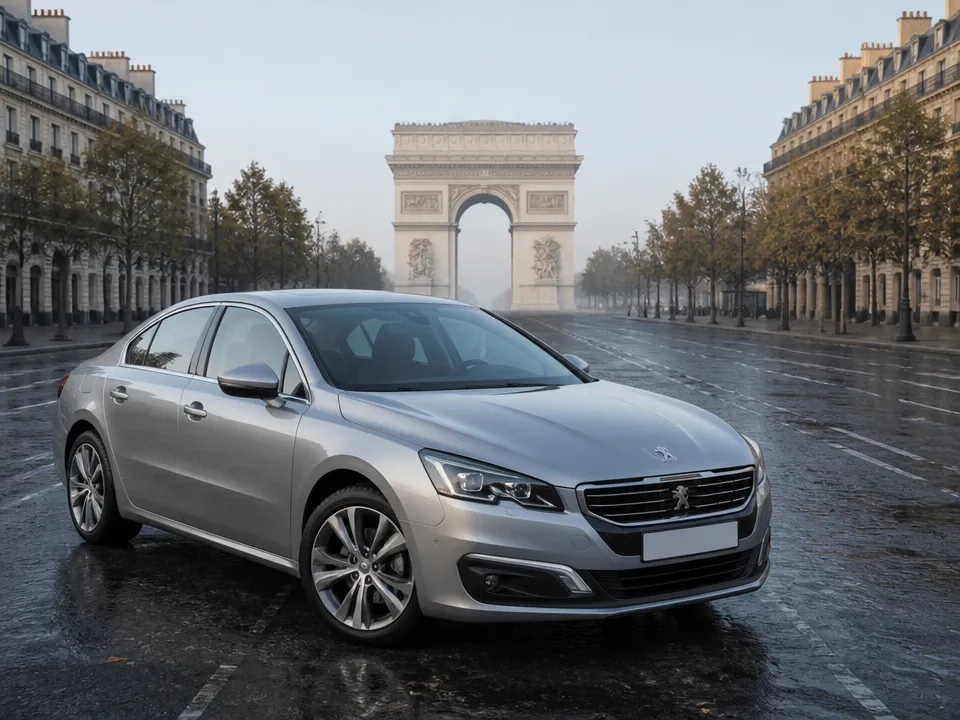
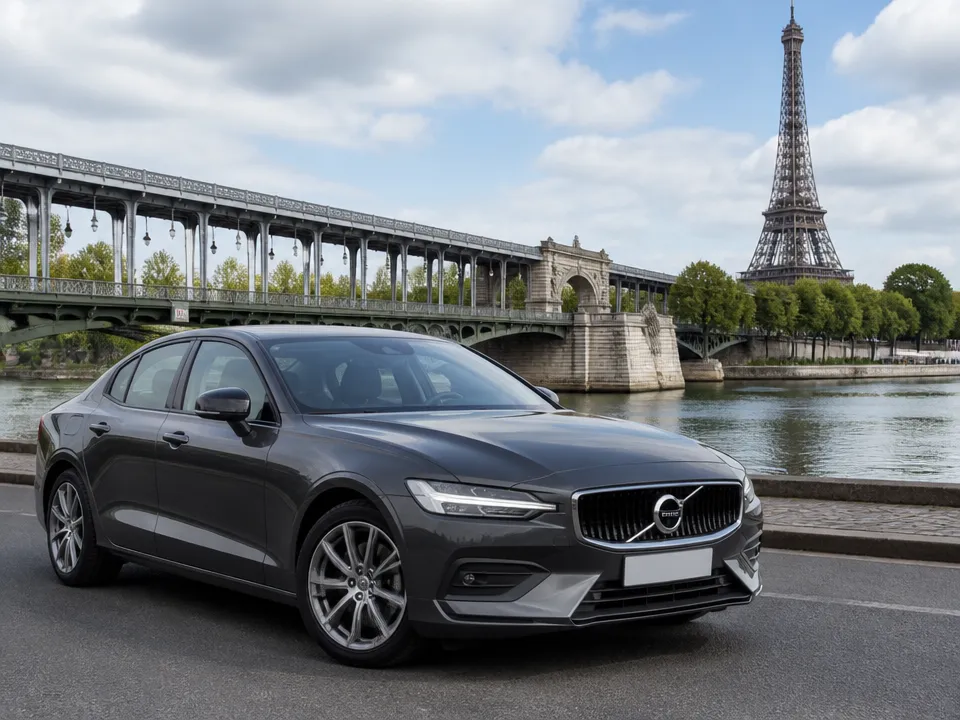
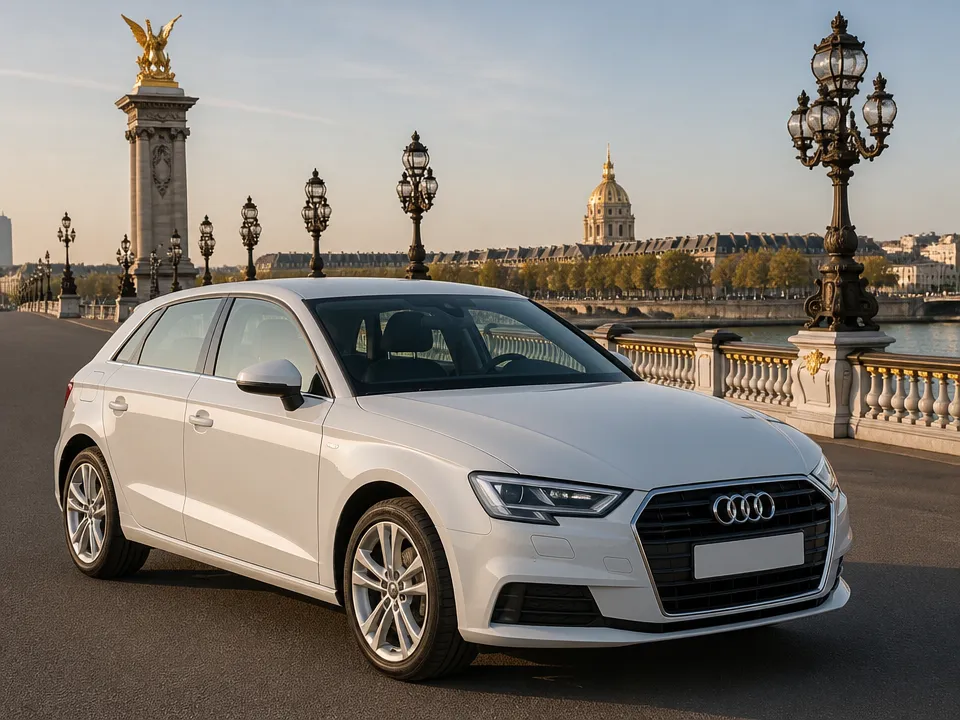
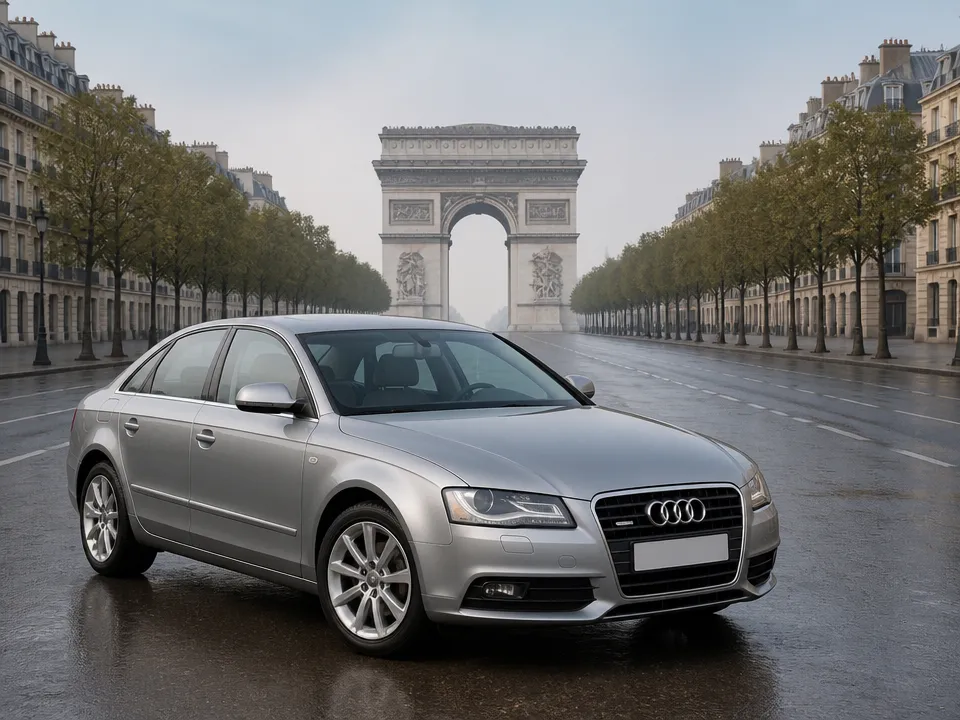
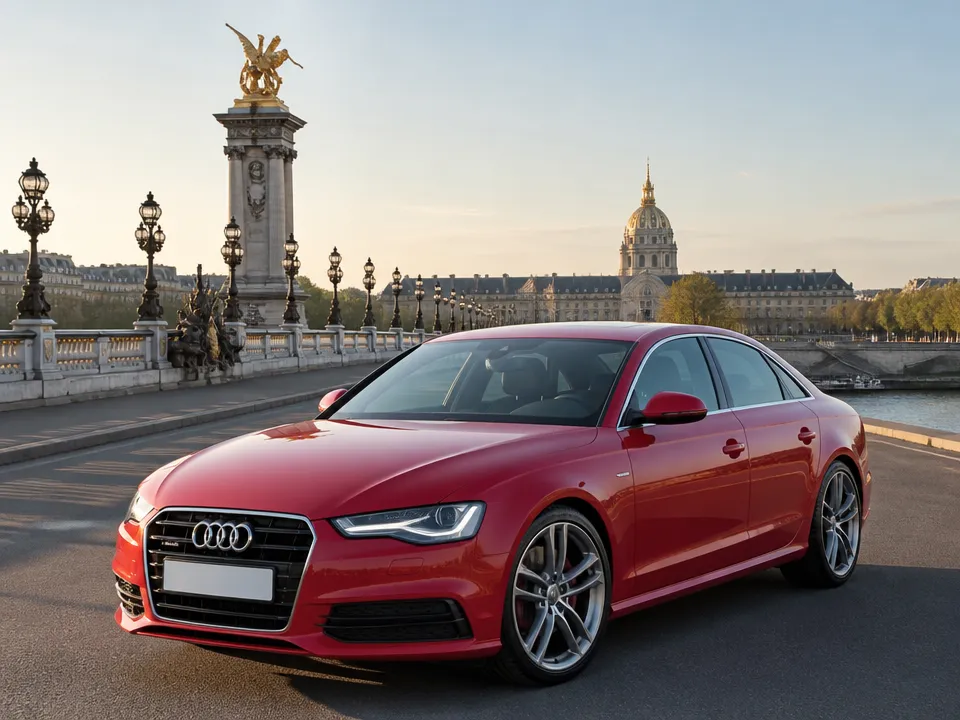
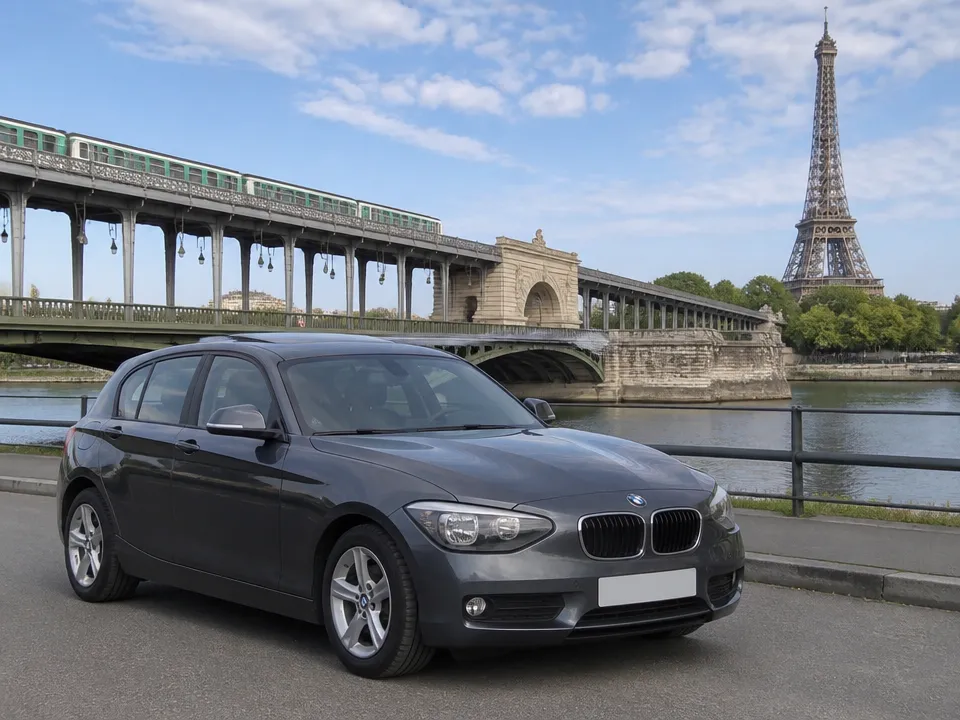
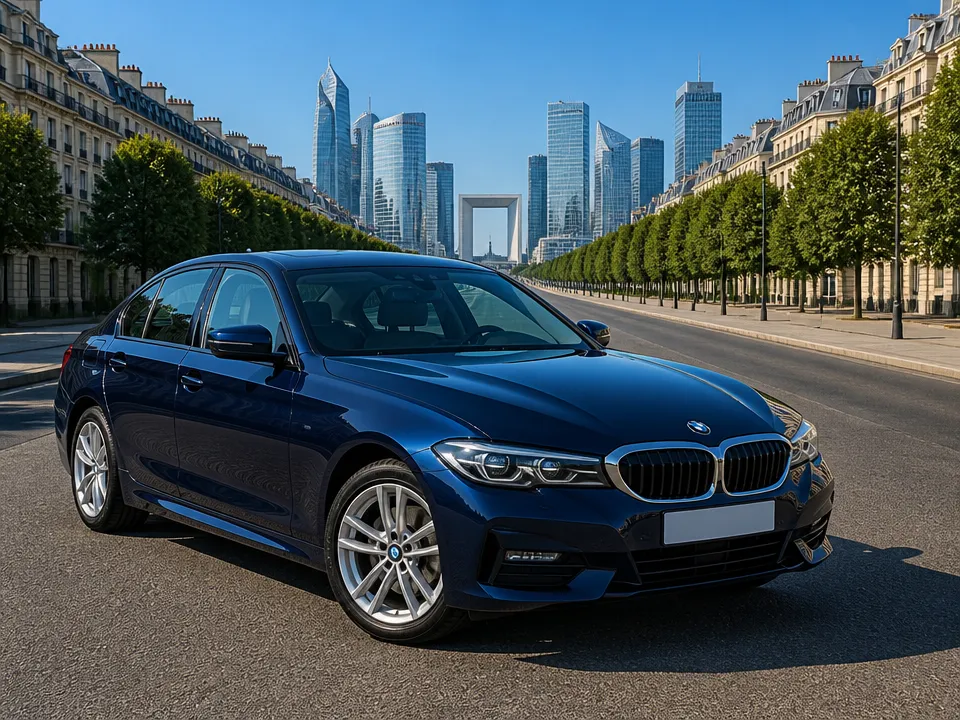
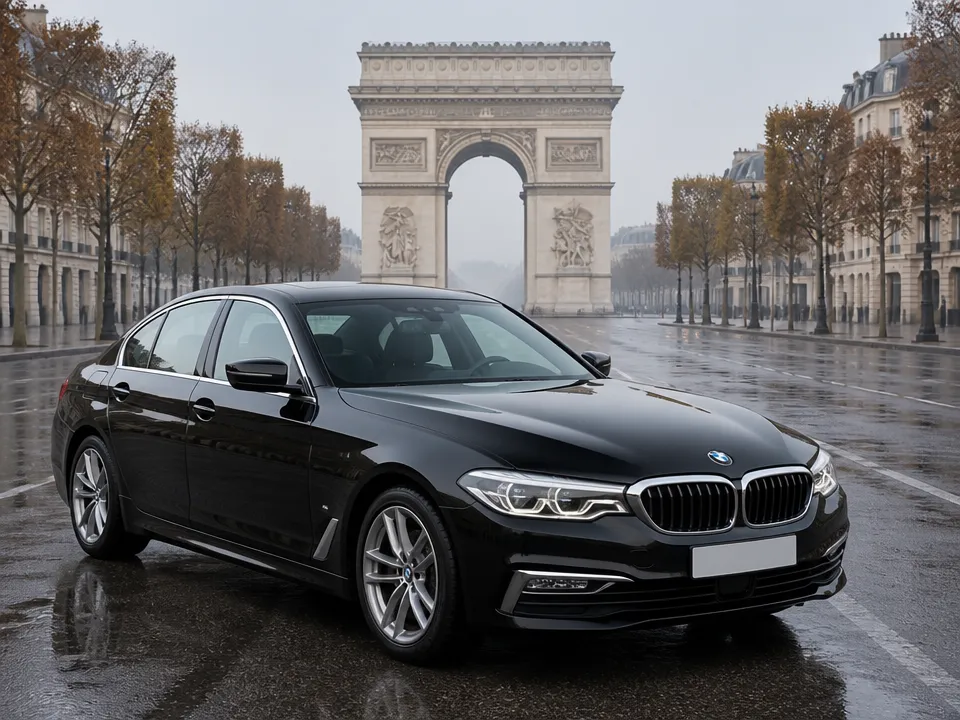
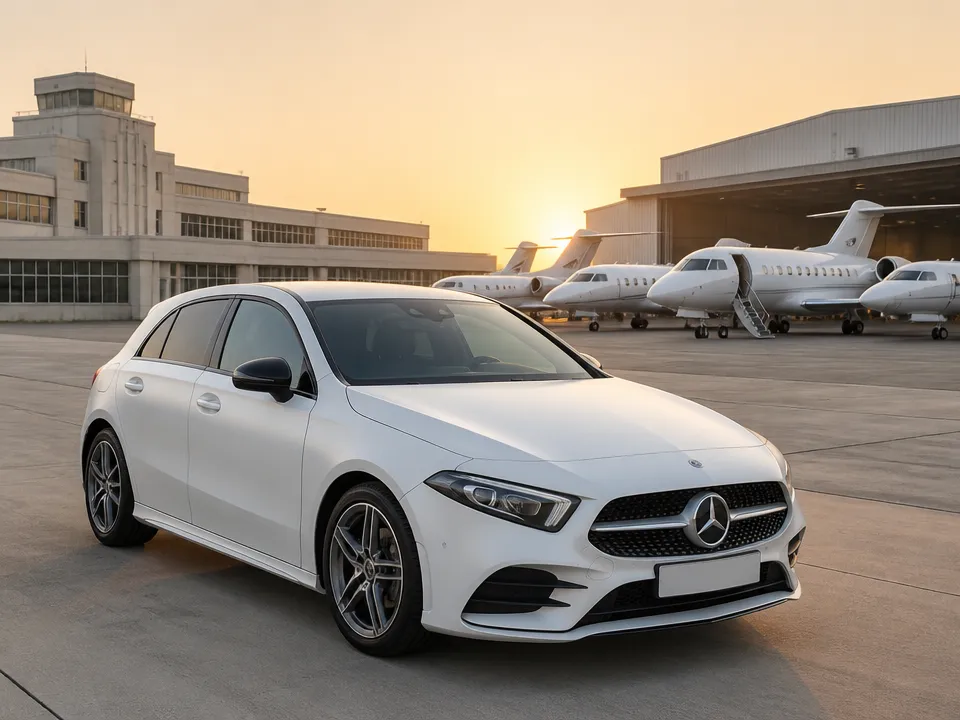
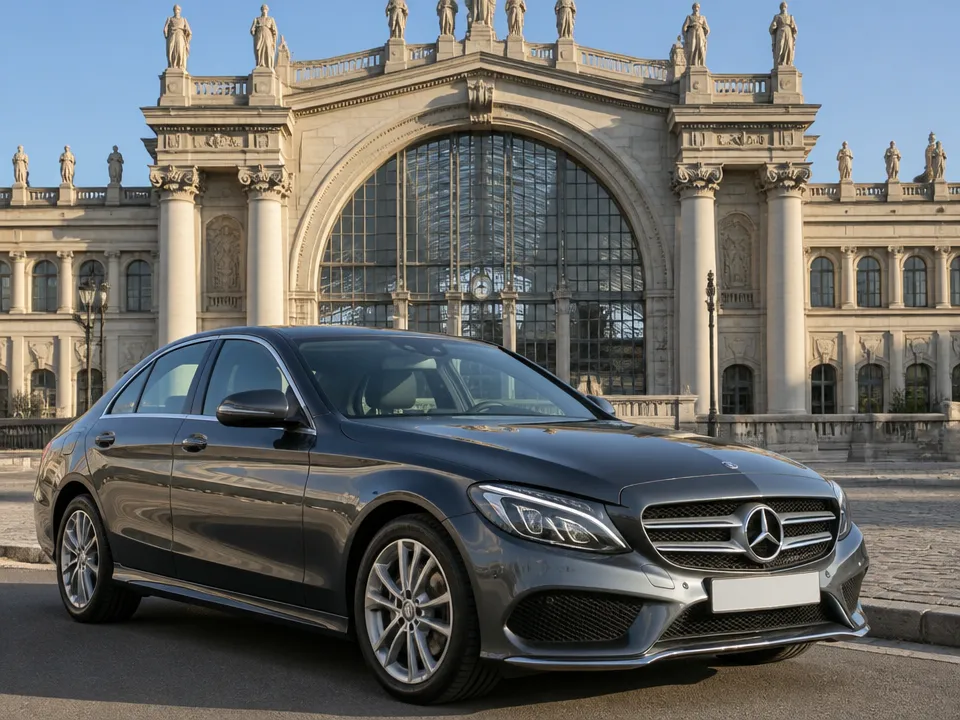
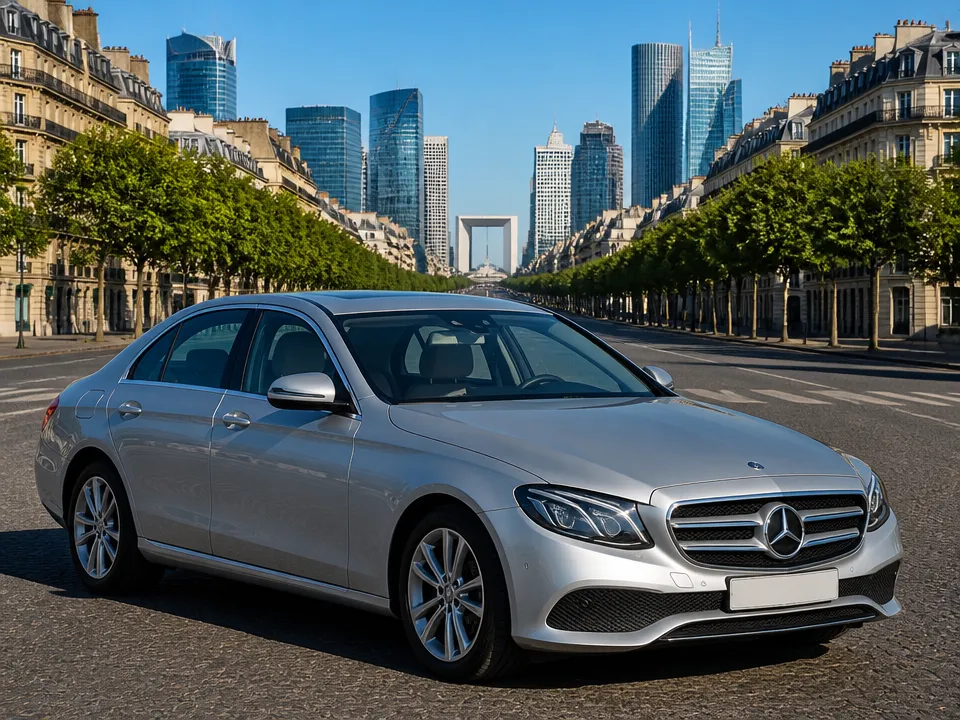
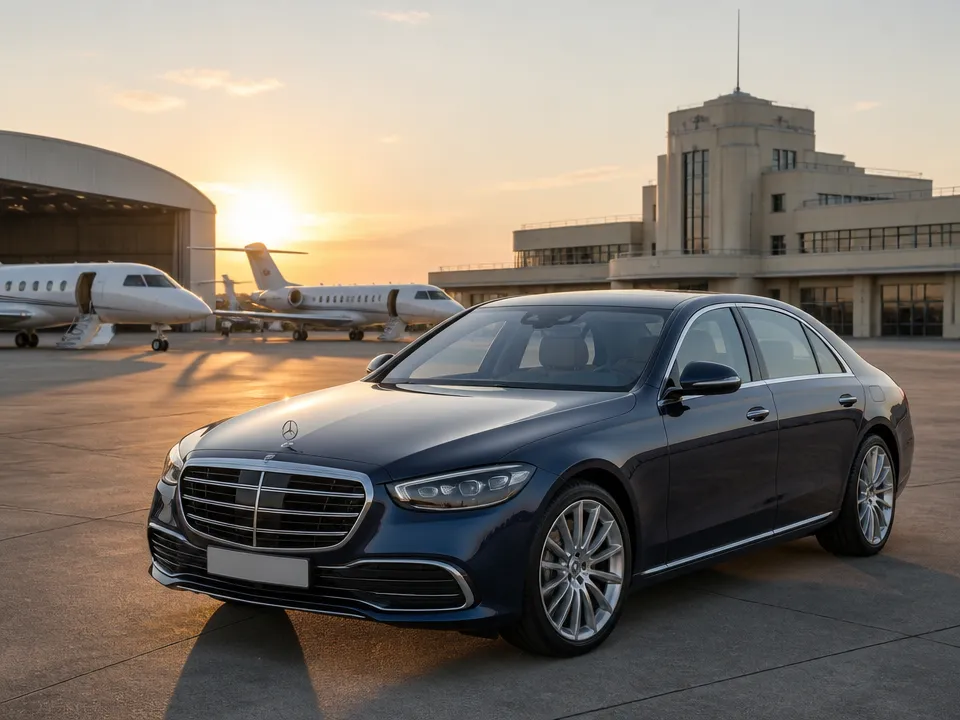
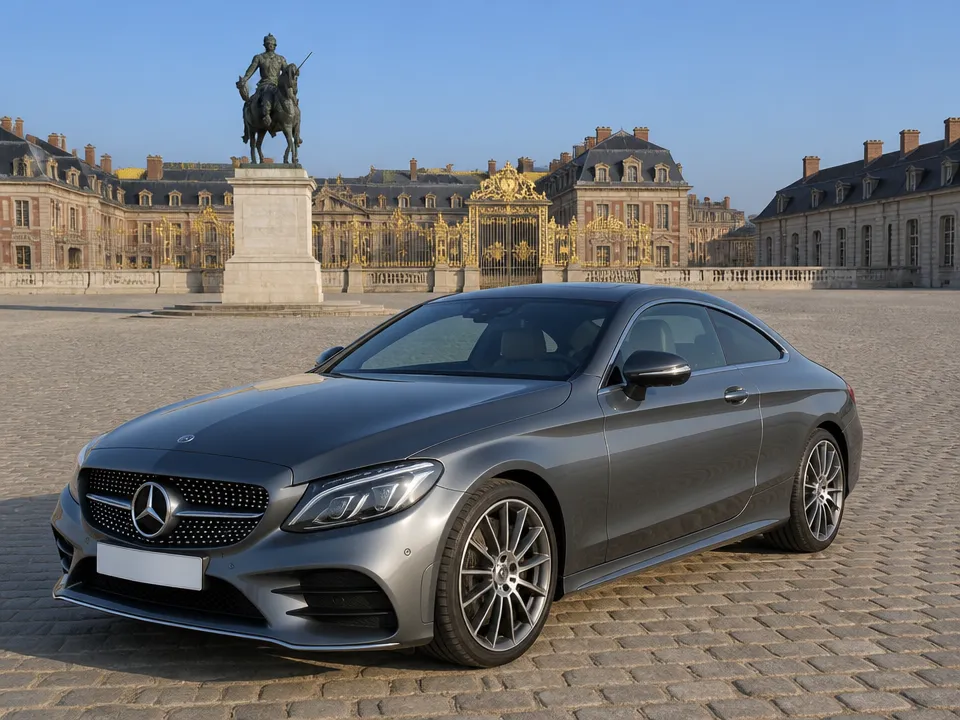
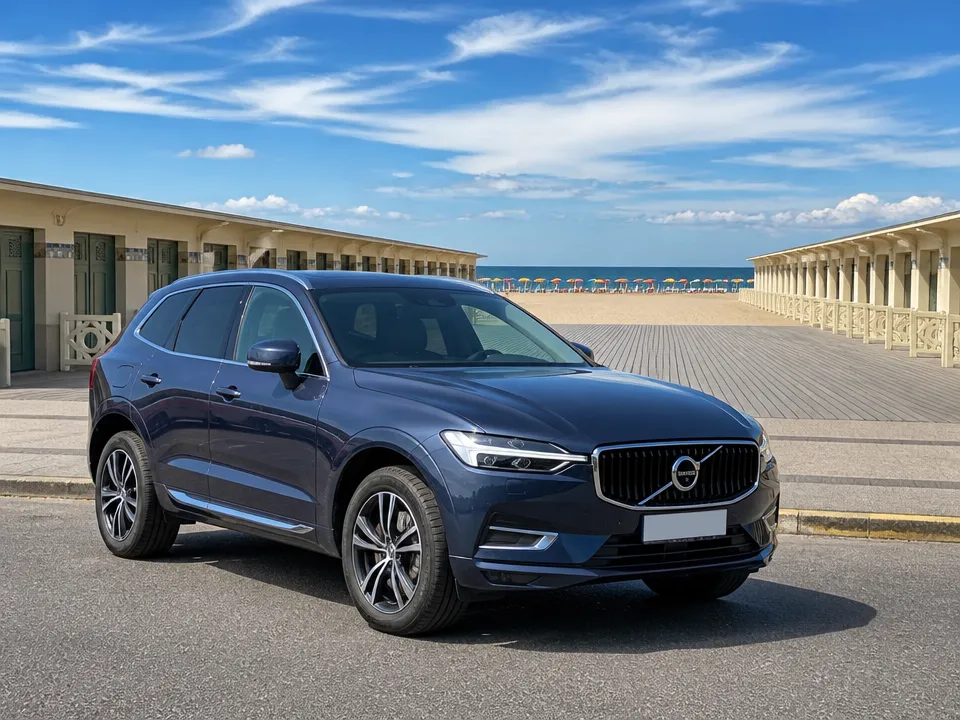
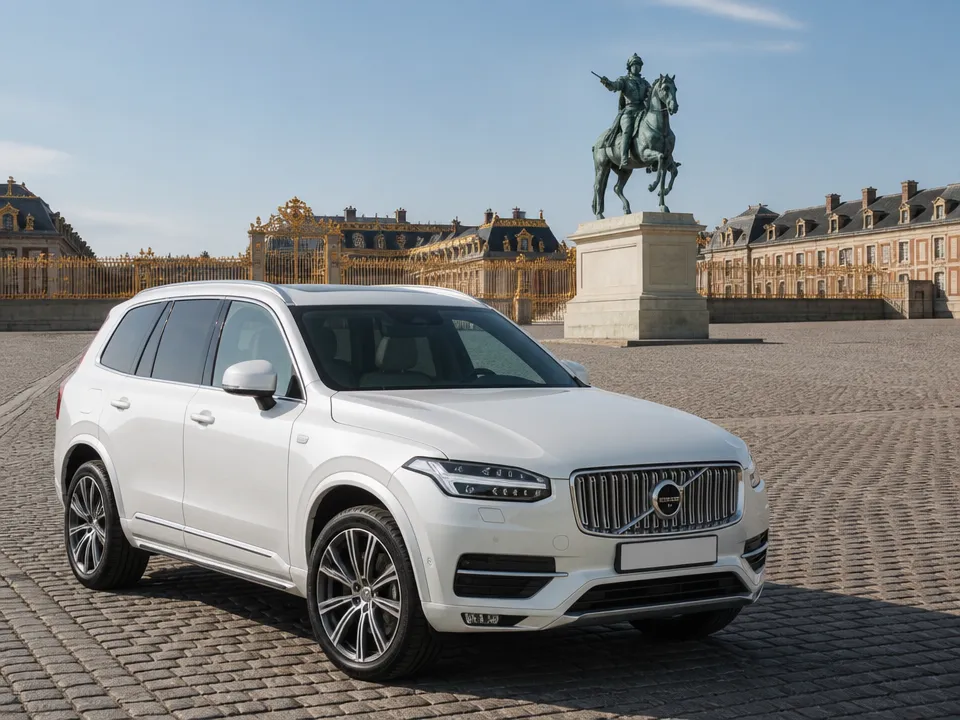
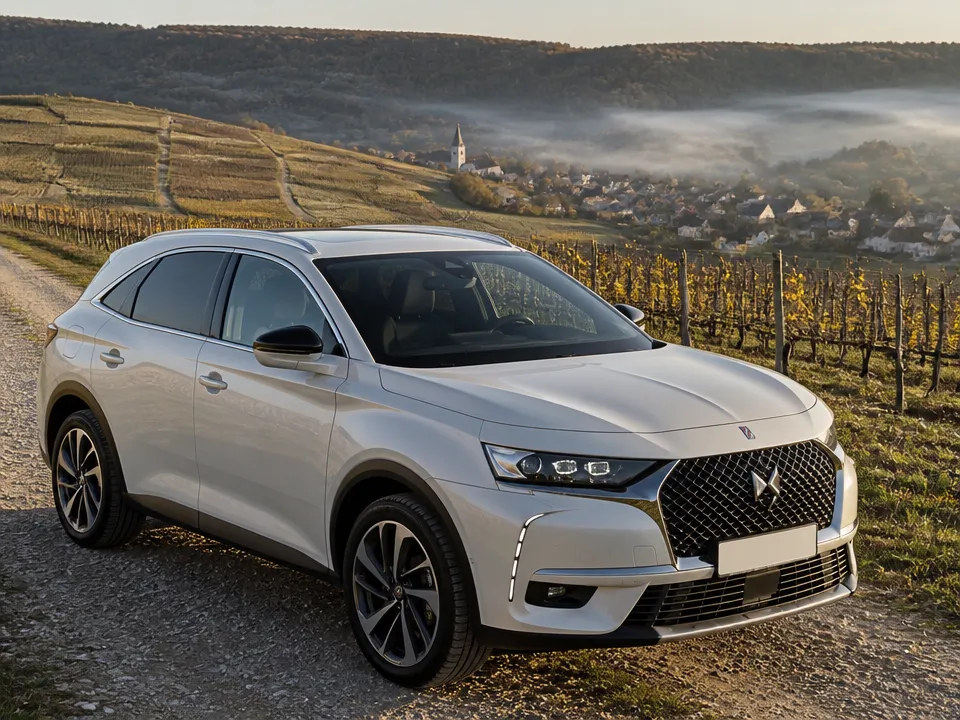
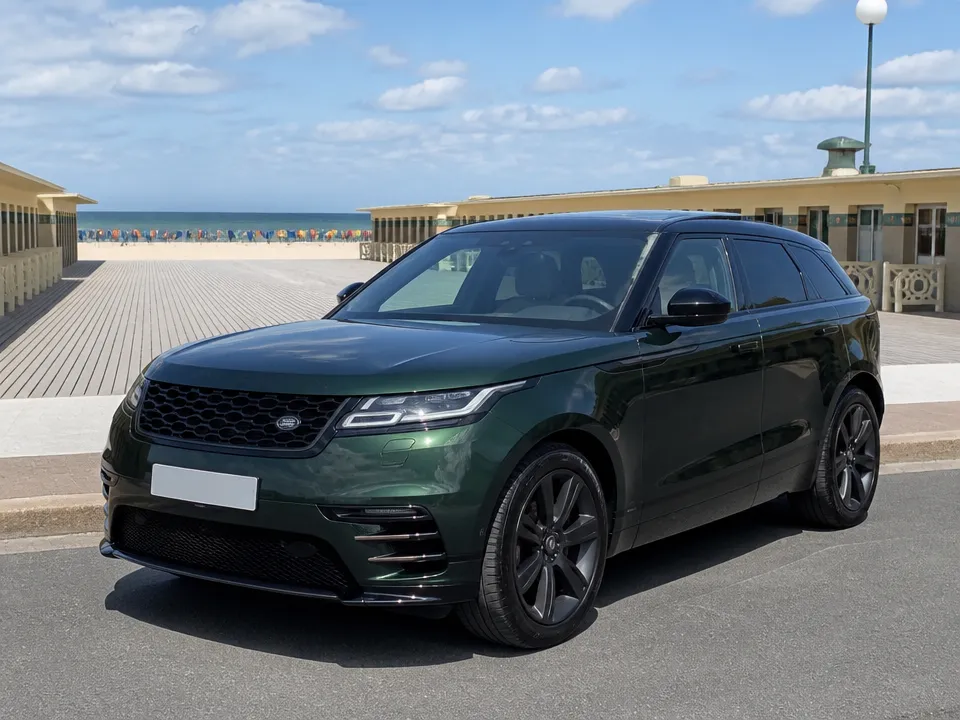
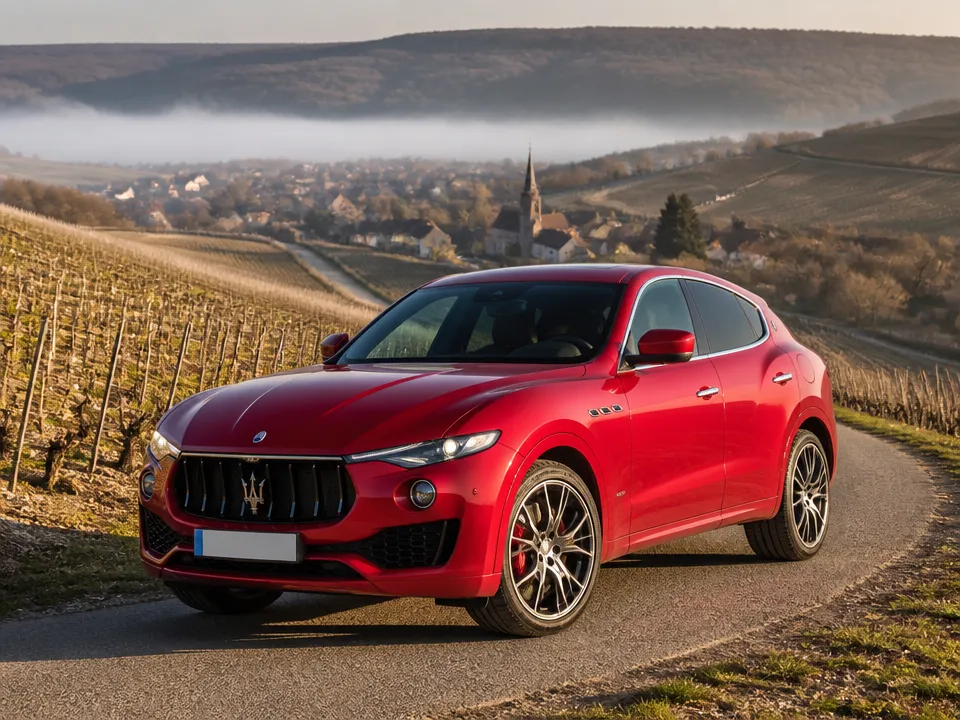
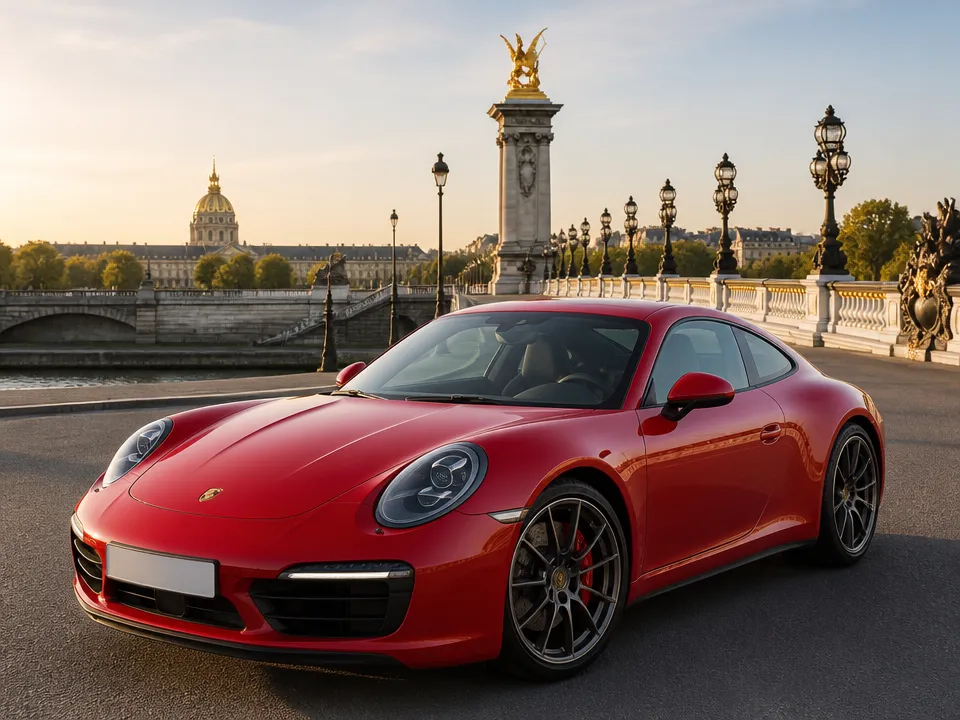
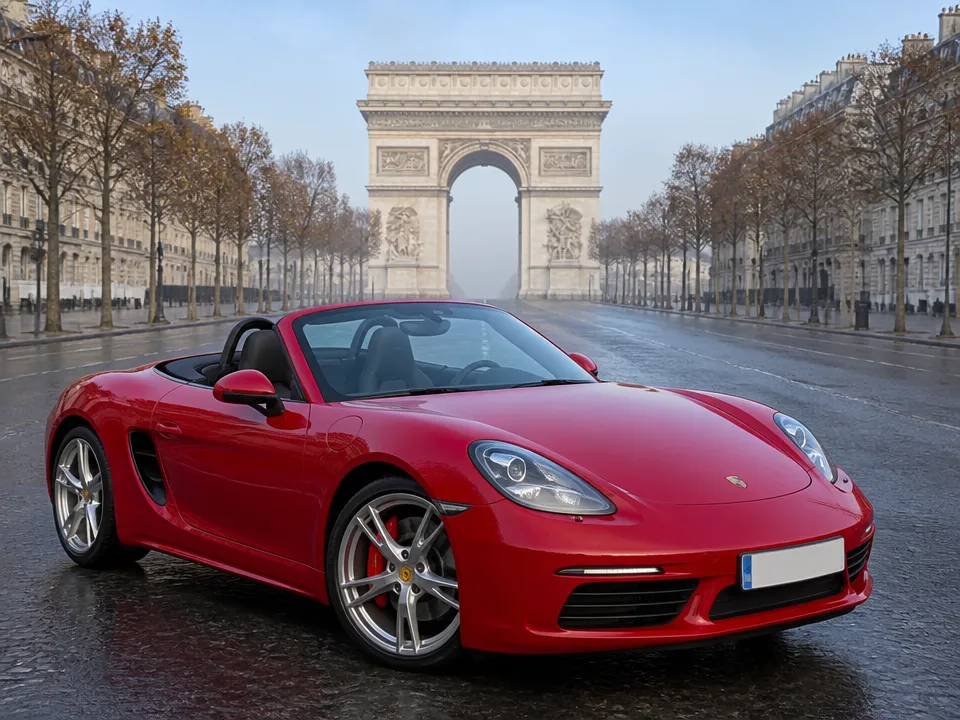
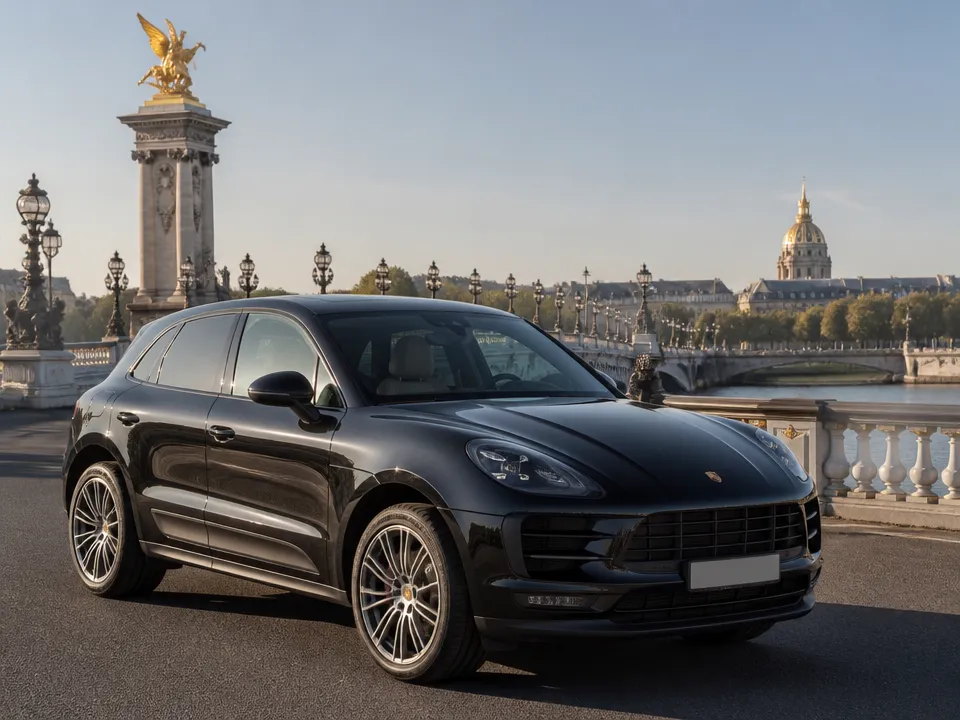
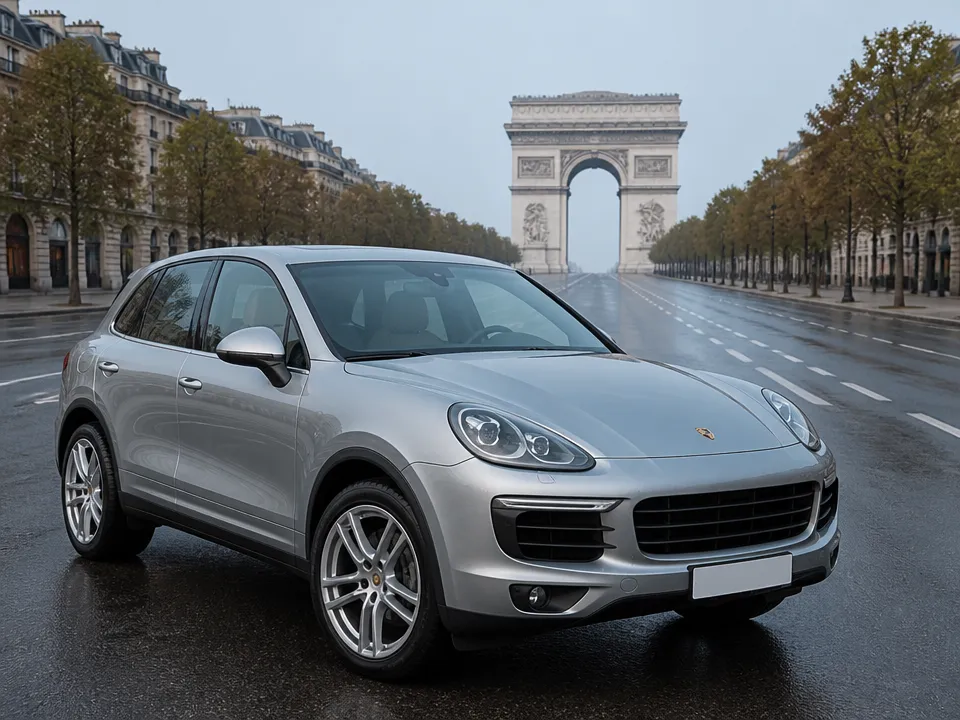
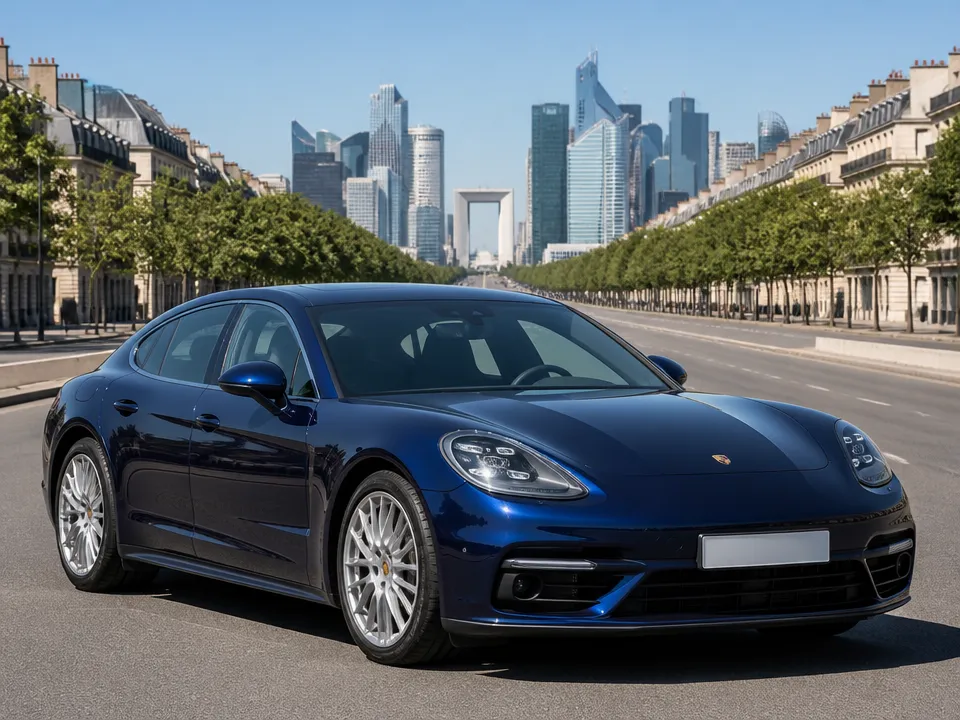
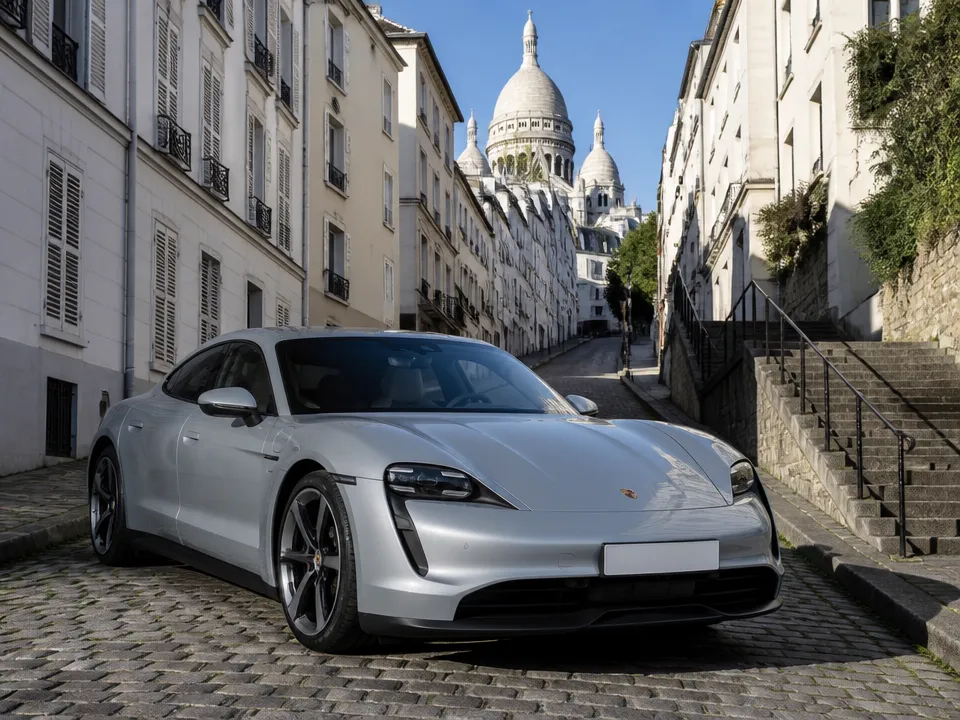
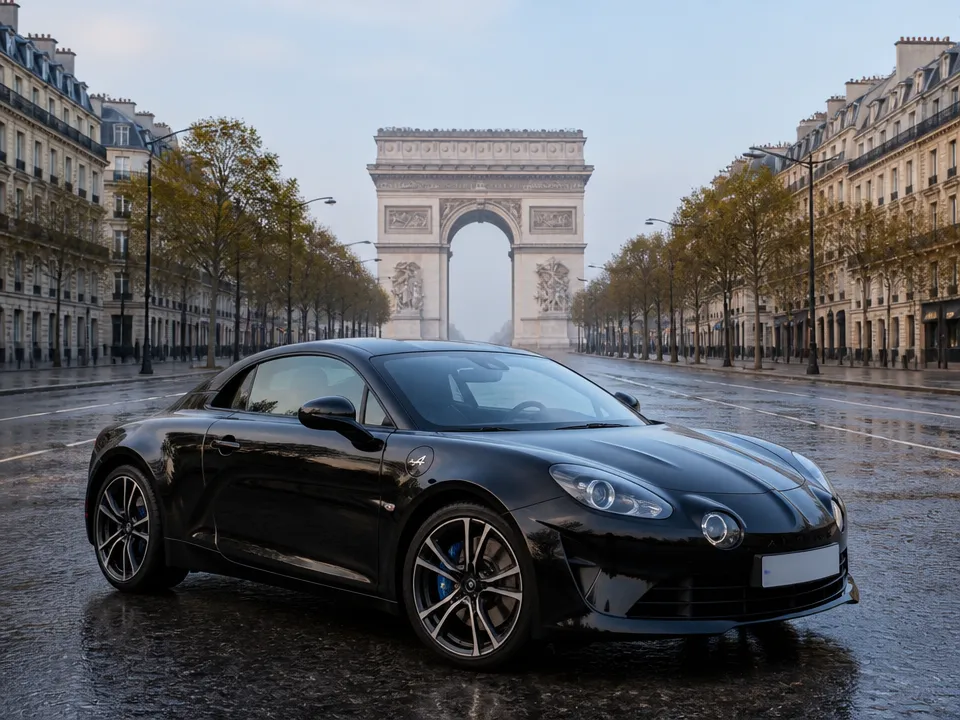
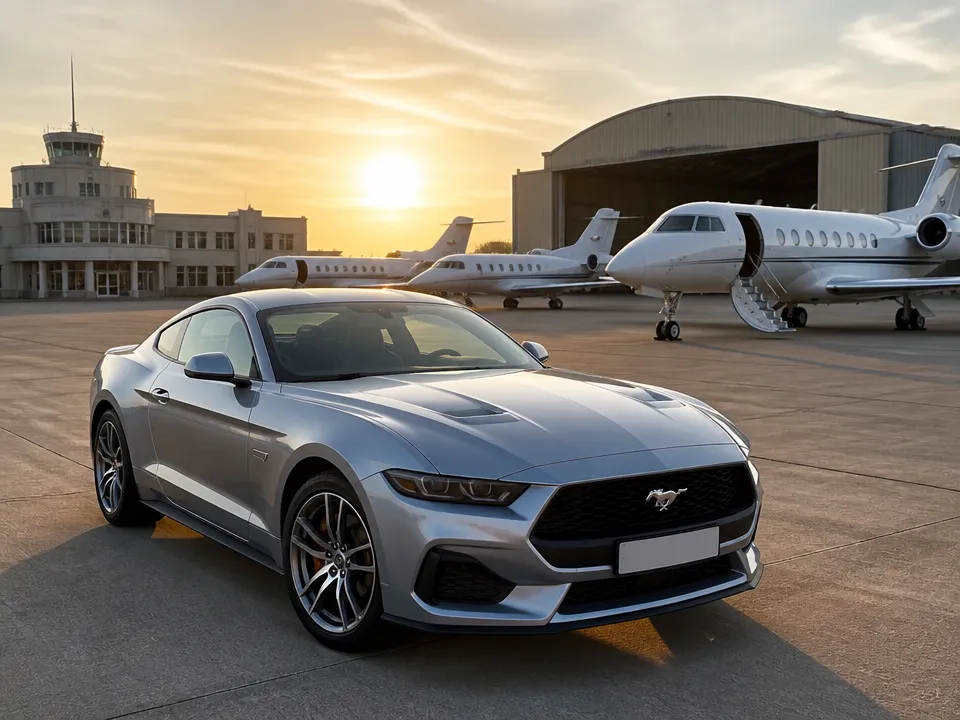
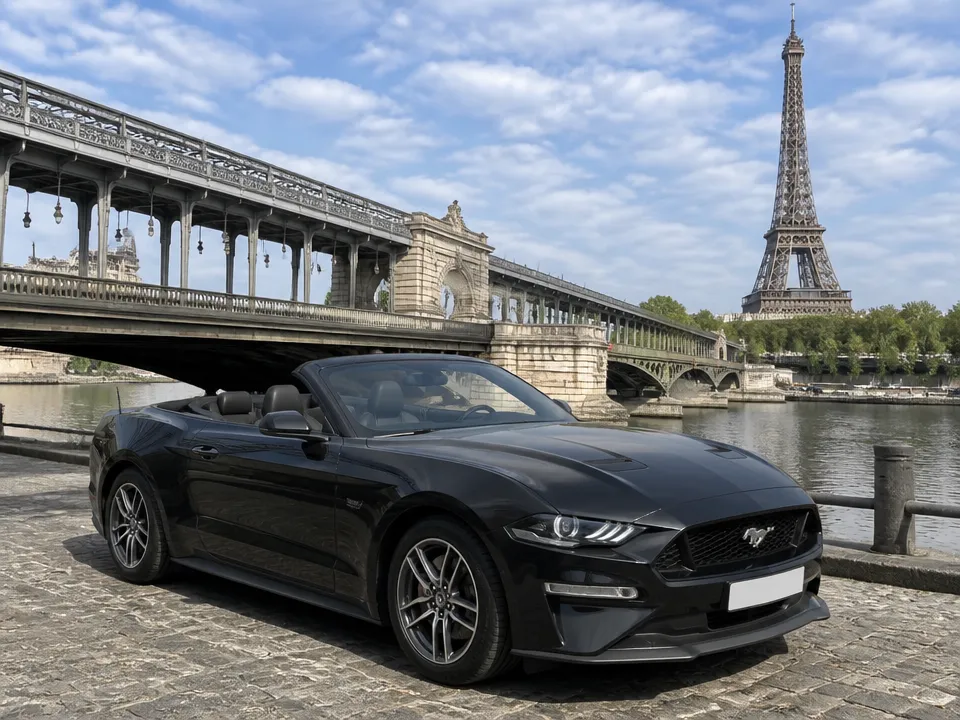
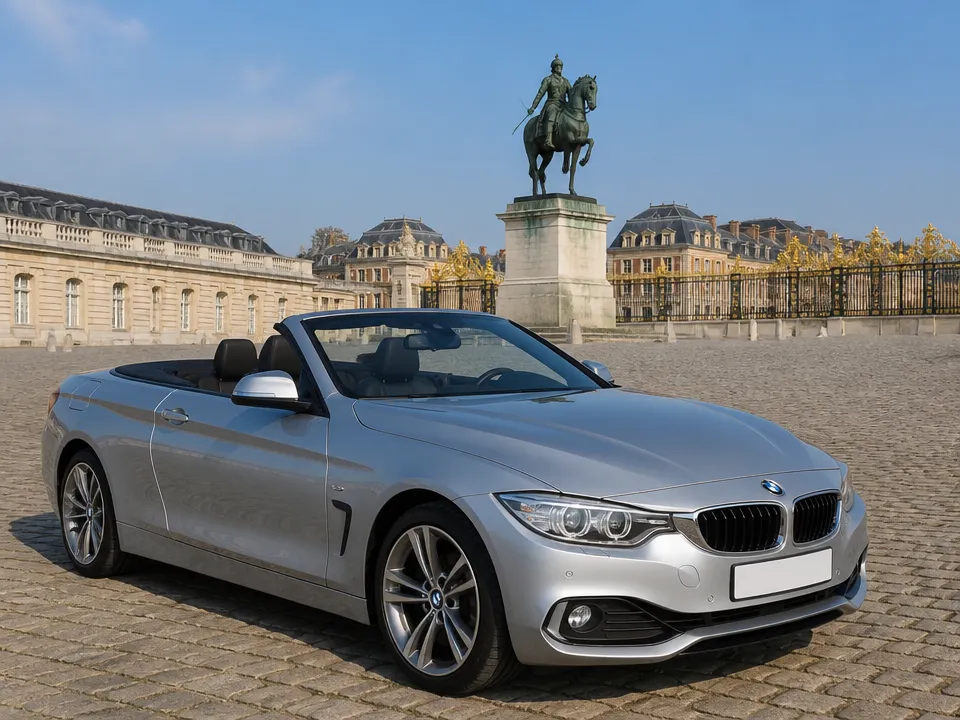
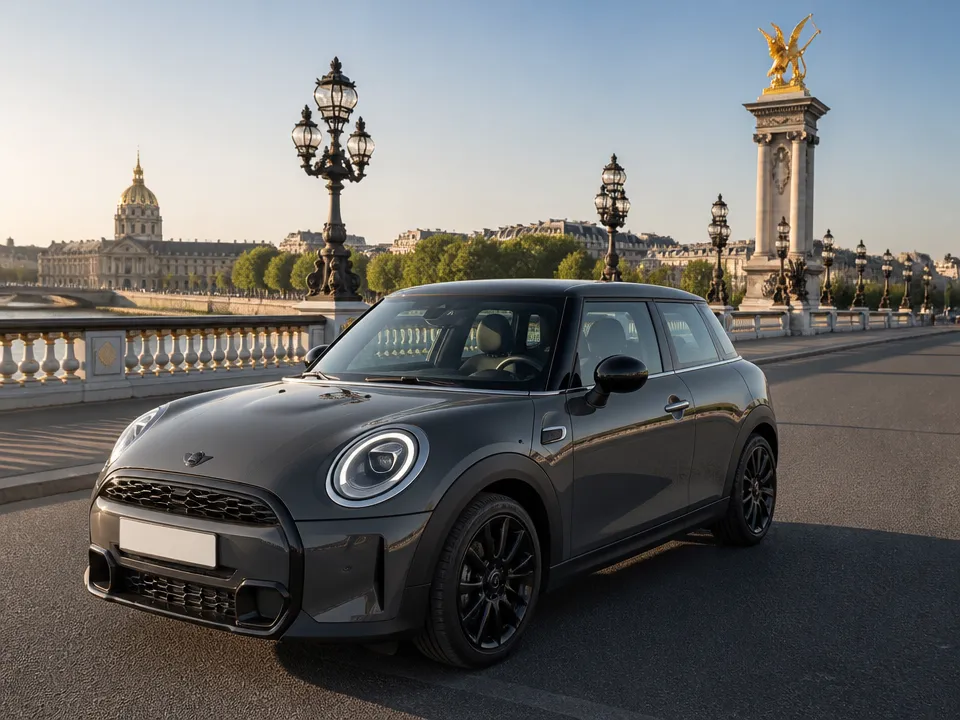
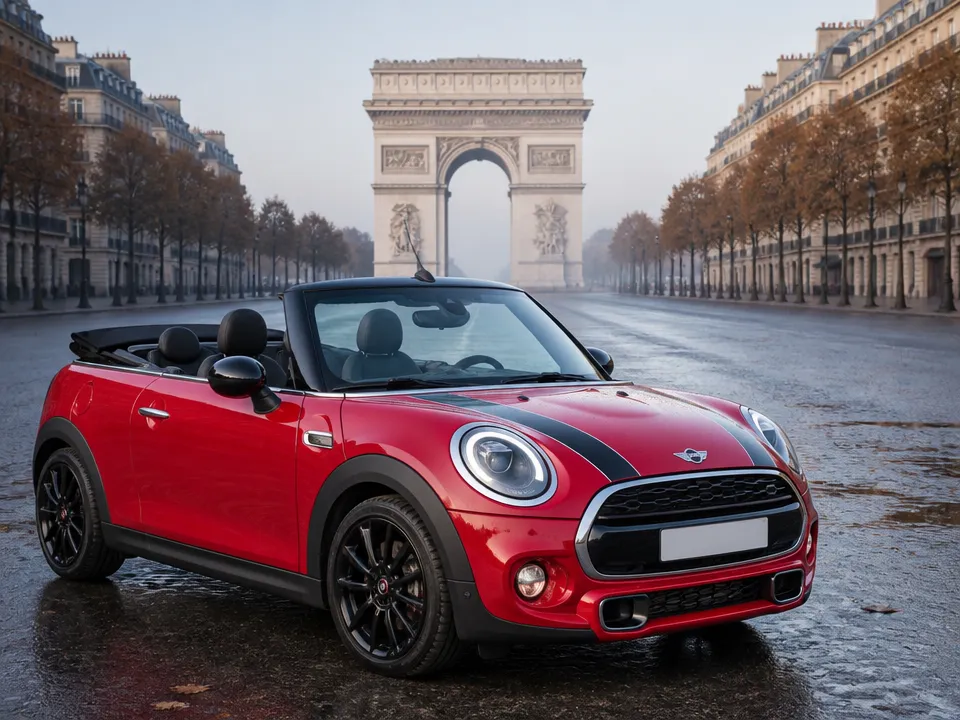
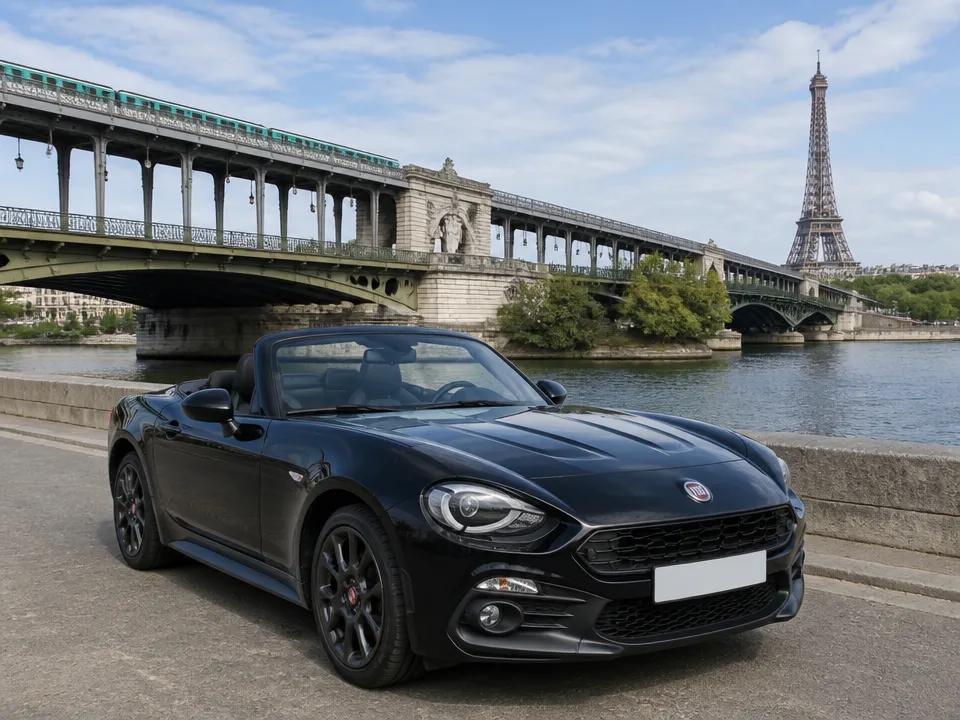
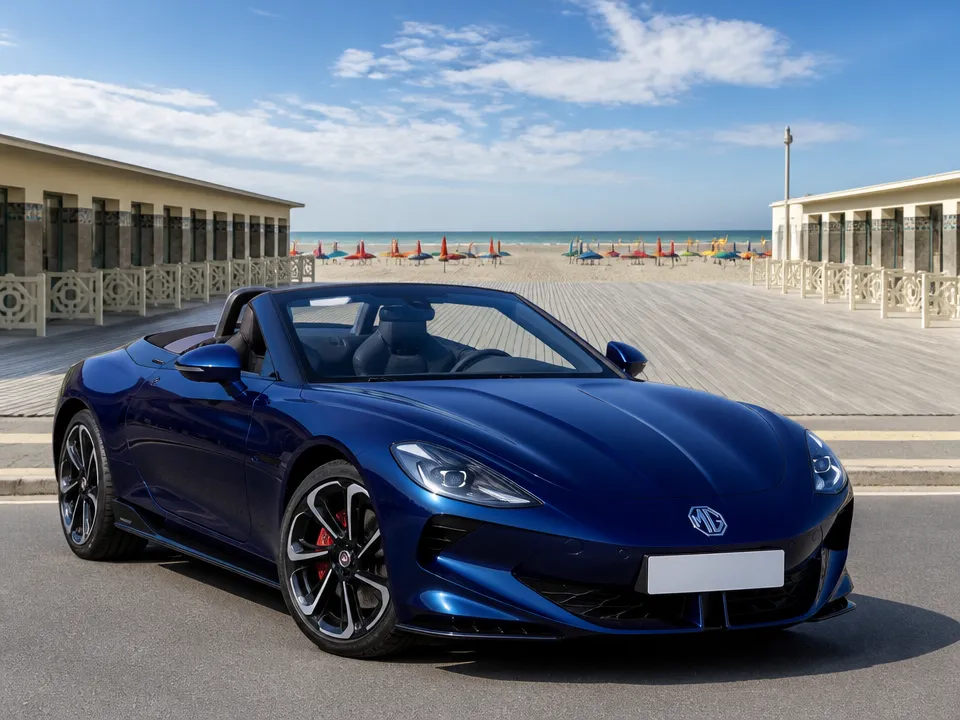
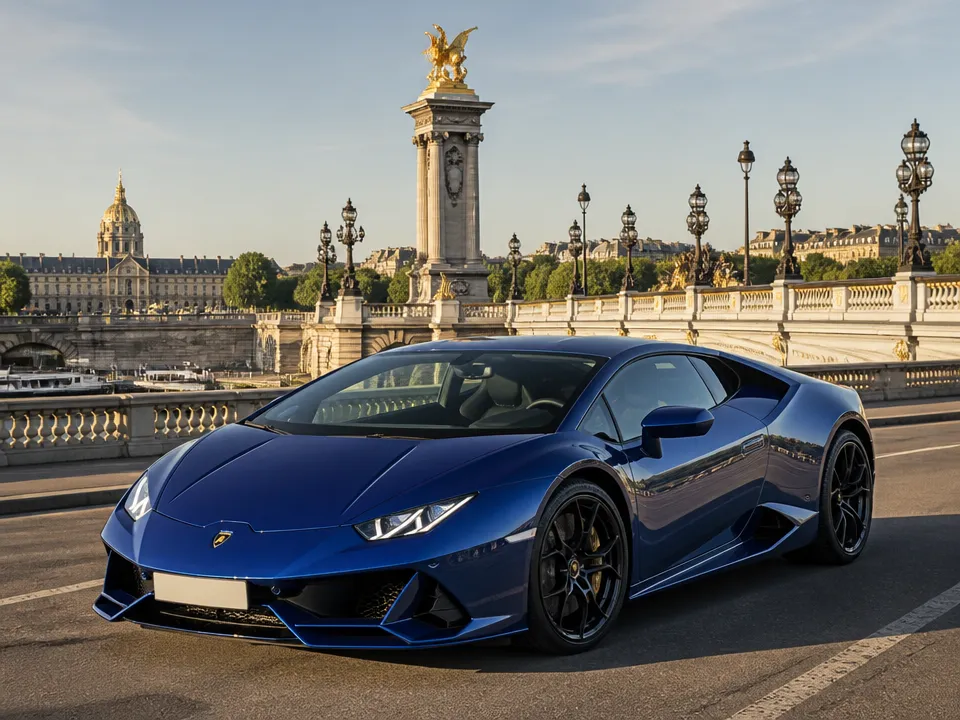
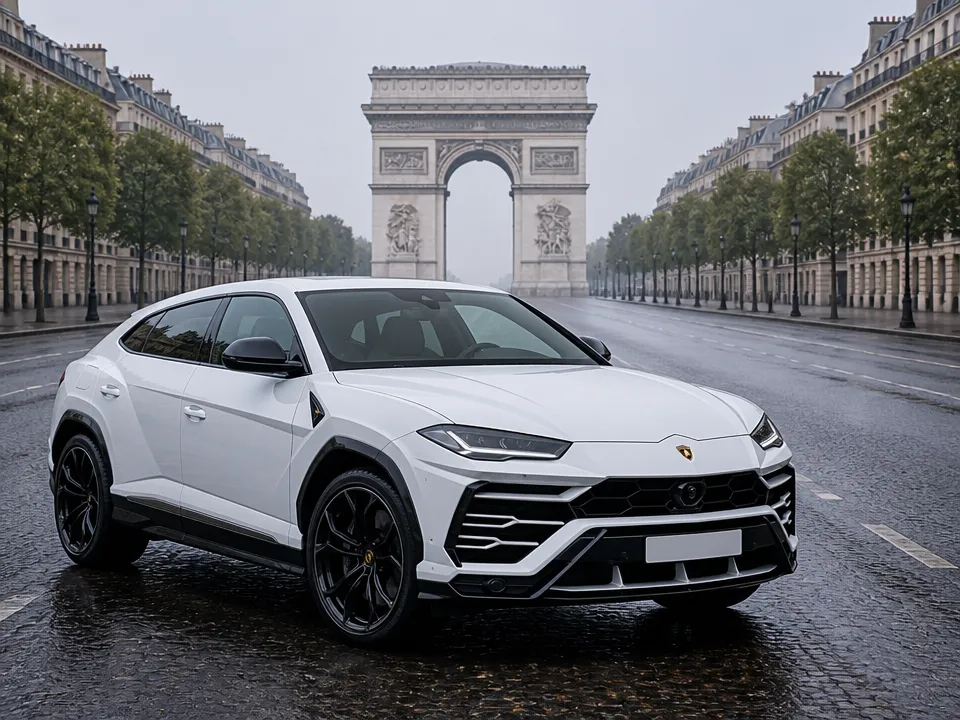
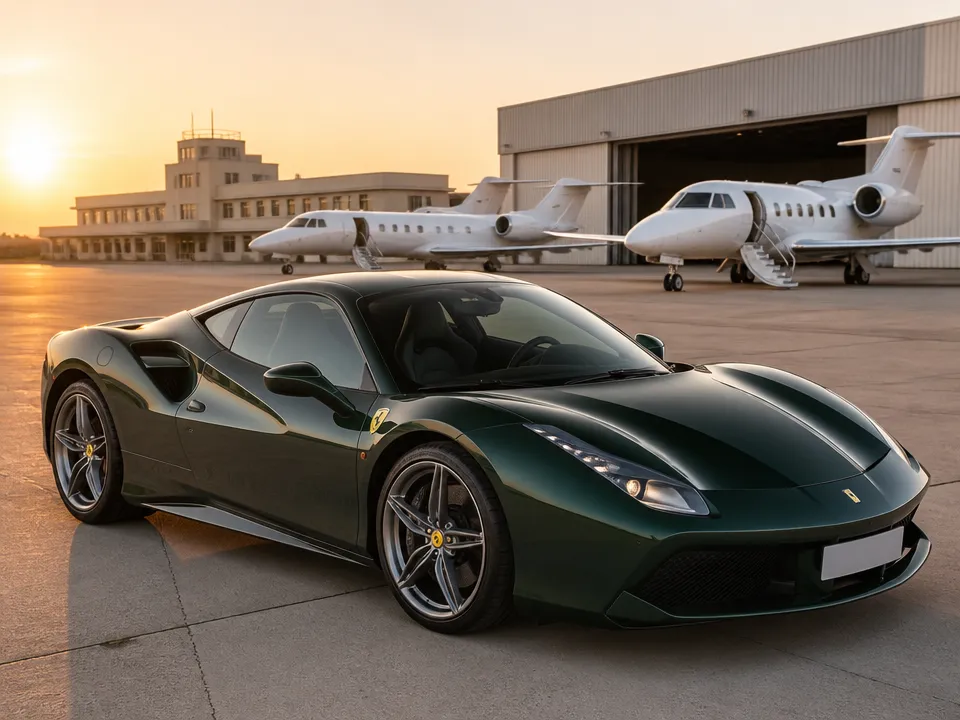
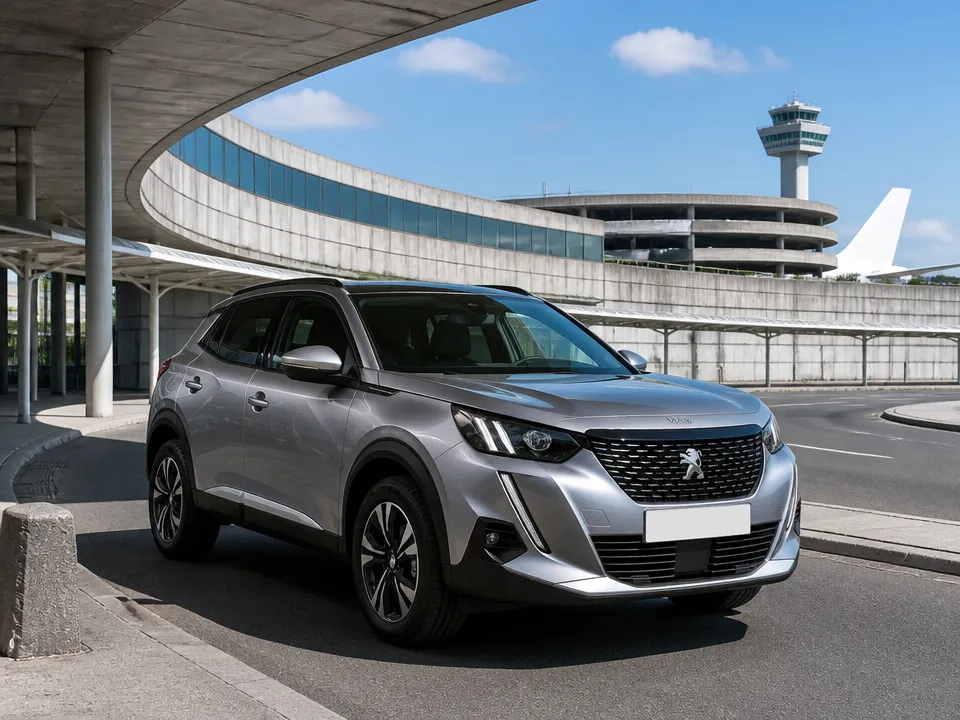
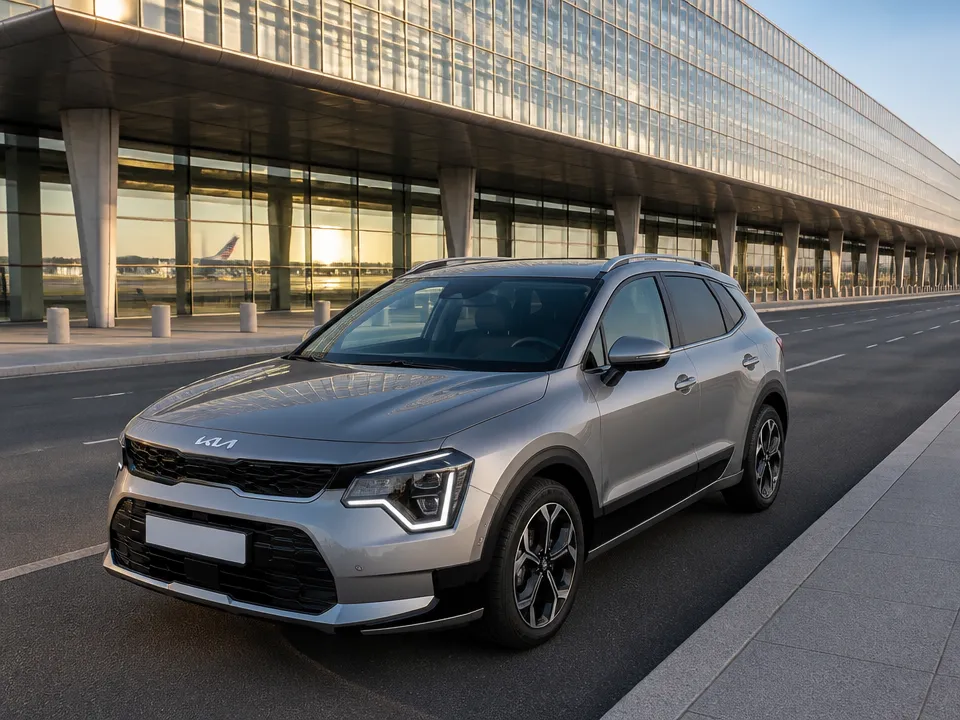

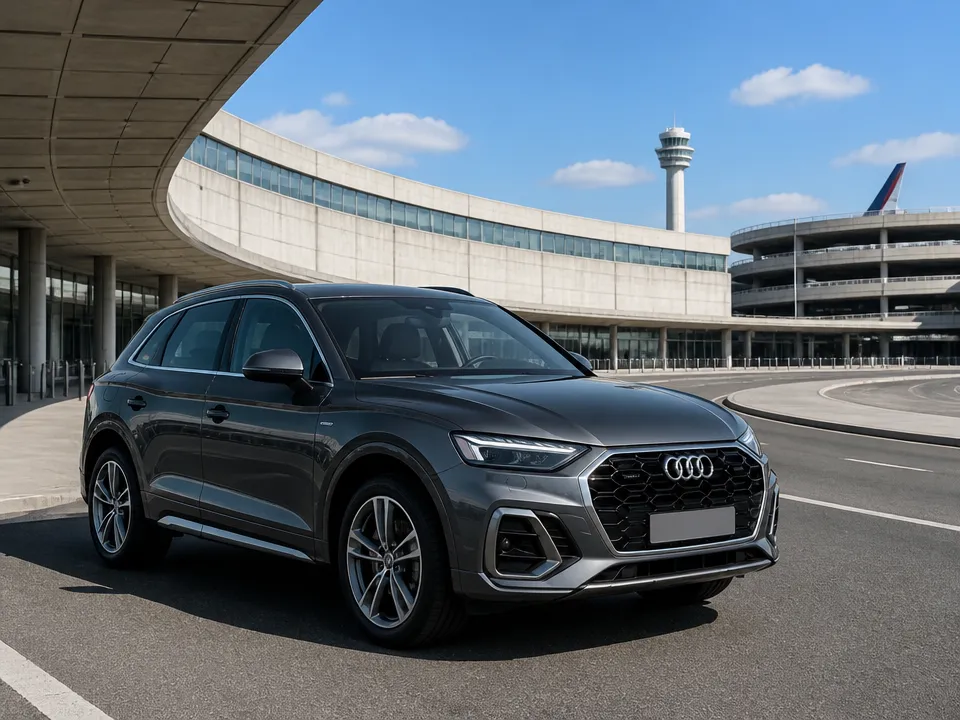
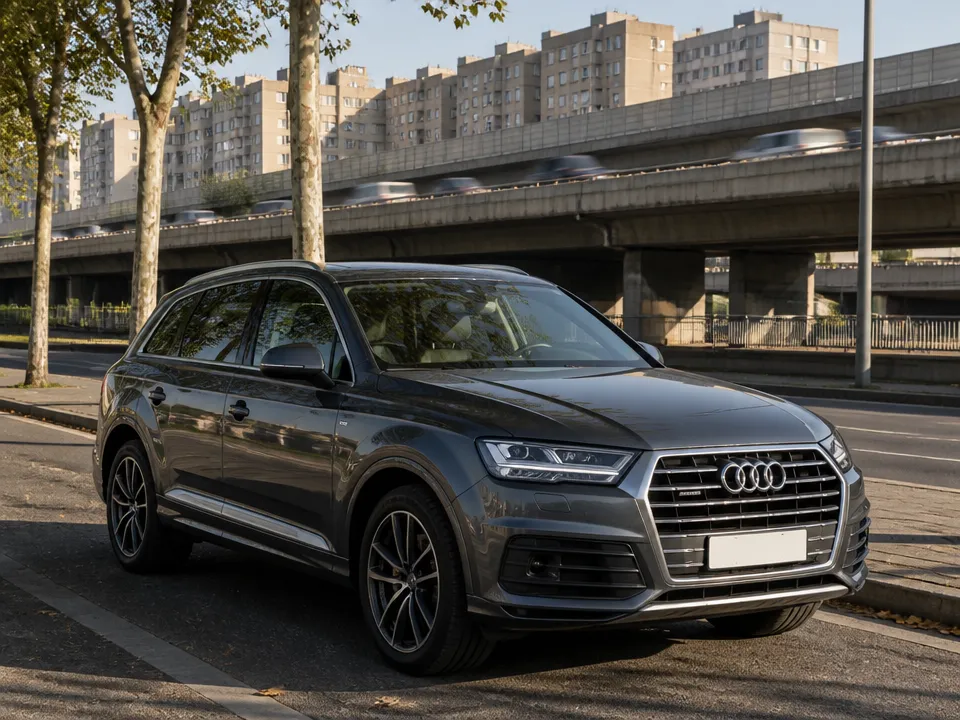
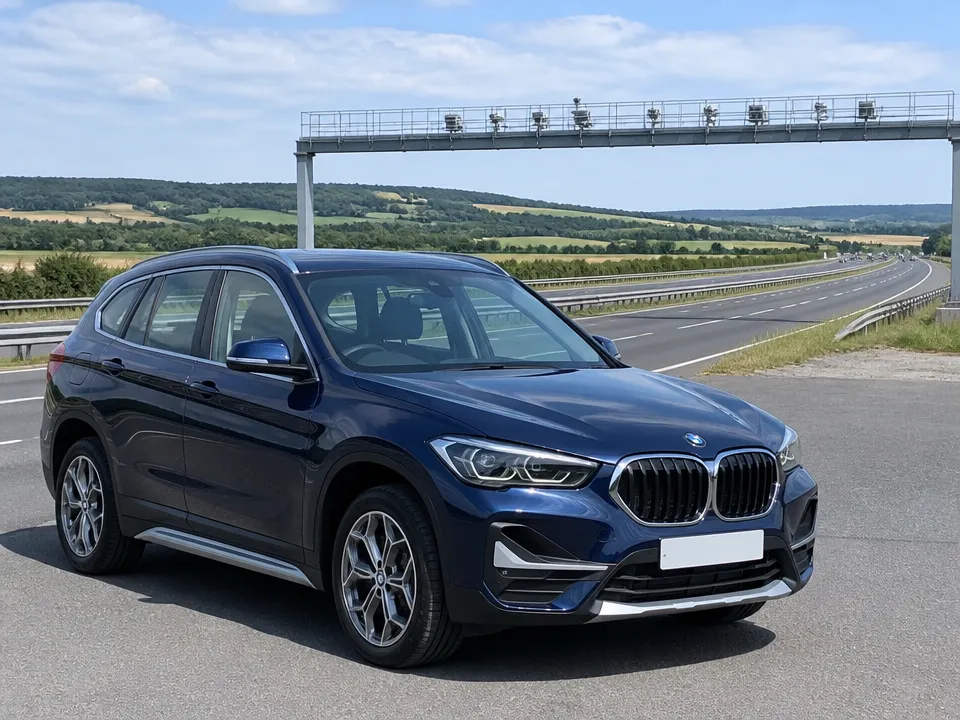
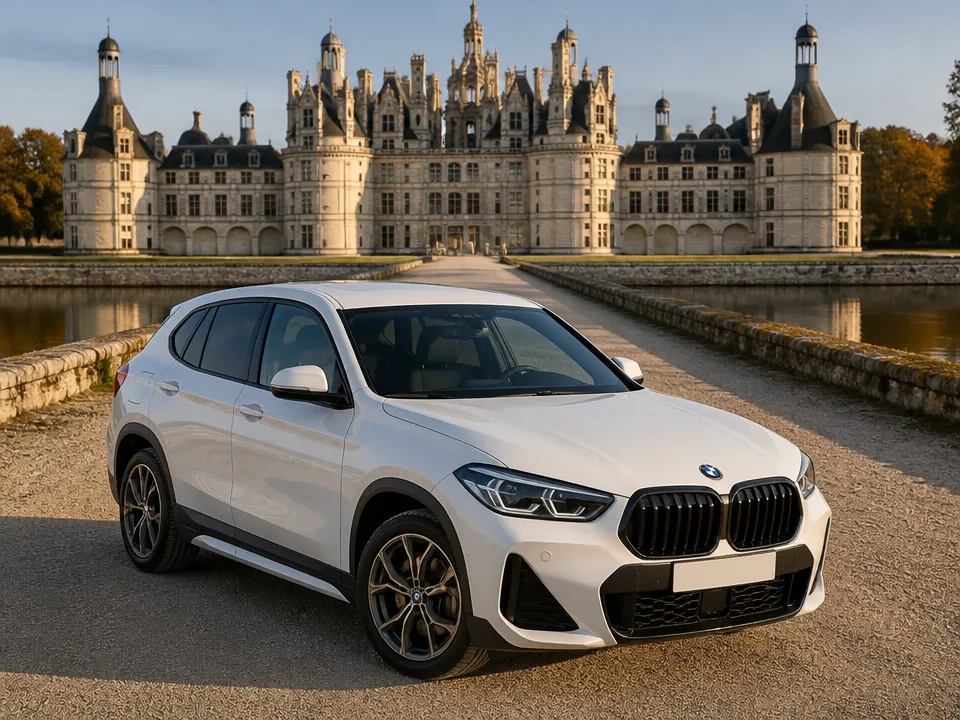
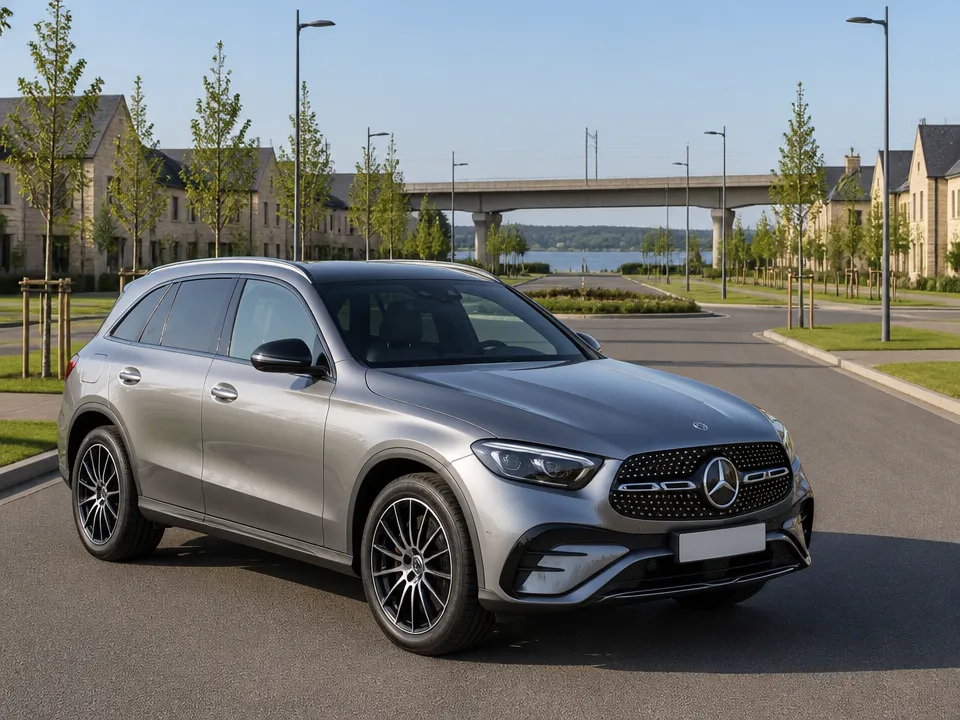
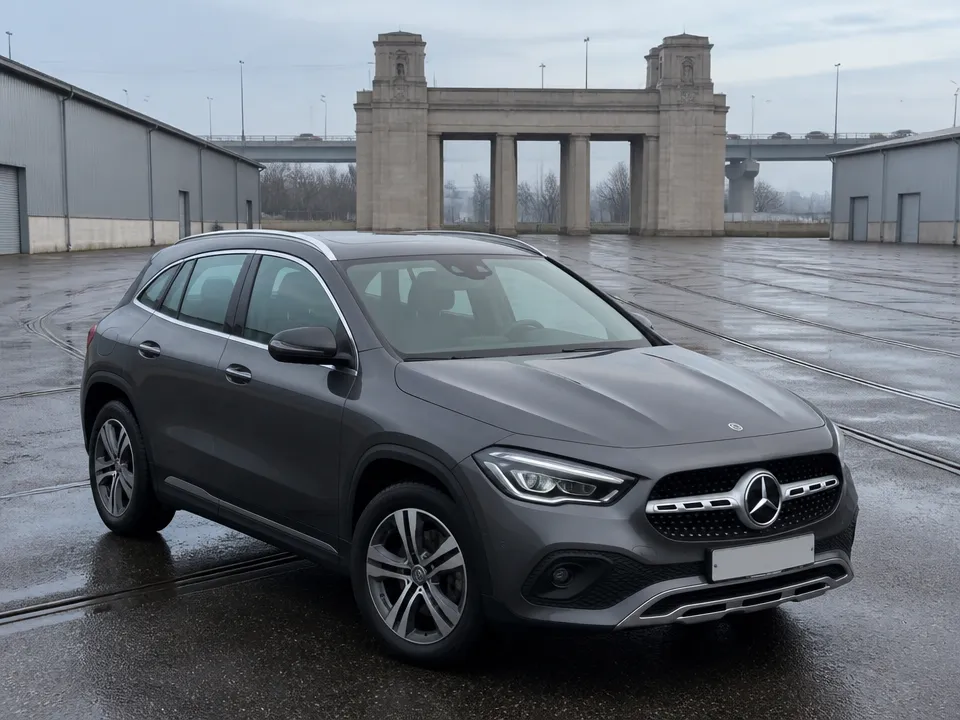
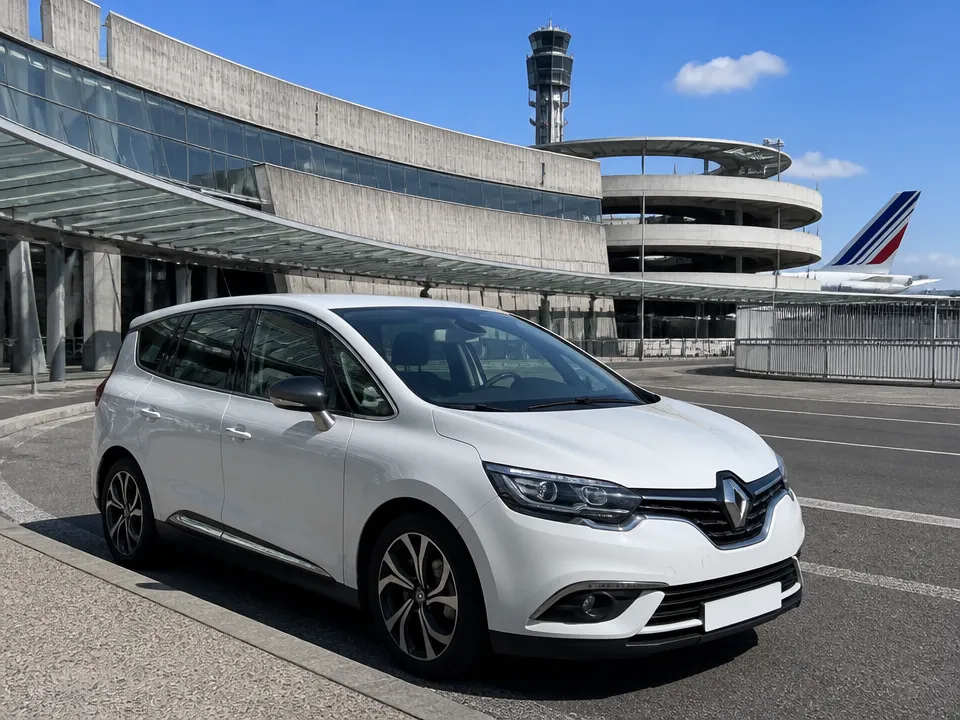
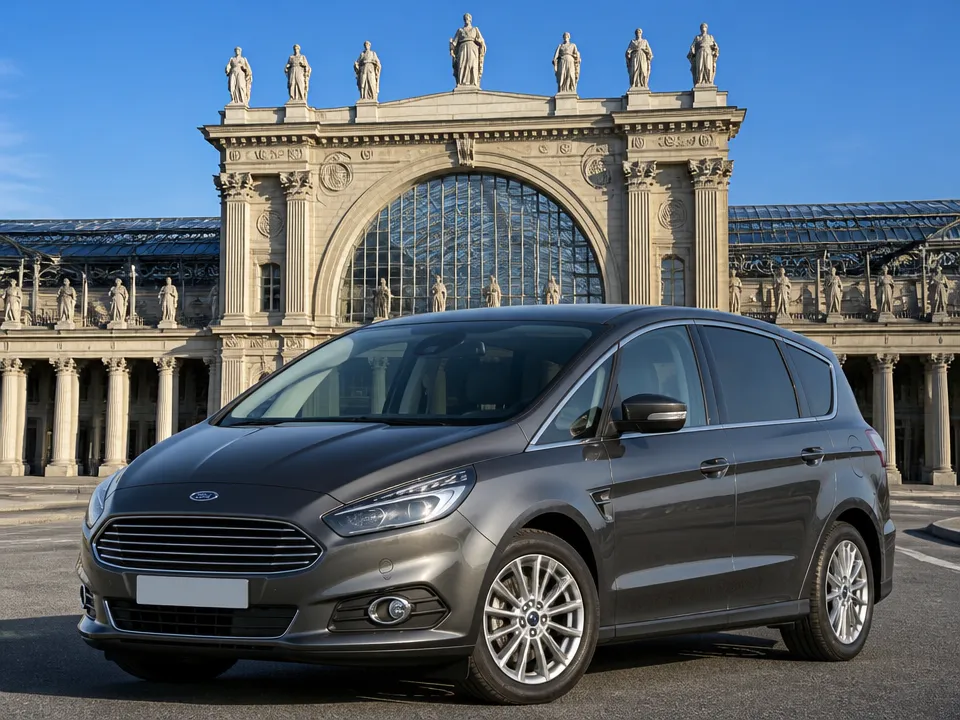
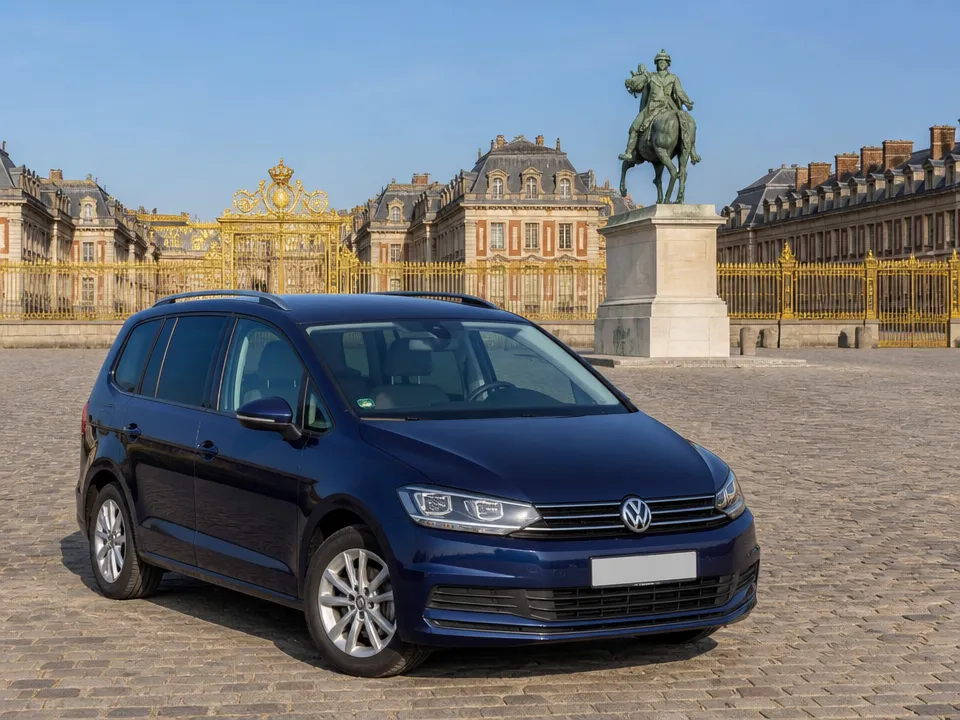
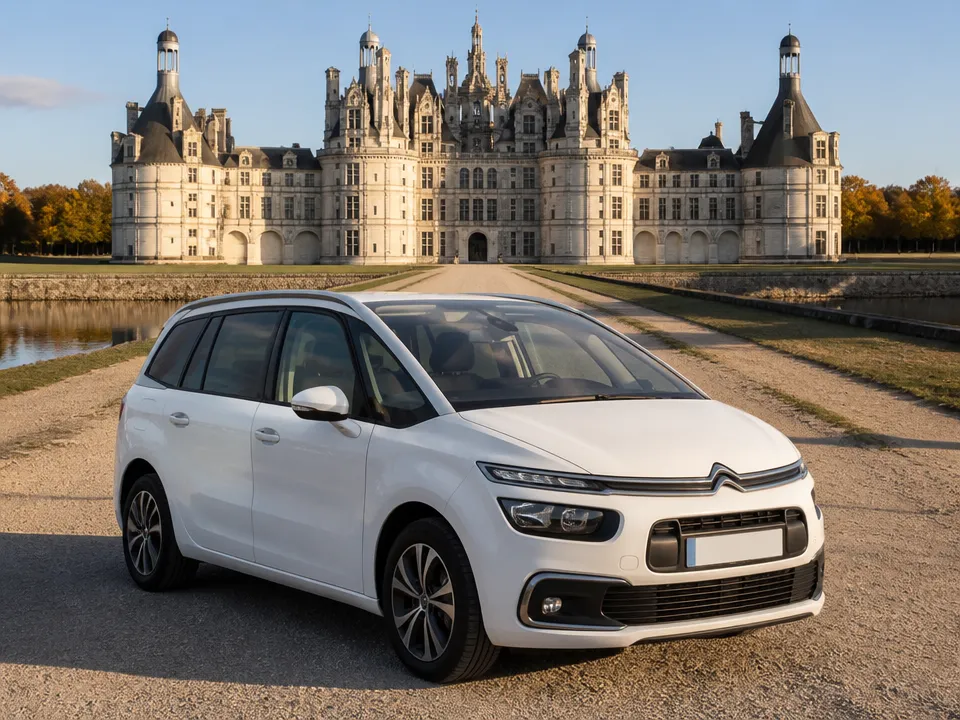
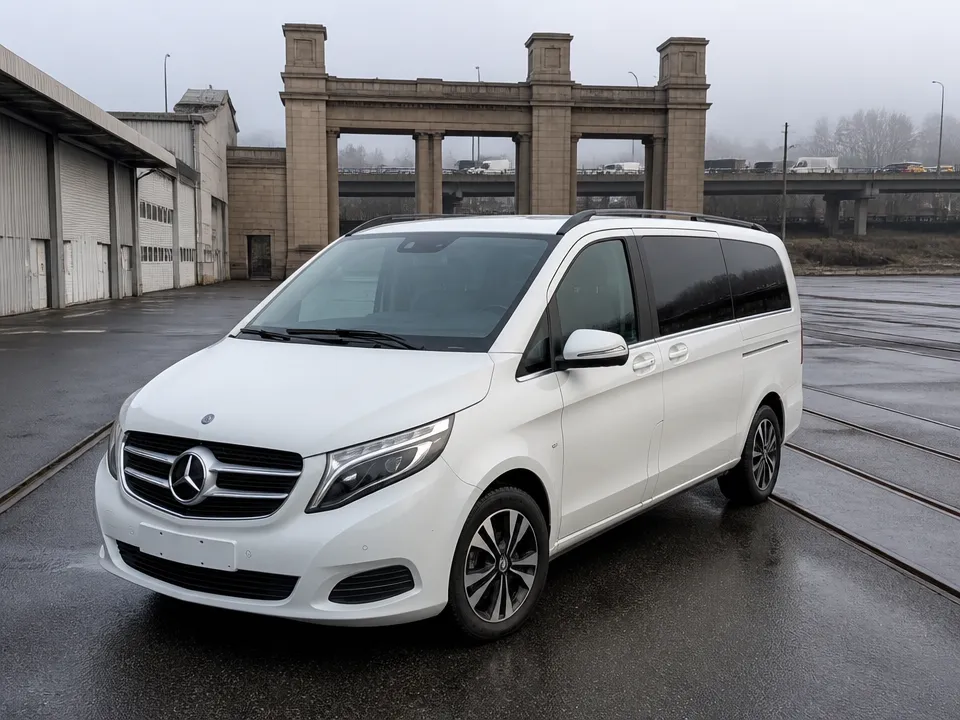
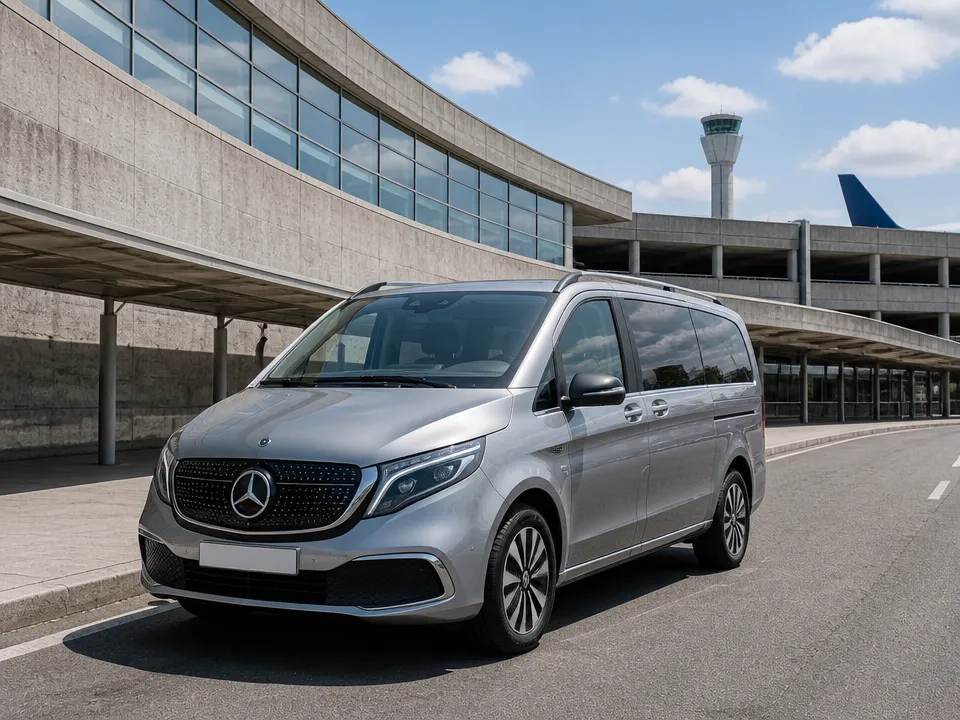
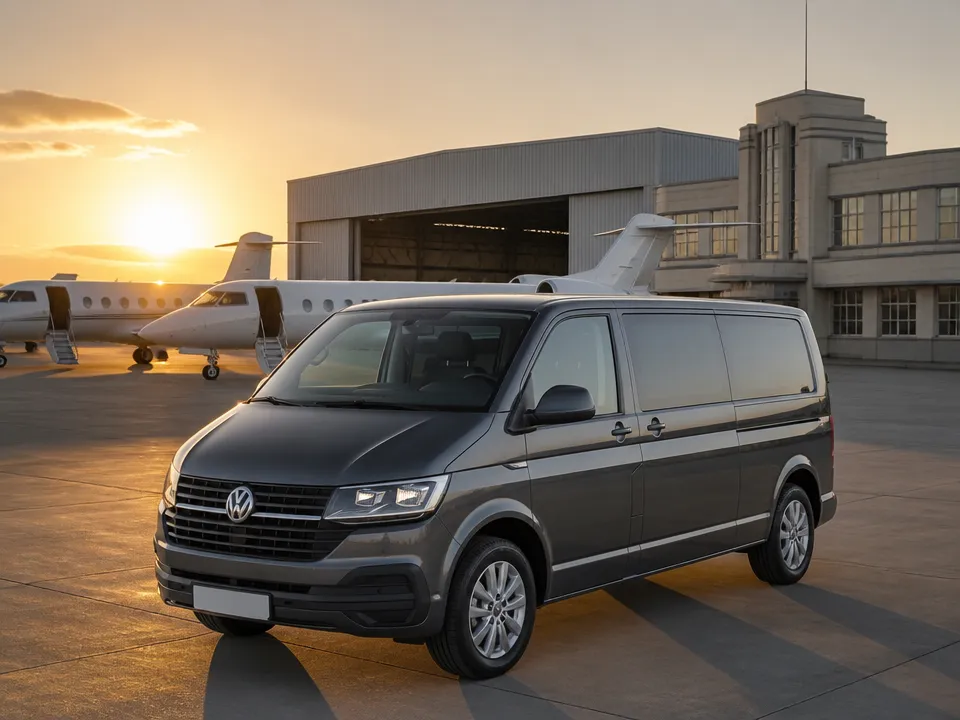
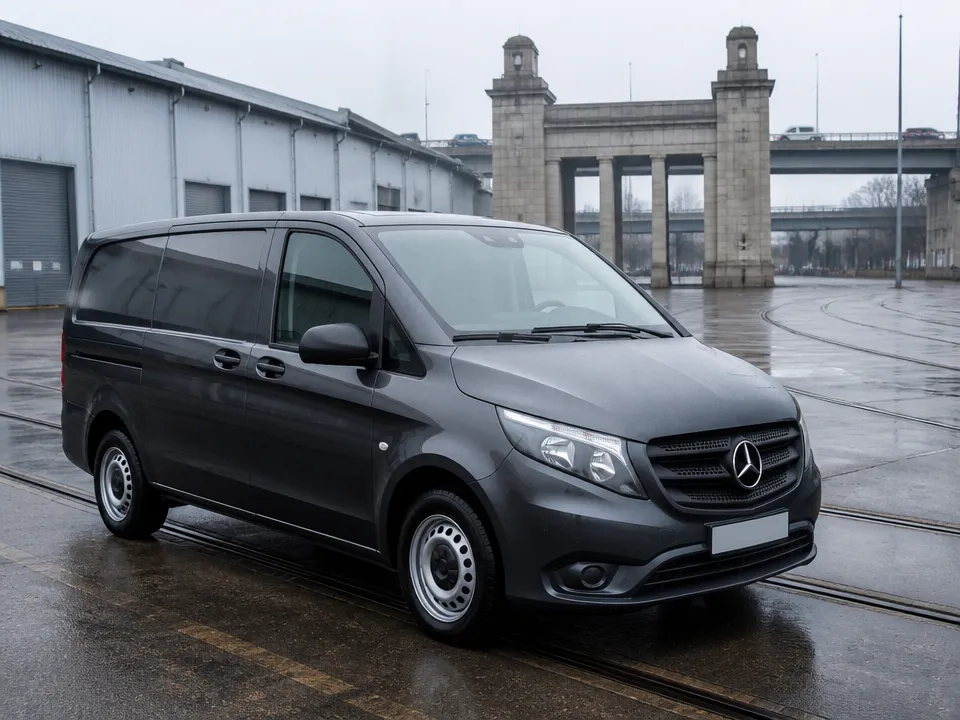
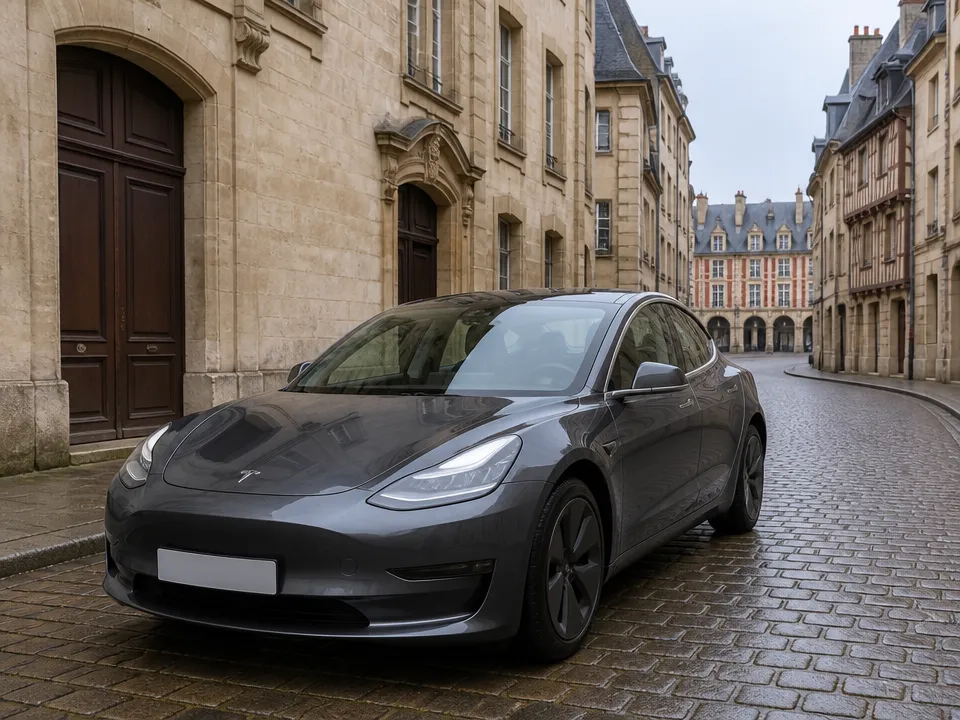
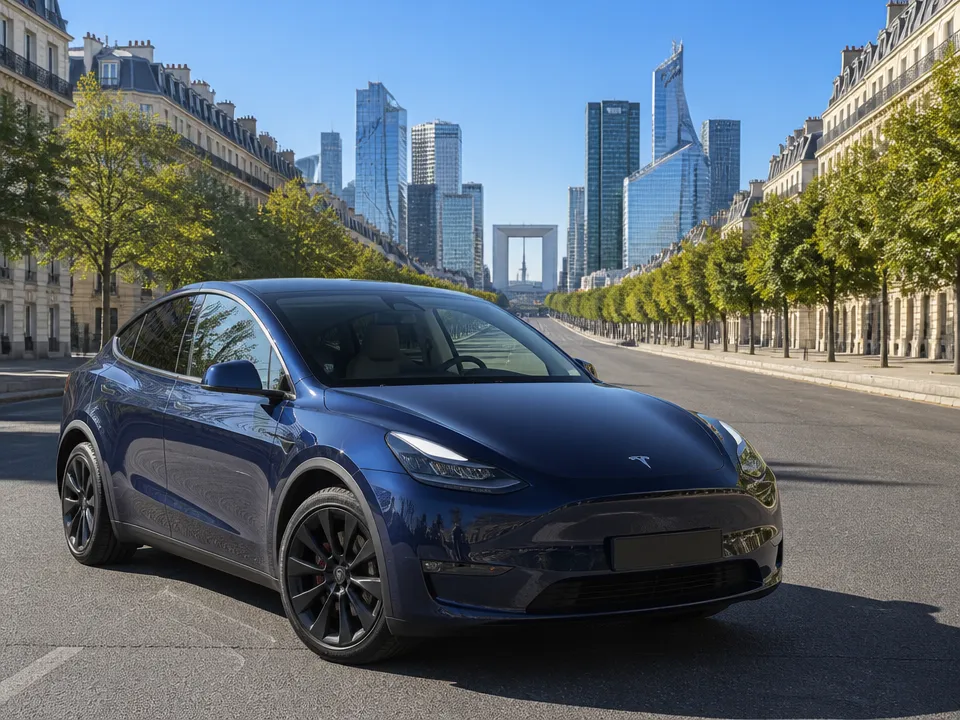
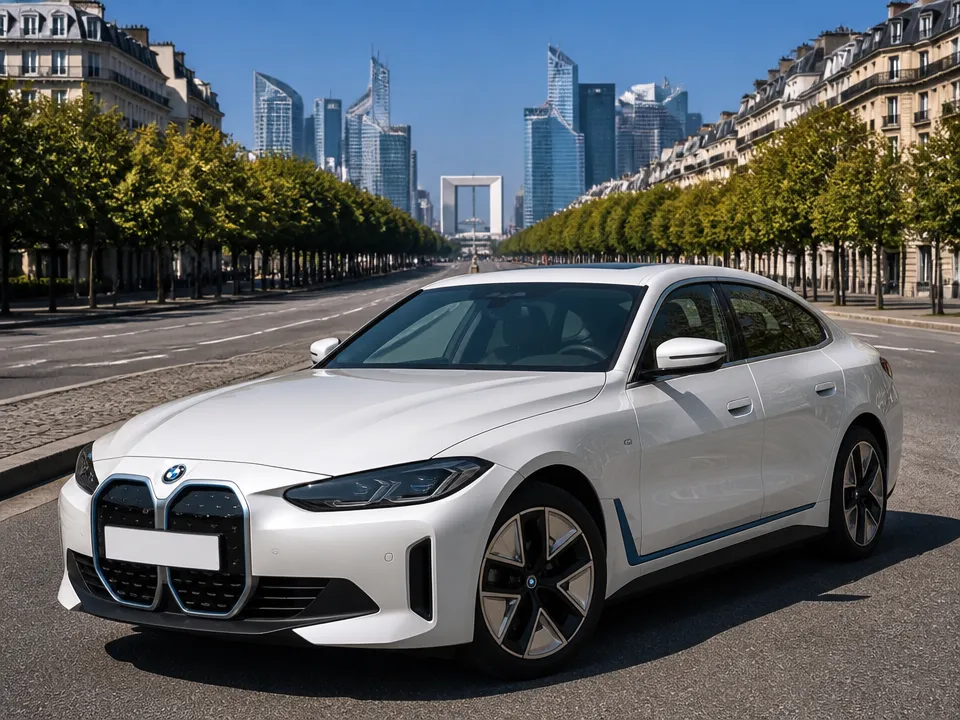
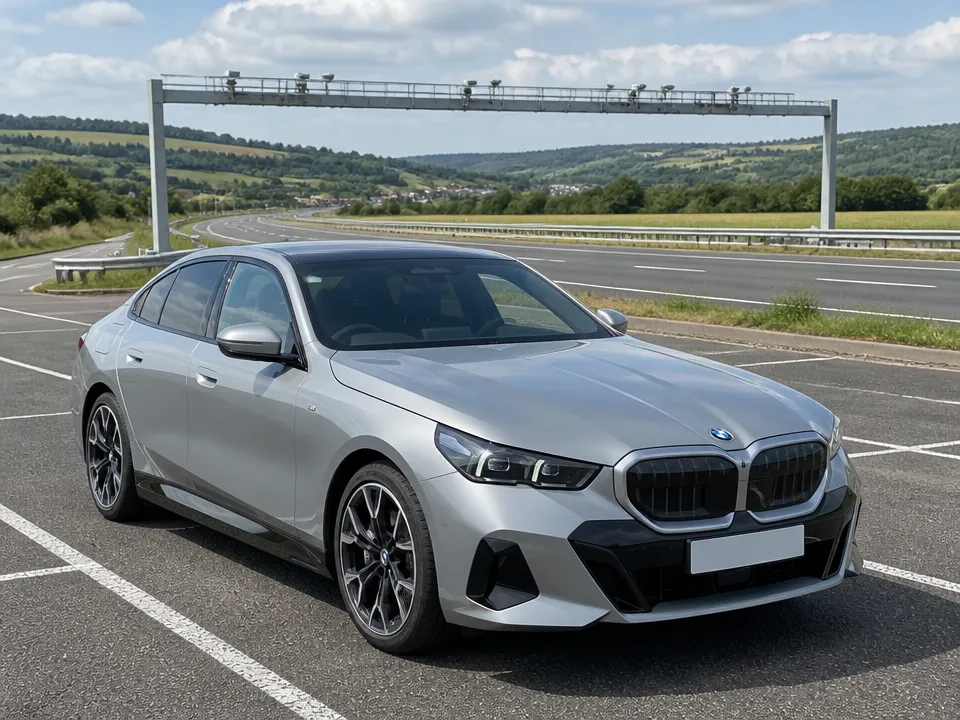
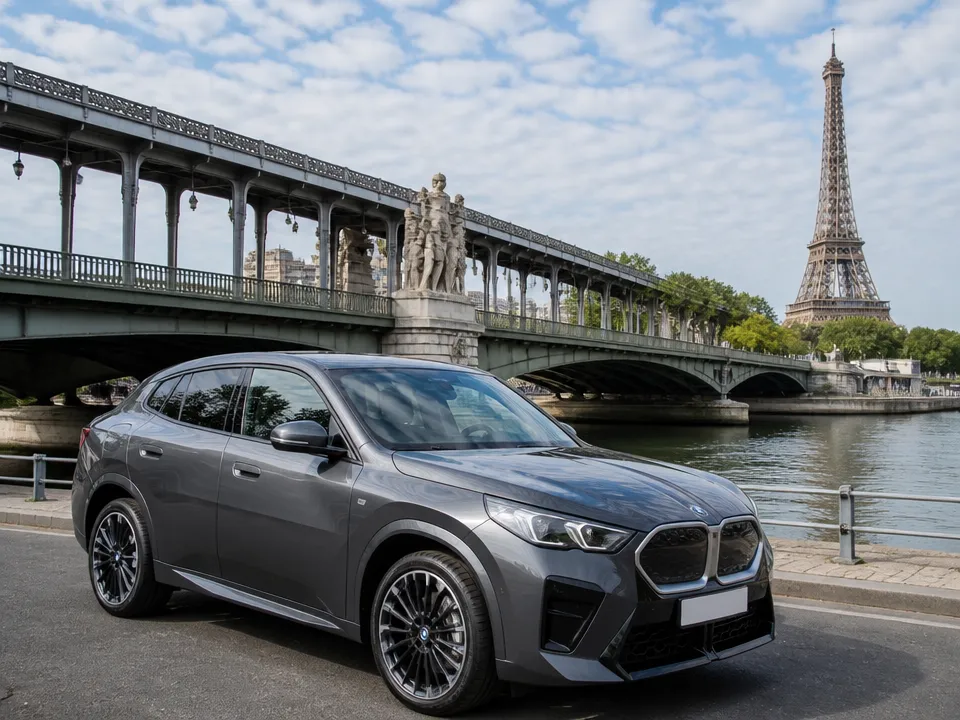
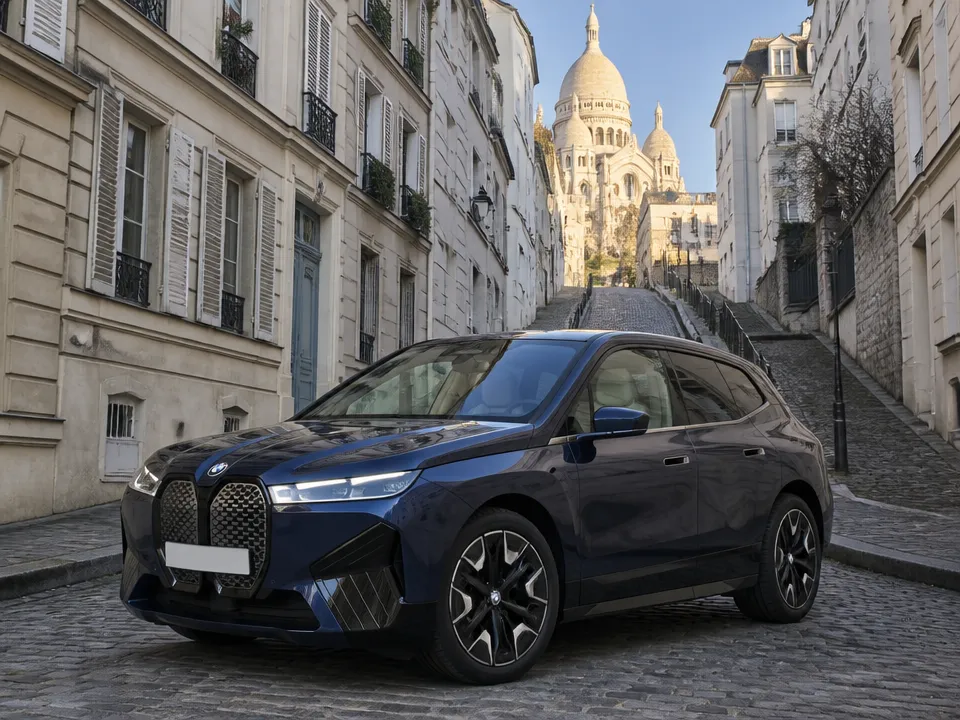
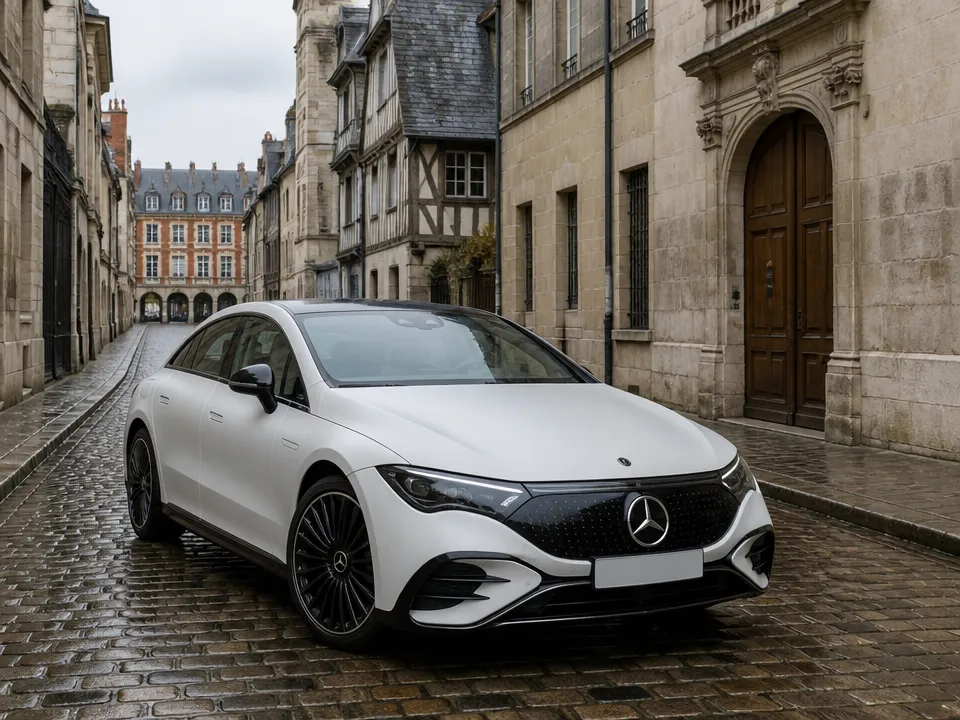
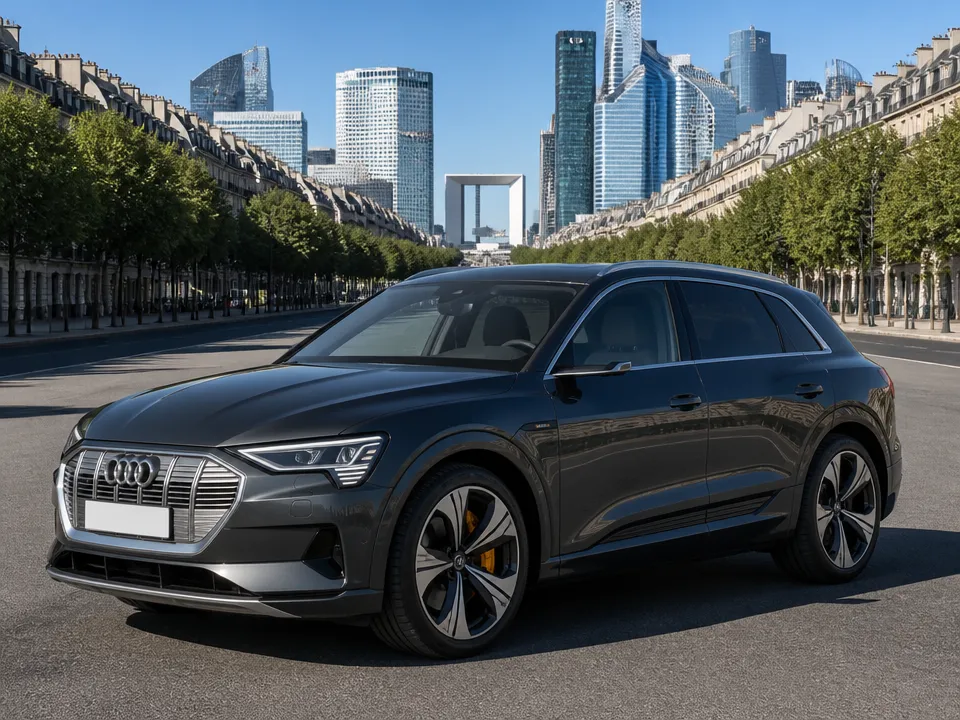
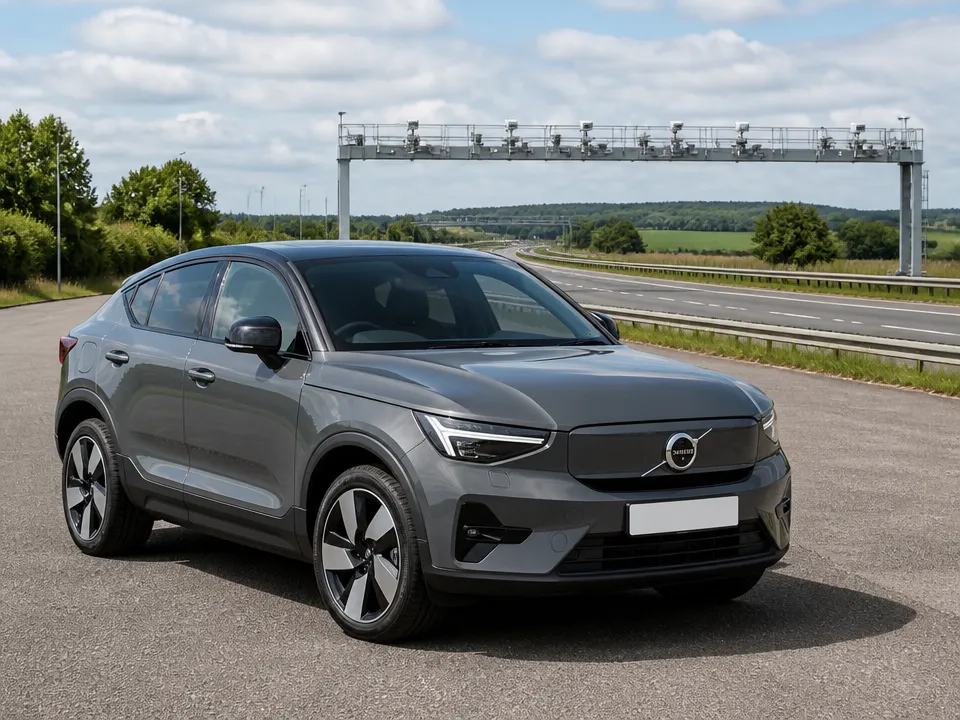
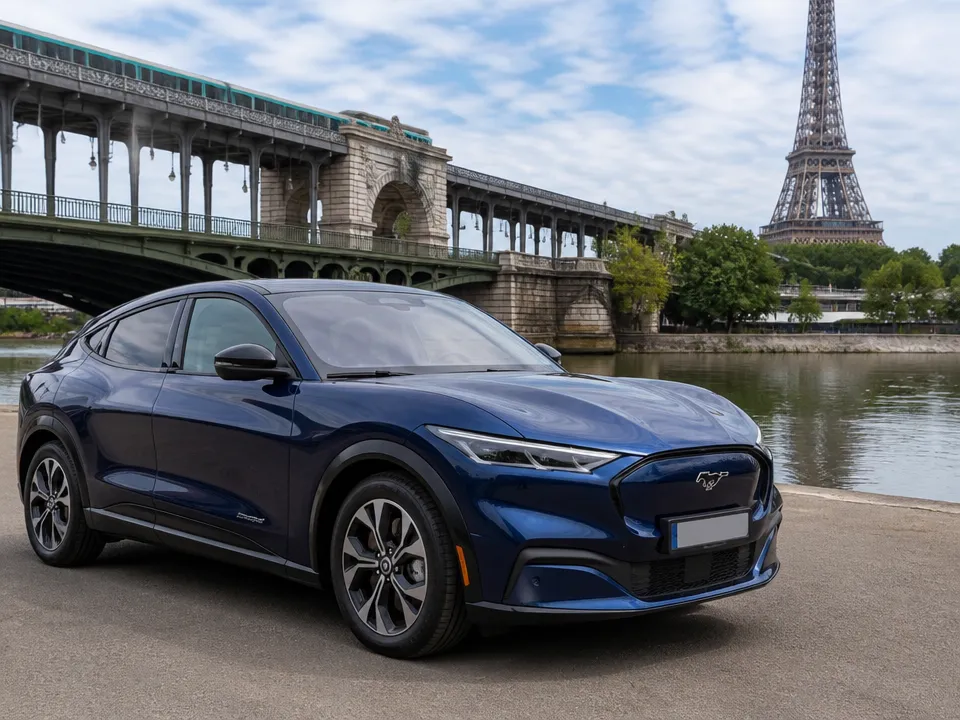


102 automatic cars for hire in Paris, from €29 a day, delivered to you anywhere in the city. Every vehicle on this page has an automatic gearbox, and the booking is agreed with a manager before you collect the keys.
Automatic car rental in Paris is a category of its own: in France most rental fleets are manual, so an automatic is booked and priced separately. We run 102 self-drive automatics here, from €29 to €1,300 per day, deliver the car to you, and agree every booking with a manager.
Manual cars dominate French fleets, so an automatic is a distinct and more expensive category rather than the default. The French terms are boîte manuelle for manual and boîte automatique for automatic, and the split shows up in how fleets are priced: a manual hatchback and an automatic of the same size rarely sit at the same rate. The reason is stock — automatics are ordered in smaller numbers, and the models that carry them tend to be the newer or better-equipped trims. Every car on this page is automatic, so you are not filtering a mixed list: the transmission is already settled before you choose a class. In our experience the pinch comes in peak weeks, when the cheaper automatics go first and the remaining stock sits two or three classes higher. If your dates are fixed around a holiday period, reserve early — the automatic pool is narrower than the manual one, and it does not refill.
We deliver the car to you and agree every booking with a manager, so the details of the hand-over are agreed when booking.
Agreeing the details with a manager before the trip is what keeps hand-over day short — the class, the delivery point and the paperwork are settled in advance, so nothing has to be renegotiated with the car already standing in front of you.
Our 102 automatic cars sit in 13 classes, from a €29 microcar to a €450 sports model. Rates below are per day, and the class you pick should follow the trip: a city errand, a week of motorway, or seven seats for the whole family.
| Class | Cars | From, €/day |
|---|---|---|
| Economy | 2 | €29 |
| Electric | 18 | €55 |
| Crossover | 10 | €75 |
| Comfort | 7 | €82 |
| Commercial | 1 | €89 |
| Premium | 11 | €105 |
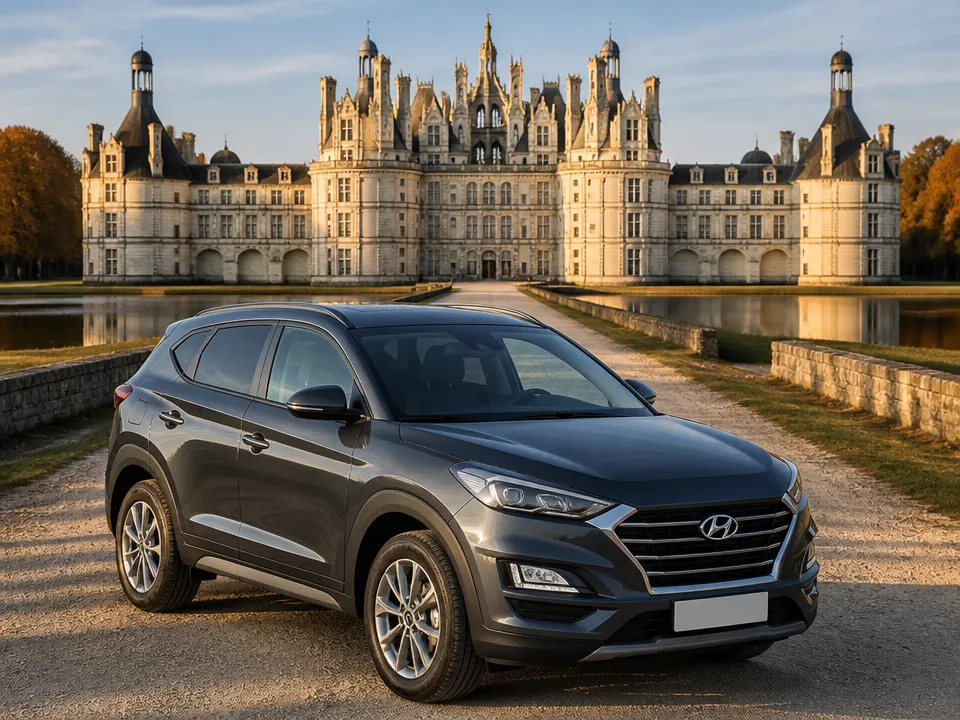
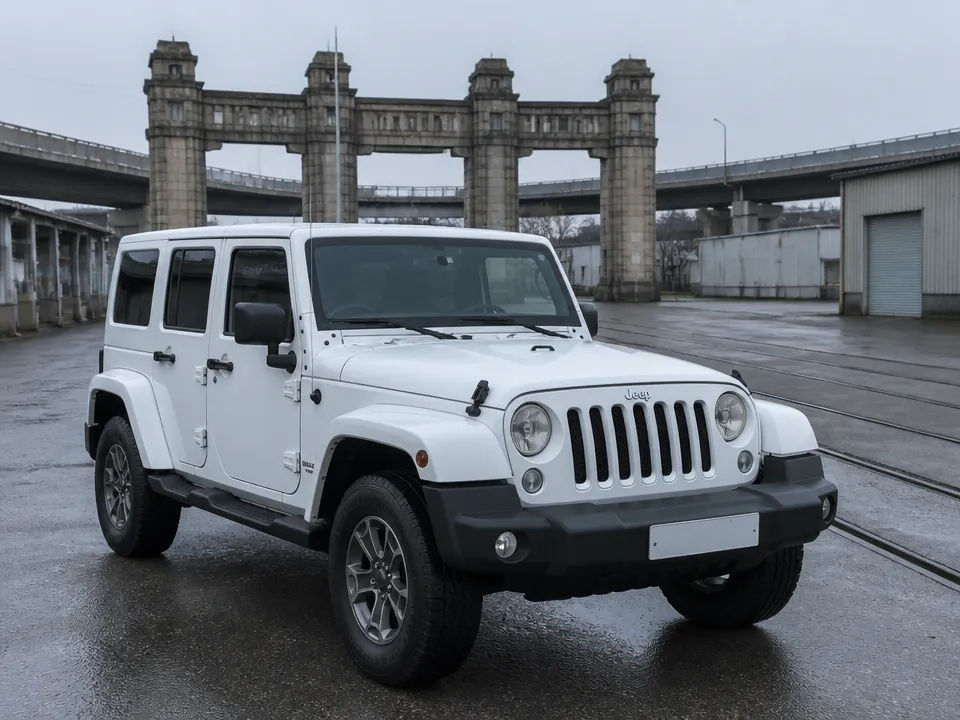
| SUV & 4x4 | 18 | €105 |
| Sedan | 3 | €120 |
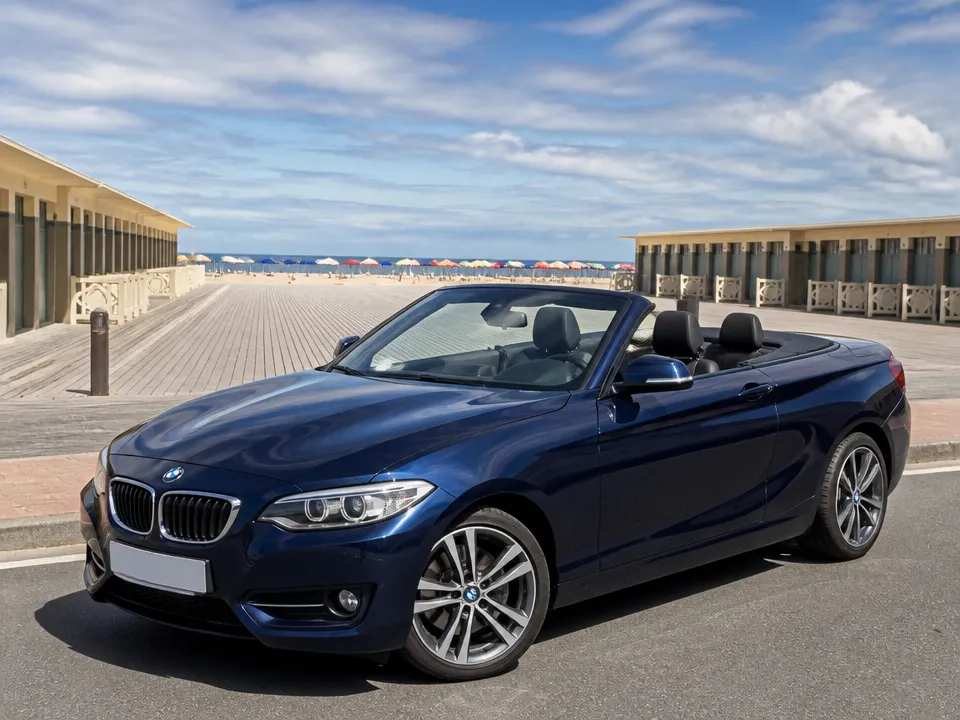
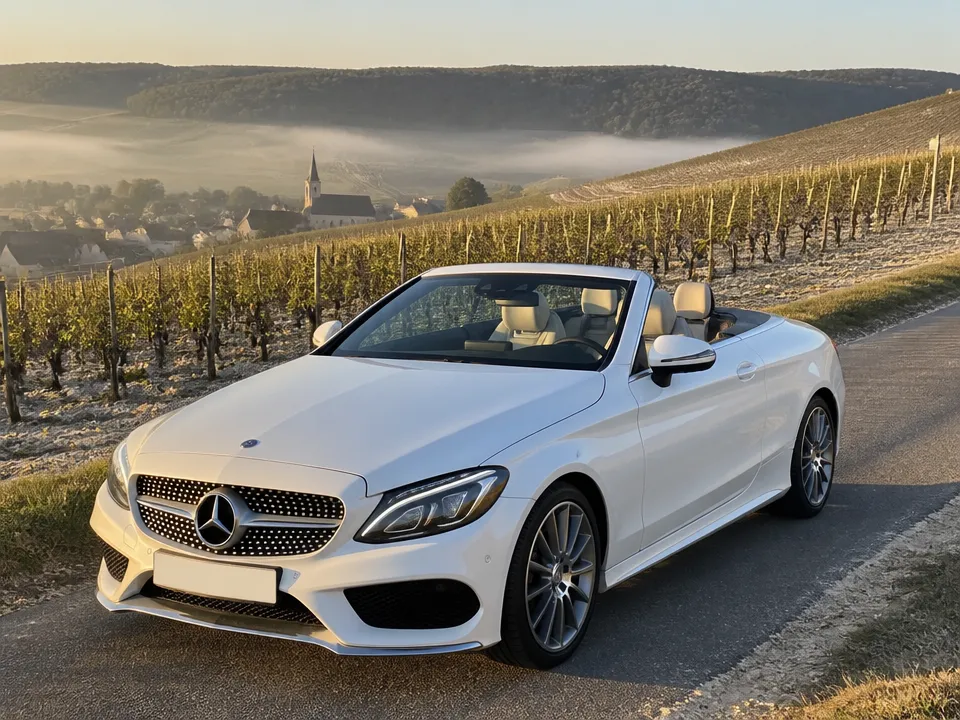
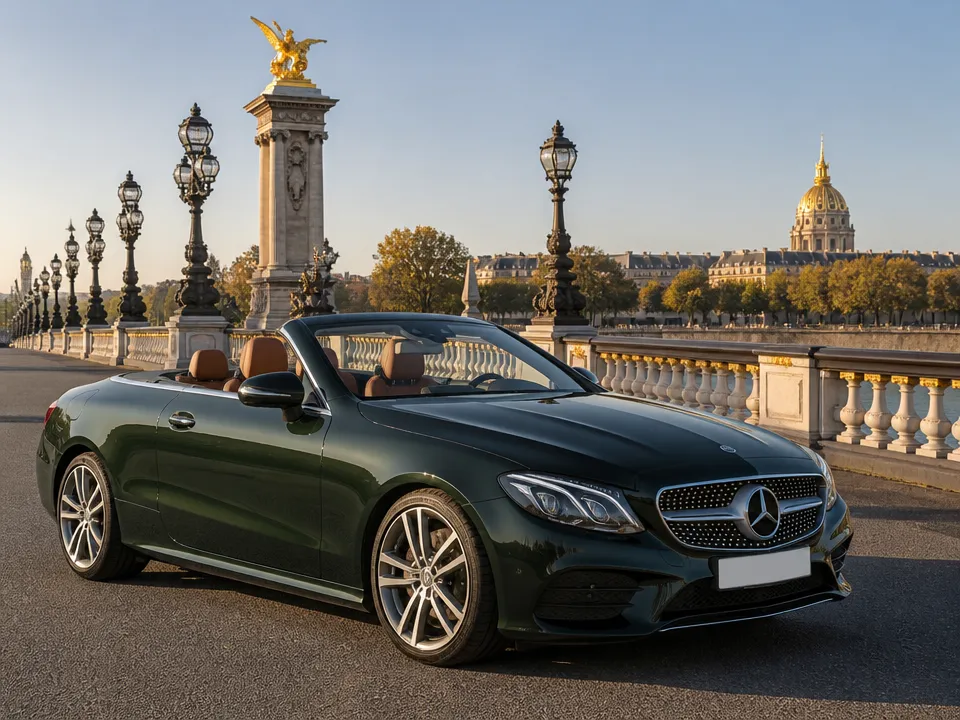
| Convertibles | 9 | €129 |
| Minivans | 4 | €129 |
| Passenger vans | 3 | €175 |
| Sports | 6 | €450 |
Longer bookings follow the same arithmetic across every class: weekly at daily × 6, monthly at daily × 21. Higher classes start at €105–€450 a day, so match the class to trip length — a Sports car for a weekend is one thing, the same model for three weeks is another budget entirely.
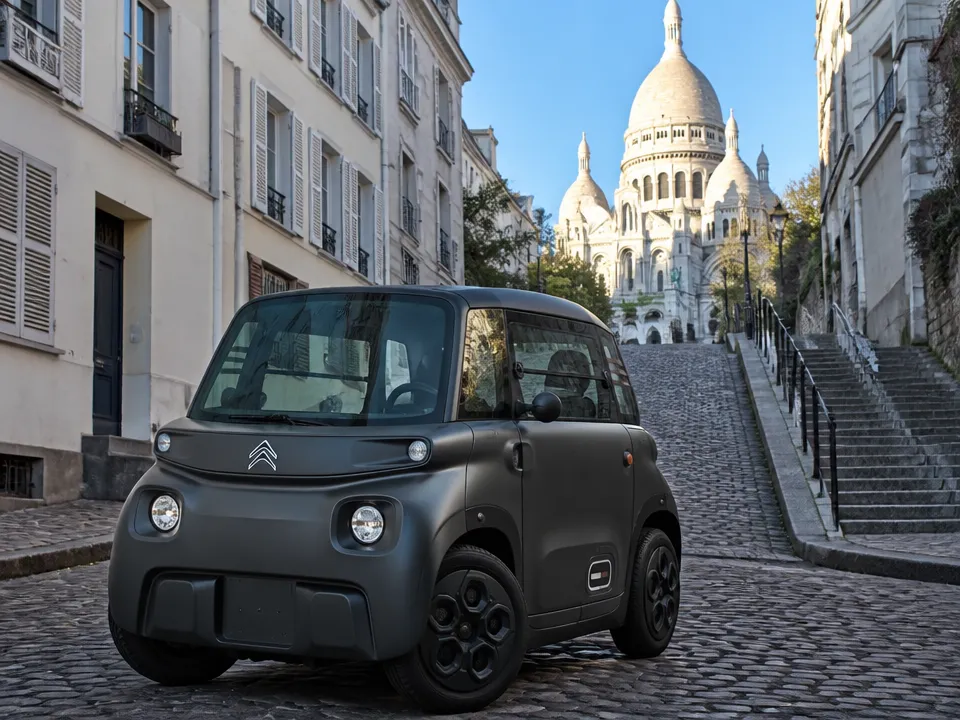
The Citroen Ami is our cheapest automatic at €29 per day — an Economy microcar with 2 seats, a 5.5 kWh battery and 8 hp, built for short city hops rather than luggage. In our Paris fleet it is the only Economy entry, so it goes fast on weekends. A 2-seater suits solo city trips; for luggage or passengers, pick a Crossover from €75.
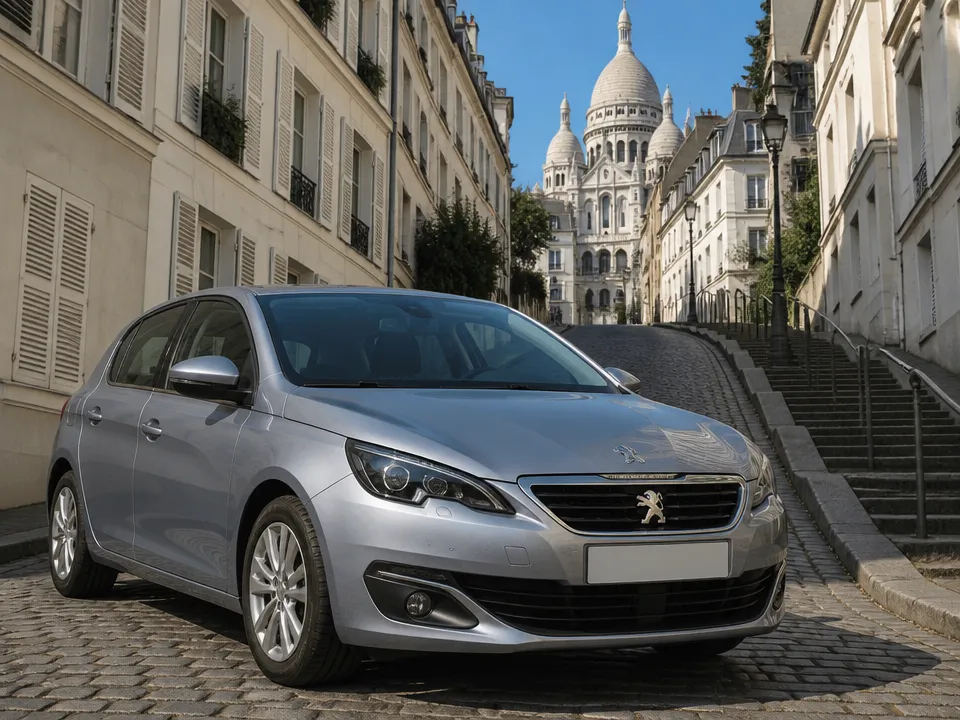
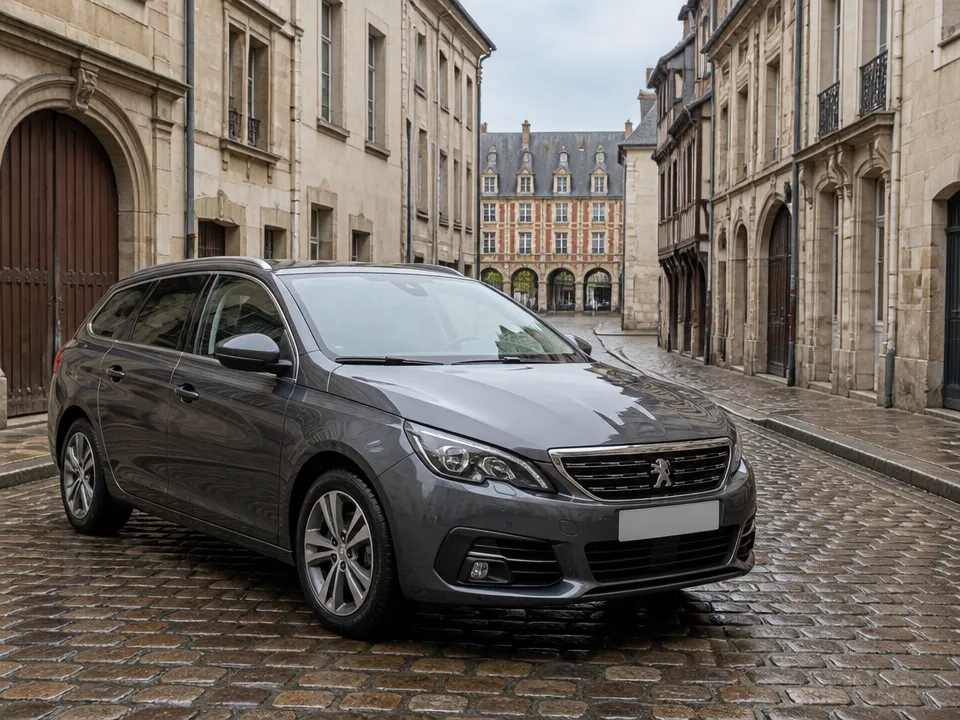
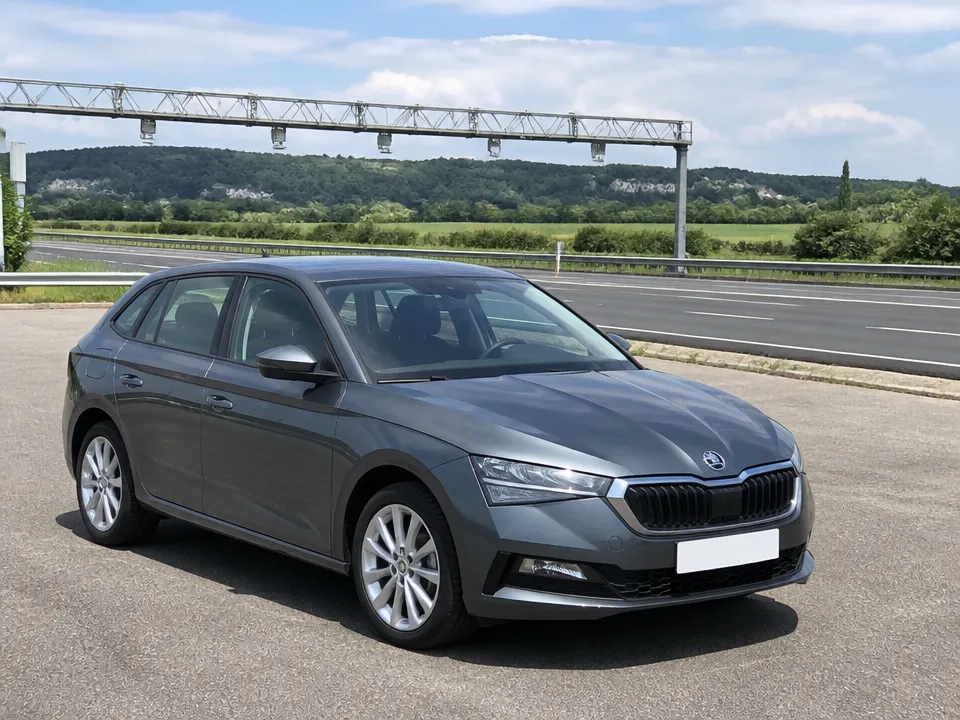
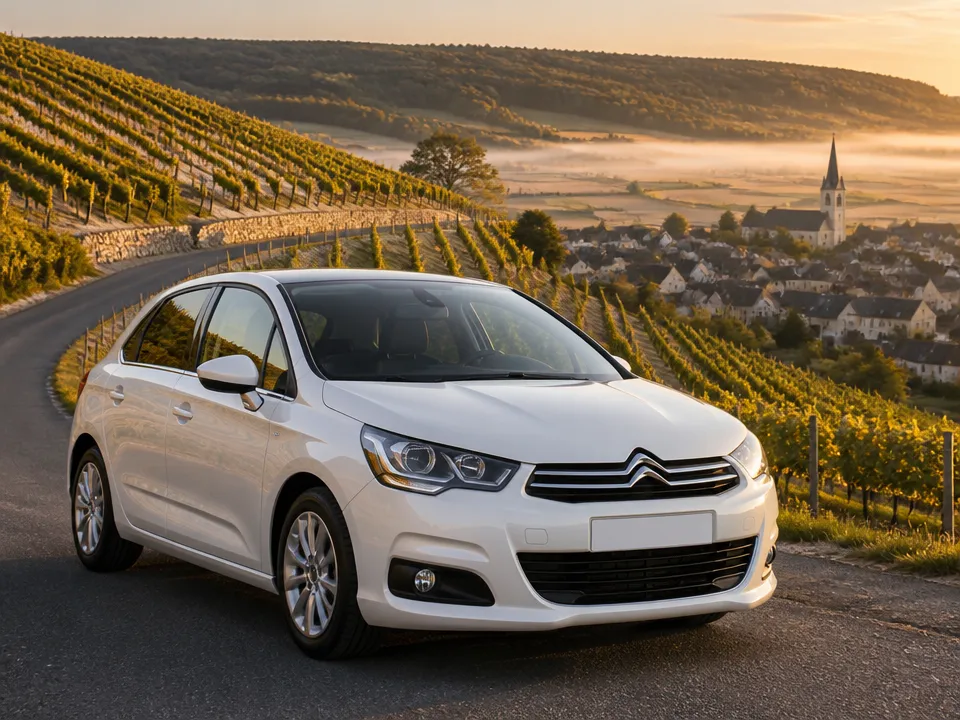
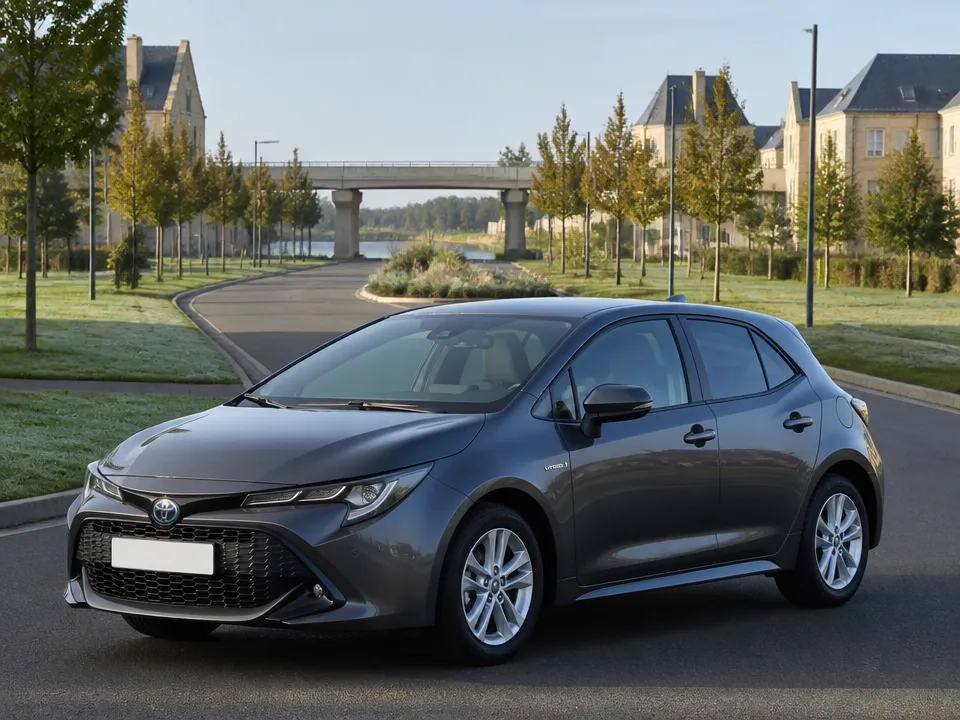
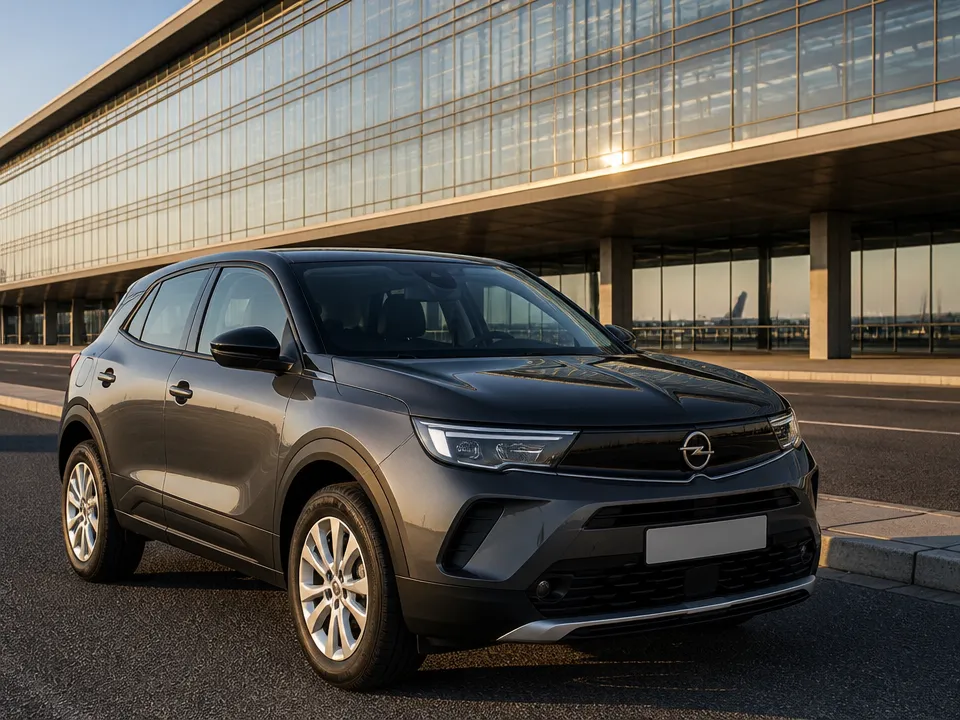
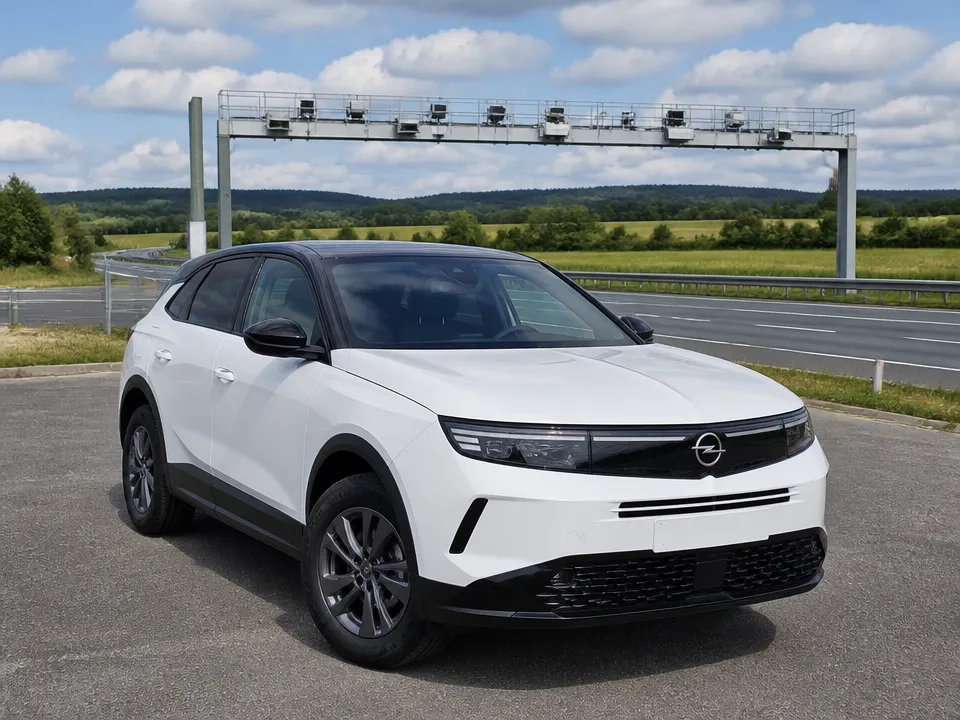
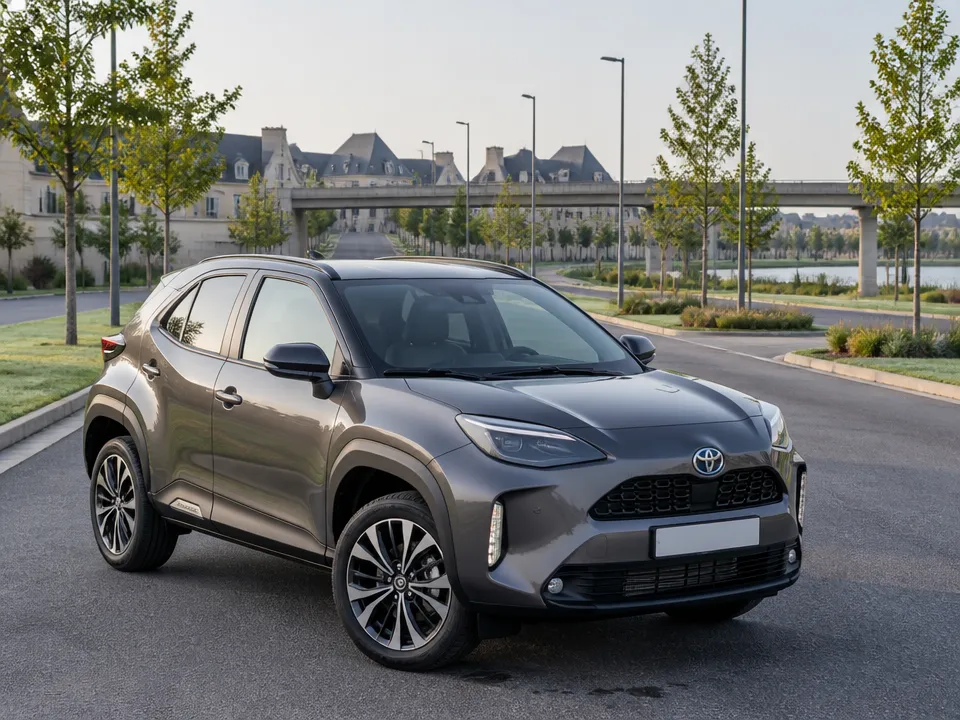
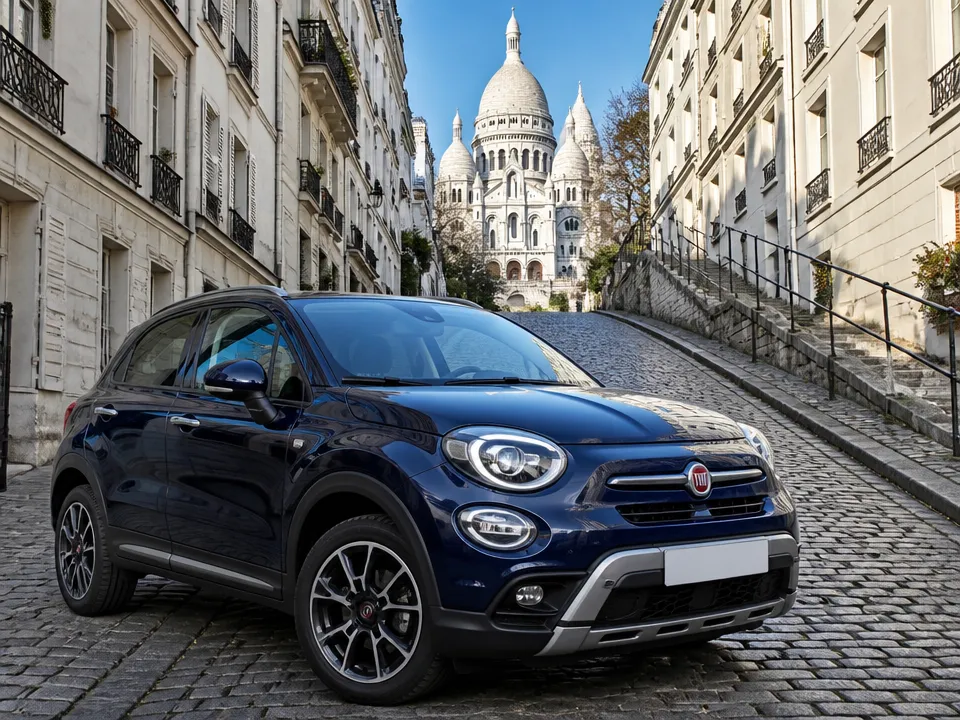
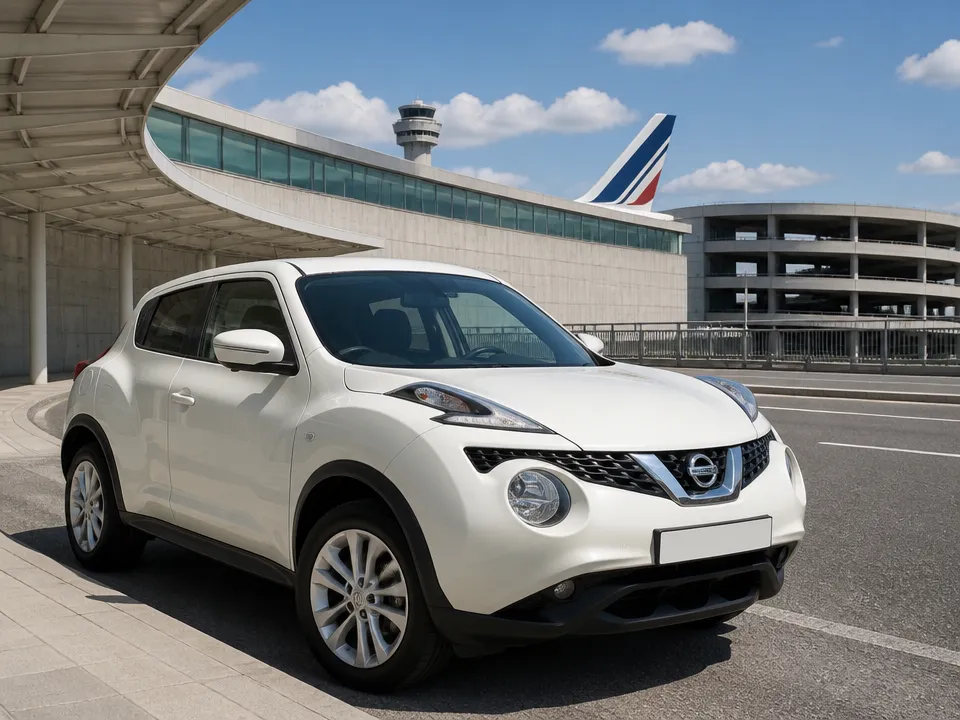
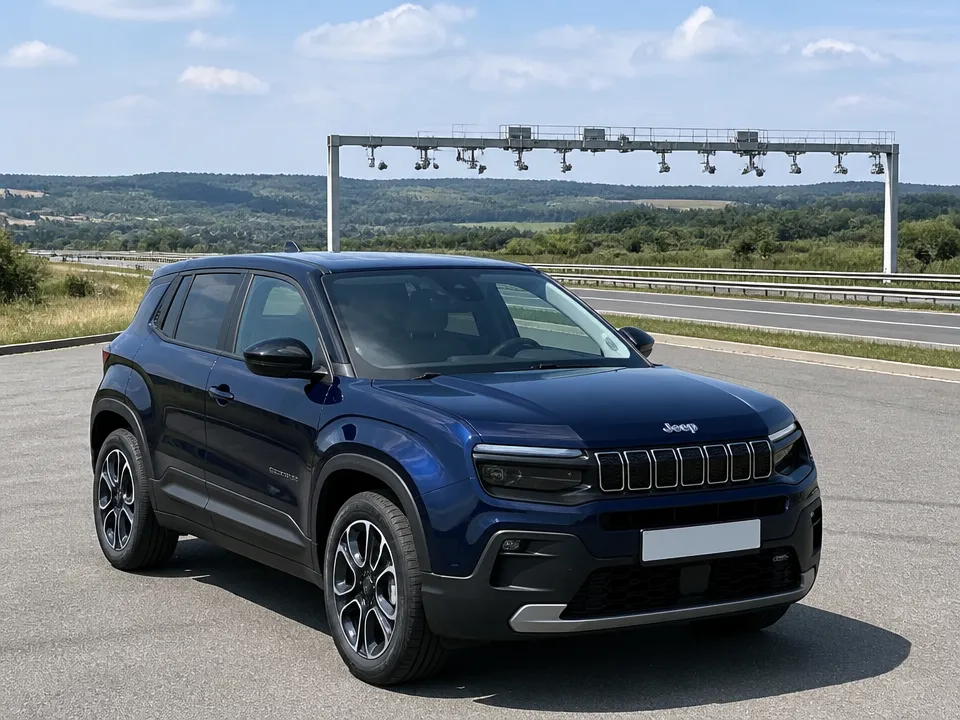
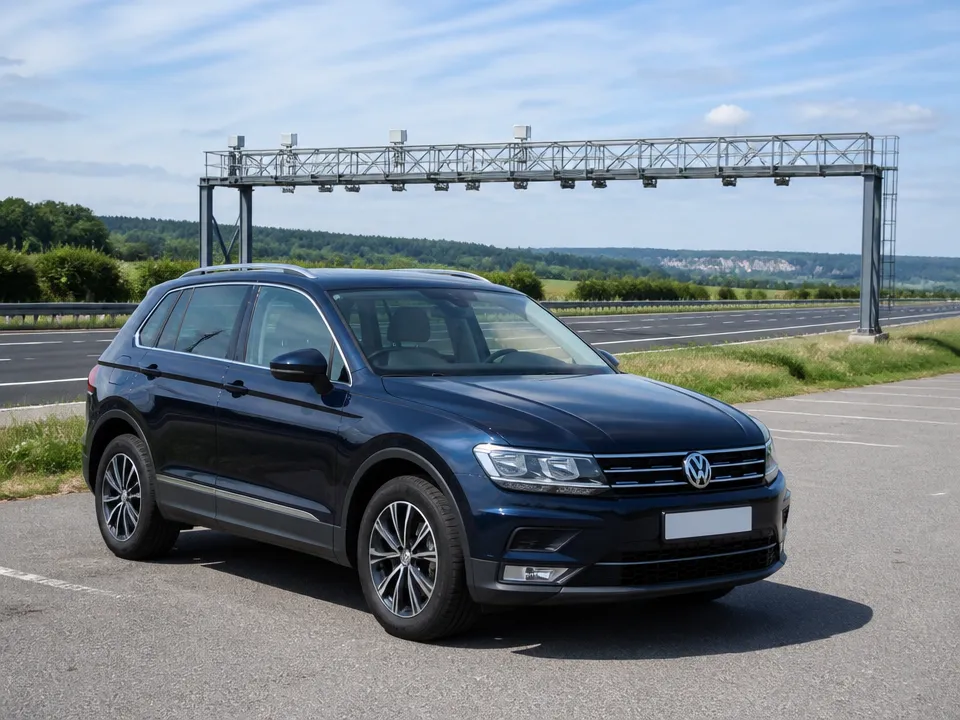
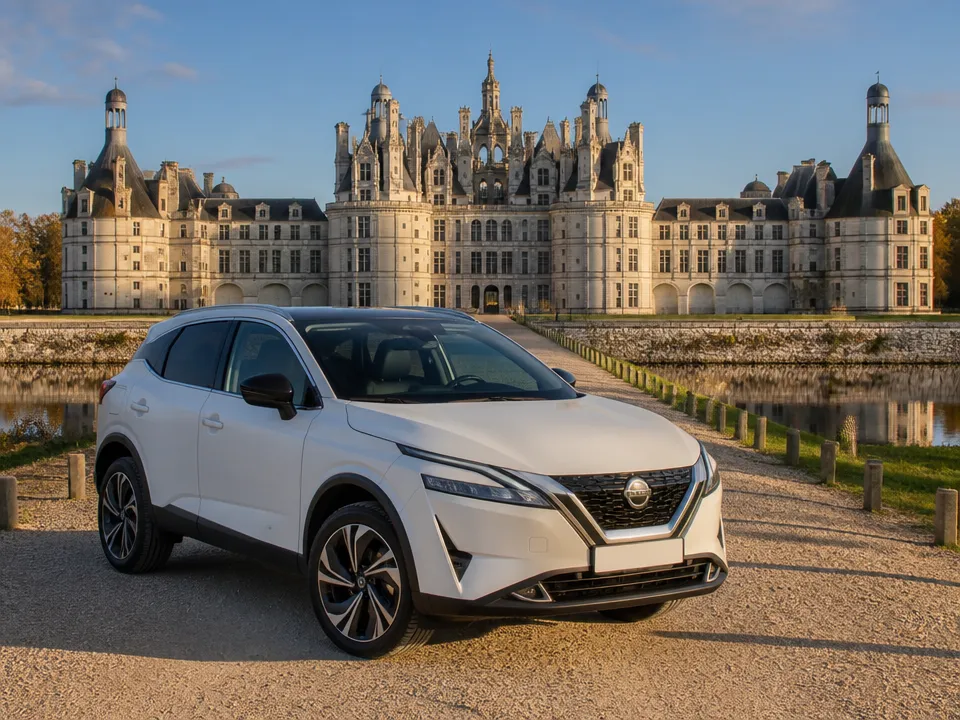
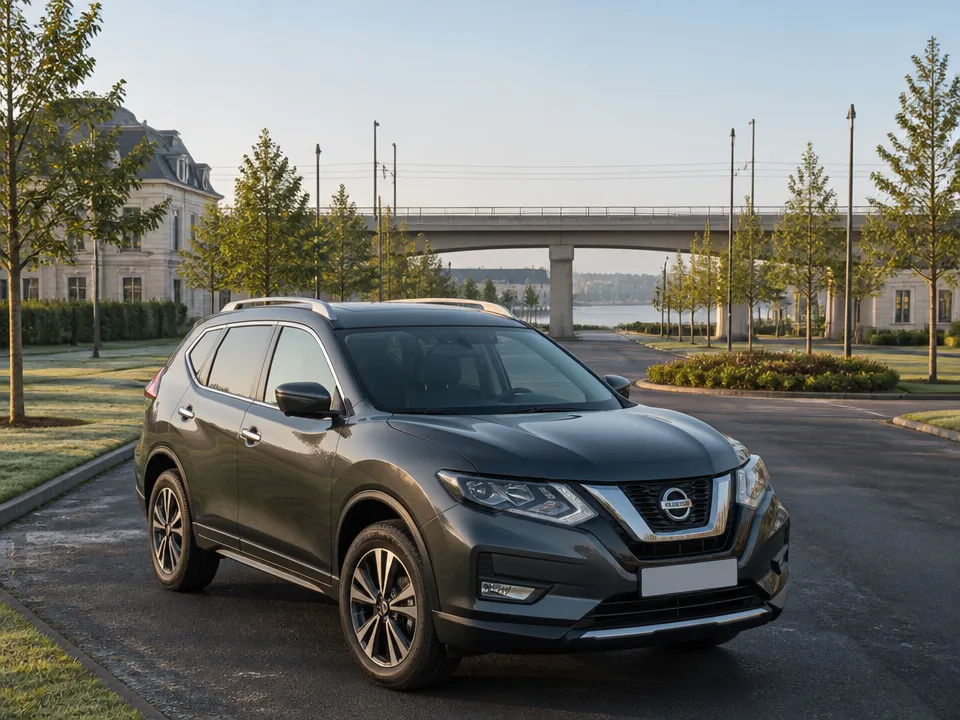
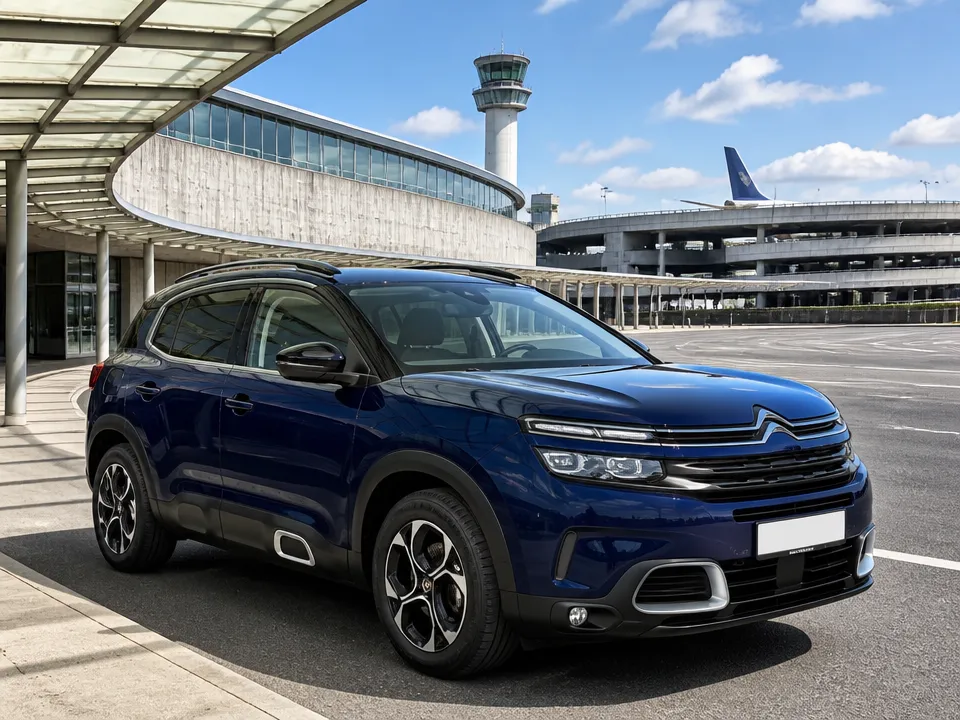
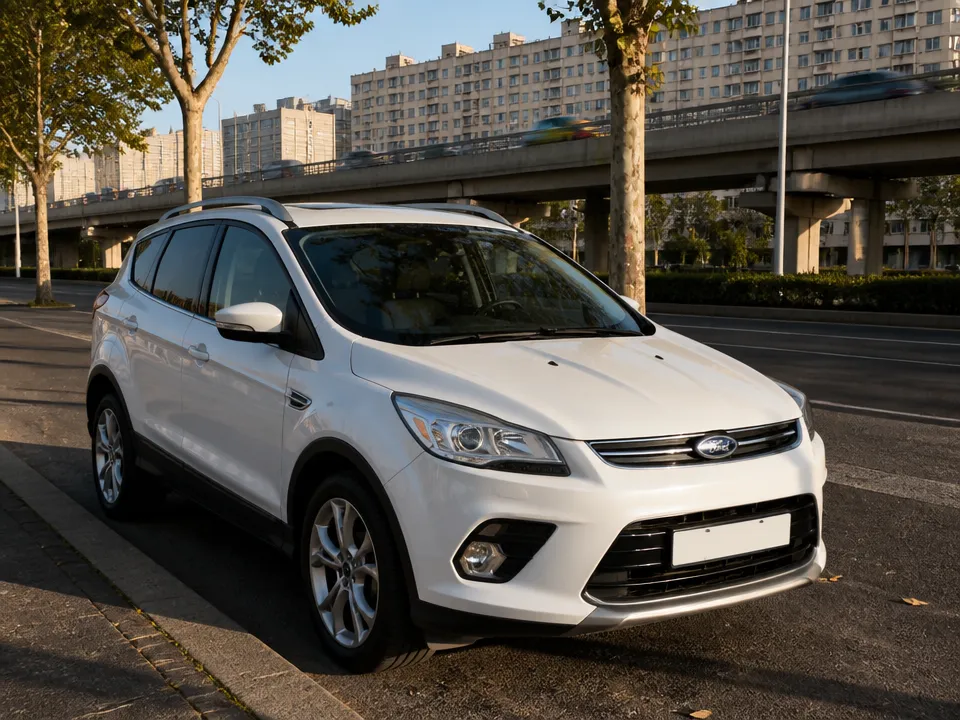
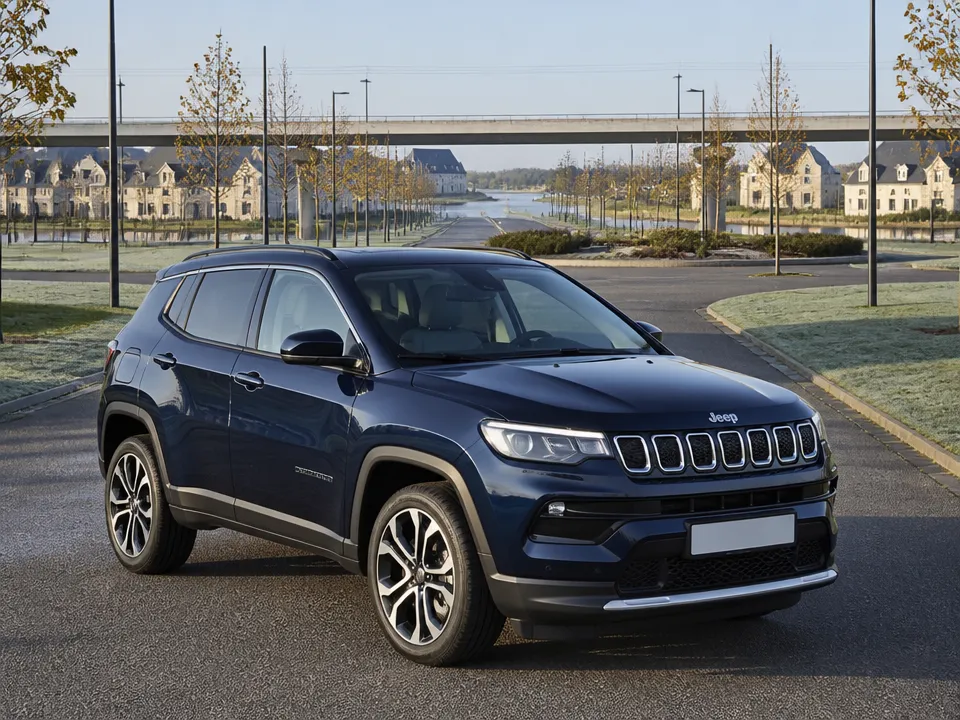
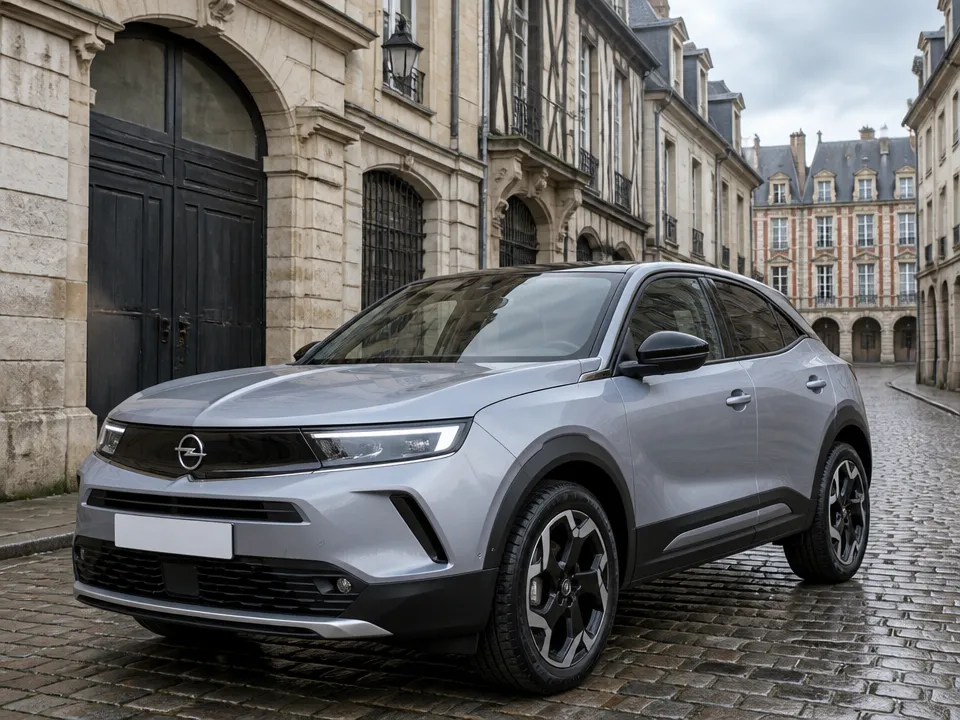
Crossover is the widest automatic band we run: 10 cars from €75, including the Jeep Avenger, Opel Mokka, Fiat 500X, Nissan Juke, Peugeot 2008 and Toyota Yaris Cross, all with 5 seats and automatic transmission. Comfort adds 7 cars from €82 — the Citroen C4, Peugeot 308, Skoda Octavia and Toyota Corolla Hybrid among them. I would say the €75–€95 band is where most of our bookings land: enough room for four people and a suitcase, small enough to park on a zone 1 street. If you are weighing up two models a few euros apart, ask the manager which one has the larger boot — the price gap rarely tells you.
Electrified cars make up a large share of our automatic fleet here: 18 electric models from €55 a day, plus hybrids spread across the Crossover and Comfort classes. Both run without a clutch pedal, and both are booked the same way — the car comes to you.
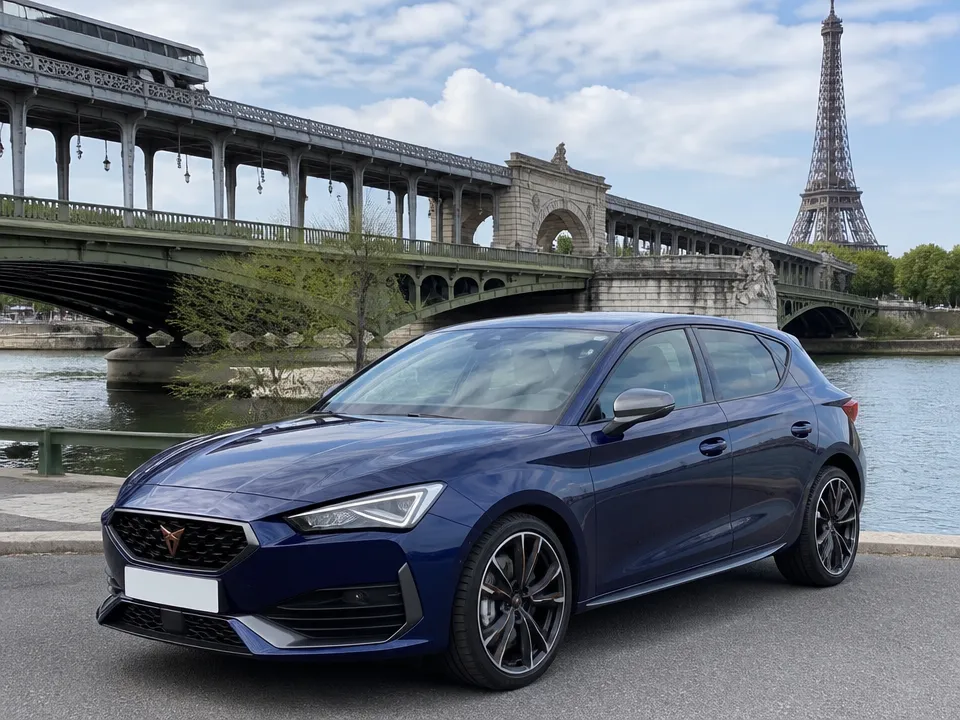
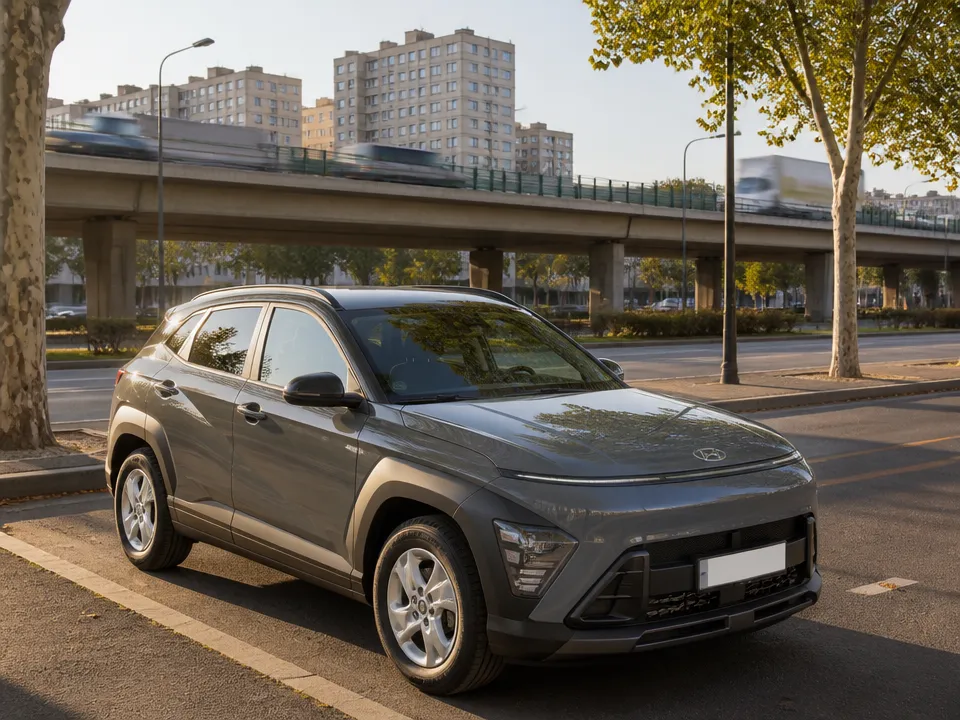
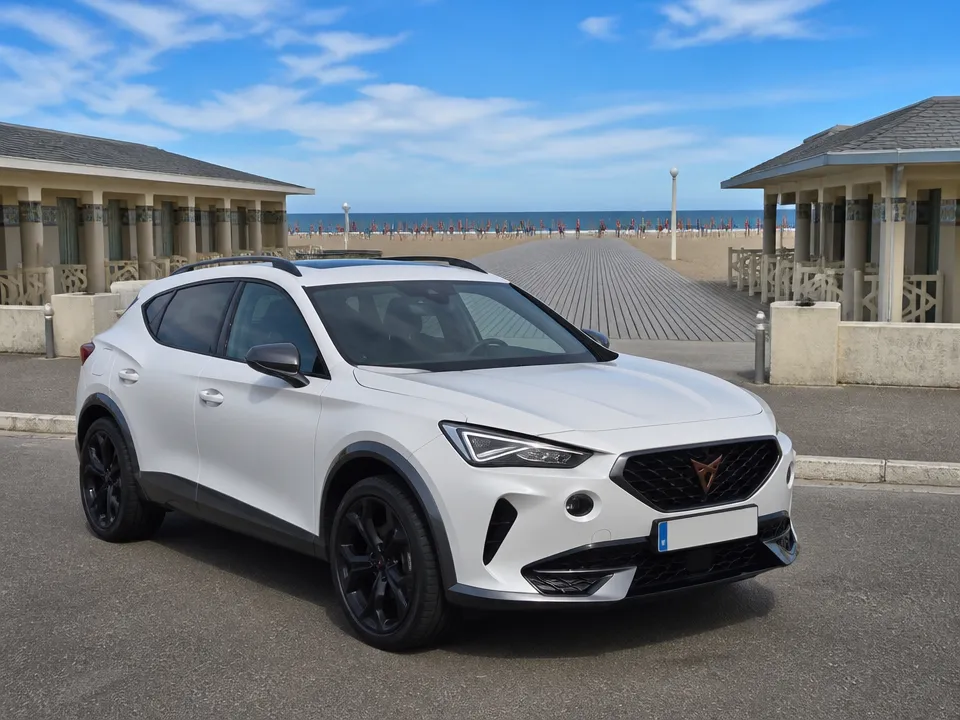
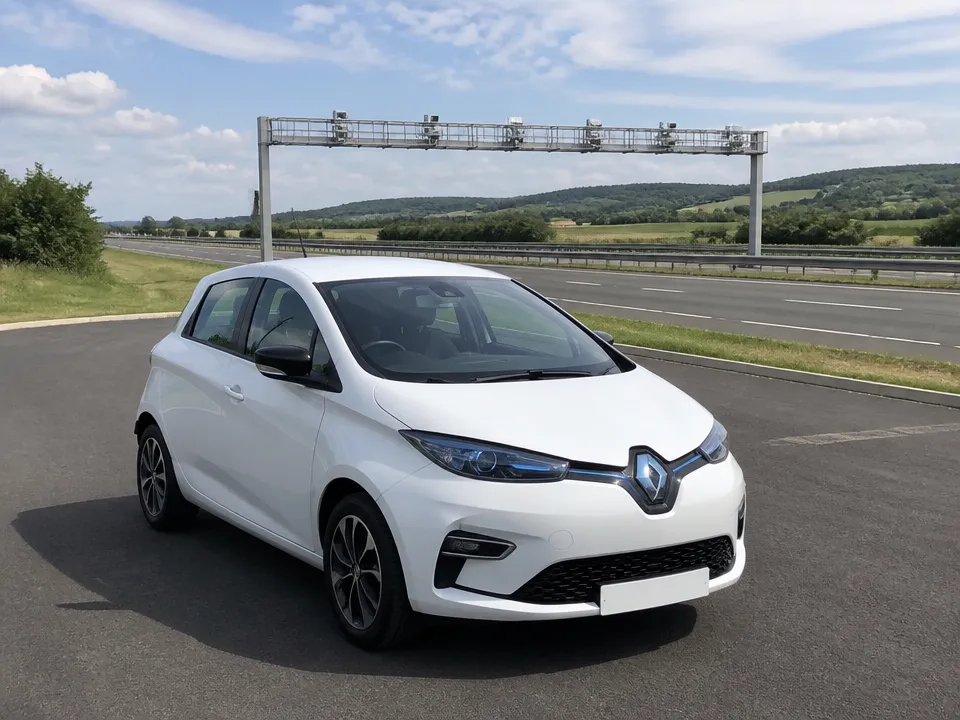
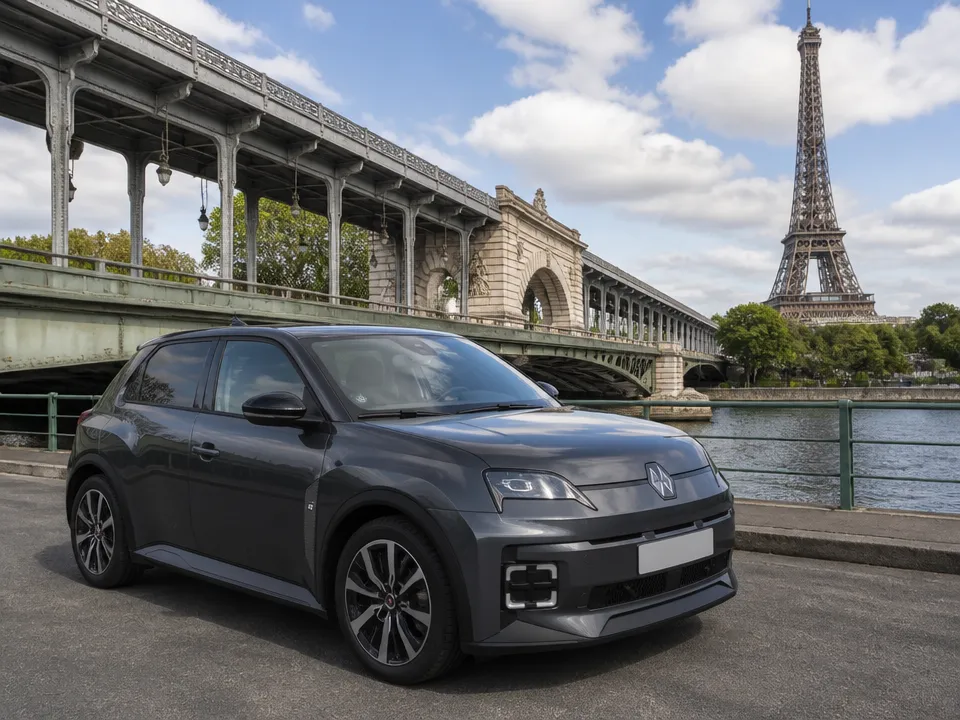
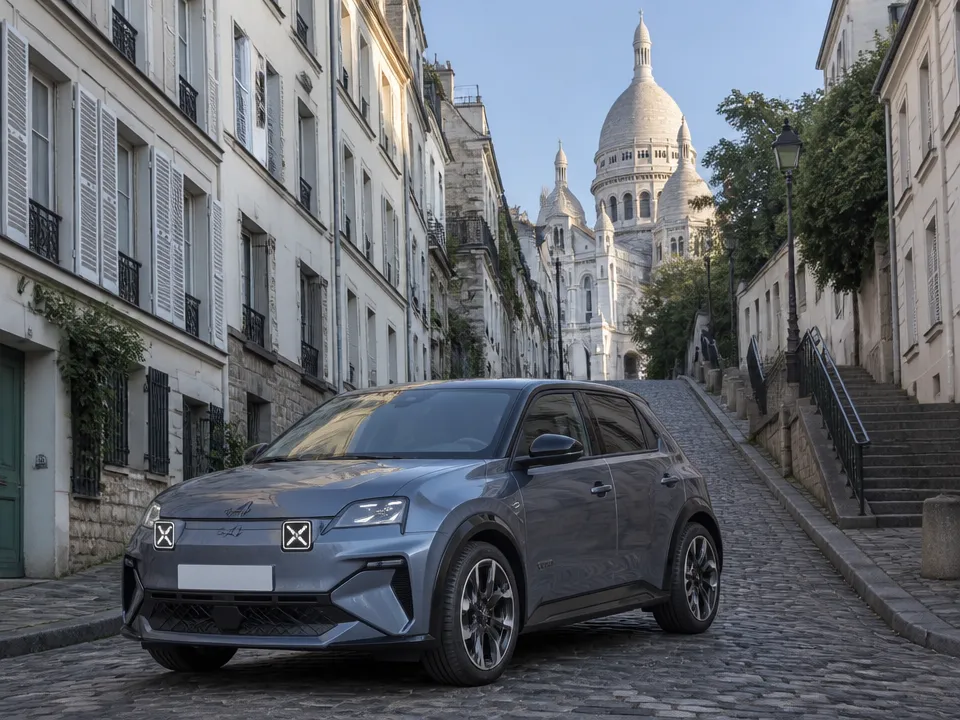
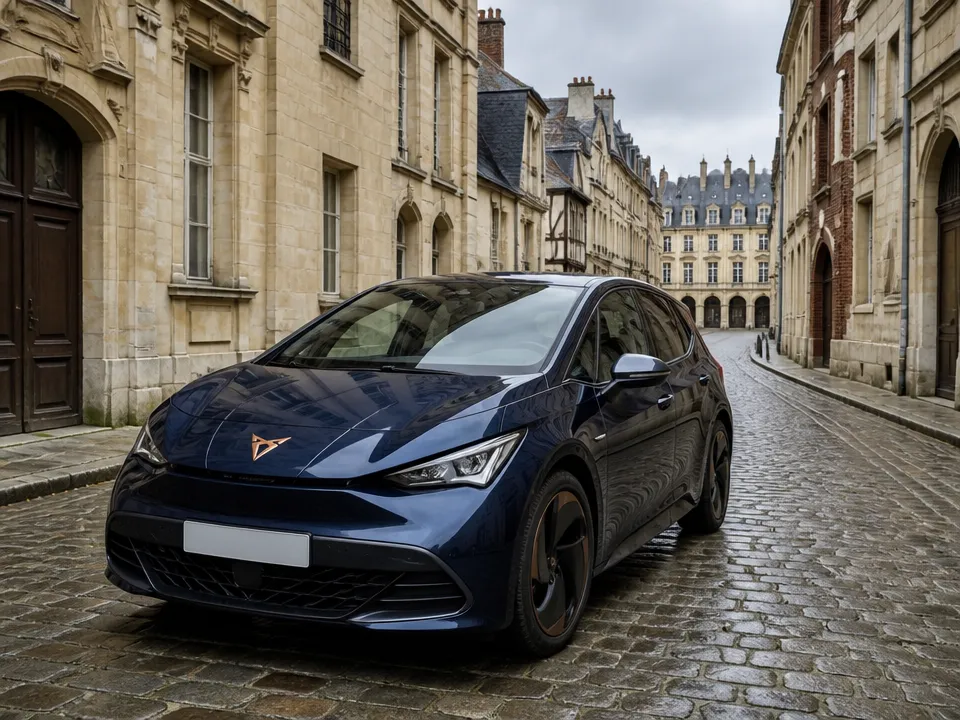
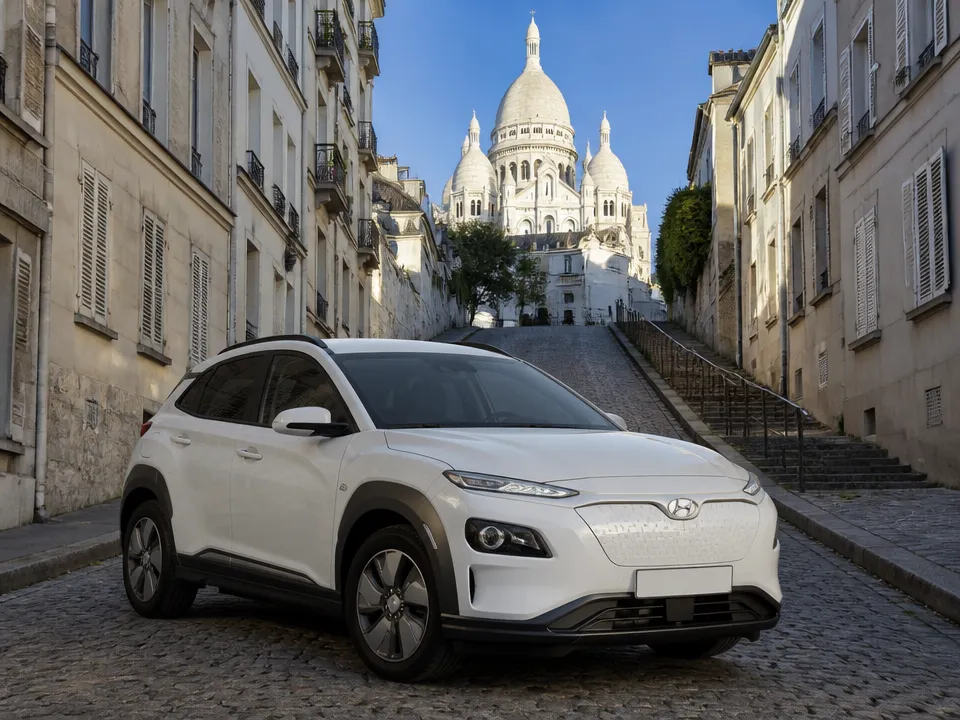
We have 18 electric cars from €55 per day, including the Renault Zoe, Fiat 500e, Renault 5 E-Tech, Cupra Born, Tesla Model 3 and Hyundai Kona Electric. The Renault Zoe is a 5-seat hatchback with a 52 kWh battery and 136 hp at €55 a day; the Fiat 500e is a 4-seater with 42 kWh and 118 hp at €59; the Renault 5 E-Tech runs 52 kWh and 150 hp at €69. Step up to the Cupra Born — 58 kWh, 231 hp, rear-wheel drive, €89 — or the Tesla Model 3, a 5-seat sedan with 60 kWh and 283 hp at €109. The Hyundai Kona Electric pairs 65 kWh with 218 hp at €89.
Battery size is what decides how far you get between charges: the 52 kWh Zoe covers city days comfortably, while the 60 kWh Model 3 handles longer runs out of town. Plan a charging stop before you leave rather than mid-route — public points around the boulevard périphérique are busiest on weekday mornings, and a 20-minute top-up at a rapid charger is usually enough to finish the day.
Hybrids need no charging stop at all: the petrol engine takes over once the battery is drained, which suits day trips beyond the city — Versailles, Giverny or the Champagne route. Our fleet runs on Diesel, Electric, Gasoline and Hybrid, so if your itinerary mixes motorway miles with city parking, a hybrid saves you the hunt for a charger. On a hybrid, the electric motor does most of the work below 50 km/h, so city driving stays quiet and light.
If you are unsure, tell us your route when booking and we will match the car to it — the choice is agreed with a manager before hand-over.
An automatic gearbox changes nothing about the paperwork an emissions zone asks for: the car still needs a Crit'Air sticker on the windscreen, and the class on that sticker decides whether you may drive inside the A86. Here is what applies to our cars and to your route.
The ZFE de la Métropole du Grand Paris bans Crit'Air 5, 4, 3 and «Non classé» vehicles inside the A86 motorway — the A86 itself is excluded, but the boulevard périphérique, the Bois de Boulogne and the Bois de Vincennes are all inside the perimeter. The sticker is the document that proves your class, and it goes on the windscreen. Our automatic cars are delivered with the sticker already in place, so you do not order one yourself. Automatic transmission and emissions class are two separate things: a petrol automatic and a manual of the same age normally carry the same Crit'Air number, so choosing an automatic does not move you into a cleaner category. What does help is age and fuel — the newest electric and hybrid cars sit in the lowest classes. Check the class printed on the sticker before you drive into the perimeter, not after a camera reads your plate.
The boulevard périphérique is limited to 50 km/h since 1 October 2024 — the change was introduced in stages, first on the inner ring from porte des Lilas to porte d'Orléans, then across the whole ring by 10 October. The Code de la route still permits up to 70 km/h there, so signs and the 50 km/h rule are what you follow. Elsewhere in the city the limit is 50 km/h under Code de la route, art. R413-3, and it can be raised to 70 km/h on individual stretches. On the périphérique the left lane between the Issy embankment and porte de Bercy, in both directions, is reserved for cars carrying 2 or more people on weekdays from 7:00 to 10:30 and from 16:00 to 20:00; enforcement began on 2 May 2025. In our experience the covoiturage lane is the single most common way a visitor picks up a fine here — an automatic car with two people aboard is already compliant, so use it deliberately rather than drifting into it.
An automatic licence is the same licence you already hold — the gearbox changes nothing about the paperwork. What France asks for is a valid driving licence, held for more than a year, and the right translation if yours is not in Latin script. Everything else — deposit, excess, extra-driver terms — sits in the agreement you sign with us.
An EU or EEA licence is valid in France with no time limit and no exchange, as long as it stays valid. Drivers from outside the EU/EEA who are visiting can drive on their national licence; if that licence is not in Latin script, an official translation or an International Driving Permit (IDP) is required alongside it — the IDP is a translation only and never replaces the licence itself. Residents from outside the EU/EEA may drive for 1 year from the entry date stamped in their visa, after which the licence must be exchanged. Our own rule for automatic car hire in Paris: the licence must have been issued more than 1 year ago, and digital licences are not accepted. An IDP used for a booking must be no older than 3 years.
Third-party liability — responsabilité civile — is compulsory by law and is included in every booking automatically; it covers injury and property damage to third parties within the country's legal limits, but it does not cover the driver's own injuries. Collision damage protection (CDW) and theft protection (TW) are part of the standard French package and limit your liability to a franchise — a fixed excess that stays payable even when protection applies. A rachat de franchise option reduces that excess or removes it entirely. Base protection does not cover tyres damaged by abnormal use, glass outside a collision, sunroofs and panoramic roofs, the underside, wrong-fuel damage, lost or stolen keys, or damage from negligence. Some Visa Premier and Gold Mastercard cards cover the CDW/TW excess when the booking is paid with that card and the holder is the main driver. The exact excess, the deposit and the cost of the protection package are set out in the agreement.
Every automatic rental in Paris comes with third-party liability cover by law, and the deposit and excess on your booking are set out in the rental agreement.
Third-party liability, or responsabilité civile, is compulsory in France and included in any booking automatically. It covers injury and property damage you cause to other people, up to the country's legal limits, but it does not cover injuries to the driver. On top of that, French packages normally include CDW collision damage protection, which caps what you owe for repairs and for the days the car sits off the road, and TW theft protection, which covers theft, attempted theft and vandalism in a car park. Both work within an excess rather than removing your liability — the excess is a fixed sum you pay yourself after damage or theft, and it is not waived by paying it once. What the base protection does not cover: tyres damaged by abnormal use, glass unless it broke in a collision, the sunroof and panoramic roof, the underbody, filling the tank with the wrong fuel and the engine damage that follows, lost or stolen keys, and damage from negligence or intent. We hand over the car with the level of protection that matches your booking, and the exact excess figure for your automatic sits in the rental agreement.
Rachat de franchise is a paid option that lowers or removes the excess: a Medium package reduces it, and Premium takes it to zero or close to zero. Ask for it when you book, because the level you choose is fixed in the agreement before the car reaches you. There is also a route that costs nothing extra: Visa Premier and Gold Mastercard cards often cover the CDW and TW excess if the booking was paid with that card and the cardholder is the main driver on the agreement. That is industry practice rather than a written rule from a bank, so check your own card terms before you rely on it. Whichever route you take, the excess is the slice of damage cost you carry yourself, and it is why the level of protection matters more on a long trip than a short one.
Driving an automatic here adds one more thing worth checking before you leave: the Crit'Air sticker for the low-emission zone is not part of the insurance package, and its terms are set out in the rental agreement.
We agree every automatic car rental booking with a manager: you send the dates, the class and the delivery point, and the manager confirms what is available before anything is fixed. Nothing is charged and no car is reserved until that conversation is complete.
The car is delivered to you, and the agreement is signed when the car changes hands — the manager tells you at booking exactly where and when that happens. Fuel policy is plein-plein: the car arrives with a full tank and you return it full, unless the agreement states otherwise. The condition of the car is recorded at both ends of the hire, so the state it arrives in and the state it goes back in are written down.
Before you drive off, match the car you were given against the class you booked — an automatic is a separate category in France, so the gearbox is worth confirming by eye rather than assuming. Check that the Crit'Air sticker is on the windscreen, since the ZFE de la Métropole du Grand Paris bans Crit'Air 5, 4, 3 and «Non classé» inside the A86. Note the fuel level and any existing damage at hand-over; that record is what protects you at return. If anything does not match the confirmation, raise it with the manager before the car moves — sorting it at the kerb takes minutes, sorting it after the trip takes a claim.
Return the car to the agreed point on the agreed date with a full tank, and the condition is recorded again at that moment. The deposit is handled in line with the rental agreement. If your plans change mid-trip — a later return, a different drop-off — tell the manager as soon as you know, because a change agreed in advance is a change the agreement can carry, and one discovered at return is not.
This page lists 102 cars, all with automatic transmission. Classes include Economy, Comfort, Electric, SUV & 4x4, Luxury, Sedan and others. Makes include Renault, Tesla, BMW, Peugeot and Fiat. Seat counts run from 2 to 9.
Daily prices on this page run from €29 to €1300. The Citroen Ami is at €29 per day, the Renault Zoe at €55 per day and the Fiat 500e at €59 per day. Other cars carry higher daily rates.
The ZFE de la Métropole du Grand Paris covers the area inside the A86, including the boulevard périphérique. A Crit'Air sticker on the windscreen is required. Crit'Air 5, 4, 3 and unclassified vehicles are banned; for Crit'Air 3 this applies from 1 January 2025.