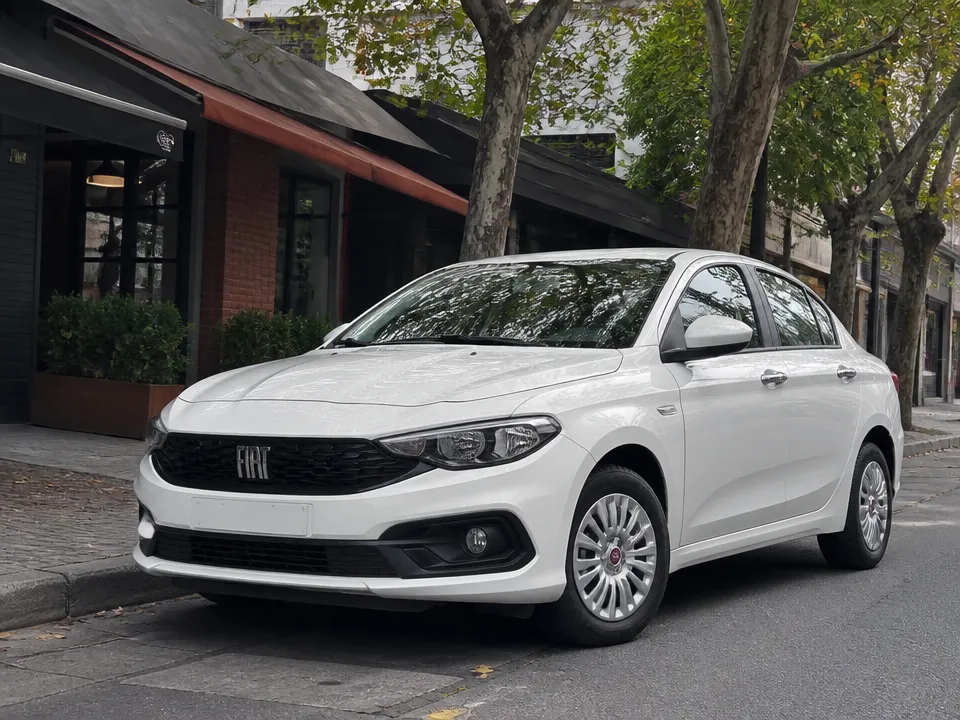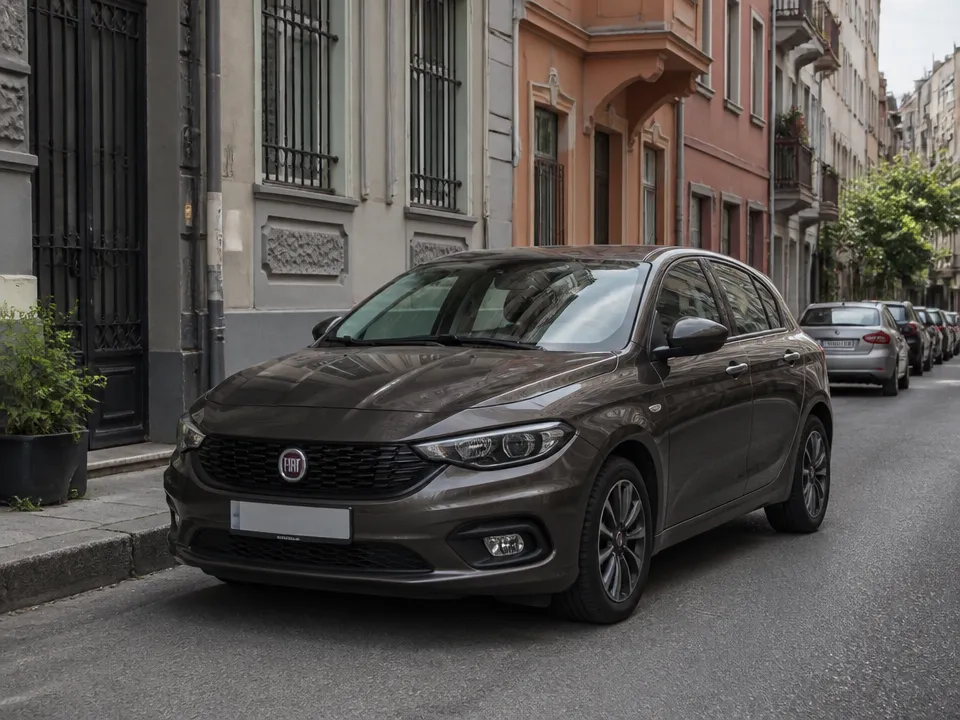
Fiat Egea Hatchback, Economy
★4.5· 116Manual1.4 L95 hpFront-wheel5 seats
₺1,600per day
Book nowVAT included




VAT included
VAT included
VAT included
VAT included
VAT included
VAT included
VAT included
VAT included
VAT included
VAT included
VAT included
VAT included
VAT included
VAT included
VAT included
VAT included
No cars match the selected filters. Remove some of the conditions.


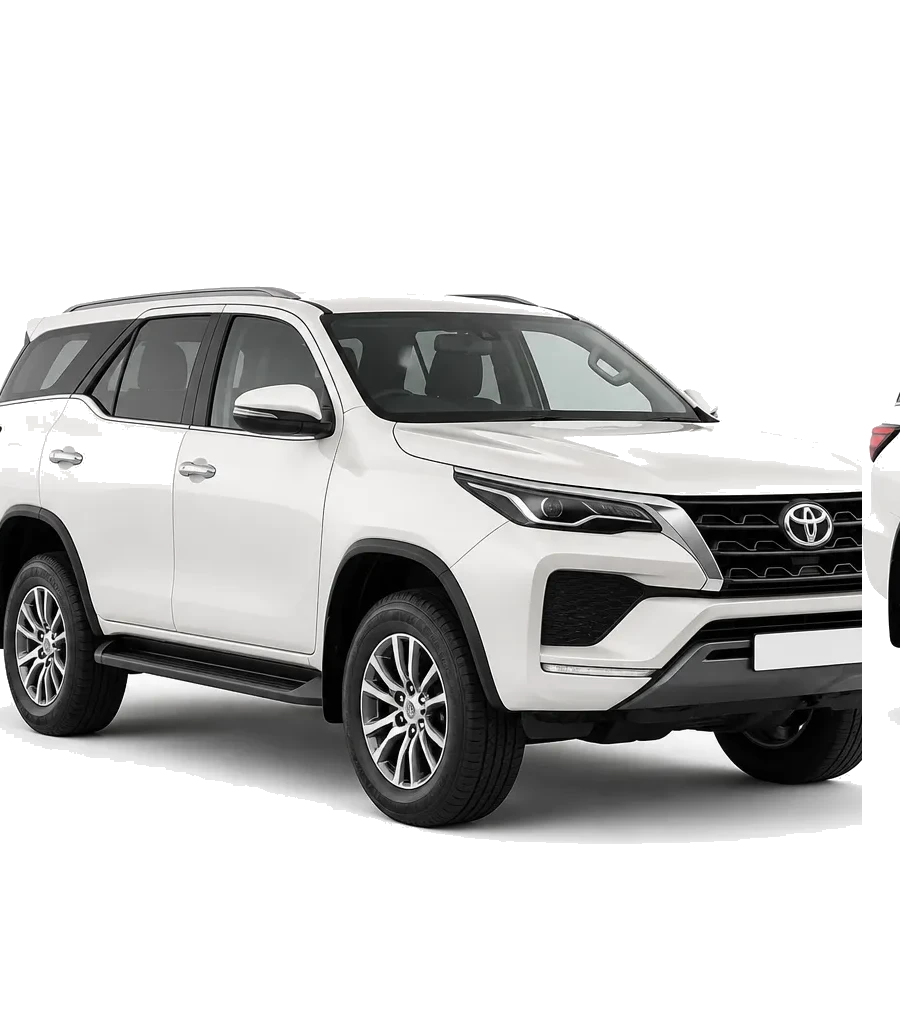

Daily prices for our economy class vehicles range from 1,600 TL to 1,900 TL. Prices include VAT.
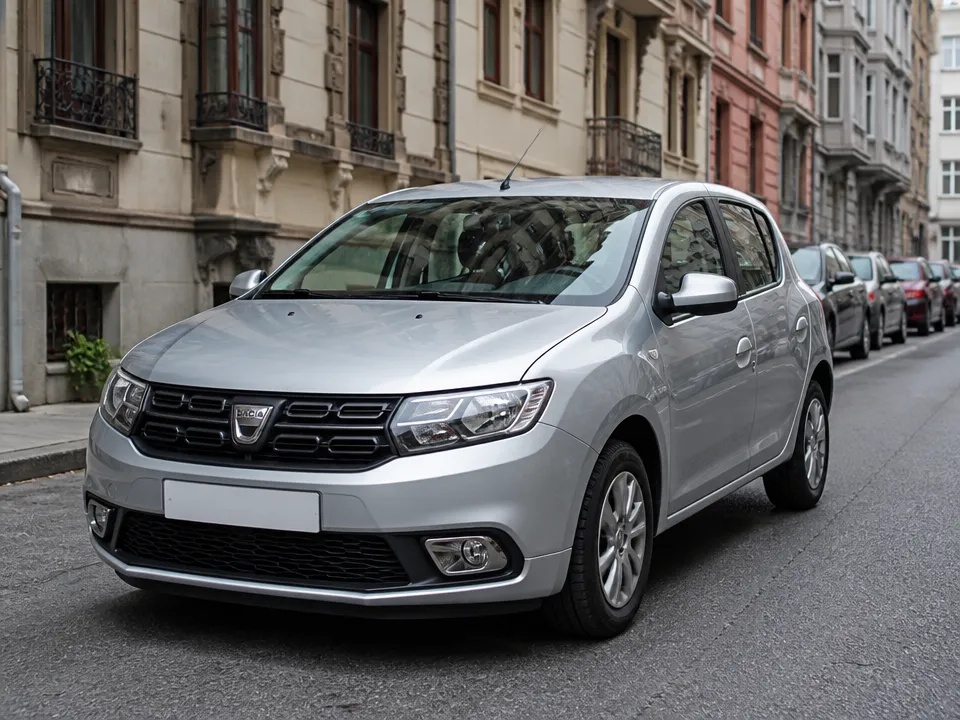
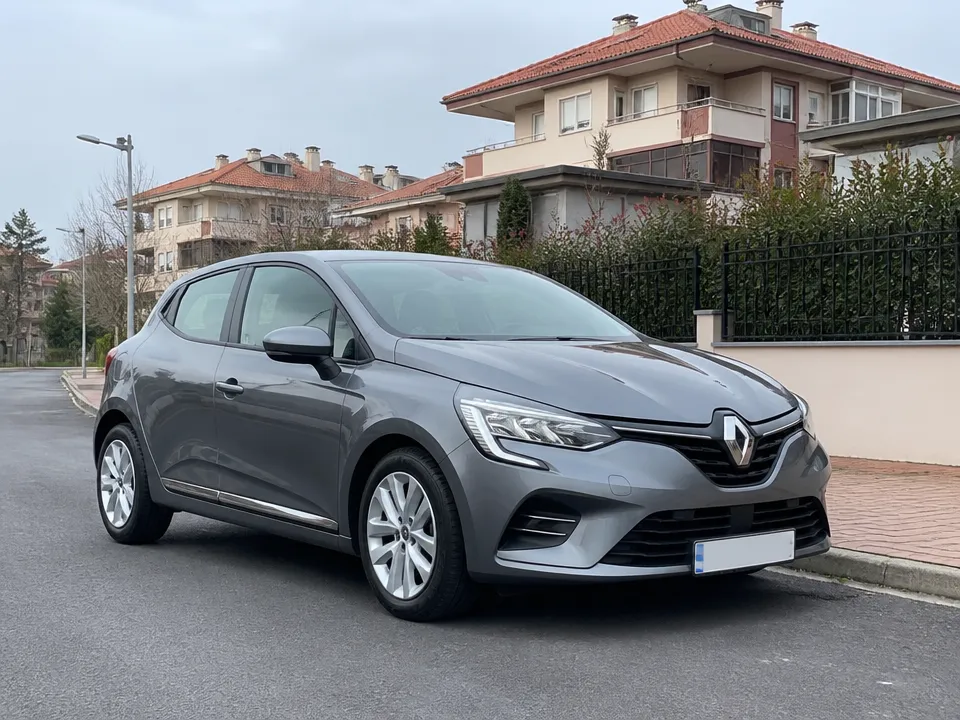
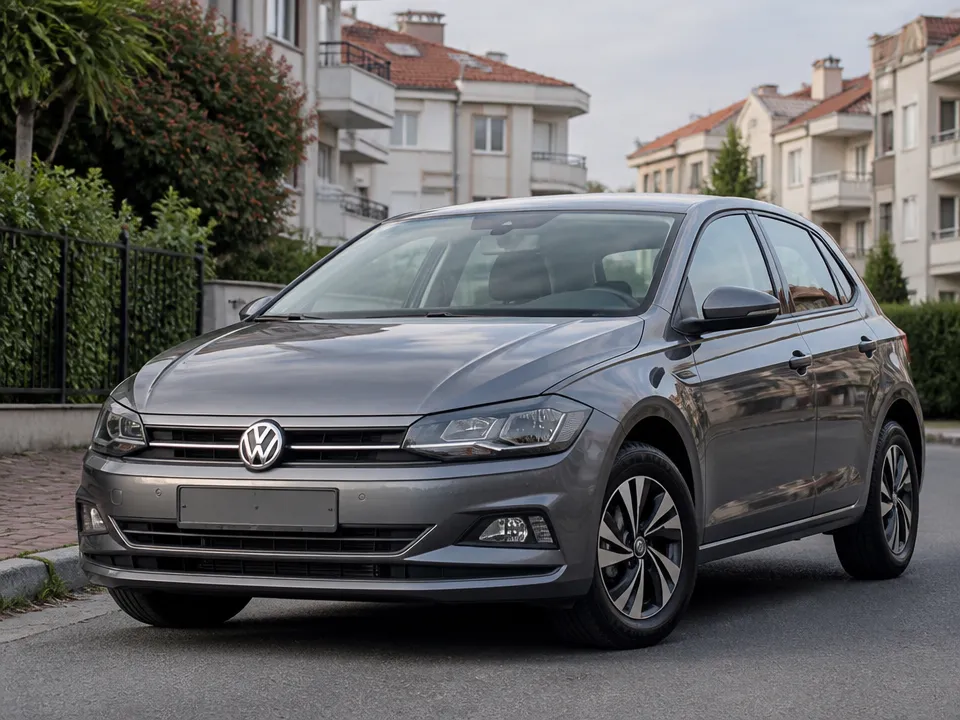
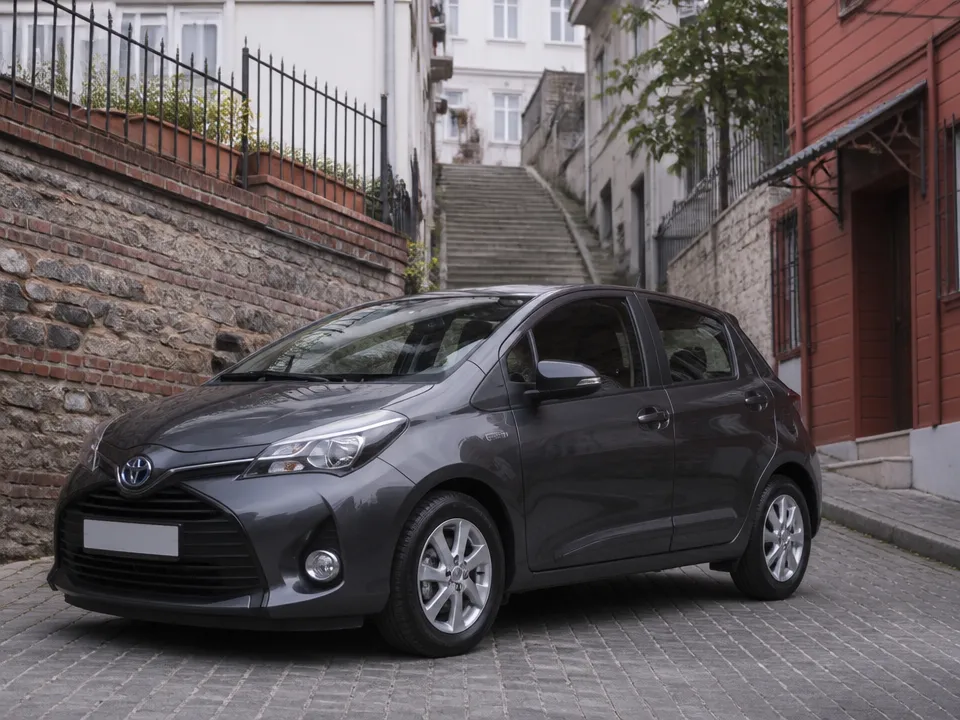
Our fleet includes 16 different economy-class models such as Fiat Egea, Renault Clio, Dacia Sandero, Hyundai i20, Volkswagen Polo, and Toyota Yaris.
Monthly rental is calculated by multiplying the daily rate by 21. For example, for a car costing 1,600 TL per day, the monthly fee is 33,600 TL.
You can choose among 16 cars delivered in Istanbul and at airports to rent an economy-class vehicle; daily rates start from 1,600 TL including VAT.
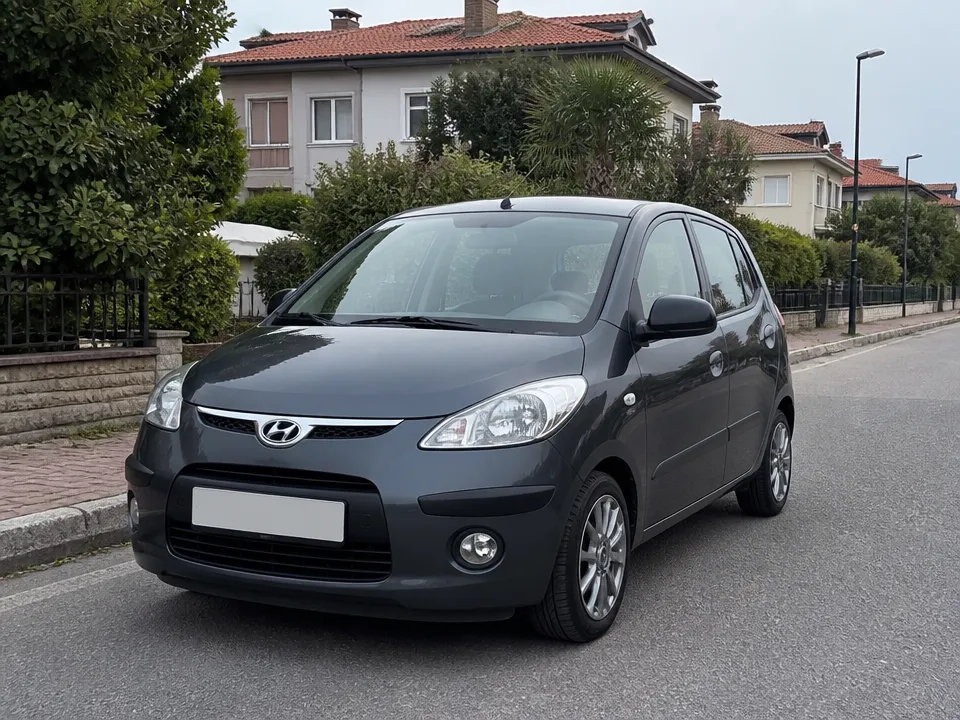
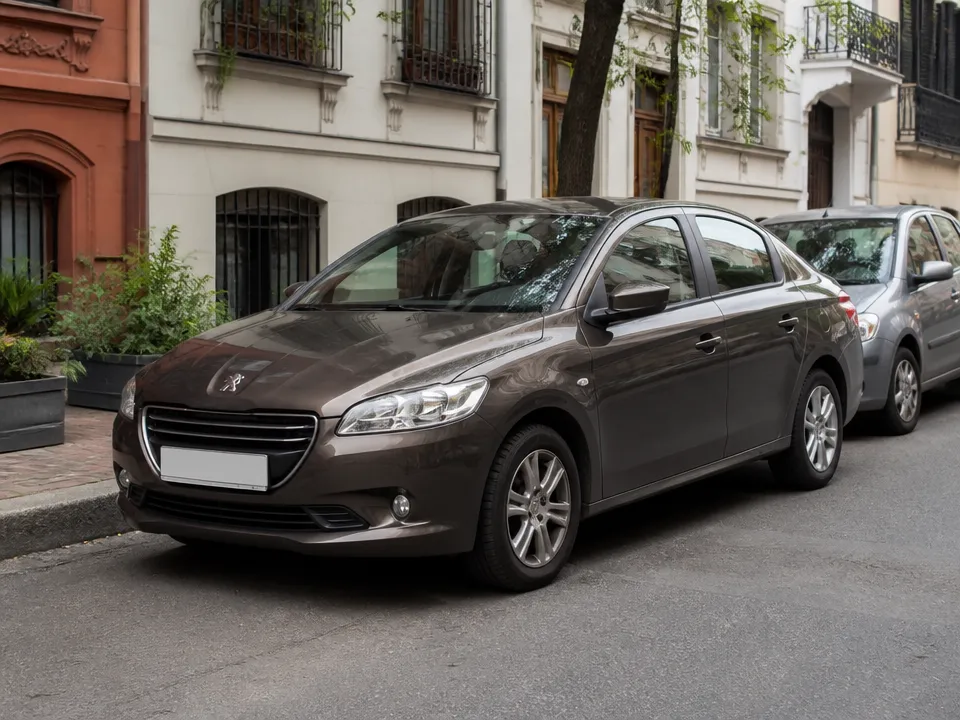
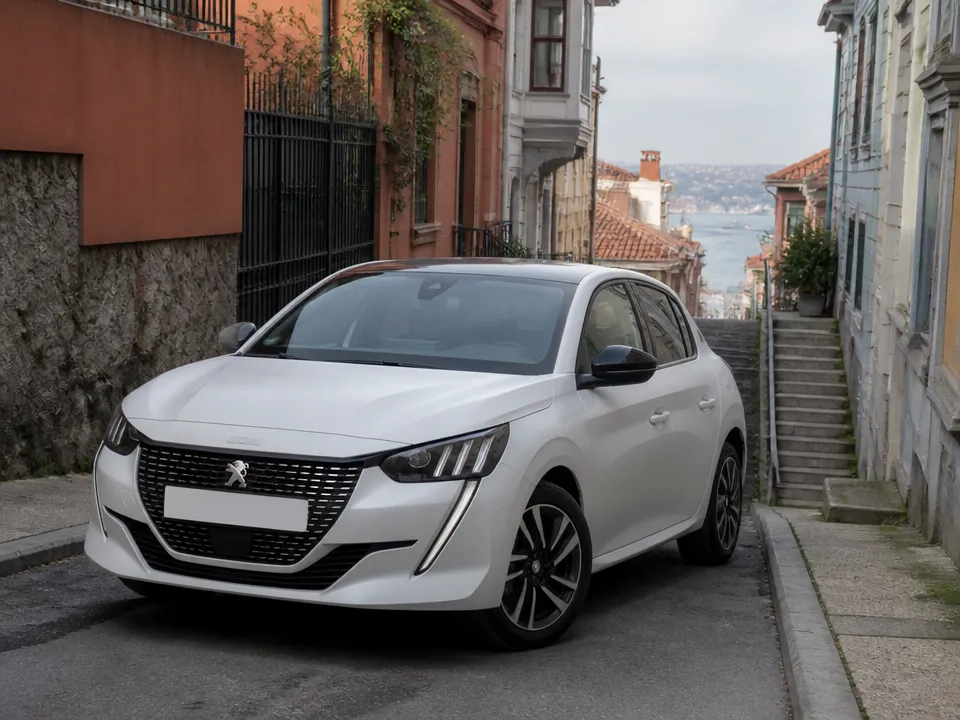
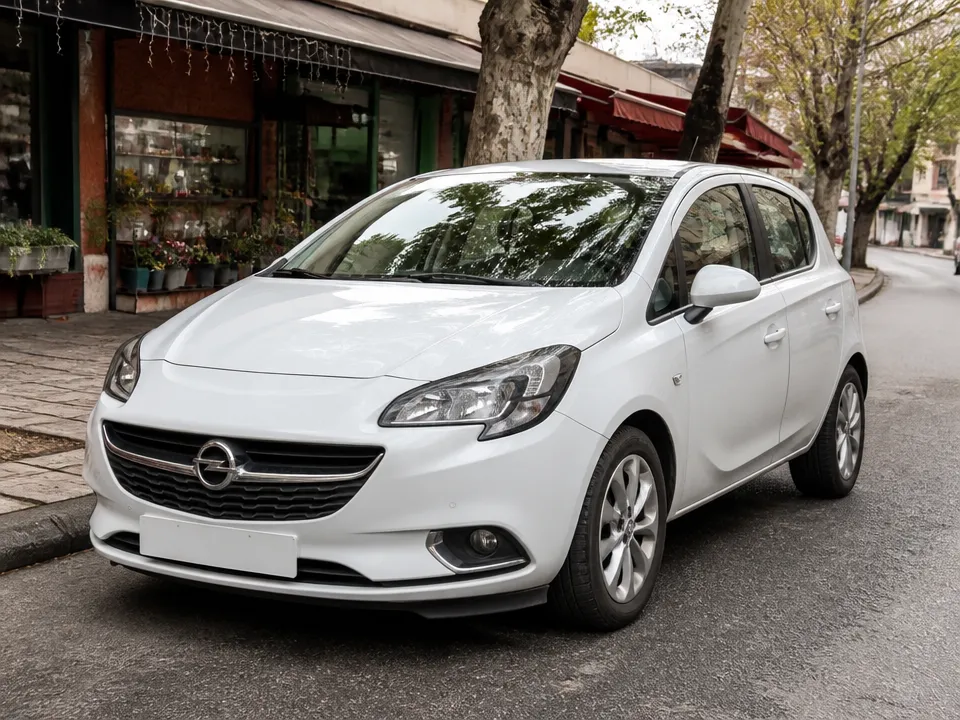
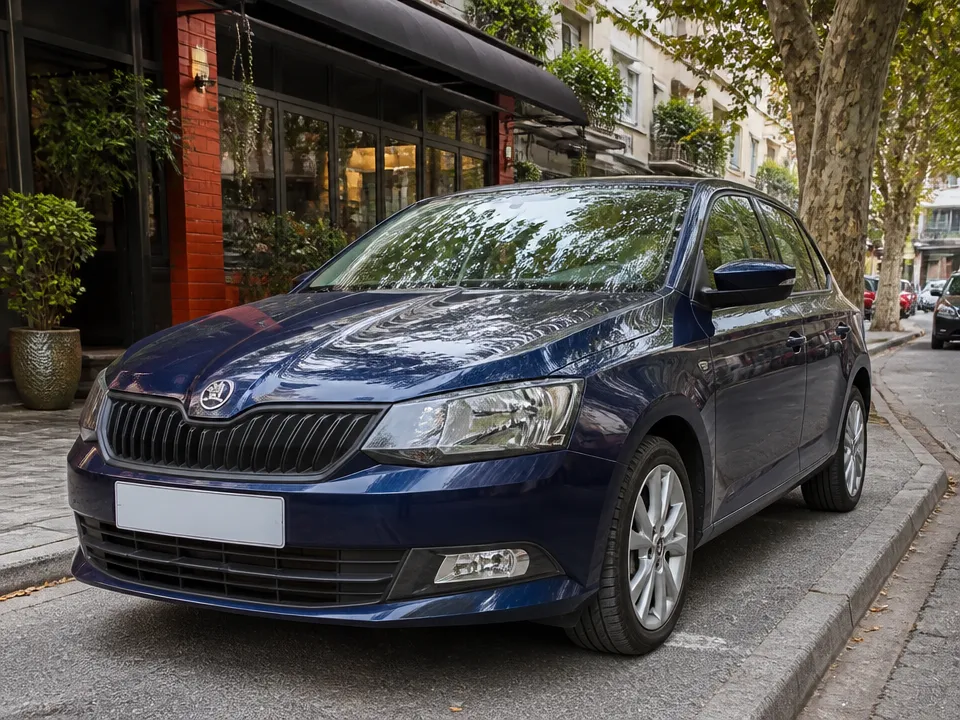
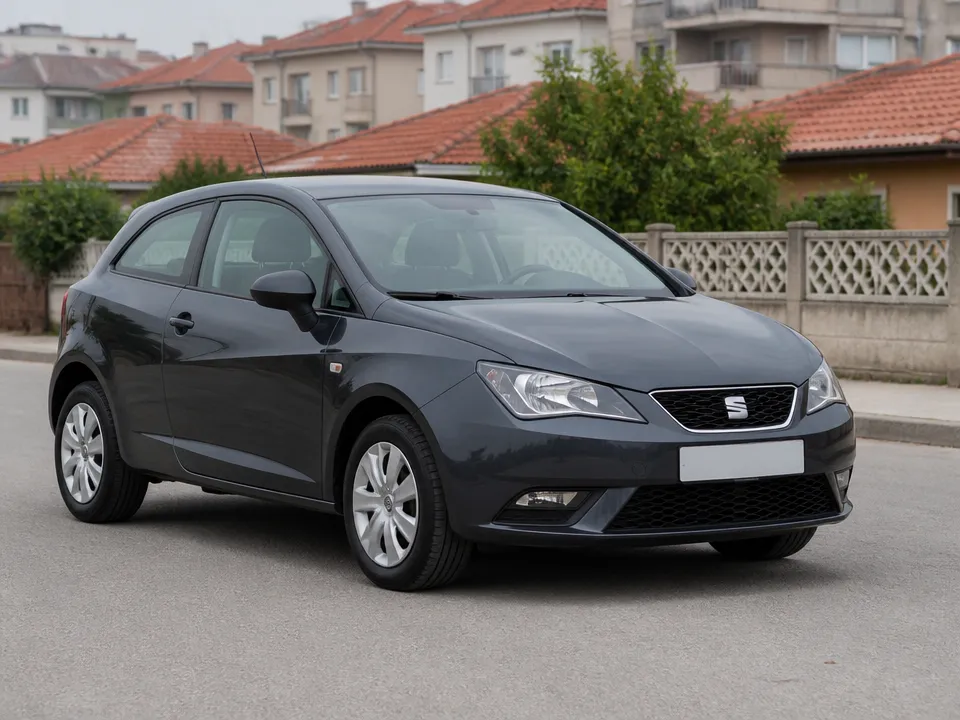
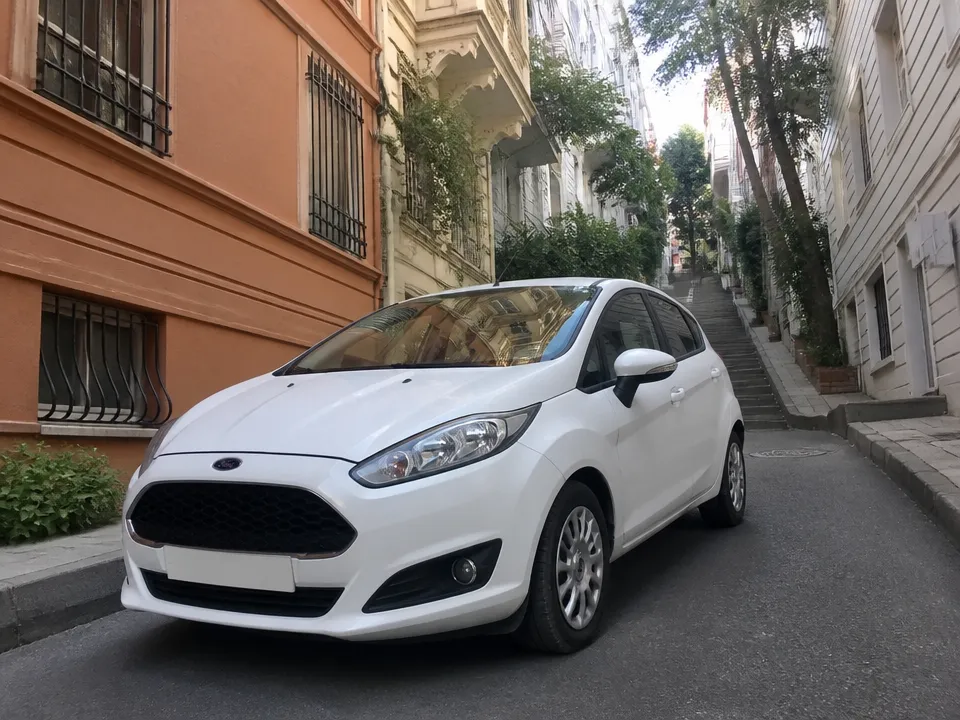
The economy class covers cars with daily rental prices between 1,600 and 1,900 TRY, with low fuel consumption and rental costs. This page of Rent-Trip includes 16 models: Fiat Egea Hatchback, Fiat Egea Sedan, Renault Clio, Renault Taliant, Dacia Sandero, Hyundai i20, Hyundai i10, Peugeot 208, Peugeot 301, Opel Corsa, Volkswagen Polo, Toyota Yaris Hybrid, Citroën C3, Škoda Fabia, Seat Ibiza, and Ford Fiesta. All have 4 or 5 seats; with petrol, diesel, and hybrid options, they are suitable for both city and short-distance routes. This class is the first choice for those who want to solve daily tasks with vehicles that are easy to park and highly maneuverable in a metropolis with heavy traffic.
The common denominator of cars in this segment is low operating cost: small engine displacements (between 1.0 and 1.6 L) and a power range of 67-130 hp keep fuel consumption balanced in urban use. All are offered at VAT-included prices; also, since compulsory traffic insurance legally covers every registered vehicle, there is no need for additional insurance research. Most economy cars have a hatchback body type, which provides an advantage on narrow streets and in crowded parking lots. In this class, manual and automatic transmission options are available together; diesel engine models are more efficient on long-distance routes, while petrol and hybrid ones work more efficiently in the city. Since the cars are regularly maintained, pre-delivery inspection is quick, and no surprises arise apart from the conditions specified in the contract.
For short city trips, hatchback practicality stands out; for airport transfers or holidays with several suitcases, a sedan makes more sense. When deciding, evaluate your luggage needs and the length of your upcoming route together—if you will frequently enter narrow parking lots, a hatchback reduces time spent in traffic.
The cost of renting an economy car at Rent-Trip starts from 1,600 TL per day and goes up to 1,900 TL; all prices are stated VAT included, so the final amount in the contract does not change. The daily rate is the base, and for weekly or monthly rentals, the daily price decreases because a week is calculated as 6 days and a month as 21 days.
Yes, all prices for economy cars on Rent-Trip already include VAT; the stated daily amount of 1,600–1,900 TL includes the full 20% tax, and no hidden extra charge appears at payment. The most affordable options in the economy class are the Fiat Egea Hatchback and Dacia Sandero at 1,600 TL per day; the upper limit of 1,900 TL is set by the Toyota Yaris Hybrid. Among these, the Renault Clio at 1,650 TL, the Hyundai i20 and Citroën C3 at 1,750 TL, and the Peugeot 208 and Opel Corsa at 1,800 TL are included. The price varies by model: diesel versions such as the Fiat Egea Sedan or Peugeot 301 range from 1,650 to 1,700 TL, while automatic petrol hatchbacks range from 1,650 to 1,850 TL. Remember that at the time of booking, the final amount in the contract will be exactly the same as what you see on the website.
For long-term rentals, Rent-Trip applies a formula that makes each day more affordable: a week is charged as 6 days, and a month as 21 days. The weekly rental of an economical car at 1,600 TL per day costs 9,600 TL instead of 11,200 TL, and the monthly rental costs 33,600 TL instead of 44,800 TL. For the Toyota Yaris Hybrid at the upper limit of 1,900 TL, the weekly cost is 11,400 TL, and the monthly cost is 39,900 TL. This calculation is advantageous if your Istanbul trip lasts more than five days: on the most economical car, the difference between the daily and weekly rates reaches 1,600 TL. With monthly rentals, the savings become even more pronounced, so travellers planning a long route in Turkey should directly consider the monthly period. The terms for extension and the exact calculation method in case of early return are set out in the rental agreement.
Rent-Trip's Economy class has 16 models, and almost all differences between them come down to three parameters: body type, fuel, and transmission. In terms of body type, there are eight hatchbacks and four sedans; on the fuel side, the weight is on petrol versions: the fleet has thirteen petrol cars, two diesel, and one hybrid.
Thirteen models in the class are petrol, and this is a conscious choice for city rentals: short trips on the European side of the metropolis don't allow diesel to amortize its price difference. There's only one diesel in the fleet - the Fiat Egea Sedan 1.6 L at 1,700 TL per day, and it only makes sense for long trips: to Sapanca or Bursa over the Osmangazi Bridge, where low-end torque saves fuel on the highway. The Toyota Yaris hybrid, at 1,900 TL per day, is the most expensive in the class, but in heavy traffic between the European and Asian sides, its consumption is noticeably lower than any petrol hatchback. Over a month's rental distance (21 days), the fuel difference between the Yaris and a regular petrol Polo amounts to several full tanks. For city-only trips, get a petrol automatic - the extra paid for a hybrid won't pay off in a few days.
In the economy class, twelve models are automatic and only three are manual, so transmission choice is more a matter of availability than preference. Manual remains in the Fiat Egea Hatchback 1.4 L, Fiat Egea Sedan 1.6 L Diesel, and Peugeot 301 1.5 L Diesel — all three are 50-150 TRY cheaper per day than the automatic versions. All other models, from the Renault Clio to the Ford Fiesta, have automatic transmissions, and in Istanbul's city traffic this is a practical choice: the constant stops and starts on the Bosphorus bridges quickly tire you out in a manual. Automatic adds about 100-200 TRY to the daily price, but on a weekly rental, this difference is offset by a 6-day discount. For renters with a license not in the Latin alphabet and without an international driver's permit, manual may be the only option — conditions are set out in the rental agreement.
Choosing among 16 economy-class models comes down to three questions: how many people are going, what roads you'll drive on, and which transmission type feels comfortable. In the economy class, we offer hatchbacks and sedans for 4–5 people, with a wide range from the compact Hyundai i10 to the spacious Fiat Egea Sedan, with petrol, diesel, and hybrid engine options.
For frequent stop-and-go city driving, automatic petrol versions are more practical — most models, from the Citroën C3 to the Seat Ibiza, are available in this combination. For long routes, the diesel Fiat Egea Sedan (1.6 L, 130 HP) and Peugeot 301 (1.5 L, 102 HP) stand out with manual transmission: they offer lower fuel consumption and strong torque advantage on the highway. The hybrid Toyota Yaris, with its CVT transmission, is the quietest and most economical alternative in heavy traffic.
Before booking, consider who will drive the vehicle: a manual transmission can create unnecessary stress on steep hills for drivers with only automatic experience; for a group of six, it makes more sense to opt for a segment above the Economy class.
Rent-Trip delivers the car to any point in Istanbul and to both airports - Istanbul Airport (IST) and Sabiha Gökçen (SAW). The company has no physical office, so the car comes to you: to your hotel in Şişli or Beyoğlu, to your apartment in Kadıköy, or directly to the departure terminal. Delivery is included in the rental service and is agreed upon when the reservation is confirmed.
Arriving in Istanbul is the most common scenario for starting a rental, and both airports are on different continents of the city. IST is in Arnavutköy on the European side, while SAW is in Pendik on the Asian side. We meet you in the arrivals area, hand over the keys and documents, and then you can hit the road immediately—no back-and-forth transfers to an office. This saves you 40 minutes to an hour compared to the classic city-center office model. If your flight is delayed, just message us—the delivery time shifts without penalty, as long as you notify us before you clear passport control.
The city is divided by the Bosphorus, and delivery operates on both sides—from Sarıyer and Maslak in the north of the European side to Maltepe and Ataşehir on the Asian side. The car is delivered to the address within an agreed time window, usually within 1–2 hours. For rentals longer than a week, we recommend scheduling delivery for the morning of the first day—so you can explore both Levent and historic Fatih without rushing. When returning the car at the airport, allow 2–3 hours before your flight: there may be traffic congestion in the Başakşehir area on the way to IST, and on the bridges during rush hour on the way to SAW. The exact address and delivery time are set out in the rental agreement, as are the conditions for late return.
To rent an Economy class car, foreign visitors only need to provide four documents: a passport with a Turkish entry stamp, a valid driver's license, an international driving permit (IDP) if the license is not in the Latin alphabet, and a credit card in the main driver's name for the insurance deposit. This set is the same for all our rates, from daily to monthly rentals; the only difference is the blocked amount specified in the rental agreement.
When delivering the car to the airport or any district from Beşiktaş to Pendik, we review the documents, prepare the contract, and hand over the keys and vehicle registration together. Turkish law requires every registered vehicle to have compulsory traffic insurance; this insurance is included in the rental fee and requires no extra action from you. The entire process takes about 20-30 minutes; then you receive the car with a full tank or the fuel level recorded in the delivery report.
In practice, we encountered this situation: a tourist arrived at Sabiha Gökçen with a driver's license issued in Arabic script and without an IDP; it took two days to get the international permit from the consulate. Before booking, check your driver's license: if it is not in the Latin alphabet, an IDP is mandatory; otherwise, vehicle delivery is not possible and the prepayment is forfeited according to the cancellation conditions in the contract.
HGS (Fast Pass System), which every driver renting a car in Istanbul encounters, is a mandatory electronic payment system for bridge and motorway toll booths. In rental cars, the HGS tag is assigned to the vehicle; toll fees are collected as specified in the rental agreement.
| Toll Point | Route | Price |
|---|---|---|
| Yavuz Sultan Selim Bridge | Europe–Asia side (north) | TRY 110 |
| Eurasia Tunnel (day) | Between Beşiktaş and Kadıköy | TRY 280 |
| Eurasia Tunnel (night) | Between Beşiktaş and Kadıköy | TRY 140 |
| Osmangazi Bridge | Istanbul–Bursa direction | 1,170 TL |
Unauthorized toll passage, i.e., crossing a bridge with insufficient HGS balance, results in a penalty of four times the toll if not paid within the period. Therefore, if you are planning a long trip—for example, heading out to Bursa or Sapanca—it is safer to pay the tolls in advance rather than checking your balance on the way back. All details of the HGS mechanism are explained on the HGS page on our site; the method of collecting tolls is set out in the rental agreement.
Most of the most common mistakes in economy class rentals can be prevented with a five-minute check before delivery. In our experience, the majority of problems arise not from missing documents, but from signing the contract without reading its conditions.
The exact terms of all these conditions are clearly written in the rental agreement; at the time of delivery, you review the contract together and take the vehicle after signing.