from €14
per day







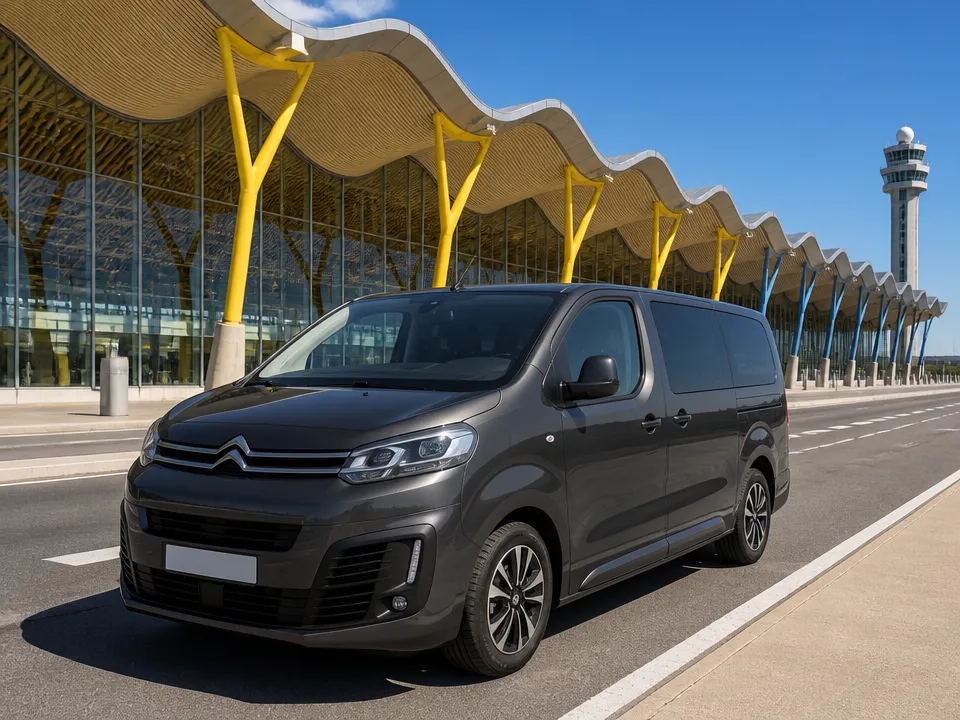
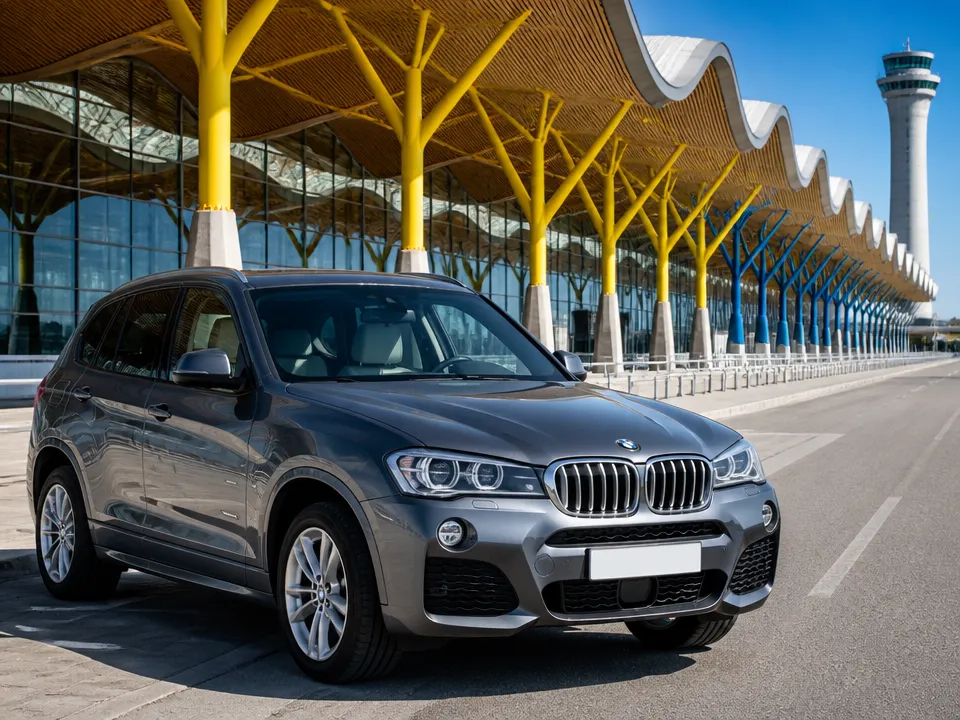
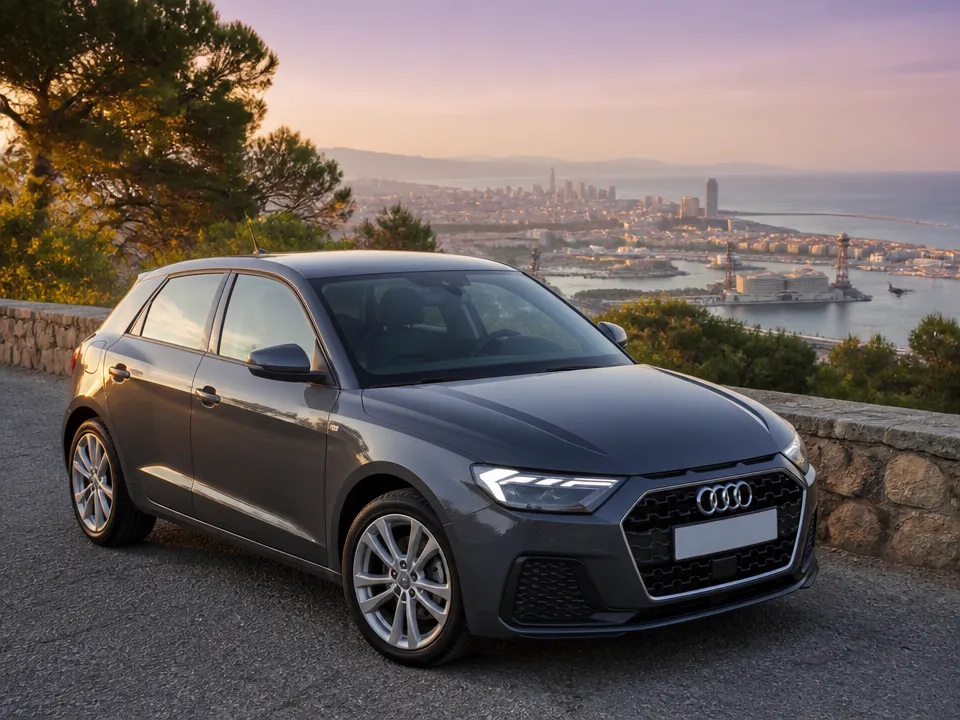
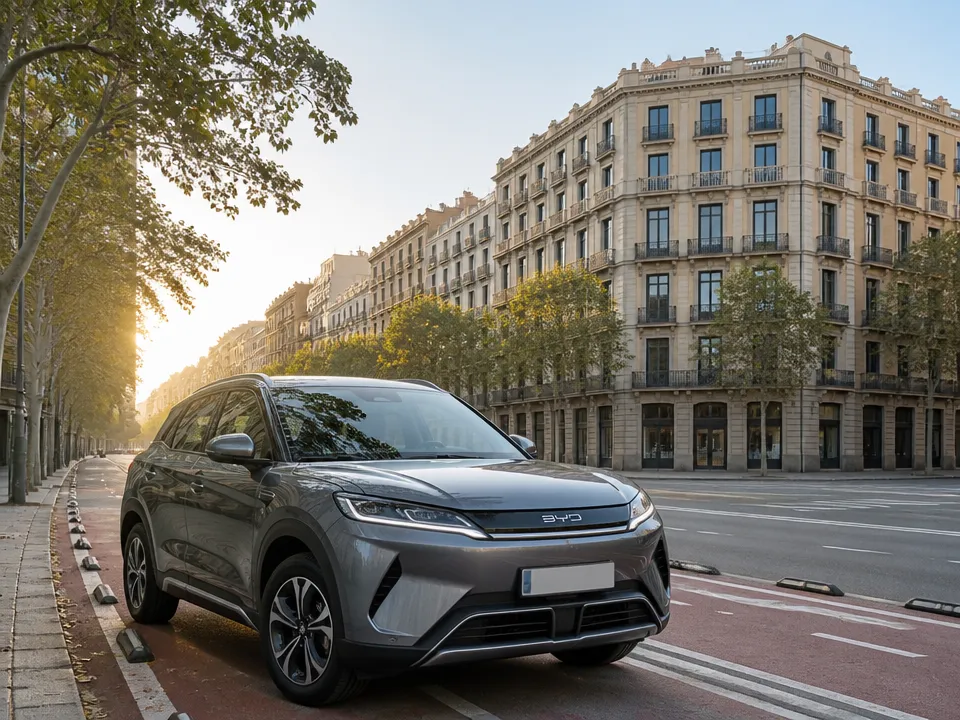
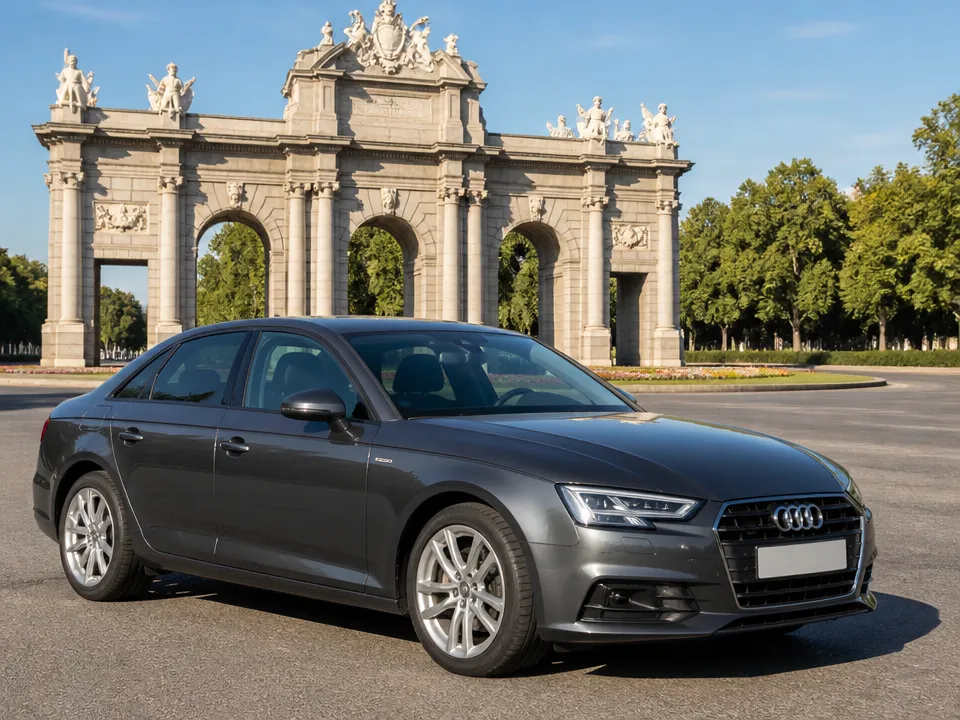


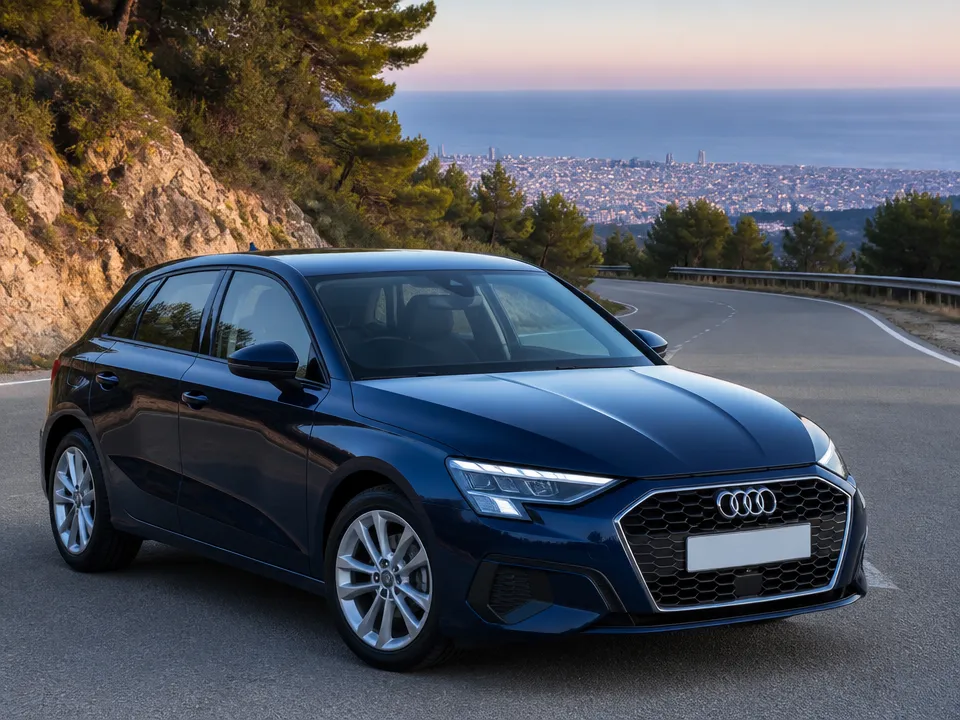
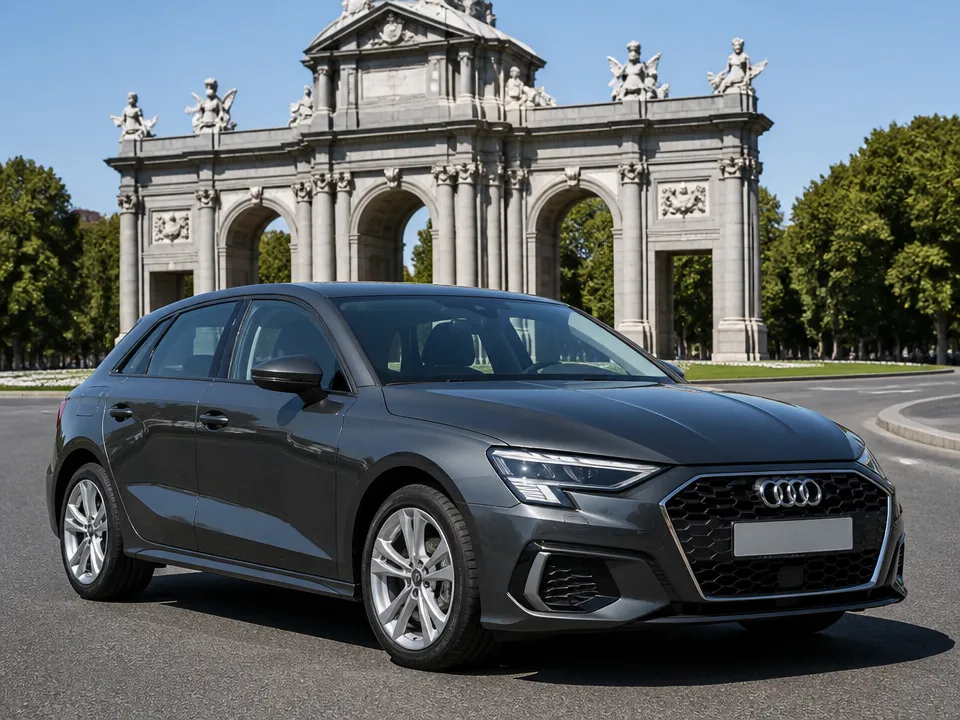
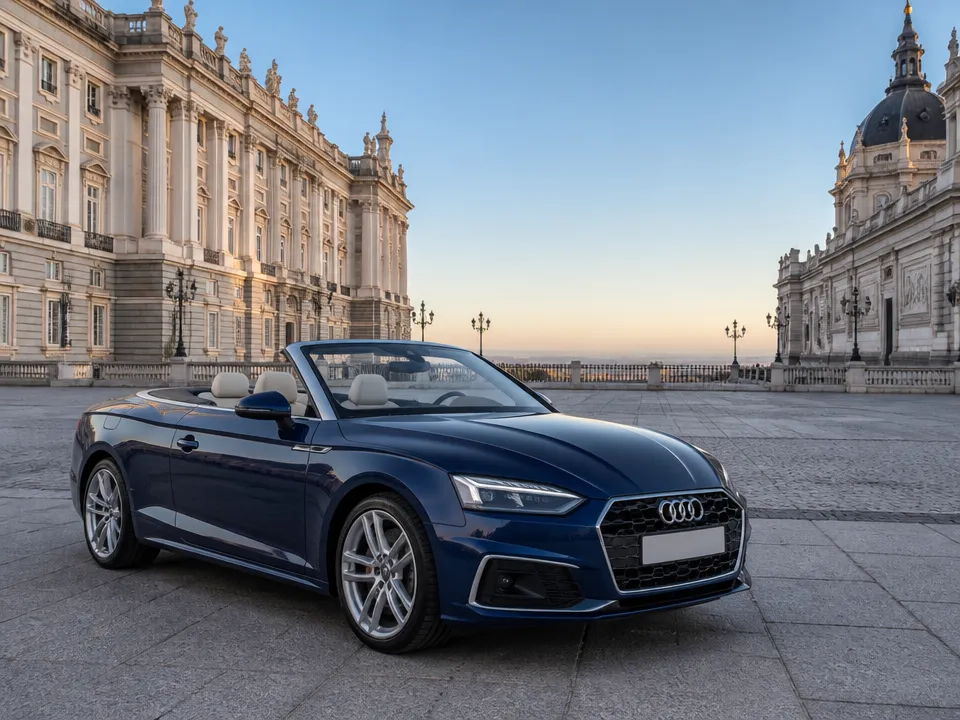
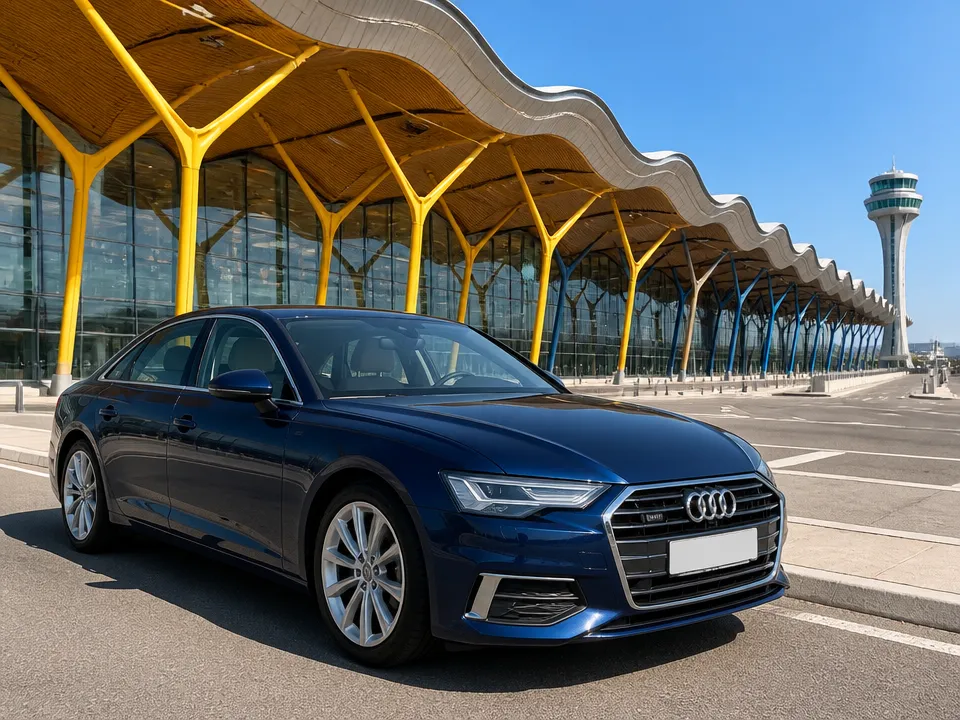
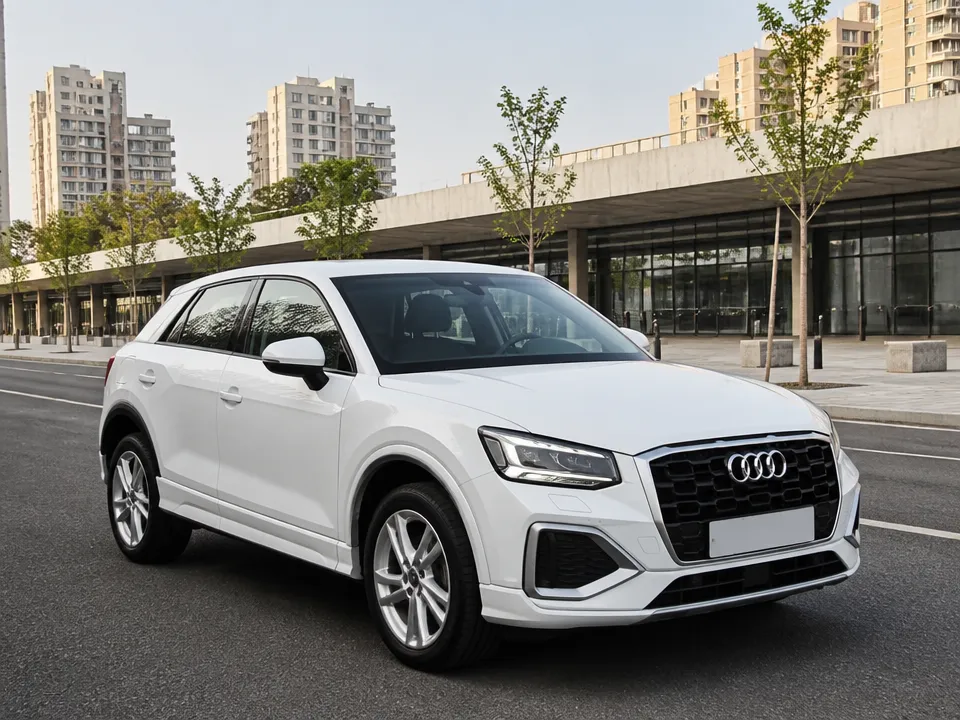
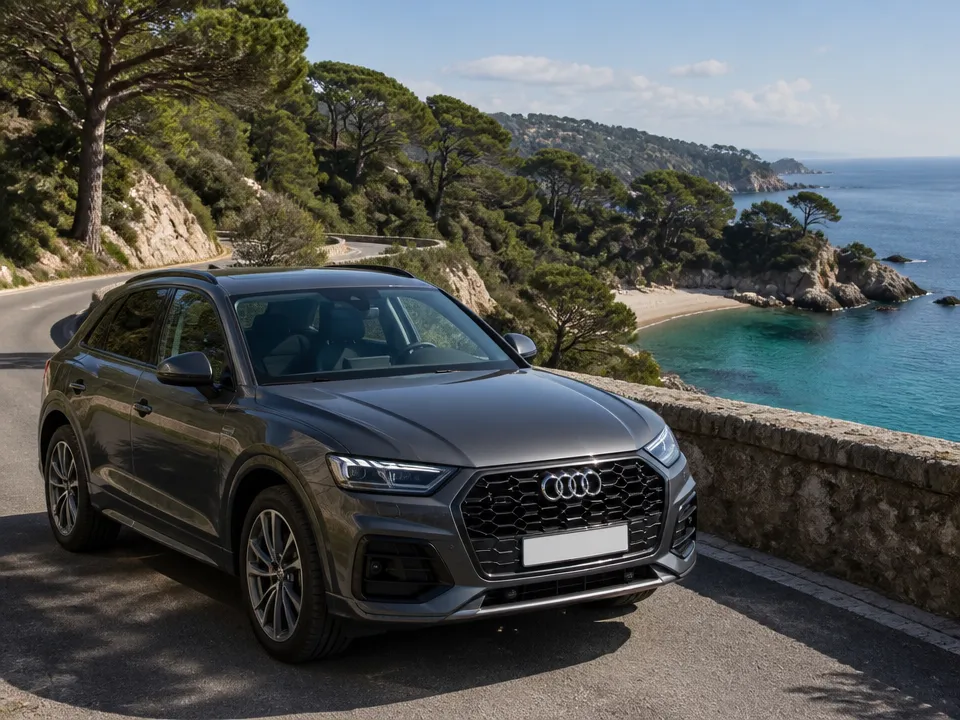
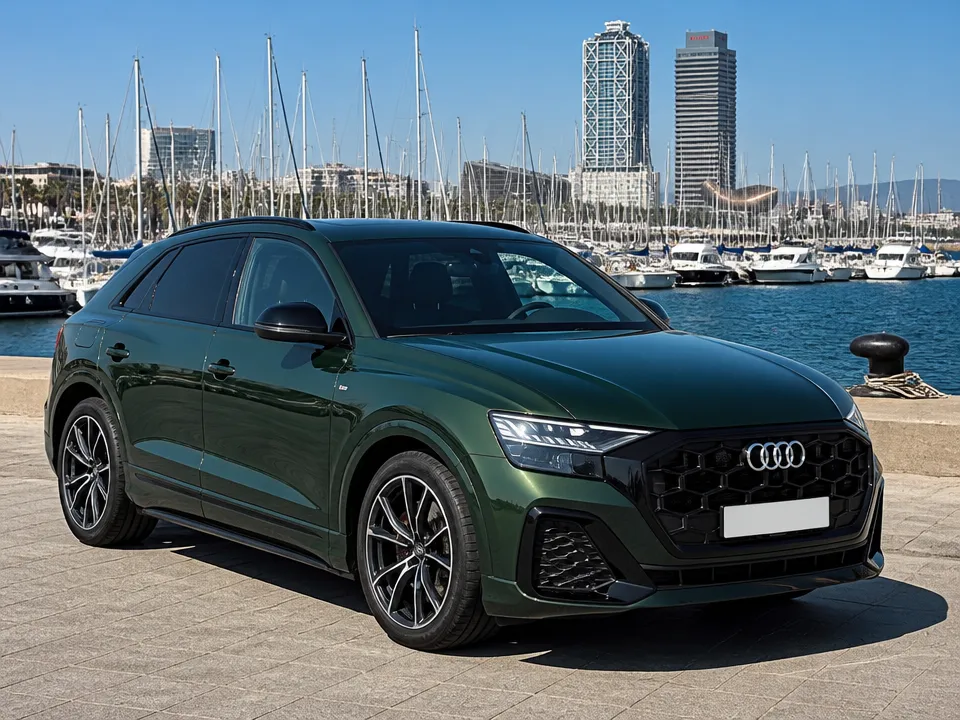
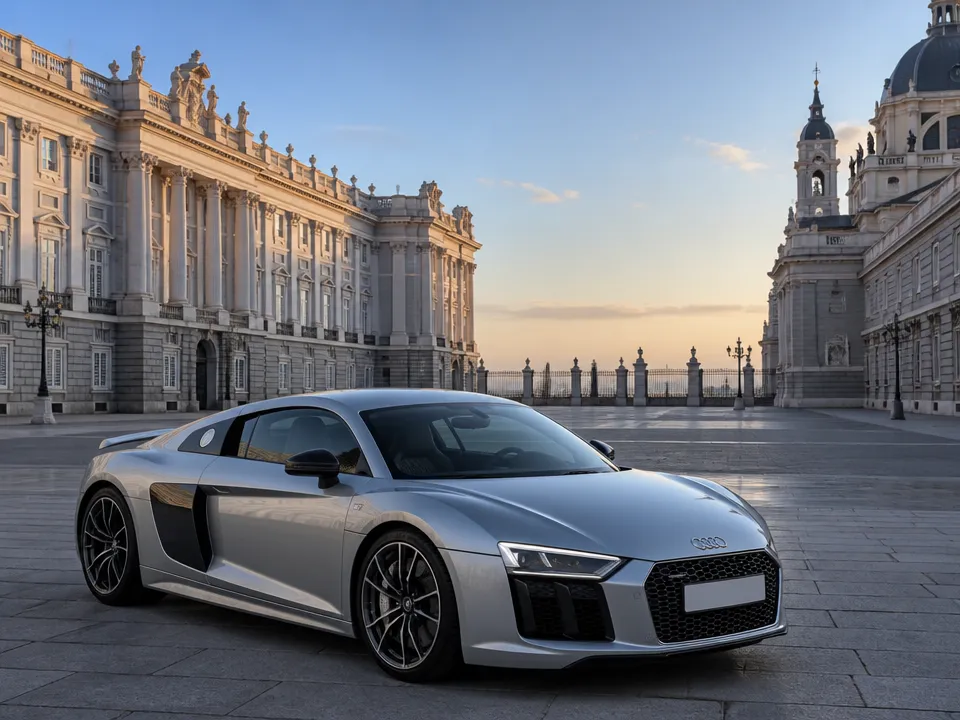
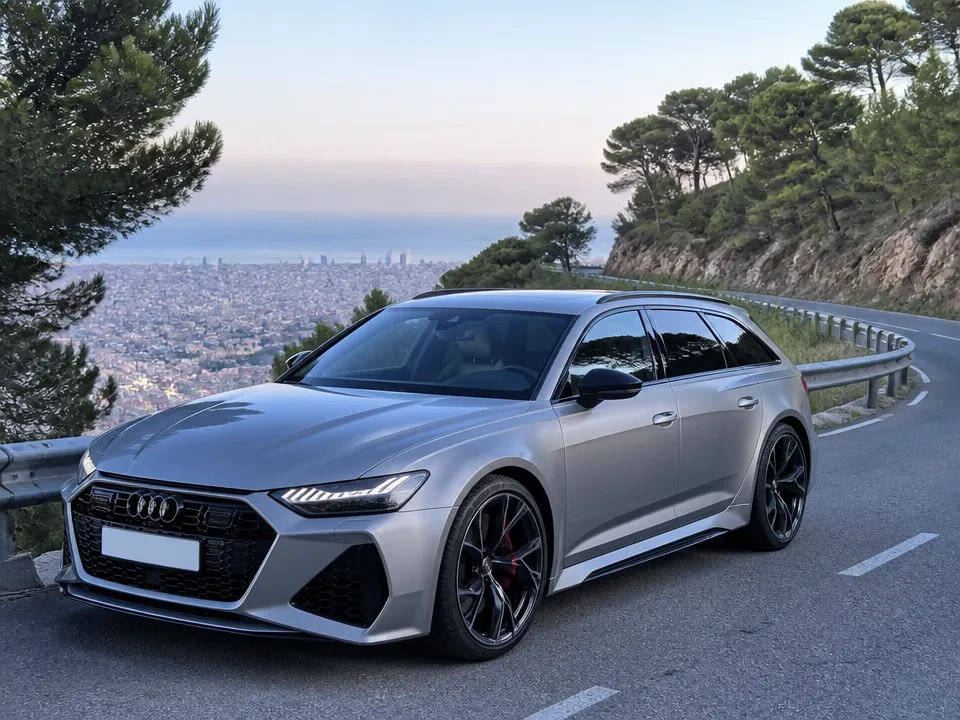
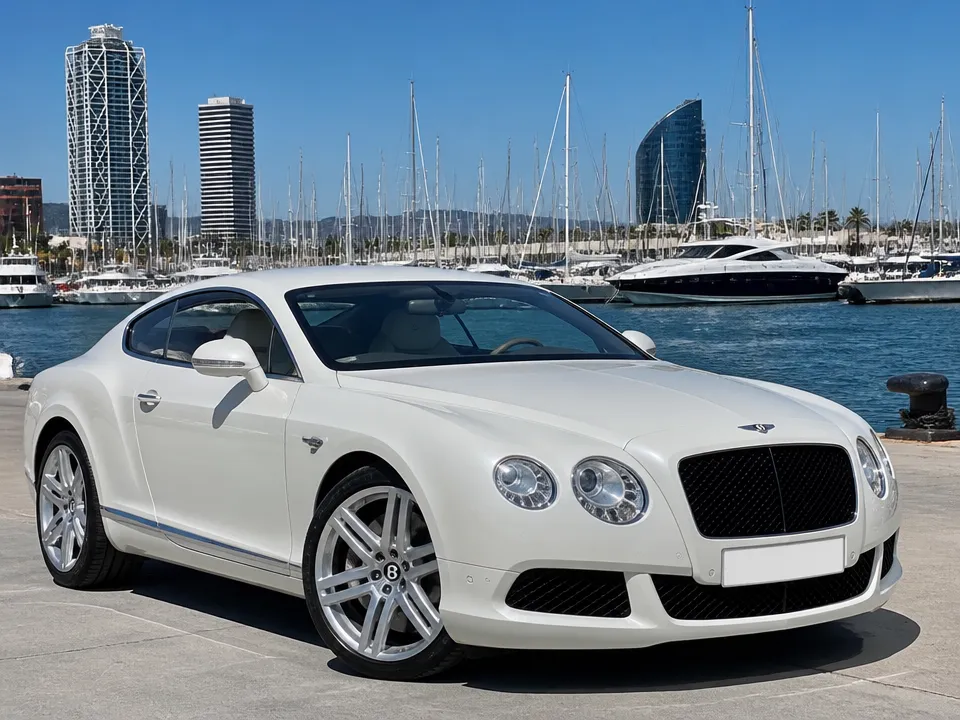
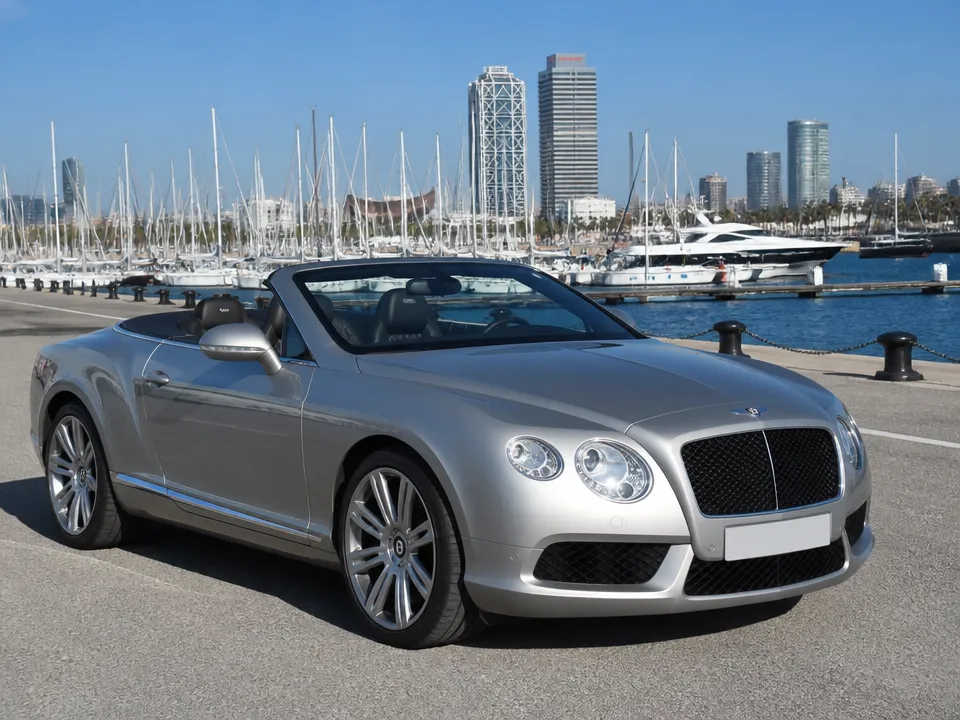
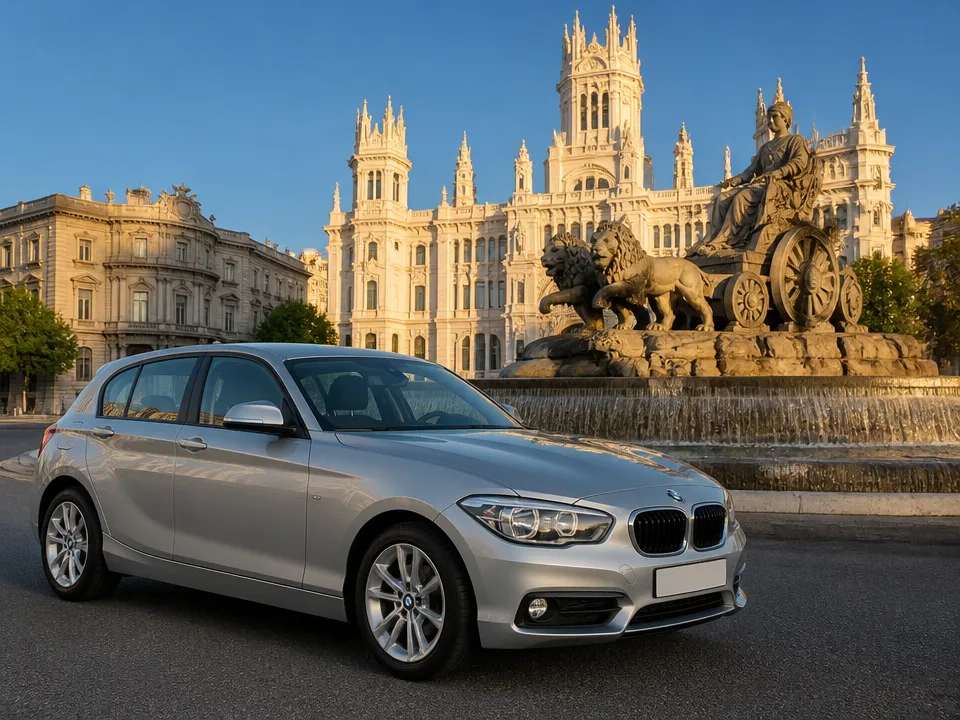
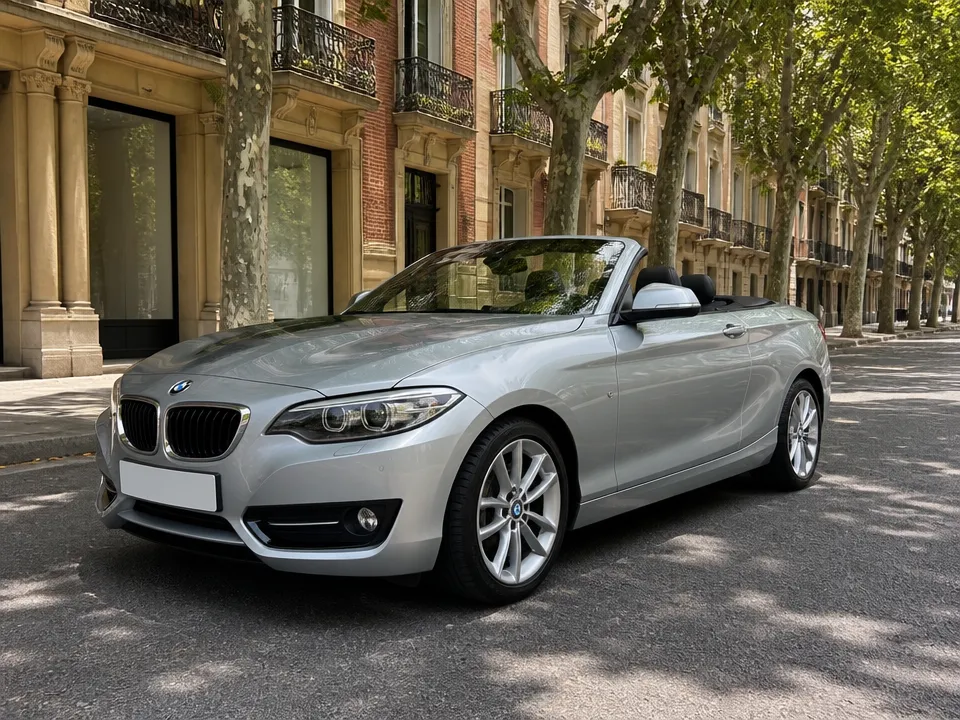
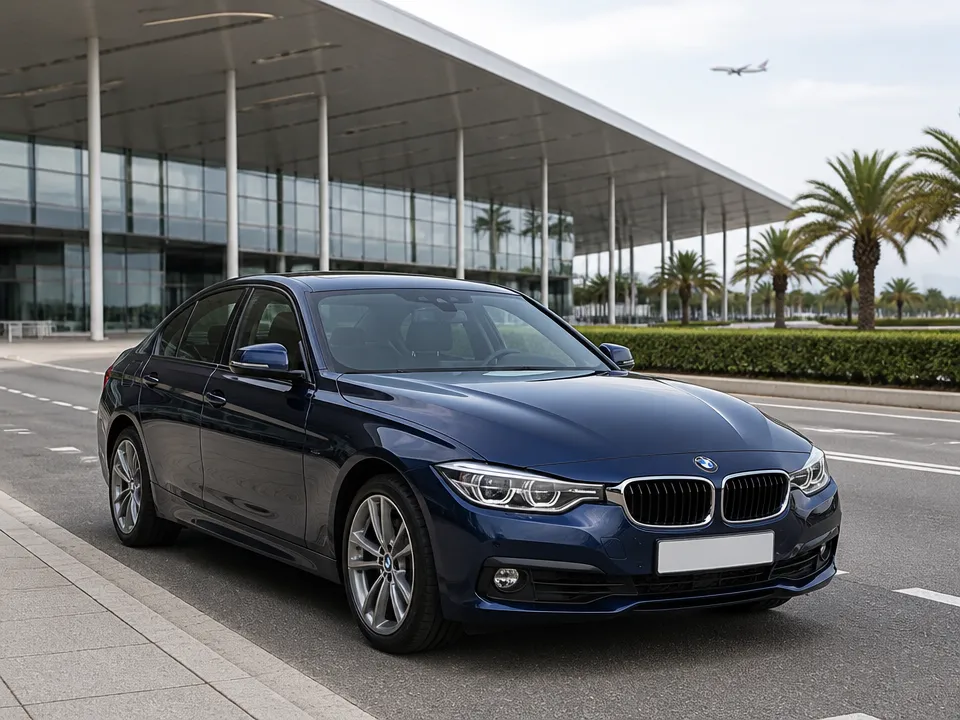
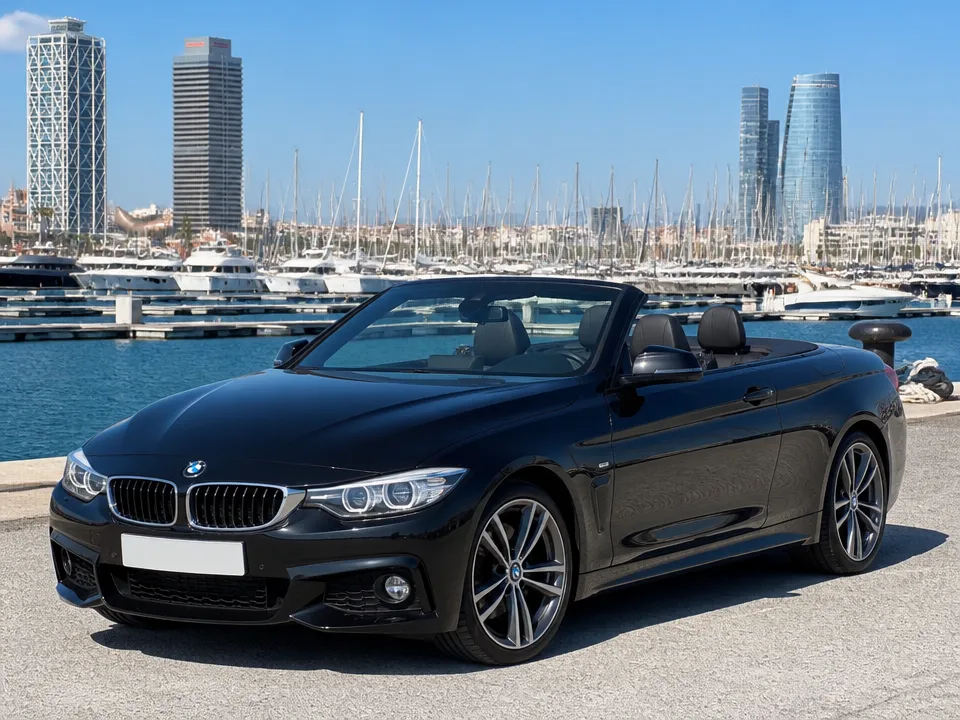
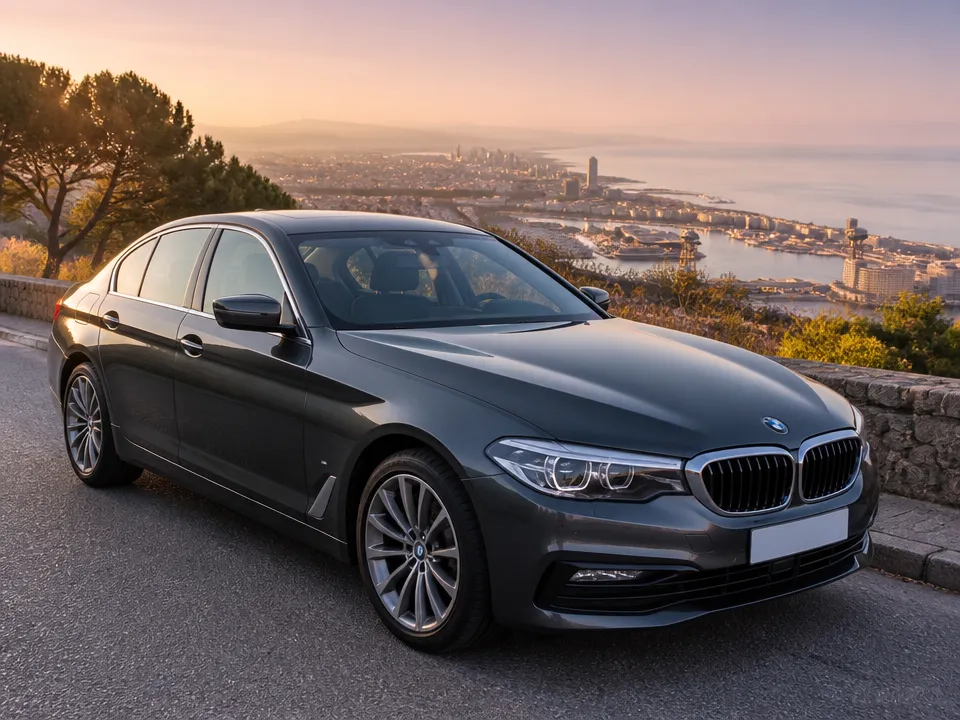
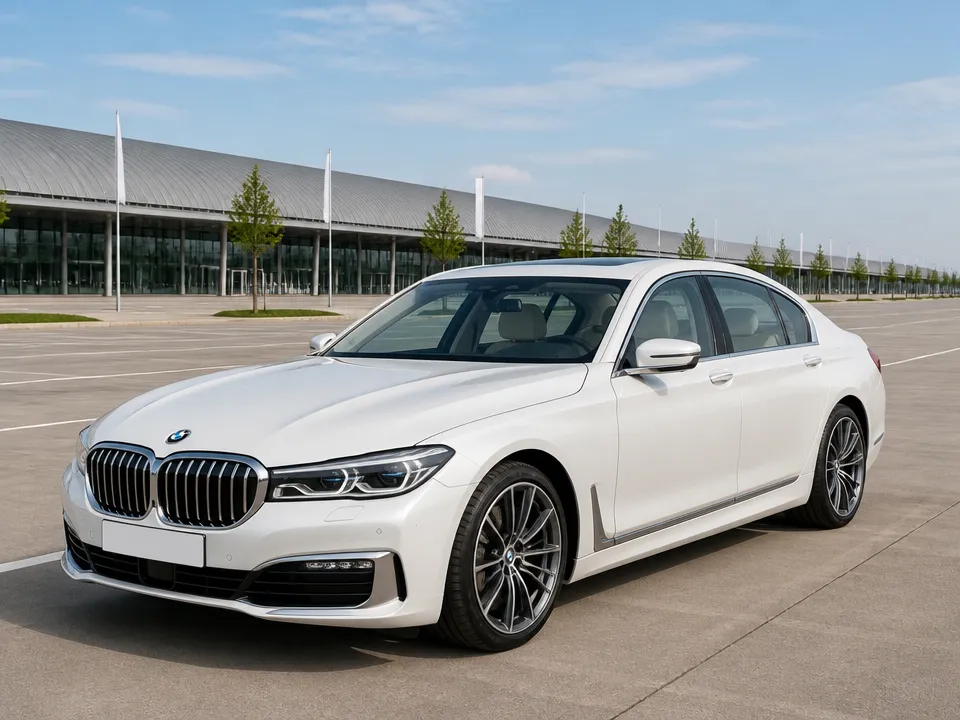
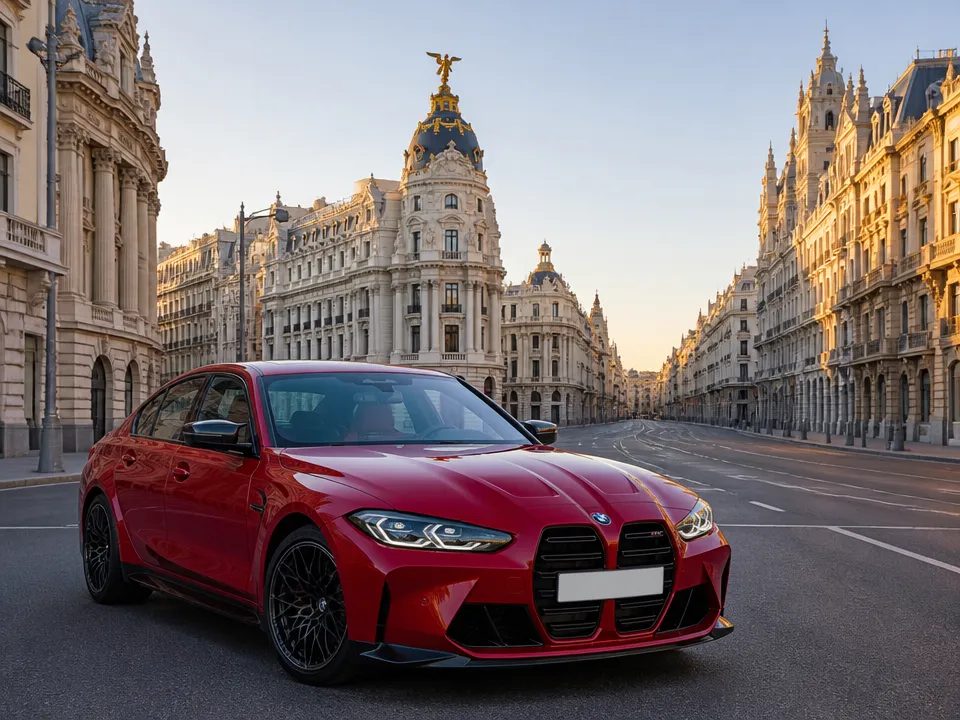
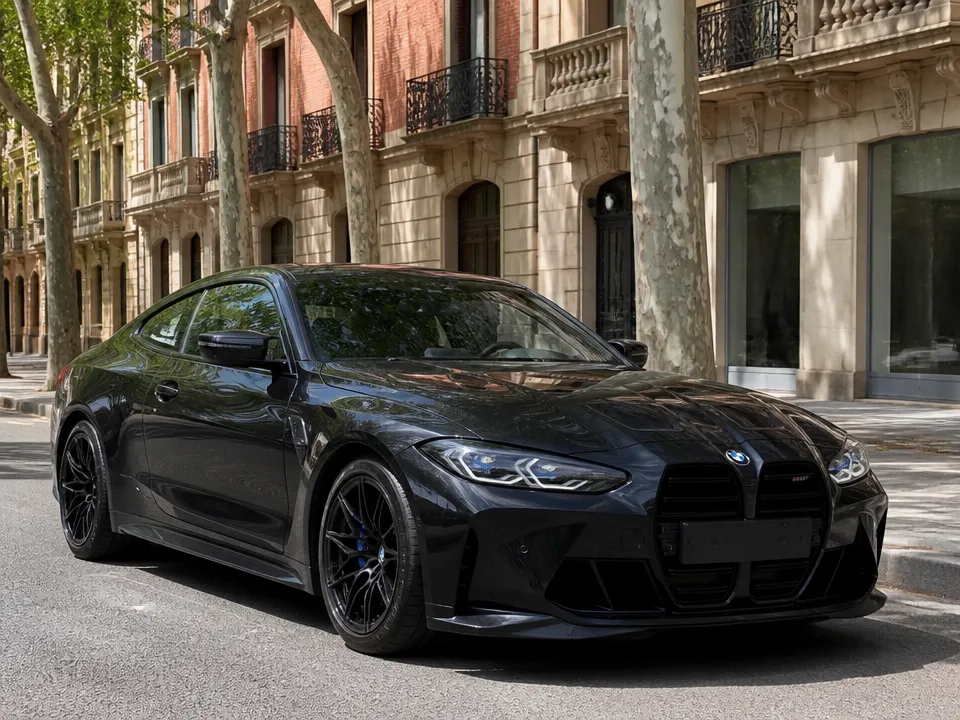
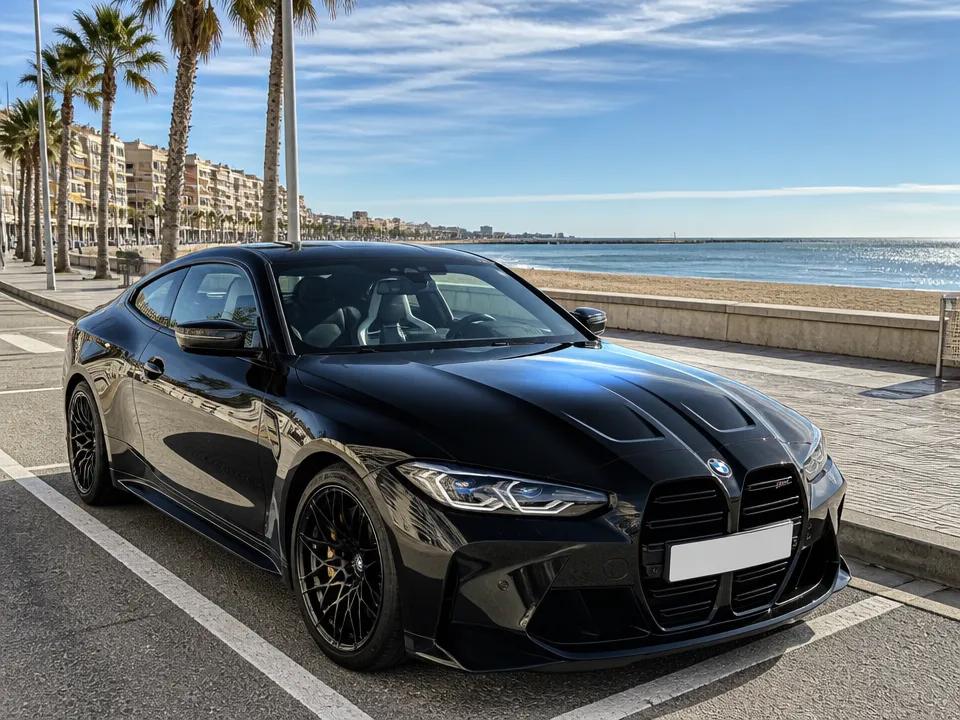
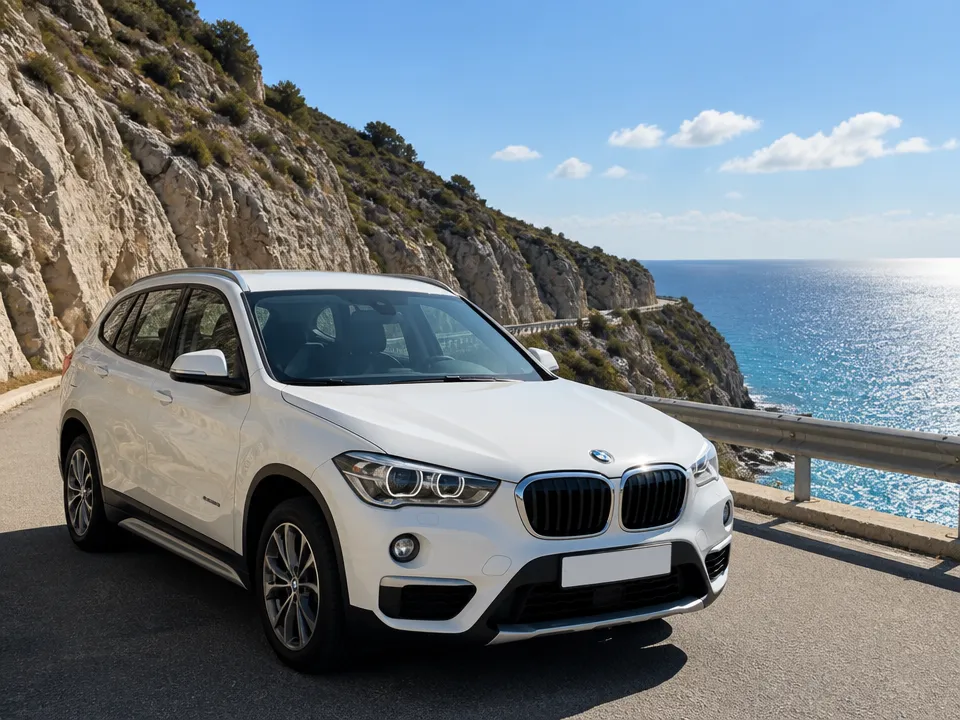
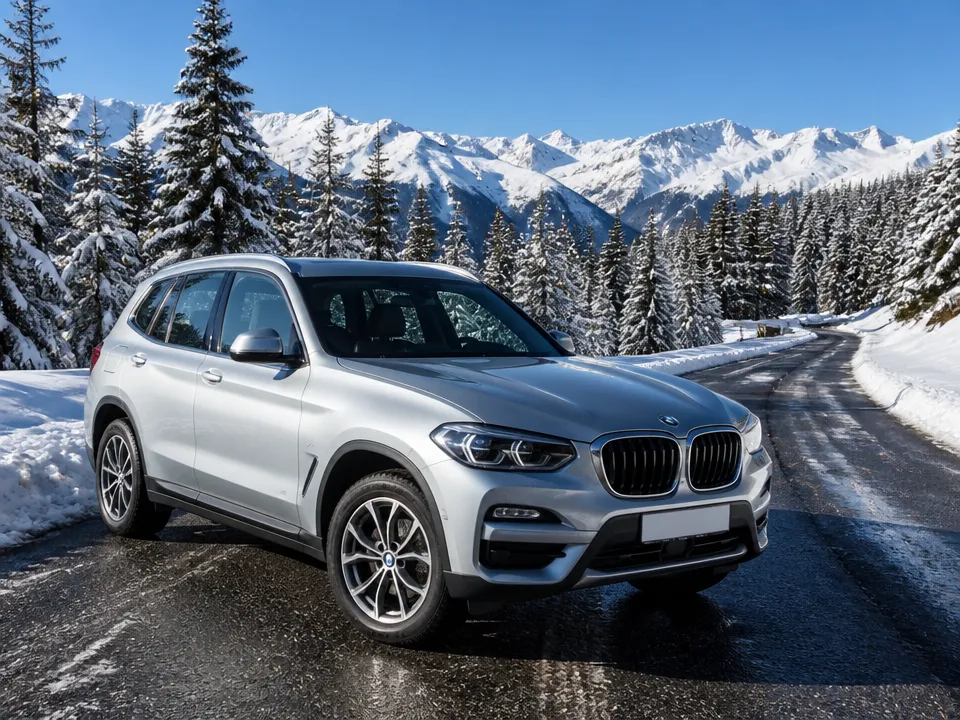
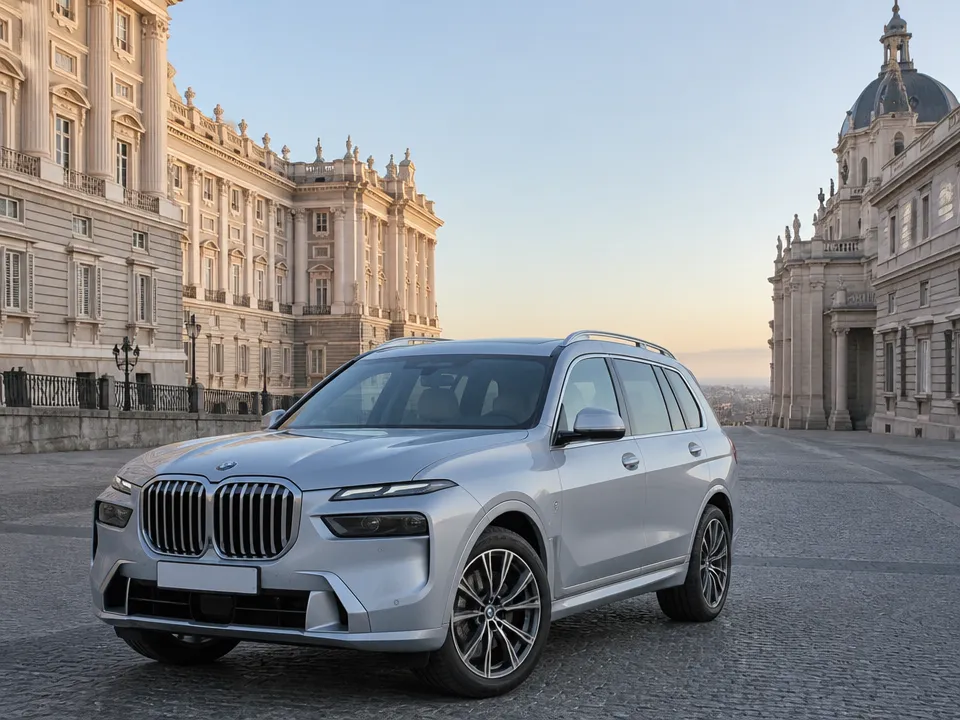
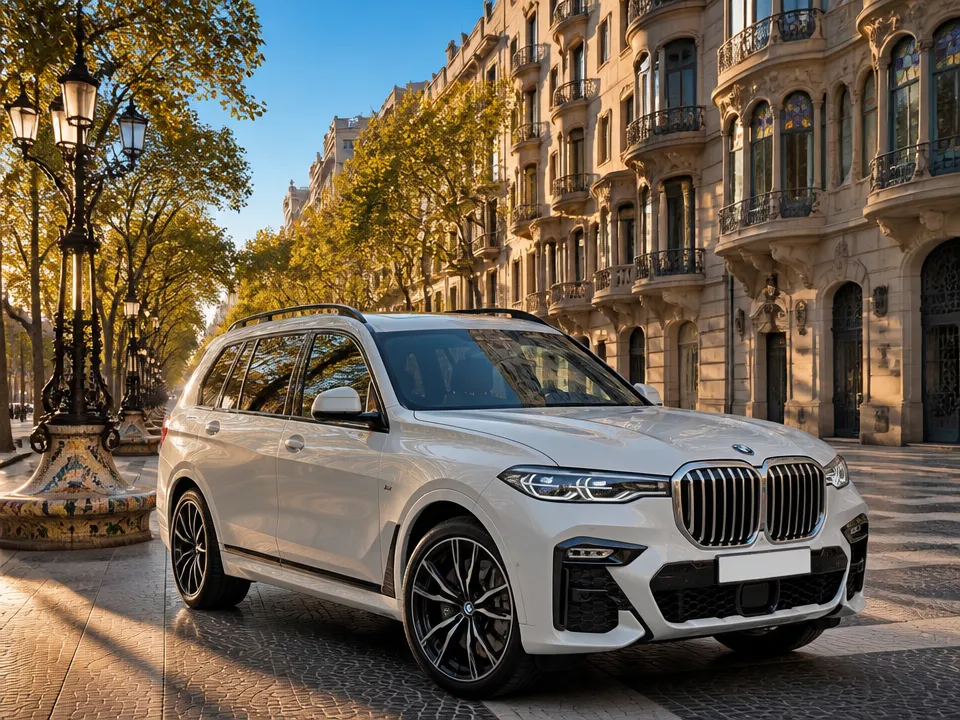
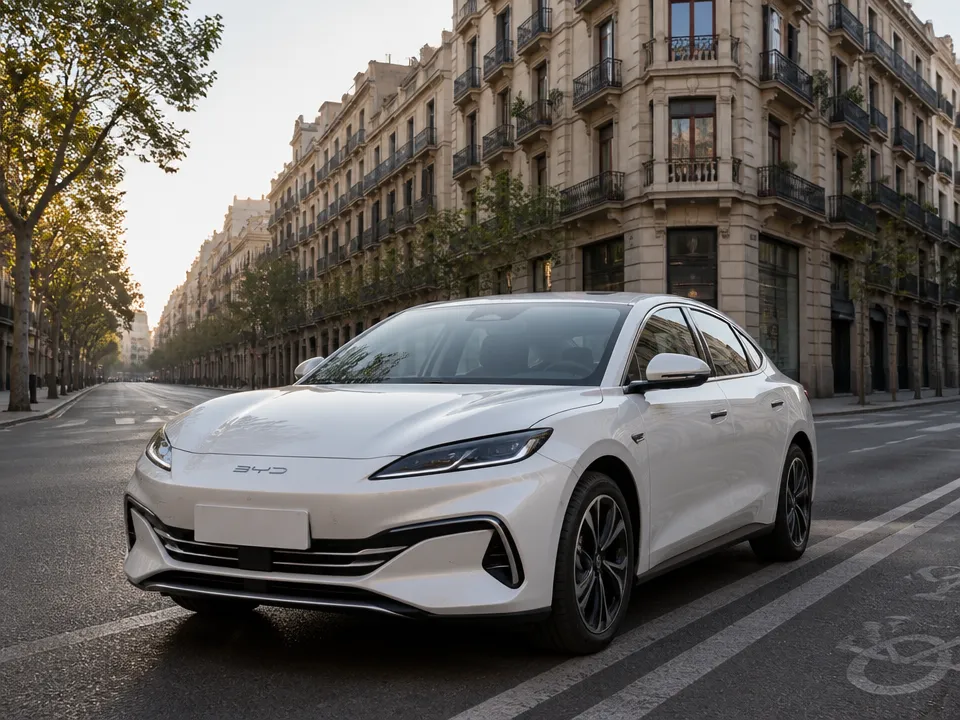
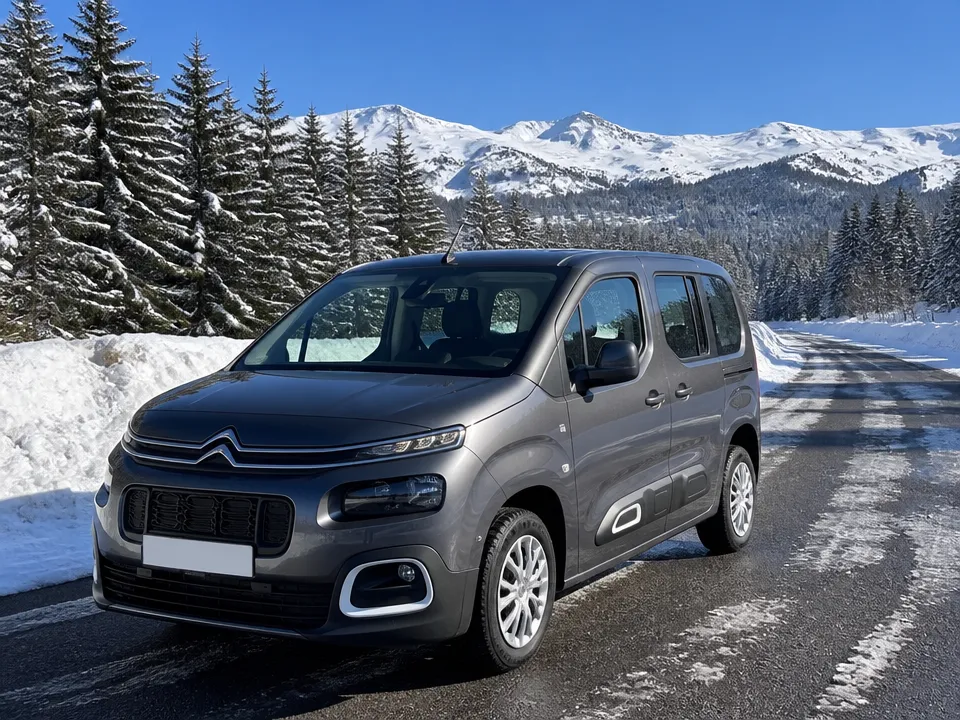
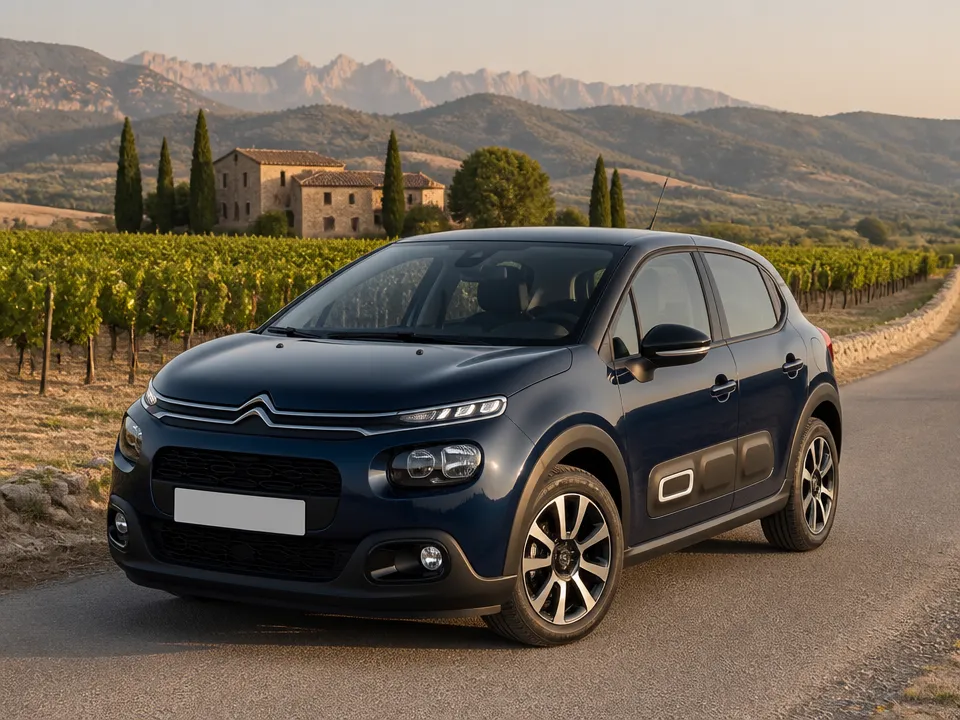
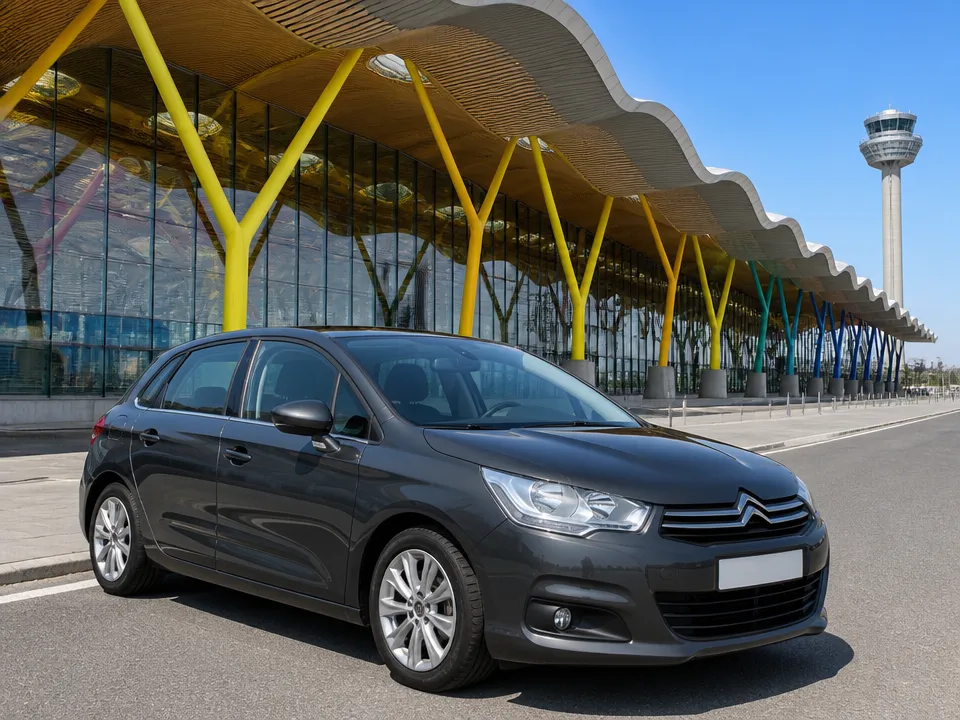
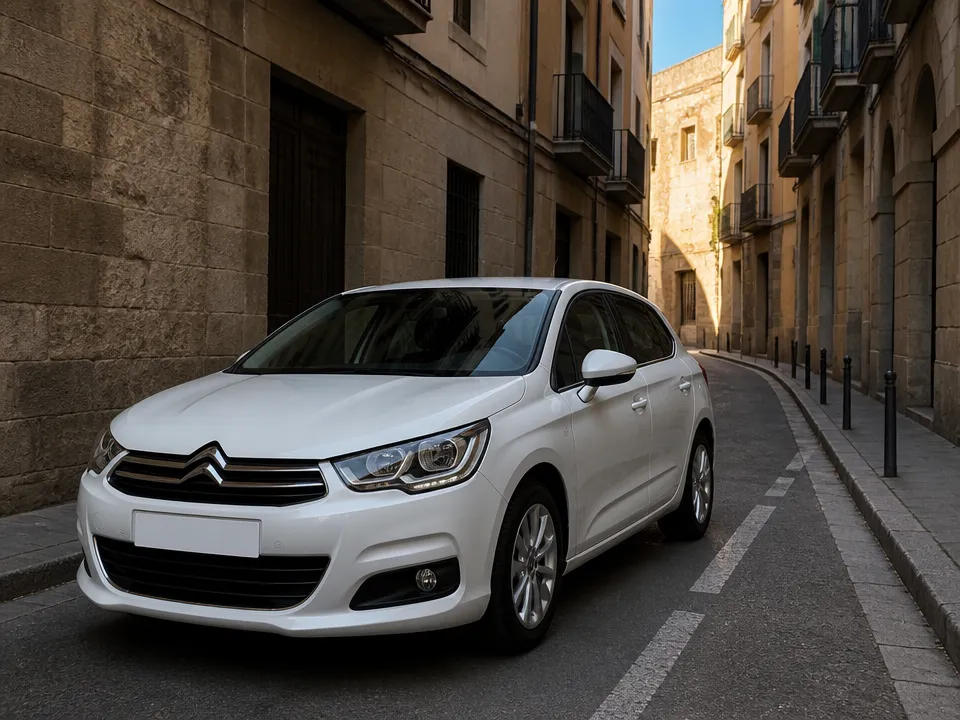
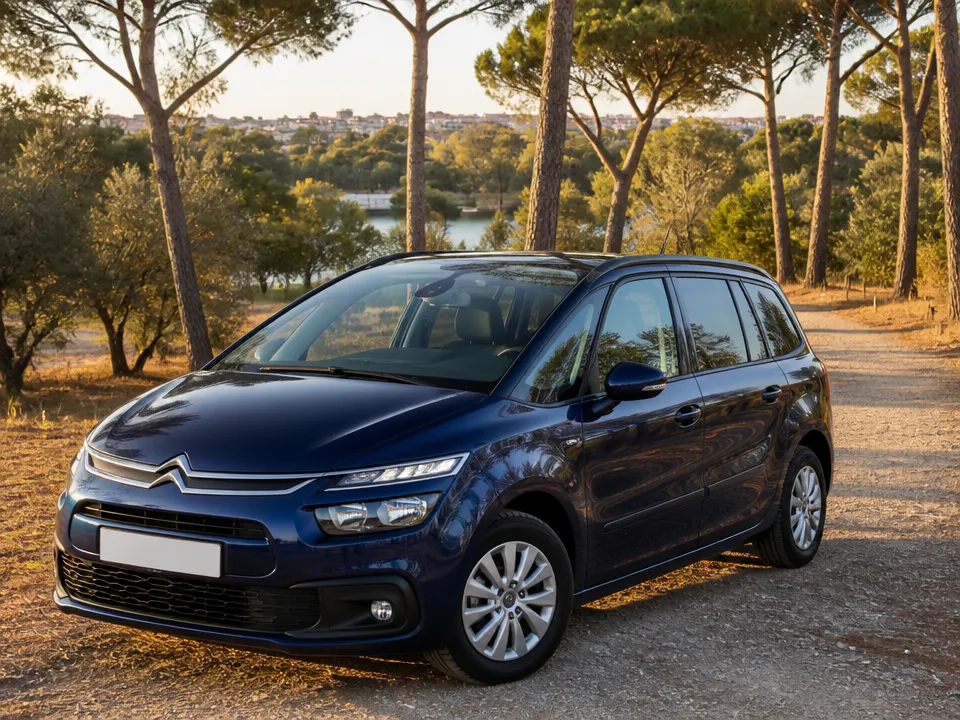
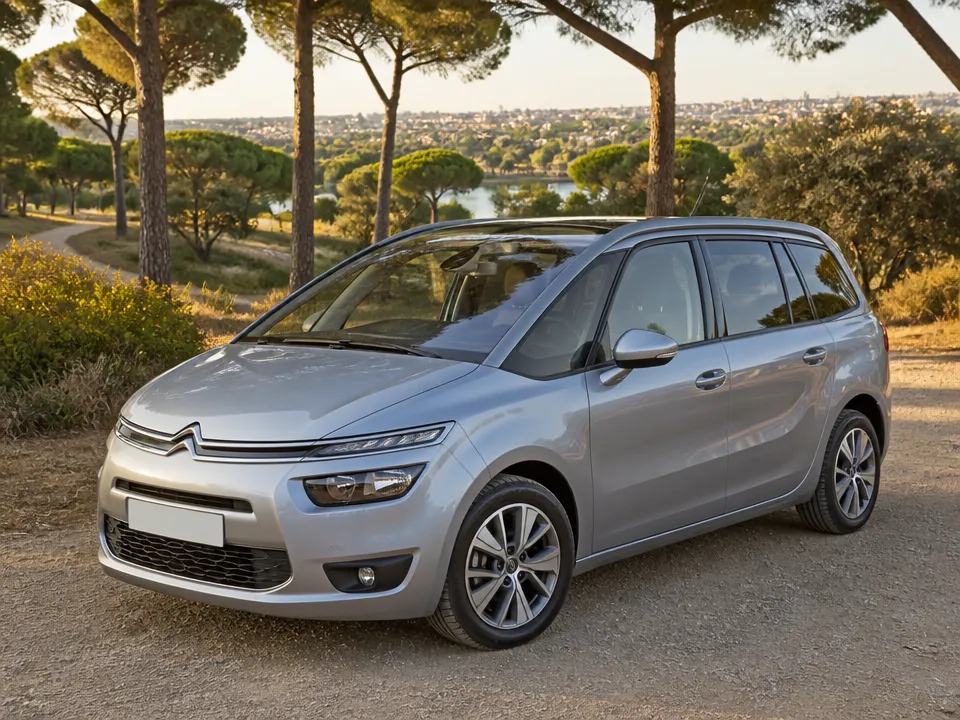
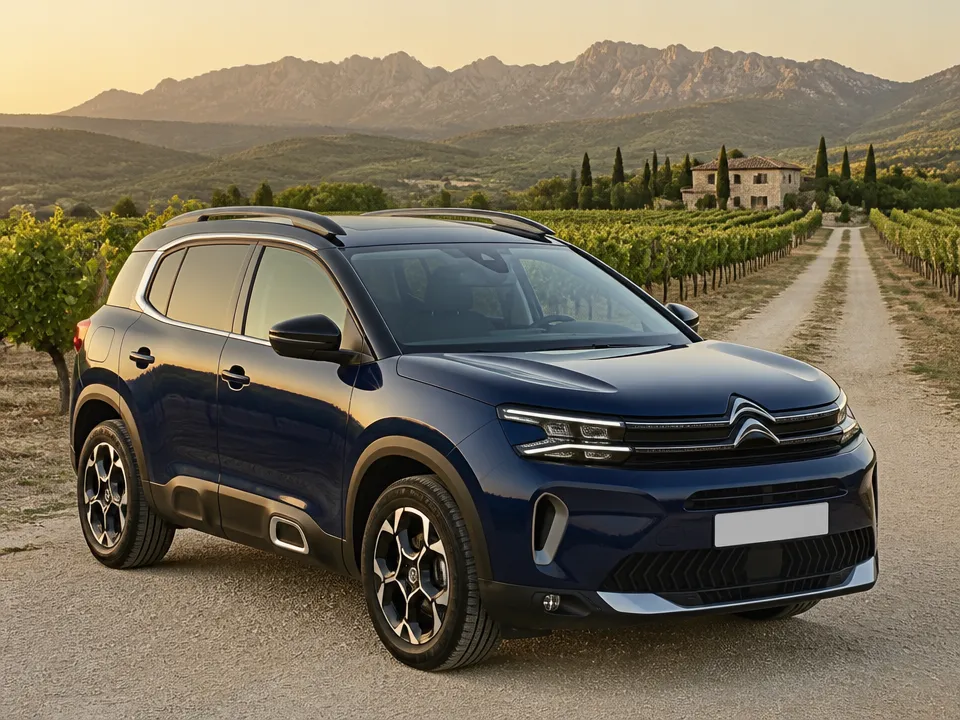
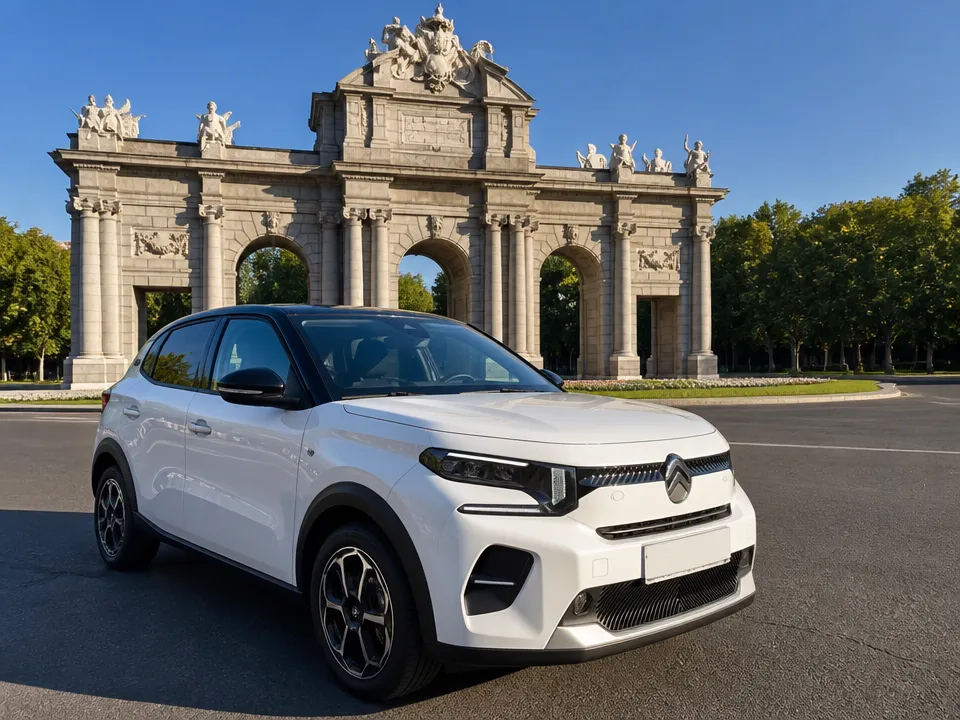
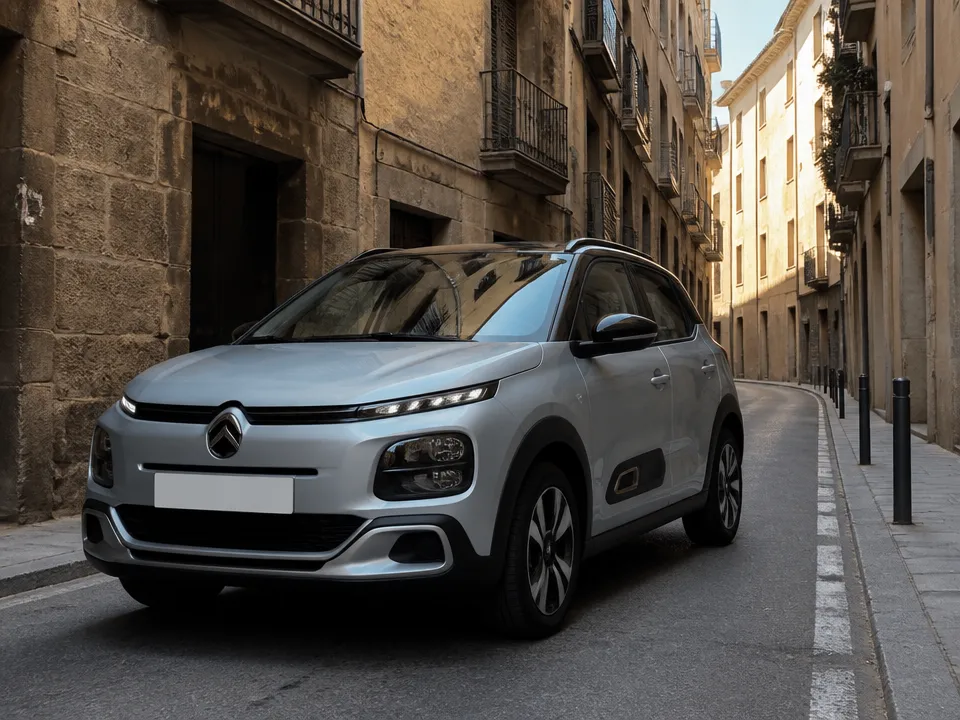
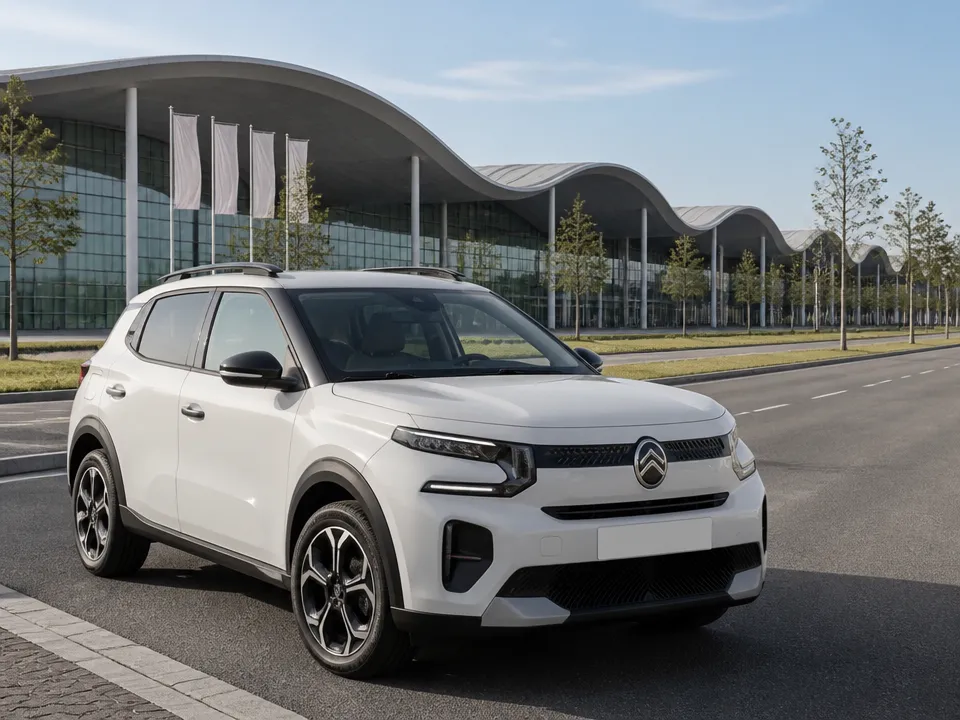
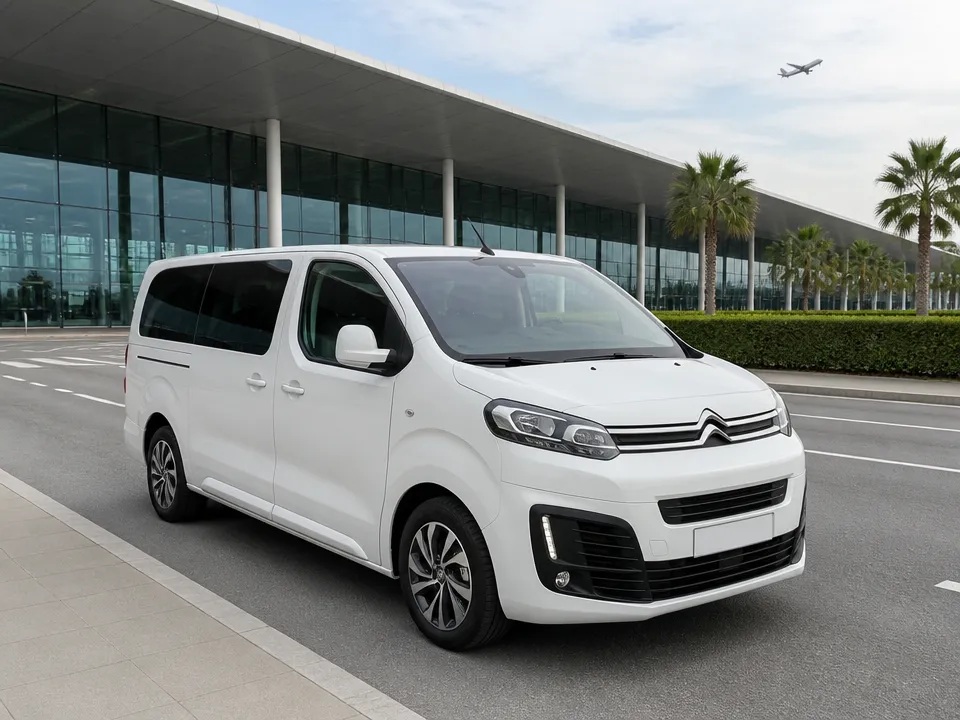
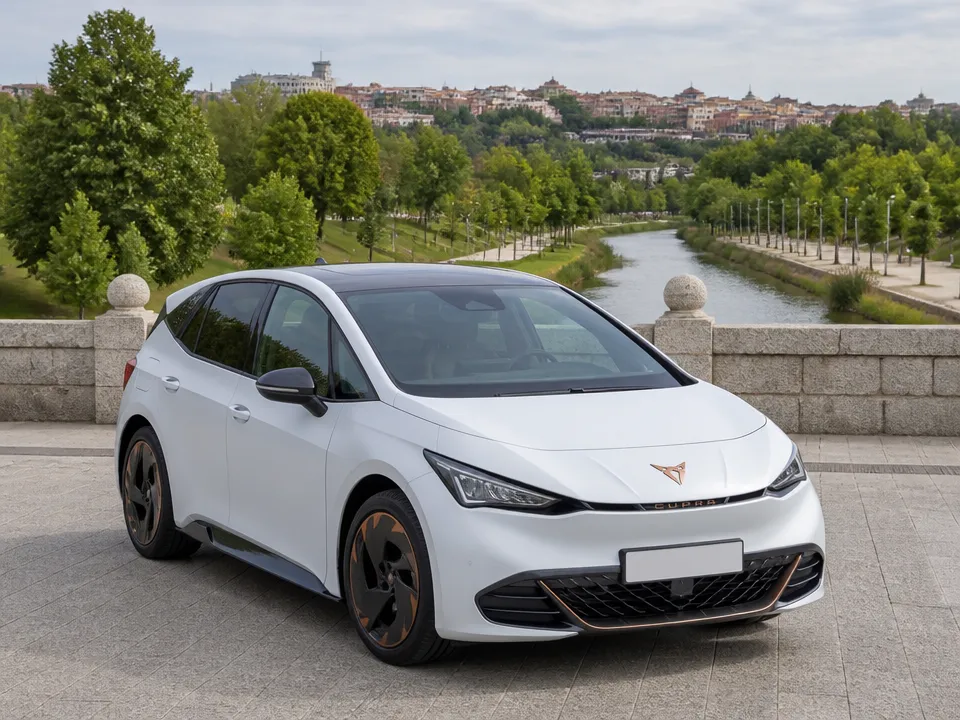
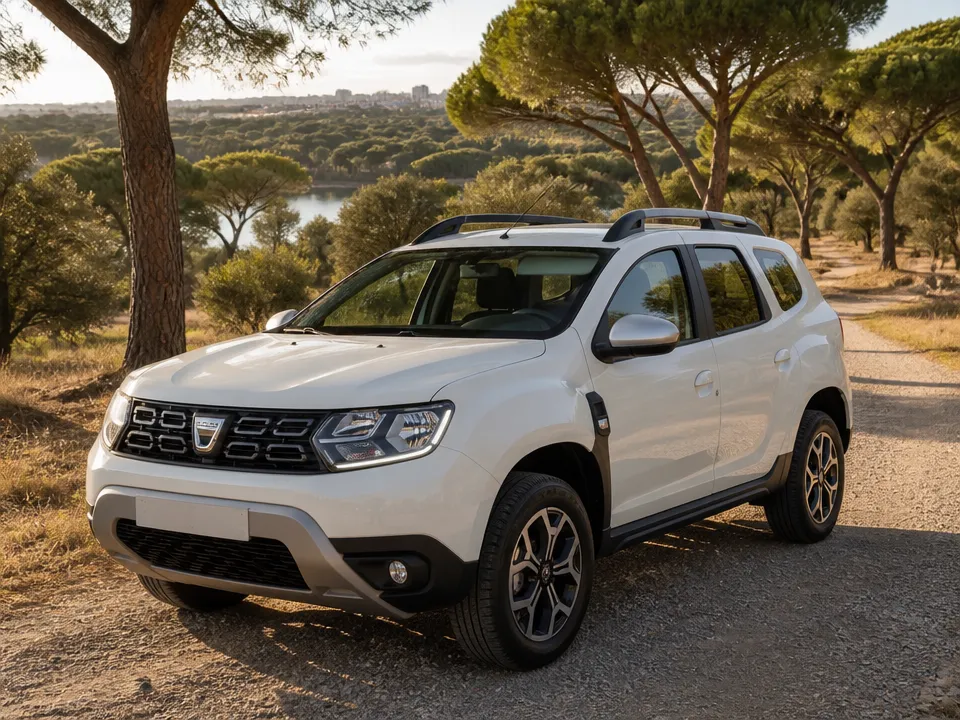
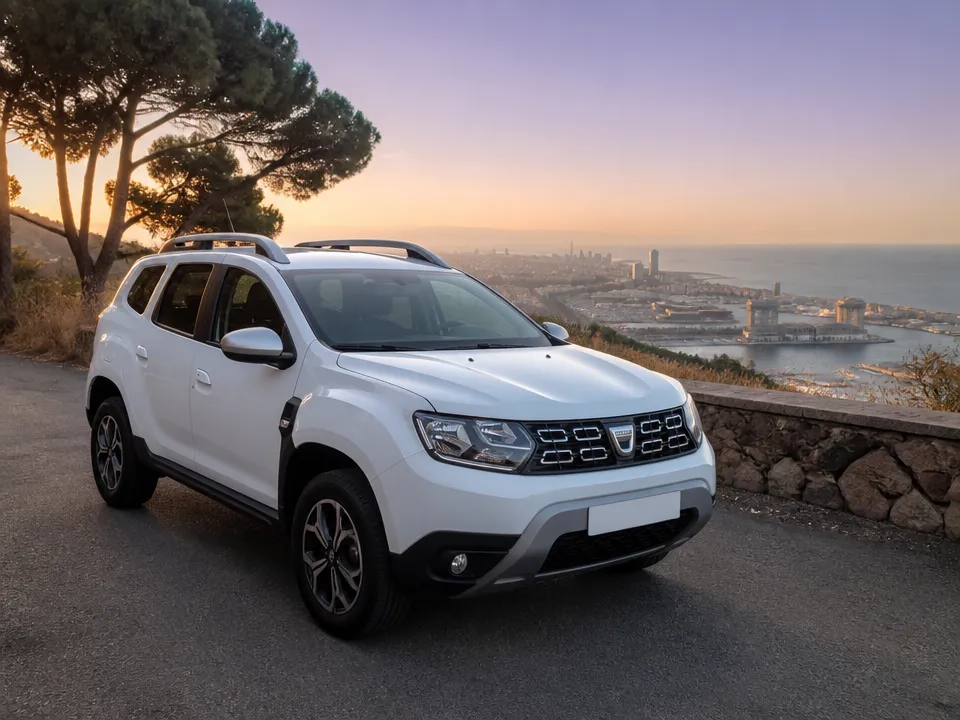
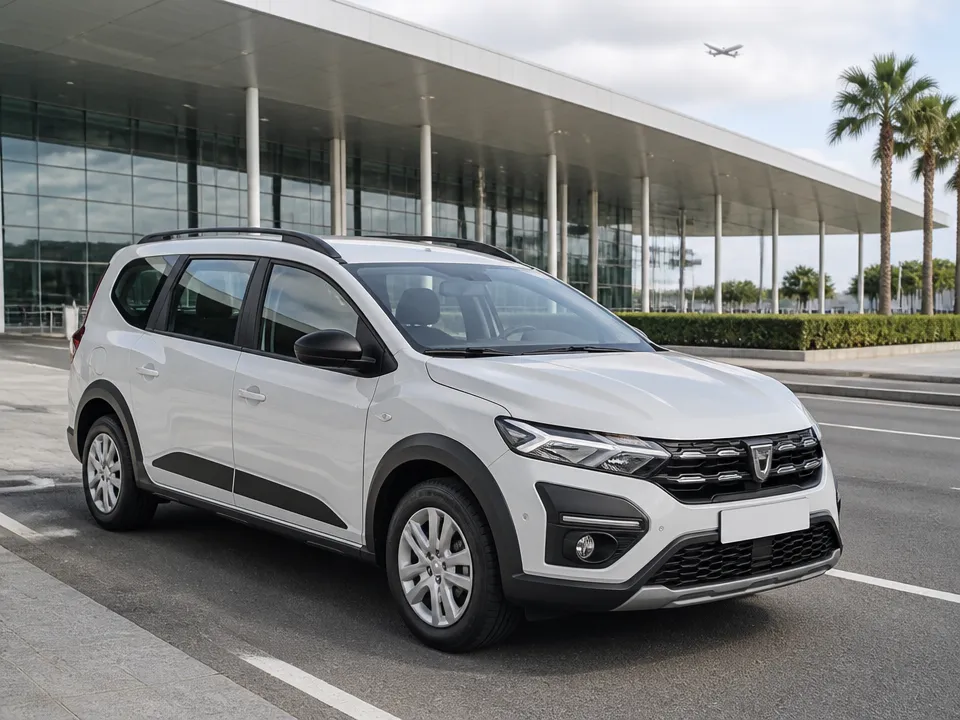
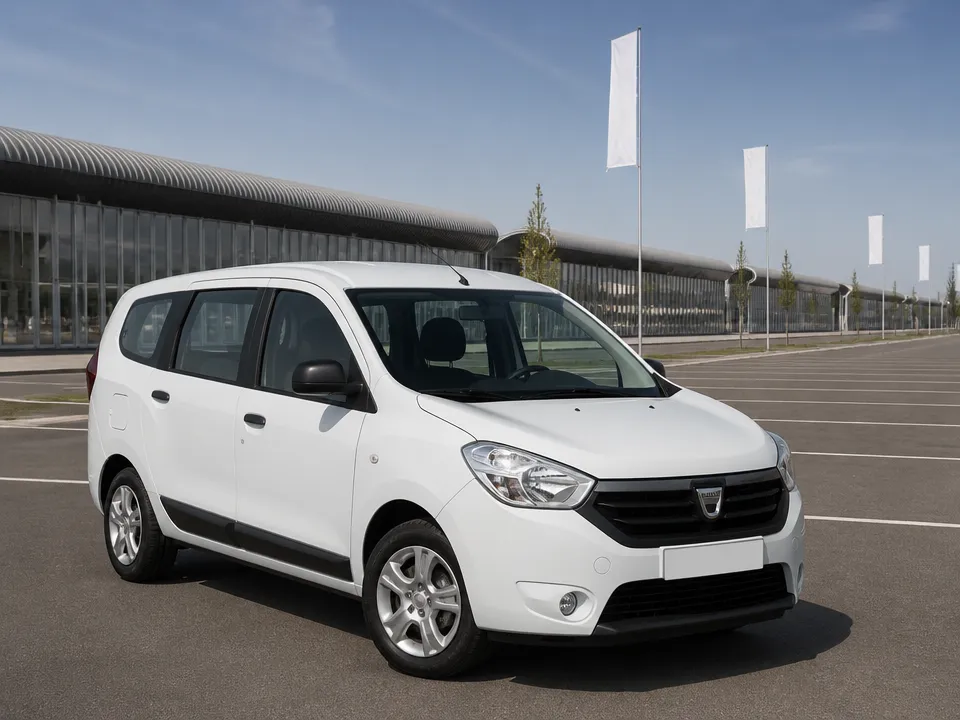
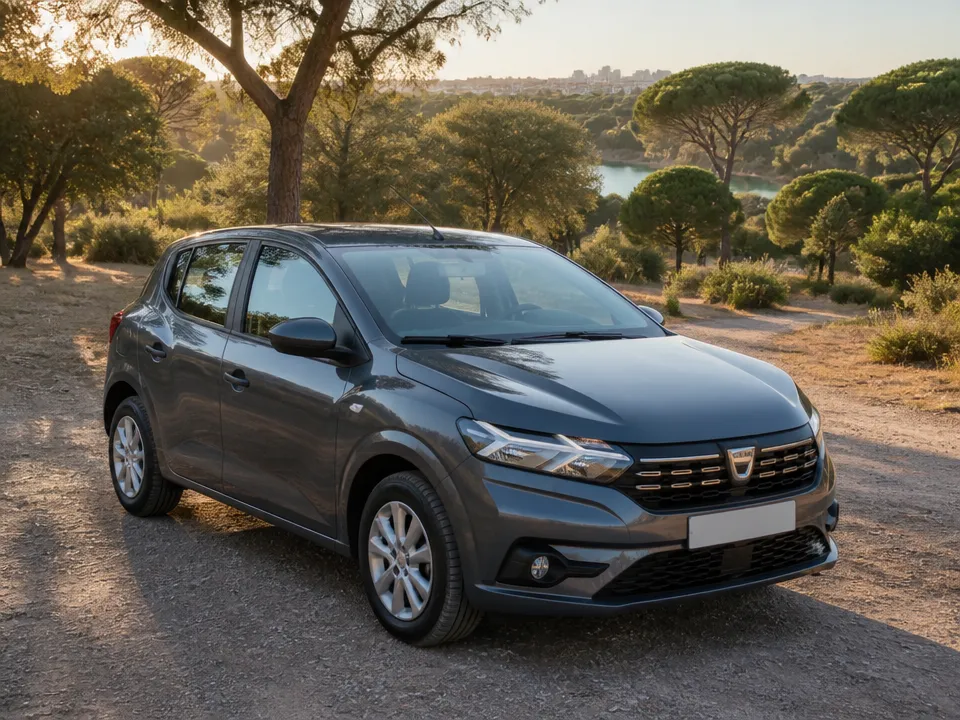
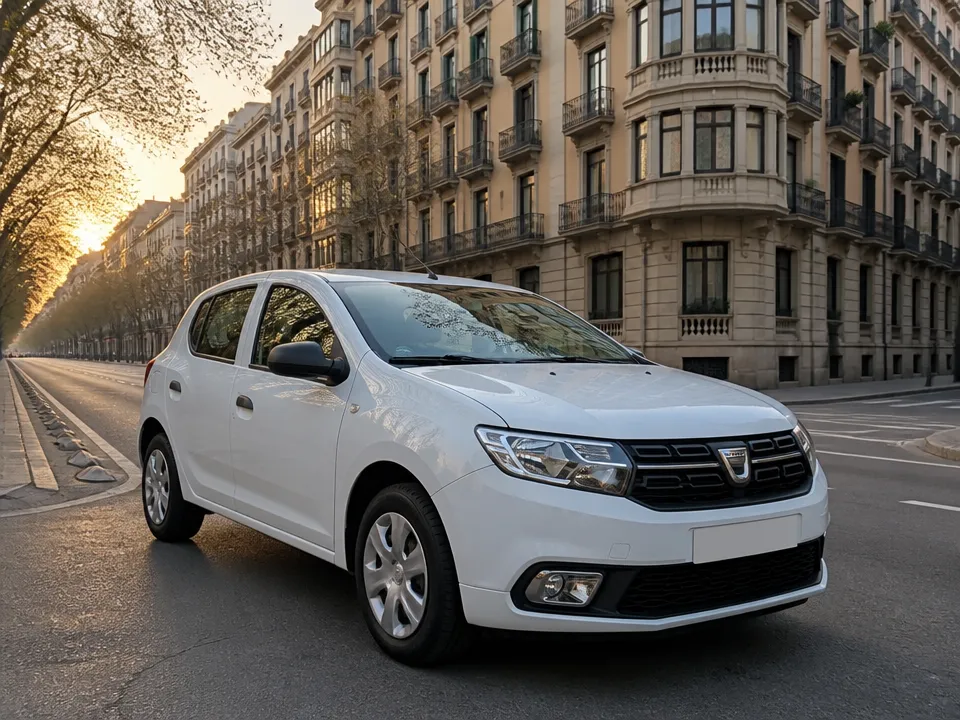
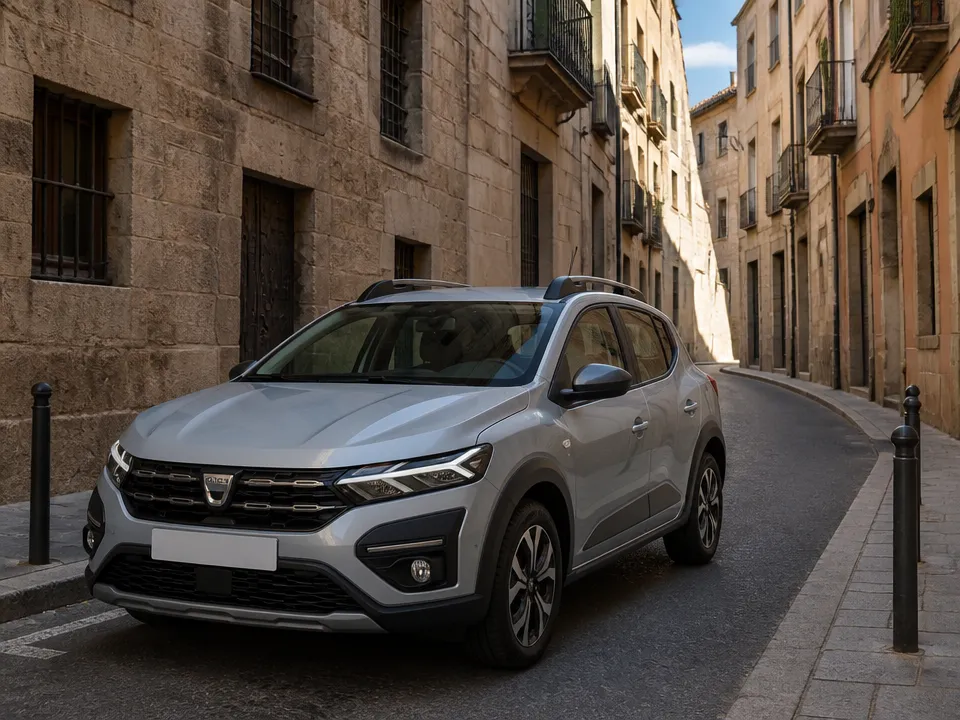
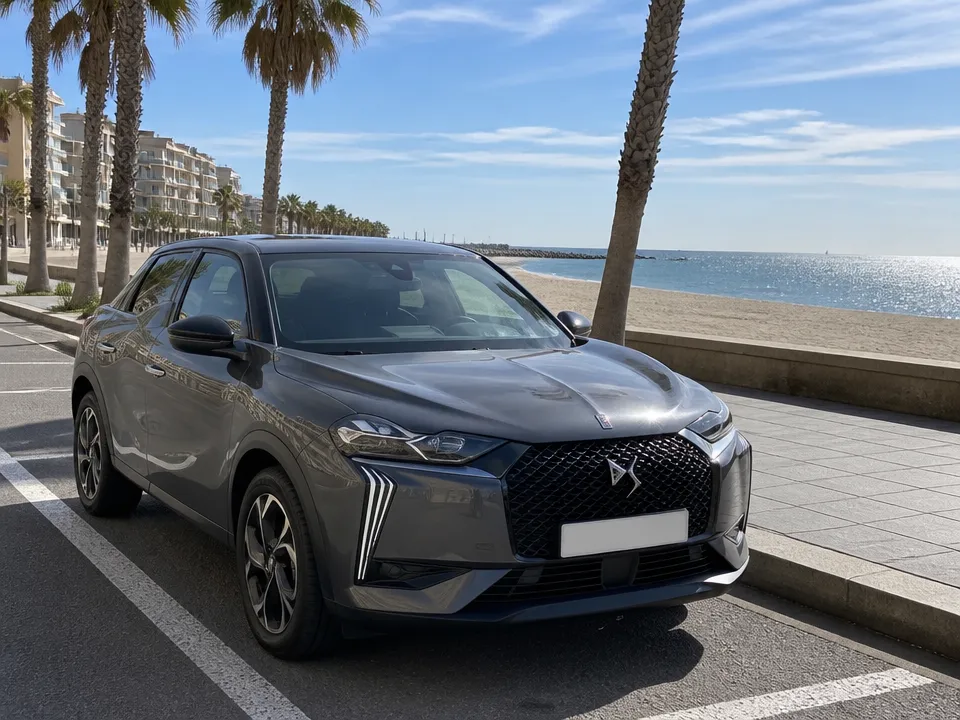
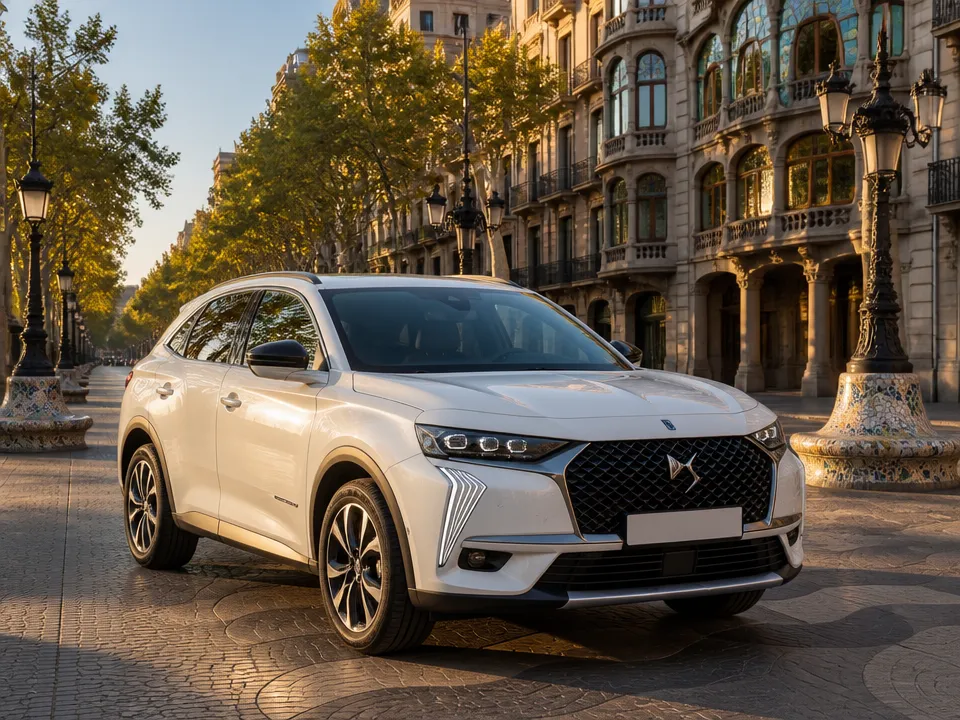
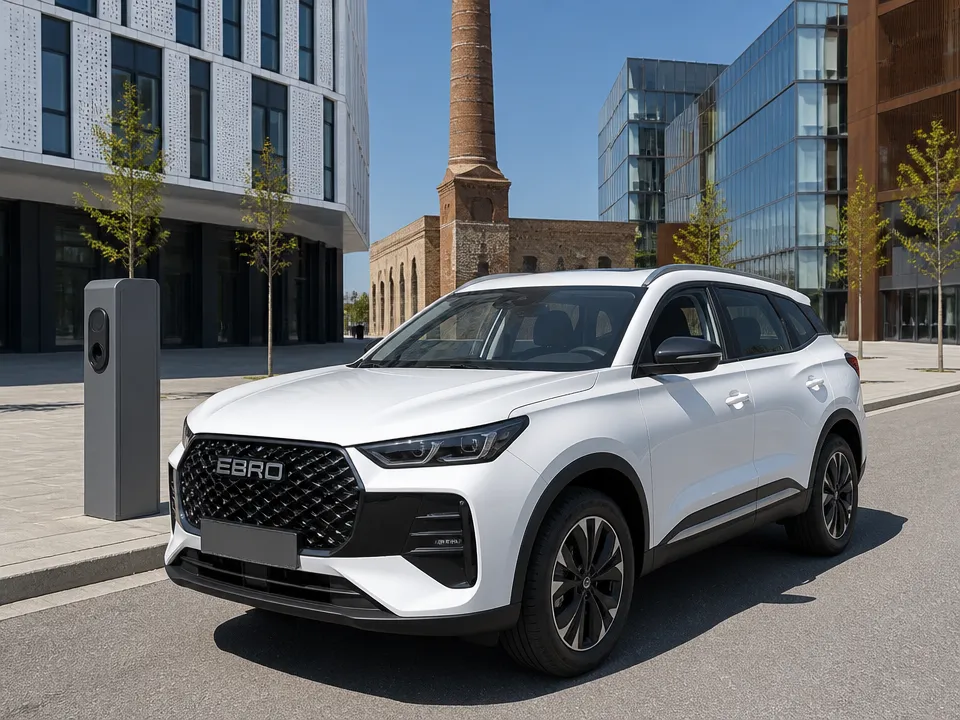
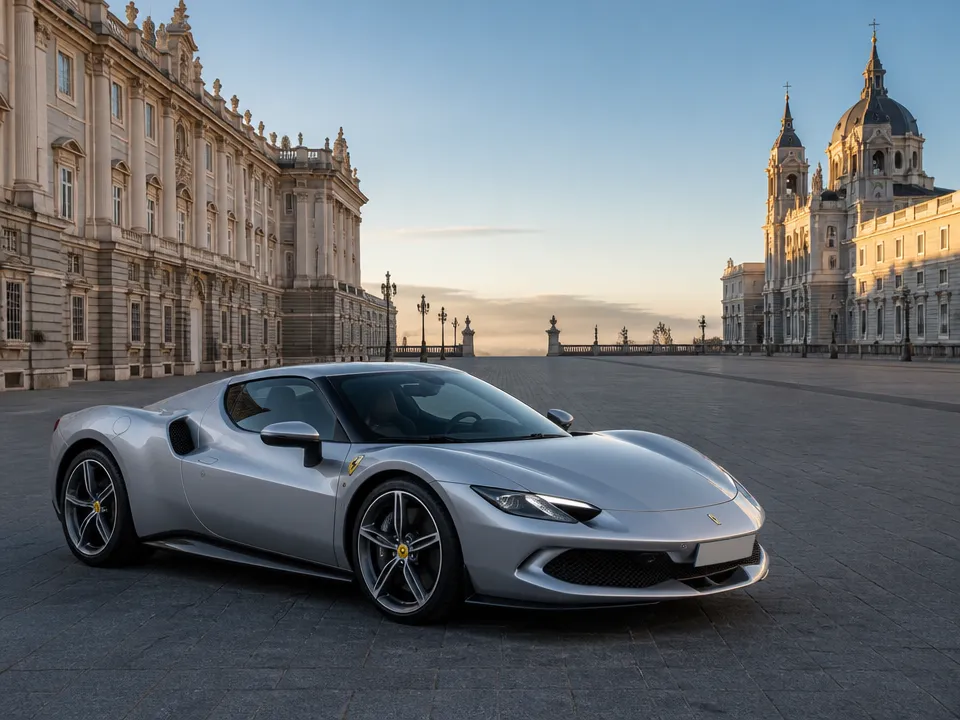
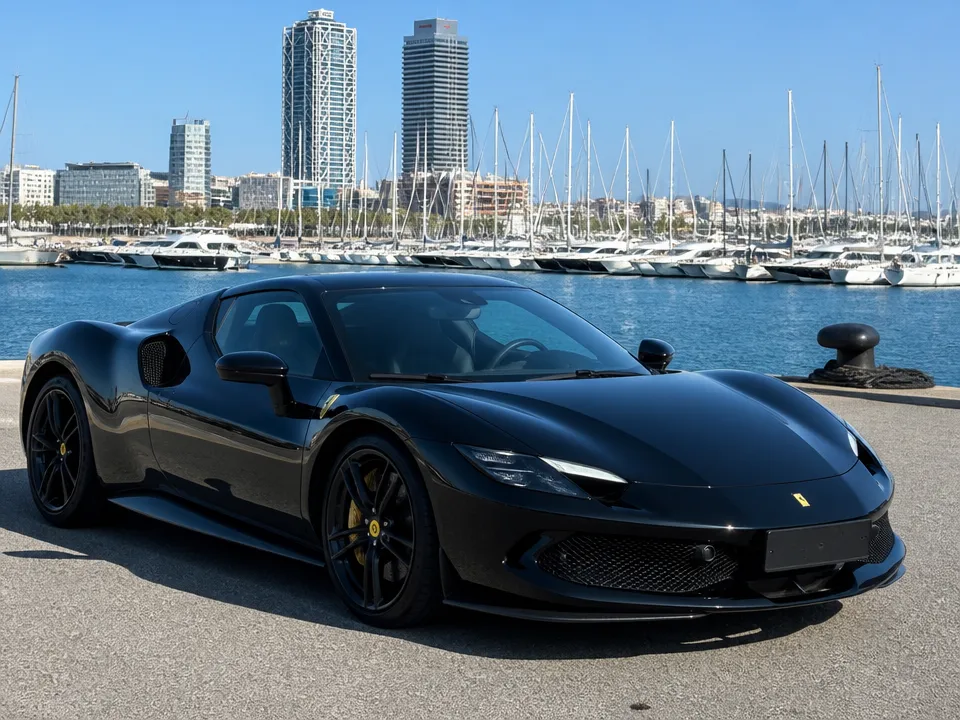
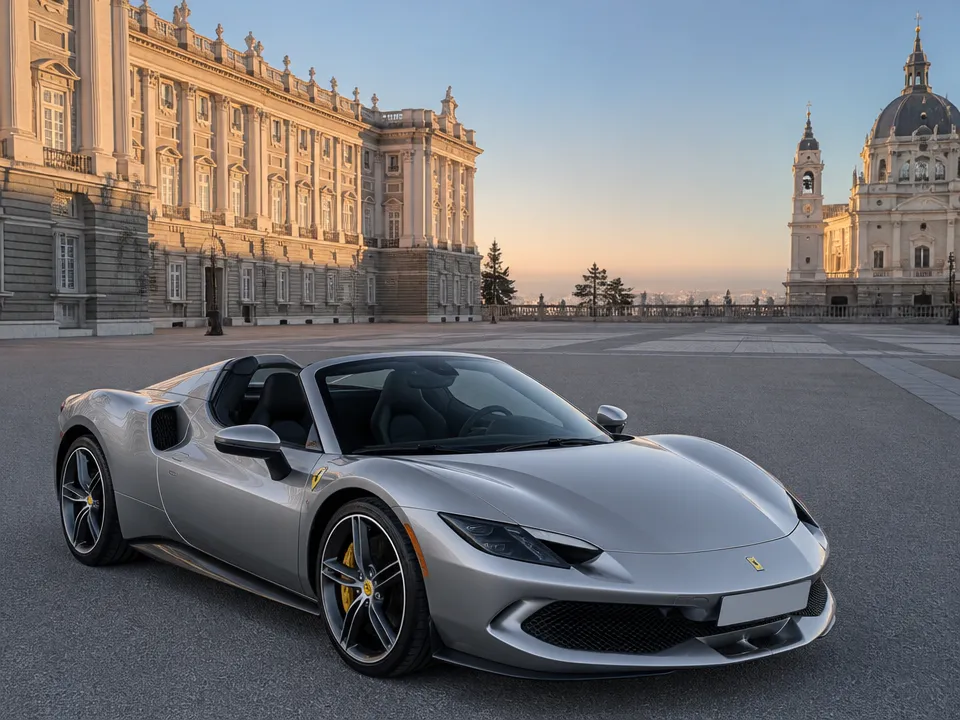
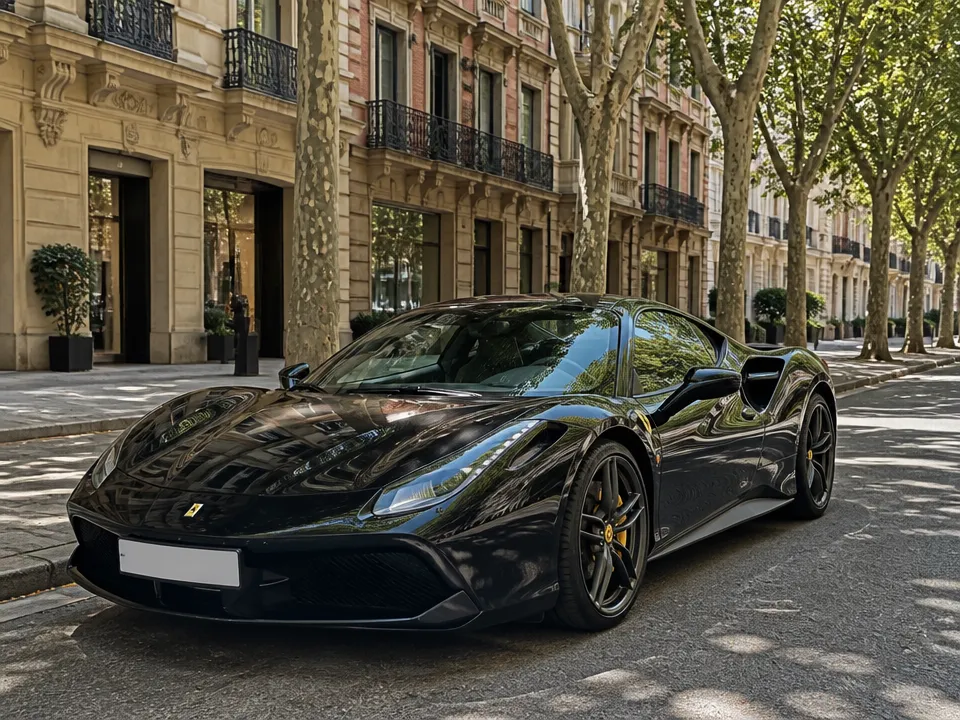
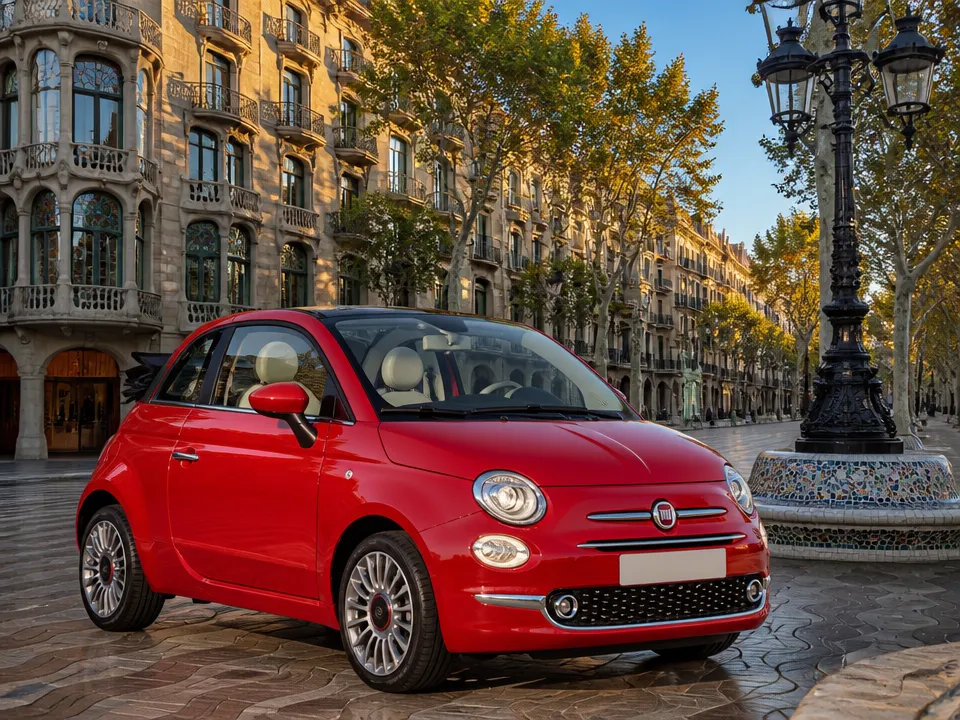
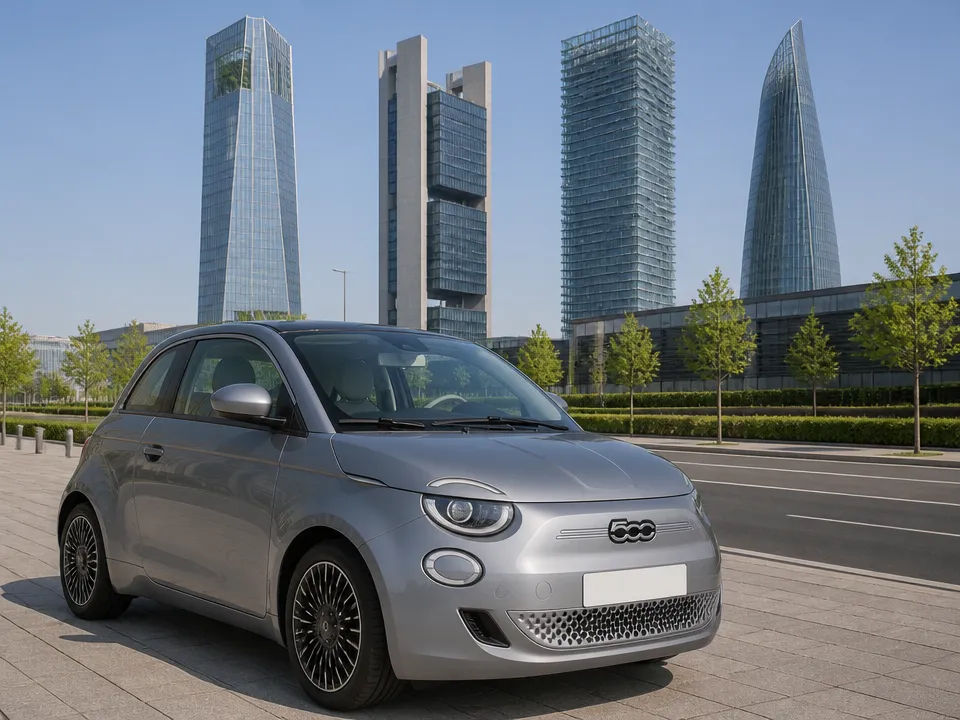
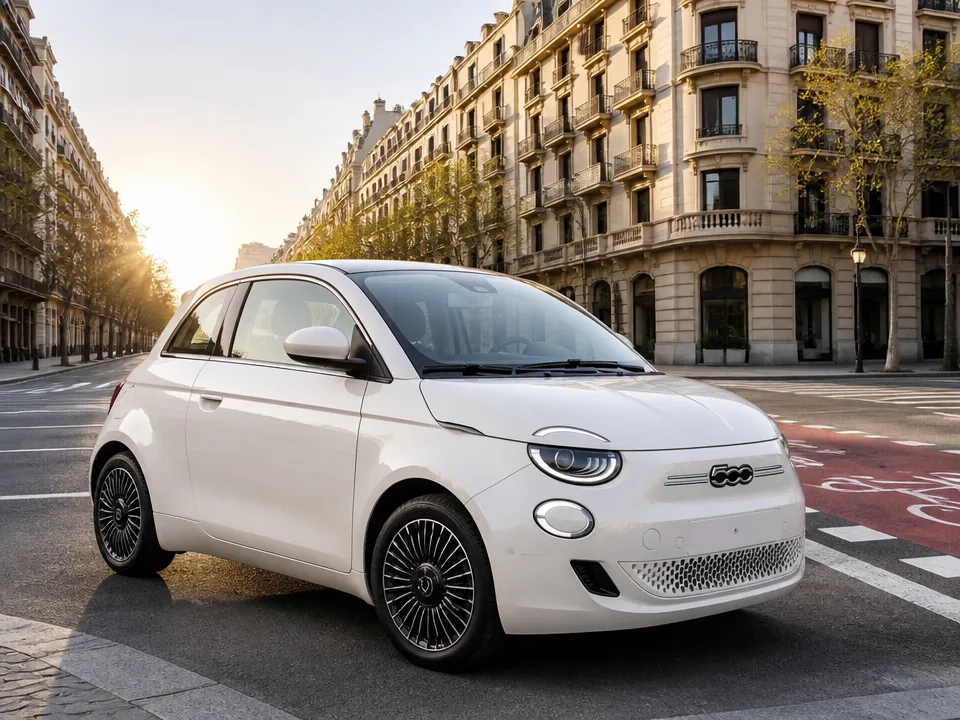
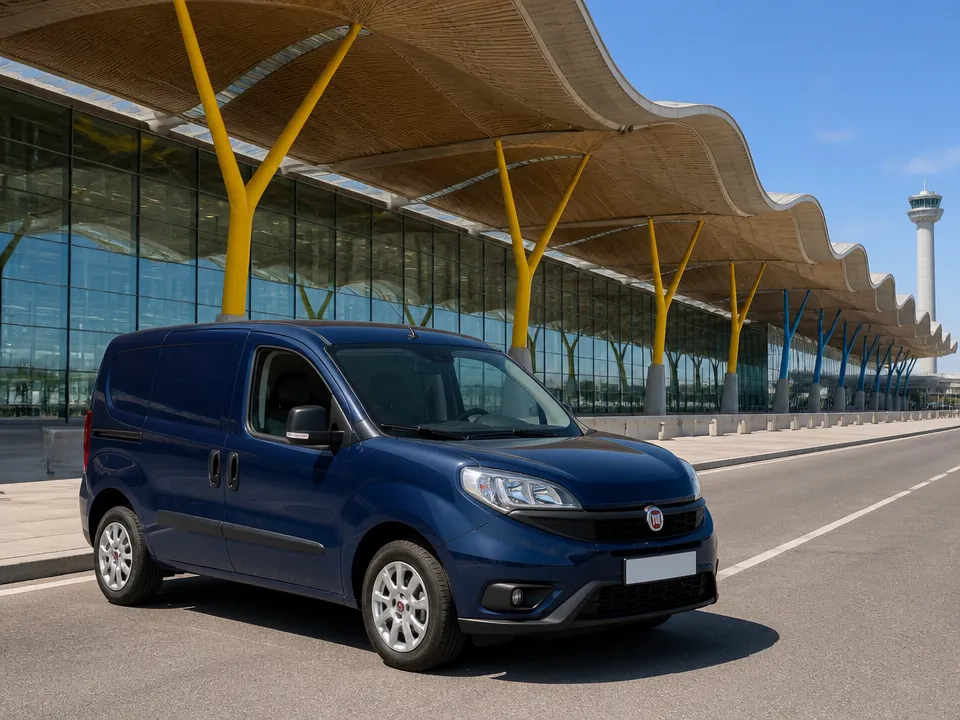
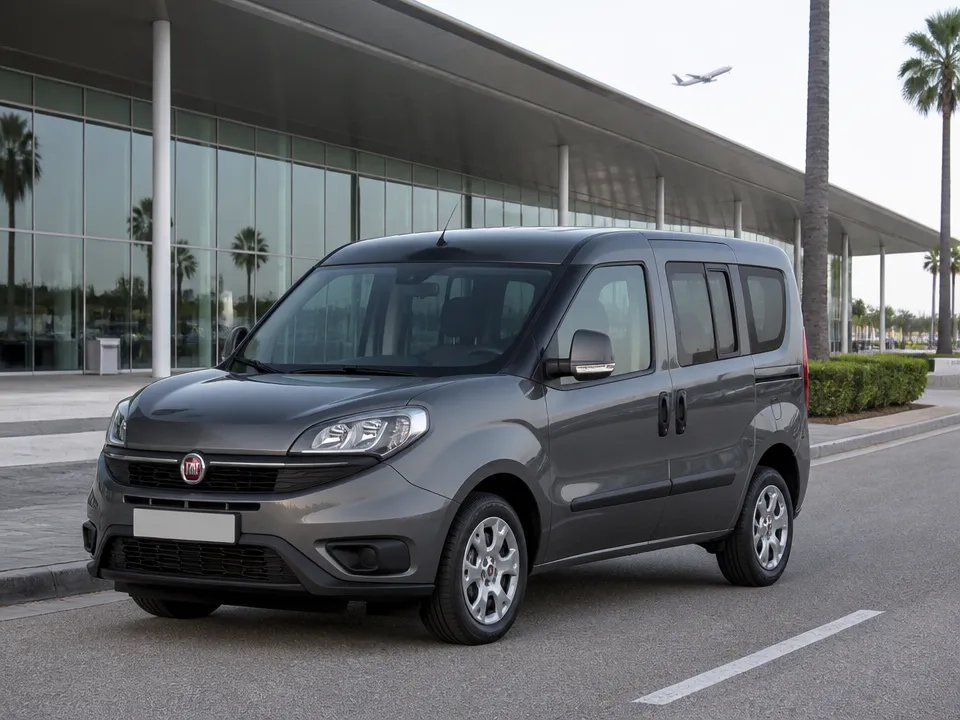
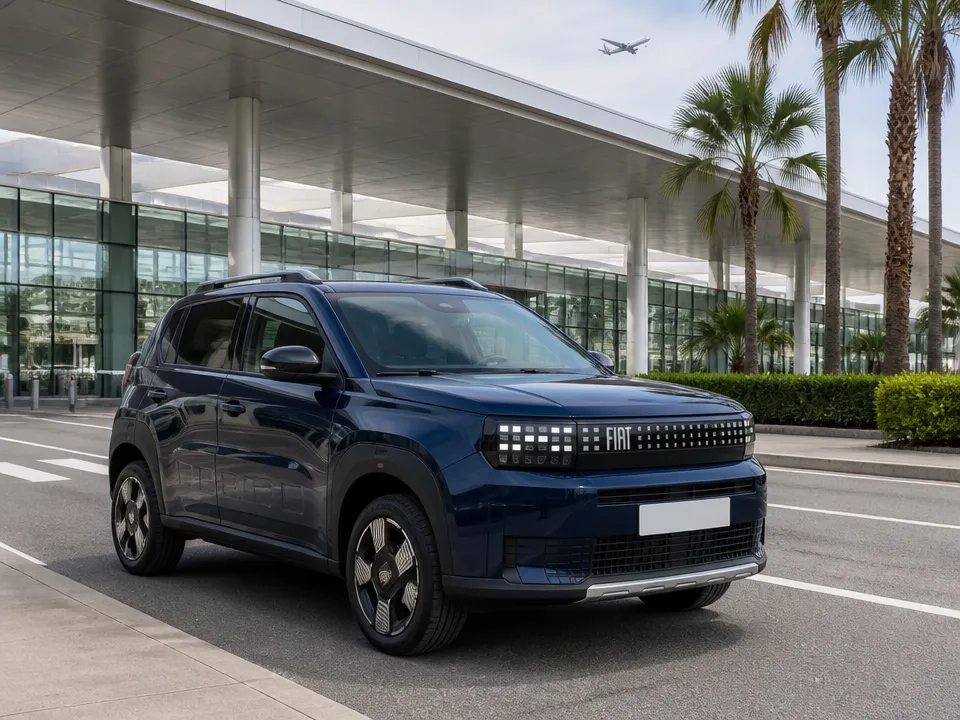
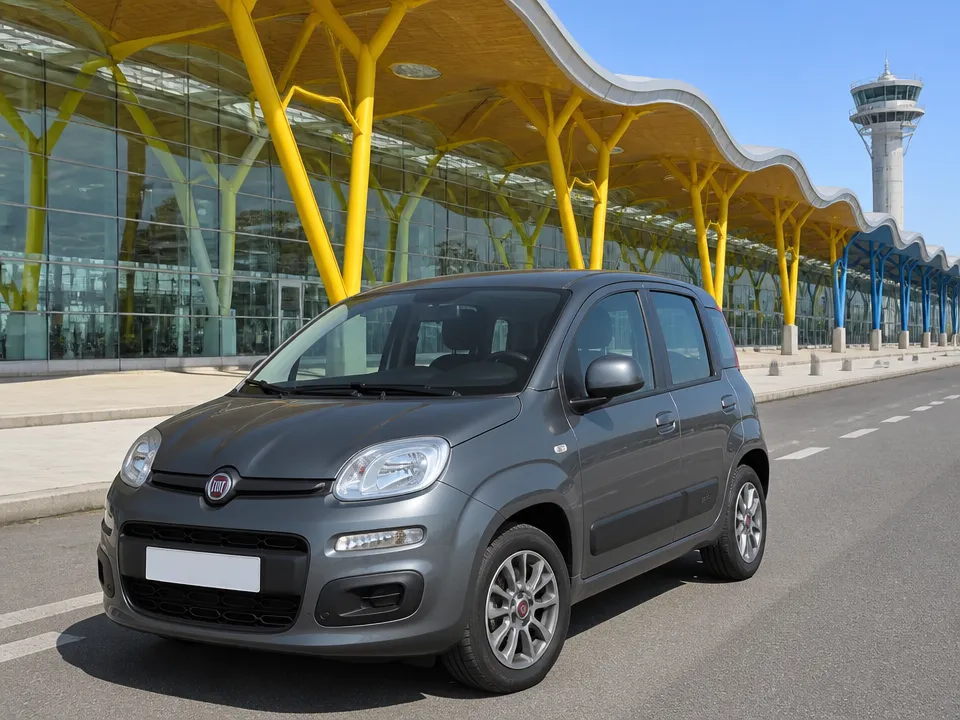
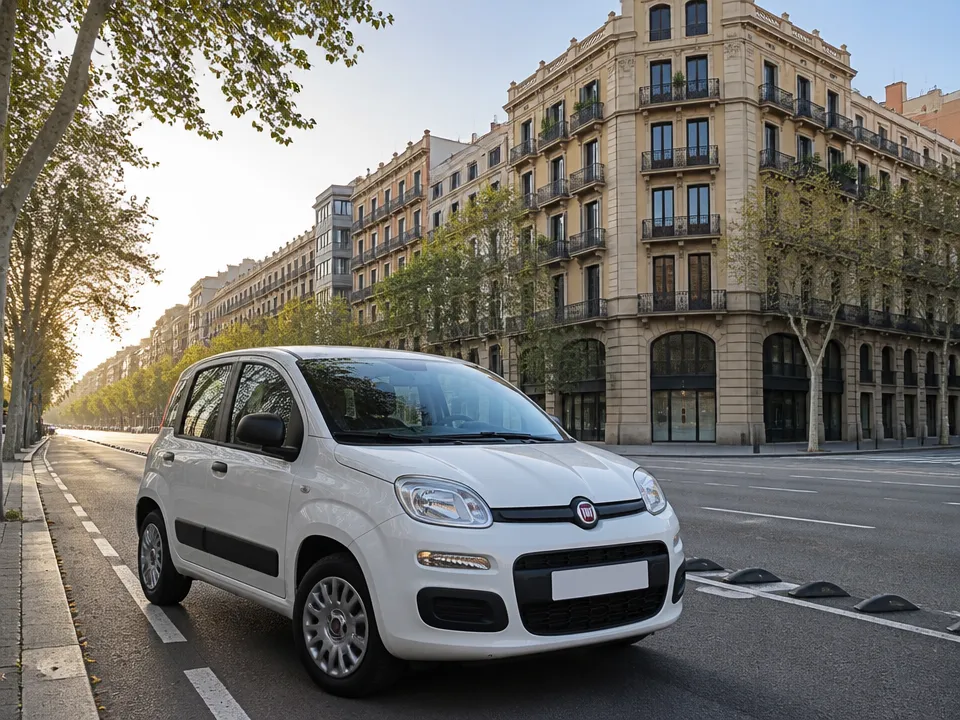
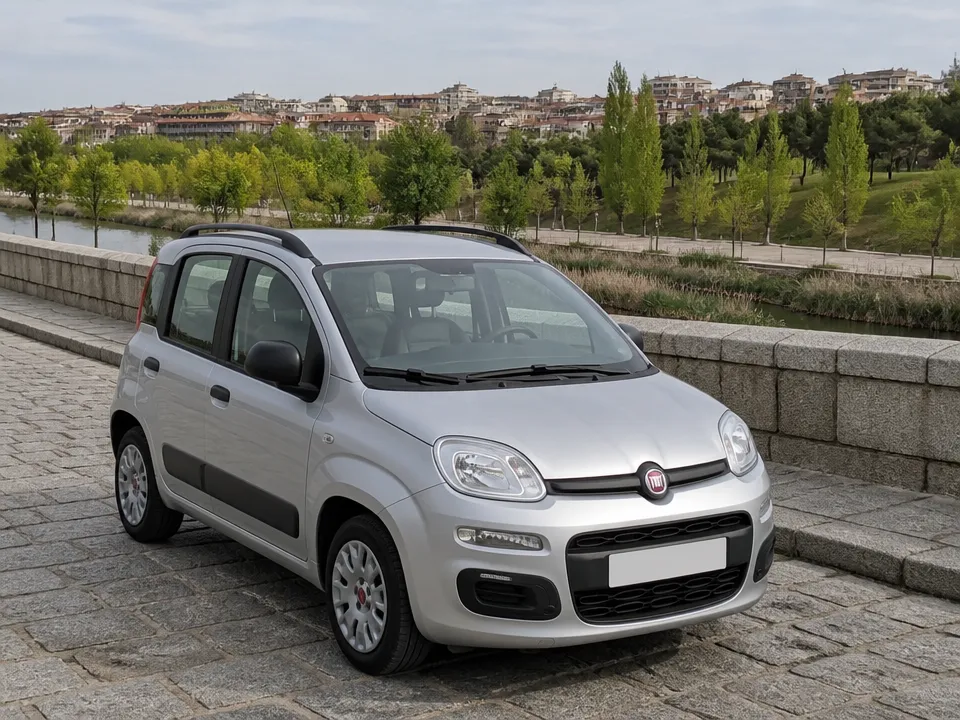
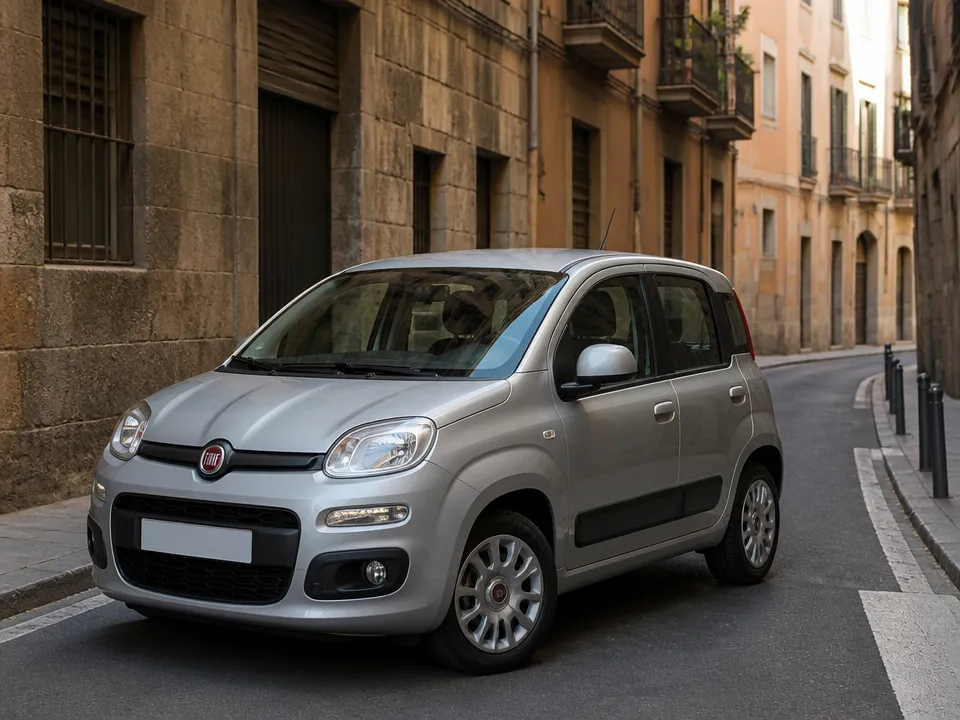
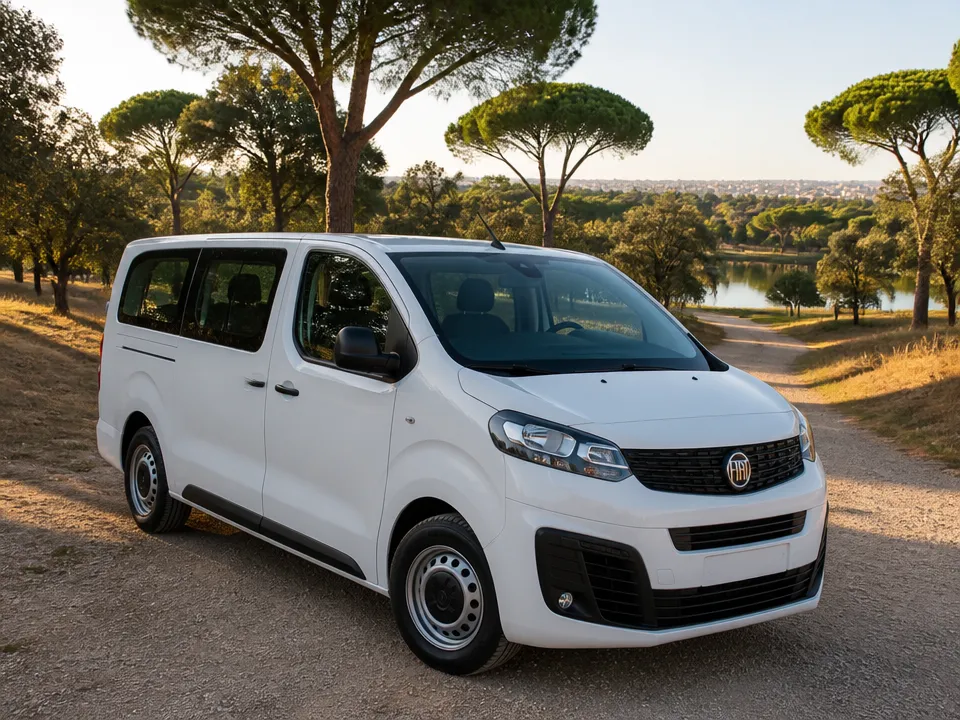
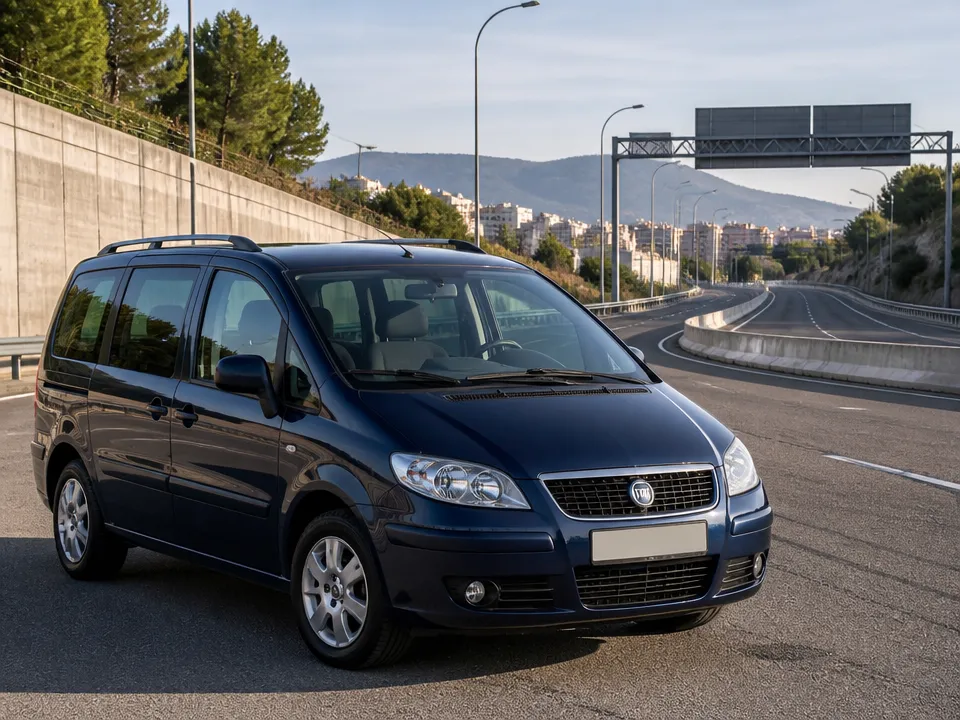
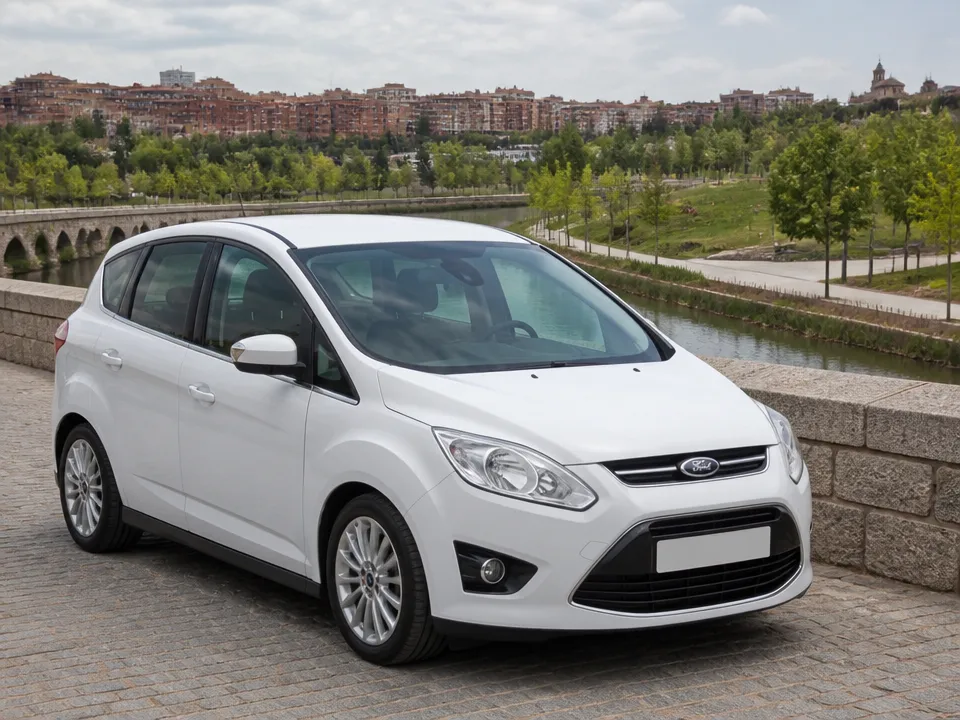
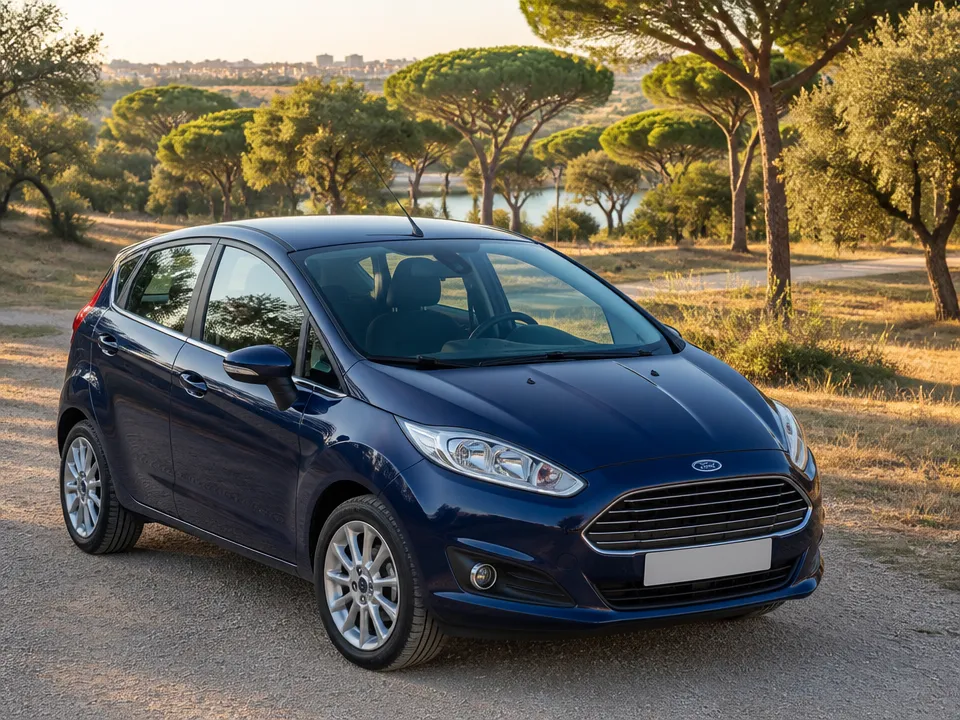
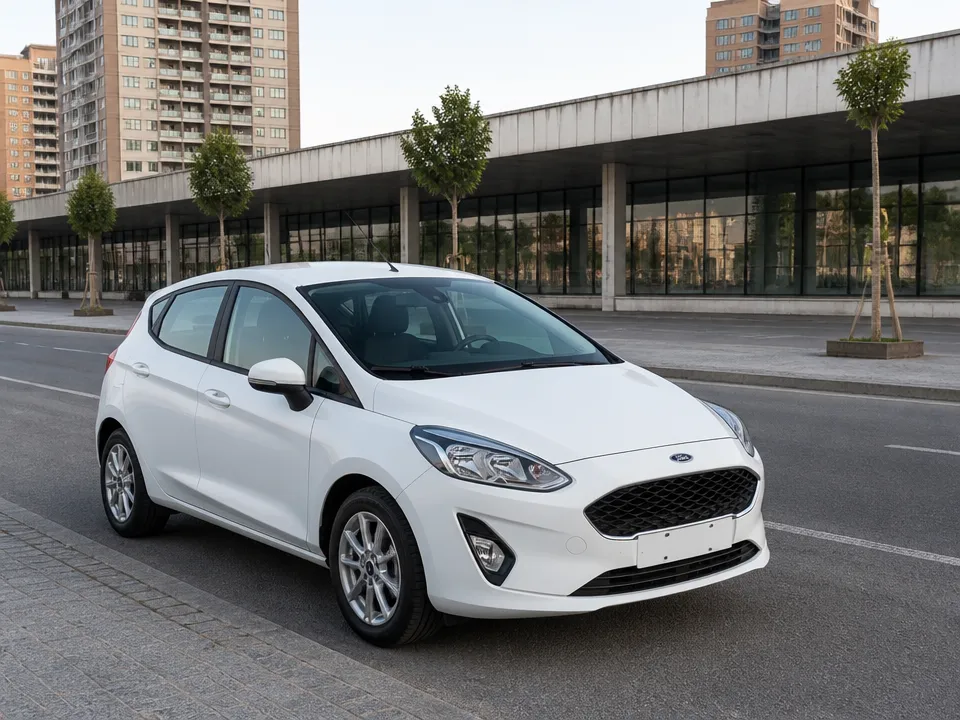
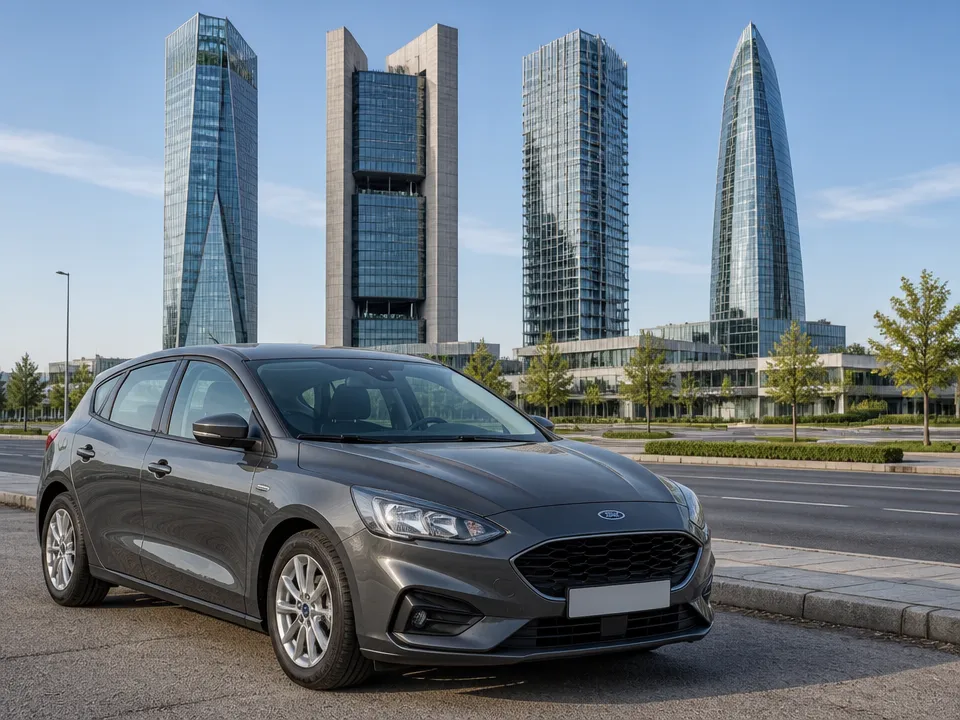
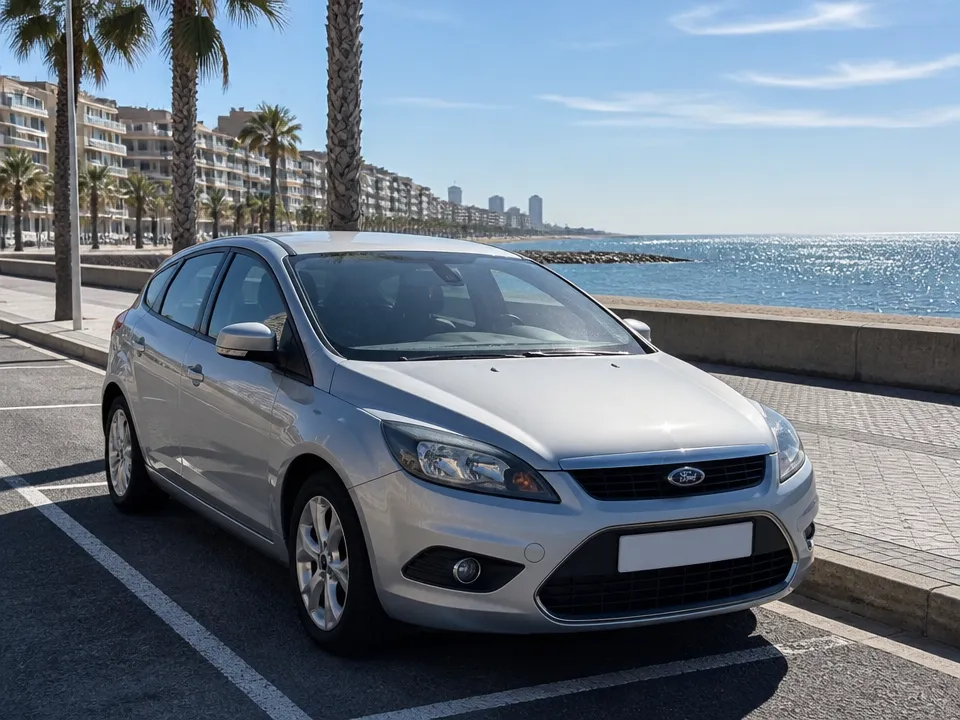
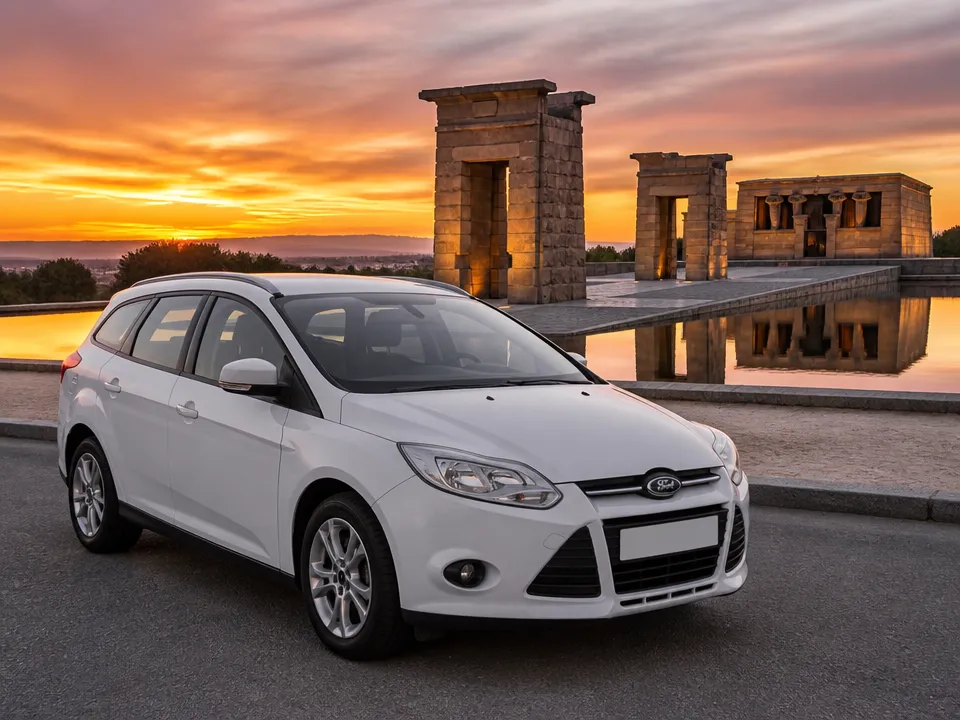
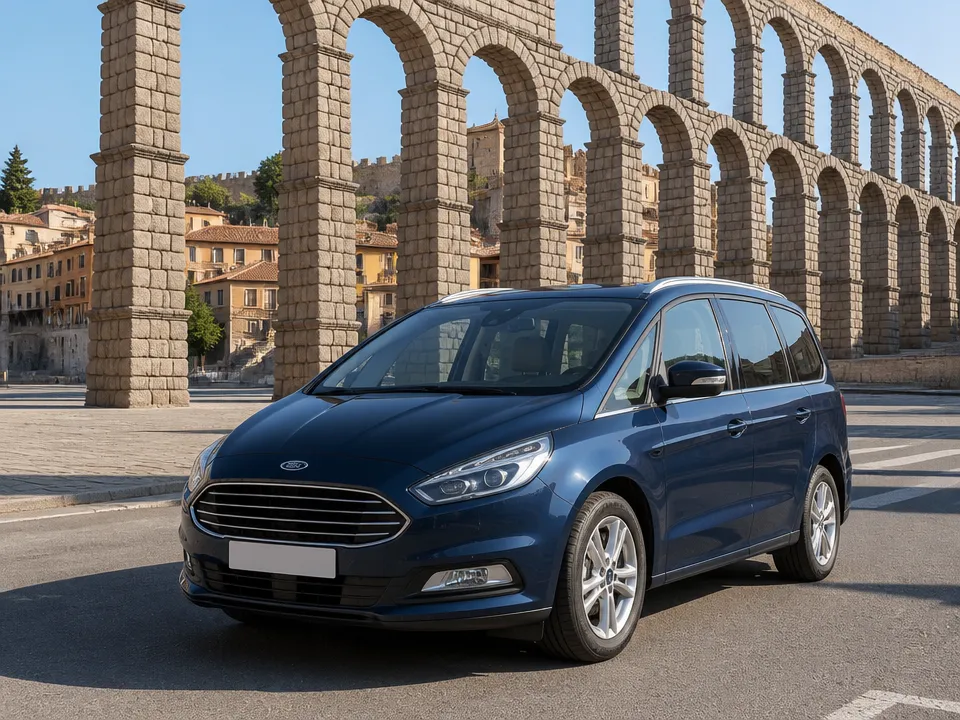
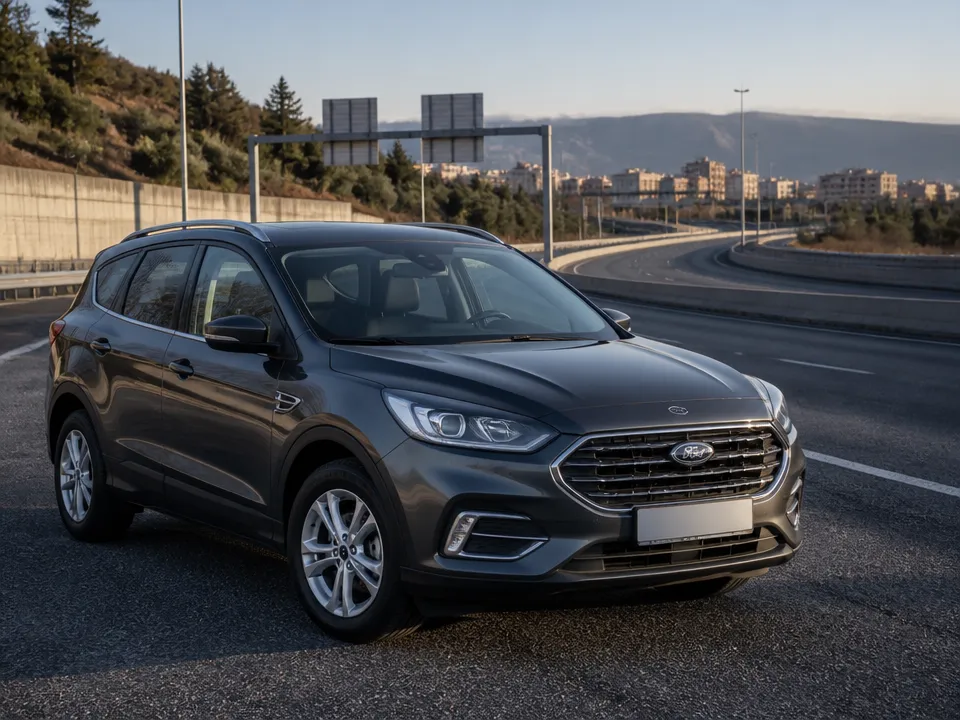
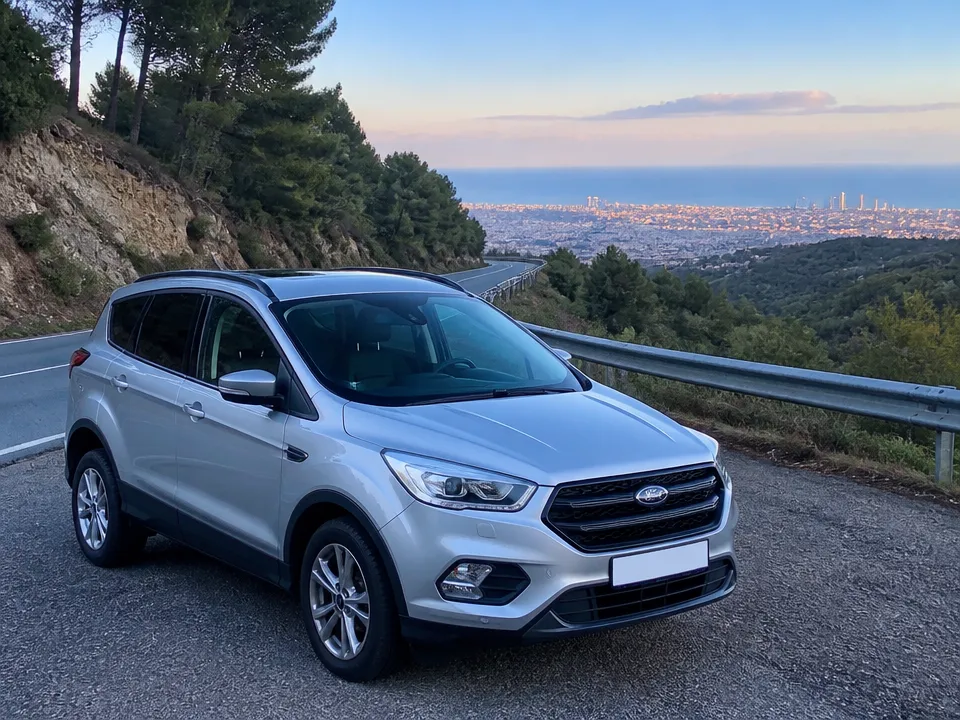
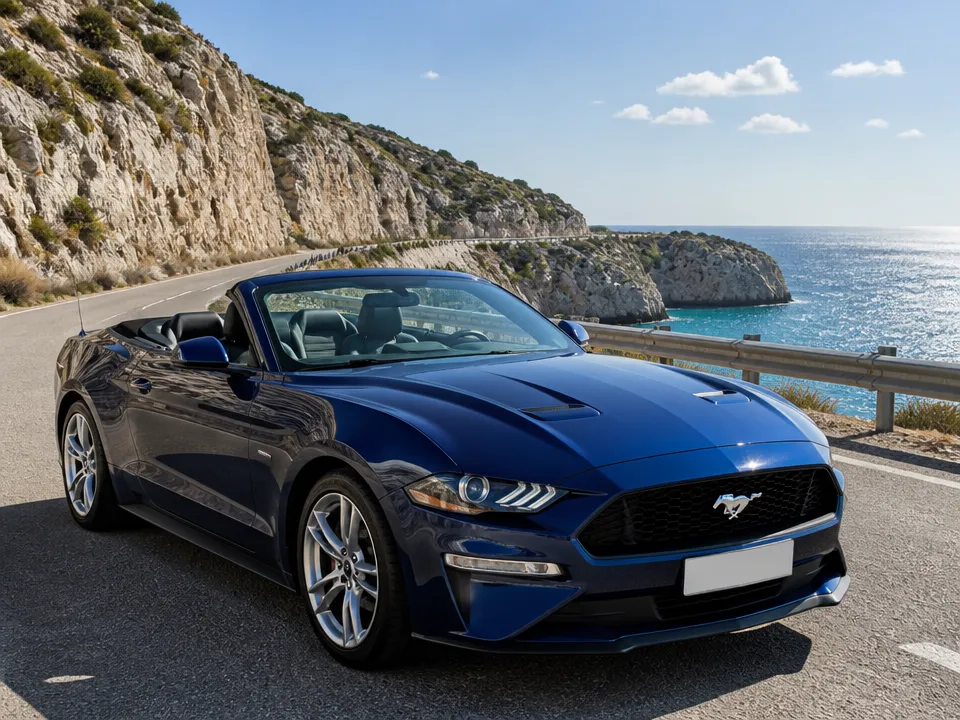

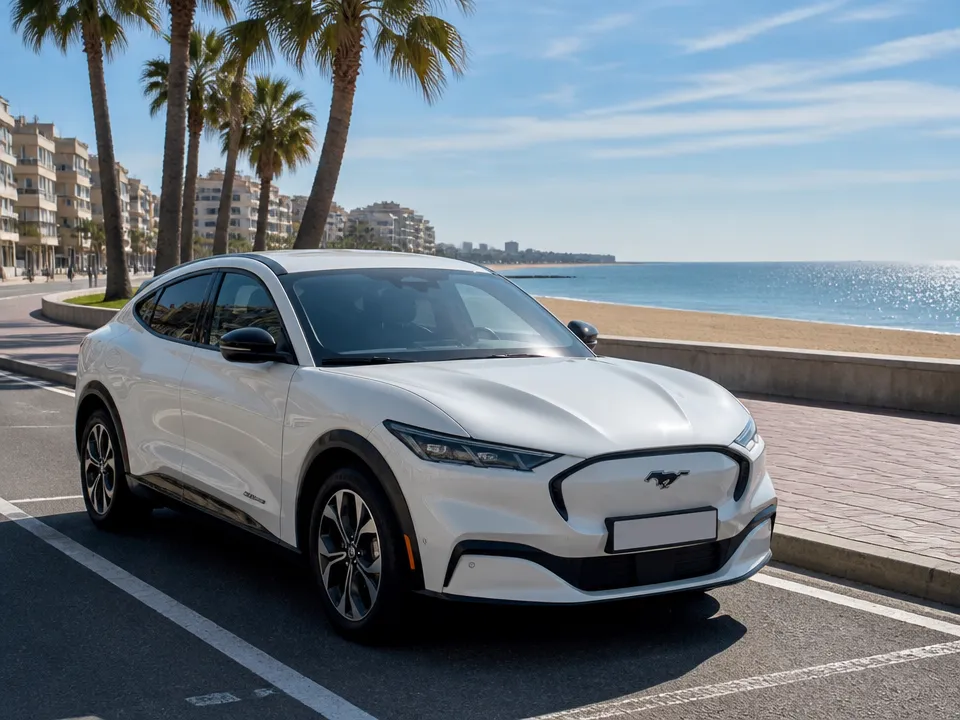
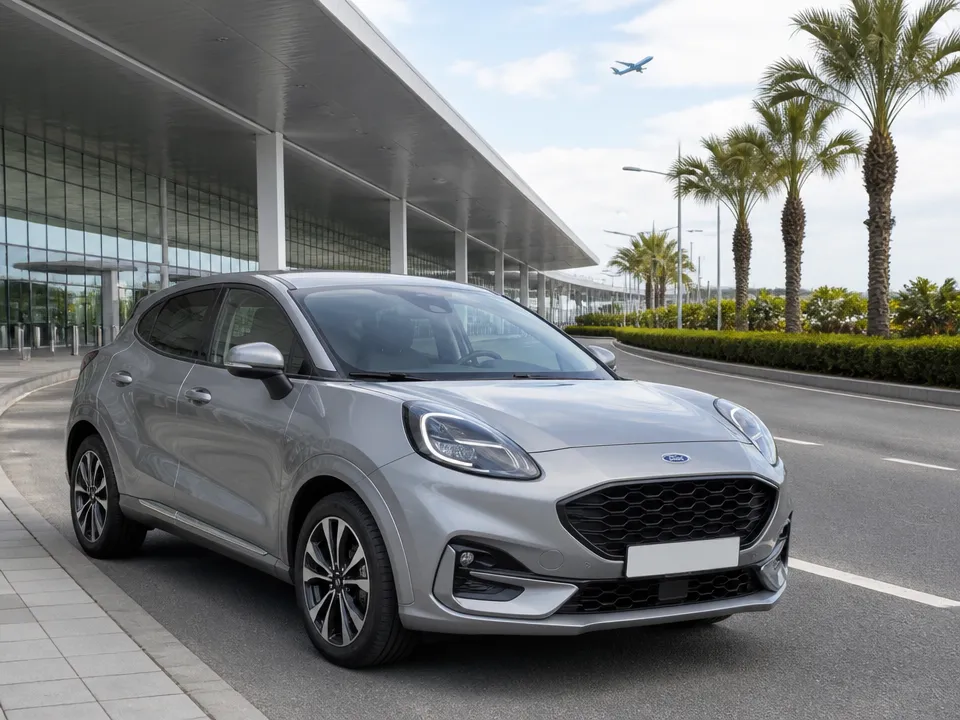
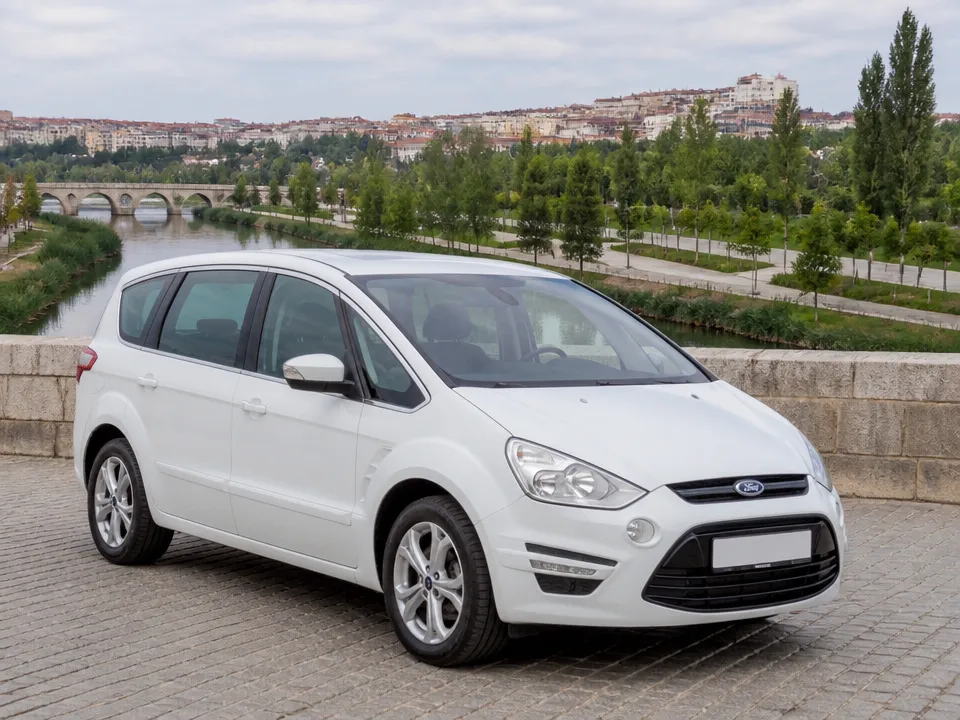
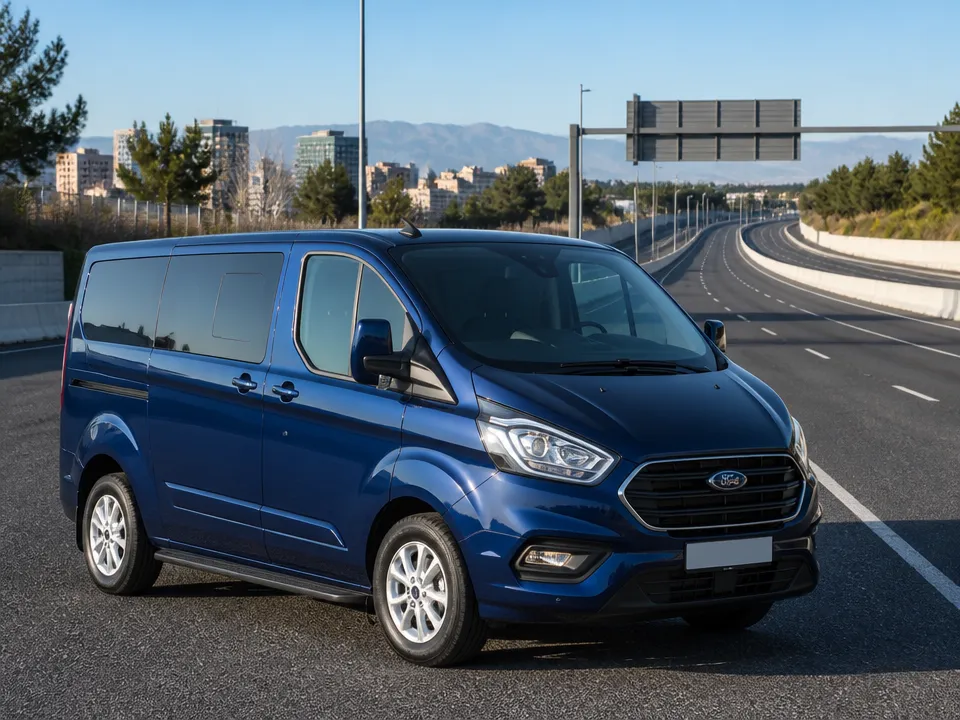
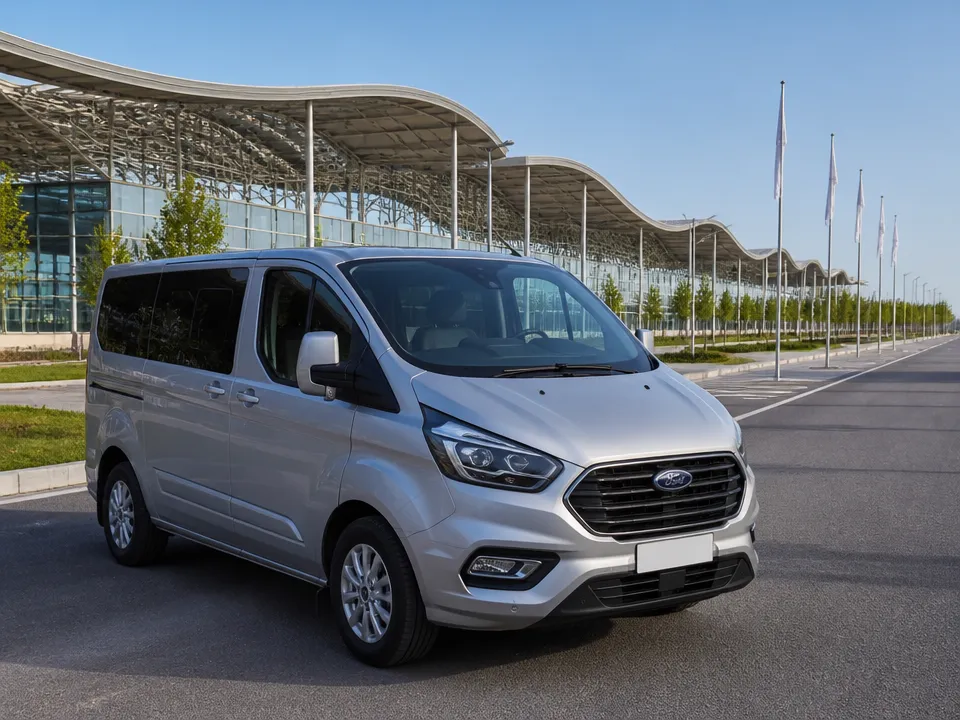
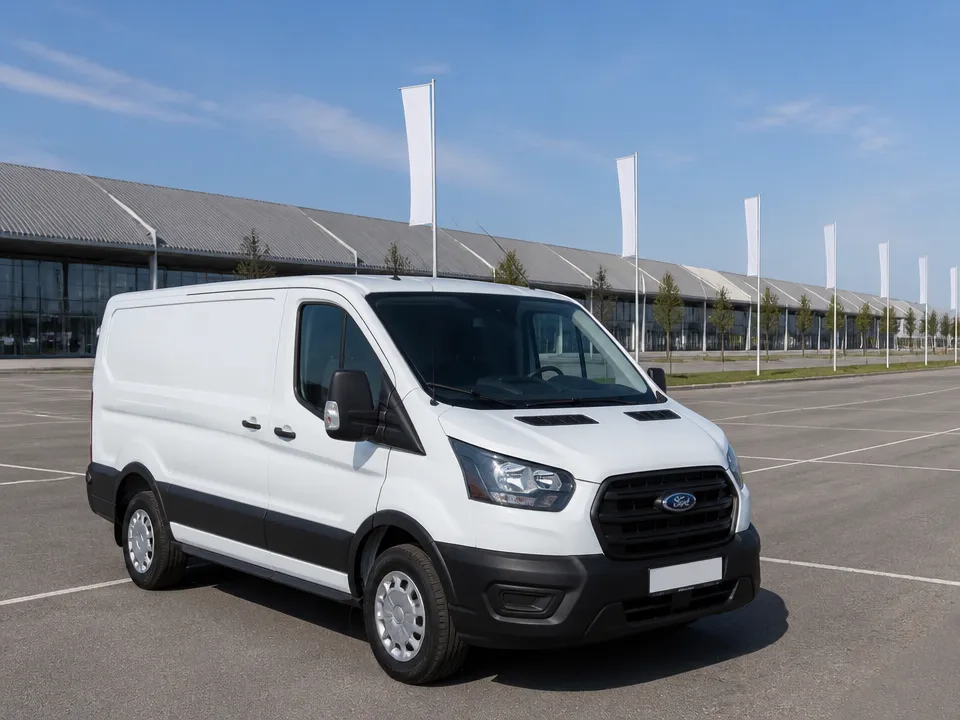
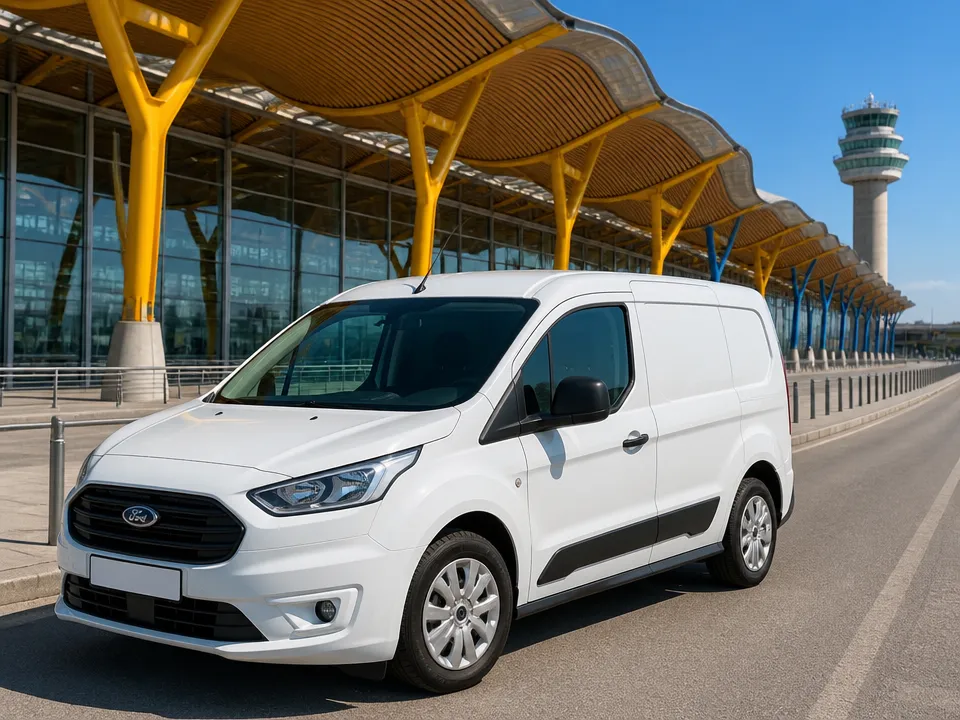
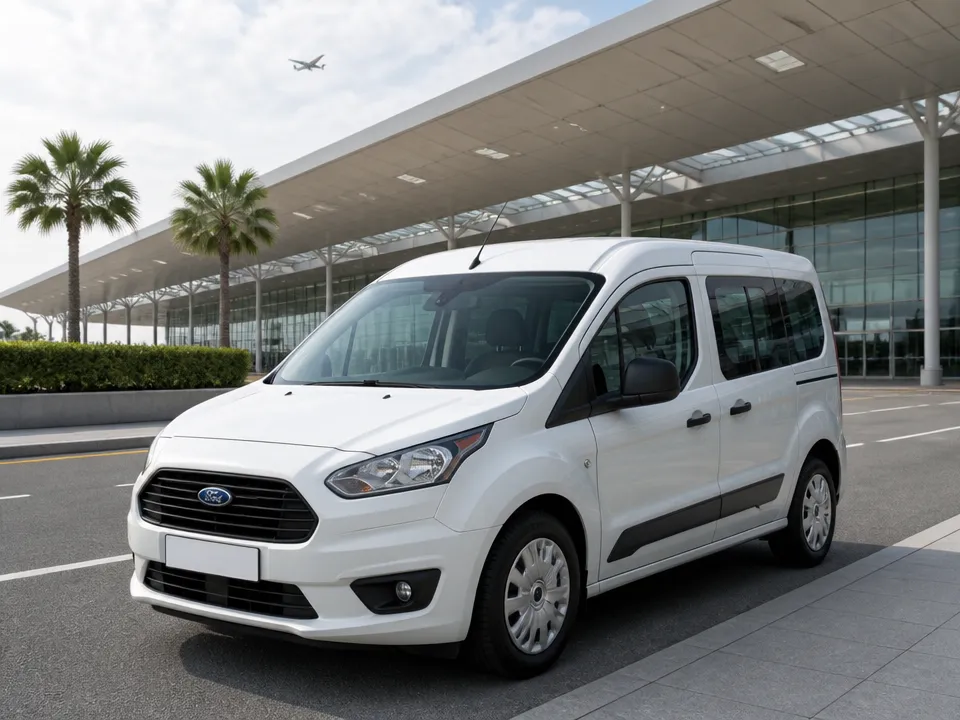
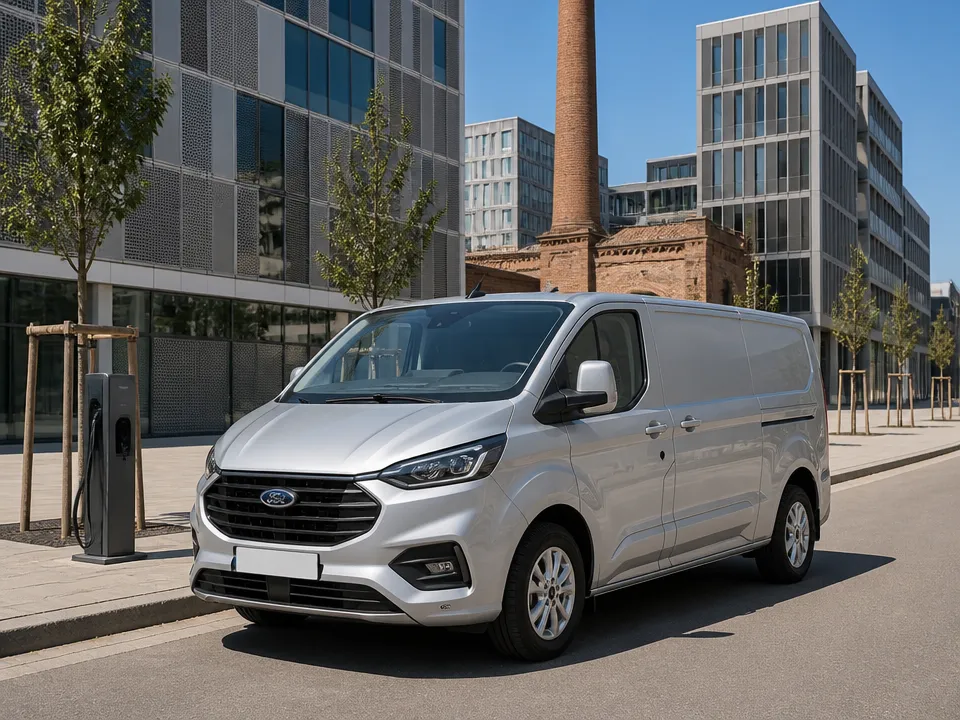
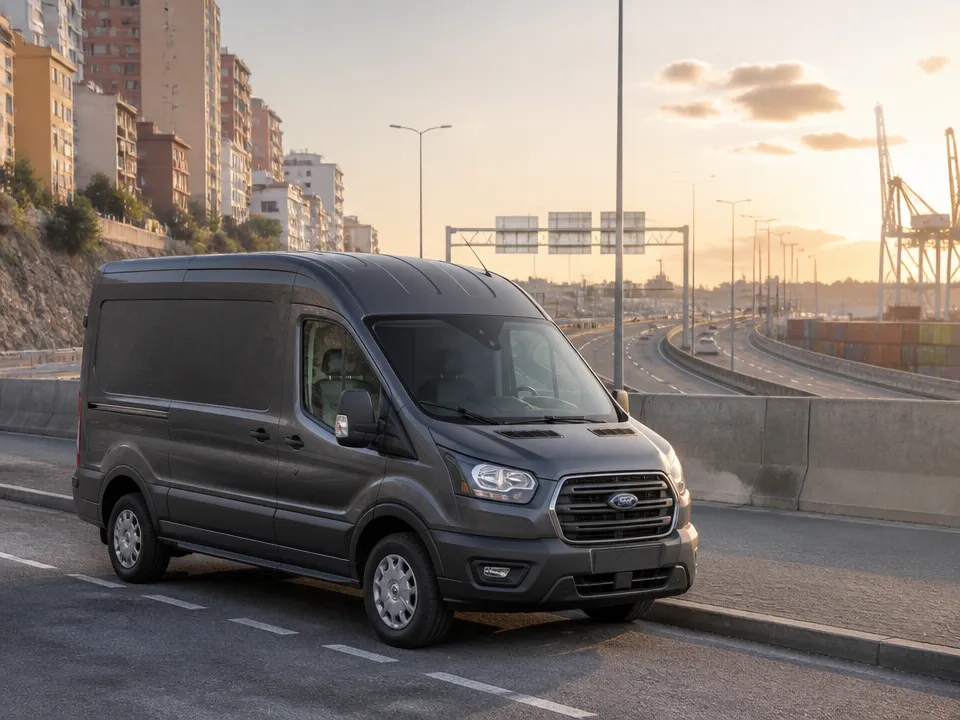
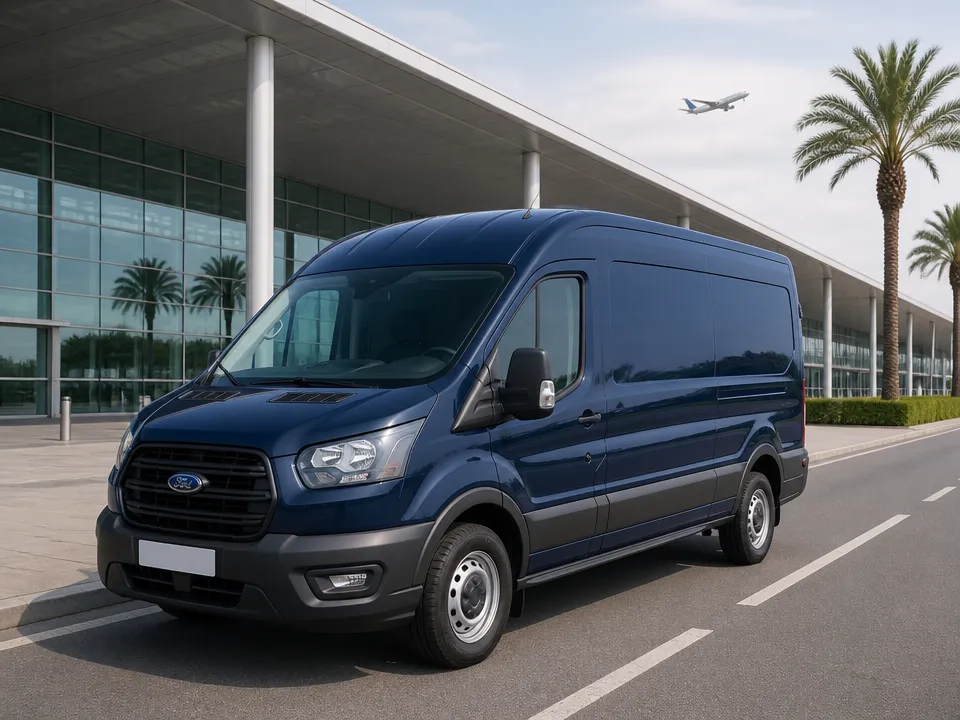
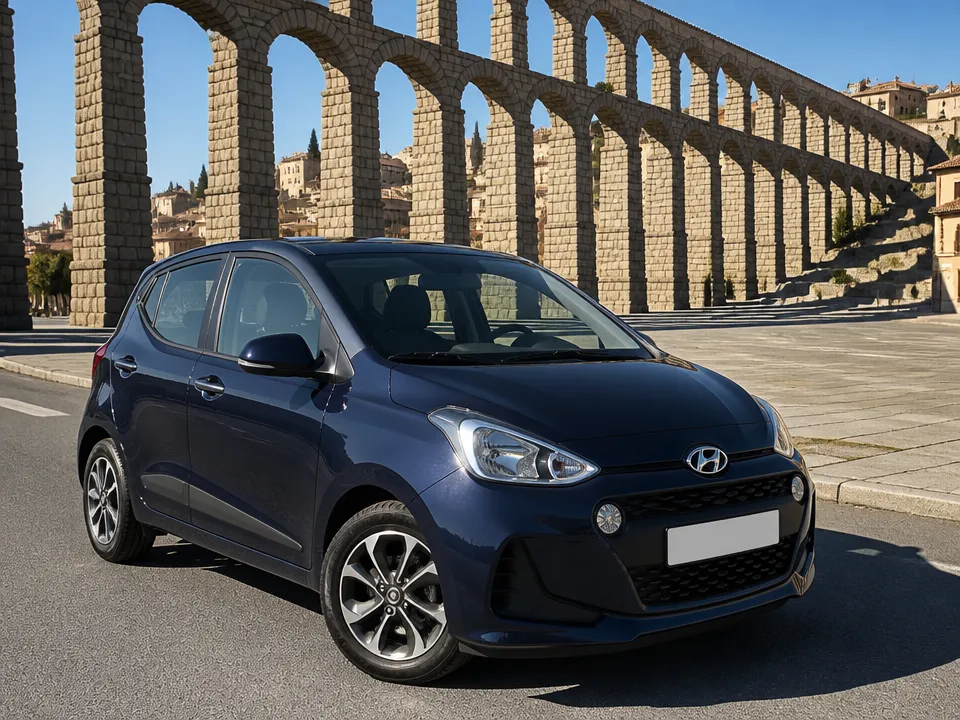
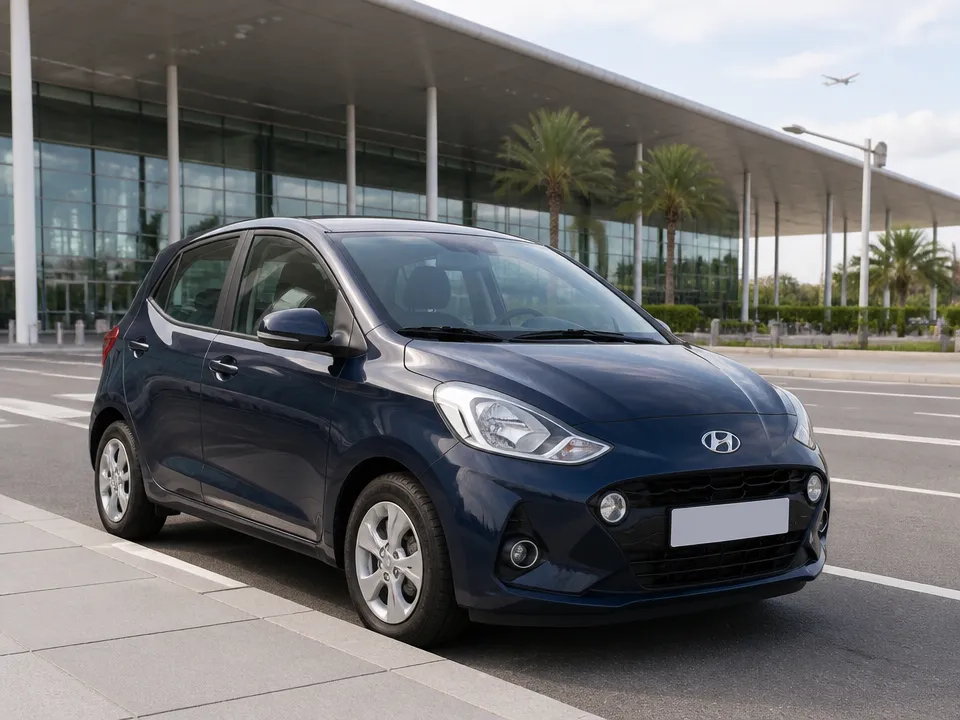
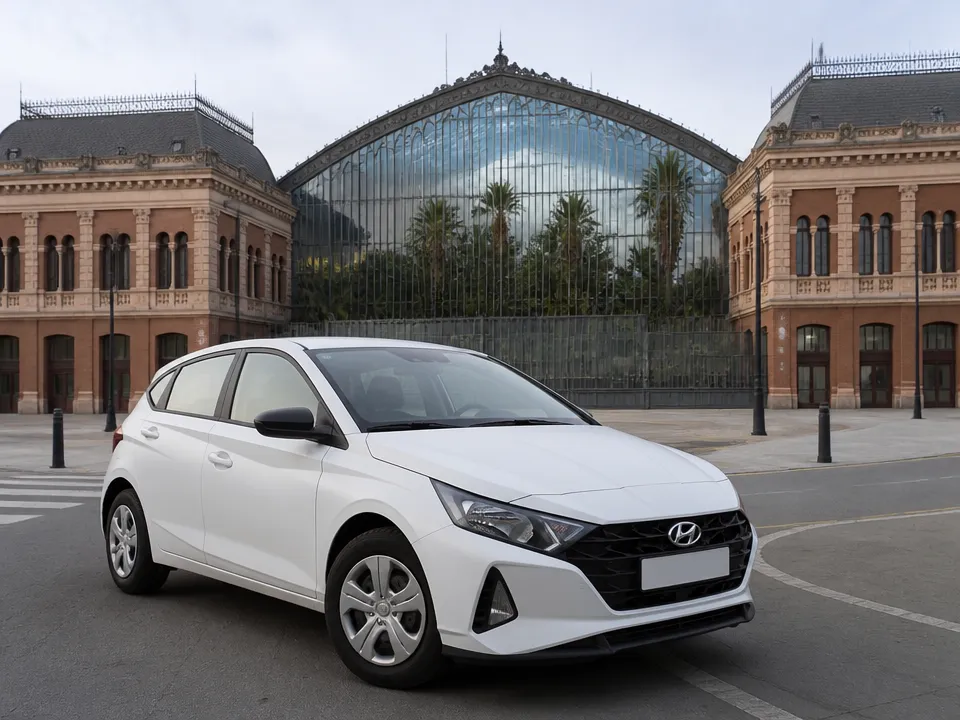
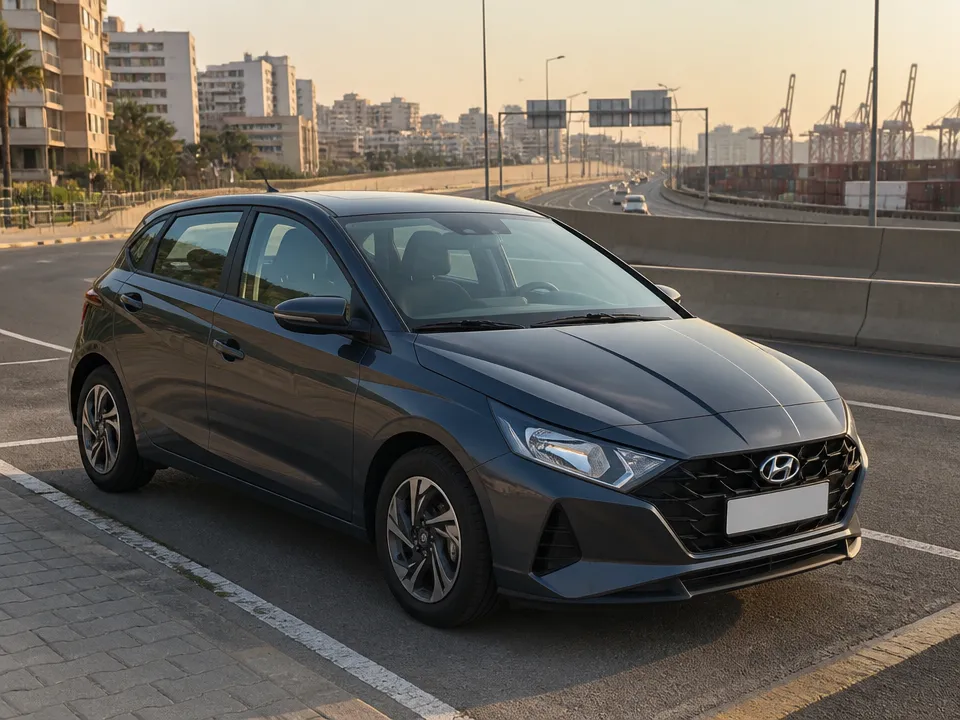
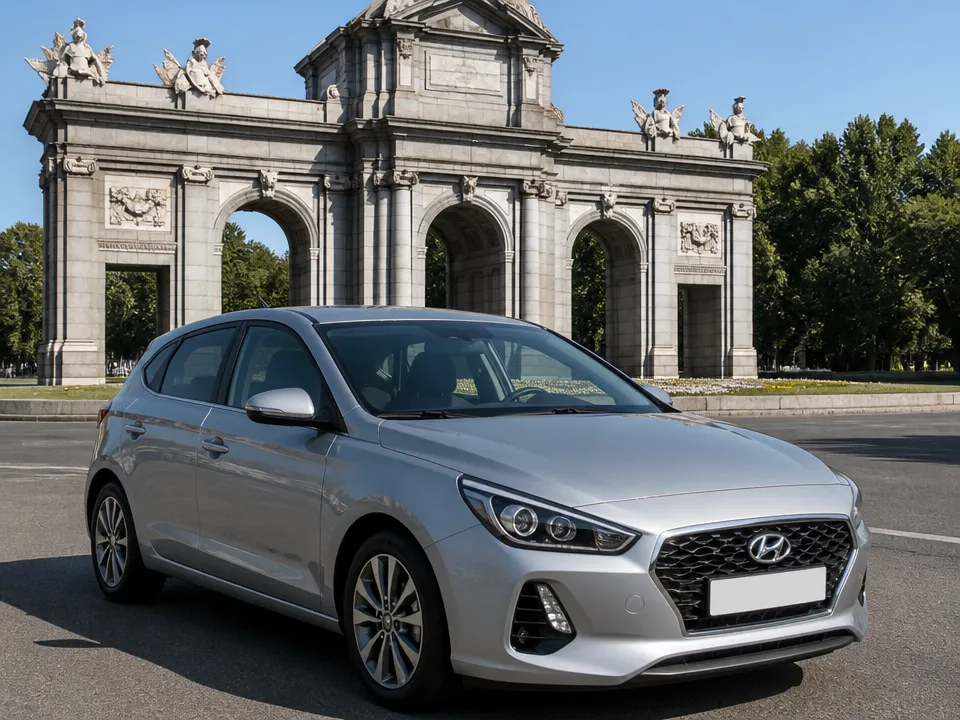
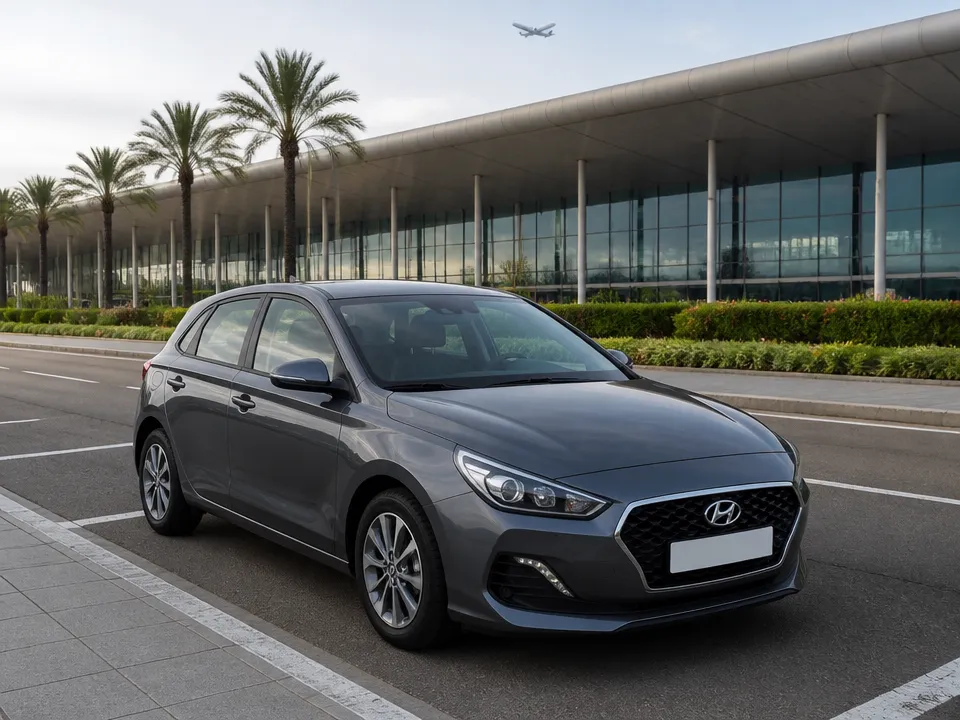
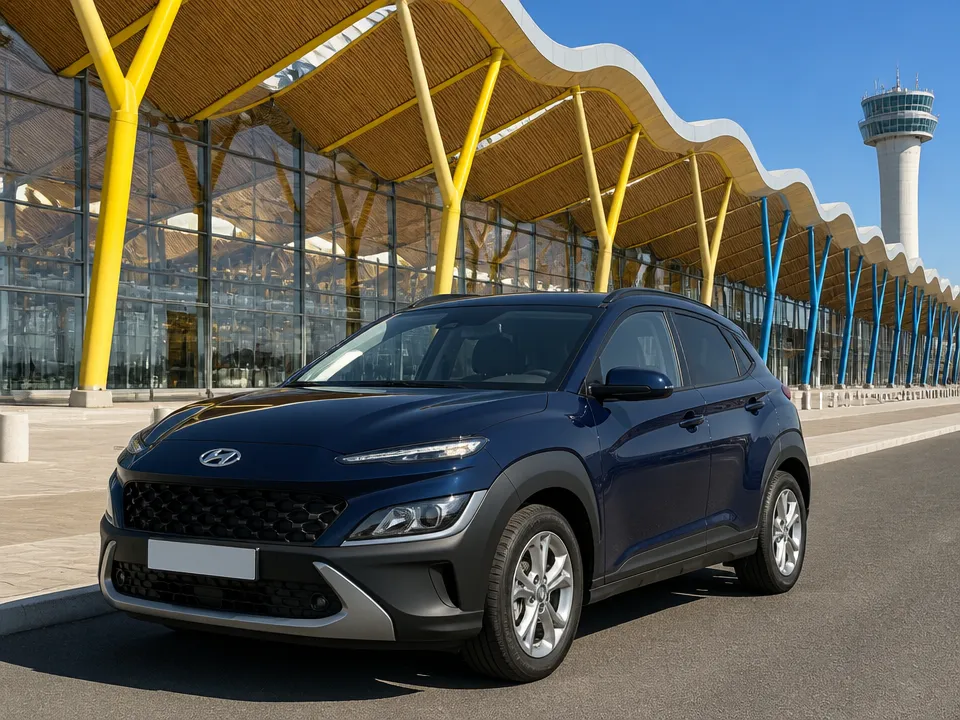
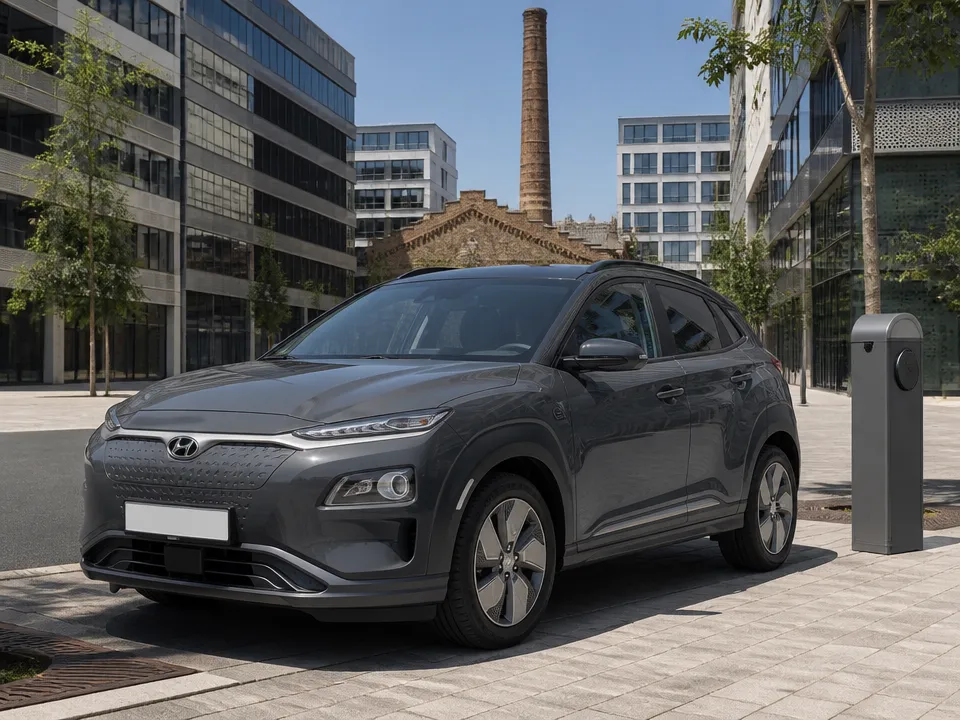
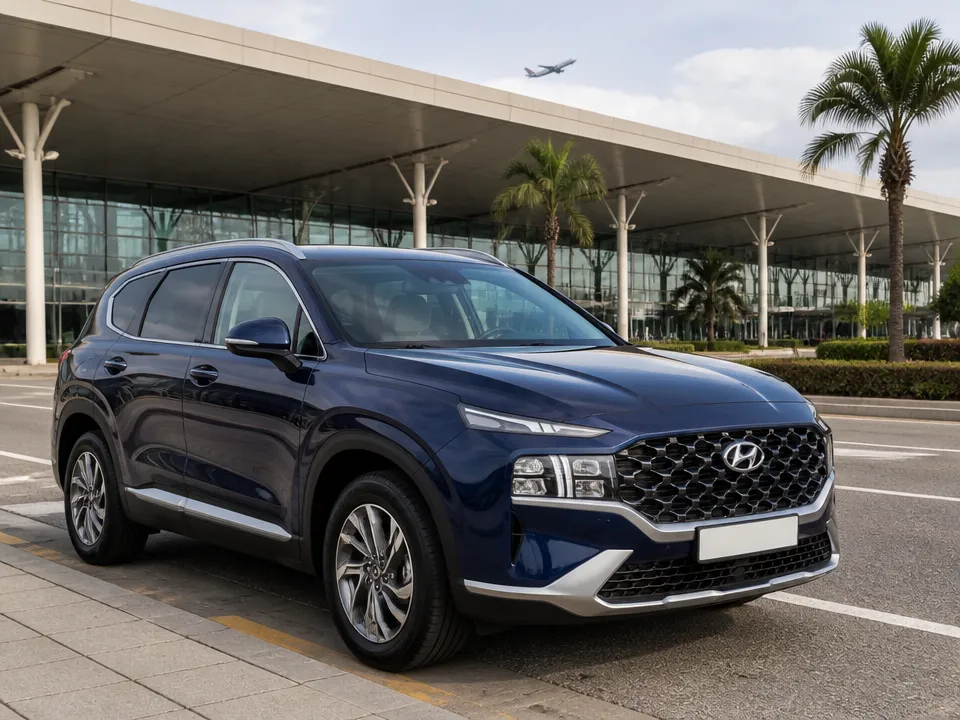
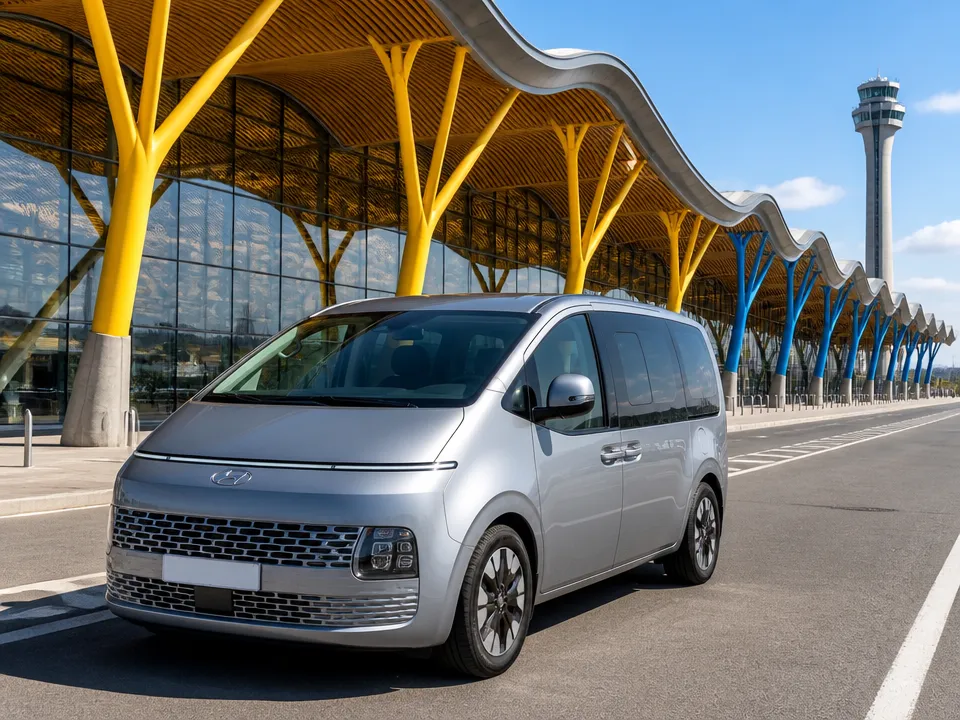
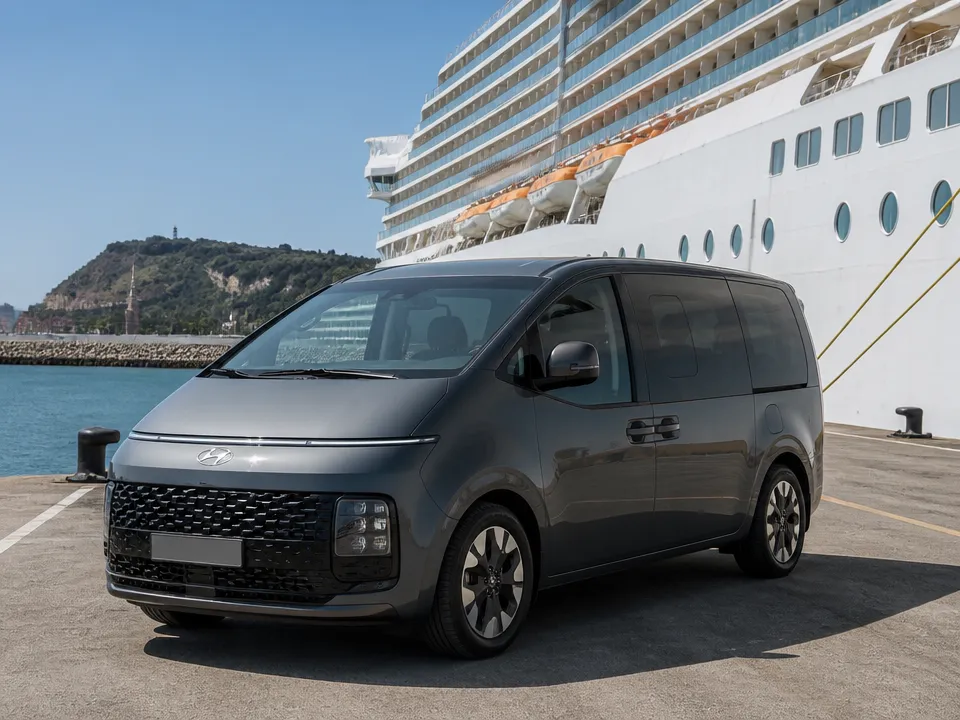
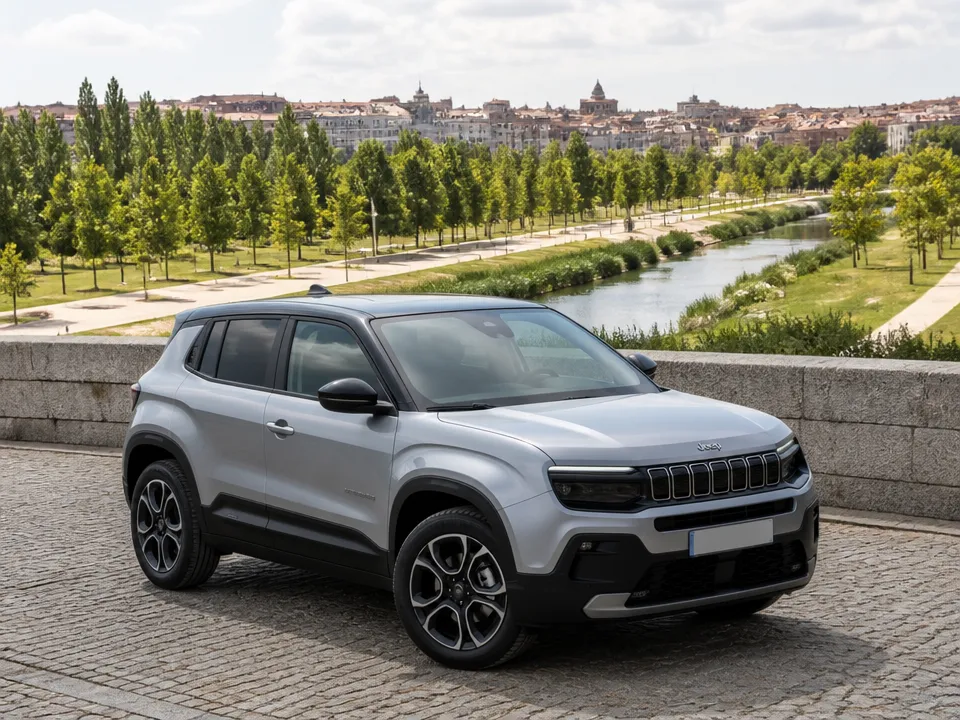
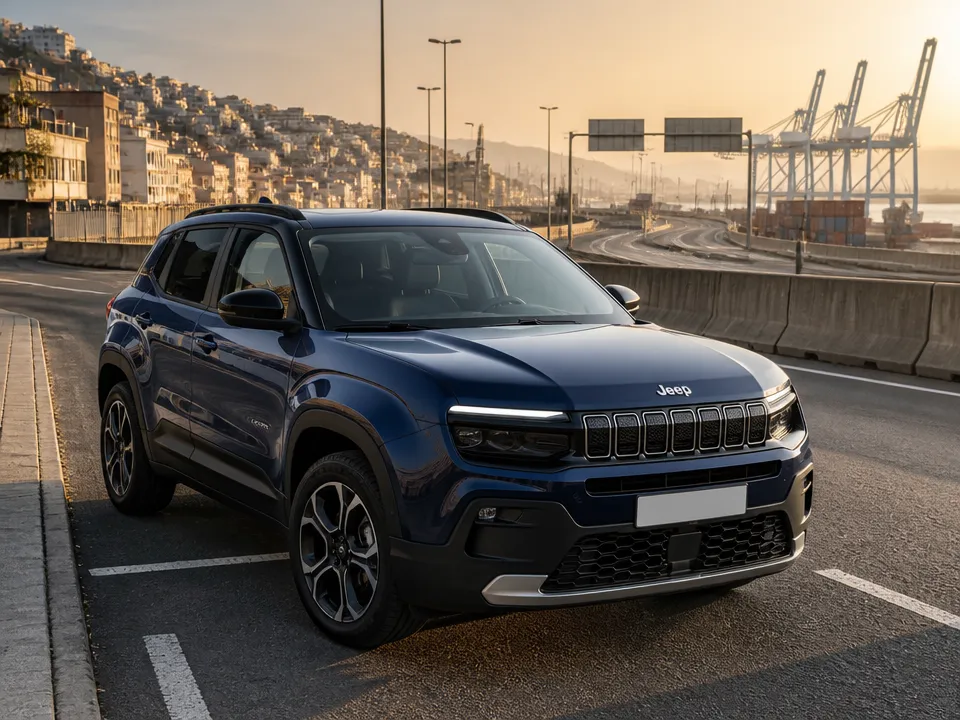
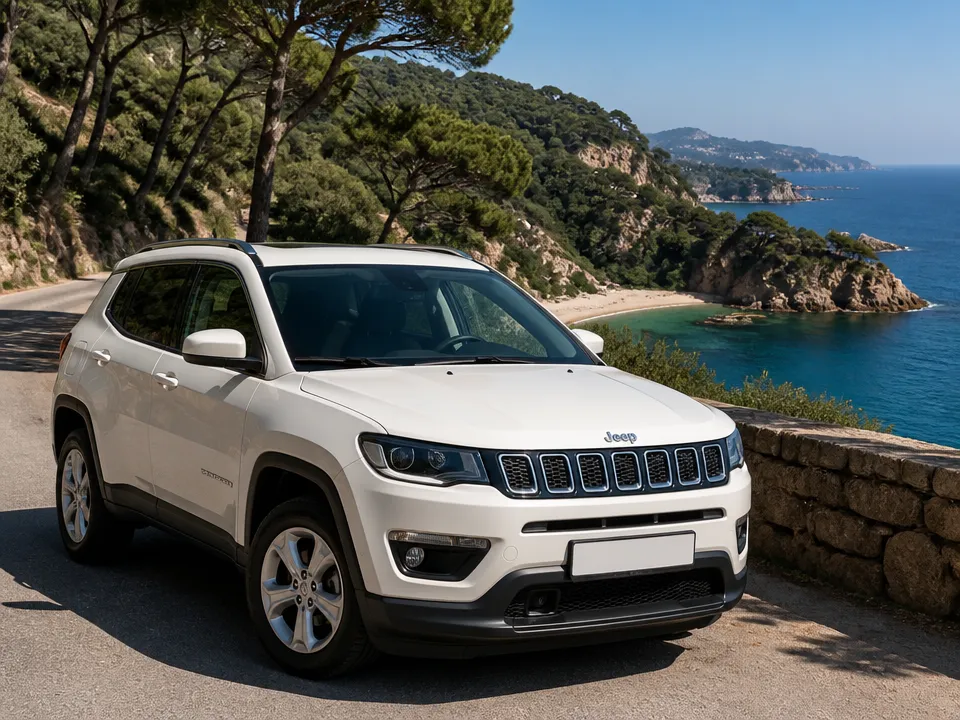
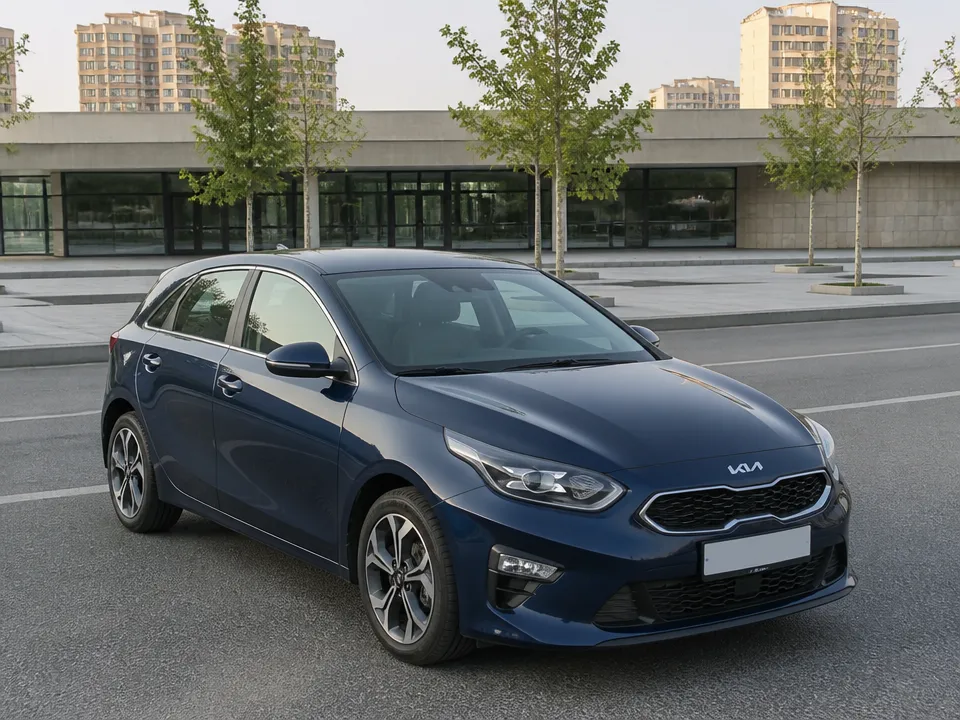
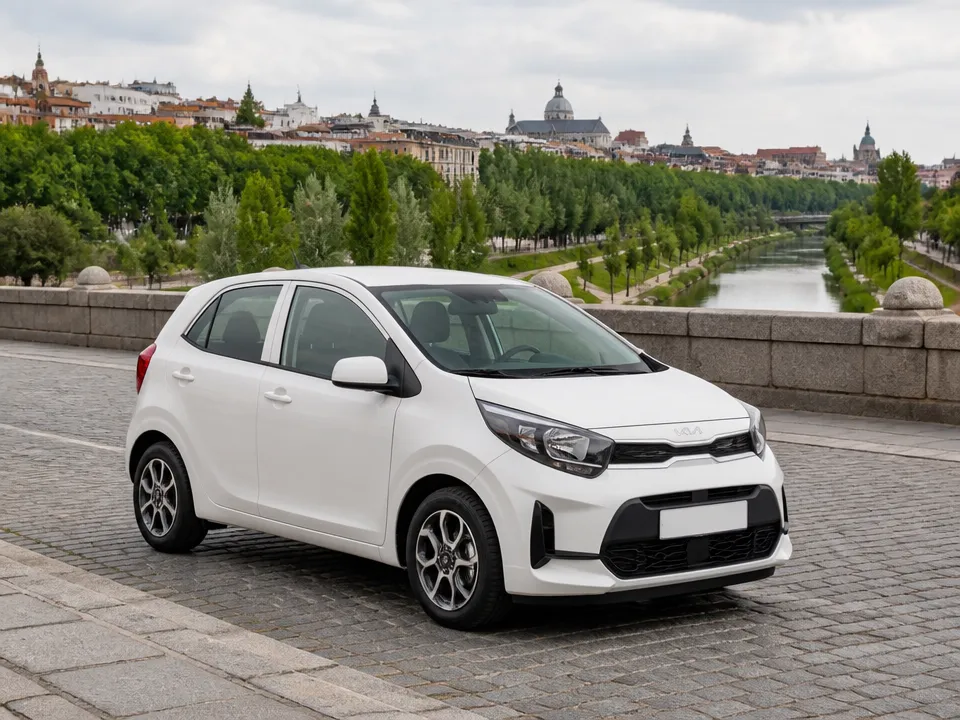
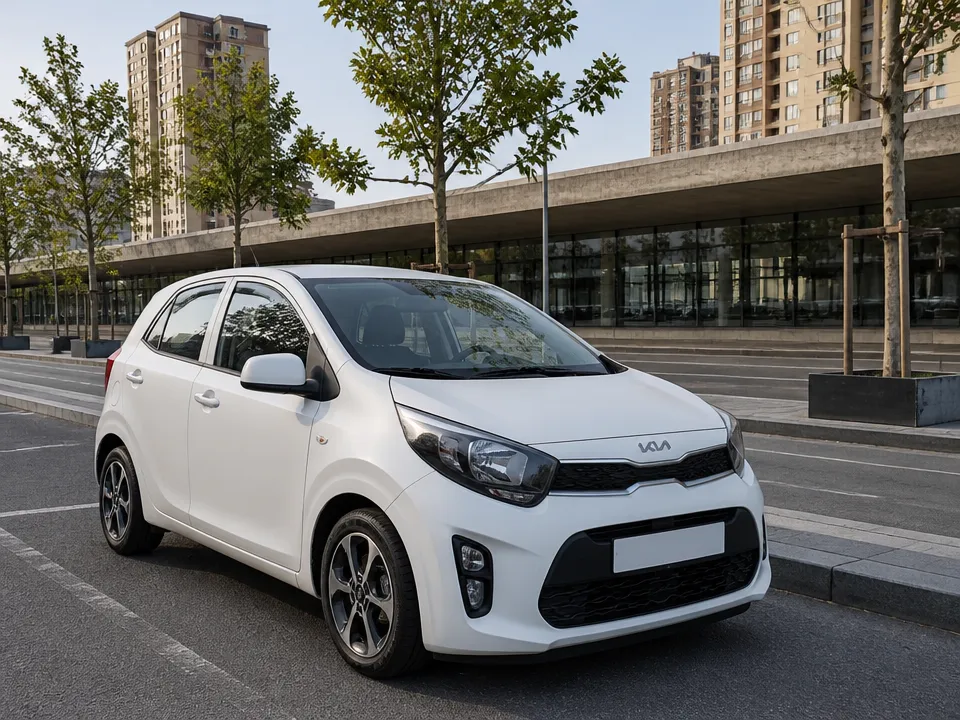
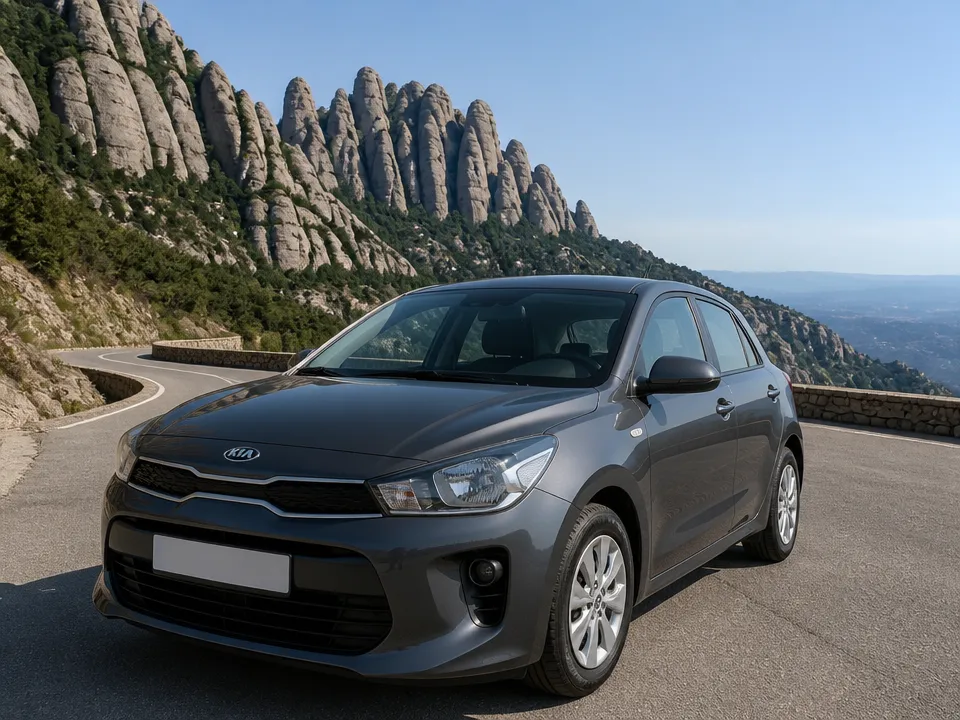
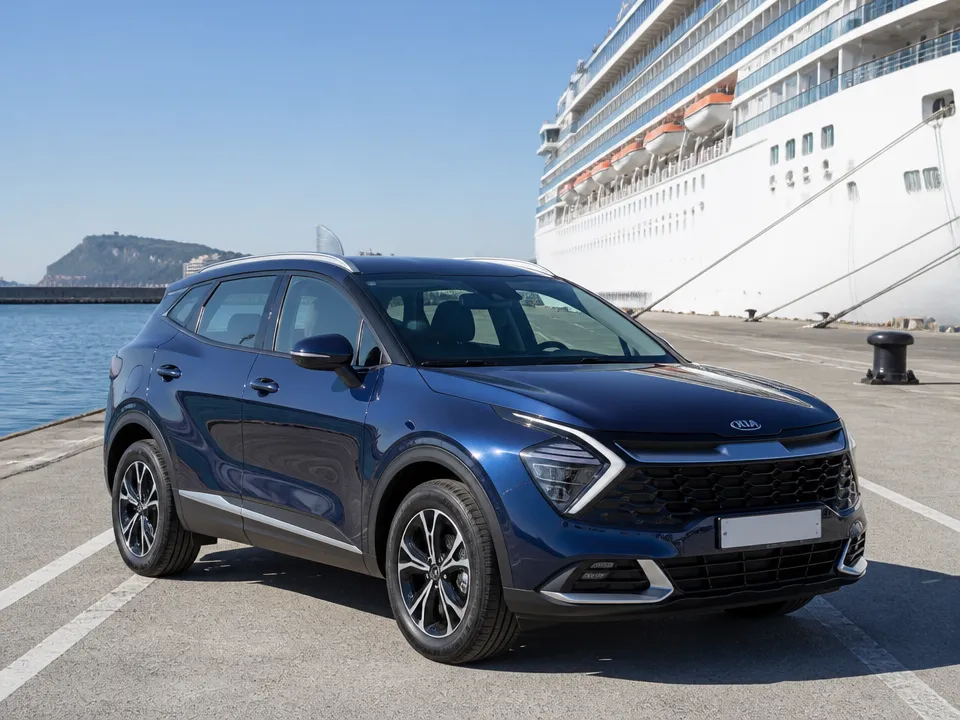
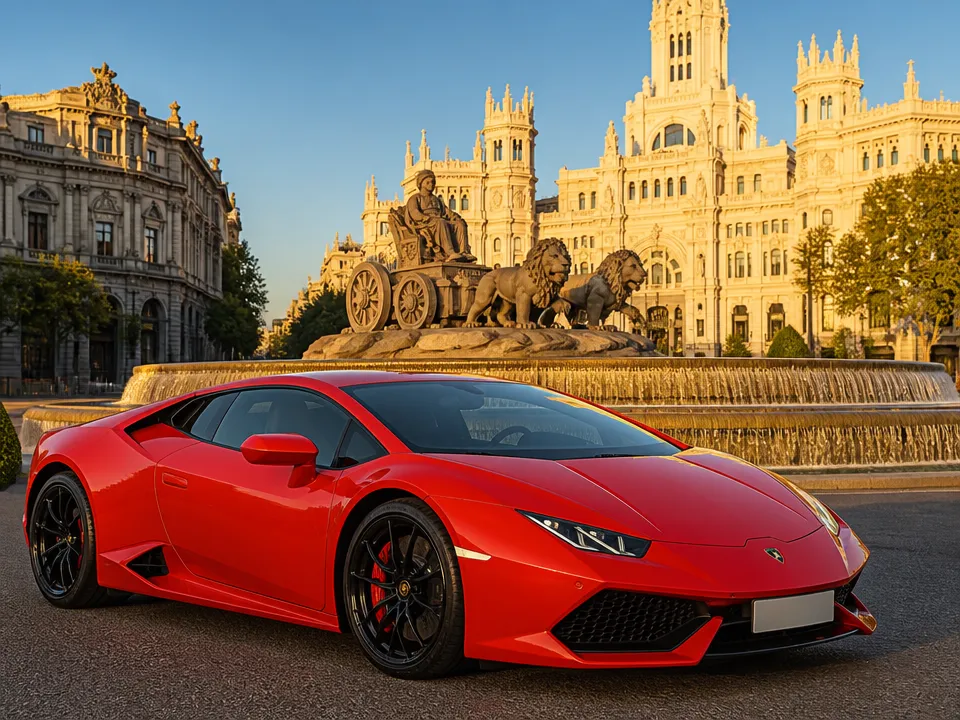
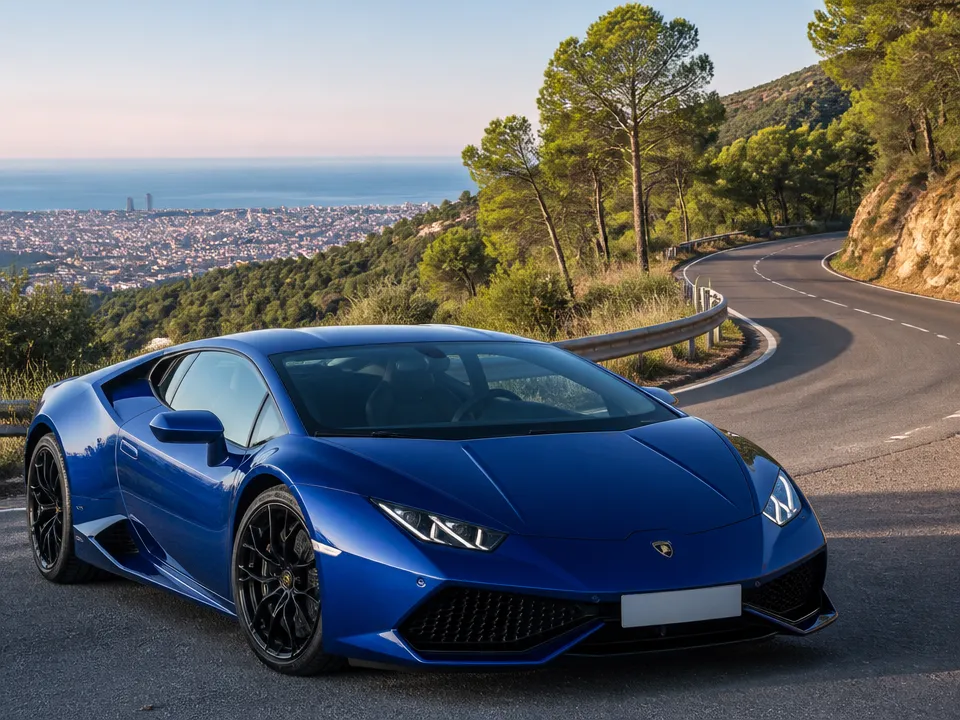
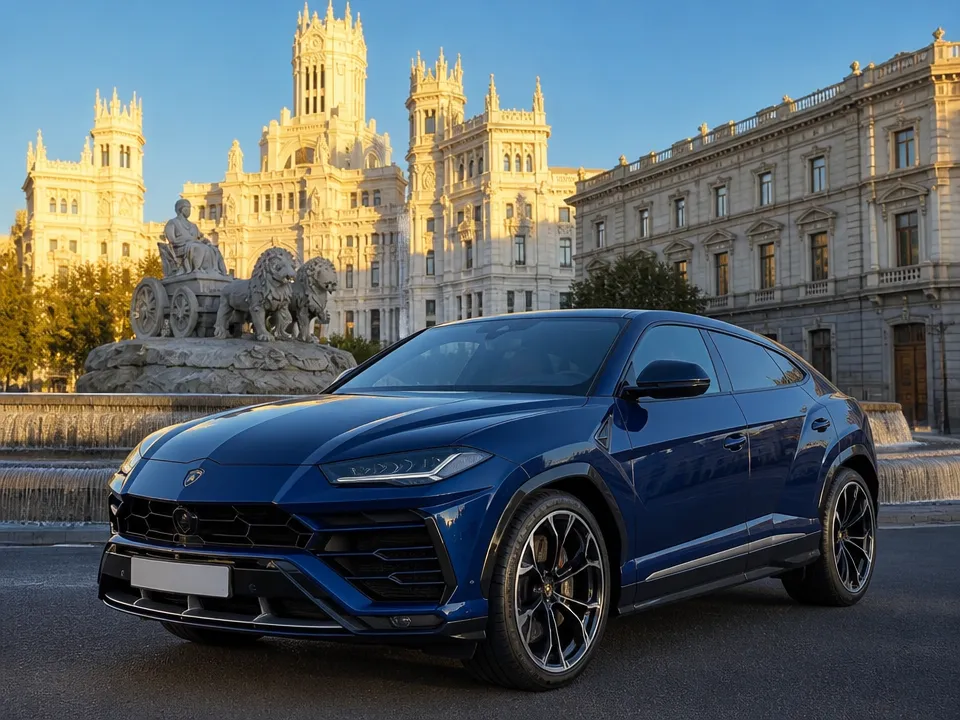
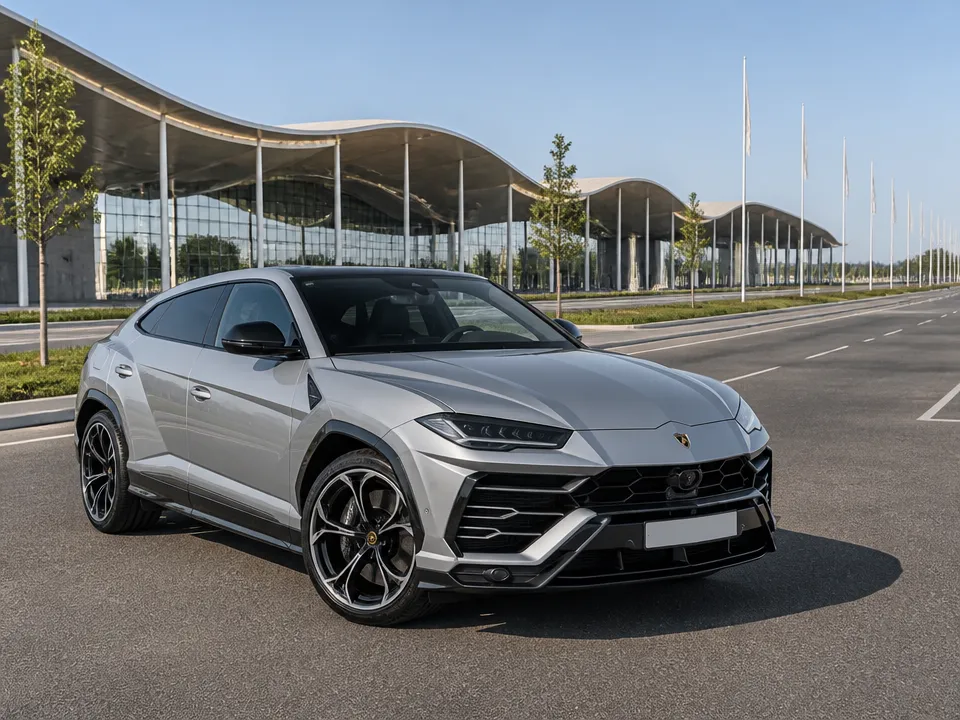
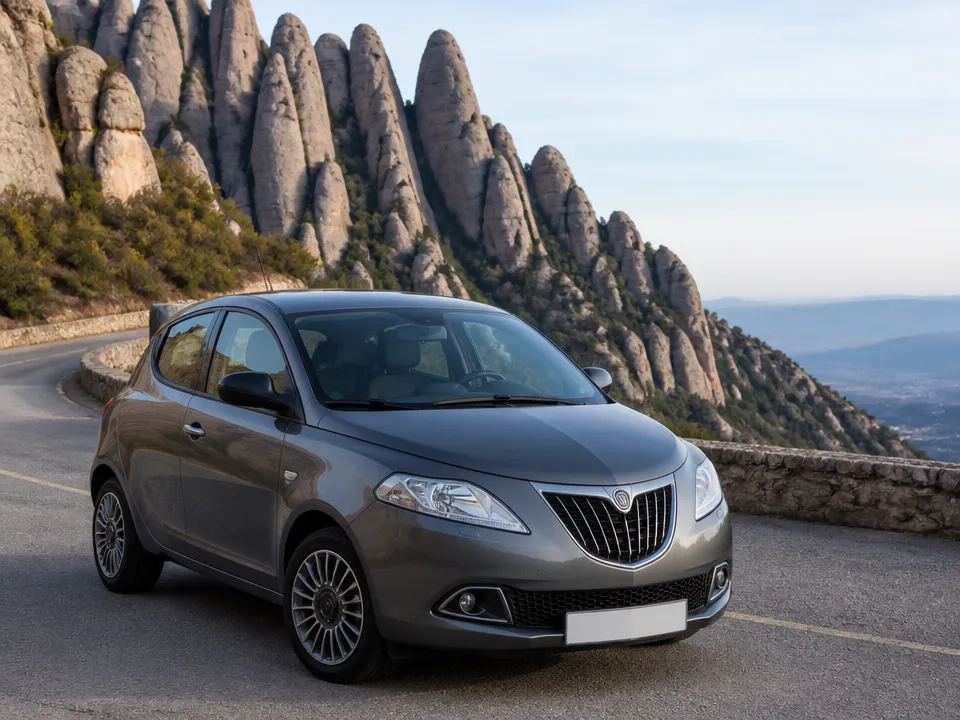
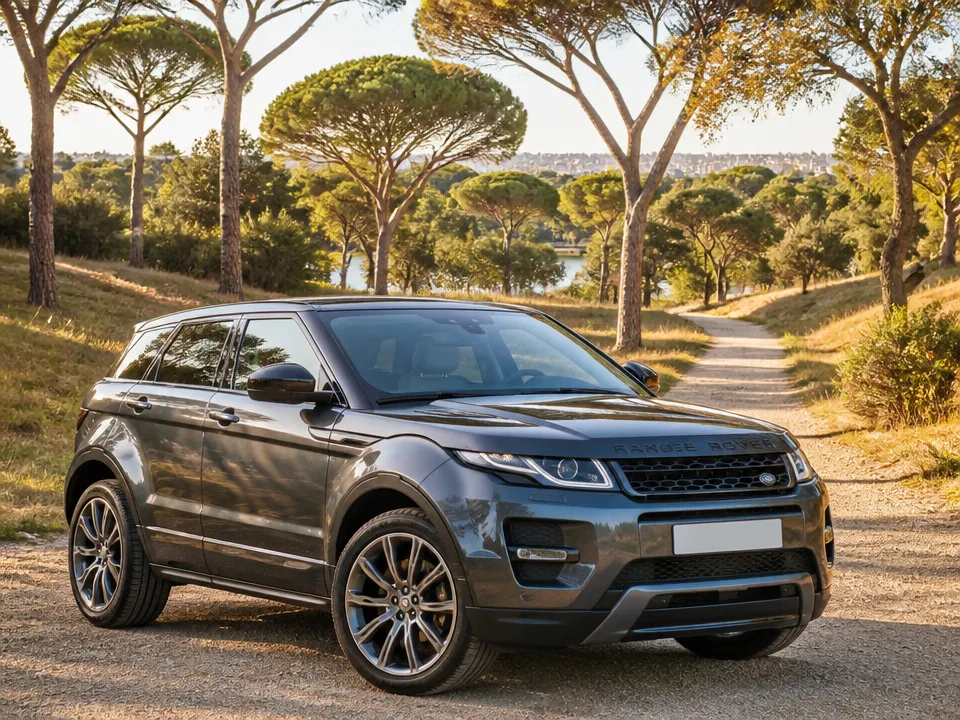
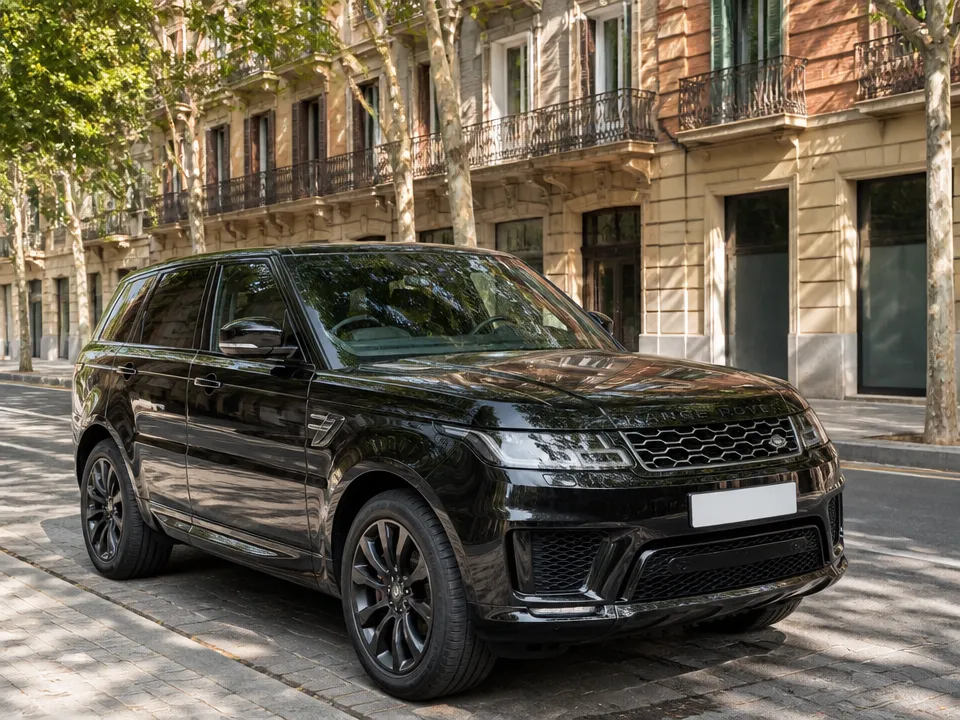
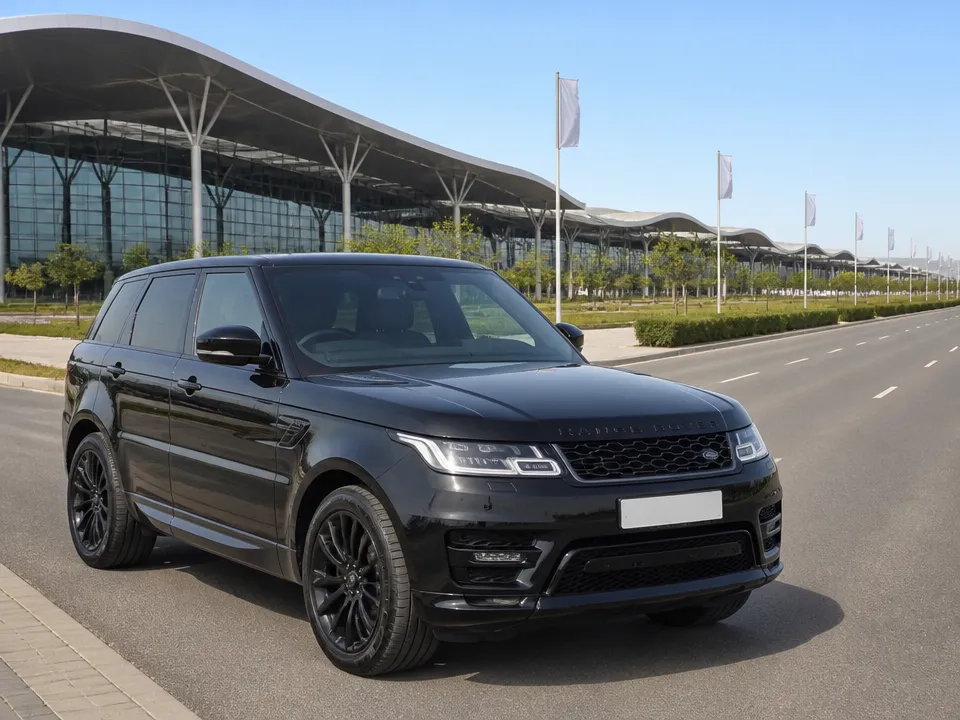
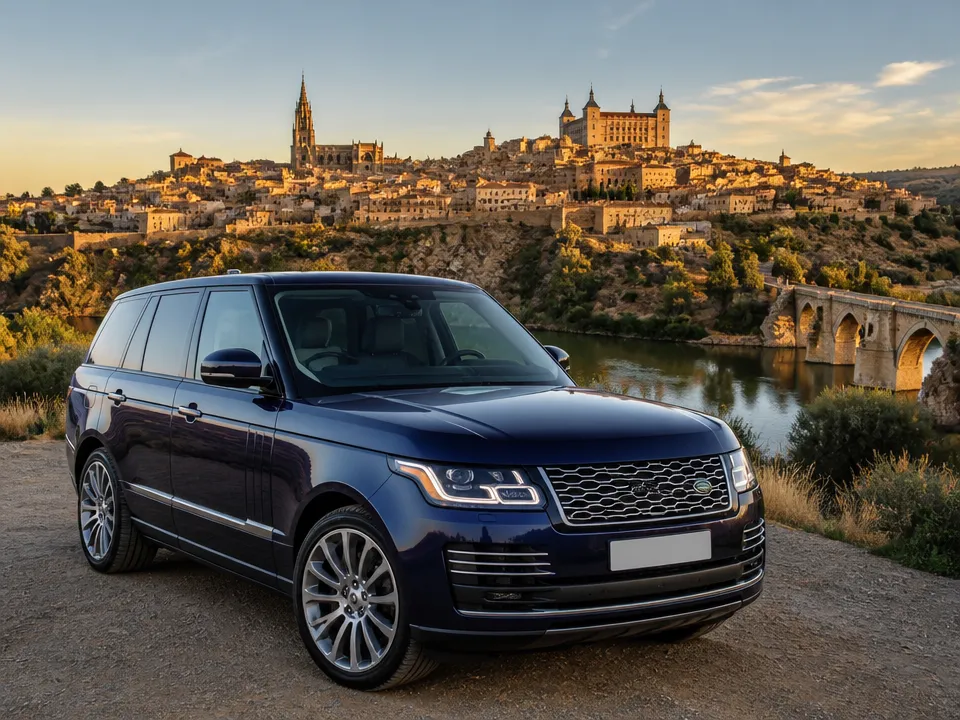
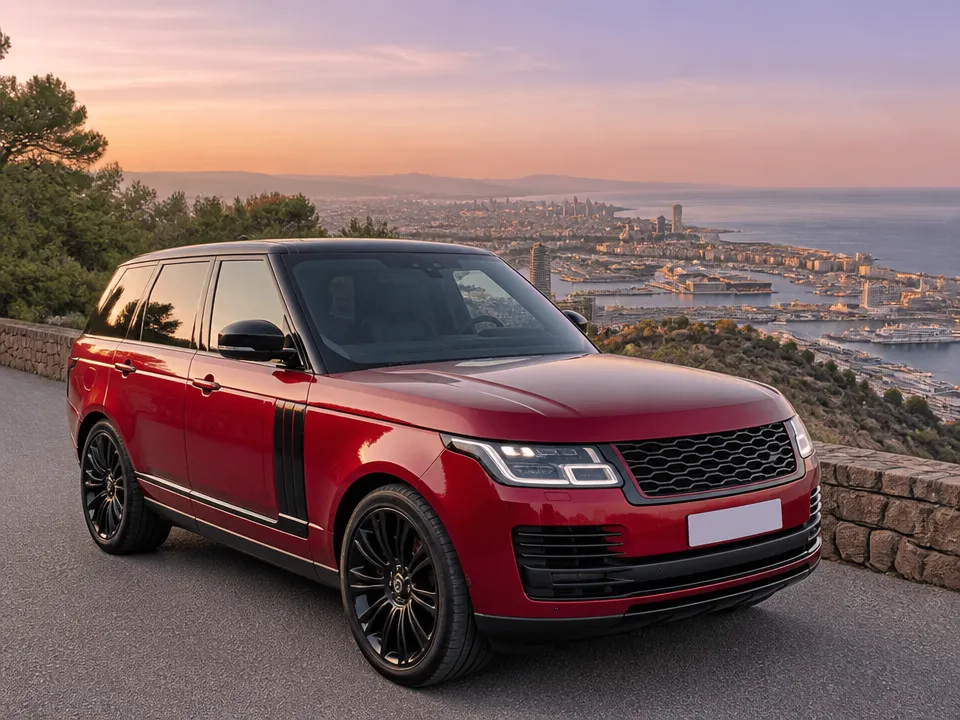
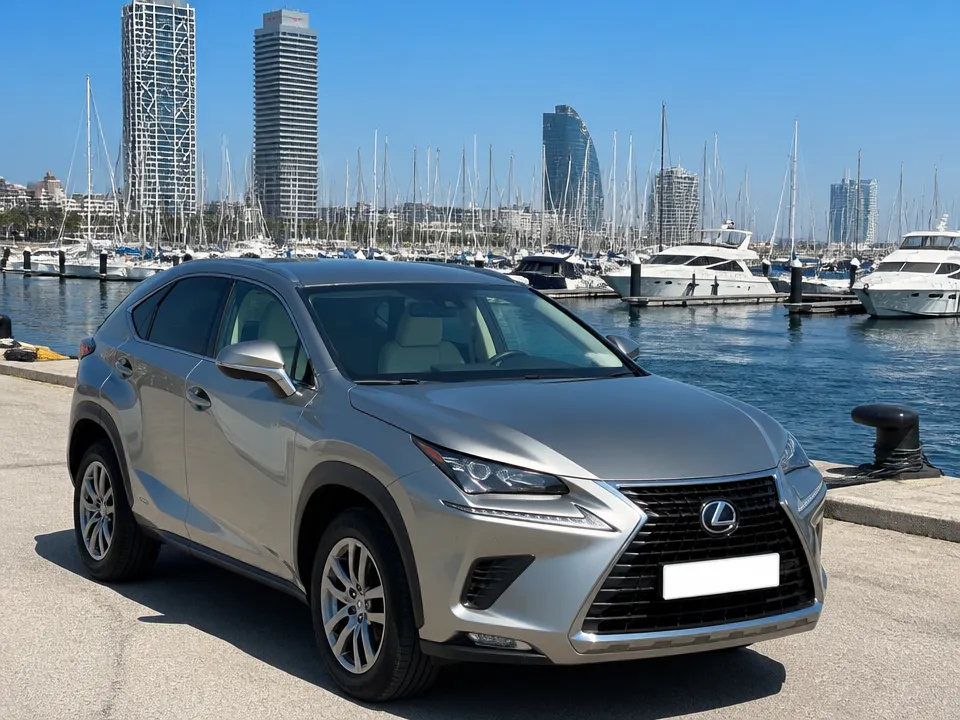
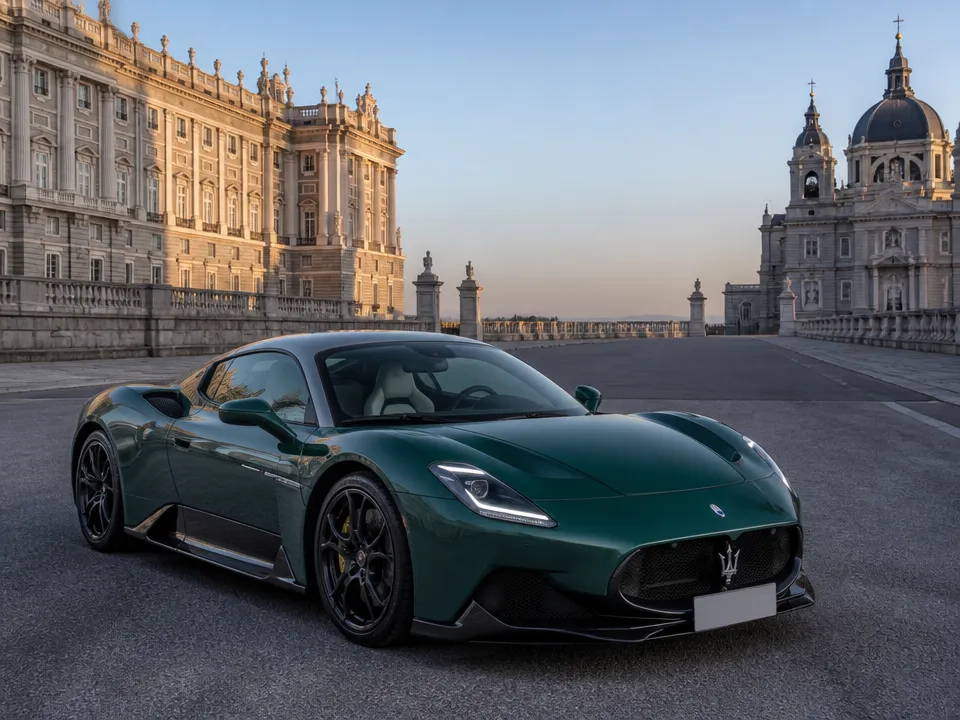
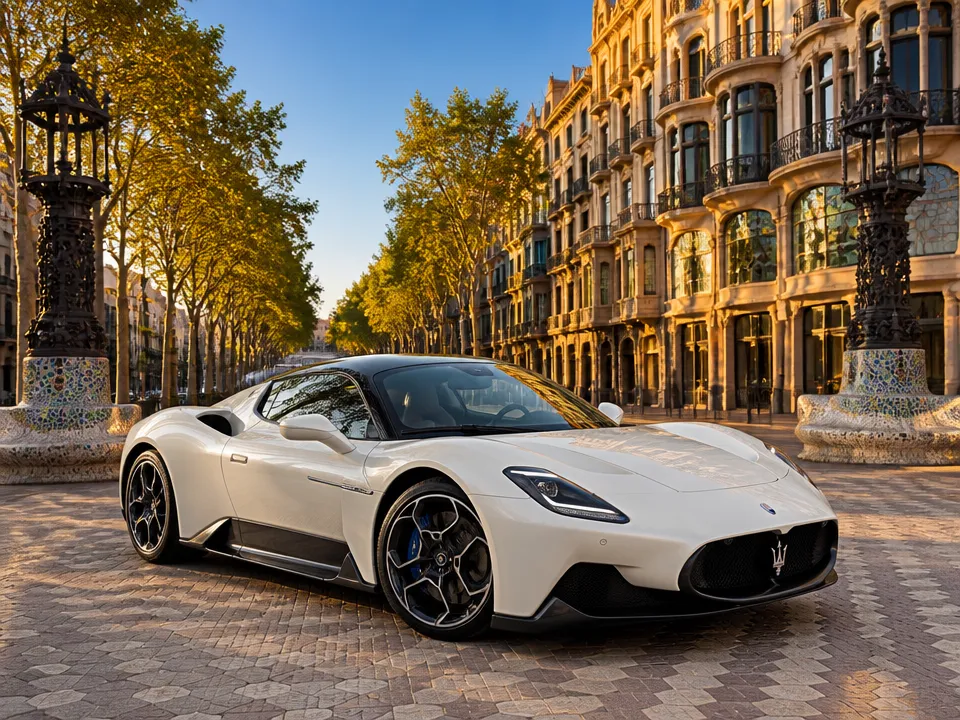
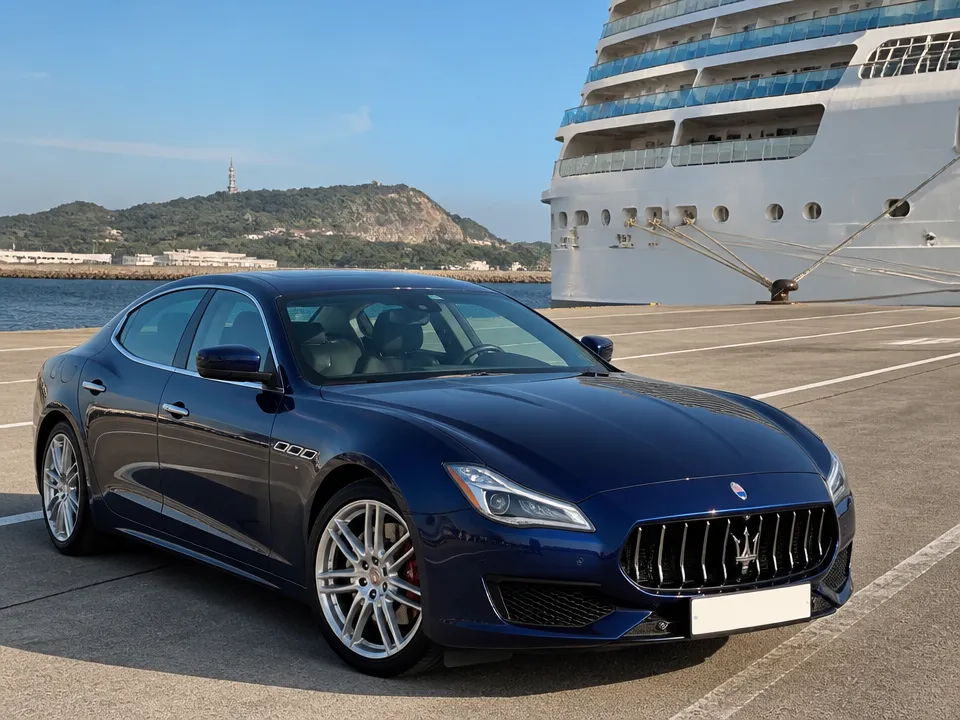
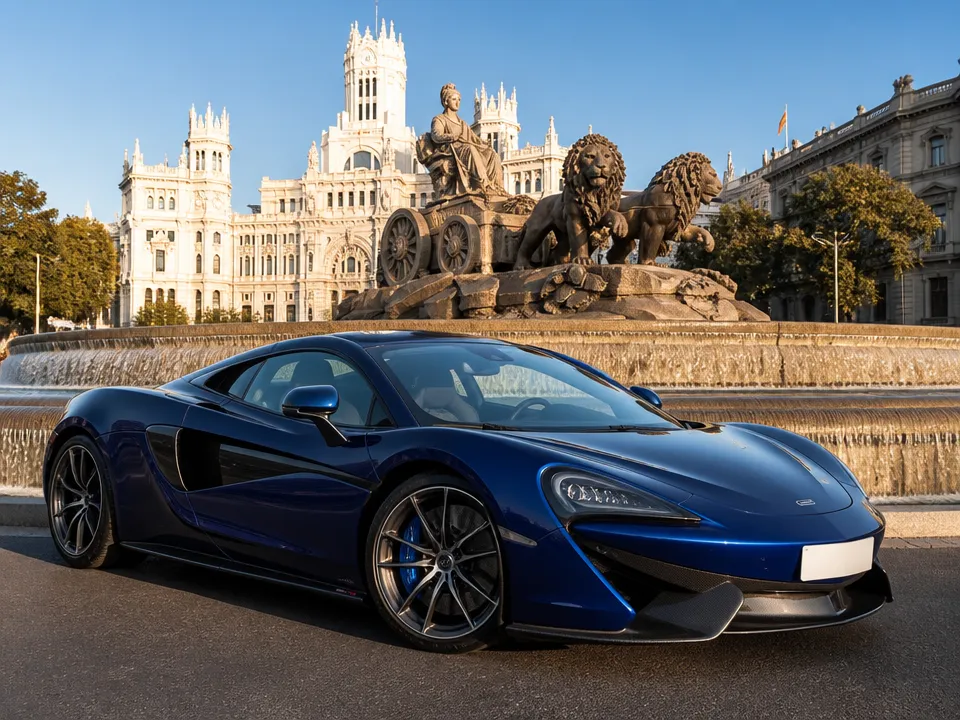
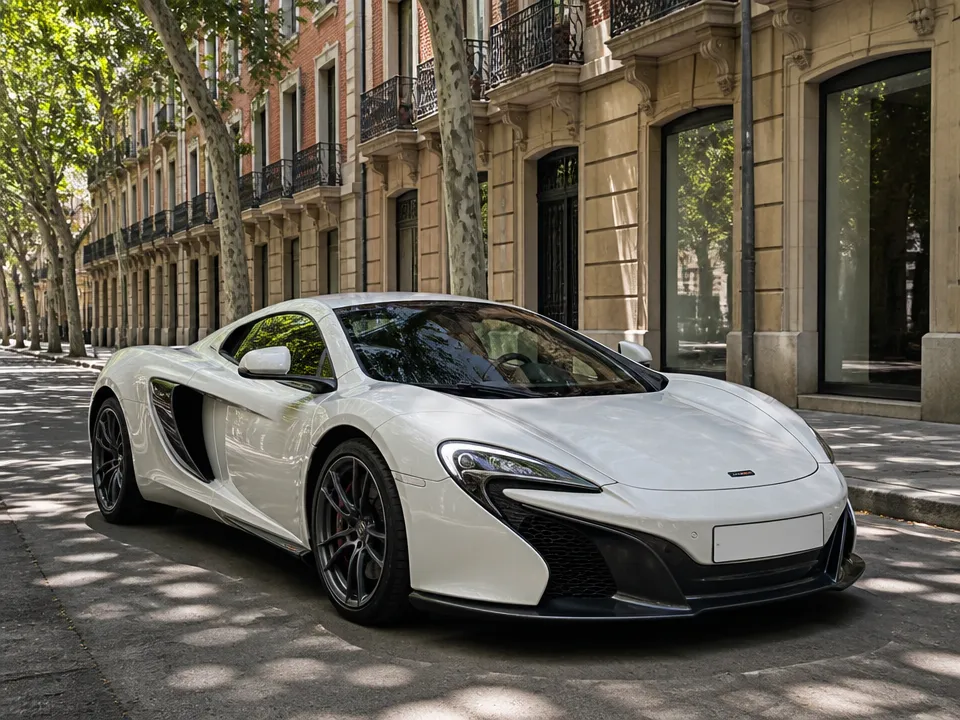
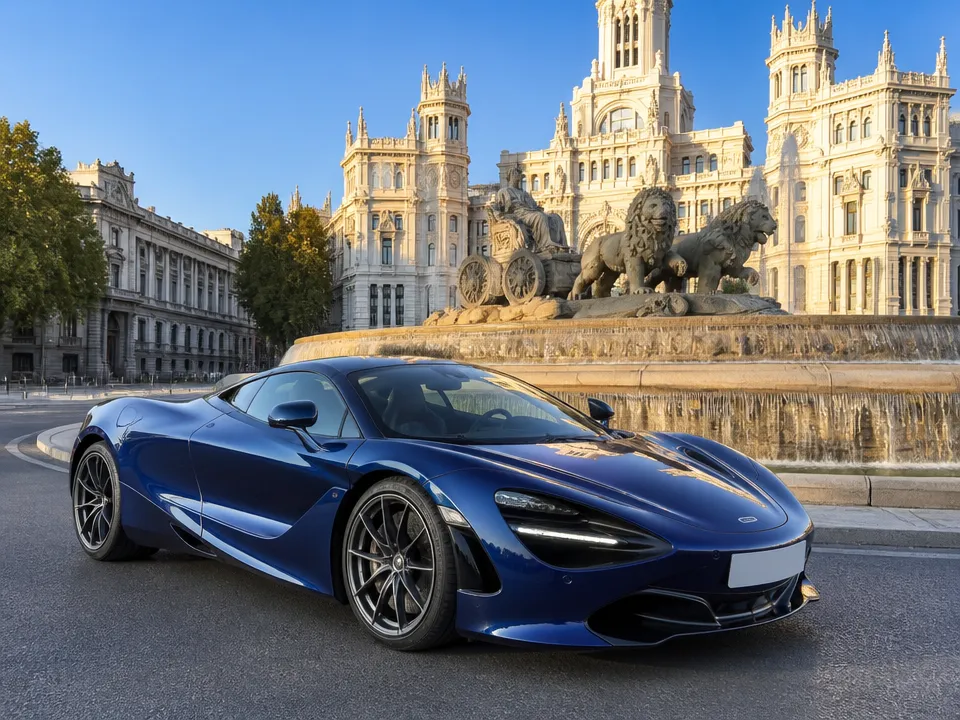
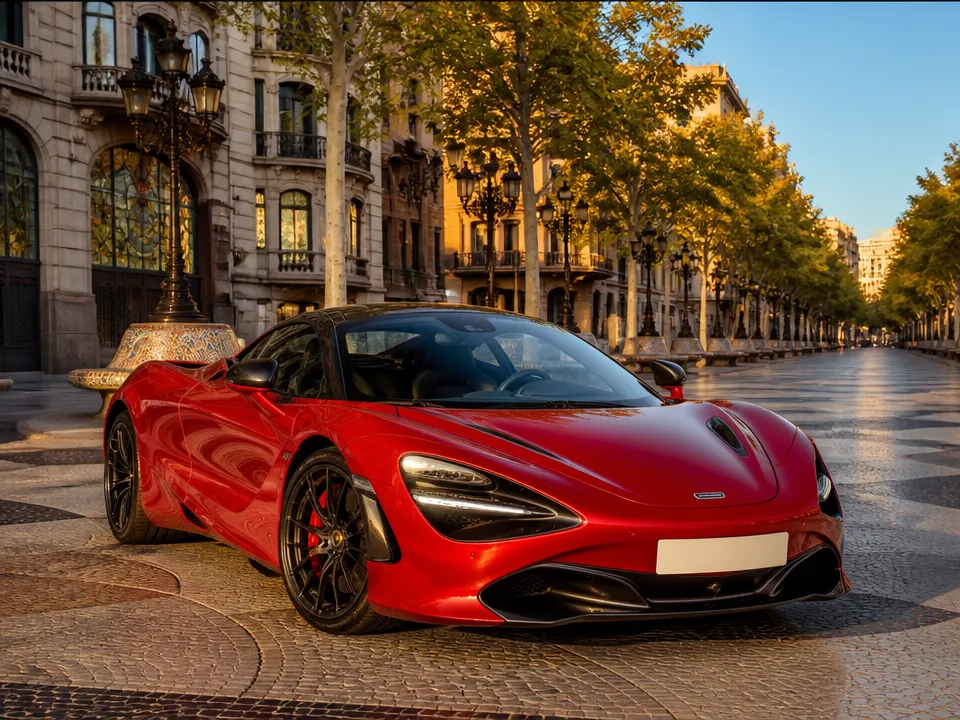
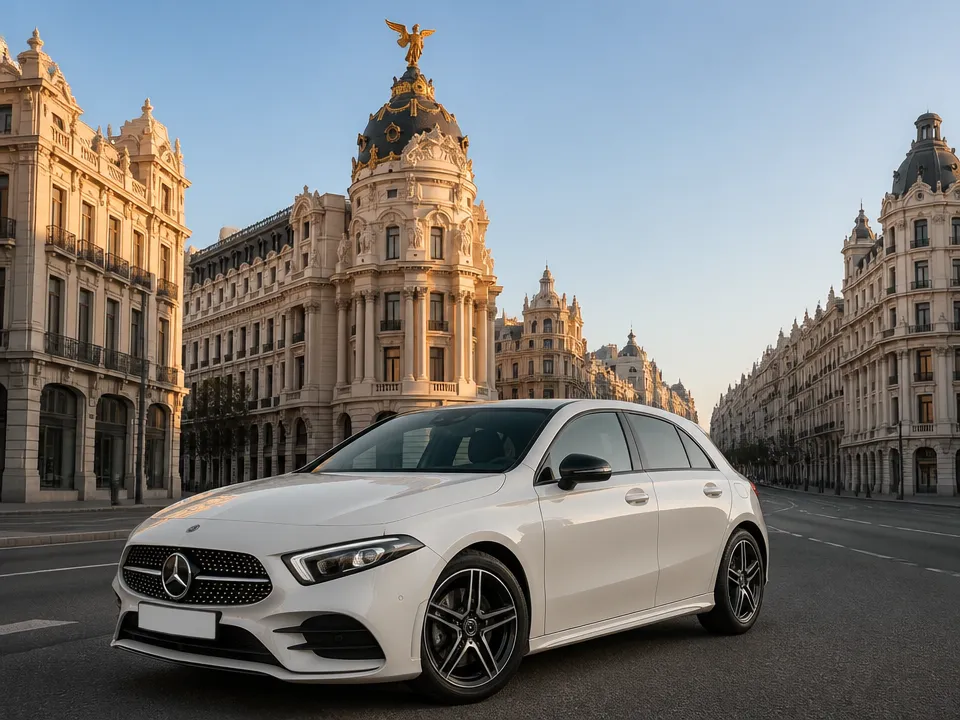
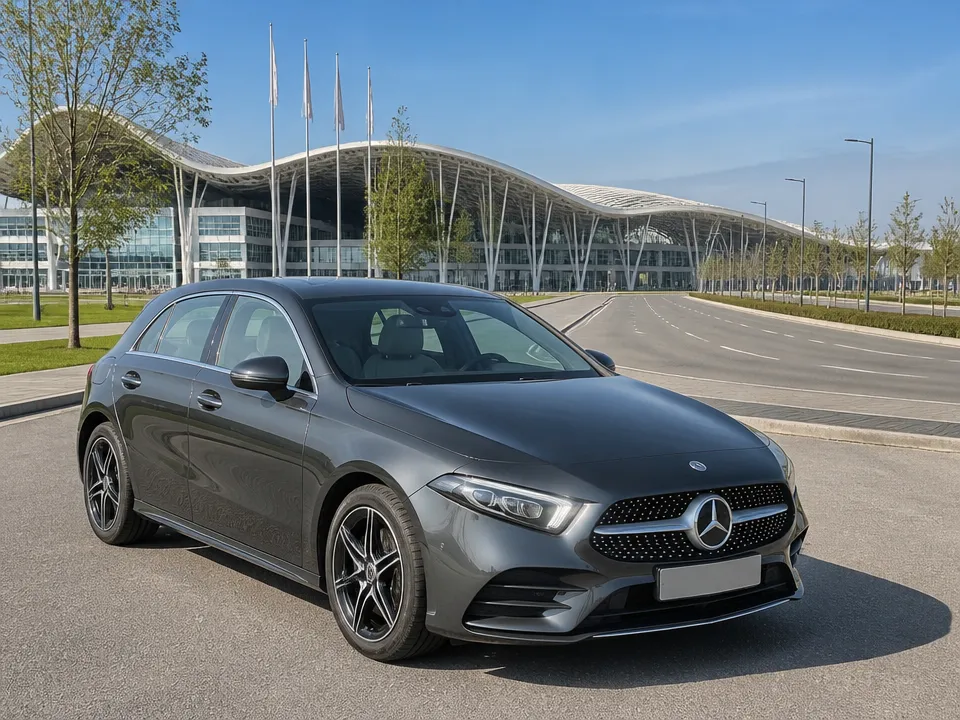
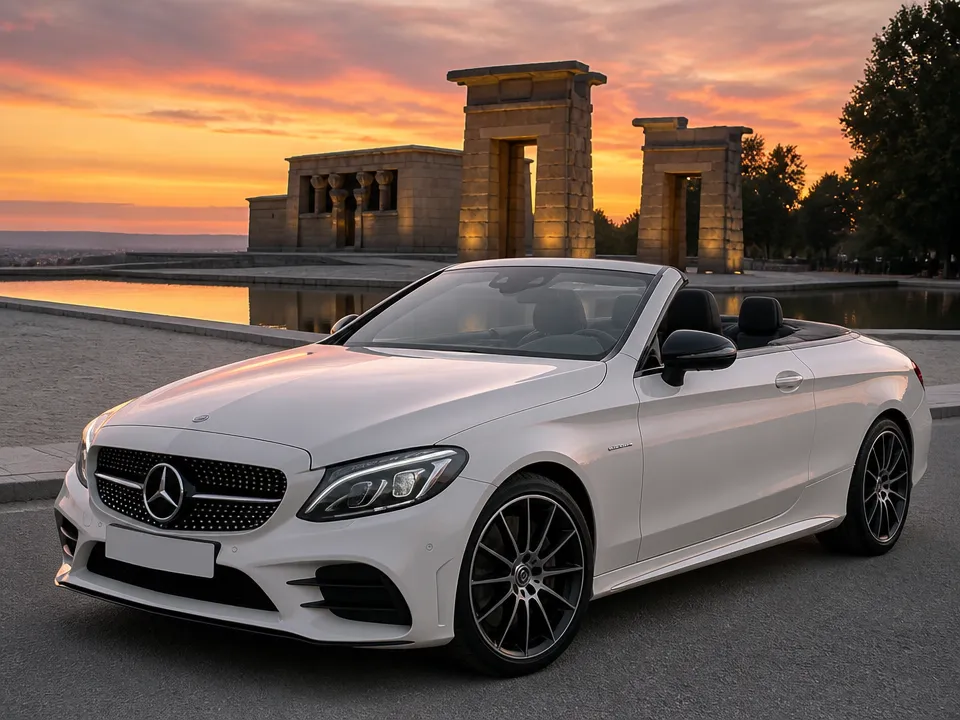
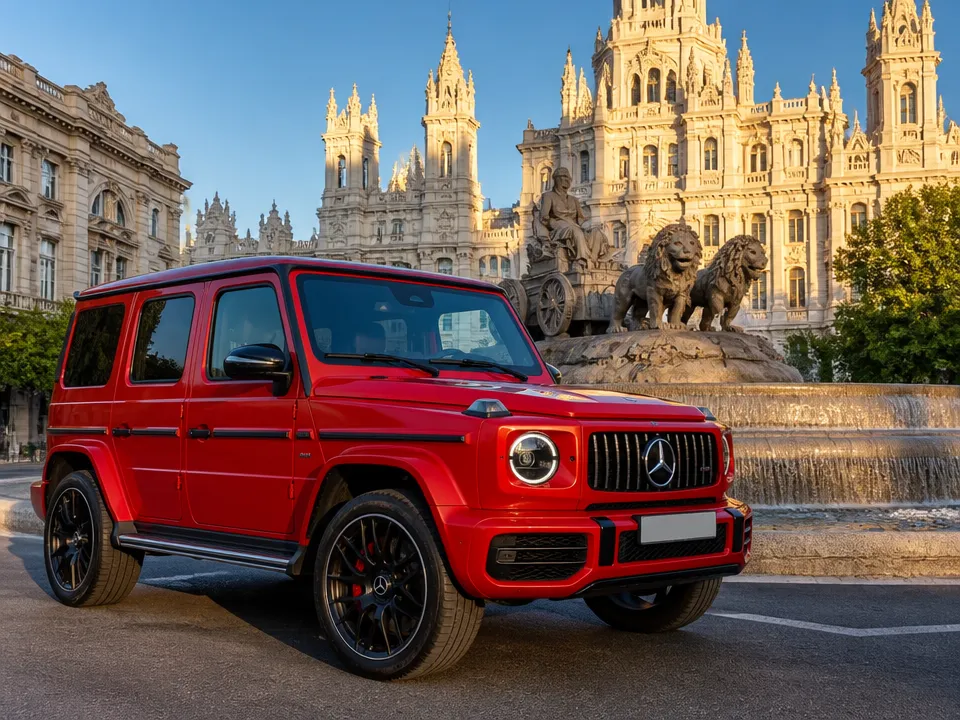
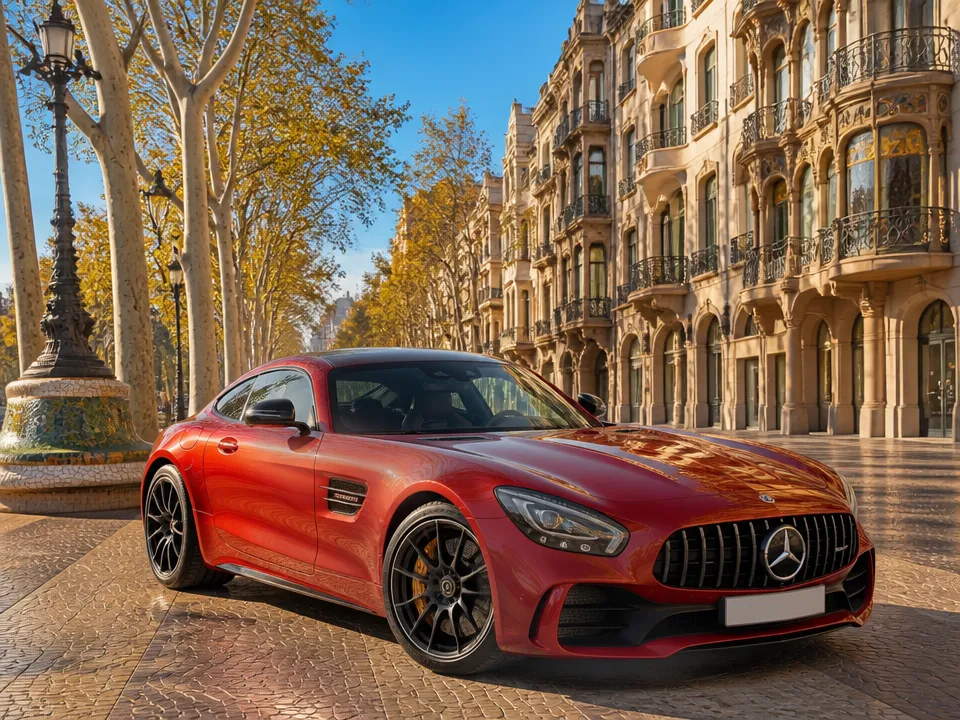
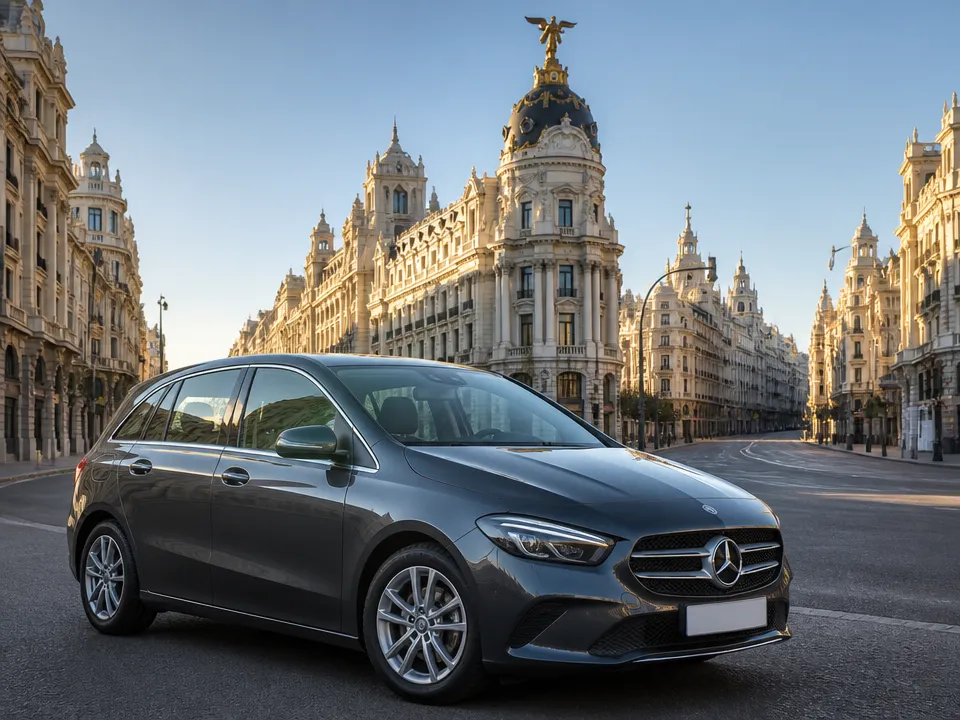
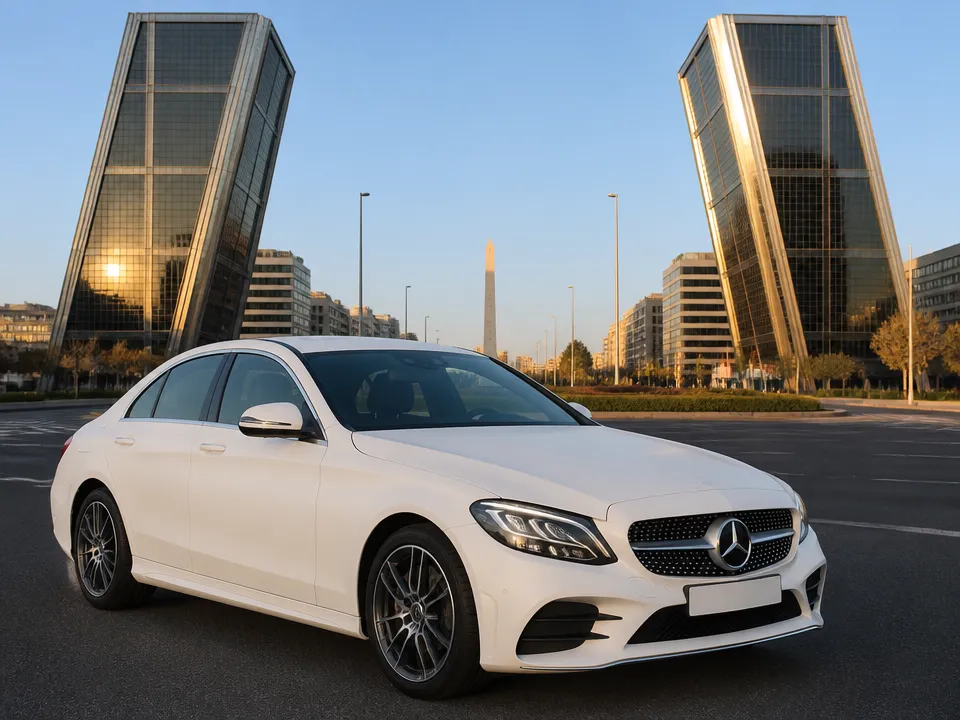
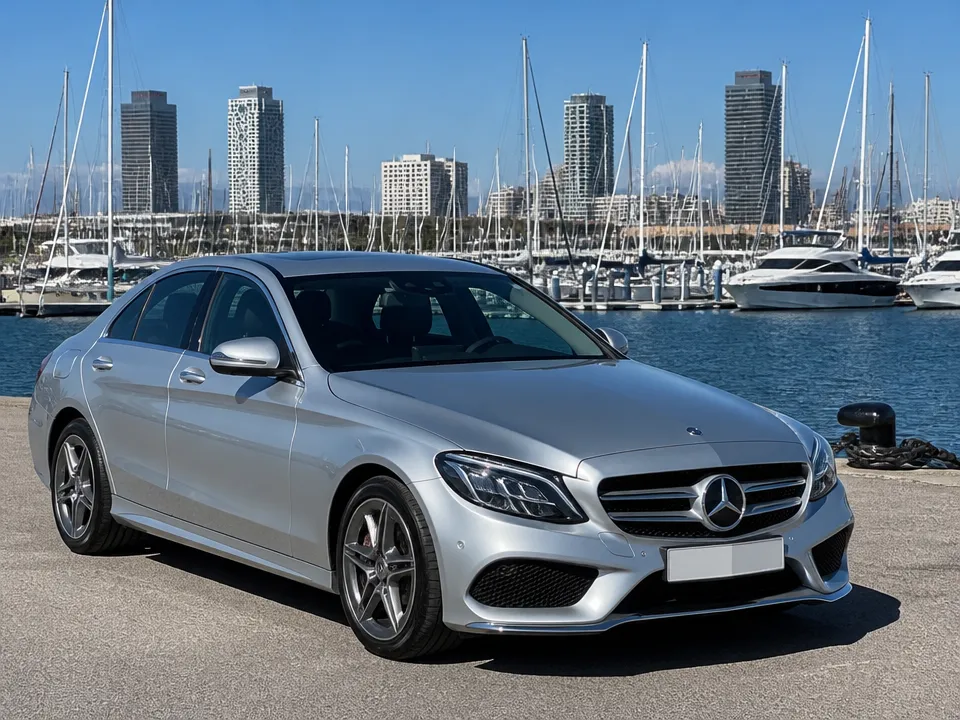
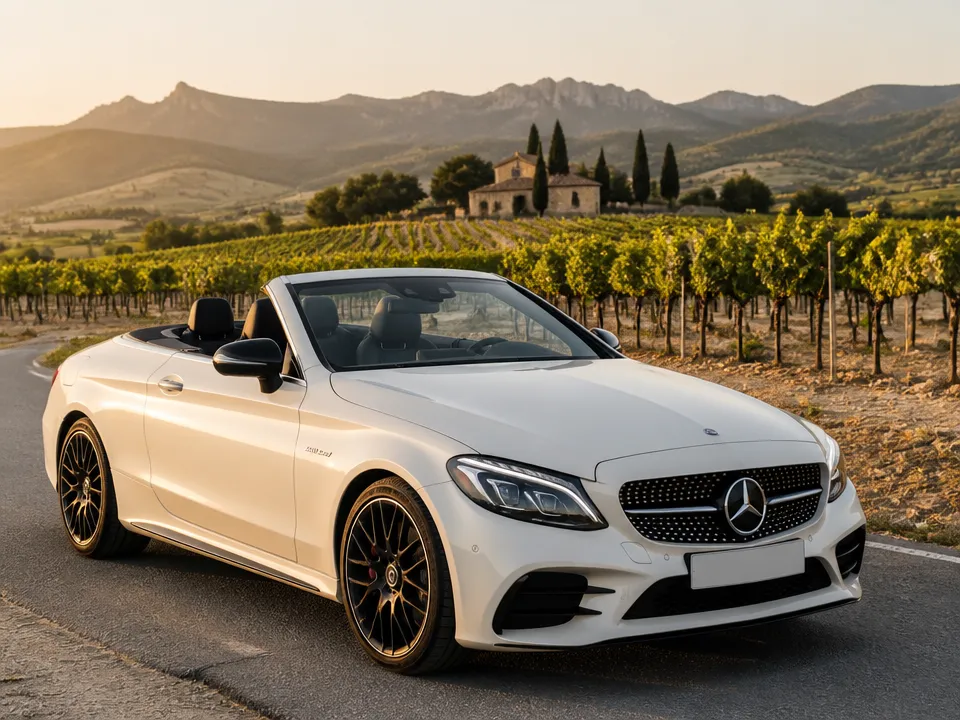
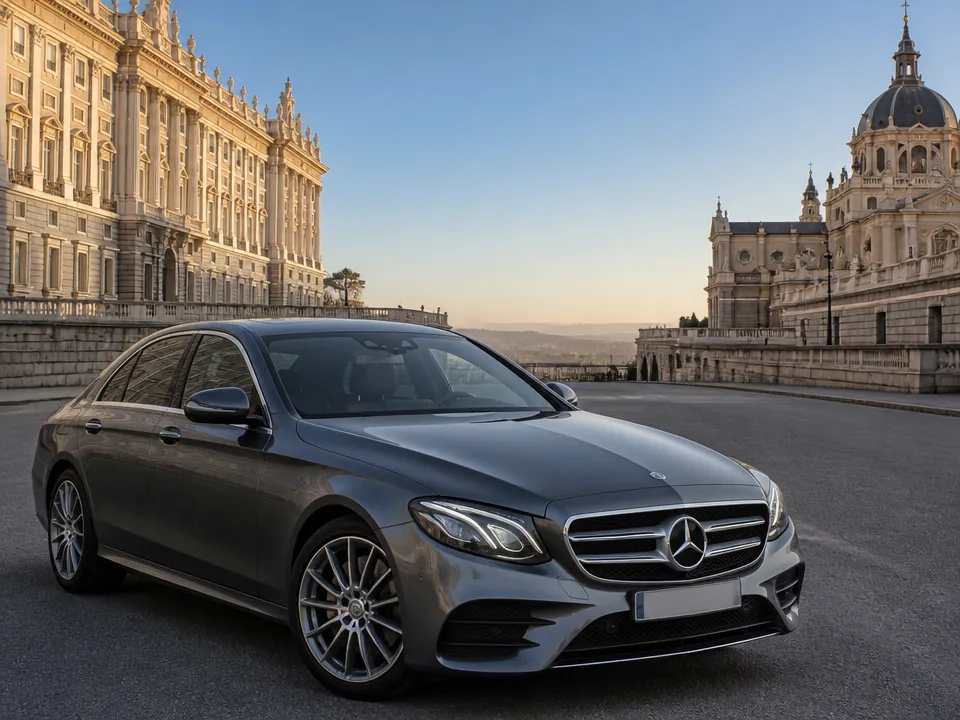
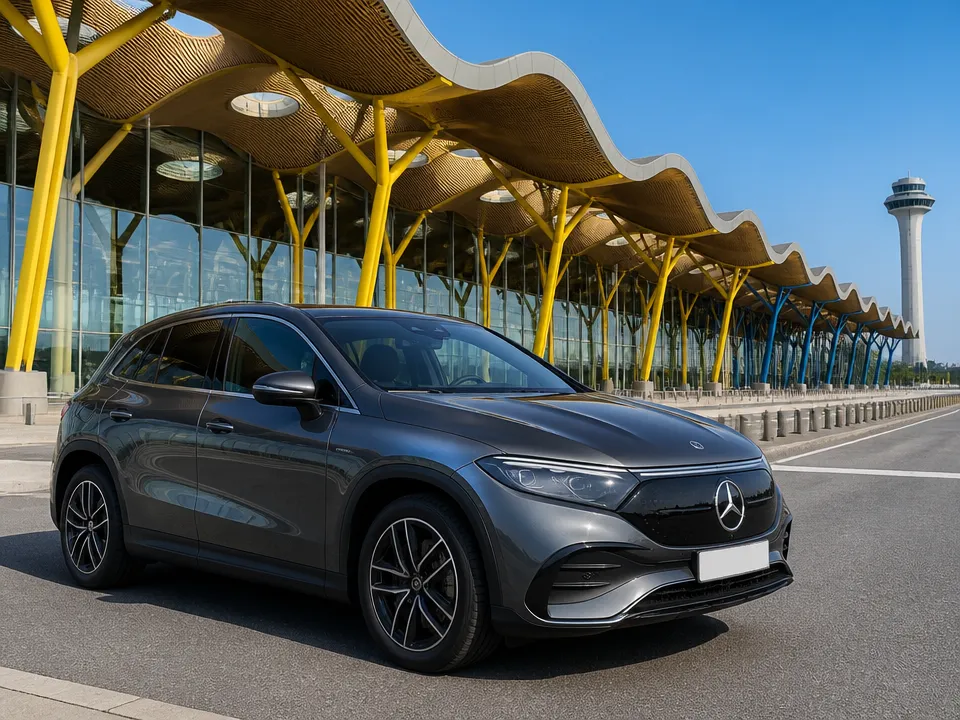
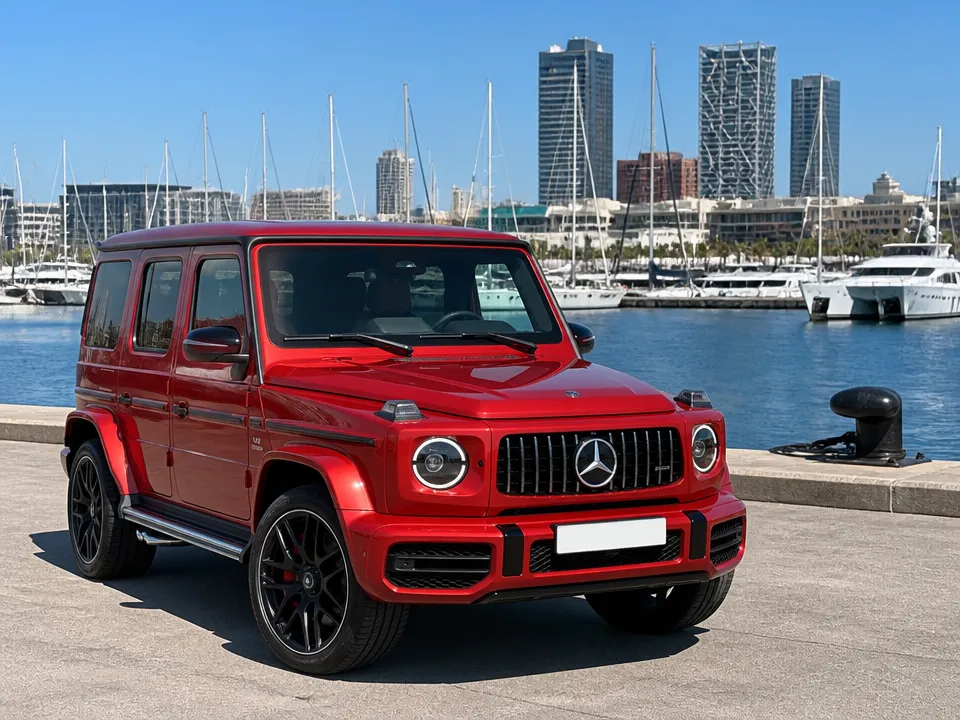
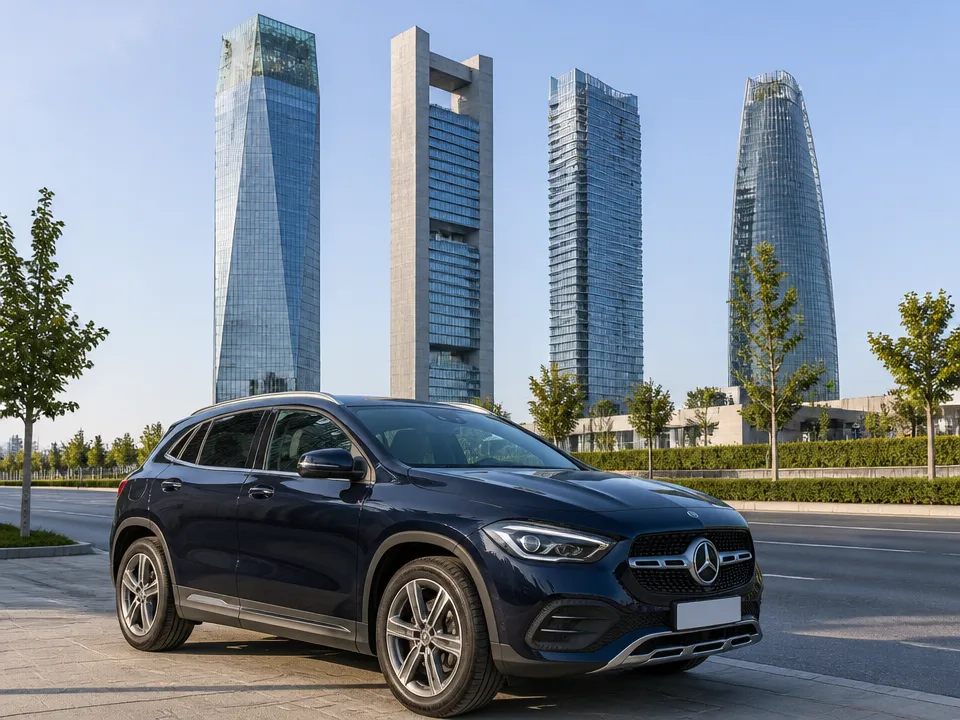
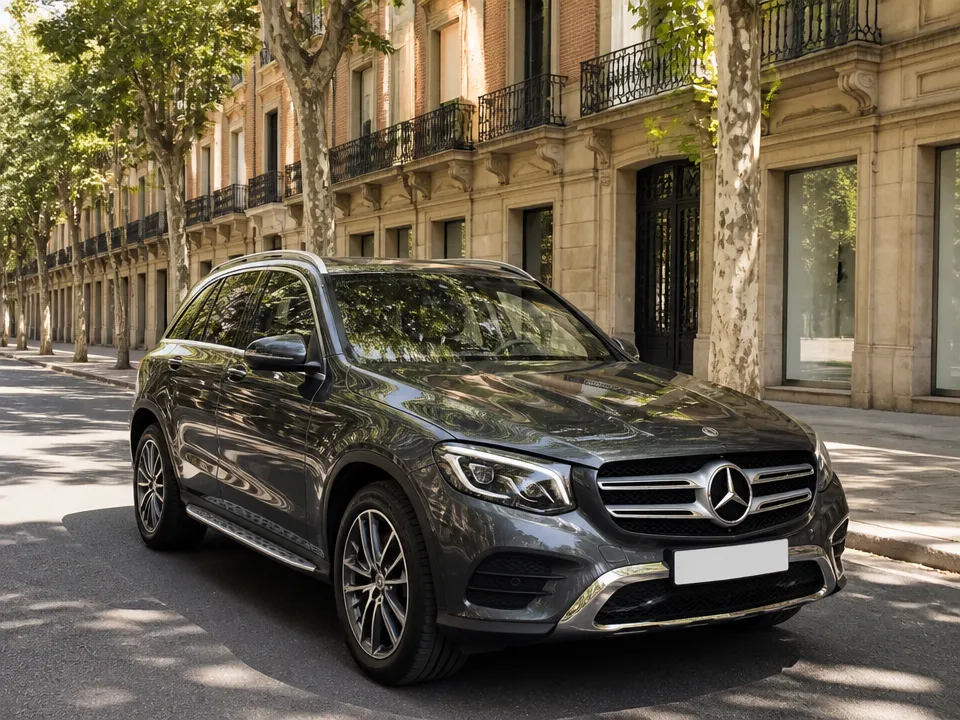
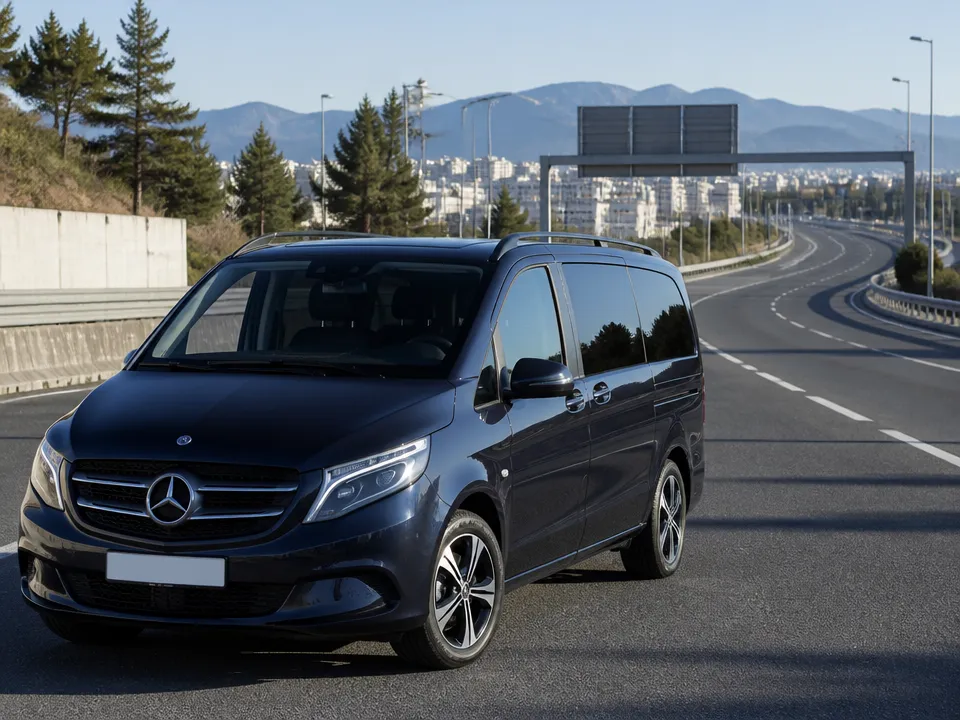
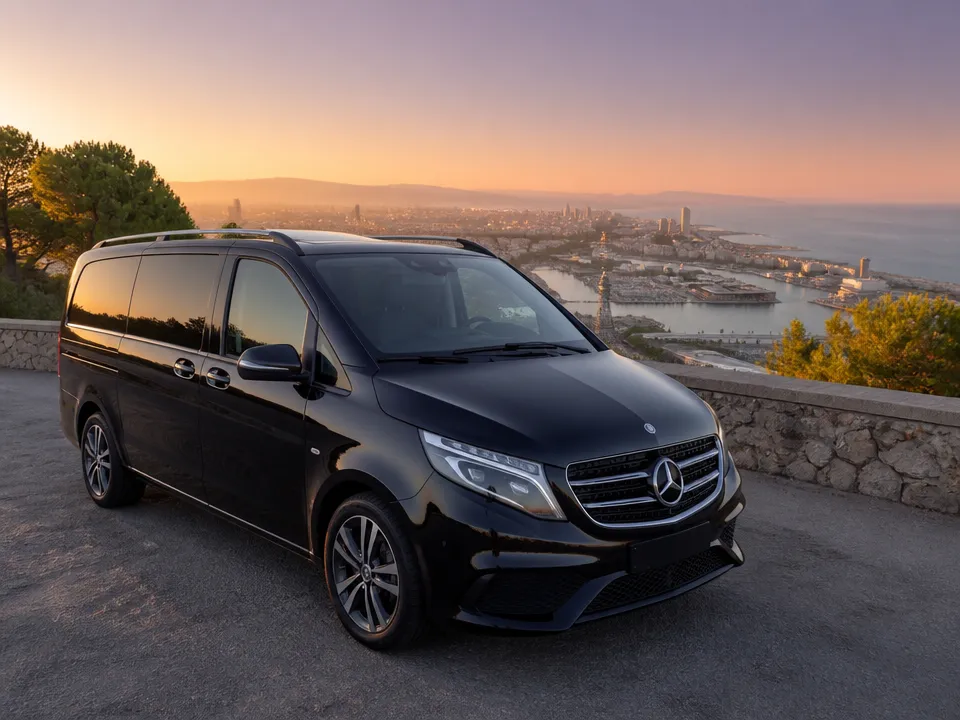
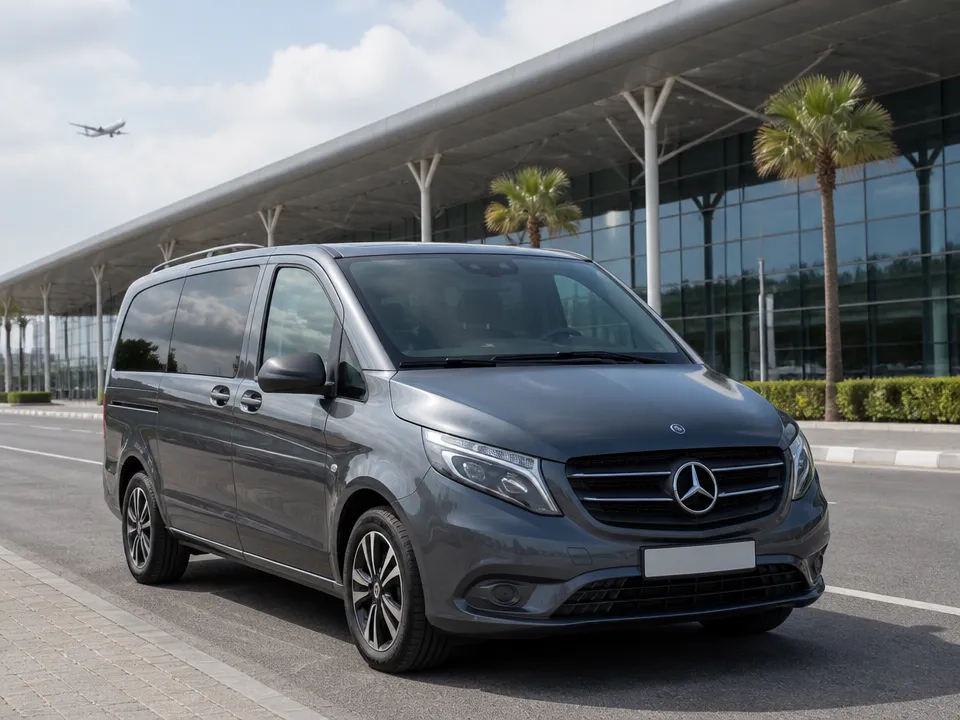
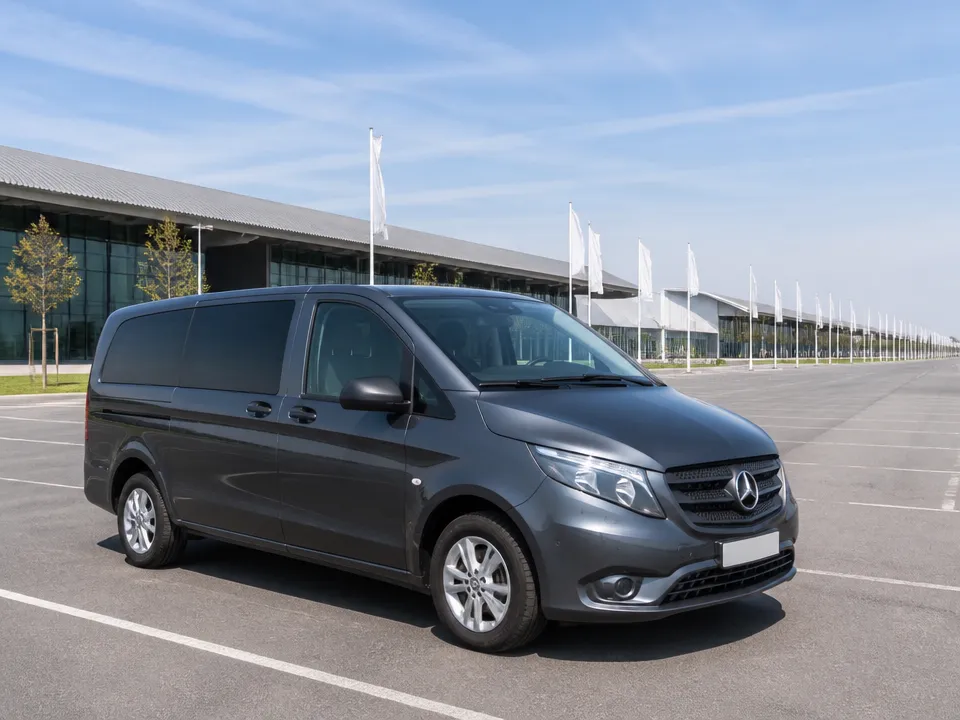
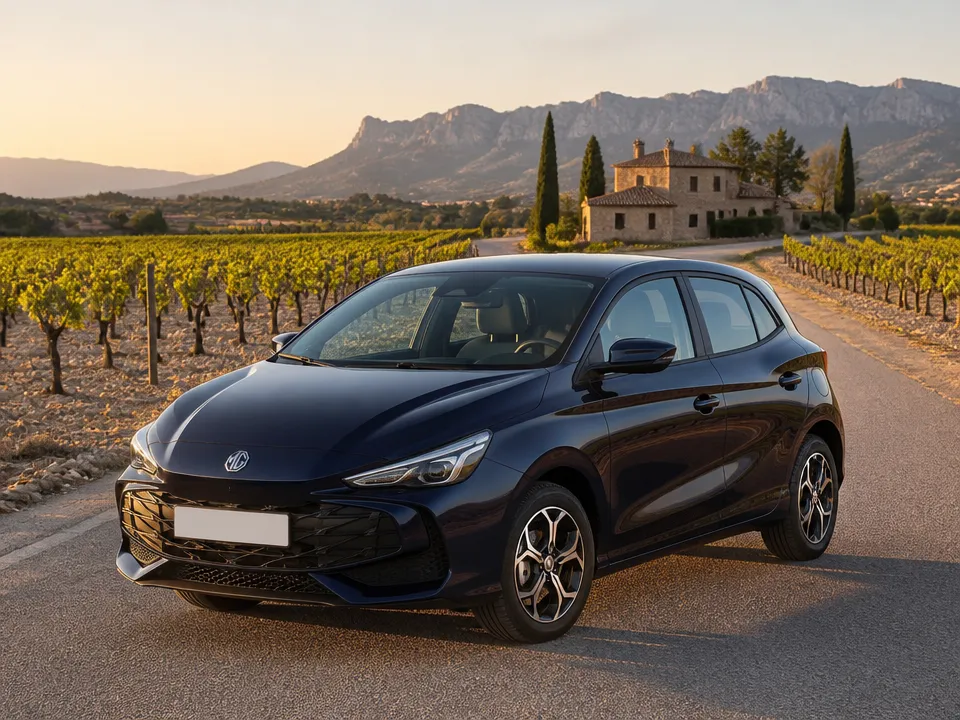
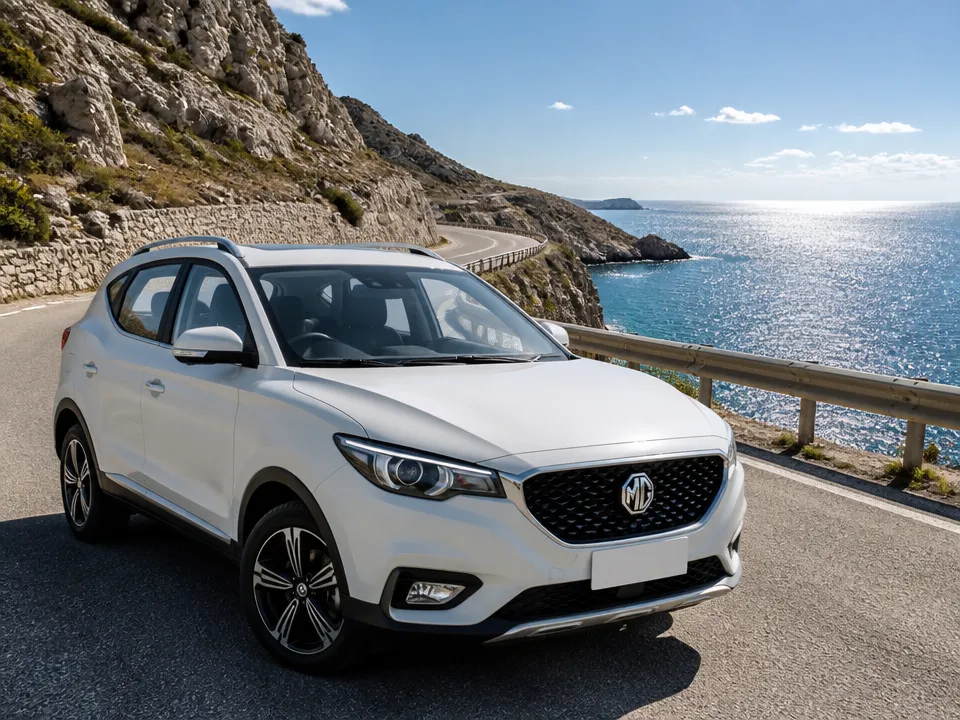
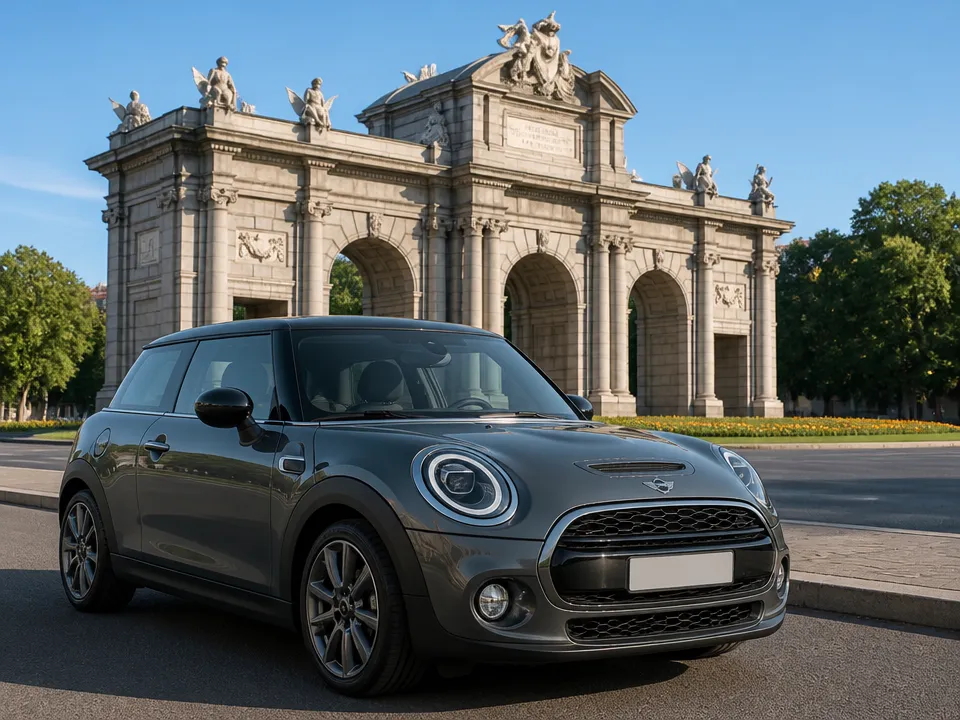
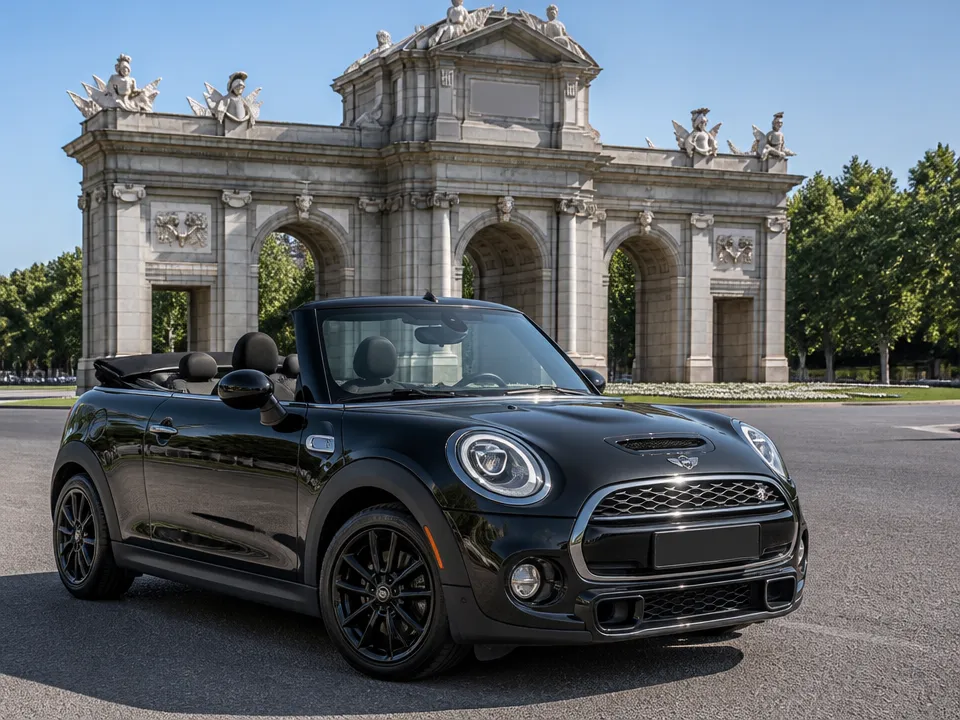
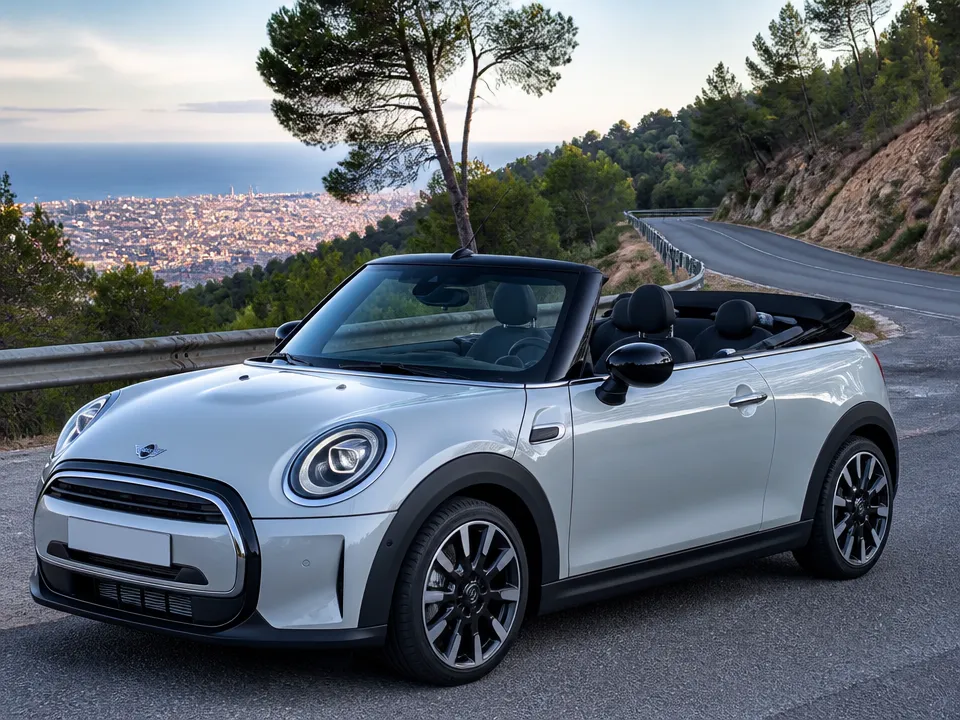
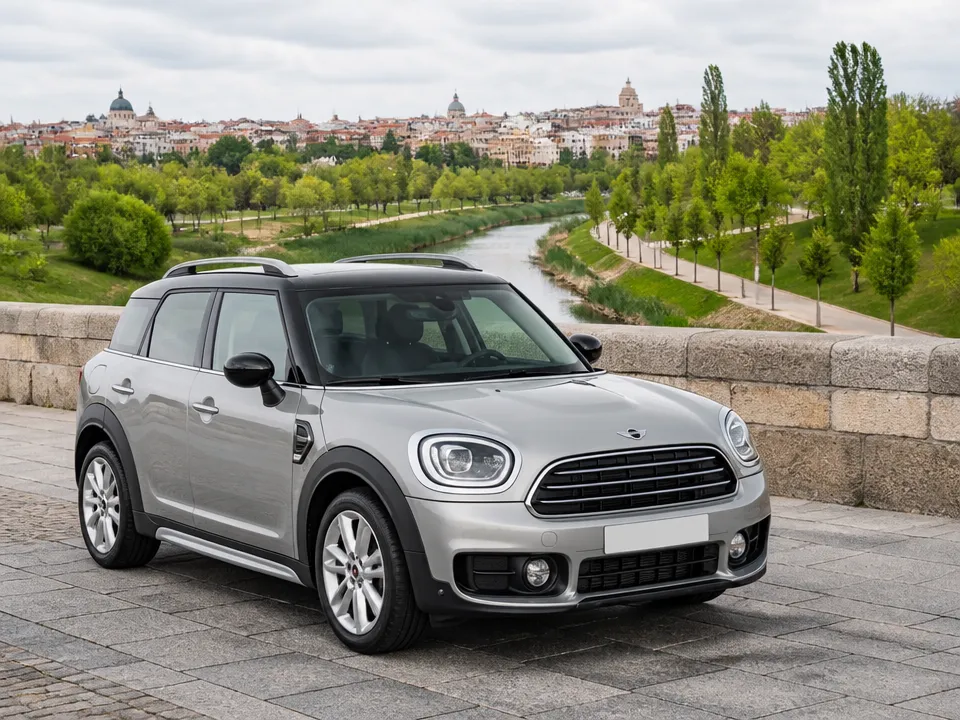
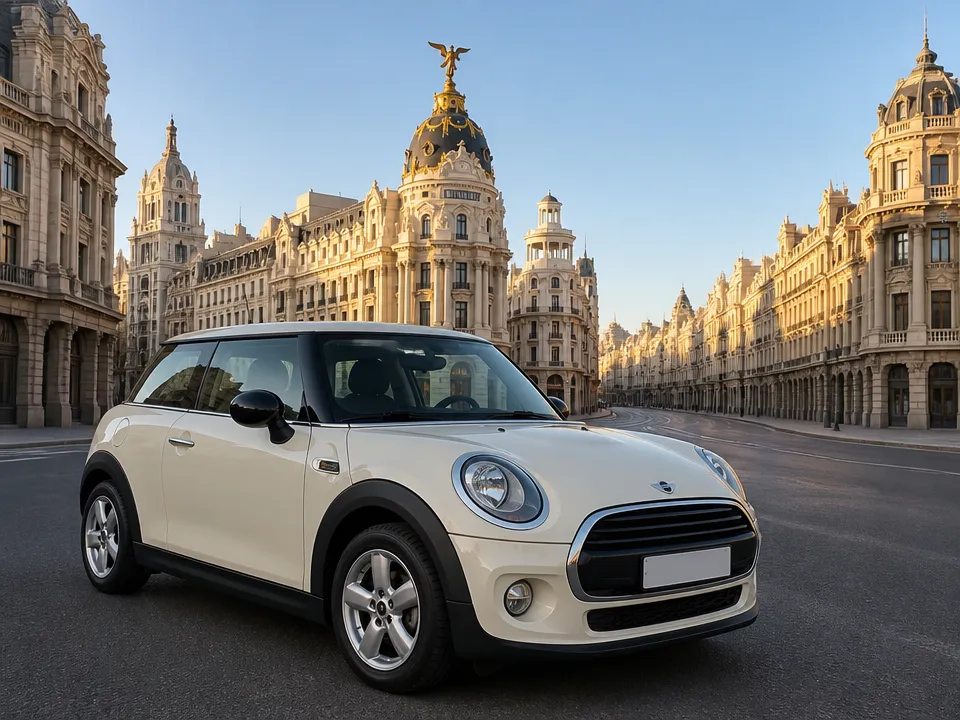
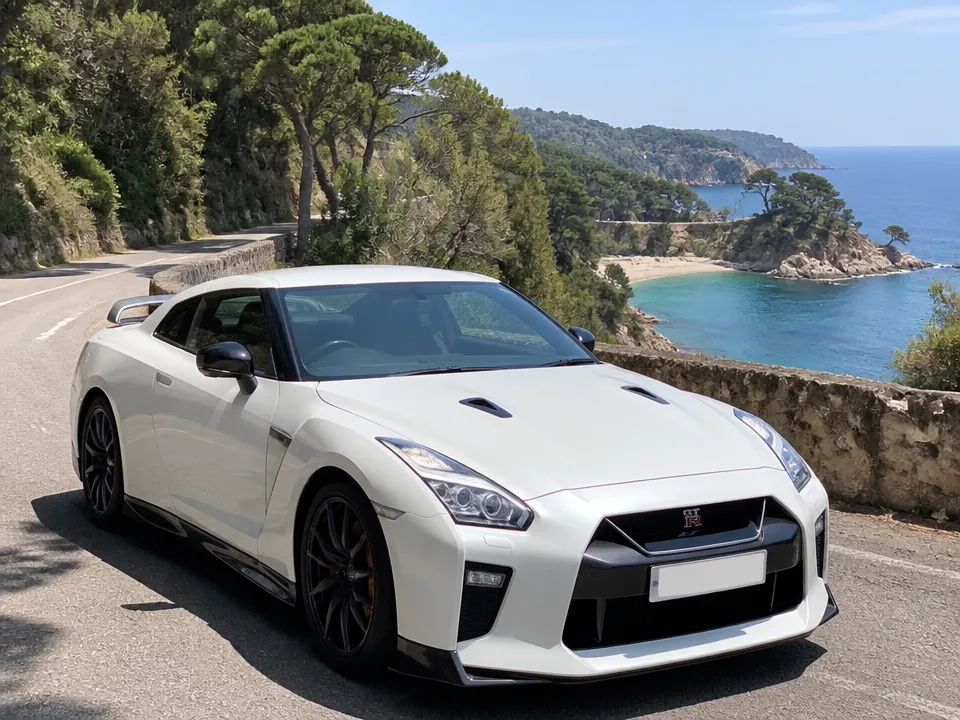
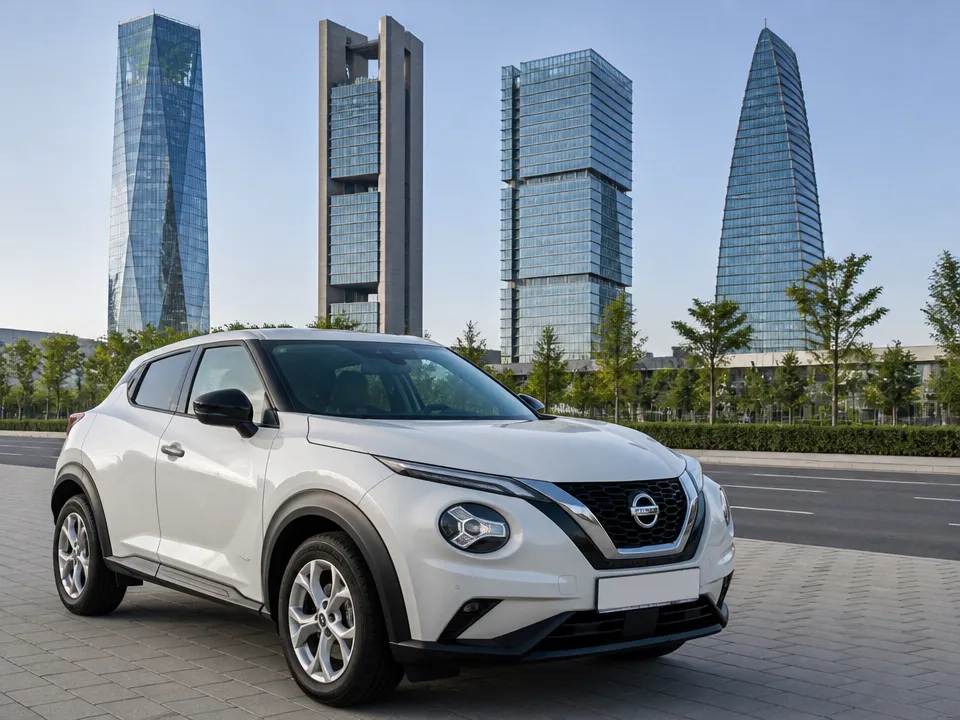
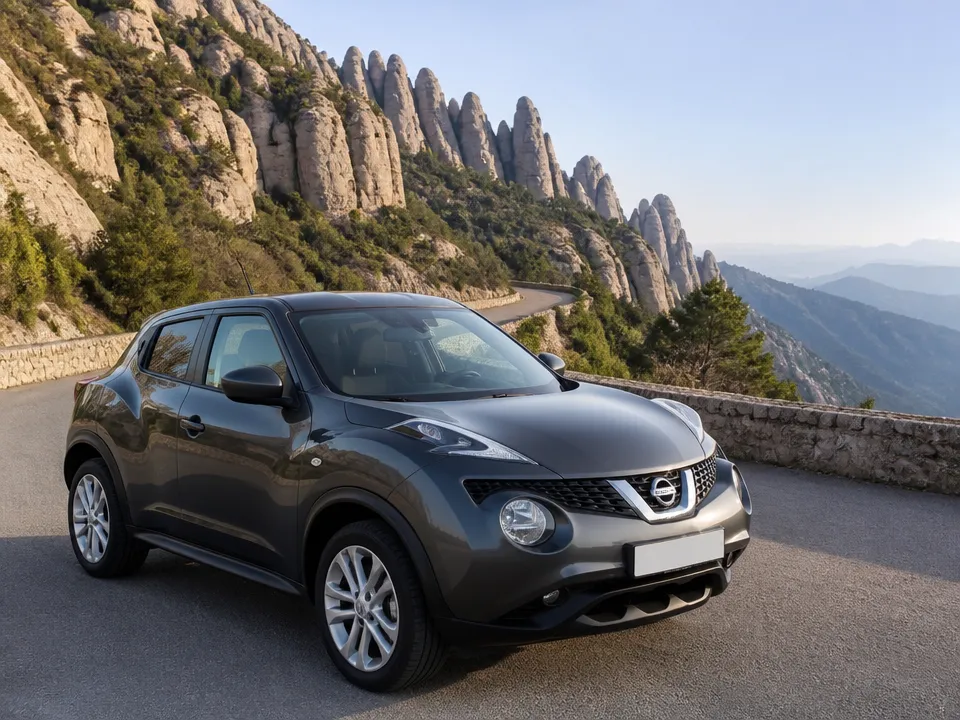
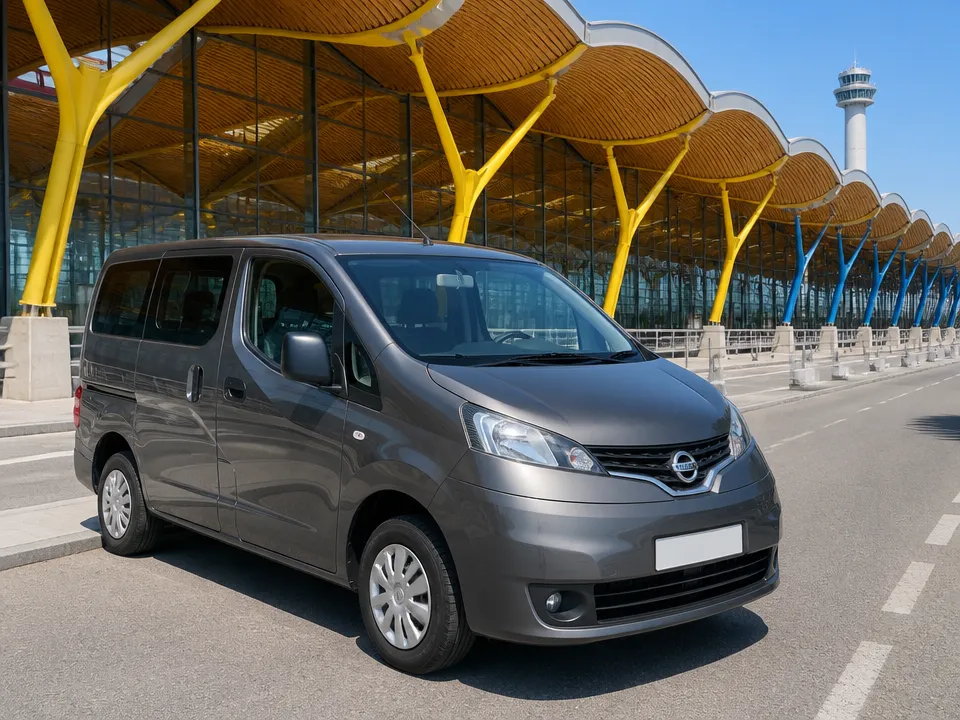
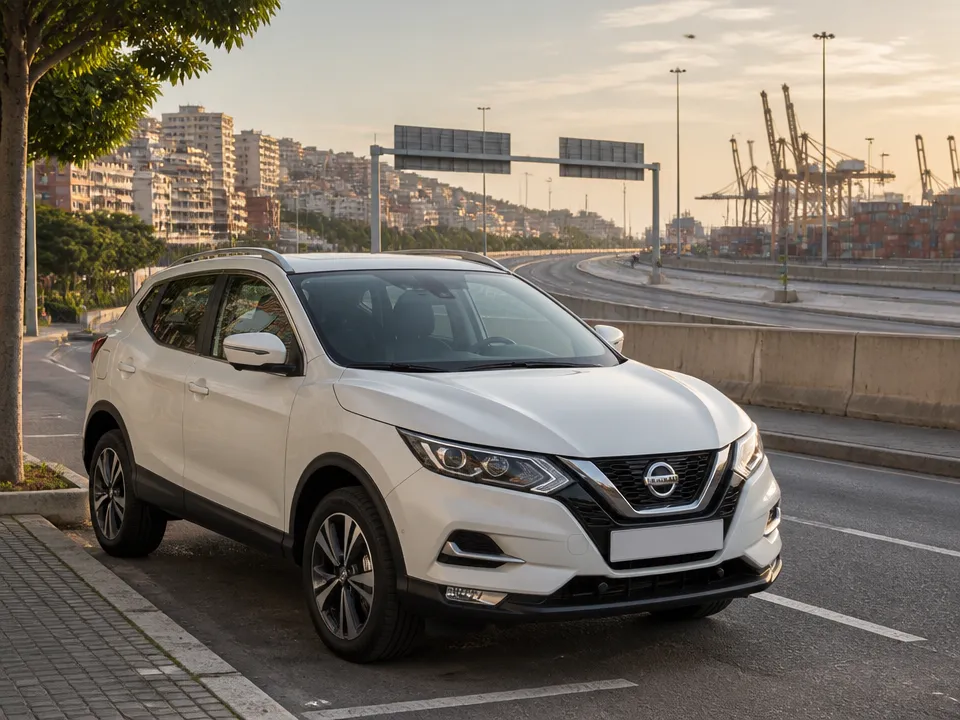
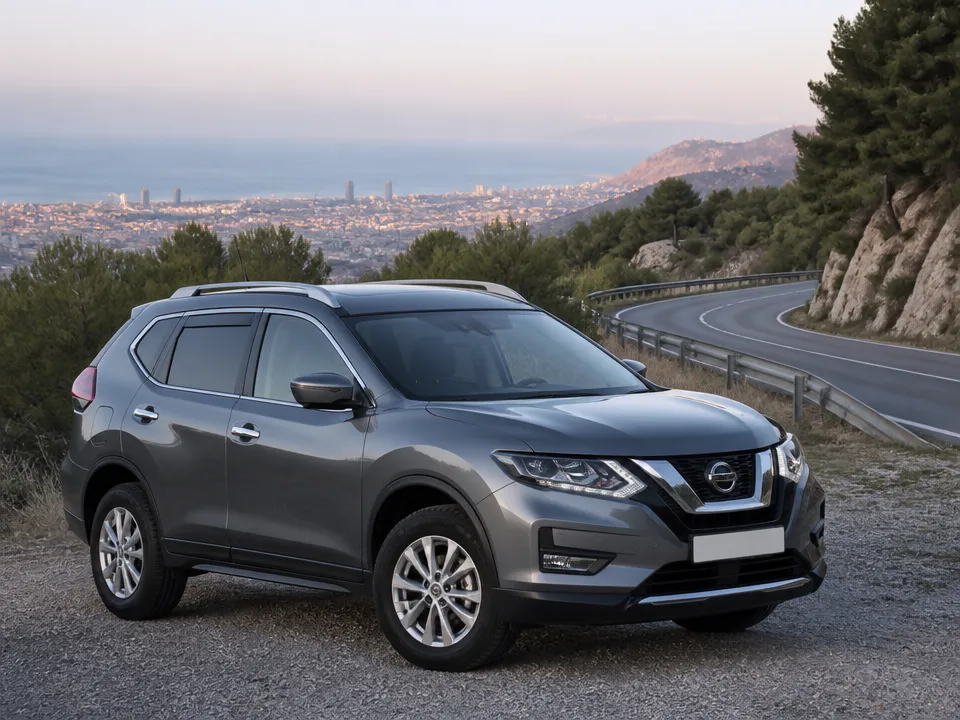
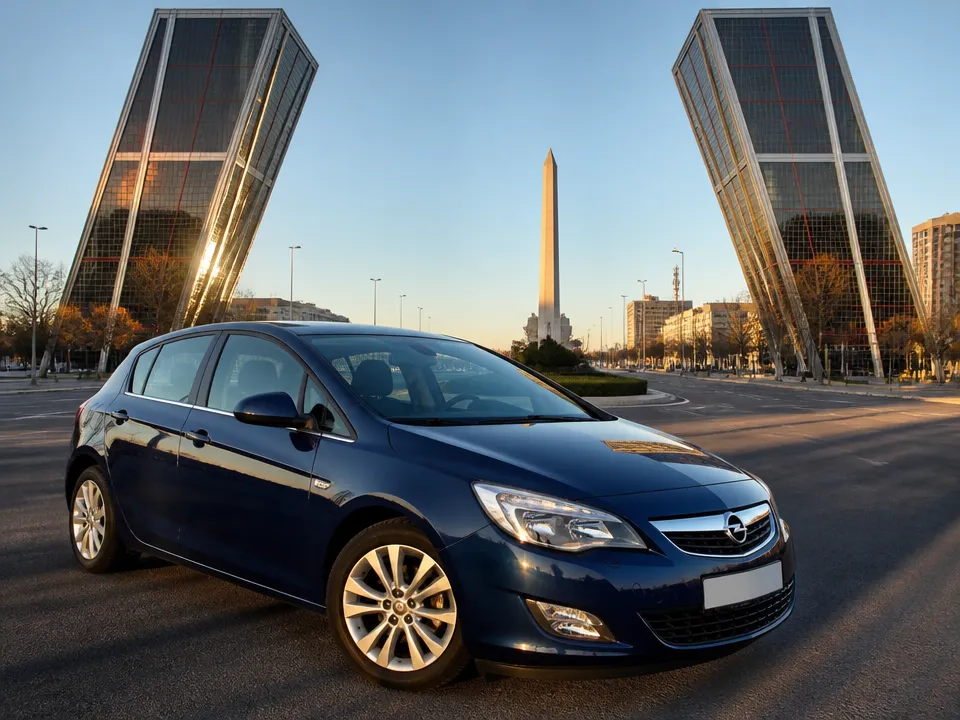
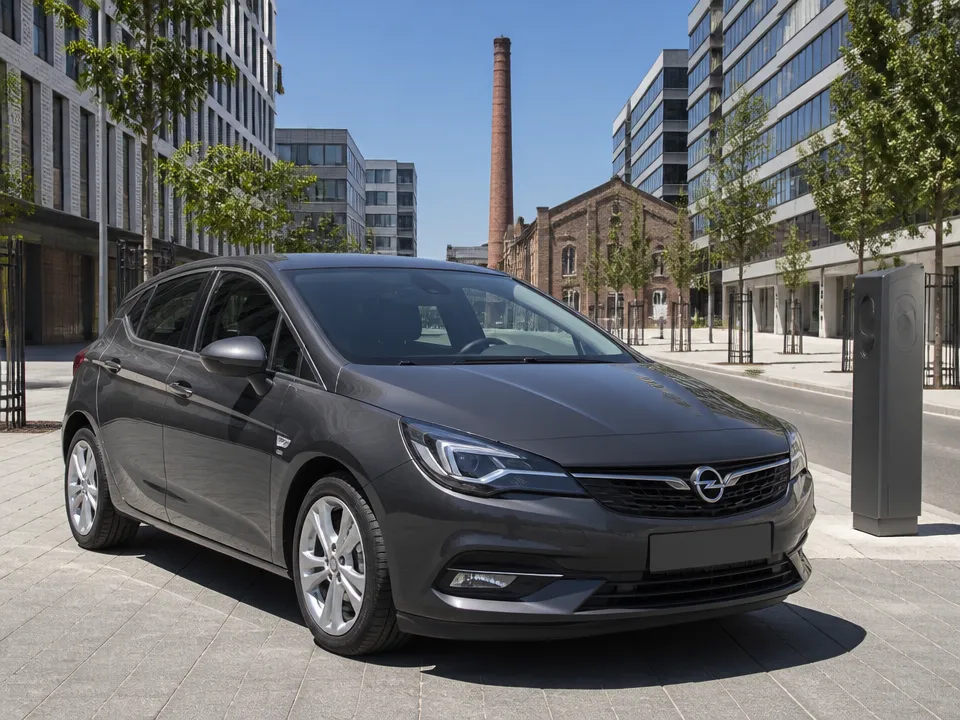
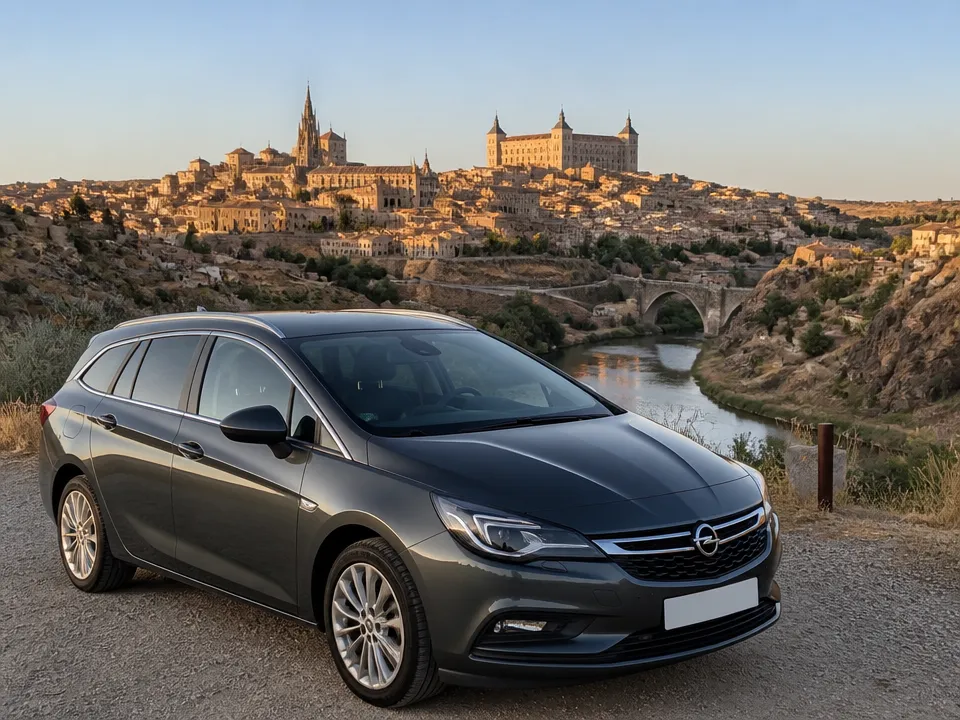
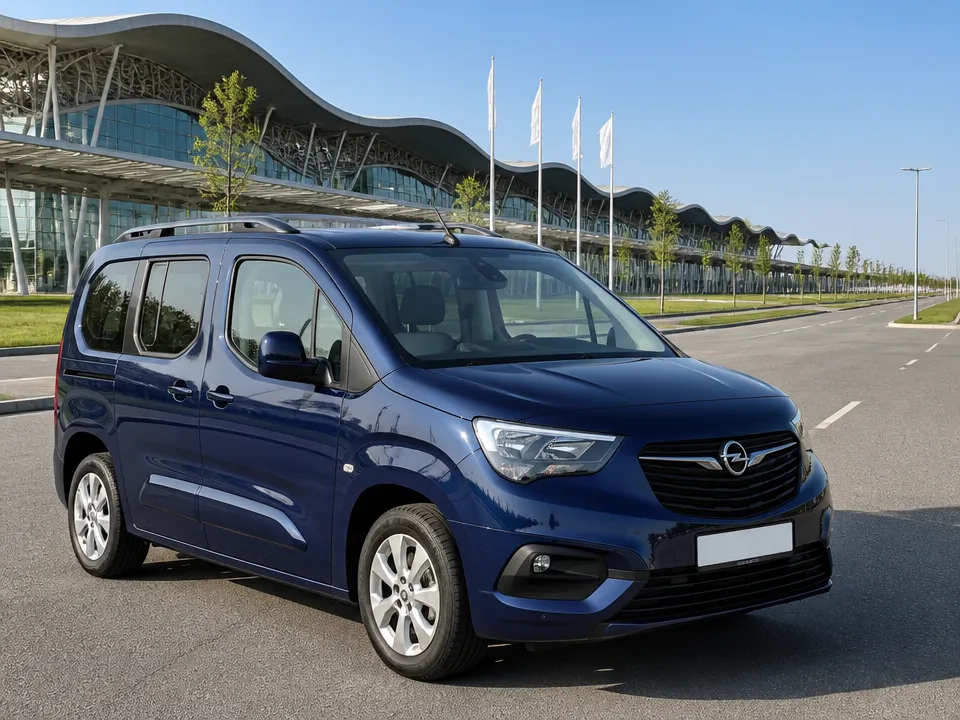
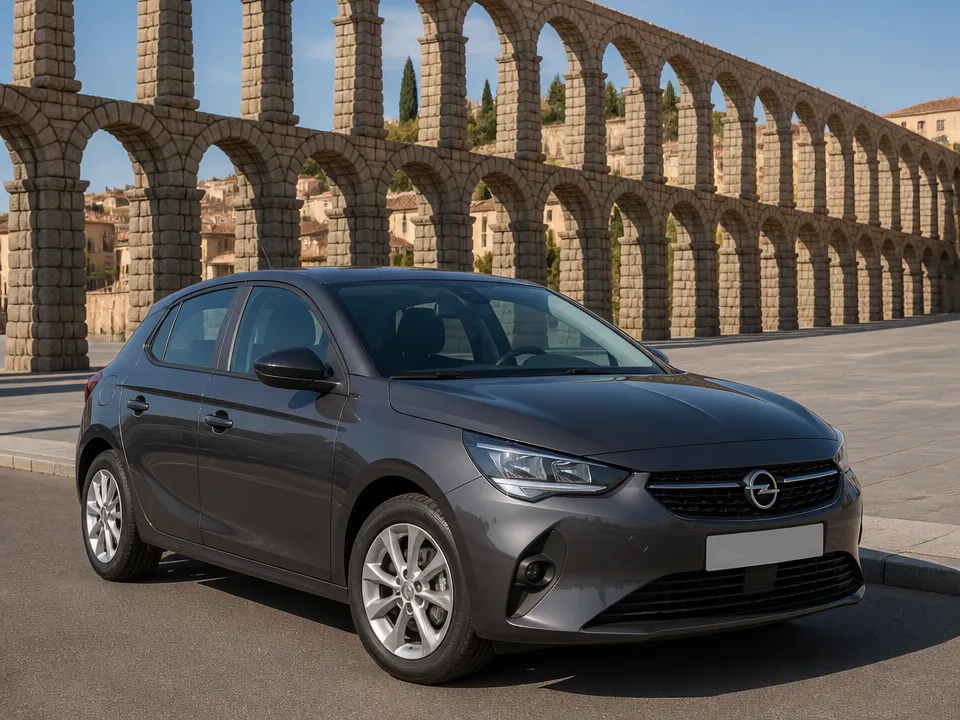
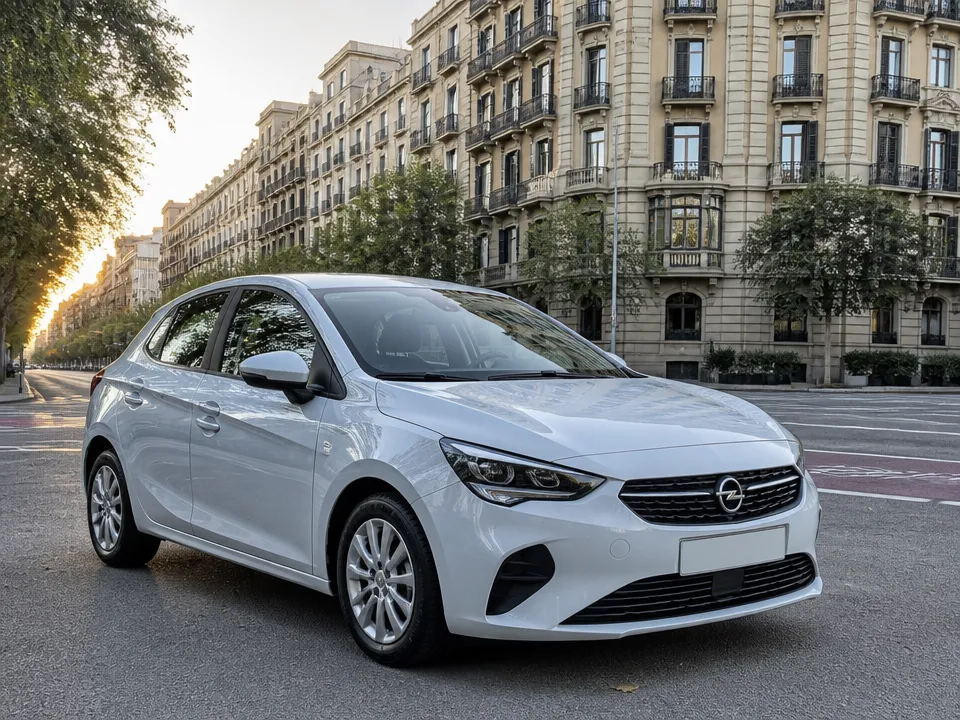
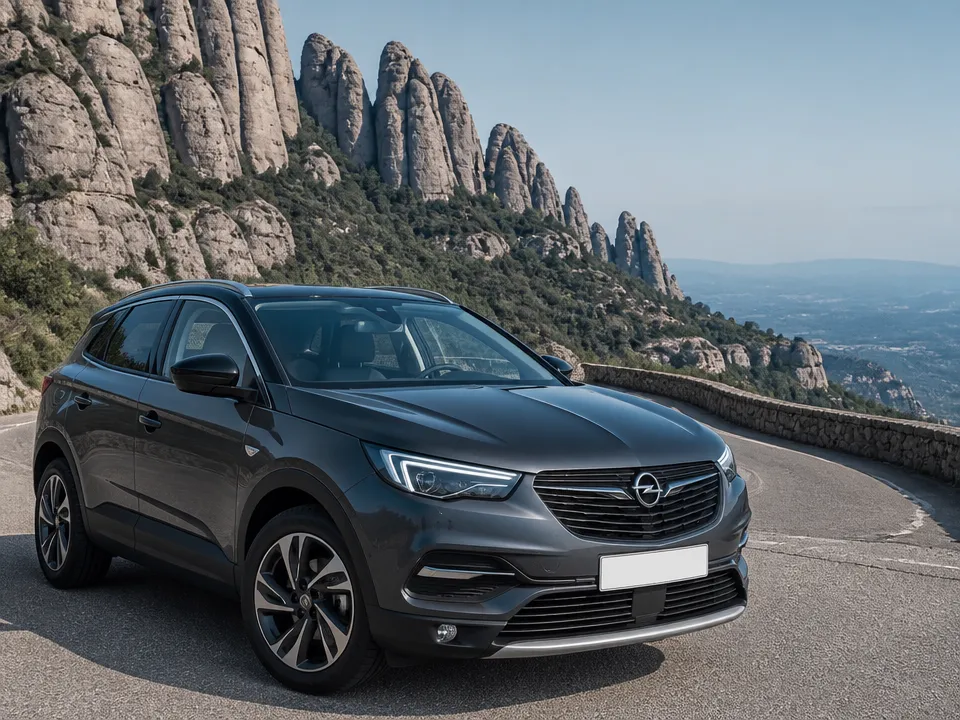
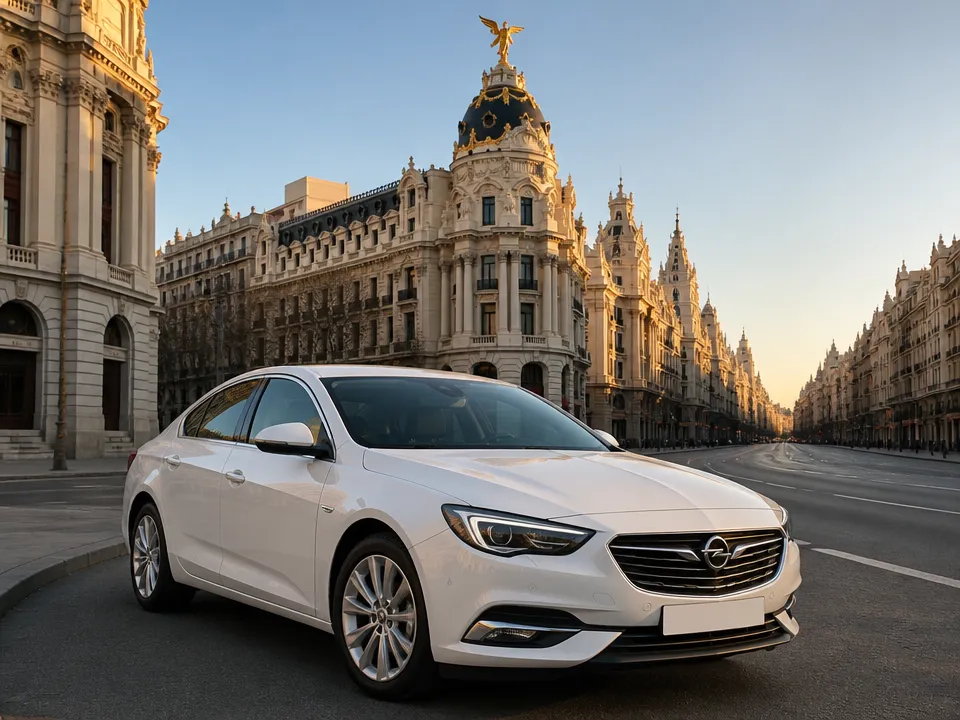
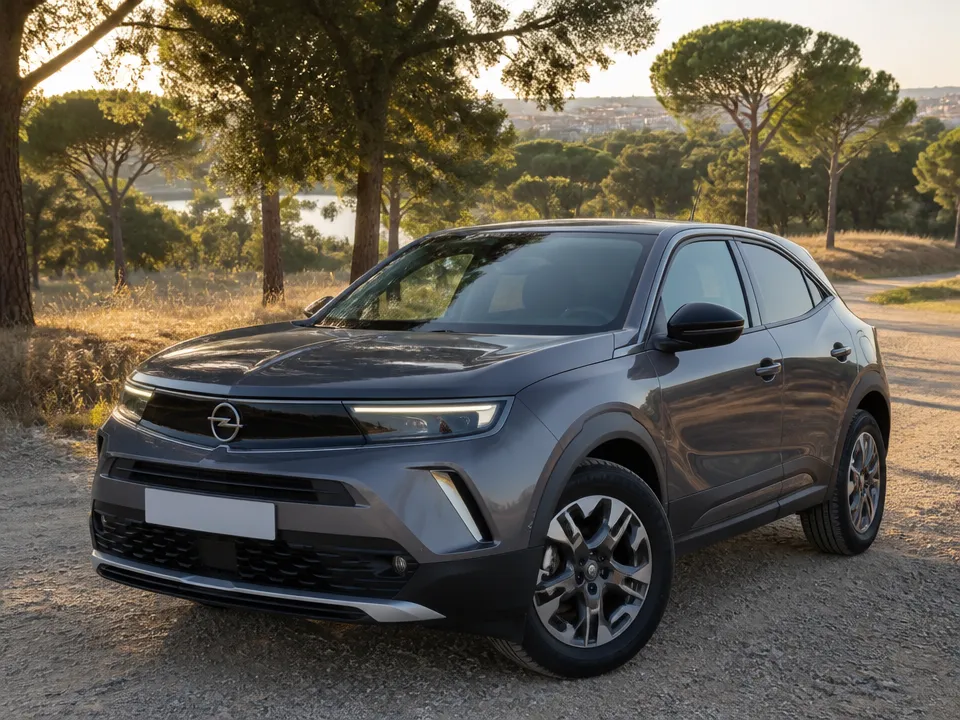
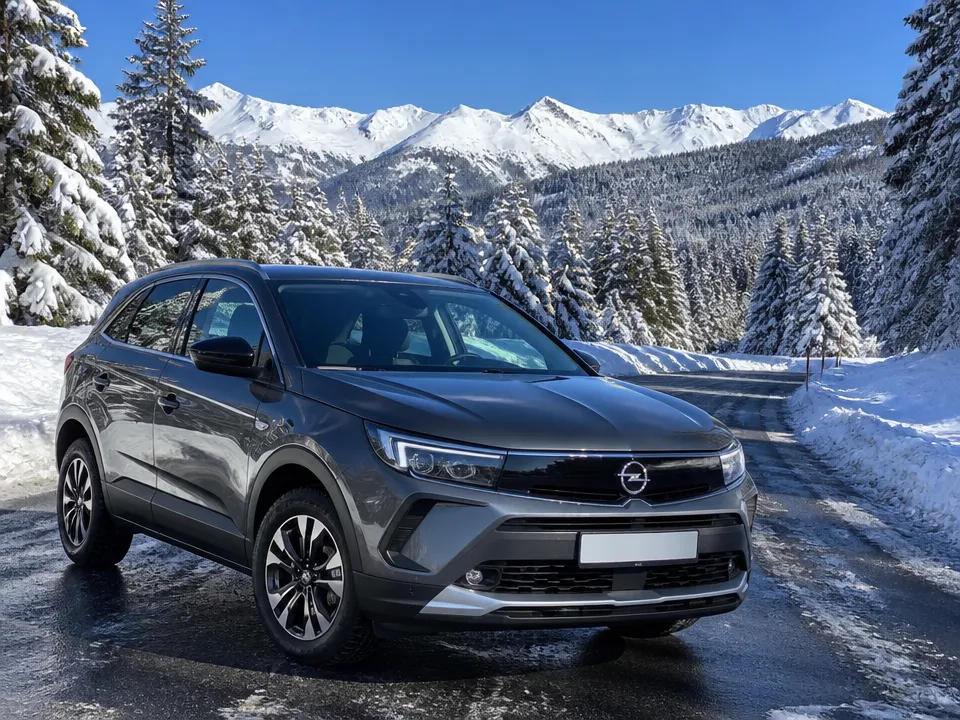
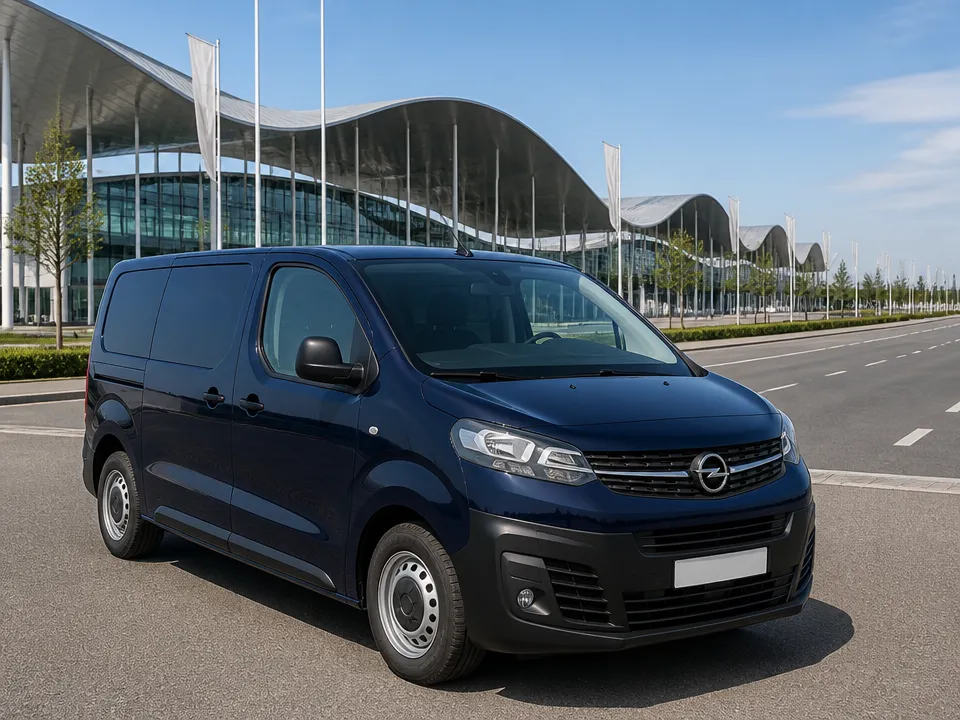
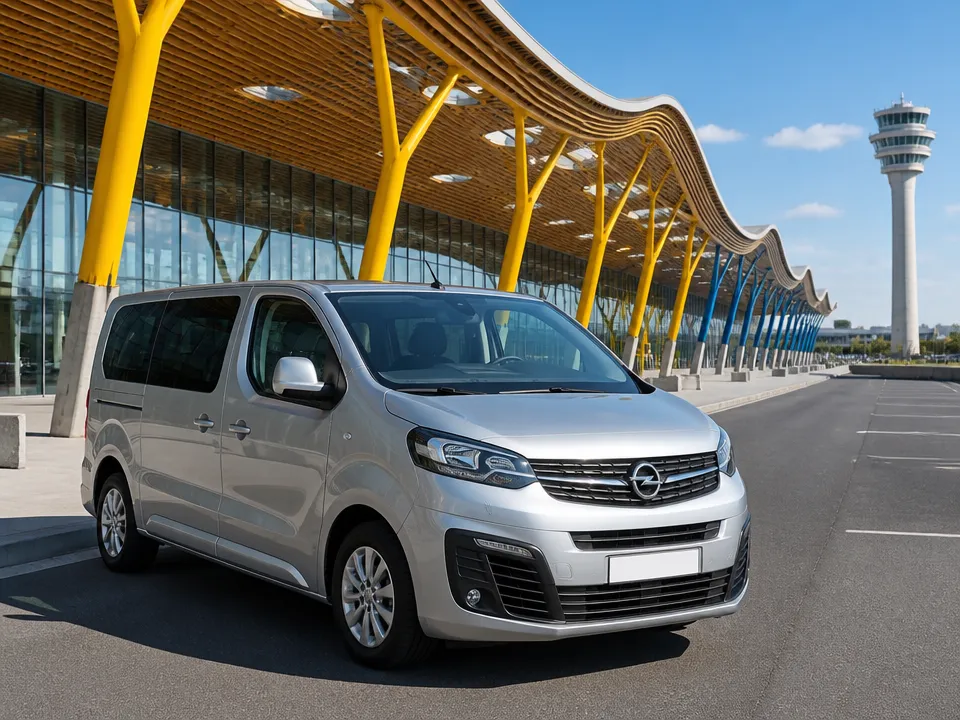
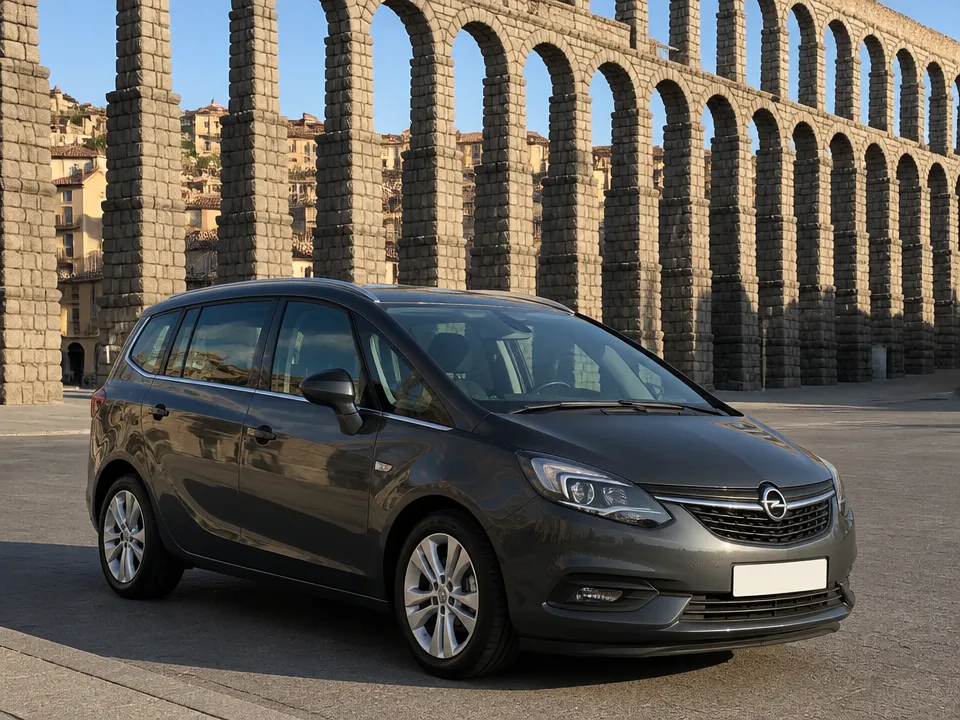
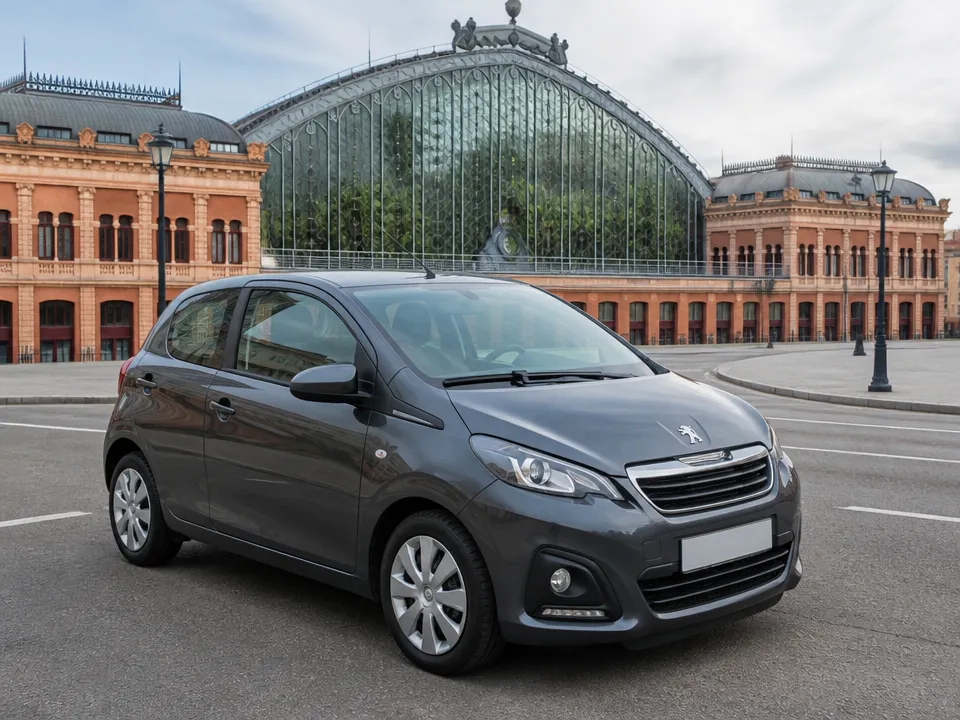
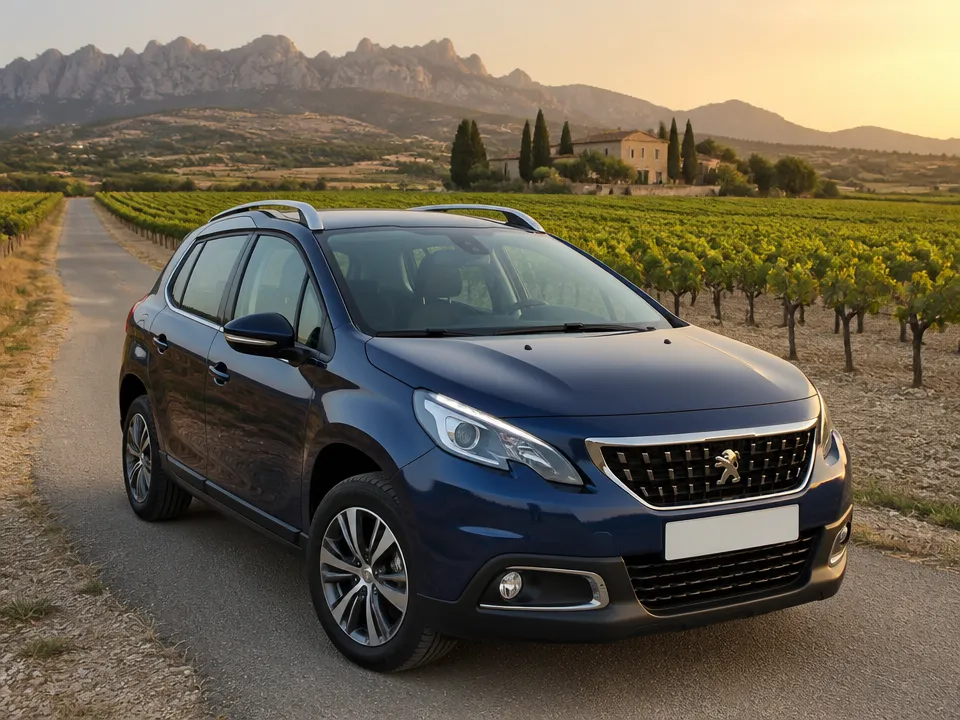
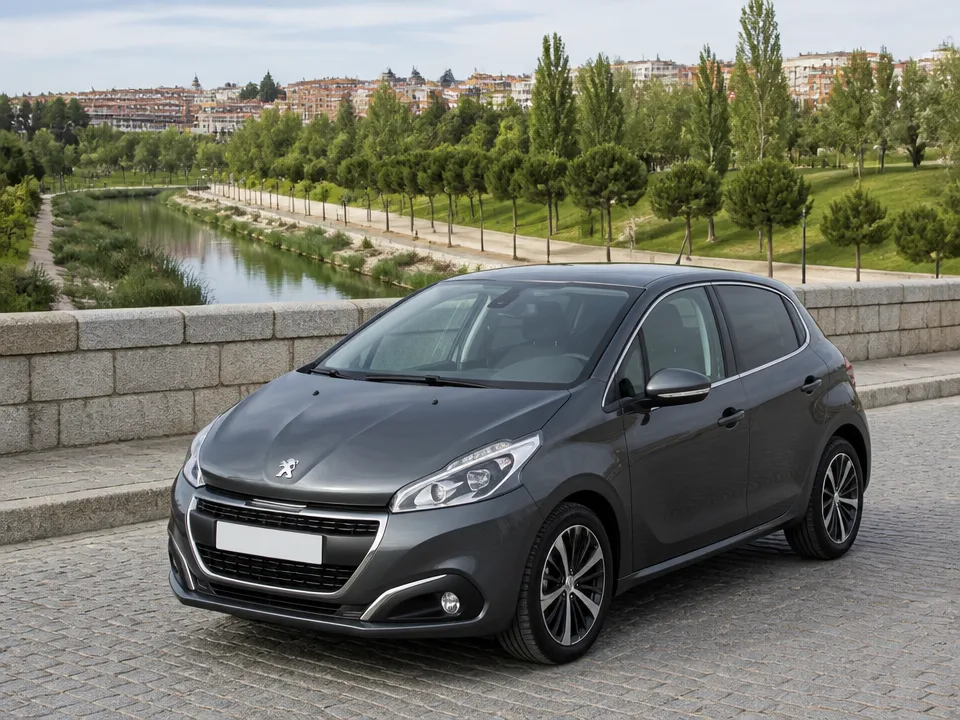
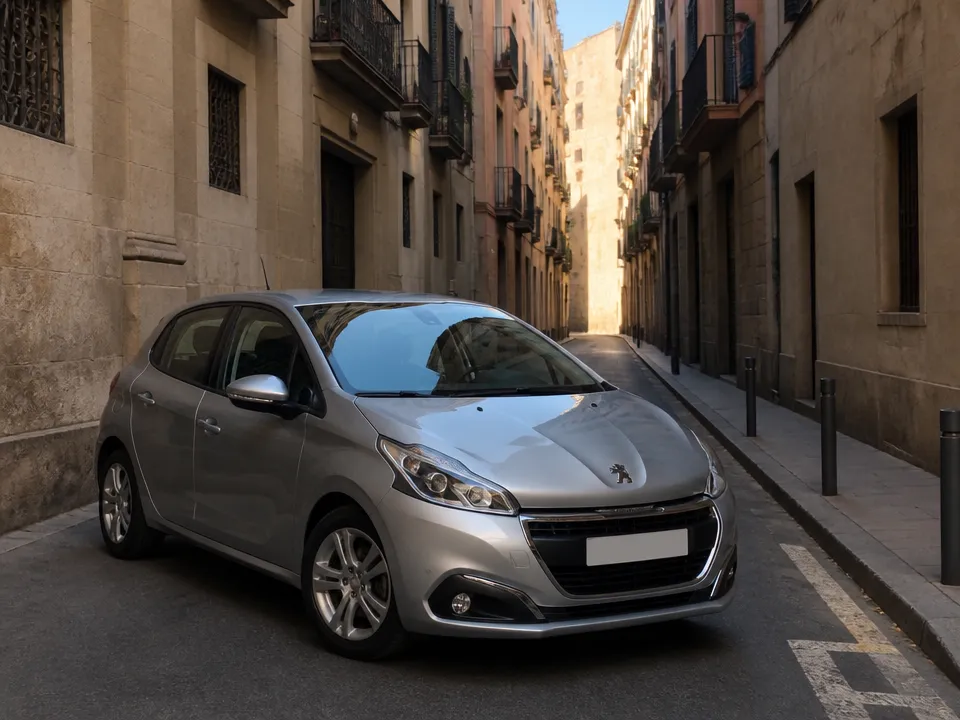
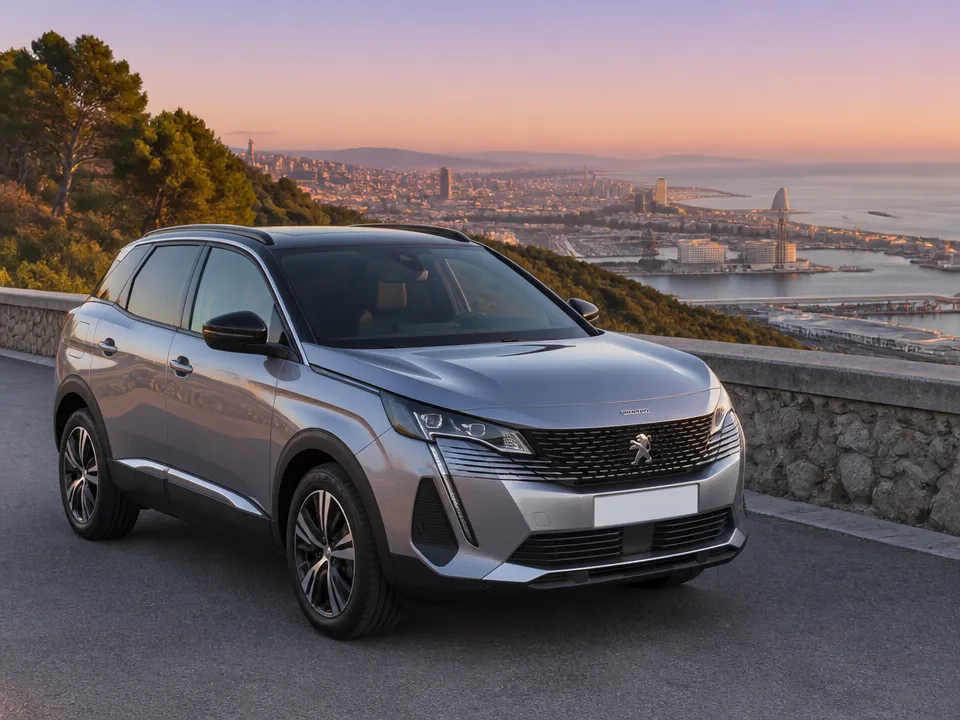
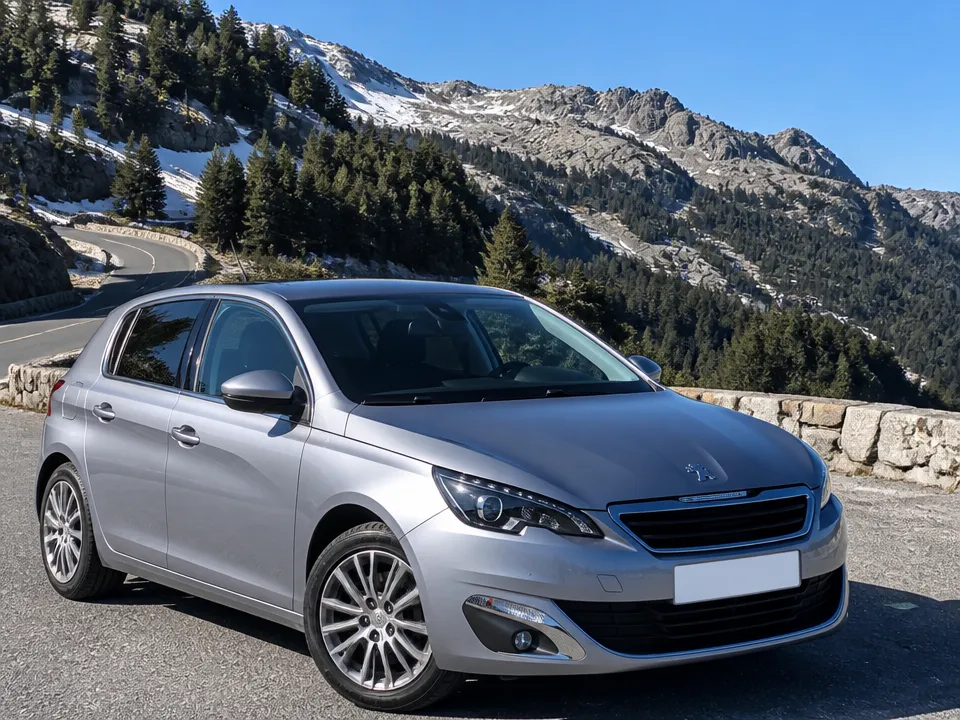
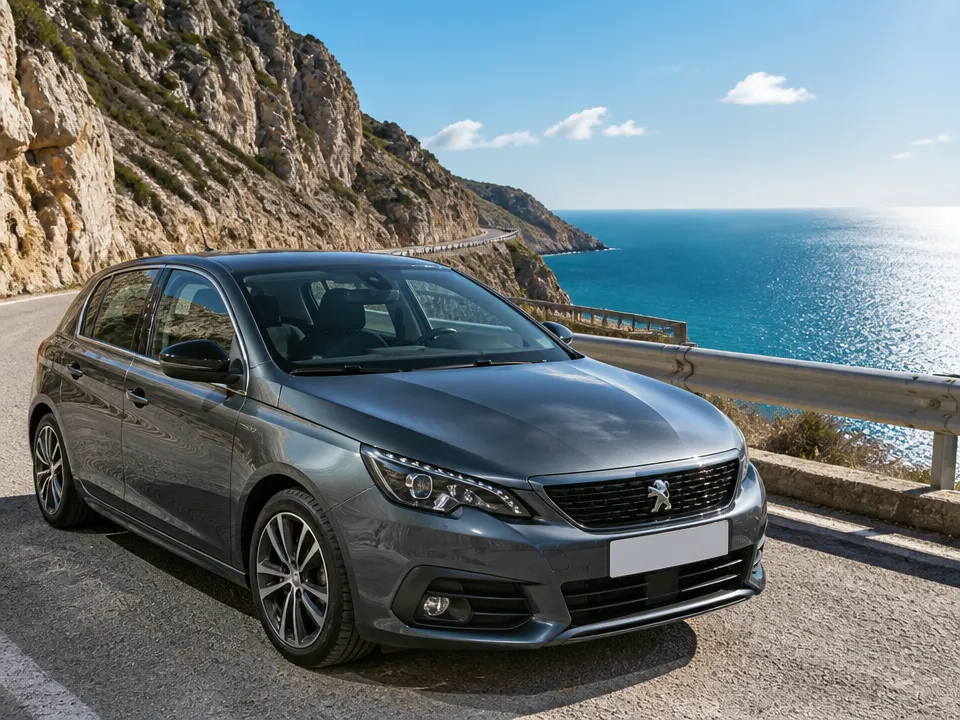
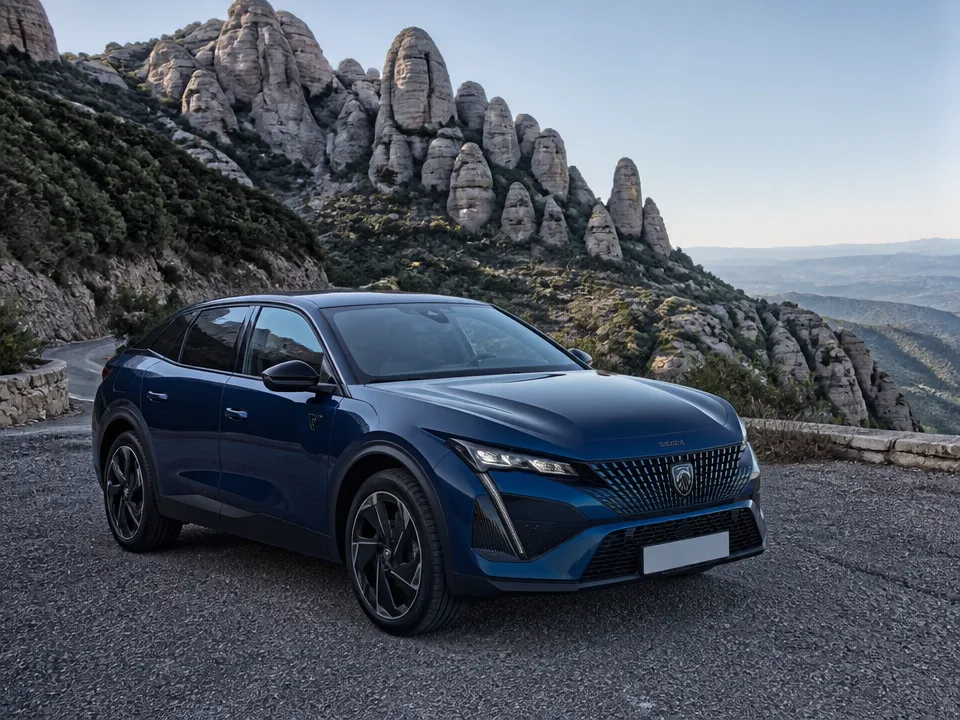
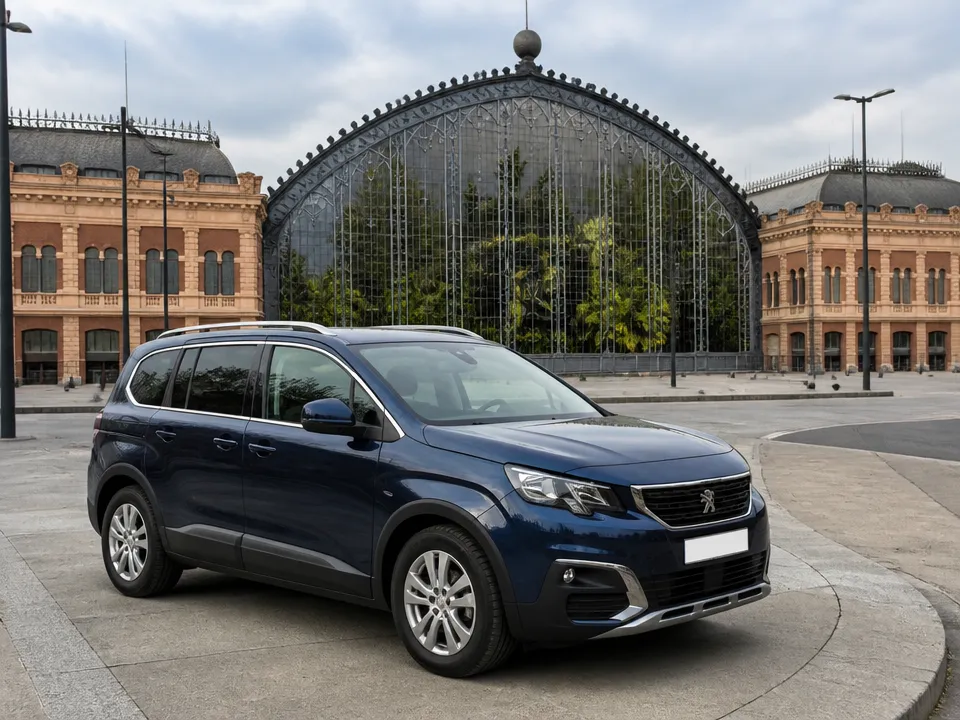
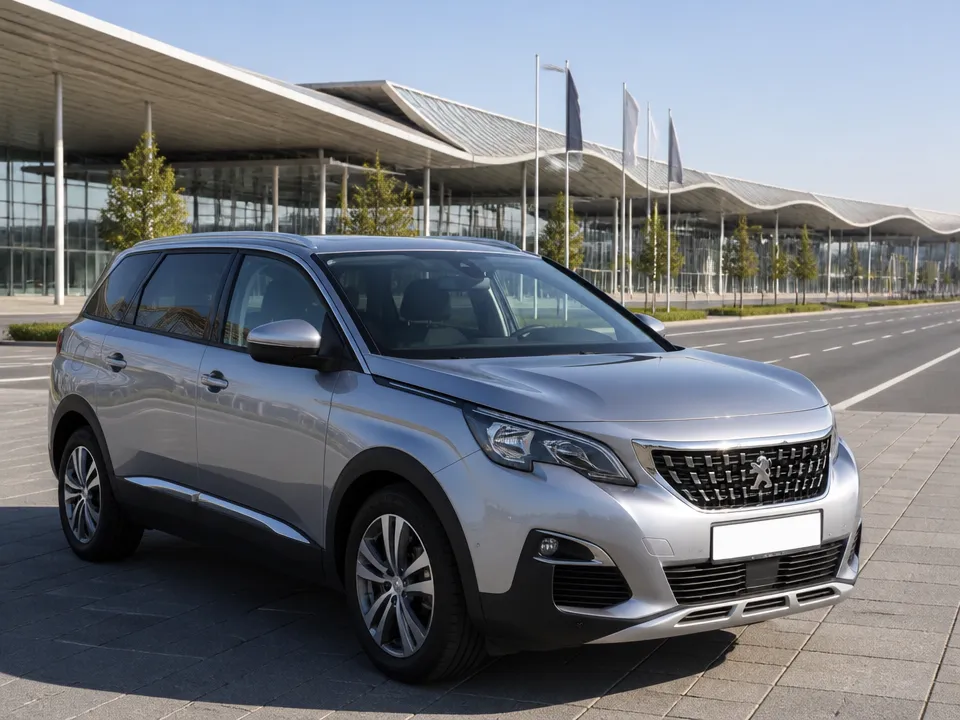
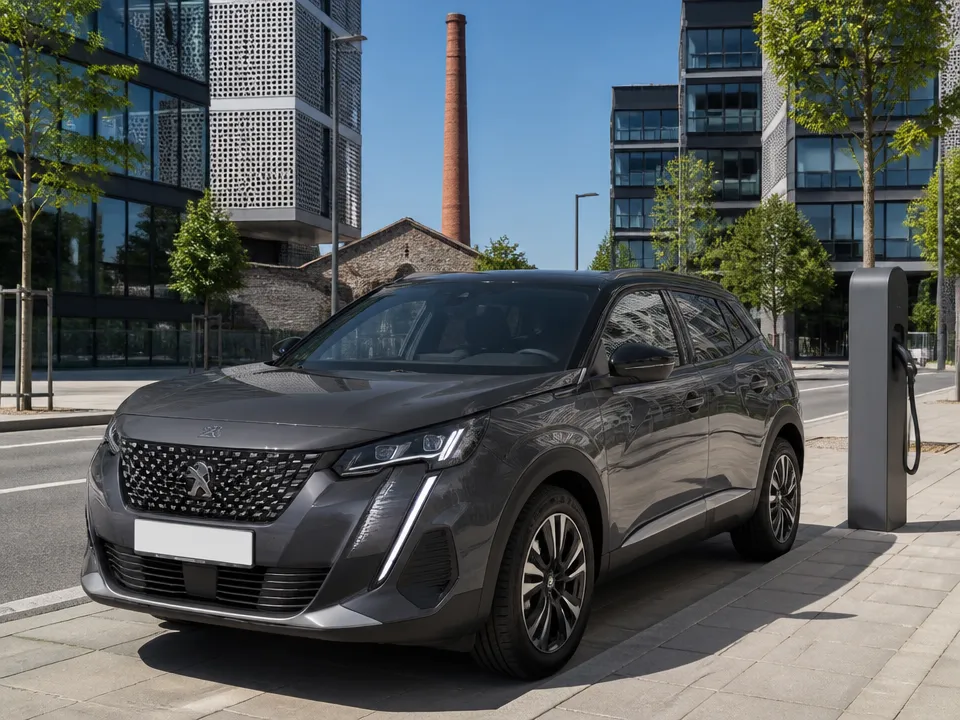
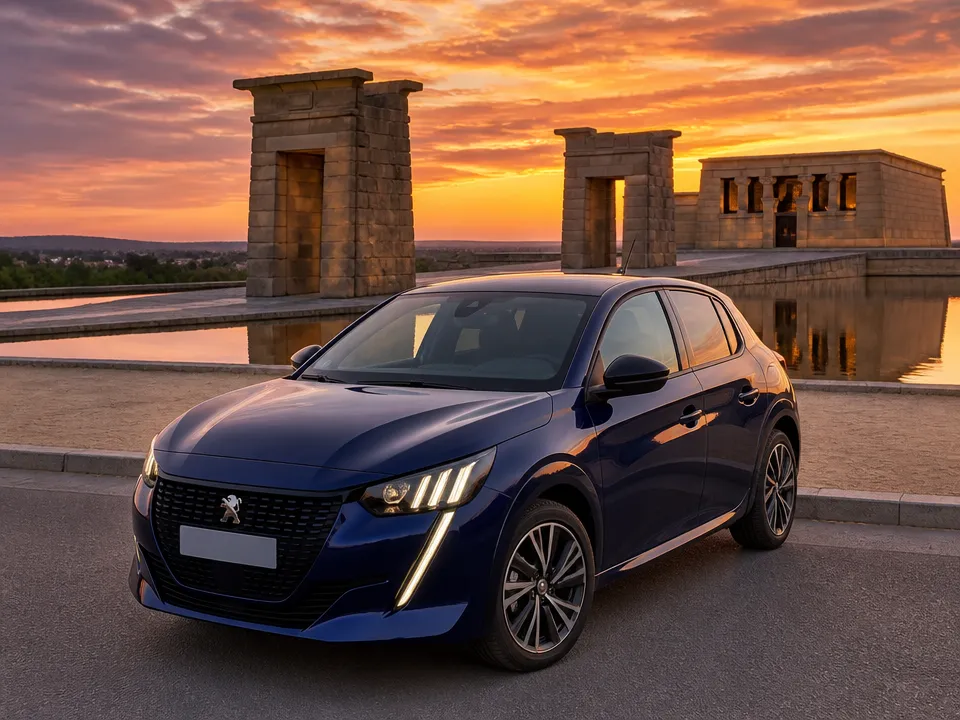
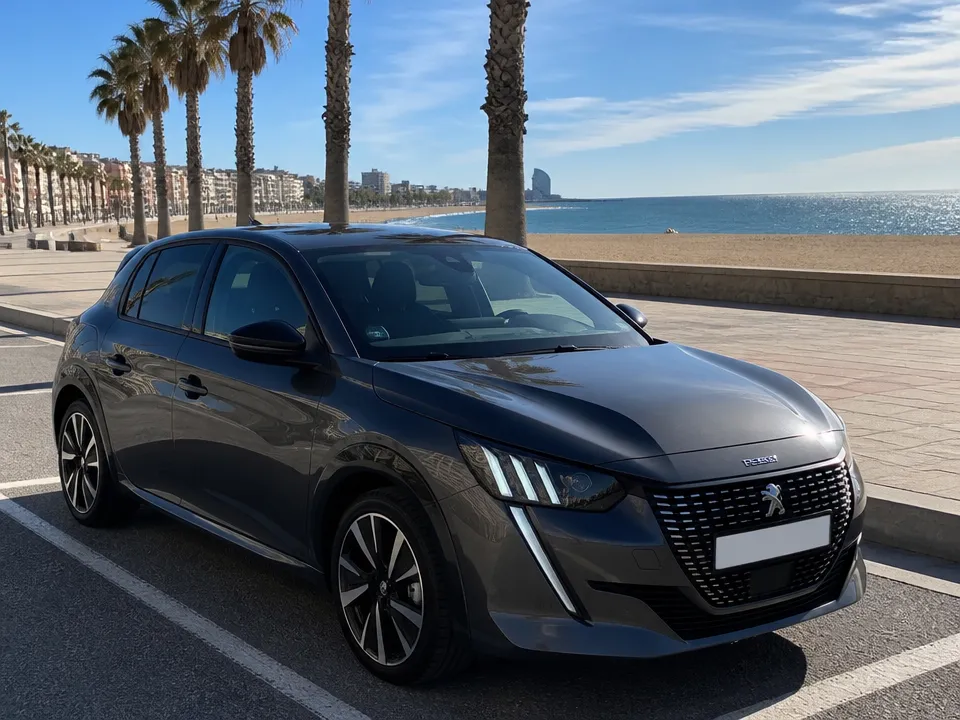
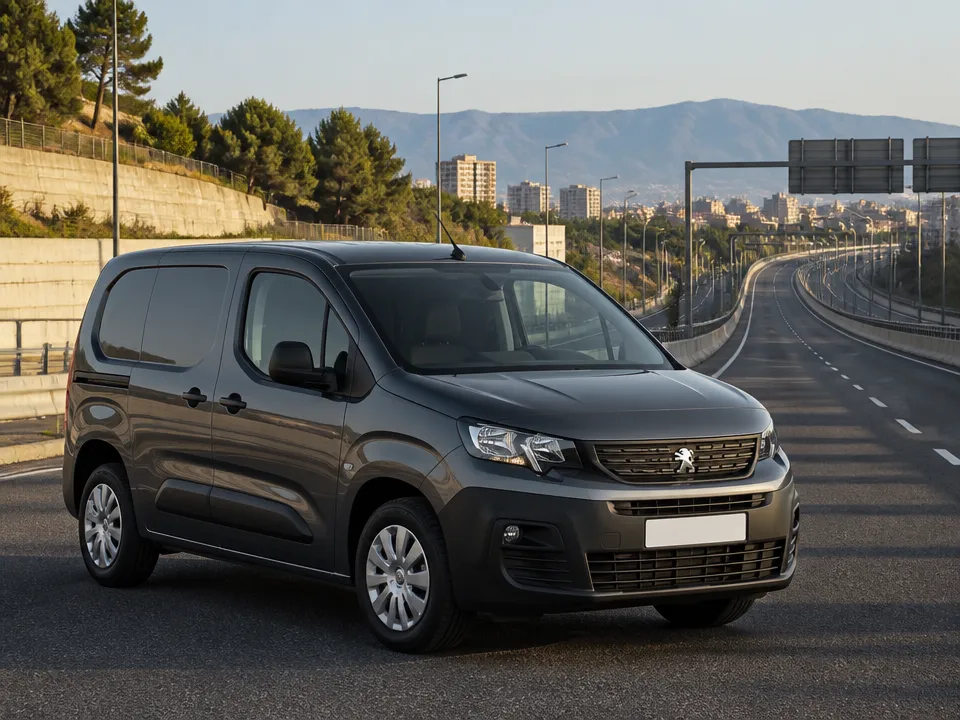
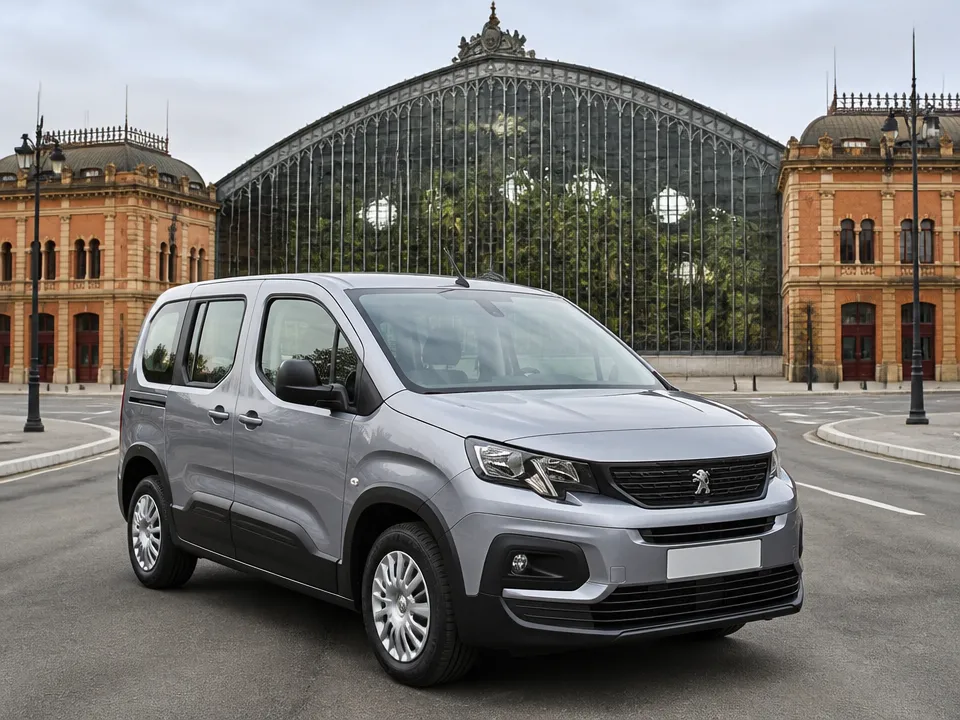
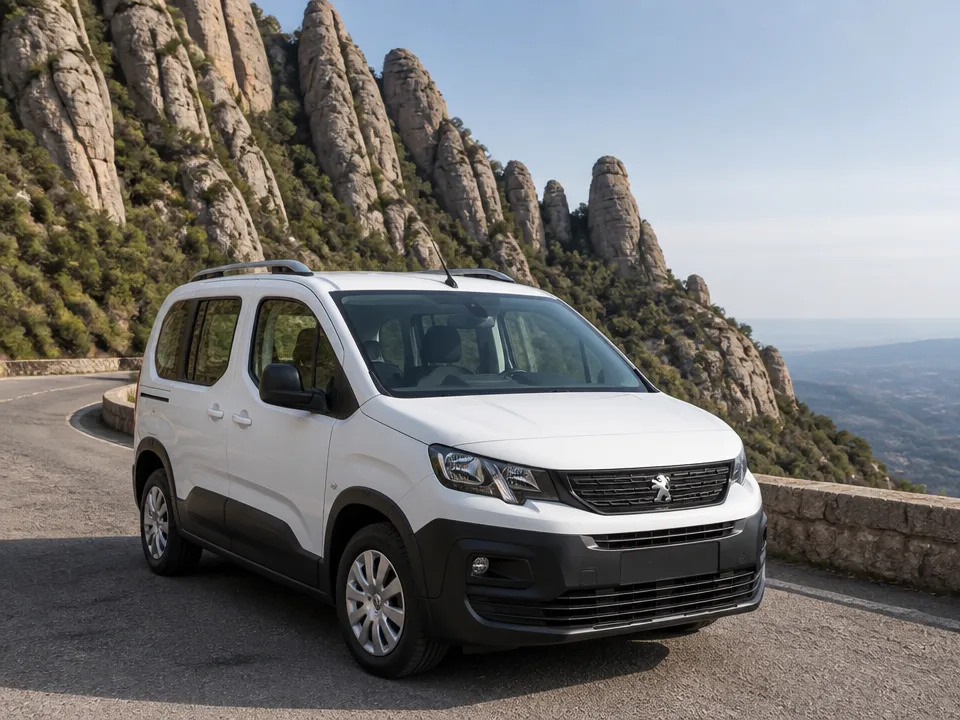
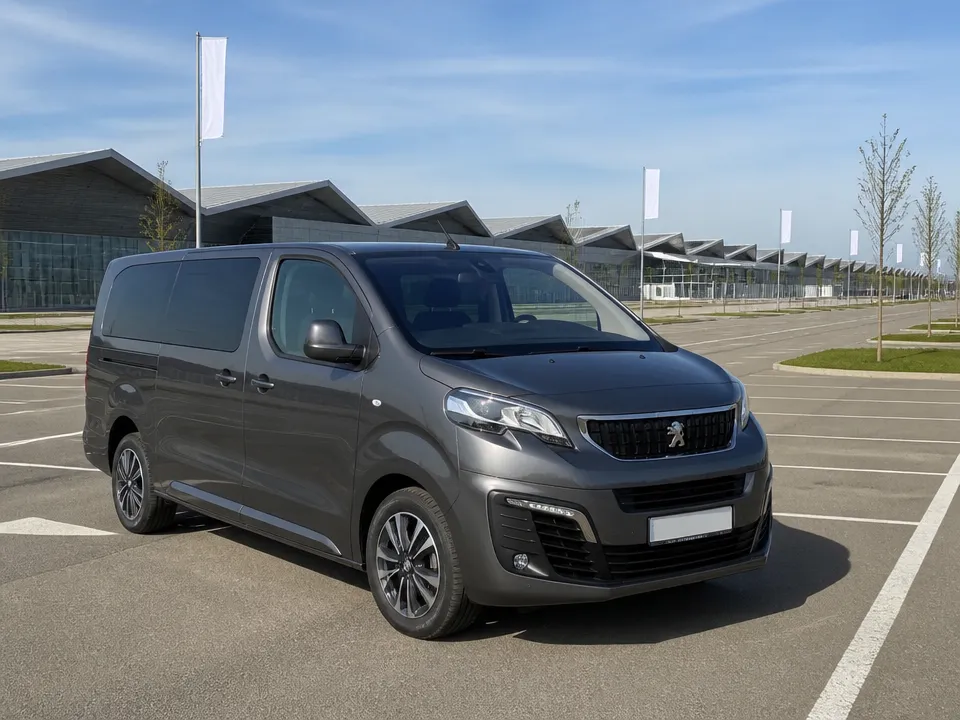
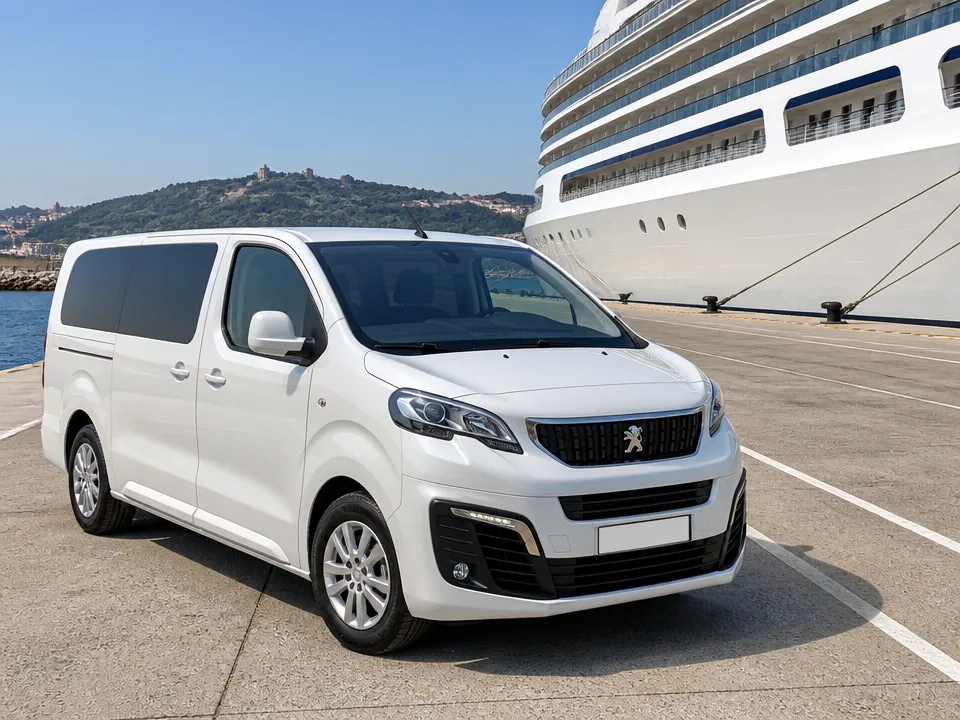
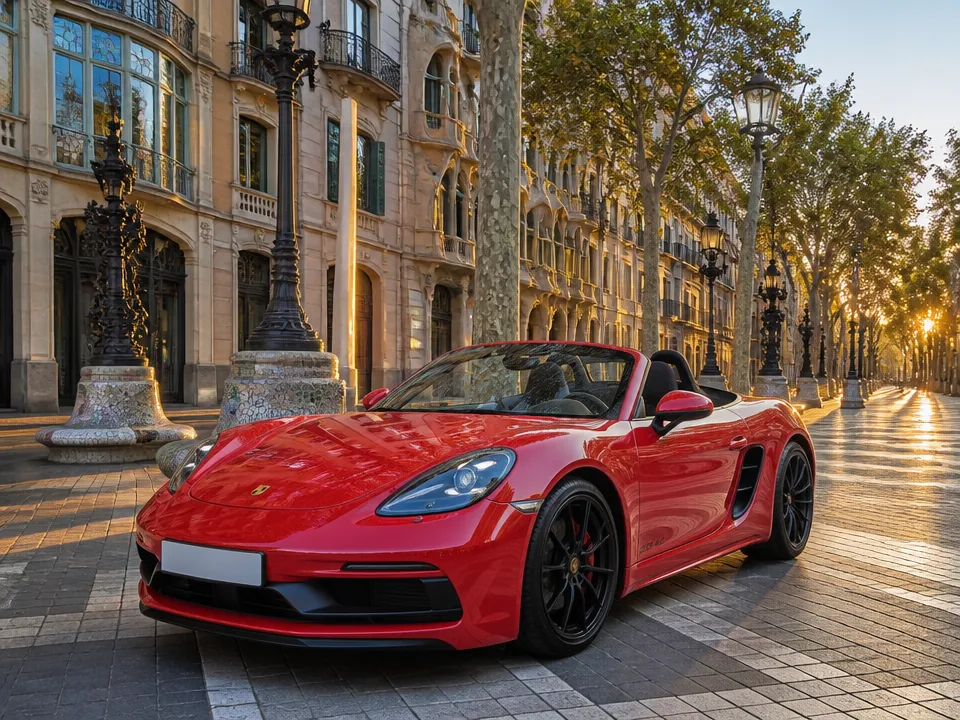
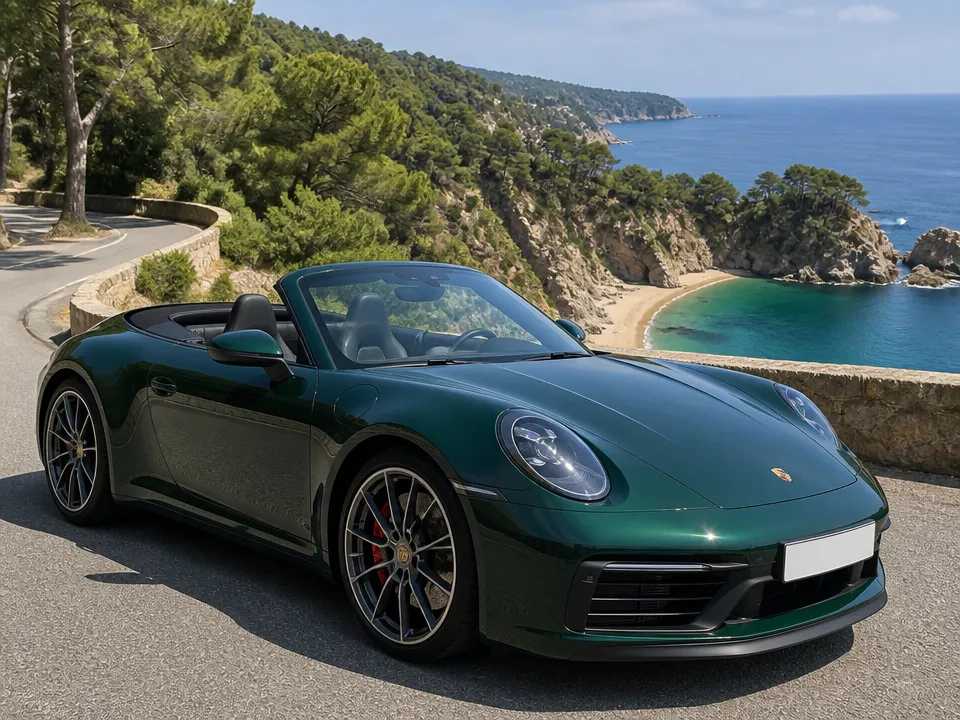
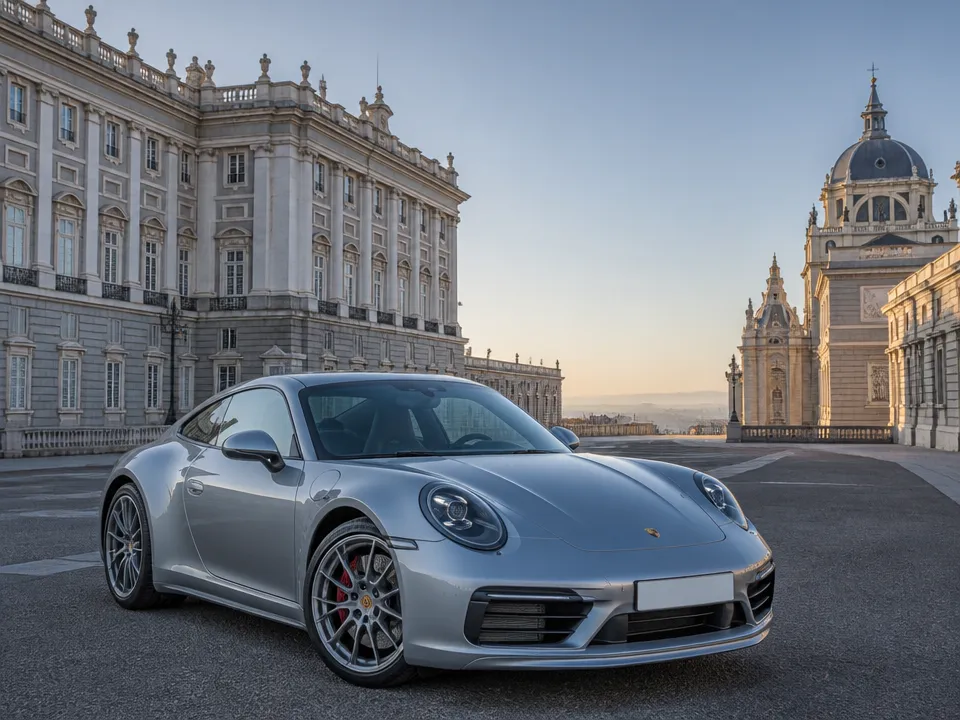
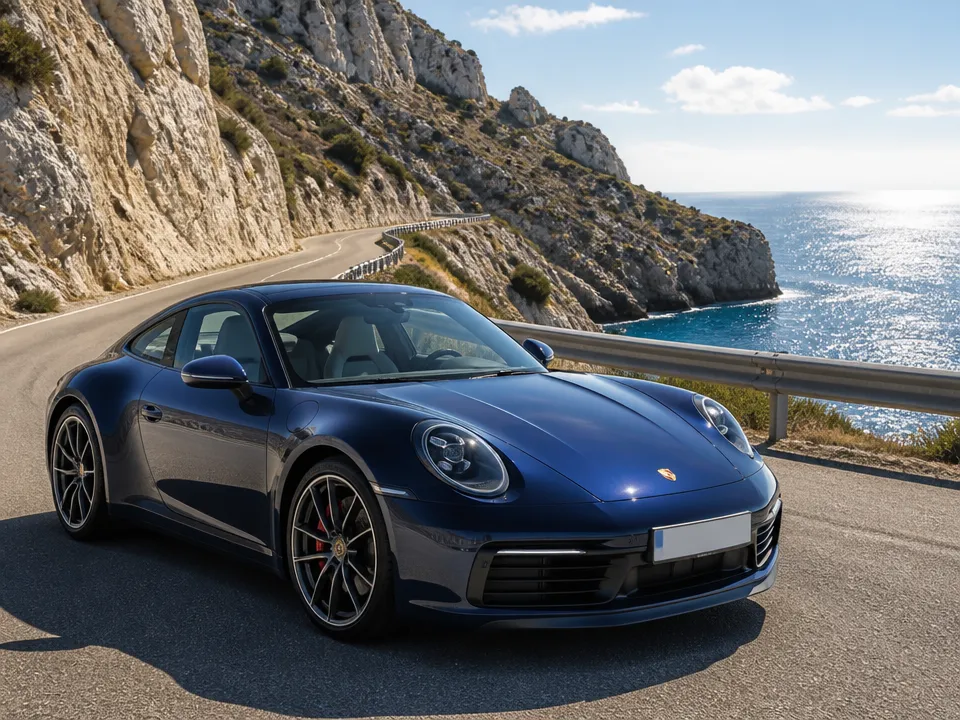
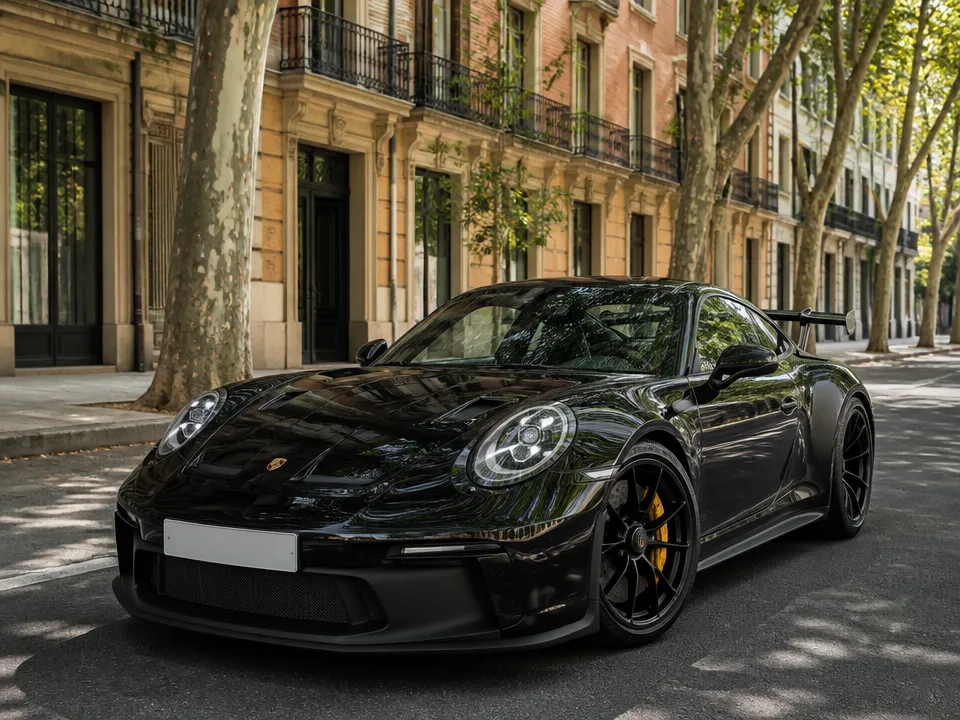
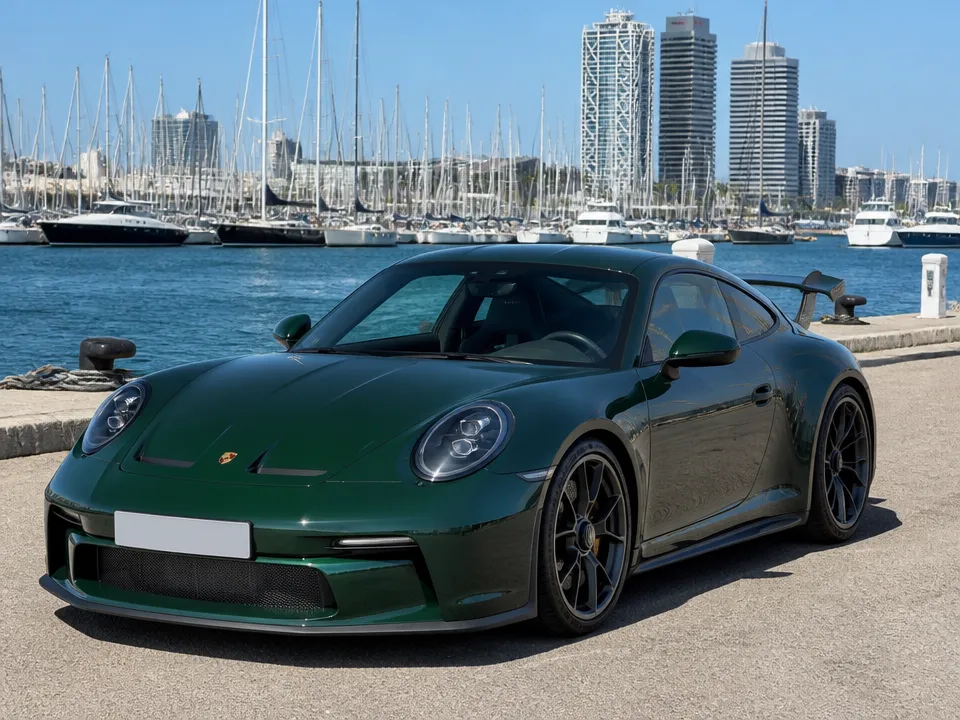
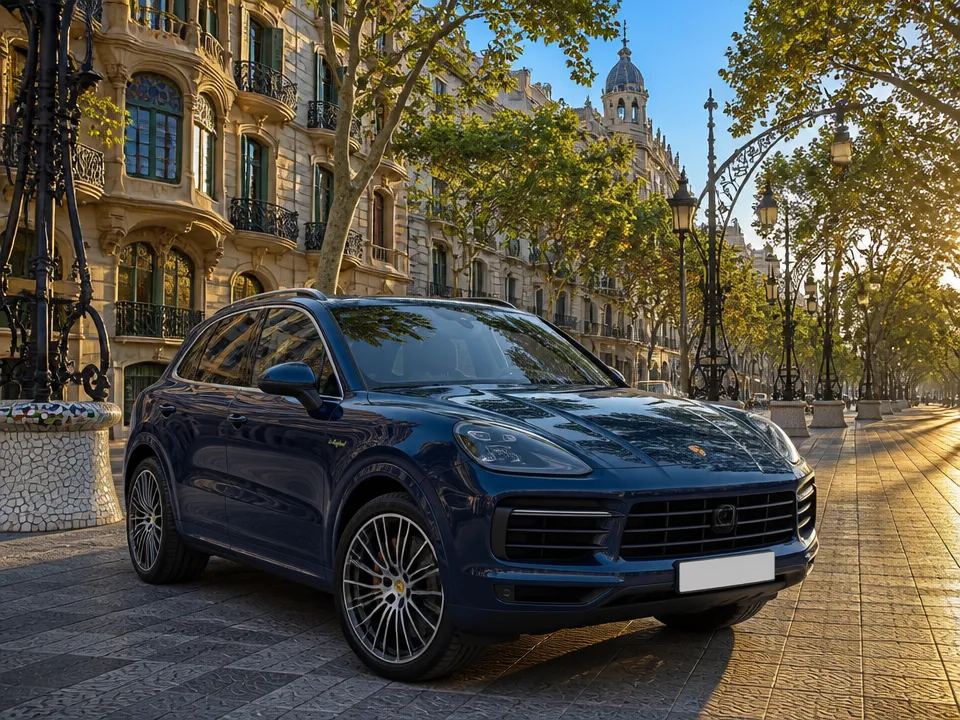
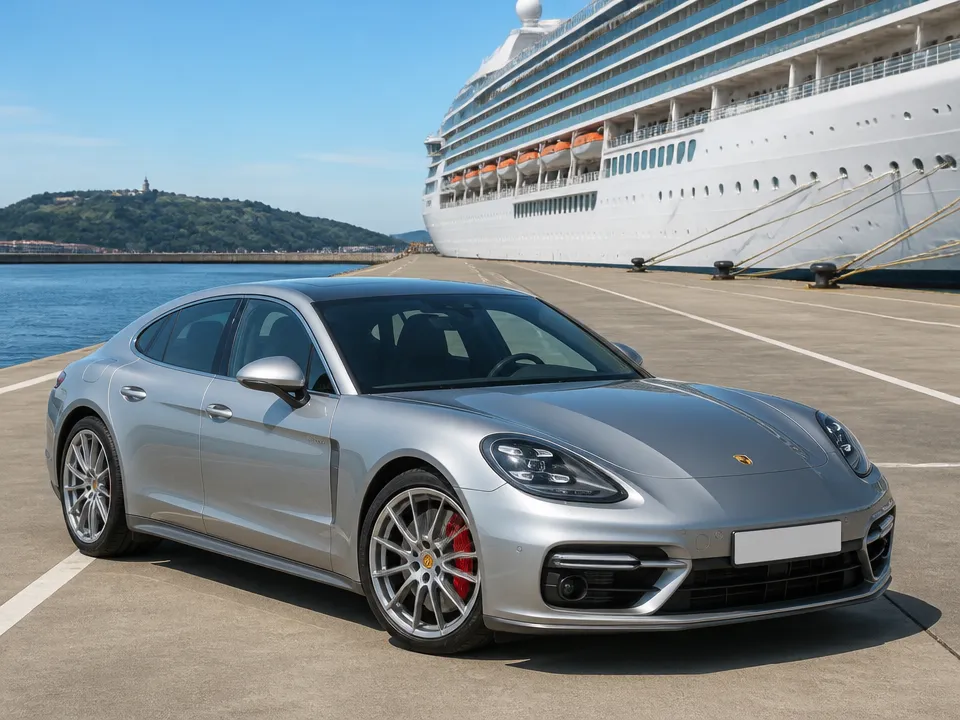
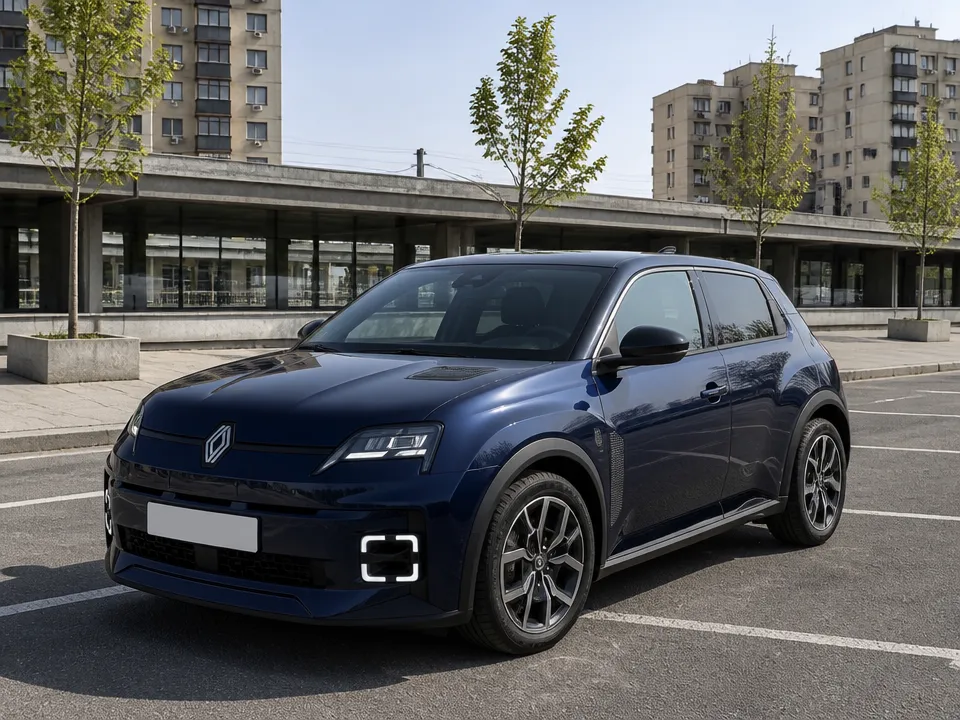
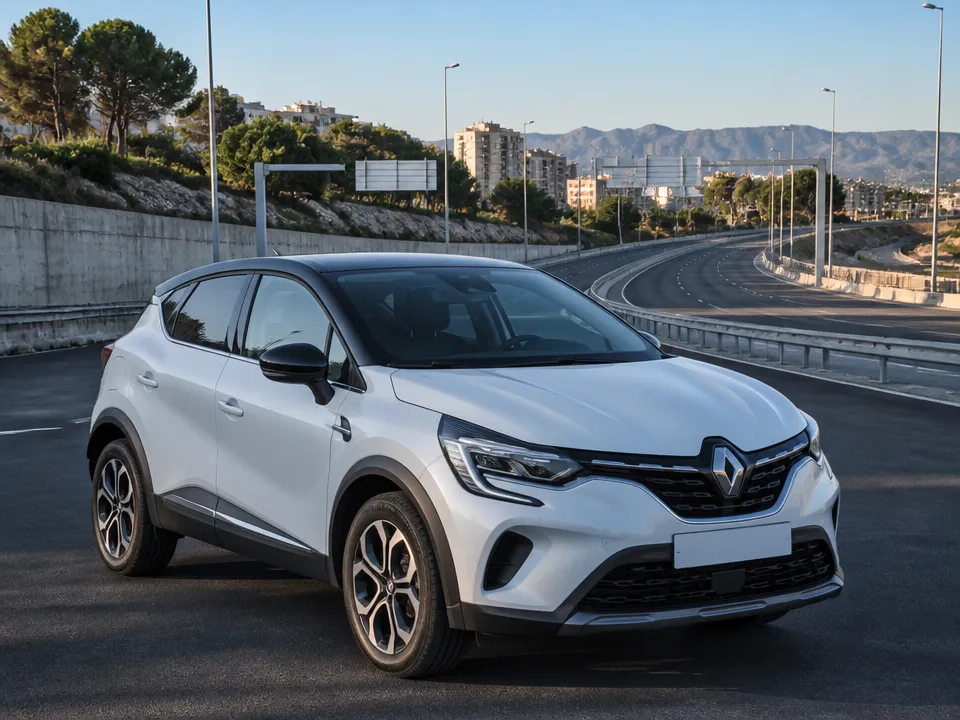
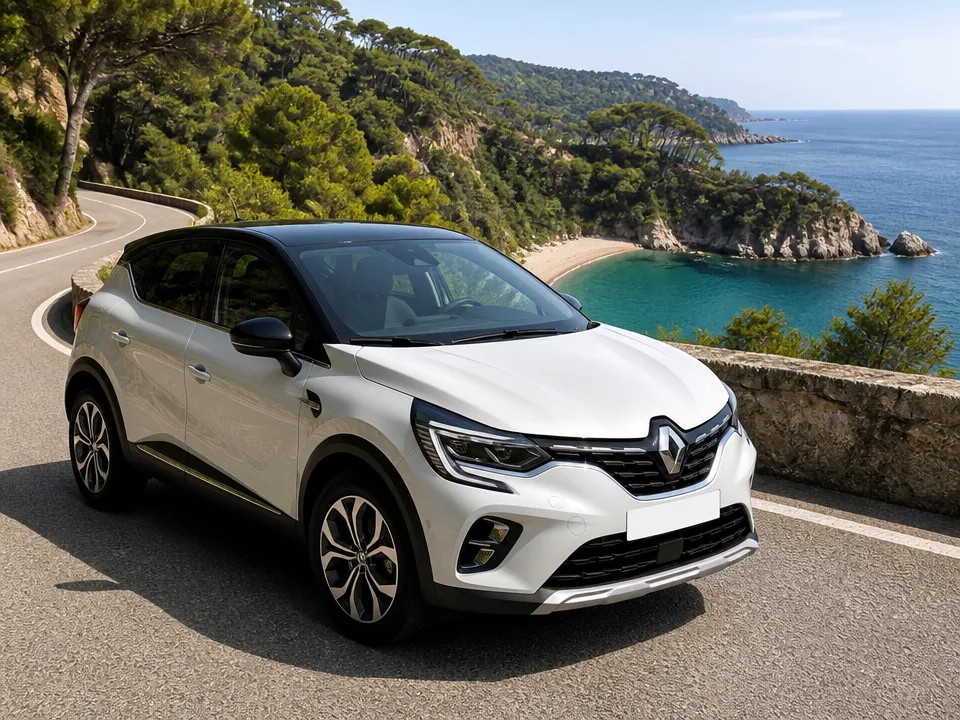
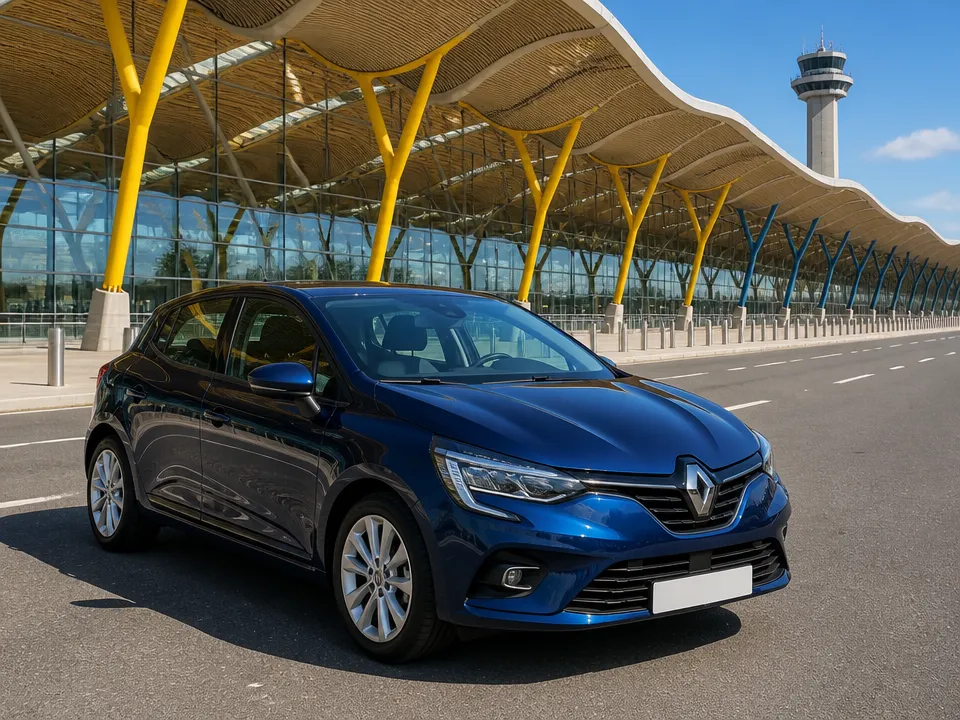
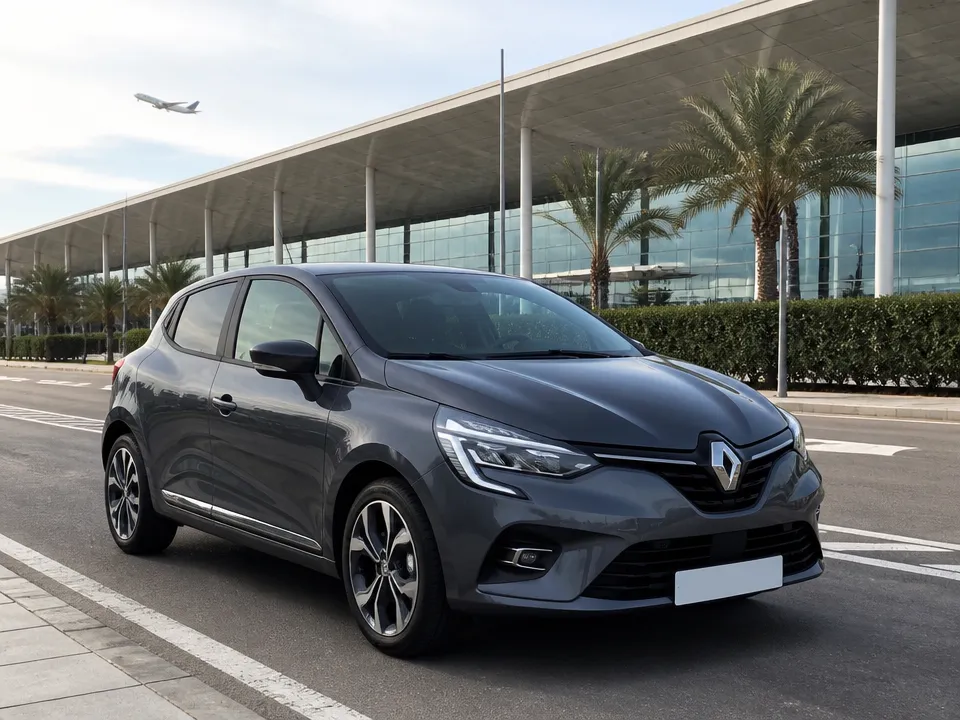
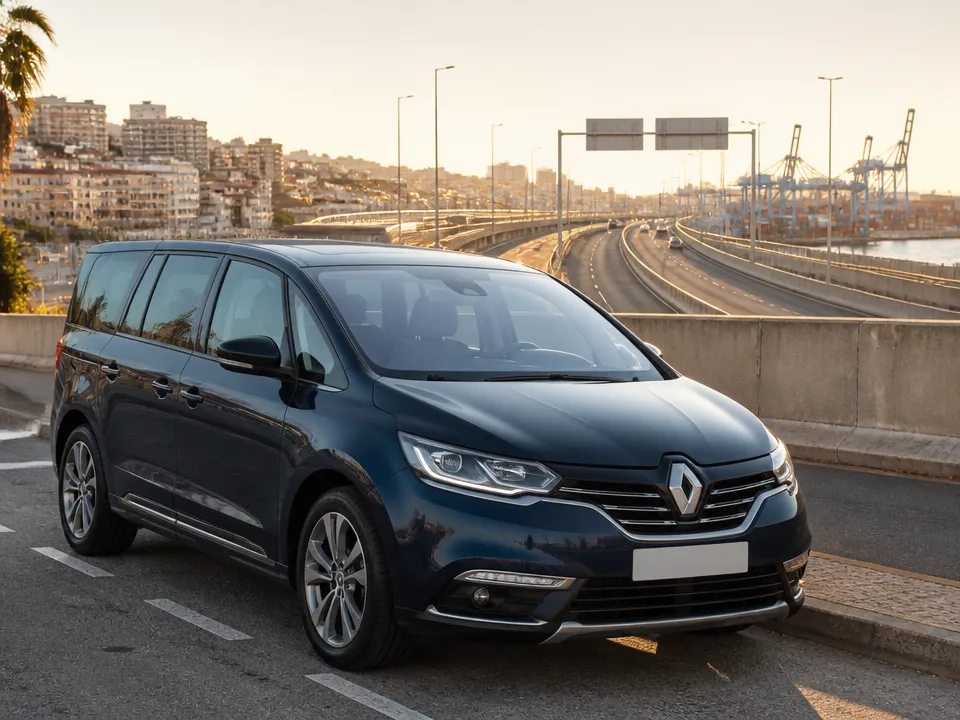
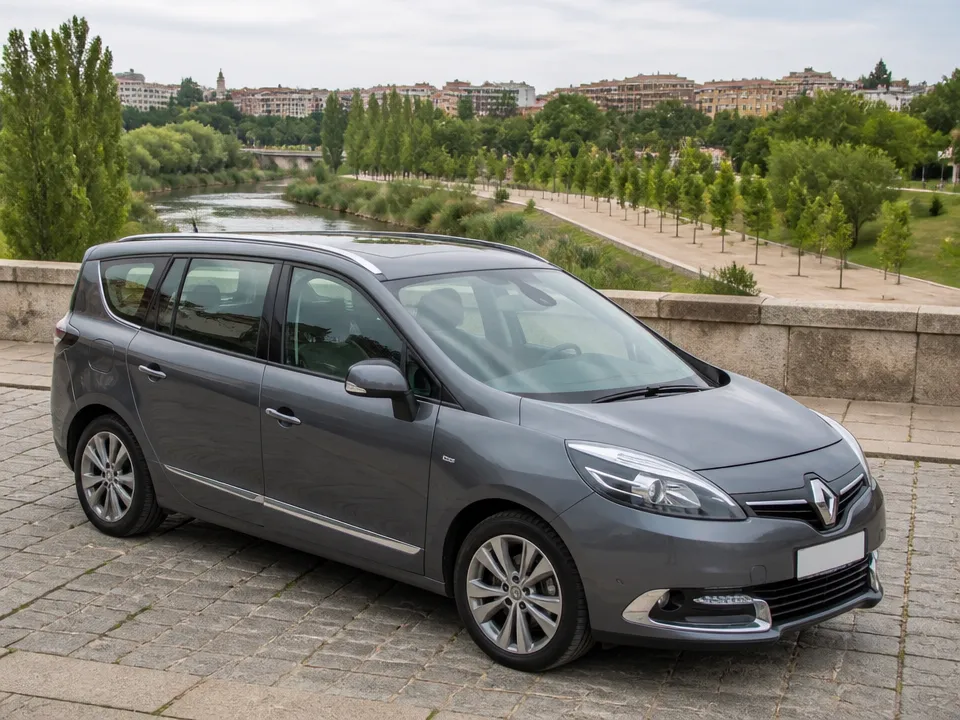
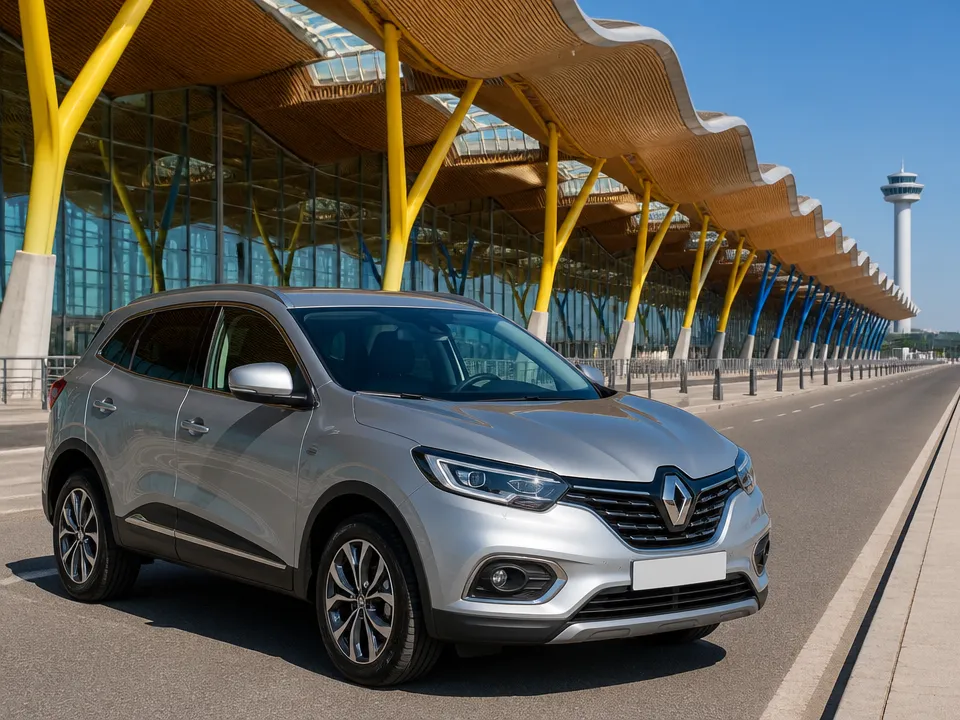
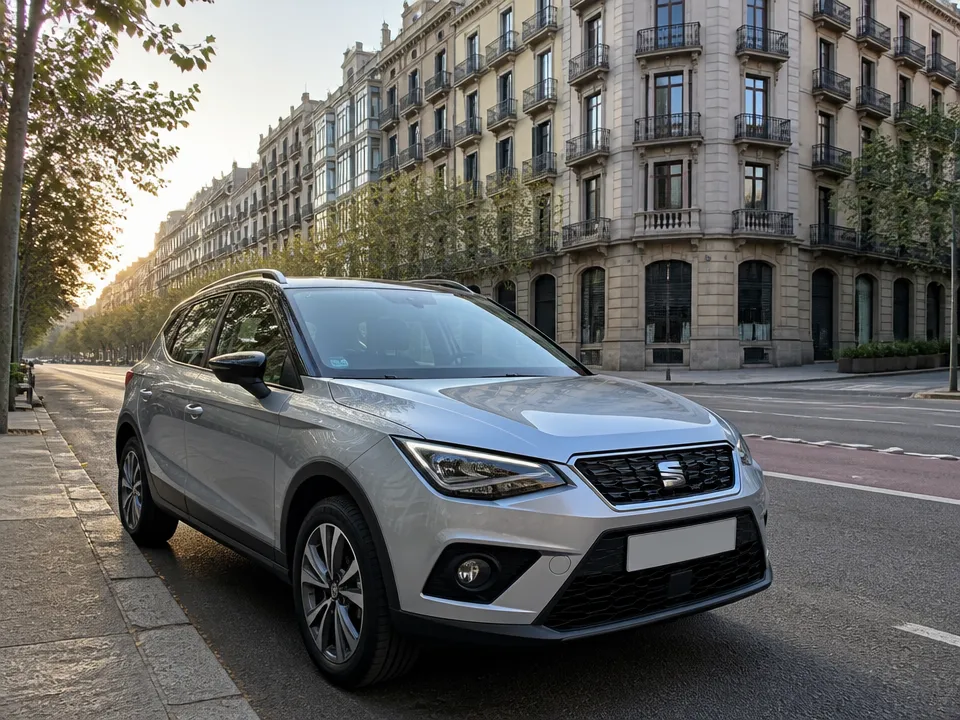
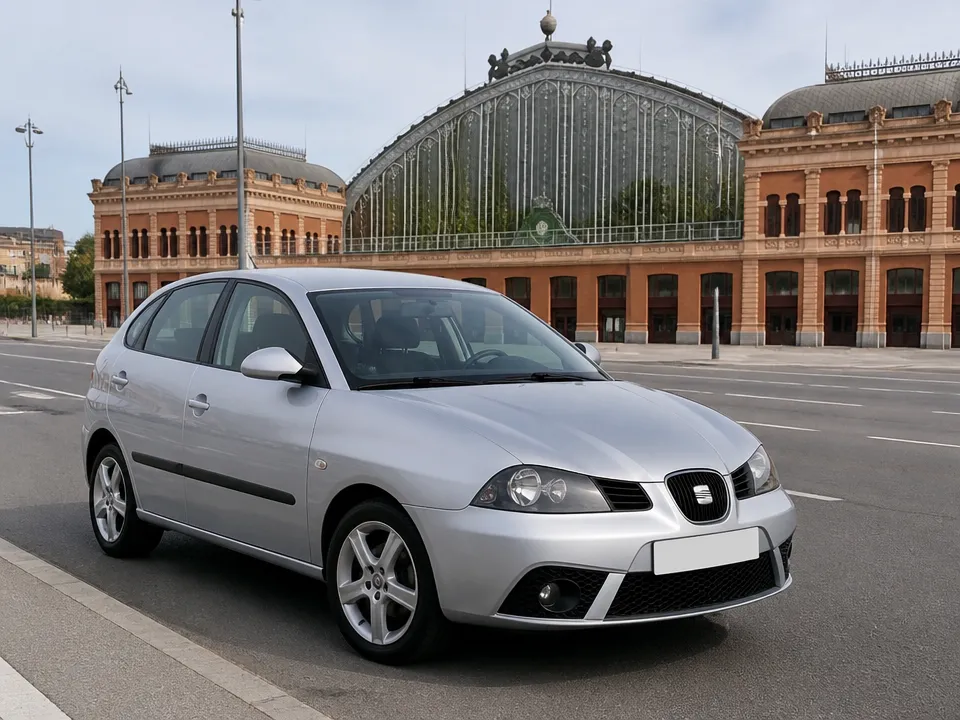
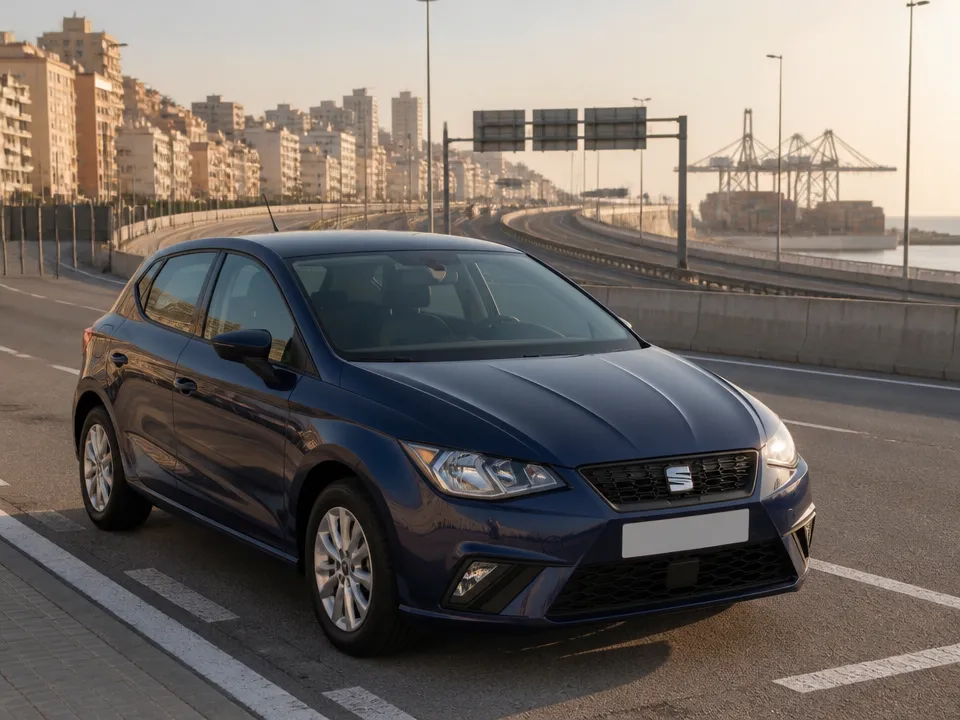
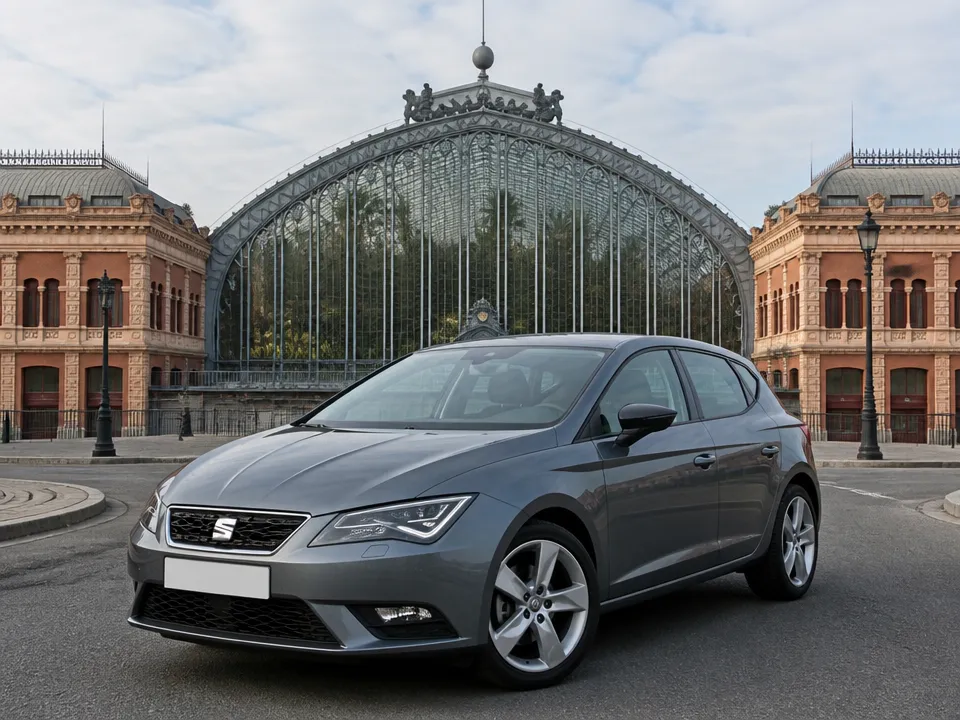
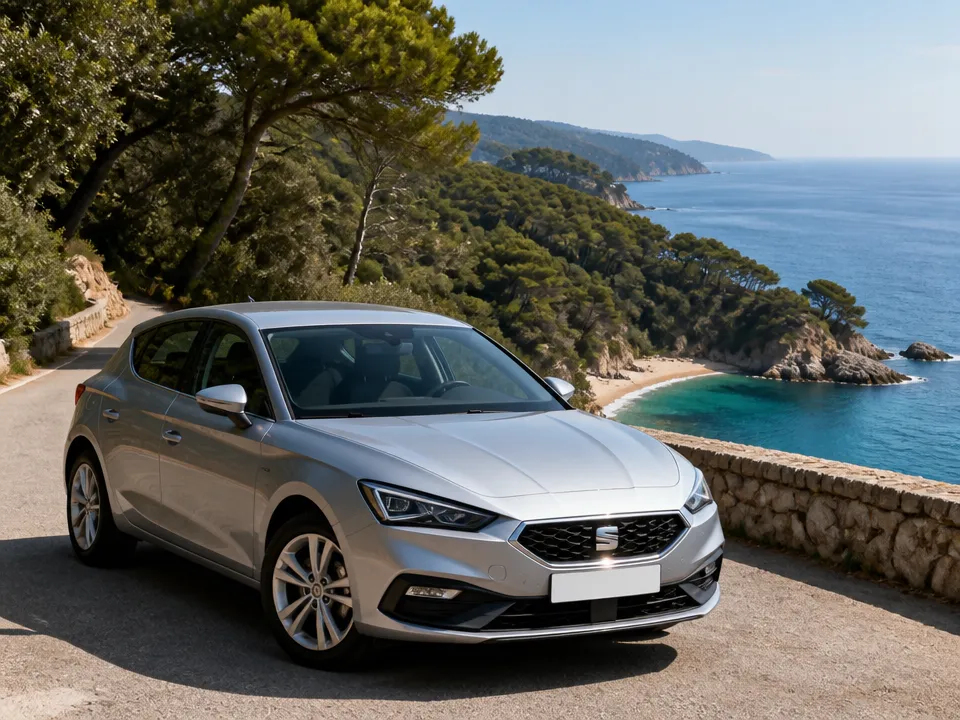
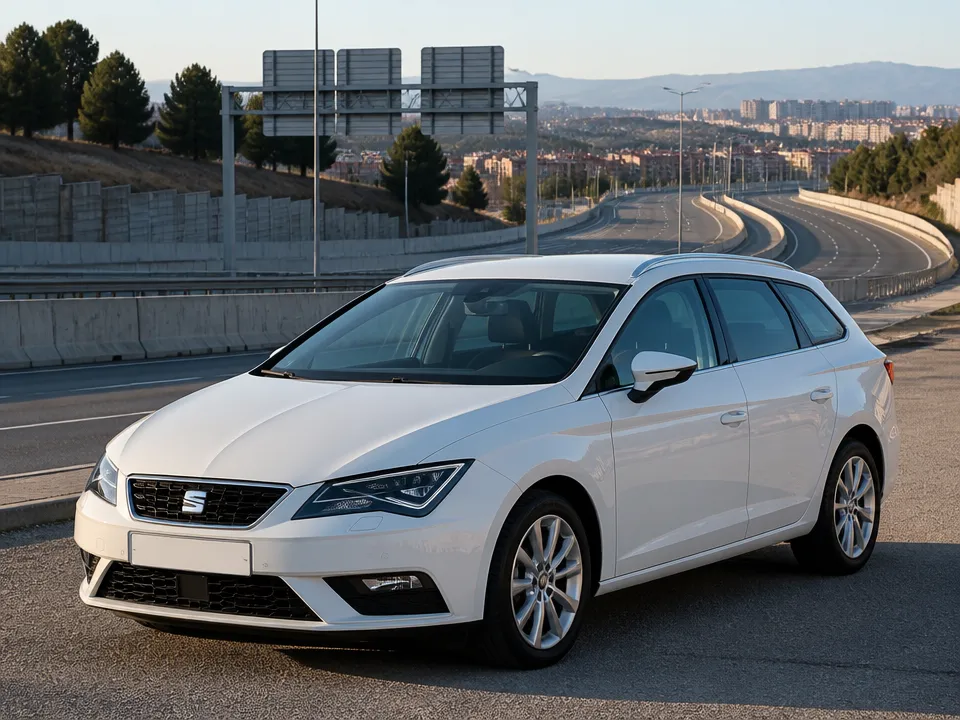
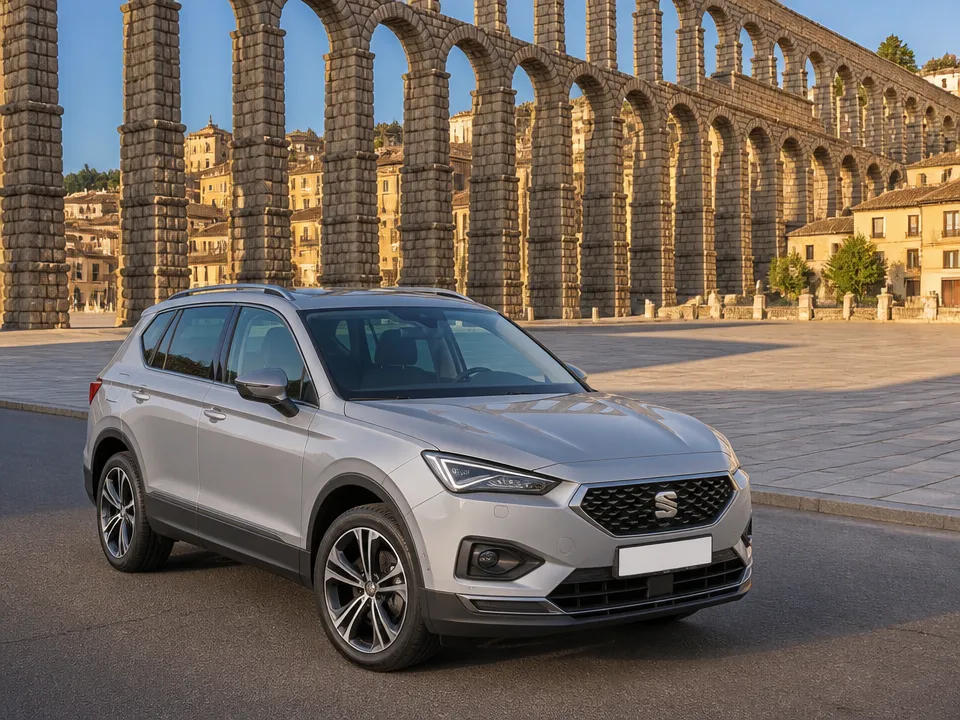
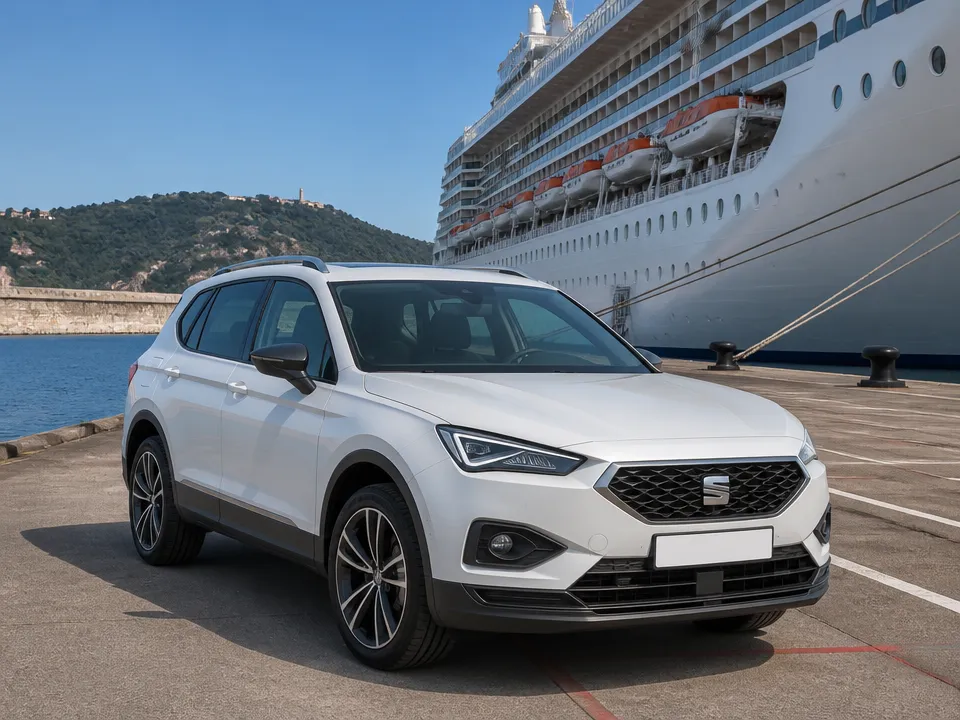
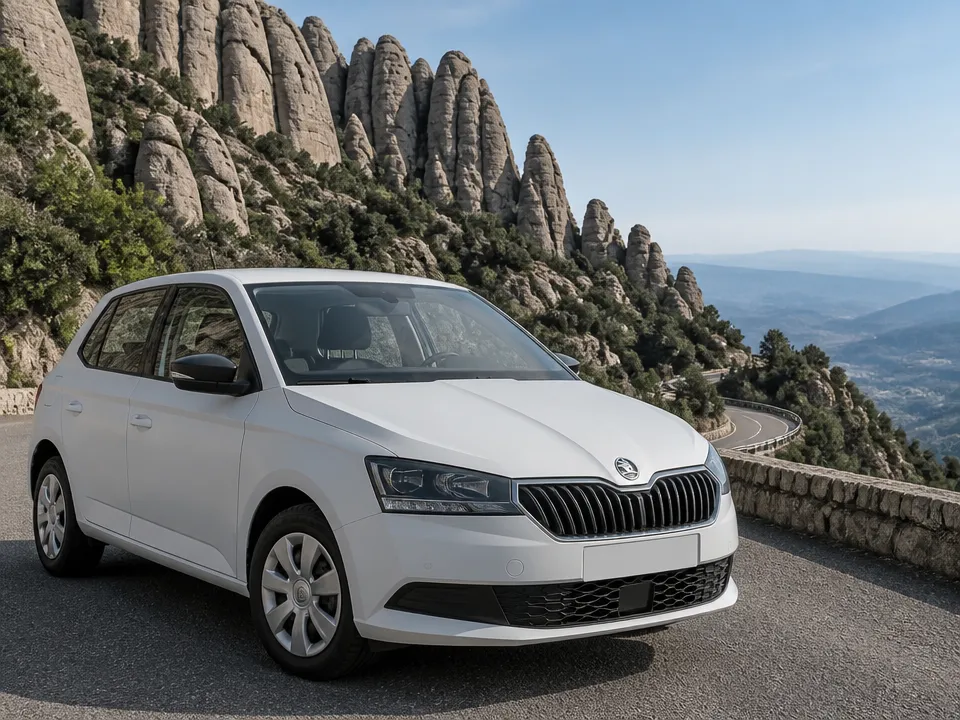
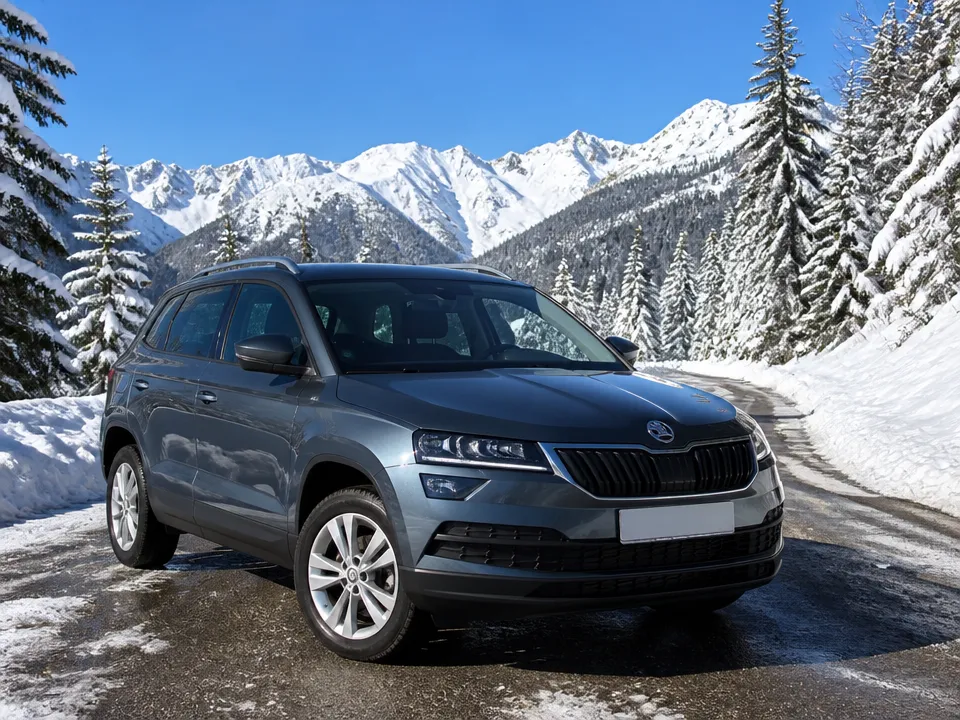
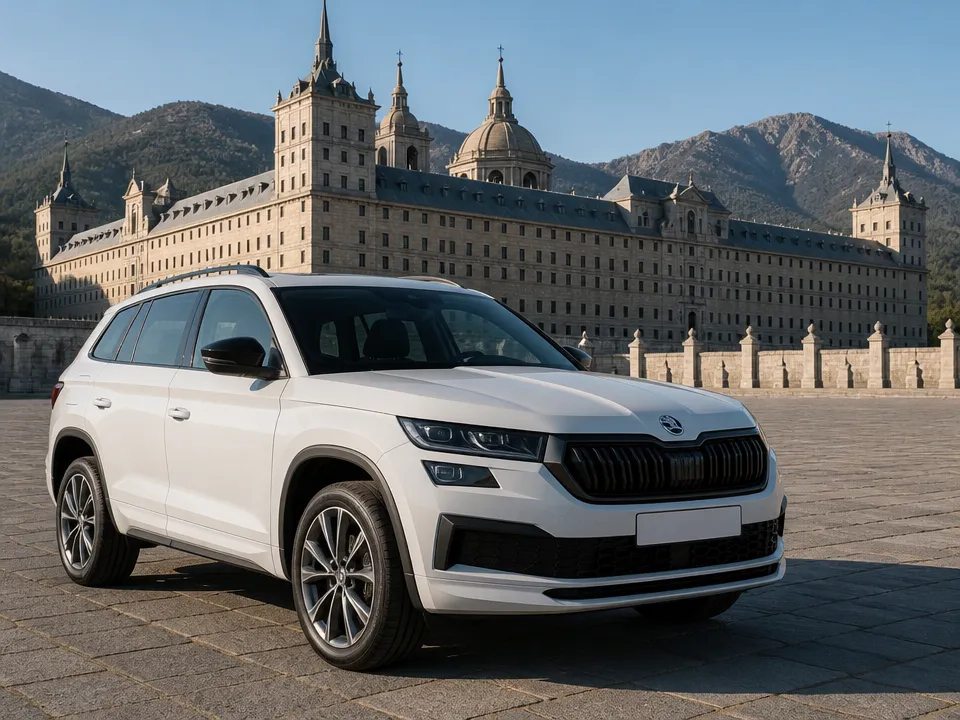
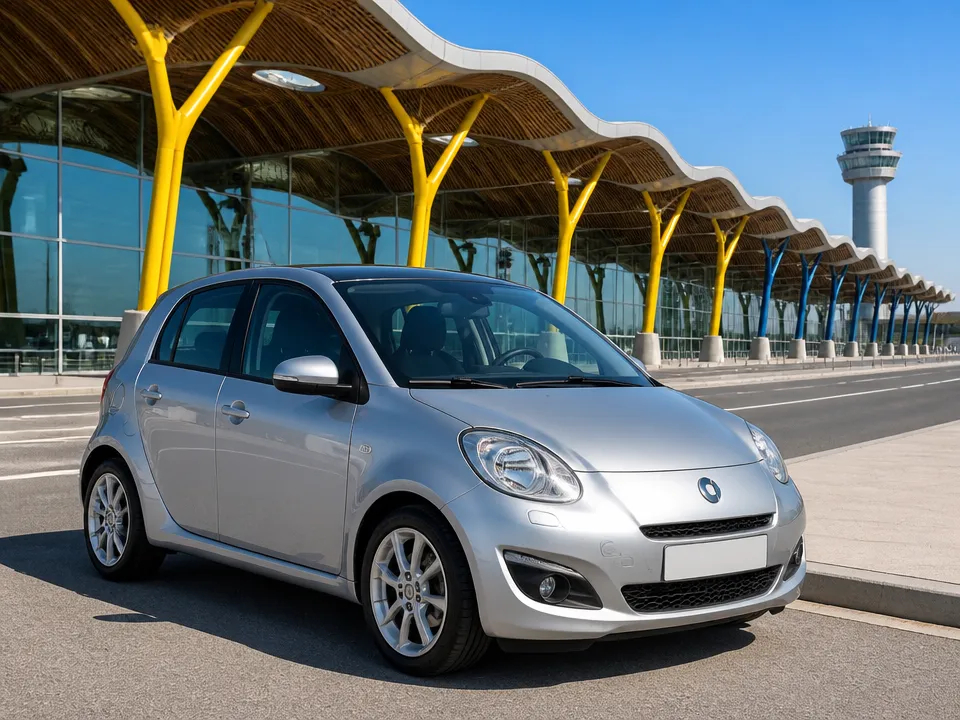
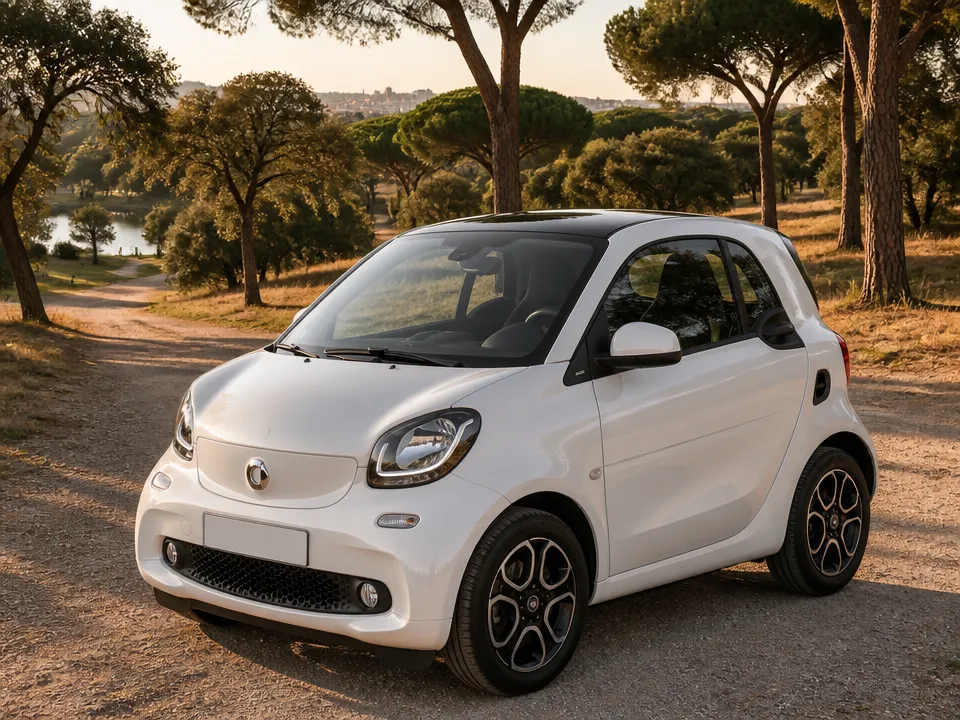
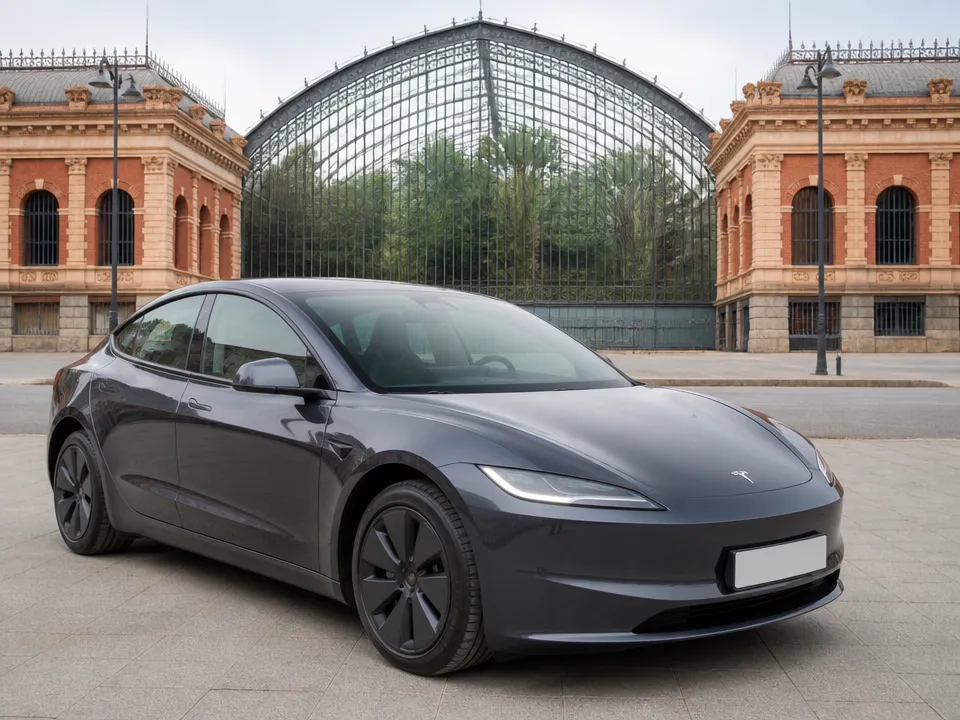
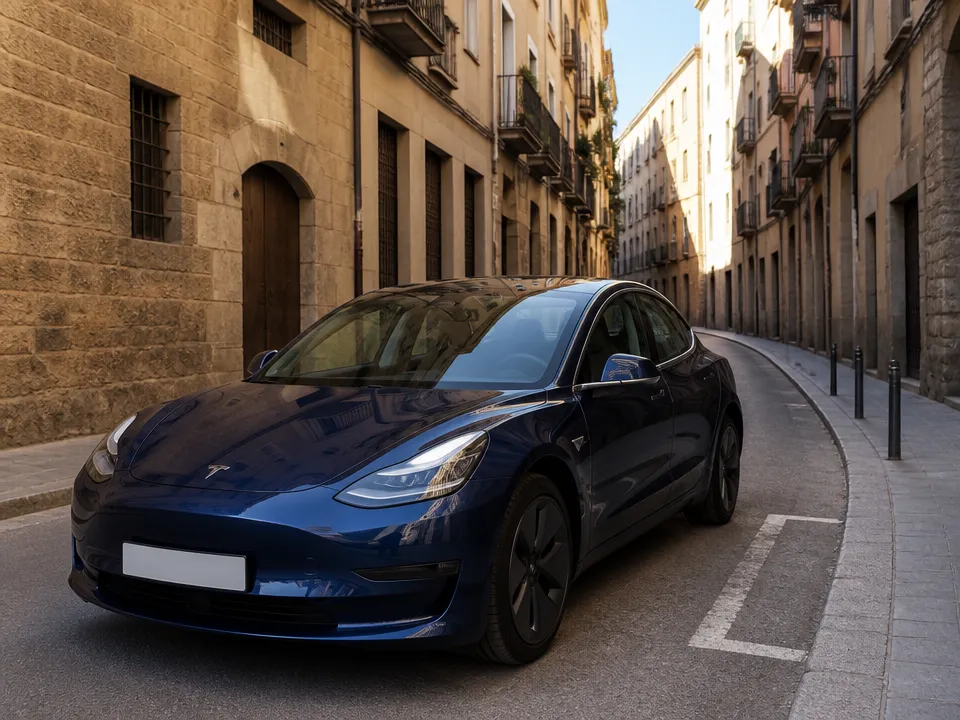
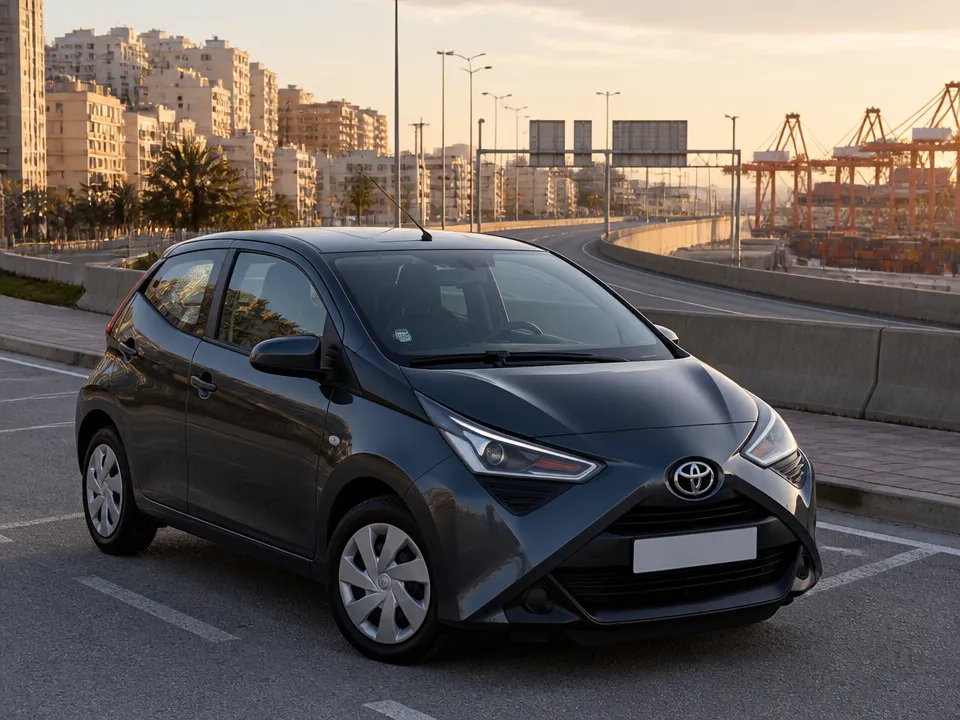
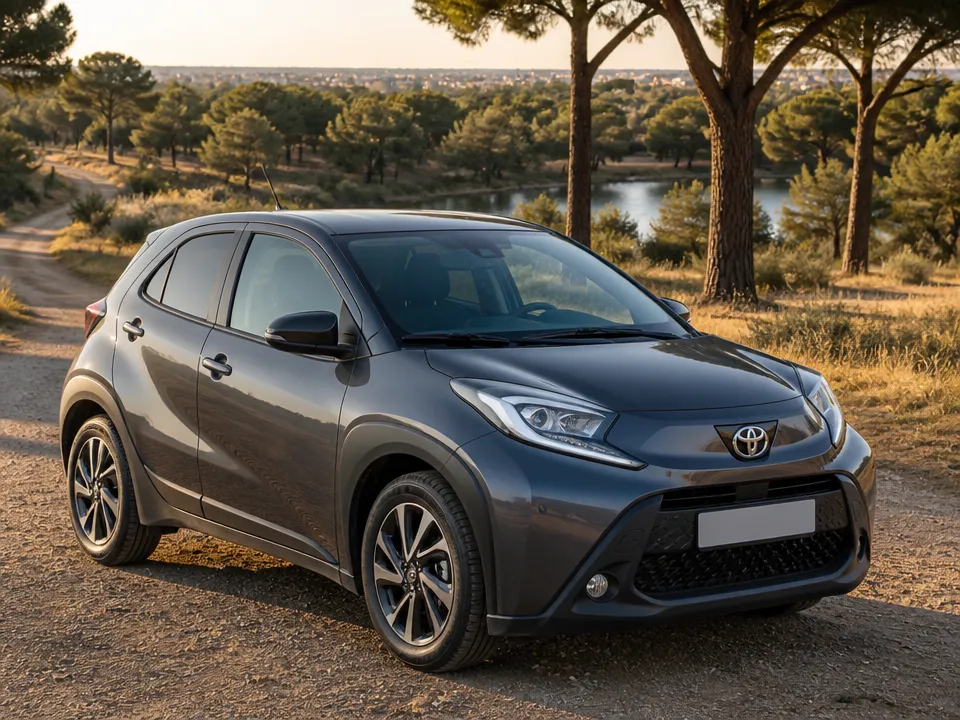
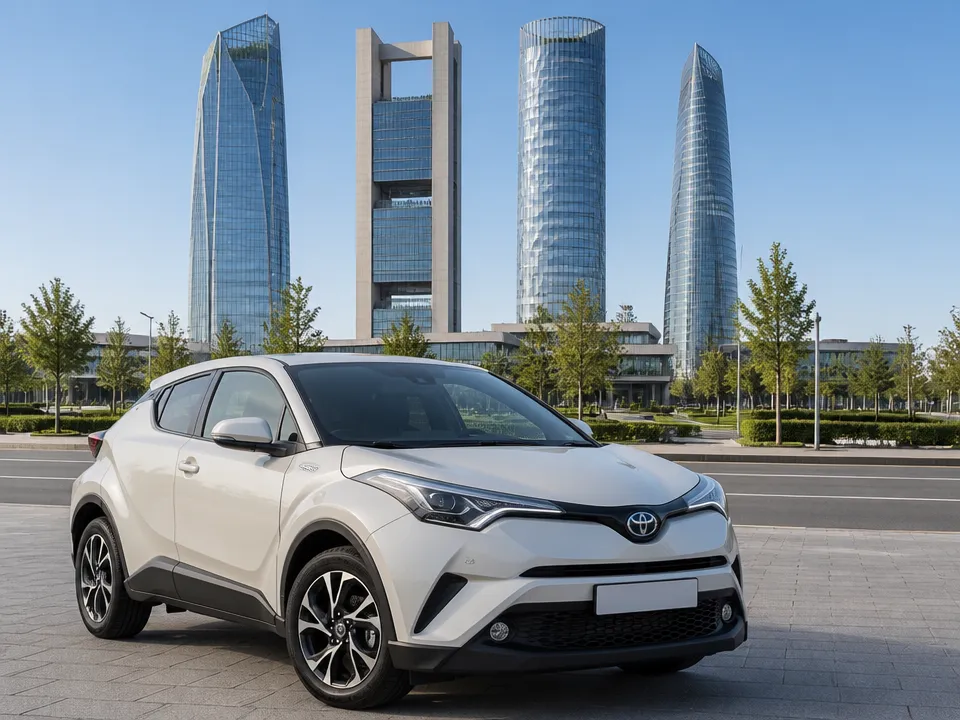
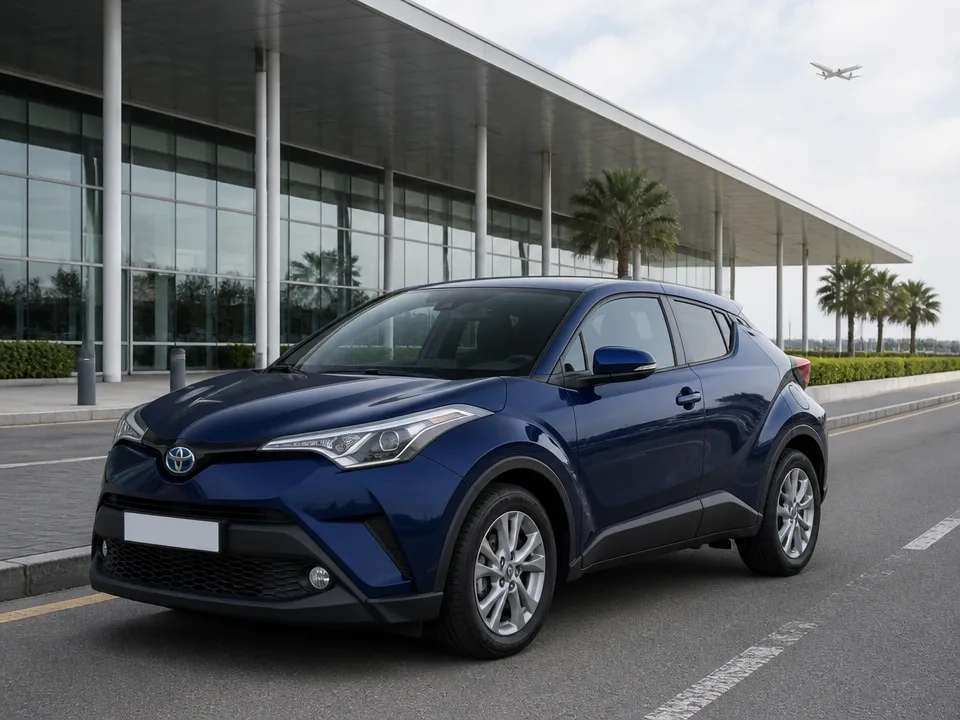
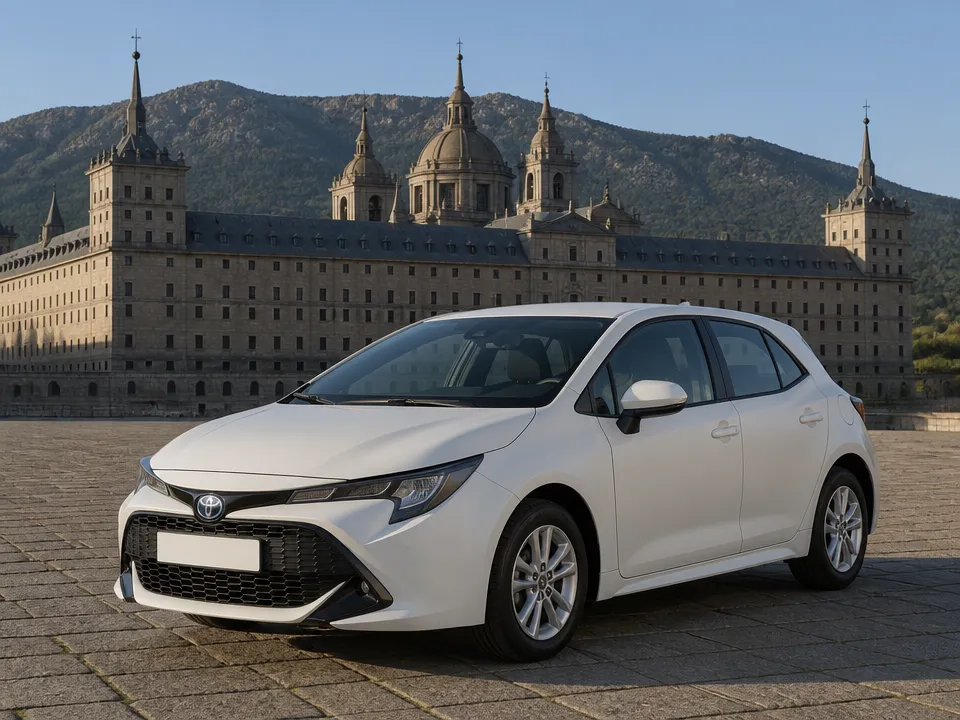
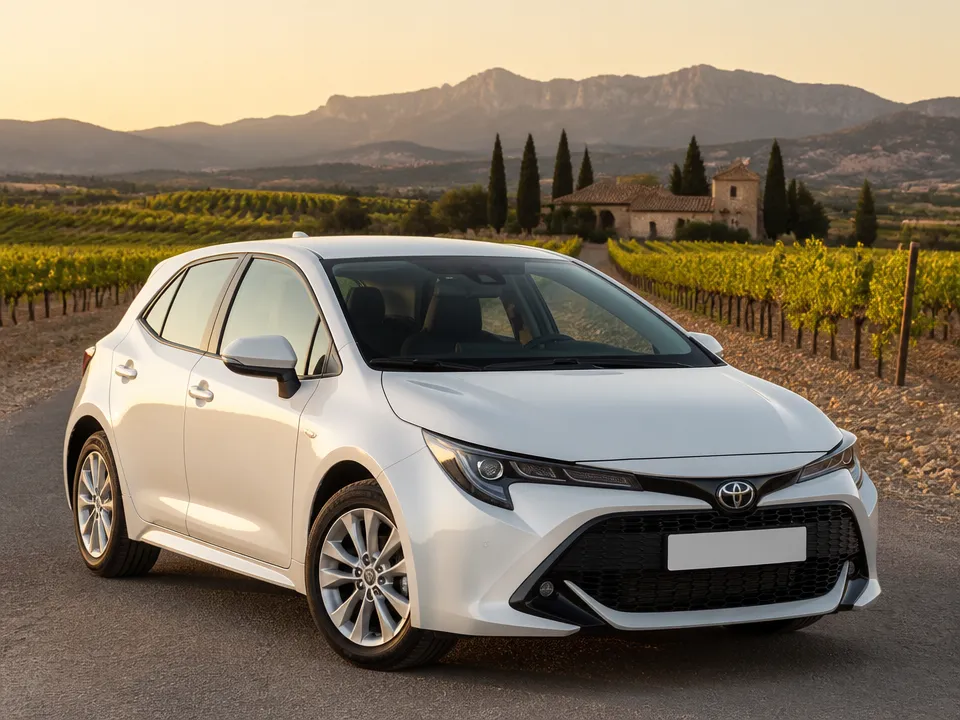
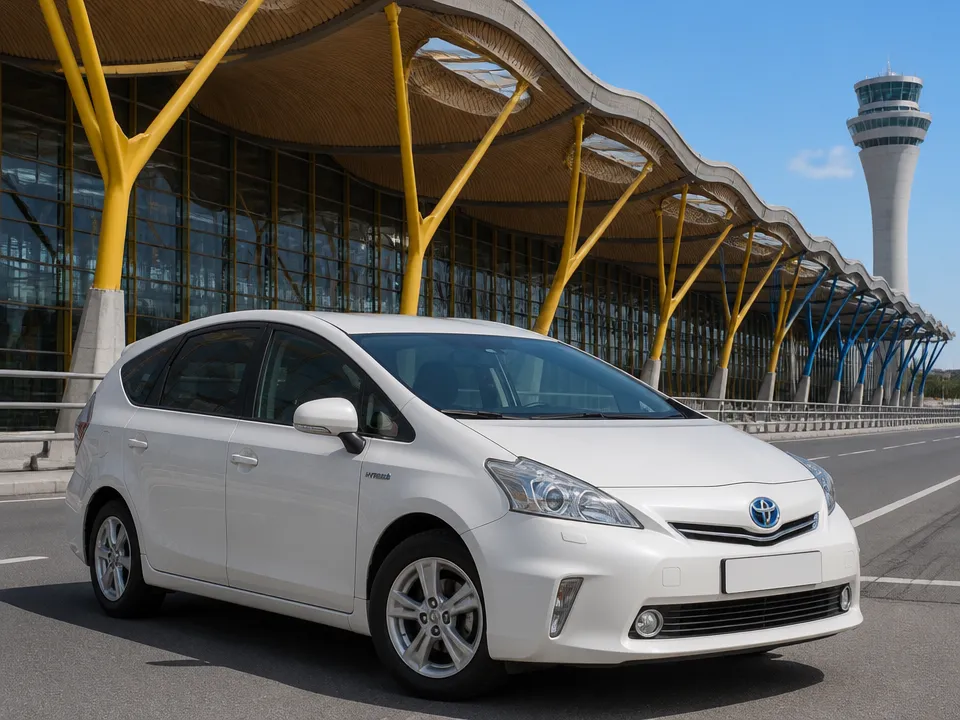
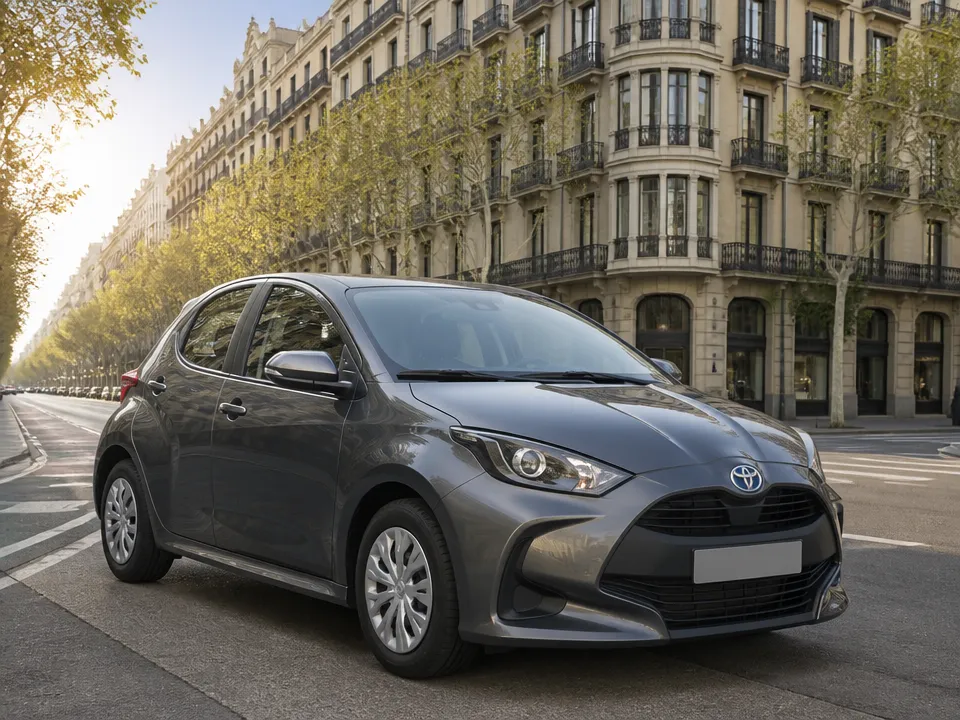
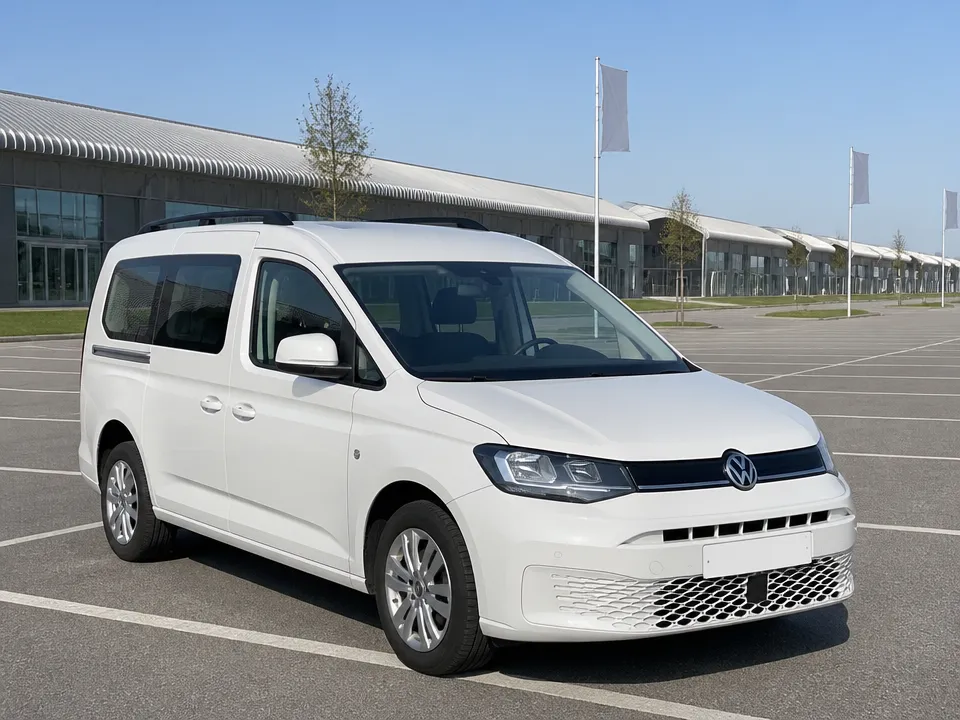
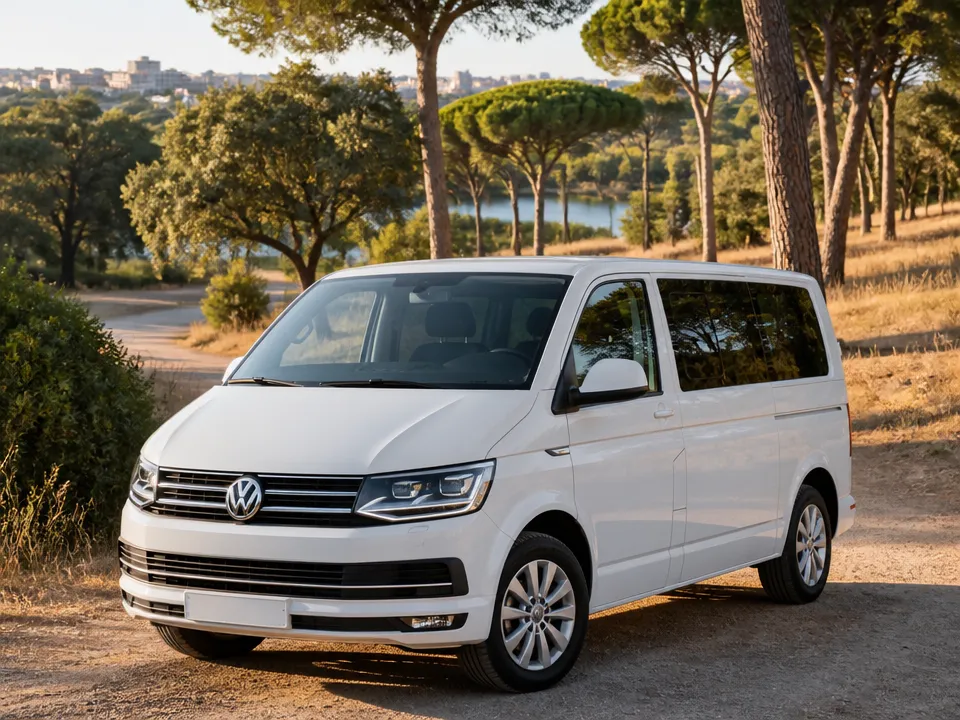
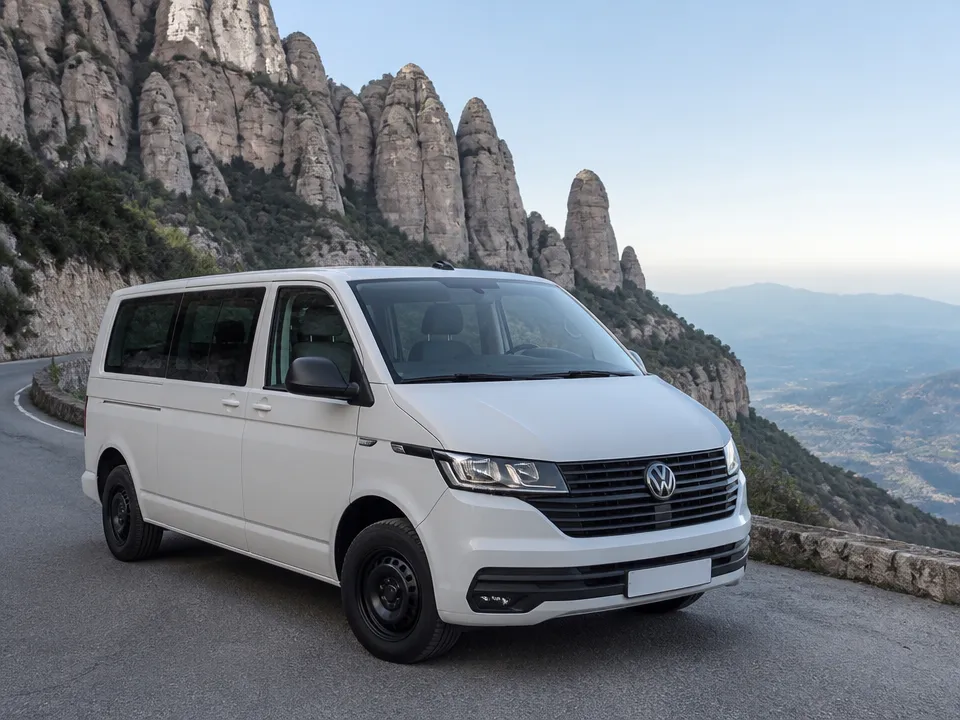
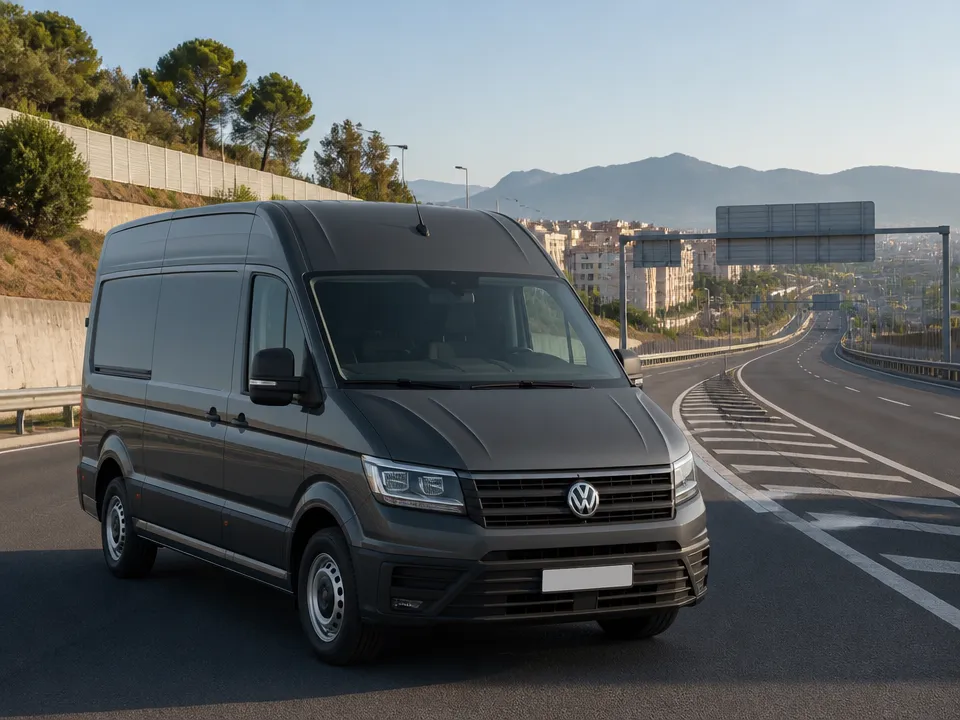
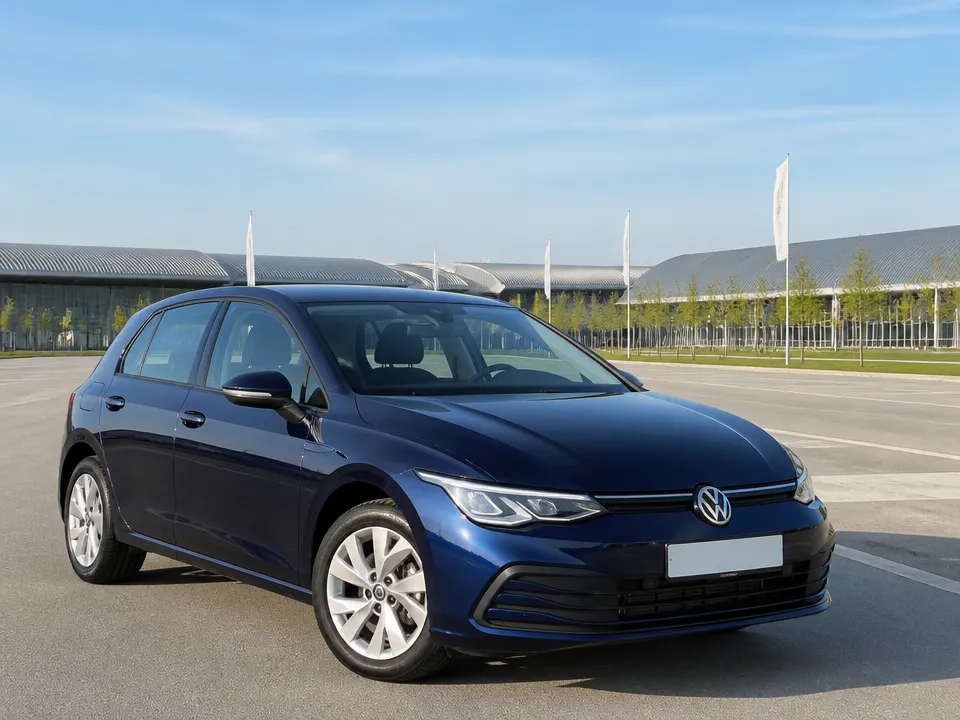
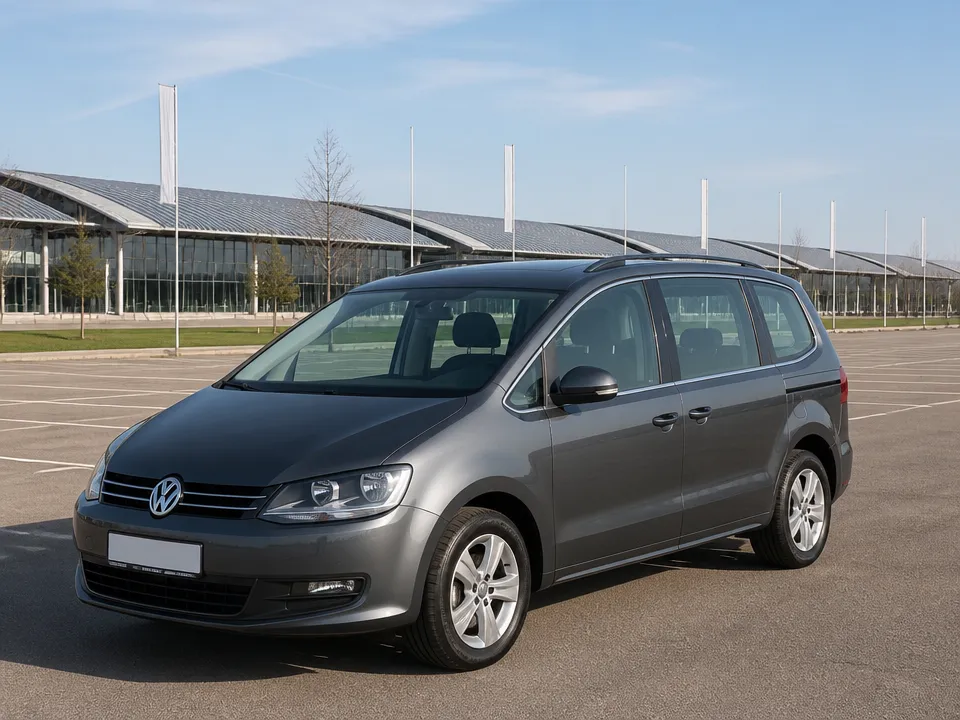
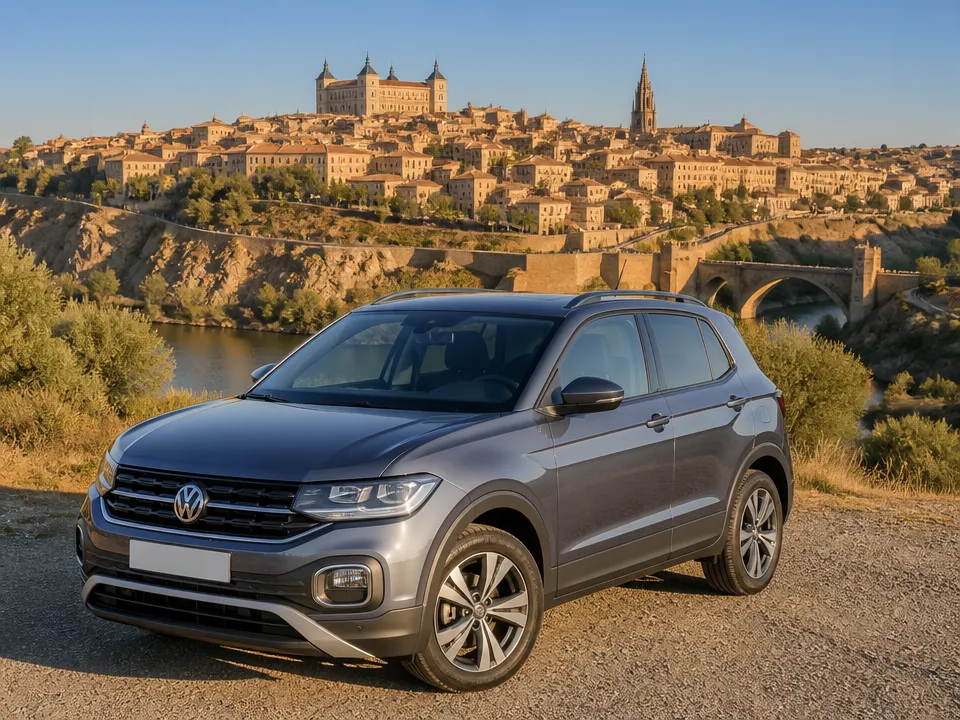
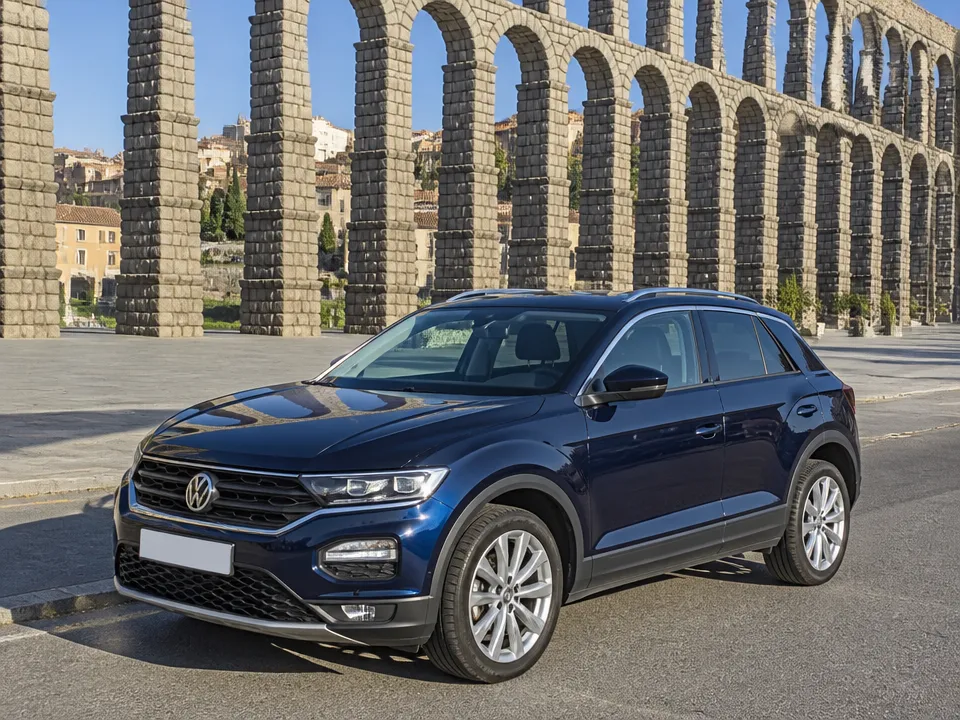
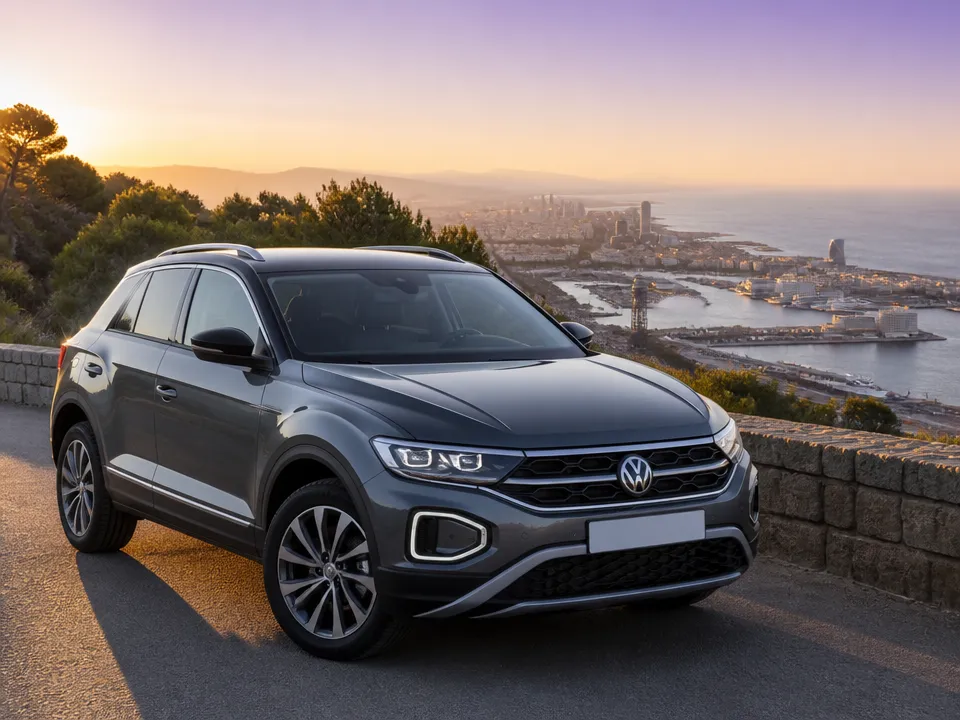
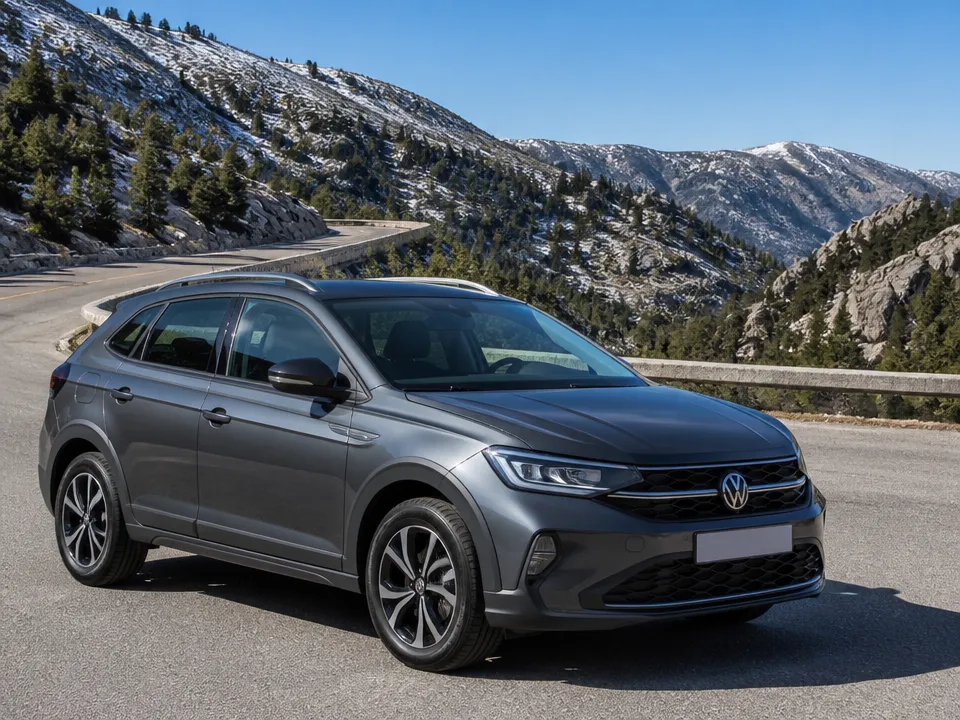
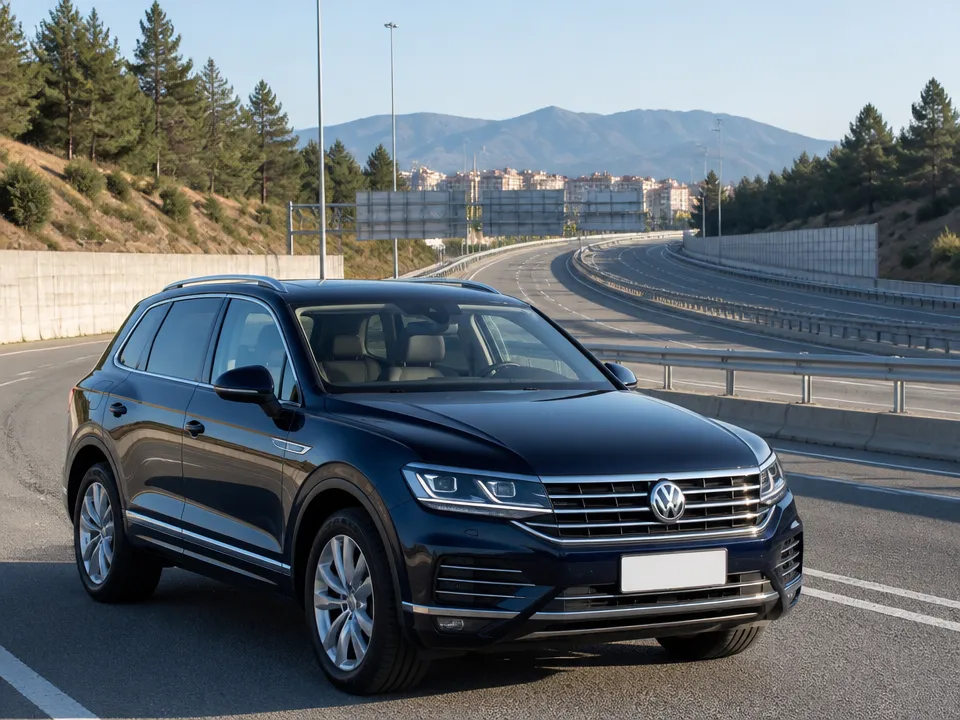
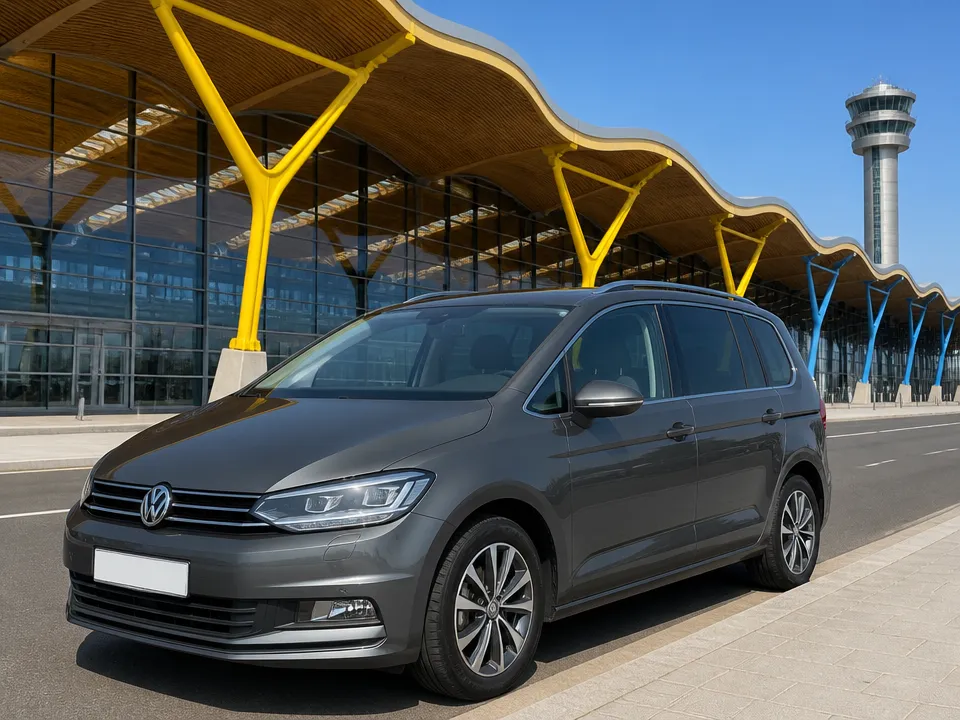
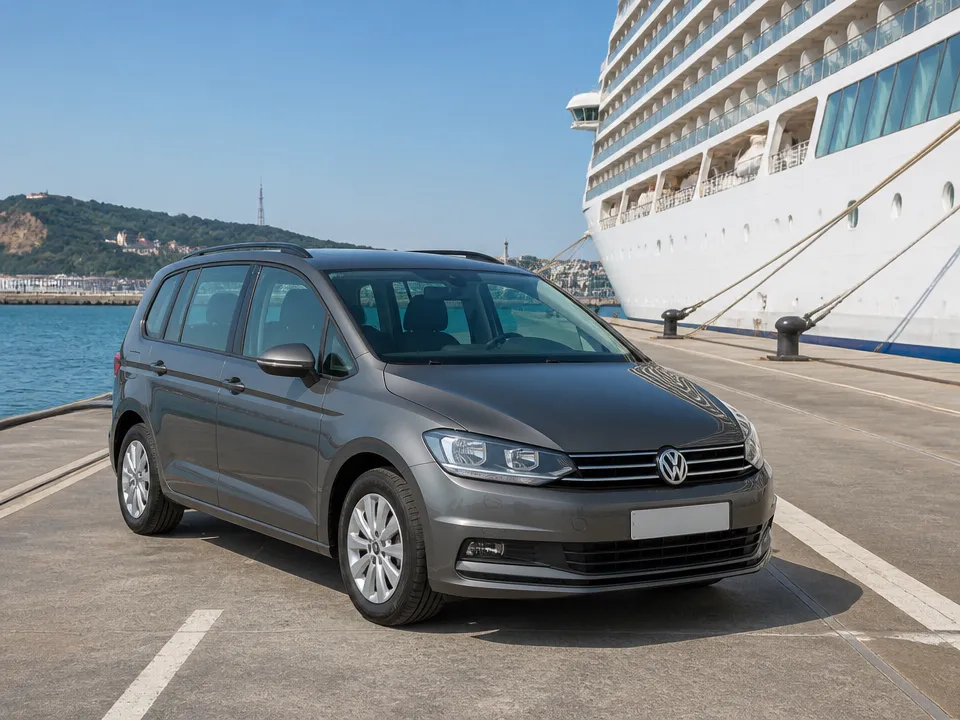
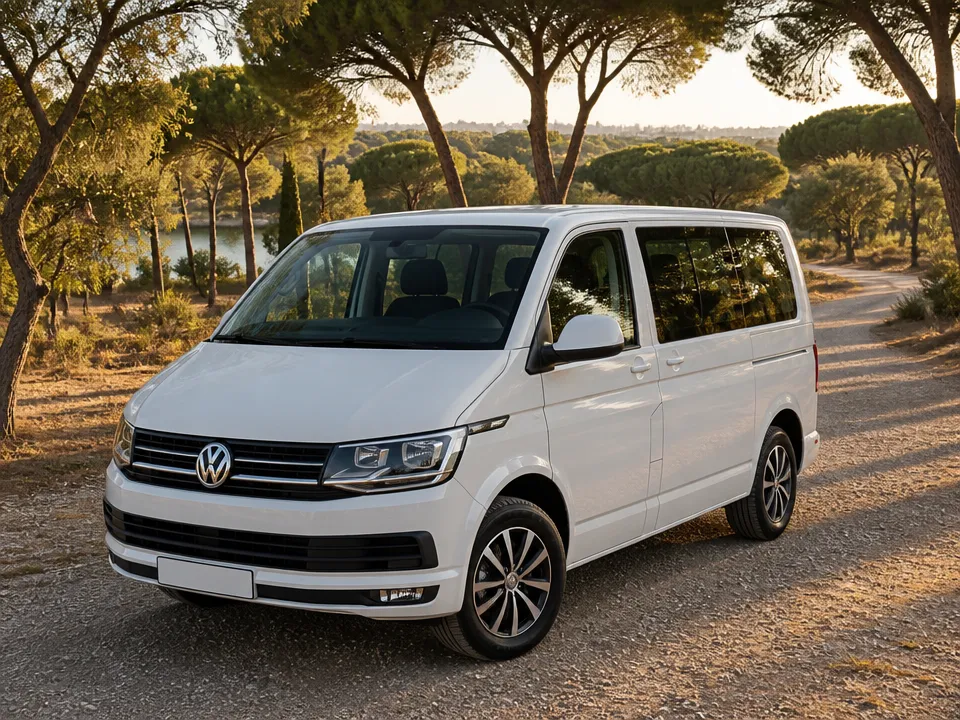
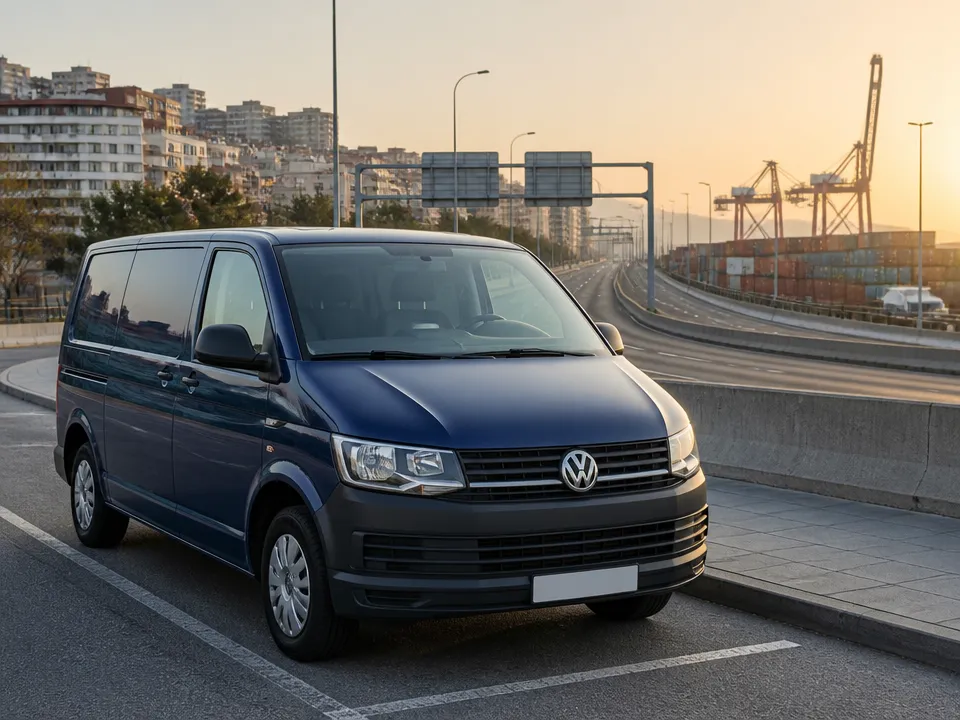
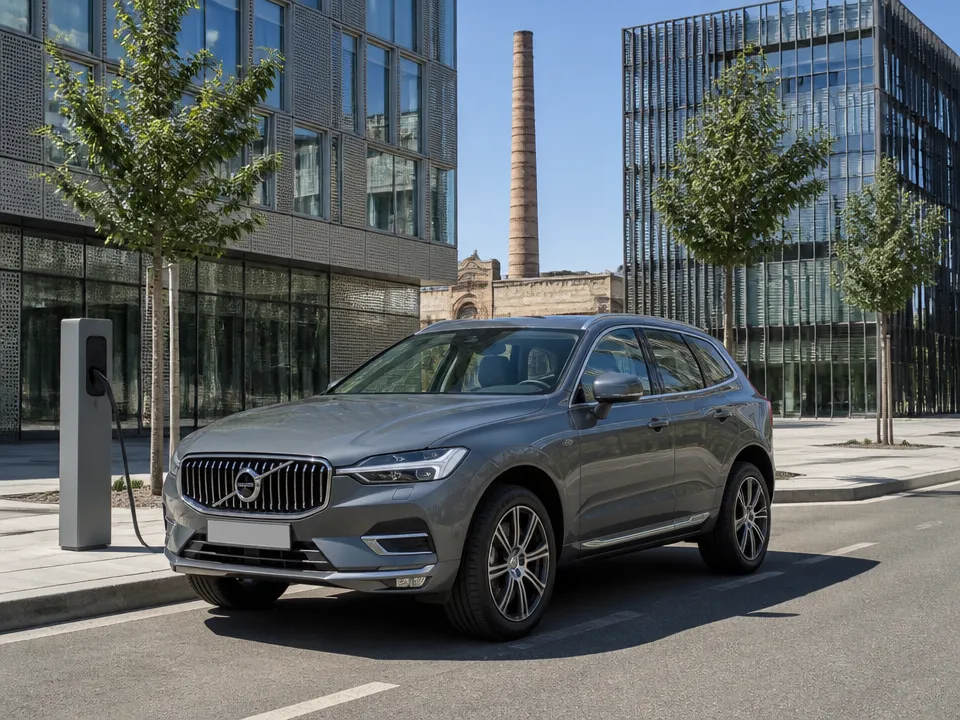

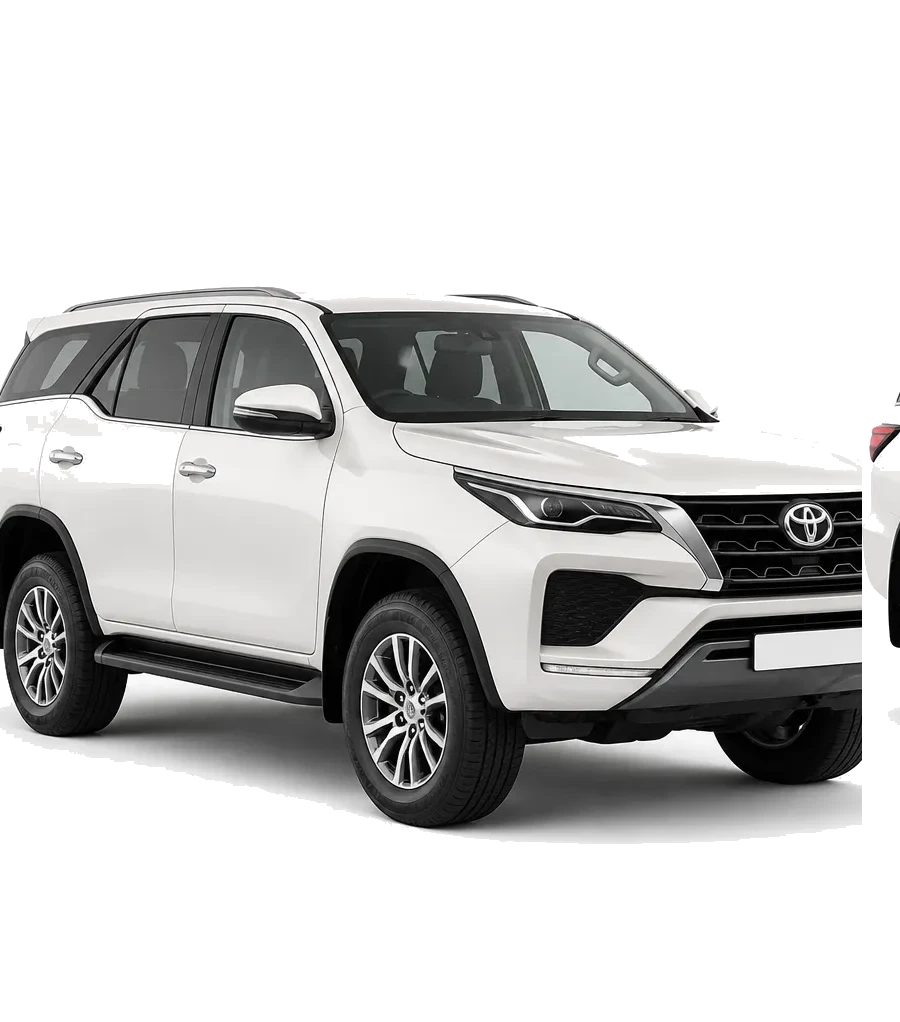
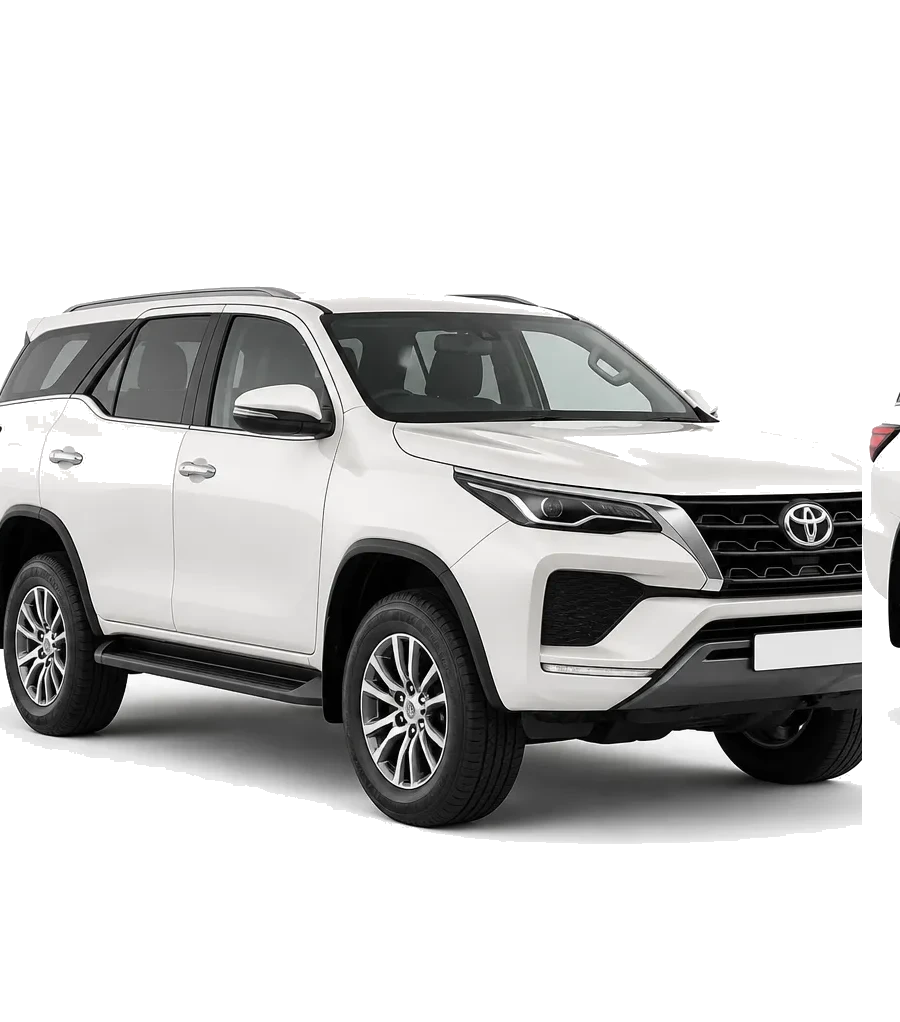

273 cars for car rental in Spain — from €14 a day for a Smart Fortwo to €1,490 a day for the top of the range, with weekly from €84 and monthly from €294. We deliver the car to you in Madrid or Barcelona, and the booking is agreed with a manager.
Rent-Trip is a self-drive service: the car is delivered to you, and the booking is agreed with a manager. Nothing is fixed until the dates, the class and the delivery point are settled in that conversation.
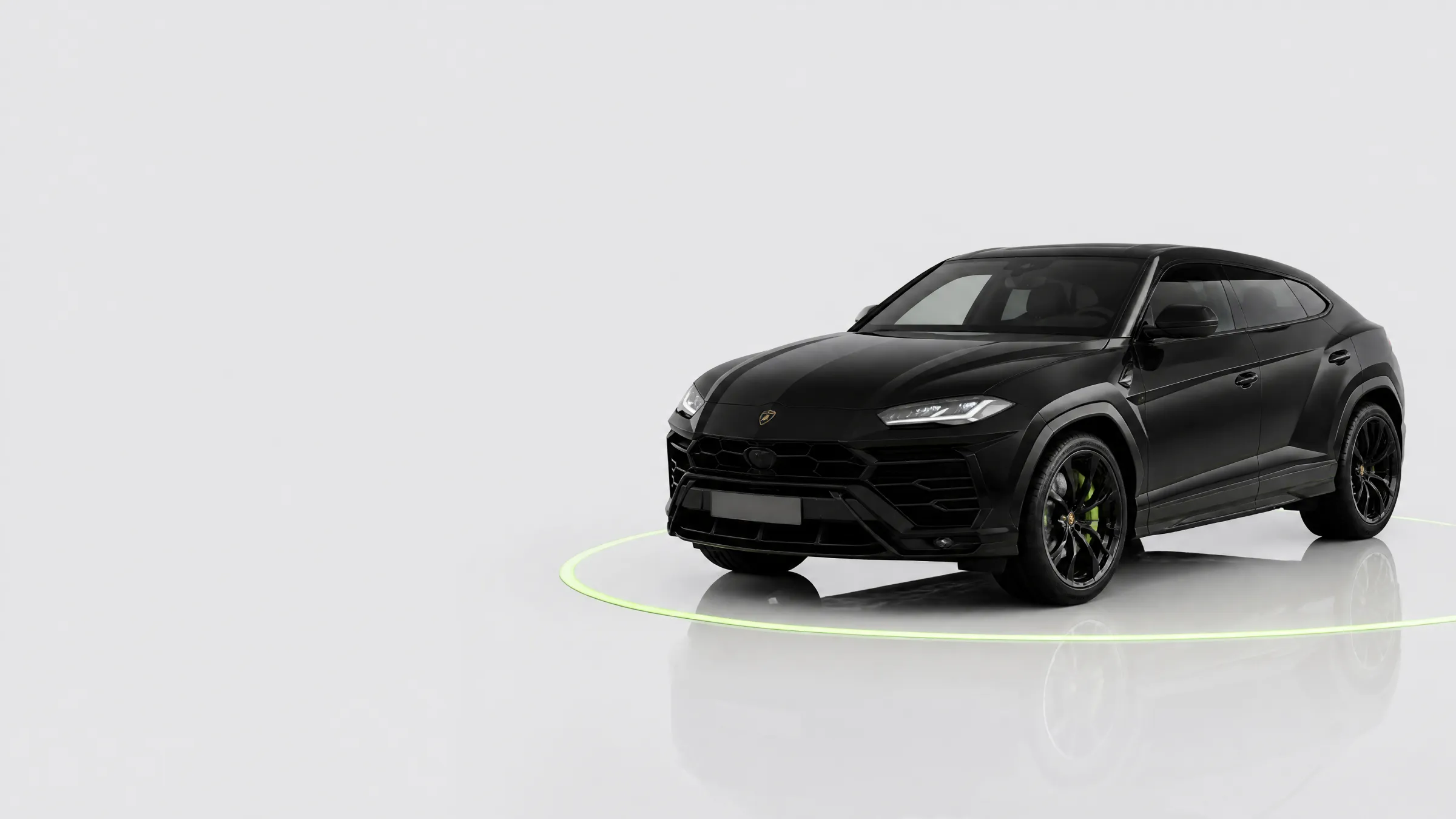
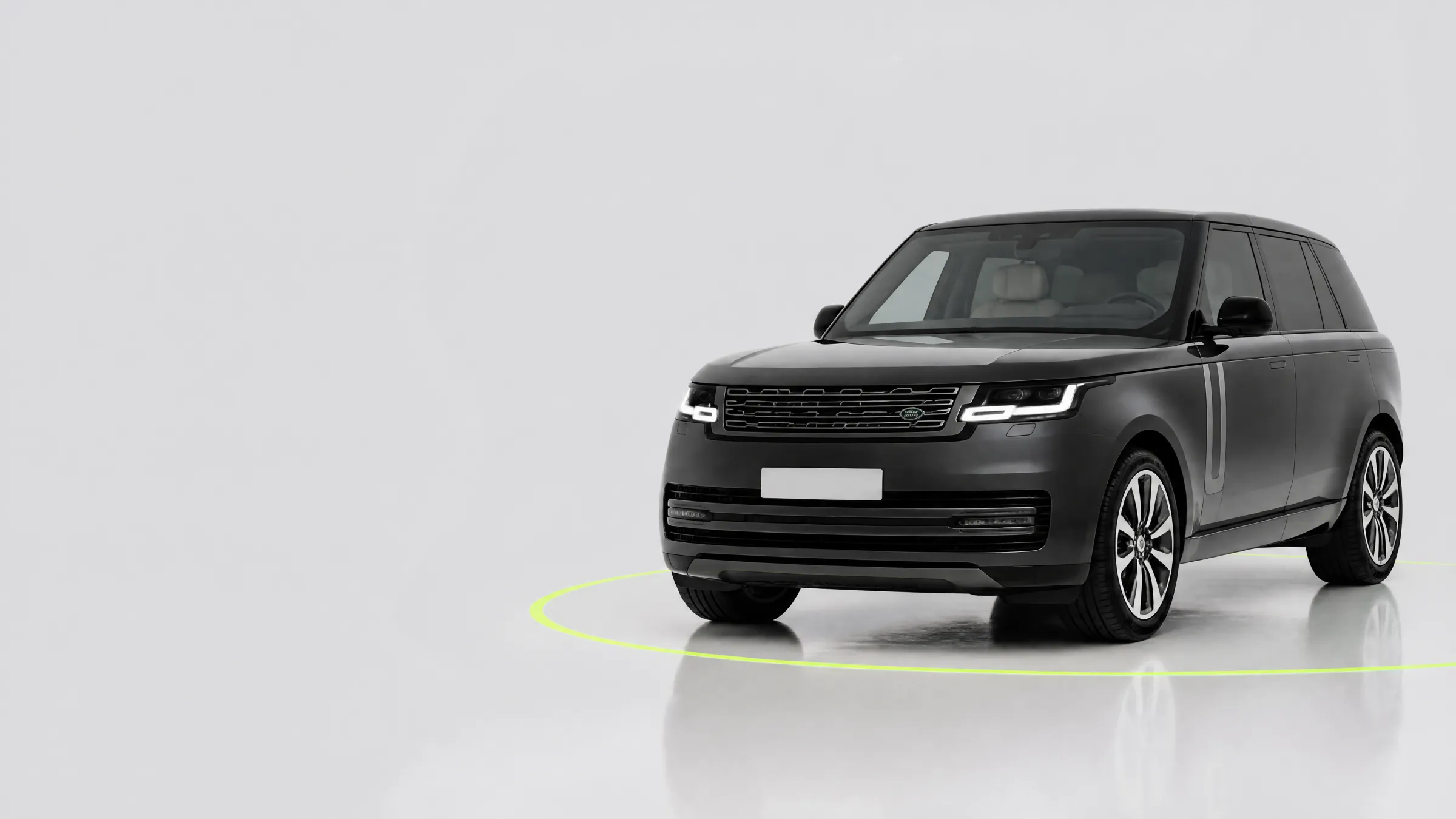
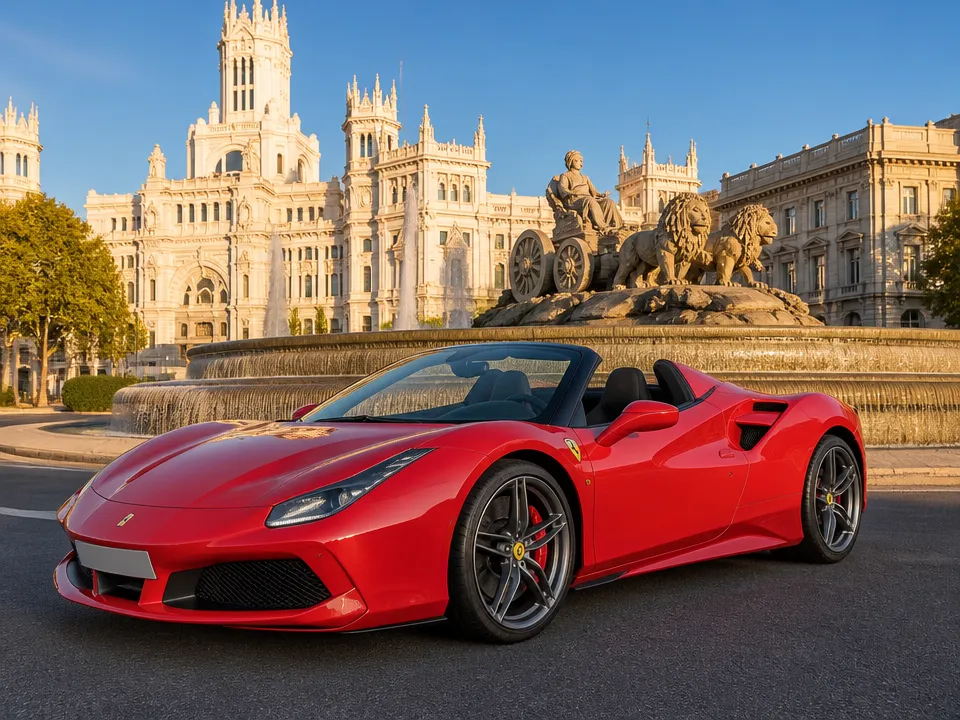
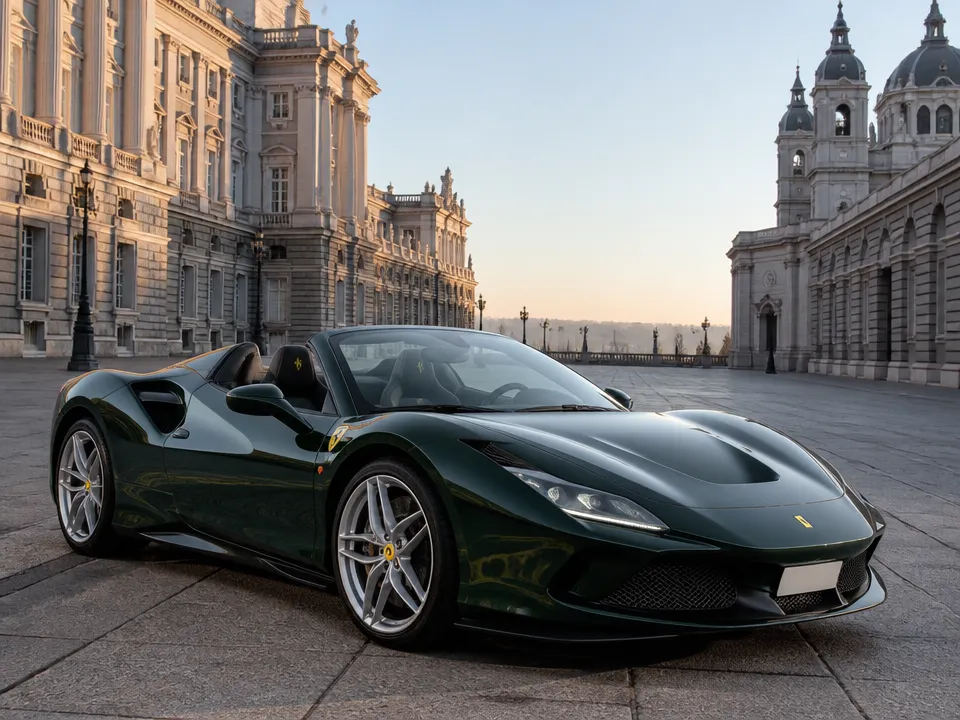
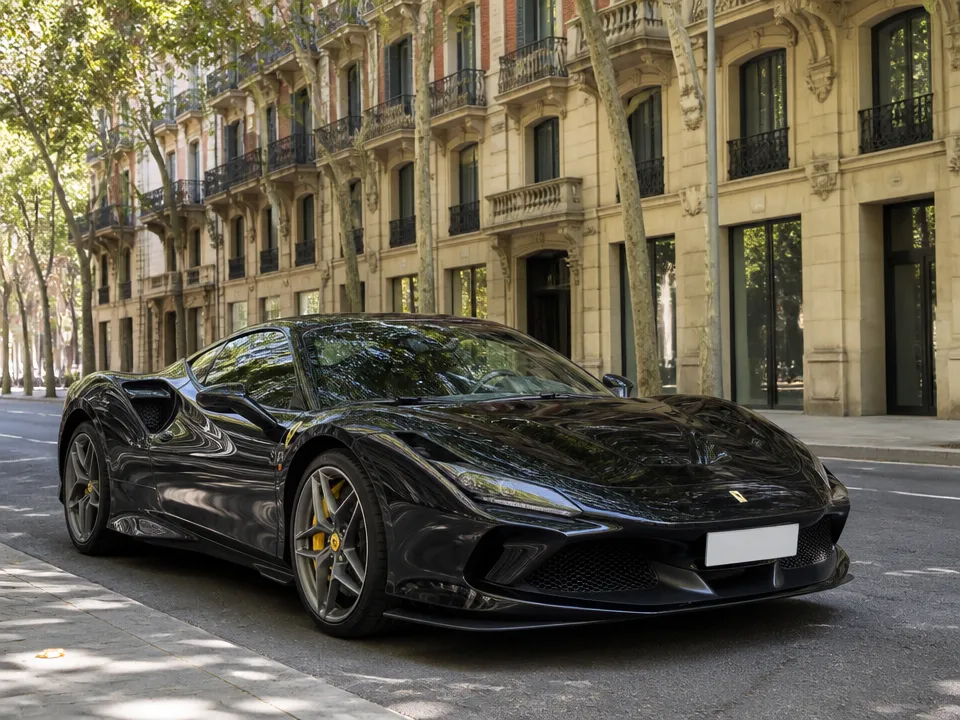
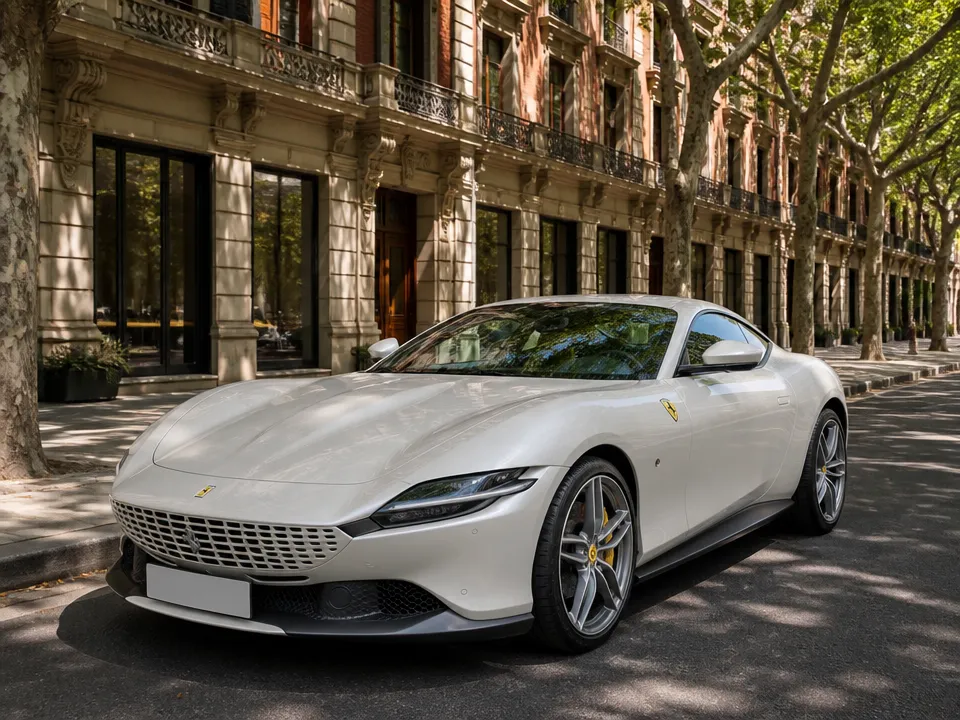
We keep 273 cars here, priced from €14 to €1,490 a day. That spread covers 14 classes, from a two-seat Smart Fortwo at €14 up to Exotic at €800 and Luxury from €302, and it means a traveller can pick by budget or by need rather than by what happens to be left. Weekly bookings start at €84 and monthly at €294, calculated as six and twenty-one days respectively. A fleet this wide means the class you book is usually free on your dates — but the exact car is confirmed when booking, not chosen from a photo in advance. In our experience, the two-seat Economy cars go first on weekend dates, so a four-seat Fiat Panda at €19 is often the smarter early call.
We work in Madrid and Barcelona, and the car is delivered to the client. Those are the two cities we cover on this page, and the delivery point is agreed when booking — a hotel entrance, a residential address, wherever suits your first morning. Delivery time is agreed in the same conversation, so you are not tied to a fixed slot or a queue. The car arrives where you are, and the meeting point is settled with a manager before anything is fixed. Delivery point and time are agreed with a manager when booking, not fixed in advance, so tell us your arrival window before you commit to dates.
Rent-Trip lists 14 classes for car rental in Spain, from Economy at €14 a day to Exotic at €800, with Sports at €560 and Luxury at €302. Weekly is six times the daily rate, monthly is 21 times — so a €14 Economy runs €84 a week or €294 a month.
| Class | Cars | From, €/day |
|---|---|---|
| Economy | 41 | €14 |
| Minivans | 26 | €42 |
| Comfort | 25 | €40 |
| Crossover | 23 | €38 |
| Exotic | 23 | €800 |
| SUV | 21 | €42 |
| Passenger vans | 21 | €44 |
| Premium | 20 | €46 |
| Electric | 17 | €30 |
| Luxury | 15 | €302 |
| Convertibles | 14 | €30 |
| Commercial | 10 | €56 |
| Sports | 10 | €560 |
| Sedan | 7 | €55 |
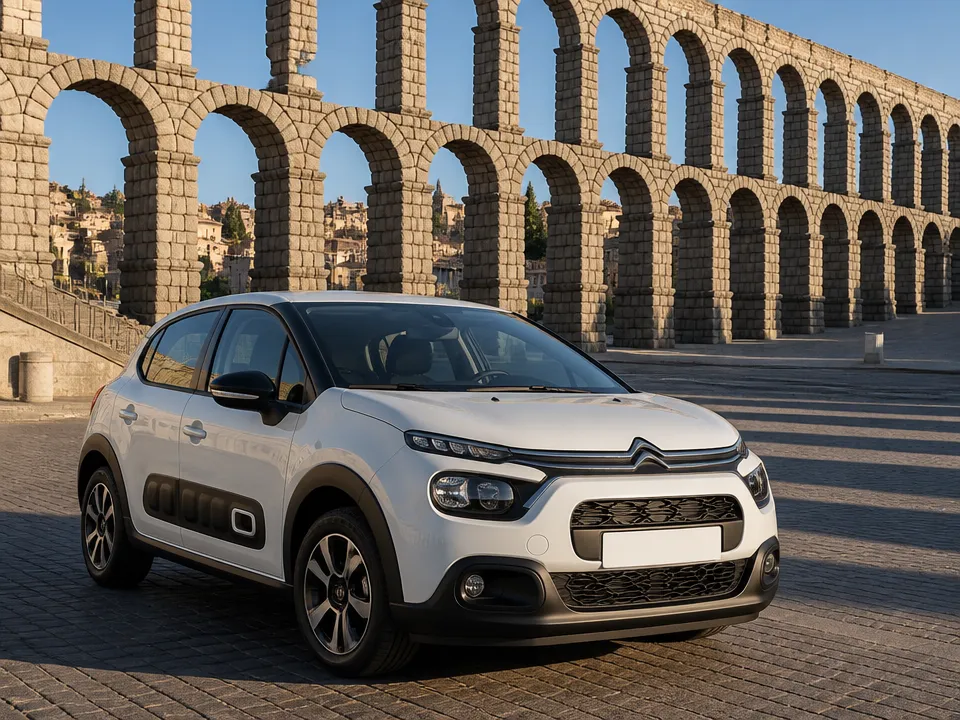
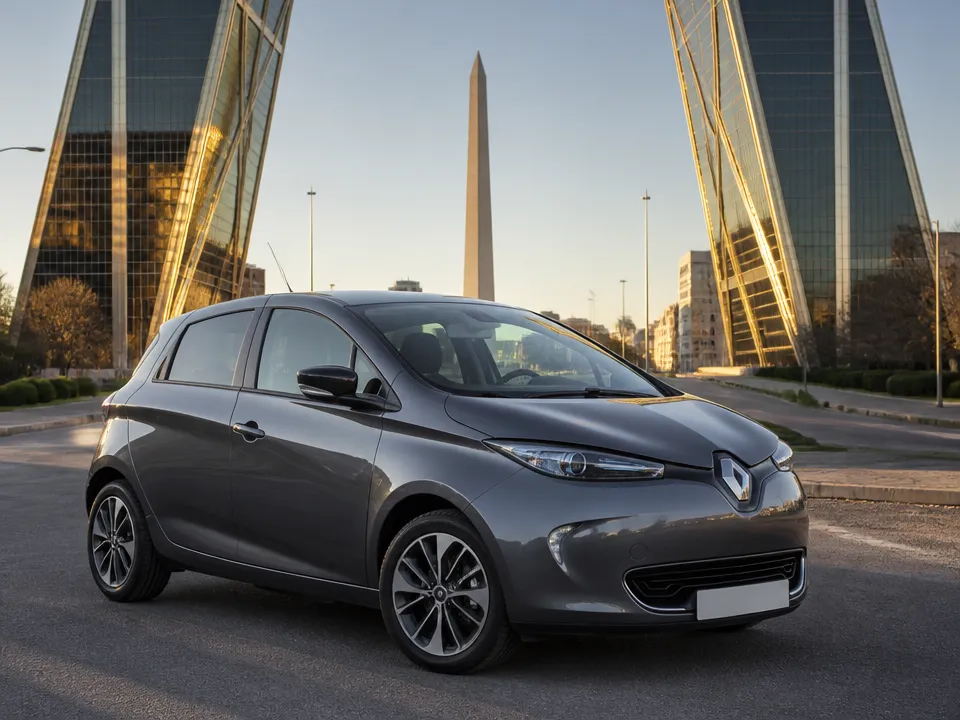
We keep 17 electric cars from €30 a day, led by the Citroen e-C3, plus hybrids spread across Economy and Comfort — the Fiat Panda Hybrid at €19, the Fiat Pandina at €20, the Renault Clio Hybrid at €25 and the Toyota Yaris at €29. Fuel types across the fleet run from straight petrol and diesel to mild hybrid, plug-in hybrid and full electric, so the choice is wider than the class name suggests. In our experience an electric car earns its price in town and on short hops, while a hybrid handles a long motorway day with fewer stops for charging. Compare the spec line before you decide: a €19 five-seat Economy often works out cheaper per person than a €14 two-seater, and the difference between two cars in one class is usually the gearbox, not the badge.
Booking with us is a conversation, not a checkout form. You tell us your dates, the class you want and where you would like the car brought, and a manager confirms what is actually free.
The booking is agreed with a manager — dates, class, delivery point and time. Nothing is fixed until that conversation is done, so the arrangement matches your trip rather than a template. We keep 273 cars on this page, from €14 to €1,490 a day, and the class you ask for is usually available on your dates; the exact car is confirmed when booking. Weekly bookings run at daily × 6 and monthly at daily × 21, so a longer hire is priced from the same daily figure. Talking it through also means you can change the class or shift the dates before anything is locked in — worth doing if your flight times are still moving. Tell the manager about child seats, an extra driver or a one-way return at this stage: those are agreed when booking, not at the last minute.
We deliver the car to the client; the exact point and time are agreed when booking. That is the whole point of how we work — you do not travel to a depot to collect a vehicle, you say where you will be and the car arrives there. In Madrid and Barcelona this is the normal way our customers start a trip, whether that is a hotel in the centre or an address on the edge of town. A delivery point that is easy to reach on foot is worth more than one that saves a few minutes of driving — if you are arriving with luggage, pick somewhere you can stand with your bags rather than a spot you have to hunt for. The delivery fee and any deposit are set out in the rental agreement.
Dates move, plans change. Because the booking is agreed with a manager rather than locked into a form, you can come back and adjust the class, the dates or the delivery point while the arrangement is still open. If your trip grows from a few days into a longer hire, the weekly and monthly rates apply from the same daily price, so it is worth asking what the longer booking comes to before you commit.
Paperwork is the part of hiring a car here where travellers lose the most time at the counter — and the part where the rules are clearest. Spanish law fixes what is compulsory; everything beyond that is an option you accept or decline.
EU and EEA licences — including Iceland, Liechtenstein and Norway — are fully valid while they remain unexpired, and nothing extra is required. A licence from a third country is valid if it is still in force, if the holder is old enough for the equivalent Spanish category, and if no more than six months have passed since they took up ordinary residence here. Spain's DGT advises getting a Permiso Internacional de Conducción before the trip. That document is supplementary: it is shown only together with your passport and your national licence, never on its own, and it runs for one year. For licences not written in Spanish, the alternative to an IDP is an official certified translation. Bring the original identity document in the main driver's name — companies ask for it, though the DGT sets no single national rule.
Seguro Obligatorio de Responsabilidad Civil is included in every booking by Spanish law and applies always, even if the person driving was not named in the agreement. It covers harm to third parties — not the driver, not the vehicle — with statutory limits of 70,000,000 EUR per incident for personal injury and 15,000,000 EUR for property damage.
The excess (franquicia) is the amount you pay yourself when there is damage; it is printed in the agreement whether or not you bought a buy-out, and the figures depend on the provider and the class of vehicle. The deposit is a pre-authorisation on a credit card covering possible damage and extras; the amount is stated before you sign. Spanish consumer rules require the advertised price to include every compulsory charge — the mandatory liability insurance, the young-driver surcharge and the like. They also require every scratch and dent to be written into the agreement or the inspection sheet before you drive away, signed by both sides, with a copy for you. If the model you booked is unavailable, you may ask for another car at no extra cost, even a higher class; a lower class means a lower price. The deposit amount, the excess and any delivery fee are set out in the rental agreement.
Road rules are set nationally, so the same limits apply whether you collect the car in Madrid or in Barcelona. What changes between regions is enforcement and tolls, not the Highway Code itself. Below are the numbers we get asked about most often, and the ones that catch visitors out.
| Road type | Limit |
|---|---|
| Autopista / autovía (motorway) | 120 km/h |
| Ordinary interurban road | 90 km/h, 100 km/h where signed |
| Town, two or more lanes each way | 50 km/h |
| Town, one lane each way | 30 km/h |
| Town, single shared platform | 20 km/h |
Motorways that run inside a city, such as the Rondes in Barcelona, drop to 80 km/h as the general urban ceiling unless a sign says otherwise.
The three severity grades are leve (up to 100 EUR, no points), grave (200 EUR, sometimes with points) and muy grave (500 EUR and always points).
Some motorways are tolled — peaje — and the tariff is higher at hora punta than at hora vall. In towns, paid street parking is split into zona azul and zona verde, with the green zone costing more and favouring residents; you pay at a parquímetro and keep the comprobante de estacionamiento, whose number must match the car's plate. Several city centres are now Zona de Bajas Emisiones, where entry depends on the environmental sticker — the distintivo ambiental — carried on the windscreen. If your route takes you into one of those zones, tell the manager when booking so the car you get carries the right label; a car without it cannot enter at all, whatever you are willing to pay.
Winter tyres are not a seasonal legal requirement across the country. When snow affects traffic, the DGT imposes restrictions point by point, with signs and variable message boards, on specific roads — for Madrid that means the mountain roads of the Sierra de Guadarrama, and from Barcelona the C-16 towards the Pyrenees and the Túnel del Cadí. Where chains or winter tyres are required, only tyres marked with the three-peak mountain snowflake symbol let you continue without chains. In our experience most renters never meet those conditions, but if your plans include mountain roads in the cold months, raise it when booking rather than assuming the car comes prepared.
Longer bookings change the arithmetic more than any other single decision. Weekly rates run at six times the daily rate and monthly rates at twenty-one times the daily rate, so a car at €25 a day costs €150 for a week and €525 for a month on the same class.
The pattern holds right across the 273 cars, from the 41 Economy models up to the 15 Luxury and 10 Sports cars, so the class you pick is the only variable that moves the total.
A month of driving across Spain is rarely one kind of road. Autopista and autovía run at 120 km/h for cars, motorcycles and campervans up to 3,500 kg, ordinary interurban roads at 90 km/h, and town streets at 20, 30 or 50 km/h depending on the layout. An Economy hatchback handles all of it, but seats and boot space start to matter once four people and luggage are in the car for a fortnight.
Our own reading of longer bookings is that the class matters less than the gearbox and the seat count. Automatic cars sit in a narrower band of the fleet than manuals, and a five-seat Economy at €19 a day often beats a two-seat Smart at €14 once two travellers split the cost. For a month-long stay, an Electric at €30 or a hybrid across Economy and Comfort cuts fuel stops if most driving is urban, while a hybrid suits mixed motorway and city work better than a pure electric car. Delivery in Madrid or Barcelona is agreed with a manager when you book, and the same conversation is where you set the length of the hire.
The hand-over is the only moment when damage on a rental car can be attributed to someone else. Spanish consumer rules are built around one document: the inspection record signed by both sides before the car leaves. Anything written into it before you drive away is not your problem later.
Spanish consumer rules require the announced price to include every mandatory charge you cannot legally drive without — the compulsory third-party cover and the young-driver surcharge among them. The franquicia is printed in the agreement whether or not you buy a waiver, and the deposit is a preautorización blocked on a credit card; its size is set out in the rental agreement, and so are delivery fees and any discount. Ask for the total before you sign anything, and ask what the franchise waiver actually excludes: glass and tyres usually sit outside basic CDW and need a separate option.
Set the mirrors and the seat, then find the light switch and the hazard button before you move — Spanish roundabouts and the 30 km/h streets in built-up areas leave little room for fumbling on the move. Check that the child seat, if you ordered one, is fitted and that the seat belt locks. Our own practice is simple: we agree the delivery point and time when booking, and we hand the car over with the inspection record already prepared, so the walk-around takes minutes rather than an hour. Do it in daylight if the timing is yours to choose — a dent under a streetlamp looks very different in the morning.
Car rental in Spain comes down to three decisions: the class you book, the dates you agree, and who brings the car to you. The 273 cars on this page run from €14 to €1,490 a day, and every booking is settled in conversation before anything is fixed.
Two things catch travellers out. The first is paperwork: EU and EEA licences are valid here while unexpired, and drivers from third countries are advised by the DGT to carry an International Driving Permit — which is only ever shown together with the national licence, never on its own. The second is the road itself: 120 km/h on autopistas and autovías, 90 km/h on ordinary country roads, and 30 km/h on most town streets with a single lane each way. Fines follow the DGT table, from €100 up to €600 with points, and paying within 20 calendar days halves the amount.
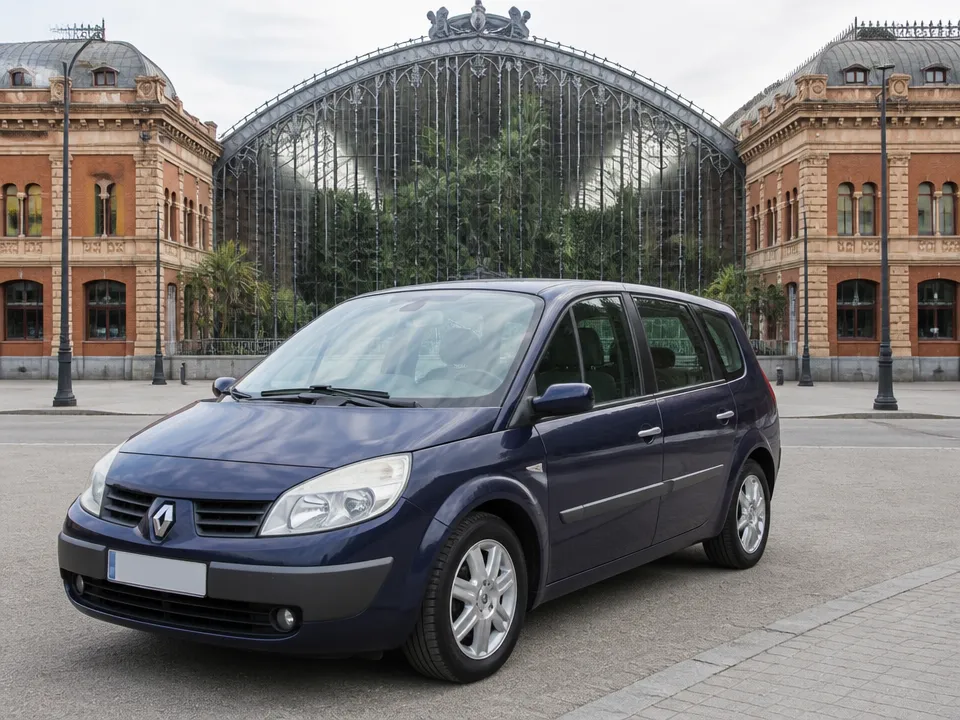
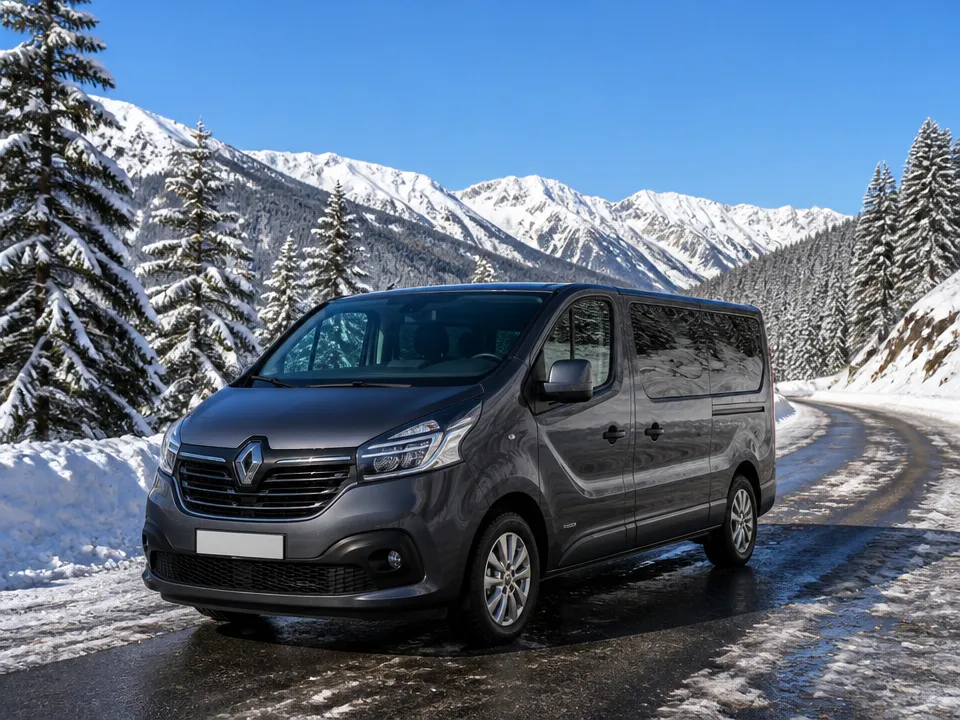
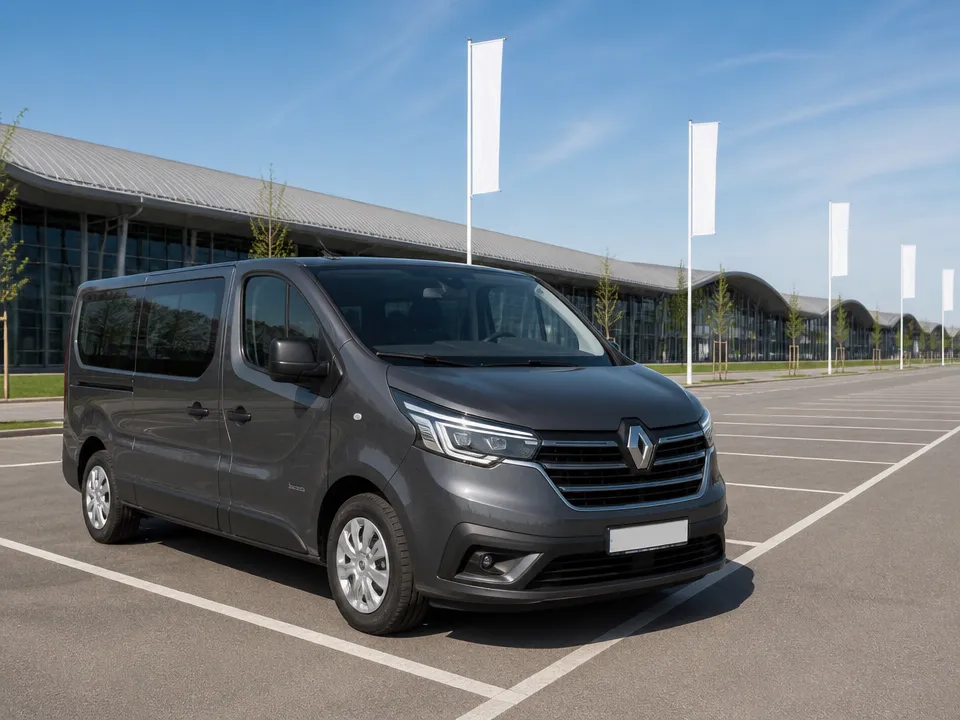
The country rewards a car that fits the day. A five-seat Economy at €19 often works out better for two travellers with luggage than a two-seat Smart at €14, and for a family the 26 minivans from €42 or the 21 passenger vans from €44 remove the argument about who sits where. Madrid and Barcelona are where we operate, but the country between them — and the roads towards the coast and the mountains — is the reason most people book in the first place.
One practical note from our side: agree the dates and the delivery point early, because the class you want is usually free, but the exact car is confirmed when booking. That single conversation saves the most common problem — a car that arrives right but a plan that does not fit it.
Our fleet on this page has 273 cars, from Economy hatchbacks to Exotic and Sports models. Economy starts at €14 per day, Minivans at €42, Comfort at €40, Crossover at €38 and Electric at €30. Convertibles begin at €30 and Passenger vans at €44.
Prices on this page run from €14 to €1,490 per day. A weekly booking is charged as the daily rate multiplied by six, so Economy can start from €84 per week. A monthly booking is the daily rate multiplied by 21, from €294.
Every car legally on the road in Spain carries compulsory third-party liability insurance, and this is part of the rental. The declared price must also include the mandatory charges you cannot drive without. The deposit, any excess and the protection options are set out in the rental agreement.
You need your driving licence and an identity document in the original, in the name of the main driver. EU and EEA licences are valid in Spain as they are until they expire. Licences from other countries are valid if they are in force, and the DGT advises getting an international driving permit before the trip.
We are a self-drive car rental service and the car is delivered to the client. The delivery point and the time are agreed with a manager when booking. The delivery terms are set out in the rental agreement.
You choose a car on this page and send a request, and a manager agrees the booking with you. The delivery point, the payment arrangements and the deposit are settled at that point. Everything is then set out in the rental agreement.
Yes, longer bookings are charged at the daily rate multiplied by six for a week and by 21 for a month. That brings Economy to €84 per week and €294 per month at the lowest daily price. The exact total depends on the class and the model you pick.
Our cars on this page come with 2, 3, 4, 5, 7, 8 or 9 seats. Economy hatchbacks usually take four or five, Minivans from €42 per day and Passenger vans from €44 per day take larger groups. Pick the seat count you need when booking.