













Economy car rental in Thailand
Fourteen economy cars from ฿750 a day — that is what this page of our fleet holds, every one of them a five-seat automatic on petrol. We deliver across Phuket and to Phuket Airport free of charge, and a manager agrees the handover with you when you book. Weekly rates start at ฿4,500 and monthly at ฿15,750, with VAT already included.
Economy car rental in Thailand with Rent-Trip — 14 automatic models from ฿750 a day
Rent-Trip keeps 14 economy cars on the island, all petrol, all automatic, all five-seaters, priced from ฿750 to ฿900 a day. Our whole fleet runs to 754 vehicles across the countries we serve; this page covers the economy class only. Every booking is agreed with a manager, and the car is brought to you rather than collected from a lot.
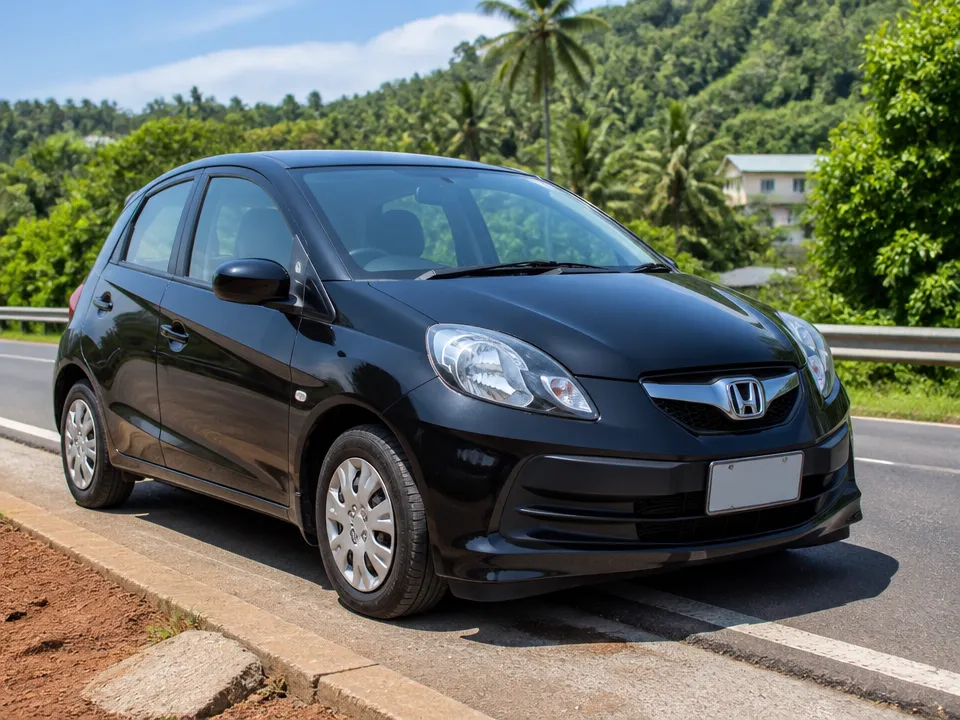
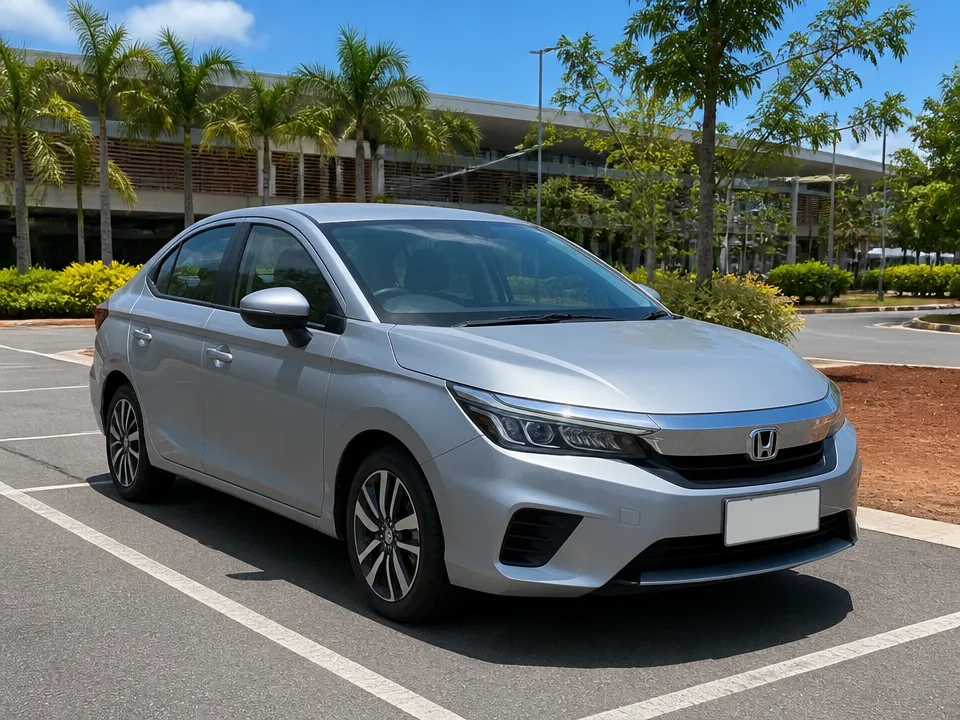
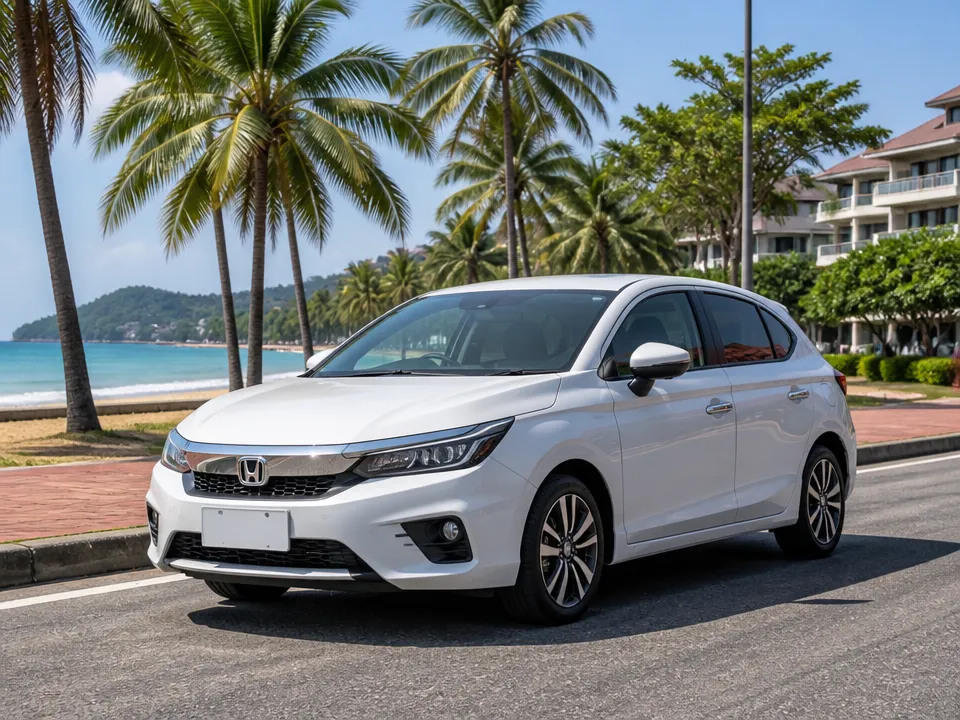
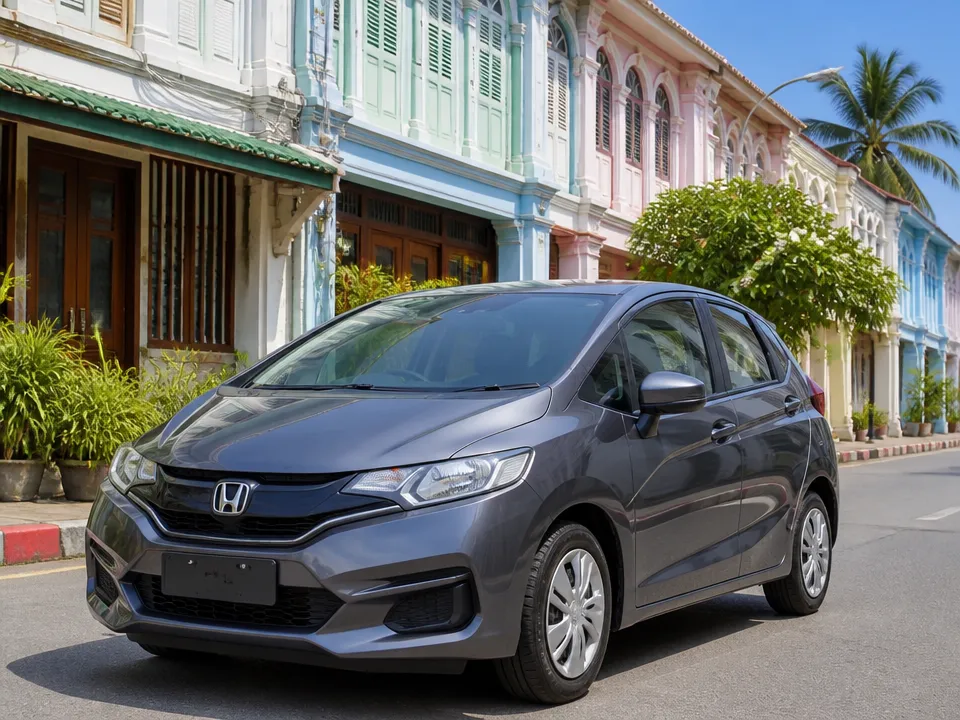
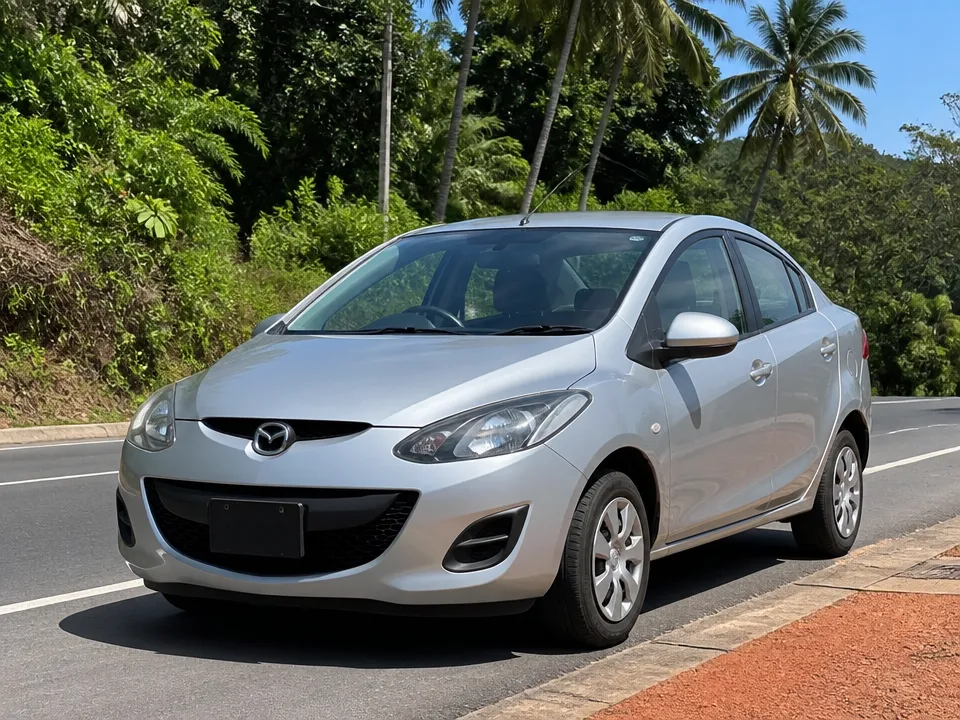
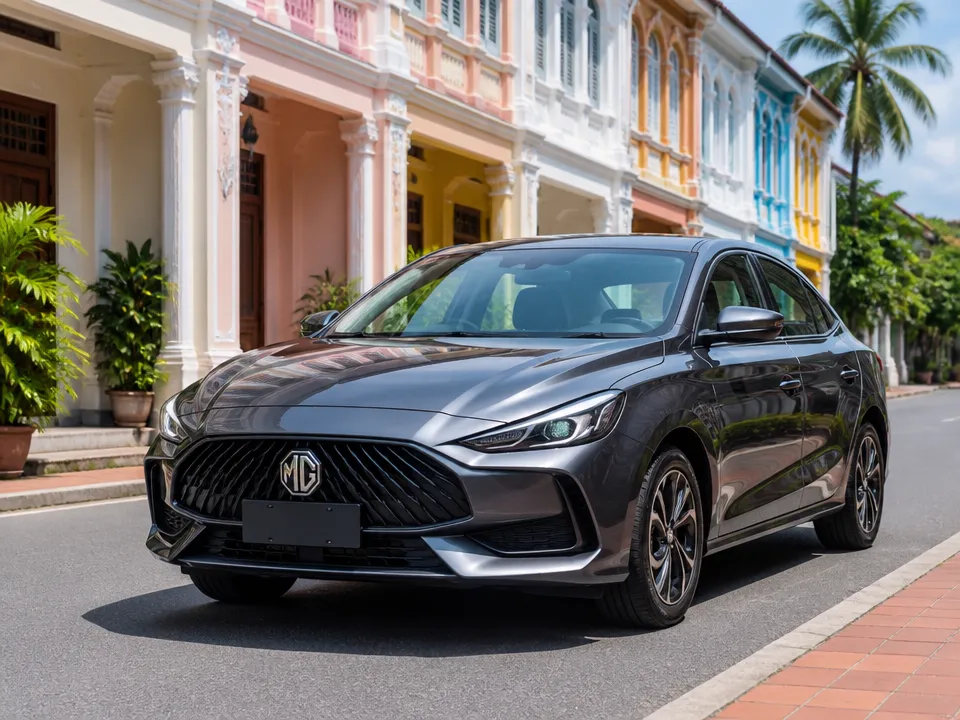
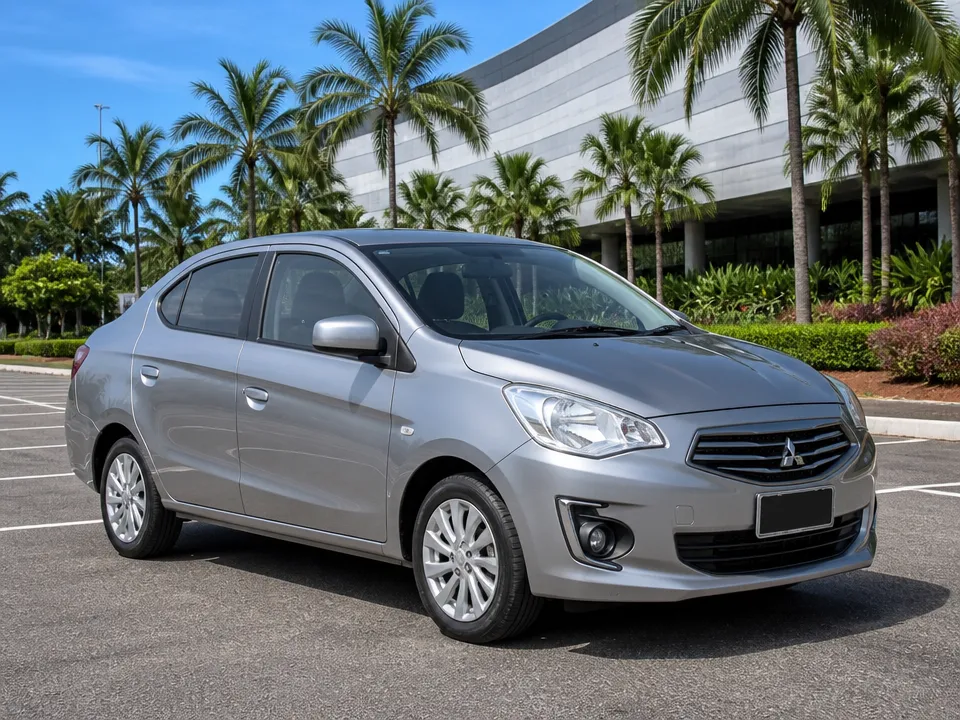
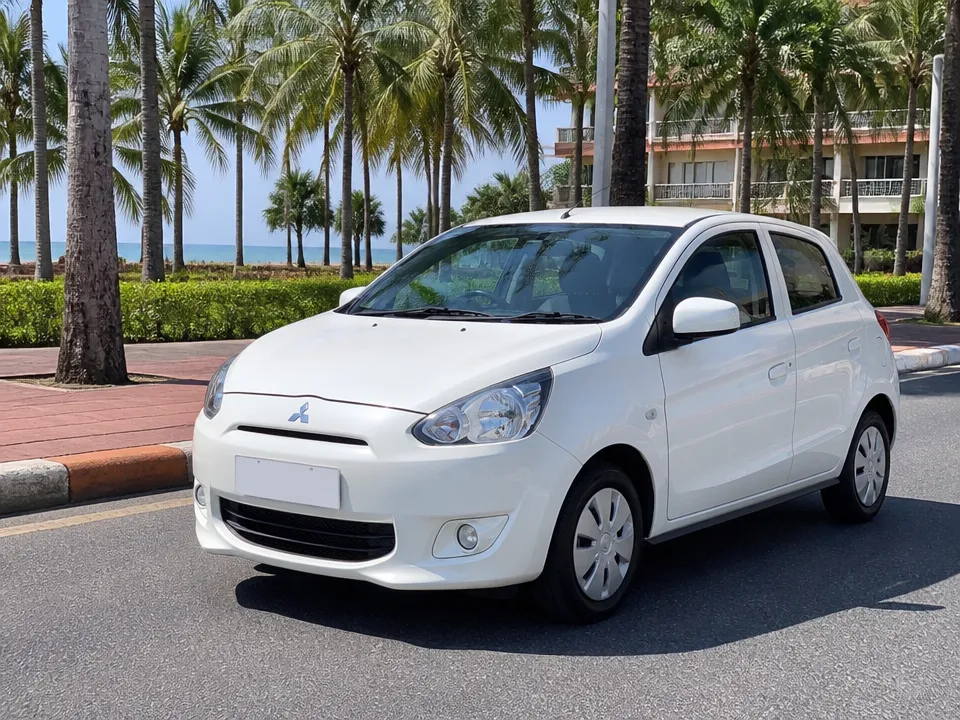
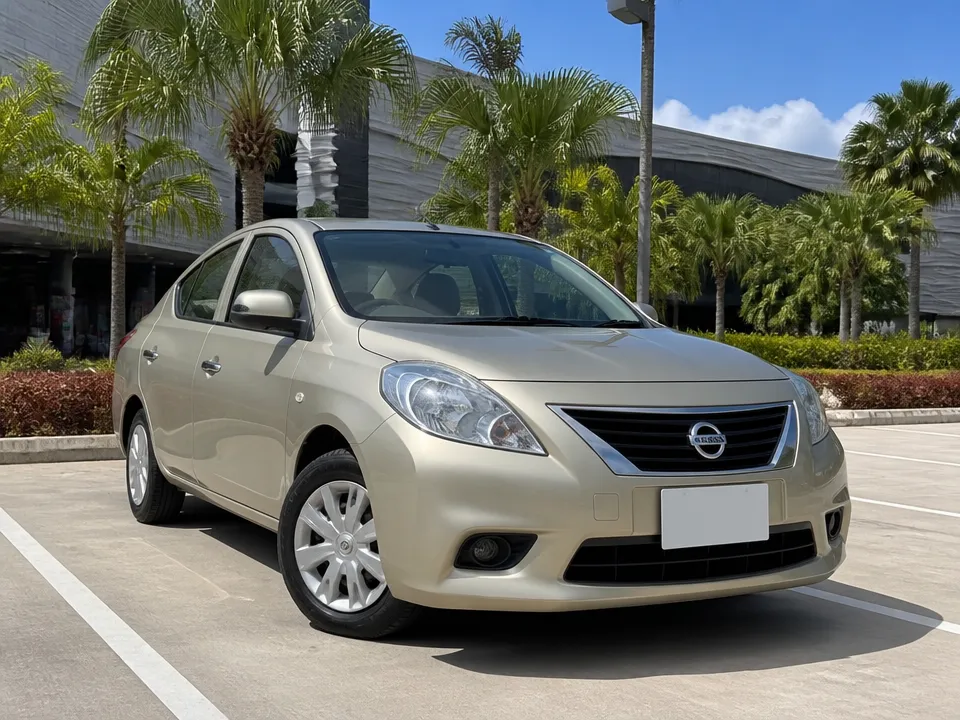
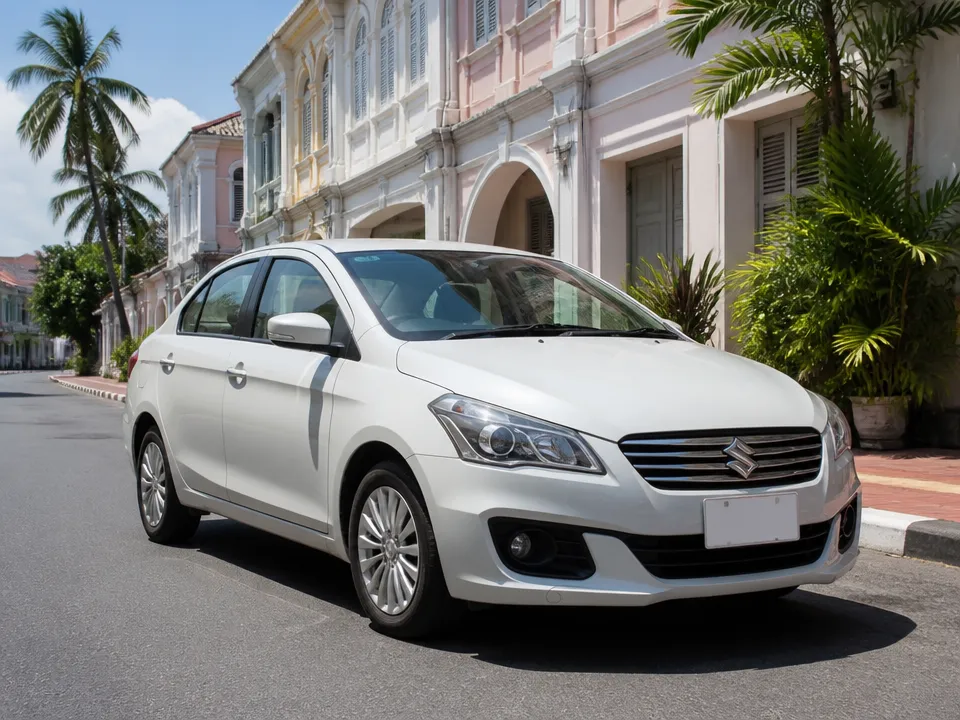
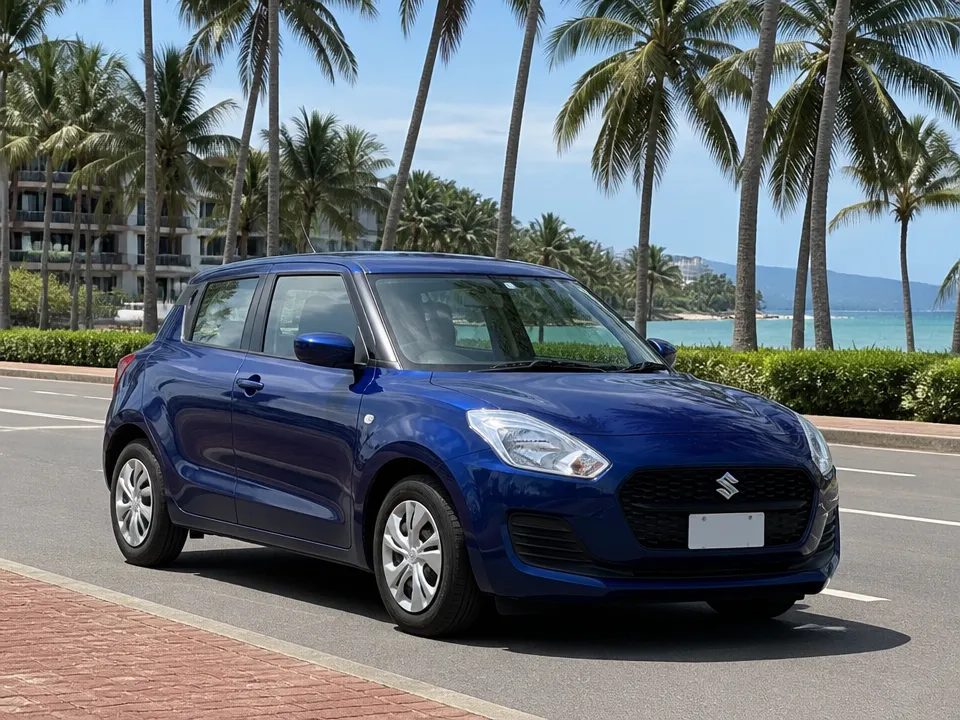
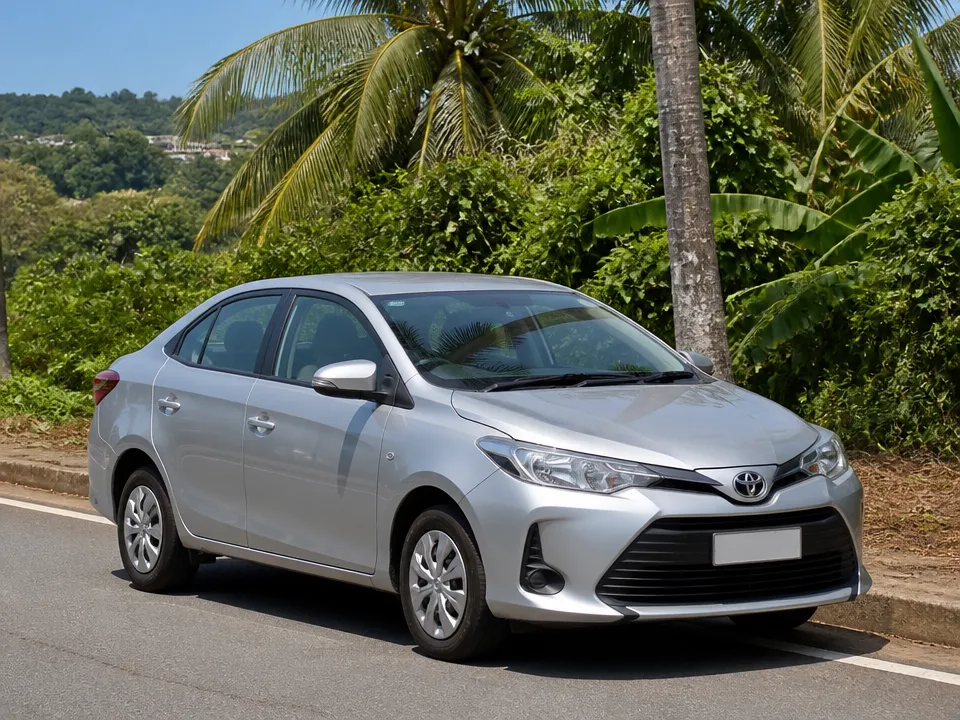
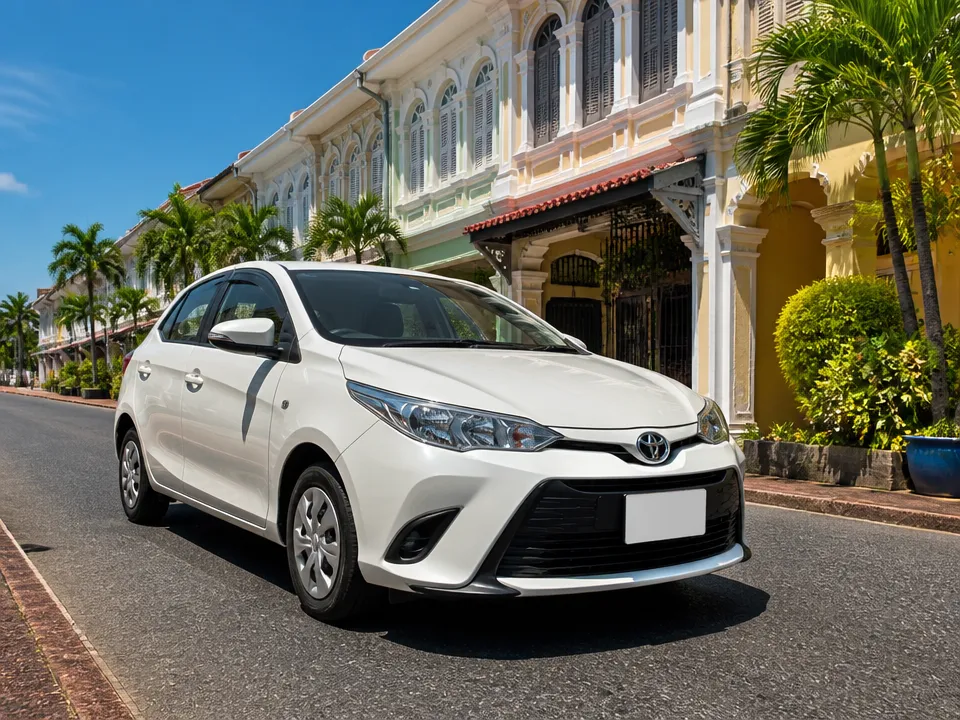
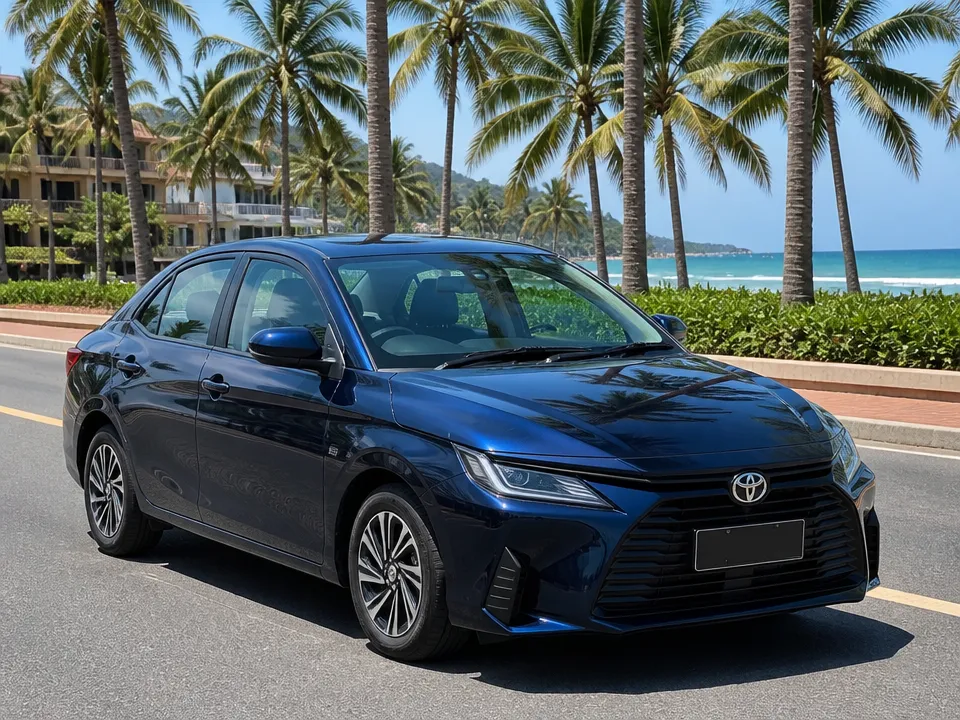
The class splits into two body shapes. Hatchbacks — Honda Brio, Mitsubishi Mirage, Suzuki Swift, Toyota Yaris, Honda Jazz, Honda City Hatchback — take five people and swallow a couple of cabin bags plus beach gear behind the rear bench. Sedans — Mitsubishi Attrage, Nissan Almera, Suzuki Ciaz, Toyota Vios, Toyota Yaris Ativ, Honda City, MG 5, Mazda 2 — give you a separate boot, which matters if you would rather not have luggage visible through the glass.
Engines stay small on purpose: 1.0 to 1.5 litres, 78 to 122 hp, front-wheel drive, automatic only. On island roads that is plenty.
Rates step up in ฿50 increments as engines and equipment grow:
- ฿750 a day: Honda Brio, Mitsubishi Attrage, Mitsubishi Mirage, Suzuki Swift — the four cheapest cars in the class.
- ฿800 a day: Nissan Almera, Suzuki Ciaz, Toyota Vios, Toyota Yaris — a step up in power or boot space.
- ฿850 a day: Honda Jazz, Toyota Yaris Ativ — the 1.5-litre hatch and the better-equipped sedan.
- ฿900 a day: Honda City, Honda City Hatchback, MG 5, Mazda 2 — the top of the economy band.
Longer bookings cost less per day: a week works out at six daily rates, so from ฿4,500, and a month at twenty-one daily rates, from ฿15,750. VAT at 7% is already inside those numbers, delivery across the island and to the airport is free, the tank comes full and island mileage is unlimited. In our experience the ฿750 group covers most trips, with the ฿800–900 cars adding power and boot space for longer island stays.
What economy car rental in Thailand costs per day
Economy car hire with Rent-Trip runs from ฿750 to ฿900 a day, and that band is set by the model you pick rather than by the season. The price already carries VAT 7%, unlimited mileage on the island and free delivery, so the daily figure is close to what you actually pay.
Daily, weekly and monthly rates side by side
| Rental length | Rate | What it works out to |
|---|---|---|
| One day | ฿750–฿900 | The daily rate for your chosen model |
| One week | from ฿4,500 | Six daily rates instead of seven |
| One month | from ฿15,750 | Twenty-one daily rates instead of thirty |
Weekly and monthly rates are simply lower per day than the daily rate: a week is charged as six days and a month as twenty-one. On a Honda Brio at ฿750 a day, a month comes to ฿15,750 — the same car, a third of the per-day cost. The longer you keep the keys, the less each day costs.
What is included in the price shown
- VAT 7%: already inside the ฿750–฿900 you see, with nothing added at handover.
- Unlimited island mileage: drive from one coast to the other and back daily without a kilometre charge.
- Free delivery: we bring the car to you anywhere on the island and to the airport.
- A full tank and a clean car: you collect it ready to drive, not on a fuel run.
- Compulsory insurance: Por Ror Bor is attached to every registered car we run.
- Hire from one day: no minimum week, so a short trip is priced as a short trip.
What sits outside the daily rate — the security hold on a bank card in the main driver's name, the excess on Class 1 cover and any young-driver conditions — is set out in the rental agreement and agreed when booking. In our experience the hold is the line people ask about most, so it is worth checking the terms of the rental agreement before you collect the car.
Choosing among 14 economy car rental models in Thailand
Every car in this class seats five, runs on petrol and has an automatic gearbox, so the real choice comes down to body shape, engine size and the daily rate. Our 14 economy models split into six hatchbacks and eight sedans, spread across ฿750 to ฿900 a day.
Hatchback or sedan — which body shape fits your trip
A hatchback gives you a taller boot opening and a shorter body, which matters most on the steep, tight streets around the island's west coast. The Suzuki Swift, Mitsubishi Mirage and Honda Brio all sit at ฿750 a day with a 1.2 L engine, while the Toyota Yaris and Honda Jazz step up to ฿800 and ฿850. A sedan buys you a longer, separate boot: better for four passengers with checked luggage, and slightly more stable on the highway runs south. The Mitsubishi Attrage and Toyota Vios start at ฿750 and ฿800, and the Honda City and Mazda 2 top the range at ฿900. In our experience, couples and solo drivers take a hatchback almost every time, while families of four with two large cases are happier in a sedan. If you are weighing luggage against parking, measure your bags before you book — a 1.2 L hatchback swallows two cabin cases, a sedan takes three checked ones.
The full fleet compared by model, seats, engine and rate
| Model | Body | Engine | Power | Rate |
|---|---|---|---|---|
| Honda Brio | Hatchback | 1.2 L | 90 hp | ฿750 |
| Mitsubishi Attrage | Sedan | 1.2 L | 78 hp | ฿750 |
| Mitsubishi Mirage | Hatchback | 1.2 L | 78 hp | ฿750 |
| Suzuki Swift | Hatchback | 1.2 L | 83 hp | ฿750 |
| Nissan Almera | Sedan | 1.0 L | 100 hp | ฿800 |
| Suzuki Ciaz | Sedan | 1.2 L | 91 hp | ฿800 |
| Toyota Vios | Sedan | 1.2 L | 94 hp | ฿800 |
| Toyota Yaris | Hatchback | 1.2 L | 94 hp | ฿800 |
| Honda Jazz | Hatchback | 1.5 L | 117 hp | ฿850 |
| Toyota Yaris Ativ | Sedan | 1.2 L | 94 hp | ฿850 |
| Honda City | Sedan | 1.0 L | 122 hp | ฿900 |
| Honda City Hatchback | Hatchback | 1.0 L | 122 hp | ฿900 |
| MG 5 | Sedan | 1.5 L | 114 hp | ฿900 |
| Mazda 2 | Sedan | 1.3 L | 93 hp | ฿900 |
Every model above comes with front-wheel drive and unlimited mileage on the island; the exact car is confirmed when your booking is agreed with a manager.
Documents and age for economy car rental in Thailand
Three documents get you behind the wheel: a passport, your home driving licence and an International Driving Permit. The IDP is treated as the official translation of your licence, and without it the police fine is ฿500–1,000 — and an insurer may refuse a claim after an accident. Citizens of ASEAN countries may drive on their national licence instead. We check all three at handover, before the keys change hands.
The three documents you must carry
- Passport: the identity document the agreement is written against, so keep the original with you, not a photo on your phone.
- Home driving licence: the plastic card from your own country, valid and not expired — a photocopy or a digital copy is not accepted.
- International Driving Permit: issued under the 1949 Geneva Convention, valid alongside your home licence, never on its own.
- Bank card in the main driver's name: used for the security hold; the amount is set out in the agreement.
Age, the bank card hold and the agreement
The minimum driver age is 21. Conditions for drivers under 25 and for premium classes are set out in the agreement, so if you are hiring on a fresh licence, ask the manager to confirm your case before the car is delivered. Thai law keeps the paperwork tight in other ways too: since 30 December 2025 a car hire agreement is a contract controlled by the OCPB, written in Thai, with every fee and penalty disclosed inside it. That is why we sign the agreement with you in person at handover rather than emailing a form.
In our practice, the document that causes the most trouble is the IDP — people book the car, then discover the permit takes days to issue at home. Sort it before you fly, and the handover on the island takes about fifteen minutes.
How delivery works for economy car rental in Thailand
Delivery is included in every booking — we bring the car to you anywhere on the island and to the airport at no extra charge, and the vehicle arrives clean with a full tank.
What handover looks like
At the agreed time and place, we walk you round the car before you drive off. The handover takes about fifteen minutes, and it is also when the paperwork is settled: the agreement is written in Thai and controlled by the OCPB, so all fees and penalties are disclosed in it. We check the bodywork together, note the fuel level, and confirm the return time and place — usually the same spot where the car was dropped off, though you can agree a different one when booking. If anything about the car or the terms is unclear, ask before you sign rather than after. In our experience, most disputes at return come down to a scratch nobody photographed at handover, so take your own photos of all four corners and the windscreen while the manager is still with you.
Booking step by step with a manager
- Send your dates: tell the manager your pick-up and drop-off days and times, and the booking is agreed with them directly.
- Name your area: tell the manager where you are staying, and we confirm the delivery point.
- Choose a model: pick from the 14 economy cars on this page, from the Honda Brio at ฿750 a day to the Honda City and Mazda 2 at ฿900.
- Confirm the driver: the main driver must be at least 21 and hold a bank card in their own name for the security hold; the amount is set out in the rental agreement.
- Agree the terms: the manager sends the rental length, the rate and the return details, and answers anything left open.
- Meet the car: on the day, we hand over the keys, the documents and a full tank at the place you agreed.
A booking is only fixed once a manager has confirmed it with you directly — the website does not issue instant vouchers. Every economy car here is a five-seat automatic on petrol, so the choice comes down to body style and engine size: hatchbacks like the Suzuki Swift and Honda Jazz, or sedans like the Toyota Vios and Nissan Almera.
Driving an economy car rental in Thailand on the road
Thailand drives on the left, and every car in our fleet is right-hand drive — the first thing most visitors notice after picking up the keys. The rules themselves are straightforward, but a handful of them catch people out, and knowing them before you set off makes the whole trip calmer.
Road rules that catch visitors out
- Keep left: traffic keeps to the left at all times, and overtaking happens on the right — the mirror image of Europe or North America.
- Licence and IDP: carry your home driving licence plus an International Driving Permit (1949 Geneva Convention); driving without one risks a ฿500–1,000 fine and can void an insurance claim.
- Fines follow the car: traffic-camera fines are issued to the owner and re-invoiced to the renter, so any question about a ticket is agreed when booking.
- Steep descents: shift into a low gear going down rather than riding the brakes, and keep your speed steady on wet roads.
- Island distances: all 14 models are petrol and automatic, so a full tank covers the short hops between Phuket's beaches and the airport comfortably.
Hills, parking and running costs
Fuel is petrol across all 14 models, and a full tank goes a long way when you are only covering island distances. In our experience, the drivers who run into trouble are the ones who treat a 78 hp Mirage like a sports car on a wet road in the rainy season — short, heavy showers leave the surface slick, and grip returns slowly.
If you plan to cross to the mainland, confirm the terms in your rental agreement before you drive off, and agree any questions with your manager when booking.
When to book economy car rental in Thailand
Demand for economy car rental swings hard between the dry months and the rains, and the 14 cars we keep on the island sell out in a different order depending on the season. If your dates fall inside a peak, booking two to three weeks ahead is the difference between a Honda City and no car at all.
Season by season on the island
November to April is the dry stretch: steady sunshine, packed beaches, and the highest turnover on our fleet. Rates stay at ฿750–฿900 a day with no seasonal surcharge, but availability tightens first on hatchbacks — the Suzuki Swift and Mitsubishi Mirage go before the sedans. May to October brings the southwest monsoon: short, heavy showers, wet roads, and a noticeably quieter island. This is the window when you can pick any of the 14 models at a day's notice, and every car in the fleet is a five-seat automatic on petrol, so the choice comes down to body style and price rather than equipment. In our experience the rain rarely ruins a day — it arrives in bursts of twenty minutes and dries fast — but it does slow island traffic between 16:00 and 18:00.
Peak dates to book around
- New Year: the biggest arrival window of the year, with the same three-to-four-week lead time.
- Christmas week: sits inside the dry season and fills just as fast as New Year.
- Chinese New Year and Easter: shorter spikes, but hatchbacks still vanish first.
- Long weekends: Thai public holidays move around; confirm your dates with a manager before you lock a flight.
Booking is agreed with a manager over WhatsApp, LINE or phone, so you can check availability for exact dates before committing. Weekly rates start at ฿4,500 and monthly at ฿15,750 — worth taking if your trip runs past six days.
Day trips worth the tank in an economy car rental in Thailand
Thailand is small enough that a single tank carries you off the island entirely, and the roads south run on asphalt the whole way. On our fleet's 1.0–1.5 L automatics these runs cost a fraction of a day's hire.
Four routes within a day's drive
- Khao Lak: a long run north on asphalt, with quiet stretches of coast and national park scenery on the way back.
- Surat Thani and Donsak pier: a full day's drive south if you are heading onward to Koh Samui, with the ferry crossing added on top.
Why economy is enough for these distances
Every model on this page is a five-seat petrol automatic with front-wheel drive, and that is exactly what southern Thai highways ask for. Fuel stops are frequent on the main routes, so you are never stretching between stations; a full tank at handover is included in the rate, and you return the car filled.
The practical constraint is not the car but the clock. If you are unsure which route fits your dates, a manager will talk it through when you book.