









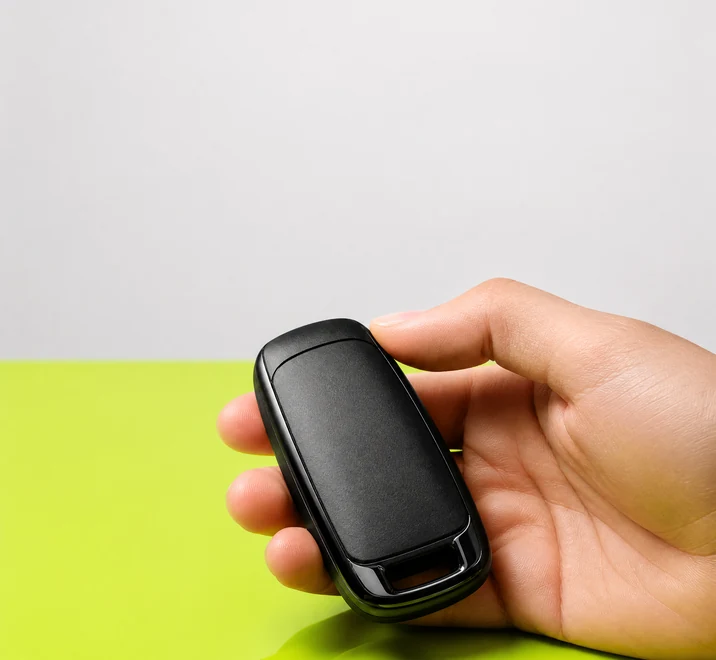






Sedan car rental in France
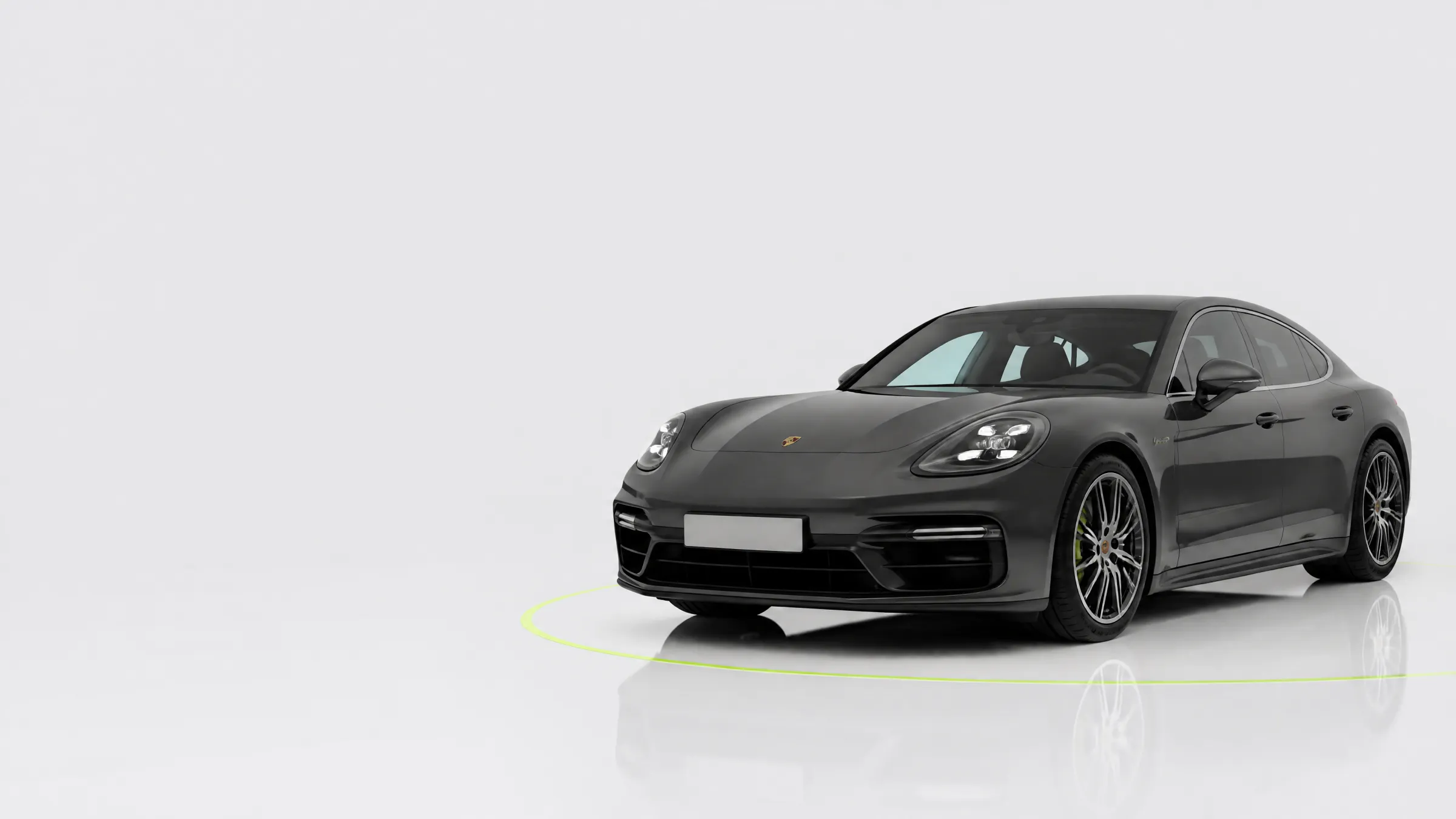
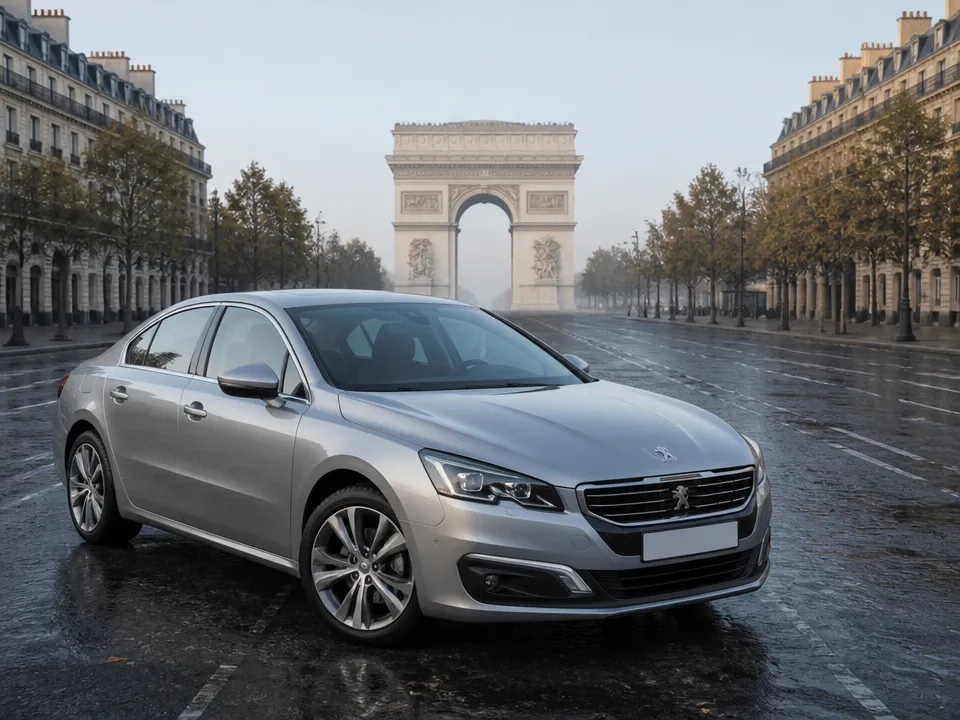
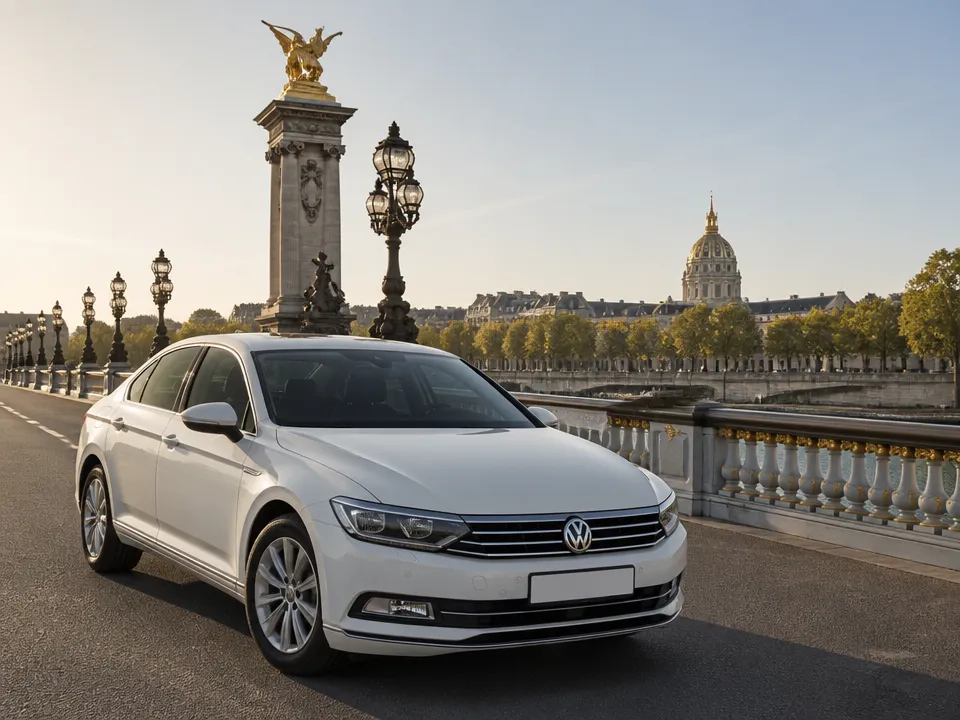
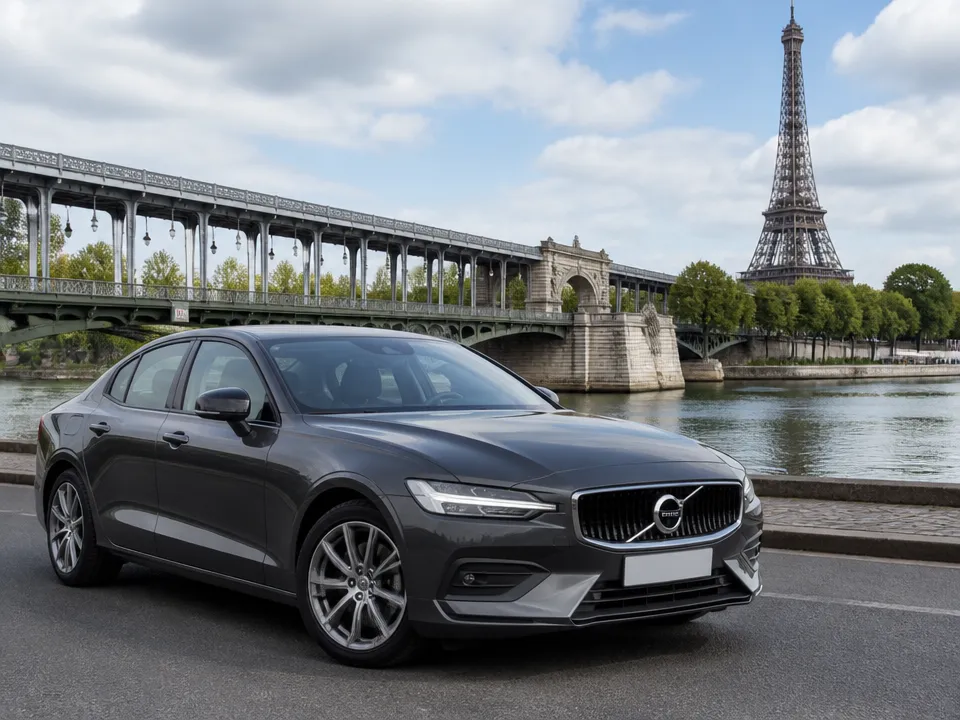
Three sedans for rent in France — the Volkswagen Passat, Peugeot 508 and Volvo S60 — all automatic, five seats, from €120 per day, with weekly from €720 and monthly from €2,520. We deliver the car to you in Paris, and the booking is agreed with a manager.
Choosing a sedan for your Sedan car rental in France
Three sedans are available for delivery in France: the Volkswagen Passat, the Peugeot 508 and the Volvo S60. They share a body style, five seats and an automatic gearbox, so the real decision comes down to fuel, engine size and how much you want to spend per day.
Three sedans in our fleet and what sets them apart
| Model | Fuel | Engine | Power | Price per day |
|---|---|---|---|---|
| Volkswagen Passat | Diesel | 2.0 L | 150 hp | €120 |
| Peugeot 508 | Gasoline | 1.6 L | 180 hp | €125 |
| Volvo S60 | Hybrid | 2.0 L | 197 hp | €135 |
Engine size, not body size, is what changes the drive on long routes: the 2.0 L units in the Passat and the S60 hold their pace on motorway gradients, while the 1.6 L Peugeot 508 feels lighter in town.
Is a sedan big enough for four people and luggage
Every sedan on this page seats five, so four passengers travel with a full boot free — that is the practical difference between this class and a compact. All three are front-wheel drive and automatic, which matters on French roads where manual gearboxes dominate hire fleets. For a week-long loop, check boot depth before engine size: two large cases plus hand luggage fit, a third large case usually does not. Rent-Trip brings the car to you, so load it where you are staying rather than at a depot.
Sedan or compact car for French roads
A sedan adds boot space and rear legroom; a compact is easier to park. On Paris streets, where kerbside bays are tight and parking is charged progressively by the hour, a shorter car saves time on every stop. Outside the city, on the autoroutes and the departmental roads of the Loire or Normandy, the extra length costs nothing and the larger boot earns its keep. If your trip mixes a few days of city driving with a longer tour, the sedan still works — the parking trade-off applies only to the days you spend in the centre. Choose by where most of your mileage falls, not by the first night's address.
What sedan car rental in France costs
Sedan hire with Rent-Trip runs from €120 to €135 per day, depending on the model you pick. Longer bookings are priced on a simple multiplier, so the weekly and monthly totals are easy to work out before you confirm anything with our manager.
Daily, weekly and monthly rates for our sedans
| Model | Per day | Weekly | Monthly |
|---|---|---|---|
| Volkswagen Passat | €120 | €720 | €2,520 |
| Peugeot 508 | €125 | €750 | €2,625 |
| Volvo S60 | €135 | €810 | €2,835 |
A longer booking is priced as the daily rate multiplied by 6 for a week and by 21 for a month — those are the only multipliers we use, so the table above is the whole calculation. Compare totals rather than day rates when you are weighing up a ten-day loop against a fortnight: at daily × 6 the weekly figure already covers seven days of use, which is where the arithmetic starts working in your favour on anything past a short break.
What the rental agreement sets out
Deposit, excess, delivery fees and discounts are set out in the rental agreement, and we go through them with you when the booking is agreed rather than leaving you to find them afterwards. The franchise — the amount you carry yourself if the car comes back damaged — depends on the protection level in that agreement, not on the day rate, so two bookings at the same €125 can end up with very different totals. Read those four lines before you confirm: they decide the final figure, and the day rate on its own does not.
Where the money goes on a longer trip
Fuel, tolls and parking sit outside the rental price and are worth budgeting for separately, particularly if your route runs through the Duplex A86 tunnel or you leave the car on a Paris street in zone 1, where the visitor tariff is progressive rather than hourly — 1 hour at €6 rising to €75 for the 6-hour maximum. For a two-week loop, the car itself is usually the smaller half of the bill.
Documents and licence for renting a sedan in France
We arrange sedan car rental for drivers who hold a valid licence from their home country, and the paperwork is agreed with a manager when you book. What you carry on the day depends on where your licence was issued.
Which licence works and when you need an IDP
EU and EEA licences are valid here for the whole booking, with no exchange needed while they stay valid. Drivers from outside the EU and EEA travelling as tourists may drive on their national licence; if that licence is not written in Latin characters, an official translation or an International Driving Permit must travel with it. An IDP on its own is not a licence — it is a translation, and it is shown together with your national document. Visitors who move here may drive for 1 year from the entry date stamped in their visa, after which the licence has to be exchanged. The IDP itself must be no older than 3 years for the booking to go ahead, so check the issue date before you fly. In our experience, the delay that costs people a reservation is not the translation but a permit that quietly expired during a long trip.
Minimum age and driving experience
Your licence must have been issued more than 1 year ago, and digital licences are not accepted — bring the physical card. A permis probatoire, held by drivers in their first years after passing, carries its own speed limits: 110 km/h on motorways, 100 km/h on dual carriageways and 80 km/h on other roads. The minimum age, any young-driver supplement, and which card and passport you present are conditions of each rental company rather than a single national rule, so confirm them with the manager when the booking is agreed.
What to have ready when the car arrives
- National licence: the physical card, issued more than 1 year ago, valid for the whole trip.
- IDP or official translation: required only when your licence uses non-Latin characters, and valid for no more than 3 years.
- Passport or ID: the document that matches the name on the booking.
- Payment card: the card named in the rental agreement, with any deposit set out there.
- Second driver: a paid option added at booking, with that driver's own documents.
Delivery and hand-over details are settled with the manager when you book, so nothing about the meeting point is left to guesswork.
Driving a rental sedan in Paris with ZFE and Crit'Air
The ZFE de la Métropole du Grand Paris is a low-emission zone that runs inside the A86 motorway, and the A86 itself is excluded from the perimeter. Every sedan we hand over carries a Crit'Air vignette on the windscreen, so you can plan a route into the centre without guessing whether the car is allowed in.
The ZFE perimeter and which Crit'Air classes are banned
The ZFE de la Métropole du Grand Paris covers the area inside the A86, and that includes the boulevard périphérique, the Bois de Boulogne and the Bois de Vincennes. Crit'Air 5, Crit'Air 4, Crit'Air 3 and «Non classé» vehicles are banned inside it, and the ban on Crit'Air 3 has applied since 1 January 2025. The vignette must sit on the windscreen — without it, entry into the ZFE is formally prohibited, whatever the car's real emissions. Our sedans are delivered with the sticker already in place, and the delivery point is agreed when booking. Check the class on the sticker before you set off, because the class, not the age of the car, decides whether you may cross the perimeter.
Do you need a Crit'Air sticker for a rental sedan
- Crit'Air vignette: the eco sticker for the windscreen, issued by class; without it entry into the ZFE de la Métropole du Grand Paris is formally banned.
- Class check: confirm the class printed on the sticker against the banned list — Crit'Air 5, 4, 3 and «Non classé» — before you drive into the perimeter.
- Route planning: the A86 forms the boundary and is excluded from the zone, so a ring route keeps you outside it if your class is restricted.
- Longer trips: a drive out of the region, for example towards the Alps, brings the winter-tyre rule into play from 1 November to 31 March; the Paris area itself is not covered by it.
Insurance, excess and damage on a rental sedan
French law splits cover into two layers: third-party liability, which every booking carries automatically, and damage protection, which limits what you pay if the car comes back marked. The second layer is where the numbers live, and they are not the same for every agreement.
What is included as standard
- responsabilité civile: compulsory third-party cover, included in any booking by law, paying for injury and property damage you cause to others up to the country's legal limits. It does not cover injuries to the driver.
- CDW / collision damage protection: part of the standard package here, it limits your liability to the excess (franchise) and covers repair and loss of use of the car.
- TW / theft protection: also standard, covering theft, attempted theft and vandalism in a car park, again up to the excess.
- franchise (excess): the fixed sum you pay yourself after damage or theft. It is not reducible over time and depends on the protection level you choose; the exact amount sits in the agreement.
Buying the excess down
Drivers here can add rachat de franchise, a paid option that lowers the franchise or removes it entirely. The exact figures, like everything else on this point, are set out in the agreement rather than quoted here. What base protection leaves out matters just as much: tyres damaged by abnormal use, glass unless it broke in a collision, the sunroof and panoramic roof, the underside, misfuelling and the engine damage that follows, lost or stolen keys, and any damage caused by negligence or on purpose. Some Visa Premier and Gold Mastercard products cover the CDW and TW excess if the booking was paid with that card and the holder is the main driver on the agreement — an industry practice, not a legal norm.
Before you confirm
Ask the manager to walk you through the deposit, the excess, the delivery fee and any discount, and have those lines agreed when booking. On a sedan the difference between a lowered and an untouched franchise is usually the single largest variable in the total, larger than a day's rate — so settle it before the keys change hands, not after.
Fuel, mileage and costs for Sedan car rental in France
Fuel prices here are set per litre and vary by department, so what you pay at the pump depends on where you fill up. The sedan you book through Rent-Trip arrives with a fuel policy agreed when booking — a full-to-full arrangement is the usual one, so you return the car at the same level you collected it. Our three sedans take different fuels: Volkswagen Passat runs on diesel, Peugeot 508 on gasoline, Volvo S60 on hybrid. Diesel is the cheapest per litre of the three in most departments, which matters on a long loop; the hybrid S60 recovers the difference in town, where it runs on electric power more often. Mileage terms are also agreed when booking, so confirm the included kilometres before you plan a route.
- Politique de carburant (plein-plein): collect with a full tank, return it full — the standard local arrangement, or pay for the fuel used at the end.
- Kilométrage illimité: unlimited mileage on some bookings, a set included distance on others — the terms sit in the rental agreement.
- Franchise kilométrique: the included-kilometre limit, after which each extra kilometre is charged at a rate agreed when booking.
- Horodateur: the street parking meter — the terms for using it are set out in the rental agreement.
Parking and tolls are the two costs travellers underestimate. Street parking in central Paris is charged on a progressive scale, not by the hour: 1 hour costs €6, 2 hours €12, 3 hours €24, 4 hours €39, 5 hours €57 and 6 hours €75, with a maximum of 6 hours in one spot. Outside the city, tolls apply on the motorway network and on the Duplex A86 tunnel between Rueil-Malmaison and Vélizy, where the tariff for a class 1 car runs from €8.30 to €13.70 on weekdays depending on the hour, and up to €14.90 on Fridays and the eve of public holidays.
Two habits keep the running total down. Fill up away from motorway service areas — the same litre costs noticeably less in a town a few kilometres off the exit. And check the fuel type on the filler cap before you refuel: putting petrol into a diesel engine is not covered by the base protection, and the resulting repair is charged to the renter. With a 2.0 L diesel Passat, a 1.6 L petrol 508 and a 2.0 L hybrid S60 in the fleet, all three return reasonable consumption on these roads, but the diesel remains the cheapest choice for a long motorway week.
Road rules and fines during Sedan car rental in France
Speed limits and alcohol thresholds on French roads are set by the Code de la route and are stricter for newly qualified drivers. Rent-Trip hands over a sedan with automatic transmission and front-wheel drive, so the driving itself is straightforward — it is the rules around it that catch visitors out.
Speed limits under the Code de la route
- Built-up areas: 50 km/h, though the limit can be raised to 70 km/h on some stretches; Code de la route, art. R413-3.
- Ordinary roads outside towns: 80 km/h, or 90 km/h where the department has kept two lanes in one direction; art. R413-2.
- Dual carriageways: 110 km/h; motorways 130 km/h; art. R413-2.
- Rain: 110 km/h on motorways, 100 km/h on dual carriageways, 80 km/h elsewhere; art. R413-2.
- Visibility under 50 m: 50 km/h on every road; art. R413-4.
- Permis probatoire (under 3 years' experience): 110 km/h on motorways, 100 km/h on dual carriageways, 80 km/h elsewhere; art. R413-5.
The boulevard périphérique in Paris runs at 50 km/h since 1 October 2024, a decision of the city hall brought in gradually — the inner ring from porte des Lilas to porte d'Orléans first, the whole ring by 10 October — even though the Code de la route would allow up to 70 km/h there. A reserved left lane between the Issy embankment and porte de Bercy, both directions, is open to cars carrying 2 or more people on weekdays 7:00–10:30 and 16:00–20:00. Using it alone costs 135 €, a contravention of the 4th class, and it has been enforced since 2 May 2025 under an experiment that began on 3 March 2025.
Alcohol, children and the fines that follow
The general alcohol limit is 0.5 g/l of blood (0.25 mg/l of breath). For drivers with permis probatoire it drops to 0.2 g/l of blood (0.10 mg/l of breath) — in force since 1 July 2015. Exceeding the lower limit costs 135 €, six points and a possible suspension.
- Child seats: compulsory for children under 10 years old OR shorter than 135 cm — both conditions must be met before a seat becomes unnecessary; Code de la route, R412-1 and following.
- No child seat: up to 750 €, a contravention of the 4th class.
- Winter tyres: required from 1 November to 31 March in around 34 mountain departments (the Alps, Pyrenees, Massif Central, Jura, Vosges, Corsica), over 4000 communes by prefectural decision — either four winter tyres or chains/socks on two driven wheels; loi Montagne II. Paris and Île-de-France are not covered, so the rule does not apply to a car collected there, but it does apply to a trip into the Alps; the fine is 135 € plus immobilisation of the vehicle.
In our experience, the winter-tyre rule is the one travellers ask about last and need to know first: a sedan collected in Paris for a ski week still needs the equipment once it crosses into a mountain department.
What to settle before Sedan car rental in France
Booking a sedan with Rent-Trip takes a short conversation with a manager, not a checkout form. That conversation fixes the model, the dates, the delivery point and the final total, and it is the moment to ask every question you have about the trip. Below are the points worth settling while the booking is still open.
What we confirm with you before the keys change hands
- Model and dates: Volkswagen Passat, Peugeot 508 or Volvo S60 — we check availability for your exact window before anything is fixed.
- Delivery point: the address and time are agreed when booking, so tell us where you land or stay and we work around it.
- Rental agreement: deposit, excess, delivery fees and any discounts are set out in the rental agreement, so read those lines before confirming.
- Extra driver: the option is arranged at booking; the terms for an additional driver are set out in the rental agreement.
- Return: the drop-off point, time and fuel level are written into the same agreement, so both sides know what the car comes back as.
Questions to ask while the booking is open
Ask whether your route leaves the ZFE de la Métropole du Grand Paris and whether the car carries the Crit'Air vignette you need — a sedan delivered for a week in Paris may also be driven to Reims, Giverny or the Loire Valley châteaux, and the sticker class matters on the way back in. Ask about mileage and the fuel policy too: kilométrage illimité and plein-plein are the two terms that decide what an extra 400 km or a half-empty tank costs you at the end. And confirm the excess figure in writing rather than assuming the base package covers everything.
If your plans change
Dates, model and delivery point can all be revisited through the manager who took the booking, and the earlier you raise a change the more room there is to move it. Keep the rental agreement to hand for the whole trip: it is the document the hand-over, the return and any damage discussion are settled against. Nothing on this page replaces it, and the figures that matter to you — deposit, excess, fees, discounts — are only ever the ones written there.