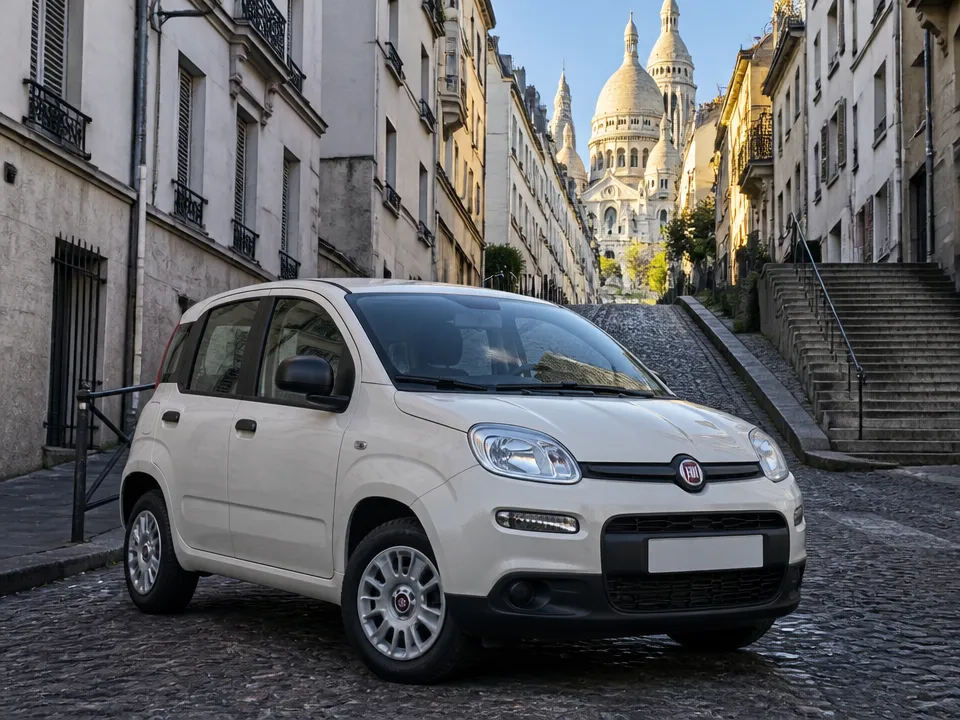
Fiat Panda Hybrid
★4.9· 86Manual1.0 L70 hpFront-wheel5 seats
€39per day
Book now






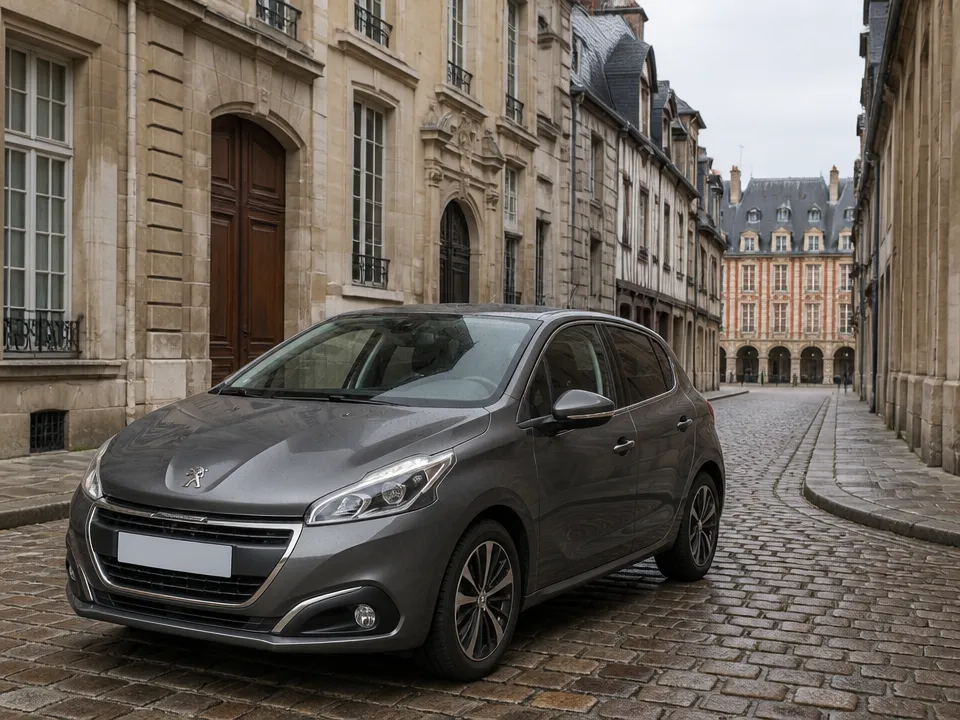
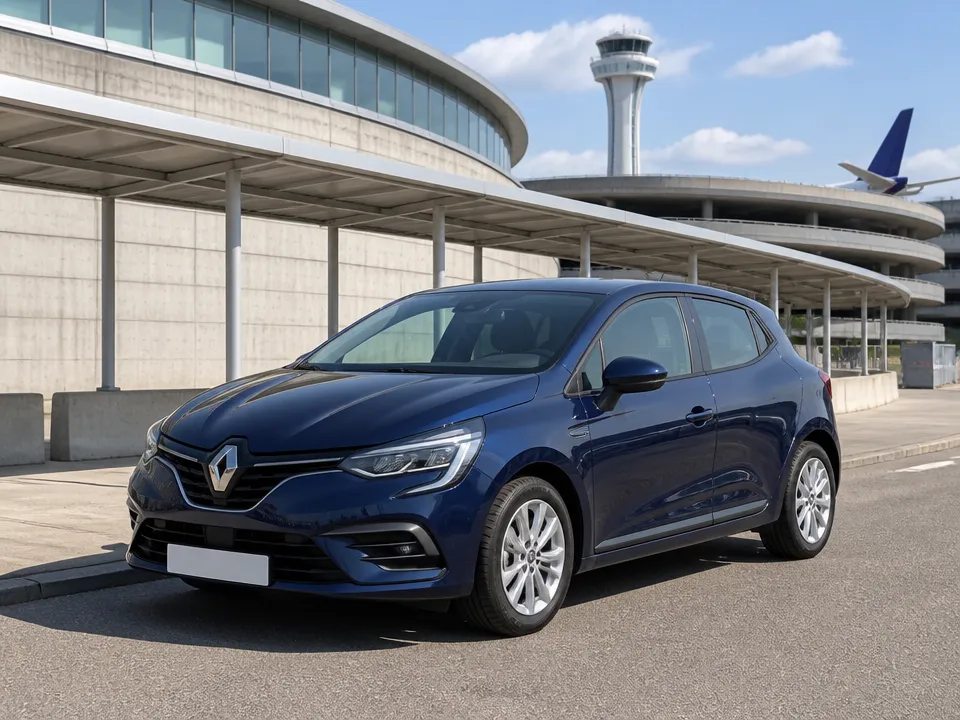
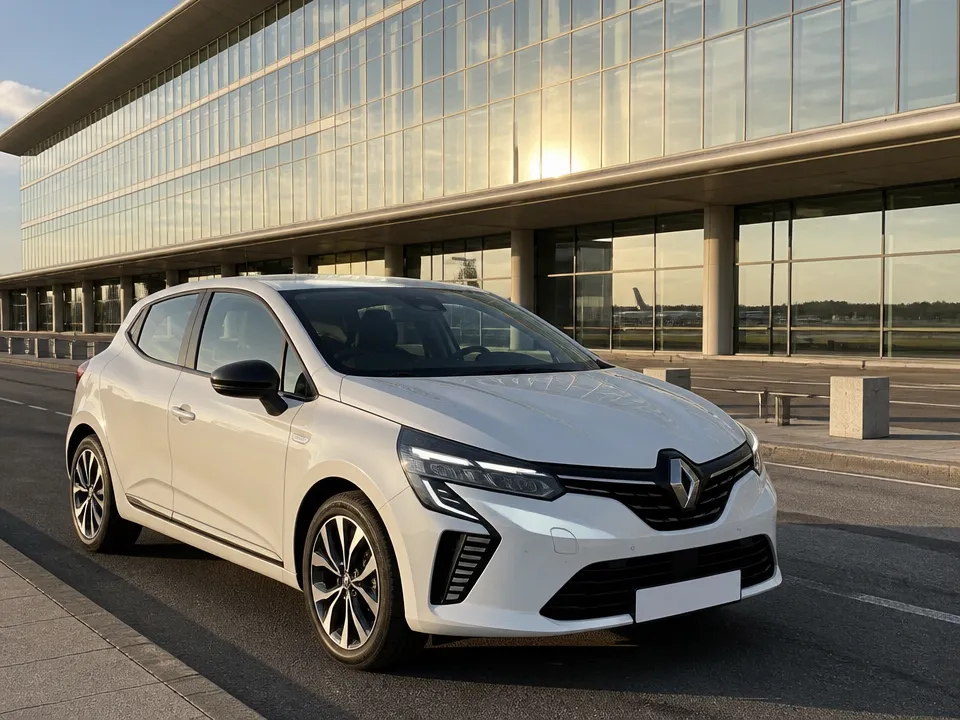
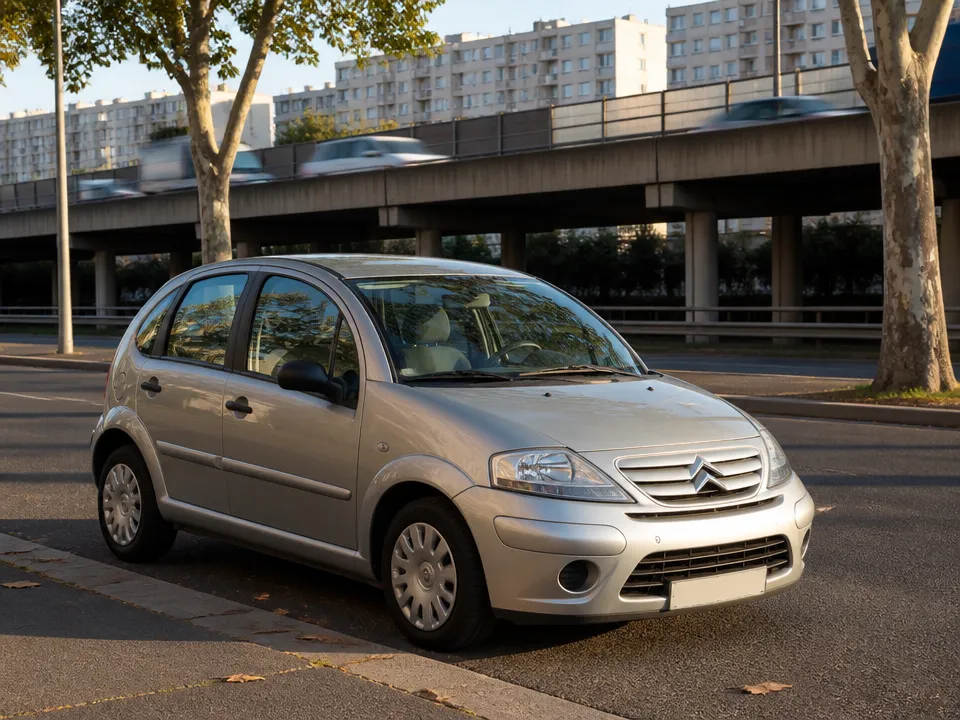
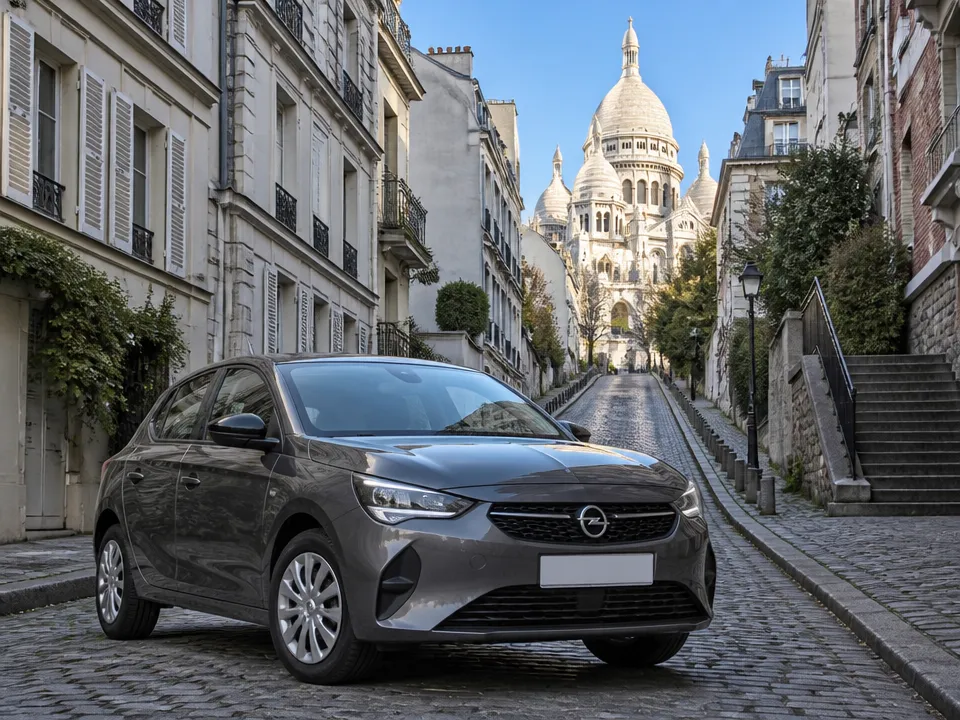
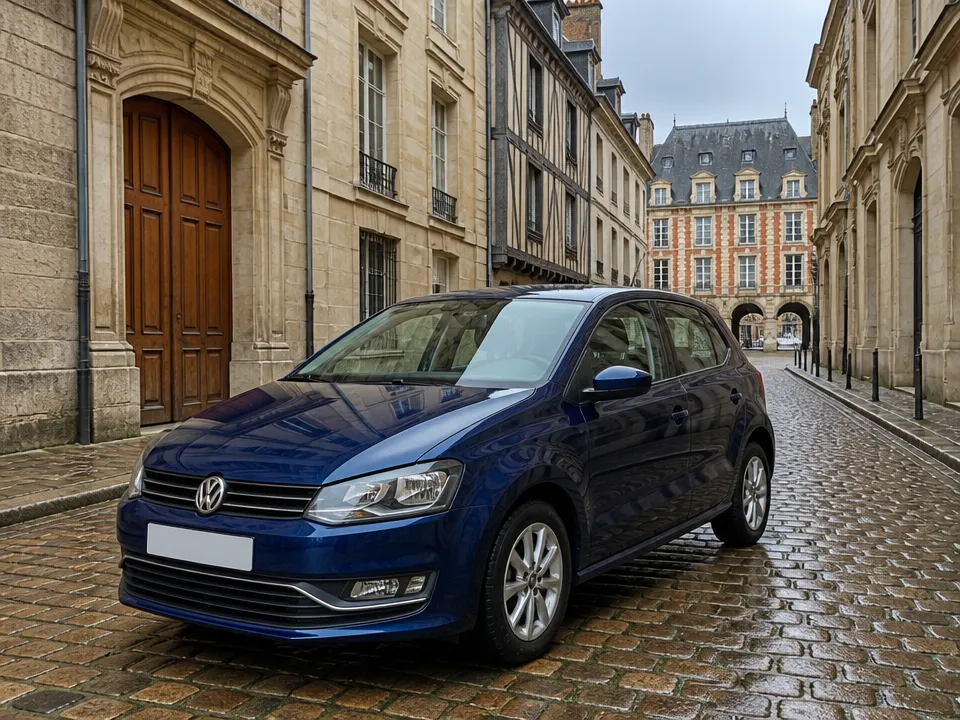
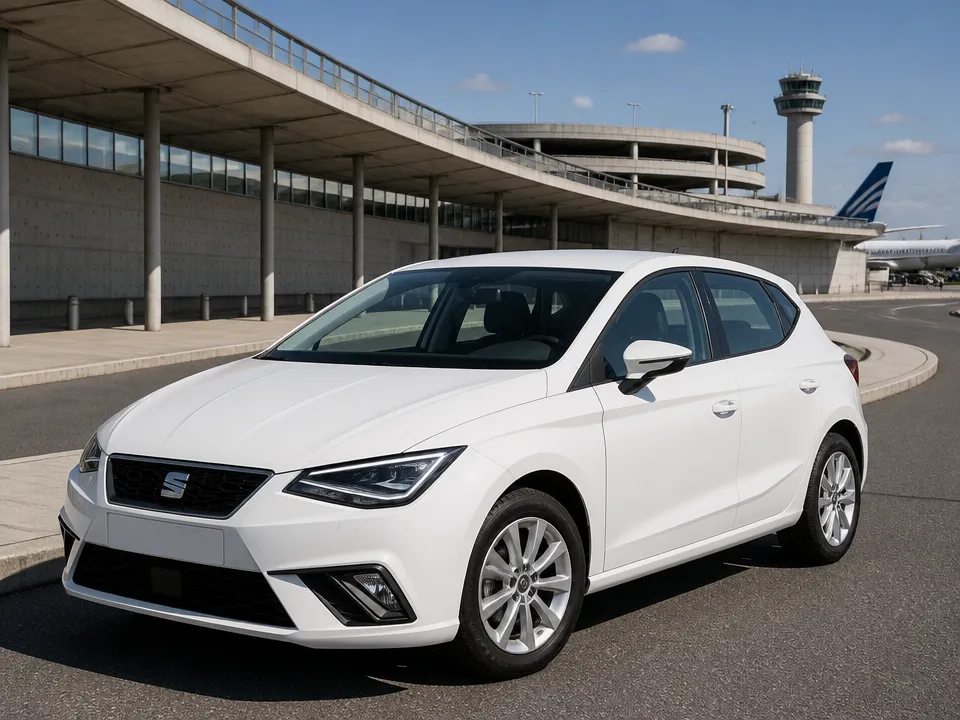
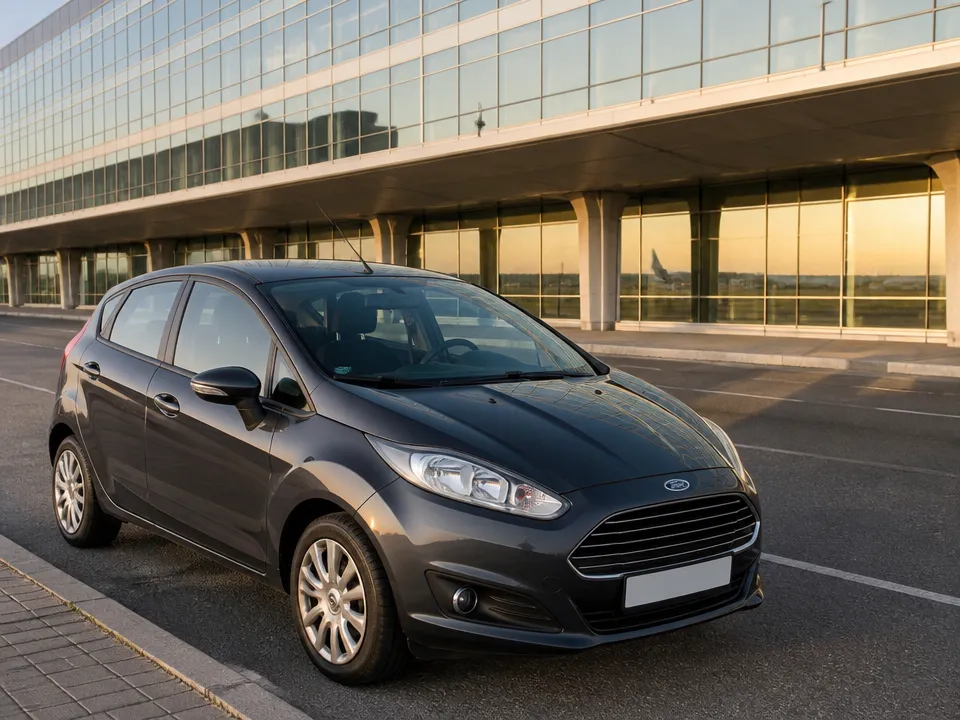
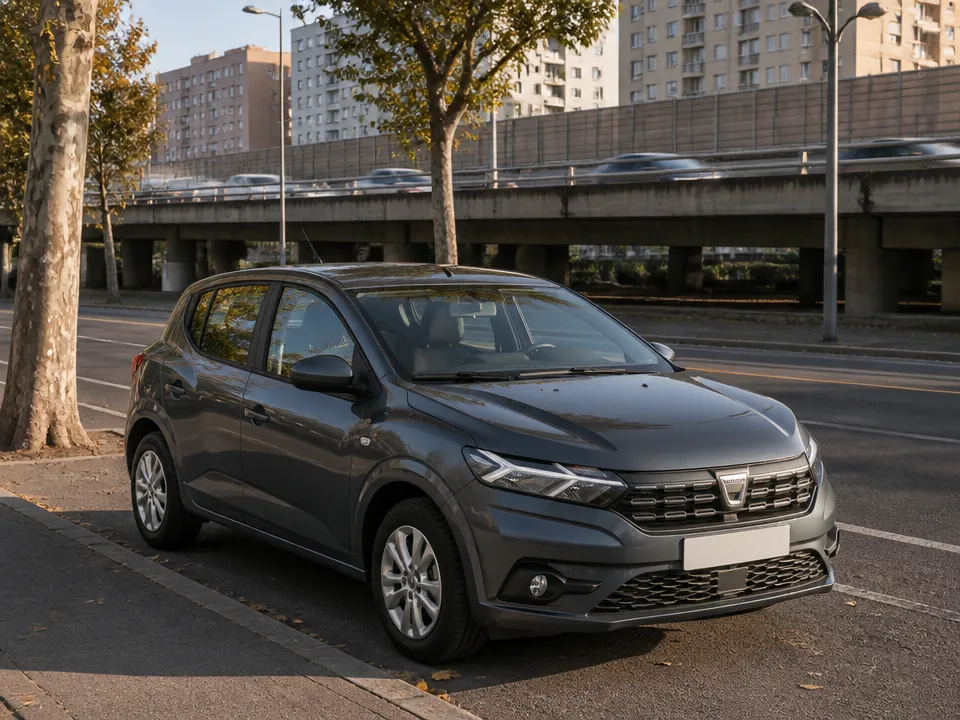
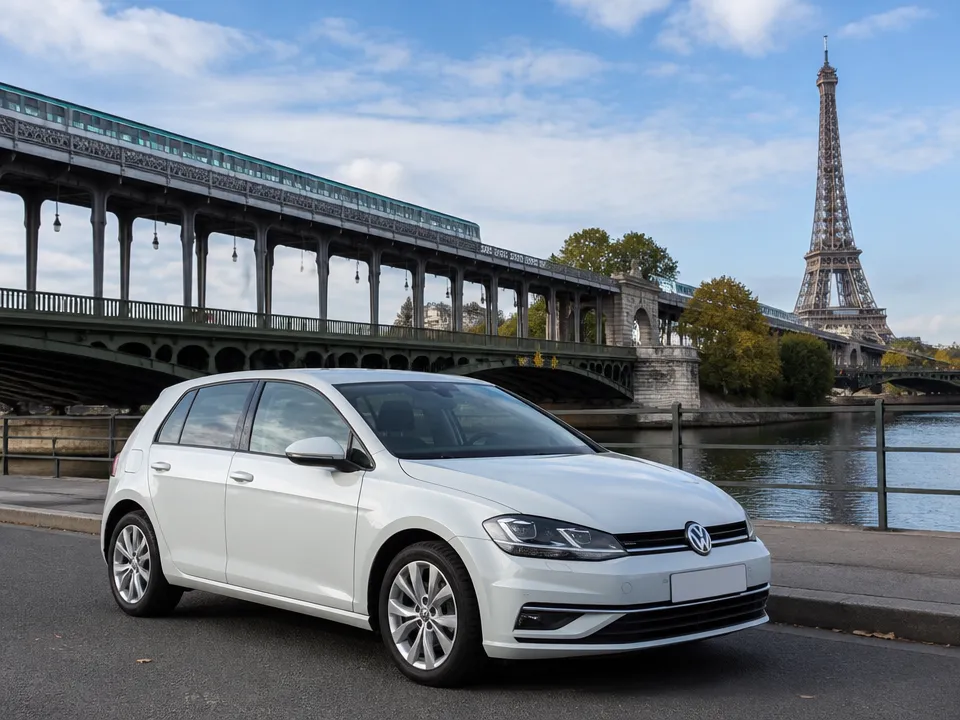
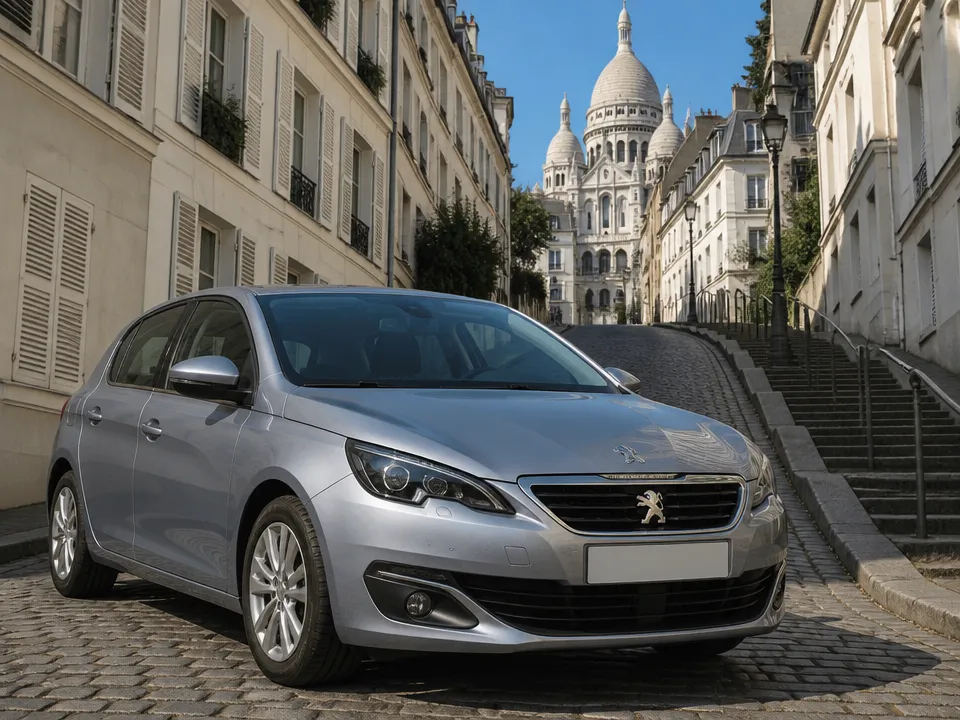
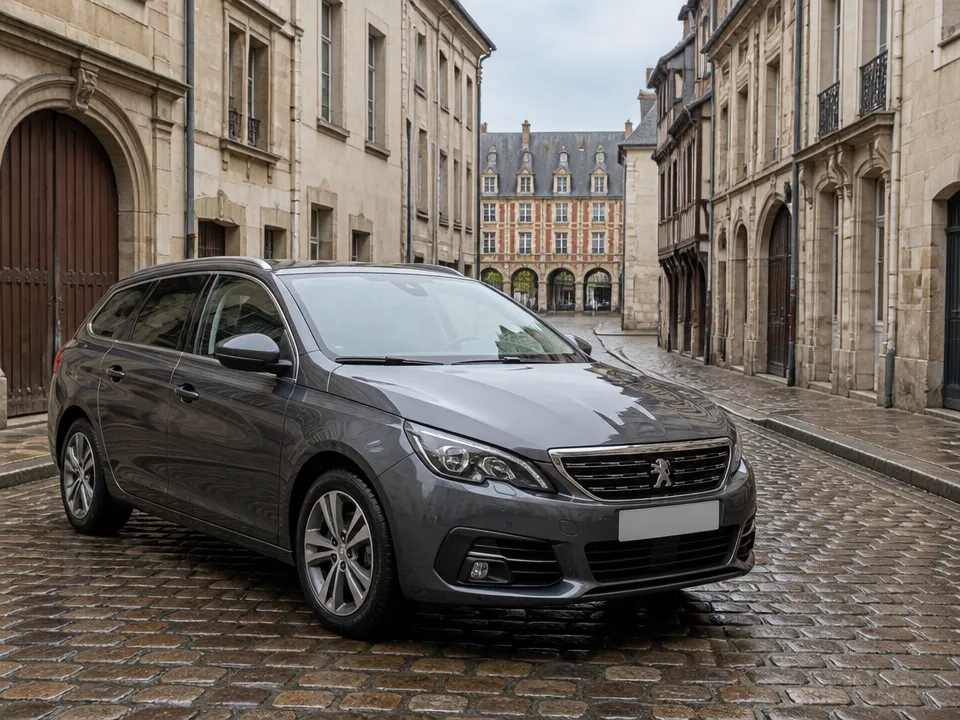
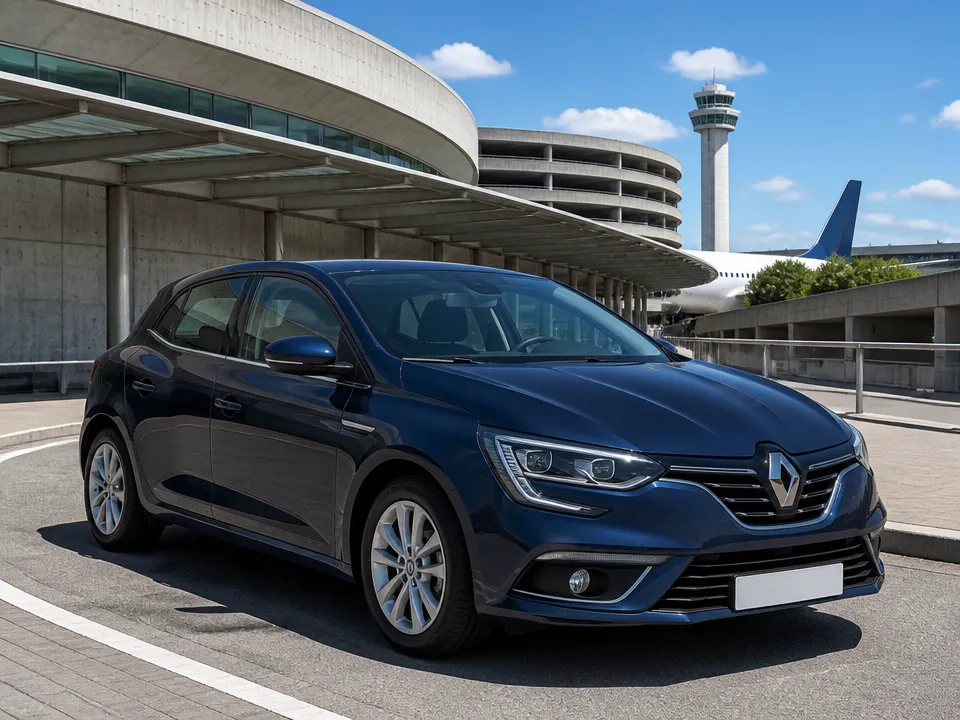
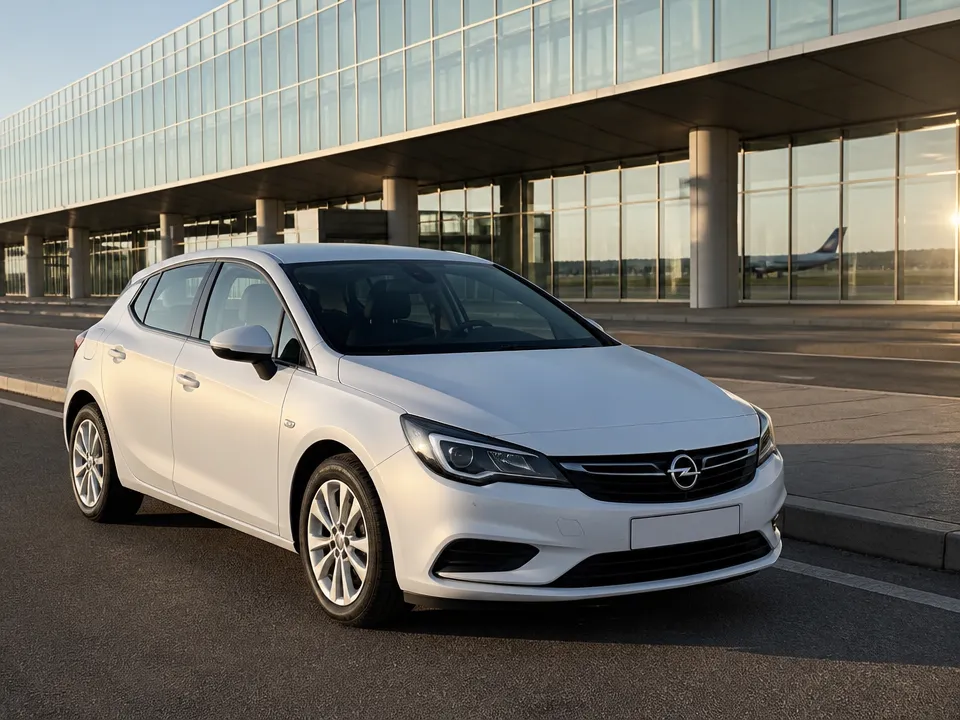
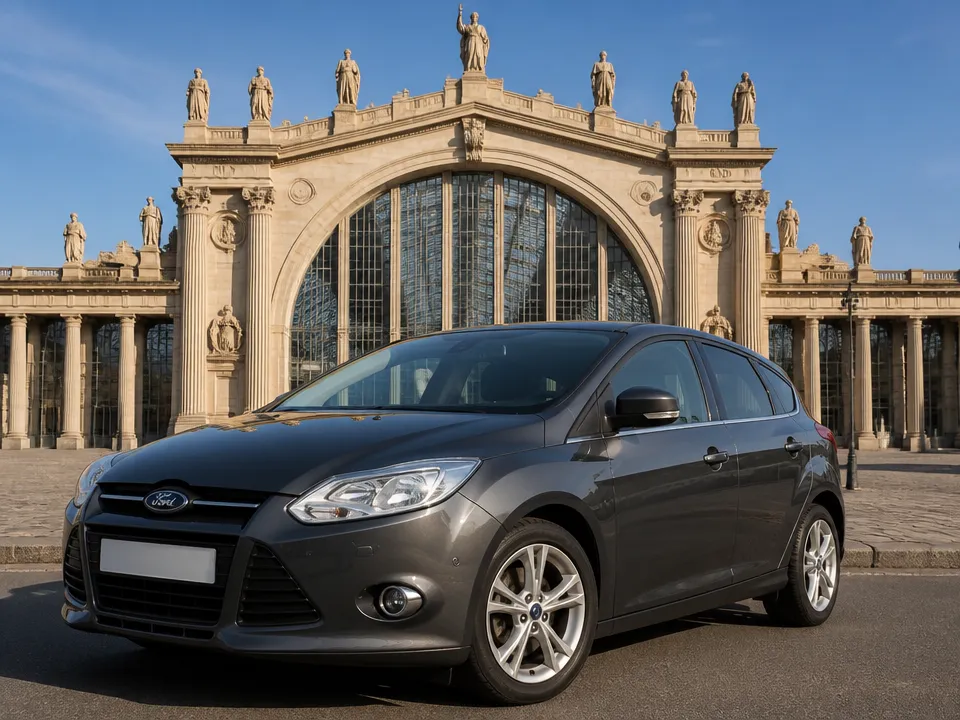
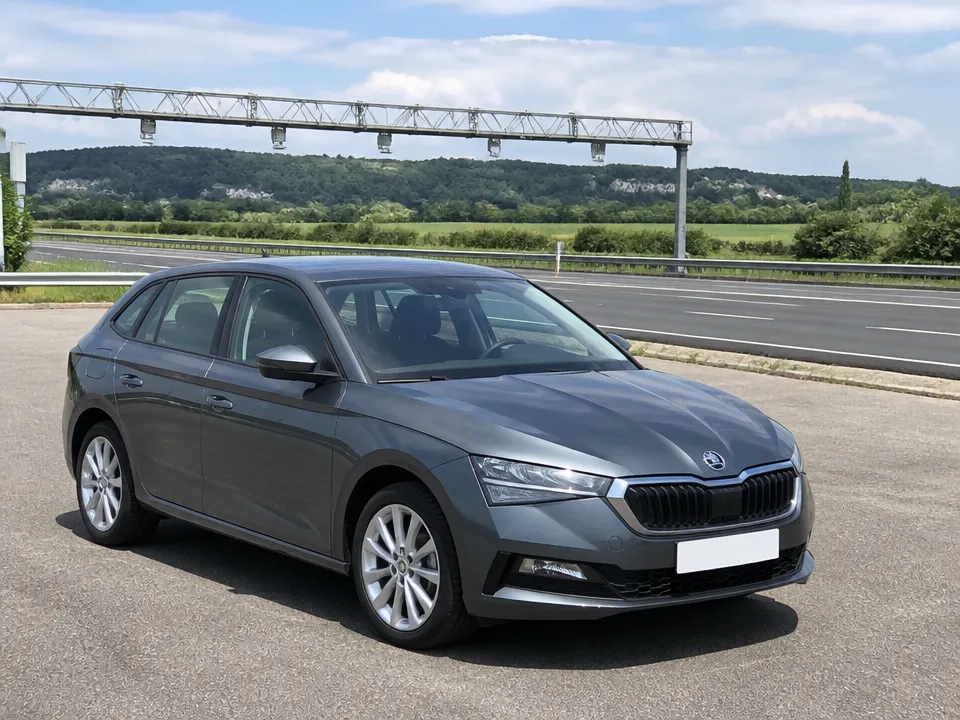
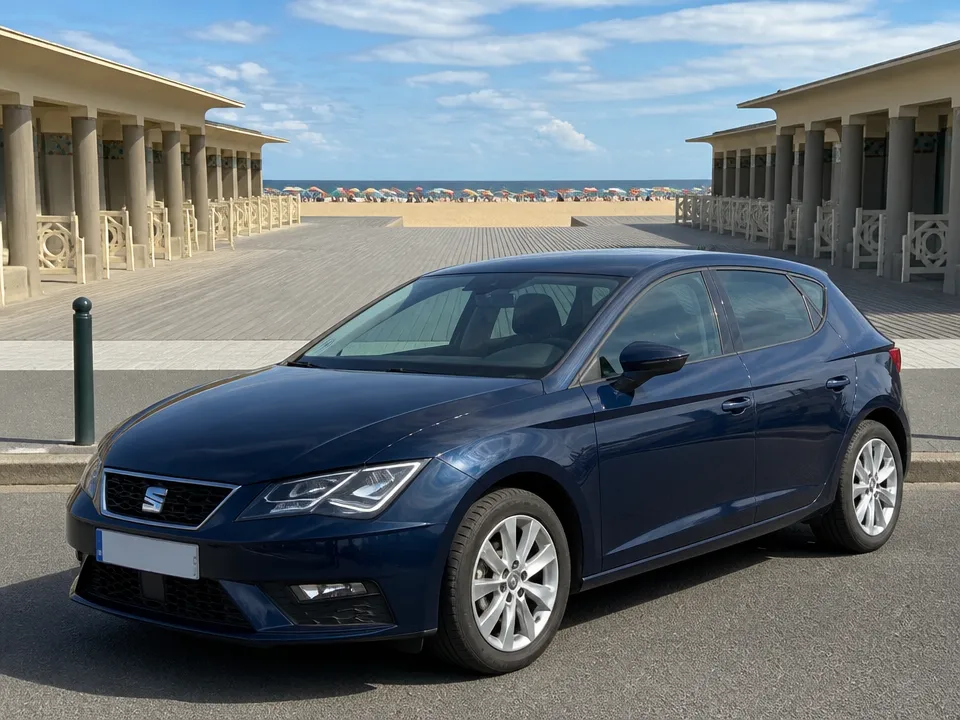
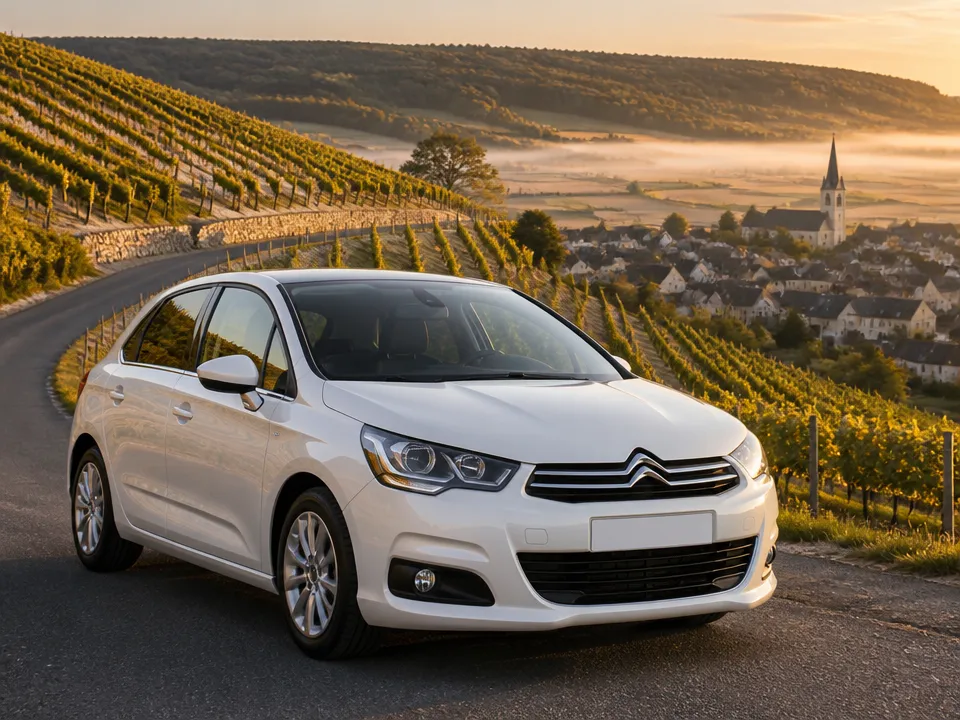
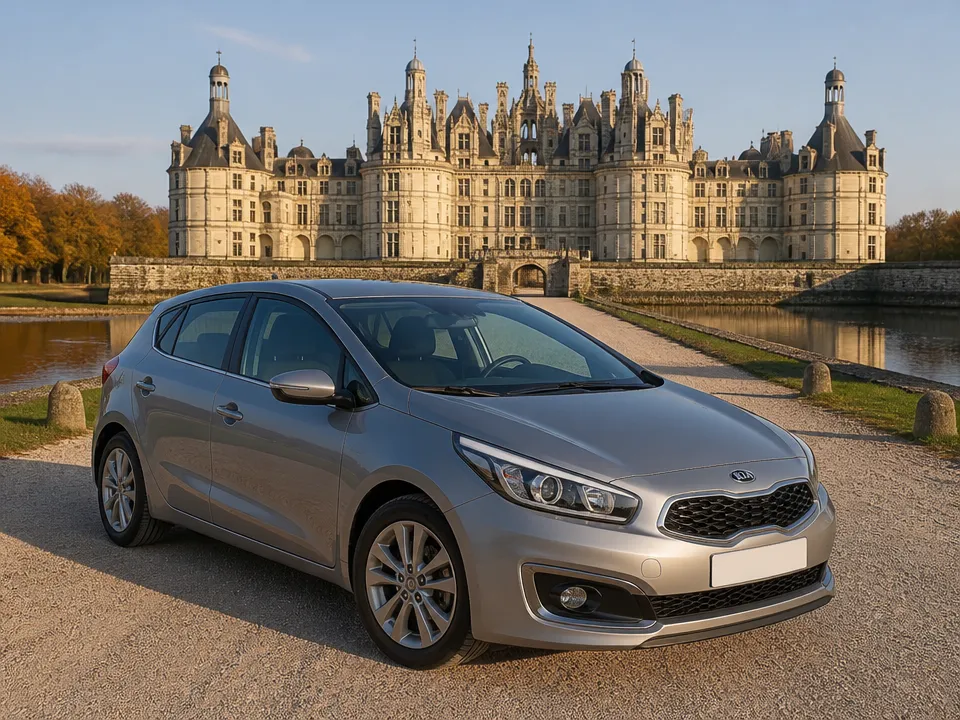
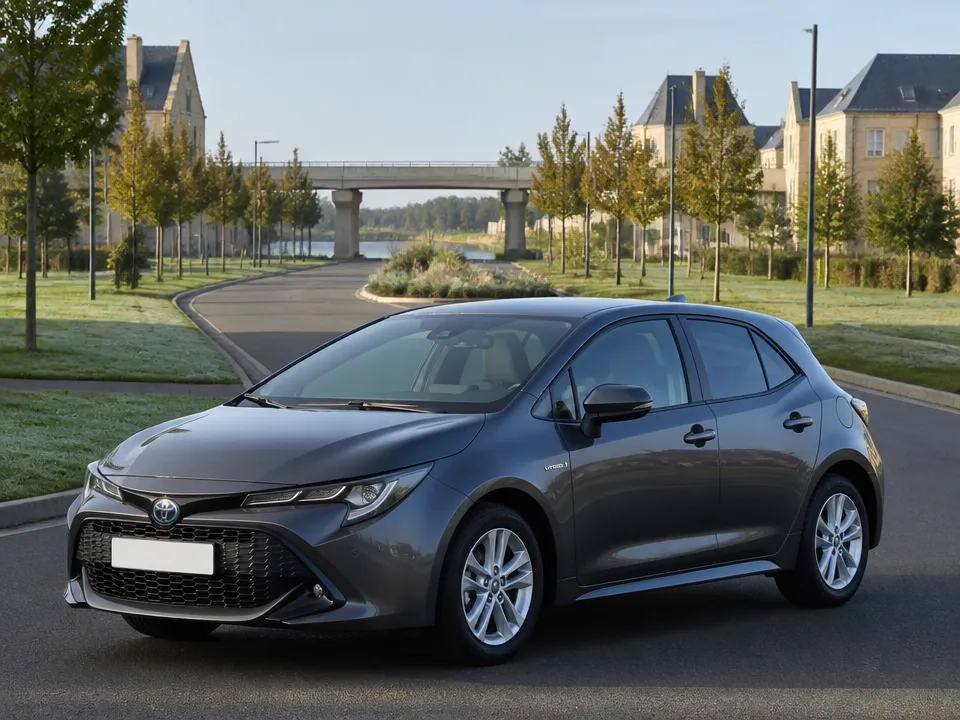
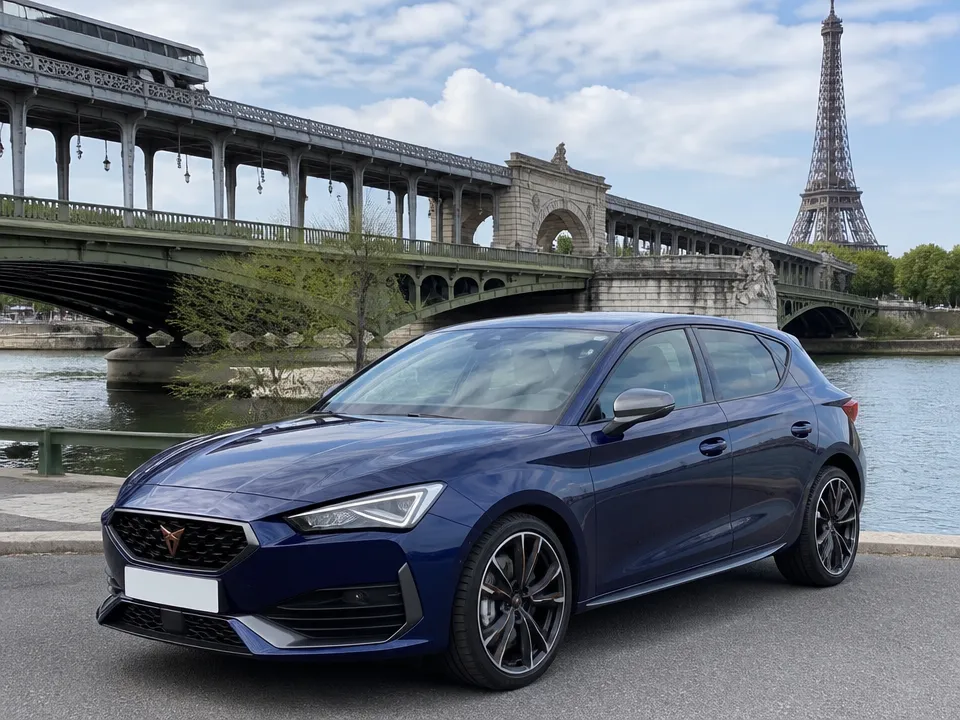
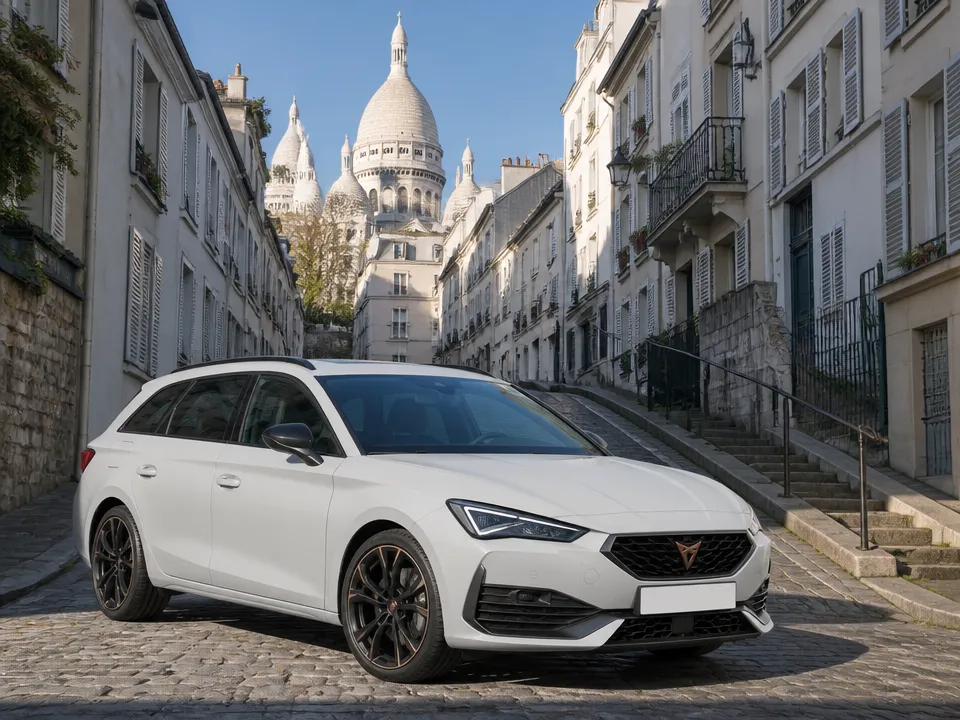
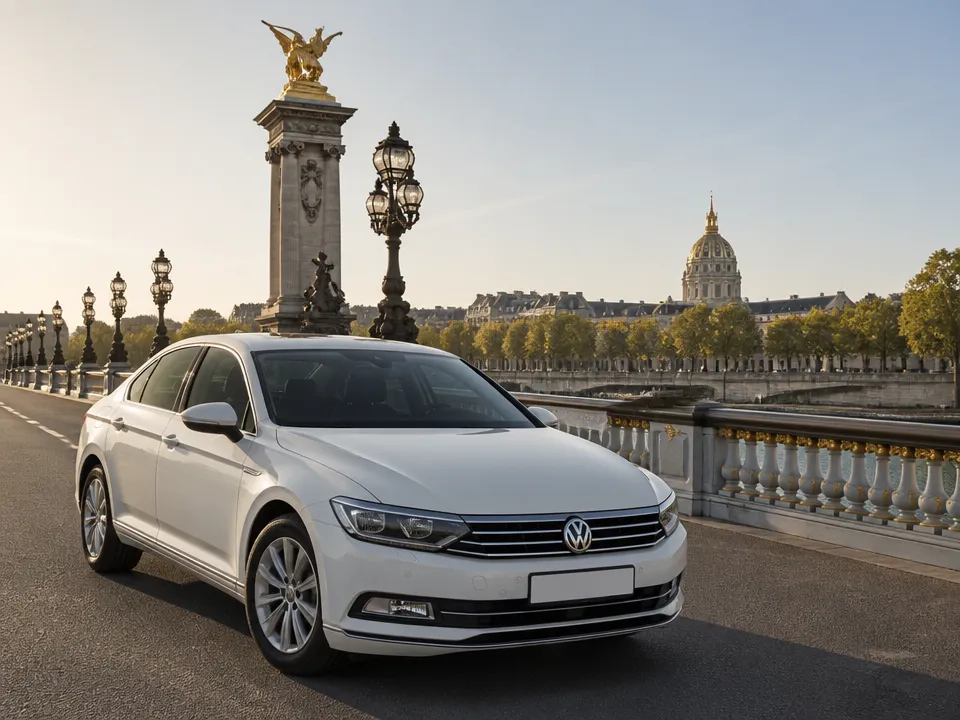
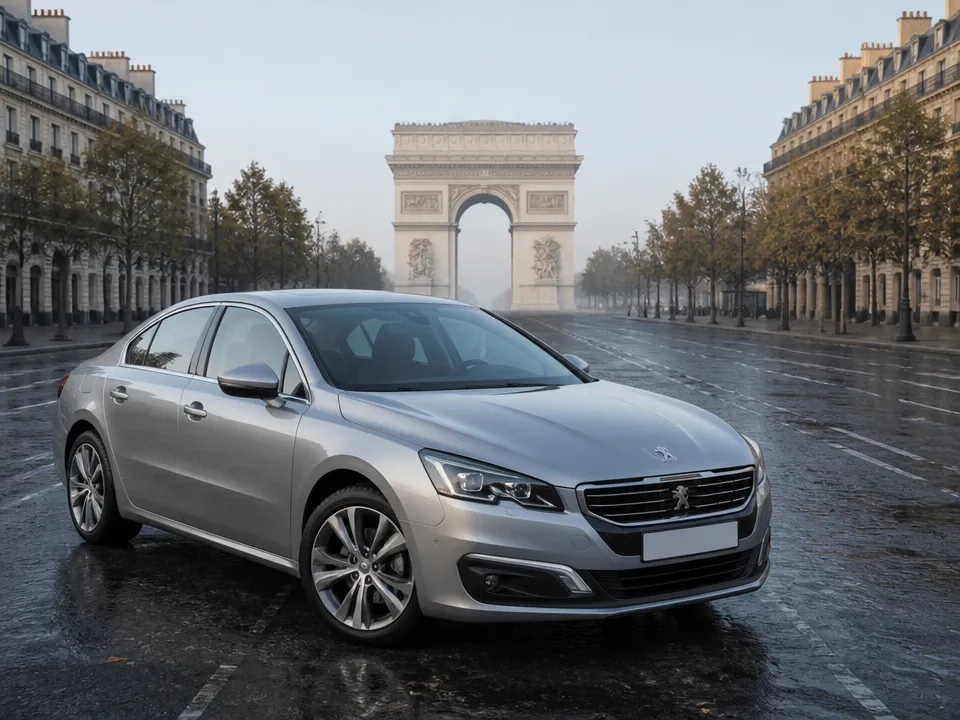
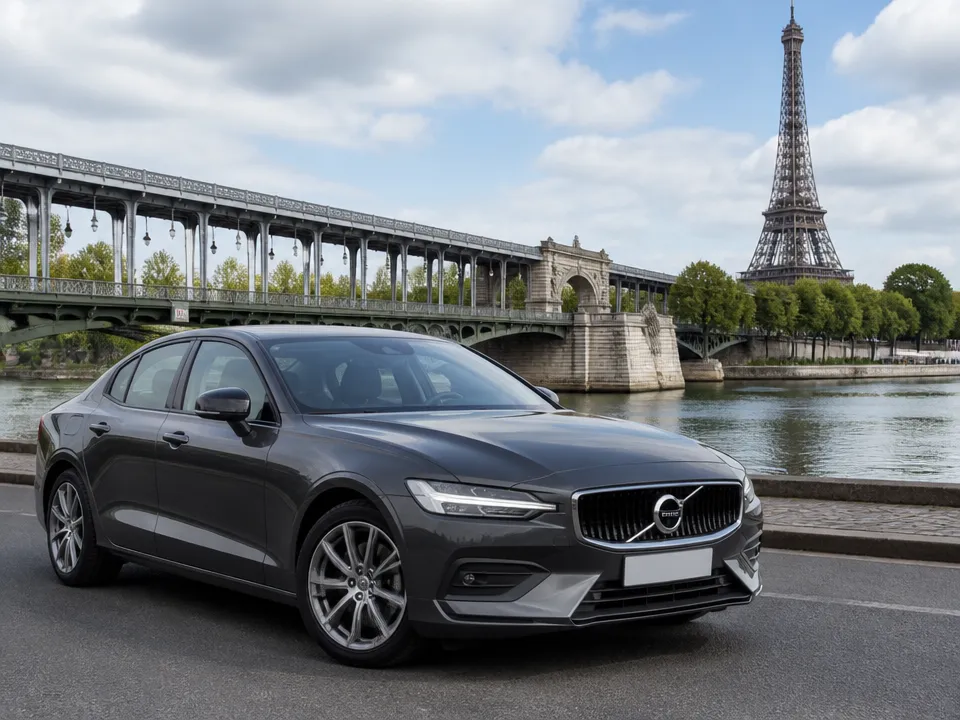
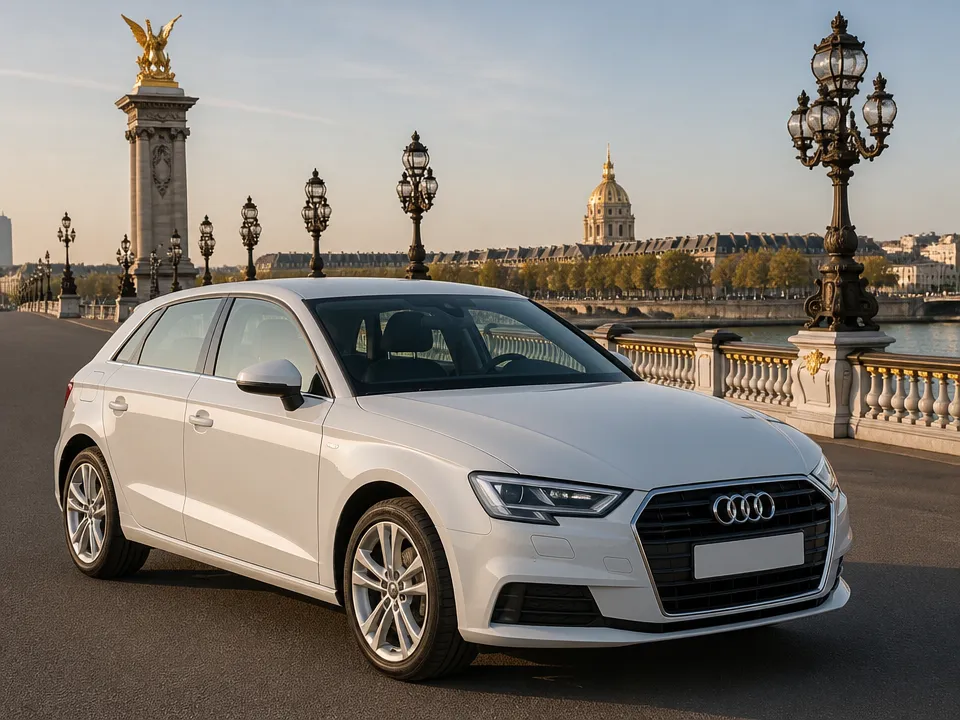
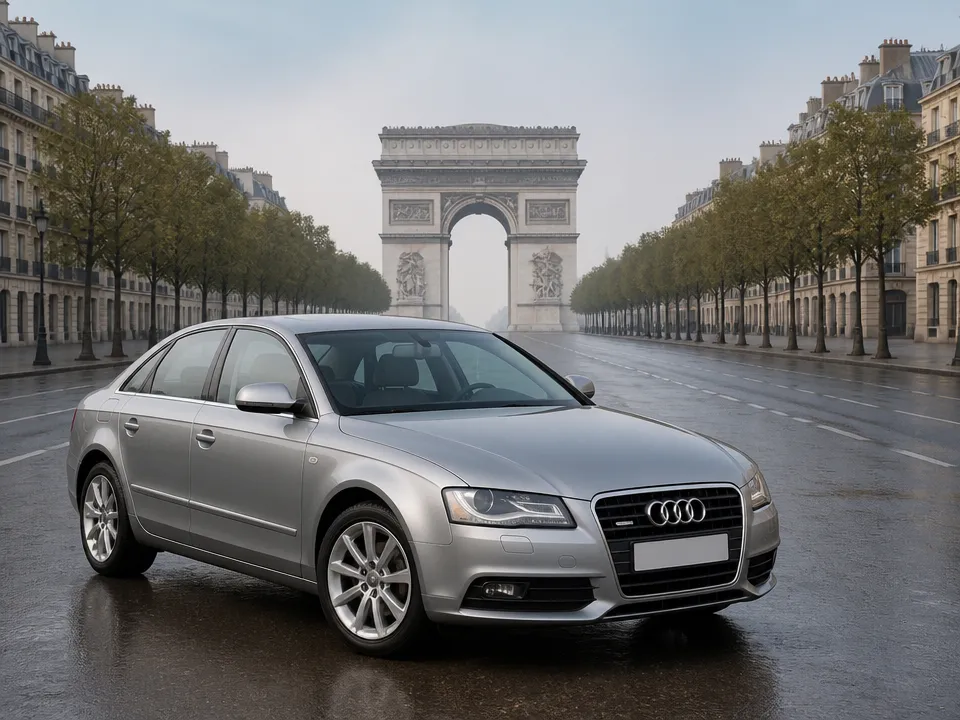
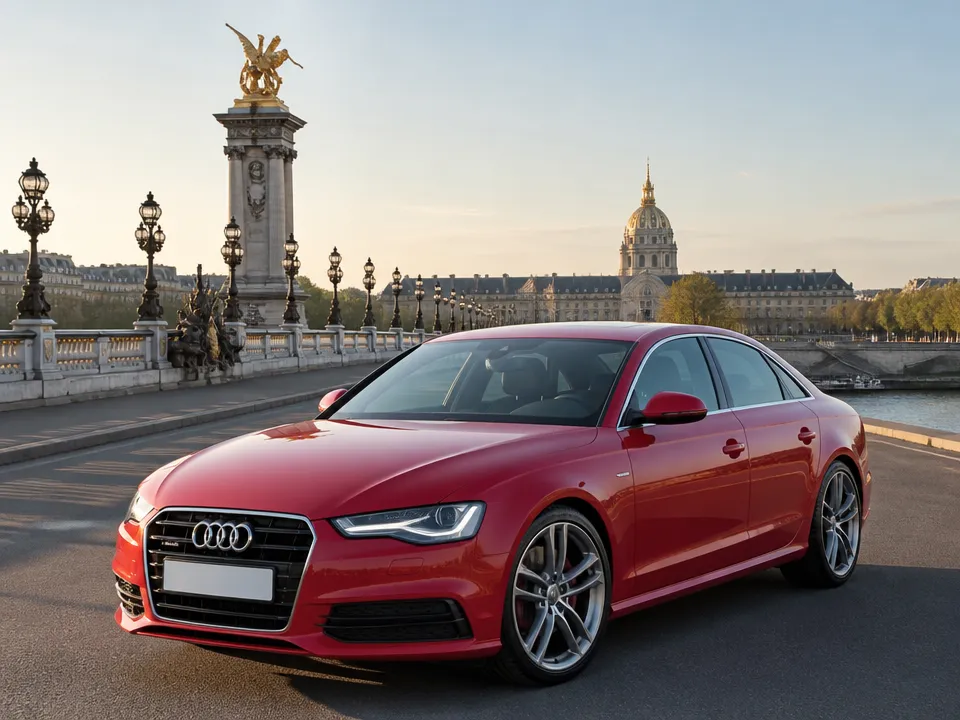
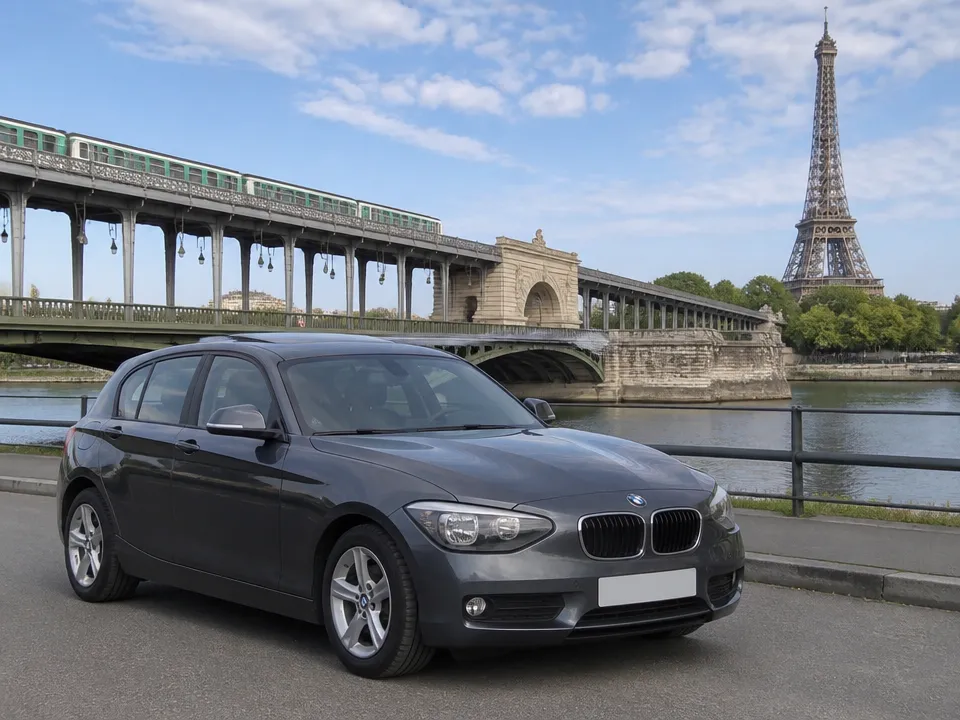
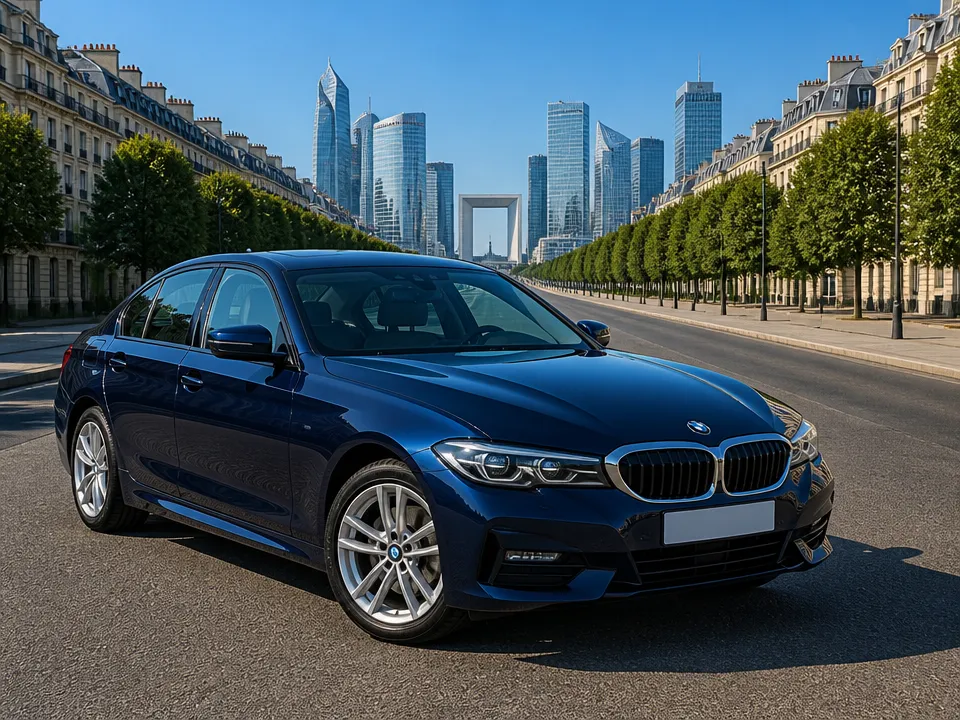
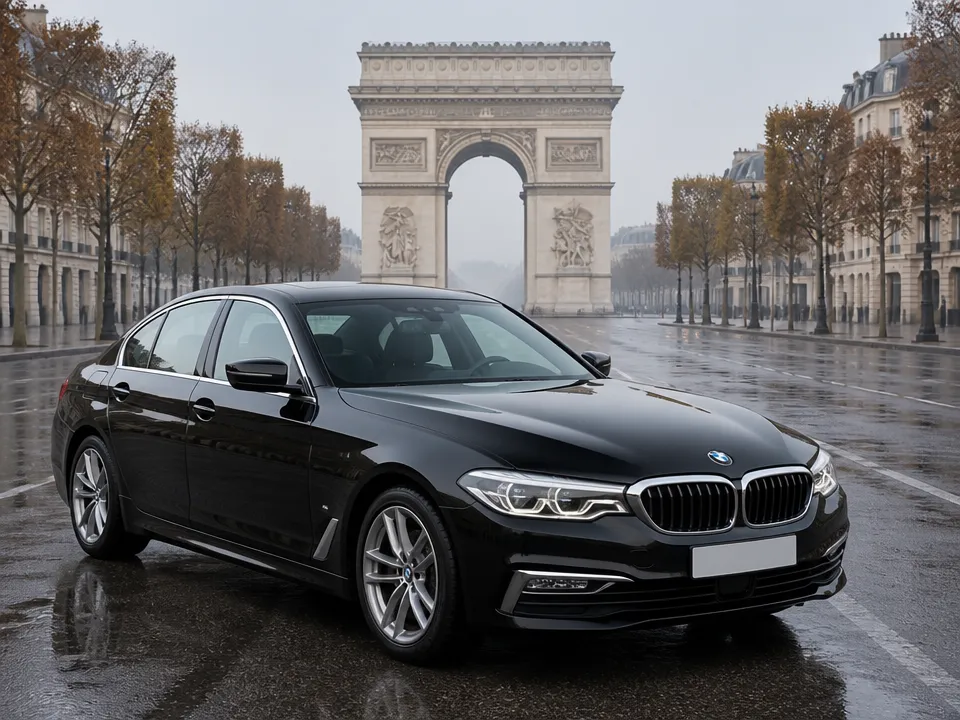
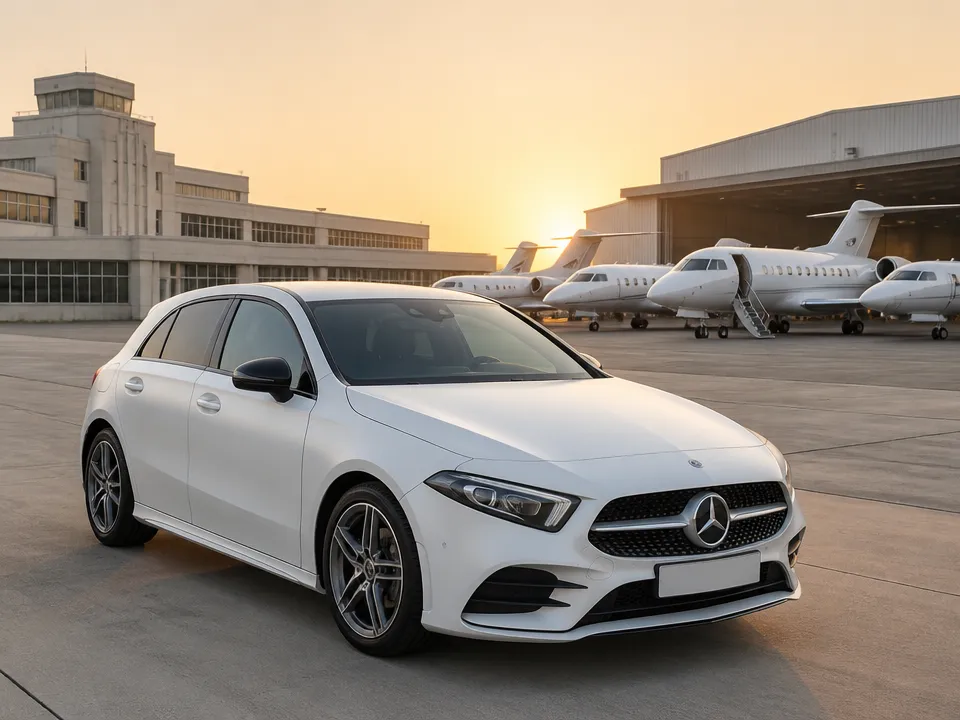
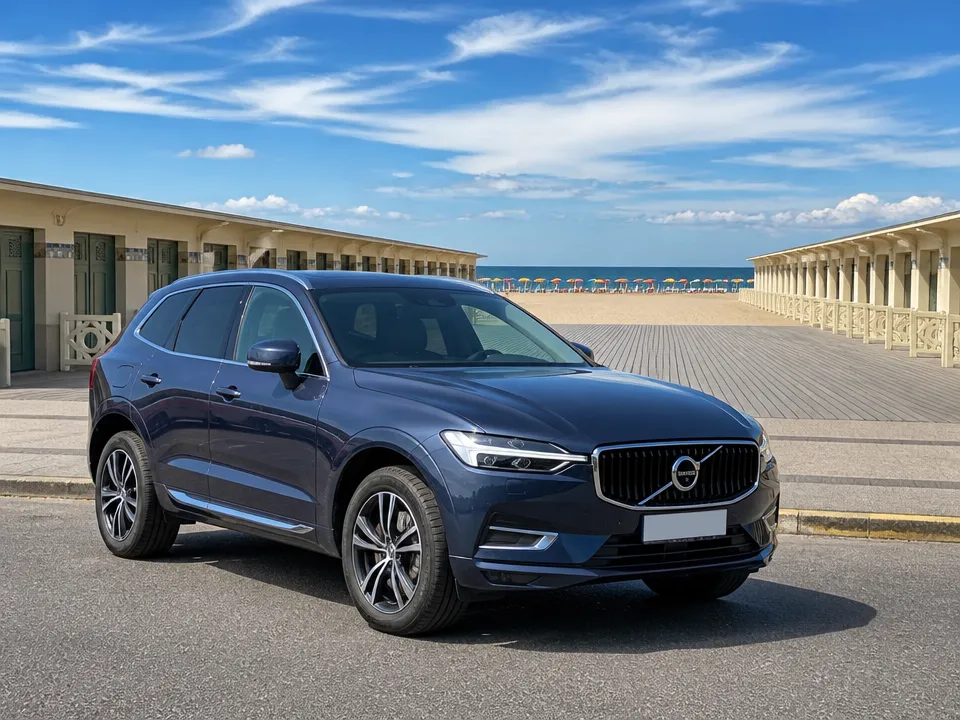
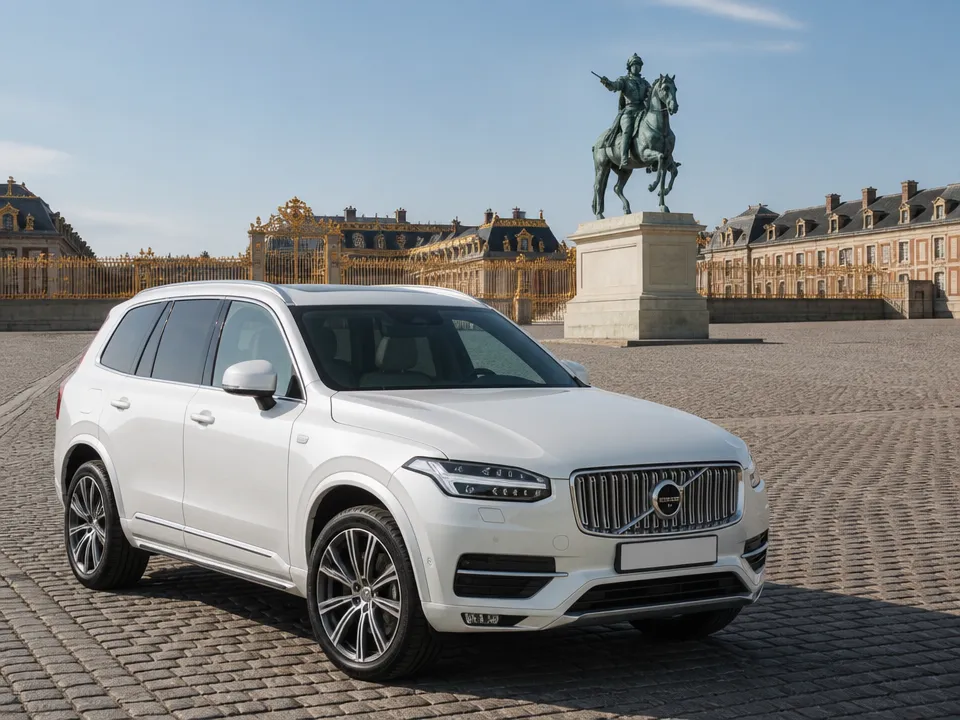
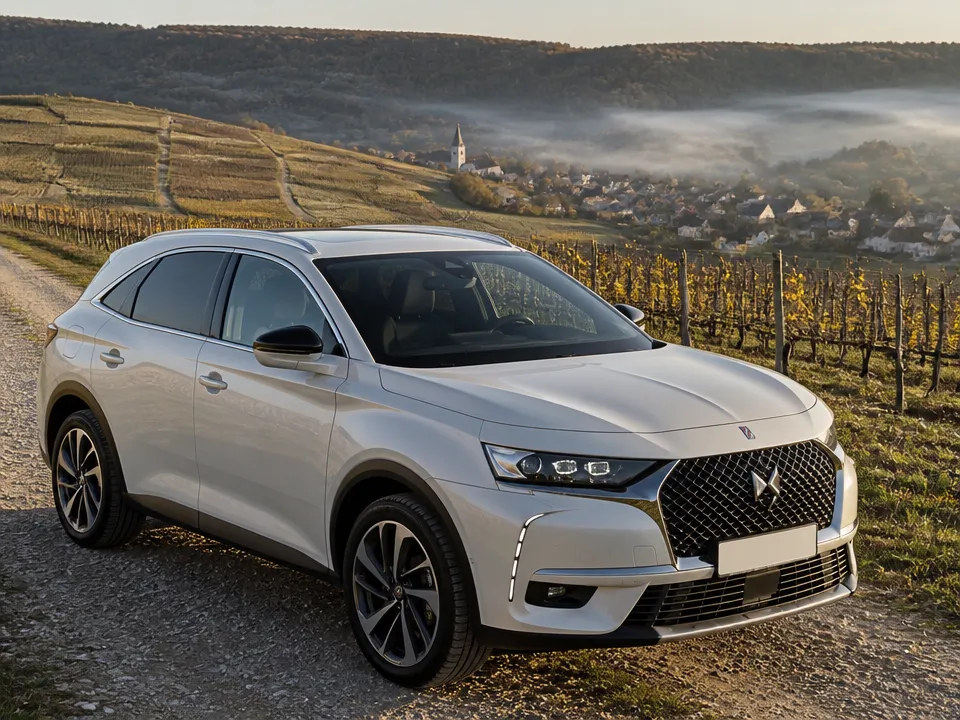
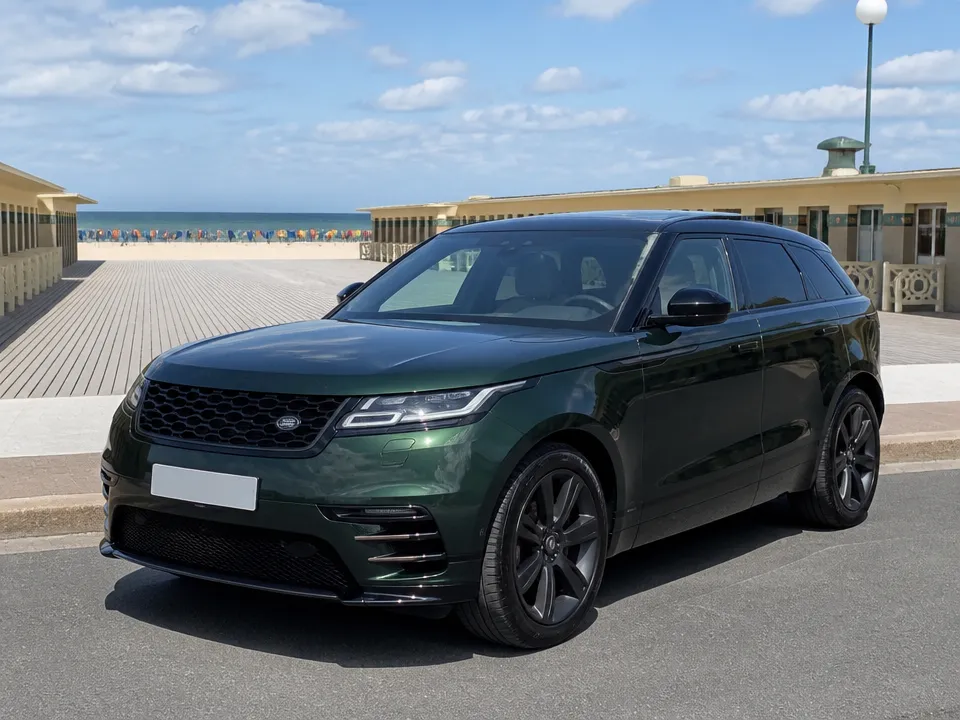
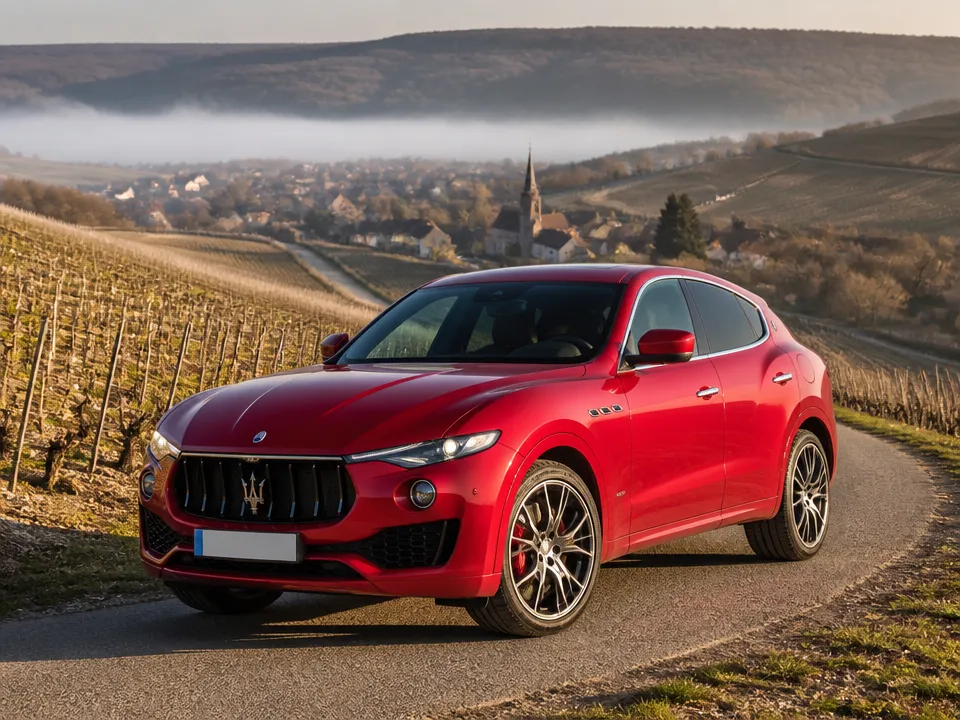
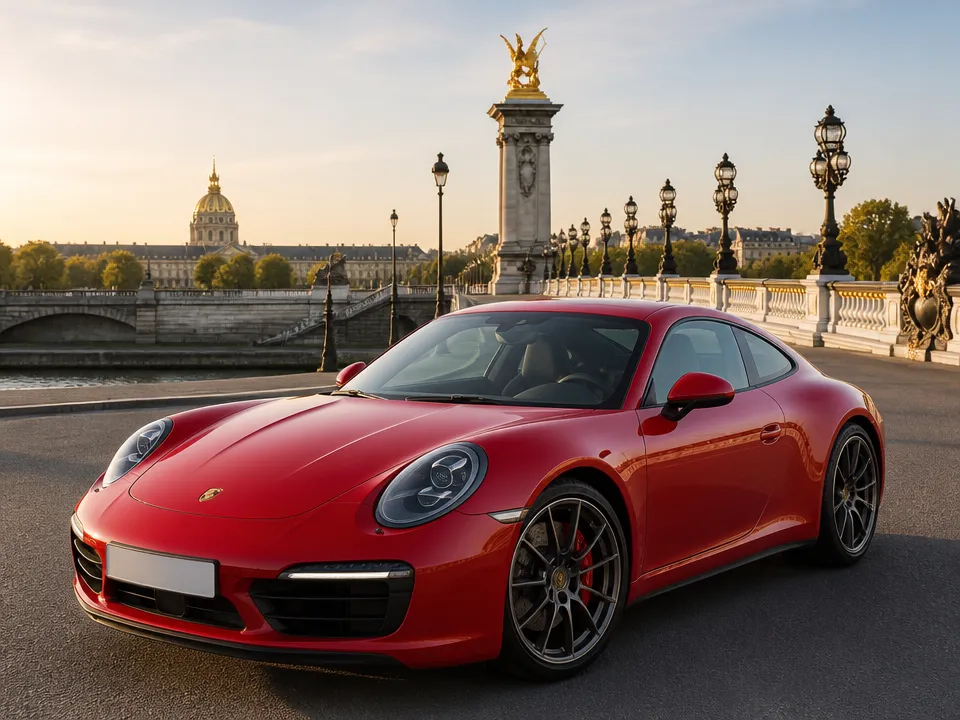
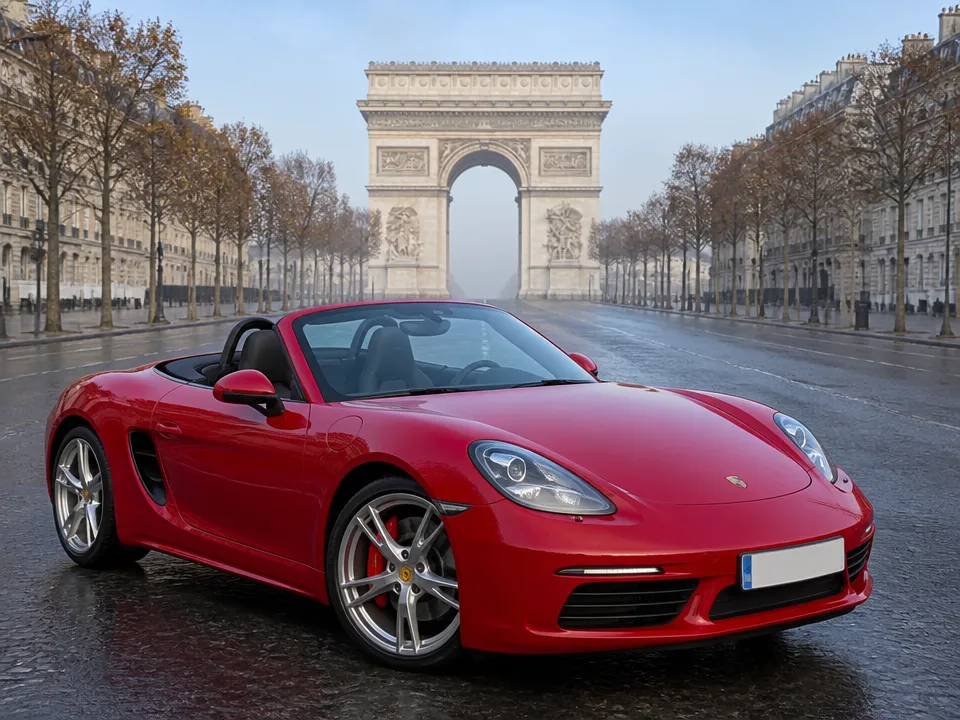
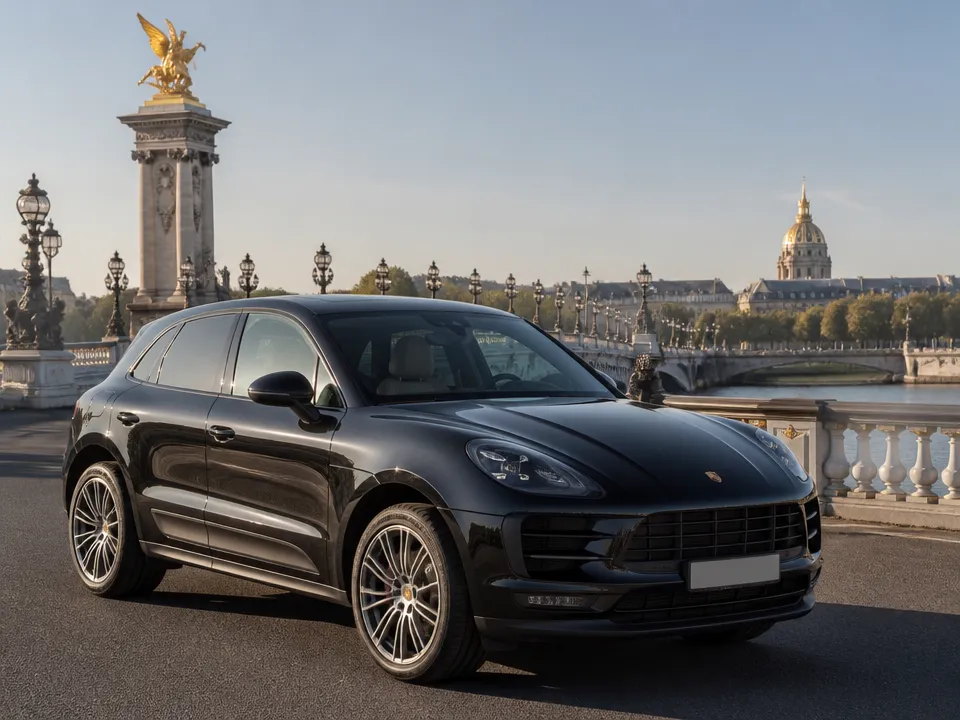
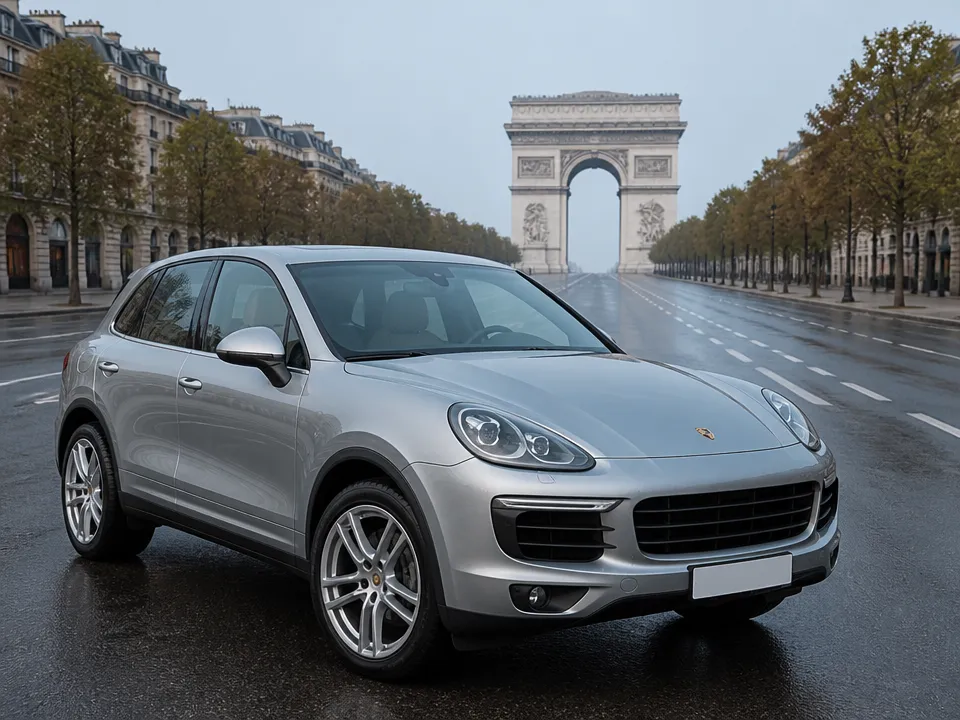
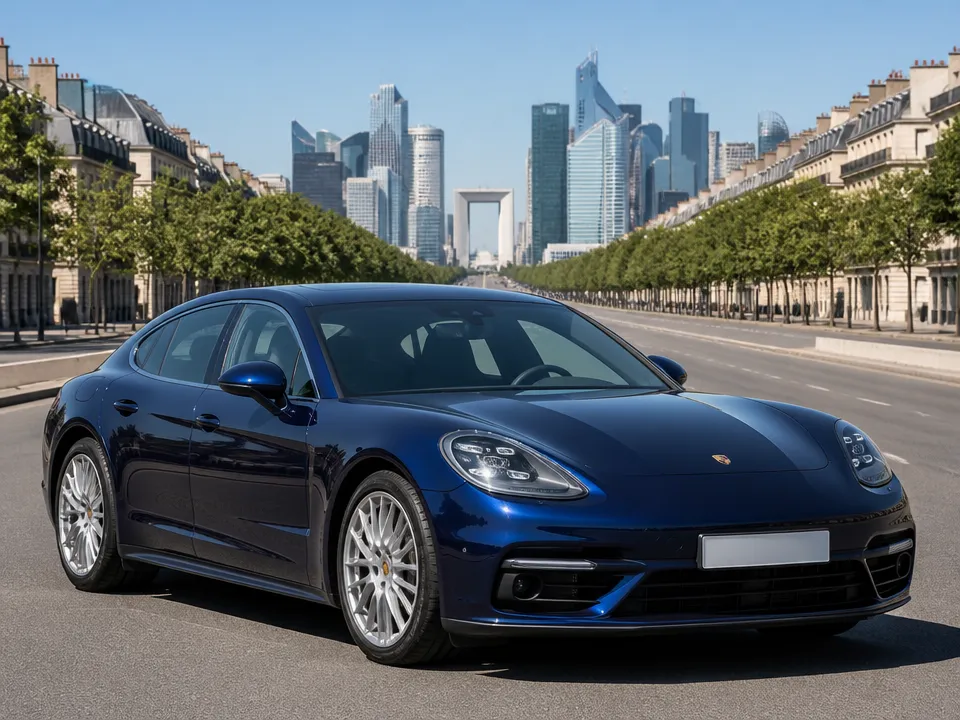
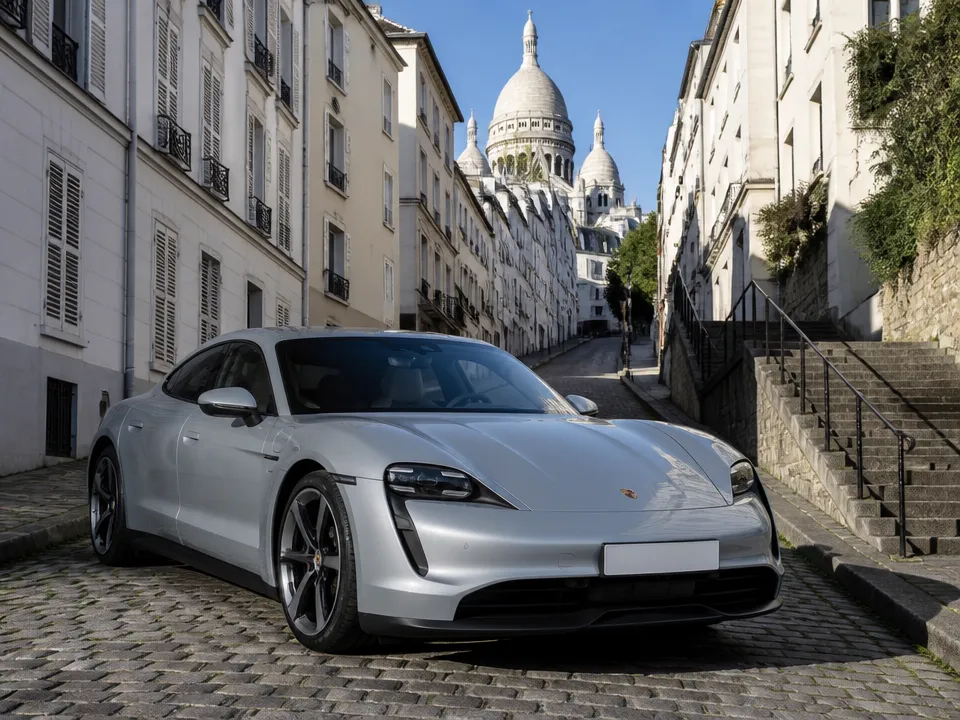
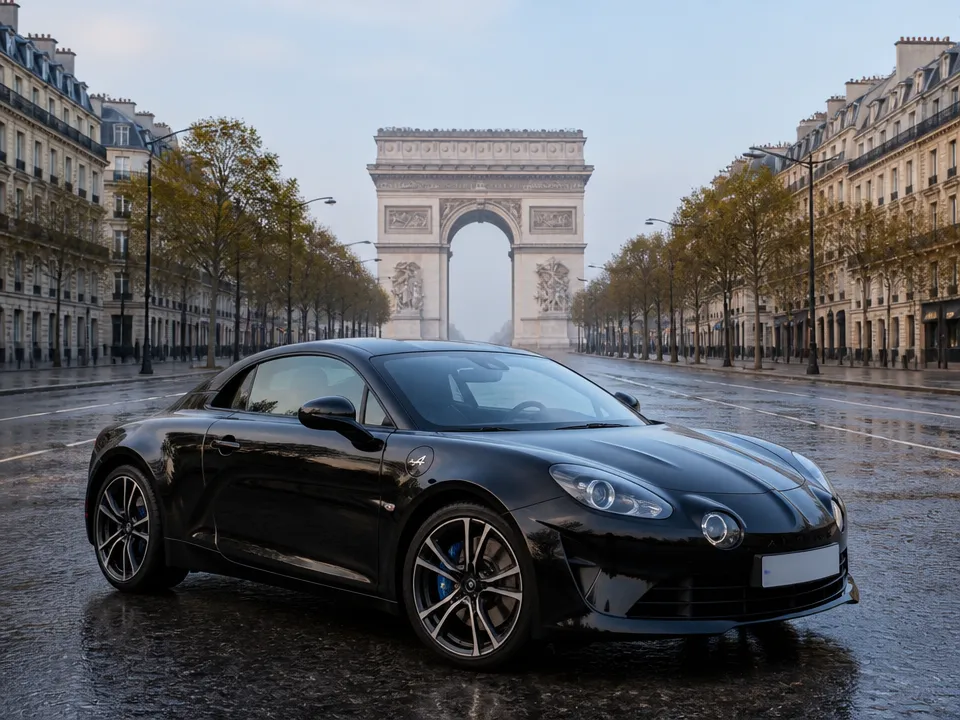
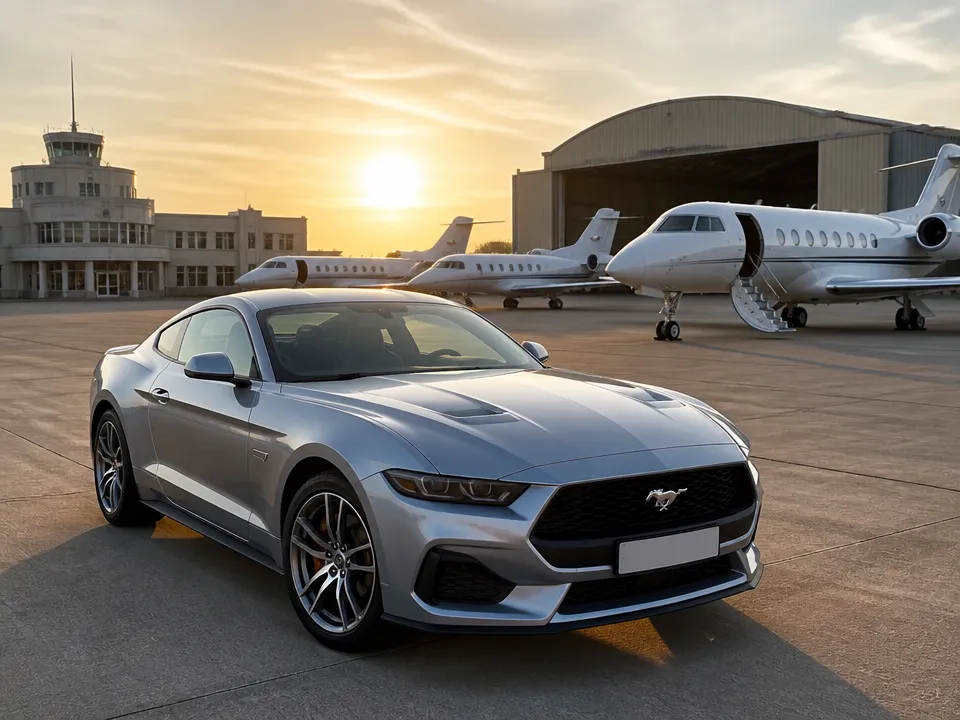
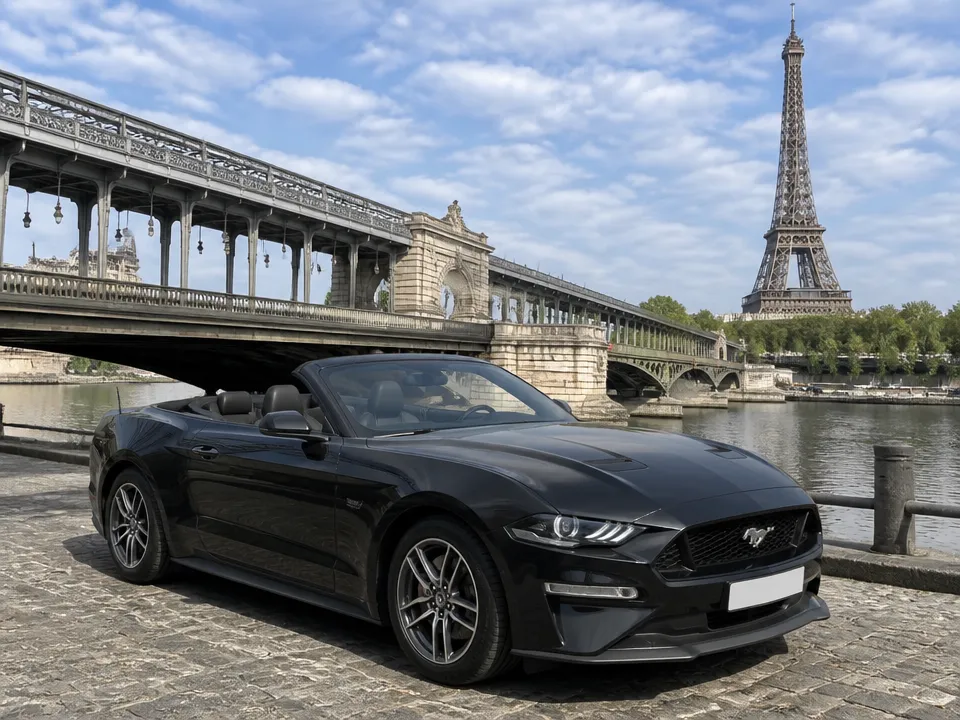
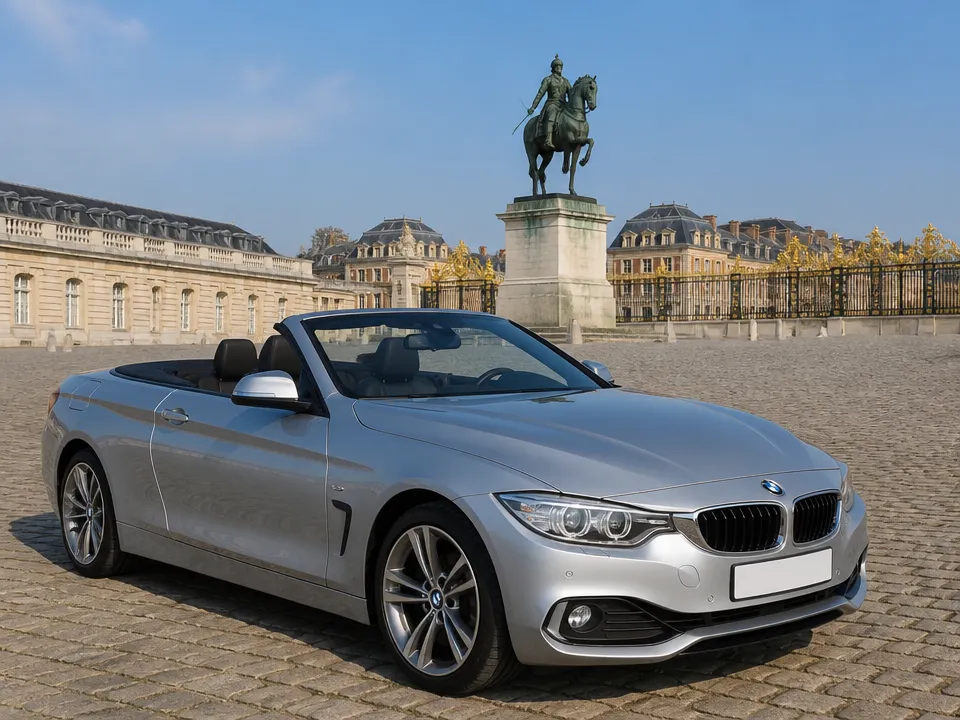
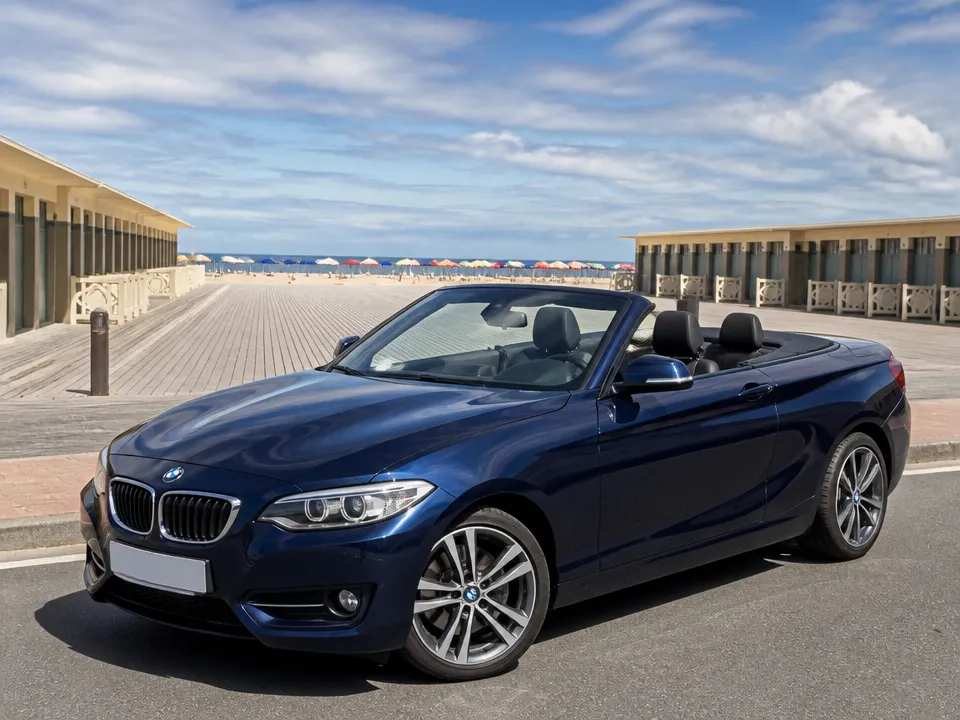
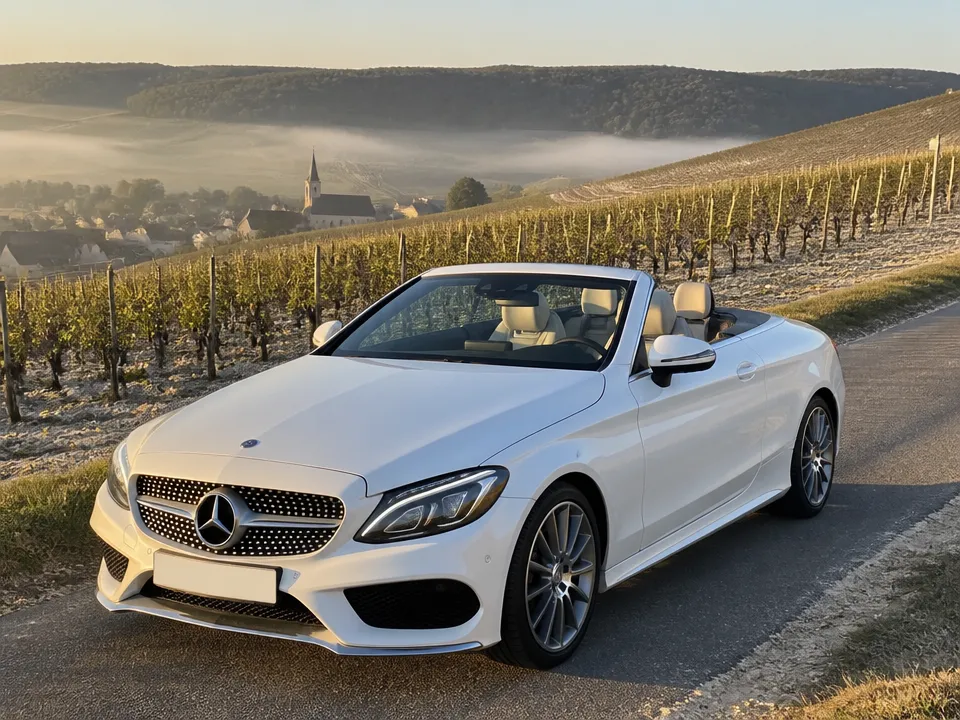
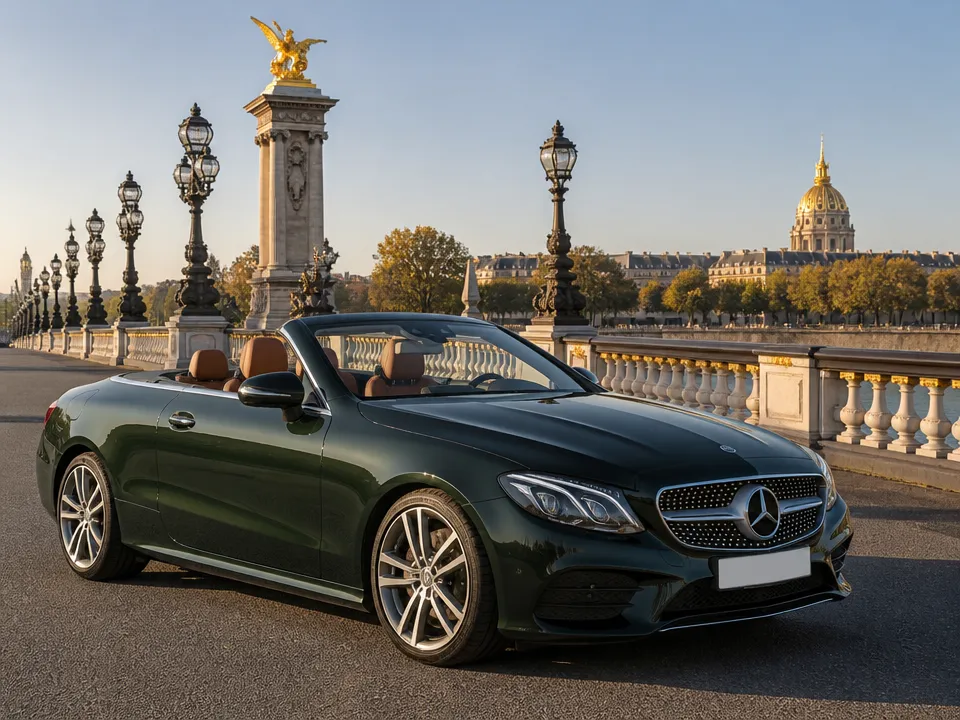
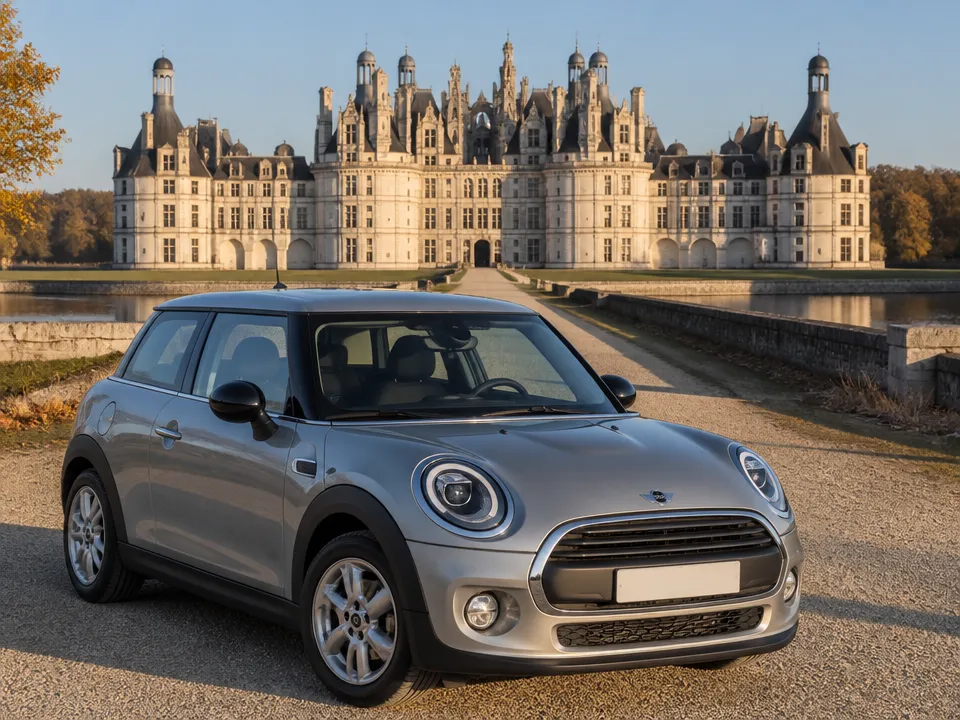

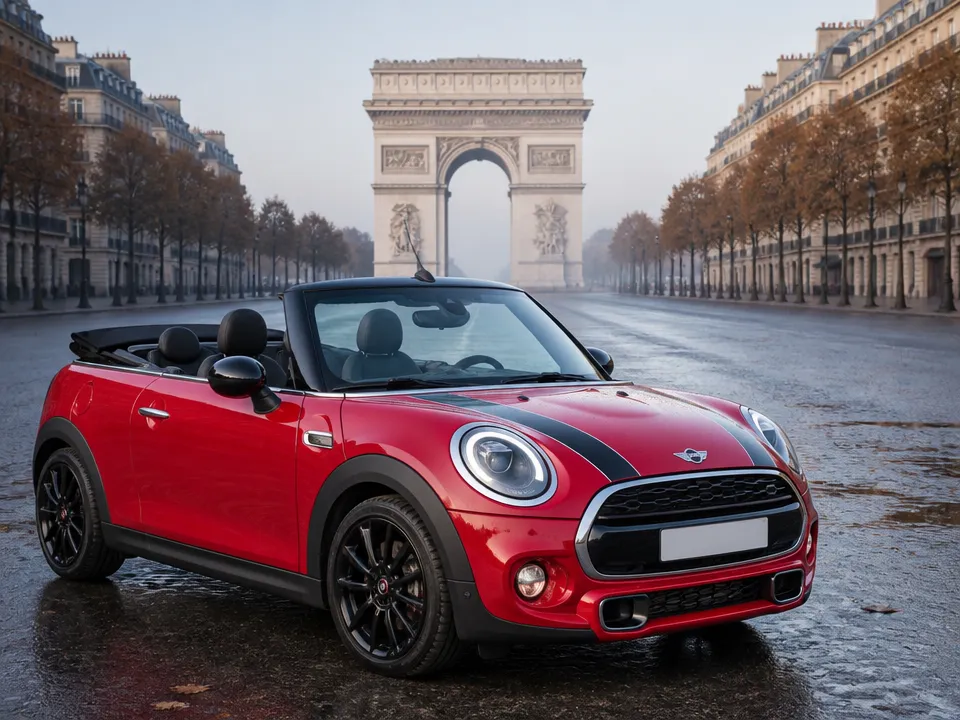
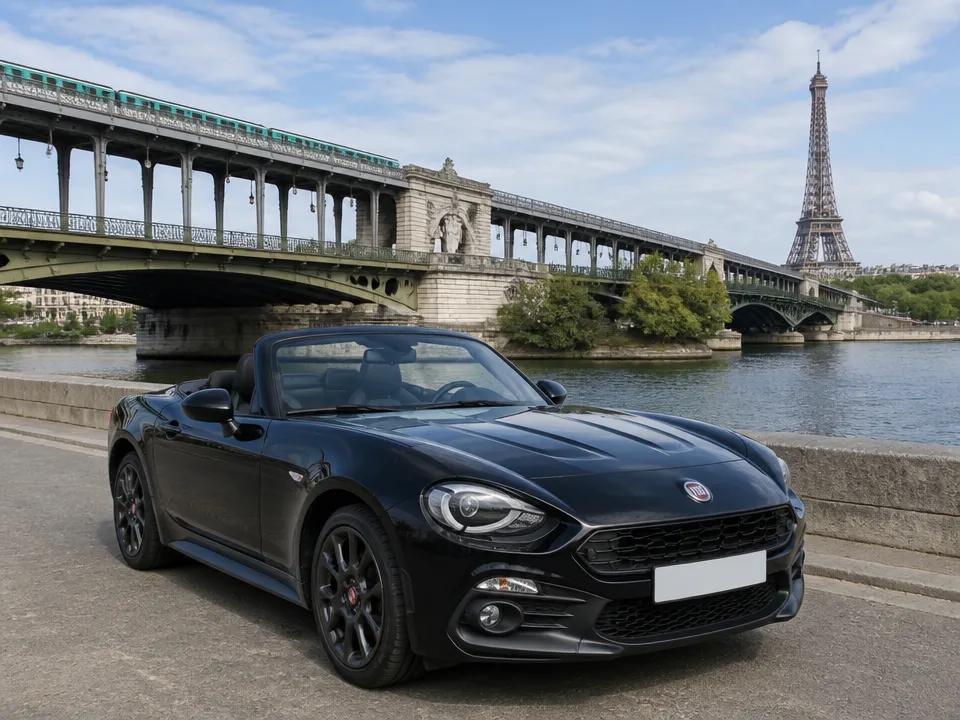
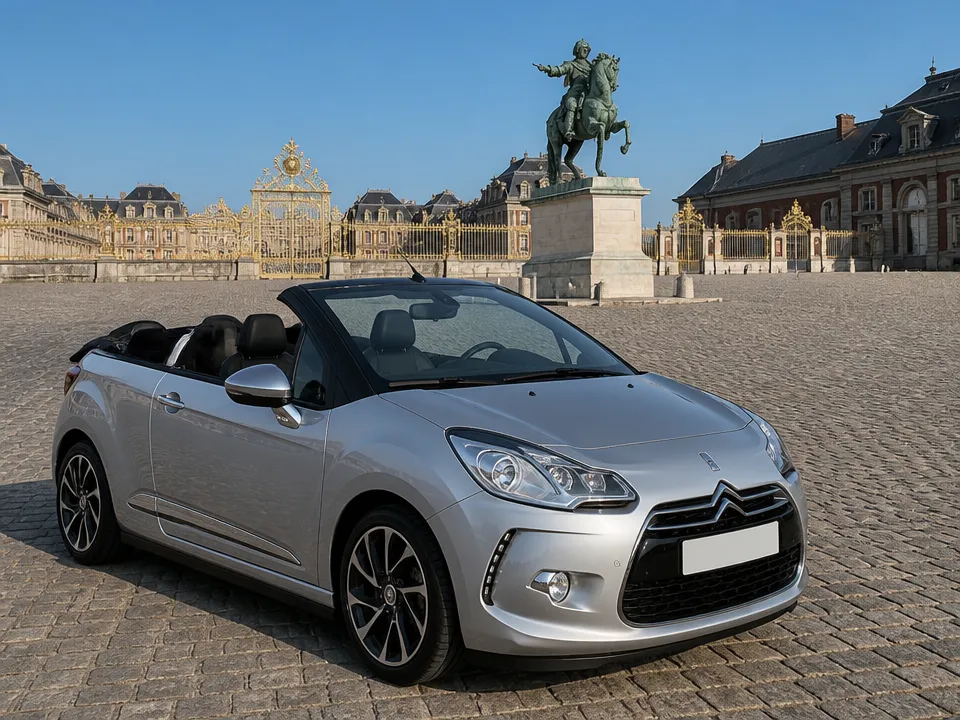
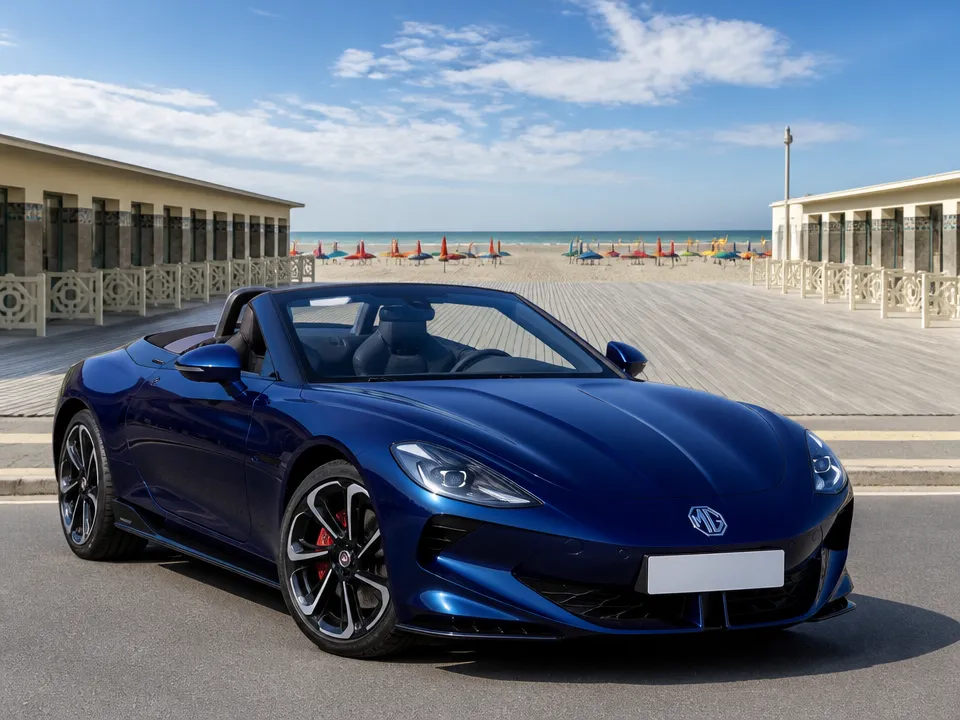
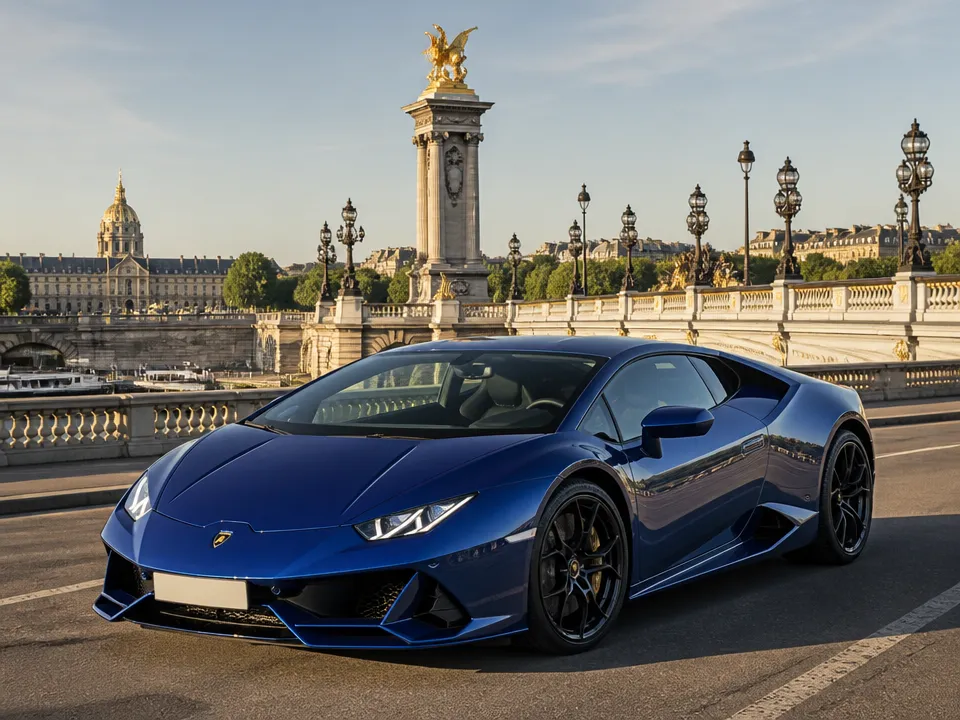
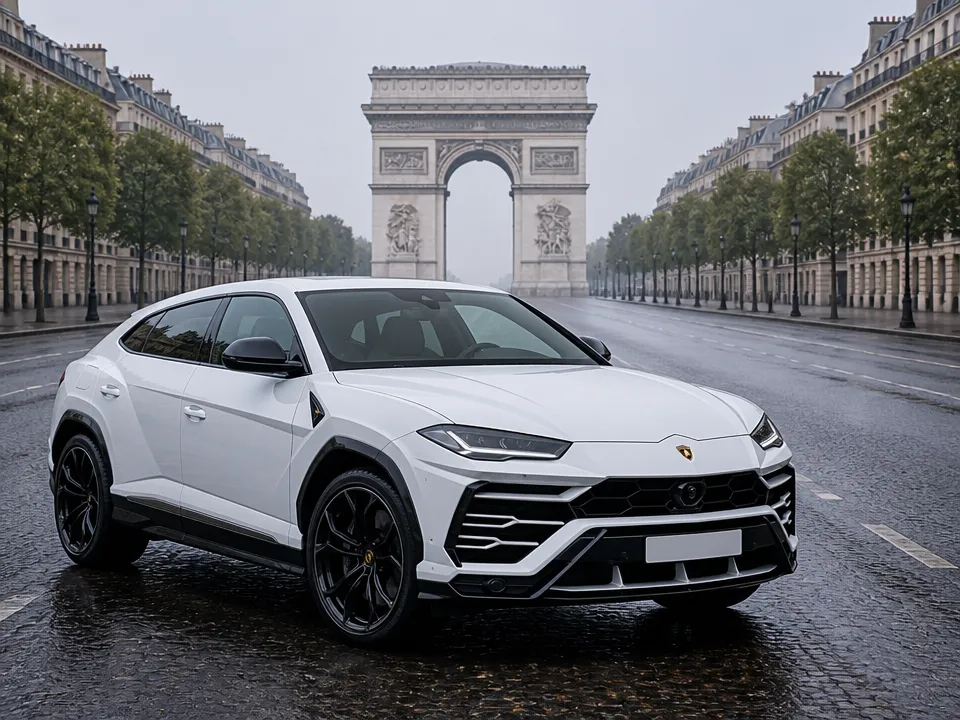
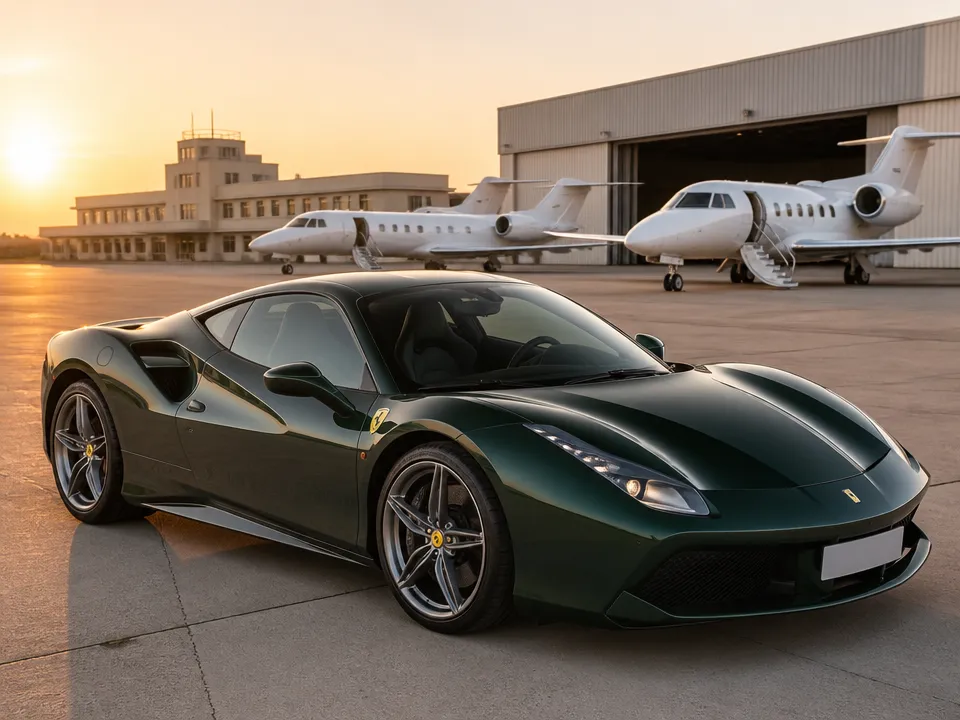
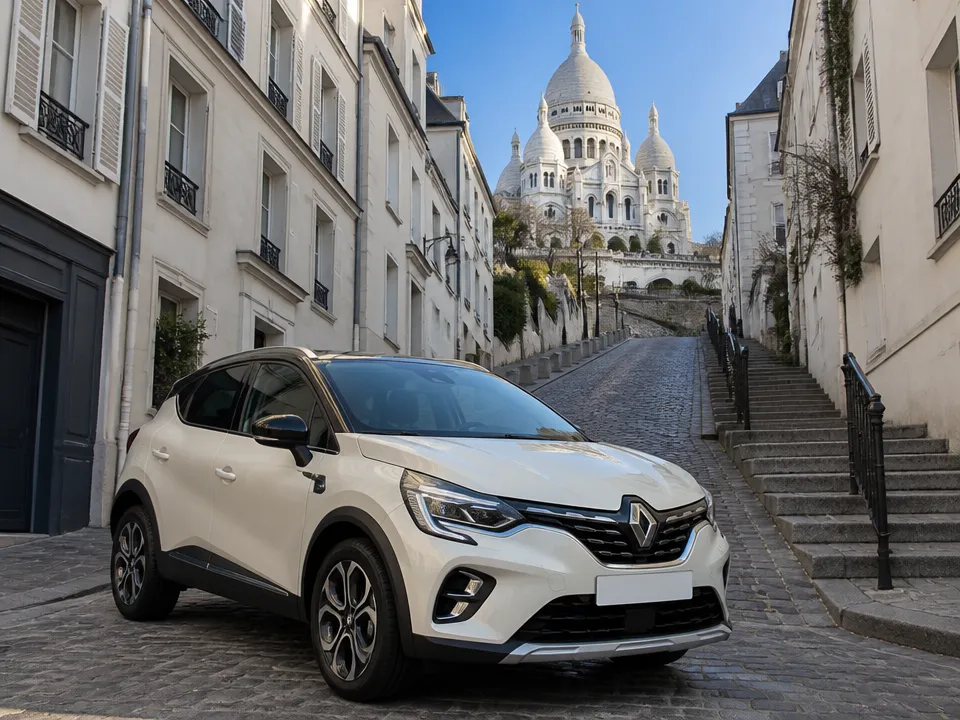
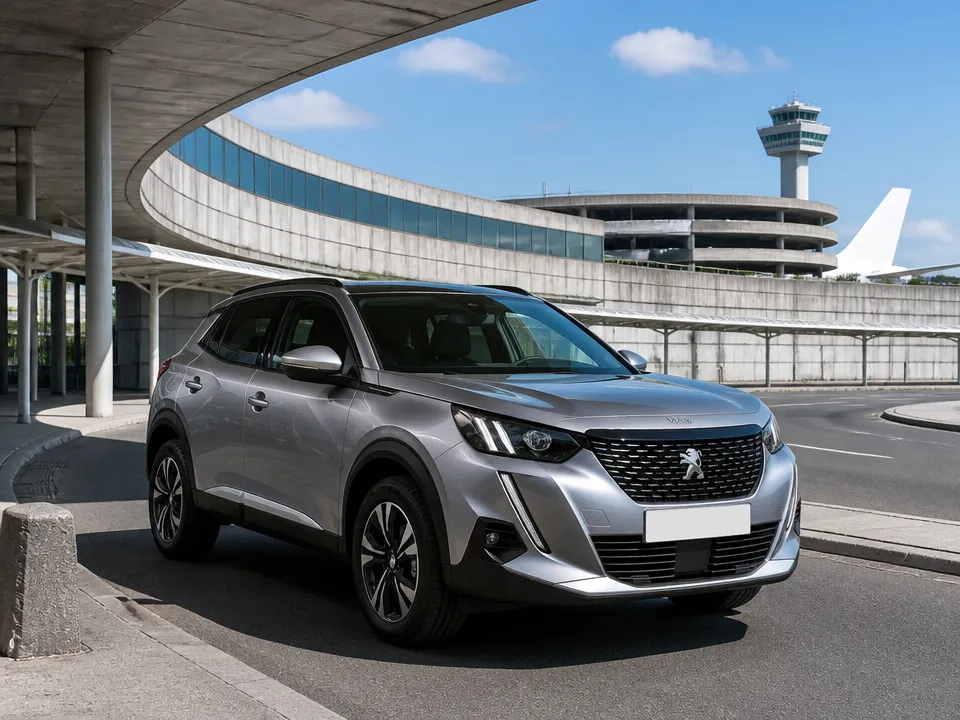
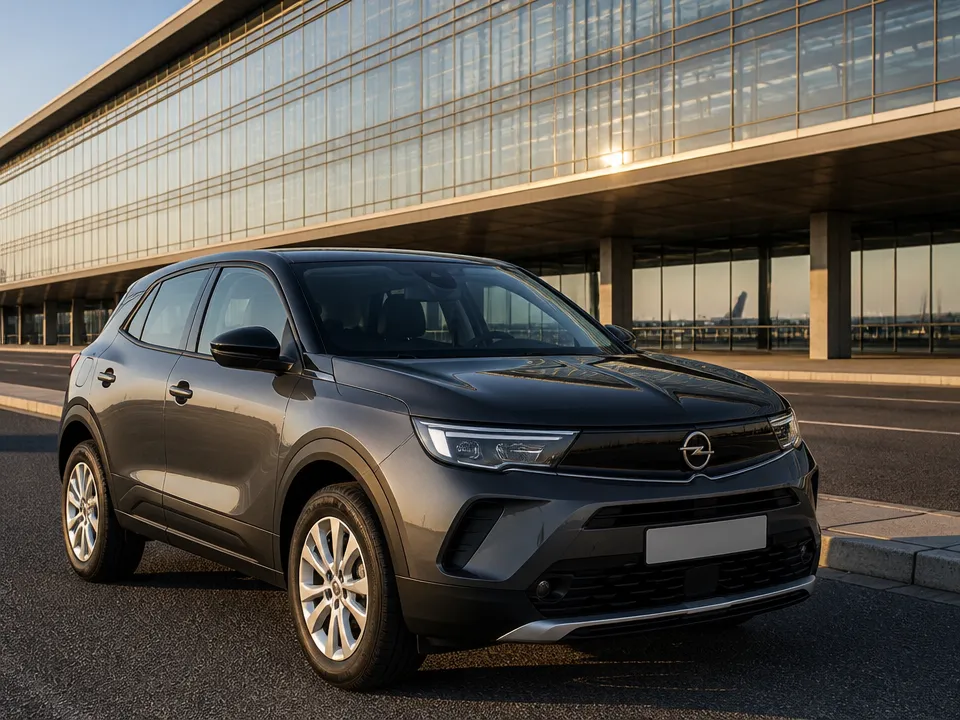
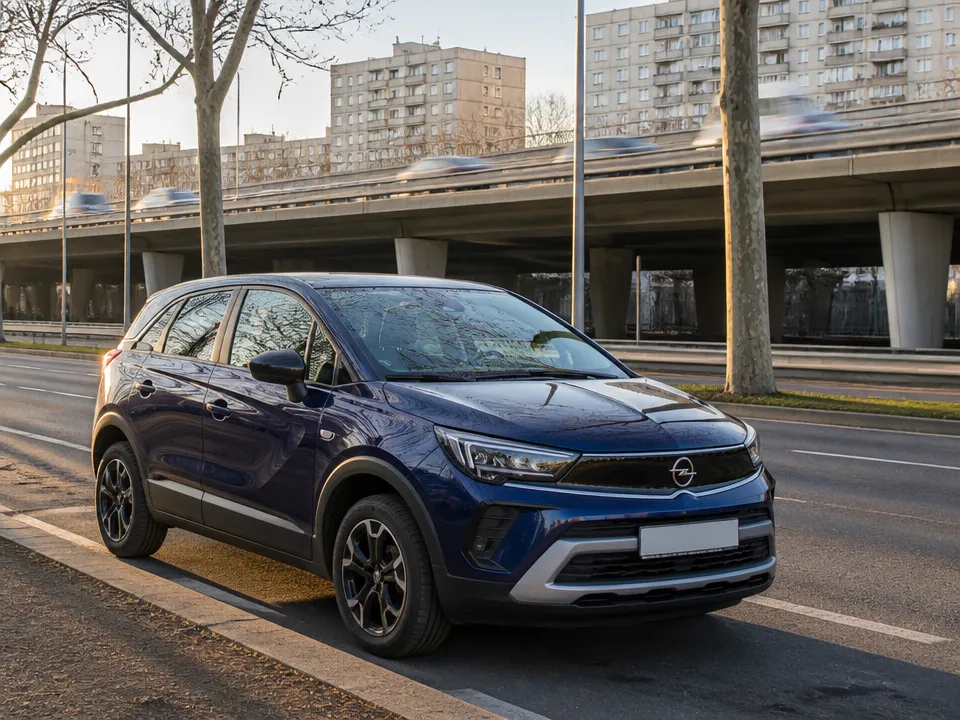
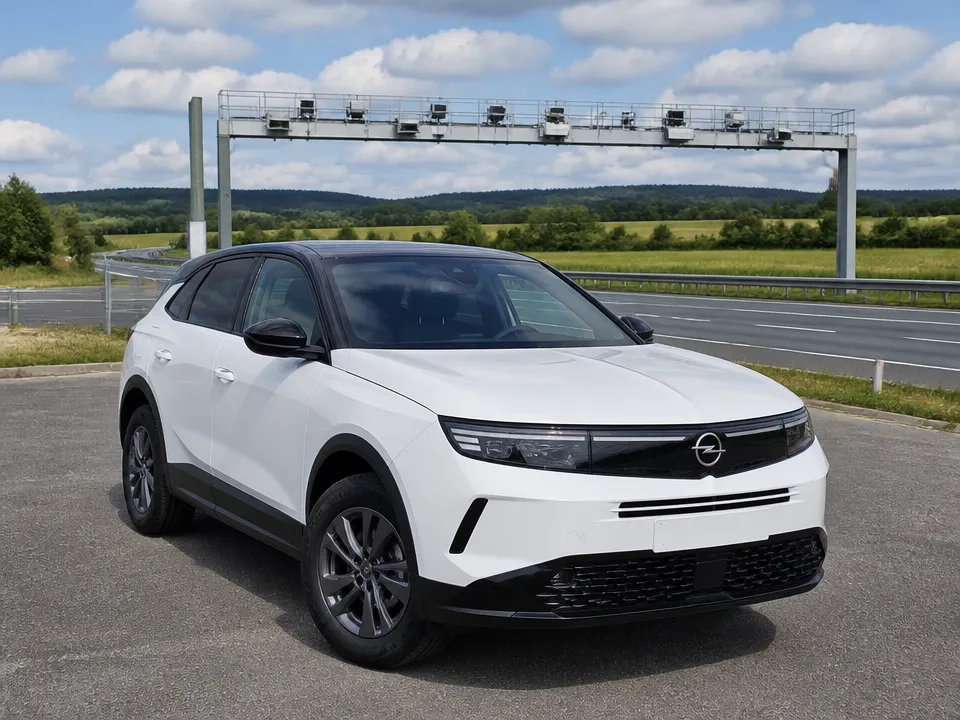
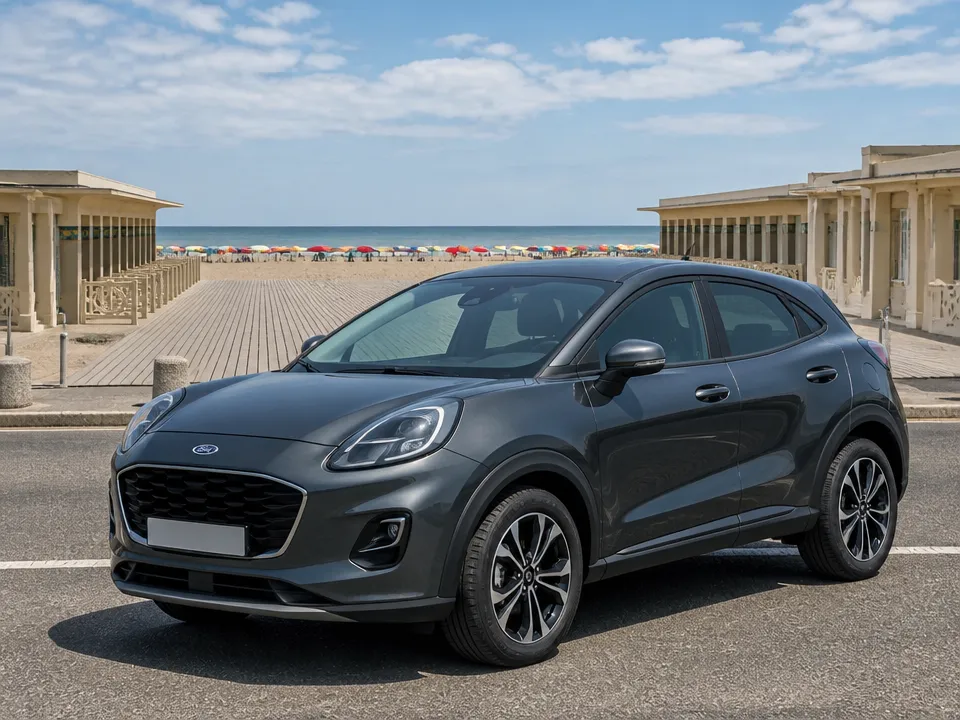
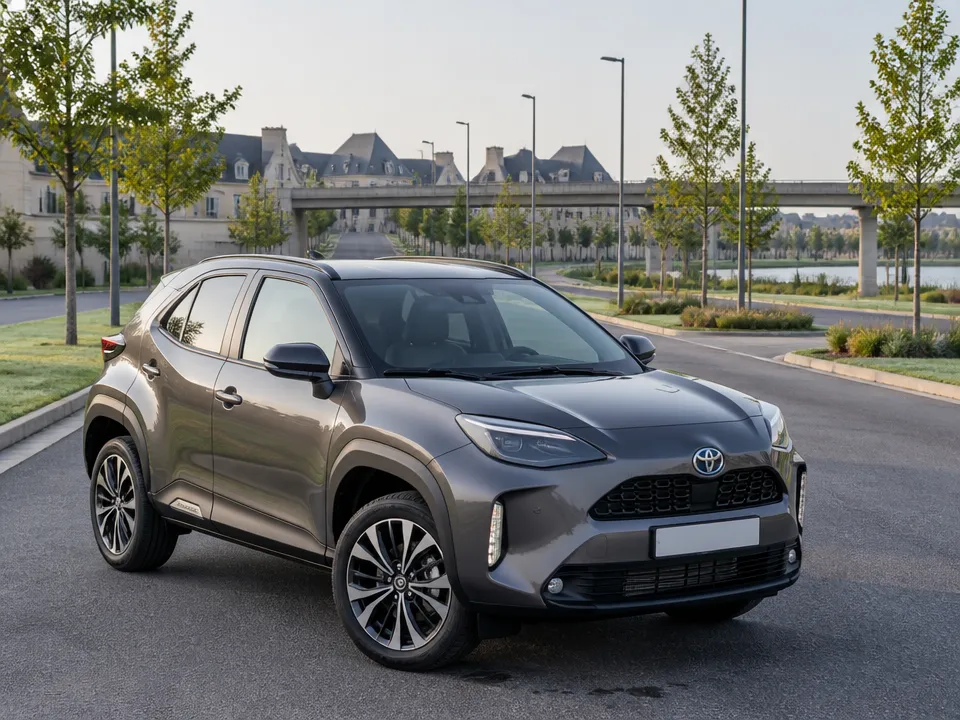
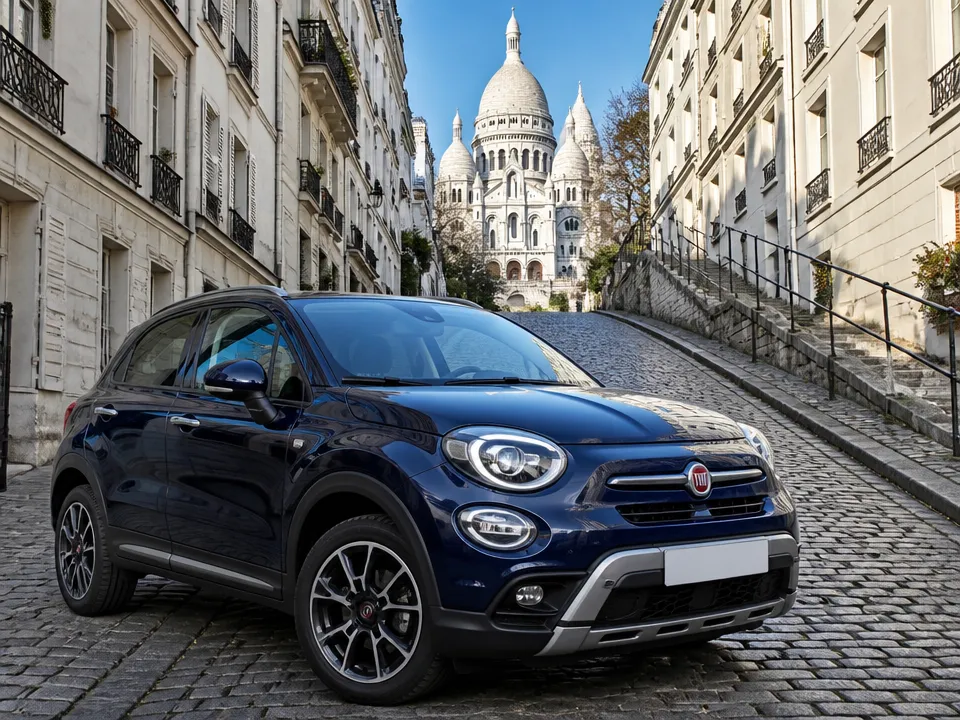
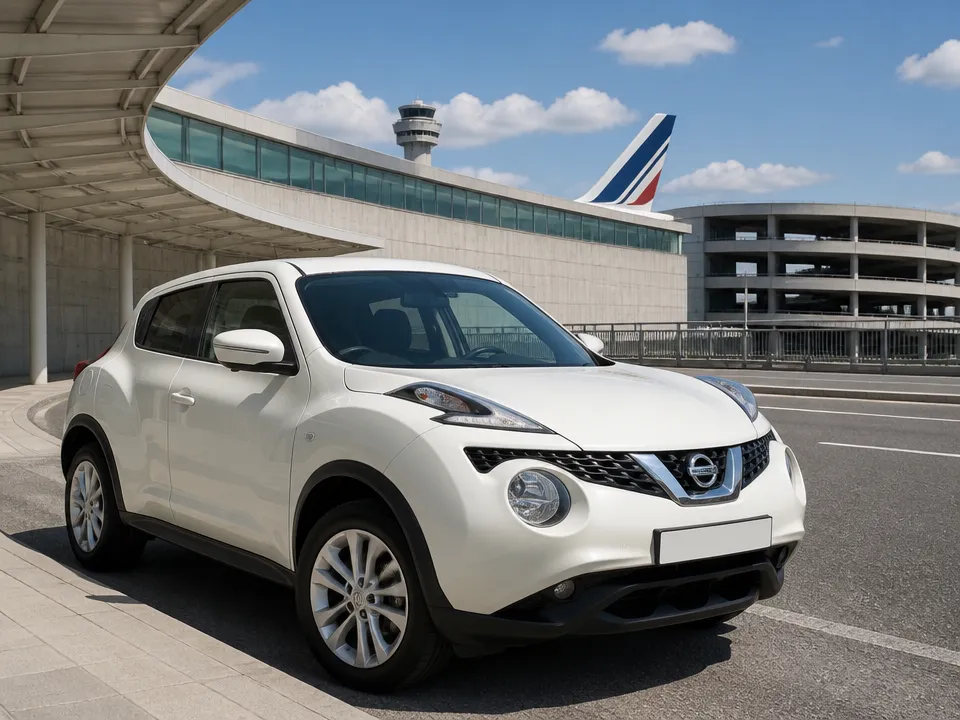
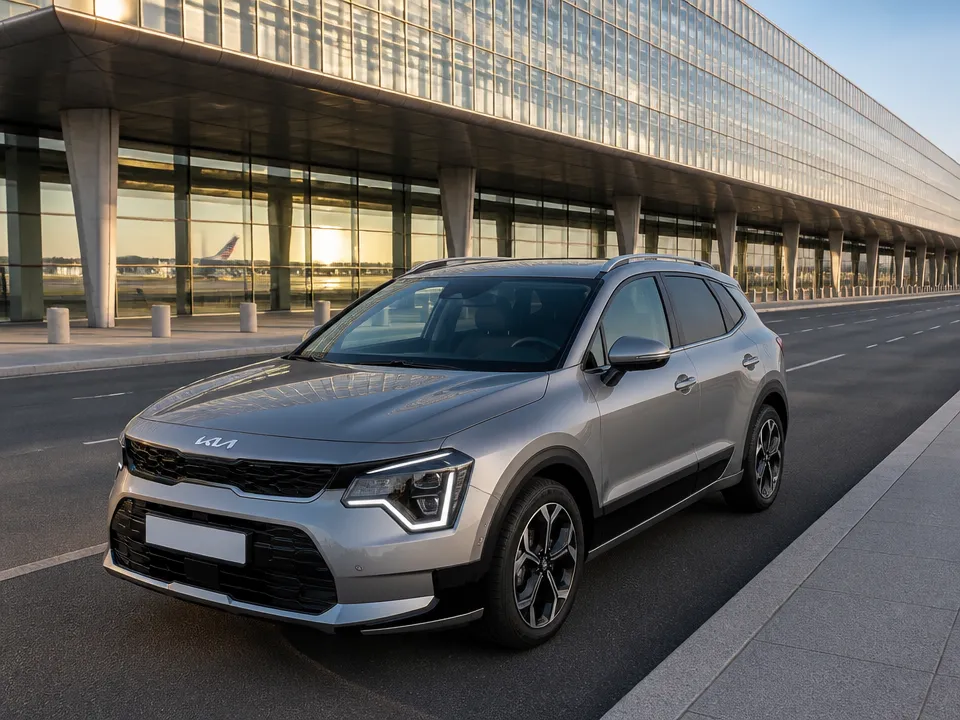
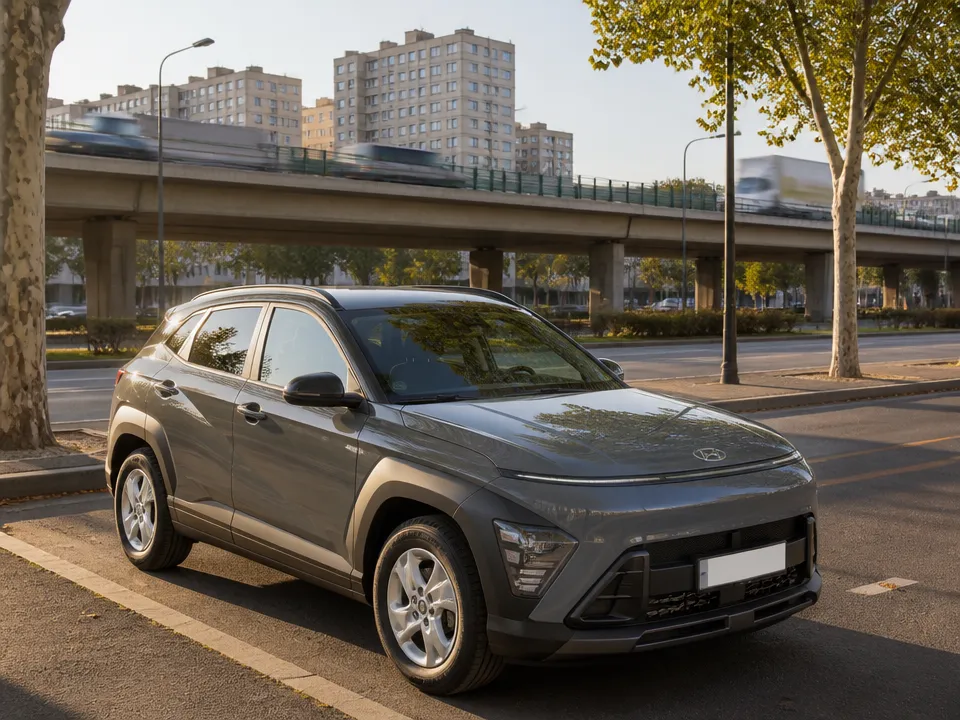
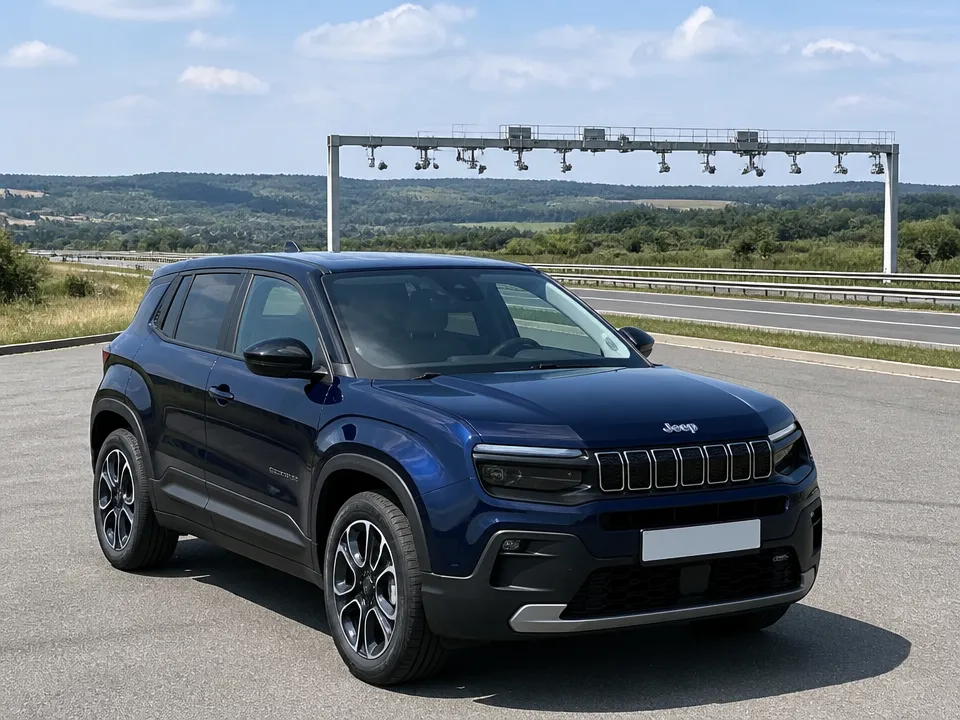
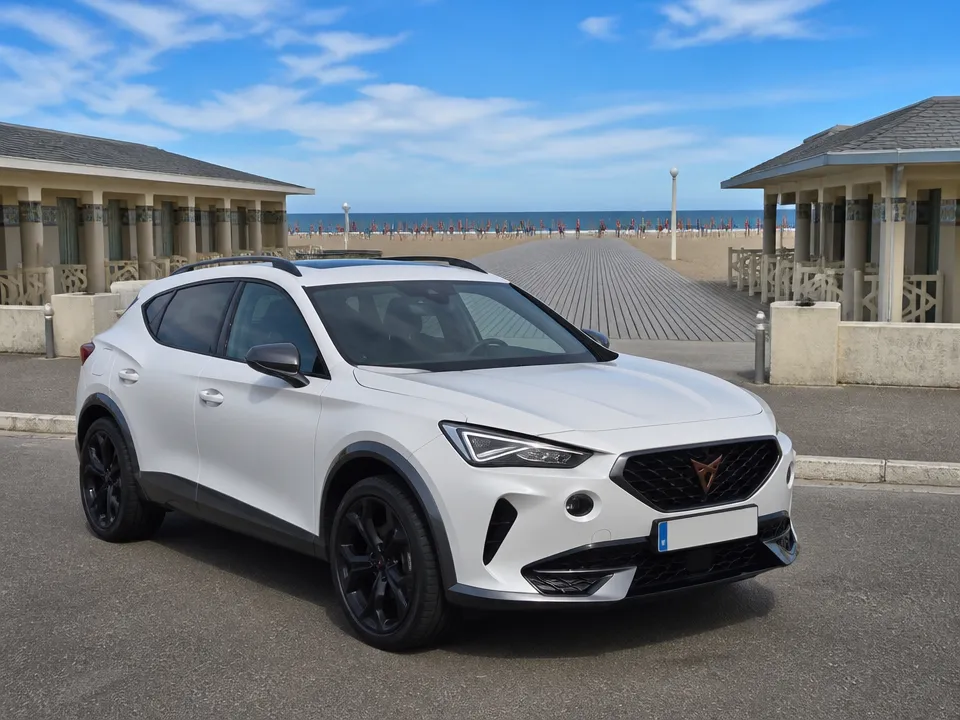
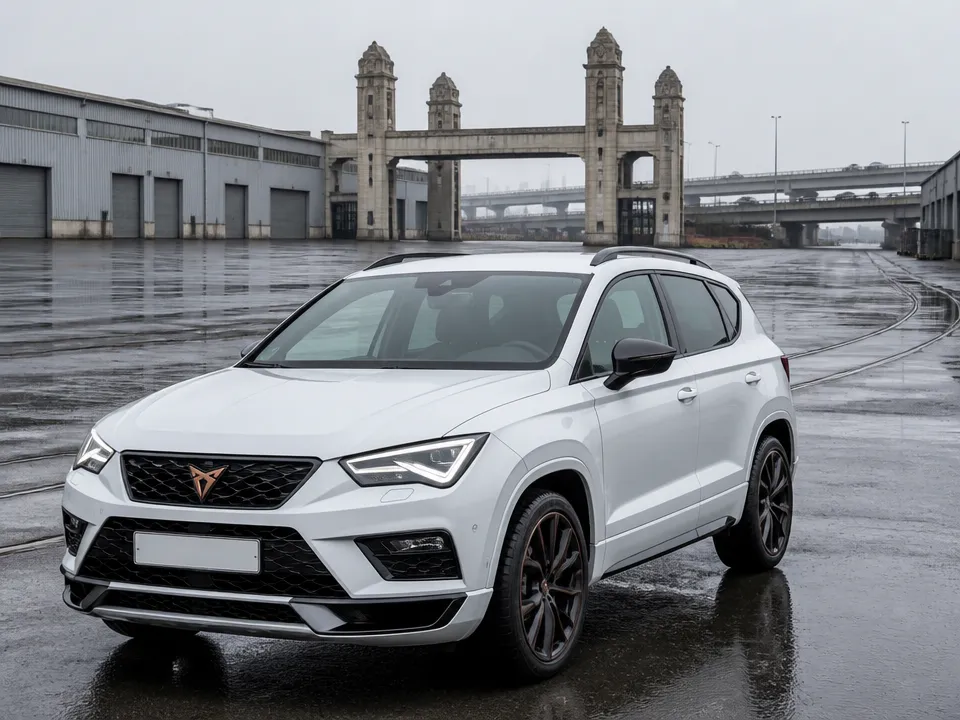
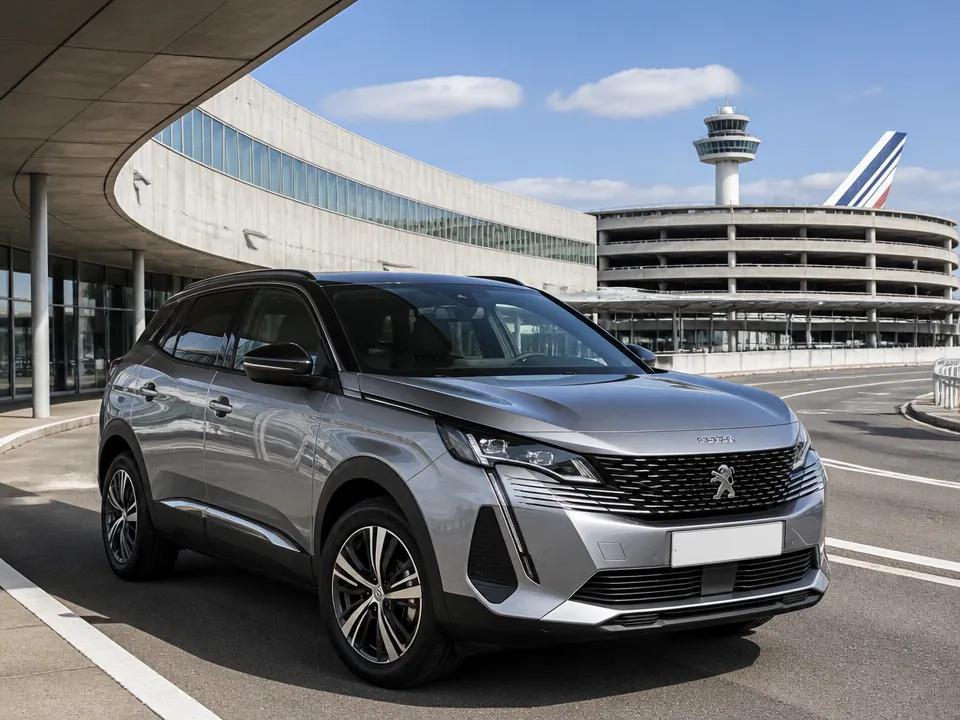
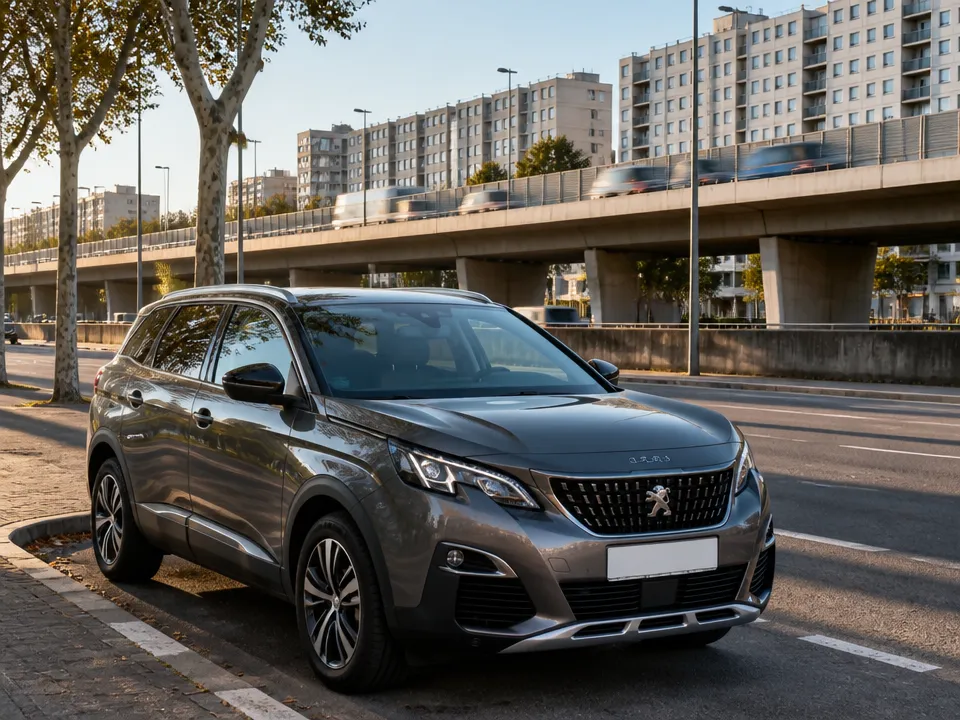
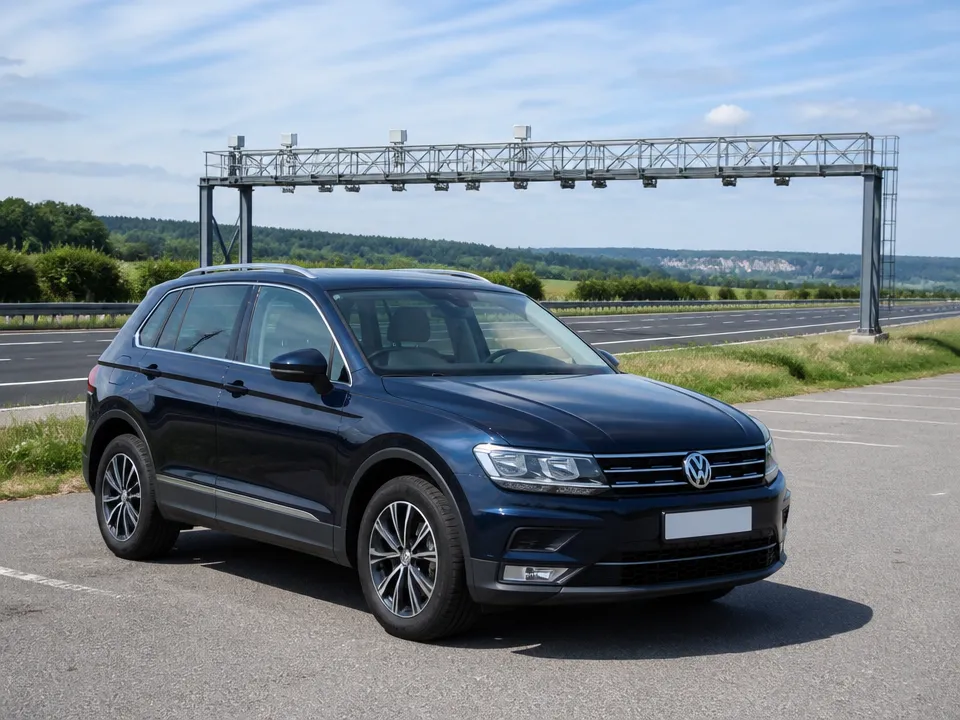
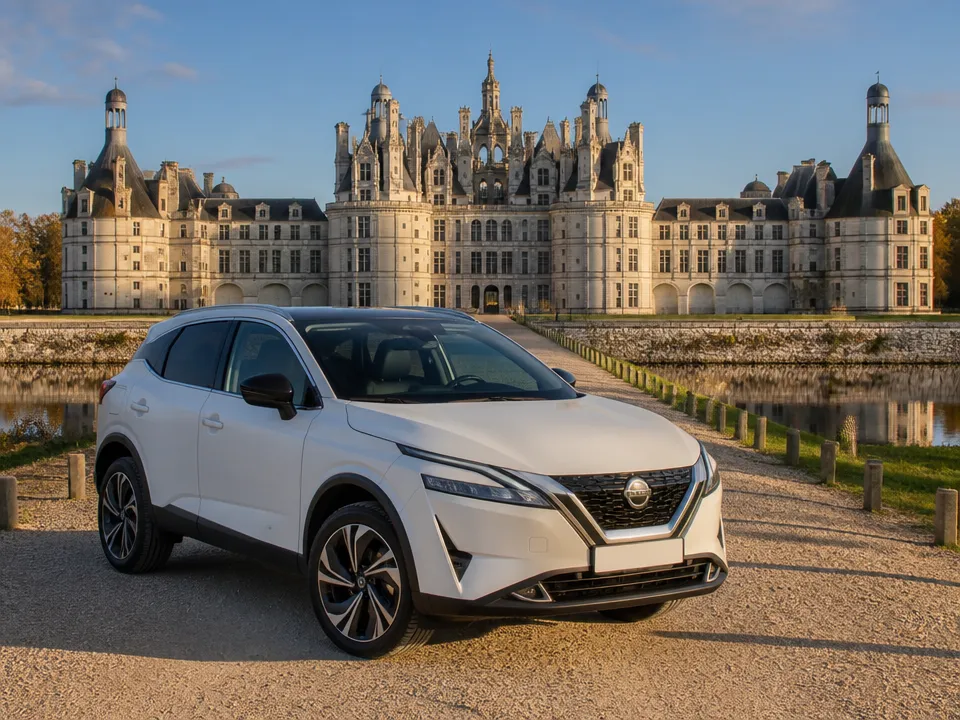
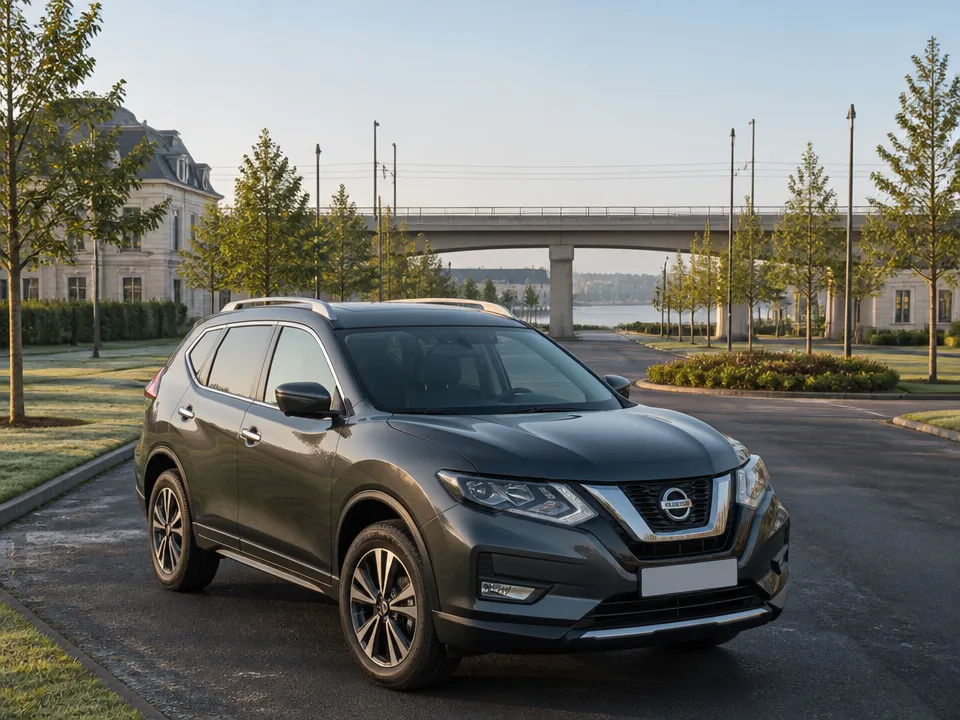
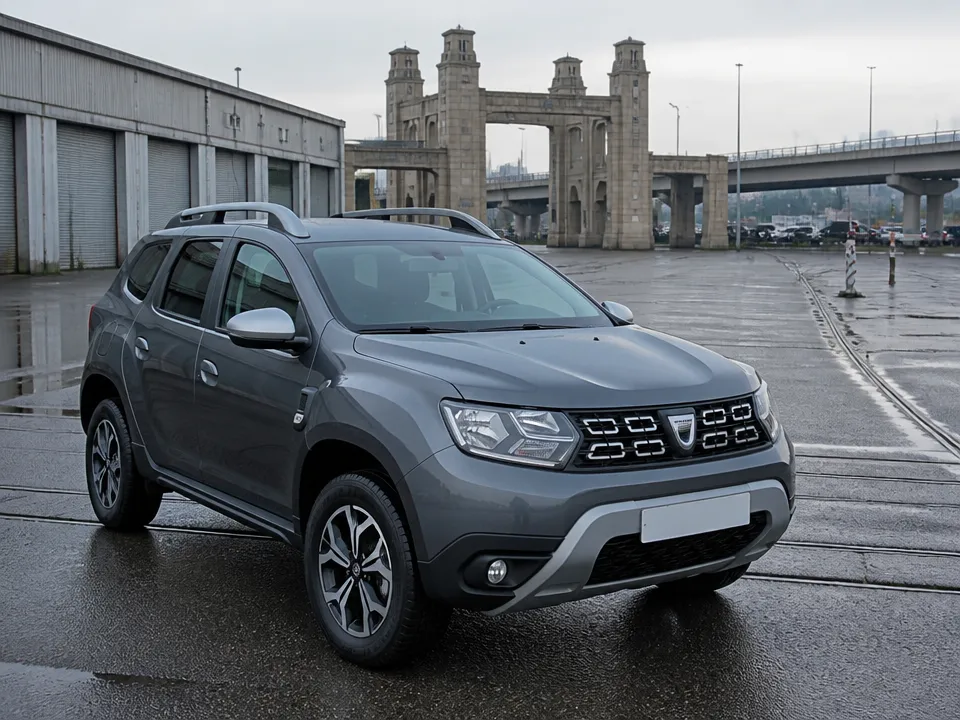
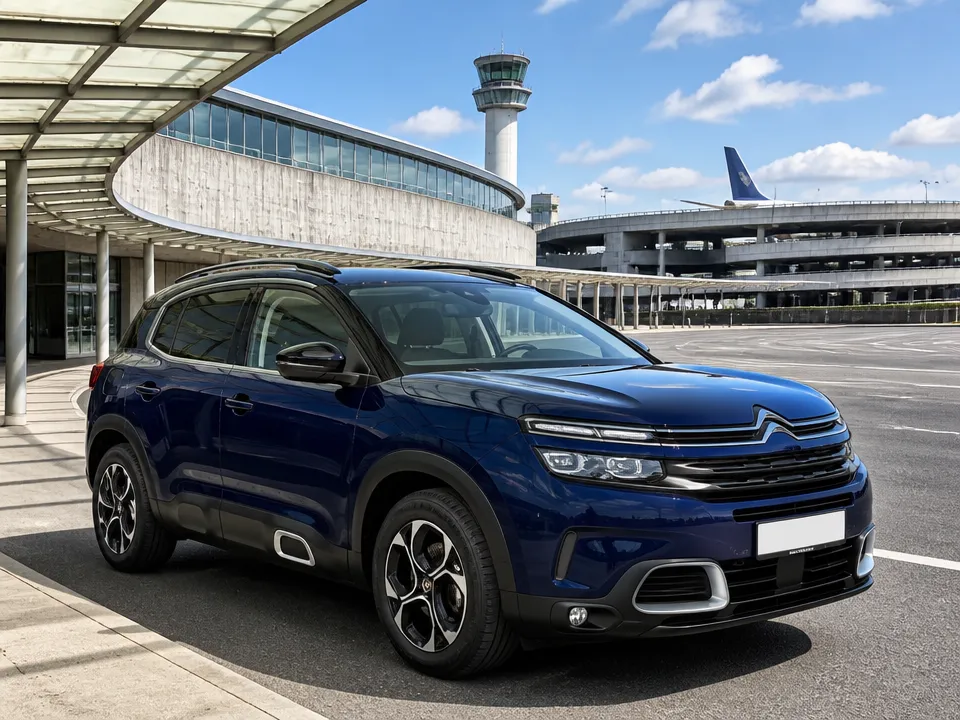
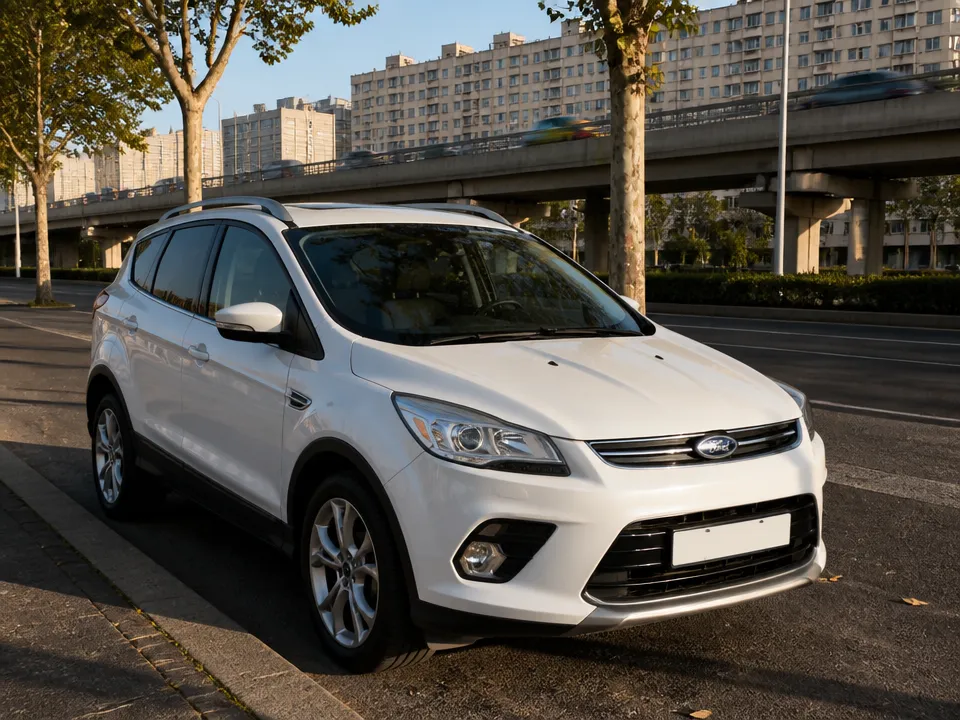

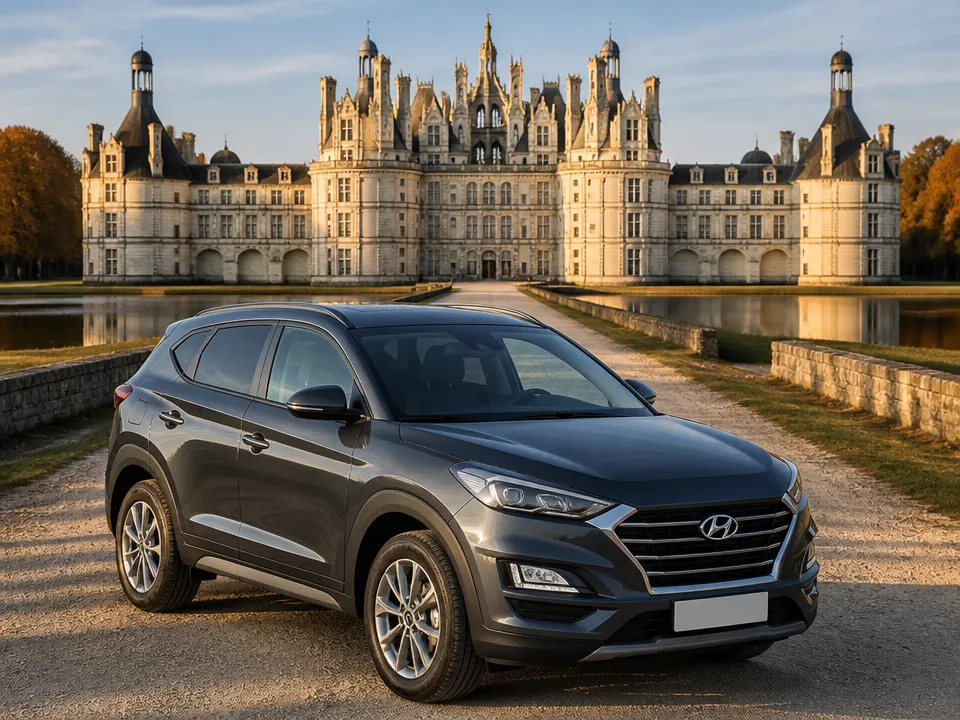
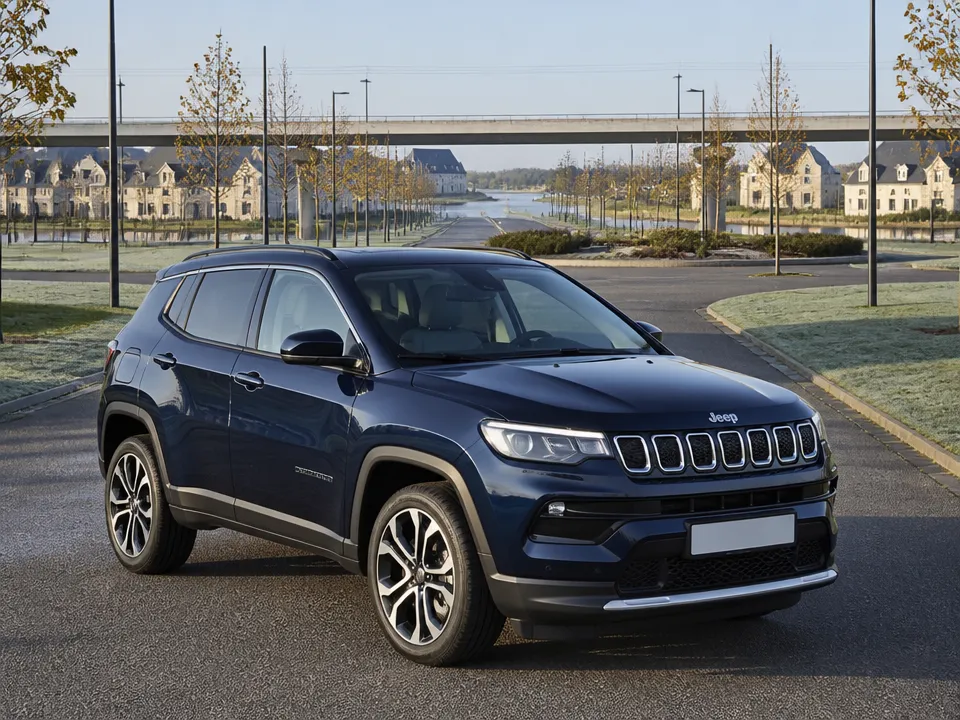
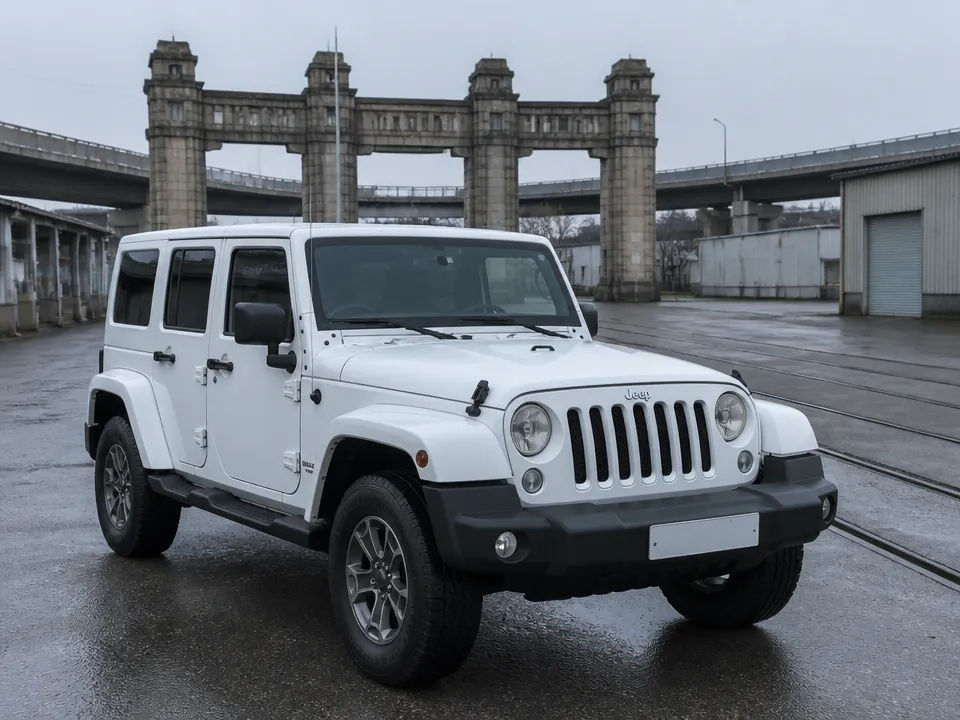
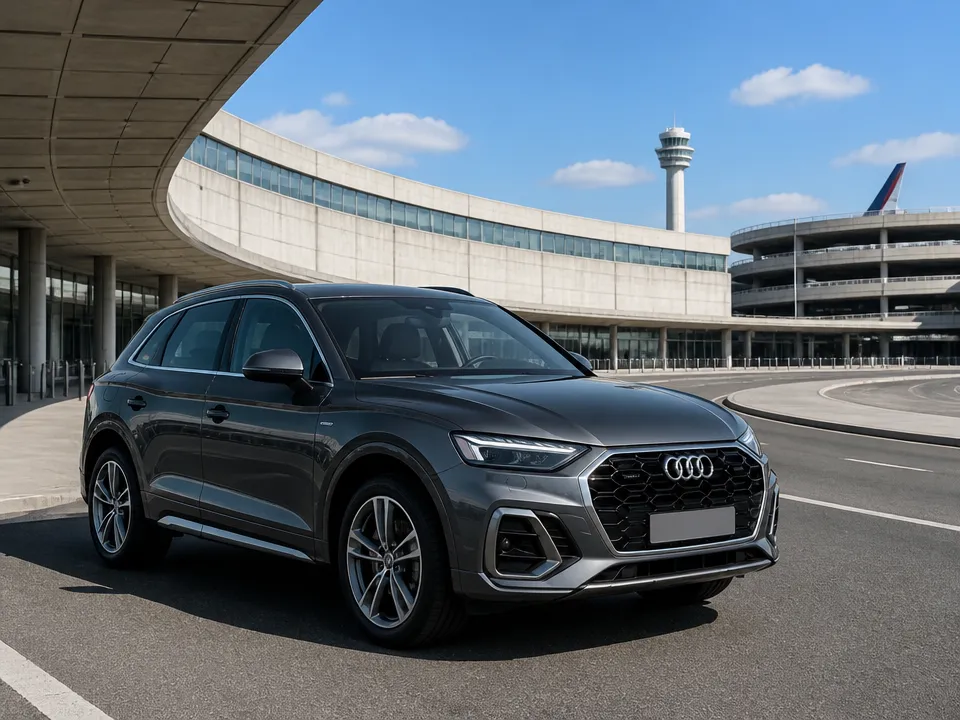
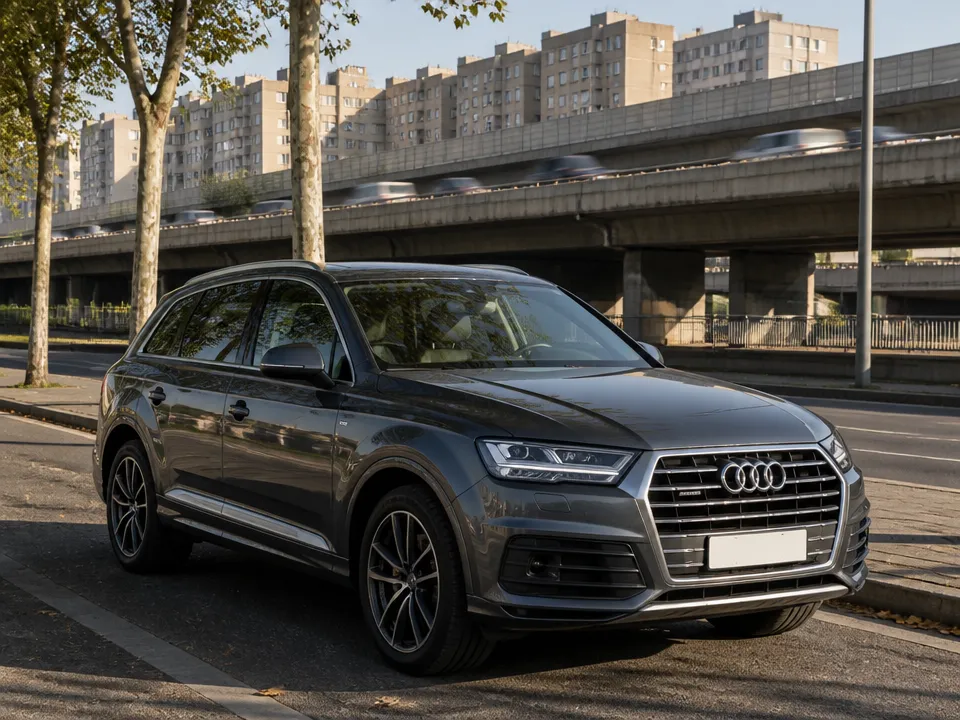
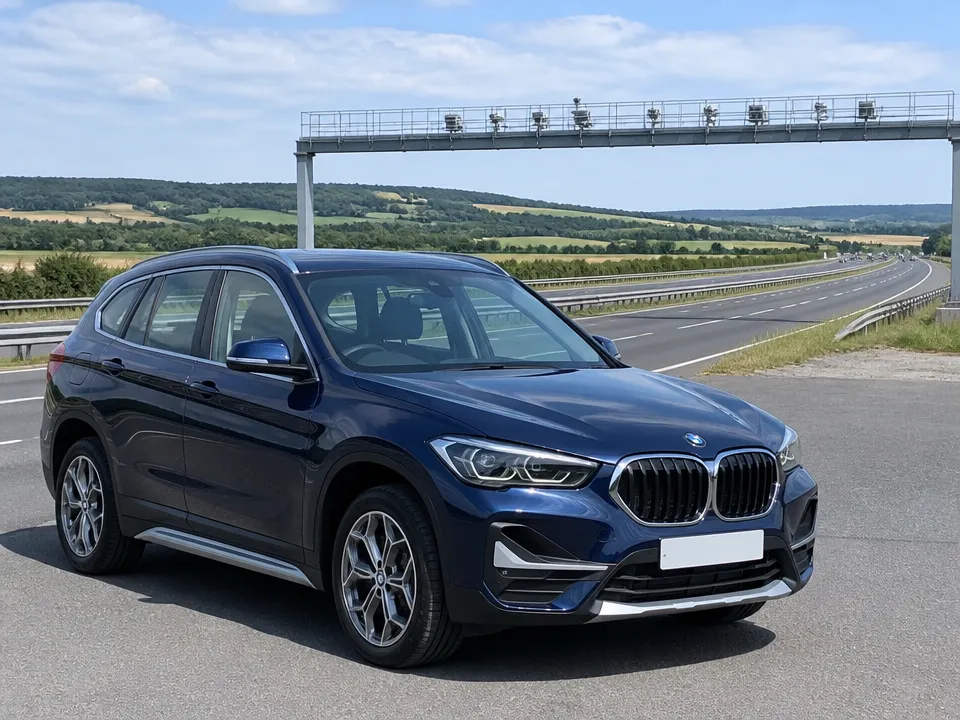
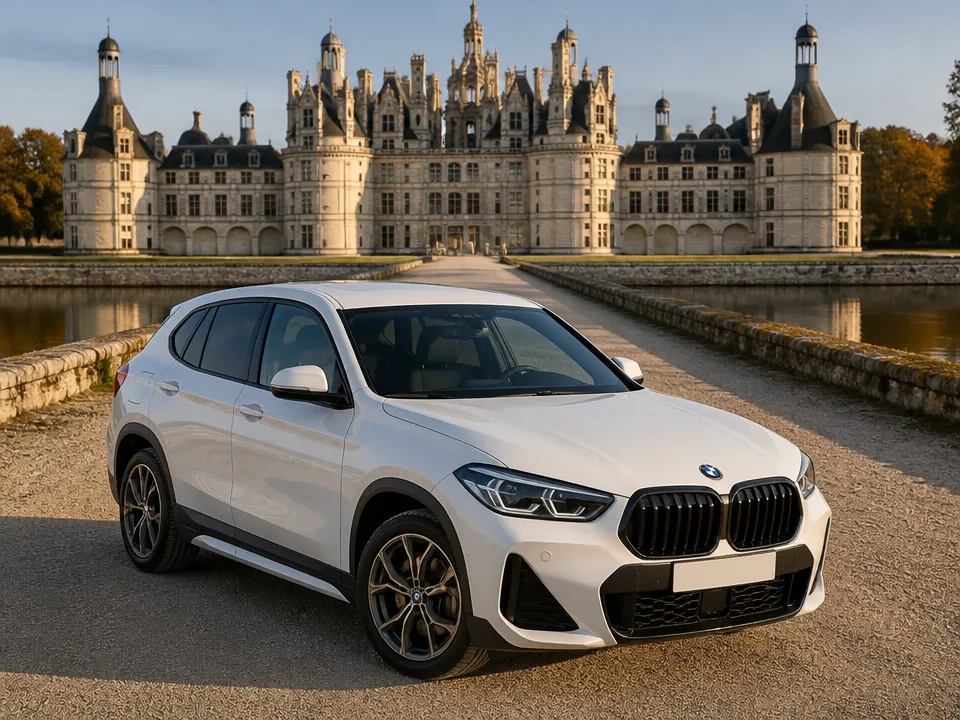
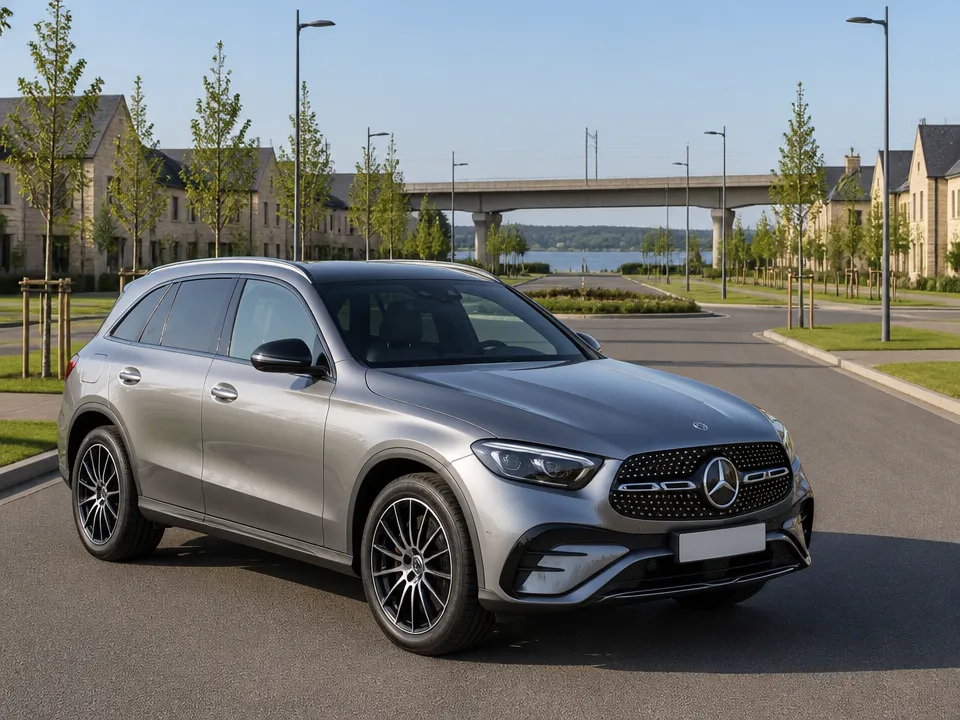
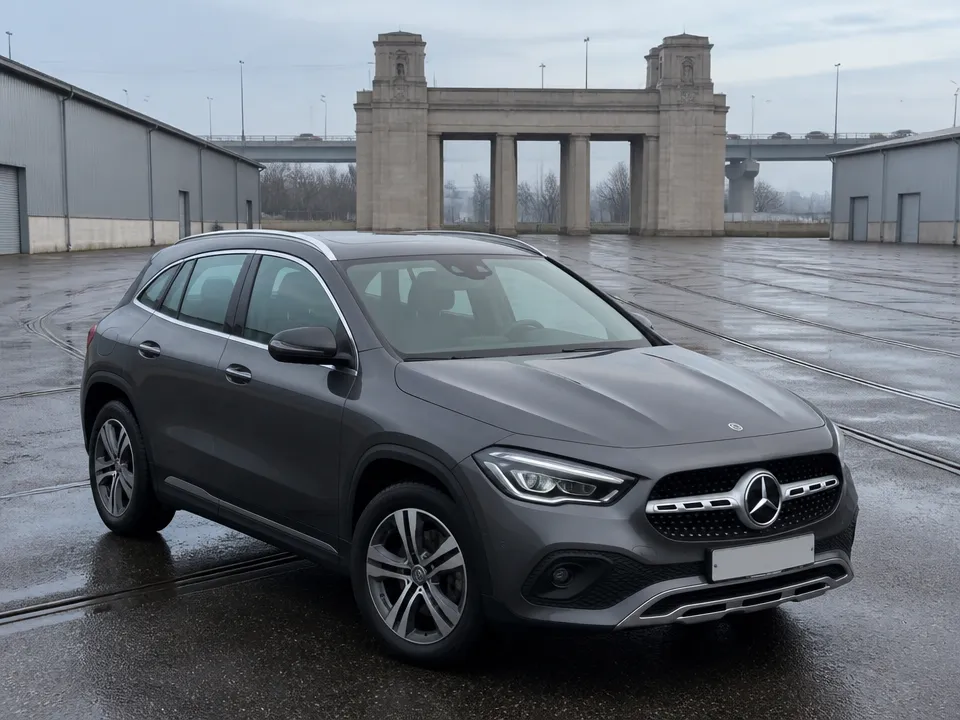
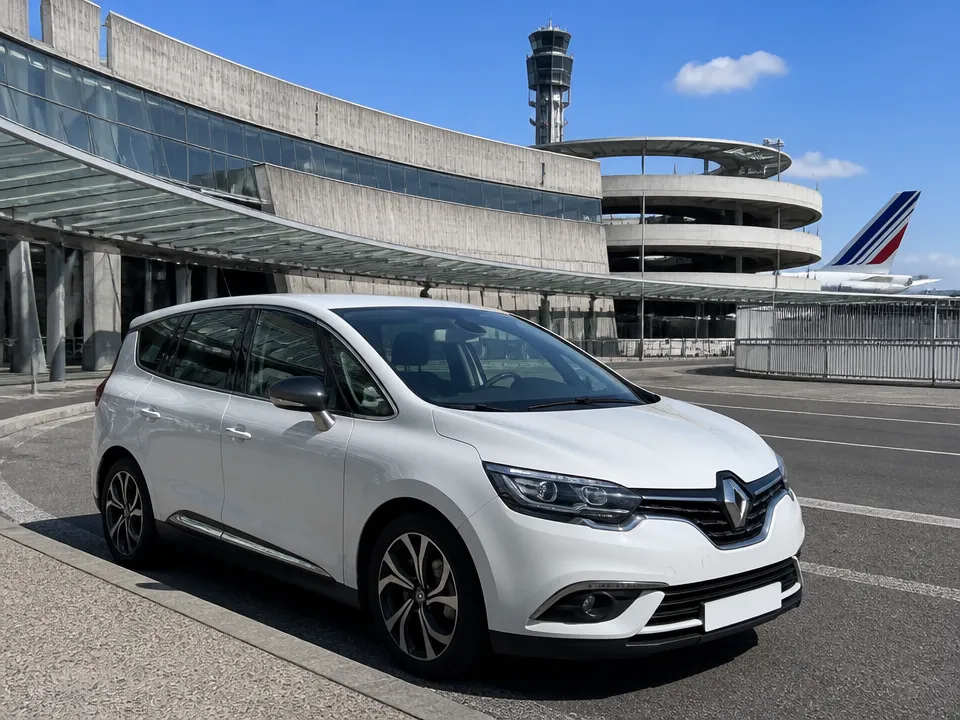
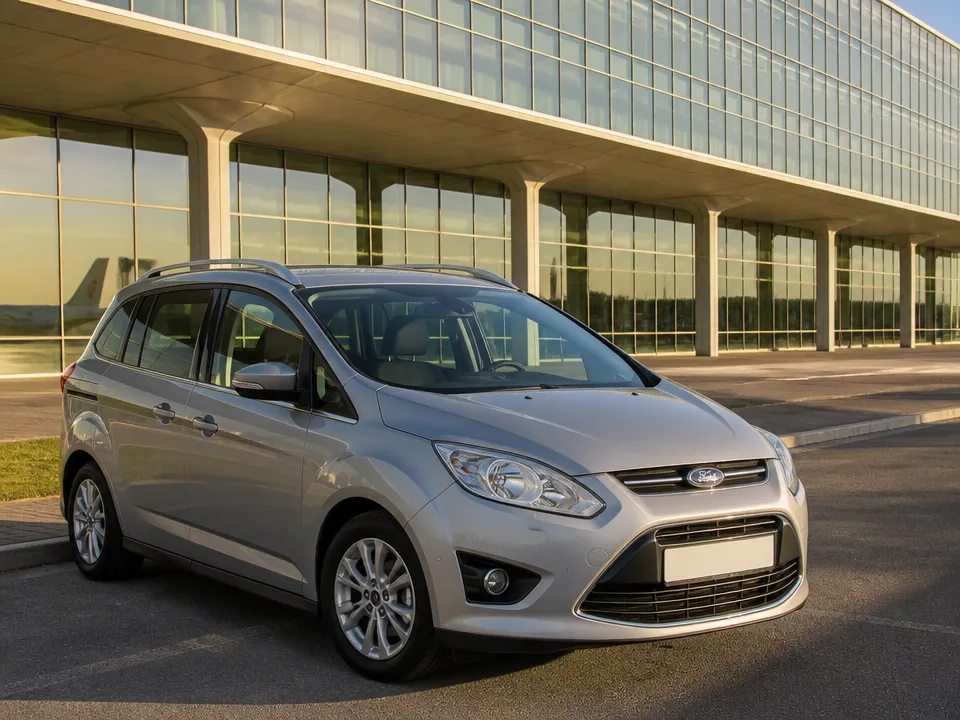
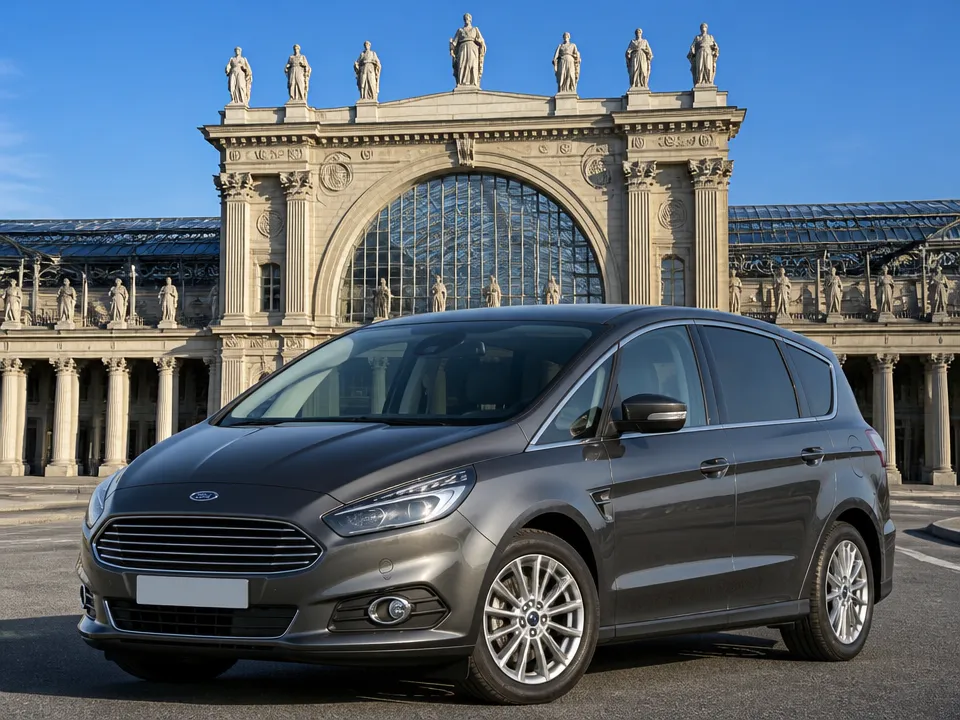
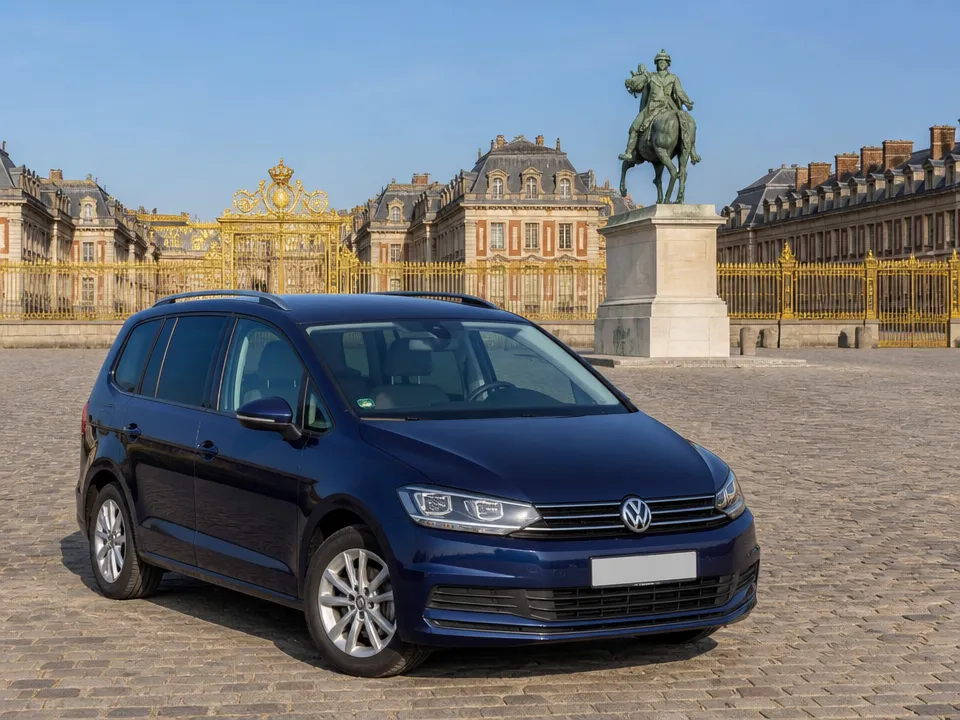
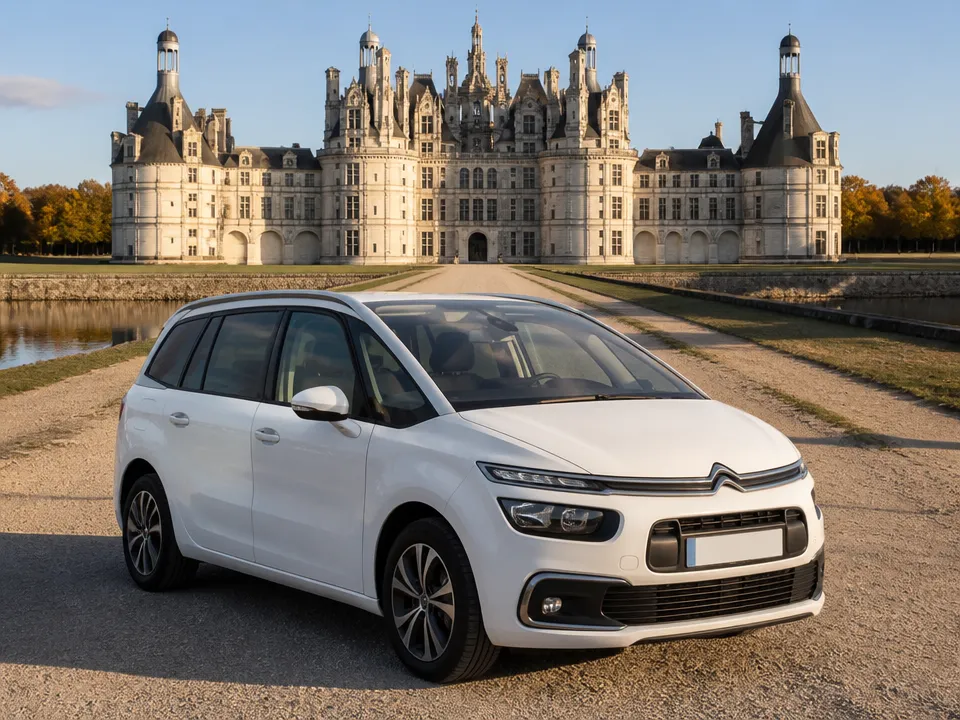

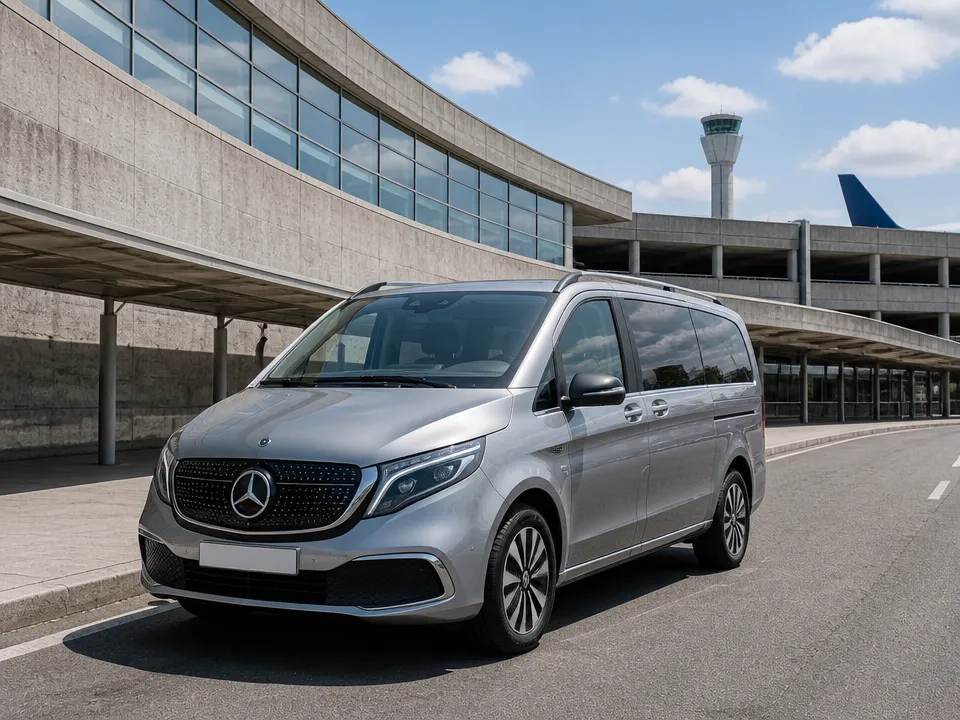

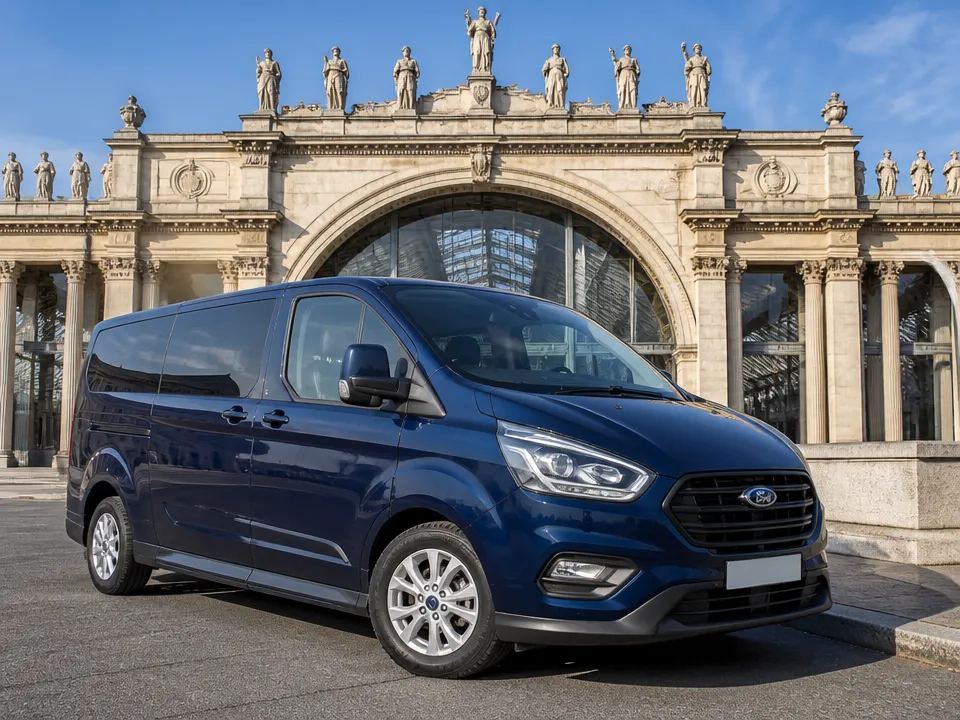
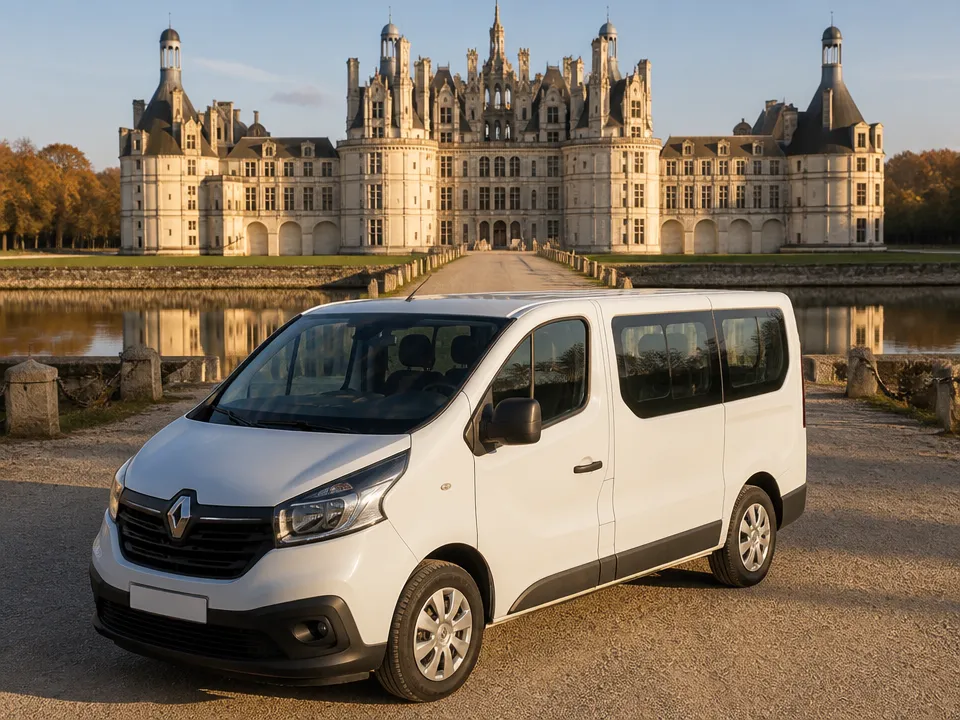
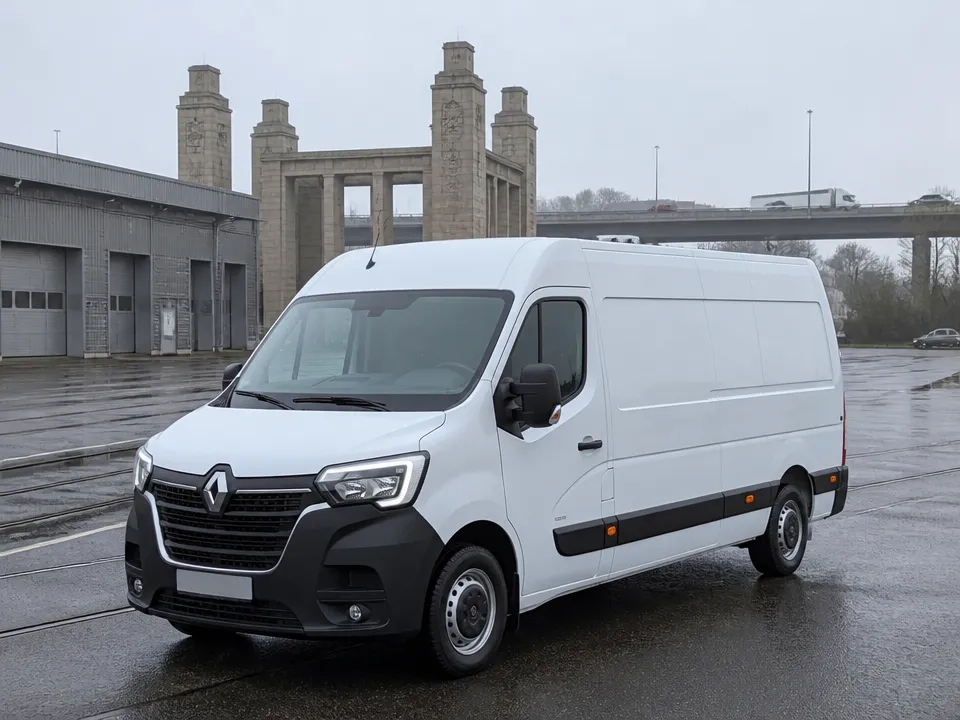
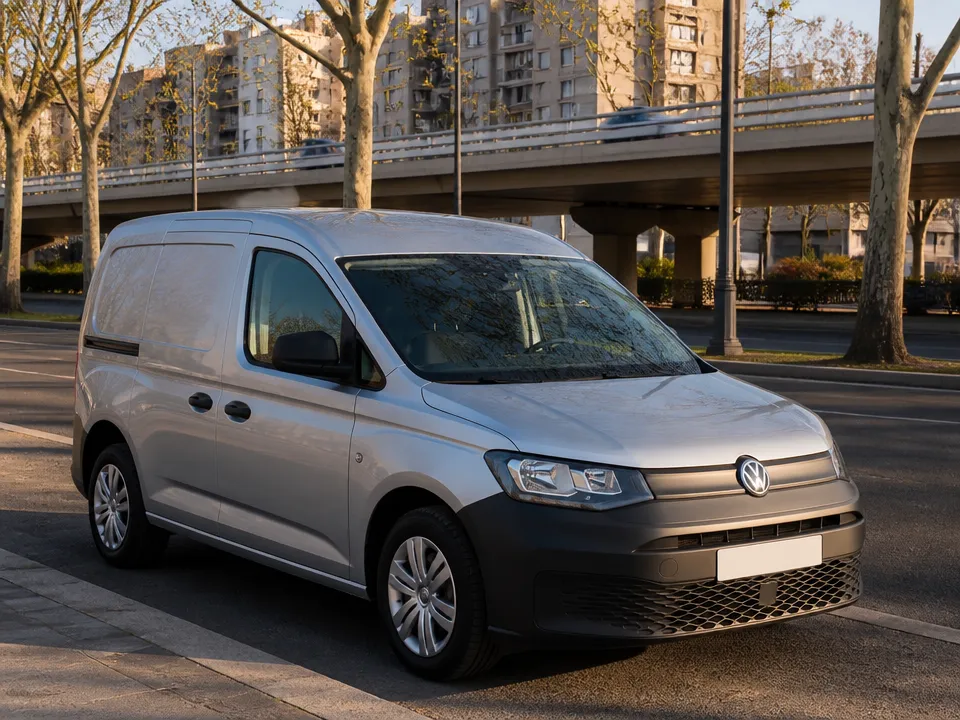
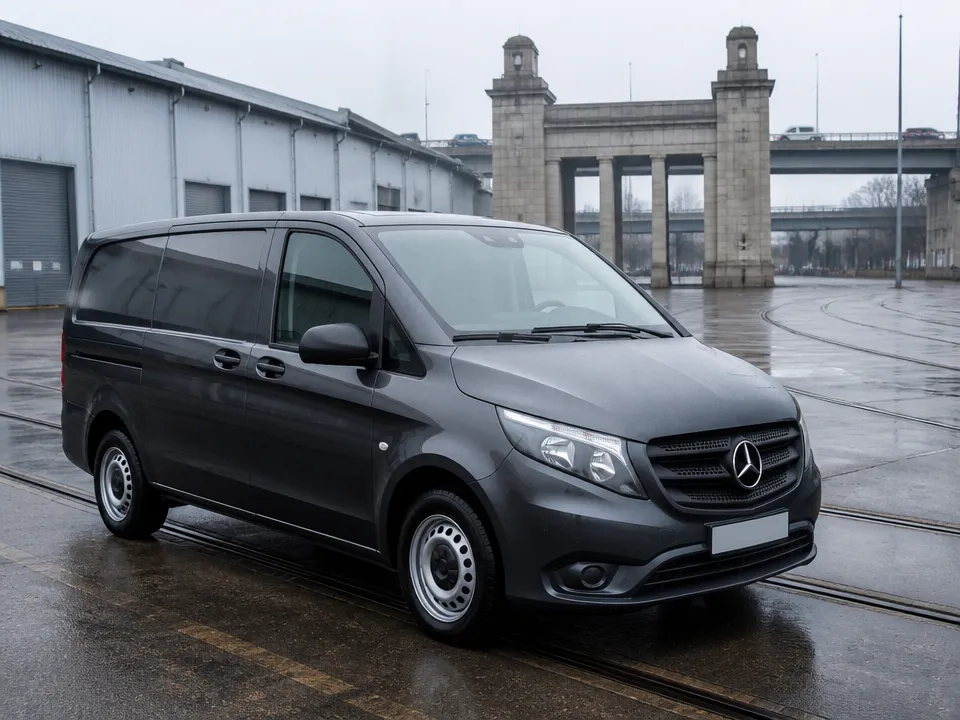
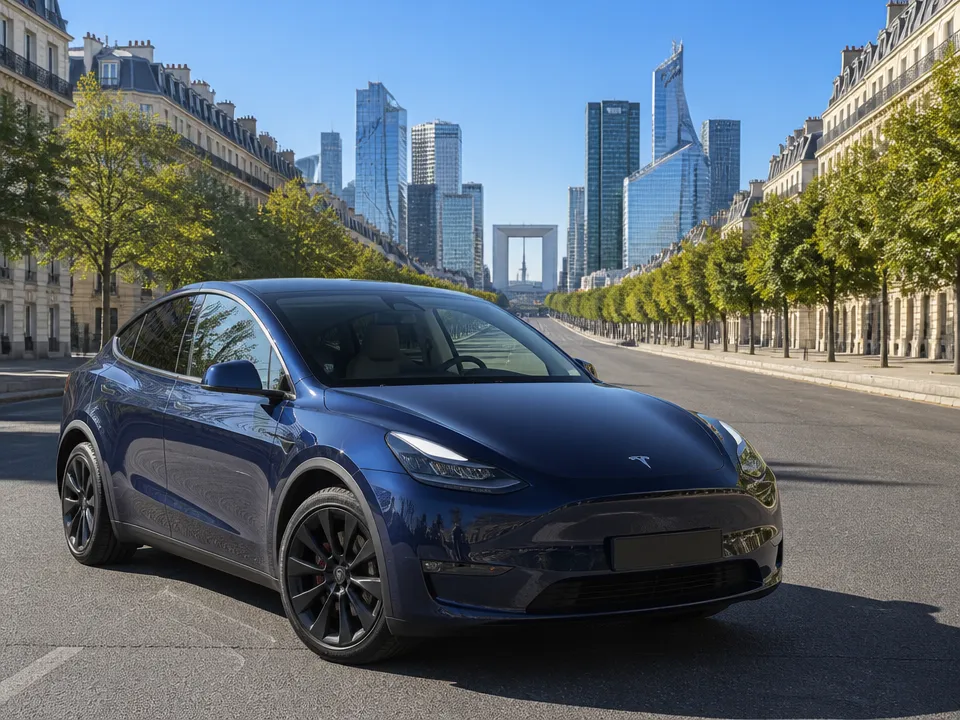
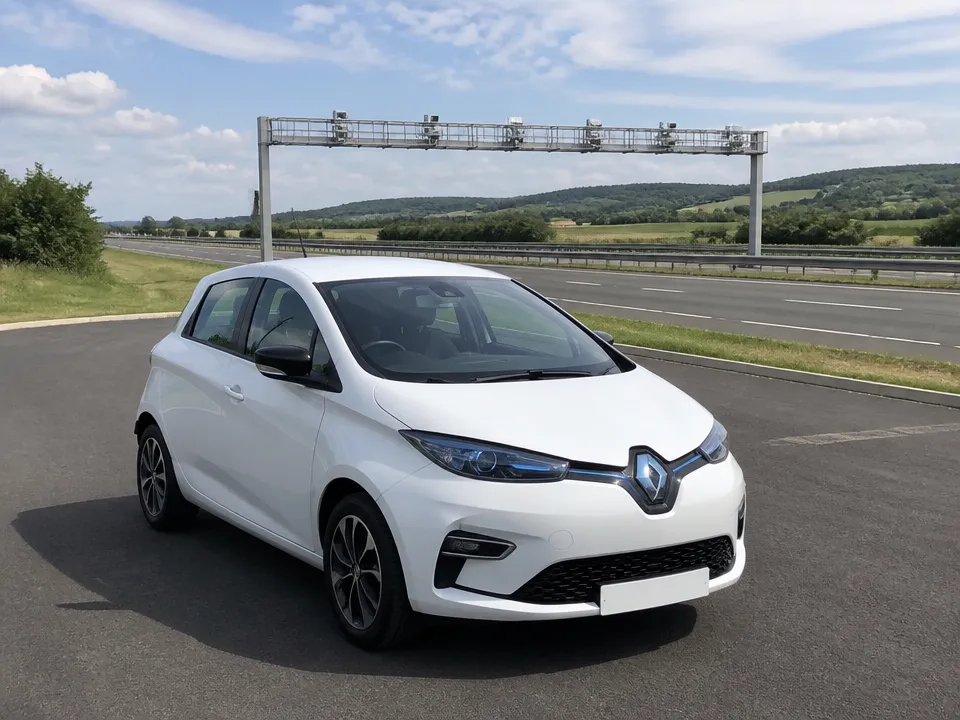
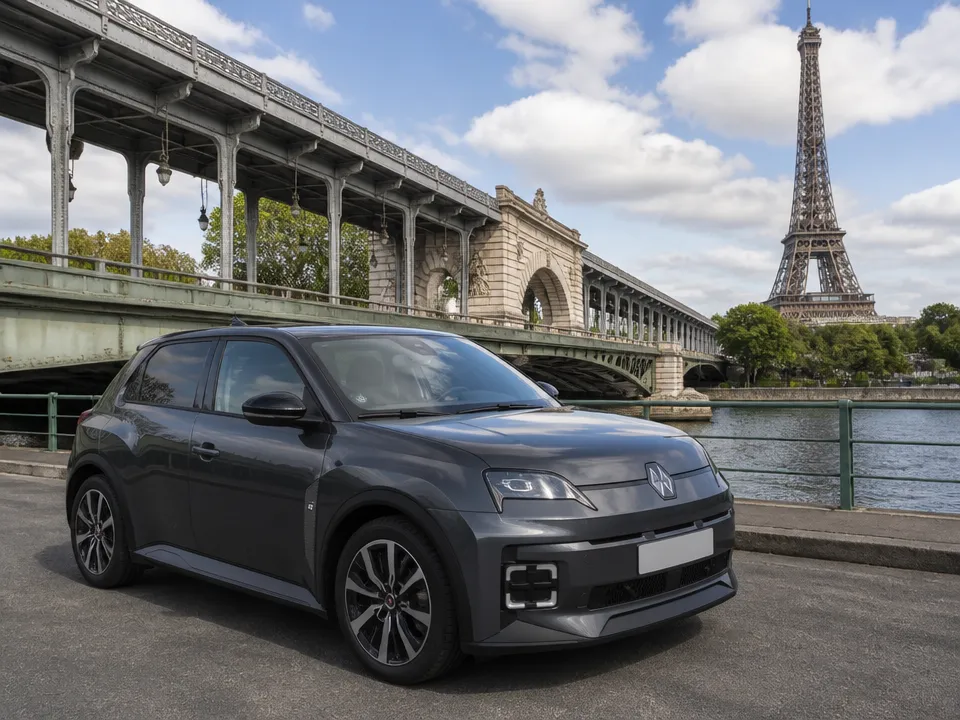
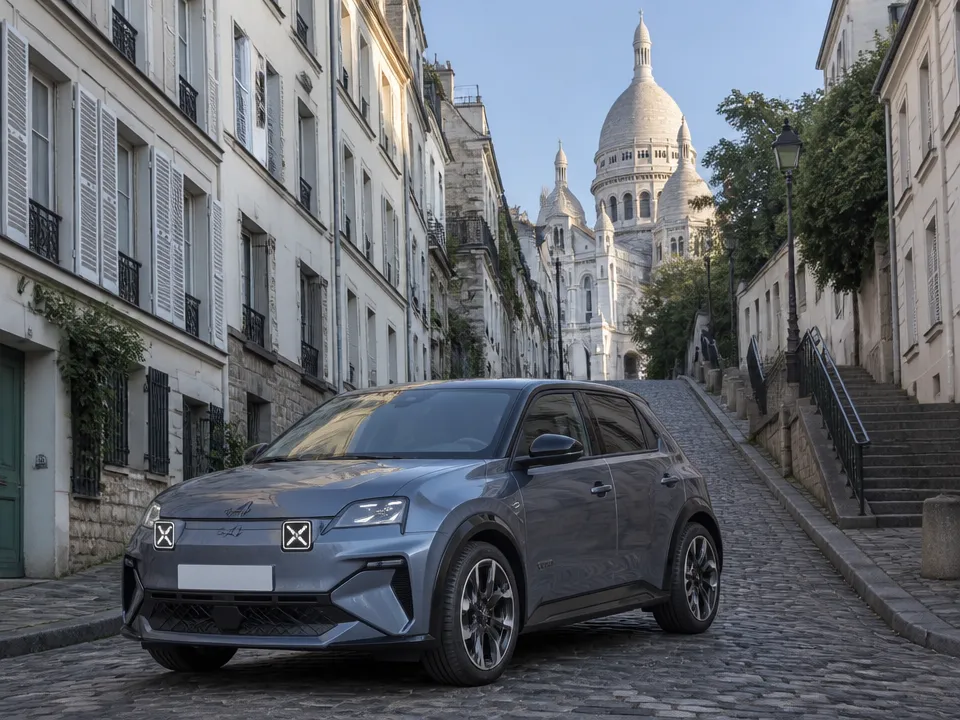
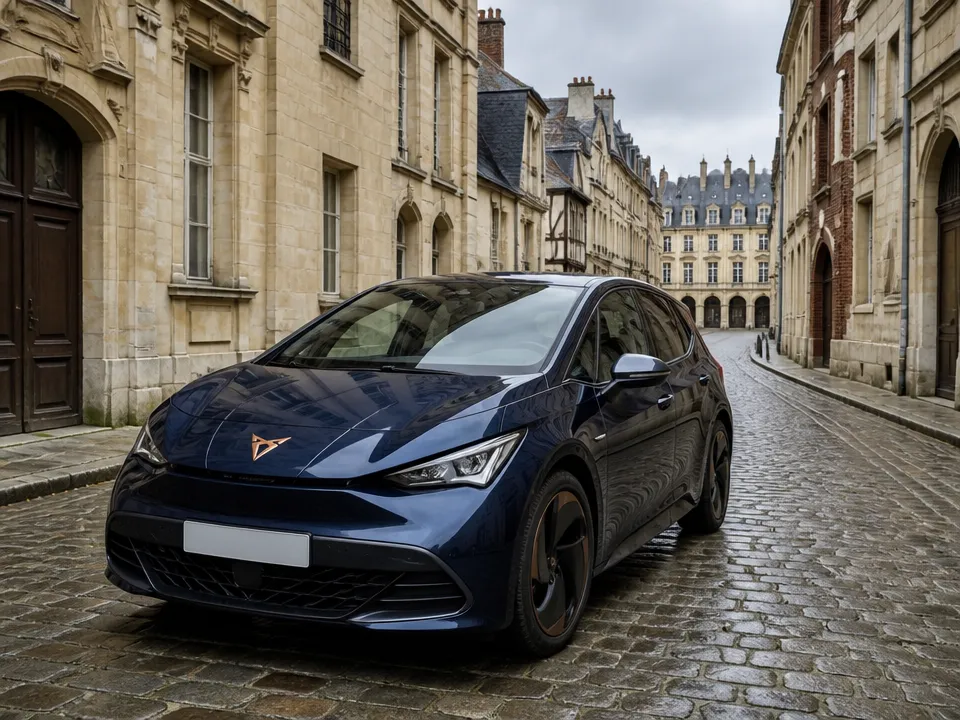
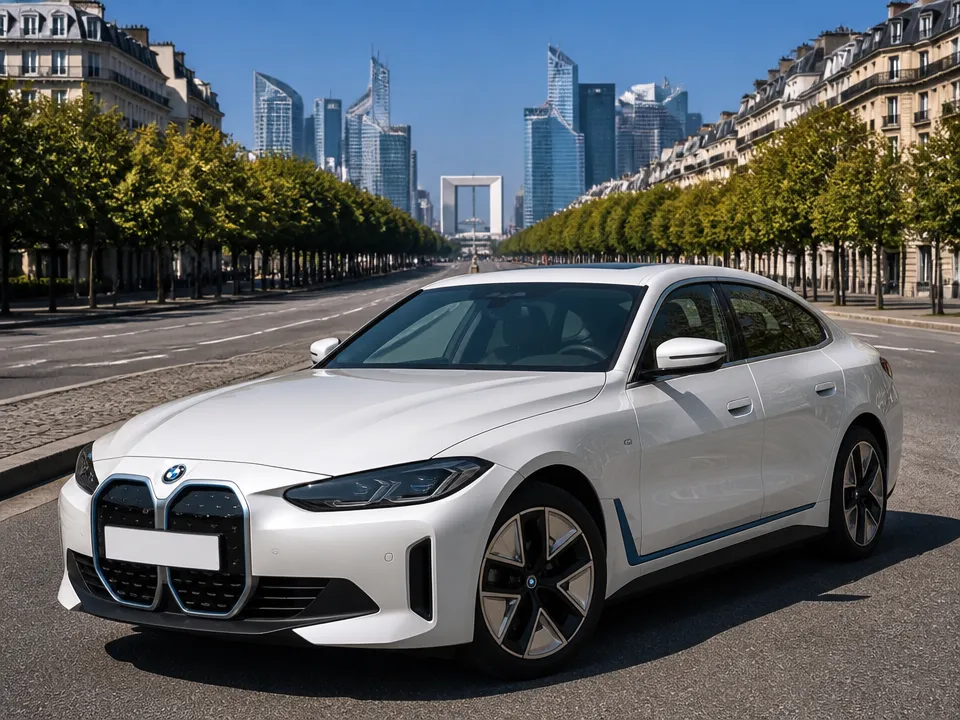
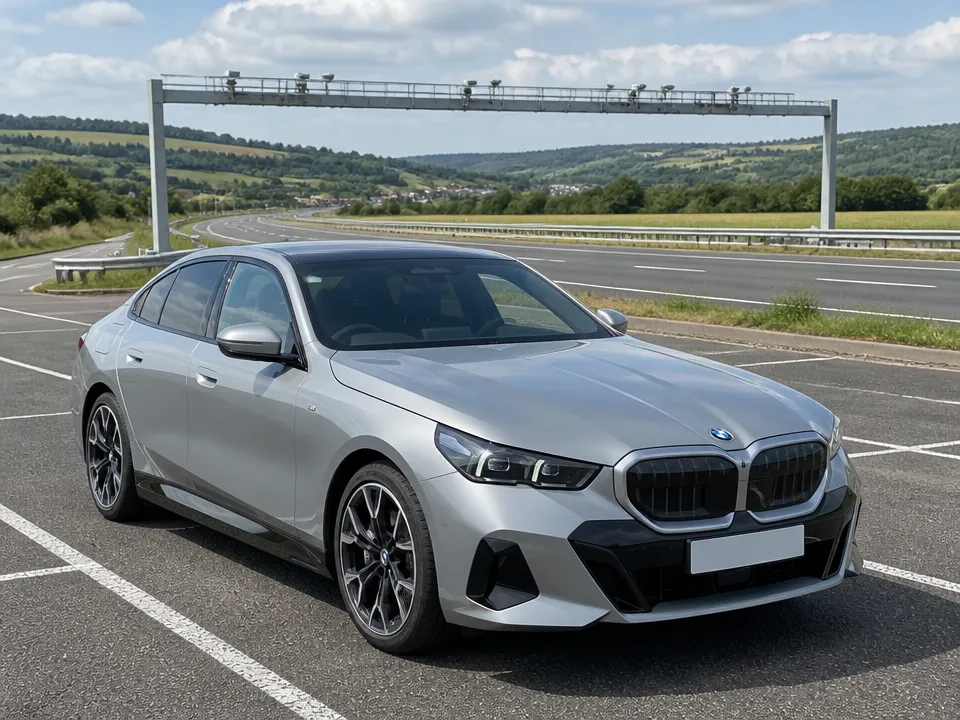
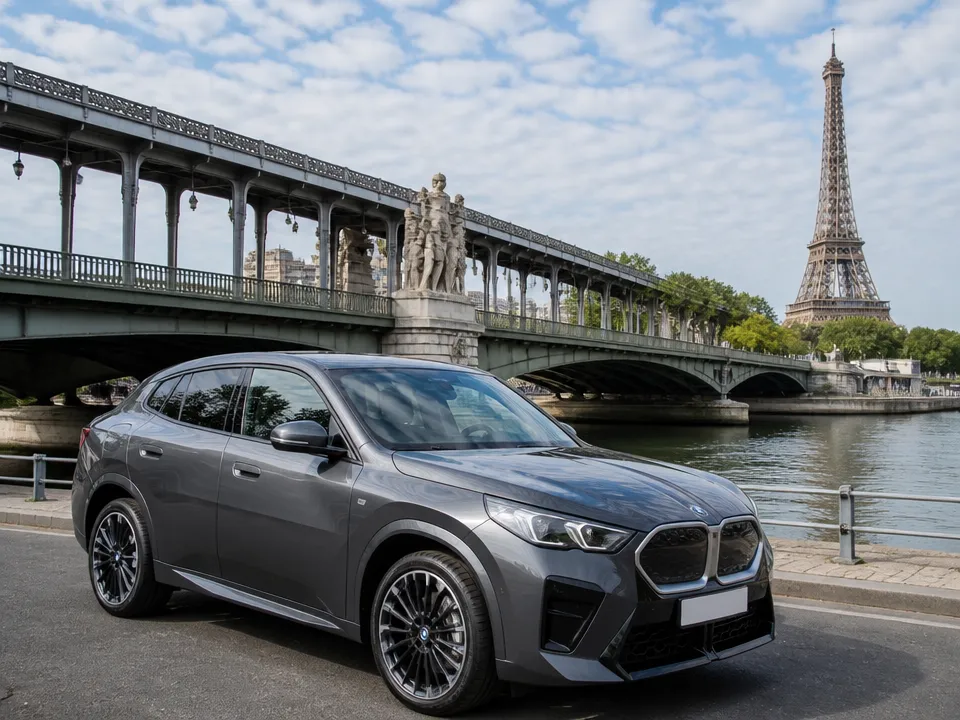
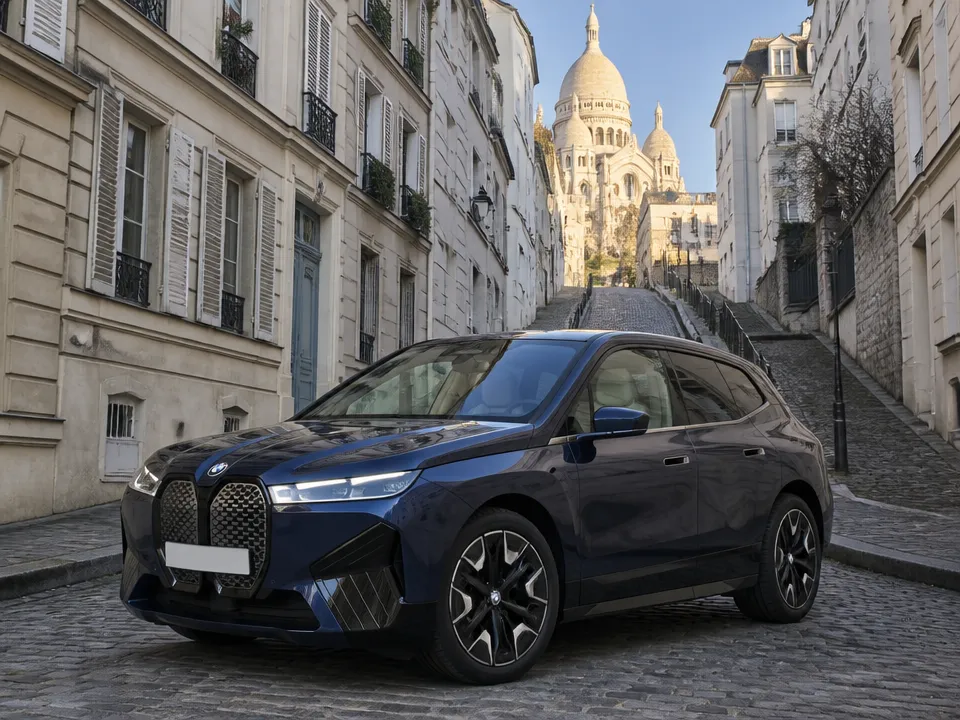
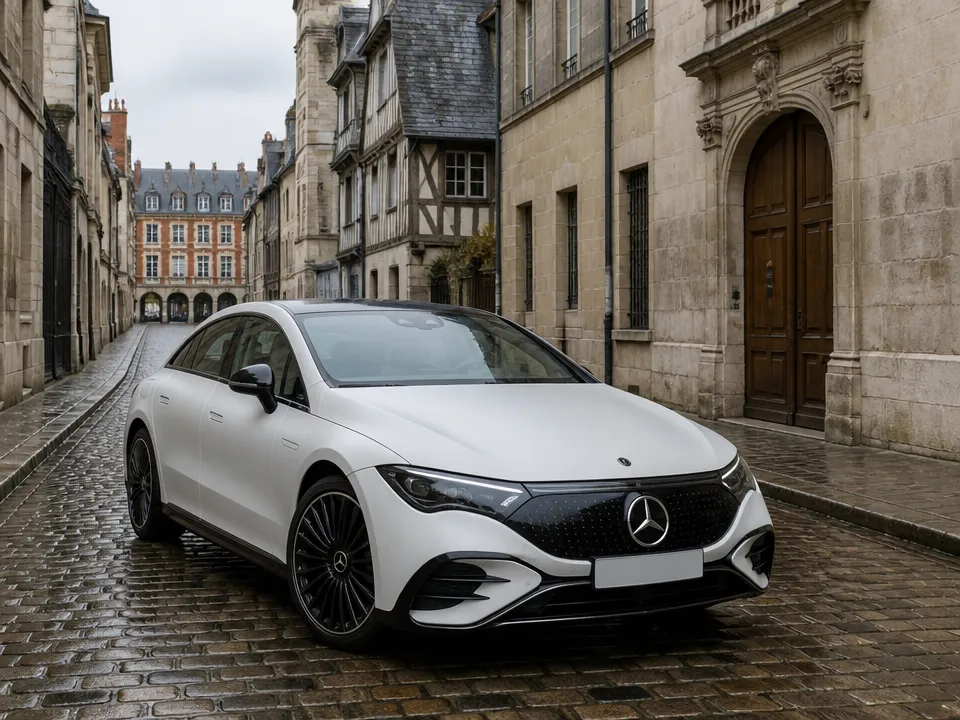
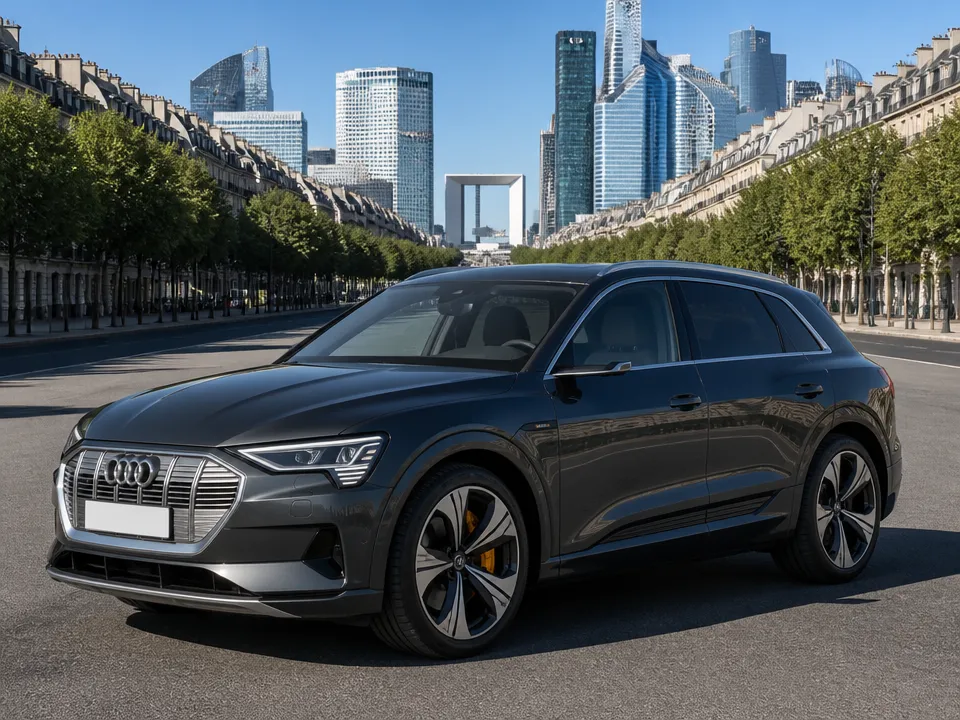
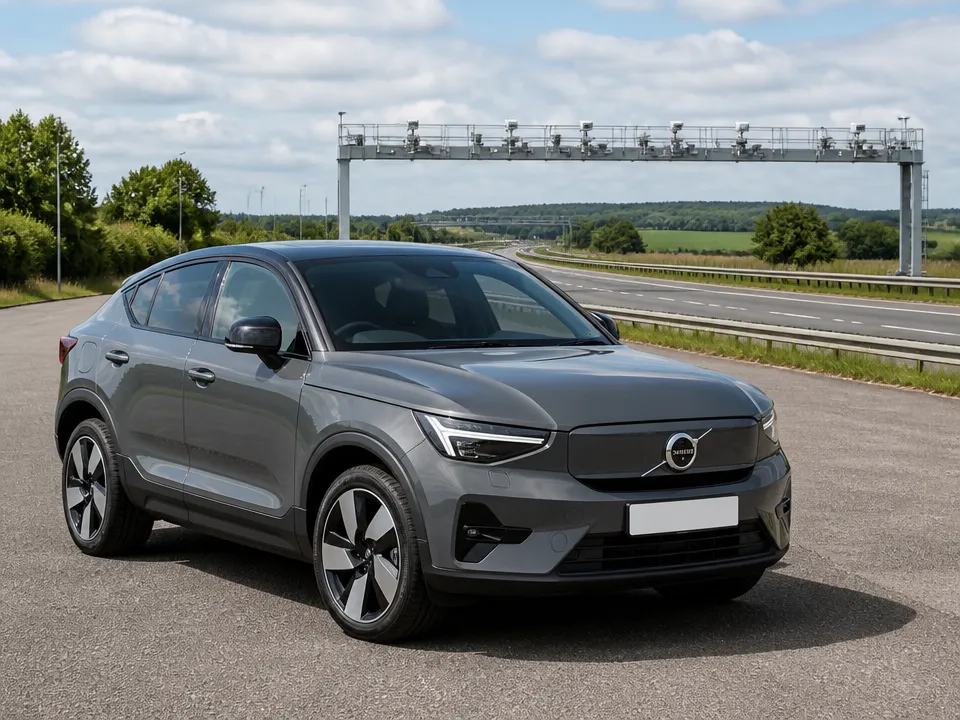
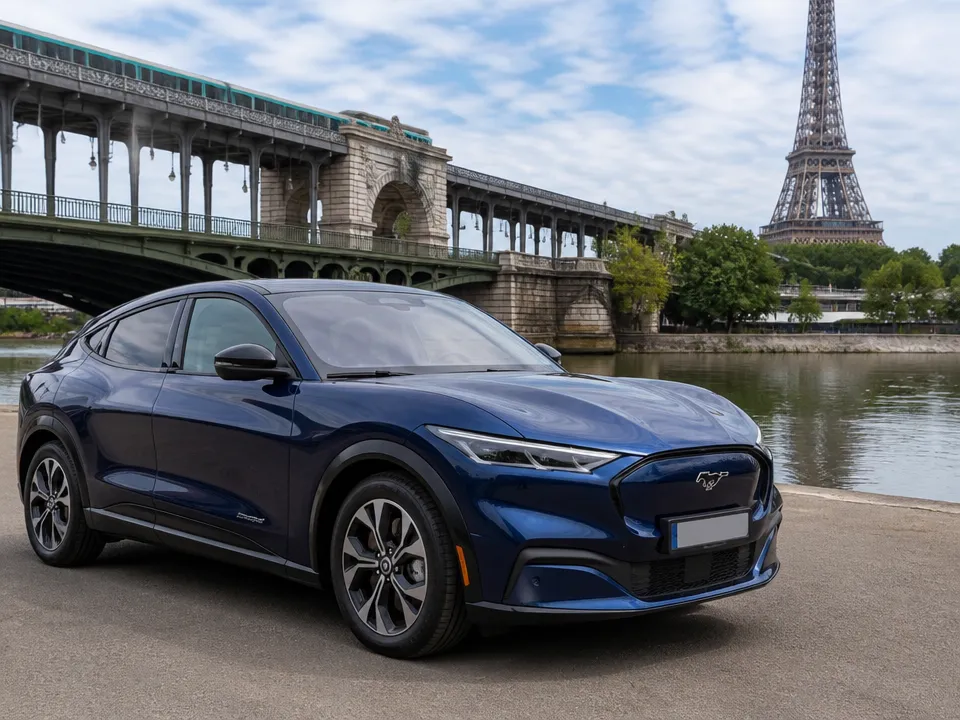
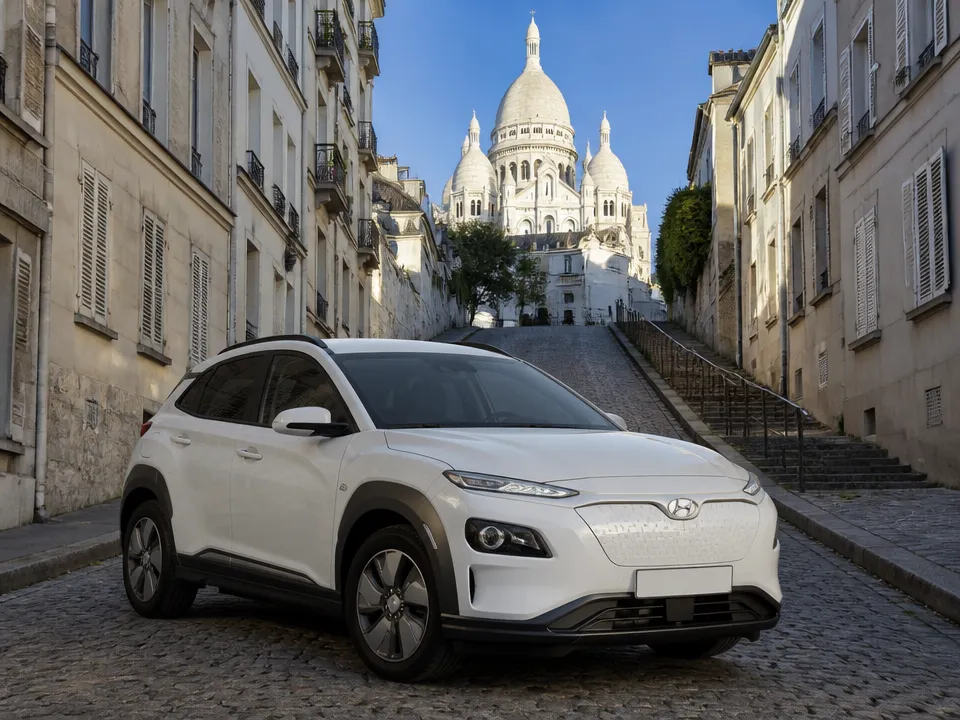
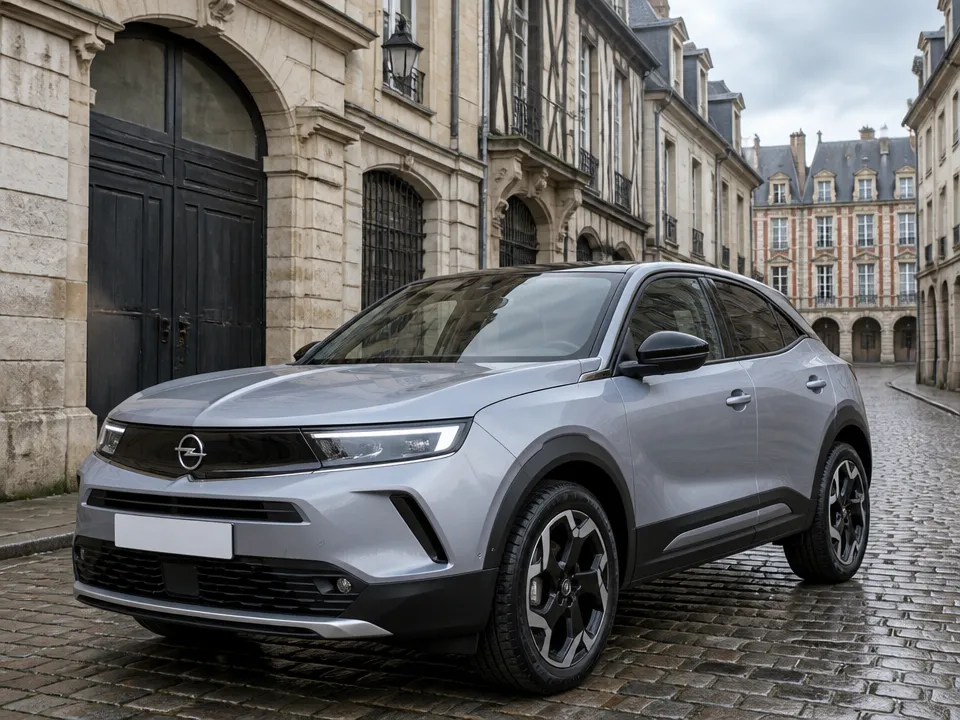




A week of meetings at Paris Expo Porte de Versailles starts with a car that is waiting for you, not with a queue at a rental desk. We deliver the car to the address you give us — the exhibition centre, your hotel, the station — and the hand-over is agreed with a manager when you book.
Paris Expo Porte de Versailles sits just off the boulevard périphérique, and the question of whether to drive there comes down to what you carry and when your day starts. The venue has M° Porte de Versailles on line 12 and tram stops T2 and T3a at street level. For a stand crew with crates, or a family arriving with luggage, a self-drive car changes the arithmetic of the trip.
A stand crew or a family arrives without transfers between a station, a metro platform and a hall entrance, and the hand-over point is agreed when booking. Our 134 cars on this page cover 2 to 9 seats, from €29 to €1,300 per day, and a manager agrees the hand-over point with you before the trip. The last leg — from Porte de Versailles to Hall 7, say — is the one people underestimate: it is a walk with whatever you are carrying, repeated twice a day for the run of a show. Show days start before the first metro, and exhibitors who need to be inside by 07:00 find the timetable unforgiving. On our side, a car parked at the venue removes that wait entirely, and you leave when your stand is done rather than when the next service arrives.
Arrivals from Paris-Charles de Gaulle, Paris-Orly, Gare du Nord, Gare de Lyon and Gare Montparnasse go straight to the halls instead of looping through the city first, with the hand-over point agreed when booking. That matters most for the airport pair: CDG sits roughly 30 km north-east of the venue and Orly about 15 km south, both with their own rail links that drop you at a station, not at a hall door. Landing times slip, and a manager-agreed hand-over absorbs the delay better than a fixed transfer slot you cannot move. In our practice, the bookings that go wrong are the ones where the arrival time was treated as certain. Build the day around a window, not a minute, and tell the manager which hall you are heading for — the venue has several, and the entrance you need decides where the car should wait.
Paris Expo Porte de Versailles is a venue that takes a full lap to walk. Where you leave the car decides how much of that lap you do on foot, and the rules around the venue — parking tariffs, the low-emission zone, the périphérique speed limit — are the ones that catch out visiting drivers.
| Stay | Zone 1 street parking (arrondissements 1–11) |
|---|---|
| 1 h | €6 |
| 2 h | €12 |
| 3 h | €24 |
| 4 h | €39 |
| 5 h | €57 |
| 6 h | €75 |
| Maximum | 6 hours in one place |
Zone 1 street parking is progressive, not hourly: 1 h — €6, 2 h — €12, 3 h — €24, 4 h — €39, 5 h — €57, 6 h — €75, and six hours is the longest you may occupy one spot. The visiteur tariff in force since 01.08.2021 is split into 15-minute steps, so a twenty-minute stop costs noticeably less than the first-hour figure suggests. Overstay and the charge becomes a forfait post-stationnement rather than a traffic fine — a different procedure with a different appeal route. In practice we tell show visitors to decide before they arrive whether the car stays for the day or moves between halls; a spot released at midday is a spot you are not paying for at 5 p.m.
The ZFE de la Métropole du Grand Paris runs inside the A86 (the A86 itself excluded), including the boulevard périphérique and the Bois de Boulogne and Bois de Vincennes, and it is enforced by the Crit'Air sticker on the windscreen: Crit'Air 5, 4, 3 and «Non classé» are banned, with Crit'Air 3 phased in from 1 January 2025. Paris Expo Porte de Versailles sits well inside that perimeter, so the sticker question is settled before you drive rather than at a camera. Our fleet on this page runs on Diesel, Electric, Gasoline and Hybrid, and the electric and hybrid classes keep the sticker question simple for a venue inside the perimeter. If your booking is a diesel commercial van for stand equipment, say so when the booking is agreed — the sticker class travels with the vehicle, and a manager can confirm which of the 134 cars here suits a ZFE trip before you commit.
The boulevard périphérique has been limited to 50 km/h since 1 October 2024, a decision of the Paris city hall introduced in stages — the inner ring from porte des Lilas to porte d'Orléans first, the whole ring by 10 October, though the Code de la route permits up to 70 km/h there. In town the limit is 50 km/h under Code de la route, art. R413-3, raised to 70 km/h on certain sections; outside built-up areas it is 80 km/h on an ordinary road (90 km/h where a department has allowed it on two-lane stretches), 110 km/h on a divided road and 130 km/h on a motorway under art. R413-2. Rain lowers those to 80, 100 and 110 km/h, and visibility under 50 m means 50 km/h everywhere. A driver with fewer than three years since passing the test — permis probatoire — is capped at 110, 100 and 80 km/h, and at 0.2 g/l of blood alcohol against 0.5 g/l for everyone else. The covoiturage lane on the périphérique, left-hand side from quai d'Issy to porte de Bercy in both directions, is reserved Monday to Friday 7:00–10:30 and 16:00–20:00 for cars carrying two or more people; the penalty is €135 and enforcement began on 2 May 2025. On the day of a show, the périphérique at 50 km/h is rarely the slow part — the approach ramps are.
The fleet on this page runs to 134 cars across 13 classes, from €29 to €1,300 per day, with seat counts from 2 to 9. Weekly is charged at the daily rate × 6 and monthly at the daily rate × 21, so a multi-day show booking is priced straight off the daily figure.
| Class | Cars | From, per day | Seats |
|---|---|---|---|
| Economy | 15 | €29 | 2–5 |
| Commercial | 6 | €47 | 2–3 |
| Electric | 18 | €55 | 4–5 |
| Crossover | 13 | €75 | 5 |
| SUV & 4x4 | 19 | €79 | 5 |
| Comfort | 13 | €79 | 5 |
| Convertibles | 10 | €99 | 4 |
| Premium | 11 | €105 | 5 |
| Minivans | 5 | €119 | 7 |
| Sedan | 3 | €120 | 5 |
| Passenger vans | 5 | €155 | 8–9 |
| Luxury | 10 | €195 | 5 |
| Sports | 6 | €450 | 2 |
A stand crew that carries panels and roll-ups needs one of the two-seat commercial pair, while a family of five fits the Duster or the Zoe. In our experience the electric class is booked out first around large trade shows, so the model list is worth settling with a manager rather than leaving to the day — and the class, dates and hand-over point are all confirmed when the booking is agreed.
Every booking we take for Paris Expo Porte de Versailles is agreed with a manager before the car moves. You tell us the dates, the class and the hall you are working in; the manager confirms what is available and where the hand-over happens at the venue. Nothing is left to a self-service form, because a trade-show week rarely survives first contact with a fixed schedule.
Every booking is agreed with a manager, who confirms the class, the dates and the hand-over point at Paris Expo Porte de Versailles. The manager then matches the class to your load: a 2-seat commercial pair for panels, a 5-seat crossover for a family, a 9-seat van for a group arriving together. Dates are confirmed the same way, including the day the car goes back, and any change to the hand-over point is agreed with the same manager rather than through a call centre. Agreeing the hand-over point in advance matters more than the class when the venue has several halls — a stand crew that lands at the wrong gate loses the first hour of build-up day.
The rental agreement itself carries the parts we do not put a number on here: the deposit, the insurance excess and any delivery fee are set out in the rental agreement, and the manager walks you through them when the booking is agreed. Fuel policy on French rentals usually runs plein à plein — you collect the car full and return it full — and the alternative, paying for the fuel used, is confirmed with the same manager. Mileage is either unlimited or capped by a franchise kilométrage, and which one applies to your class is part of the same conversation. If your trip reaches the Alps between 1 November and 31 March, winter tyres or chains are required in roughly 34 mountain départements under loi Montagne II; Paris and Île-de-France are not covered, but the rule follows the car into the mountains. Tell the manager at booking if that is the plan, so the right car is set aside.
A confirmed booking is changed through the same manager who agreed it. Moving a hand-over by a day, swapping a Renault Zoe for a Dacia Duster because the stand grew, or adding a second driver — conducteur supplémentaire is a paid option on French rentals — all go back through that one point of contact. We keep the class and the dates in one place, so a change to the car does not reset the rest of the arrangement. If a flight into CDG, Orly, Gare du Nord, Gare de Lyon or Gare Montparnasse slips, say so as early as you can: a manager-agreed hand-over absorbs a delay better than a fixed slot, and the manager can move the meeting point at the venue rather than cancel it.
Third-party liability cover is compulsory by French law and sits inside every booking automatically. It pays for injury and property damage caused to other people up to the statutory limits of the country. It does not cover the driver's own injuries, and the limits are not published as a single figure. When you collect a car at Paris Expo Porte de Versailles, the protection level you picked is what decides how much of any damage stays with you.
Tyres damaged by abnormal use, glass outside a collision, the sunroof and panoramic roof, the underside, wrong fuel and the engine damage that follows, lost or stolen keys, and any damage from negligence or intent all sit outside base protection. These are the claims that turn a small car park scrape into a real bill, and none of them is absorbed by CDW or TW.
The exact excess figure is not a published number — it is set out in the agreement for the class and the protection level you book. Two things move it: the size of the car and the level of cover. A citadine carries a lower excess than an SUV or anything larger, and the Medium and Premium packages pull it down or take it to zero. What we can say is that the figure is fixed before you drive away, so it is worth reading on the agreement rather than discovering it after an incident.
Some card products change the arithmetic. Visa Premier and Gold Mastercard often cover the CDW and TW excess when the booking was paid with that card and the cardholder is the main driver named on the agreement. That is industry practice, not a rule of French law, and it is the bank's terms that decide, not ours. Check the card benefit before you rely on it at the counter.
One practical note from our own hand-overs: the fuel policy matters as much as the cover. Plein-plein means you take the car full and bring it back full, and a misfuel is never covered — so confirm which fuel the car takes when the manager agrees your booking, especially if you have booked a diesel commercial model for a stand build.
Paris Expo Porte de Versailles sits on the south-western edge of the capital, which makes it one of the better places to pick up a car and leave the city behind. The boulevard périphérique is minutes away, and from there the A6, A10 and A13 put the whole Île-de-France and beyond within a day's drive. That matters if you are combining a trade show with a few days on the road.
The ZFE de la Métropole du Grand Paris runs inside the A86, so a car leaving the venue westbound crosses the perimeter within minutes and the sticker question stops mattering. Electric and hybrid models in our fleet keep that simple. What does not stop mattering is the péage: the A13 and A14 both use péage en flux libre, meaning no barrier, no ticket, and the payment terms are set out in the rental agreement — a badge Liber-t or télépéage account takes the guesswork out of it. Fuel is worth a thought before you set off, too: Gazole averaged €2.44 per litre in the department and SP95-E10 around €2.18 at the last reading, so filling up outside the city rather than on the périphérique saves real money over a 500 km loop. For the Alps, winter tyres or chains are compulsory from 1 November to 31 March in around 34 mountain departments; Île-de-France is not one of them, but the rule follows the car into the mountains.
Speeds on French motorways are 130 km/h in the dry, dropping to 110 km/h in rain; a road with a central reservation is 110 km/h dry and 100 km/h wet. On the boulevard périphérique the limit is 50 km/h since 1 October 2024, and the left lane between the Issy quay and Porte de Bercy is reserved for cars with two or more occupants, Monday to Friday 07:00–10:30 and 16:00–20:00 — a 135 € fine, enforced since 2 May 2025. Alcohol limits are 0.5 g/l of blood for most drivers and 0.2 g/l for anyone still on a permis probatoire, which is anyone with less than three years of licence. Children under 10 or shorter than 135 cm need a proper seat.
If a long drive is part of the trip, tell the manager when you book: the hand-over point and the return time are agreed then, and the rental agreement sets out the fuel policy, the kilometrage and the excess. One-way returns to another city are worth raising at the same moment — they are arranged case by case, not at the kerb.
A long booking at Paris Expo Porte de Versailles changes what you should look for in a car: the daily figure matters less than the class you can live with for weeks, and the return time matters as much as the pick-up. Monthly is charged at the daily rate × 21, so a stay of a month is priced straight off the daily figure.
| Booking length | How it is charged | Example, Economy from €29/day |
|---|---|---|
| 1 day | daily rate | €29 |
| 1 week | daily × 6 | from €174 |
| 1 month | daily × 21 | from €609 |
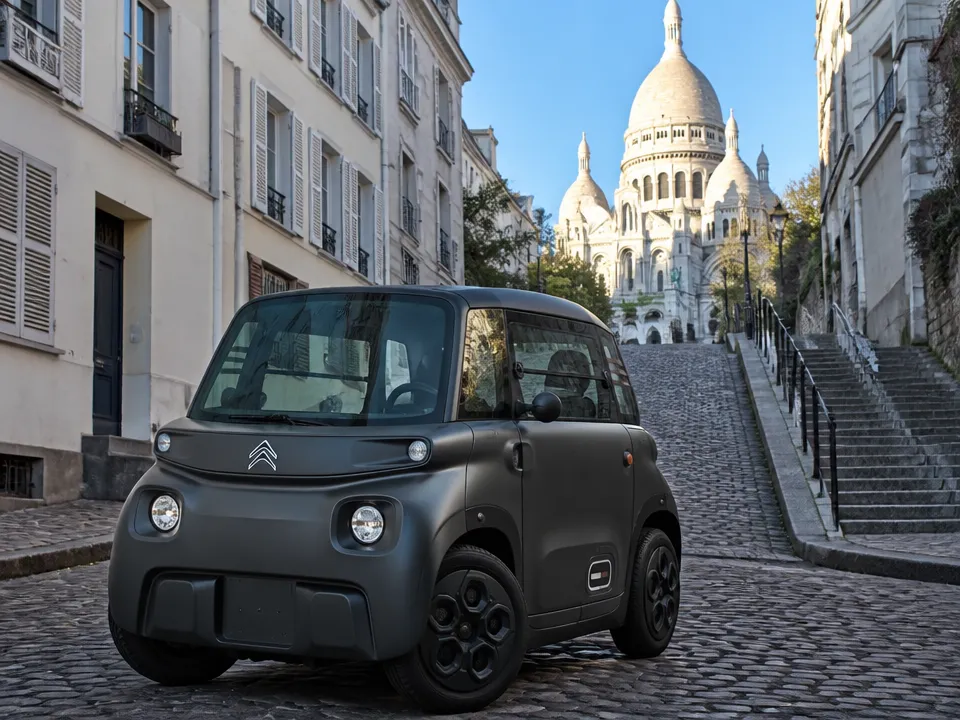
The multipliers are the same across all 13 classes on this page, so the arithmetic holds whether you take a €29 Citroen Ami or a €195 Luxury model. What changes is the class that suits a long stay: a 2-seat Citroen Ami is a city tool, while a 5-seat Renault Zoe or Dacia Duster is the one people keep for a month. In our practice, long-stay clients book the class first and the dates second — a month of the wrong car is a month of small irritations.
Thirteen classes sit on this page, from 2 seats to 9, and the choice usually comes down to three questions: how many people, how much luggage, and whether the car leaves the city. Prices start at €29 and run to €1,300 per day.
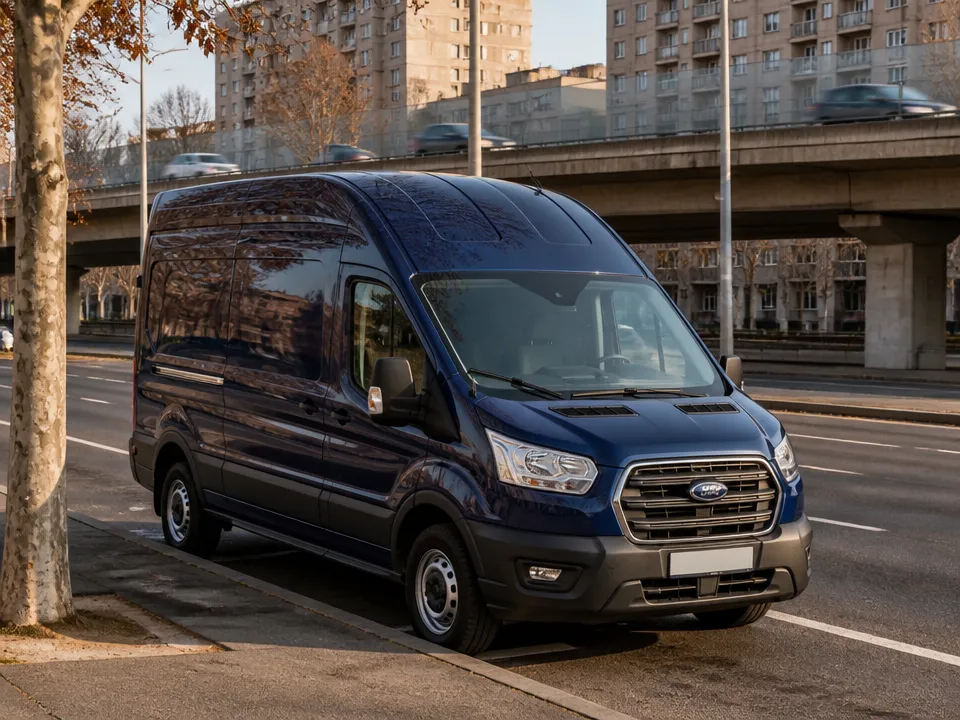
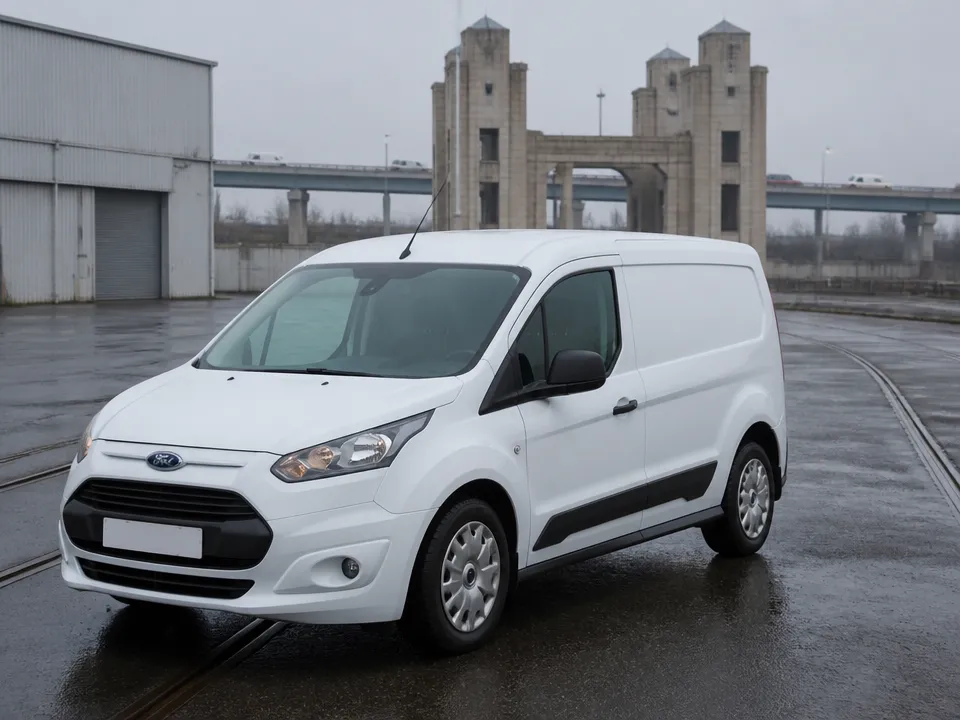
The 2-seat commercial pair — Volkswagen Caddy Cargo at €47 and Ford Transit Connect at €55 — carries what a five-seat hatchback cannot, and both are small enough for underground car parks. A five-seat car carries people and hand luggage but not a banner frame. Stand crews that need both usually book one van for build-up day and one car for the run of the show, and both are agreed with the manager at the same time. What we would not do is put four people and a stand into a 2-seater to save the difference.
The agreement holds the parts that are not a published figure: the caution, the insurance excess, any delivery charge and any discount are set out in the rental agreement, and the manager goes through them when the booking is agreed. Reading them before the hand-over is the difference between a settled trip and a surprise.
The caution is the line most often misread. It is blocked, not spent, and it comes back when the car does — but the figure itself is agreed when booking, never printed on this page. Alongside it sit the mileage allowance and the one-way charge, and both are class-dependent: a citadine on a capped tariff and an SUV on an unlimited one are two different agreements with two different numbers in the same fields.
Two more items belong to the paperwork rather than the cover. The fuel policy — plein à plein, or paying for what you burn — is confirmed when the manager agrees your booking, and the Crit'Air sticker is the one document a driver can be stopped over before any question of damage arises. Neither is a figure we can quote for you: both are set out in the rental agreement for the class you book.
We deliver the car to the address you give us and the hand-over point is agreed with a manager when you book. The same manager sets the return: where the car comes back, on which day, and at what time. Nothing about the meeting point is left to the day itself.
Paris Expo Porte de Versailles spreads across a site that takes a full lap to walk, so the gate your crew uses decides where the car should wait. A stand crew building up on the first day wants the car at the service entrance nearest its hall; a family arriving for a public show wants it where the luggage can be unloaded without a crossing. Tell the manager which hall you are heading for when the booking is agreed — the entrance you need is the one piece of information that makes the delivery work. If the arrival slips, say so as early as you can: a manager-agreed hand-over absorbs a delay better than a fixed slot.
Most of the problems we see on show weeks are decided before the car moves: the wrong class, a hand-over point at the wrong gate, or a booking built around an arrival time that was never certain. None of them is expensive to avoid.
Book the class around the load and the number of people, not around the lowest daily figure; agree the hand-over point by hall number; and build the first day around a window rather than a landing time. In our practice the bookings that run smoothly are the ones where the manager knew the hall, the crew size and the return day before the car left. The rest is the drive itself.
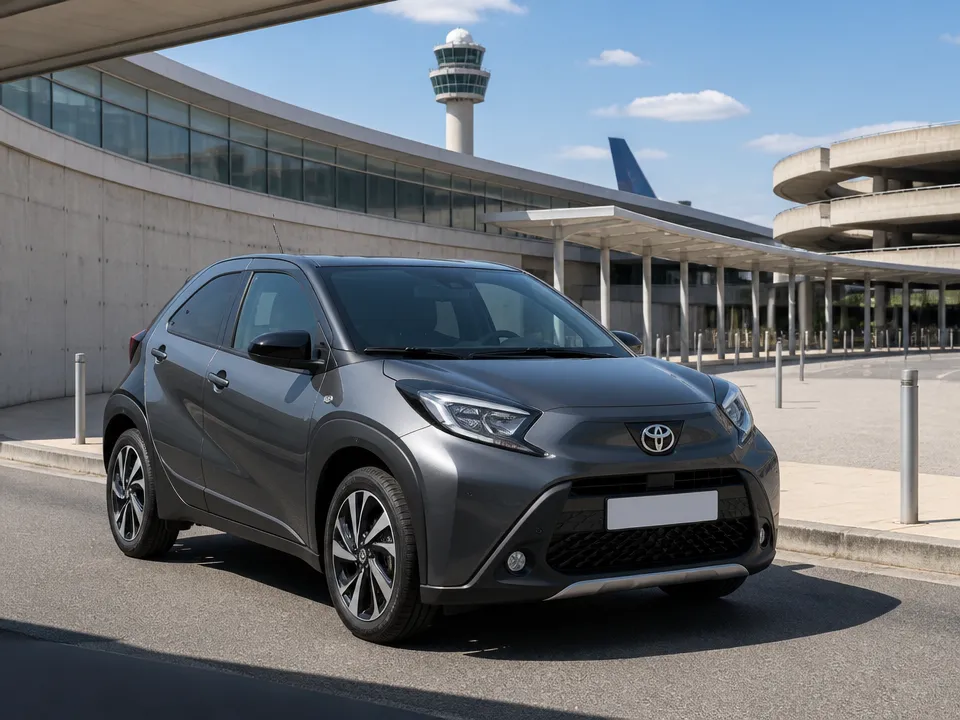
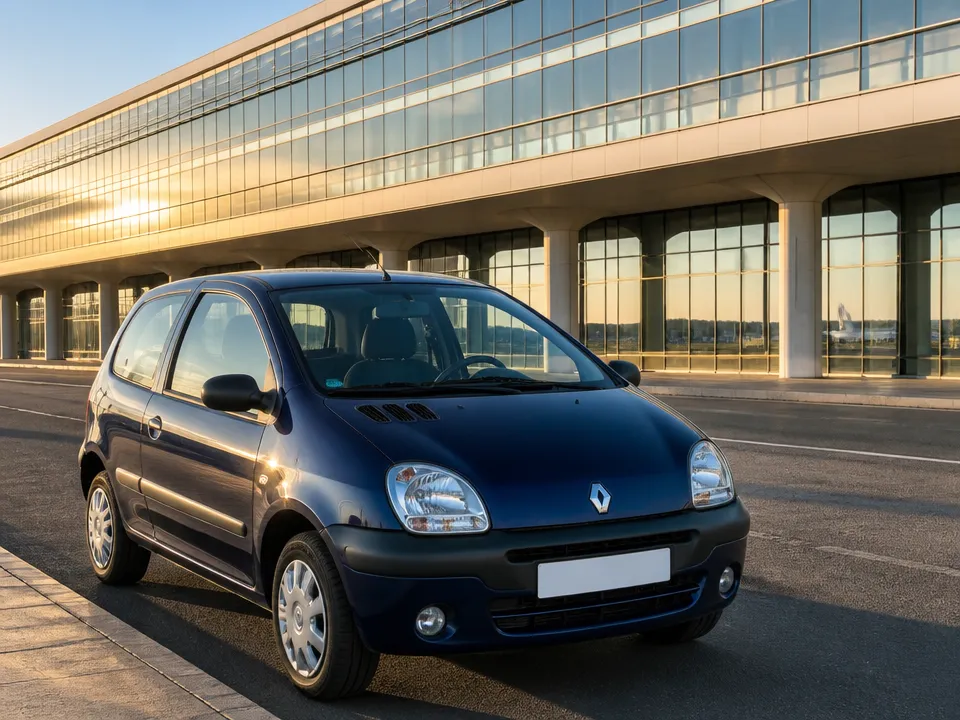
Daily prices on this page run from €29 to €1300. Citroen Ami is listed at €29 per day, Renault Twingo at €35 per day and Fiat Panda Hybrid at €39 per day.
This page lists 134 cars, with body types including Hatchback, Estate, Sedan, SUV, MPV, Coupe, Convertible, Microcar, Panel Van and Passenger van, and seat counts of 2, 3, 4, 5, 7, 8 and 9.
In zones 1 to 11 the visitor tariff is progressive, not hourly: 1 hour costs €6, 2 hours €12, 3 hours €24. The maximum stay is 6 hours in one place.