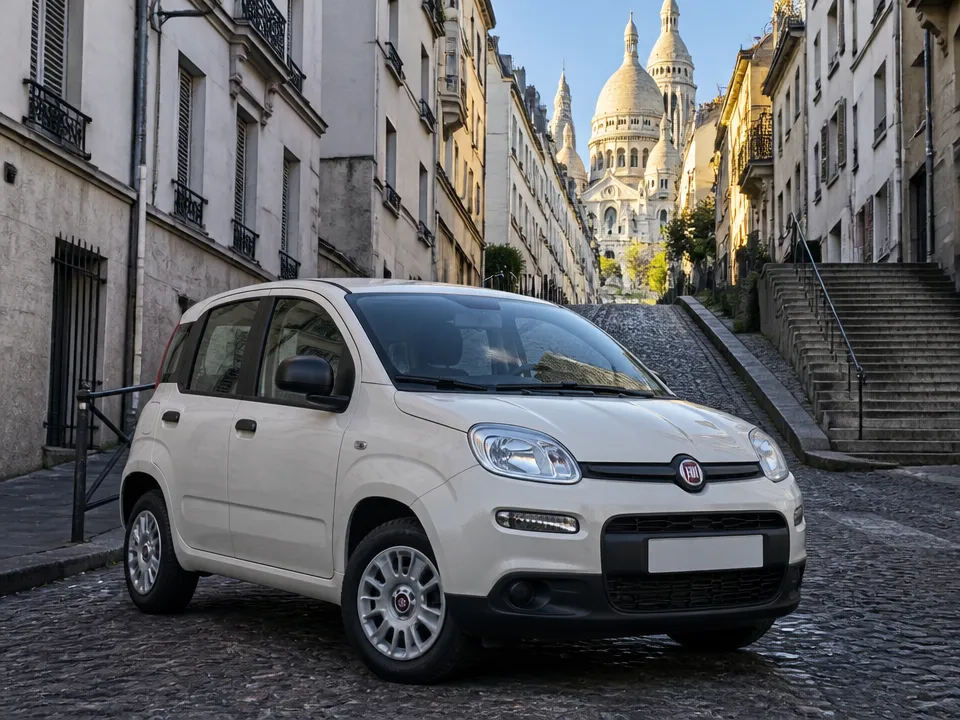
Fiat Panda Hybrid
★4.9· 86Manual1.0 L70 hpFront-wheel5 seats
€39per day
Book now






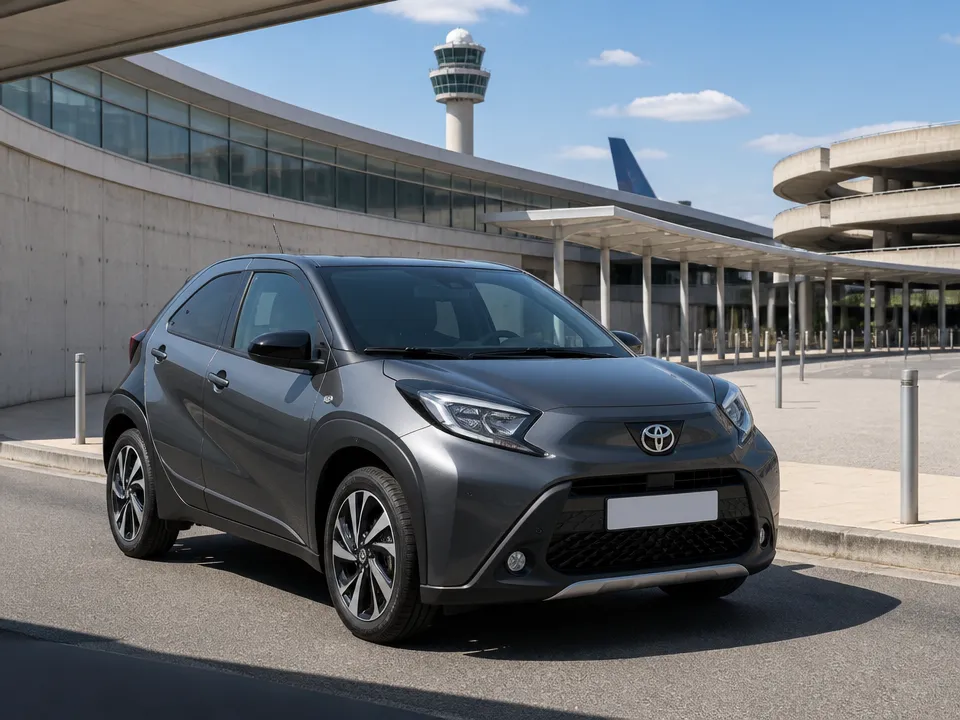
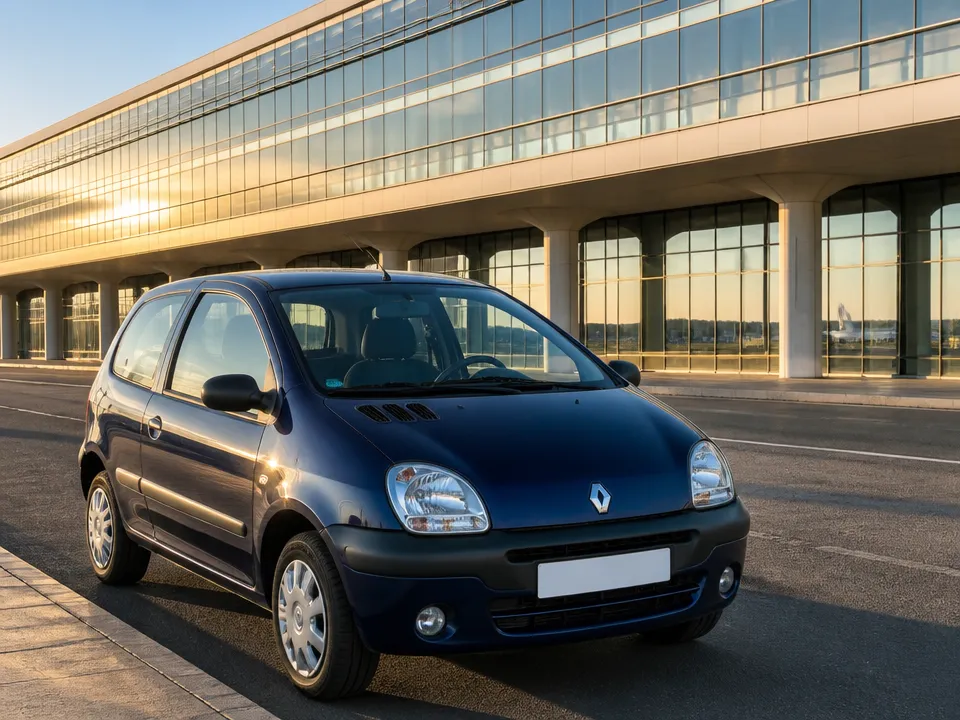
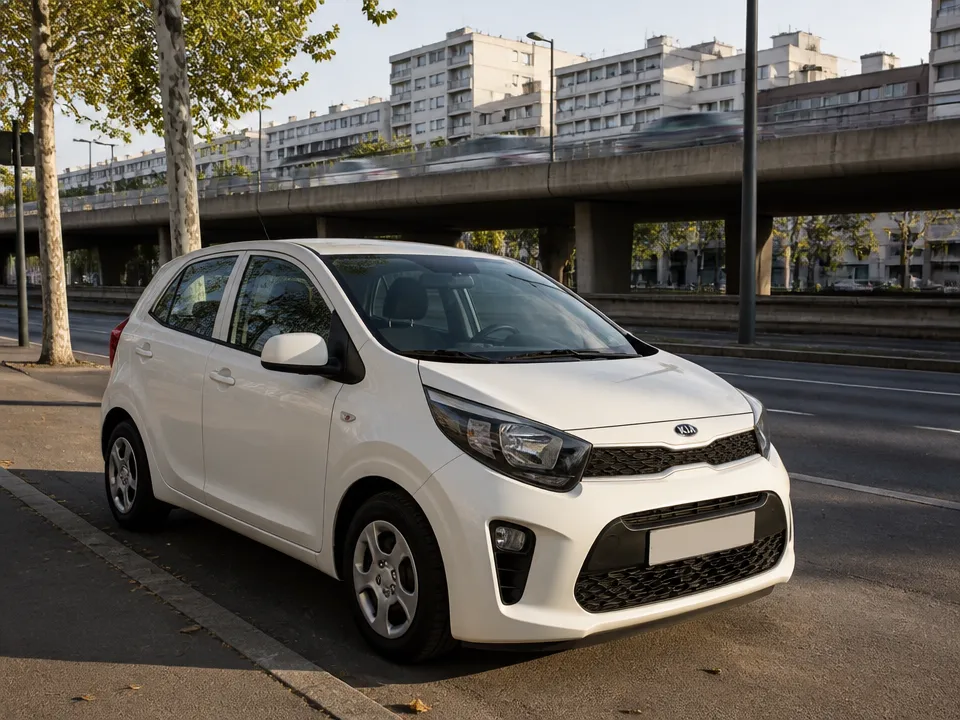
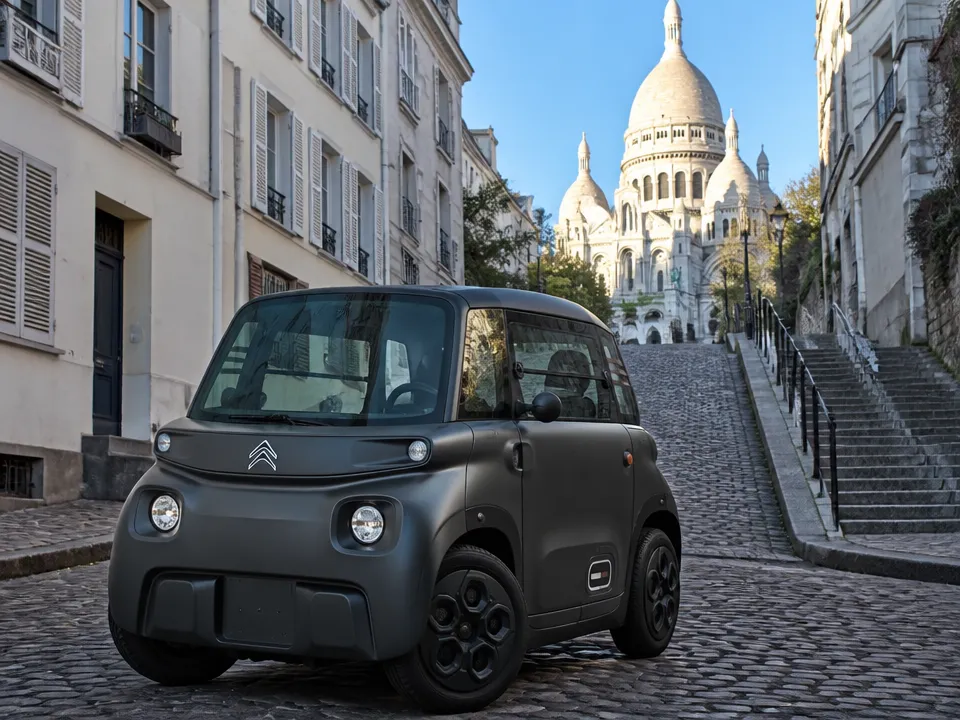
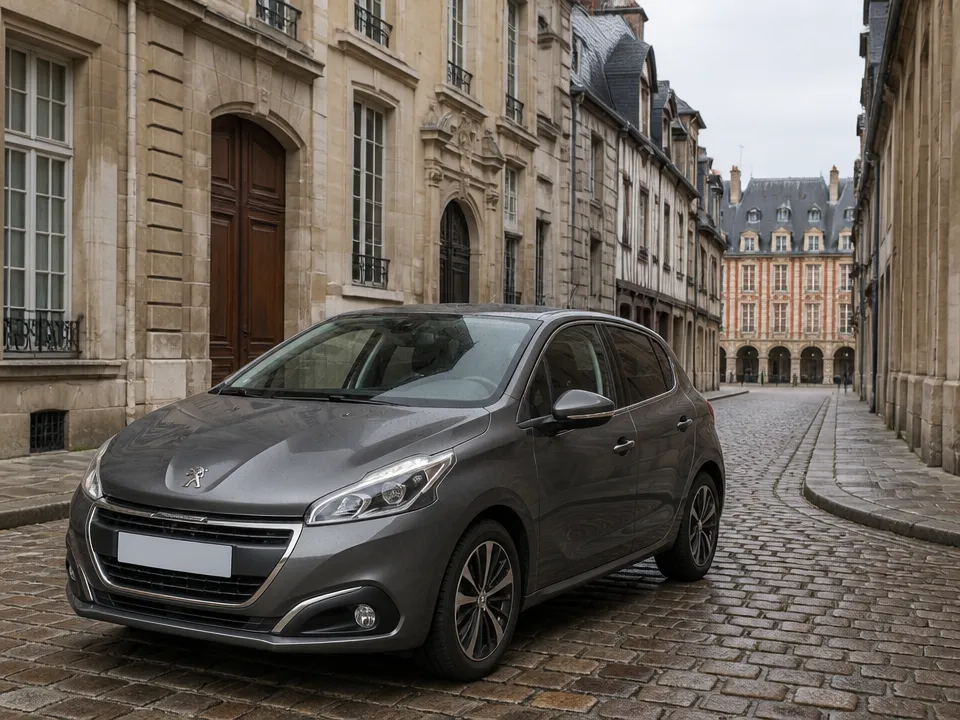
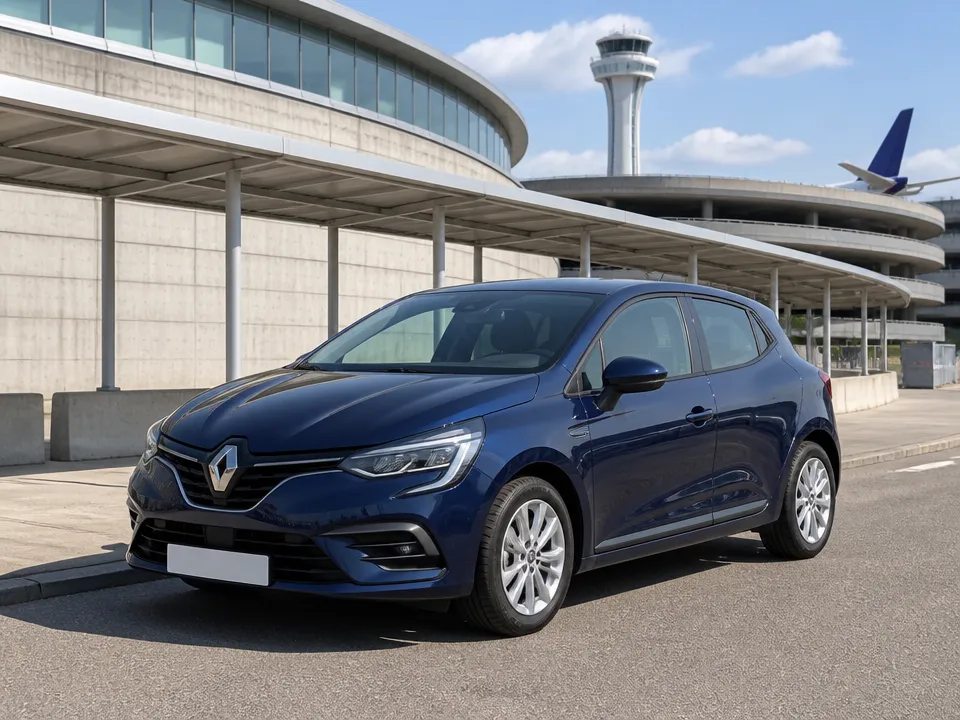
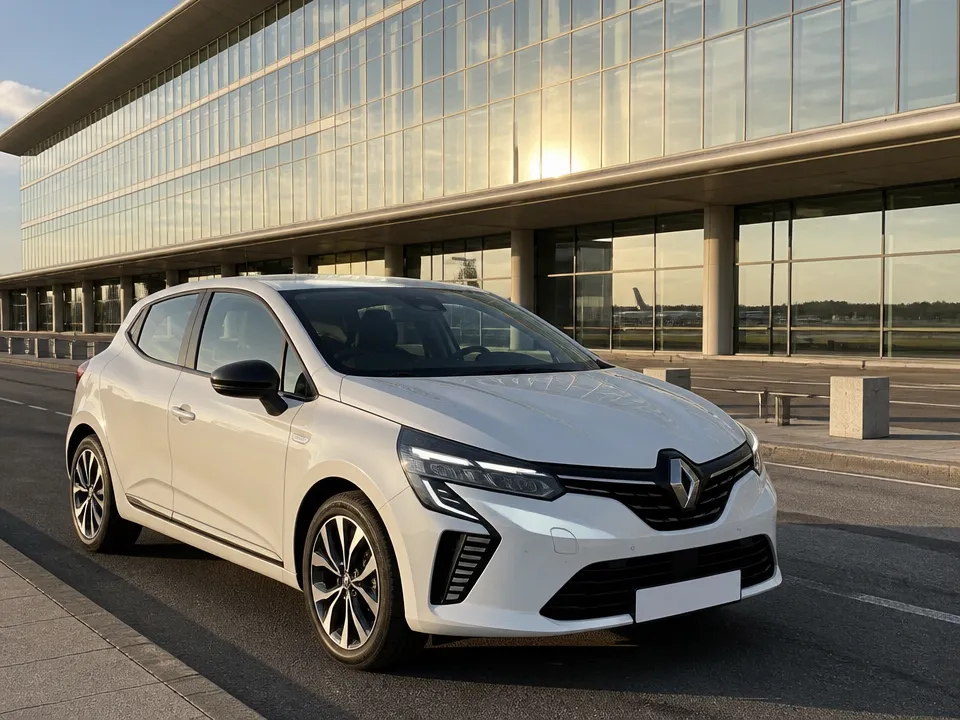
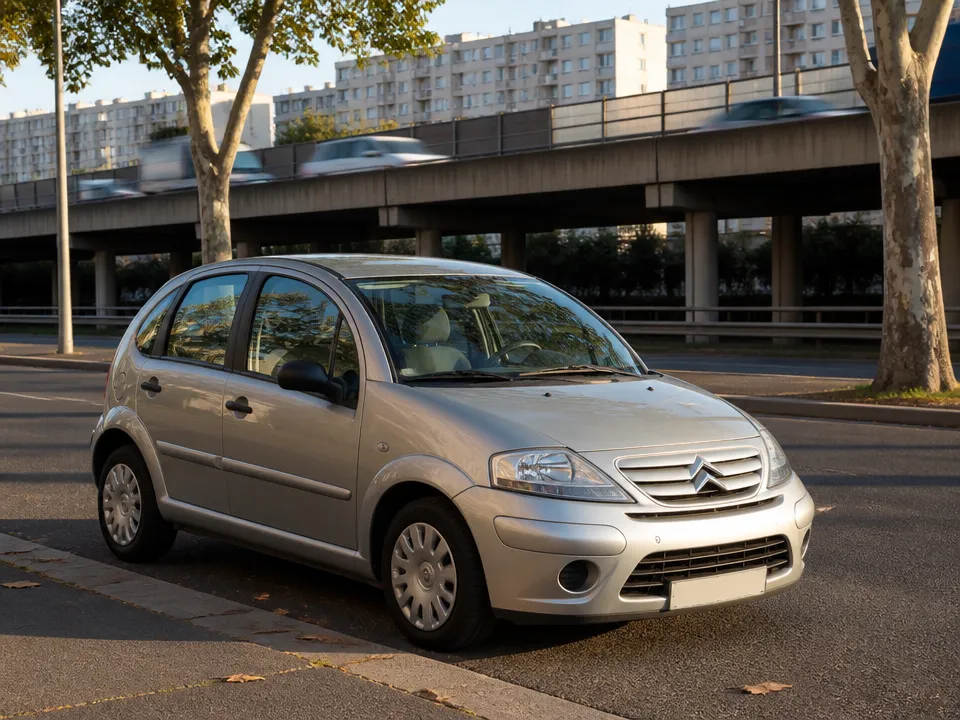
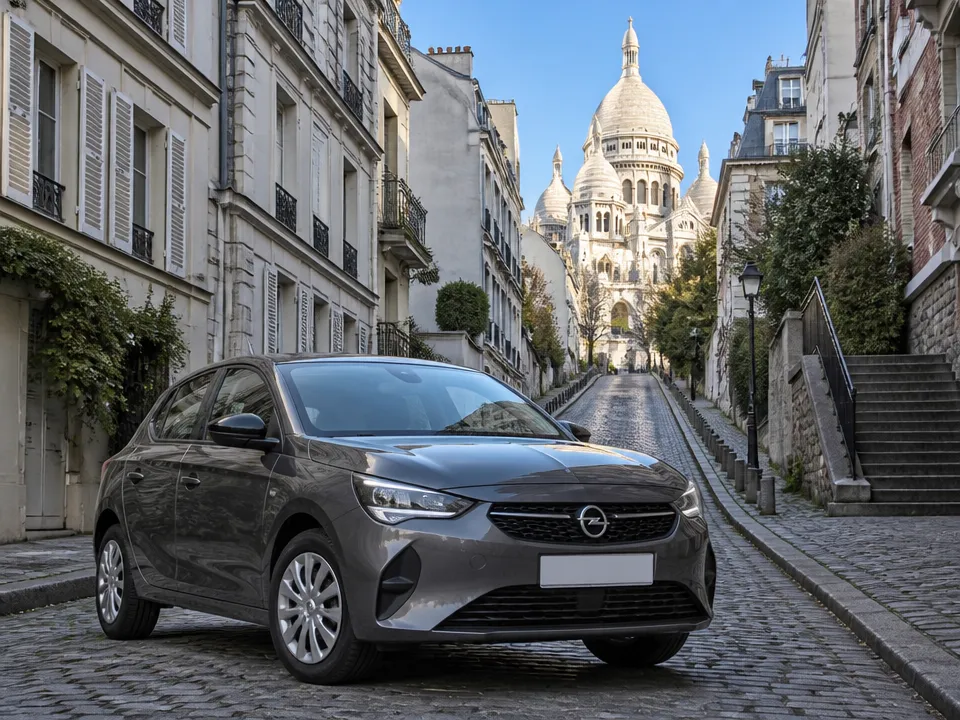
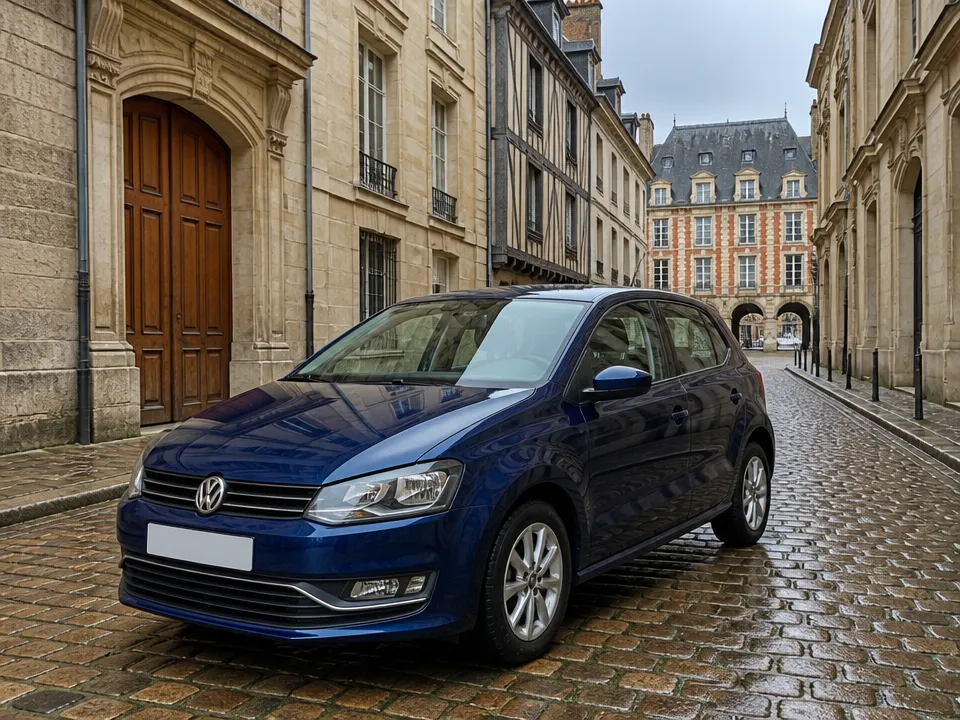
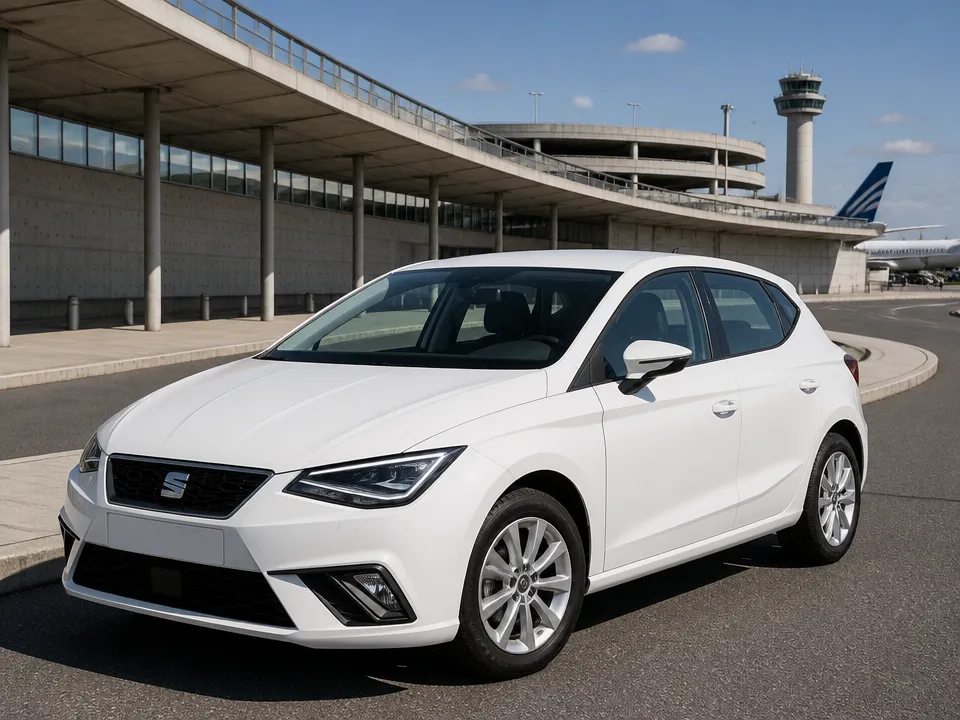
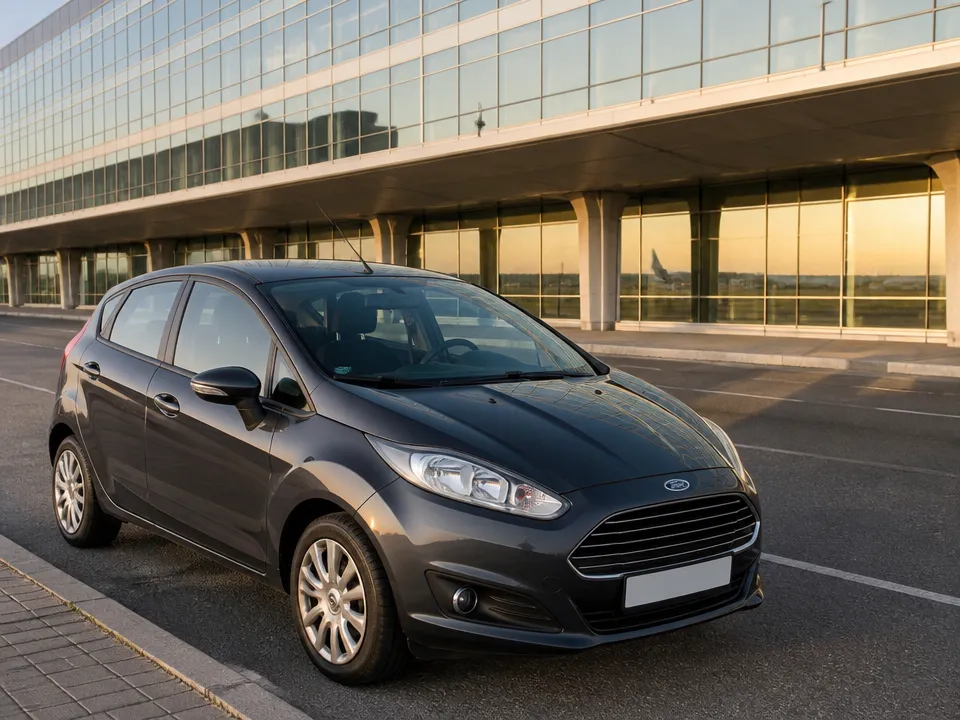
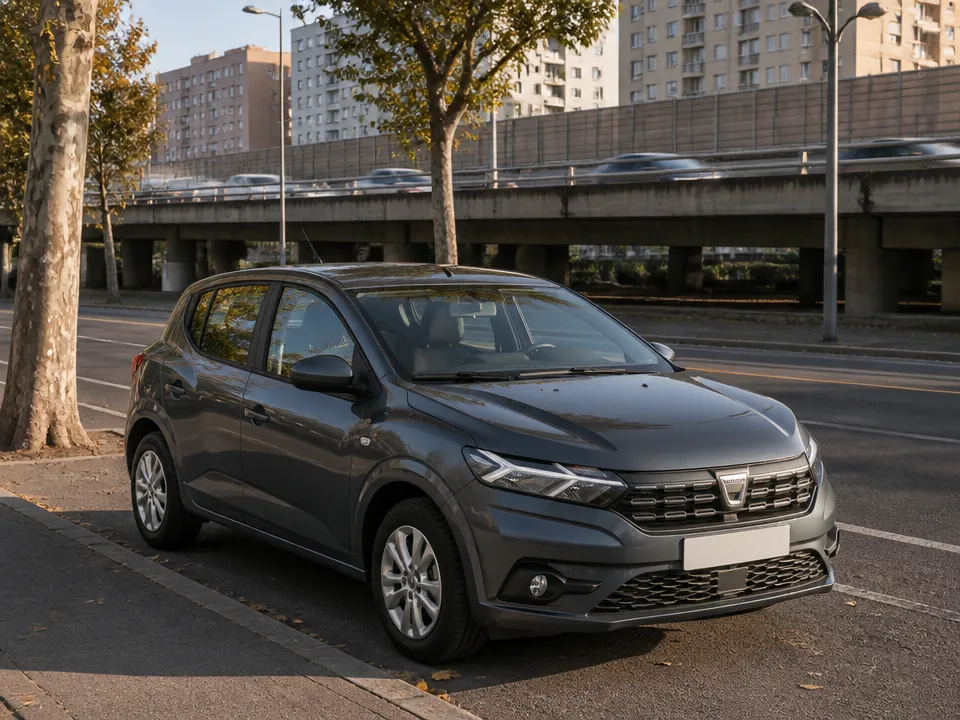
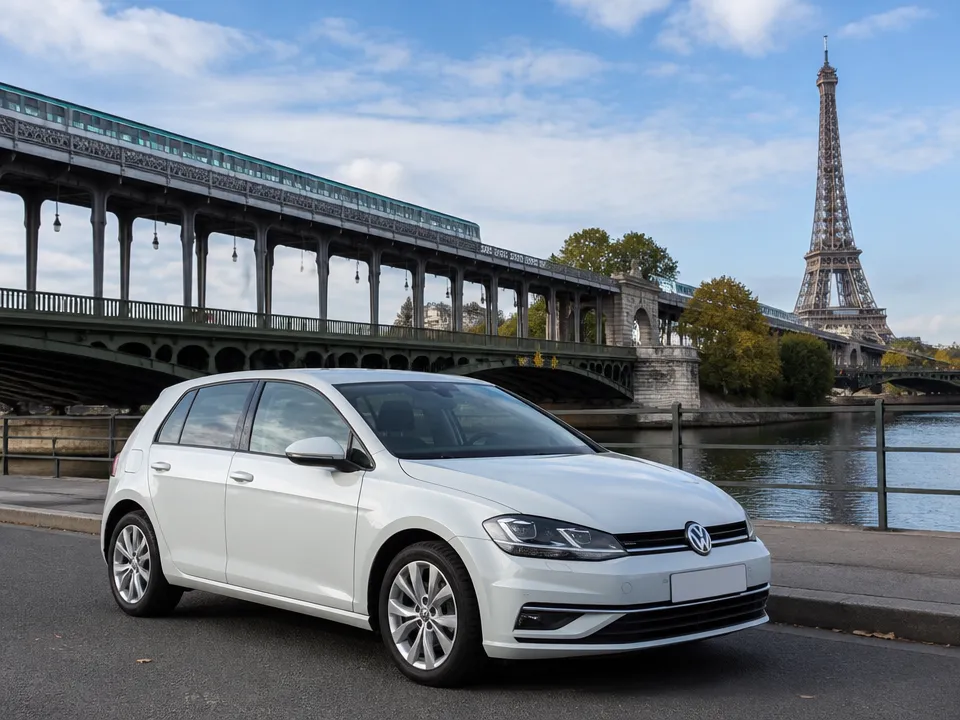
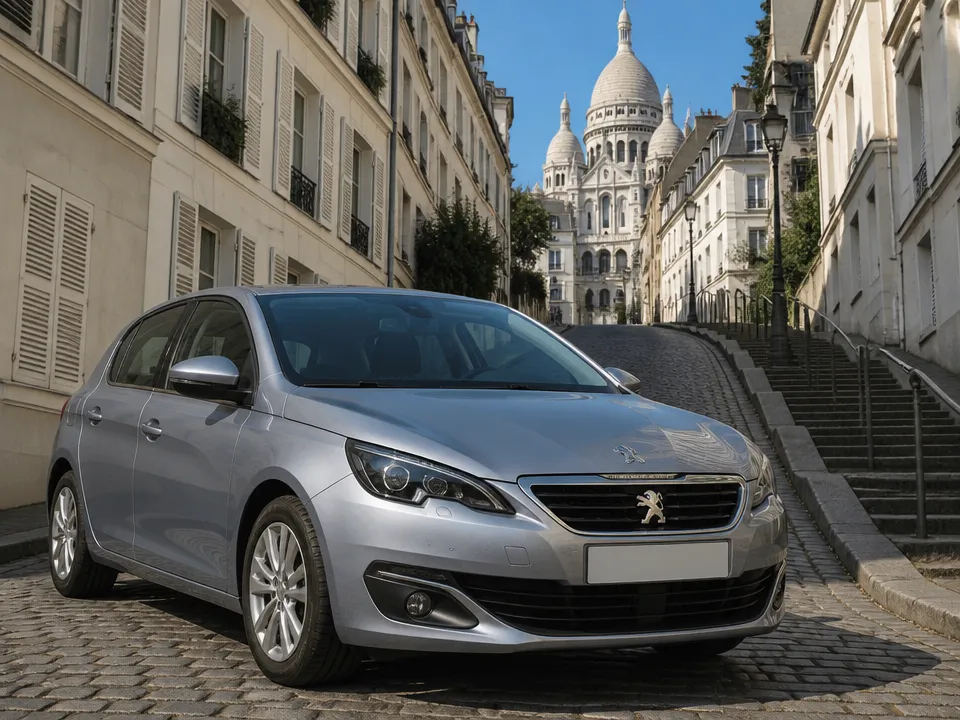
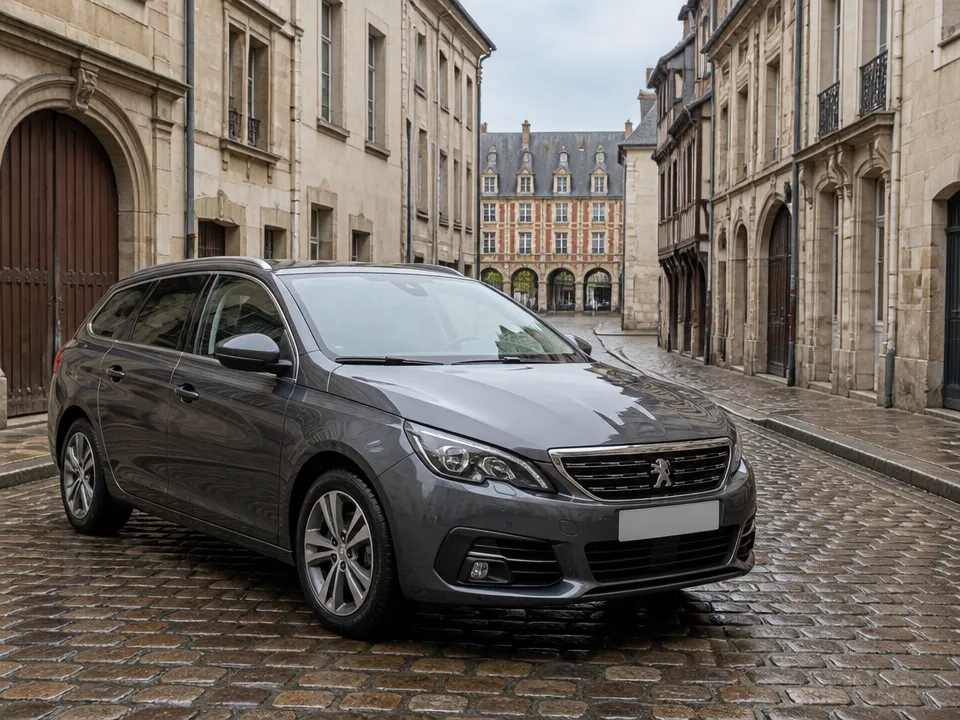
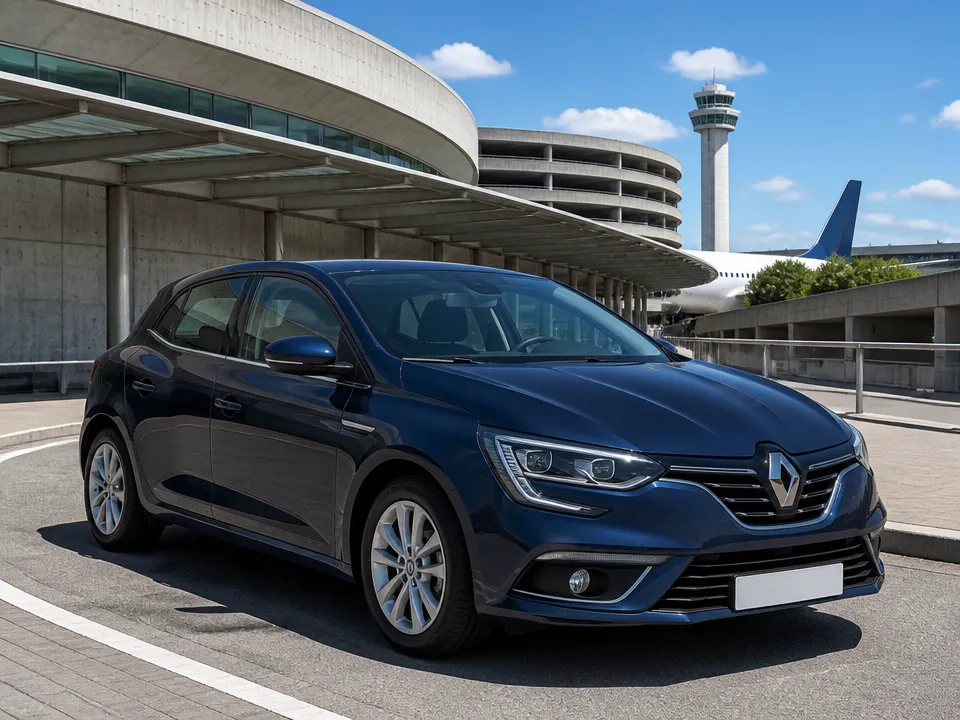
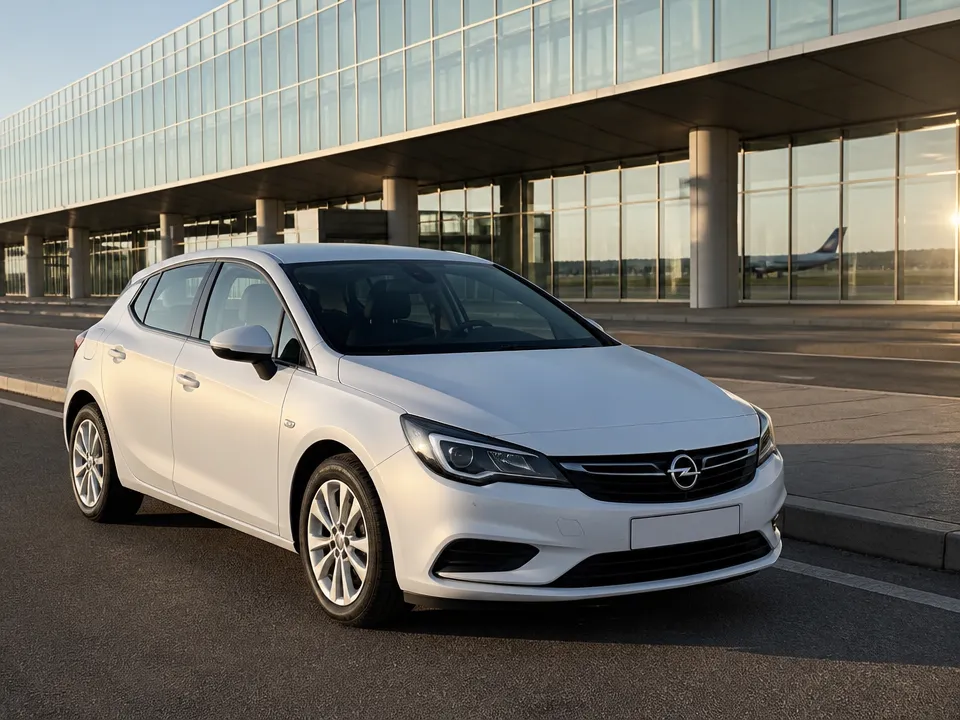
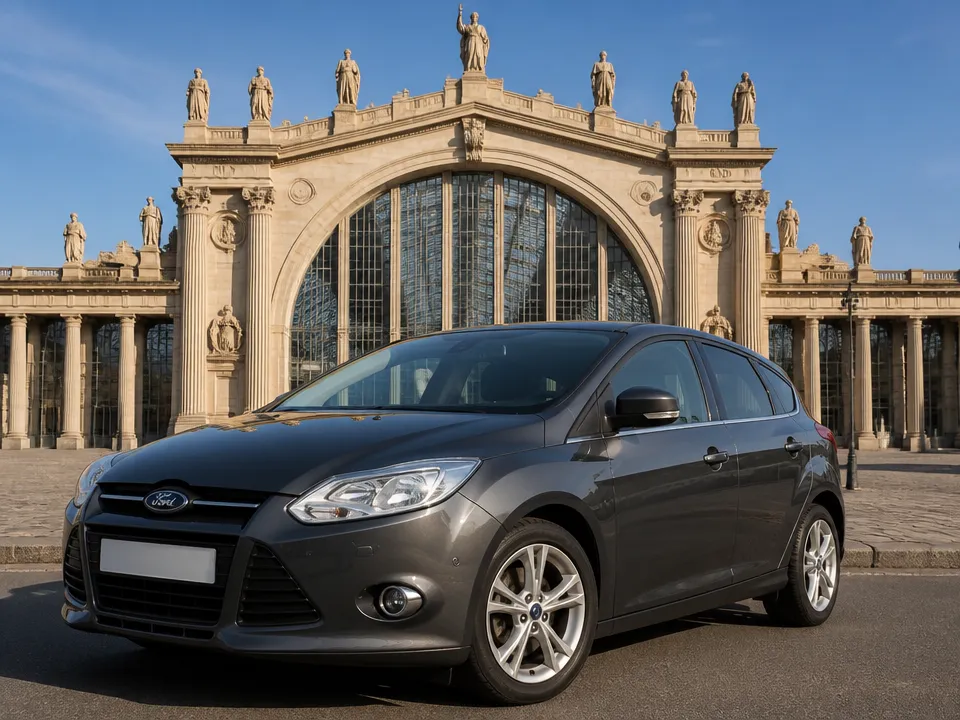
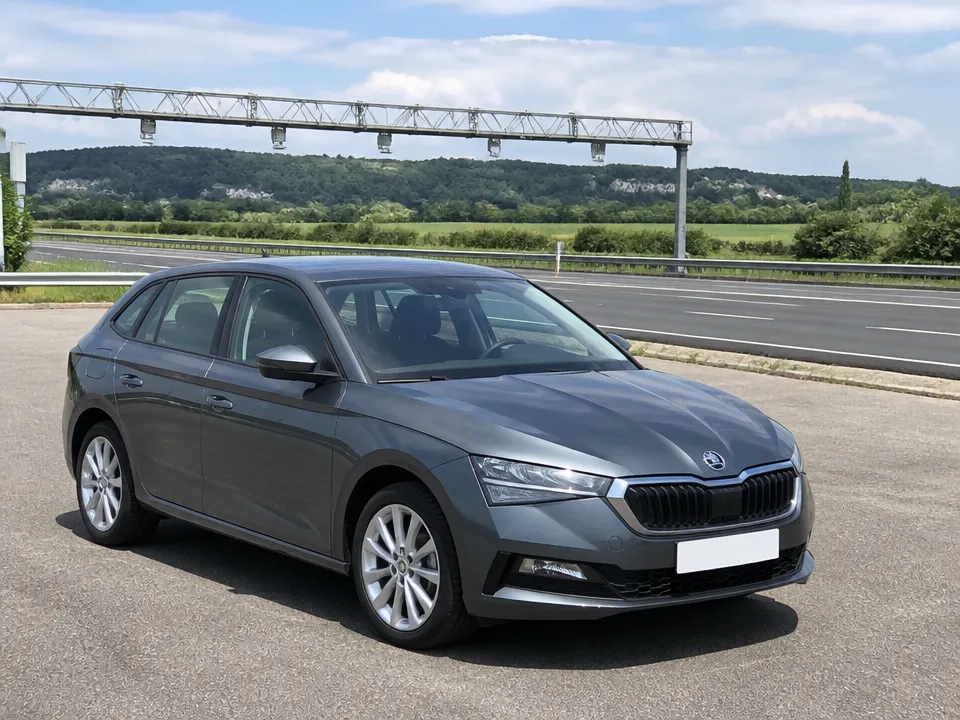
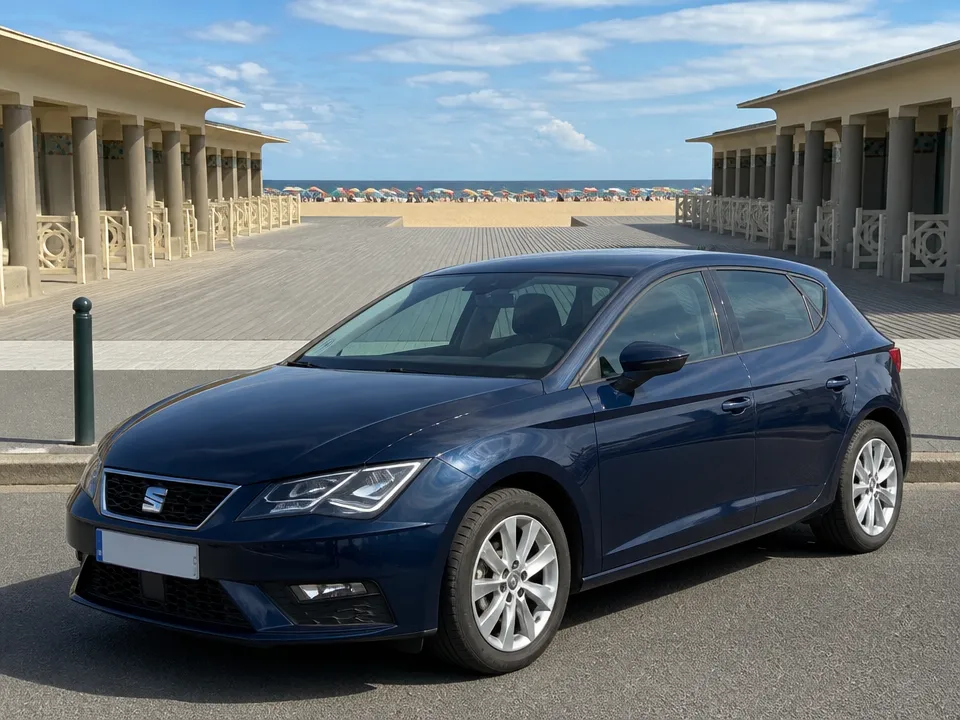
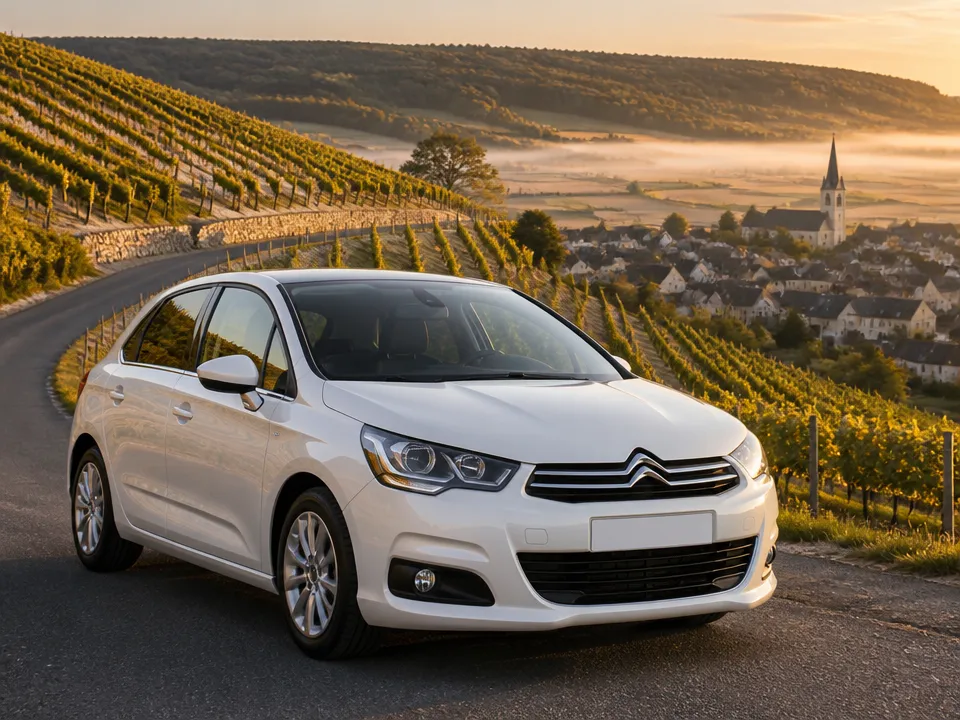
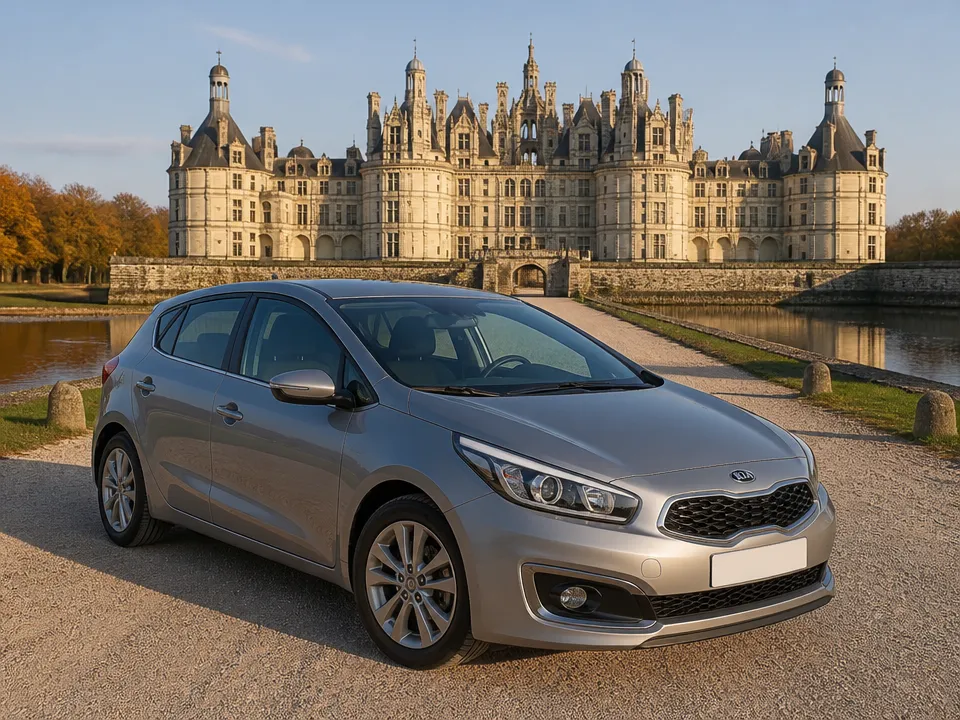
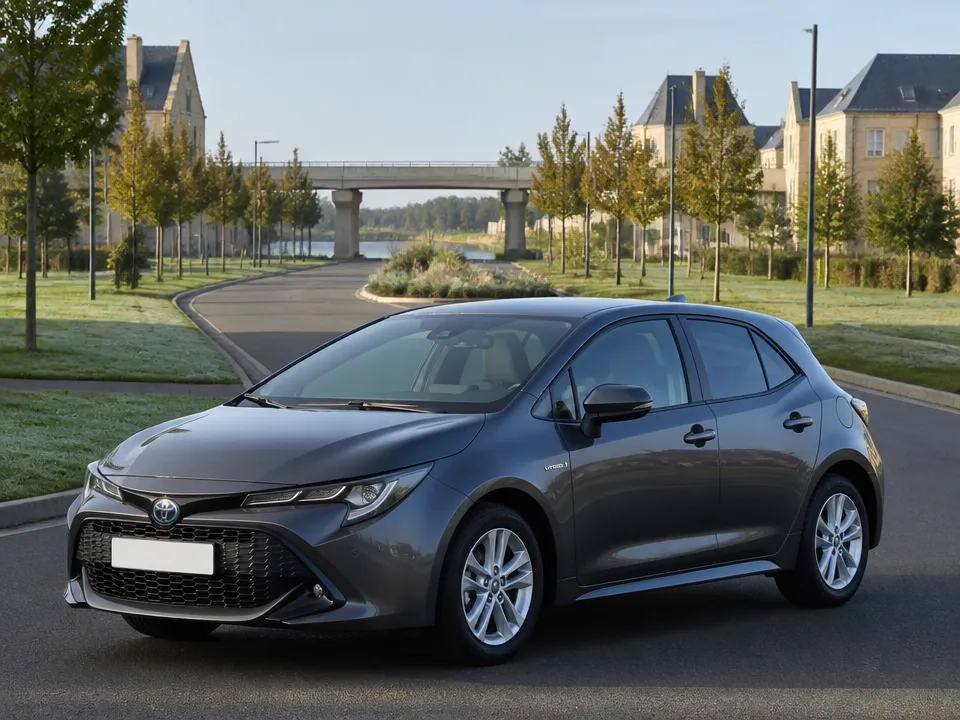
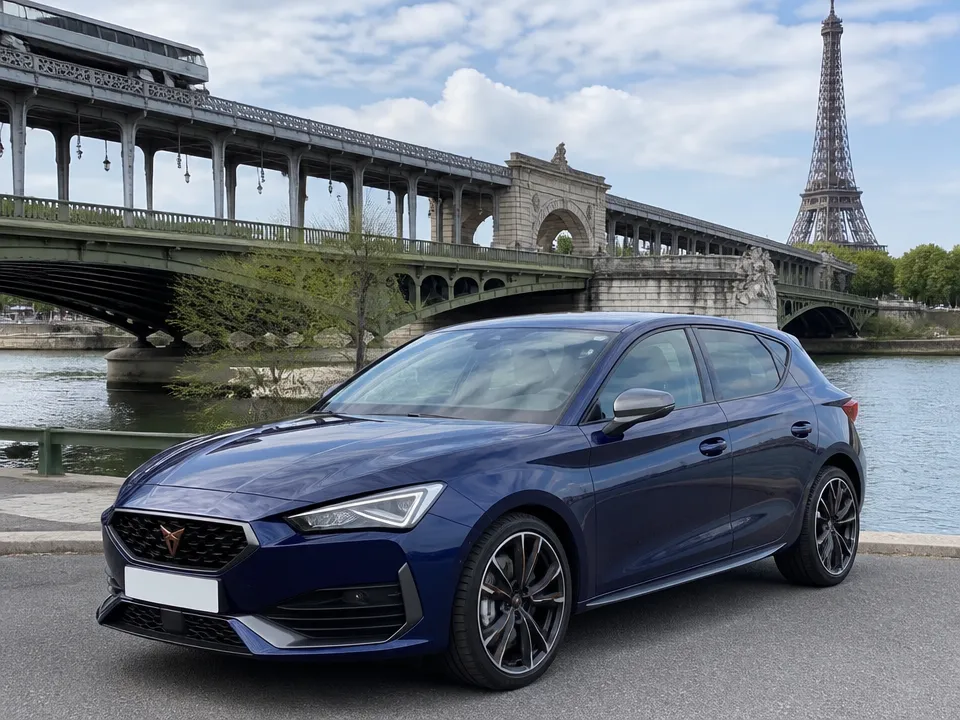
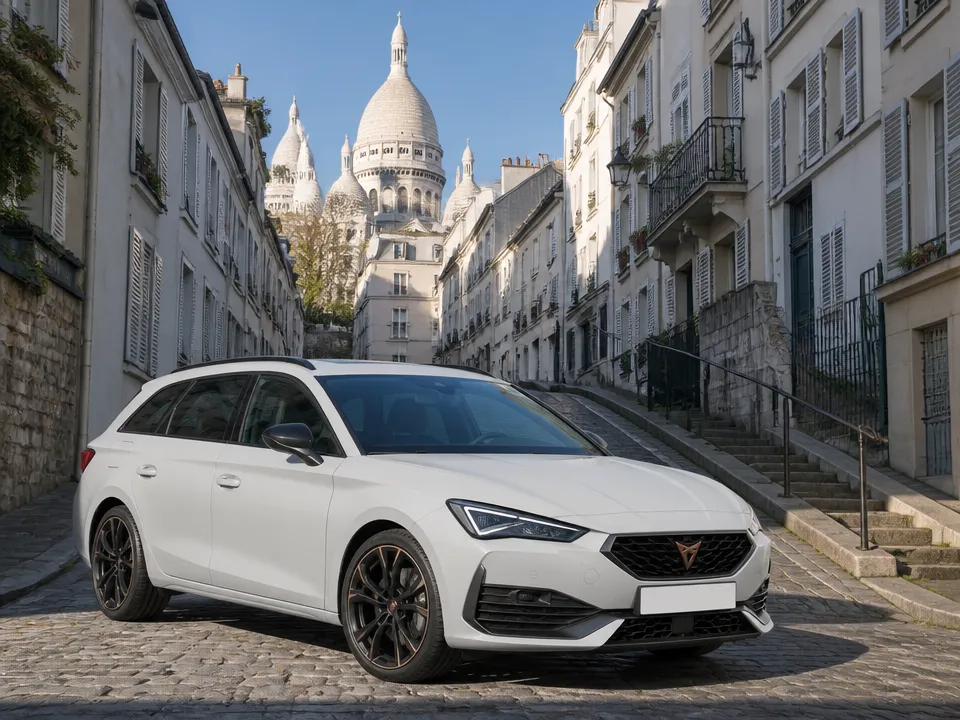
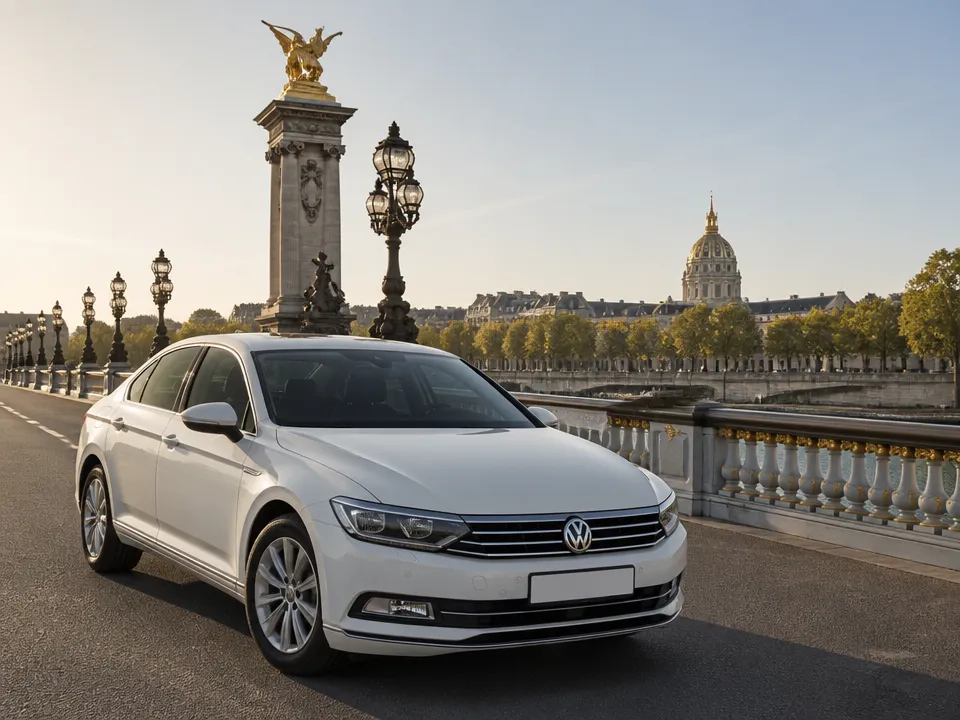
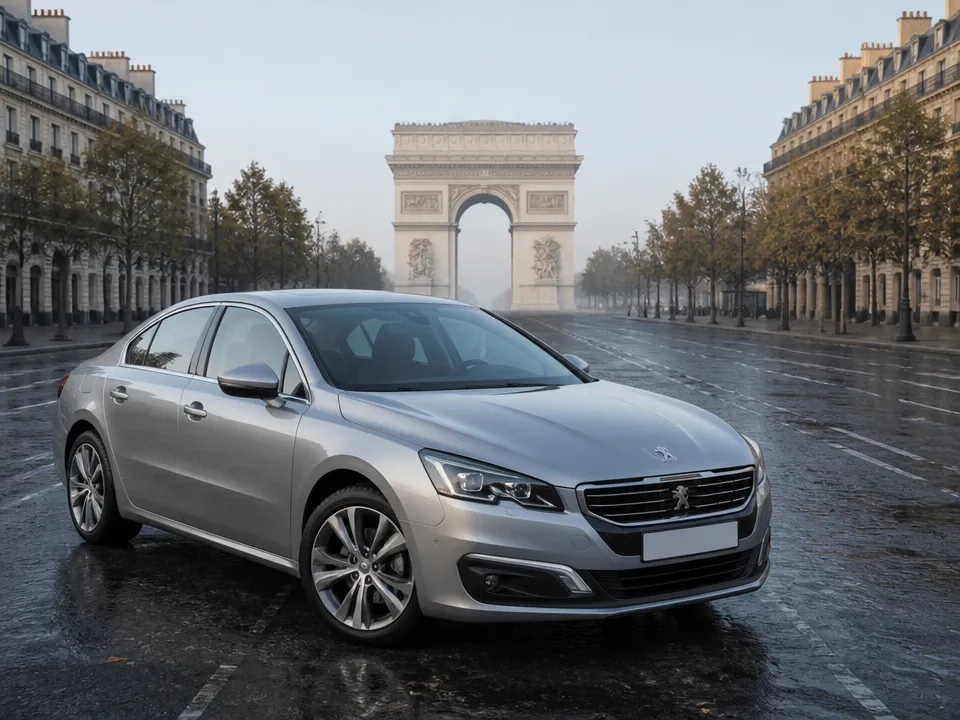
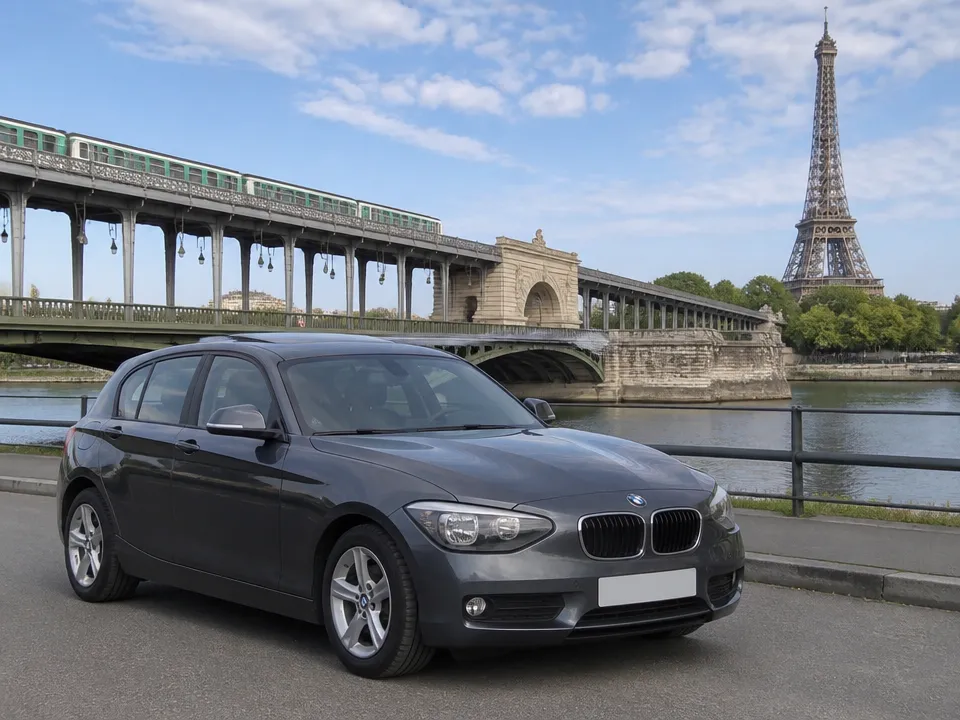
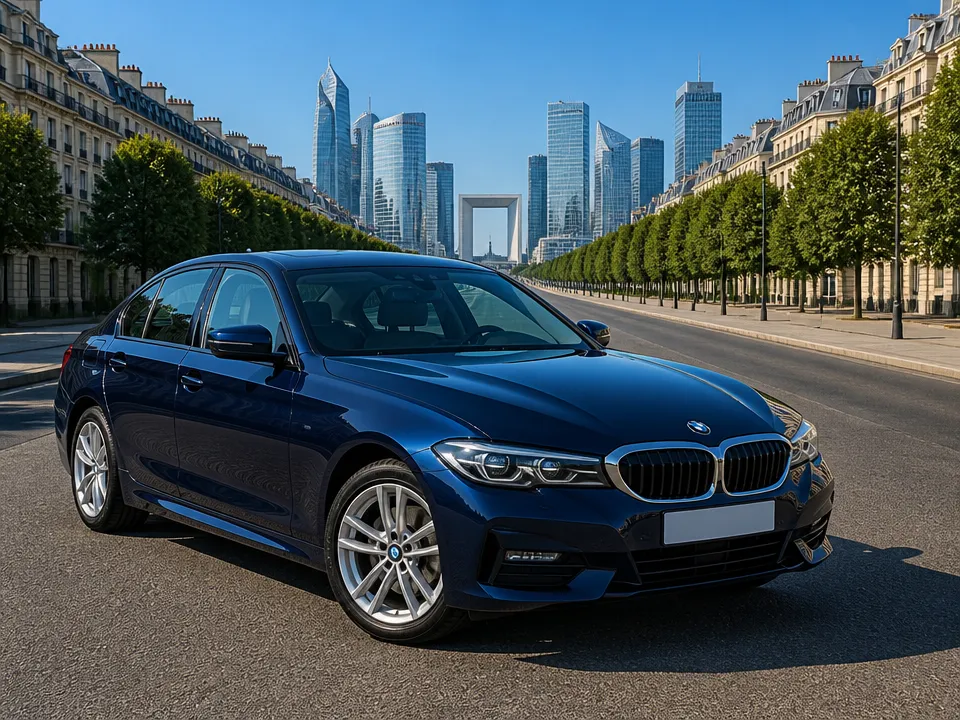
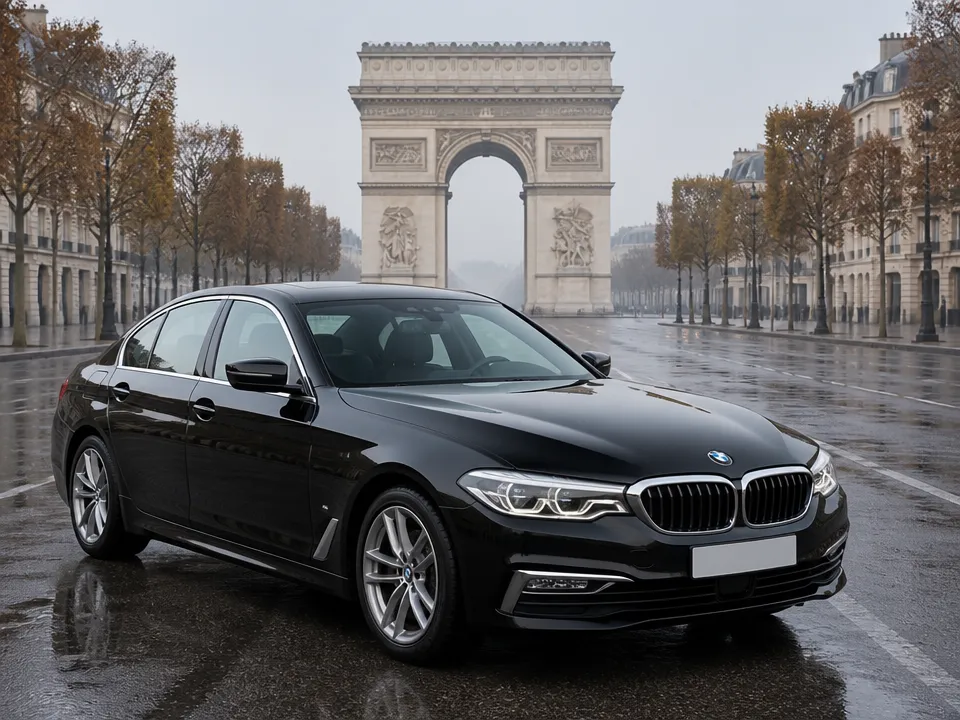
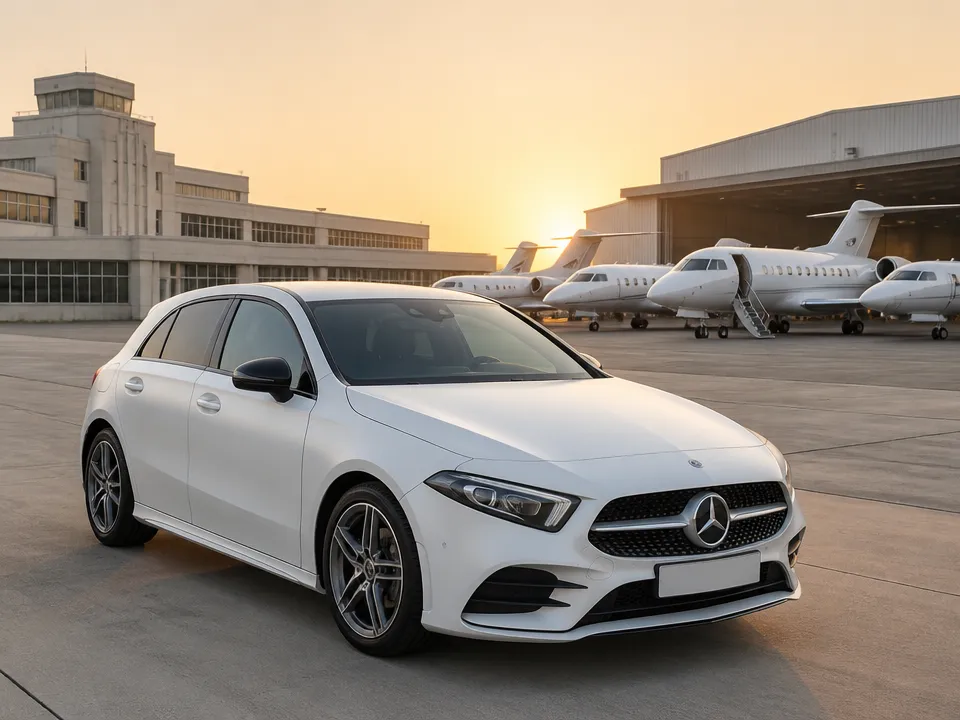
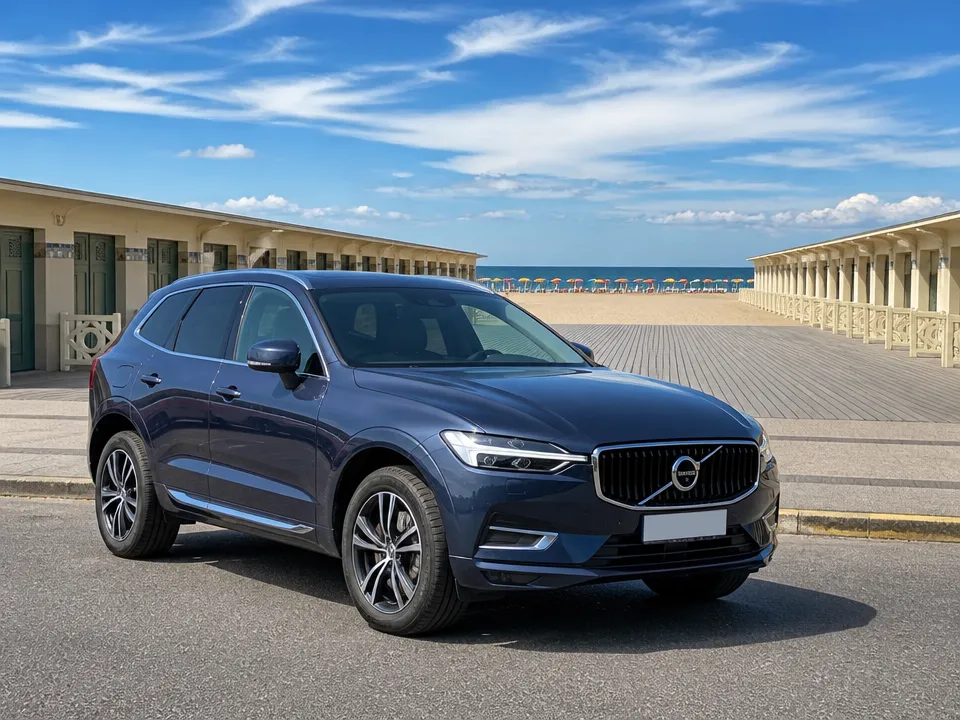
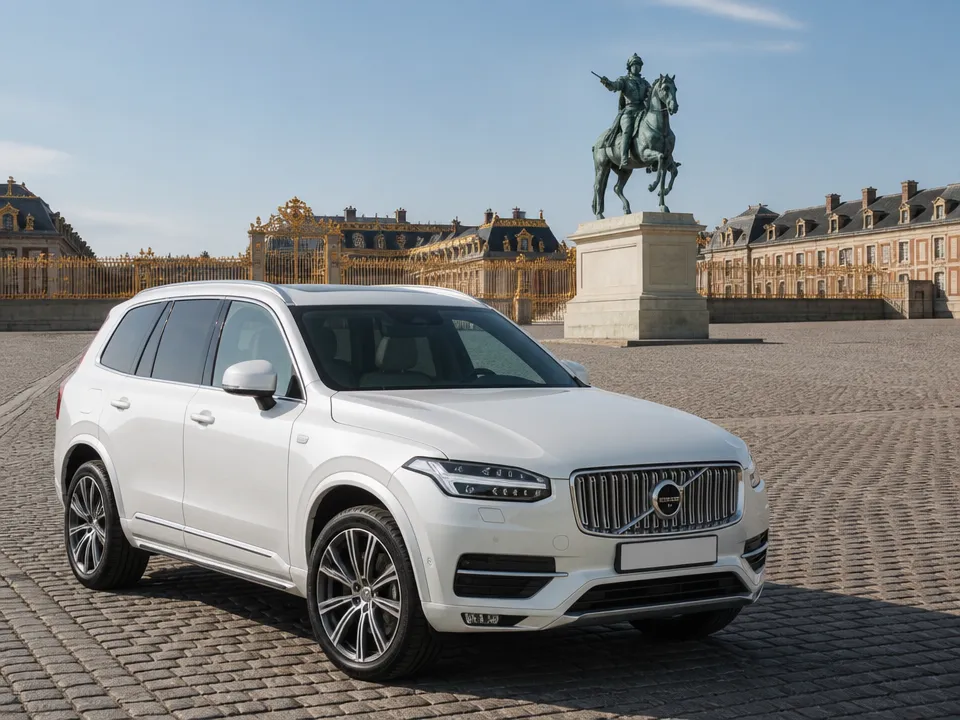
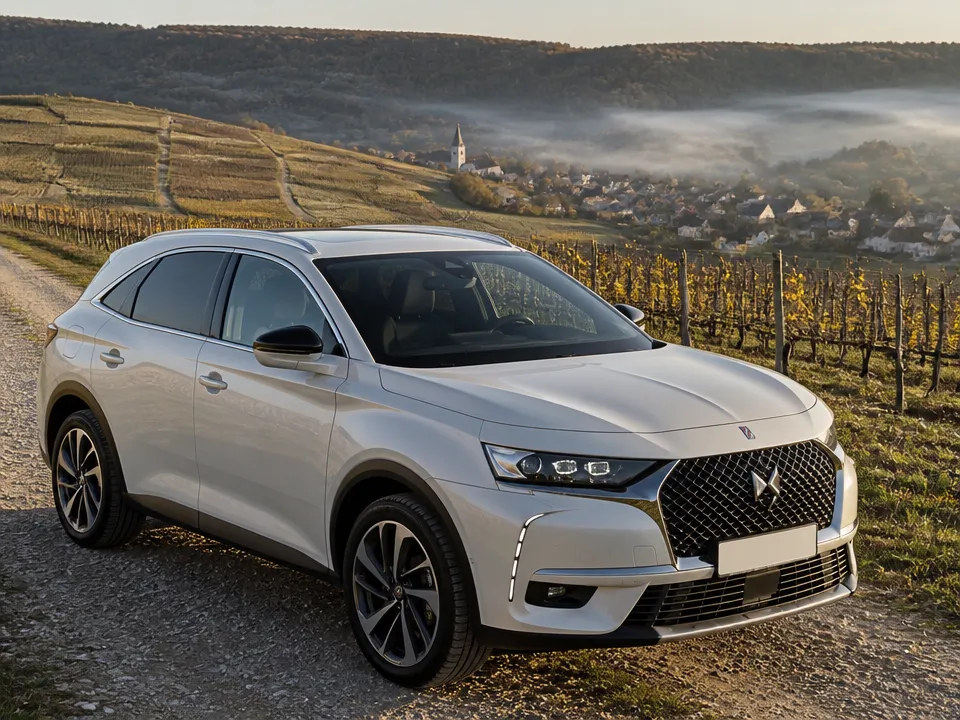
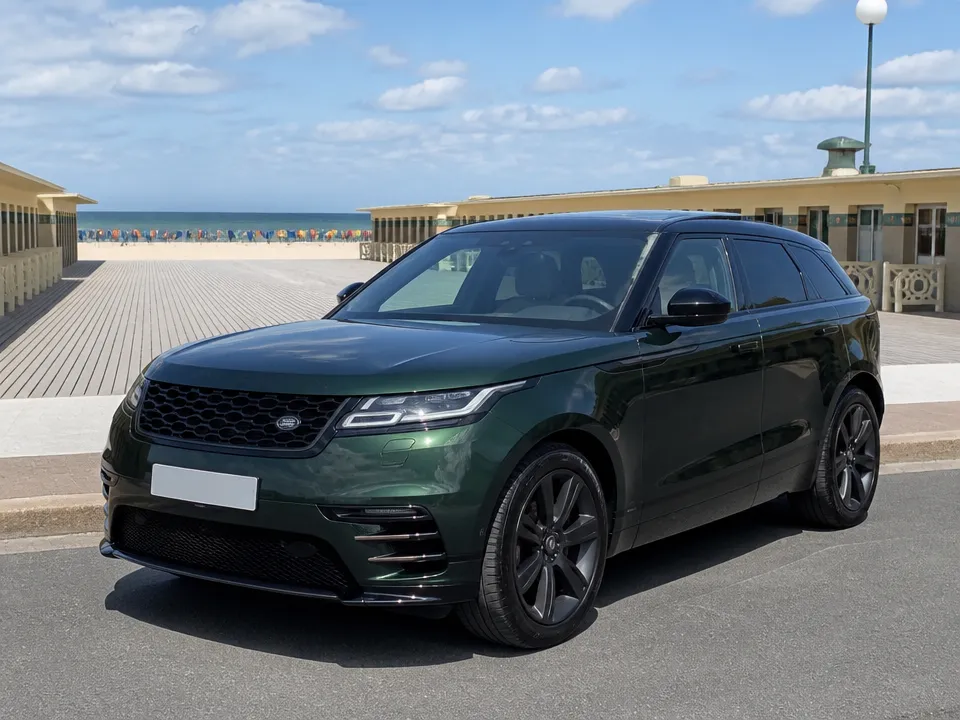
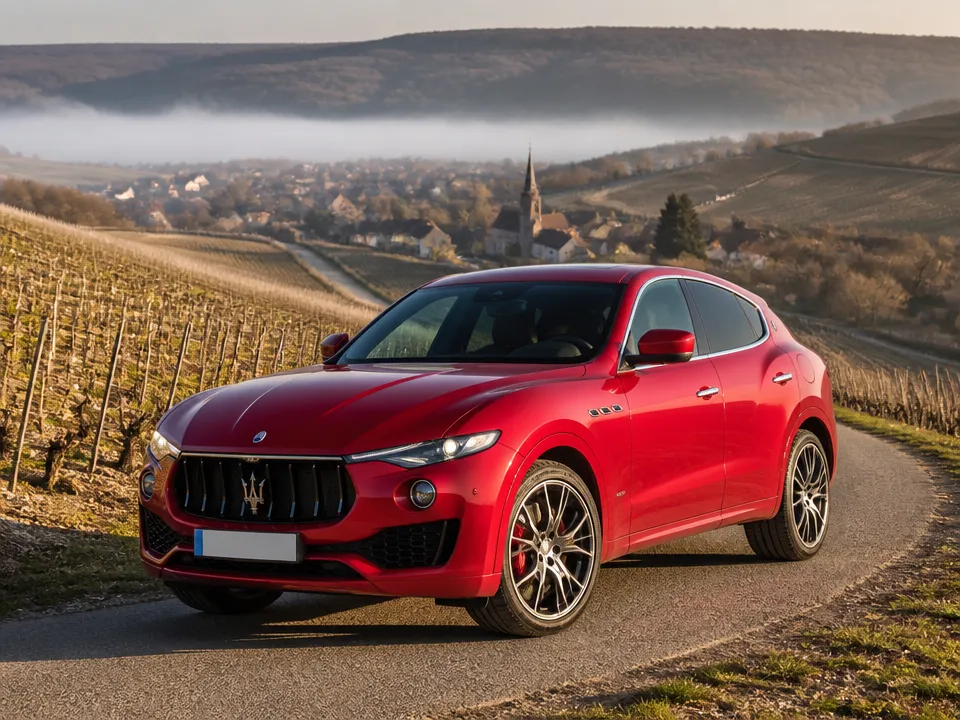
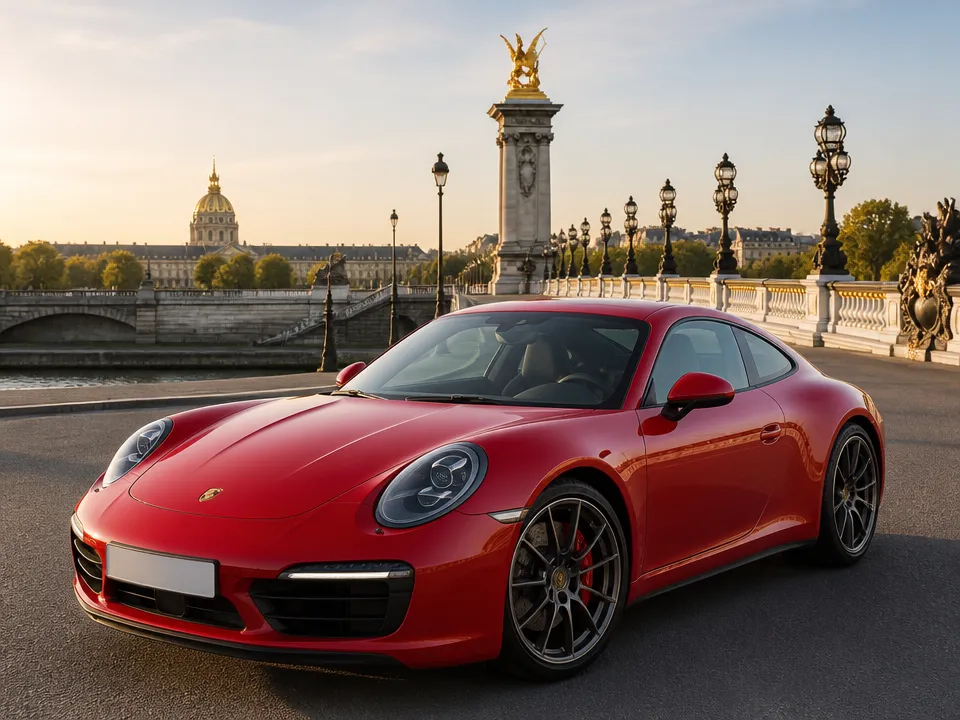
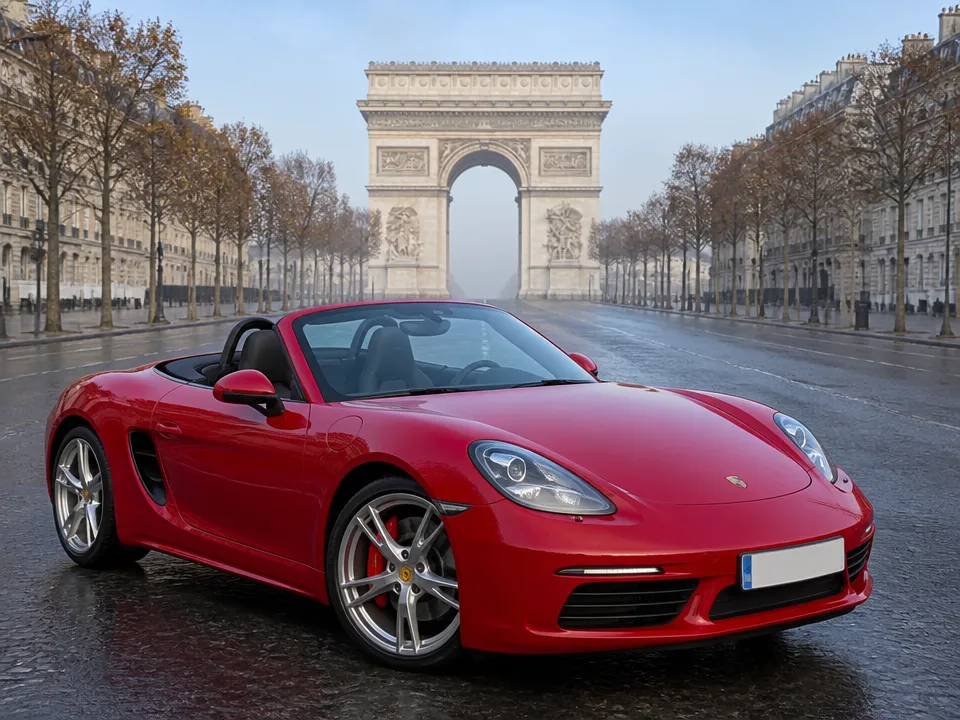
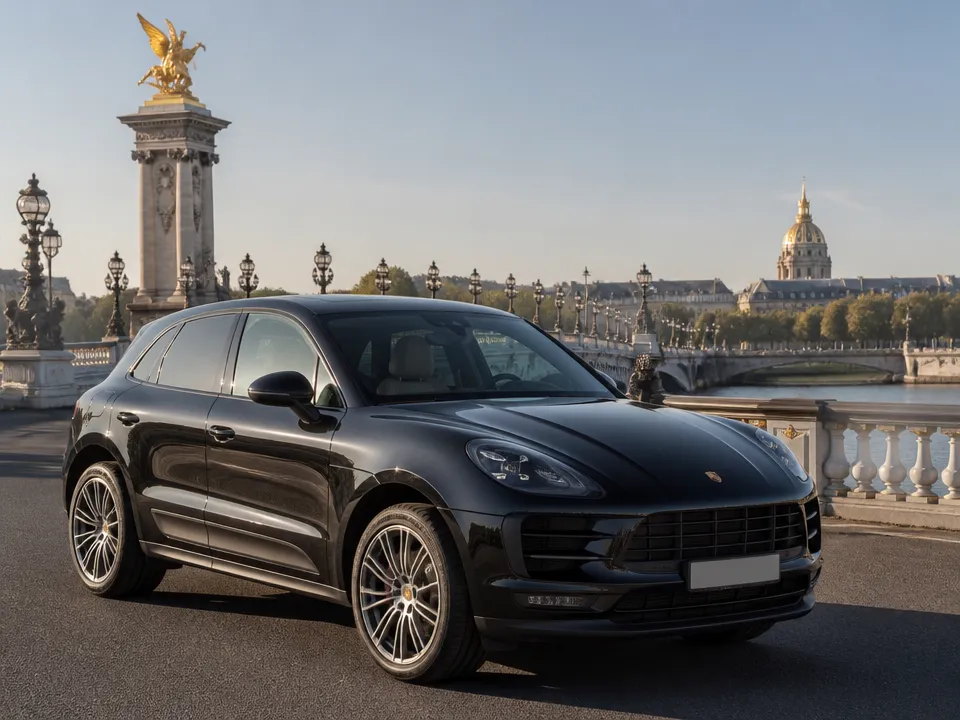
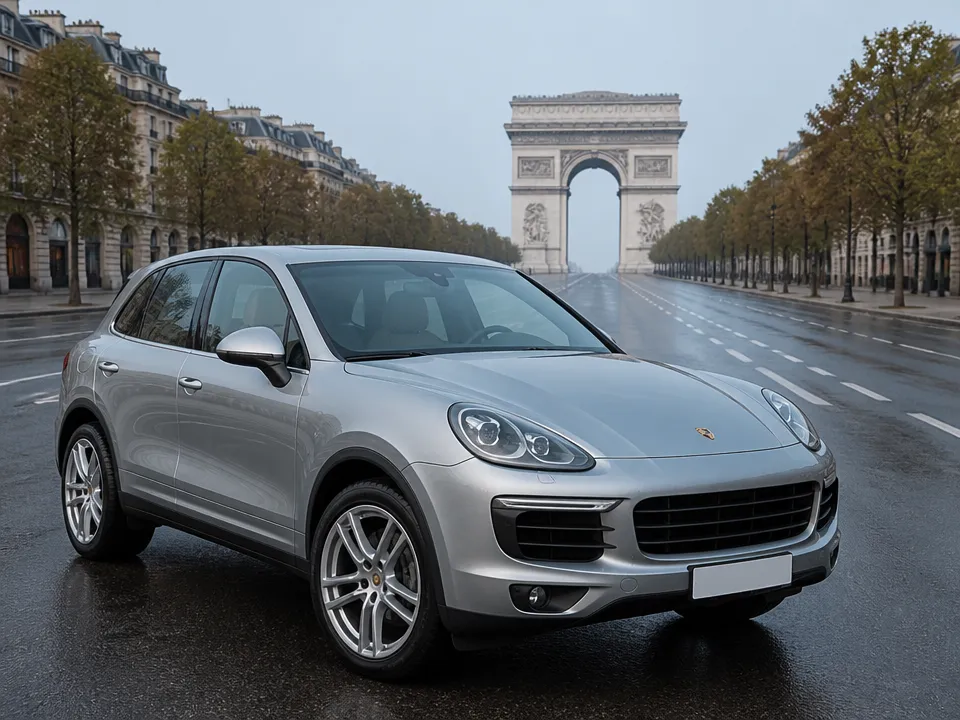
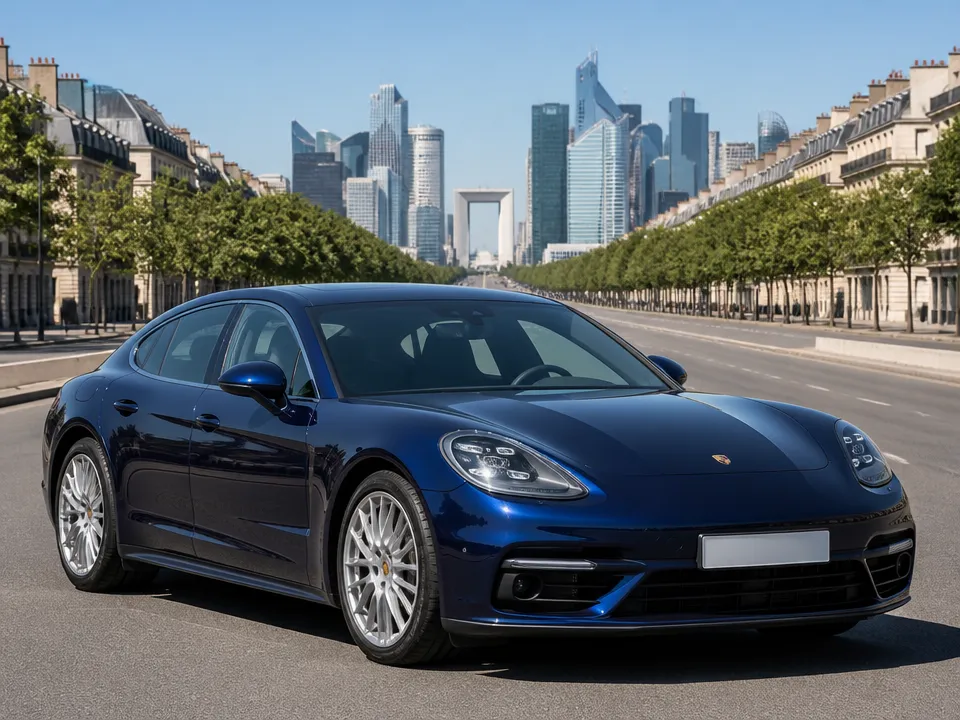
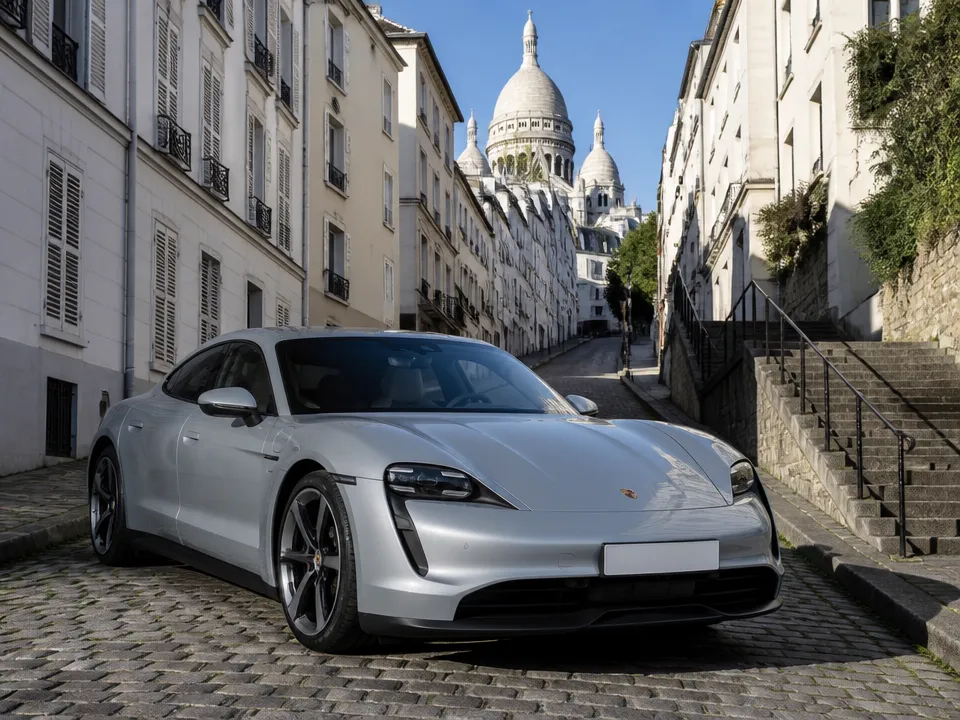
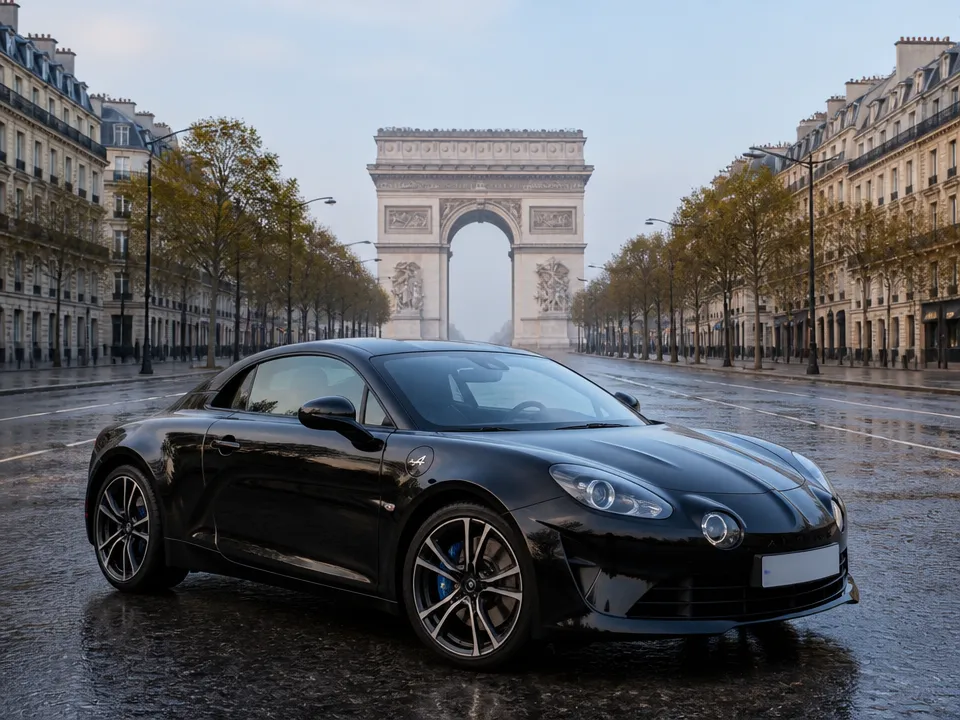
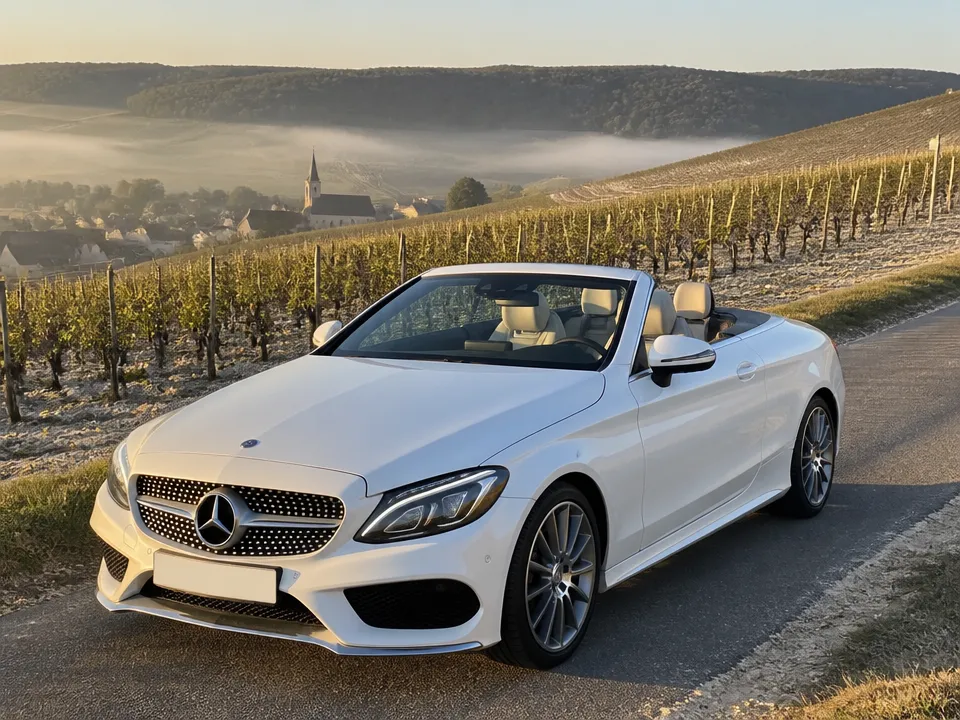
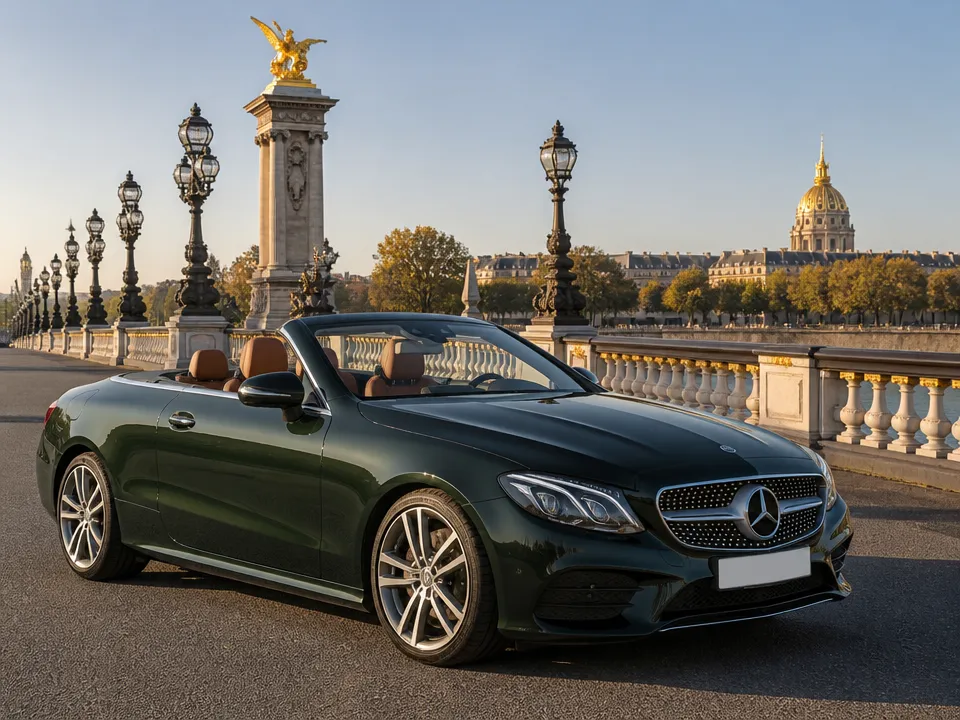
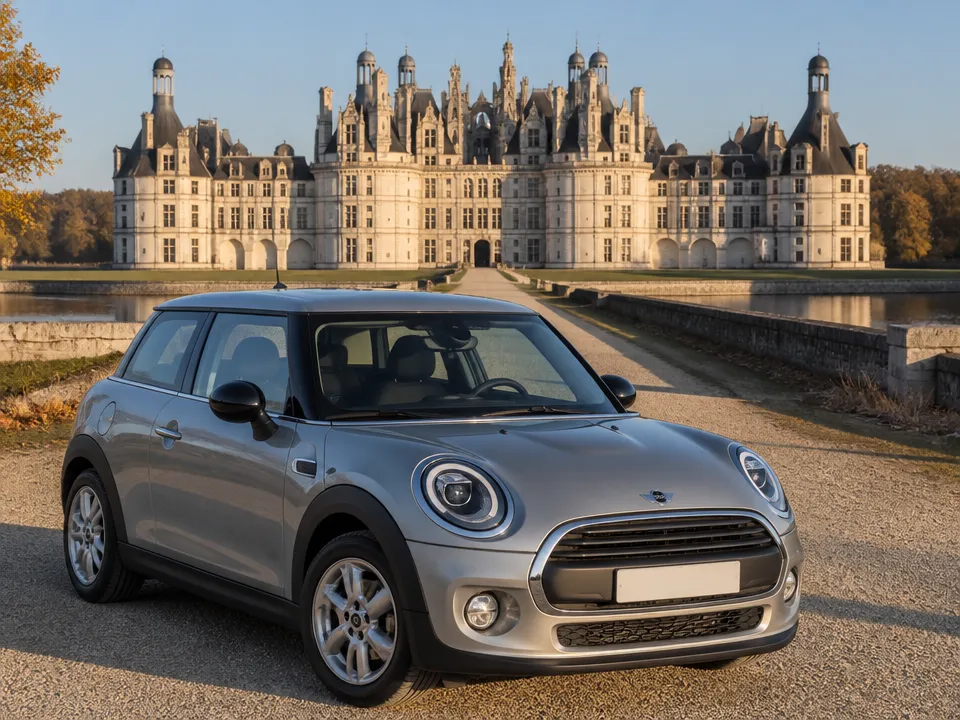
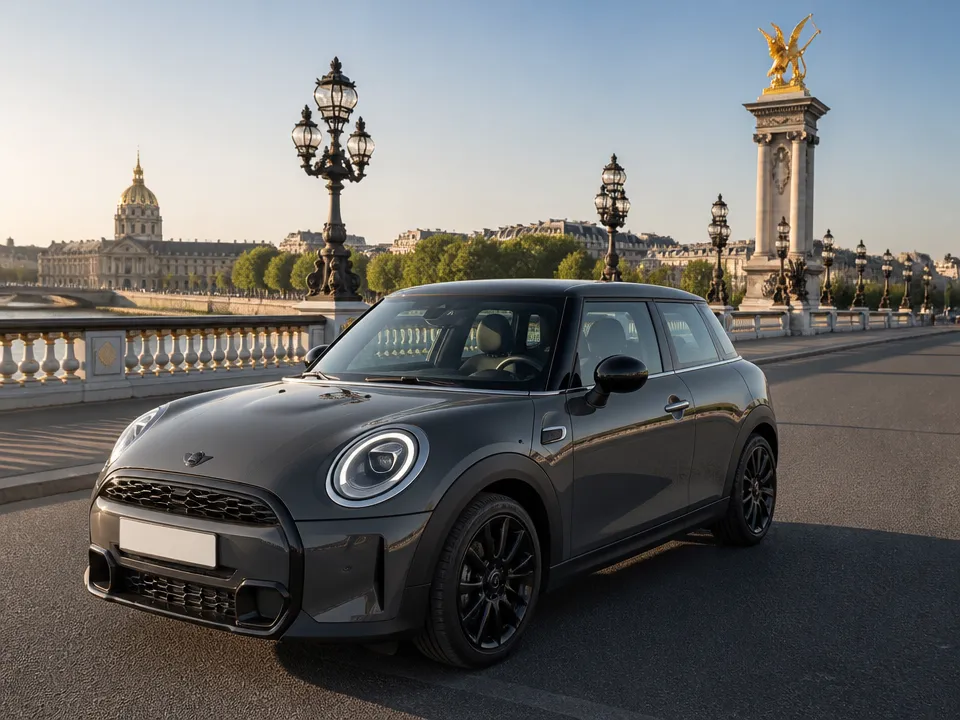
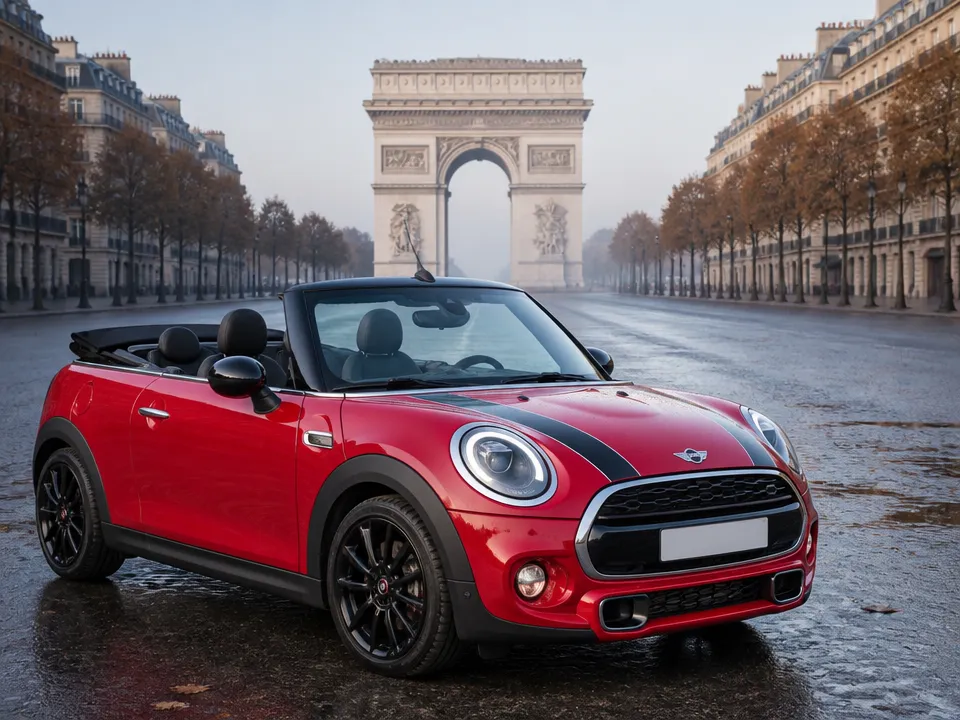
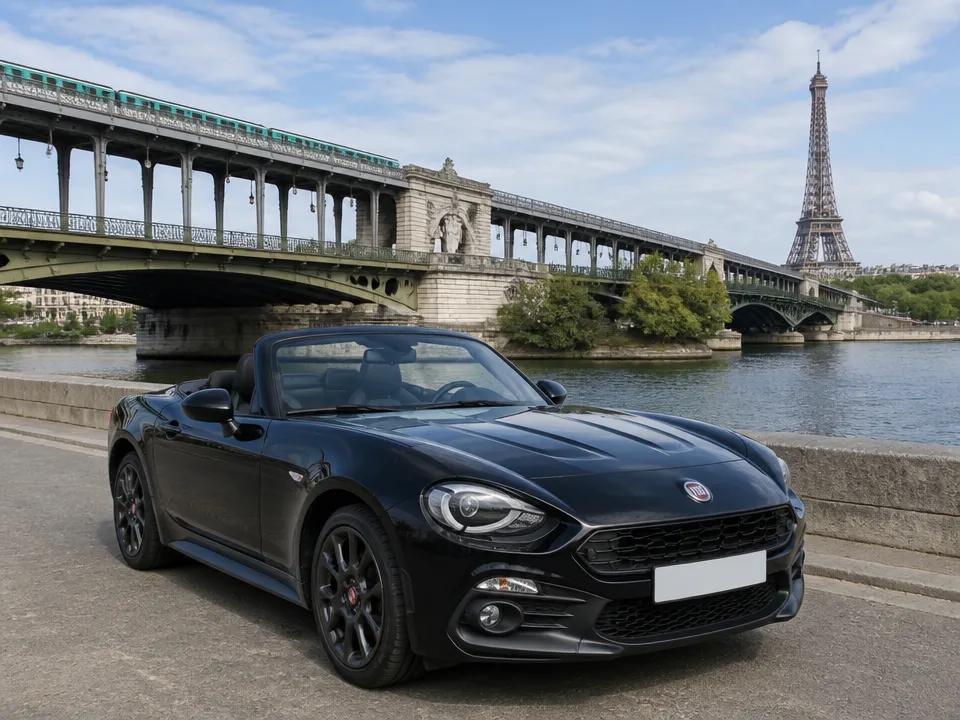
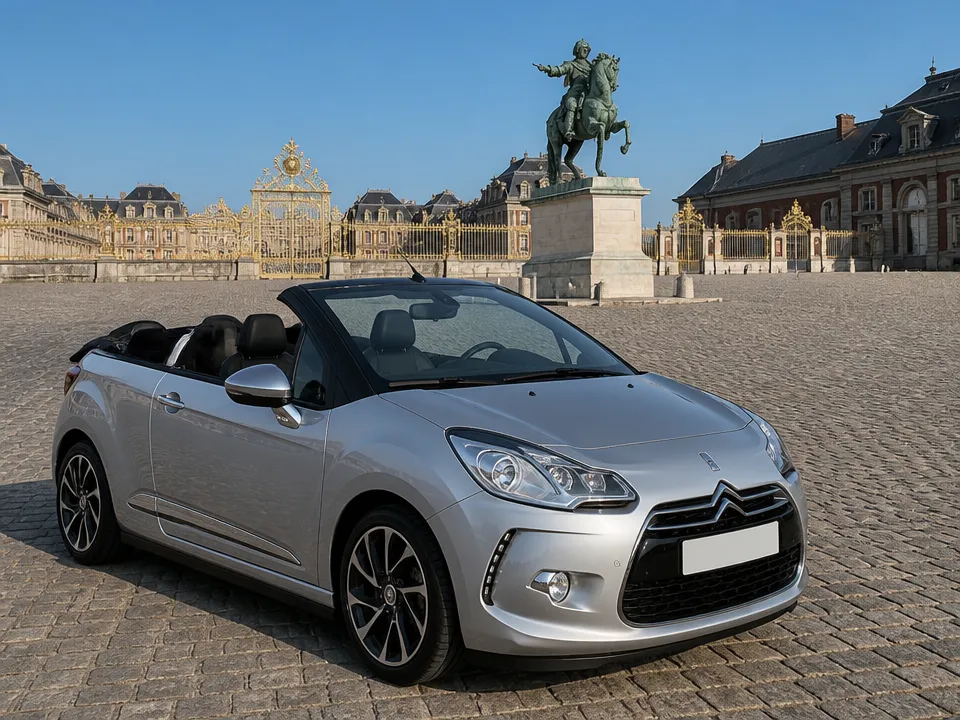
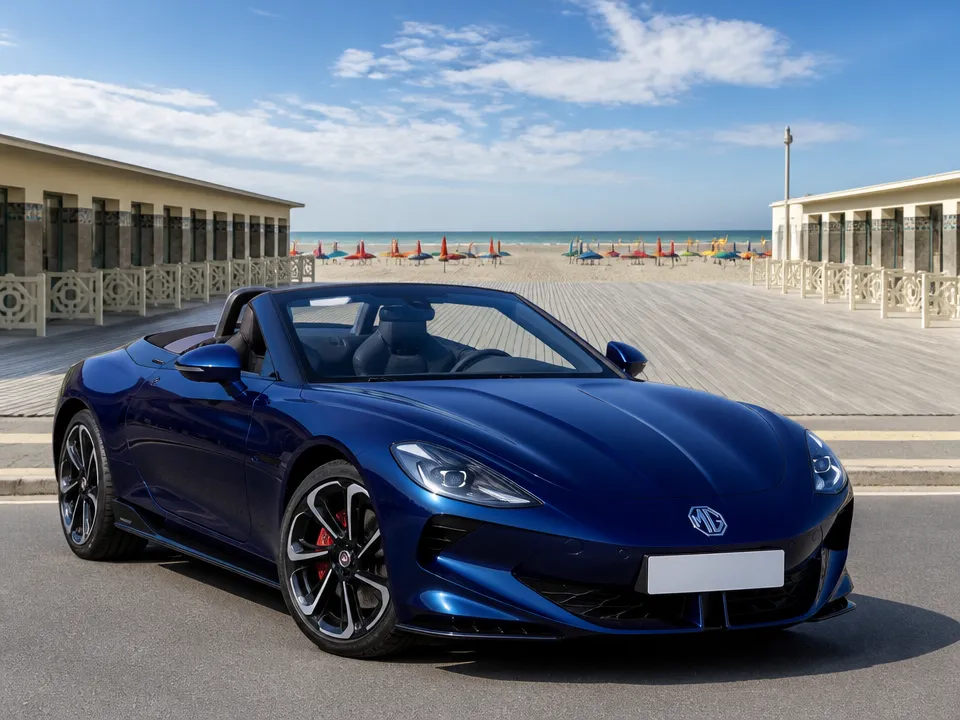
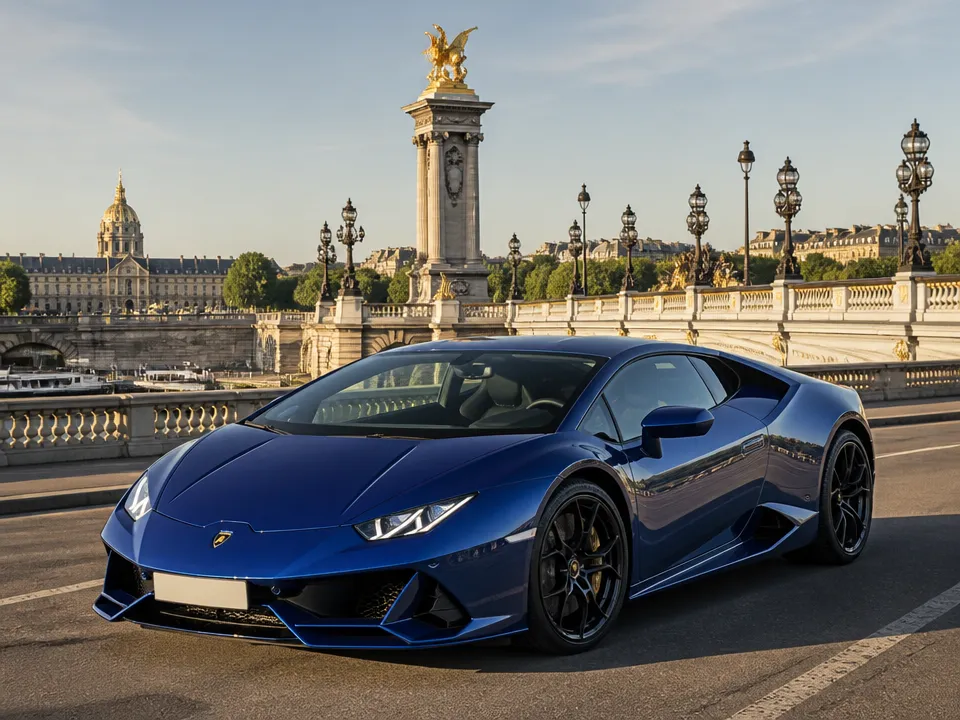
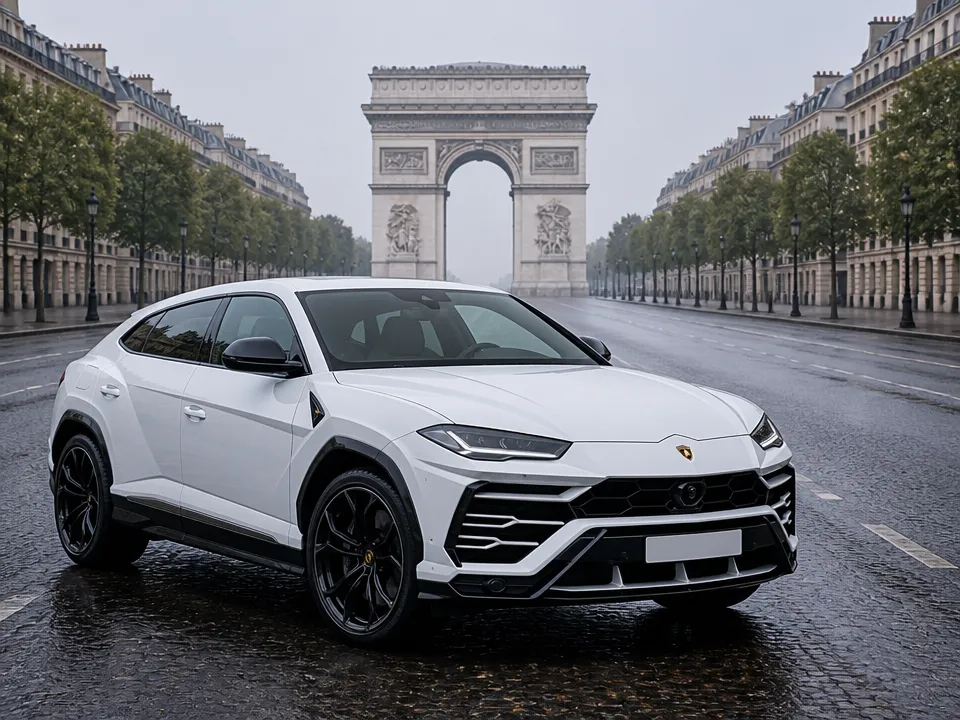
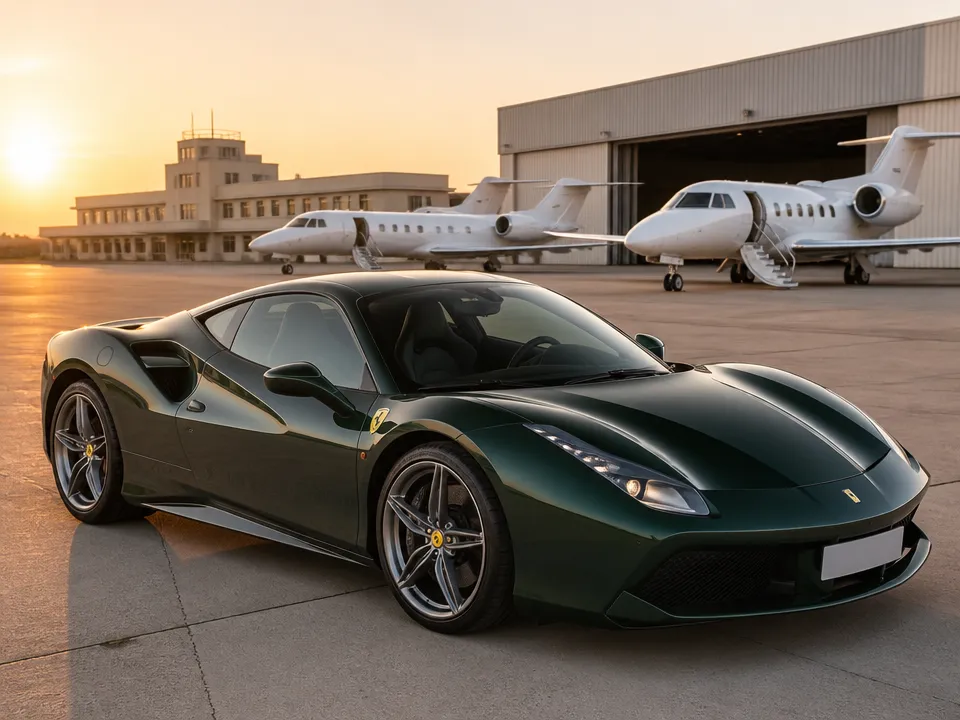
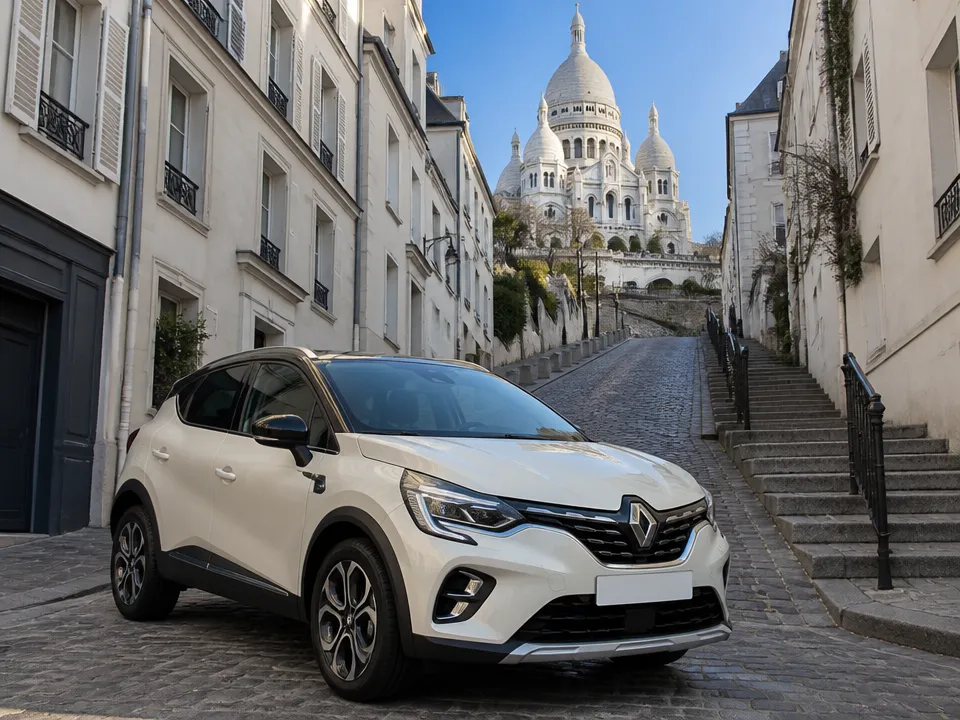
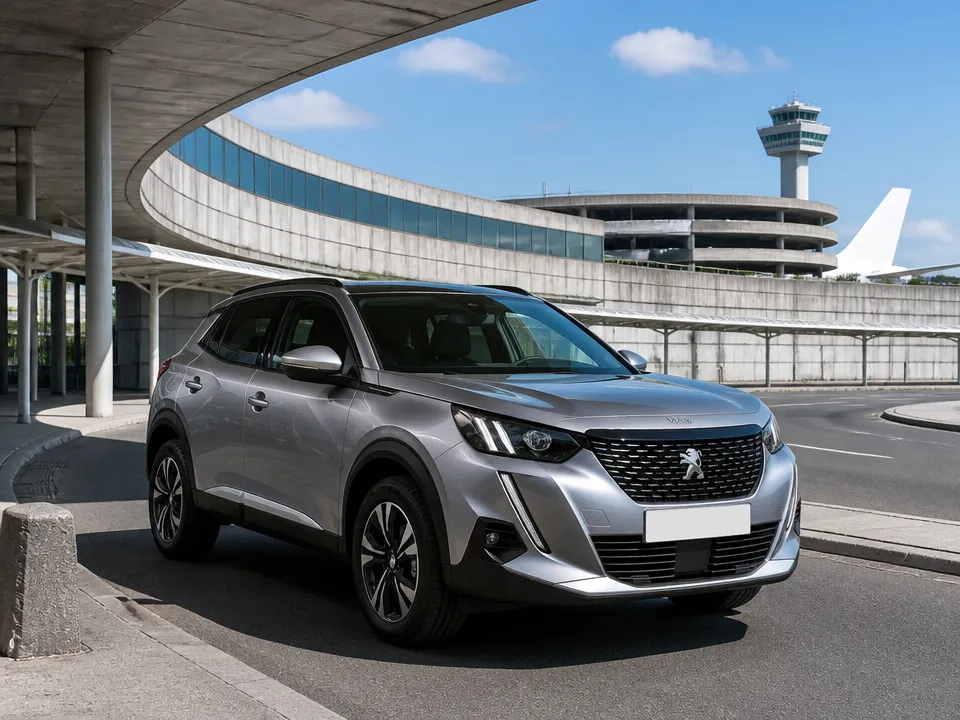
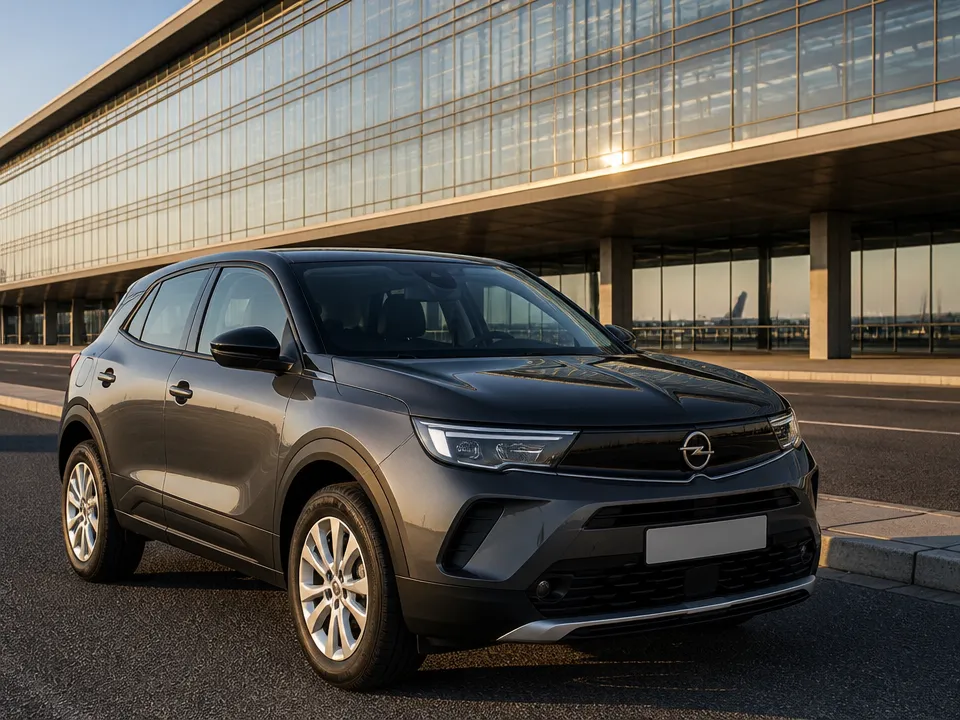
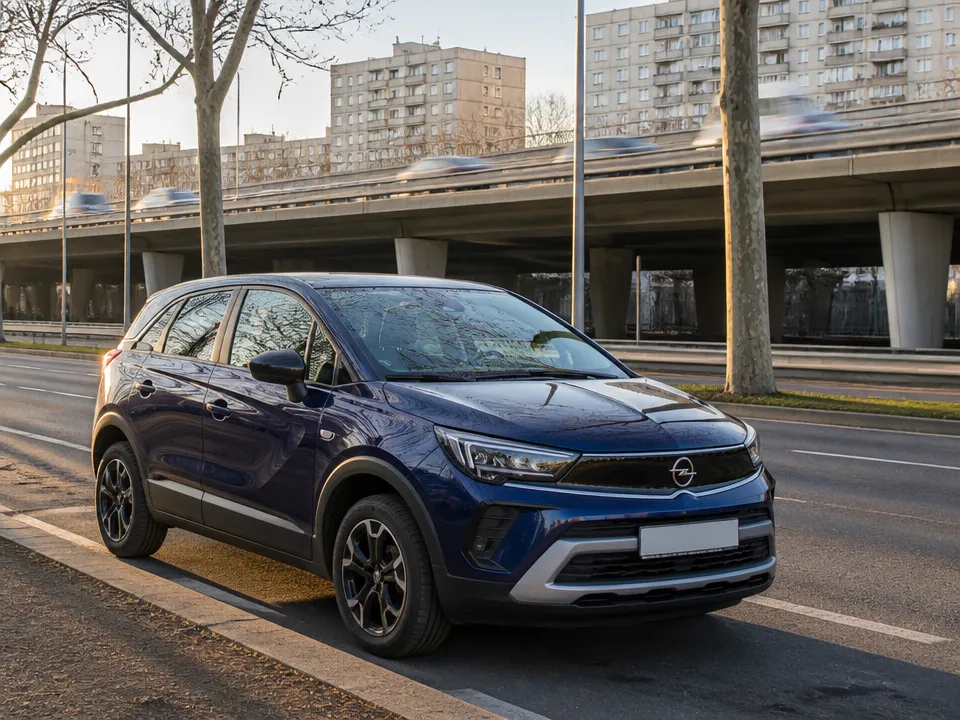
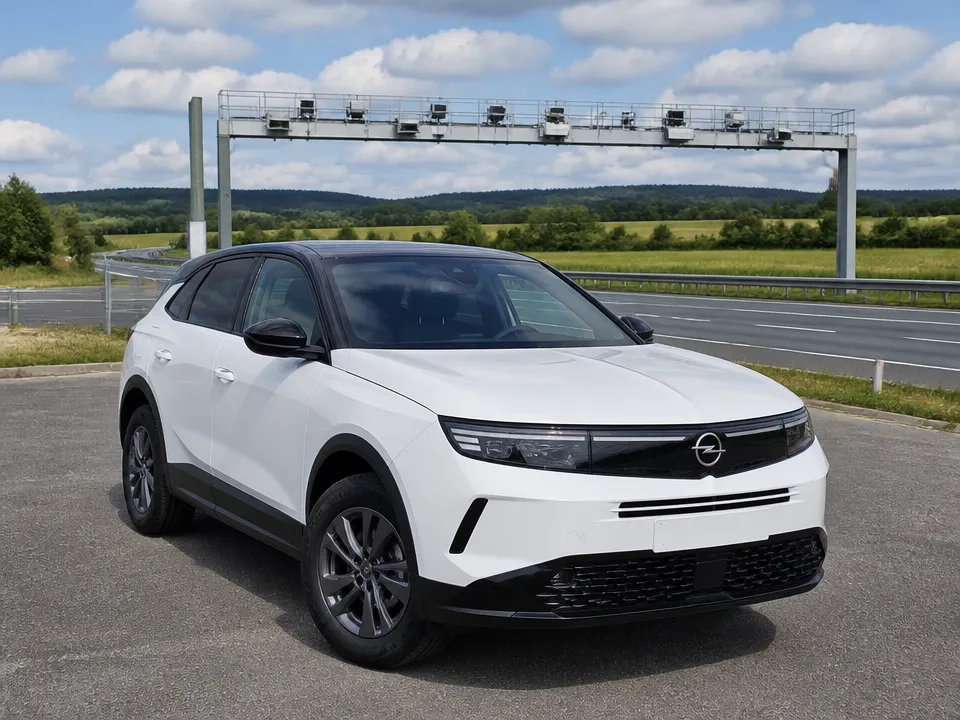
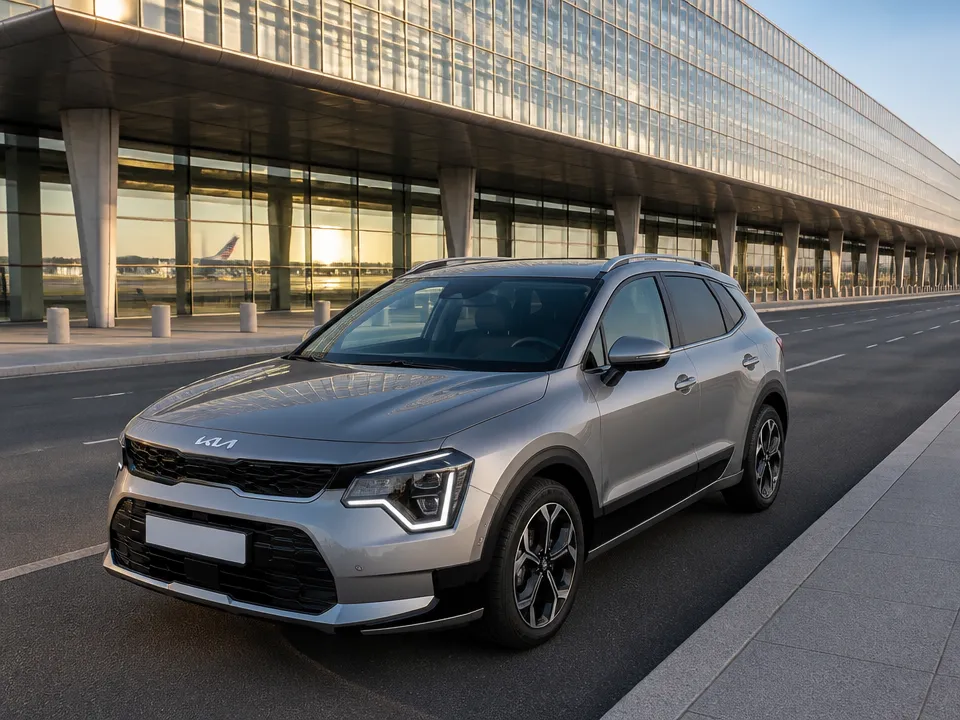
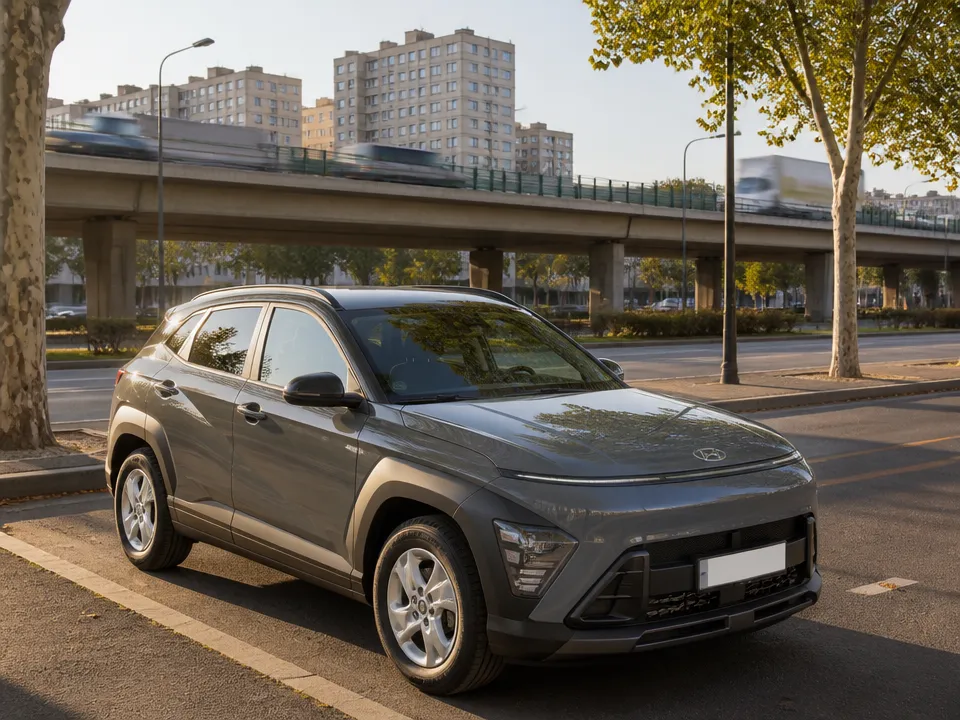
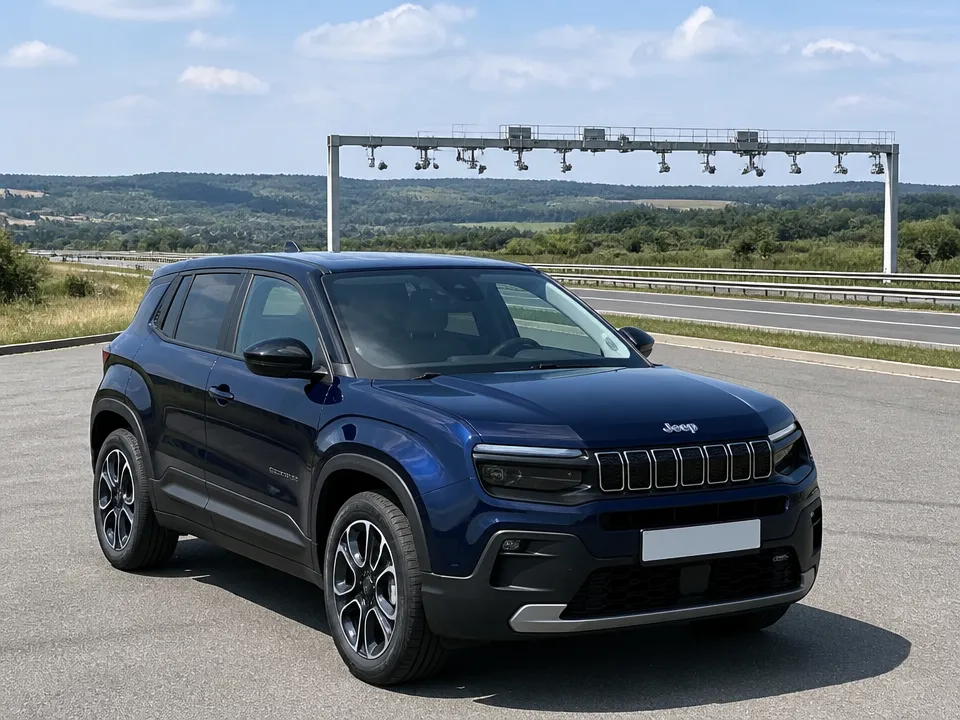
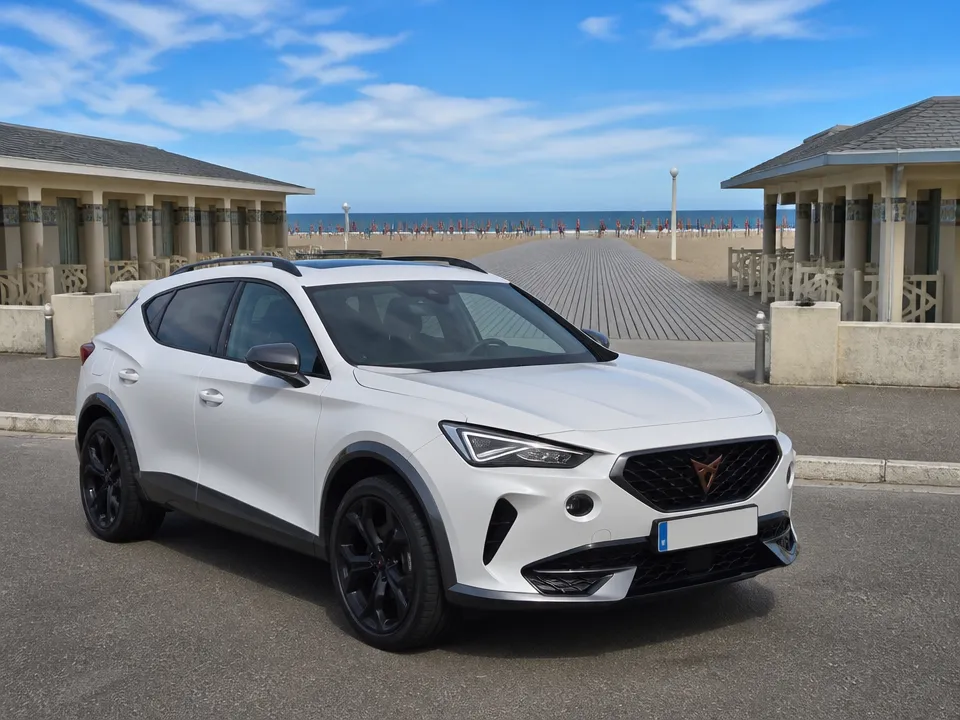
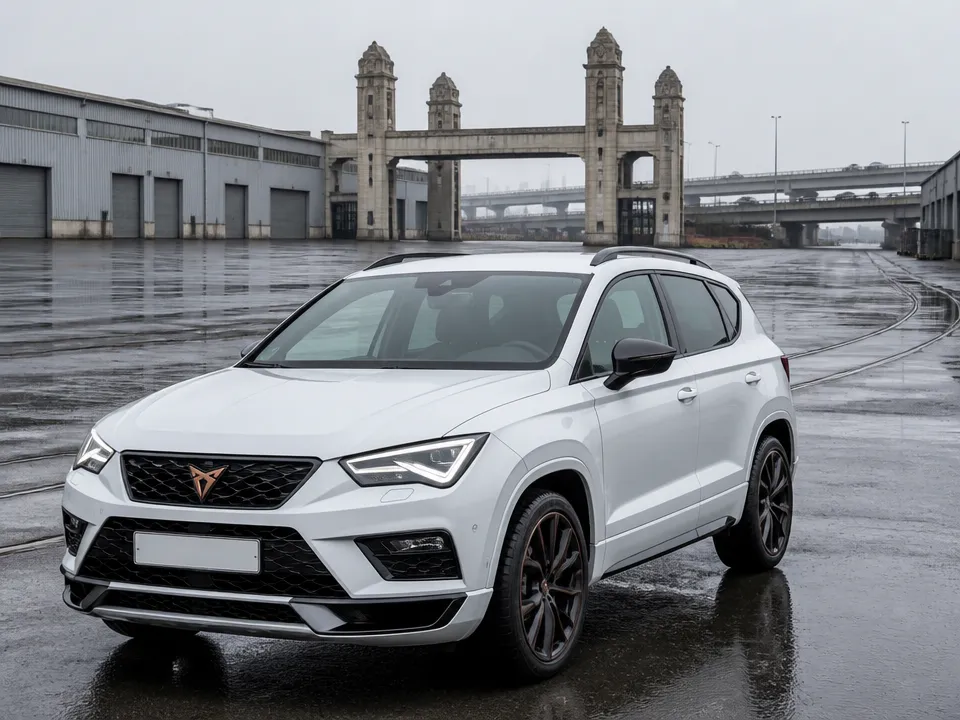
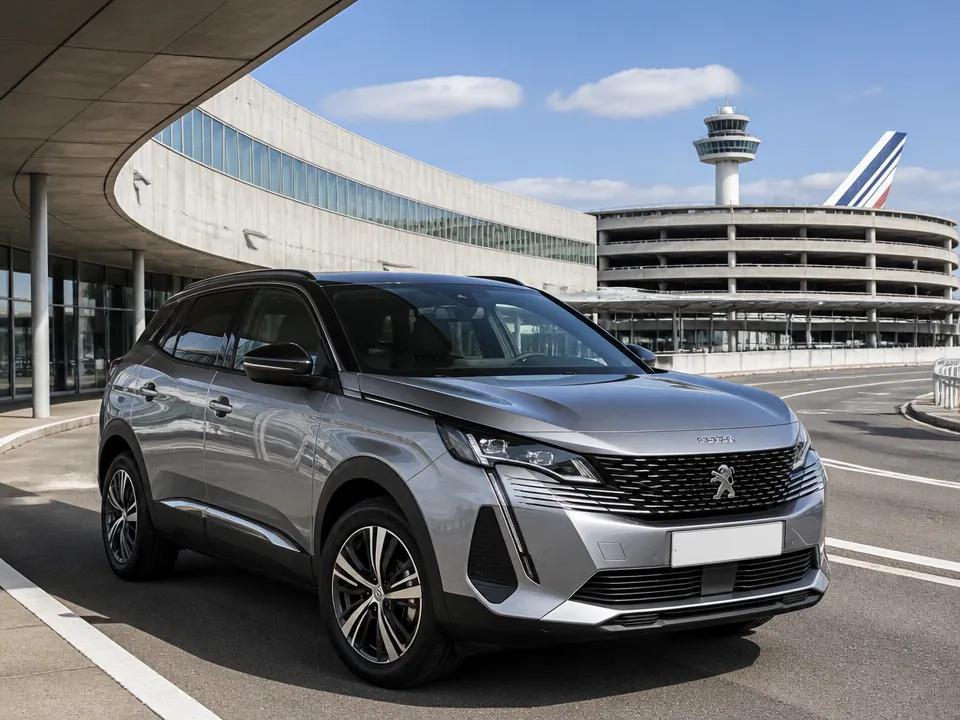
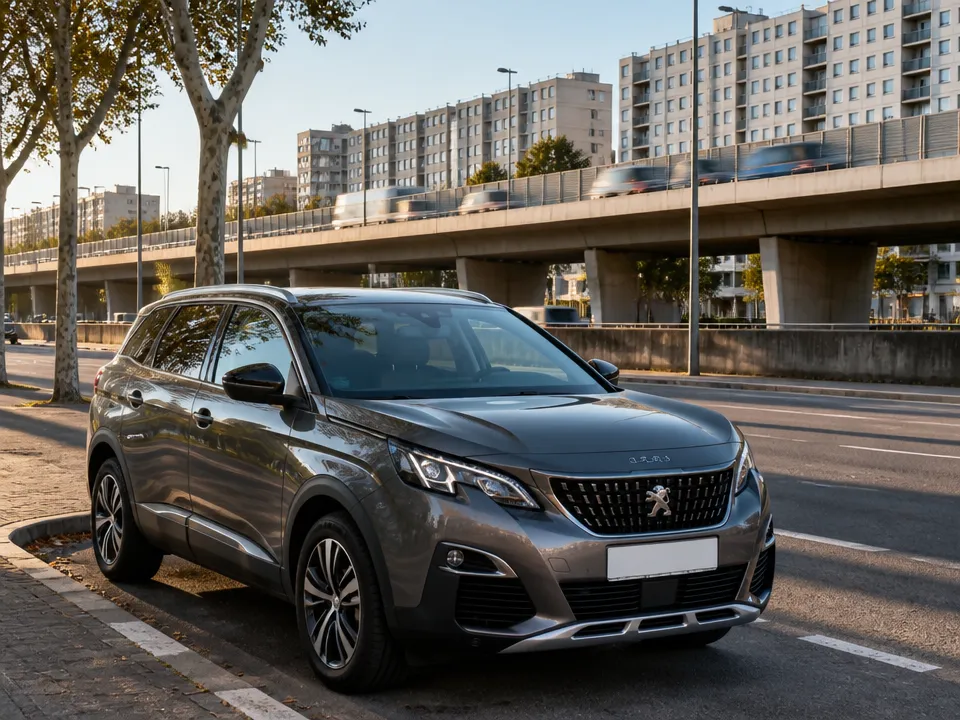
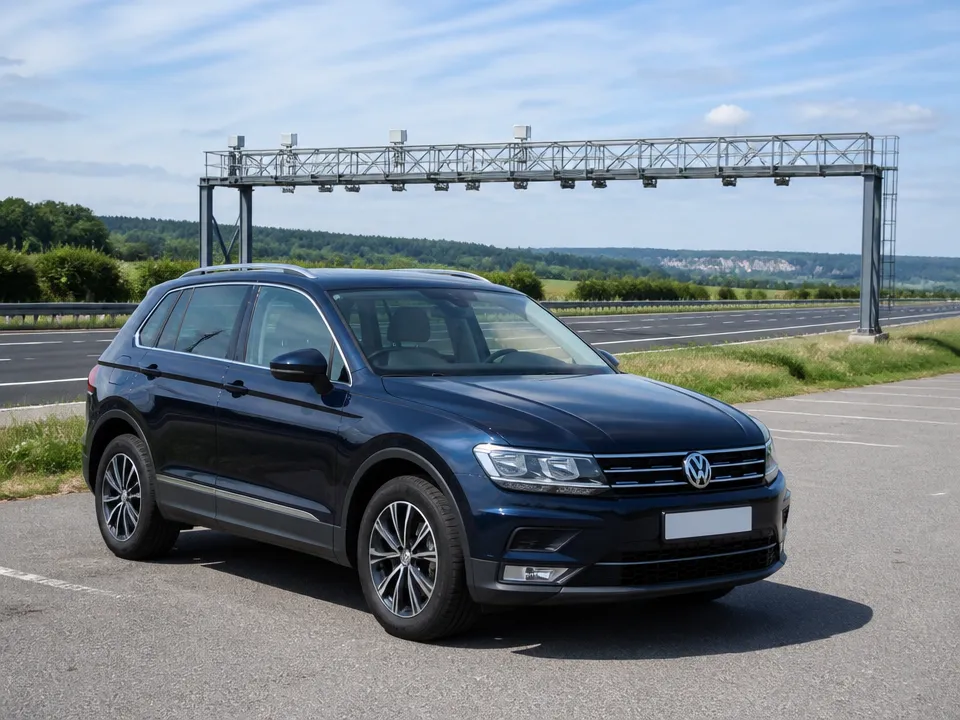
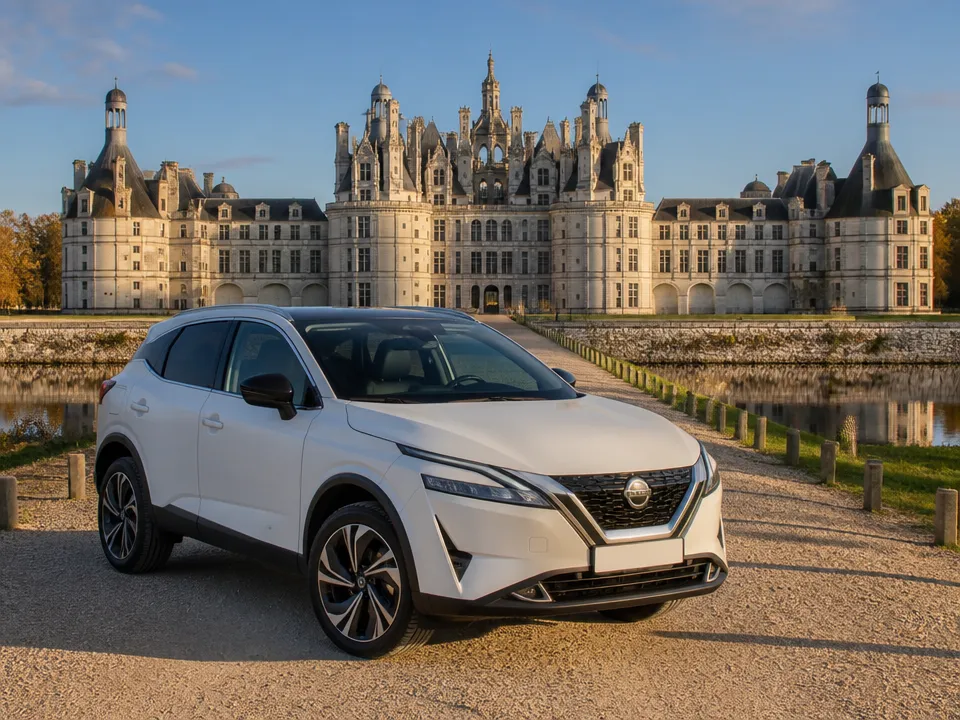
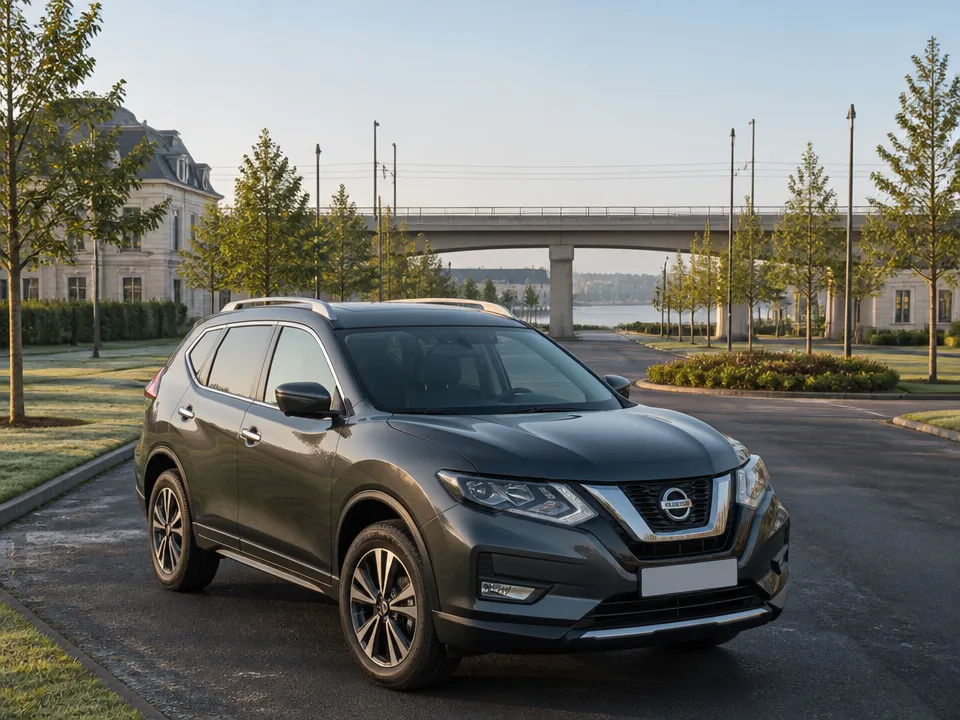
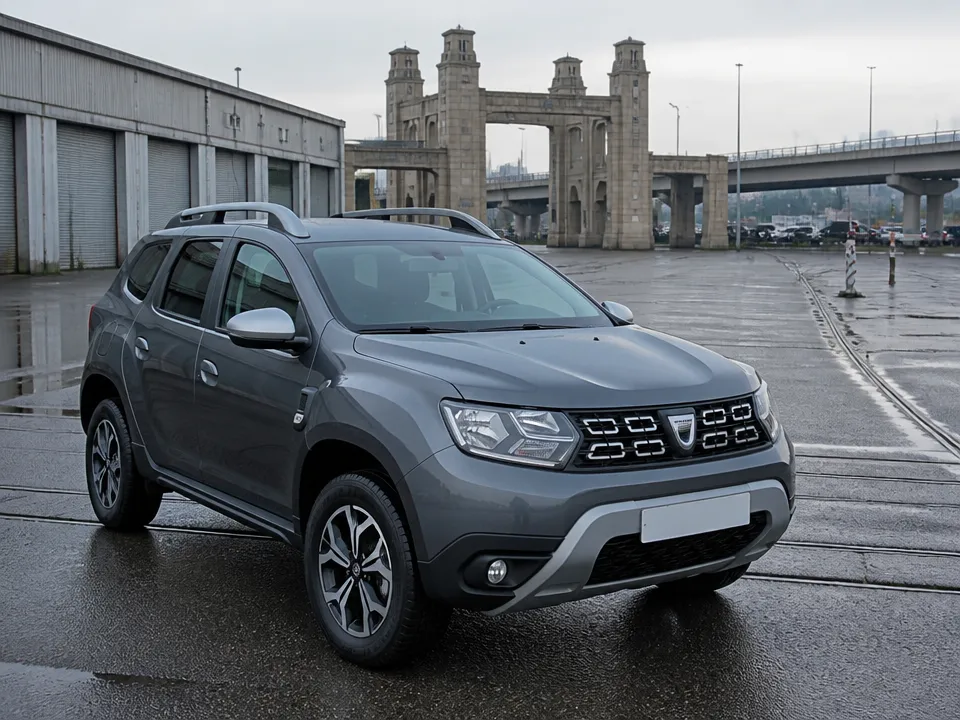
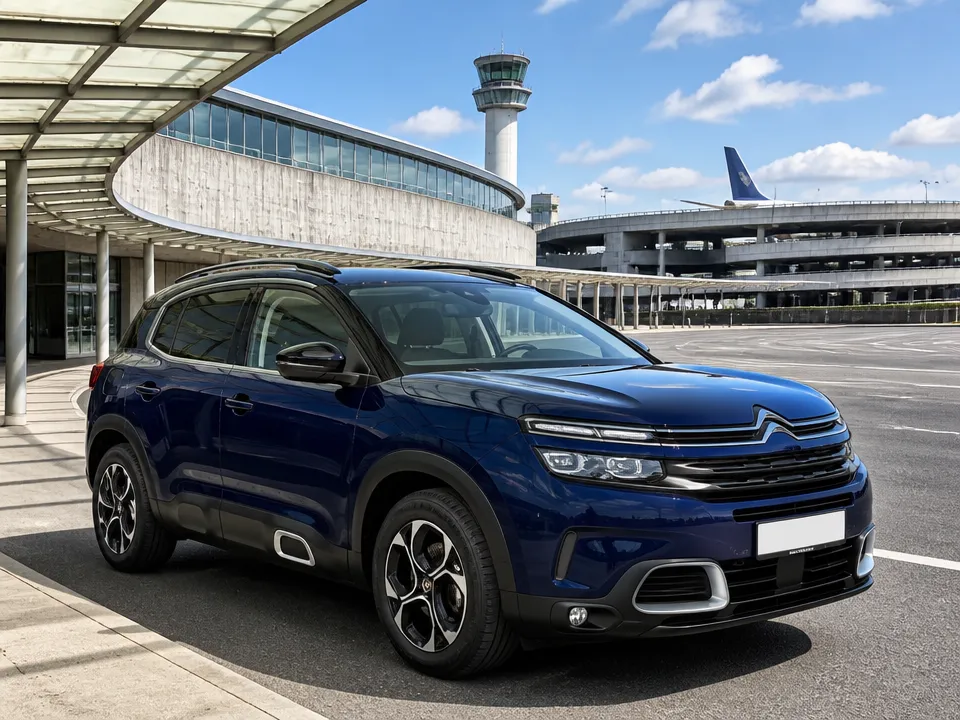
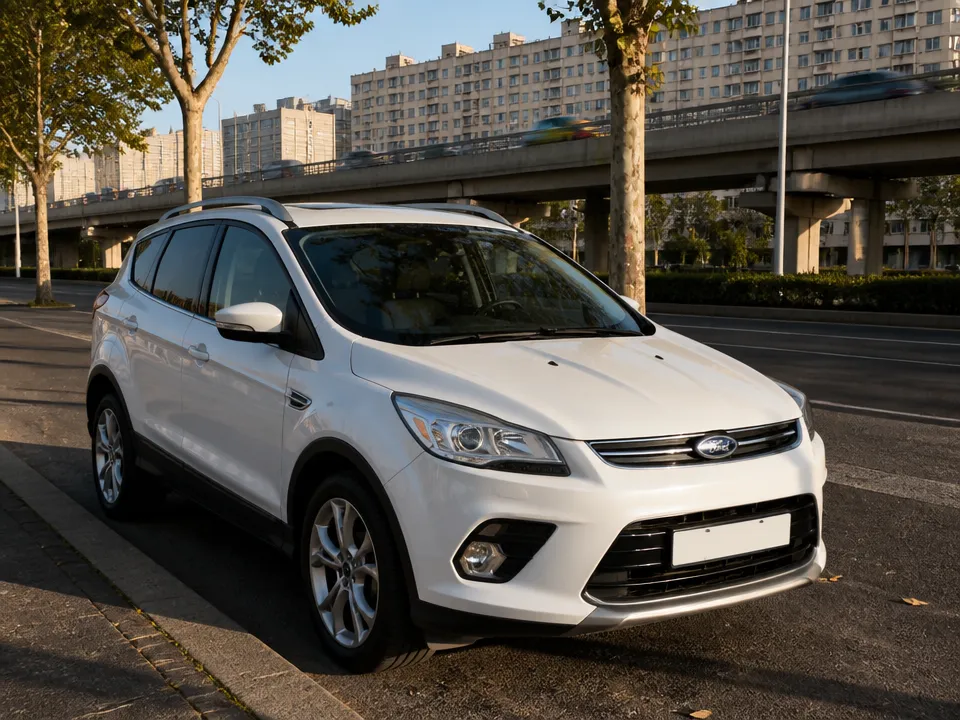

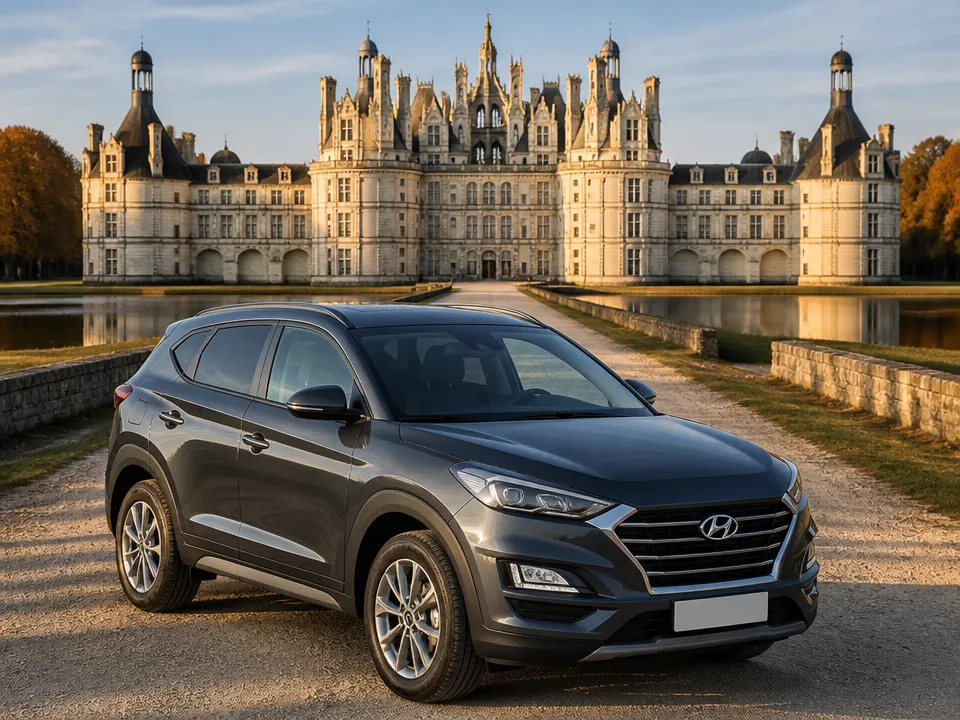
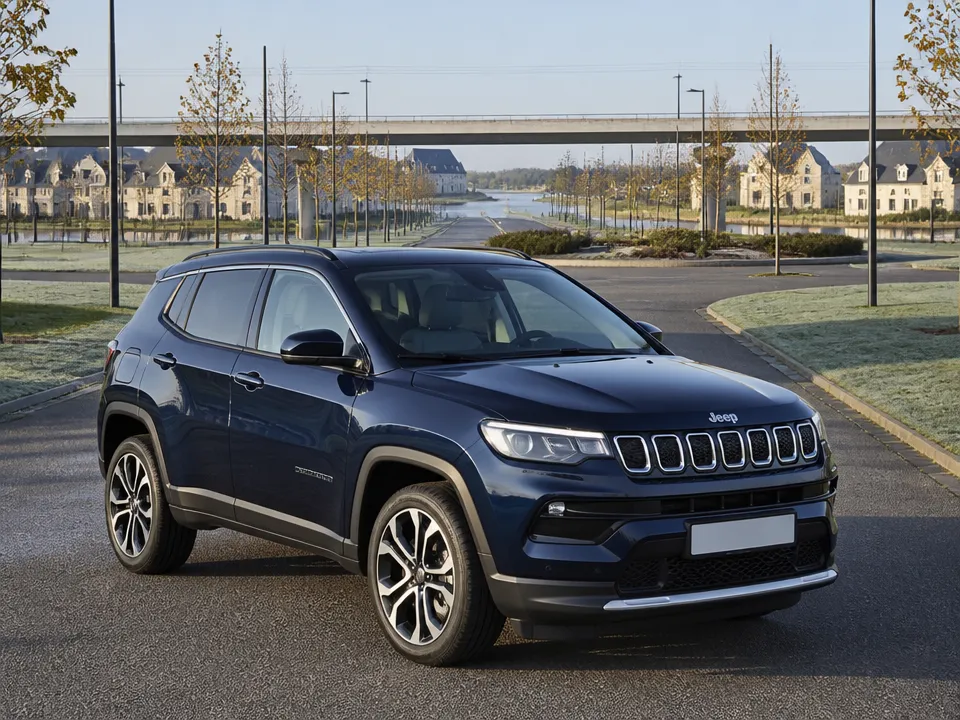
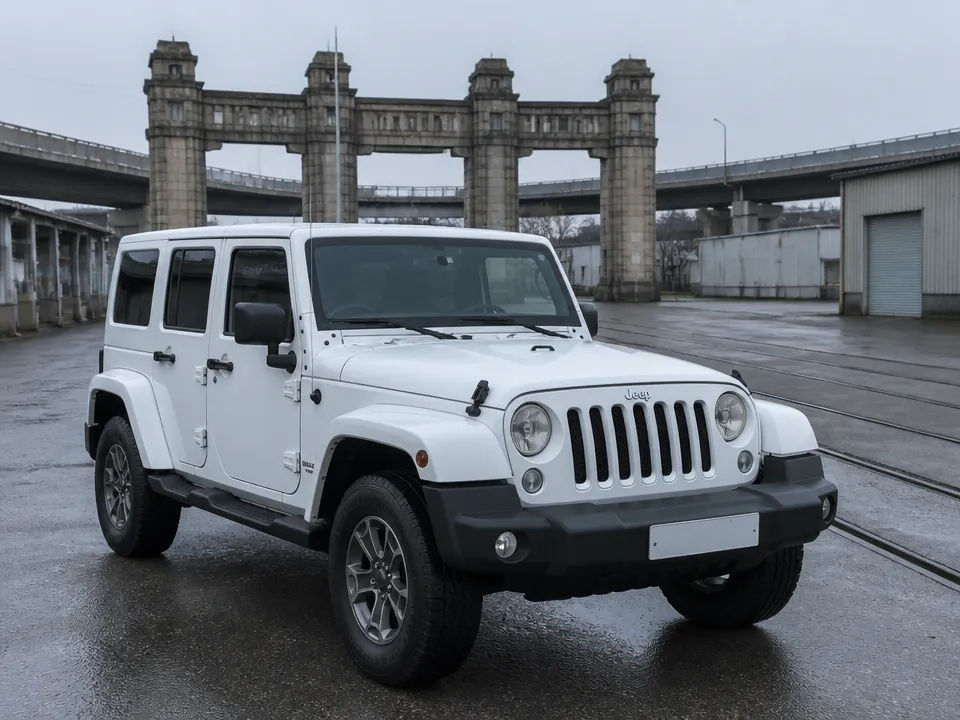
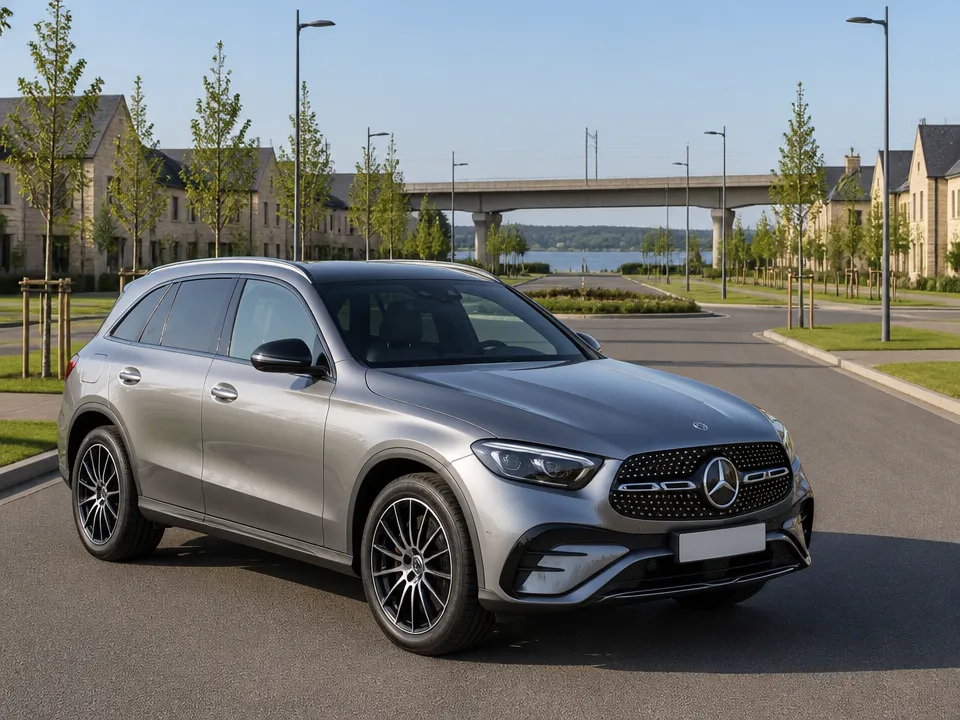
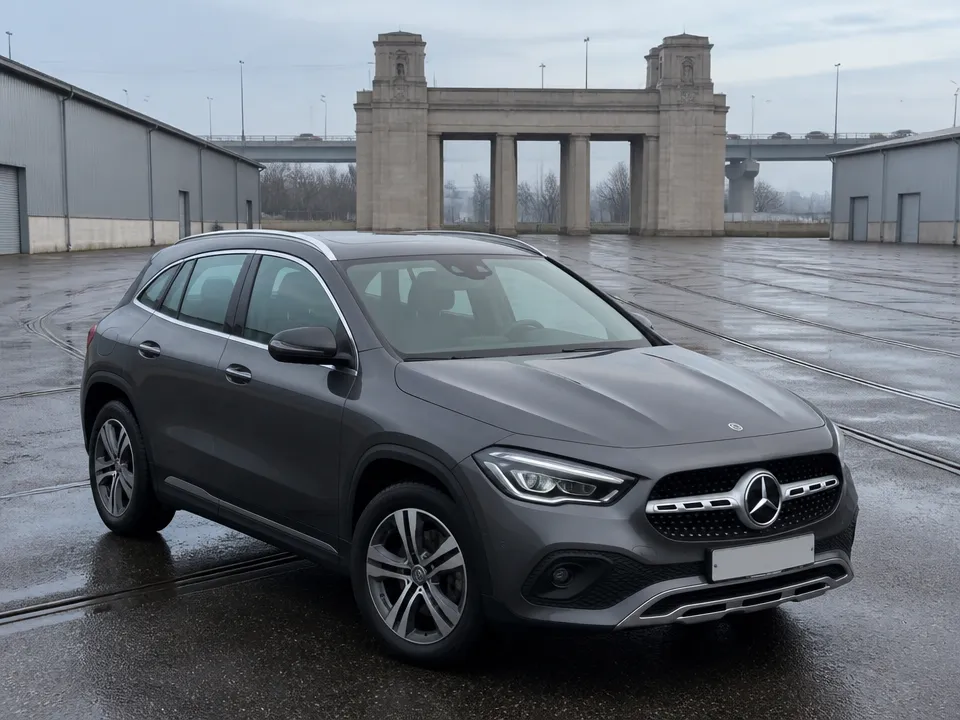
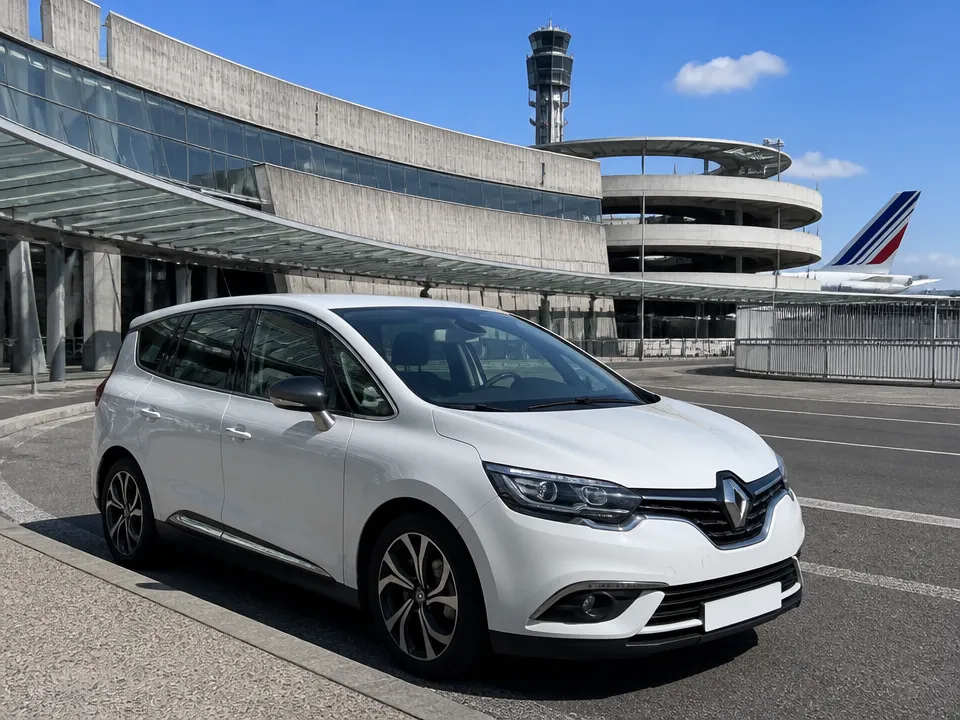
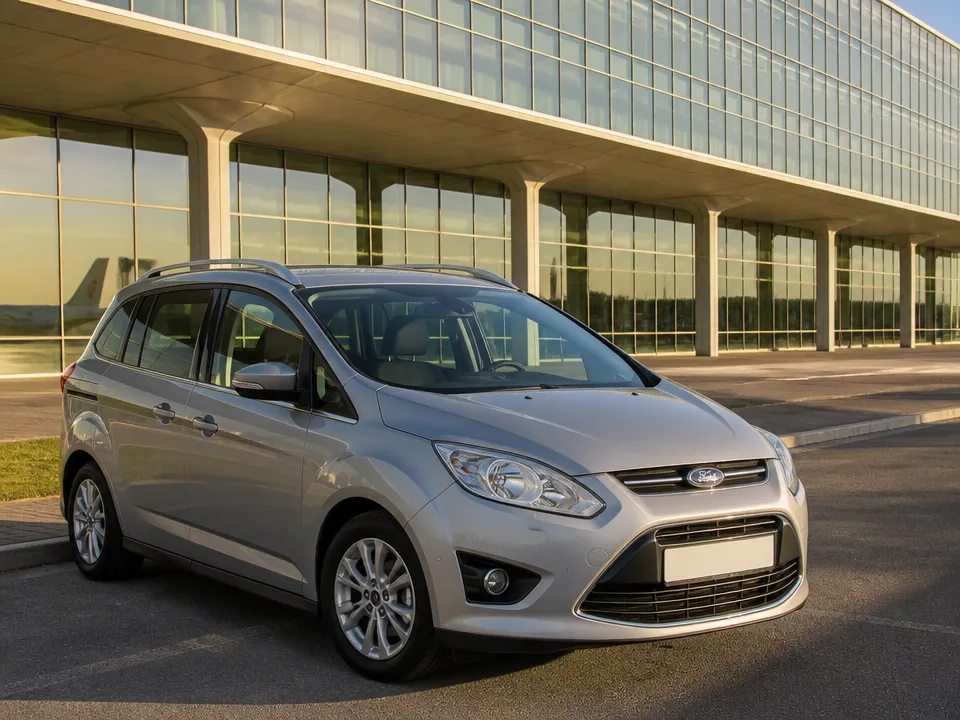
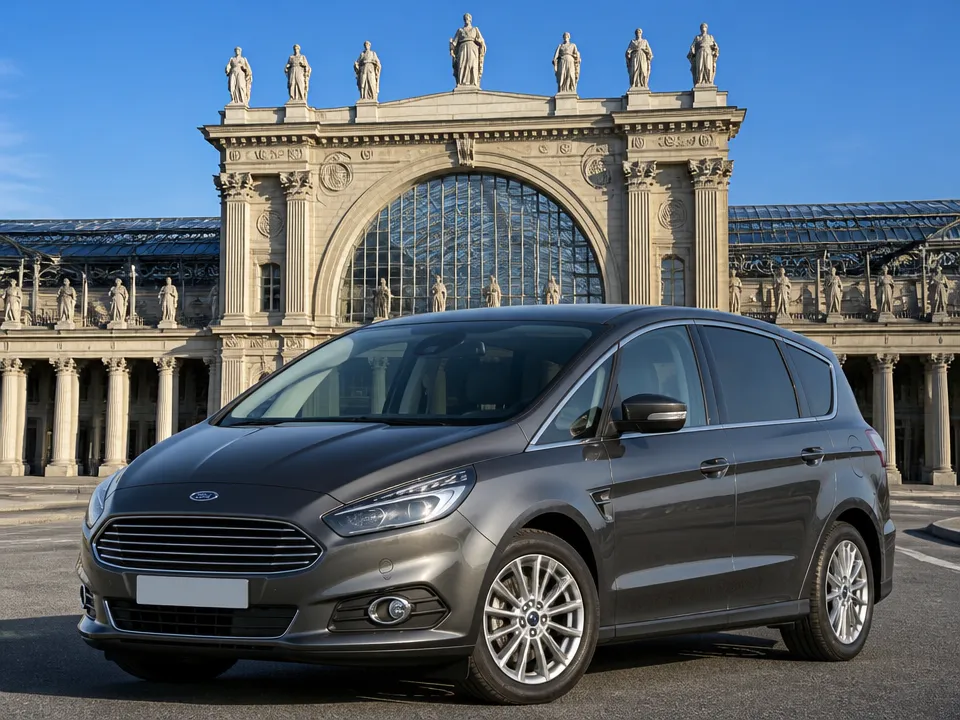
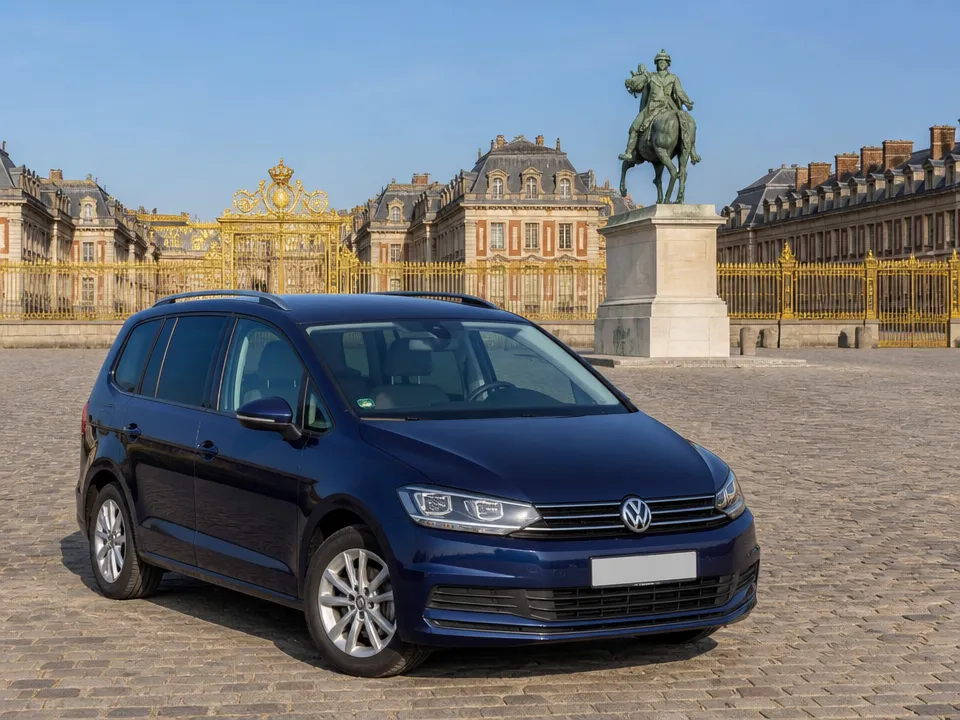
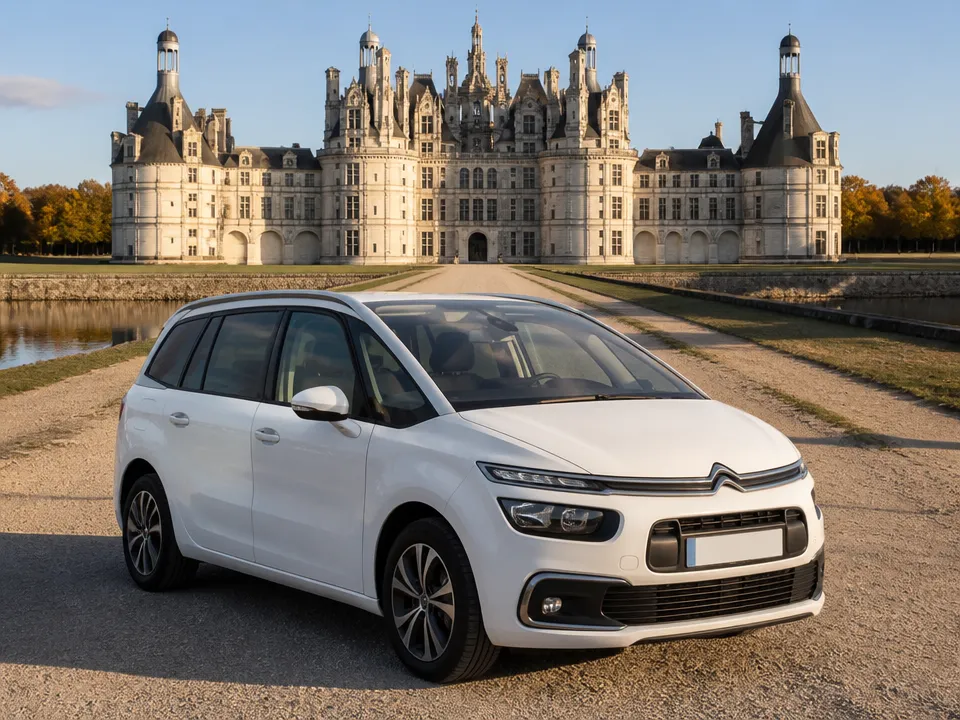
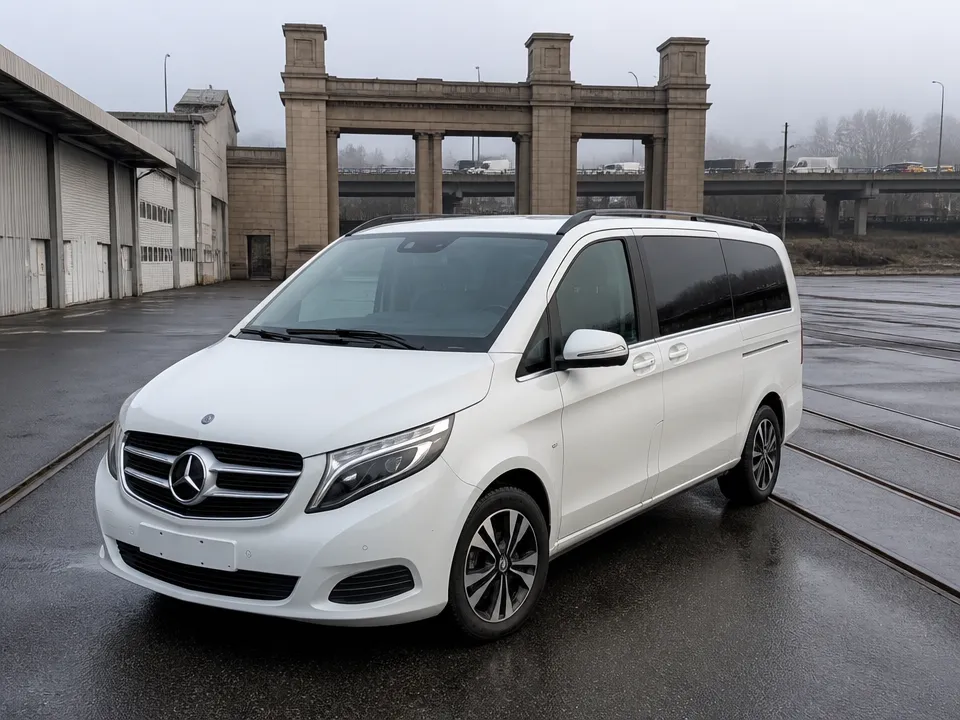
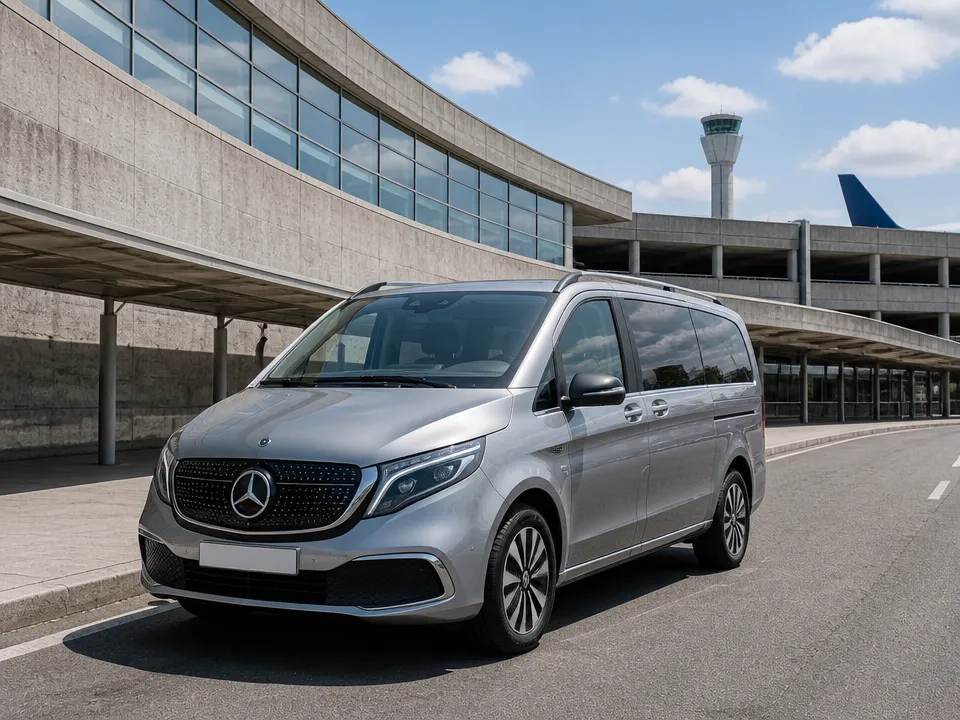
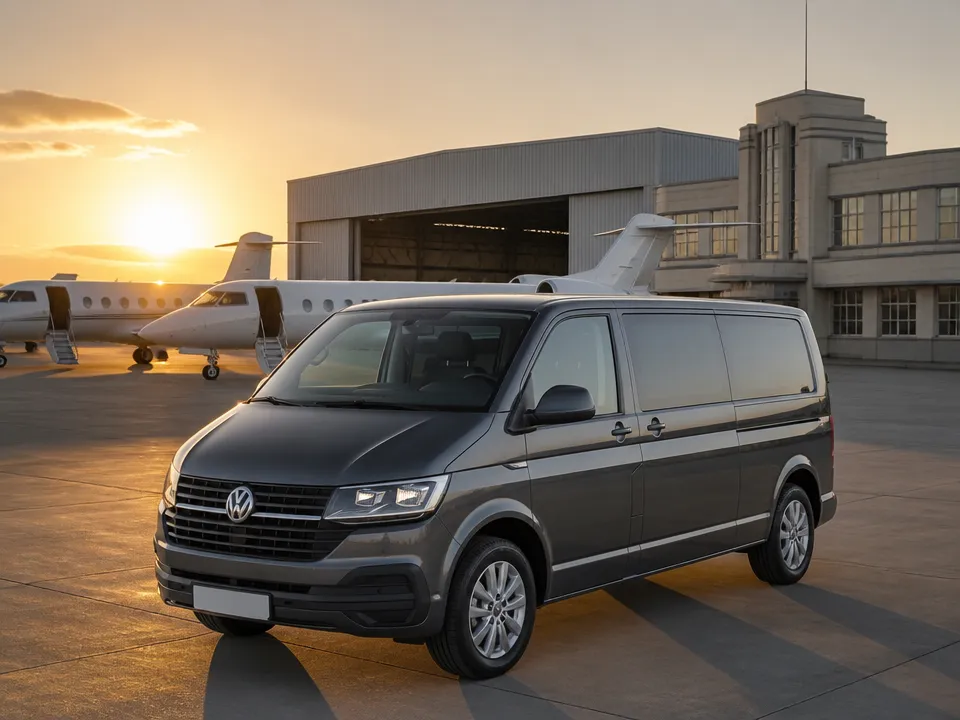
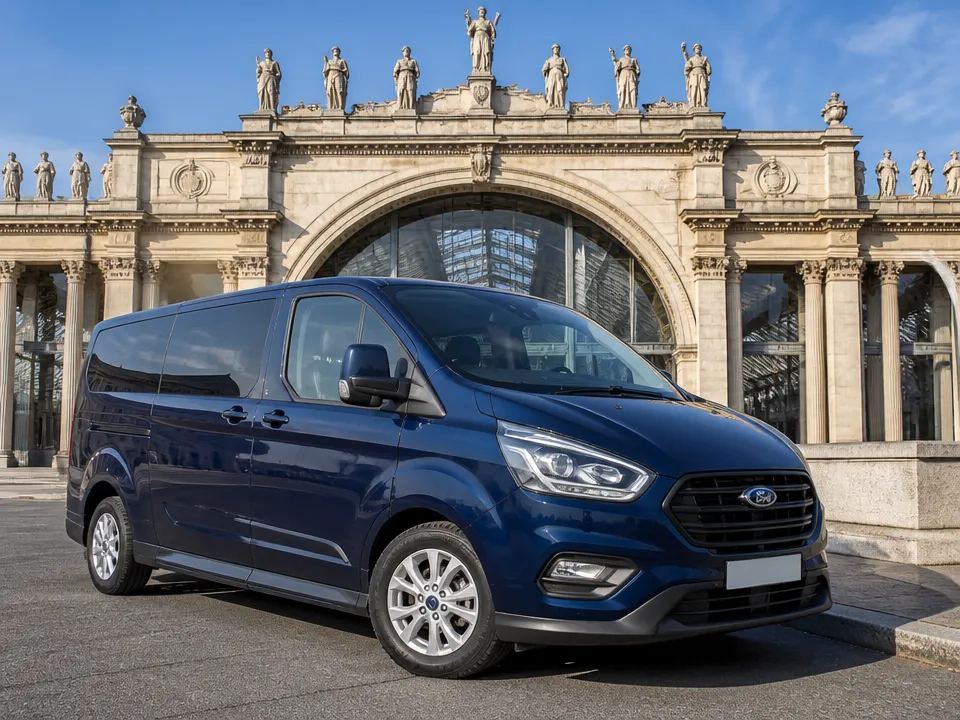
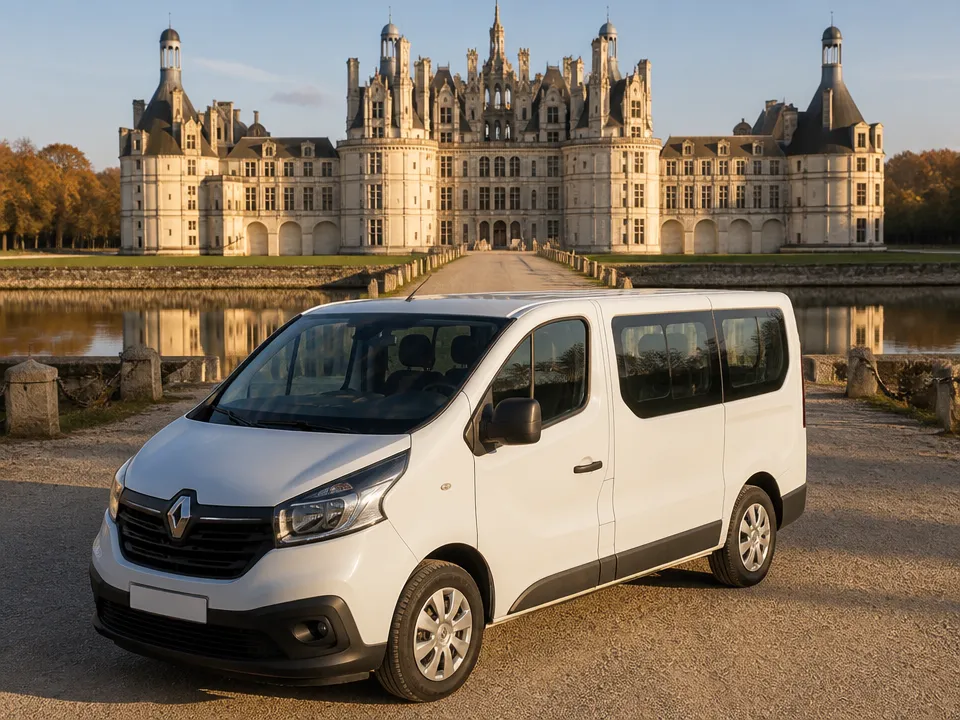
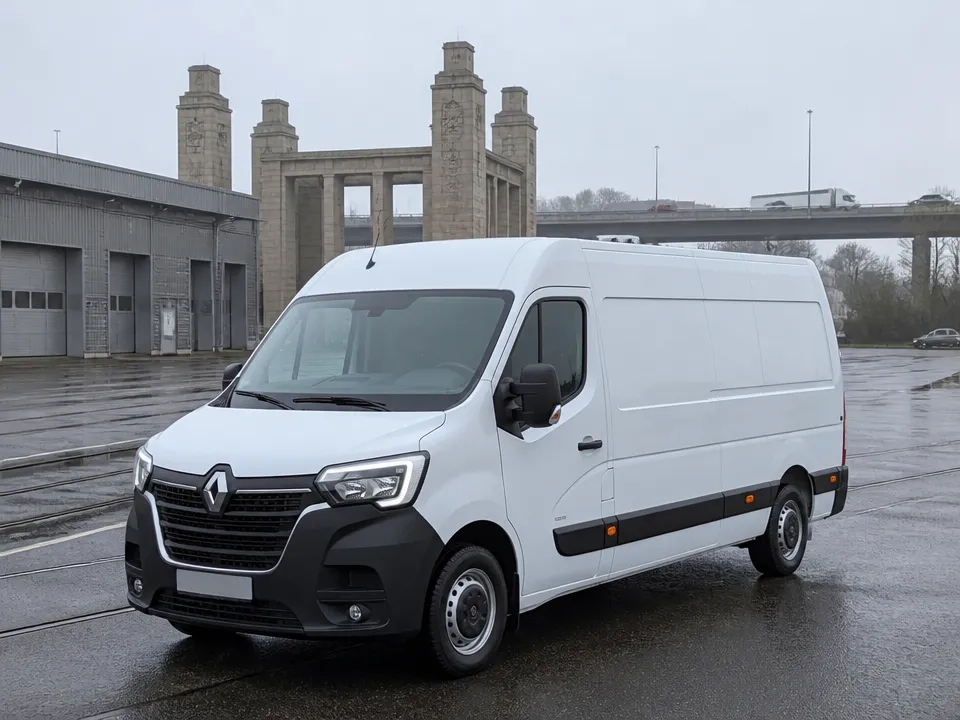
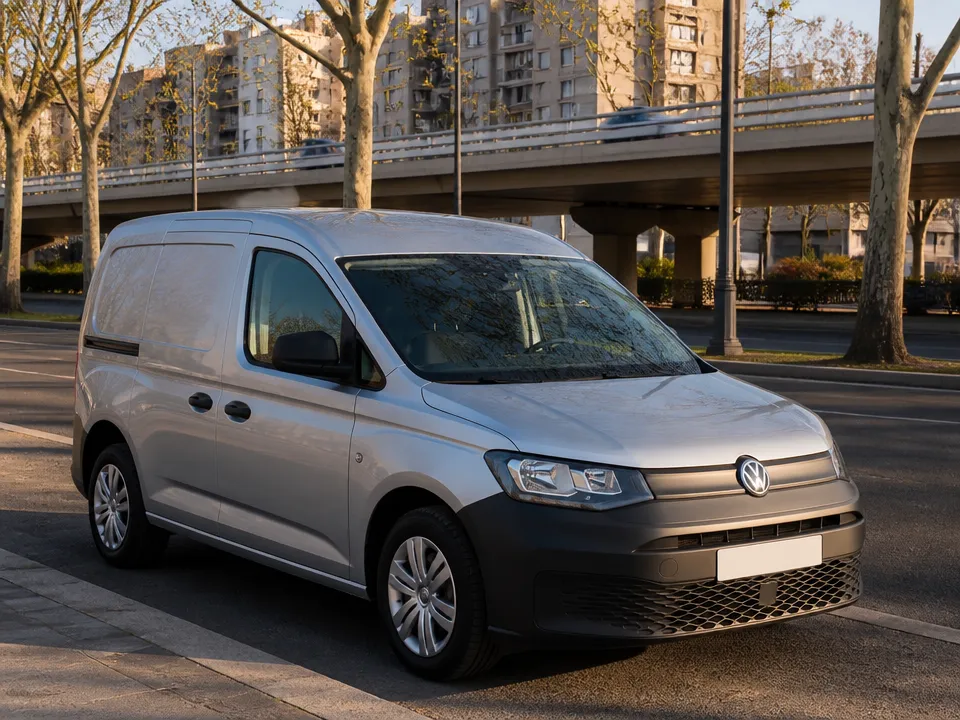
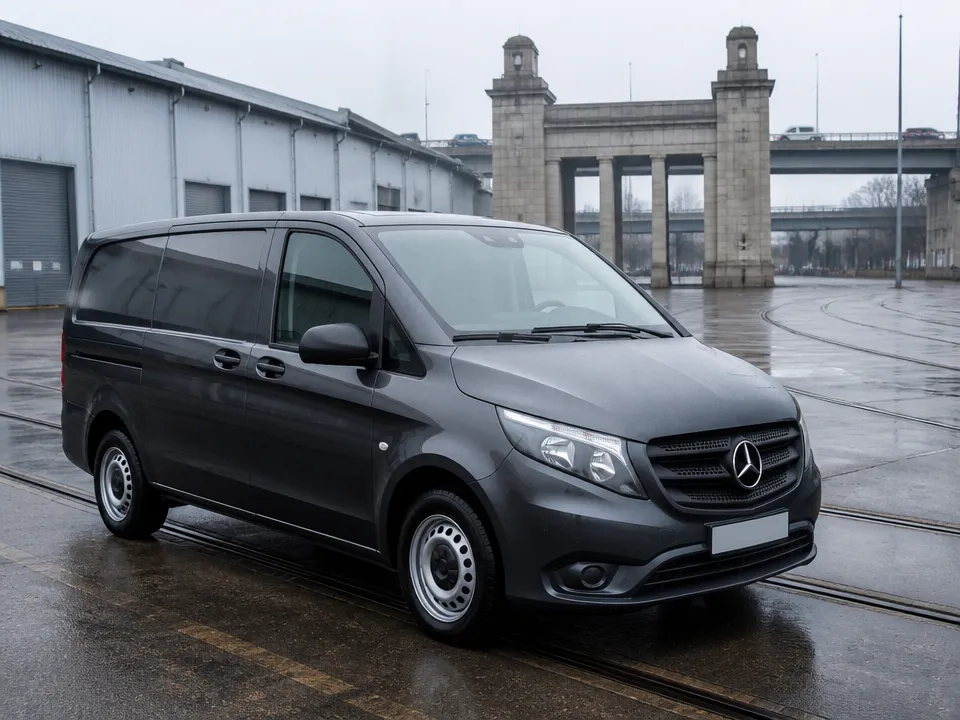
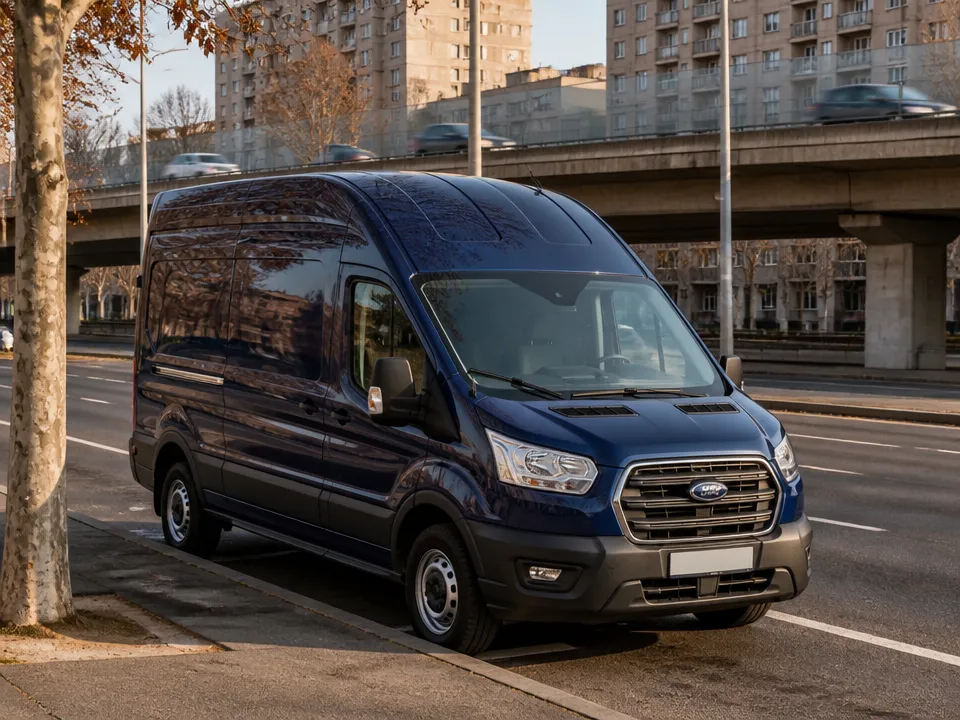
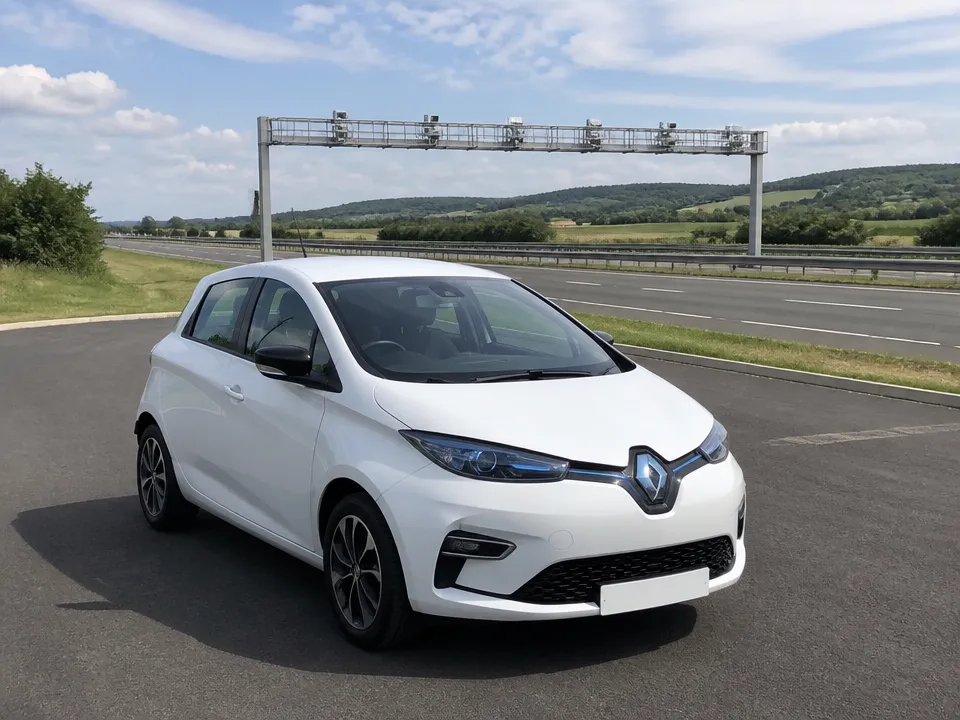
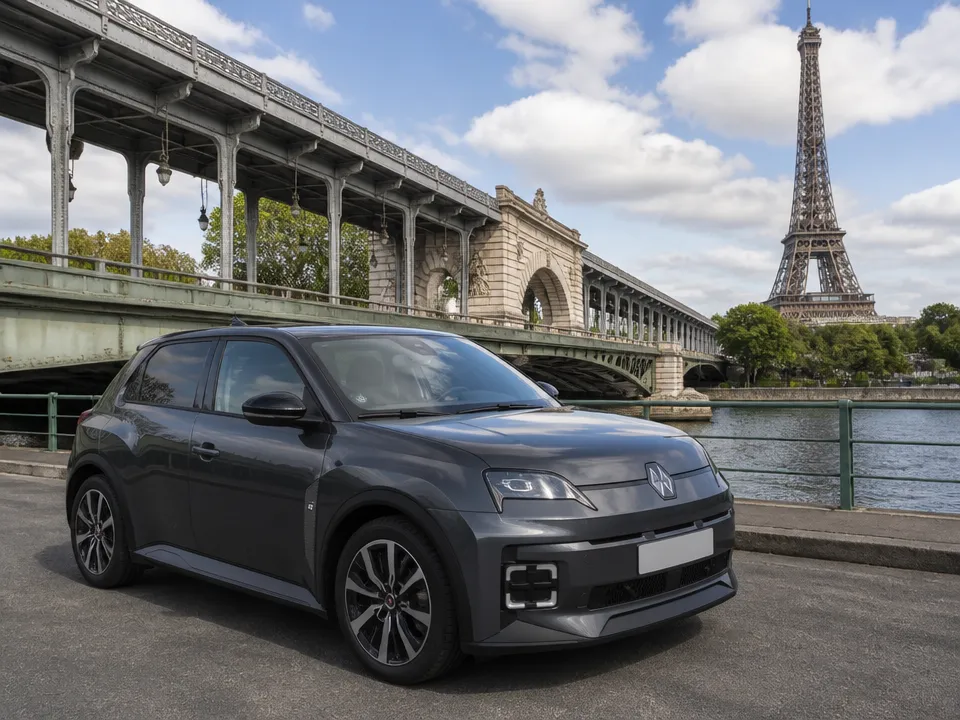
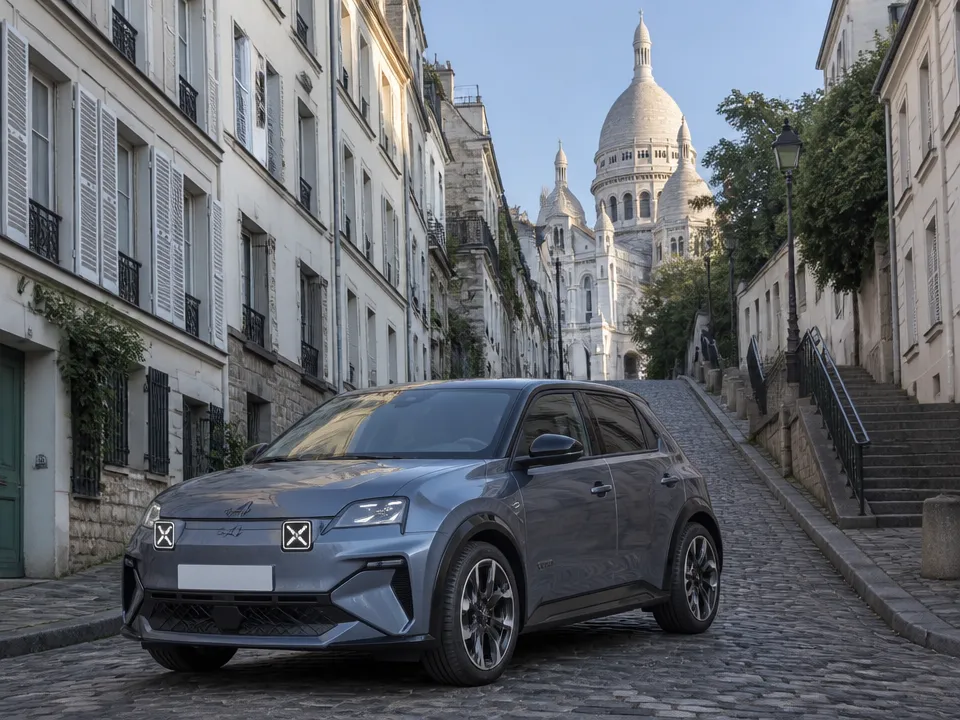
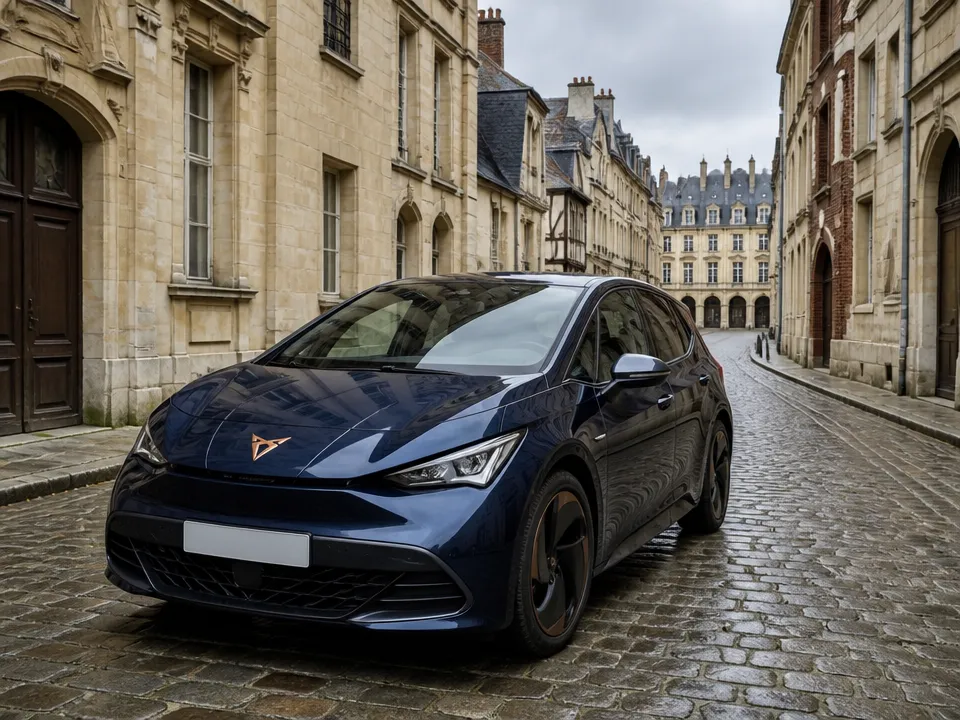


If you need car rental at Gare Montparnasse in Paris, we deliver the car to you and agree the booking with a manager. Our fleet here has 134 cars, from €29 to €1,300 per day, weekly from €174 and monthly from €609.
Rent-Trip is a self-drive service: you drive the car yourself, we bring it to you, and a manager agrees the booking with you before anything is confirmed. The hand-over point is arranged in that conversation.
We run self-drive hire at Gare Montparnasse: you drive, we deliver the car to you. That single detail changes the shape of the trip. The car arrives where you already are, so there is no separate trip to collect it. Your booking is agreed with a manager rather than filled into a form: you say when and where you need the car, and the details are settled between you. Because the car comes to you, agree the exact spot when booking.
134 cars are available on this page, part of 754 site-wide, priced from €29 to €1,300 per day. The range is wide on purpose. At one end sit small city cars built for short hops and tight parking; at the other, larger and more powerful vehicles for long motorway runs or a trip with a full boot. Thirteen classes are represented, from Economy up through Crossover, Comfort, SUV & 4x4, Premium, Convertibles, Luxury, Commercial, Sports, Minivans, Passenger vans and Sedan. The spread matters more than the count — a €29 city car and a €450 sports car solve different trips, so pick by journey, not by budget alone. Two people with hand luggage and a driver heading to the Normandy coast need something very different from a family of five doing a week of school runs.
Thirteen classes sit on this page, from Economy at €29 a day to Sports at €450, and the table below carries the entry price and car count for each. Weekly hire at Gare Montparnasse starts at €174 and monthly at €609, both calculated from the daily rate rather than quoted as a separate tariff.
| Class | Cars | From, per day |
|---|---|---|
| Economy | 15 | €29 |
| Commercial | 6 | €47 |
| Electric | 18 | €55 |
| Crossover | 13 | €75 |
| SUV & 4x4 | 19 | €79 |
| Comfort | 13 | €79 |
| Convertibles | 10 | €99 |
| Premium | 11 | €105 |
| Minivans | 5 | €119 |
| Sedan | 3 | €120 |
| Passenger vans | 5 | €155 |
| Luxury | 10 | €195 |
| Sports | 6 | €450 |
Weekly hire at Gare Montparnasse in Paris starts at €174 and monthly at €609. Both follow the daily rate — weekly is daily multiplied by six, monthly by twenty-one — so the two figures move with whichever car you pick, not with the length of the booking alone. A Citroen Ami at €29 a day lands at that €174 weekly floor; a Sports car at €450 a day scales the same way. In our experience, travellers who price a long stay against a short one before booking usually change class rather than dates: the multiplier is fixed, but the car underneath it is not. Work out the total for the full period you need, then decide whether the class still fits.
Entry price is per class, not per model, and the floor of a class is a starting point rather than the price of a named car. Economy runs from €29 for the Citroen Ami to €69 for the Renault Clio, so a 15-car class spans a €40 gap between its cheapest and dearest options. The same holds further up: Crossover opens at €75 and reaches €85 with the Toyota Yaris Cross, while SUV & 4x4 starts at €79 with the Dacia Duster and is the largest group here at 19 cars. Electric is the second largest at 18, opening at €55 with the Renault Zoe, and it is worth noting that automatic transmission concentrates in that class — Renault Zoe, Fiat 500e and Renault 5 E-Tech — while much of Economy is manual. If you need an automatic, compare within Electric before comparing across classes, because the class floor will not show you the transmission you want. The number of cars behind each price matters too: a 19-car class gives you far more room to change model at short notice than the 3-car Sedan line. Prices, the deposit and any delivery fee are set out in the rental agreement, so treat the table as where a conversation starts.
Two things decide the car faster than the price does: how many people are travelling and what kind of journey it is. A city errand, a week in Normandy and a run to the Alps pull different machines out of the same 134-car list, and matching the wrong one costs more than the upgrade would have.
Our cars seat 2, 3, 4, 5, 7, 8 or 9, on Diesel, Electric, Gasoline or Hybrid. Seat count narrows the choice before budget ever enters the conversation — a 7-seat Minivan from €119 and a 5-seat Crossover from €75 are not interchangeable for a group of six, whatever the price gap suggests. Electric suits short city hops and returns to the same spot, because charging is planned around your own itinerary, not around a station forecourt. Diesel and Gasoline carry you further out of the city without a charging stop, which matters on the longer runs. We keep both Automatic and Manual, and in France the manual gearbox is the ordinary hire car, not the exception — automatic sits in specific models and carries its own price. Decide the seat count first, then the fuel, then look at the money.
Those eight sit at the two ends and the middle of the list; the full range runs to 134 cars, from €29 to €1,300 a day. Automatic and Manual are both in the fleet, but automatic sits in specific models — Renault Zoe, Fiat 500e, Renault 5 E-Tech — so filter on transmission before you filter on price. In our experience the transmission question settles more bookings than any other single line, because a driver who has only ever used an automatic should not discover the clutch on the way out of the station.
A short stay inside the city rewards the cheapest Economy car and nothing more — Citroen Ami at €29 or Renault Twingo at €35 covers it, and 2 seats are enough for two people with hand luggage. Longer trips outside the city change the arithmetic: Diesel and Gasoline models such as Dacia Duster (SUV, 5 seats, All-wheel, 130 hp, from €79) or Volkswagen Caddy Cargo handle distance and luggage better than a microcar does. Groups and families should look at the 7-, 8- and 9-seat classes before anything else, because no amount of luggage tetris fixes a missing seat. Tell the manager the passenger count, the route and whether you want an automatic, and the shortlist builds itself.
Booking a car at Gare Montparnasse runs through a manager. You tell us the dates, the class and where you want the vehicle brought, and we agree the details with you before anything is confirmed. Rent-Trip is a self-drive service: the car is delivered to you, you drive it yourself, and the whole arrangement is settled in one conversation.
You arrange the vehicle at Gare Montparnasse with a manager, who agrees the details with you. The manager confirms the class, the dates and the delivery point directly, and the rental agreement is drawn up around what you agree. Because the terms are fixed before the car moves, a booking made a few days ahead leaves room to switch class if your plans shift — a 5-seat Economy at €29 a day and a 7-seat Minivan at €119 are both bookable the same way.
The single most useful habit is to confirm the delivery point and the hand-over time in the same message. In our experience that one step removes almost every delay on the day, because the car is already routed and the agreement already reflects what you asked for.
Licence and paperwork questions decide whether a booking goes ahead, so it helps to know the French rules before you reserve. Below are the documents that work, how long a permit stays valid, and what we cannot confirm until you speak to a manager.
An EU or EEA driving licence is valid in France for as long as it stays in force, with no exchange needed and no time limit attached. A visitor from outside the EU or EEA may drive on a national licence, but if the document is not written in Latin characters you need an official translation or an International Driving Permit to go with it — the IDP is only a translation, never a replacement, and is presented alongside the original. Anyone who has moved to France may drive for one year from the entry date stamped in their visa, after which a licence exchange becomes necessary. In our bookings the licence must have been issued more than a year ago, and digital licences are not accepted by rental companies here. If your permit was issued inside the last twelve months, ask about the young-driver surcharge when you book, since that condition is set by each rental company rather than by French law.
An International Driving Permit used for a booking in France must be no older than three years. That three-year ceiling applies to the permit itself, not to your national licence, and it catches out drivers who keep a permit from an earlier trip in a drawer and assume it still counts. Bring the national licence and the IDP together — one without the other is not enough at the counter. Residents from outside the EU and EEA should also check the visa entry date in their passport, because the one-year window runs from that stamp and not from the day they signed a lease or started work. For travellers from Latin-alphabet countries, the national licence alone is normally sufficient; the permit only becomes essential when the script is not Latin.
We handle the booking conversation with you directly, so any gap in the list above gets an answer before you commit. Have your licence, passport and the entry stamp to hand when you call — it turns a fifteen-minute exchange into five.
Driving out of Gare Montparnasse with the keys in hand means one thing above all: the car is left-hand drive, traffic keeps right, and the rules inside the city are stricter than anywhere you will drive on the way out of it. We hand over the keys with the paperwork already agreed, so the first decision you make behind the wheel is the route, not the contract.
The ZFE de la Métropole du Grand Paris (Zone à Faibles Émissions) covers everything inside the A86 motorway — the A86 itself is excluded — and takes in the boulevard périphérique, the Bois de Boulogne and the Bois de Vincennes. Crit'Air 5, 4, 3 and "Non classé" vehicles are banned from it, and the sticker goes on the windscreen. Without a vignette Crit'Air, entry into the ZFE is formally prohibited. If your route stays outside the perimeter, the whole question disappears — and for a vehicle collected at Gare Montparnasse for a run to Versailles or Disneyland Paris, it usually does.
Street parking in zones 1–11 is progressive rather than hourly: 1 hour is 6 €, 2 hours 12 €, 3 hours 24 €, 4 hours 39 €, 5 hours 57 €, 6 hours 75 €, with a maximum of 6 hours in a row in one space and the visiteur tariff split into 15-minute steps. Diesel averaged 2.44 € a litre in the Paris department against 2.183 € for SP95-E10 nationally, so a full tank before hand-back costs real money. In our experience the drivers who get caught out are not the ones who misread a limit — they are the ones who park at 09:00 and come back at 16:00. Set a phone alarm for the sixth hour, or leave the car at the hotel and take the métro for the day.
Every booking includes responsabilité civile by law, and French market practice adds CDW and TW protection on top of it. What neither of those covers, and where the excess sits, is agreed when booking.
The excess is a fixed sum you pay yourself after damage or theft, and it is not written off over time — it depends on the protection level you take. On a citadine, an SUV or anything larger the figure differs, and the exact amount stands in the rental agreement for your booking. A Medium package reduces the excess, Premium removes it or cuts it substantially; both are paid options. Visa Premier and Gold Mastercard often cover CDW and TW excess if the booking was paid with that card and the holder is the main driver on the agreement — worth checking with your bank before you pay for rachat de franchise twice.
We hand the car over at the point agreed when booking, and the fuel policy and the état des lieux — the walk-round at pick-up and return — are settled in the same conversation. The usual French arrangement is plein-plein: you take the car full and bring it back full, with the alternative being payment for fuel by actual use or a prepaid tank. Kilométrage illimité is the norm on our bookings, though a franchise kilométrage with an included kilometre allowance does exist on the market, so confirm which applies to your class. Driving on the right with a left-hand-drive car is the only thing the city asks of you at the wheel — the rest is paperwork, and it is all fixed before you sit in the car.
Book by journey, not by price alone. The cheapest car on this page and the most expensive one are both useful — they just solve different trips, and matching the car to the plan saves more than hunting for the lowest daily figure.
Two things decide most bookings. The first is timing — July is the peak of the year in Île-de-France at 8.6 million nights, so a July arrival needs a car chosen earlier than a November one. The second is the return: the fuel policy and the état des lieux are settled in the rental agreement, and confirming both when you book avoids a discussion at hand-over.
The car comes to you, so the address you give is the address we work to. If that address changes, say so before the day — a delivery point agreed in advance is the one part of the booking that is hardest to move at short notice.
Makes on this page include Alpine, Audi, BMW, Citroën, Cupra, DS, Dacia, Ferrari, Fiat, Ford, Hyundai, Iveco, Jeep, Kia, Lamborghini, Land Rover, MG, Maserati, Mercedes-Benz, Mini, Nissan, Opel, Peugeot, Porsche, Renault, Seat, Tesla, Toyota, Volkswagen, Volvo and Škoda.
Body types on this page include Convertible, Coupe, Crossover, Estate, Hatchback, MPV, Microcar, Panel Van, Passenger van, SUV and Sedan. Seat counts run from 2 to 9, with Automatic and Manual transmissions.
Yes. The ZFE de la Métropole du Grand Paris covers the area inside the A86, including the boulevard périphérique and the Bois de Boulogne and Bois de Vincennes. Crit'Air 5, 4, 3 and Non classé vehicles are banned.