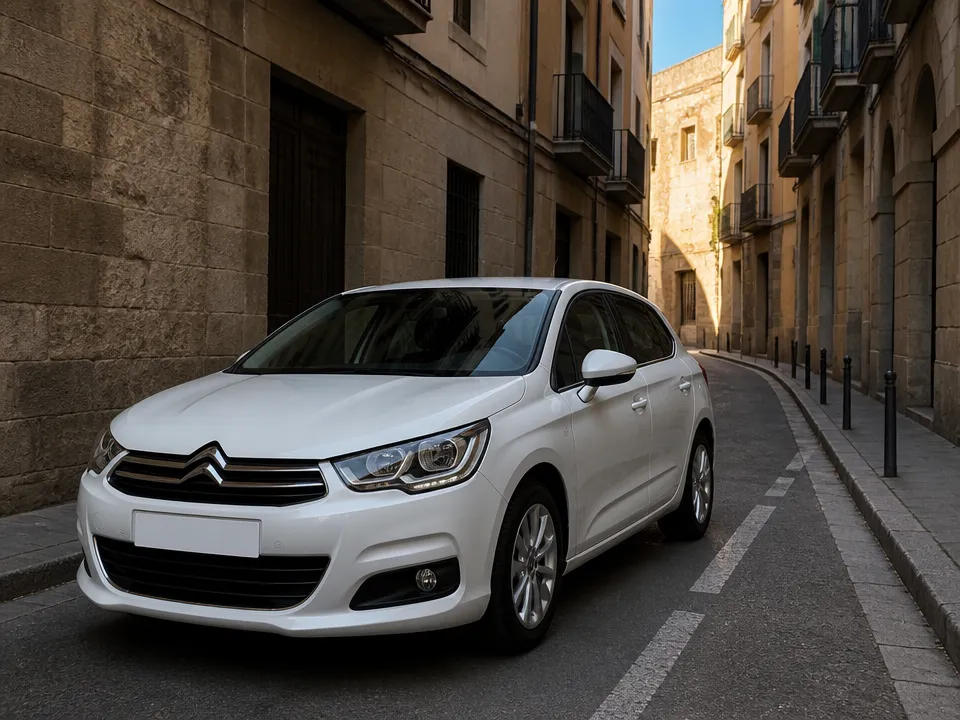
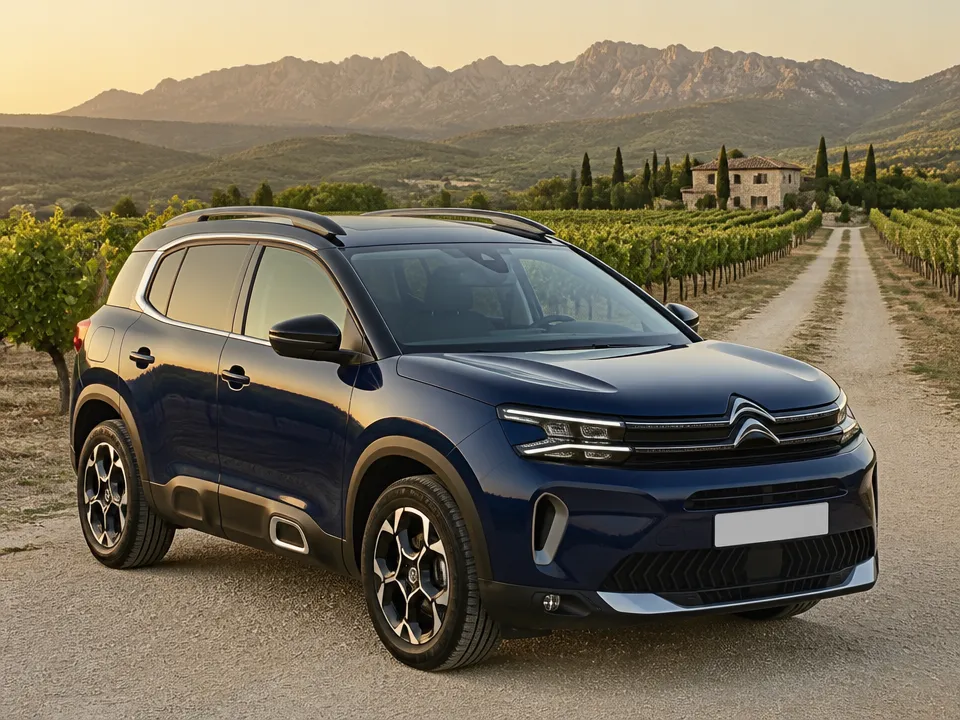
Citroen C4
★4.6· 86Manual1.2 L130 hpFront-wheel5 seats
€40per day
Book now






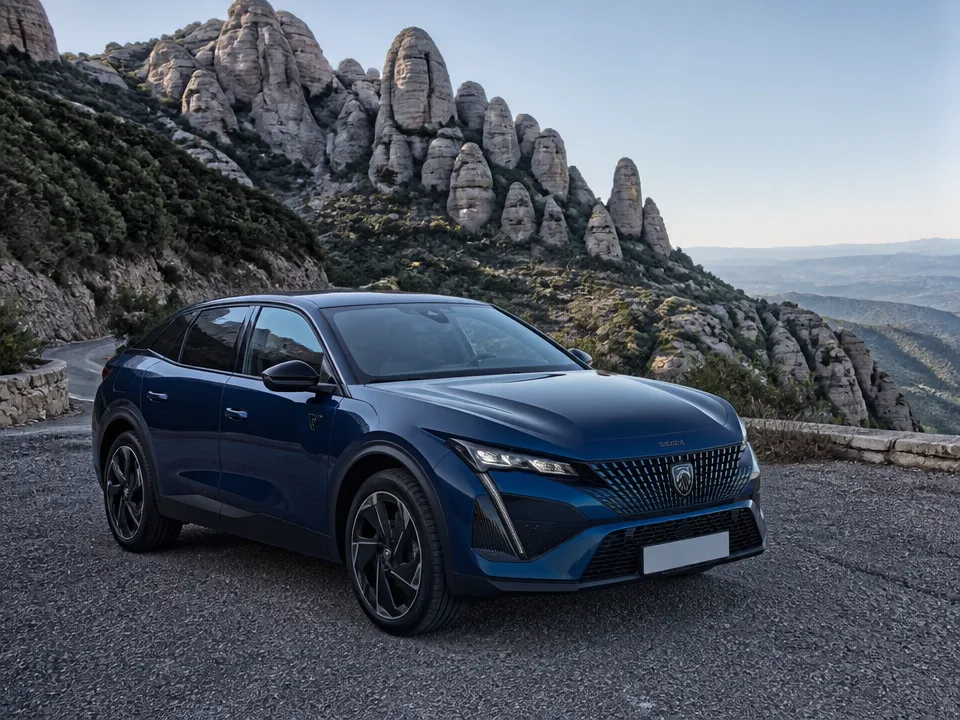
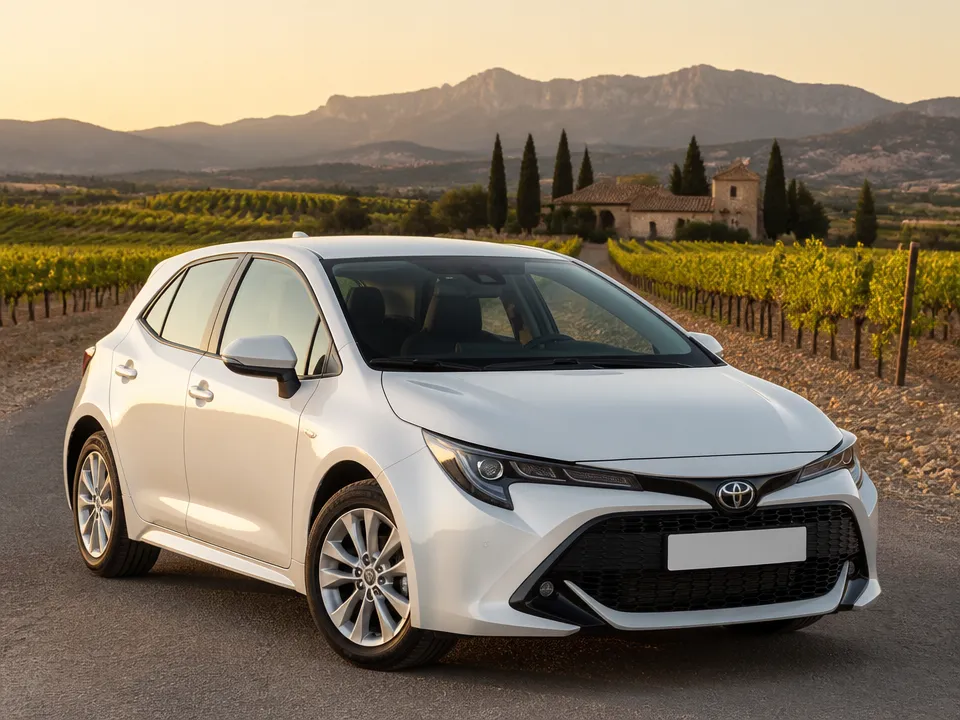
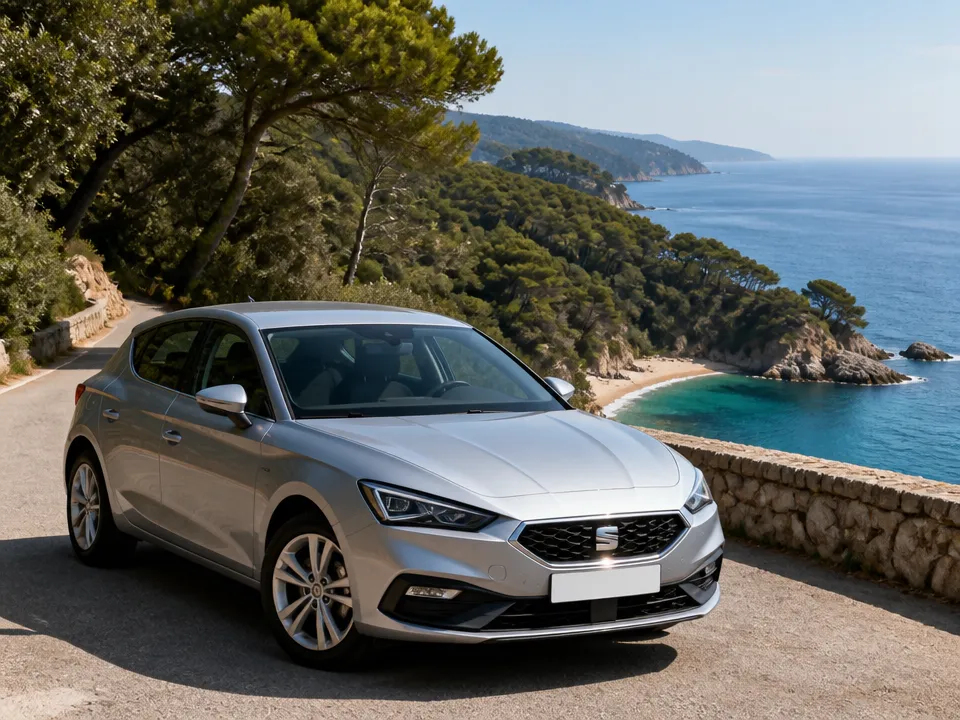
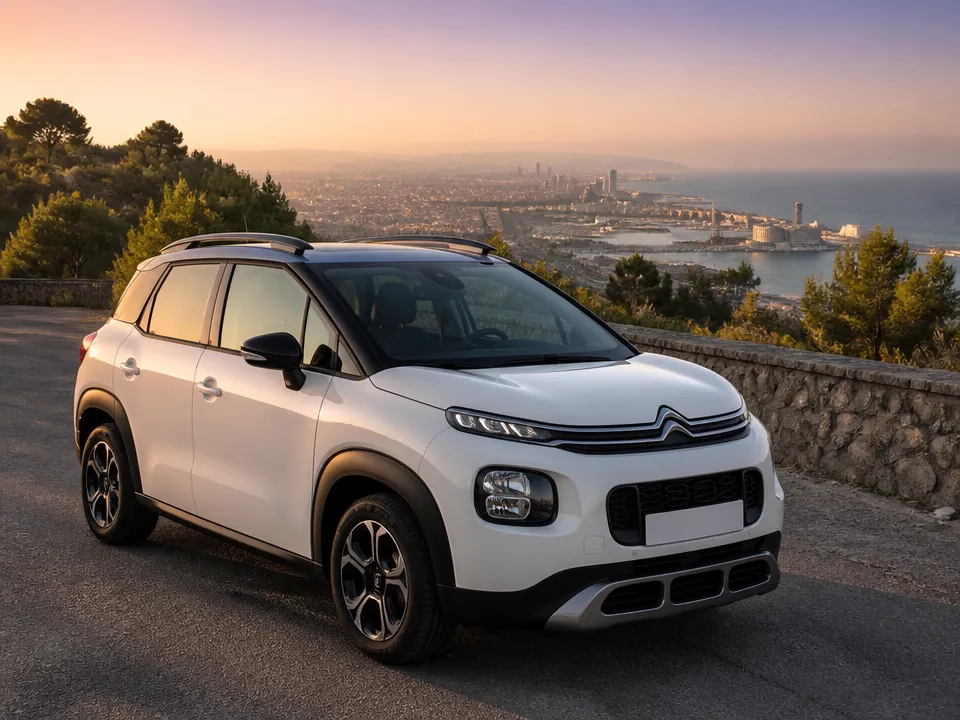
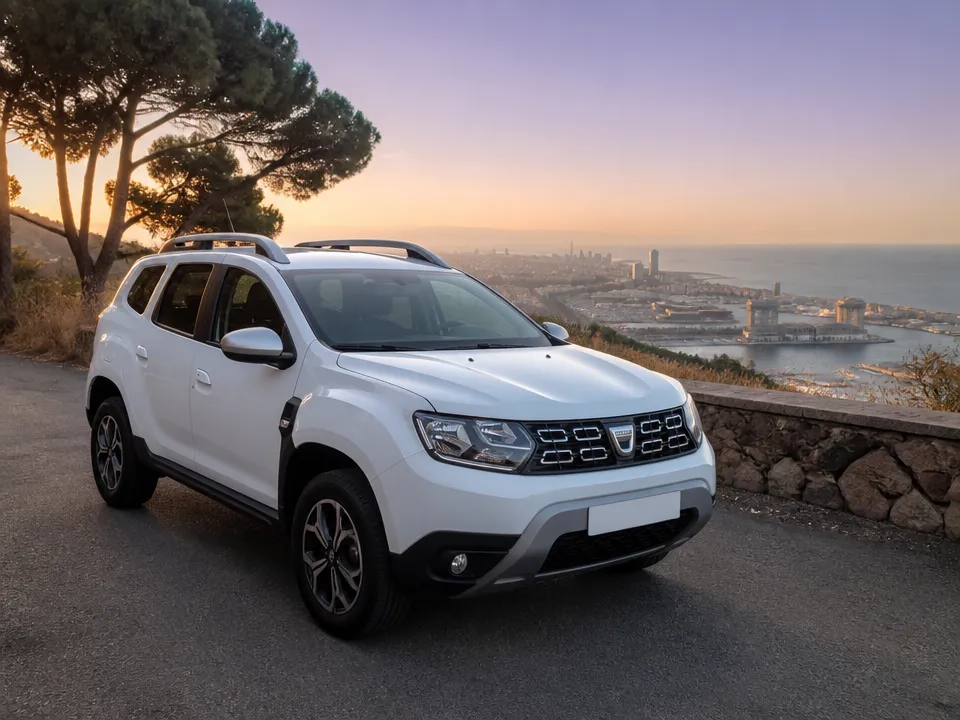
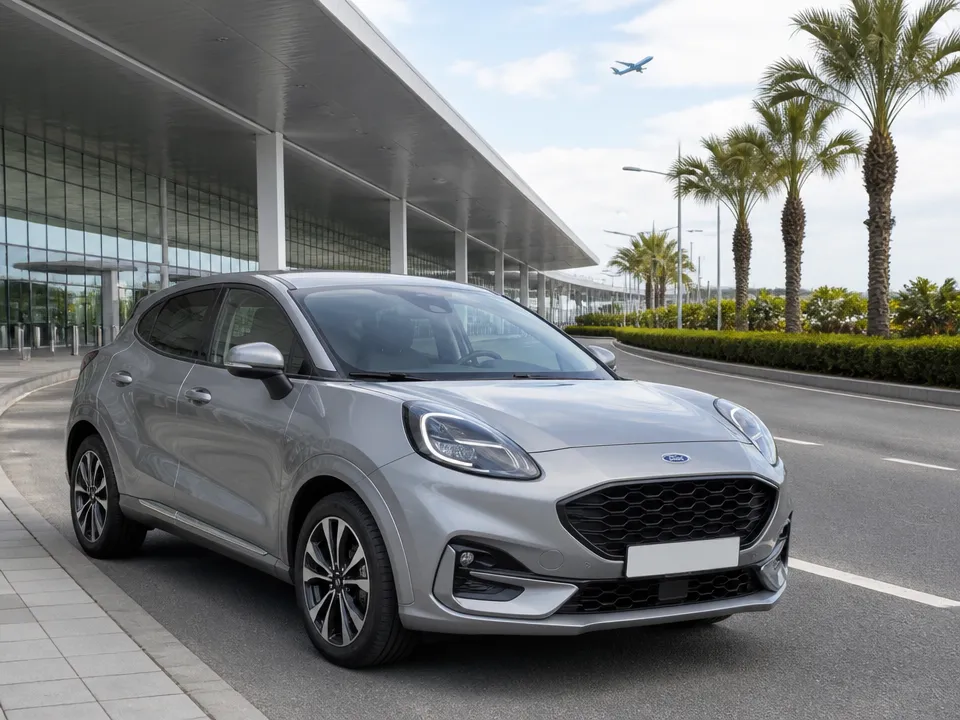
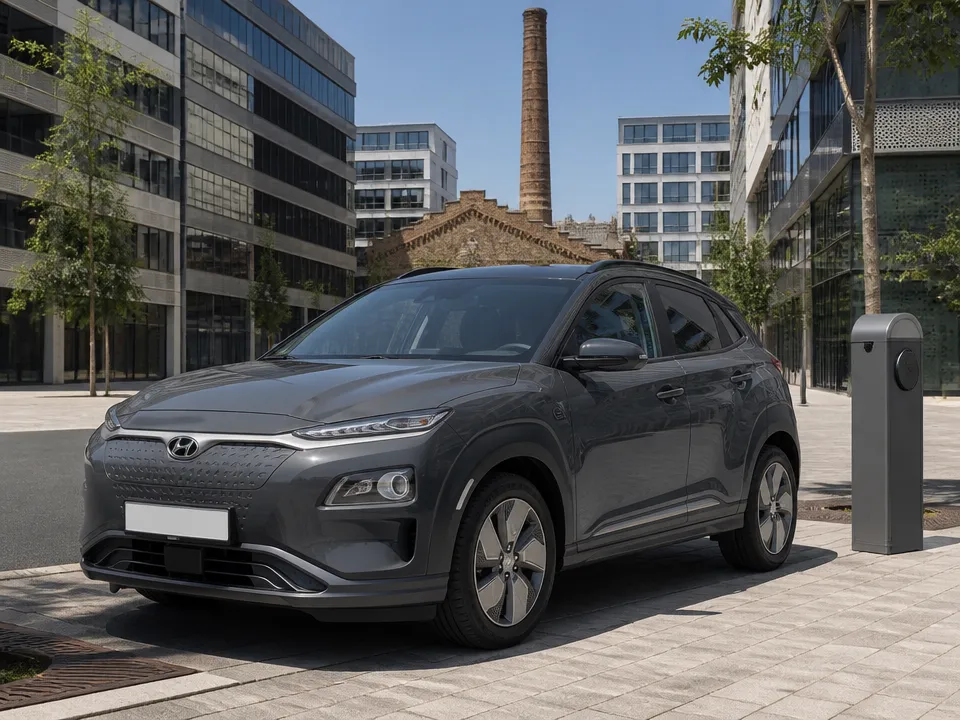
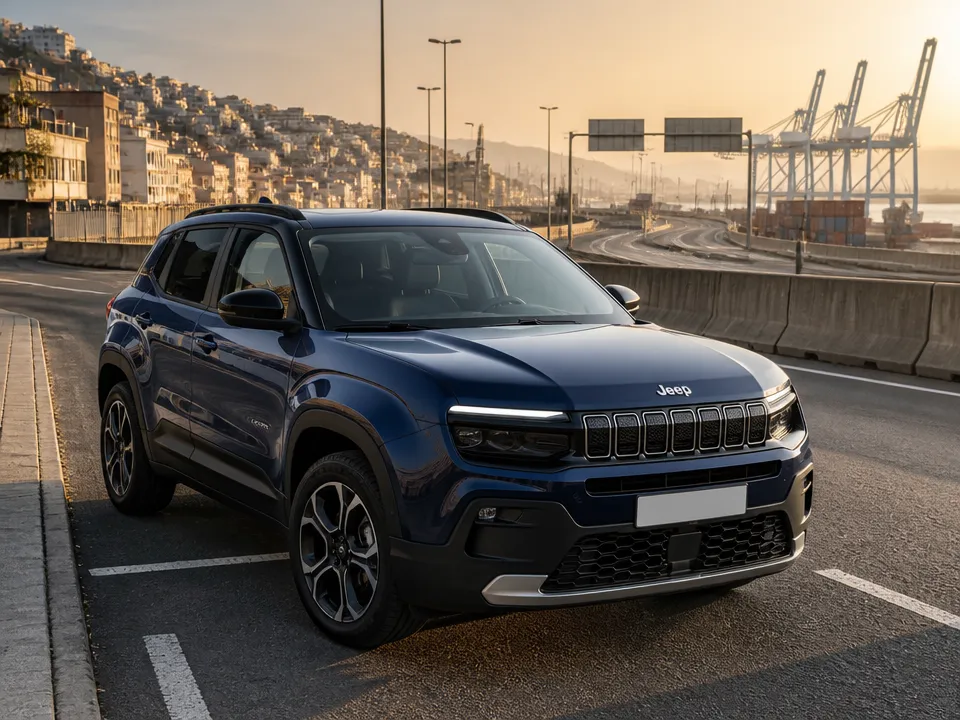
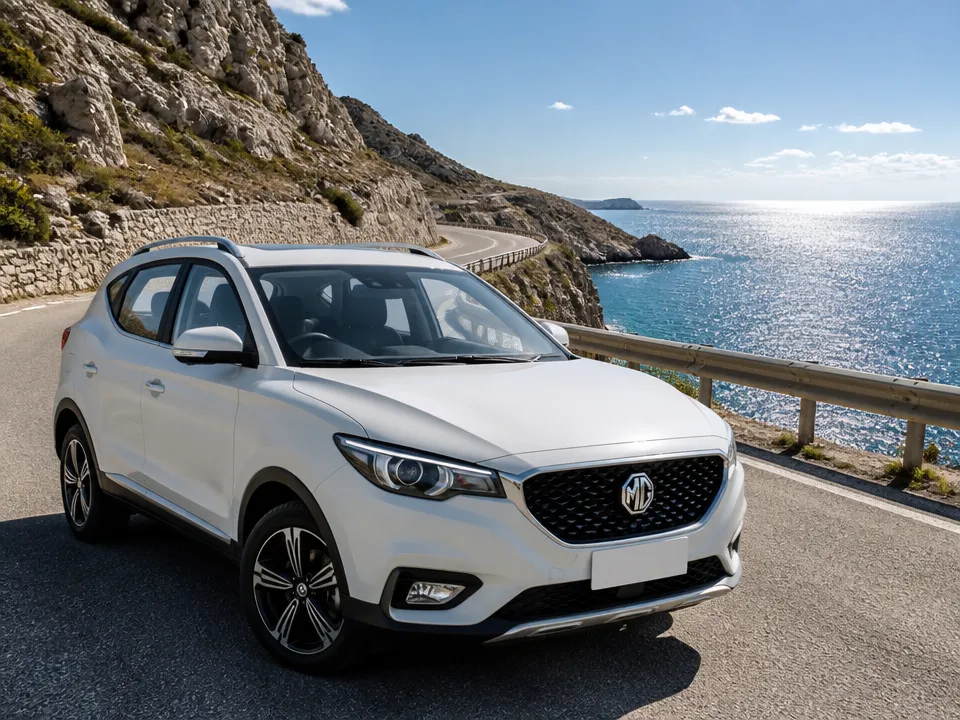
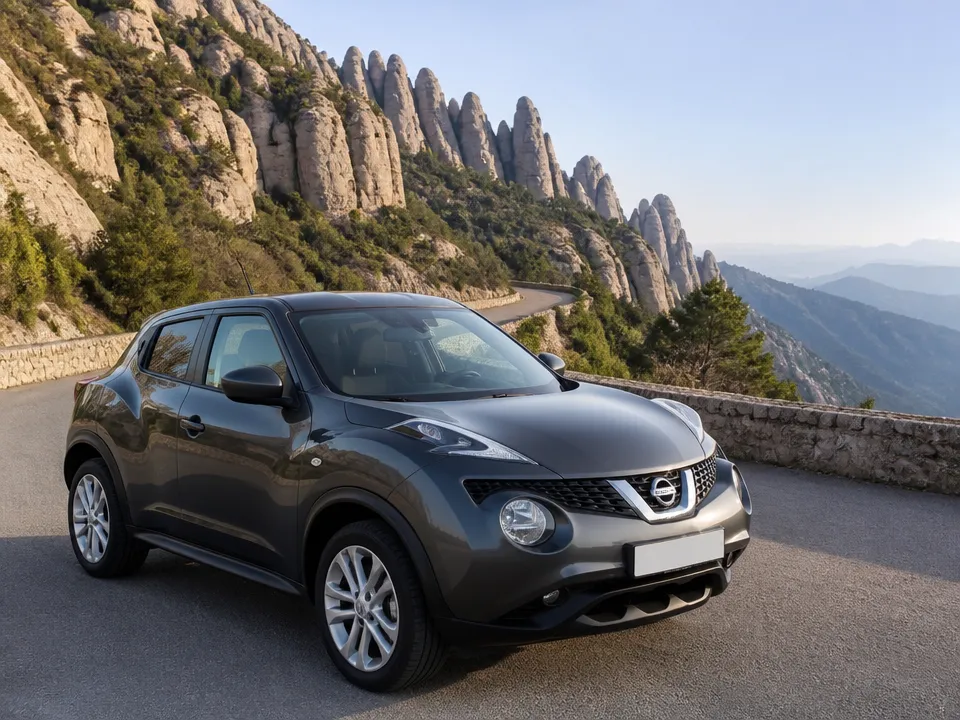
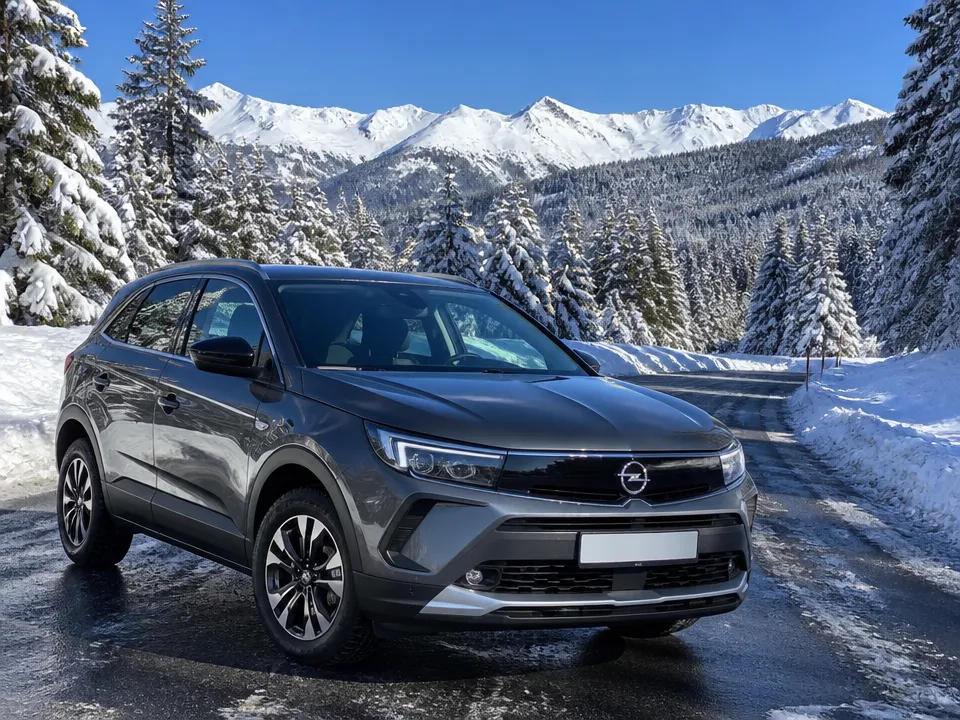
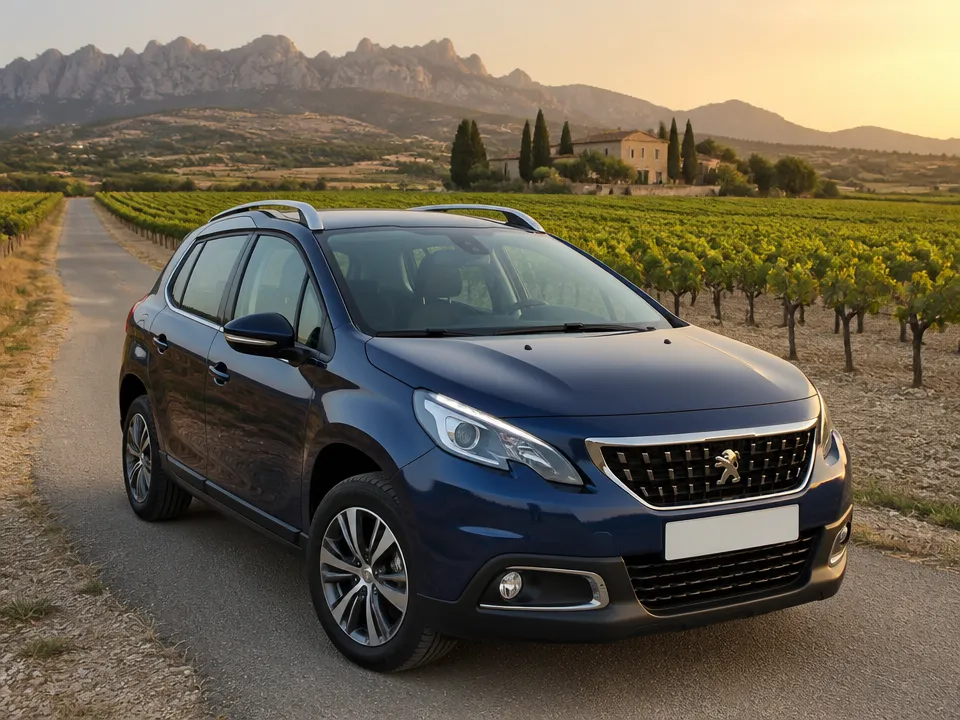
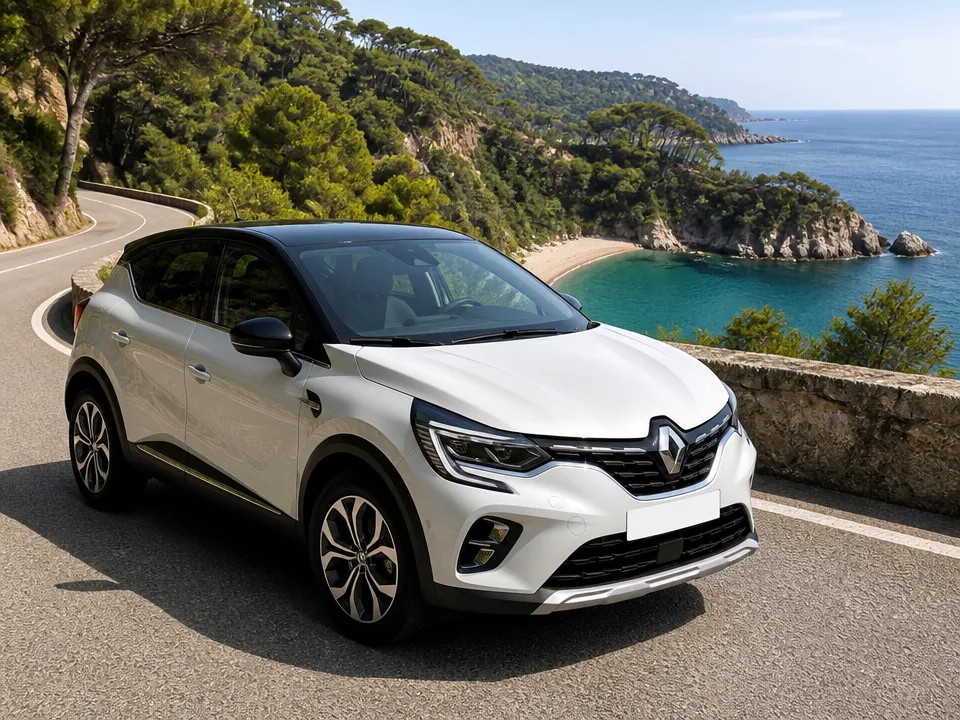
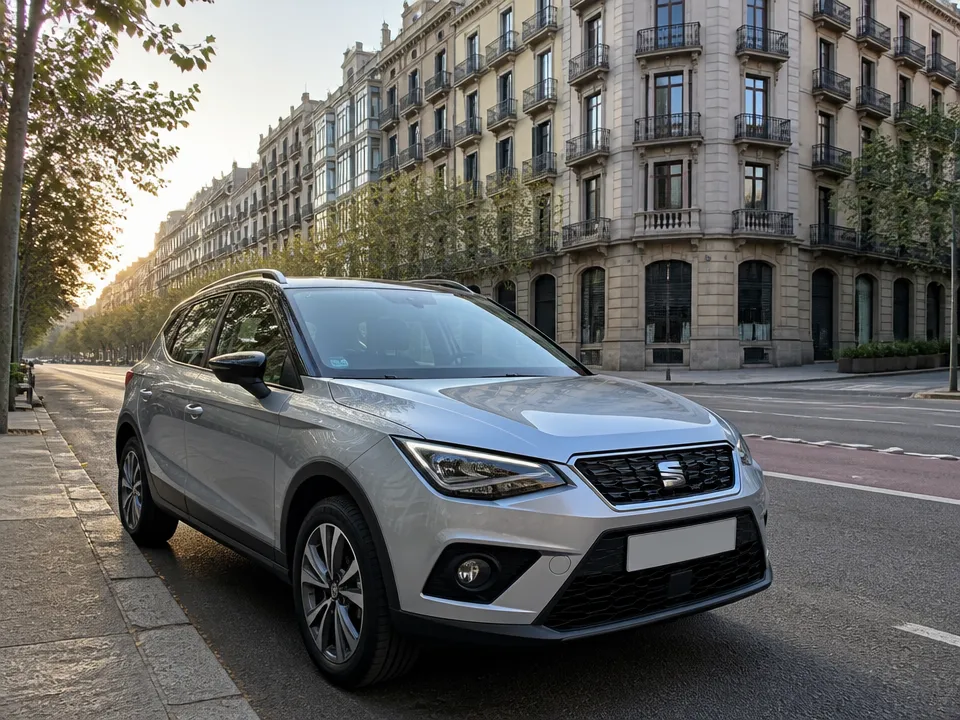
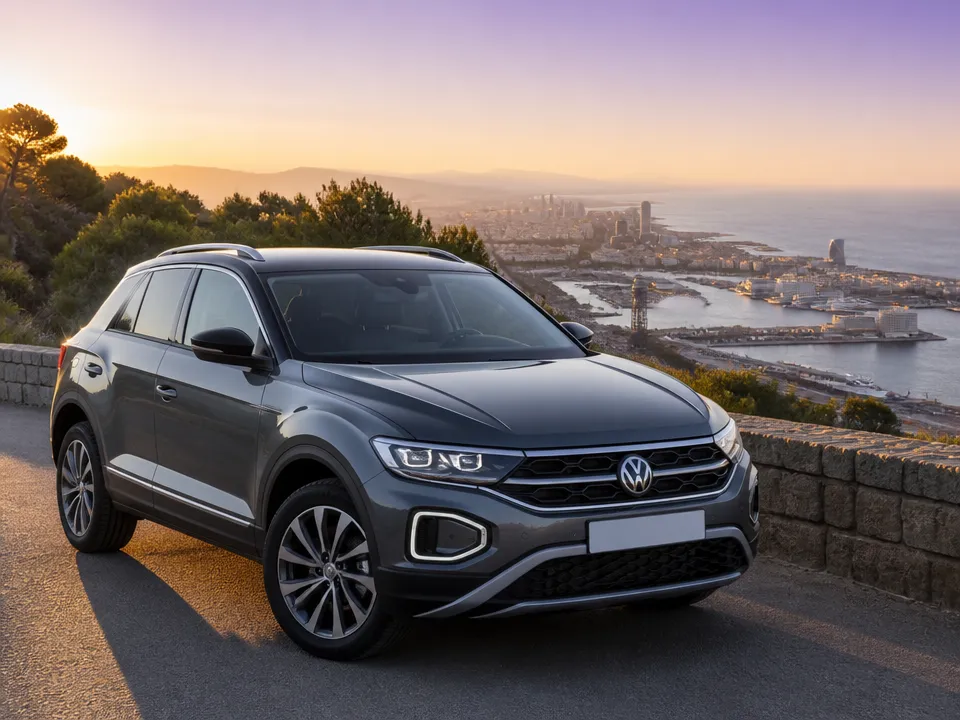
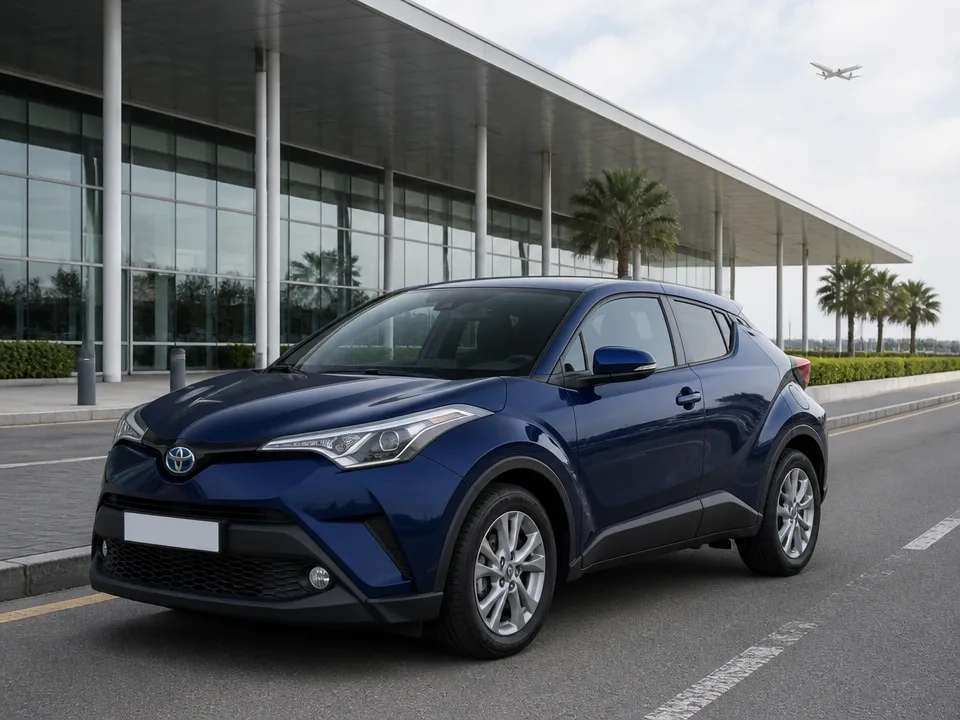
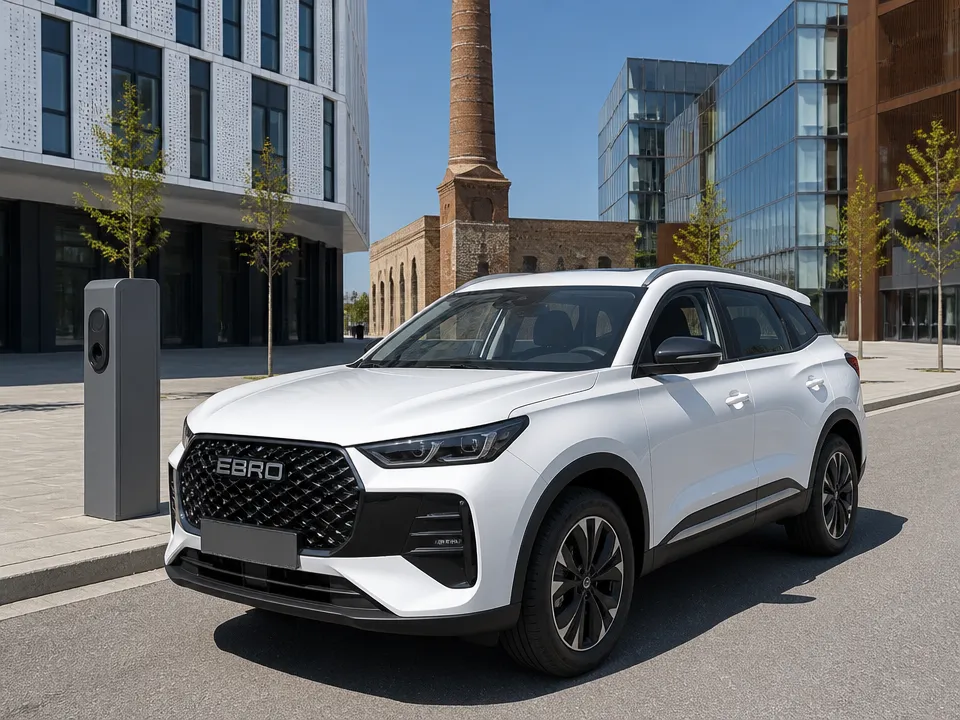
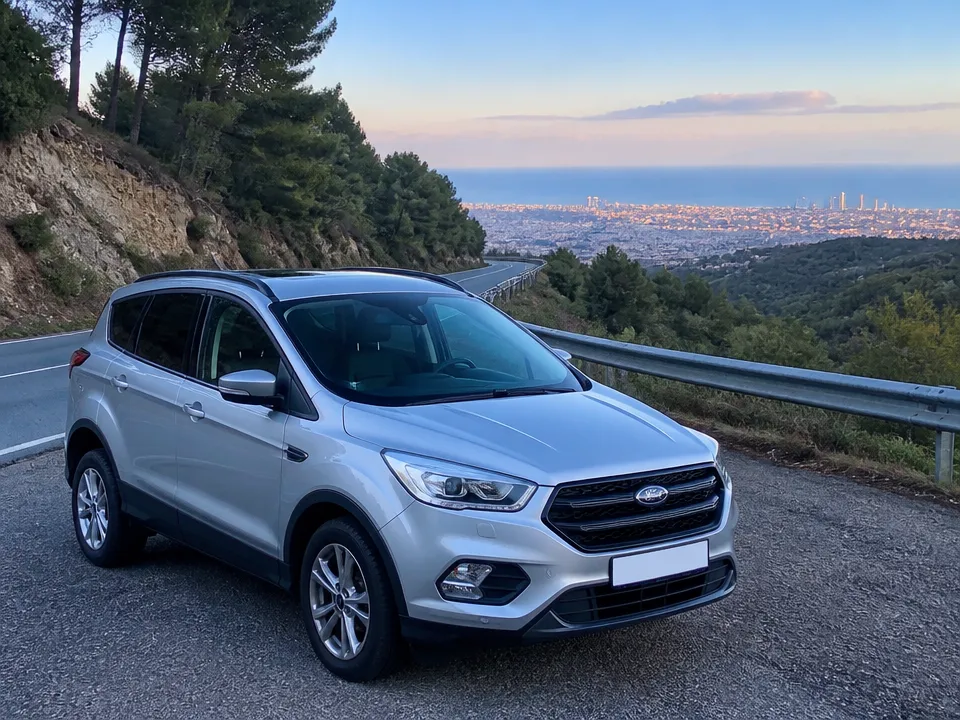
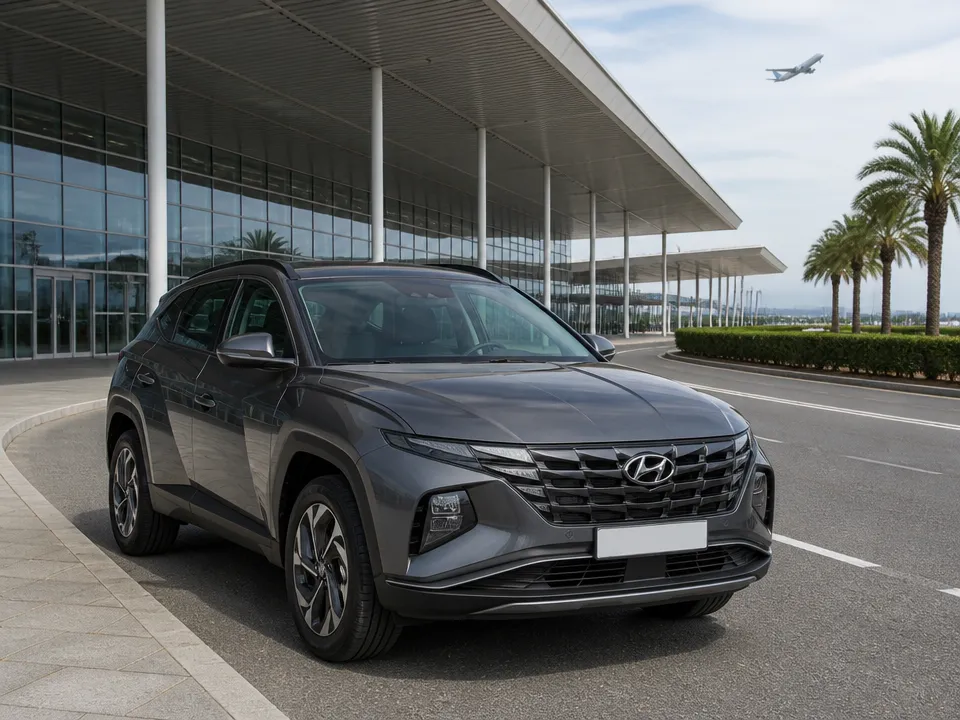
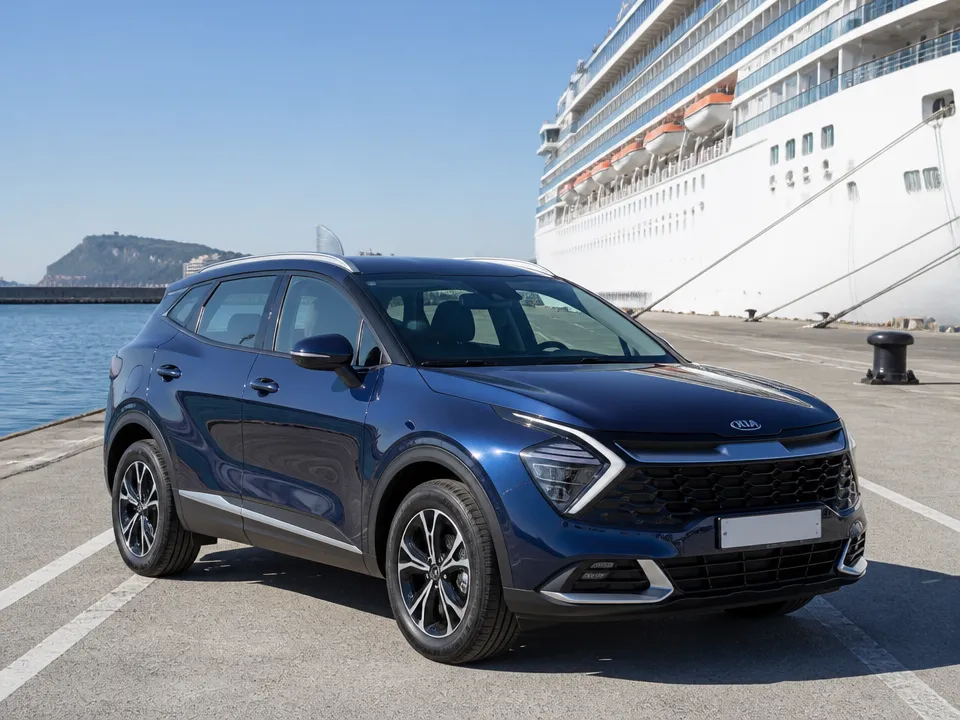
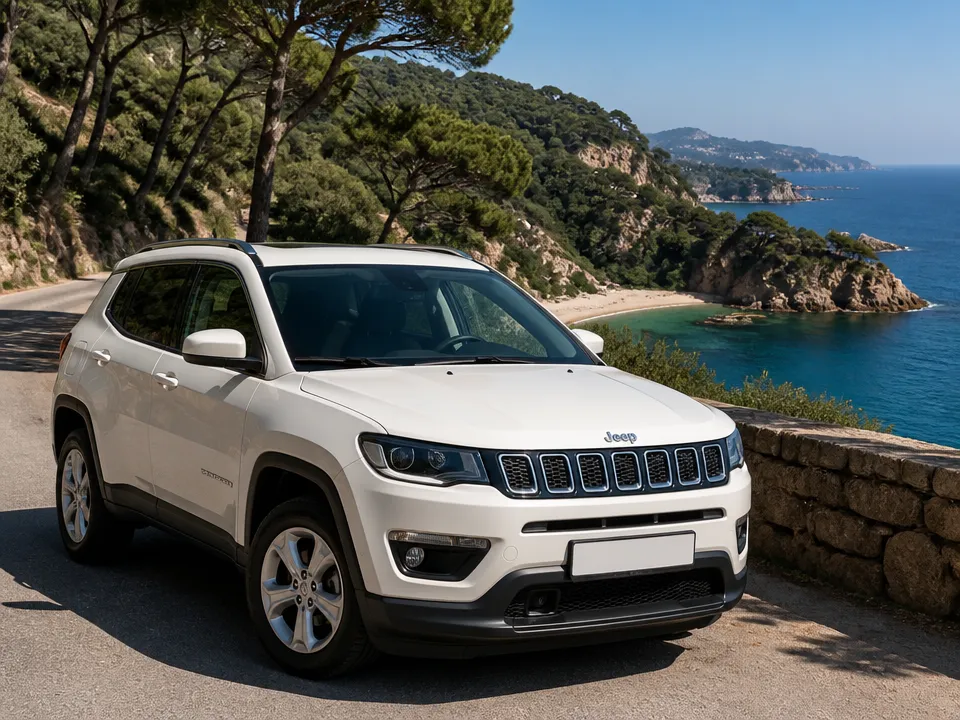
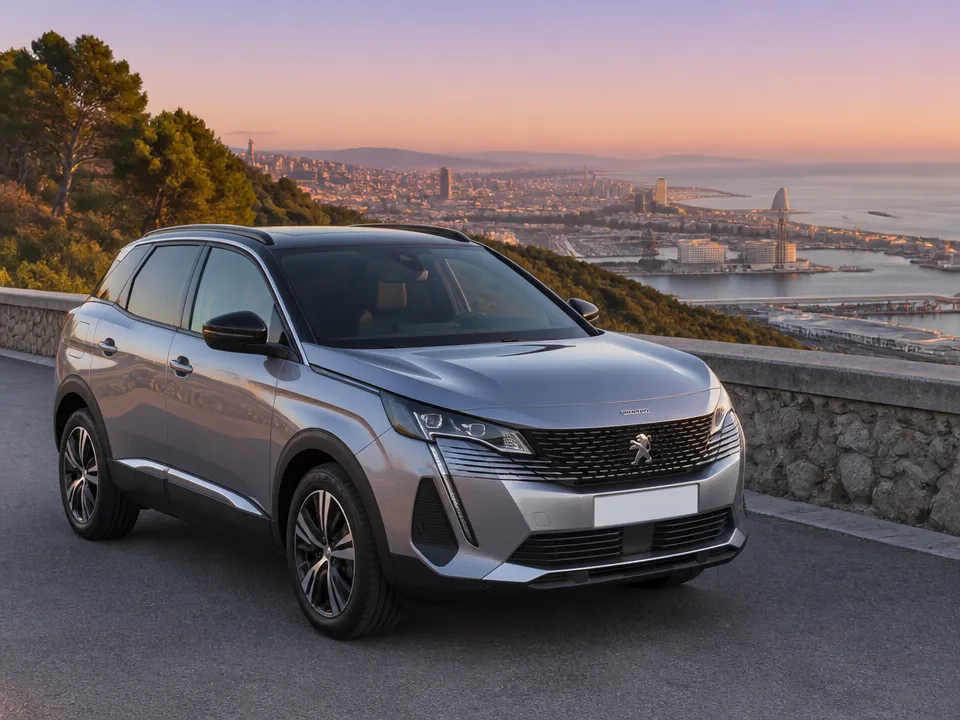
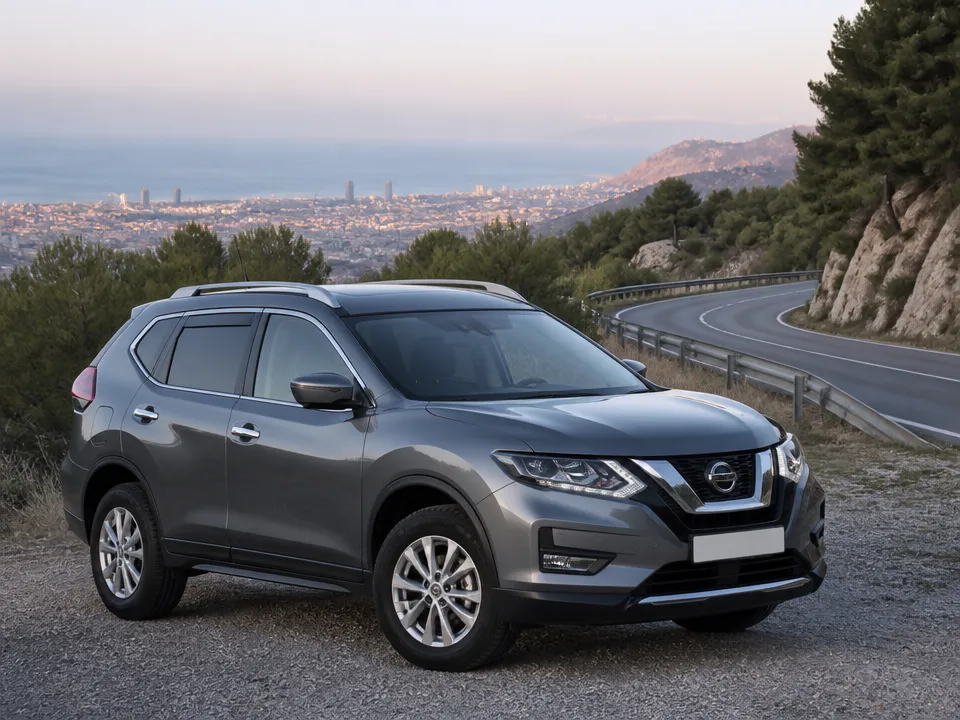
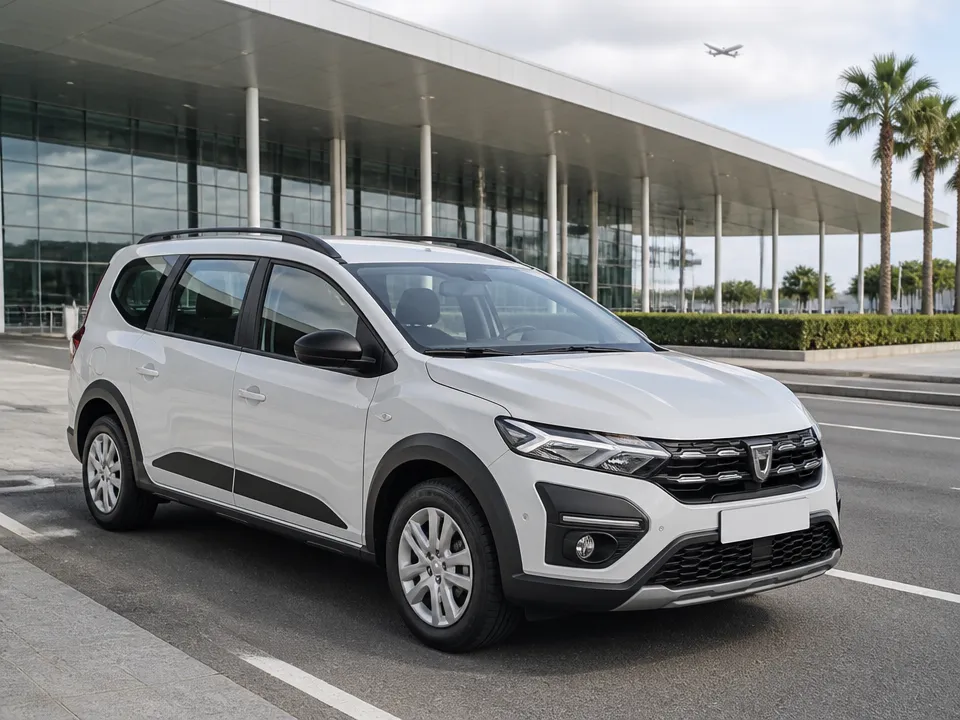
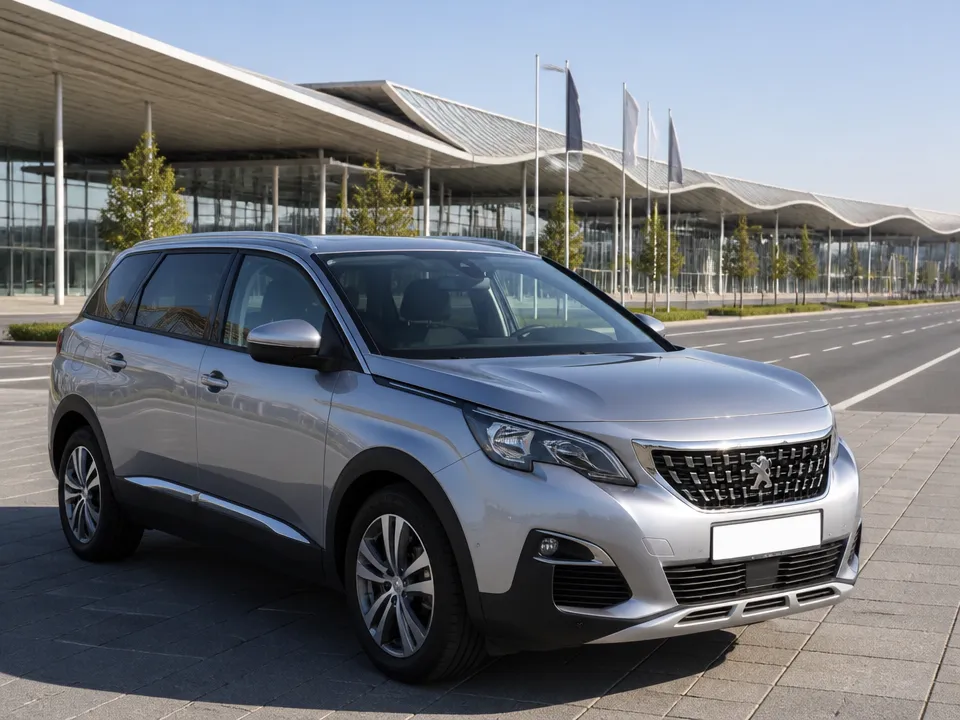
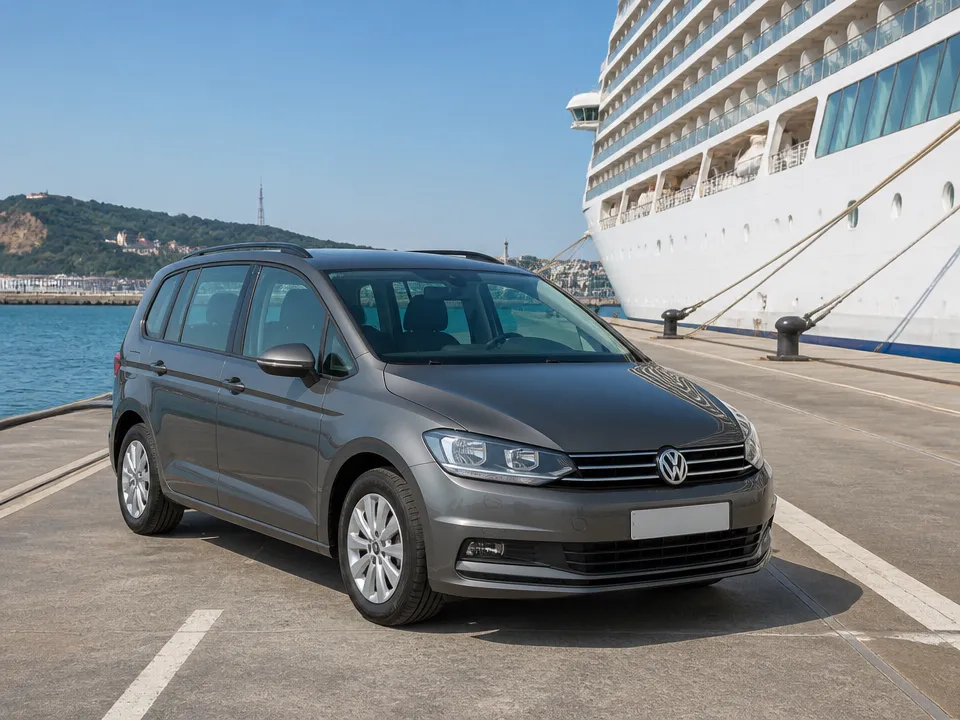
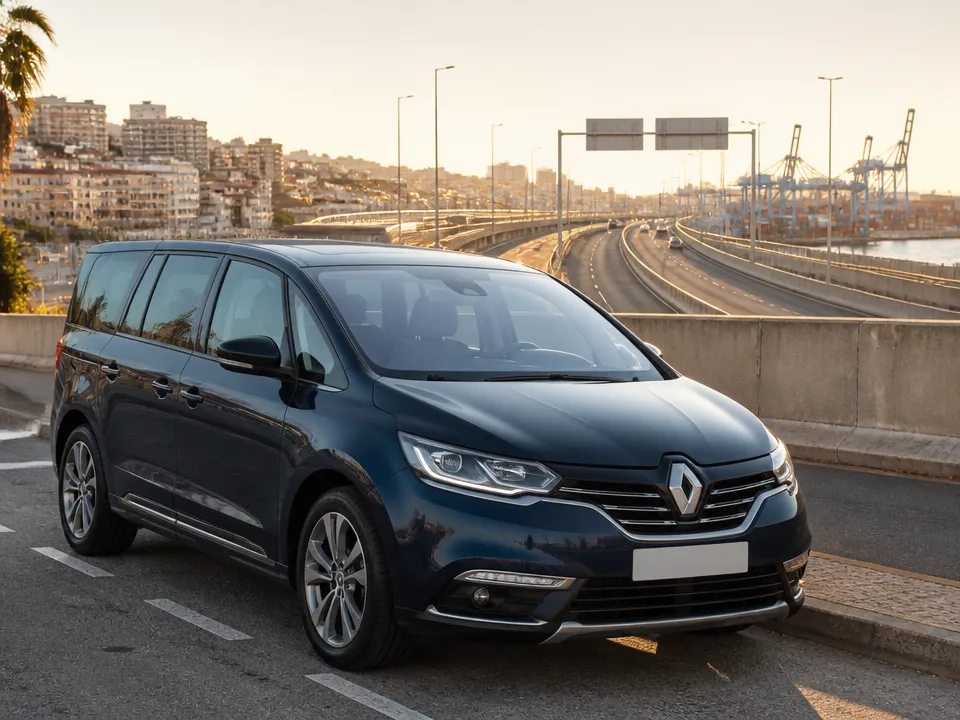
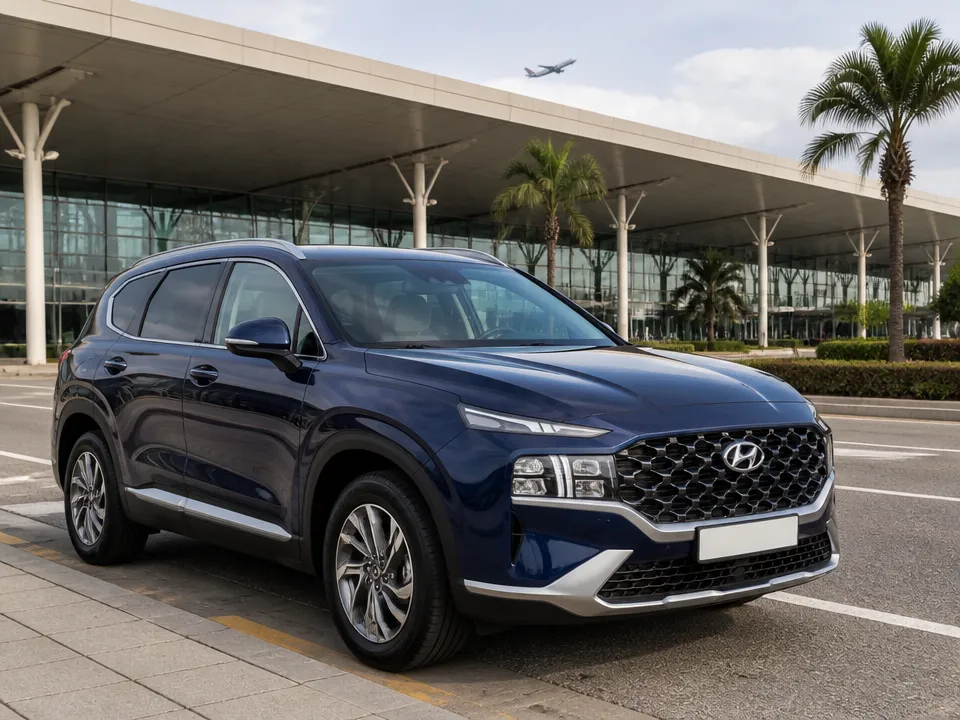
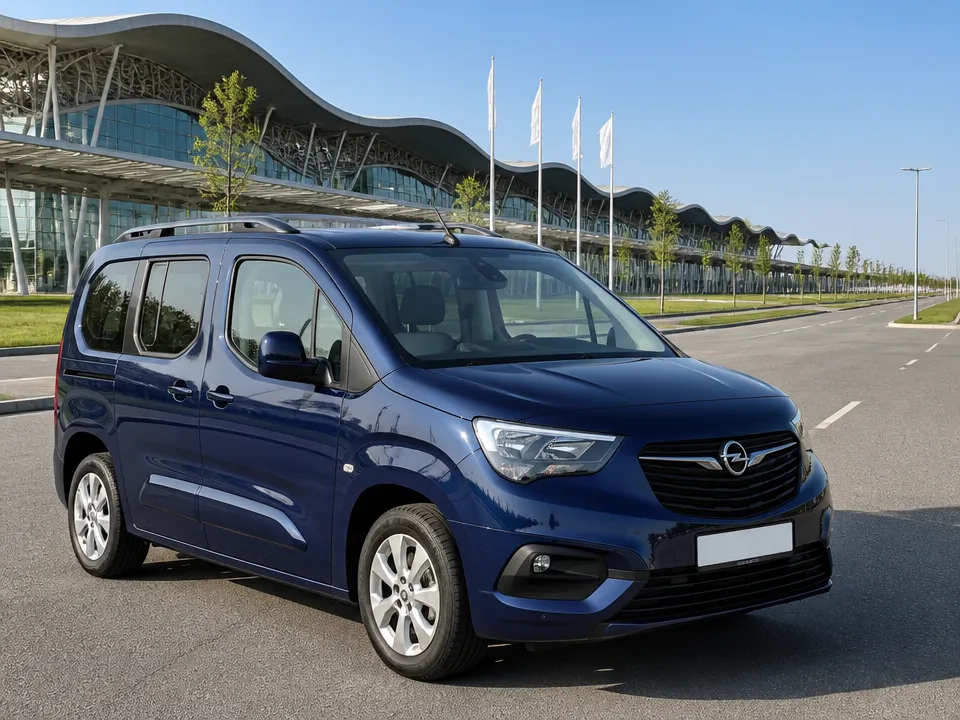

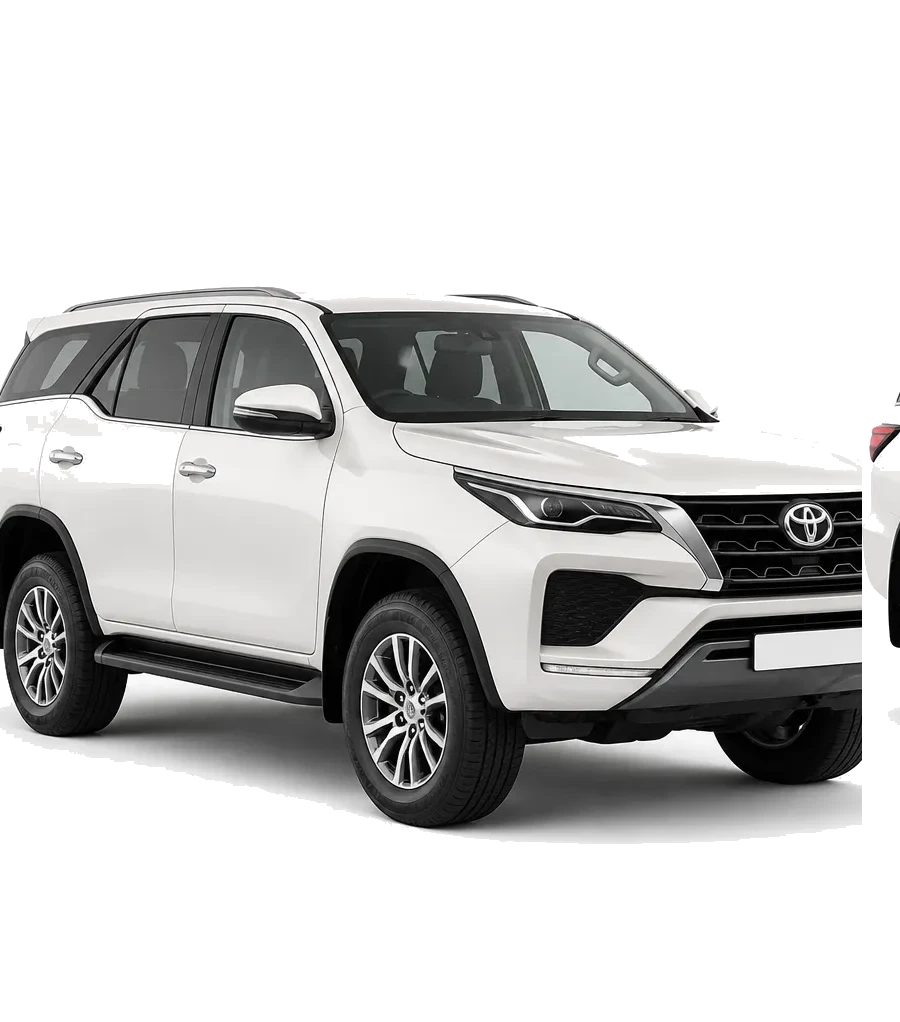
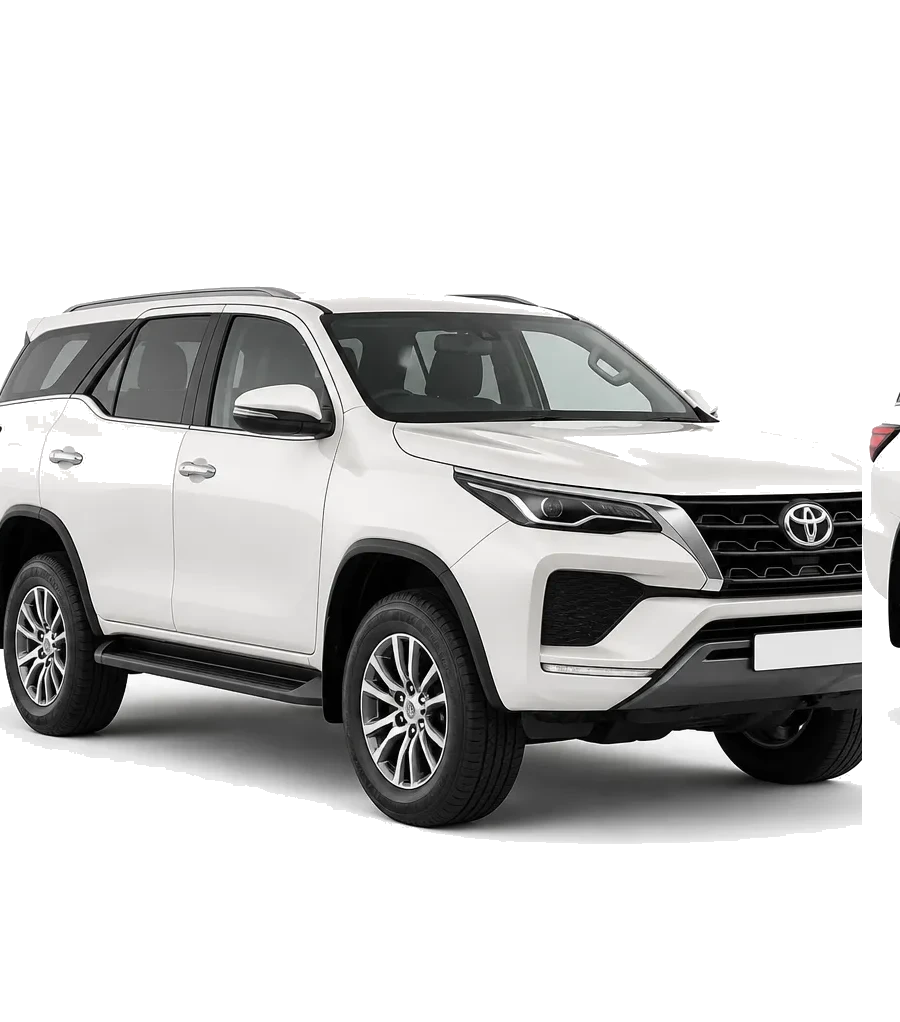

Car rental in Barcelona for a trip to The Pyrenees and La Cerdanya starts at €38 per day across 44 cars — crossovers, SUVs, comfort hatchbacks and seven-seat minivans. We deliver the car to you in Barcelona, and the booking is agreed with a manager.
A fixed itinerary puts the Pyrenees on someone else's clock: one bus a day, one guided departure, one photo stop. Driving yourself to The Pyrenees and La Cerdanya puts the C-16, the Túnel del Cadí and the whole Cerdanya valley on your own schedule instead.
Rent-Trip hands over a car you drive yourself, so the C-16 towards Puigcerdà and the Túnel del Cadí stay on your own schedule. We deliver the vehicle to you and agree the booking with a manager beforehand, which means the hand-over point and the time are settled before you leave. From the city the road runs north past Vic and Ripoll, then climbs through the Cadí tunnel into the Cerdanya basin — Puigcerdà on one side, La Seu d'Urgell further west on the N-260. Nobody checks your ticket at the pass. The villages of the Cerdanya valley are scattered along a single corridor, and the bus timetable between them rarely lines up with the day you actually have — a car removes that constraint entirely, including the return leg after a long lunch in Bellver or Alp. In our practice the difference shows up on the second day, when people stop planning around departures and start planning around viewpoints.
Plan the drive back through the Cadí tunnel before evening — the return leg is the part people underestimate, and the mountain road is the last stretch of the day.
Four classes are available for this route, and the mountain road sorts them quickly: what matters on the C-16 climb is drivetrain and gearbox, not boot size.
| Class | Cars | From, per day | Best for |
|---|---|---|---|
| Crossover | 13 | €38 | Two travellers, light luggage, mostly asphalt |
| SUV | 13 | €42 | The Túnel del Cadí run and winter-ish weather |
| Comfort | 10 | €40 | Long motorway hours, four adults |
| Minivans | 8 | €52 | Groups, families, ski and hiking kit |
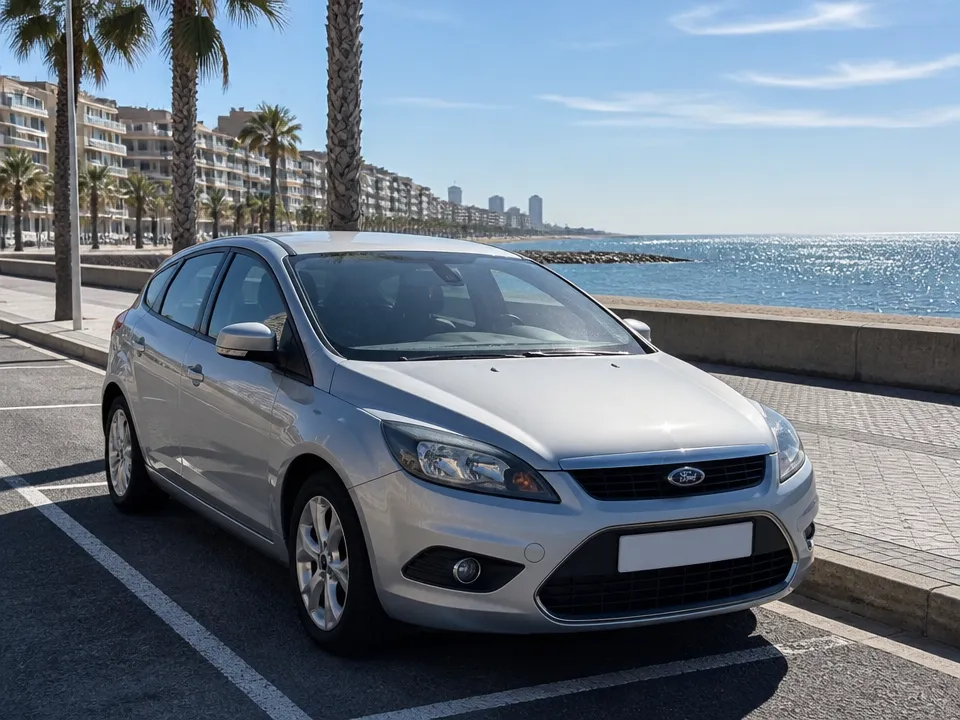
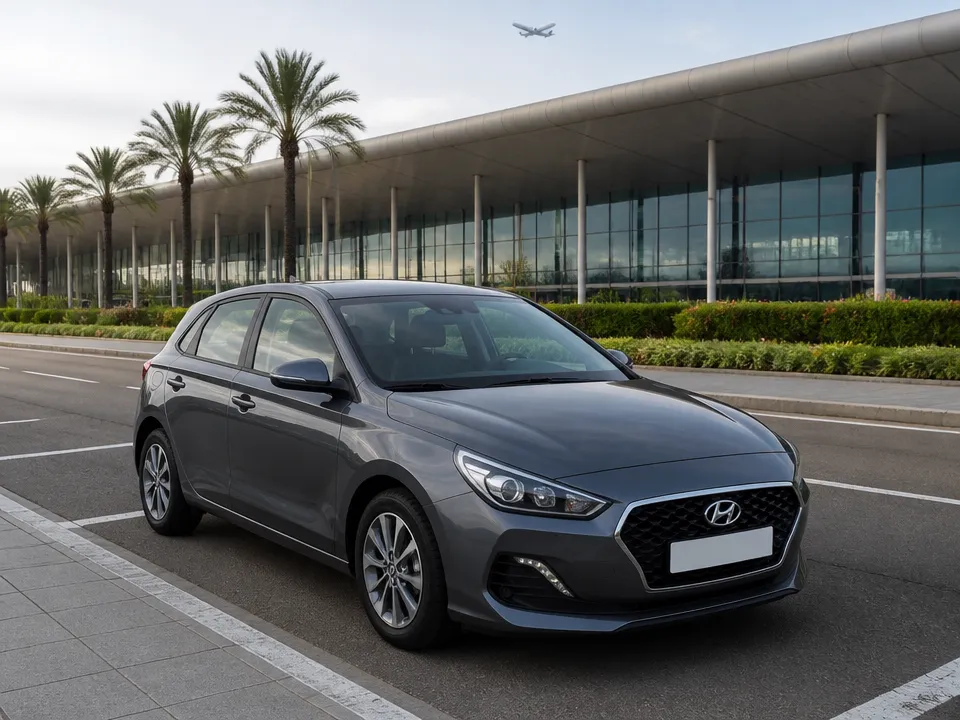
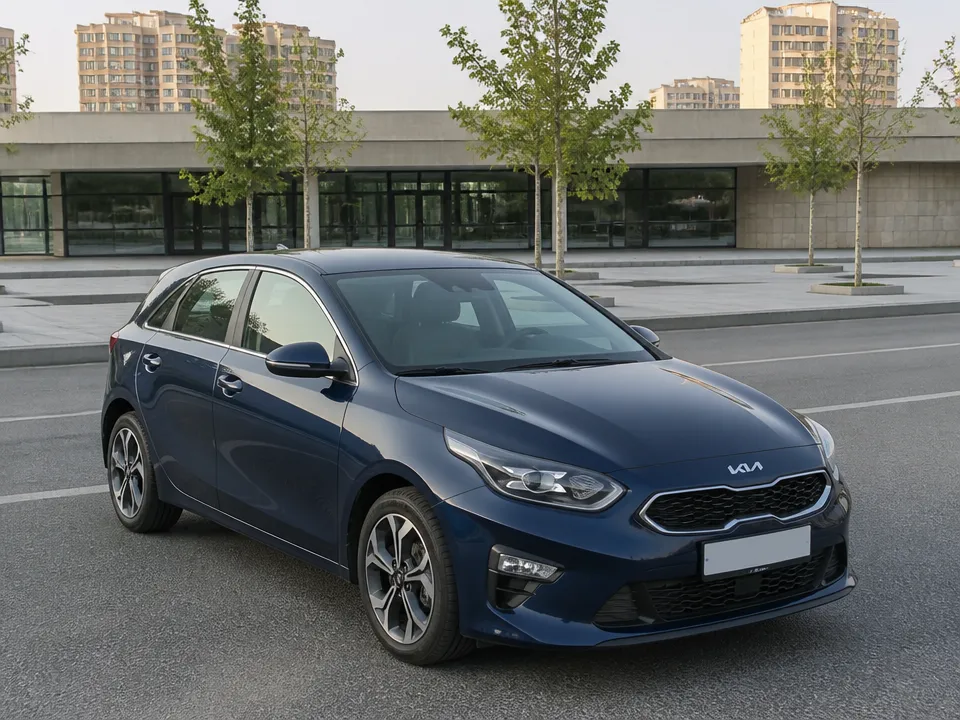
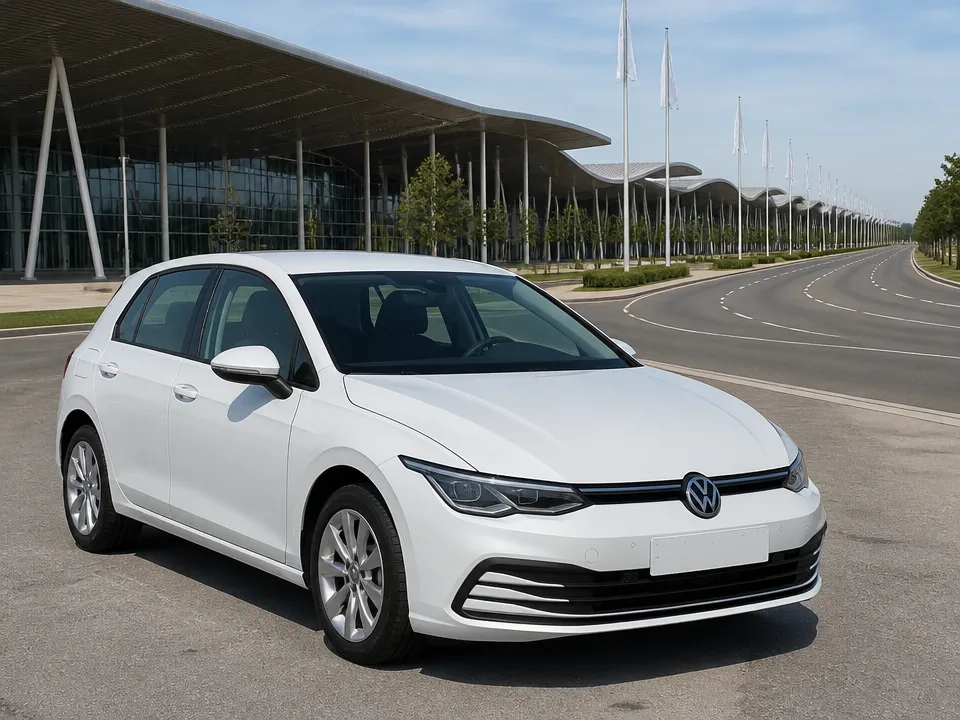
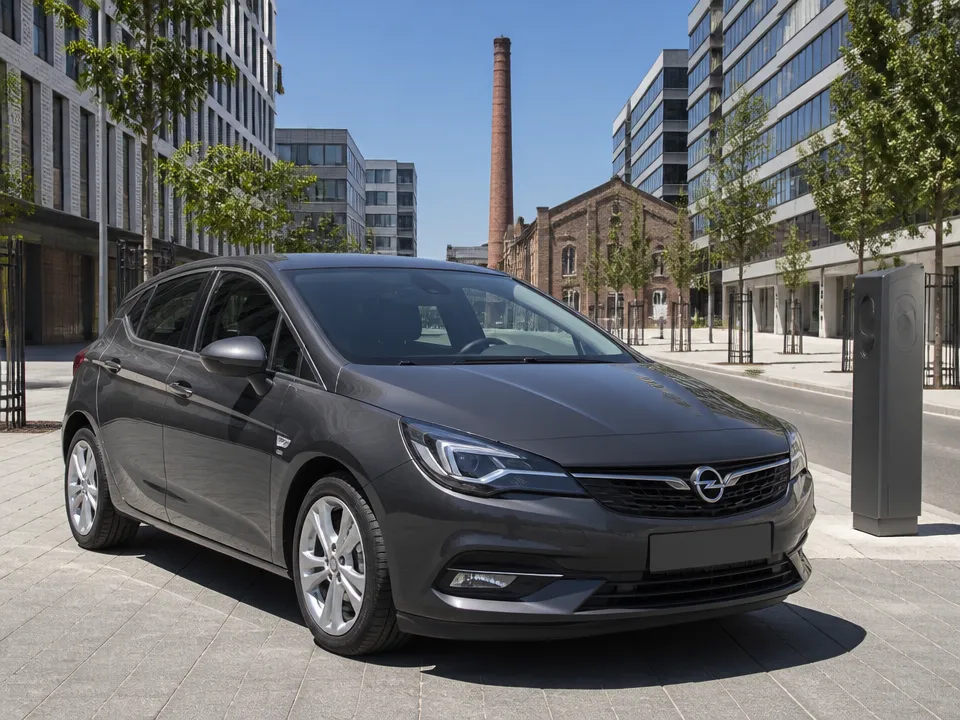
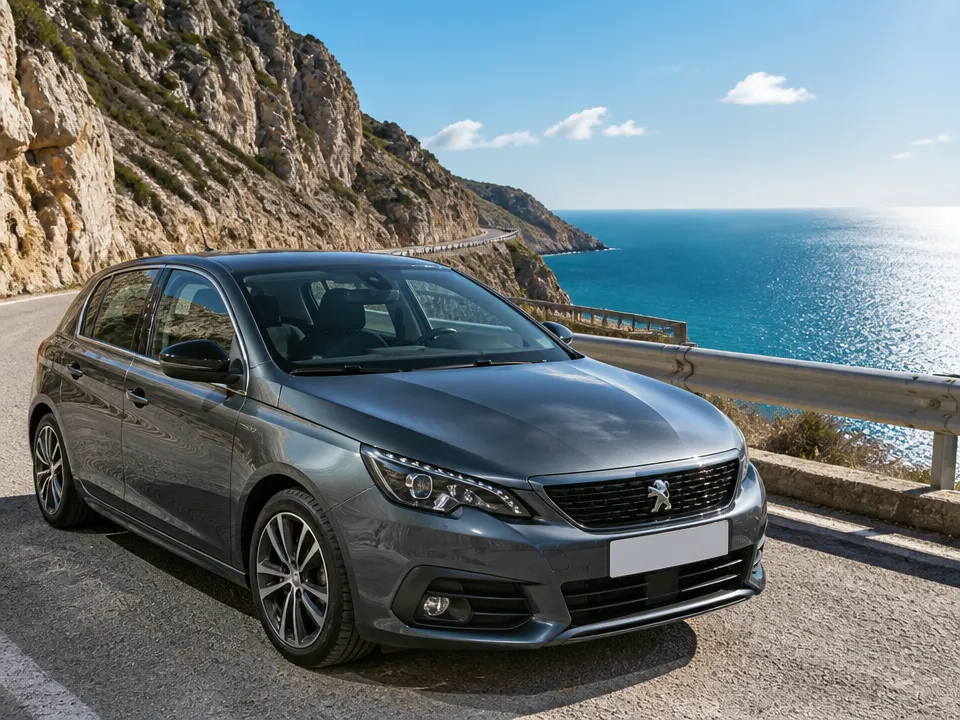
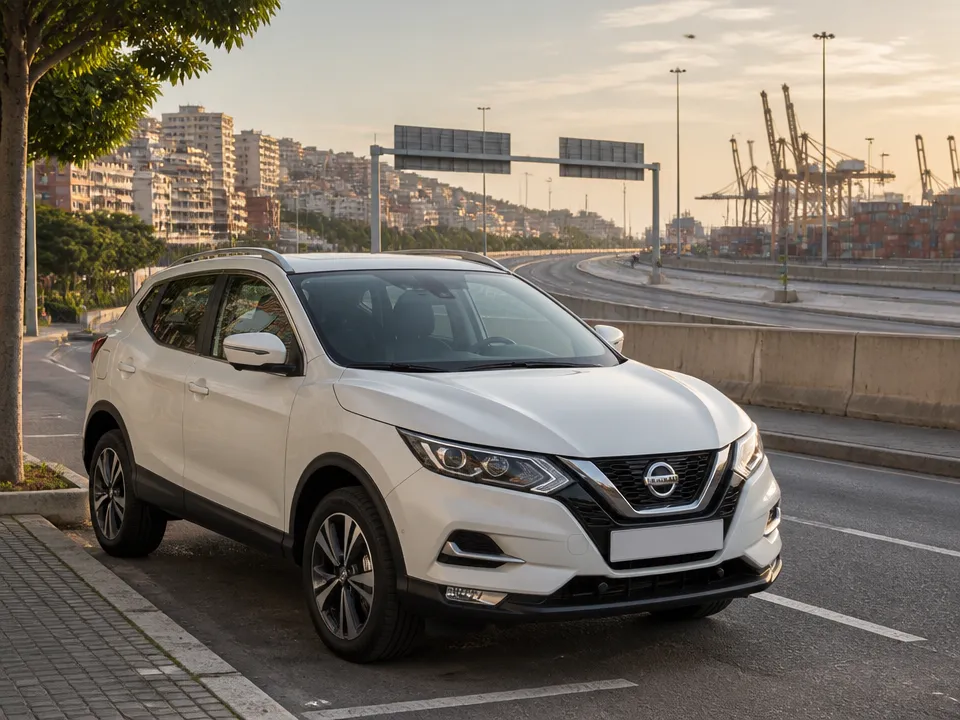
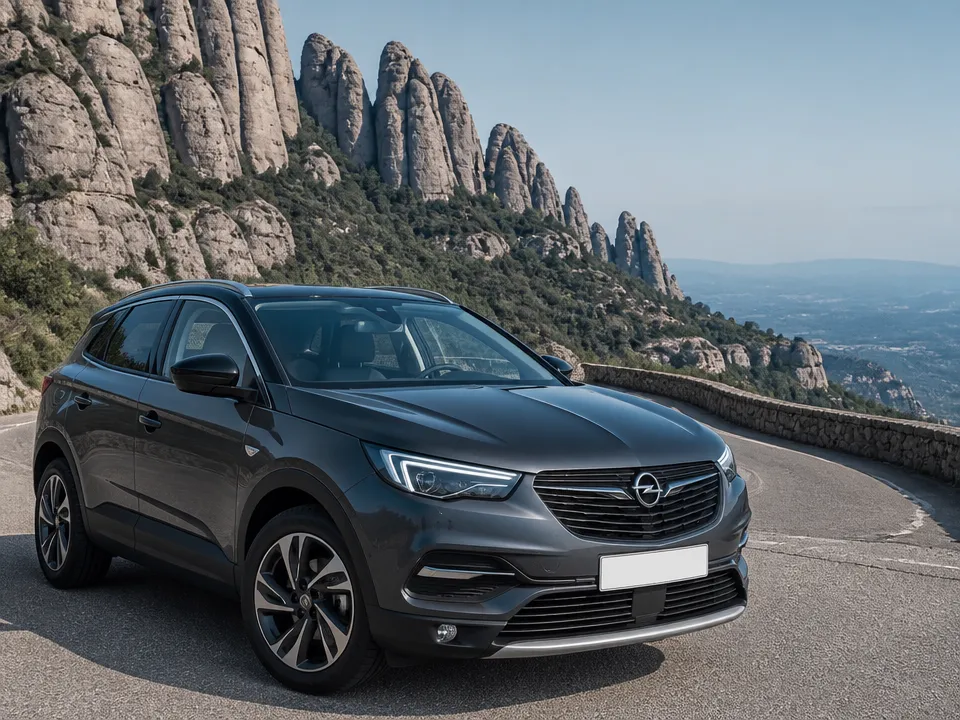
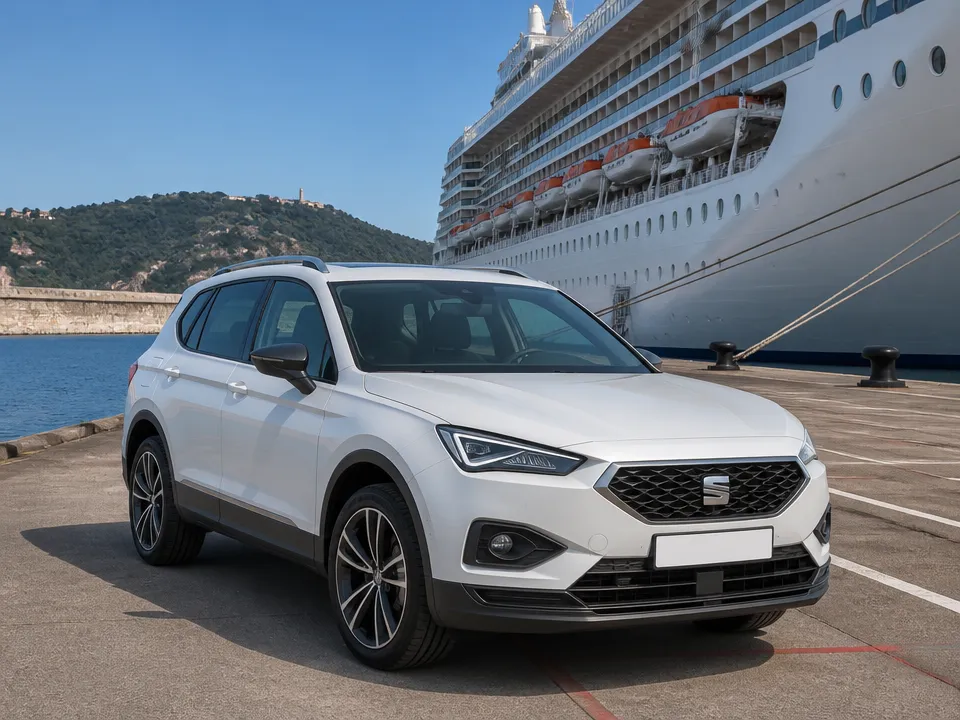
Crossover is the largest group on this page with 13 cars from €38, and the SUV class matches it at 13 cars from €42. Among the SUVs, Dacia Duster runs Petrol/LPG with 4x4, Nissan Qashqai and Opel Grandland are hybrids, and Hyundai Tucson, Kia Sportage and Seat Tarraco offer AWD with 150 hp. Comfort sits at 10 cars from €40 — Citroen C4, Ford Focus, Hyundai i30, Kia Ceed, Opel Astra, Peugeot 308, Seat Leon, Toyota Corolla, Volkswagen Golf — a mix of manual and automatic, with the Corolla and 308 automatic and hybrid. Minivans bring 8 cars from €52, including the 7-seat Peugeot Rifter and Dacia Jogger. Our view after sending cars up this road: for the Cadí-Moixeró side, pick AWD or 4x4 over a bigger cabin — the extra seats help at the hotel, not on the hairpins.
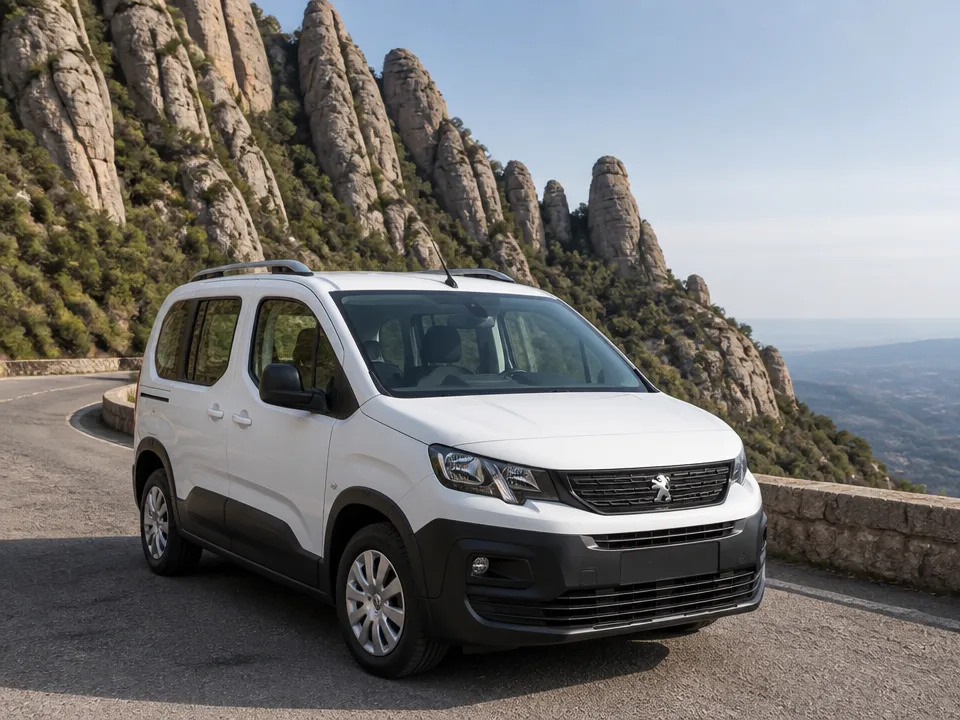
Rent-Trip lists 5-seat cars in all four classes and 7-seat options in Minivans and SUV, so the seat count is a real choice rather than a formality. The 7-seat Minivans are Peugeot Rifter at €55 a day with a 1.5 L diesel and Dacia Jogger at €56 with a 1.6 L hybrid, both front-wheel drive and manual. The 7-seat SUVs are Seat Tarraco at €58 with 150 hp and Nissan X-Trail at €60 with 163 hp, both automatic and both available with AWD. For a group of six or seven with luggage, the X-Trail's 163 hp and automatic box make the climb past Bellver de Cerdanya noticeably easier than a loaded manual — but the Rifter seats the same seven people with a 1.5 L diesel and manual box. Decide by the road you plan, not by the passenger count alone.
Of the 44 cars on this page, the automatic and hybrid-automatic options cluster in SUV and Comfort, while Crossover and Minivans are almost entirely manual. Ebro S400 is the cheapest automatic at €40, a 1.5 L hybrid with 211 hp; the hybrid automatics then run through Toyota C-HR, Citroen C5 Aircross, Peugeot 3008, Jeep Compass, Nissan X-Trail and Seat Tarraco. On the descent towards Puigcerdà, engine braking in a manual saves the pads, but on a wet C-16 after rain the automatic lets you keep both hands on the wheel. If you have never driven a mountain pass, ask the manager at booking for an automatic — the class you pick changes the answer.
Rates on this page run from €38 to €72 per day, and the longer you book, the more the class you pick matters. Below is how the daily figure turns into a week, a month and a final bill.
Rent-Trip prices car rental in Barcelona for a trip to The Pyrenees and La Cerdanya from €38 to €72 per day, with weekly bookings from €228 and monthly from €798. The daily figure is the anchor: a Crossover starts at €38, an SUV at €42, a Comfort car at €40 and a Minivan at €52, so the spread across four classes is €34 a day at the top end. Long bookings are calculated on two multipliers only — weekly as daily × 6, monthly as daily × 21. That is why a €38 Crossover booked for a month lands at €798, while a €72 car over the same period costs noticeably more. In our experience, travellers who plan a week of mountain driving first pick the class and only then look at the total: the multiplier, not the daily rate, decides whether a larger car fits the budget.
Deposit, excess, delivery fees and discounts are set out in the rental agreement, not on this page. The agreement is where the terms that shape your final bill live: the deposit held against damage, the excess you carry if the car comes back marked, any fee for bringing the vehicle to you, and the discounts that apply to longer bookings. None of these depend on the route into The Pyrenees and La Cerdanya — they follow the class of car and the length of the rental. Ask the manager about them when you book, so the daily rate you see here is not the only number you are working from. Our booking is agreed with a manager, which means you can settle those points before anything is confirmed.
The cheapest daily rate is not automatically the cheapest trip — a week in a €42 SUV can undercut a shorter booking in a €38 Crossover once the multiplier is applied.
The C-16 climbs from the Llobregat valley towards the Túnel del Cadí, and the last stretch into La Cerdanya is where a car earns its place on the route. Our fleet on this page is built around that climb: 44 cars in four classes, from €38 to €72 a day.
Drive type and gearbox decide more on this route than body size does. All-wheel drive appears only in the SUV class — Dacia Duster with 4x4, Hyundai Tucson and Kia Sportage with AWD, Jeep Compass with 4x4, Seat Tarraco and Nissan X-Trail with AWD. Everything else on the page is front-wheel, which is fine on the C-16 and through the Túnel del Cadí in dry weather but leaves you watching the snow boards on the Cadí-Moixeró passes. Automatic transmission is spread across the range, from the Ebro S400 at €40 a day up to the Nissan X-Trail at €60, so you do not have to buy an SUV just to avoid the clutch on the hairpins.
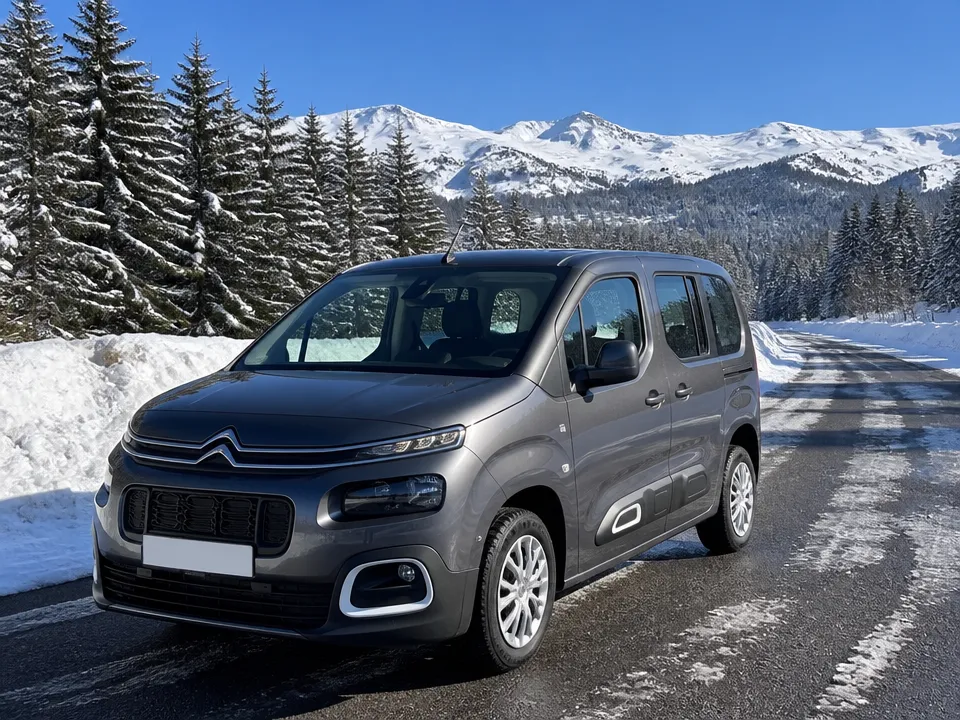
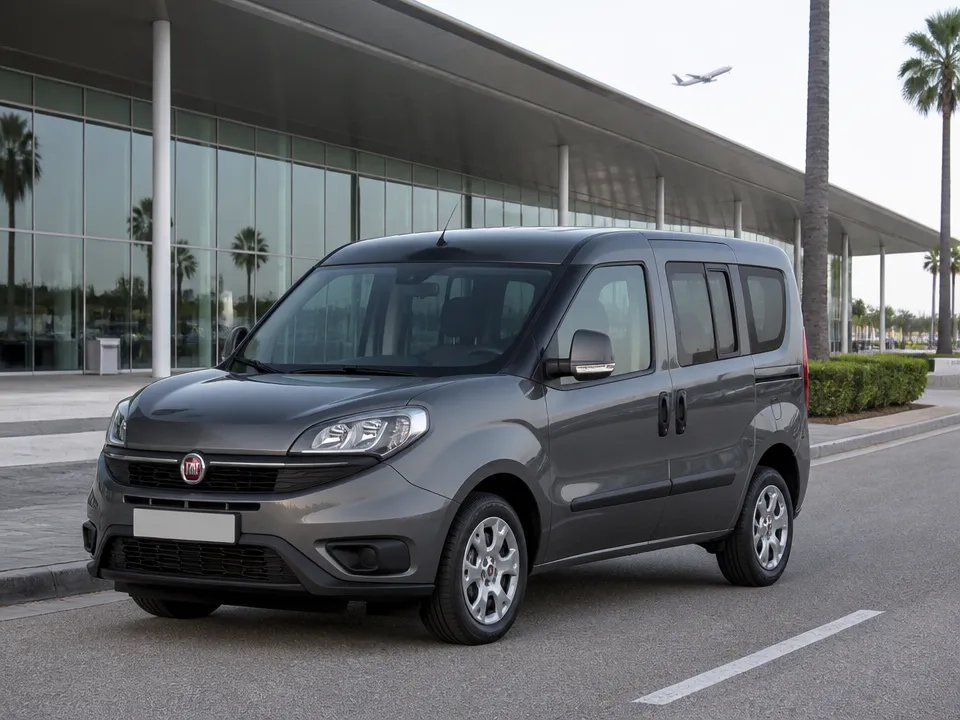
Fuel choice follows the same logic. Diesel sits in the Minivans class — Citroen Berlingo, Fiat Doblo, Opel Combo, Peugeot Rifter — where the 1.5 L 130 hp unit suits a loaded seven-seat run to Puigcerdà. Petrol, Hybrid and Petrol/LPG cover the rest, and the Duster's LPG option keeps the fuel bill down on a long day out.
In our practice, the booking that goes wrong is the one made on price alone: a Crossover at €38 is a sound car for the C-16, but if your plan includes the high passes above La Seu d'Urgell in winter, agree the class with the manager when you book — the snow signs go up on the mountain roads, not on the motorway.
We bring the car to the address you give us, and the hand-over is arranged with a manager when you book — the time, the place and the paperwork all confirmed in advance, so the first hour of your mountain trip is spent driving, not queueing.
The page holds 44 cars across four classes, and the split matters once the road starts to rise: 13 Crossover from €38, 13 SUV from €42, 10 Comfort from €40 and 8 Minivans from €52. Automatic and manual gearboxes are both in the fleet, and the SUV class is where four-wheel drive and AWD appear — Dacia Duster with front-wheel or 4x4, Hyundai Tucson and Kia Sportage with front-wheel or AWD, Jeep Compass with front-wheel or 4x4, Seat Tarraco and Nissan X-Trail with front-wheel or AWD. Fuel is just as varied: petrol, diesel, hybrid, petrol-hybrid and petrol-LPG, so a Duster on LPG or a Toyota C-HR hybrid both make the return leg cheaper than a plain petrol car of the same size.
A car collected here is allowed on mainland Spain by default; crossing into Andorra or France needs the extra cover agreed in advance, so raise it with the manager rather than at the border. The same booking conversation covers the deposit, the excess, delivery fees and any discount — all of it set out in the agreement, none of it a figure quoted here. One practical note from our own hand-overs: ask for the car with a full tank and photograph the fuel gauge and the odometer at the same time as the inspection sheet, because the fuel policy on this page is full-to-full and the receipt from the last station before you return settles any argument.
The mountain run starts on the C-16 out of the city and ends past the Túnel del Cadí, roughly two and a half hours of driving between the coast and Puigcerdà. Everything between those two points is where the route earns its keep.
The C-16 leaves the city north-west through the Vallès and climbs towards Berga before the Túnel del Cadí cuts under the Serra del Cadí into La Cerdanya. Once you are through the tunnel, the valley opens towards Puigcerdà and Bellver de Cerdanya, and the road stops being a corridor and becomes the point of the trip. Speed limits change with the terrain: 120 km/h on autopista and autovía, 90 km/h on a carretera convencional, and the Rondes B-10 and B-20 inside the city hold at 80 km/h unless a sign says otherwise. Winter tyres are not mandatory in Spain by season — restrictions appear point by point on signs and overhead boards when it snows, and for this route that means the mountain roads inland from the coast. In practice, the pass is the part of the day where the weather decides the timetable, not the traffic.
Two things cost money before you have left the metropolitan area: the Túnels de Vallvidrera on the way out towards Sant Cugat and the Vallès at €4.7 for a passenger car, and the Zona de Bajas Emisiones Rondas de Barcelona, which covers more than 95 km² — the whole municipality except the Zona Franca industrial area and the Vallvidrera – el Tibidabo i les Planes neighbourhood, plus L'Hospitalet de Llobregat, Sant Adrià de Besòs and parts of Esplugues de Llobregat and Cornellà de Llobregat. Foreign plates need prior registration in the Registre metropolità de vehicles estrangers i altres vehicles autoritzats a les zones de baixes emissions. The environmental badge matters here: 0 emisiones (blue) and ECO (blue-green) are the two that clear the zone.
The C-16 is the one road on this itinerary where a snowboard on the roof and a set of all-season tyres stop being a detail — check the boards at the tunnel approach before committing to the pass, because turning back from Berga costs you the whole afternoon.
Paperwork for this route is the same as for any Spanish booking: your licence, your passport and the agreement itself. The rules that actually matter on the C-16 and over the Túnel del Cadí are speed, winter tyres and the low-emission zone you cross on the way out of the city. Below is what we can state as the law of Spain, and what is agreed when booking.
| Road | Limit |
|---|---|
| Autopista / autovía | 120 km/h |
| Ordinary rural road (carretera convencional) | 90 km/h |
| Urban street, one lane each way | 30 km/h |
| Urban street, two or more lanes each way | 50 km/h |
| Rondes B-10 and B-20 inside the city | 80 km/h |
Speeding fines run from €100 to €600 with 2–6 points. Above 60 km/h over the limit in town, or 80 km/h outside it, it stops being an administrative fine.
Winter tyres are not a seasonal legal requirement in Spain. Restrictions are introduced point by point, by signs and variable message boards, when snow affects driving — on the C-16 towards the Pyrenees and the Túnel del Cadí that is the realistic scenario between November and March. Chains or winter tyres are what the authorities ask for on those specific stretches, not a blanket rule for the whole route.
The low-emission zone, the Zona de Bajas Emisiones Rondas de Barcelona (ZBE Rondes BCN), is enforced on working days and applies to a territory of more than 95 km². Cars on foreign plates must be registered in advance in the Registre metropolità de vehicles estrangers. Our managers can advise on the cleanest way out towards the C-16 — that route sidesteps the question altogether.
Third-party liability cover is compulsory in Spain and comes with any booking: €70 million per incident for personal injury and €15 million for property. Collision Damage Waiver, Theft Protection and the buy-back of the excess are options; the excess itself is printed in the agreement. The deposit, delivery fees and any discounts are set out in that agreement too — we do not quote them here, because they depend on the class and the length of the booking. Agree the details with a manager when you book.
The Pyrenees and La Cerdanya reward the traveller who keeps the day flexible. A fixed coach timetable ties you to someone else's clock; a self-drive car puts the C-16, the Túnel del Cadí and the villages of the Cerdanya valley on your own schedule, and lets you stop where the view is worth stopping for.
Four classes cover this route, and the choice matters more than the badge on the bonnet. Crossover starts at €38 a day, Comfort at €40, SUV at €42 and Minivans at €52. On the climb towards Puigcerdà the deciding factors are traction and gearbox, not boot volume — four-wheel drive and AWD appear only in the SUV class, while the Cerdanya valley roads themselves ask nothing more of a car than decent tyres and a full tank.
Mountain weather is the one variable nobody books in advance. Winter tyres are not a seasonal requirement in Spain — restrictions appear on specific roads by sign and overhead display when snow falls, which on this route means the C-16 towards the Pyrenees and the Túnel del Cadí. Chains in the boot and a check of the road status before setting off cost nothing and settle the question in ten minutes.
The rest is straightforward. Fuel the car at a station within 25 km of the return point if you are on a full-to-full policy, keep the receipt if you have driven under 100 km, and photograph nothing you have not agreed — the condition of the car is written into the agreement at hand-over, and a copy stays with you. Book the class that matches your road, not the one that matches your budget ceiling, and the Cerdanya will do the rest.
This page lists 44 cars for the drive from Barcelona towards the Pyrenees and La Cerdanya. Daily prices on this page run from €38 to €72. Citroen C3 Aircross is here at €38 per day, MG ZS at €39 and Citroen C4 at €40.
On autopista and autovía in Spain the limit is 120 km/h for cars, motorcycles and motorhomes up to 3 500 kg. On an ordinary interurban road the limit is 90 km/h, and the road owner may raise it to 100 km/h.
On the C-16, Túnels de Vallvidrera, the car tariff is €4.70 in hora vall, outside peak hours, and €5.28 in hora punta, Monday to Friday on non-holidays from 07:30 to 10:30 and 17:00 to 21:00. Category 2 covers cars and vans up to 9 seats.