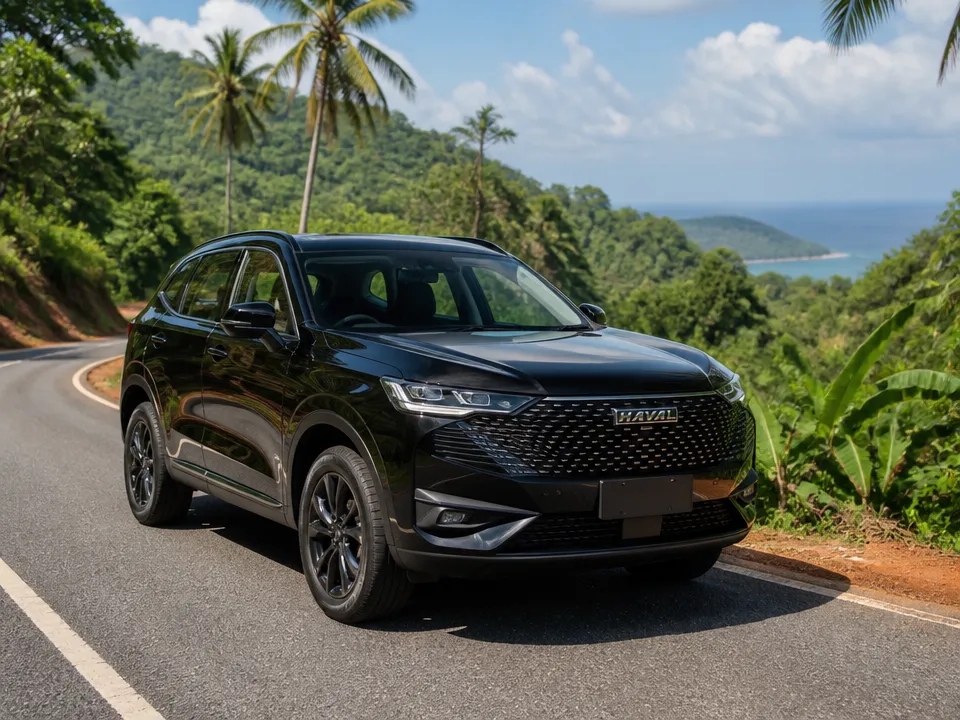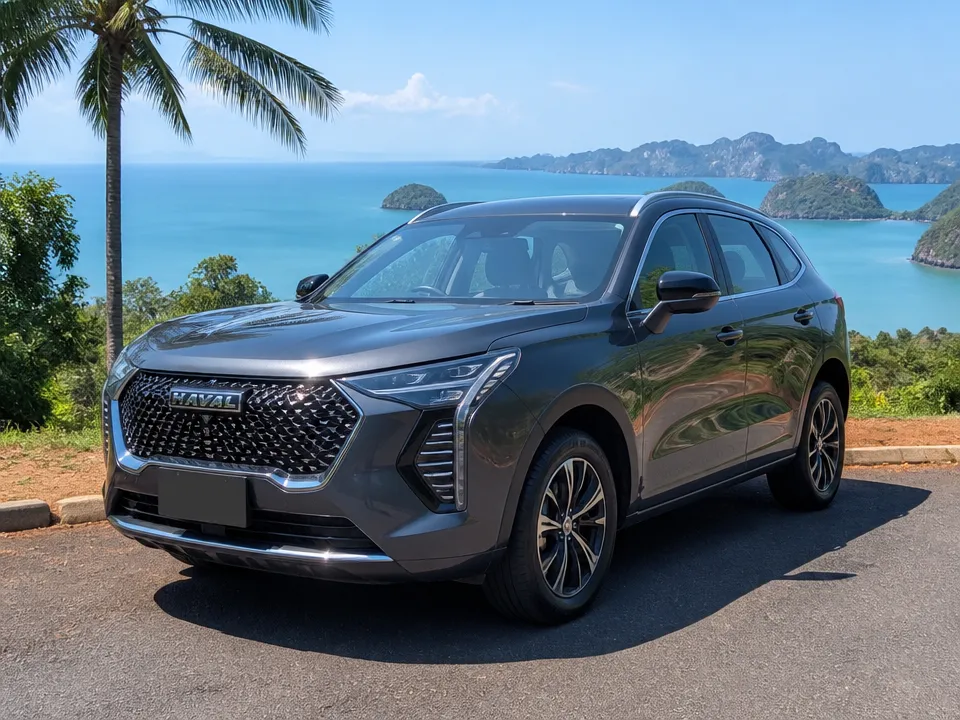
Haval Jolion, Crossovers
★4.7· 79Automatic1.5 L190 hpFront-wheel5 seats
฿1,400per day
Book nowVAT included




VAT included
VAT included
No cars match the selected filters. Remove some of the conditions.






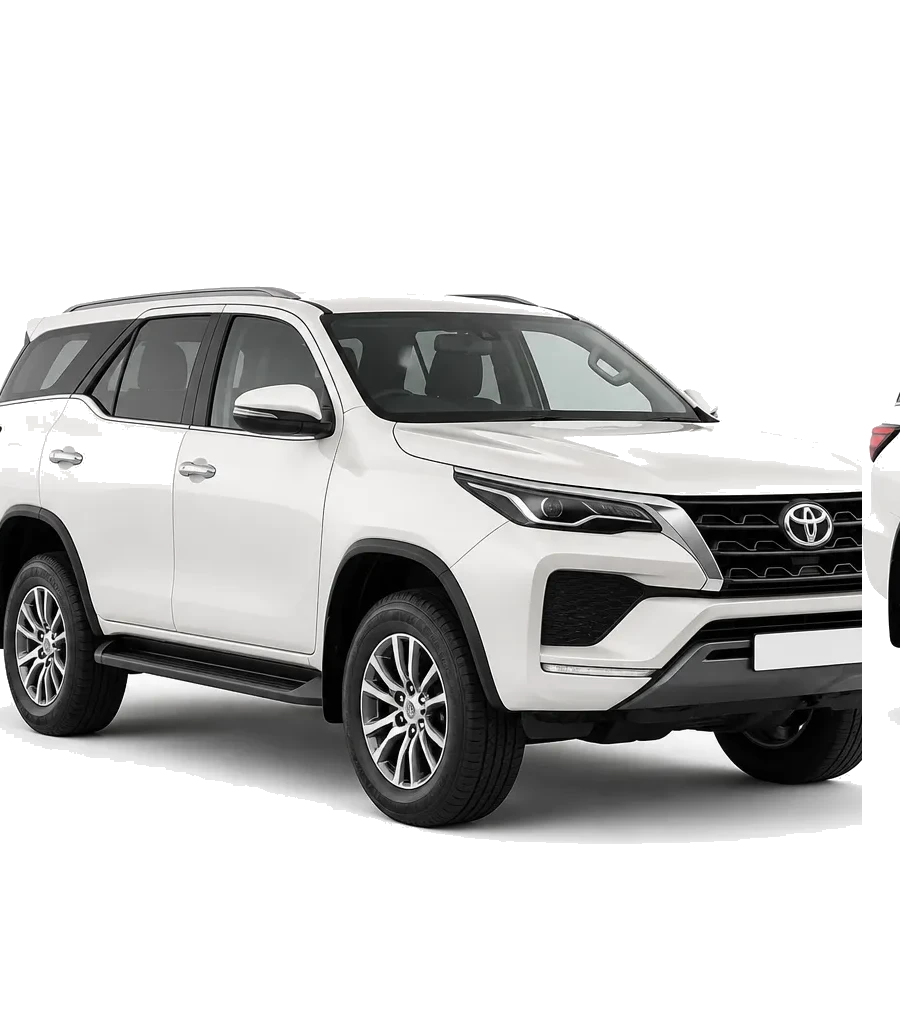
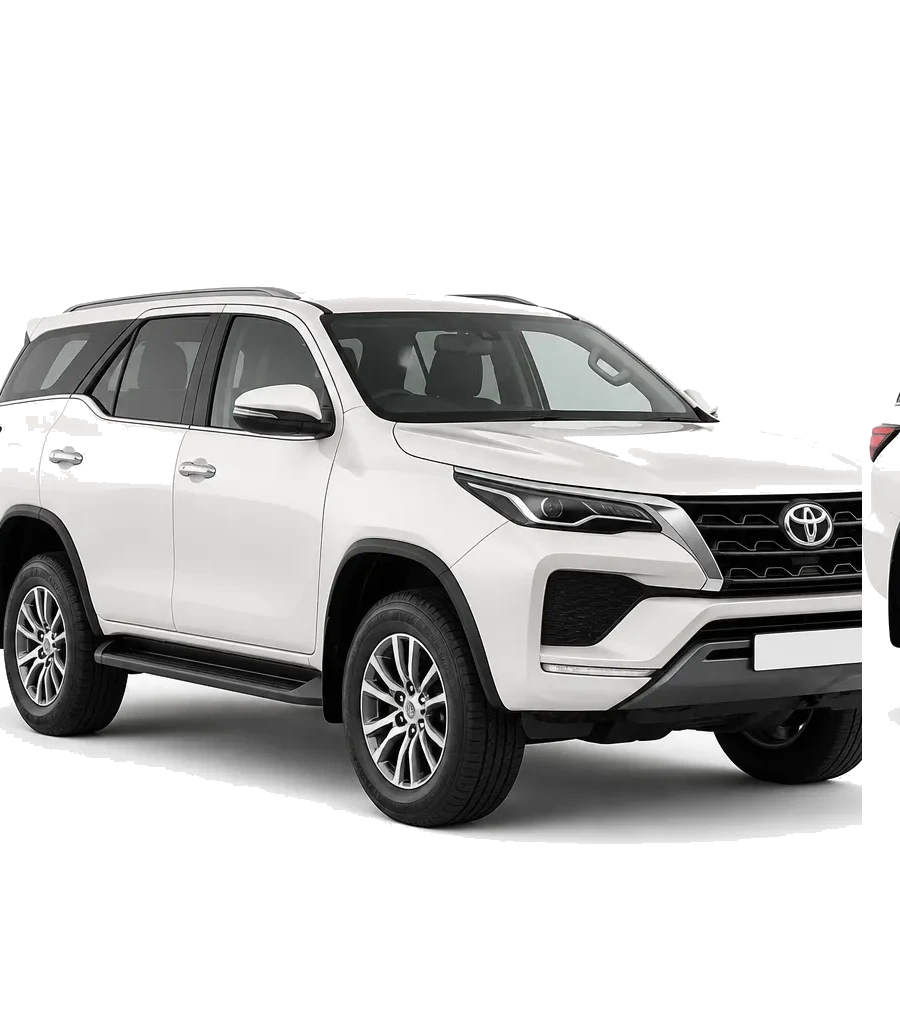

The Haval Jolion is ฿1,400 per day. Weekly rental is ฿8,400 and monthly is ฿29,400.
If you are not from an ASEAN country, yes – you need your home licence plus an International Driving Permit (1949 Geneva Convention). Driving without one can lead to a fine of ฿500–1,000 and insurance may refuse a claim.
Yes. These are asphalt roads, and you have unlimited mileage on the island. For longer trips, the weekly or monthly rate gives a lower daily cost.
Deliver to your hotel, villa, or Phuket Airport (HKT) anywhere on the island, our Haval fleet—Jolion and H6 hybrids, 5 seats, automatic—starts at ฿1,400 daily, ฿8,400 weekly, ฿29,400 monthly.
Driving conditions here are unlike anything in Europe or North America, and a hybrid crossover from the Haval line-up fits them remarkably well. Traffic keeps to the left, every car is right-hand drive, and the island’s stop-start rhythm — short hops between Patong, Kata and Phuket Town — rewards a car that sips fuel rather than guzzles it. Both Haval models we offer, the Jolion and the H6, are full hybrids, which means the electric motor takes over precisely in the low-speed crawling that dominates the island’s busier roads.
There are no toll roads and no congestion-charge zones, so the cost of driving here is predictable. The Sarasin and Thepkasattri bridges to the mainland are free, and out-of-town trips on asphalt to Khao Lak, Krabi or Khao Sok add no highway fees either. What you do pay for is fuel, and that is where the hybrid advantage shows: in island traffic, the petrol engine shuts off at standstill and the battery handles the first metres of acceleration. On a week-long hire, the saving is tangible.
The 1.5-litre hybrid system in the Jolion produces 190 hp; the H6 lifts that to 243 hp for faster highway merging on the way to the mainland. Both cars seat five, so a family of four with luggage fits without squeezing. In our experience, visitors who book a hybrid for the first time on Phuket are consistently surprised by how rarely they need to visit a petrol station — a detail that matters more than any spec sheet when you are on holiday.
Our Haval fleet here is deliberately compact: two hybrid crossovers, the Jolion and the H6, both automatic, both front-wheel drive and both seating five. We chose these two because they cover the two most common requests we get — a nimble, frugal car for island hopping and a more powerful one for longer road trips north. Both are delivered to you anywhere on the island with a full tank, so the choice comes down to power and daily rate.
The Jolion is our entry point into the Haval range at ฿1,400 per day. Its 1.5-litre hybrid engine produces 190 hp, which is ample for Patong Hill and the steep Kata–Sai Yuan road, and the front-wheel drive keeps things simple on wet-season asphalt. Being a compact crossover, it slips into the tight parking lanes of Patong and Kata more easily than a full-size SUV, and the hybrid system does its best work in stop-start beach traffic. For a couple or a small family spending most of the trip on the island, this is the model we recommend first.
The H6 steps up to 243 hp from the same 1.5-litre hybrid setup, and we price it at ฿1,700 per day. That extra power is what you feel overtaking slower traffic on the highway north towards Khao Lak or on the longer run to Krabi, where sustained speeds matter more than in-town agility. The H6 is also the roomier of the two, so if you have three adults in the back or a boot full of luggage for a week away, the extra space justifies the higher rate. Both models share the same five-seat layout and automatic gearbox, which keeps the driving experience familiar if you switch between them.
| Model | Engine | Power | Seats | Drivetrain | Price per day |
|---|---|---|---|---|---|
| Haval Jolion | 1.5 L hybrid | 190 hp | 5 | Front-wheel | ฿1,400 |
| Haval H6 | 1.5 L hybrid | 243 hp | 5 | Front-wheel | ฿1,700 |
The practical difference between the two is about 35 minutes on a Khao Lak run and about ฿300 per day on the rate. If your trip is mostly beaches and markets within Phuket, the Jolion is the sensible pick; if you are planning the three-hour drive to Ao Nang, the H6 makes the journey noticeably more relaxed. Whichever you book with Rent-Trip, the car arrives clean, fuelled and with unlimited island mileage, and the weekly or monthly rate lowers the daily cost further.
A day with a Haval from Rent-Trip starts with the car brought to you — we deliver free anywhere on the island and to Phuket Airport (HKT), so you collect the keys where you are staying, not where we are.
The ฿1,400–฿1,700 per day price is the whole cost — VAT at 7% is already included, and mileage terms are set out in the rental agreement. You can drive from Nai Yang in the north to Nai Harn in the south without watching the odometer. Hire is available from one day, and the car comes with compulsory motor insurance (Por Ror Bor) attached, as it is to every registered vehicle in Thailand.
Check the handover documents: the agreement states the security hold amount on your bank card and the terms of first-class insurance. The car is right-hand drive and traffic keeps to the left — most visitors adjust within the first half hour. If your day includes the run from Kata over to Sai Yuan, shift to a low gear downhill; the steep section is short but constant braking wears the brakes.
If you are staying longer than a week, the per-day price of your Haval drops noticeably: we calculate weekly hire as six daily rates and monthly hire as twenty-one daily rates. That puts a weekly booking for the Jolion at ฿8,400 and a month at ฿29,400, while the H6 comes to ฿10,200 per week and ฿35,700 per month. The maths is simple — the longer you keep the car, the less you pay for each day on the road.
A monthly booking works well for visitors basing themselves in Rawai, Nai Harn or Bang Tao for the season, where a car becomes part of daily life — markets, beach runs and school drop-offs. The hybrid powertrain earns its keep in exactly this stop-start pattern: the electric motor handles the low-speed crawling through Patong or Phuket Town, and the petrol engine only cuts in when you need pace. Over twenty-one days of island driving, the saving in fuel alone narrows the gap between the two models further.
We do not ask you to return the car to a depot — since there is no office, the handover happens wherever you are. Before you commit to a month, check the agreement for the security hold and the terms that apply to your booking; the rate itself stays as quoted, with VAT at 7% already included. For stays of two to three weeks, compare the weekly rate against the daily one — six days of hire often cover your trip better than paying for unused days.
Driving in Thailand requires two documents from most foreign visitors: a valid home driving licence and an International Driving Permit issued under the 1949 Geneva Convention. Citizens of ASEAN countries may drive on their national licence alone. The permit rule is enforced at police checkpoints across the island, and the fine for driving without one is ฿500–1,000 — but the bigger risk is insurance: an insurer may refuse a claim if you were driving without the required permit.
The minimum driver age is 21. Drivers under 25 and those booking premium classes face conditions that are set out in the agreement. When we deliver your Haval Jolion or H6 anywhere on the island or to Phuket Airport, we check the documents on the spot. Traffic in Thailand keeps to the left, and every car in our fleet is right-hand drive — the first few minutes behind the wheel feel unusual, so we recommend a short familiarisation drive in a quiet area like Cherngtalay or Koh Kaew before heading to busier Patong.
All four documents are checked at delivery, and we keep copies for the record. If you are an ASEAN citizen, bring your national licence and passport — no permit is needed. For everyone else, an International Driving Permit from your home country's automobile association is essential; it cannot be issued in Thailand. Traffic-camera fines are issued to the car owner and re-invoiced to the renter, so an unpaid fine from your trip would be charged to the card on file. Carry your licence and permit whenever you drive — checkpoints operate on major roads such as Thepkrasattri Road and near Patong Hill, and having both documents ready makes the stop a matter of seconds.
Insurance on a rental Haval here works on two layers, and both are already included in the price you see. The compulsory motor insurance, known as Por Ror Bor, is attached to every registered car in Thailand and covers injury to third parties. On top of that, our Haval Jolion and Haval H6 carry first-class (Class 1) insurance, which covers damage to the car itself. The exact terms of the Class 1 policy and the excess you would pay in the event of damage are set out in the agreement, so you know your liability before you drive off.
Since 30 December 2025, a car hire contract in Thailand is controlled by the OCPB. It is written in Thai, and every fee and penalty is disclosed in it, so there are no surprise charges buried in the small print. One point we always flag to guests taking a Haval on the island: any fines related to the car are set out in the rental agreement, and we ask you to review that section before you sign.
In our practice, most camera fines on Phuket come from speeding on the main artery between Patong and Phuket Town, not from parking. Before you sign, read the section on fines and confirm the security hold amount in writing — that way the return handover at the airport or your hotel takes five minutes, not an hour of disputes.
A self-drive Haval on Phuket opens up the whole island plus the southern mainland, and with no toll roads and free bridges, the only real cost is fuel. The Sarasin and Thepkasattri bridges to the mainland are free, and there are no paid motorways anywhere on the island itself. We deliver the car to wherever you are staying, so your trip can start from Patong, Rawai, Bang Tao or any other area without a detour.
A hybrid crossover suits these trips well: the Jolion returns good fuel economy in stop-start town traffic, while the H6’s 243 hp makes overtaking on the mainland highways more relaxed. During the rainy season from May to October, expect short heavy showers and wet roads — the front-wheel drive and automatic gearbox handle it fine, but leave extra braking distance. Camera fines on out-of-town trips are issued to the car owner and re-invoiced to you, so keep to the limit; unpaid fines can block the car’s registration renewal.