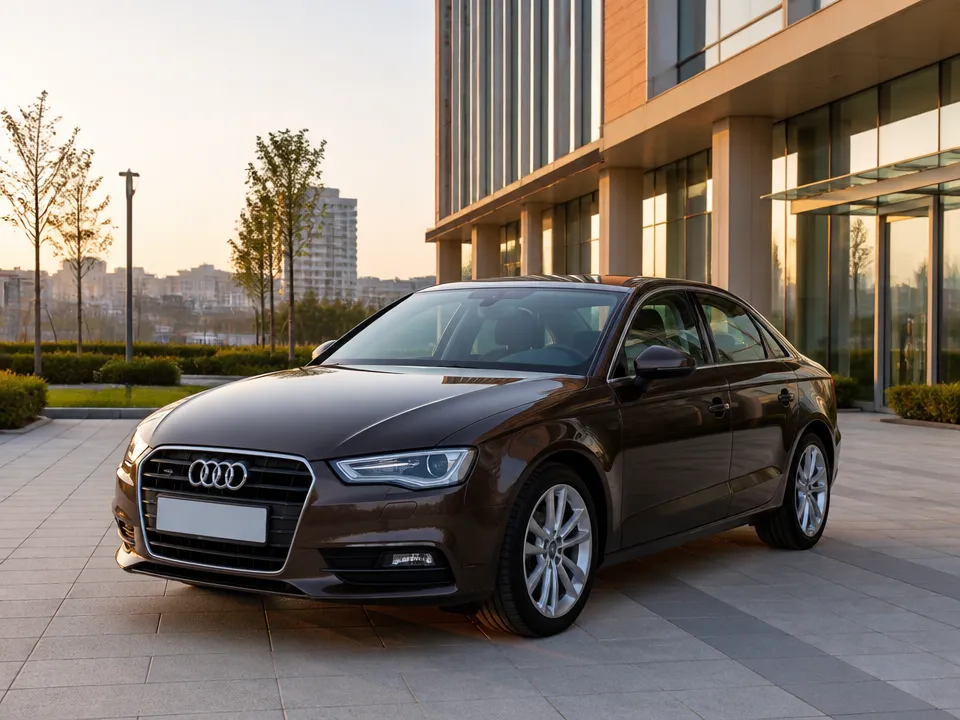
Audi A3 Sedan
★4.4· 25Automatic1.5 L150 hpFront-wheel5 seats
₺3,500per day
Book now







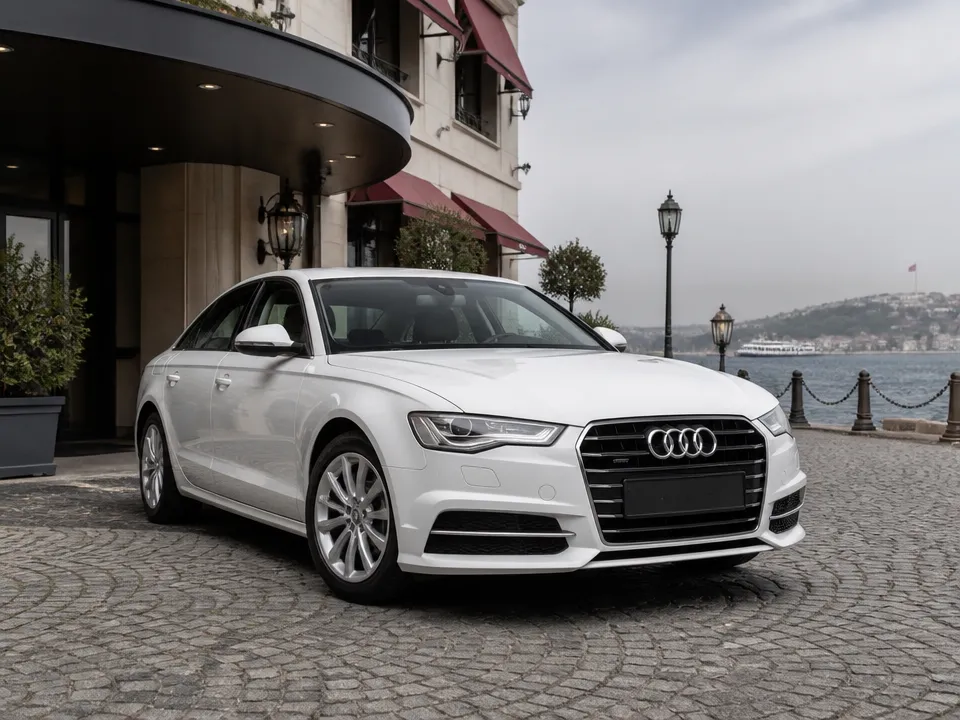
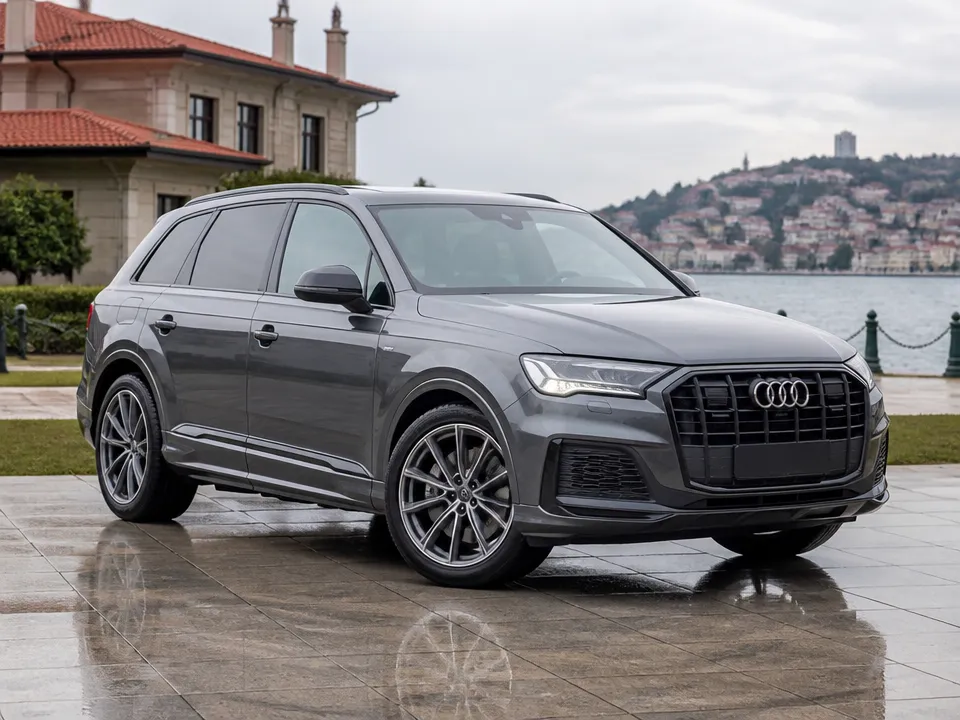
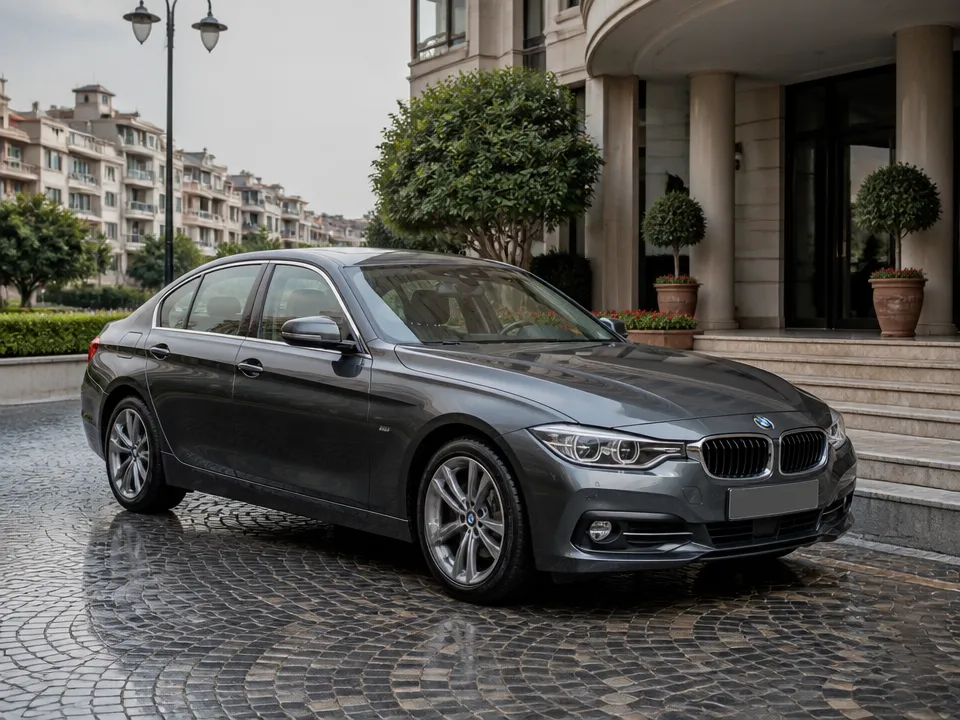
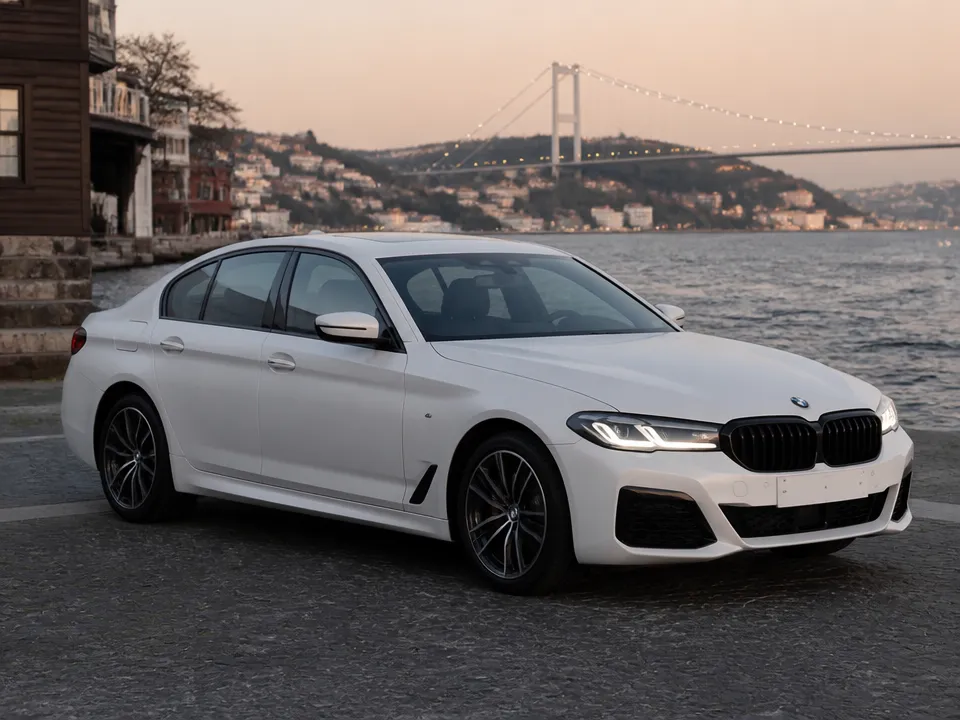
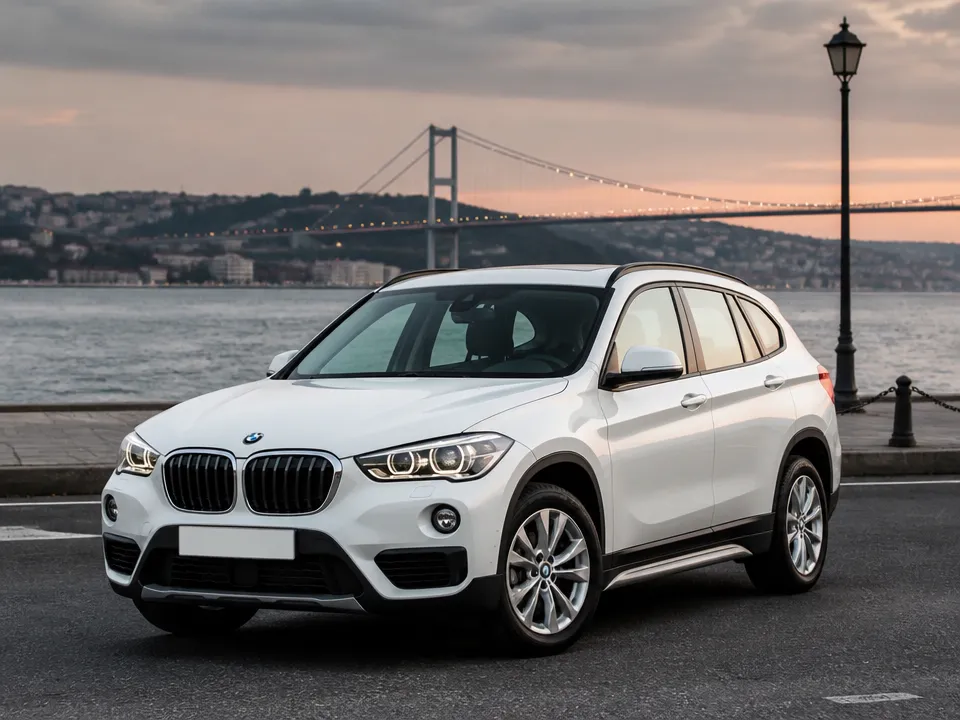
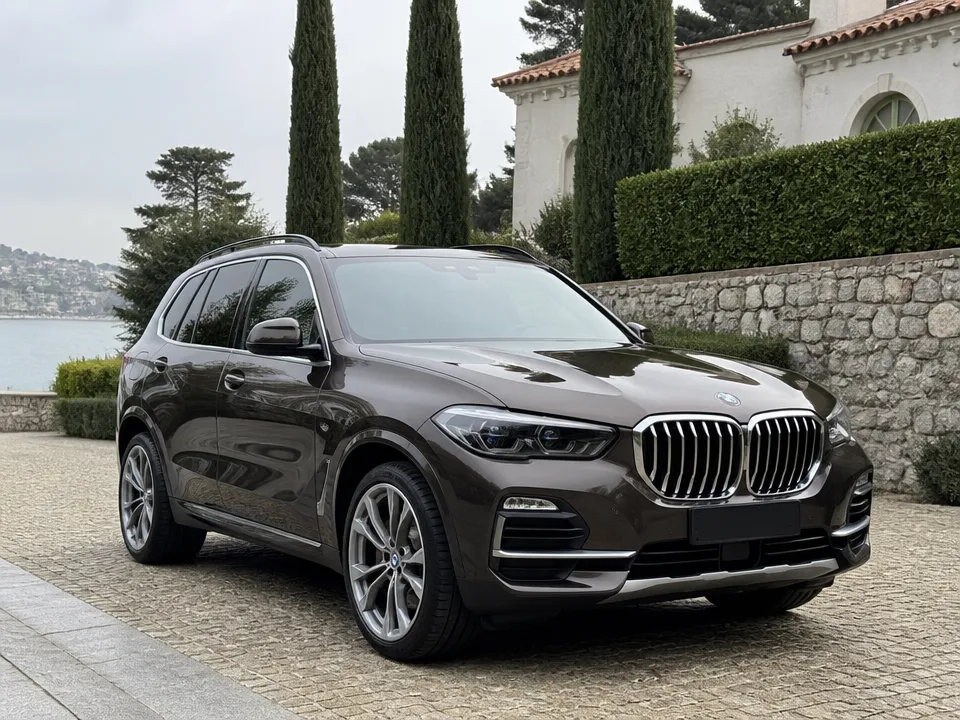
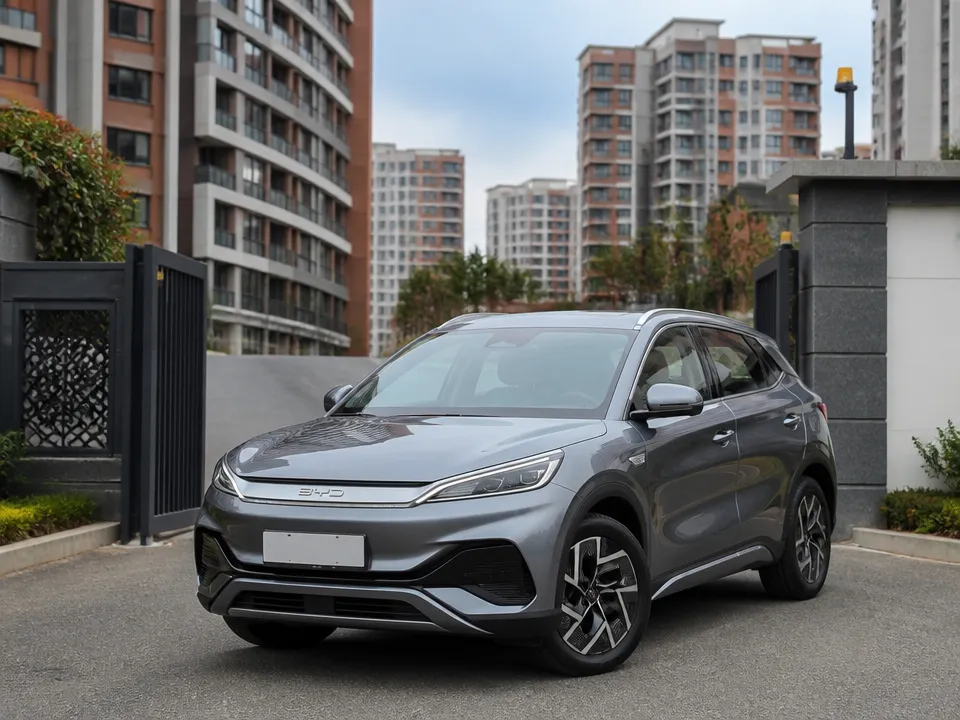
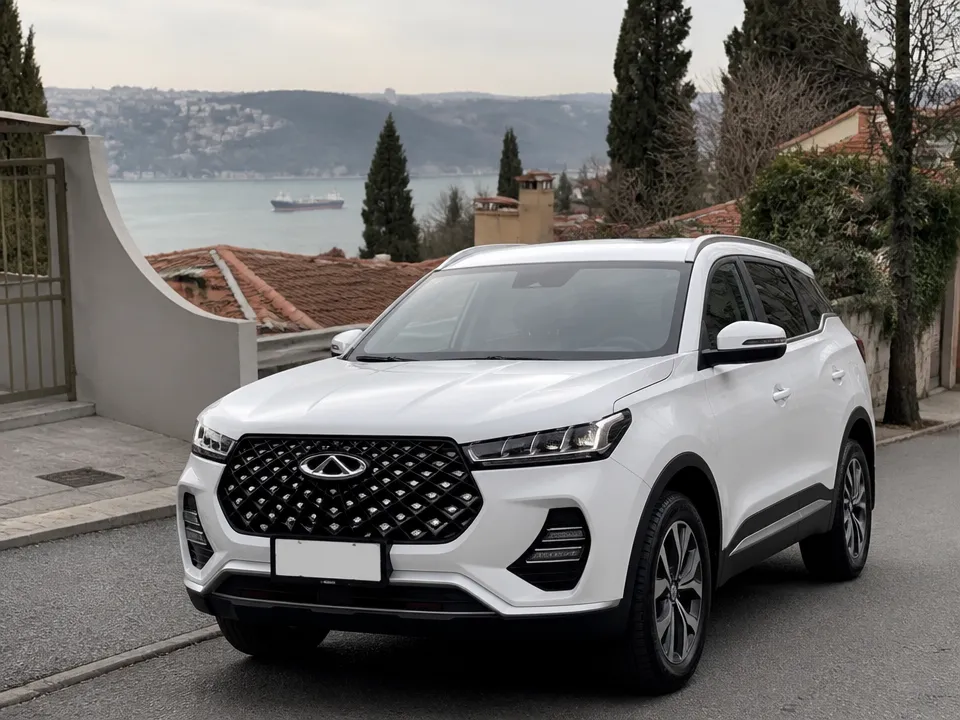
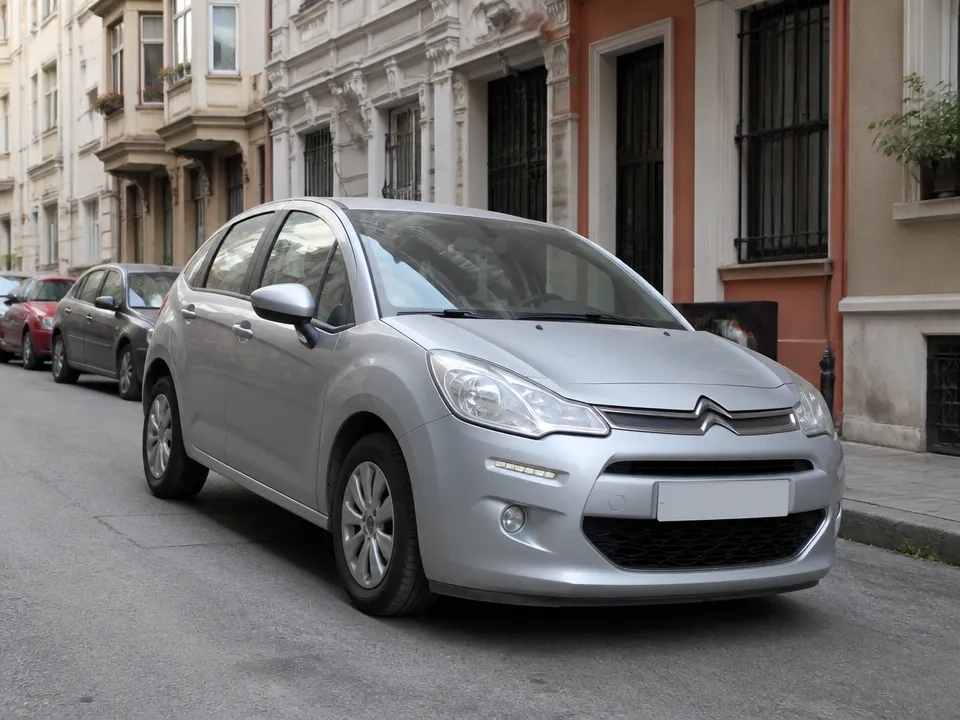
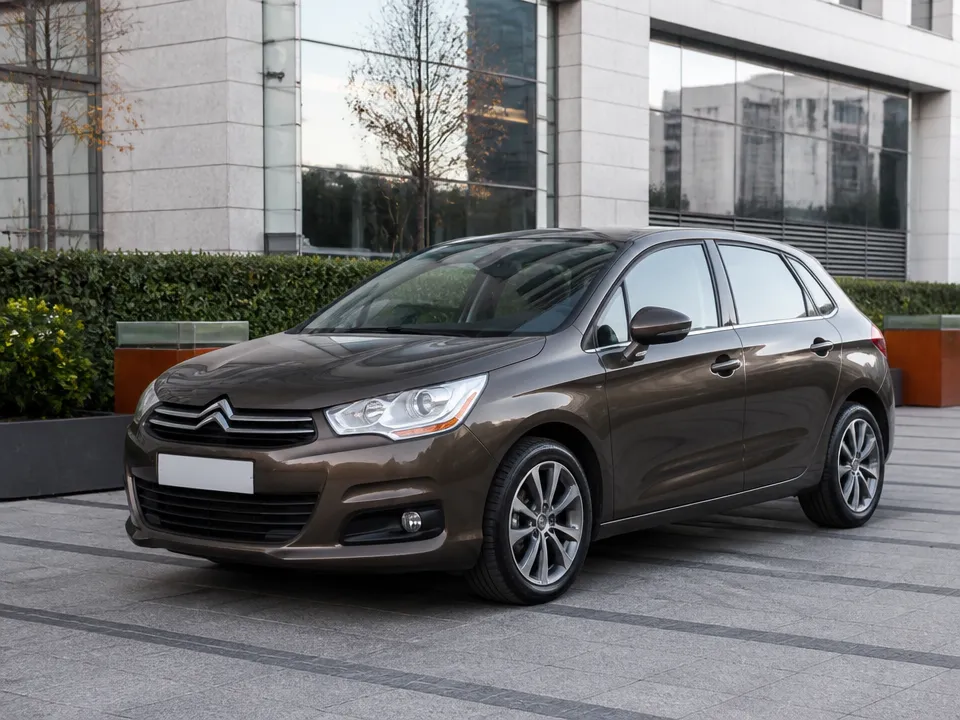
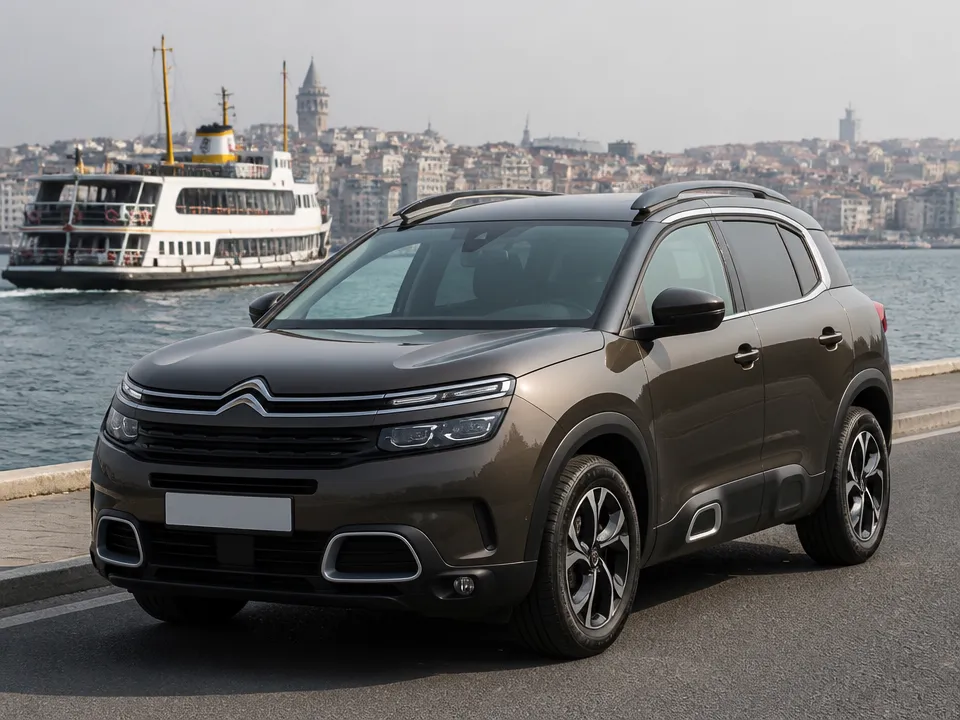
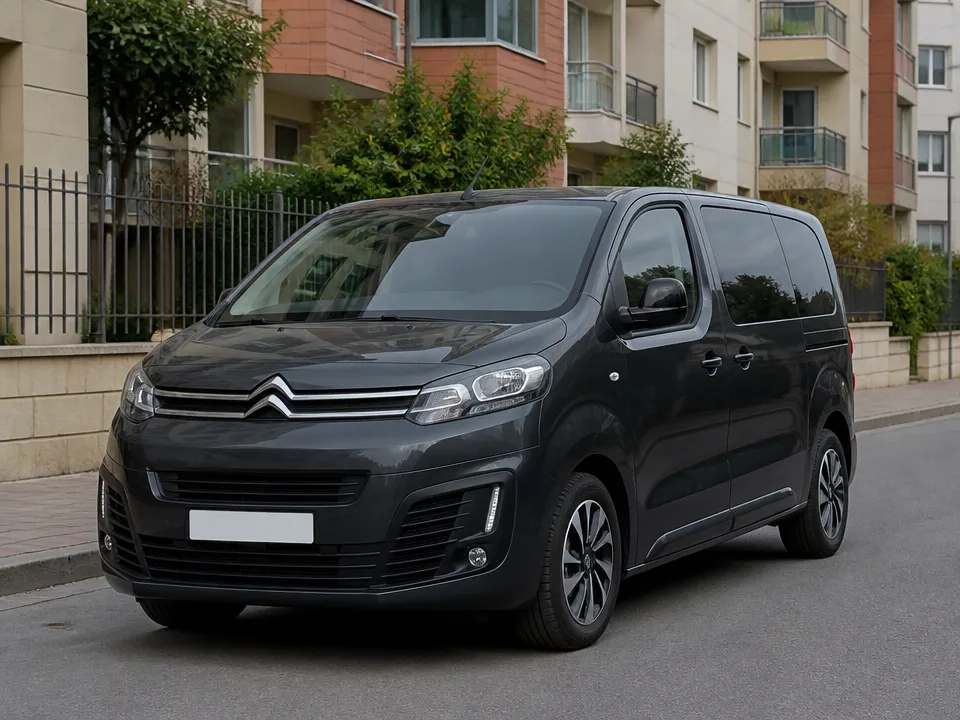
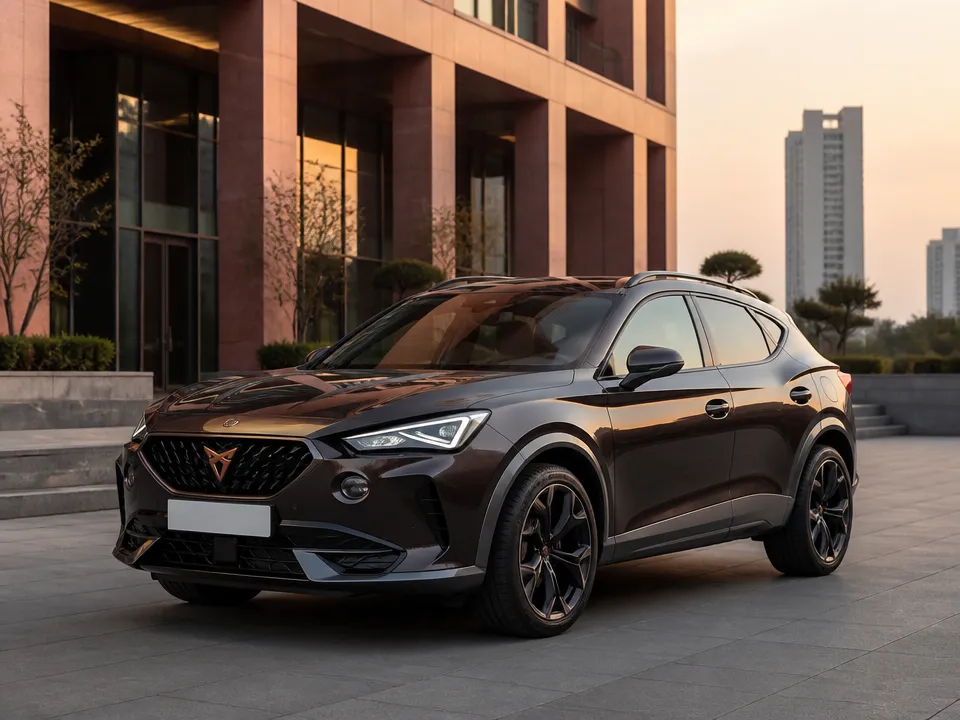
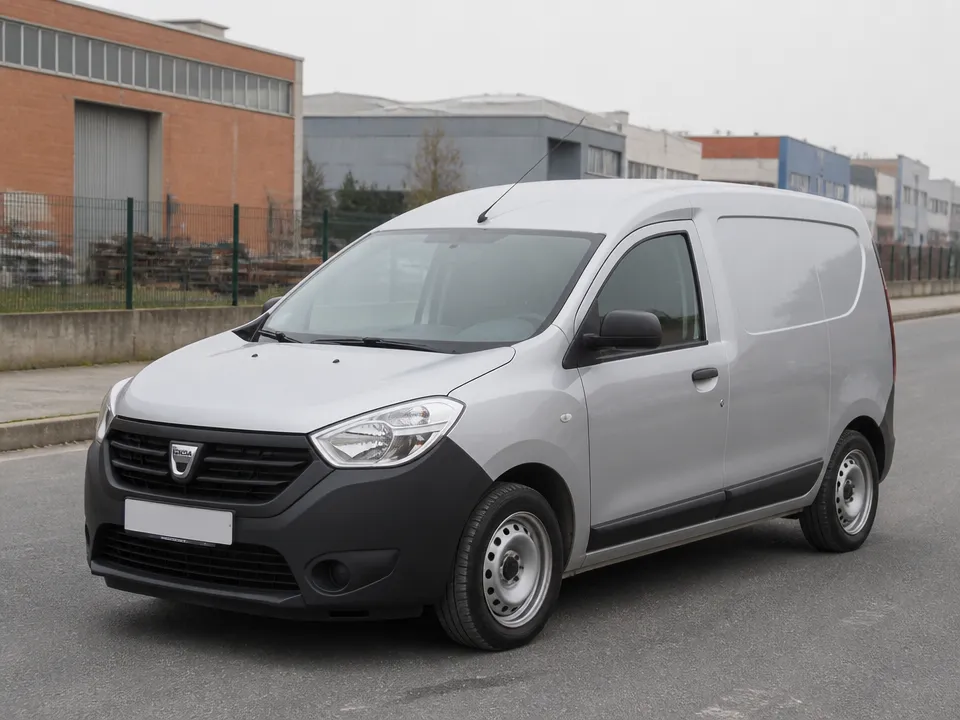
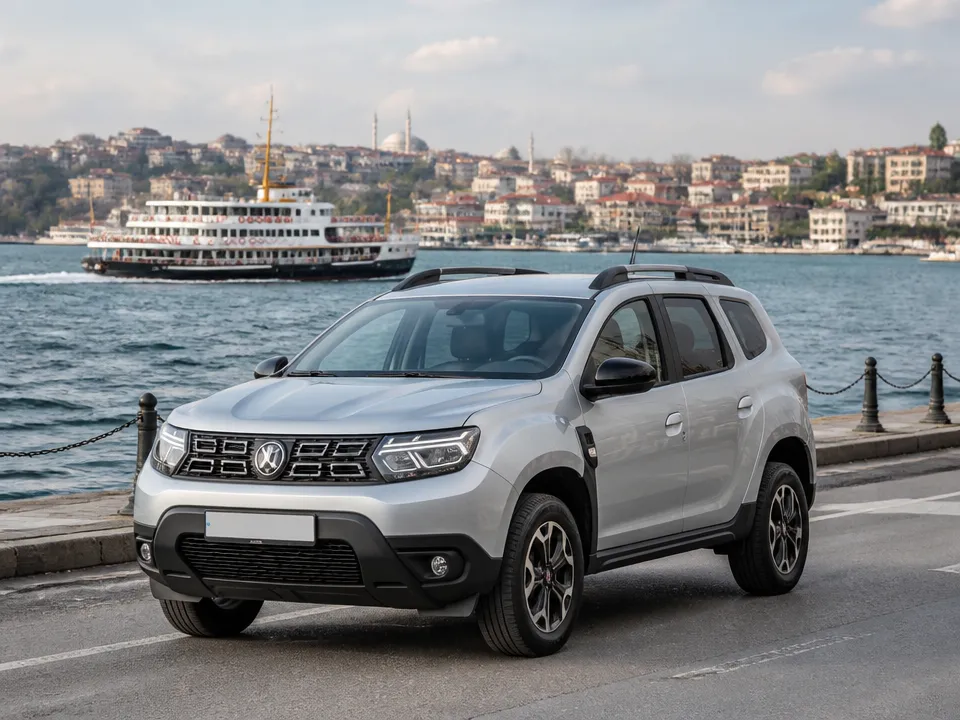
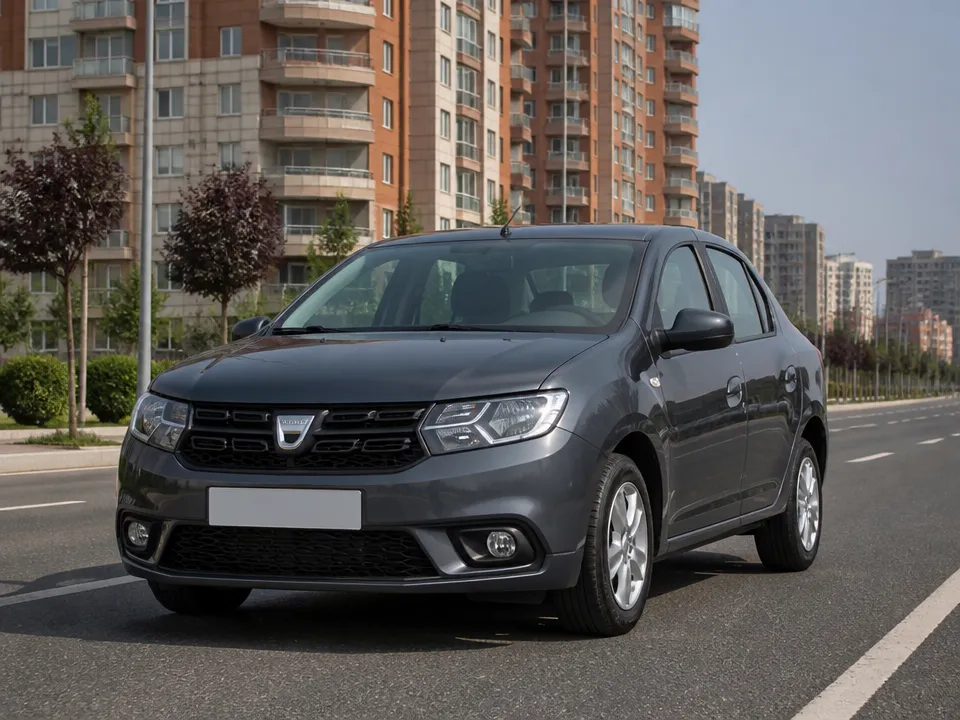
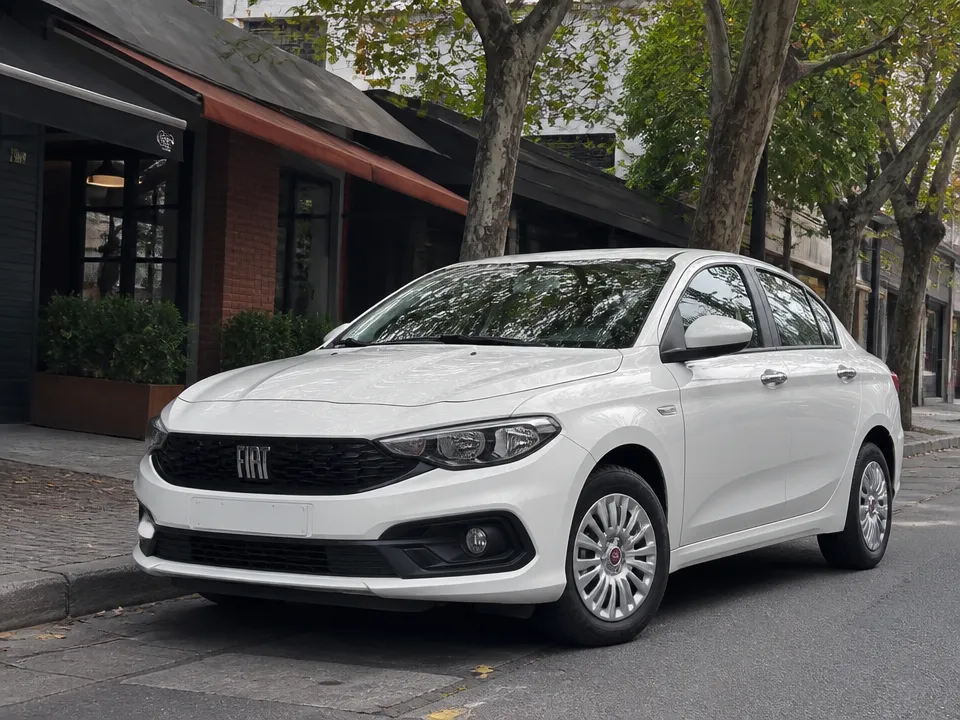
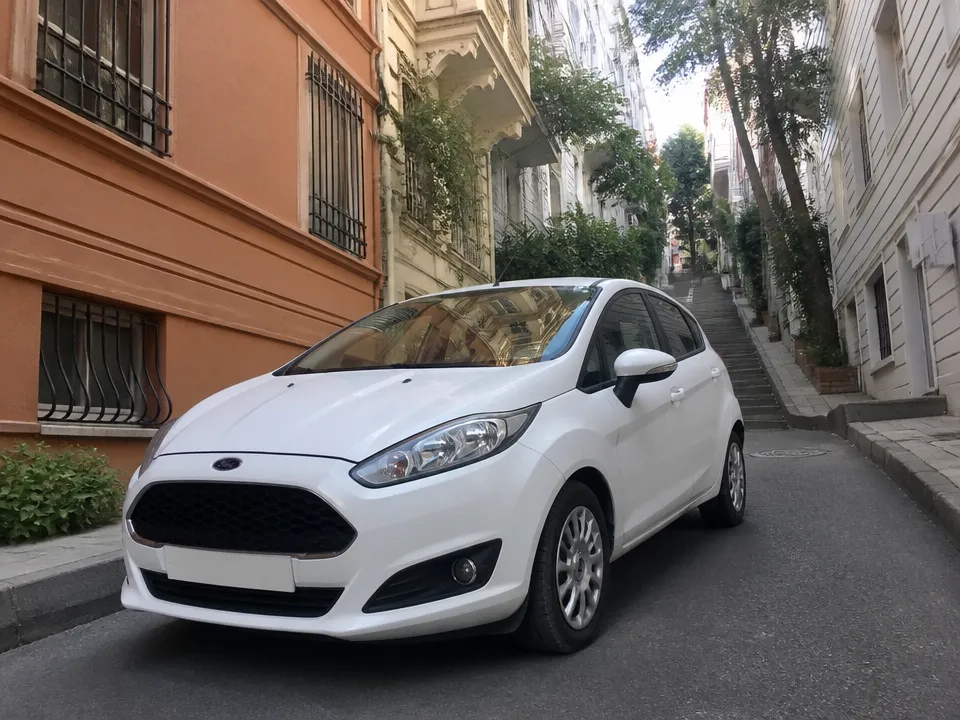
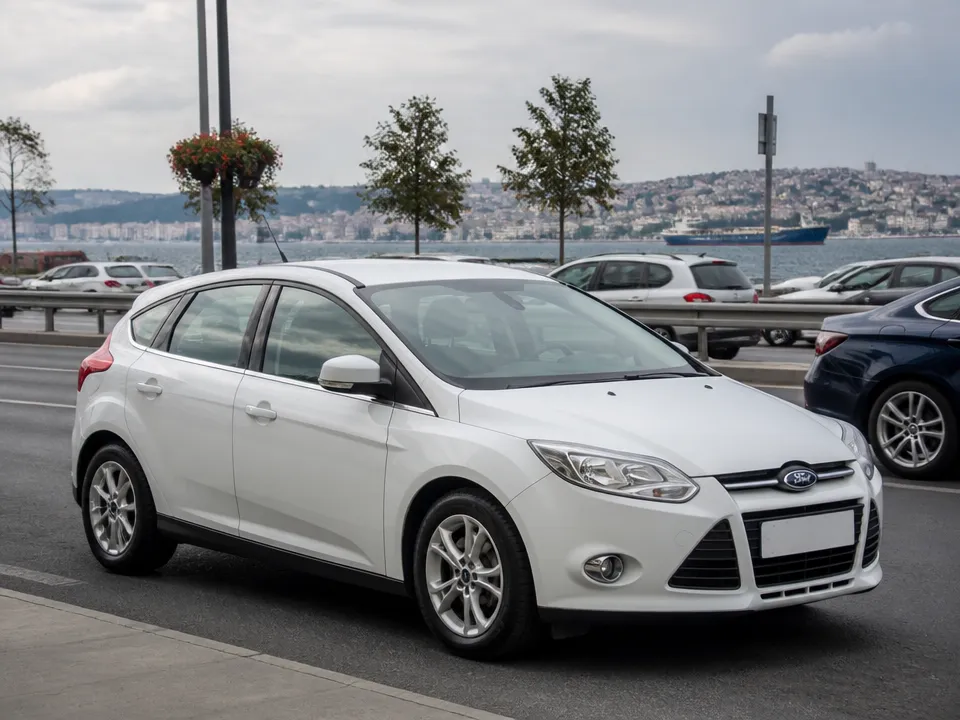
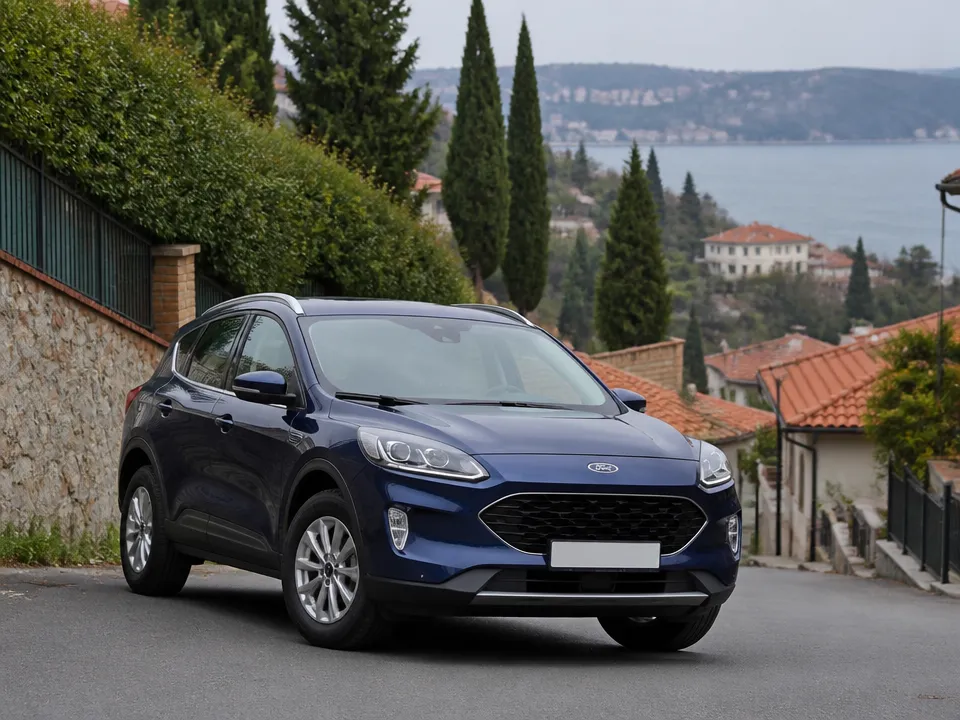
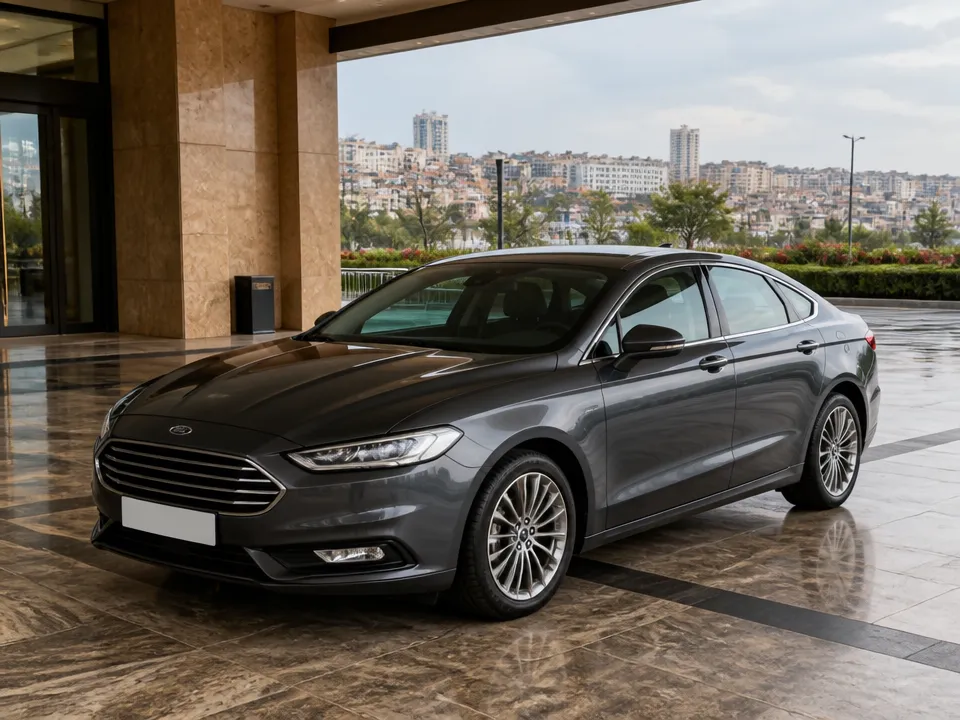
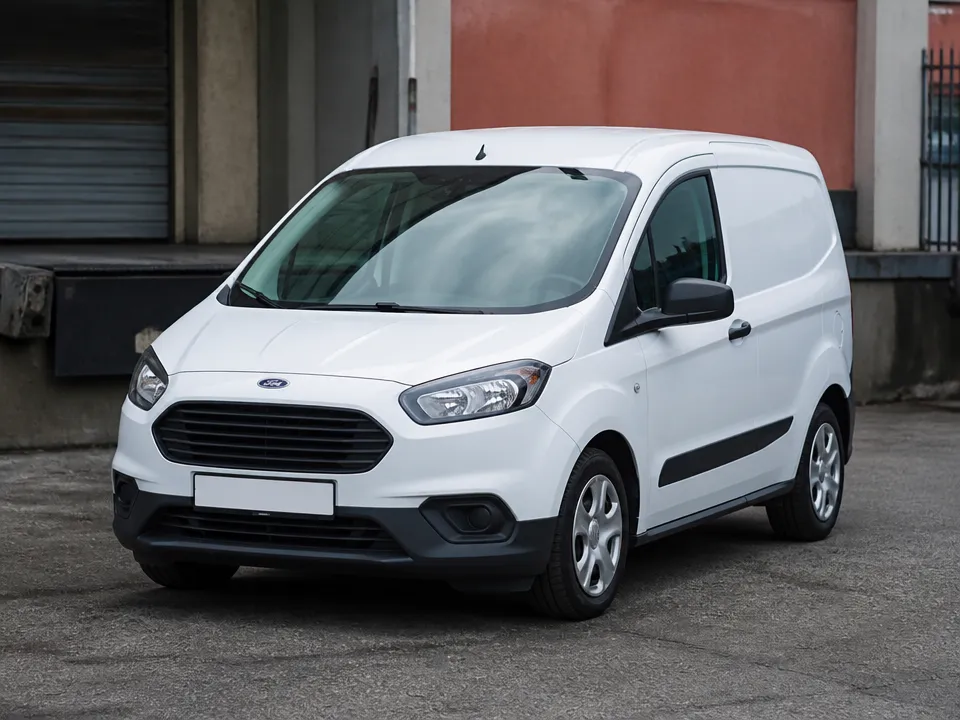
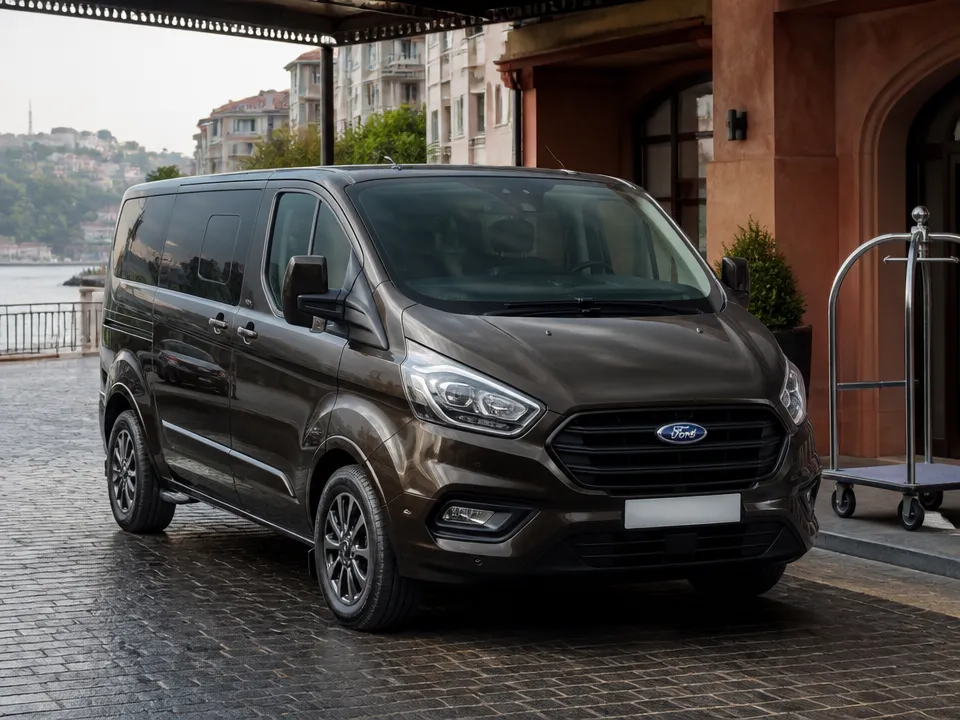
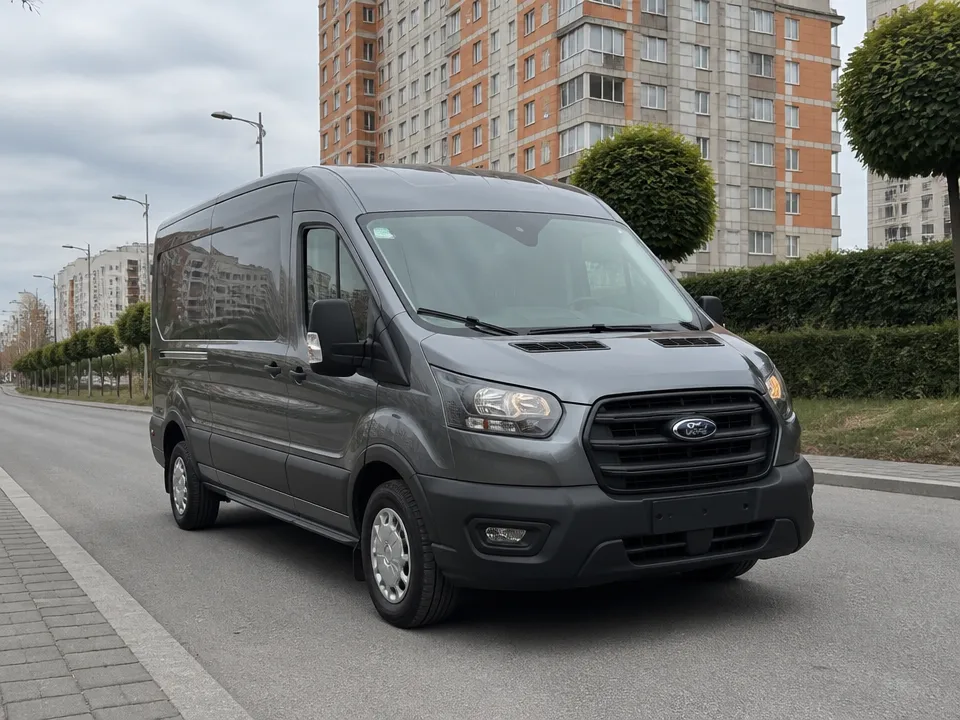
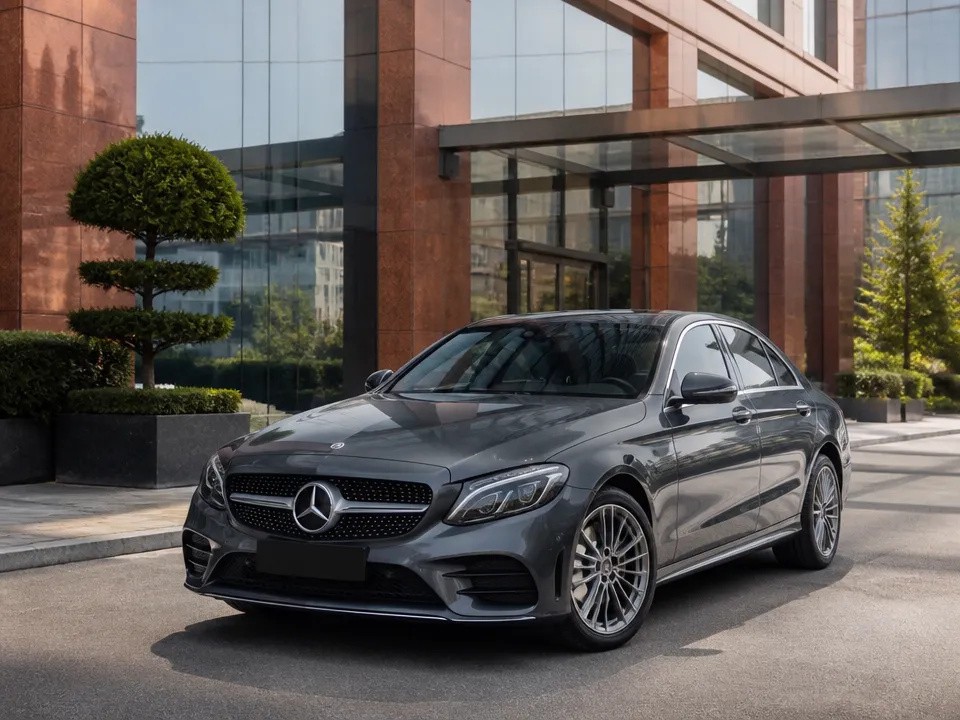
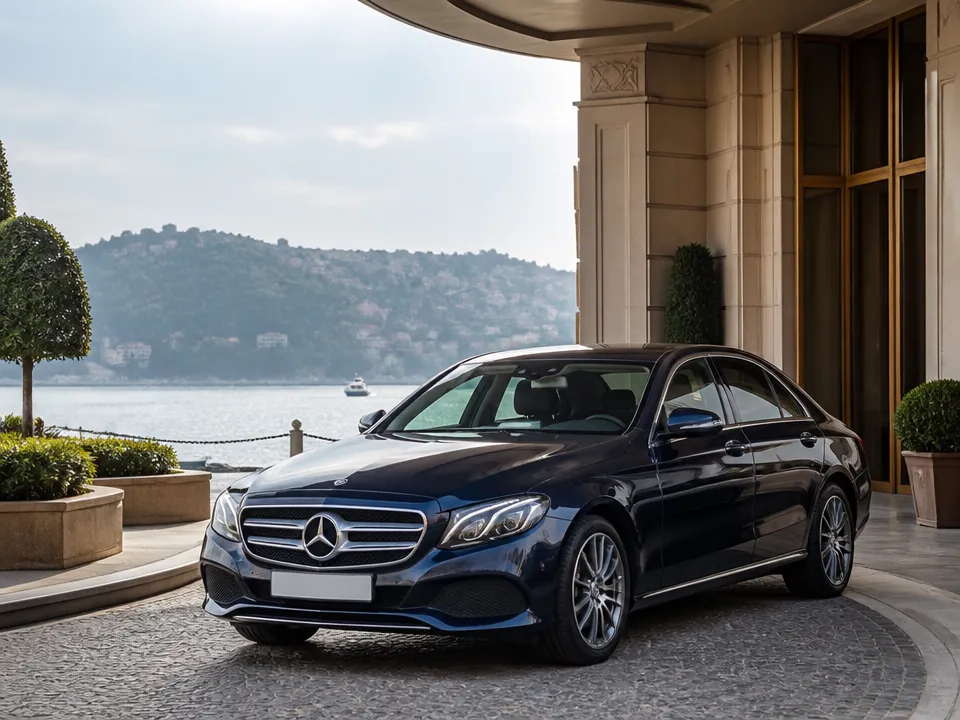
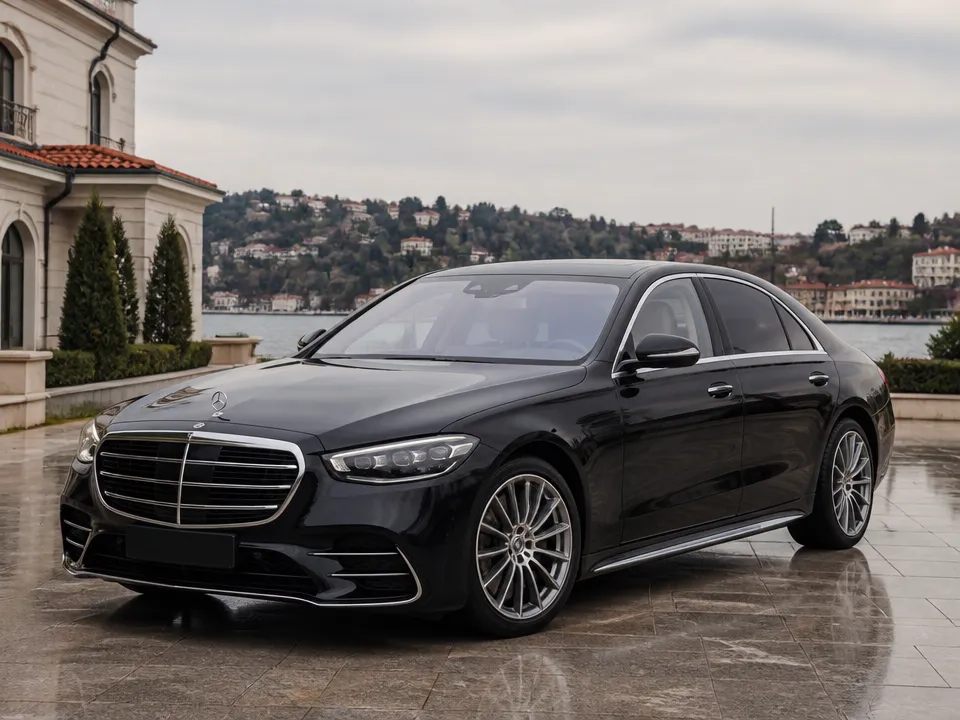
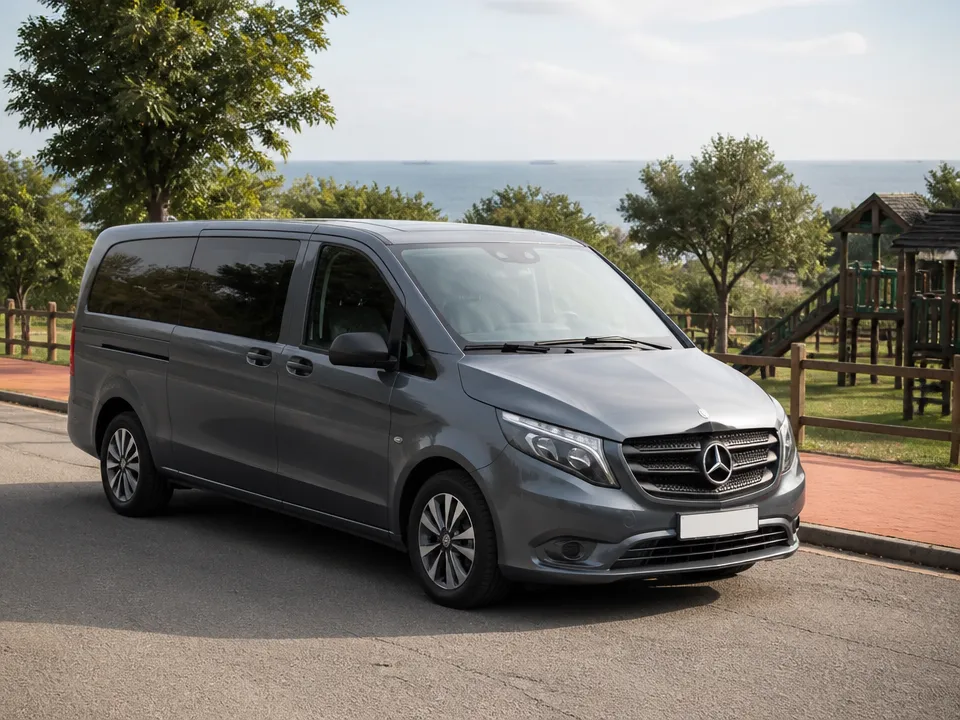
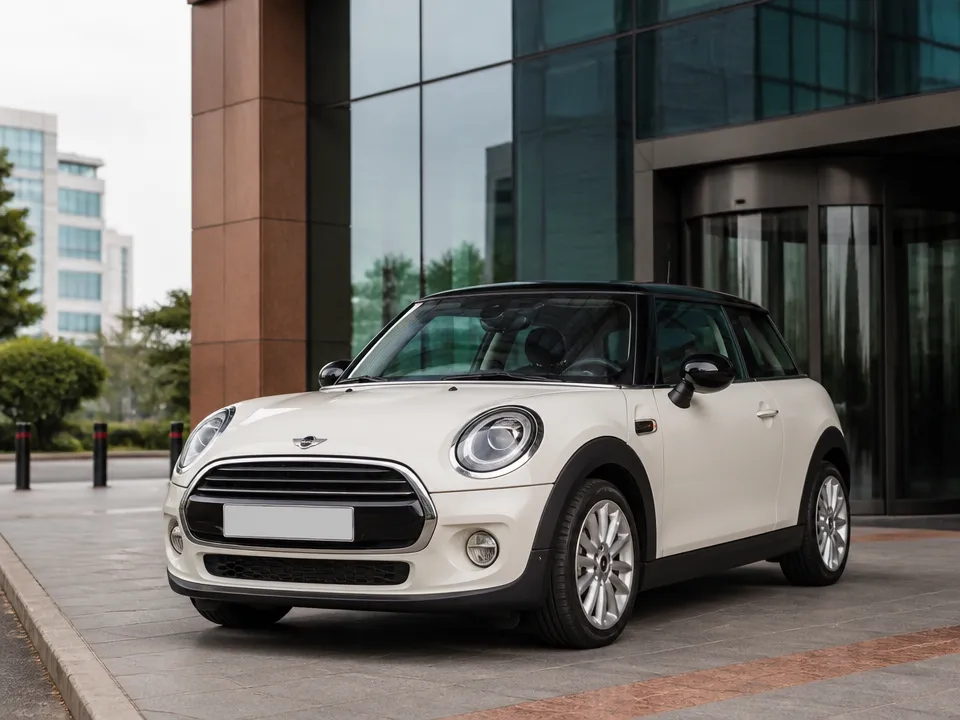
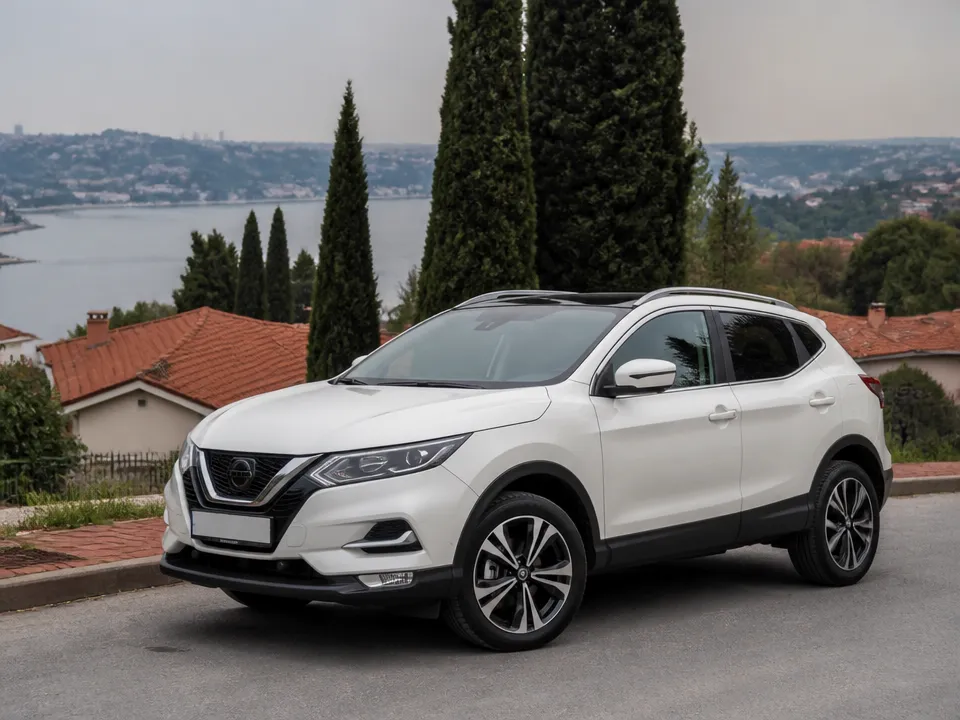
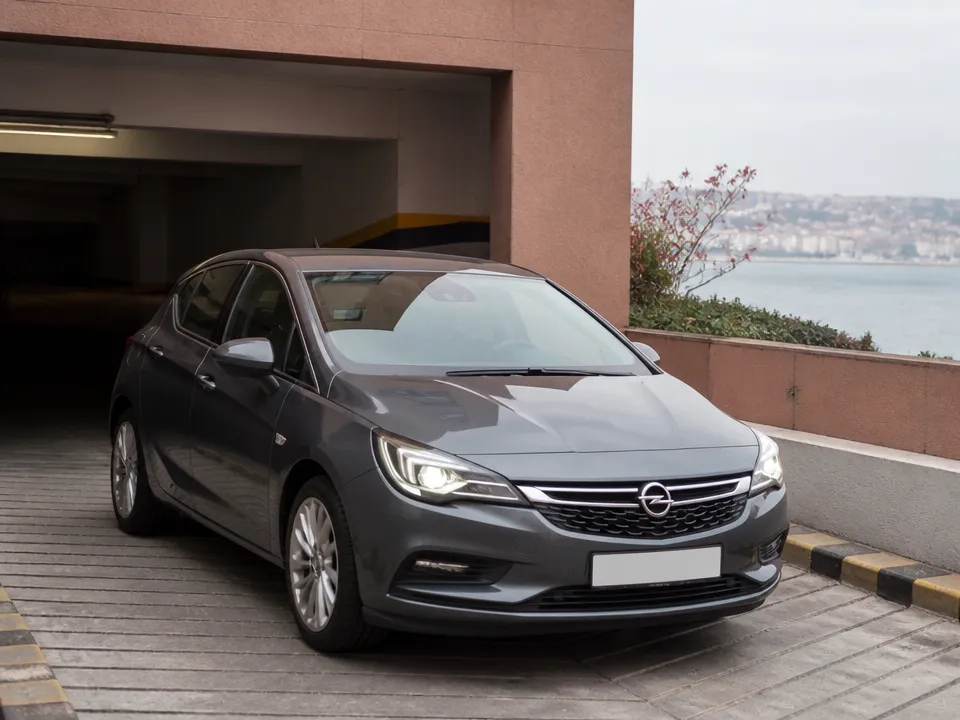
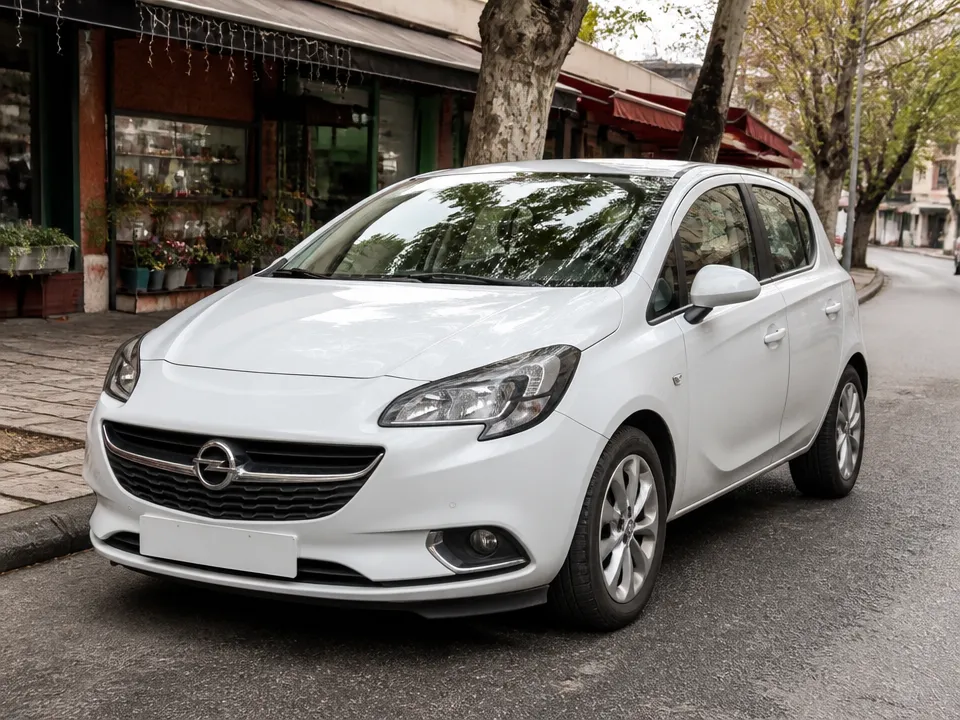
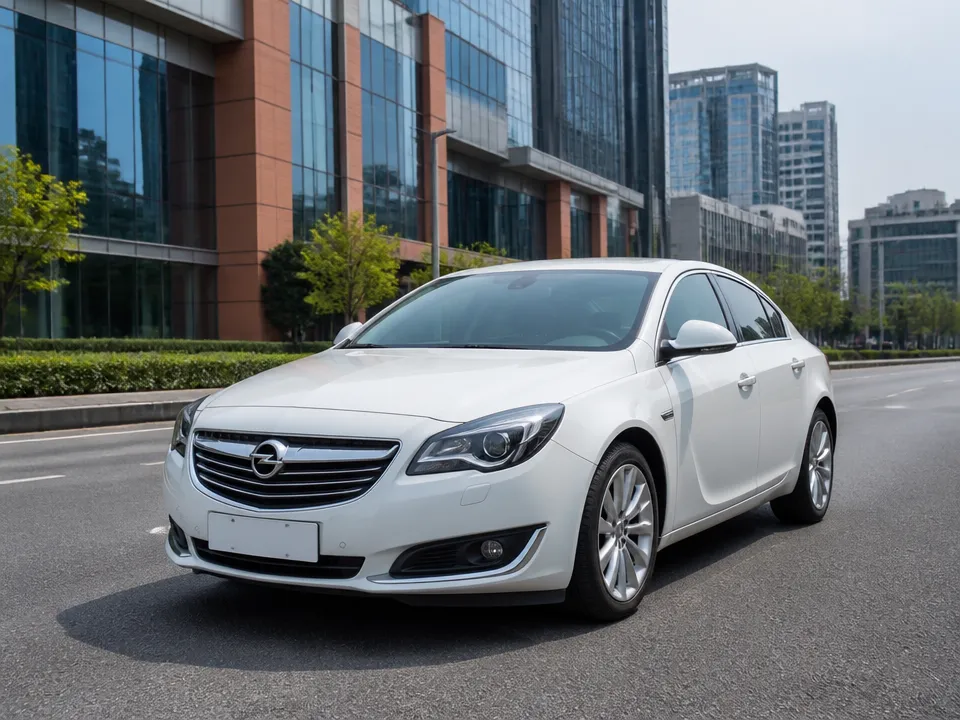
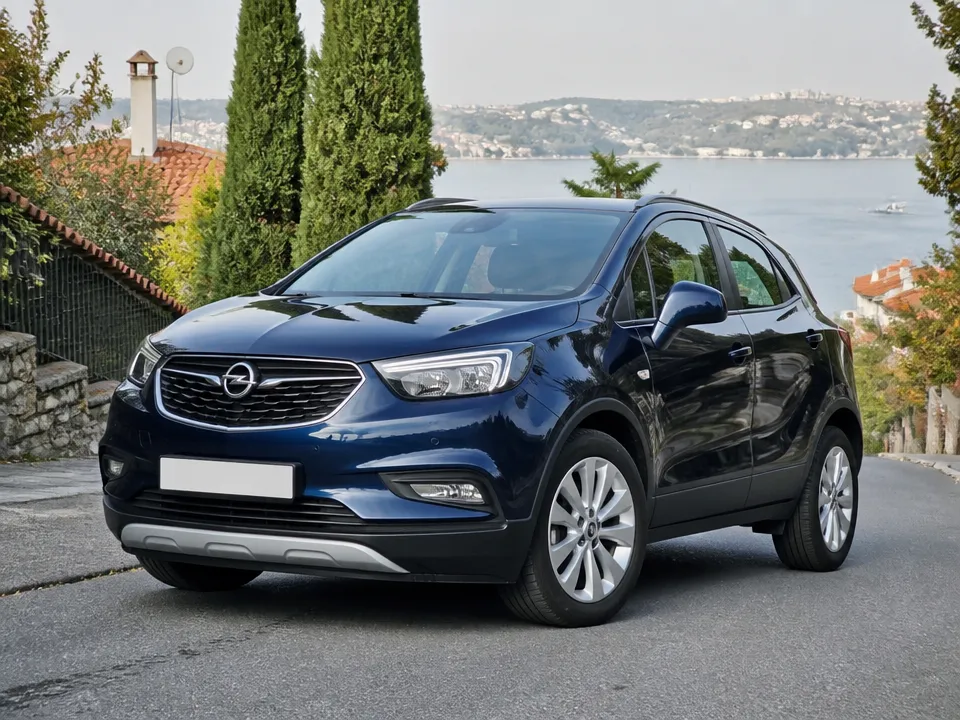
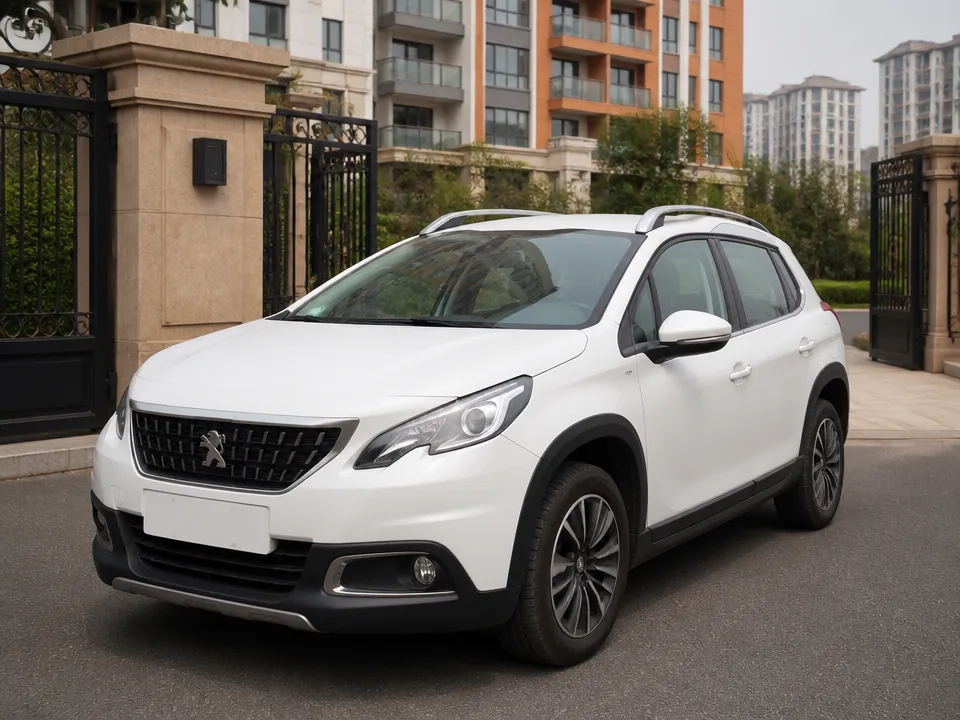
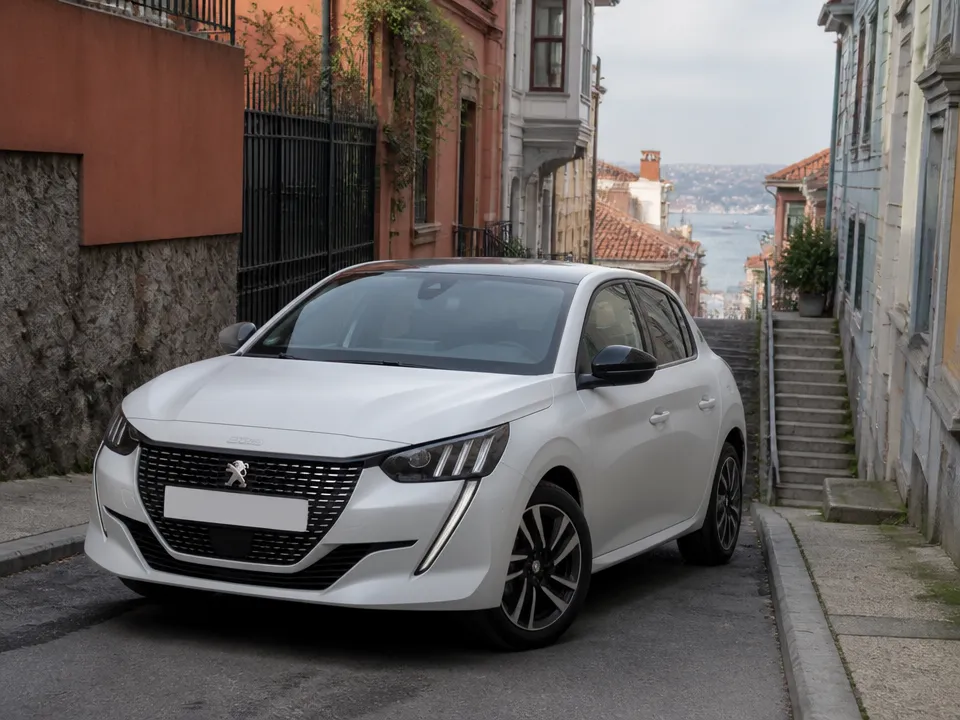
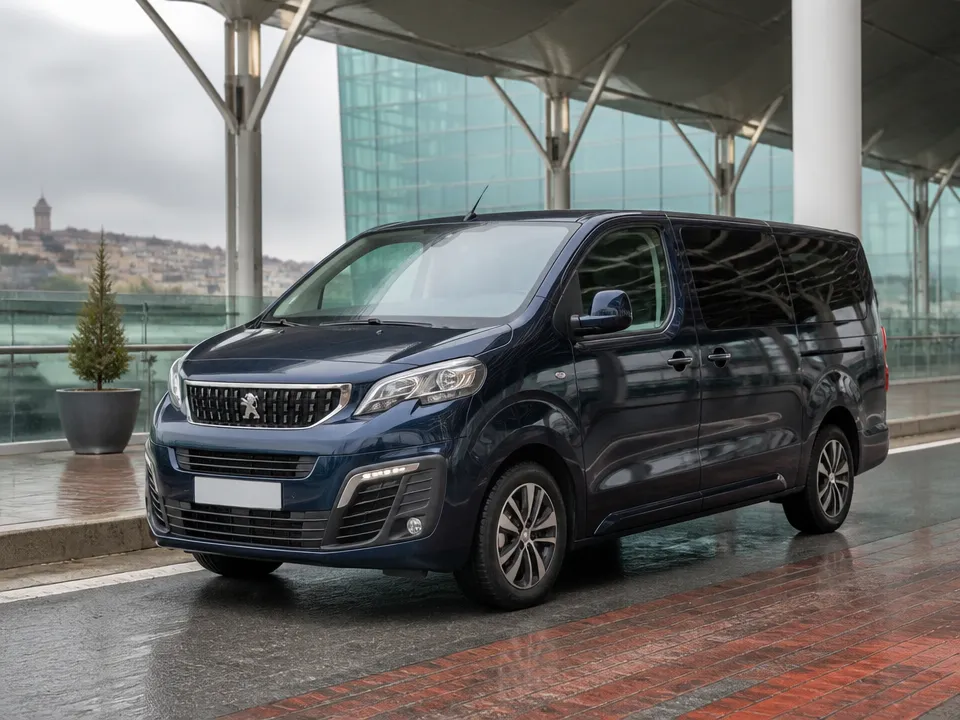
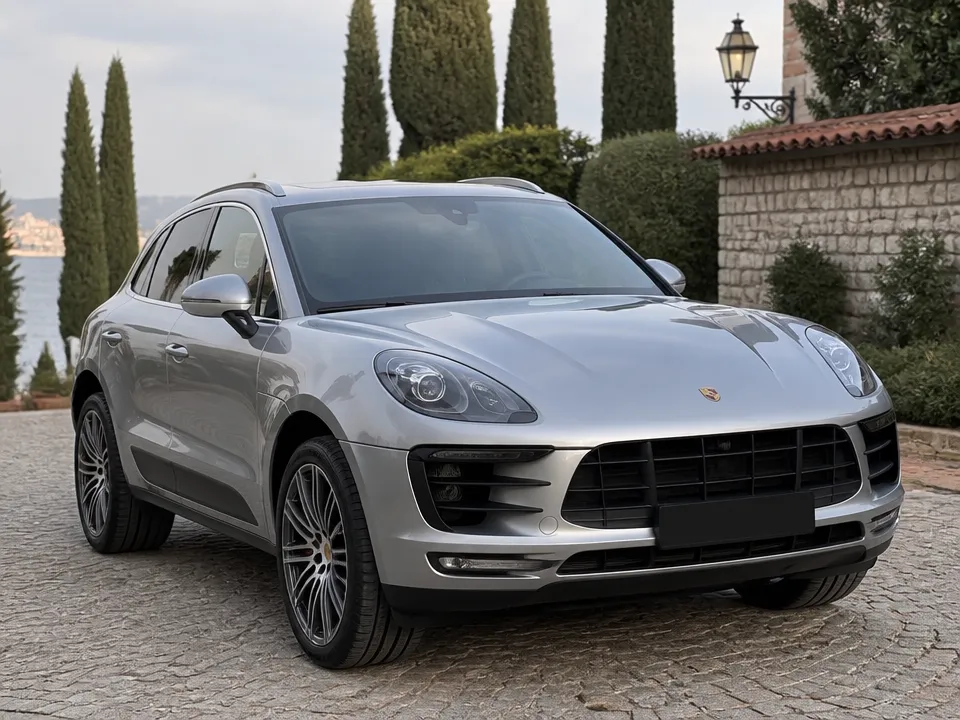
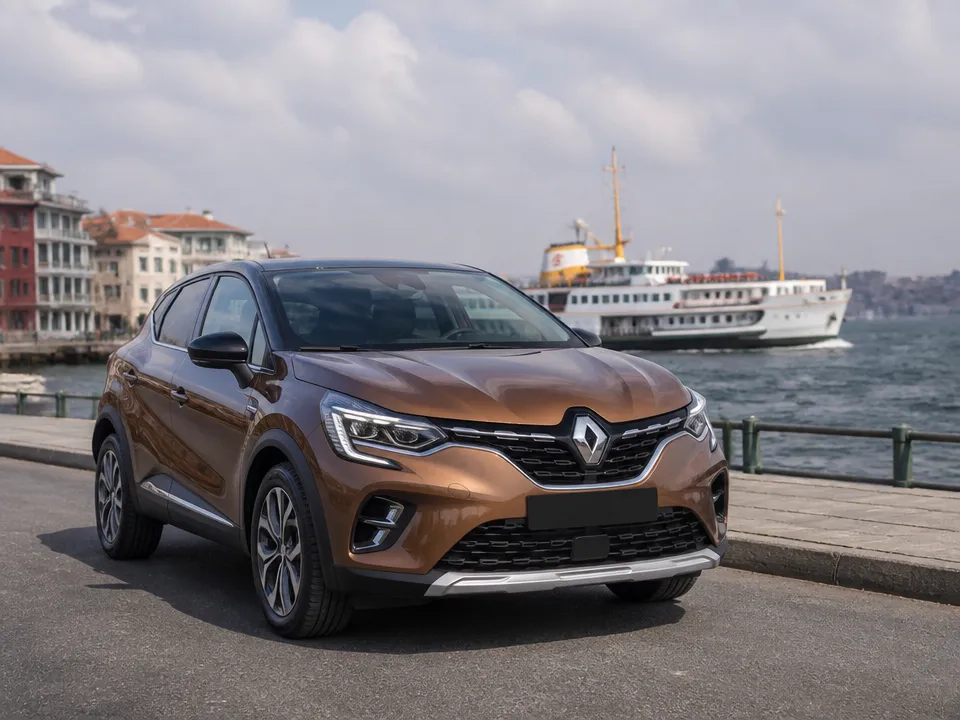
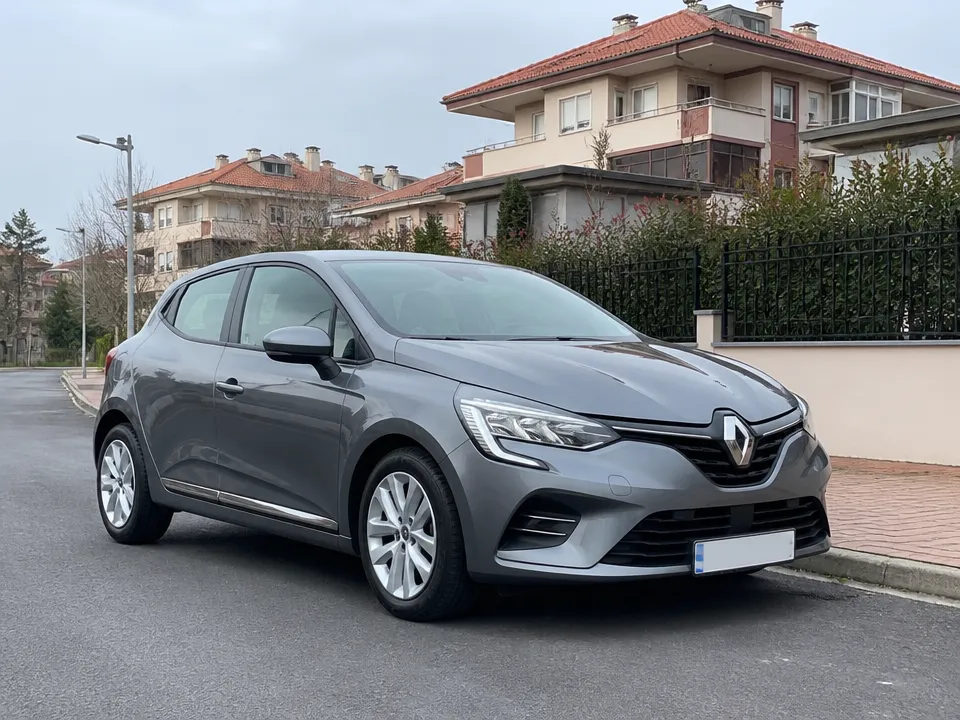
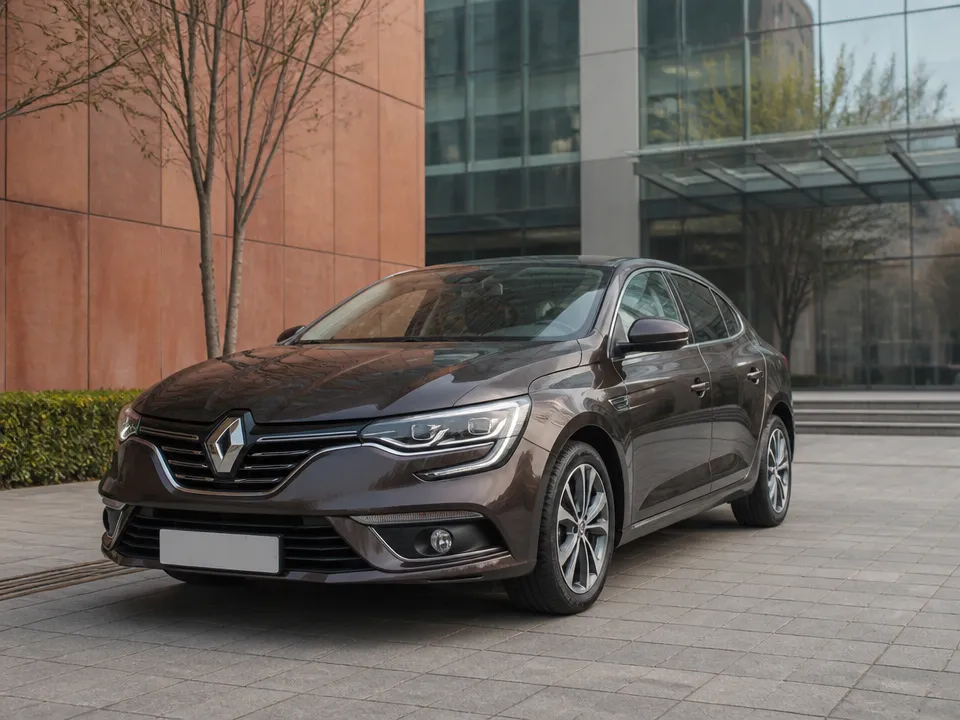
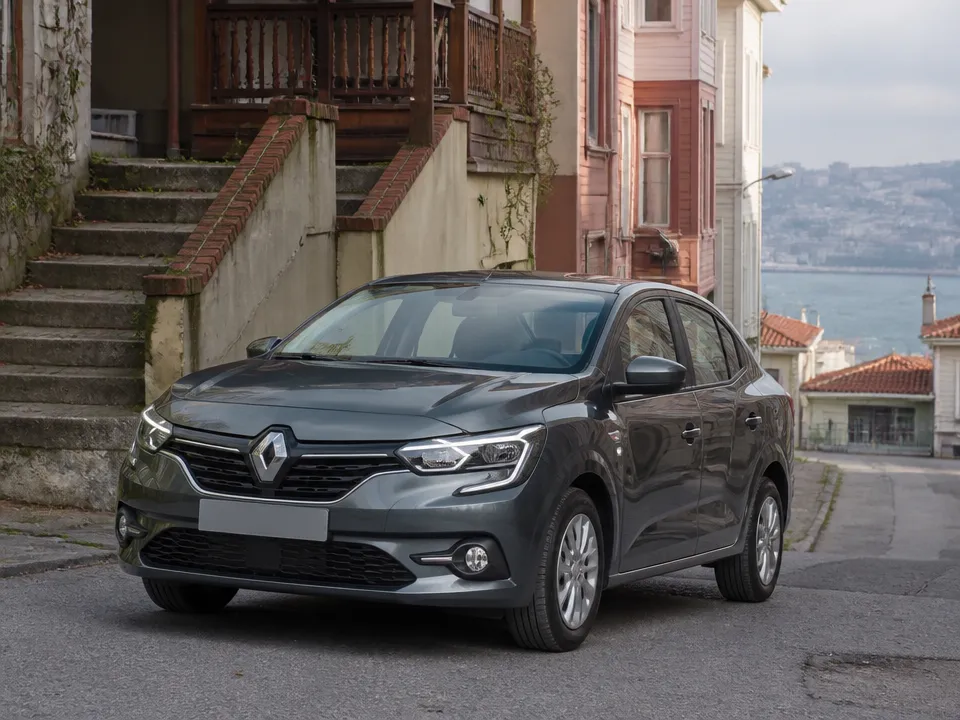
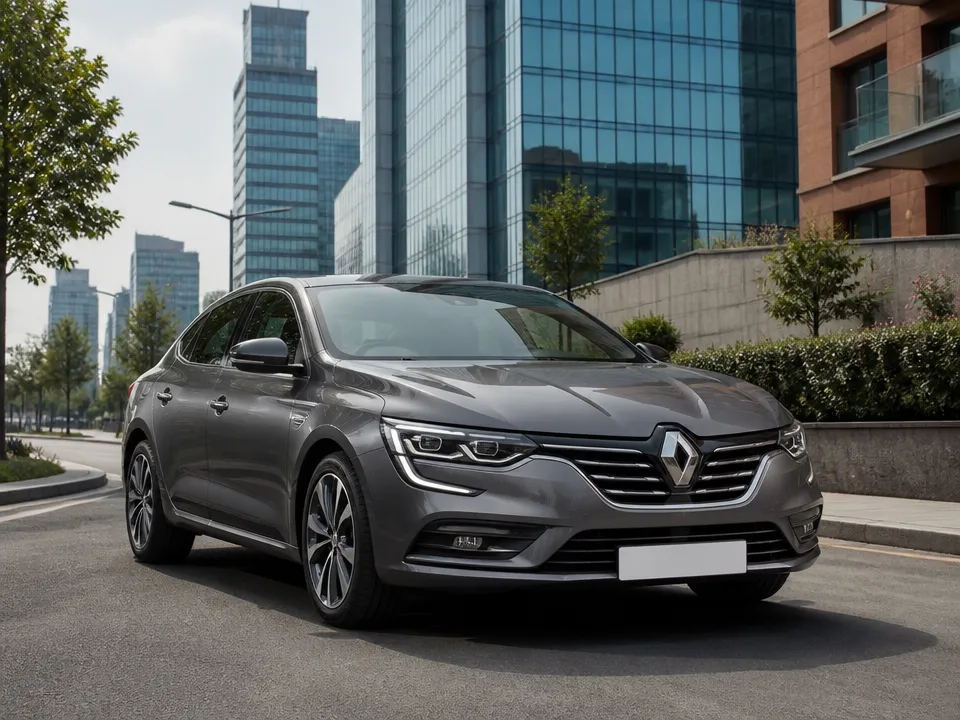
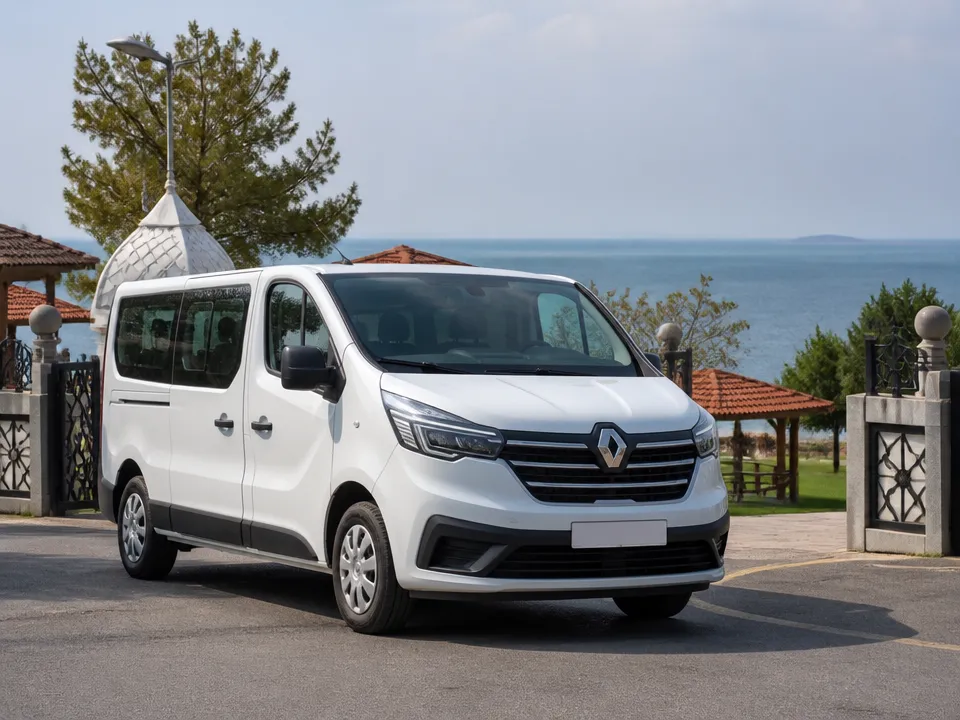
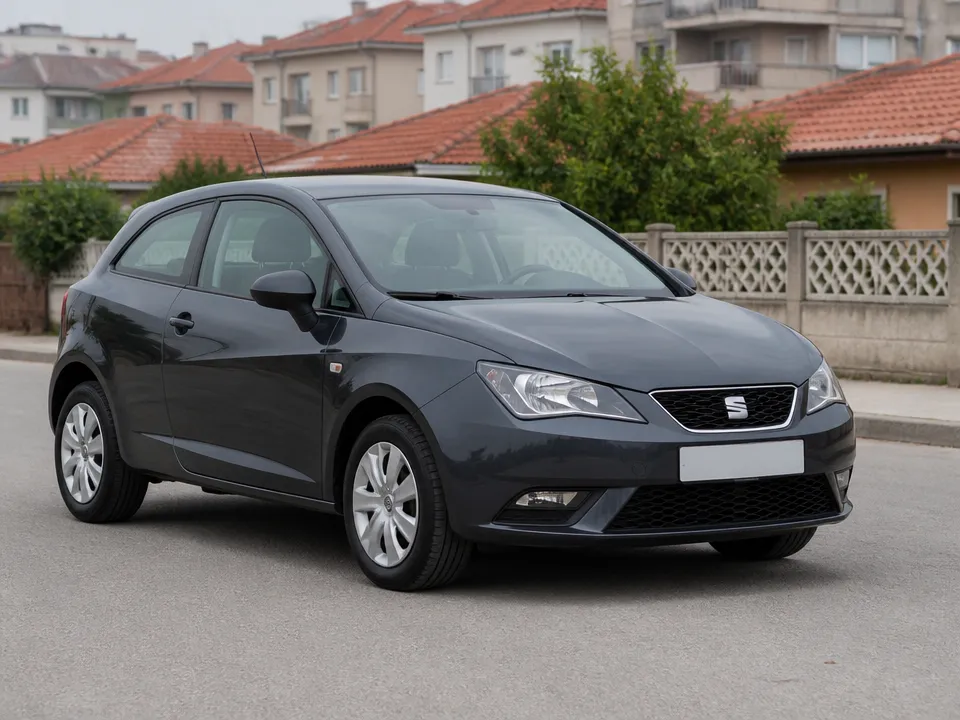
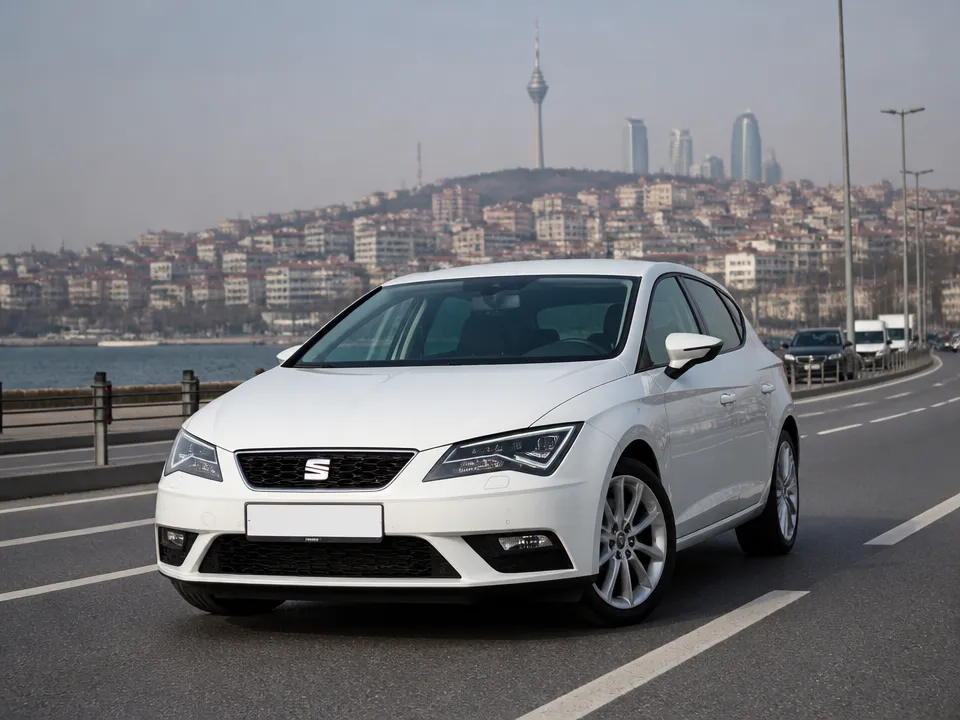
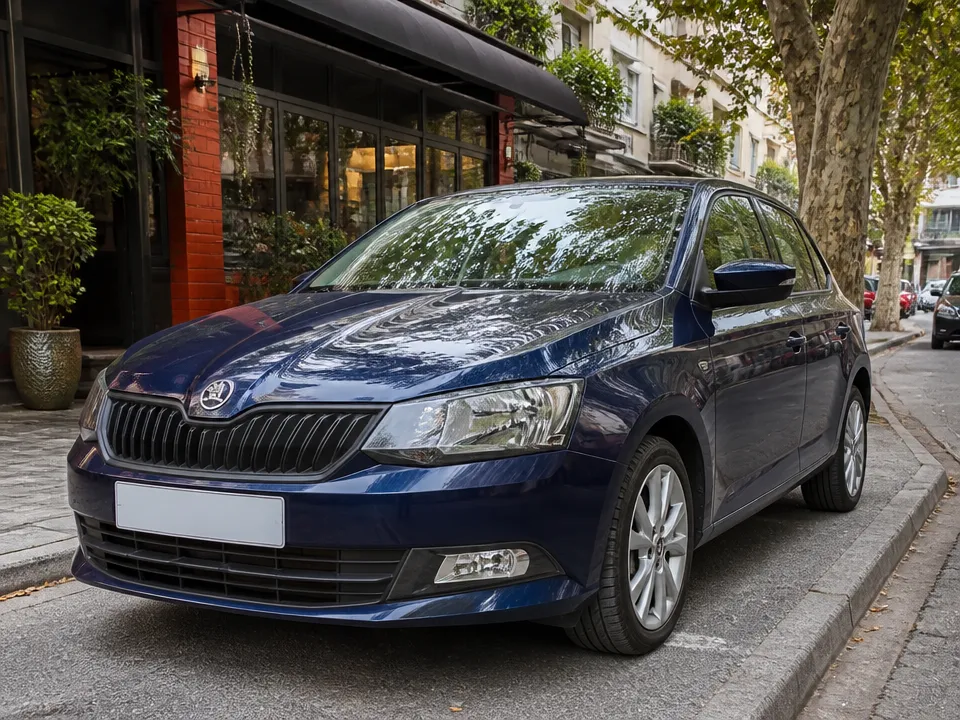
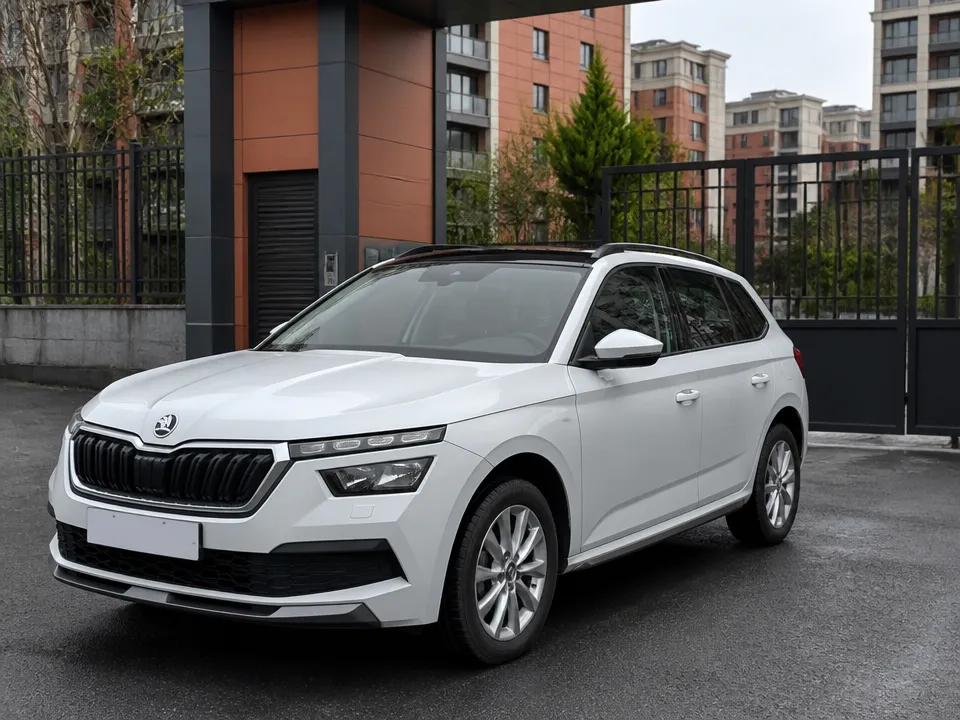
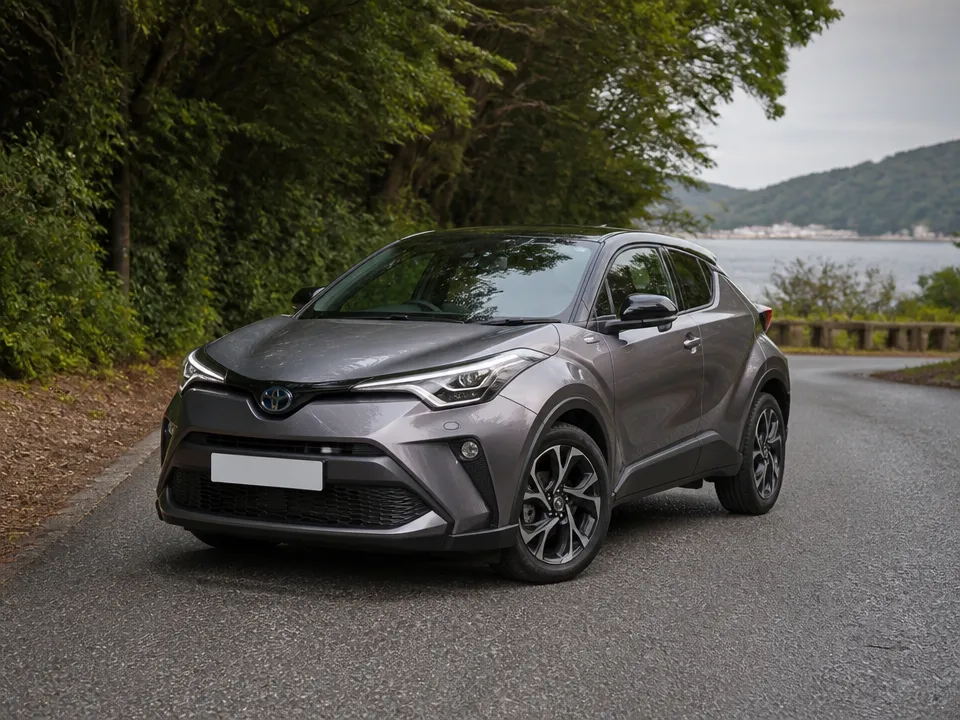
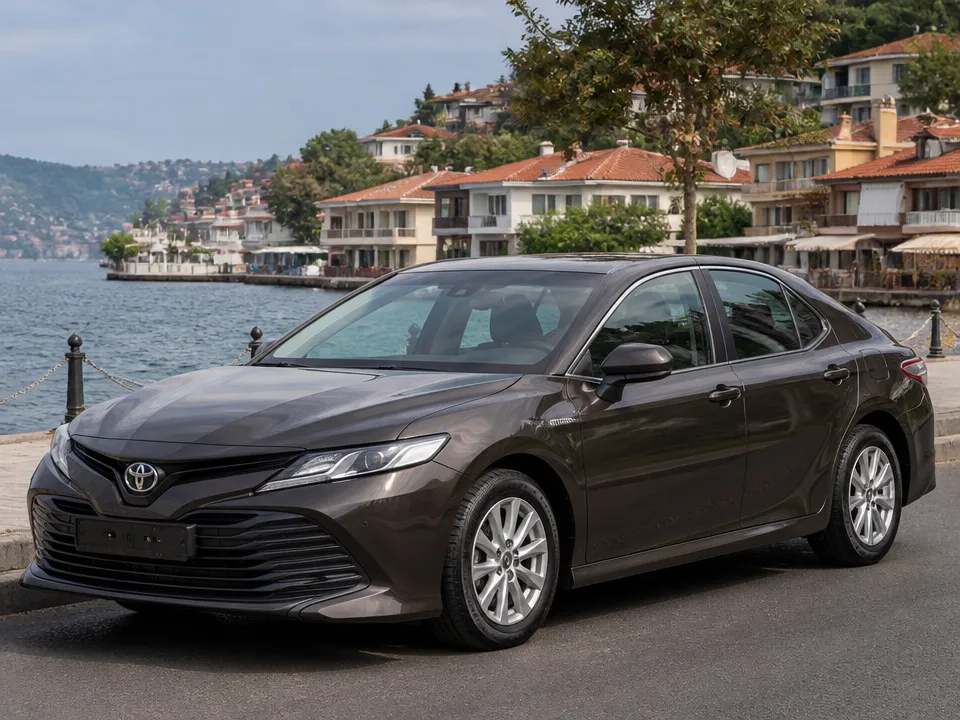
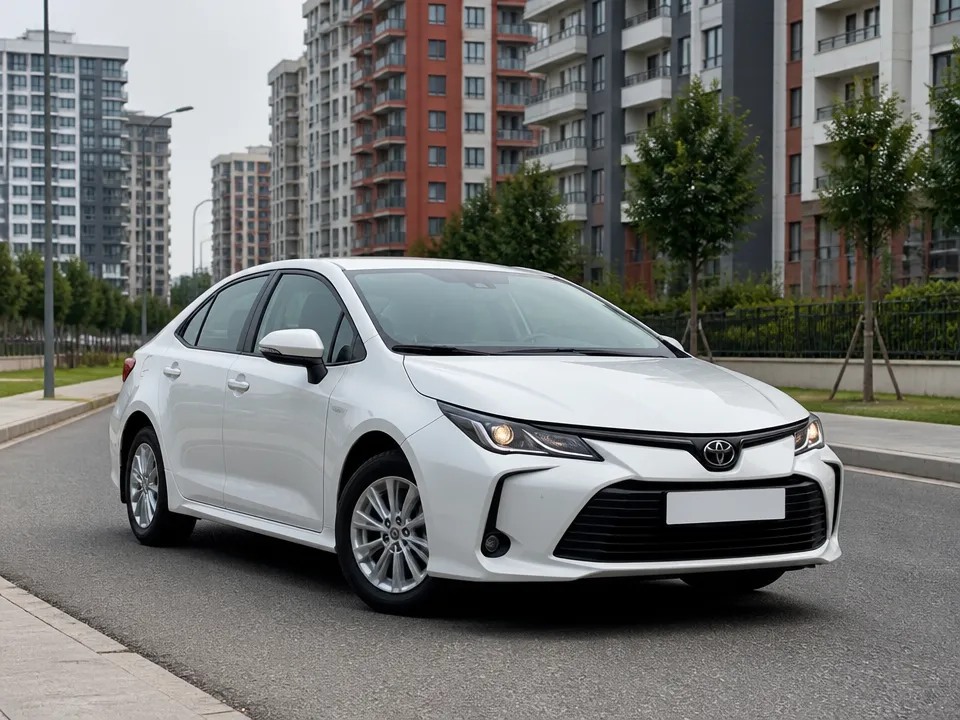
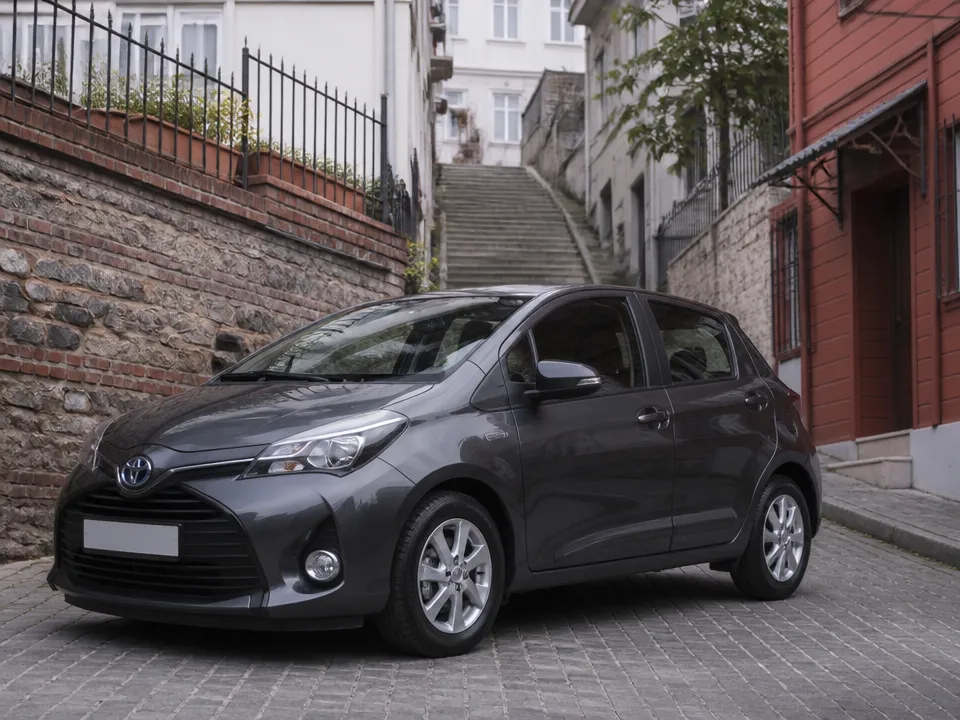
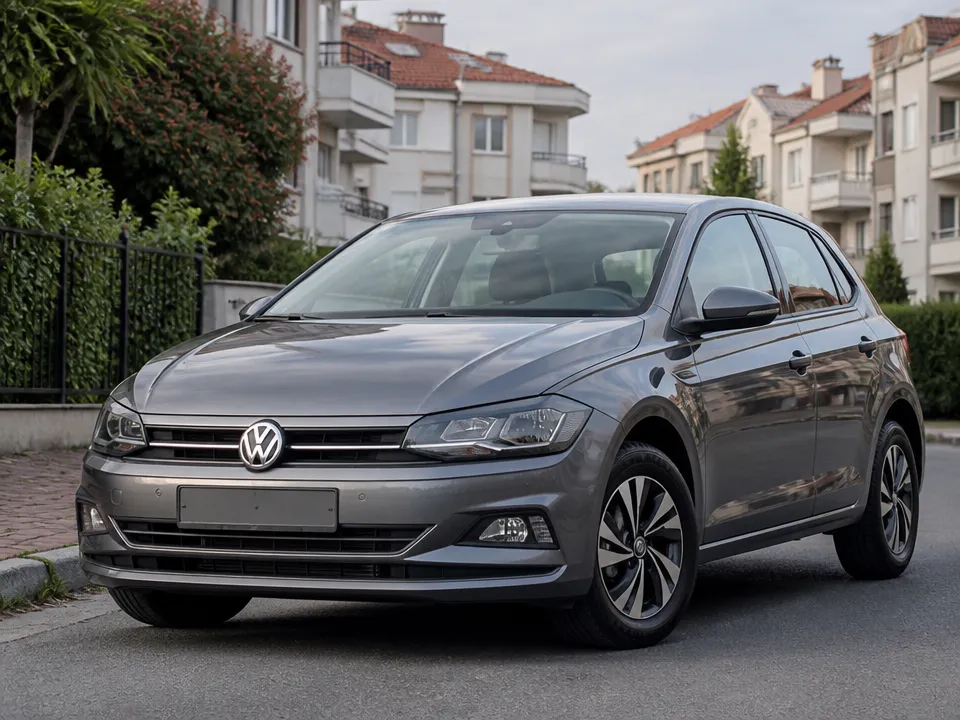
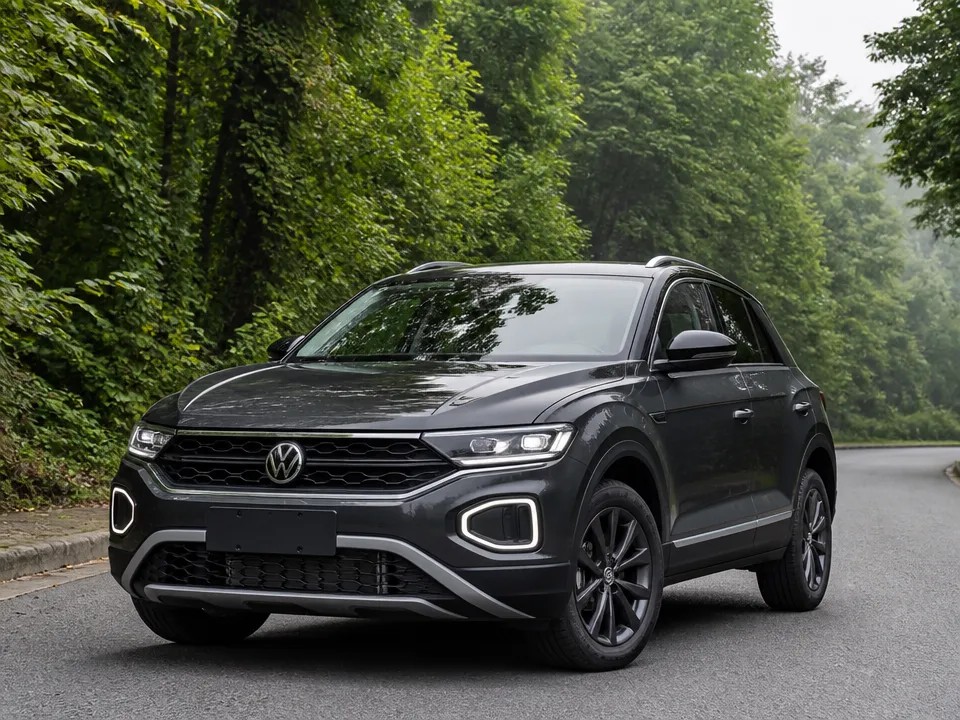
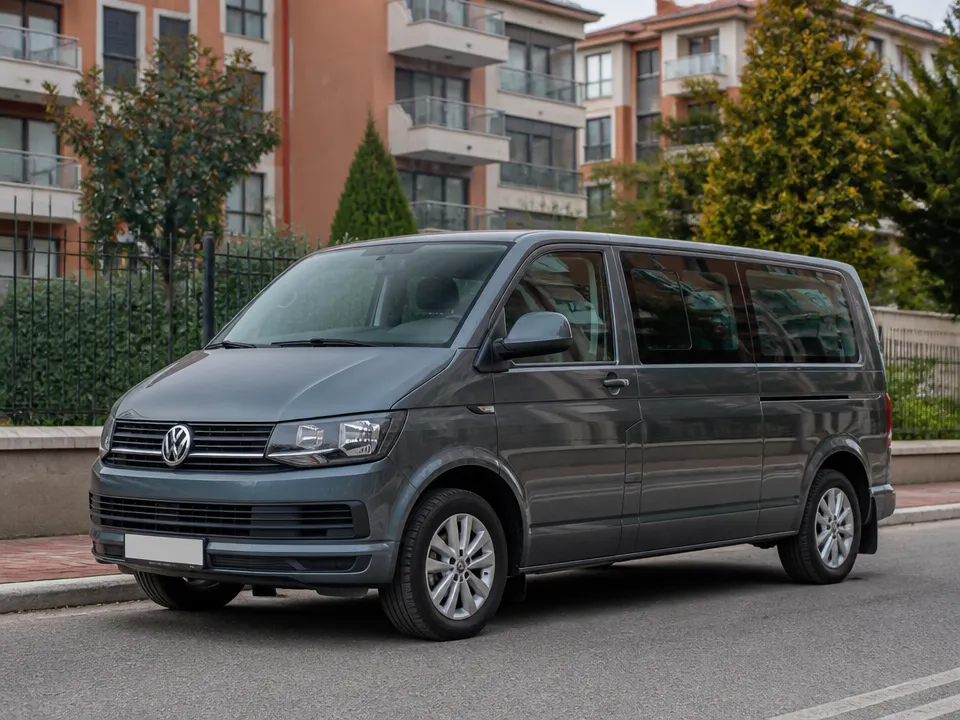
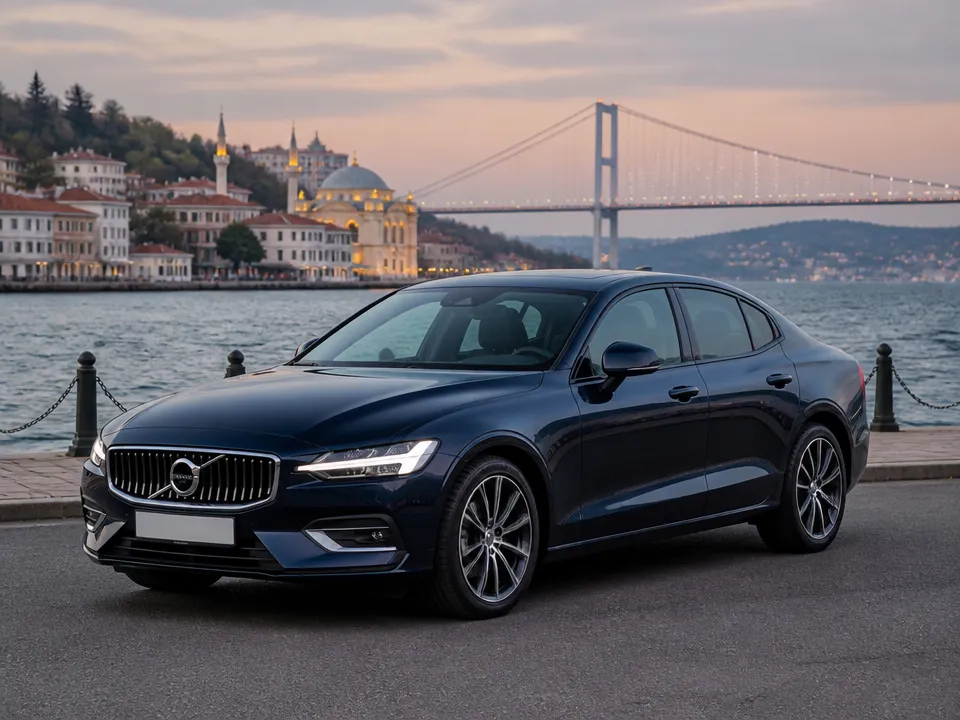
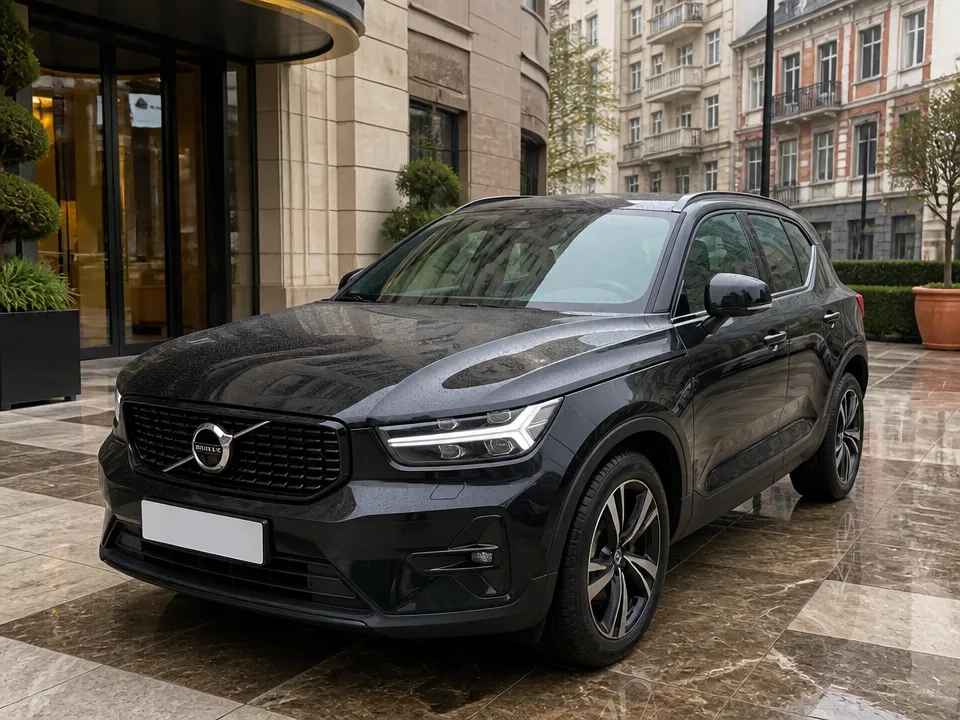




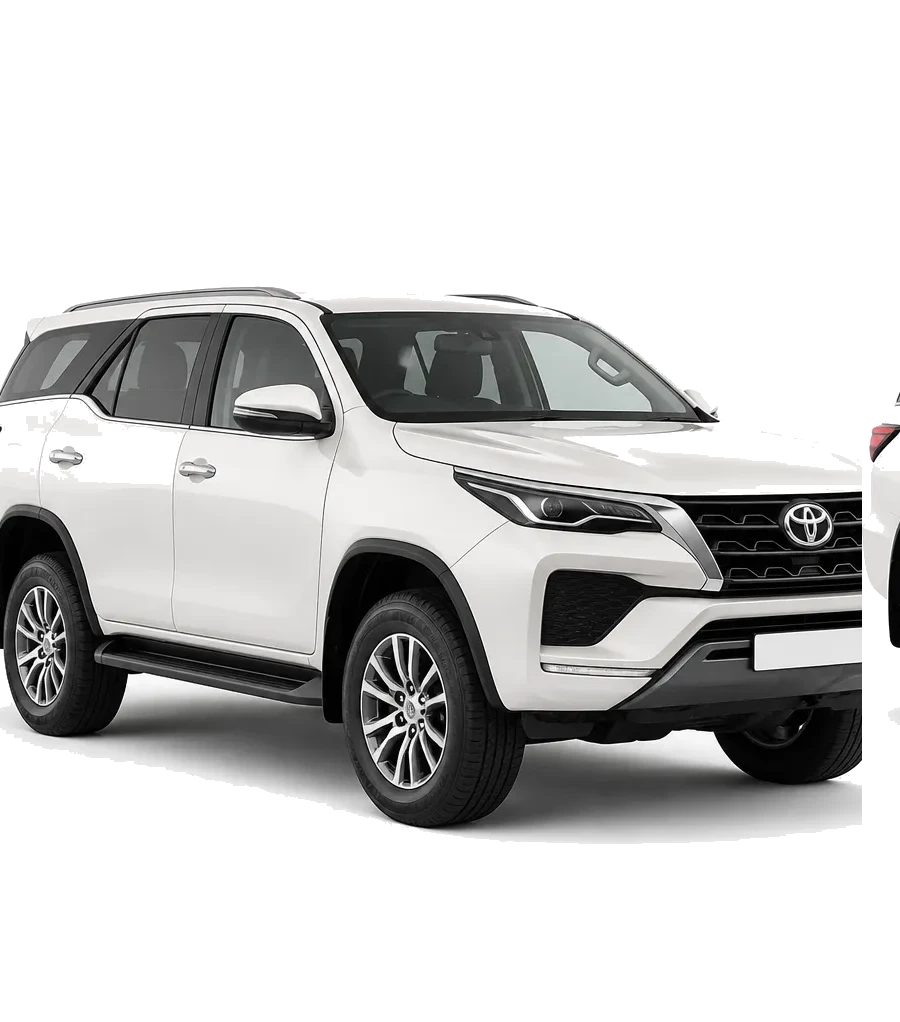






Our fleet in Istanbul holds 87 cars for self-drive hire, from ₺1,600 per day, with weekly rates from ₺9,600 and monthly from ₺33,600. We deliver the car to you anywhere in the city, including both airports, and every booking is agreed with a manager before hand-over.
The city stretches across two continents, and how useful a car is depends entirely on where you spend your days. In the dense centre — Şişli, Beşiktaş, Beyoğlu, Fatih — public transport is frequent, ferries cross the Bosphorus constantly, and parking is the real problem. Outside those districts, and on any trip beyond the city limits, a car changes the maths completely.
In the centre, a car mostly gets in the way; beyond it, it saves hours. The metro and the Marmaray line handle Şişli, Levent and Kadıköy well, but once your address is in Sarıyer, Başakşehir, Esenyurt or Ümraniye, or your plan involves Şile, Sapanca or Bursa, the timetable stops working for you. A self-drive vehicle also removes the airport question: you land at IST in Arnavutköy or SAW in Pendik and drive to your own door rather than crossing the whole city by transfer. In our experience, the split is roughly by district — inside the ring, use the ferry; outside it, take the keys.
Traffic is dense and drivers are assertive, but the rules themselves are predictable — the difficulty is junctions, not chaos. A few things worth knowing before you take the wheel:
Pick a car that matches your daily route, not the biggest one available — a compact hatchback is easier in city traffic than a large SUV, and it costs less to run.
We do not hand over a car at a desk. A self-drive booking with Rent-Trip means the vehicle is brought to the address you give us, and every booking is agreed with a manager before the keys change hands. That covers the whole service model: you choose a class, we confirm the terms, the car arrives where you are.
We deliver the car to an address you name, and delivery inside the city and to both airports is part of the offer — the exact point and time are agreed with a manager when you book. What we need from you is the district, the street and a realistic arrival window: the vehicle is driven to you, so a morning slot in Levent or Maslak behaves differently from the same slot in Kadıköy. Cross-city runs between the European and the Asian side take longer in weekday traffic, and the manager will build that into the agreed time rather than guess it. Name the address with a margin — peak-hour delivery runs longer than the map suggests.
Every rate on this page is VAT included, and compulsory third-party insurance covers every registered vehicle in Turkey by law. Longer bookings cost less per day than the daily rate, which is why the manager will ask how many days you actually need before quoting.
In our practice the class question is really a luggage question: a family of five with three large cases lands on Minivans or SUV far more often than on the cheapest Economy car, and moving from Economy to Comfort changes the daily figure by ₺350. Ask the manager to price two classes side by side before you commit — it takes one message and usually settles the choice.
Eight classes, 87 cars and a starting rate of ₺1,600 a day — that is the whole price grid on this page. A week is charged as six daily rates, a month as twenty-one, so the longer you book, the lower the per-day figure gets. All prices are VAT included.
| Class | Cars | From, per day |
|---|---|---|
| Economy | 16 | ₺1,600 |
| Commercial | 6 | ₺1,750 |
| Comfort | 14 | ₺1,950 |
| SUV | 16 | ₺2,100 |
| Sedan | 8 | ₺2,900 |
| Premium | 11 | ₺3,500 |
| Minivans | 8 | ₺5,000 |
| Luxury | 8 | ₺7,500 |
A week is billed as six daily rates, a month as twenty-one — so booking here starts at ₺9,600 for a week and ₺33,600 for a month, both at the Economy rate. The multiplier never changes: it is the base rate of the class you pick that moves. Take Comfort at ₺1,950 a day — the same week lands at ₺11,700 and the month at ₺40,950, not at the Economy figures. In our experience, travellers who book ten days or more and ask for the weekly rate on the first call save themselves a second negotiation later. And check the calendar before you commit: a booking that runs into a weekend is priced by the same multiplier regardless of the days of the week it covers.
Deposit, mileage and what the insurance covers are not part of the daily rate — they are set out in the rental agreement and confirmed before hand-over.
The city sits on two continents, and where you stay decides both the delivery point and the route you take on day one. We bring the car to you rather than handing it over at a counter, and the meeting point is agreed with a manager when you book.
We deliver on both the European and the Asian side, so pick the side by your accommodation address, not by the airport you landed at. The two airports sit on opposite shores — Istanbul Airport on the European side near Arnavutköy, Sabiha Gökçen on the Asian side at Pendik — and crossing between them means the bridges or the Eurasia Tunnel. Every crossing is paid through HGS, the electronic toll system: Yavuz Sultan Selim Bridge runs ₺110, the Eurasia Tunnel ₺280 by day and ₺140 at night, Osmangazi Bridge ₺1,170. An unsettled passage is treated as an unauthorized toll passage and can be penalised at four times the toll. In our experience the cleanest plan is to collect the car on the side where you sleep and cross the Bosphorus only when the day actually needs it.
Walk the car with the person who delivers it and note the fuel level, the existing damage and the HGS status in the paperwork. Check the HGS status recorded in the paperwork and keep the toll terms in mind: unpaid crossings accumulate quietly and surface at four times the tariff. If your route crosses the Bosphorus more than once, ask the manager to confirm which tunnels and bridges your itinerary uses — the day and night tariffs differ, and a return leg through the Eurasia Tunnel after dark costs half of what it does at midday.
Eighty-seven cars across eight classes sit on this page, from ₺1,600 a day for an Economy hatchback to ₺7,500 for a Luxury model. The question is not which car is best — it is which one fits the week you have planned.
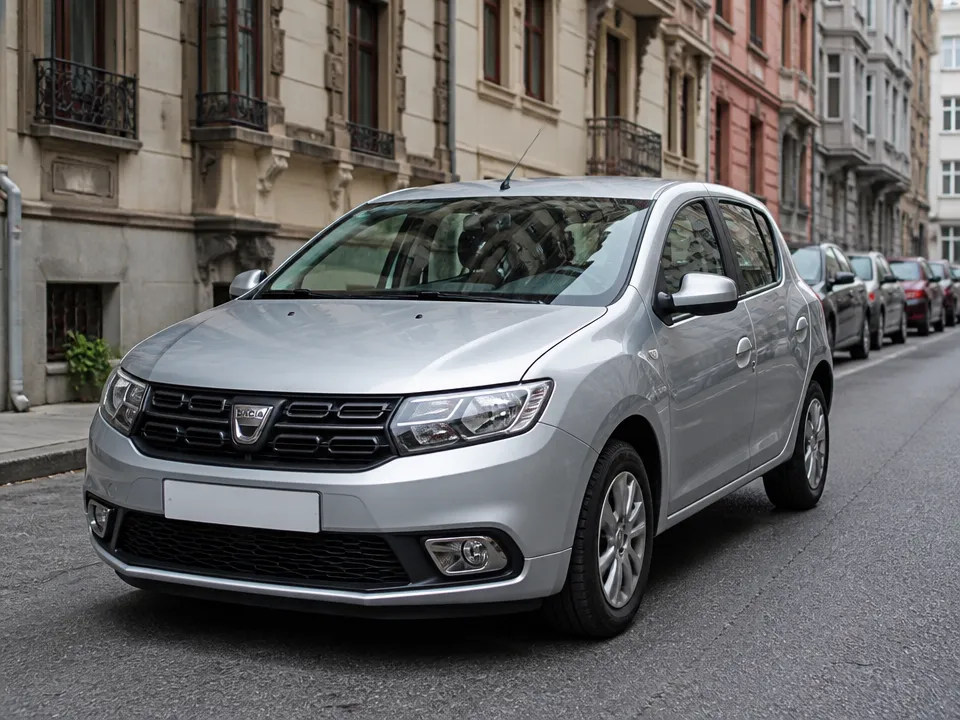
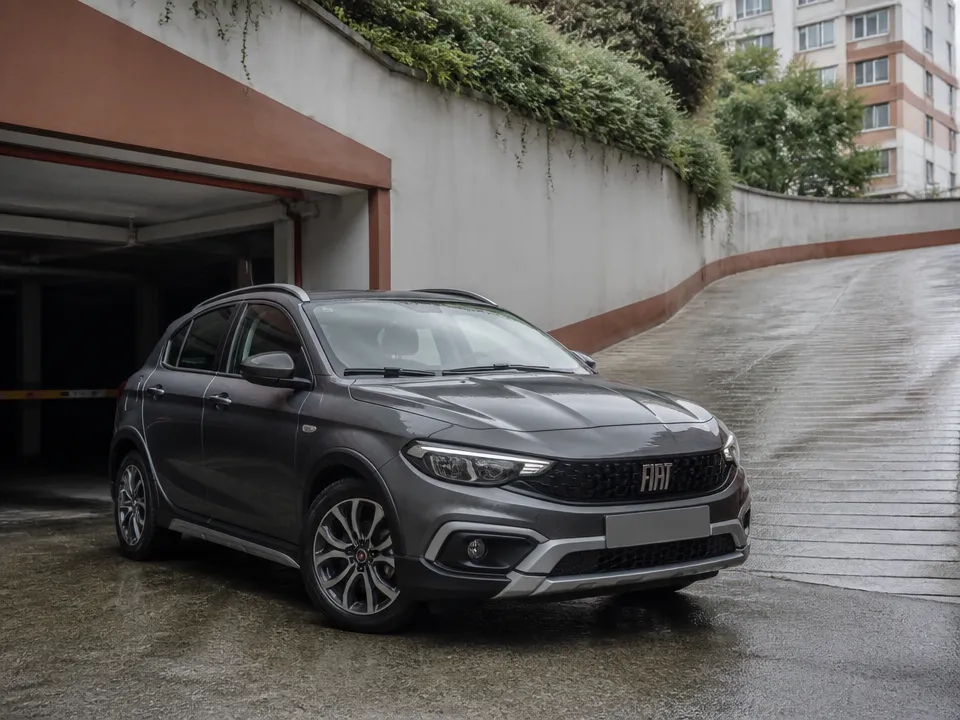
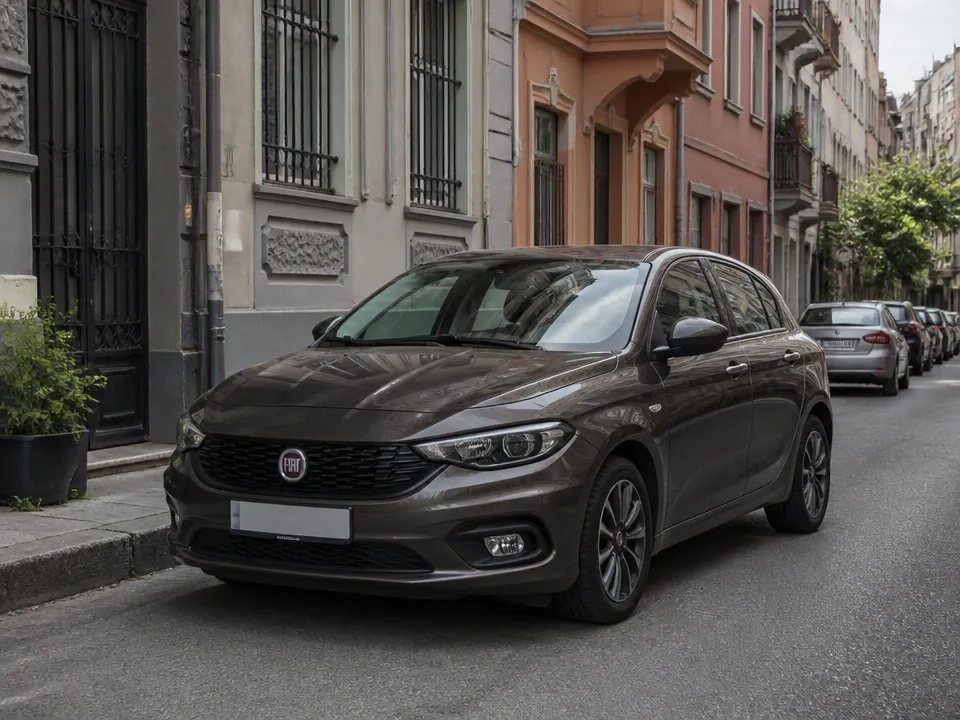
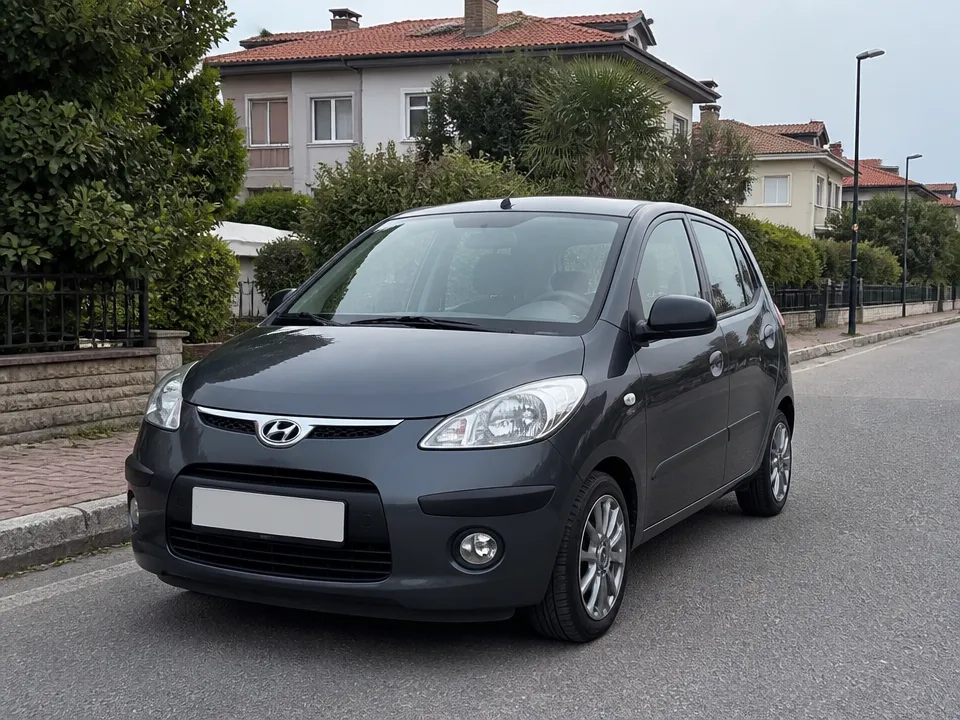
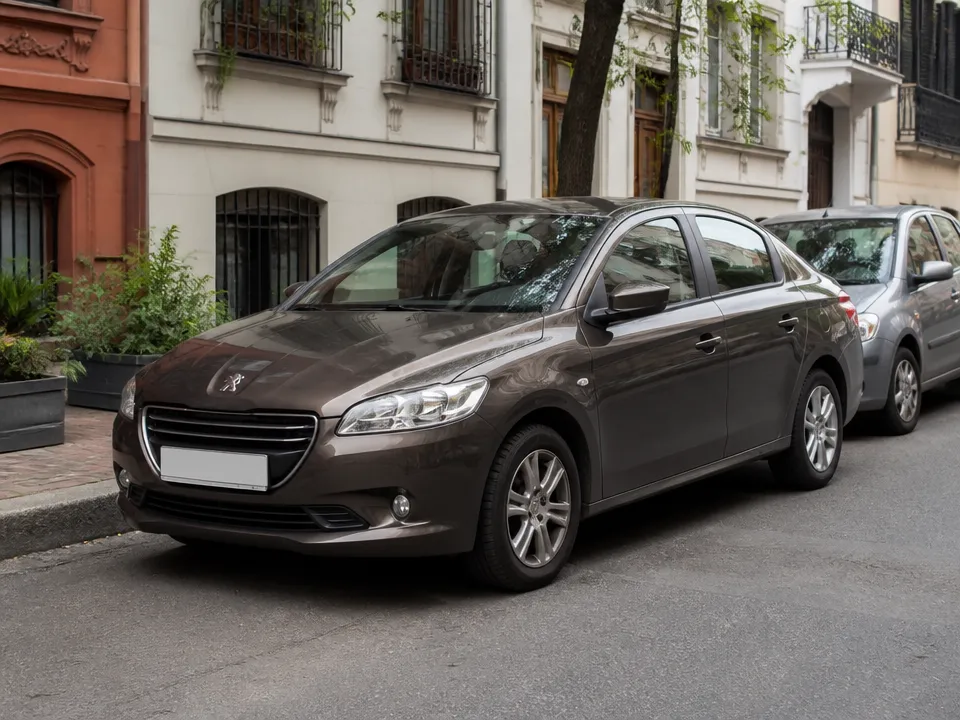
Economy (16 cars, from ₺1,600): Dacia Sandero, Fiat Egea Hatchback, Hyundai i10, Peugeot 301, Renault Clio — the right pick for two people moving between Şişli, Beşiktaş and Beyoğlu, where a short body parks far more easily than anything larger.
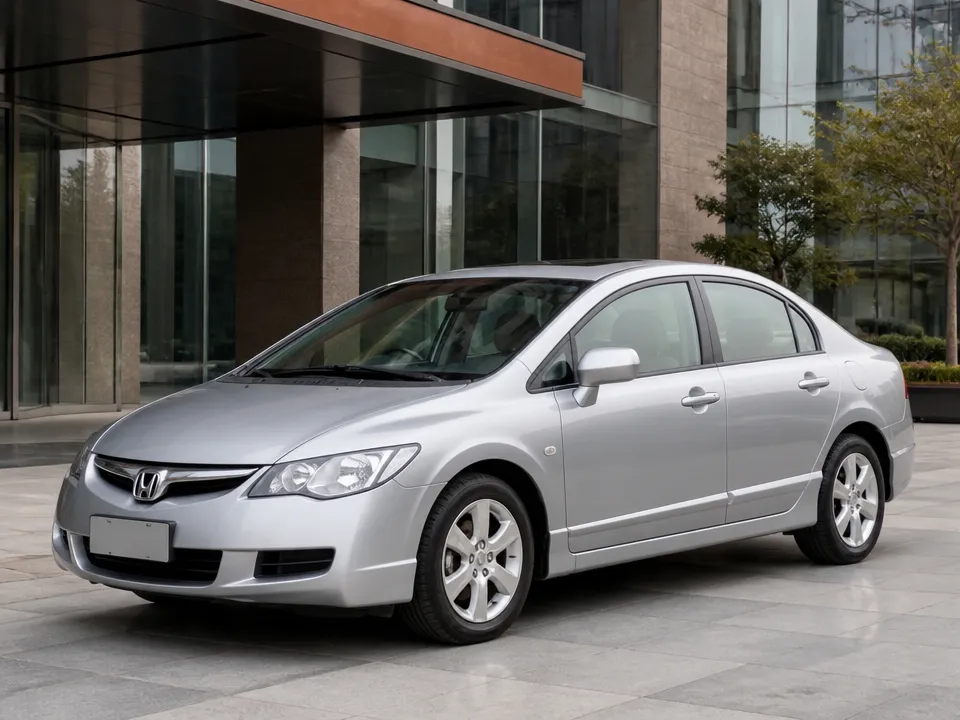
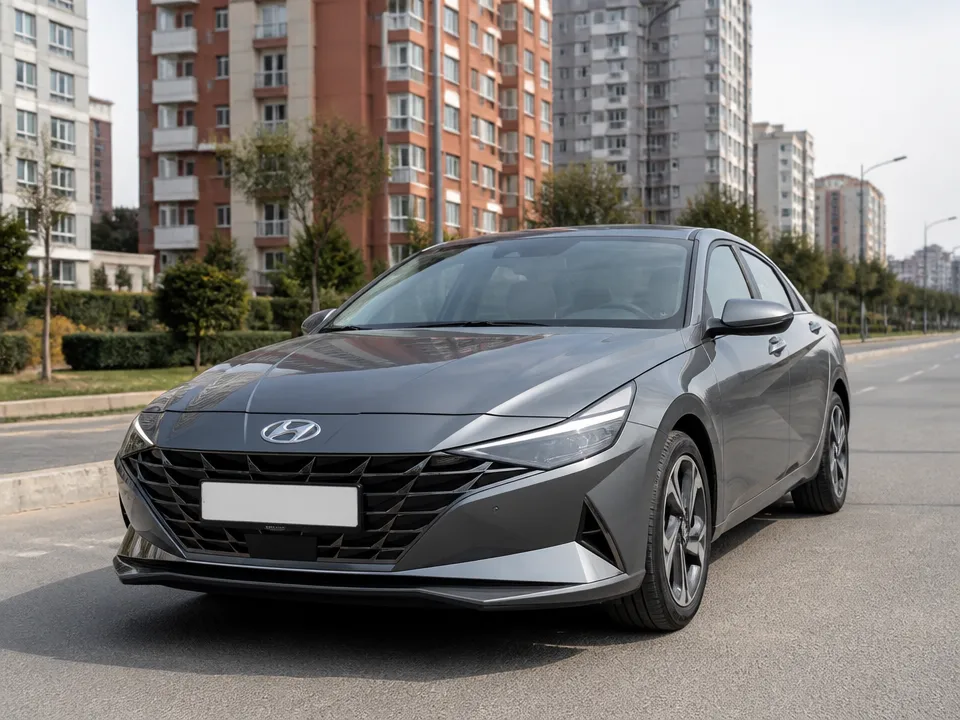
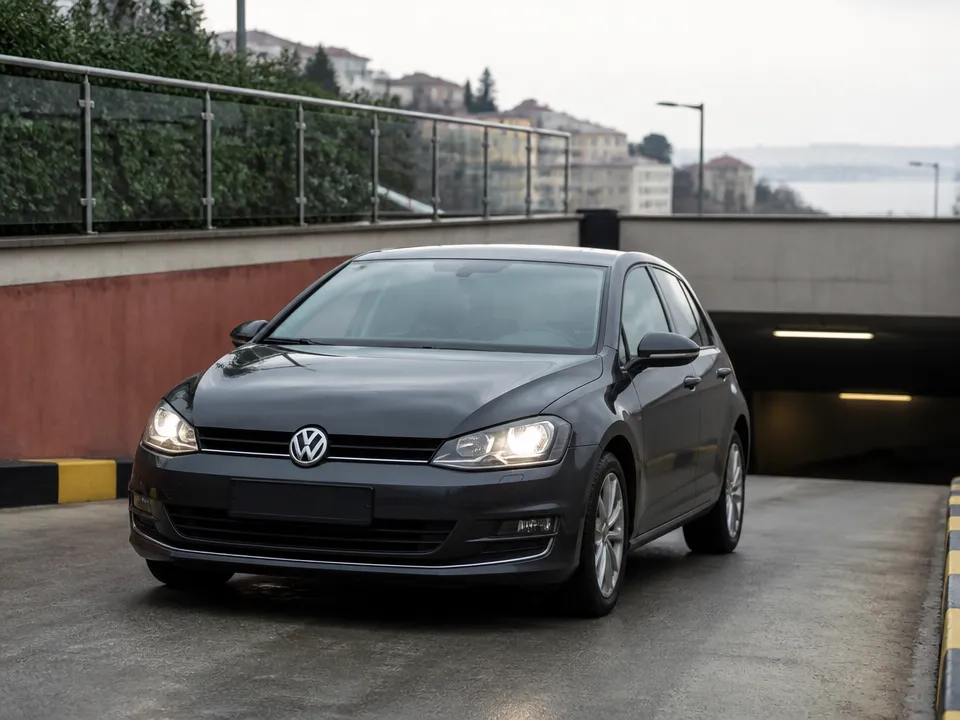
Comfort (14 cars, from ₺1,950): Dacia Logan, Renault Megane Sedan, Toyota Corolla, Volkswagen Golf, Škoda Octavia — sedans and hatchbacks with automatic gearboxes for longer daily distances and motorway work.
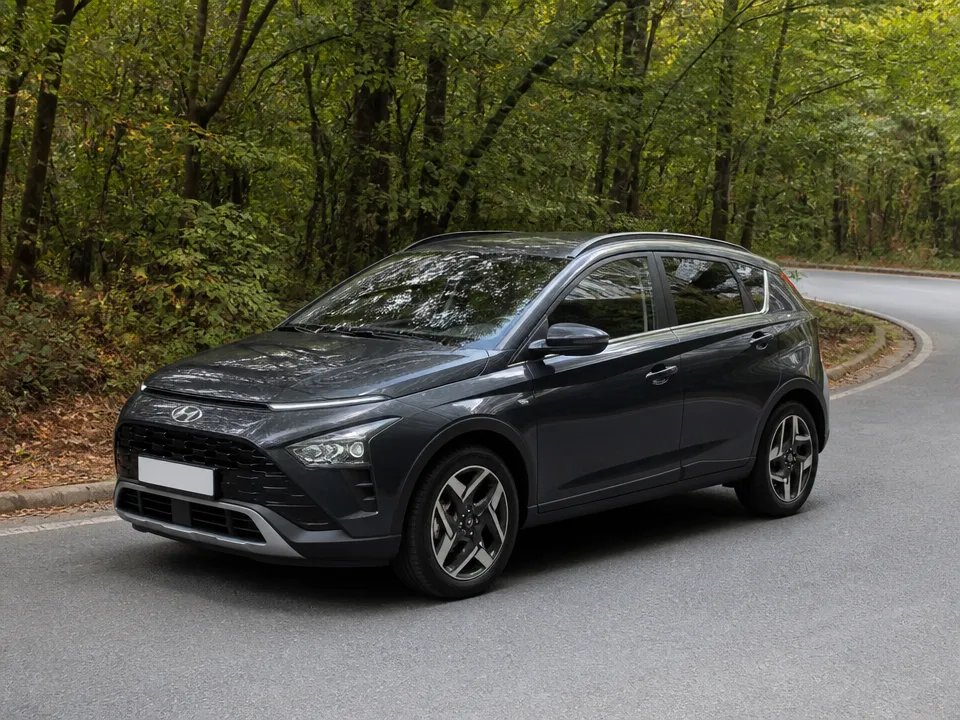
SUV (16 cars, from ₺2,100): Opel Mokka, Hyundai Bayon, Škoda Kamiq, Renault Captur, and the 4x4 Dacia Duster — for the rougher edges of the city and the roads out towards Şile.
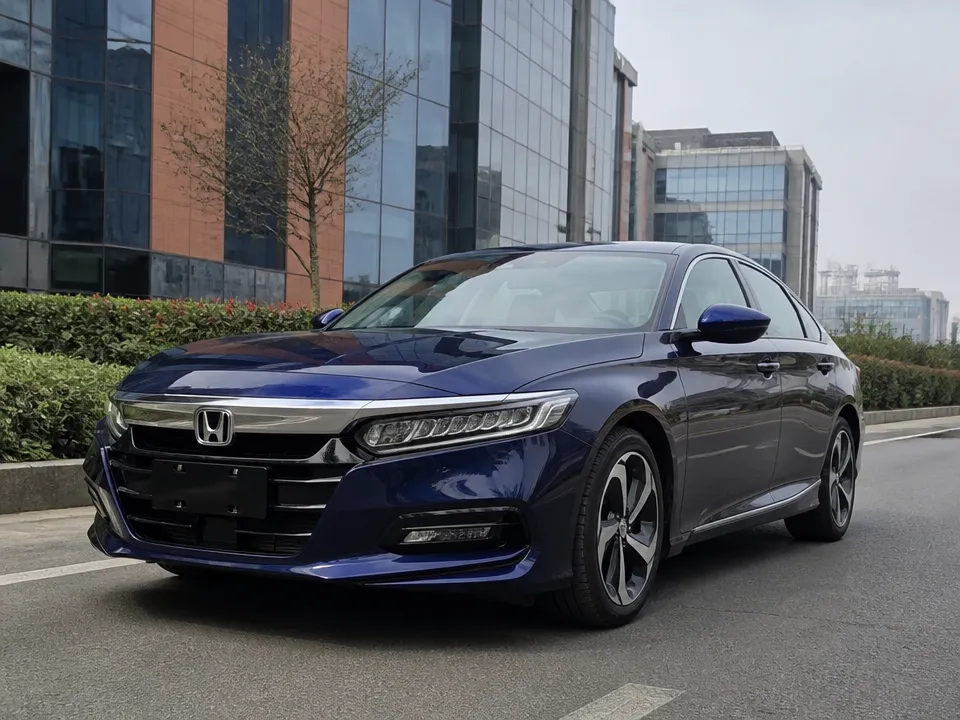
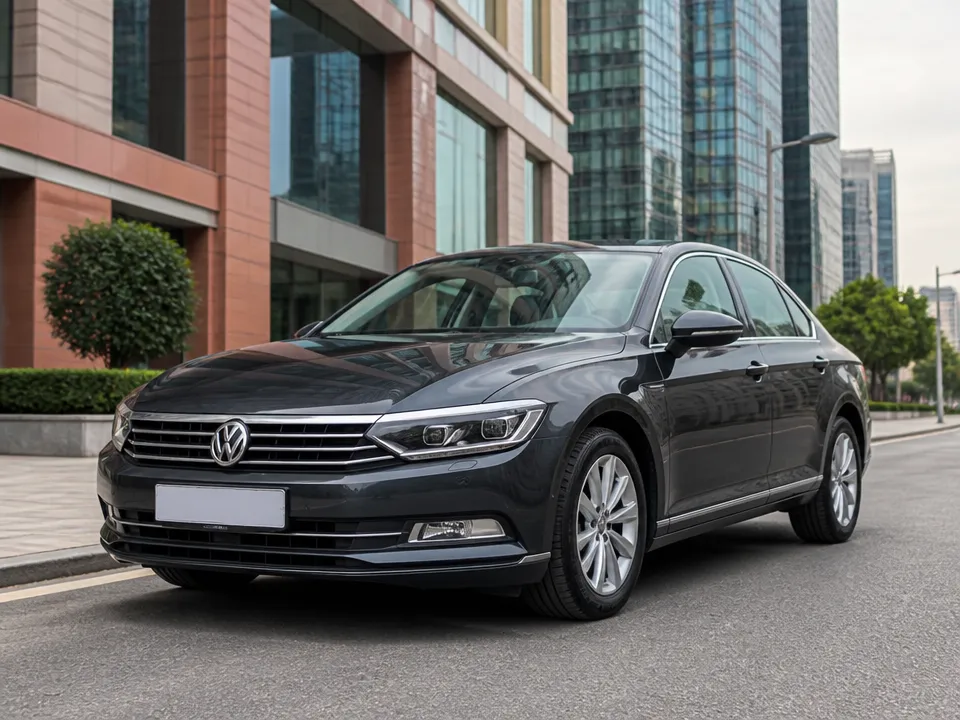
Sedan (8 cars, from ₺2,900), Premium (11 cars, from ₺3,500) and Luxury (8 cars, from ₺7,500): more space, more power and a higher class of car for business trips and visitors who want the drive itself to be part of the stay.
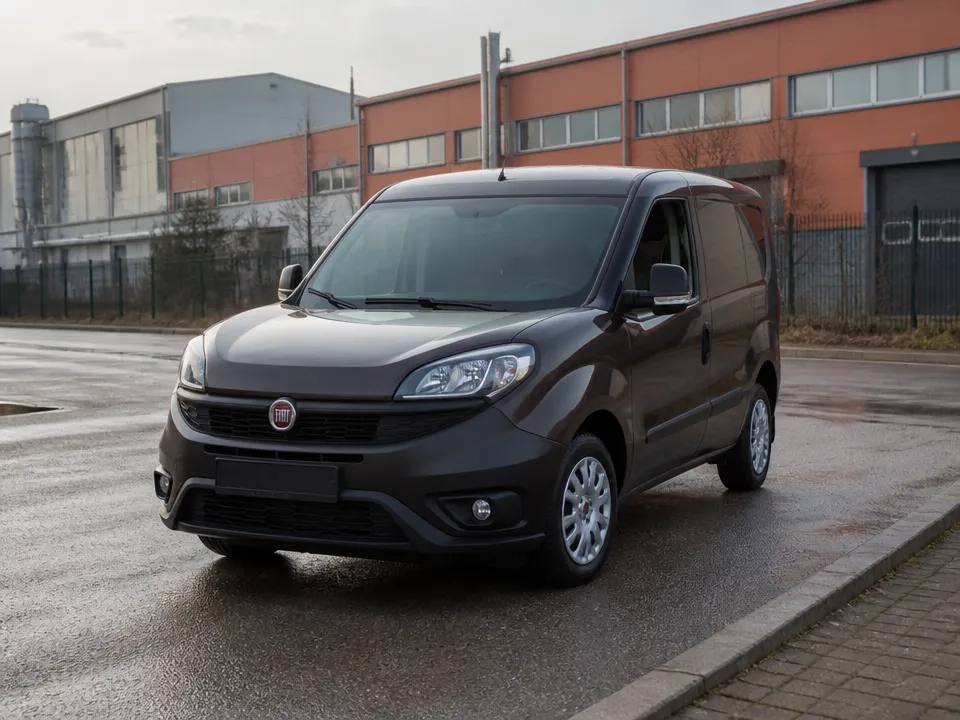
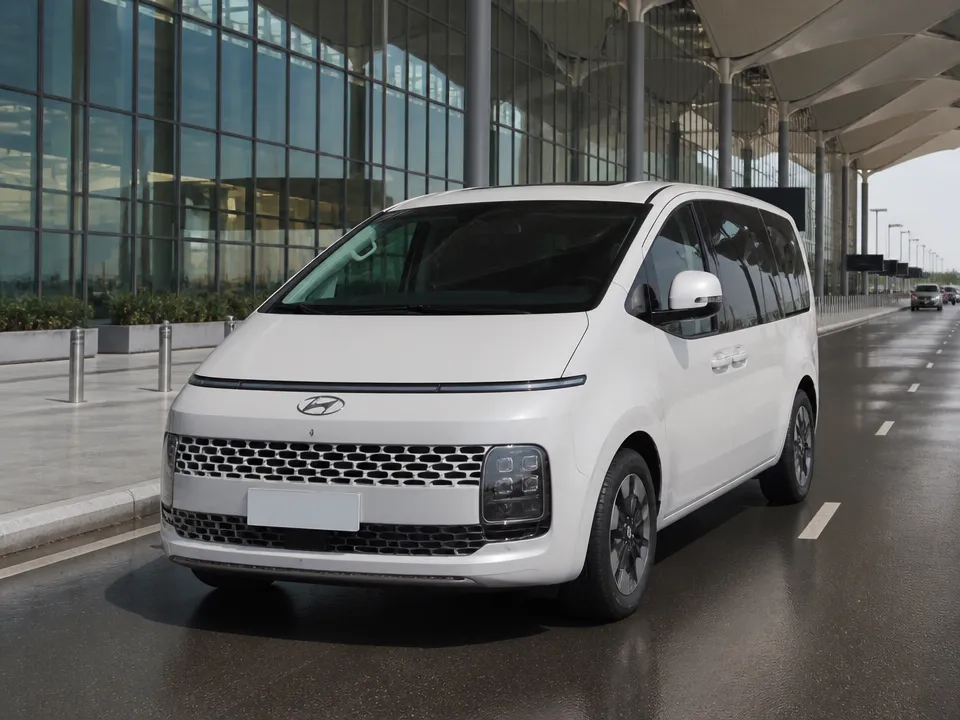
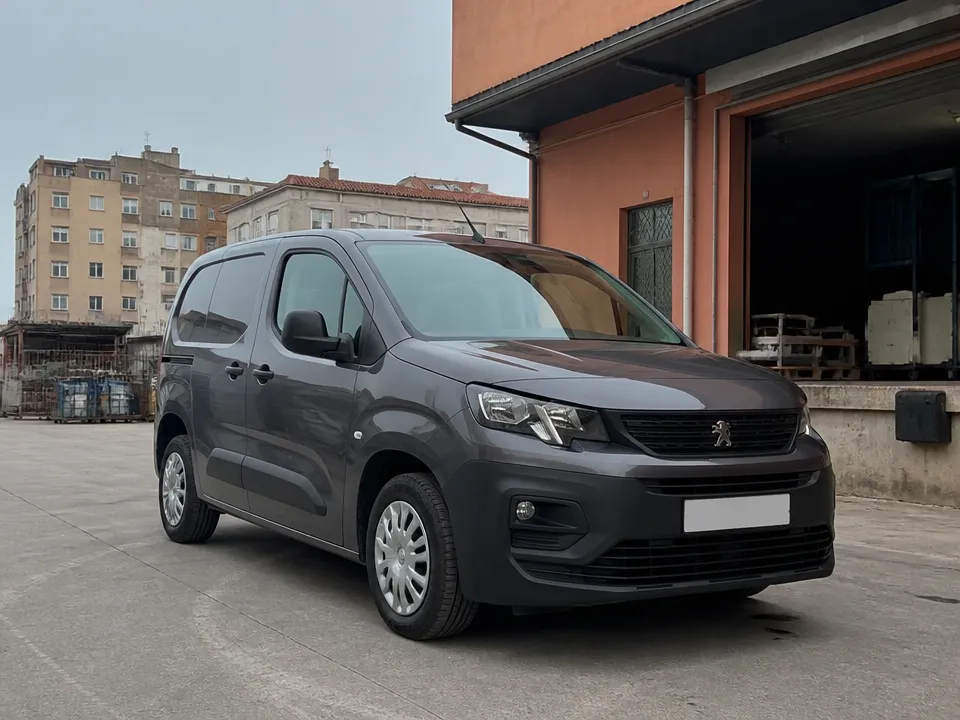
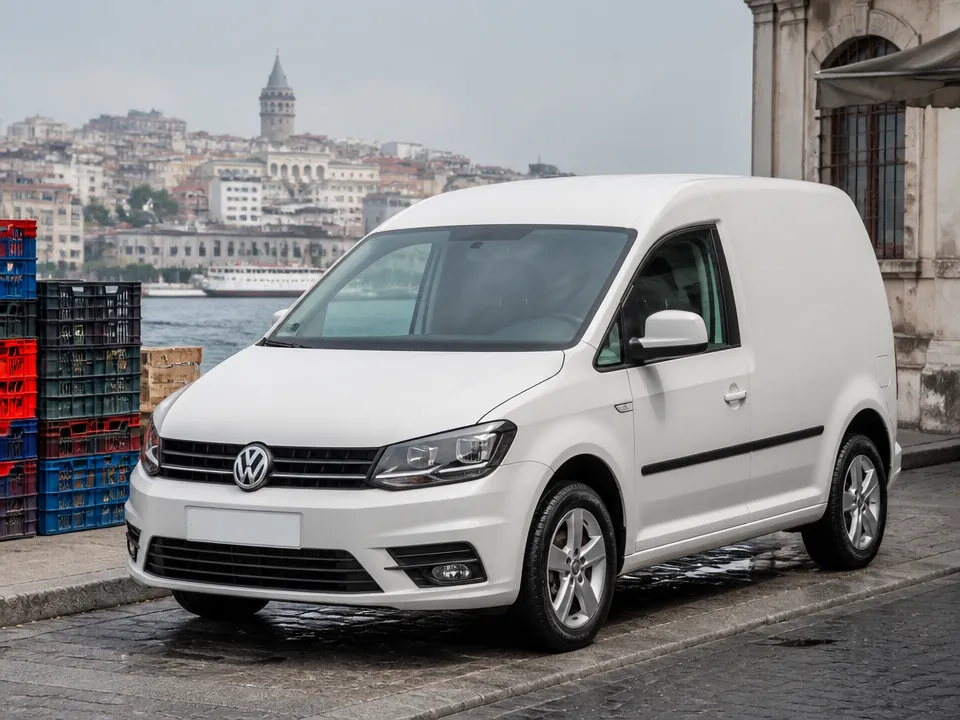
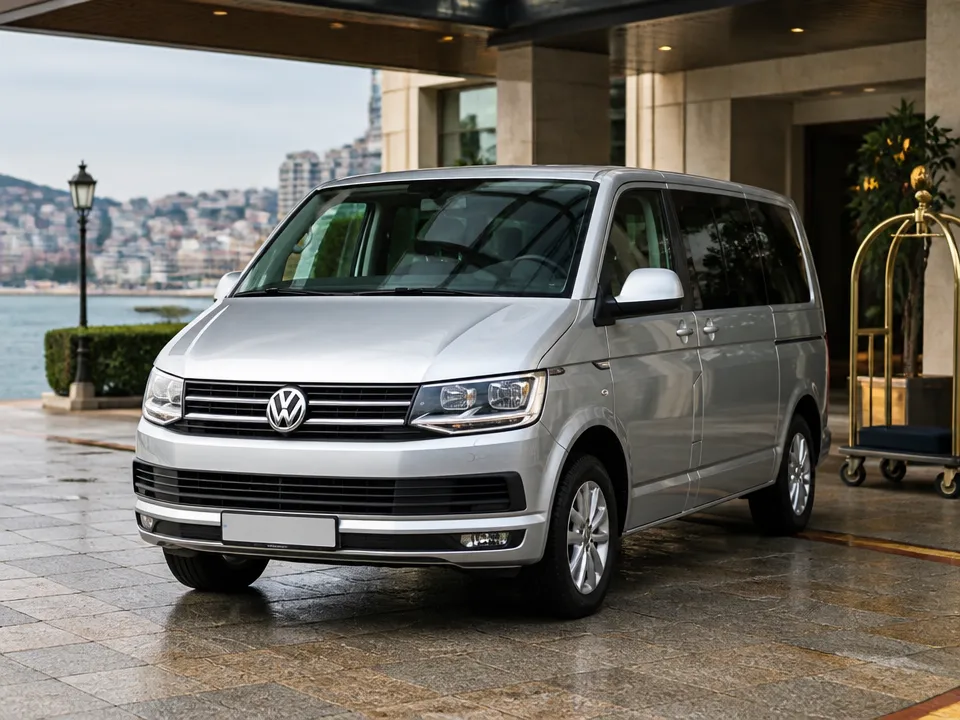
Minivans (8 cars, from ₺5,000) and Commercial (6 cars, from ₺1,750): eight or nine seats for groups, and panel vans such as the Dacia Dokker, Ford Tourneo Courier and Volkswagen Caddy when luggage or equipment outweighs passengers.
Automatic matters if you are not used to a manual in dense, manoeuvring traffic — every Comfort and Premium car and 15 of the 16 SUVs come with it, while four Economy models are manual. Diesel suits long motorway runs towards Edirne or Bursa, hybrid is the quiet choice inside the city, and electric works best if you can charge where you are staying. Seats come in 3, 4, 5, 7, 8 and 9, so count passengers before you count luggage.
We hold specific models in each class, but the exact car is confirmed with the manager when the booking is agreed, together with the delivery address and time. Tell us the route you have in mind — an airport run on one side of the Bosphorus, a week of short city hops, a long loop out of town — and we will point you at the class that carries it comfortably. Anything about the deposit, mileage or insurance sits in the rental agreement, so raise it at that same step.
The Bosphorus splits the city, and almost every long drive involves either a bridge or the Eurasia Tunnel. Both are paid through HGS, the electronic toll system that reads the car's plate as you pass the gate. Our cars are registered with HGS, so you cross without stopping at a booth — the mechanics are set out on our HGS page. What matters more is picking the right crossing: it changes both your route and your bill.
An unpaid passage, or unauthorized toll passage, can be penalised at four times the toll if it is not settled in time — so check that your crossing registered before you hand the car back.
The two halves of the city behave differently. The European side holds the business districts — Levent, Maslak, Şişli — and the motorway ring. The Asian side, with Kadıköy, Üsküdar and Ataşehir, is where getting to the historic peninsula means a crossing. Turkish plates registered here start with 34, which is a useful thing to know if you are reading a car ahead of you at a junction. We hand the car over with its HGS account ready, and the crossing charges are settled as set out in the rental agreement.
Congestion peaks in the morning and evening rush and is worst at the bridge approaches, so if your day involves a crossing, plan it outside those hours — the Eurasia Tunnel is also half price at night. Fuel stations are plentiful on both sides, and diesel, gasoline, hybrid and electric cars are all in our fleet, so fill up with whatever your model takes. In our practice, the drivers who get frustrated are the ones who plan a fixed timetable across the Bosphorus; leave the crossing flexible and the rest of the day works.
Bring a passport, your entry stamp, your home driving licence and — if the licence is not in Latin script — an International Driving Permit. A credit card in the main driver's name is what the security hold sits on. Those four items decide whether the hand-over happens at all, so sort them before you compare classes or look at the daily rate.
Age and driving-experience requirements rise with the class of car. The exact thresholds for each class are set out in the rental agreement, so tell the manager which class you want when the booking is agreed.
The deposit amount is not something we quote over the page: it is set out in the rental agreement, together with the mileage limit and what the insurance package covers beyond the compulsory one. Compulsory third-party cover applies to every registered vehicle in Turkey by law, so no car on the road goes without it. What sits above that baseline is set out in the rental agreement, which is why the terms are confirmed with you rather than assumed.
Prices on this page are VAT included, and weekly and monthly rates are lower per day than the daily rate. A card in someone else's name, a licence in non-Latin script without a permit, or an expired entry record are the three things that stop a booking most often in our experience — check them the day you book, not the day the car arrives.
A rental car turns the Bosphorus into a starting point rather than a boundary: from the city you can reach the Black Sea coast, Sapanca within about two hours, and Bursa and Uludağ over the Osmangazi Bridge. We keep 87 cars here across eight classes, so the choice for a day out is usually about seats and luggage, not about availability.
Bridges and motorway gates in Turkey run on HGS, the electronic toll system, and the mechanics are described on our HGS page. Tariffs checked at ₺110 for the Yavuz Sultan Selim Bridge, ₺280 by day and ₺140 at night through the Eurasia Tunnel, and ₺1,170 for the Osmangazi Bridge. An unpaid passage, unauthorized toll passage, can be penalised at four times the toll if it is not settled in time — so ask the manager how crossings are settled before you set off, not after.
For coastal roads and two people, an Economy hatchback from ₺1,600 a day is enough; for four adults with luggage heading to Bursa, a Comfort sedan or an SUV from ₺2,100 gives more room and a calmer motorway drive. If the plan includes Cappadocia, a weekly booking from ₺9,600 makes more sense than paying by the day.
In our practice, the day trips that go wrong are the ones booked on the morning itself — pick the class the evening before, agree the booking with a manager, and leave the city before the morning traffic builds.
Travellers choose us for one reason: the car arrives where they are, and the terms are settled with a person before anything is handed over. Rent-Trip keeps 87 cars across eight classes, from ₺1,600 a day, and every booking is agreed with a manager rather than dropped into an automated queue.
The range runs from a Dacia Sandero at ₺1,600 a day to Luxury from ₺7,500, and the middle is where most bookings land. A Hyundai i10 with automatic suits a couple staying in Beyoğlu; a Dacia Duster with 4x4 makes more sense if the plan includes Sapanca or the road towards Bursa. Families regularly take an eight- or nine-seat minivan, and Commercial vans cover luggage-heavy groups.
What we do not do is push the largest car on the list. In our experience, a Comfort sedan handles Şişli, Beşiktaş and the motorway gates far better than a Premium SUV, and it costs less per day.
Documents, deposit and age rules are set out in the rental agreement, and we walk through them at the booking stage — passport, entry stamp, home licence and, where the licence is not in Latin script, an International Driving Permit. A credit card in the main driver's name is required for the security hold. Compulsory traffic insurance covers every registered vehicle in Turkey by law.
A booking here works backwards from most rentals: you choose the class, tell us where to bring the car, and a manager confirms the details with you before anything is fixed. That conversation is where the trip is actually planned, so it pays to arrive at it with a few things already decided.
The most useful thing you can settle first is the class and the length. Our fleet runs from ₺1,600 a day in Economy to ₺15,000 in Luxury, and weekly bookings are charged as six daily rates — from ₺9,600 — while a month is charged as twenty-one daily rates, from ₺33,600. Decide whether you need five seats or seven, automatic or manual, and whether a hybrid or diesel suits the driving you have planned. Moving up a class is often a smaller step than people expect: Comfort starts at ₺1,950, only ₺350 above the cheapest Economy car.
Age and driving-experience requirements rise with the class of car, so if you are booking Premium or Luxury, confirm your eligibility before choosing. Prices already include VAT, so the daily figure you are quoted is the figure you compare.
None of this takes long — one conversation with a manager covers it — but settling it in advance is what keeps the first day of your trip about driving rather than paperwork.
Our fleet here has 87 cars across eight classes. Economy and SUV are the largest groups with 16 cars each, from ₺1,600 and ₺2,100 per day, followed by Comfort with 14 cars from ₺1,950. Premium, Sedan, Minivans, Luxury and Commercial fill out the rest.
Daily rates run from ₺1,600 to ₺15,000 depending on the class and model. An Economy car such as a Dacia Sandero starts at ₺1,600 per day, while a Premium car starts at ₺3,500. Longer bookings are cheaper per day.
Prices on this site include VAT (VAT 20%), so the figure you see is VAT included. Every registered vehicle in Turkey also carries the compulsory third-party insurance. Anything beyond that is set out in the rental agreement.
You need your passport, your entry stamp, your home driving licence, and an International Driving Permit if your licence is not in Latin script. A credit card in the main driver's name is required for the security hold. Age and driving-experience requirements rise with the class of car.
We deliver the car to the client, and delivery within the city and to both airports is part of our offer. The exact place and time are agreed with a manager when booking. The hand-over details are set out in the rental agreement.
Yes, weekly and monthly rates are lower per day than the daily rate. A week is charged as the daily rate multiplied by six, so an Economy car from ₺1,600 per day works out from ₺9,600 per week. A month is the daily rate multiplied by 21, from ₺33,600.
Bridges and motorway gates in the city are paid through HGS, the electronic toll system. The mechanics of how it works are described on our HGS page. An unpaid passage can be penalised at four times the toll if it is not settled in time.
We have landing pages for rental with a driver, for foreign renters, for minivans and for the HGS toll system. Extras and any additional conditions are agreed with a manager when booking and set out in the rental agreement. Weekly and monthly hires are available on the same fleet.
The Ford Fiesta I picked up in Kadıköy was trouble-free for 3 days. The car was clean and well-maintained, and the contract was completed quickly. It was delivered with a full tank and I returned it in the same condition.
I rented a Chery Tiggo 7 Pro in Beşiktaş for 2 days. The car was comfortable, but it was delivered a bit late. Still, they were attentive and informed me about HGS.
We apologize for the delay and thank you for your feedback.
We had a 5-day holiday with the Citroën C5 Aircross in Şişli. The car was very clean, the air conditioning and driving pleasure were wonderful. The return process was also very practical; they picked up the car from the parking lot.
In Üsküdar, I used a Renault Clio for 1 week. Even in heavy traffic for work, the fuel economy was good. Delivery was made to my address; I was very satisfied.
I rented a BMW X5 in Bakırköy for 2 days for a special invitation. The car was like new, flashy and comfortable. The price is high but worth it.
I rented a Toyota Yaris in Ataşehir for 4 days. The car was clean and economical. The only issue was that they forgot the child seat I specified in the reservation, but they provided it immediately.
Sorry about the child seat; we resolved it quickly. Thanks for your comment.
I spent 3 days in Maltepe with a Renault Taliant. The car was new and quiet, and the automatic transmission was very comfortable. Quite good value for money.
I used the Cupra Formentor for 2 days in Beylikdüzü. Its performance and design are excellent. Delivery and return were handled smoothly on the same day.
I rented a Renault Clio in Sarıyer for 5 days. The car was generally good, but there was trash left by the previous user. The exterior was clean, but they missed the interior detail.
We apologize for our negligence regarding cleanliness; we have taken the necessary action.
I had a 3-day business trip in Kartal with a Seat Leon. The car was comfortable and its navigation worked well. They also arranged the airport transfer, which was very practical.
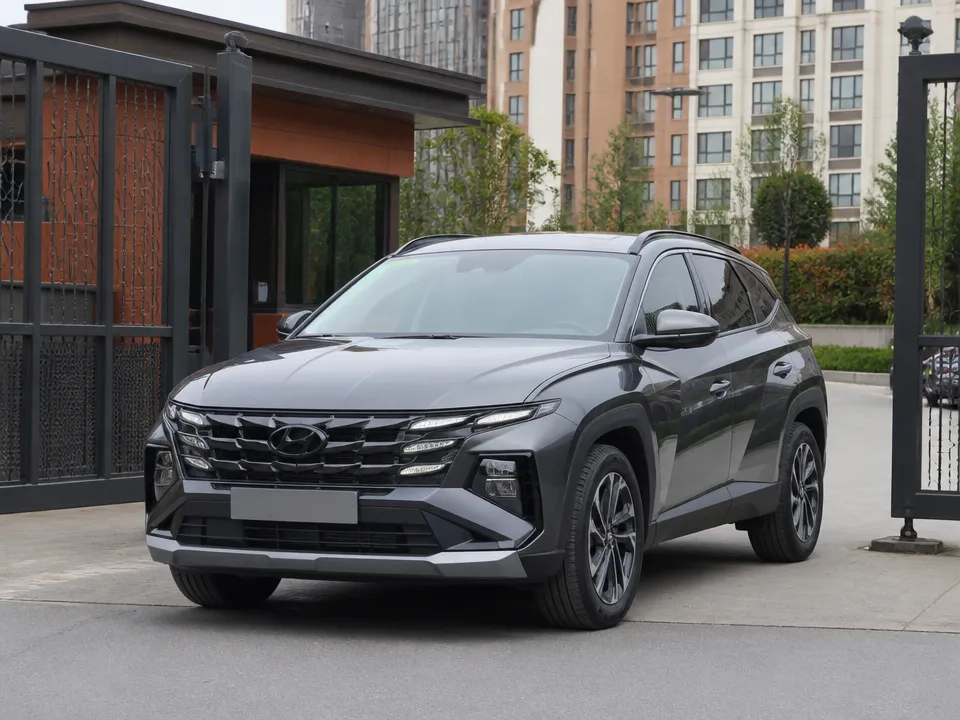
I rented a Hyundai Tucson for 6 days in Bahçelievler. We took a long family trip, the trunk was spacious. The car never got tired, it was a trouble-free experience.
I rented a Ford Transit in Ümraniye for 1 day for moving. The vehicle was well-maintained and had enough space. The price was a bit high, but it did the job.