Toyota Yaris
★4.8· 88Automatic1.2 L94 hpFront-wheel5 seats
฿1,000per day
Book now






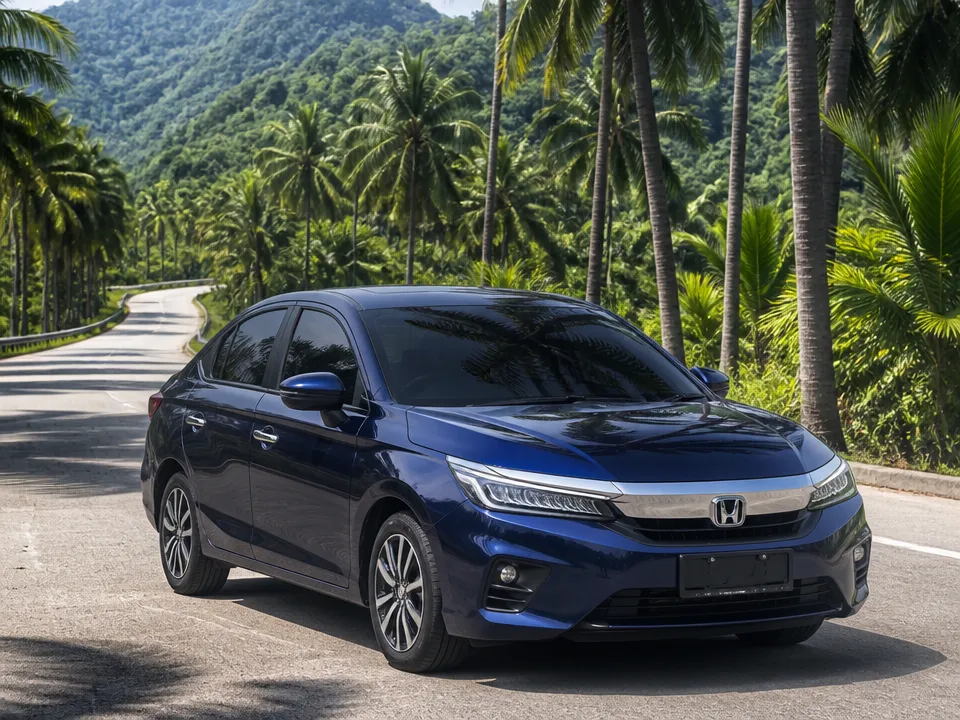
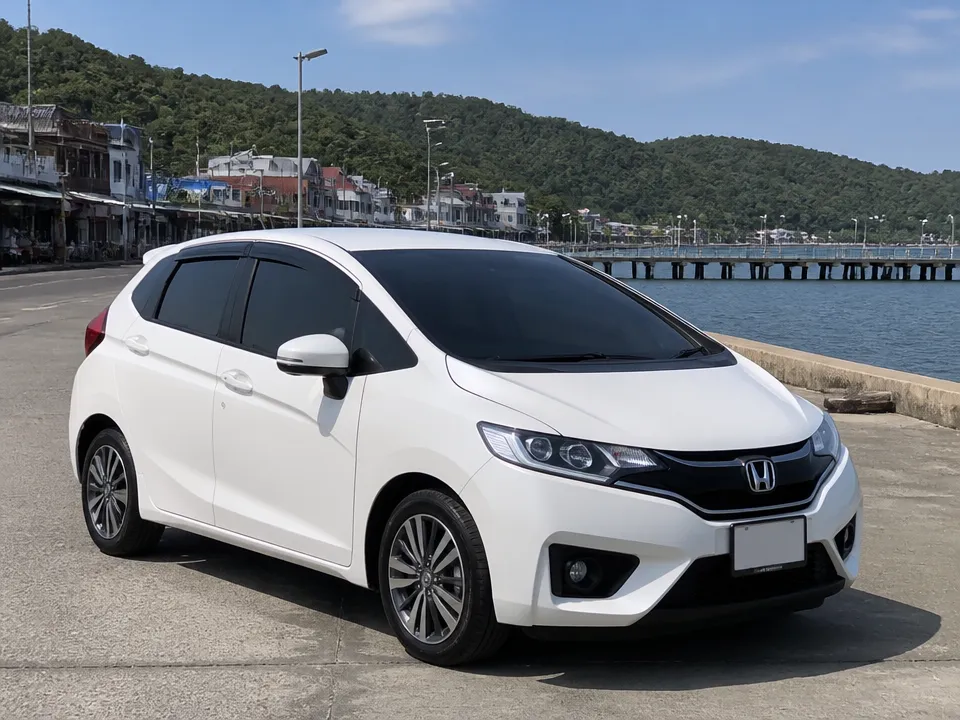
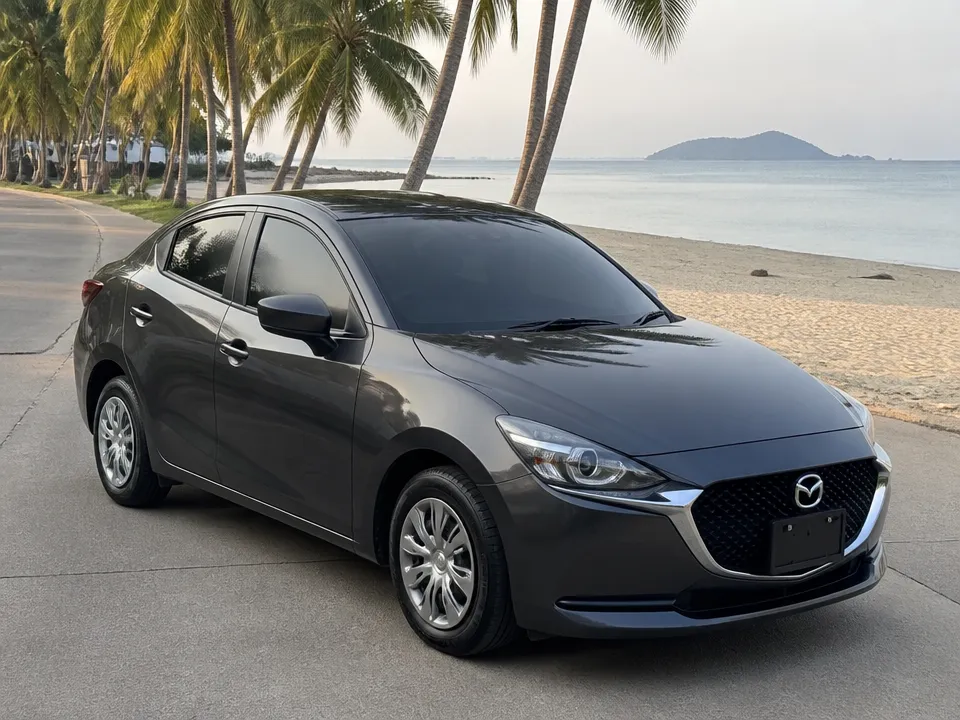
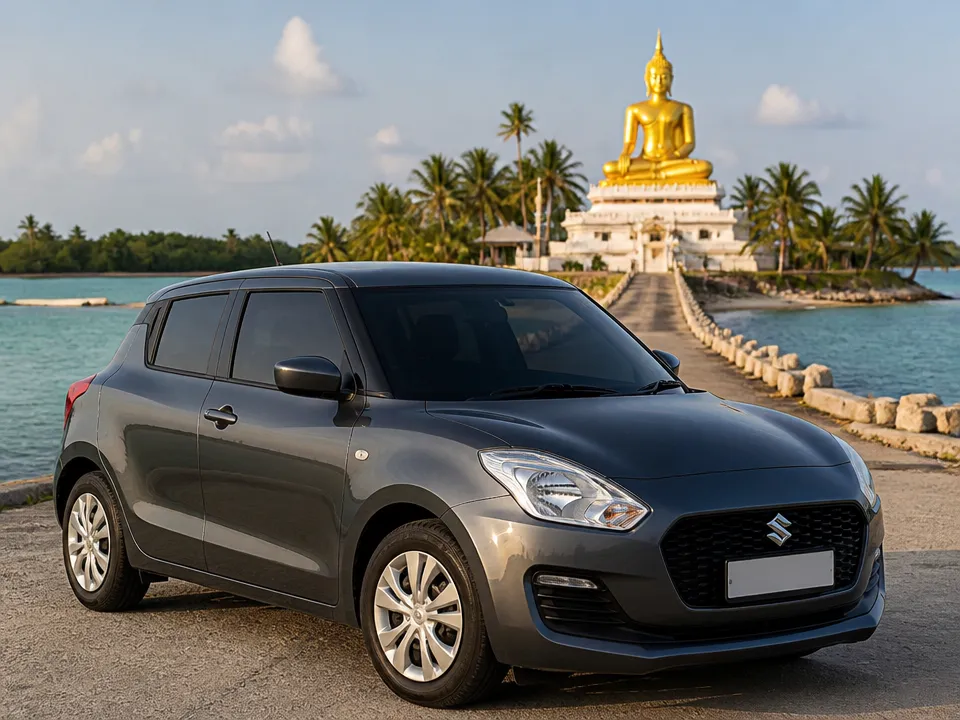
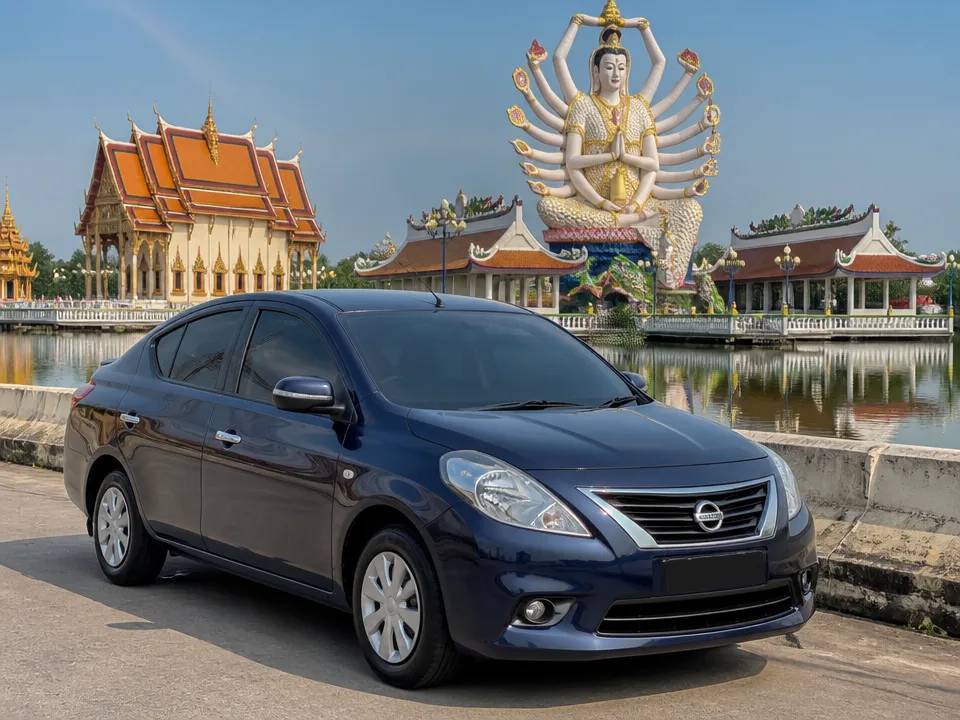
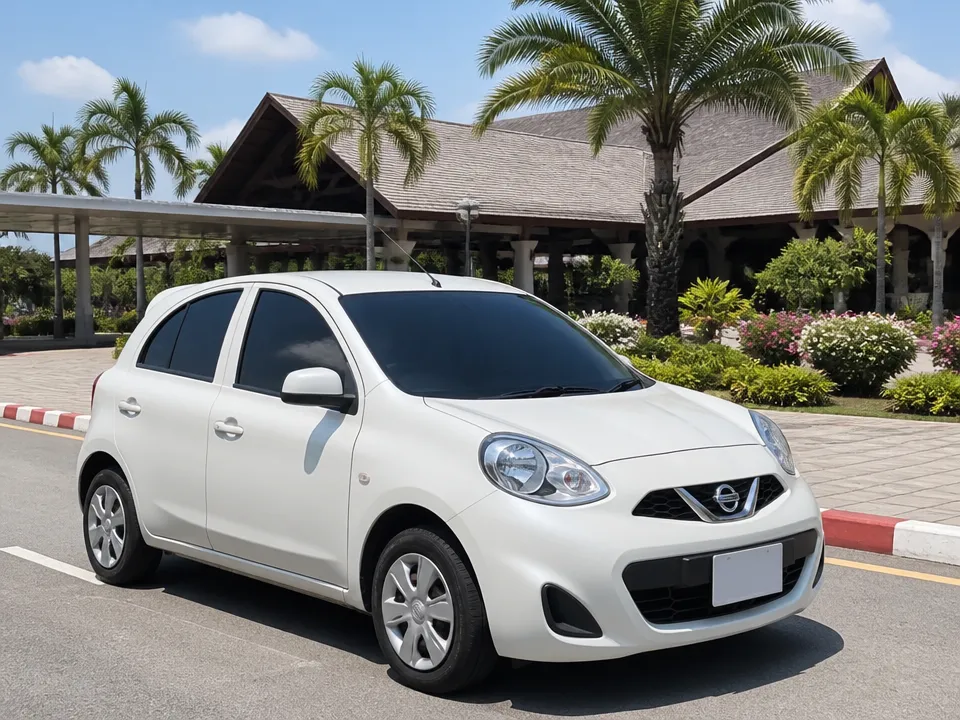
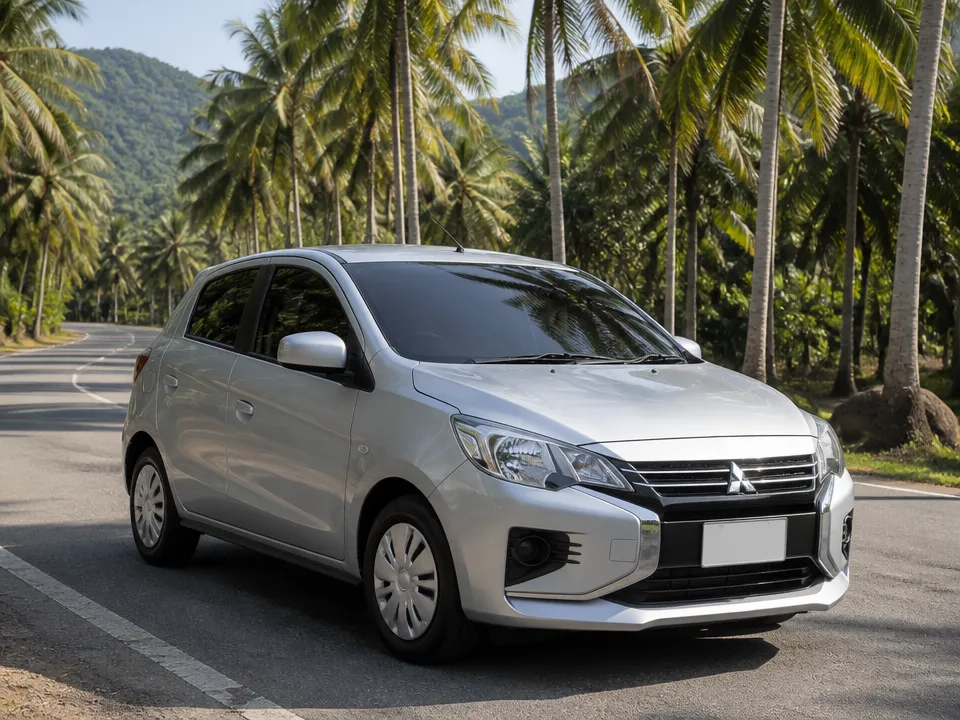
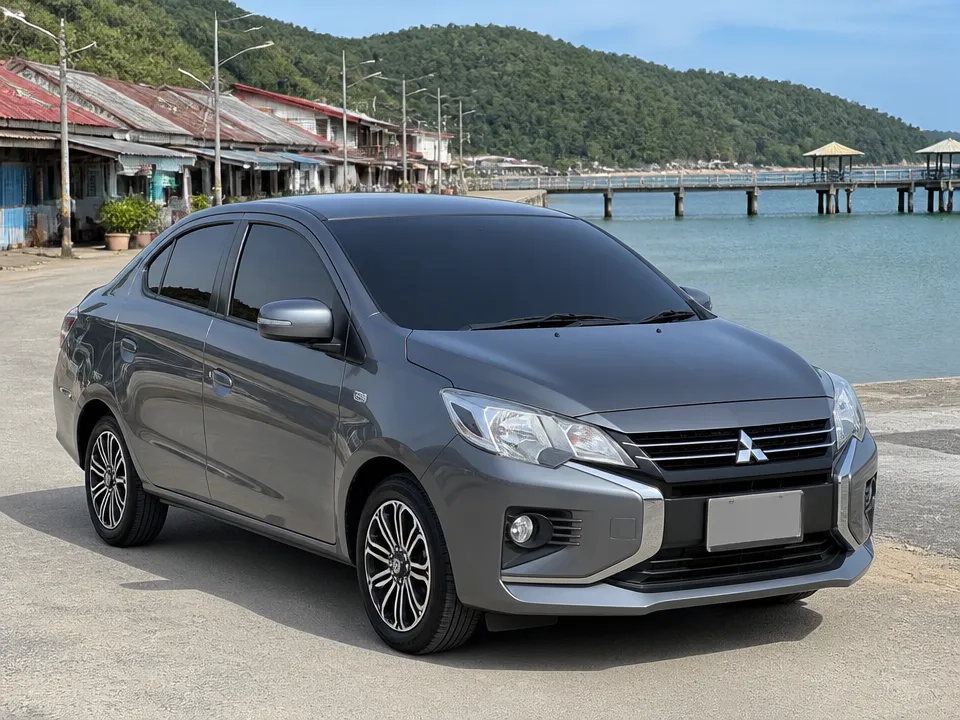
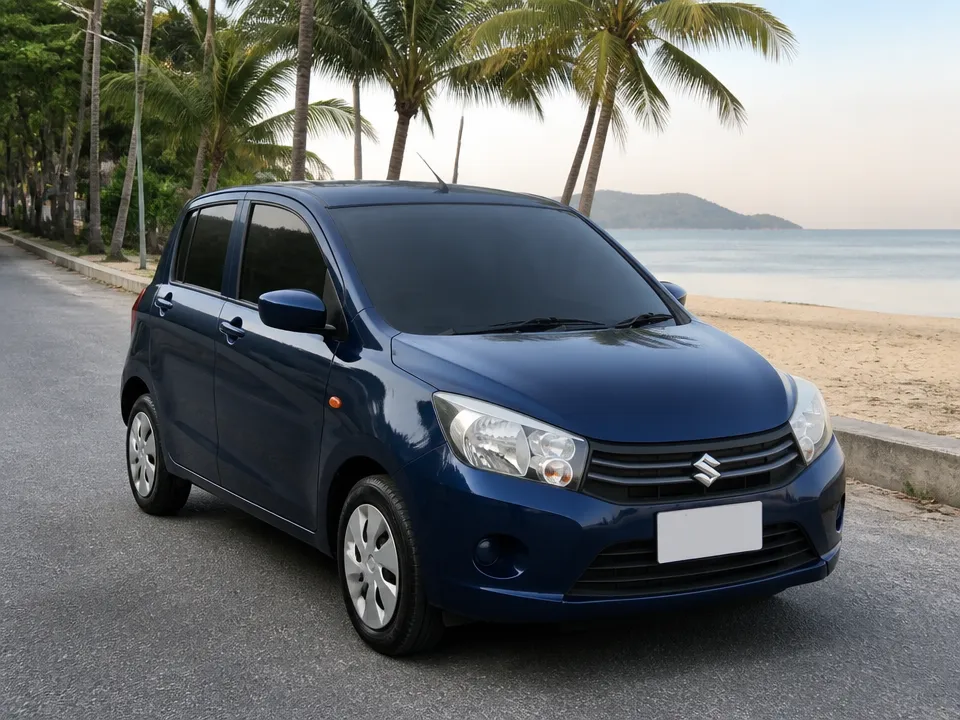
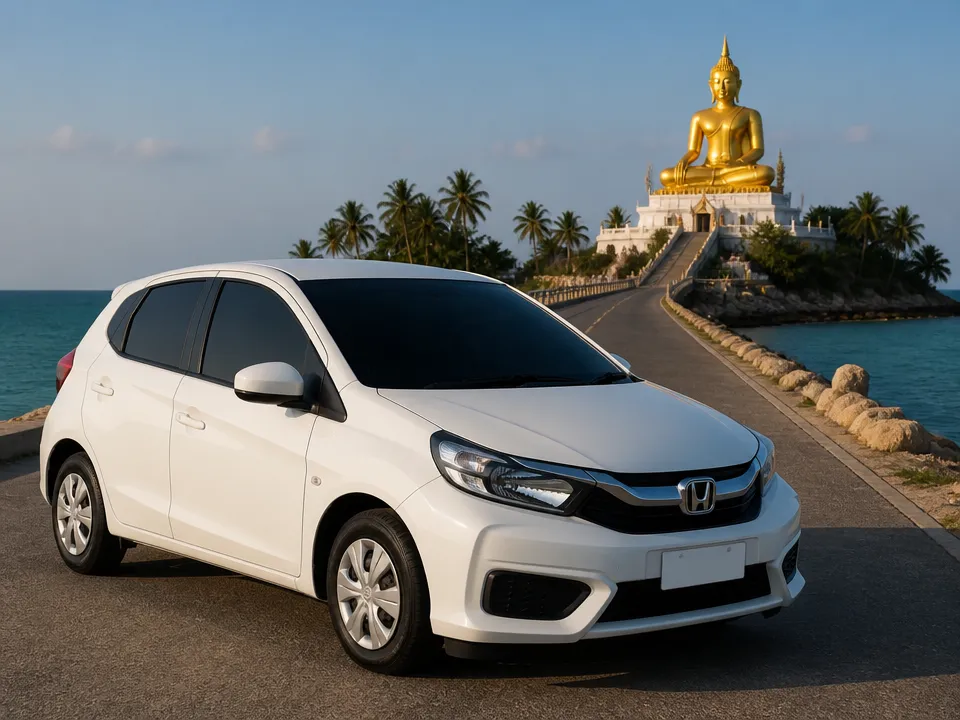
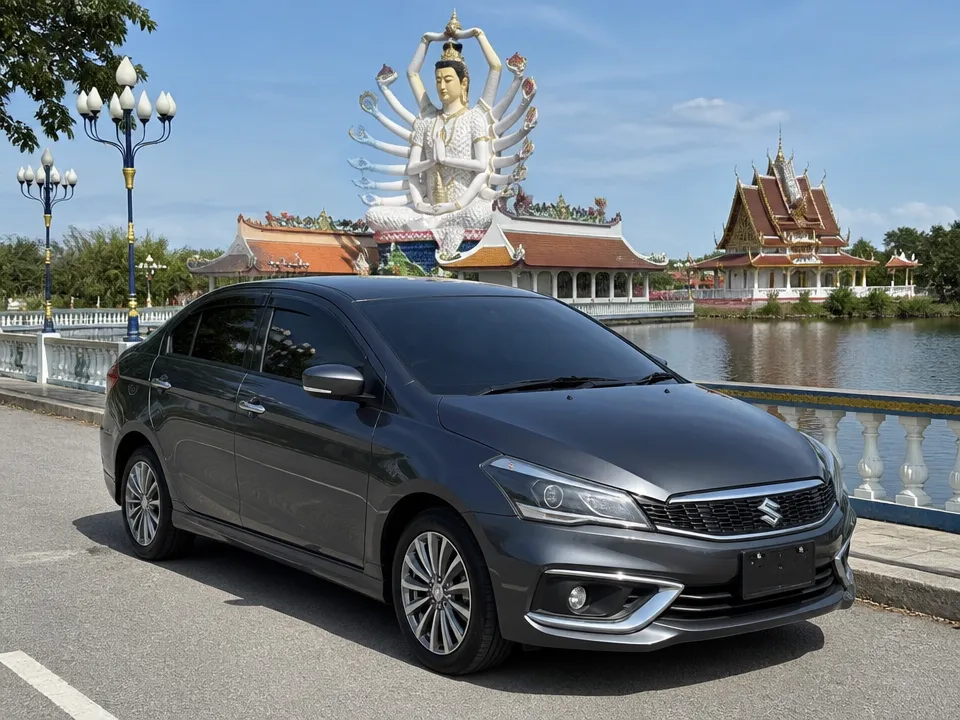
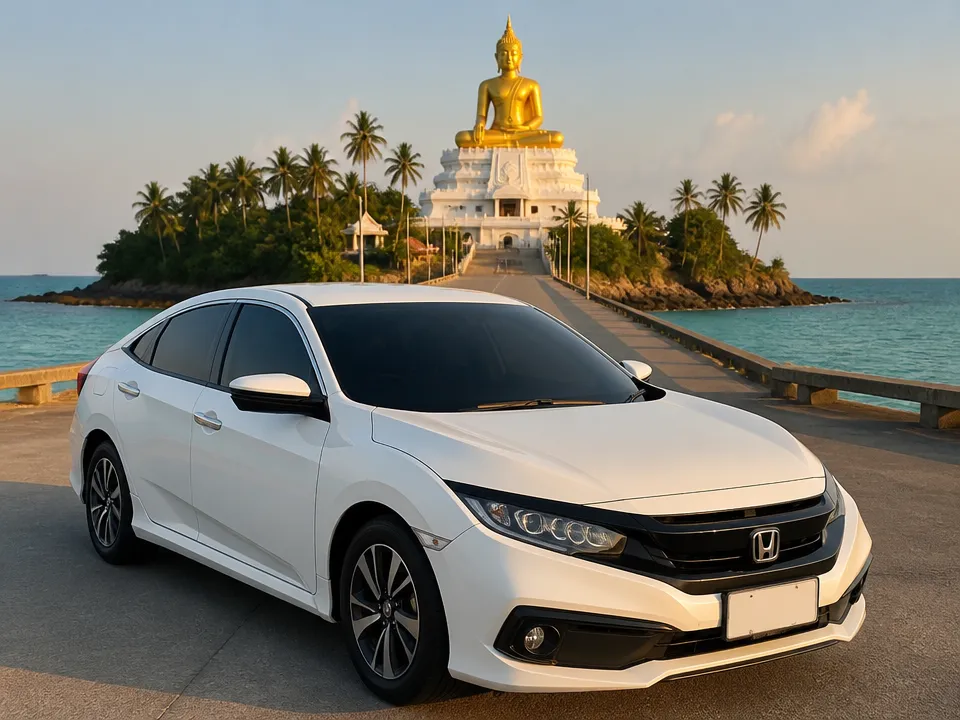
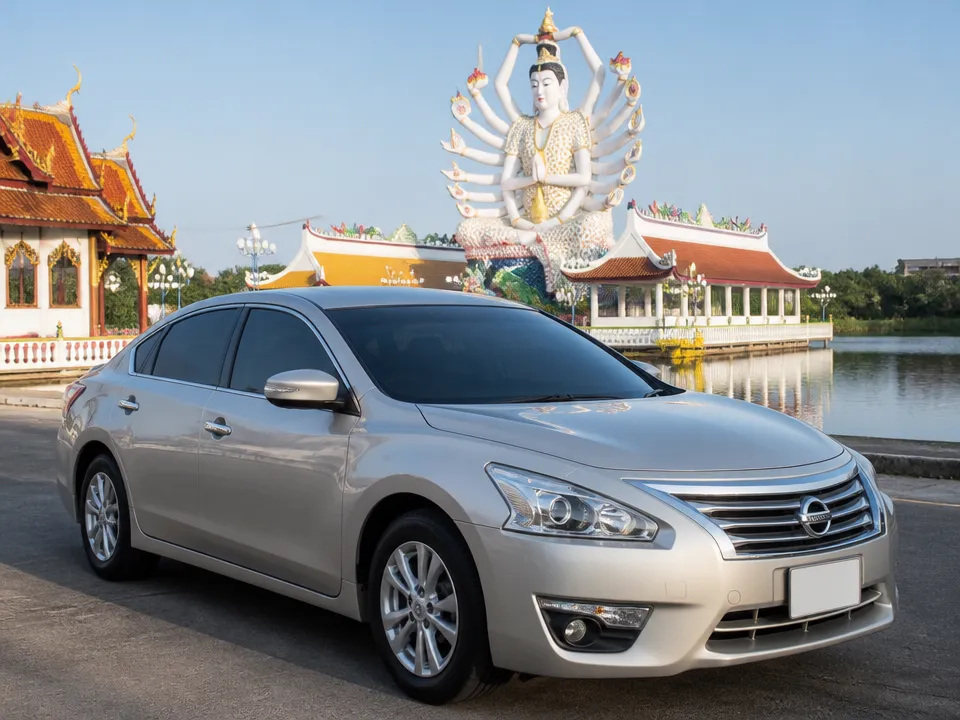
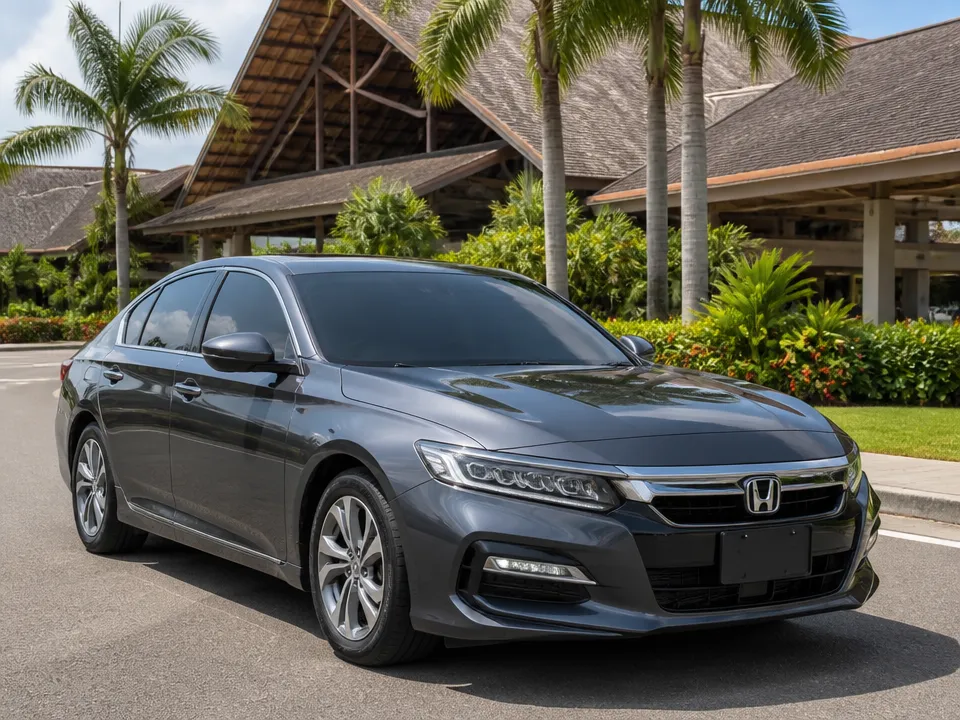
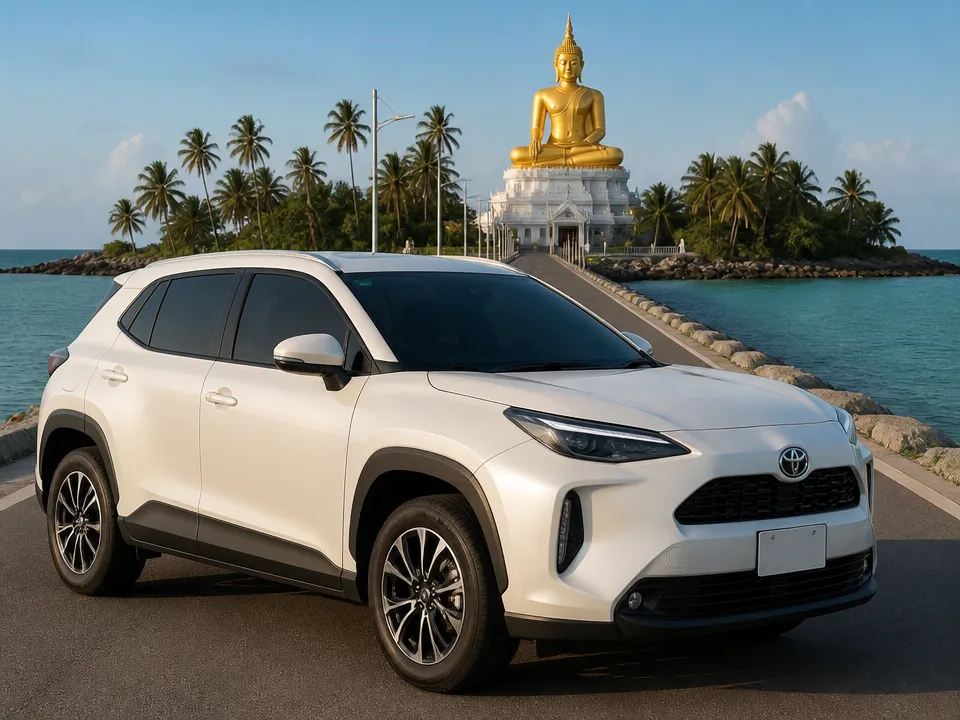
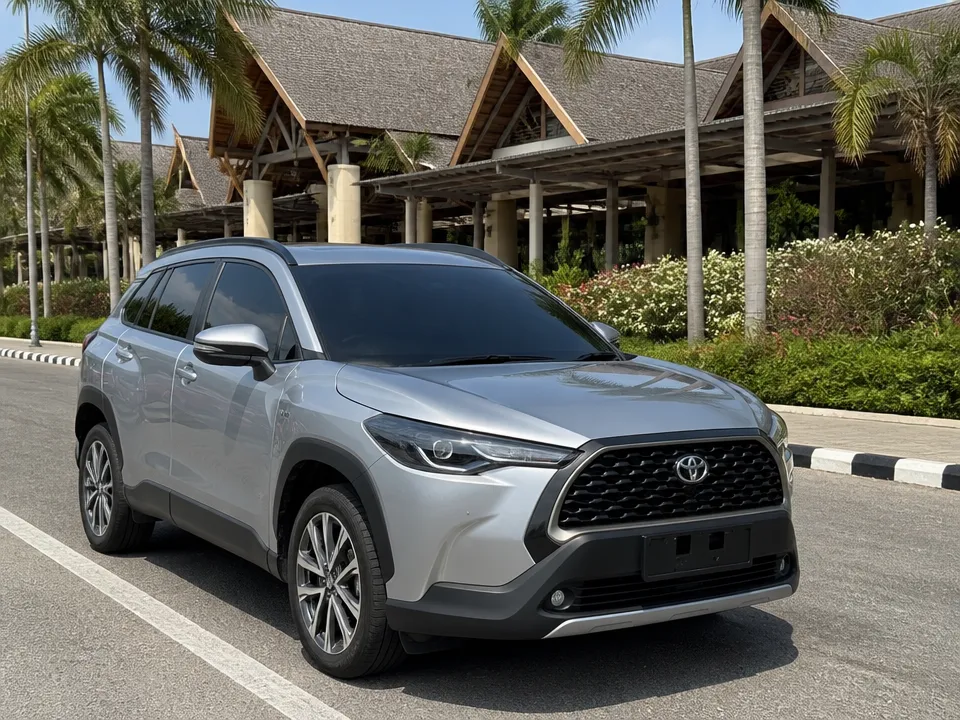
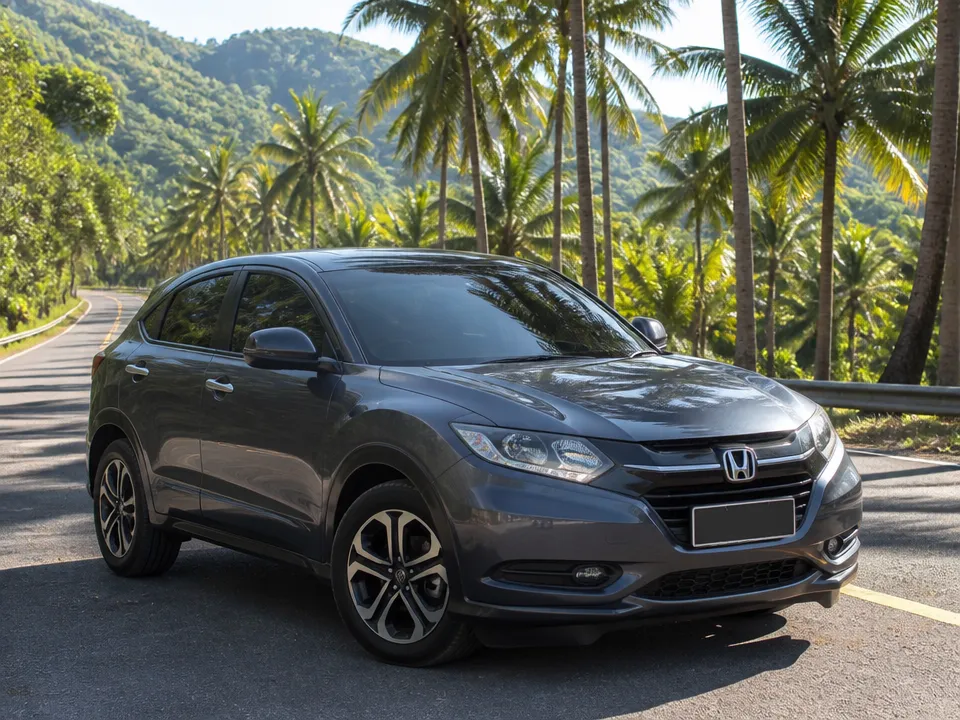
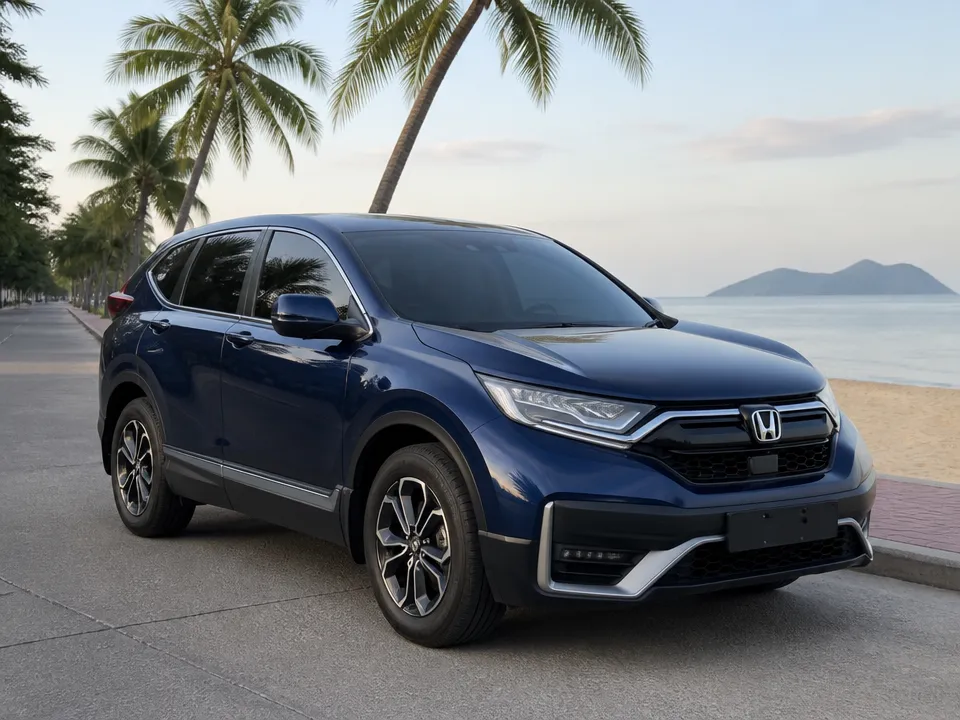
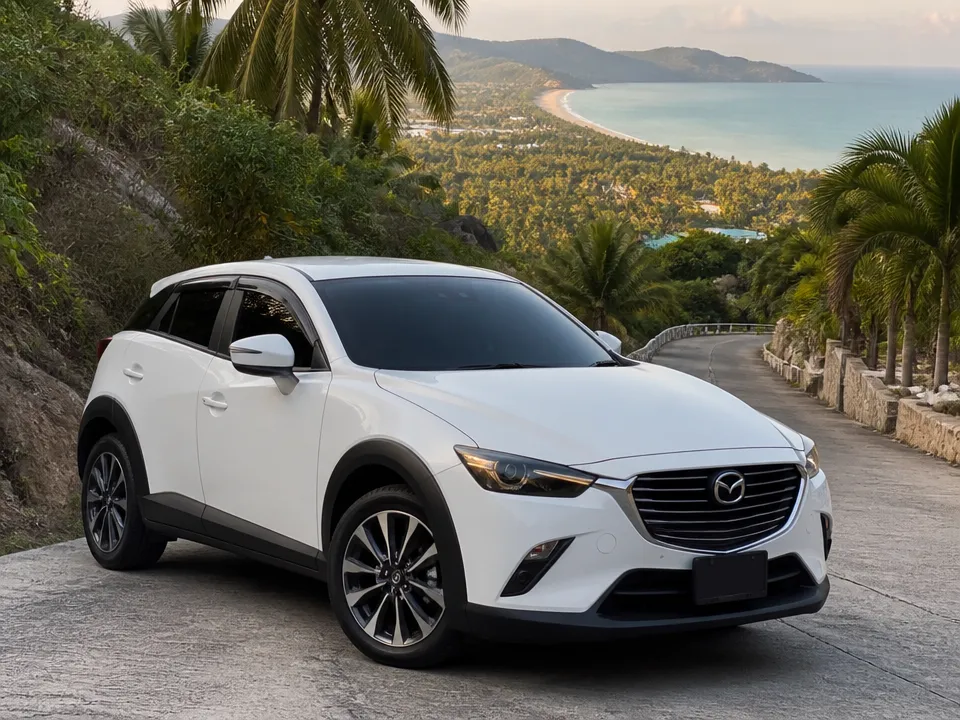
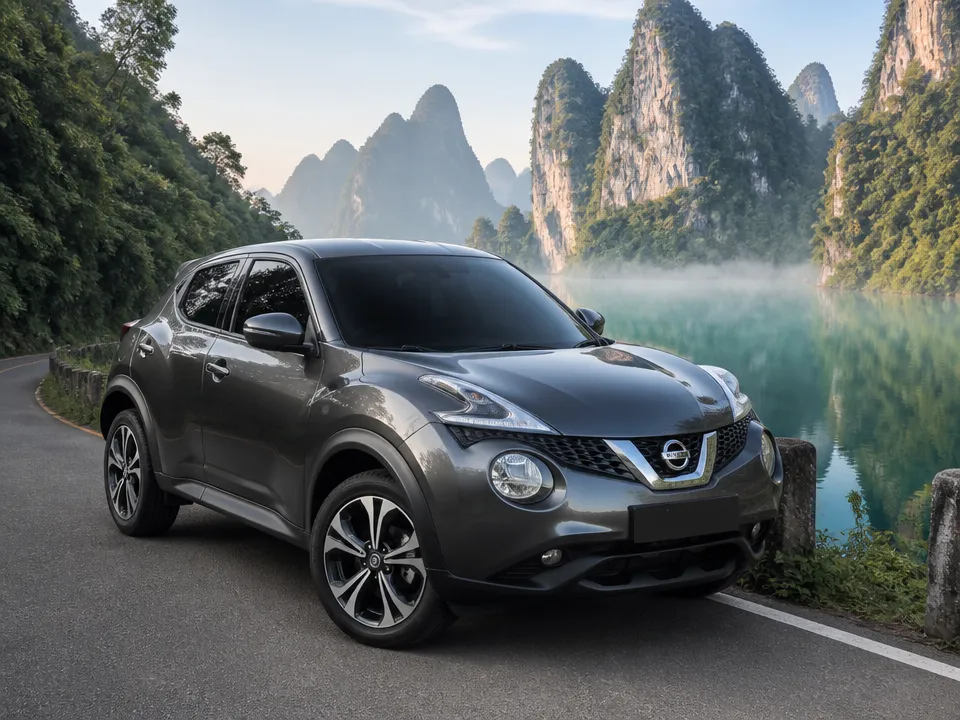
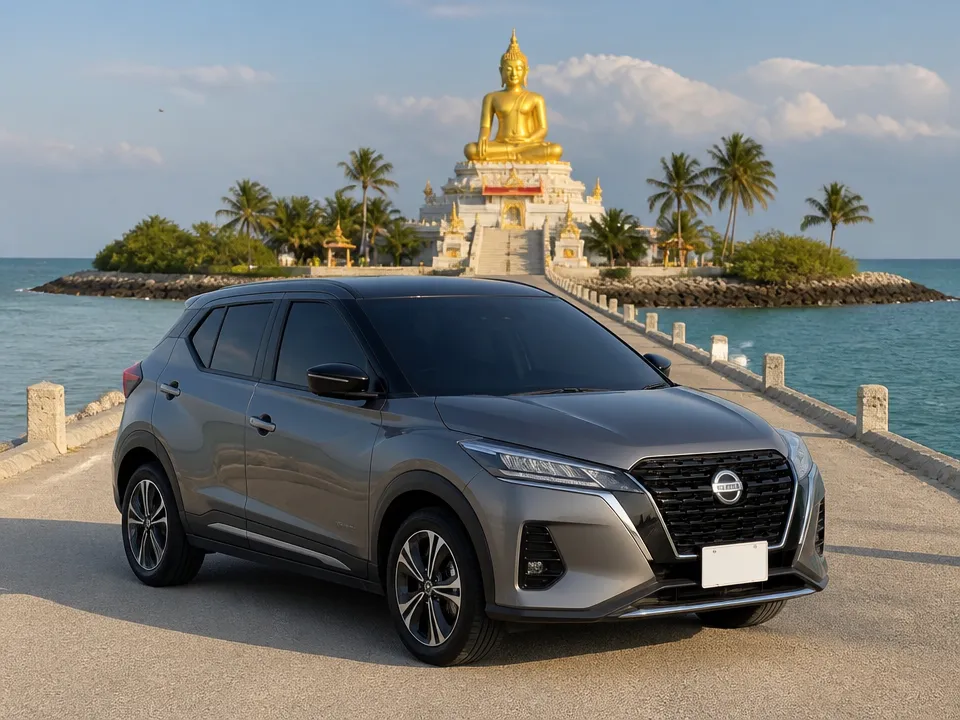
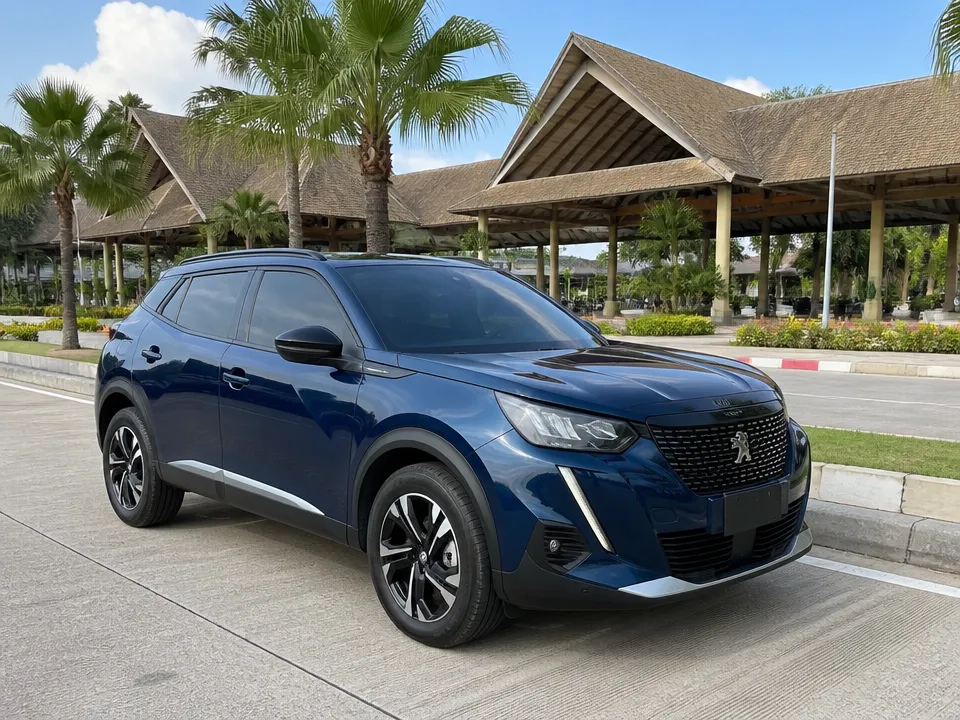
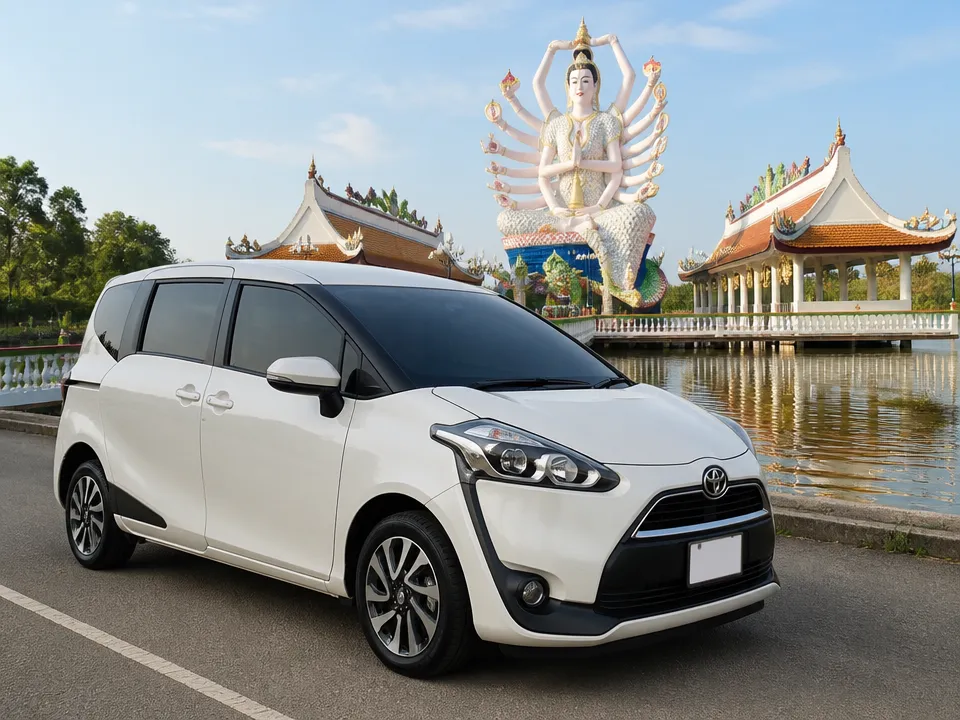
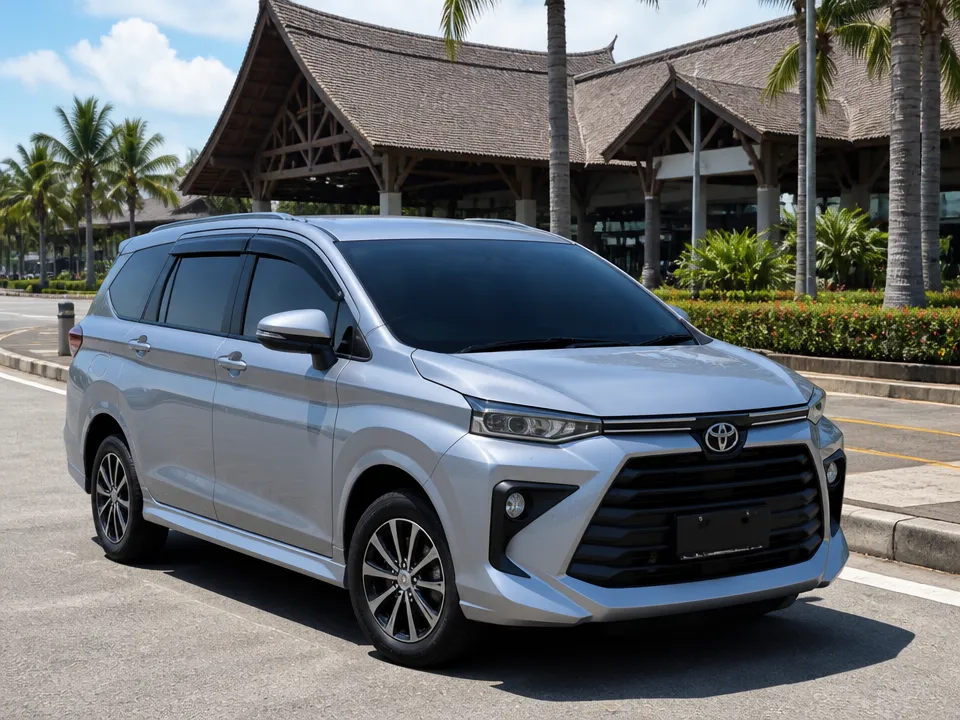
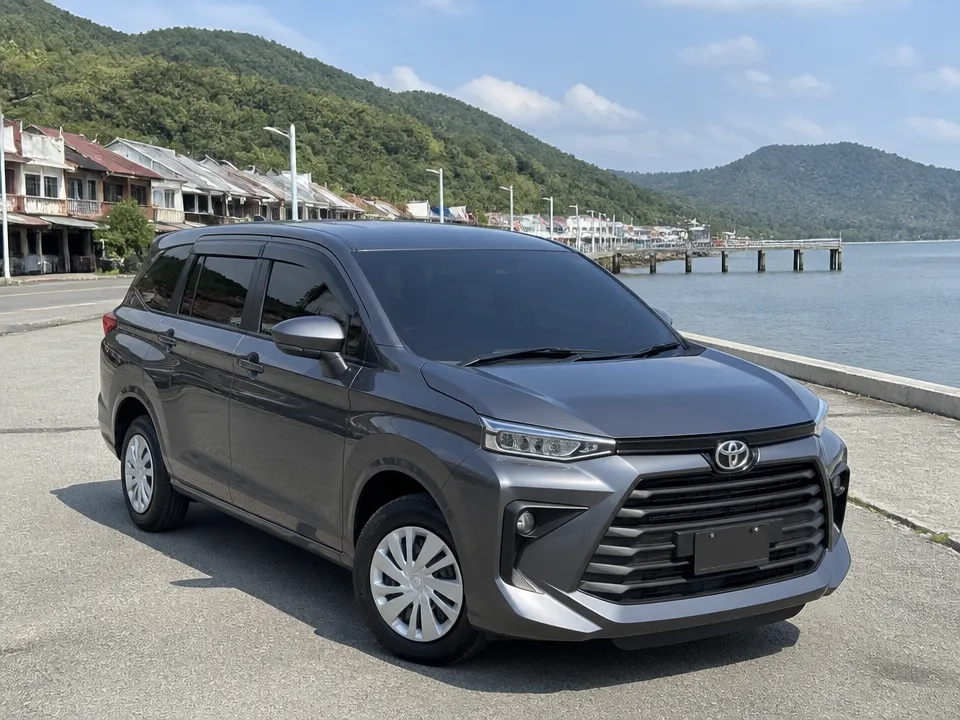

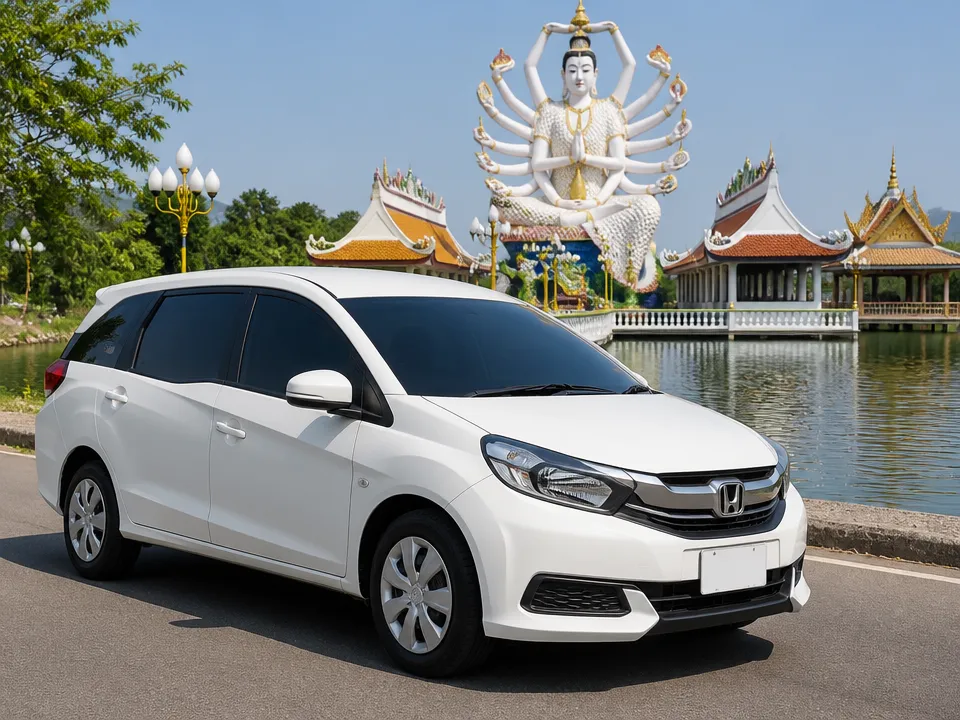
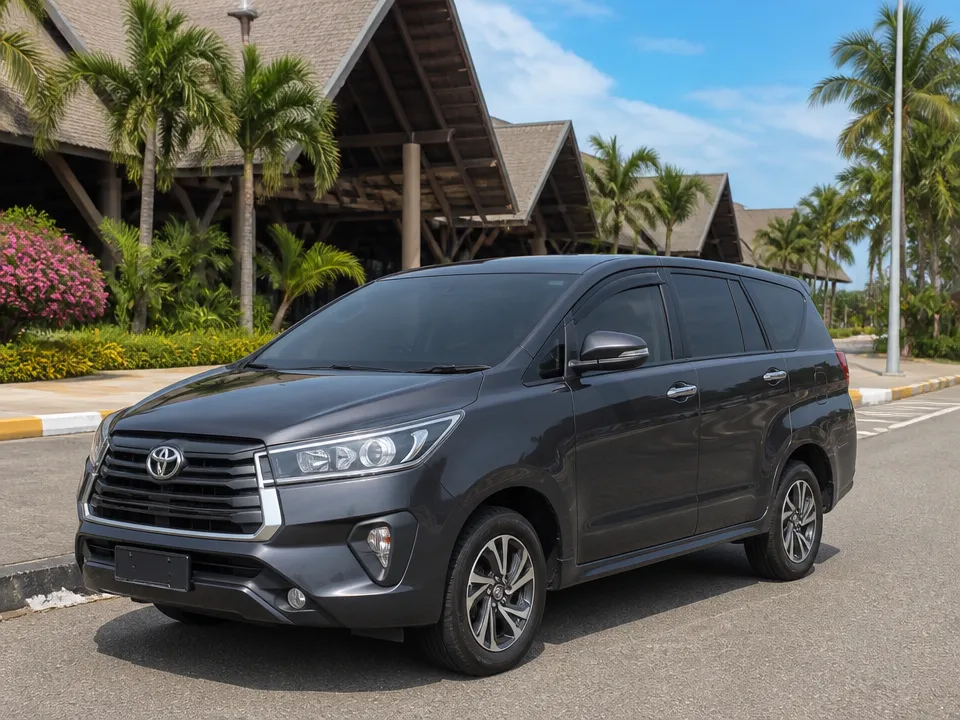
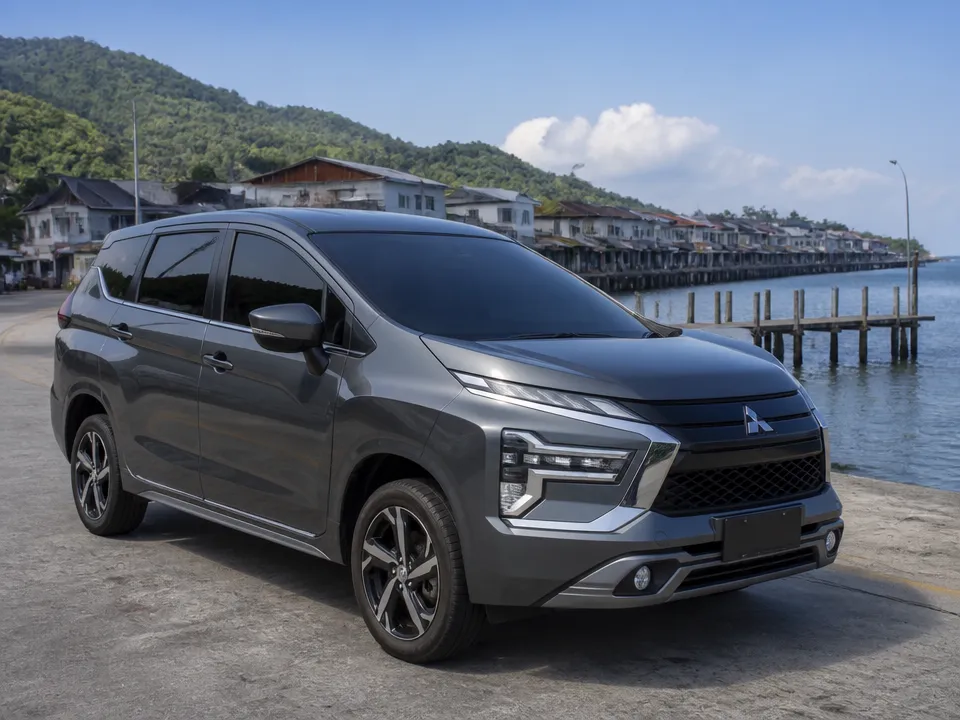
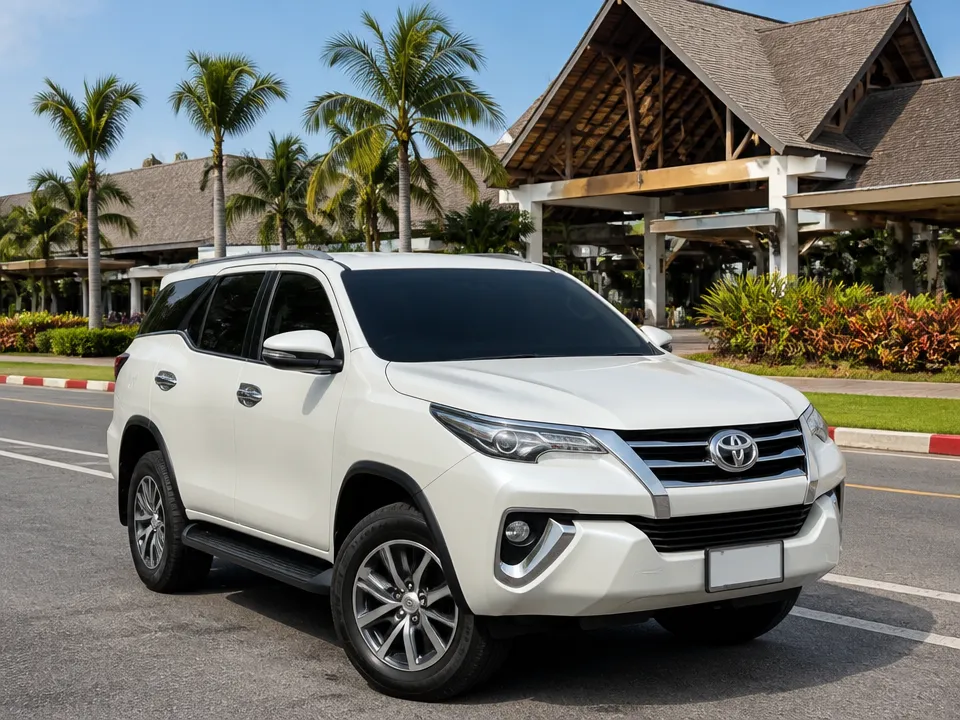
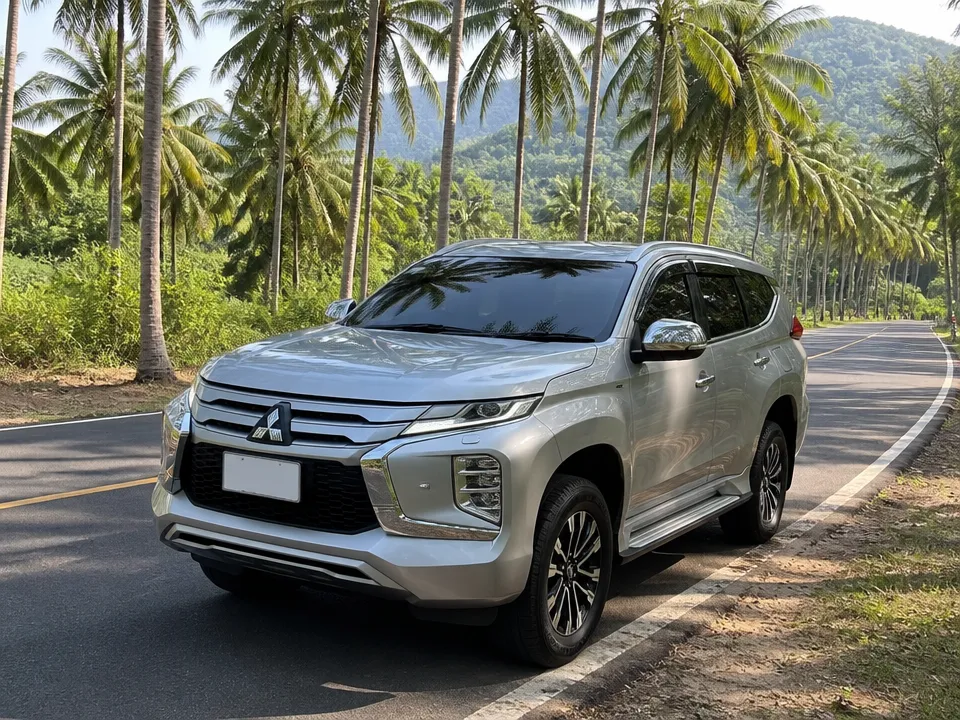
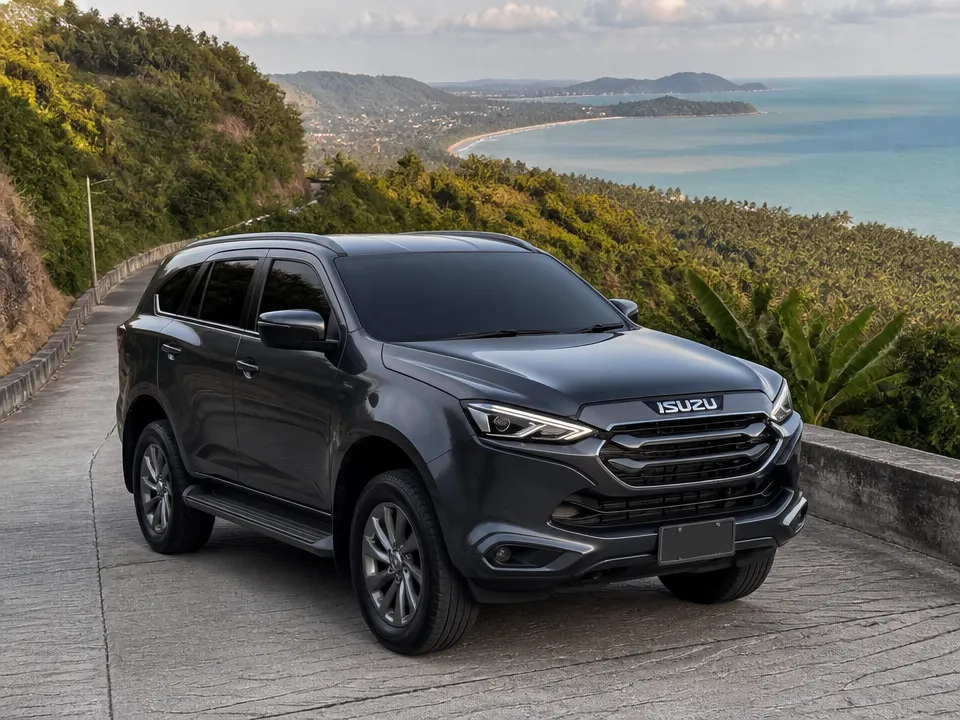

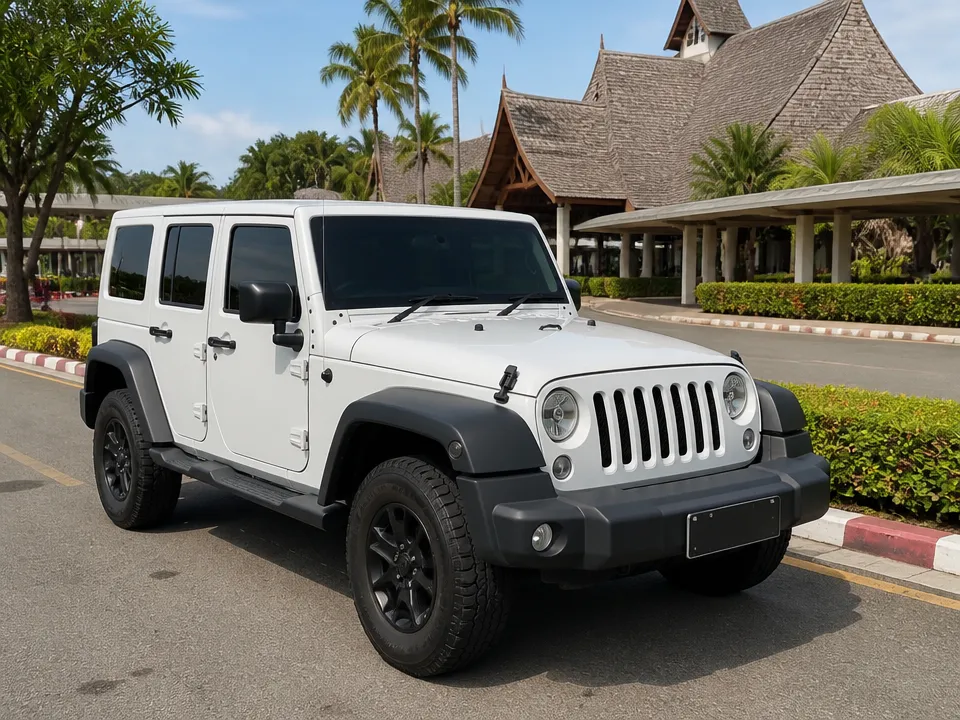
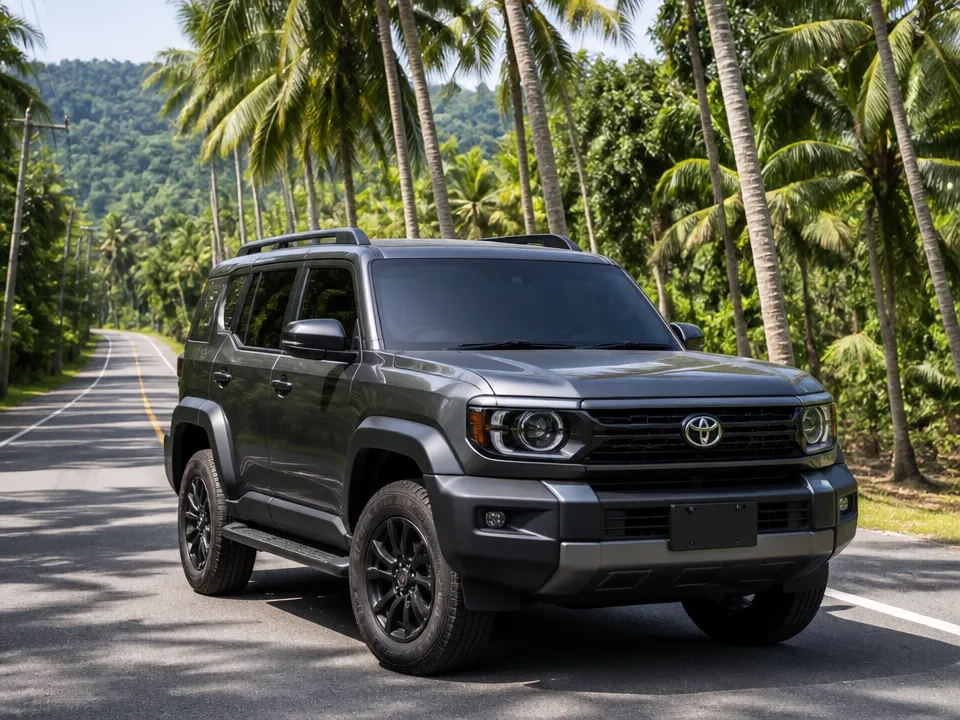
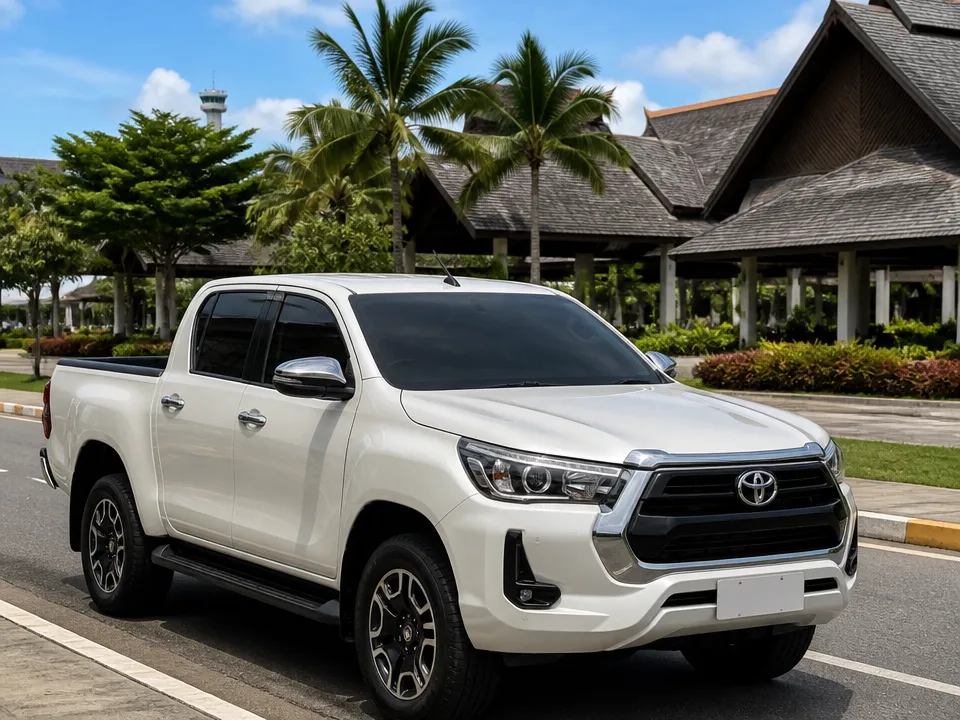
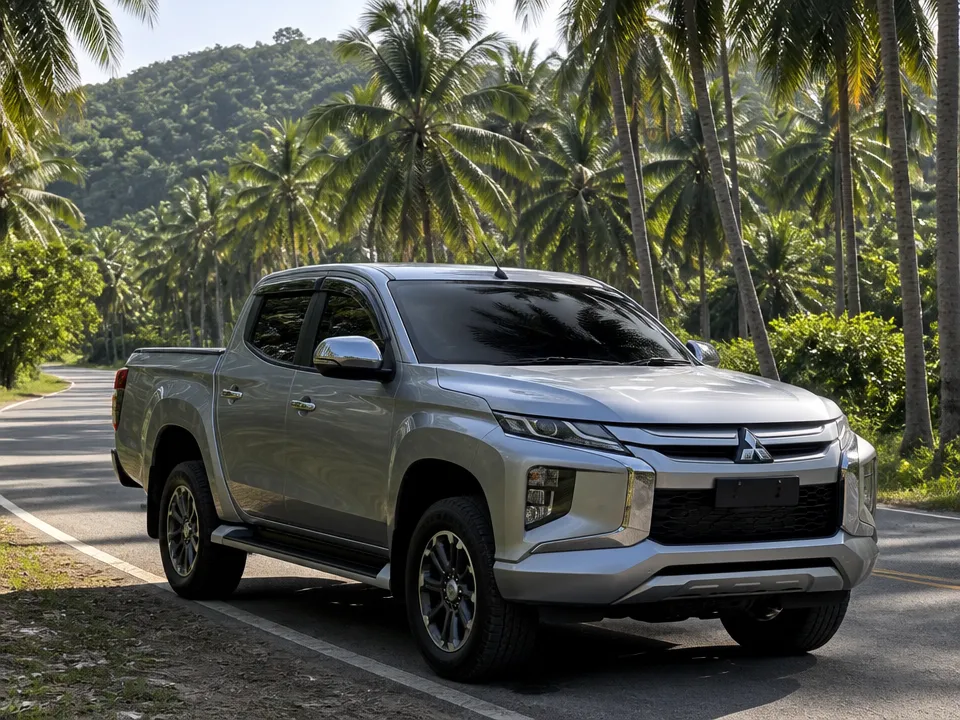
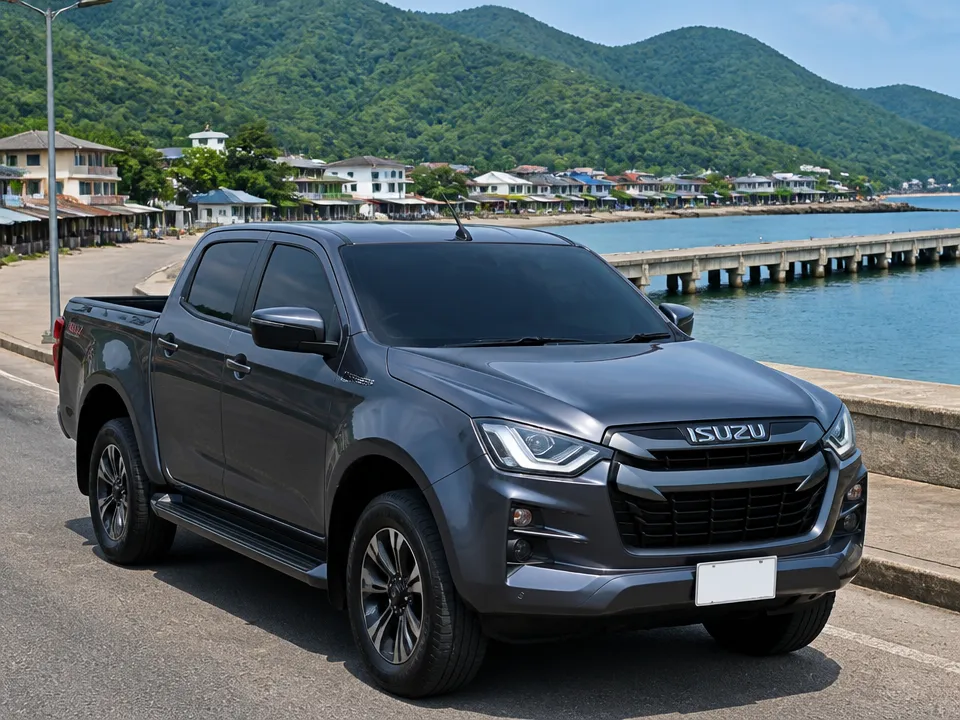
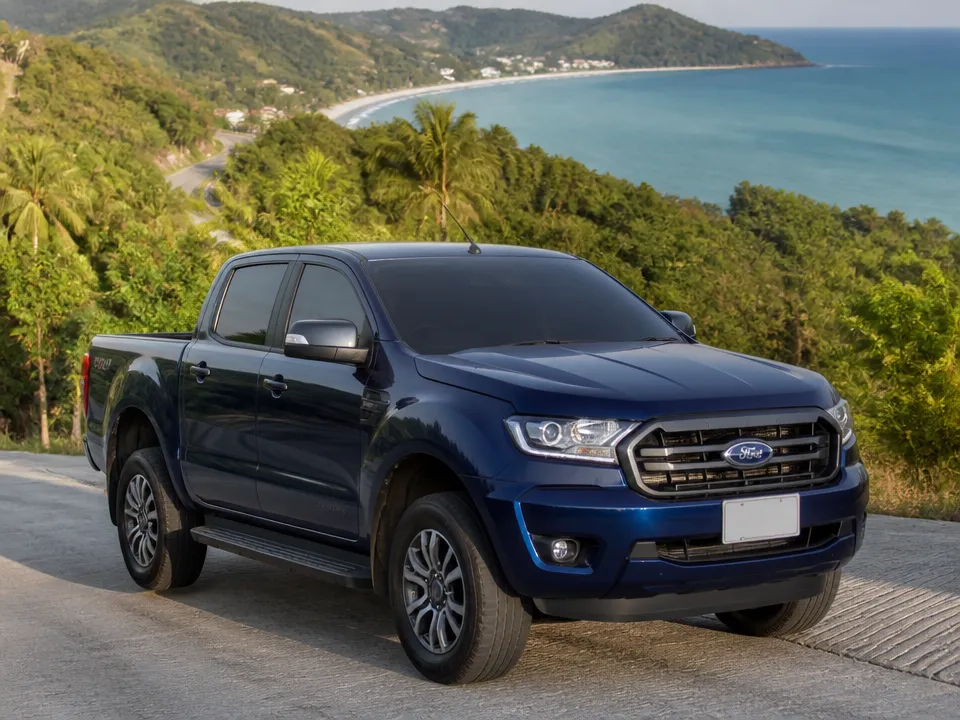

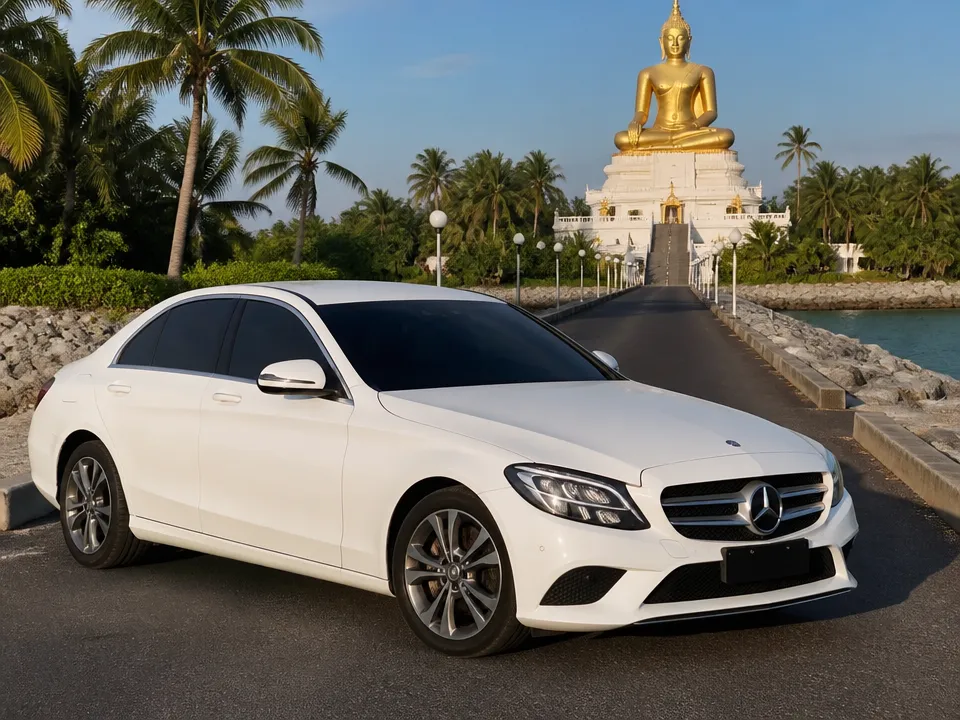
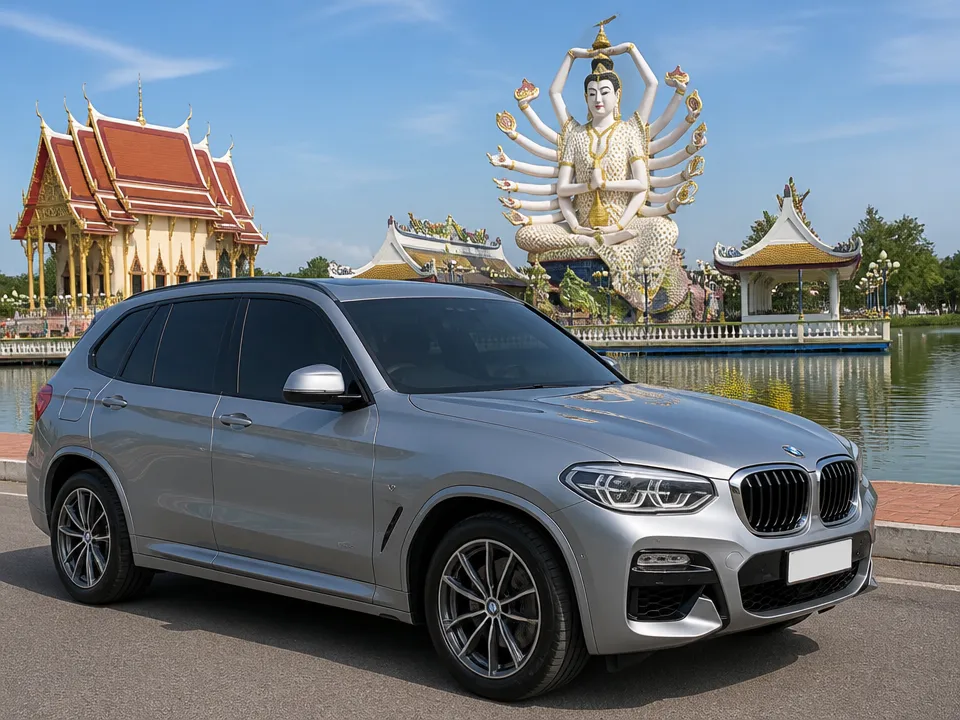
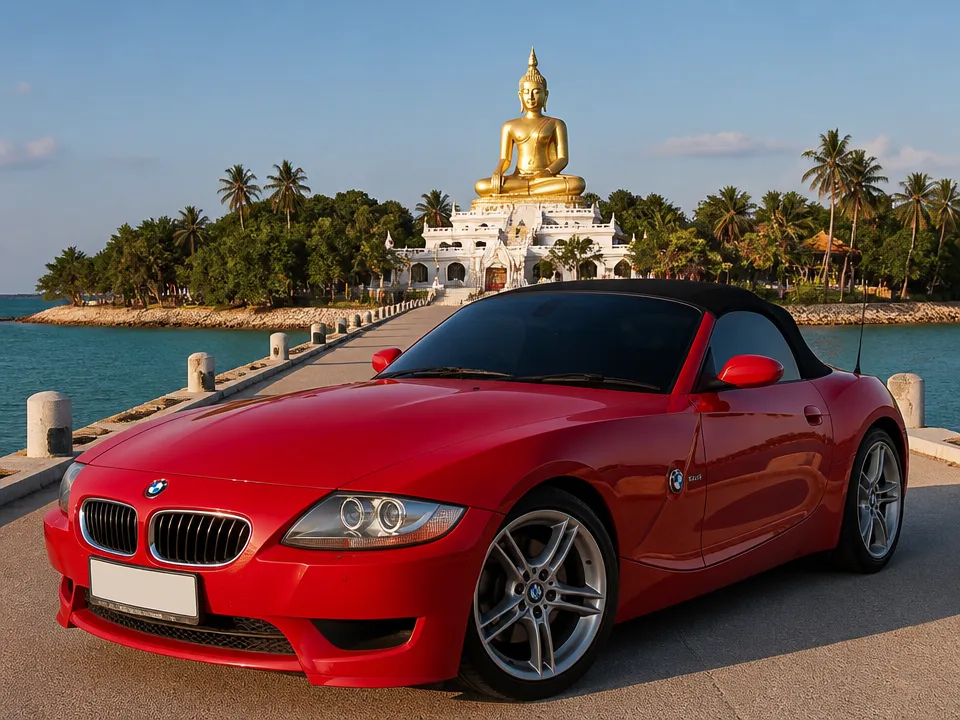
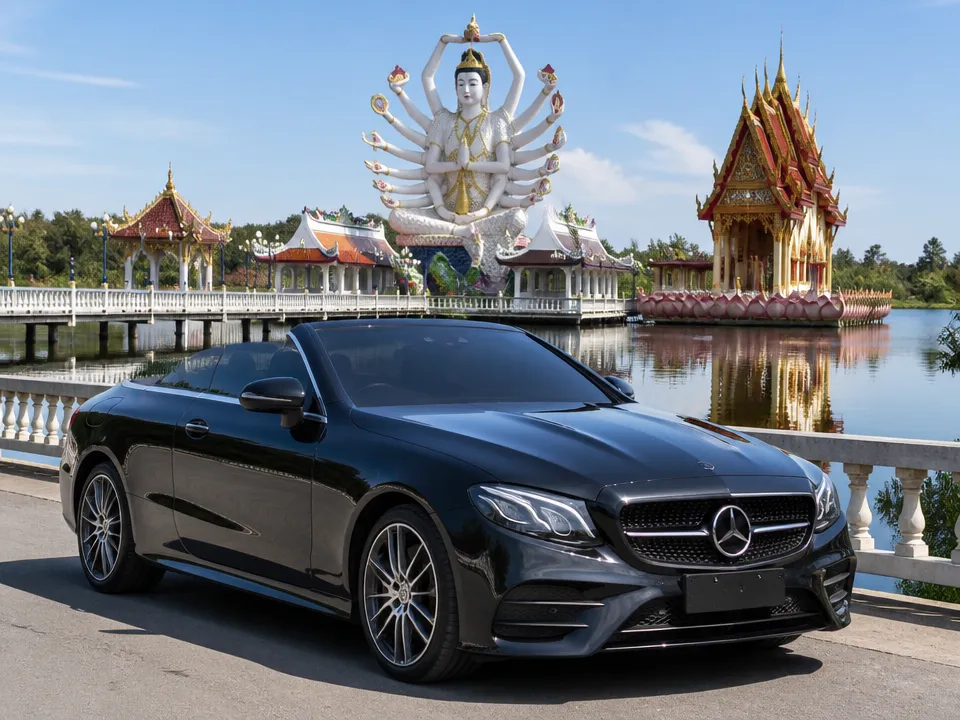
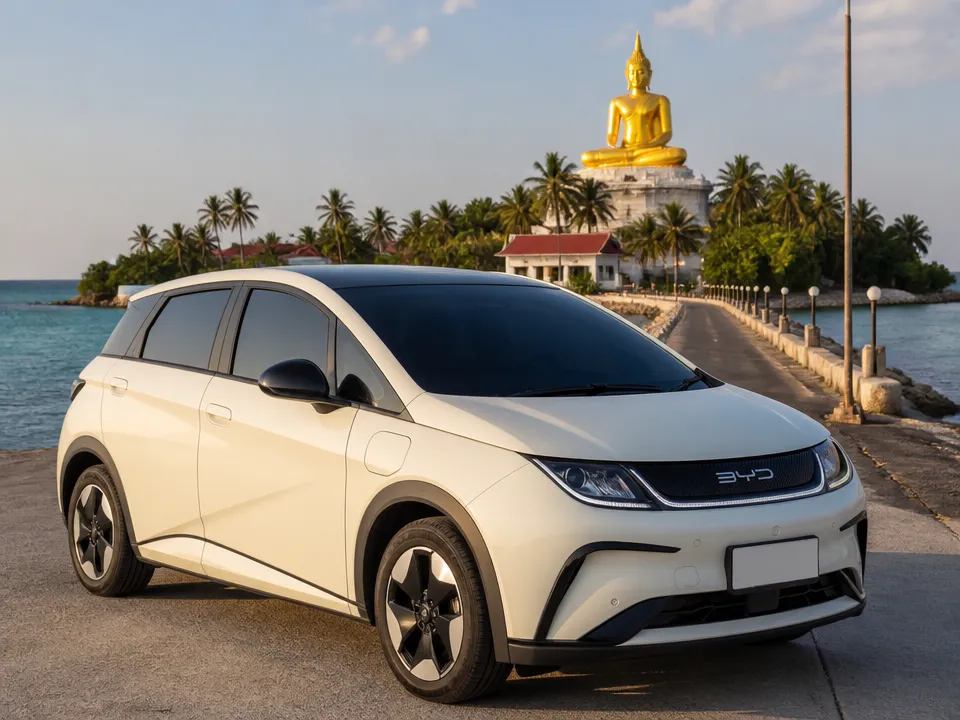
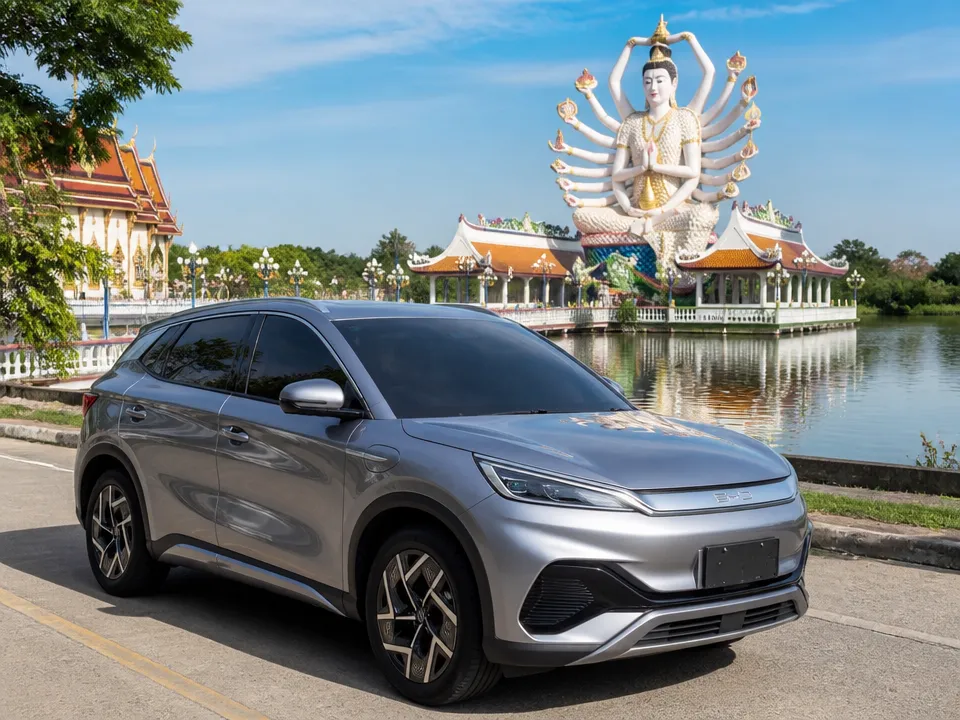
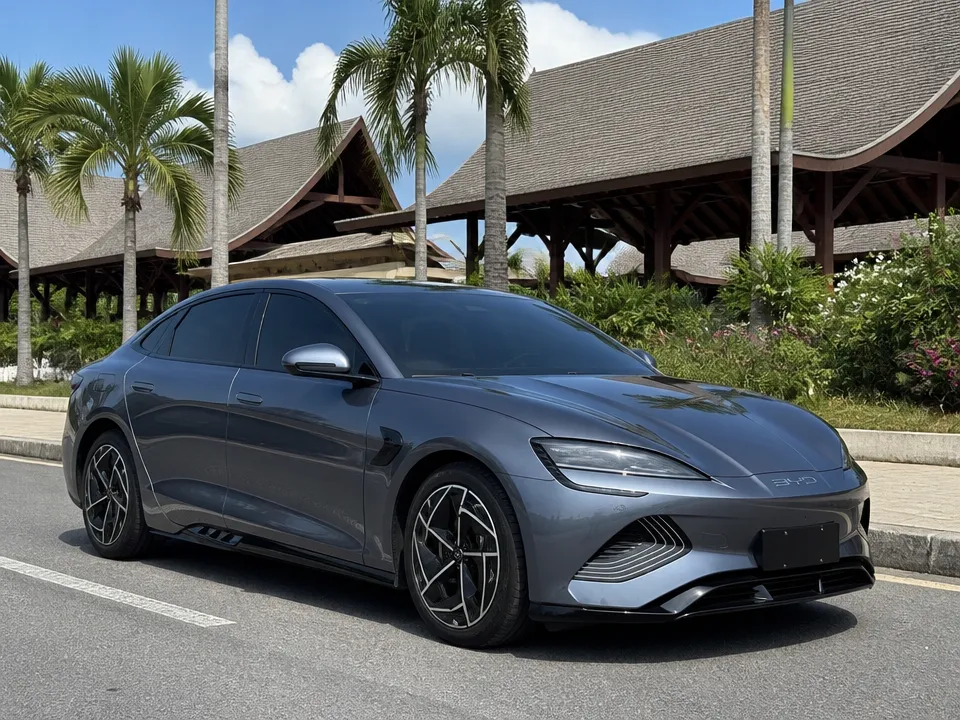
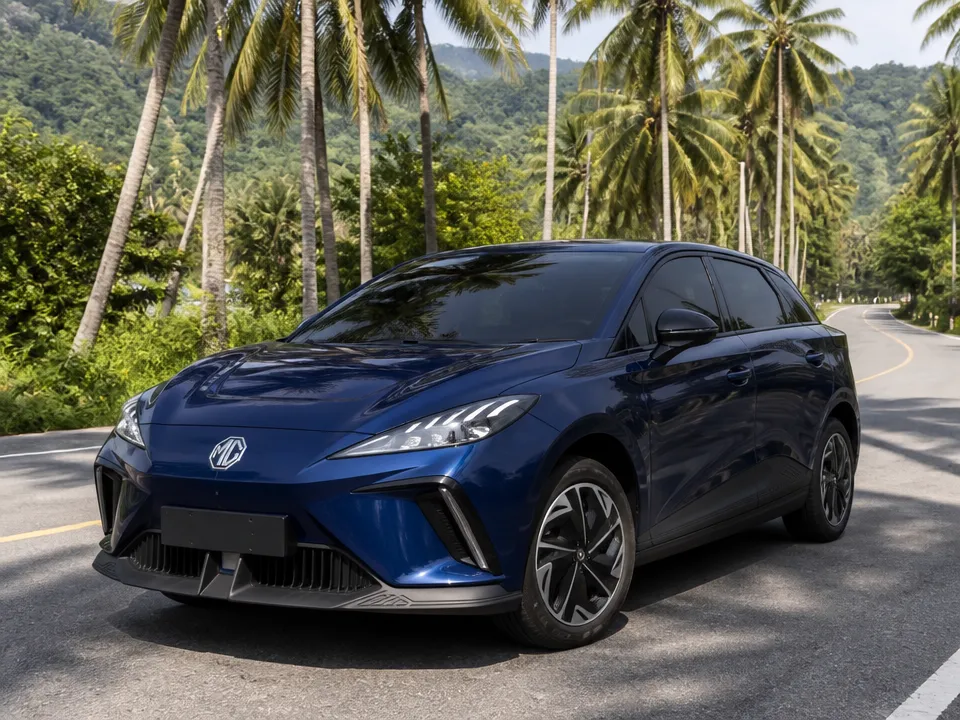

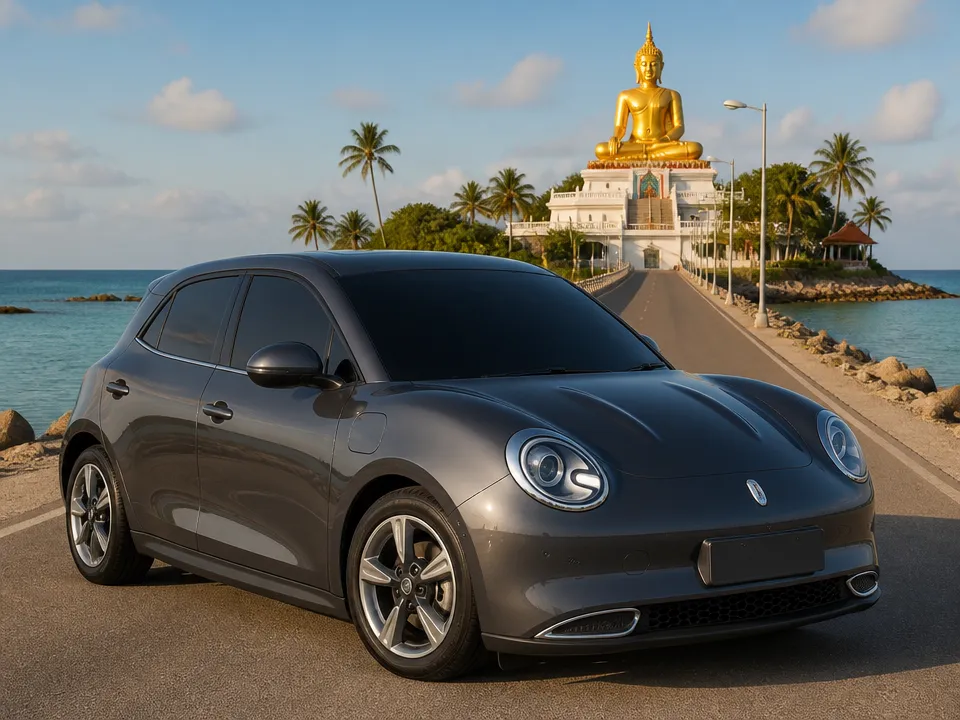
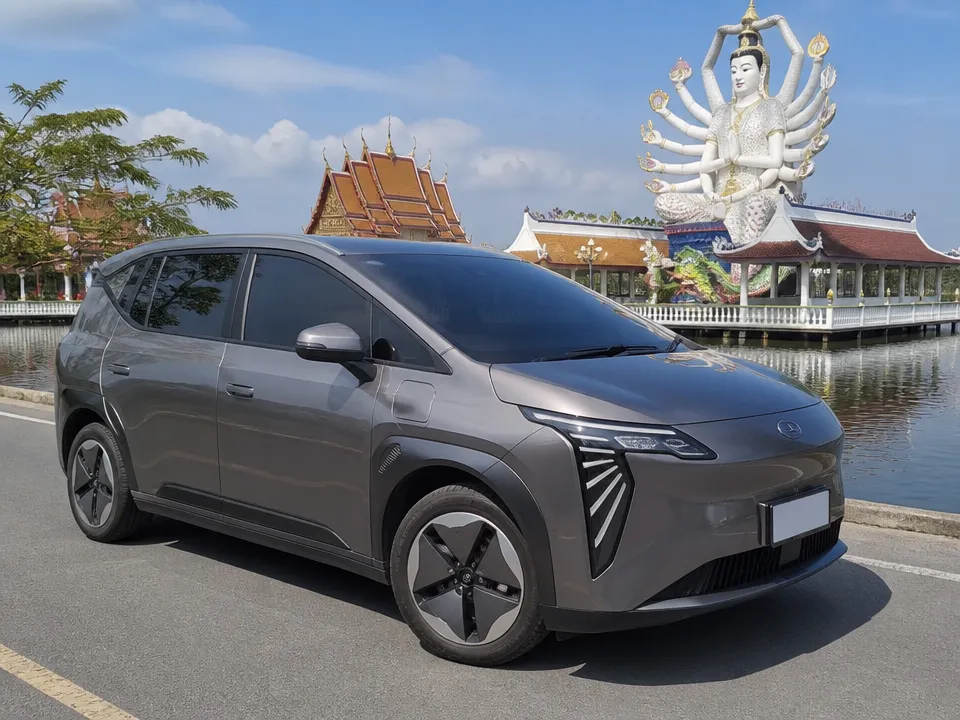
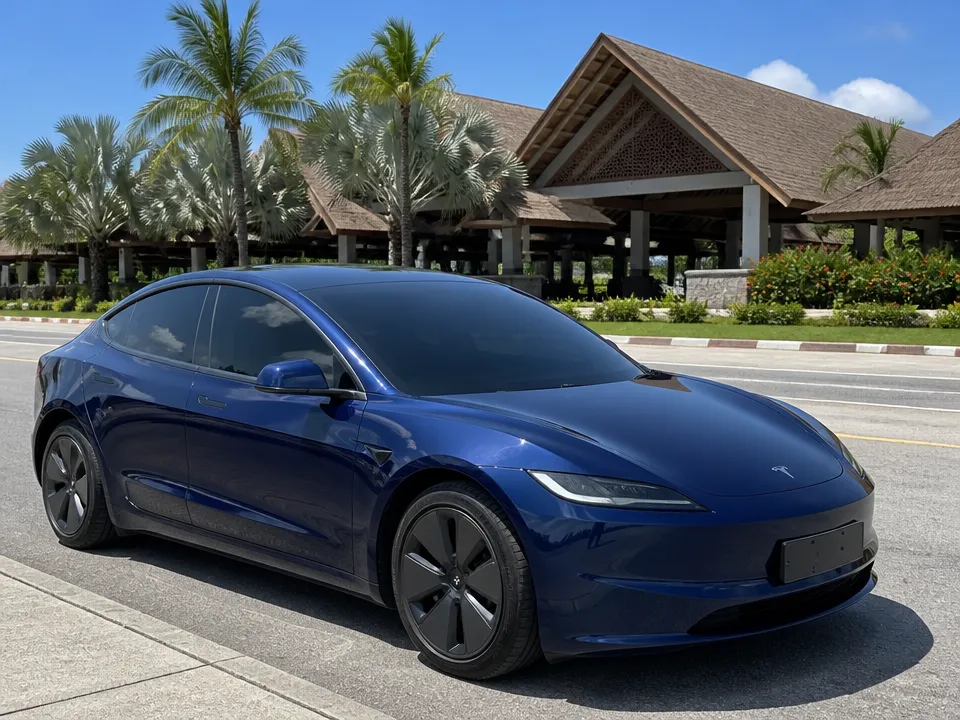
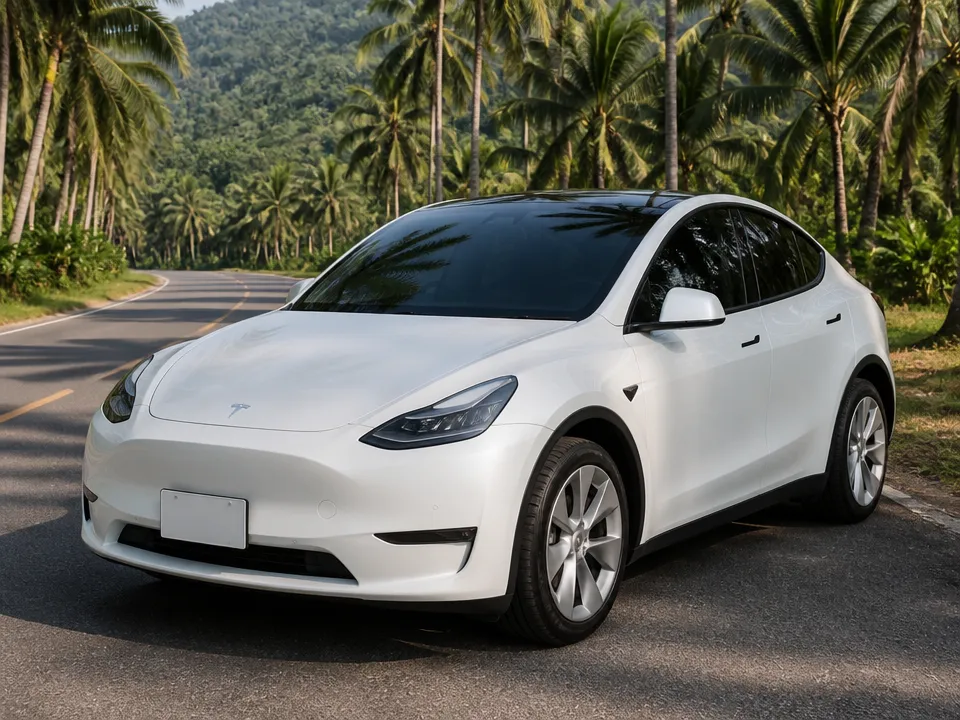
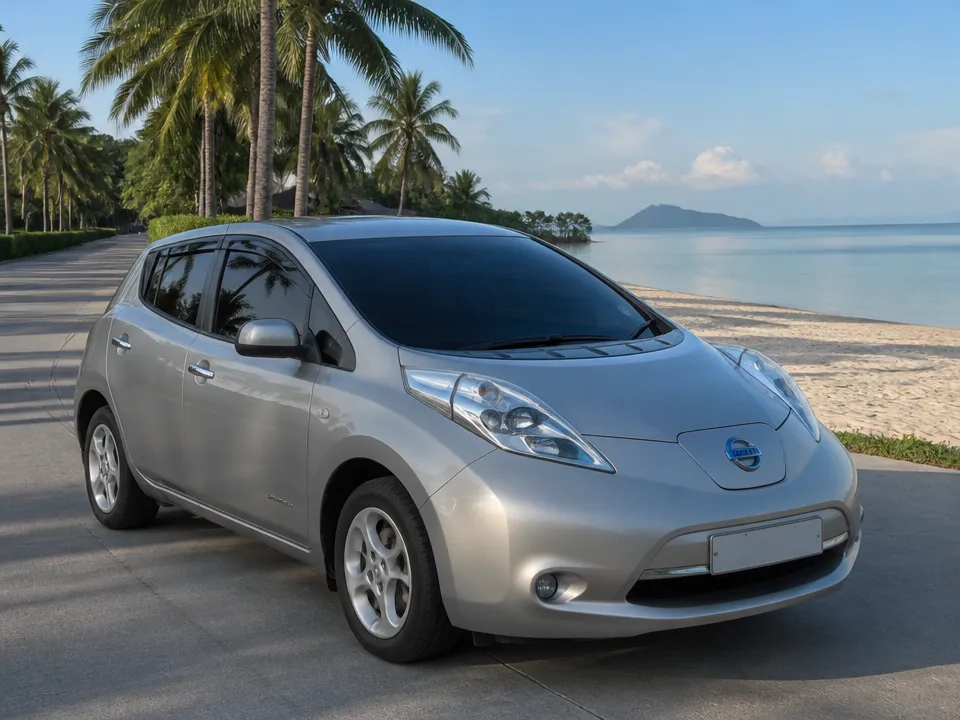







From ฿750 per day, self-drive car rental in Koh Samui gives you 57 cars across nine classes, delivered to your address on the island and to Samui International Airport (USM). Economy, electric, crossover, minivan, SUV, pickup, comfort, premium and convertible options are all in our fleet, with weekly rates from ฿4,500 and monthly from ฿15,750.
We hand over the car and you decide where the day goes — the ring road, a waterfall car park, or a beach that no songthaew passes.
Rent-Trip self-drive car rental in Koh Samui means you take the wheel and we bring the car to you. You choose a class, we agree the delivery address, date and time with a manager, and the car arrives clean with a full tank. A bank card in the main driver's name is used for the security hold. Delivery is agreed with a manager before the booking is fixed, so the hand-over point is agreed when booking.
The deposit, the insurance excess and any delivery fee are not quoted on this page — they are set out in the rental agreement, and the hold on the bank card is set out there too. Compulsory motor insurance (Por Ror Bor) is attached to every registered car and covers injury to third parties; first-class cover for damage to the car is arranged with the rental agreement. Conditions for drivers under 25 and for premium classes are set out in the agreement as well. If a term matters to your trip, ask the manager before the booking is fixed rather than after the car arrives.
Fifty-seven cars sit on this page across nine classes, and every one of them is automatic. The cheapest is ฿750 a day, the dearest ฿10,000, and the gap between them is mostly about seats, fuel and body size rather than gearbox — you will not find a manual in our fleet.
| Class | Cars | From per day | Typical seats | Fuel |
|---|---|---|---|---|
| Economy | 14 | ฿750 | 5 | Petrol |
| Electric | 10 | ฿850 | 5 | Electric |
| Comfort | 3 | ฿1,000 | 5 | Petrol |
| Minivans | 7 | ฿1,200 | 7 | Petrol |
| Pickup trucks | 5 | ฿1,300 | 5 | Diesel |
| Crossovers | 8 | ฿1,350 | 5 | Petrol, Hybrid |
| SUV & 4x4 | 6 | ฿1,700 | 7 | Diesel, Petrol |
| Premium | 2 | ฿3,500 | 5 | Petrol |
| Convertibles | 2 | ฿8,500 | 2–4 | Petrol |
Economy holds the widest choice at 14 cars, and the electric line is the second largest at 10. Seat counts run 2, 4, 5 and 7; fuel is petrol, diesel, electric or hybrid. Because every car is right-hand drive and automatic, the decision that actually matters is how many people and bags you are moving, not which pedal arrangement you prefer.
If your dates are fixed around a holiday, book the class early and confirm the exact model with a manager when the booking is agreed.
Rates on this page start at ฿750 and reach ฿10,000 a day across the 57 cars listed, and VAT 7% sits inside every figure. A longer hire is charged at a lower rate per day, so what you pay depends on how many days you keep the car, not on which counter you walk up to.
Weekly is daily × 6, from ฿4,500; monthly is daily × 21, from ฿15,750. The Suzuki Swift, the cheapest model listed, therefore comes to ฿750 a day, ฿4,500 a week and ฿15,750 a month, while a Premium class car at ฿3,500 a day works out at ฿21,000 weekly and ฿73,500 monthly. Ask a manager to run the numbers before anything is fixed, because the class you choose decides which rate band applies to the whole hire.
The security hold, the insurance excess and any delivery fee are never a figure on this page — they are set out in the rental agreement, so read that line before you sign rather than after.
Traffic keeps to the left and every car on our fleet is right-hand drive.
The 51 km ring road links the lowland and the coast, and every resort sits on it — Nathon, Lipa Noi, Lamai, Chaweng, Bophut and Maenam. Pick up early, in daylight.
The wettest stretch of the year falls between mid-October and early December, when roads flood in places and the asphalt turns slippery; drive slower than you think you need to and brake early. Our advice is simple: keep left, watch the road surface rather than the scenery, and treat every blind bend on the ring road as if a scooter is already on your side of it.
The list below is what a foreign visitor carries, and what Thai law expects to see in the car.
Citizens of ASEAN countries drive on their national licence and do not need the permit. Everyone else does, and the police fine for driving without one runs ฿500–1,000 — an insurer may also refuse a claim, which is the more expensive half of that sentence.
Every registered car carries a square blue tax sticker with a hologram on the windscreen, and its year is written in the Buddhist calendar — Gregorian plus 543. On a hire car that sticker has to be current; if the year on the glass looks wrong to you, ask before you drive away. Minimum driver age is 21, while conditions for drivers under 25 and for premium classes are set out in the agreement rather than in a flat rule. Delivery to any address on Koh Samui and to Samui International Airport (USM) is arranged with a manager, and the address, date and time are agreed before the booking is fixed. A delivery fee, if there is one, is agreed at booking.
Compulsory motor insurance, Por Ror Bor, is attached to every registered vehicle and covers injury to third parties. First-class cover, which handles damage to the car itself, is the layer above it — its terms and the excess are set out in the agreement. Traffic-camera fines are issued to the car owner and re-invoiced to the renter, so a camera flash on the ring road reaches you afterwards rather than at the roadside.
The terms of that cover and the excess sit in the rental agreement — no figure for them appears here. What can be said plainly is that the paperwork for a self-drive booking on Koh Samui is settled with a manager, and the car reaches you with a full tank and a clean body.
A delivery fee, if any, is agreed when booking, so ask before the booking is fixed rather than after. On the road, keep left: every car here is right-hand drive, and traffic keeps to the left. Traffic-camera fines are issued to the car owner and re-invoiced to the renter, so a photographed offence follows you, not us.
A week or a month changes the arithmetic. Weekly rates run at the daily price times six and monthly at the daily price times twenty-one, so the longer you keep the car, the lower the cost of each day on the road.
Weekly self-drive hire starts at ฿4,500 and monthly at ฿15,750, both calculated from the daily rate of the class you pick — ฿750 at the Economy end, ฿10,000 at the top. Nothing else changes with duration: VAT 7% is already inside the figure, and the car is handed over clean with a full tank. The security hold on a bank card in the main driver's name is set out in the rental agreement.
Long bookings are the ones where the small print matters most, so read the rental agreement before you sign it — fees, penalties and the excess are all disclosed there, and since 30 December 2025 that document is a contract controlled by the OCPB and written in Thai. Traffic-camera fines are issued to the car owner and re-invoiced to the renter, which on a month-long rental can arrive after you have flown home; a copy of your home driving licence, your International Driving Permit and your passport details are worth leaving with whoever handles your post.
The island rewards planning more than speed.
Fuel comes as E20, 91 or 95, and most island pumps take cash only, so keep small notes in the car. Potholes, standing water after rain and oil left by refuse trucks are the everyday hazards, not the gradients.
For outings, leave early if Na Muang waterfall, Secret Buddha Garden or the Lamai viewpoint are on the list. October to December brings the heaviest rain, with November the wettest month, so build a flexible day and keep one indoor option ready. Plan two stops, not five.
If a plan changes mid-trip — an extra night, a later ferry — message the manager rather than leaving it to the hand-over.
Thailand's Ministry of Transport states a foreigner may drive on a valid Thai licence, a valid international driving permit or an ASEAN licence. The document sets no stay limits. Some Koh Samui rentals ask for a licence with Latin-script details.
This page lists 57 cars for self-drive on Koh Samui, with daily rates from ฿750 to ฿10000. Suzuki Swift starts at ฿750 per day, Honda Brio and Suzuki Celerio at ฿800 per day. All cars here have automatic transmission.
Fuel stations on Koh Samui offer E20, 91 and 95. Payment is usually in cash, as few stations accept cards. Bangchak's Bangkok prices on 24.09.2026 were Gasohol 95 at ฿39.94 and E20 at ฿34.94 per litre; island prices are not measured.