from ฿750
per day







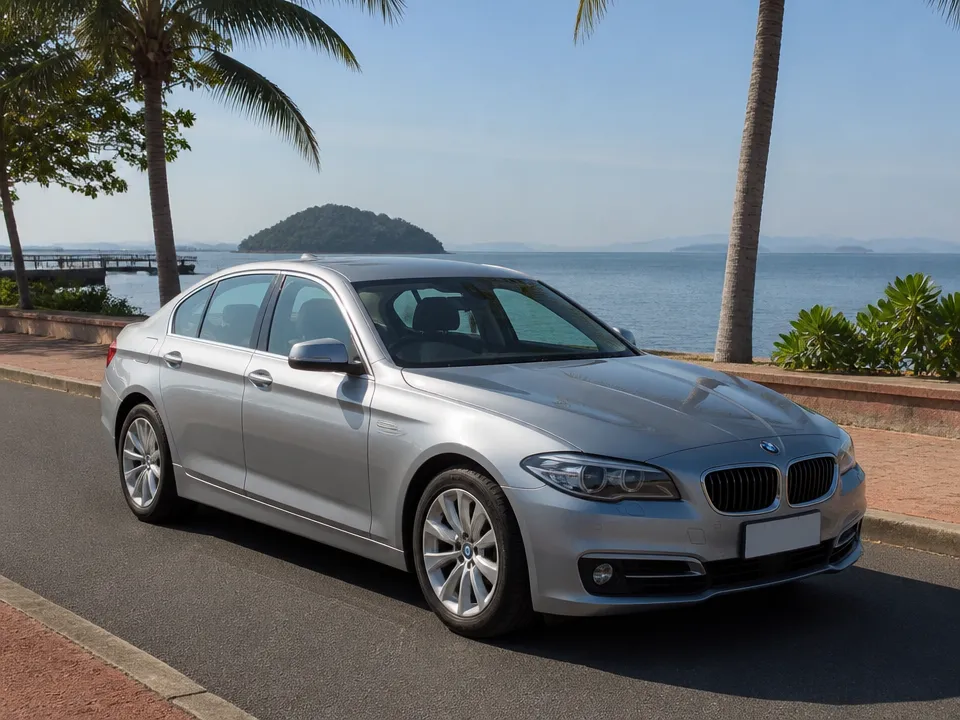
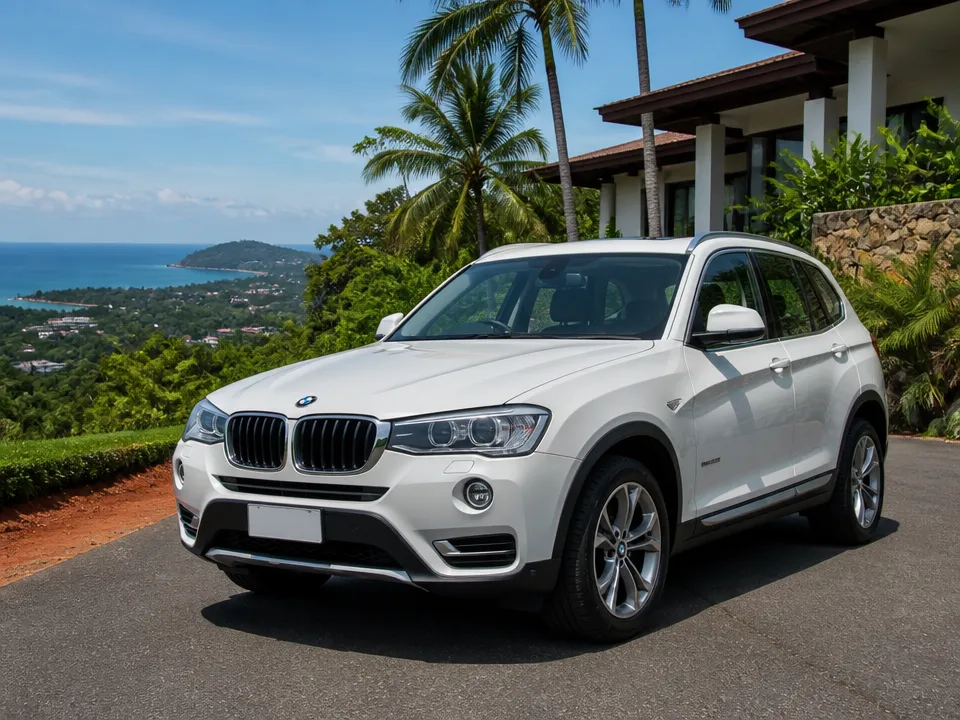
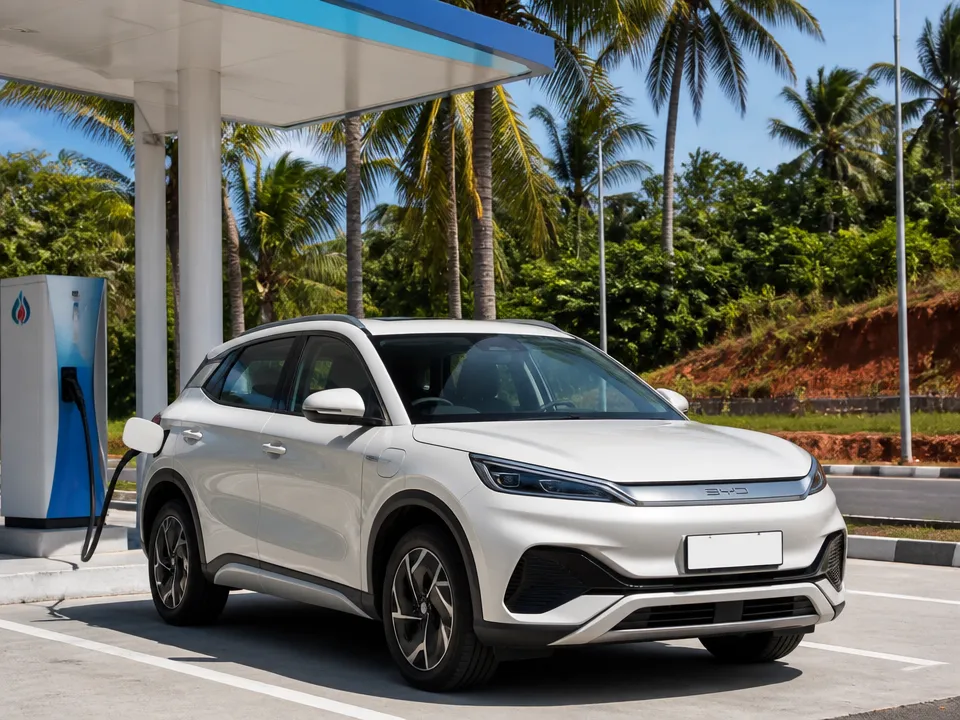
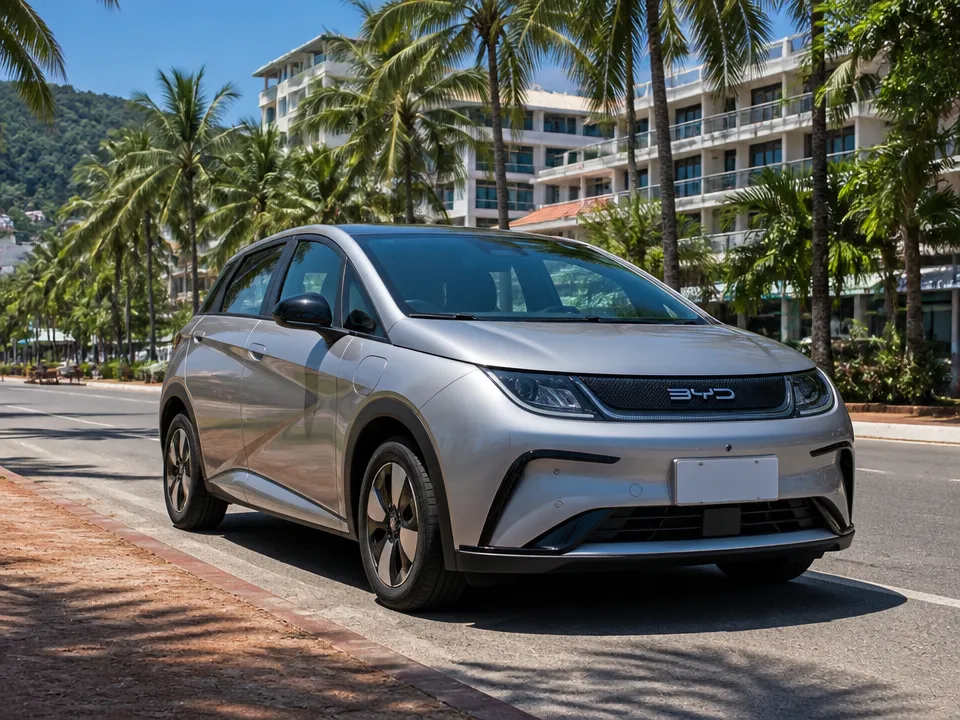
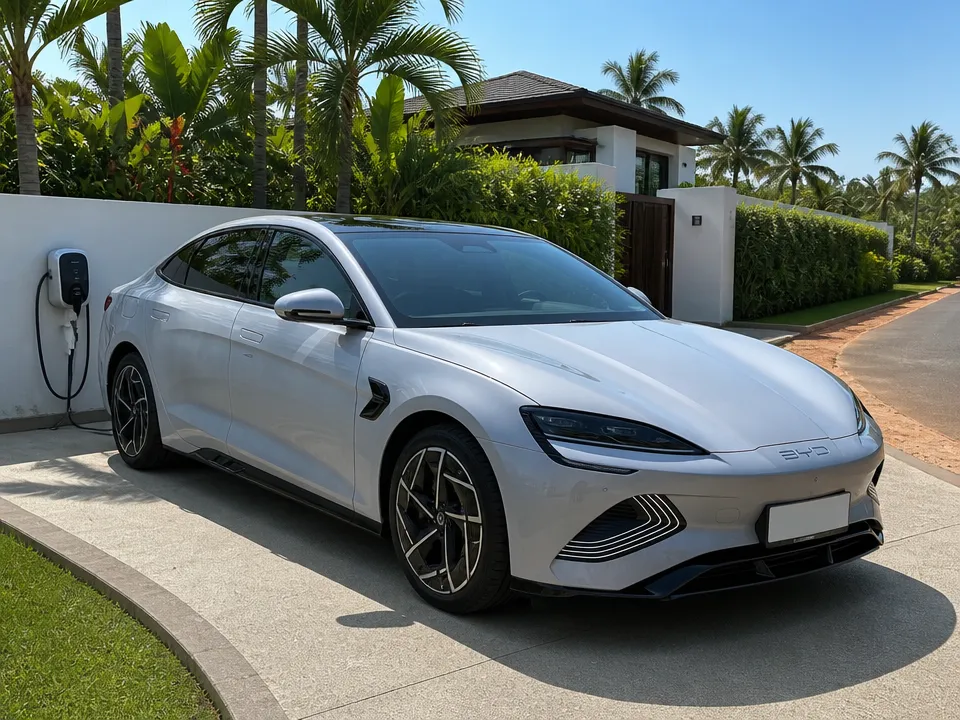
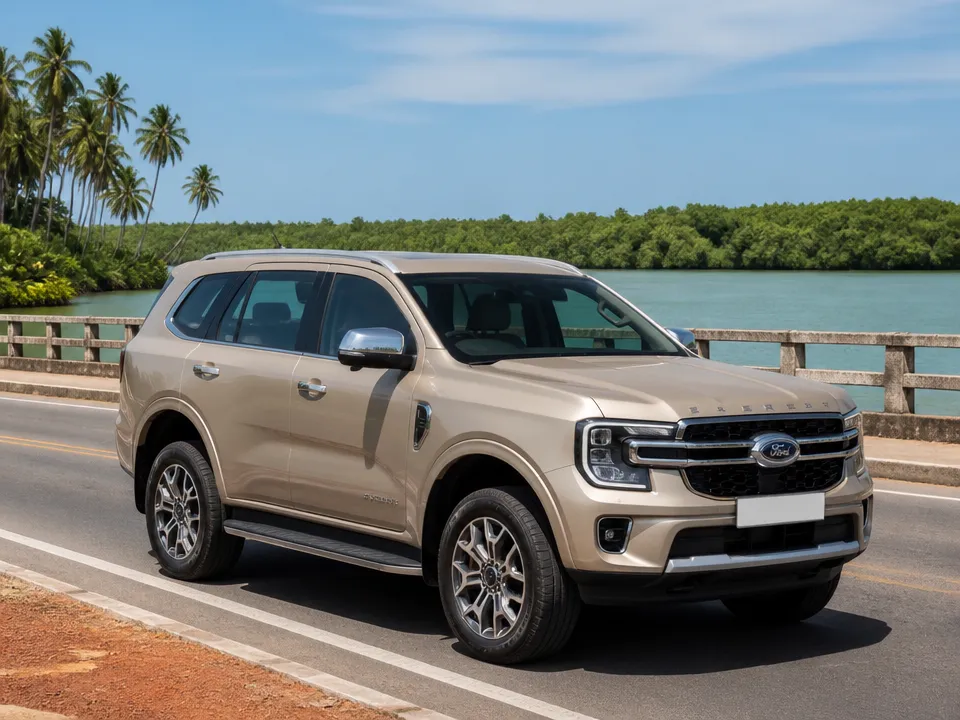
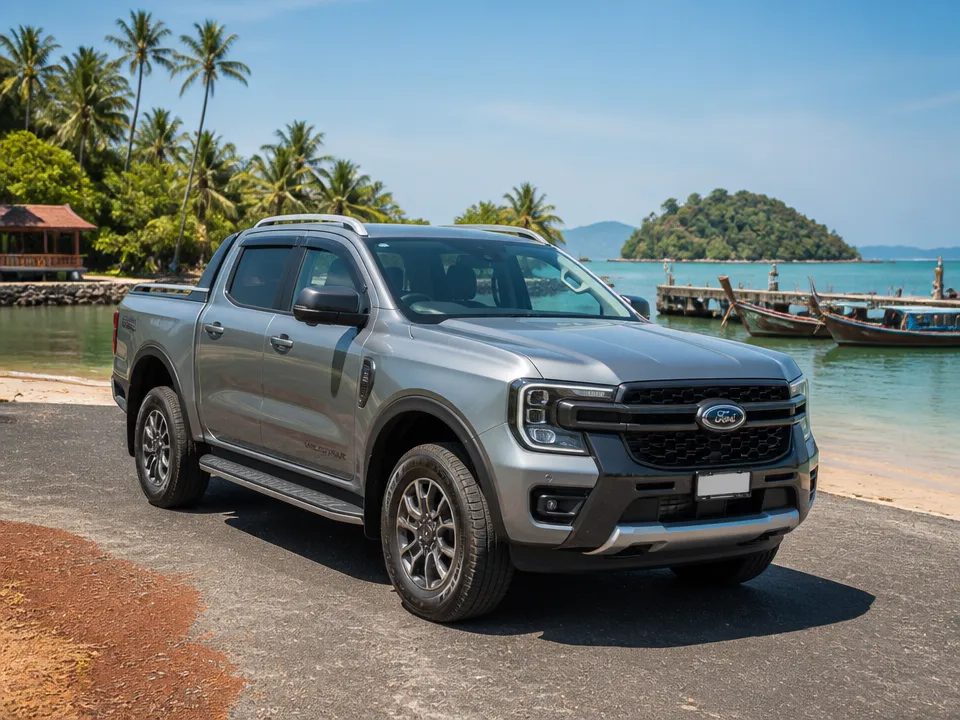
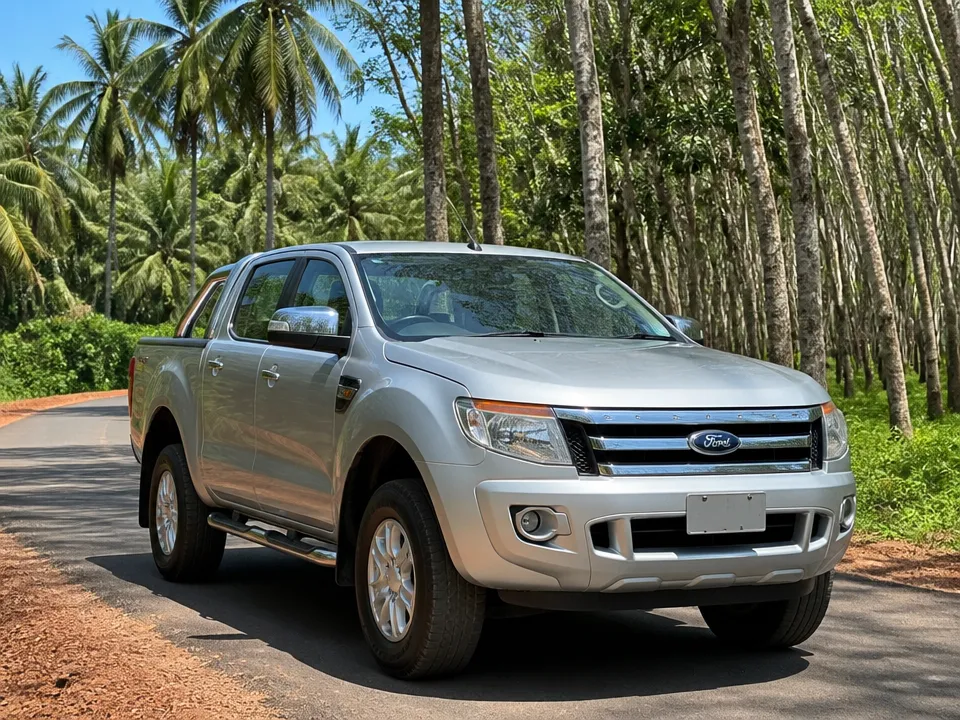
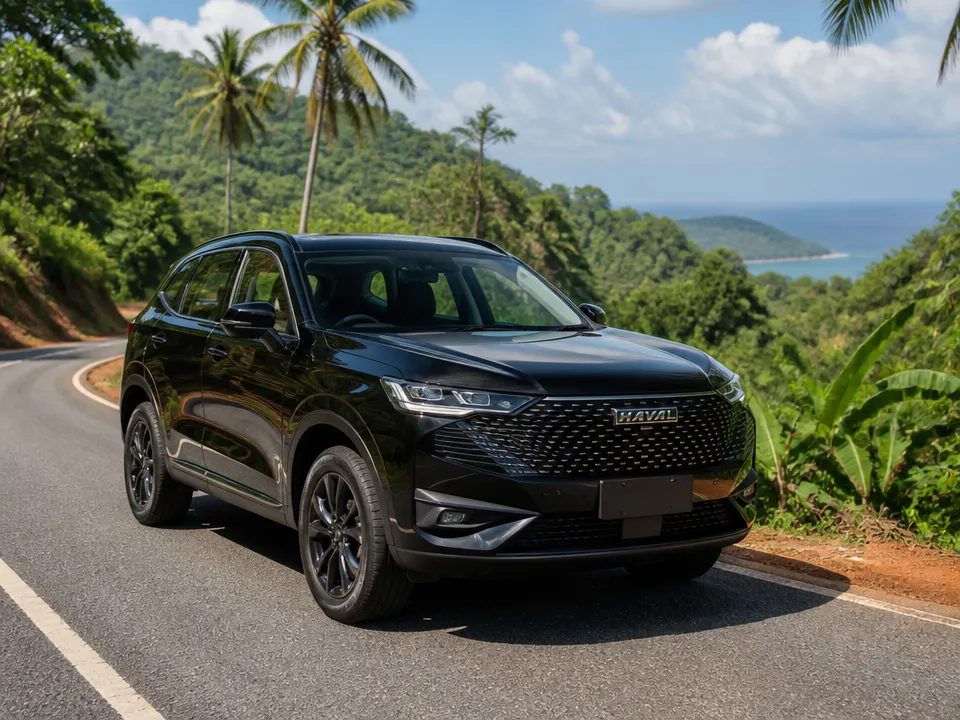
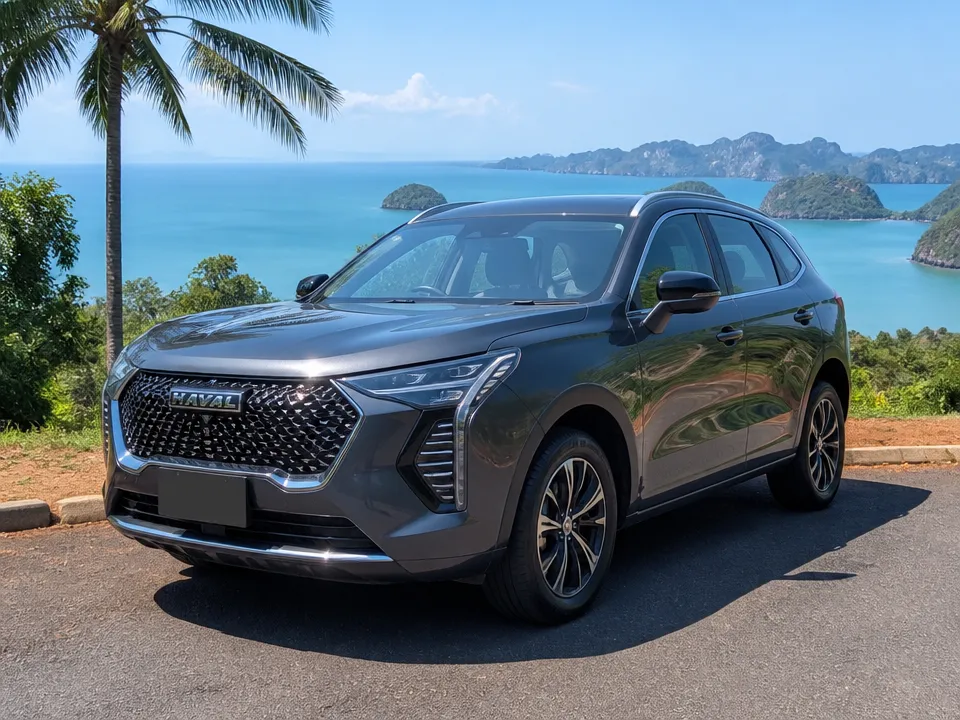
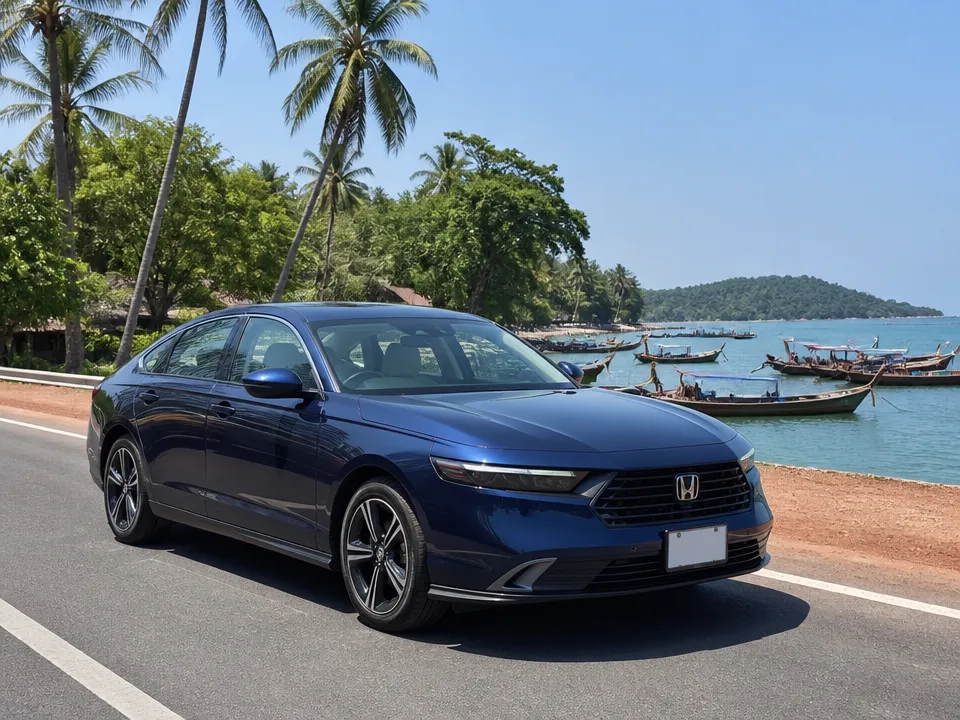
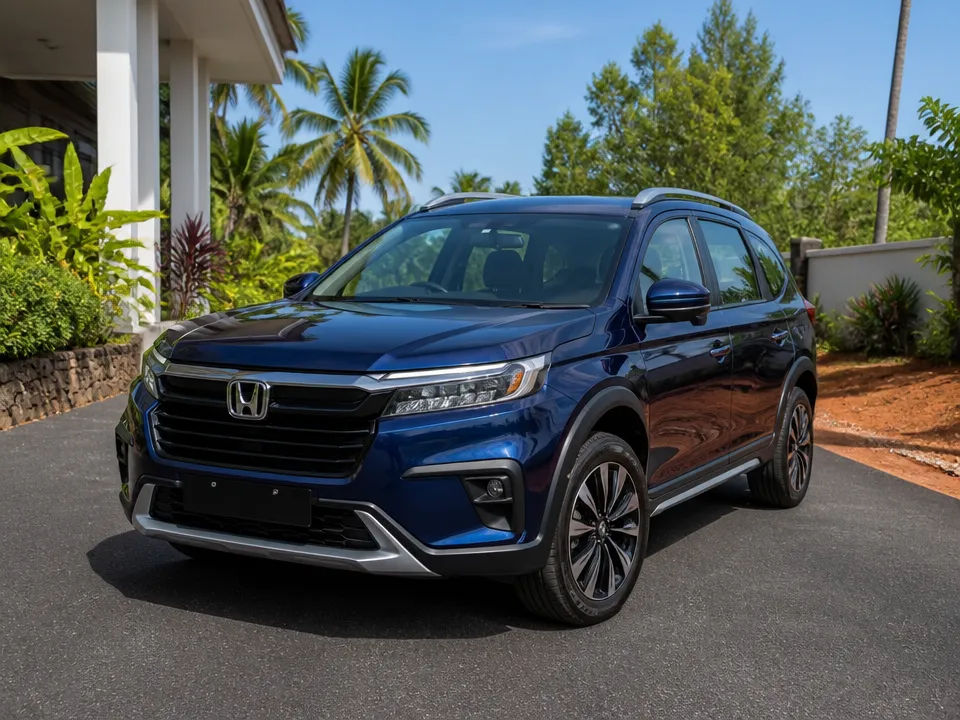
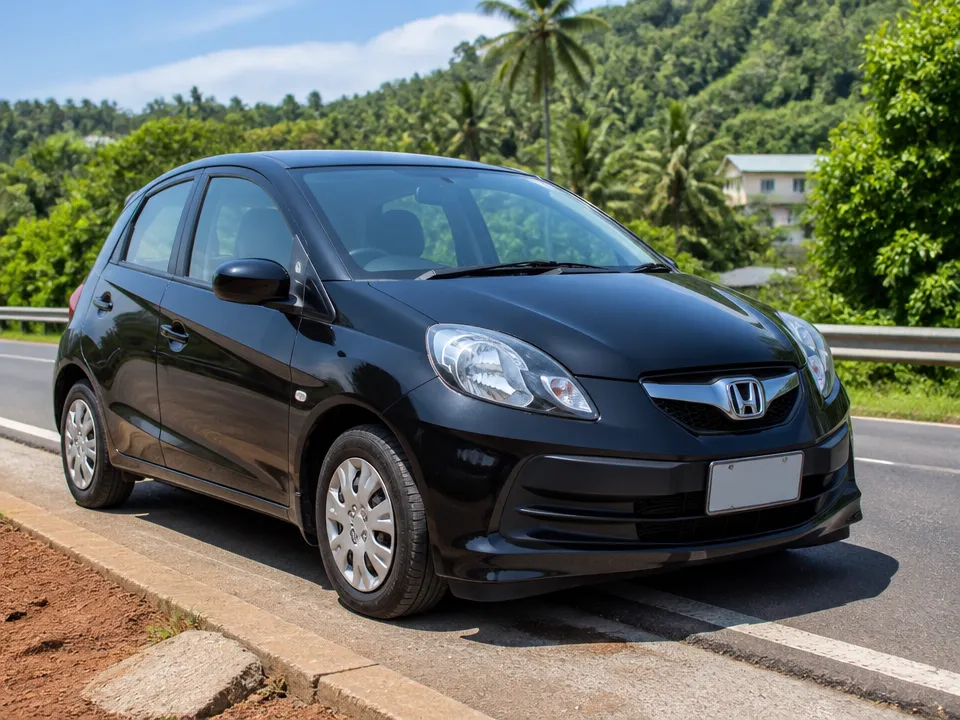
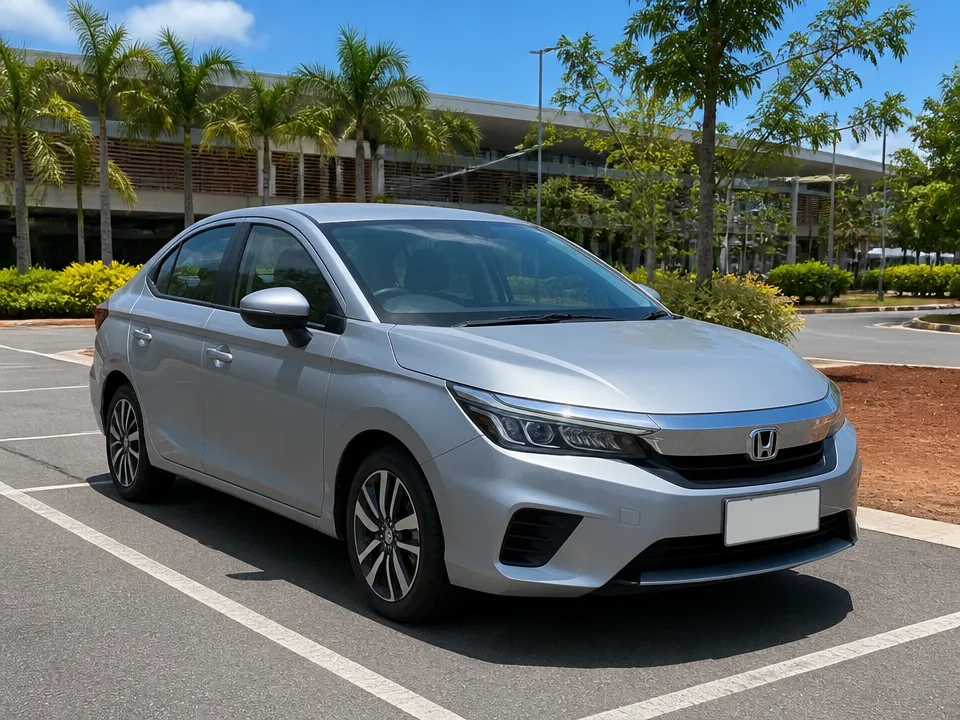
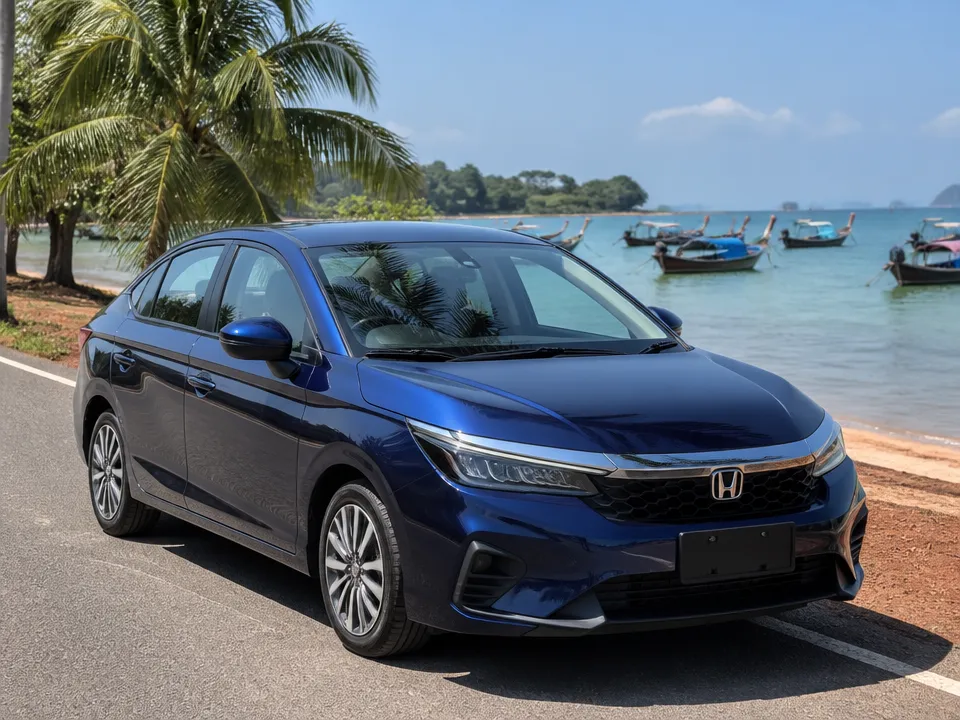
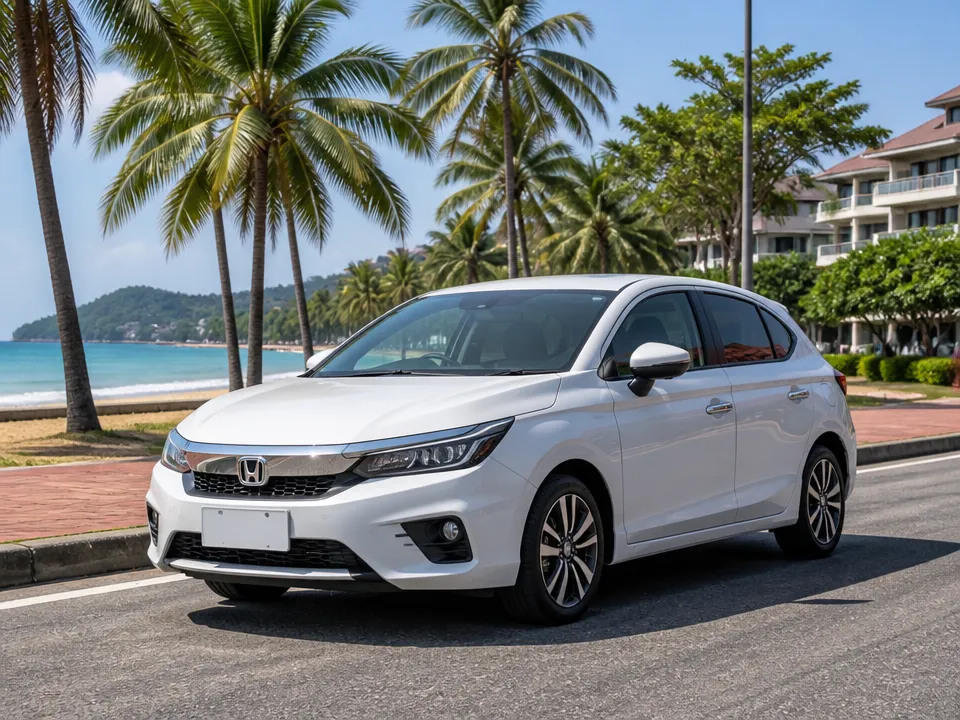
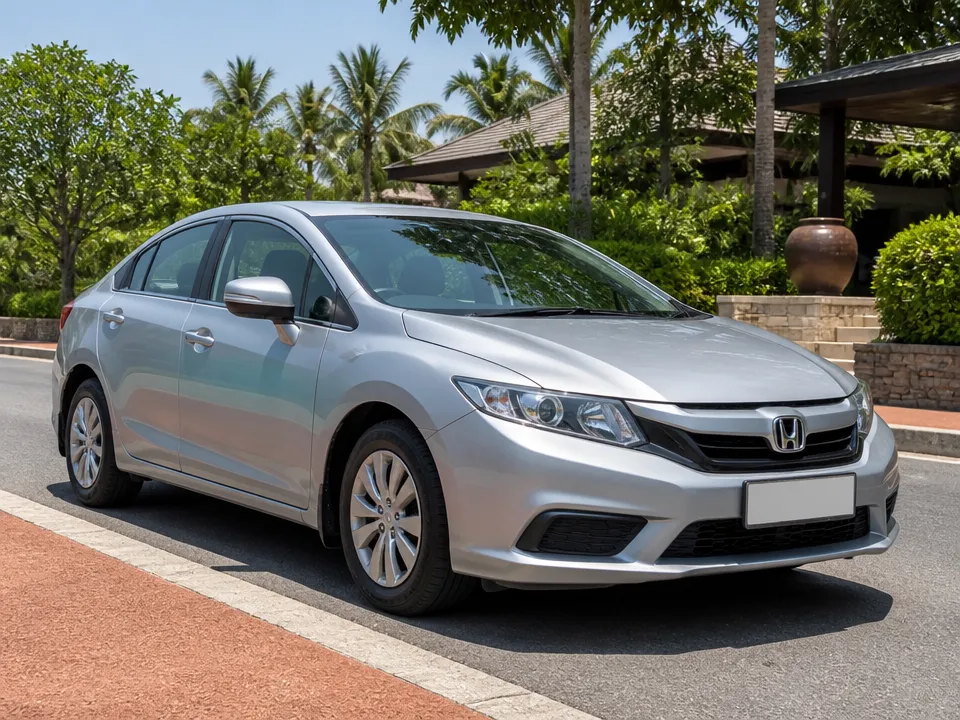
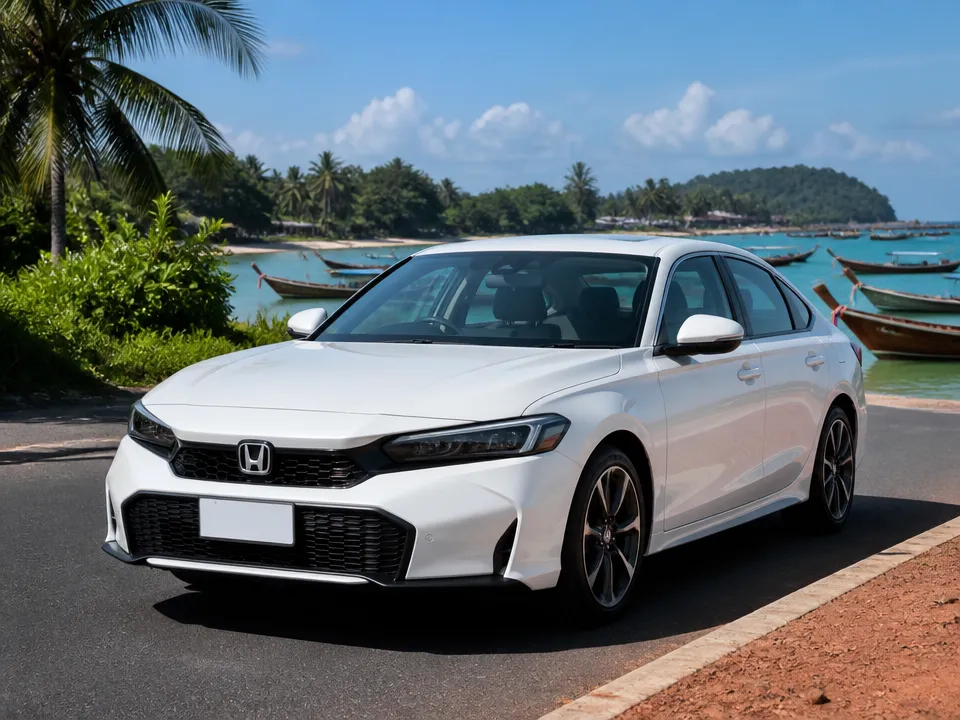
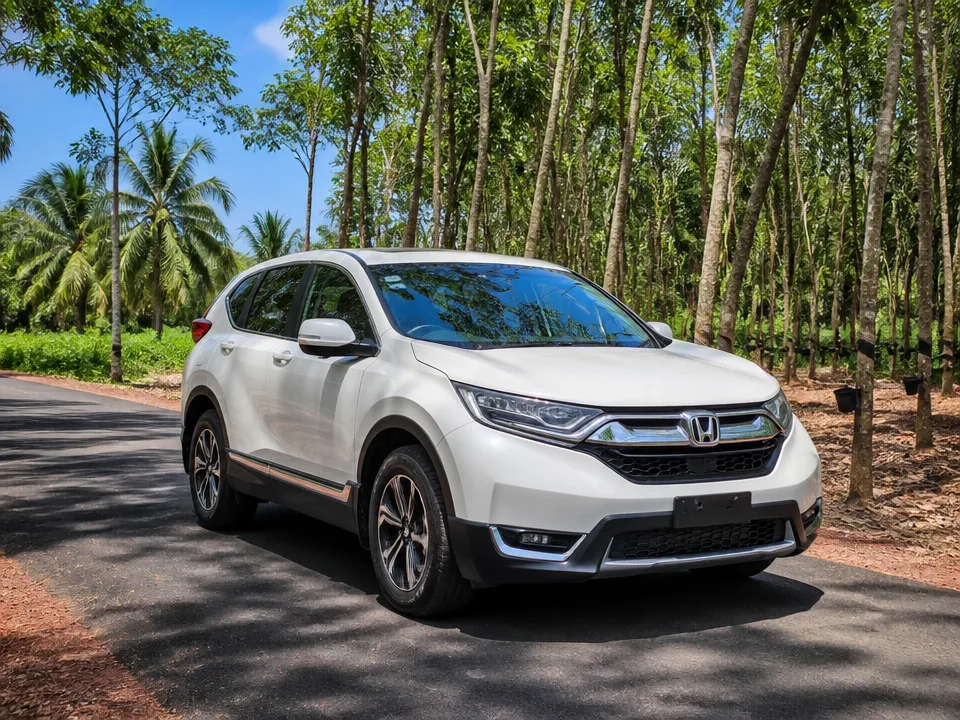
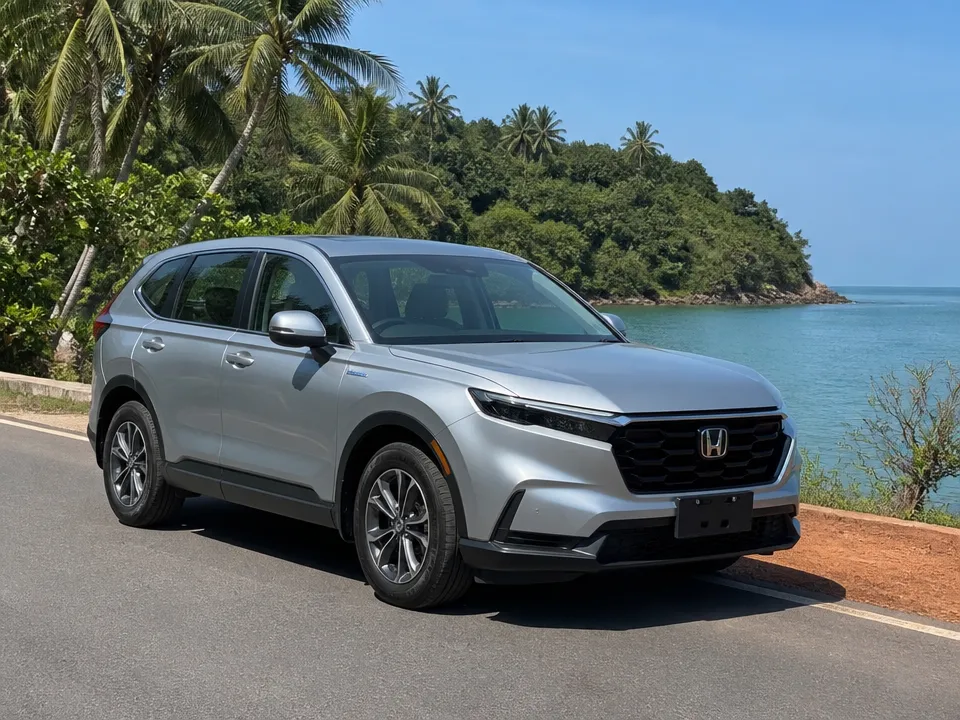
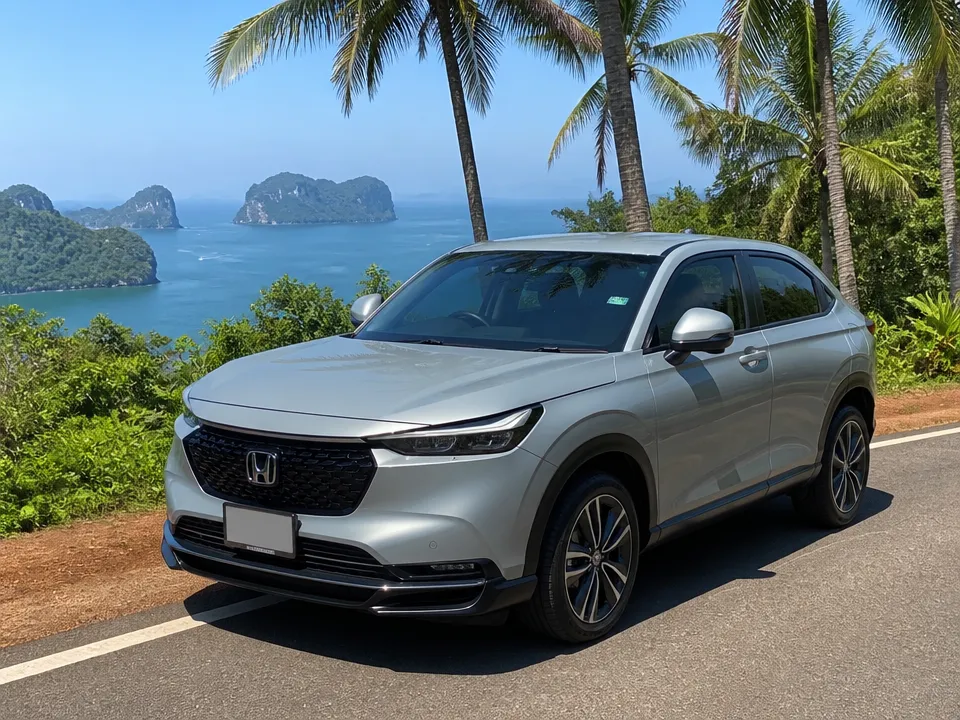
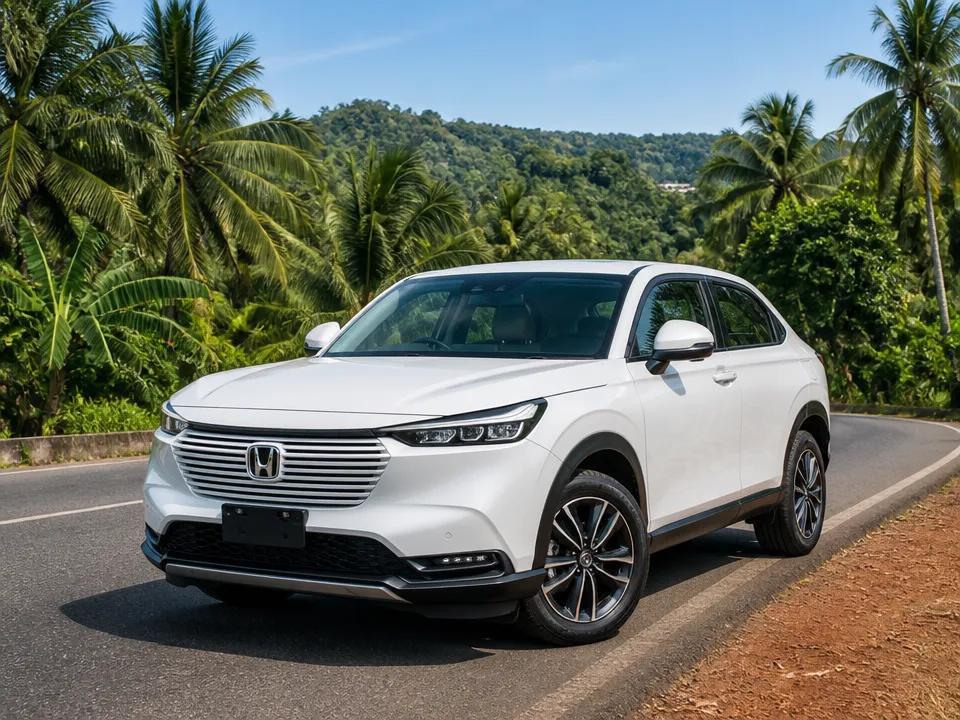
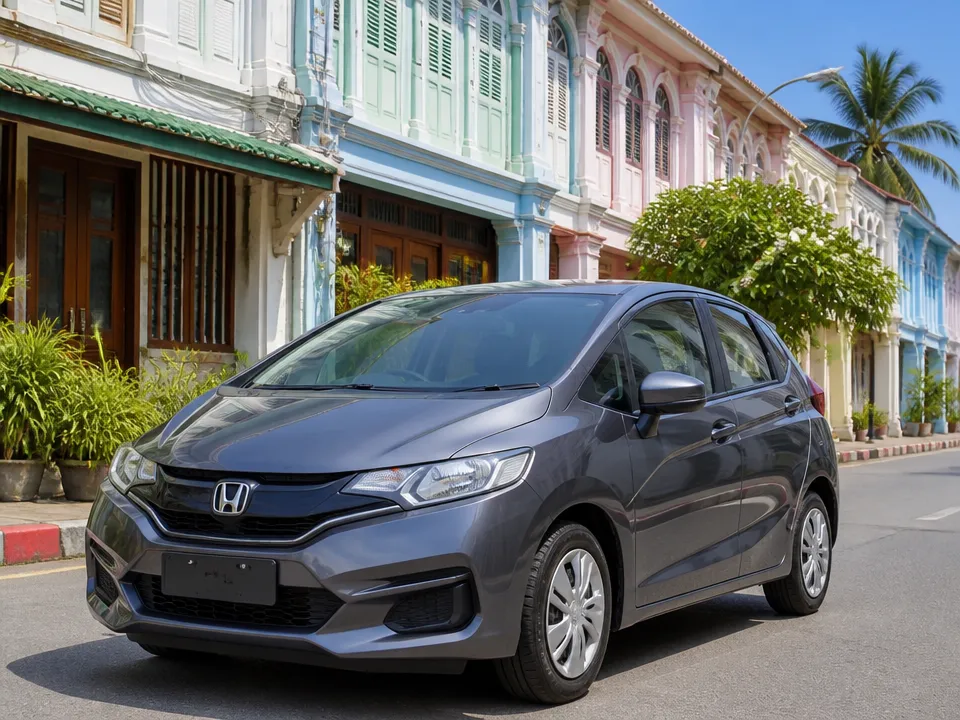
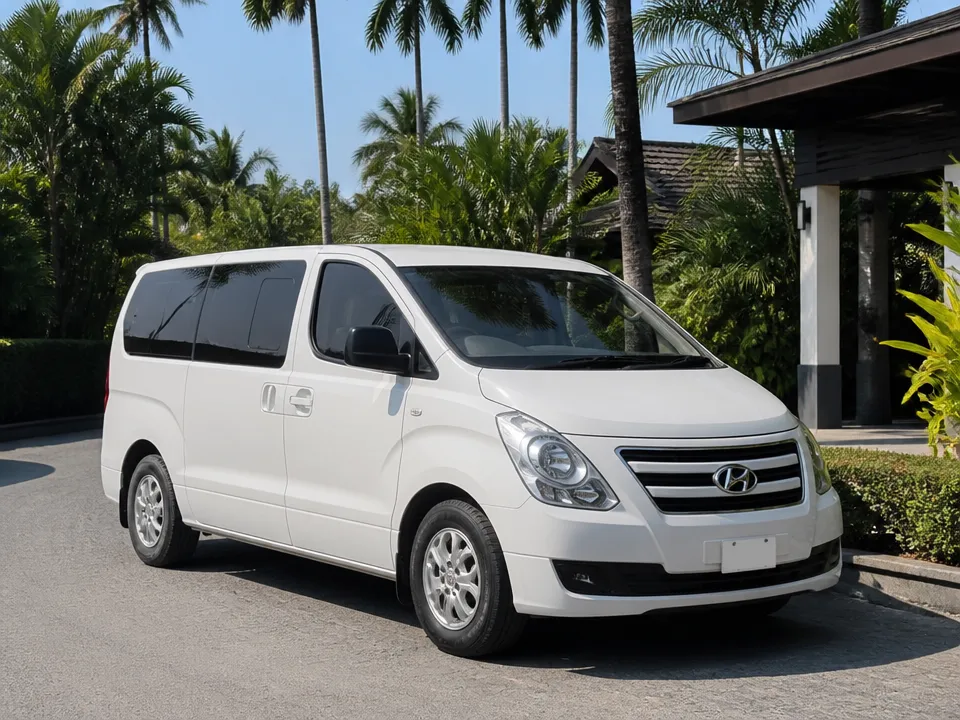
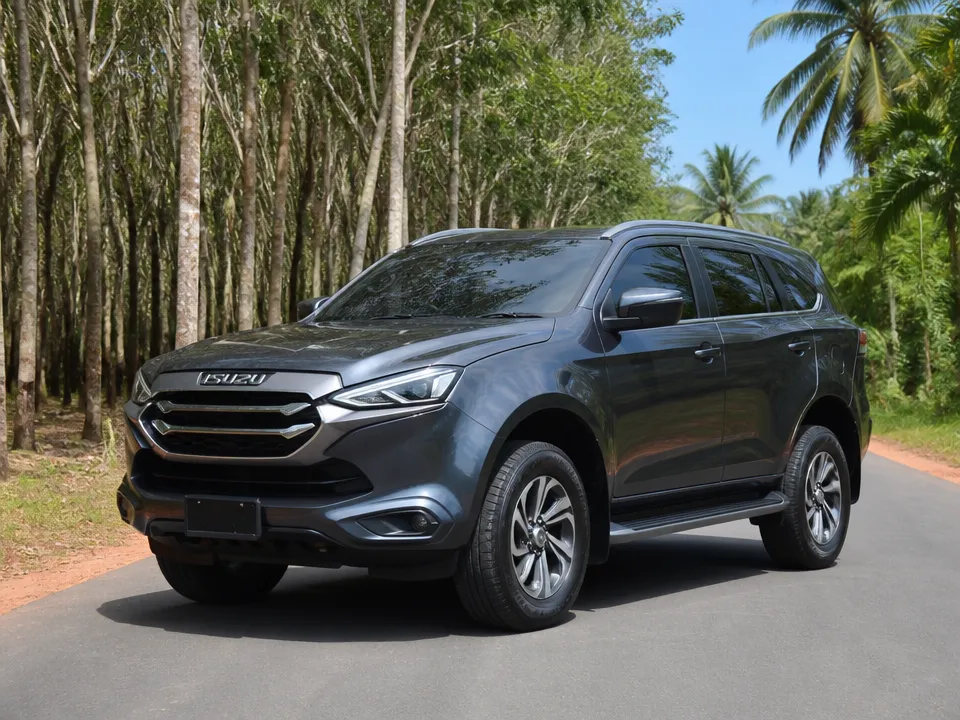
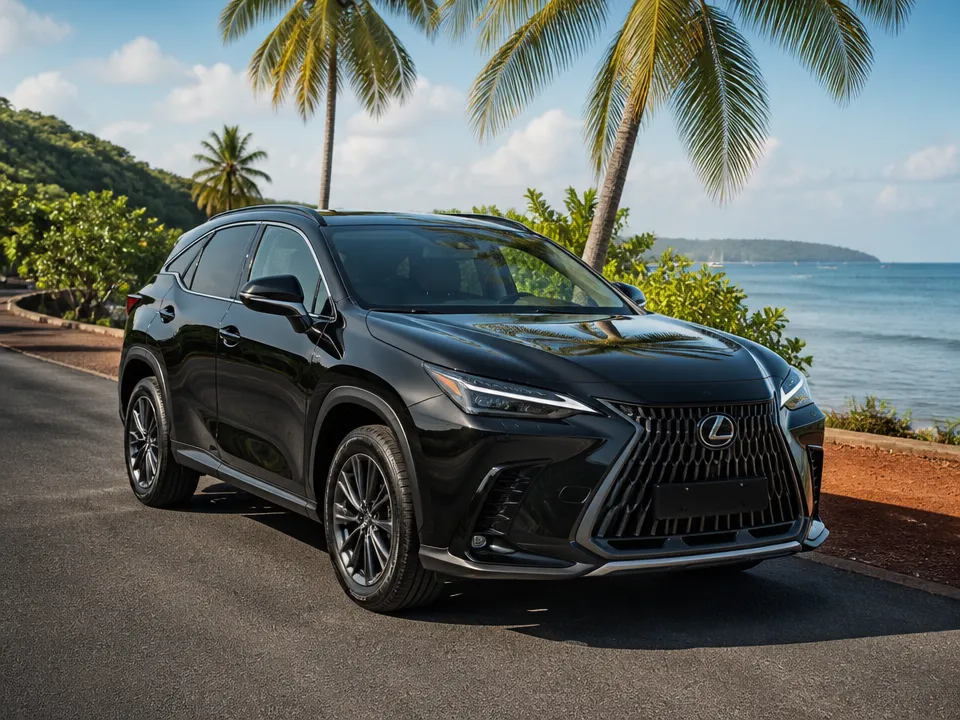
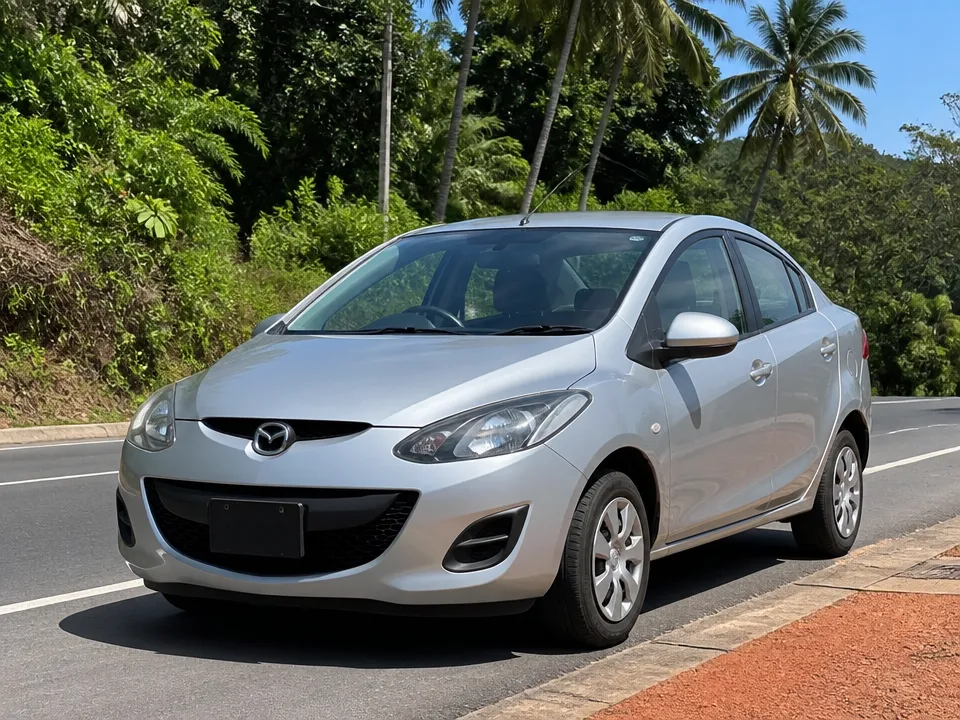
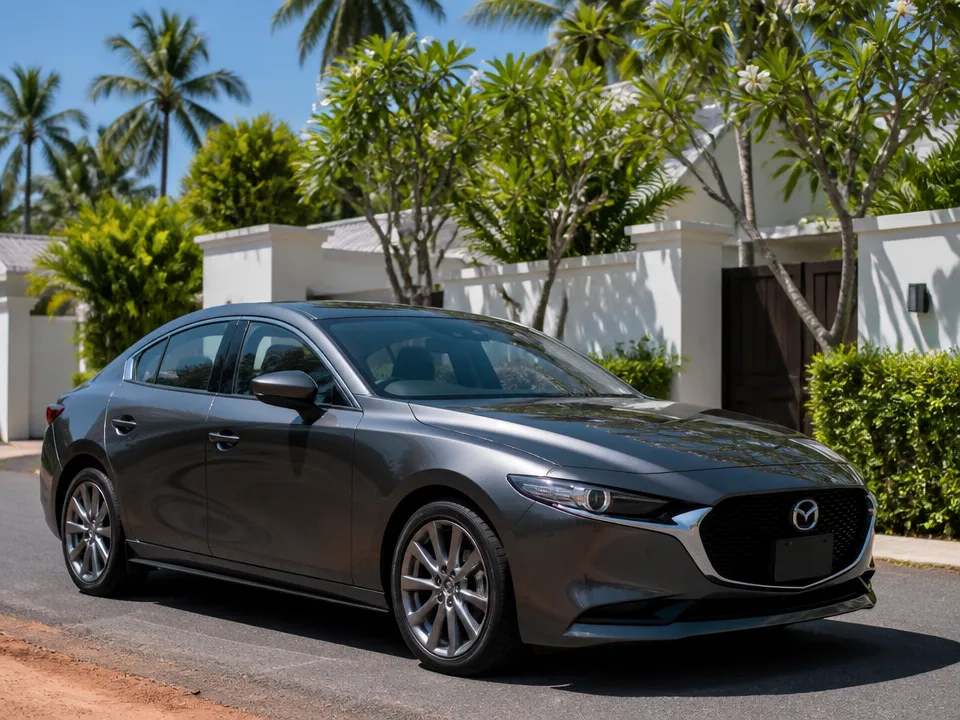
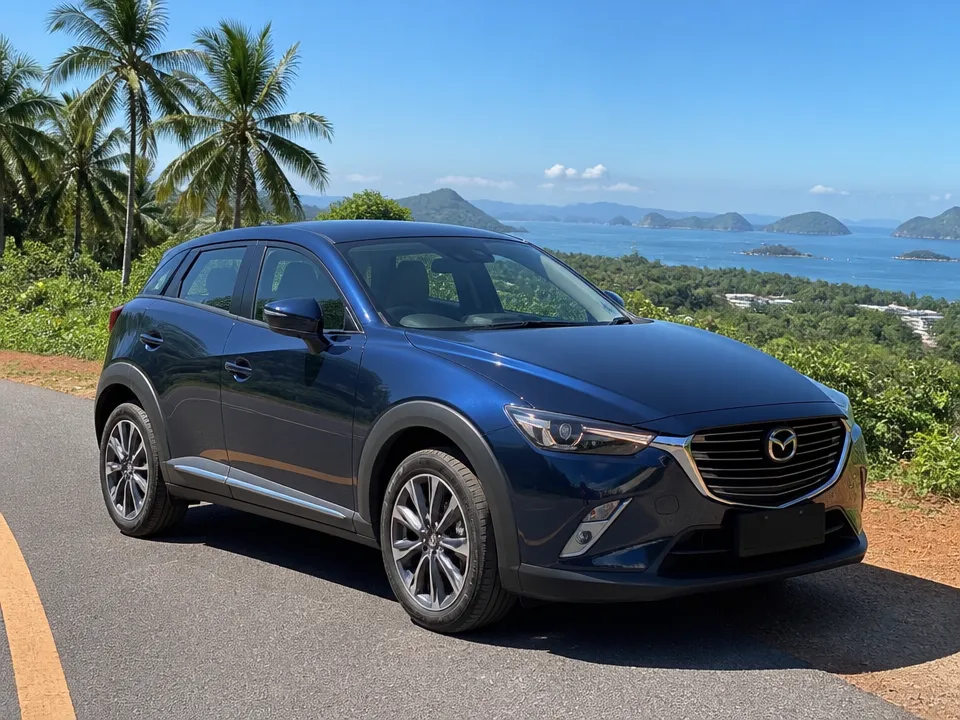
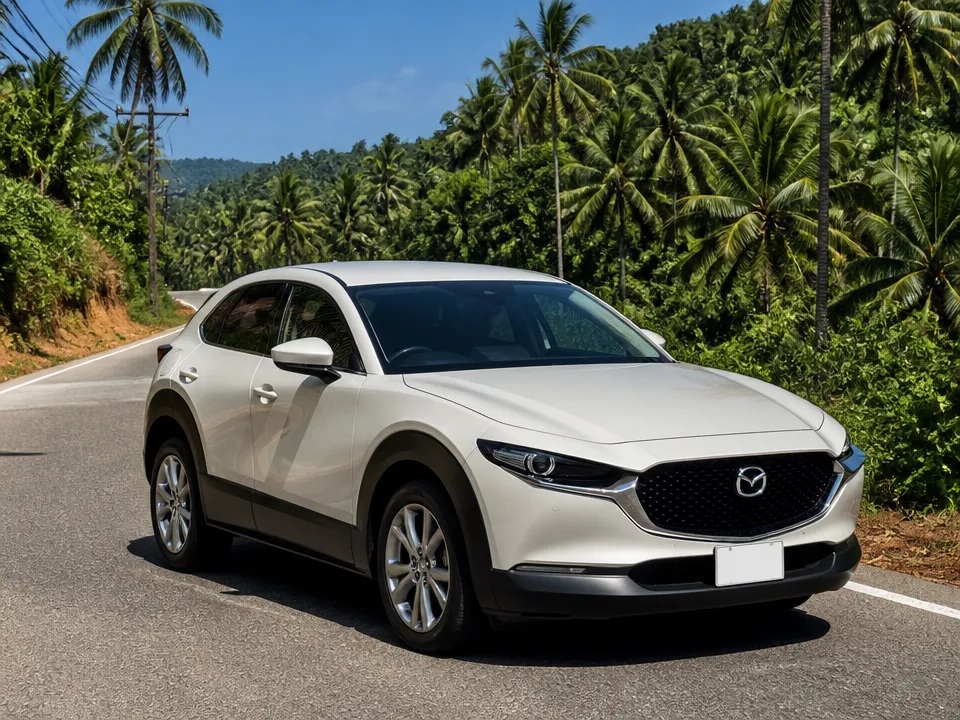
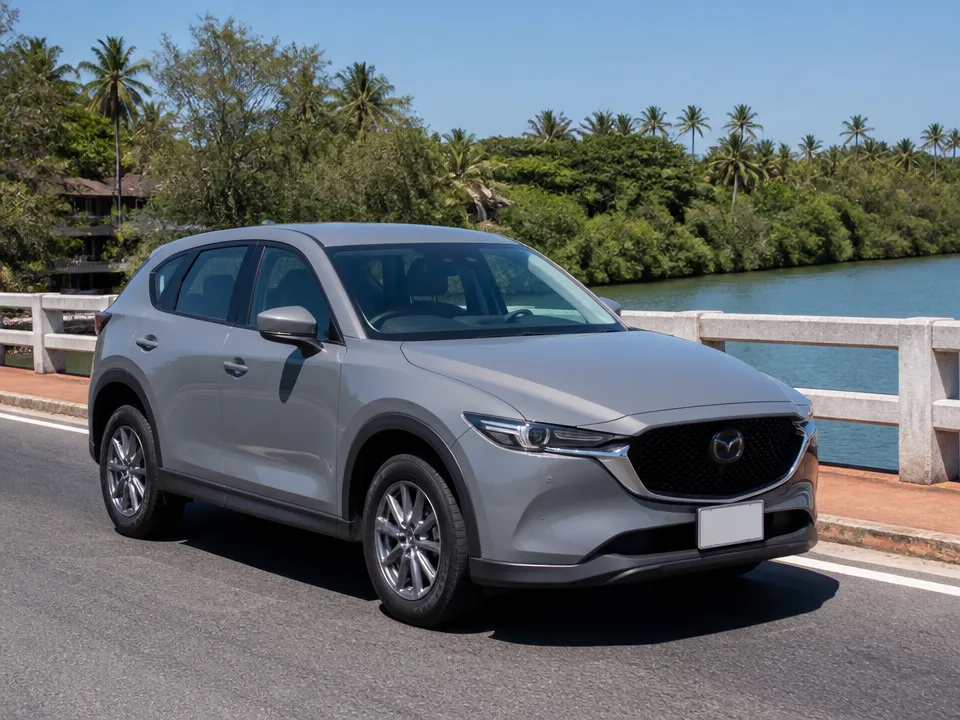
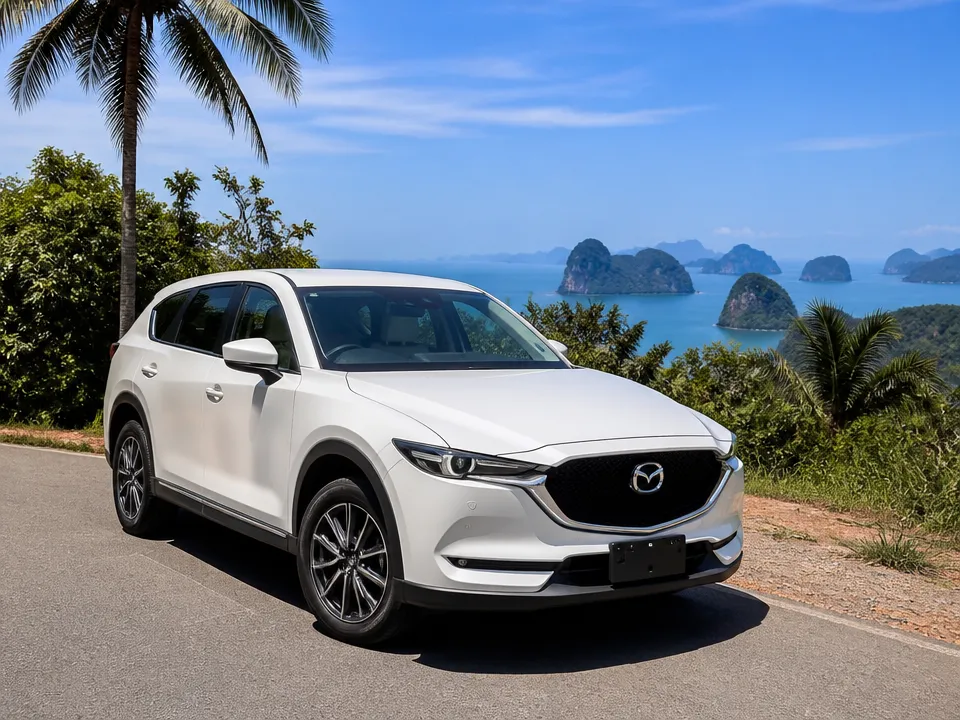
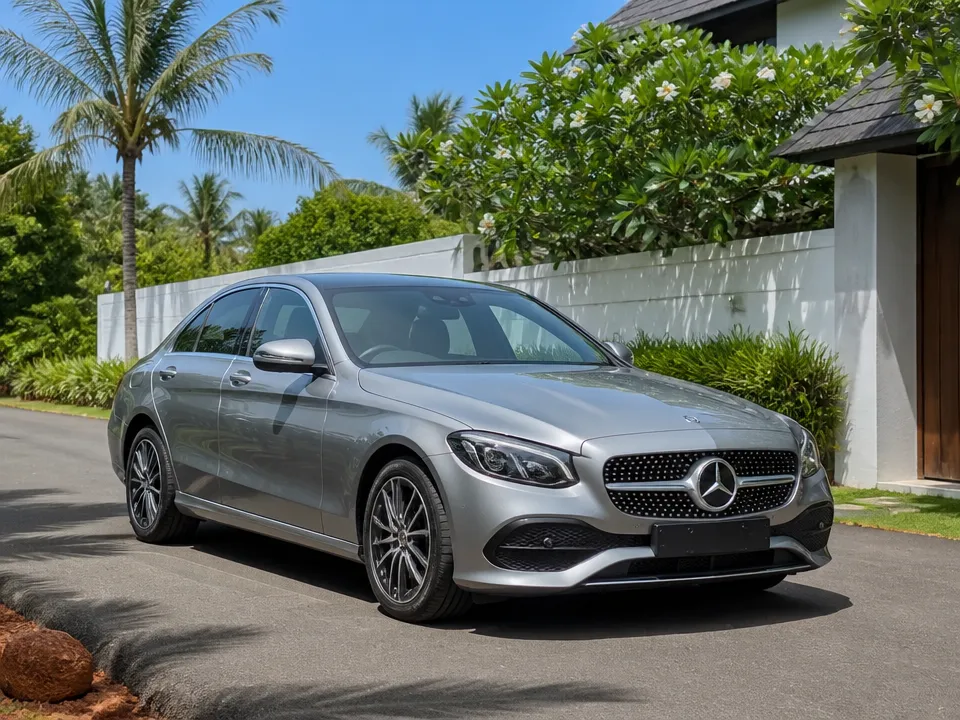
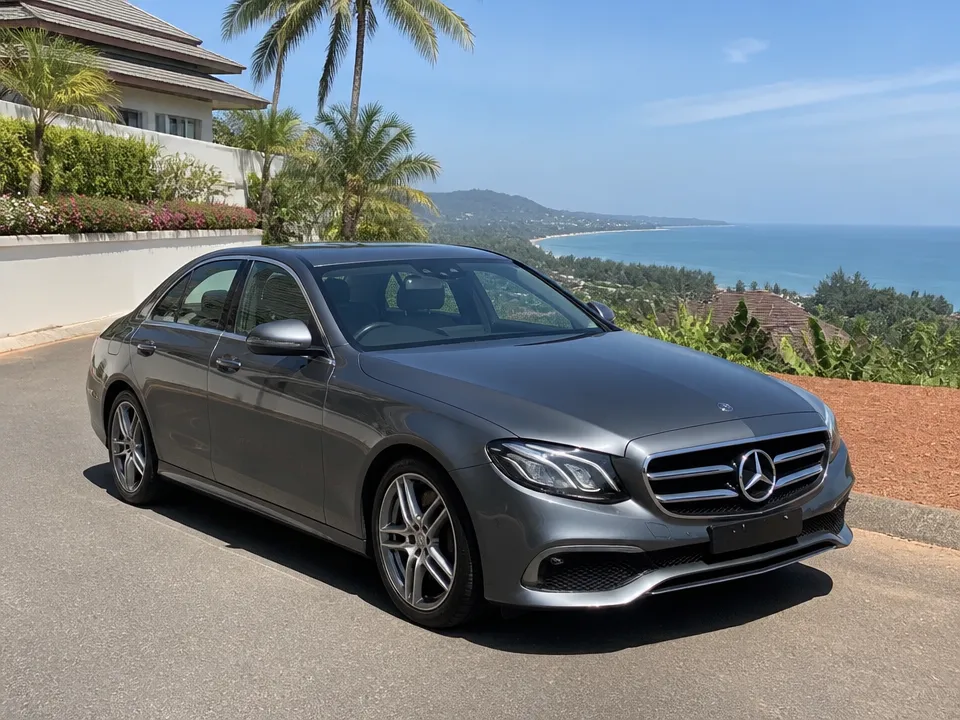
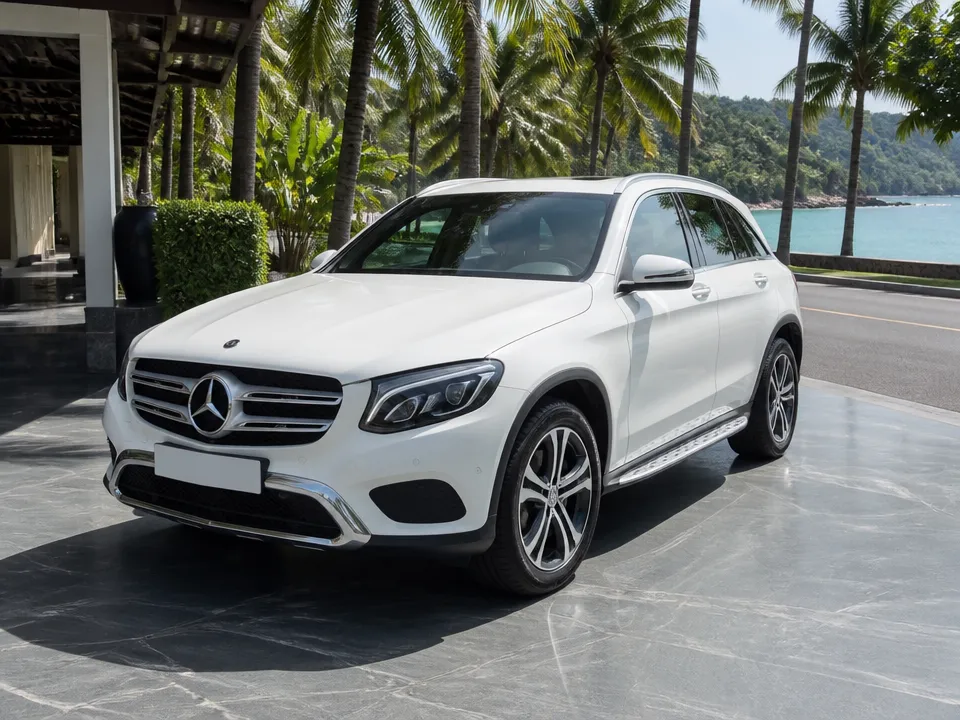
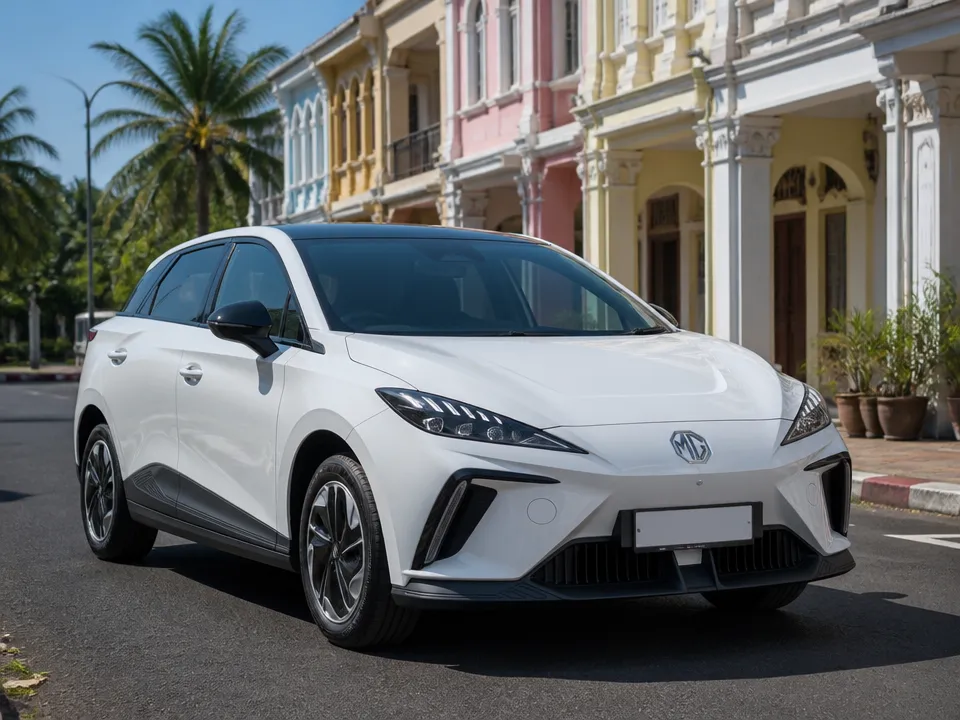
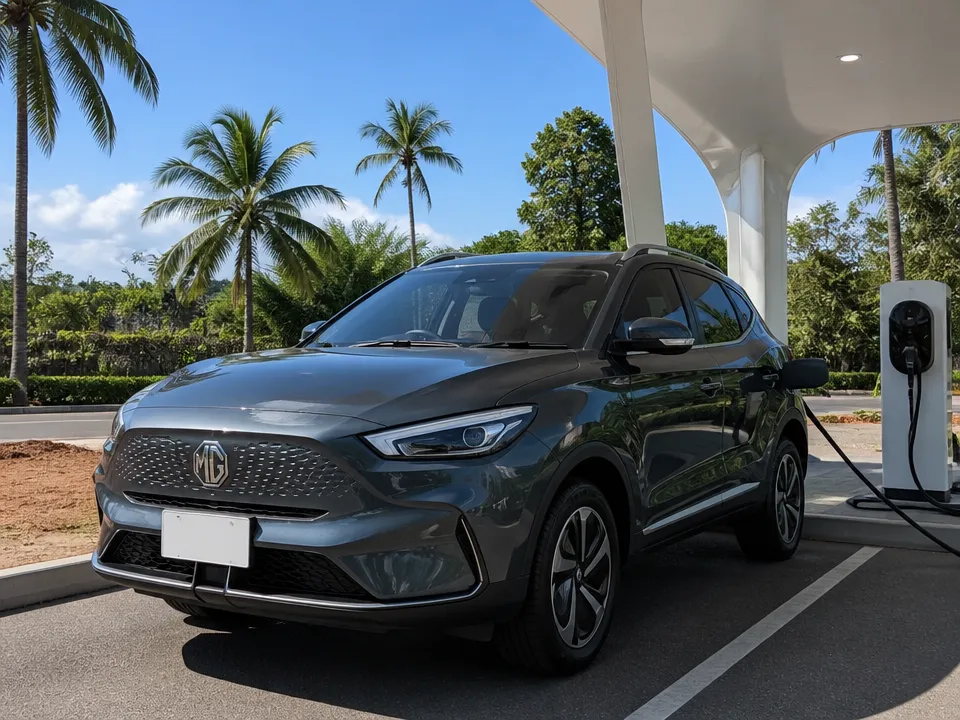
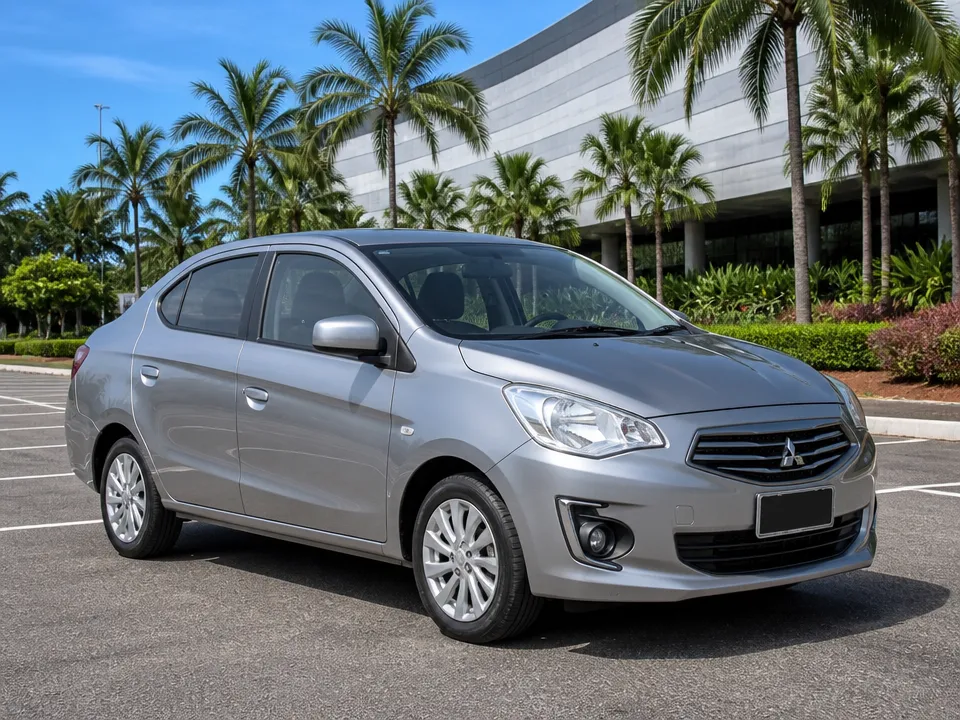
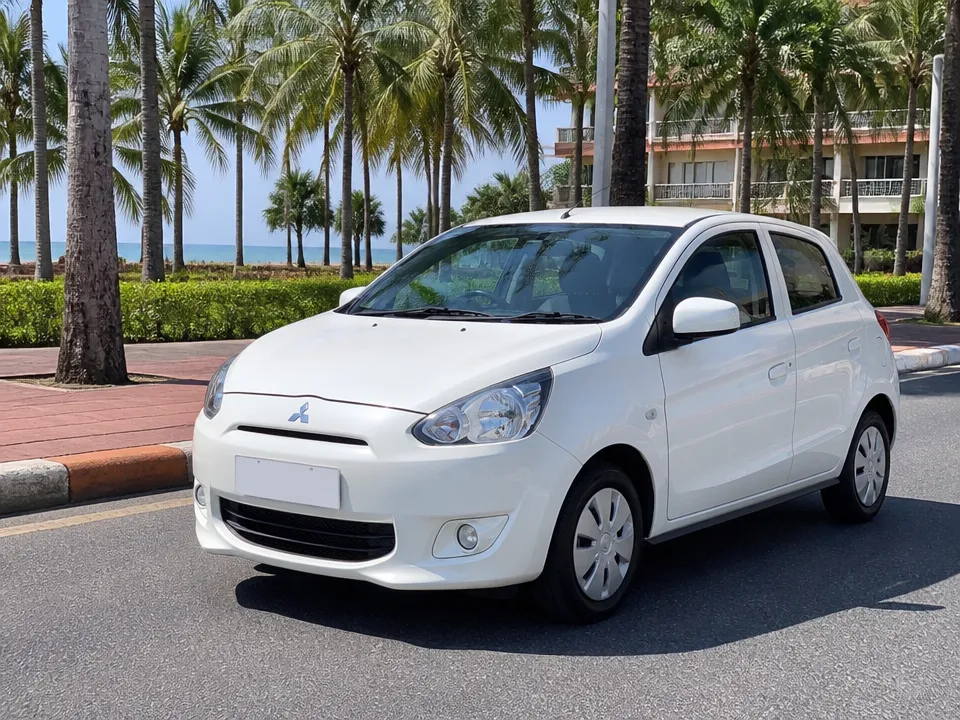
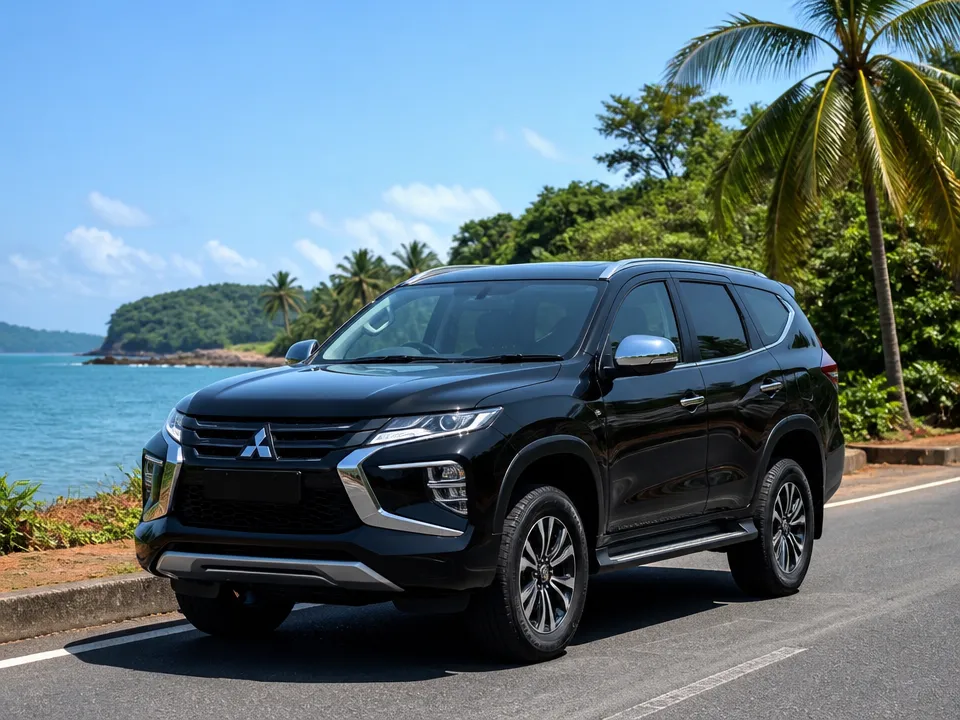
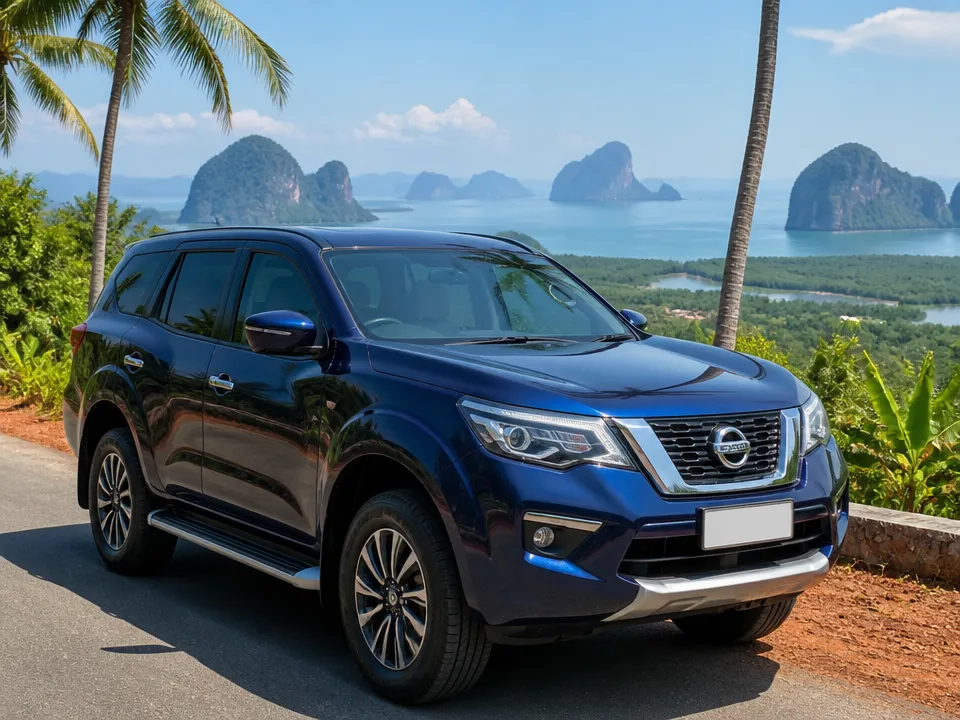
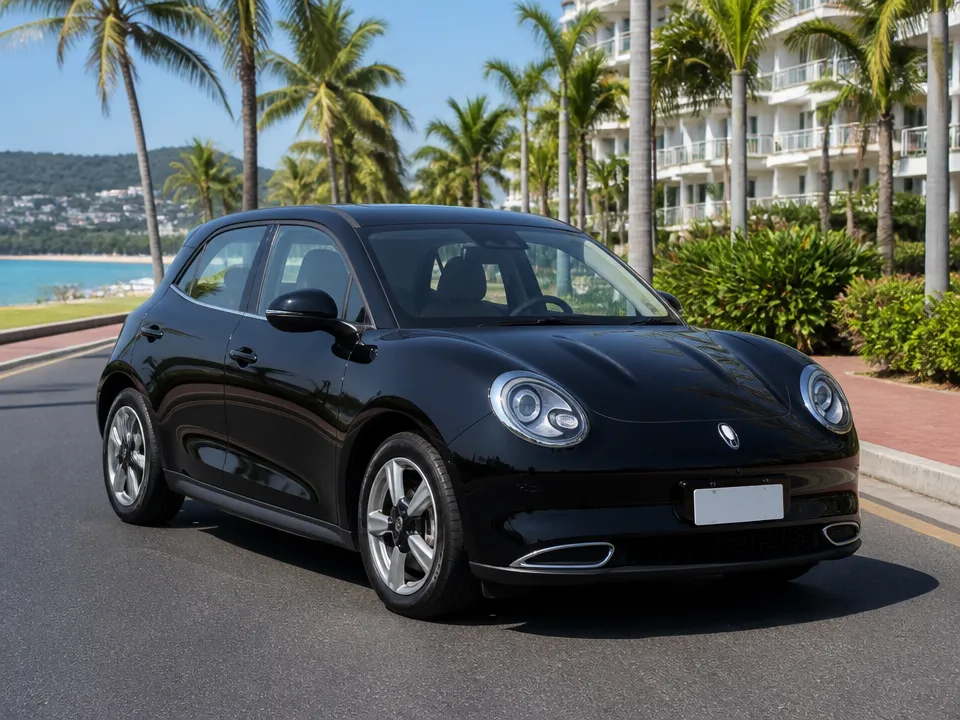
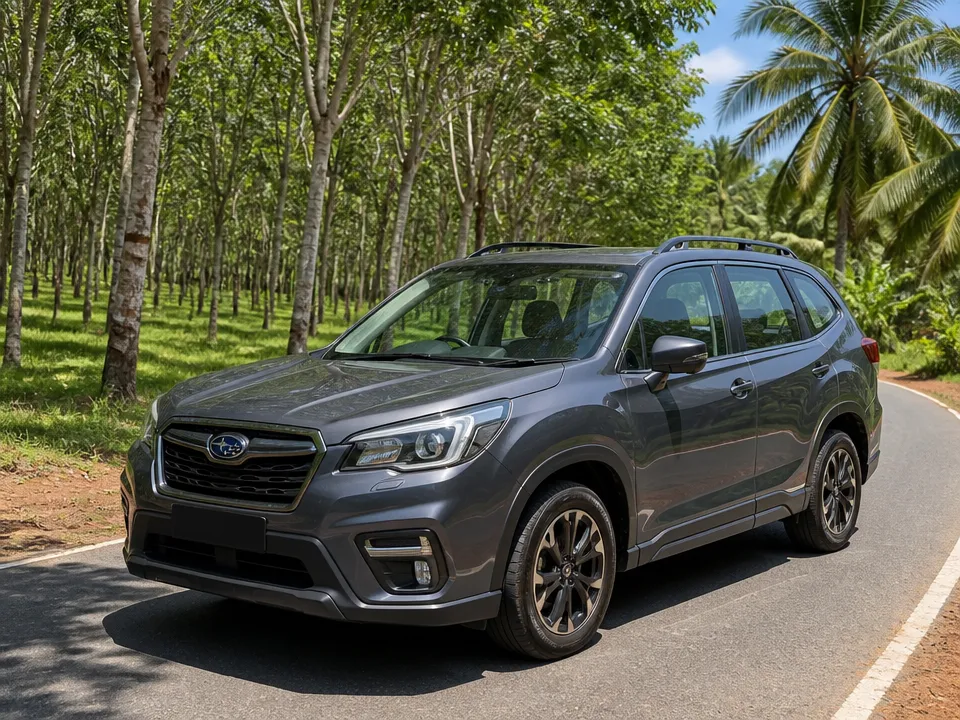
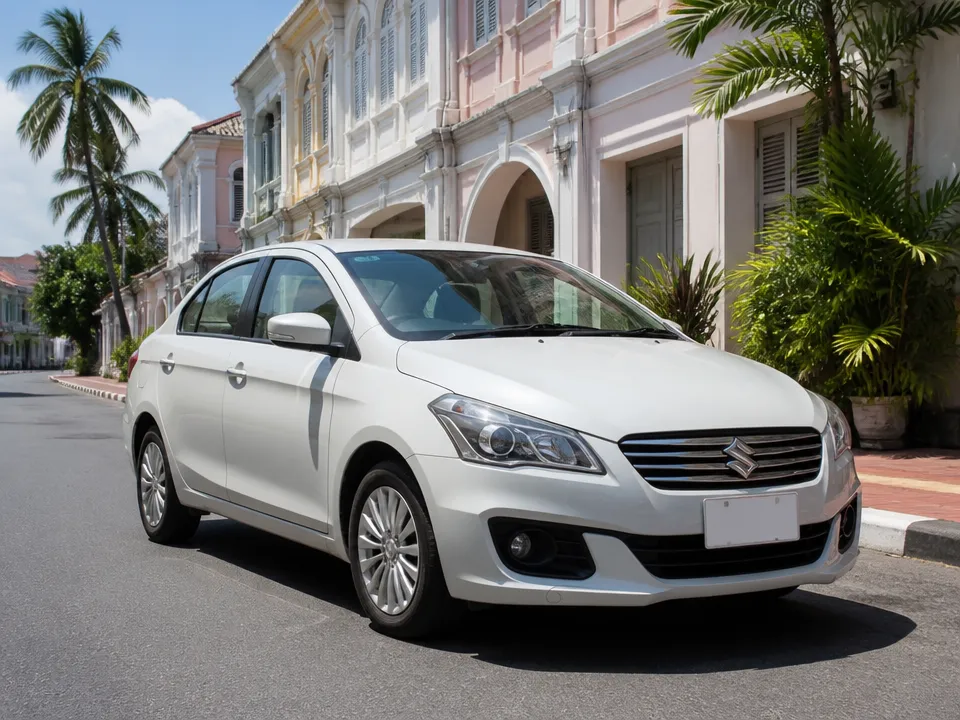
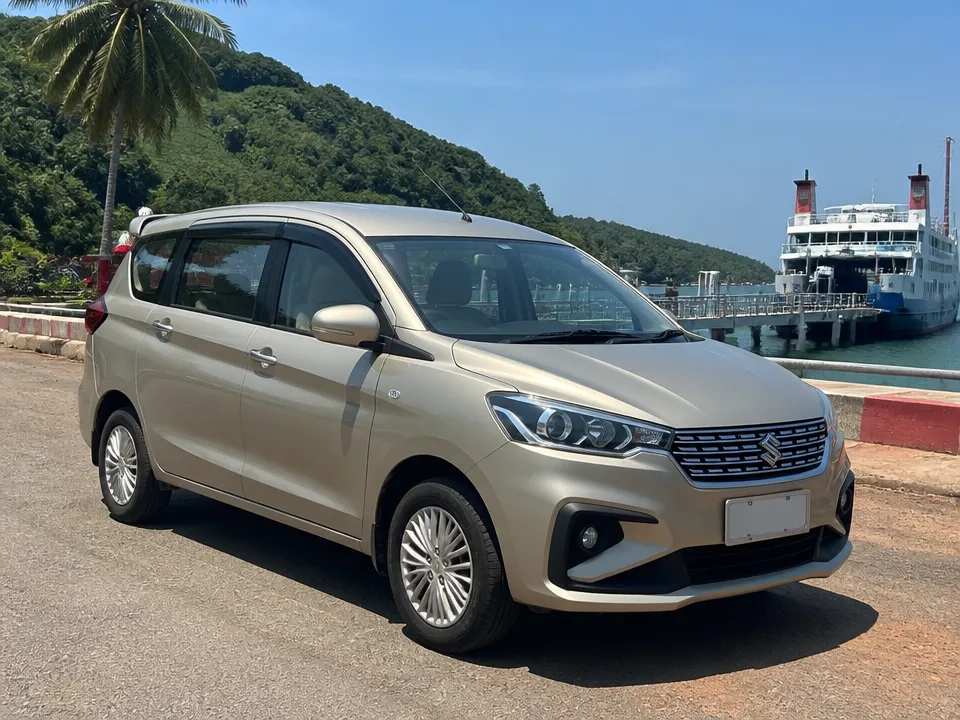
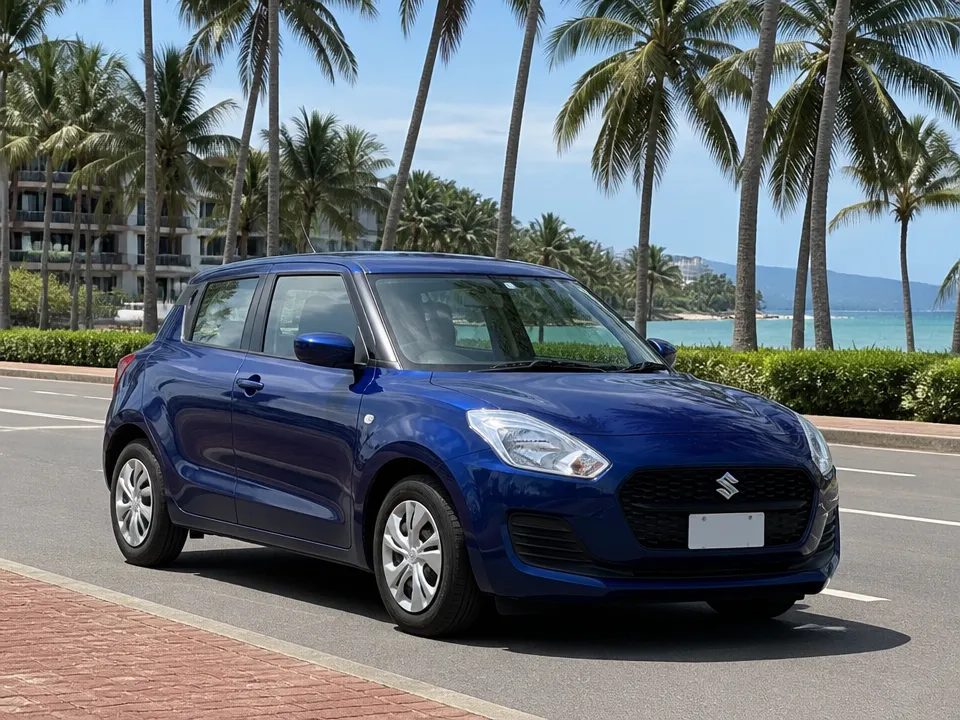
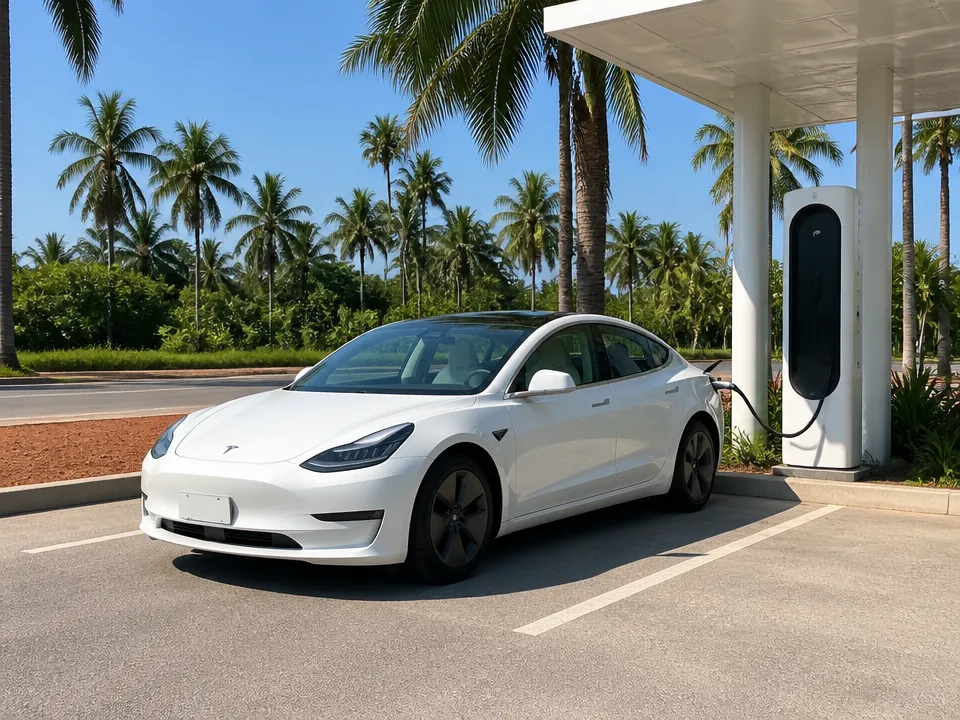
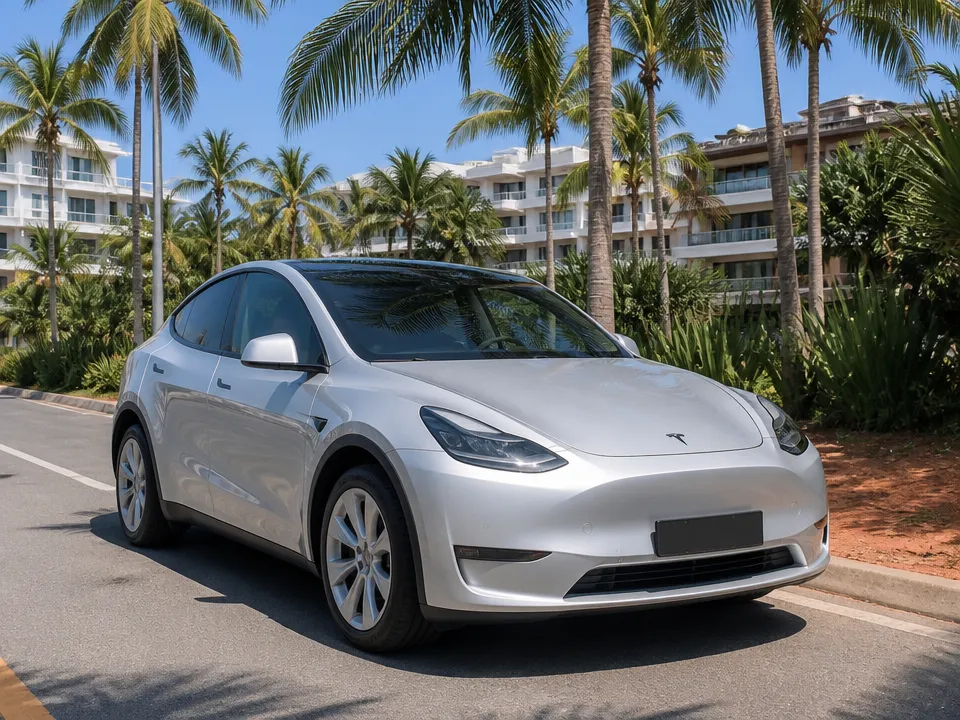
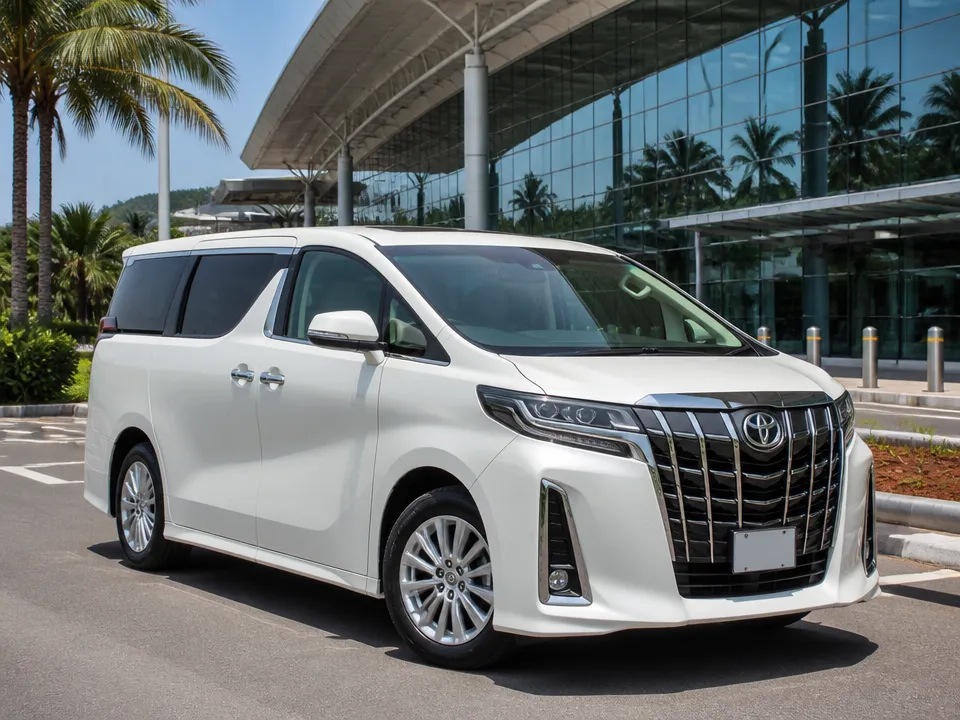
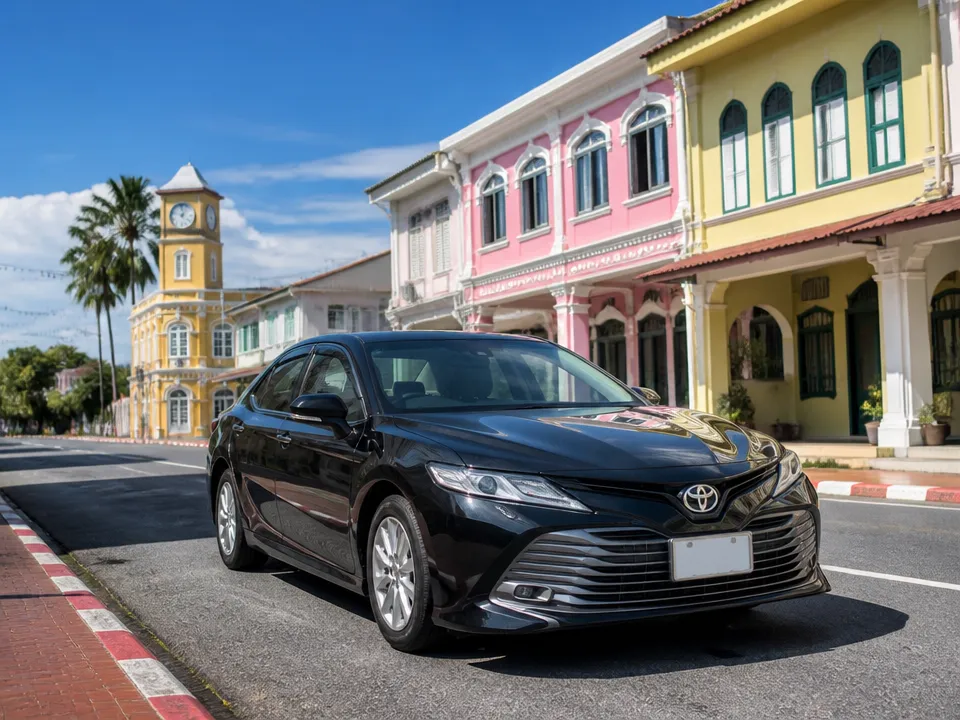
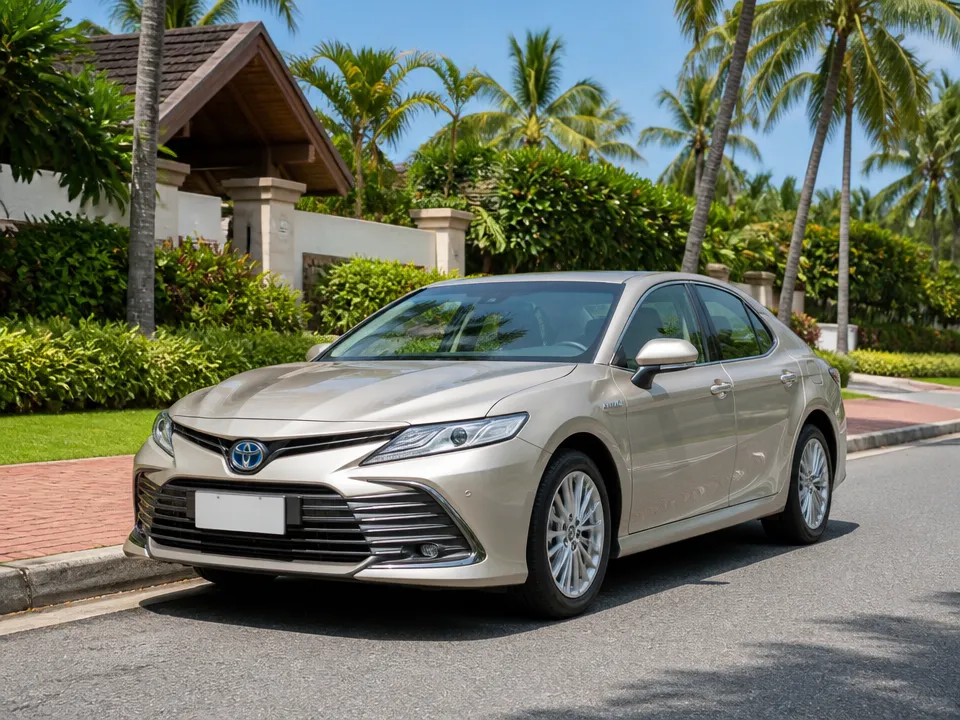
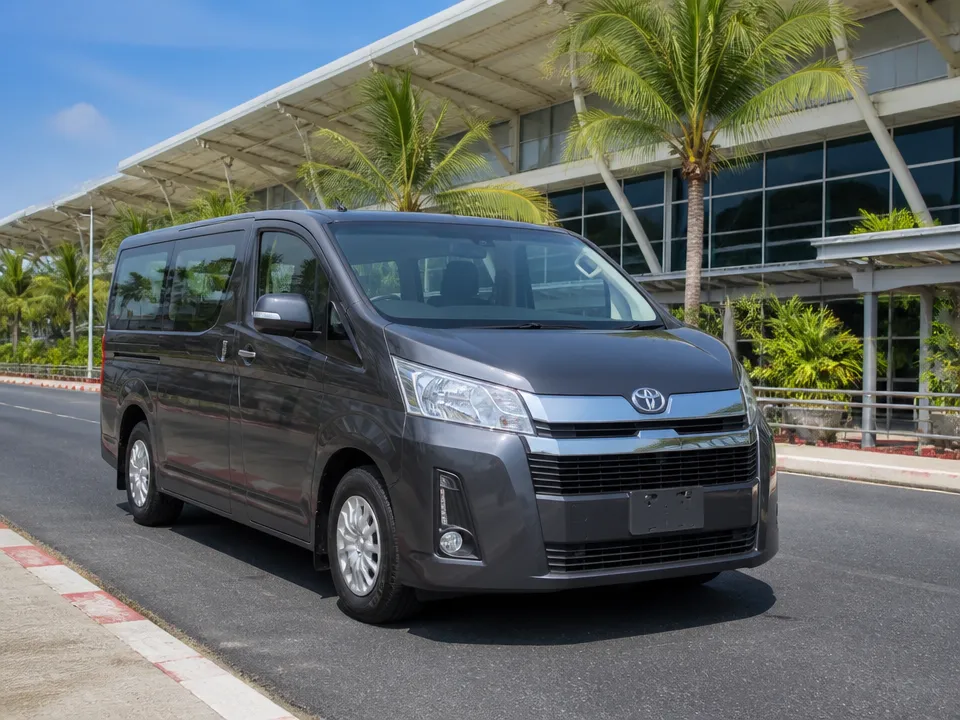
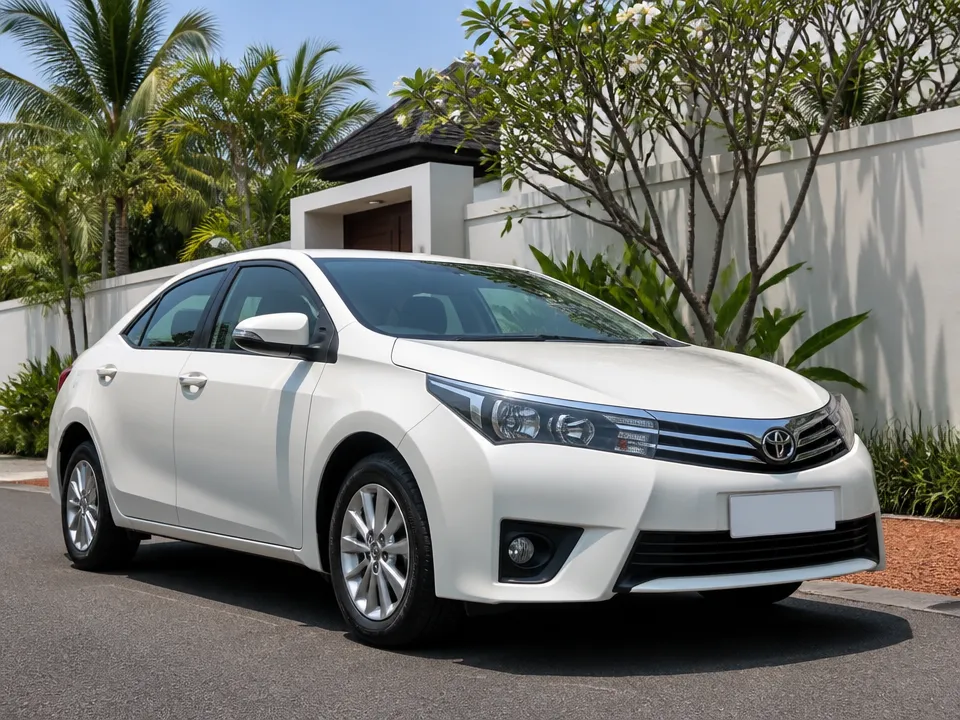
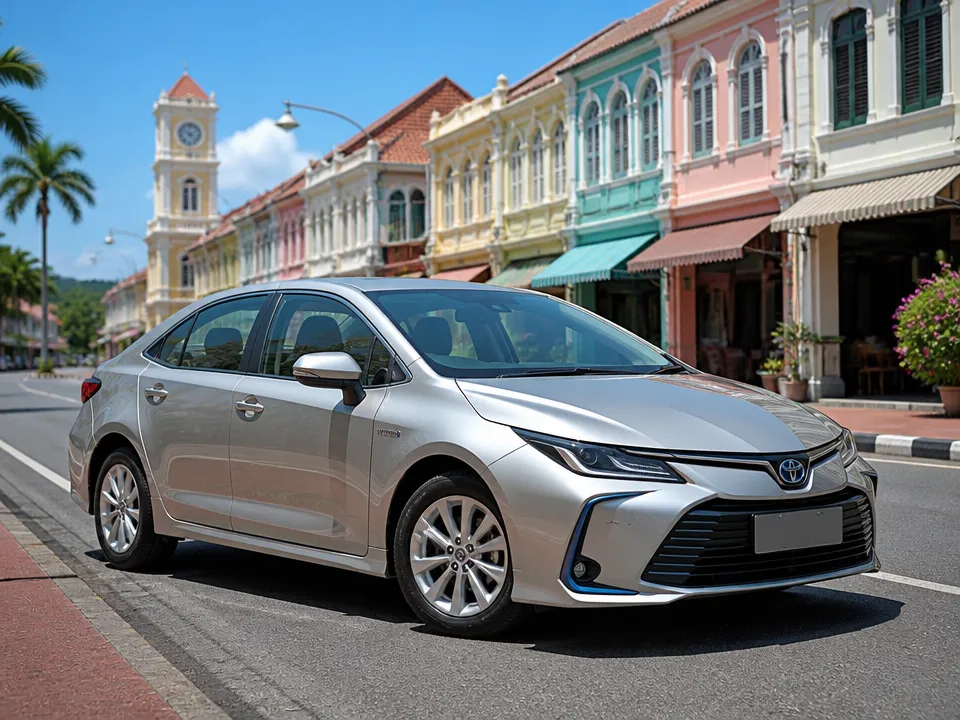
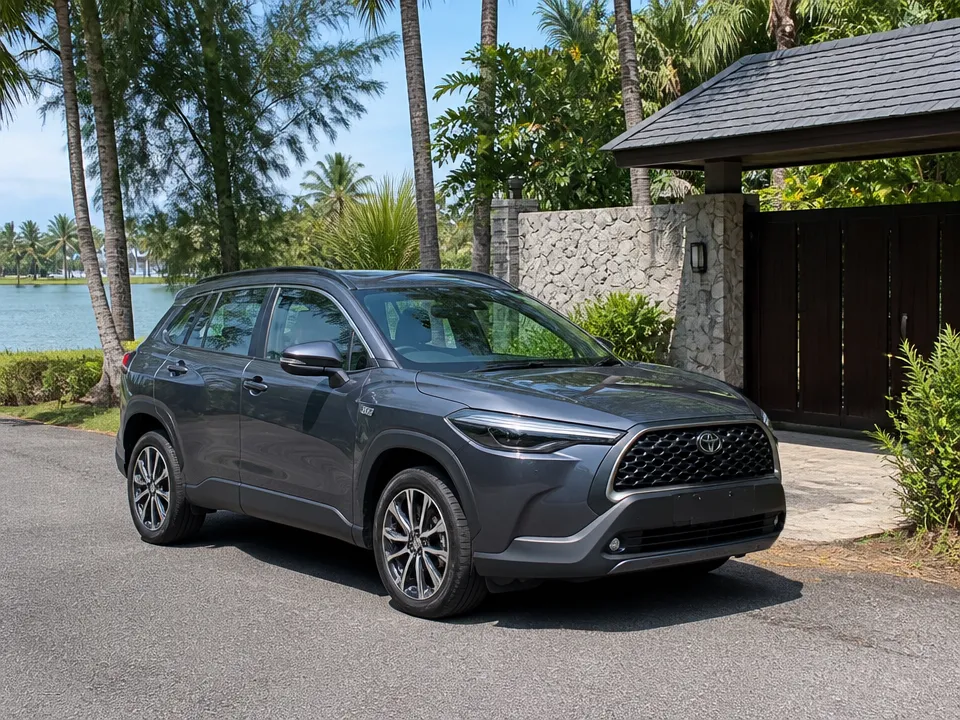
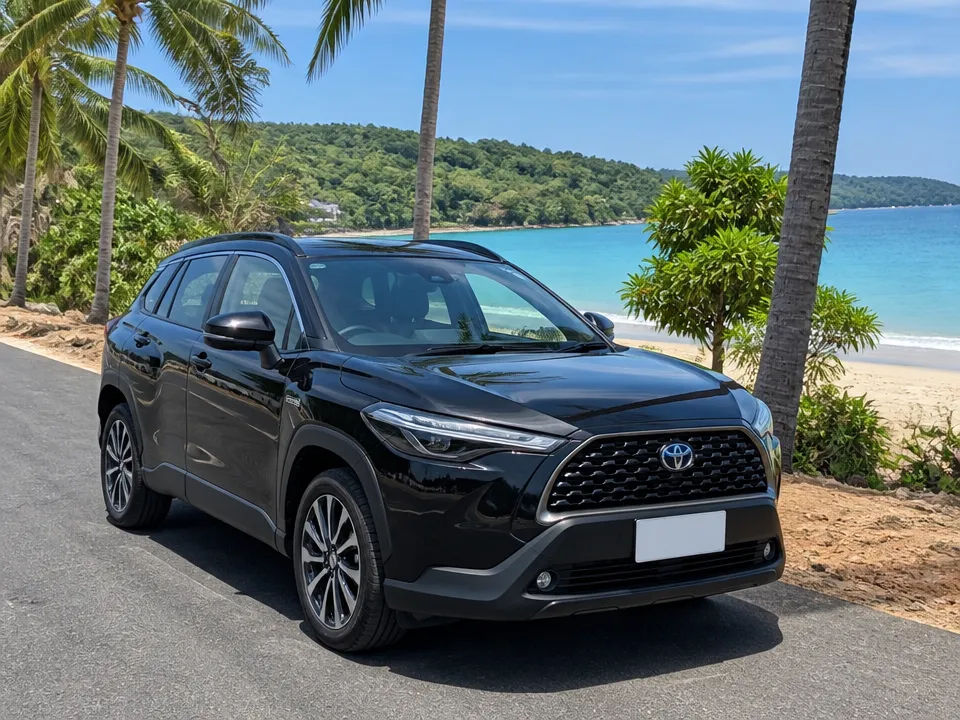
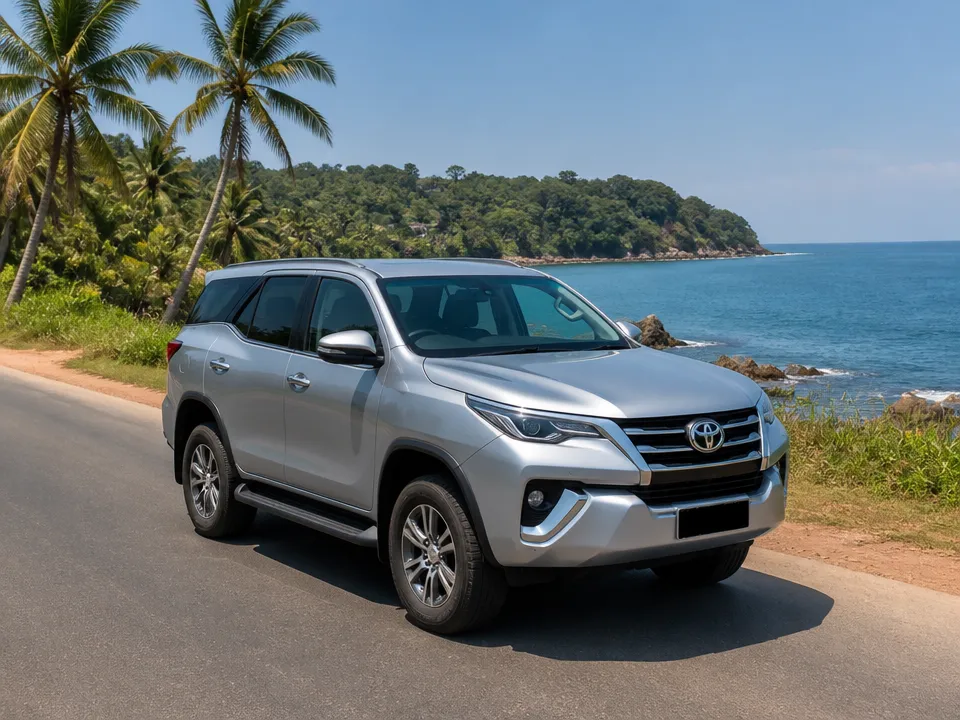
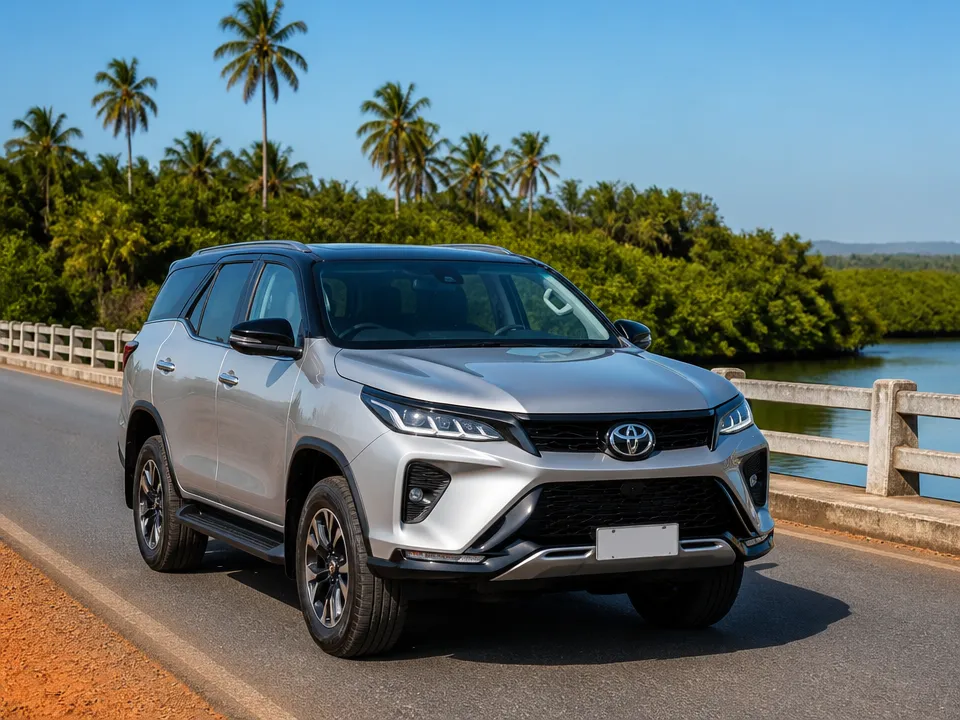
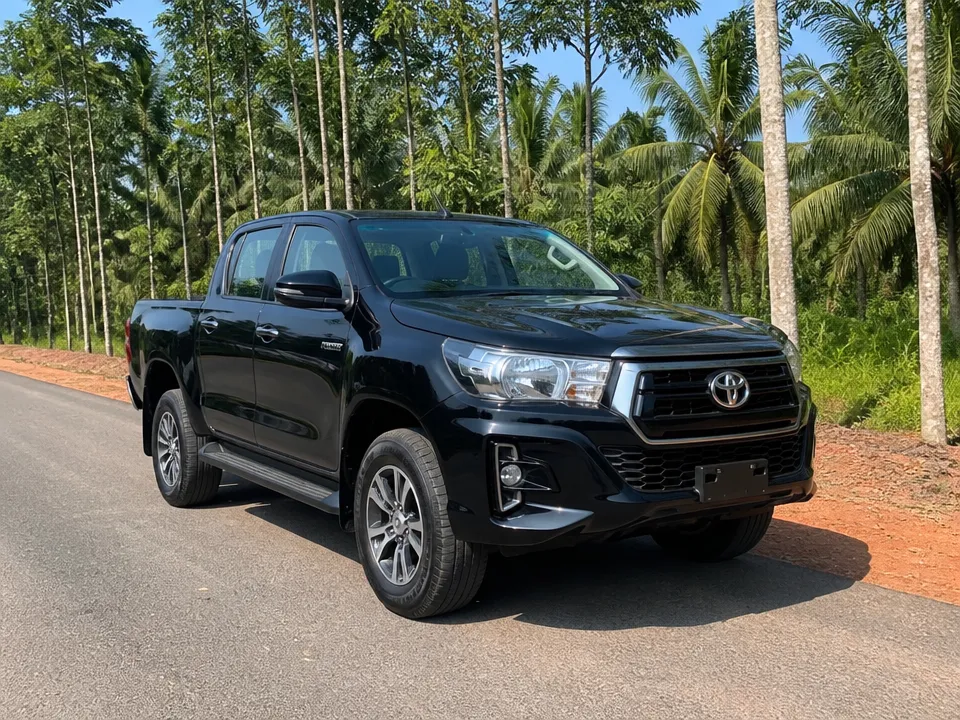
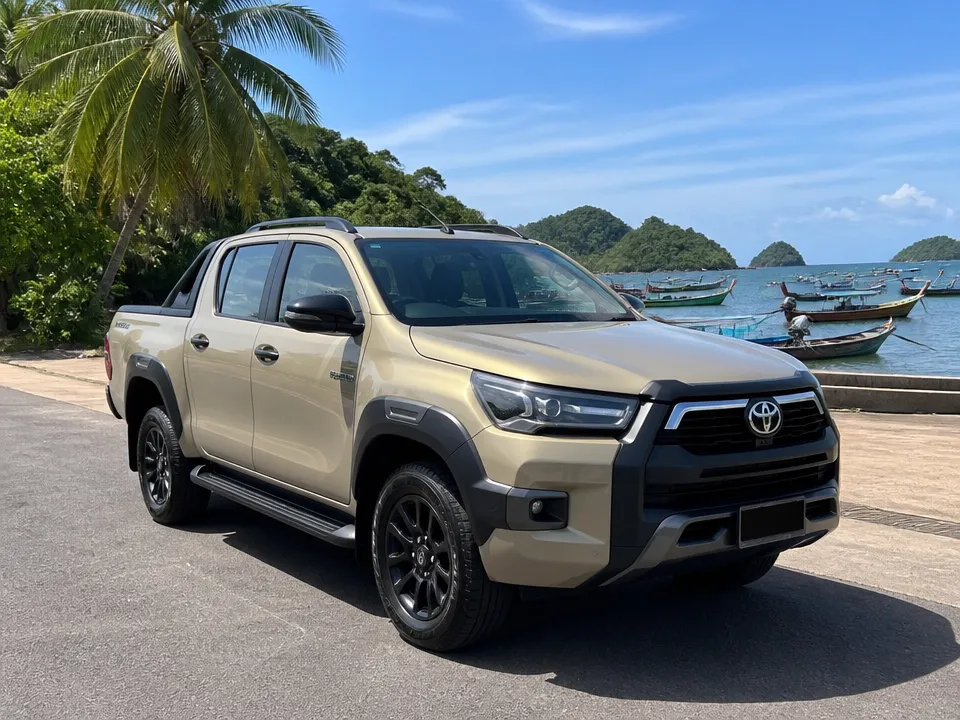
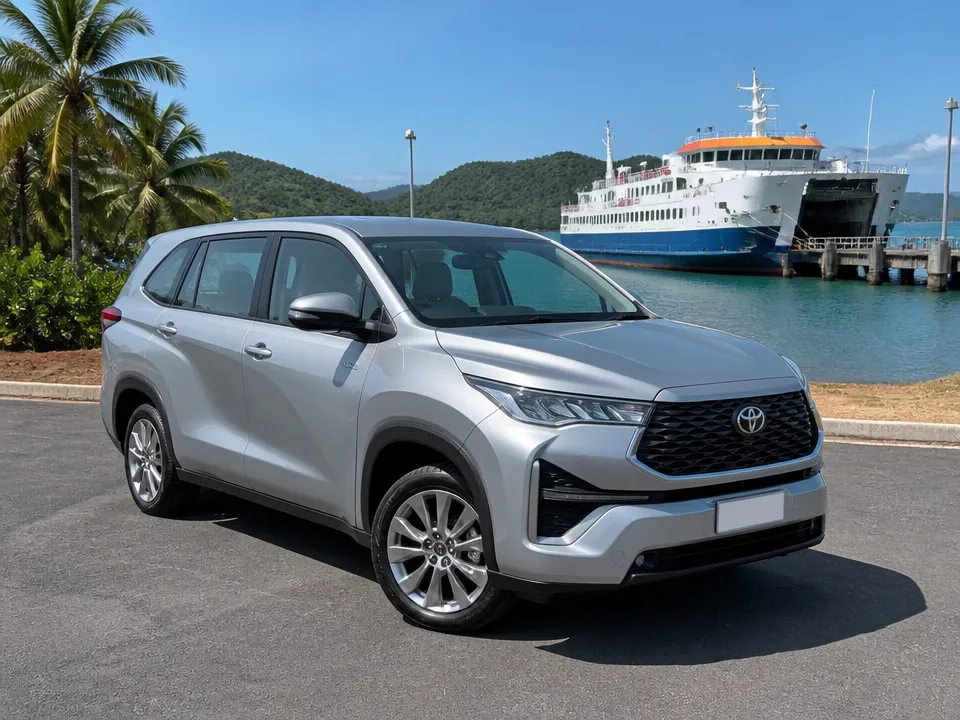
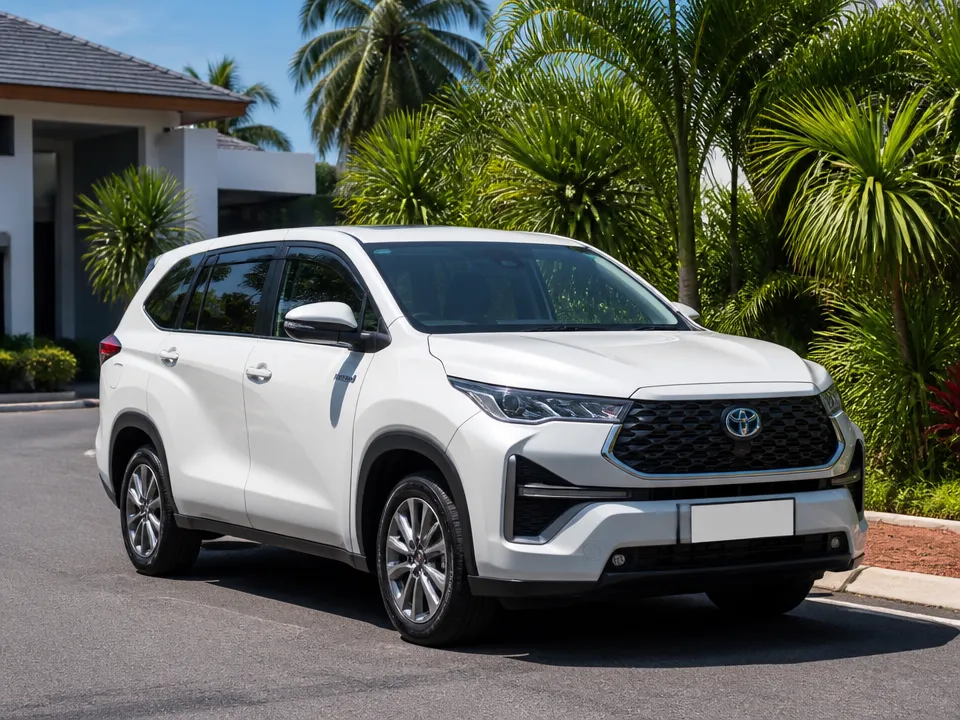
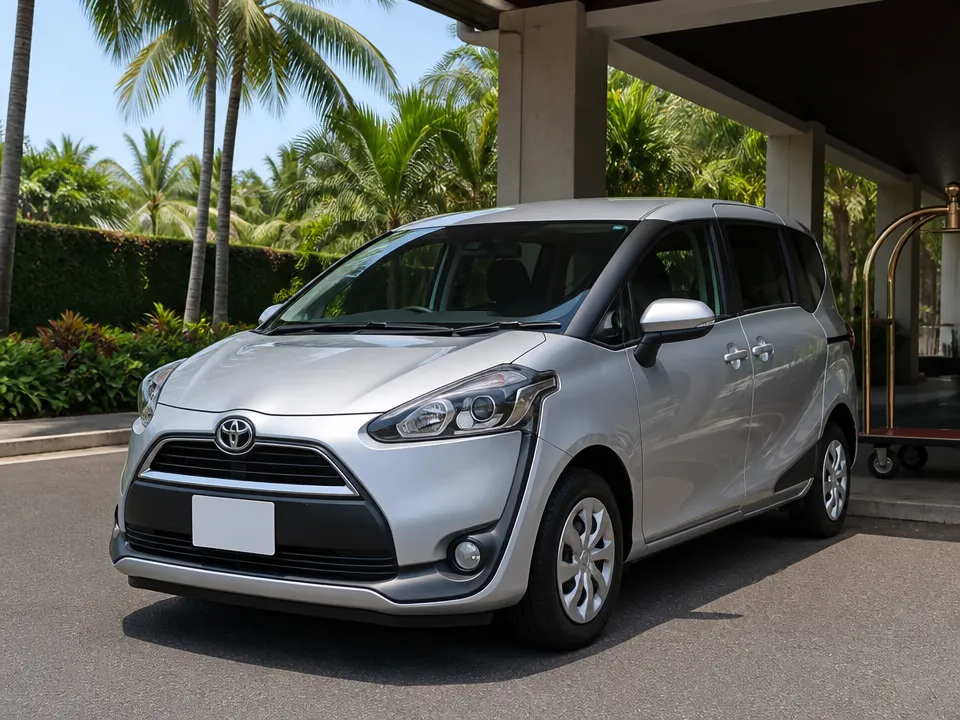
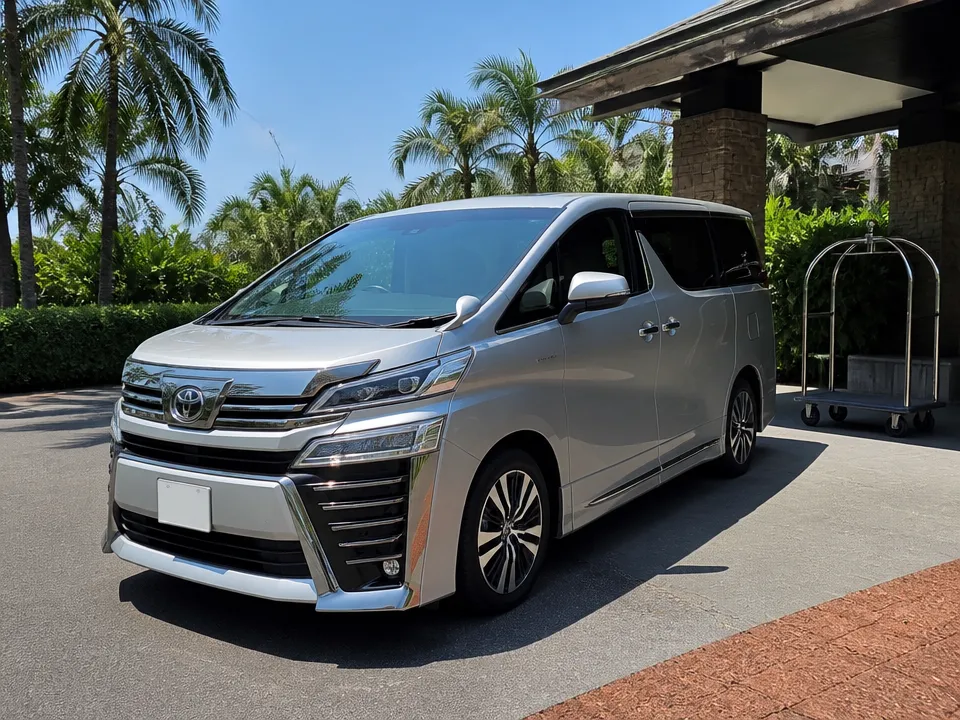
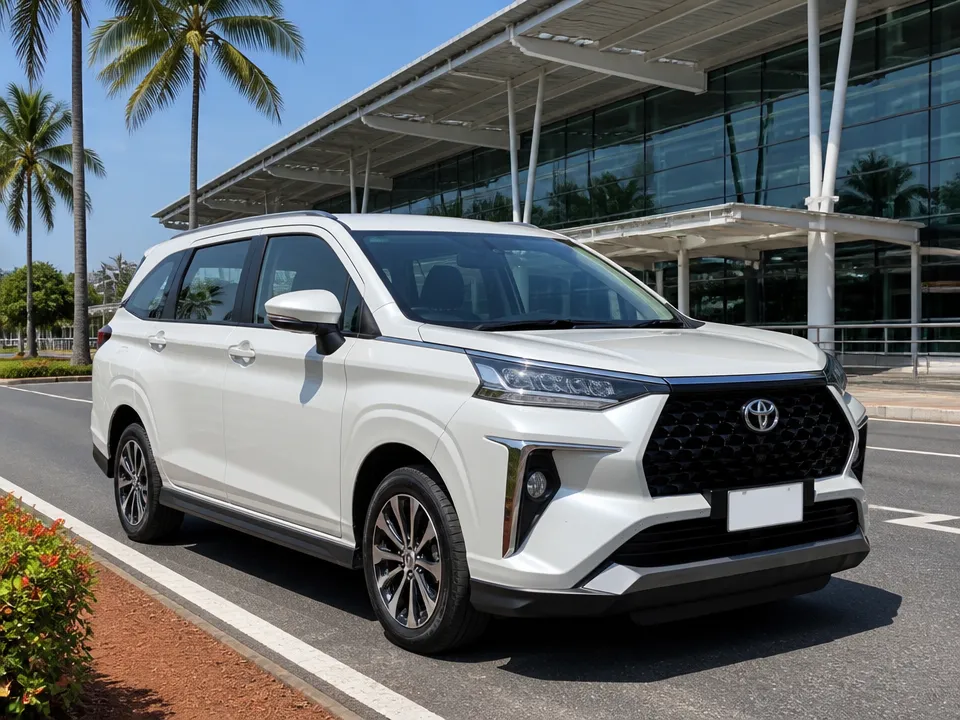
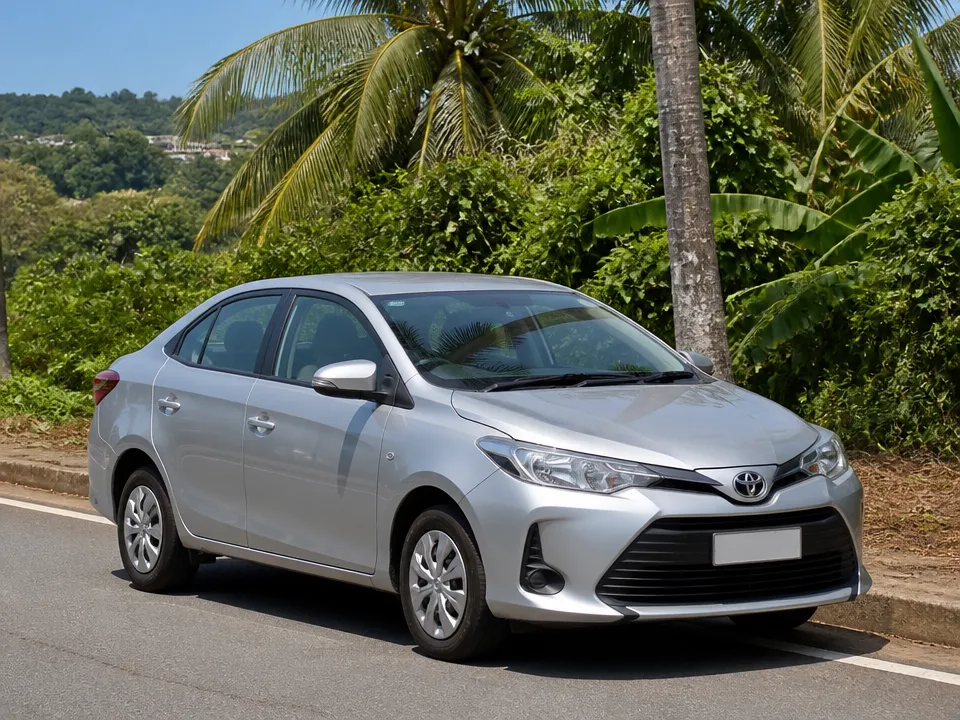
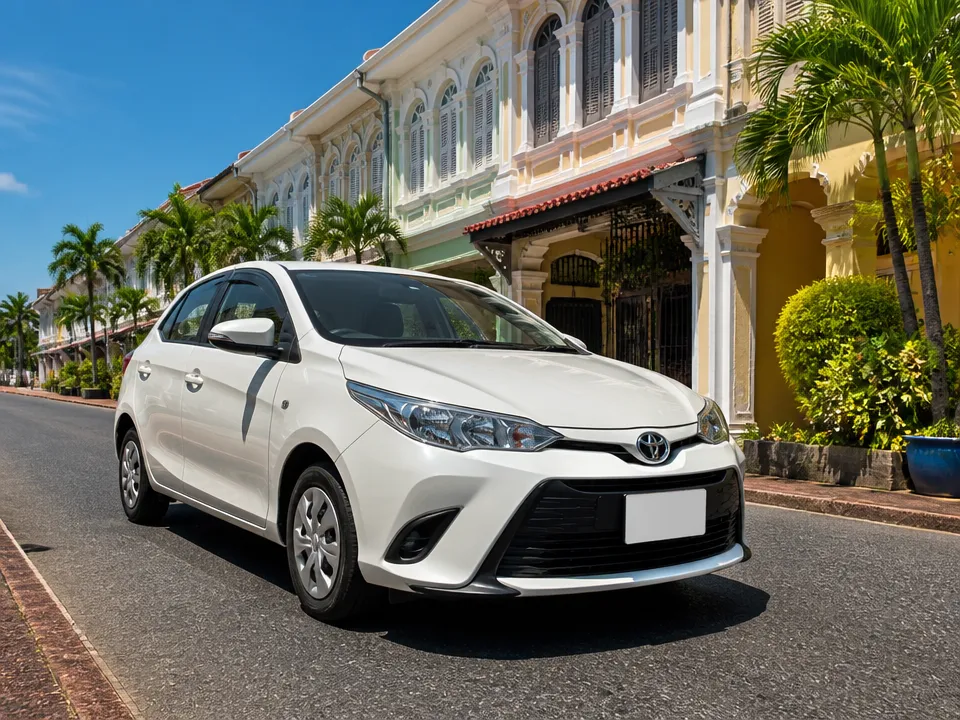
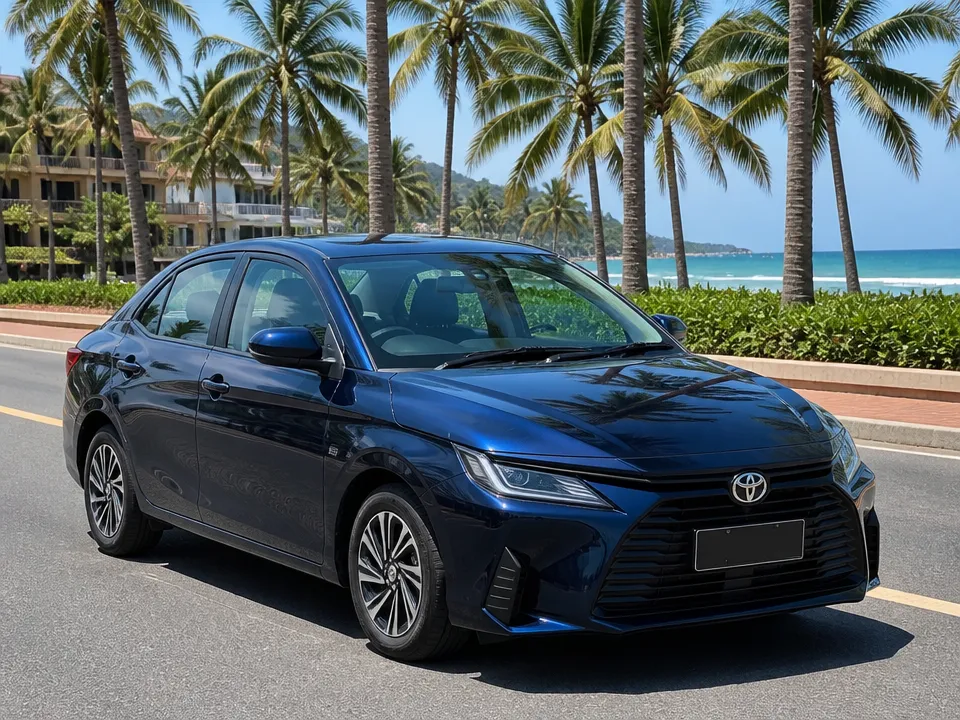
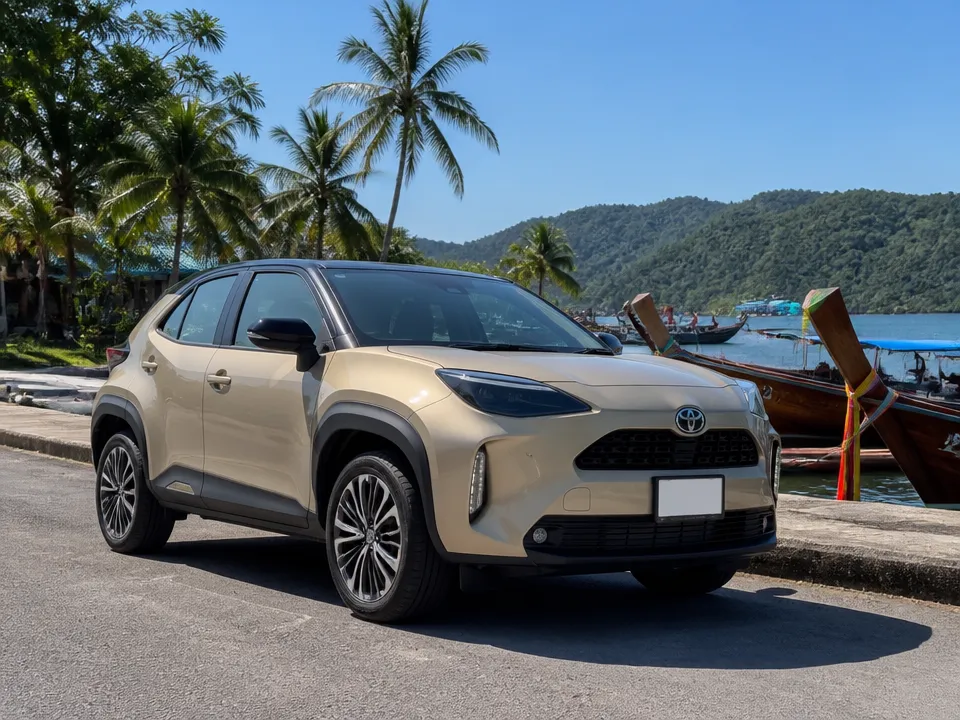
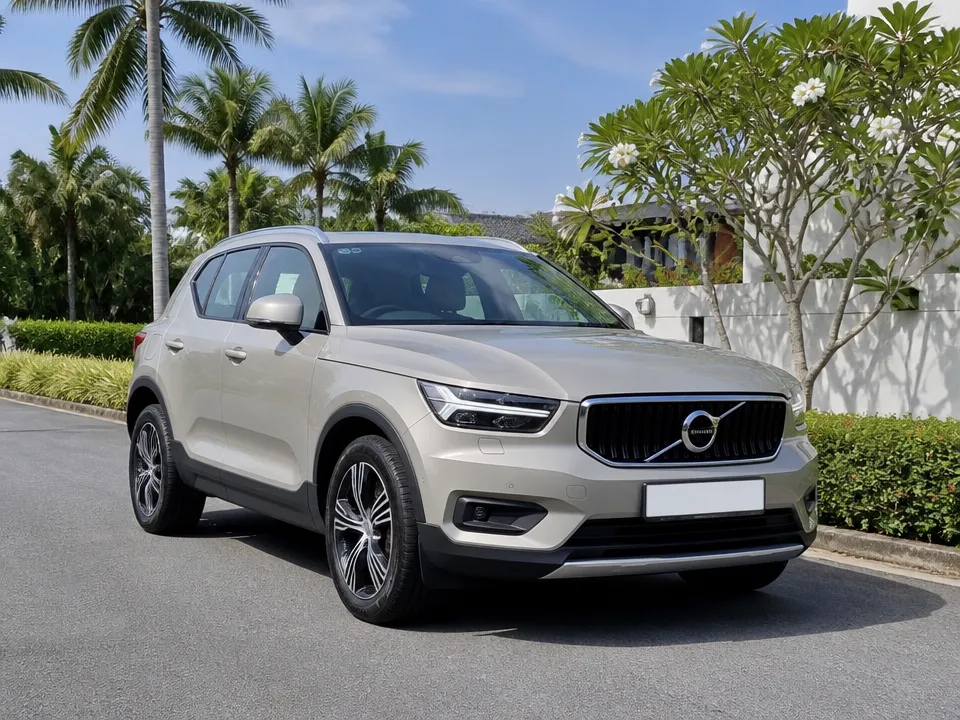




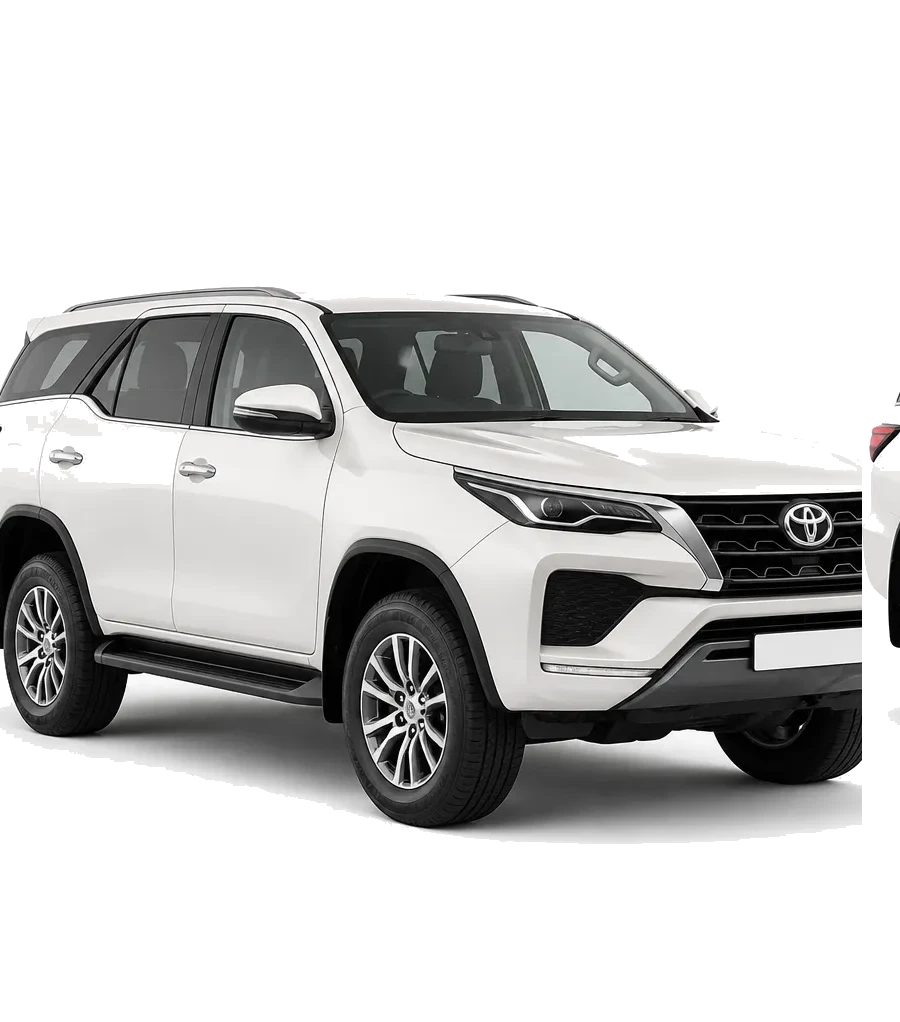
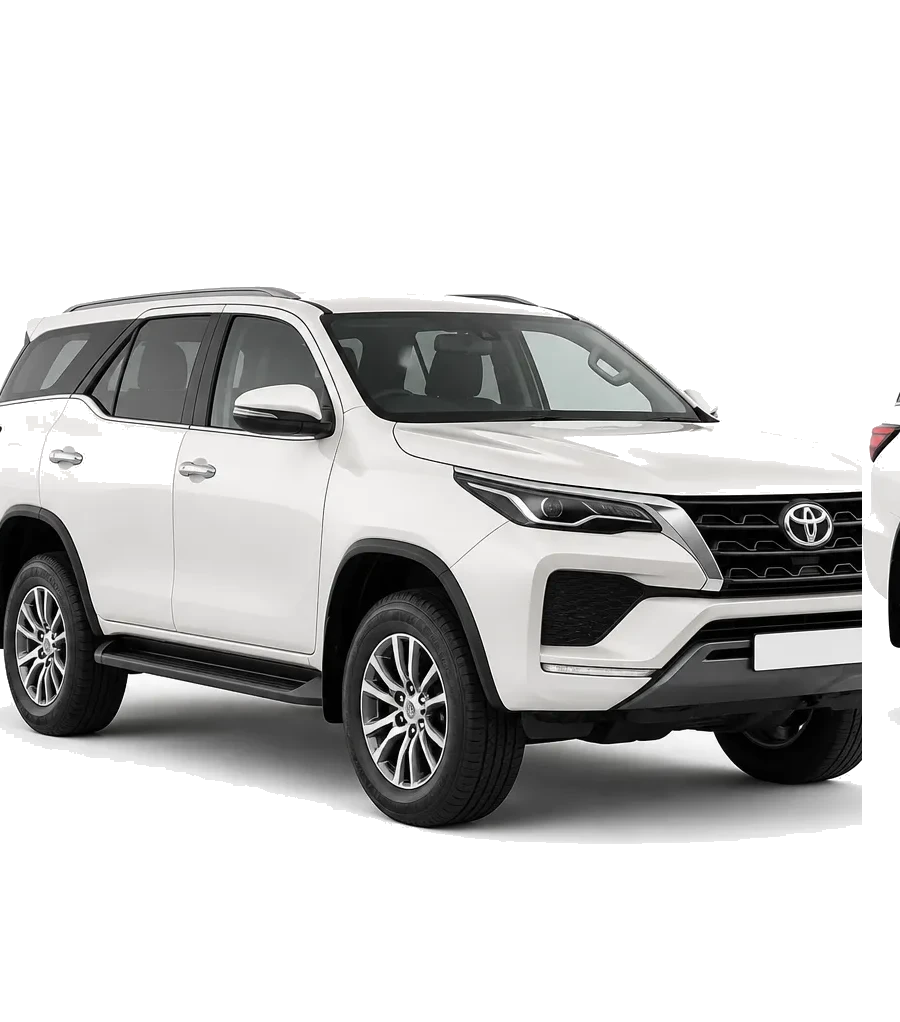






If you need car rental in Thailand, Rent-Trip has 88 cars on this page, from ฿750 per day, with weekly rates from ฿4,500 and monthly from ฿15,750. We deliver the car to you — across Phuket and to Phuket International Airport — clean and with a full tank, and every booking is agreed with a manager.
Rent-Trip works the other way round from a counter: you pick the class, we bring the car to you. The fleet on this page is 88 cars across eight classes, from ฿750 a day, and every booking is agreed with a manager before the keys change hands.
We deliver the car to you and agree every booking with a manager. You send the dates, the class and the area, and a manager confirms the model, the price and the handover point — nothing is charged or locked in until that conversation is finished. Delivery across the island and to the airport is free, and the exact handover point is agreed when booking rather than fixed in advance. The fleet runs from a Honda Brio at ฿750 a day to a Premium model at ฿3,500, with crossovers, minivans, SUVs, pickups and electric cars in between. Our rule is simple: the car arrives clean, with a full tank, at the place we agreed.
A Honda Brio at ฿750 a day and a Premium model at ฿3,500 arrive on the same terms — the difference is the car, not the service around it.
Car rental in Thailand with us starts with a simple arrangement: we bring the car to you, and a manager agrees the details before the keys change hands. Our fleet on this page holds 88 cars across eight classes, from Economy at ฿750 a day to Premium at ฿3,500, and every one of them is automatic.
Rent-Trip delivers the car to you and agrees every booking with a manager rather than a checkout form. You tell us where you are staying and when you land, and the handover point is fixed in the conversation, not guessed at afterwards. Delivery across the island and to the airport is free, so the price you see for the car is the price you pay for getting it. Hire runs from a single day, which suits travellers who need a car for one long transfer and nothing more. Because a manager confirms each booking, the exact time and place are settled in advance — worth doing before a late arrival, when a fixed meeting point saves an hour of messages. The manager who confirms your dates stays with the booking until the car is in your hands, and the channels for reaching that manager are agreed when booking.
First-class insurance, which covers damage to the car itself, and the security hold on a bank card in the main driver's name are both set out in the rental agreement — read those lines before you sign, since the excess figure is the one number that changes what a small scrape costs you.
| Class | Cars | From, per day | Seats |
|---|---|---|---|
| Economy | 14 | ฿750 | 5 |
| Crossovers | 13 | ฿1,100 | 5 |
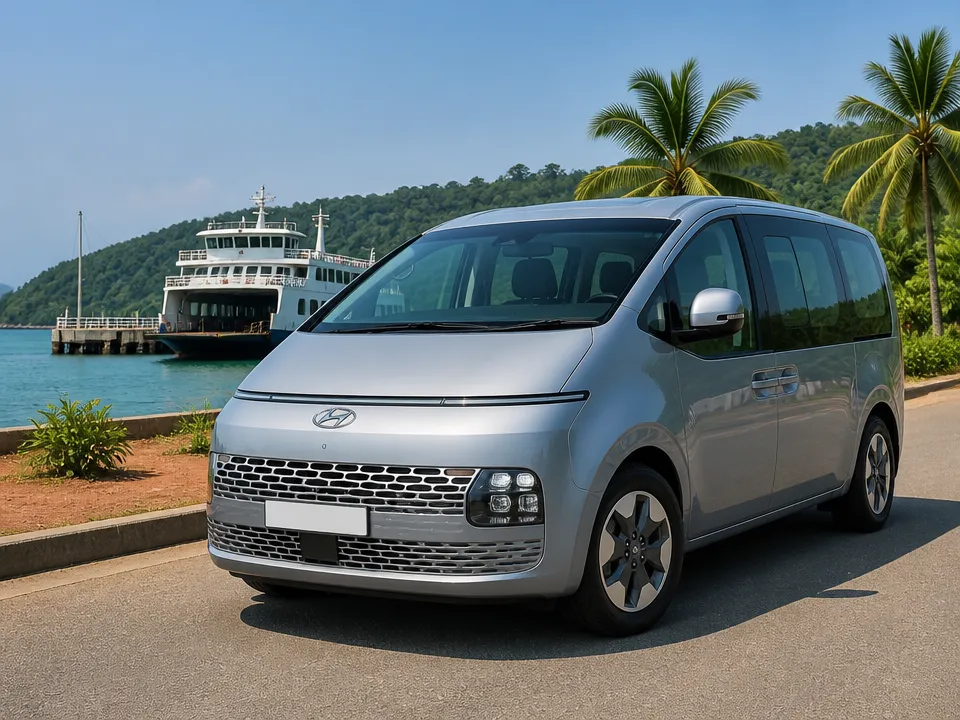
| Minivans | 13 | ฿1,300 | 7 |
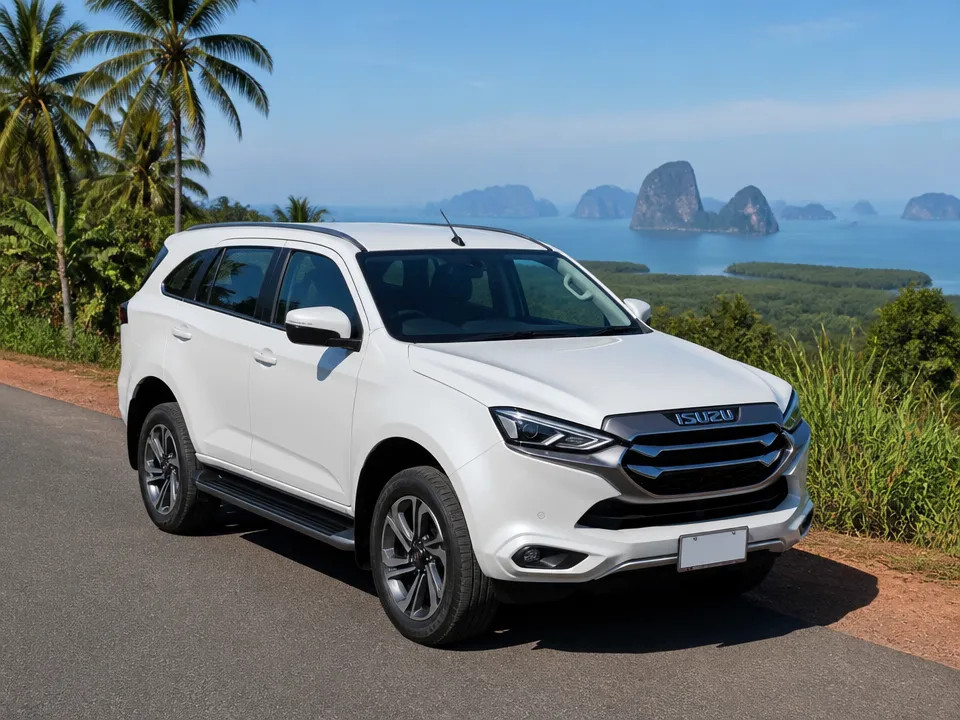
| SUV & 4x4 | 12 | ฿1,800 | 5 |
| Electric | 10 | ฿1,100 | 5 |
| Comfort | 9 | ฿1,100 | 5 |
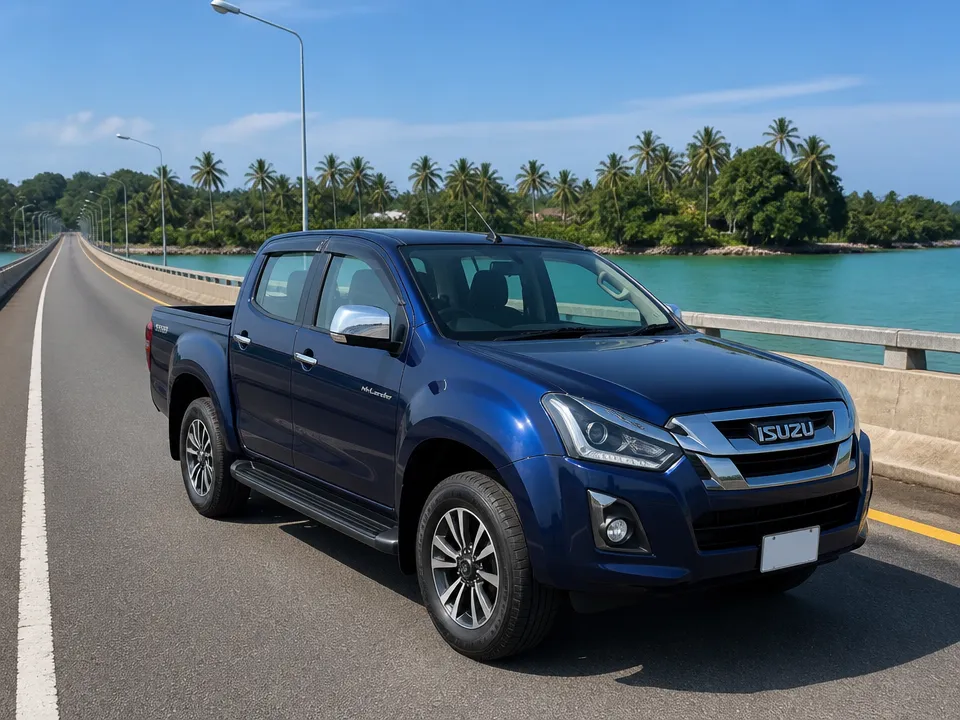
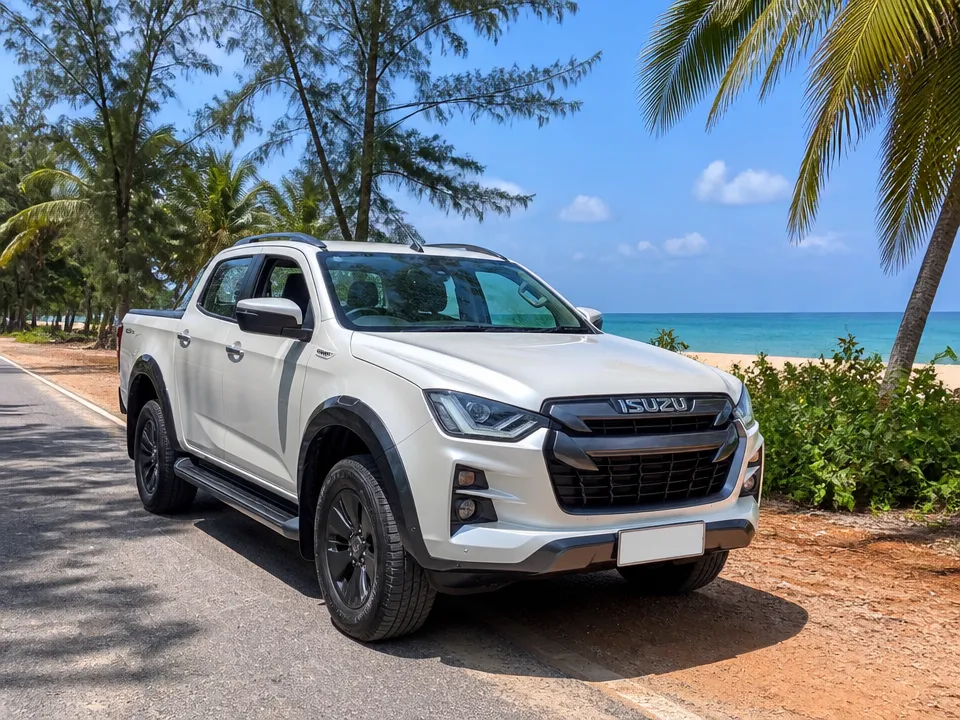
| Pickup trucks | 9 | ฿1,300 | 5 |
| Premium | 8 | ฿3,500 | 5 |
The class you pick decides more than the daily figure: seat count and fuel type narrow the list faster than price alone, and a seven-seat Minivan at ฿1,300 solves a problem no Economy car can. A five-seat Economy model such as the Honda Brio or Mitsubishi Attrage keeps the daily figure at ฿750, while a seven-seat Minivan at ฿1,300 carries the whole group in one car.
Matching the class to your group size and luggage usually matters more than the badge on the bonnet.
| Class | Cars | From per day | Seats |
|---|---|---|---|
| Economy | 14 | ฿750 | 5 |
| Crossovers | 13 | ฿1,100 | 5 |
| Minivans | 13 | ฿1,300 | 7 |
| SUV & 4x4 | 12 | ฿1,800 | 5 |
| Electric | 10 | ฿1,100 | 5 |
| Comfort | 9 | ฿1,100 | 5 |
| Premium | 8 | ฿3,500 | 5 |
A ฿1,300 minivan and a ฿1,300 crossover sit at the same money but carry different loads.
Rent-Trip keeps every car automatic, so there is no manual to learn on the left-hand side of the road. If two models look equally good on paper, tell the manager what you are carrying and where you plan to drive — the booking is agreed with a manager, and that conversation settles the class faster than any spec sheet.
With Rent-Trip the rate is priced per day, and the daily figure is what you multiply: weekly bookings run at six days' worth, monthly at twenty-one, so the longer you keep the car, the lower the figure per day.
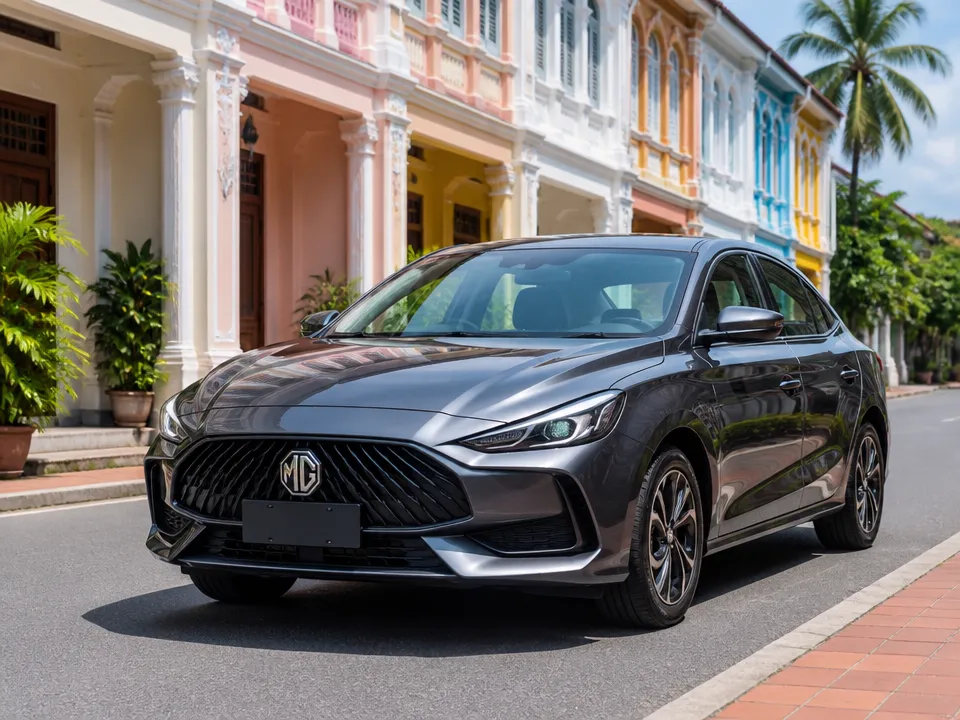
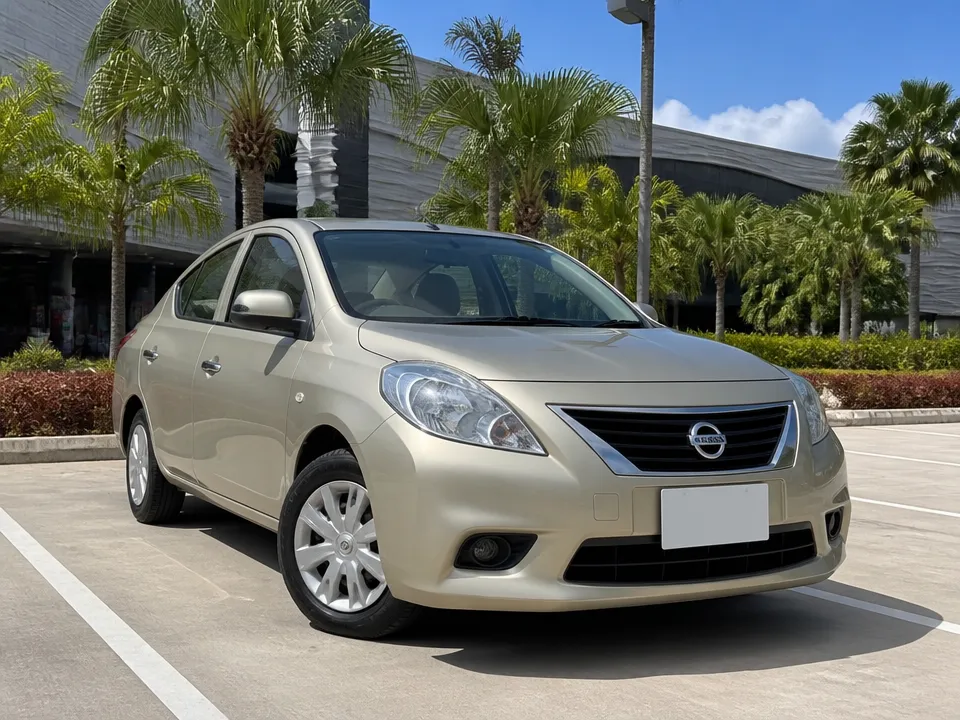
Our daily rates start at ฿750, weekly rates from ฿4,500 and monthly rates from ฿15,750. The cheapest band is Economy: Honda Brio, Mitsubishi Attrage, Mitsubishi Mirage and Suzuki Swift all sit at ฿750 a day, with Nissan Almera, Suzuki Ciaz, Toyota Vios and Toyota Yaris at ฿800, Honda Jazz and Toyota Yaris Ativ at ฿850, and Honda City, Honda City Hatchback, MG 5 and Mazda 2 at ฿900. Crossovers, Minivans, Electric and Comfort classes start at ฿1,100, Pickup trucks and the BYD Dolphin at ฿1,300, SUV & 4x4 at ฿1,800, and Premium at ฿3,500 — the top of the ฿750–฿6,500 range. In our experience the weekly rate is where most travellers settle: six days' charge for seven days on the road changes the maths on anything past a long weekend.
A bank card in the main driver's name is used for the security hold, and the amount is set out in the rental agreement rather than quoted here, because it varies by class. First-class insurance covers damage to the car — its terms and the excess are also set out in the agreement, so read that page before you sign, not after. What we can say plainly is that VAT 7% is included in the prices shown and nothing on the rate sheet is added later. If a condition matters to your trip — the hold, the excess, anything about drivers under 25 — ask when booking and get it confirmed in writing. That one habit saves more arguments at handover than any amount of comparison shopping.
A passport, a home driving licence, an International Driving Permit and a bank card in the main driver's name are the four things you need to pick up a car here. Everything else — insurance, plates, the agreement itself — comes with the vehicle. The minimum driver age is 21, and the conditions for drivers under 25 are set out in the agreement.
Driving without a permit is not a paperwork slip you can talk your way out of. The police fine runs ฿500–1,000, and an insurer may refuse a claim if the permit was missing at the time of an incident. On the island the police do stop foreign drivers, and the check is the licence plus the permit together — one without the other is treated as no permit.
Since 30 December 2025 a car rental agreement in Thailand is a contract controlled by the OCPB: it is written in Thai, and every fee and penalty is disclosed in it before you sign. Read the Thai document with the manager at handover — the figures that matter, including the security hold on your bank card, are set out in the agreement rather than in a verbal quote.
Cars carry green plates, which is how a traffic camera knows the vehicle is not privately owned. A camera fine is issued to the owner — us — and then re-invoiced to the renter, so an unpaid ticket follows you after the car goes back. In our Phuket handovers we photograph the plate and the windscreen at drop-off for exactly this reason. If you pick up a fine during your trip, pay it at a police station before you fly out: any further steps on the fine are set out in the rental agreement.
The four documents are checked together at handover, and the car itself comes clean with a full tank. Delivery across the island is free, mileage on the island is unlimited, and rental is available from 1 day, so the paperwork is settled once and the keys are yours.
Thai traffic keeps to the left and every car is right-hand drive — the two facts that surprise most visitors on their first hour behind the wheel. Our fleet is automatic across all 88 cars, so you are not learning a manual gearbox at the same time as a new side of the road.
The island roads are asphalt, and the cars run on petrol, diesel, hybrid or electric depending on the model you pick. Nothing in our cars is set up for cold weather, and the fleet is serviced for tropical driving.
A foreign visitor needs a home driving licence plus an International Driving Permit under the 1949 Geneva Convention, section 42 bis of the Motor Vehicle Act. The police fine for driving without one is ฿500–1,000, and an insurer may refuse a claim. Citizens of ASEAN countries may drive on their national licence. The minimum driver age is 21; conditions for drivers under 25 and for premium classes are set out in the rental agreement.
Compulsory motor insurance, Por Ror Bor, covers injury to third parties and is attached to every registered car. First-class insurance covers damage to the car itself, and its terms and the excess are set out in the rental agreement. Rental cars carry green plates, which is how a camera fine reaches the owner rather than the driver — we are then re-invoiced, and the amount is passed to the renter. Mileage on the island is unlimited, and the car comes clean with a full tank.
Families and groups are the hardest booking to get right, because the car has to swallow people, luggage and a route that changes with the weather. Our fleet of 88 cars includes minivans and SUVs and 4x4s, so there is a size for almost every group — from a couple travelling with one child to a party of eleven or twelve.
Child seats are agreed when booking, so raise it with the manager when you agree the booking — the same conversation covers the handover point and the time. What we can state plainly: every car in our fleet is automatic, which matters more than anything else when you are driving on the left for the first time with children in the back asking questions.
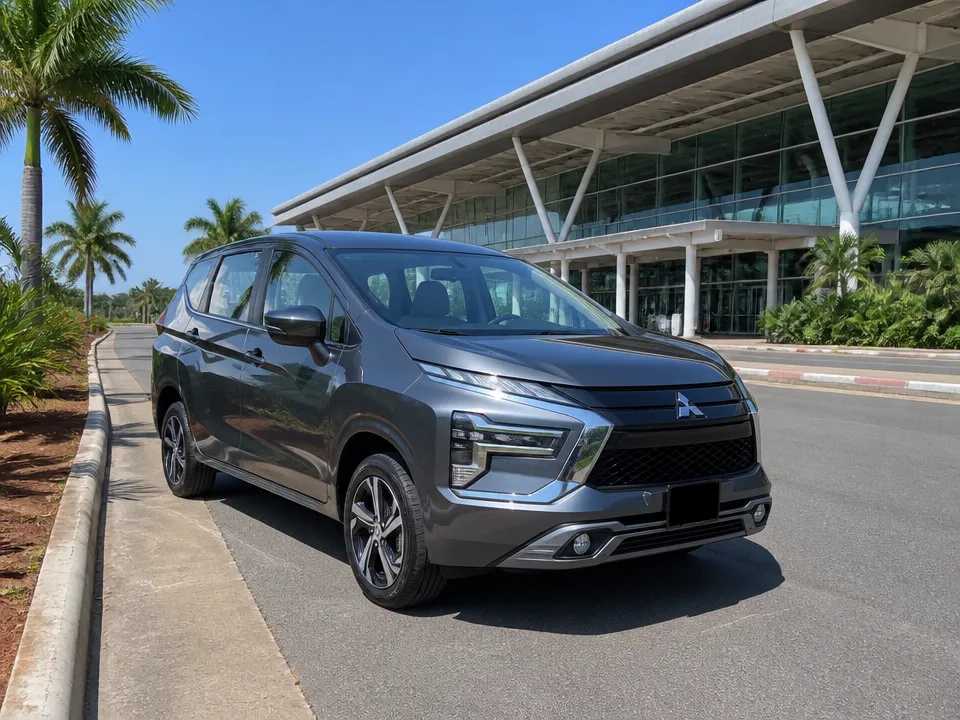
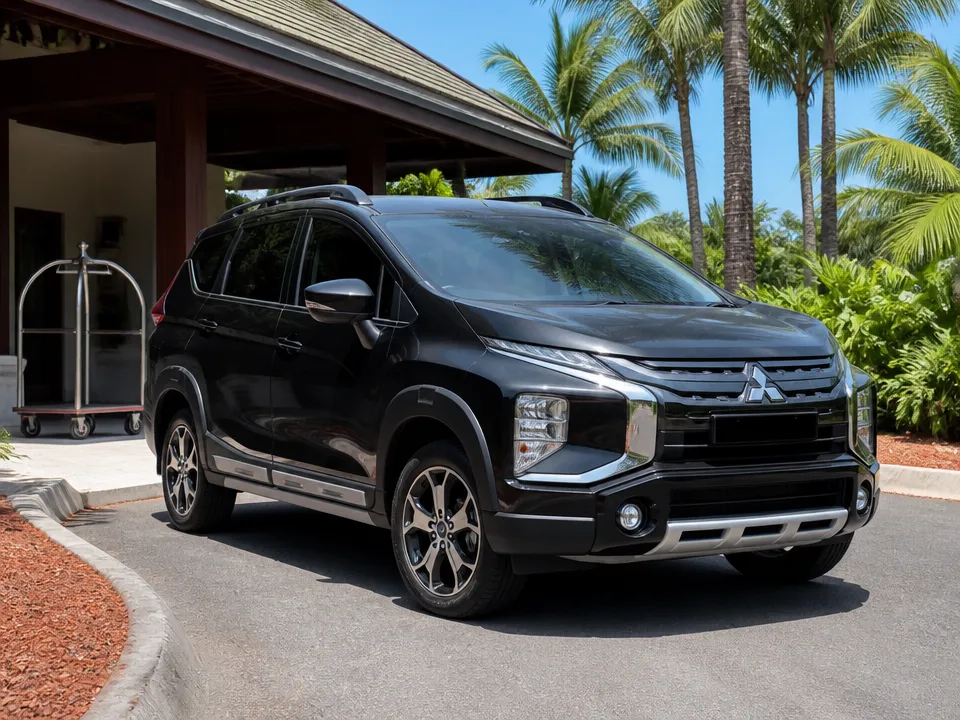
Air conditioning is fitted across the fleet, and a full tank comes with the car. On the island, mileage is unlimited, so a day that turns into three beach stops costs no more than a day that stays put. A seven-seat MPV such as the Mitsubishi Xpander sits at ฿1,500 per day, which for six or seven people works out far lower per head than splitting two smaller cars — and it keeps the group together on the road.
Groups arriving on one flight usually want one vehicle waiting, not three. Delivery across the island and to the airport is free, and the exact handover point is agreed when booking. Hire runs from 1 day, so a short family stay is welcome; for a week the rate starts at ฿4,500, and for a month at ฿15,750.
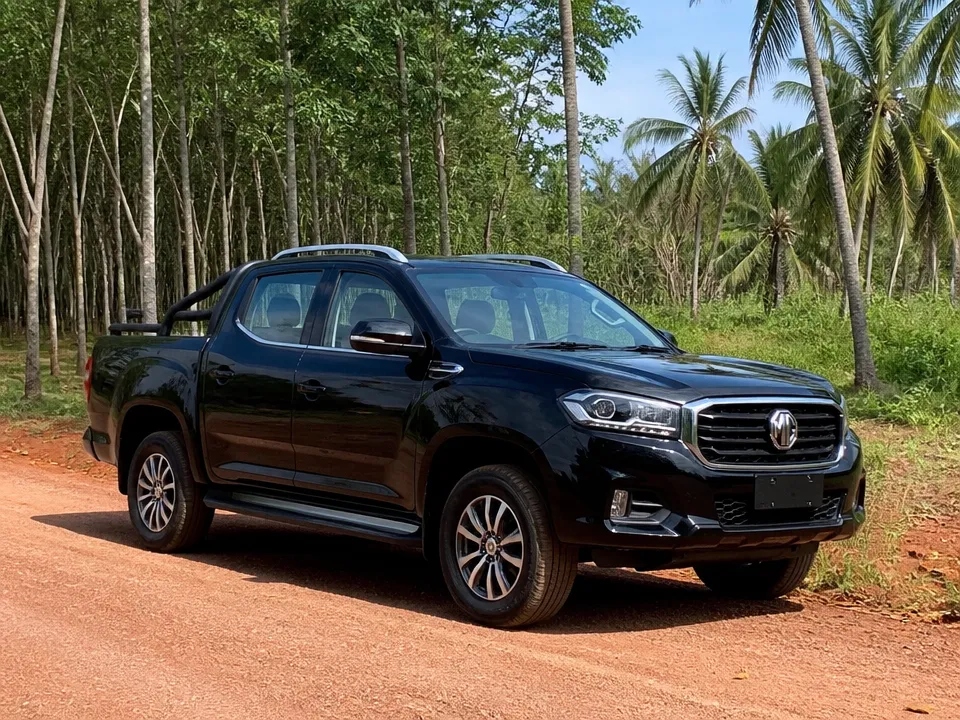
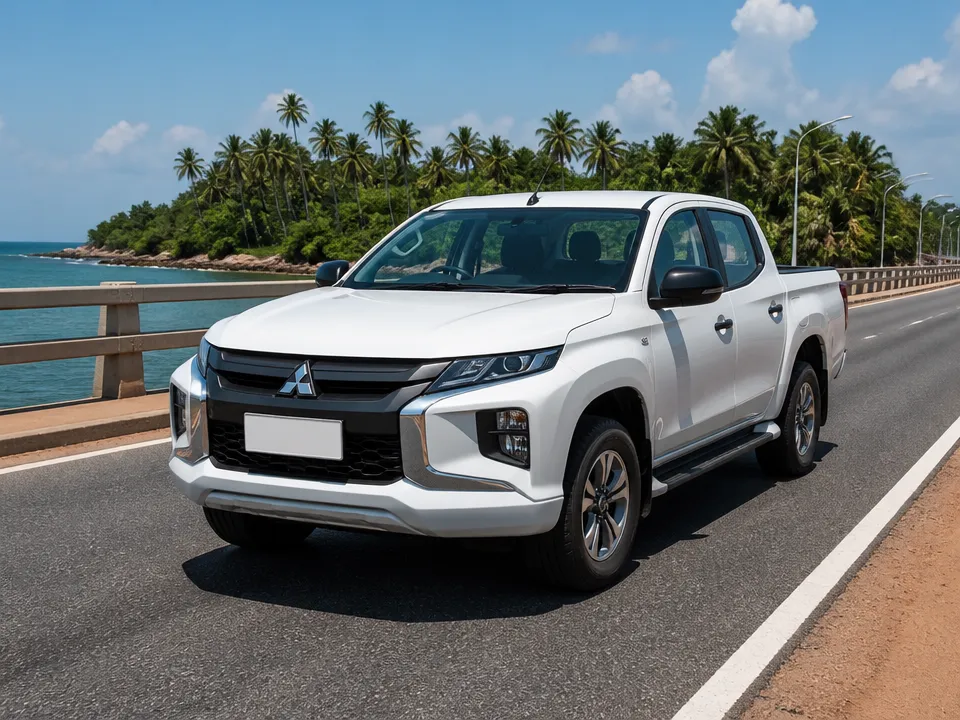
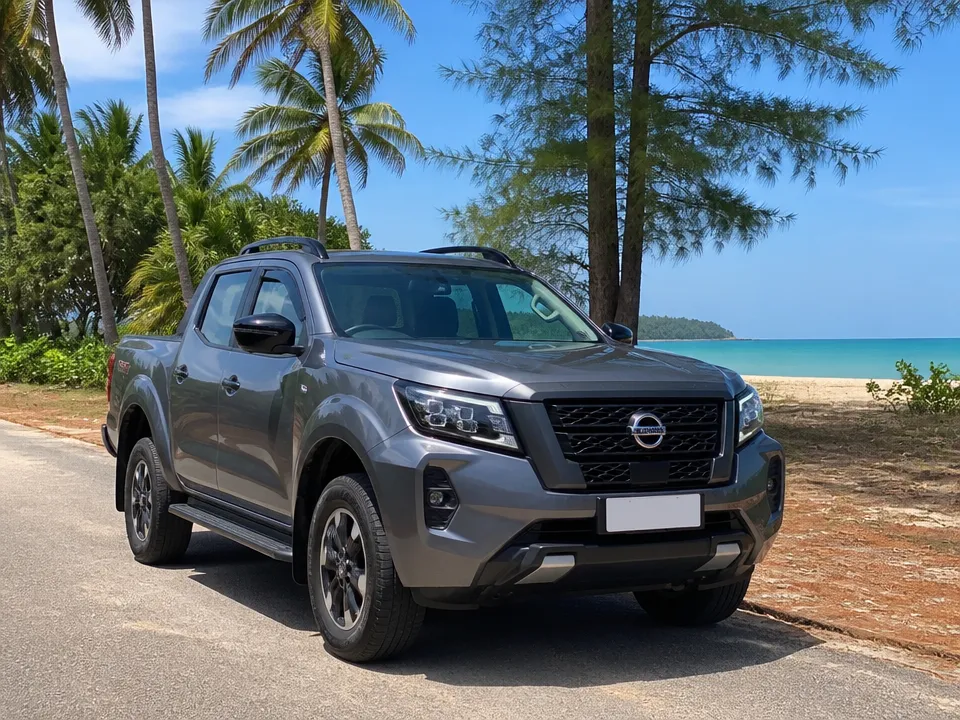
For trips beyond the island — Krabi at about 170 km and 3 hours — a crossover or SUV with a full boot beats a sedan. Pickups such as the Isuzu D-Max Hi-Lander and Mitsubishi Triton carry luggage a sedan simply cannot, though they are rear-wheel drive and 5-seat only.
One practical note from our own bookings: families travelling with a lot of gear should book the vehicle class first and the dates second. Seven-seat minivans are the first class to run out during peak holiday periods, when the whole group needs one car on the same day.
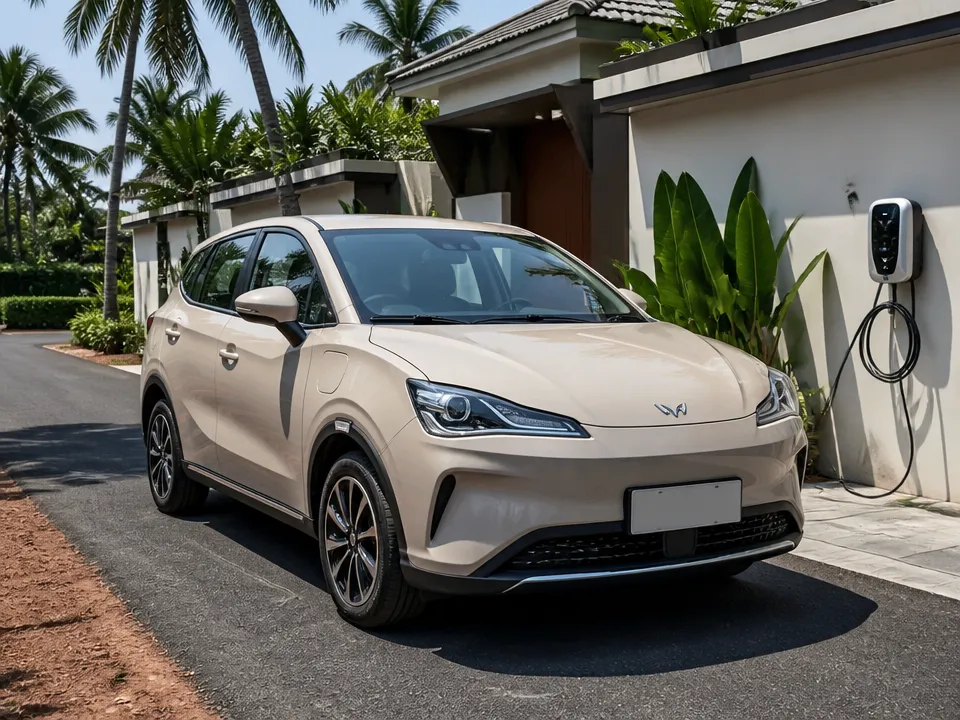
Electric and hybrid cars are the fastest-growing part of our fleet: 10 electric models and three hybrids sit alongside the petrol and diesel cars, all automatic and all covered by the same delivery terms as the rest of the line-up.
The hybrid line-up matters more than it looks on paper. Charging points across the country are concentrated around shopping centres and larger towns rather than spread evenly along the coast, so an e-Power or e:HEV car gives you the fuel savings of electric drive in town without depending on a charger being free when you arrive.
A Neta V or BYD Dolphin covers a normal day of beach-hopping, restaurant runs and shopping-centre stops on a single charge, and you top up overnight or while you eat. If you want an EV, tell the manager when you book which area you are staying in — the charging arrangements are agreed when booking.
Electric and hybrid cars are booked the same way as everything else: you pick the class, a manager confirms the booking, and the car arrives clean with a full tank or a full charge. Delivery is free, and the terms and conditions sit in the rental agreement.
Our fleet on this page has 88 cars, from compact economy models to premium sedans, crossovers, minivans, SUVs, pickups and electric cars. Economy starts at ฿750 per day, crossovers at ฿1,100, minivans at ฿1,300 and premium at ฿3,500. All cars are automatic and every model has air conditioning.
Prices on this page range from ฿750 to ฿6,500 per day depending on the class and model. Weekly rates start at ฿4,500 and monthly rates start at ฿15,750, which is lower per day than the daily rate. VAT of 7% is already included in the prices shown.
Compulsory motor insurance covers injury to third parties, and first-class insurance covers damage to the car, with its terms and excess set out in the rental agreement. The car is delivered clean with a full tank, and mileage is unlimited on Phuket. Rental is available from one day.
You need your passport, your home driving licence and an International Driving Permit issued under the 1949 Geneva Convention, unless you hold an ASEAN licence. You also need a bank card in the main driver's name for the security hold. The minimum driver age is 21.
Yes, we offer daily, weekly and monthly car rental in Thailand. Weekly rates start at ฿4,500 and monthly rates start at ฿15,750, and both are lower per day than the daily rate. Longer hires are agreed with the manager when booking.
Hired the Suzuki Ciaz for a week in Bang Tao. Cheap and cheerful, perfect for getting around. Delivery to our villa was on time, paperwork quick. Would use again.
Mitsubishi Xpander in Surin – good space for our family of five. Car was clean, AC worked well. Only small issue: the USB port didn't charge my phone, but otherwise fine. They delivered to our hotel and collected at the end.
Thank you for your feedback, David. We'll check the USB ports on that car. Glad you enjoyed your rental.
Rented the Mercedes E220d for three days in Laguna. Excellent service, car delivered to our villa. Smooth drive, very comfortable. Deposit was returned promptly. Highly recommended.
Everything was perfect with the GLC in Layan. The car was in top condition, delivery to our villa was easy. We drove to Khao Lak and it was a pleasure. Thank you!
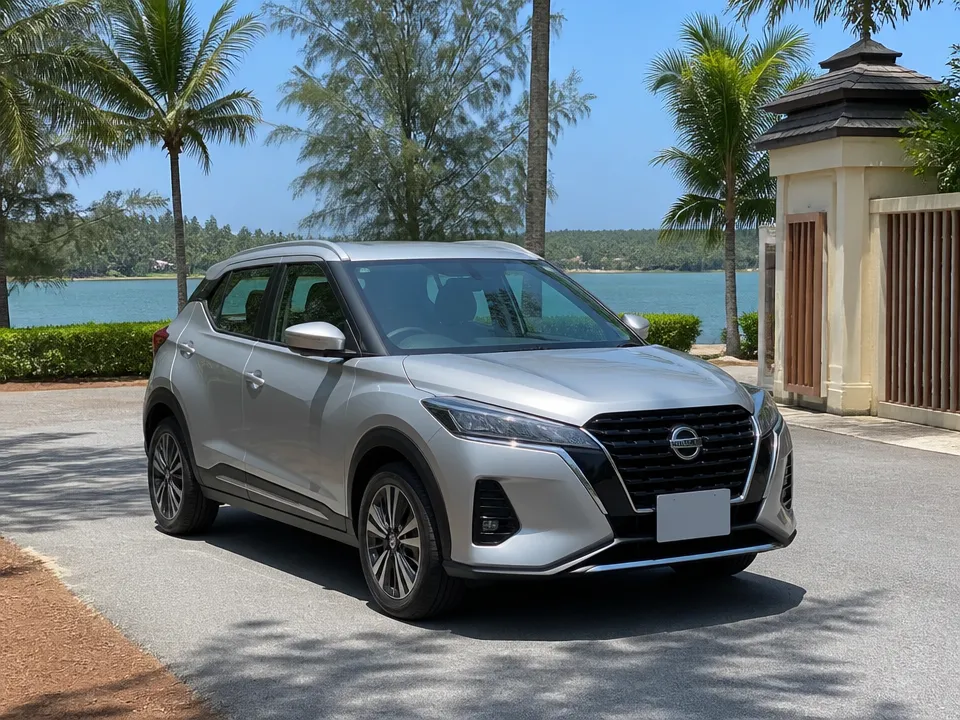
Nissan Kicks e-Power in Nai Harn – great little car, very economical. We had a bit of trouble finding parking in the beach town, but that's not their fault. Delivery was to our guesthouse, all good.
Isuzu D-Max in Nai Yang – perfect for our trip to Krabi. Strong 4x4, handled the roads well. They delivered to our hotel near the airport, which was convenient. No complaints.
Rented the Neta V for a day in Old Town. Charging was easy, we used it to drive around the old town and to the viewpoint. Delivery to our hotel was prompt. Good value.
Toyota Corolla Altis from Phuket Town – reliable car, exactly as described. They met us at the airport with the car, which was great after a long flight. Return was hassle-free.
Haval Jolion in Cape Panwa – nice car, modern. We drove to the Big Buddha and down to Rawai. Only thing: the fuel gauge seemed a bit off, but we topped up anyway. Staff were friendly.
Thank you for your review. We'll have the fuel gauge checked. Glad you enjoyed your trip.
Toyota Fortuner in Ao Por – spacious and comfortable for our family. We used it for a day trip to Phang Nga Bay. Delivery to our villa was on time. Great service.
Isuzu D-Max in Kata Noi – excellent condition. Drove to Khao Lak, no issues at all. The agent met us at our hotel, everything was straightforward. Will rent again.
Mitsubishi Xpander from Boat Avenue – good car for the family. We went to Nai Harn beach and around the island. Service was good, car delivered to our house.