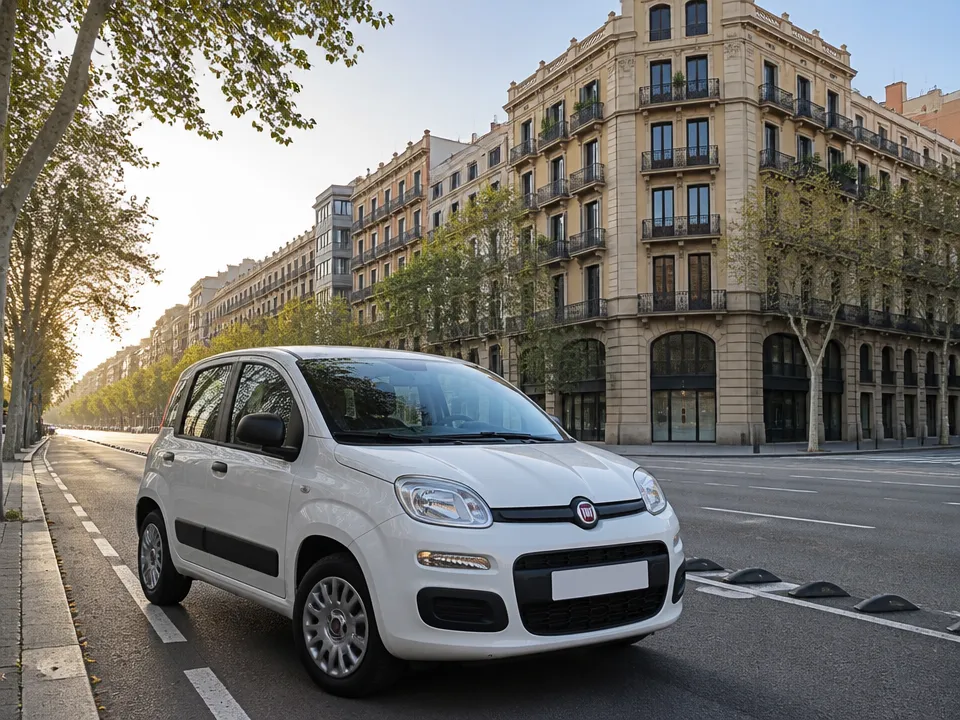
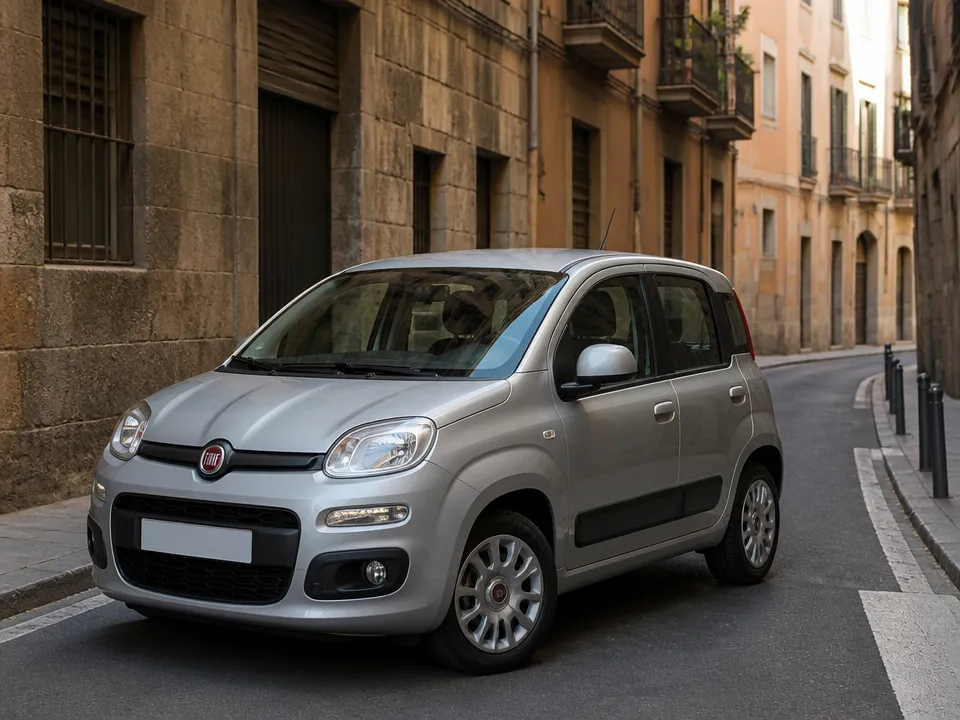
Fiat Panda
★4.5· 53Manual1.0 L70 hpFront-wheel4 seats
€19per day
Book now






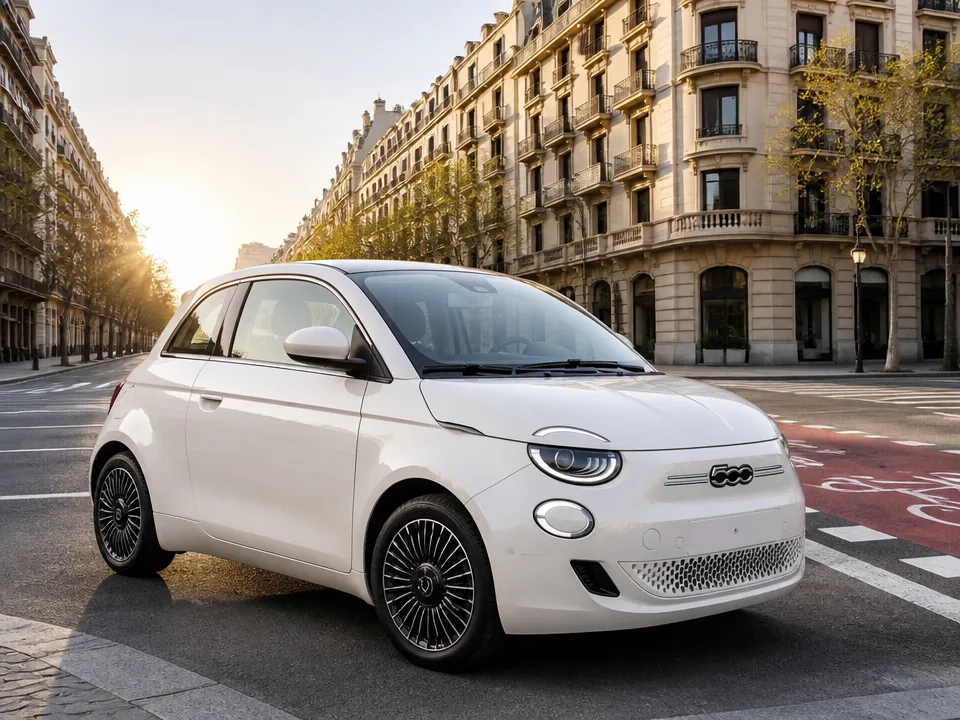
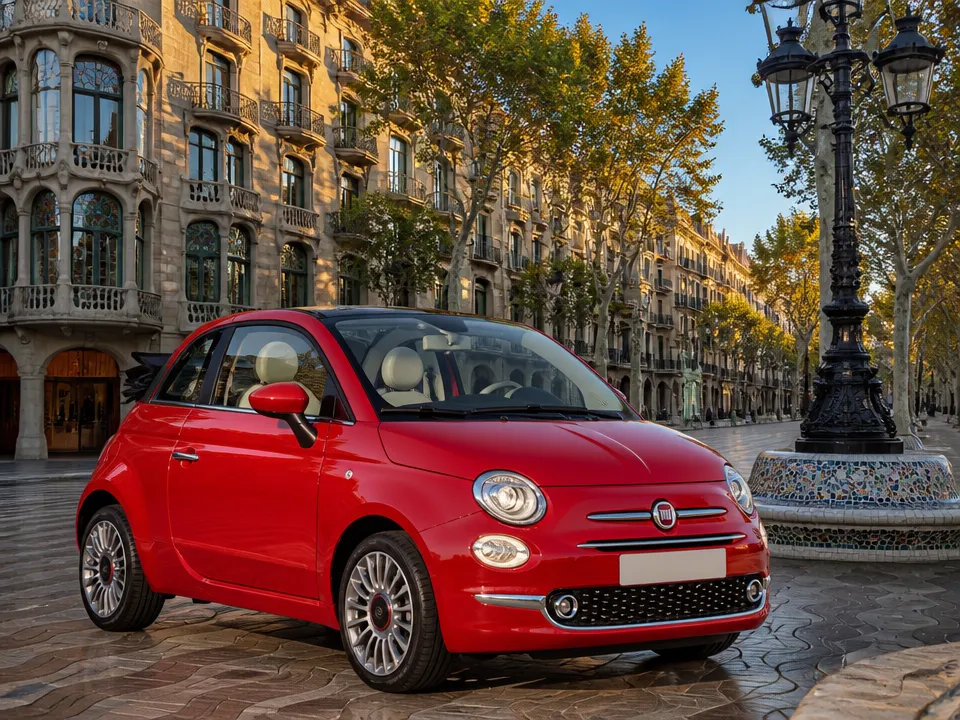
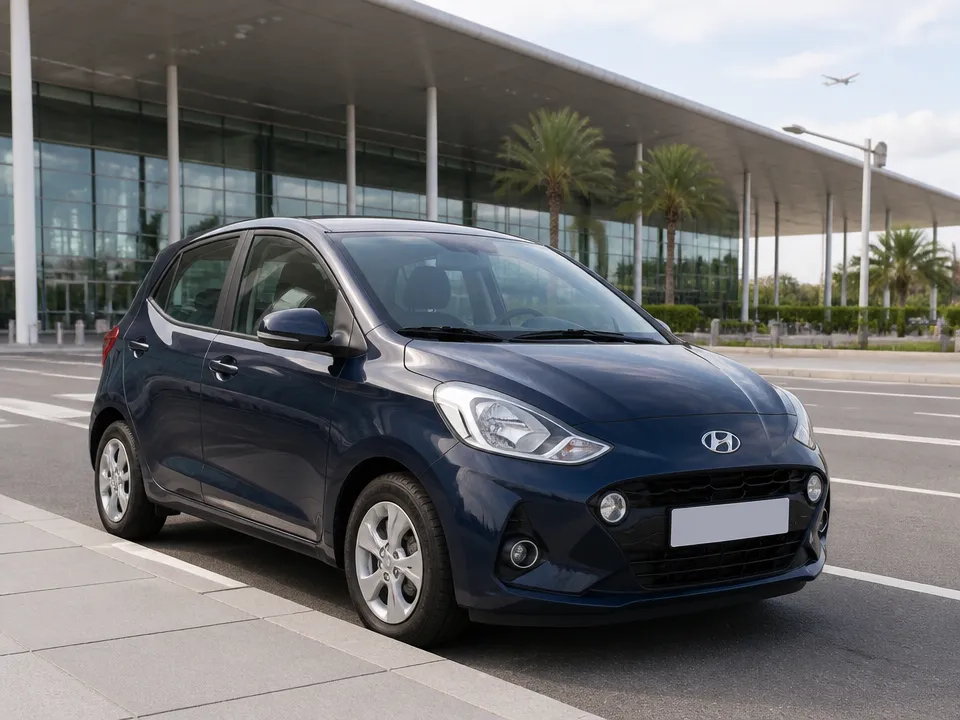
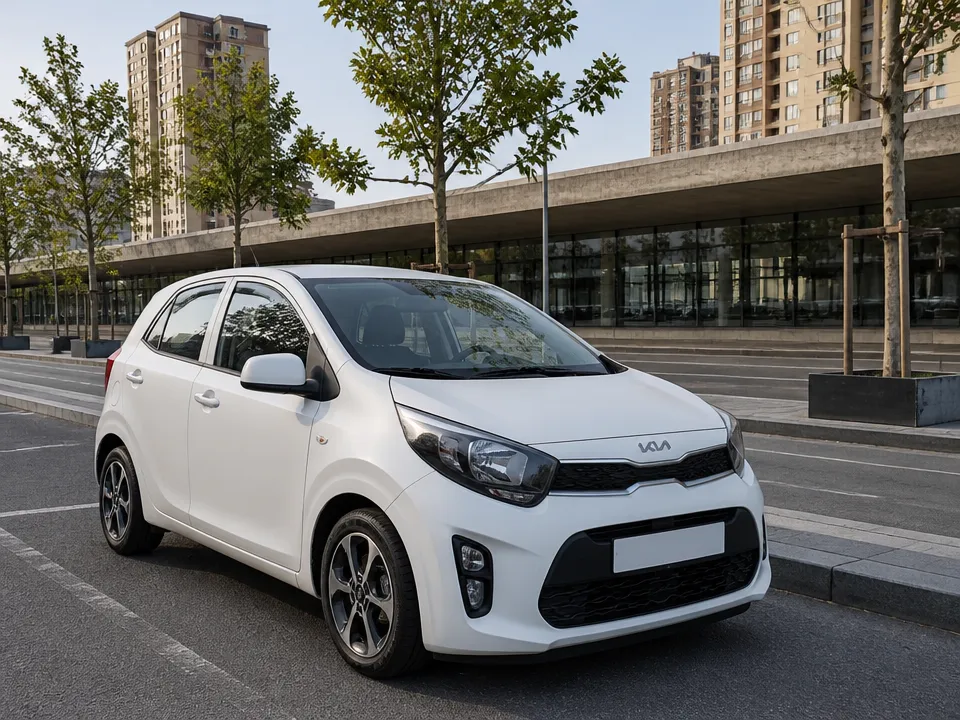
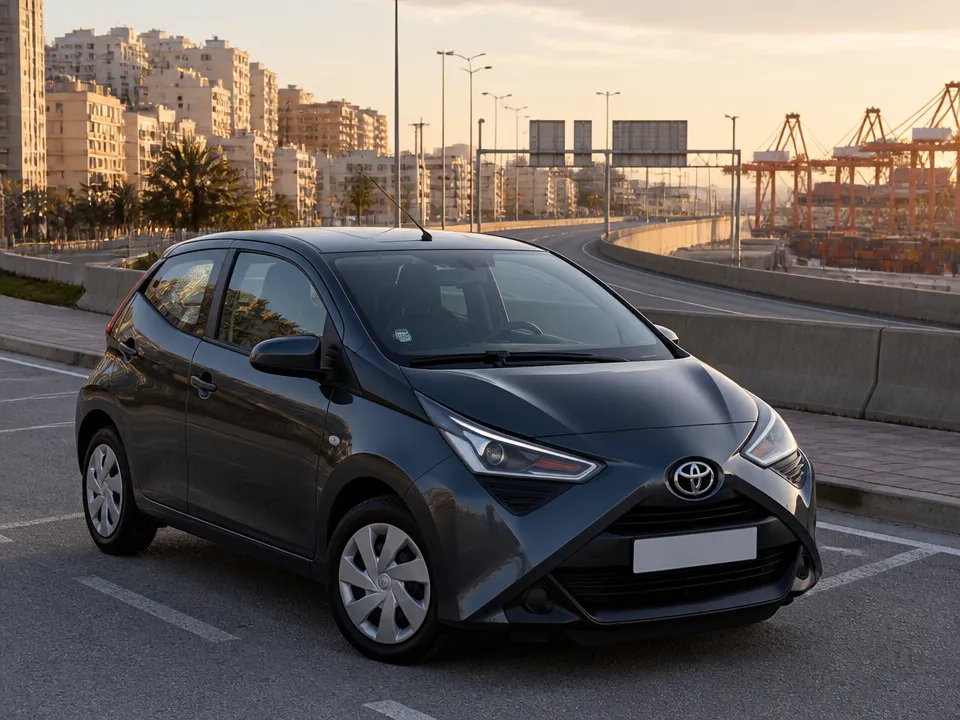
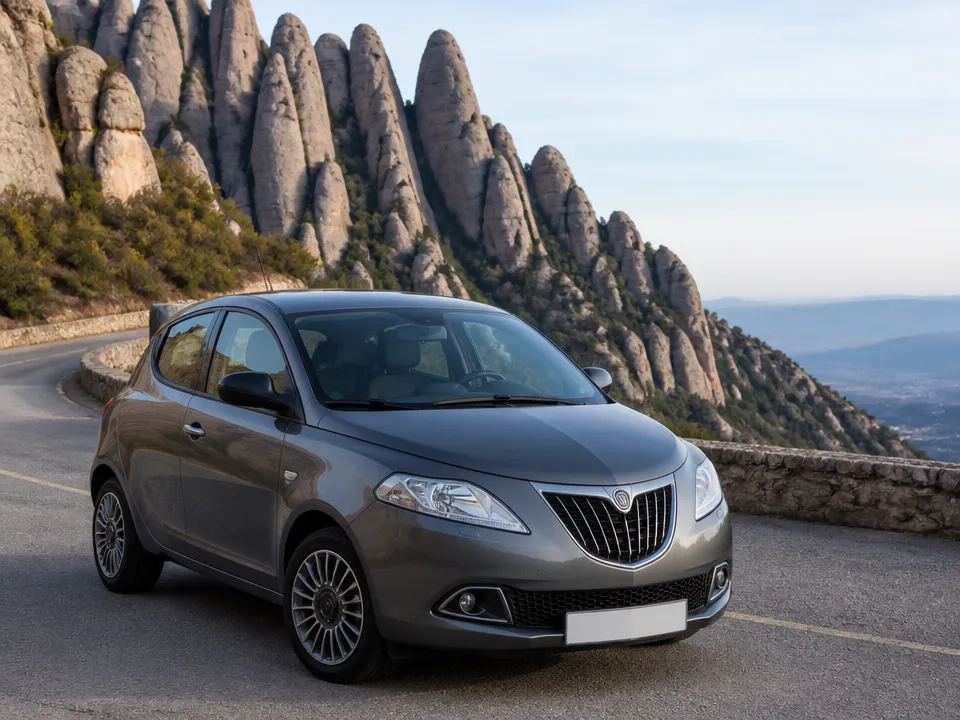
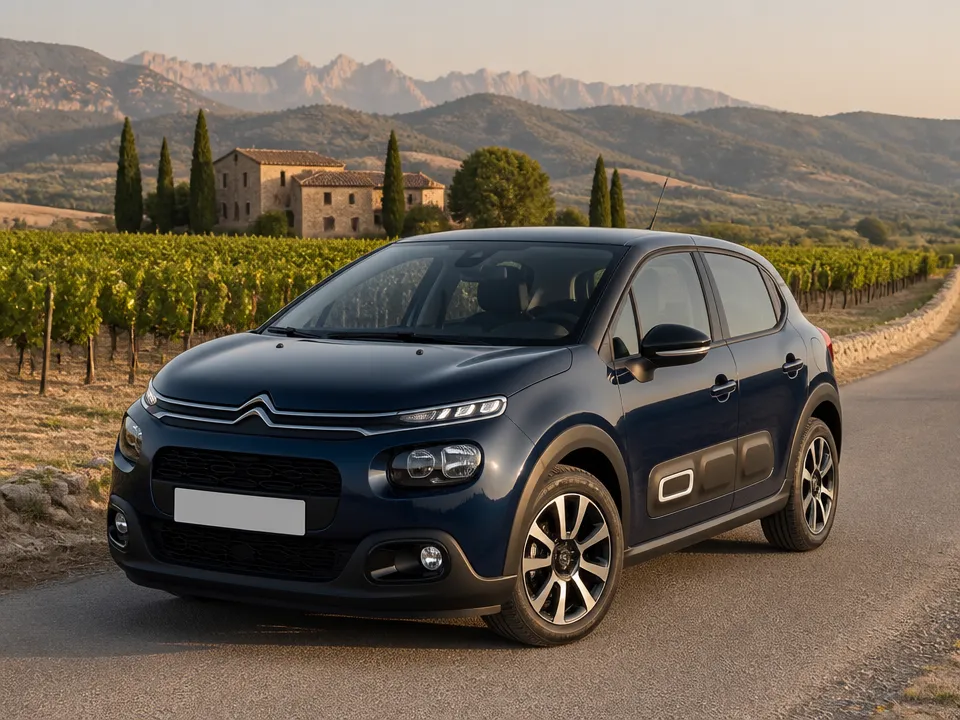
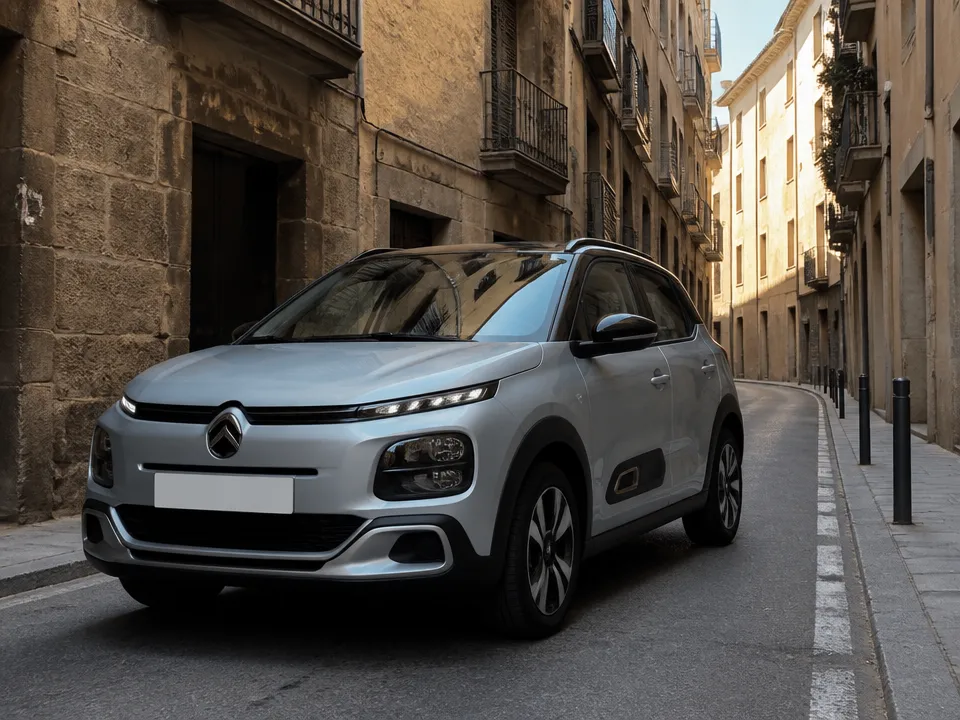
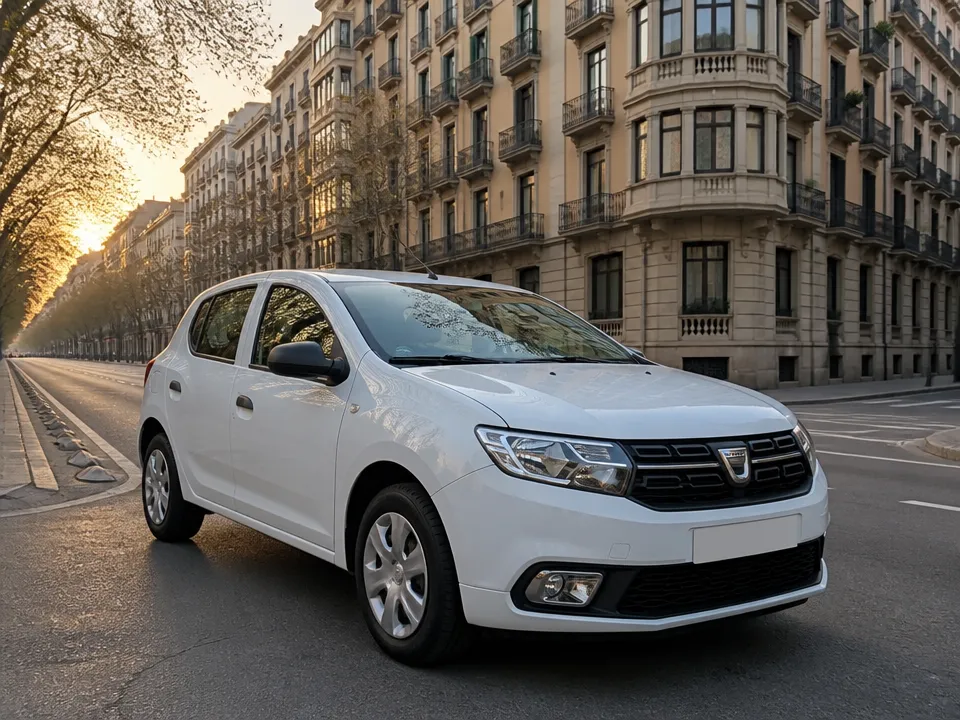
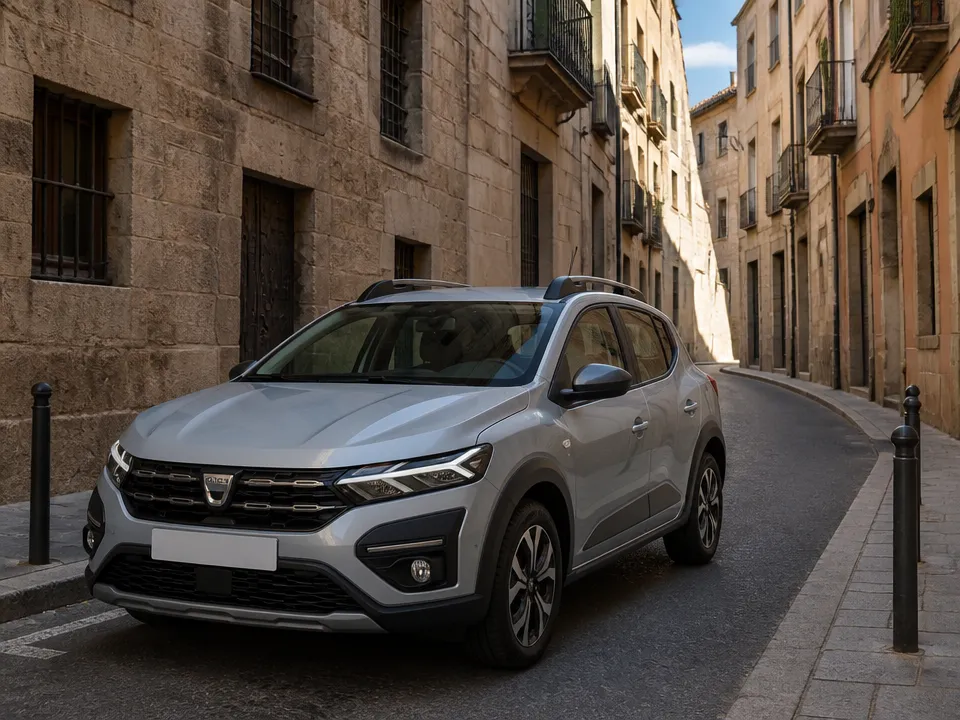
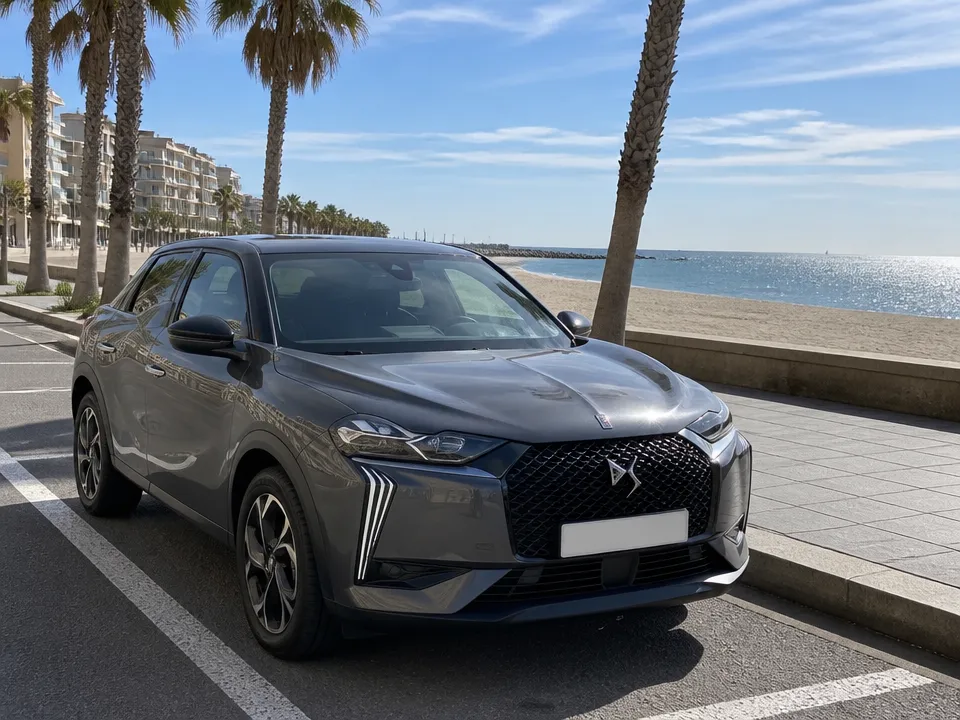
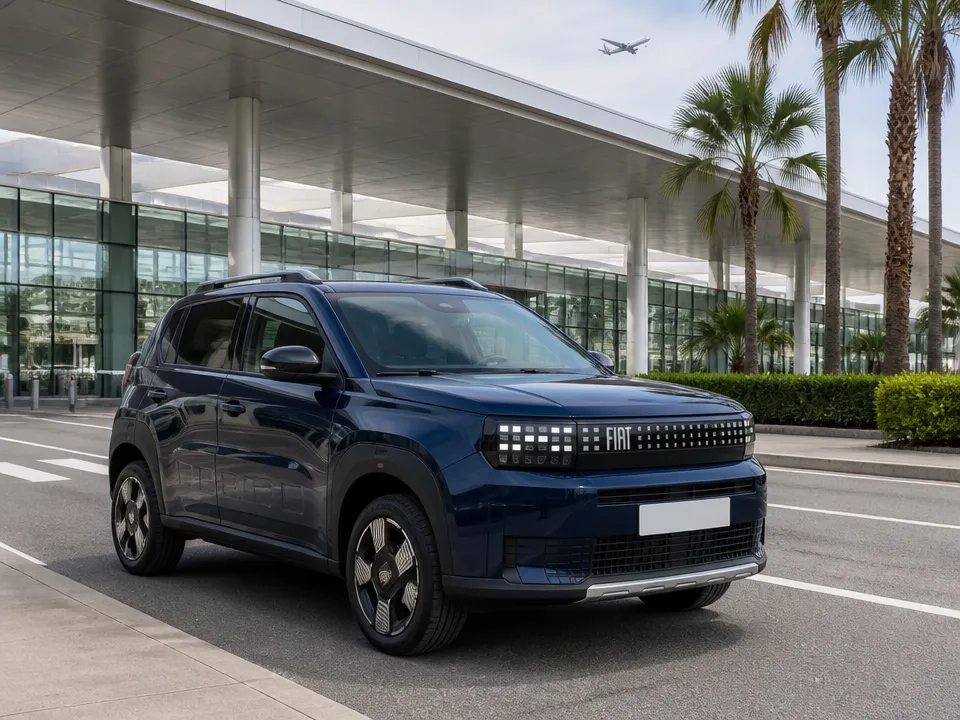
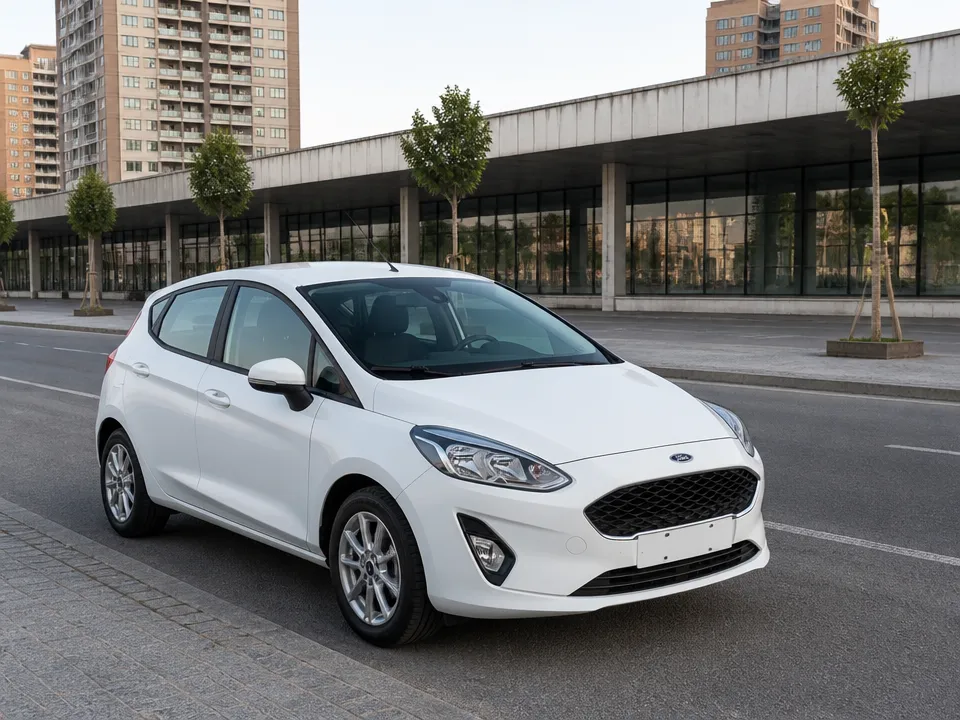
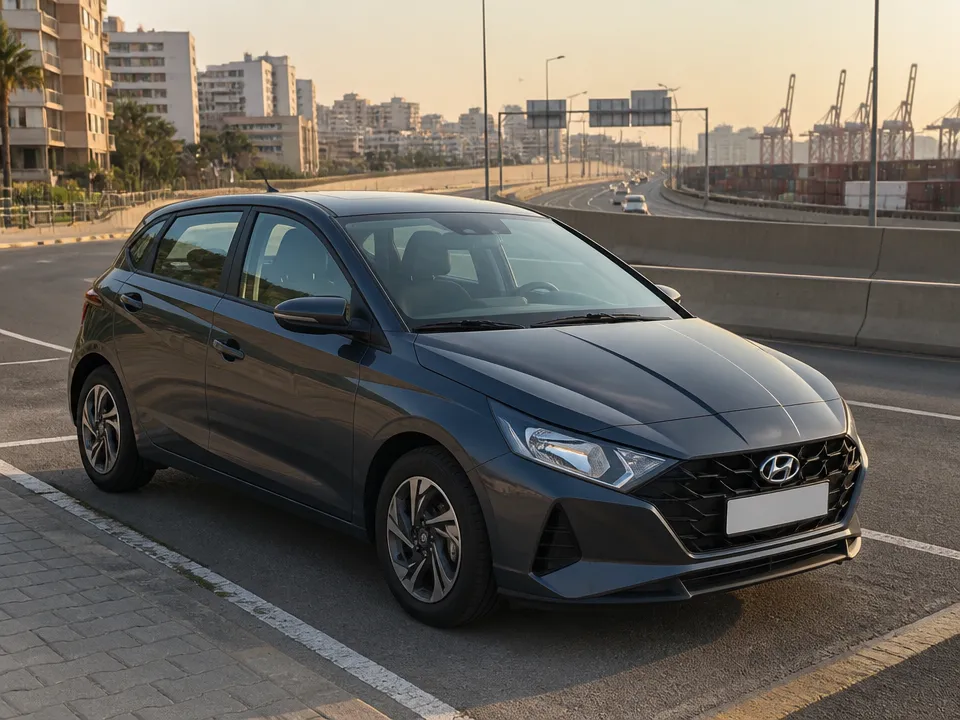
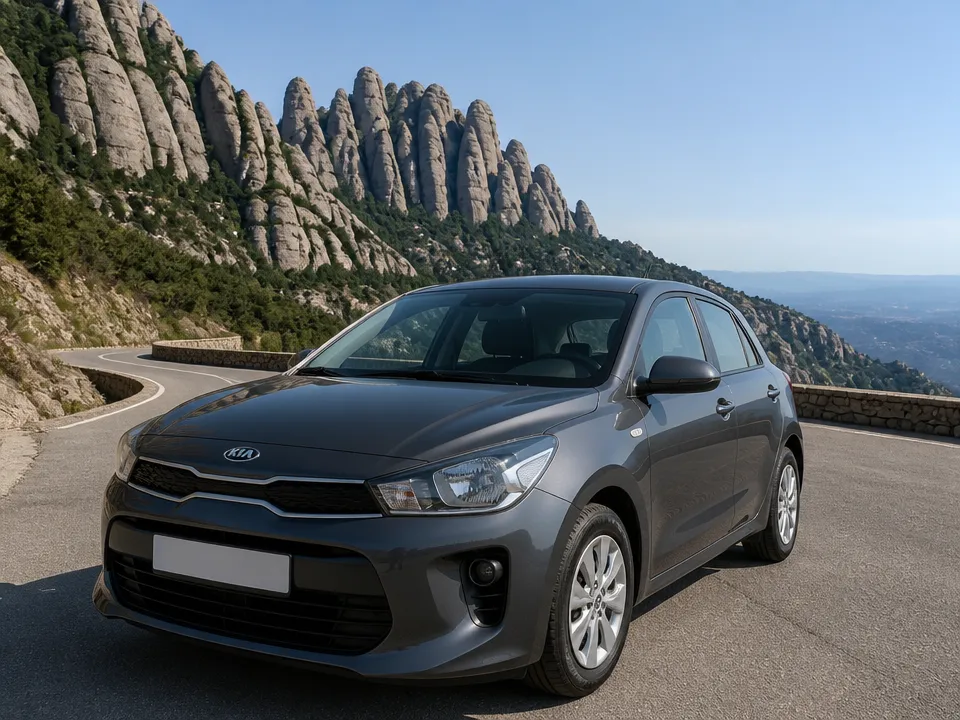
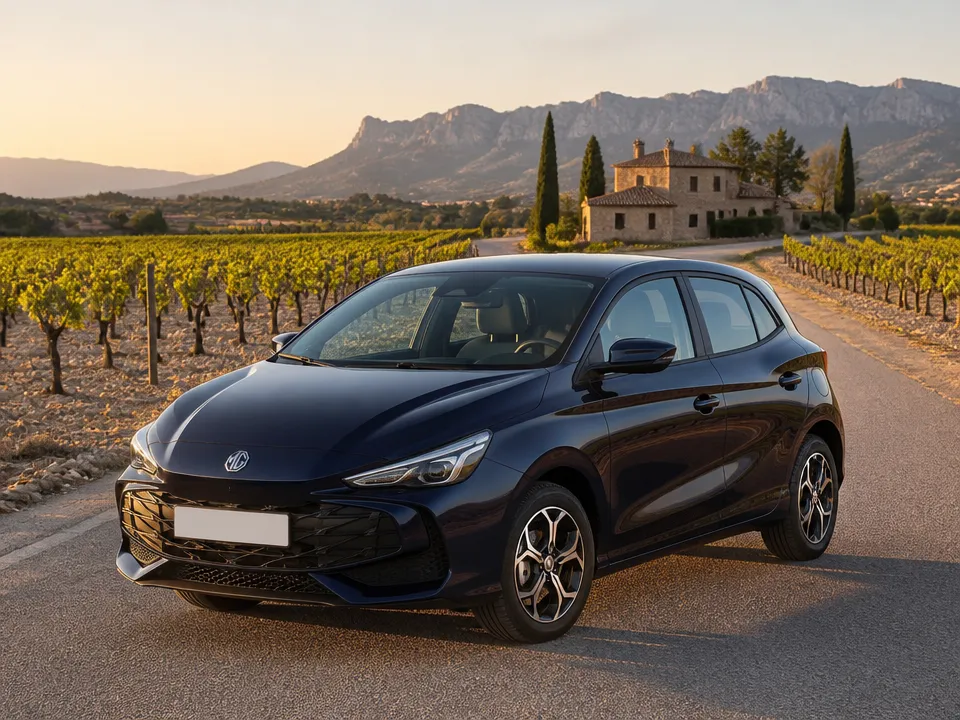
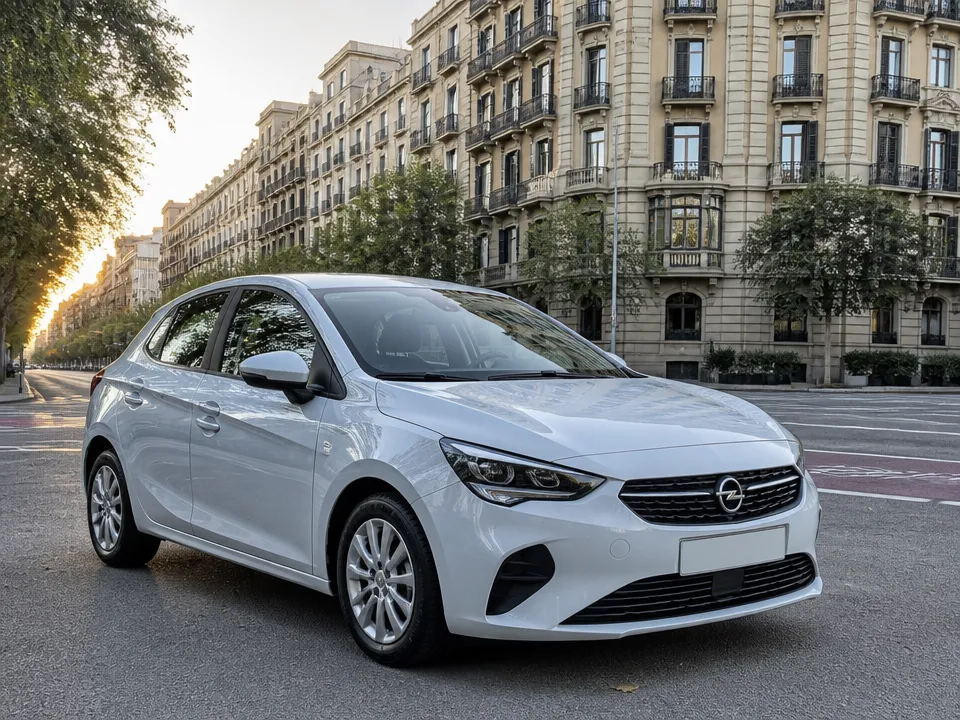
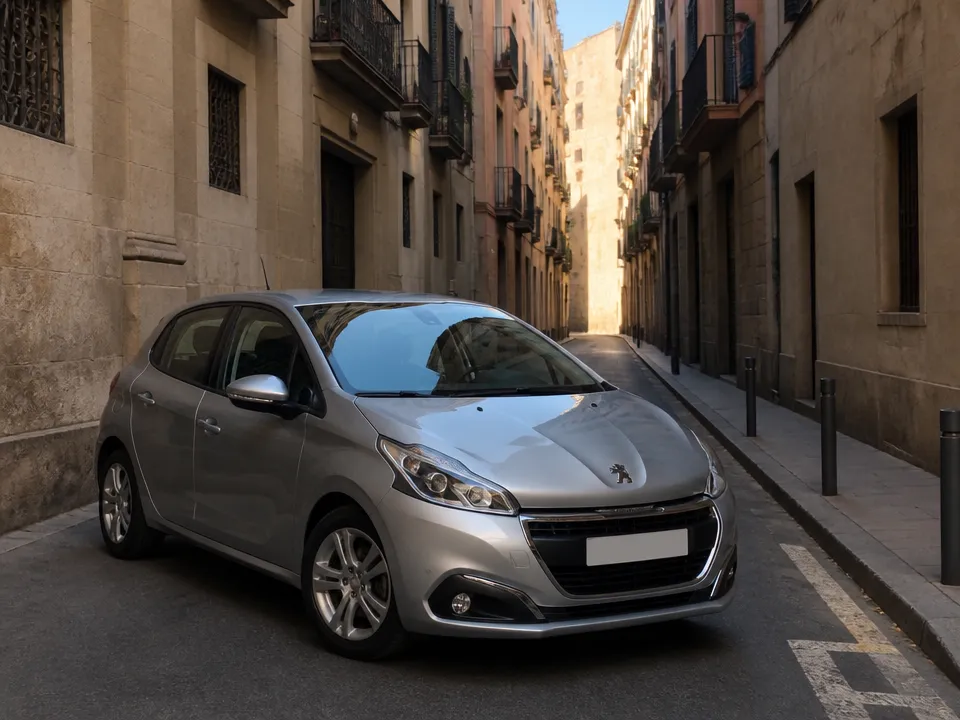
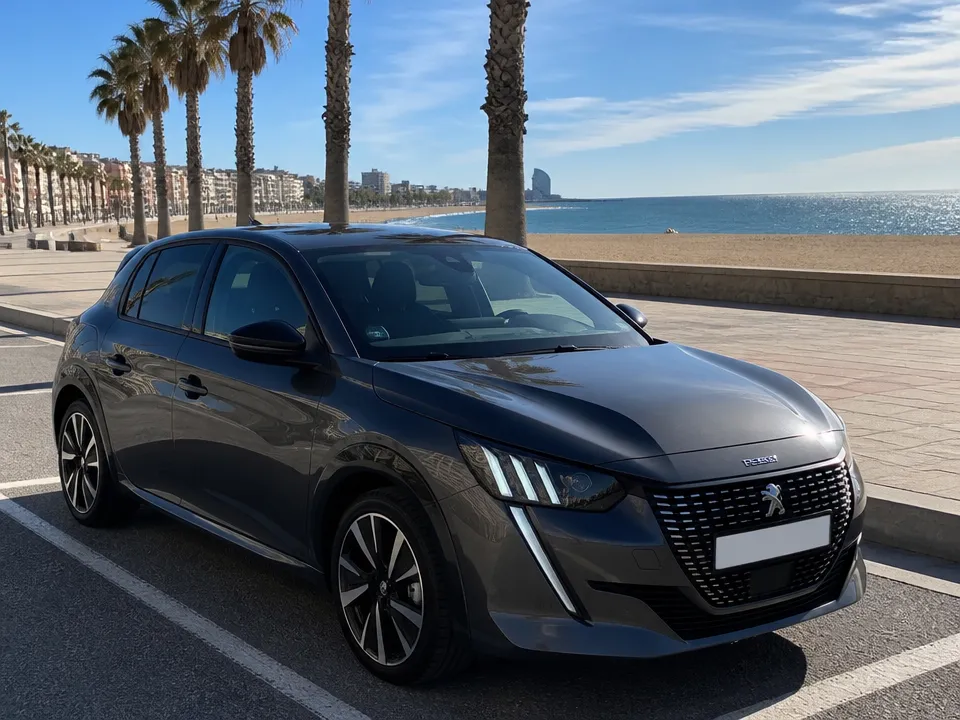
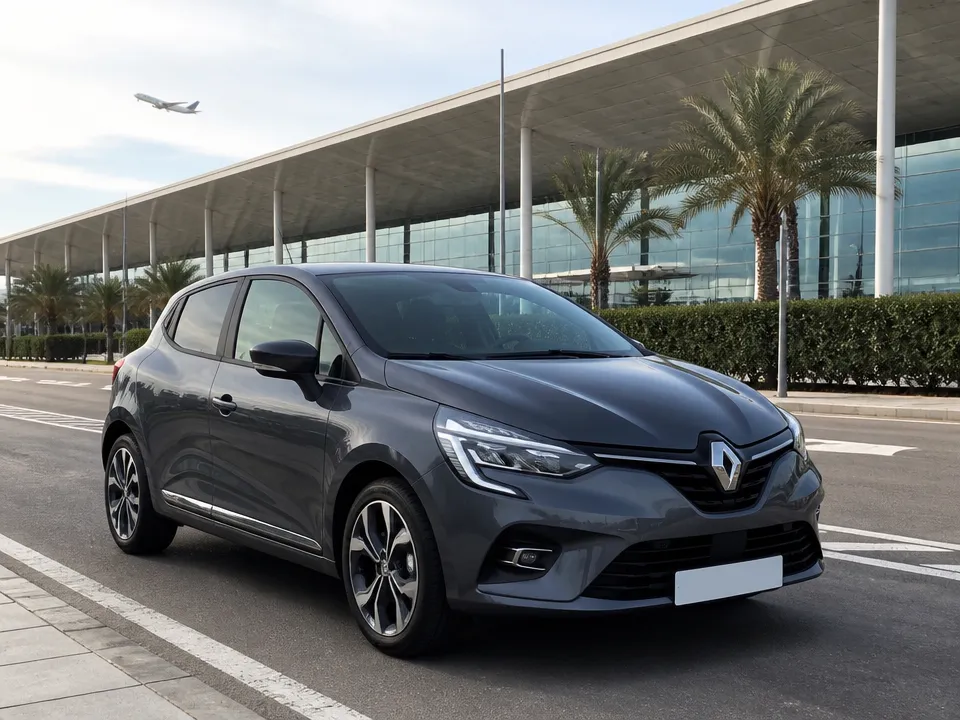
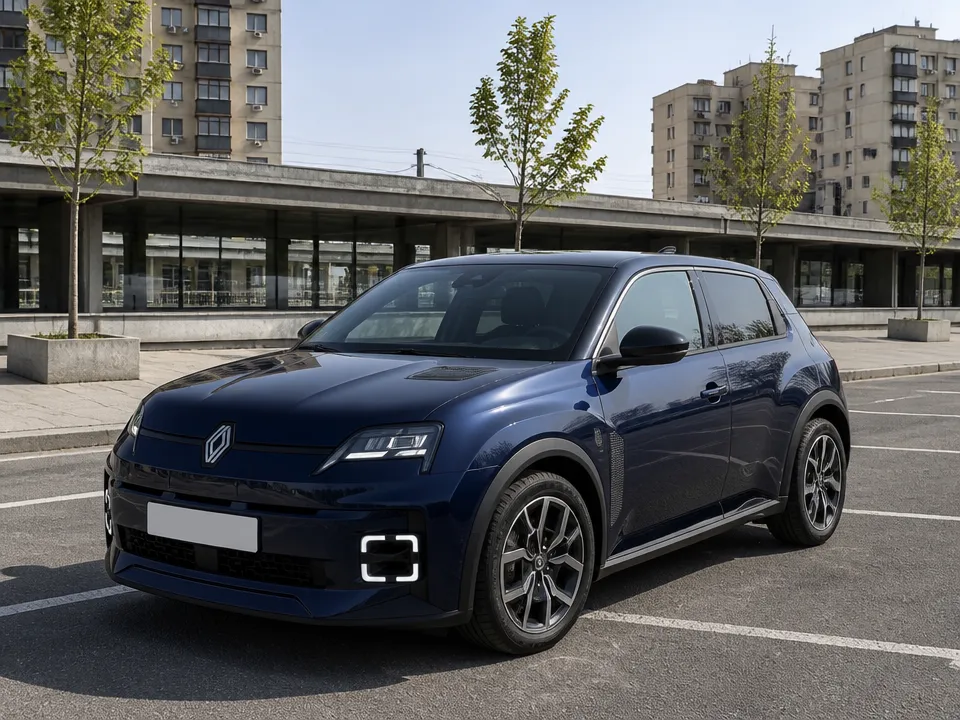
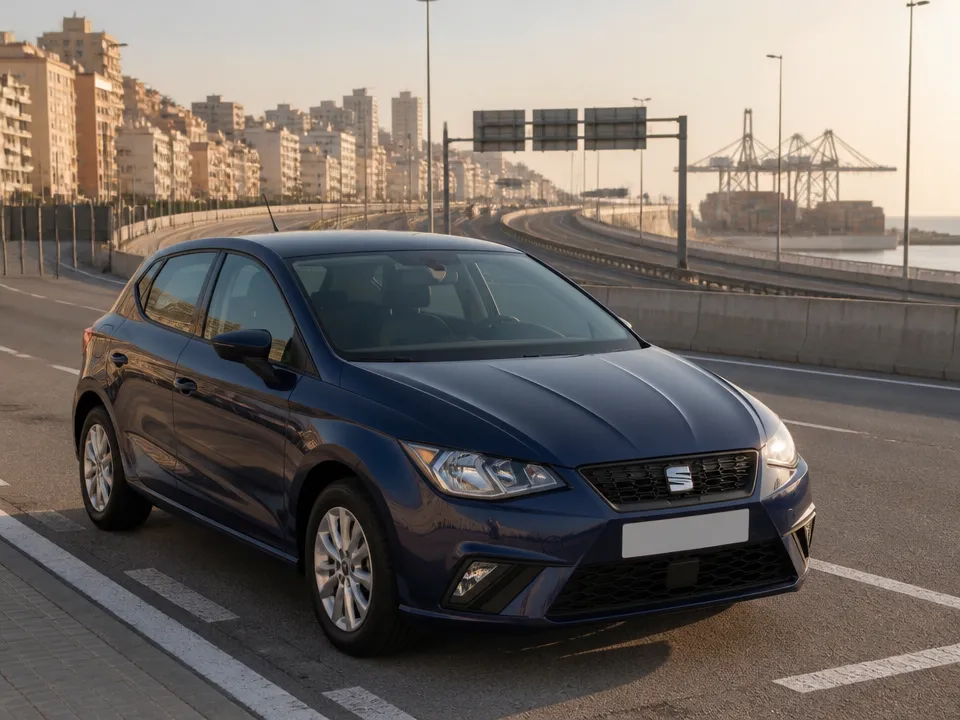
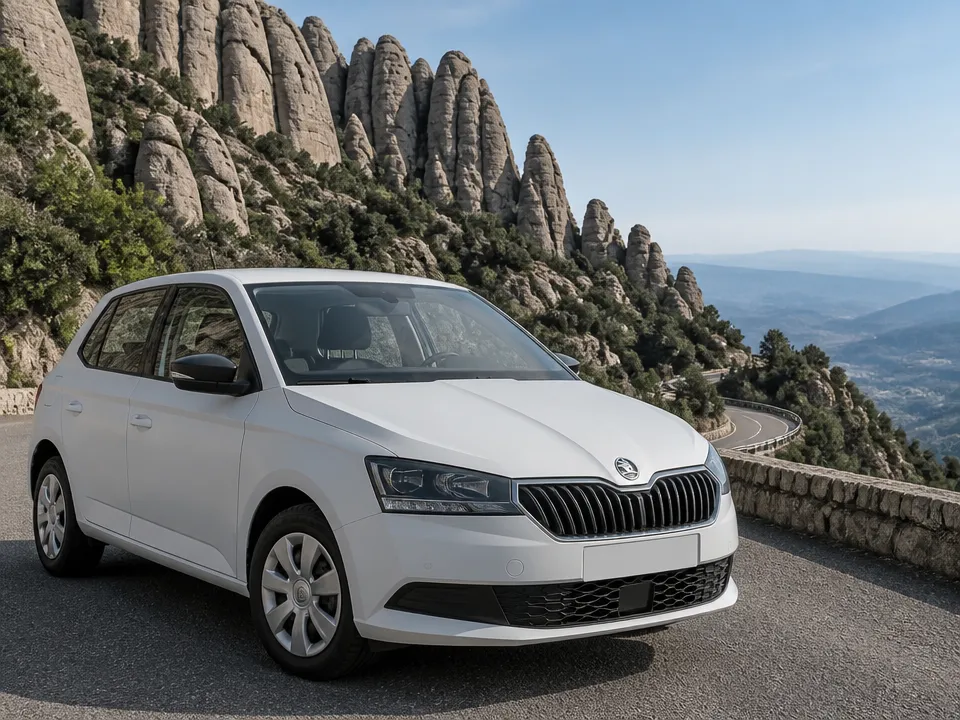
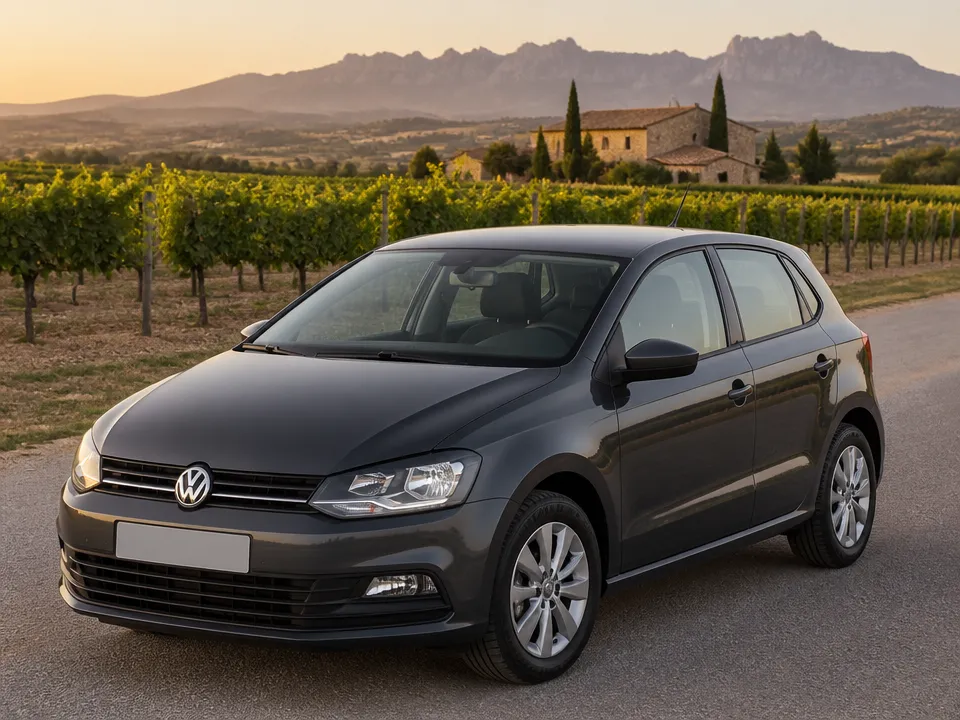
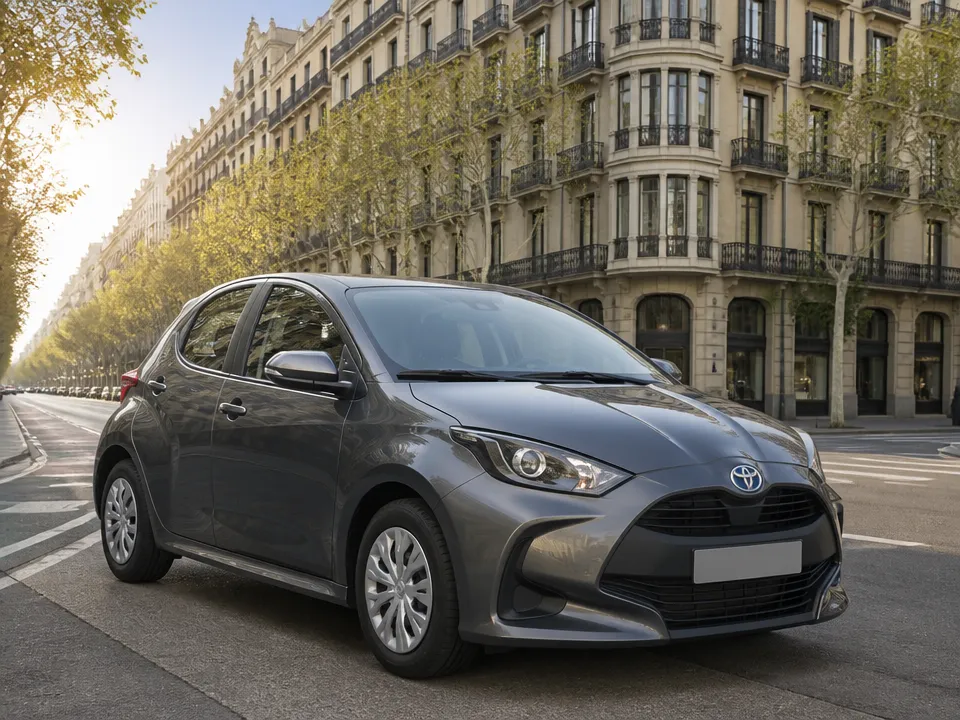
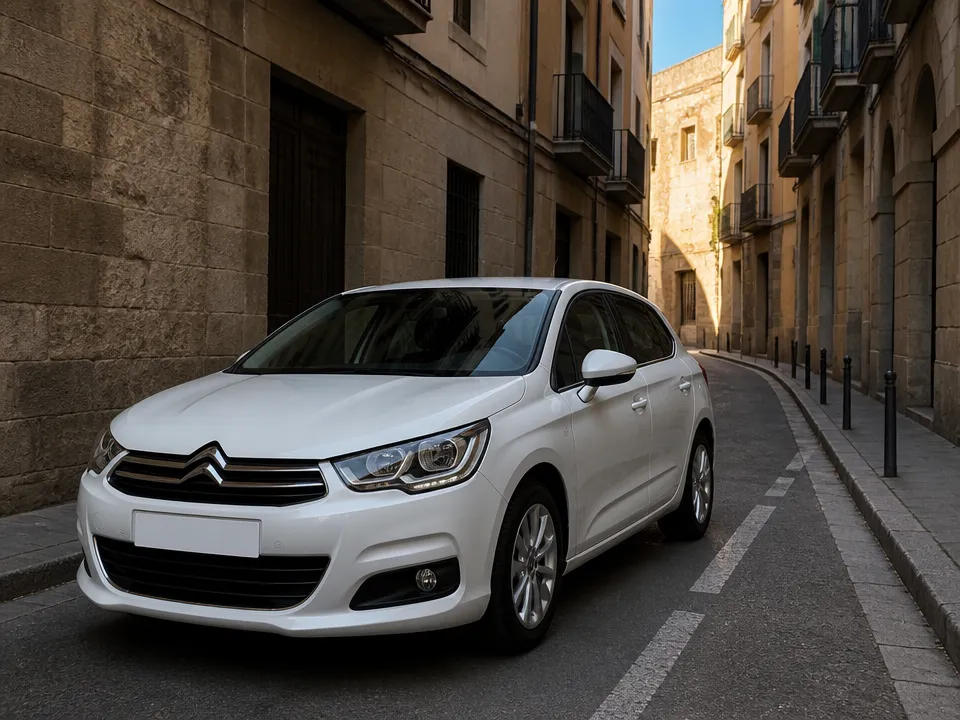
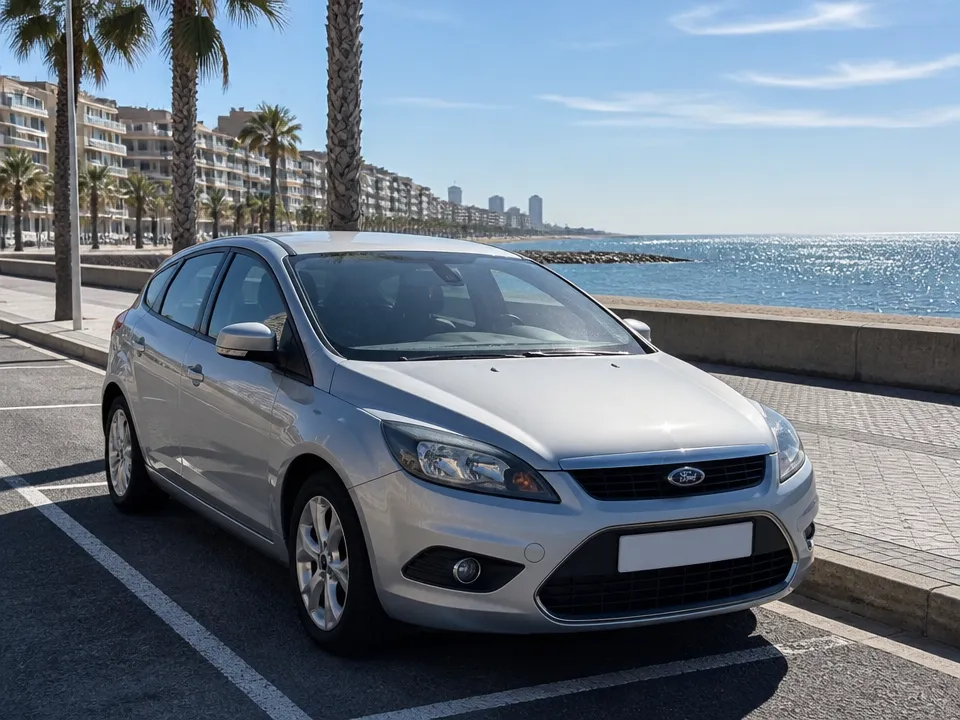
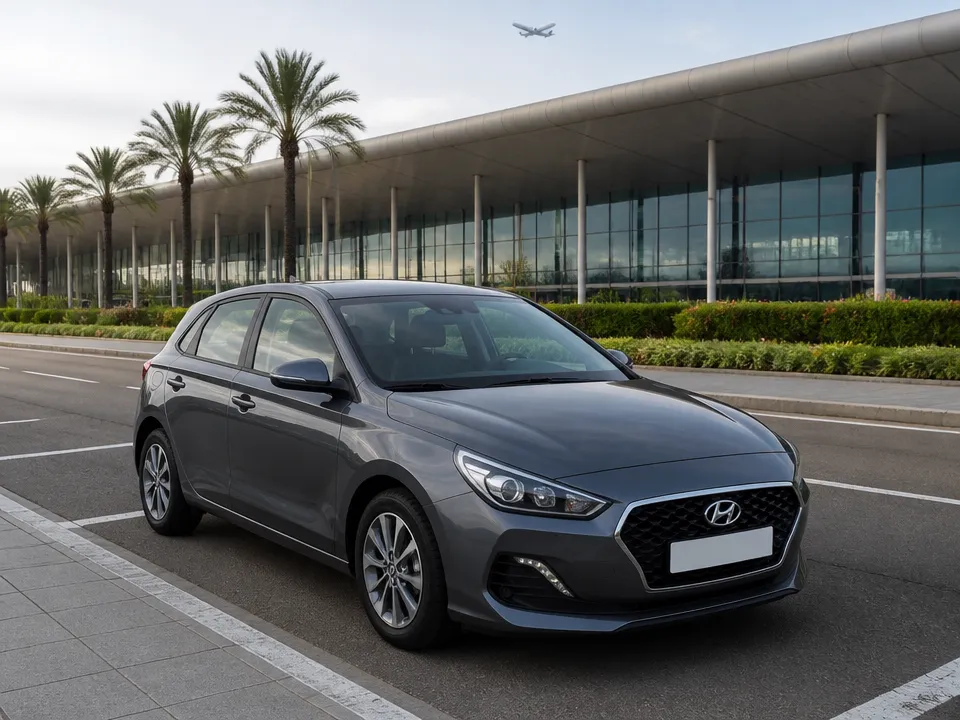
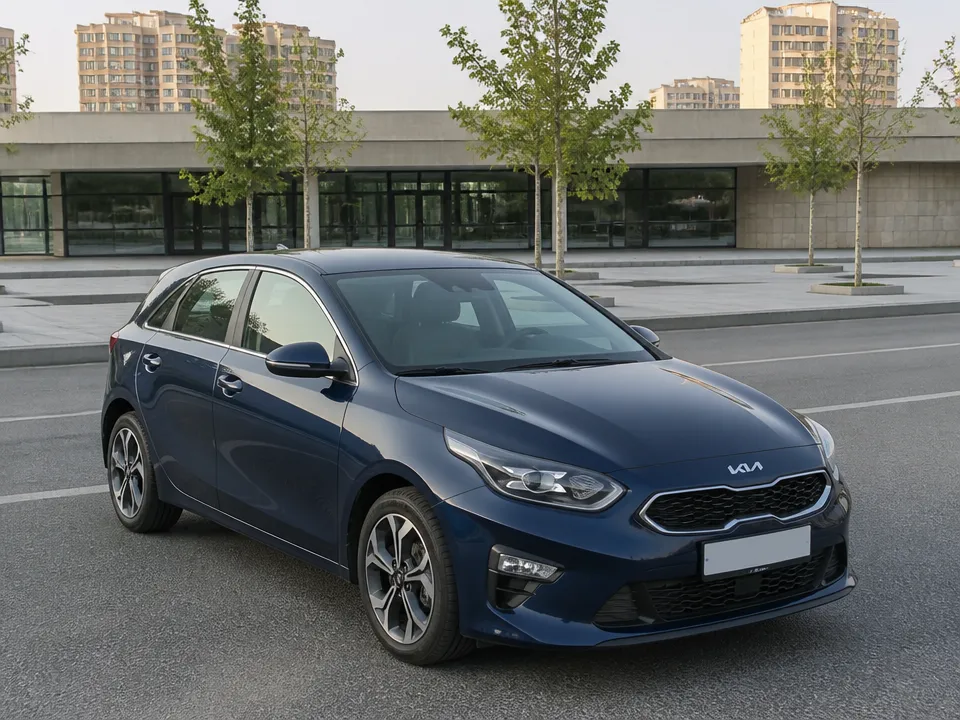
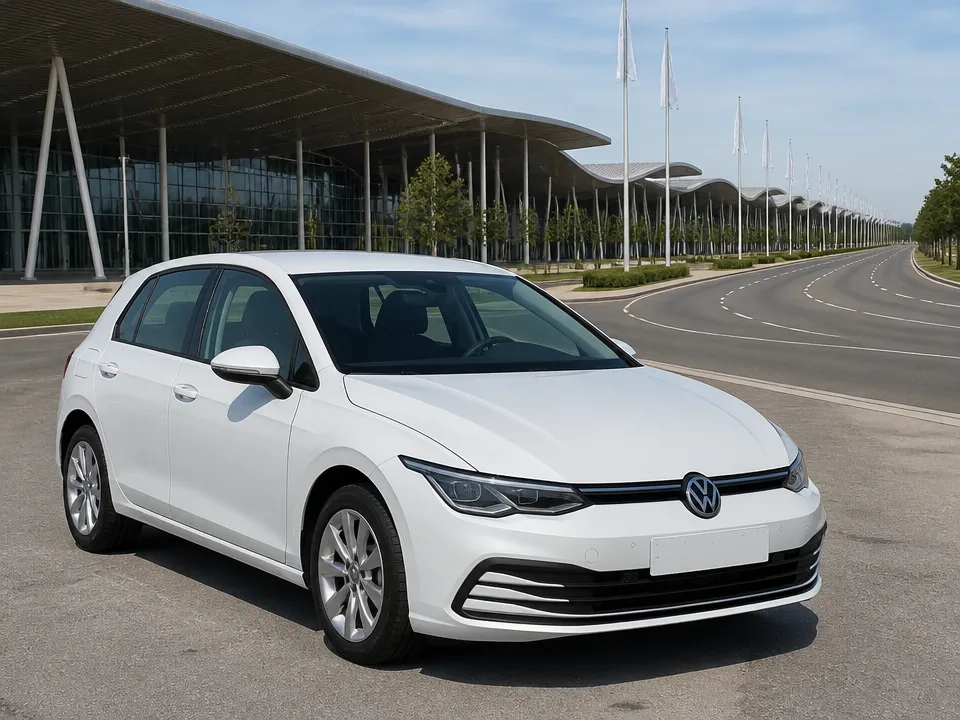
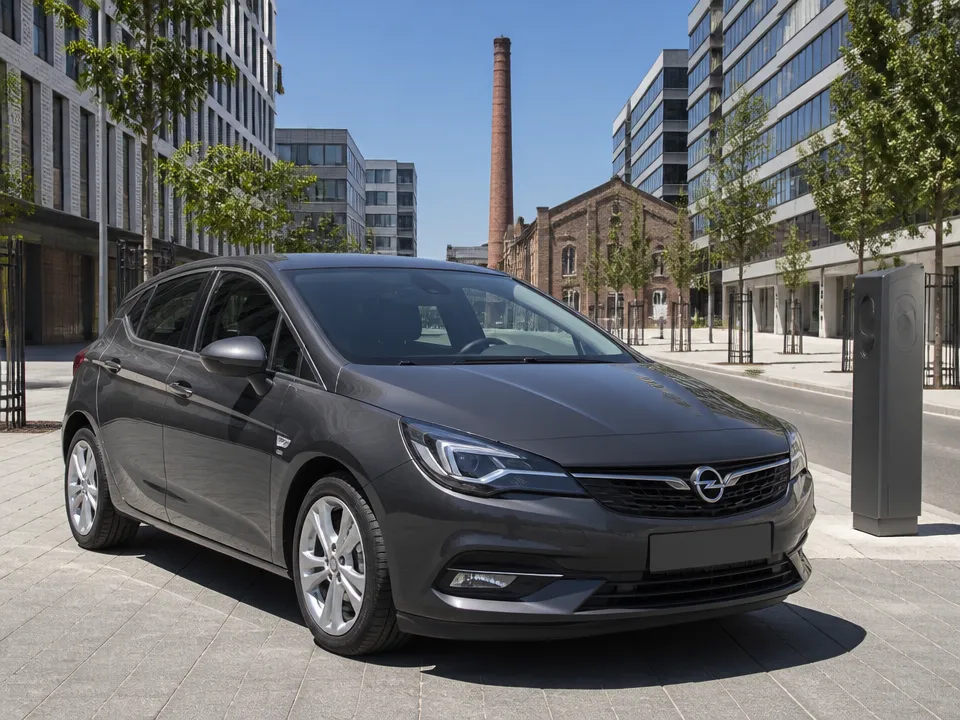
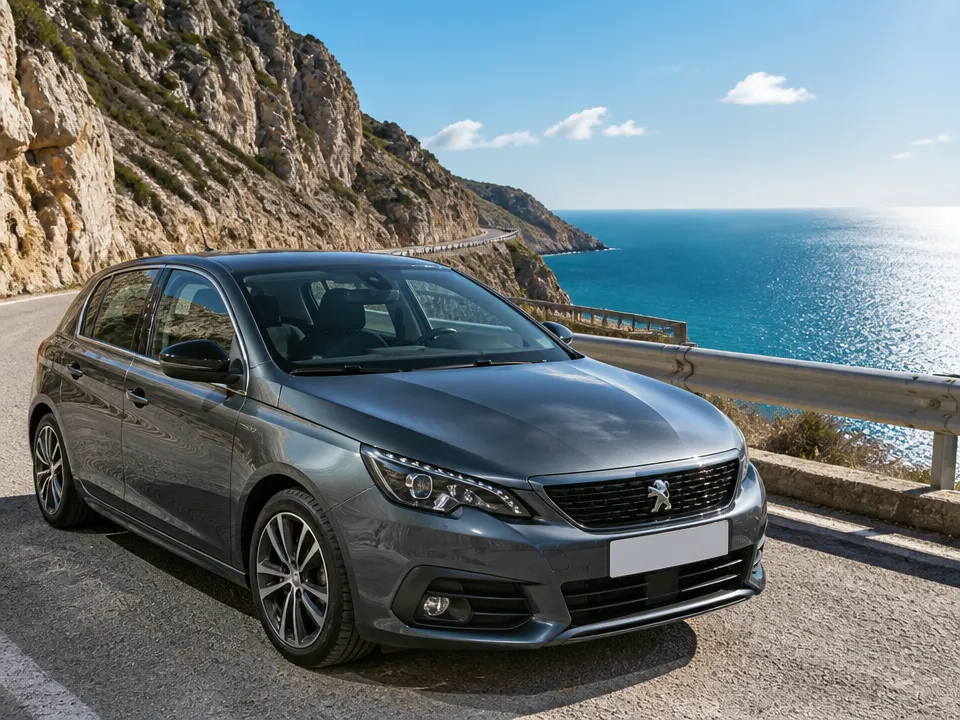
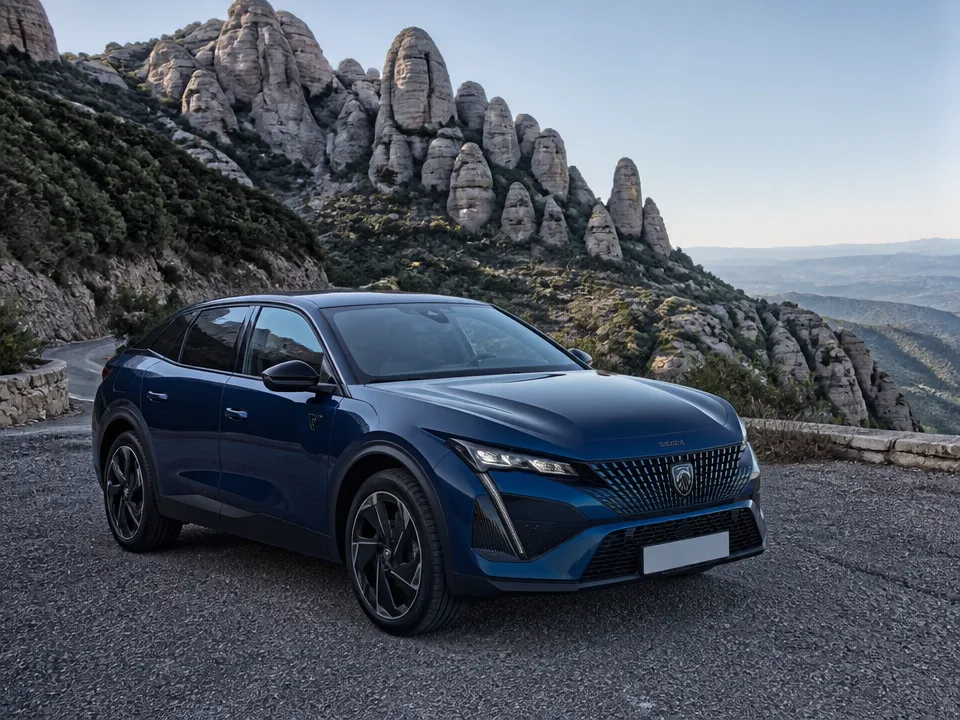
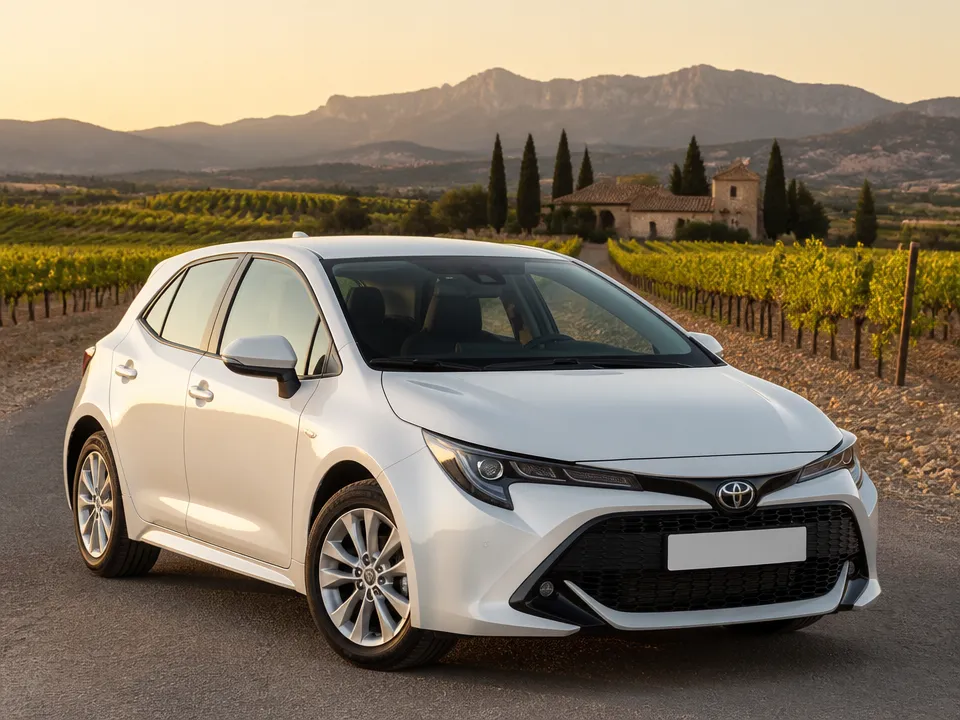
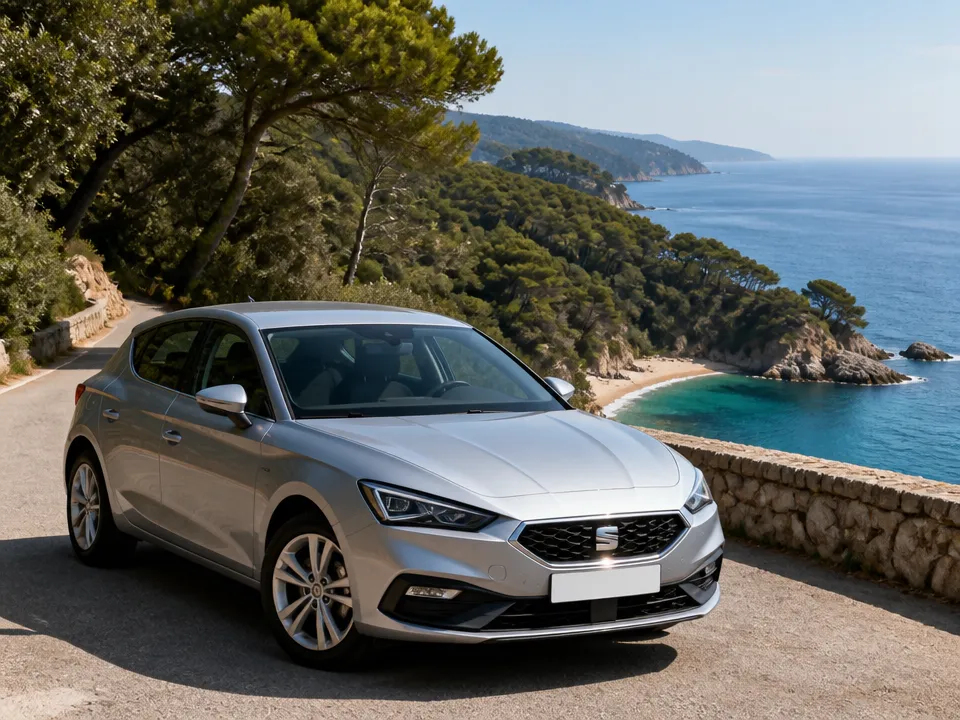
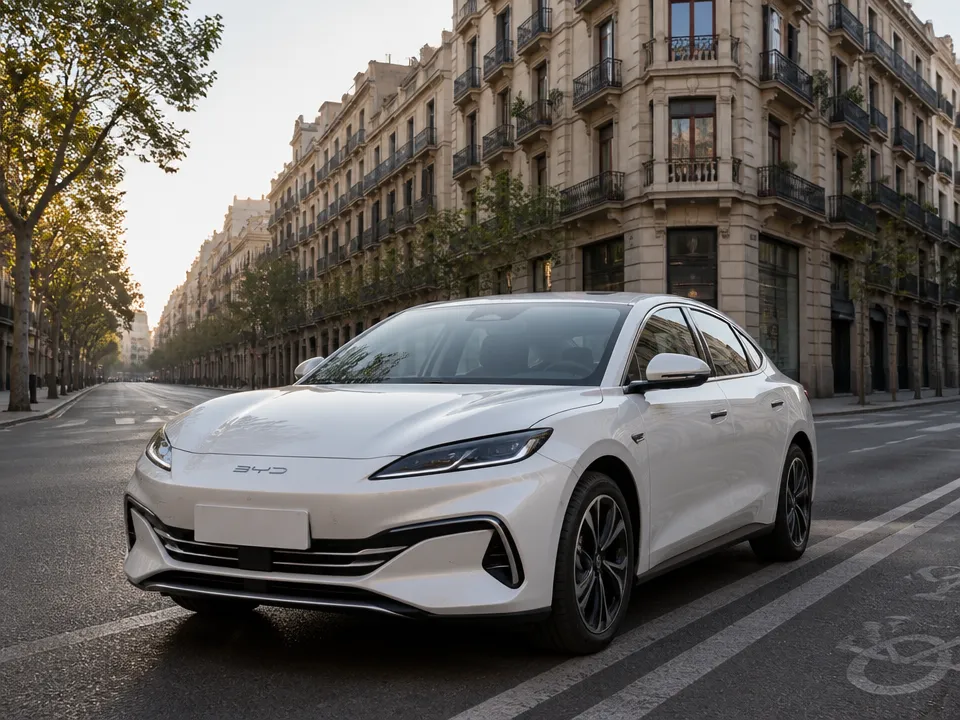
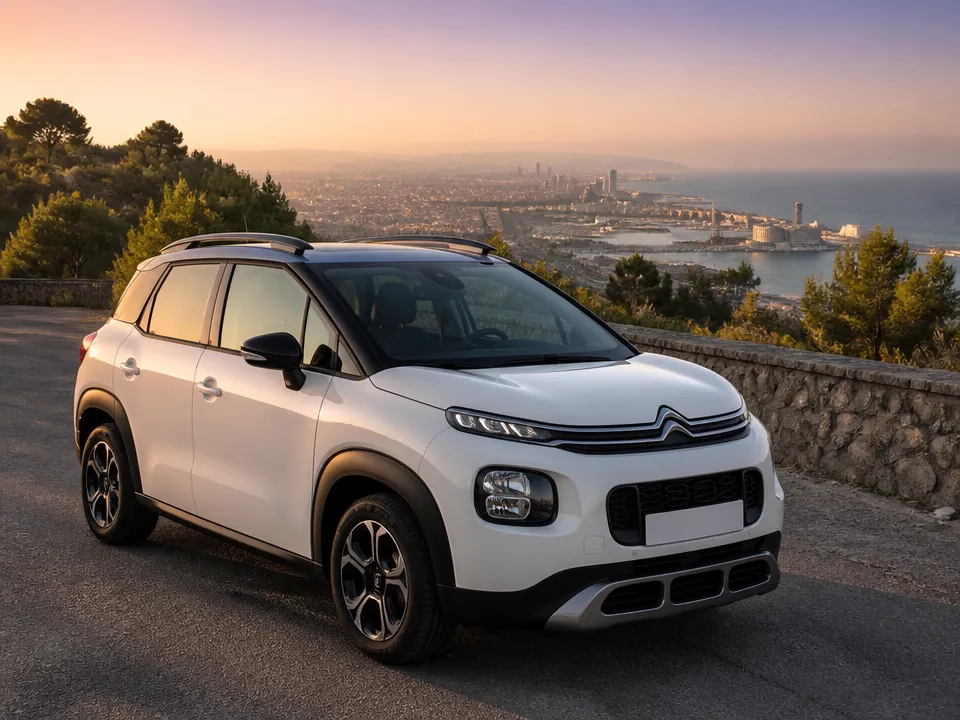
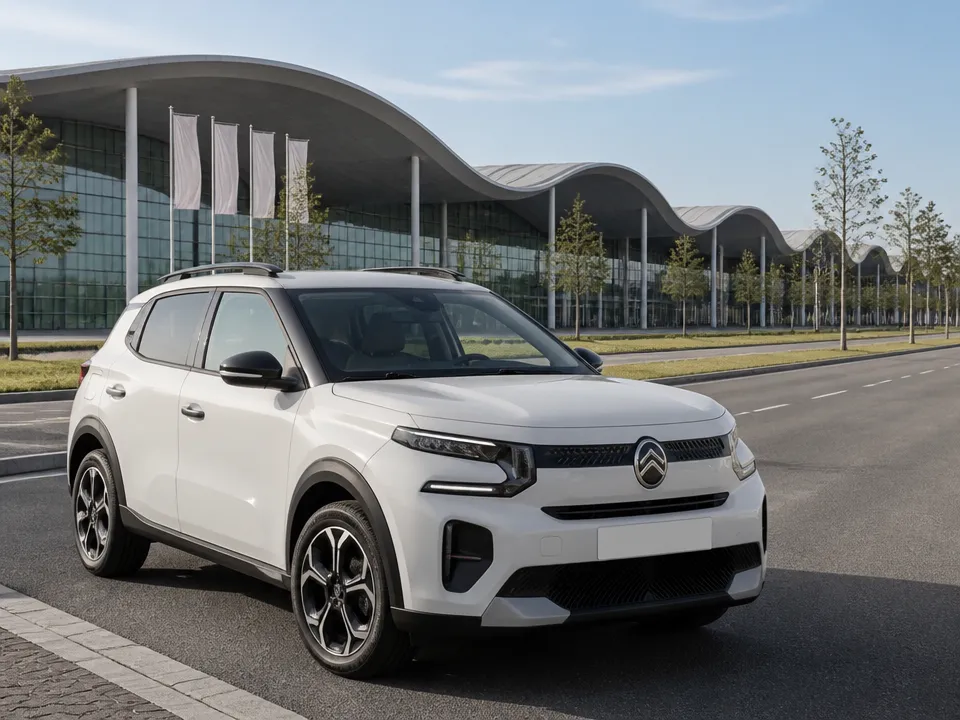
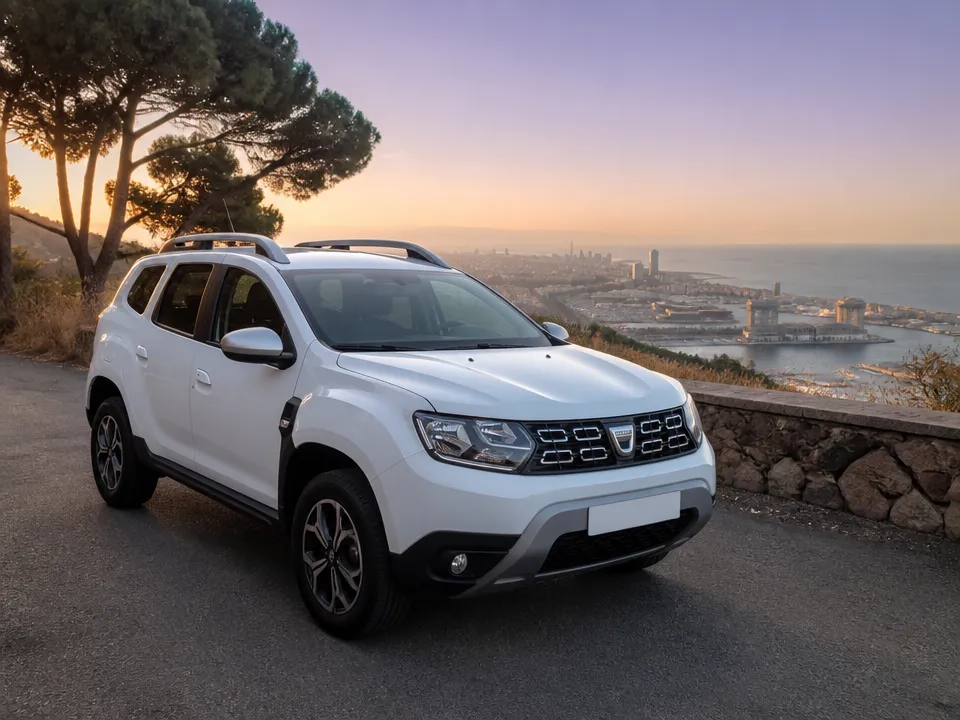
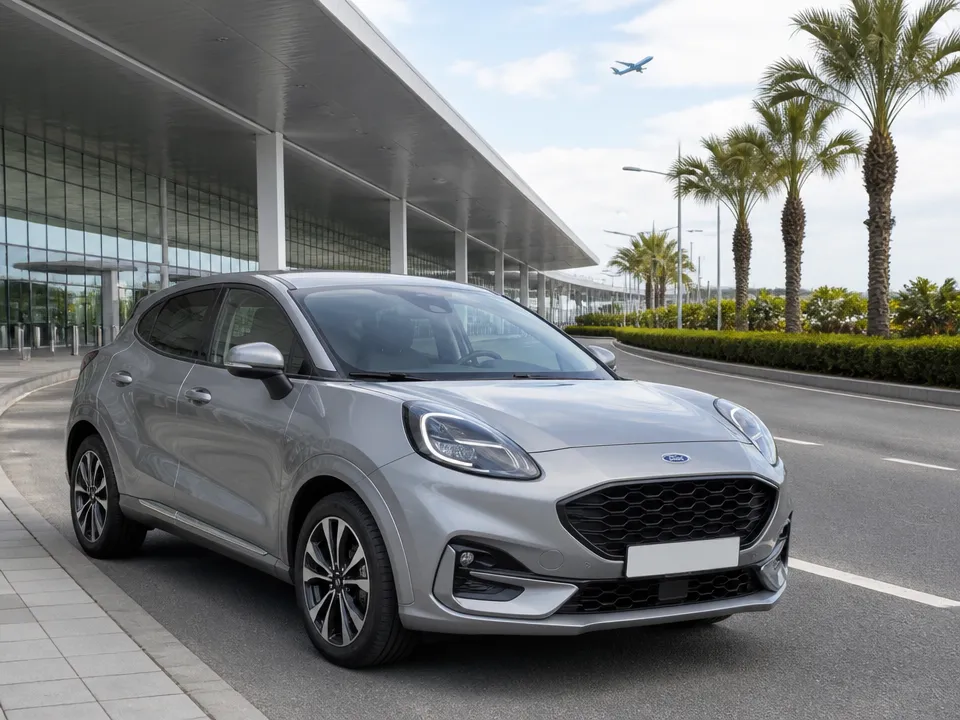
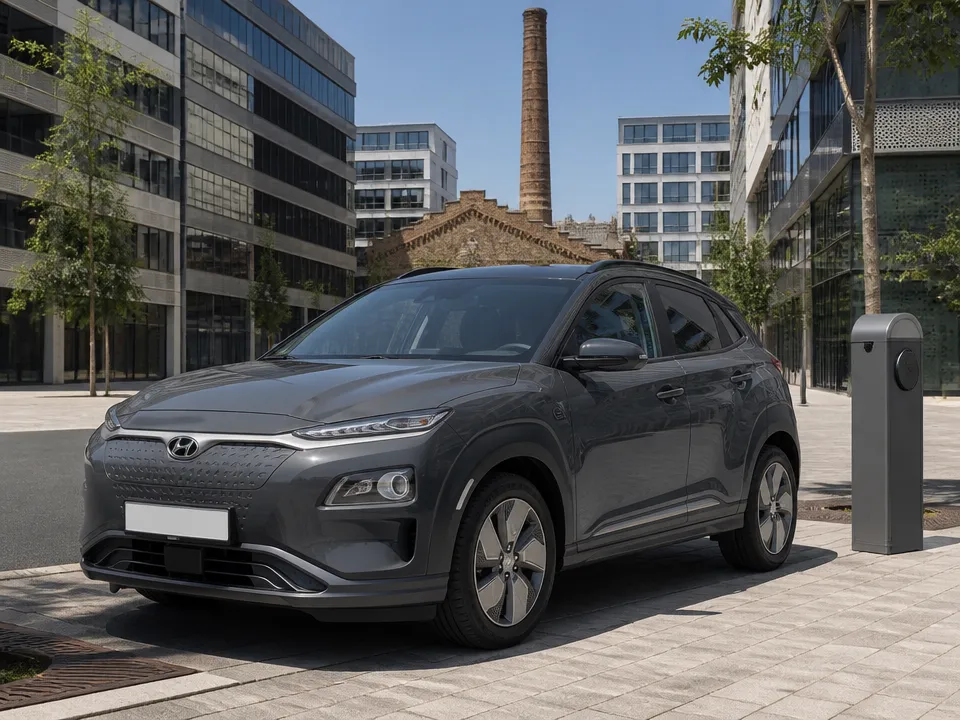
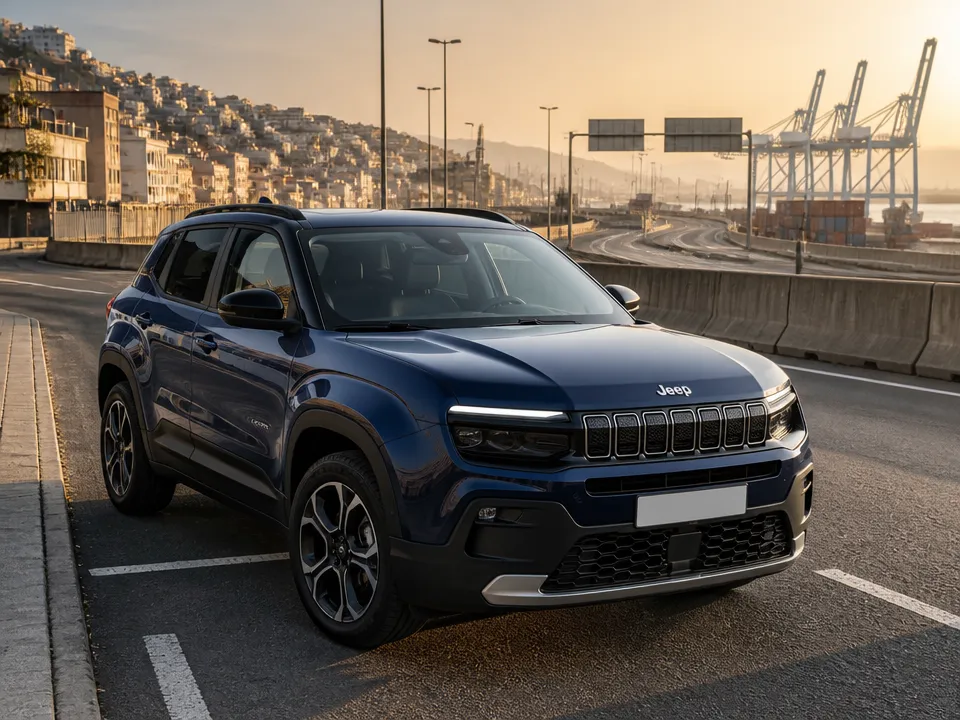
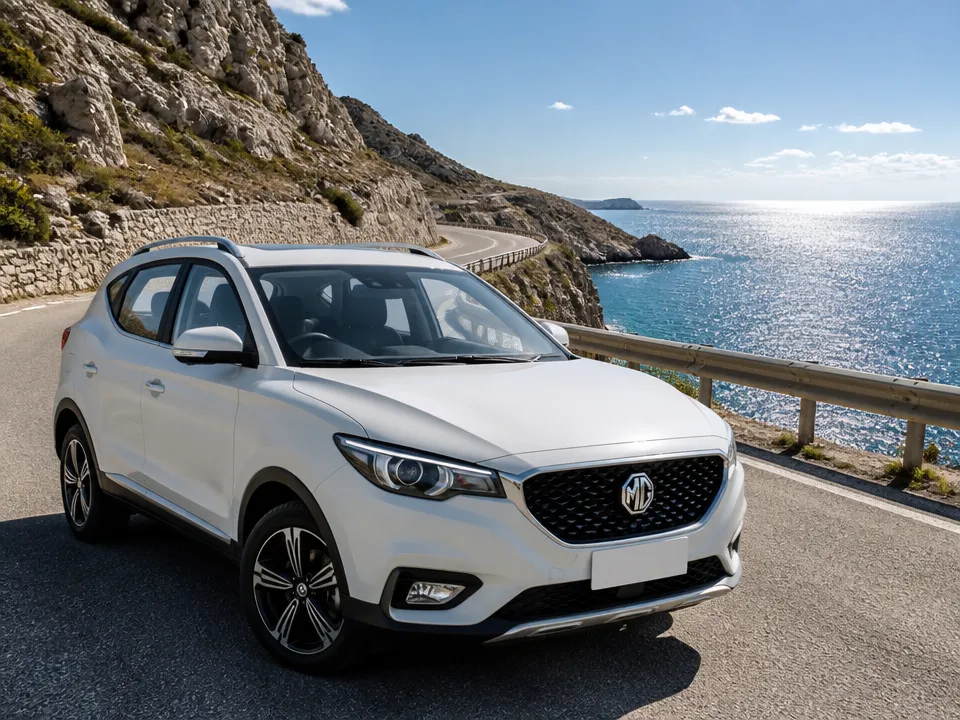
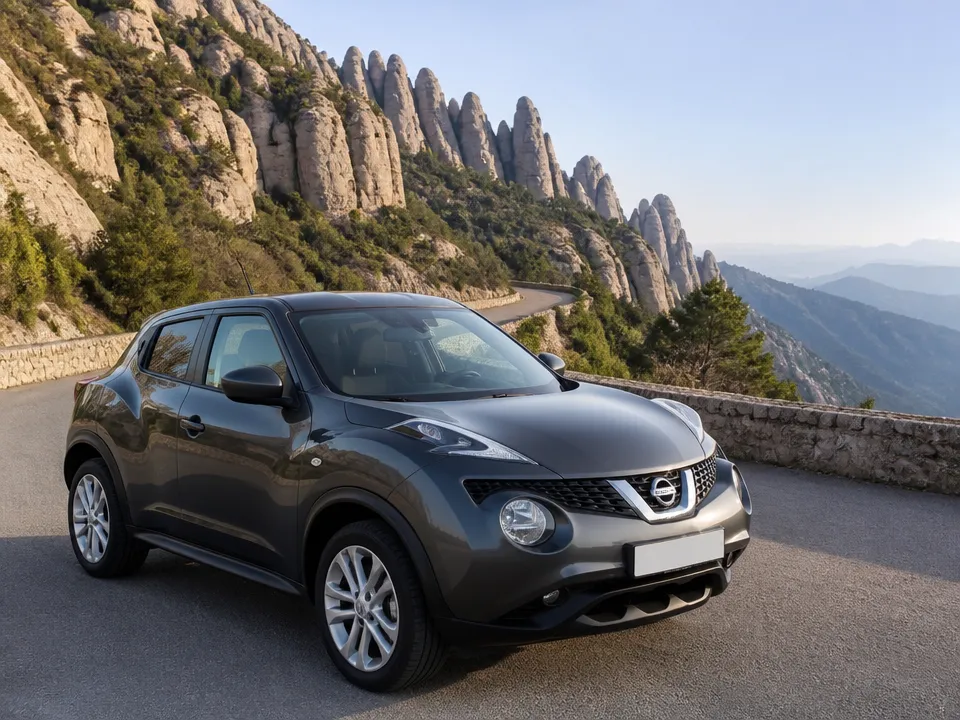
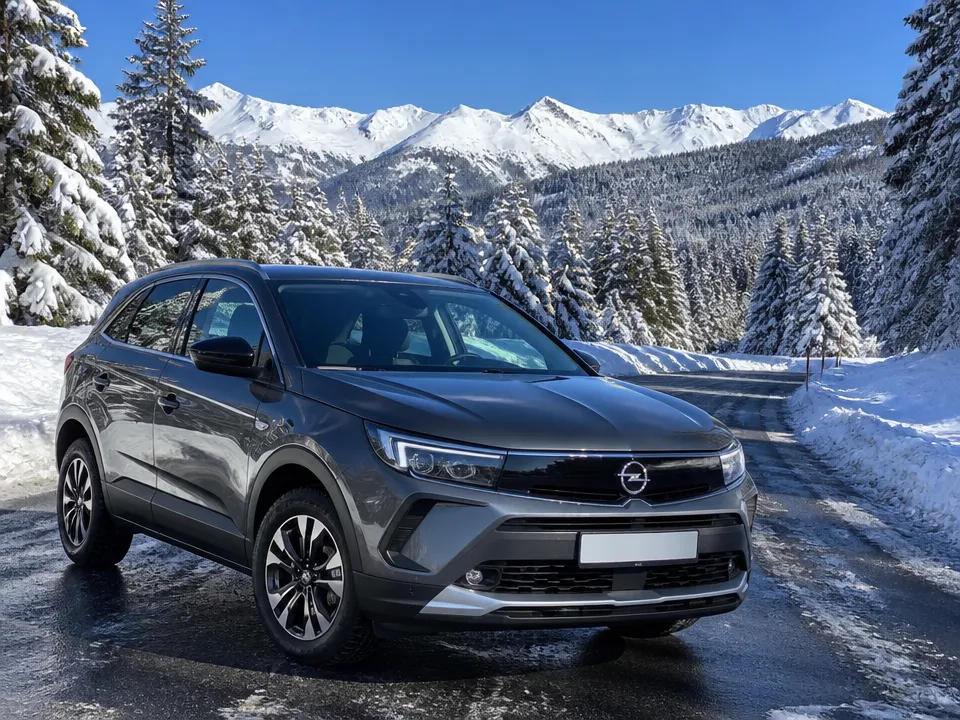
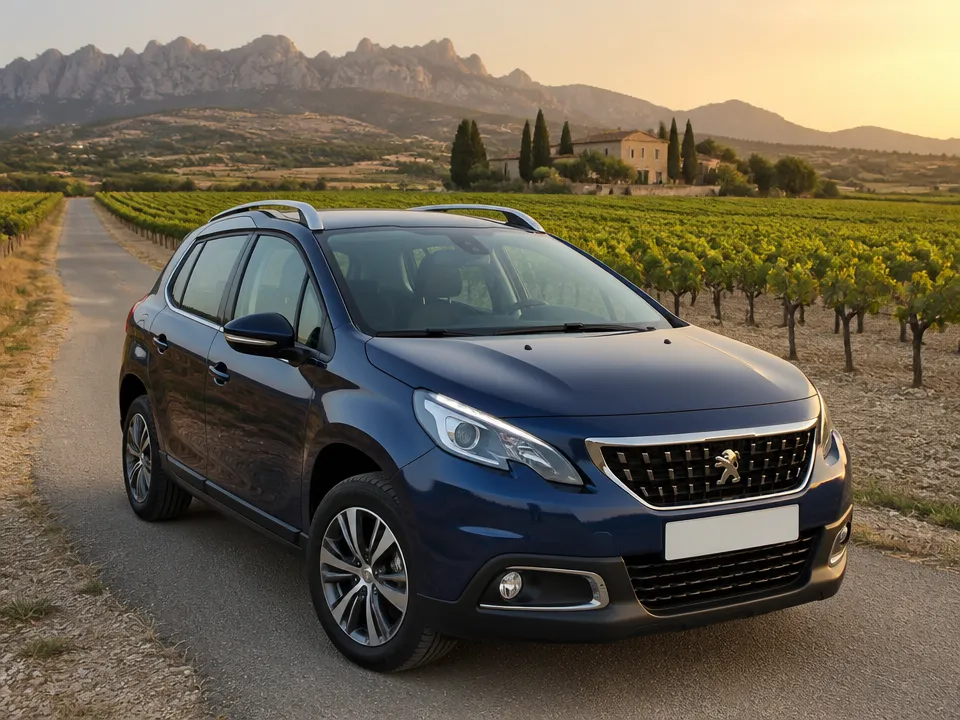
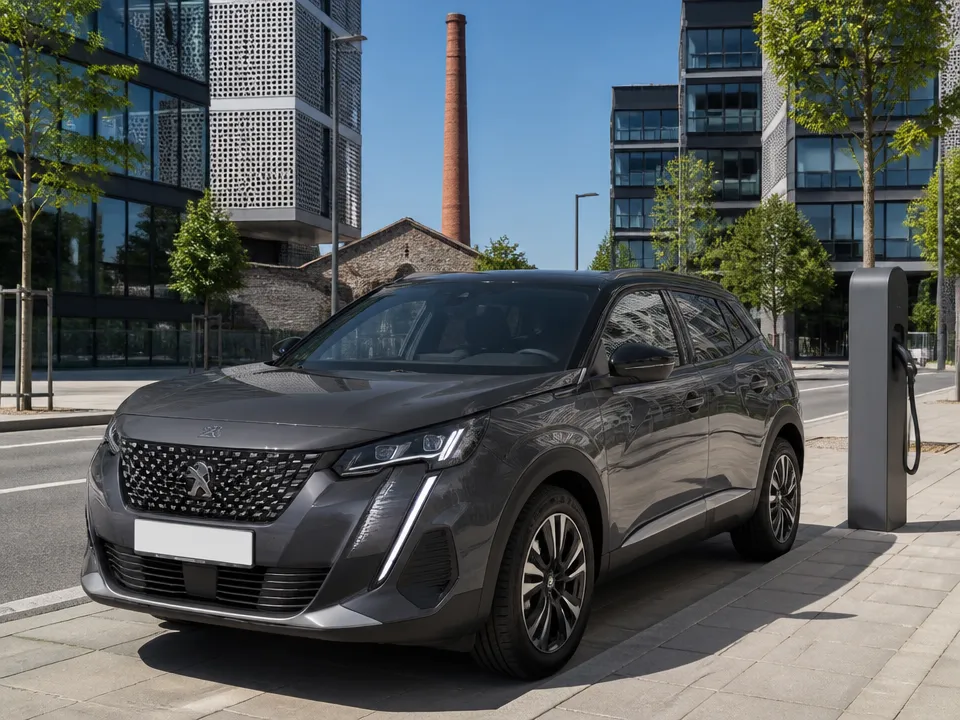
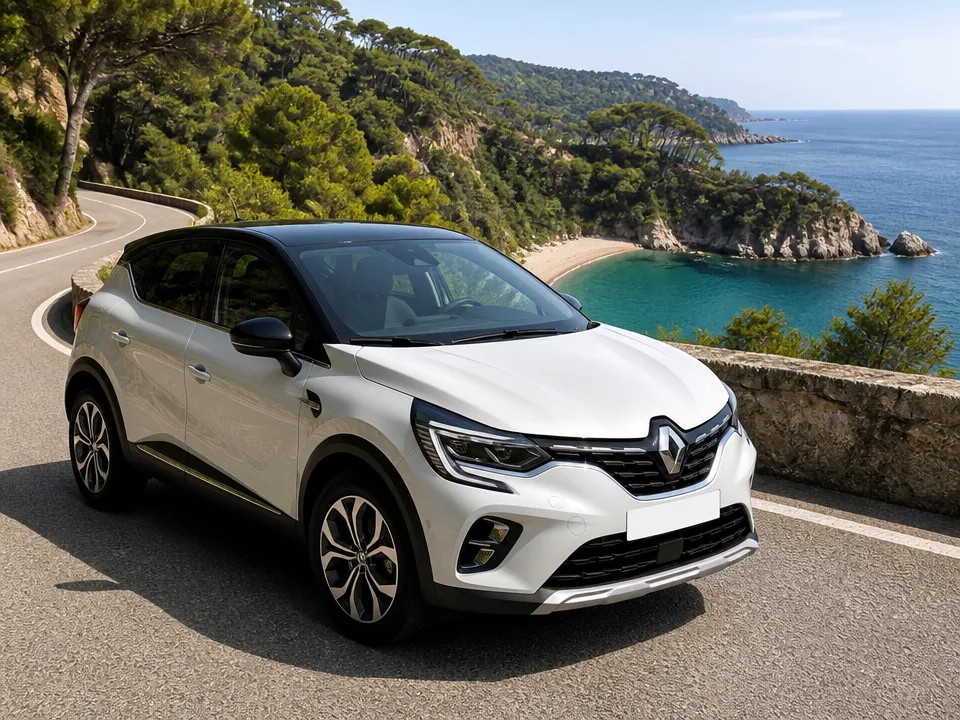
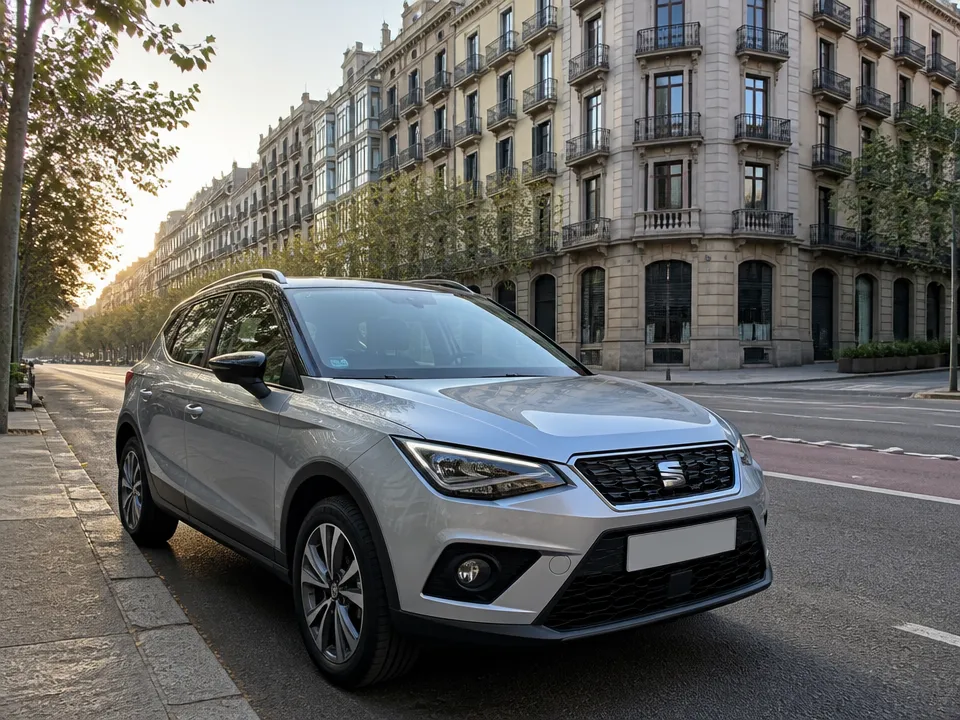
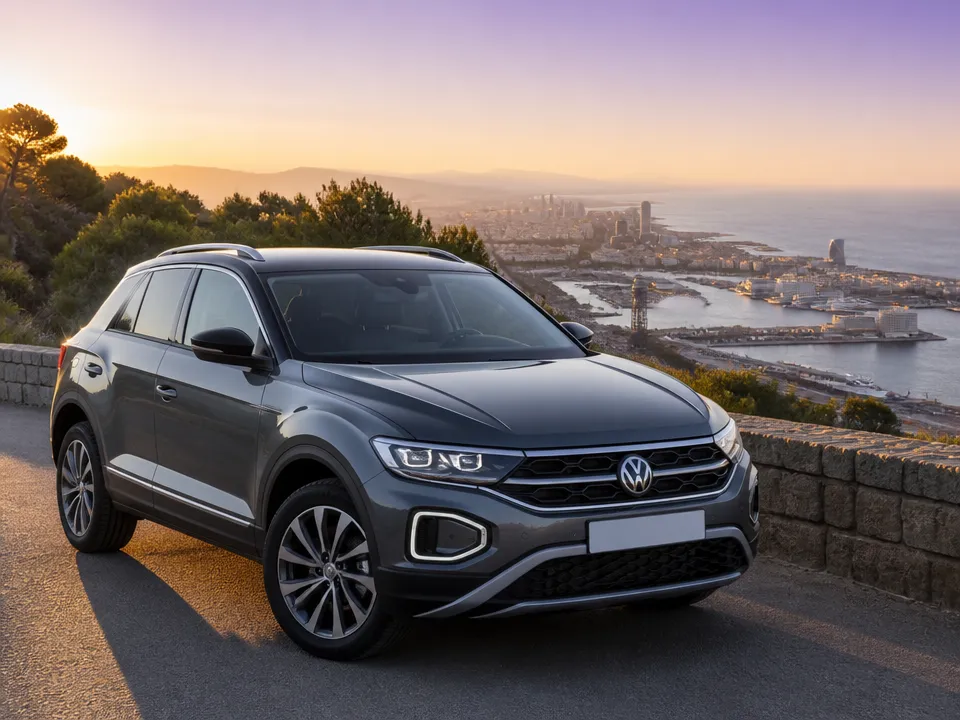
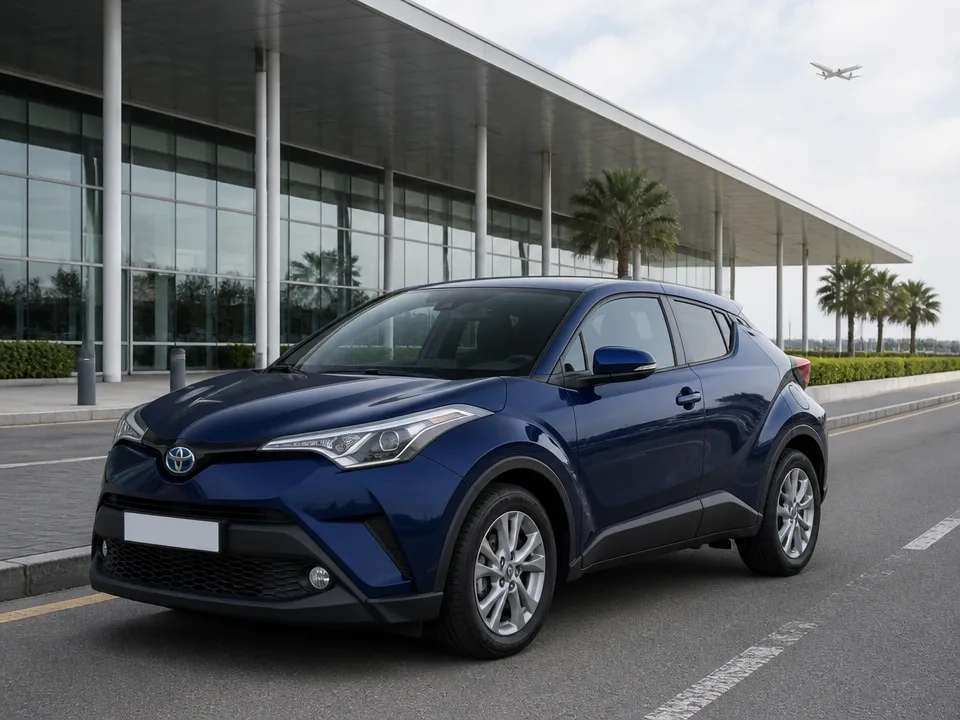
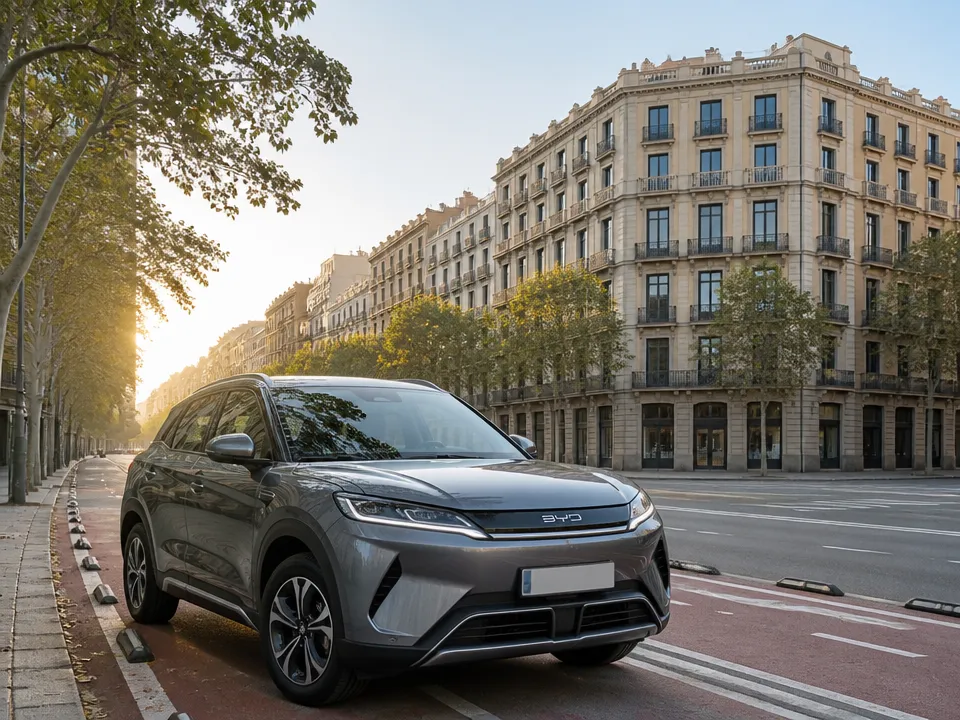
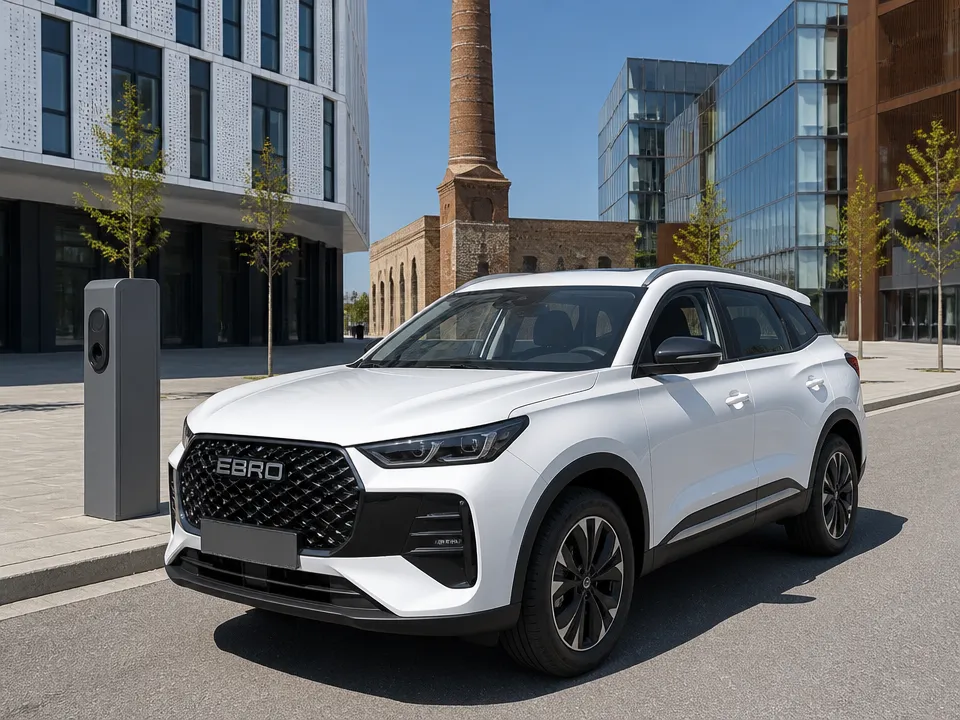
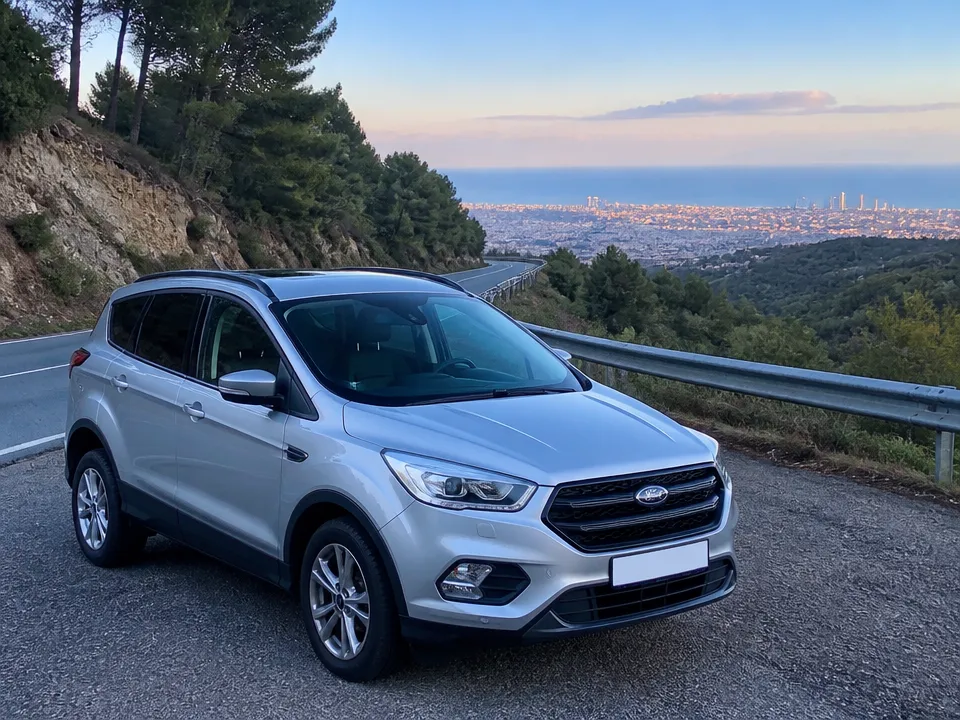
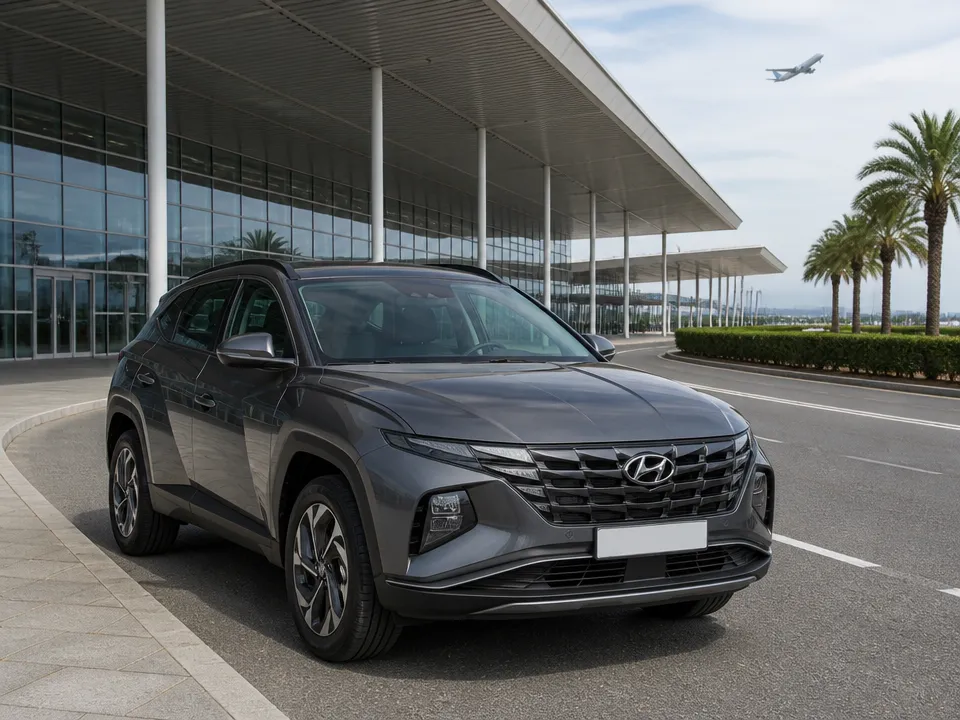
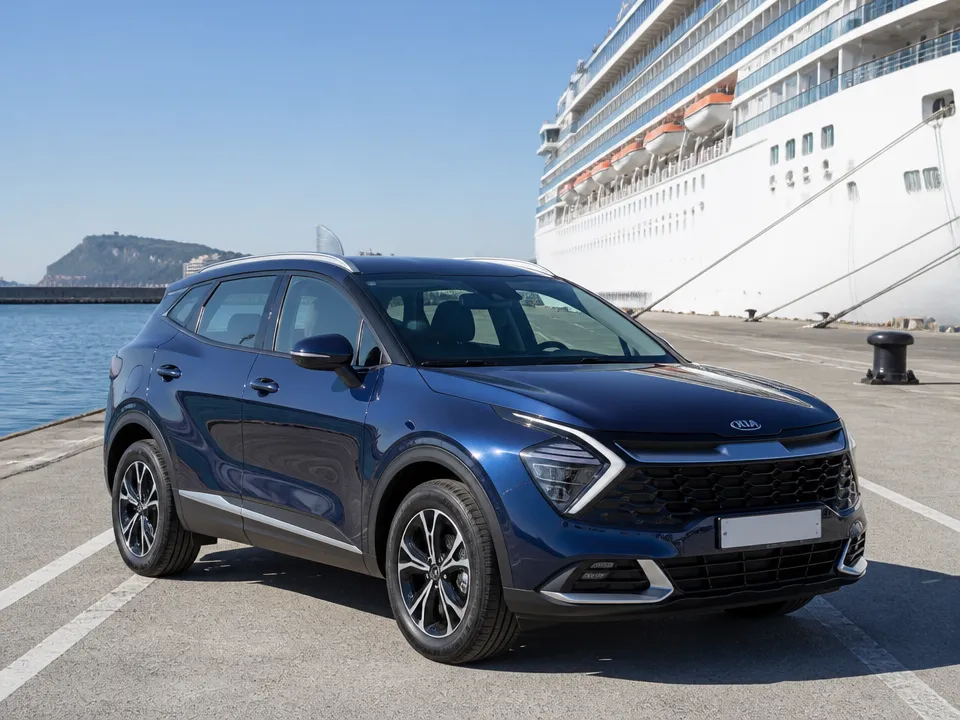
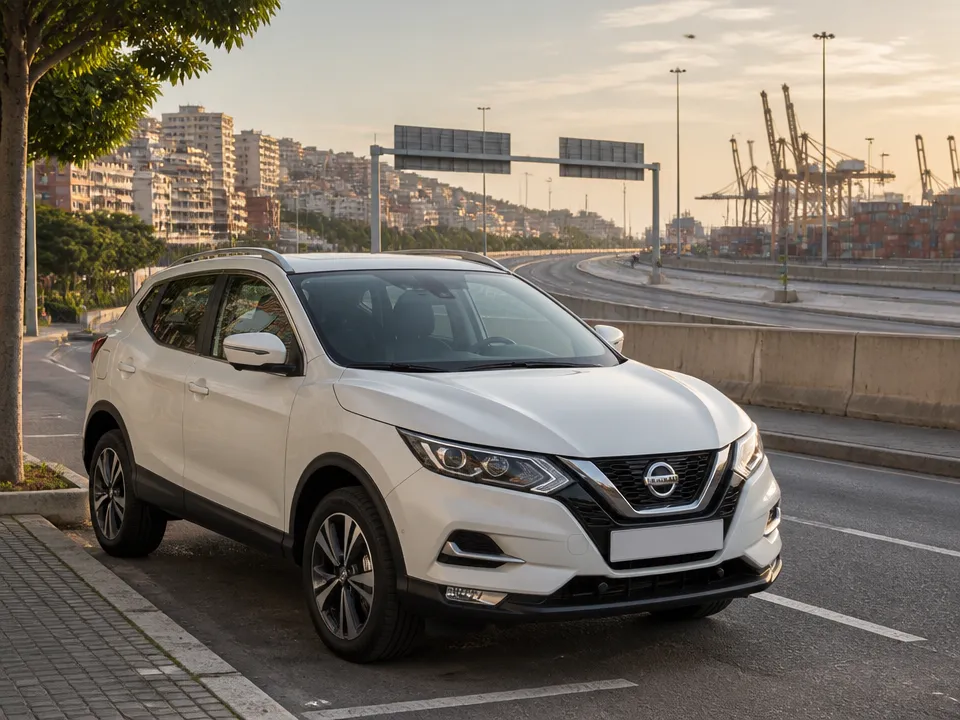
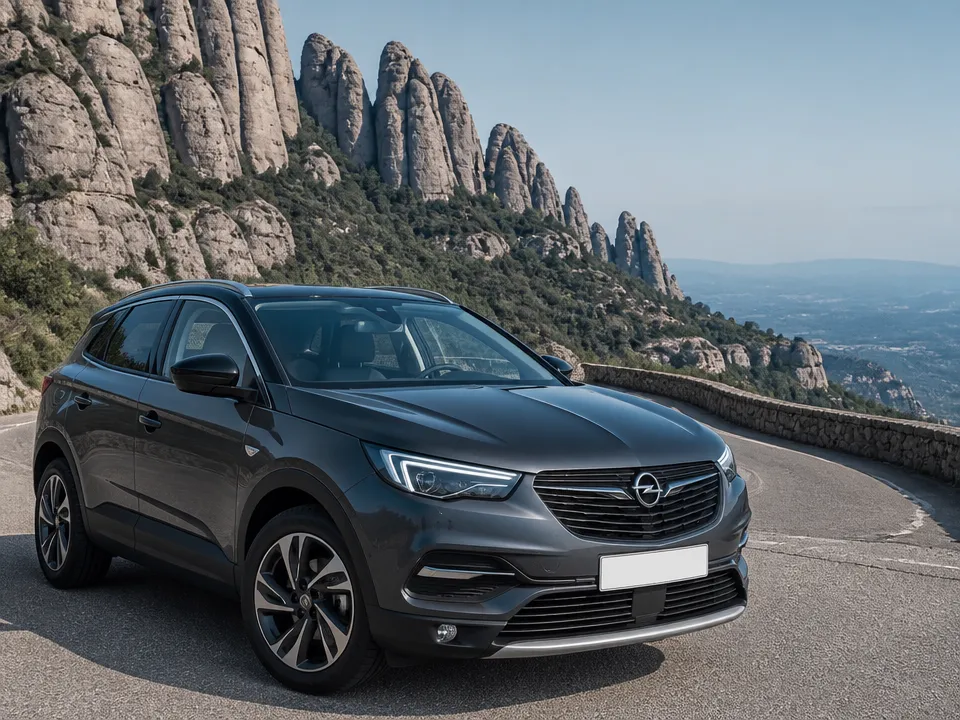
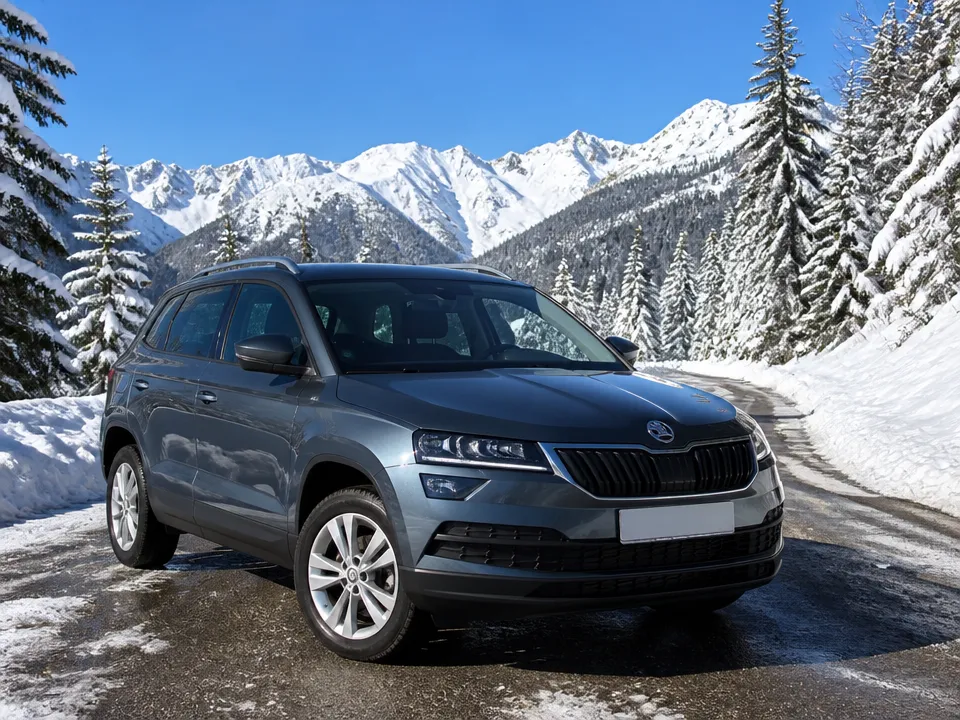
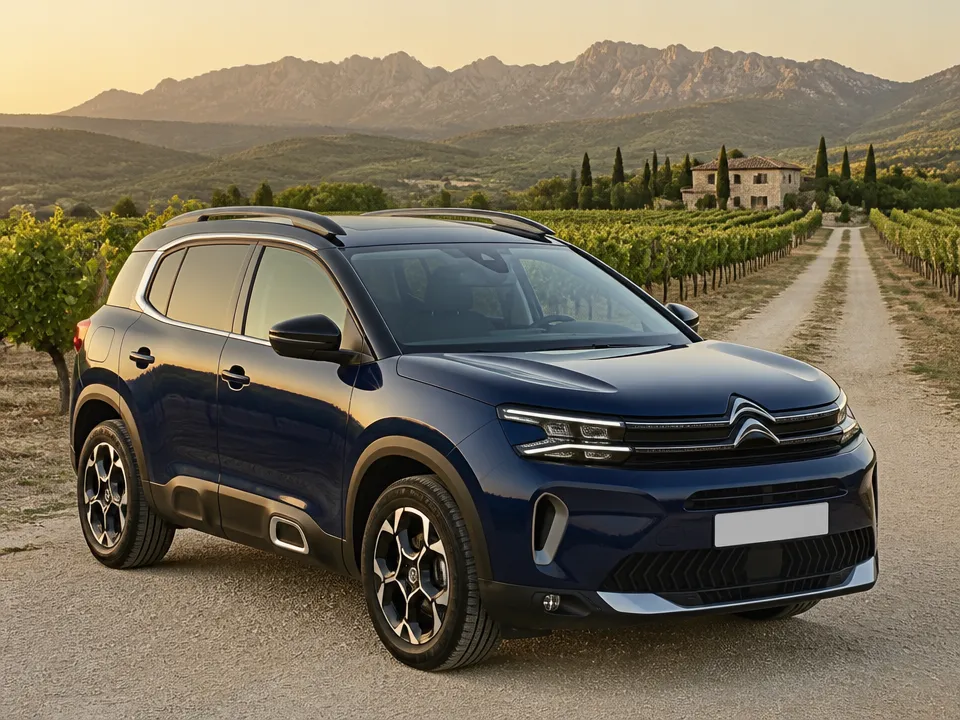
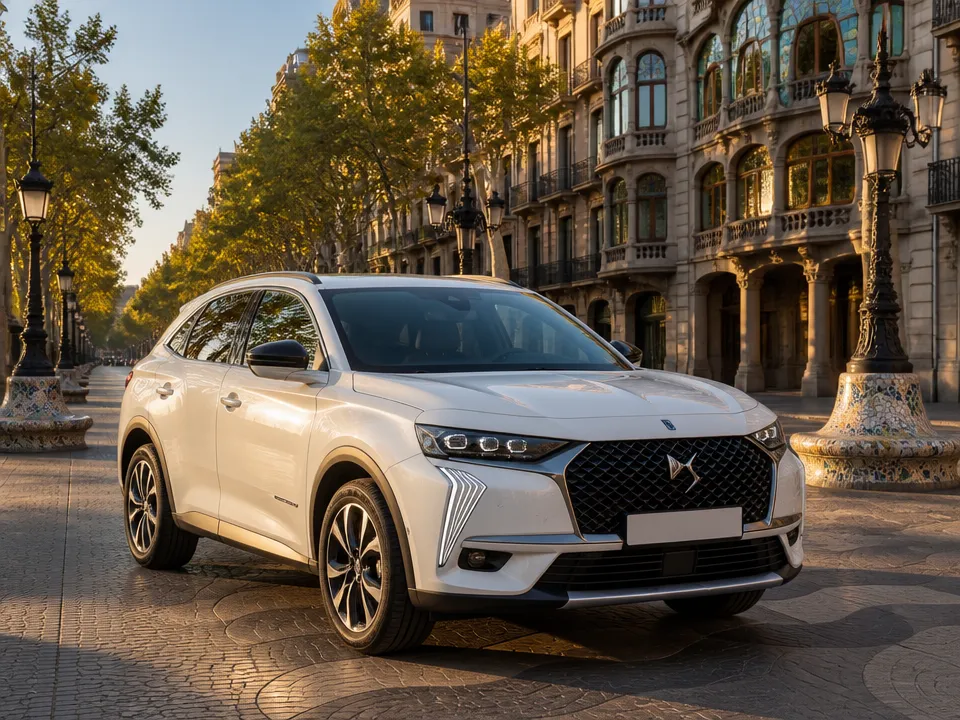
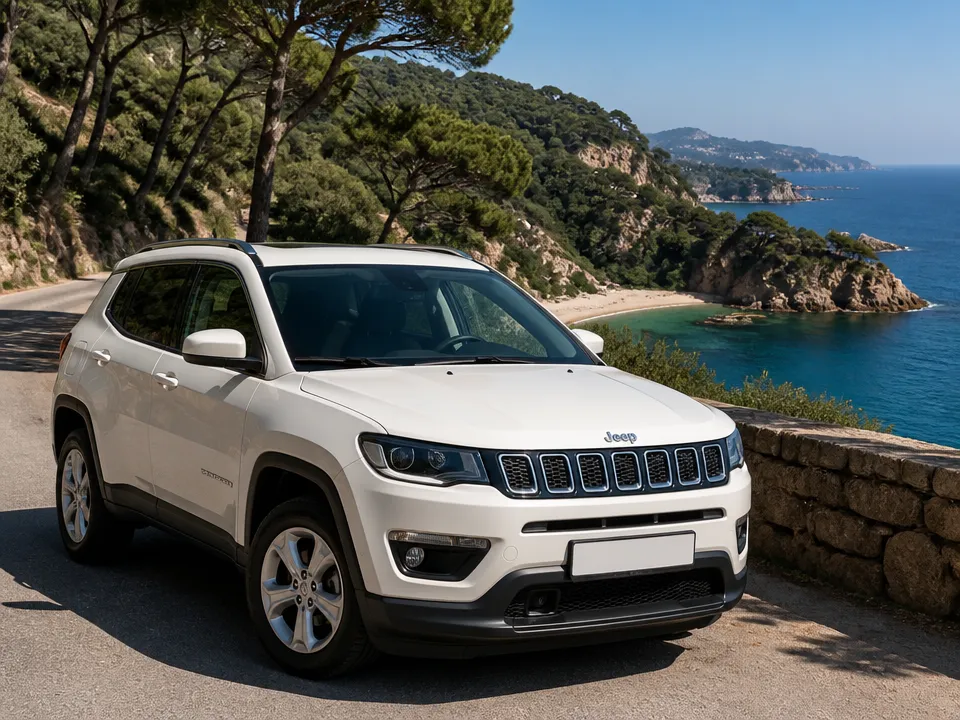
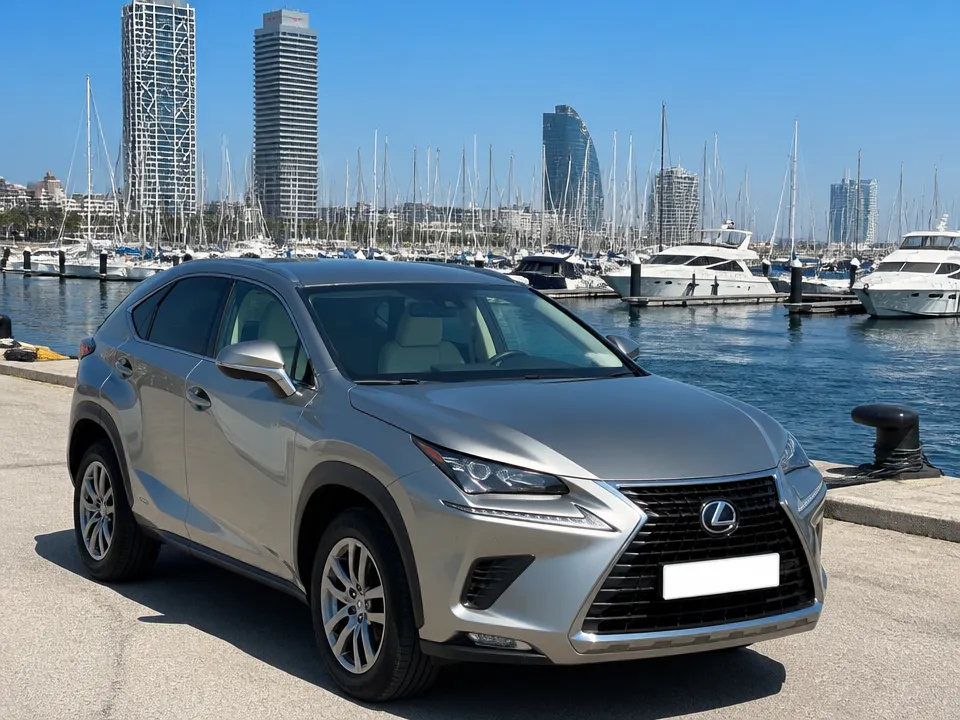
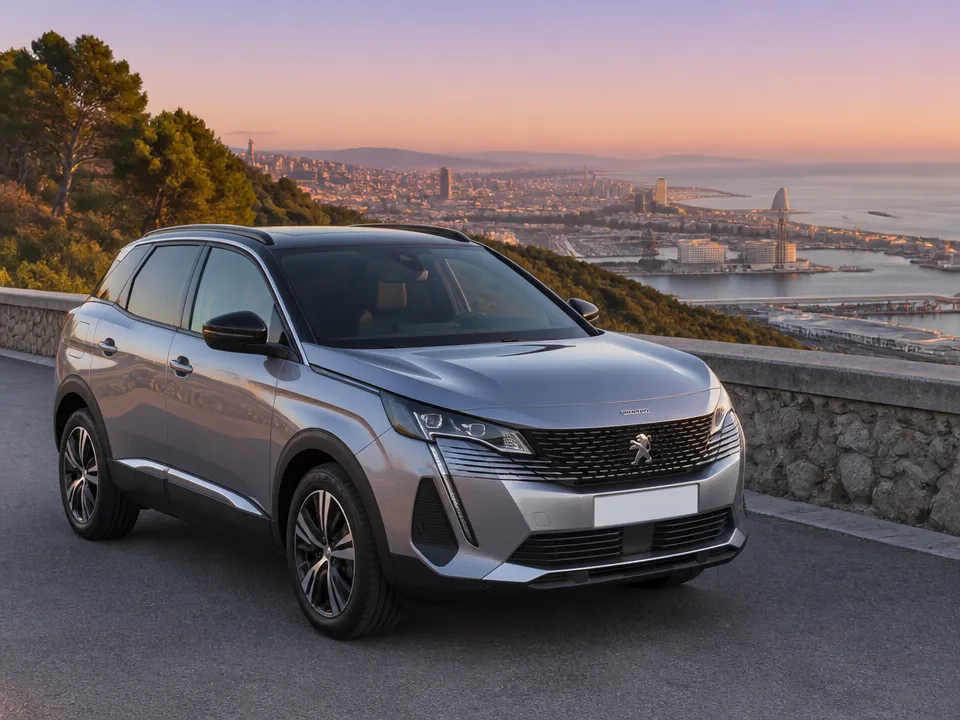
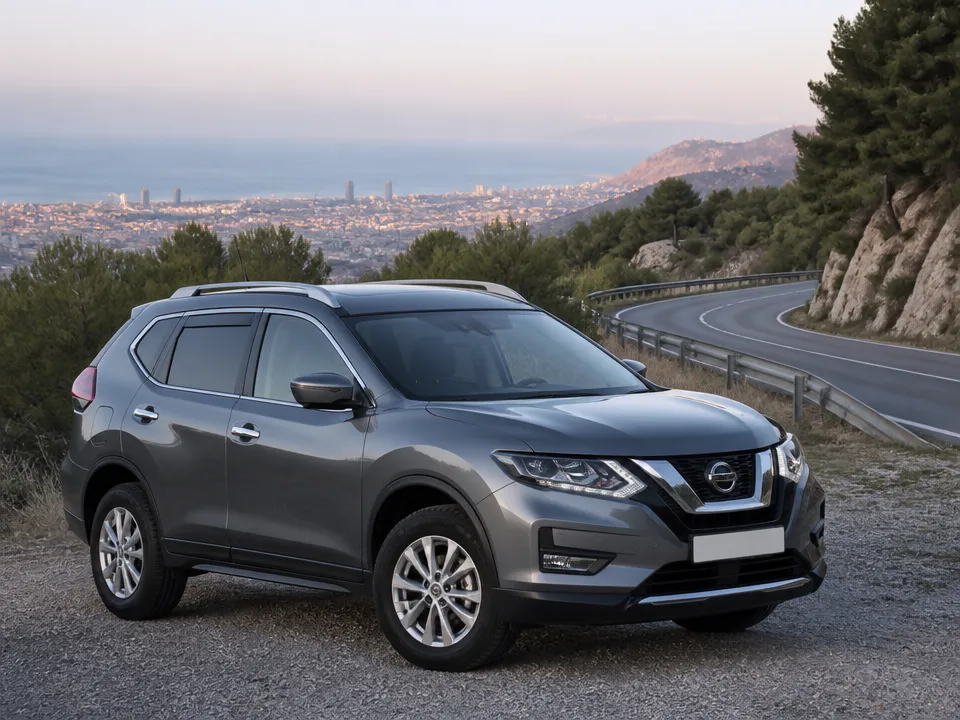
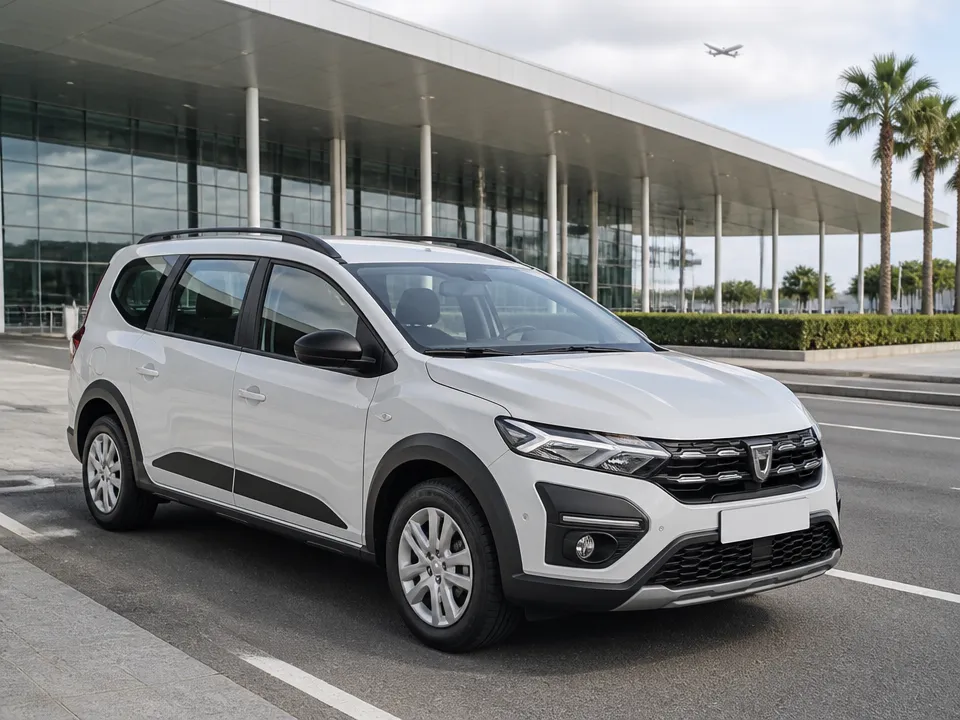
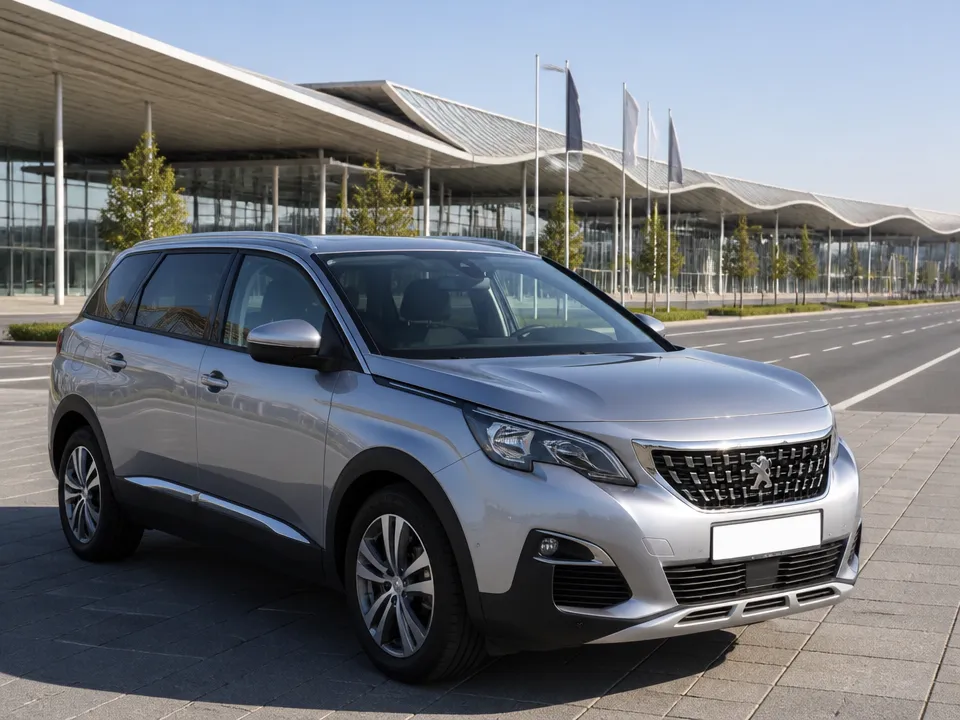
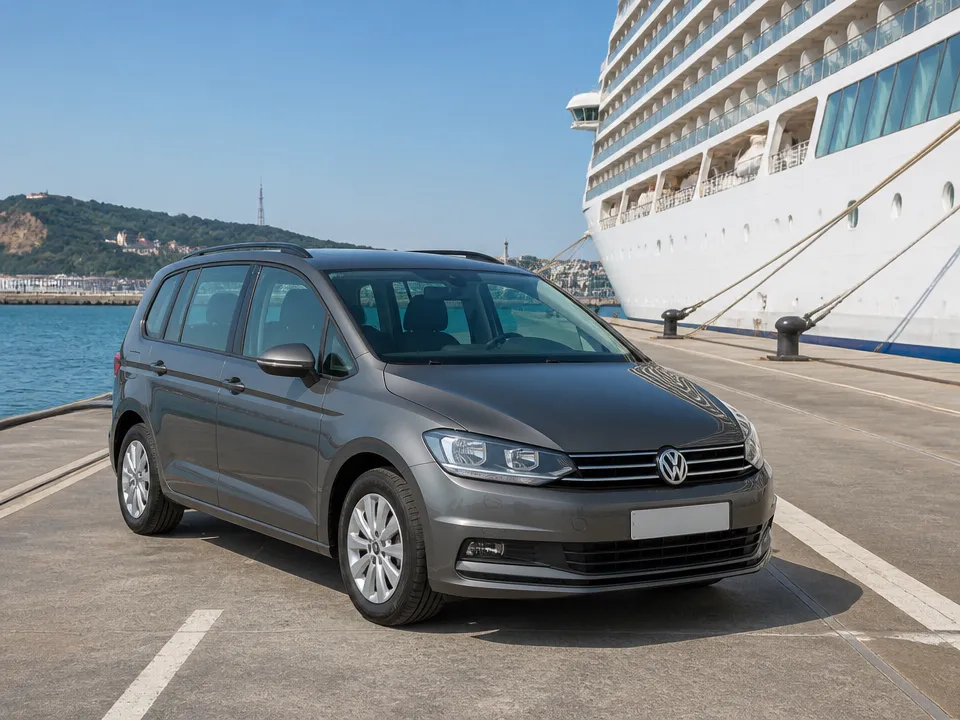
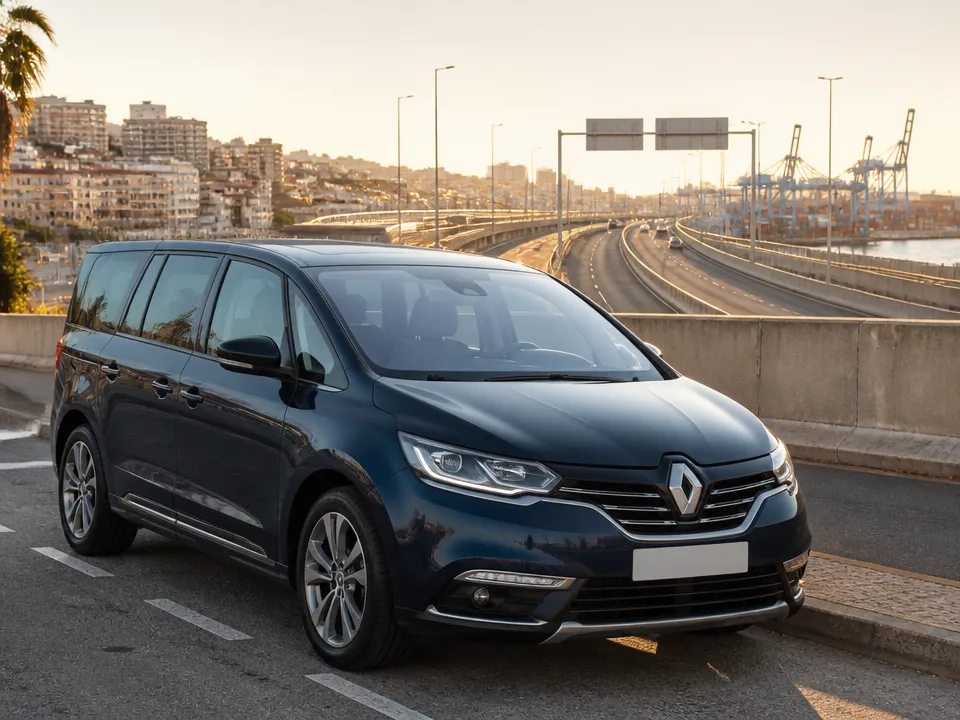
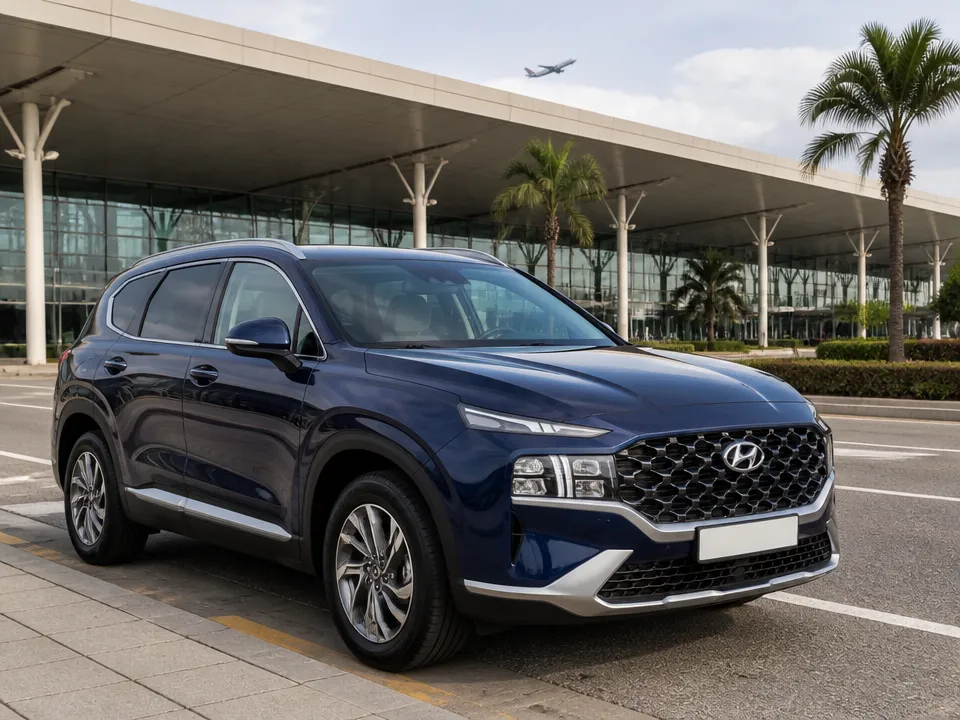
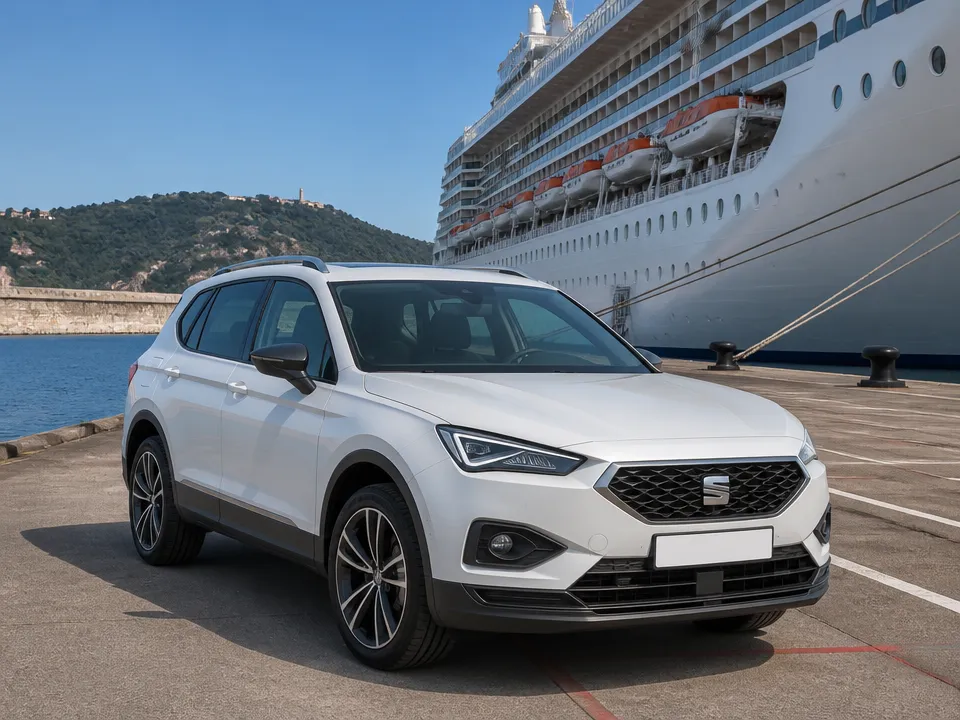
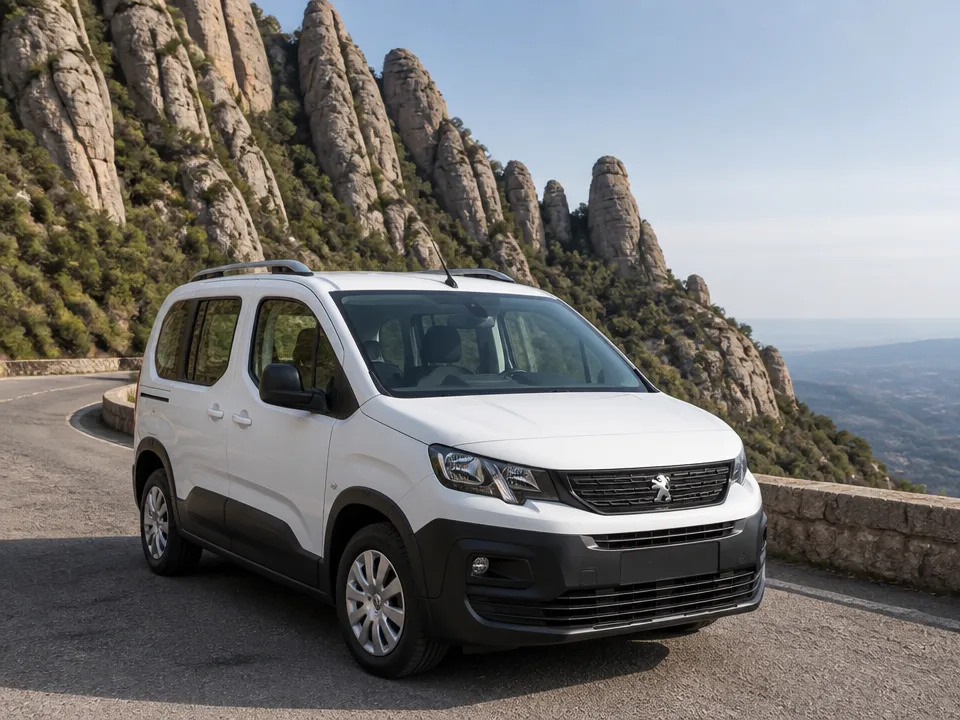
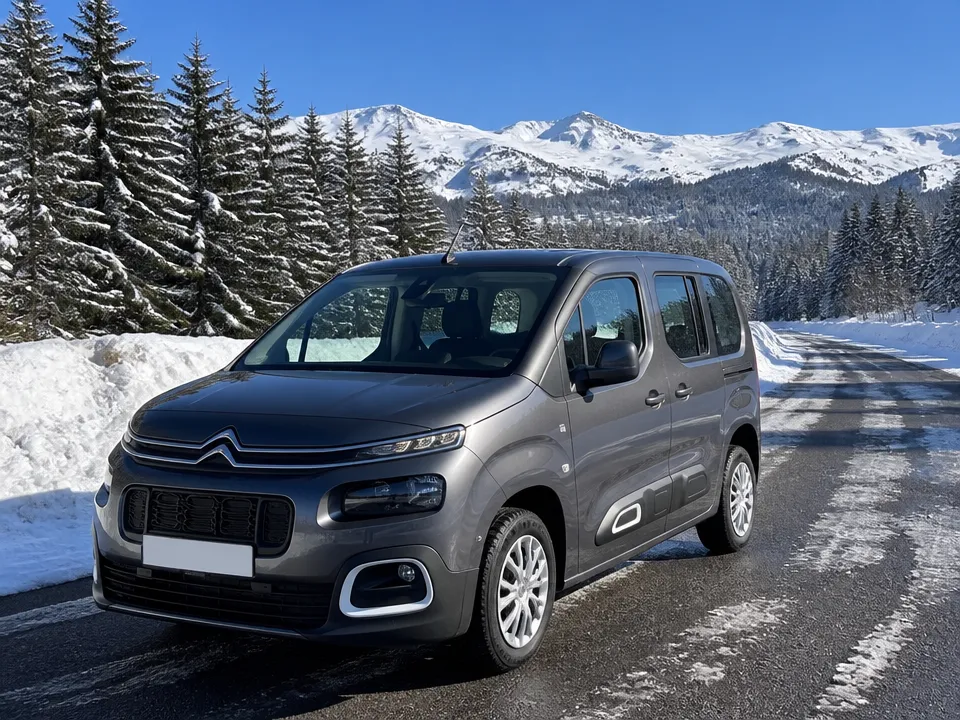
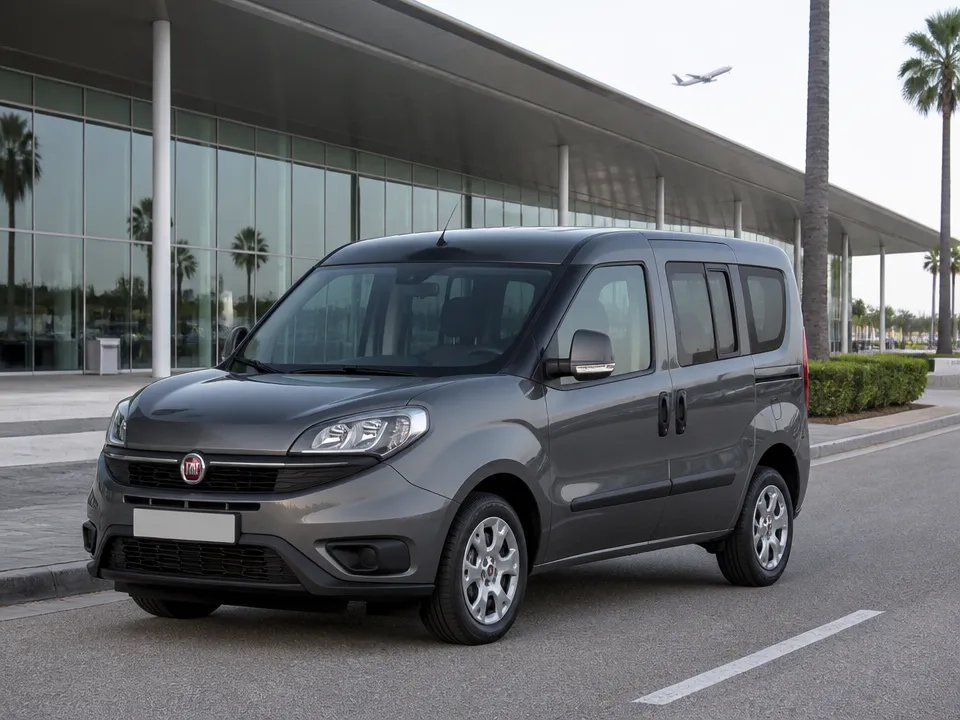
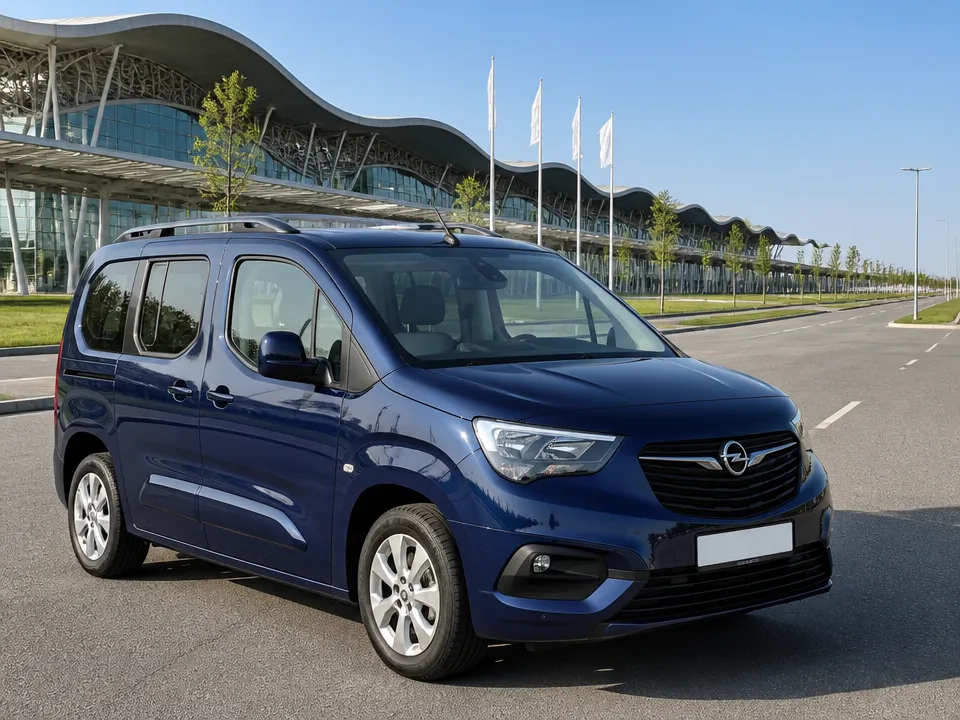
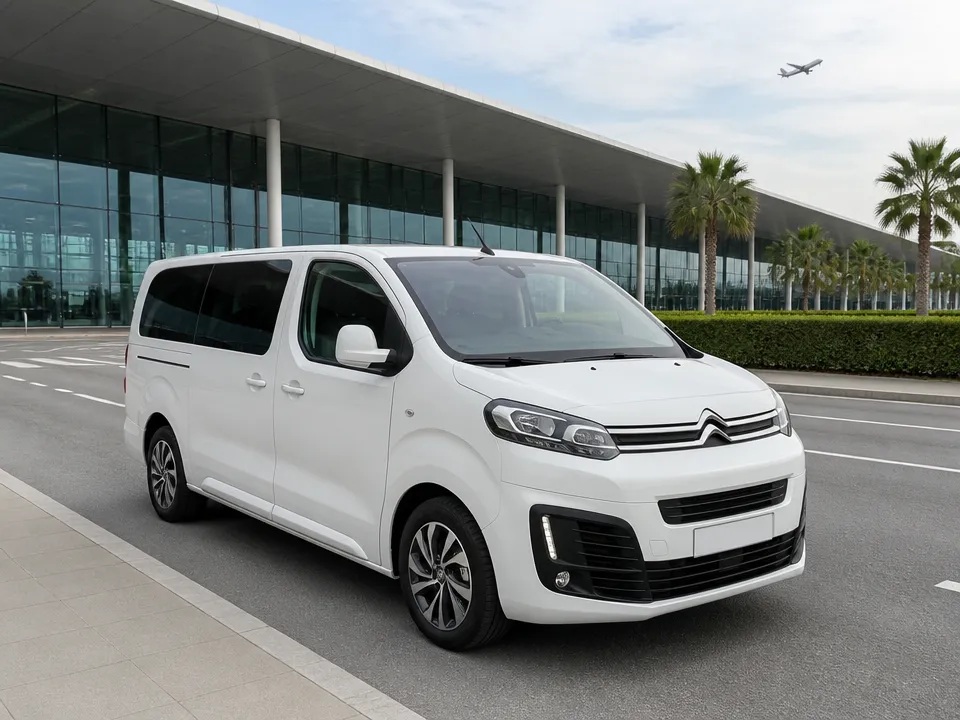
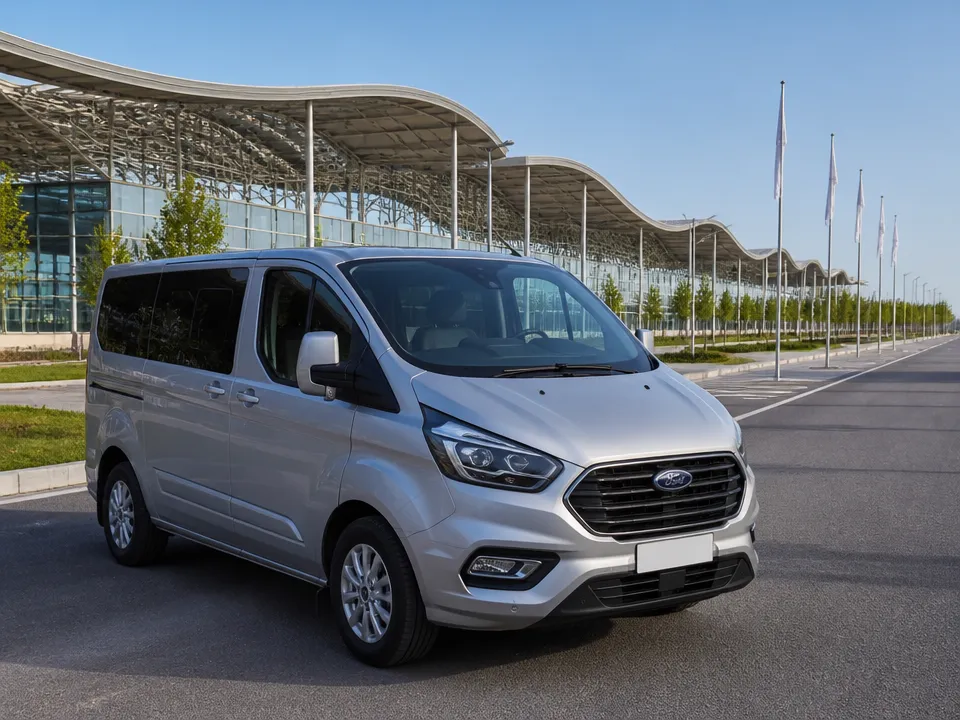
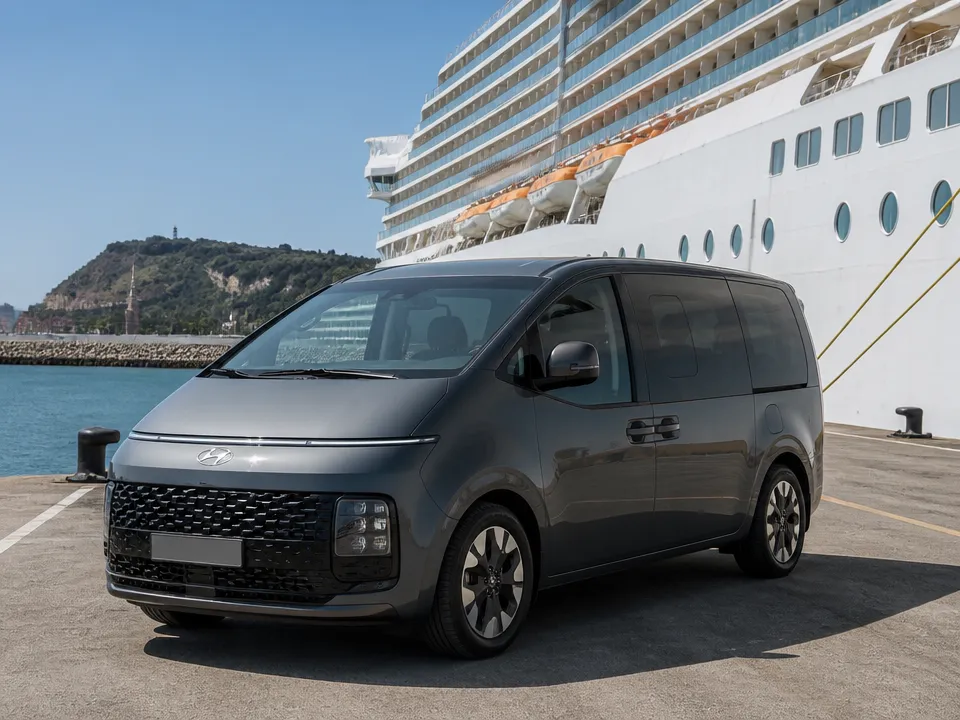
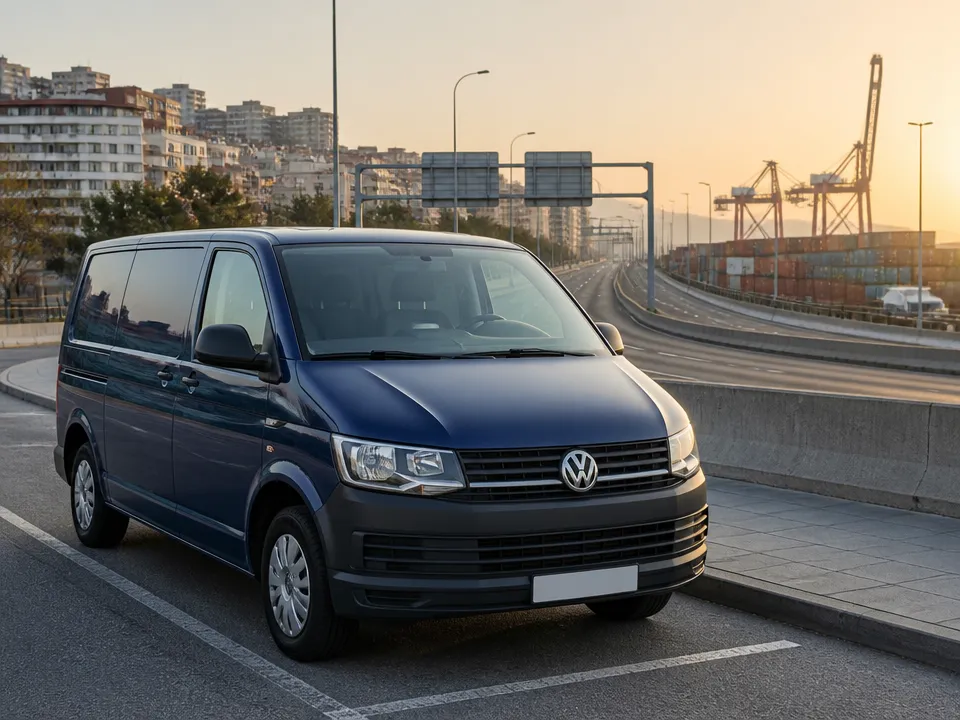
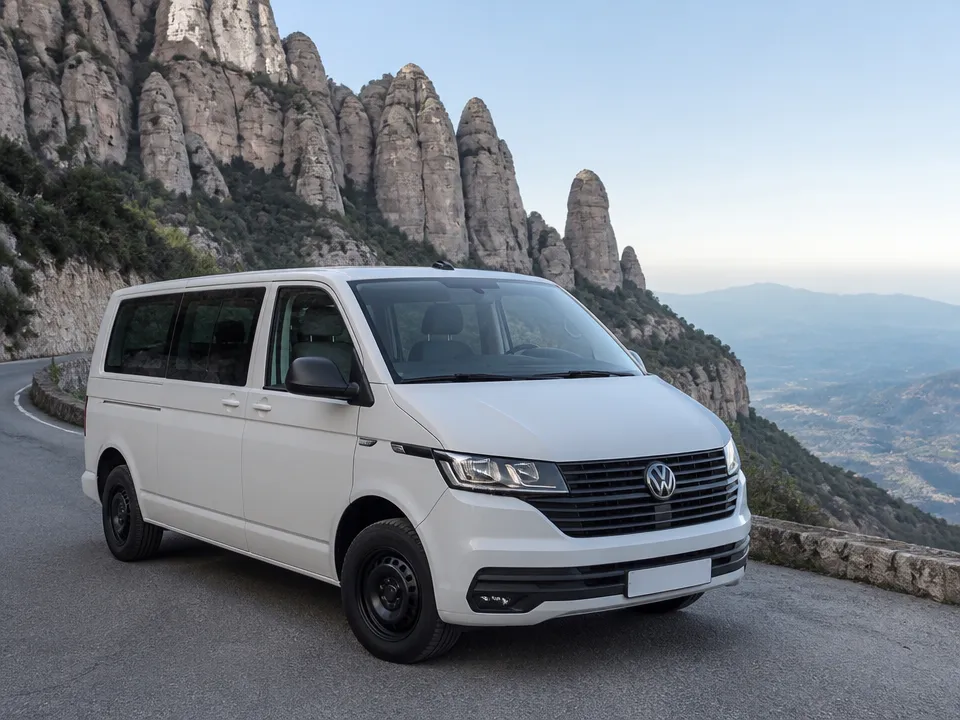
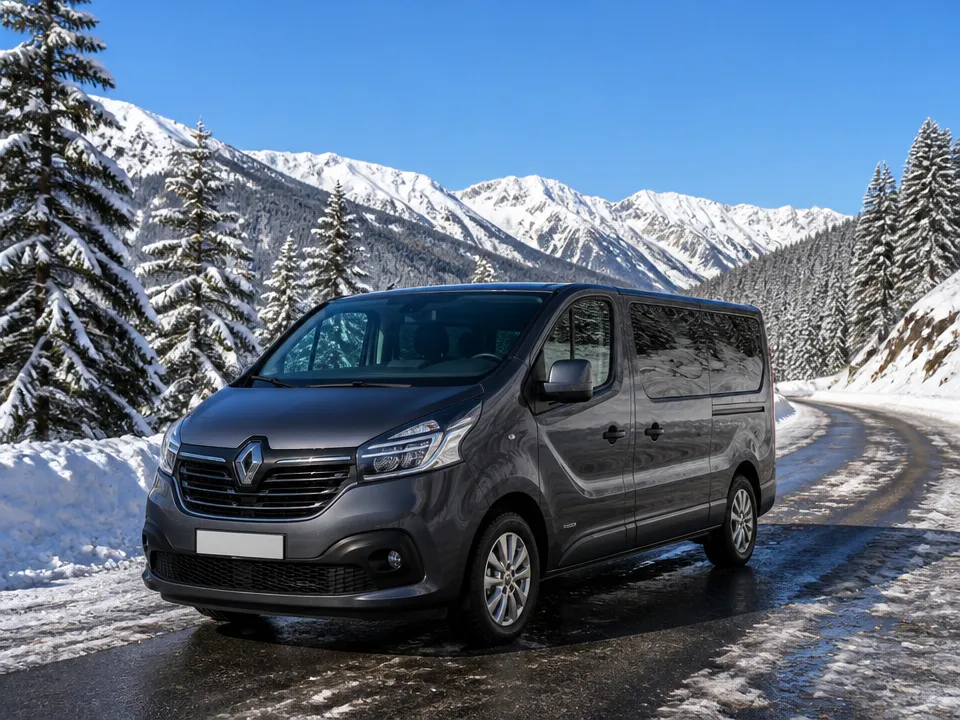
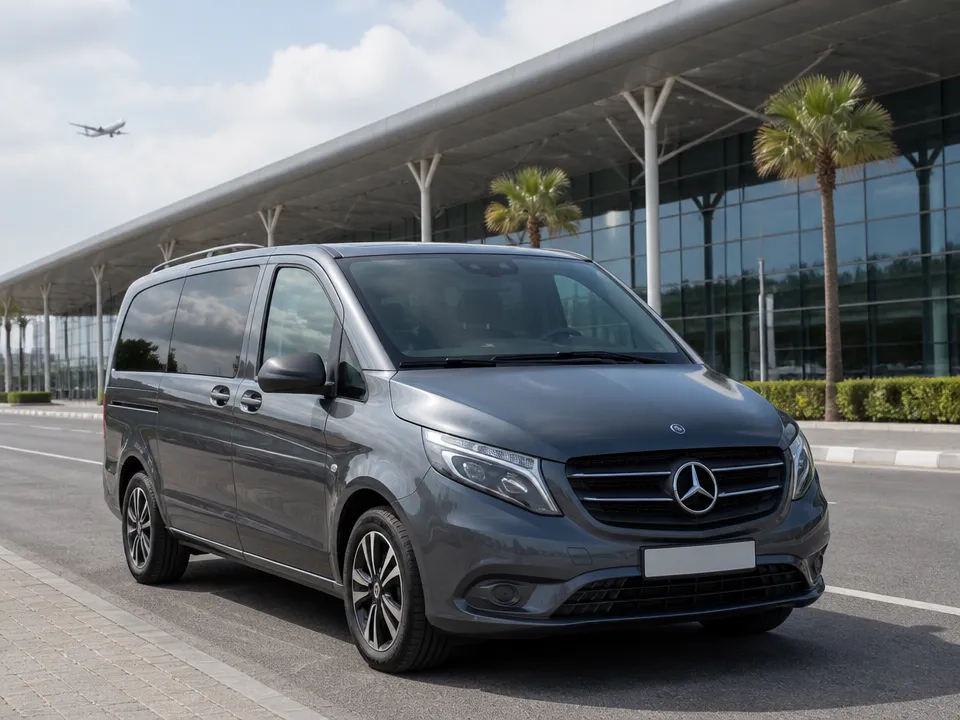
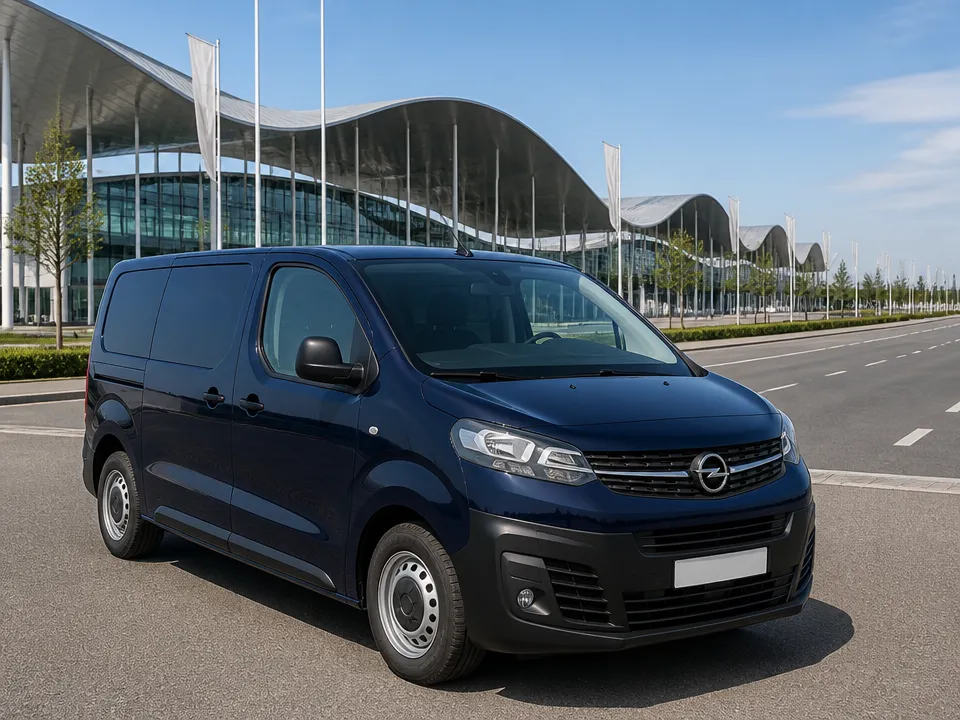
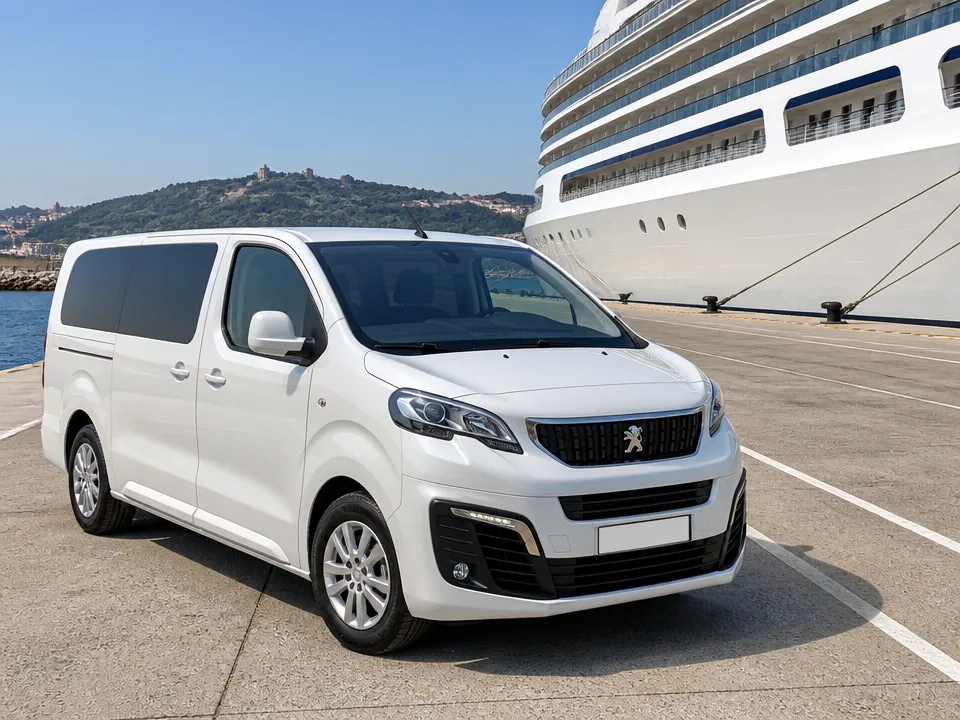
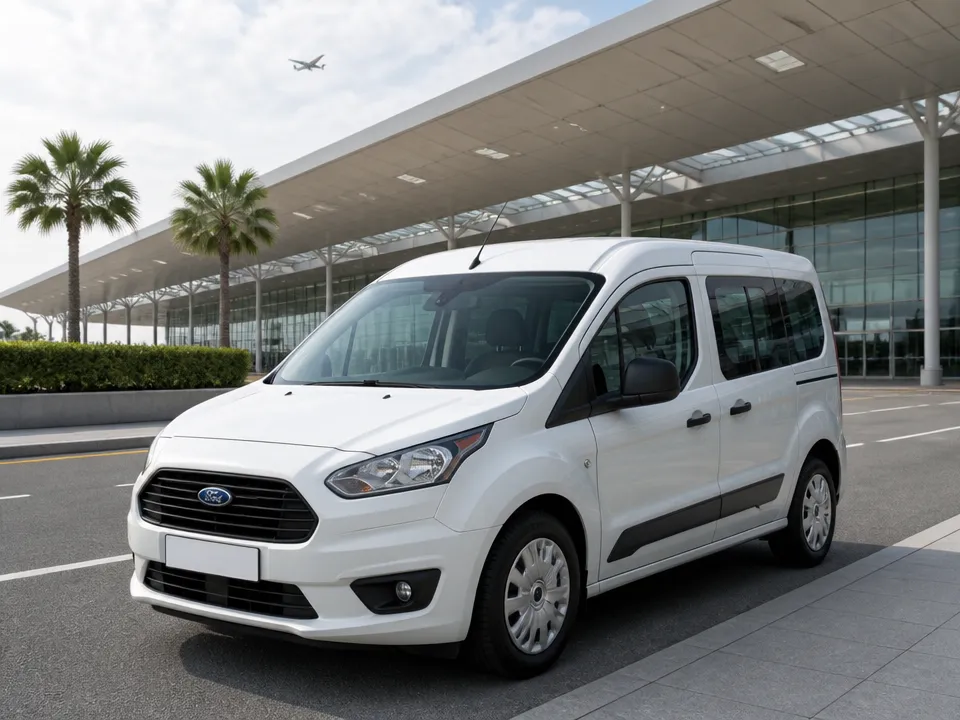
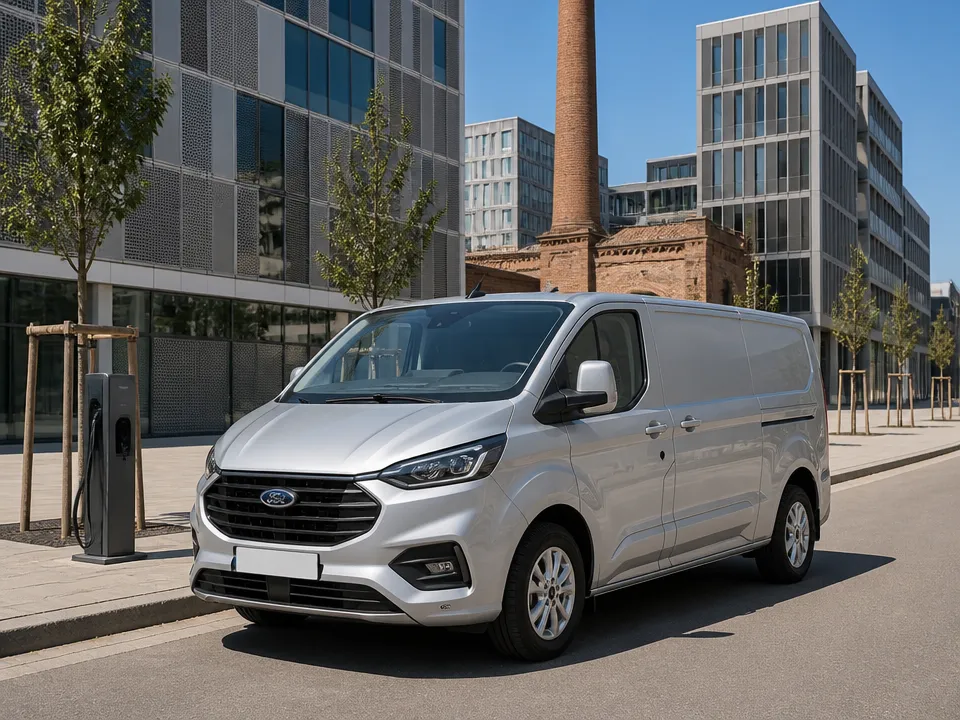
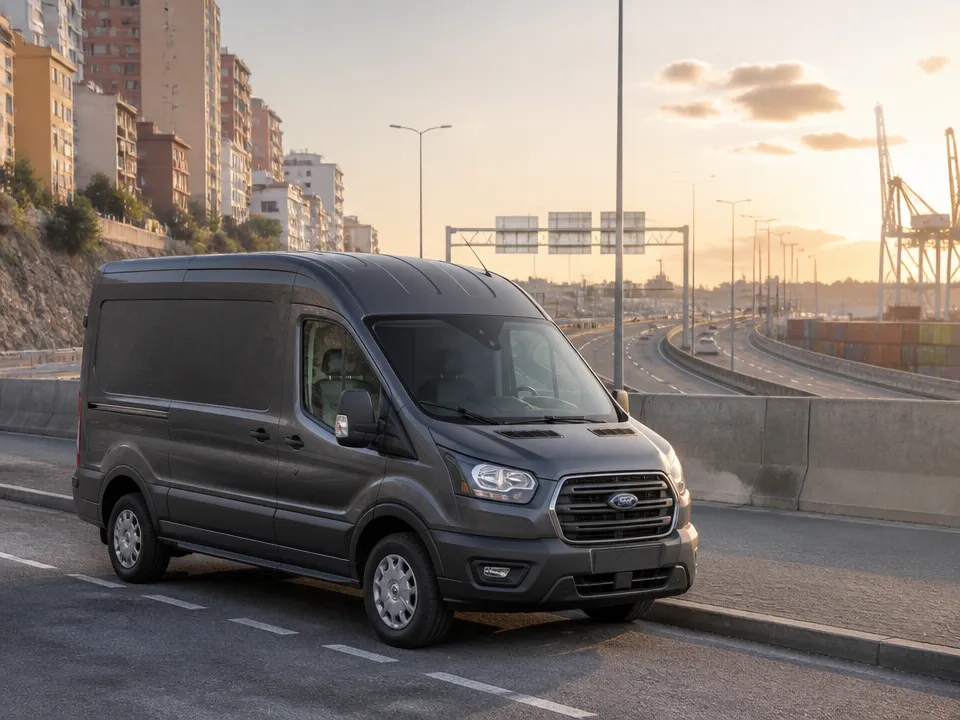
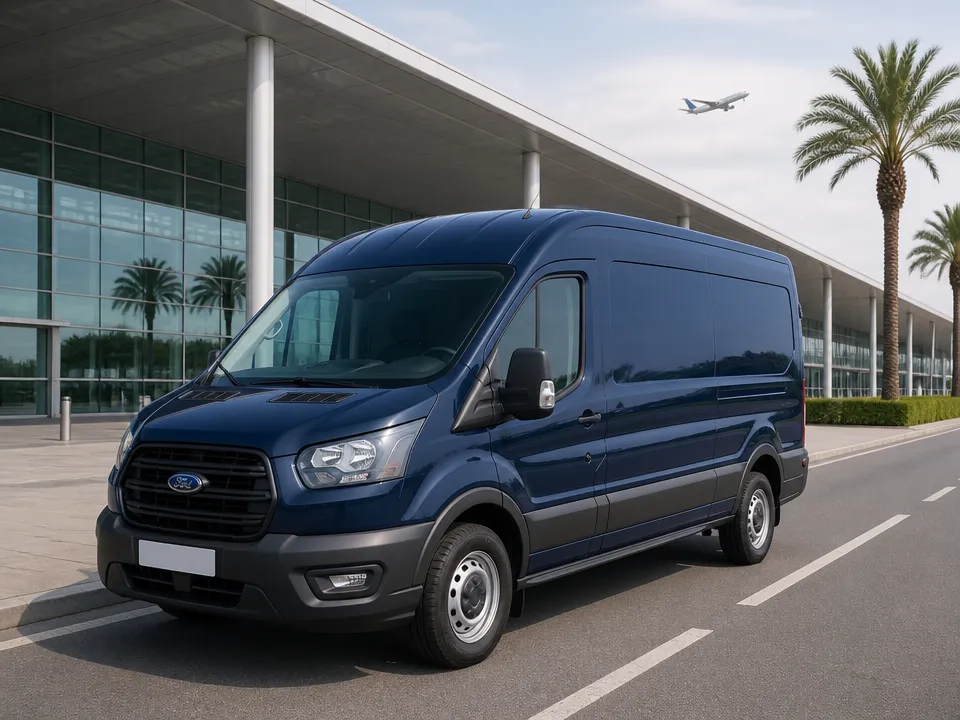
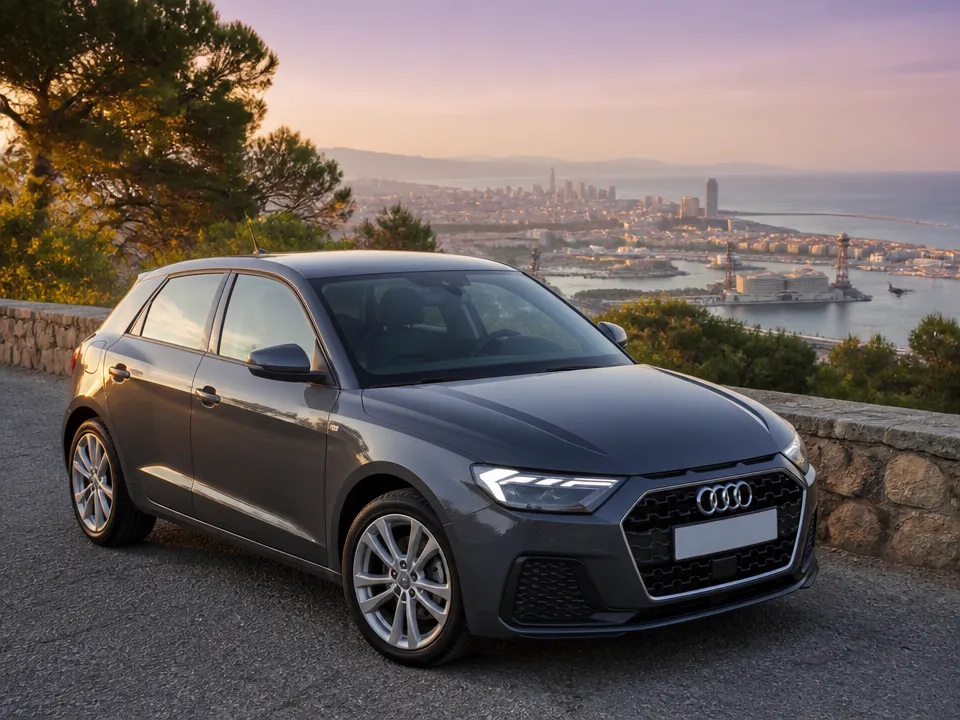
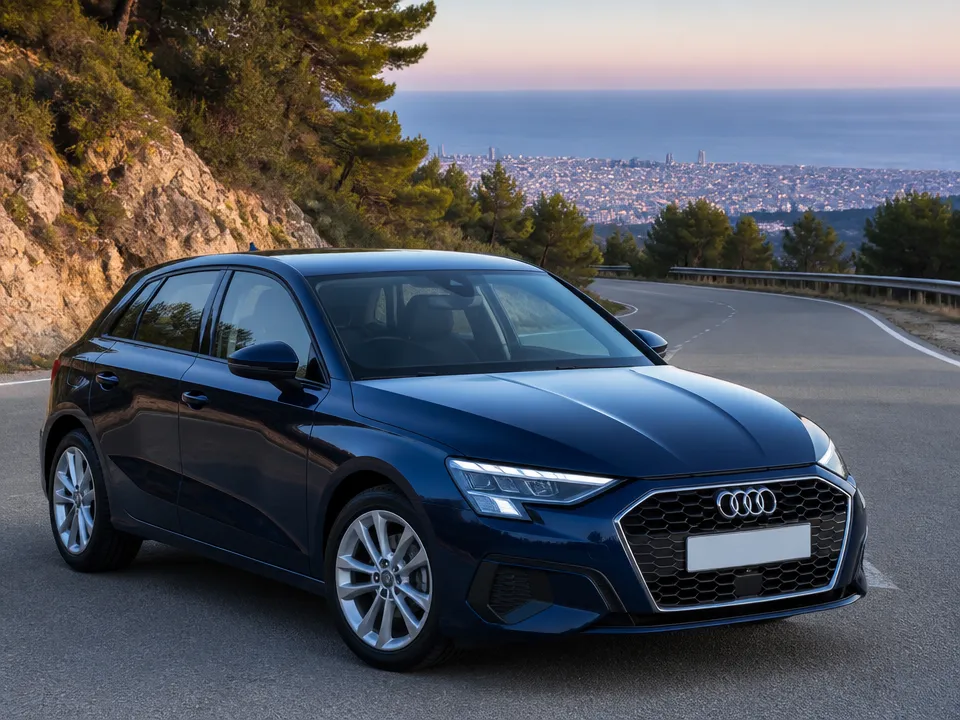
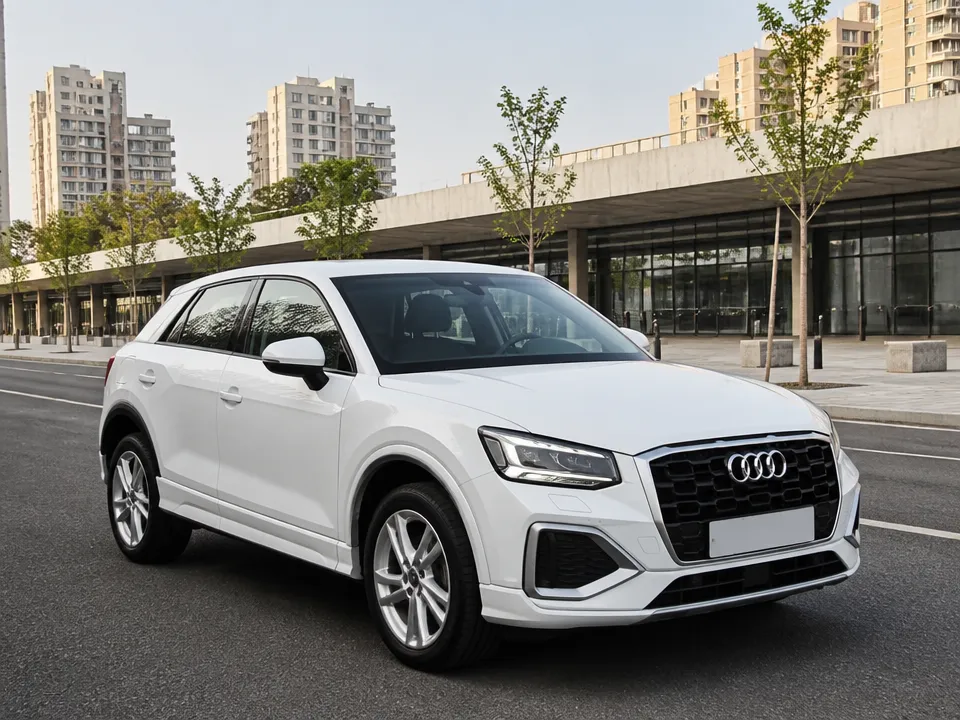
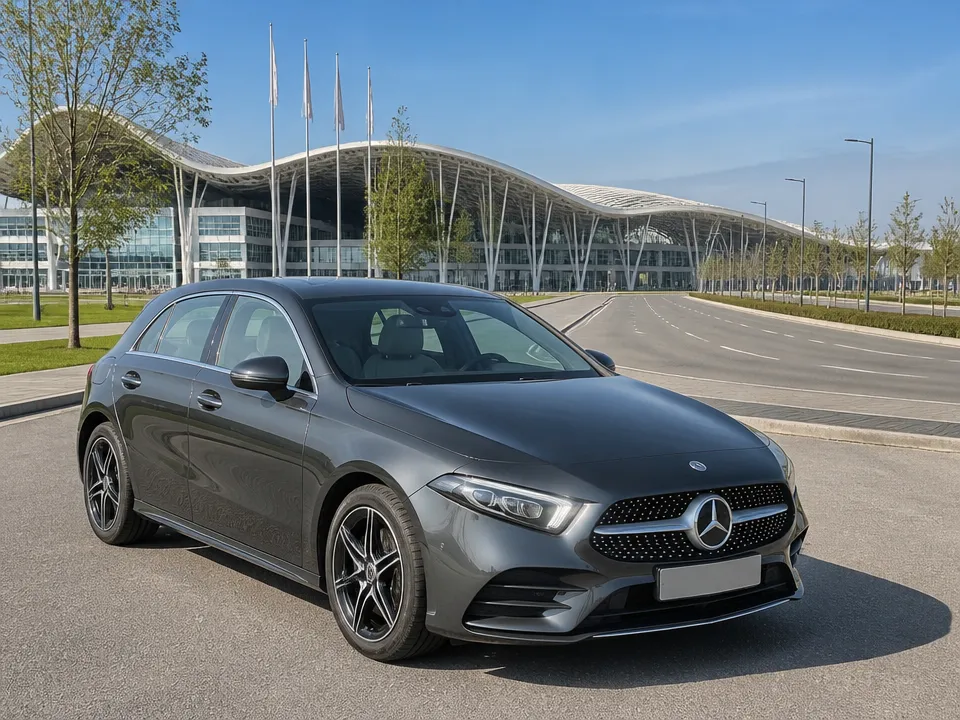
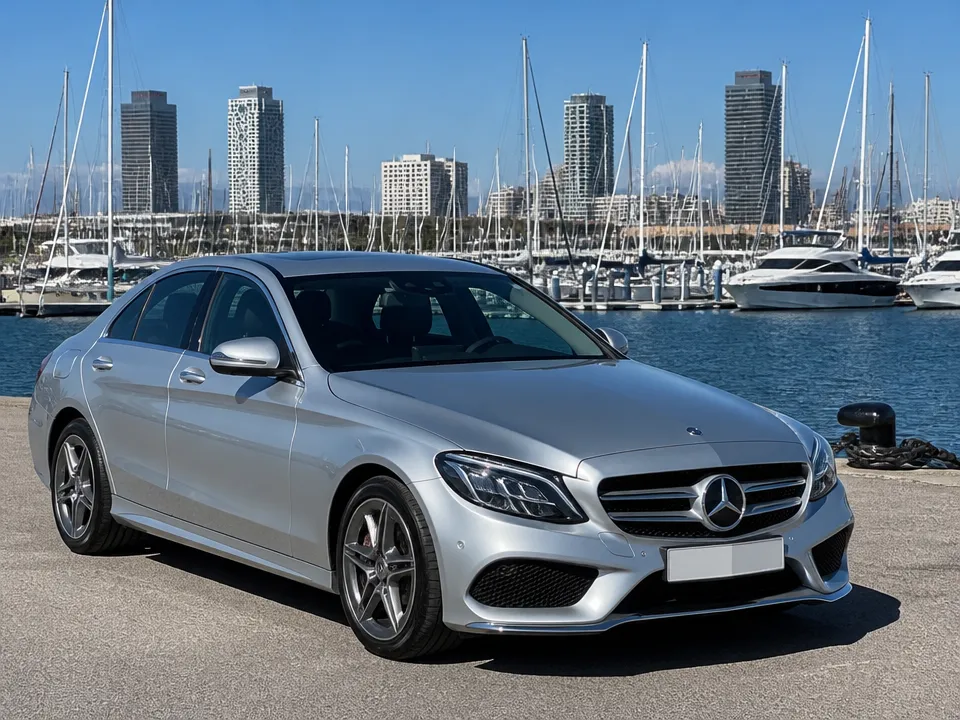
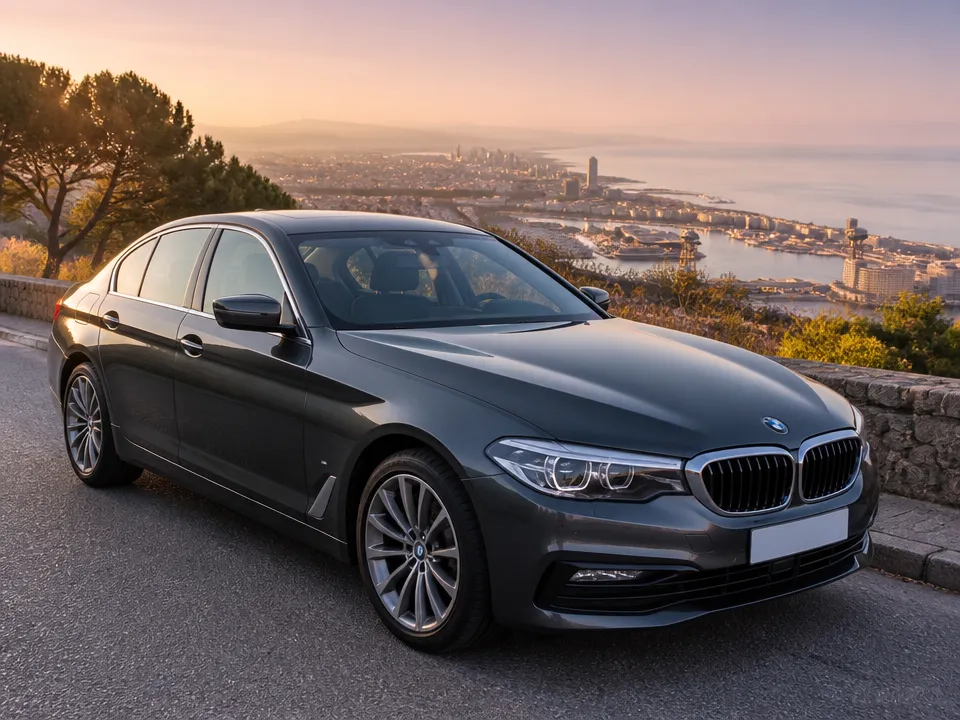
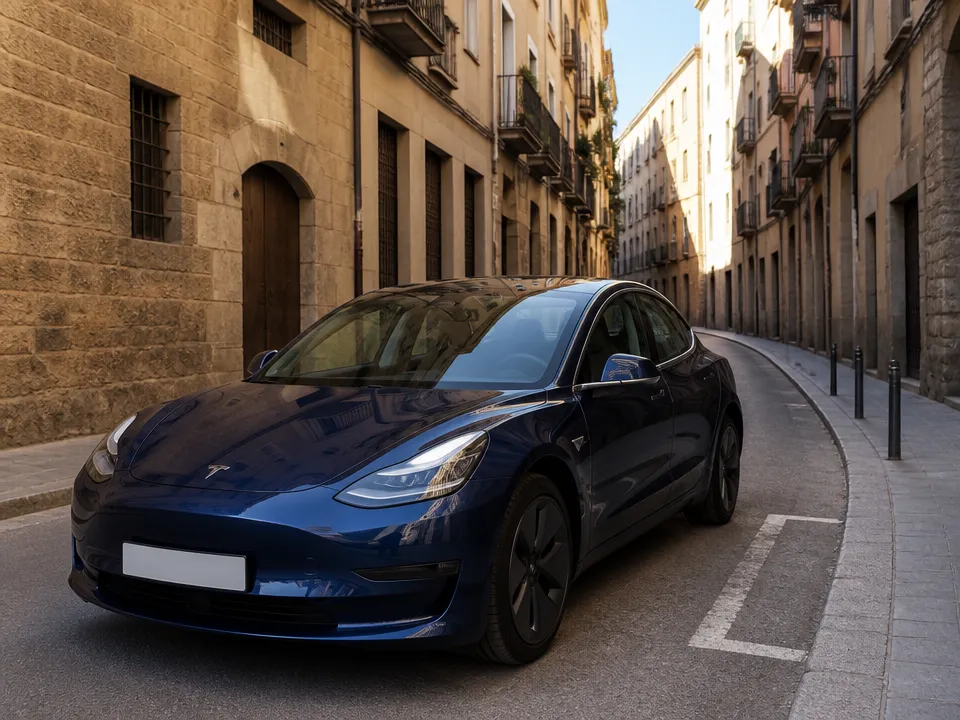
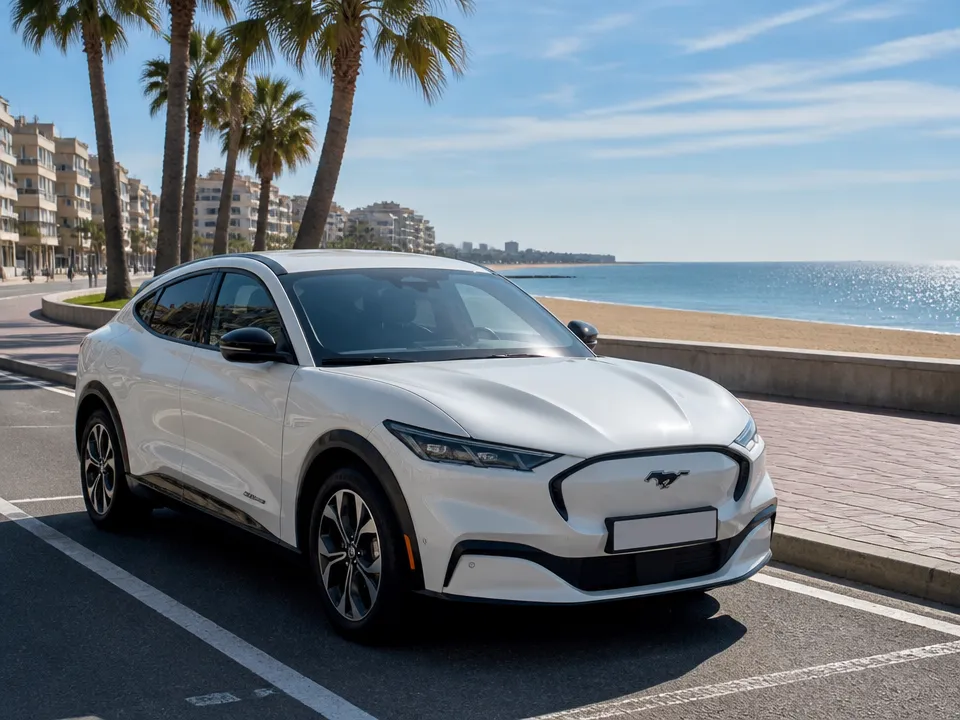
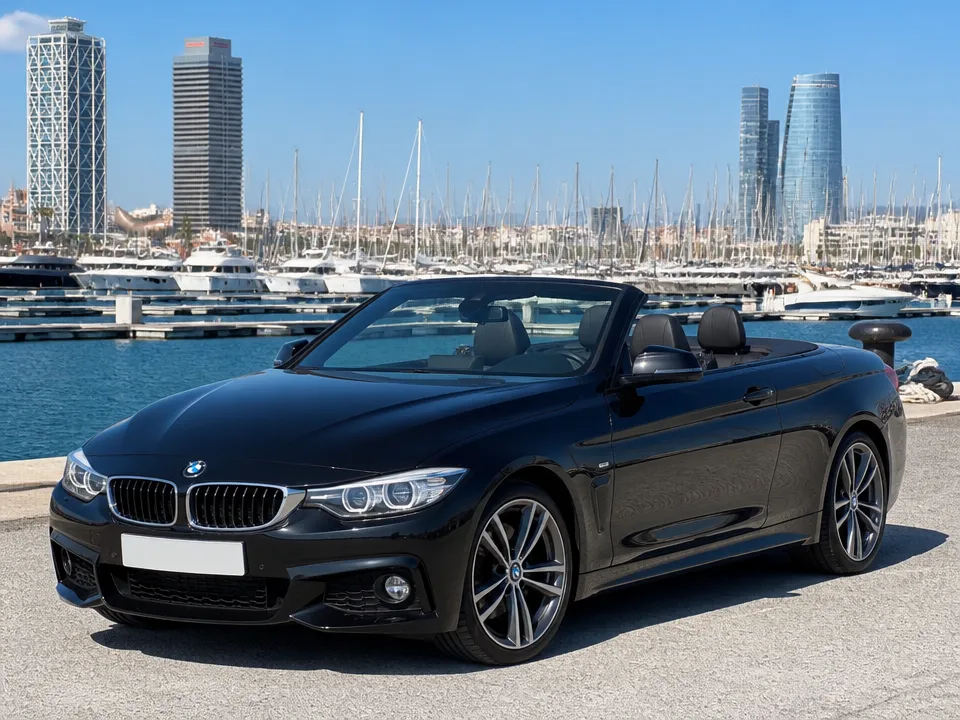
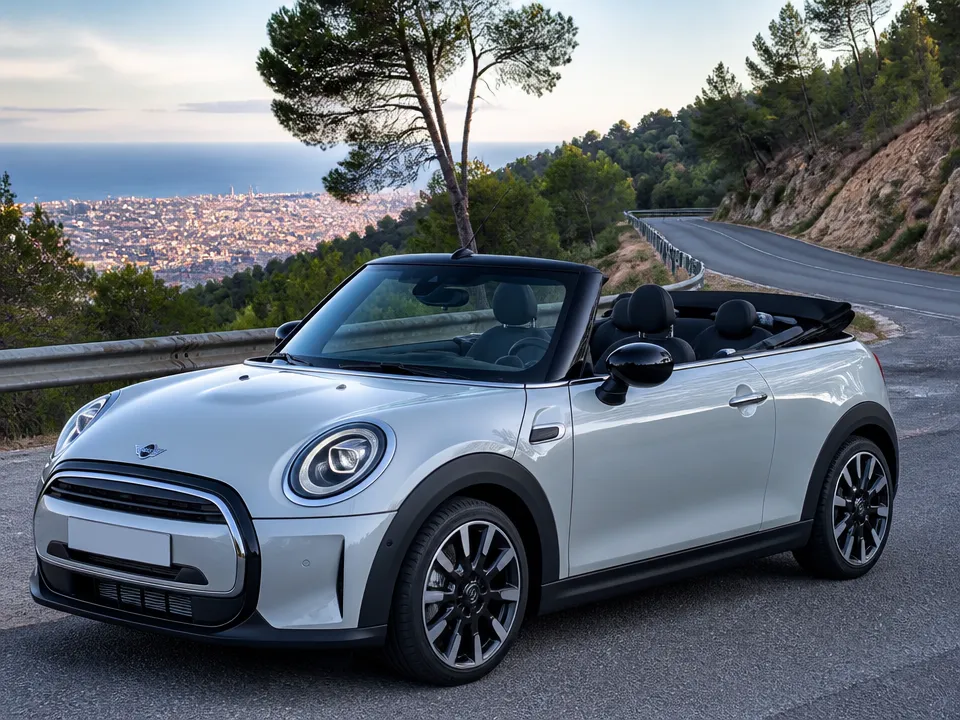
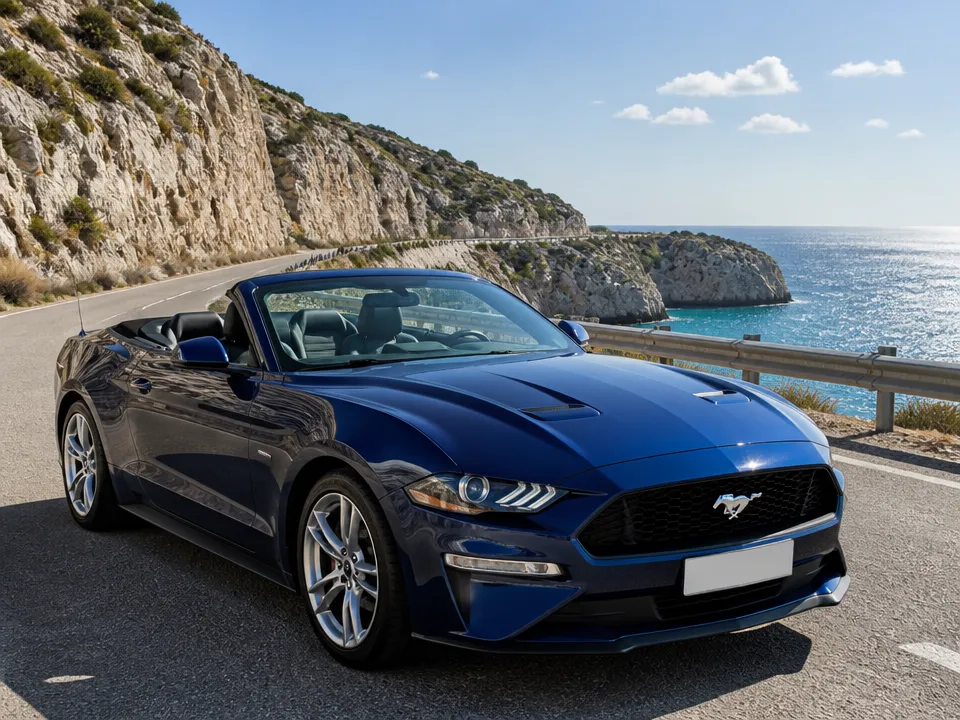
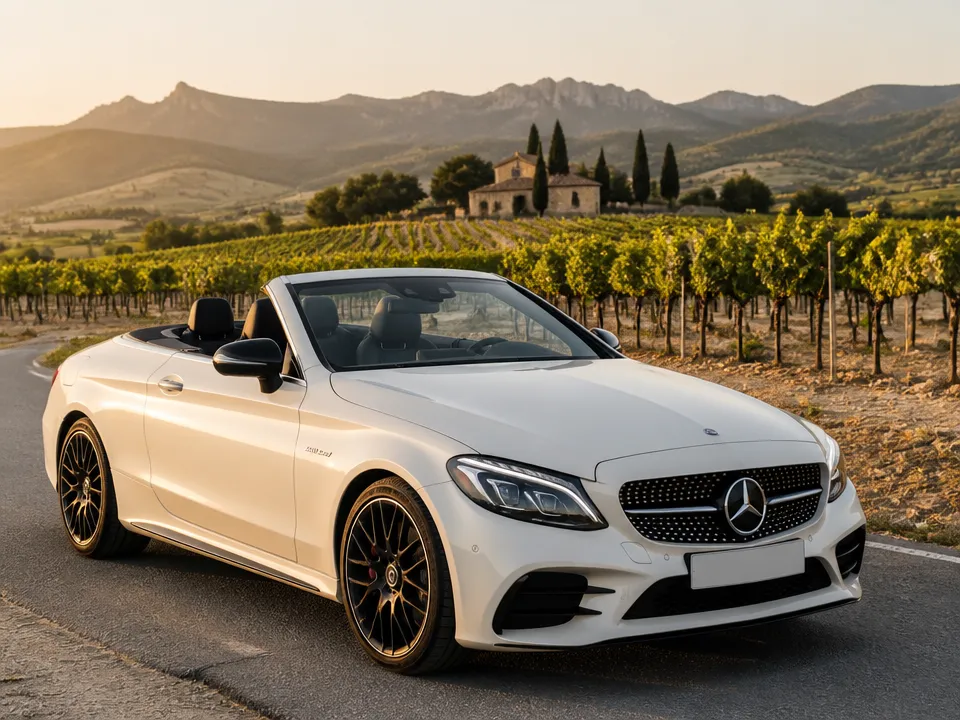
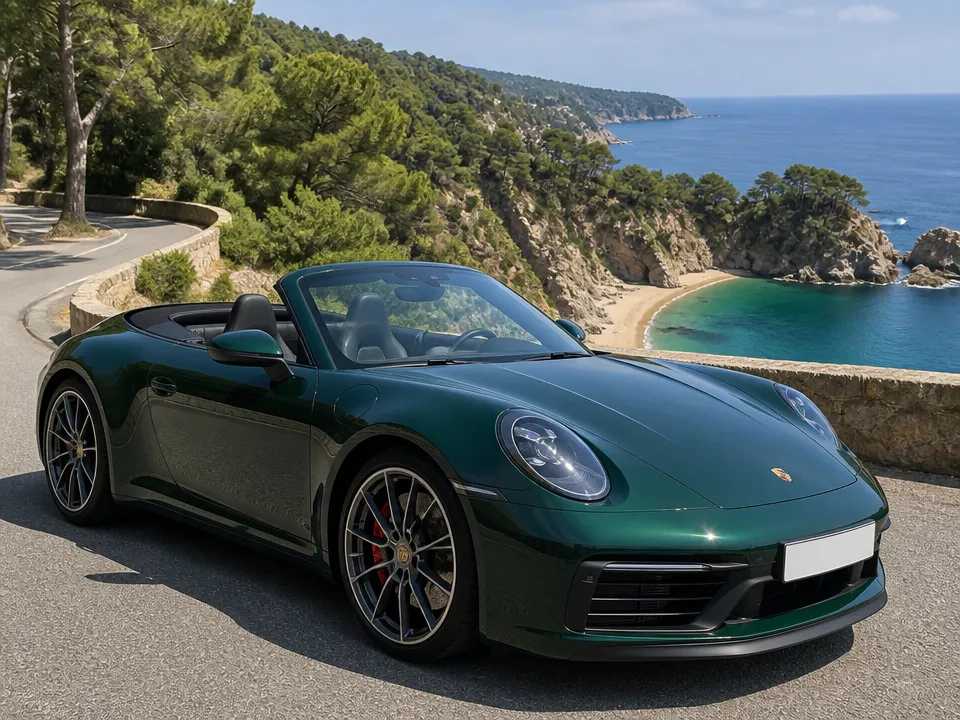
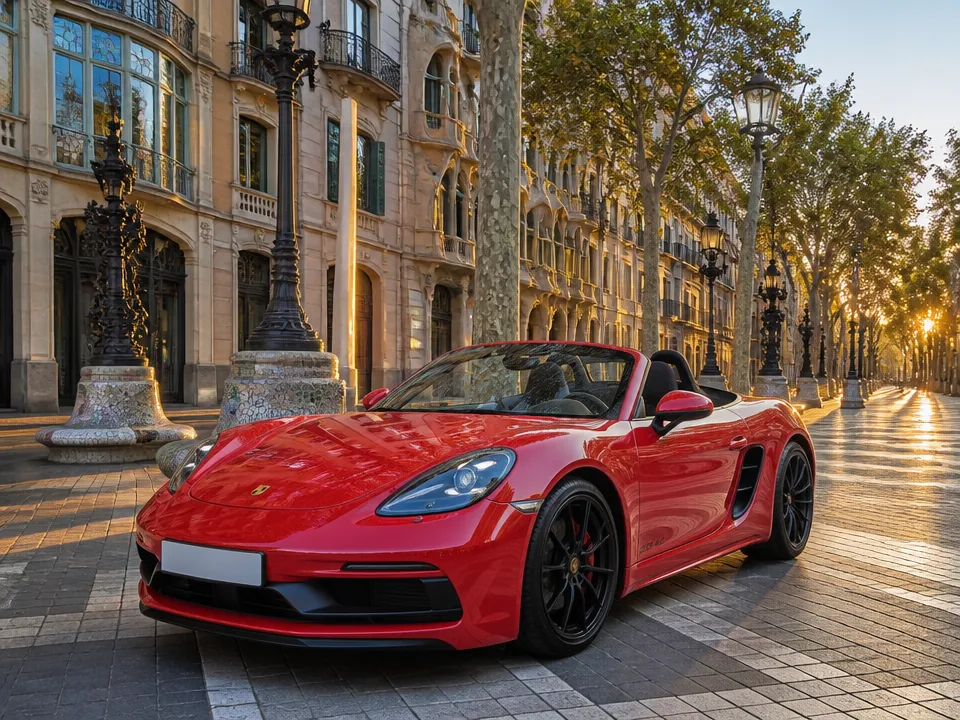
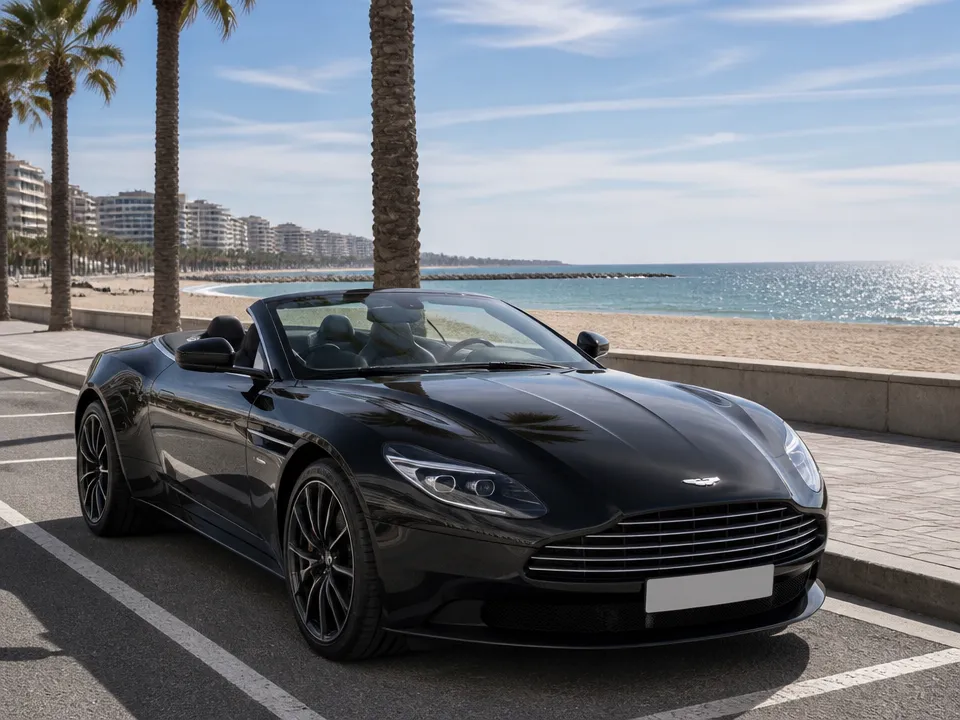
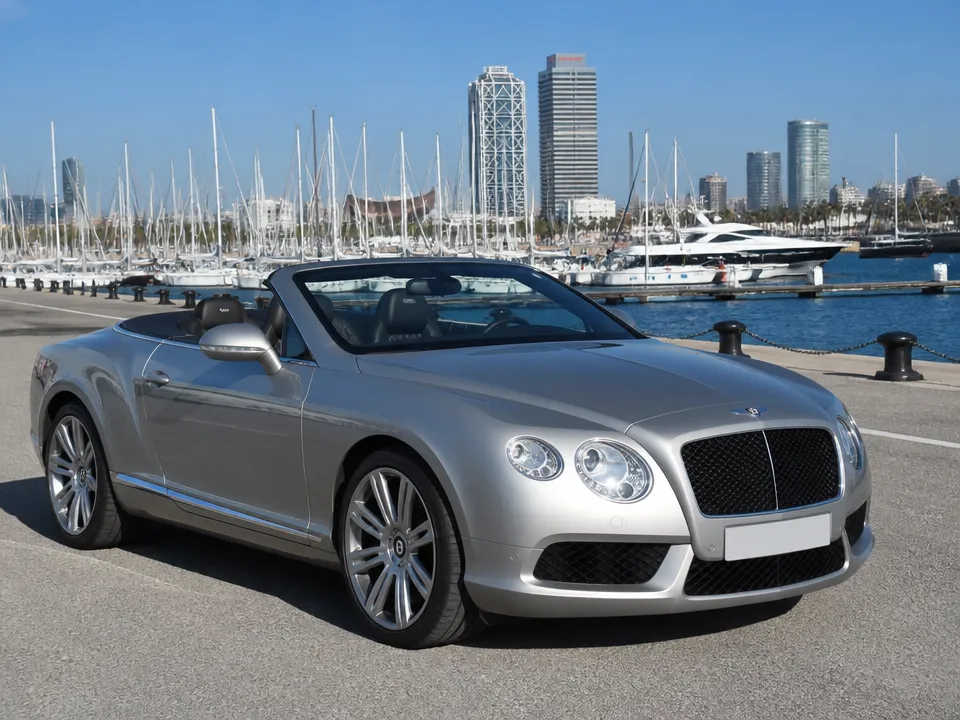
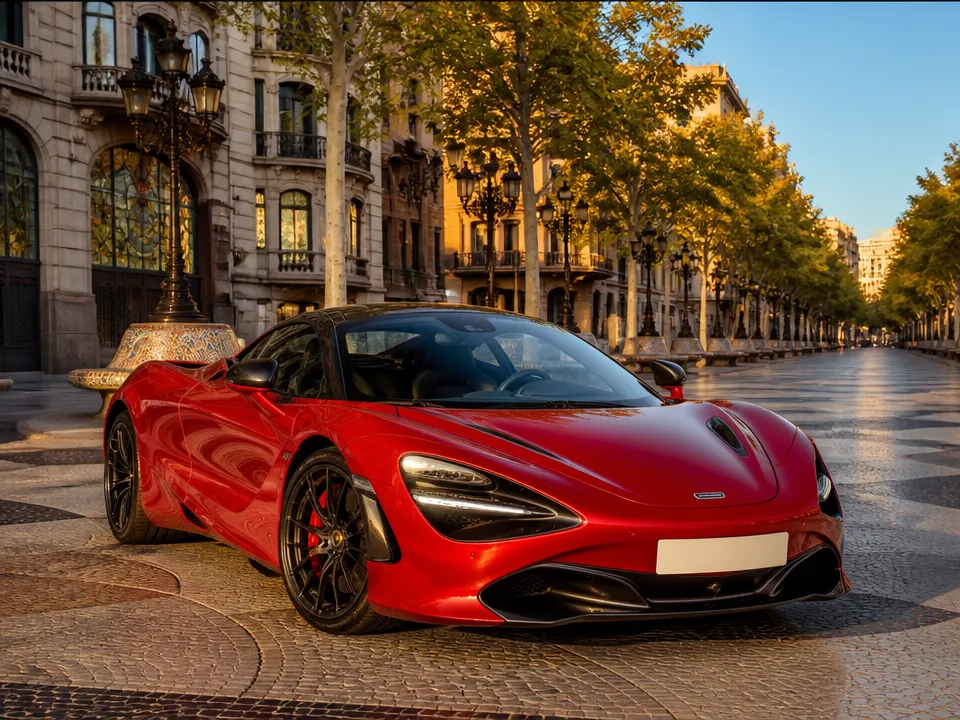
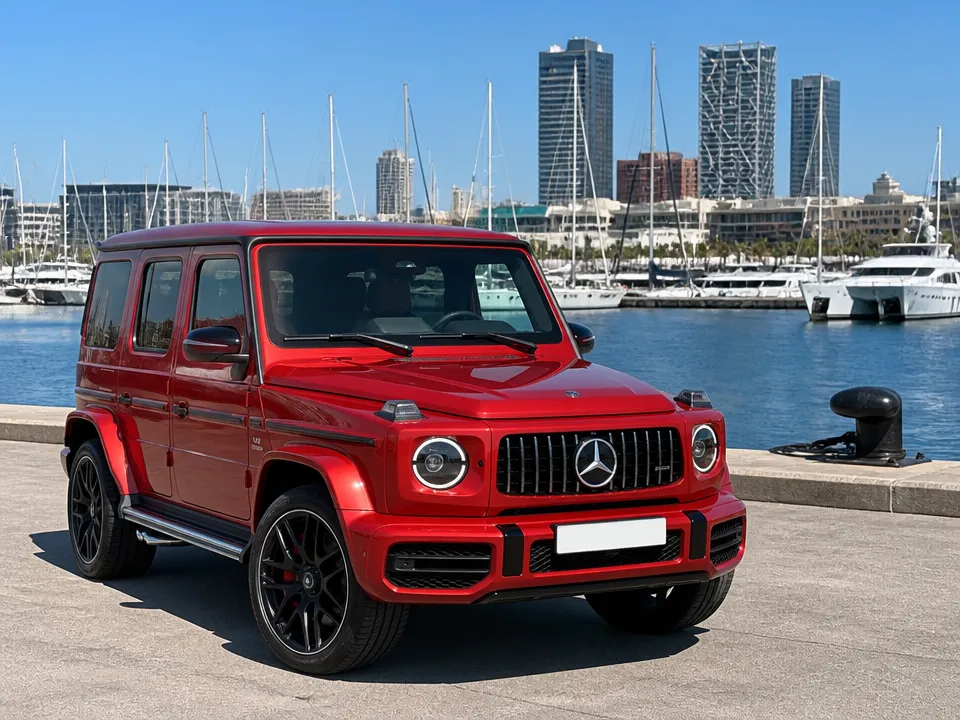
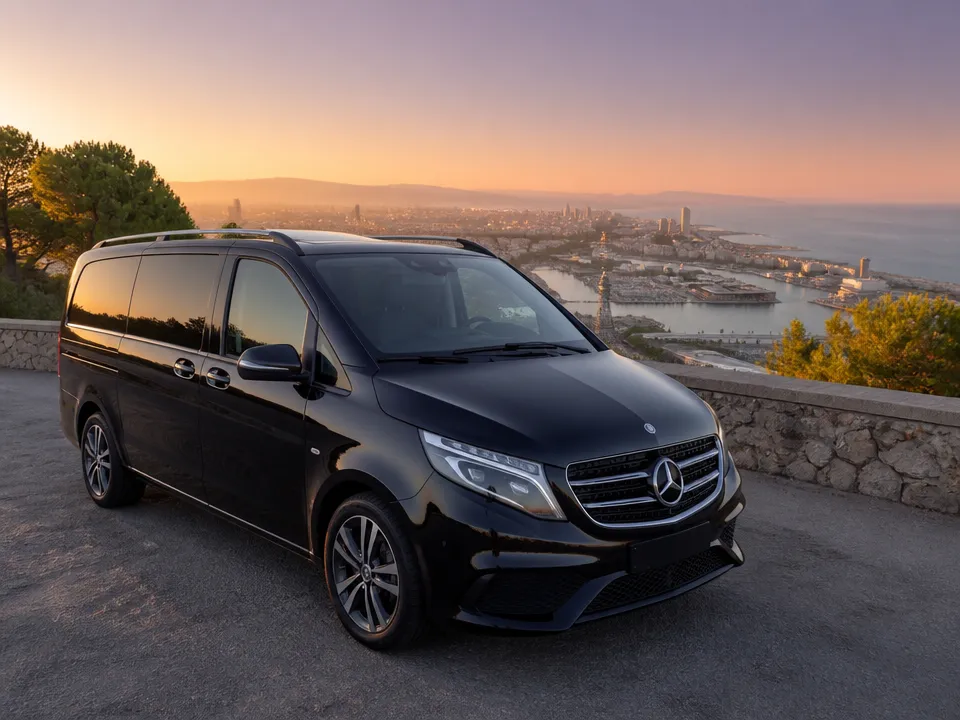
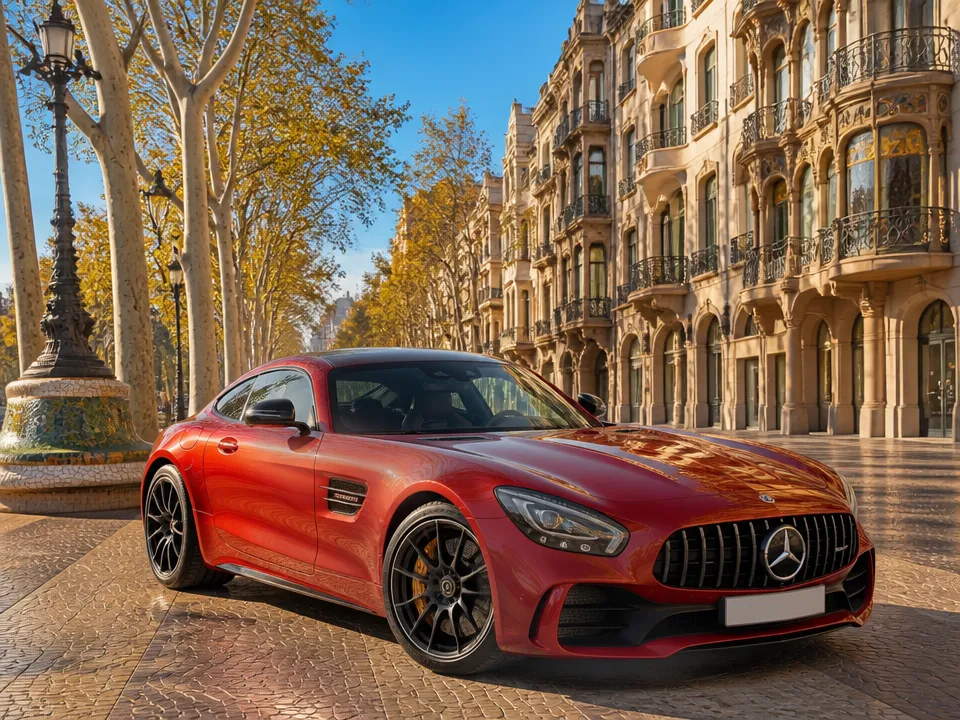
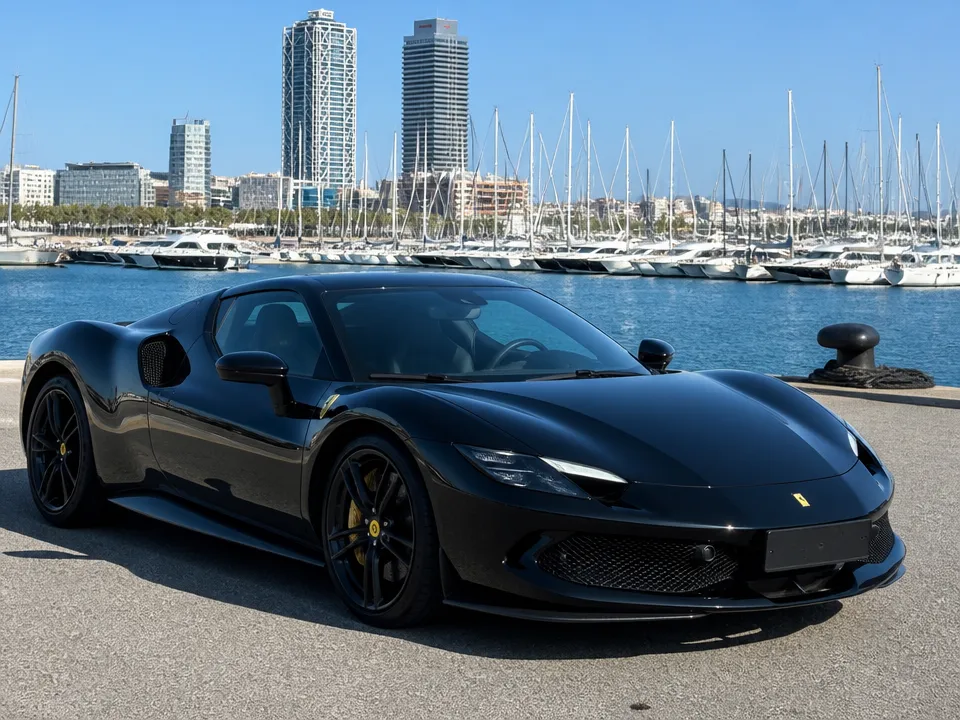
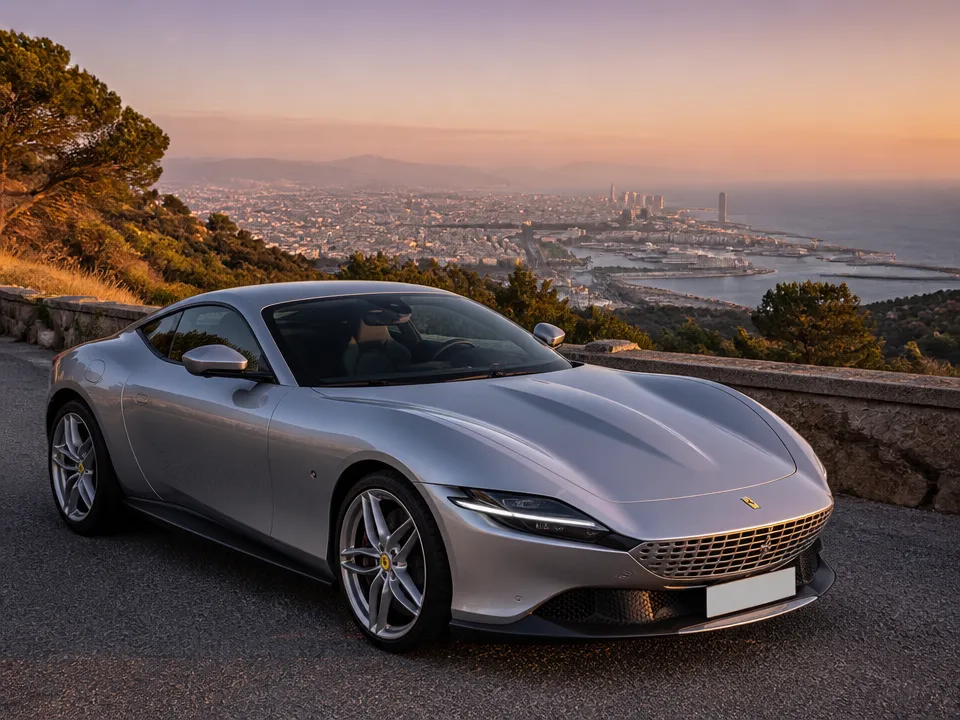
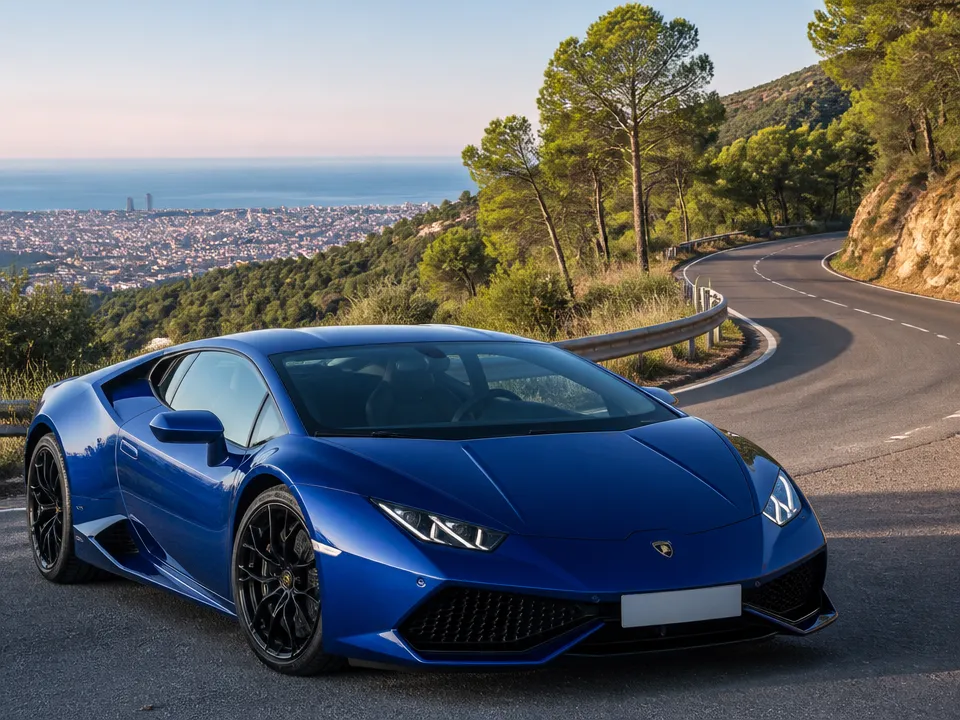
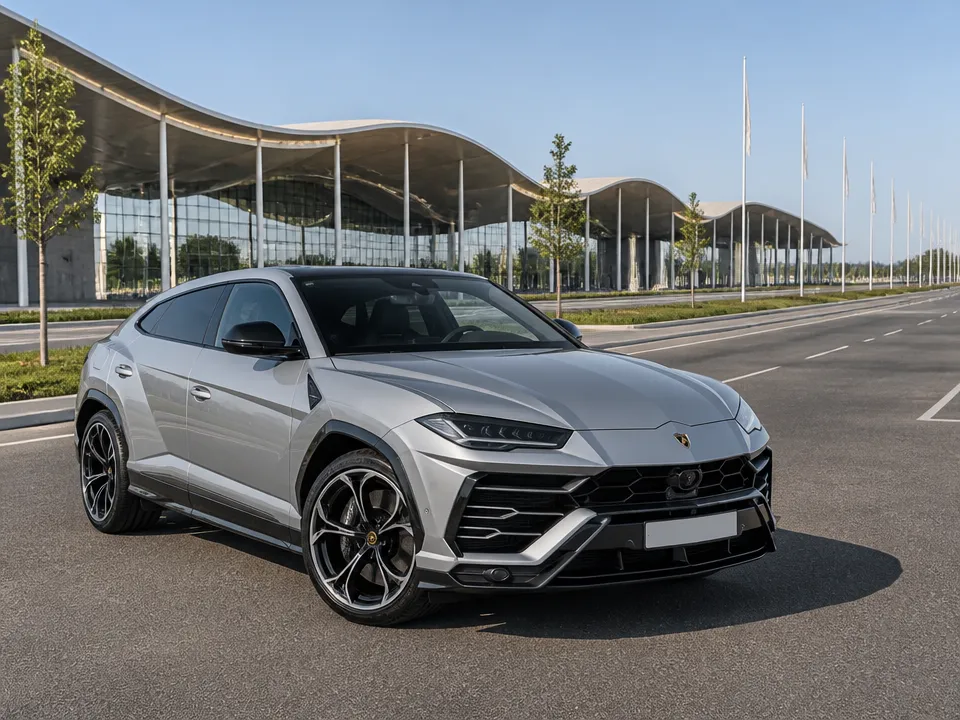
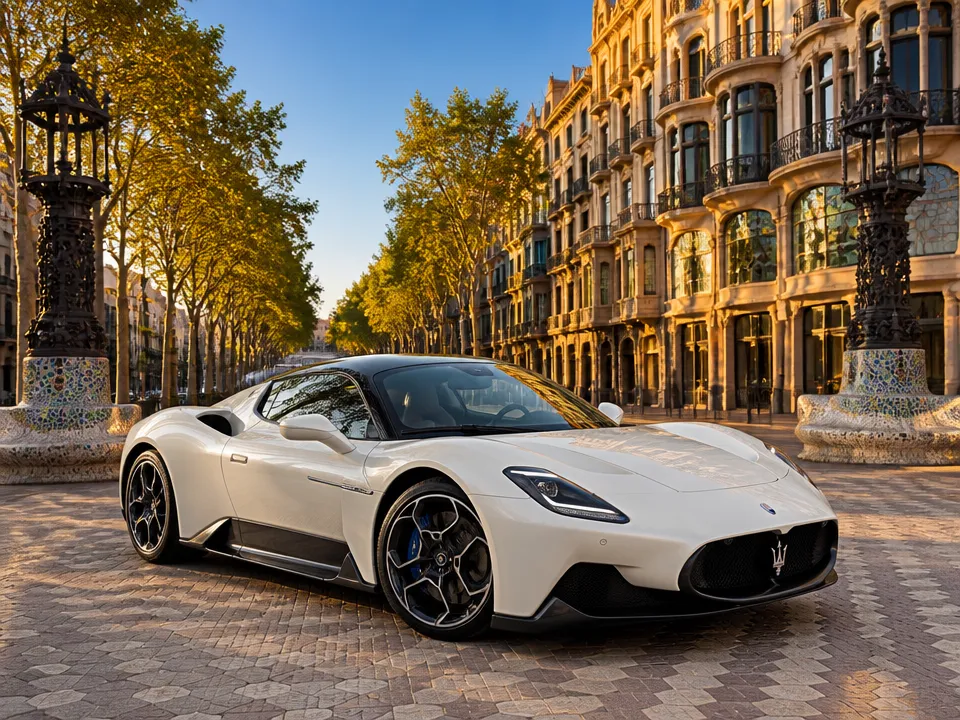
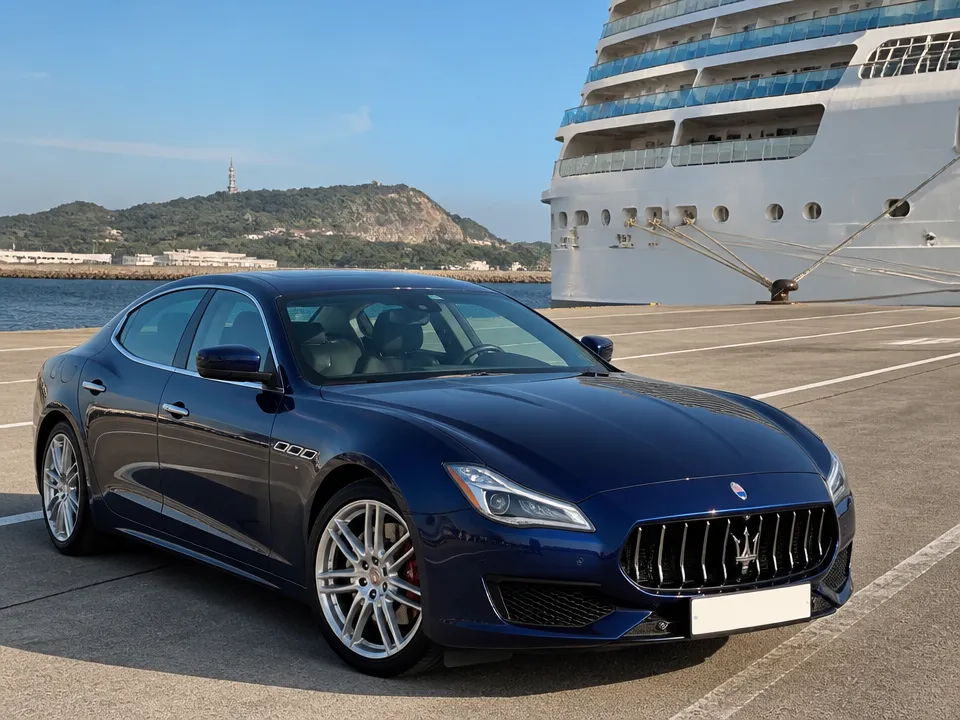
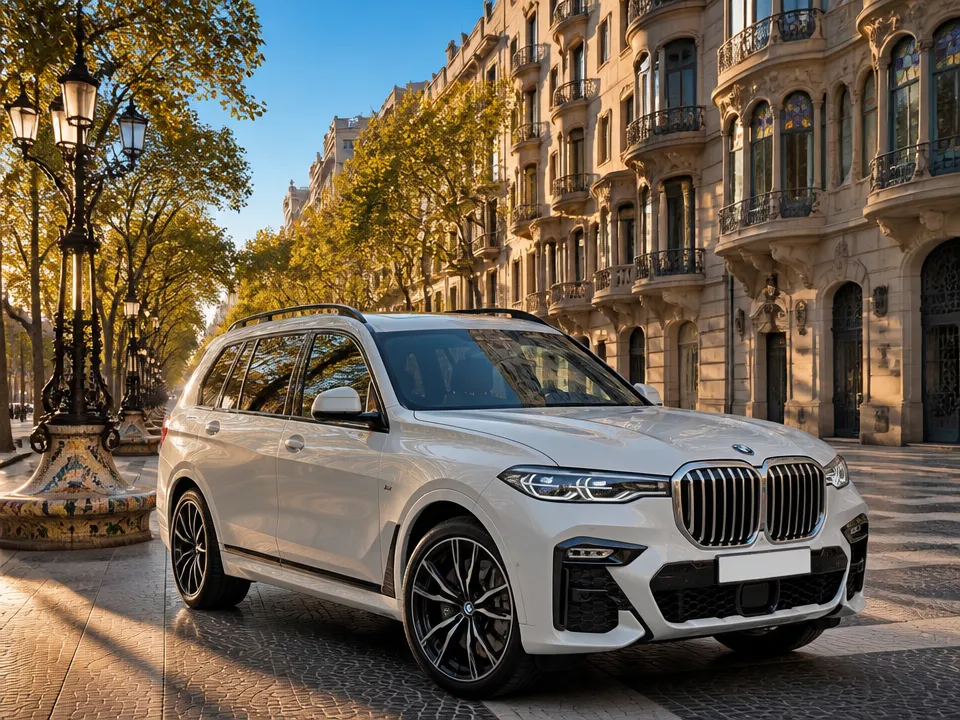
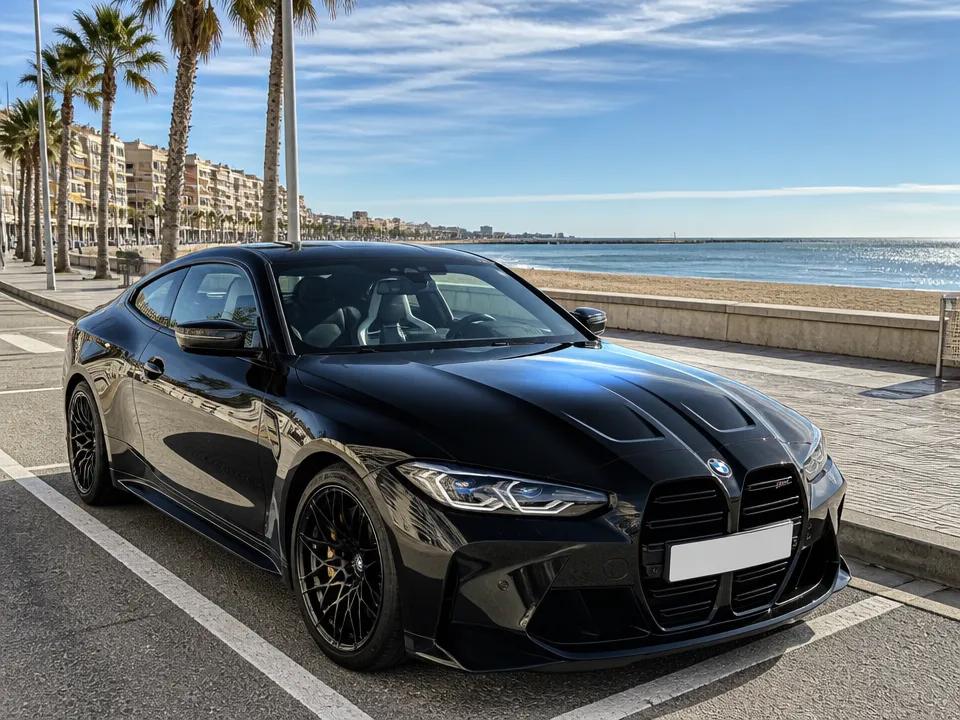
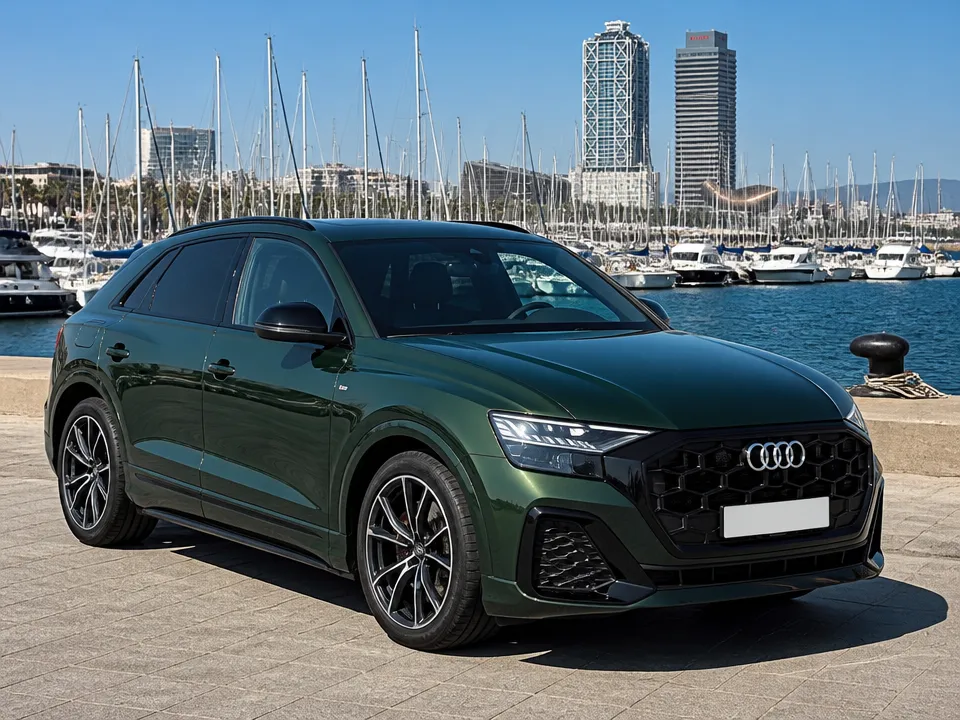
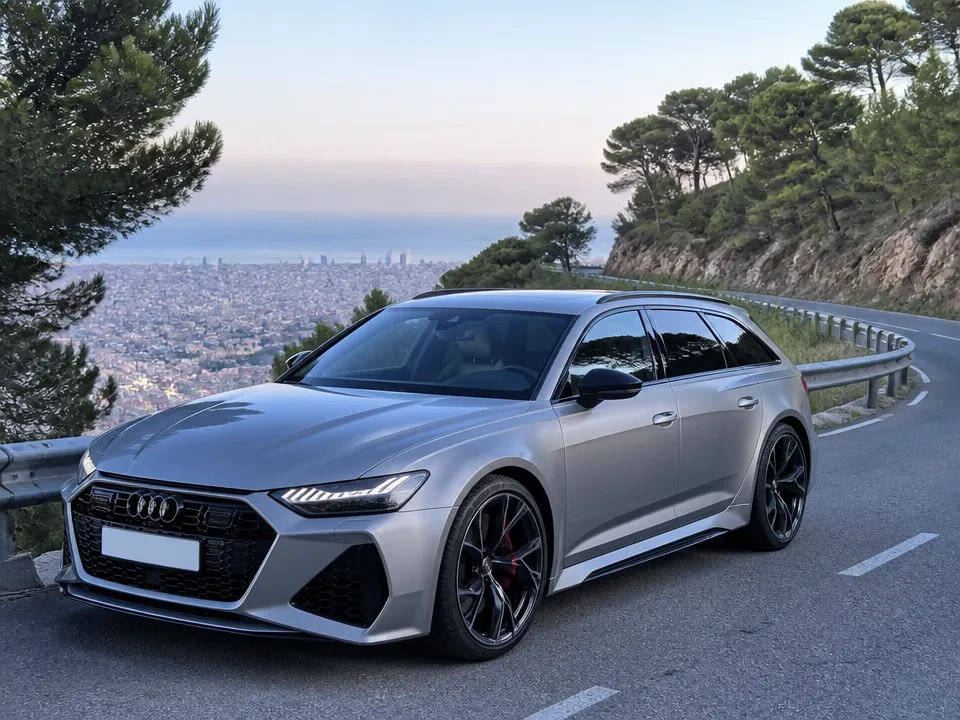
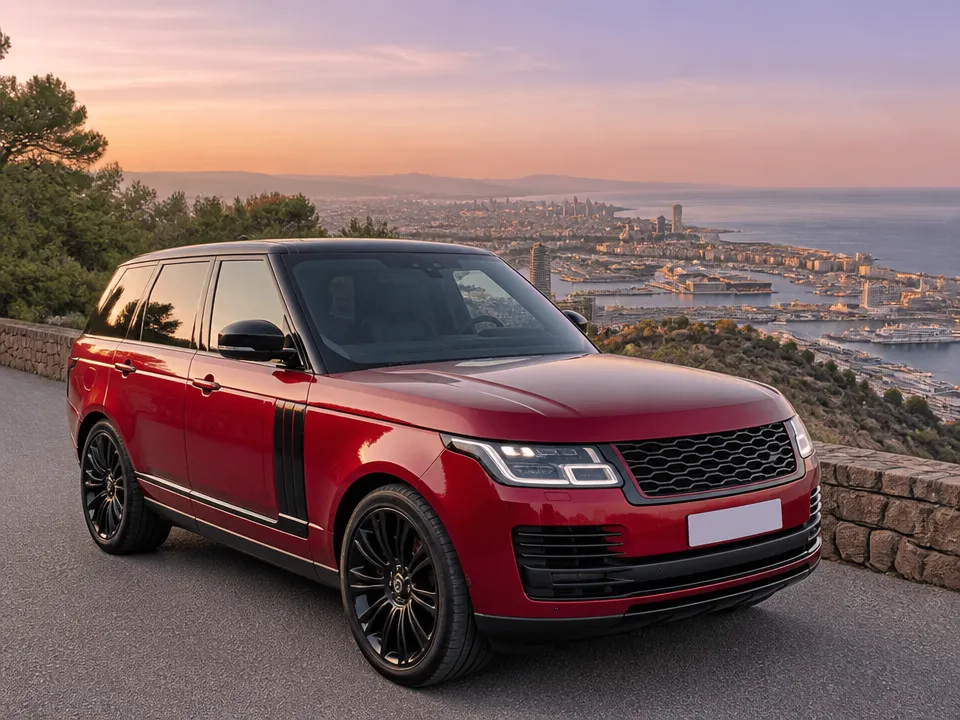
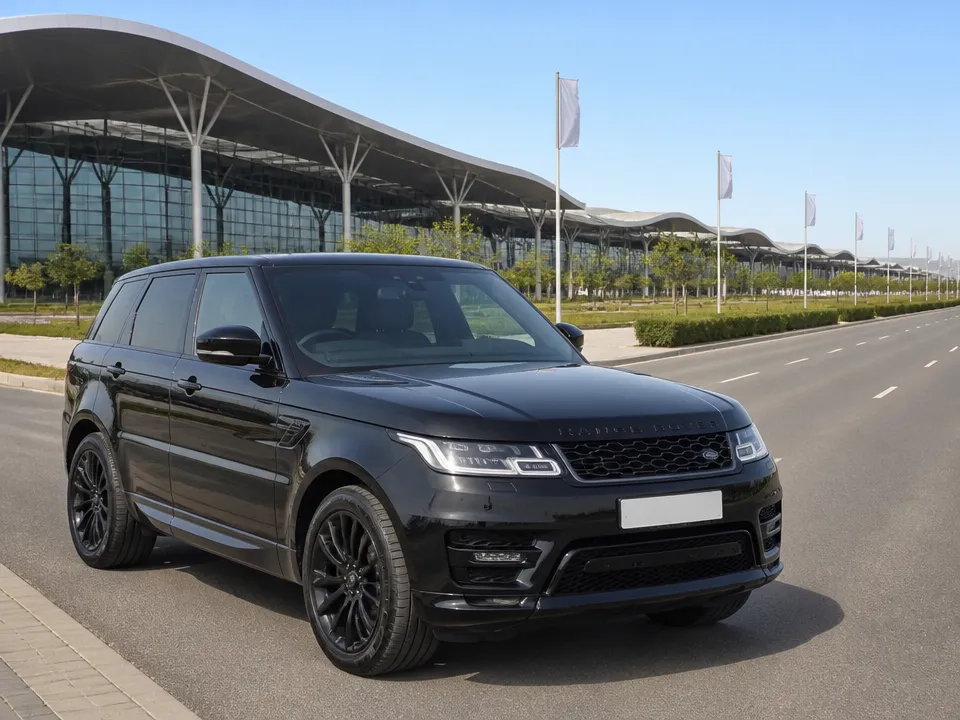
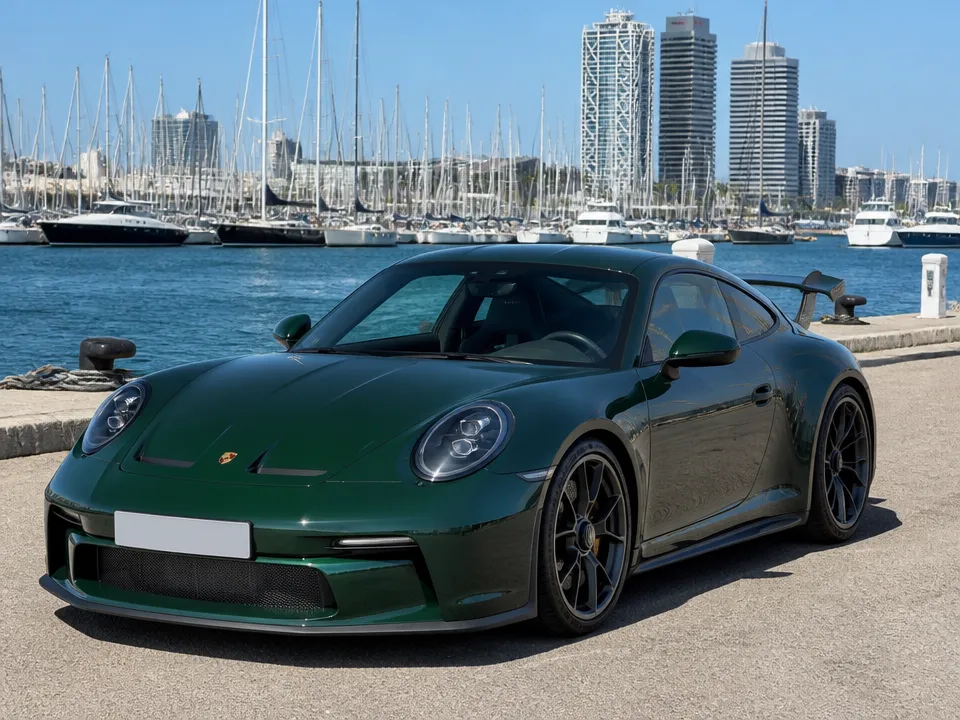
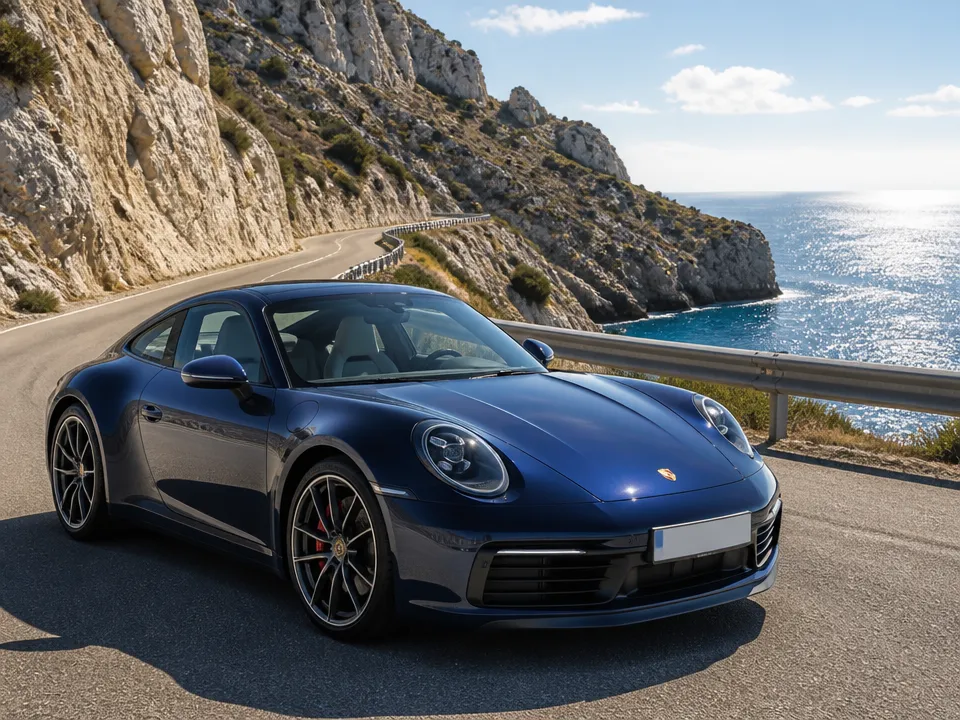
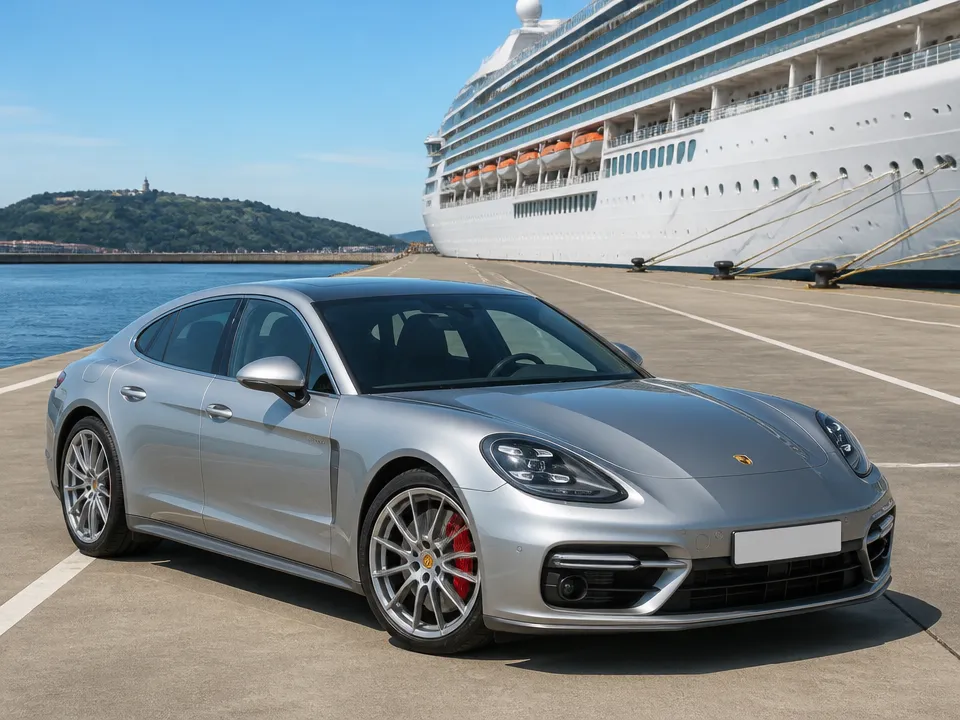
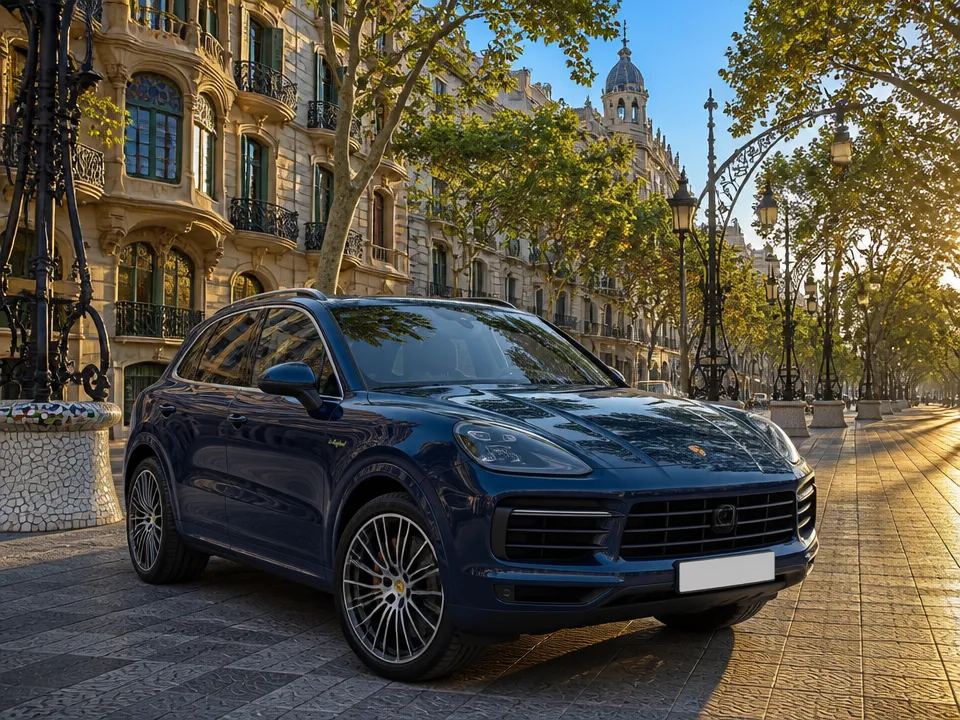
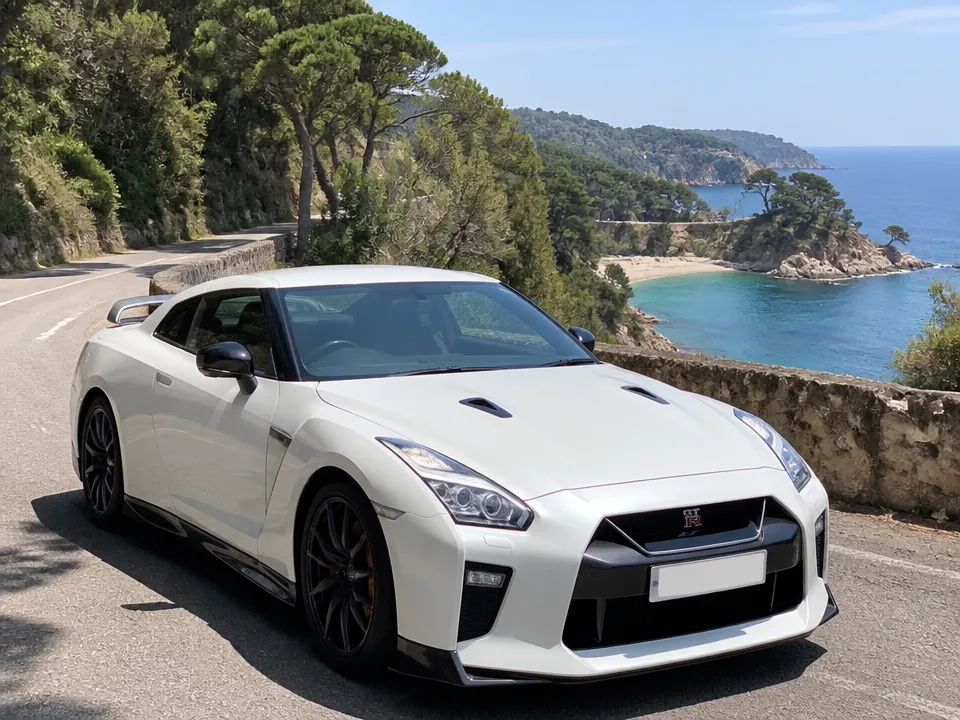
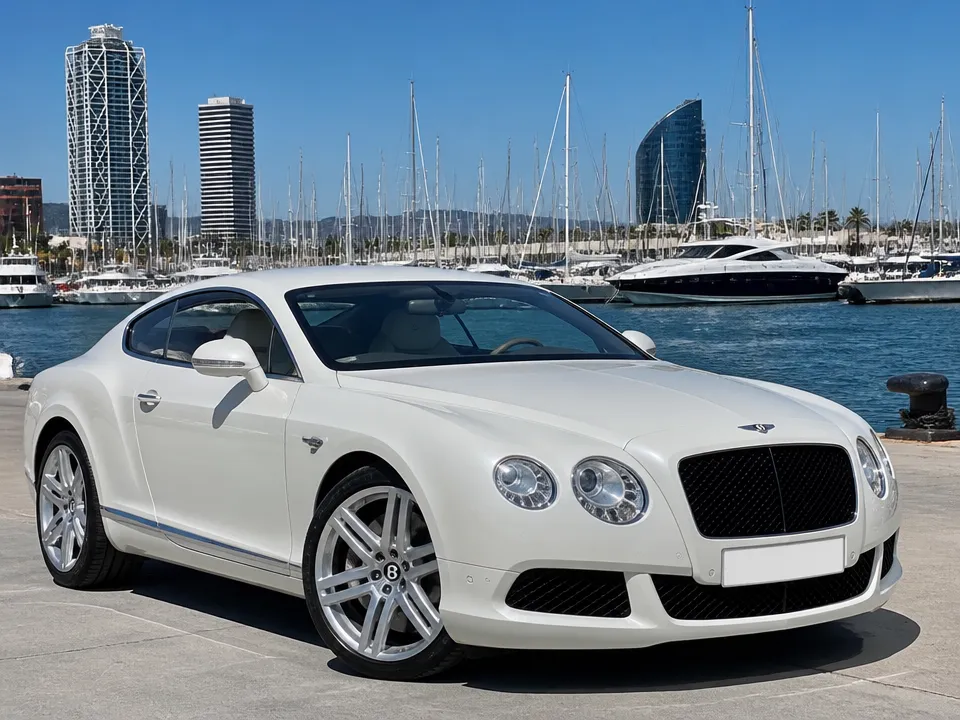
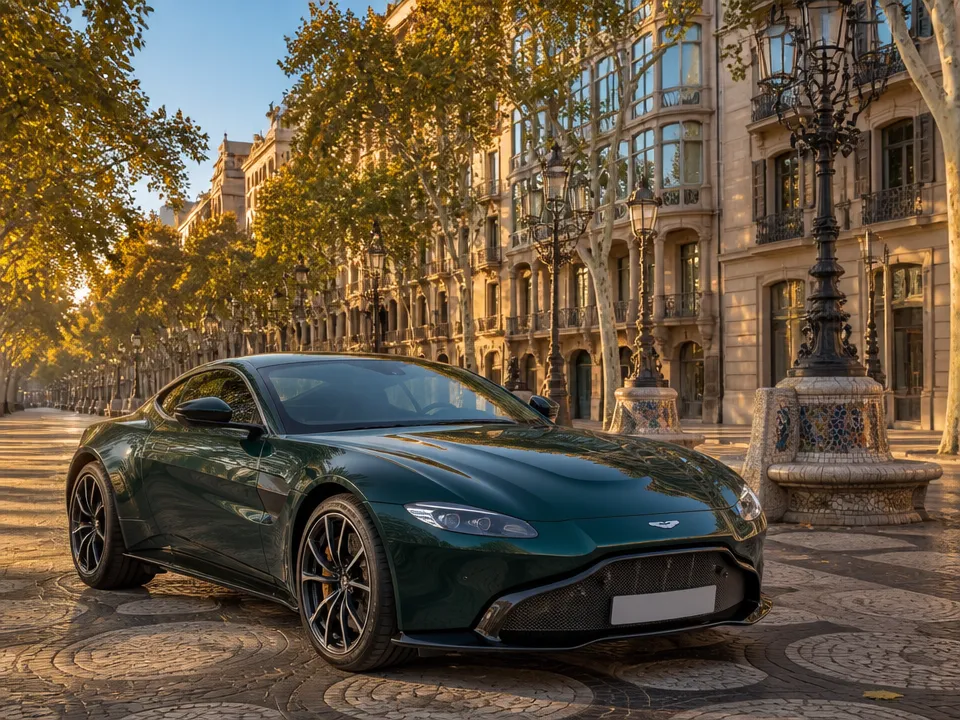
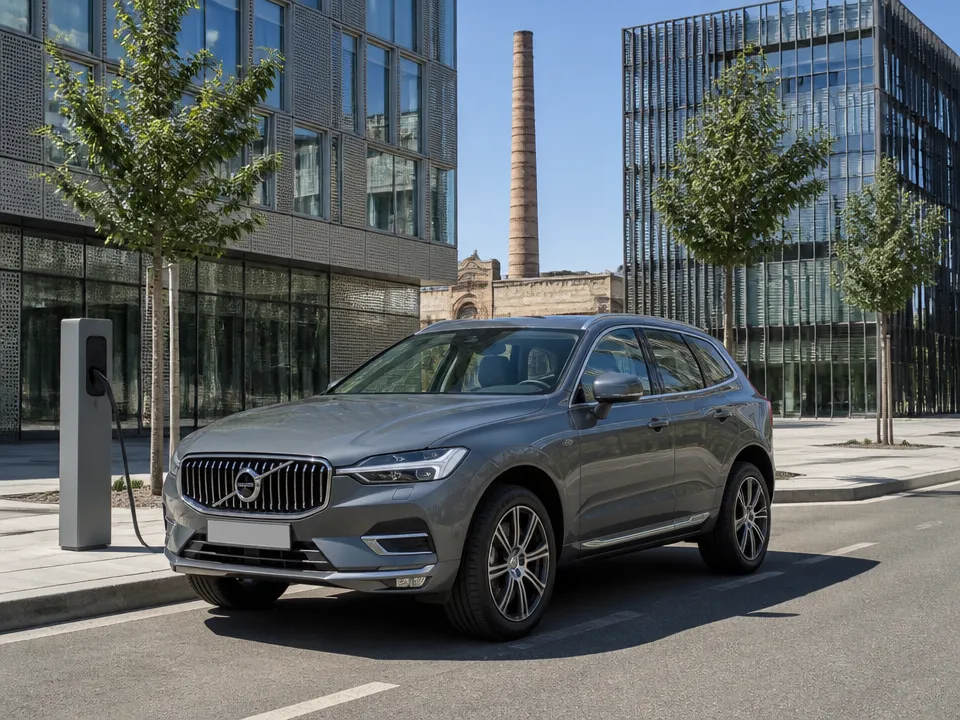
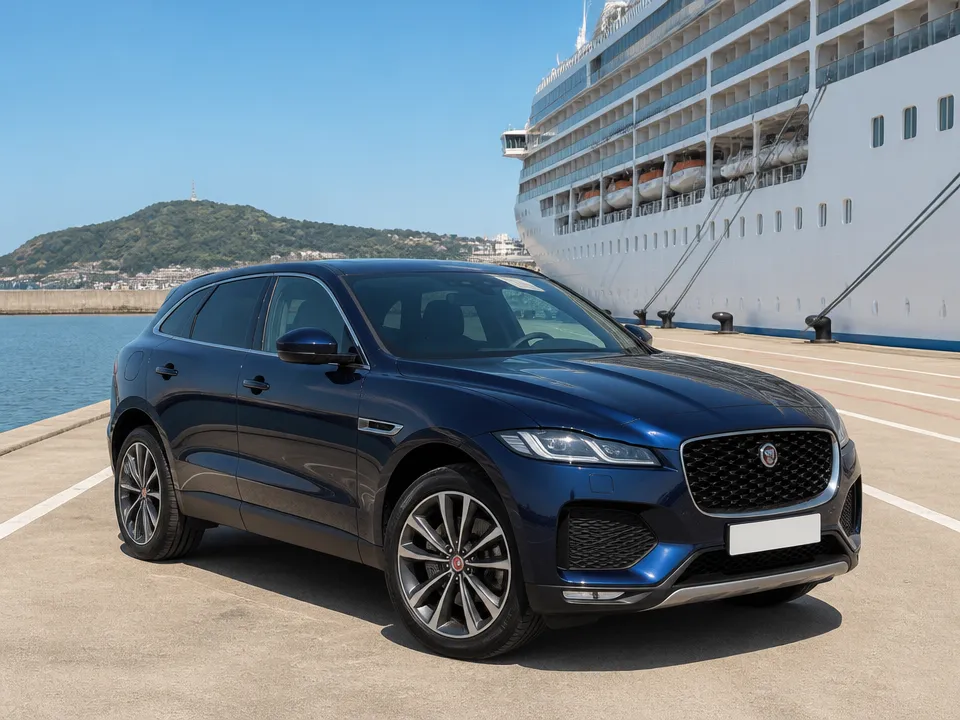
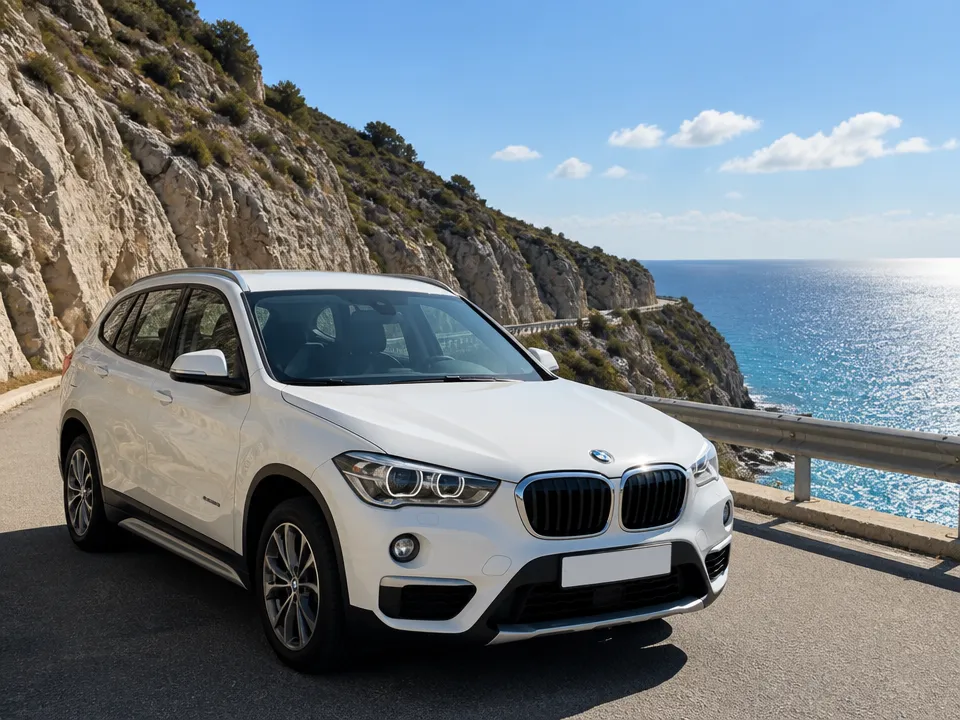
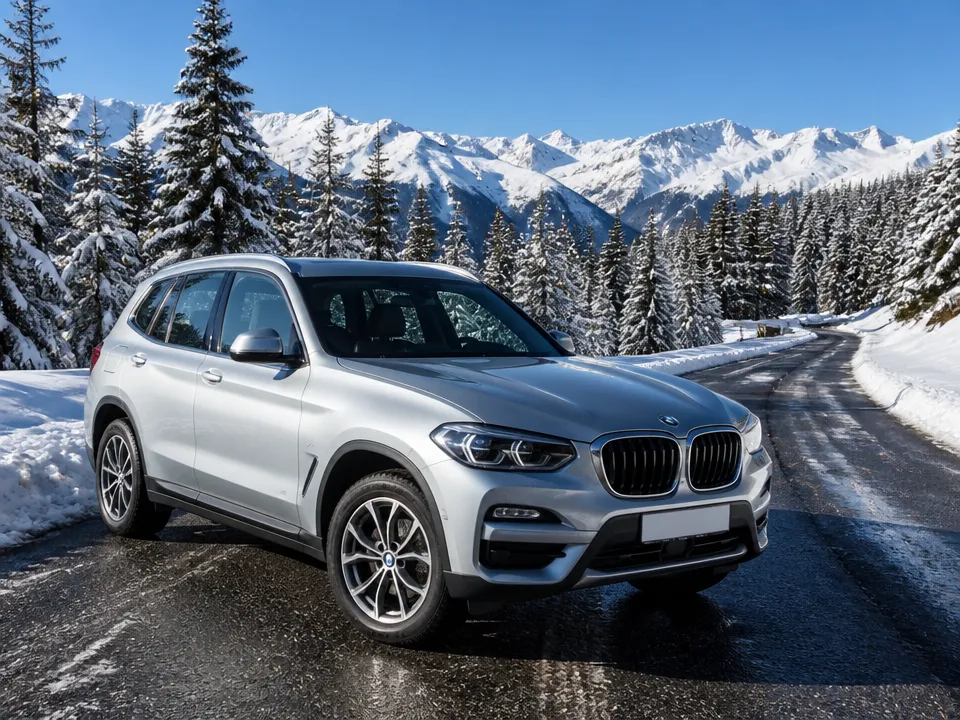
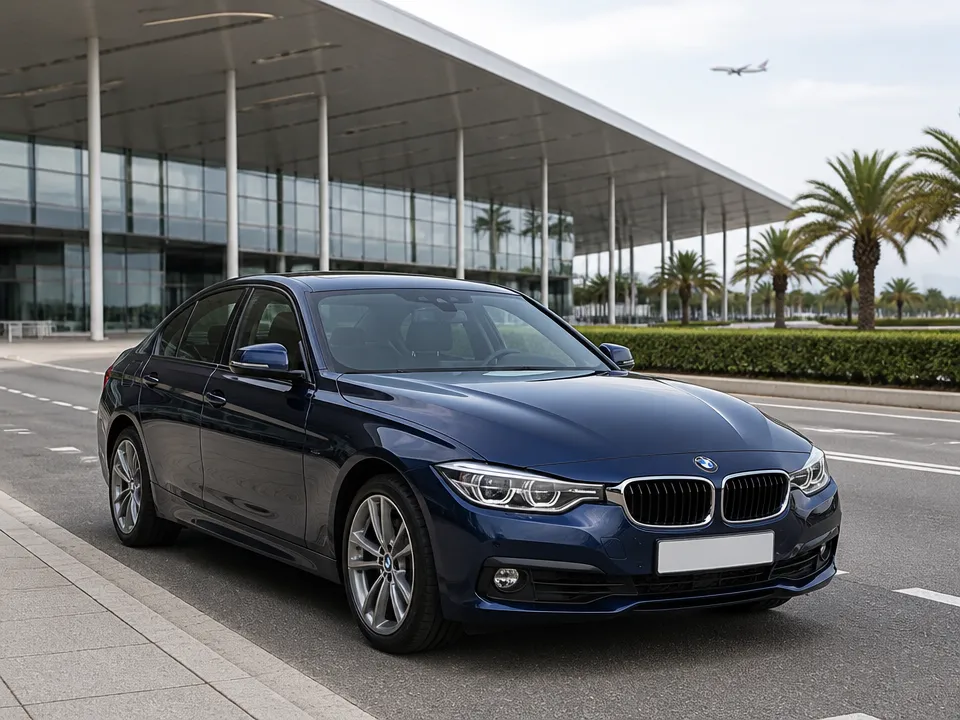
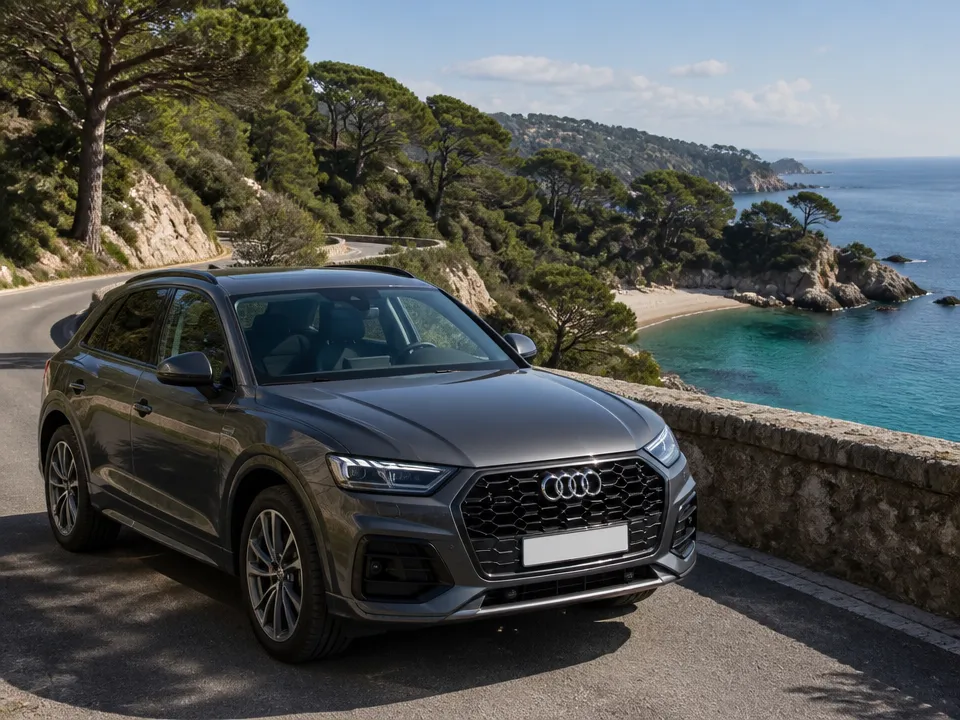

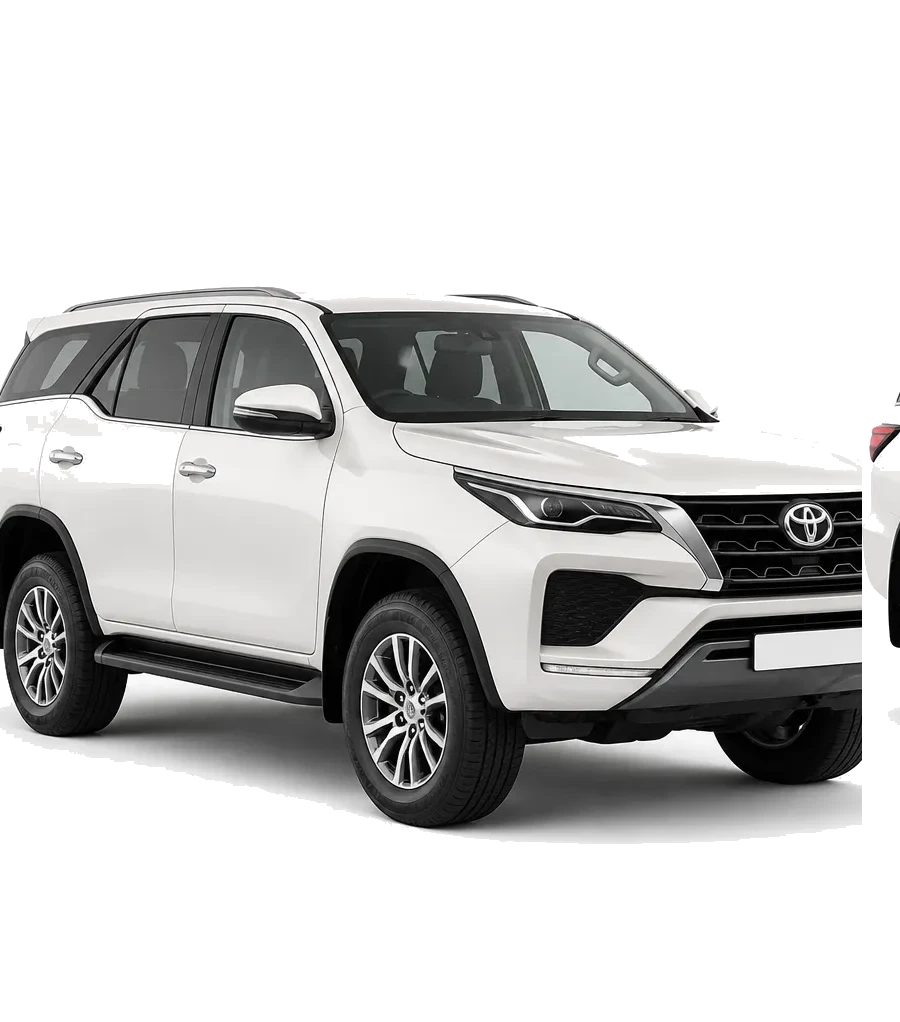
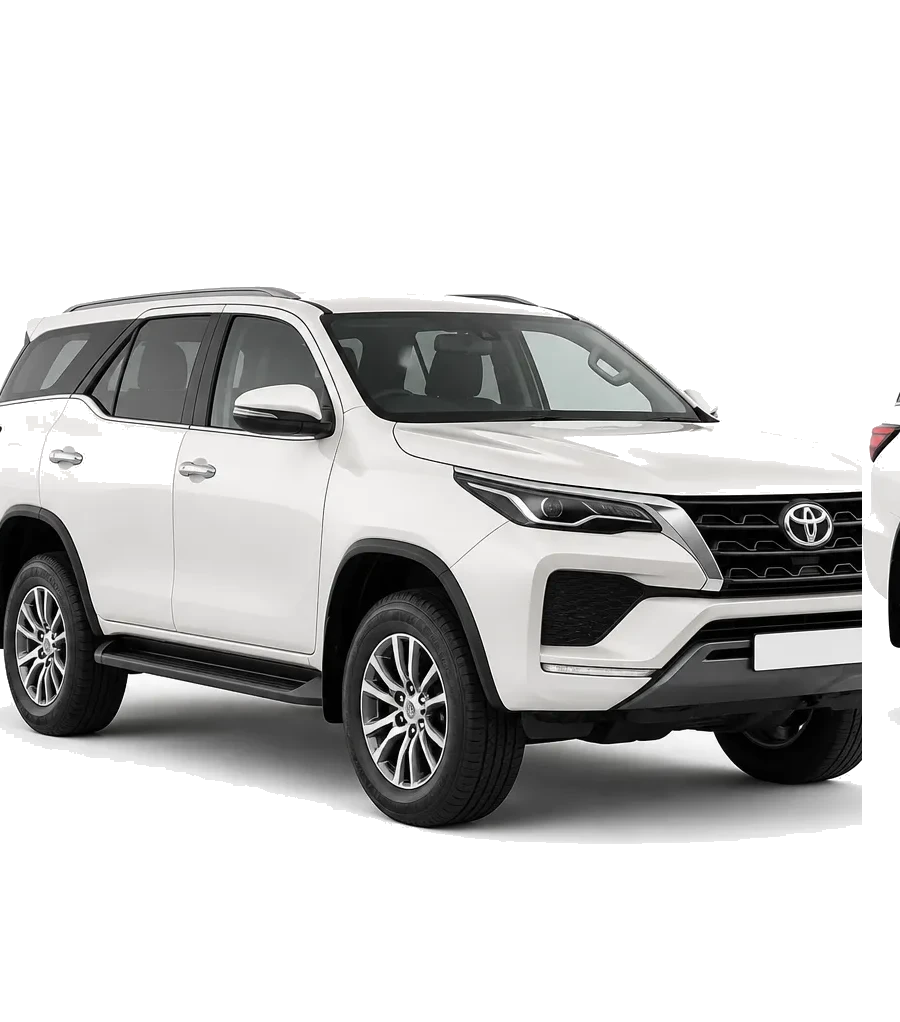

Our fleet for self-drive car rental in Barcelona holds 136 cars, from €19 a day for an Economy hatchback to €1,490 a day at the top of the range, and every booking is agreed with a manager before the keys change hands. We deliver the car to you — the airport, the station or your address in the city — and a week starts at €114, a month at €399.
Self-drive with Rent-Trip means one simple arrangement: you are behind the wheel, we bring the car to you, and a manager agrees the booking with you before anything is confirmed. Without a chauffeur, no guide, no counter queue at the start of your trip.
Rent-Trip self-drive means you drive the car yourself — without a chauffeur, no guide, the keys are yours for the whole booking. You choose the route, the stops and the timing: leave for Montserrat before the coaches arrive, park in Gràcia for lunch, or drive out to the Penedès wine country and come back after dark. Between trips the car stays with you, which is the part first-time visitors underestimate — it is not a vehicle that disappears after each leg. Our 136 cars on this page run from €19 to €1,490 per day, so the same arrangement covers a three-day city stay and a two-week run along the Costa Brava. Self-drive suits travellers who want to leave the city on their own schedule; the car stays with you between trips, so plan parking before you book.
Every booking is agreed with a manager — you discuss the car, the dates and the delivery point before anything is confirmed. That conversation is where the details that matter get settled: the class, the transmission, the number of seats, the delivery point and the time window that works for your arrival. Nothing is generated automatically from a form, and nothing is charged before the two of you have agreed the terms. The deposit, the insurance excess and any delivery fees are set out in the rental agreement, so the figures you see are the figures you sign for. Agreeing details with a person before confirmation avoids mismatches on class, transmission and seats; the deposit, excess and delivery fees are set out in the rental agreement.
In our practice, the bookings that go smoothly are the ones where the driver confirms the delivery point and the return time in the same message — the manager can then match the class to the trip instead of guessing.
Self-drive with Rent-Trip runs across 136 cars on this page, split into 14 classes and priced from €19 to €1,490 per day. The table below shows what each class starts at and how many cars sit in it.
| Class | Cars | From, per day |
|---|---|---|
| Economy | 23 | €19 |
| Crossover | 13 | €38 |
| SUV | 13 | €42 |
| Premium | 11 | €46 |
| Luxury | 11 | €302 |
| Comfort | 10 | €40 |
| Electric | 9 | €34 |
| Convertibles | 9 | €35 |
| Passenger vans | 9 | €90 |
| Minivans | 8 | €52 |
| Sports | 6 | €588 |
| Exotic | 6 | €896 |
| Sedan | 4 | €55 |
| Commercial | 4 | €84 |
The cheapest class is not always the cheapest trip — a larger car may cut the number of days you need. A five-seat Crossover at €38 covers a family plus luggage in one run where two Economy cars would double both the daily rate and the parking bill in Ciutat Vella.
Longer bookings are priced weekly from €114 and monthly from €399. Those two figures are the entry points of the range, so a Luxury week and a Luxury month sit far above them; the manager confirms the exact rate for your class and dates when the booking is agreed.
Weekly is daily × 6 and monthly is daily × 21. Count your own days against both before you choose: on a nine-day trip the weekly rate covers six charged days and the remaining three fall back on the daily price, so a longer block is not automatically the better deal. In our experience travellers who map their days first, then pick the class, avoid paying a monthly rate for a fortnight of driving.
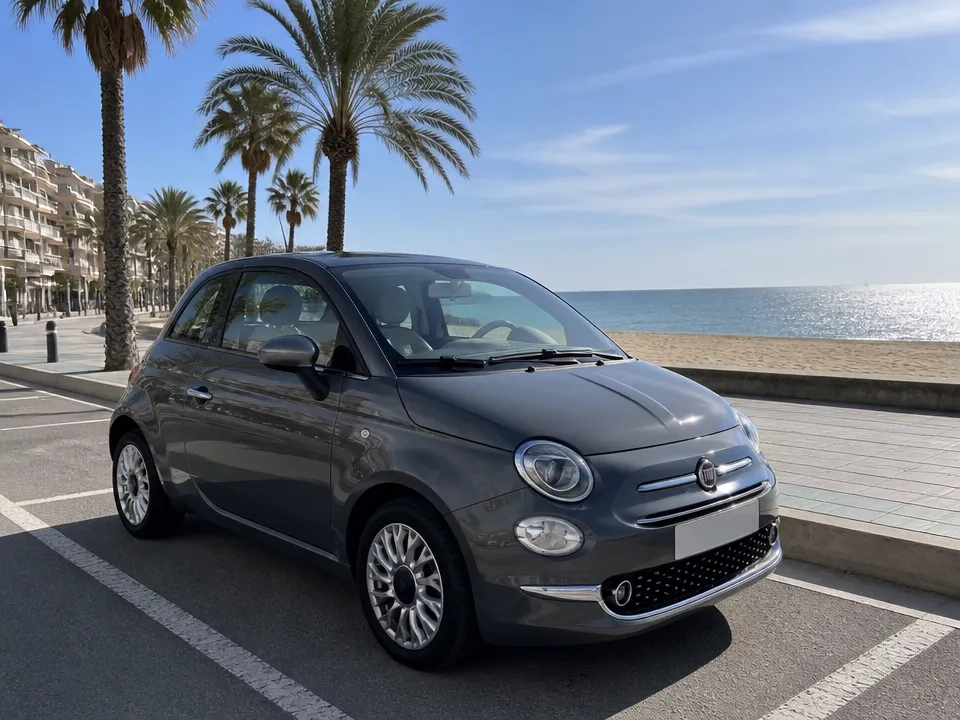
Two cars can share a class label and still differ by a few euros a day. Fiat Panda and Hyundai i10 both start at €19, but the Panda seats four and the i10 seats five; Toyota Yaris automatic is €29, Citroen e-C3 and Fiat 500e electric are €34, and Dacia Duster, an SUV with a 4x4 option, is €42.
Transmission and fuel shift the entry price more than body size does — automatics and electrics are a smaller share of the 136 cars, so their starting figures sit above the manual petrol models at the bottom of the table. Decide on seats and gearbox before you look at the class name, and the price you see will be the price you drive.
Pick the car by three things — how many people ride with you, what fuel you can live with, and whether you want to shift gears in city traffic. Everything else, from boot size to colour, is a detail you settle when the booking is agreed with a manager.
Automatic and electric cars are a smaller share of the 136 on this page, so if your dates are fixed, book them earlier rather than later.
Fiat Panda, Hyundai i10 and Kia Picanto start at €19 per day; Toyota Yaris automatic is €29, Citroen e-C3 and Fiat 500e electric are €34, and Dacia Duster SUV with a 4x4 option is €42. The Panda is a 4-seater with a 1.0 L petrol/hybrid engine and 70 hp, the i10 and Picanto are 5-seaters with 67 hp, and the Yaris pairs a 1.5 L hybrid with an automatic gearbox — the cheapest way into an automatic car in our fleet. A 4-seat Panda and a 5-seat i10 sit at exactly the same price, so check the seat count before you assume the cheaper-looking car fits your group. If four adults are travelling with luggage, the step up to a Crossover at €38 buys you a 1.2 L engine and a boot that closes with the bags inside.
For a family of seven, a Minivan from €52 or a Passenger van from €90 replaces two Economy cars and one driver.
Delivery is the part of self-drive car rental in Barcelona that most people ask about first, so here is the plain version: the car comes to you, and the point, the time and the hand-over are fixed when you book.
With Rent-Trip you do not travel to a depot to collect the keys. We bring the car to the point you name when booking, whether that is your hotel, an apartment in L'Eixample, an address in Gràcia or Sarrià-Sant Gervasi, or a meeting point near Poblenou and the 22@ district. You tell the manager where you are staying and when you want the car, and the two of you agree the hand-over. The booking is agreed with a manager, so the delivery slot is confirmed with a person rather than generated by a system. If your plans move, the same manager adjusts the point and the time with you.
The class, the dates and the delivery point are settled in the conversation with the manager, and the deposit, the insurance excess and any delivery fees are set out in the rental agreement. What you receive is a car with a full tank under the lleno a lleno policy standard in Spain, and the fuel level, the mileage and the condition of the bodywork are written into the agreement or the inspection sheet before you drive off.
The return point and time are agreed the same way as the delivery, and the car is handed back with a full tank. Fill up within 25 km of the return address and keep the receipt if you have driven under 100 km; over that distance the gauge reading at 8/8 is enough. The return slot is agreed when booking, so it is worth fixing the time a day ahead rather than the same morning.
Spain drives on the right, and every car in our fleet is left-hand drive, so the layout will feel familiar to most visitors. What catches people out is not the side of the road but the low-emission zone that covers the whole municipality.
The Zona de Bajas Emisiones Rondas de Barcelona (ZBE Rondes BCN), in Catalan the Zona de Baixes Emissions Rondes de Barcelona, covers more than 95 km² — the entire municipality except the Zona Franca industrial area and the Vallvidrera – el Tibidabo i les Planes neighbourhood, plus L'Hospitalet de Llobregat, Sant Adrià de Besòs and parts of Esplugues de Llobregat and Cornellà de Llobregat. It runs on working days, Monday to Friday. Access is decided by the DGT environmental badge on the windscreen: 0 emisiones (blue) and ECO (blue-green) are the cleanest categories, and the zone is enforced by camera, so a foreign plate must be registered in the Registre metropolità de vehicles estrangers i altres vehicles autoritzats a les zones de baixes emissions before you drive in. Registration is compulsory rather than optional, and it is worth sorting out the day you land — a badge bought after a camera has already logged the car does not undo the fine.
| Road type | Limit |
|---|---|
| Autopista / autovía | 120 km/h |
| Ordinary rural road (carretera convencional) | 90 km/h |
| City street, one lane each way | 30 km/h |
| City street, two or more lanes each way | 50 km/h |
| City street with a single shared surface | 20 km/h |
| Rondes B-10 and B-20 inside the city | 80 km/h |
Speeding is priced by the DGT table at 100 EUR (no points), 300 EUR (2 points), 400 EUR (4 points), 500 EUR (6 points) or 600 EUR (6 points) — a range of 100–600 EUR and 2–6 points. Above 60 km/h over the limit in town, or 80 km/h outside it, the offence becomes a criminal one rather than an administrative fine. Paying within 20 calendar days halves the amount.
Fine grades run leve at up to 100 EUR with no points, grave at 200 EUR, and muy grave at 500 EUR with points always attached.
The C-16 through the Túnels de Vallvidrera, the run out towards Sant Cugat and the Vallès, charges 4.7 EUR for a car. On-street parking inside the city is metered: AREA Blava A costs 2.5 EUR per hour and AREA Blava B costs 2.25 EUR per hour, with resident zones in force at weekends. Winter tyres are not a seasonal requirement in Spain — restrictions appear only point by point, on signs and gantries, when it snows, which in practice means the mountain roads heading into the Pyrenees rather than the city itself. Fill up before you leave the city: Gasolina 95 E5 averages 1.953 EUR per litre across the 74 stations measured in the municipality, with a median of 1.987 EUR.
Spanish law sets the paperwork floor for anyone driving here, and the rental agreement adds the commercial layer on top. Below is what is fixed by law and what is agreed with a manager when you book.
An EU or EEA licence — including Iceland, Liechtenstein and Norway — is fully valid in Spain while it has not expired, and no international driving permit is needed alongside it. A licence from a third country is valid if it is in force, if the holder is old enough in Spain for the equivalent category, and if no more than six months have passed since that person took up ordinary residence here. A licence not written in Spanish is accepted either with an official sworn Spanish translation or if it was issued to the model of Appendix 9 of the Geneva Convention or Appendix 6 of the Vienna Convention. The DGT advises getting an international driving permit before the trip, and for Cyrillic, Arabic or character-based licences it is in practice the workable route. The Permiso Internacional de Conducción is a supplementary document — it is shown only together with your passport and your national licence, it runs for one year, and it comes as a grey triptych cover with 16 pages in Spanish, German, English, French, Italian, Portuguese, Arabic and Russian.
Every car on Spanish roads carries Seguro Obligatorio de Responsabilidad Civil — it is included by law and applies even when the driver at the wheel was not named in the agreement. It covers harm to third parties, not the driver and not the vehicle, with statutory limits of 70 million EUR per incident for personal injury no matter how many people are hurt, and 15 million EUR per incident for property. On top of that sit the company's options: CDW removes your liability for damage to the car in a collision with another vehicle or an object, minus the excess, and excludes vandalism outside use of the car; THW removes liability for total or partial theft and for vandalism, again minus the excess; SCDW and SPCDW buy down part or all of the excess left by CDW; STHW and SPTHW do the same for the theft excess; and WWI is a separate option for glass and tyres, which base CDW normally does not include. The franquicia itself is printed in the agreement whether or not you buy an exemption, and its amount depends on the provider and the car class — no single official figure exists.
The minimum rental age, the young-driver surcharge, the cards accepted, the fuel policy and the territory you may drive in are not Spanish law and not our published terms — each of these is agreed when you book. In our practice, the excess question is settled in the rental agreement, and the models on this page run from the Fiat Panda and Hyundai i10 at €19 a day through the Citroen C4 and Ford Focus at €40–€41 to the Dacia Duster and Ford Puma at €42, with automatic gearboxes on the Toyota Yaris Hybrid, the Lancia Ypsilon and the electric Citroen e-C3, Fiat 500e and Peugeot e-208.
Self-drive rental in Barcelona makes most sense when the car is used for the days outside the city — the coast, the mountains and the wine country all sit within an easy drive, and the Rondes put you on the motorway network in minutes. Below are the routes we get asked about most, with what each one demands from the car.
Andorra and the Pyrenees are the two trips where the car class matters. The C-16 towards the mountains passes the Túnels de Vallvidrera, a paid tunnel out of the city towards Sant Cugat and the Vallès, with a car tariff of €4.7. Winter tyres are not a seasonal requirement in Spain — restrictions are introduced point by point with signs and overhead panels when it snows, and for this part of the country that means the mountain roads heading inland towards the Pyrenees, including the C-16 and the Túnel del Cadí. If your dates fall between November and March and the plan includes La Cerdanya, take a car with a 4x4 option rather than a front-wheel-drive hatchback.
Fuel is worth planning before a long run. Gasolina 95 E5 averaged €1.953 across 74 stations in the municipality, with a median of €1.987 and a spread from €1.758 to €2.059, so filling up away from the centre usually costs less. Our cars are handed over and returned on the full-to-full basis set out in the rental agreement, which means a receipt or a gauge reading at 8/8 depending on the distance covered.
Returning after a day out is the part most people underestimate. AREA Blava A is charged at €2.5 per hour and AREA Blava B at €2.25, and the paid hours do not run around the clock — residential zones change at weekends. If you are staying in Ciutat Vella, L'Eixample, Gràcia or Sarrià-Sant Gervasi, check whether your accommodation has a space before you confirm the booking; a car that has to circle the block every evening undoes the point of renting it.
Self-drive car hire here comes down to three decisions: which class you book, how many days you book it for, and how you handle the low-emission zone. Get those right and the rest — delivery, paperwork, fuel — follows the terms you agree with a manager at booking.
A short checklist before you confirm anything:
Two practical notes from our own bookings. First, the deposit, the excess and any delivery fee are set out in the rental agreement, not in a headline price — read them before you sign, because they change what a cheap day actually costs. Second, Spanish consumer rules let you reject a car that does not match the contract: if the booked model is unavailable you may ask for another without paying more, and if the class drops you are entitled to a lower price. In our experience the travellers who check those two points before departure are the ones who never argue at hand-over.
This page lists 136 cars. Daily prices run from €19 to €1490. The cars here include Fiat Panda at €19 per day, Hyundai i10 at €19 per day and Kia Picanto at €19 per day.
Seat counts on this page are 2, 3, 4, 5, 7 and 9. Transmissions are automatic and manual. Body types include convertible, coupe, crossover, estate, hatchback, MPV, SUV, sedan and van.
Vehicles without a DGT environmental badge are prohibited in the ZBE Rondes de Barcelona on working days, Monday to Friday, 07:00 to 20:00. Weekends and holidays are not restricted. The Ronda de Dalt (B-20) and Ronda del Litoral (B-10) themselves are not included, but you may not leave them into the zone.