
















SUV car rental in Canada
From C$ 58 per day, SUV car rental in Canada gives you 31 cars to choose from — five-, seven- and eight-seat petrol automatics from Volkswagen, Hyundai, Kia, Honda, Toyota, Jeep, Nissan, Chevrolet, Mazda, Mitsubishi, Ford, GMC and Dodge.
What the SUV Car Rental in Canada Fleet Looks Like
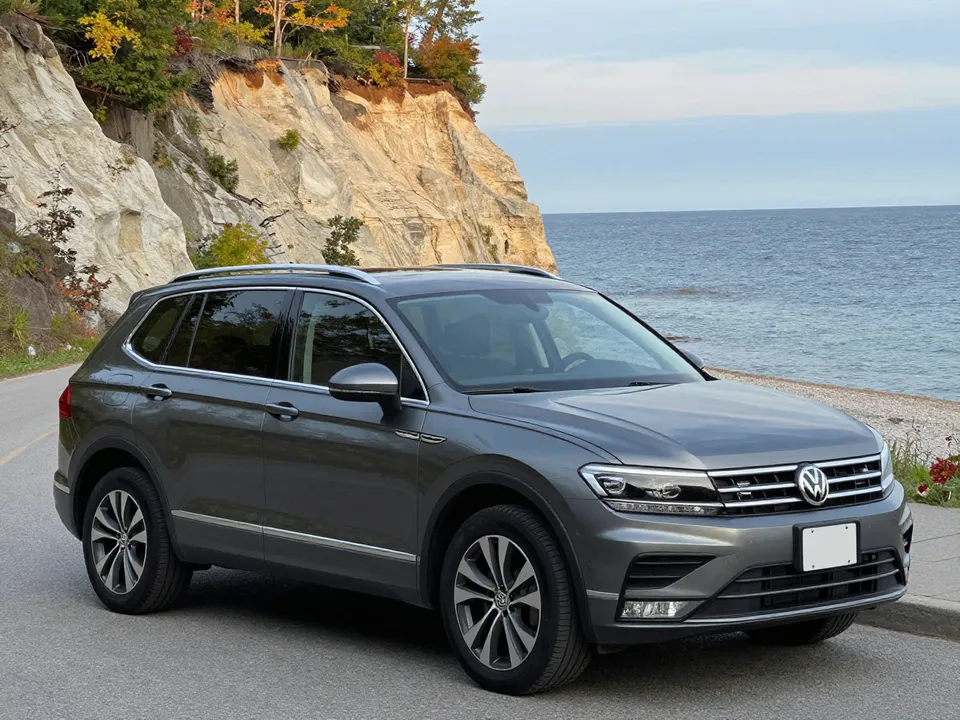
Rent-Trip runs 31 SUVs for SUV car rental in Canada, spread across 13 brands. Every one is AWD, automatic and petrol, with five, seven or eight seats. The fleet ranges from a Volkswagen Tiguan at C$ 58 a day to a Ford Explorer at C$ 322, so the choice is mostly about space and power rather than budget.
Five, seven or eight seats — matching the SUV to your group
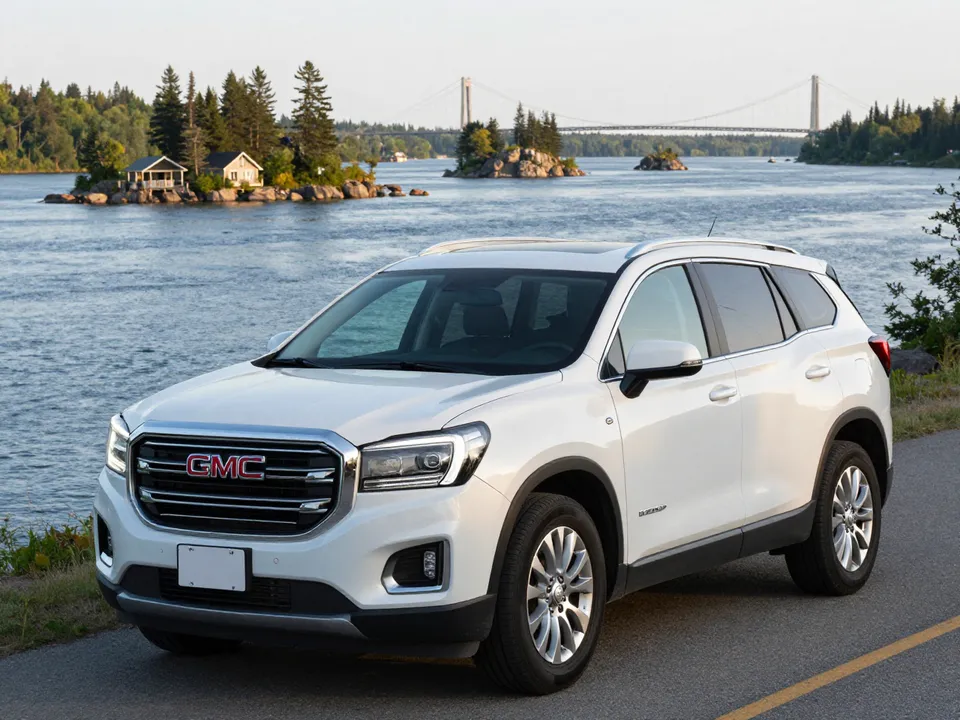
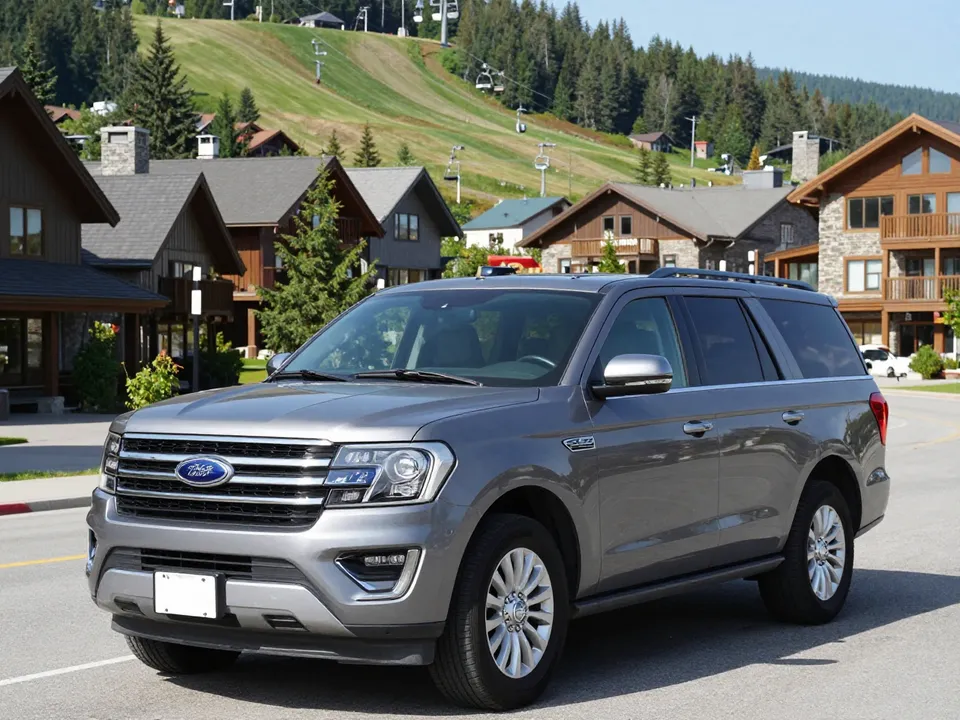
We hold 17 five-seat, 7 seven-seat and 7 eight-seat SUVs, so a family of five with three suitcases fits a five-seater without squeezing. The eight-seat group is the Honda Pilot, Hyundai Palisade, Nissan Pathfinder, Kia Telluride, GMC Yukon, Chevrolet Suburban and Ford Expedition — all 5.3 L or 3.5–3.8 L units built for a full load. Luggage, not headcount, usually decides the class: check boot volume before booking a seven-seater for four people, because the third row eats the cargo space you were counting on.
Compact or full-size — a comparison by trip
Compact SUVs suit city driving and two travellers; full-size and eight-seat models suit long highway trips with luggage.
| Model | Seats | Engine | Power | Drive |
|---|---|---|---|---|
| Volkswagen Tiguan | 5 | 2.0 L | 184 hp | All-wheel |
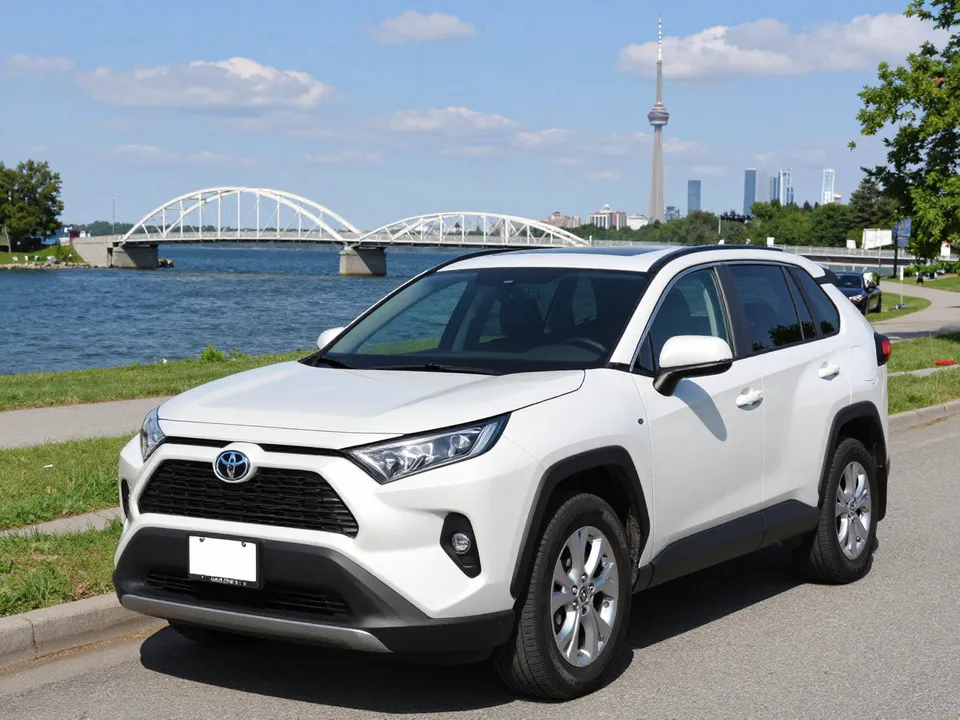
| Toyota RAV4 | 5 | 2.5 L | 203 hp | All-wheel |
| Chevrolet Suburban | 8 | 5.3 L | 355 hp | All-wheel |
| GMC Yukon | 8 | 5.3 L | 355 hp | All-wheel |
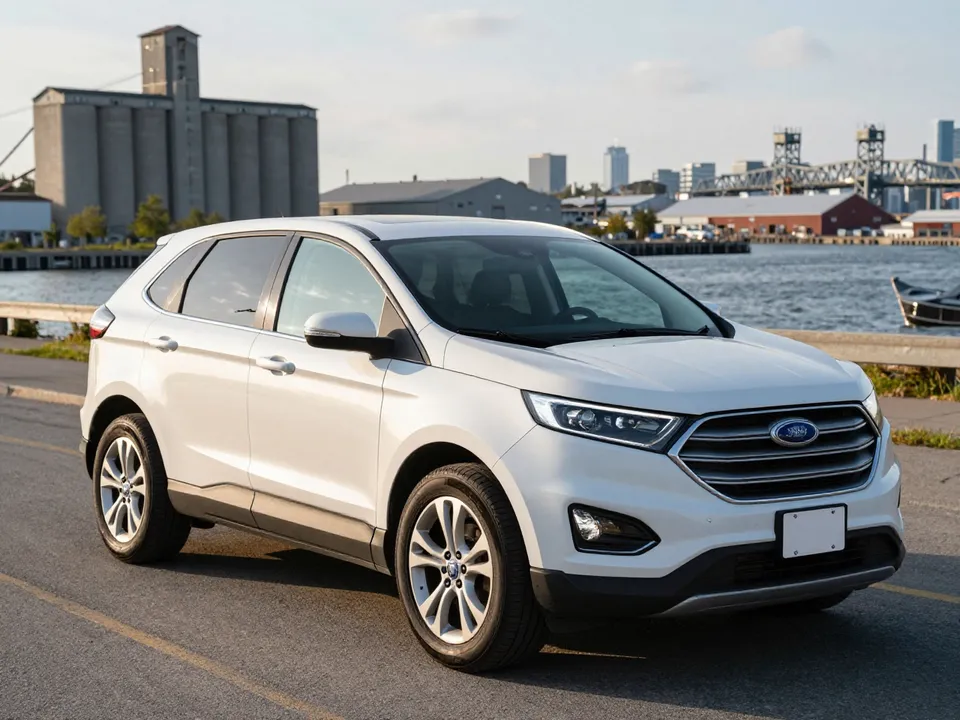
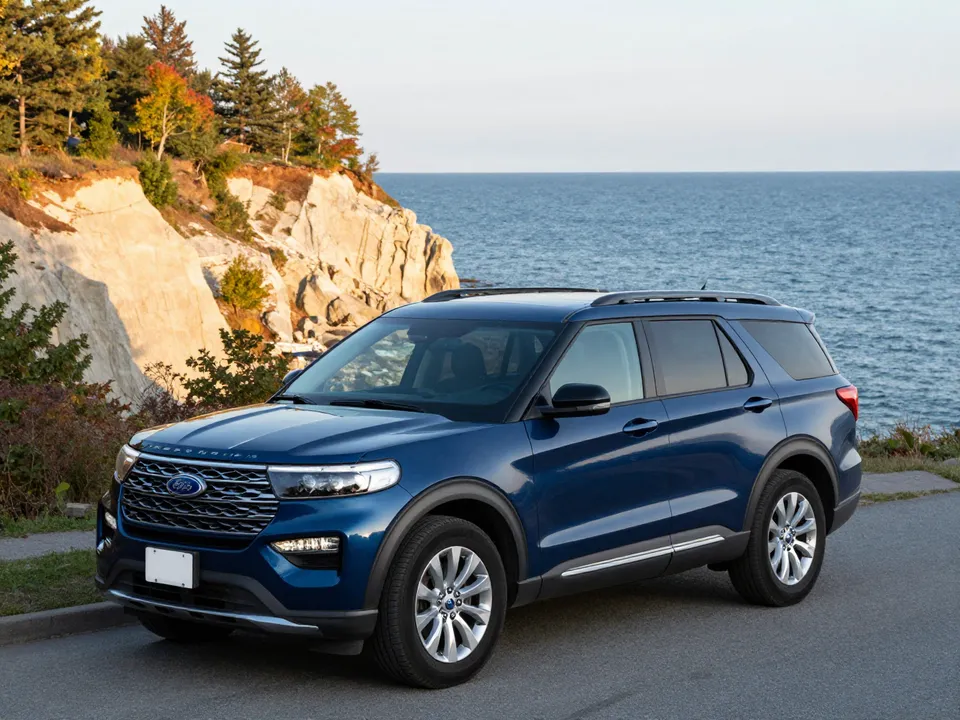
| Ford Explorer | 7 | 2.3 L | 300 hp | All-wheel |
A minivan seats the same eight but loses ground clearance — an SUV is the better pick for Muskoka and Algonquin Park tracks. In our experience, travellers heading north for a weekend regret the low-roof van the moment the road turns to gravel.
Five, seven or eight seats for your SUV car rental in Canada
Three seat counts cover the whole fleet for SUV car rental in Canada: 17 five-seat SUVs, 7 seven-seat models and 7 eight-seat models, all automatic, petrol and AWD. The right pick is decided by luggage and the longest leg of the trip, not by the number of travellers on the booking.
Five, seven or eight seats — matching the SUV to your group
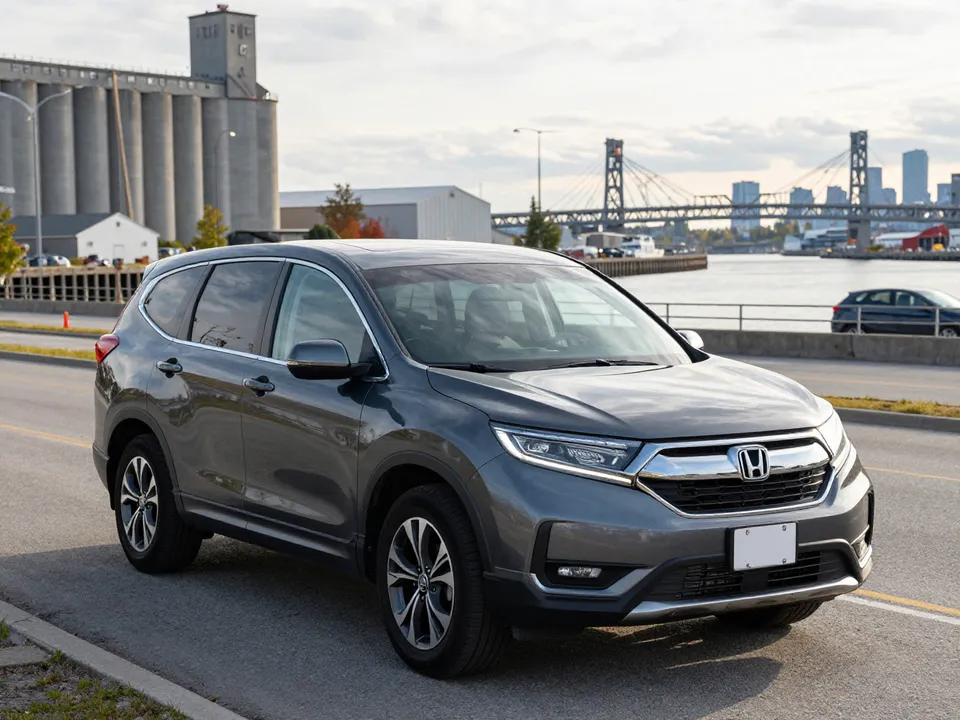
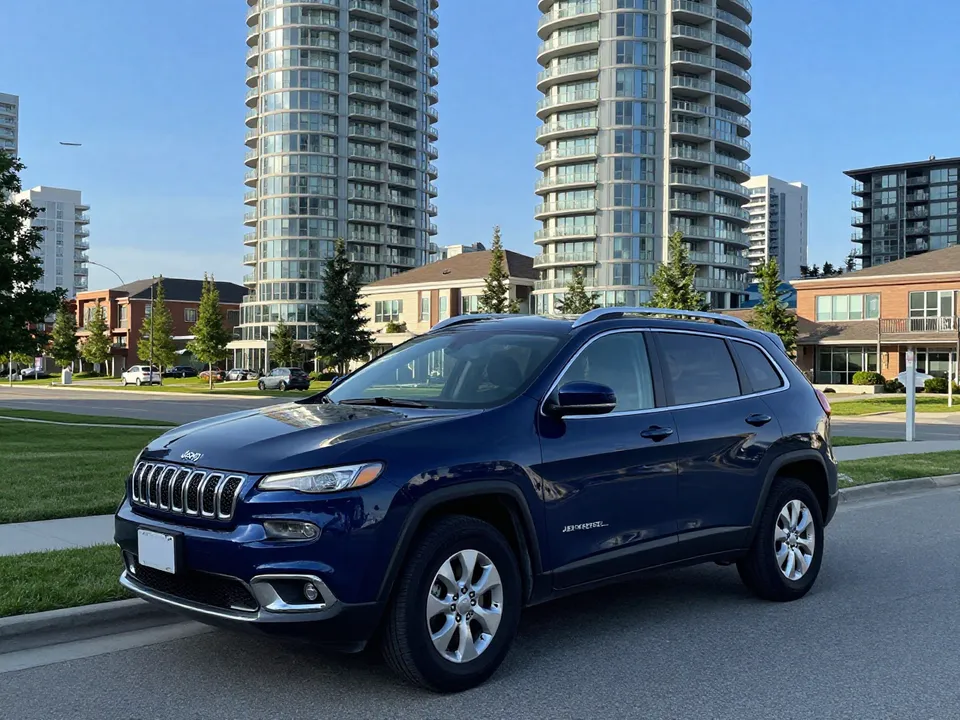
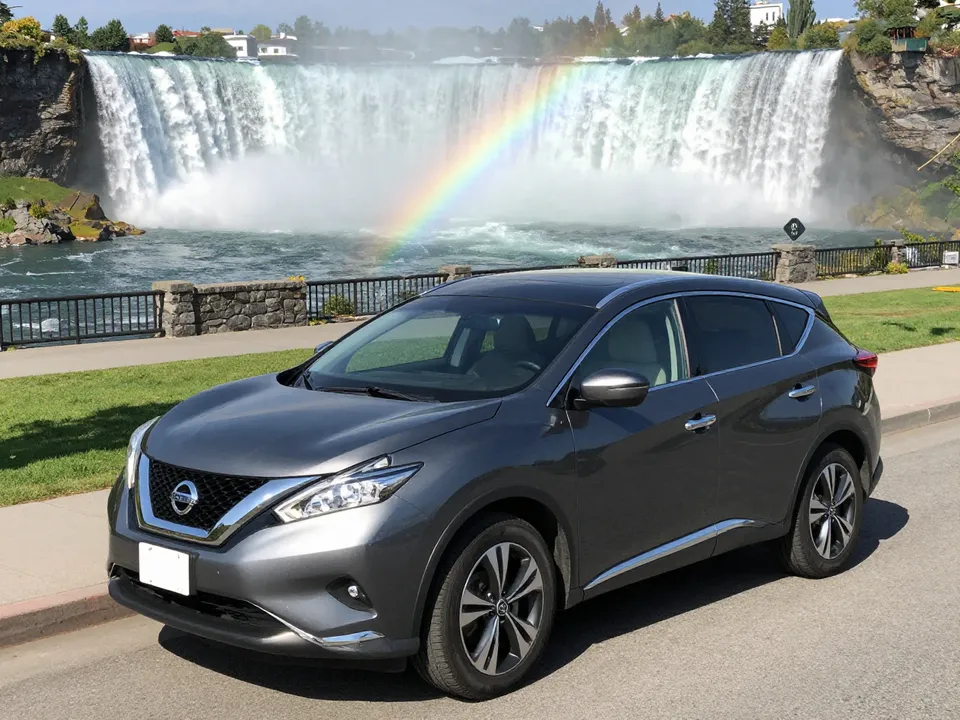
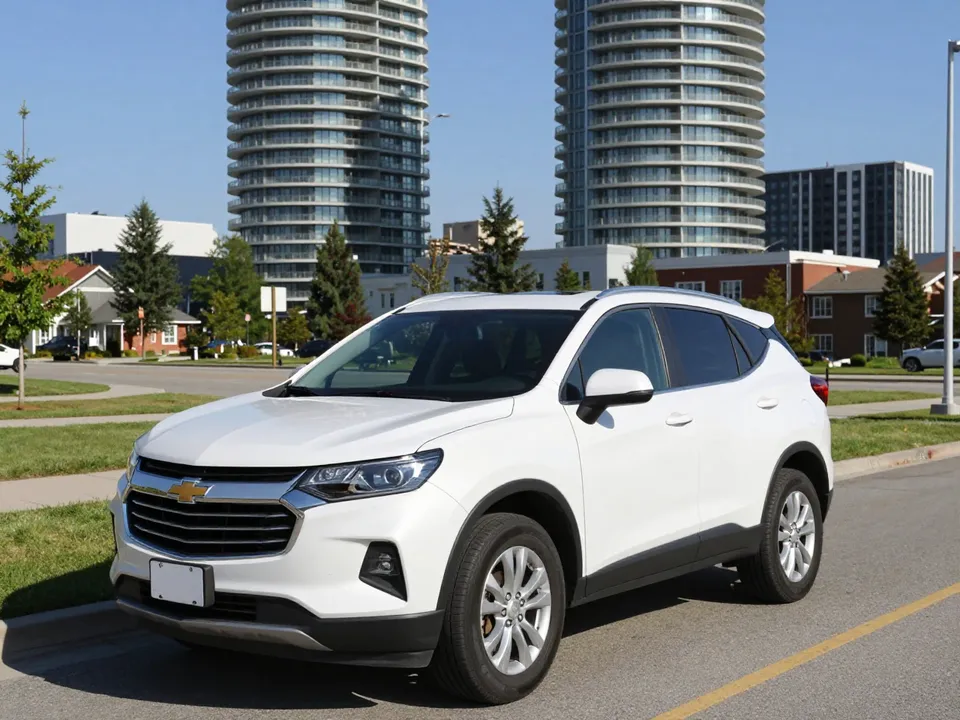
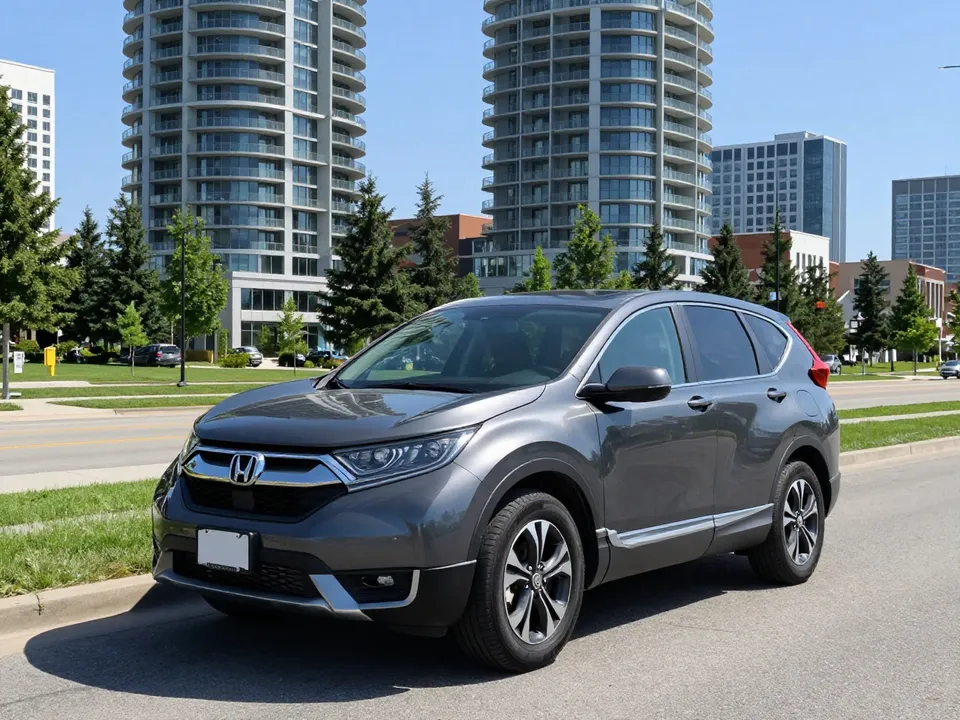
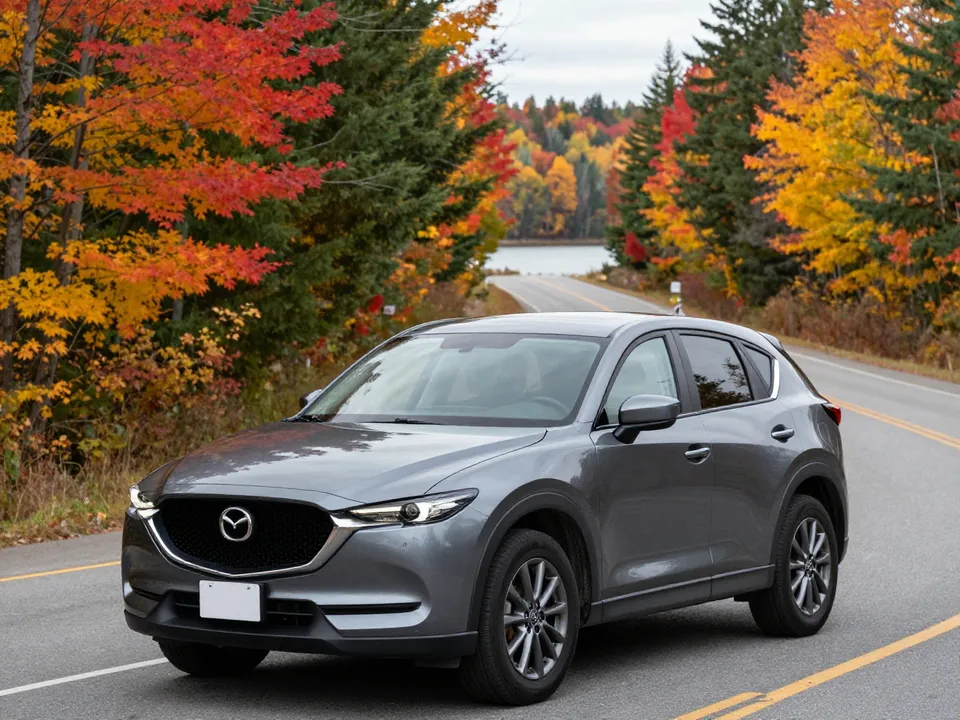
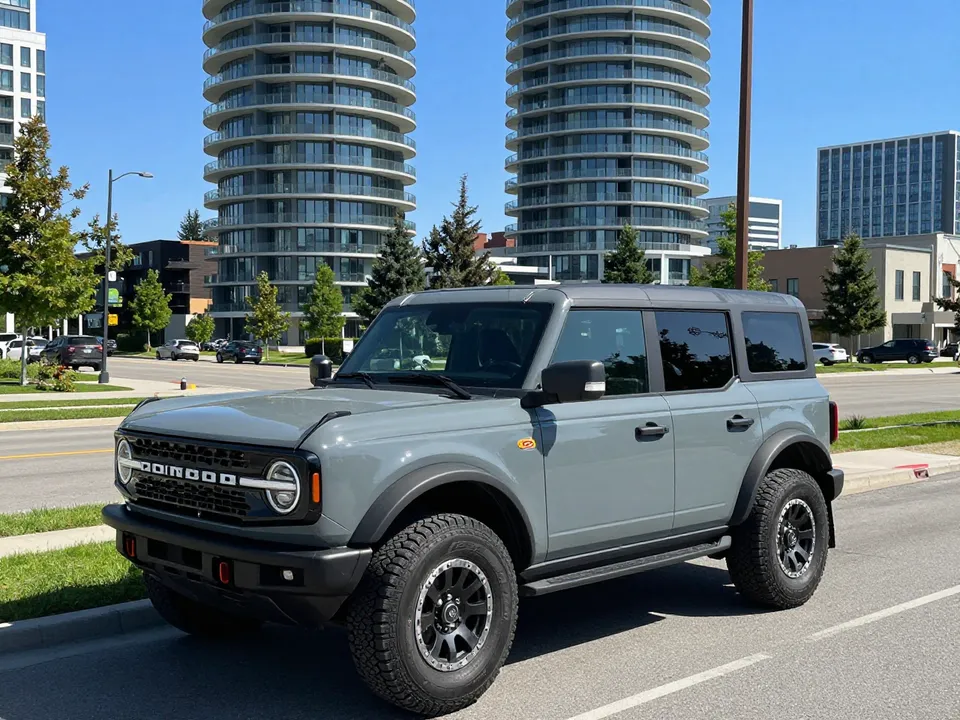
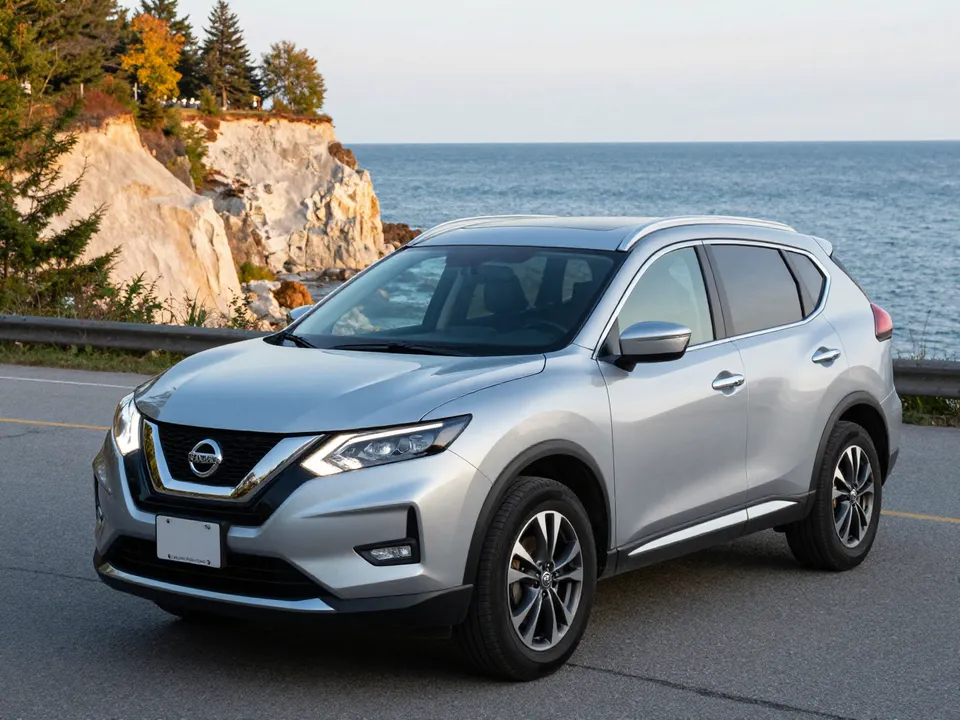
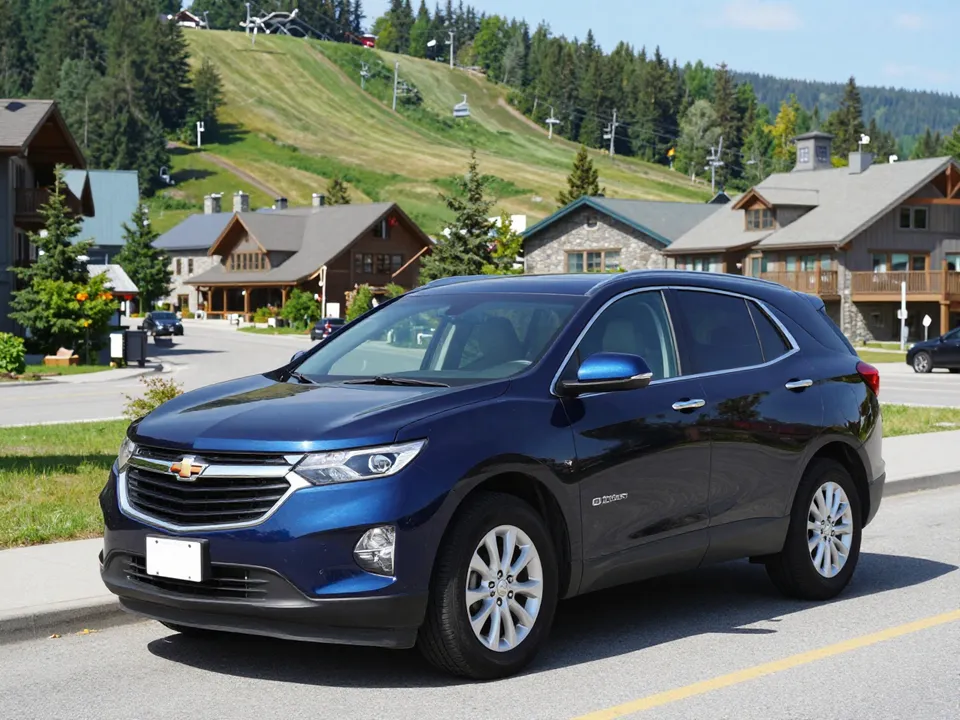
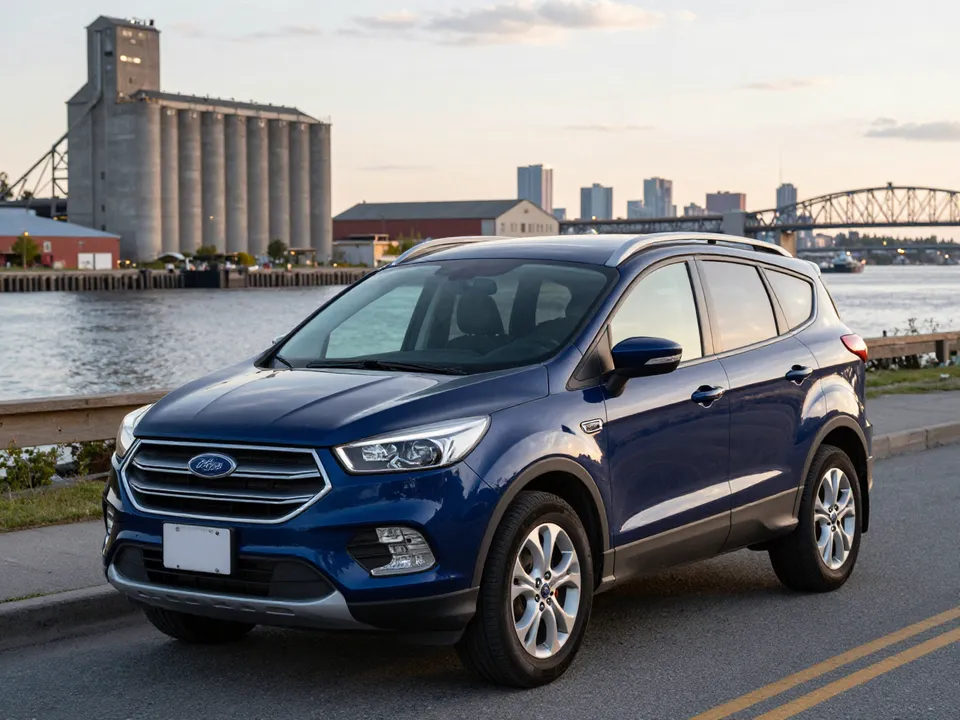
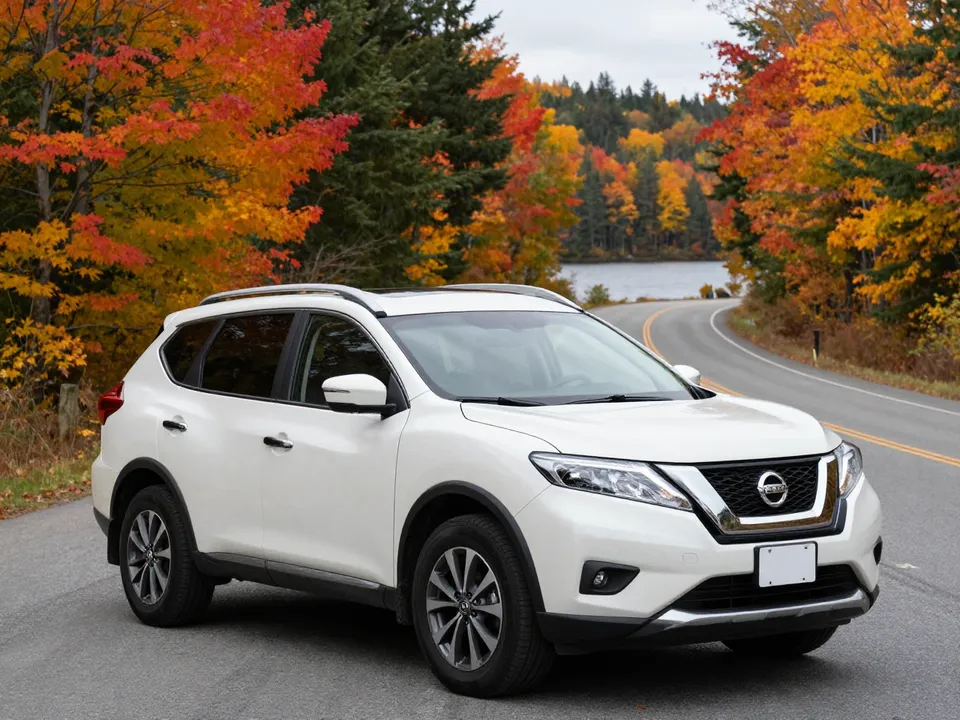
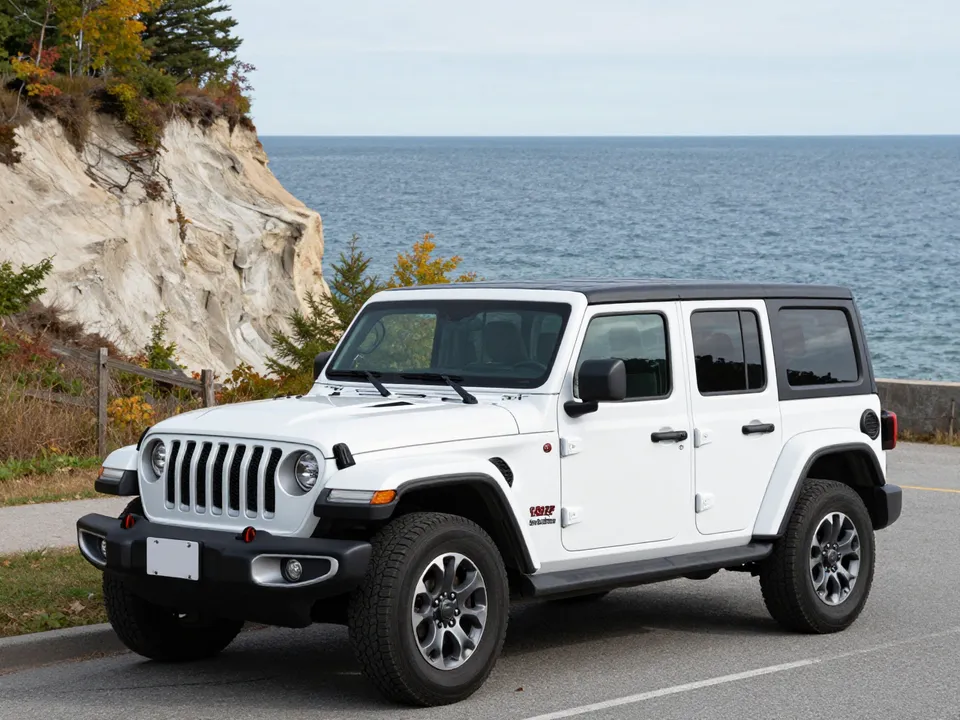
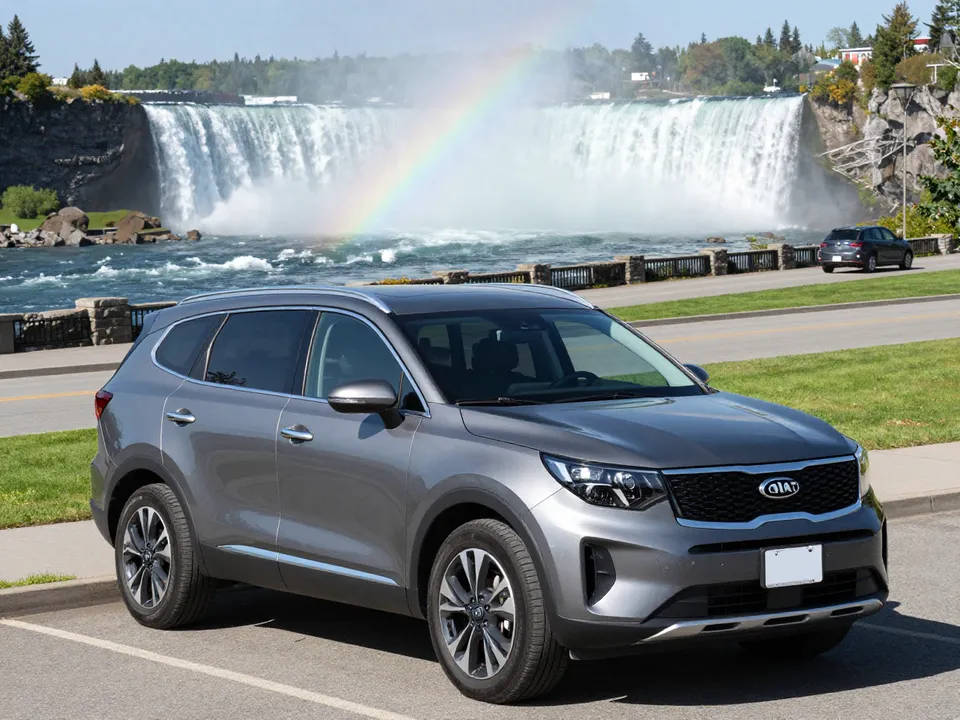
The five-seat group runs from the Volkswagen Tiguan and Toyota RAV4 to the Jeep Cherokee, Nissan Murano, Chevrolet Blazer, Honda CR-V, Mazda CX-5, Ford Bronco and Nissan Rogue — enough body styles that two couples can split across separate cars.
Compact or full-size — a comparison by trip
Between the two ends sit the mid-size five-seaters, which is where most week-long bookings land.
| Model | Seats | Engine | Power | Drive |
|---|---|---|---|---|
| Honda Pilot | 8 | 3.5 L | 285 hp | All-wheel |
| Ford Explorer | 7 | 2.3 L | 300 hp | All-wheel |
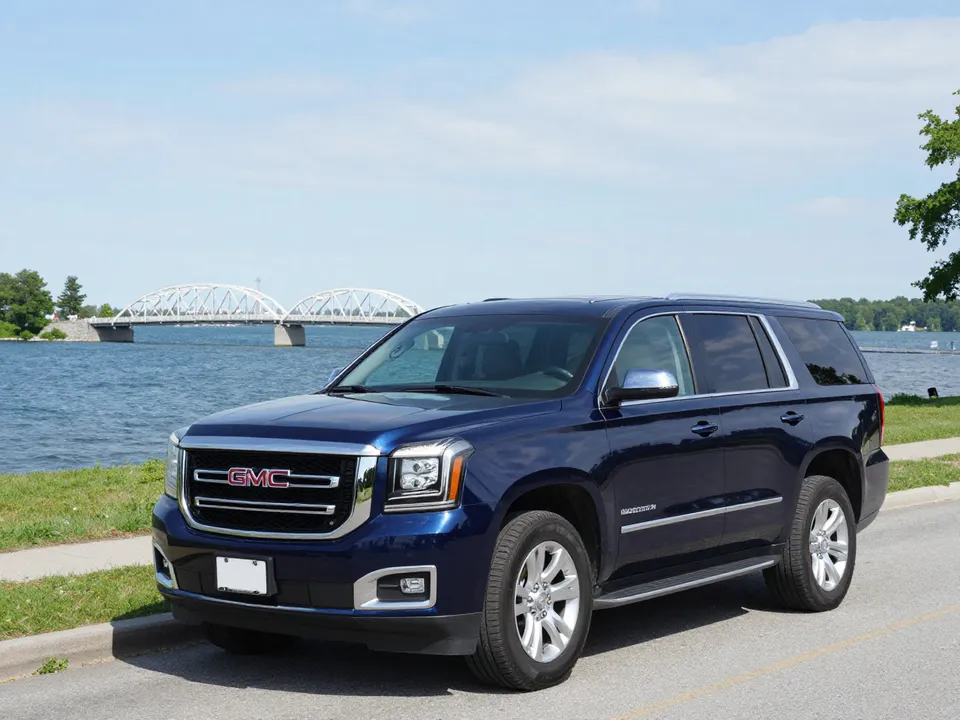
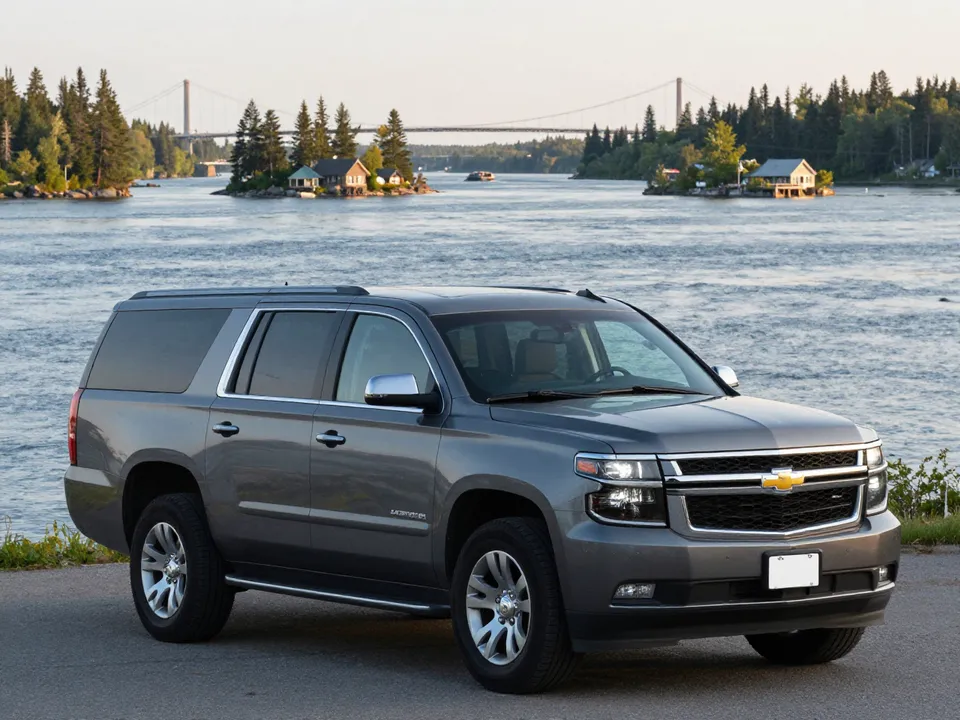
On a Toronto booking, the eight-seat GMC Yukon and Chevrolet Suburban are the ones groups ask for first; reserve them early for a long weekend, since seven of the 31 cars carry eight seats and they move fastest.
Compact or full-size SUV car rental in Canada by trip
A five-seat compact is the easy answer for two people on a short break; for SUV car rental in Canada a seven- or eight-seat body earns its keep once the boot is full and the drive runs past a single province. We list 31 SUVs on this page, and what separates them is seats, engine size and cargo room behind the last row rather than the badge on the grille.
| Model | Seats | Engine | Power | Drivetrain |
|---|---|---|---|---|
| Mazda CX-5 | 5 | 2.5 L | 187 hp | All-wheel |
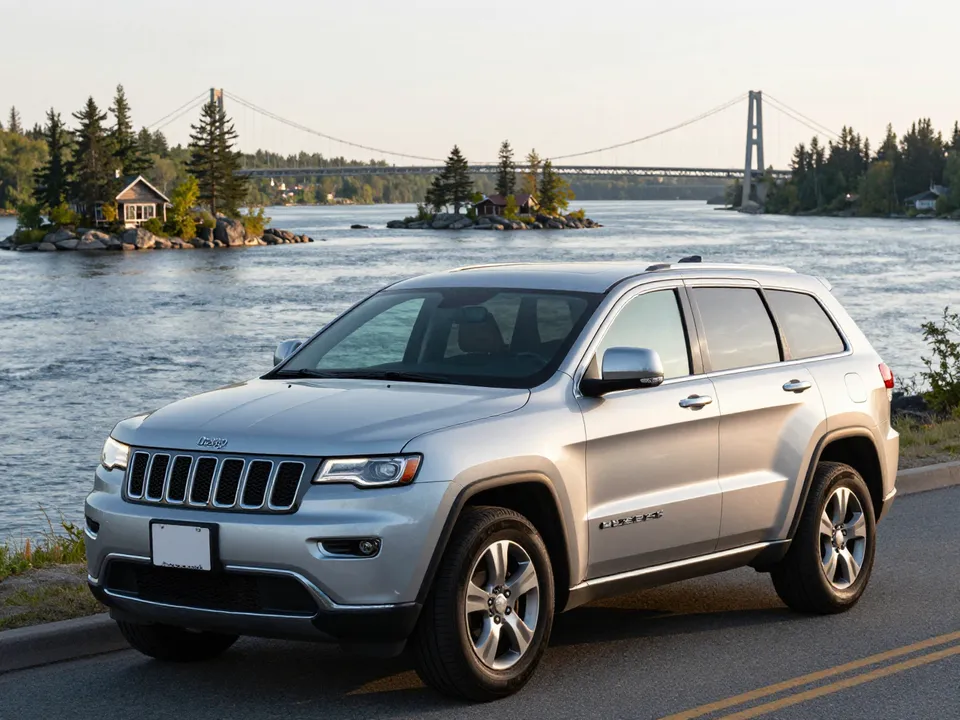
| Jeep Grand Cherokee | 5 | 3.6 L | 293 hp | All-wheel |
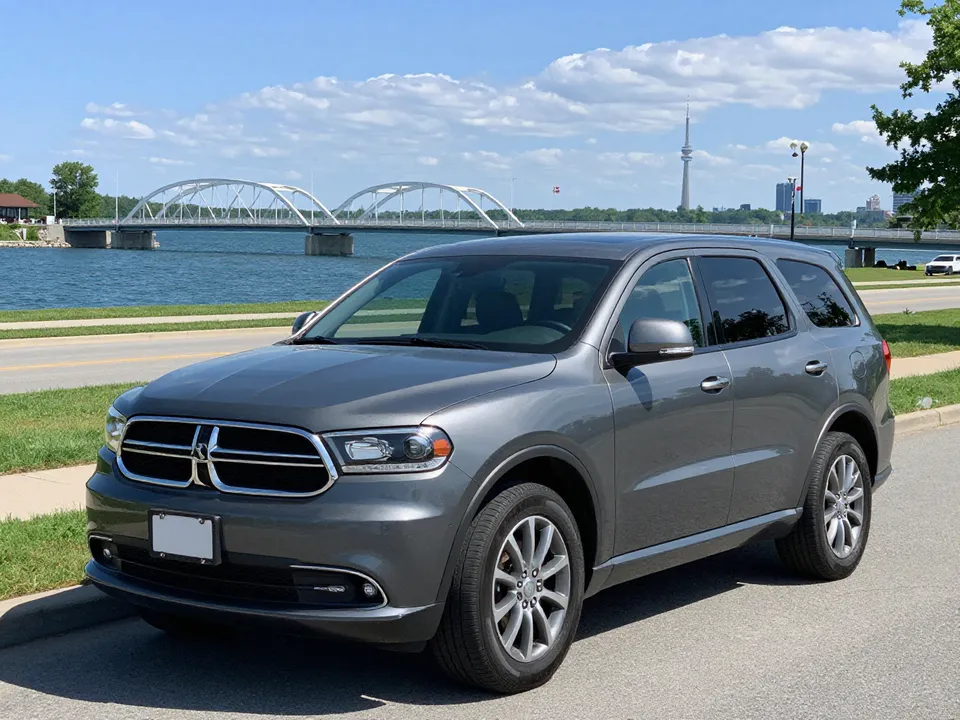
| Dodge Durango | 7 | 3.6 L | 293 hp | All-wheel |
| Hyundai Palisade | 8 | 3.8 L | 291 hp | All-wheel |
| Nissan Pathfinder | 8 | 3.5 L | 284 hp | All-wheel |
| Kia Telluride | 8 | 3.8 L | 291 hp | All-wheel |
| Ford Expedition | 8 | 3.5 L | 380 hp | All-wheel |
The five-seat group is the friendlier one to thread into a downtown parking bay and the lighter one at the pump. Where it gives ground is on the third day of a long drive: load five adults and four suitcases into a compact and the boot fills well before the seats do, while a seven-seat body adds the extra row without asking you to handle a full-size frame.
Town and suburbs: the smaller bodies keep the footprint tight and still swallow five people plus a week of bags.
Open highway: more power and cabin room for four adults crossing from one province into the next.
Big groups: eight seats with luggage stowed behind the third row.
A minivan holds the same eight but rides closer to the tarmac — for the gravel and rock of Muskoka and Algonquin Park, ground clearance counts for more than a sliding door. Two people with one suitcase are better off in the compact and banking the saving in fuel: at roughly C$ 1.75 a litre in October 2026, the smaller engine is the less expensive trip.
Prices and Longer Bookings for SUV Car Rental in Canada
Our SUV fleet runs from C$ 58 to C$ 322 per day across 31 vehicles, and longer bookings follow two fixed multipliers: a week is the daily rate times six, from C$ 348, and a month is the daily rate times 21, from C$ 1,218. The figure you see against a model is the one the longer term is built from.
How a week or a month is priced
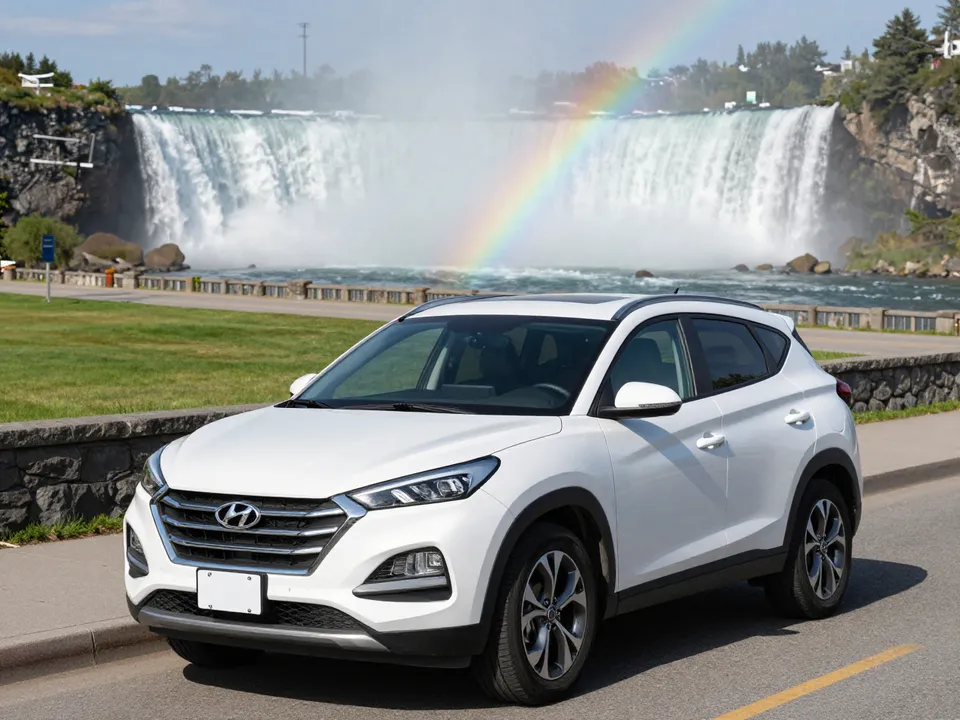
We price a week at the daily rate × 6, from C$ 348, and a month at the daily rate × 21, from C$ 1,218. Take the Hyundai Tucson at C$ 62 a day: six days of that rate gives the weekly figure, and 21 days gives the monthly one, so the arithmetic is the same whichever model you pick. Nothing else changes the multiplier — not the season, not the pickup point, not the length of the trip beyond the week or month threshold. The multiplier is fixed, so the cheapest daily car also gives the cheapest week — the Volkswagen Tiguan at C$ 58 a day. For a two-week Ontario loop, compare two weeks at the weekly rate with the monthly term before you book: the same fixed multiplier applies to every model in the fleet.
What sits at the top and bottom of the range
Volkswagen Tiguan is the cheapest SUV at C$ 58 a day; Ford Explorer is the most expensive at C$ 322 a day. Between them sit 29 models in a fairly tight band: the Hyundai Tucson and Kia Sportage at C$ 62, the Honda Pilot and Hyundai Palisade at C$ 68, the Toyota RAV4 and Nissan Murano at C$ 71, and the Chevrolet Suburban and Ford Expedition at C$ 182. The gap between the two ends is mostly size and power, not age — both are all-wheel drive with automatic gearboxes, and every car on the page runs on petrol. For a week, that spread matters: the difference between the bottom and the top of the range multiplies by six just as the daily rate does.
What the rate covers and what is agreed separately
- Full-to-full fuel: the car comes clean with a full tank and must go back full; the missing fuel and a refuelling service fee are set out in the rental agreement.
- Deposit and excess: the deposit amount and the insurance excess are set out in the rental agreement, not fixed on this page.
- Delivery: we bring the SUV to any address in Toronto and to the three airports; anything further out is arranged case by case.
- Dates and times: the delivery address, date and time are agreed with a manager before the booking is fixed.
The deposit and the excess are set out in the rental agreement — read that clause before you confirm the dates.
How a week or a month of SUV car rental in Canada is priced
Rent-Trip prices a week at the daily rate × 6, from C$ 348, and a month at the daily rate × 21, from C$ 1,218. The multipliers are fixed across all 31 SUVs, so the same arithmetic works whether you take the cheapest car on the page or the most expensive one.
Why the multiplier never changes
The arithmetic holds for every model in the fleet: seven days cost six daily rates, thirty days cost twenty-one. That means the cheapest daily car also gives the cheapest week — the Volkswagen Tiguan at C$ 58/day comes to C$ 348 for a week and C$ 1,218 for a month. A Ford Explorer at C$ 322/day scales up the same way, and no model is exempt from the rule. Because the multiplier is fixed rather than negotiated, you can work out a longer booking yourself before you ever speak to a manager.
What a longer booking actually buys you
- A predictable total: the week and month figures follow from the daily rate alone, so the sum you calculate matches the sum you are given.
- The same car throughout: a single booking keeps one SUV with you for the whole stretch rather than a series of short hires.
- A lower daily cost: spreading the rate across six or twenty-one days brings the per-day figure down without changing the vehicle class.
Picking the model that fits the length
For a two-week stay the daily rate matters less than the total, so it is worth starting from the month figure and working backwards — a Toyota RAV4 or Mazda CX-5 at C$ 71 and C$ 74 a day sits in the middle of the range and keeps a long booking balanced. Families who need eight seats for a fortnight should look at the Honda Pilot or Hyundai Palisade at C$ 68/day, both all-wheel drive with automatic gearboxes. In our experience the longest bookings are the ones where travellers switch models mid-trip; if you are weighing that up, agree the dates with a manager first, because a single continuous booking is priced differently from two shorter ones.
Top and bottom of the SUV car rental in Canada range
Volkswagen Tiguan is the cheapest SUV in our fleet at C$ 58 a day, and Ford Explorer is the most expensive at C$ 322 a day. Between those two ends sit 29 models in a fairly narrow band: most five-seat all-wheel-drive SUVs land between C$ 62 and C$ 84 a day, and the price climbs once you move into the largest models, up to the Ford Explorer. Rent-Trip keeps the whole ladder visible on one page so you can see exactly what the next step up buys.
What the bottom of the range gives you
The Tiguan is a 2.0 L, 184 hp five-seater with all-wheel drive and an automatic gearbox — the same drivetrain layout as every other SUV in the fleet, not a stripped-out special. Hyundai Tucson and Kia Sportage follow at C$ 62 a day with 2.5 L, 187 hp engines and five seats each. In our experience these three cover the majority of city weeks and two-person highway trips without asking anyone to compromise on traction or gearbox.
What the top of the range adds
- Ford Explorer: C$ 322 a day, 2.3 L, 300 hp, seven seats — the highest daily rate on this page.
- Chevrolet Suburban and Ford Expedition: C$ 182 a day each, eight seats, 5.3 L and 3.5 L engines, 355 hp and 380 hp.
- GMC Yukon: C$ 135 a day, eight seats, 5.3 L, 355 hp.
- Kia Telluride: C$ 131 a day, eight seats, 3.8 L, 291 hp.
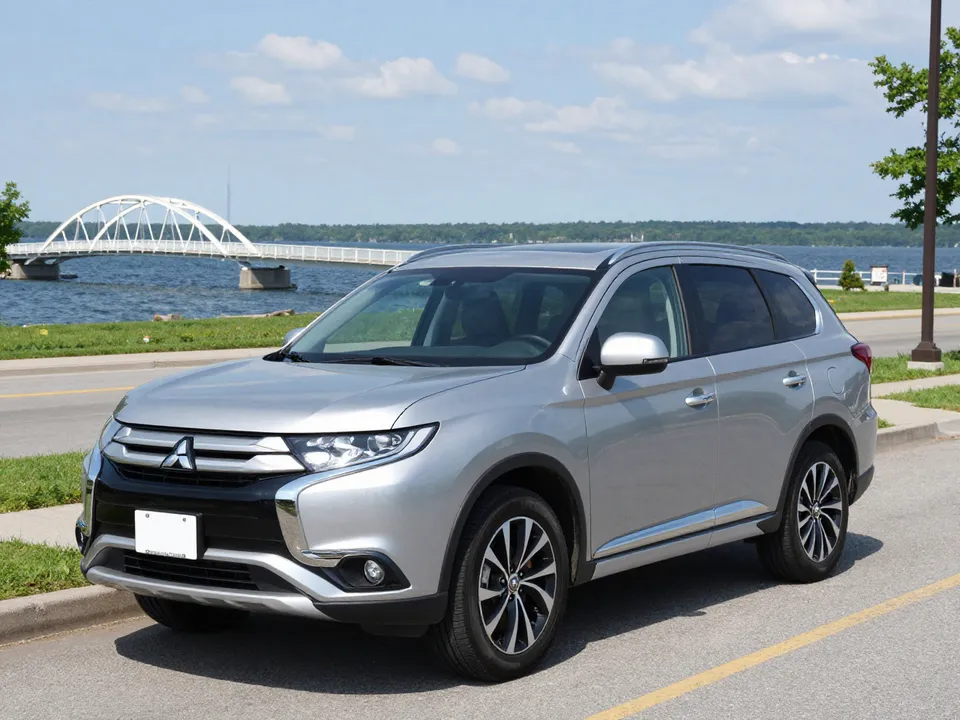
The spread between C$ 58 and C$ 322 is mostly size and power, not age or condition — every car here is AWD, automatic and petrol, so the cheapest and the dearest share the same basic spec sheet. If you are weighing a long Muskoka or Algonquin Park run with a full load, price the eight-seaters against the five-seaters before you decide: the extra seats and boot space are what you are paying for, and a seven-seat Mitsubishi Outlander at C$ 75 a day often does the job for less than half the top rate. Longer bookings follow the same ladder, since a week is priced at the daily rate × 6 and a month at the daily rate × 21.
Winter Driving and All-Wheel Drive for SUV Car Rental in Canada
Winter changes what matters in a rental car: grip on slush, heat that works, and a boot big enough for shovels and skis. Every SUV we supply is AWD, automatic and petrol, so the drivetrain question is settled before you choose a model.
Do you need winter tyres in Ontario
Winter tyres are not mandatory in Ontario; in Quebec they are required from 1 December to 15 March for Quebec-registered cars, with a C$ 200–300 fine. Vehicles plated in other provinces fall outside the Quebec rule, yet fitting winter rubber for a December run to Muskoka or Algonquin Park is still the safer call — all-season tread hardens below about 7°C and stopping distances stretch on packed snow. On an eight-seat Hyundai Palisade or a five-seat Toyota RAV4, the difference between all-season and winter compound shows up first on shaded highway ramps and bridge decks, where black ice forms before the road itself freezes. If your trip crosses into Quebec between those dates, ask the manager at booking whether the car carries winter tyres — the answer depends on the individual vehicle, not the class.
Why every SUV we rent has all-wheel drive
All 31 SUVs on this page drive all four wheels, automatic and petrol, from the Volkswagen Tiguan at C$ 58 a day to the Ford Explorer at C$ 322. All-wheel drive helps on slush, gravel and the loose shoulders of cottage roads, not on ice — it shortens nothing on braking, because stopping grip comes from the tyres alone. That is the trap most winter drivers fall into: an AWD badge feels like extra safety, so speeds creep up and the first hard brake arrives too late.
- Winter tyres: not required by Ontario law, but worth requesting for December to March trips north of the city.
- All-wheel drive: standard on every SUV on this page — aids traction on snow and gravel, not braking on ice.
- Full tank on hand-over: the car comes clean with a full tank and must go back full; regular petrol sat at about C$ 1.75 a litre in Toronto in October 2026.
- Highway 407 ETR: paperless toll road, with rates from 49.93¢ to 119.21¢ a kilometre by zone and entry time; who covers tolls and any penalty notices is agreed when booking.
Winter speeds deserve a word of their own. Ontario posts 110 km/h on selected sections of its highways and lower limits elsewhere, but those limits assume dry pavement — on a snowy morning out of Toronto toward Blue Mountain, half that is the honest number.
Do you need winter tyres for SUV car rental in Canada in Ontario
Winter tyres are not compulsory here. Quebec demands them on Quebec-plated vehicles between 1 December and 15 March, and skipping them costs C$ 200–300, but that rule travels with the plate rather than the road: a car registered elsewhere sits outside it, so an SUV collected from us and driven to Montreal or Quebec City in January faces no such deadline. Ontario sets no date of its own. What it does set is speed — 110 km/h on selected sections of the provincial highways and the posted limit everywhere else — so read the signs rather than the traffic.
Fitting winter rubber for a December run to Muskoka or Algonquin Park remains the safer call, and it is worth raising when you book.
- Winter tyres: not required by Ontario law, required for Quebec-plated cars from 1 December to 15 March, fine C$ 200–300.
- All-wheel drive: every SUV we rent has it, which helps on slush and gravel but shortens nothing on ice.
- Highway speed: 110 km/h on selected sections of provincial highways, lower elsewhere — read the signs.
- Fuel: regular petrol at about C$1.75 a litre in October 2026, full-to-full on collection and return.
Cold changes the numbers more than the drivetrain does. A petrol SUV at -15 °C burns noticeably more per kilometre than the same car in October, and the difference widens on short city hops where the engine never warms through. Plan fuel stops on the longer legs — the run up to Algonquin Park has fewer stations than the 400-series corridor — and keep the tank above a quarter rather than testing the reserve.
All-wheel drive is the one thing you never have to order separately. All 31 SUVs on this page are AWD, automatic and petrol, from the Volkswagen Tiguan at the bottom of the range to the eight-seat GMC Yukon and Chevrolet Suburban. AWD moves you off a slushy shoulder or a gravel track into a trailhead car park; it does nothing for stopping distance on black ice, so winter speeds and a longer following gap matter more than the badge on the tailgate. In our experience the drivers who get into trouble in February are the ones who trusted the drivetrain and kept summer habits.