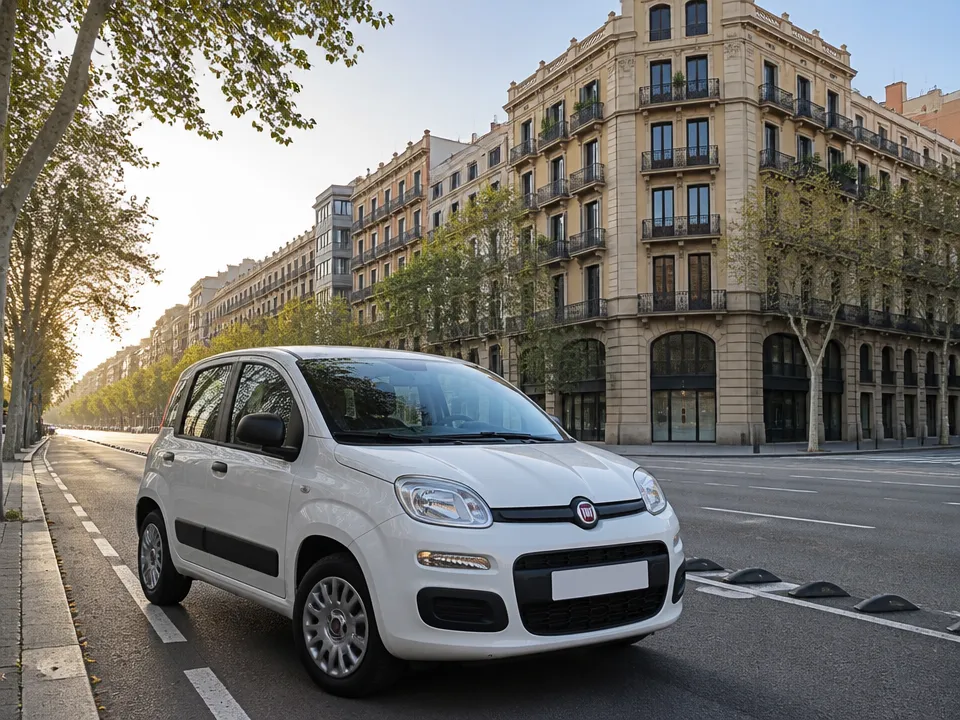
Fiat Panda
★4.5· 53Manual1.0 L70 hpFront-wheel4 seats
€19per day
Book now






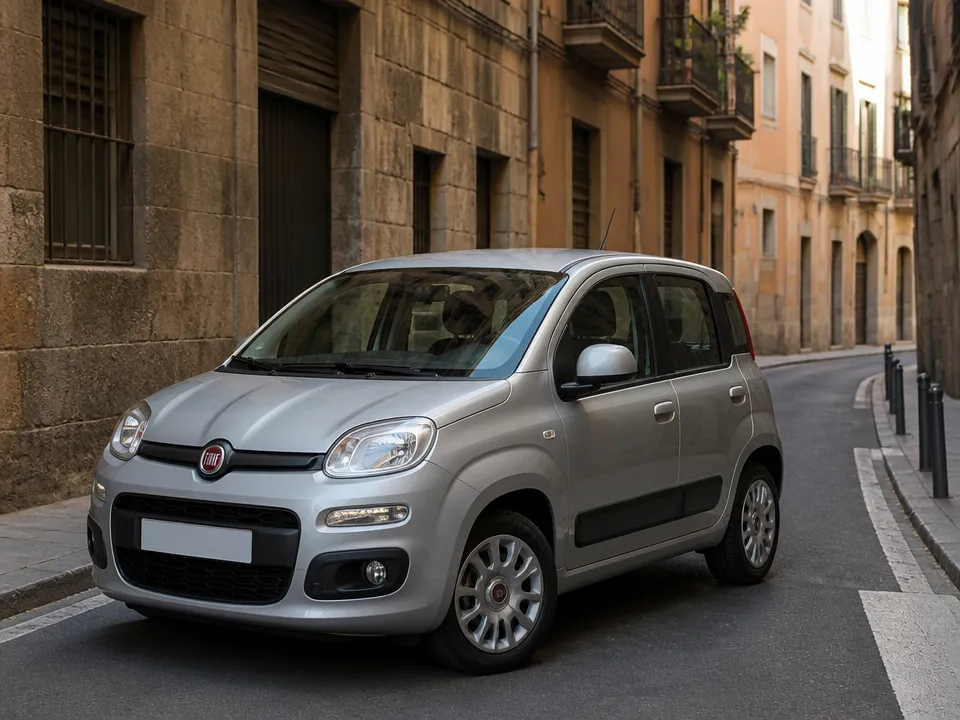
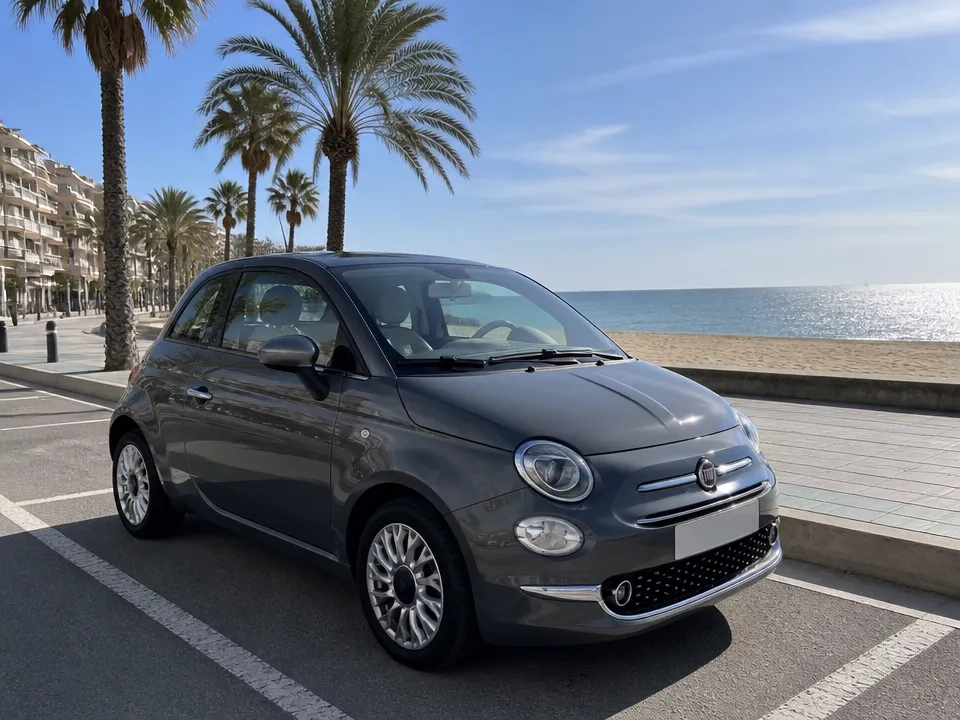
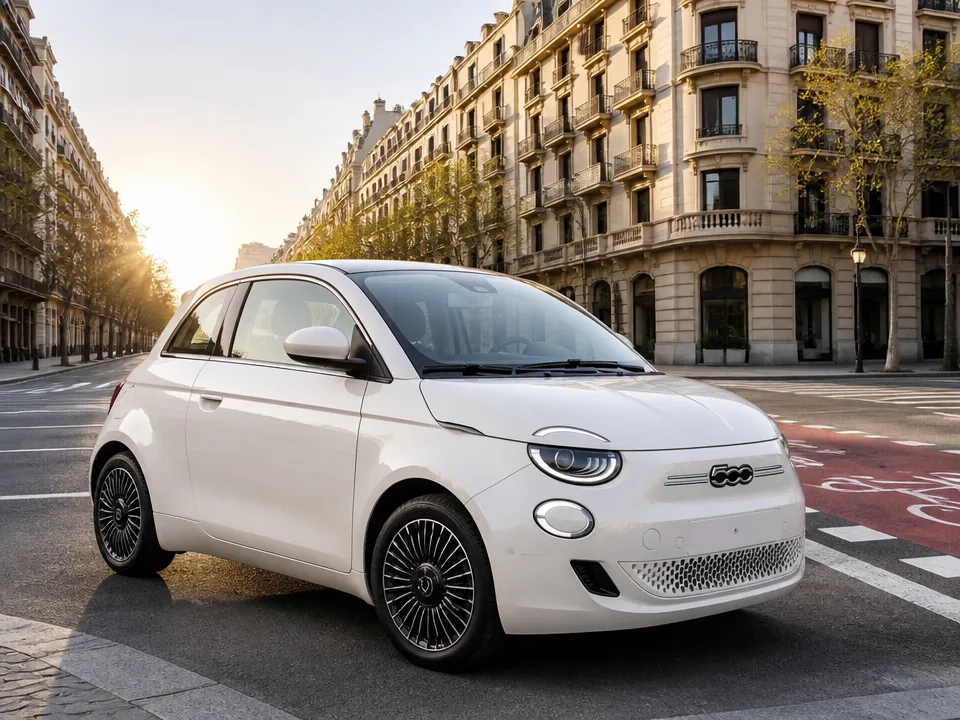
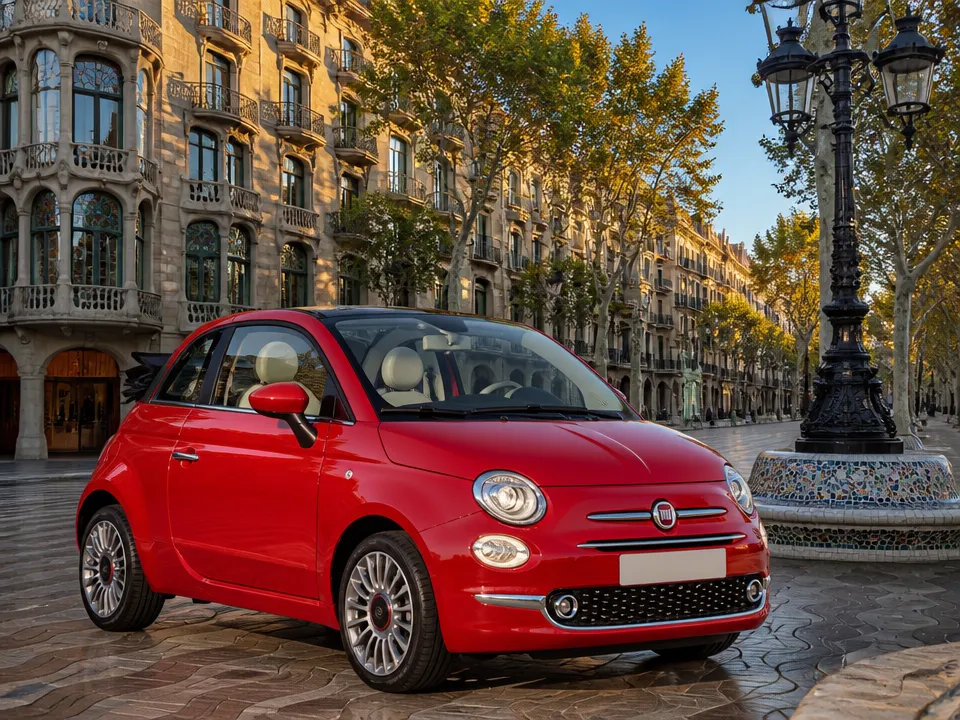
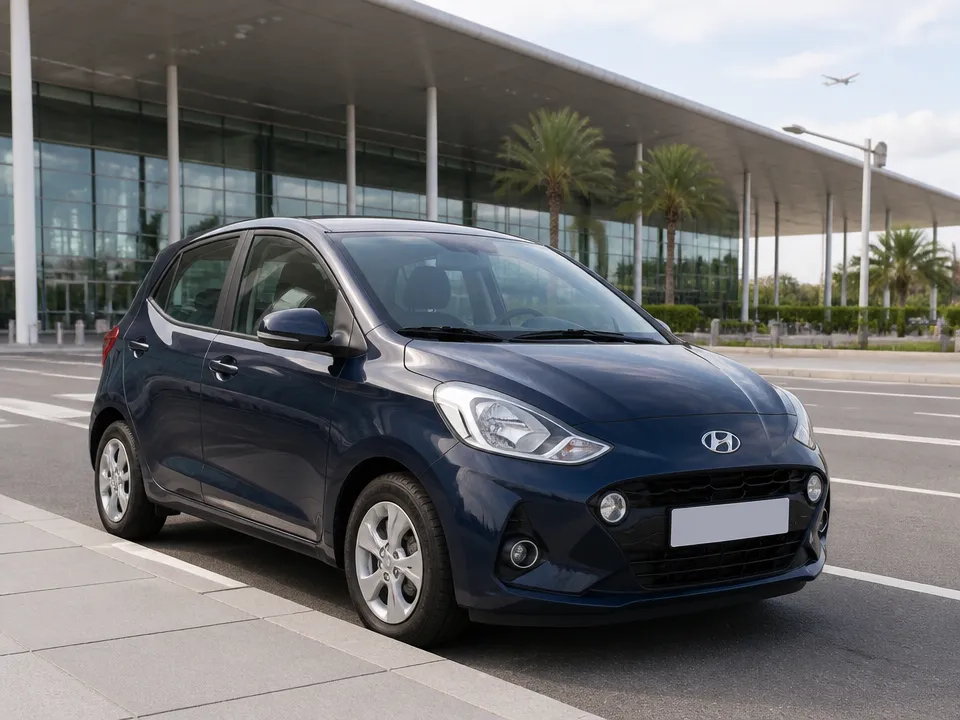
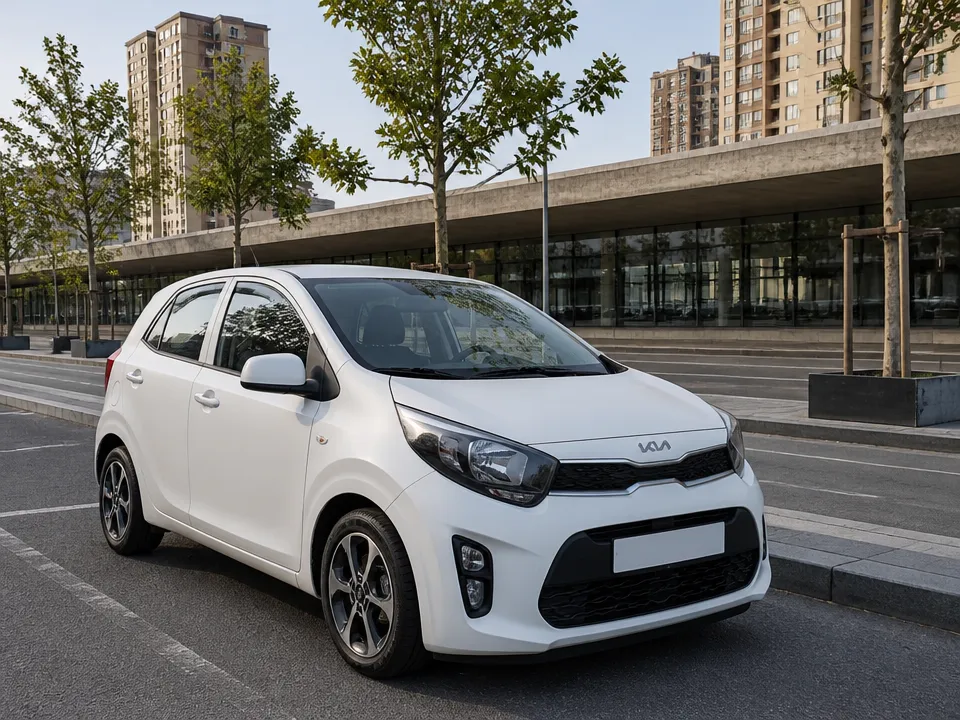
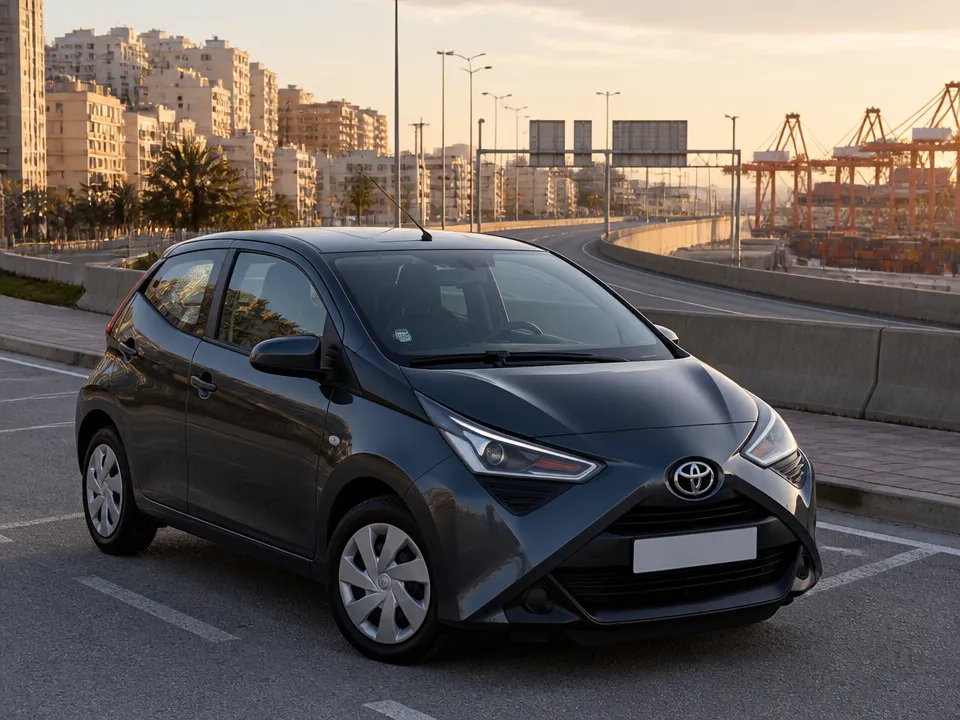
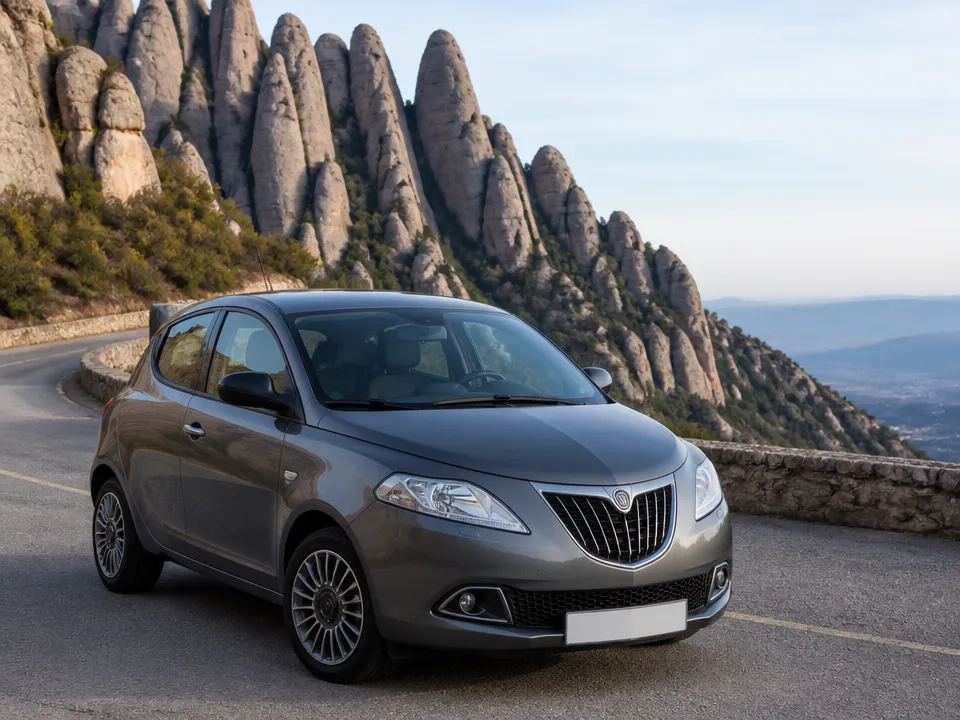
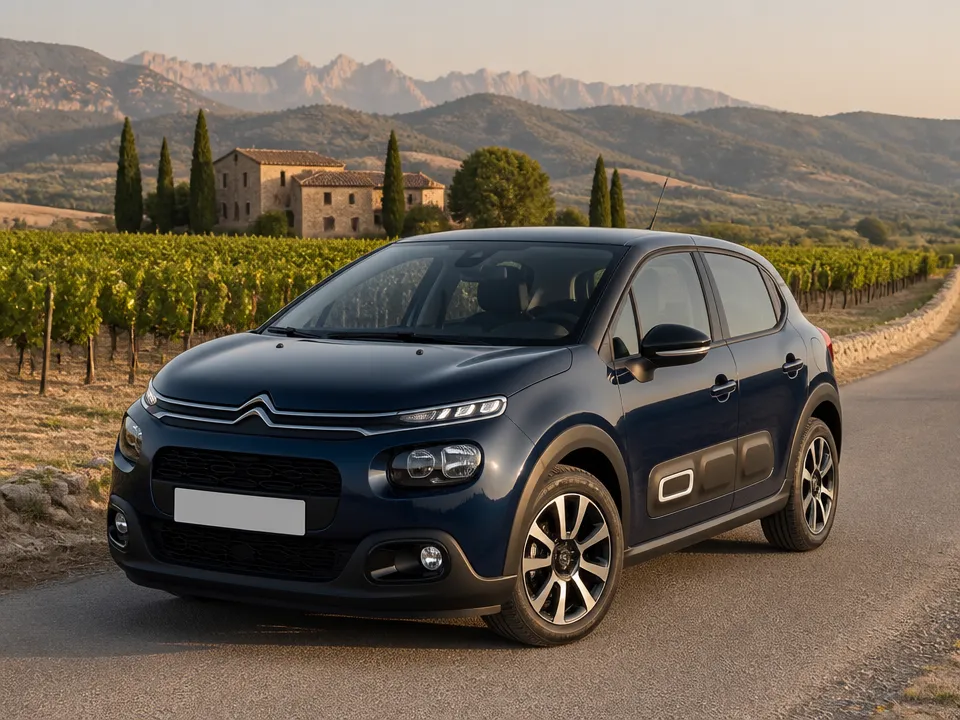
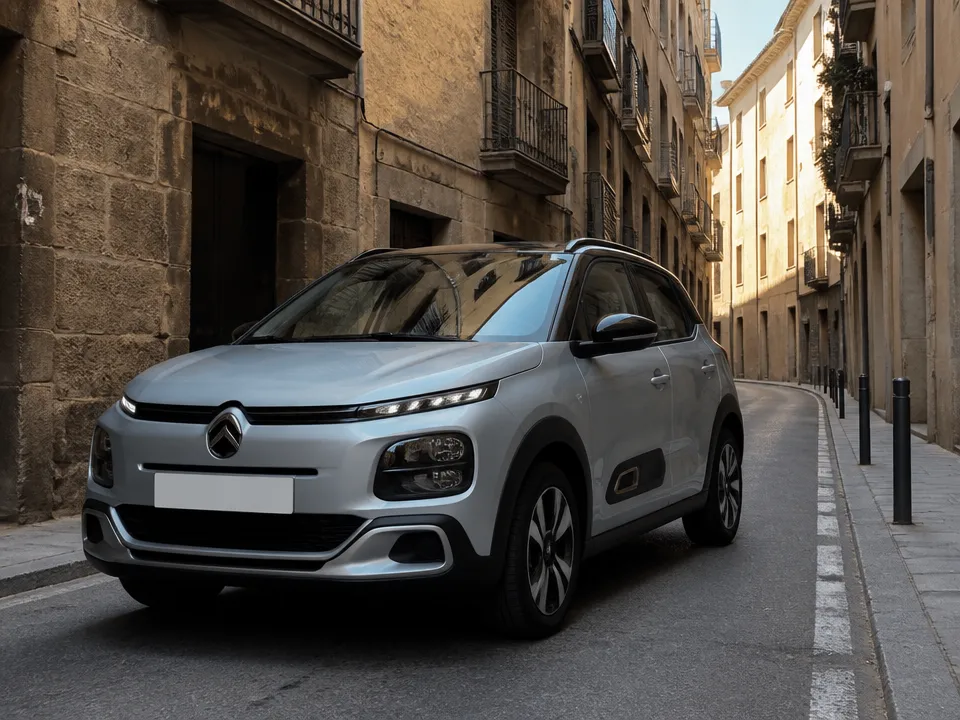
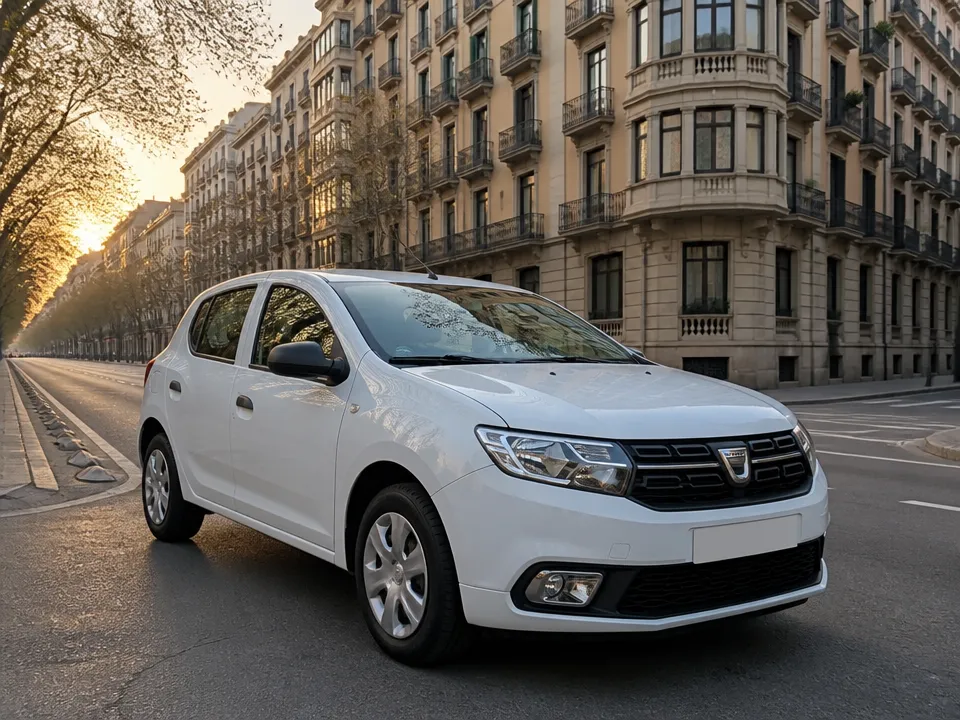
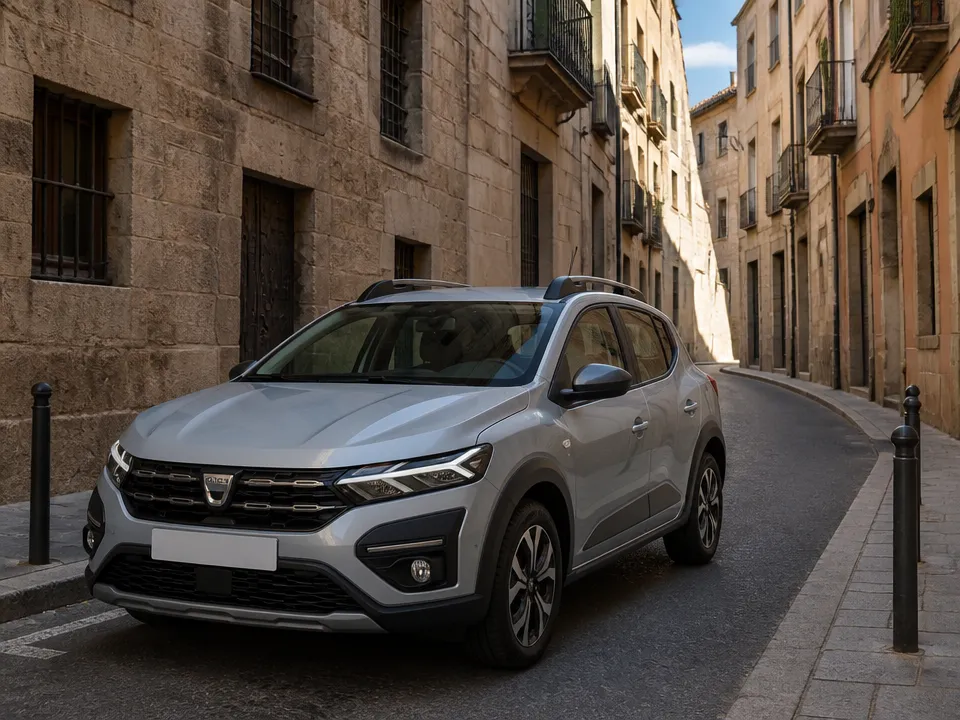
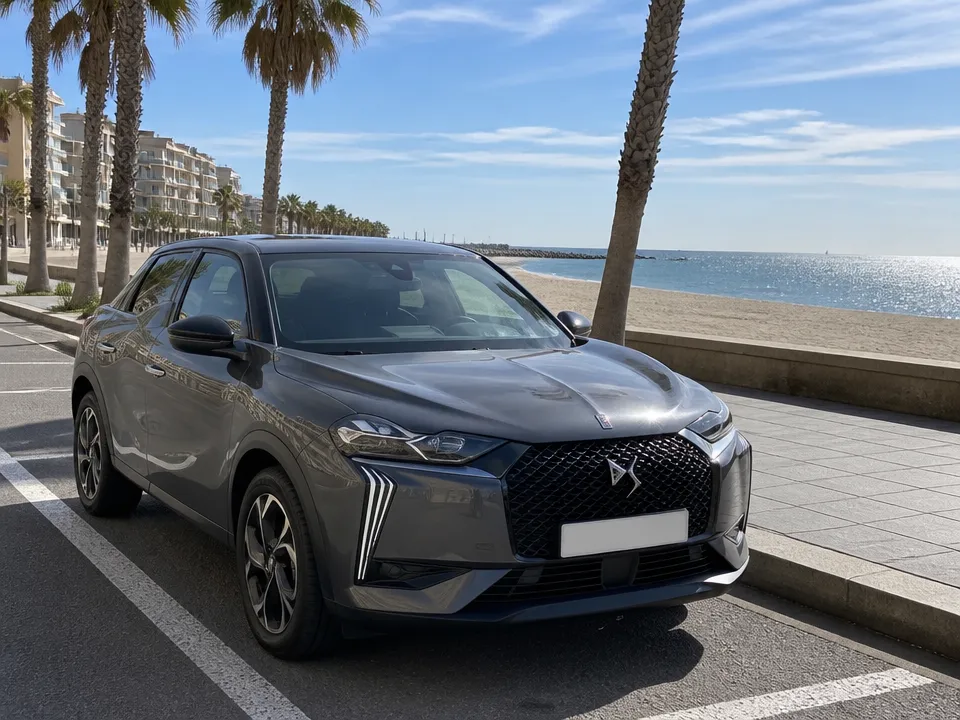
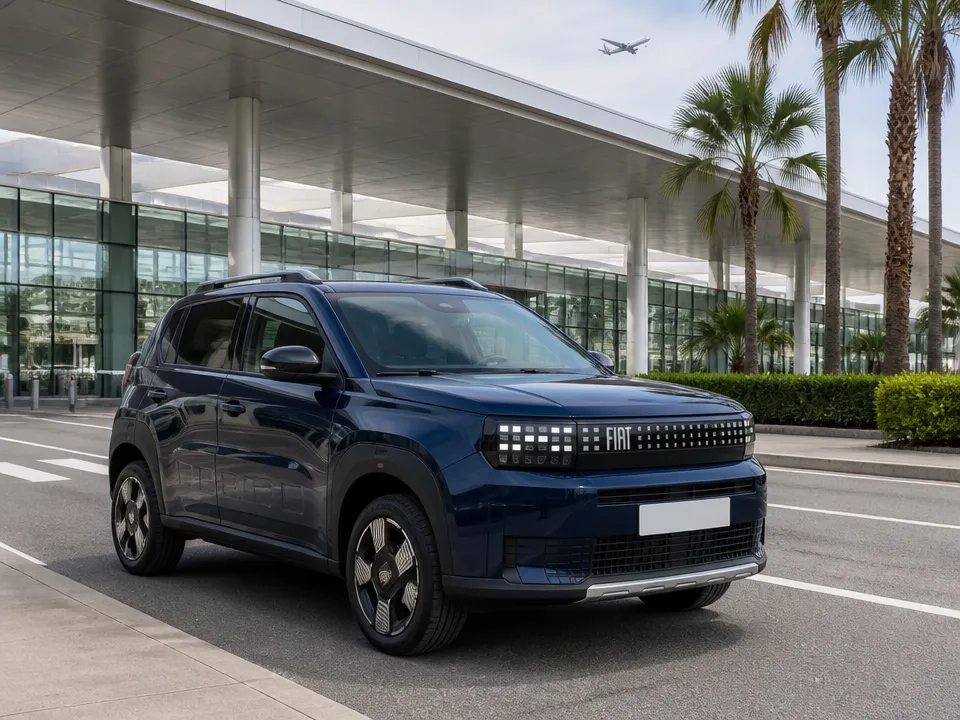
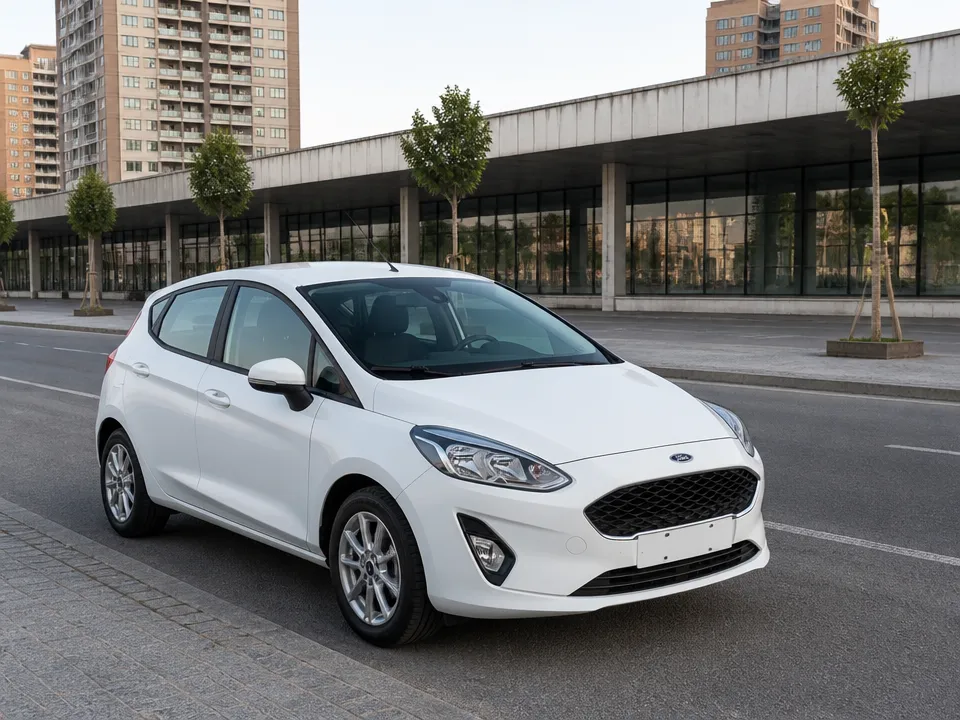
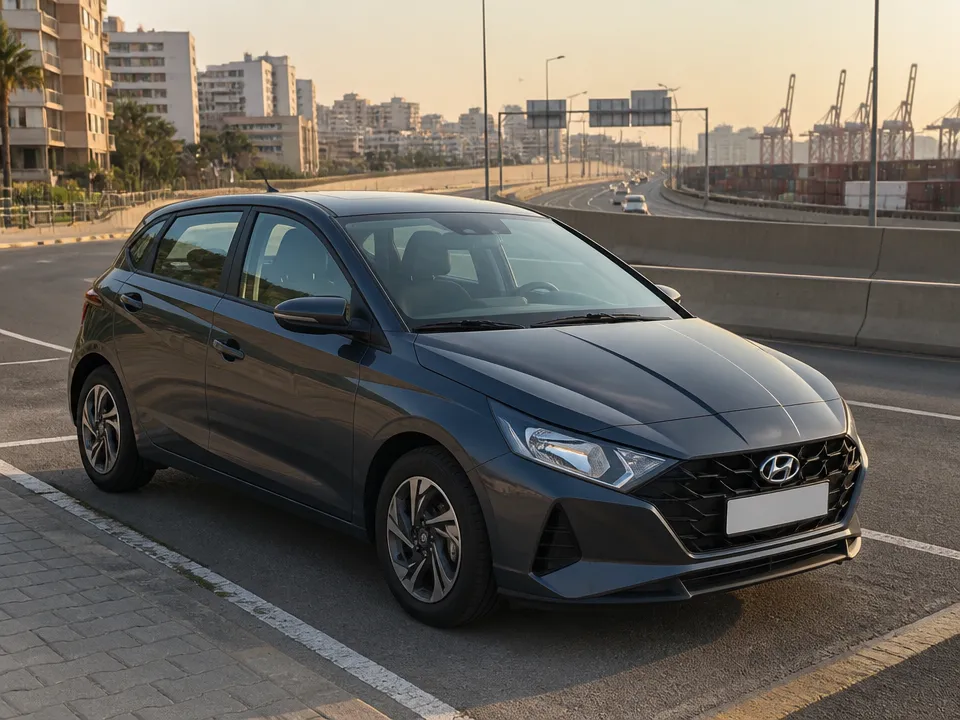
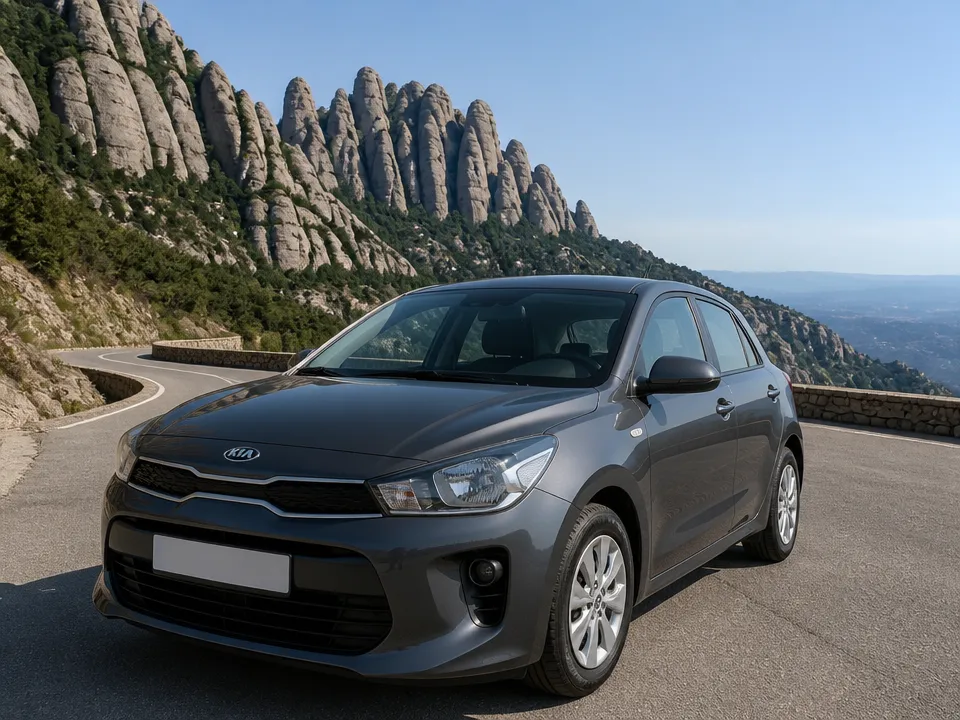
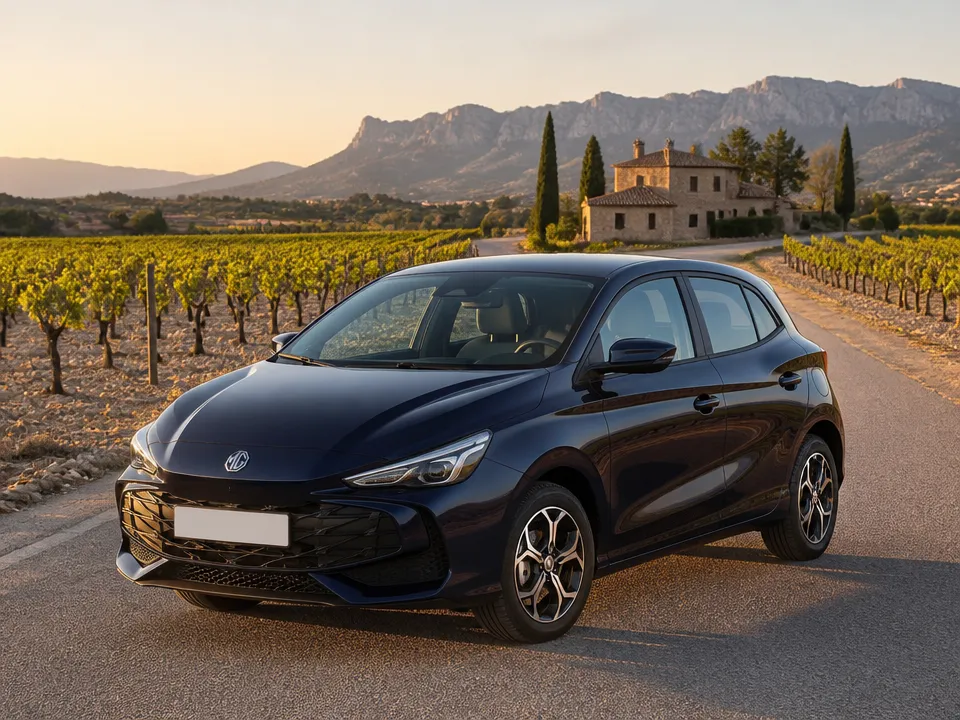
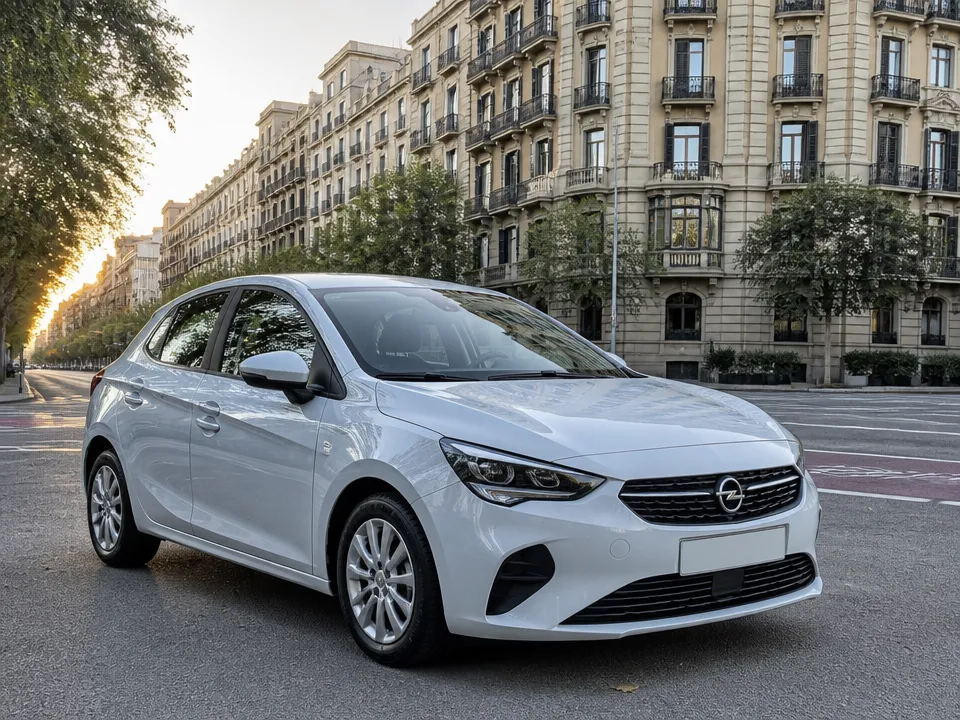
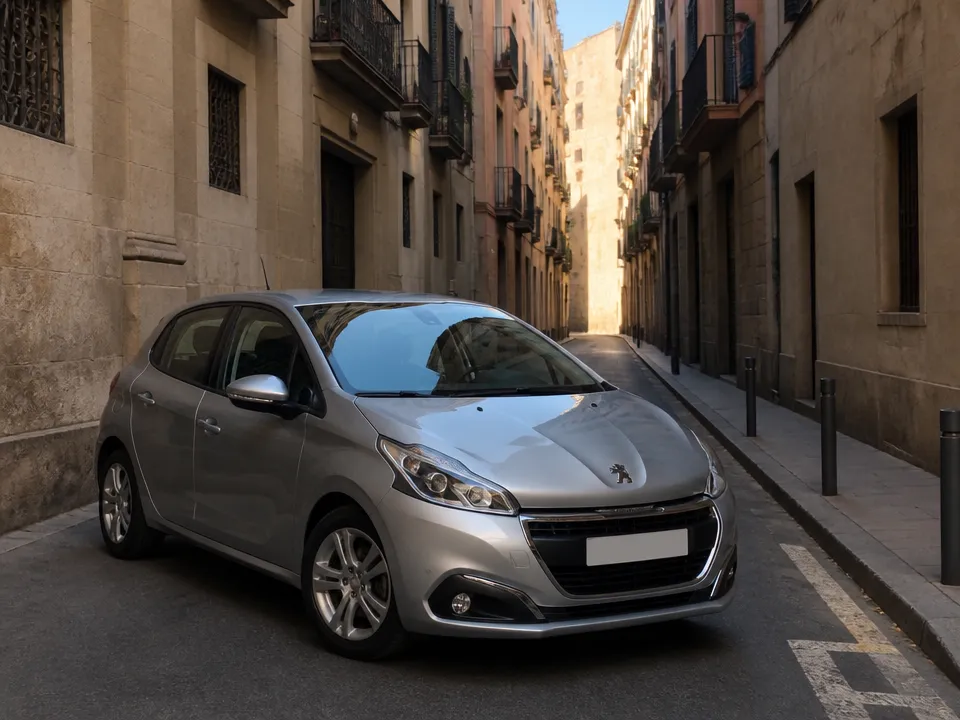
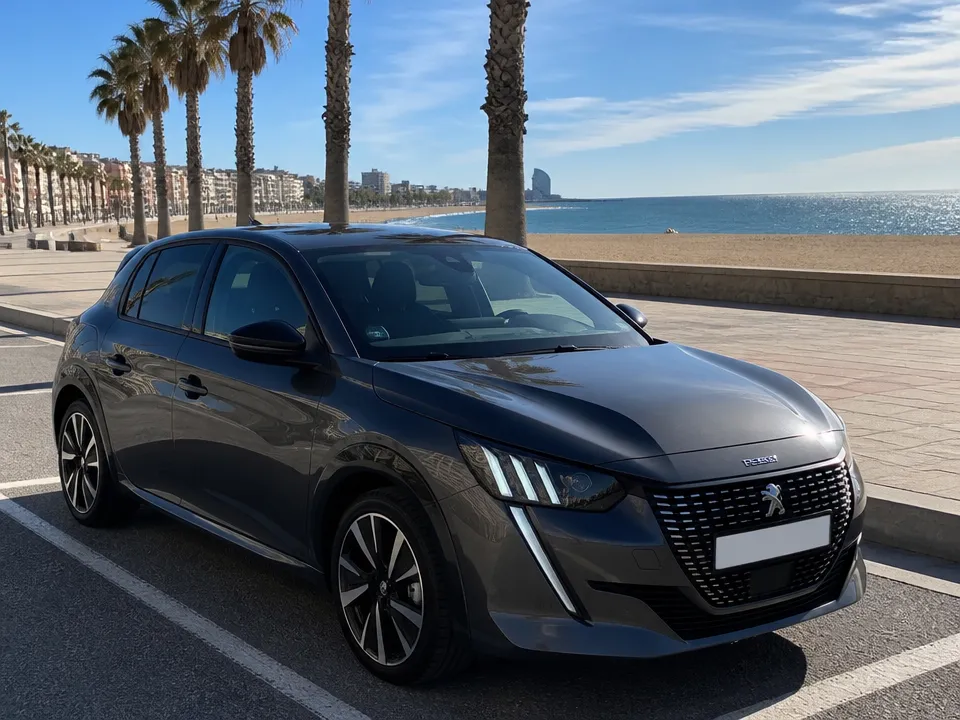
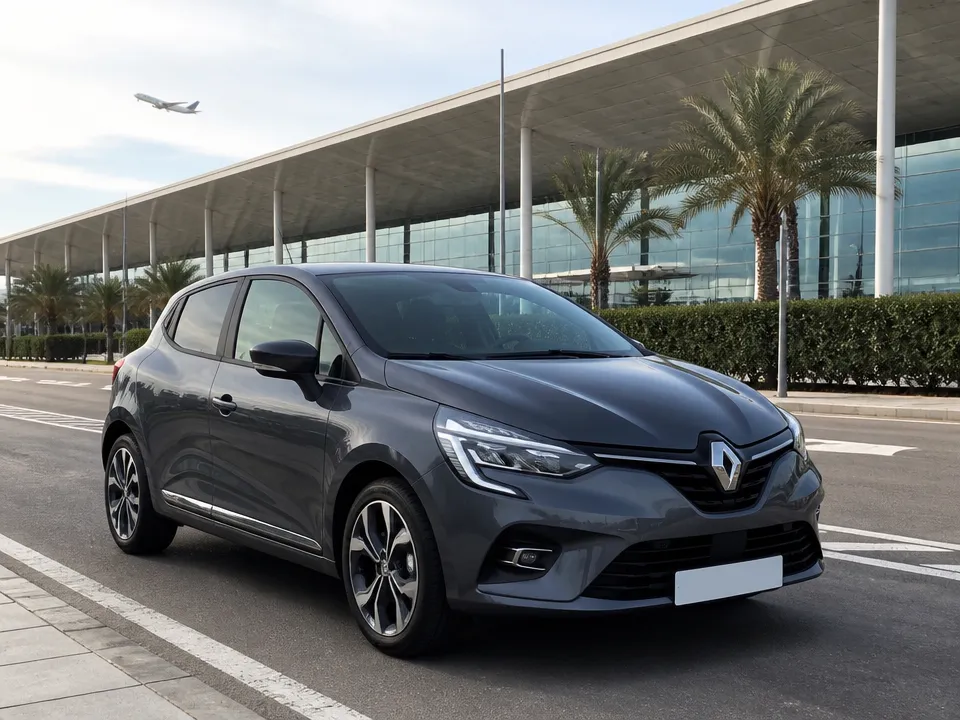
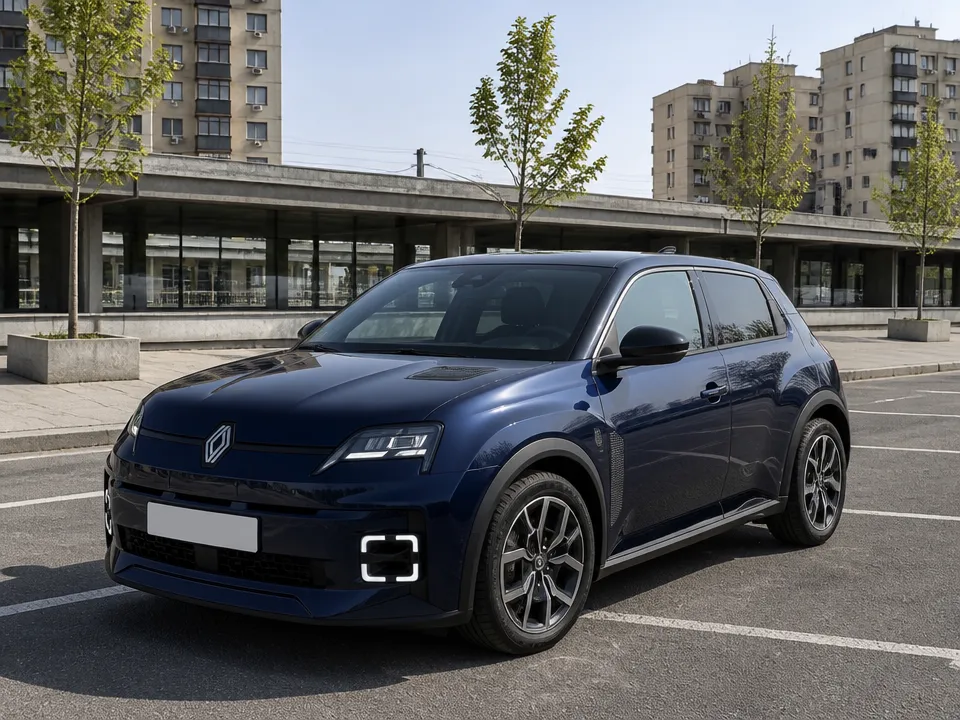
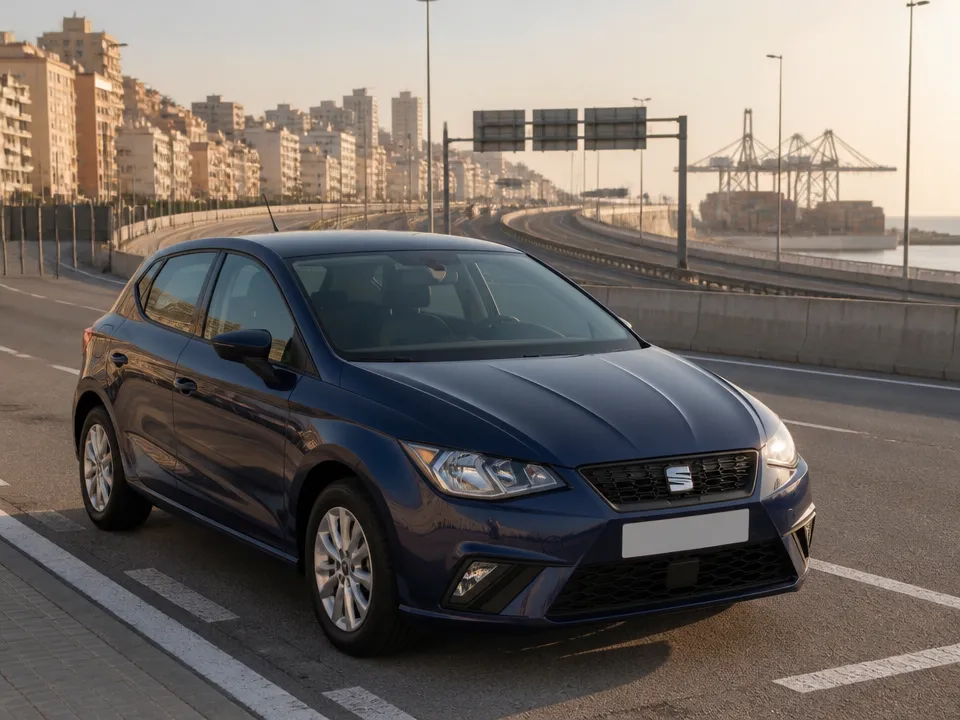
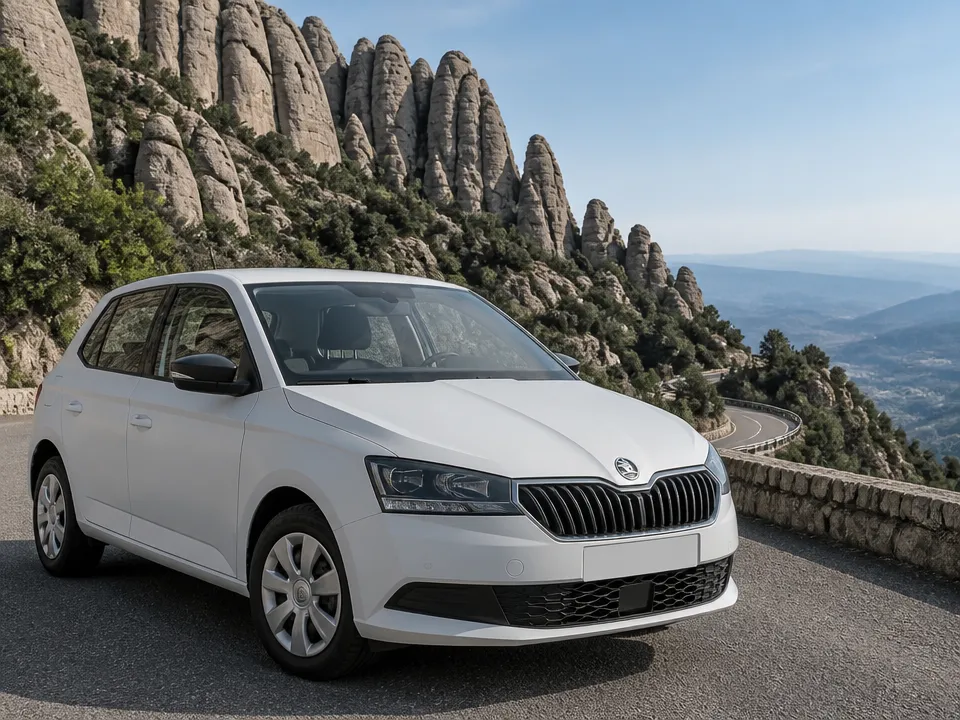
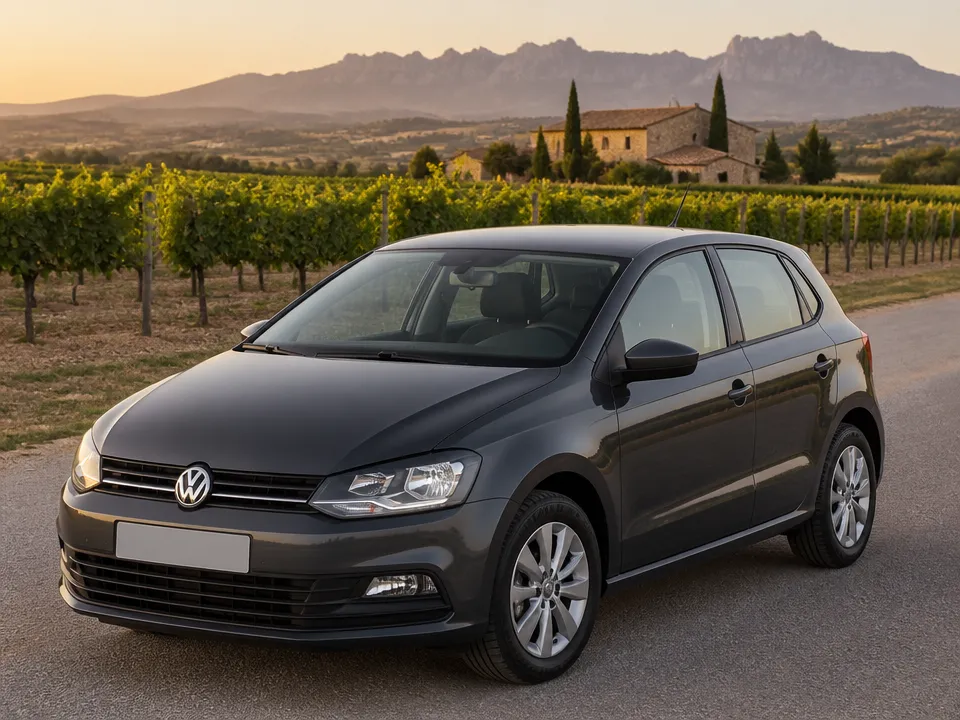
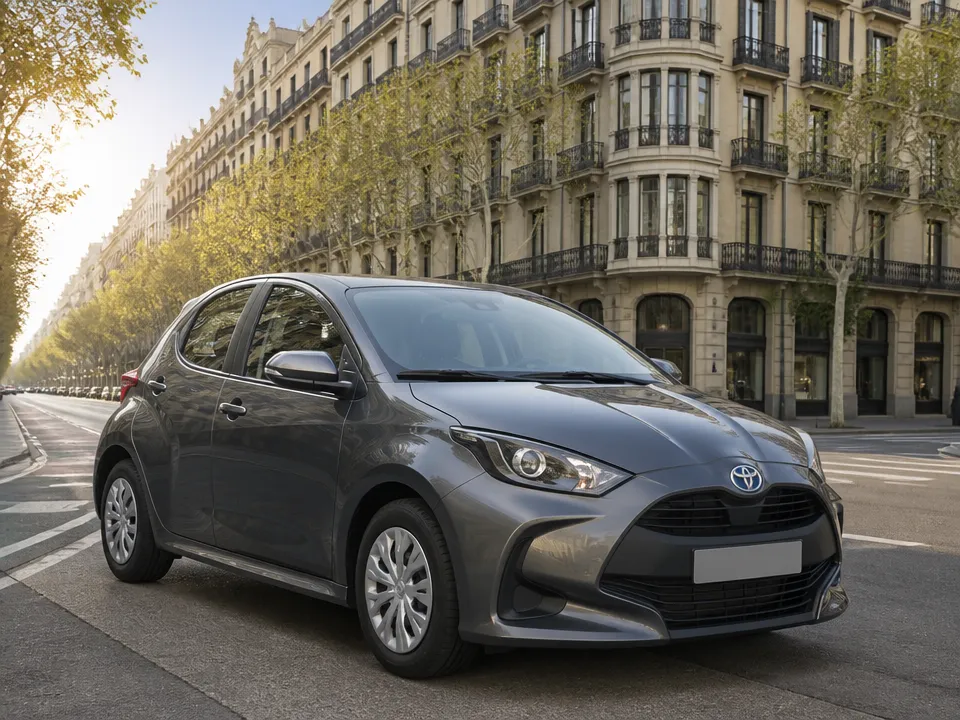
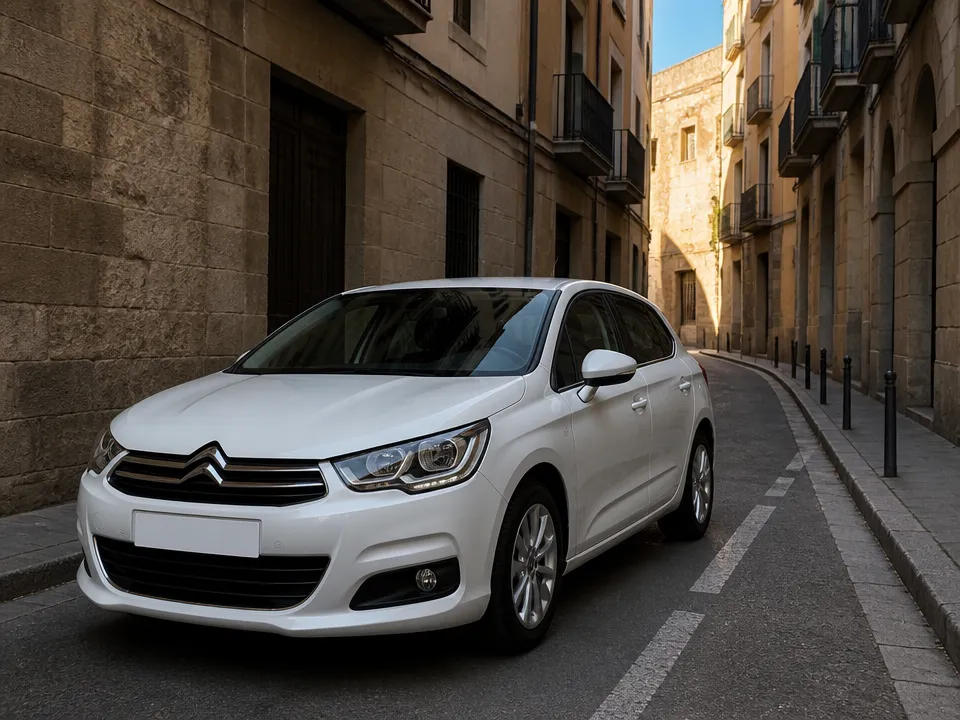
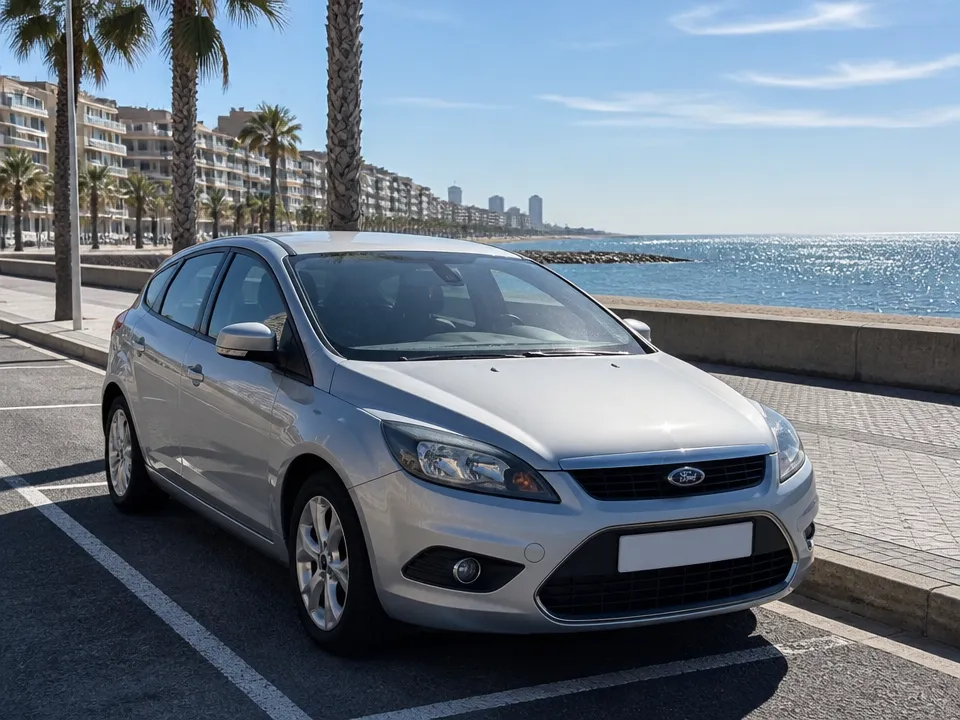
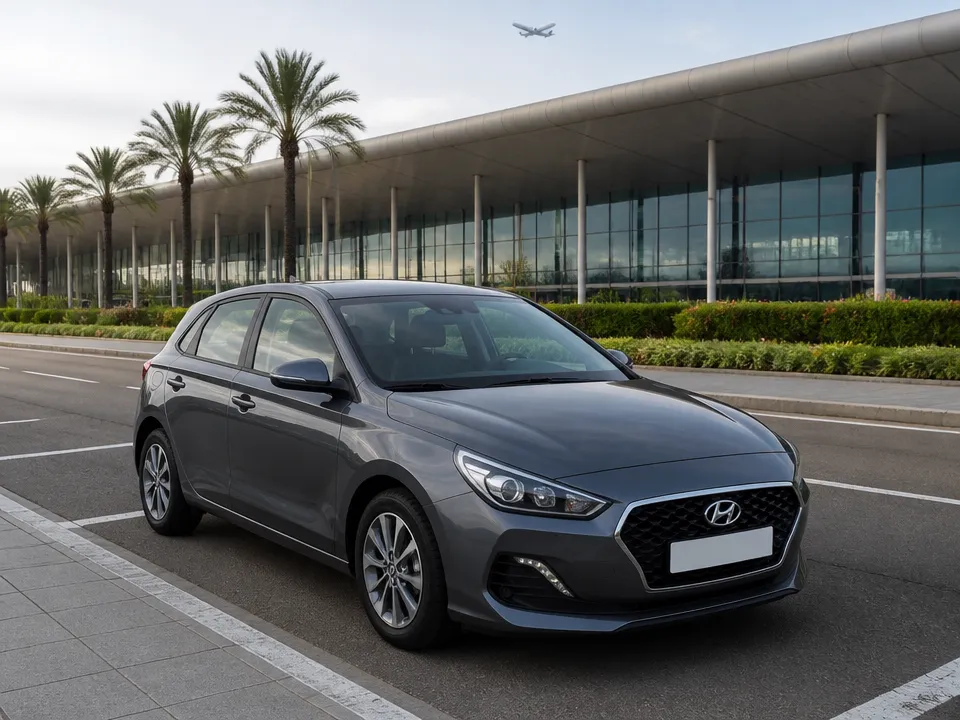
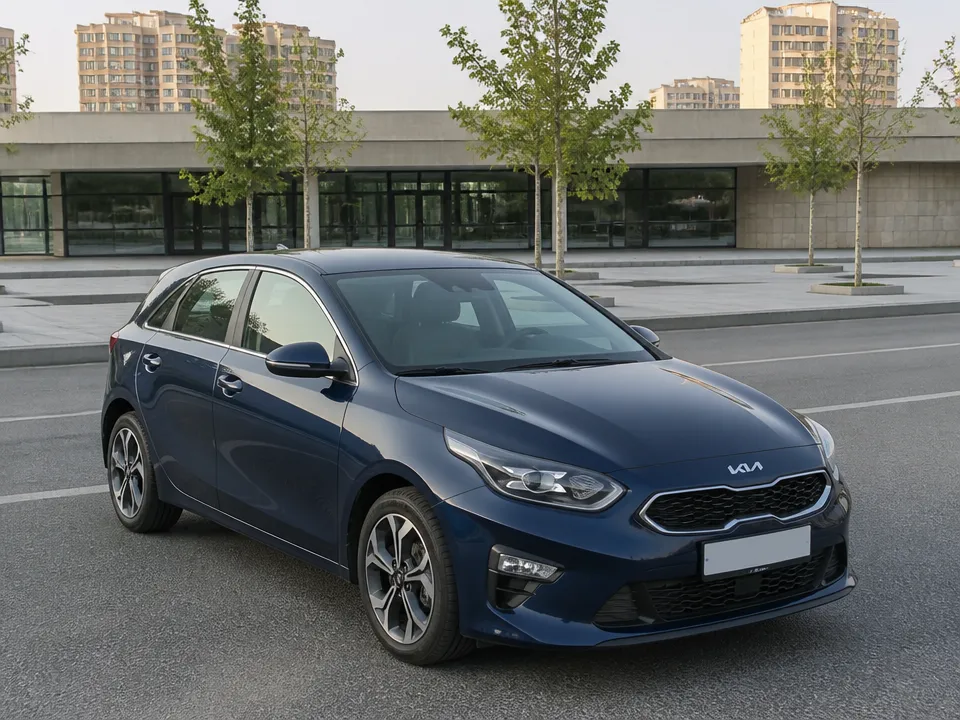
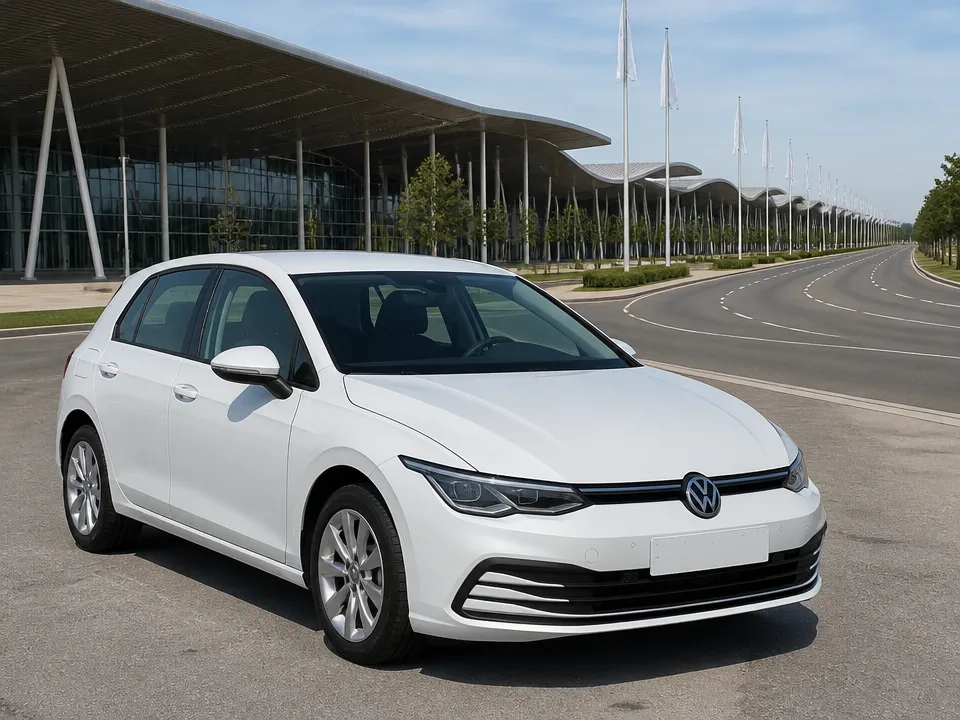
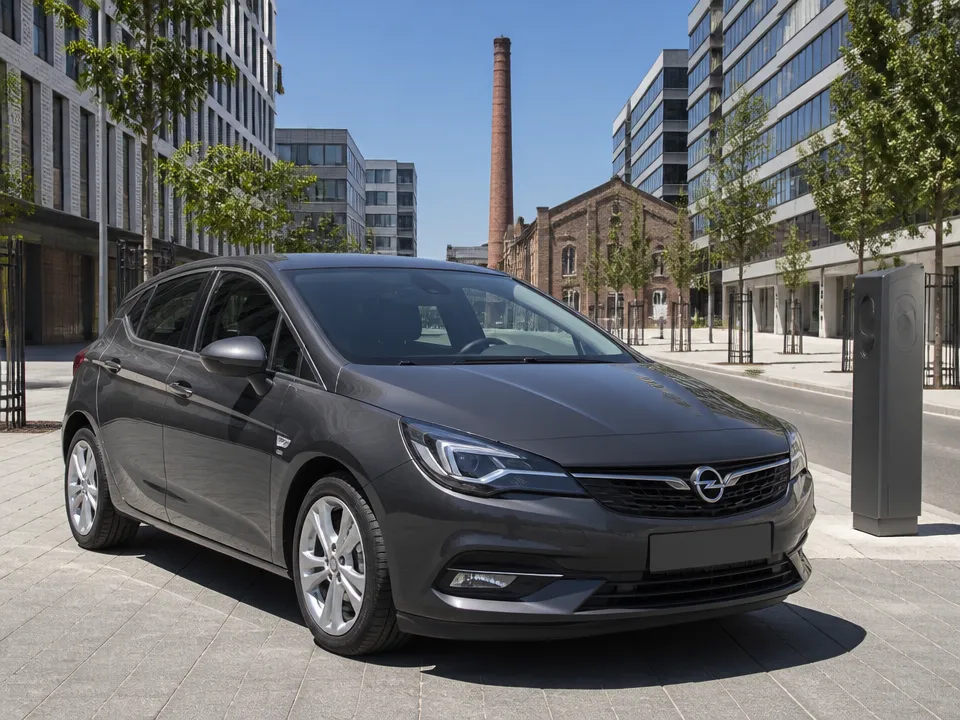
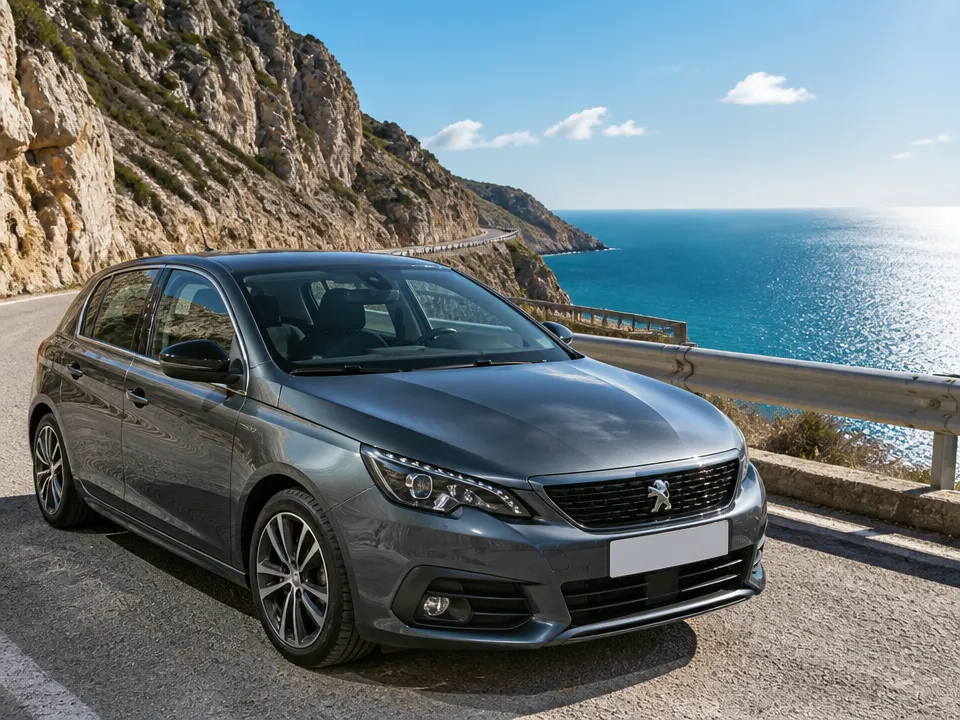
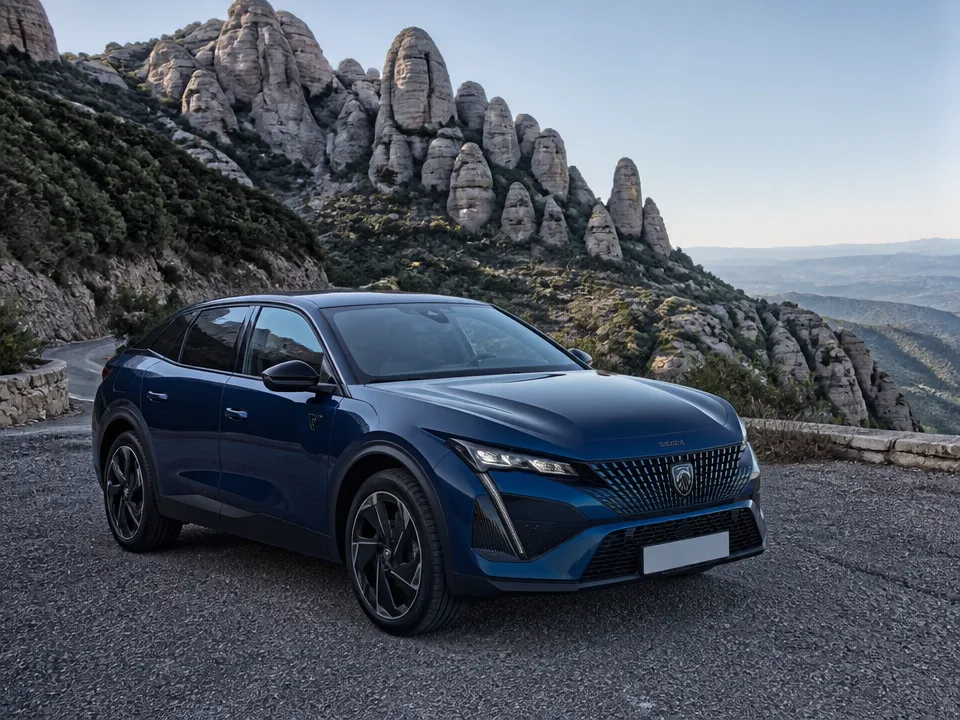
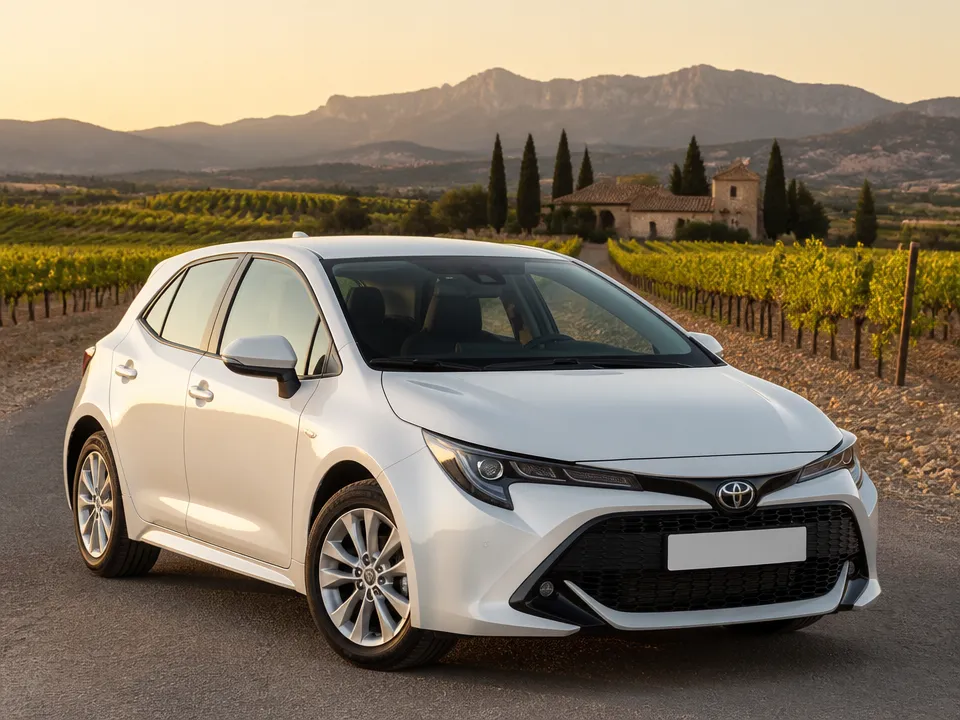
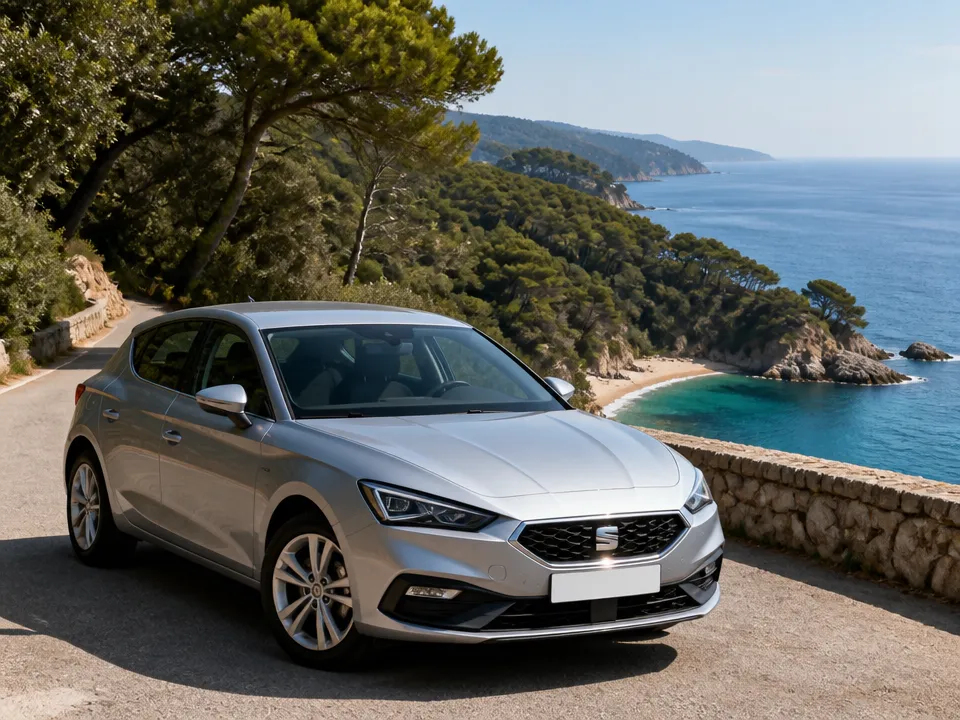
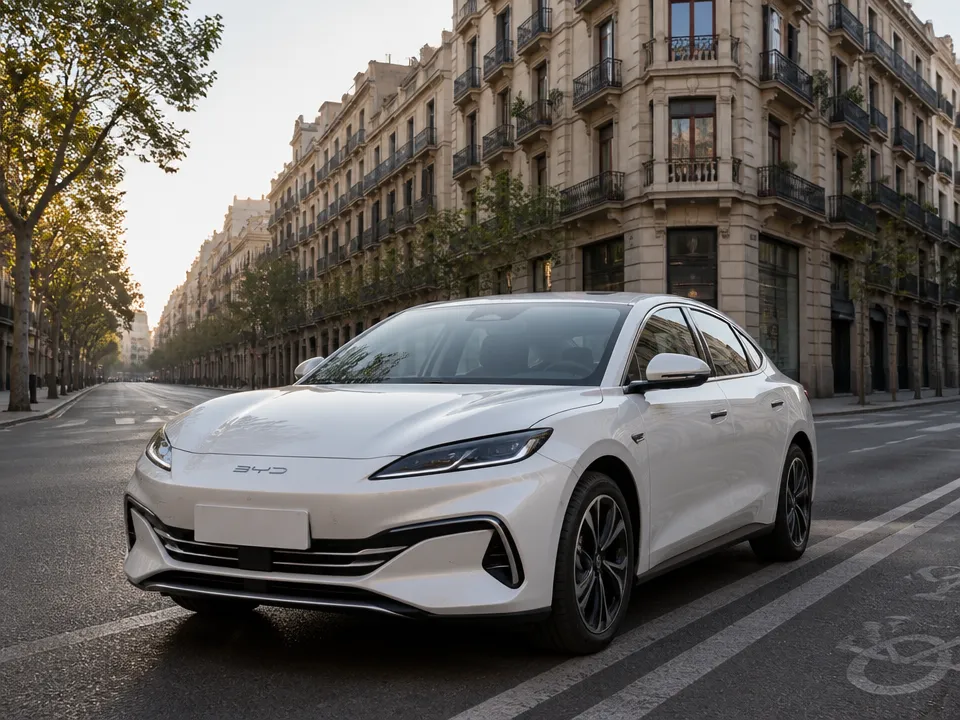
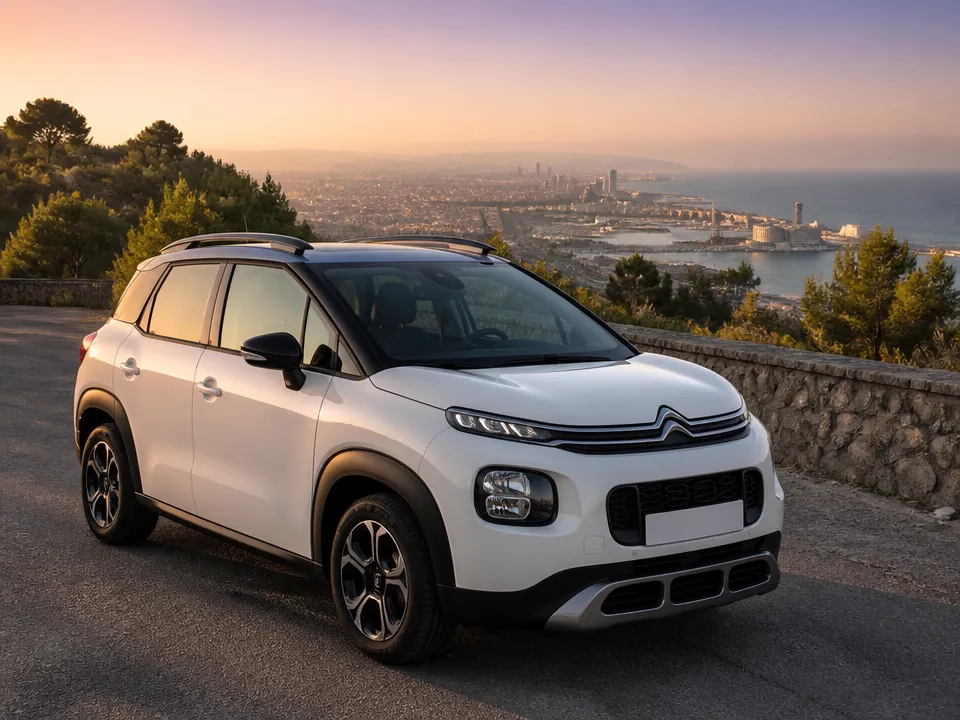
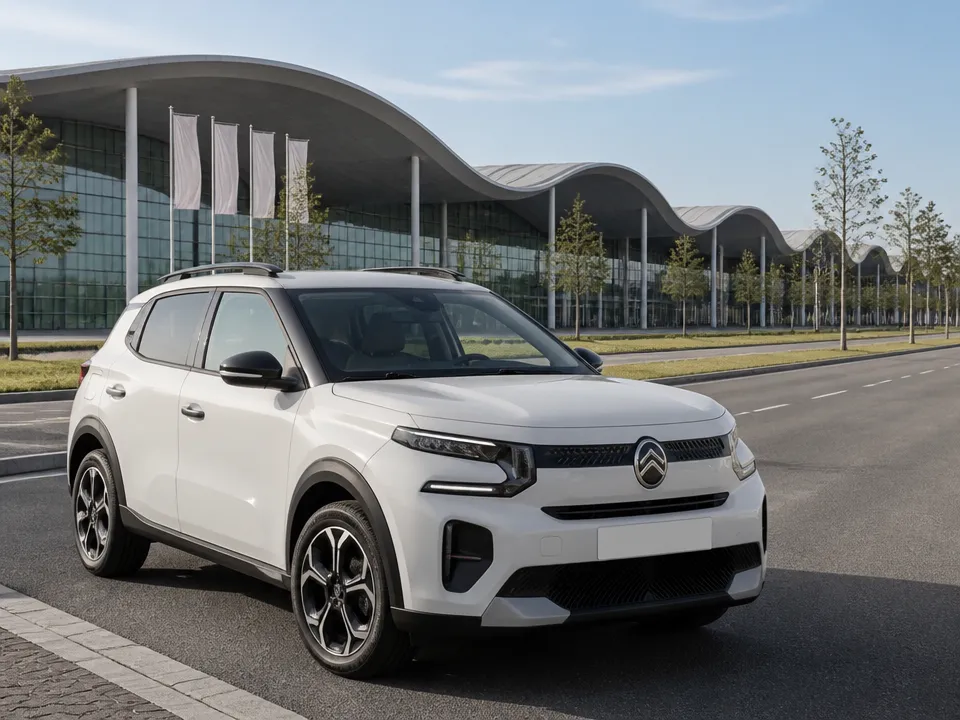
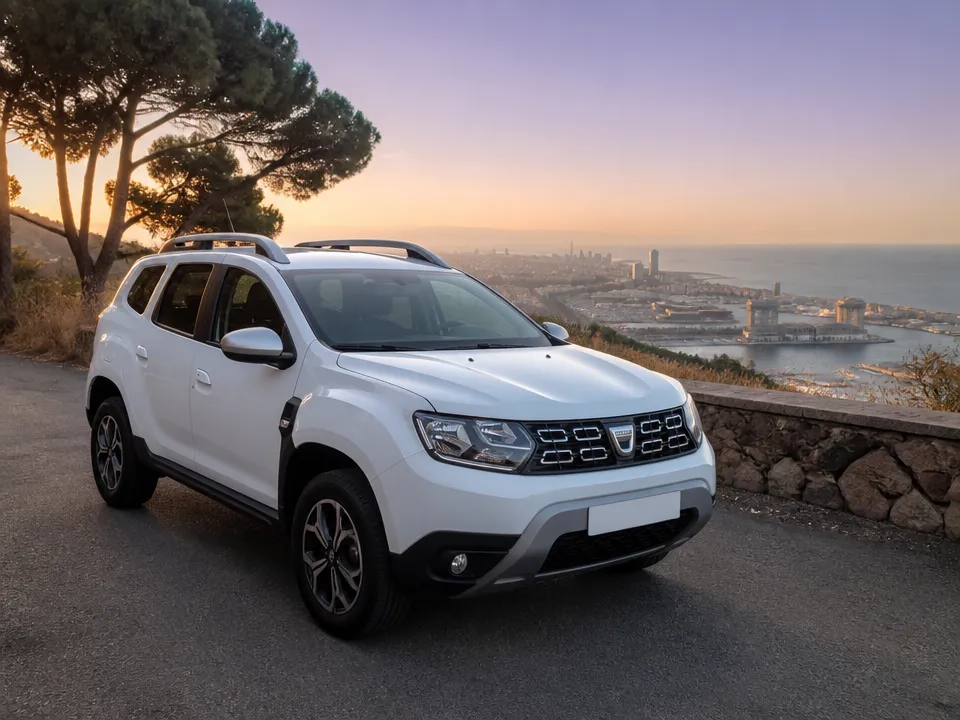
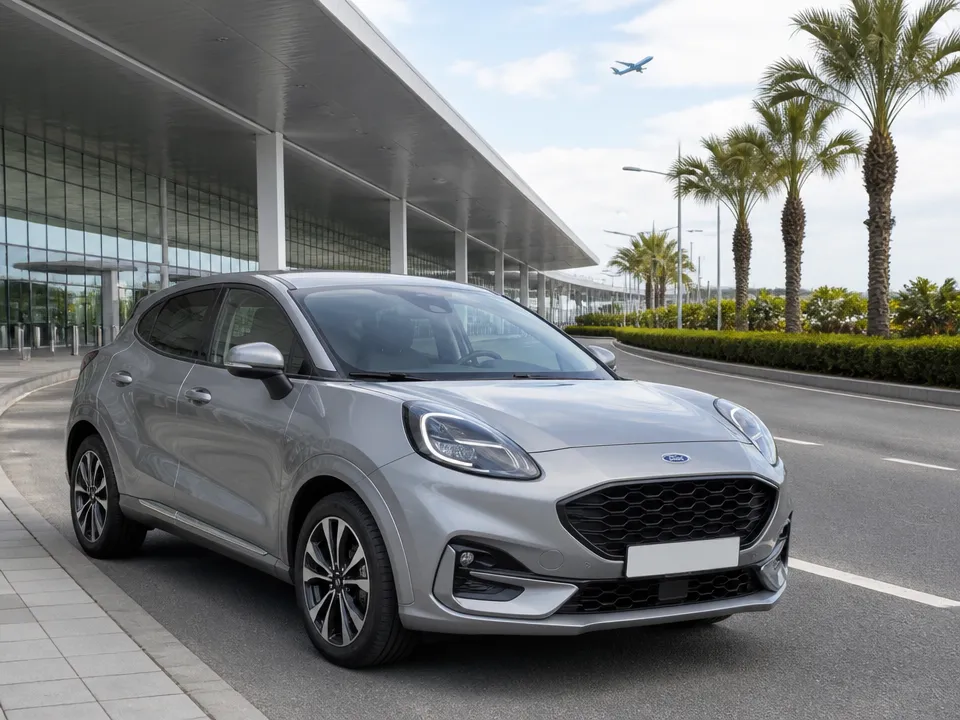
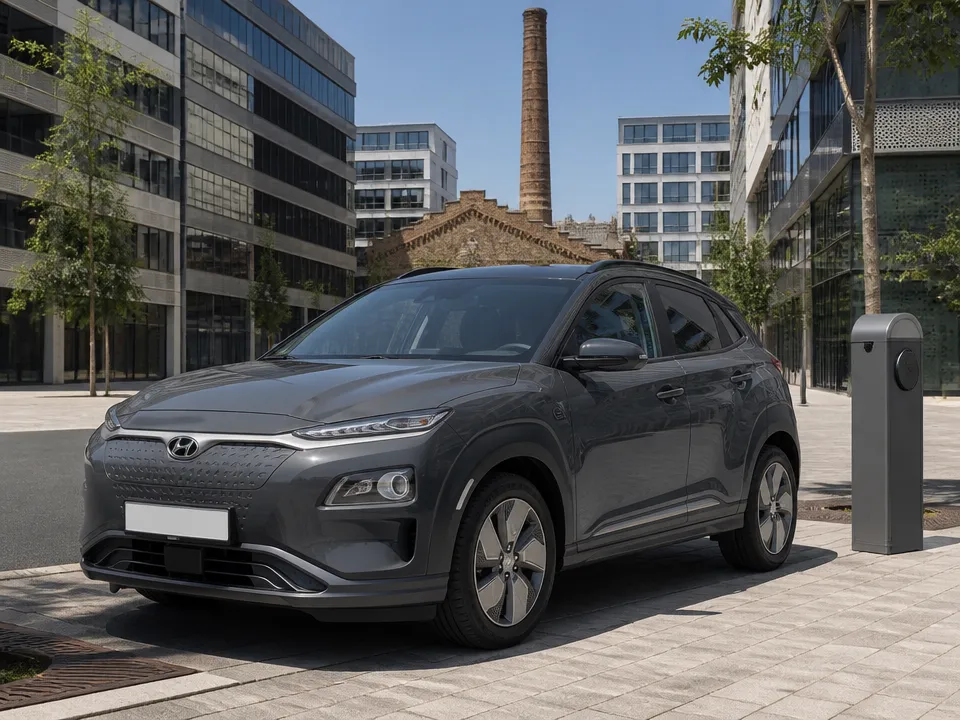
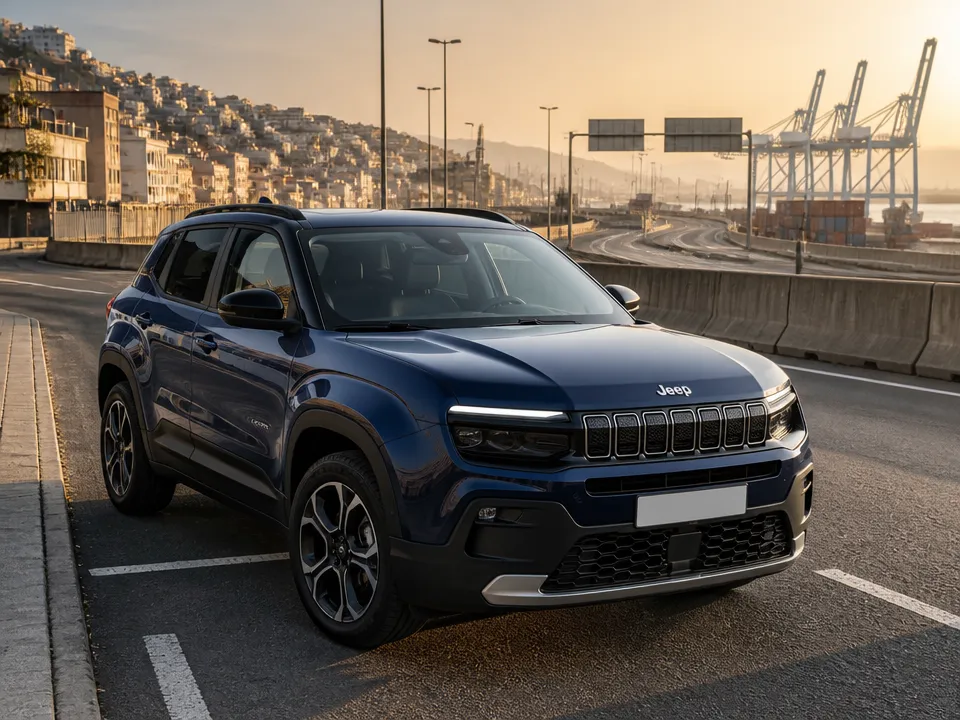
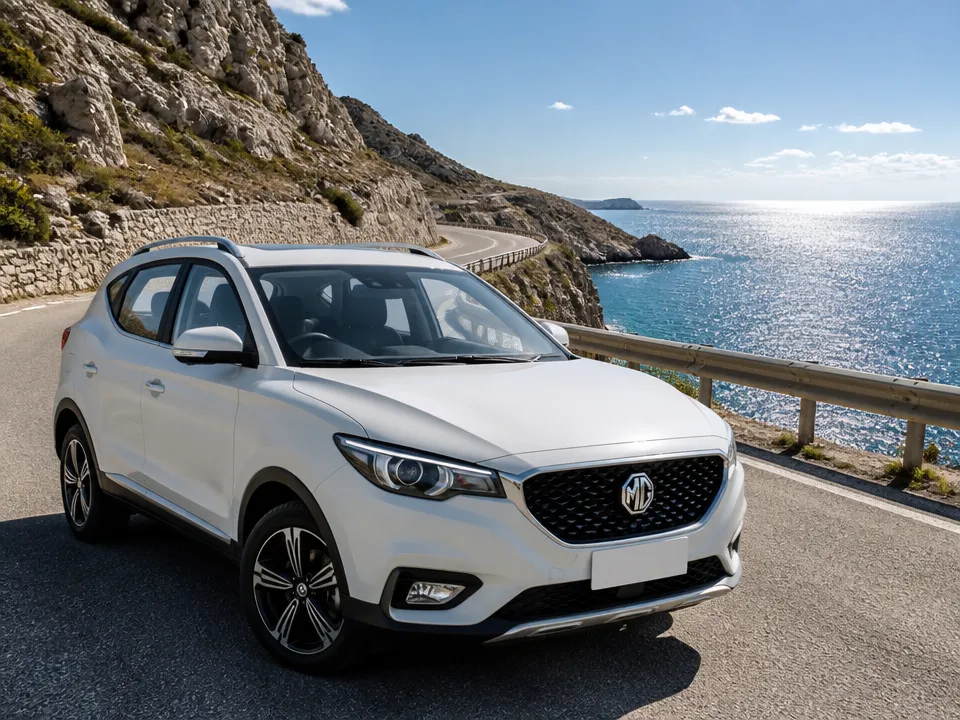
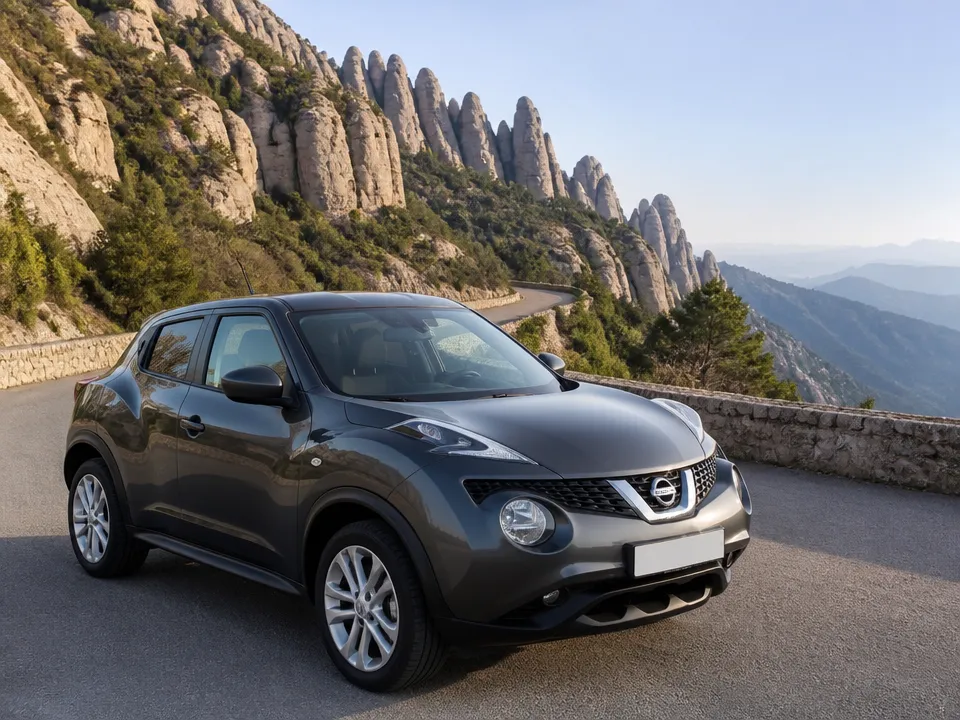
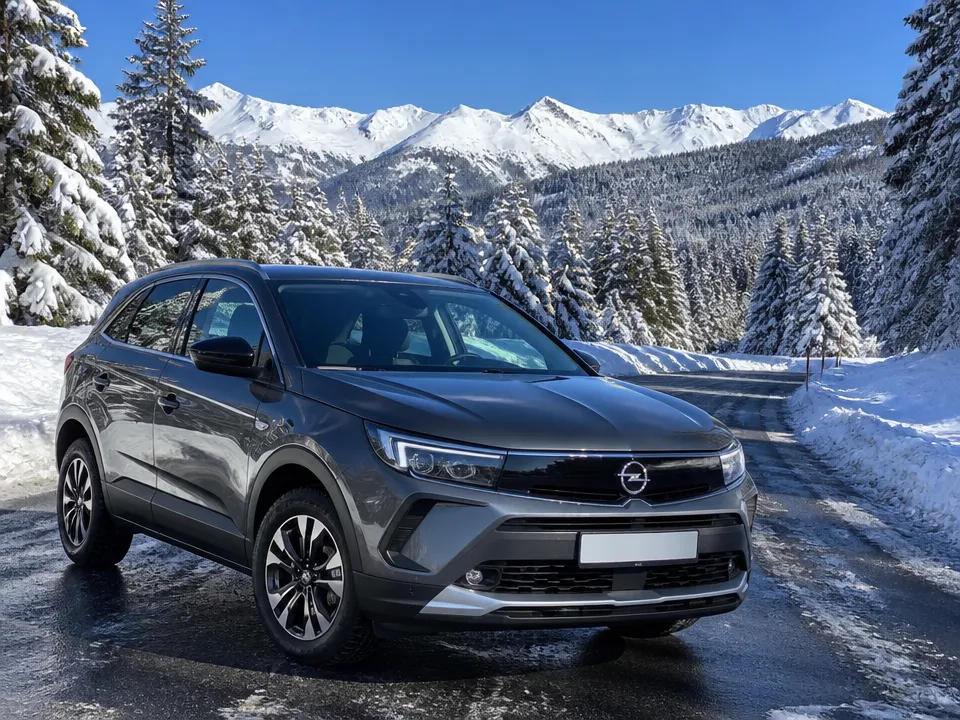
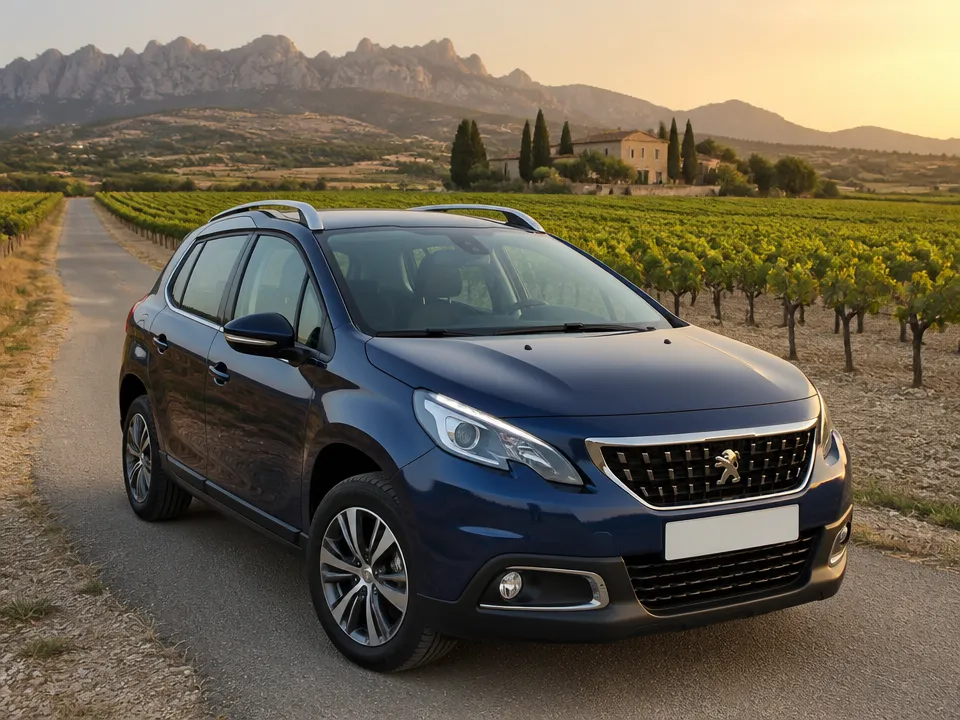
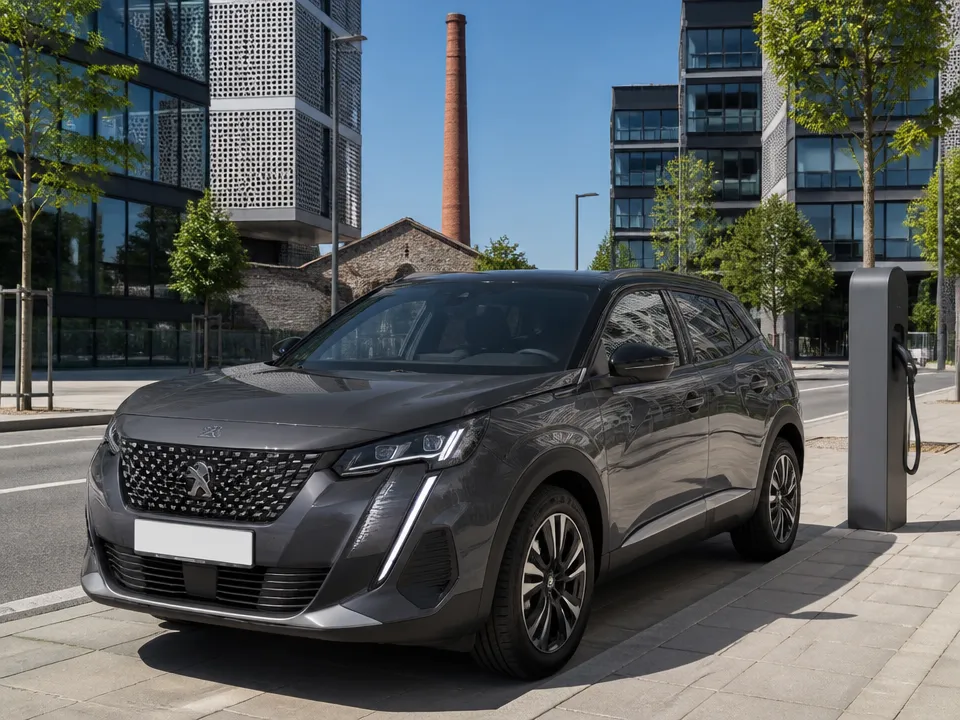
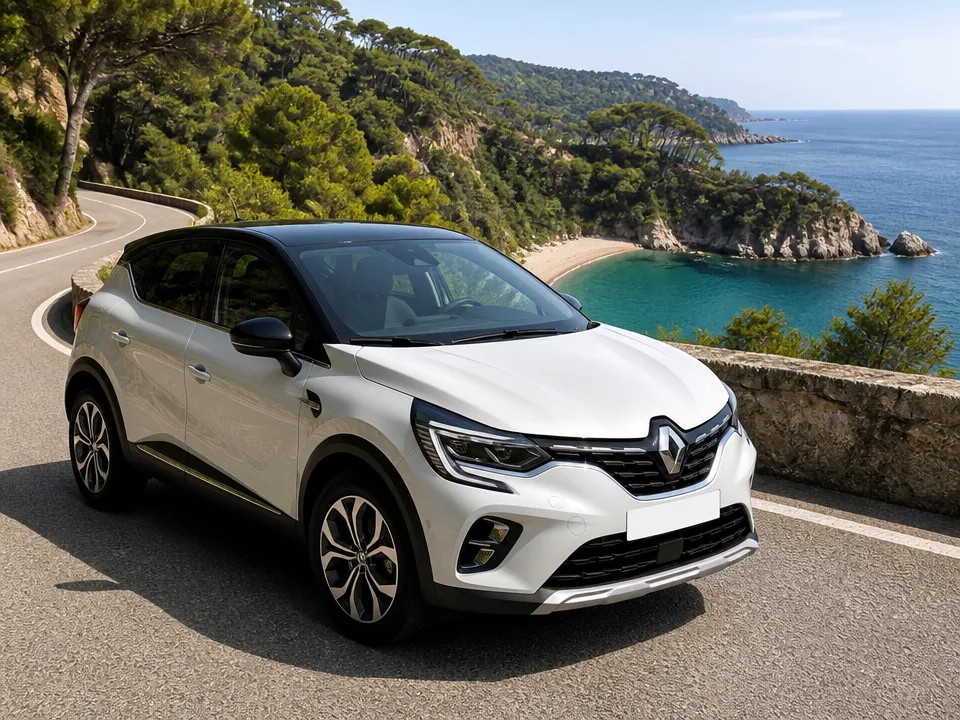
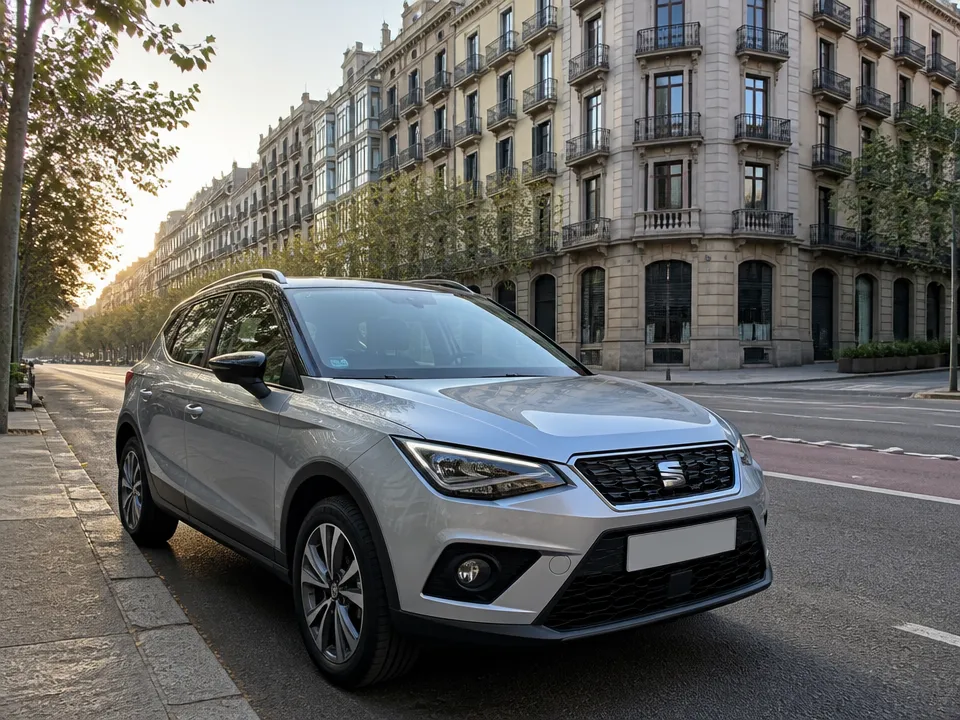
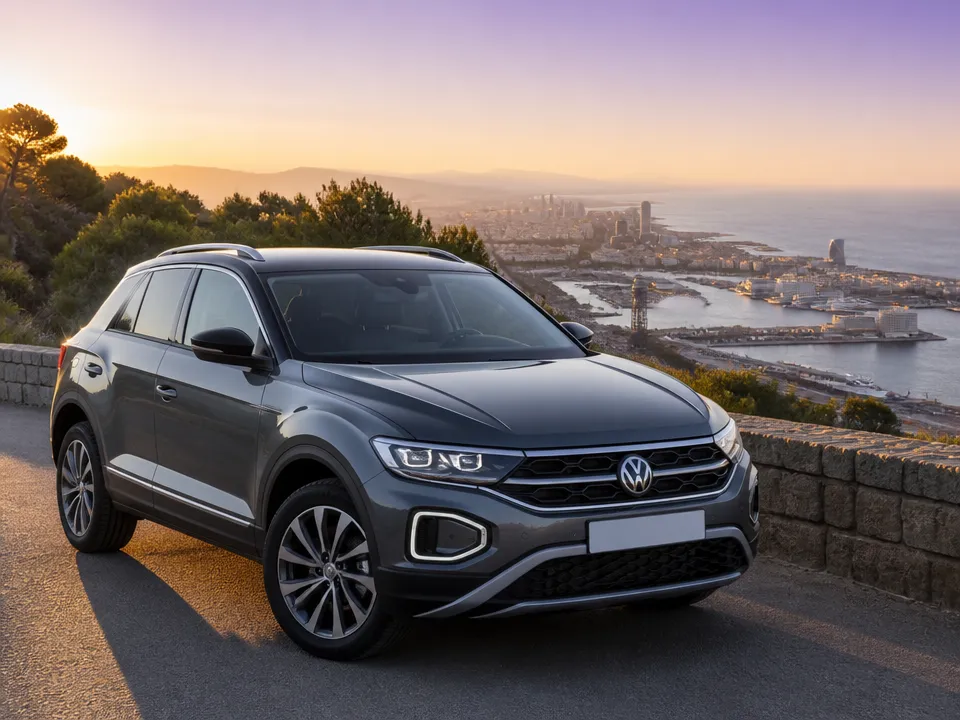
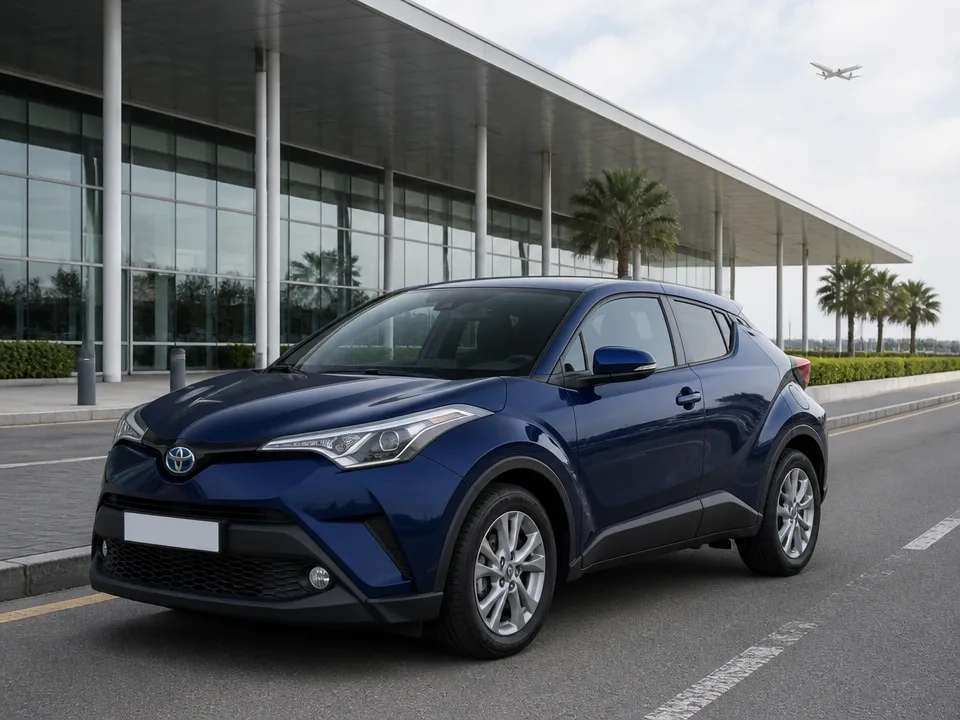
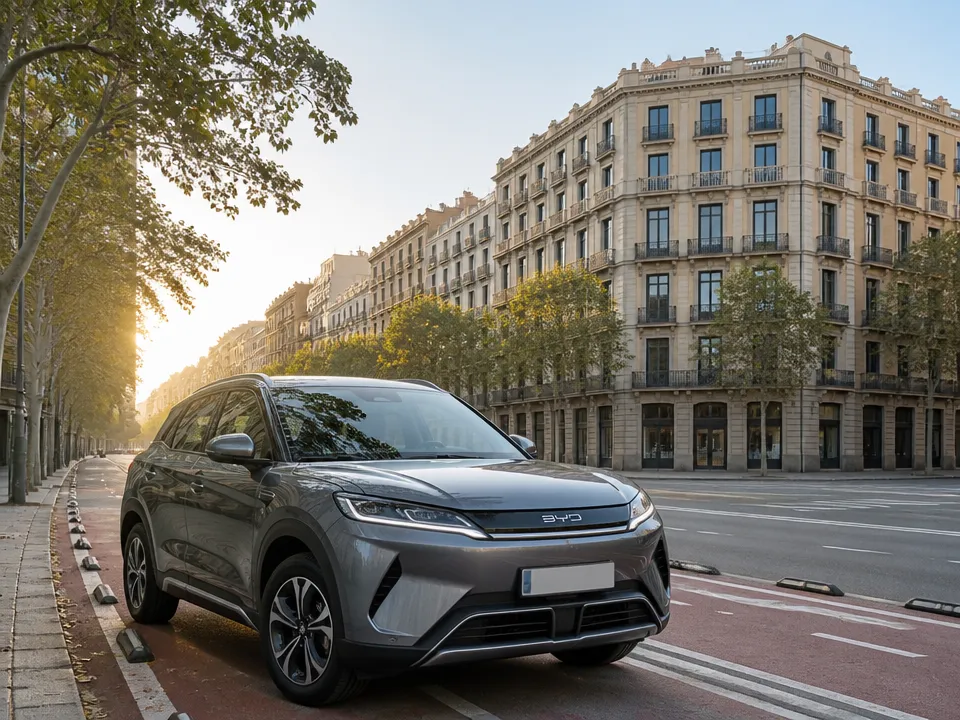
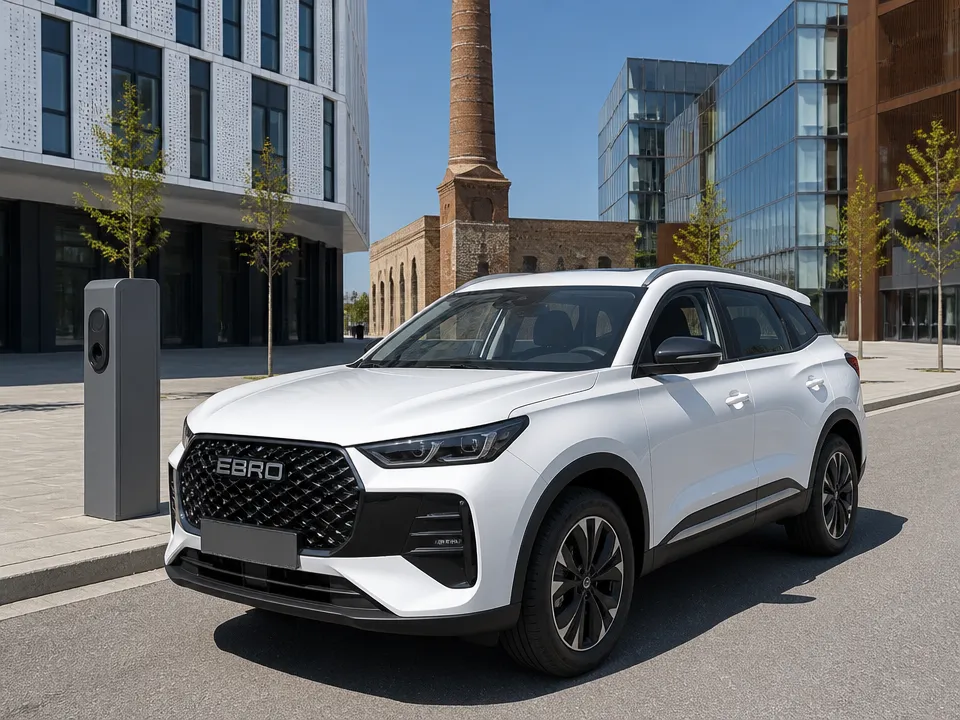
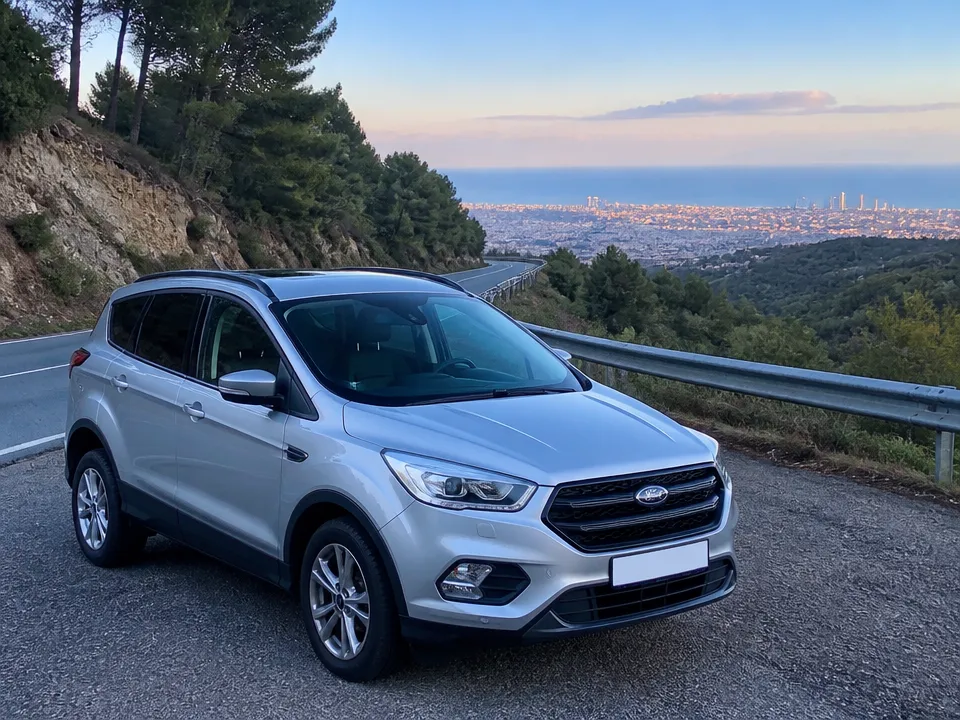
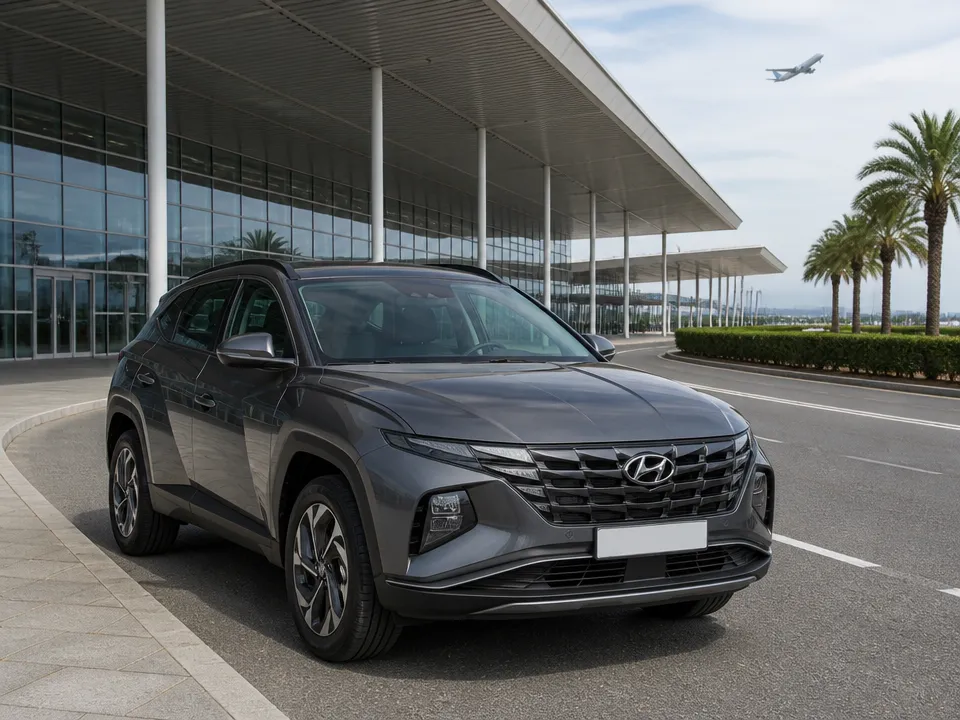
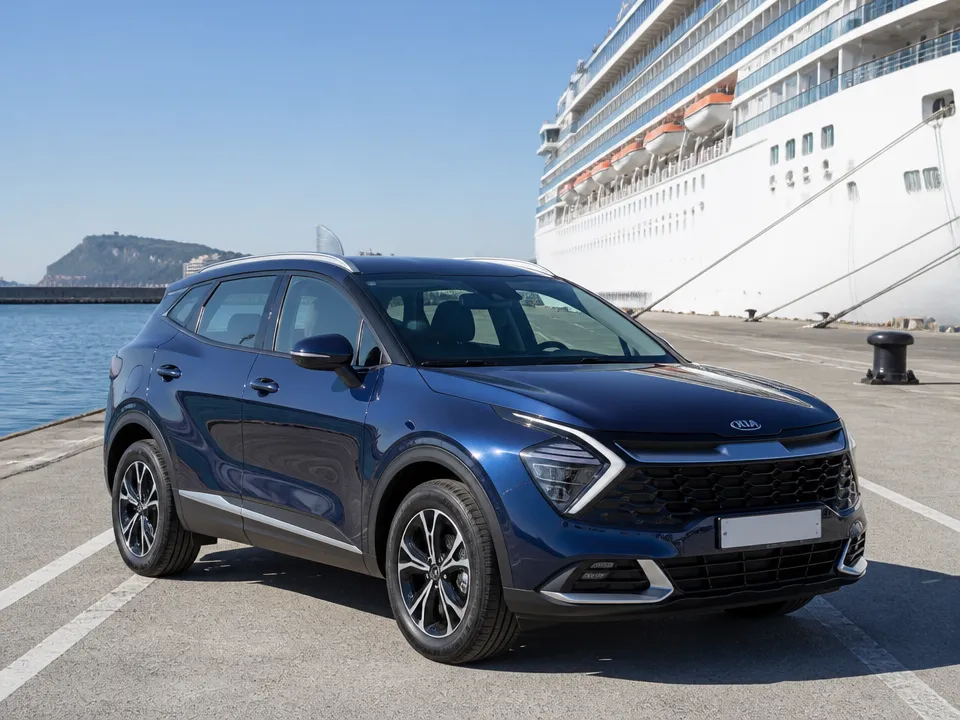
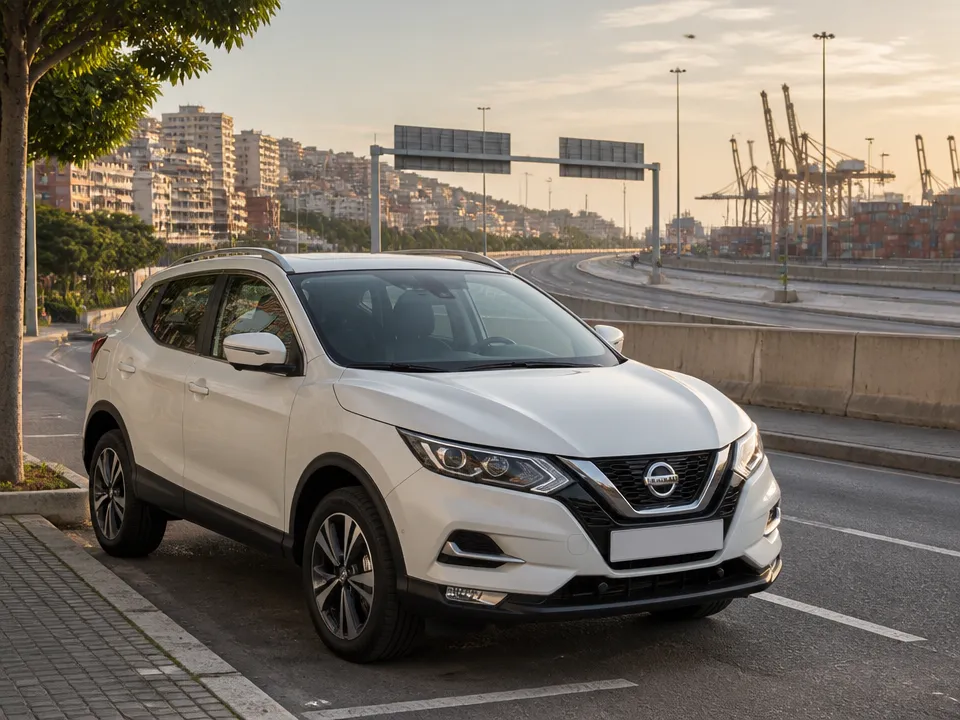
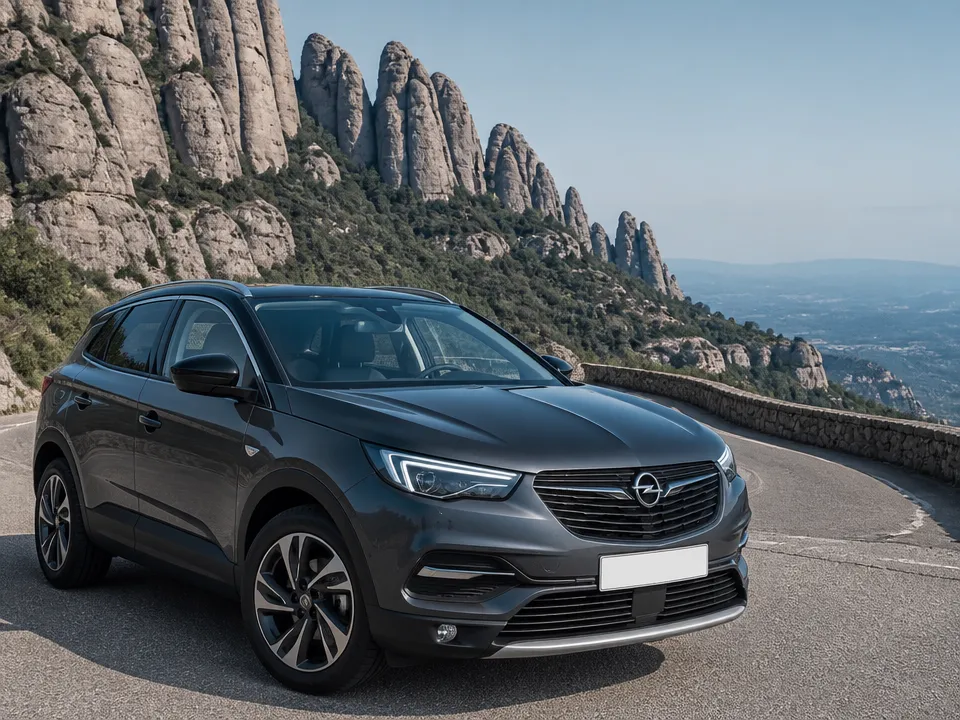
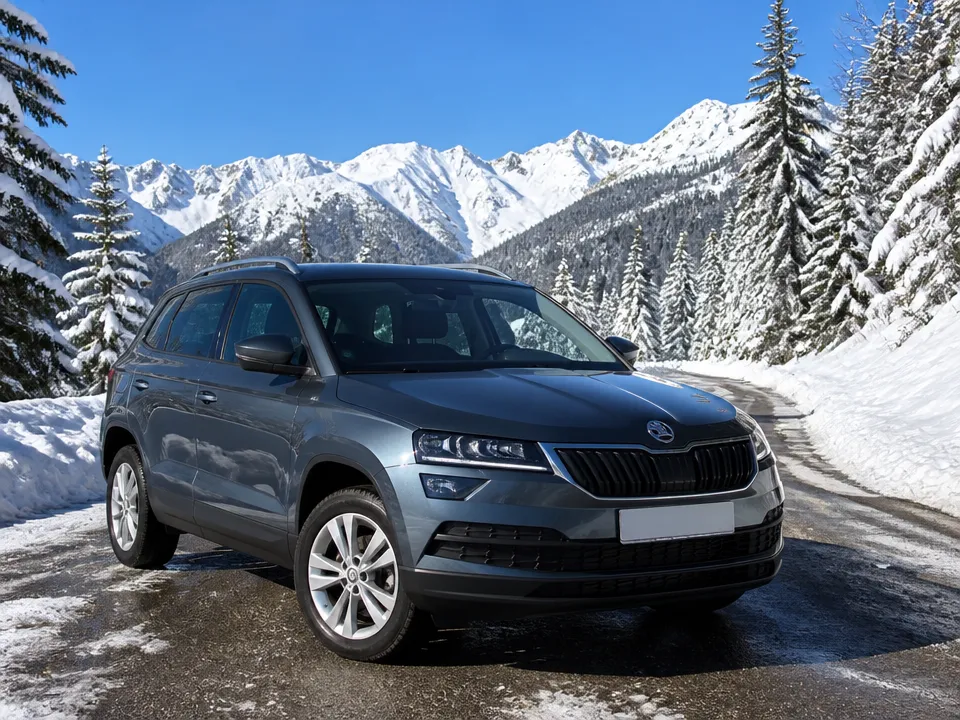
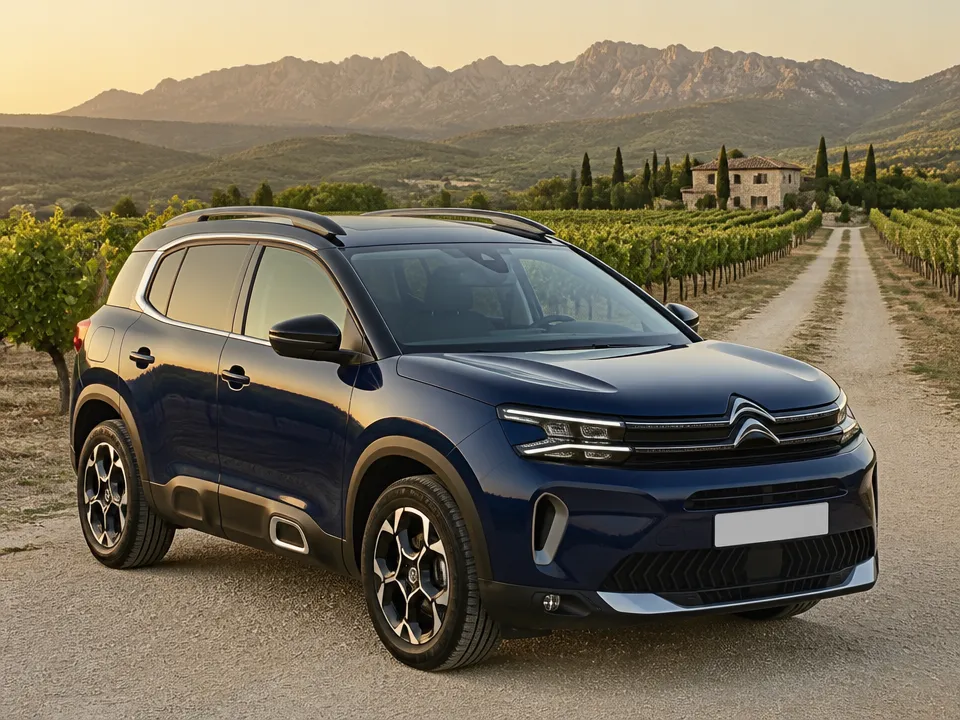
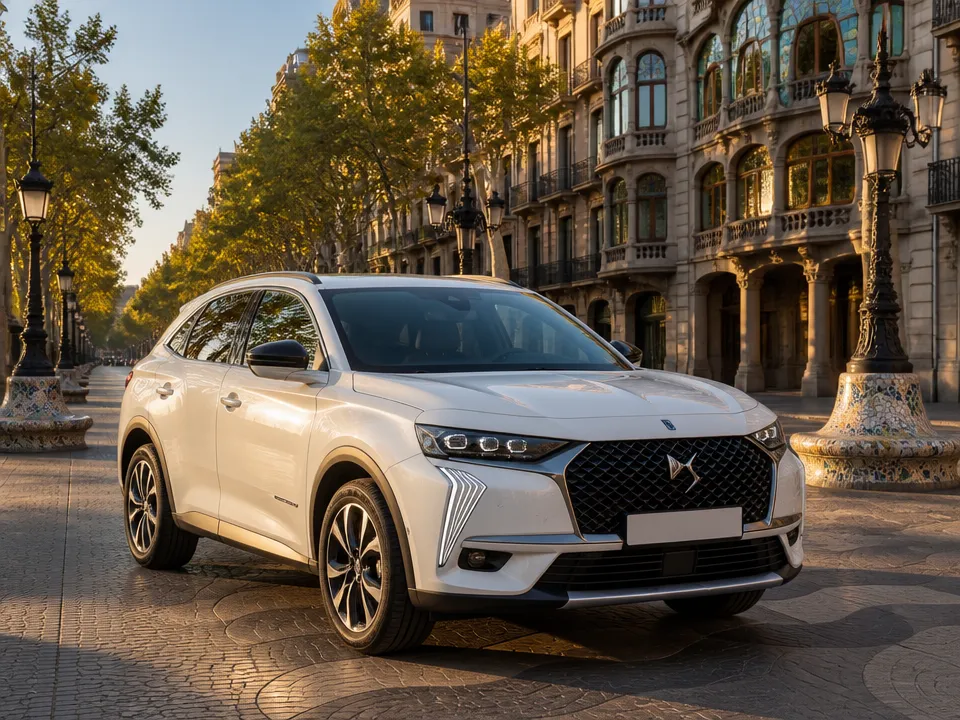
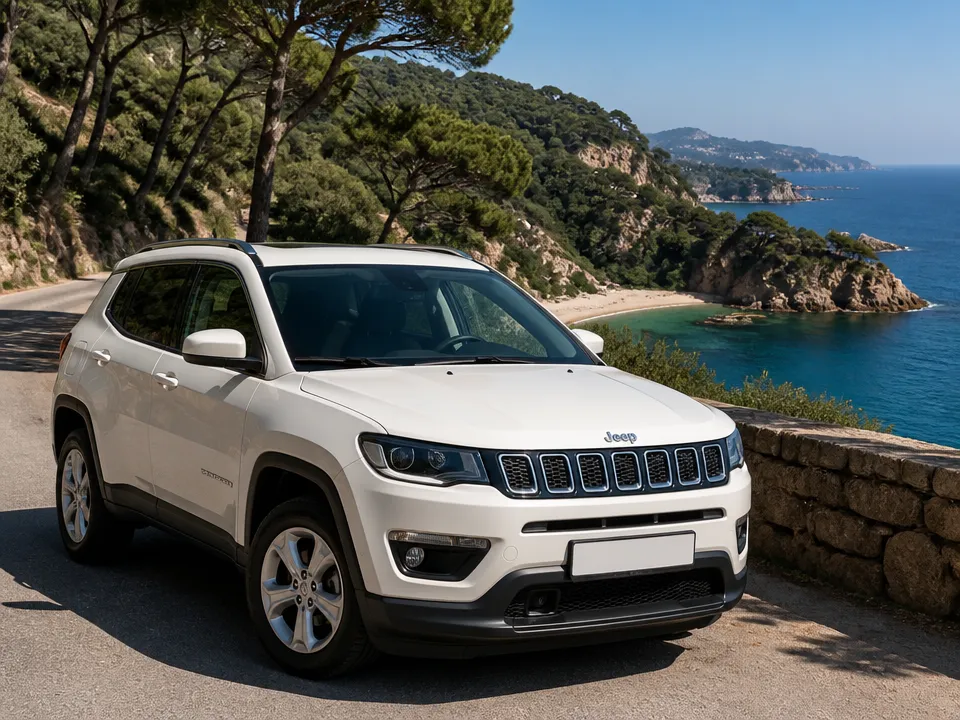
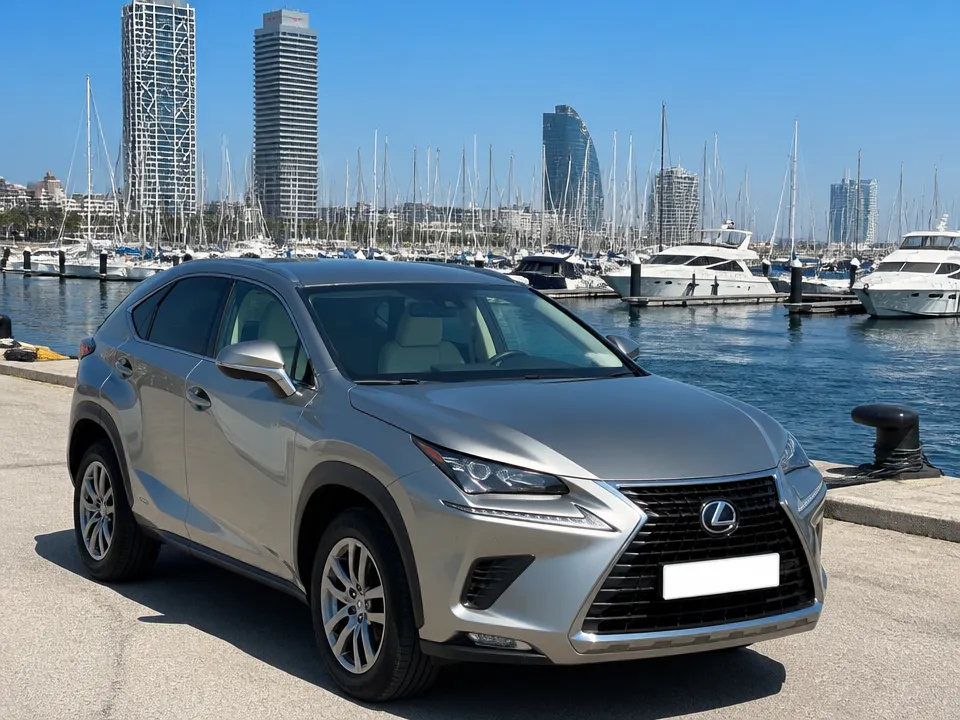
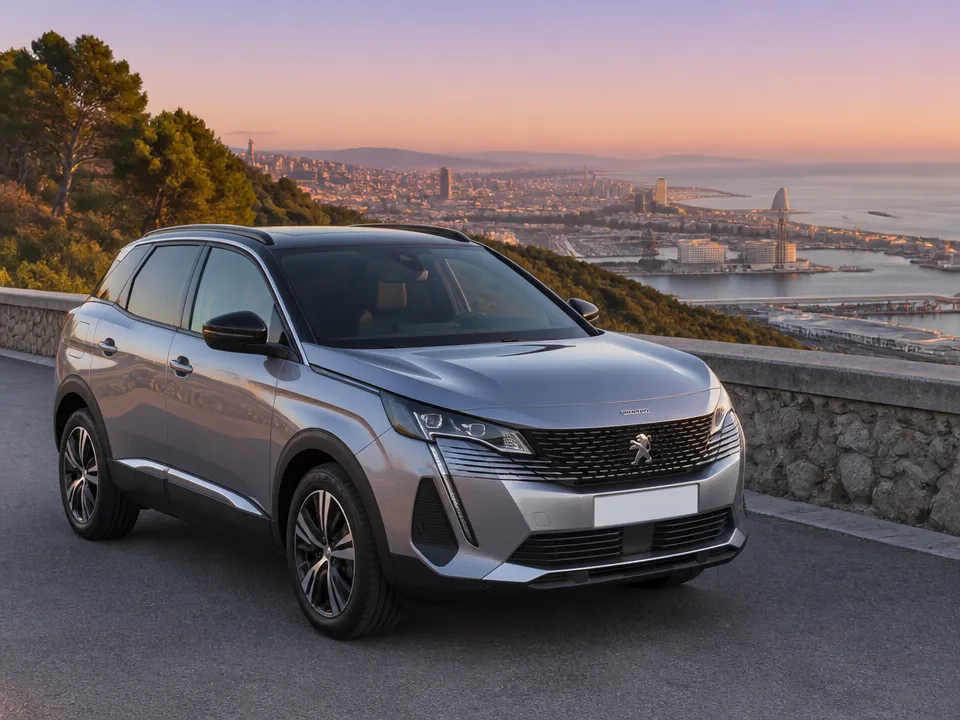
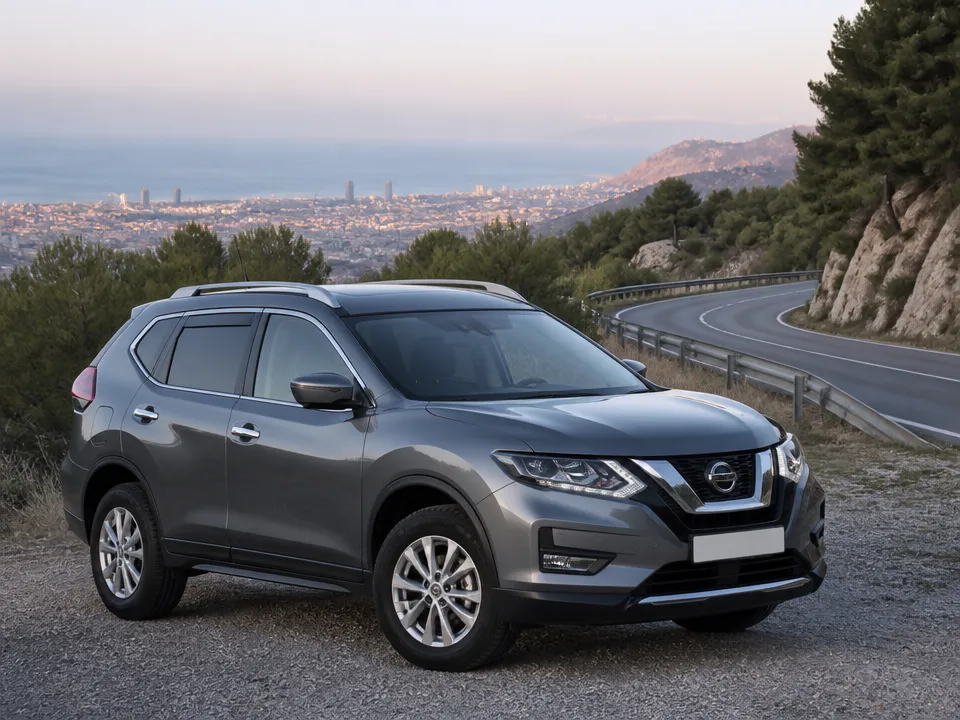
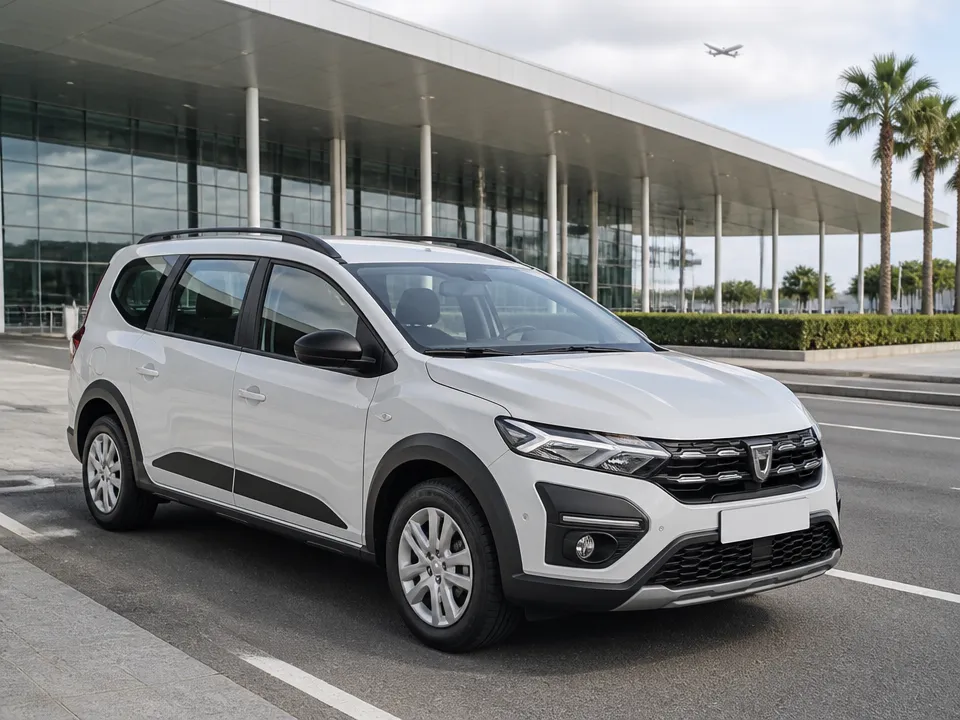
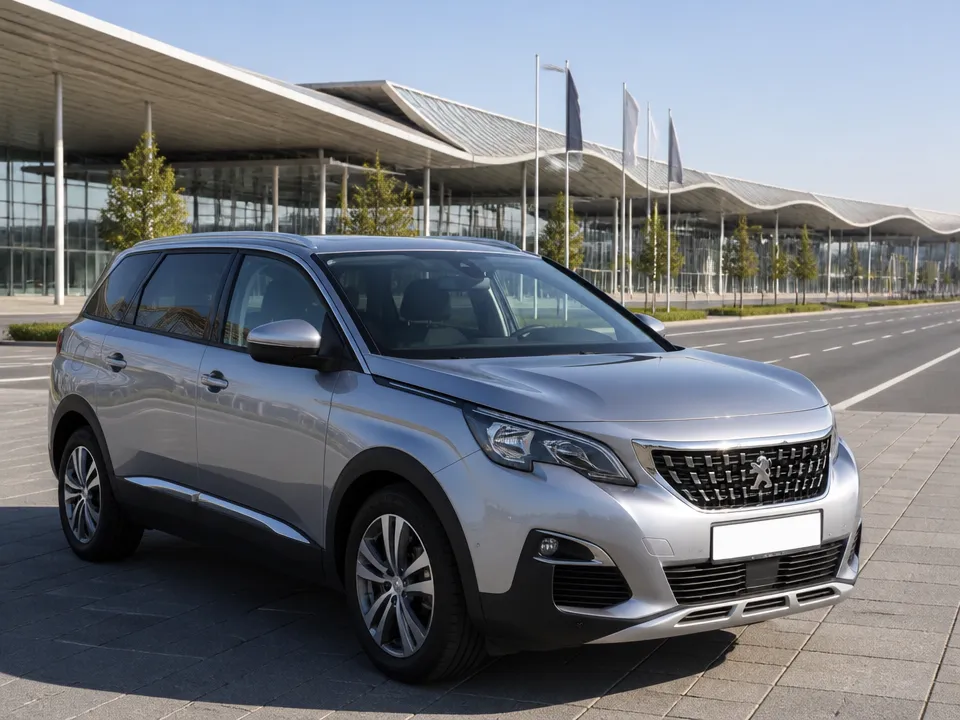
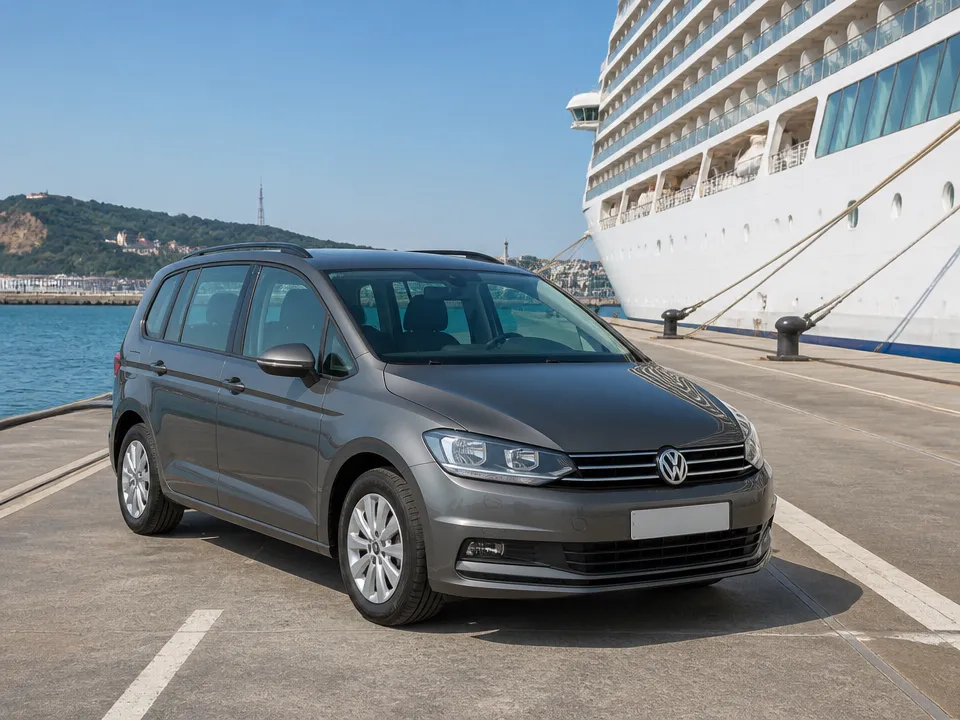
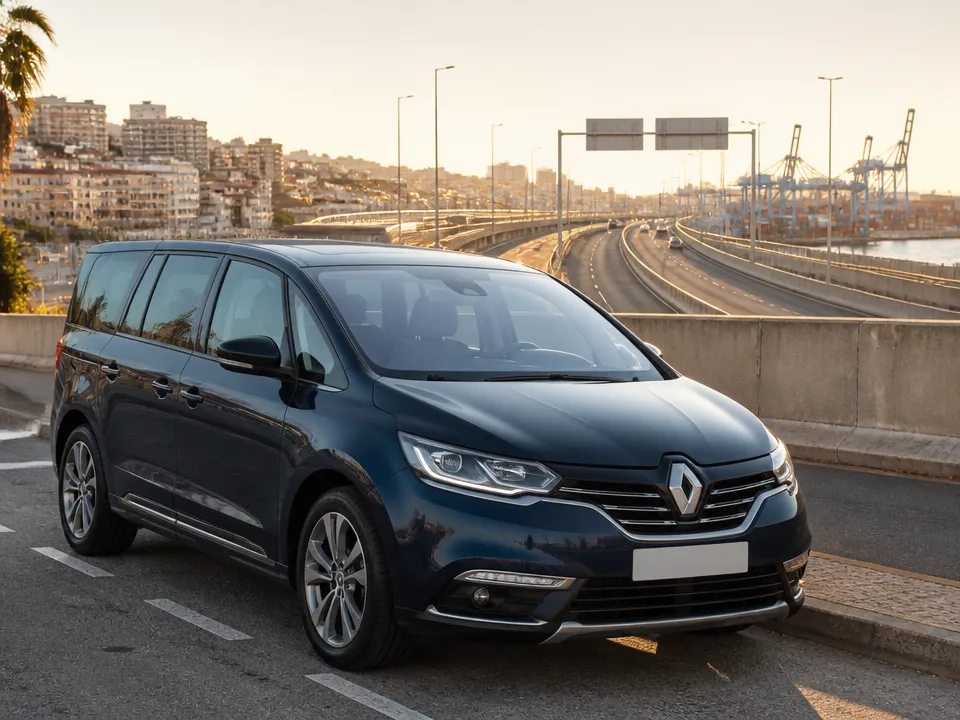
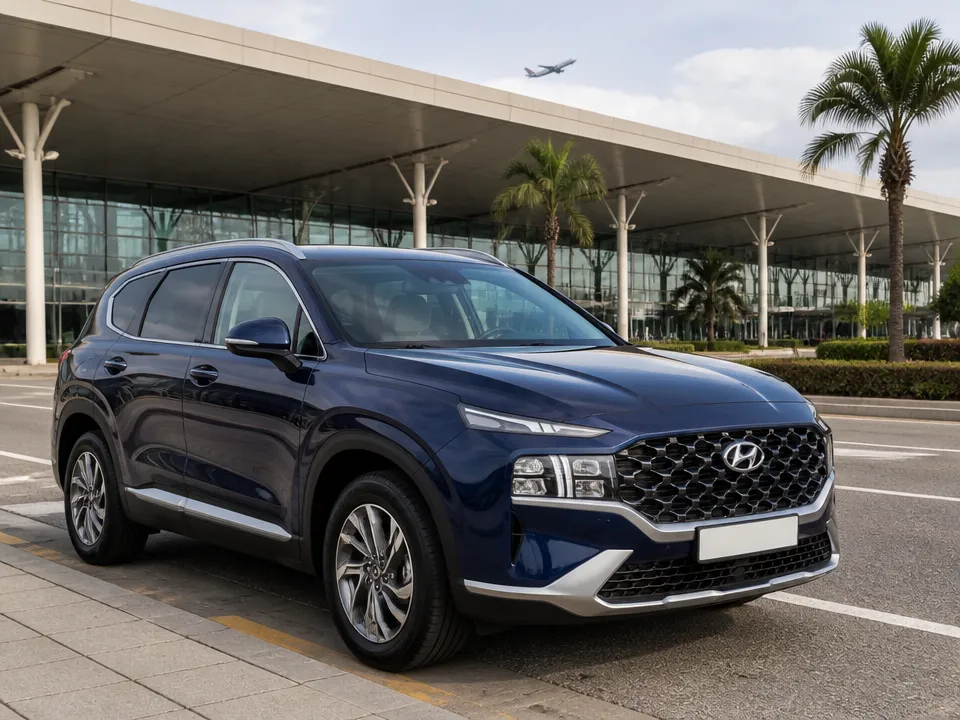
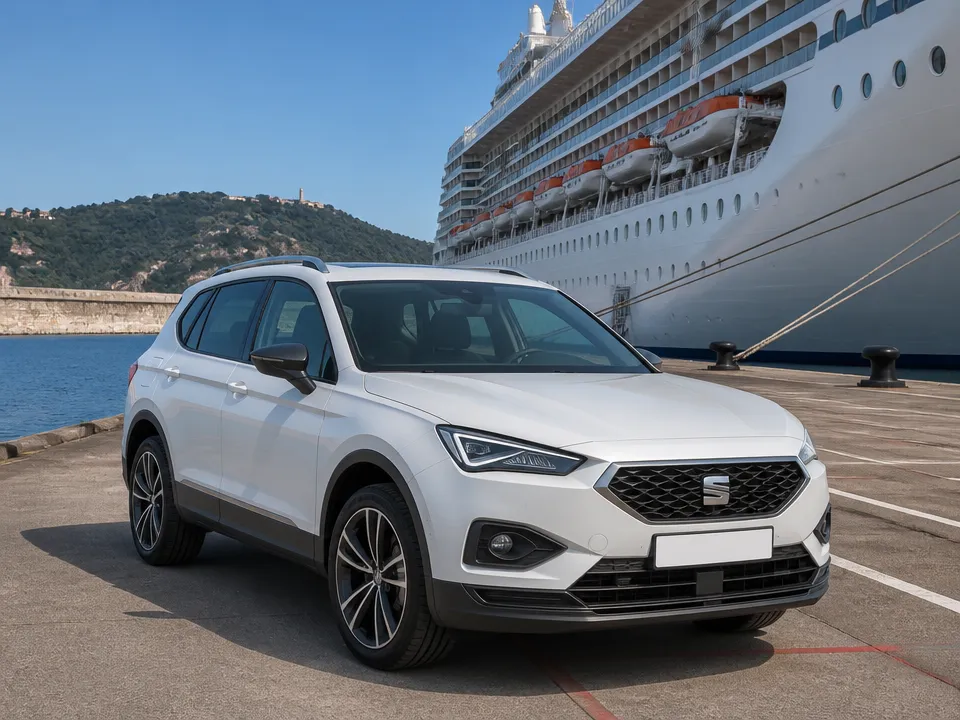
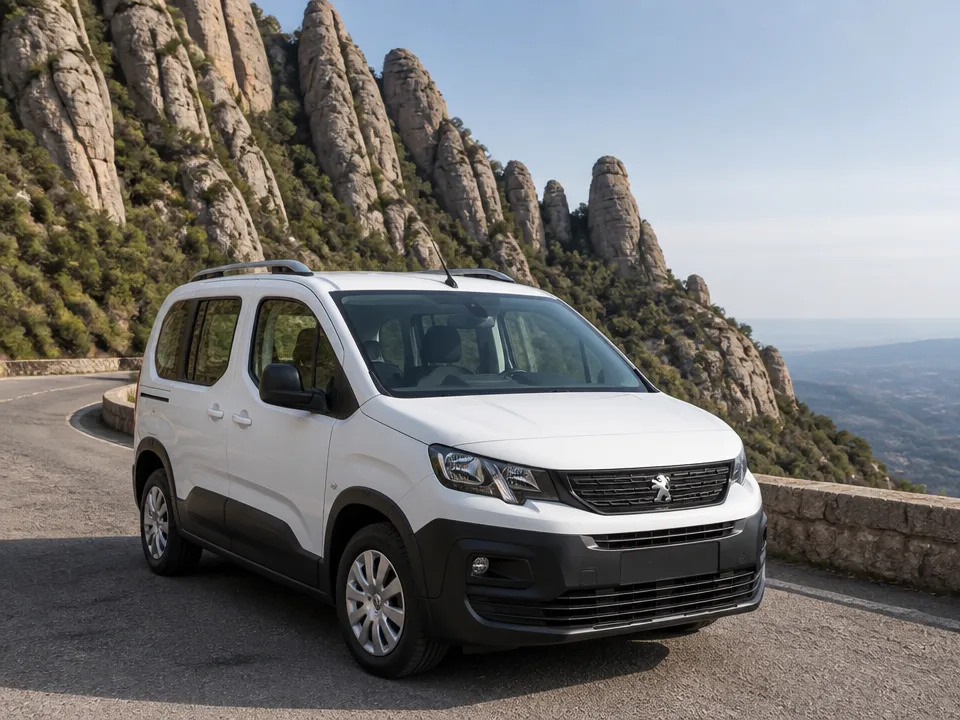
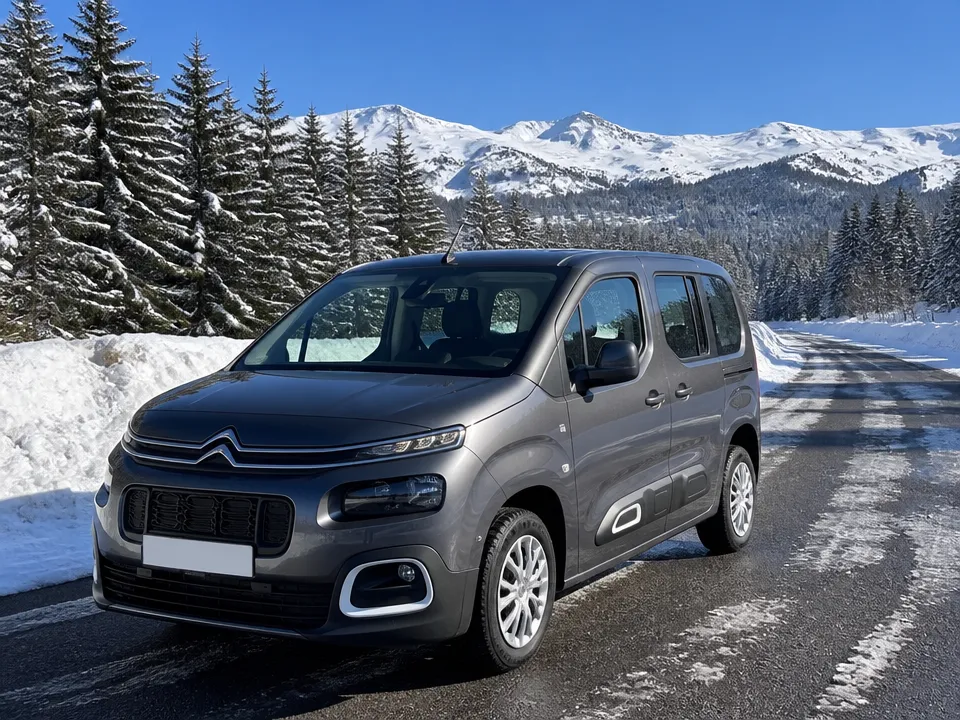
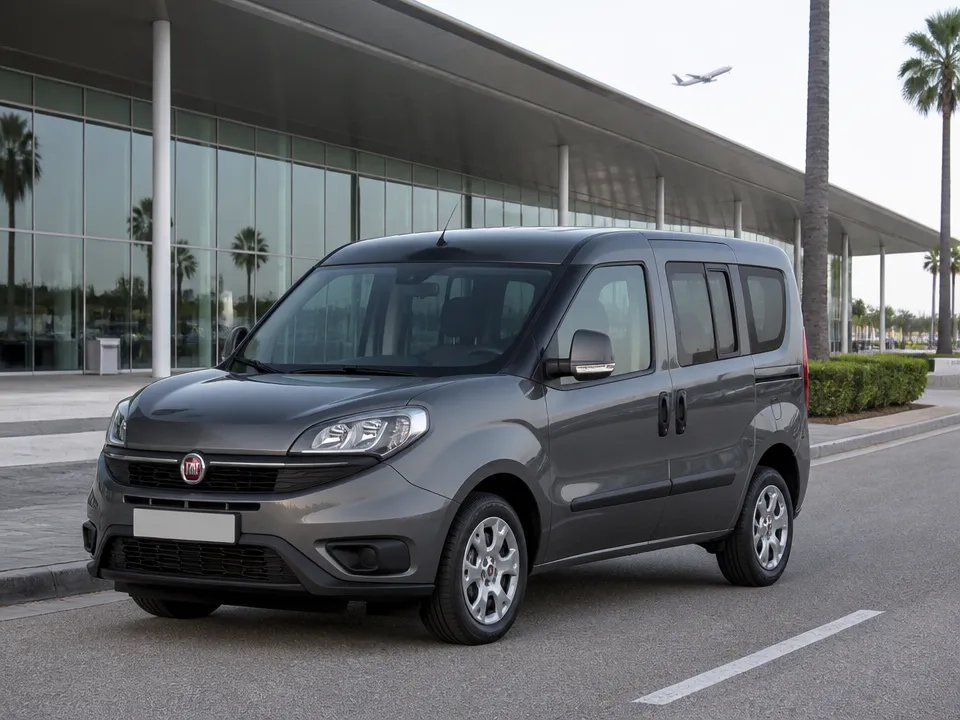
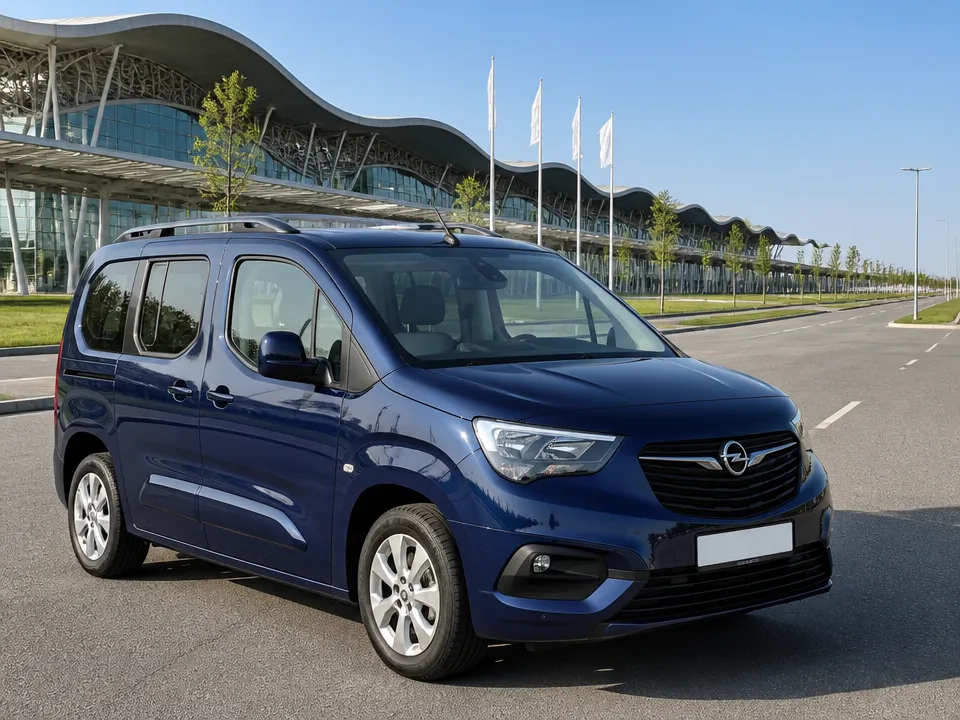
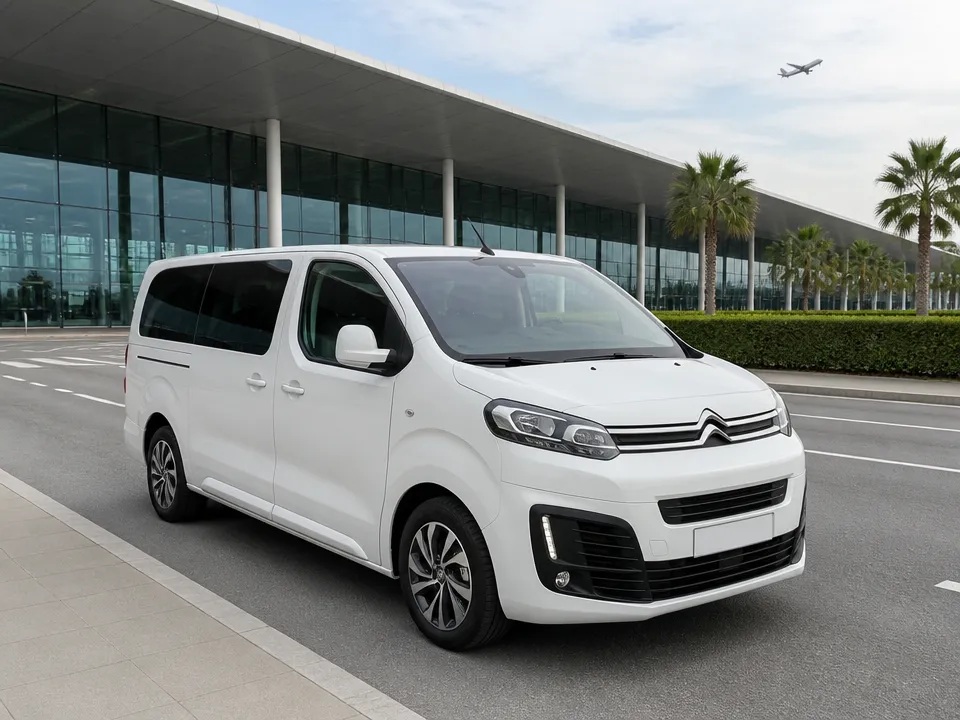
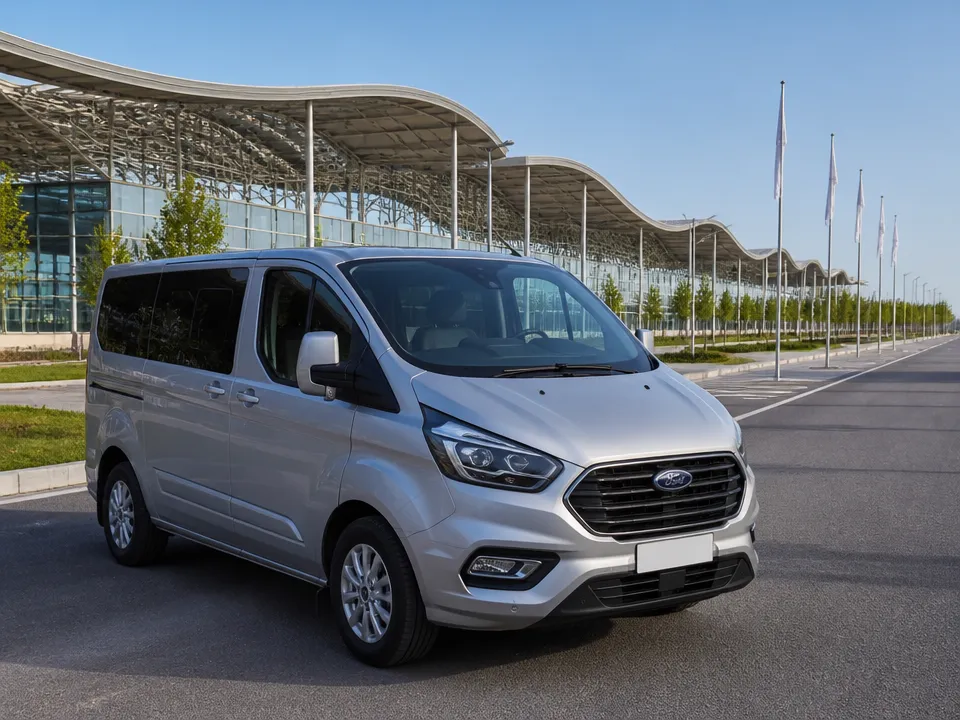
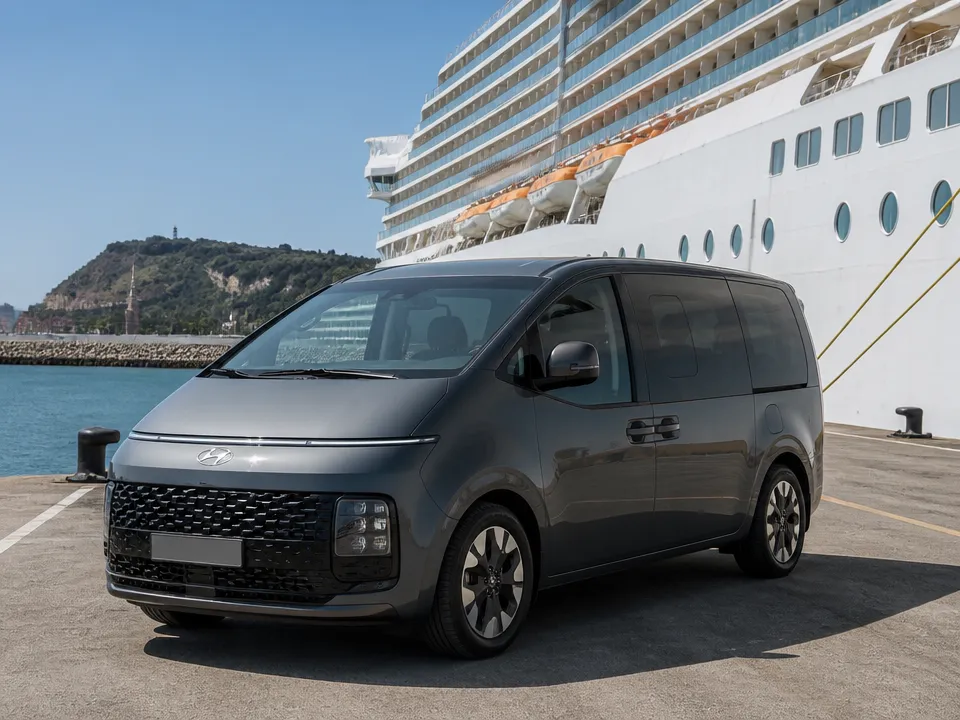
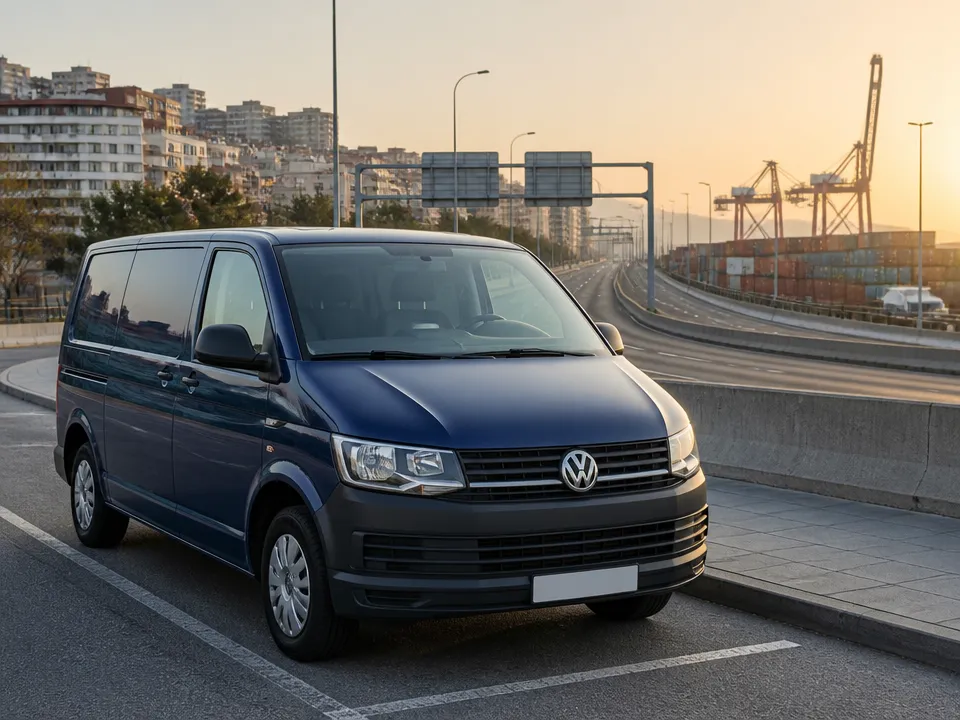
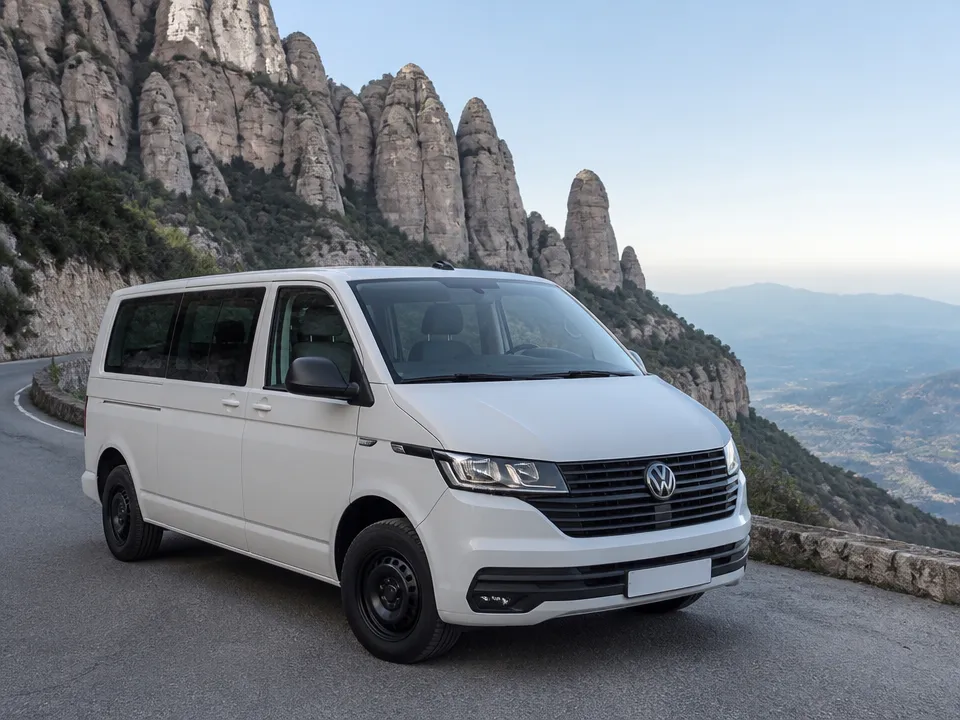
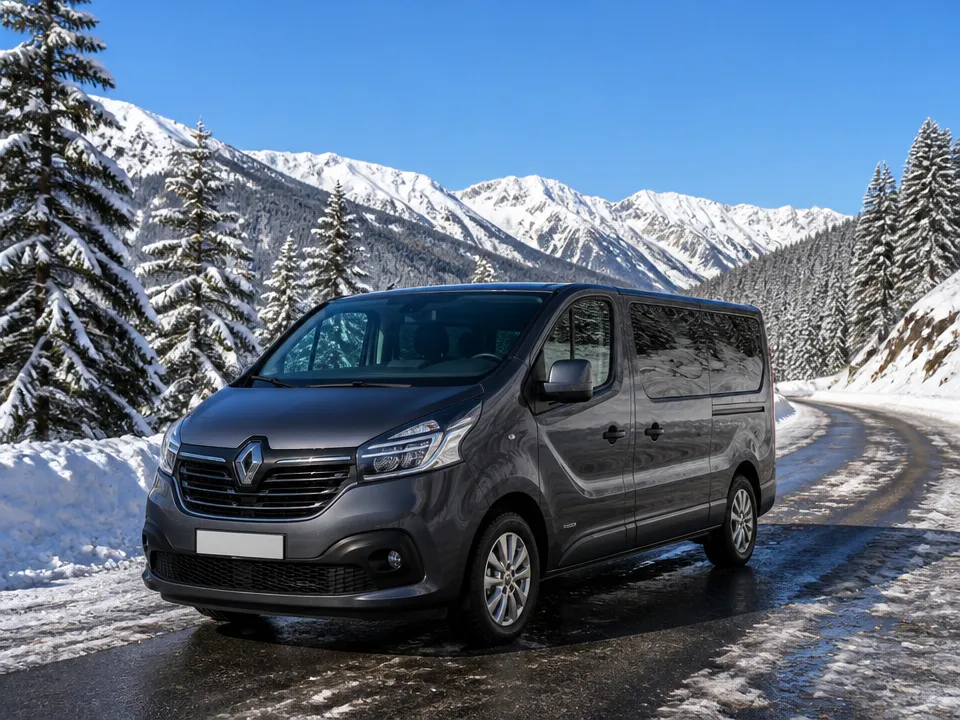
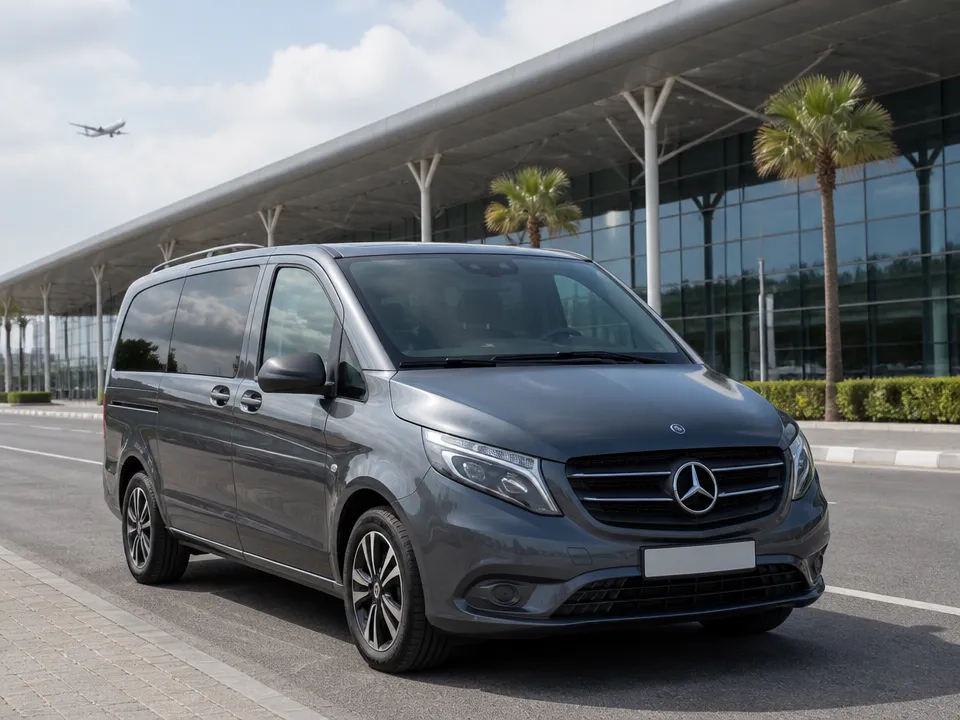
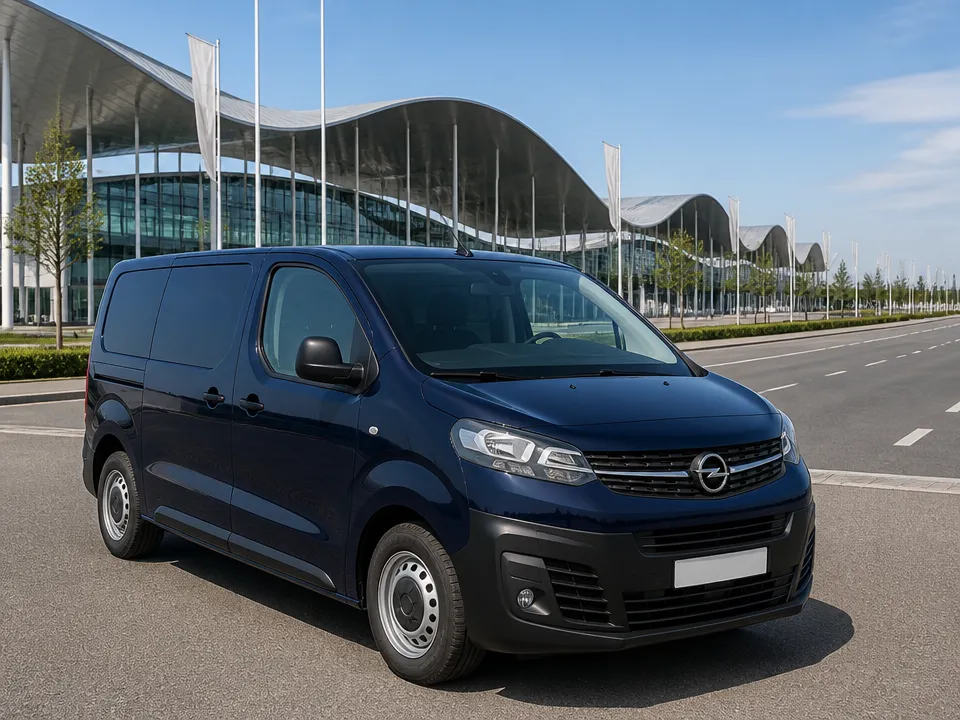
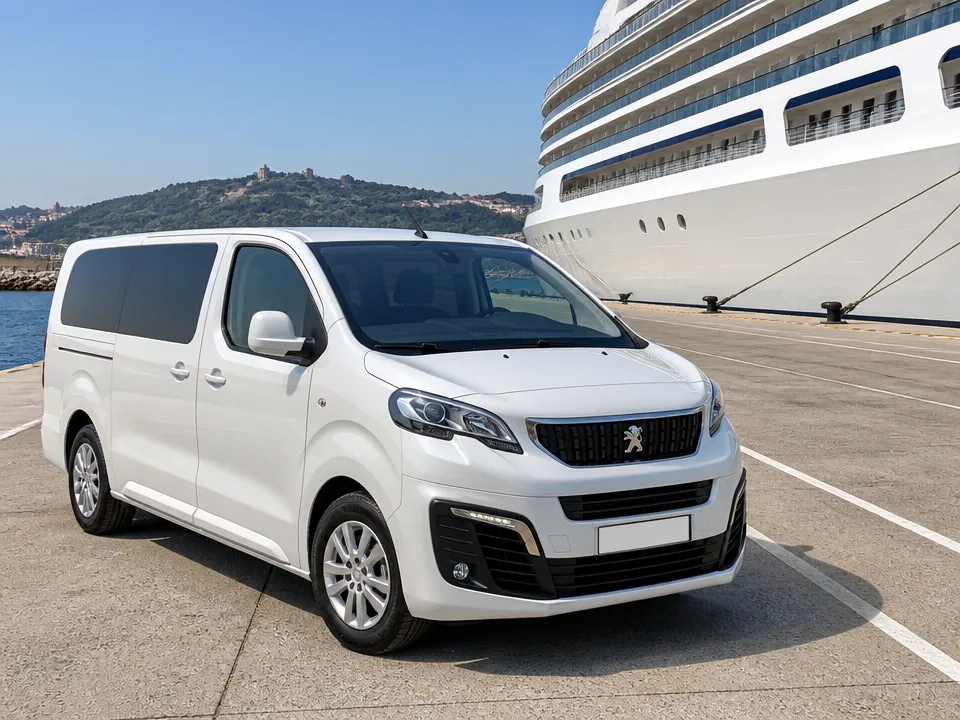
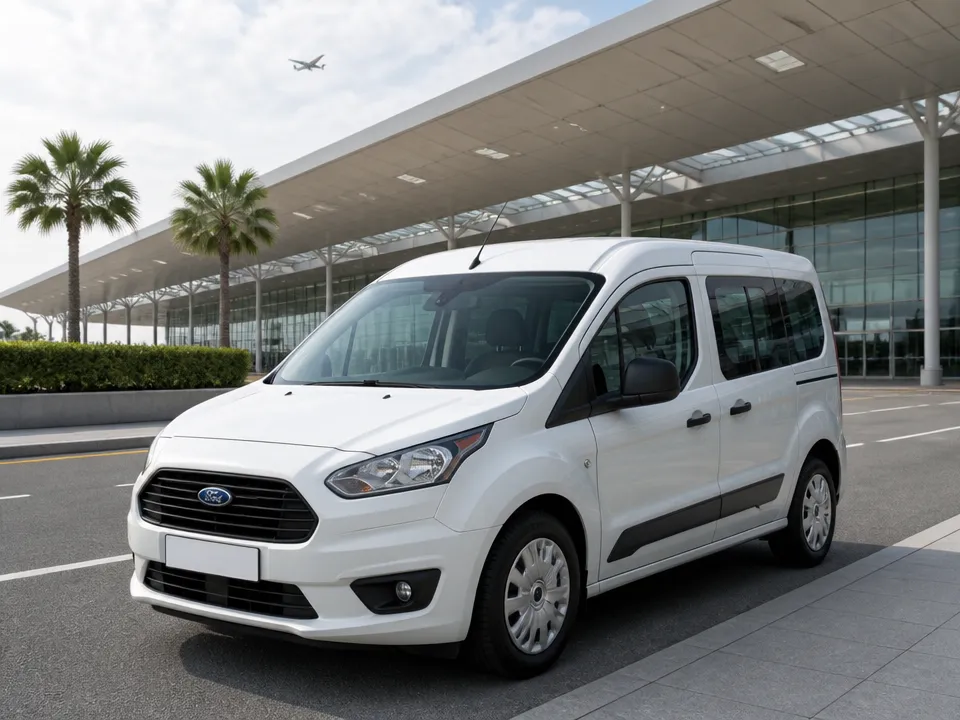
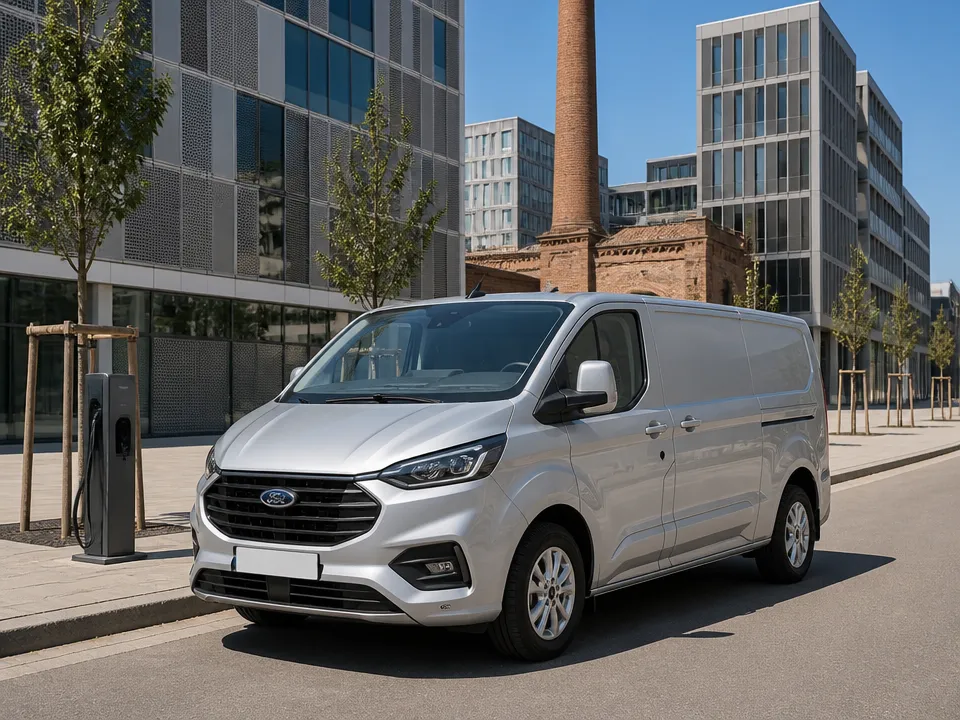
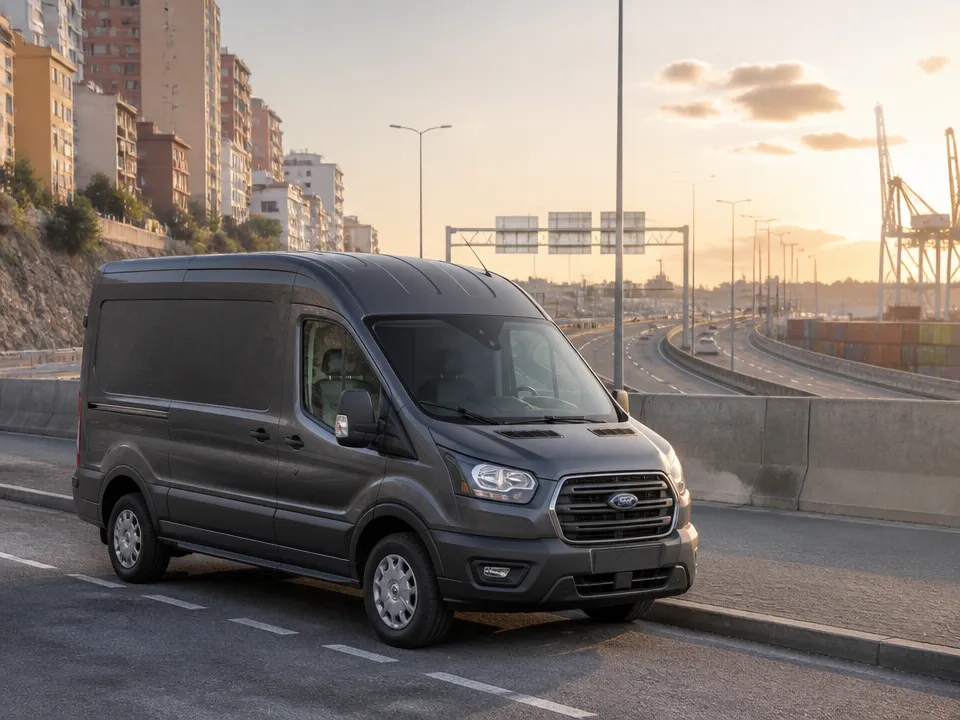
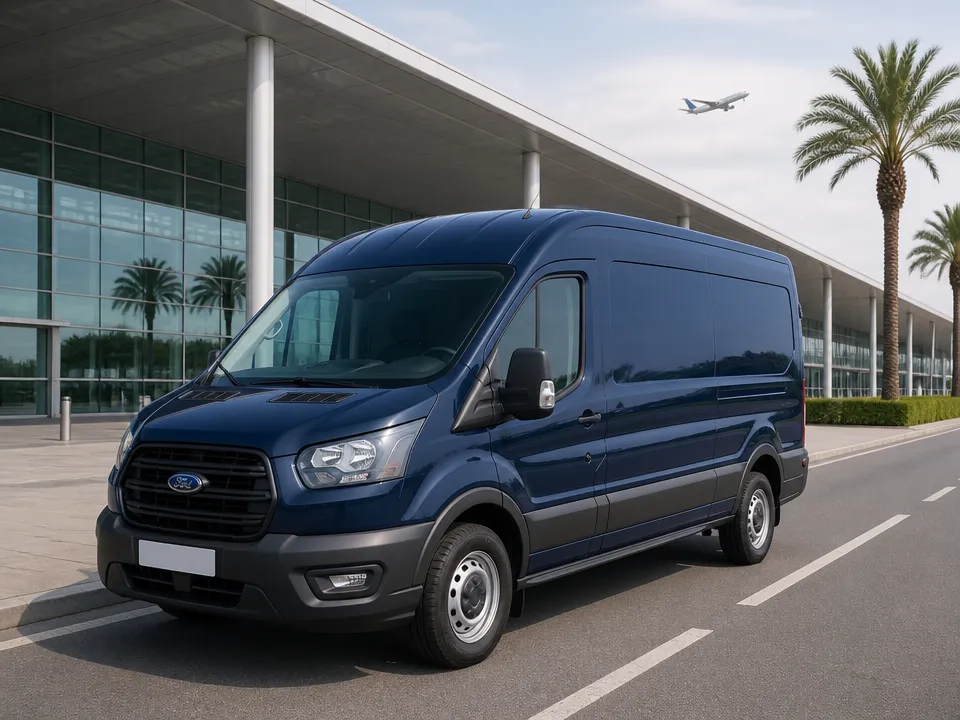
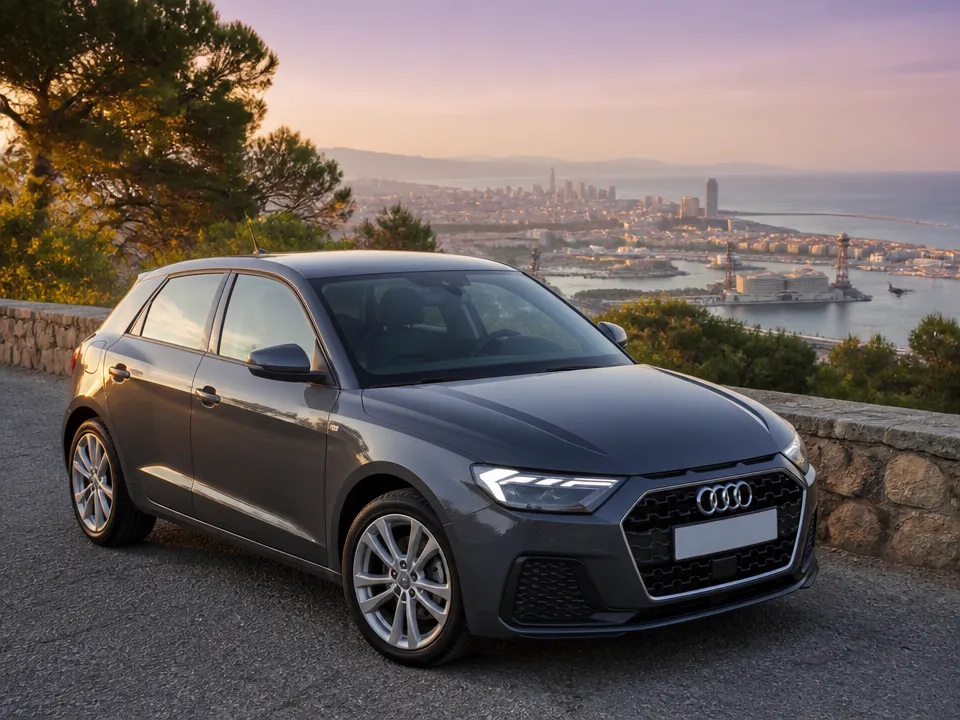
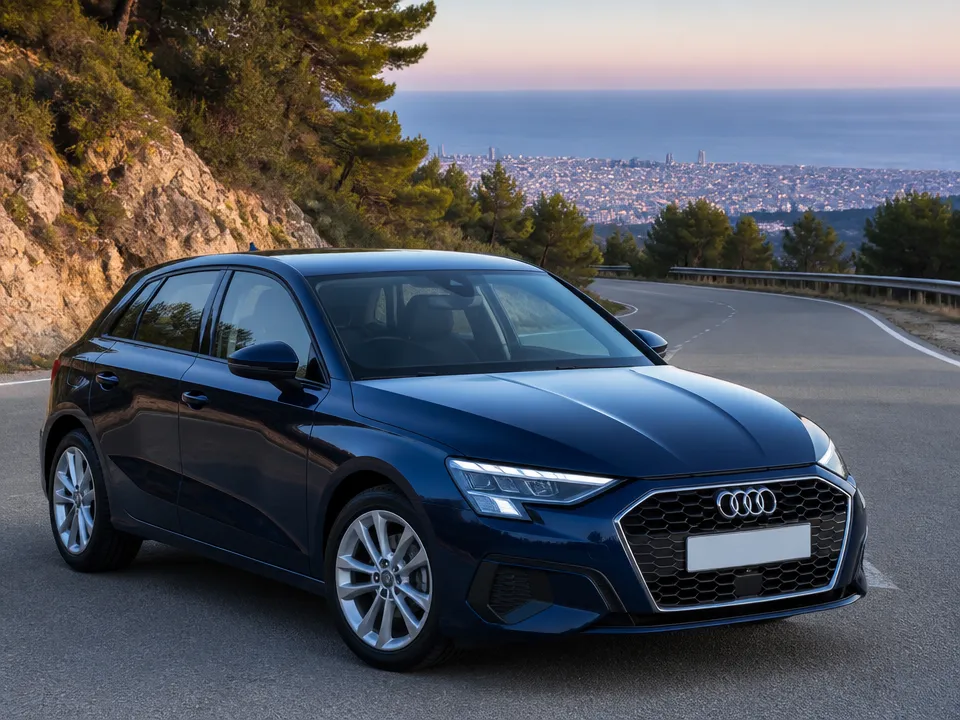
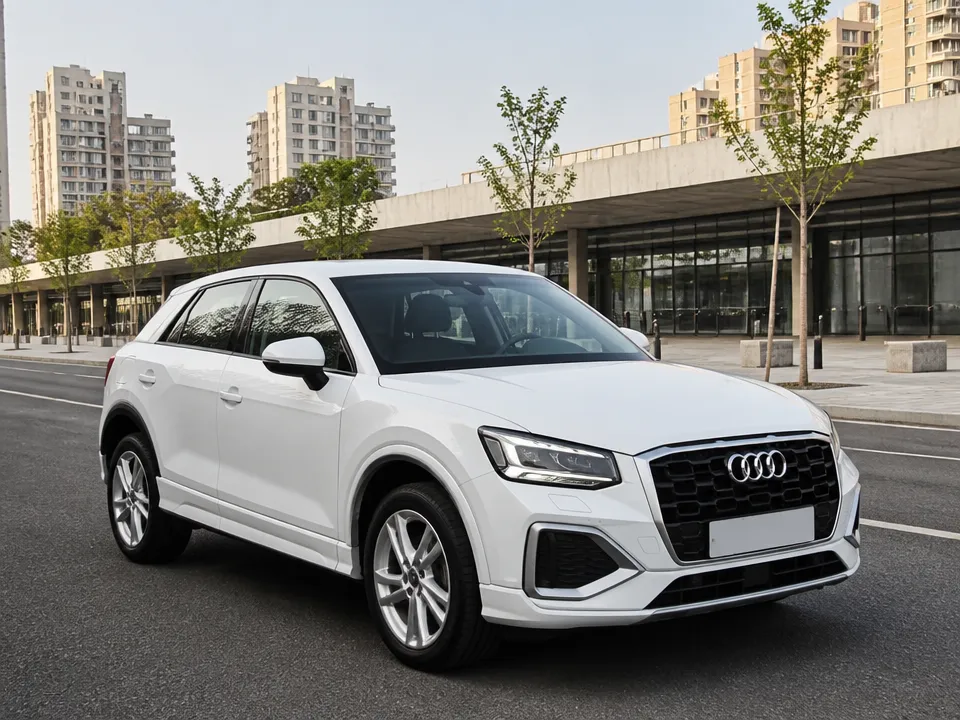
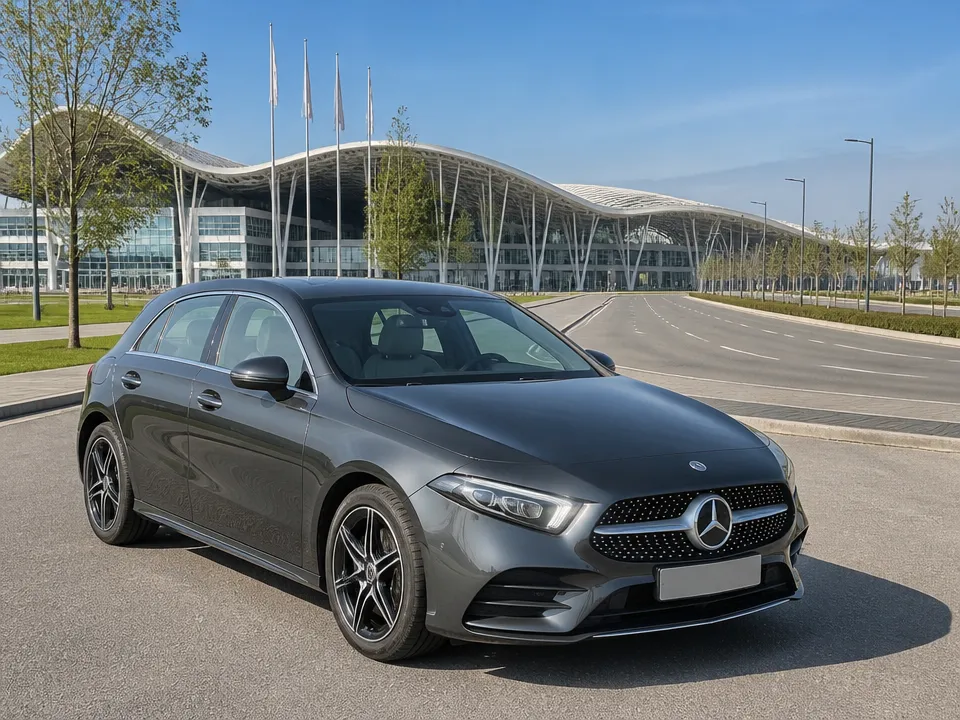
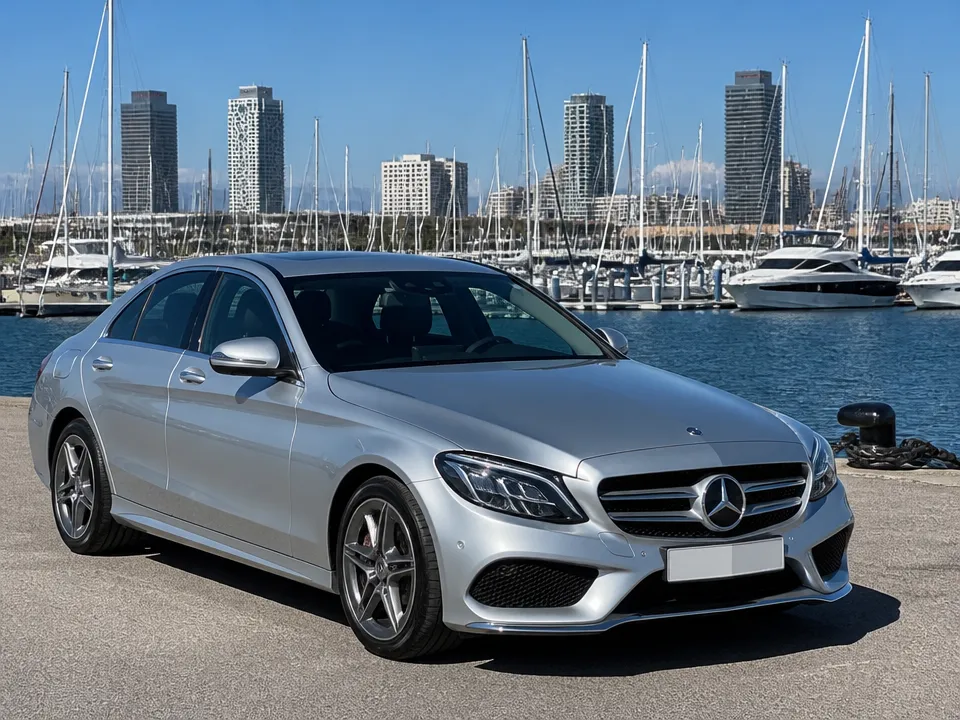
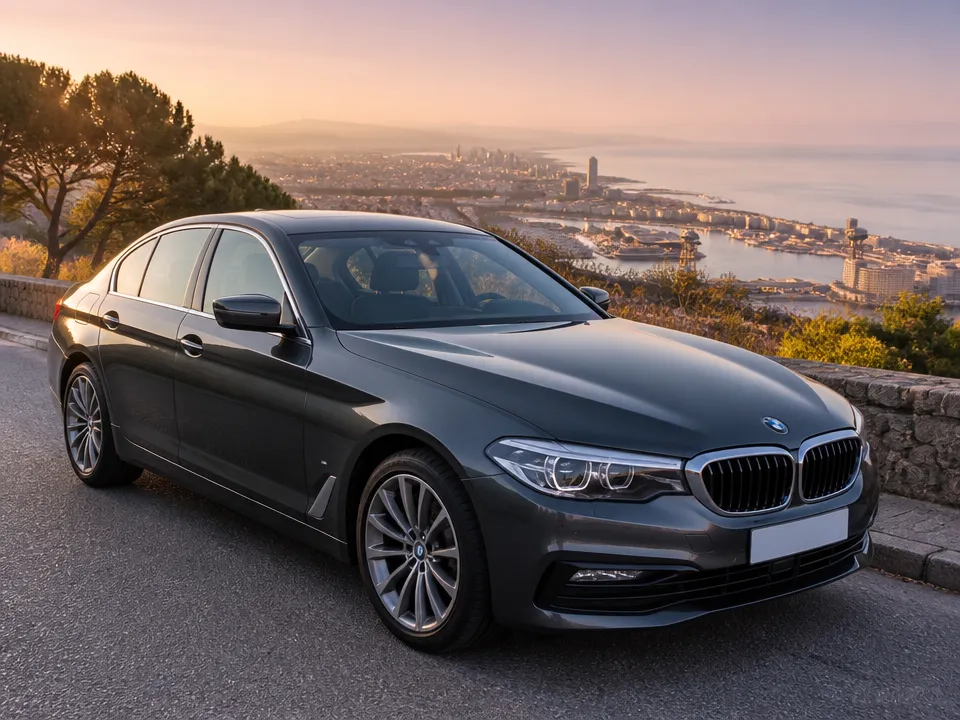
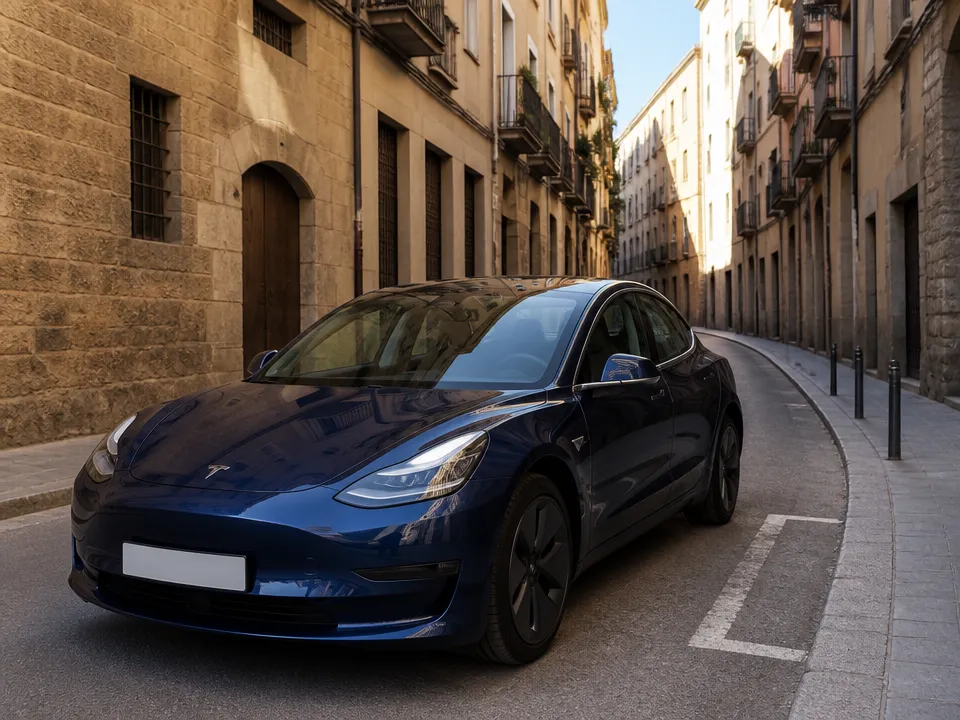
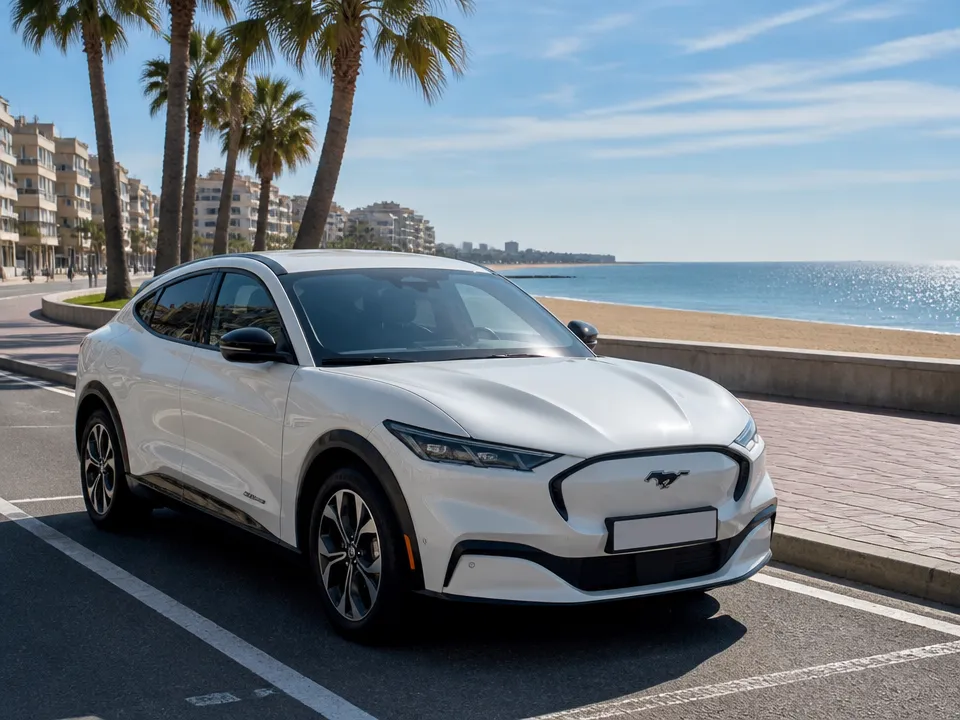
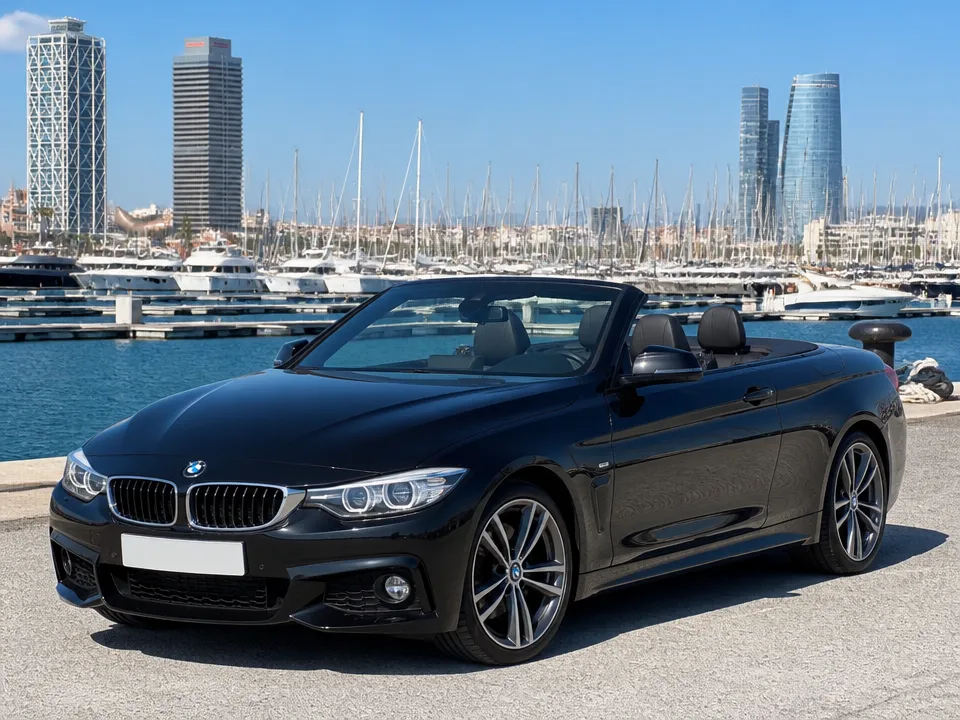
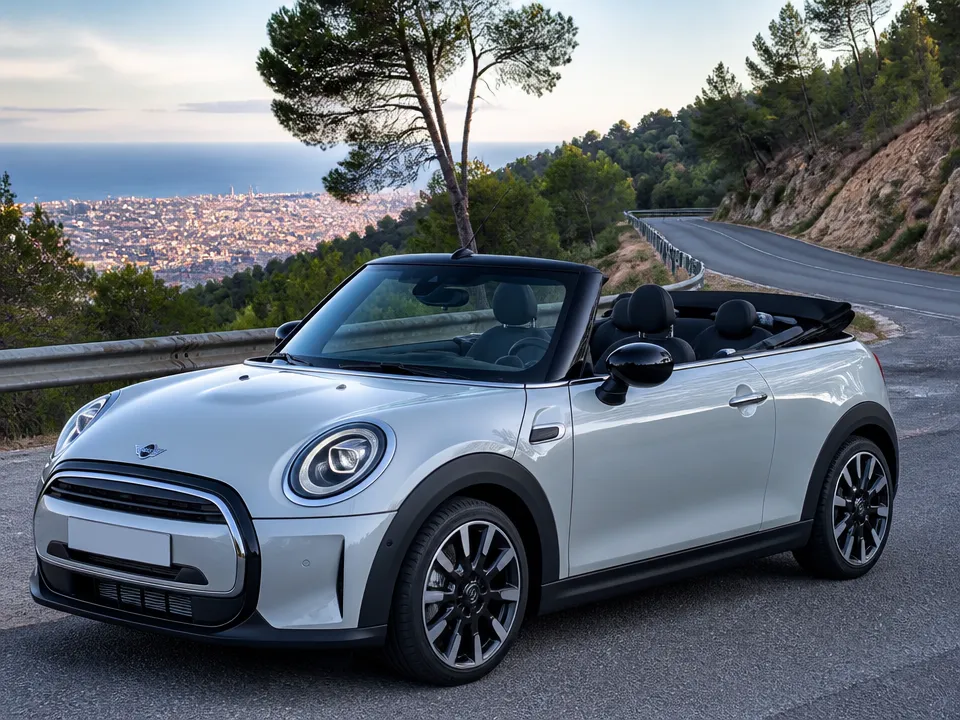
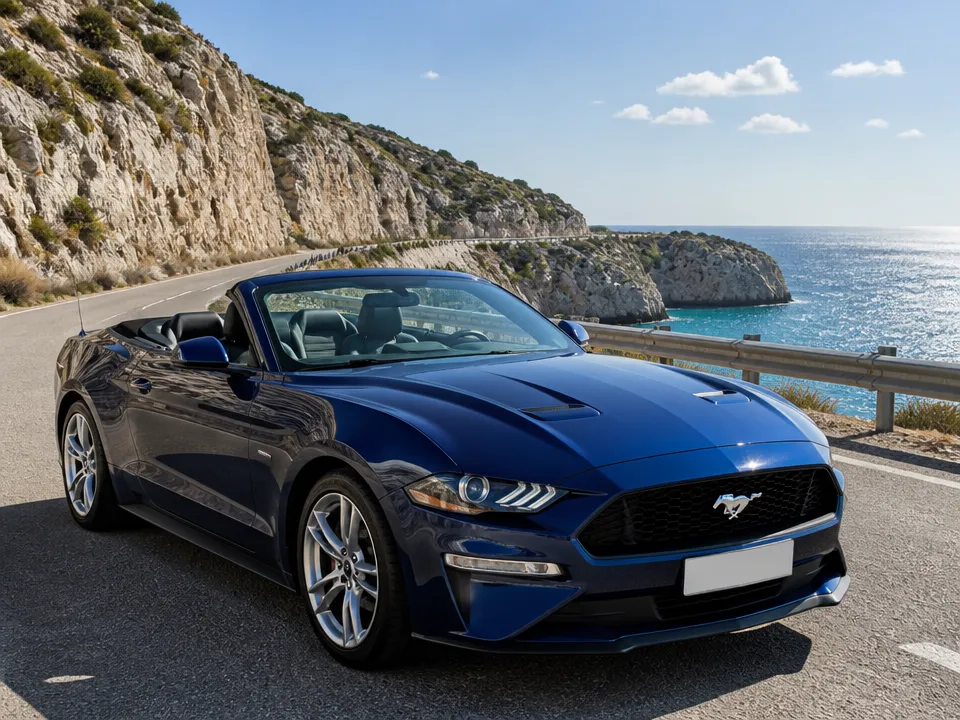
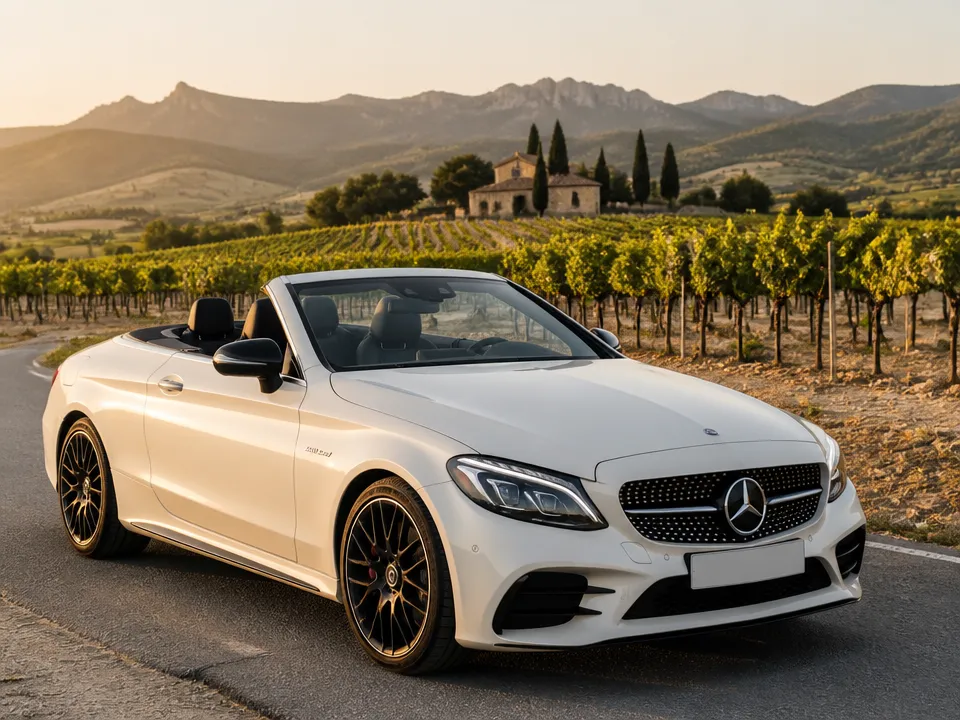
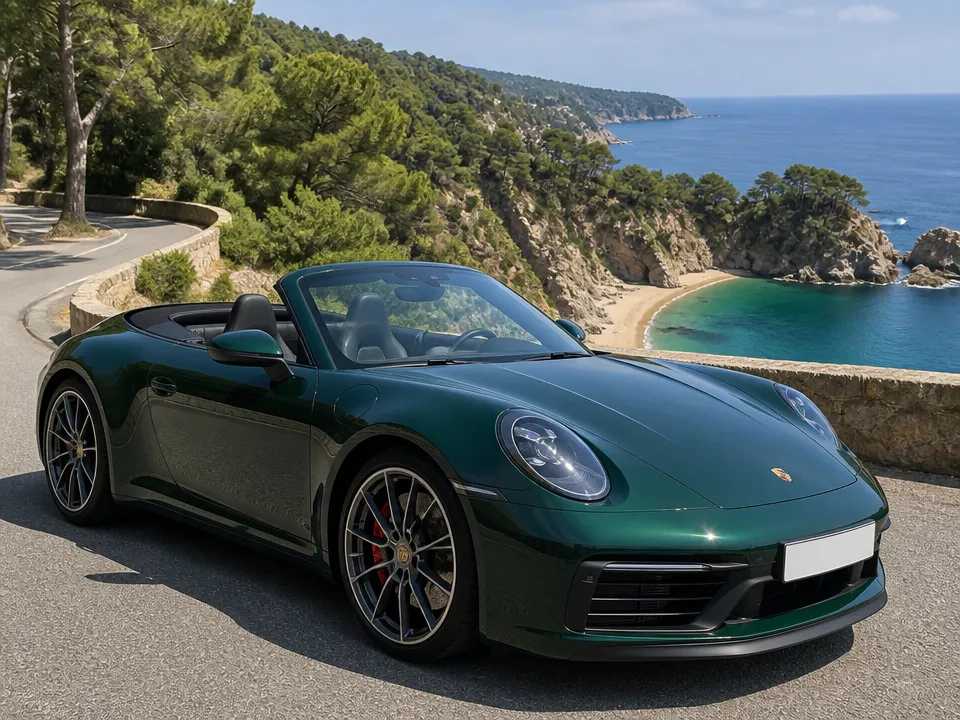
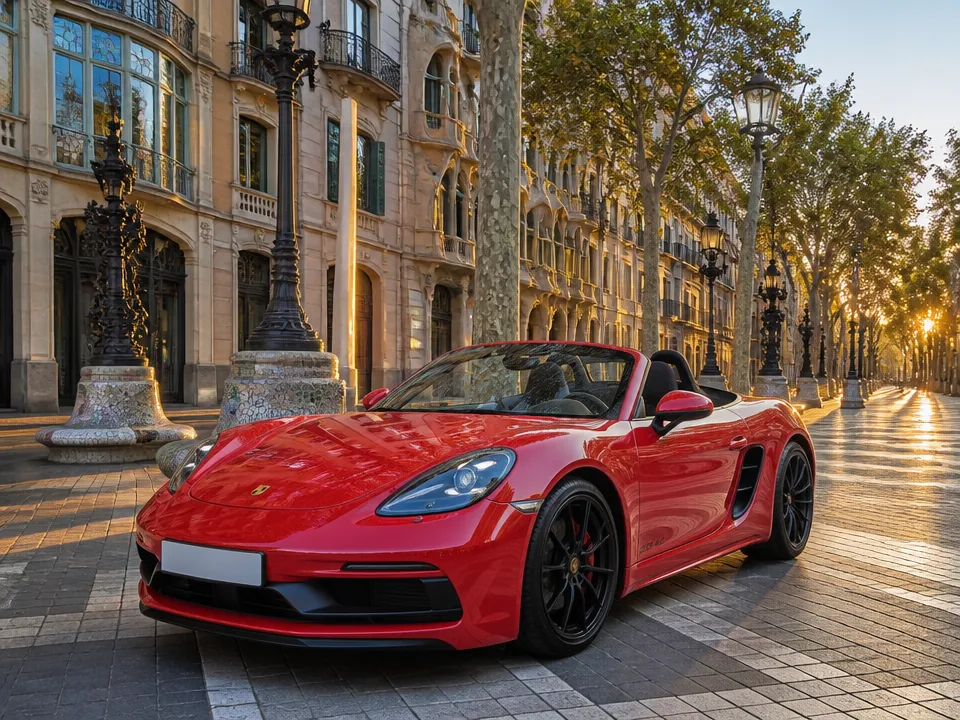
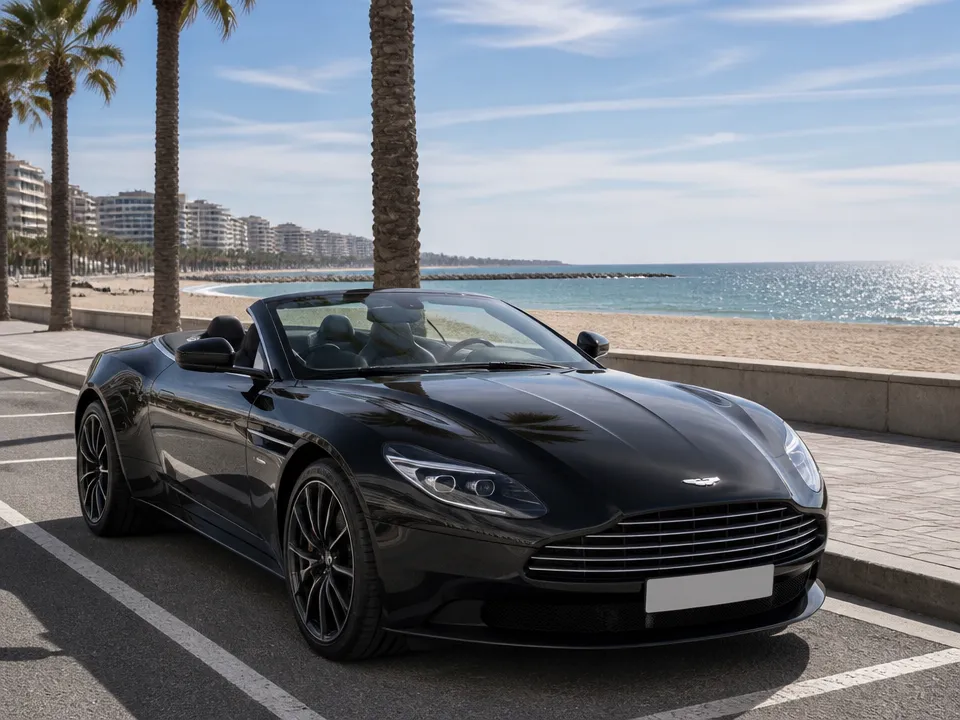
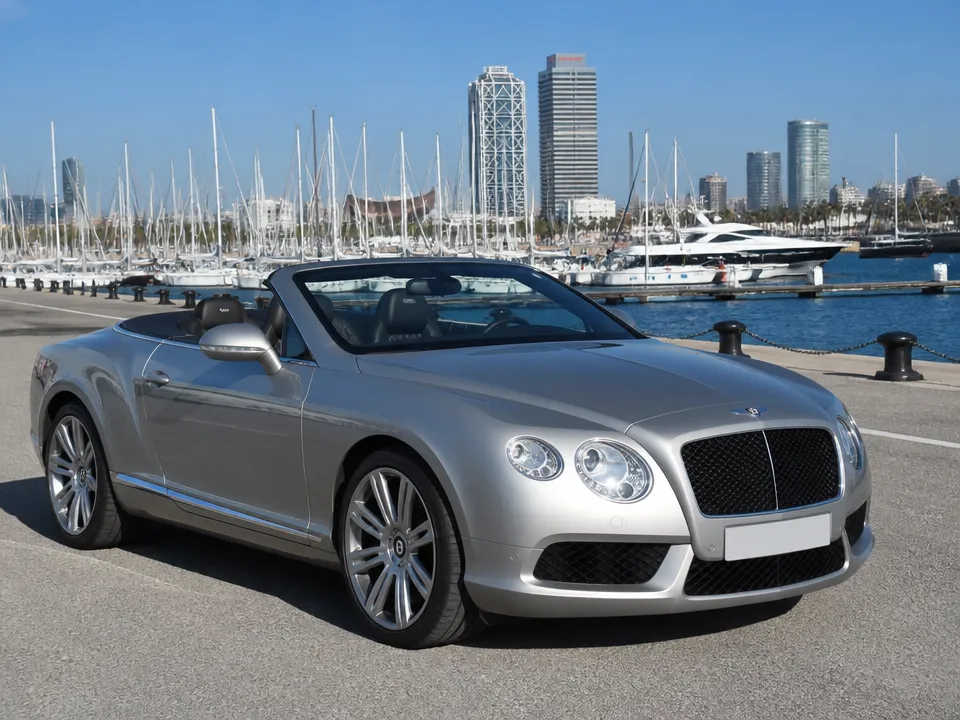
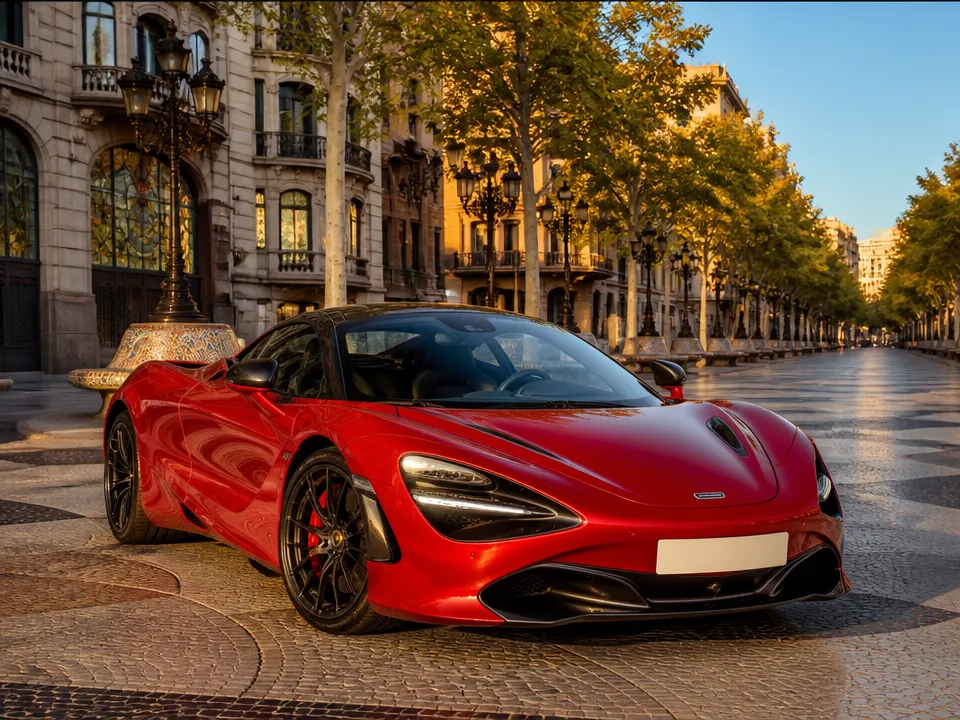
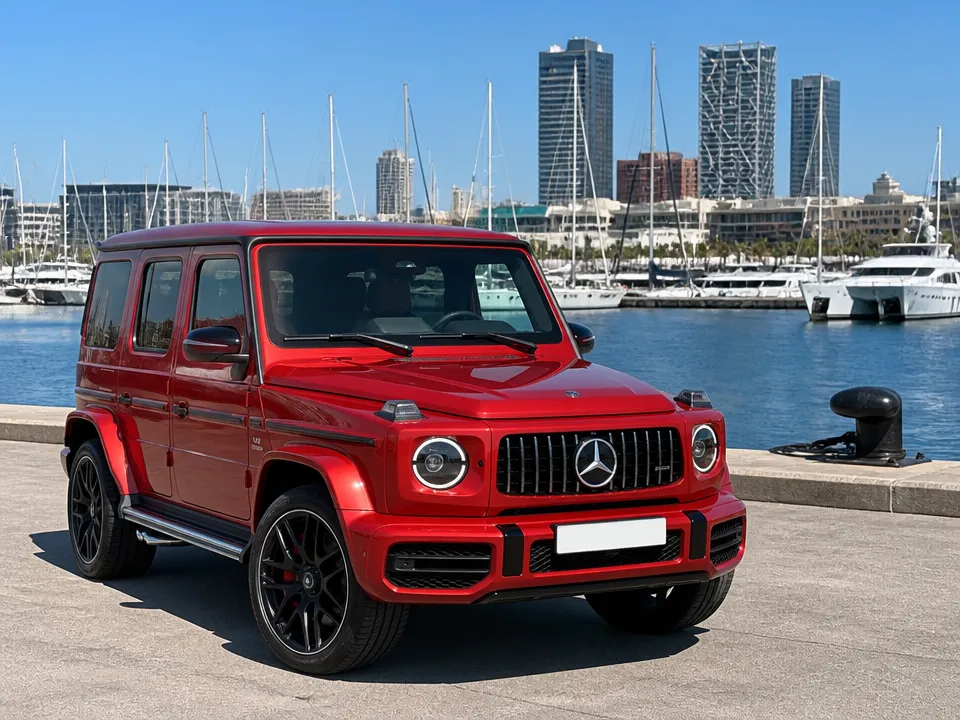
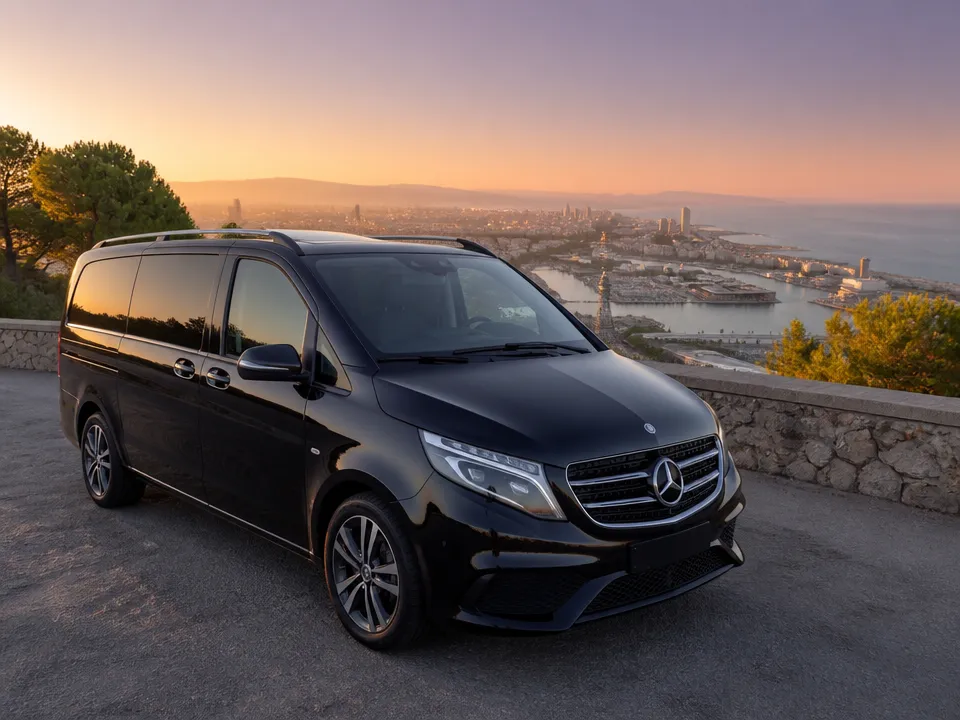
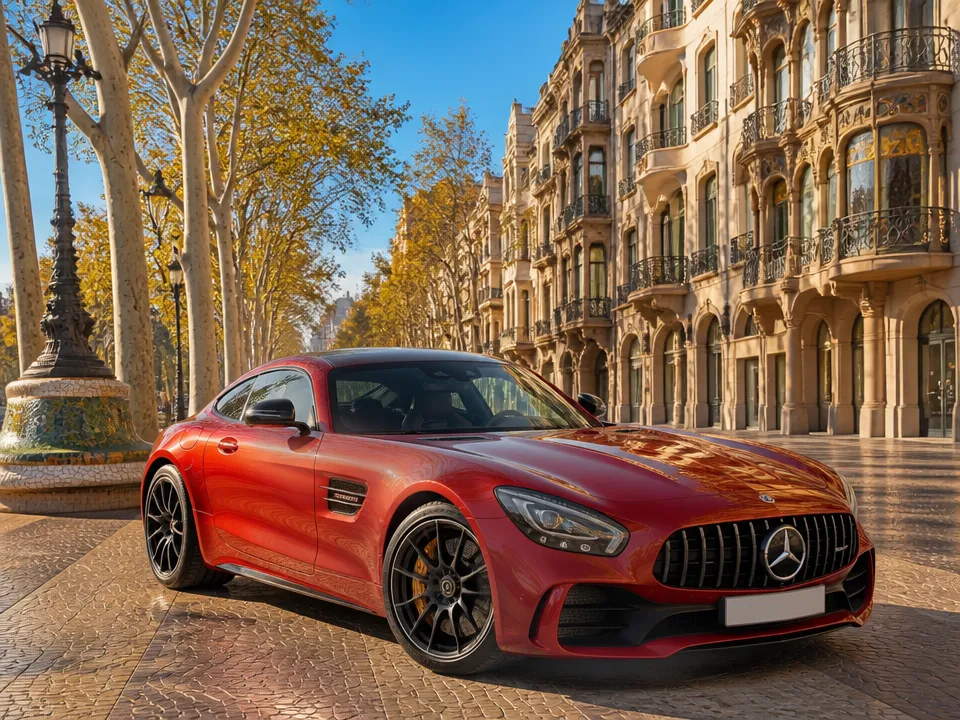
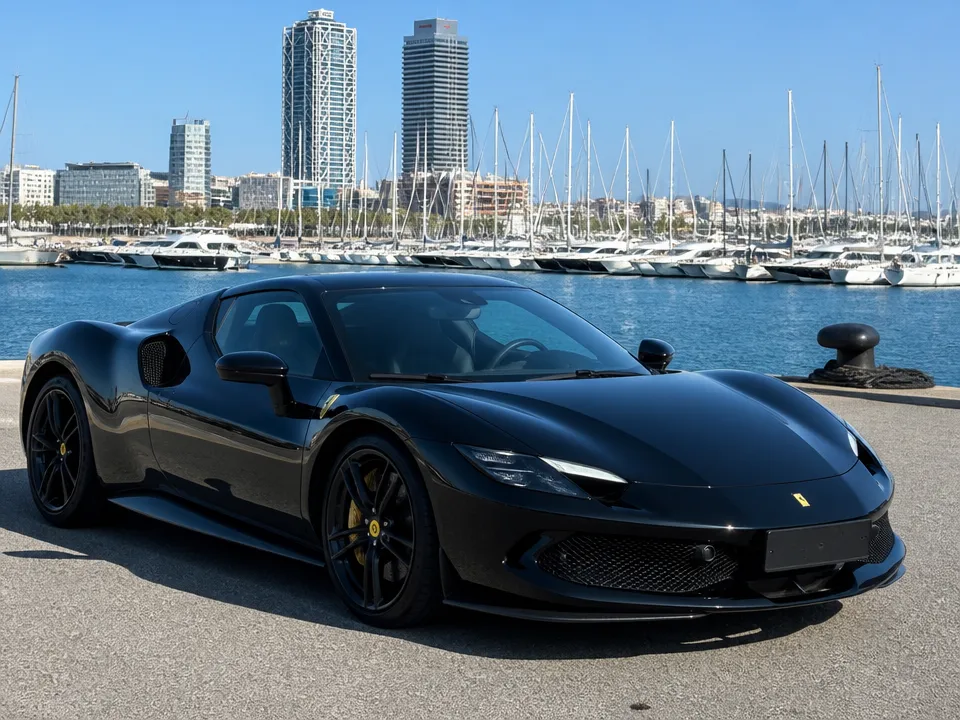
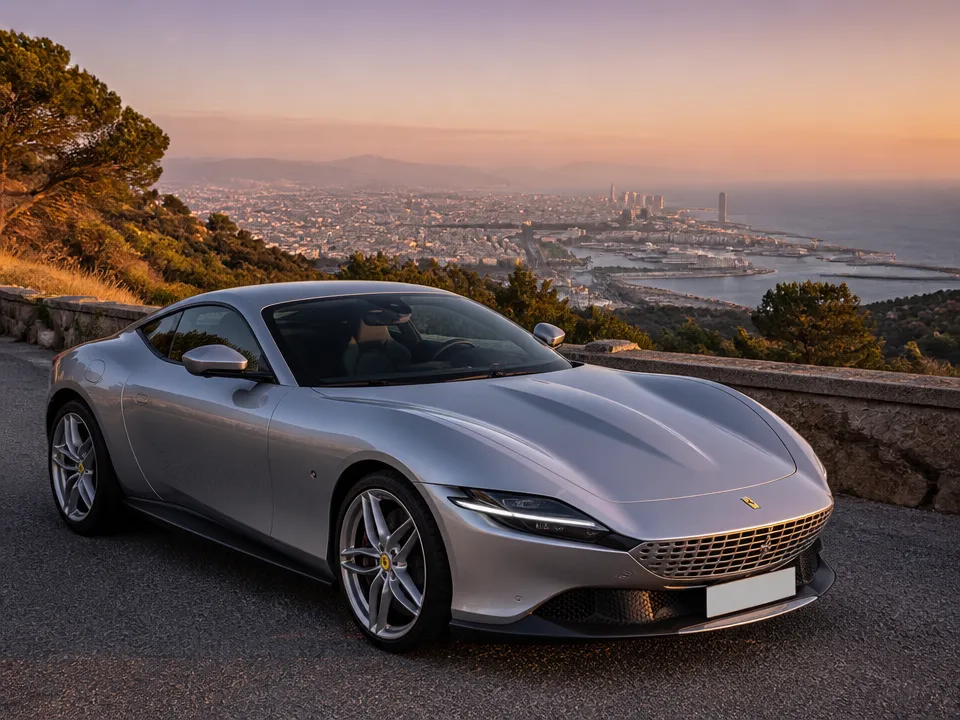
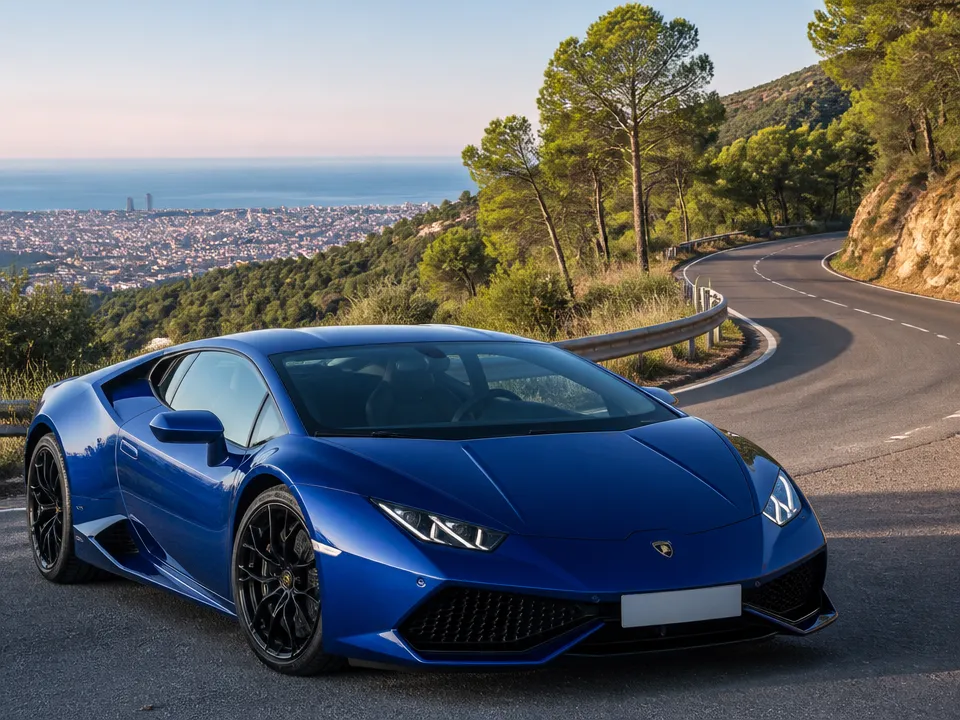
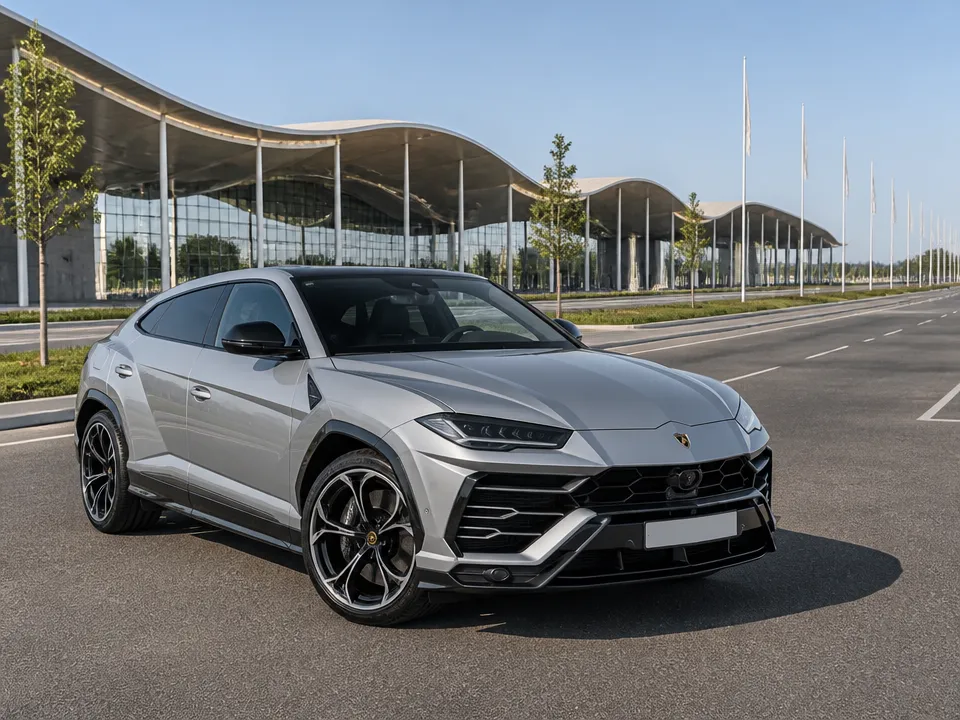
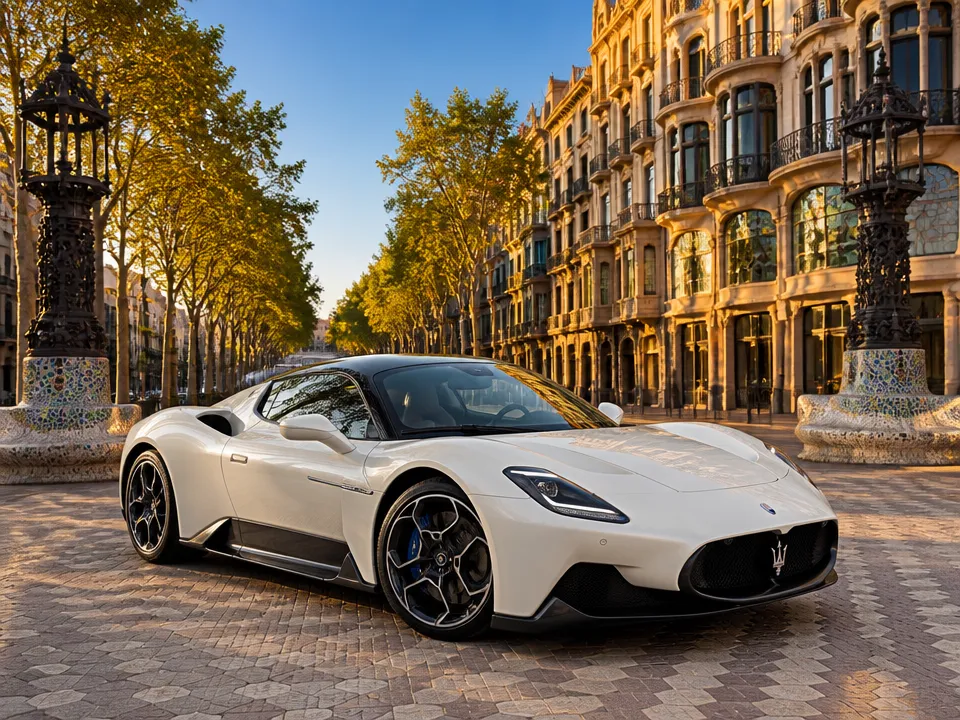
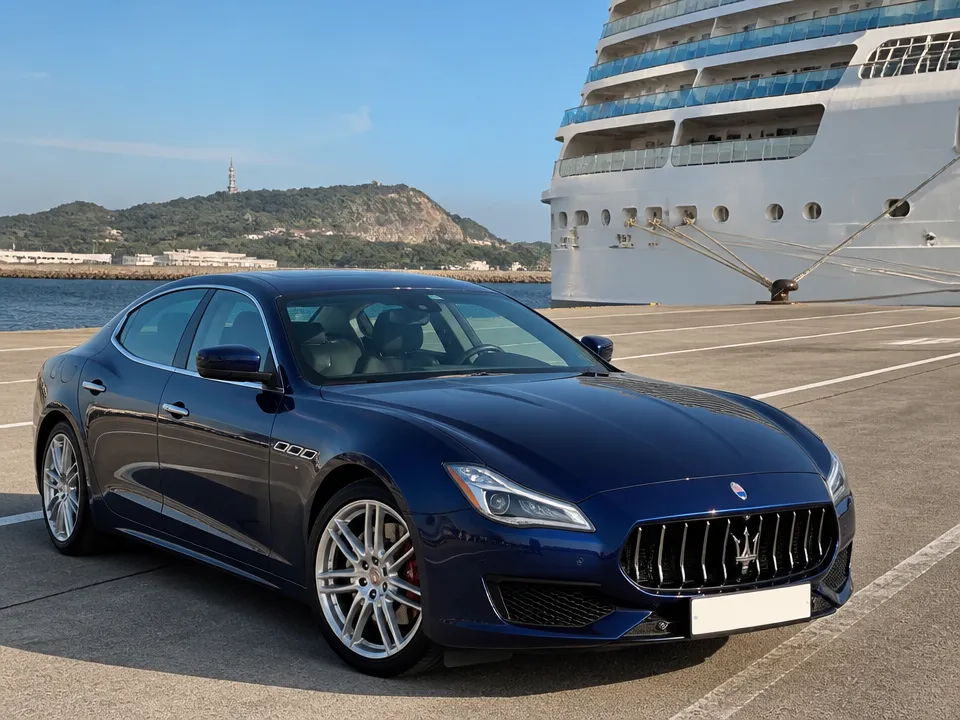
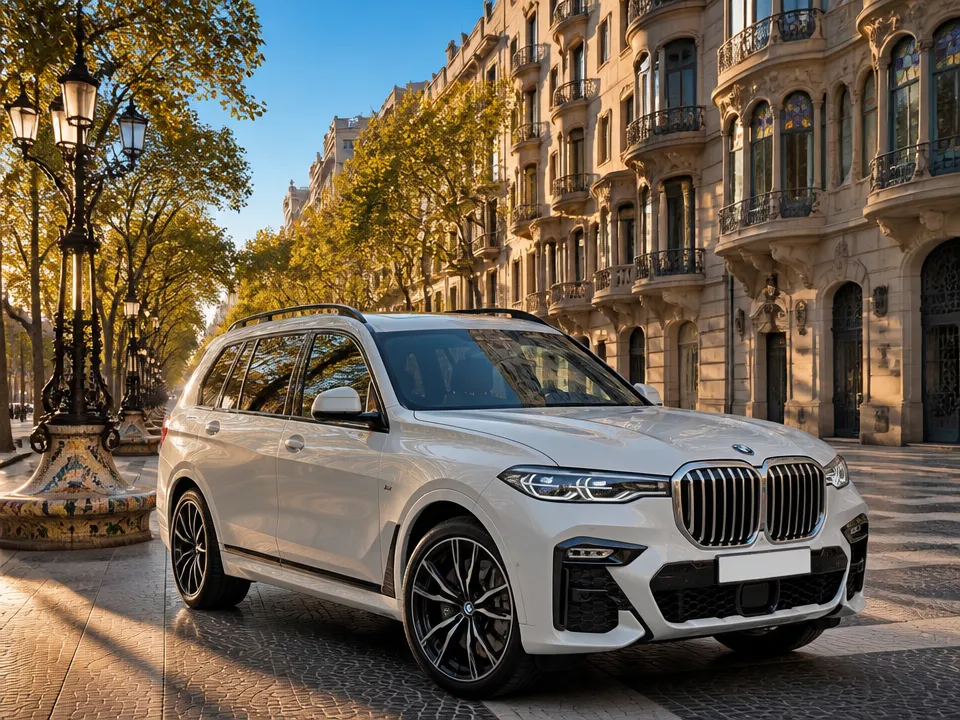
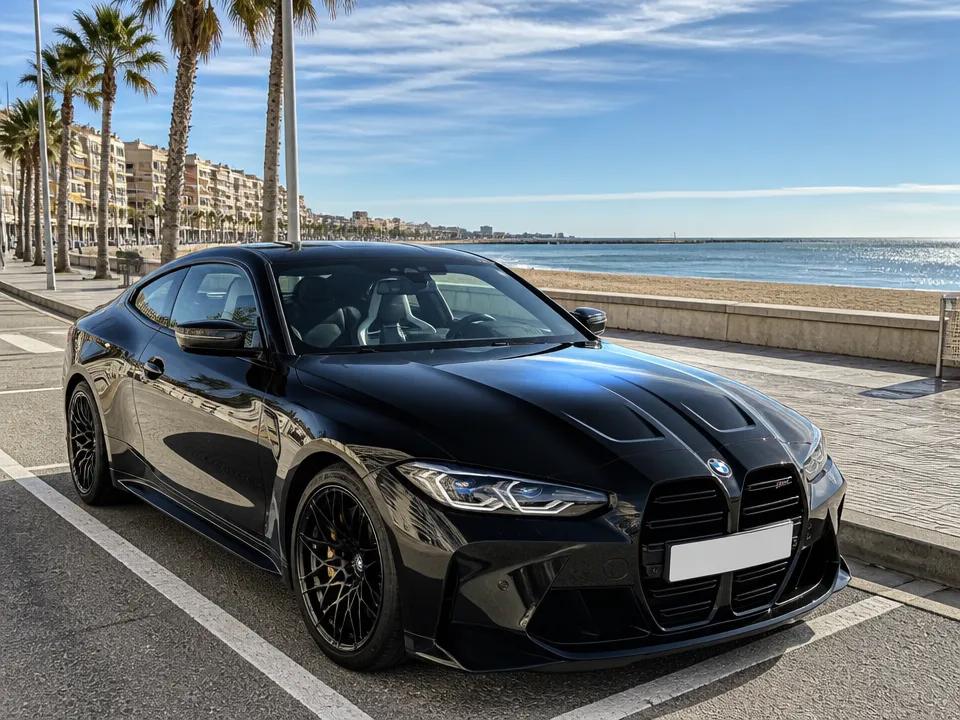
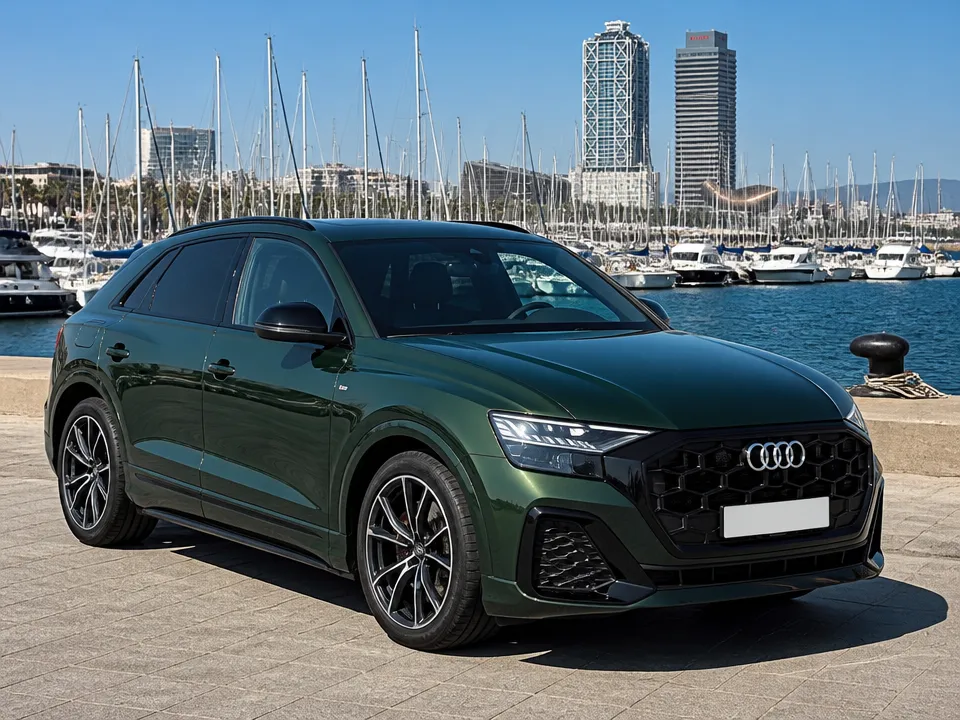
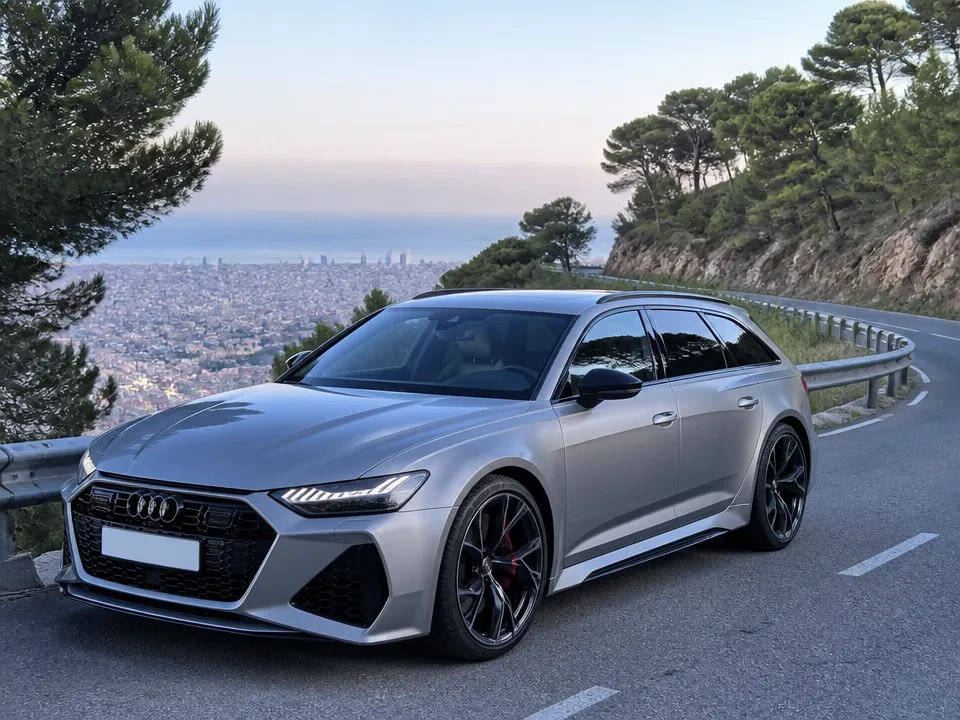
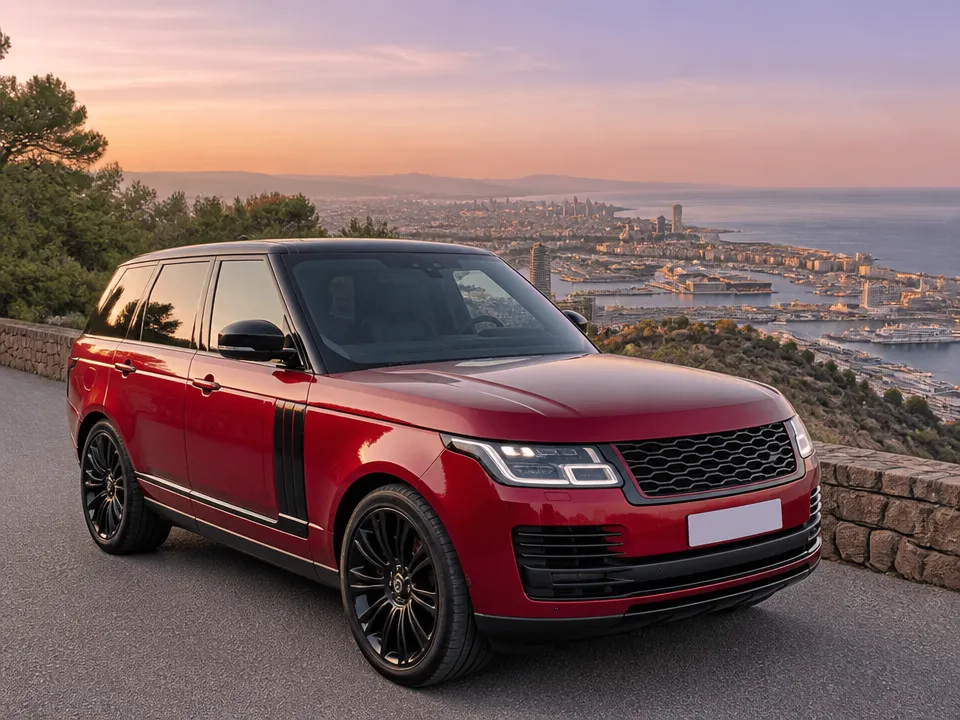
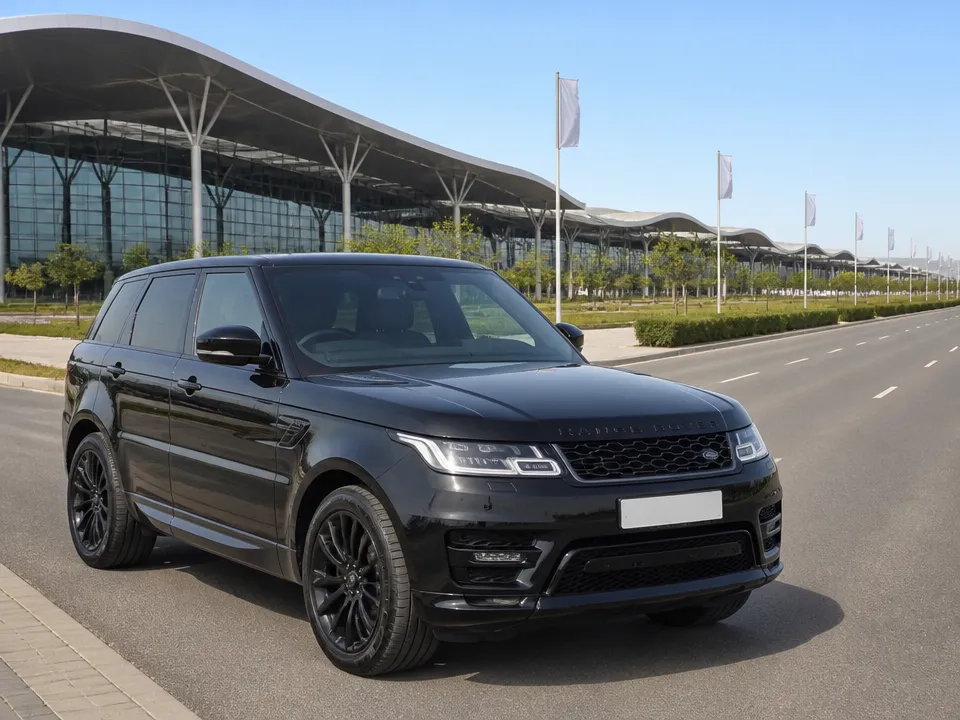
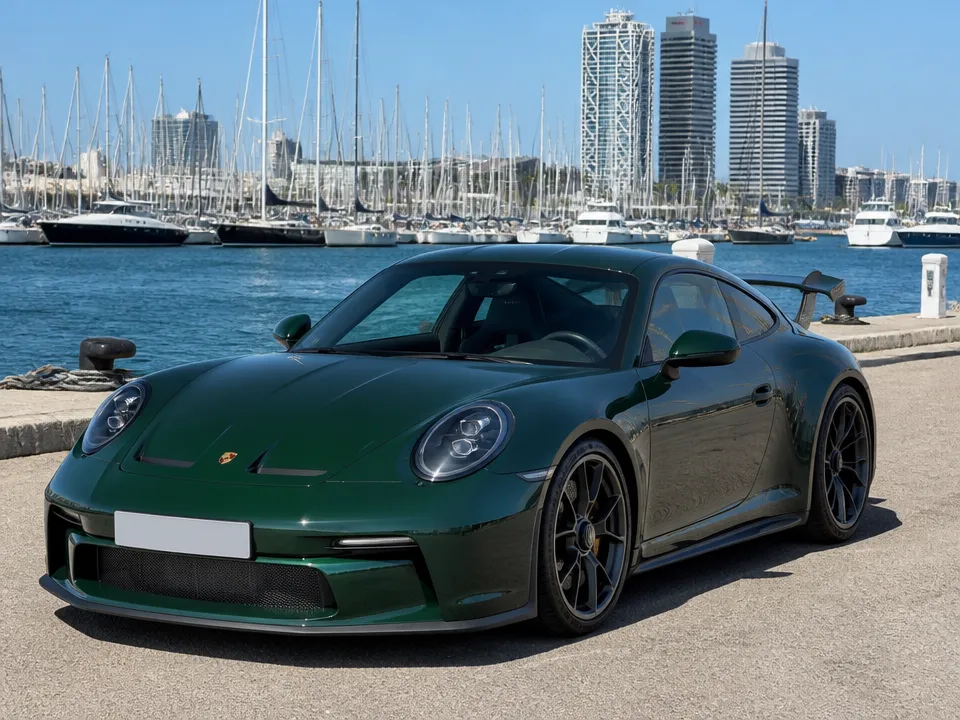
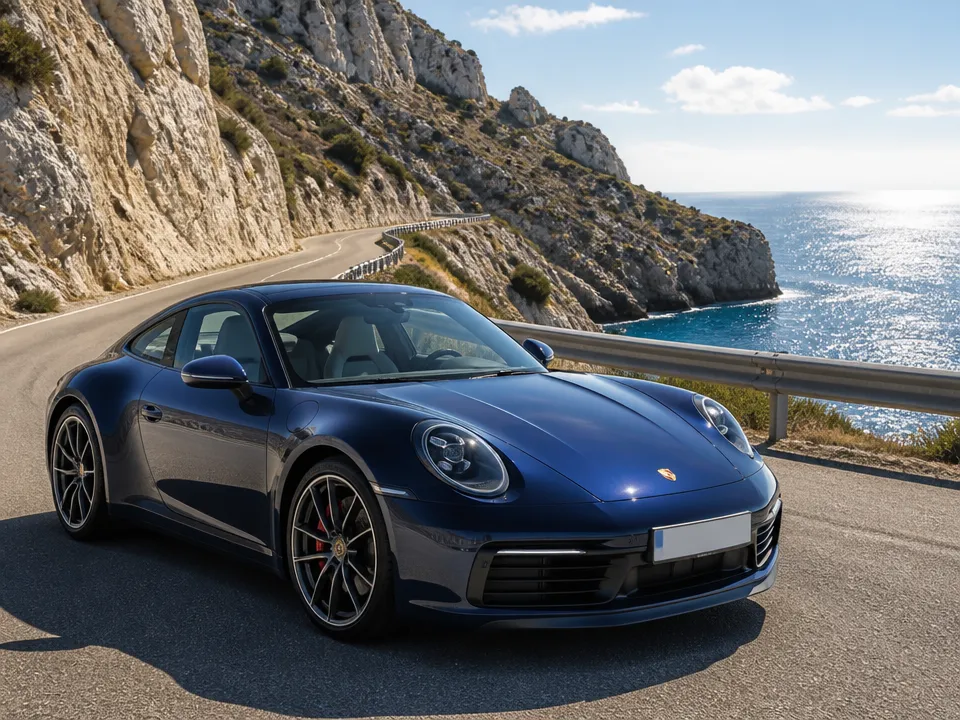
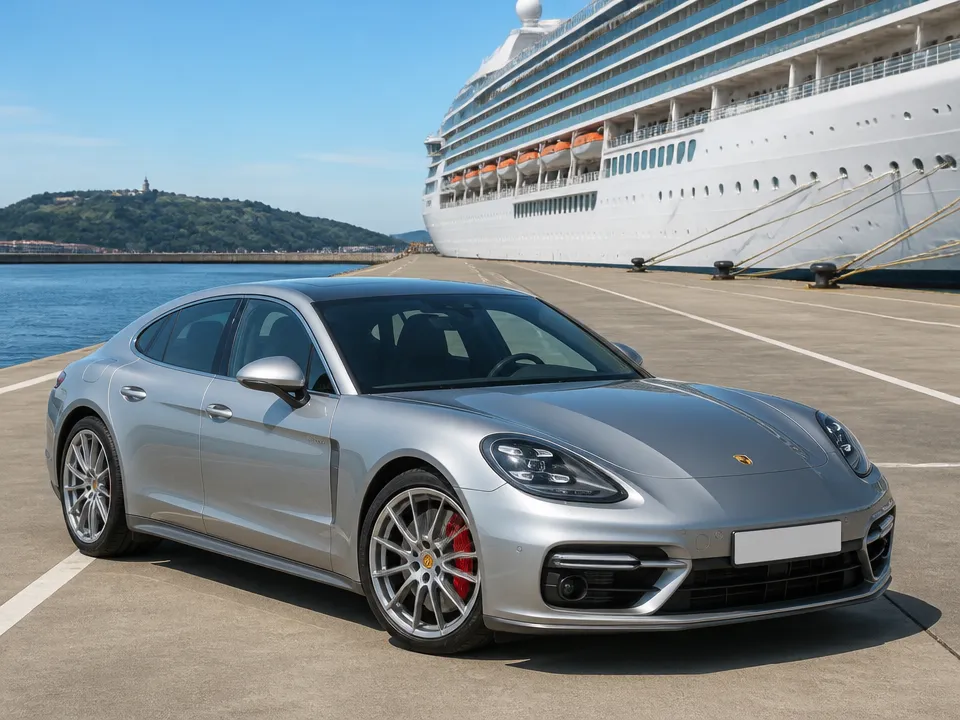
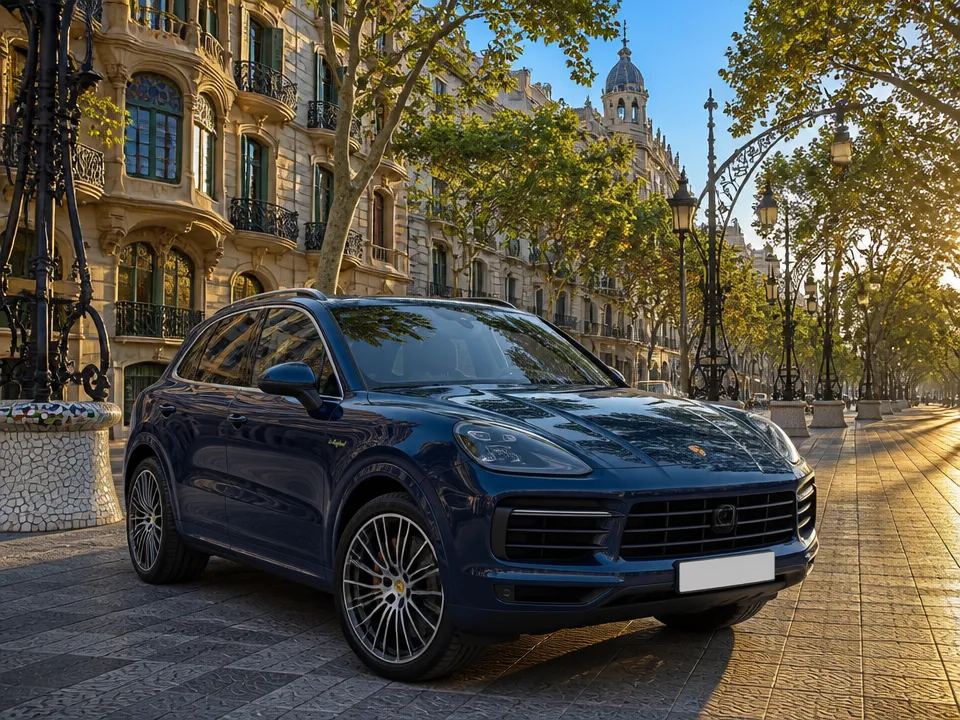
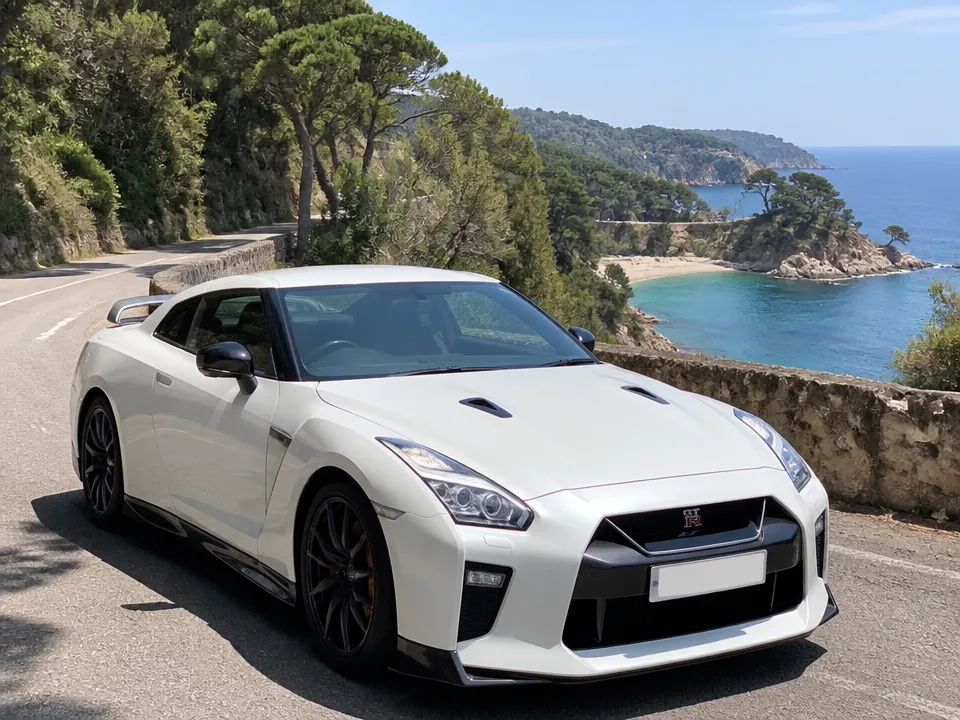
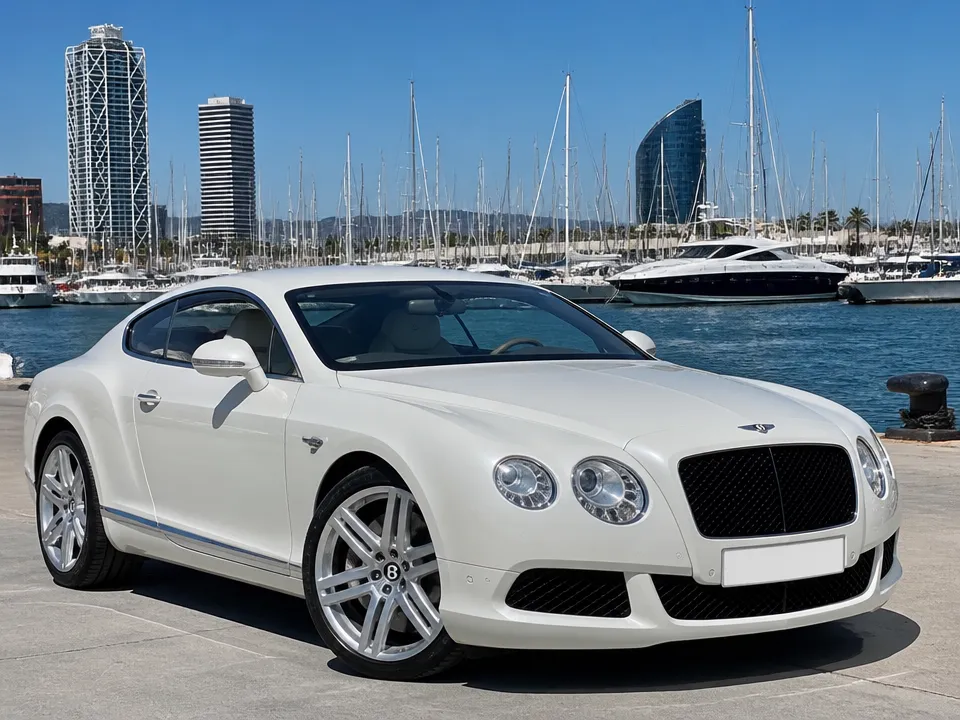
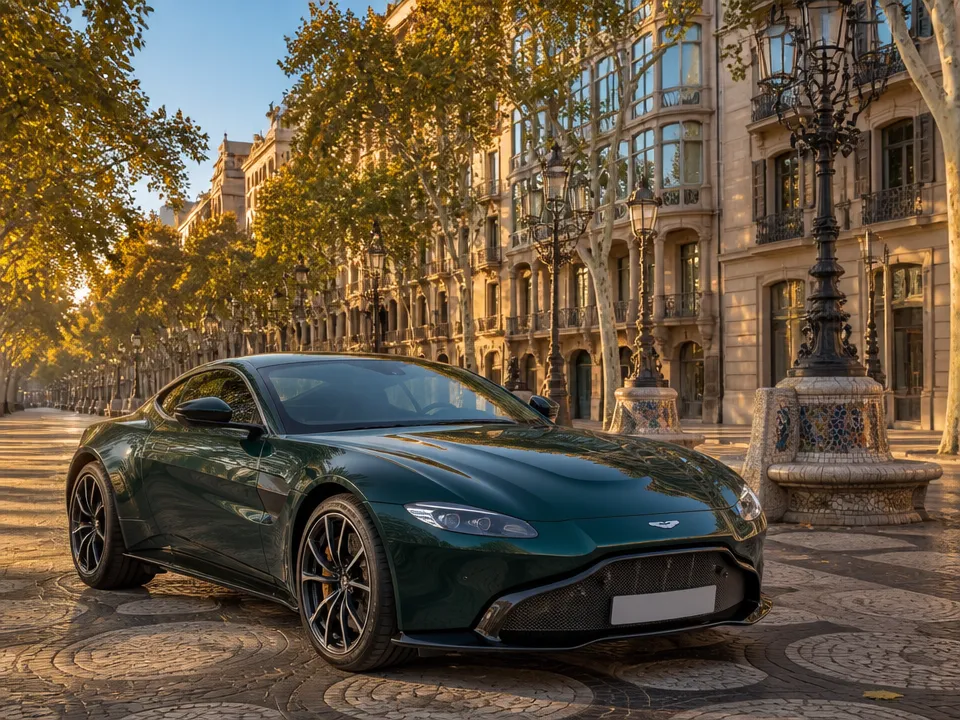
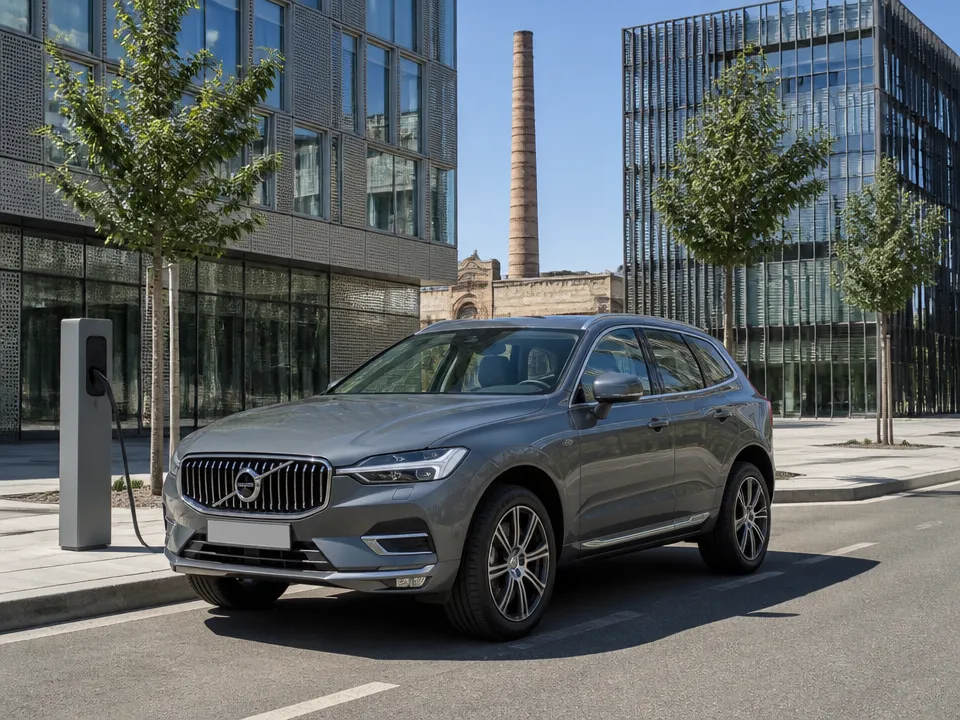
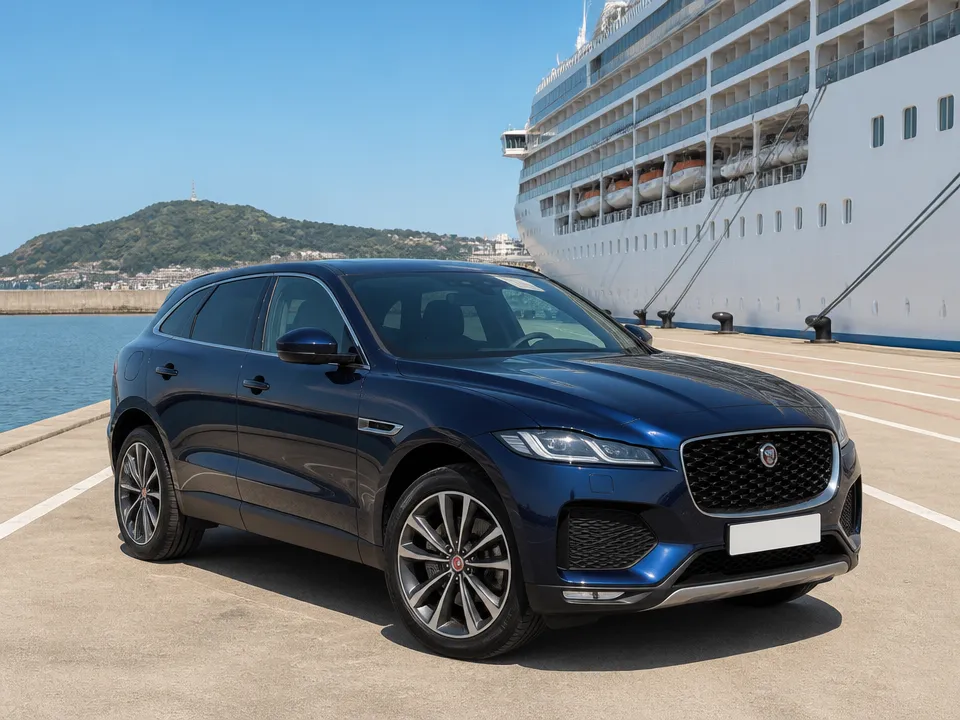
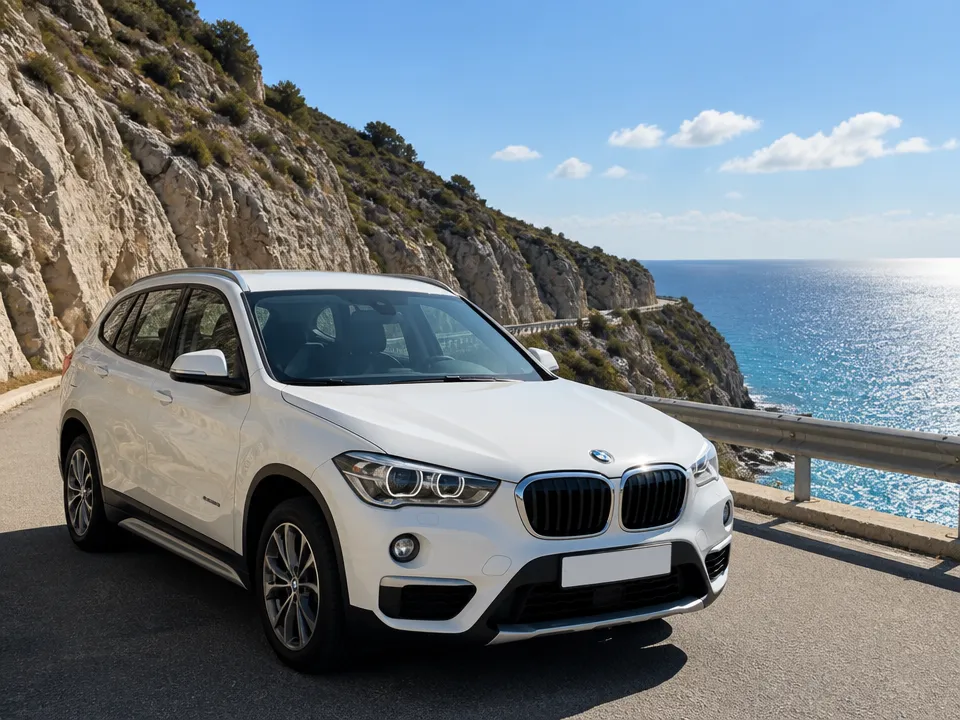
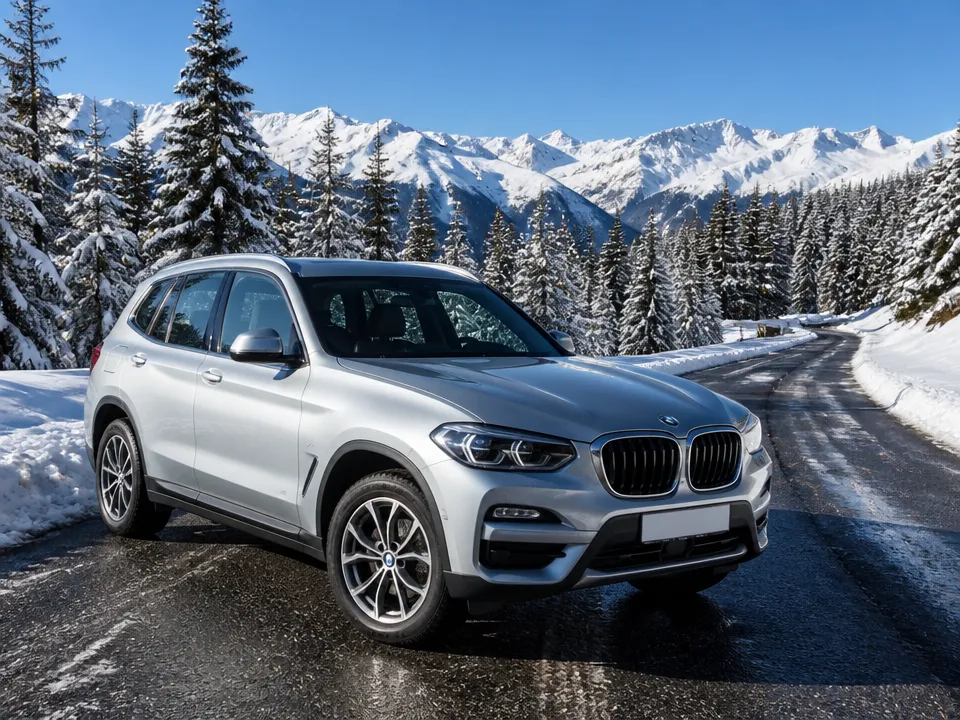
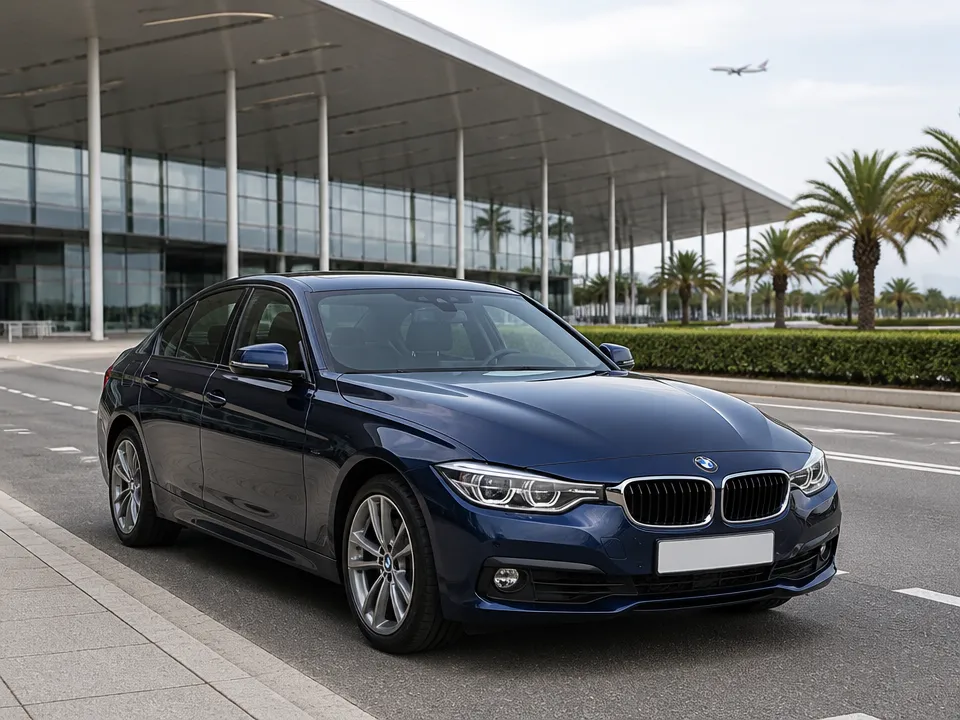
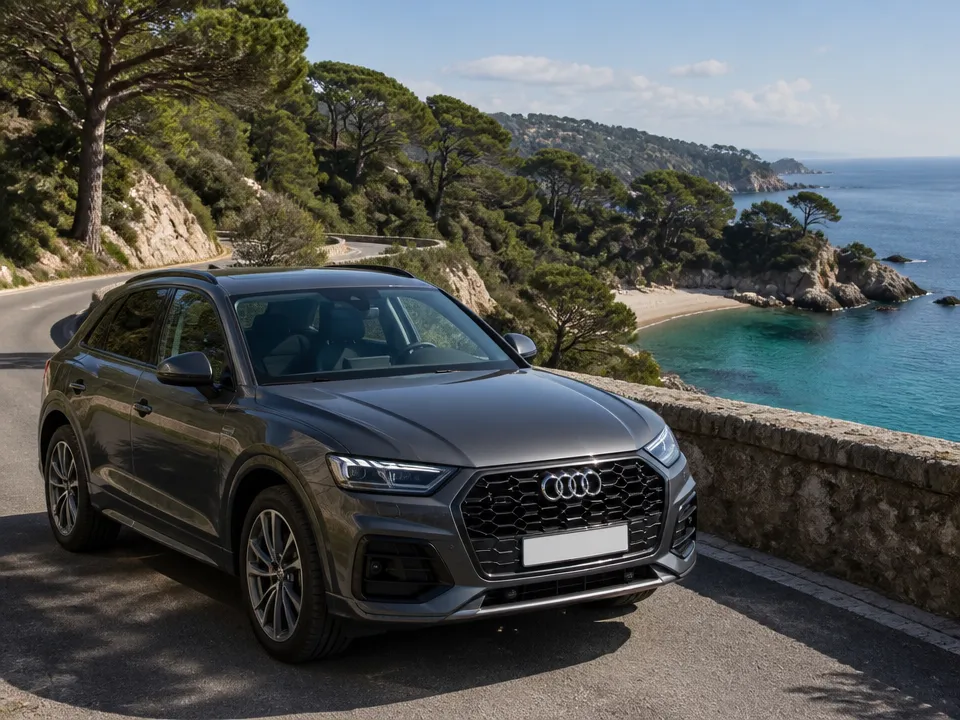

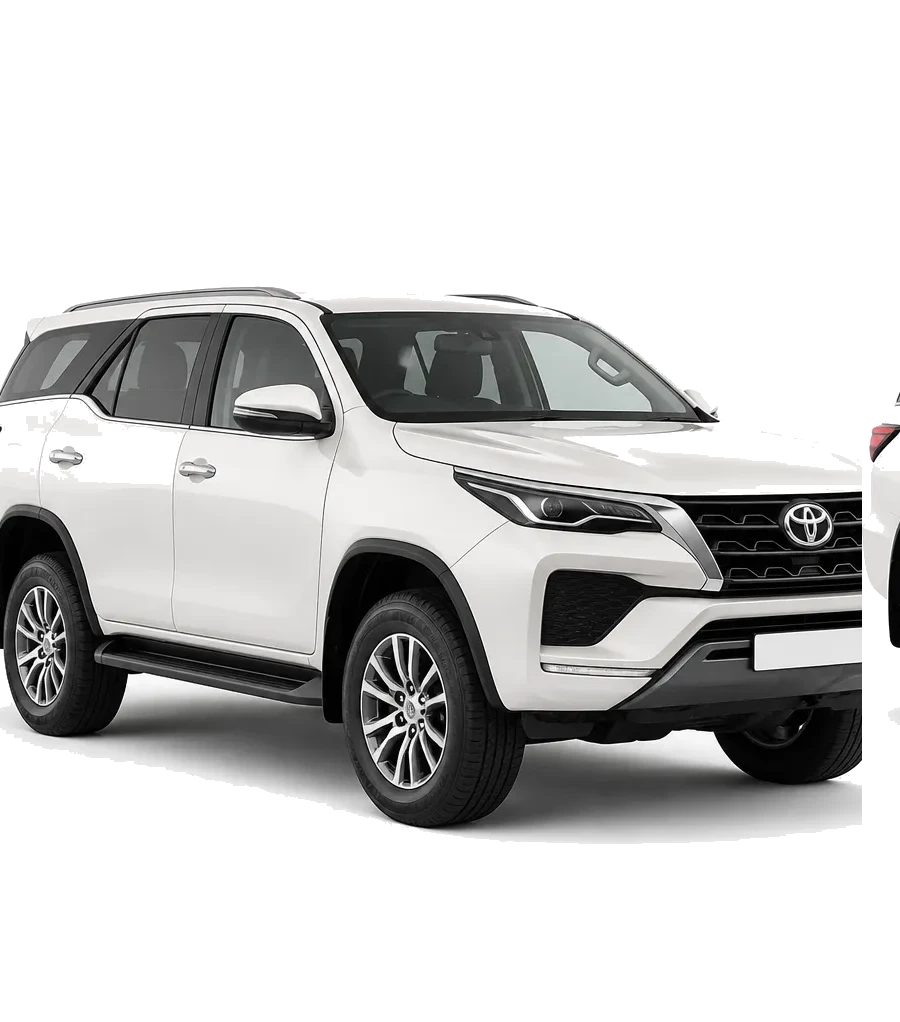

Our fleet for car rental in Barcelona city centre holds 136 cars, from €19 a day for an Economy model such as the Fiat Panda or Hyundai i10, up to €1,490 a day for the rarest cars we keep. We deliver the car to you — your address in Ciutat Vella, L'Eixample, Gràcia or Poblenou, or the terminal where you land — and the booking is agreed with a manager beforehand.
The centre is compact and walkable, so a car there is not for getting around the city — it is for getting out of it. Whether hiring in the centre pays off depends on how many trips beyond the city you plan.
Inside Ciutat Vella, L'Eixample and Gràcia, a car is dead weight: the metro and walking cover almost everything, and parking costs €2.50 an hour in AREA Blava A and €2.25 in AREA Blava B. The maths flips the moment you leave the city. Sitges, Montserrat, the Costa Brava and the Penedès wine country are awkward or slow by rail, and a single day trip to Montserrat or a Penedès cellar loop is where a hire earns its keep. Count trips, not days: two or three drives beyond the city already justify the booking, while a stay spent entirely between the Gothic Quarter and the beach does not.
Traffic drives on the right and every car is left-hand drive, so nothing feels reversed for most visitors. Speed limits do the work of calming the centre: 20 km/h on streets with a single platform shared by cars and pedestrians, 30 km/h on one-lane-each-way streets, and 50 km/h where there are two or more lanes in one direction. The Rondes B-10 and B-20, the ring motorways inside the city, sit at 80 km/h. Narrow Ciutat Vella lanes and those rings are the real sources of stress, not the traffic itself. If the thought of threading a Fiat Panda through the Gothic Quarter worries you, ask us to meet you outside the tightest streets.
What catches most first-time drivers is not the driving but the drop-off: the Zona de Bajas Emisiones Rondas de Barcelona (ZBE Rondes BCN) covers more than 95 km² of the municipality, and a car without the right environmental badge cannot simply be driven into it.
Delivery changes the practical side of renting a car in the centre: you agree a place and a time, and the vehicle comes to you. The booking itself is settled with a manager, so the class, the dates and the hand-over point are confirmed before you travel.
Rent-Trip confirms every booking with a manager: you state the class, the number of days and the delivery address, and the manager confirms what is available. That conversation is also where the practical details are settled — the conditions of the rental are agreed when booking, not assumed from a website.
The conditions of the rental are set out in the rental agreement, so read that document before the car arrives rather than at the kerb. The compulsory third-party cover, the Seguro Obligatorio de Responsabilidad Civil, is included in every hire by Spanish law and applies even if the driver at the wheel was not named in the agreement.
| Class | Cars | From, per day |
|---|---|---|
| Economy | 23 | €19 |
| Crossover | 13 | €38 |
| SUV | 13 | €42 |
| Comfort | 10 | €40 |
| Electric | 9 | €34 |
| Convertibles | 9 | €35 |
| Passenger vans | 9 | €90 |
| Minivans | 8 | €52 |
| Premium | 11 | €46 |
| Luxury | 11 | €302 |
| Sports | 6 | €588 |
| Exotic | 6 | €896 |
| Sedan | 4 | €55 |
| Commercial | 4 | €84 |
That is 136 cars on this page, from €19 to €1,490 per day, with weekly rates from €114 and monthly from €399. In our experience the delivery slot decides more of the trip than the model does — book the hand-over for the morning you actually leave the city, not the evening you land.
Prices on this page run from €19 to €1,490 per day across 136 cars, split into fourteen classes. The cheapest way into a car is Economy; the most expensive is Exotic. Rates are quoted per day, and a longer booking is calculated from that daily figure rather than from a separate tariff.
| Class | Cars | From €/day |
|---|---|---|
| Economy | 23 | €19 |
| Crossover | 13 | €38 |
| SUV | 13 | €42 |
| Premium | 11 | €46 |
| Luxury | 11 | €302 |
| Comfort | 10 | €40 |
| Electric | 9 | €34 |
| Convertibles | 9 | €35 |
| Passenger vans | 9 | €90 |
| Minivans | 8 | €52 |
| Sports | 6 | €588 |
| Exotic | 6 | €896 |
| Sedan | 4 | €55 |
| Commercial | 4 | €84 |
A week in the city centre starts at €114, which is the daily rate multiplied by six, and a month starts at €399, the daily rate multiplied by twenty-one. Those multipliers are the only ones we apply, so the longer you keep the car, the less each day costs against the same class. On a month-long booking the arithmetic changes which class makes sense: an Economy or Electric model at the lower end of the range keeps the total down, while a Premium or Luxury car multiplies a much larger daily figure by twenty-one. In our experience travellers who book for a month usually settle on the cheapest class that still fits their luggage and seats, and spend the difference on parking and tolls instead.
The daily figure is not the whole cost. On a two-week booking the gap between Economy and Comfort often comes down to a few euros a day, and the class that suits your route matters more than the headline rate.
The right class depends on two things: how many people travel with you and where you are heading. A city-only stay rarely needs more than an Economy hatchback, while a week of coast and mountain driving changes what you should book.
For the city itself, a Fiat Panda or Hyundai i10 at €19 a day covers everything you need — narrow Ciutat Vella streets, short hops between L'Eixample and Gràcia, airport runs. For the coast and the mountains, Dacia Duster at €42 a day with front-wheel or 4x4 drive handles the climb to Montserrat and the curves towards Costa Brava far better than a small hatchback. In our experience, travellers who book Economy for a Sitges or Penedès day trip come back wishing they had taken the Crossover — the extra ground clearance and 130 hp make the C-16 and the mountain roads noticeably easier. Winter tyres are not compulsory by season in Spain; restrictions are introduced locally by signs and information boards when it snows, which for this part of Catalonia means the mountain roads inland towards the Pyrenees, including the C-16 and the Túnel del Cadí.
Manual gearboxes dominate the Spanish market, and most of our cheapest cars are manual — the Fiat Panda, Hyundai i10 and Kia Picanto at €19 a day all come with a manual shift. Automatic starts higher: the Lancia Ypsilon at €26 a day, the Toyota Yaris at €29, and every electric model in the fleet, since EVs are automatic by design. If you have never driven a manual in city traffic, the €7 daily difference between a manual Picanto and an automatic Ypsilon is money well spent — stalling on a steep Gràcia street with a queue behind you is a stressful way to start a holiday. Tell the manager at booking which gearbox you need, and confirm the class before the car is delivered.
Spanish road rules are national, but the limits you actually meet change street by street, and in the centre they are lower than most visitors expect. Traffic drives on the right and every car in our fleet is left-hand drive, so the controls and the lane discipline match what a driver from continental Europe already knows.
A street built as a single platform with no kerb between pavement and roadway is limited to 20 km/h. A street with one lane in each direction runs at 30 km/h, and the municipality can raise that to 50 km/h with a separate sign. Where there are two or more lanes in one direction, the limit is 50 km/h, not counting bus and reserved lanes. The Rondes B-10 and B-20, which carry you across the city and out towards the motorways, sit at 80 km/h as the general ceiling for a main road inside a built-up area unless a sign says otherwise. On autopistas and autovías the limit is 120 km/h for cars, and on an ordinary interurban road it is 90 km/h, which the road owner may raise to 100 km/h. The gap between 20 km/h in Ciutat Vella and 120 km/h twenty minutes later is the single most common reason drivers get caught out on a first day behind the wheel here.
The table runs from 100 EUR to 600 EUR and from 0 to 6 points, and paying within 20 calendar days cuts the amount by 50%.
The general alcohol limit is 0,25 mg per litre of breath, and 0,15 mg for drivers in their first two years and for professional drivers; above 0,60 mg it becomes a criminal offence. Drink-driving and drugs carry 500–1000 EUR and 4–6 points, and any presence of drugs in the body is grounds for a sanction on its own. A phone in your hand is 200 EUR and 3–6 points, or 6 points if you were holding it. Seat belts, helmets and child seats are 200 EUR and 4 points, and the driver answers for a child without a seat. Child restraints are mandatory up to 135 cm in height; from 135 cm, and under 12 years old, the standard belt is allowed. Winter tyres are not compulsory by season in Spain — restrictions are introduced point by point with signs and overhead boards when it snows, which for us means the mountain roads inland towards the Pyrenees, such as the C-16 towards the Túnel del Cadí. If your trip heads that way in winter, ask the manager at booking about the roads on your route rather than assuming a seasonal rule.
Parking inside the ZBE Rondes BCN is the cost that catches drivers out, not fuel. Blue zones are the paid on-street option: AREA Blava A runs at €2.5 per hour, AREA Blava B at €2.25 per hour. Residential streets flip to permit-holder rules on weekends, so a kerbside space that looks free on a Saturday morning may not be free at all. In our experience, guests staying in Ciutat Vella are better off parking once in an underground garage and walking than chasing blue-zone hours street by street.
Tolls are the other running cost. The C-16 and the Túnels de Vallvidrera carry a car tariff of €4.7 on the run out of the city towards Sant Cugat and the Vallès. Payment is per crossing, and the rate is fixed for the class of car rather than the model you pick, but it is worth knowing before you plan a day trip inland.
For electric cars, charging is metered by the kilowatt-hour rather than by the tank. EcoOne bills €0.49 per kWh and charges on actual use, with no subscription — which suits a hire car you will hand back in a few days.
Fuel itself is the least of it: Gasolina 95 E5 averaged 1.953 across 74 filling stations measured in the municipality, with a median of 1.987, a low of 1.758 and a high of 2.059. Fill up away from the centre and the price drops by a few cents a litre.
Spain keeps the paperwork side of a rental simple, but the details are not identical for every driver. What follows is how documents, the deposit and the damage cover work for car rental in Barcelona city centre, and which parts are settled with our manager before you collect the car.
The excess — franquicia — is the sum you pay yourself if the car is damaged: it is printed in the rental agreement whether or not you buy an excess waiver. Collision Damage Waiver removes your liability for damage to the car after a collision with another vehicle or an object, minus that excess; vandalism is excluded unless it happened while the car was in use. Theft Protection covers full or partial theft and vandalism damage, again minus the excess. Super and Full Damage Protection buy back part or all of the excess, but they do not apply if CDW was not taken or an exclusion has kicked in, and the same logic governs STHW and SPTHW for the theft excess. Glass and tyres are a separate option, since they are normally outside basic CDW.
Seguro Obligatorio de Responsabilidad Civil is included in every rental by Spanish law and applies at all times, even if the person driving was not named in the agreement. It covers injury and property damage caused to third parties, not the driver and not the car, with statutory limits of 70,000,000 EUR per incident for personal injury, however many people are hurt, and 15,000,000 EUR per incident for property damage. The consumer authority requires the advertised price to include every compulsory charge without which you cannot drive, and it also requires all scratches and dents to be written into the agreement or the inspection sheet before you drive away, signed by both sides, with a copy for the renter. Skip that step and the damage lands on you.
Deciding on car rental in Barcelona city centre comes down to three questions: how many days, how many people, and how many trips out of town. If the answer to the last one is two or more, a car pays for itself. If the whole stay fits inside the metro network, it does not.
The fleet on this page is 136 cars, from €19 to €1,490 a day. Economy is the largest group at 23 cars starting from €19 — Fiat Panda, Hyundai i10, Kia Picanto, Toyota Aygo and Dacia Sandero all sit at that end. Electric starts at €34, SUVs at €42, passenger vans at €90. Weekly comes to the daily rate times six, monthly to the daily rate times twenty-one, so a long stay changes which class makes sense: over three weeks the gap between an Economy hatchback and a Premium car widens into real money.
A few things worth settling before you travel:
Two things I would not leave to the last day. First, sort the vehicle class against seat count, not against looks — a 7-seat minivan from €52 solves a family trip that no amount of luggage-tetris will fix in a five-seat hatchback. Second, check your licence before you fly: an EU or EEA licence is valid in Spain as it stands, while a third-country licence needs an official Spanish translation or an International Driving Permit, which the DGT recommends getting before the trip.
Between those two checks, most of the friction disappears before the trip starts. Everything else is agreed when booking, so nothing is left to guesswork on arrival.
This page lists 136 cars. Daily prices on this page run from €19 to €1490. Classes include Economy, Comfort, SUV and Electric, with both automatic and manual transmissions.
EU and EEA licences, including Iceland, Liechtenstein and Norway, are fully valid in Spain while they remain in force; nothing extra is needed. For licences from other countries, the DGT advises getting an international driving permit before your trip.
In Barcelona, AREA Blava A costs €2.5 per hour for non-residents, and AREA Blava B costs €2.25 per hour. Maximum time follows the zone sign, as the ordinance states "segons indiqui la senyalització".