












Sports car rental in France

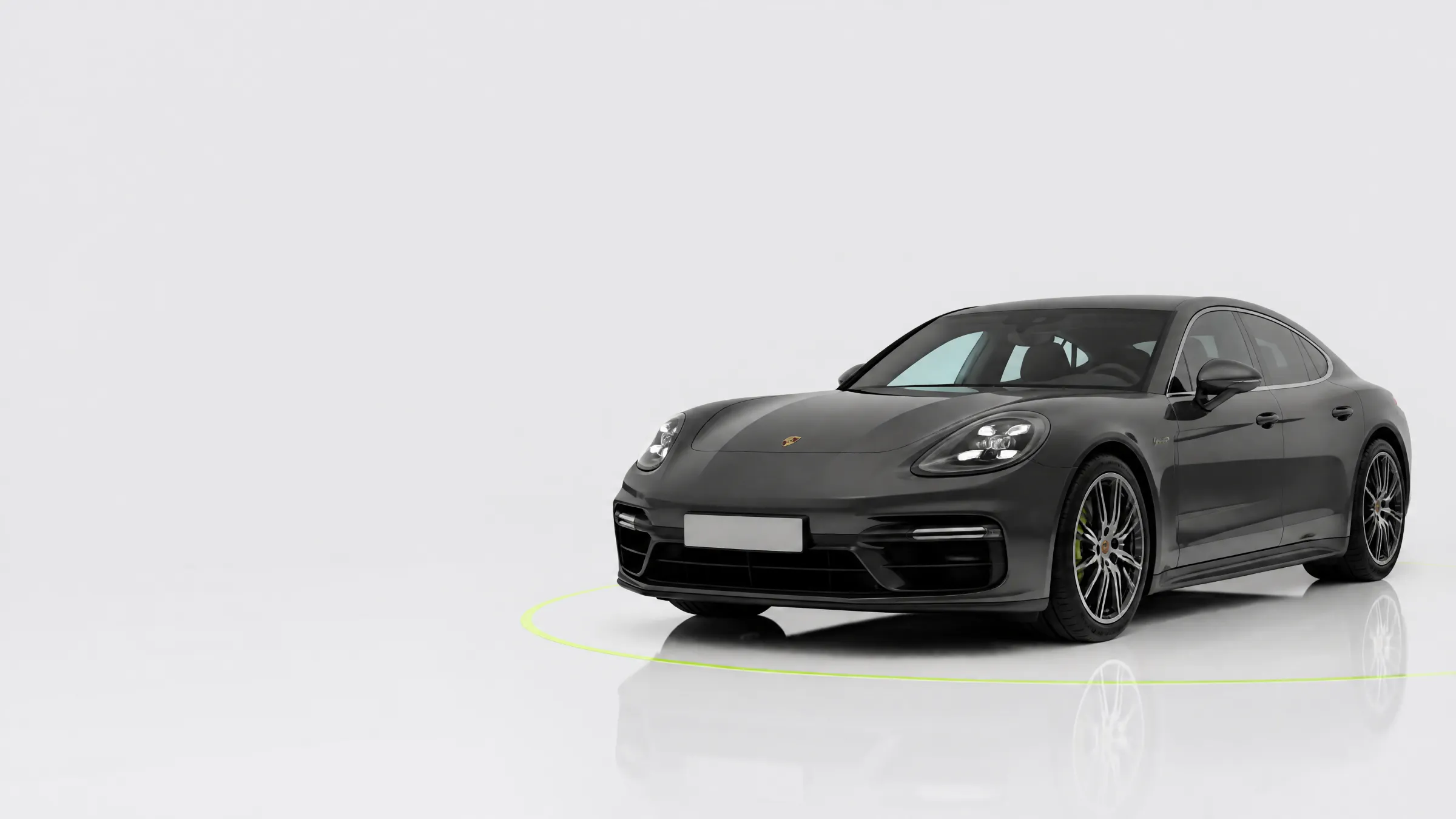
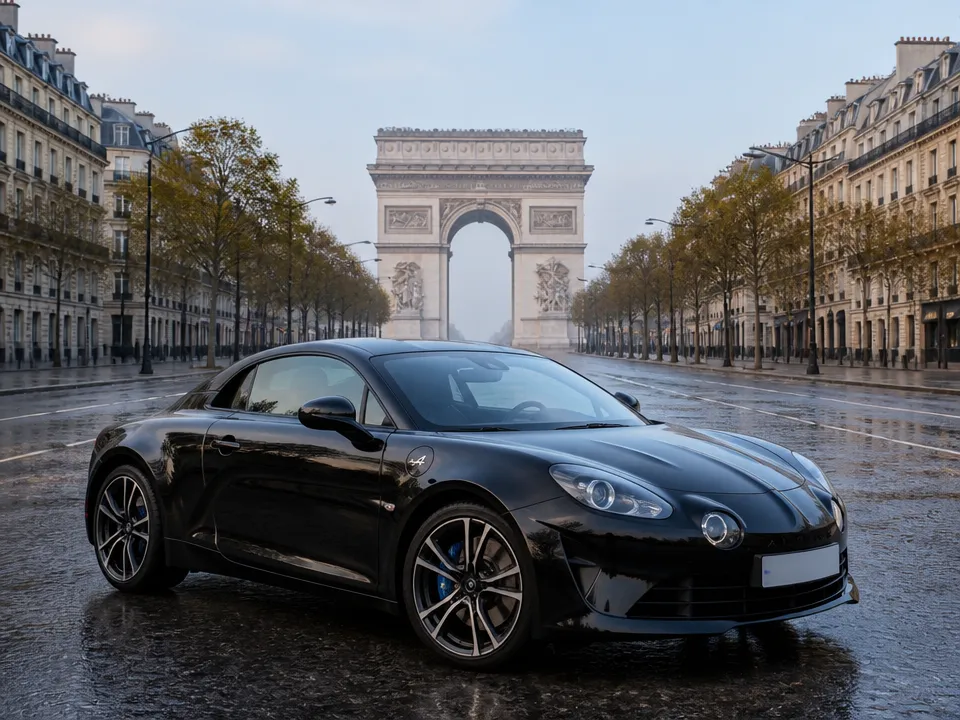
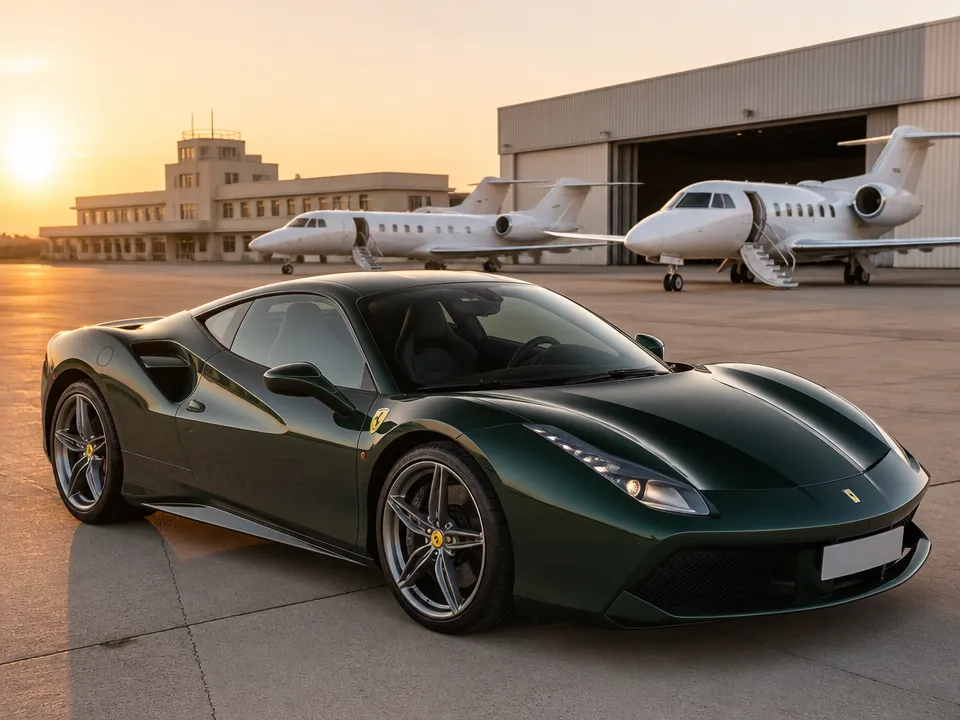
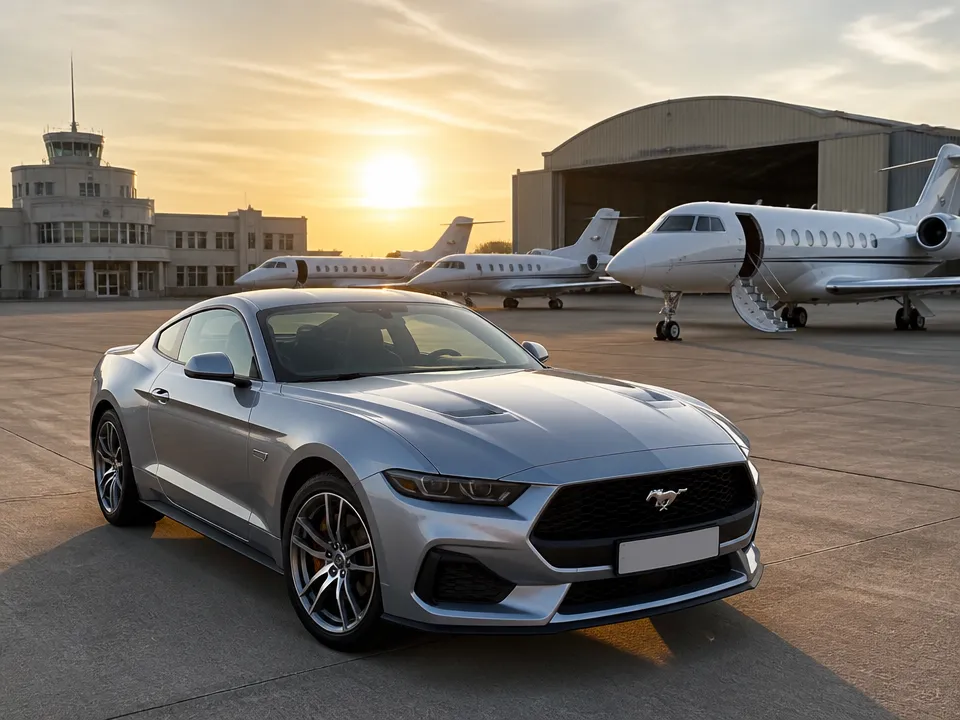
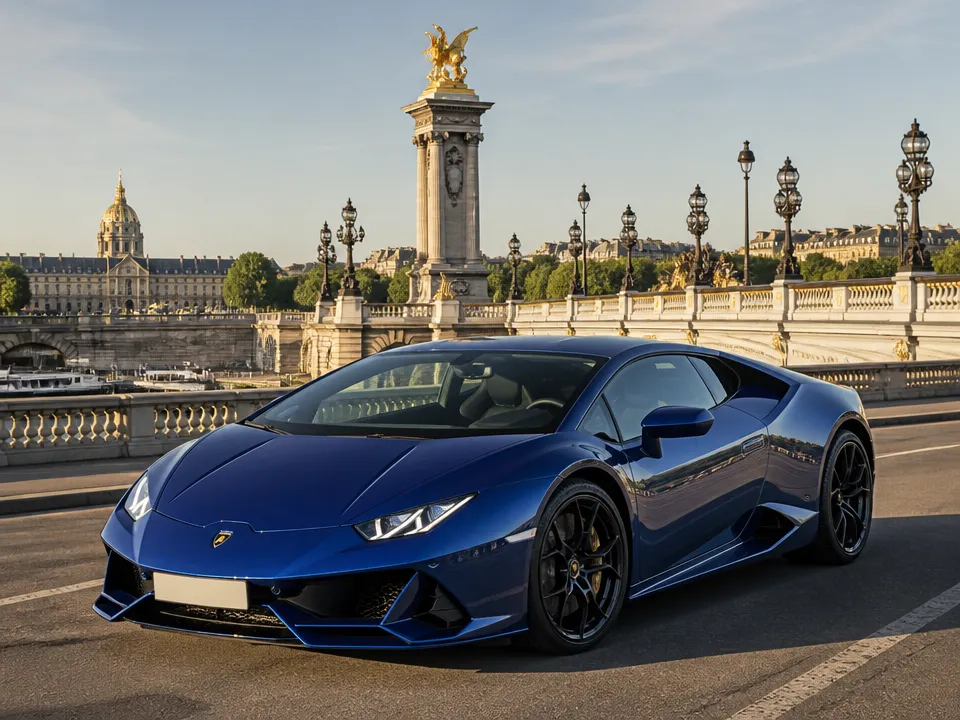
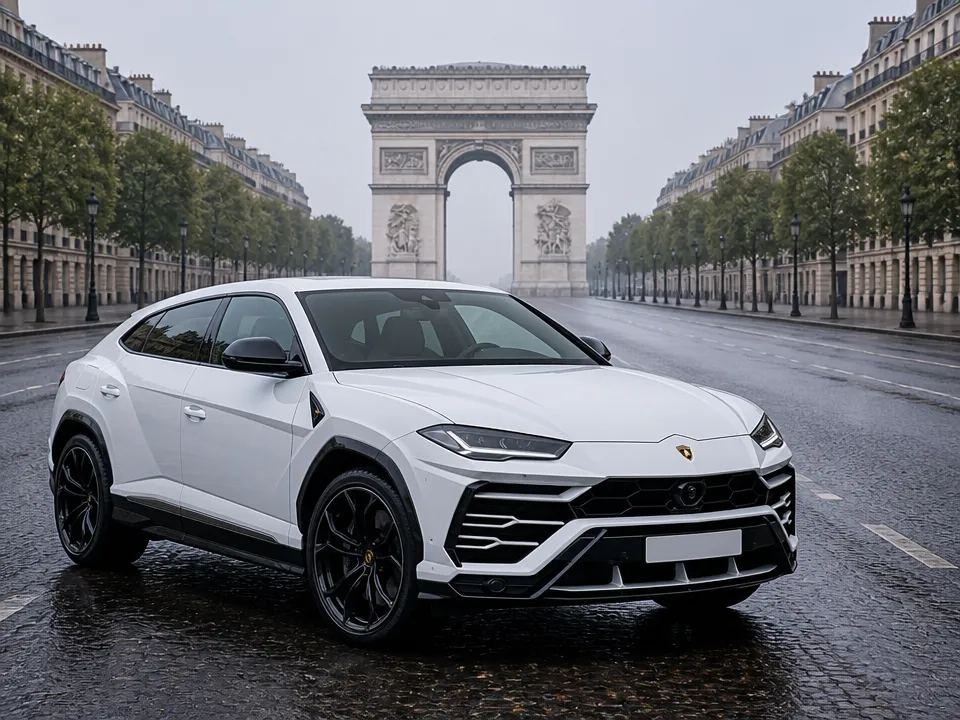
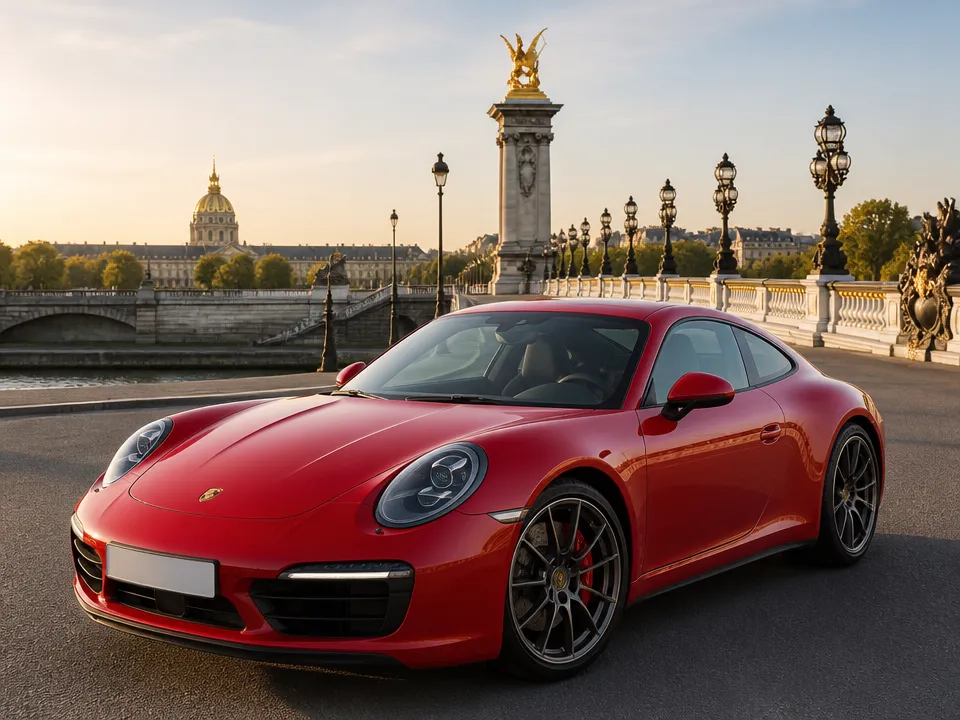
Our sports car rental in France runs on 6 cars, from €450 per day: Alpine A110, Ford Mustang, Porsche 911, Lamborghini Huracan, Lamborghini Urus and Ferrari 488 GTB, all gasoline, all automatic.
What sports car rental in France with Rent-Trip includes
Rent-Trip runs a sports car fleet of six cars, from €450 to €1,300 per day. We deliver the car to you, and the booking is agreed with a manager rather than completed by an automated checkout.
Six sports cars delivered to you
We deliver the car to the client, and every booking is agreed with a manager — our operations here are based in Paris, and the delivery address and time are confirmed in the rental agreement, not picked from a list on the website. The fleet on this page is six cars: Alpine A110, Ford Mustang, Porsche 911, Lamborghini Huracan, Lamborghini Urus and Ferrari 488 GTB. The first two start at €450 per day, the Porsche 911 at €750, both Lamborghinis at €1,200 and the Ferrari 488 GTB at €1,300. Because the hand-over is arranged with a person, the schedule around it is agreed too — we fix the details when you book, and they sit in the agreement you sign.
What every car in our French sports fleet has in common
- Fuel: all six cars run on Gasoline — there is no diesel and no hybrid in this class.
- Transmission: every model is Automatic, so no manual gearbox appears anywhere in the fleet.
- Seats: two, four or five — the two-seaters are the Huracan, the Ferrari 488 GTB and the Alpine A110.
- Body: five are Coupés; the Lamborghini Urus is the only SUV in the group.
- Drive: four send power to the rear wheels; the Huracan and the Urus drive all four.
An automatic gearbox is not an optional extra here but the standard across the class. Manual cars are ordinary on French rental lots, so an automatic is a separate and costlier category — worth knowing if you are comparing the headline rate of a smaller car against this one.
Sports car rental in France prices and how longer bookings work
Sports car hire with Rent-Trip runs from €450 to €1,300 per day, and longer bookings follow two fixed multipliers: a week is the daily rate multiplied by six, a month by twenty-one. Nothing here is a quote you have to request before you can plan.
Daily rates by model
| Model | Seats | Power | Drive | Price per day |
|---|---|---|---|---|
| Alpine A110 | 2 | 300 hp | Rear-wheel | €450 |
| Ford Mustang | 4 | 450 hp | Rear-wheel | €450 |
| Porsche 911 | 4 | 385 hp | Rear-wheel | €750 |
| Lamborghini Huracan | 2 | 640 hp | All-wheel | €1,200 |
| Lamborghini Urus | 5 | 650 hp | All-wheel | €1,200 |
| Ferrari 488 GTB | 2 | 670 hp | Rear-wheel | €1,300 |
Weekly and monthly rates
Weekly rates start from €2,700 and monthly rates from €9,450. Both figures come from the same daily price with a fixed multiplier — daily × 6 for a week, daily × 21 for a month — so the arithmetic is the same whether you take the Alpine A110 at €450 a day or the Lamborghini Urus at €1,200. A month in the Ferrari 488 GTB therefore works out at €27,300, and a week in the Porsche 911 at €4,500. Because the multiplier never changes, you can compare a short and a long booking on paper before you commit to either, and the number you see is the number the manager confirms.
What the rental agreement sets out about deposit and delivery fees
The deposit, the excess and the delivery fee are set out in the rental agreement, not on this page. The same agreement carries the fuel policy and the mileage terms for your booking.
Choosing a model from our sports car rental fleet in France
Six sports cars make up this class, and the choice between them comes down to three things: how many seats you need, whether you want rear- or all-wheel drive, and how much power you are comfortable handling on a long drive.
Rear-wheel drive coupés in our fleet
The Porsche 911 sits in the middle at 385 hp from 3.0 L, and the Ferrari 488 GTB tops the group at 670 hp from 3.9 L.
All-wheel drive options for your booking
Lamborghini Huracan and Lamborghini Urus are all-wheel drive, at €1,200 per day each. The Huracan is a two-seat coupé with a 5.2 L engine and 640 hp; the Urus is an SUV with five seats, a 4.0 L unit and 650 hp. Both put power down through all four wheels, which matters on damp cobbles and on the gravel shoulders of vineyard roads. The Urus is the only model in this class with five seats, so it is the one to take when the whole group travels together.
Matching the car to the trip
Every model runs on Gasoline with Automatic transmission, and each is delivered to you; the booking is agreed with a manager. If you are unsure which one suits your route, ask before confirming — swapping a two-seat coupé for the Urus after the agreement is drawn up is more complicated than choosing correctly the first time.
Documents for sports car rental in France
Bring the physical card, and check the issue date before you fly.
Which licences are accepted for sports car rental in France
- EU/EEA licences: valid in France with no time limit, and no exchange for a French licence is required while the card remains valid.
- Non-EU/EEA licences, visitor: you may drive on your national licence; if it is not in Latin script, you need an official translation or an International Driving Permit (IDP) alongside it.
- IDP alone: the permit does not replace your licence — it is only a translation and is shown together with the national card.
- Non-EU/EEA licences, resident: driving is allowed for 1 year from the entry date shown in your visa; if you move to France permanently, the licence must be exchanged.
- Hold period: the licence must have been issued more than 1 year ago.
- Digital licences: not accepted.
- IDP validity for rental: the international permit must be no older than 3 years.
What else is checked, and what is agreed when booking
The remaining conditions are set out in the rental agreement rather than by a single national rule — so we confirm them with you when your booking is agreed with a manager. The same applies to the deposit, the excess and delivery fees: they are set out in the rental agreement, not published as a fixed figure. If your licence was issued less than a year ago, no amount of extra paperwork fixes it — the booking simply cannot go ahead.
One more point for anyone planning a longer stay: the 1-year window for residents runs from the visa entry date, not from the day you collect the car. Keep the entry stamp or visa page to hand if you are renting close to that boundary.
Insurance and excess in sports car rental in France
What insurance is included as standard
- responsabilité civile: compulsory under French law and included in every booking automatically; it covers injury and property damage caused to third parties within the country's legal limits, but not injuries to the driver.
- CDW / collision damage protection: included in the basic package from French companies; it limits your liability to the excess amount and covers repair of the car plus the days it sits off the road.
- TW / theft protection: included in the basic package; it covers theft, attempted theft and vandalism in a car park, also up to the excess.
- franchise (excess): the fixed sum you pay yourself after damage or theft; it is non-waivable and set by the protection level you choose, and the exact figure stands in the agreement.
What the basic cover leaves out
Base protection stops short in several places, and on a sports car those places are worth knowing before you drive off. Tyres damaged through abnormal use are not covered, nor is glass unless it broke in a collision, nor the sunroof and panoramic roof, nor the underside of the car. Filling the tank with the wrong fuel and the engine damage that follows is excluded, as are lost or stolen keys, damage from negligence, and anything deliberate. The excess is set out in the rental agreement, and it stays the same whether the bill is small or large.
Reducing or removing the excess
- Bank card cover: Visa Premier and Gold Mastercard often cover the CDW/TW excess if the holder is the main driver on the agreement — worth checking with your bank before you book.
Rules and restrictions for sports car rental in France
Speed limits are set by the Code de la route, and they apply to every sports car in our fleet the same way they apply to a hatchback. Outside built-up areas the limit is 80 km/h on an ordinary road, and 90 km/h on sections with two lanes in one direction where the département has decided so — Code de la route, art. R413-2. Dual carriageways with a central divider allow 110 km/h, and autoroutes 130 km/h, both under the same article.
Rain, low visibility and young drivers
- Rain: autoroute 110 km/h, dual carriageway 100 km/h, other roads 80 km/h — Code de la route, art. R413-2.
- Visibility under 50 m: 50 km/h on every road — Code de la route, art. R413-4.
- Permis probatoire (under 3 years' experience): 110 km/h on autoroutes, 100 km/h on divided roads, 80 km/h elsewhere — Code de la route, art. R413-5.
- Alcohol, general limit: 0.5 g/l of blood (0.25 mg/l of breath) — Code de la route.
- Alcohol, permis probatoire: 0.2 g/l of blood (0.10 mg/l of breath) since 1 July 2015; breaking it costs €135, six points and possibly your licence.
The boulevard périphérique around Paris dropped to 50 km/h on 1 October 2024 by decision of the Paris city hall, even though the Code de la route still permits up to 70 km/h there. The change was phased in: the inner ring from porte des Lilas to porte d'Orléans on 1 October, the whole périphérique by 10 October. A reserved left lane between the Issy riverbank and porte de Bercy, both directions, is open to cars carrying 2 or more passengers Monday to Friday 7:00–10:30 and 16:00–20:00 — an experiment running since 3 March 2025, enforced with a €135 fine (contravention 4th class) from 2 May 2025.
Winter tyres are compulsory from 1 November to 31 March in roughly 34 mountain départements — the Alps, Pyrenees, Massif Central, Jura, Vosges and Corsica — covering more than 4000 communes by préfet decision: either four winter tyres or chains/socks on two driven wheels. Paris and Île-de-France are not included, so the rule does not apply to a car collected here, but it does follow you into the Alps. Ignoring it brings a €135 fine and the vehicle immobilised. On a 640 hp Lamborghini Huracan or a 670 hp Ferrari 488 GTB the throttle is the easy part; the limits above are what actually decide your day.
Booking sports car rental in France with a manager
Booking a sports car with Rent-Trip is a conversation, not a checkout form: you tell us the dates, the city and the model, and a manager confirms what we can hand over, where and when.
How the booking conversation works
- First contact: you send the dates, the city and the car you want — Alpine A110, Ford Mustang, Porsche 911, Lamborghini Huracan, Lamborghini Urus or Ferrari 488 GTB.
- Manager's reply: we check the car against your dates and come back with what is actually free, not with a queue position.
- Agreement of details: the delivery address, the delivery time and the hand-over point are agreed with the manager and then written into the rental agreement.
- Confirmation: only after that does the booking become fixed, and the deposit, the excess and any delivery fees are set out in the same rental agreement.
Why we keep a manager in the loop
If you need the car near a specific point in Paris, say so in the first message — the address is agreed when booking, not chosen from a list on the site.
What to have ready before you write
- Dates and length: daily, weekly or monthly — a week starts from €2,700 and a month from €9,450, both counted from the daily rate.
- City: we operate in Paris, and the car is delivered to you at the address agreed when booking.
- Model preference: name the car, or describe the trip and we will suggest the body style that fits it.
- Driver details: licence and age questions are settled with the manager while the booking is still open, so nothing blocks the hand-over later.
The booking is agreed with a manager precisely so that the awkward details — dates, address, timing, paperwork — are settled while they are still easy to change.