from €29
per day







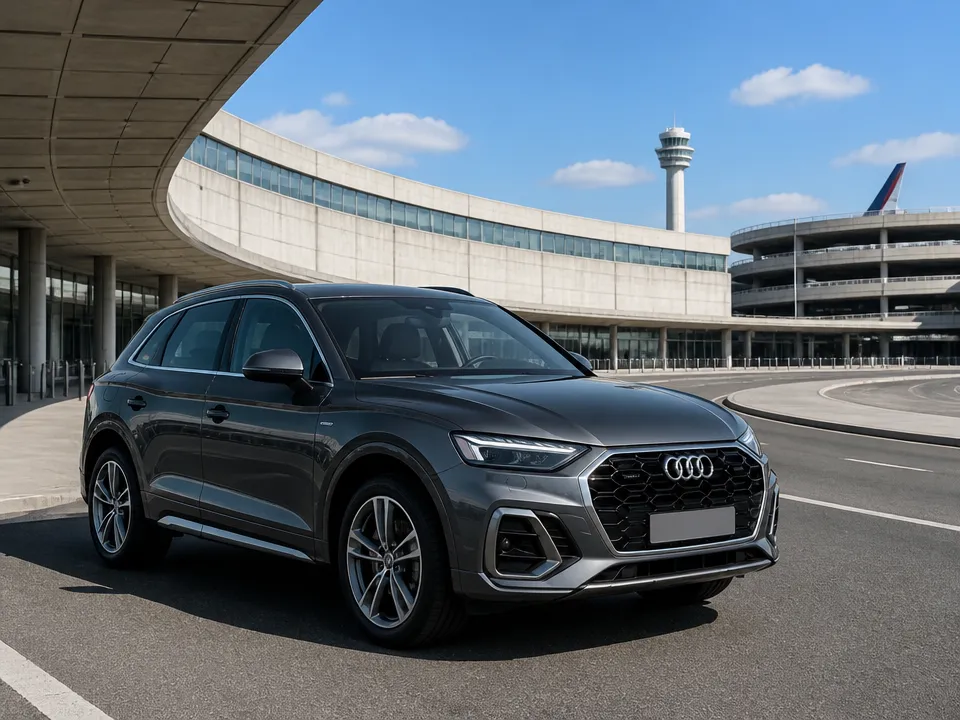
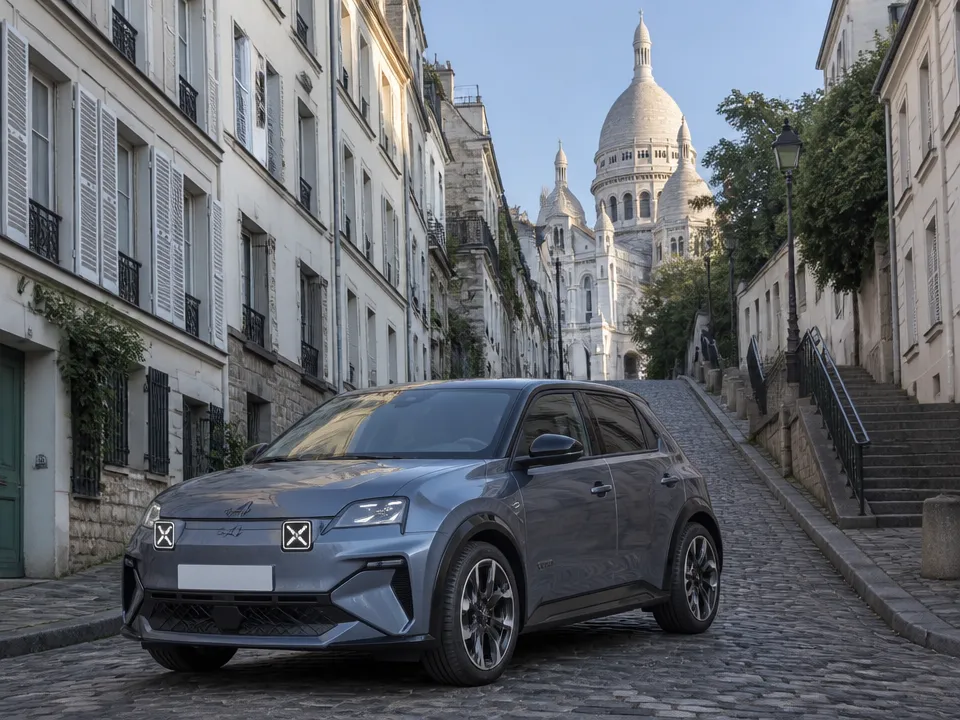
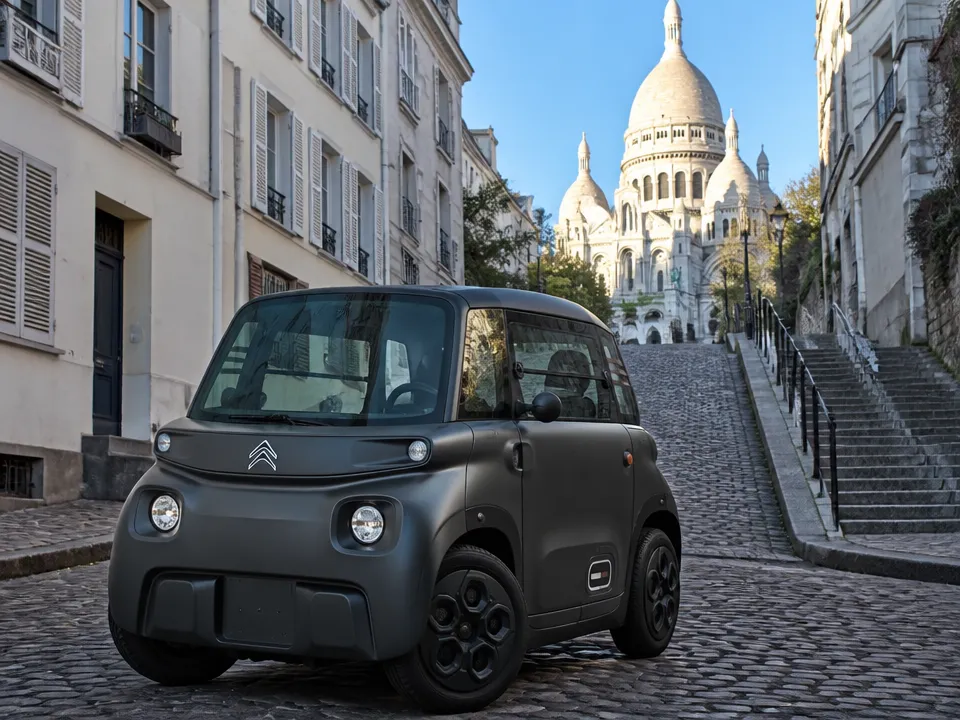
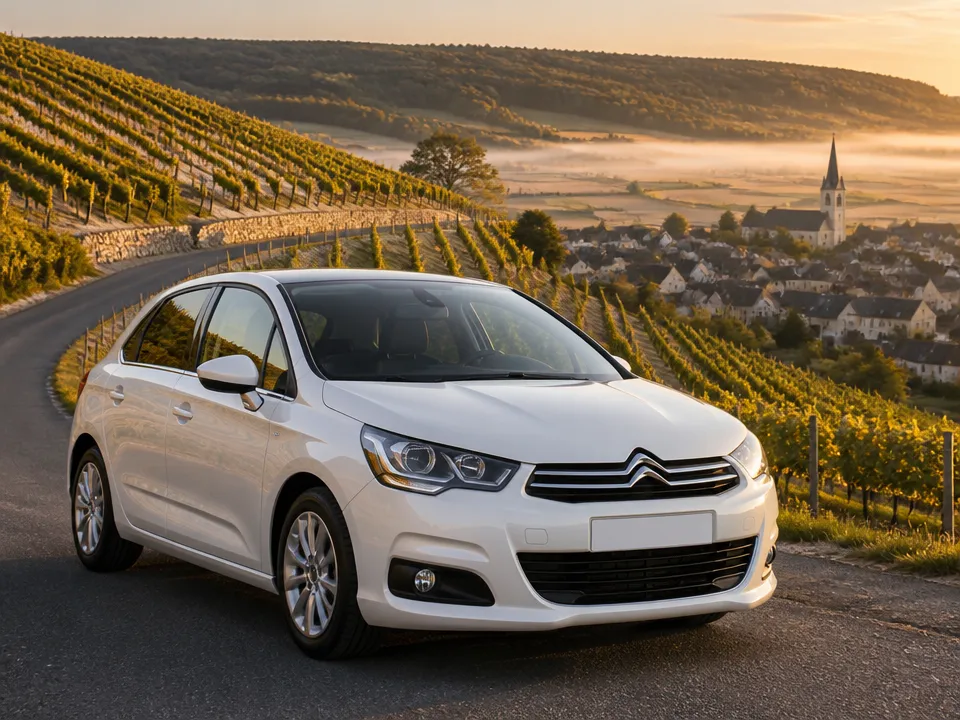
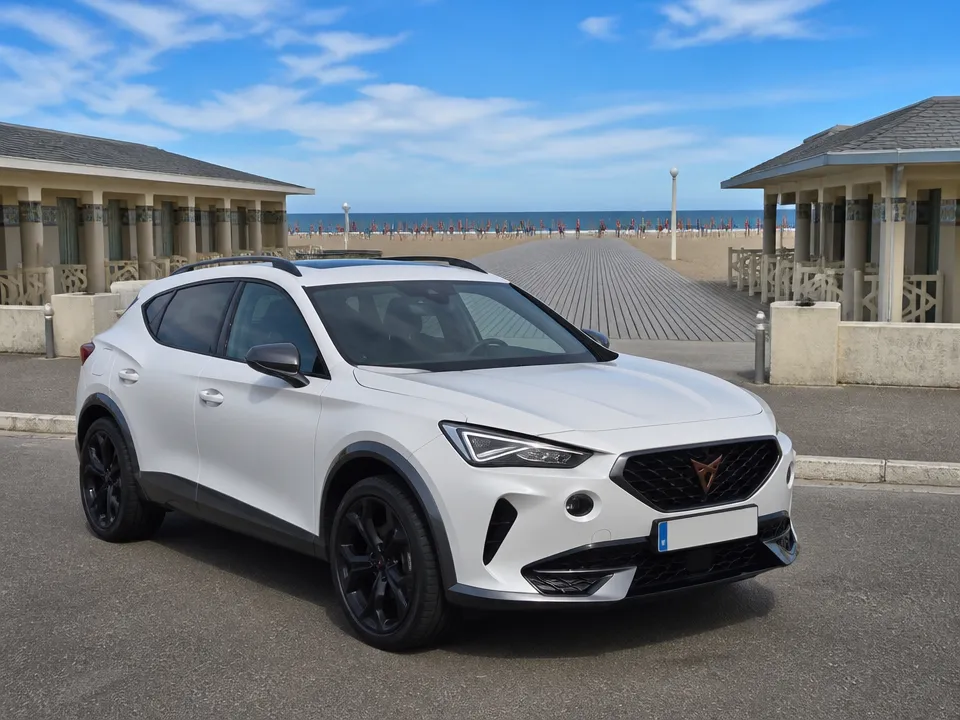
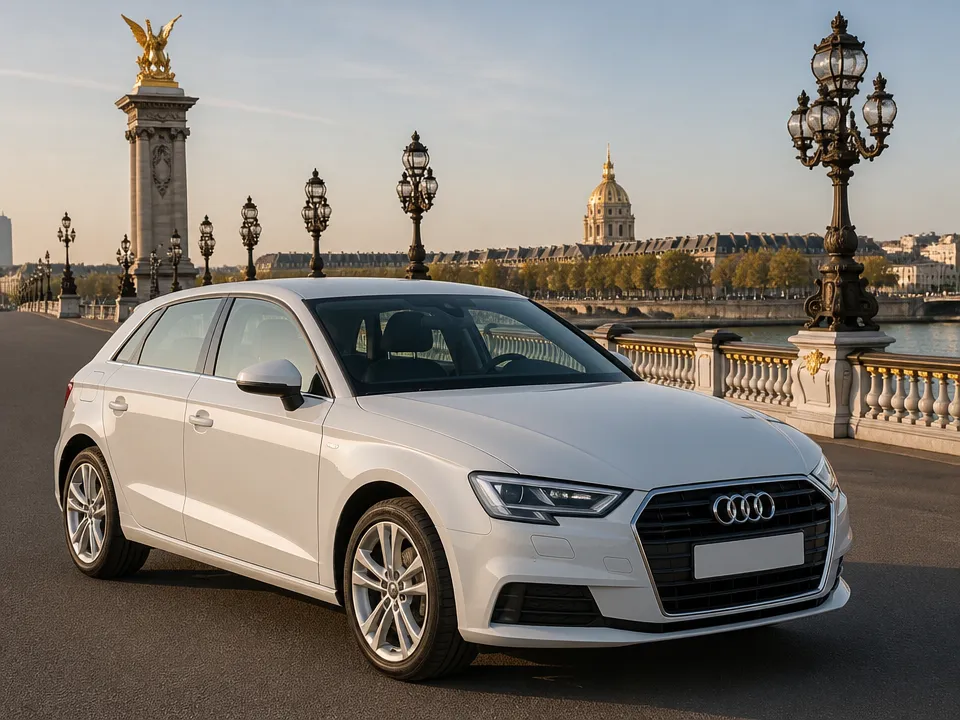
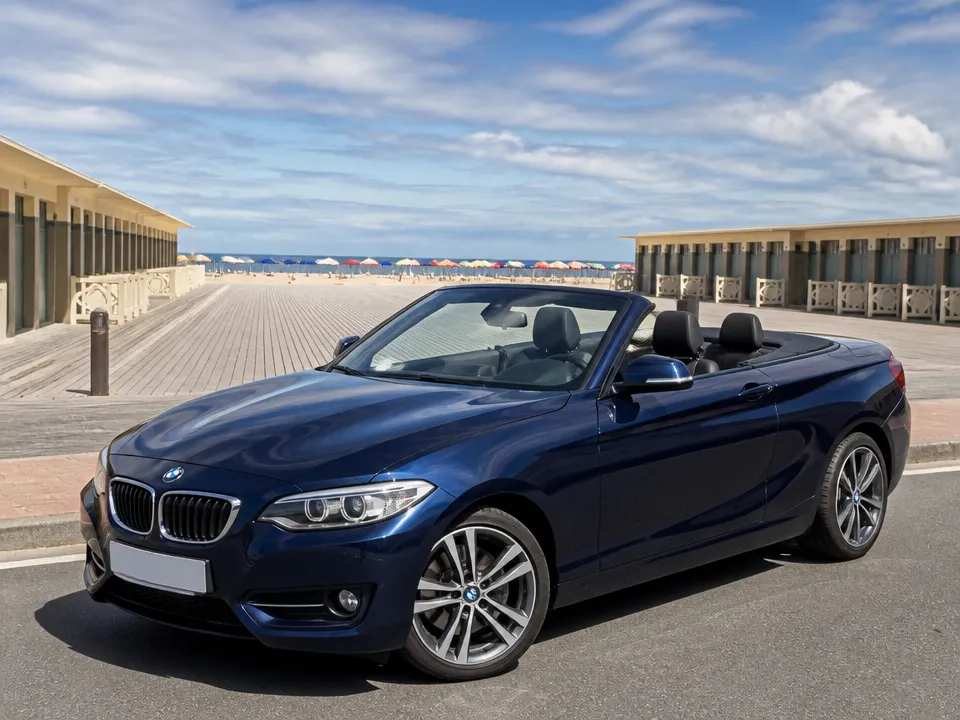
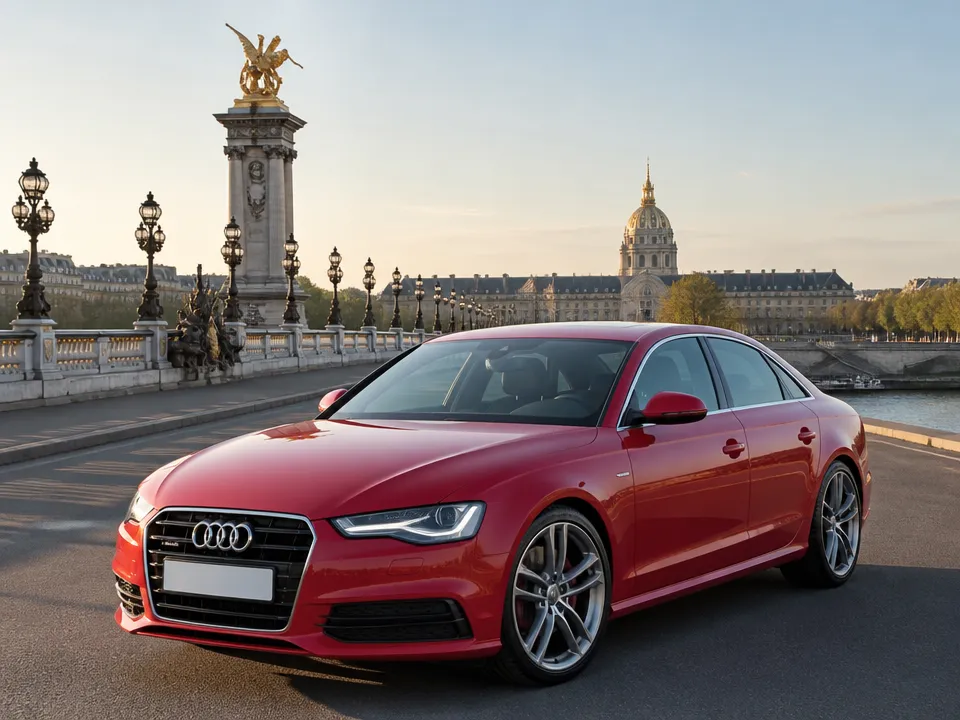
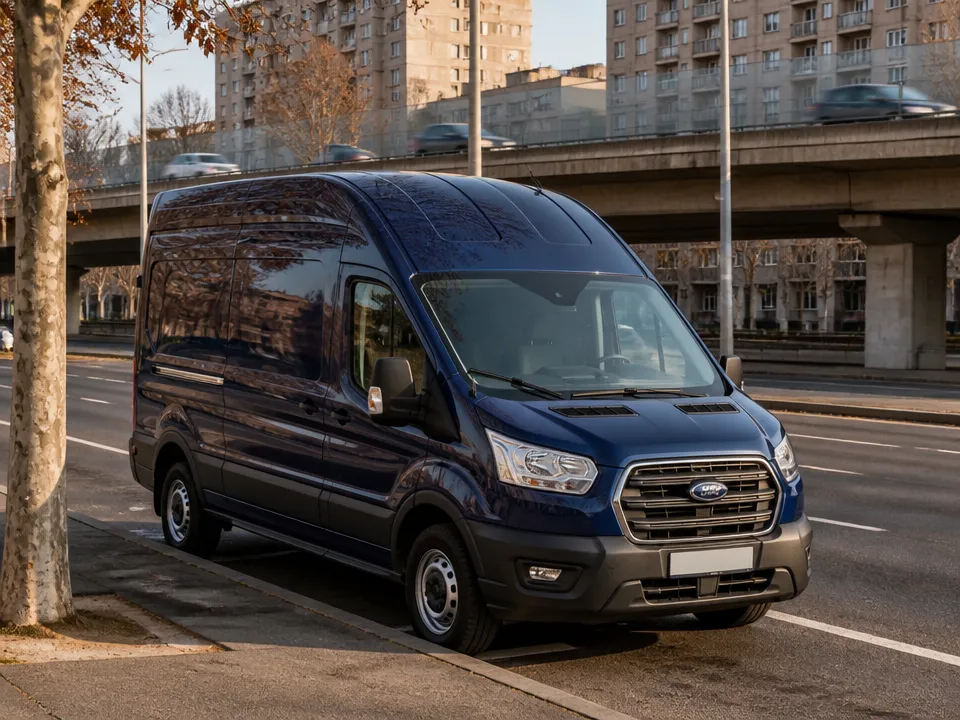
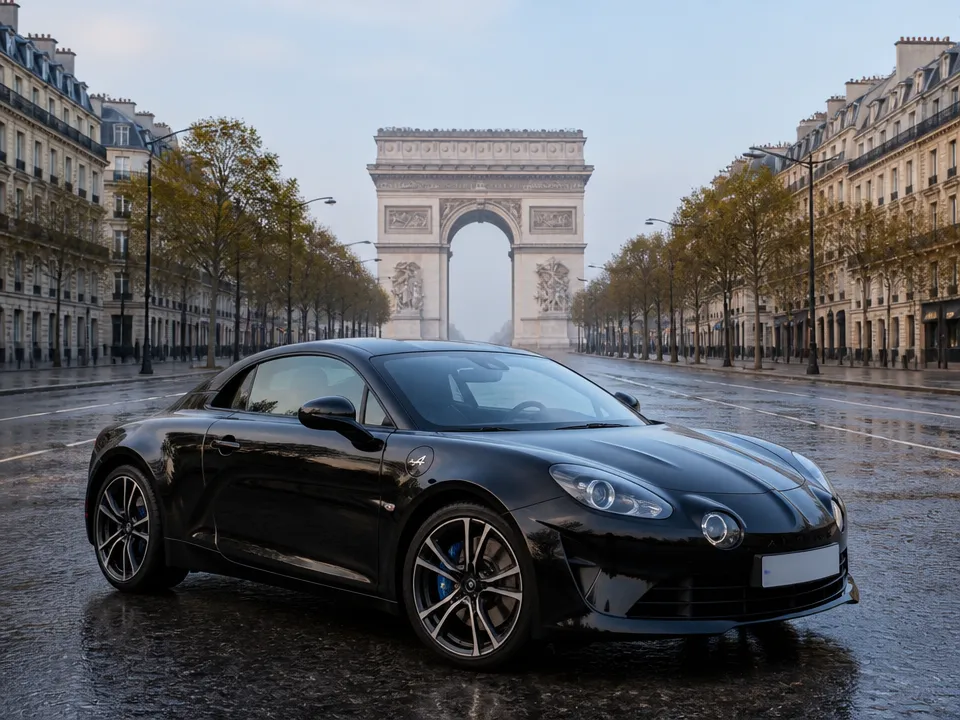
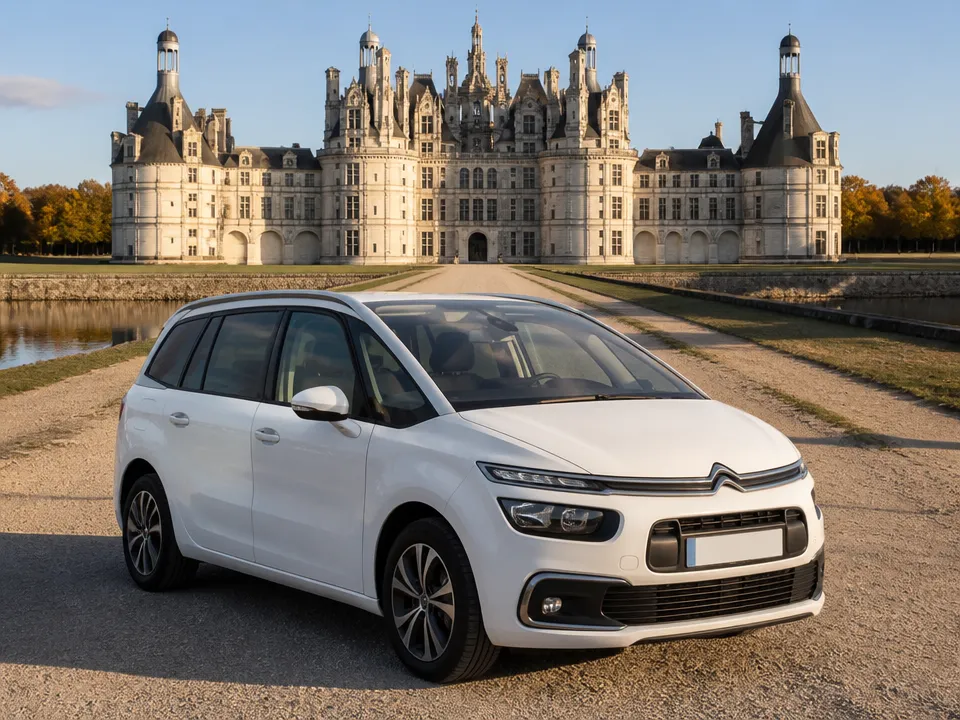
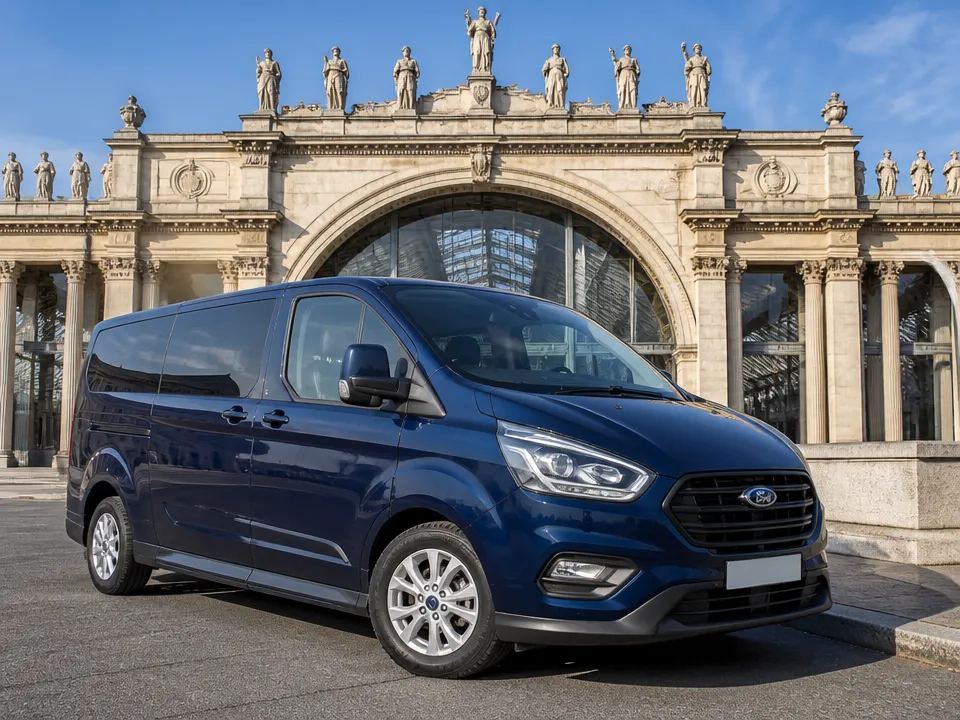
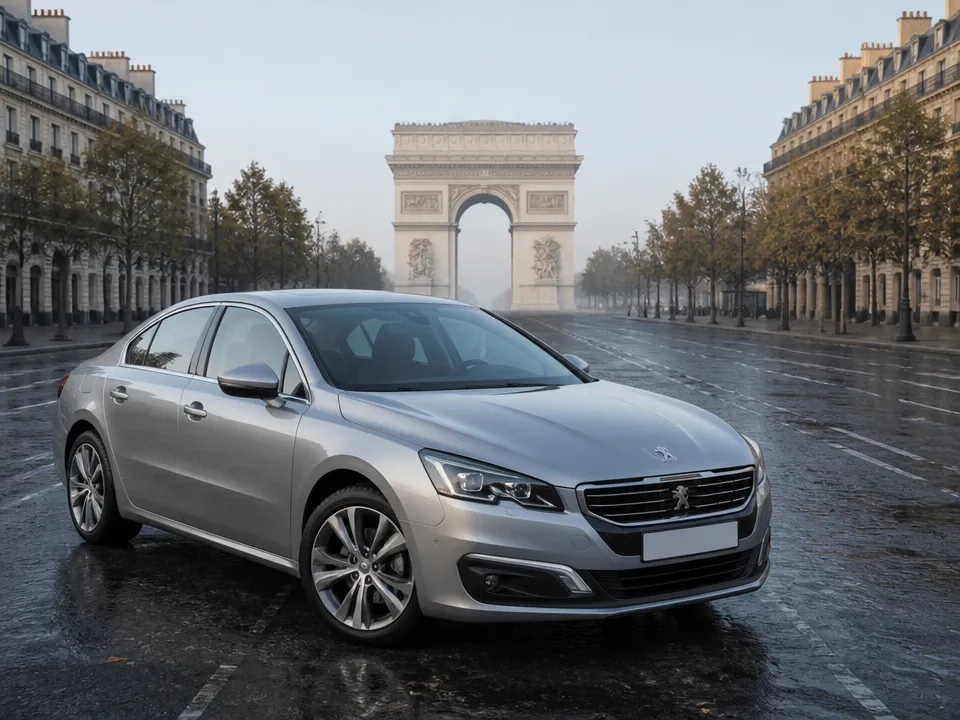


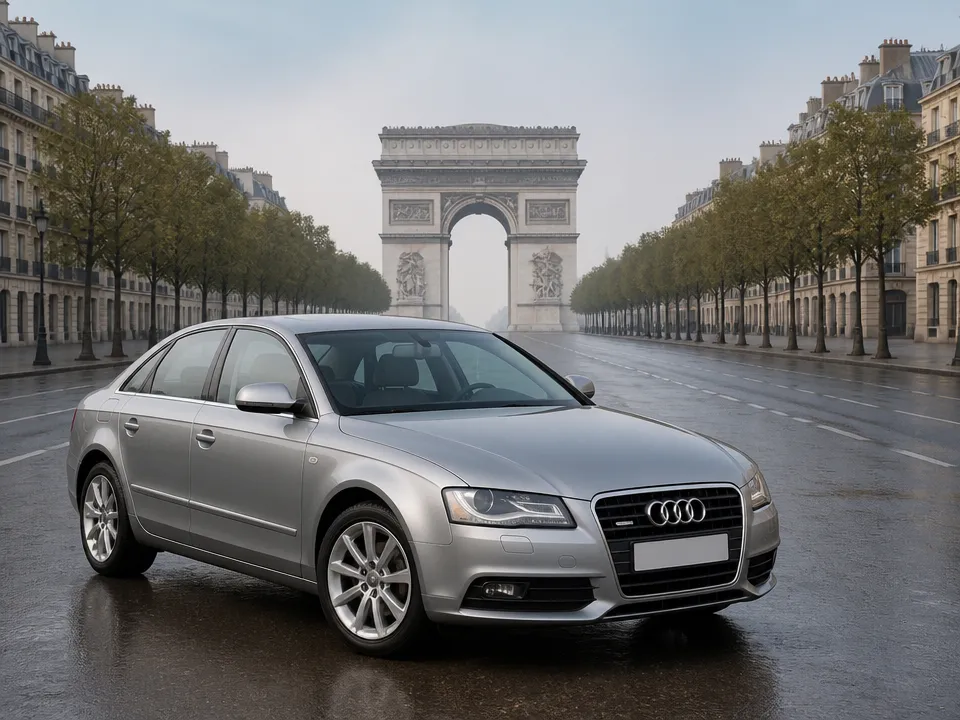
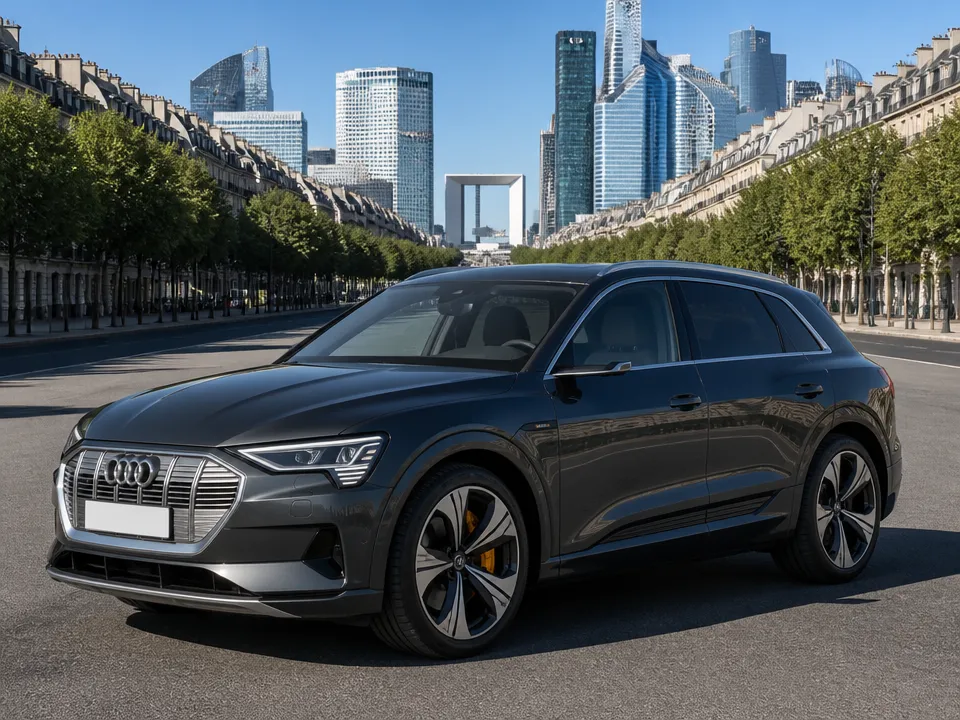
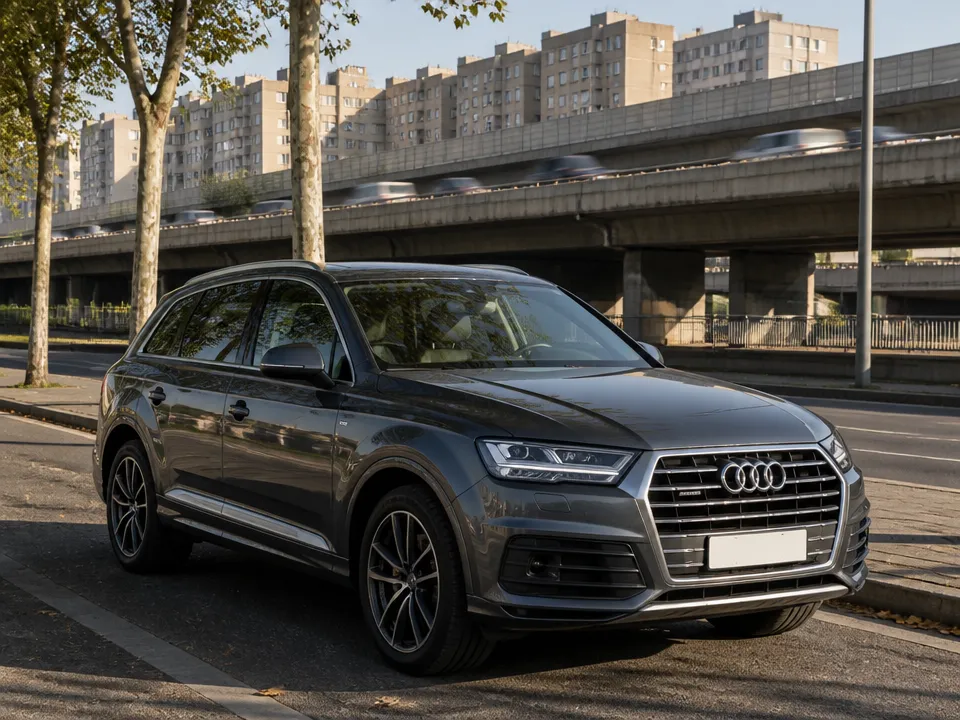
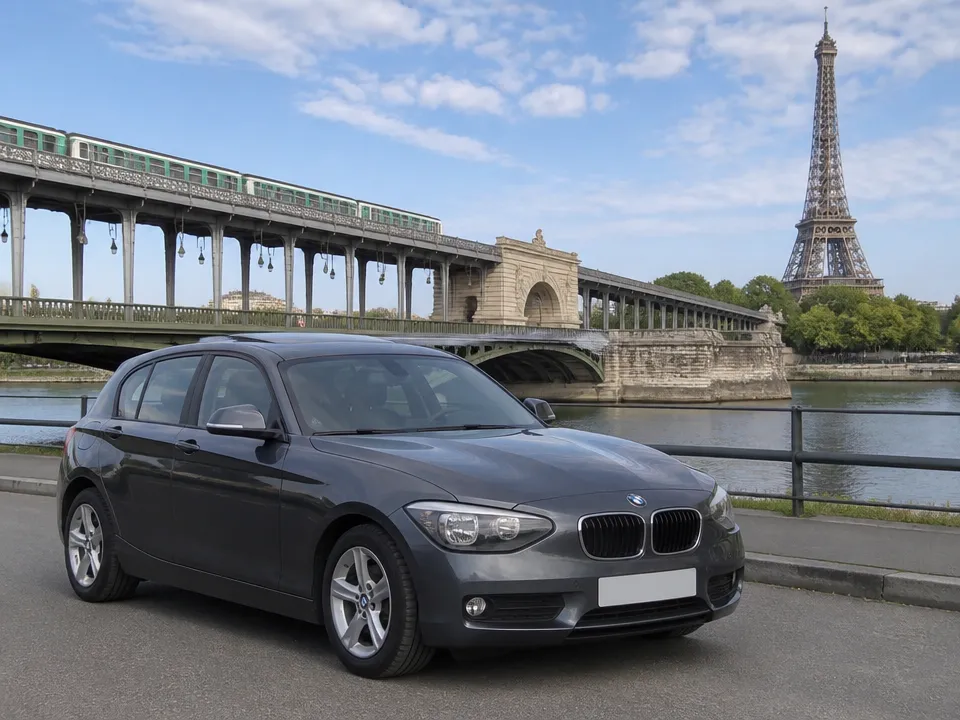
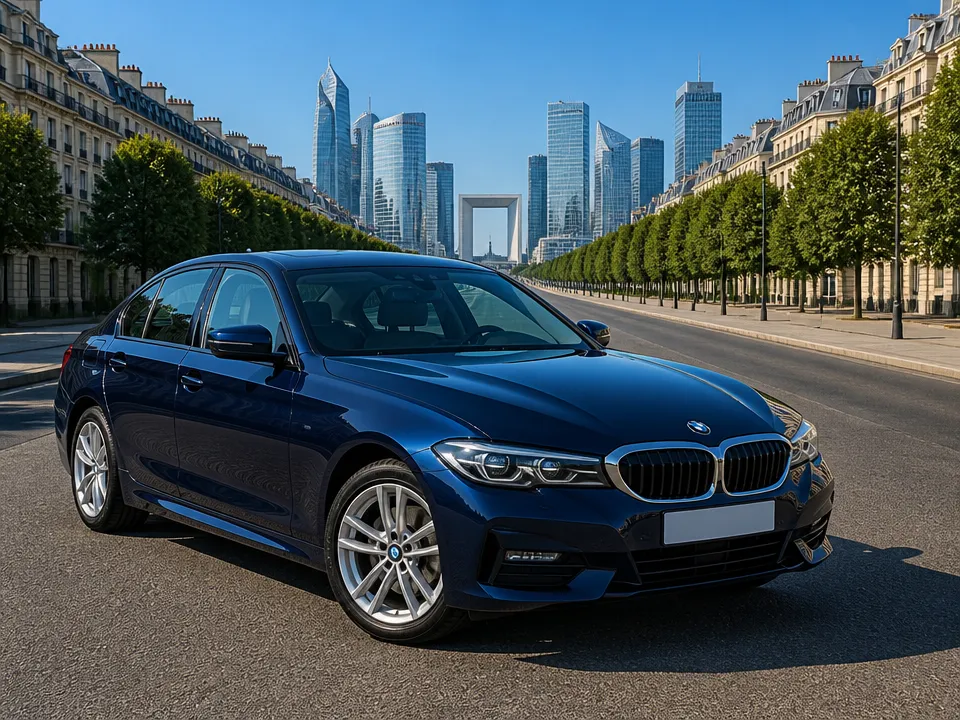
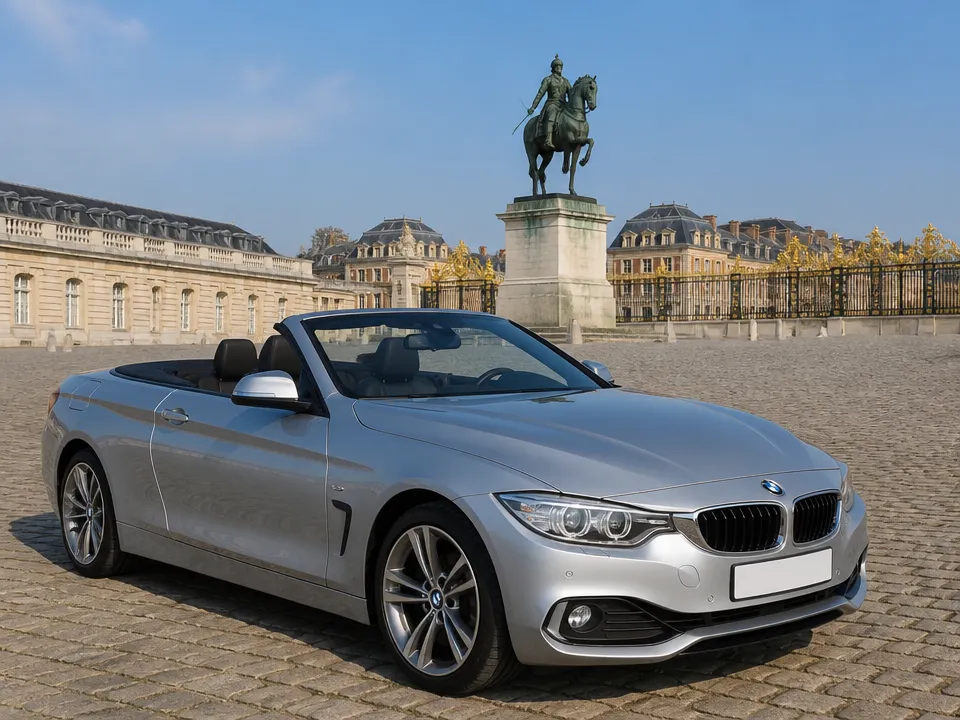
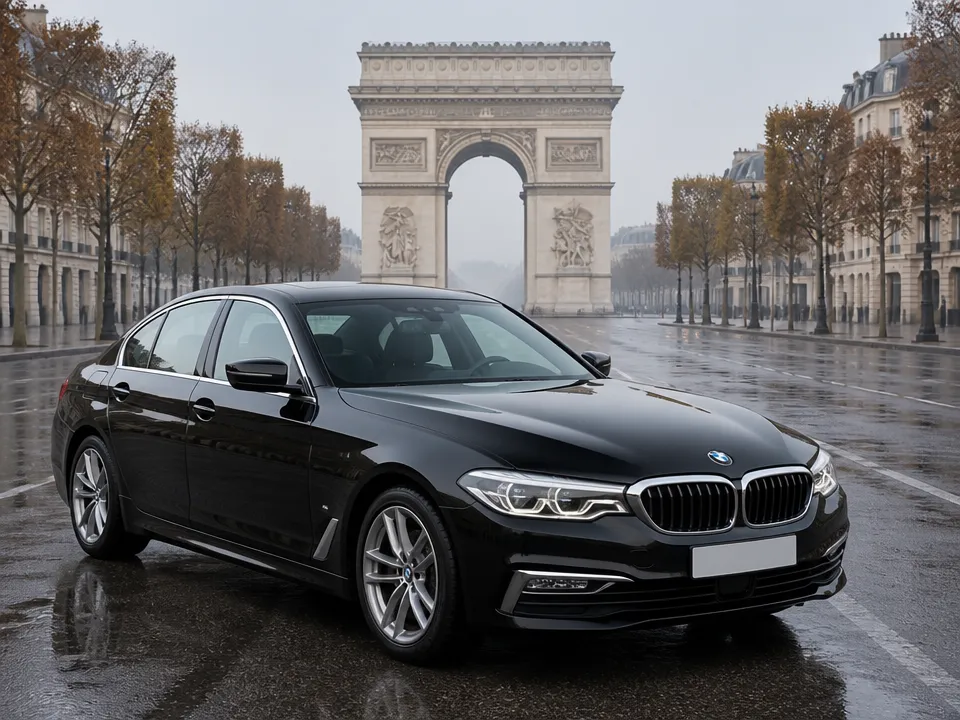
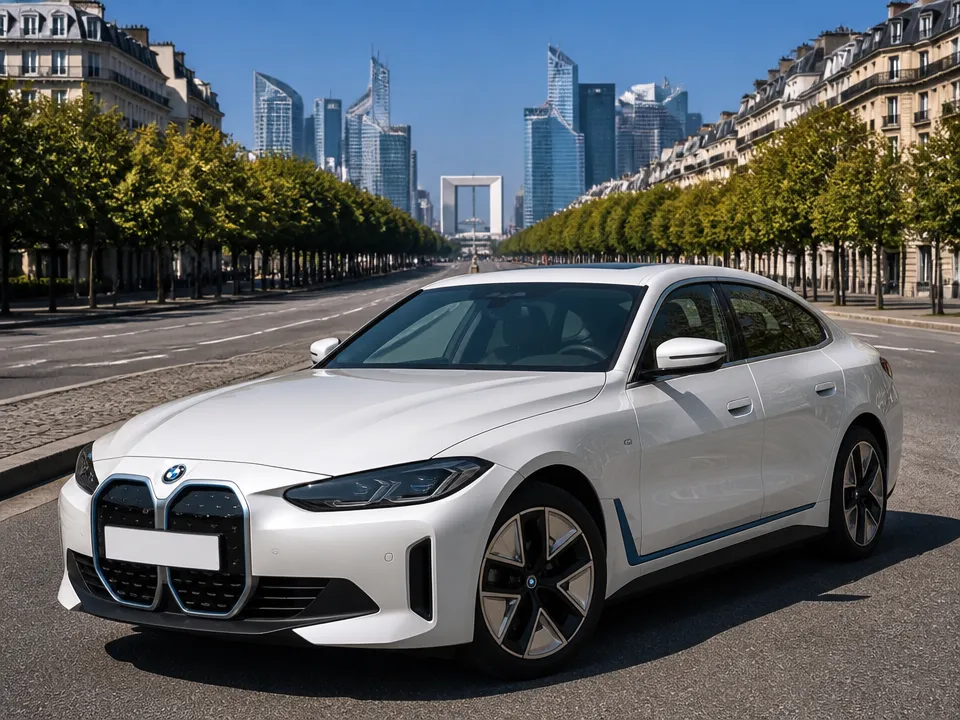
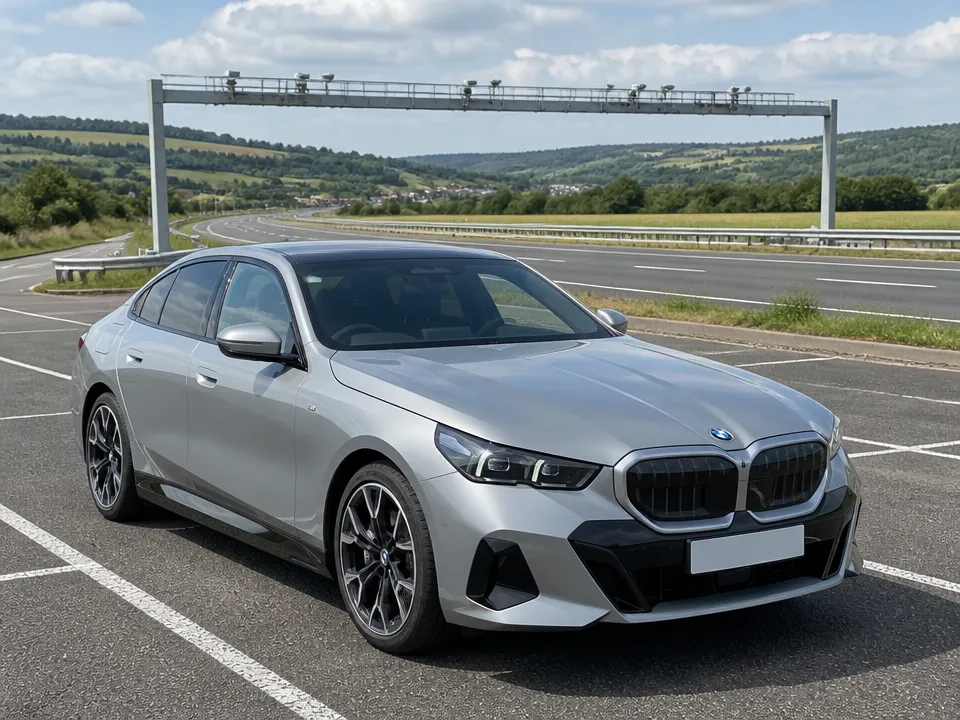
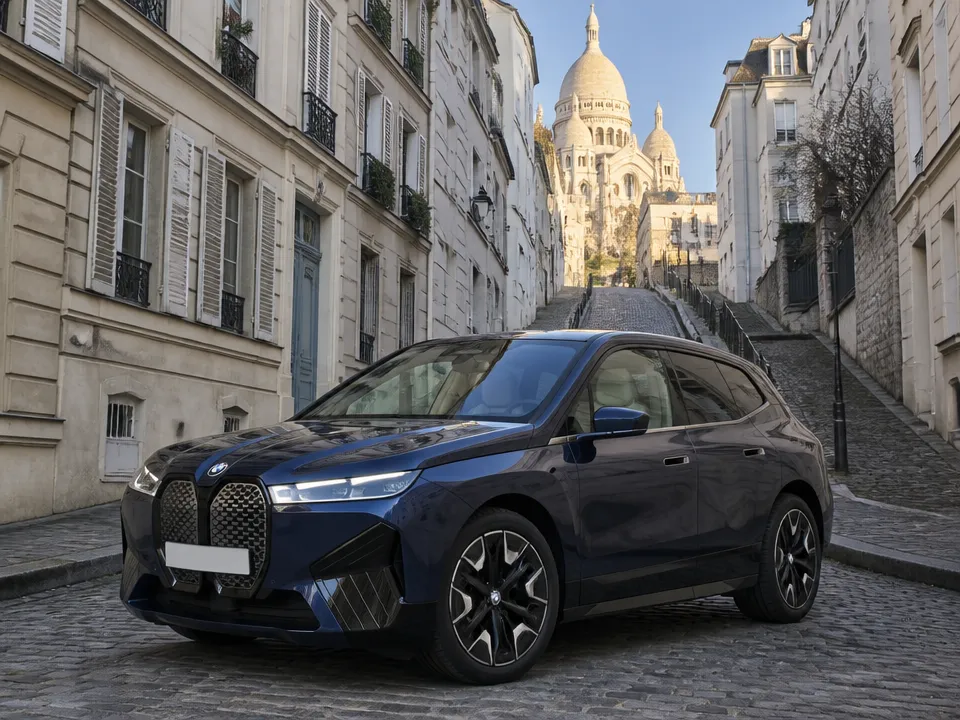
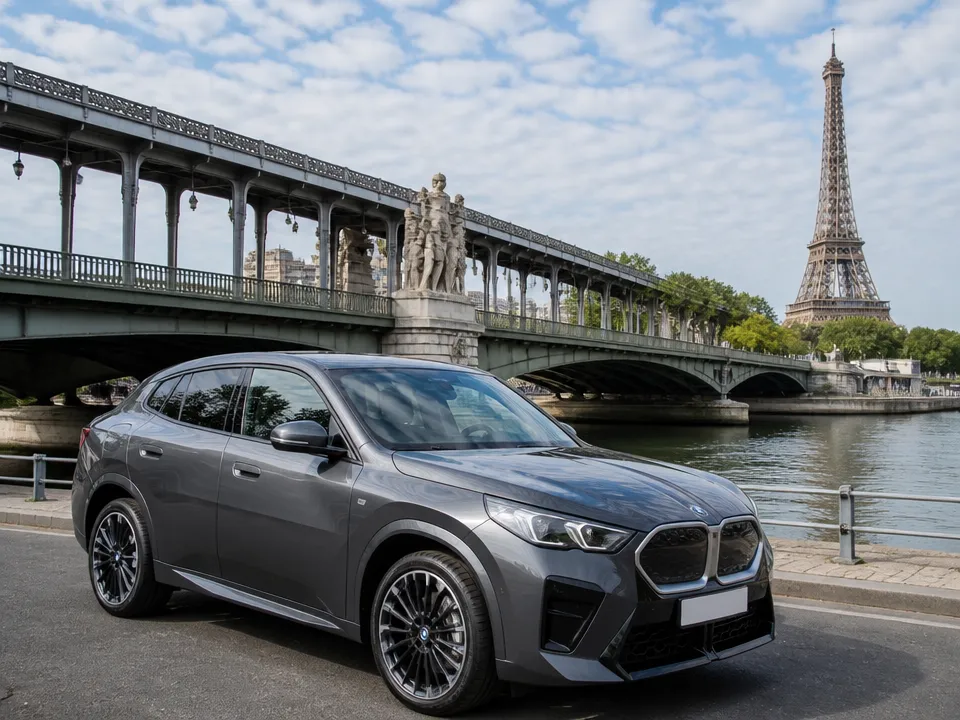
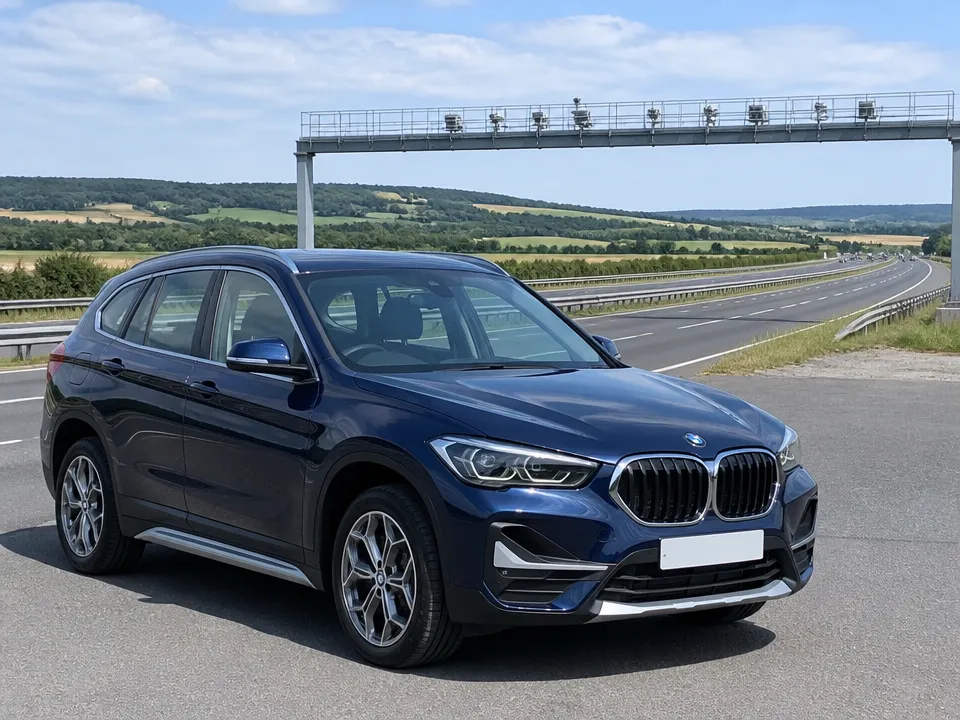
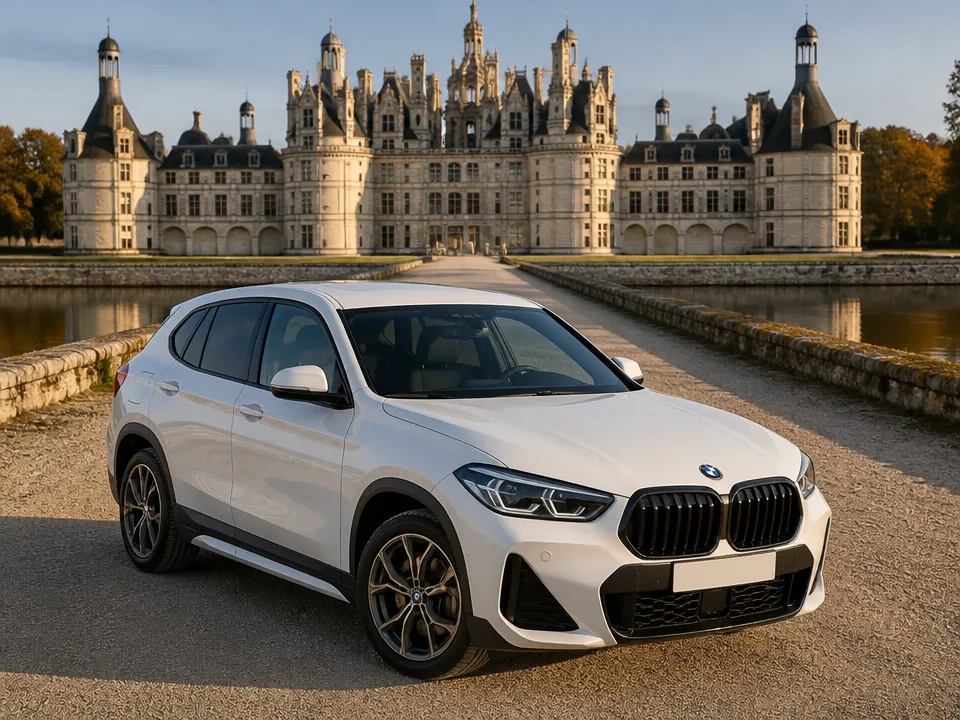
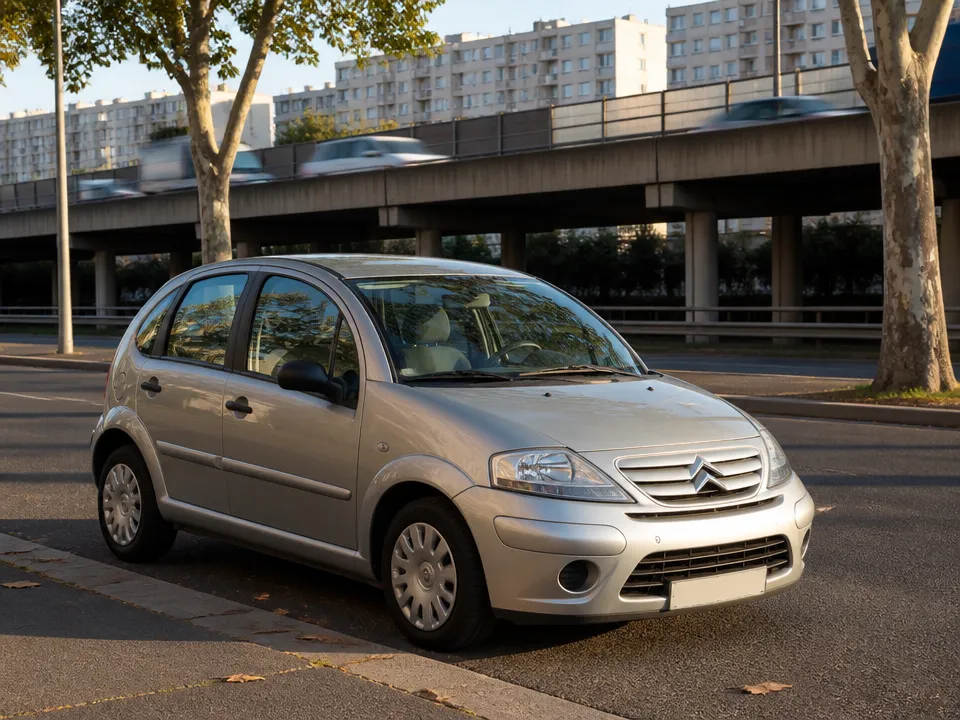
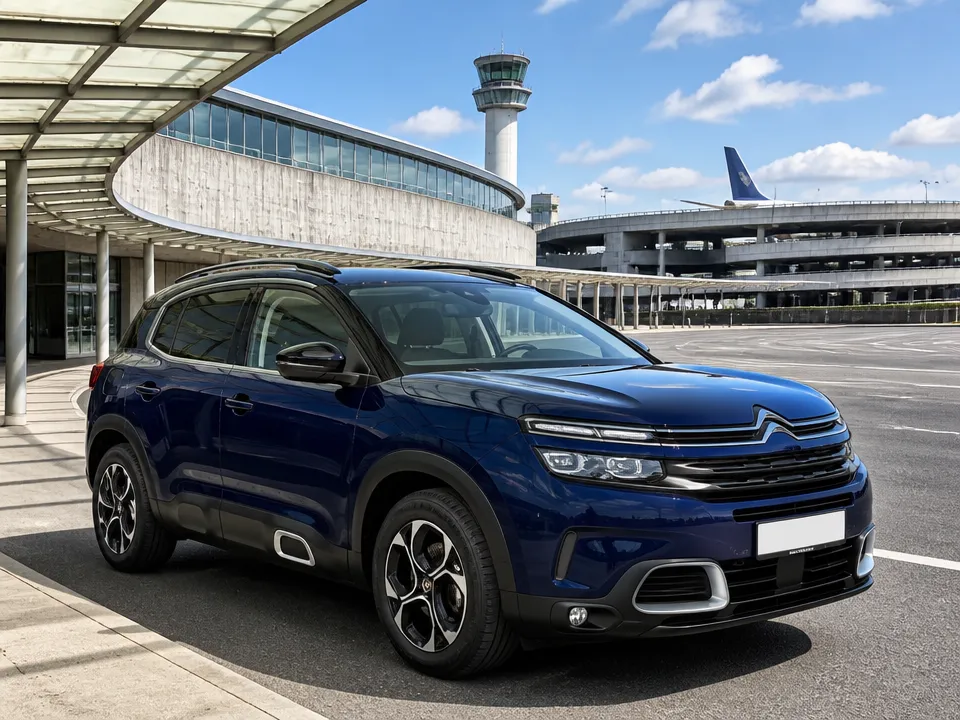
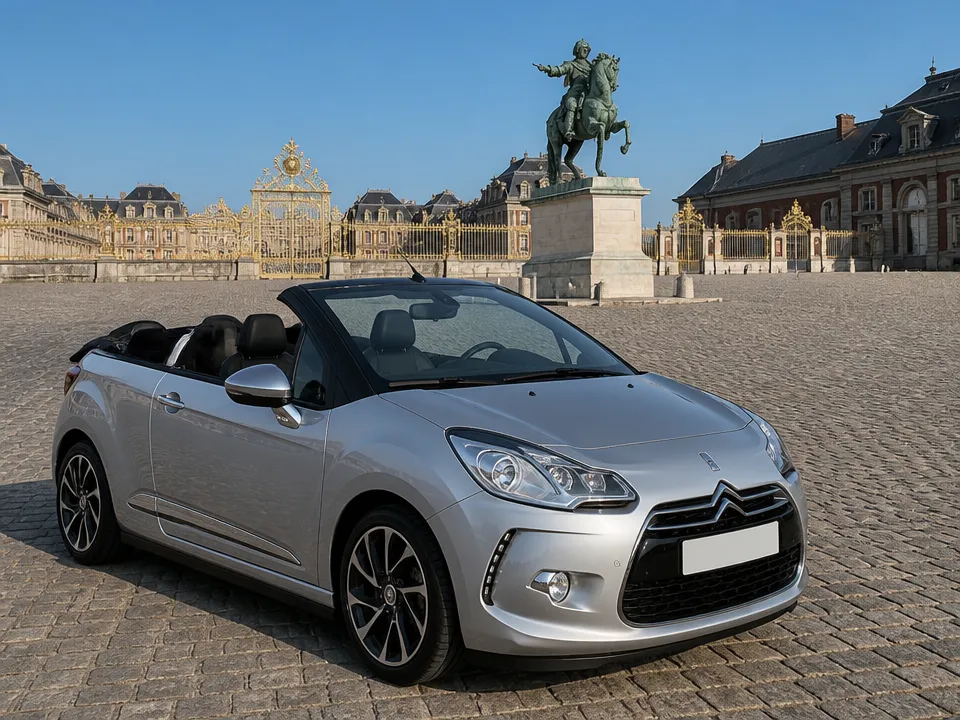
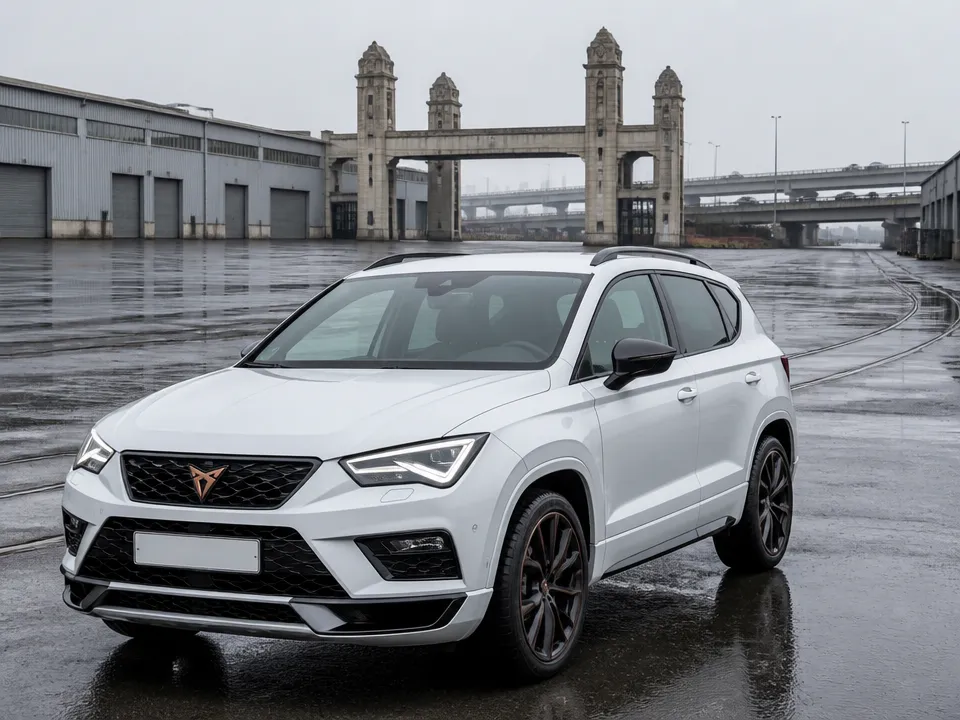
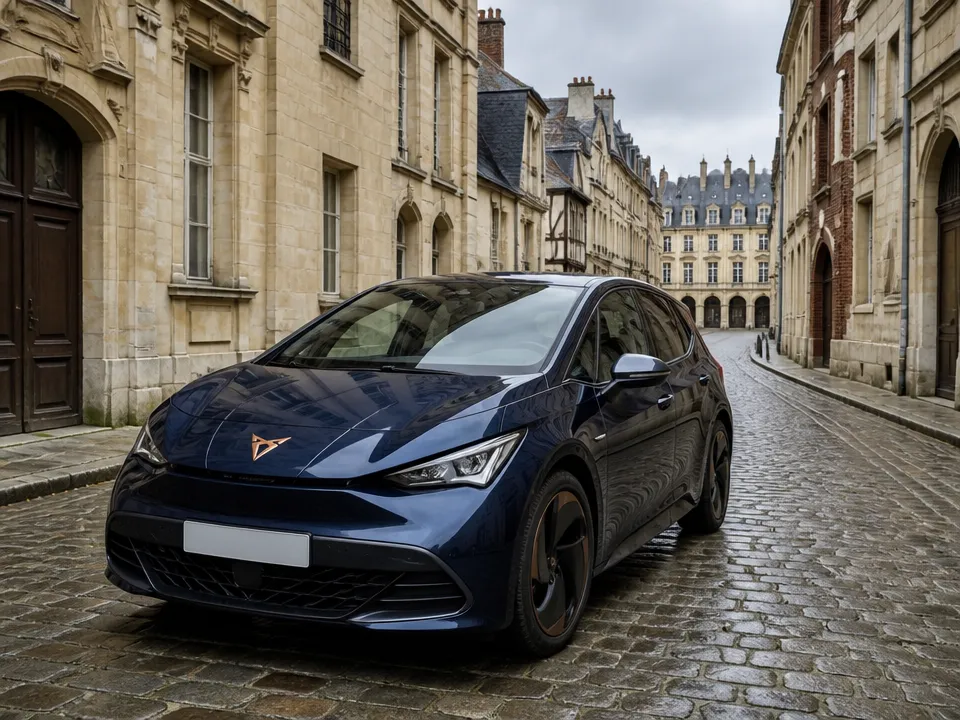
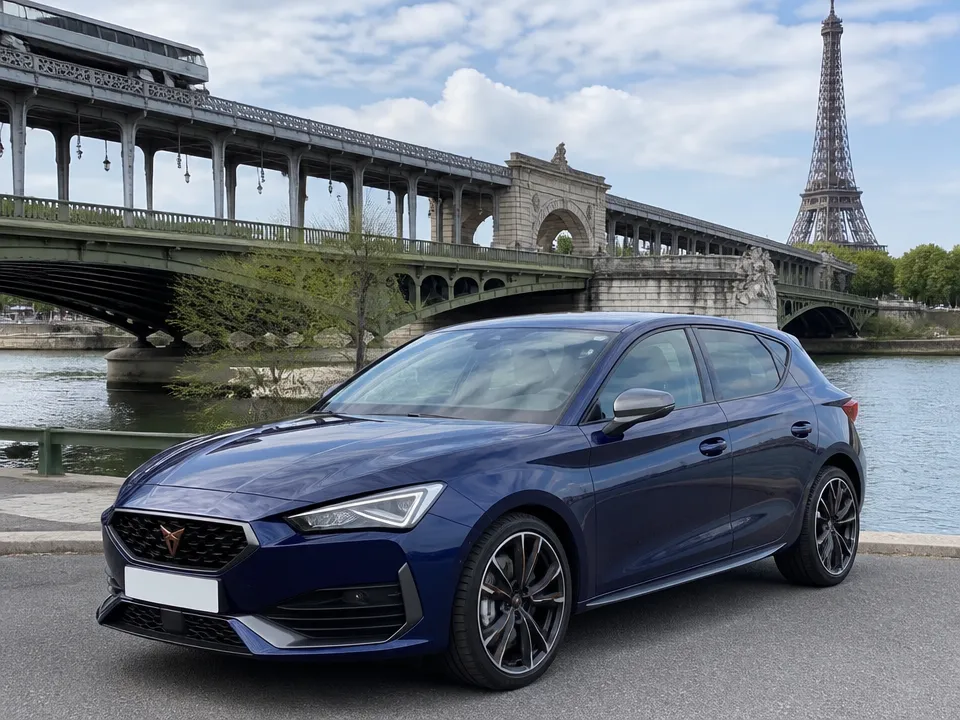
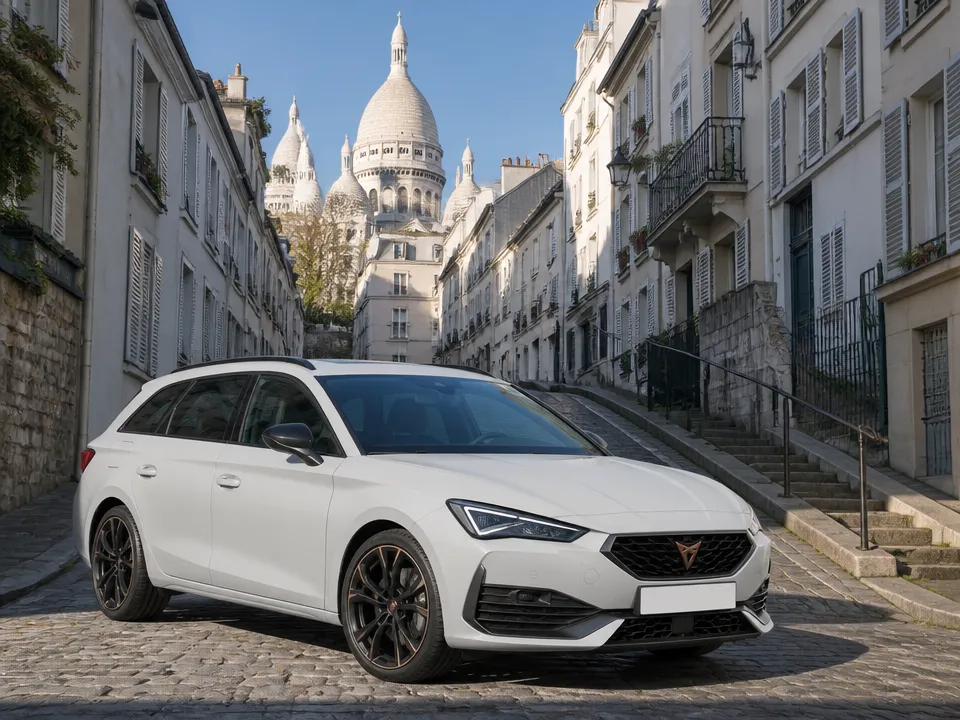
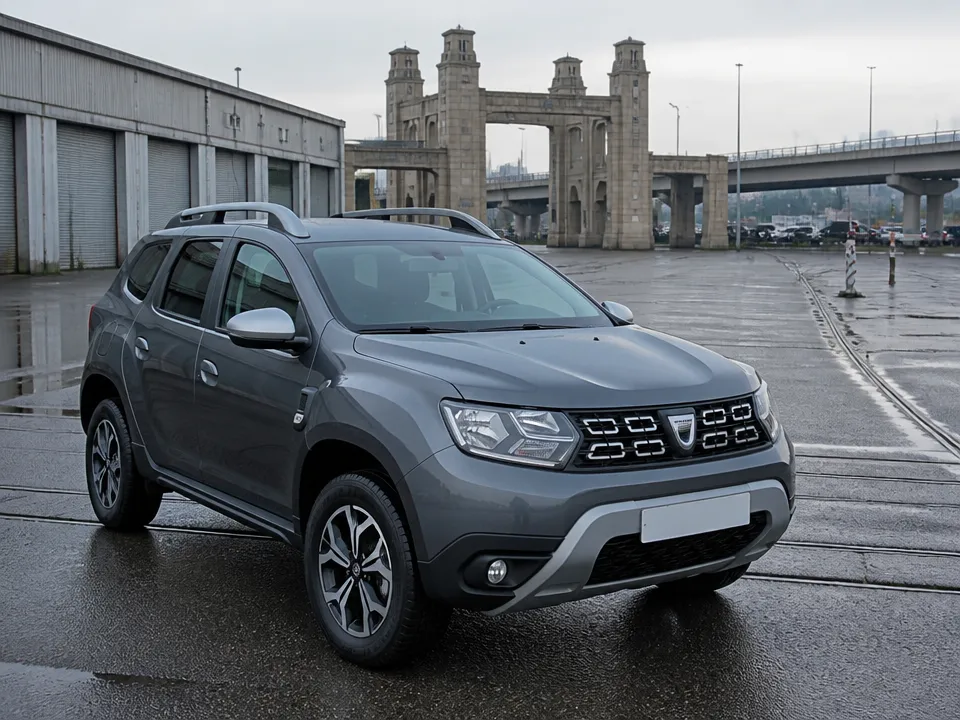
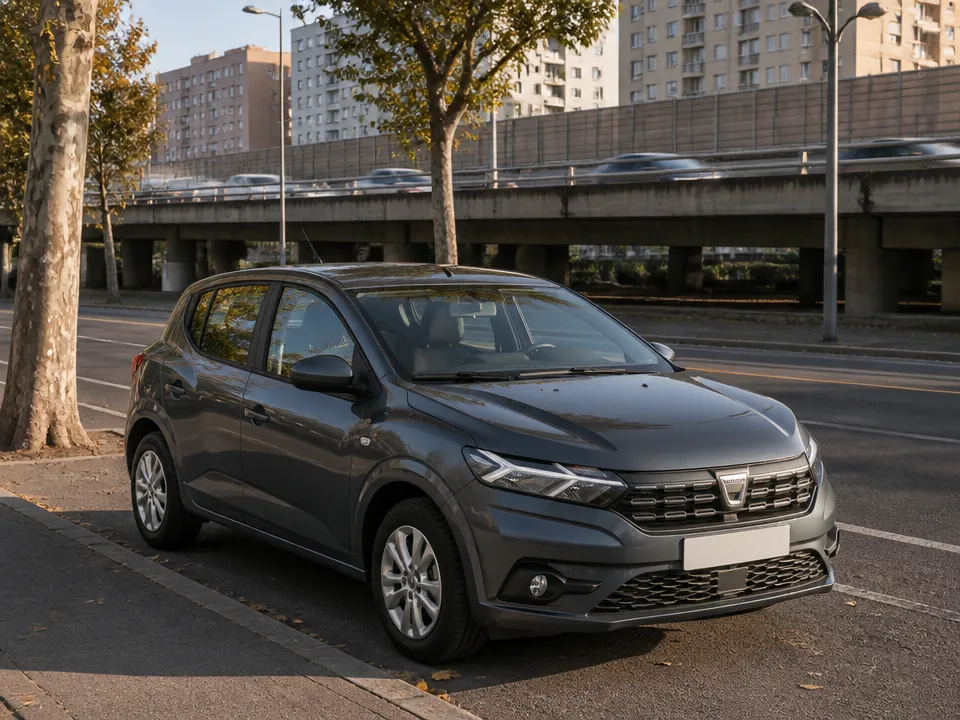
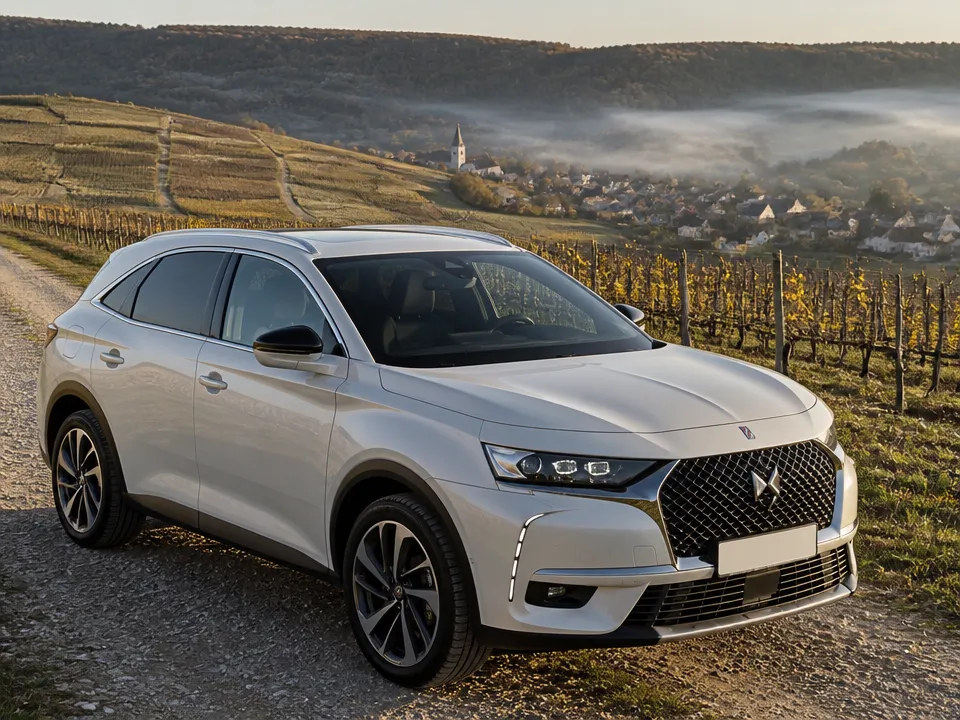
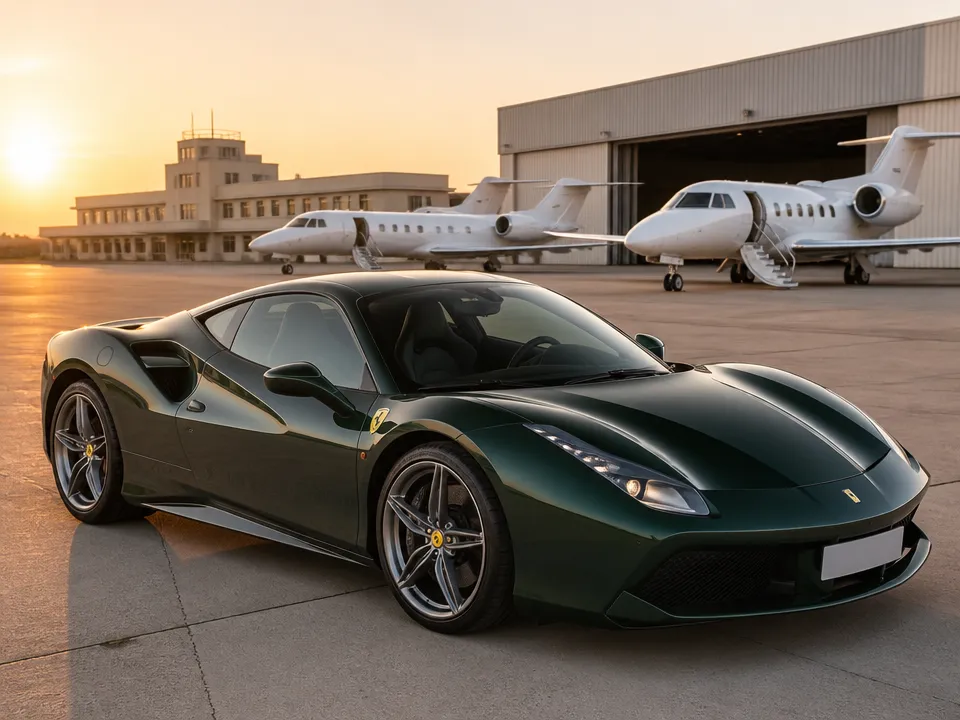
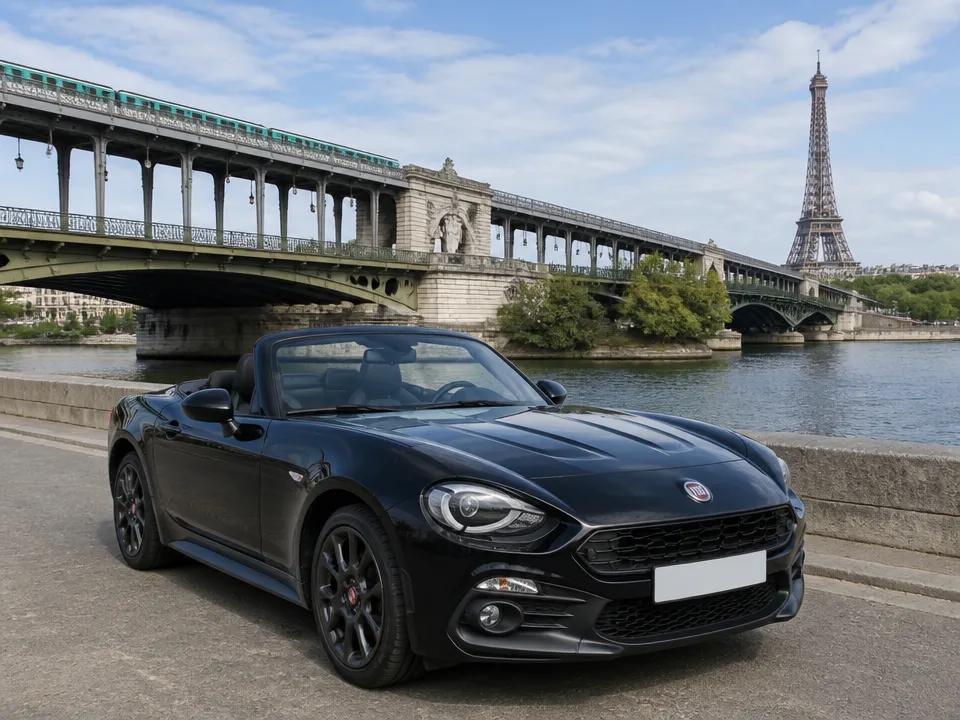
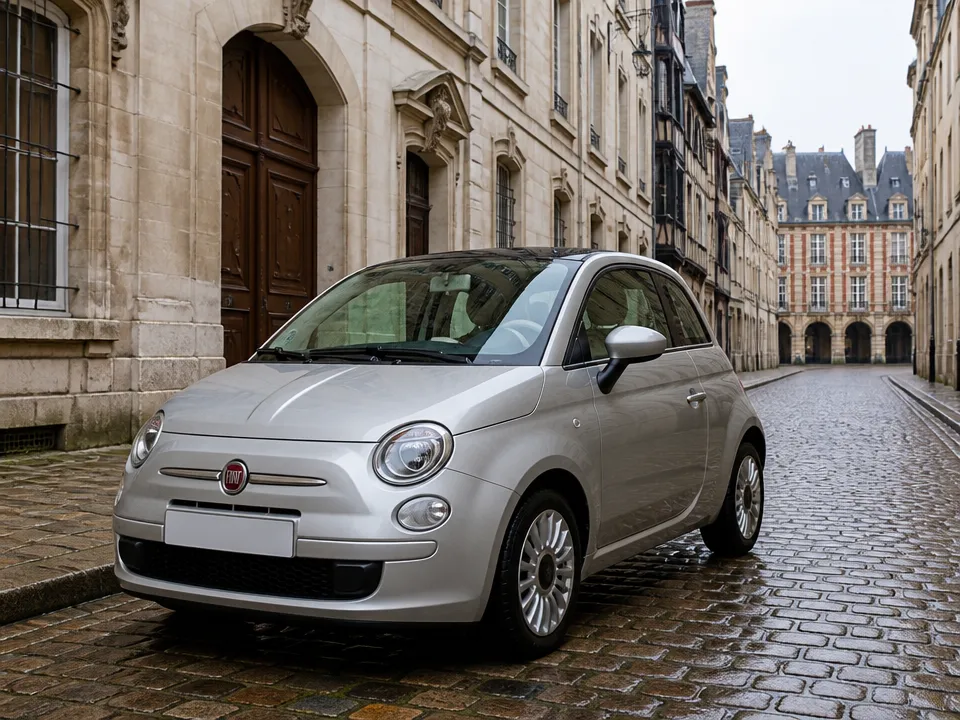
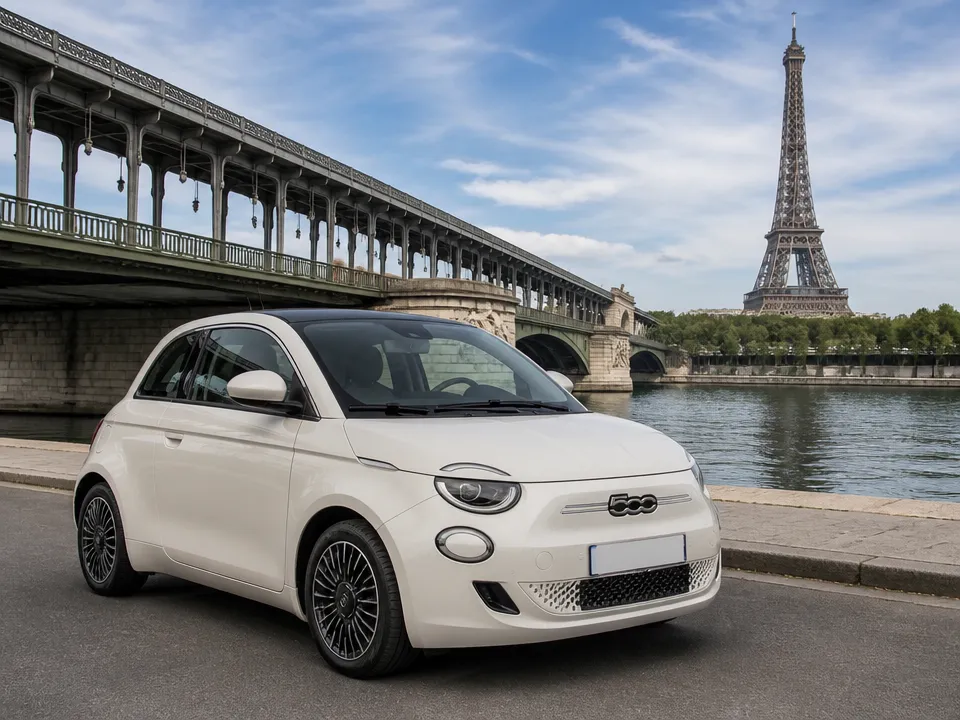
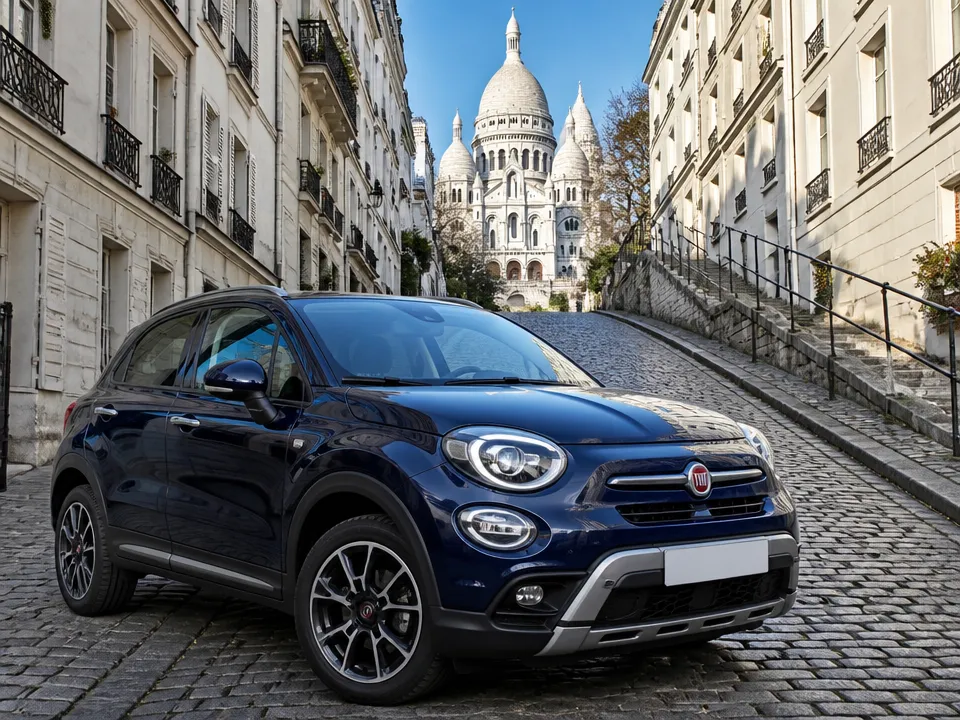
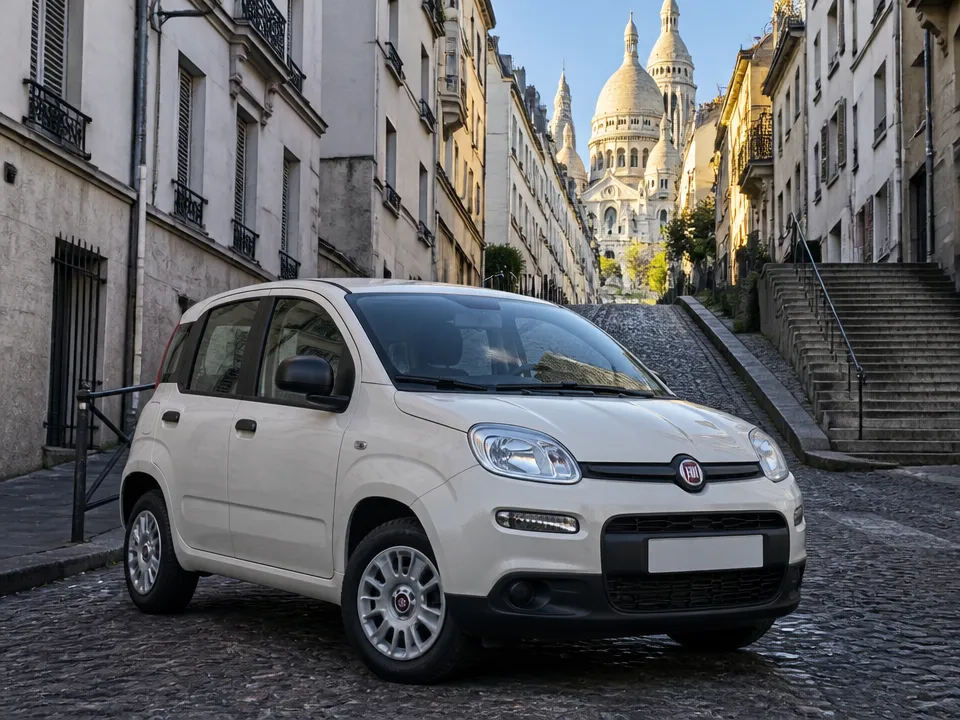
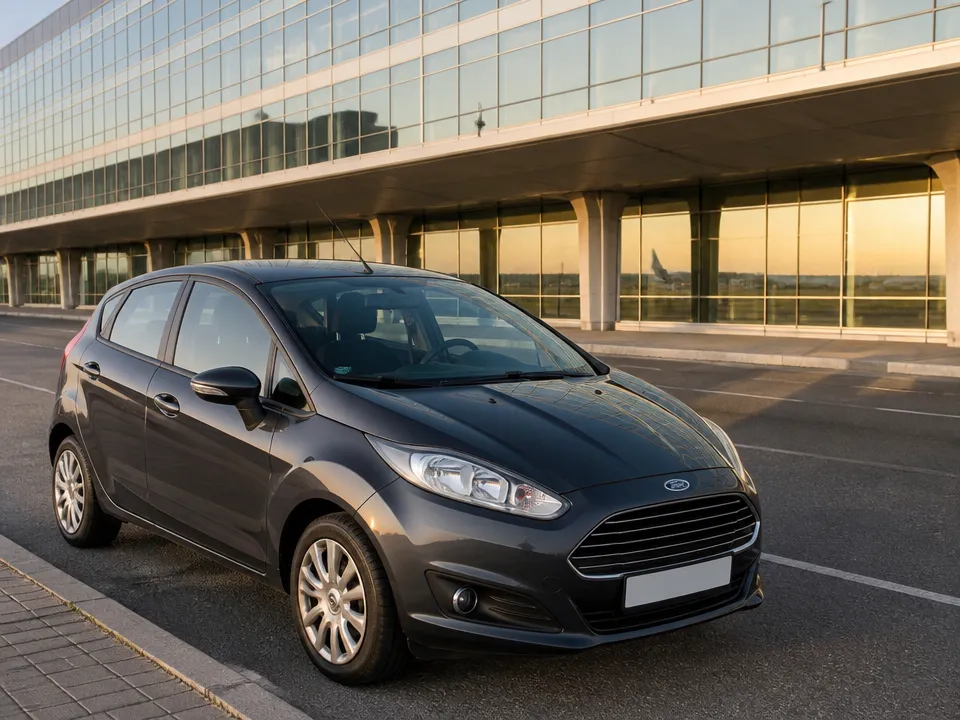
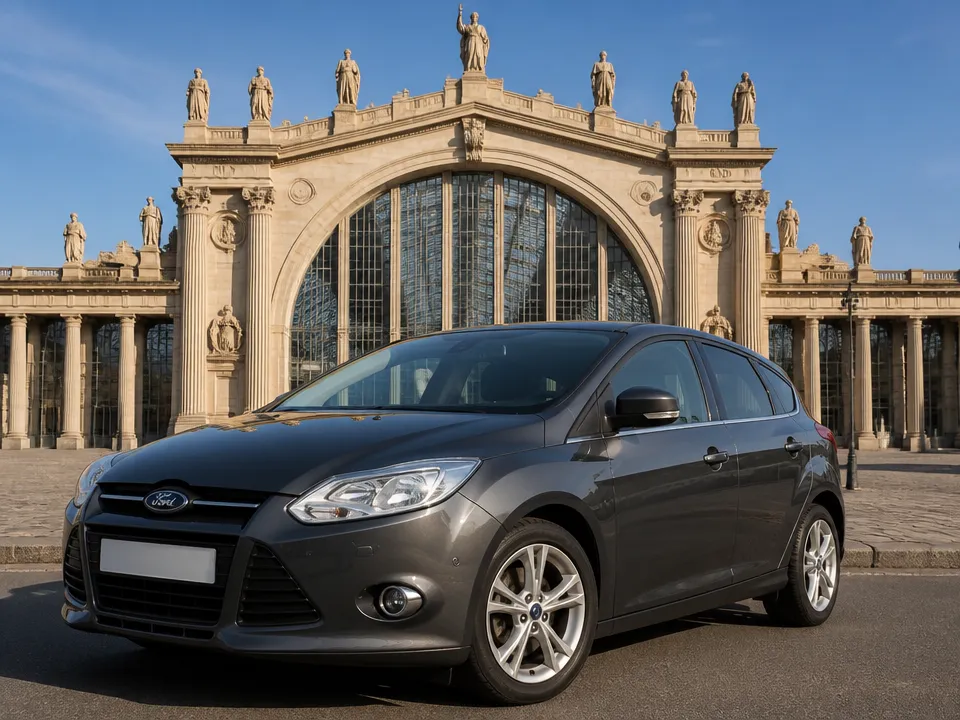
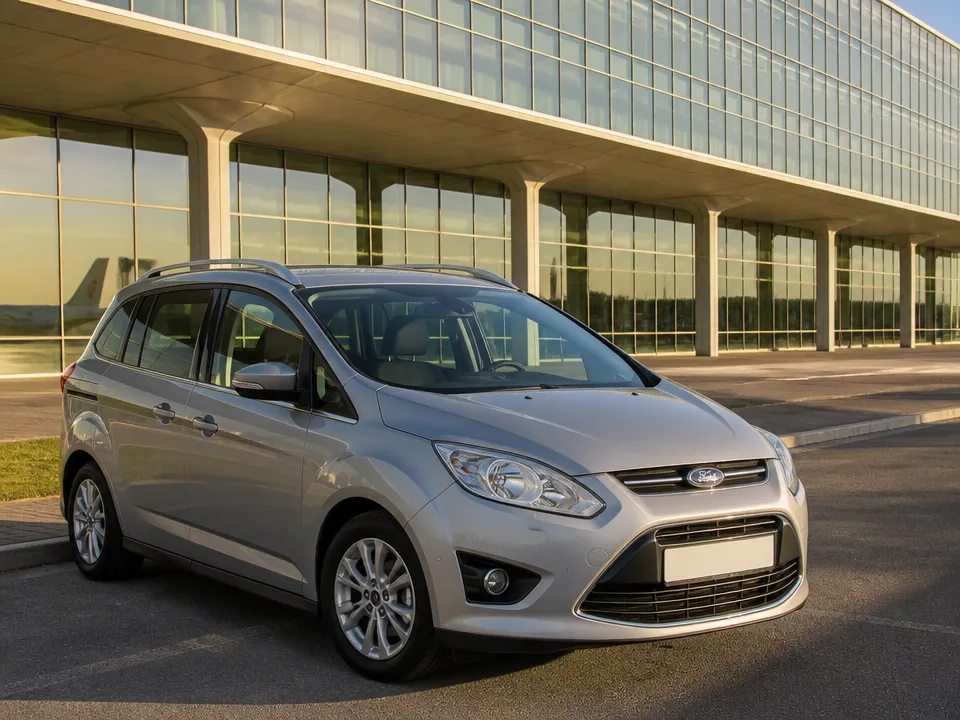
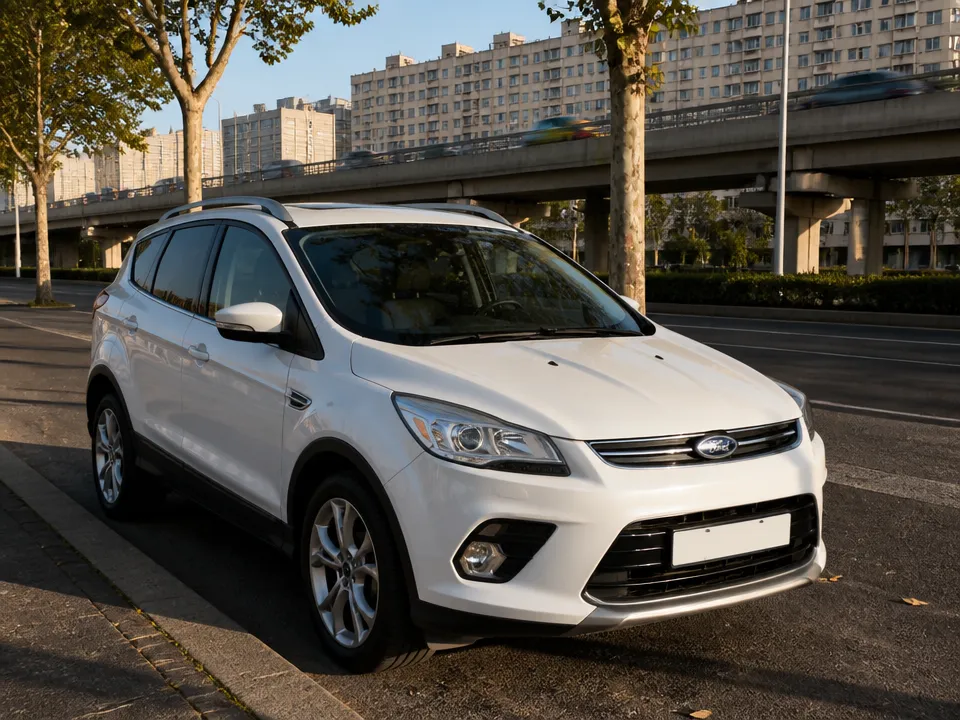
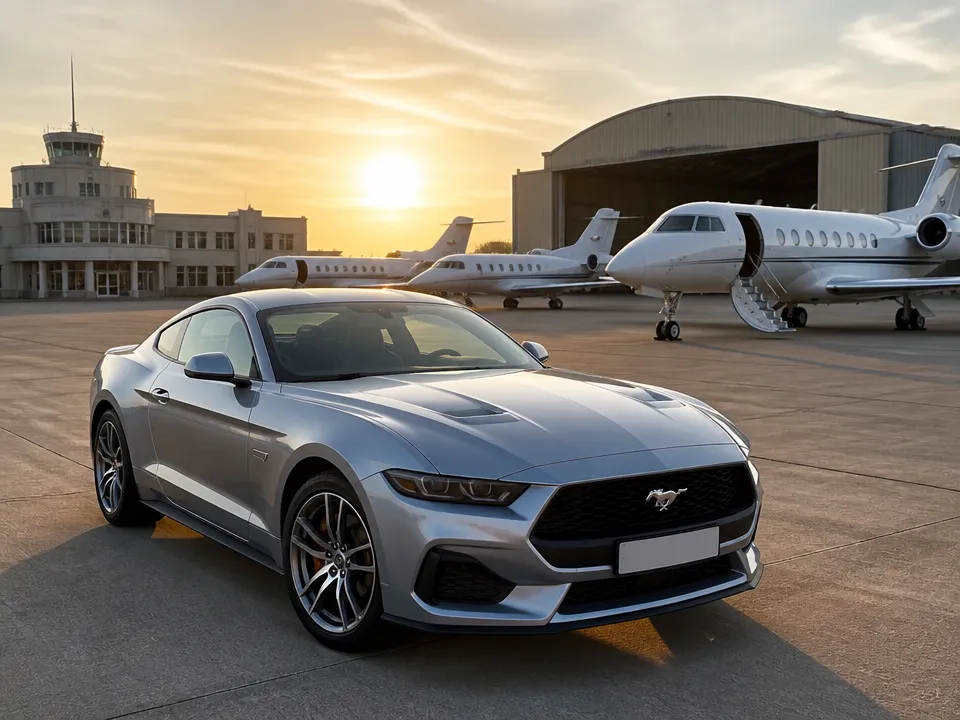
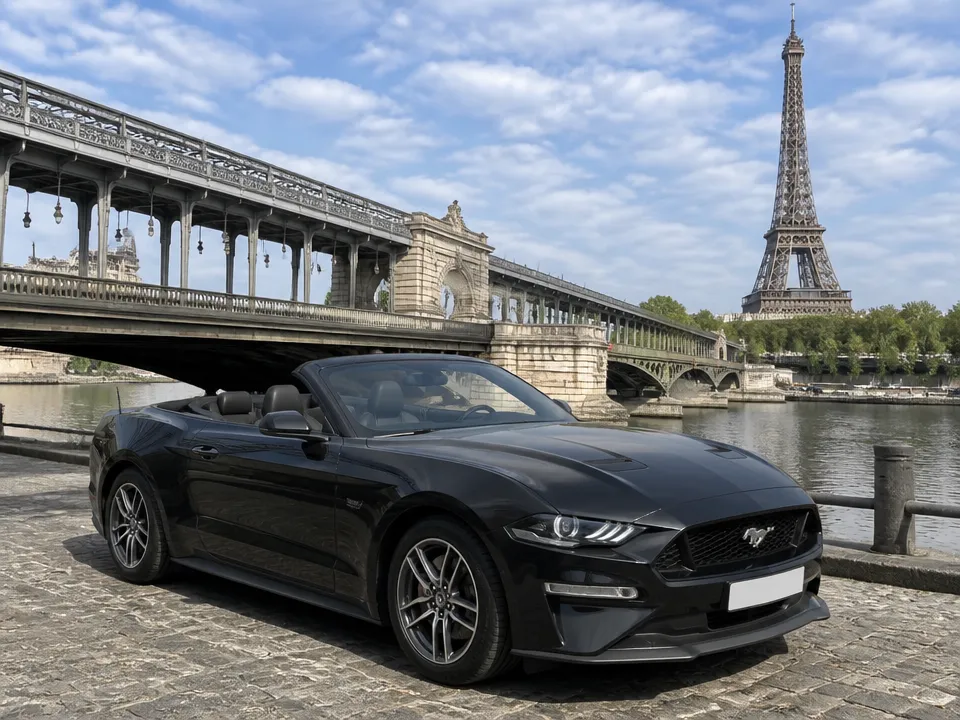
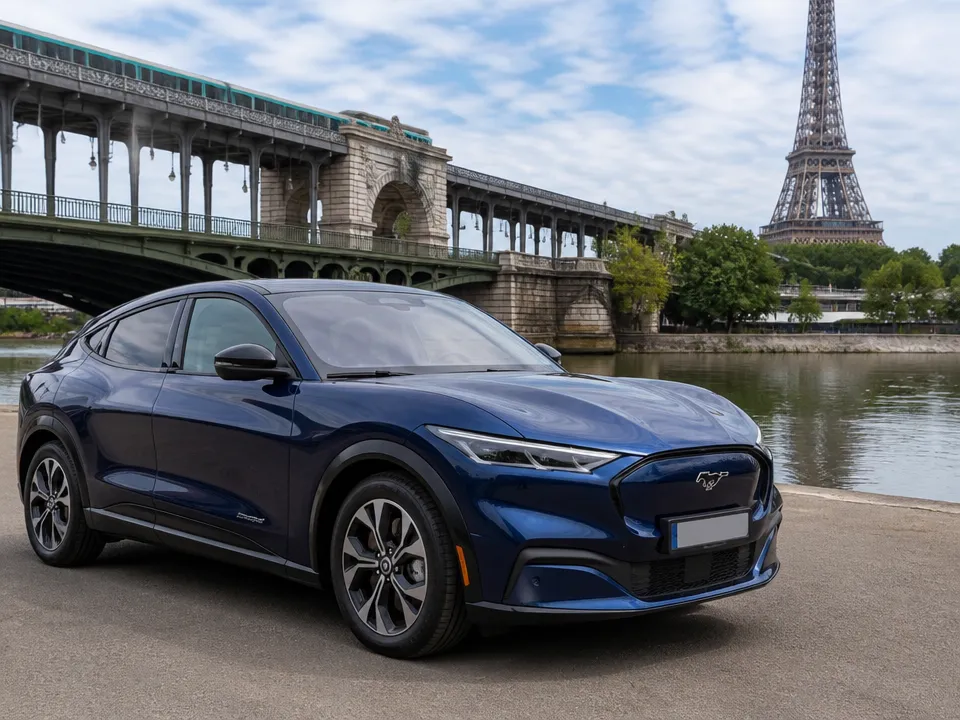
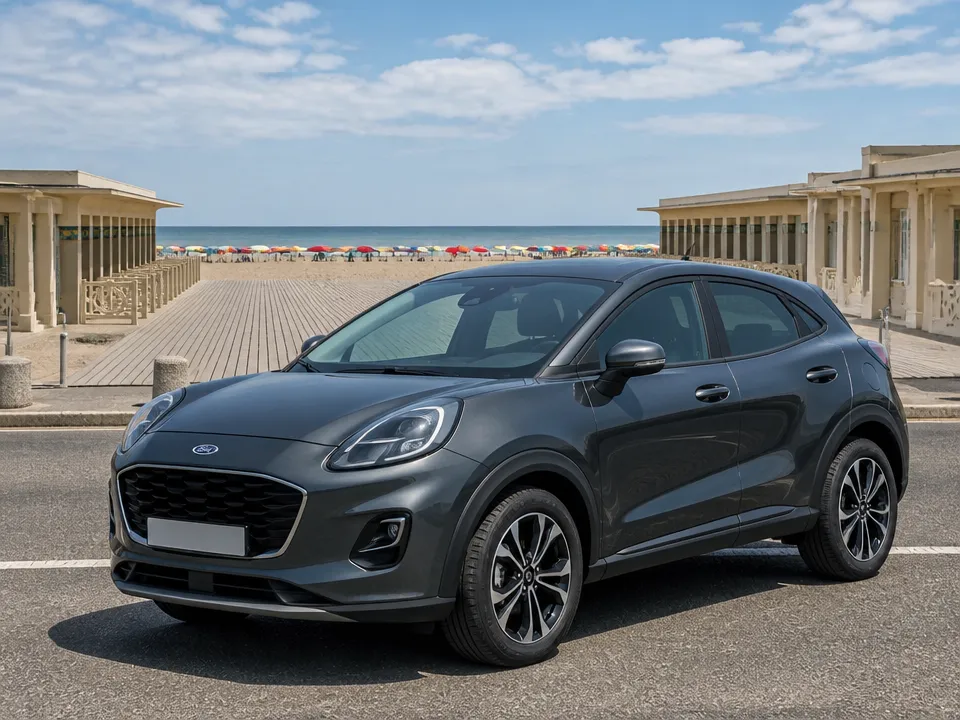
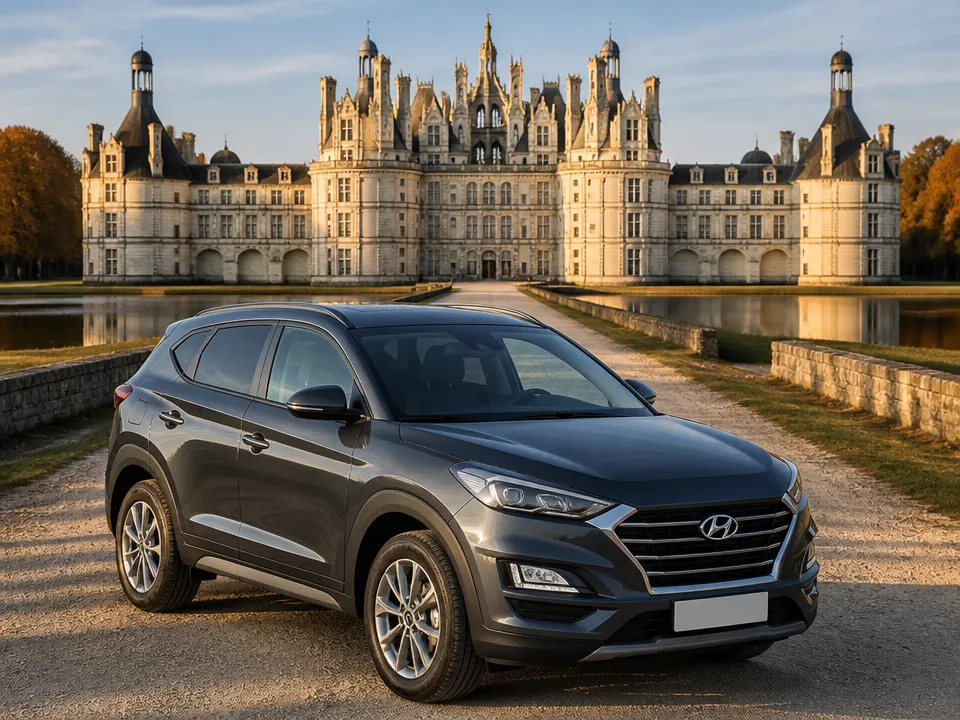
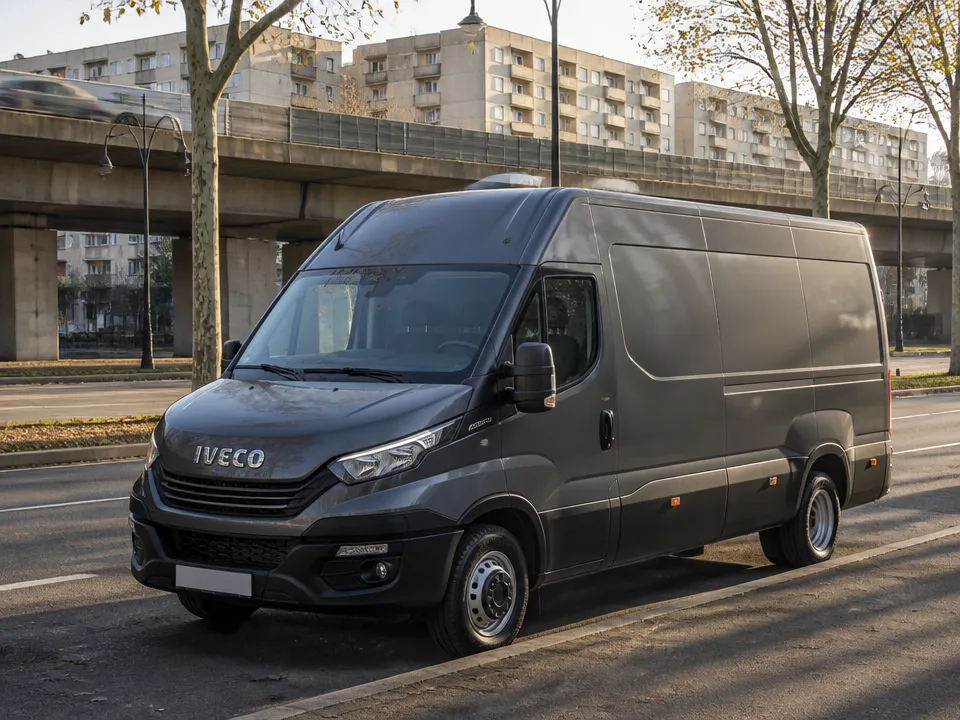
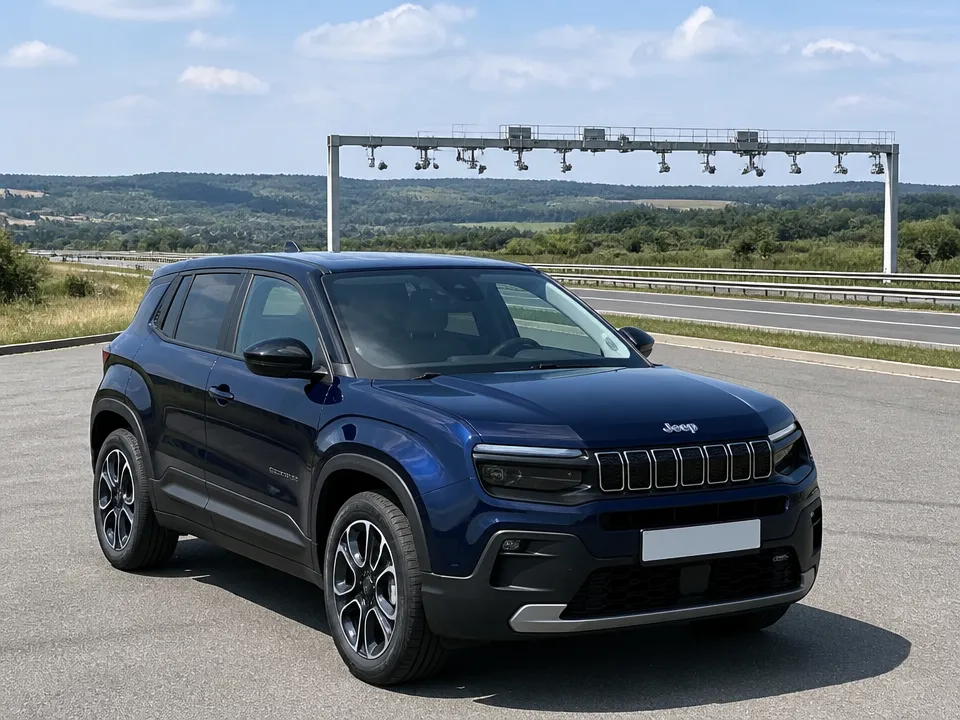
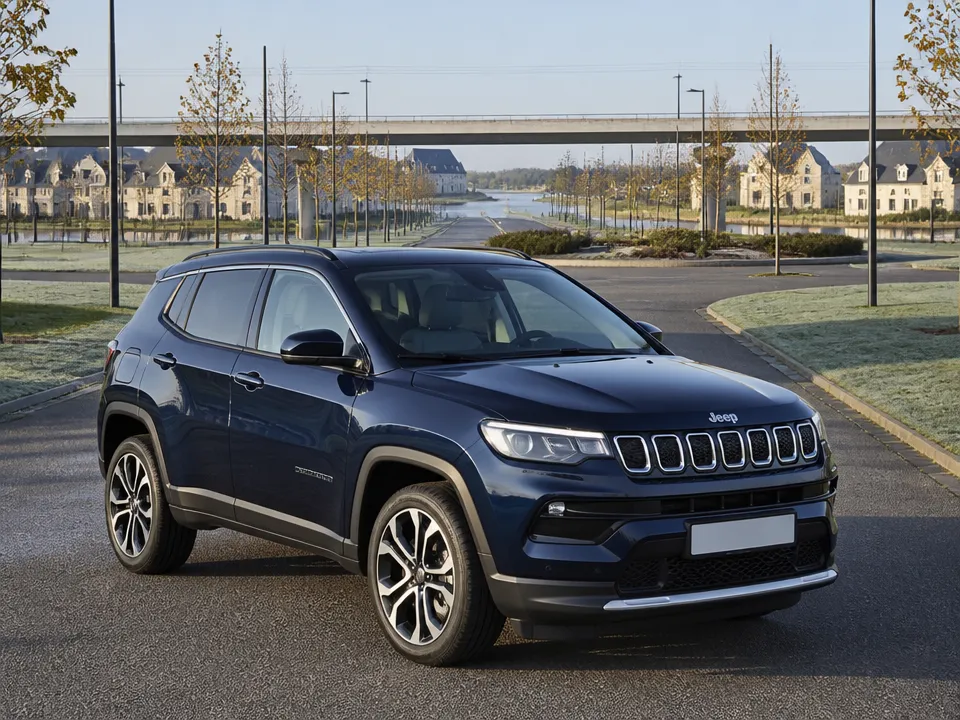
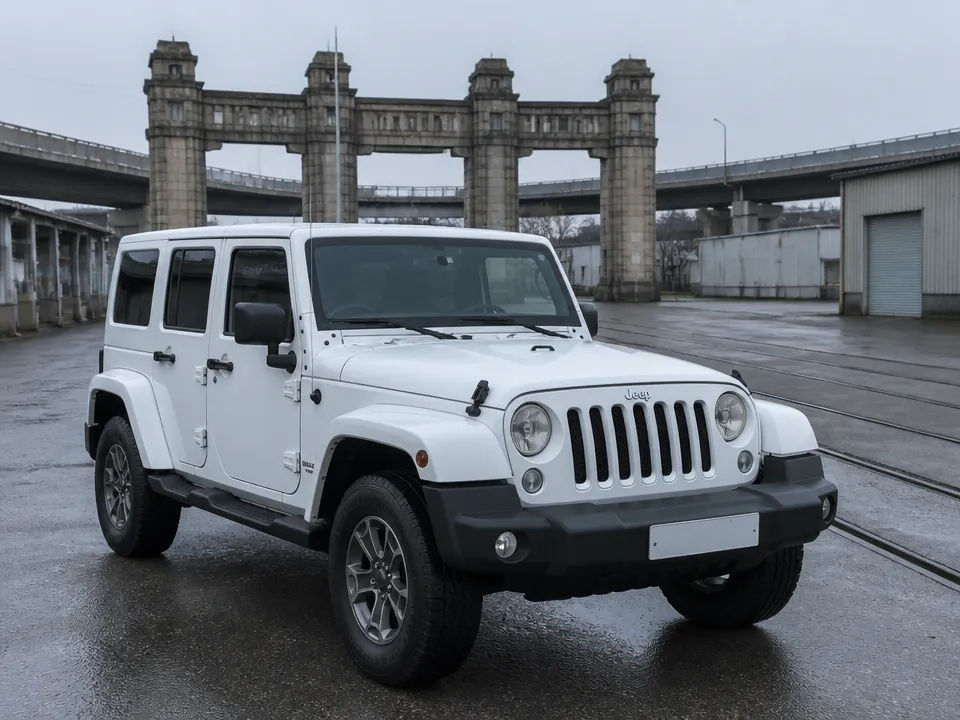
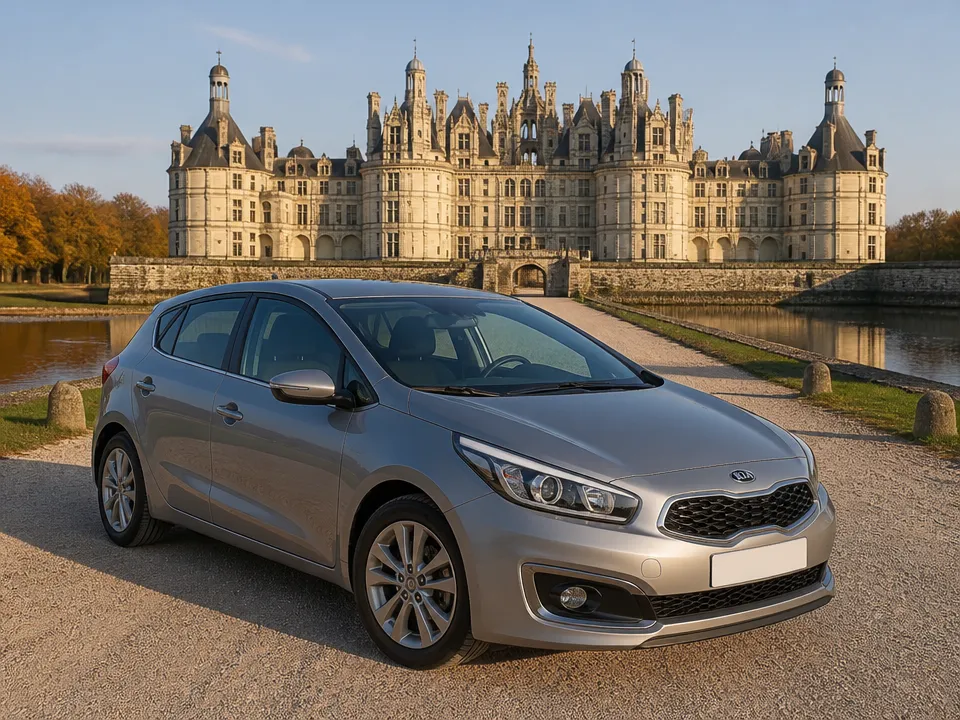
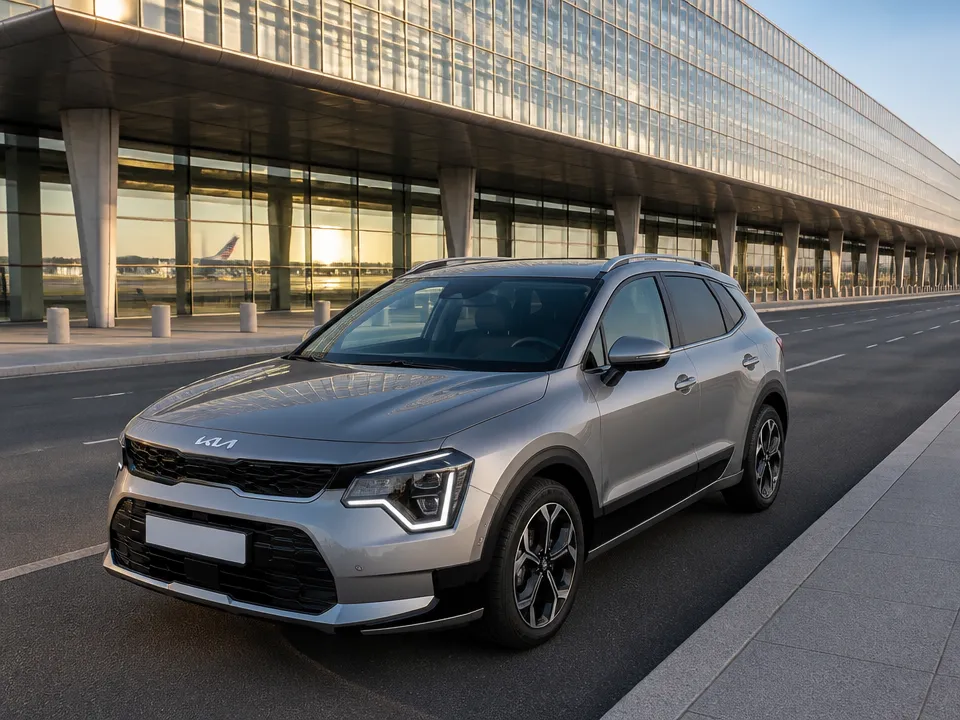
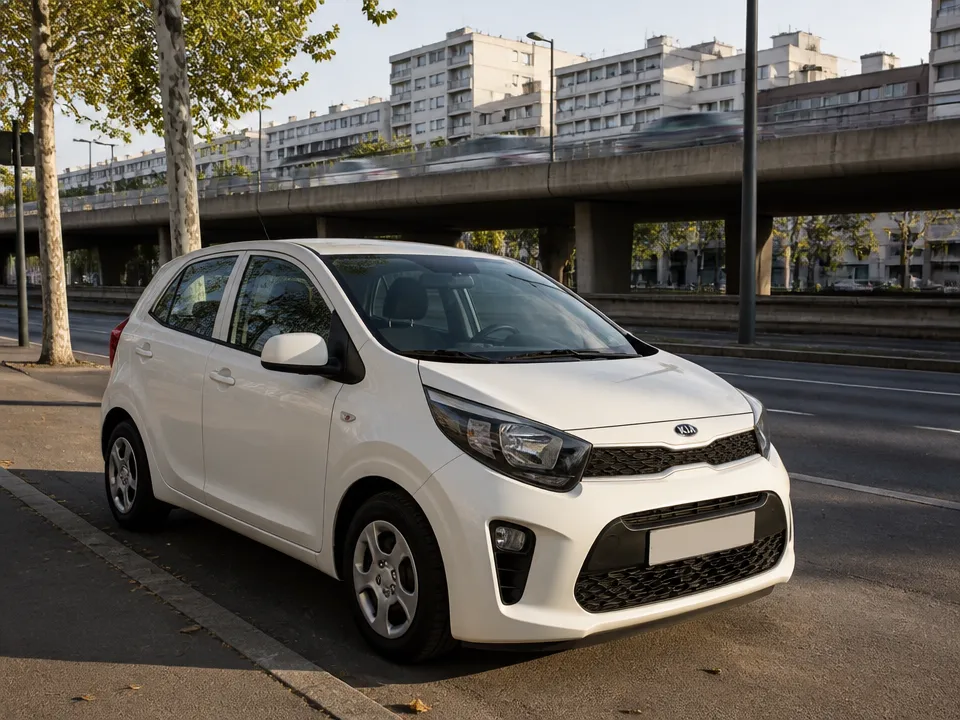

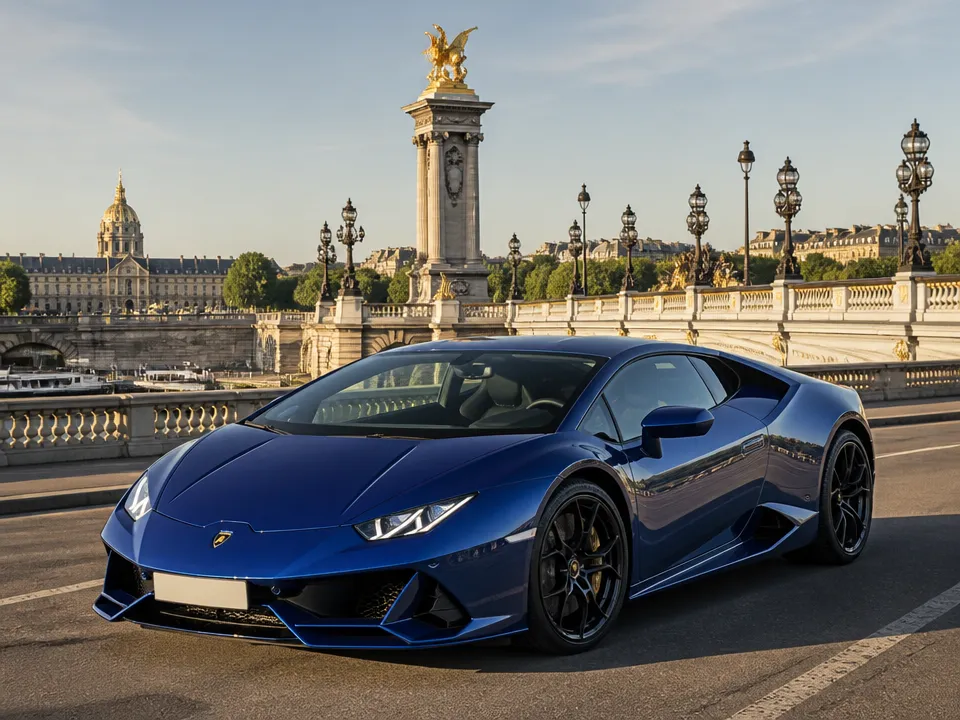
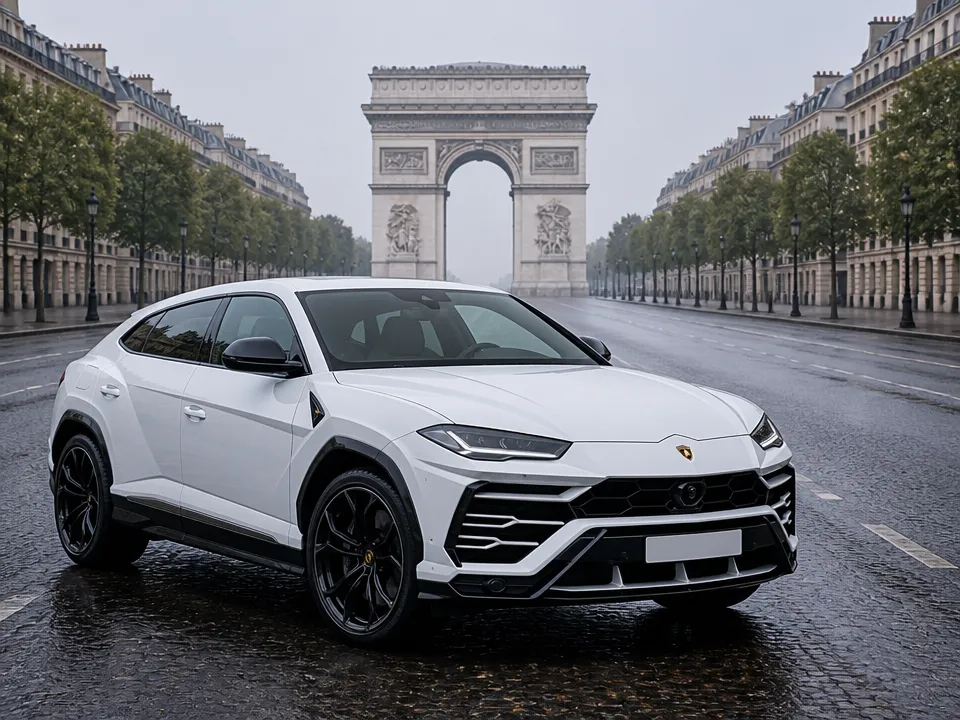
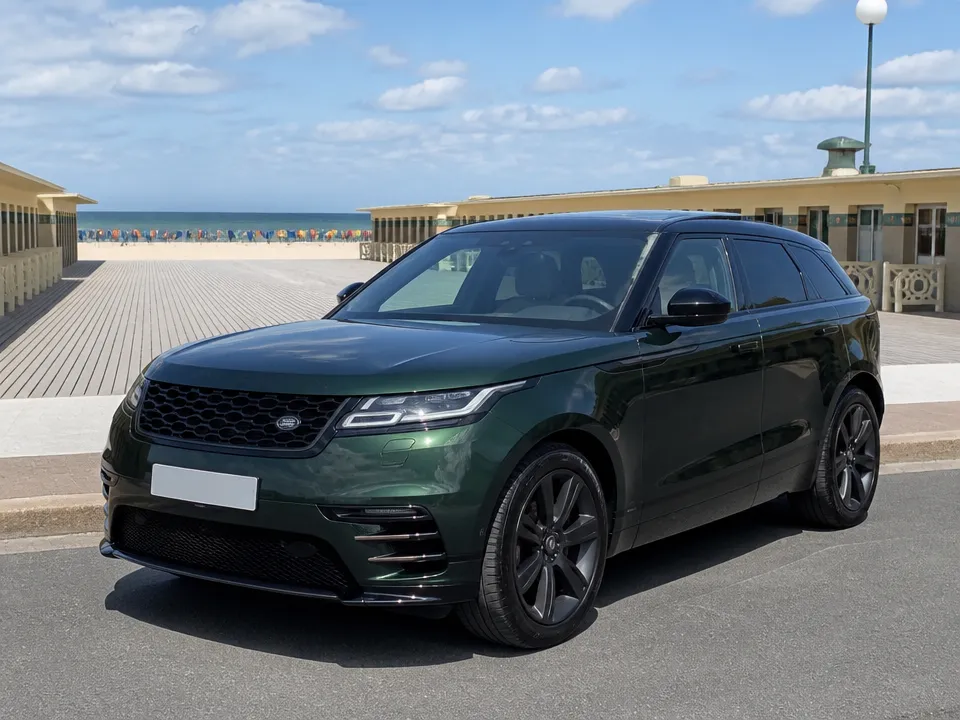
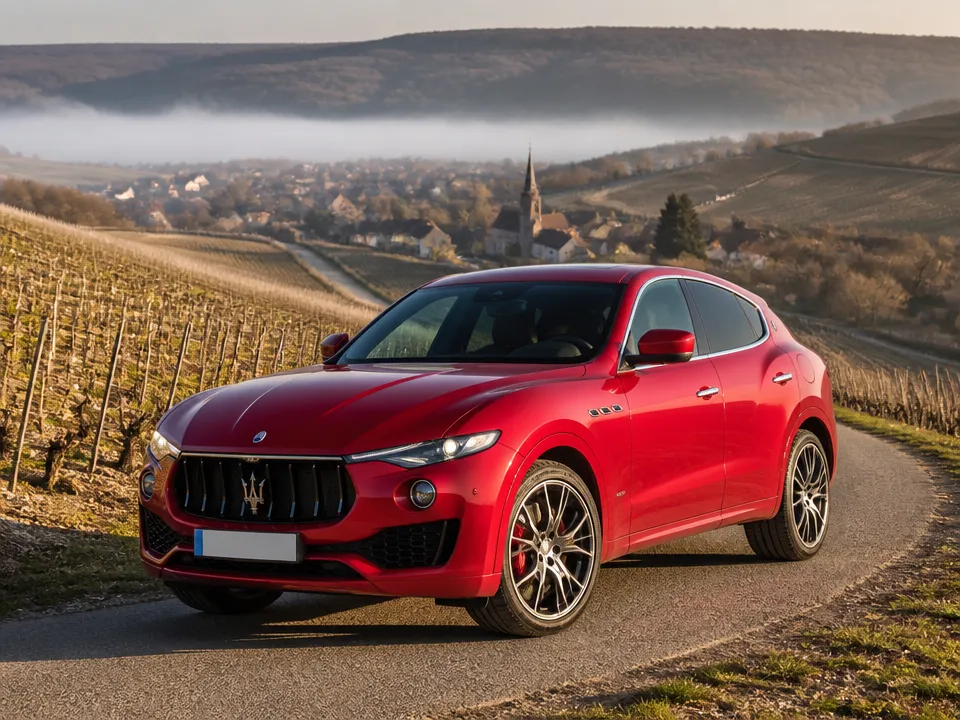
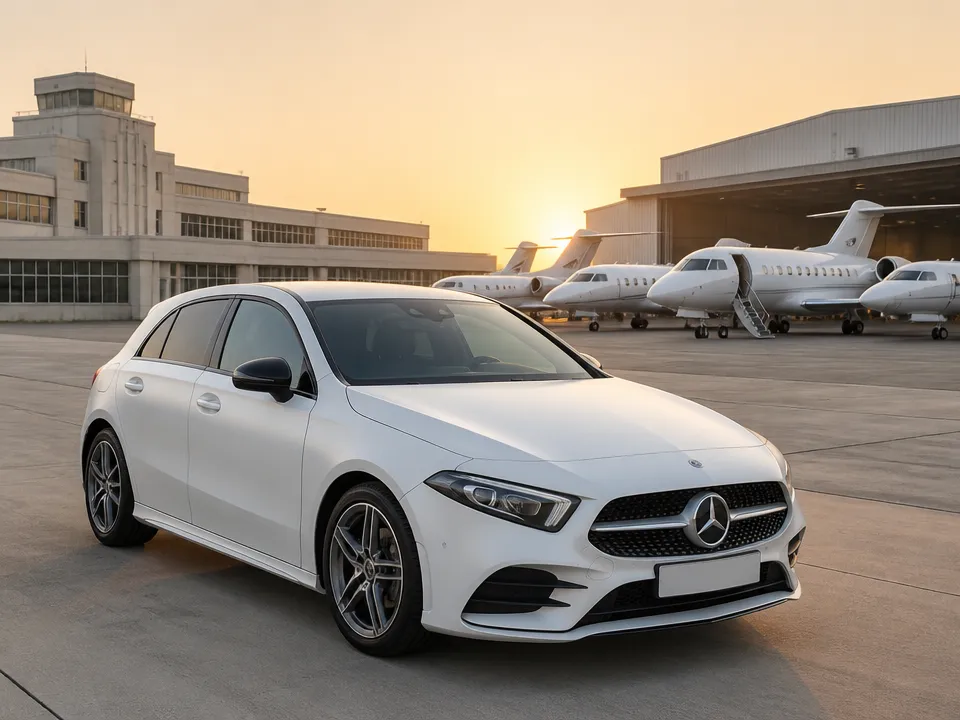
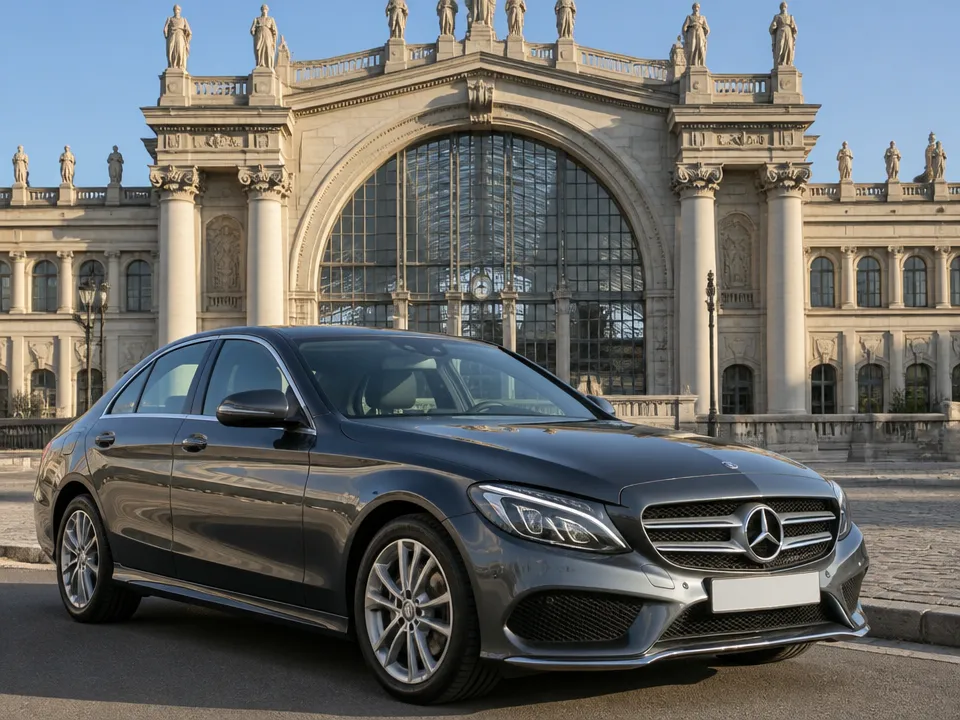
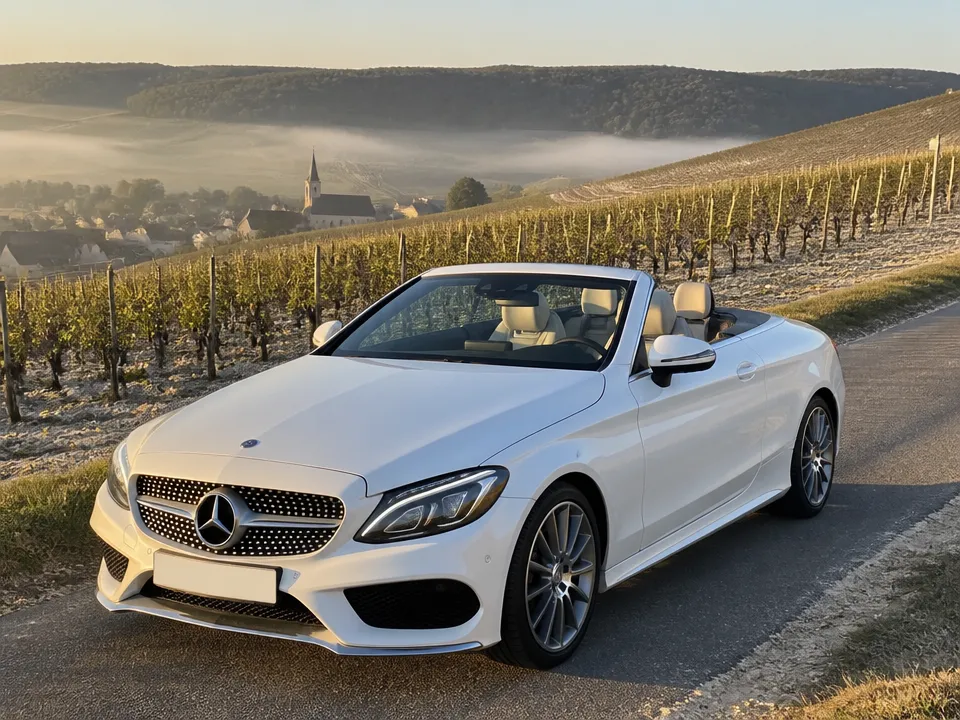
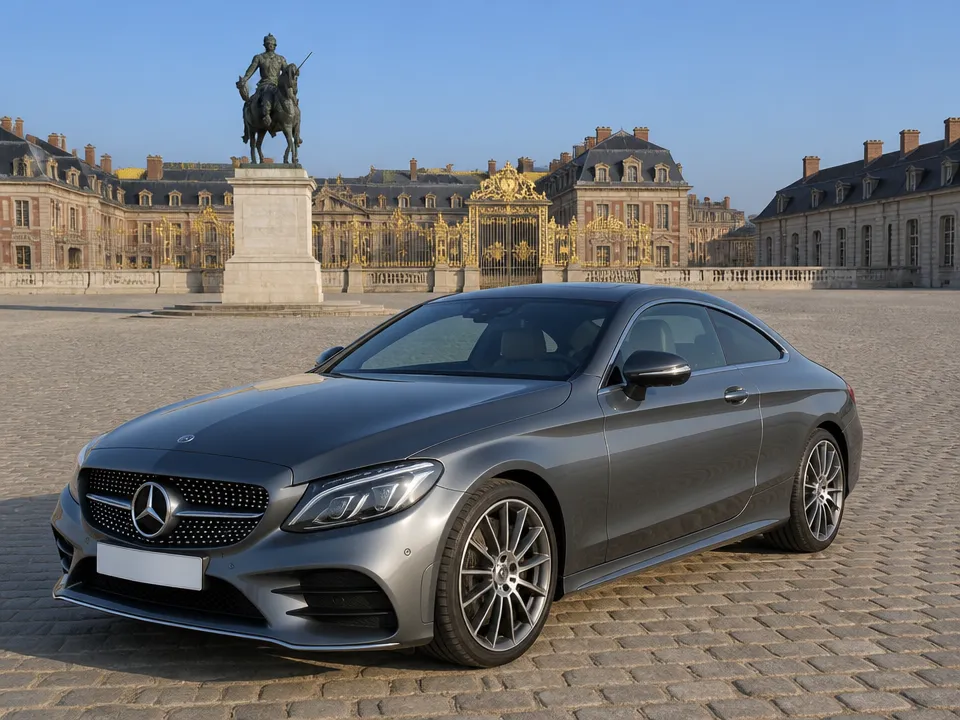
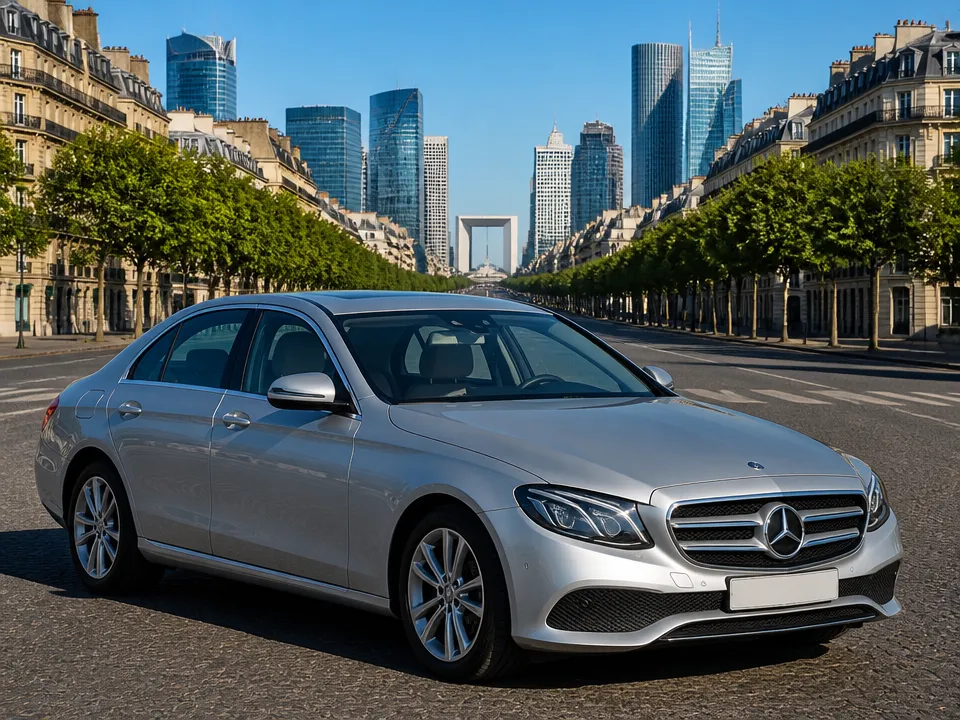
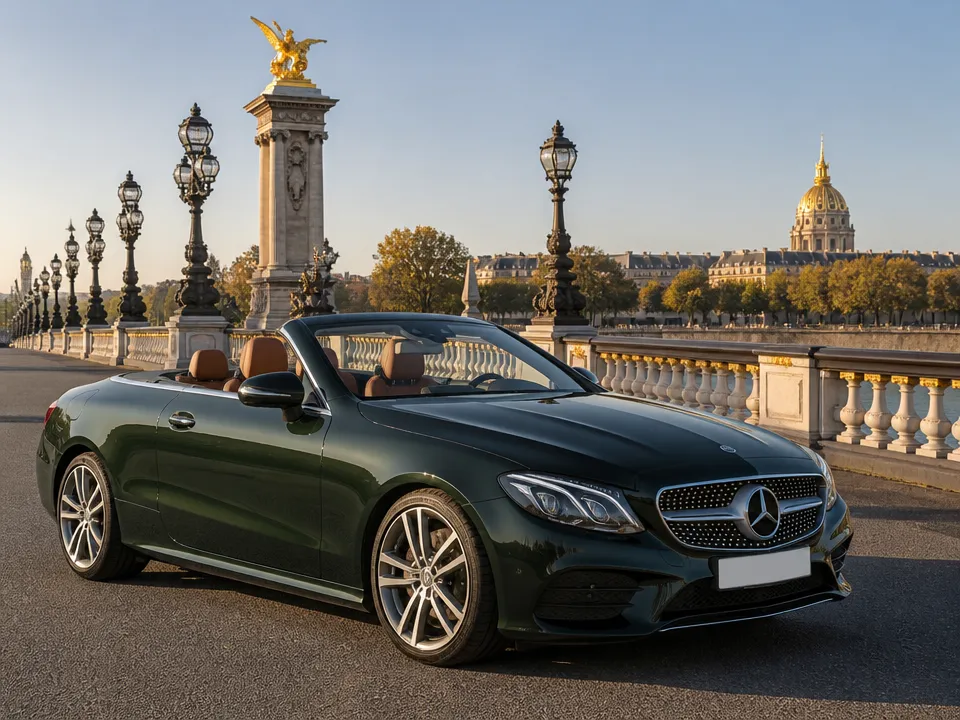
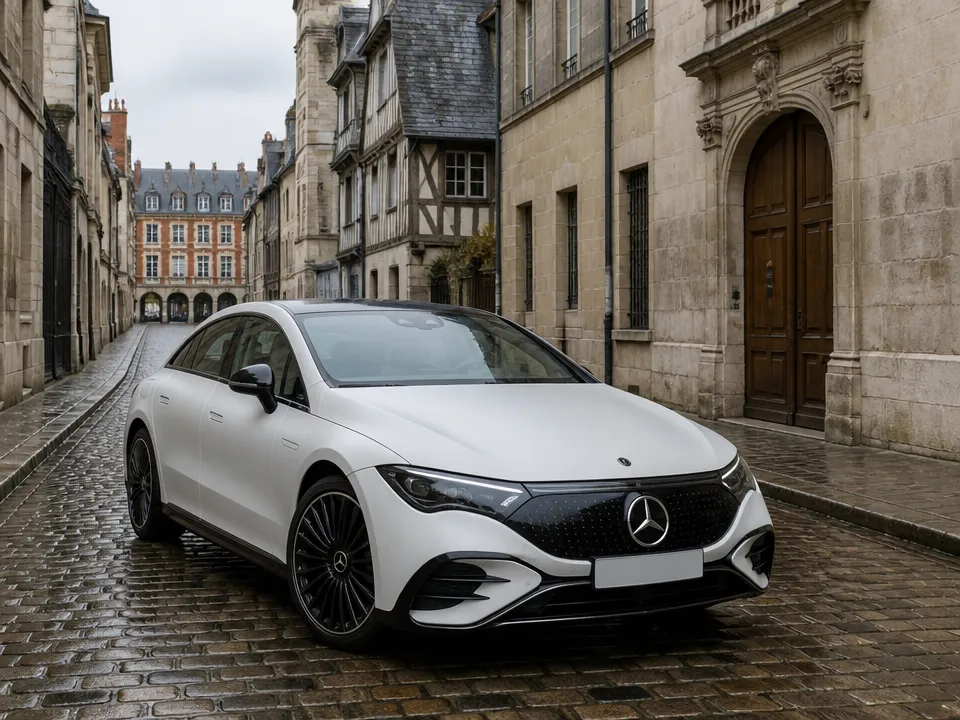
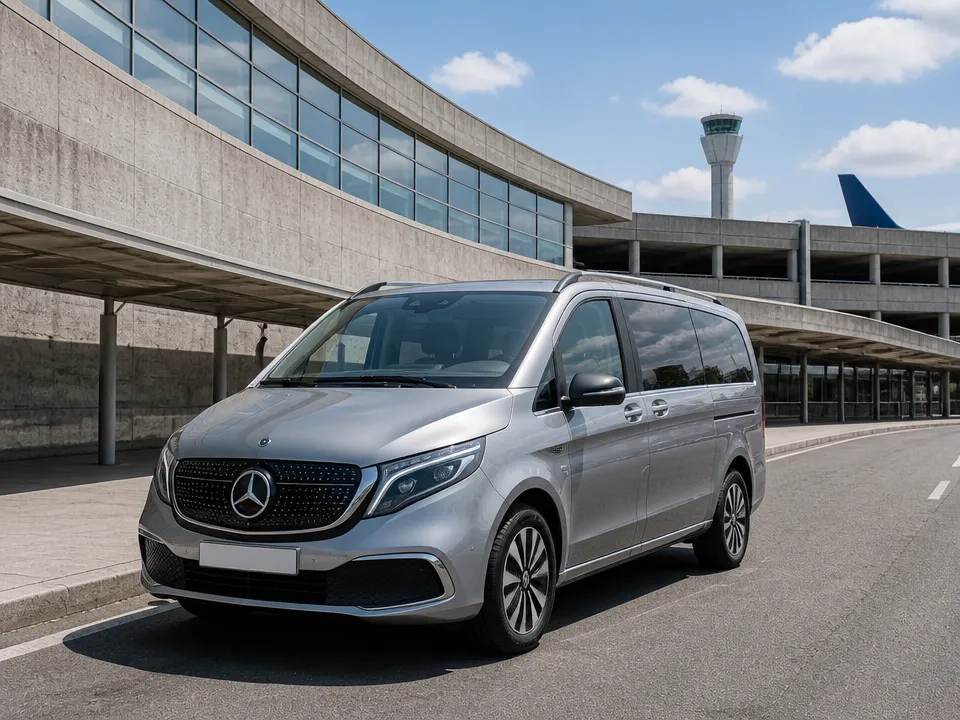
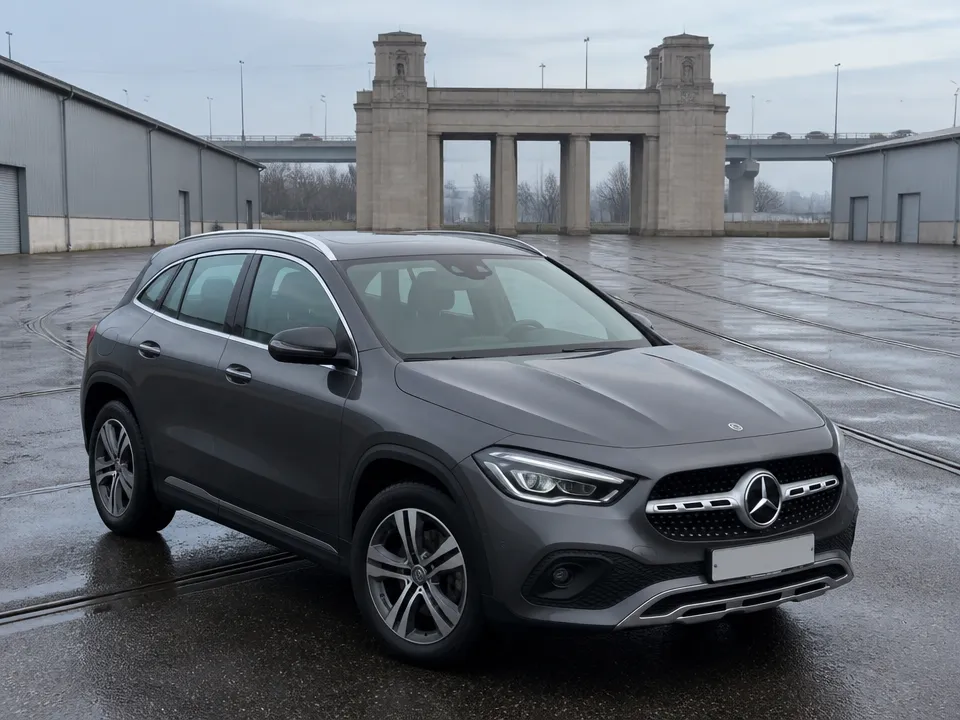
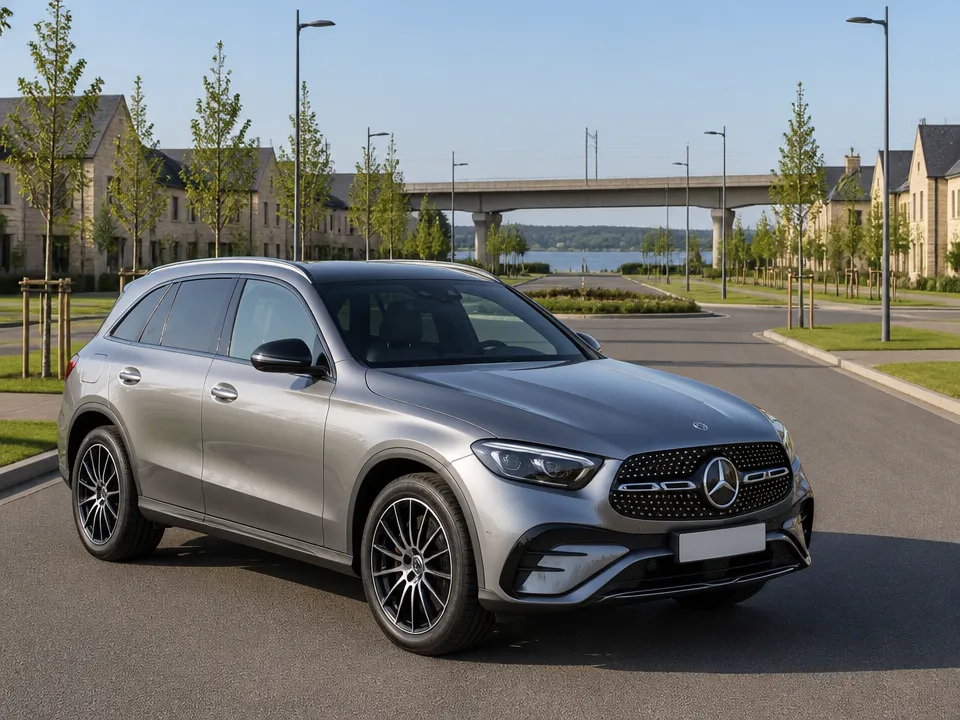
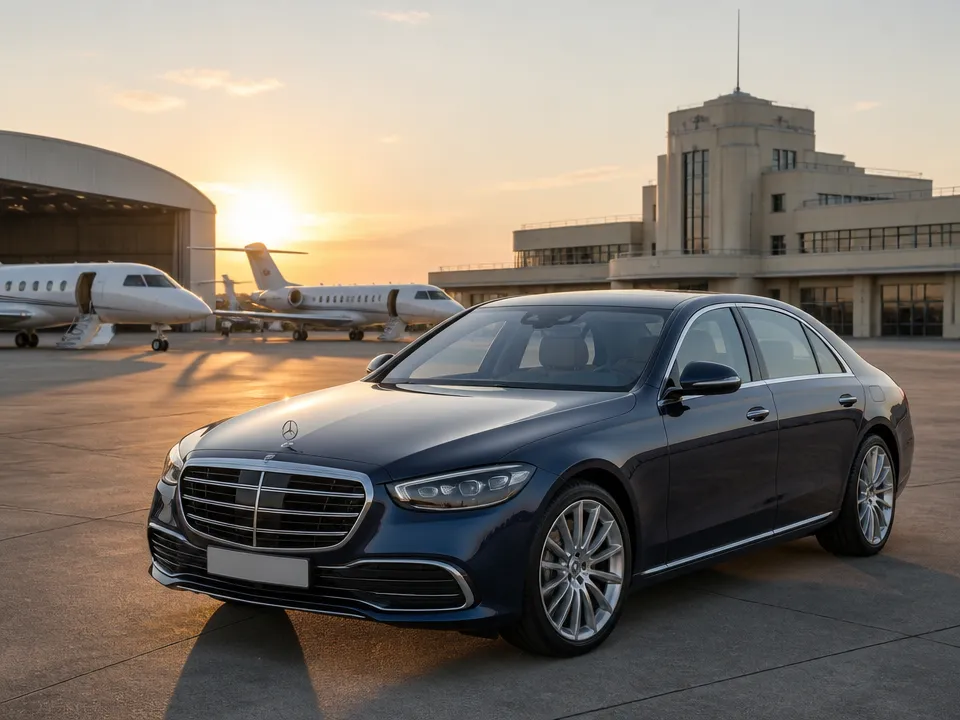
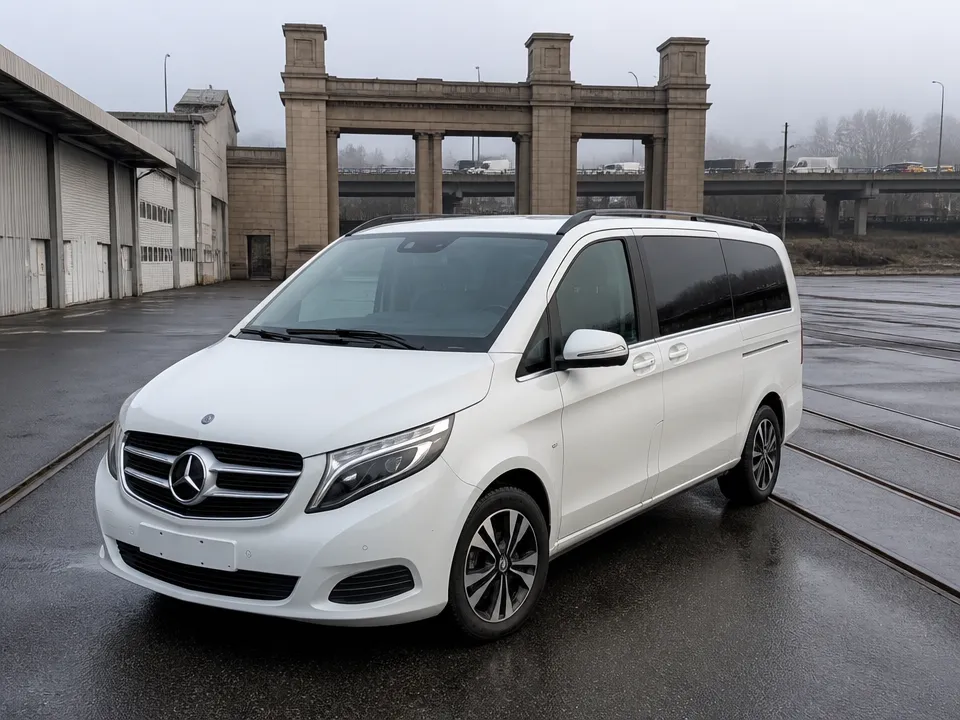
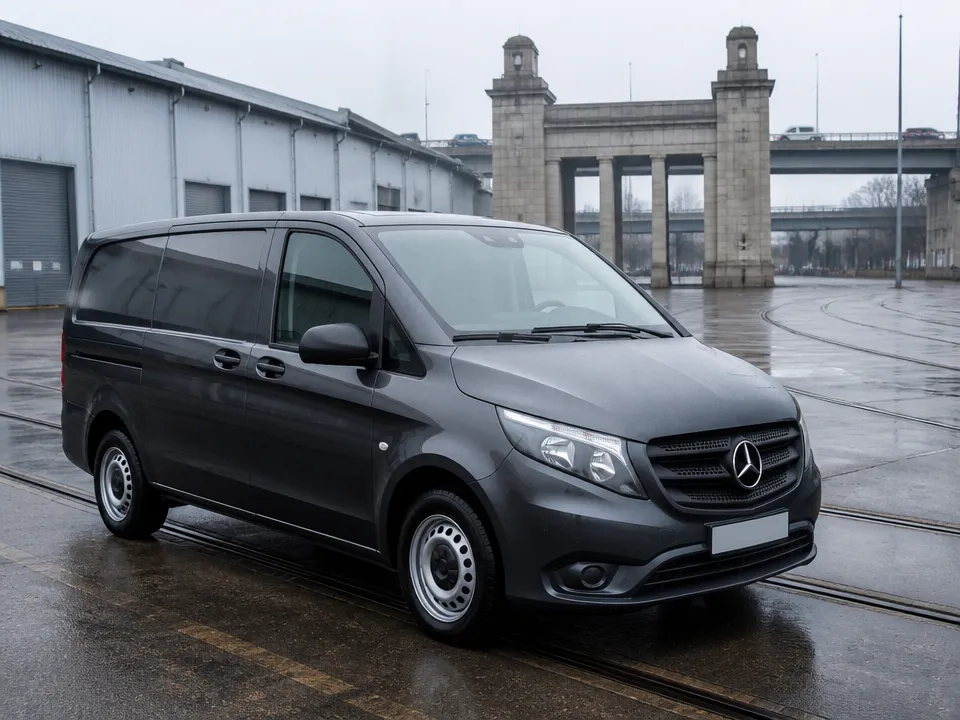
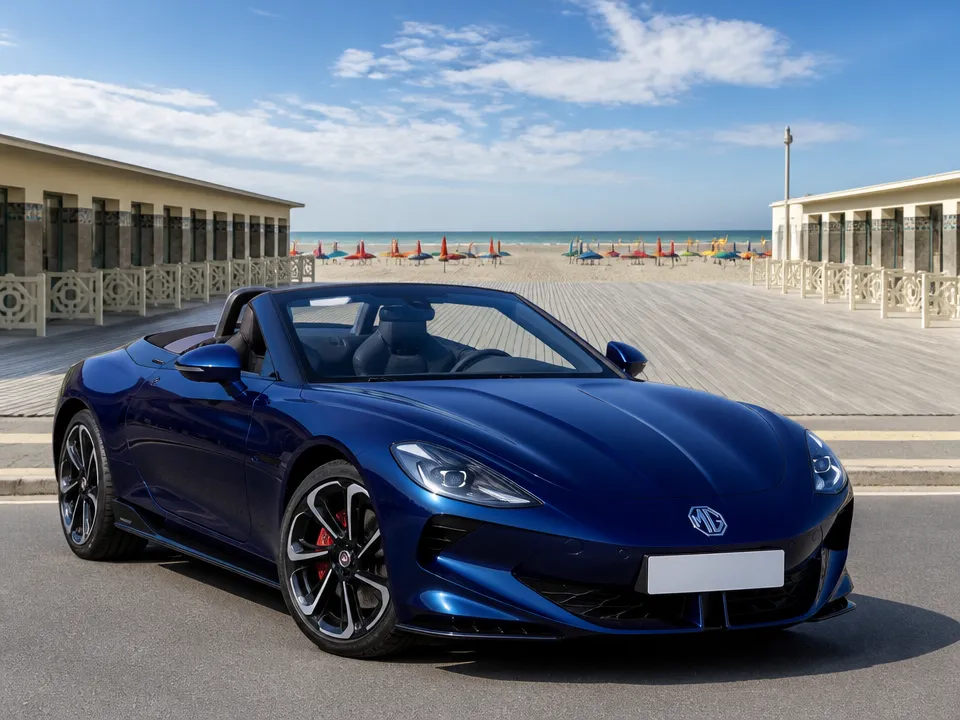
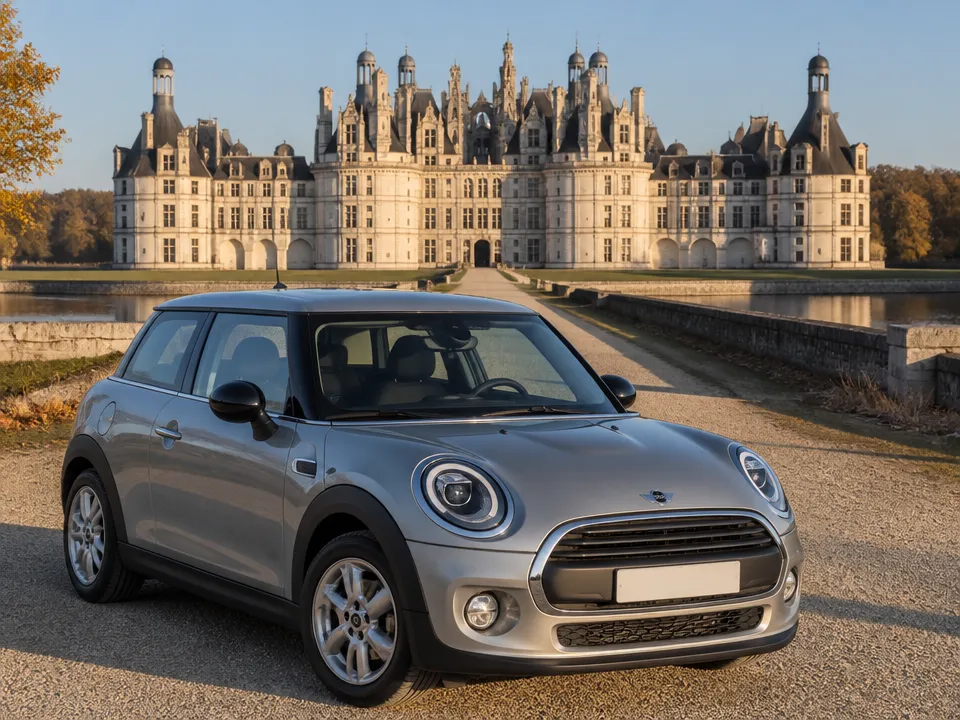
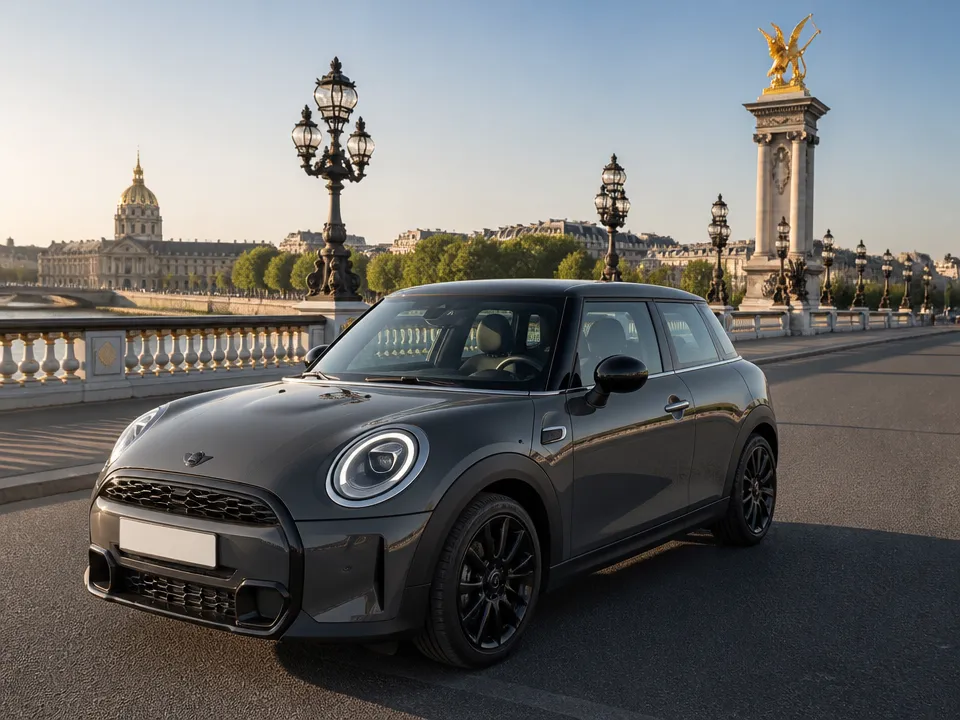
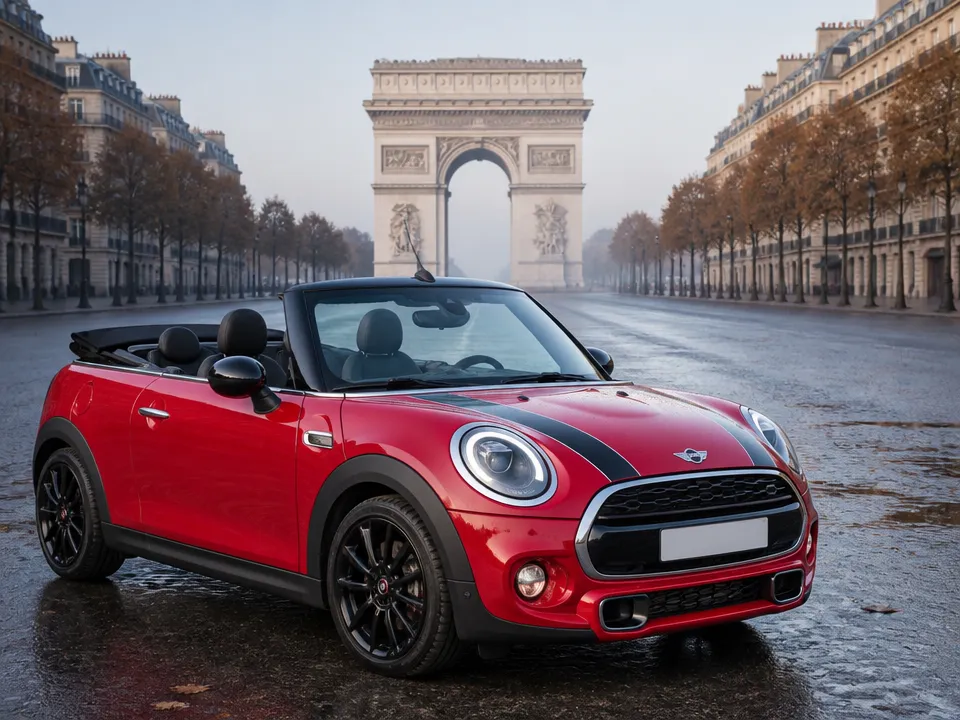
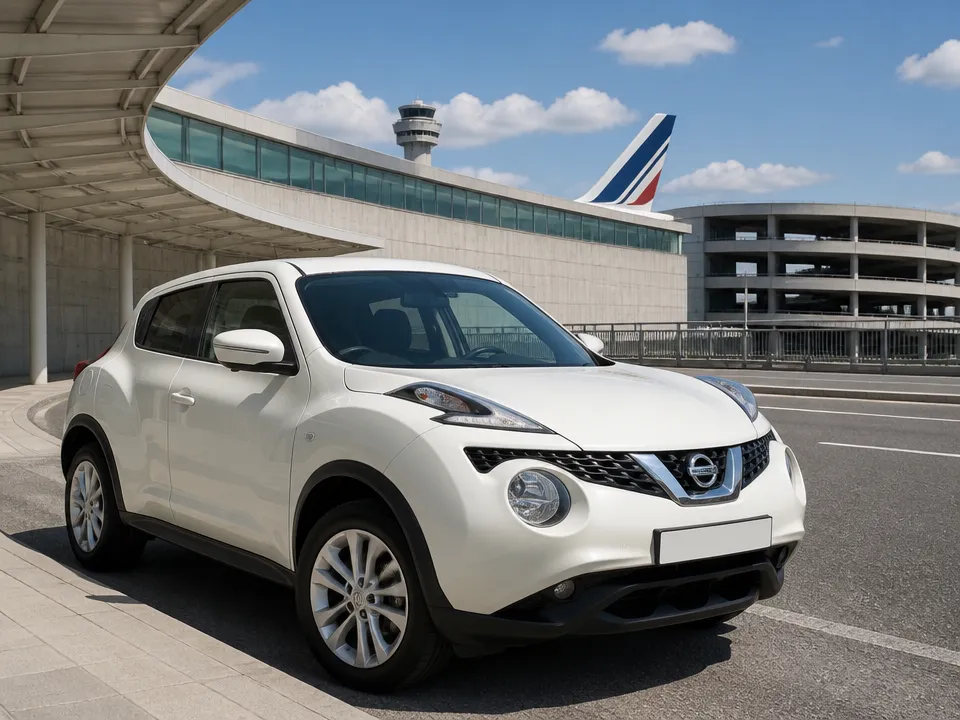
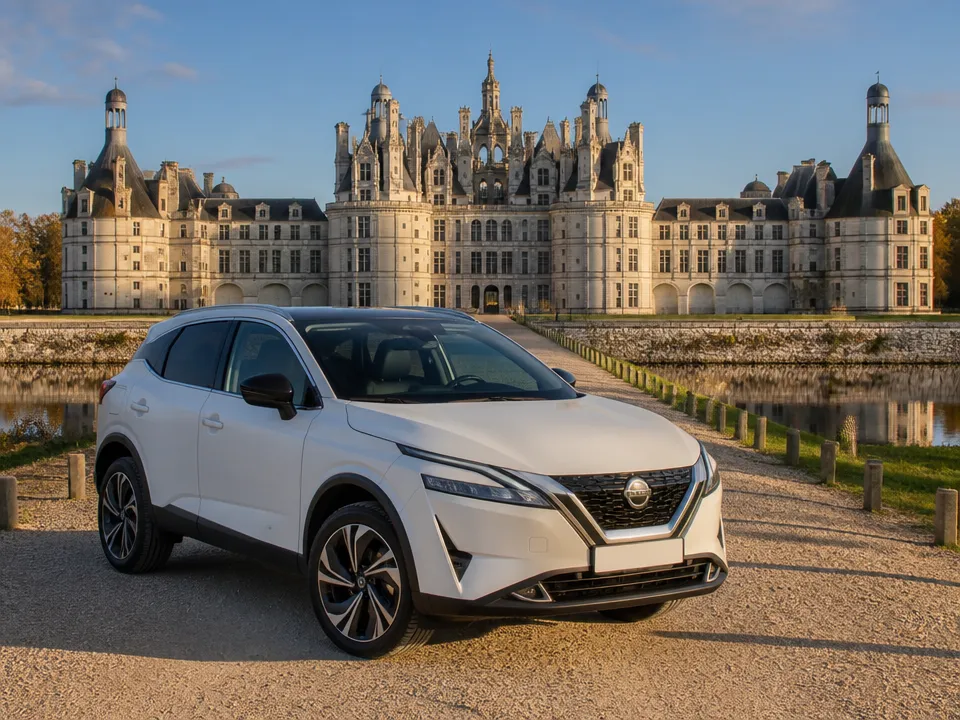
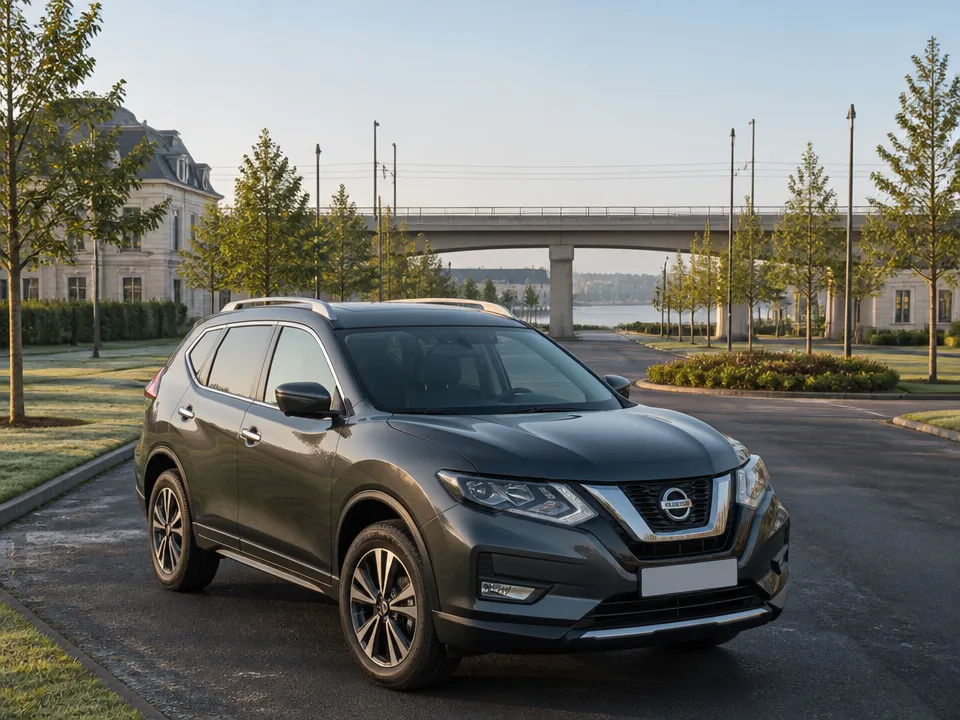
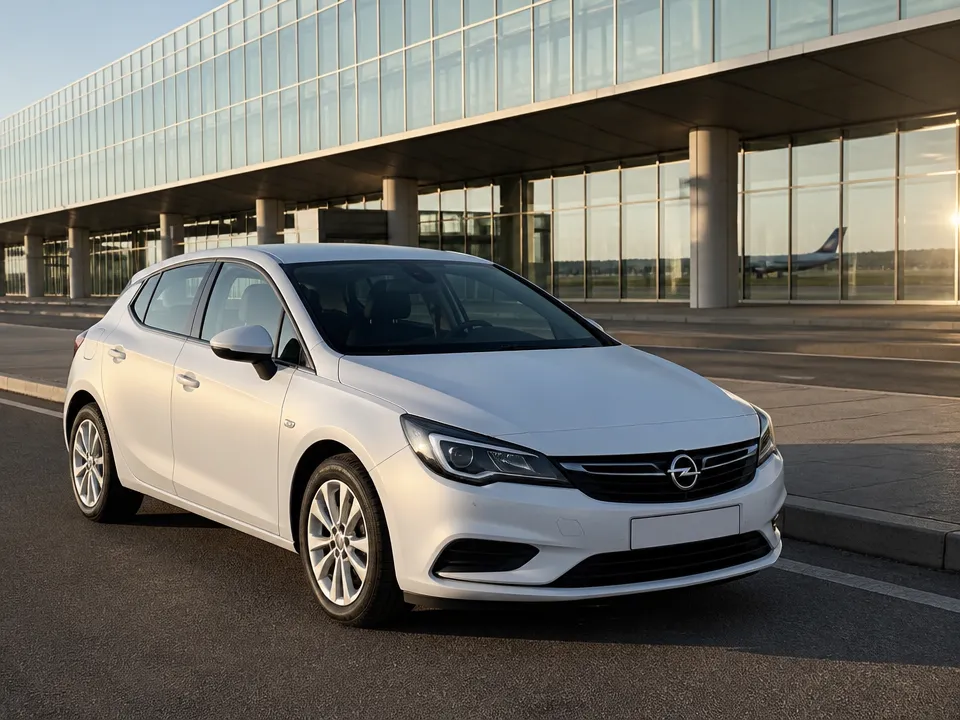
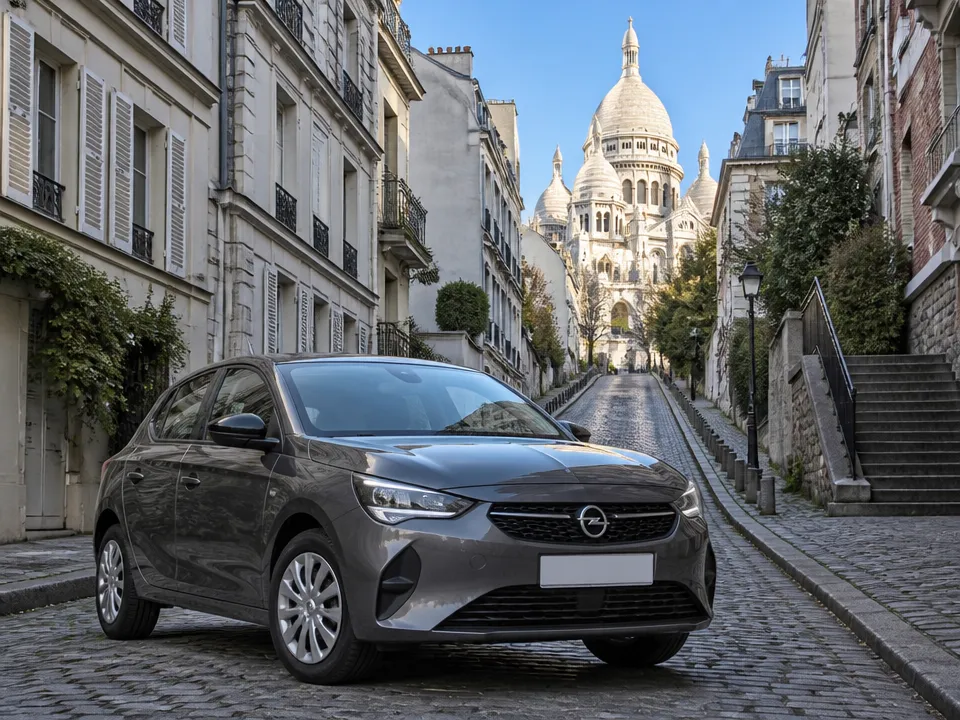
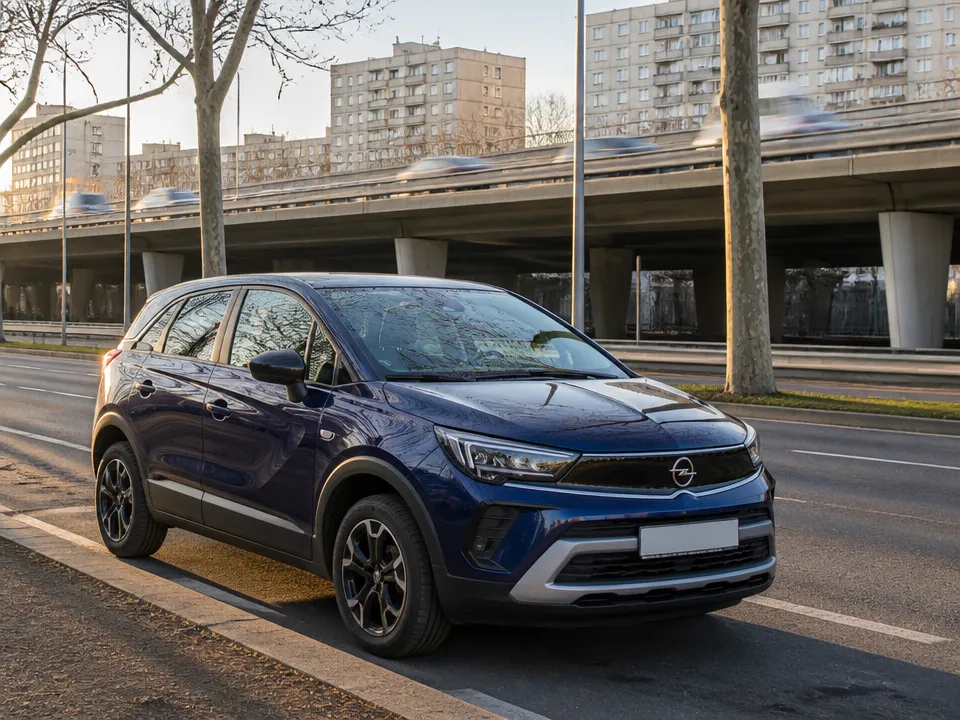
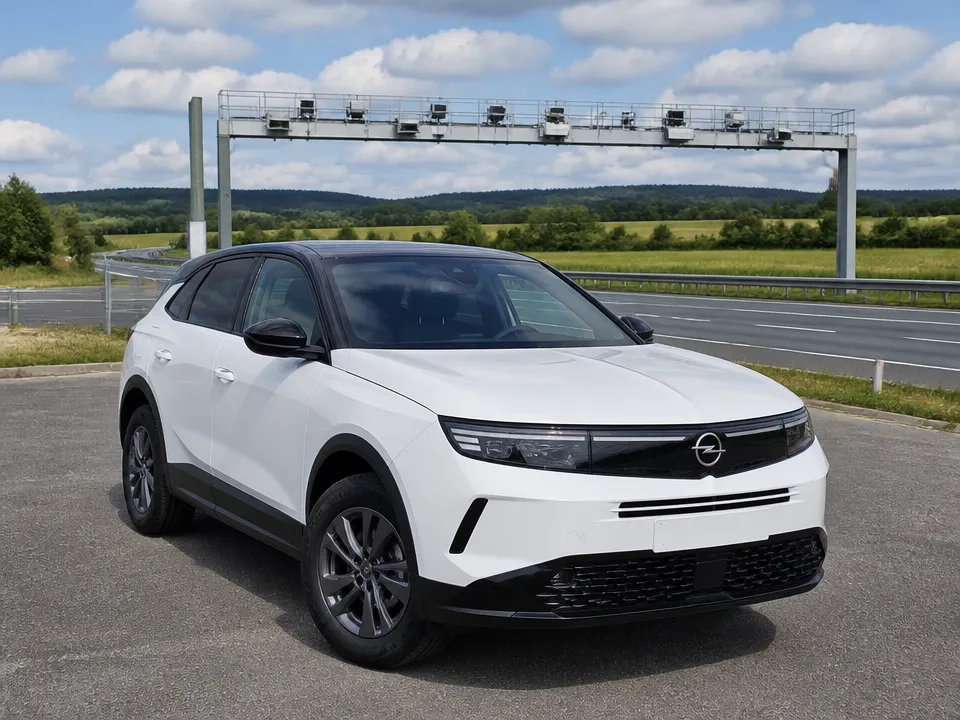
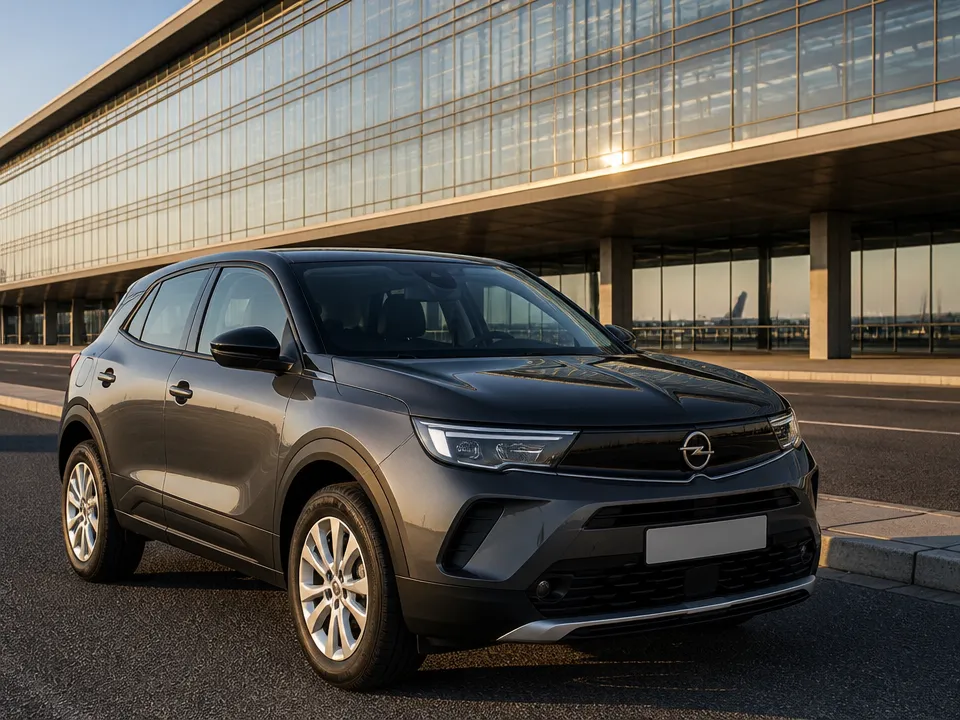
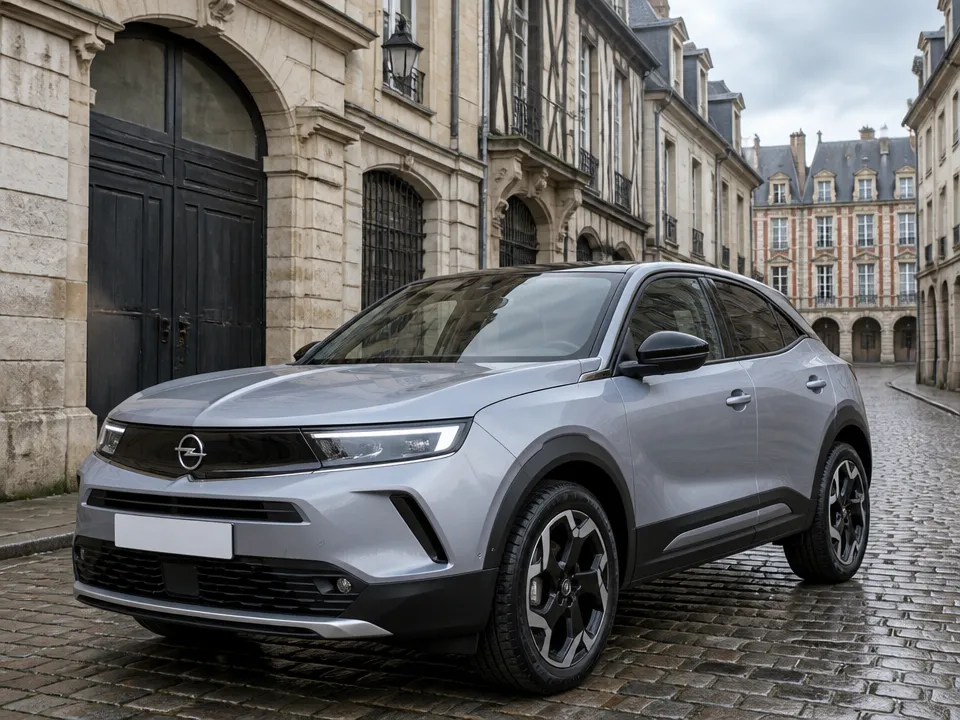
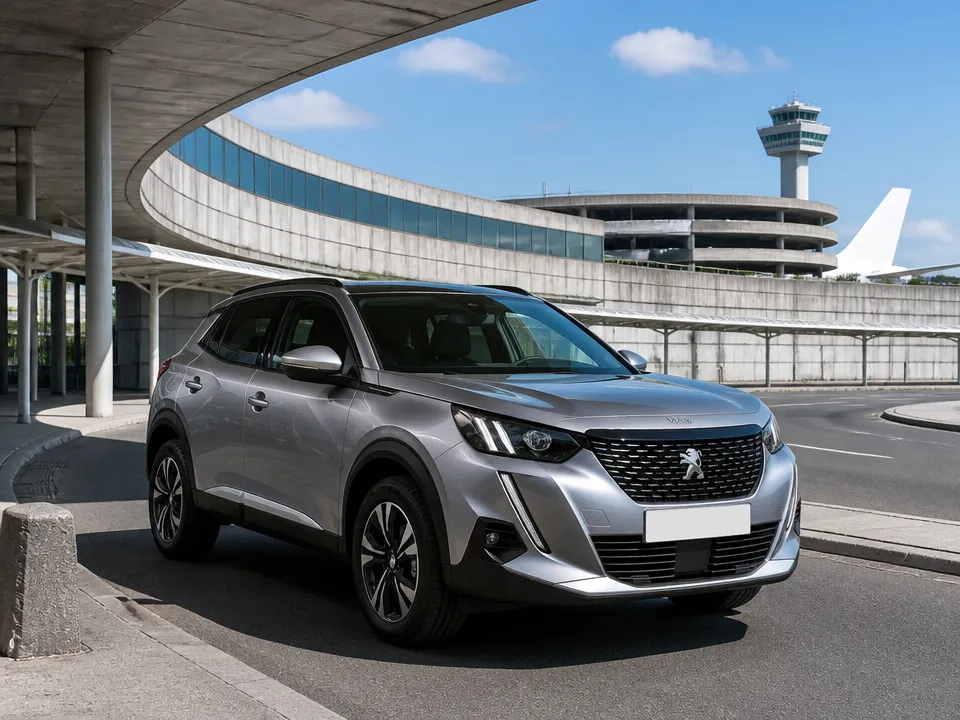
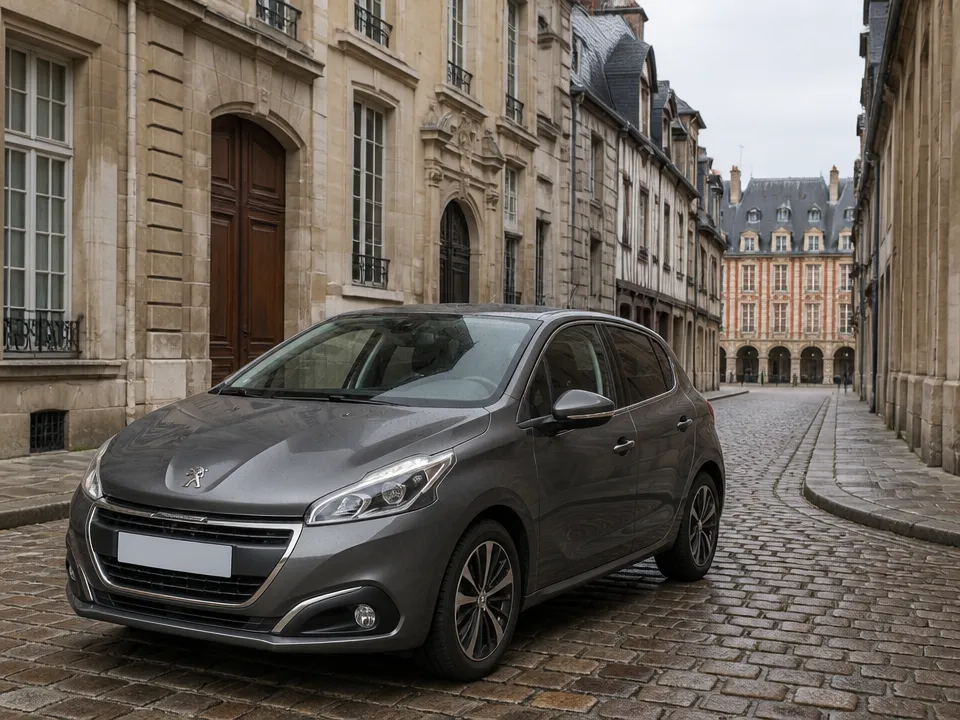
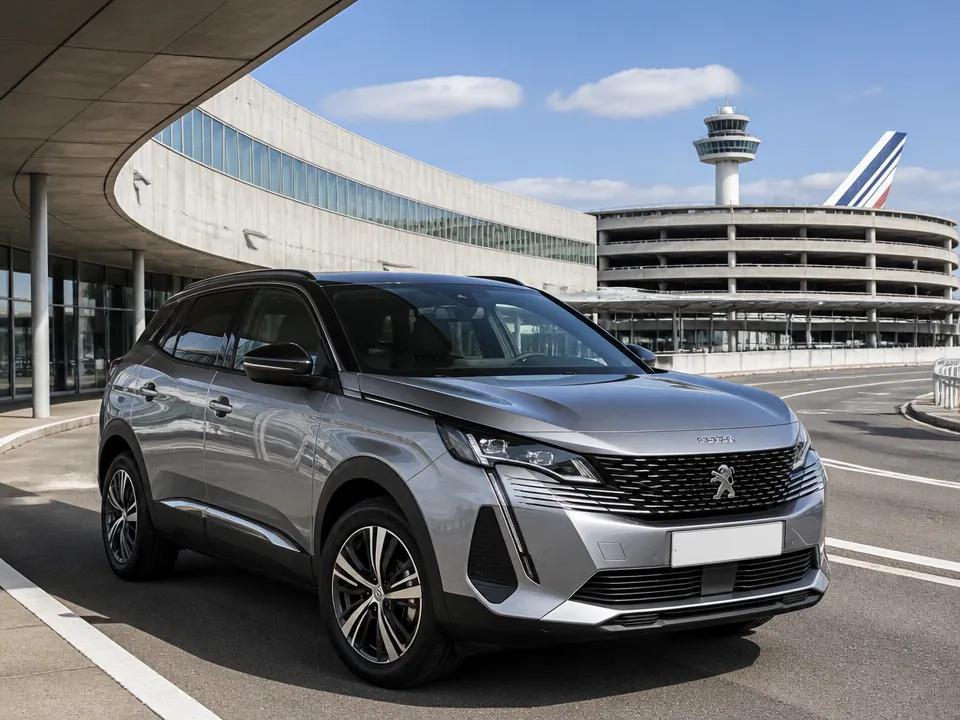
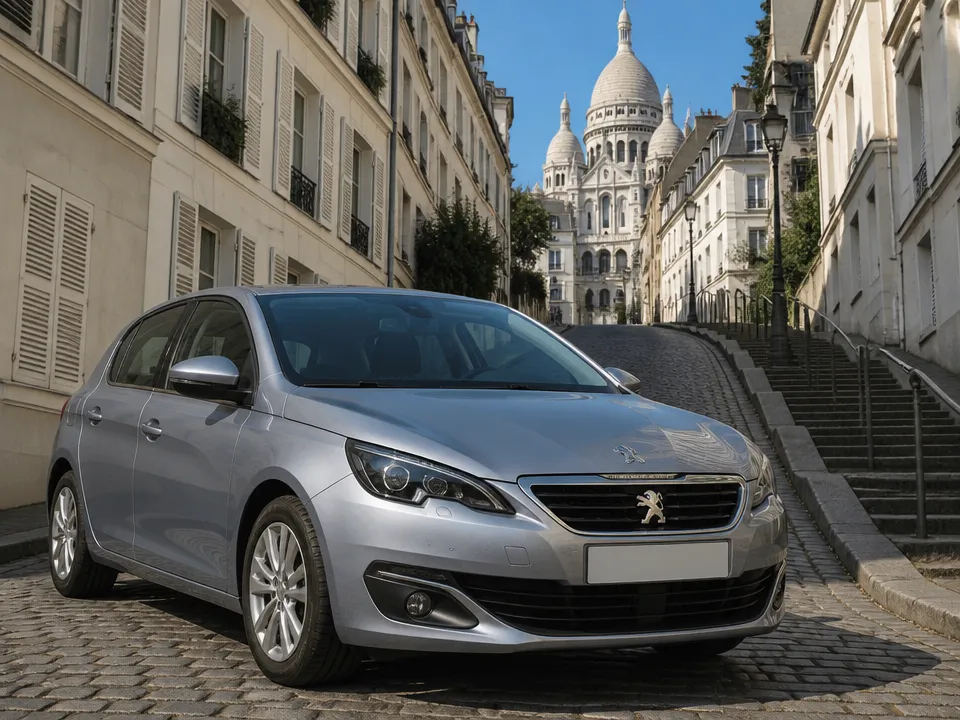
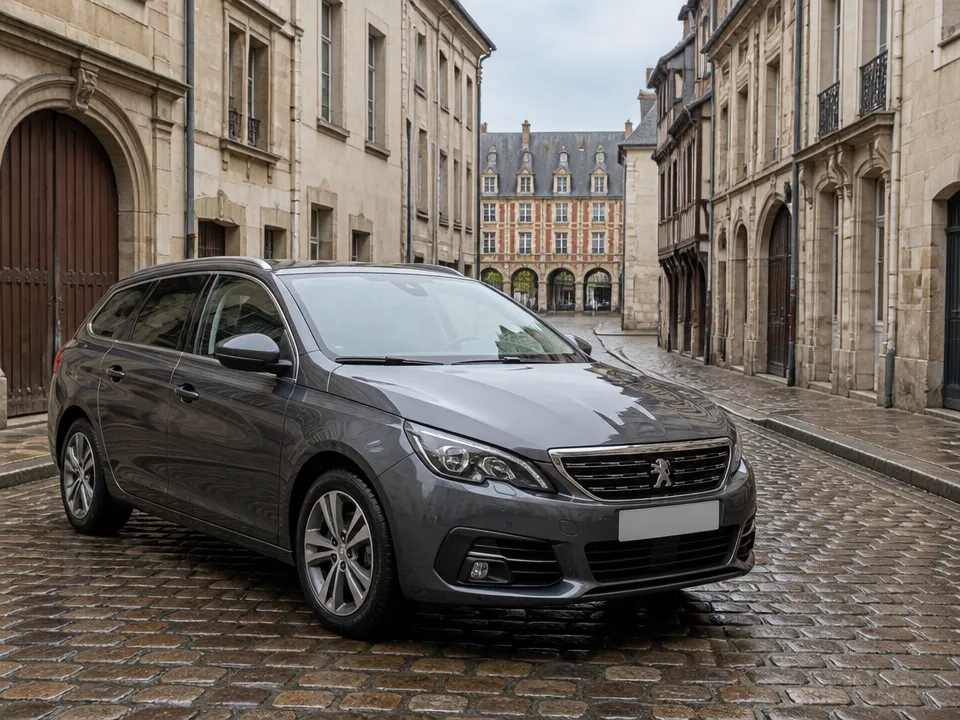
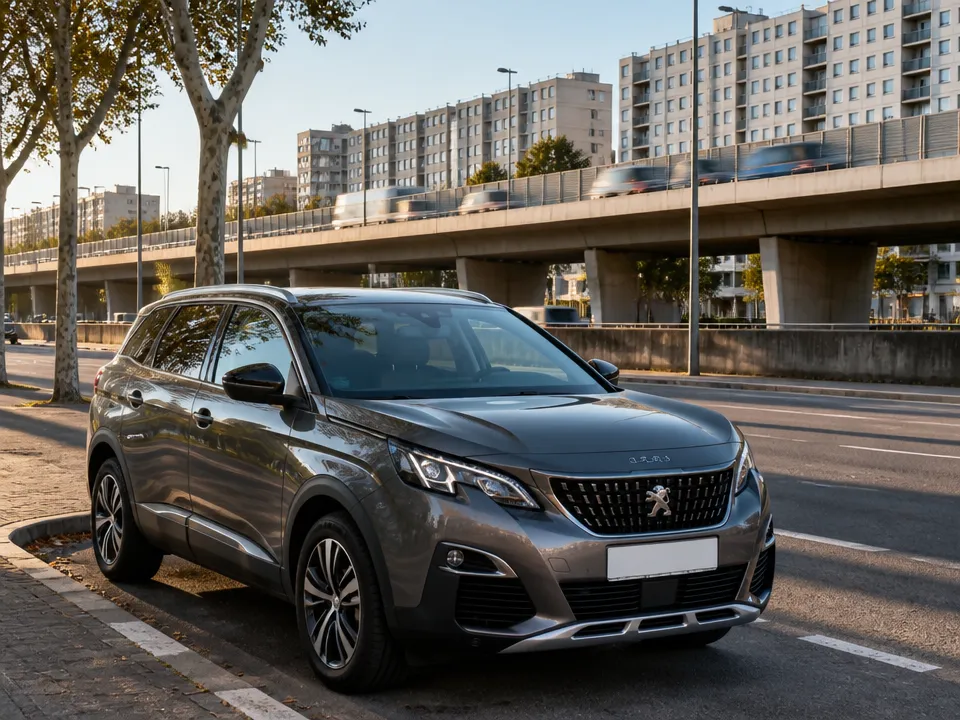
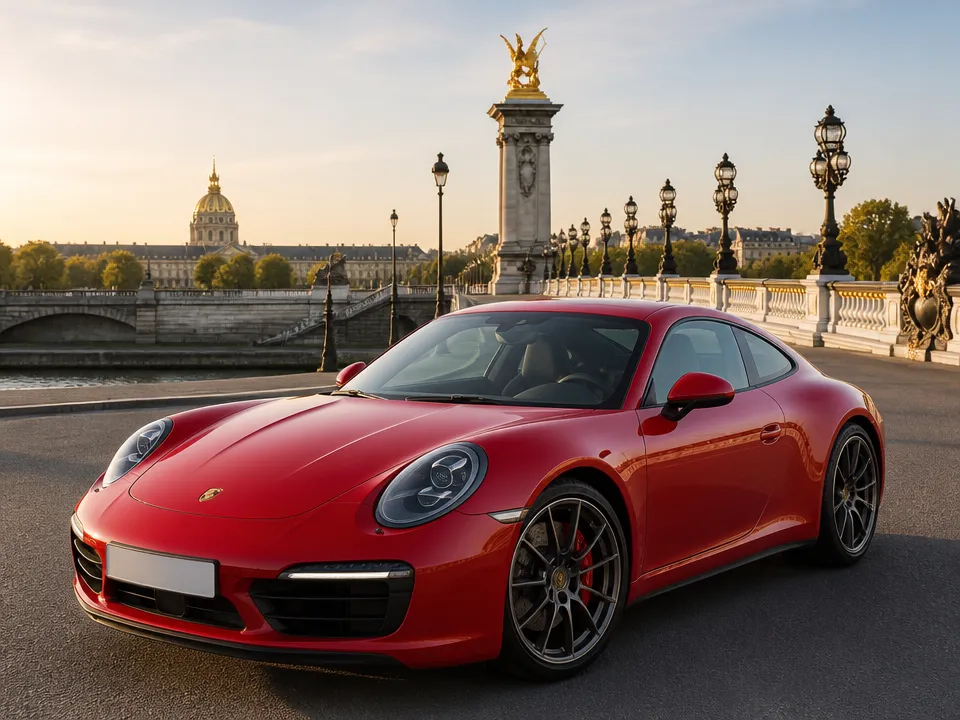
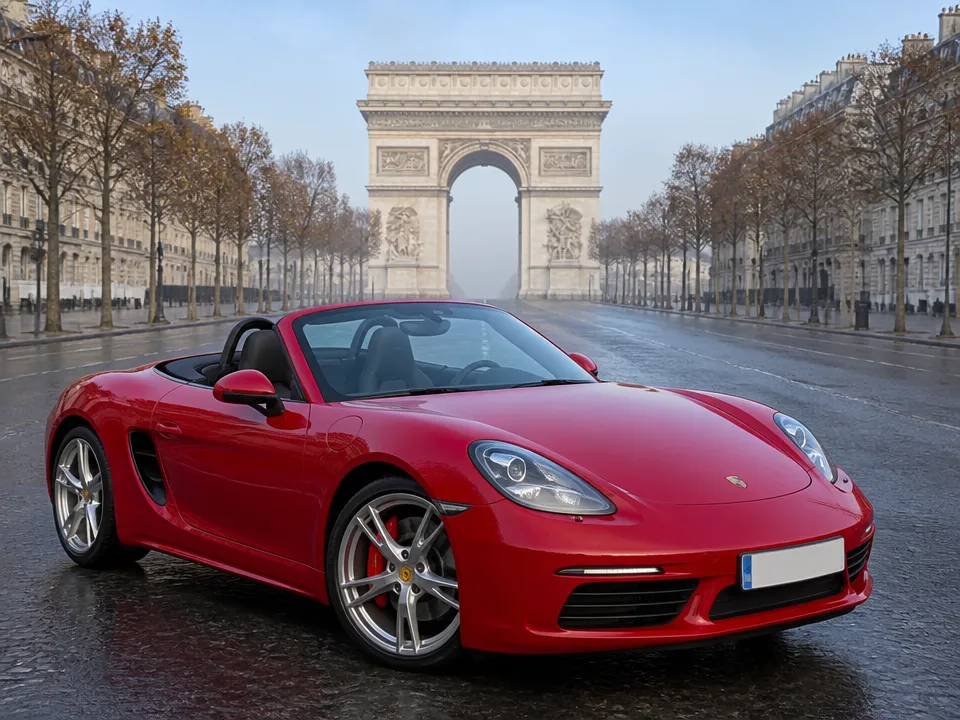
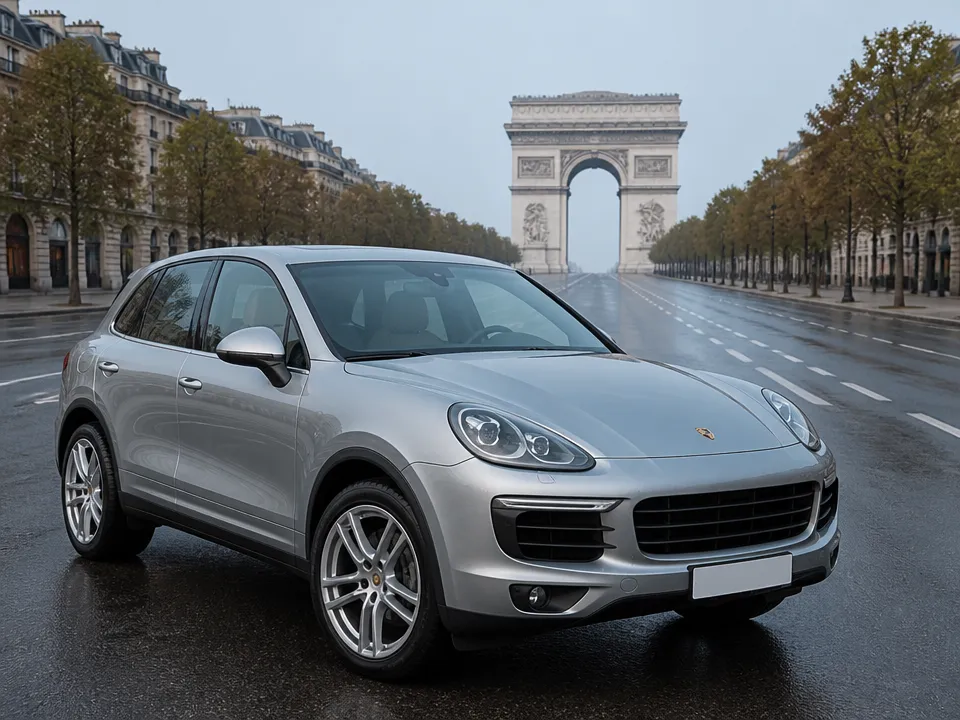
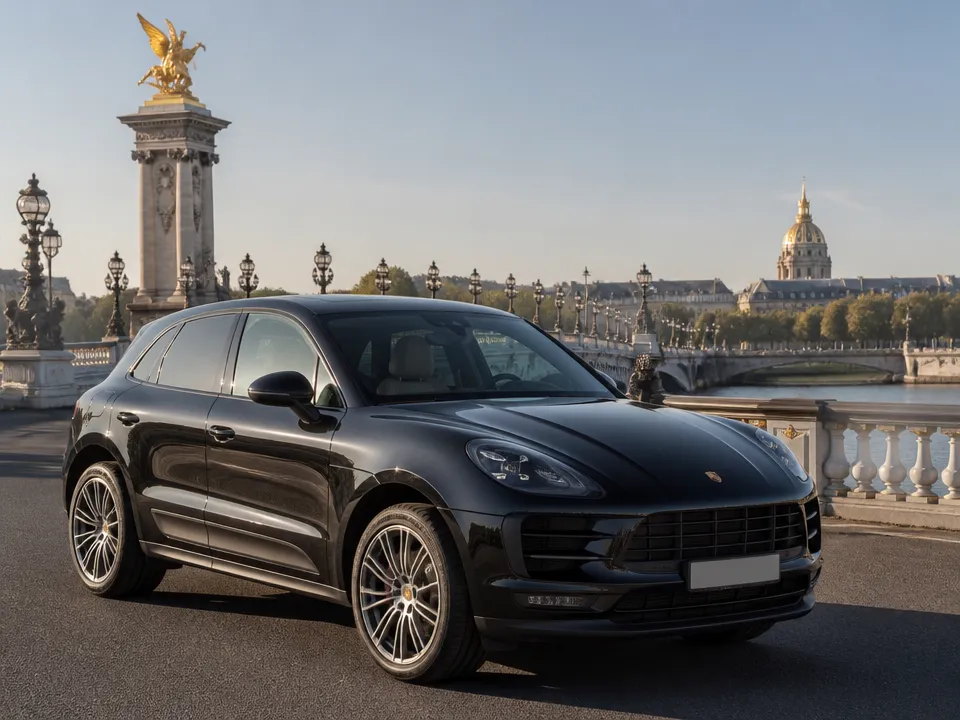
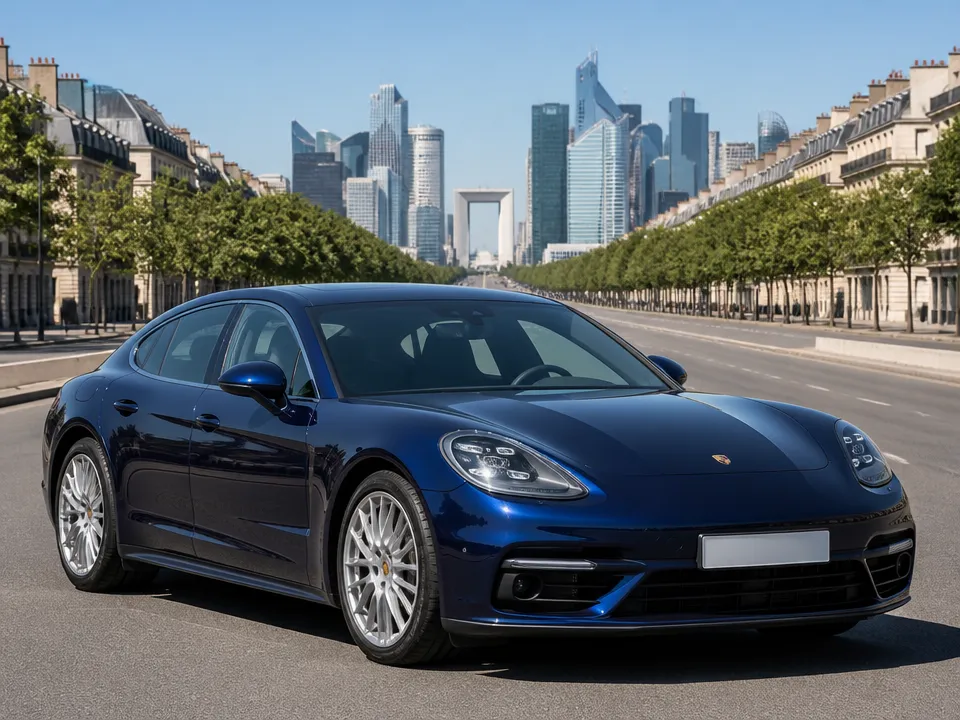
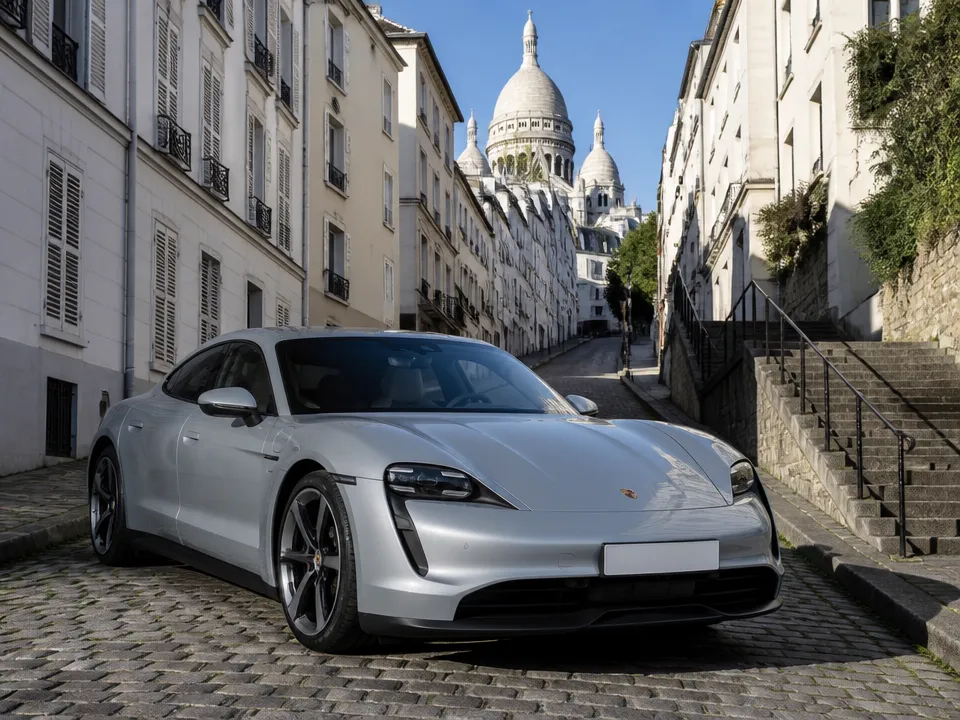
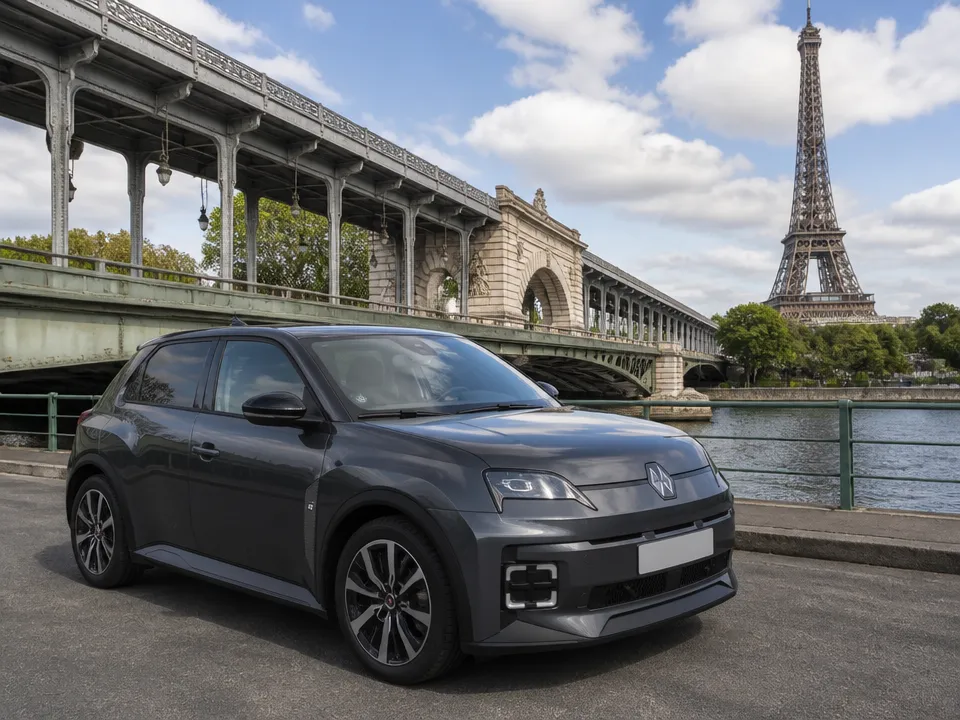
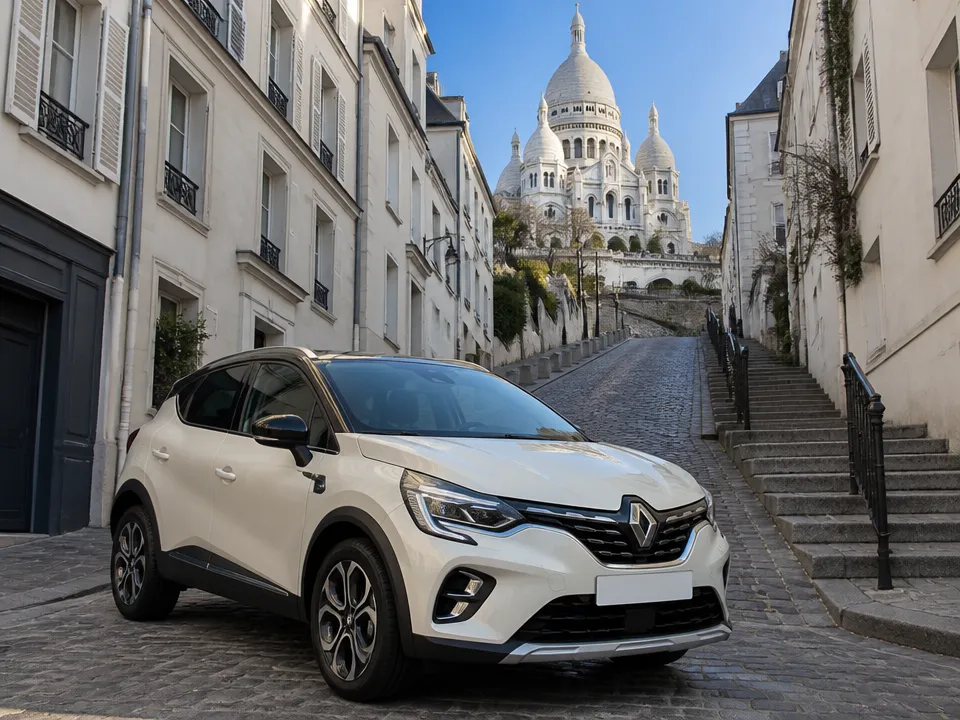
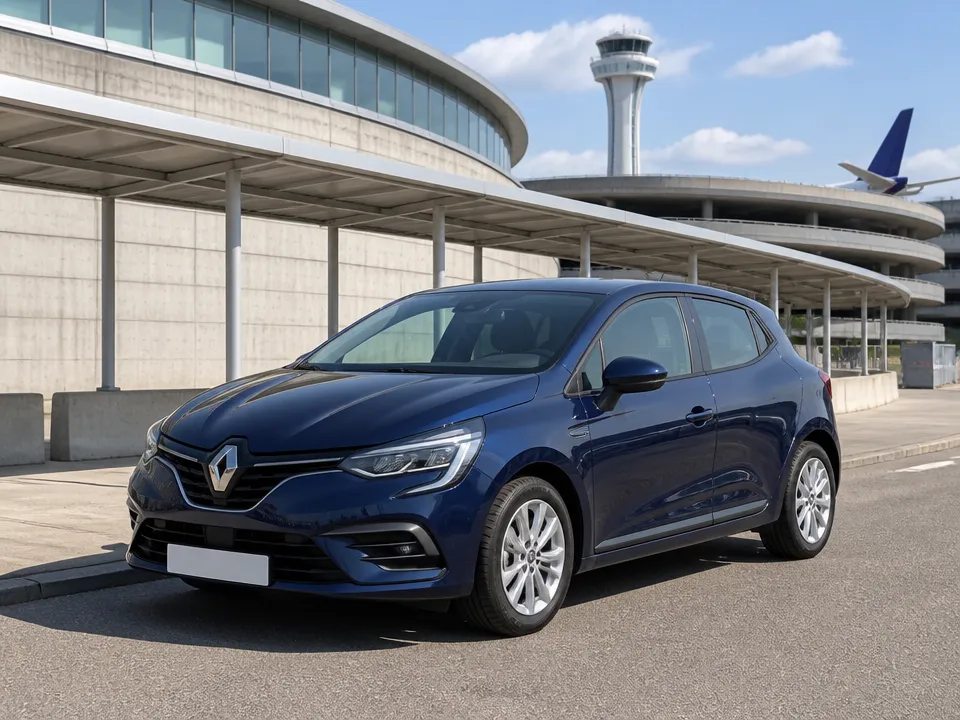
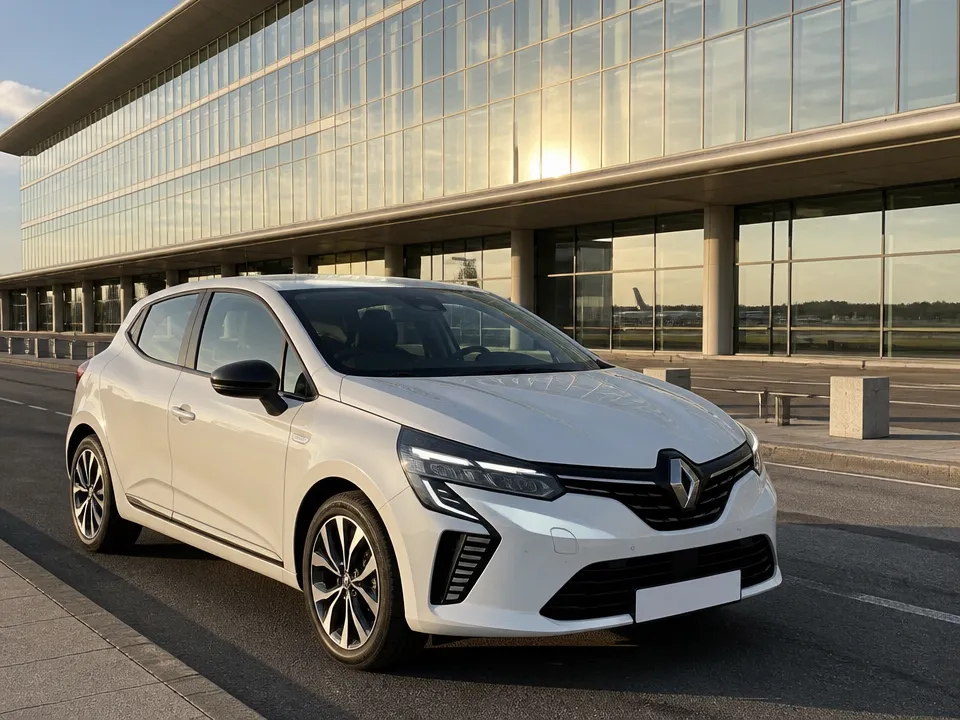
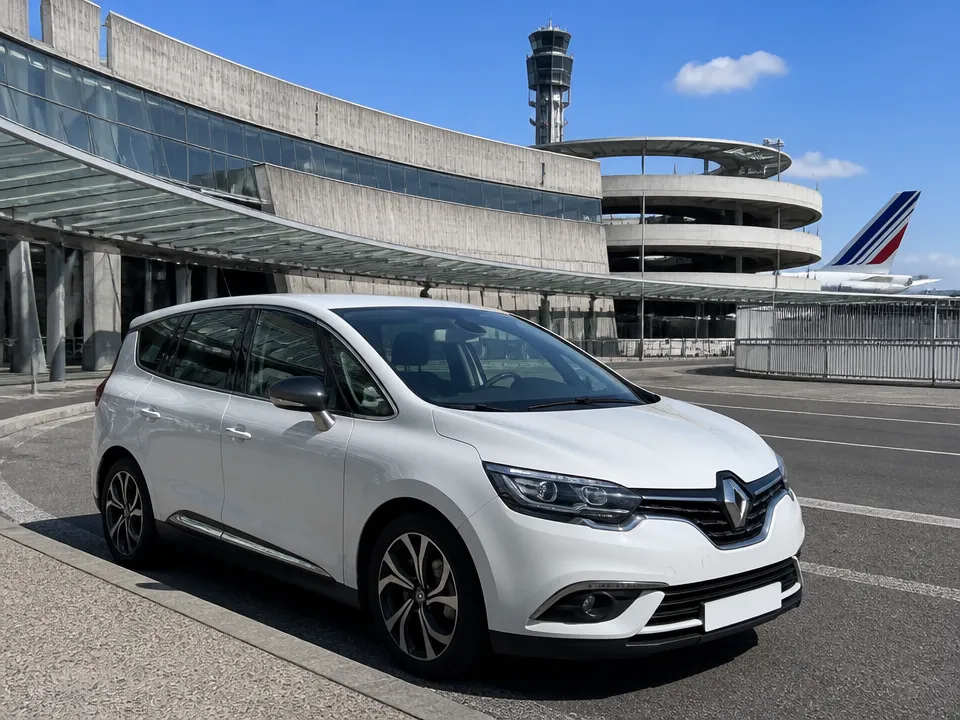
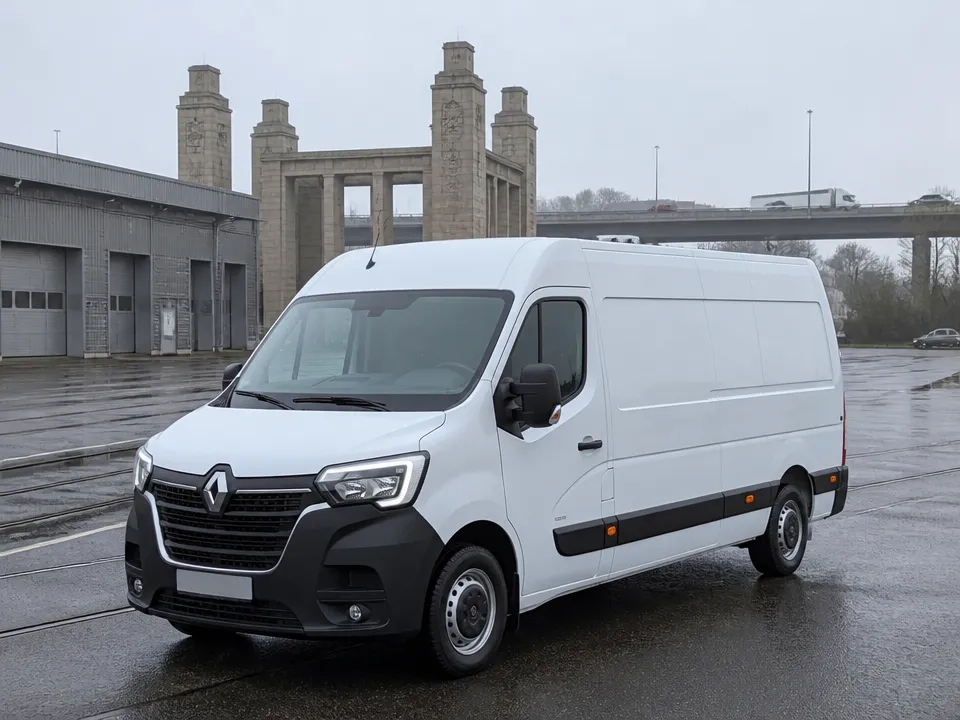
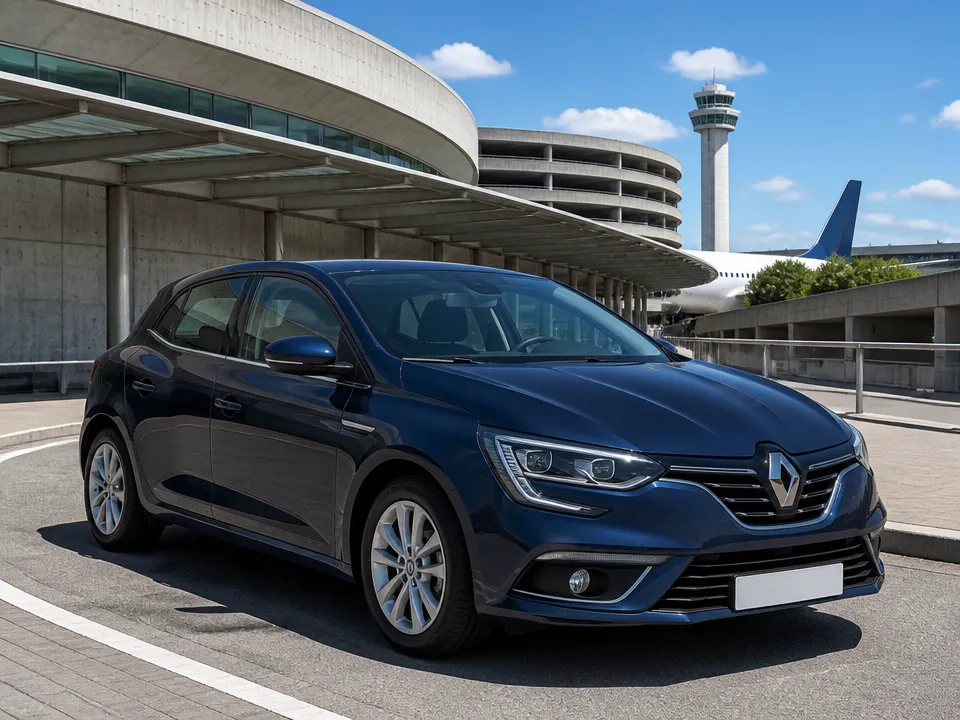
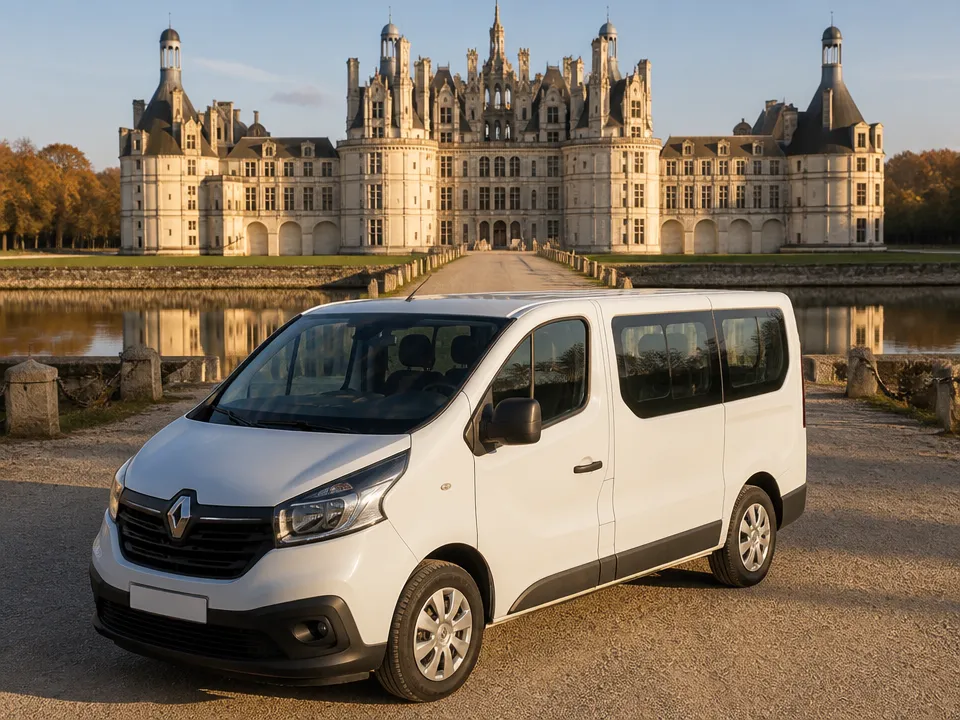
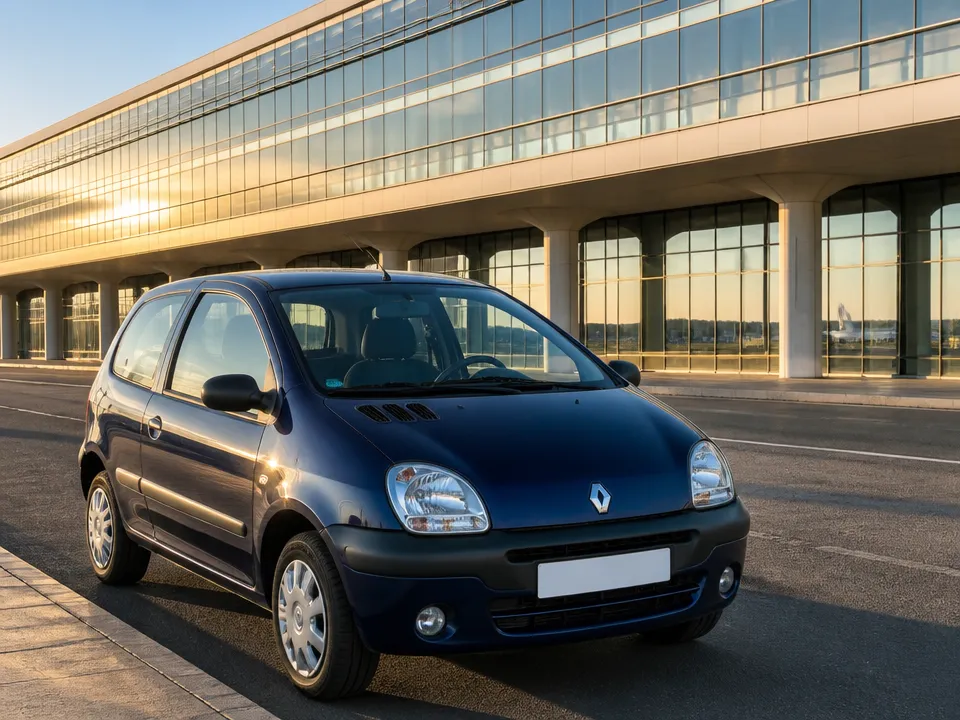
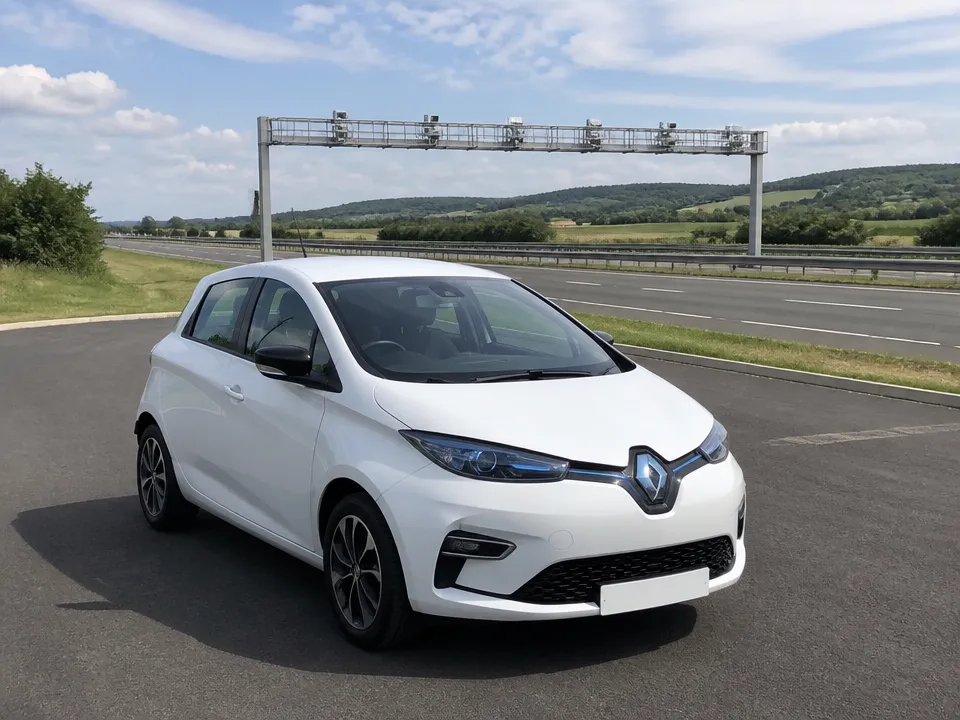
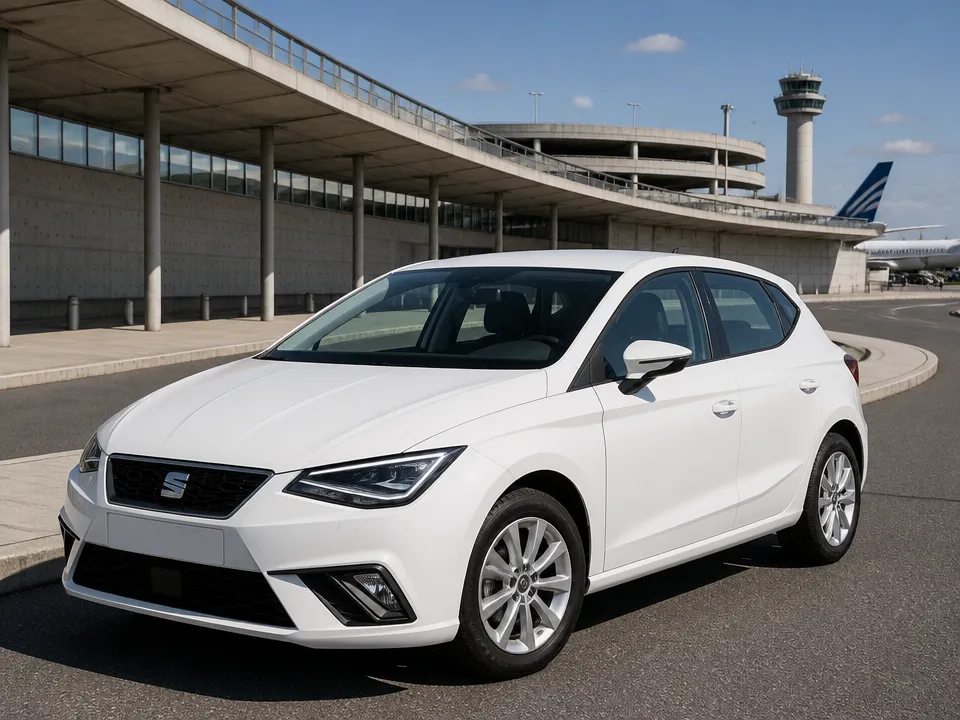
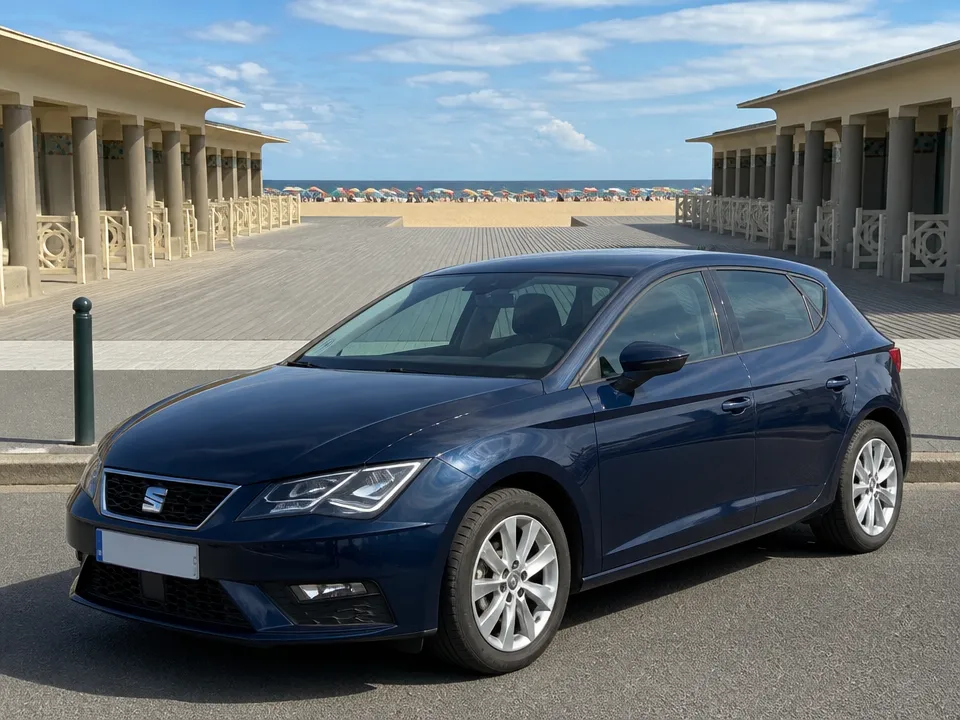
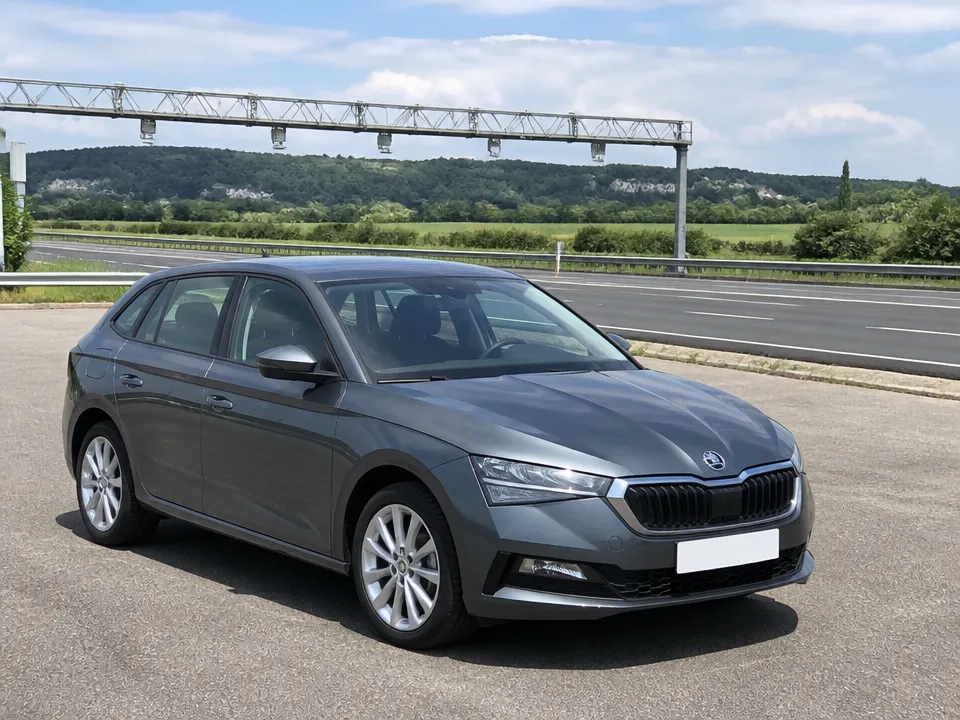
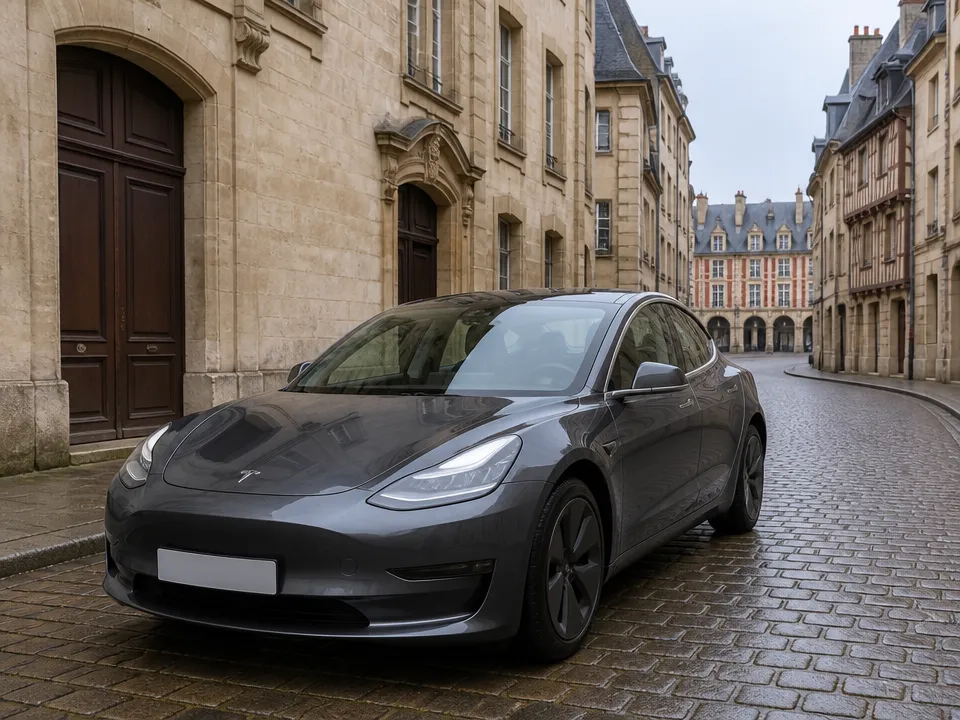
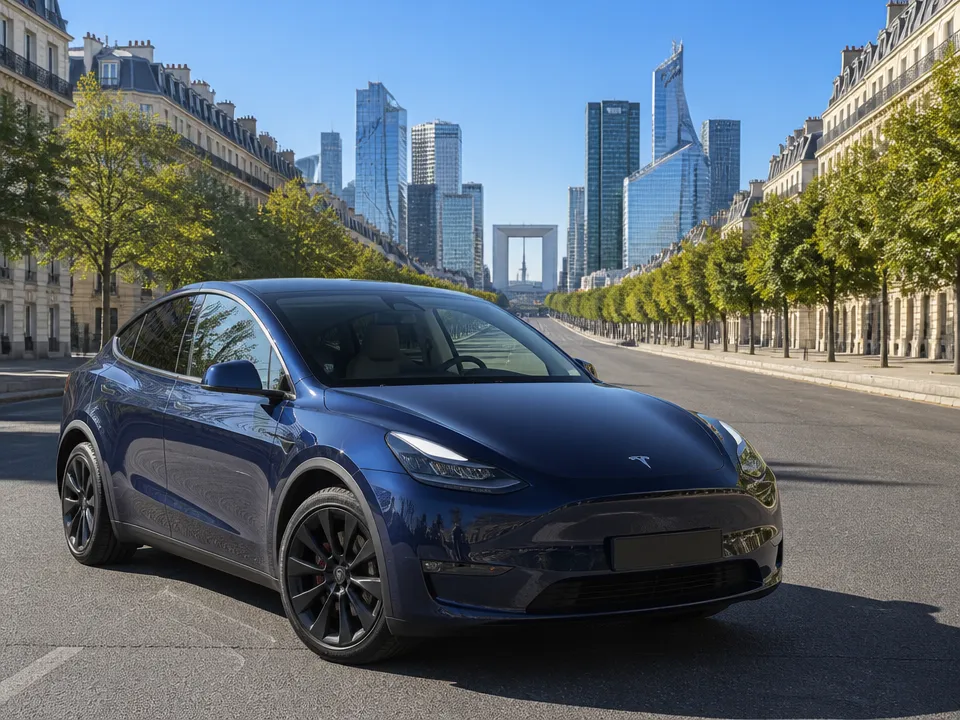
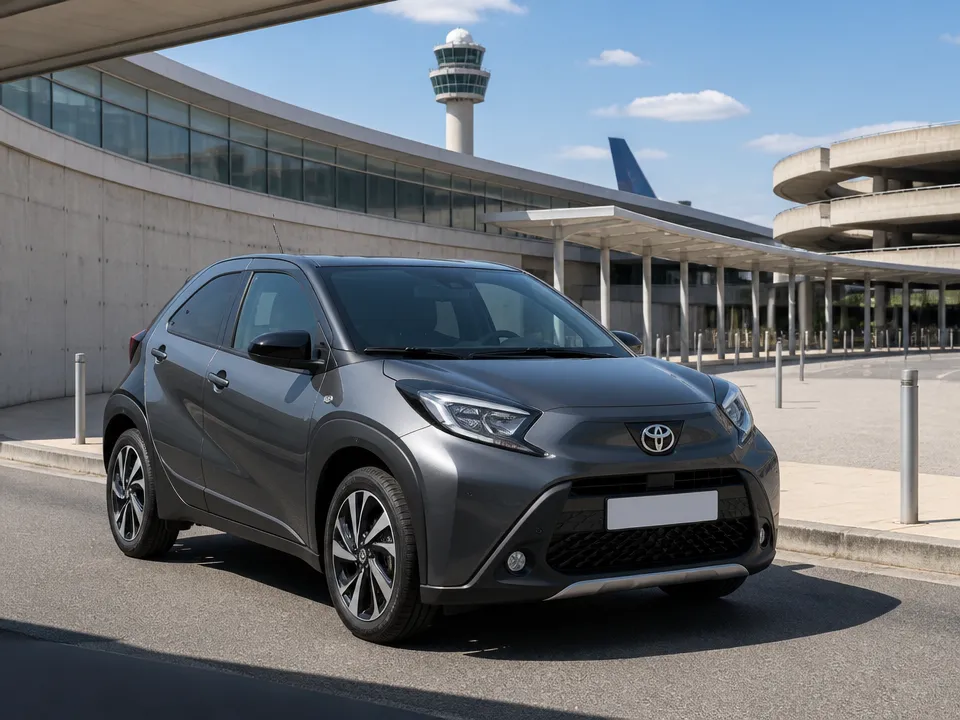
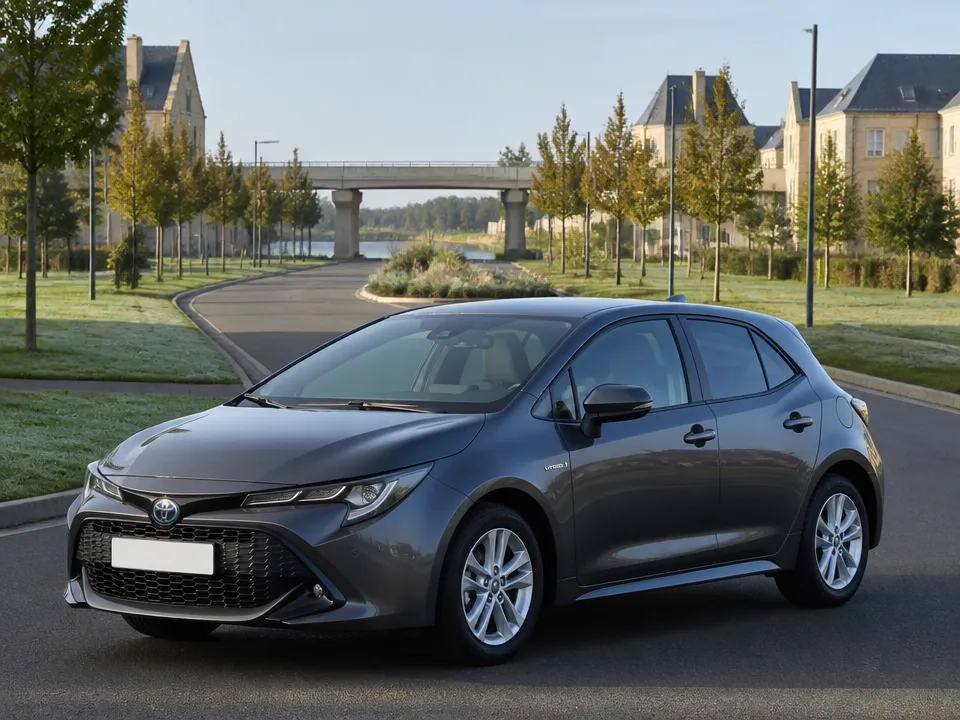
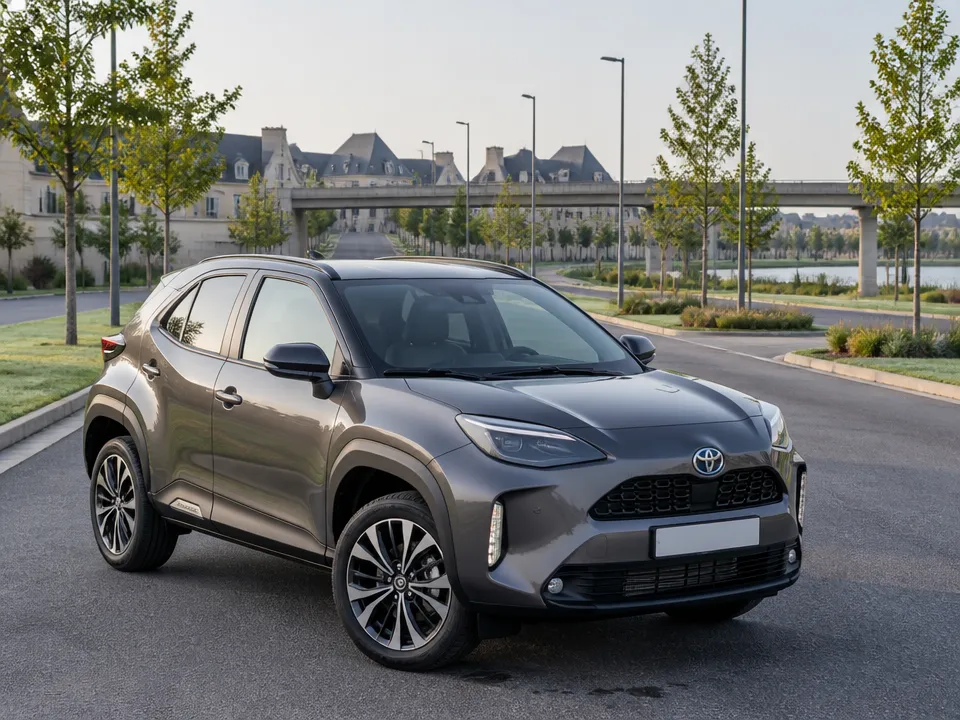
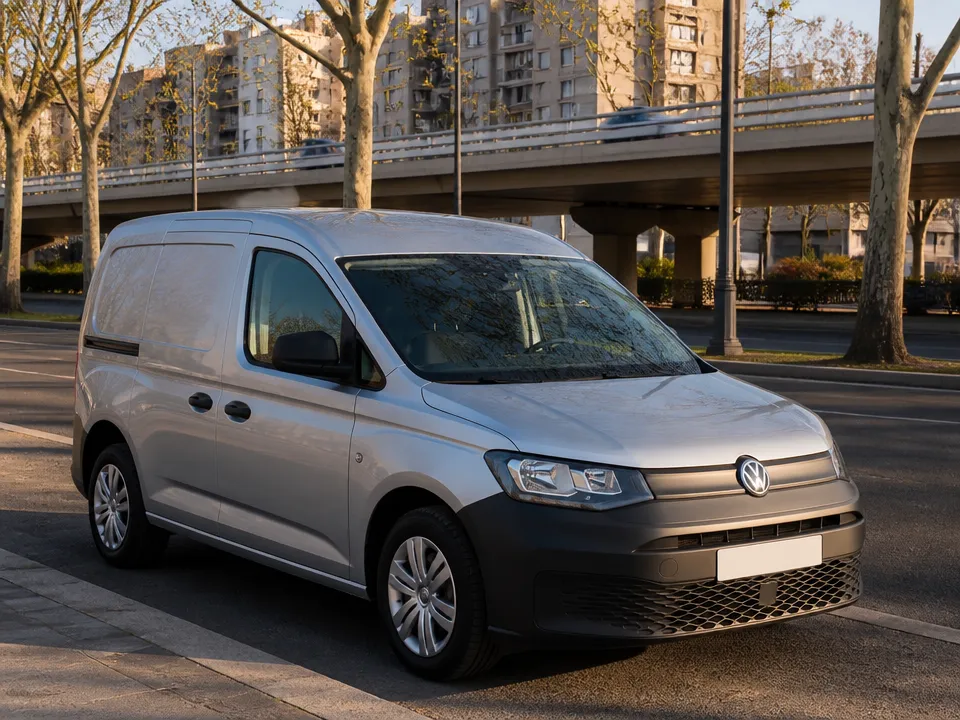
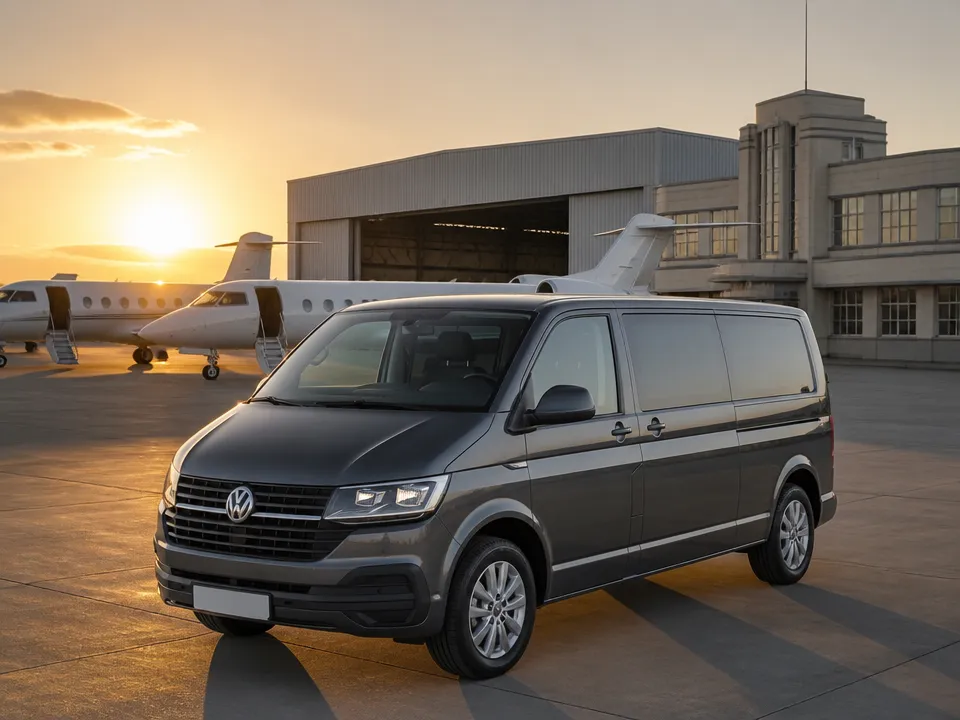
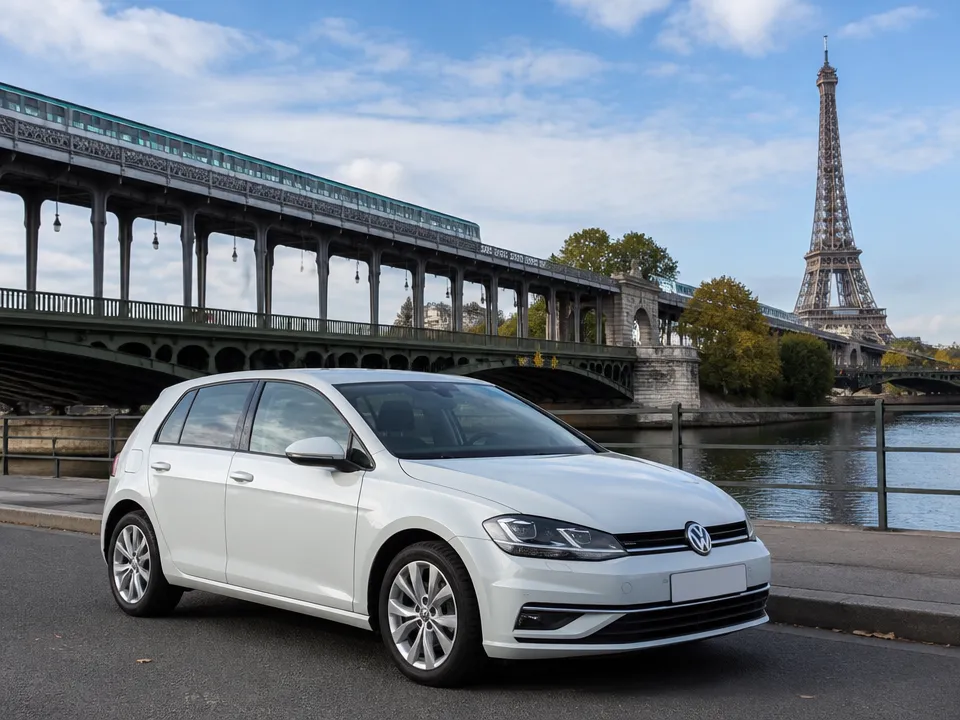
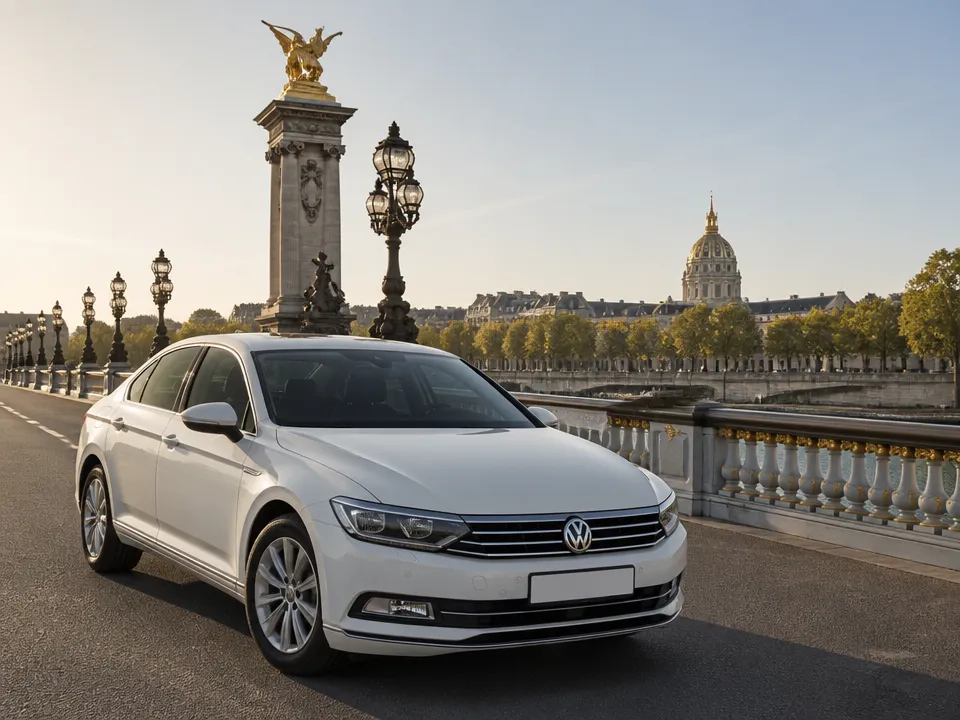
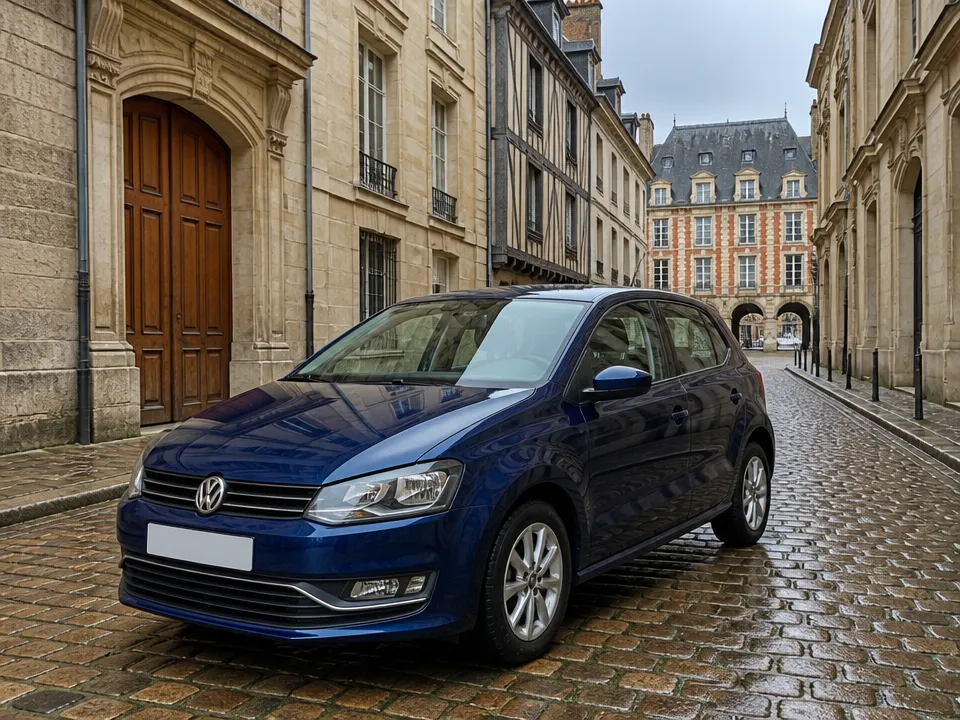
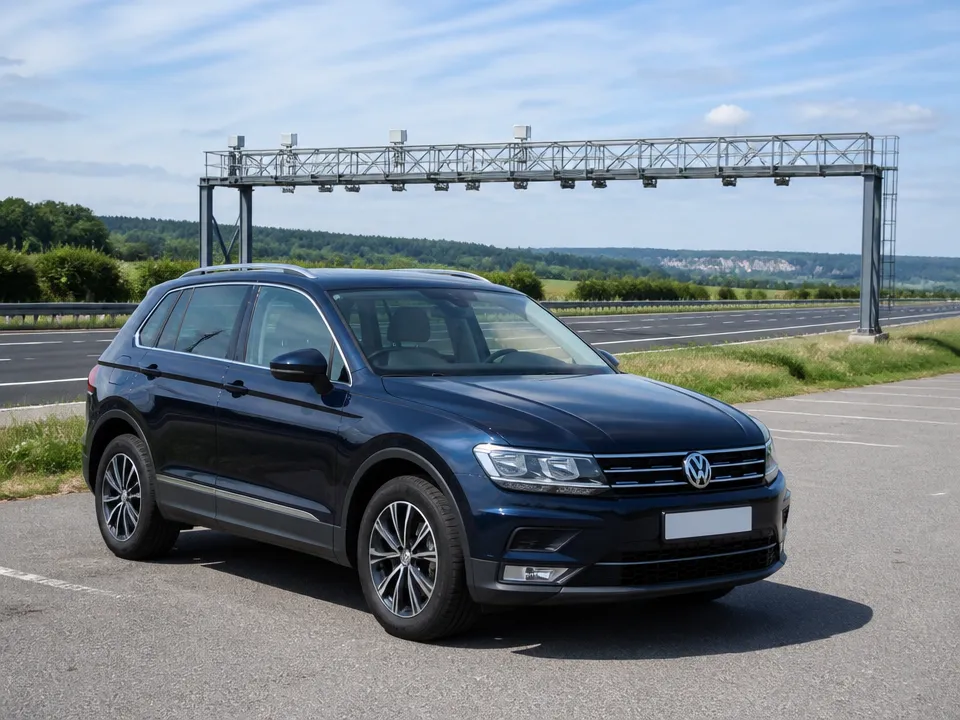
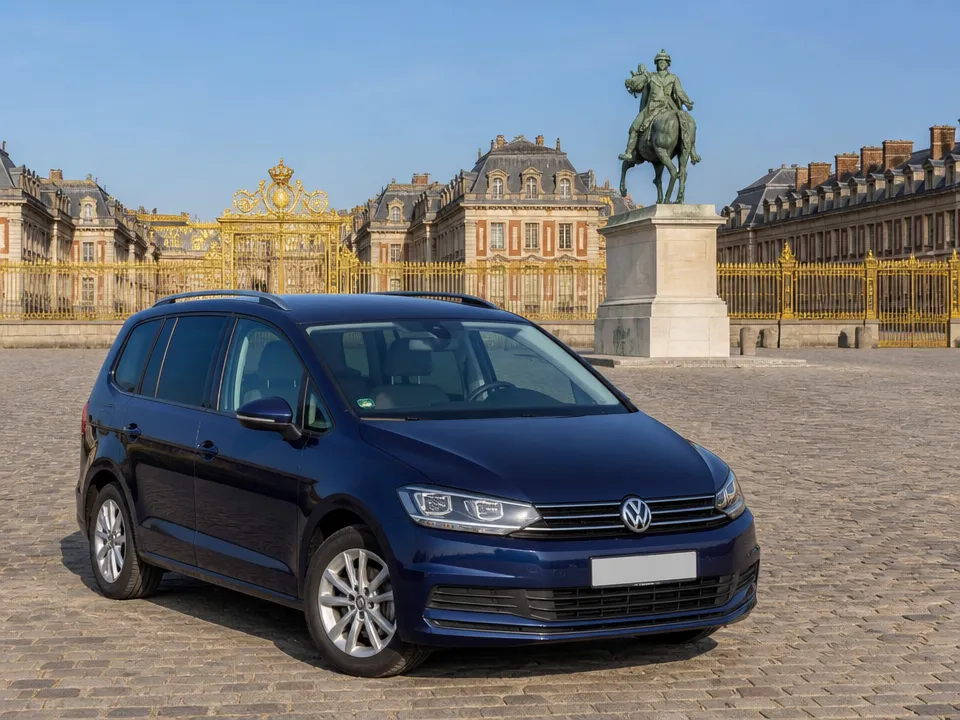
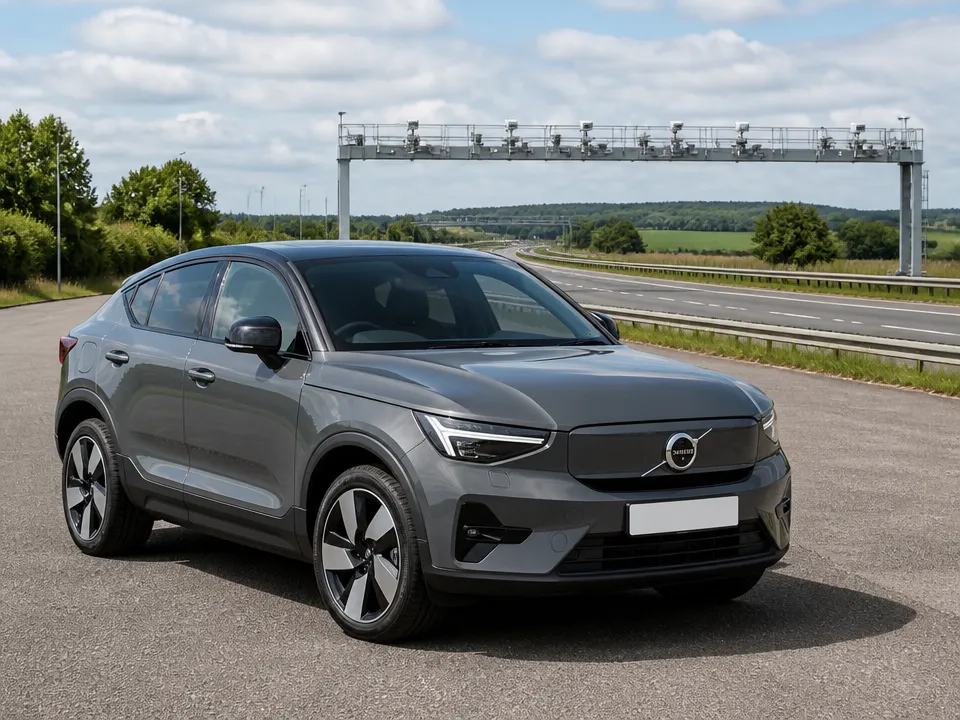
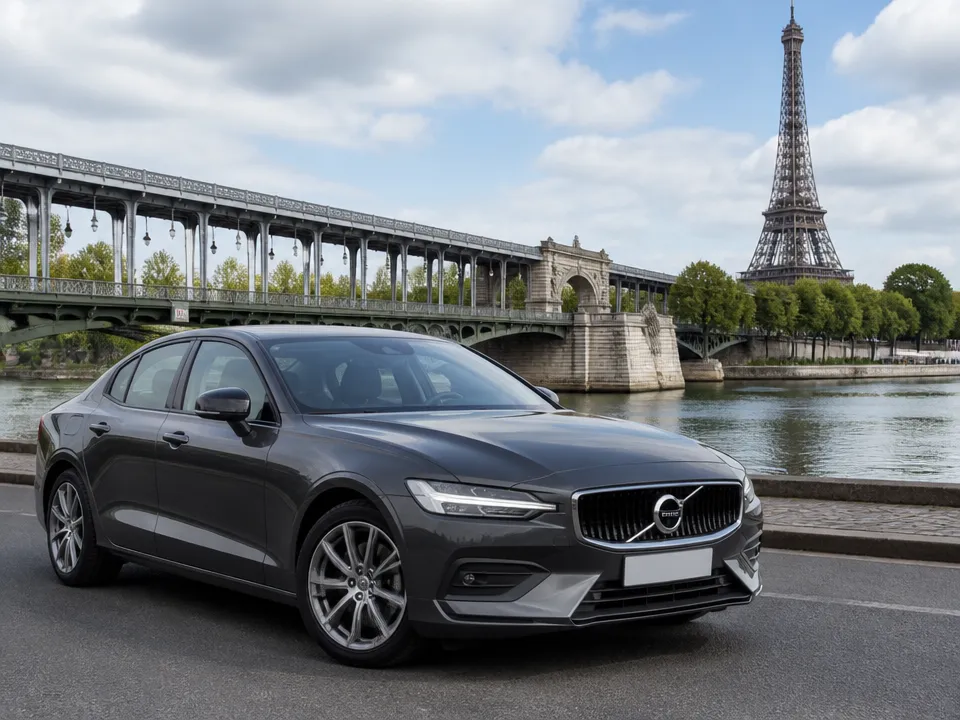
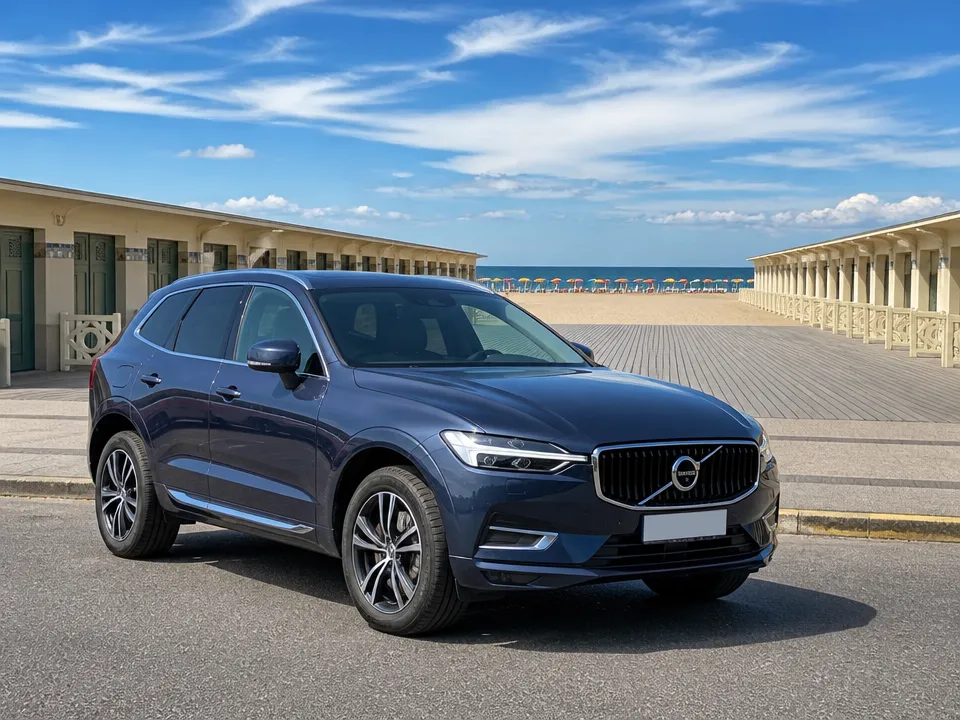
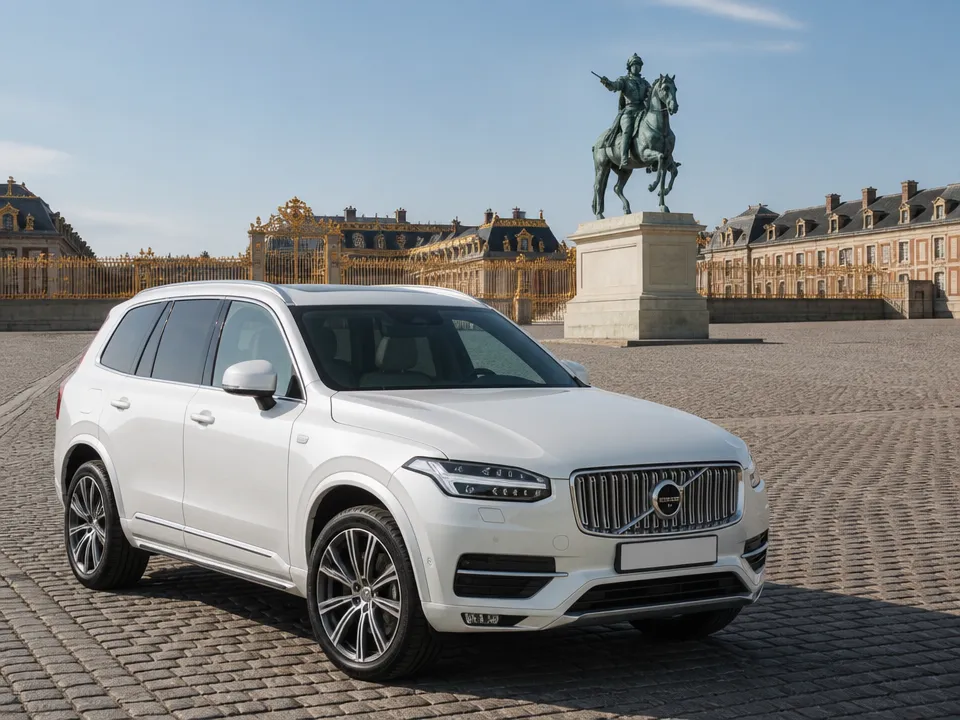

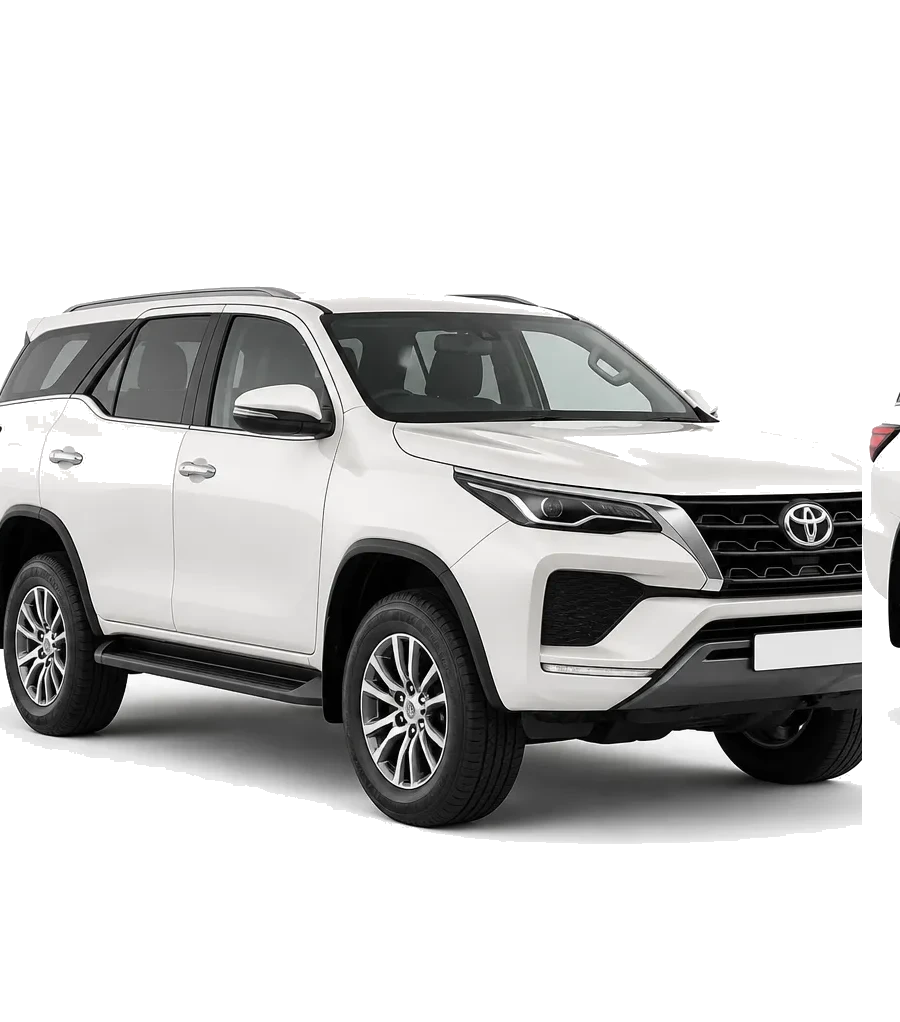

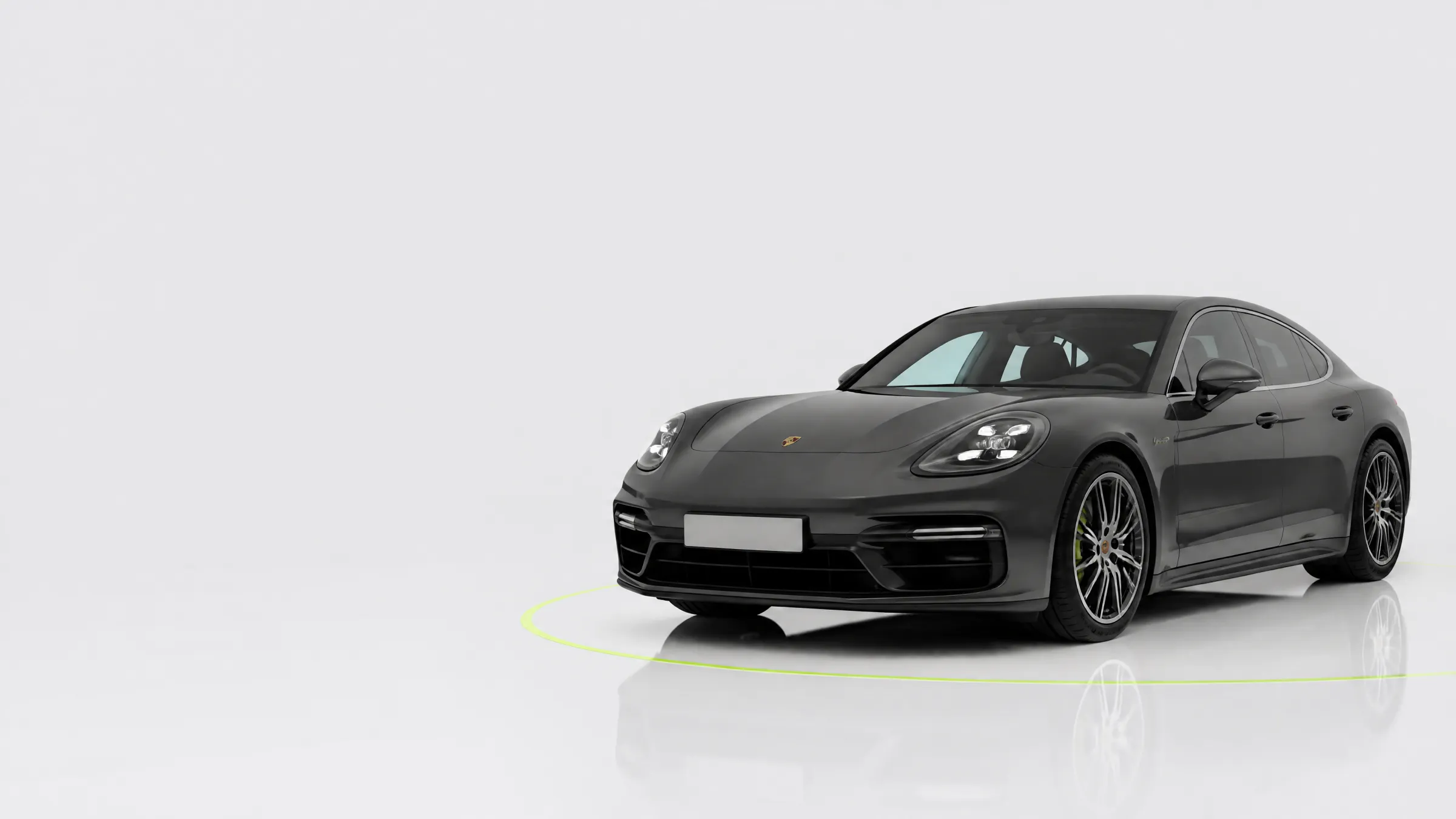
Car rental in France with Rent-Trip starts at €29 per day across 134 cars, from a Citroen Ami microcar to a nine-seat passenger van. We deliver the car to you — at your hotel, an airport or a railway station — and agree the booking with a manager before hand-over. Paris is our base in the country, and the same fleet covers one-way trips to Versailles, Giverny, Reims and the Normandy coast.
With Rent-Trip, self-drive is the whole model: you book, we bring the car to you, and a manager agrees every detail of the booking before it is confirmed. The hand-over point and time are settled in the same conversation.
We deliver the car to you — the meeting point and time are agreed when booking. That matters on a first morning in Paris: you land, you message the manager, and the car arrives where you are staying instead of you crossing the city to a depot. The same arrangement works at the end of a trip, when a train or a flight is waiting and an extra hour of driving back to a return lot is the last thing you want. Delivery also removes the need to plan your route around a pick-up address, which is why we ask for your exact location early. In our practice, trips booked with a delivery slot agreed the day before start 30–40 minutes earlier than trips where the address is still being decided on the morning of collection.
Thirteen classes cover both a weekend inside a city and a two-week run to the coast, so the useful question is not how many cars we hold but which class fits your mileage. If your route includes mountain departments between 1 November and 31 March, take the SUV & 4x4 class rather than an Economy car — winter equipment rules apply there and not in the Paris region.
Before we hand over the keys, there is one thing we check more carefully than anything else on the booking: the paperwork. French rules on which licence is accepted, and for how long, are stricter than many travellers expect, and they differ depending on where your licence was issued. Below is what applies here, and what we ask for at the point of booking.
We require a driving licence held for more than 1 year, and an IDP that is not older than 3 years. Those two checks are the ones that most often stop a booking at the counter, so we confirm both with you when the reservation is agreed rather than leaving them to the hand-over. The minimum age, the young-driver surcharge, and the card and passport you present are not set by a single national rule — they are the condition of each company, so treat them as something to settle with your supplier in advance. In our practice, a driver who turned 21 last month and holds a licence issued eight months ago is the case that most often needs a second look. If your licence was issued less than a year ago, say so when you book and we will tell you straight away whether the booking can go ahead.
| Item | What applies in France |
|---|---|
| Licence held | More than 1 year |
| IDP validity | Not older than 3 years |
| Digital licence | Not accepted |
| IDP alone | Not accepted — presented with the national licence |
| Non-Latin script licence | Official translation or IDP required |
| Minimum age, young-driver fee | Agreed when booking |
| Card and passport | Agreed when booking |
The table above is the short version of the checks; everything else is set out in the rental agreement itself, not in this list. One more point worth knowing before you plan a route: a licence held for less than 3 years puts you under permis probatoire rules, which lower the speed limits that apply to you — 110 km/h on the motorway, 100 km/h on a divided road and 80 km/h elsewhere — and the alcohol limit drops to 0.2 g/l of blood from 1 July 2015. Rent-Trip confirms the licence details when the booking is agreed, so bring the physical card rather than a photo of it.
Every hire carries cover, but the level of protection is decided by one number: the excess. We set out the deposit, the excess and the delivery fee in the agreement before you drive away.
Responsabilité civile is compulsory by law and comes with every booking automatically, covering injury and property damage you cause to third parties within the country's legal limits. It does not cover your own injuries. CDW and TW sit in the base package of French rentals, limiting what you pay for repairs, downtime, theft, attempted theft and vandalism on a car park — always up to the excess. The exact deposit and excess behind that cover are set out in the agreement, and we go through them with you when the booking is agreed.
The excess (franchise) is a fixed amount you pay yourself after damage or theft, and it is non-waivable unless you buy it down. Rachat de franchise is the paid option for that: the Medium package lowers the excess, Premium removes it or cuts it substantially. The precise figure depends on the car and sits in the agreement, never in a headline rate.
A car rented in Paris can leave the city the same day, so the cover has to hold on a mountain road as well as on the boulevard périphérique. Ask which package applies before you confirm — it is far cheaper than discovering the excess afterwards.
Rent-Trip lists 134 cars on this page, split across 13 classes. Rates start at €29 per day for Economy and reach €1,300 per day at the top of the range, so the spread is wide enough that the class you pick matters more than any discount you might chase.
| Class | Cars | From (per day) |
|---|---|---|
| Economy | 15 | €29 |
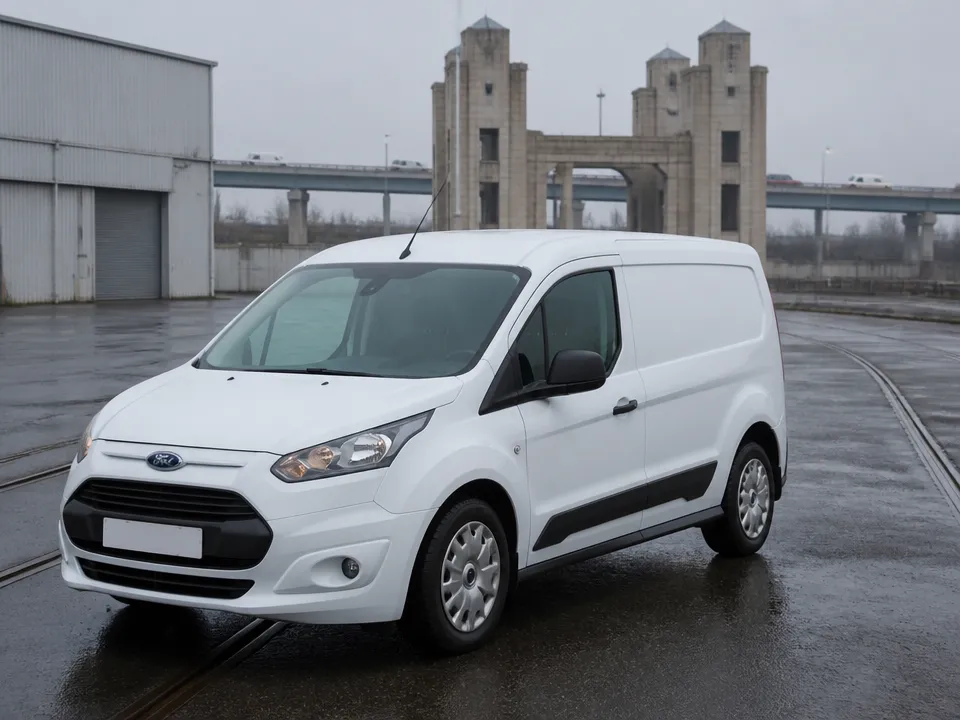
| Commercial | 6 | €47 |
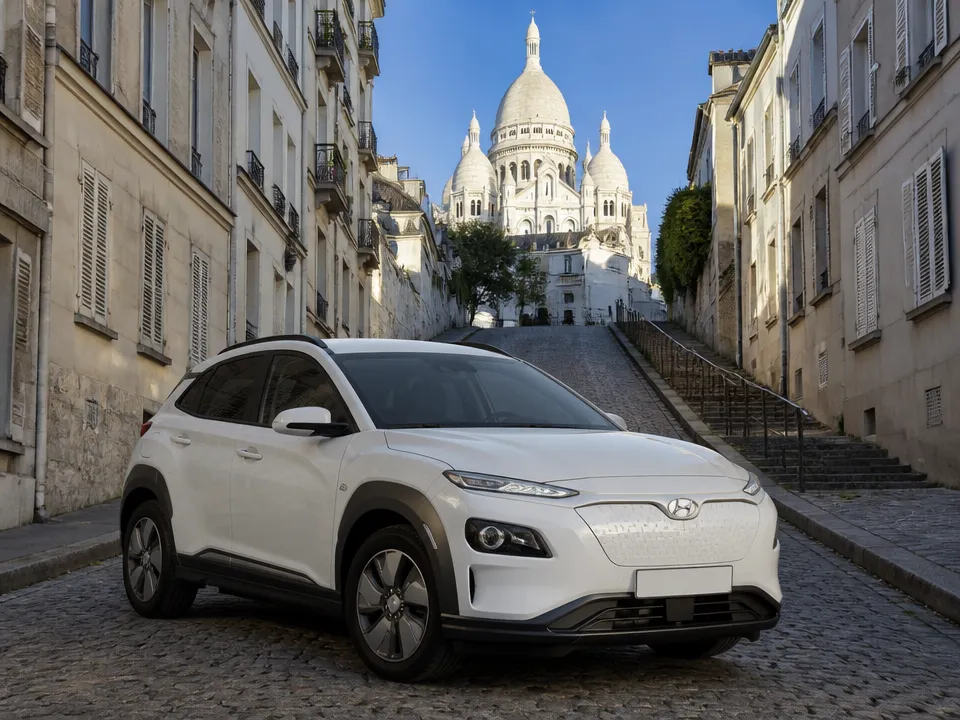
| Electric | 18 | €55 |
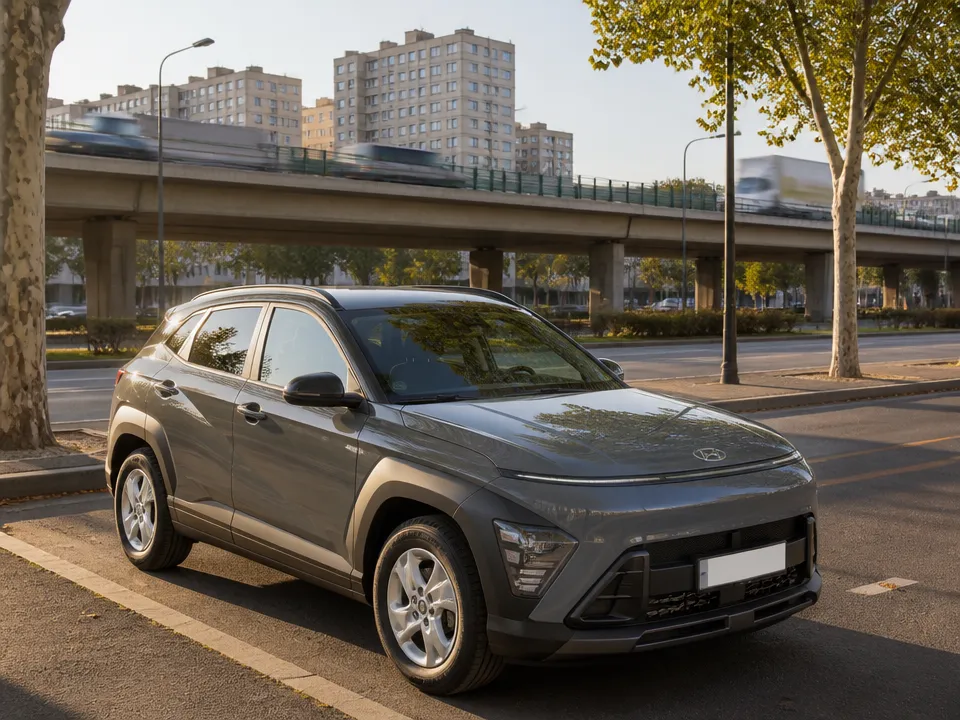
| Crossover | 13 | €75 |
| SUV & 4x4 | 19 | €79 |
| Comfort | 13 | €79 |
| Convertibles | 10 | €99 |
| Premium | 11 | €105 |
| Minivans | 5 | €119 |
| Sedan | 3 | €120 |
| Passenger vans | 5 | €155 |
| Luxury | 10 | €195 |
| Sports | 6 | €450 |
Weekly rates are calculated as daily × 6, monthly rates as daily × 21 — so a €29 Economy car comes to €174 per week and €609 per month. Those multipliers apply across all 13 classes, from the 6 Commercial vans at €47 per day up to the 6 Sports cars at €450 per day.
What sits inside the rate is the rental itself: the car, its class and the mileage and fuel terms recorded in the rental agreement. The deposit, the excess and any delivery fee are set out in that same agreement and agreed when booking, not quoted as a headline figure here. In our experience the class choice moves the total far more than anything else a renter controls — a week in a Crossover at €75 per day costs €450, while the same week in an Electric at €55 per day costs €330, and both cover the same roads.
Two details worth knowing before you choose a class. First, manual gearboxes are the norm in French rental fleets, and automatic is a separate, more expensive category — the Electric class is automatic throughout, which is often the simplest route to an automatic car without stepping up a class. Second, the 19 SUVs and 4x4s are the ones to reserve first for winter mountain trips, because the loi Montagne II rules require winter tyres or chains on two driven wheels in around 34 mountain departments from 1 November to 31 March. Paris and Île-de-France are not covered by that requirement, but a trip from Paris into the Alps is.
With 134 cars across 13 classes, the choice comes down to three things: how many seats you need, whether you want a manual or an automatic, and how far you plan to drive. Our fleet ranges from €29 to €1,300 per day, and the class you pick decides the rest.
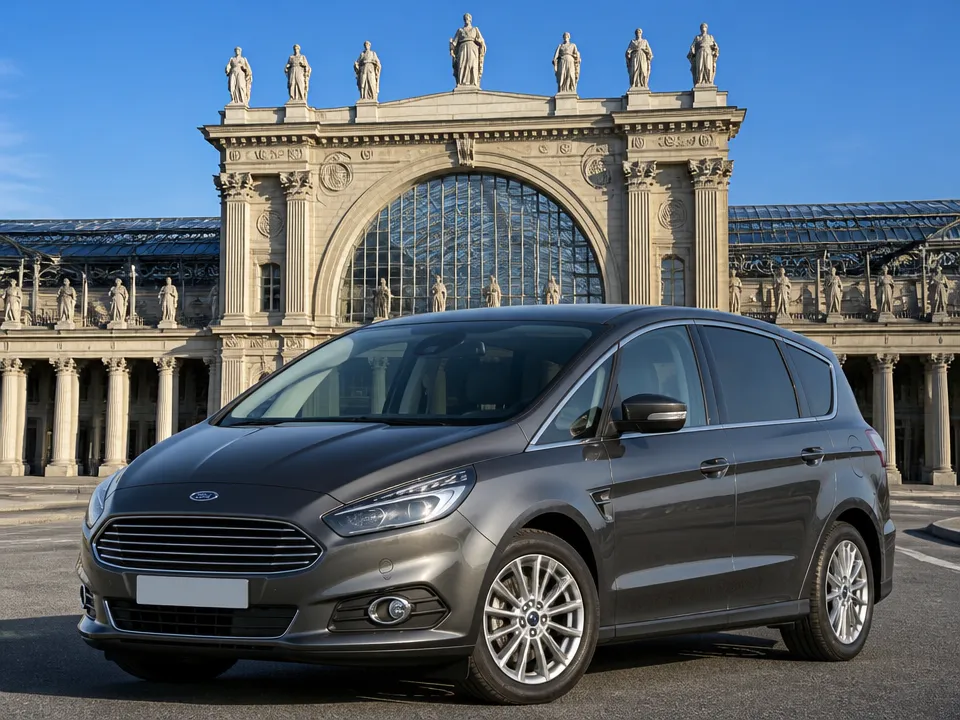
The cheapest option is rarely the right one for a long drive. A Citroen Ami at €29 per day is a two-seat microcar with 8 hp and a 5.5 kWh battery — ideal for short hops inside a city, hopeless for a run to the Loire Valley châteaux. Renault Twingo at €35 per day gives you four seats, a 1.0 L petrol engine and 65 hp. If your trip involves motorway miles, look at the Comfort class instead: a Ford Focus or Kia Ceed at €79 per day carries five with 120–125 hp. In our experience, travellers who book the smallest model and then drive 400 km in a day come back wishing they had chosen a larger car.
Manual gearboxes dominate the French market, and our fleet reflects that: most Economy, Crossover and Comfort cars come with a manual. Automatic is a separate, more expensive category — Renault Clio E-Tech Hybrid at €75 per day, Citroen C4 at €82, Nissan Juke at €85. Fuel splits four ways: Diesel for the commercial vans and Renault Master, Electric from €55 with the Renault Zoe and Fiat 500e, Hybrid with the Fiat Panda Hybrid and Toyota Yaris Cross, and Gasoline for the rest. If you have never driven on the right, an automatic takes one thing off your plate on the first day. Tell the manager your seat count, luggage and route when you book — that is where the vehicle is actually matched to you, not in the price list.
French road rules follow the Code de la route, and the numbers that matter most to a rental driver are the speed limits, the alcohol thresholds and the low-emission zone rules. Below are the values we brief our customers on before every trip, plus the local restriction that catches visitors most often.
The general alcohol limit is 0.5 g/l of blood (0.25 mg/l of breath). For a driver on a permis probatoire it drops to 0.2 g/l of blood (0.10 mg/l of breath) — a rule in force since 1 July 2015. Breaking the lower limit costs €135, six points and possibly a licence suspension, so a single glass is not worth it on a young licence. A child seat is required for children under 10 years old OR shorter than 135 cm — both conditions must be met before it becomes unnecessary (Code de la route, R412-1 and following); skipping it is a fourth-class contravention of up to €750. Winter tyres are compulsory from 1 November to 31 March in roughly 34 mountain departments — the Alps, Pyrenees, Massif Central, Jura, Vosges and Corsica — across more than 4,000 communes under prefect decisions: either four winter tyres or chains/socks on two driven wheels. Paris and Île-de-France are not covered by loi Montagne II, but the requirement does apply the moment your route heads for the Alps.
The ZFE de la Métropole du Grand Paris (Zone à Faibles Émissions) covers the area inside the A86 motorway — the A86 itself is excluded — including the boulevard périphérique and the Bois de Boulogne and Bois de Vincennes. Crit'Air 5, 4, 3 and Non classé vehicles are banned, and the sticker must be on the windscreen. Since 1 October 2024 the boulevard périphérique runs at 50 km/h, introduced in stages: the inner ring from porte des Lilas to porte d'Orléans, then the whole ring by 10 October. The left lane between the Issy embankment and porte de Bercy, both directions, is reserved Monday to Friday 7:00–10:30 and 16:00–20:00 for vehicles carrying 2 or more people — an experiment running since 3 March 2025, with a €135 fourth-class fine issued from 2 May 2025.
Booking car rental with Rent-Trip runs through a manager: you send the request, we confirm the car, the dates and the delivery, and the terms sit in the rental agreement you receive with the booking.
Send the dates, the delivery address and the class you have in mind, and a manager comes back with the exact model, the total and the delivery window. Availability is live: 134 cars on this page, part of 754 across the site, so a class can be sold out on a given week while another sits free at the same price. If the model you asked for is gone, we offer the nearest equivalent from the same class rather than leaving the slot empty — a swap that keeps your dates and your price intact.
Nothing is charged at the request stage. The deposit amount, the insurance excess and the delivery fee are set out in the rental agreement, and the manager walks you through each line before you confirm. Ask for the class code — the four-letter SIPP code, for example ECMR — if you want to compare what you booked against what is delivered: size, body, gearbox and fuel all read from it, and it is the one label that stays the same across the fleet.
A booking made a few weeks ahead is the one that gets the class you want rather than the class that is left: on the Paris fleet, Economy and Crossover move first, while Commercial vans and Minivans sit longer, so if your dates are fixed, confirm early and let the manager hold the car.
We have 134 cars on this page, from Economy models such as the Citroen Ami at €29 per day to Luxury and Sports cars. Classes include SUV and 4x4, Electric, Crossover, Comfort, Premium, Convertibles, Minivans and Commercial vans. The exact model is confirmed with the manager when booking.
Prices start at €29 per day for an Economy car and go up to €1,300 per day for the most expensive class. A weekly booking is charged at the daily rate multiplied by 6, so Economy starts from €174 per week. Monthly hire is the daily rate multiplied by 21, from €609.
The rental agreement sets out exactly what is included for your booking, including the mileage policy and the protection package. Optional extras such as an additional driver are also listed there. The manager confirms the final conditions with you when booking.
You need a driving licence issued more than 1 year ago, and digital licences are not accepted. Drivers from outside the EU or EEA can use their national licence, but if it is not in Latin script you also need an official translation or an International Driving Permit, which must be no older than 3 years and shown together with the national licence. The minimum age and any young driver supplement are agreed with the manager when booking.
We deliver the car to you, and the delivery point is agreed with the manager when booking. We do not publish a list of fixed pickup counters or addresses on this page. Any delivery fee is set out in the rental agreement.
Yes, longer rentals are available. A weekly booking is charged at the daily rate multiplied by 6, and a monthly booking at the daily rate multiplied by 21. For example, an Economy car from €29 per day starts at €174 per week and €609 per month.
You choose your car and dates, then the booking is agreed with a manager. The manager confirms the delivery point, the price and the conditions before the rental starts. The deposit and any extras are set out in the rental agreement.
Traffic drives on the right and all our cars are left-hand drive. Speed limits are 50 km/h in towns, 80 km/h on ordinary roads outside towns, 110 km/h on dual carriageways and 130 km/h on motorways, with lower limits in rain. A Crit'Air sticker is required for the low-emission zone in the Paris area, and the manager can explain the details when booking.