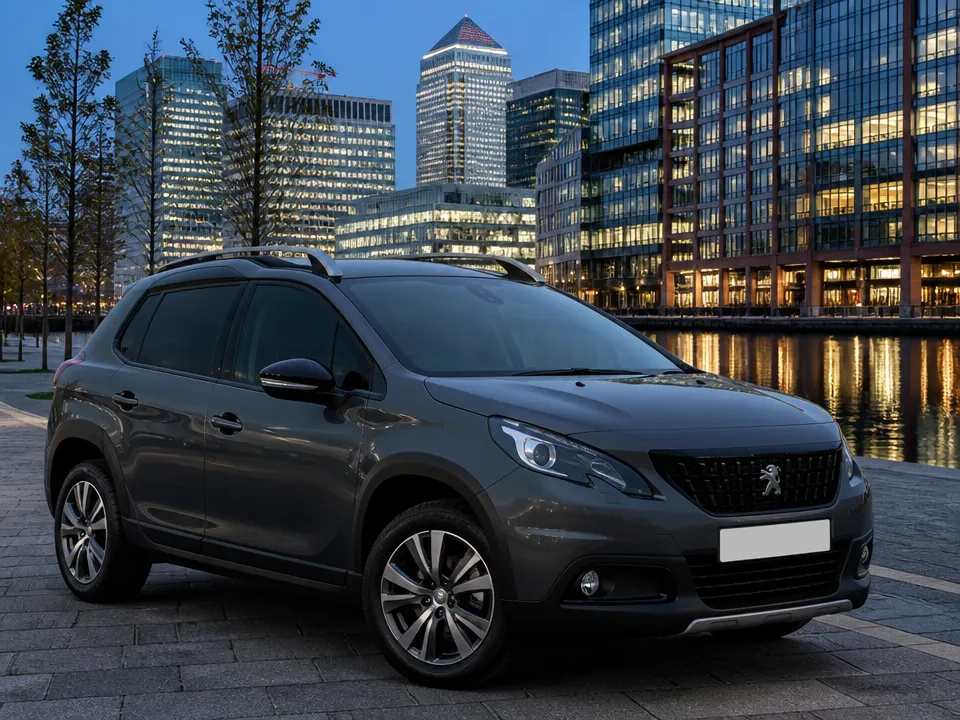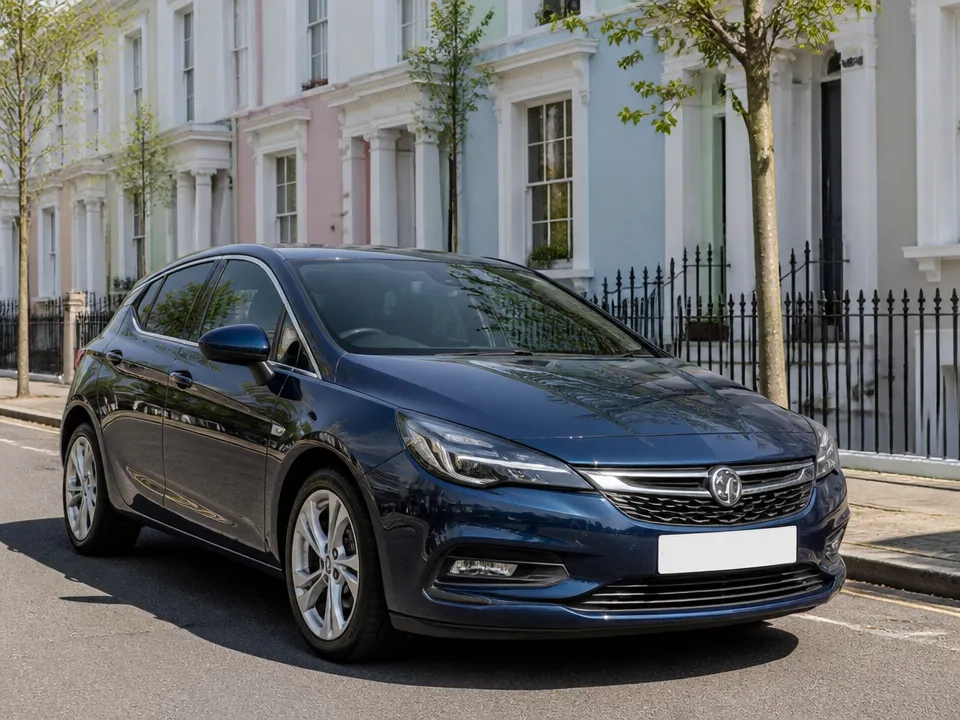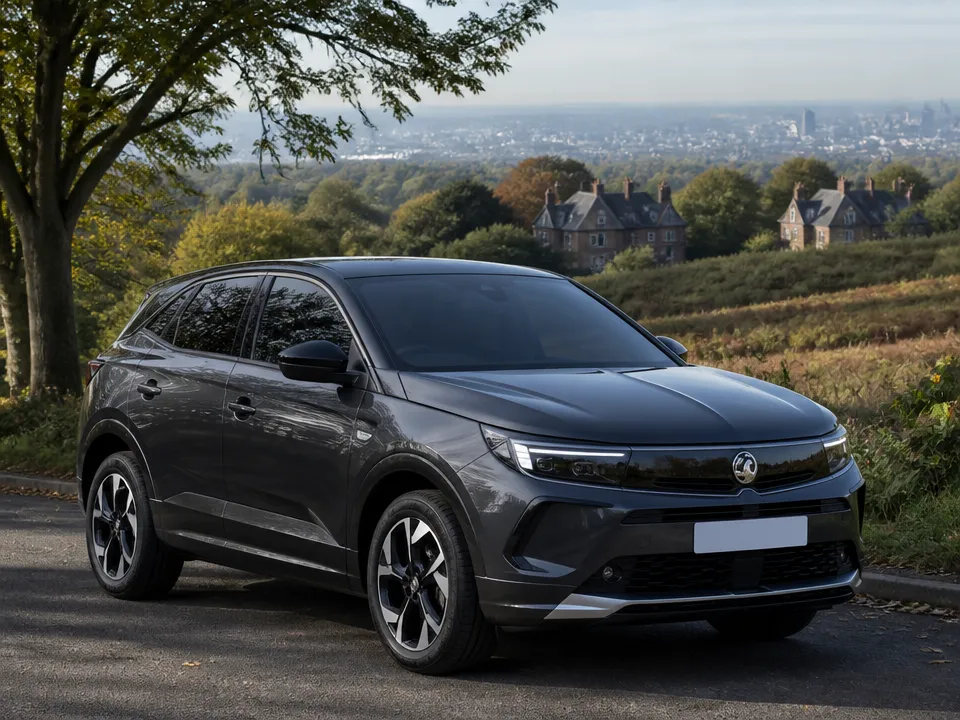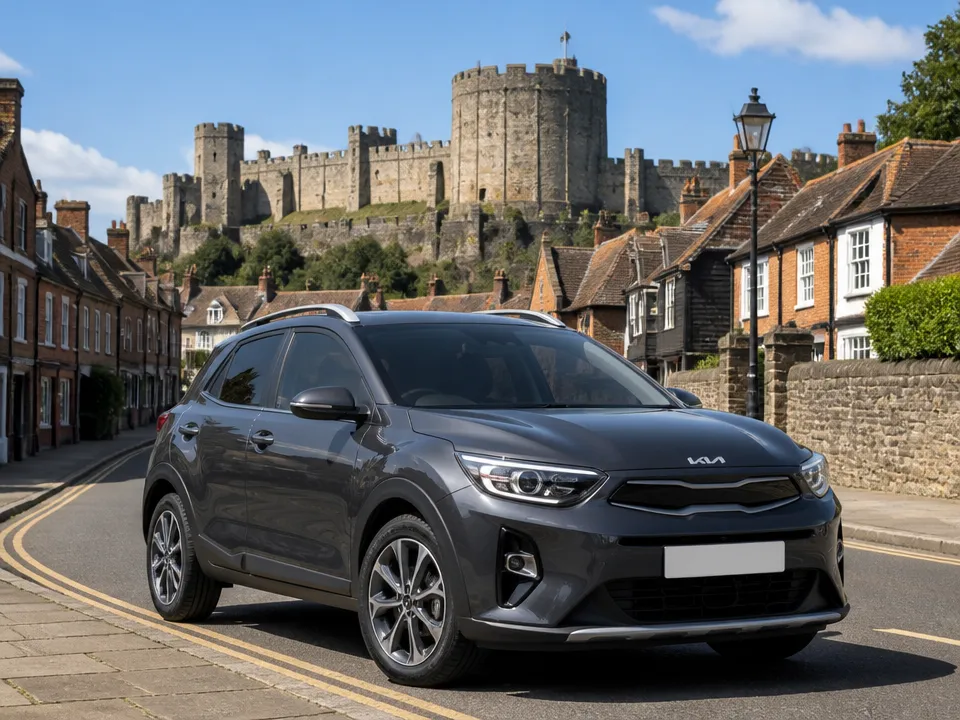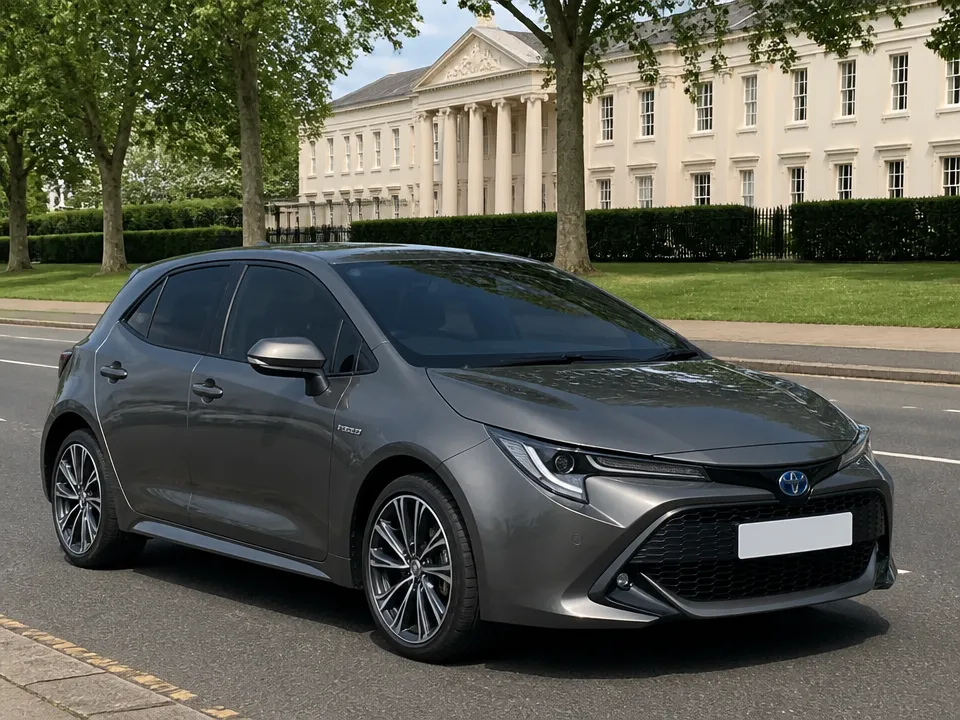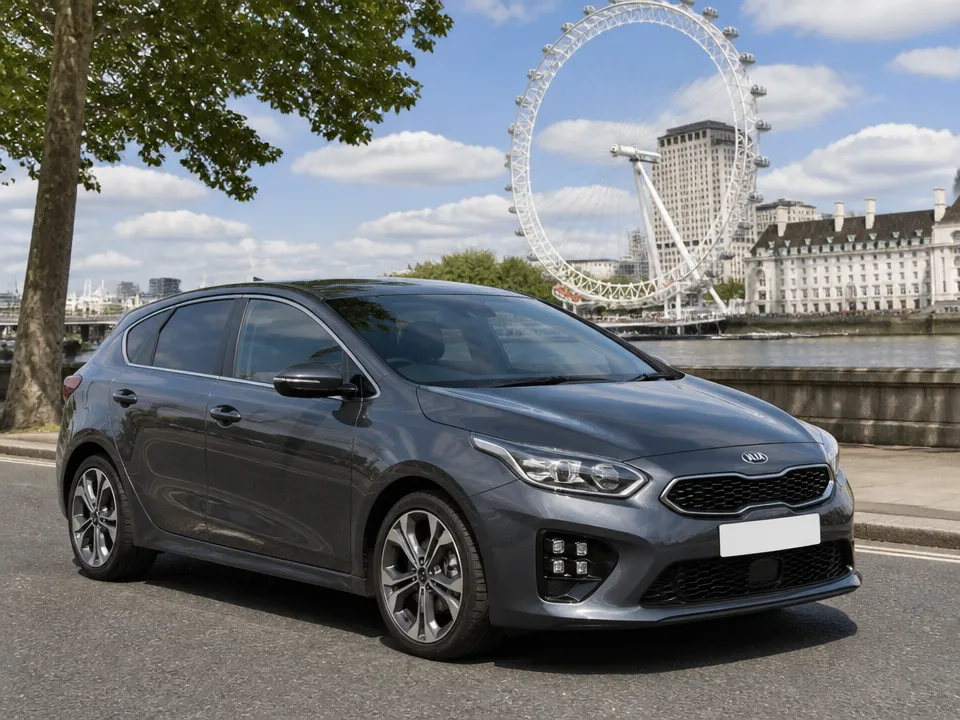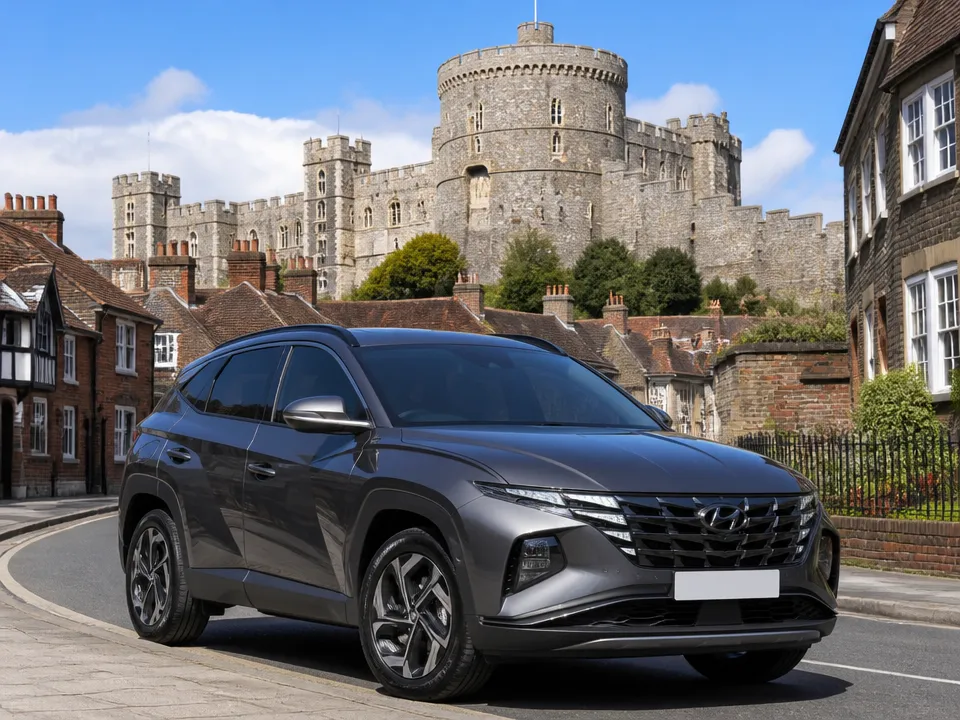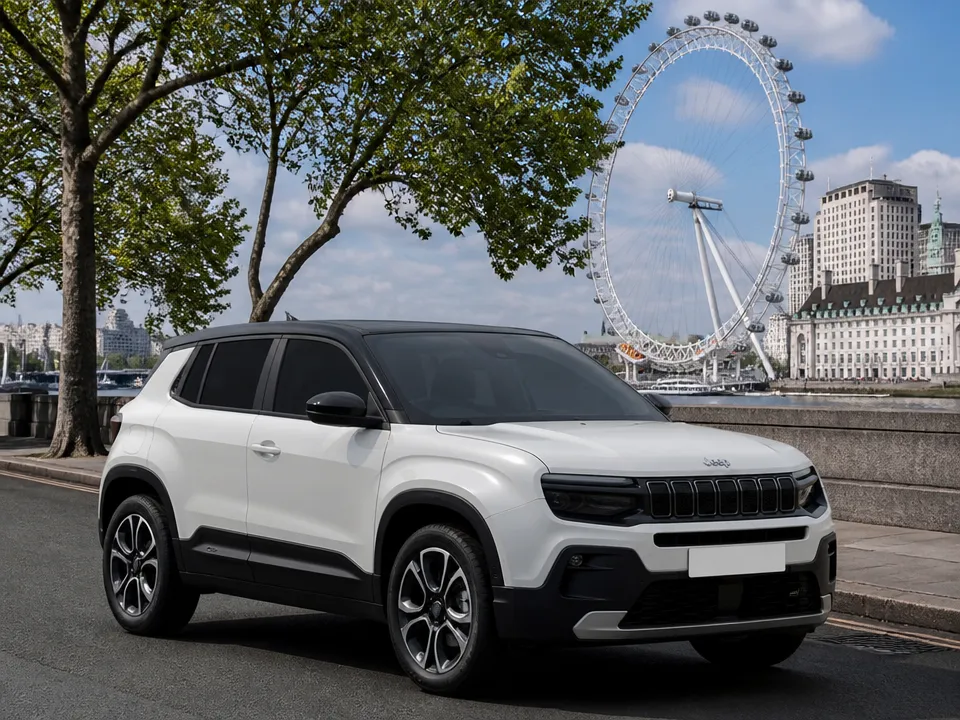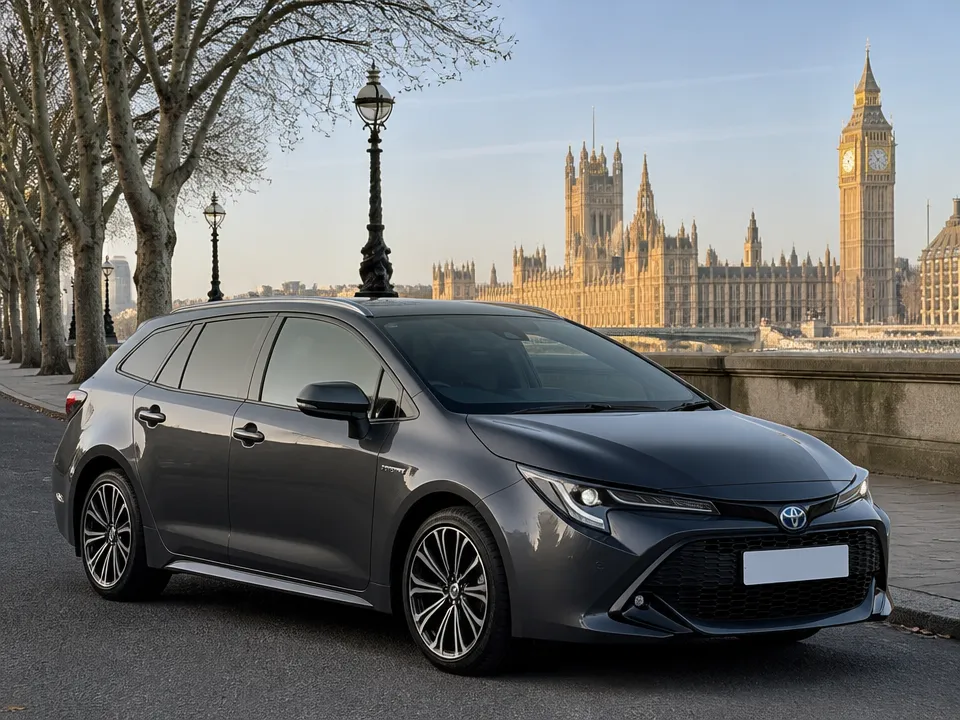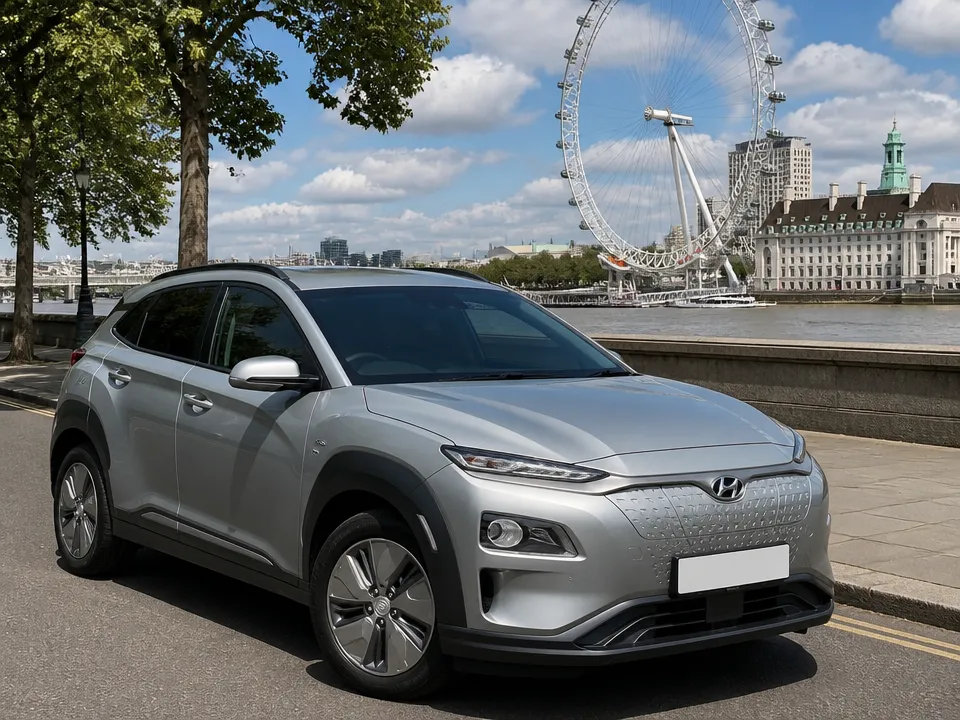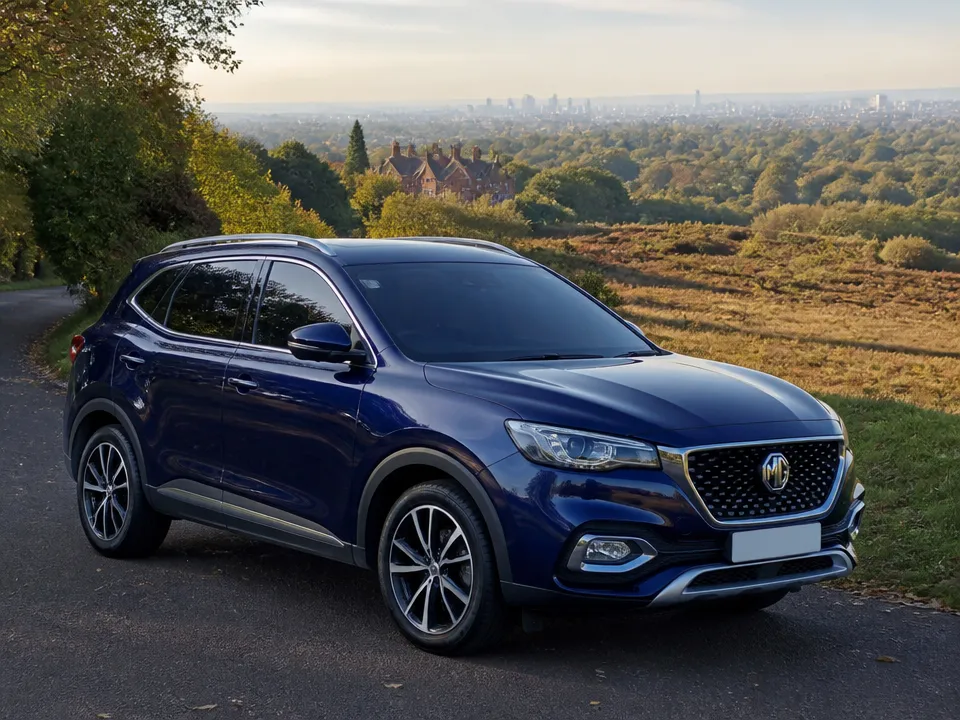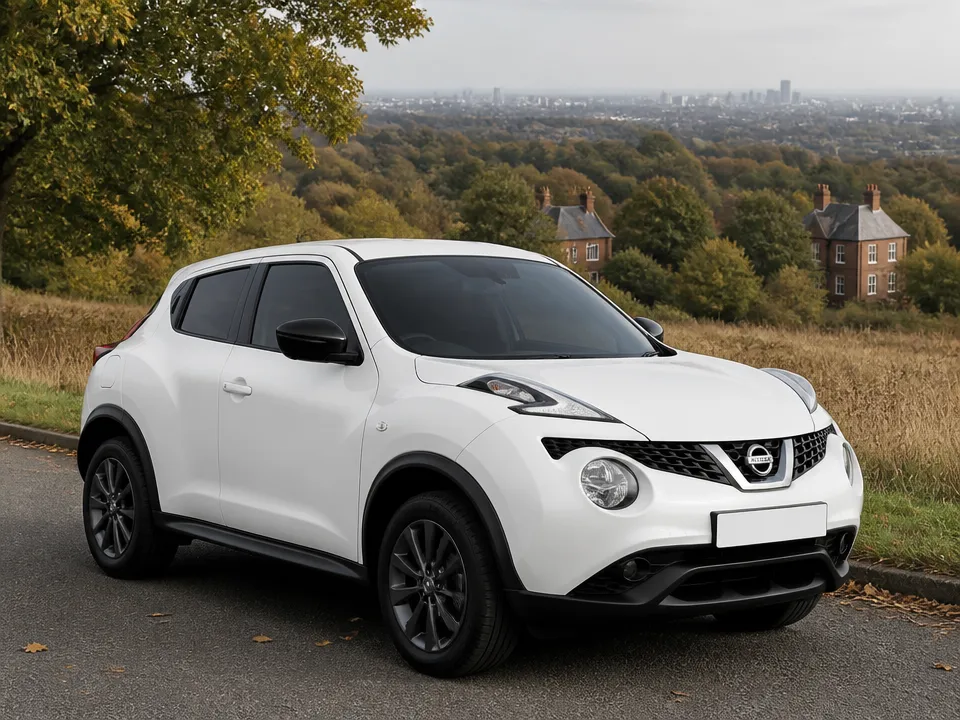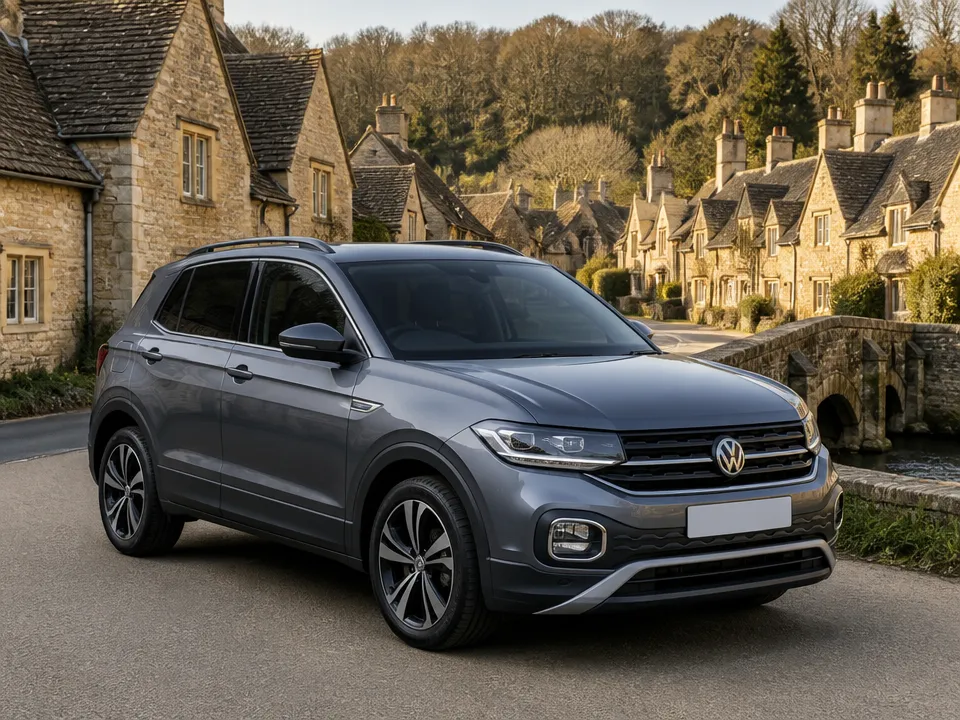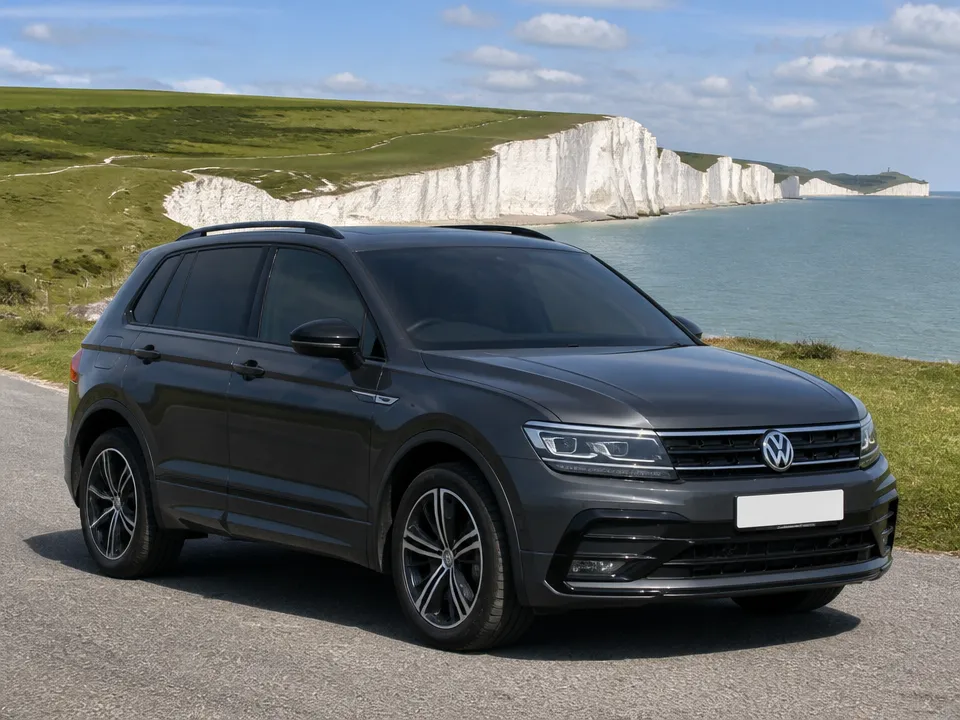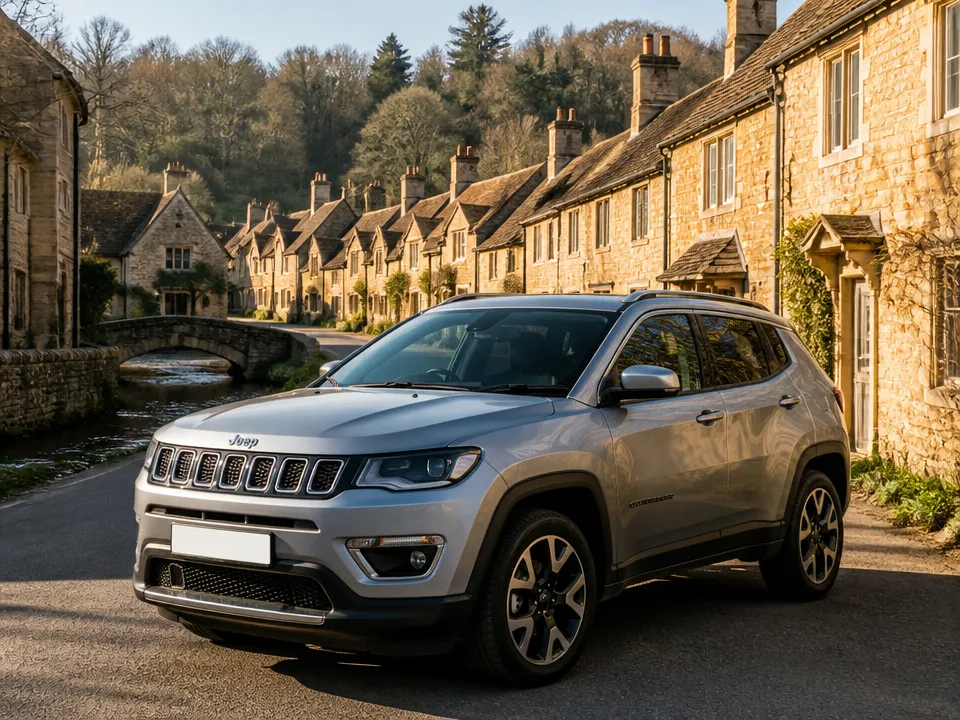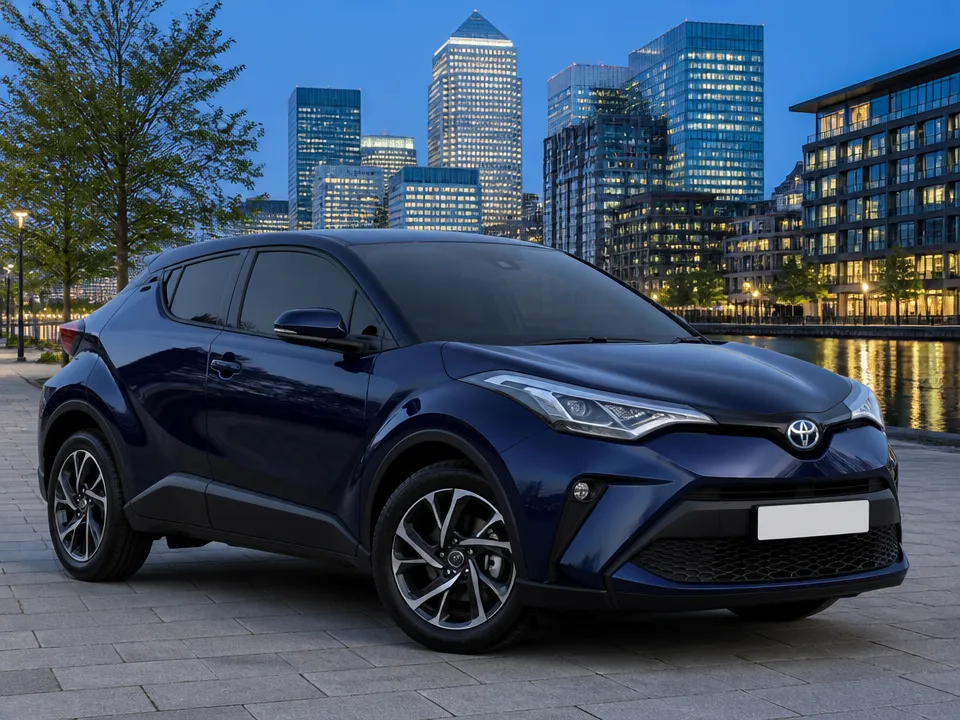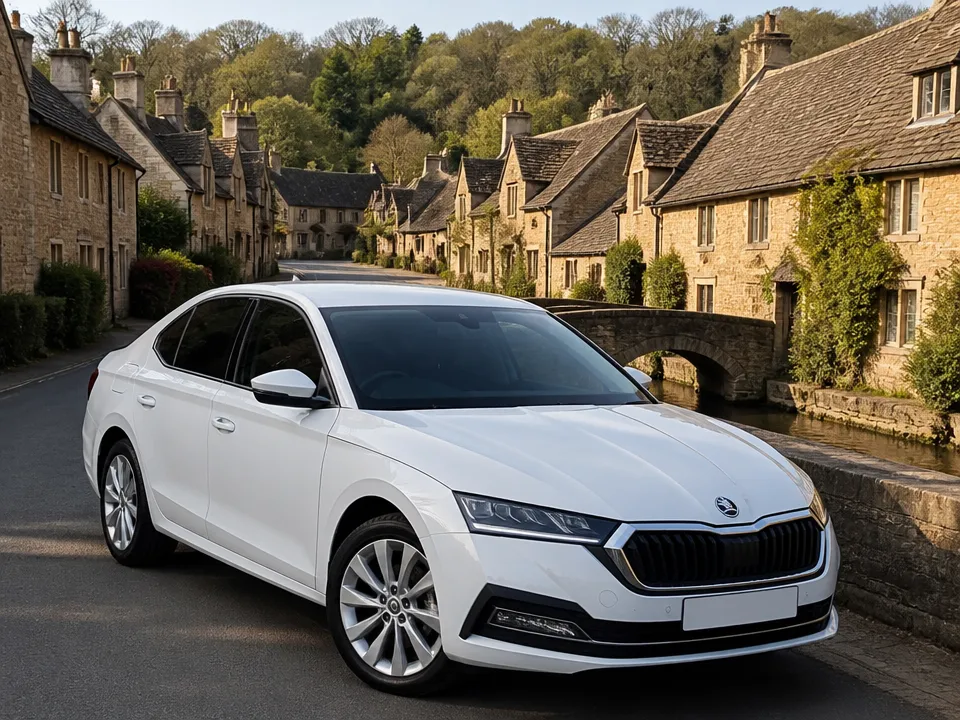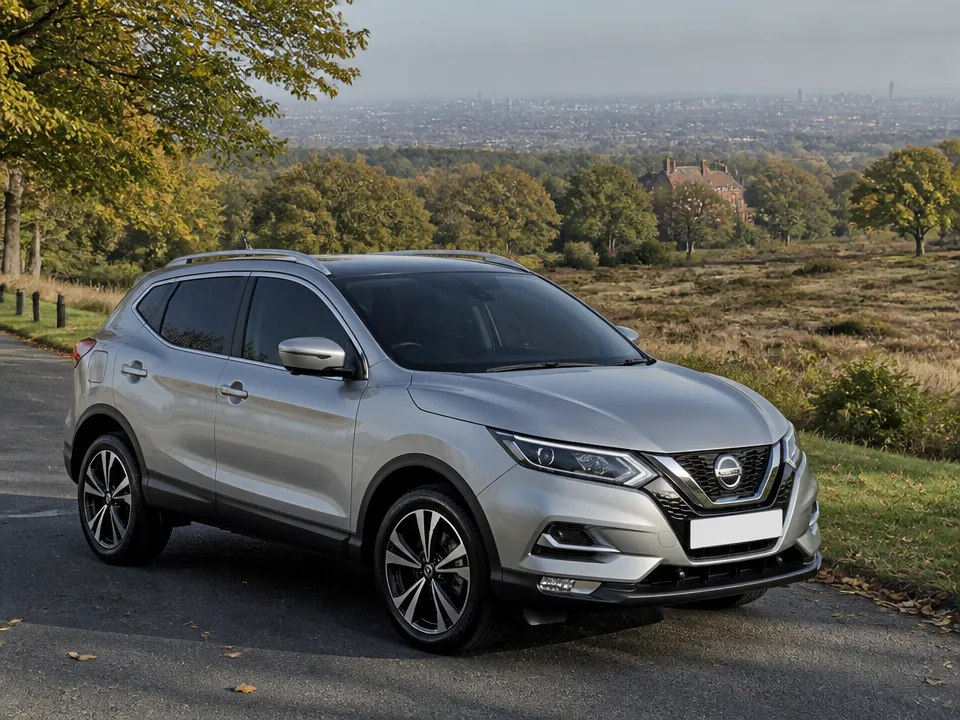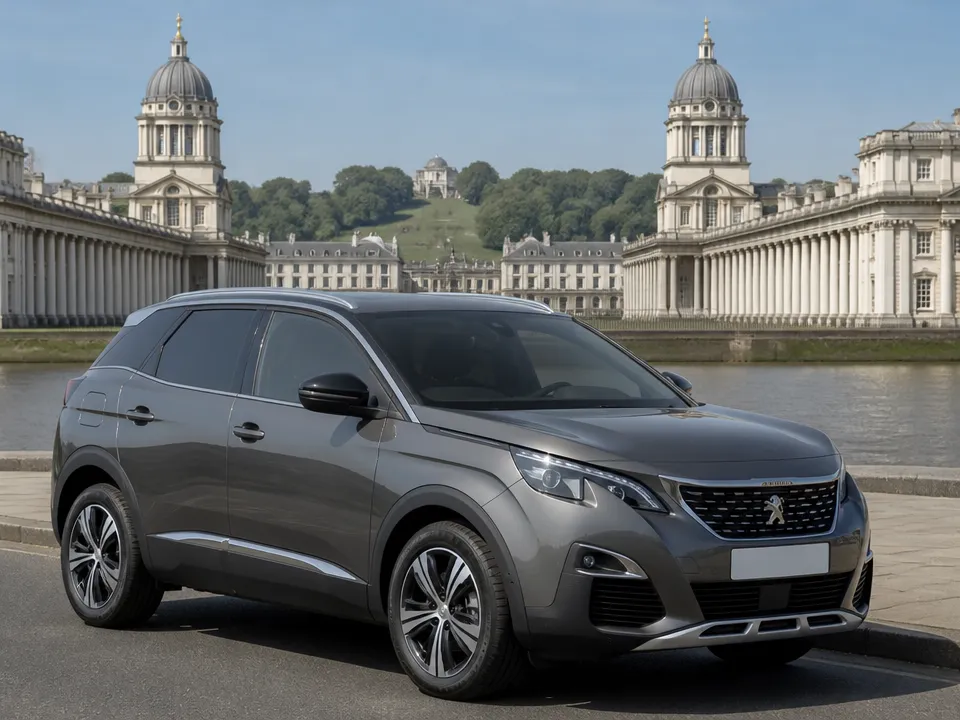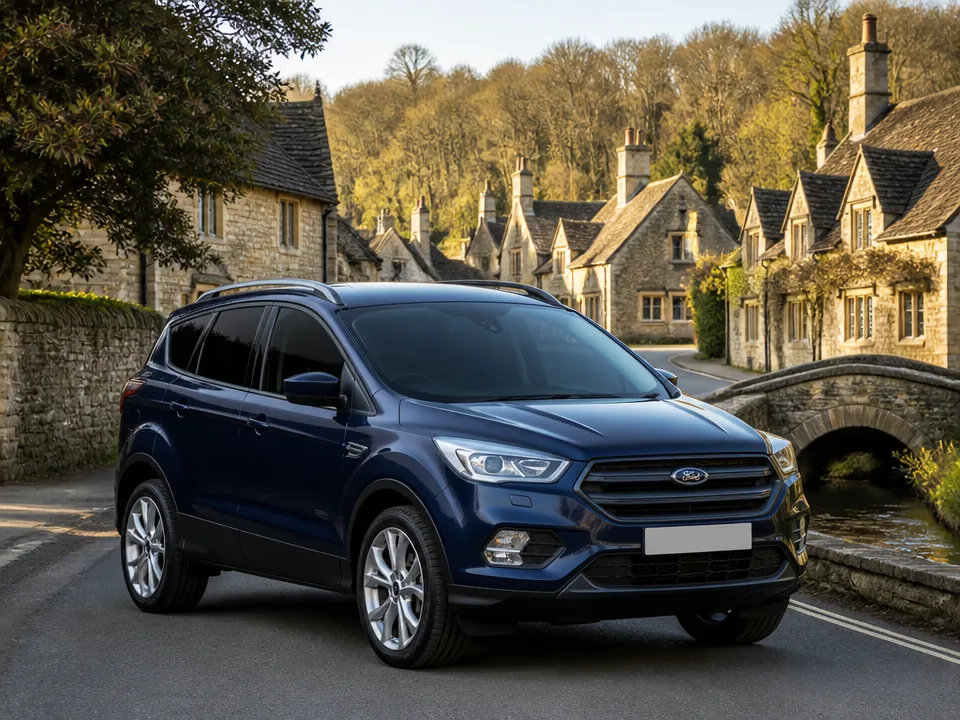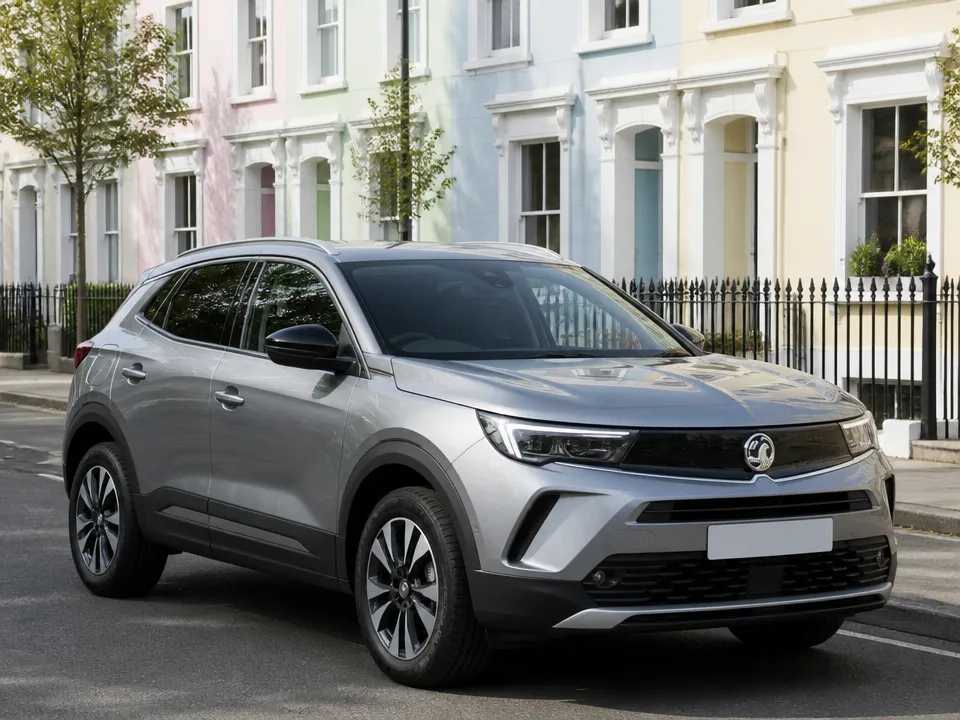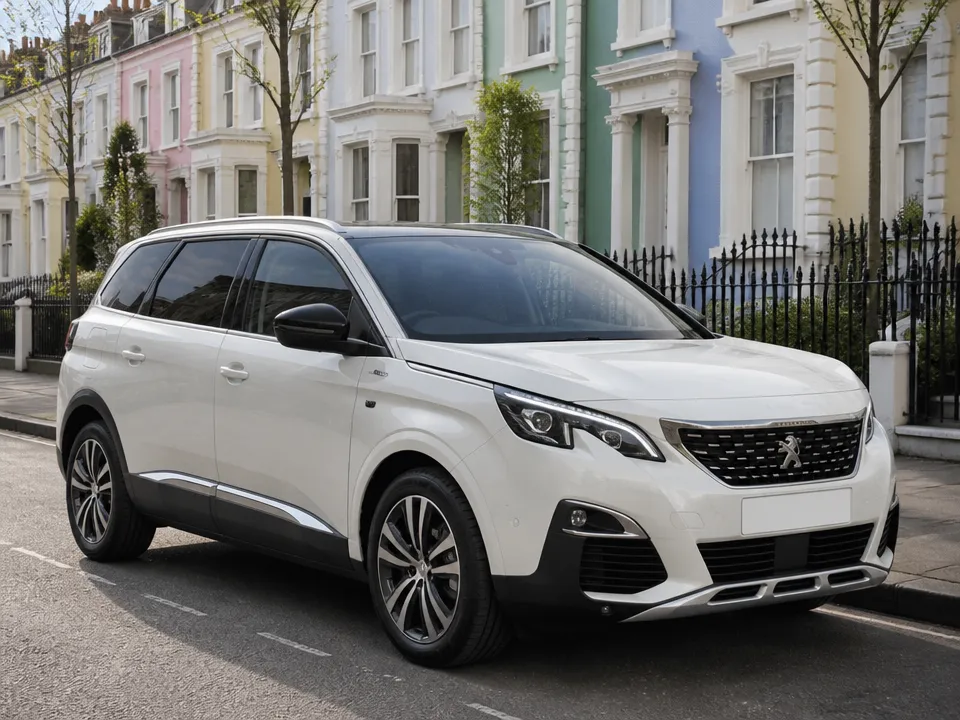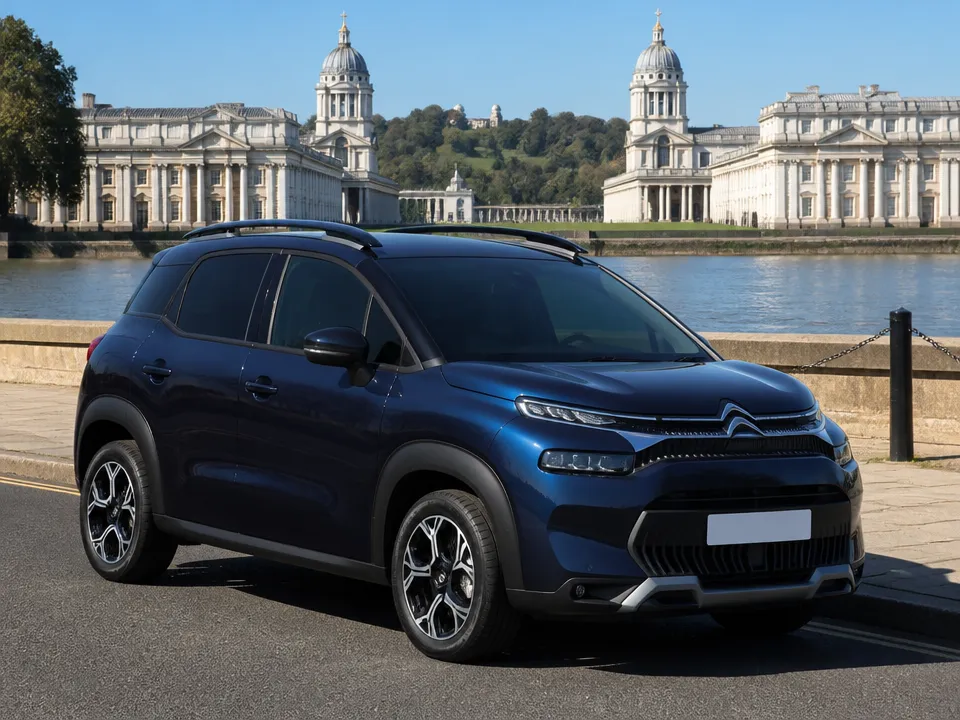
Citroen C3 Aircross, Crossover
★4.8· 33Manual1.2 L110 hpFront-wheel5 seats
£22per day
Book now




No cars match the selected filters. Remove some of the conditions.









For cars, the Dart Charge on the M25 is £3.50 per crossing on a one-off or pay-as-you-go basis, or £2.80 with advance payment. It usually applies from 6:00 to 22:00 every day, and payment is due by midnight the following day.
This page lists 45 cars, with daily prices from £22 to £176. The classes are Comfort, Crossover, Minivans and SUV, with seat counts of 4, 5 and 7. The trip starts from London.
In England, Wales and Northern Ireland the limit is 80 mg per 100 ml of blood, 35 micrograms per 100 ml of breath or 107 mg per 100 ml of urine. In Scotland it is 50, 22 and 67.
Planning a self-drive trip through the Channel Tunnel and wondering how to arrange the car? Rent-Trip offers 45 cars on this page, from £22 a day, delivered to any address in London and to Heathrow, Gatwick, Stansted, Luton, London City and Southend airports. The delivery address, date and time are agreed with a manager before the booking is fixed.
Car rental in London for a trip to Paris via Eurotunnel solves two separate problems: the crossing itself, and everything the car must carry into it. The tunnel is the fixed part — a departure time, a check-in window, a document check. The car is the variable. We hand over the vehicle and the paperwork together, and the manager agrees both with you before the booking is fixed.
The crossing takes 35 minutes from Folkestone to Calais, and check-in closes 30 minutes before departure. You drive onto the train at Folkestone, stay with the car for the whole 35 minutes, and drive off at Calais into right-hand traffic — the first kilometre after the ramp is where most keep-left habits show up. The check-in window is the part that catches people out: the 30 minutes are counted from the booked departure, not from your arrival at the terminal, and a missed slot means the next train with space. Booking the tunnel around the car hand-over time, not the other way round, keeps the margin for city traffic.
The paperwork for the crossing is set out in the rental agreement, and the manager confirms what applies to your route when booking. The documents travel in the car, not in your luggage, because the check-in desk may ask for them before the train loads. Ask about the country list at booking, because a document issued after the hand-over cannot be backdated.
A full tank at hand-over matters more than the model: we supply the car clean and full, and it must come back full, so the first refuel on the continent is a decision you make rather than one the paperwork makes for you. Tyre pressure and screen wash are worth a two-minute check at Folkestone — the motorway network south of Calais has long stretches between services. On our side, 45 cars are available on this page, from £22 to £176 a day, and the class you pick is the one that has to sit comfortably for the whole return leg, not just the run to the coast.
We keep 45 cars on this page, from £22 to £176 a day, and the class you pick decides how the last two hours into the city feel.
| Class | Cars | From | Seats | Best for |
|---|---|---|---|---|
| Crossover | 14 | £22 | 5 | Two people, light luggage, low daily cost |
| Comfort | 15 | £23 | 4–5 | Estates and hatchbacks for long motorway legs |
| SUV | 10 | £34 | 5–7 | Four passengers with bulky bags |
| Minivans | 6 | £44 | 7 | Families using the third row |
Crossover runs from £22 to £58 and holds 14 cars, Comfort from £23 to £80 with 15 cars, SUV from £34 to £49 with 10, and Minivans from £44 to £176 with 6. A 7-seat diesel repays itself only when the third row carries people, not air. The estate body appears three times on this page, so book it early if a long trip is planned.
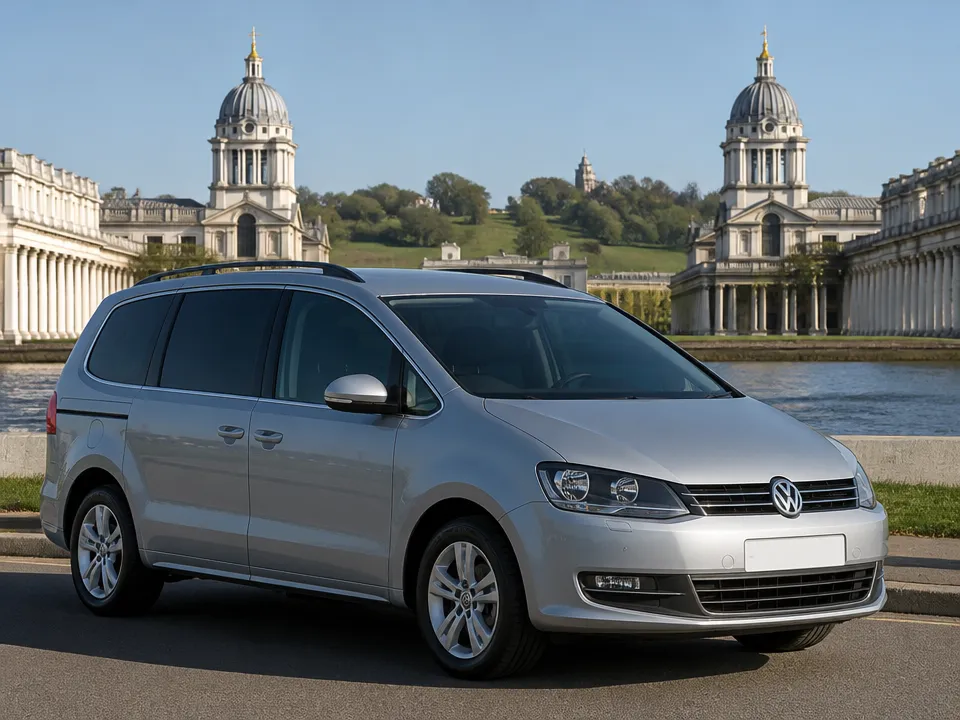
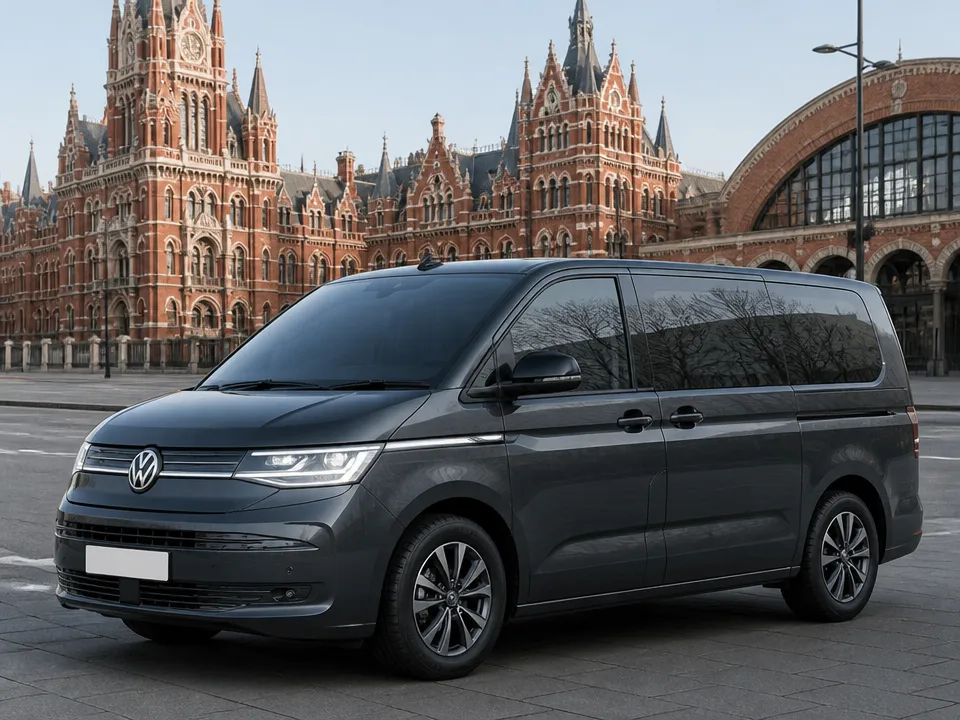
The Citroen C3 Aircross at £22 a day is the cheapest on the page, and the Toyota RAV4 at £40 is a hybrid all-wheel-drive option. A 7-seat diesel such as the Volkswagen Sharan at £44 makes sense only if the third row is actually used — otherwise the extra body costs you fuel and parking space for nothing. The Mercedes-Benz V-Class at £176 sits at the top of the range and suits a group that wants one vehicle instead of two.
Petrol accounts for 34 of the 45 cars, hybrid for 7 and diesel for 4; 25 come with a manual gearbox and 20 with an automatic. On the tunnel run a hybrid automatic is the easiest combination: the Toyota Corolla at £31 and the Toyota Corolla Touring Sports at £36 both pair a 1.8 L hybrid with an automatic, and the estate body swallows a fortnight of luggage. Fuel prices in London move daily — a diesel only pays off on a long trip if the car is genuinely loaded. Five seats is the norm at 37 cars, seven seats appear on 7, and one model — the Mini Cooper — carries four.
The class, the model and the dates are agreed with a manager before the reservation is fixed, and the rental agreement sets out the deposit, the insurance excess and any delivery fee. Longer bookings follow the same arithmetic: weekly is the daily rate times six, monthly times twenty-one. Name the crossing time when you book — a car delivered at dawn in London leaves with a full tank, so the delivery slot is built around the drive to Folkestone. Ask for the country list and the VE103 at the same conversation, so nothing is issued after the hand-over.
The journey starts before Folkestone: the hand-over is the first fixed point of the trip, and it is agreed with a manager rather than picked from a counter list. Below is how delivery, timing and the fuel rule work on a cross-Channel booking.
The car comes clean with a full tank and must be returned with a full tank. That full-to-full rule is the only fuel option we offer — there is no pre-paid tank and no full-to-empty arrangement on the site. If the car goes back short of fuel, the missing fuel and a refuelling service fee are charged as set out in the rental agreement. In our experience the practical detail is where you refuel, not how much: fill up close to the return address rather than at the terminal or at the port, where the litre price is at its highest.
Rent-Trip arranges the paperwork that a Channel crossing needs alongside the delivery slot. The rental agreement lists the countries the car may be taken to, and the documents the crossing requires are set out in the rental agreement. Ask for the country list at booking: a document issued after the hand-over cannot be backdated, and the crossing is not the place to discover a gap in it.
The deposit, the insurance excess, delivery fees and any discounts are set out in the rental agreement — they are not quoted over the phone or fixed on this page. The same applies to the minimum rental age and the driving licence you hold: both are agreed when booking, and the manager confirms them in writing before the car leaves.
Book the tunnel around the hand-over time, not the other way round. Traffic on the way out to the M20 is the one variable nobody controls, and an hour of margin between the keys and check-in is what keeps a 35-minute crossing from turning into a missed departure.
Car rental in London for a trip to Paris via Eurotunnel starts with a short stretch of city driving before the car reaches the M20, and that stretch decides how cleanly the trip begins. Three things matter on that first leg: which side of the road you are on, which charges apply to the car, and how those charges are handled when you book.
Traffic in England drives on the left, all our cars are right-hand drive, and built-up areas are limited to 30 mph unless signs say otherwise. The Highway Code puts the rule plainly: keep to the left unless signs or markings tell you otherwise (rule 160), and turn closer to the left kerb (rule 183). At roundabouts you give way to traffic approaching from the right (rule 185) and travel clockwise. Motorways run at 70 mph, single carriageways at 60 mph, dual carriageways at 70 mph. Here is where experience helps: many boroughs sign 20 mph on residential streets, and the sign beats the default — read the plate rather than assume 30. On the continental leg the side of the road flips, so the first mile after the terminal is the one to take slowly.
Who pays road charges, tolls and penalty notices on a hired car is not fixed by the vehicle itself — it is agreed when booking, and the agreement sets out how each charge is handled. Ask about it at the same time as the delivery address, because a charge attached to the car after hand-over is harder to sort out than one settled in advance.
Fuel is straightforward: the car comes with a full tank and goes back with a full tank, and anything else falls under the refuelling service fee in the agreement. Fuel in the capital is priced daily, so filling up away from the motorway services before Folkestone is the cheaper habit. Penalties are the part drivers underestimate: using a hand-held phone at the wheel costs £200 and six points, and drivers within two years of passing their test lose the licence outright. Seat belts are compulsory where fitted, and children need a child seat until they reach 135 cm or turn 12, whichever comes first — a fine of up to £500 applies. Foreign licences are valid for 12 months from your last entry into Great Britain.
A Channel crossing rewards twenty minutes of preparation at the kerb more than any upgrade on the booking. Below is what we check with you at hand-over and what is worth doing yourself before you point the car at the M20.
Ask for the country list at booking. A document issued after the hand-over cannot be backdated, so the paperwork has to be sorted while the booking is still being agreed with a manager, not collected at the kerb on the morning of departure.
The car leaves Rent-Trip clean with a full tank, and it has to come back with a full tank — full-to-full is the only fuel option we offer. Anything else means the missing fuel plus a refuelling service fee, both set out in the rental agreement. Fuel on the forecourt is the one cost that moves daily, and filling up away from the terminal is the cheaper habit.
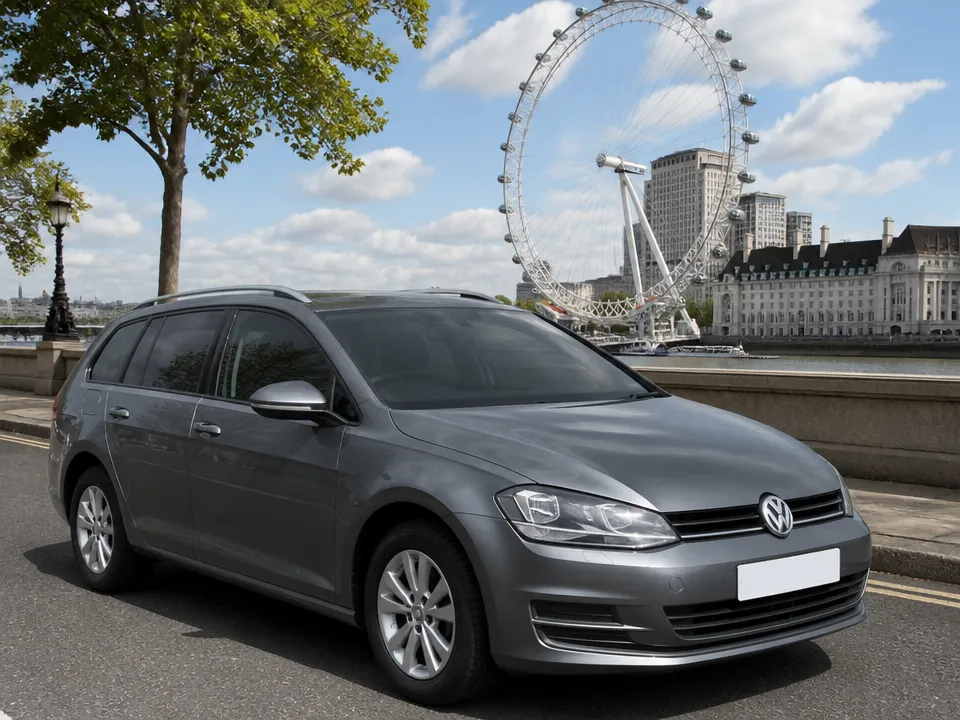
Walk round the car once with the engine off: tyres, lights, washer fluid, and the warning triangle and hi-vis vest in the boot. In our experience the boot is where the crossing catches people out — an estate such as the Volkswagen Golf Estate at £31 a day takes two large cases and a folded pushchair, while a hatchback of the same class fills up at one large case plus hand luggage.
Two charges can land on the first hour of the trip if the car starts inside the wrong boundary. The Congestion Charge is £18 a day when paid on the day or in advance, £21 if paid by midnight on the third day after the journey, and it runs 07:00–18:00 Monday to Friday and 12:00–18:00 at weekends and on bank holidays. ULEZ is £12.50 a day for a non-compliant car, 24 hours a day, seven days a week, apart from 25 December, and it covers all 32 boroughs. The M25 sits outside ULEZ, which is why the crossing point matters more than the postcode you started in. Toll and charge budget: the Dartford Crossing (Dart Charge) on the M25 takes £3.50 per crossing, or £2.80 if you pre-pay, and the payment is due by midnight the following day. Who pays road charges, tolls and any penalty notice on a hired car is agreed when booking, so settle it there rather than at the barrier.
Book the tunnel around the hand-over time, not the other way round. Check-in closes 30 minutes before departure and the crossing itself takes 35 minutes from Folkestone to Calais, so a delivery slot agreed for 07:00 leaves a comfortable margin for the drive down — and leaves room for one more fuel stop if the gauge is not where you want it.
A trip that runs from a London address to the tunnel, on to the other side and back again rarely fits into one day, so the multiplier matters more than the headline daily figure. The arithmetic of a longer booking is simple: weekly is the daily rate times six, monthly is the daily rate times twenty-one.
A week on the road means the car stops being a transfer and becomes the vehicle you live with, which shifts the choice away from the cheapest daily rate. The Citroen C3 Aircross at £22 is the obvious pick for a short hop to the coast and back, but over seven days the difference between a £22 Crossover and a £31 estate in Comfort is small in absolute terms, and the estate carries the luggage for two people without folding the rear seats. On the continental leg the estate also holds motorway speed more comfortably than a small crossover with a 1.0 L engine. The Toyota RAV4 at £40 brings hybrid drive and all-wheel traction, useful if the return leg runs through wet weather, and the Toyota Corolla at £31 offers hybrid economy for a smaller outlay.
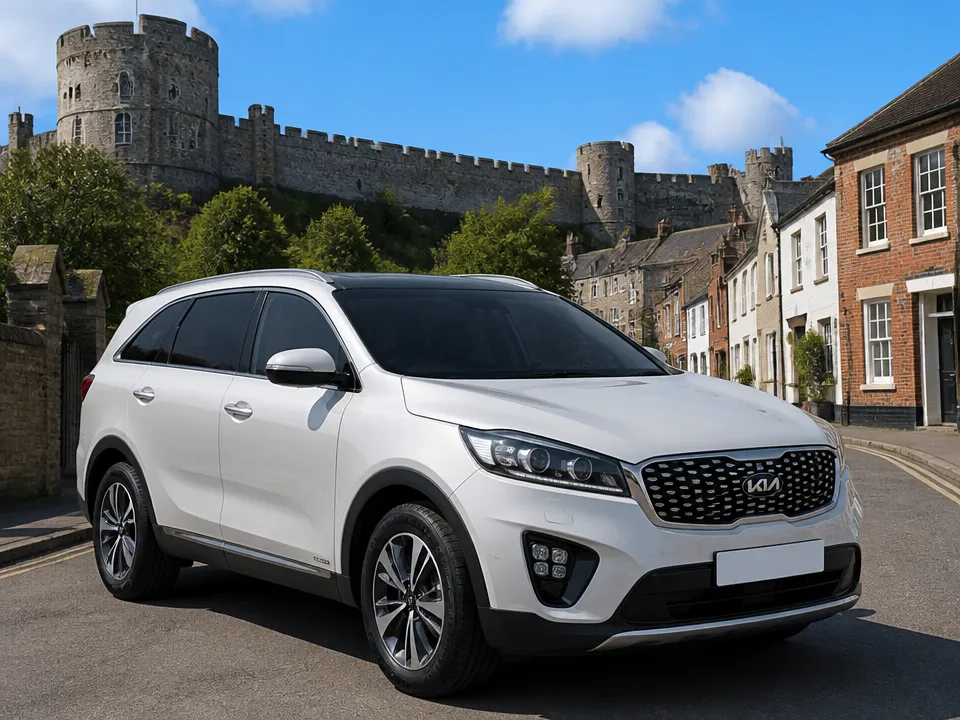
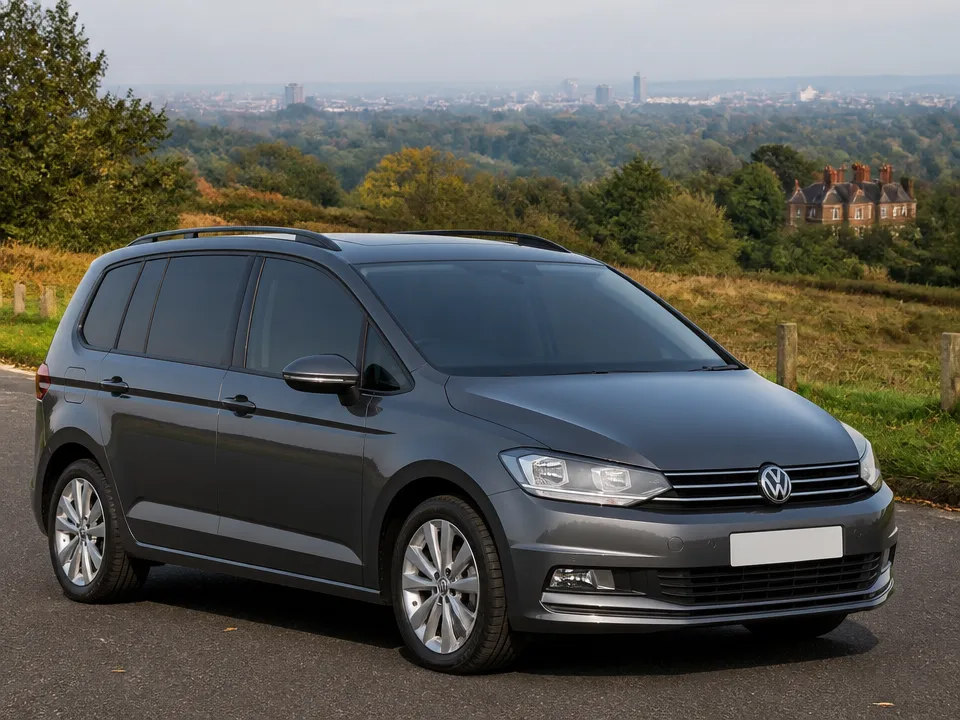
Seven seats only pay for themselves when the third row is genuinely occupied. The Volkswagen Sharan at £44 a day is a diesel MPV, and the Kia Sorento at £49 pairs seven seats with hybrid drive and all-wheel traction; both make sense for a family group, and neither makes sense for two travellers who will never raise the rearmost bench. Among the Minivans the range runs from £44 to £176 a day, so the spread inside one class is wider than the spread between classes — worth checking before the multiplier is applied.
Rent-Trip agrees the delivery address, the date and the time with a manager before the booking is fixed, and that conversation is the right moment to settle the length of the hire as well. Tell the manager the return date you actually expect rather than the shortest one that fits, because a hire that runs over the agreed period is a change to the booking, not an extension you can assume. The car is supplied with a full tank and must come back with a full tank; anything short of that is charged as the missing fuel plus a refuelling service fee, set out in the rental agreement. The deposit, the insurance excess and any delivery fee are also set out in that agreement rather than quoted here.
For a trip built around the tunnel, the useful habit is to count backwards from the return crossing. Work out the day you want the car back at the address, subtract the drive from the coast, and let the resulting number of days decide whether the weekly multiplier or the monthly one applies. On eight days the weekly rate plus a short extension is usually the cheaper shape — the manager can run the figures against the model you have chosen.
The same 45 cars serve very different journeys, and the shape of the trip decides which class is worth paying for. Below are the scenarios we see most often on this route, with the model that fits each one.
Four classes, 45 cars and a spread of £22 to £176 a day: the comparison that matters is not which class is best, but which class fits the number of people and the amount of luggage you are actually carrying.
| What you are comparing | Crossover | Comfort | SUV | Minivans |
|---|---|---|---|---|
| Cars on this page | 14 | 15 | 10 | 6 |
| Daily price span | £22–£58 | £23–£80 | £34–£49 | £44–£176 |
| Seats | 5 | 4–5 | 5–7 | 7 |
| Typical body | Crossover | Hatchback, estate, liftback | SUV | MPV, passenger van |
| Gearbox mix | Manual and automatic | Manual and automatic | Manual and automatic | Manual and automatic |
The overlap is real: the top of the Crossover range at £58 costs more than the bottom of the SUV range at £34, so the class label alone does not tell you what you are paying for.
Two cars in the same class can differ by more than two classes' worth of price. The Crossover range runs from £22 to £58 and the Comfort range from £23 to £80, so the spread inside one class is wider than the gap between the class floors. Ask the manager which model in the class you have picked is available for your dates, because the answer moves the daily figure more than the class name does. A 7-seat diesel repays itself only when the third row carries people, not air — otherwise the extra body costs fuel and parking space for nothing.
Car rental in London for a trip to Paris via Eurotunnel is governed by the rental agreement, the document that decides what the car may do and where it may go, and it is the one thing worth reading twice before the keys change hands. Below is what we go through with you when the reservation is agreed.
Ask which countries are on the list, and check the wording against the route you have planned rather than assuming it covers everything. Ask what the deposit and the excess are, and how a charge or a penalty notice on the car is handled — who pays road charges, tolls and penalty notices is agreed when booking and is not fixed by the vehicle itself. Ask about the minimum rental age and the driving licence you hold: both are agreed when booking, and the manager confirms them in writing before the car leaves. None of these is a figure on this page, and none of them should be a surprise at the kerb.
Keep the documents in the car rather than in the boot under the luggage, because the check-in desk may ask for them before the train loads.
The hand-over and the return are the two fixed points of the booking, and both are agreed with a manager rather than picked from a counter list. Here is how each end of the hire works.
Any address across the capital: home, hotel or office — the car arrives at the address you give us, and that address, with the date and time, is agreed with a manager before the booking is fixed.
The car comes clean with a full tank and must go back with a full tank. If the gauge is short of full, the missing fuel and the refuelling fee are charged as set out in the rental agreement, so a filling station close to the return address is the sensible place to stop. Book the return slot with the same margin you gave the outbound leg, because traffic on the way back into the capital is the one variable nobody controls. A late-evening drop-off is a different animal from a morning one: the address is agreed in advance, so the car goes back to a person expecting it rather than to a lit window. Allow for the boot to be emptied and the tank checked before the slot closes, and remember that the estate in Comfort carries two people's luggage without folding the rear seats — the reason a family group tends to pick it over the cheapest Crossover. The deposit and the insurance excess sit in that same agreement rather than in a figure quoted here, and the manager settles the closing time with you when the booking is fixed.
Most of the problems we hear about on this route are not mechanical. They are paperwork and timing, and all of them are avoidable in the conversation that fixes the booking.