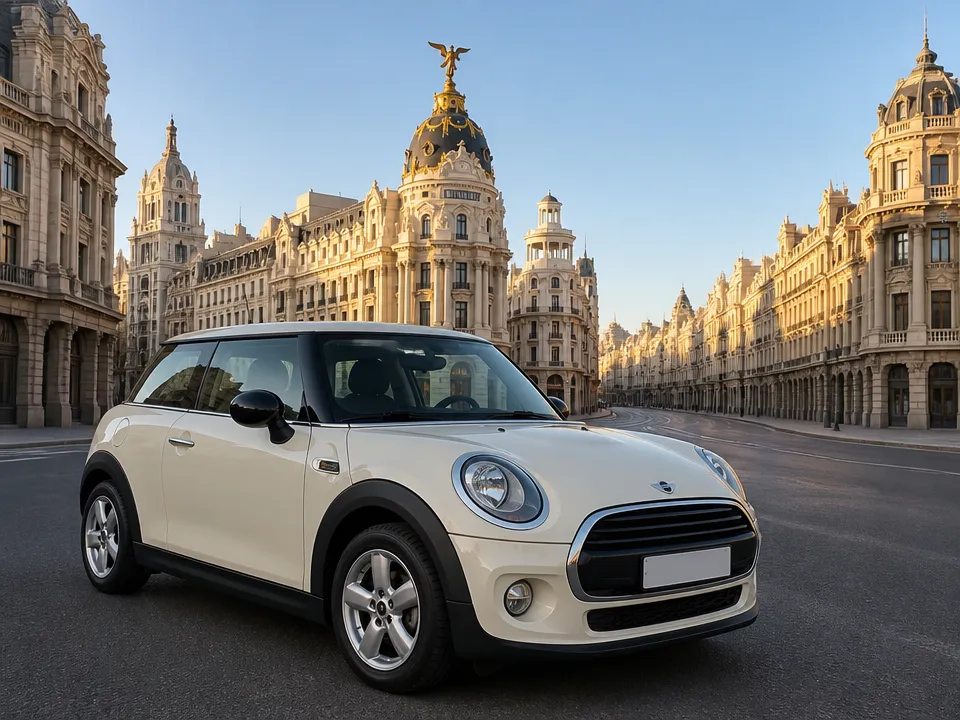
Mini One
★4.6· 70Manual1.5 L102 hpFront-wheel4 seats
€41per day
Book now






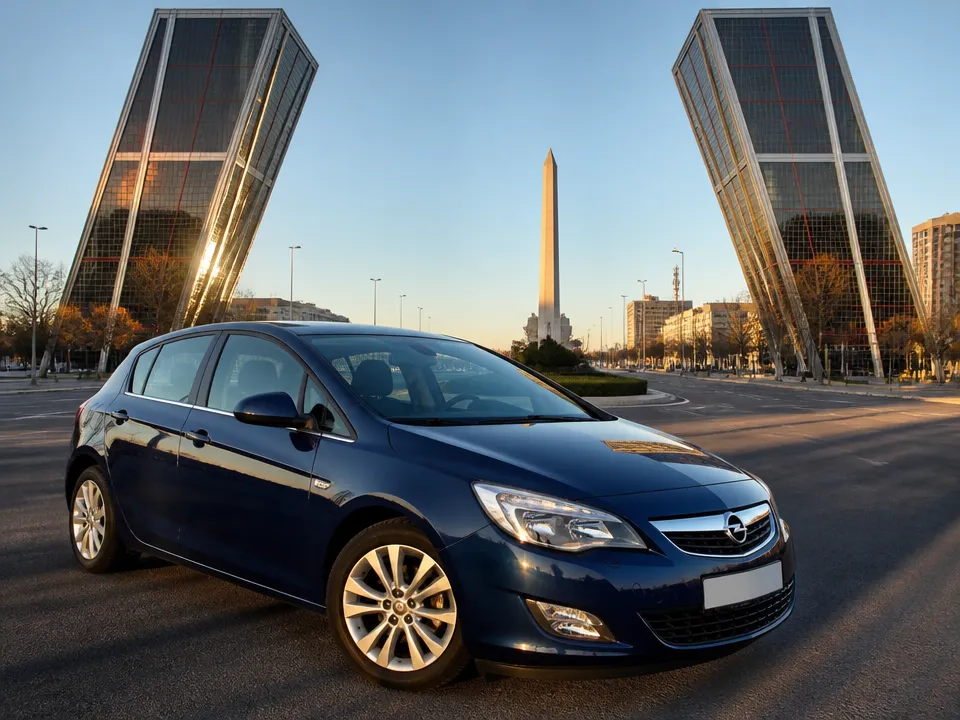
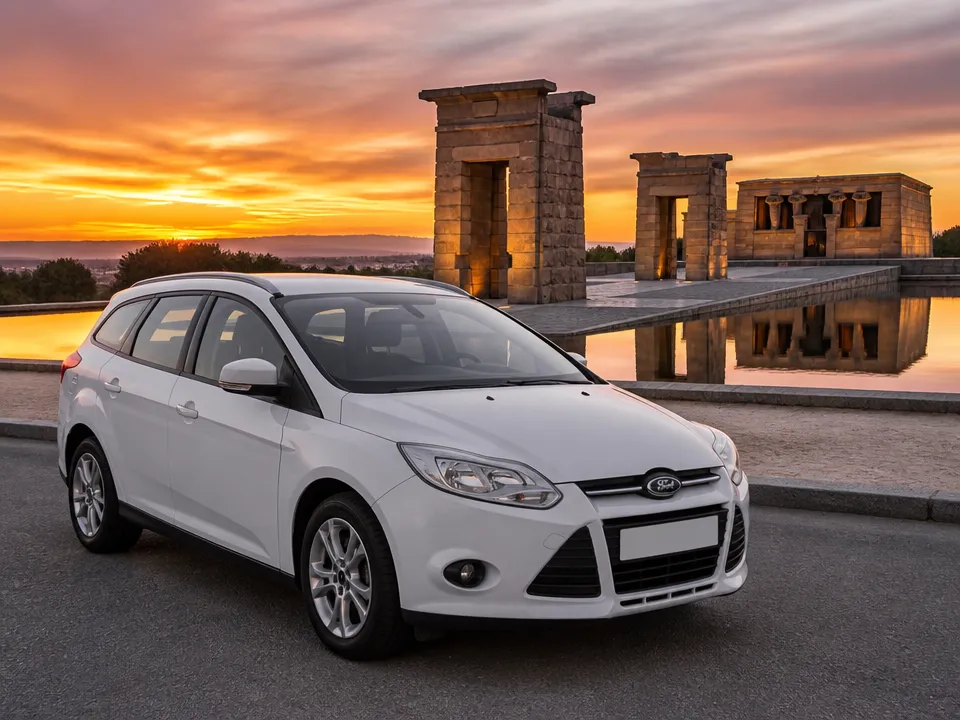
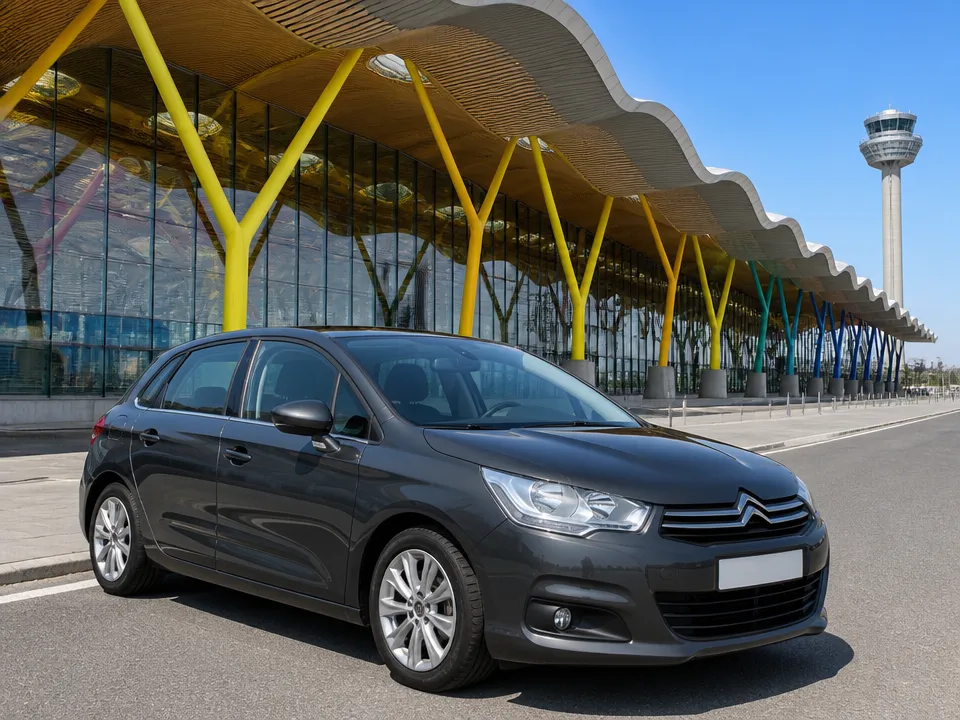
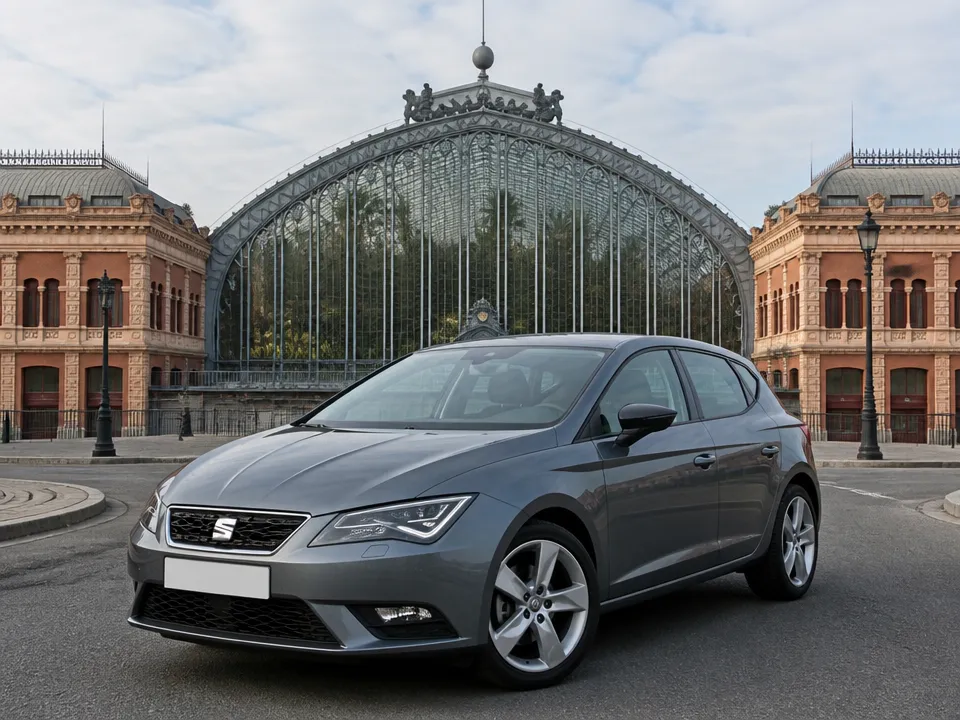
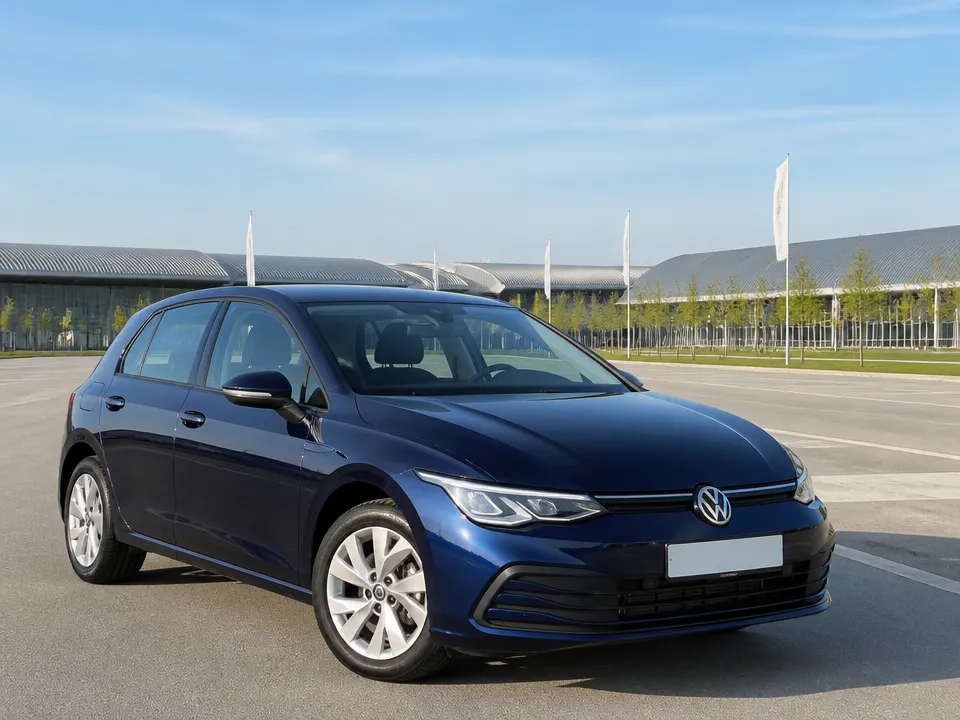
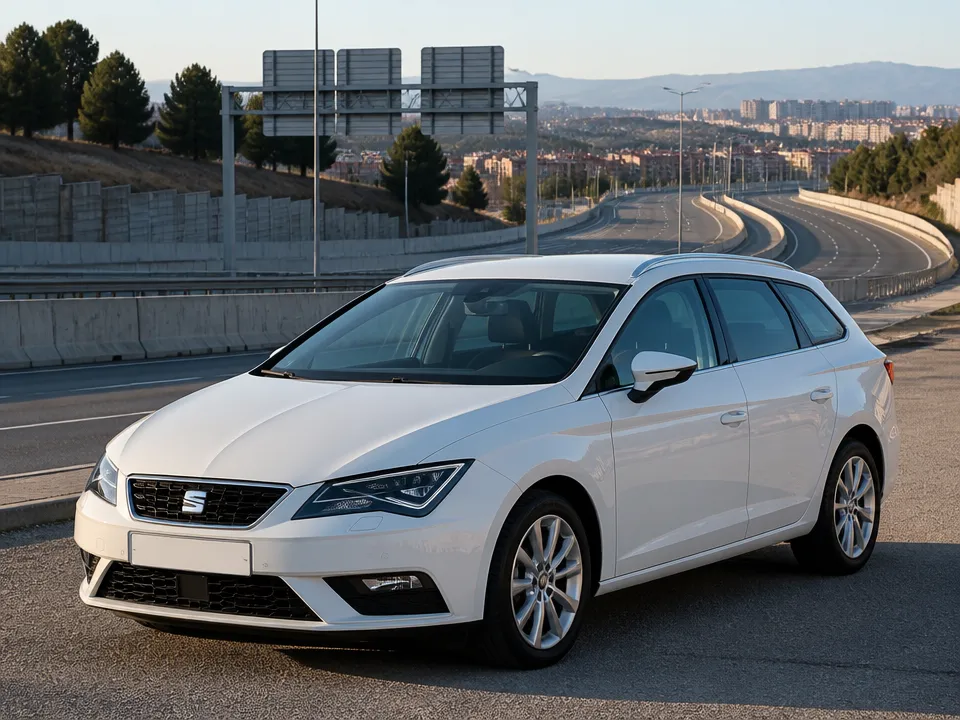
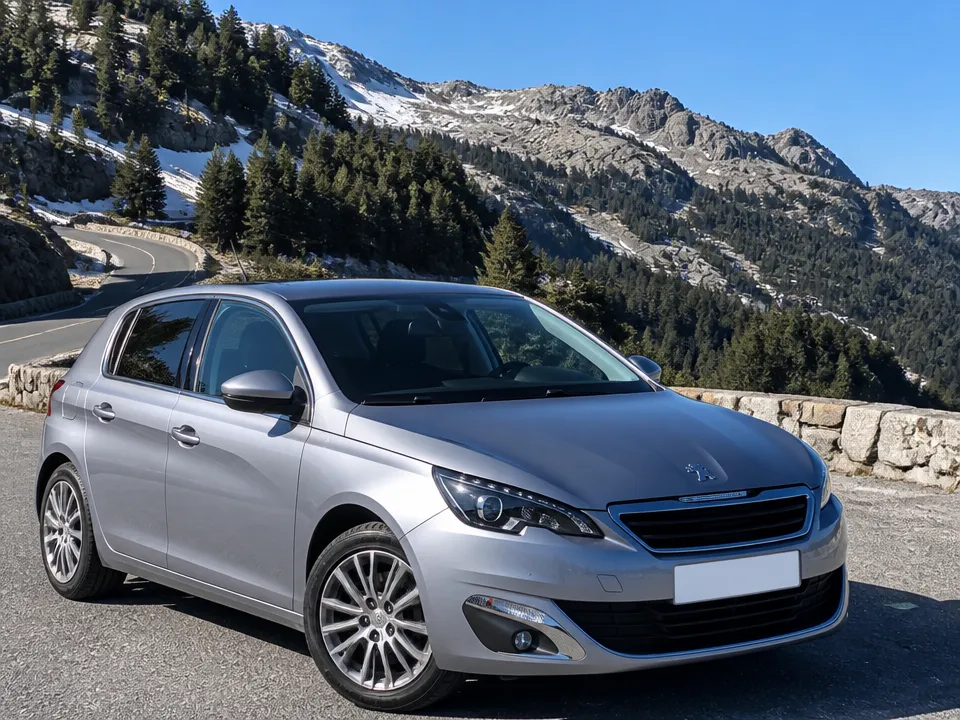
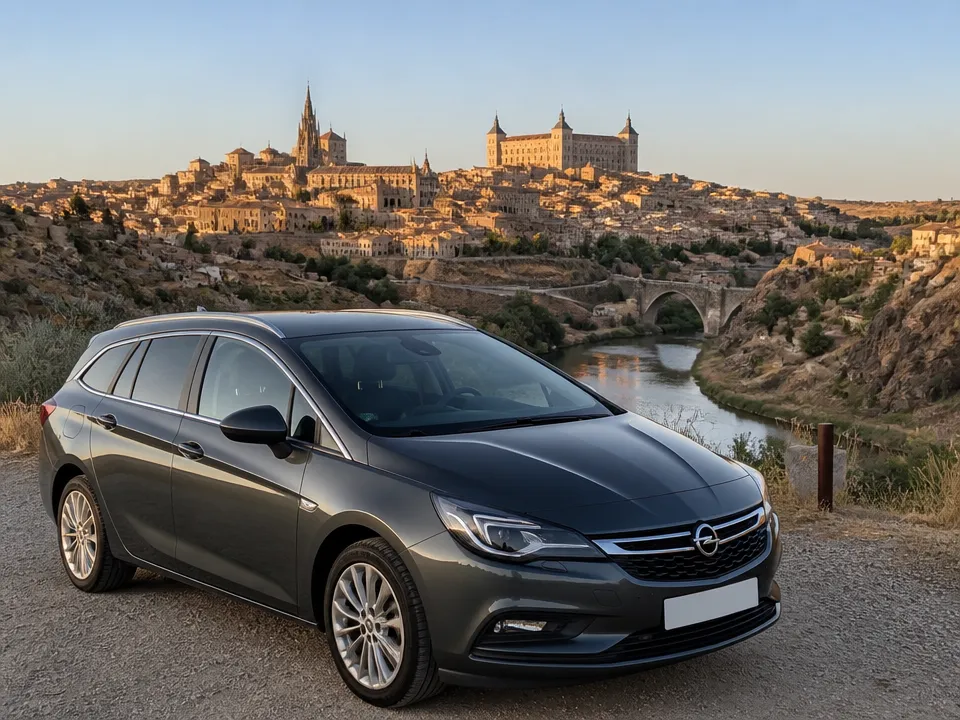
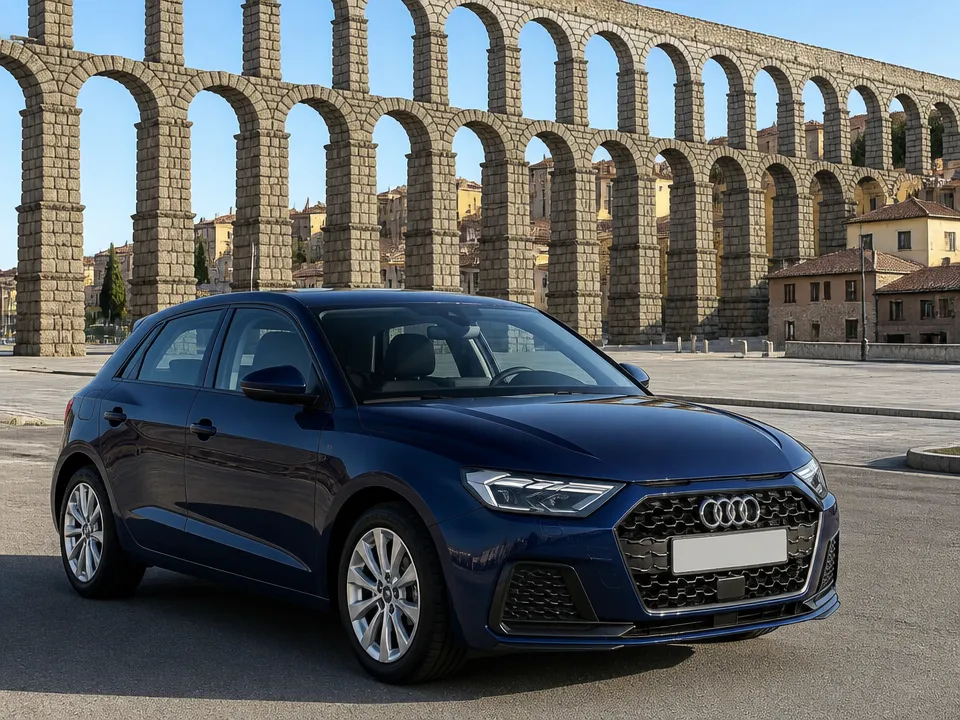
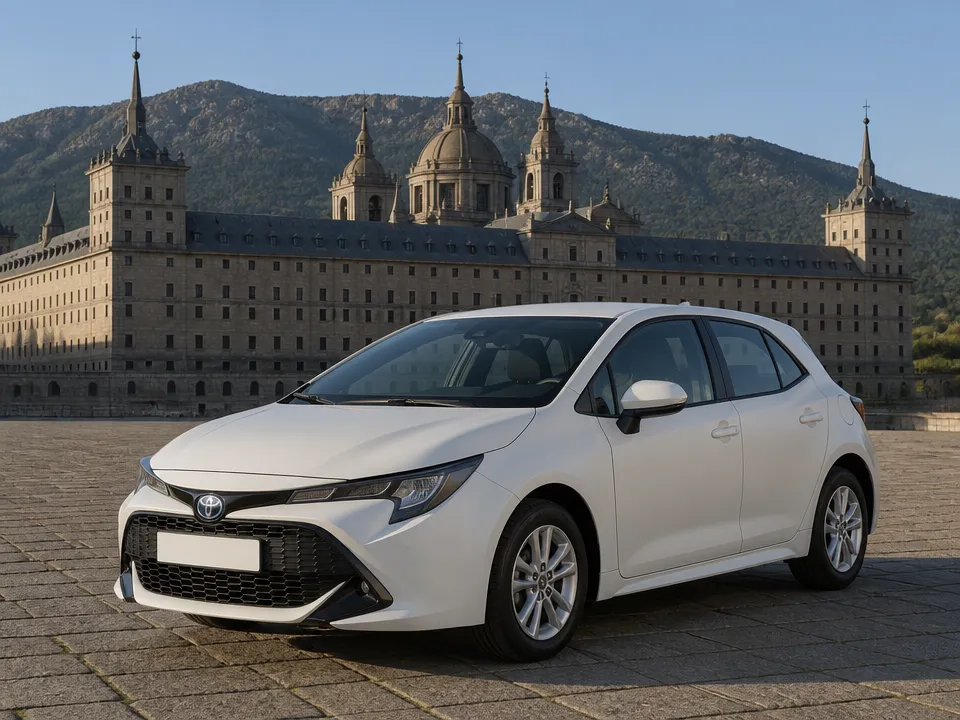
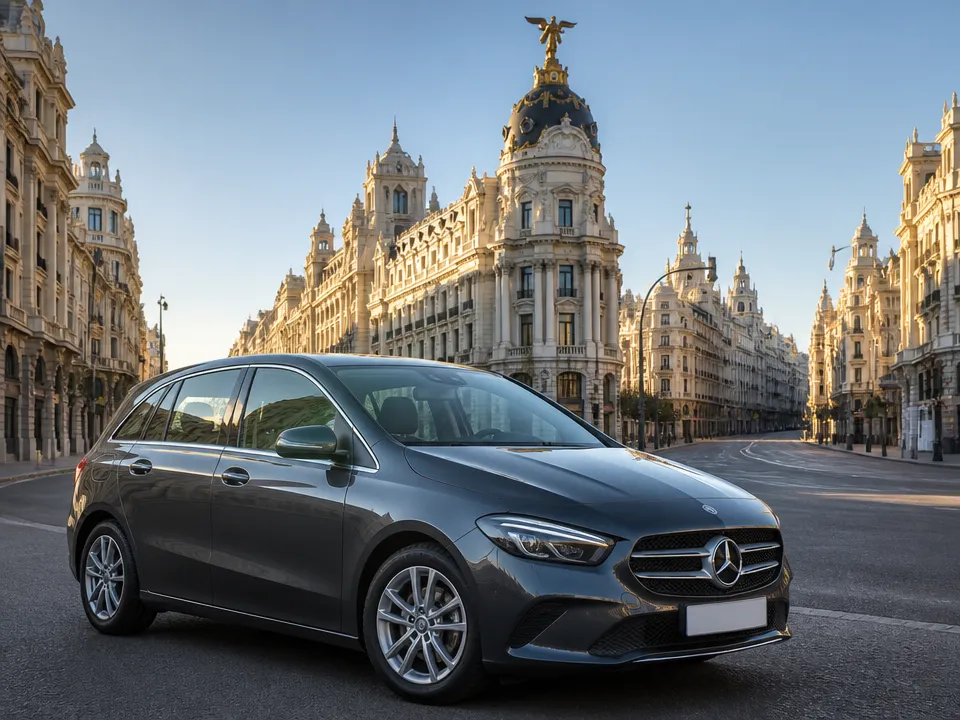
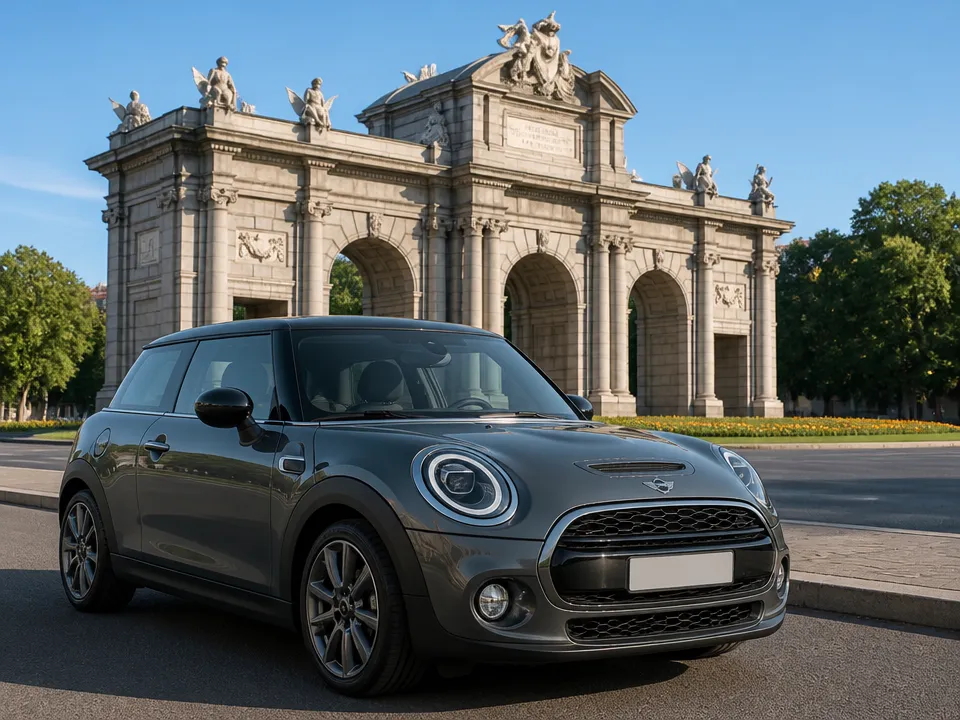
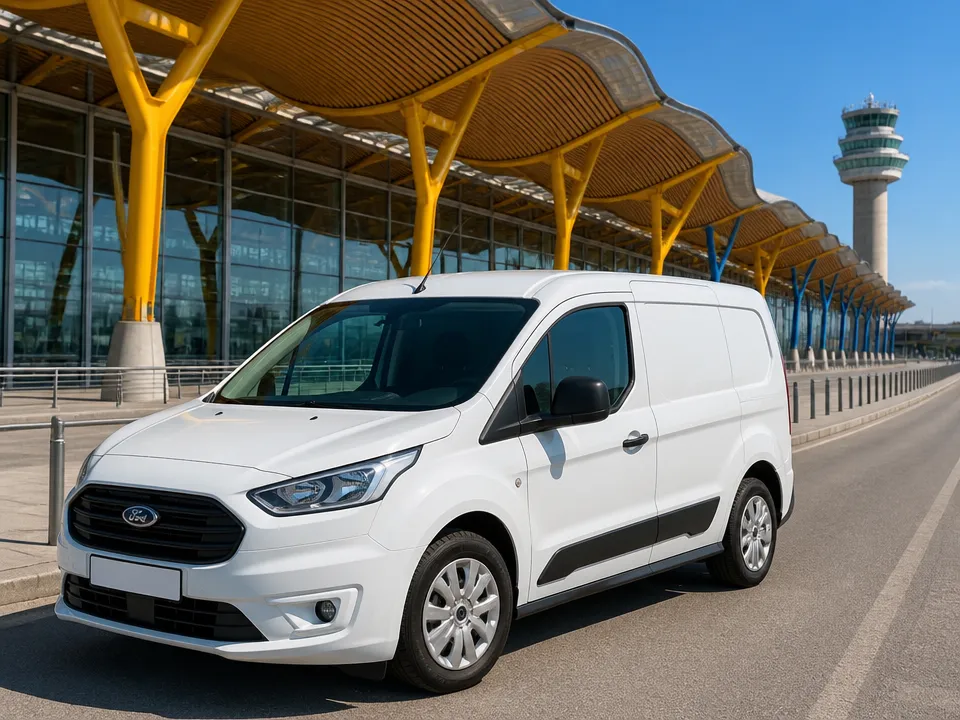
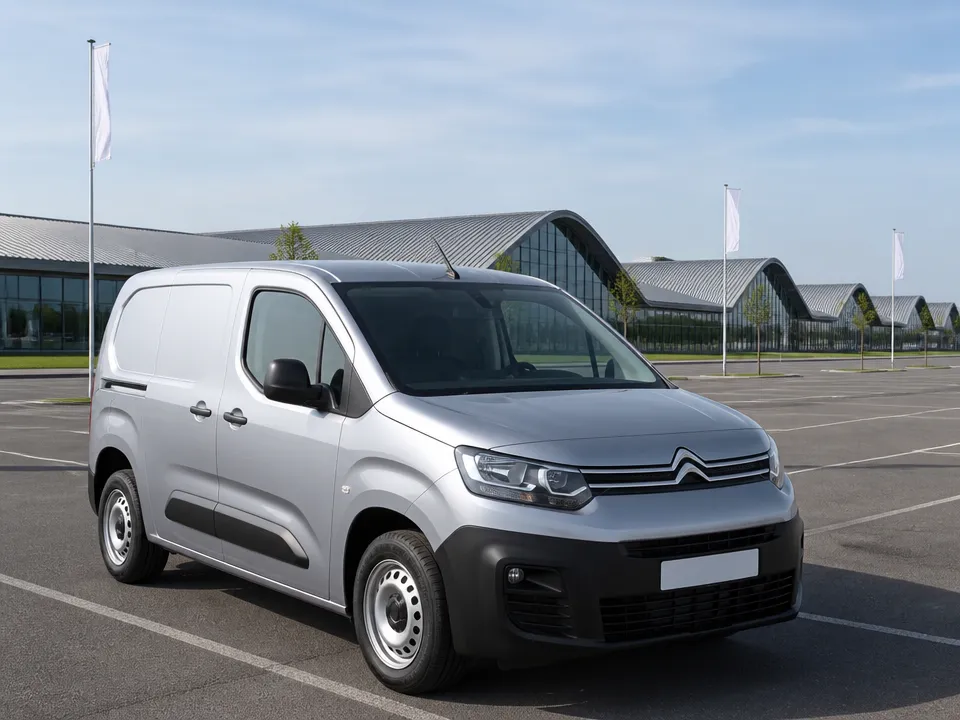
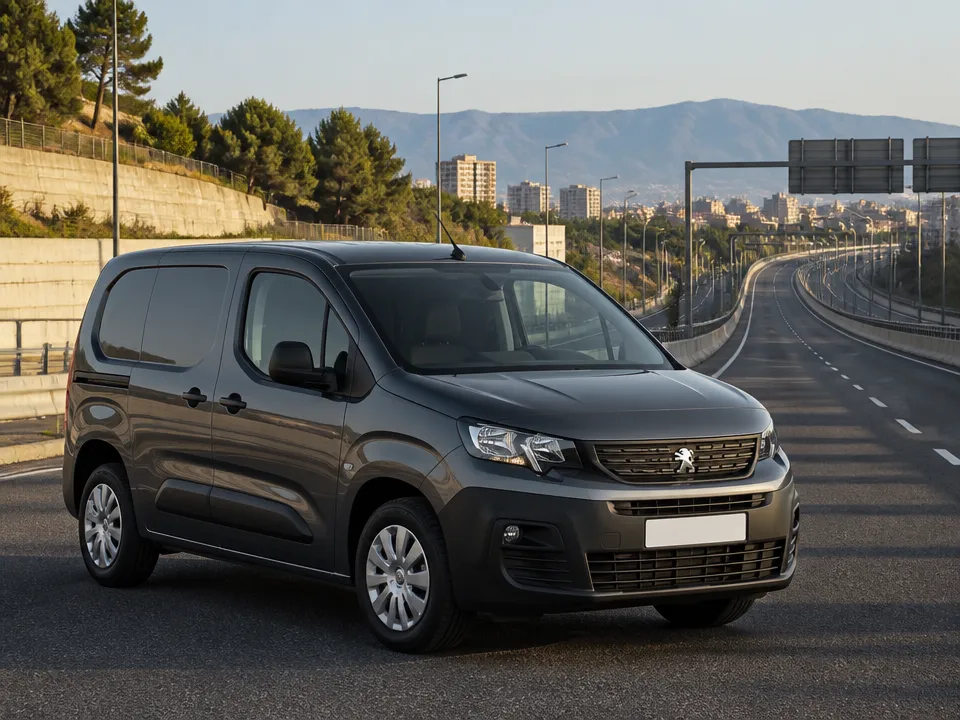
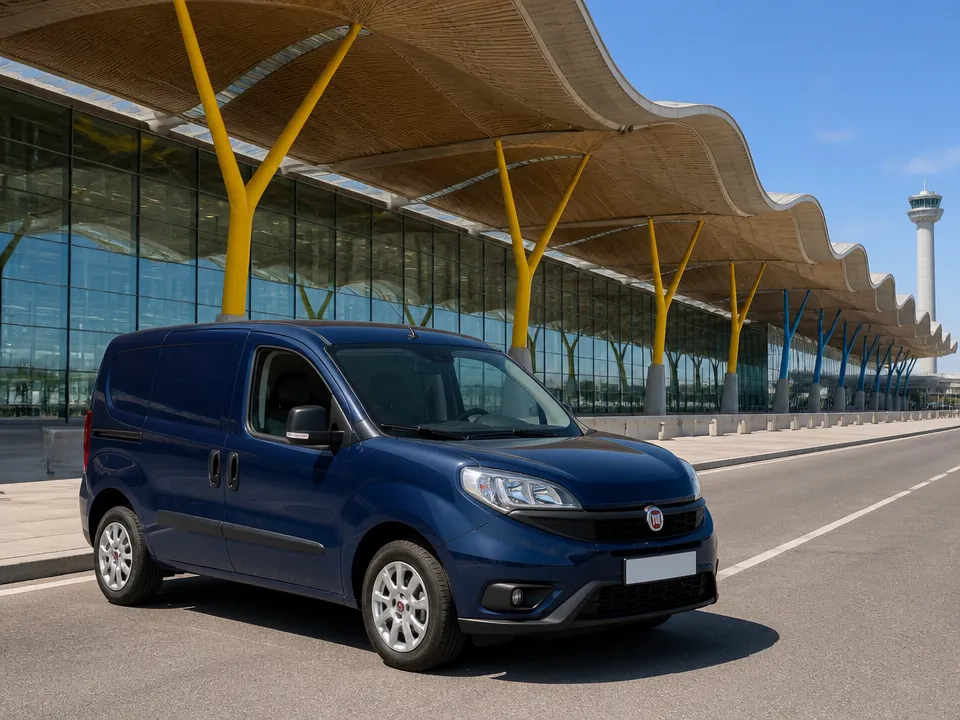
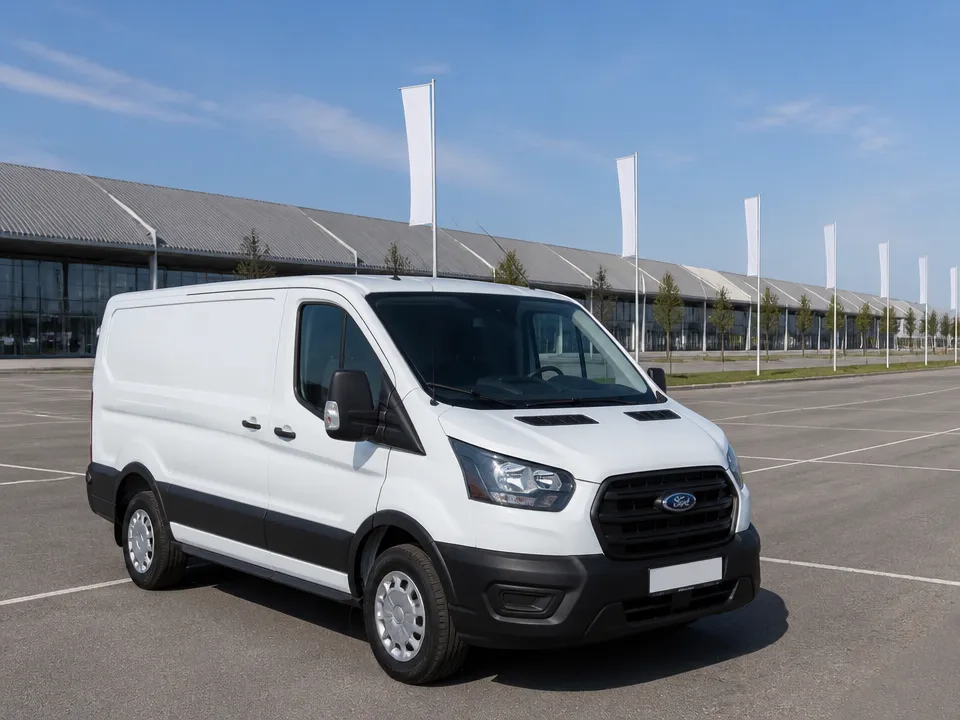
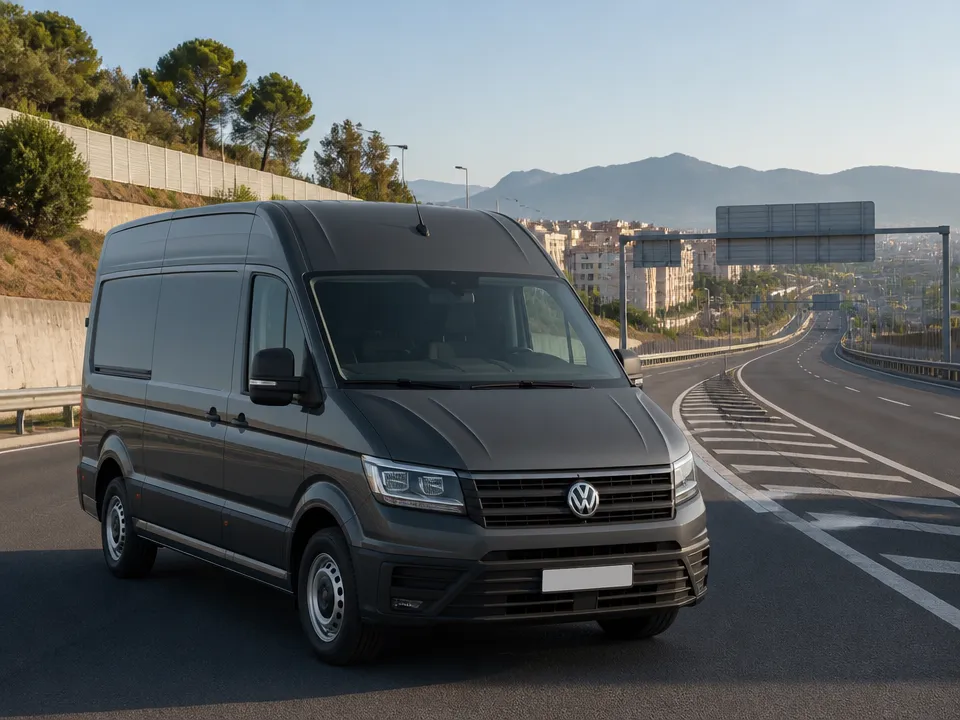
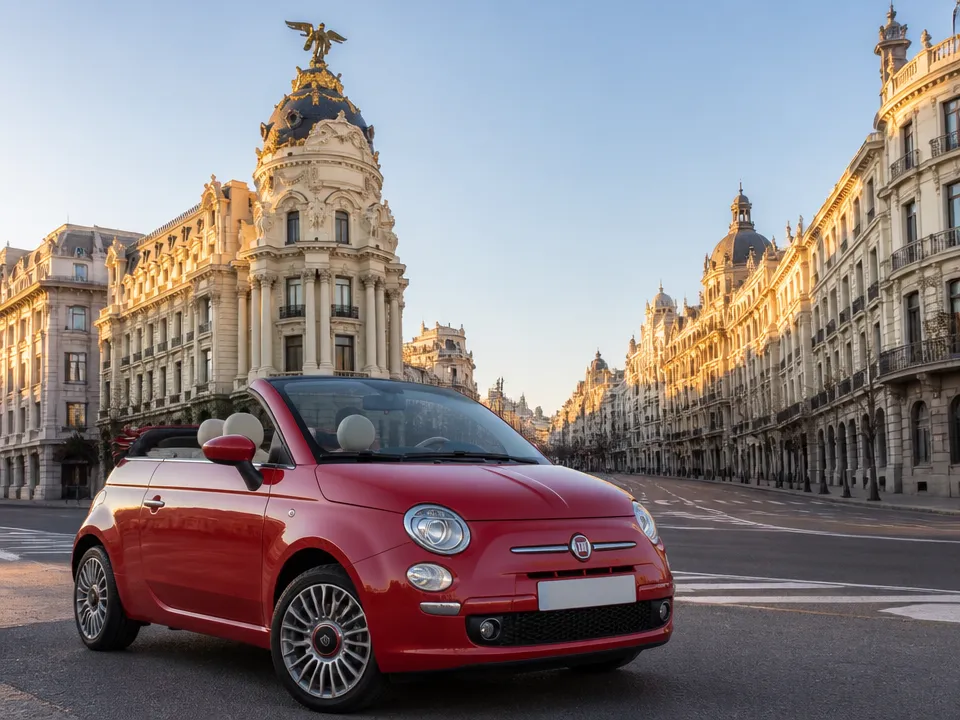
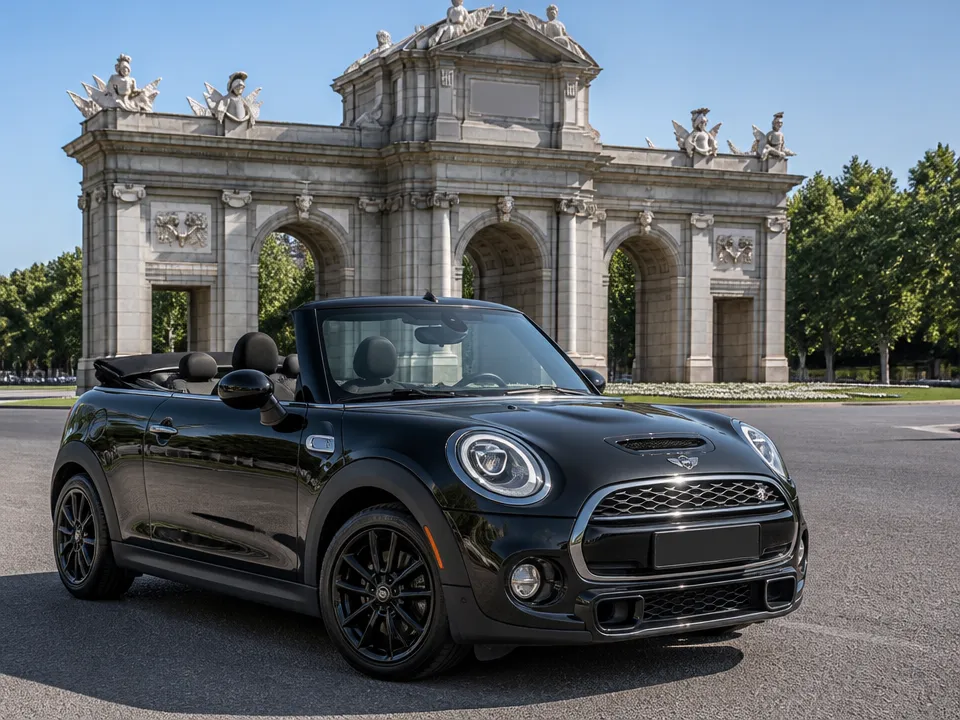
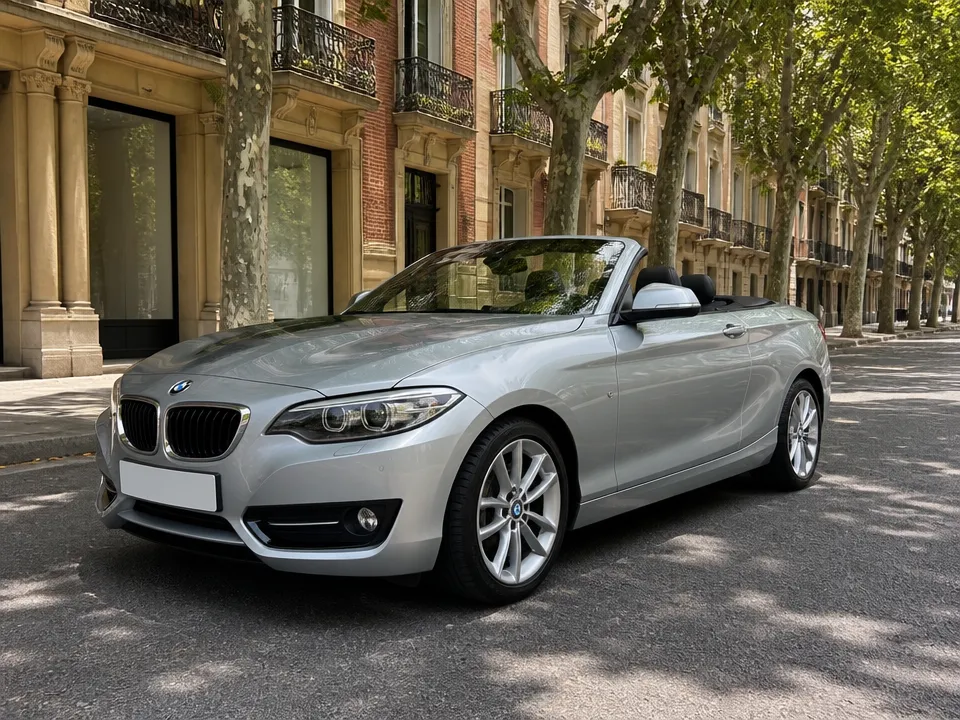
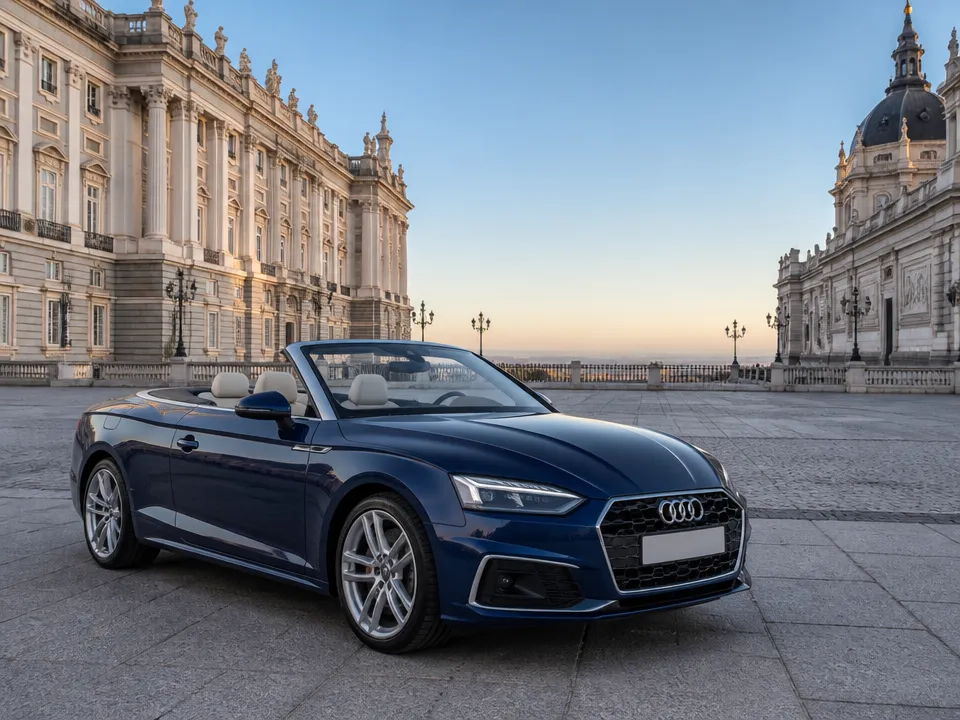
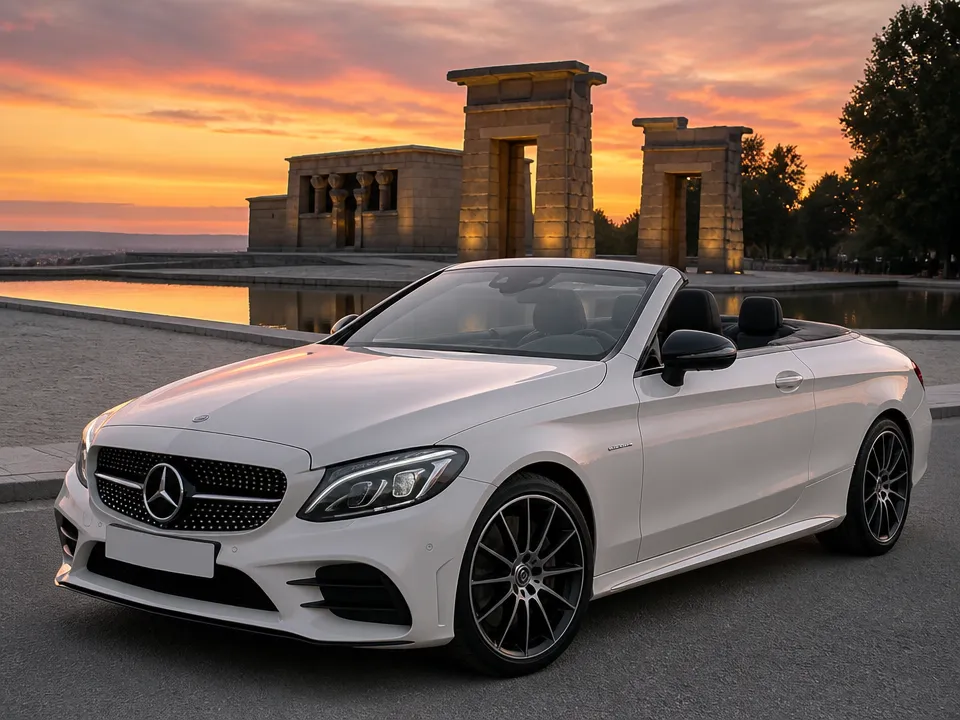
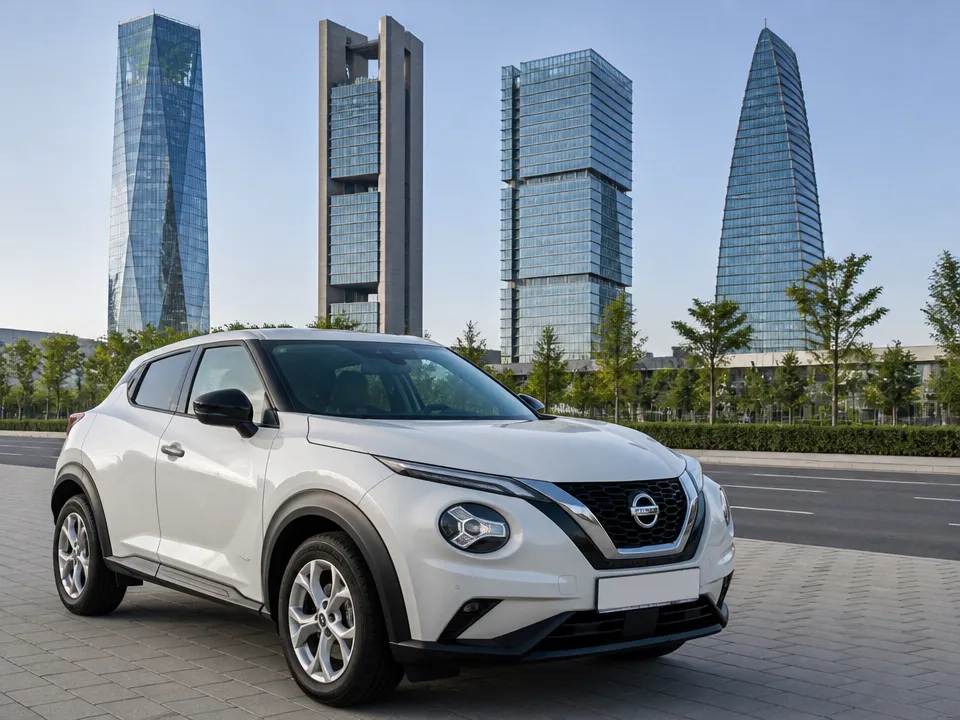
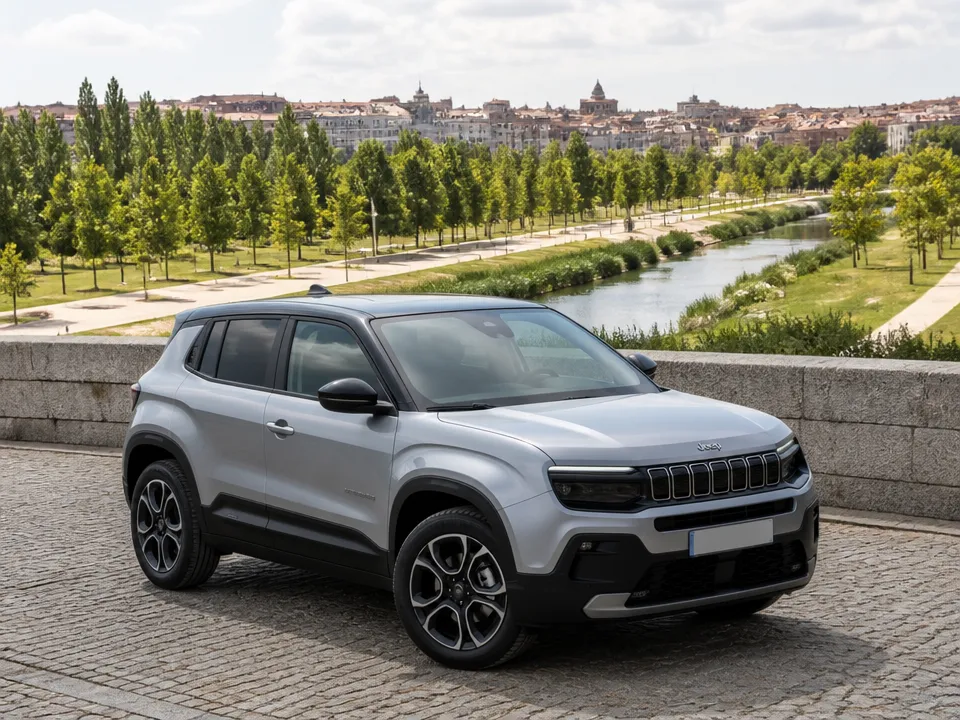
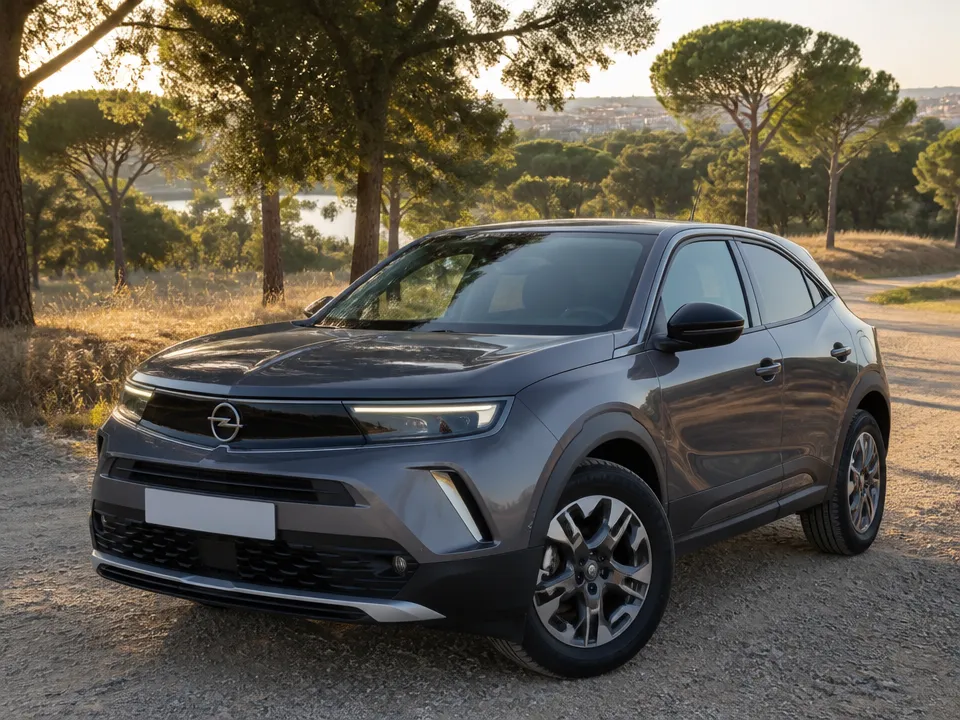
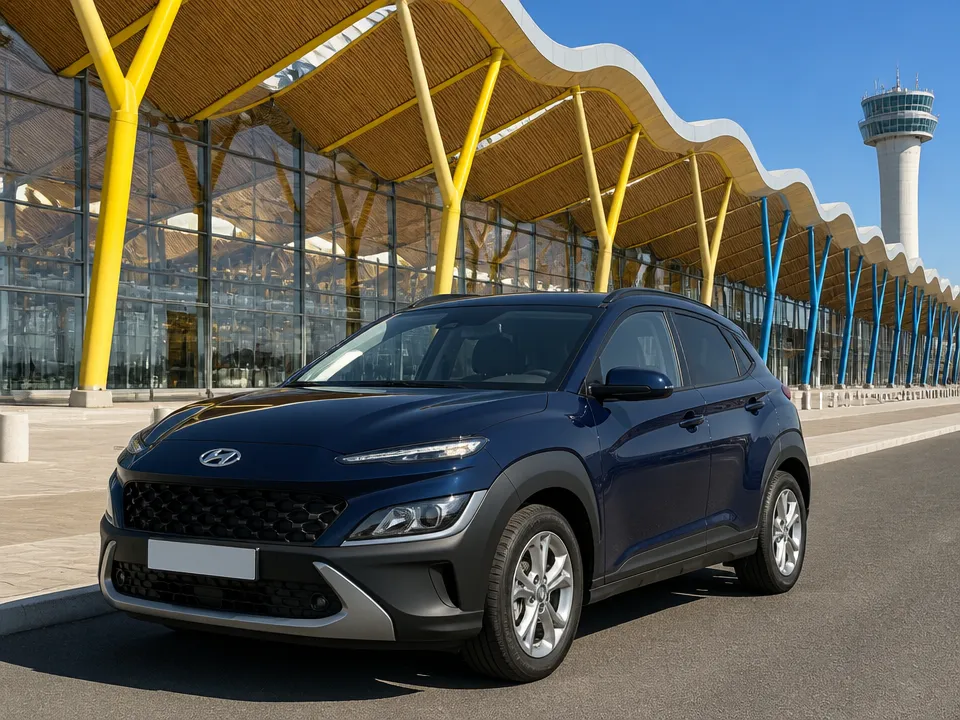
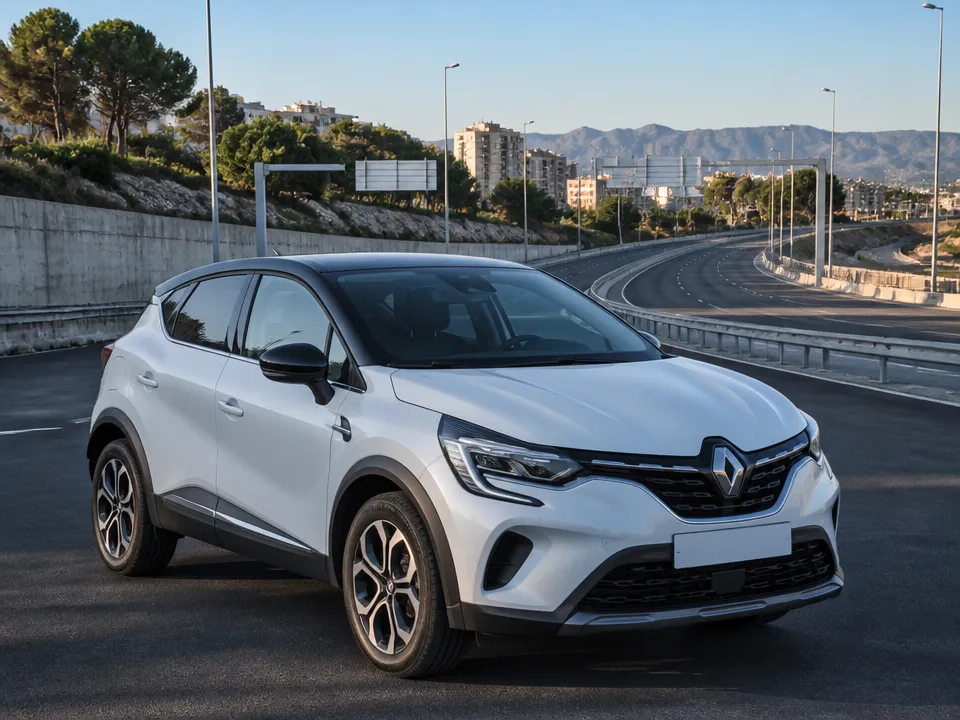
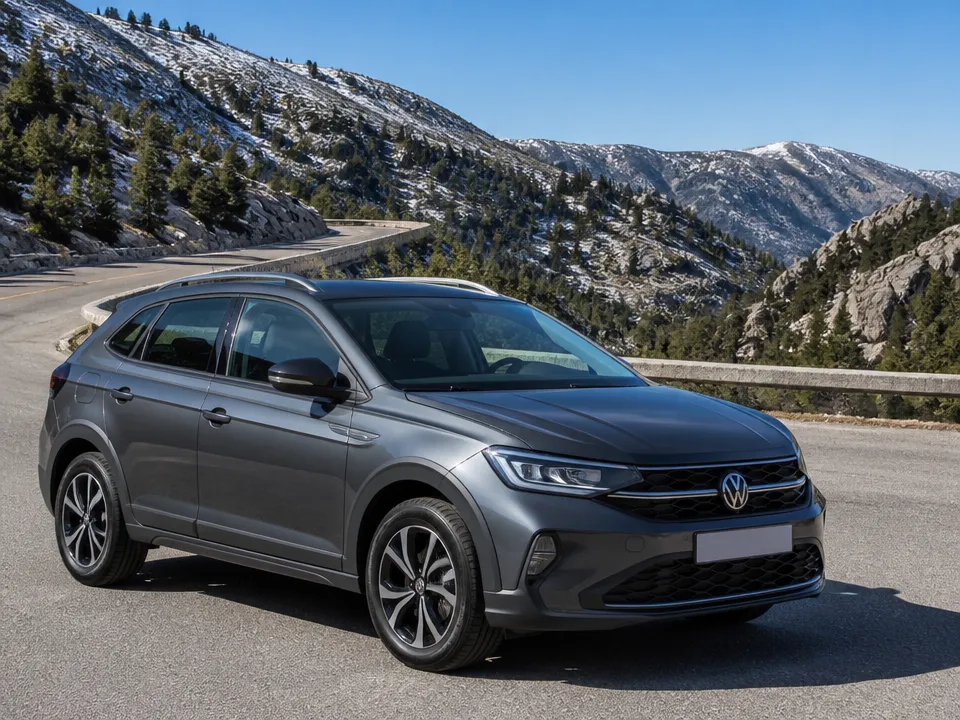
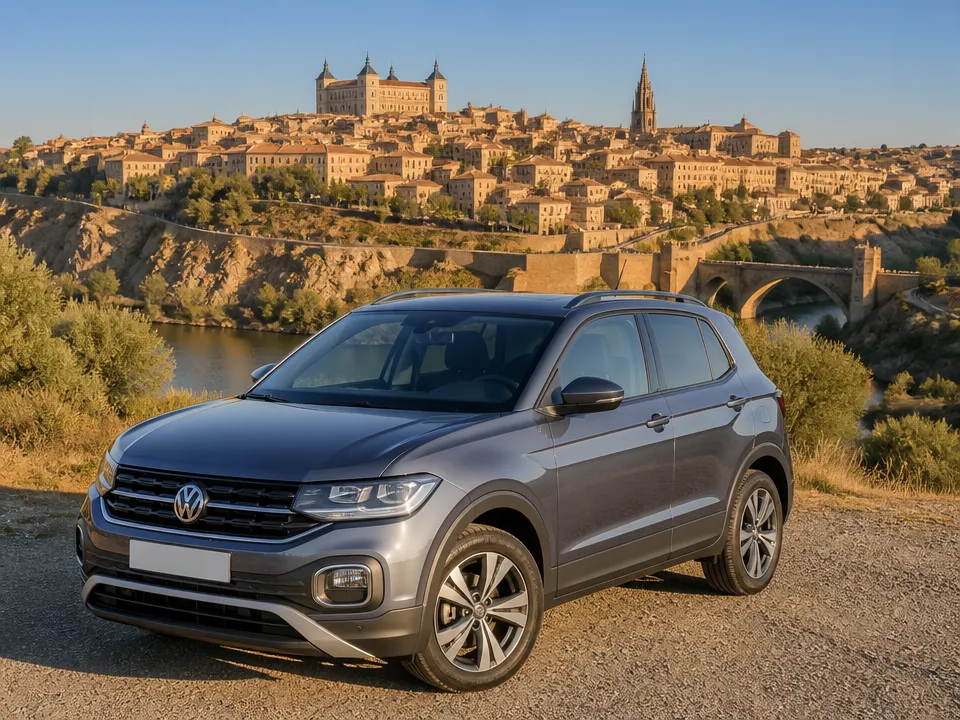
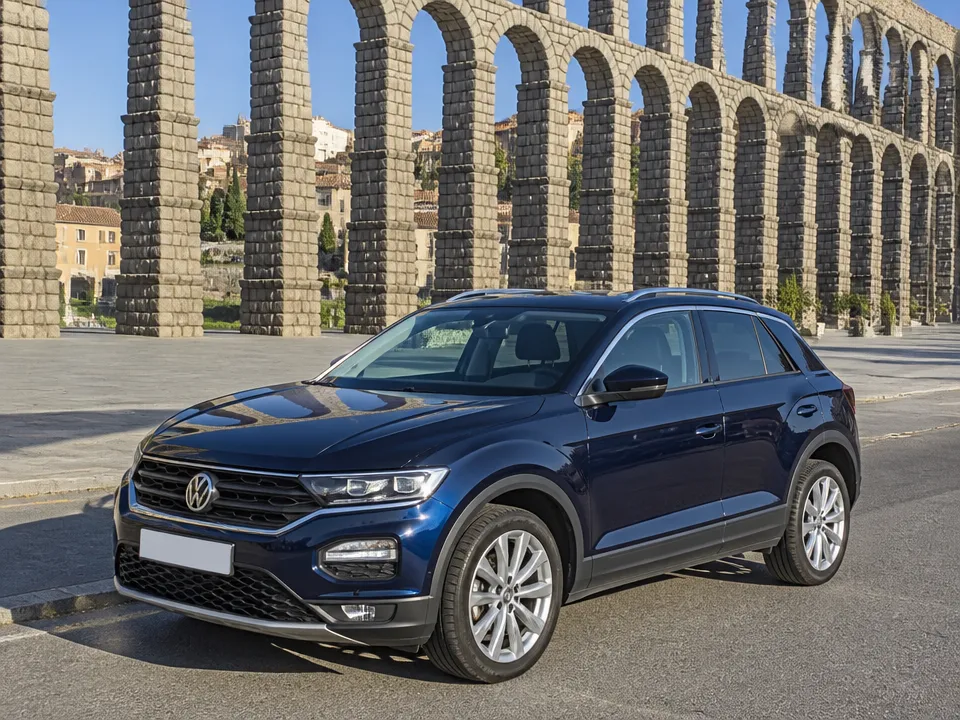
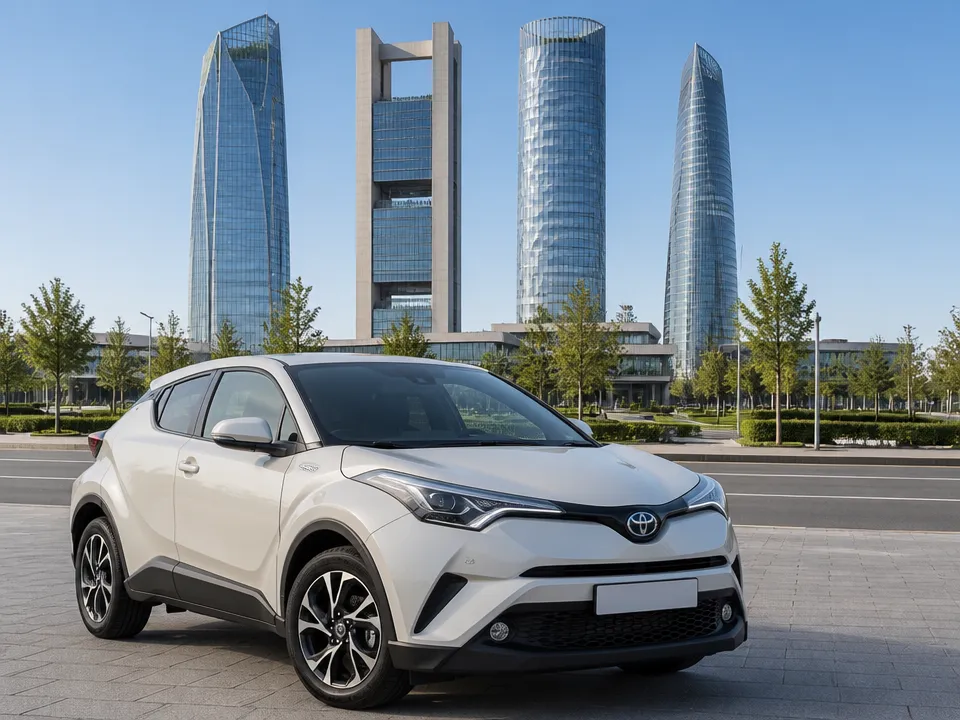
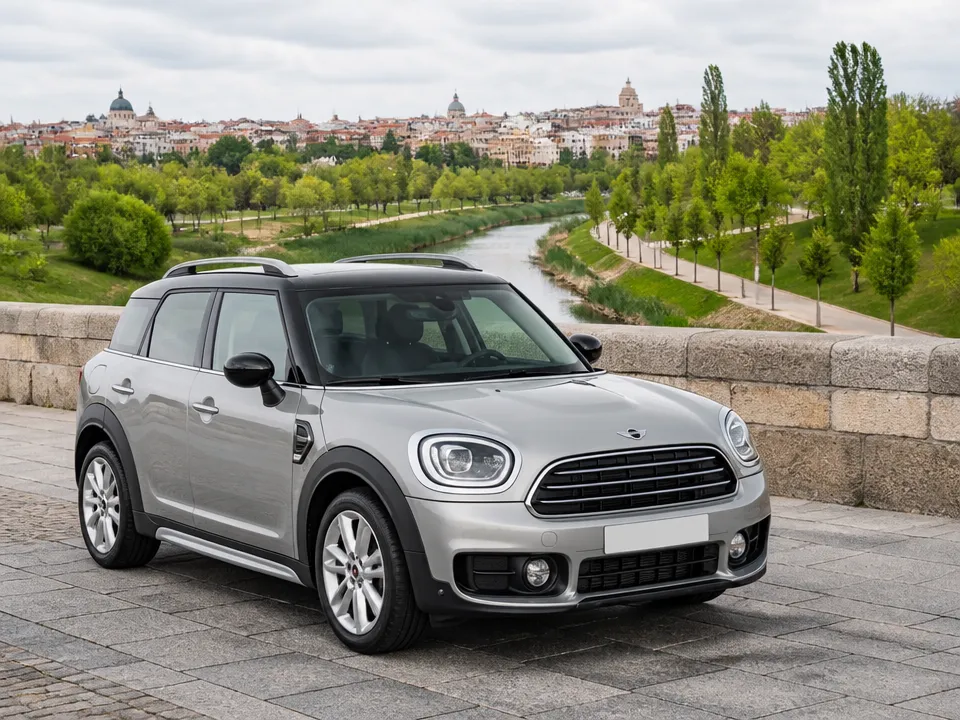
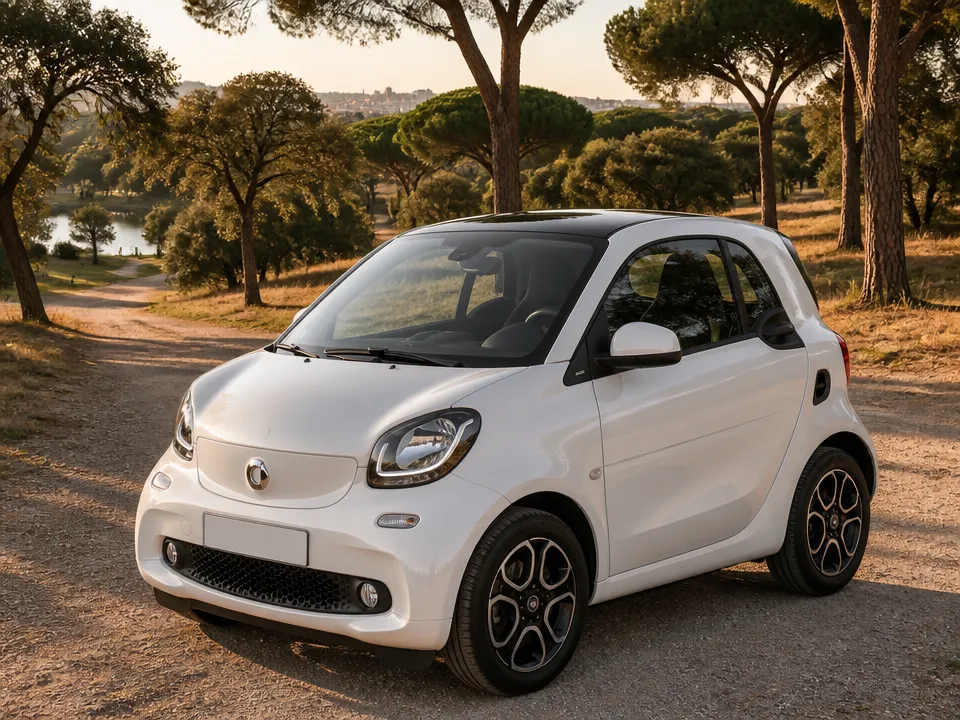
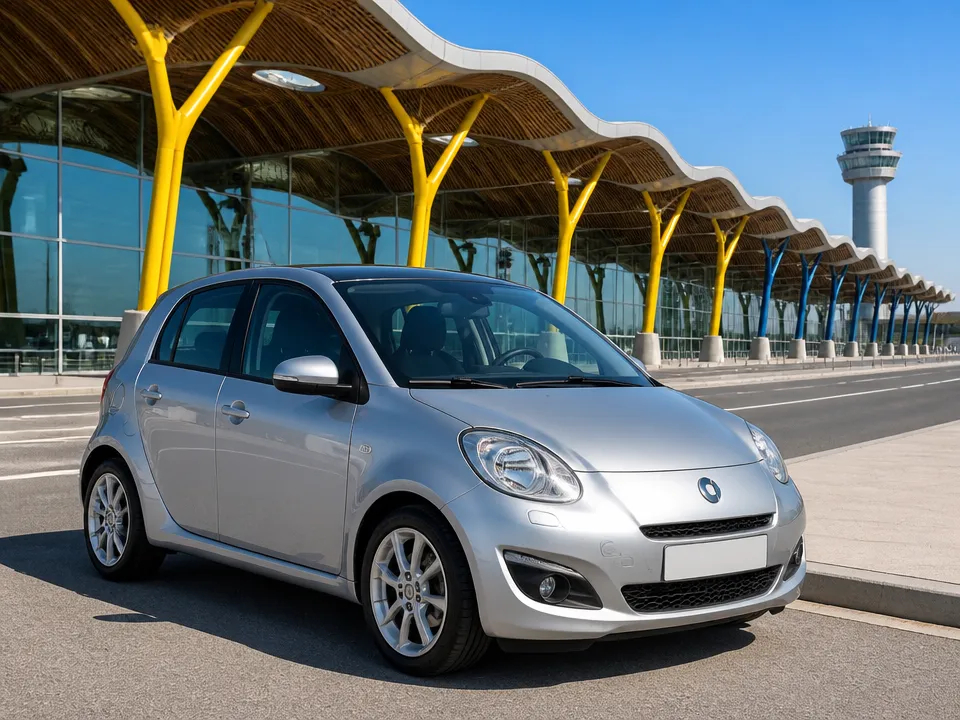
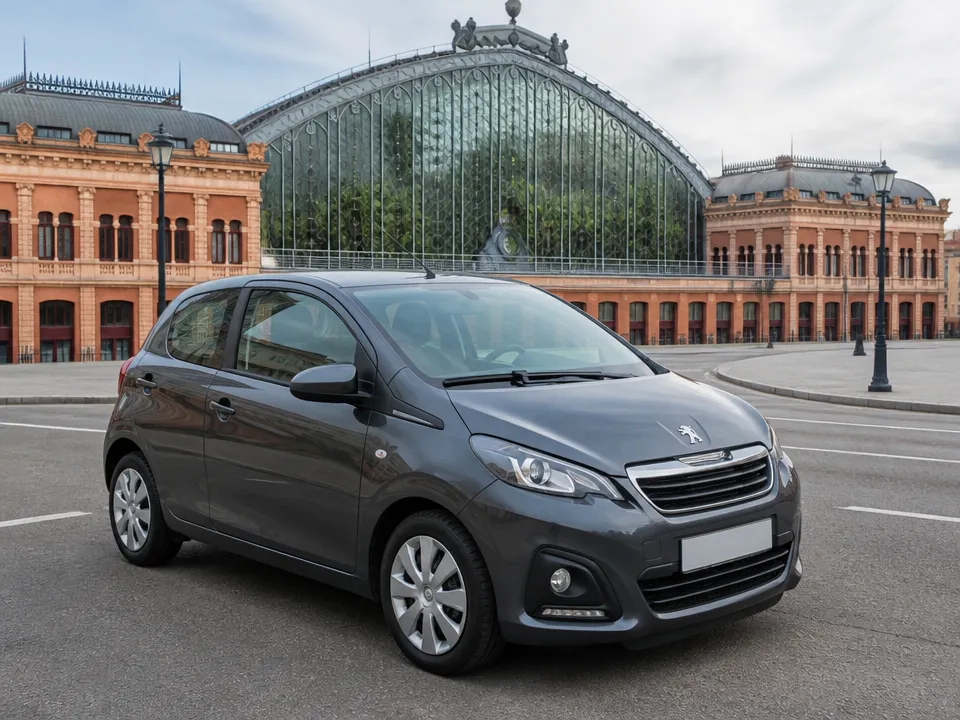
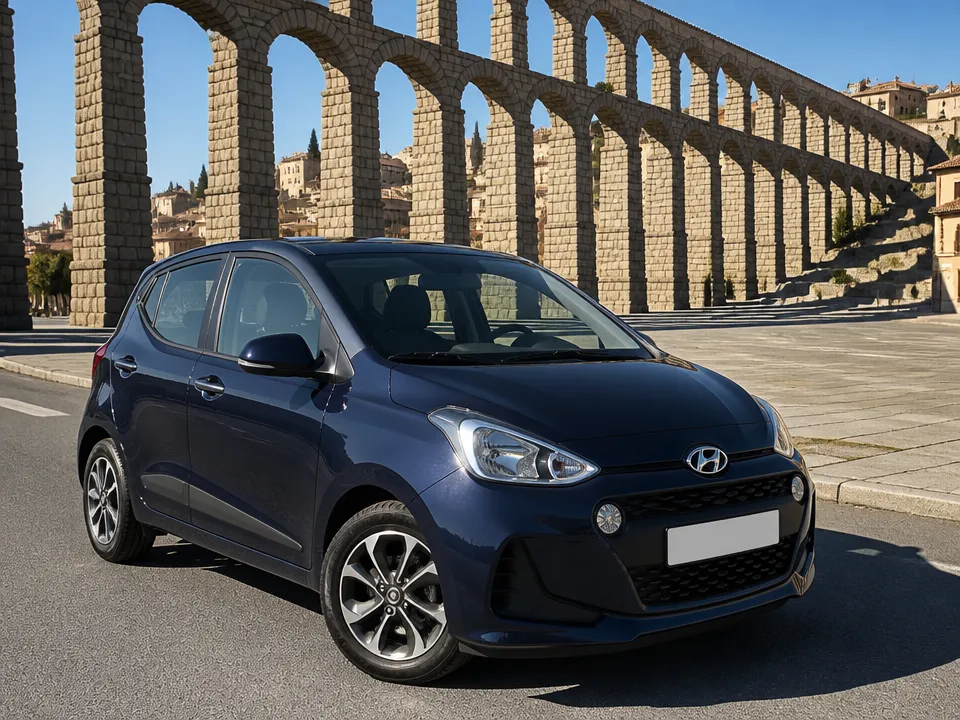
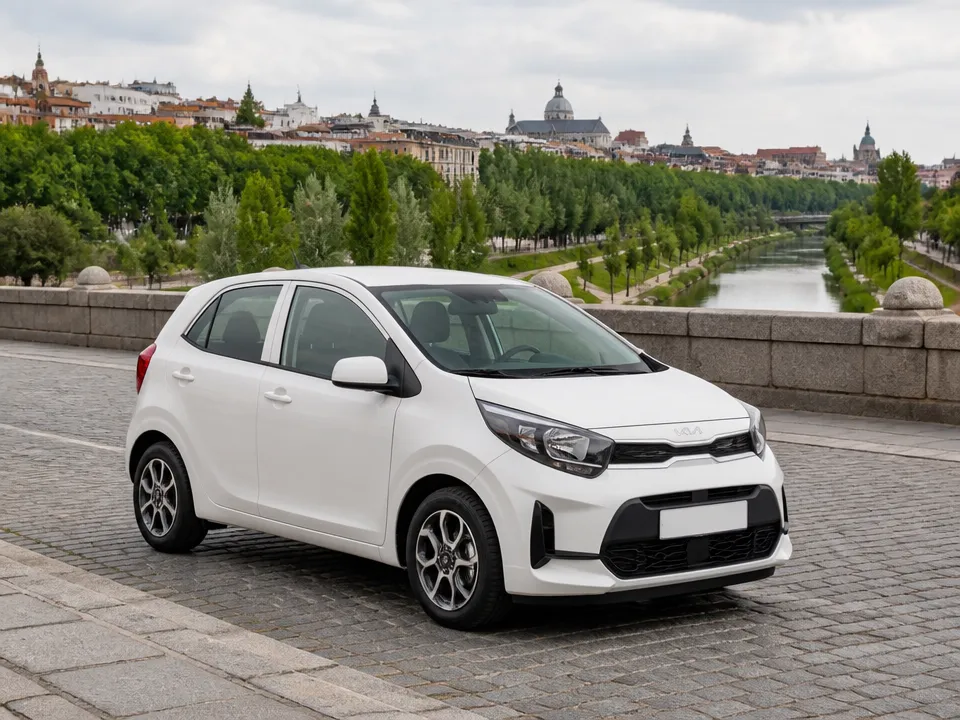
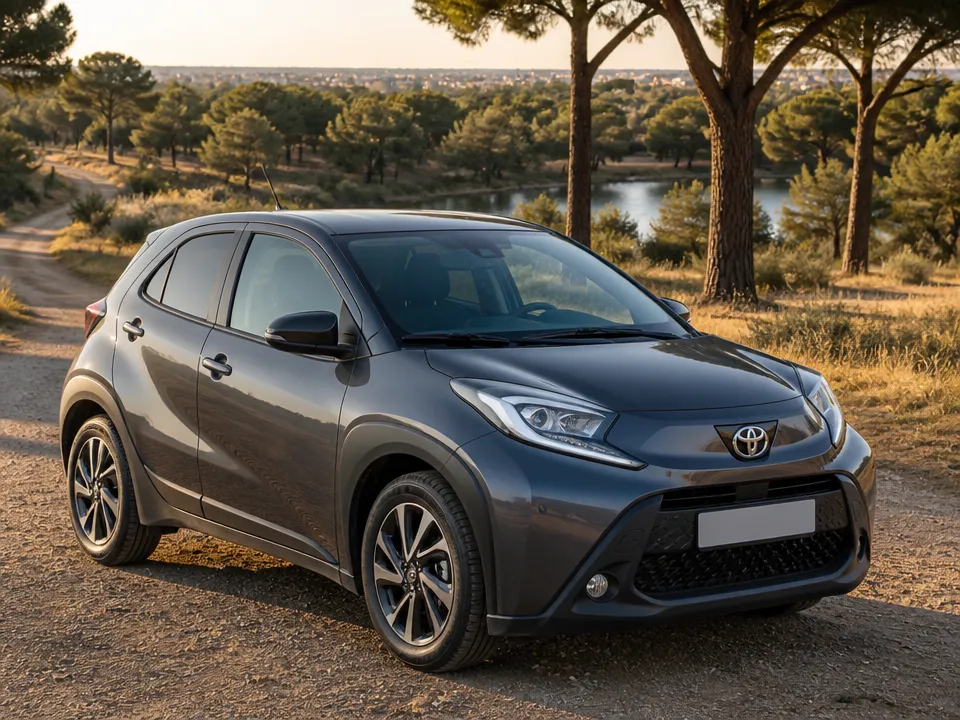
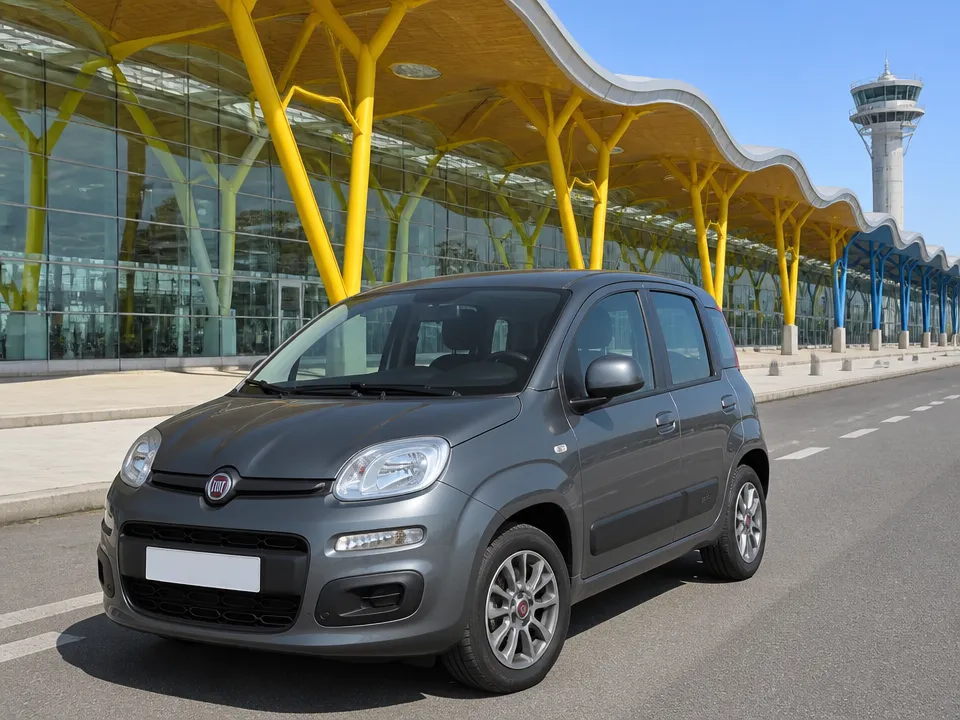
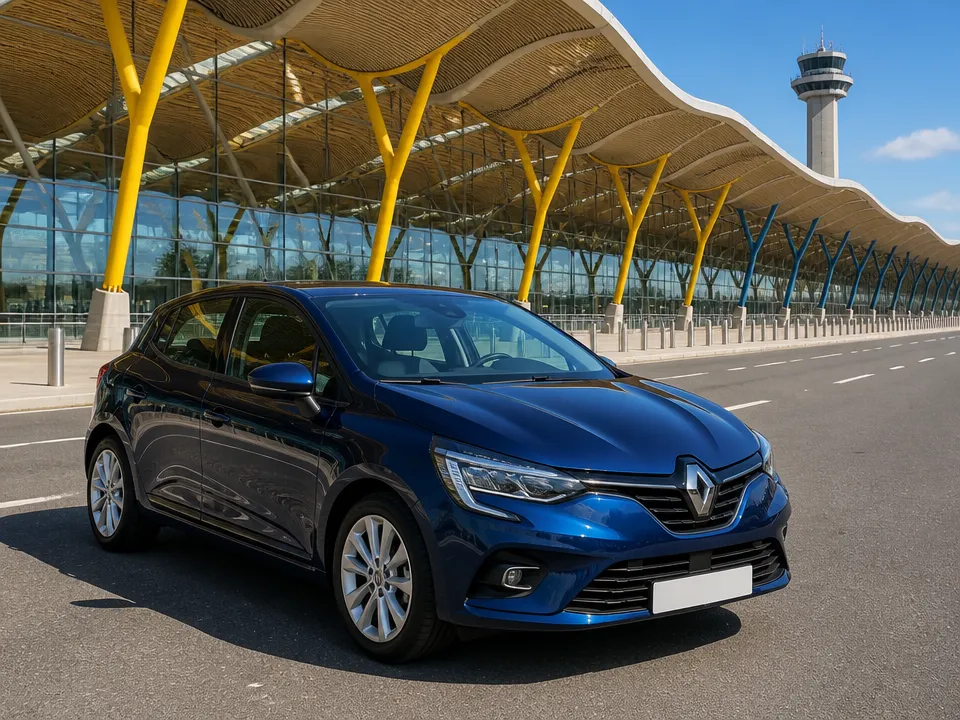
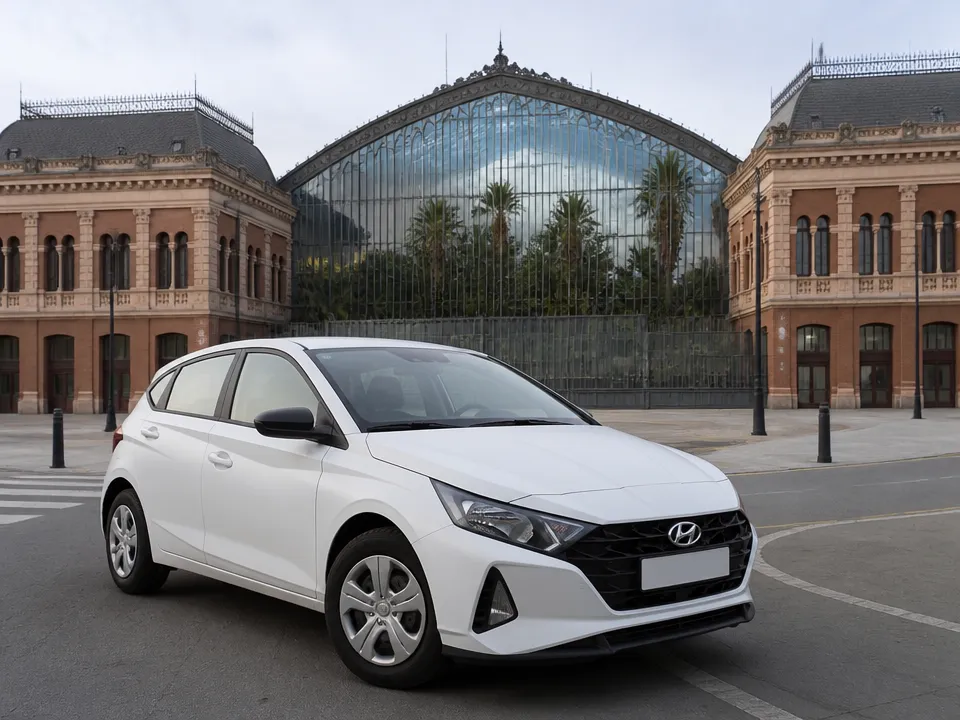
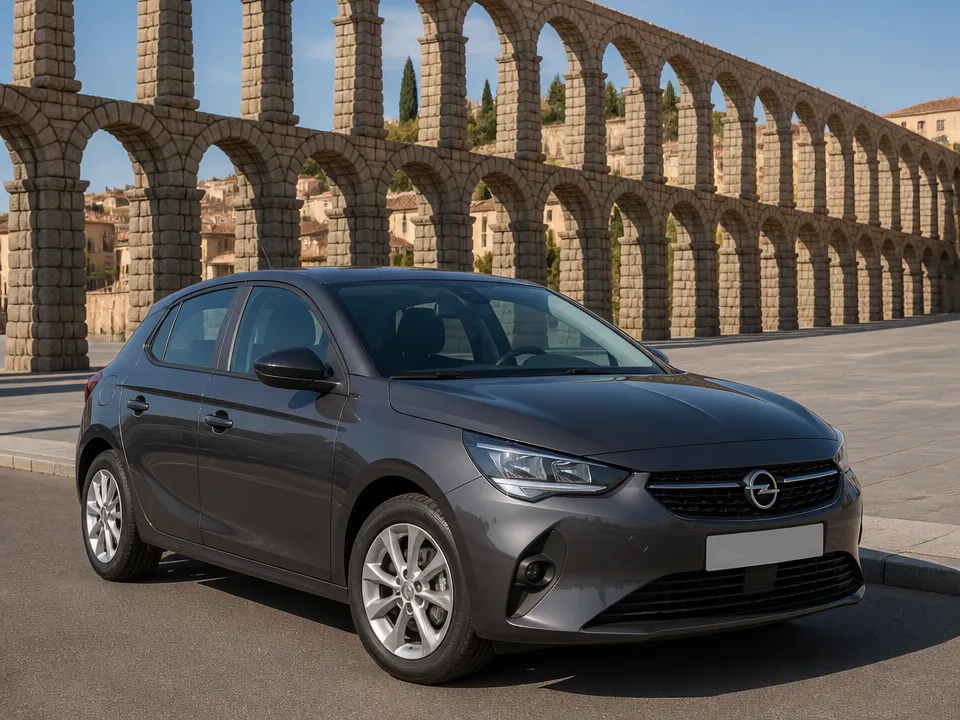
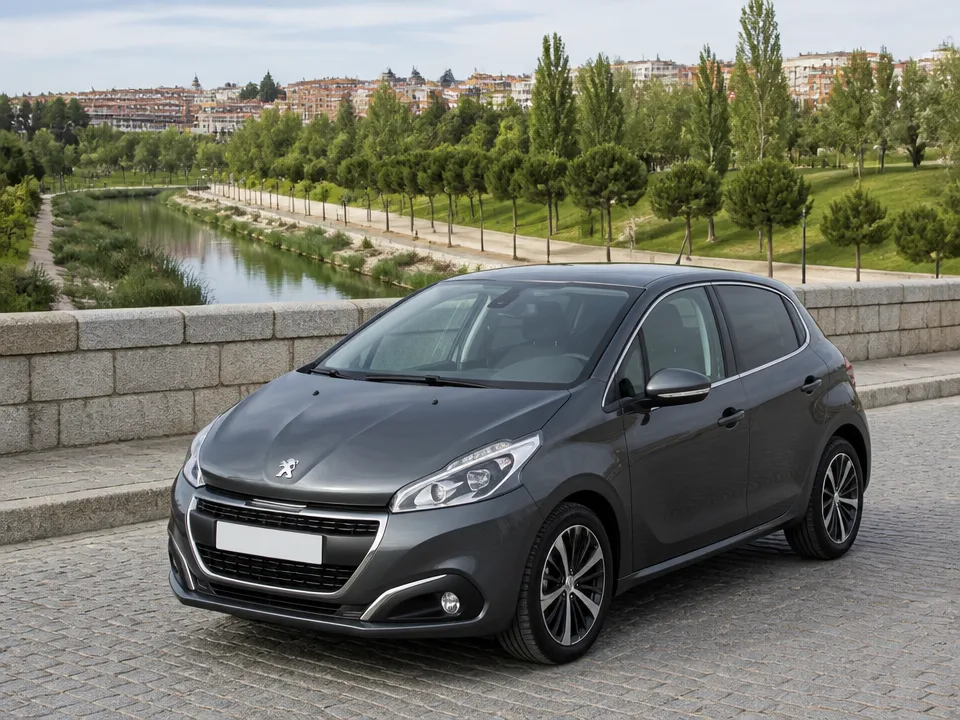
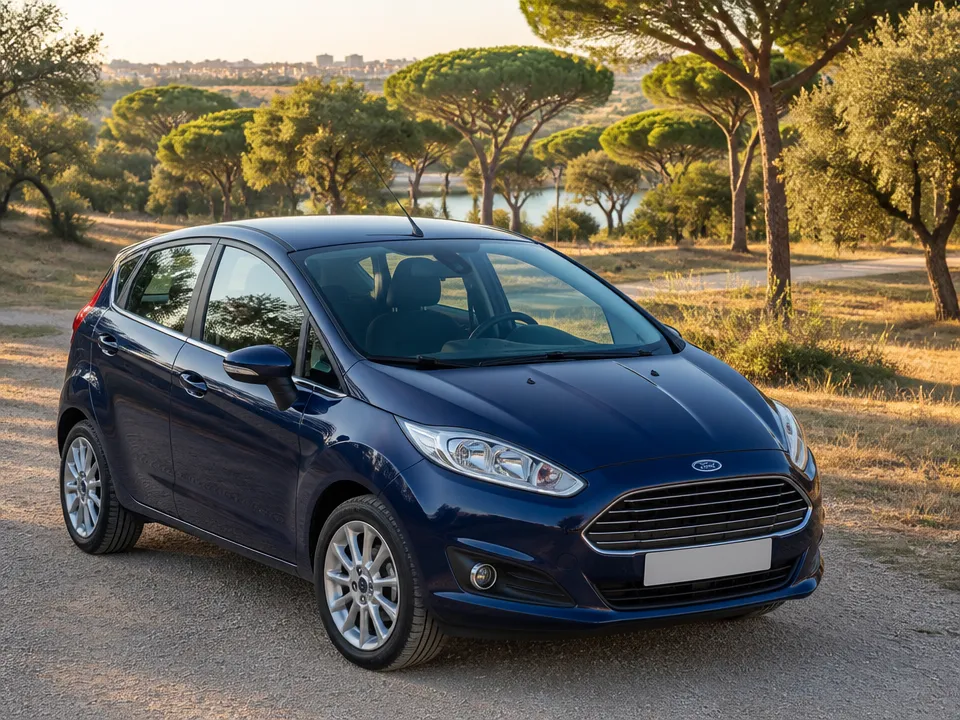
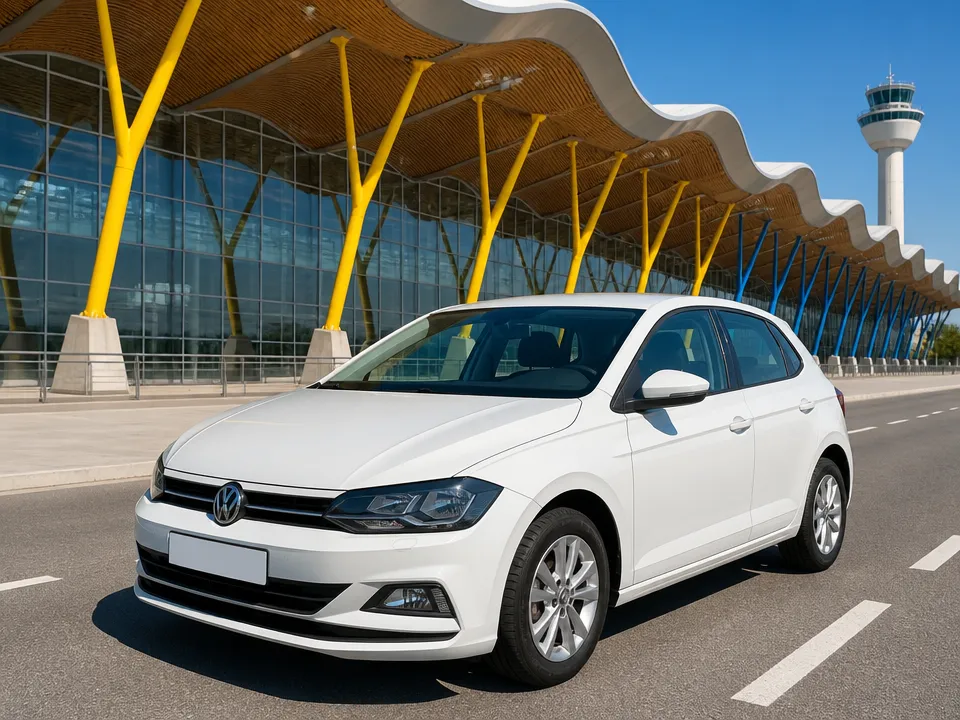
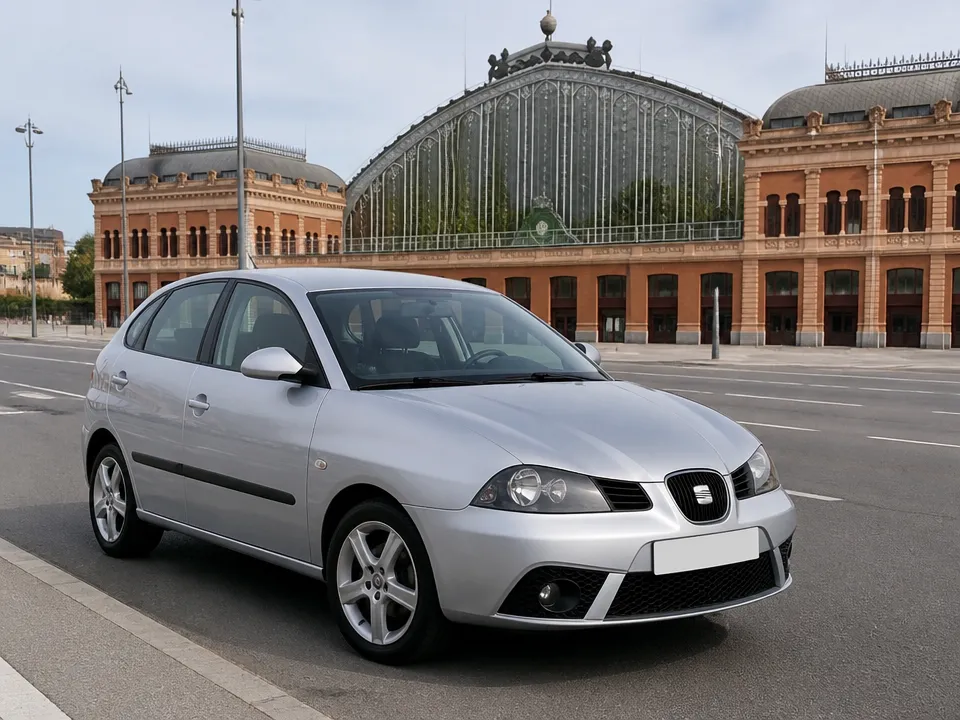
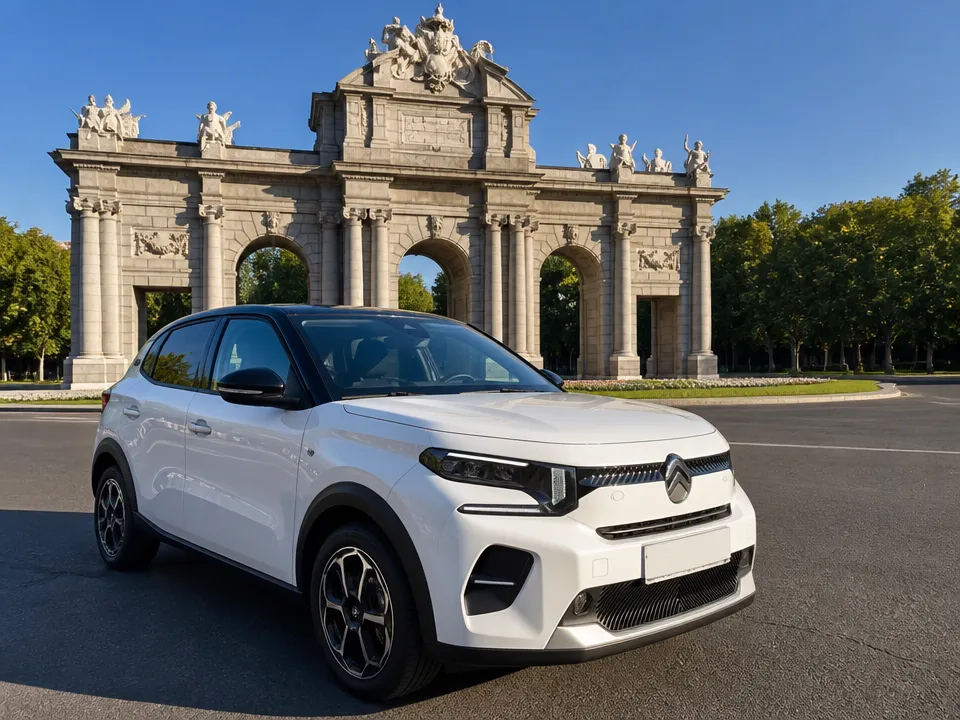
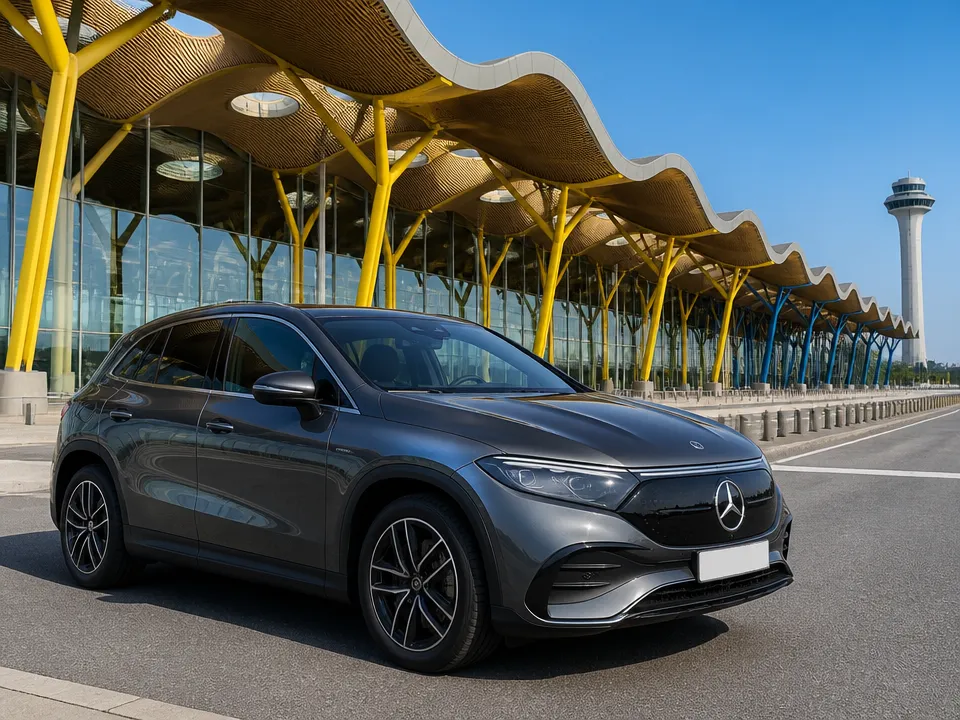
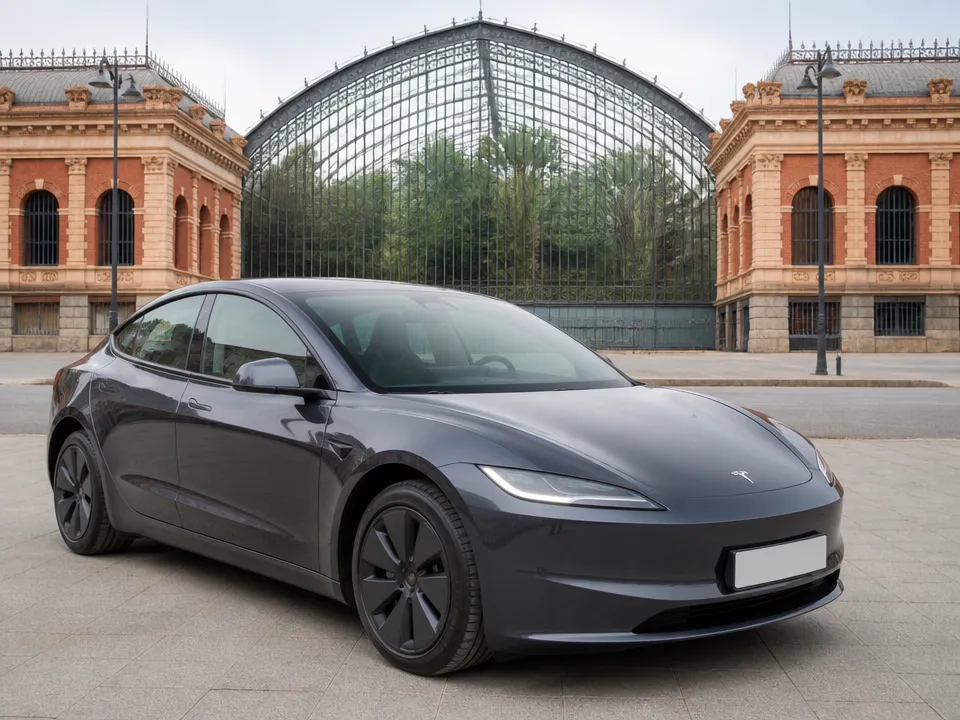
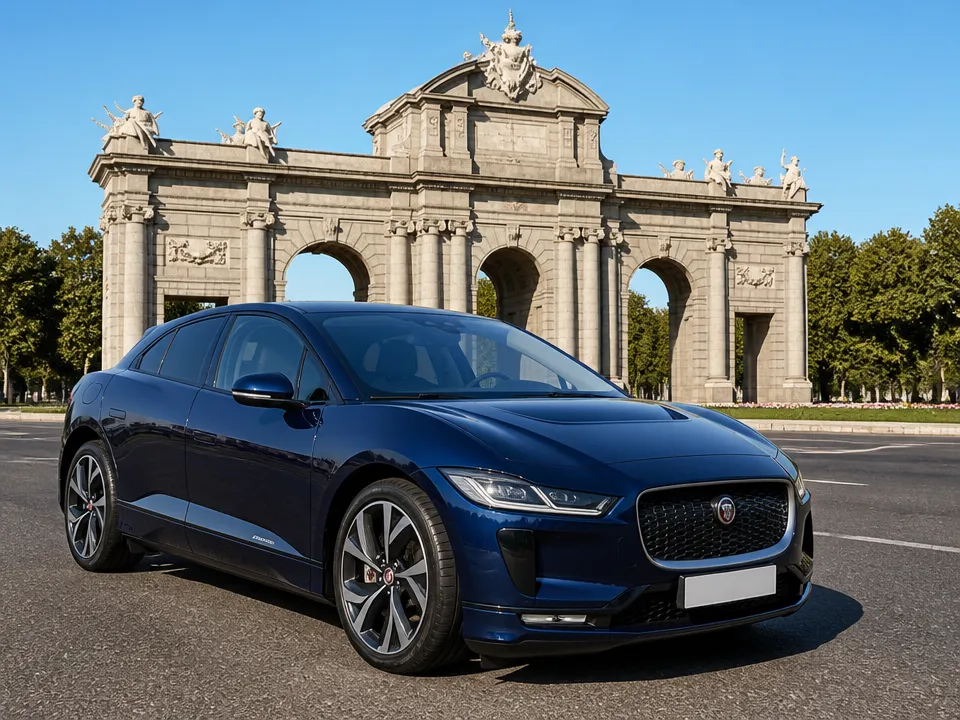
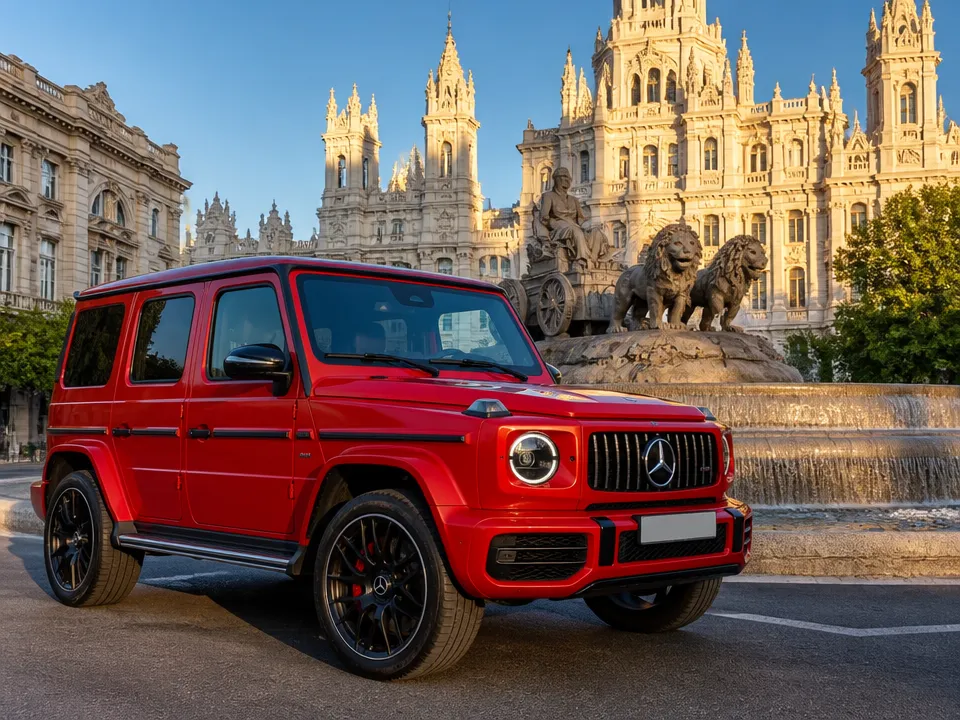
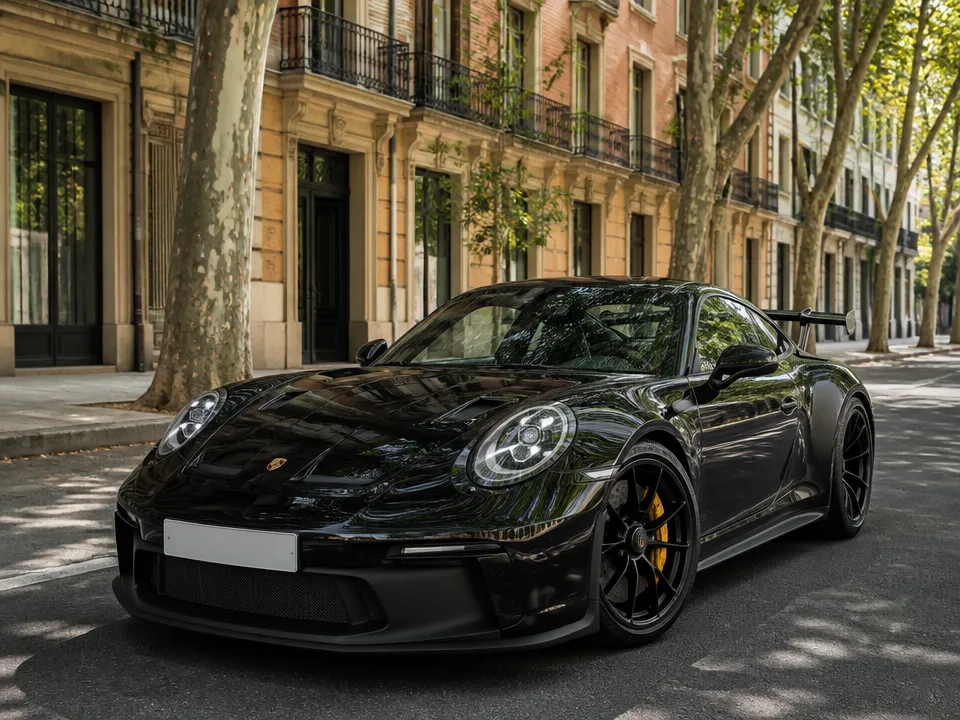
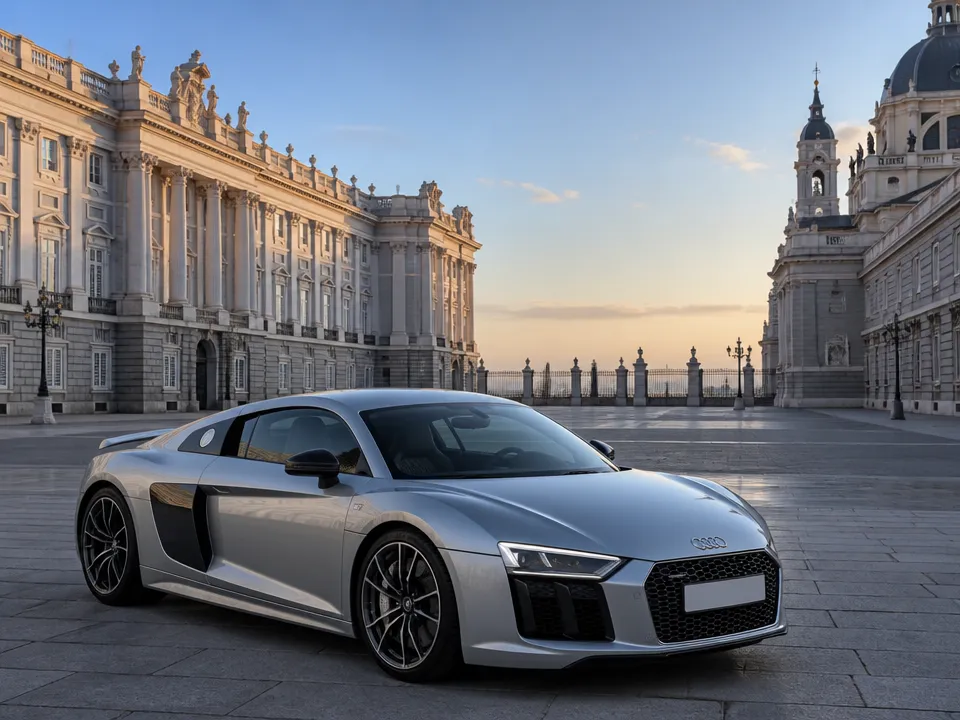
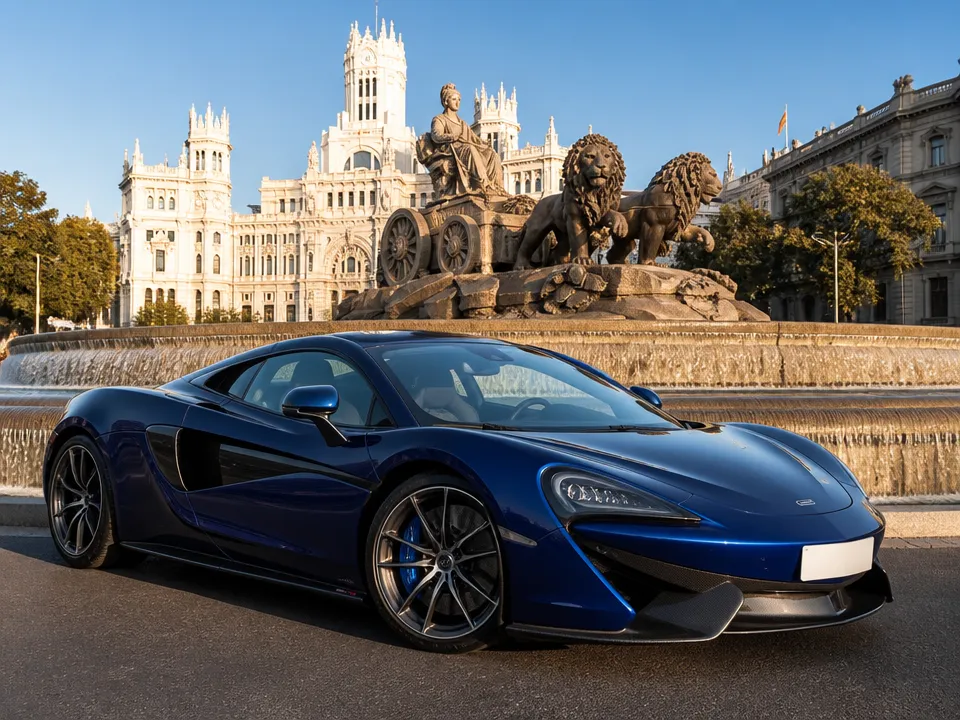
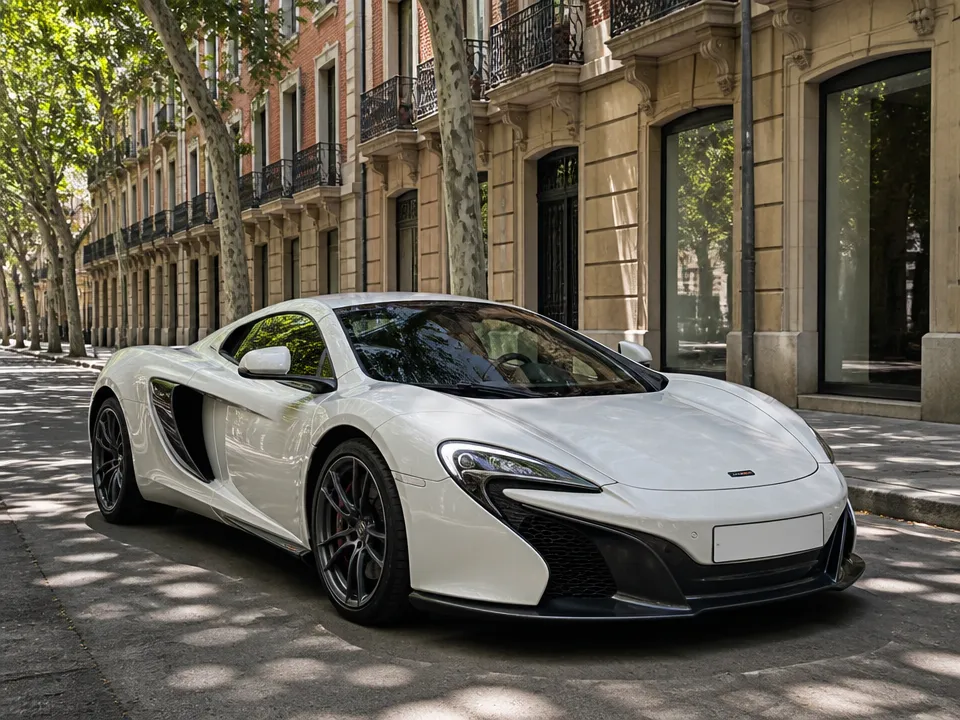
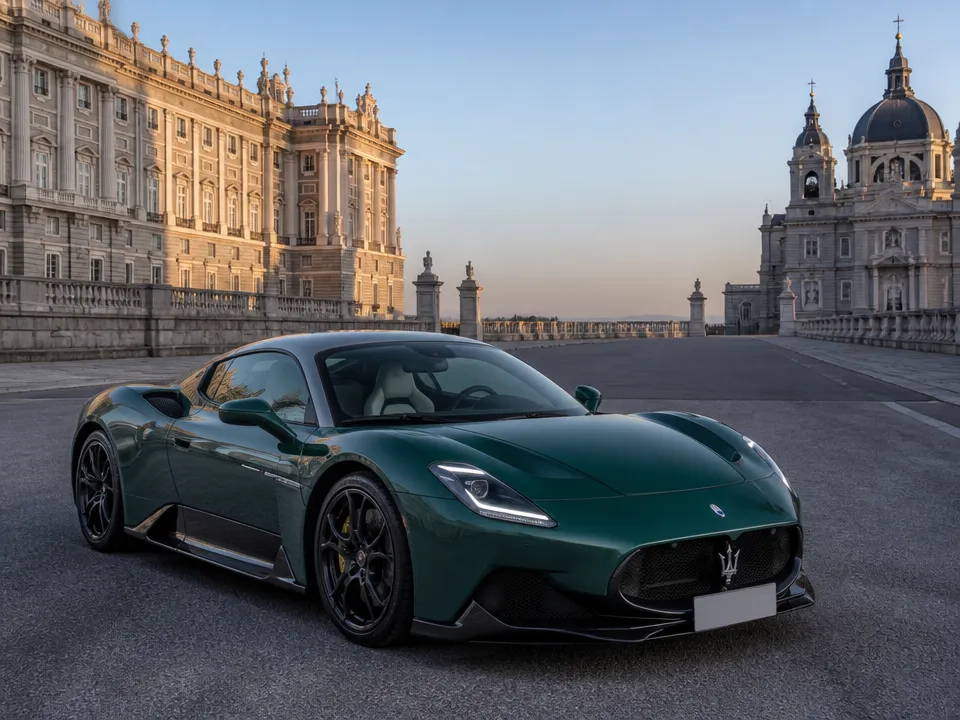
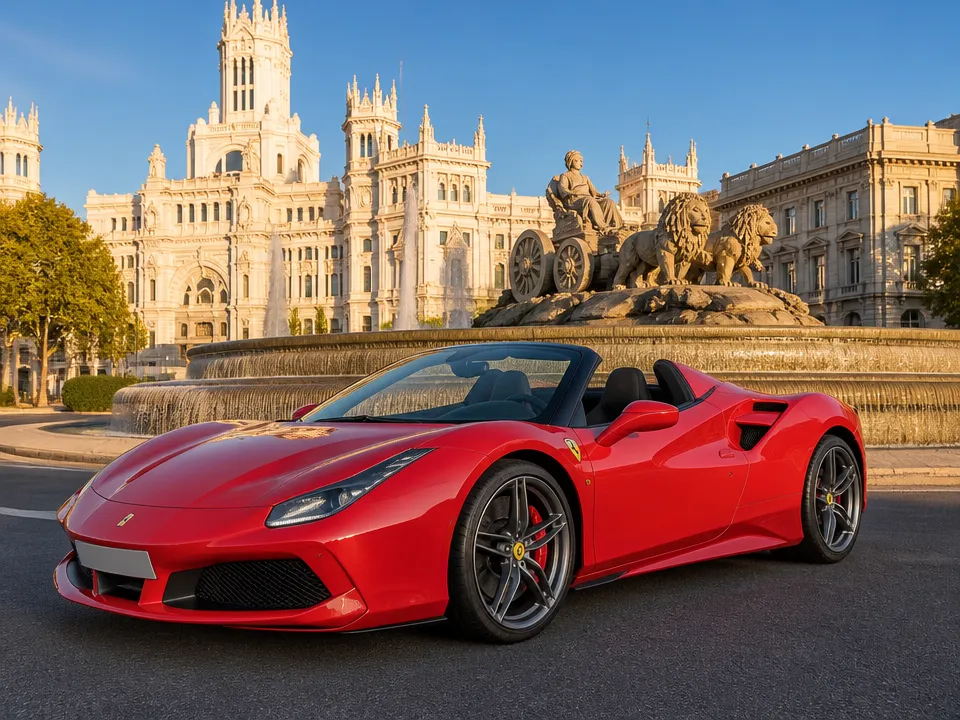
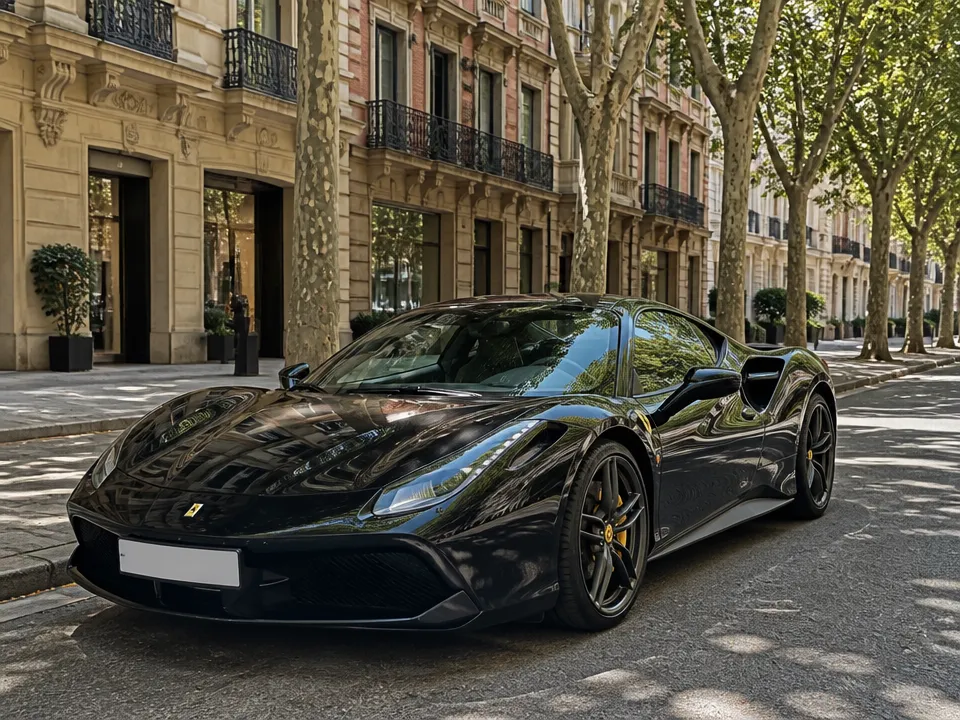
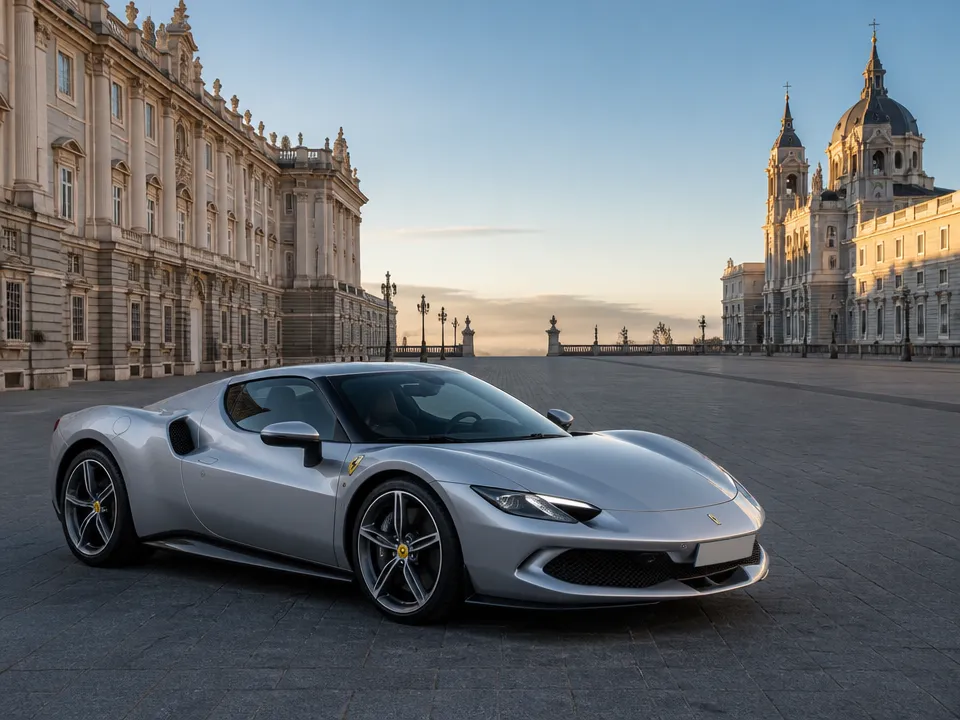
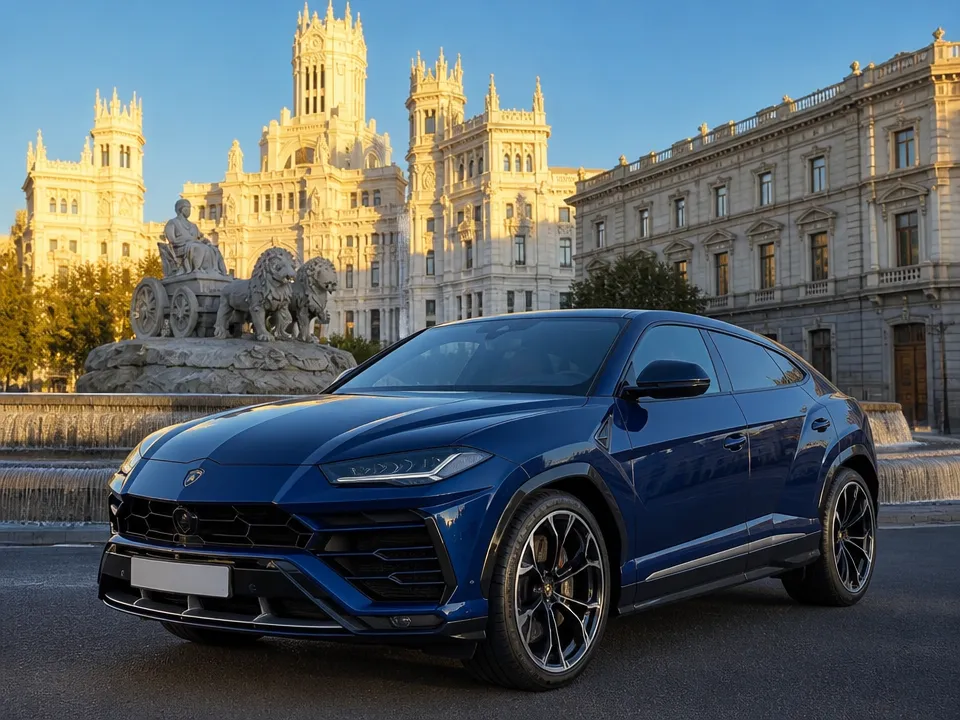
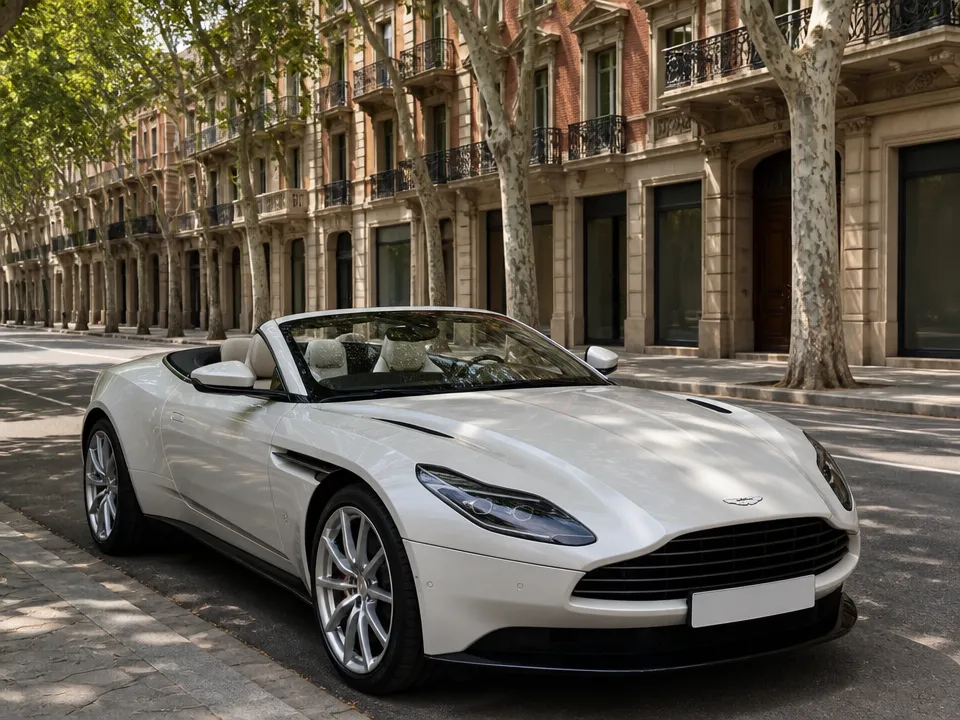
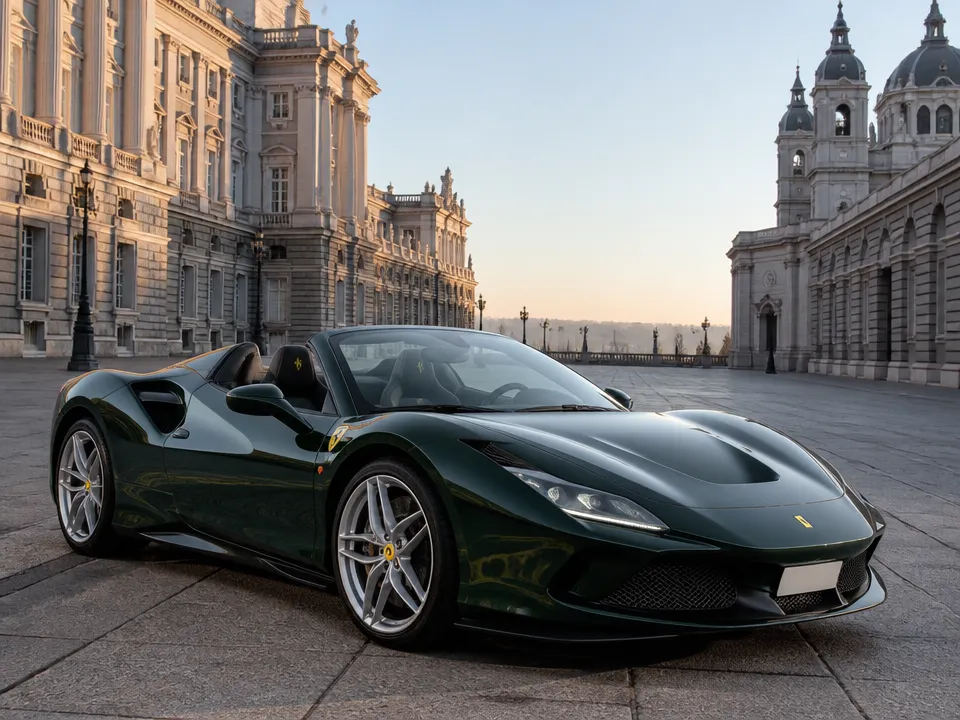
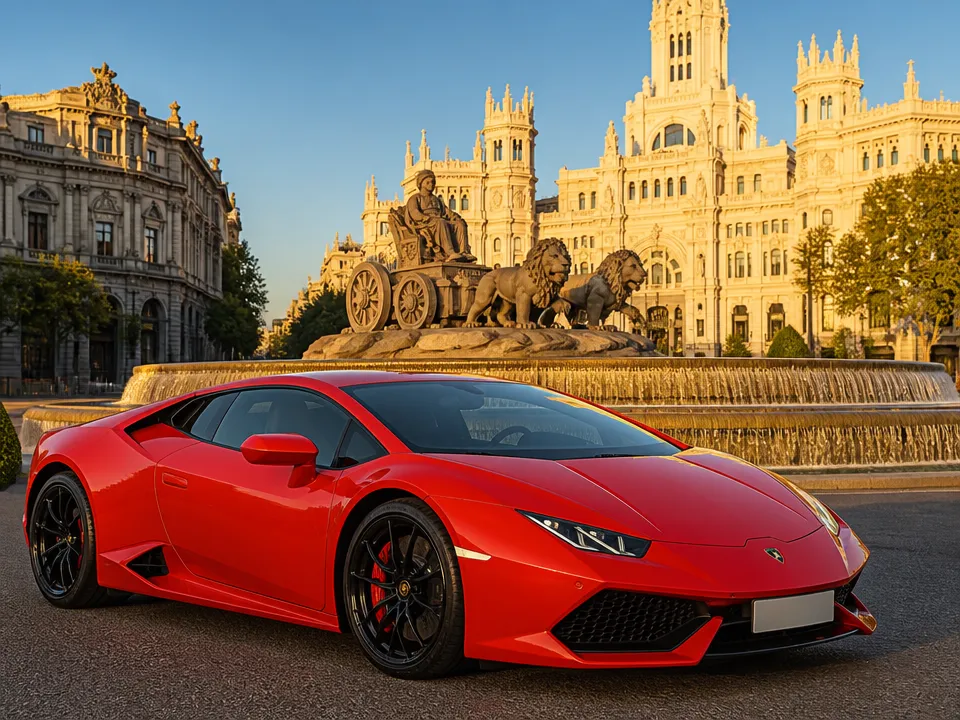
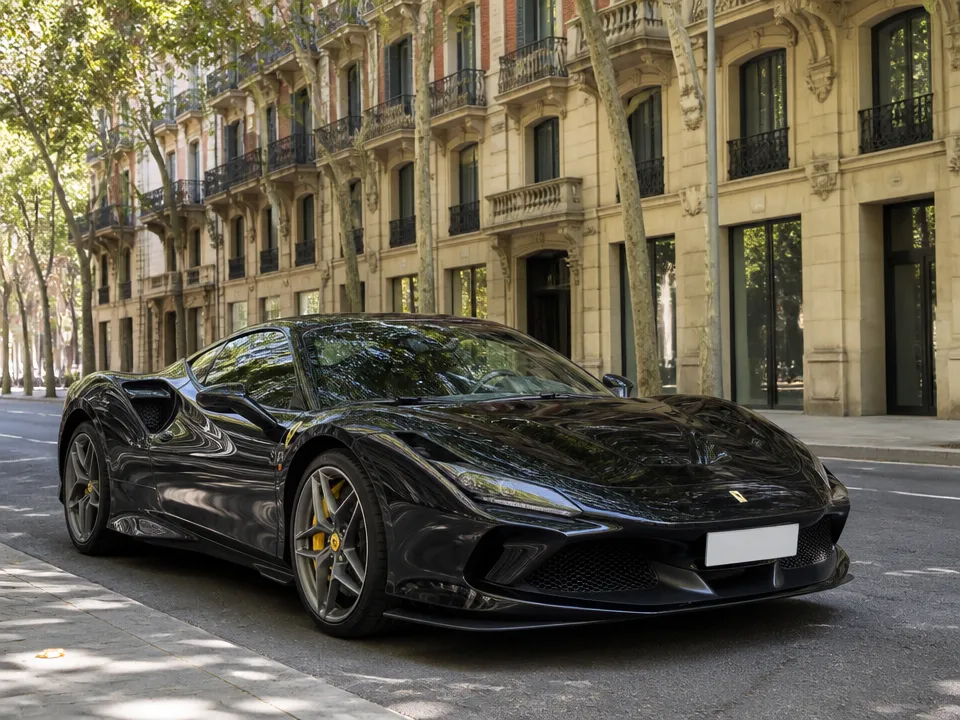
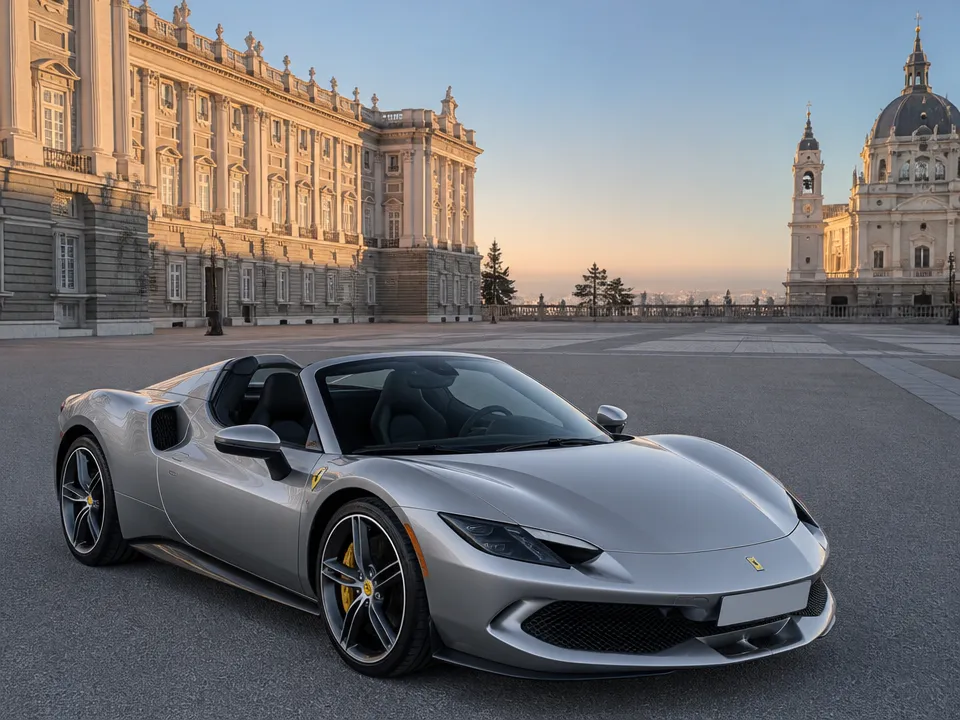
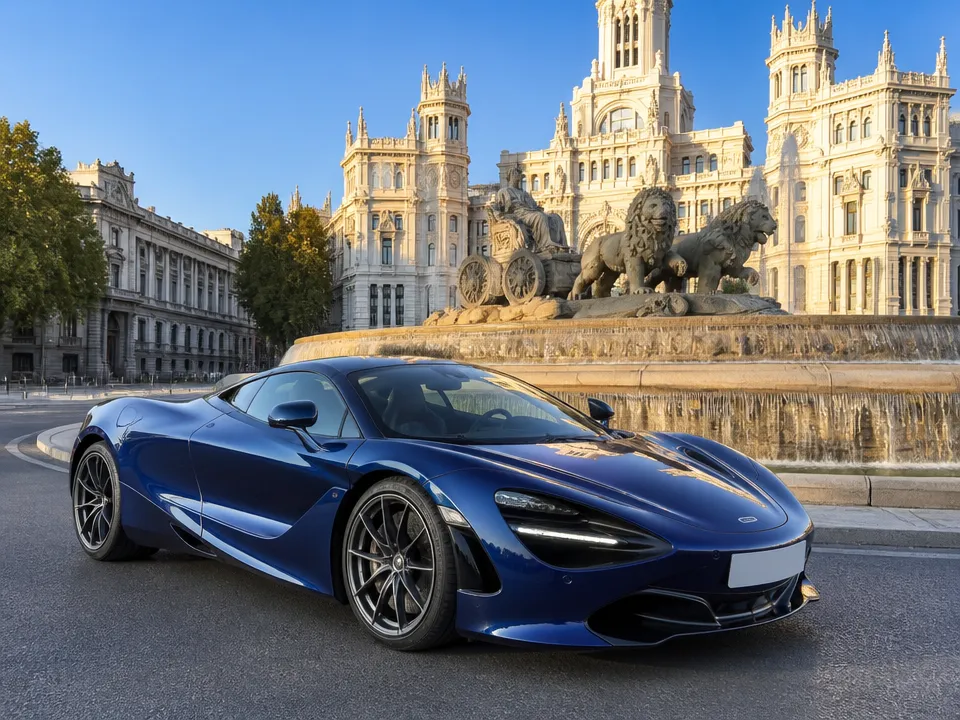
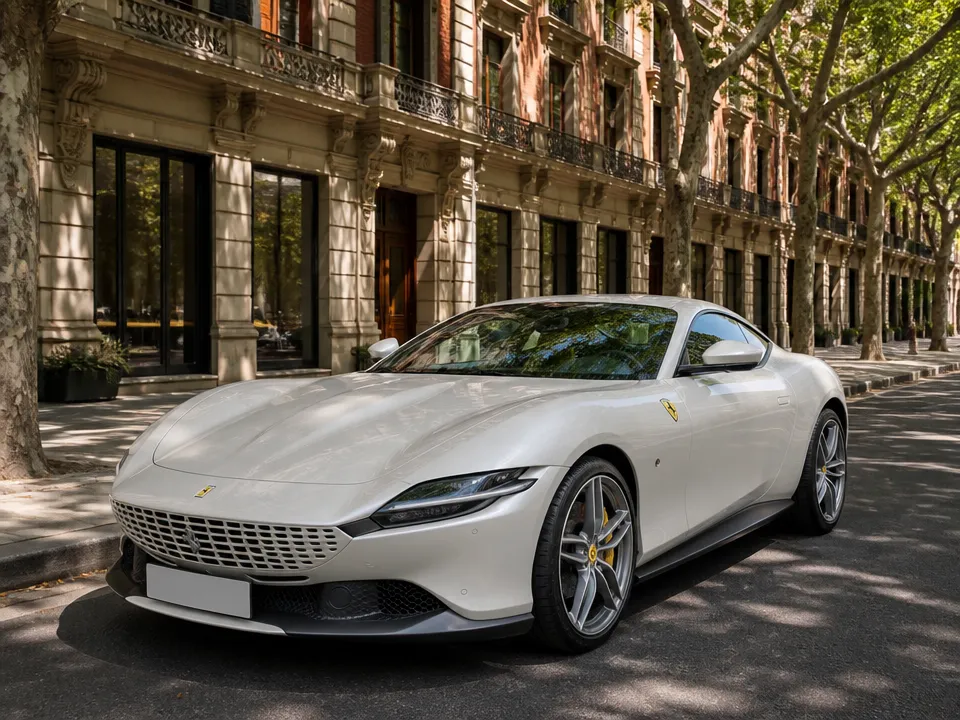
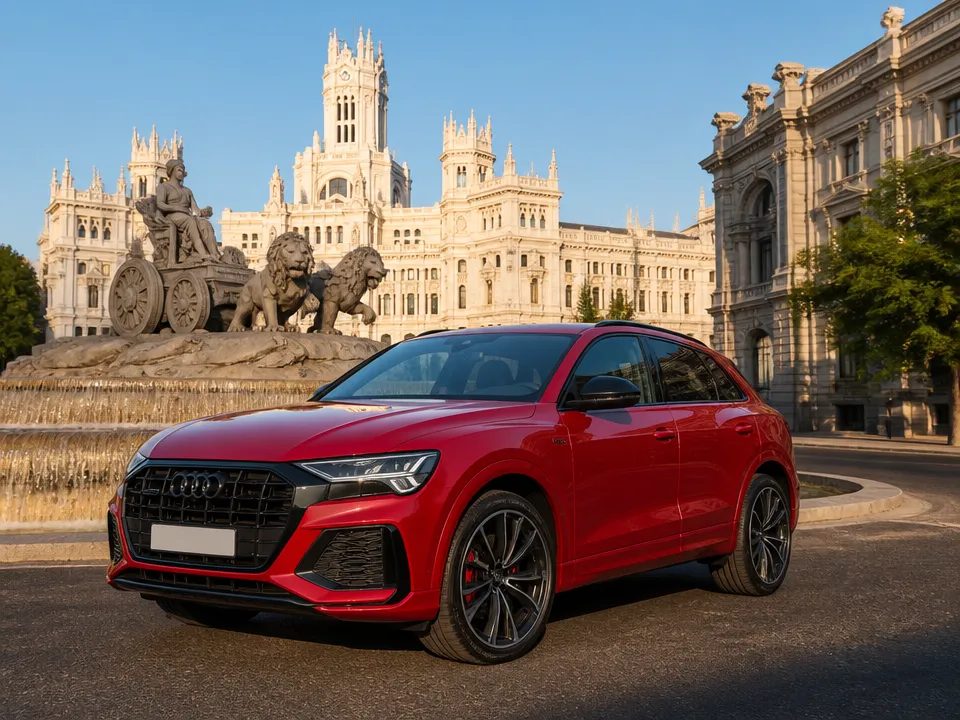
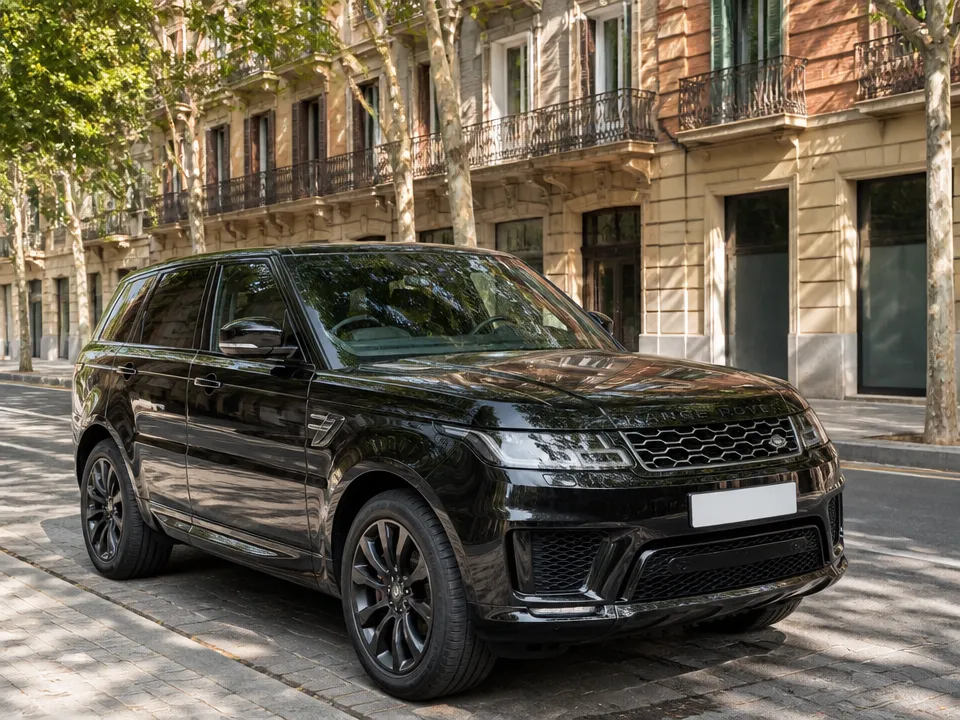
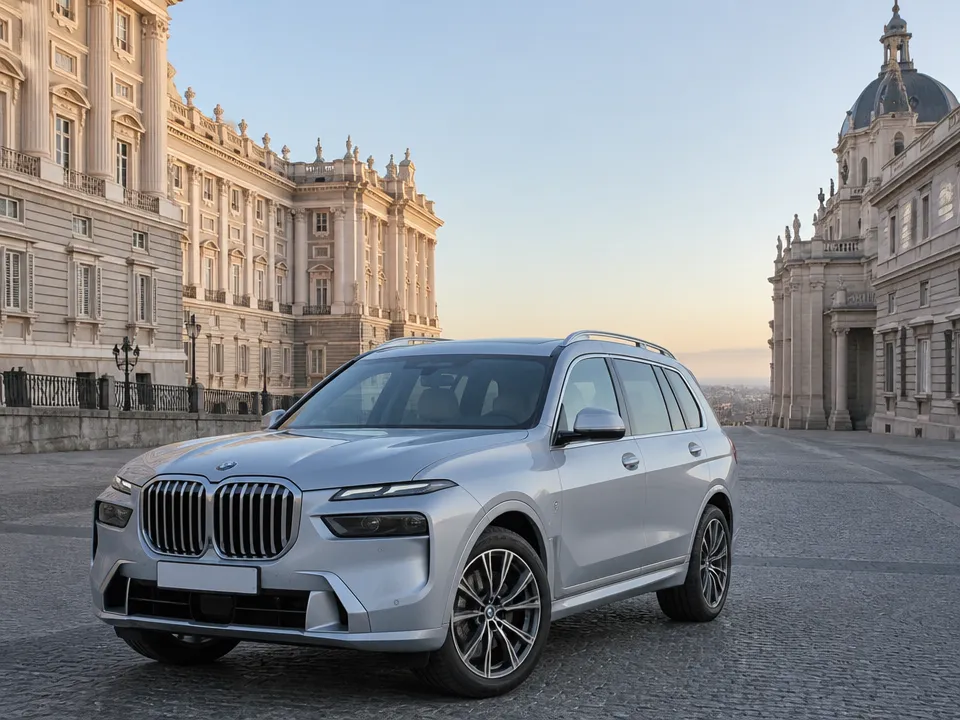
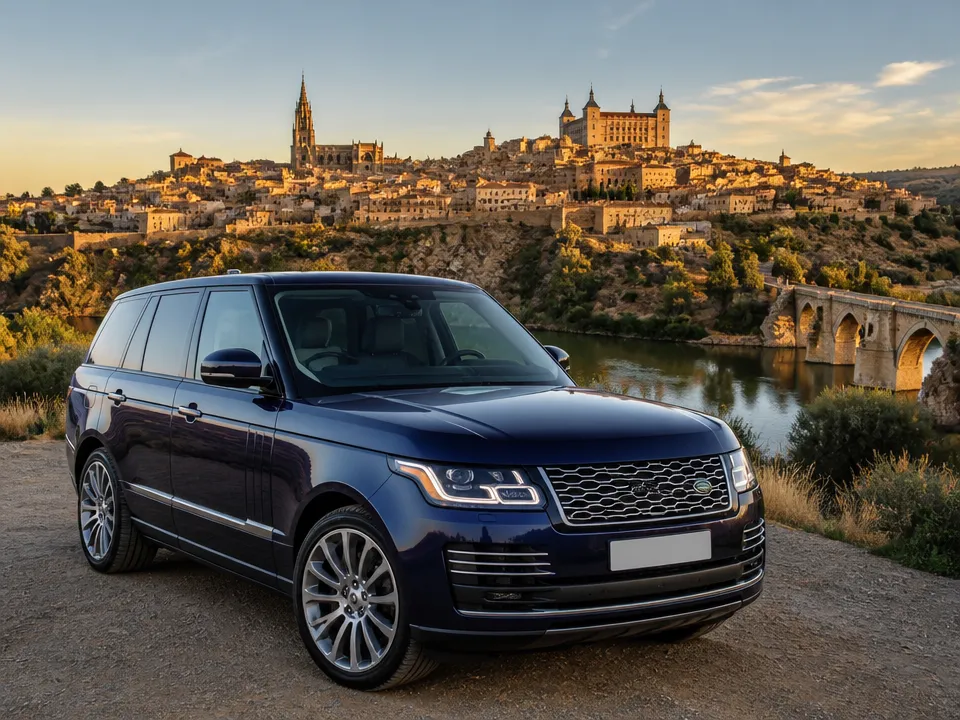
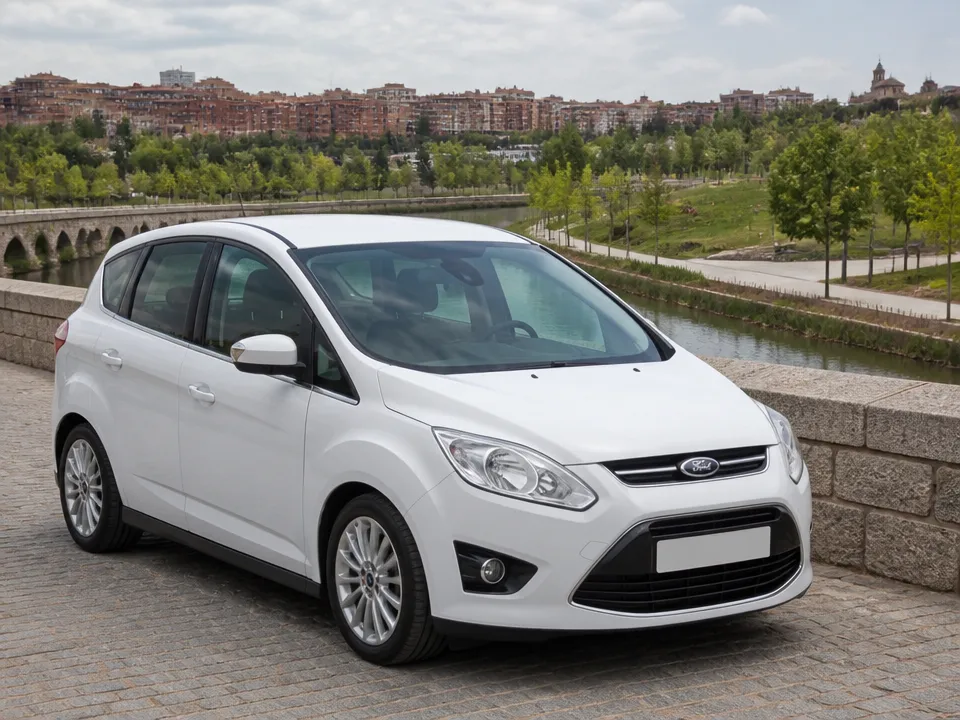
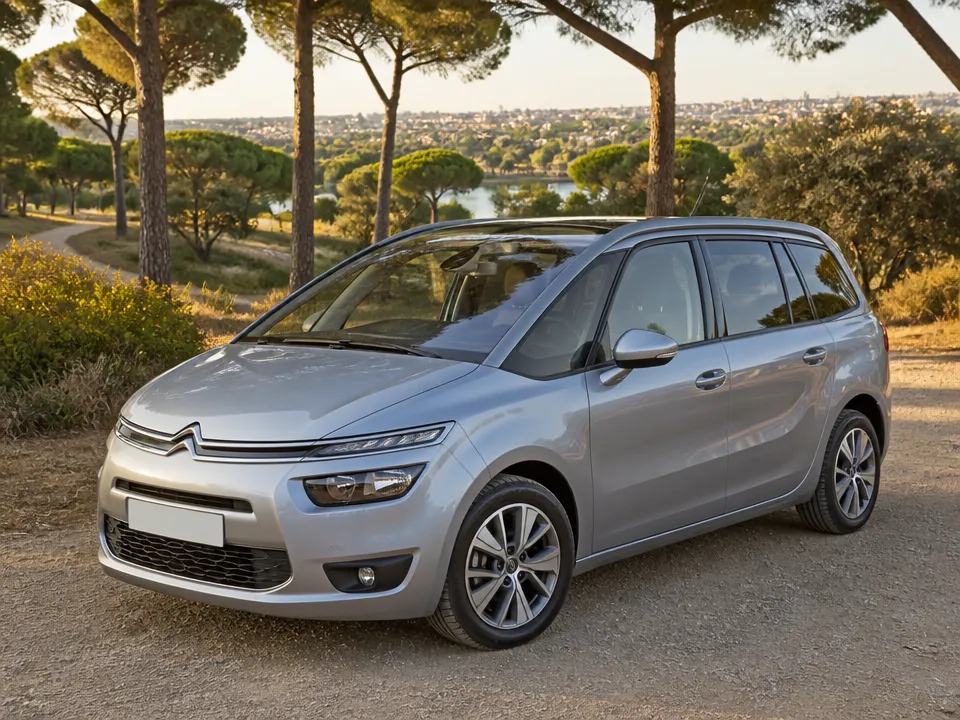
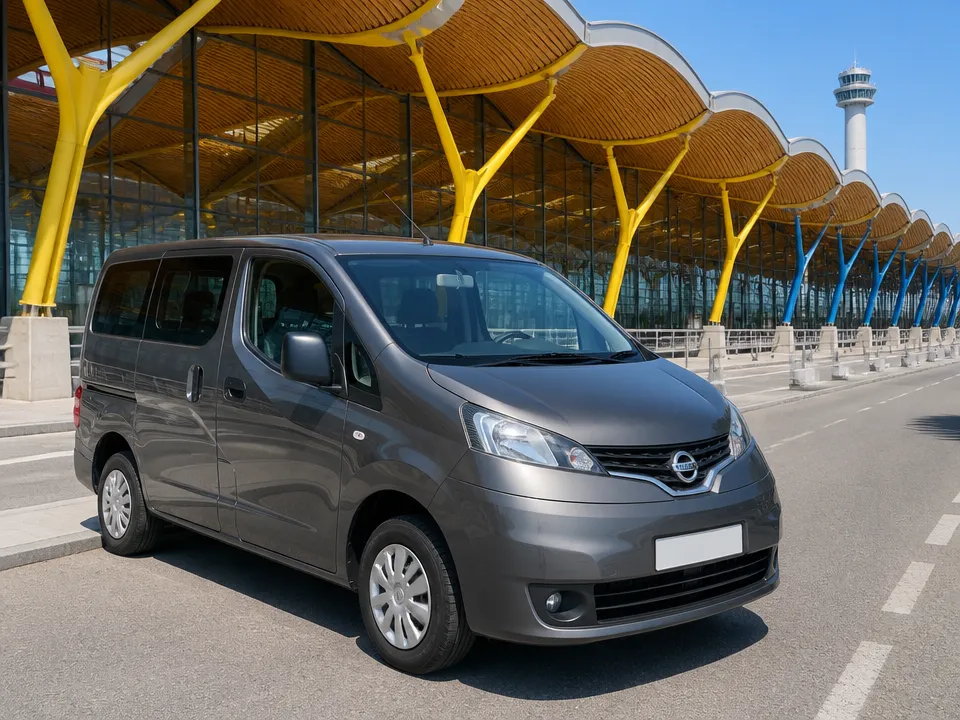
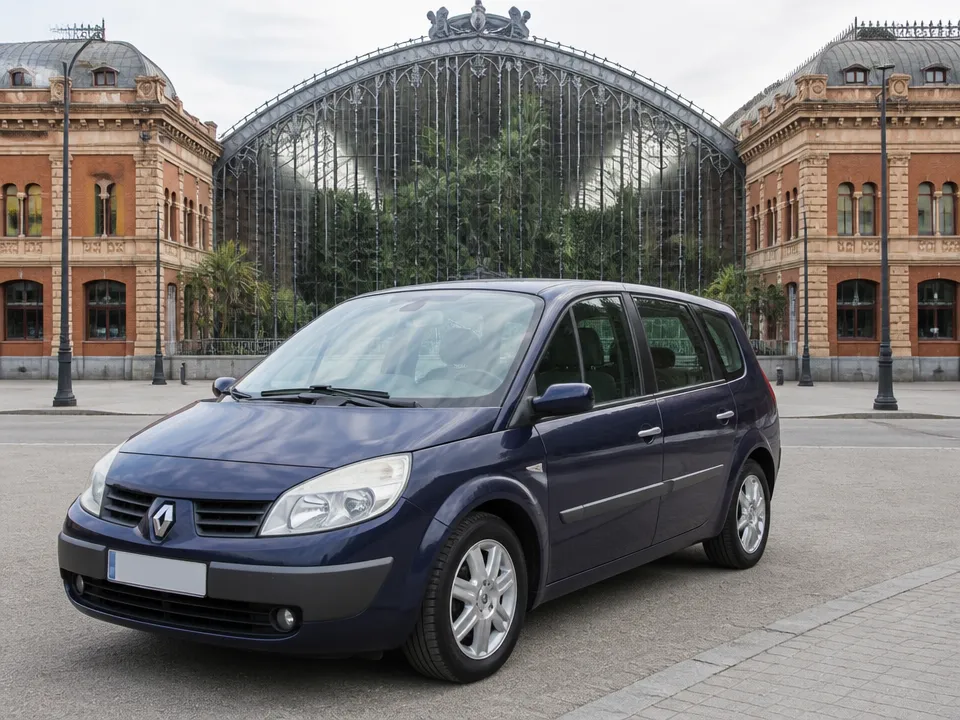
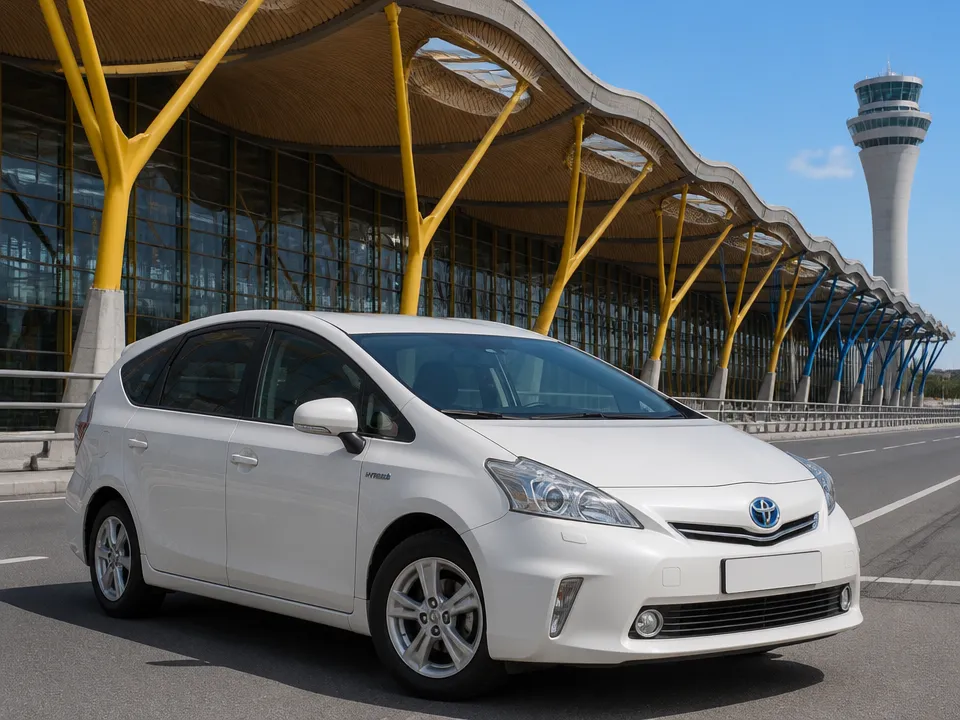
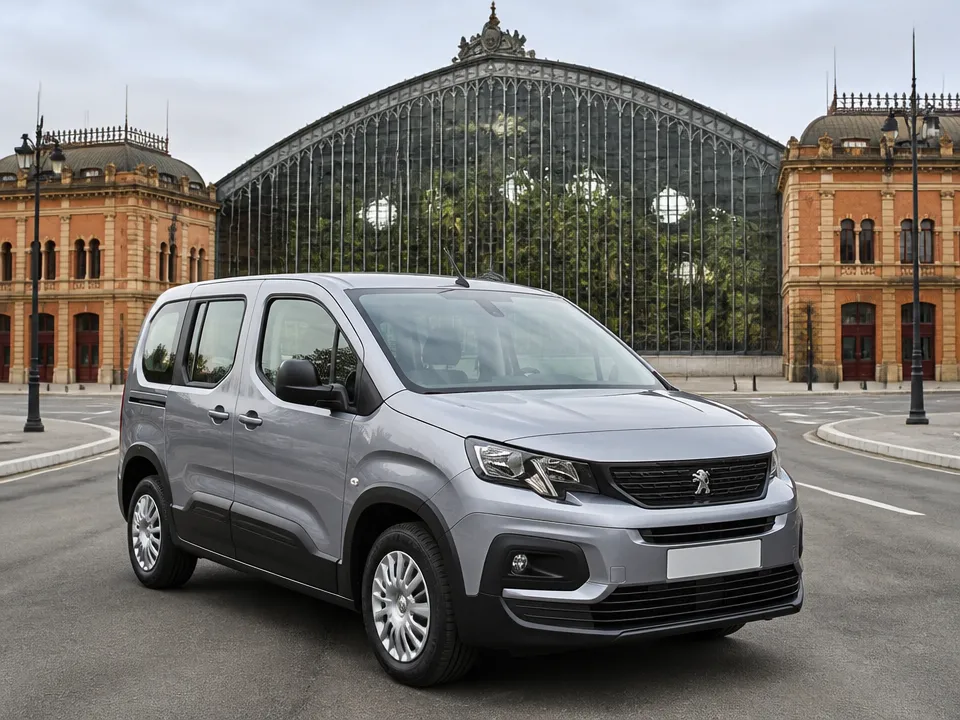
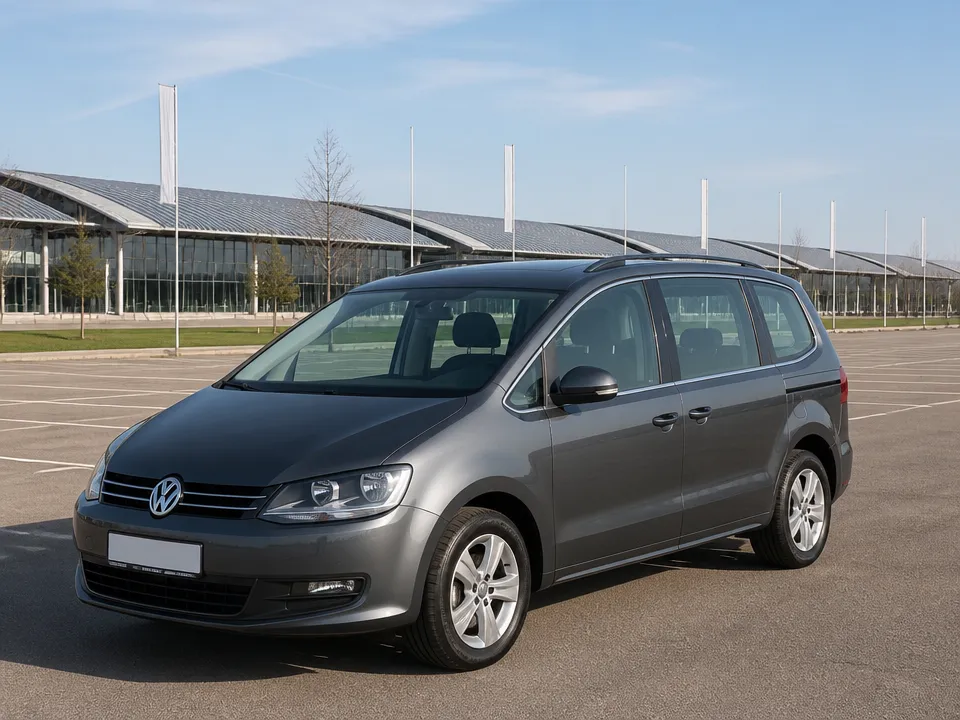
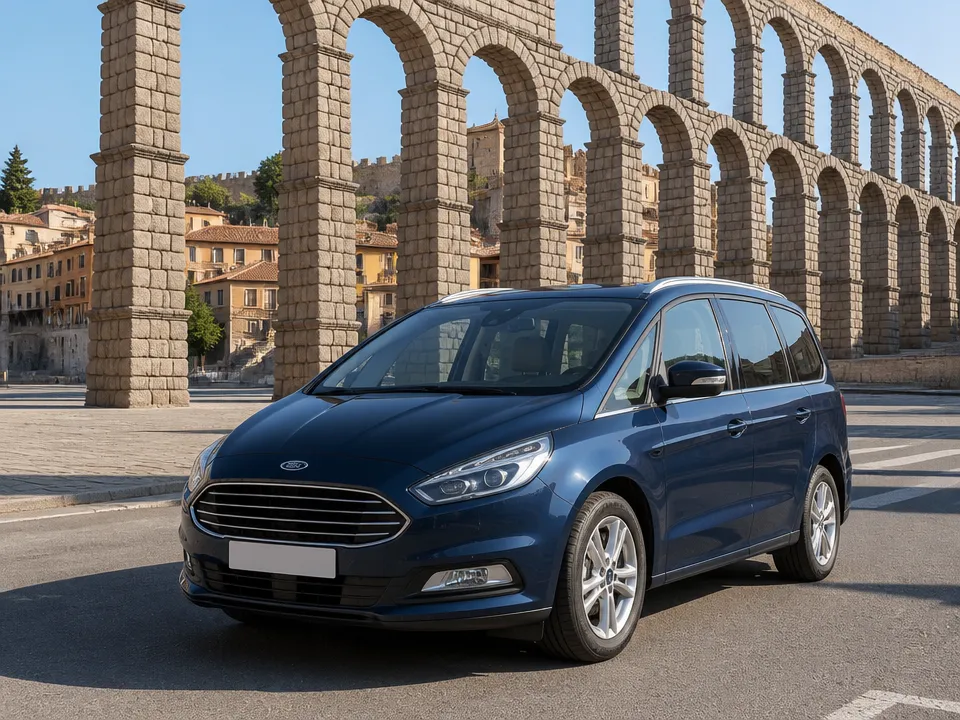
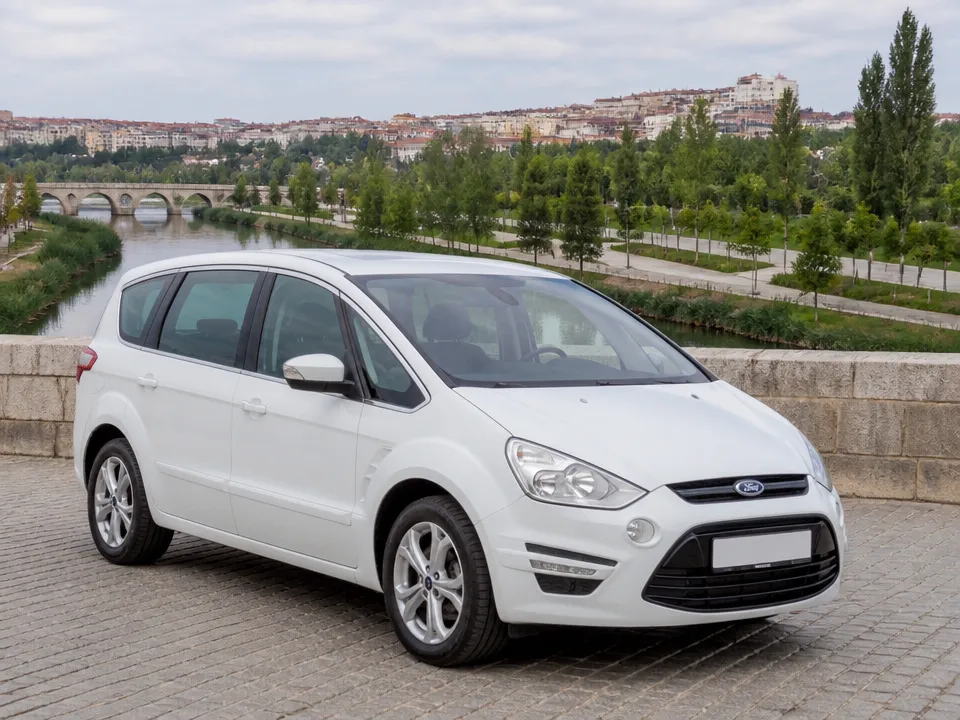
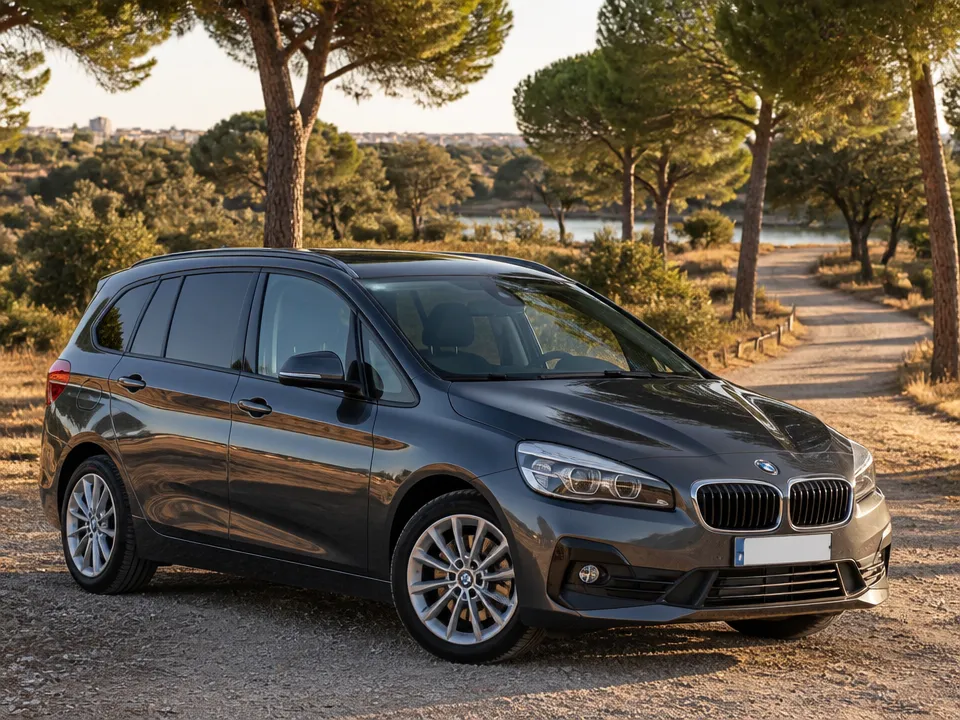
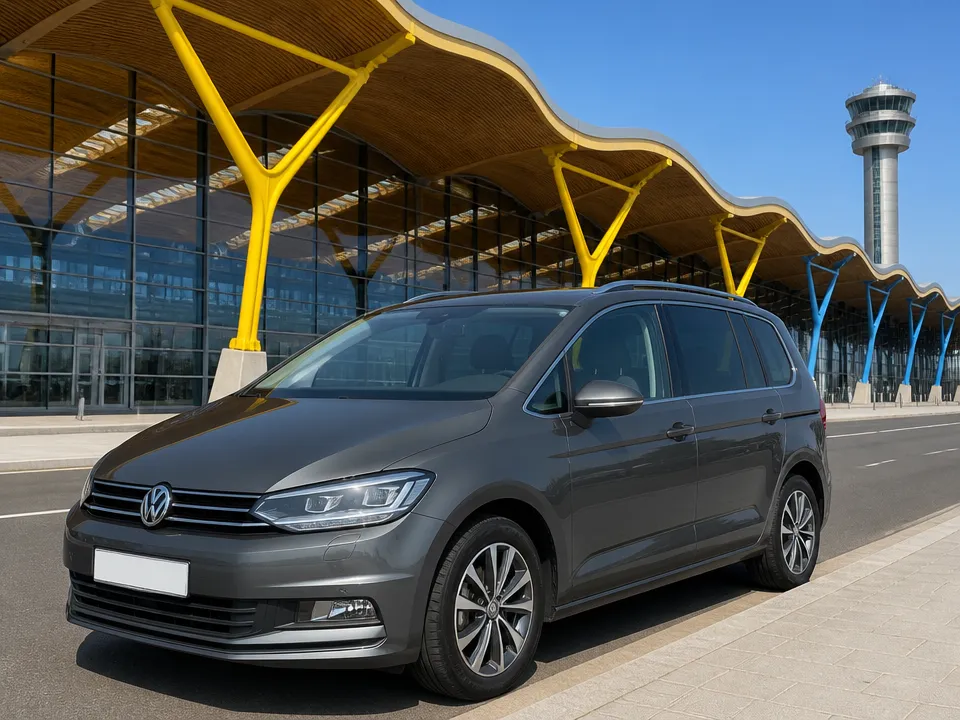
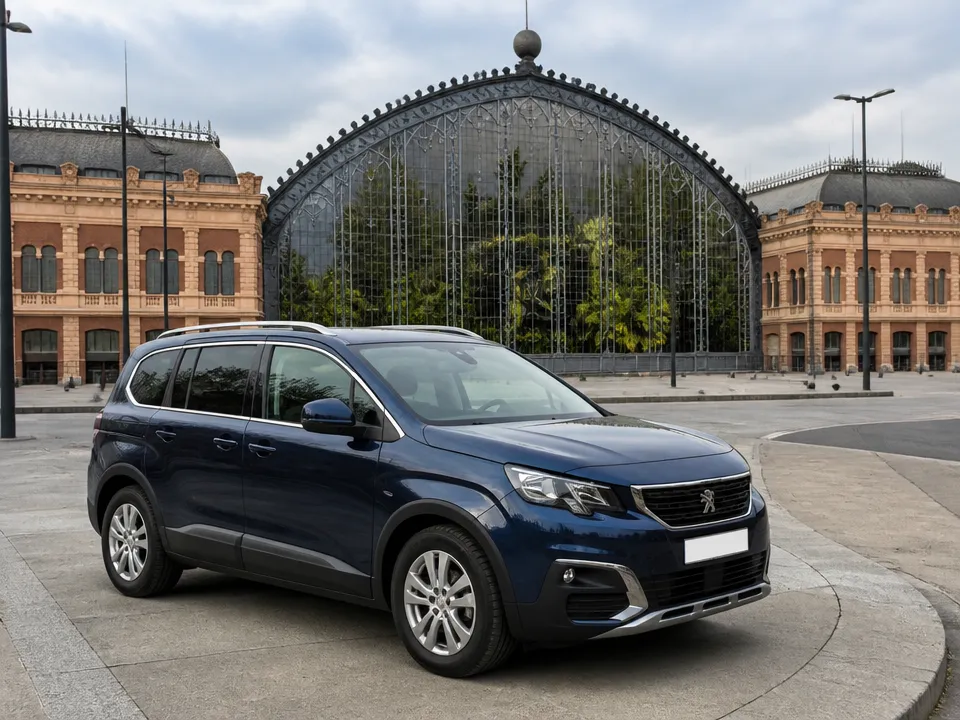
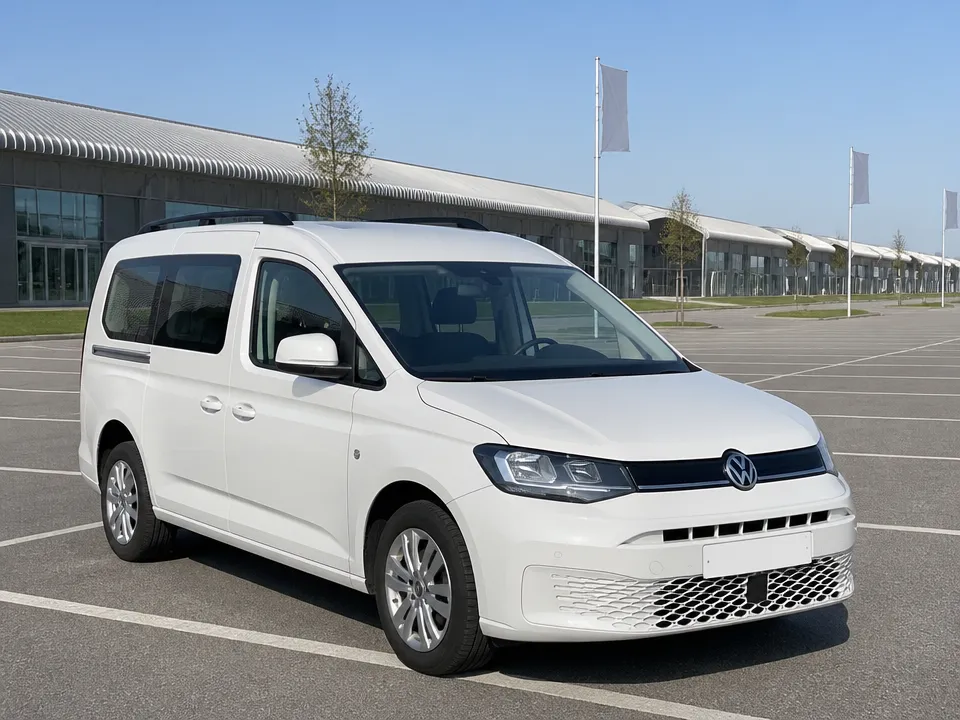
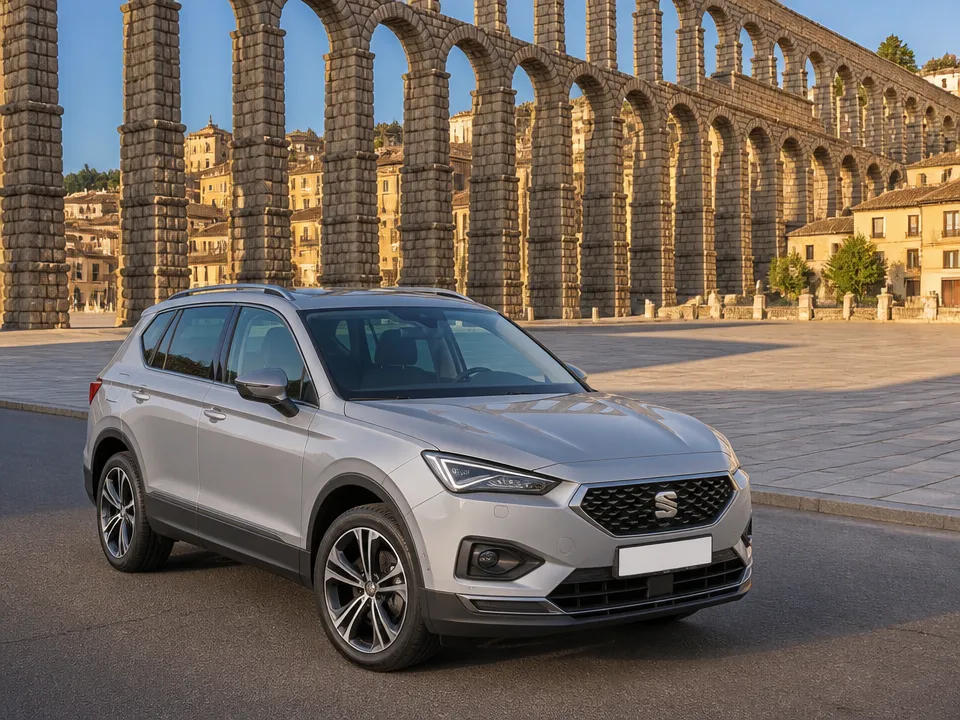
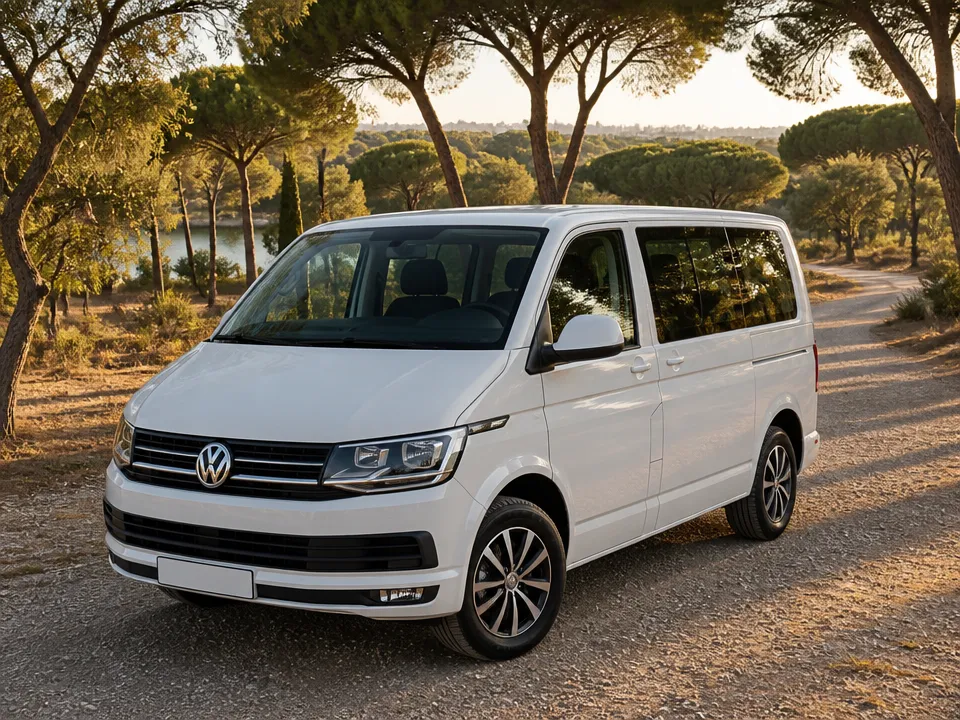
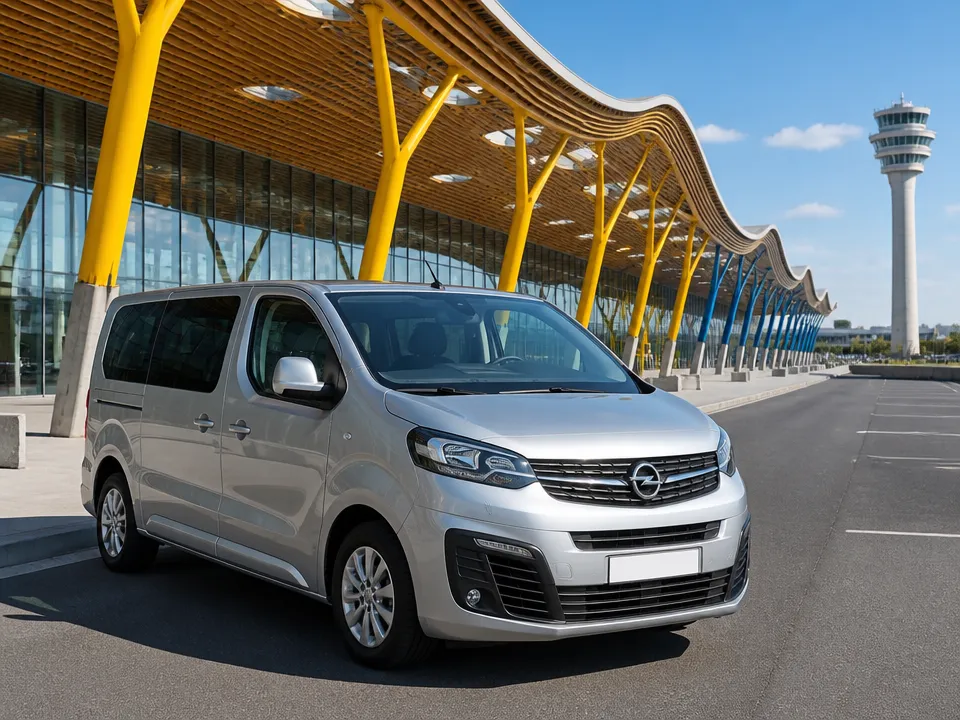
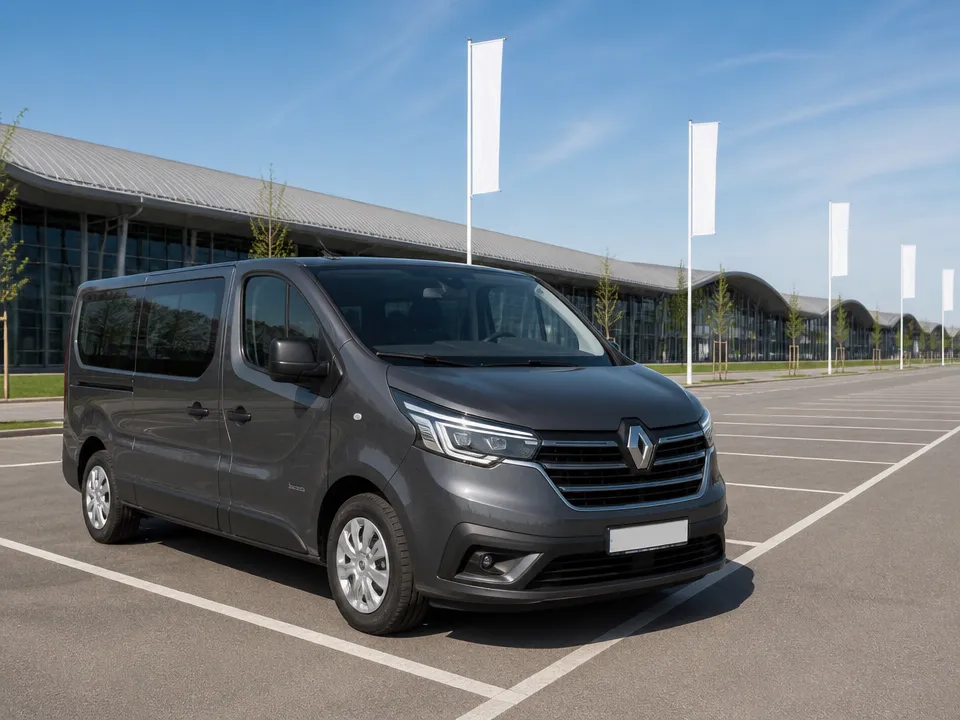
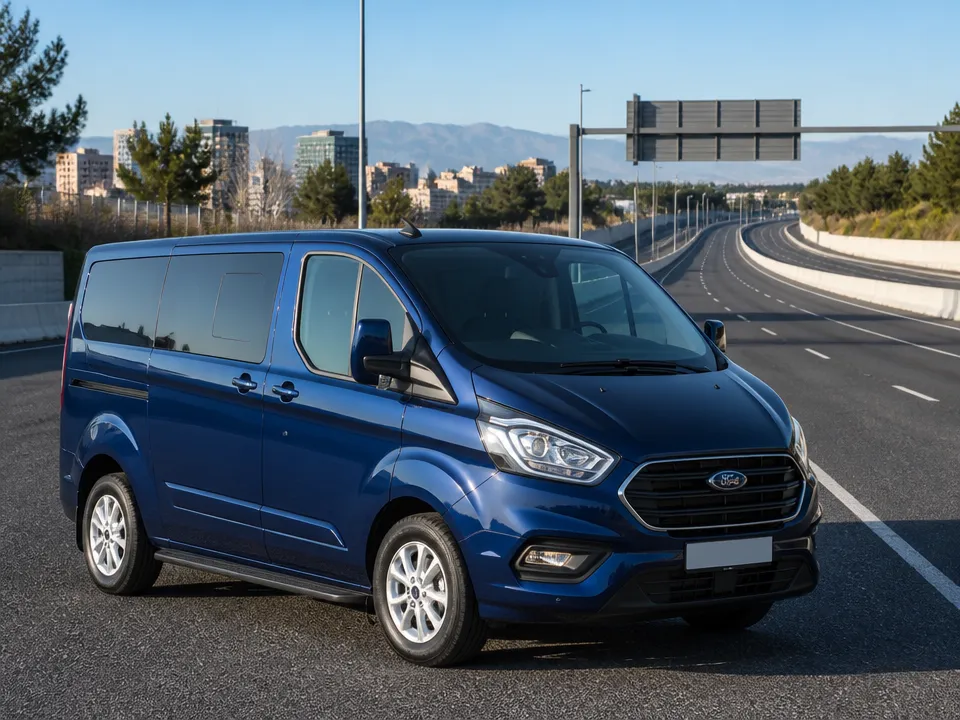
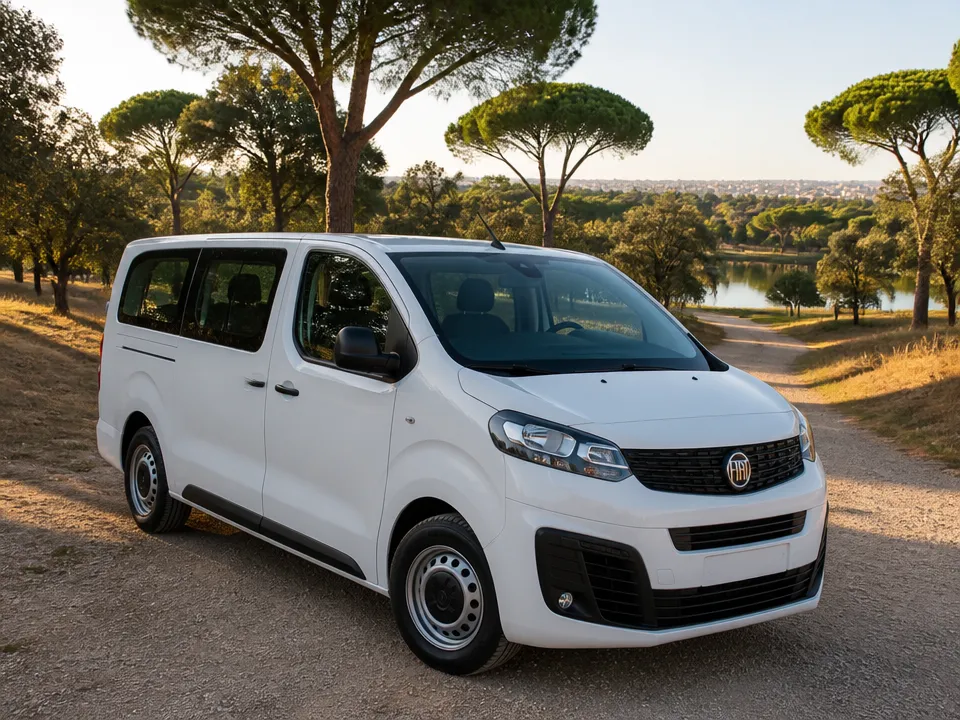
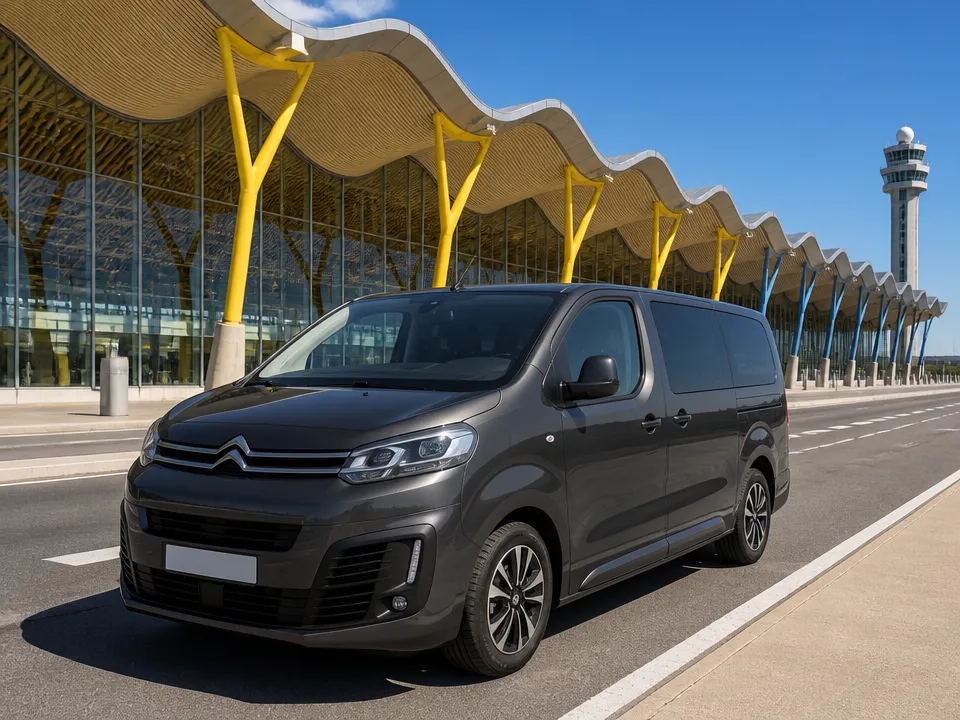
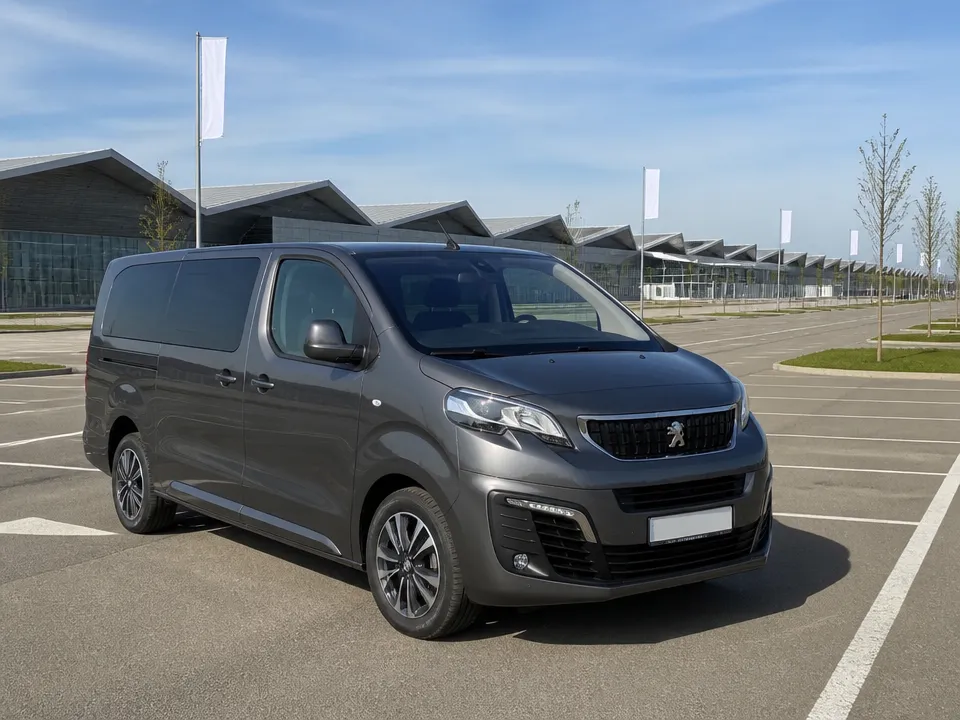
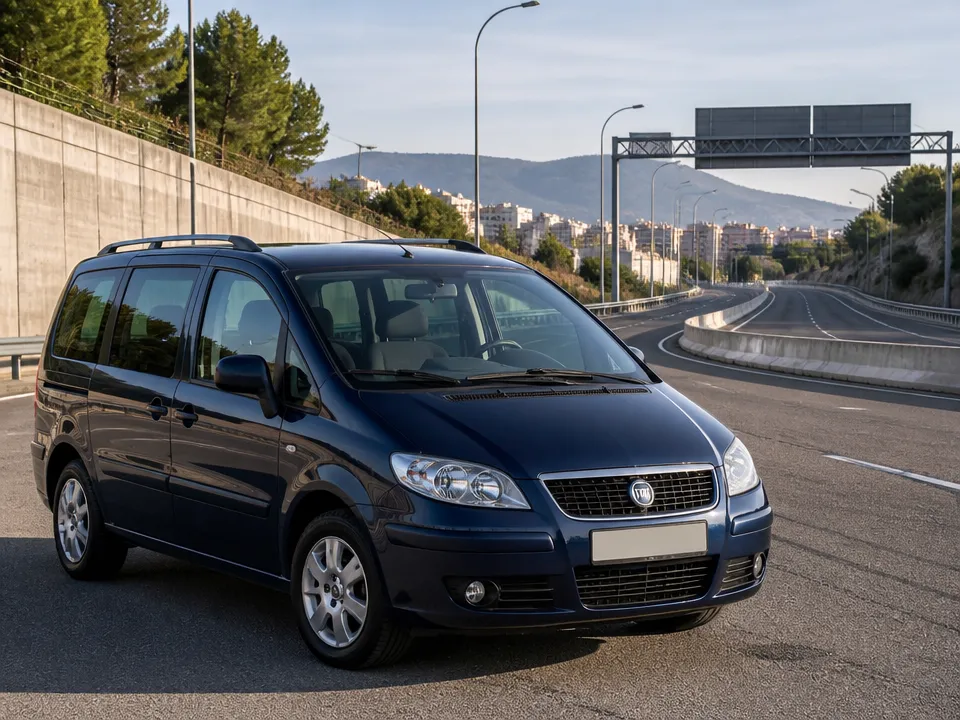
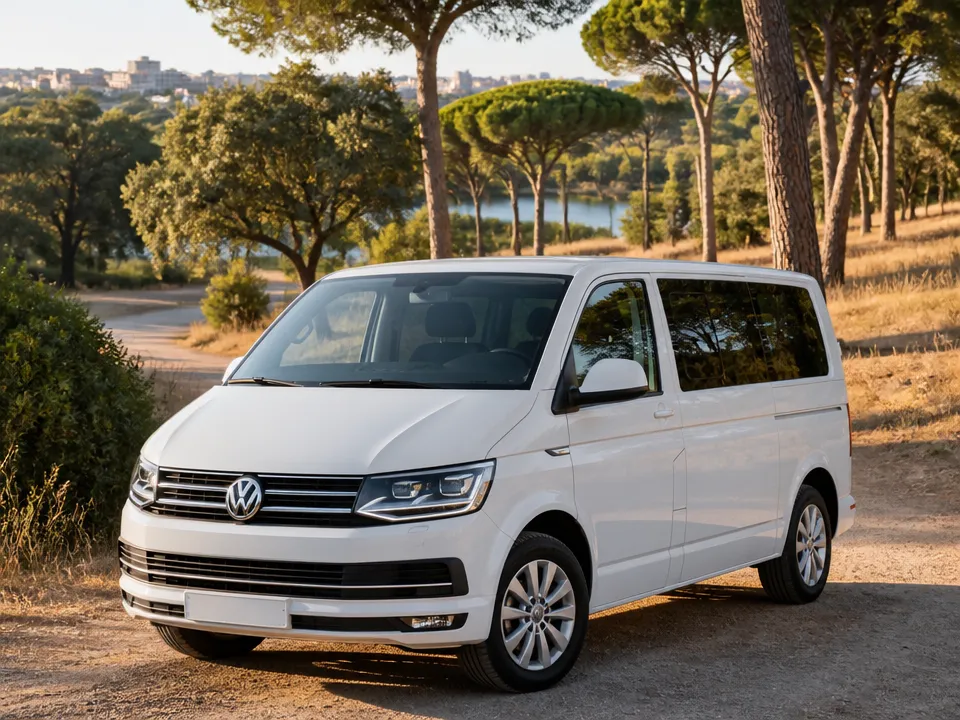
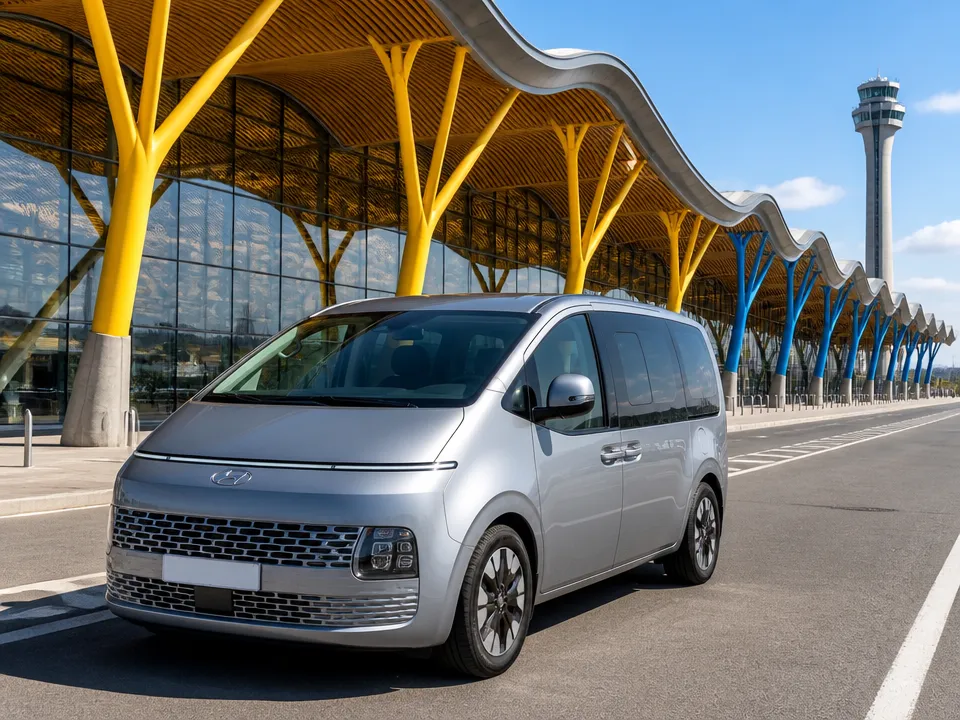
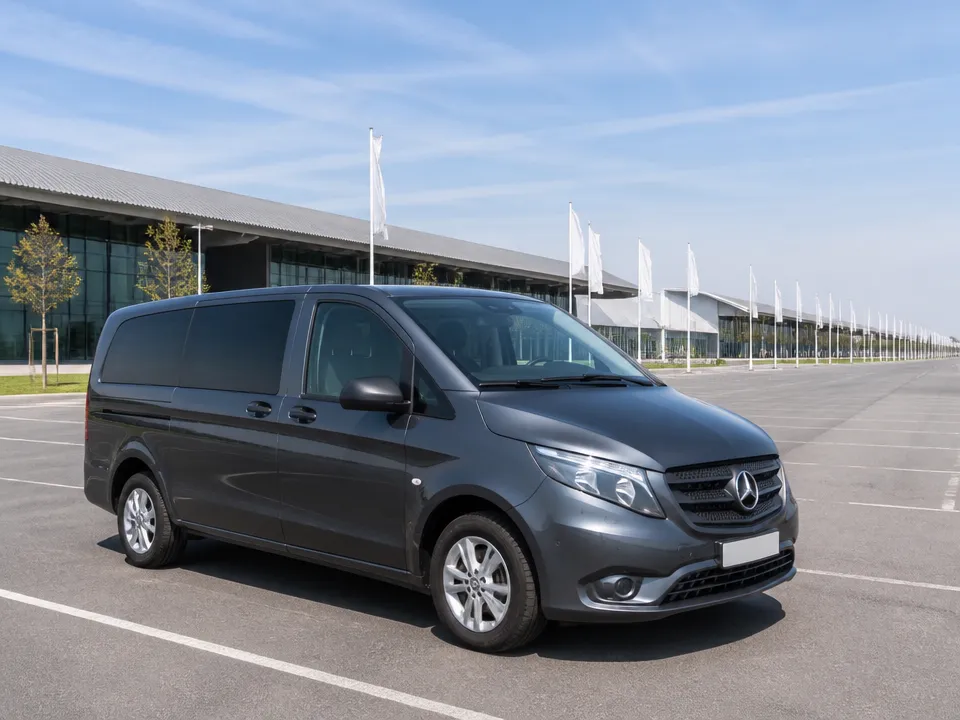
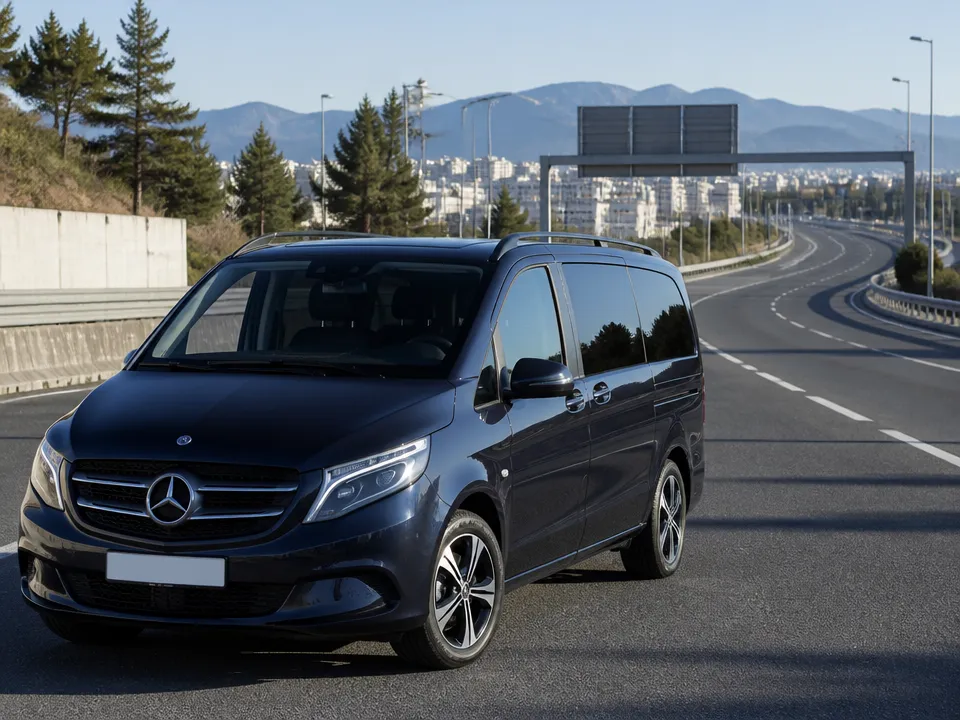
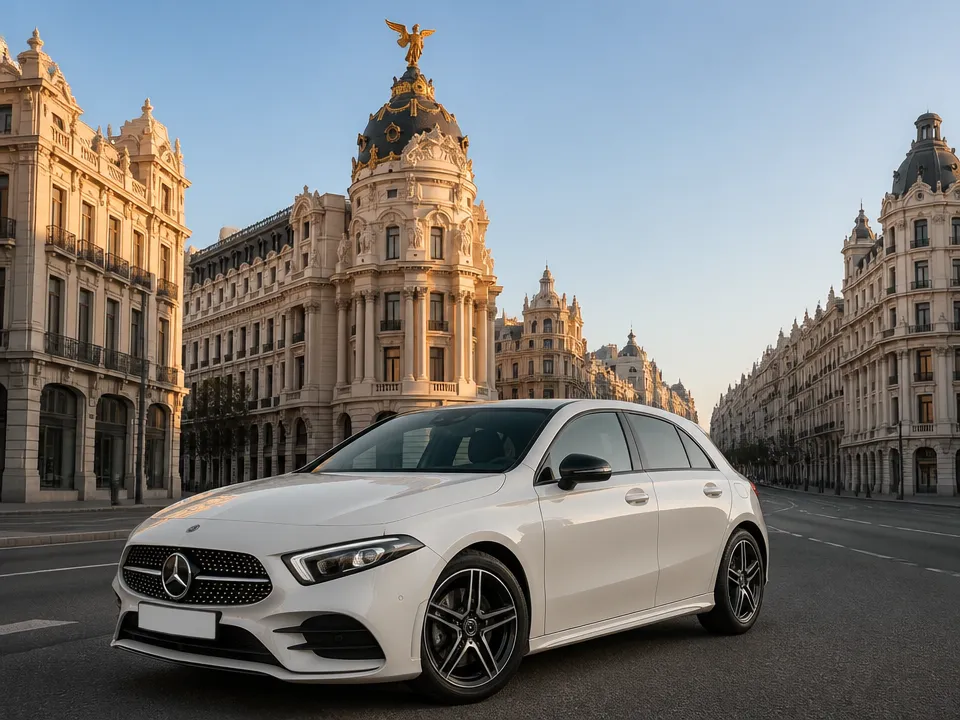
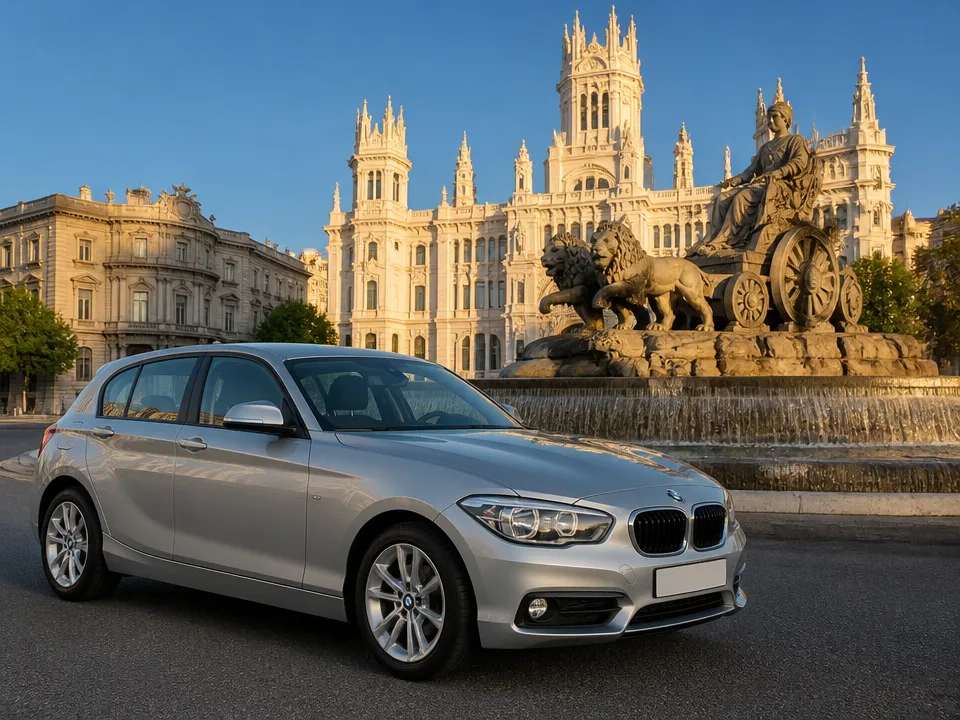
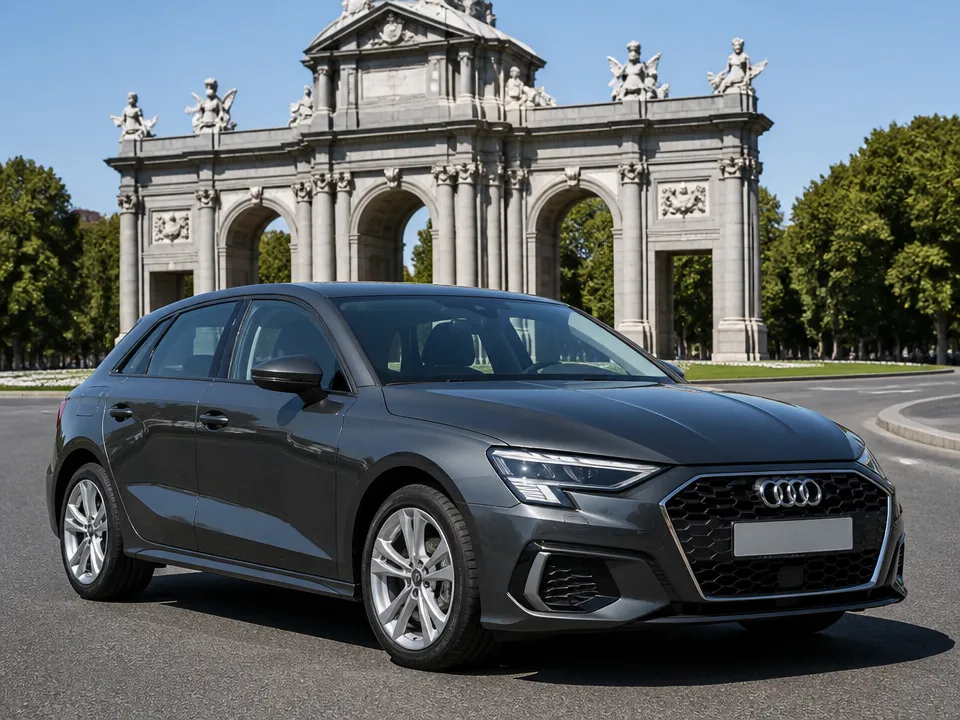
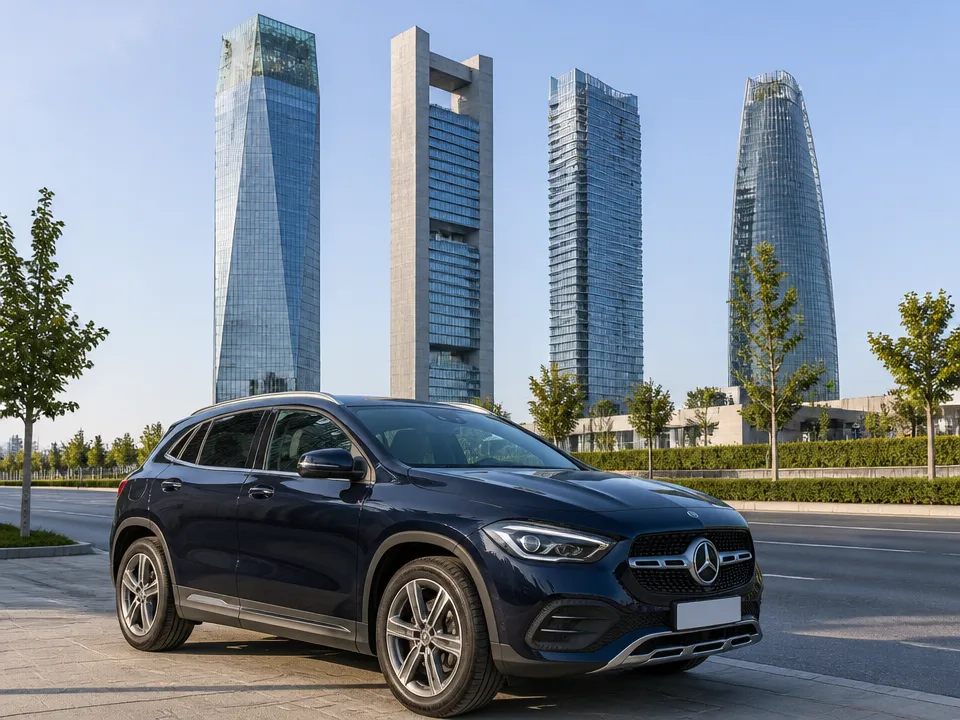
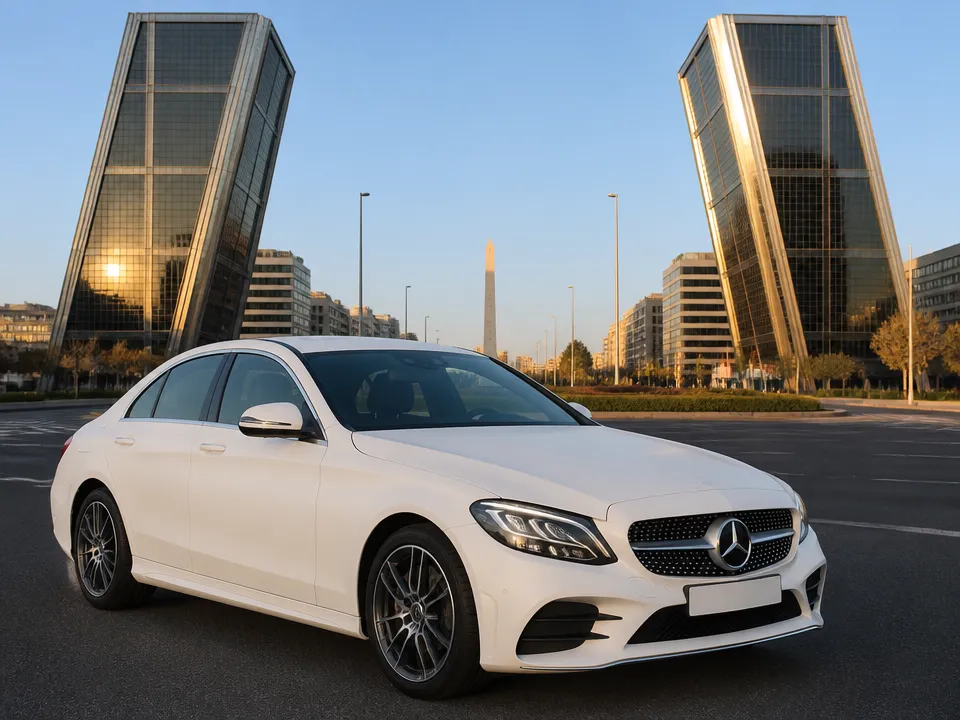
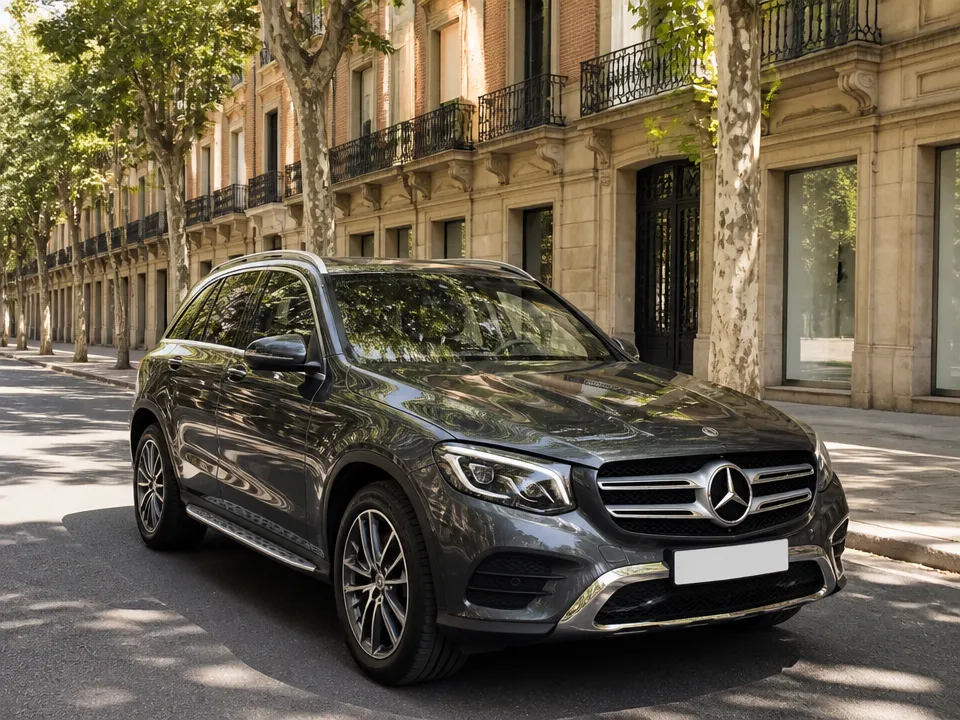
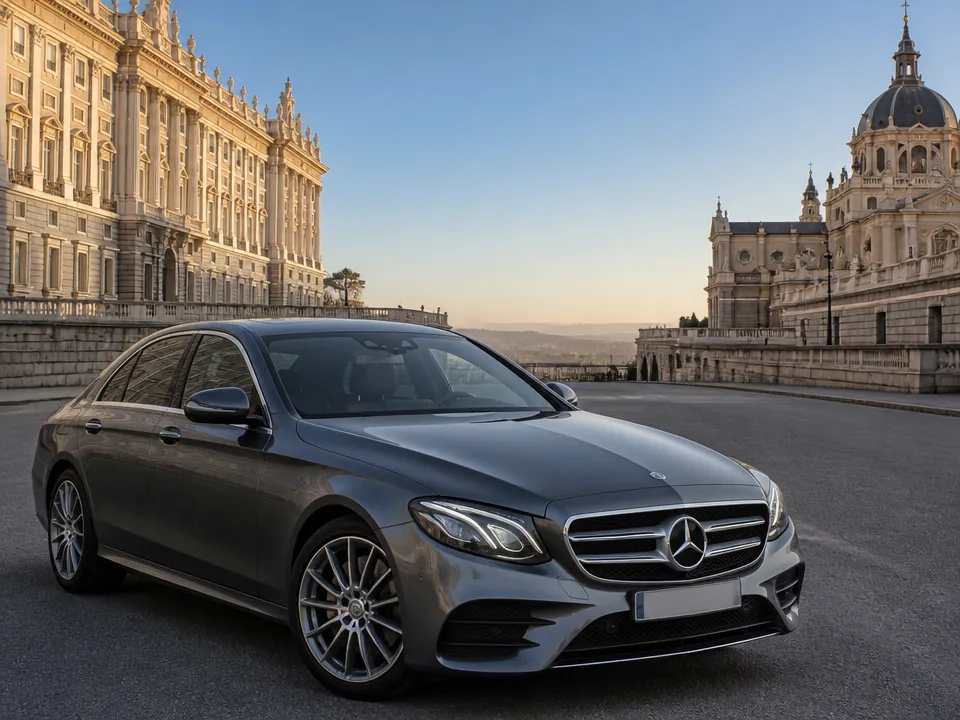
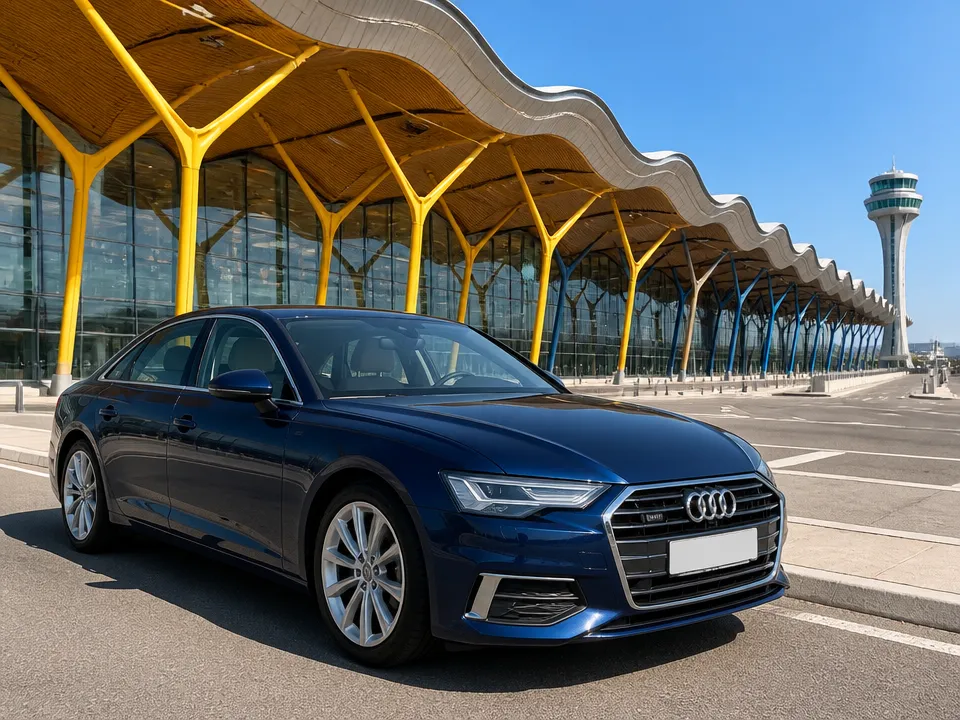
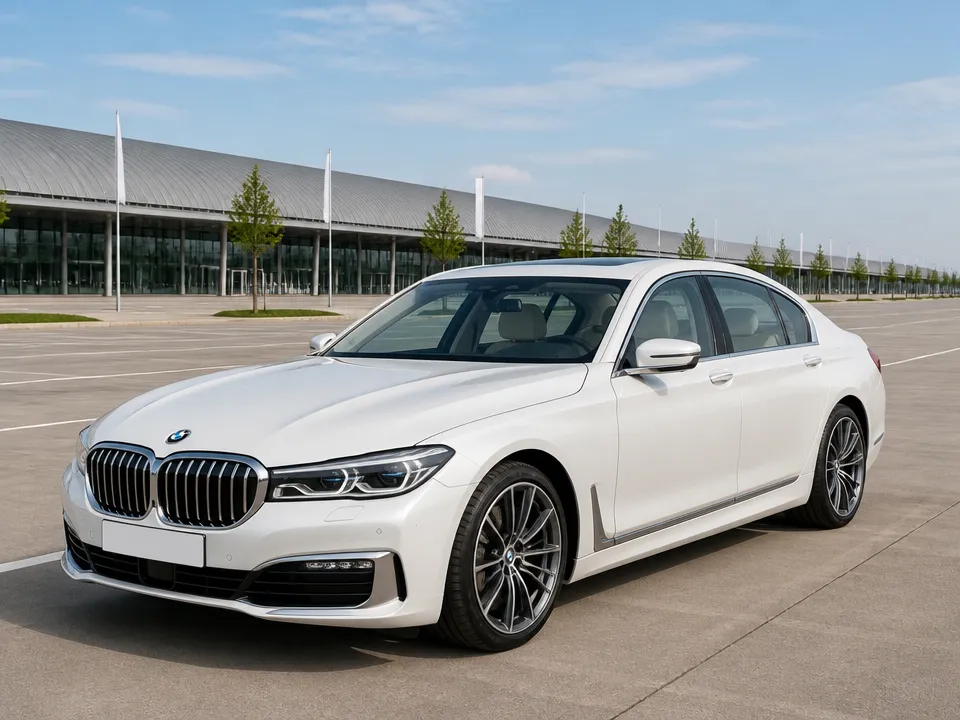
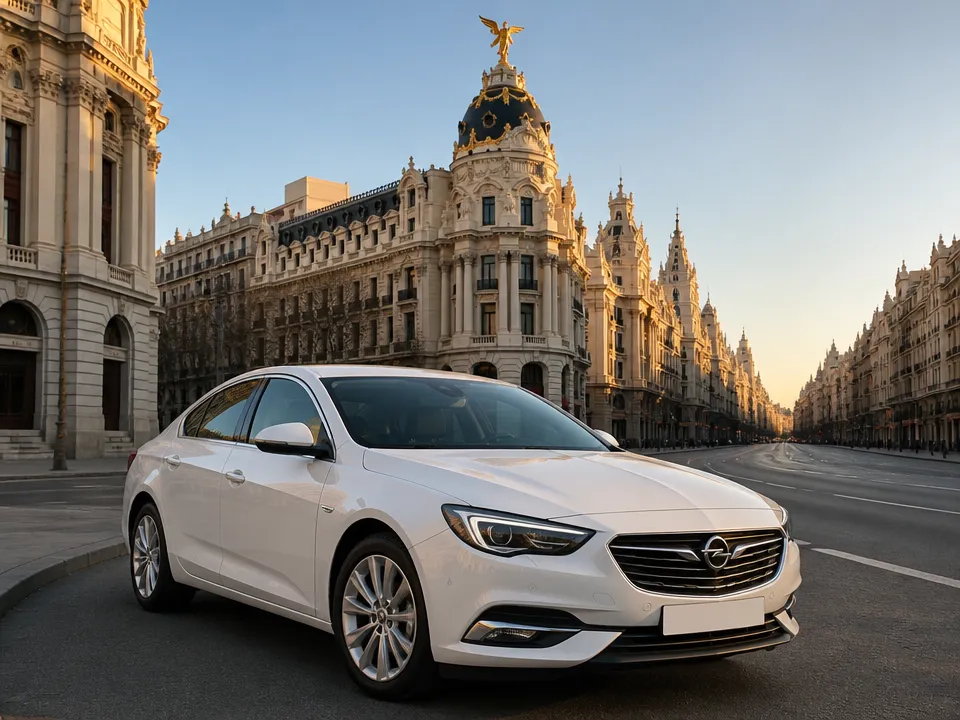
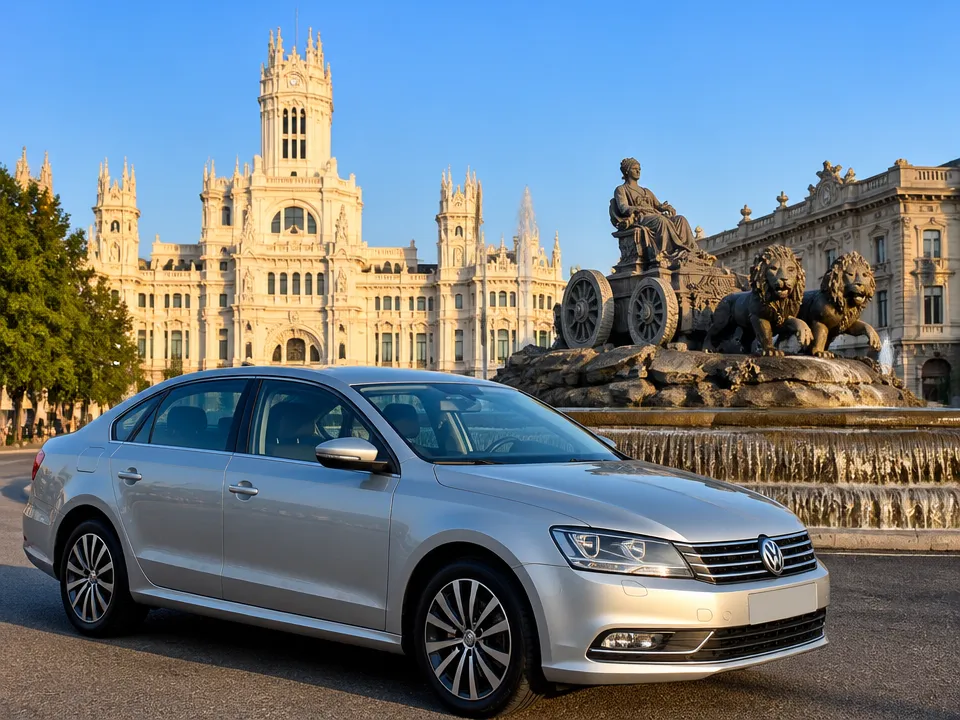
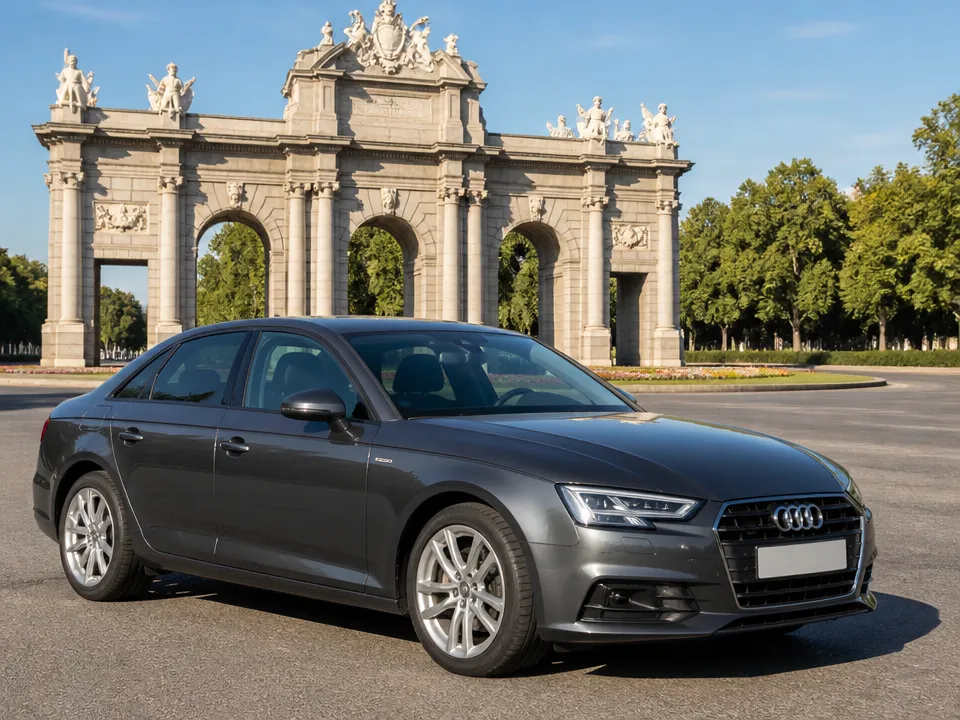
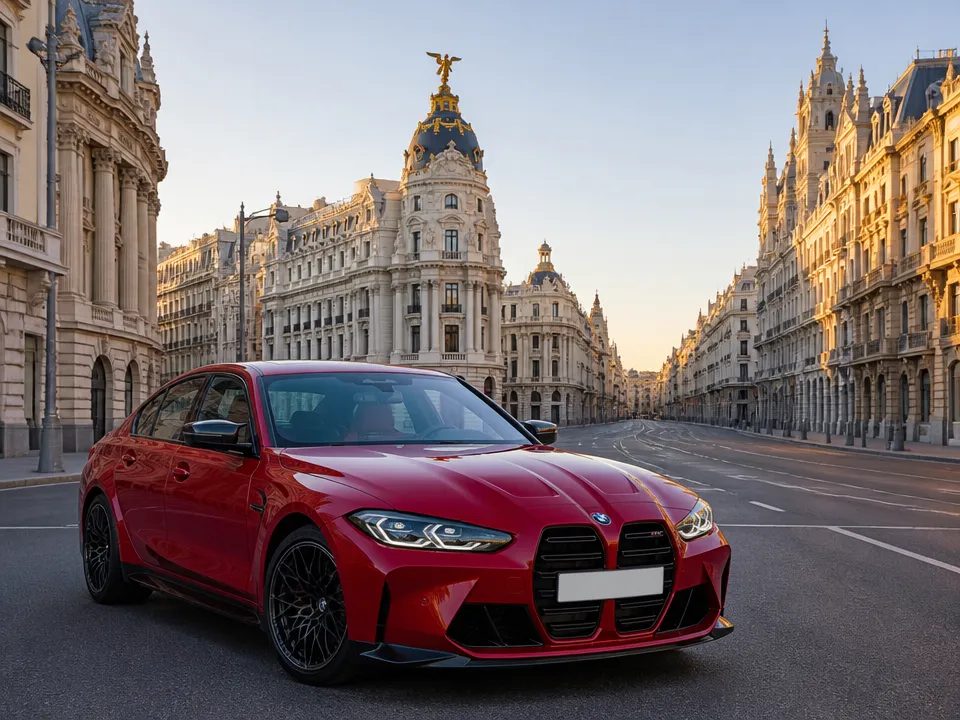
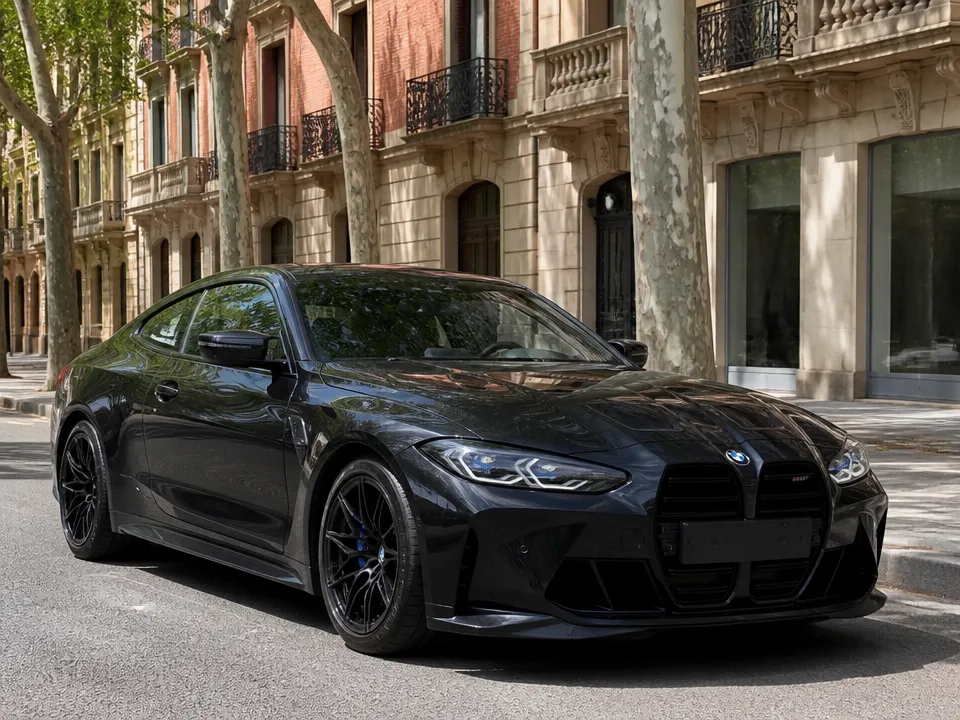
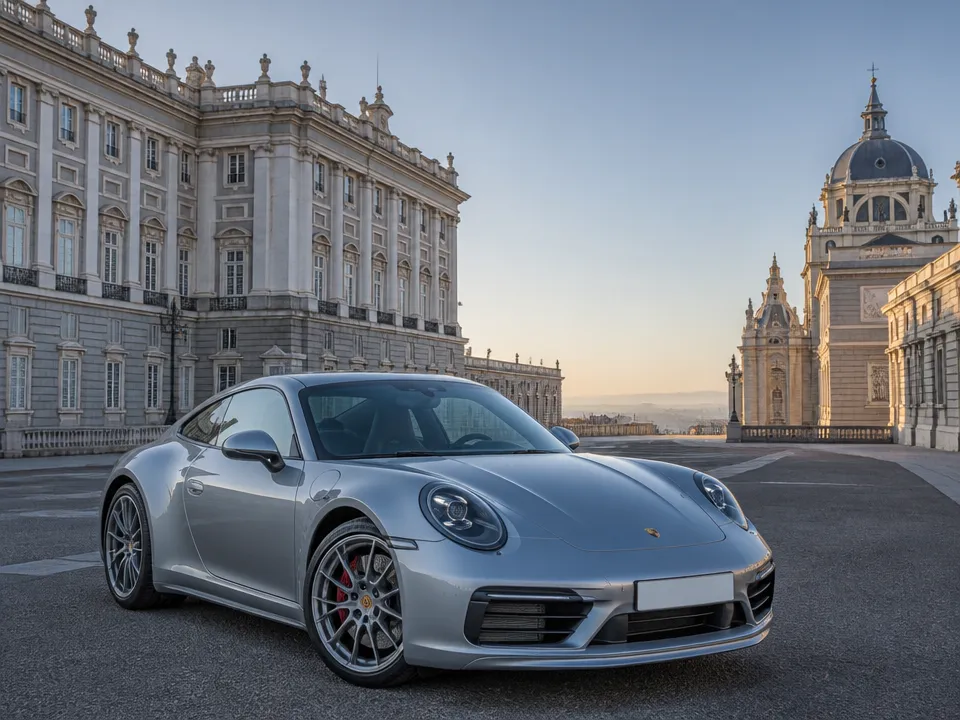
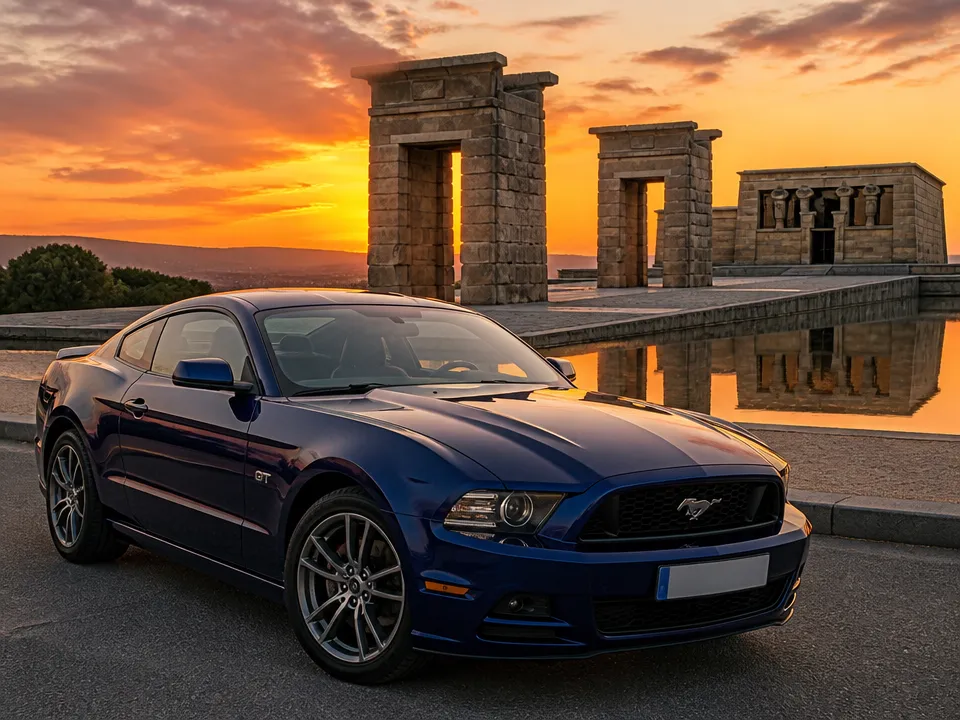
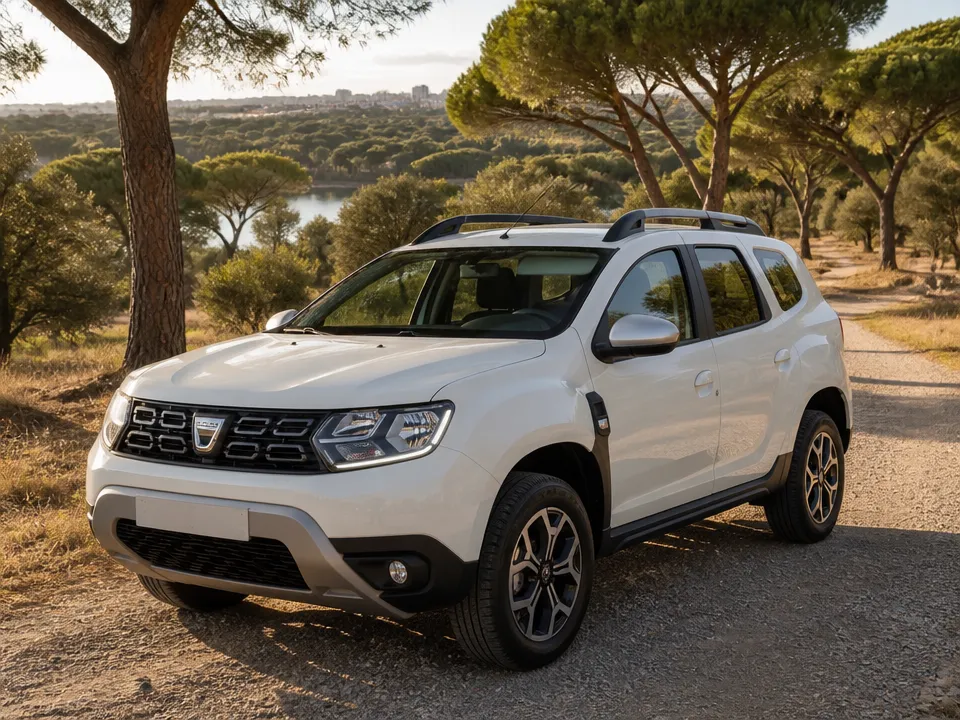
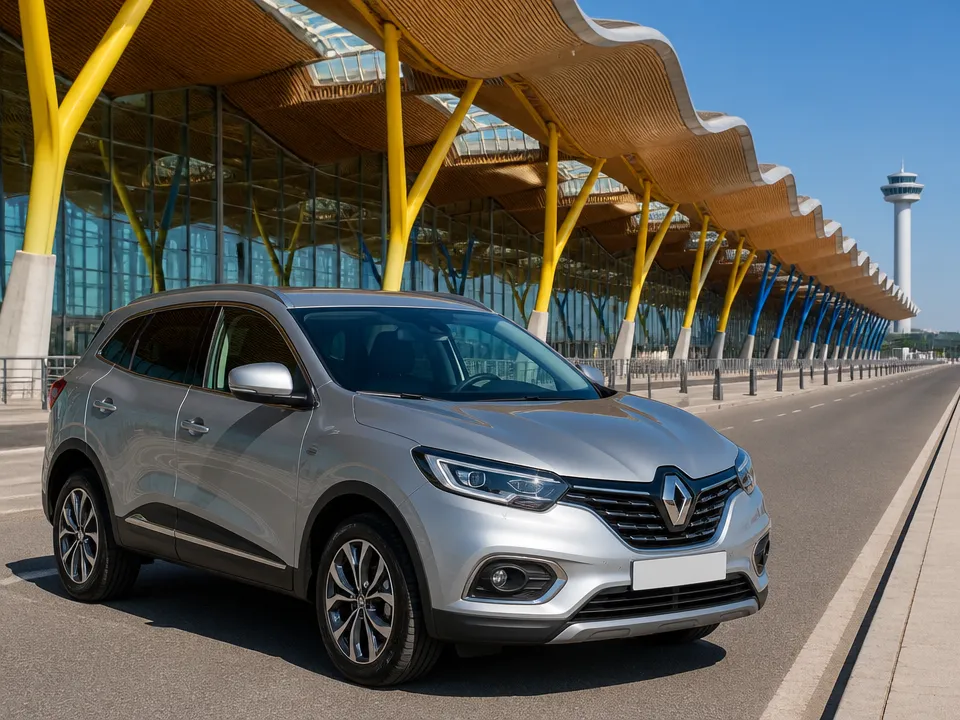
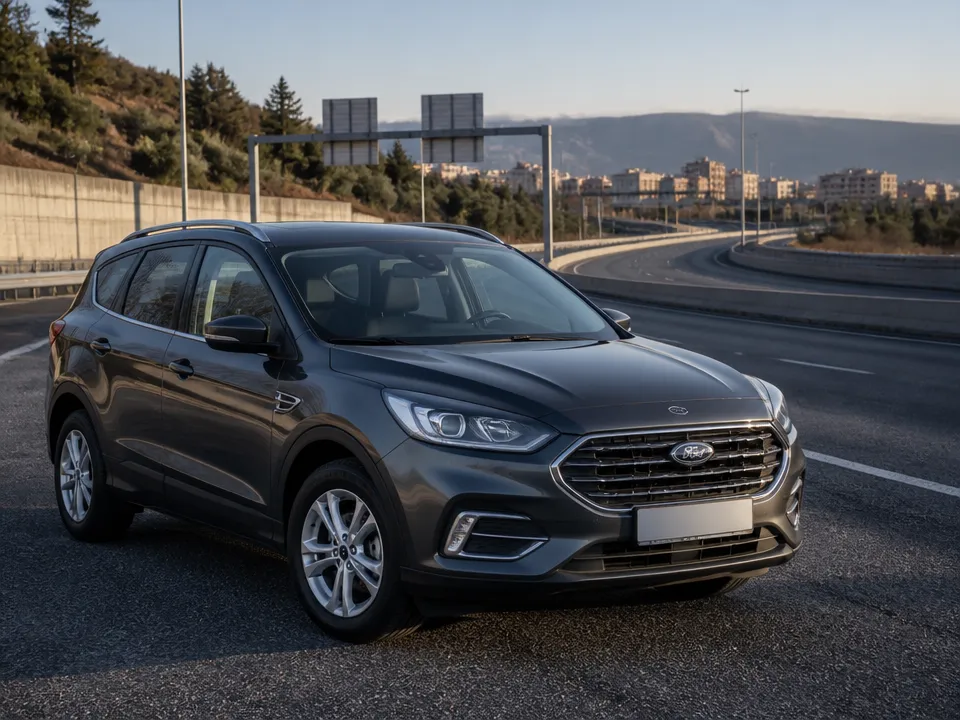
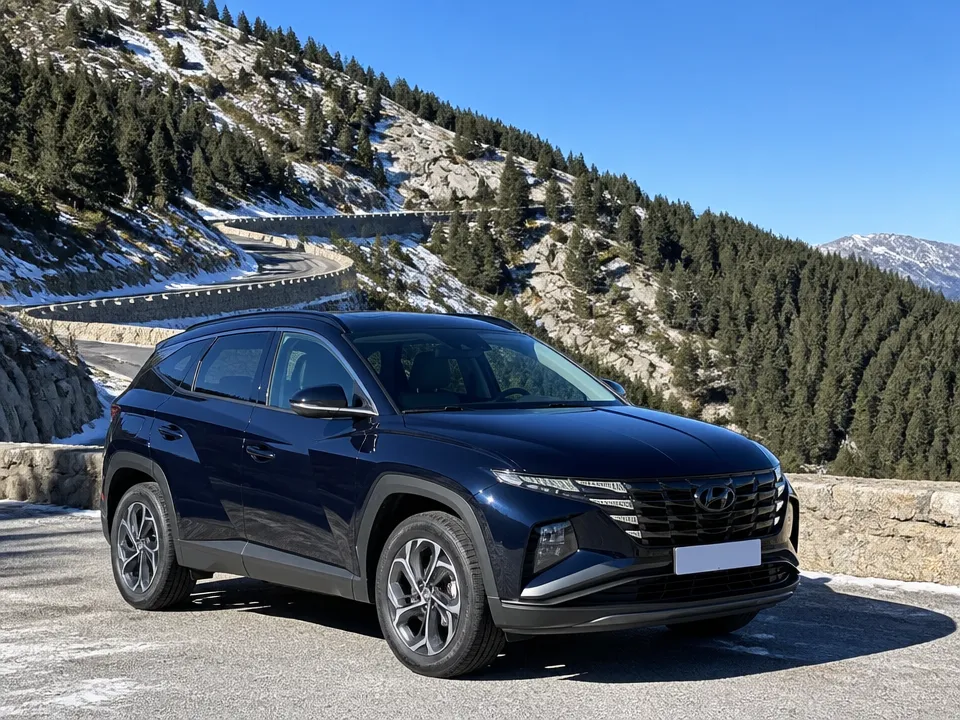
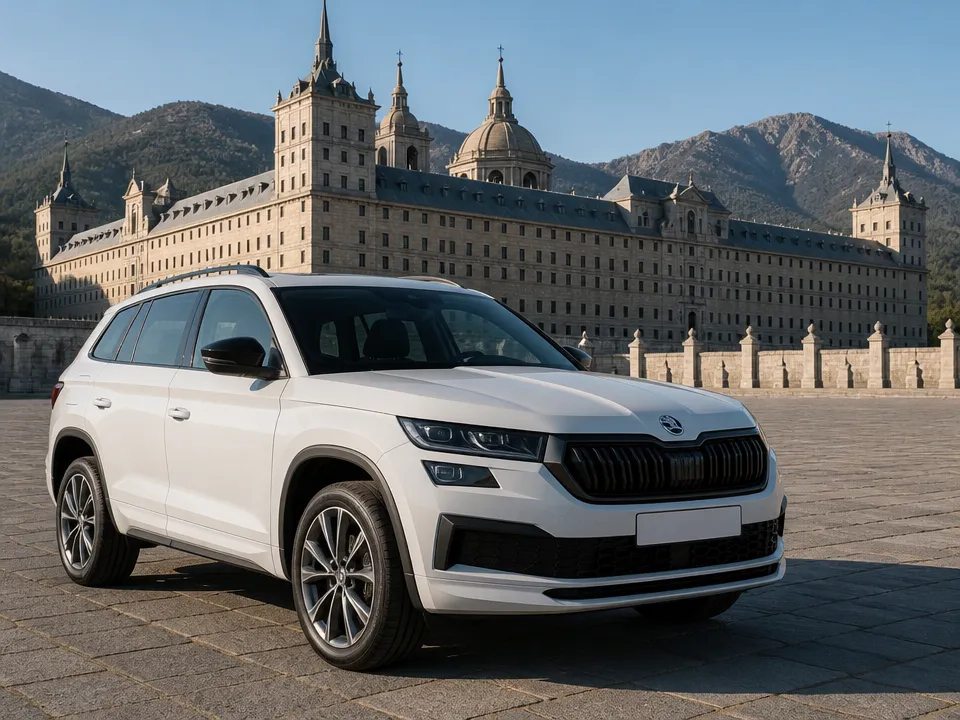
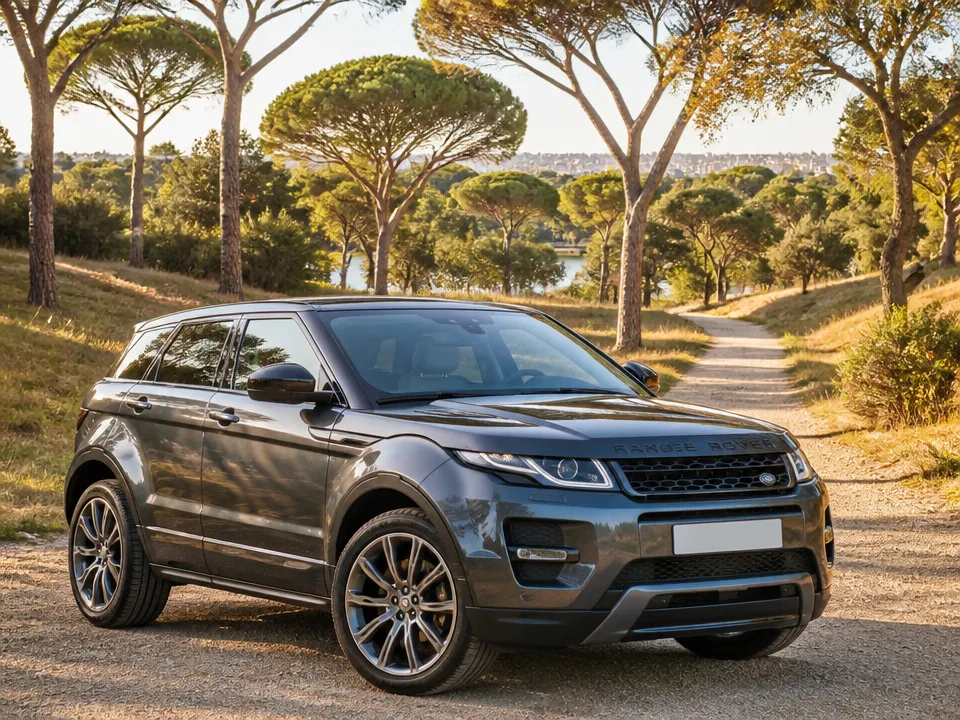
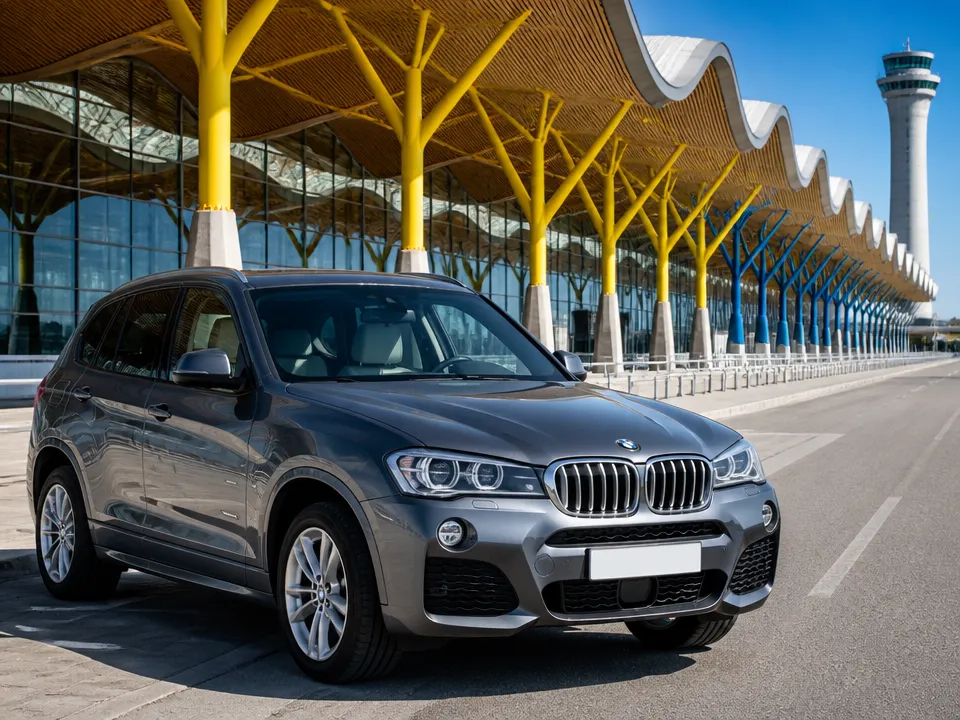
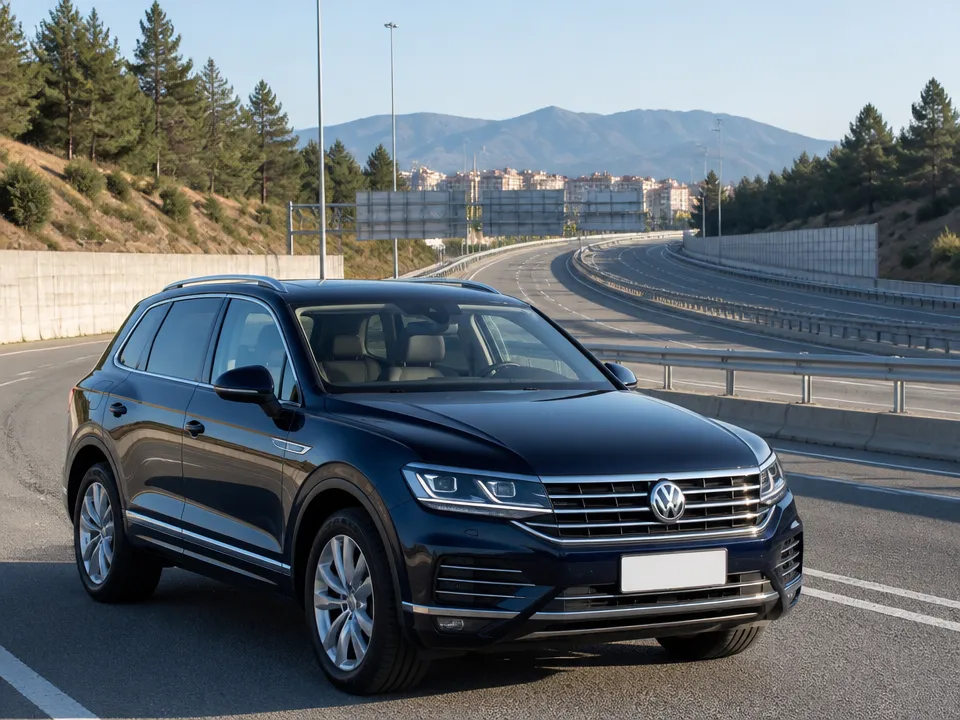

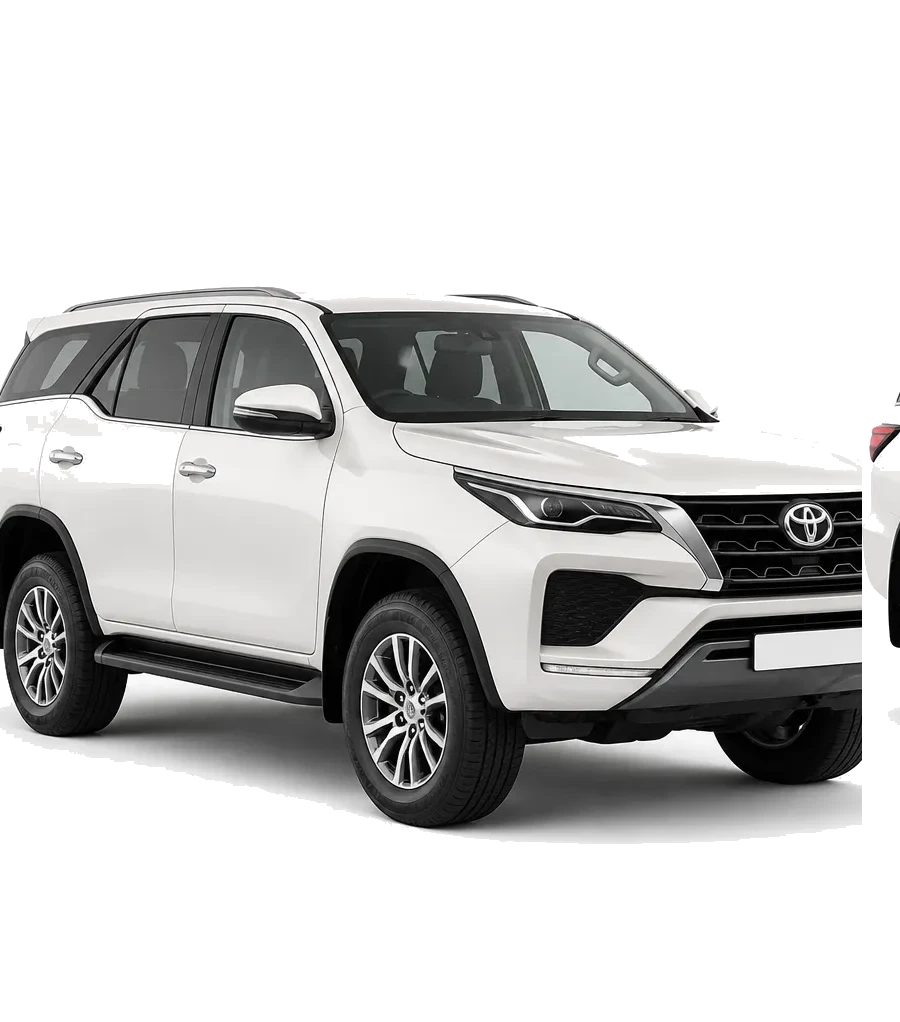

Insurance, delivery and the paperwork are agreed when booking with Rent-Trip, and the car itself comes to you anywhere in Alcobendas and La Moraleja. Our fleet here holds 137 cars across 14 classes, from a Smart Fortwo at €14 a day to exotic models at €1,490, with weekly bookings from €84 and monthly from €294.
Rent-Trip is a self-drive service built around one idea: the car comes to you. You book, a manager agrees the details with you, and the car is handed over at the address you name.
We bring the vehicle to you in Alcobendas and La Moraleja, and the booking is agreed with a manager. That single arrangement changes the shape of the whole thing: the car arrives where your day starts, whether that is a flat off the Avenida de Europa, a house in La Moraleja, or a hotel near IFEMA MADRID. Our fleet on this page runs to 137 cars across 14 classes, so the vehicle that turns up is the one you chose, not whatever is left on the lot. Hand-over is not a courier drop — the manager who agrees the booking is the person coordinating it. You start the trip from your own door, so plan the first hour of driving around your street and your usual exit onto the M-40, not around a terminal.
This page carries 137 cars, with daily prices from €14 to €1,490. The spread is deliberate. In the middle of it sit the everyday classes: Economy with 18 cars from €14, Minivans with 18 from €42, Comfort with 15 from €41, Passenger vans with 12 from €44. Above them come Crossover from €48, Premium from €58, SUV from €58, Luxury from €336, Sports from €560 and Exotic from €800. Electric cars start at €30, Convertibles at €30, Sedans at €64. Longer bookings follow the same rates: weekly from €84, monthly from €294. The cheapest car and the most expensive one sit in the same fleet — the range is wide enough that the class you pick matters more than the budget you set.
In our experience the delivery model pays off most on the first morning, when a family landing at Adolfo Suárez Madrid–Barajas Airport would otherwise be standing in a hire-car queue with luggage. Ask about the hand-over point when you book — that is the detail worth settling before the car is on its way.
Fourteen classes are bookable here, from Economy at €14 a day to Exotic at €800 and Luxury at €336, with the whole range closing at €1,490. What separates a €14 city car from a €560 sports model is not only the badge: seat count, gearbox, fuel and body type all move the starting price.
| Class | Cars | From, per day |
|---|---|---|
| Economy | 18 | €14 |
| Minivans | 18 | €42 |
| Exotic | 17 | €800 |
| Comfort | 15 | €41 |
| Passenger vans | 12 | €44 |
| Crossover | 10 | €48 |
| Premium | 9 | €58 |
| Electric | 8 | €30 |
| SUV | 8 | €58 |
| Commercial | 6 | €56 |
| Convertibles | 5 | €30 |
| Luxury | 4 | €336 |
| Sports | 4 | €560 |
| Sedan | 3 | €64 |
The count beside each class tells you what is realistically bookable at short notice — Economy and Minivans carry 18 cars each, while Sports and Luxury hold 4 apiece. In our experience, the small classes are the ones people leave to the last evening, and that is exactly when the choice narrows.
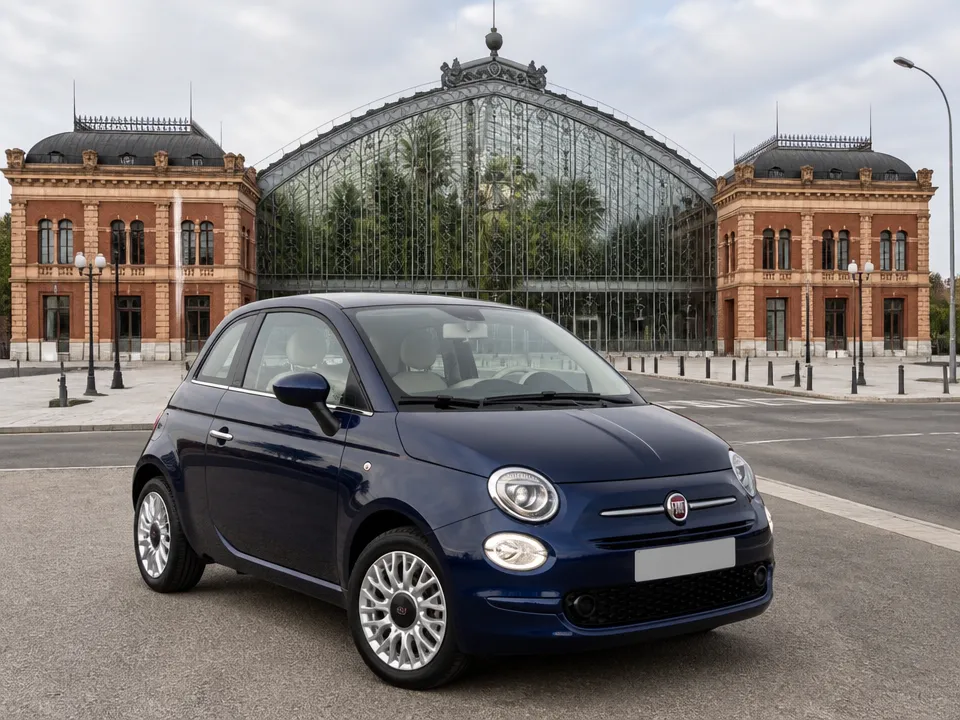
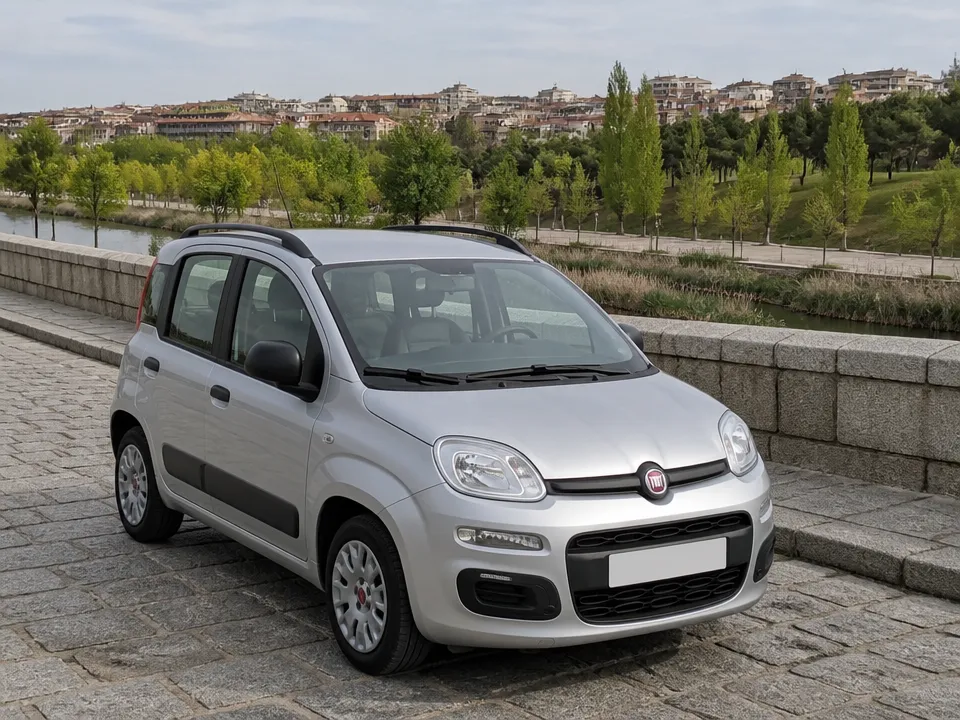
A two-seater at €14 suits a solo driver or a couple. The moment a third person joins the booking, the next step up is the Smart Forfour at €16, and the five-seat Fiat Panda at €21 is where a family stops arguing about legroom.
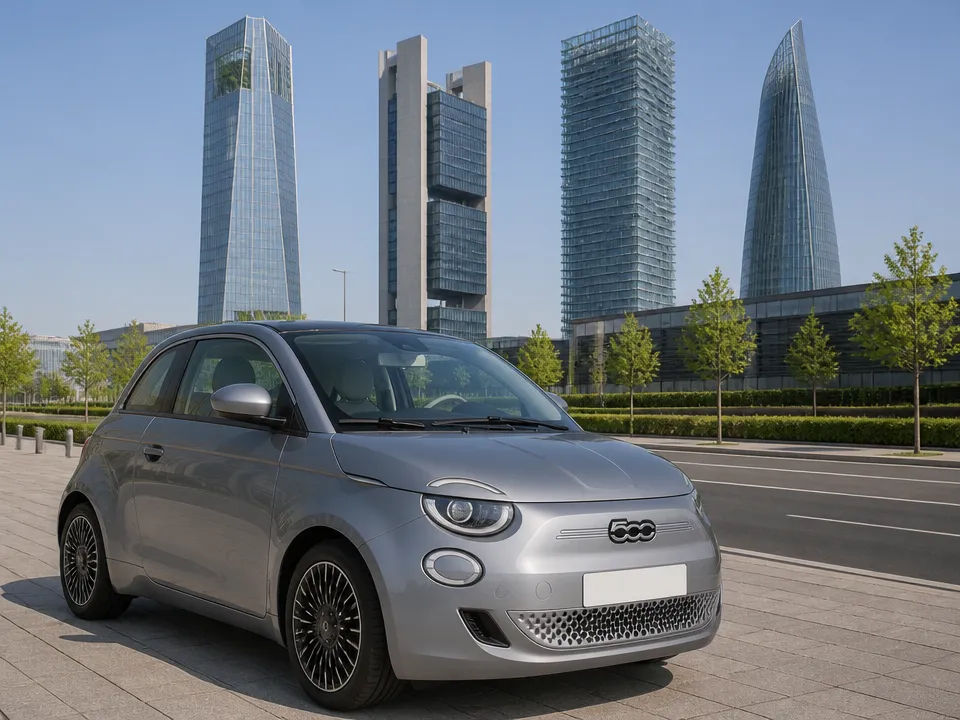
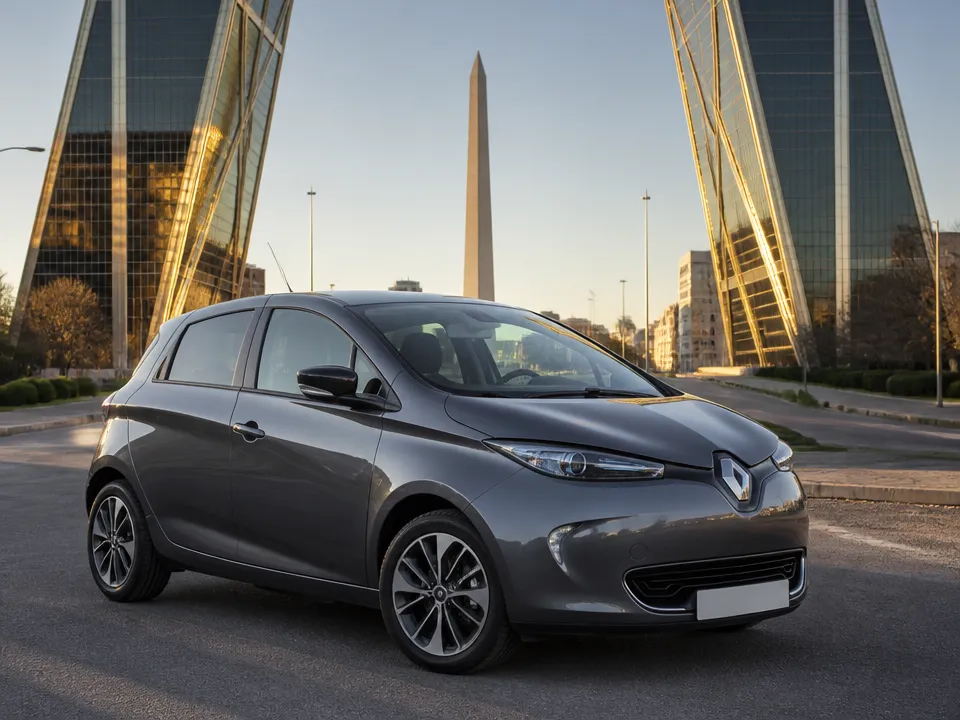
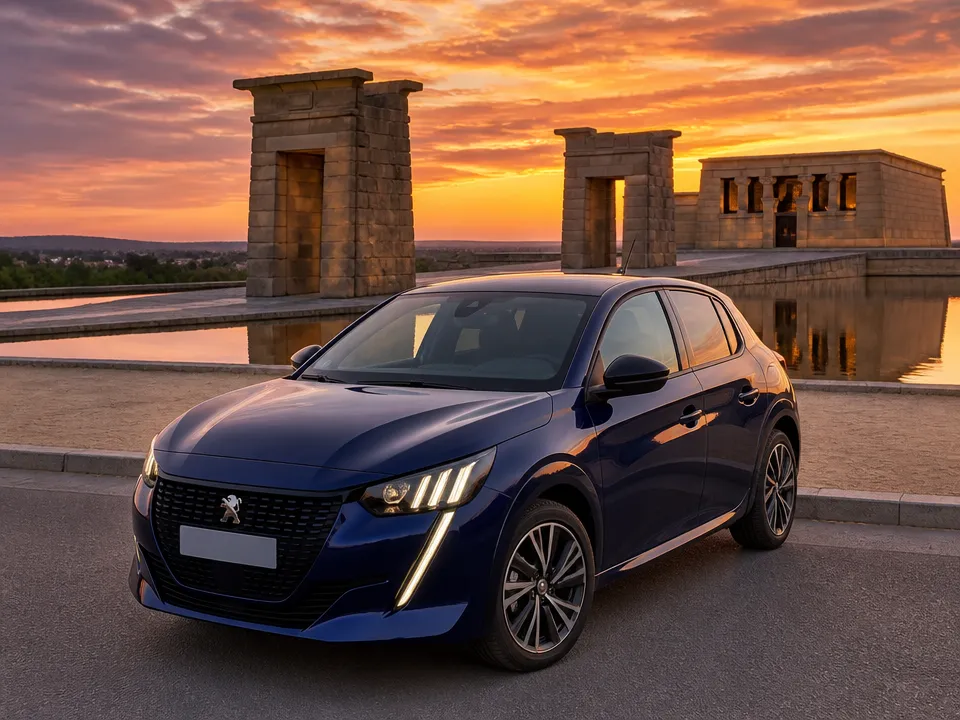
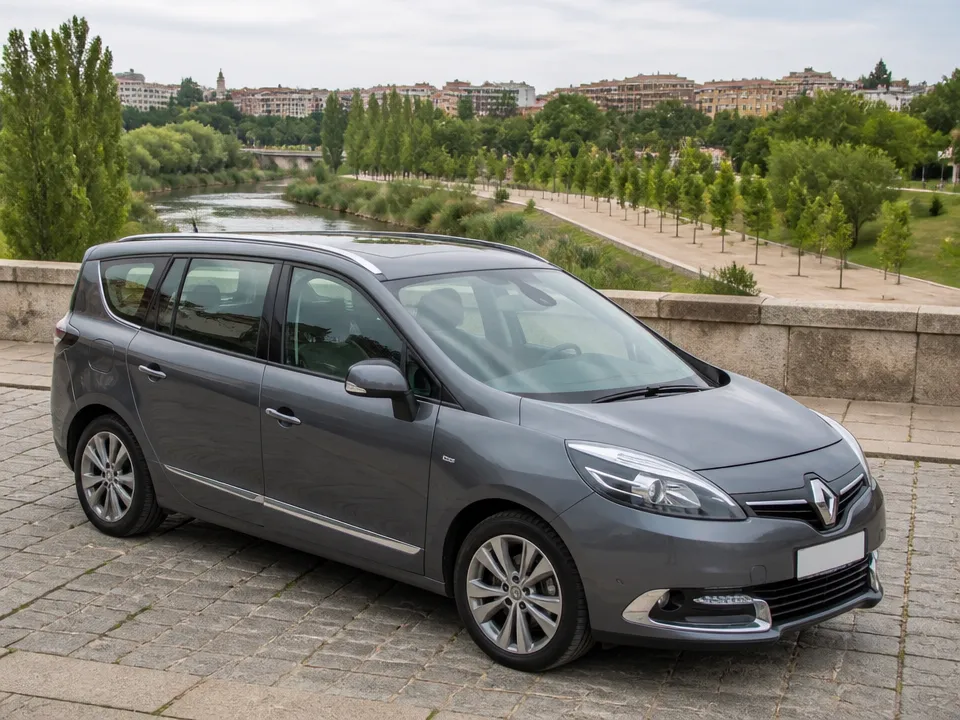
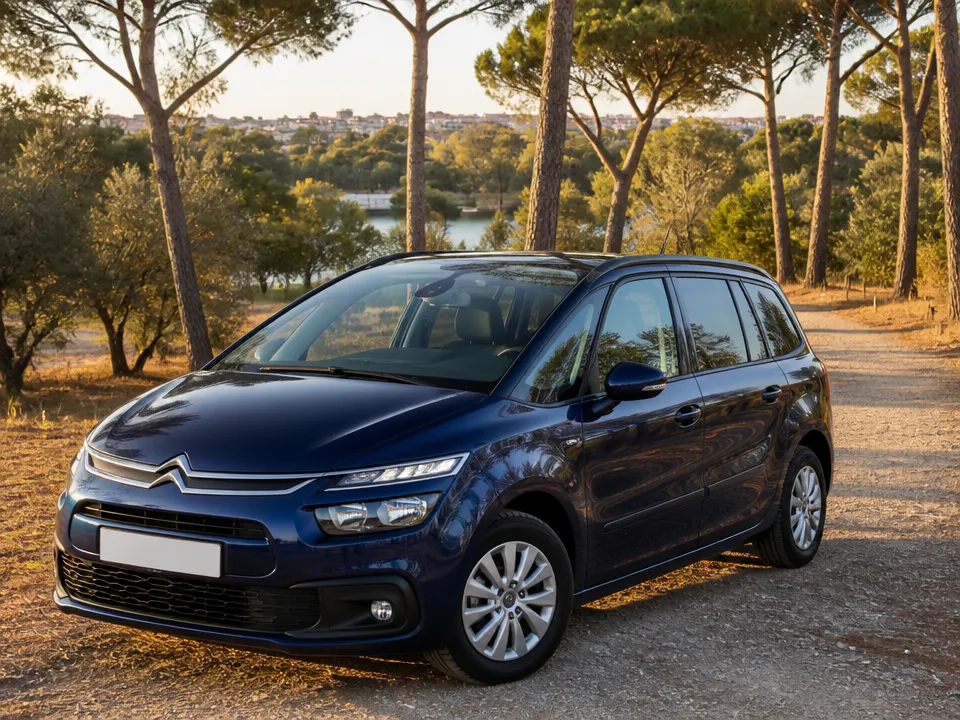
Eight electric cars start at €30 a day, and automatic transmission appears across the Electric, Convertibles and Minivans classes. The Citroen e-C3 opens the electric line at €30 with 113 hp and a 5-seat body; the Fiat 500e follows at €32 with 118 hp and 4 seats, the Renault Zoe at €34 with 135 hp, and the Peugeot e-208 at €35 with 136 hp. Automatic also reaches the petrol side — the Mini Cooper Convertible at €45, the Citroen C4 Picasso and Renault Scenic at €46 and €48. An electric car changes your planning more than your budget: charging belongs in the route before you leave, not after the battery warning, and the public charging rate we see quoted in Spain sits around €0.20 per kWh.
Weekly bookings on these classes start at €84 and monthly at €294, calculated as the daily rate multiplied by six and by twenty-one respectively. For a car kept over a weekend in the city, the class matters less than the gearbox — an automatic at €45 removes more stress than a manual at €14 adds convenience.
The fleet on this page is built around seat count and body type, not around brand loyalty. Two people with cabin bags and a family of seven heading out of the city do not need the same car, and the price difference between those two bookings is larger than most travellers expect. We keep the classes broad on purpose: 2, 3, 4, 5, 7, 8 and 9 seats, hatchbacks, estates, MPVs, vans, convertibles and SUVs, so the trip decides the class before the budget does.
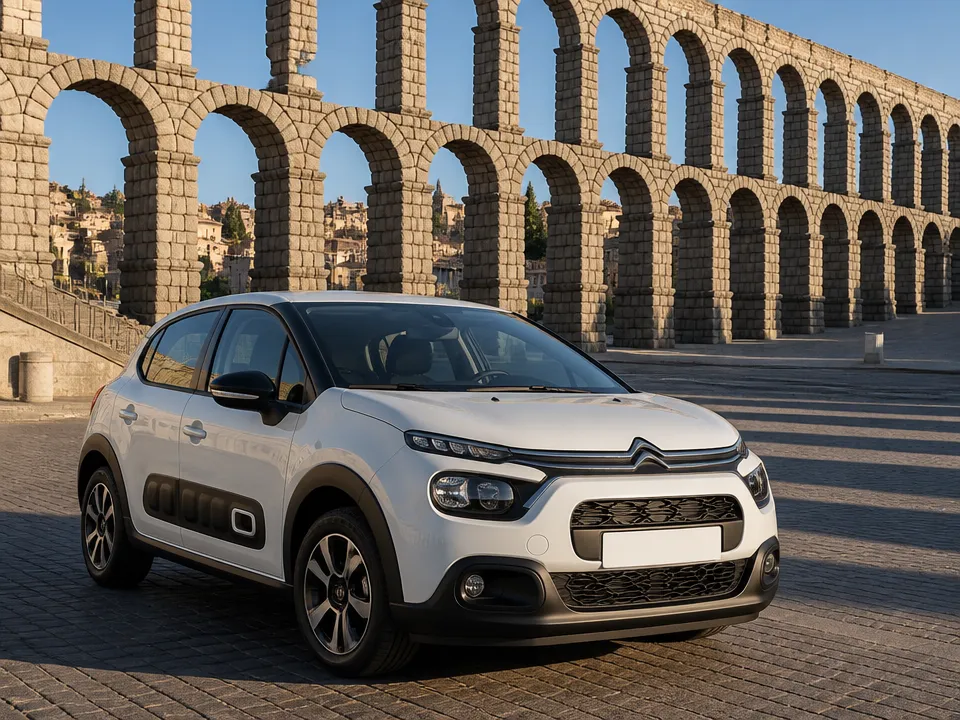
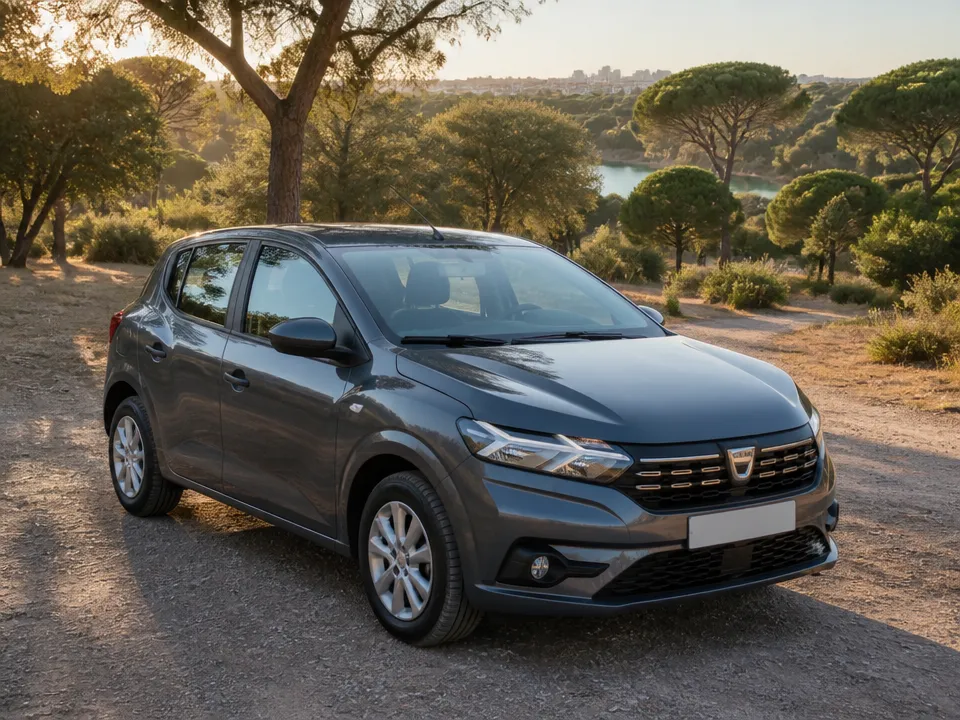
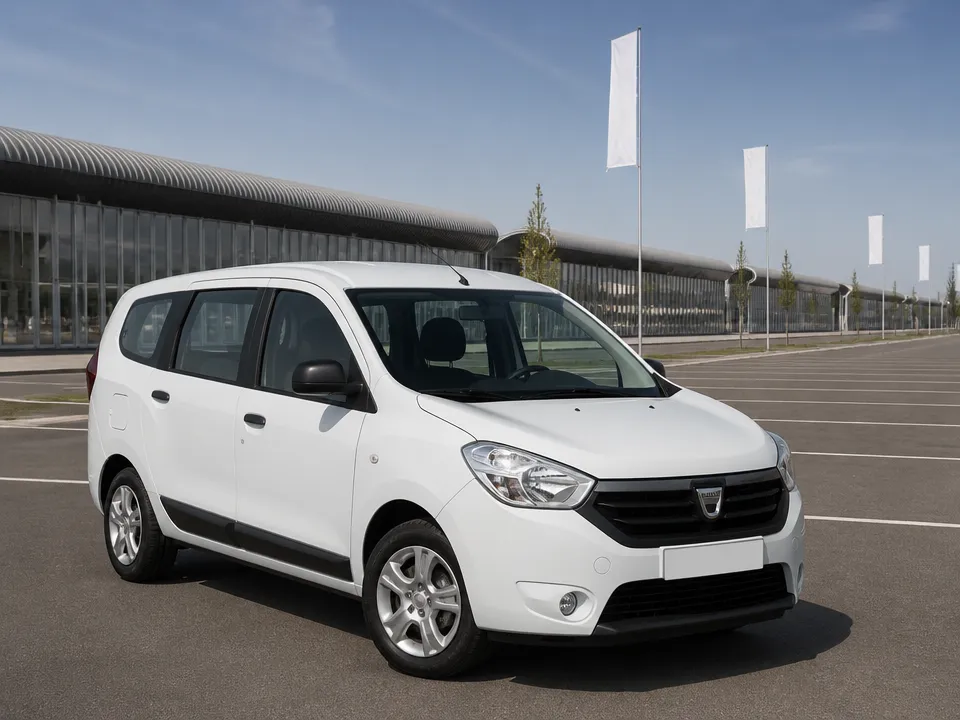
The fleet covers 2, 3, 4, 5, 7, 8 and 9 seats, so the group size decides the class before the price does. A two-seater Smart Fortwo at €14 a day covers a solo driver; add one passenger and the Smart Forfour at €16 gives you 4 seats with the same 1.0 L petrol engine and manual gearbox. Families sit in the 5-seat hatchbacks — Fiat Panda at €21, Citroen C3 at €23, Dacia Sandero at €24, Renault Clio at €25 — while 7 seats start with the Nissan NV200 at €48 and the Dacia Lodgy at €50. Nine seats means the Volkswagen Transporter at €44, the Opel Vivaro Combi at €48 or the Renault Trafic Passenger at €50. A 7-seat minivan and a 9-seat van are different bookings — check the seat count on the model, not on the class name.
Eight electric cars start at €30 a day, and automatic transmission appears across the Electric, Convertibles and Minivans classes. The Citroen e-C3 at €30, Fiat 500e at €32, Renault Zoe at €34 and Peugeot e-208 at €35 are all automatic, as are the Citroen C4 Picasso at €46 and Renault Scenic at €48 — worth knowing if nobody in your group drives a manual. Going electric changes your planning more than your budget: public charging in Spain runs around €0.20 per kWh, and charging stops belong in the route before you leave, not after the battery warning. Two local rules shape the choice as well. The ZBE Madrid covers every street of the municipality across all 21 districts, and cars without a DGT environmental sticker cannot enter — an electric car carries the 0 emisiones badge and parks in the SER zona azul and zona verde with a 75% discount, against 4 hours maximum in the blue zone and 2 in the green.
Booking with Rent-Trip runs through a manager rather than a checkout page, and the car comes to the address you give. That single arrangement changes what the first morning of a rental looks like.
Nothing about the booking is decided at a desk. In our practice the two questions that cause the most re-booking are gearbox type and seat count — settle both in the first message and the rest follows.
Once the dates are agreed, the car is assigned from the fleet on this page and prepared for the slot you named. On the day itself the car is brought to your address, and the hand-over is the moment to look the vehicle over: the condition of the bodywork, the fuel level and the equipment are checked against the rental agreement while the person delivering it is still with you. Anything you are not happy about is worth raising there and then rather than after the first drive — a note made at hand-over is far easier to act on than one made three days later. The same agreement covers how and where the car is returned, and the manager confirms that return point with you at booking. Because the car arrives at your door, the first thing you drive on is a residential street in Alcobendas or La Moraleja, not an airport slip road — worth remembering if you have not driven in Spain before.
Delivery removes the terminal walk, the shuttle and the queue, and it also removes the last-minute upgrade pitch. What it does not remove is planning: agree the delivery window in advance, keep the phone reachable on the day, and have the documents named in the agreement ready when the car arrives. If your plans move, tell the manager as early as you can — the slot belongs to a specific car, and moving it is a different conversation from moving a counter appointment. Rent-Trip delivers across Madrid, and the booking is agreed with a manager each time, so the details that matter to you are the ones written into your own agreement.
Spain drives on the right, every car in our fleet is left-hand drive, and the capital adds a low-emission layer on top: ZBE Madrid (Zona de Bajas Emisiones de Madrid) covers all urban streets of the municipality — all 21 districts. What you can drive into depends on the environmental sticker on the windscreen, so the class you pick is partly a question of which label it carries.
| Road type | Limit |
|---|---|
| Autopista / autovía | 120 km/h |
| Conventional out-of-town road | 90 km/h |
| City street, one lane each way | 30 km/h |
| City street, single platform for road and pavement | 20 km/h |
| City street, two or more lanes each way | 50 km/h |
Bus and public-transport lanes are not counted when you work out how many lanes a street has.
ZBE Madrid applies to every urban street of the municipality, and cars without a DGT environmental sticker — category A, petrol registered before 2000 and diesel before 2005 — cannot enter. The stickers run from 0 emisiones (blue) for battery-electric, range-extender and hydrogen cars, through ECO, down to C and B. Cars on foreign plates carry no DGT sticker at all and have to be registered in advance. Our Electric class is the straightforward answer here: the Citroen e-C3 at €30 a day, the Fiat 500e at €32, the Renault Zoe at €34 and the Peugeot e-208 at €35 all come with automatic transmission. In our experience the sticker question comes up before the price question — a cheap petrol car that cannot cross the M-30 ring is no saving at all.
Parking inside the city is regulated by SER — zona azul allows a maximum of 4 hours, zona verde a maximum of 2, on weekdays from 09:00 to 21:00 and on Saturdays from 09:00 to 15:00. The 0 emisiones sticker and the ECO sticker both bring a 75% reduction on resident season tickets. The M-30, M-40, M-45 and M-50 rings and the radial A-1 to A-6 motorways cost nothing; the paid radials R-2, R-3 and R-4 do charge. Fines are graded: leve up to €100 with no points, grave €200, muy grave €500, and a 50% discount applies if you pay within 20 days. Hold the phone in your hand while driving and it is €200 with 6 points — the single easiest penalty to pick up on a short city trip.
Every hire in Spain runs on documents you already carry and on insurance that is included by law, while the deposit, the excess and any extra protection are written into the agreement you are shown before signing.
Compulsory third-party insurance covers every car legally on the road in Spain and is part of the booking by default: 70,000,000 EUR per incident for personal injury and 15,000,000 EUR for property damage, under Real Decreto Legislativo 8/2004, article 4.2, as amended by Ley 5/2025, in force since 26 July 2025. It pays third parties — not the car and not the driver. Collision damage waiver, theft protection, glass and tyre cover and the buy-back of the excess are options, and the excess itself is printed in the agreement whatever you buy.
The deposit, the excess, the fuel policy, the mileage allowance and the territory the car may be driven in are set out in the agreement, and we go through them with you when the booking is agreed. Spanish consumer rules require the declared price to include every mandatory charge, and require existing scratches and dents to be written into the agreement or the check sheet before you drive off, signed by both sides, with a copy kept by the renter. If the model you booked is not available, the renter may ask for another car at no extra cost — even a higher class — and if the replacement is below what was booked, the price comes down.
Fines for parking and for unpaid tolls fall on the owner or the renter of the car; fines for moving violations, alcohol and drugs fall on whoever was driving. Where a violation is not handed over at the roadside, that liability rests with the owner or the renter until the driver is established. A 50% reduction applies if a fine is paid within 20 calendar days.
A longer hire changes two things at once: the way the price is calculated and the way you plan the days in between. On this page the arithmetic is fixed — a weekly booking is charged as the daily rate multiplied by six, and a monthly booking as the daily rate multiplied by twenty-one. At the Economy end that puts a week from €84 and a month from €294; at the top of the fleet the same multipliers apply to the €1,490 daily rate. Nothing else about the booking changes: the car is still delivered to you, and the dates are still agreed with a manager when you book.
Long bookings in this area are usually built around a routine rather than a route — a commute into the city, school runs, weekly shopping, and the occasional trip out. That pattern rewards a small automatic or an electric car over anything larger: the Renault Zoe at €34 a day and the Peugeot e-208 at €35 a day both sit in the Electric class, which has eight cars in total, and both keep running costs predictable over four weeks. If the month includes visitors or a move, the Minivans class offers eighteen cars from €42 a day, with seven-seat options such as the Dacia Lodgy and the Nissan NV200. We see the same pattern in our own bookings: the longer the hire, the less the class matters and the more the seat count does.
The one thing worth deciding early is the class, not the length. A month in a two-seater is a month of compromises the moment a third person needs a lift, and changing class mid-booking is harder than choosing the right one at the start.
This Madrid page lists 137 cars, from Economy to Luxury, Exotic and Sports, with 2 to 9 seats. Makes include Smart, Peugeot, Tesla, Porsche, Ferrari, Lamborghini, McLaren and more, in automatic and manual transmissions.
Daily prices on this page run from €14 to €1490. Cars at €14 per day include the Smart Fortwo, the Smart Forfour at €16 per day and the Peugeot 108 at €17 per day.
Rental cars with Spanish plates carry a C, ECO or 0 sticker, so the ZBE Madrid restriction does not apply to them. The ZBE covers all streets of the municipality of Madrid, 24 hours a day.