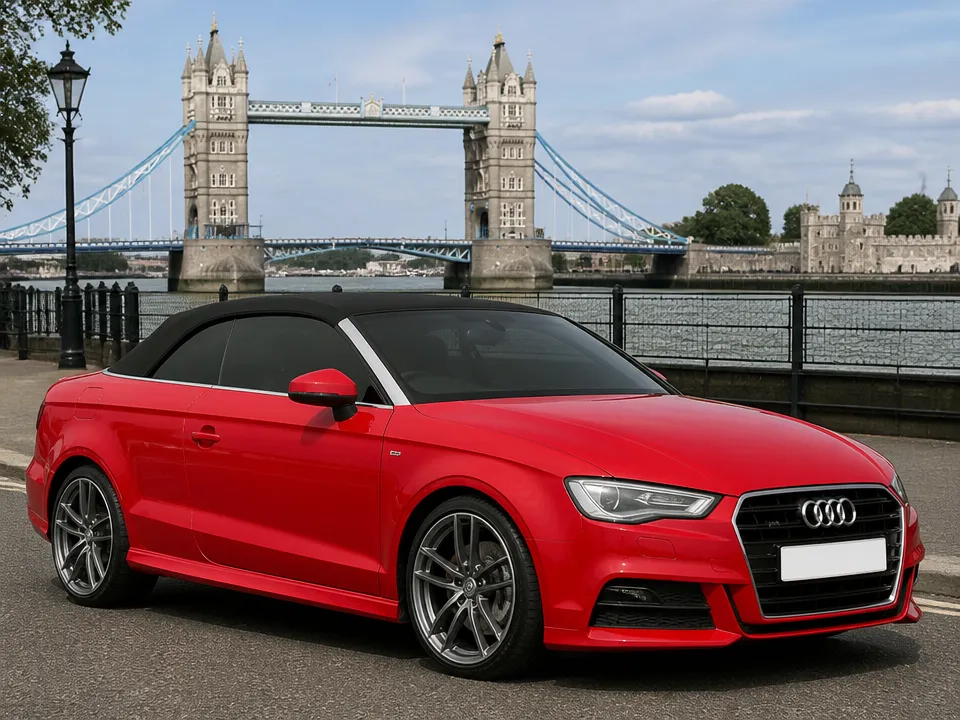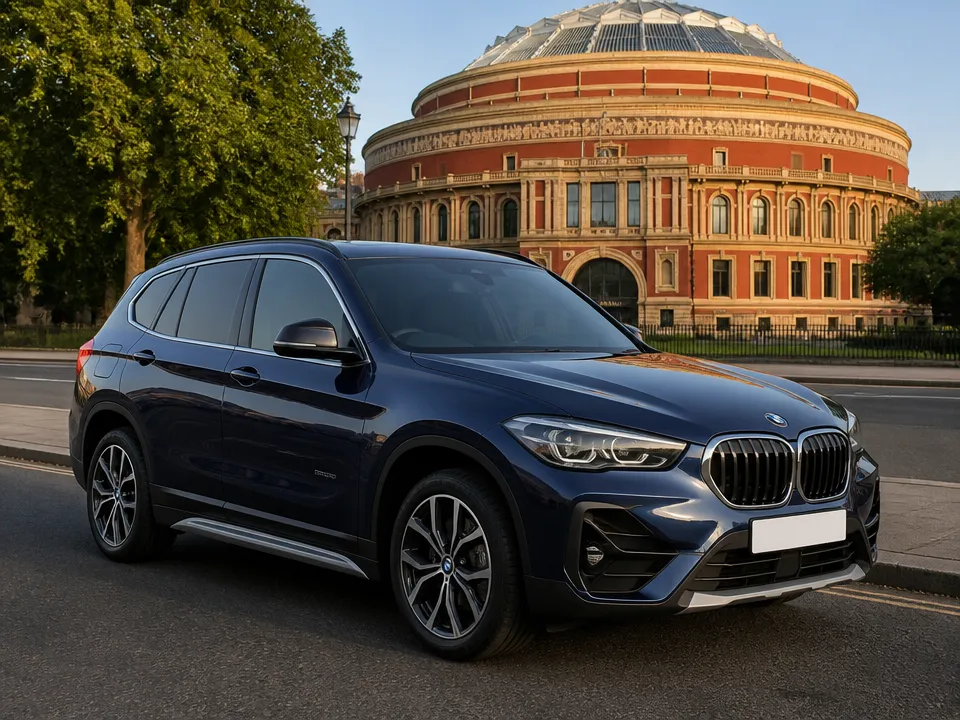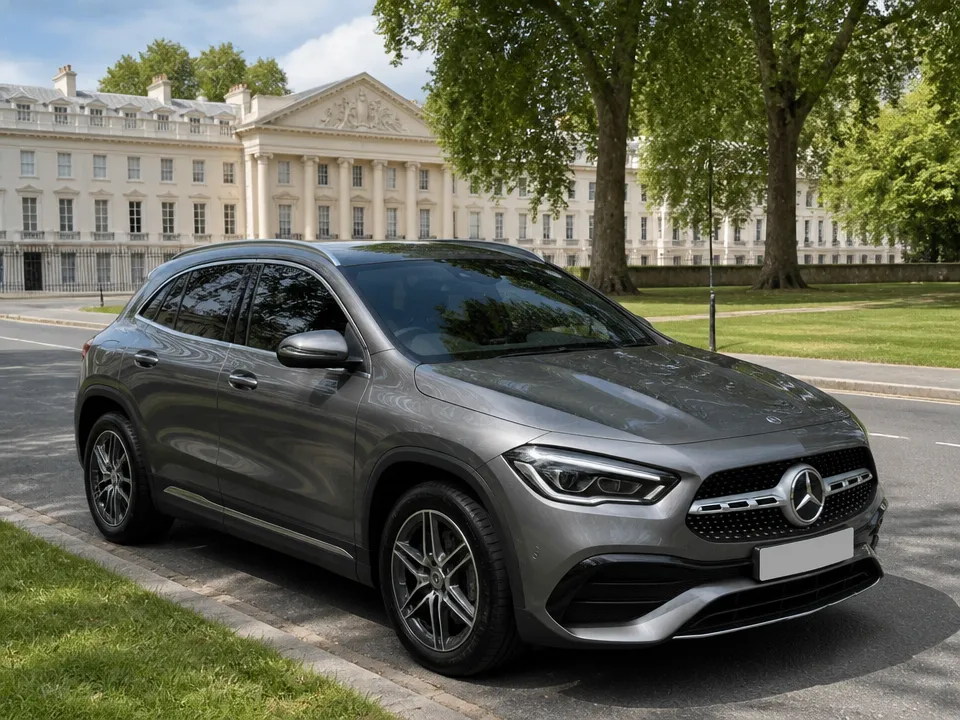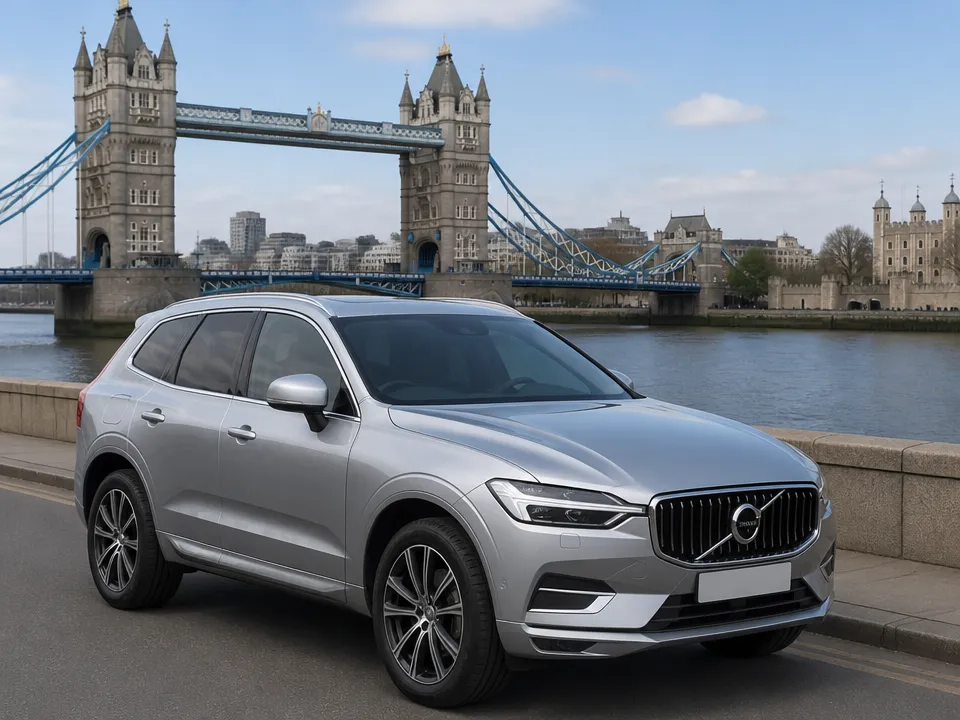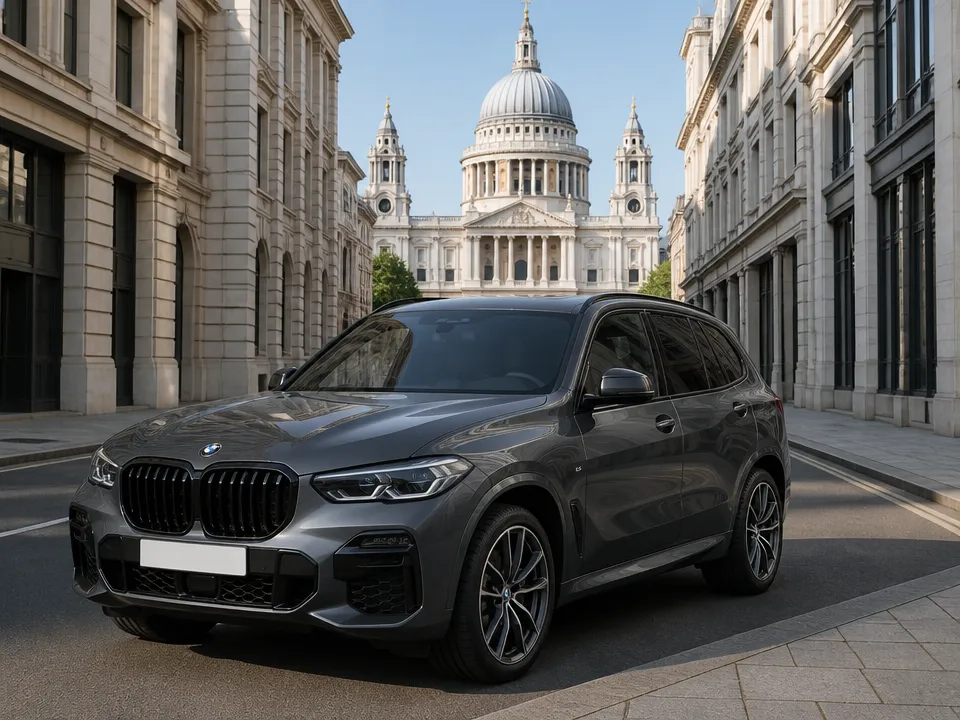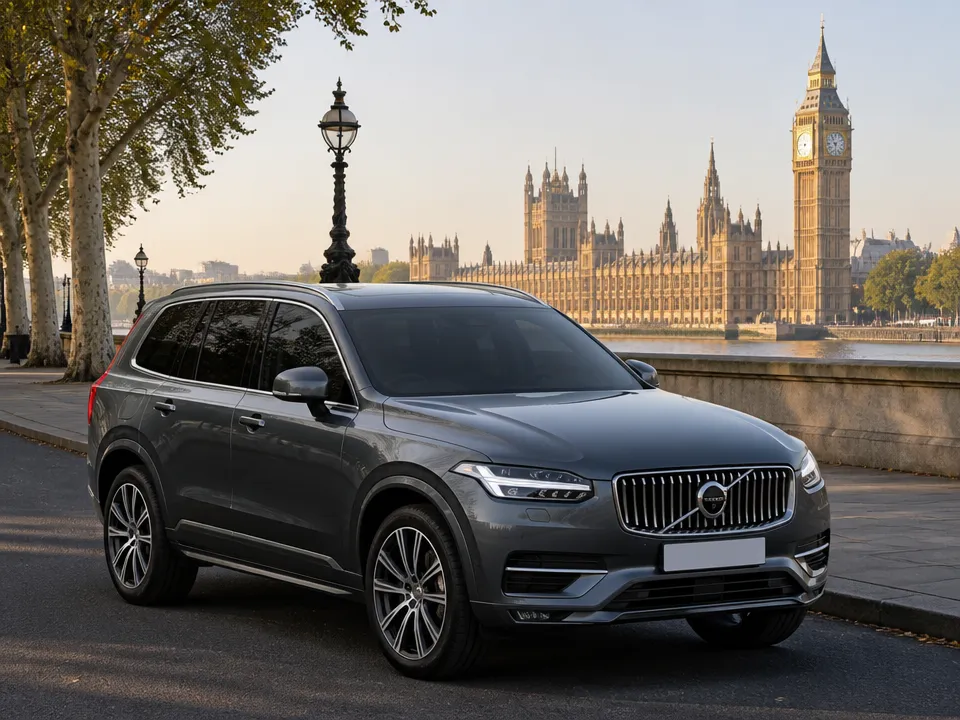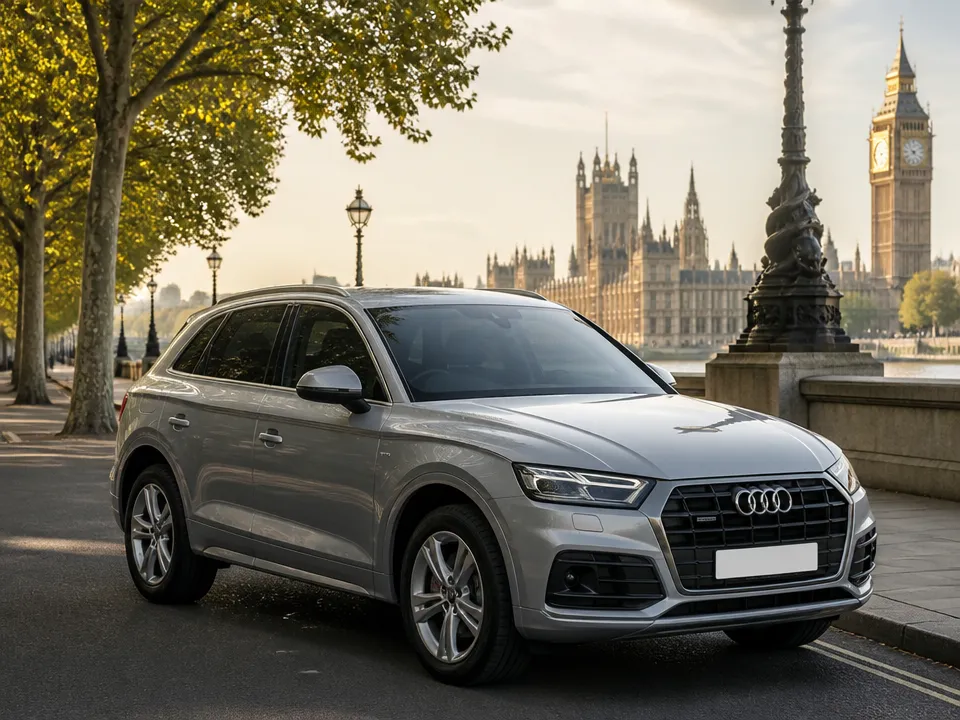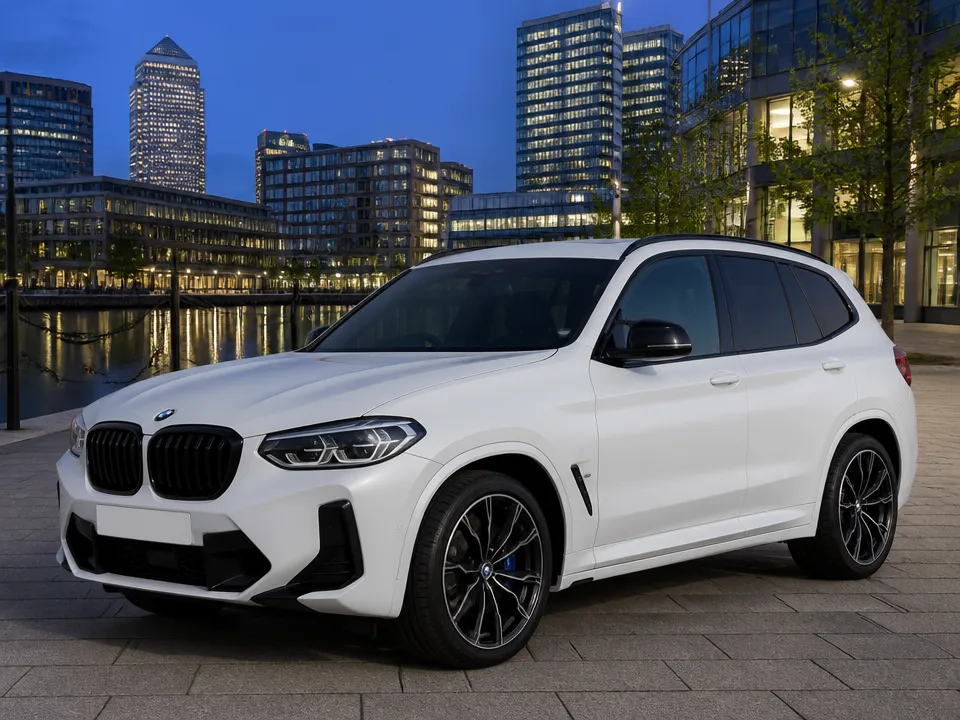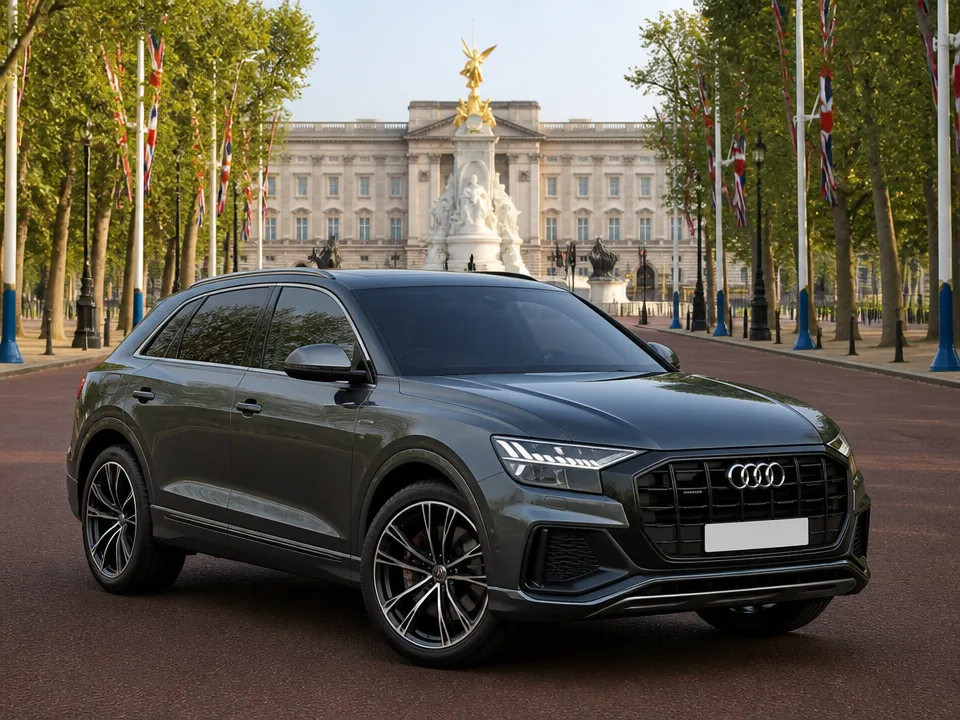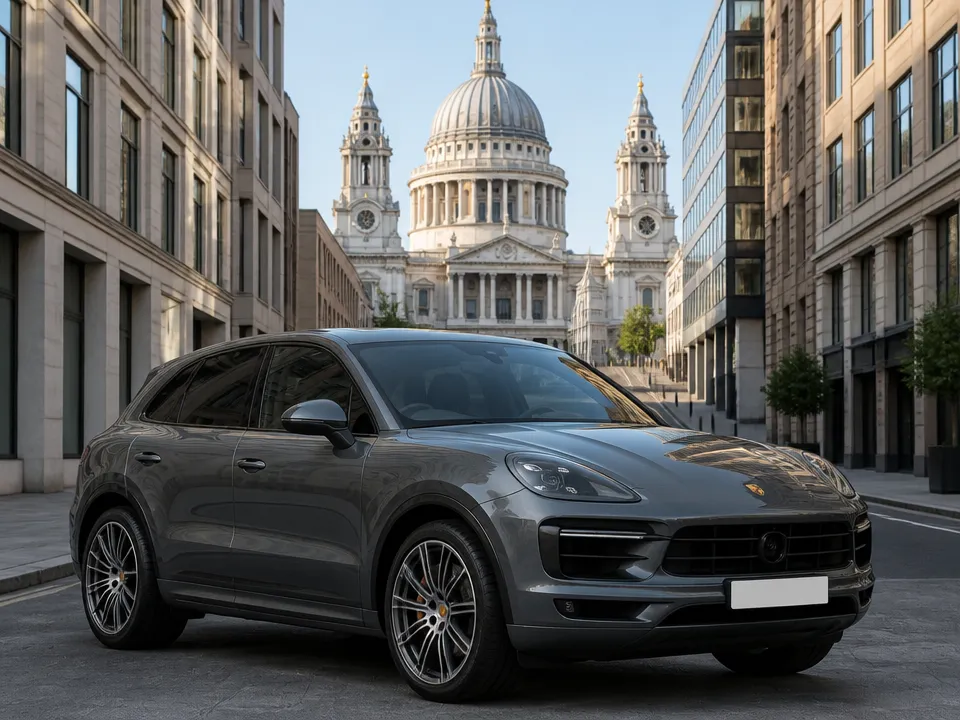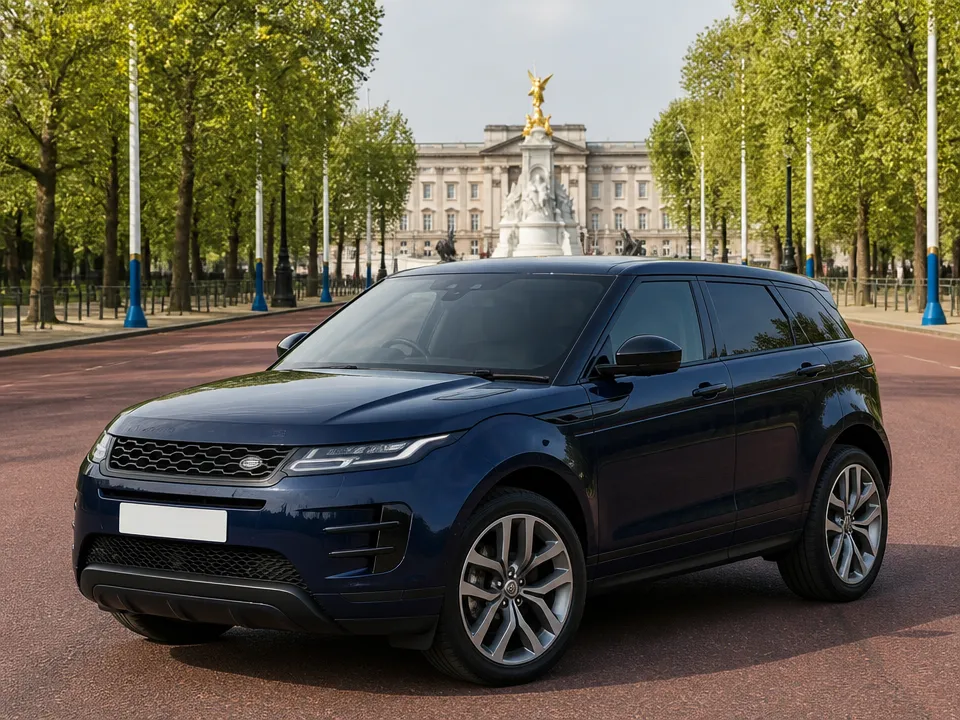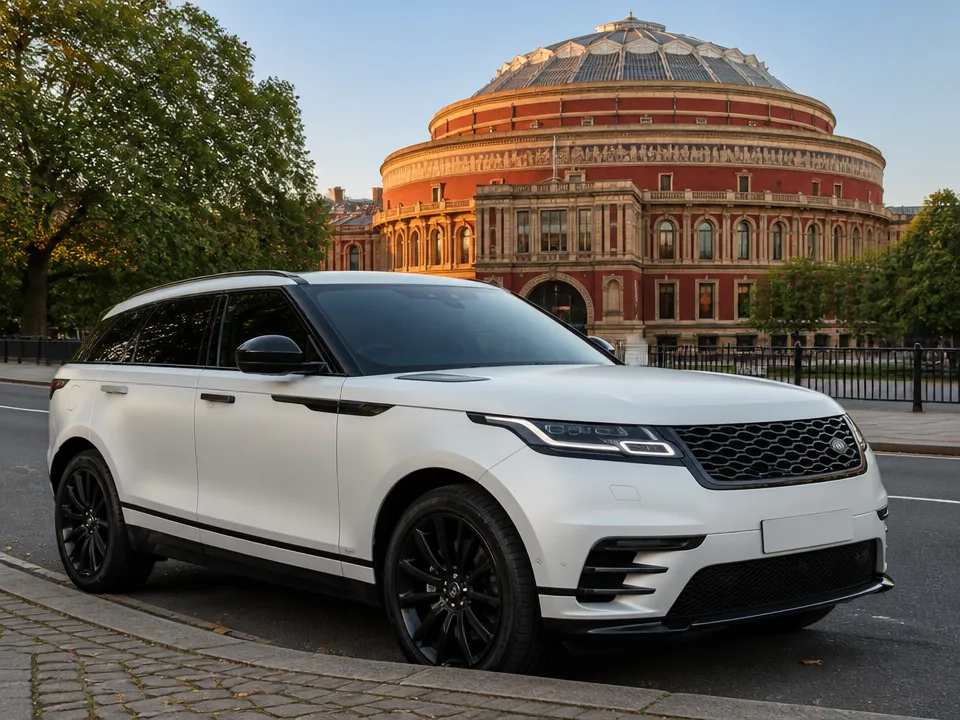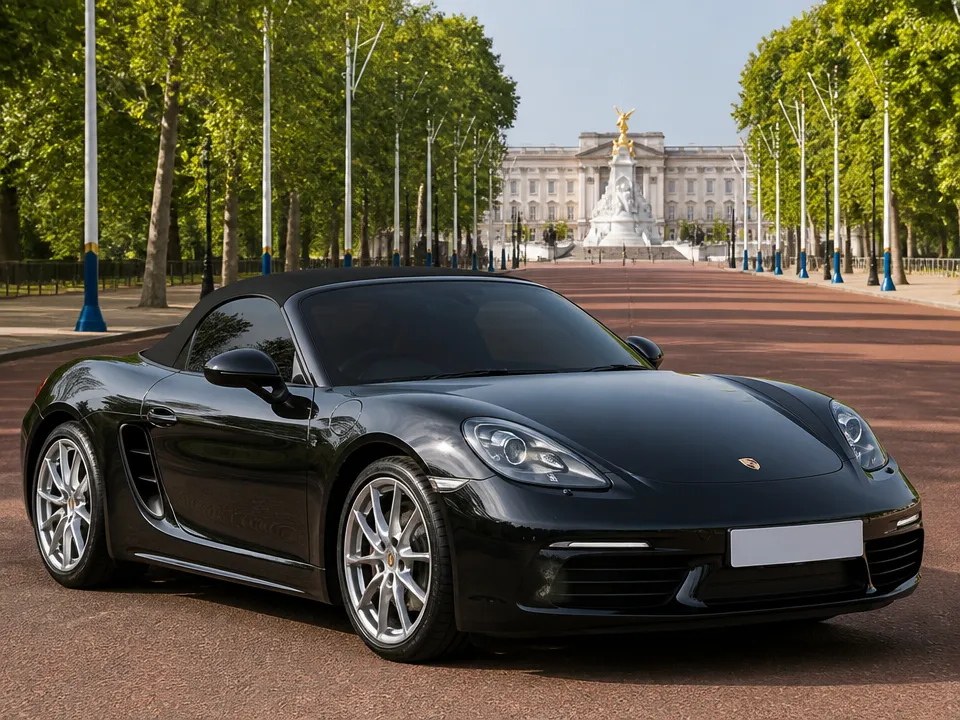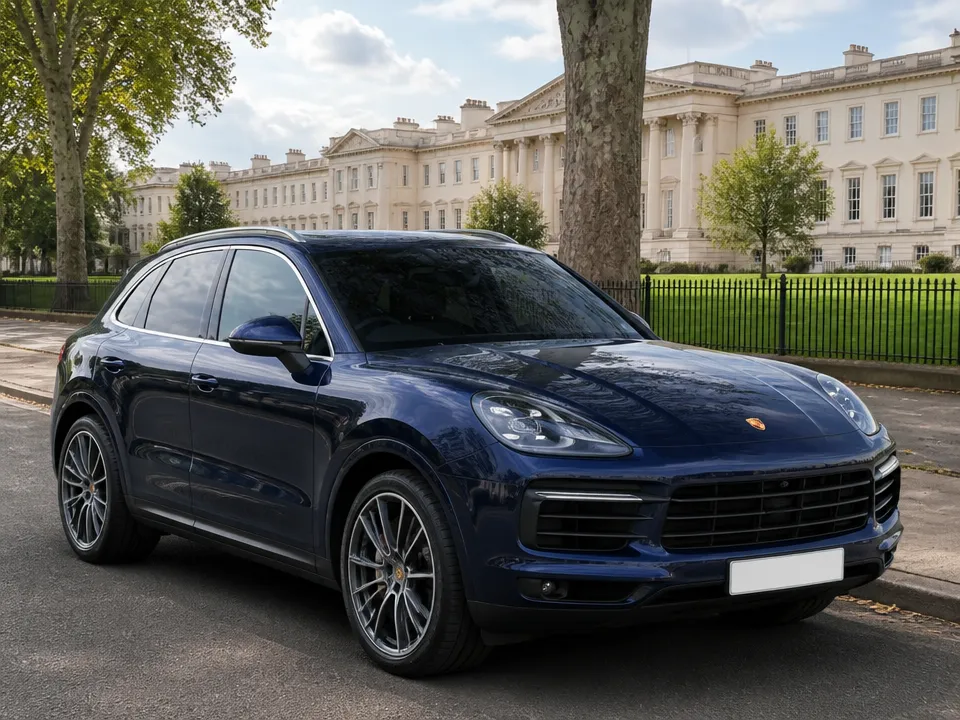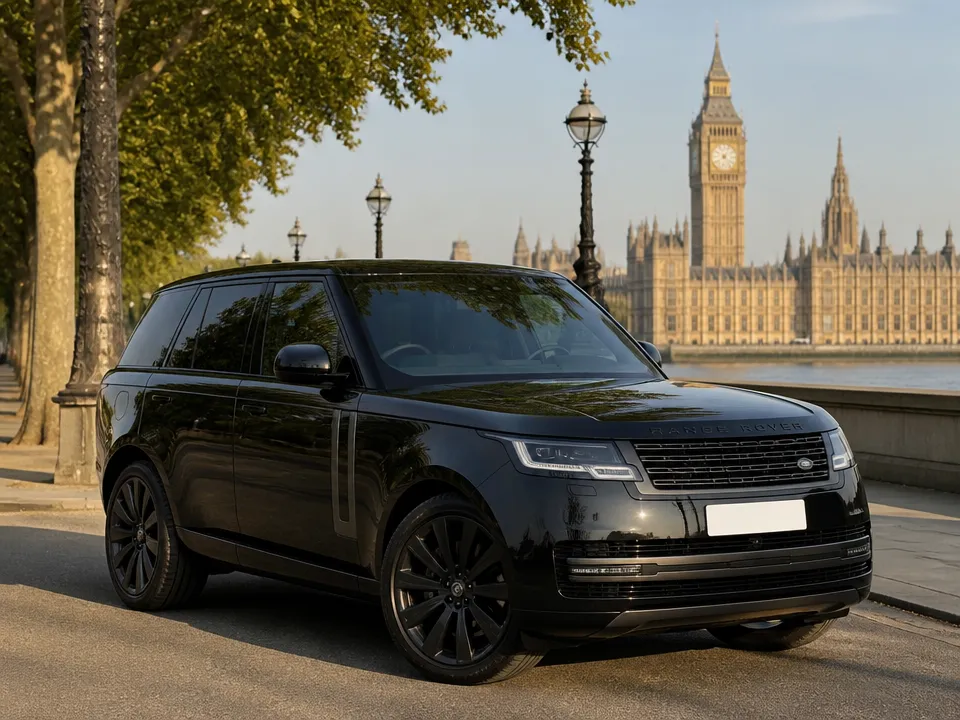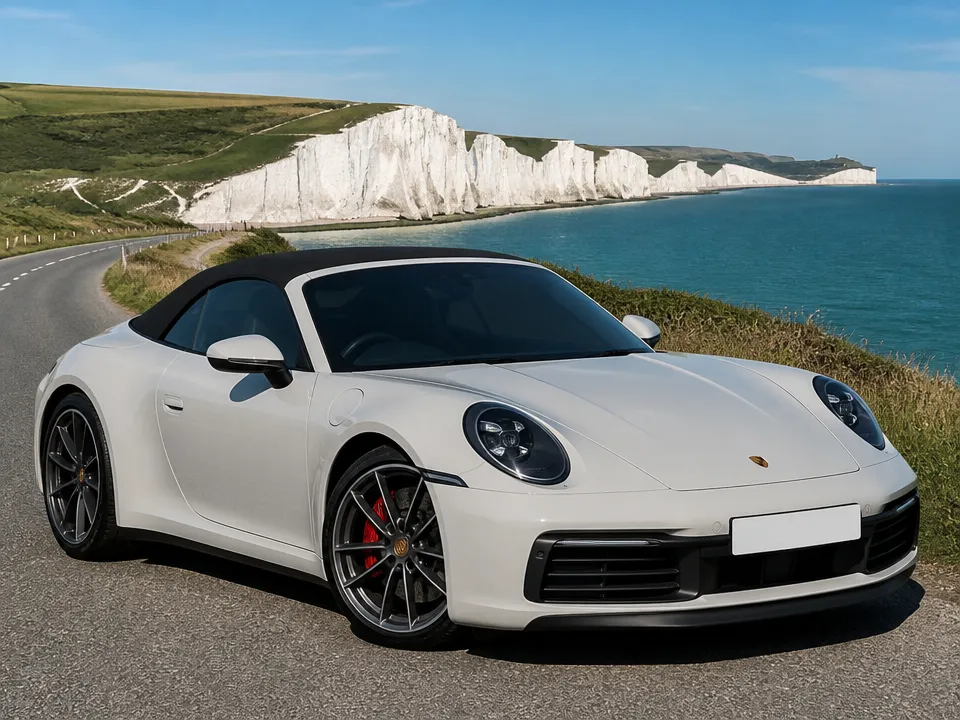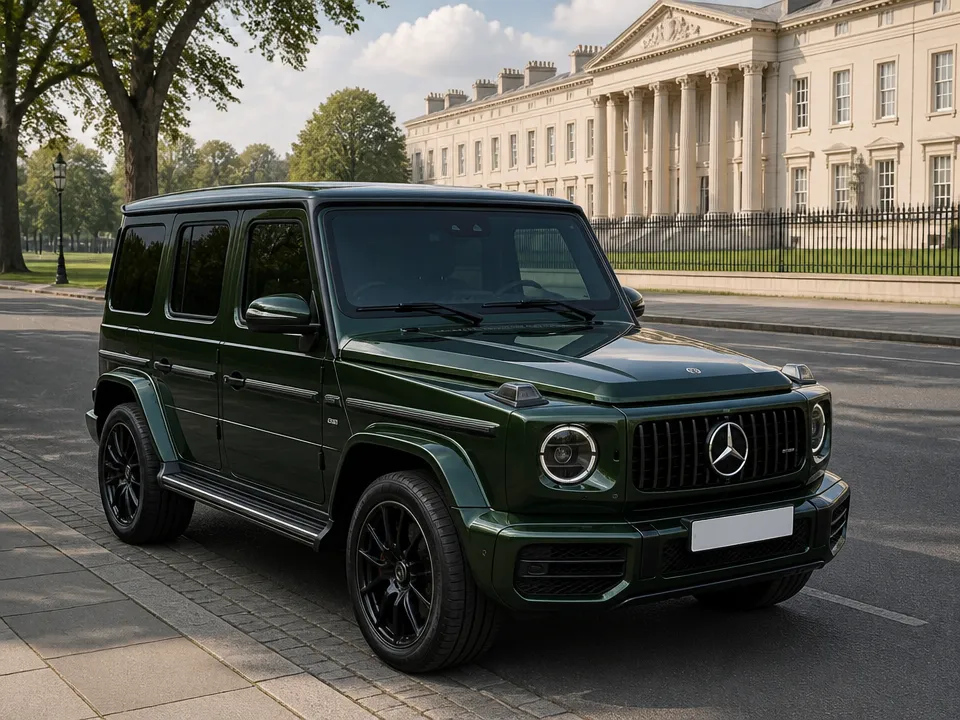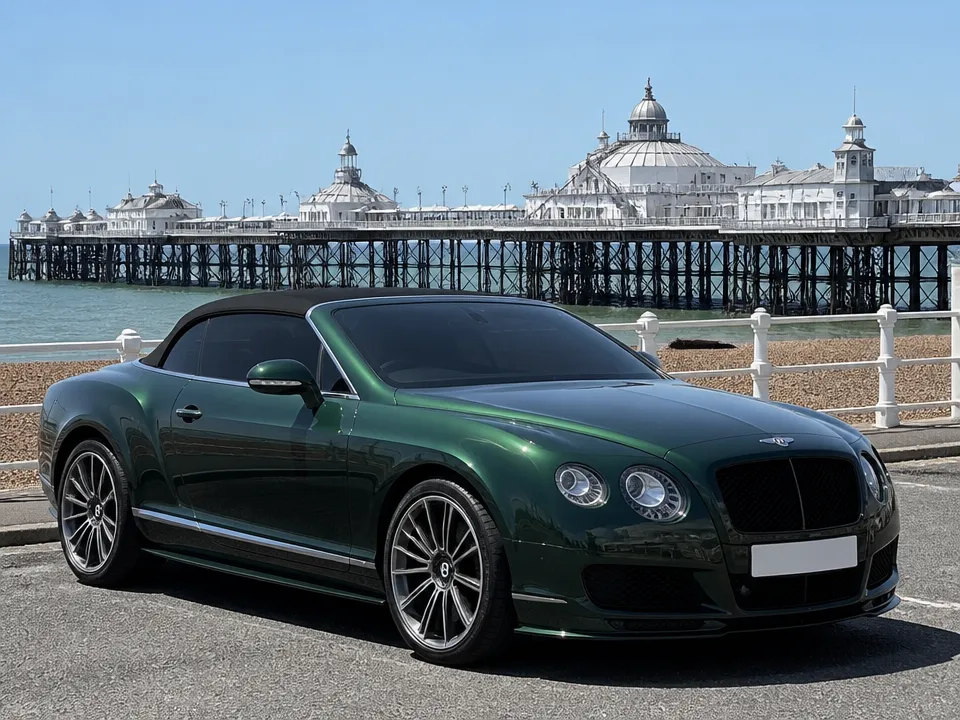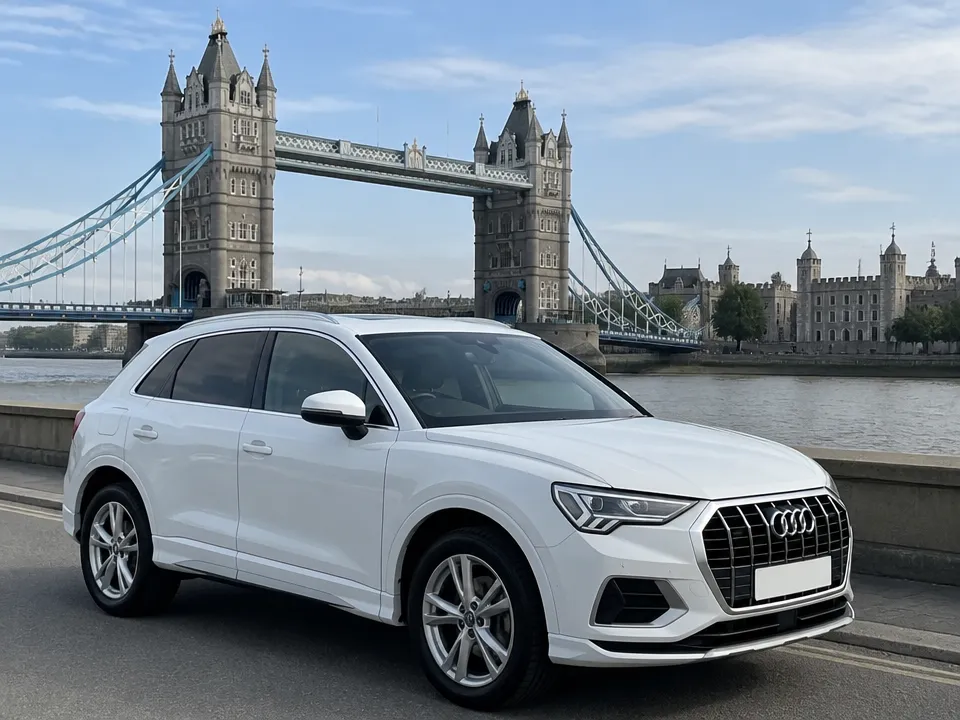
Audi Q3, Premium
★4.8· 11Automatic1.5 L150 hpFront-wheel5 seats
£55per day
Book now




No cars match the selected filters. Remove some of the conditions.






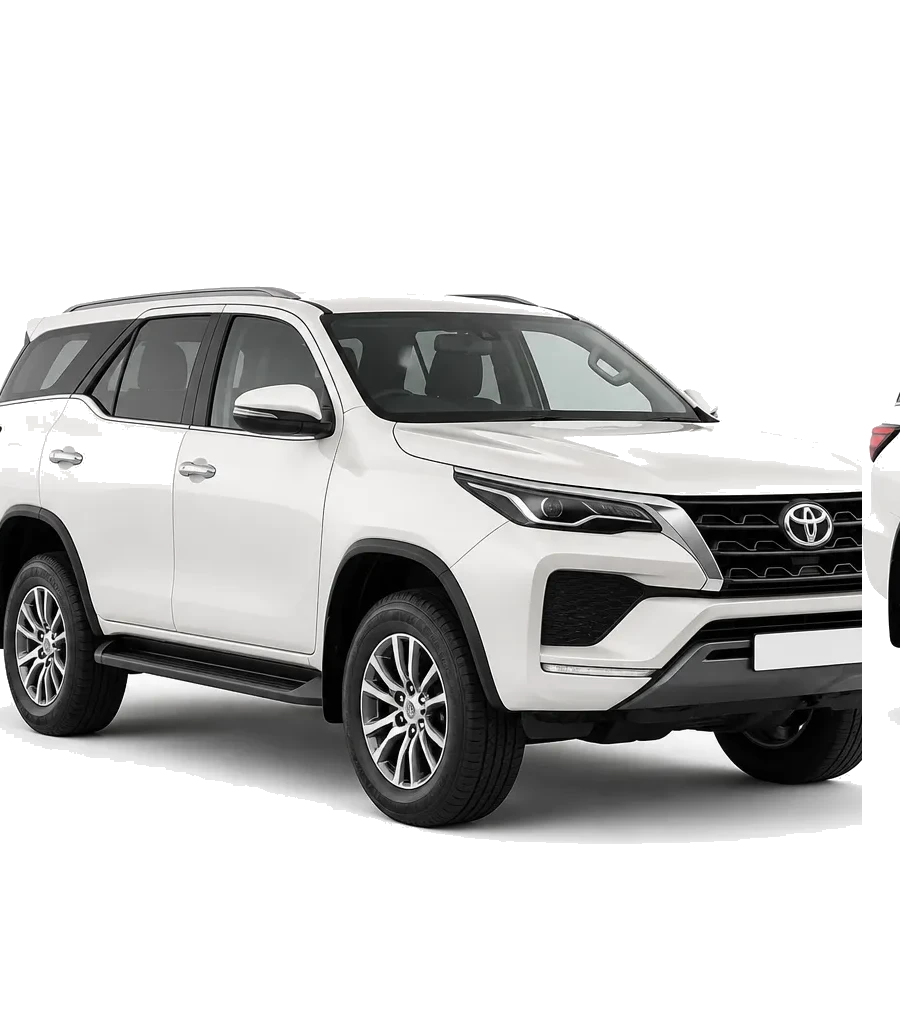
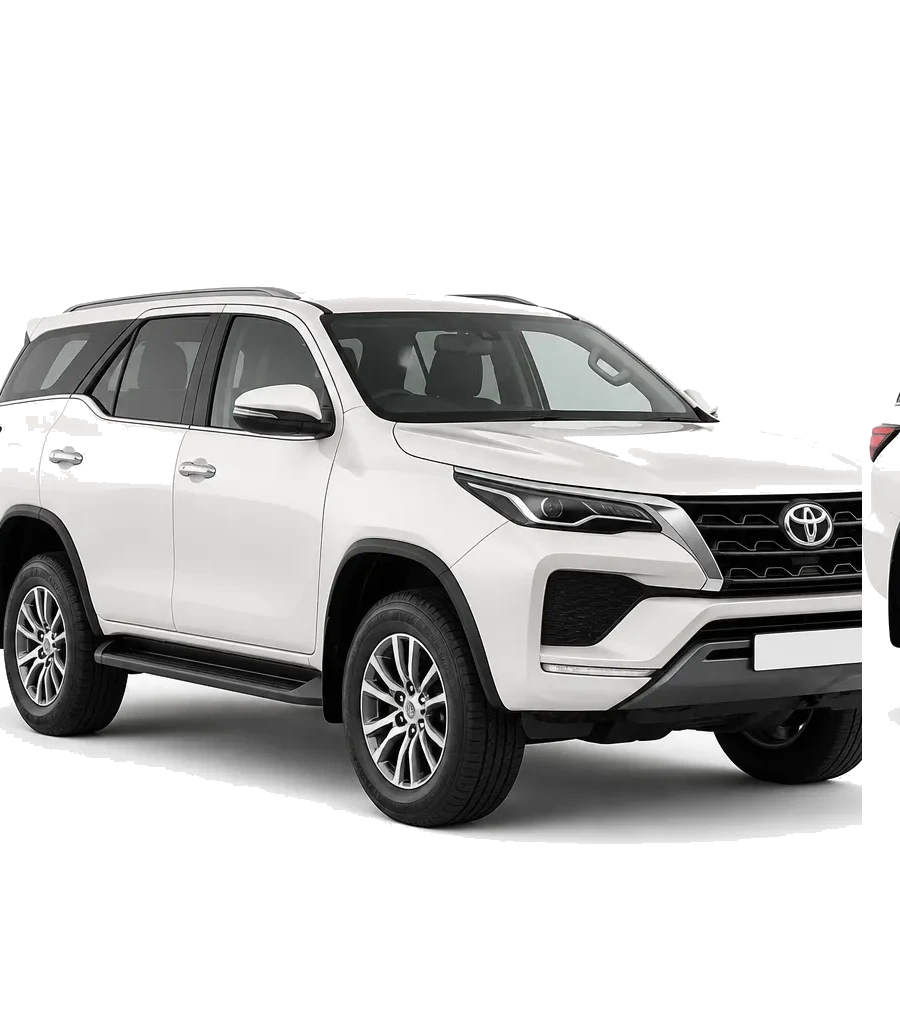

This page lists 39 cars for London, in the Convertibles, Luxury and Premium classes, with Automatic transmission and 2, 4, 5 or 7 seats. Daily prices run from £55 to £2000.
Rates on this page start at £55 a day for the Audi Q3, with the Mercedes-Benz GLA at £84 and the Volvo XC60 at £91. Daily prices in London run from £55 to £2000.
The London Congestion Charge runs 07:00–18:00 Monday to Friday and 12:00–18:00 on Saturday, Sunday and bank holidays, at £18 a day if paid on the day or in advance. It is not charged from 25 December to the New Year bank holiday inclusive.
Need a wedding car in London without the stress of a chauffeur, a taxi rank or a train timetable? Rent-Trip offers self-drive wedding car hire across 39 cars, from £55 a day, with the car delivered to your address, a hotel or any of the six airports serving the city — the delivery address, date and time are agreed with a manager before the booking is fixed.
The self-drive model suits a wedding day because the vehicle stays with you: we deliver it to the venue, you drive it, and it remains at your disposal between the ceremony and the reception. No driver waiting on the clock, no fixed return window in the middle of the photographs.
Rent-Trip operates self-drive hire, so the car arrives at your venue and you take the wheel yourself. That single detail changes how the day runs: the vehicle is yours from the moment it is handed over until you return it, and nobody else decides when you leave. Every car on this page has automatic transmission, which matters on a day when you are dressed for a ceremony rather than for gear changes. We agree the delivery address, the date and the time with you before the booking is fixed, so the car is standing where you need it rather than at a depot across the city. In our experience the couples who book self-drive use the car for far more than the ceremony run — the morning preparation, the venue move, the evening return. A self-drive car stays with you between the ceremony and the reception, which a chauffeur booking usually does not.
All 39 cars on this page have automatic transmission and right-hand drive for left-hand traffic. Traffic here drives on the left, and every vehicle in our fleet is set up for it. Highway Code rule 160 puts it plainly: keep to the left unless signs or markings say otherwise, and rule 183 asks you to keep close to the left edge when turning. Roundabouts follow the same logic — traffic already on the roundabout comes from your right, and rule 185 gives it priority. The one habit worth building before the wedding morning is reading the signs rather than the memory: many zones are marked 20 mph, and the sign always wins over the default. Book the delivery time with a buffer before the ceremony — city traffic between venues is the usual delay, and a vehicle that arrives late is the one thing photographs cannot fix.
Decoration, ribbons and bows are agreed with the manager when booking, so tell us what you plan before the car is confirmed — fixings that leave no residue on paintwork are the sensible choice, and what happens if the paintwork is marked is set out in the rental agreement.
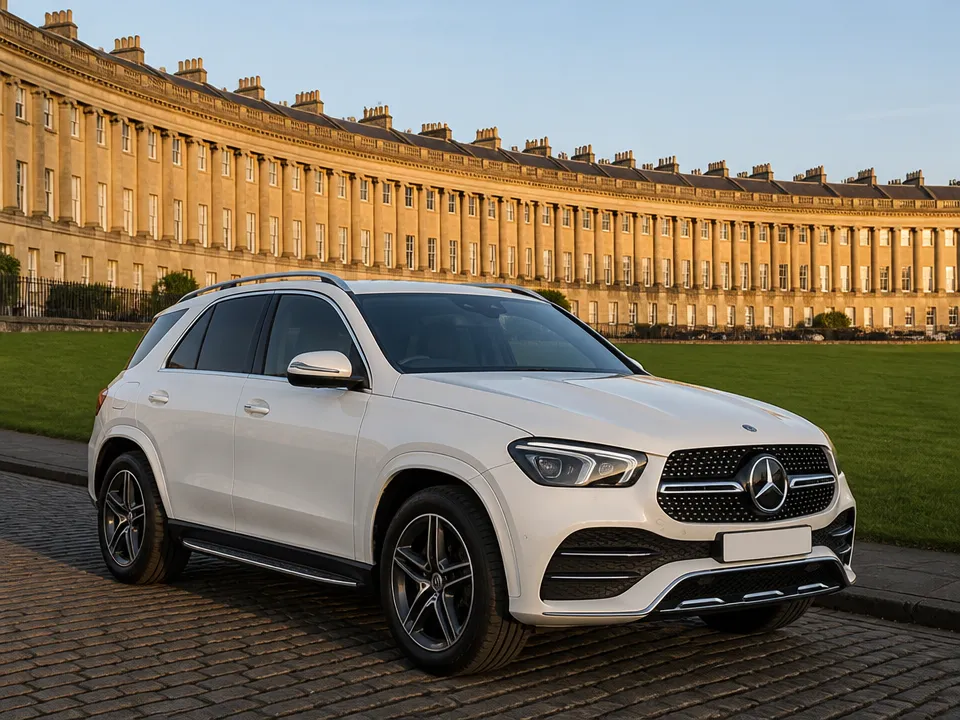
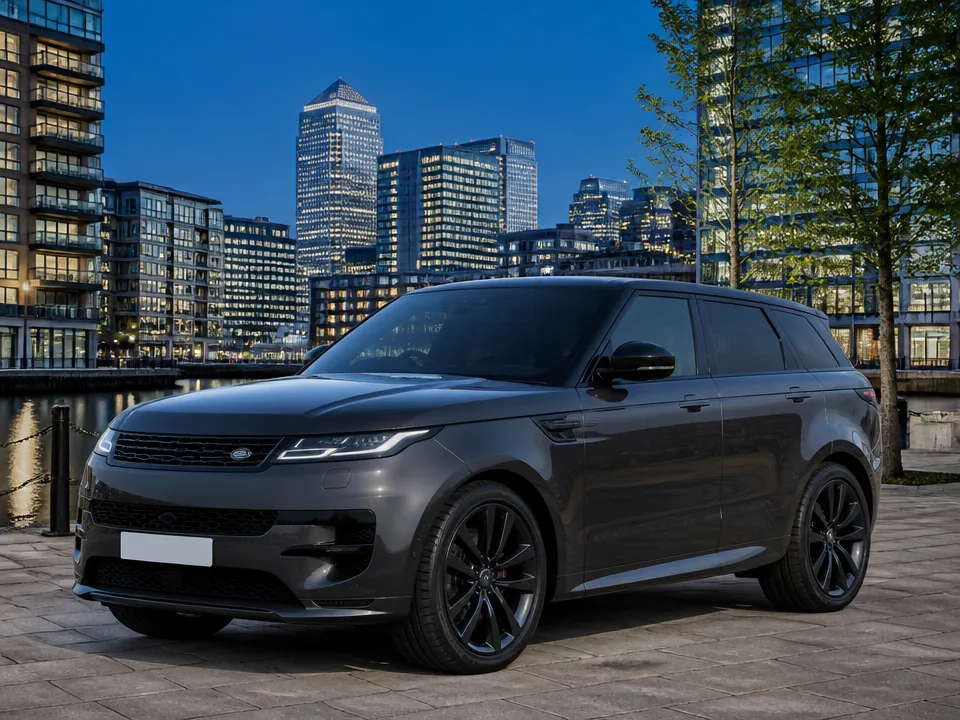
Seat counts run 2, 4, 5 and 7, and the fleet splits into SUVs, convertibles, sedans, a crossover and a coupe. What you pick usually comes down to three things: how many people travel with you, where the photos are taken, and how formal the arrival should look.
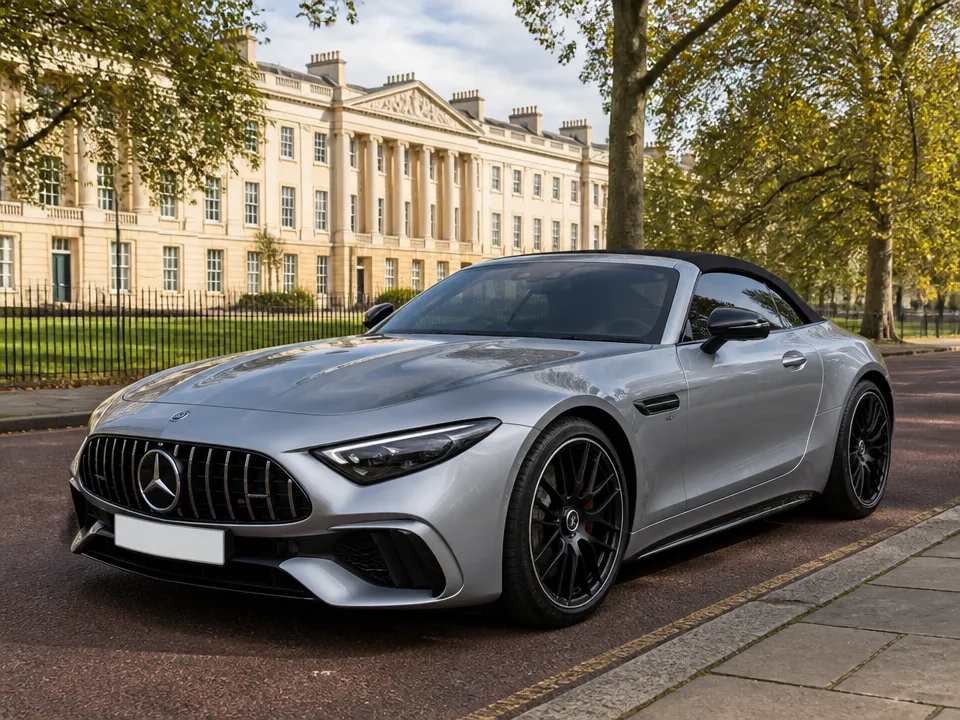
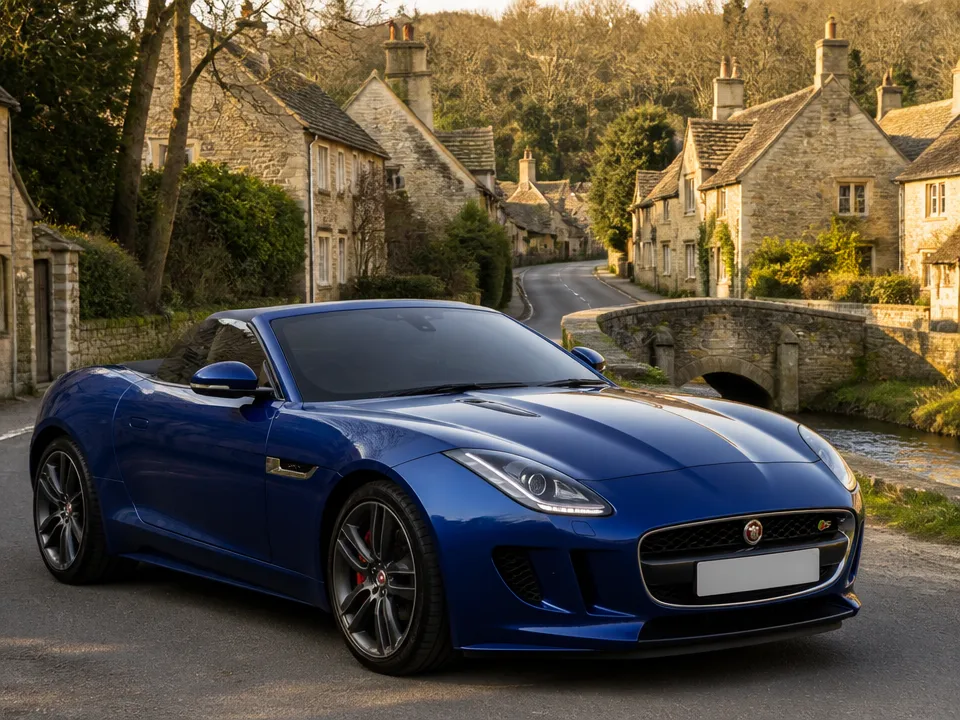
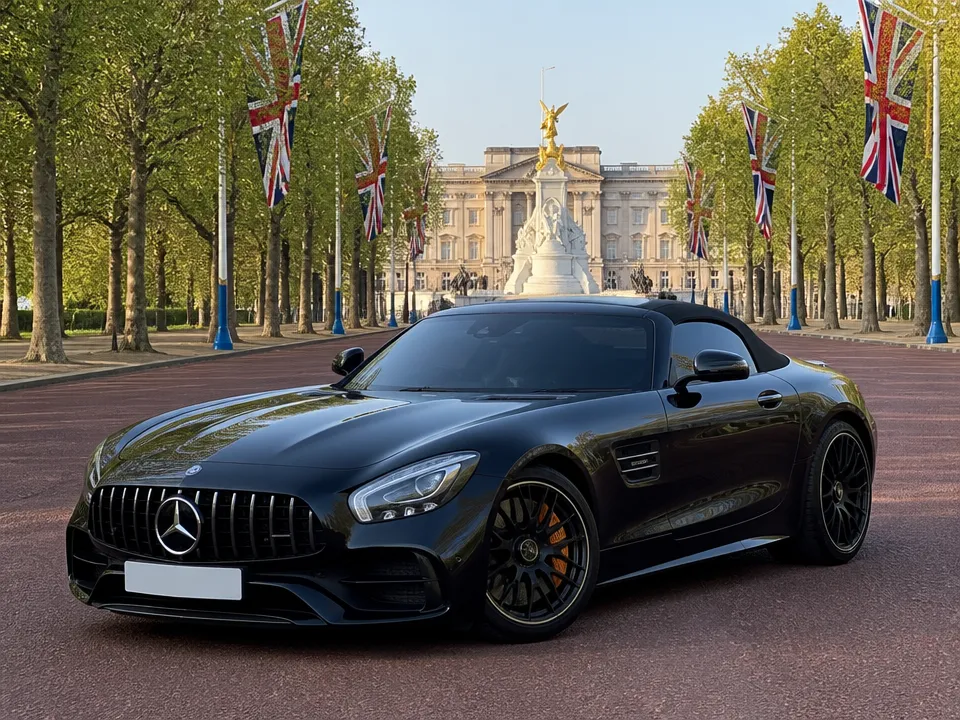
We hold 4 two-seat cars, 6 four-seat cars, 27 five-seat cars and 2 seven-seat cars for a wedding hire in London. The two-seaters are the roadsters — the Porsche Boxster, the Mercedes-Benz SL 43 AMG, the Jaguar F-Type S Cabriolet and the Mercedes-Benz AMG GT C Roadster — so they suit a couple travelling alone, with the photographer following in a second car. The seven-seaters, the Volvo XC90 and the Mercedes-Benz GLS, carry the couple plus close family in one car instead of two, which matters when the ceremony and the reception sit on opposite sides of the city. In our experience the five-seat SUVs cover most bookings: 27 of the 39 cars here take five, from the Audi Q3 upwards.
The fleet splits into Convertibles from £80, Premium from £55 and Luxury from £294 a day.
| Class | Cars | From (per day) | Good for |
|---|---|---|---|
| Convertibles | 8 | £80 | Photos, warm-weather arrival |
| Premium | 16 | £55 | Everyday wedding transport, 5–7 seats |
| Luxury | 15 | £294 | The couple's car, formal arrival |
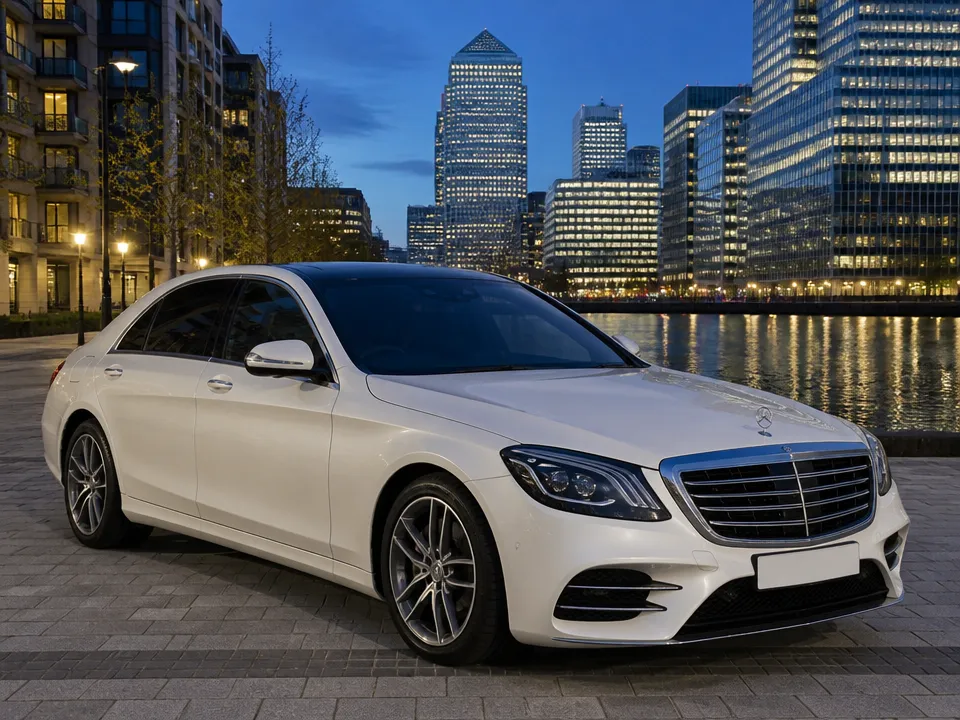
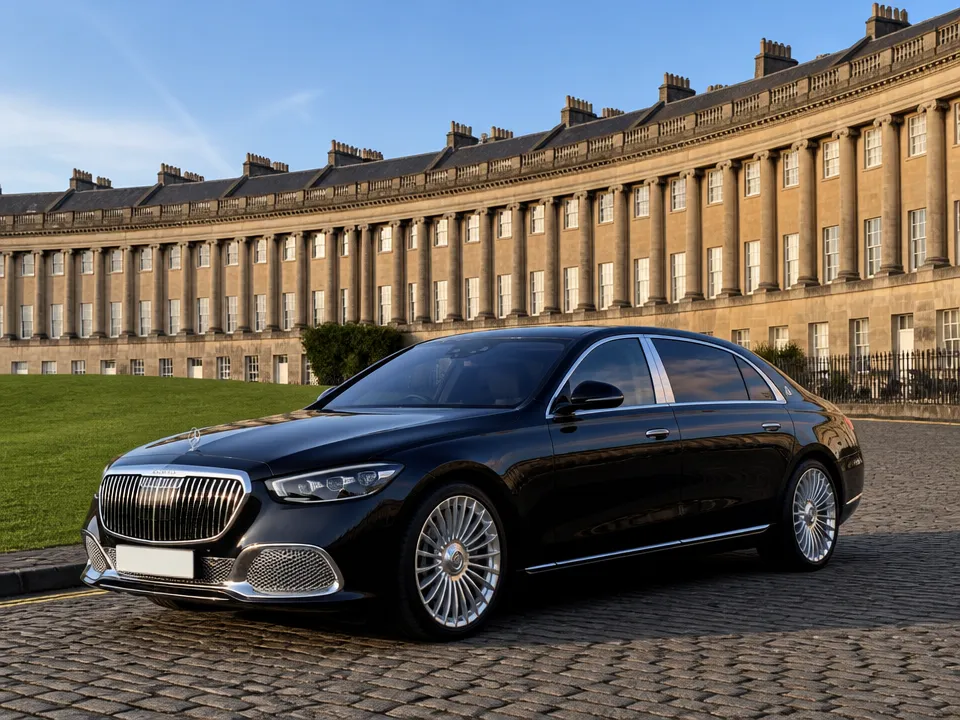
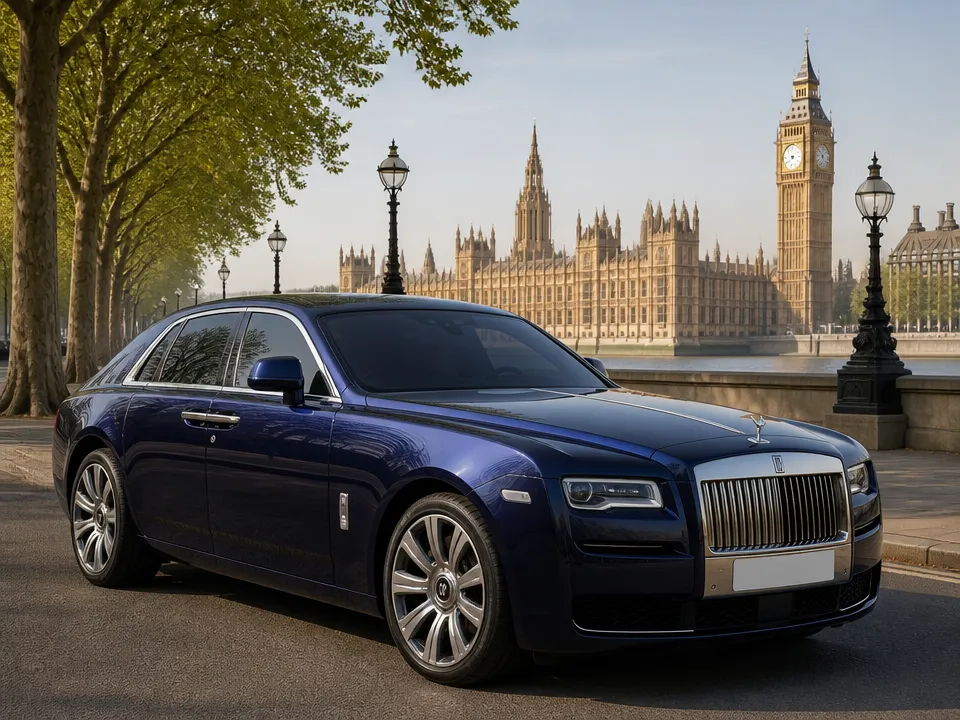
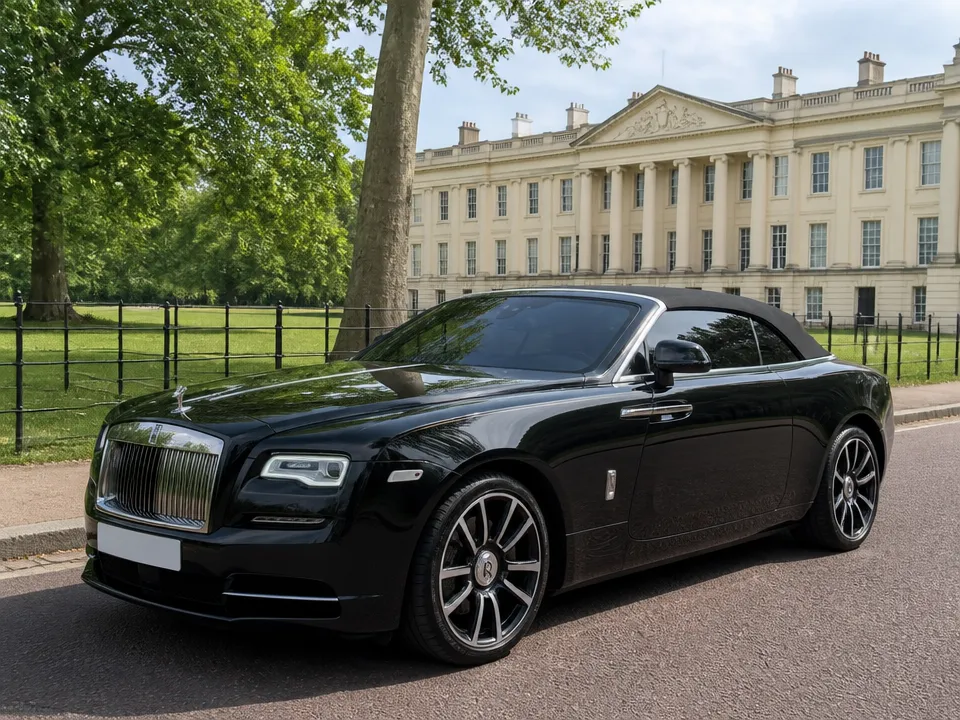
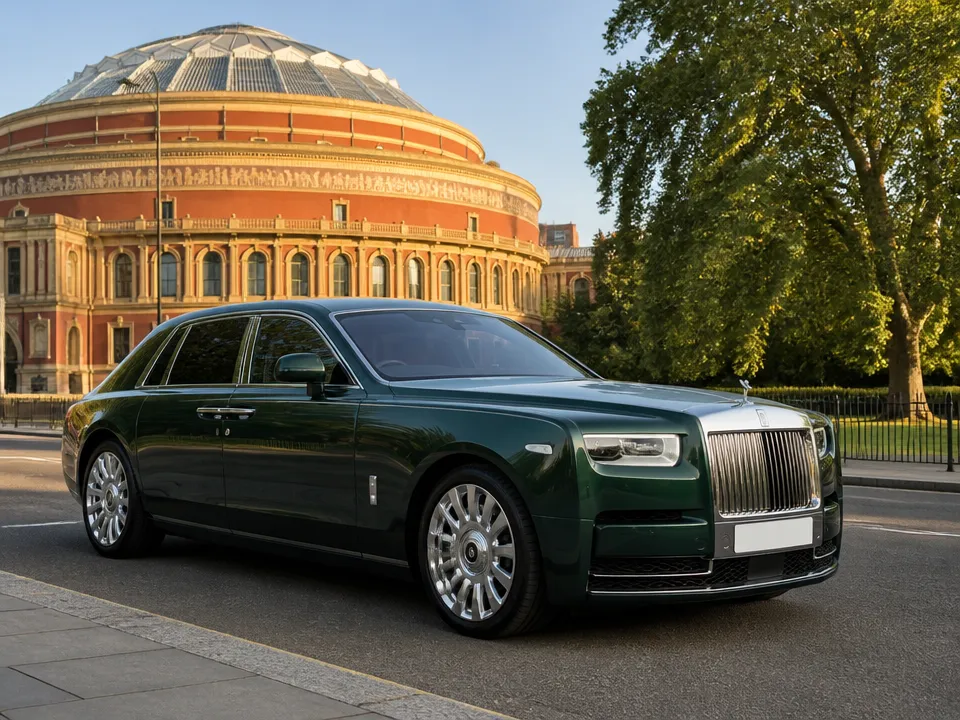
A convertible photographs best at the ceremony — the Audi A3 Cabriolet opens the range at £80 a day, and the Bentley Continental GT Convertible sits near the top at £837. An SUV handles the reception venue's car park and the motorway run afterwards without scraping a low nose on a ramp. For a formal arrival the Luxury sedans do the job: the Mercedes-Benz S-Class from £294, the Rolls-Royce Ghost at £1,090 and the Rolls-Royce Phantom VIII at £2,000, the most expensive car on this page.
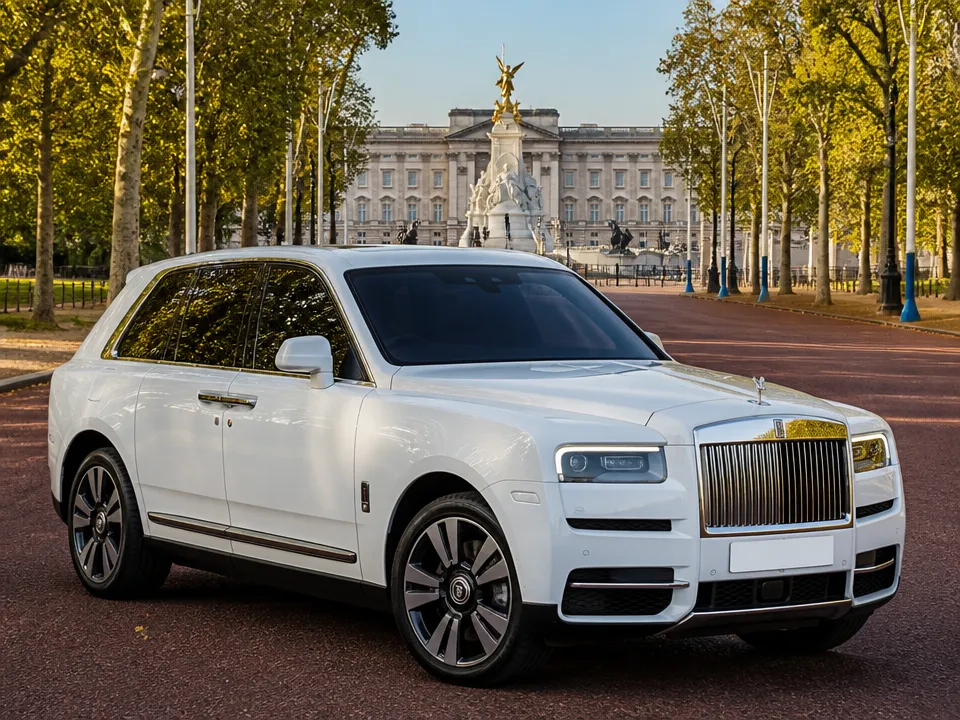
Decoration is agreed when booking, so tell the manager what you plan before the car is confirmed. Ribbons on the bonnet and bows on the door handles are the usual request, and both are easy to fix on a car with a flat bonnet and clear panel gaps — the Rolls-Royce models and the Mercedes-Benz S-Class take them well. Ask about fixings that leave no residue: what happens if paintwork is marked is set out in the rental agreement. On a convertible, ribbons interfere with the roof mechanism, so plan the photos with the top down before the decoration goes on. If the theme needs a colour match, say so early — the fleet is ten brands deep, and the exact shade of a bow against dark green or black paint reads very differently in photographs.
Renting a vehicle for a wedding in London runs from £55 to £2,000 a day, split across three classes: Convertibles from £80, Premium from £55 and Luxury from £294. Longer bookings follow the same rates — a week works out at six times the daily figure, so weekly hire starts at £330, and a month at twenty-one times the daily figure, from £1,155.
The daily rate is the price of the car for the day, and the deposit, insurance excess, delivery fees and discounts are set out in the rental agreement rather than quoted on this page. Rent-Trip supplies the car clean and with a full tank, and it must come back full — the full-to-full rule is the only fuel option we offer, with any missing fuel and a refuelling service fee charged as the agreement describes. Read the agreement before you confirm a model: it is the document that tells you what sits outside the daily rate, and it is agreed with a manager when the booking is fixed.
A week of hire is charged at six times the daily rate and a month at twenty-one times, so the longer the booking the further the same vehicle stretches. The cheapest weekly hire starts at £330 on the Audi Q3 and the cheapest monthly at £1,155. In our experience, couples who need the car from the morning of the ceremony through to a late reception are better served by booking one car for the whole day than by a single hop plus a second car later — one model, one tank of fuel, one agreement.
Booking runs through a manager rather than a checkout screen: you name the model, the venue address, the date and the time, and the booking is fixed once those details are agreed. Nothing is confirmed before that conversation, so the car you see on the page is the car that arrives.
We bring the car to the address you give us, clean and with a full tank. It goes back the same way — full-to-full. If the tank is short on return, the missing fuel and a refuelling service fee are charged as set out in the rental agreement; no pre-paid tank or full-to-empty option exists on this page. Delivery outside the places we cover is arranged case by case and is not promised on the site, so raise it early if the reception sits beyond the usual area. In our experience the single detail that decides whether the day runs smoothly is the hand-over time: a ceremony at midday means the car should be with you well before the guests start arriving, and that buffer is exactly what gets negotiated when the booking is fixed.
The rental agreement carries the deposit, the insurance excess, delivery fees and any discounts, and you read it before confirming the model. Road charges are a separate matter: the Congestion Charge is £18 a day paid on the day or in advance, £21 if paid by midnight of the third day after the trip, and it applies 07:00–18:00 Monday to Friday and 12:00–18:00 at weekends and on bank holidays; the ULEZ charge is £12.50 a day for non-compliant vehicles, around the clock except 25 December. Who covers these on a hire car is agreed when booking. Foreign licence holders may drive on a full valid licence for 12 months from their last entry into Great Britain, and every car here is automatic with right-hand drive — Highway Code rule 160 keeps you on the left unless signs say otherwise.
Traffic between the ceremony and the reception is the one thing a wedding timetable rarely absorbs, so build the drive into the day rather than around it. All 39 cars on this page are automatic, and every one is right-hand drive for left-hand traffic — the arrangement a driver used to the other side needs least time to settle into.
Two charges sit inside the city, and who pays them on a hire car is agreed when booking: the Congestion Charge at £18 a day paid on the day or in advance, £21 if paid by midnight on the third day after the trip, running 07:00–18:00 Monday to Friday and 12:00–18:00 at weekends and on bank holidays, with no charge from 25 December to the New Year bank holiday inclusive; and ULEZ at £12.50 a day for non-compliant vehicles, 24 hours a day, seven days a week, except 25 December, across all 32 boroughs. The Blackwall and Silvertown tunnels take £4.20 at peak — northbound 06:00–10:00 and southbound 16:00–19:00 on weekdays — and £1.55 off-peak with Auto Pay. Dartford Crossing on the M25 is £3.50 per crossing, or £2.80 prepaid.
Fuel is full-to-full: the car arrives with a full tank and goes back full, with any missing fuel and the refuelling service fee set out in the rental agreement. Petrol sat at £1.75 a litre and diesel at £1.99 on 19 October 2026, so a fill before the return leg is worth planning into the evening rather than left to the morning after.
One practical note from our own bookings: the drive from a ceremony venue to a reception across the river is the leg that overruns, not the ceremony itself. Ask the manager to set the delivery time with that buffer in it.
The wedding day is one date; the hire around it is often longer — a few days either side for guests, fittings and the drive between the ceremony and the reception. Longer hire on this page follows two fixed multipliers, and everything beyond the rate sits in the rental agreement rather than in a headline figure. We agree the dates with a manager before the booking is fixed, so the length of the hire is settled before the car is assigned.
For a wedding, the practical consequence is that a four- or five-day hire around the date rarely matches the weekly figure, because the multiplier only starts to pay off once the hire runs long enough. If the ceremony falls on a Saturday and the car is needed from Thursday, price four separate days rather than the week — four days at the daily rate cost less than the daily rate x 6. Read the agreement before you confirm the model: the deposit, the excess and the delivery fee are all set out there.
Three things decide whether renting a vehicle for a wedding in London runs smoothly: the delivery slot, the terms of the agreement and the charges the city adds to a drive. Settle all three with a manager before the booking is fixed, not on the morning of the ceremony.
We agree the delivery address, the date and the time with you before the booking is fixed. Give the ceremony start time and work backwards: a vehicle that arrives 90 minutes early can absorb a closed street or a slow lift in a hotel car park, and one that arrives ten minutes early cannot. If the venue sits inside the Congestion Charge zone, note the hours — 07:00–18:00 Monday to Friday and 12:00–18:00 at weekends and on bank holidays — because a delivery slotted into the middle of a weekday afternoon lands inside the charge window. Say which entrance the driver should use; the drop is agreed when booking.
The capital adds its own costs to a wedding drive. The Congestion Charge is £18 a day paid on the day or in advance, or £21 if paid by midnight on the third day after the trip; it is not charged from 25 December through the New Year bank holiday. ULEZ runs 24 hours a day, seven days a week apart from 25 December, and charges £12.50 a day for vehicles that do not meet the emission standards. The Dartford Crossing is £3.50 per crossing, or £2.80 prepaid. Who pays road charges, tolls and penalty notices on a hire car is agreed when booking — ask the manager to put it in writing, because a PCN arrives weeks later, long after the confetti.
Two rules catch visiting drivers. Traffic keeps left, per Highway Code rule 160, and at a roundabout you give way to traffic approaching from the right, rule 185. Built-up roads default to 30 mph, and many zones in the city post 20 mph — the signs win over the default. A phone in the hand costs £200 and 6 penalty points even at a red light; hands-free is allowed if the device does not block your view. In our experience the couples who book the vehicle for the whole day, rather than a single hop to the ceremony, are the ones who arrive relaxed.