







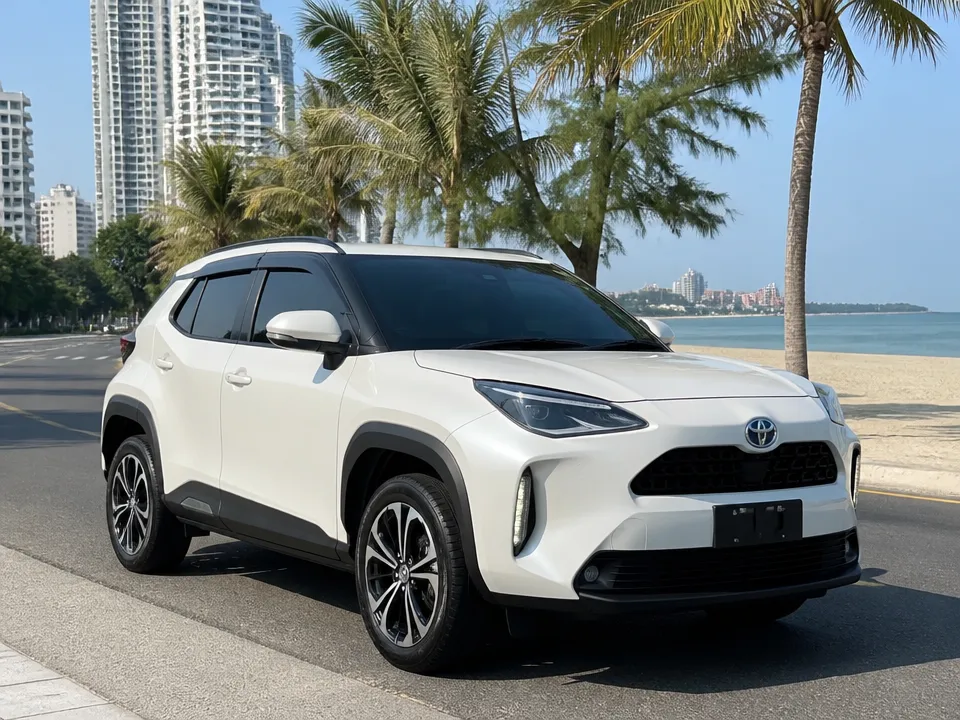
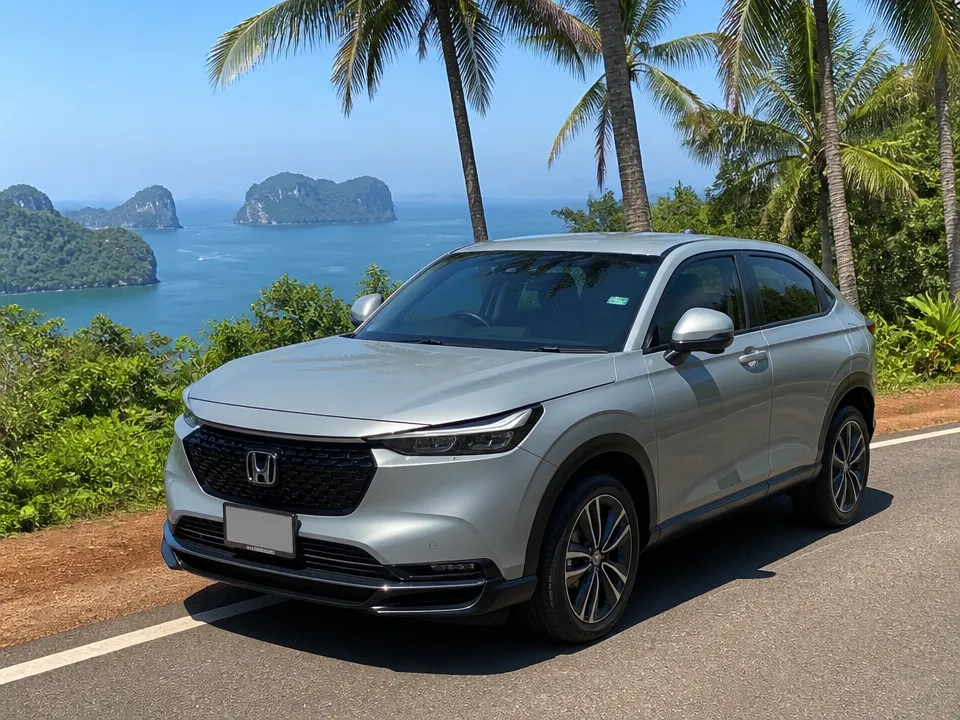
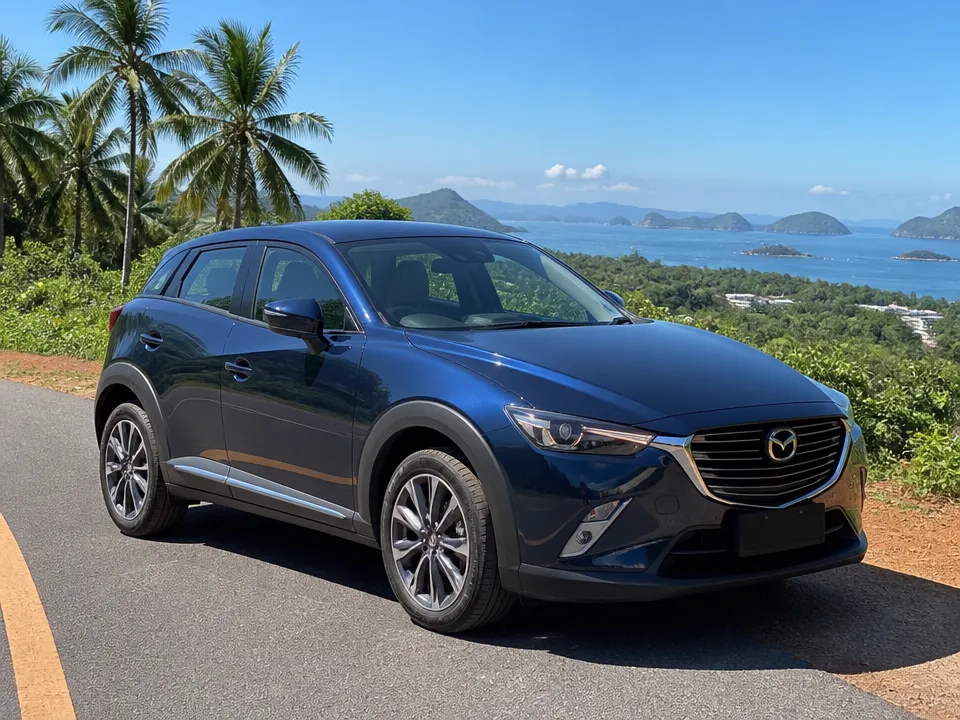
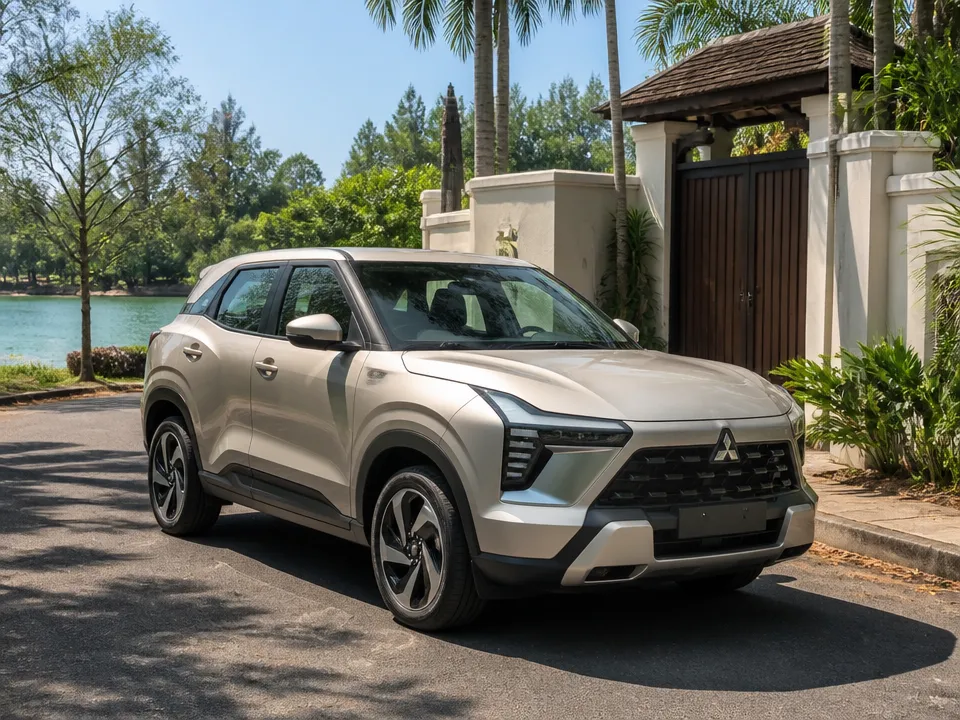
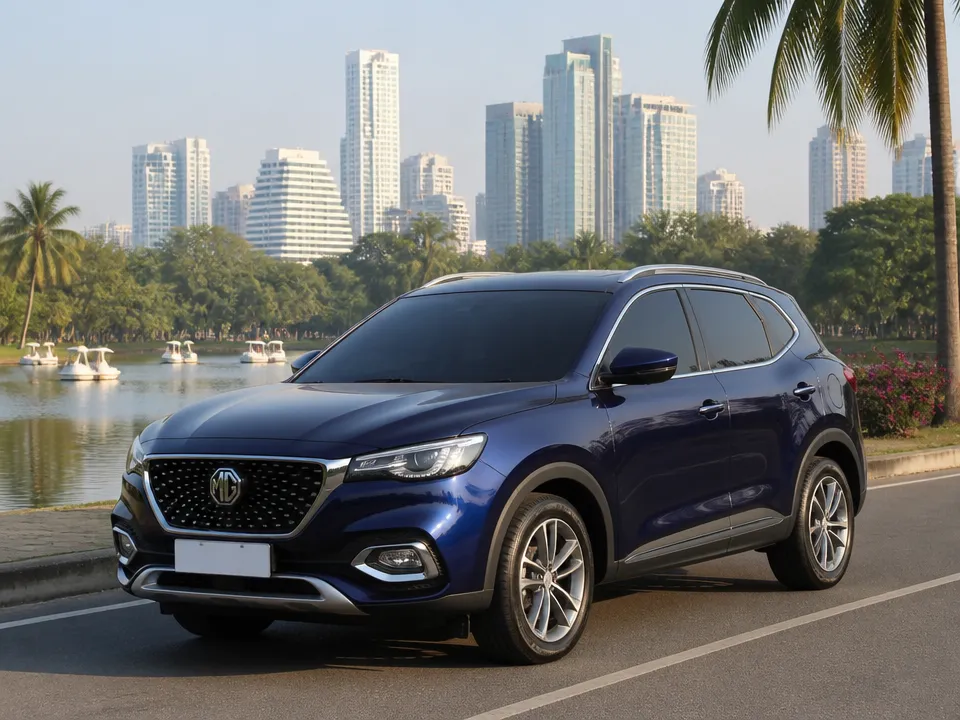
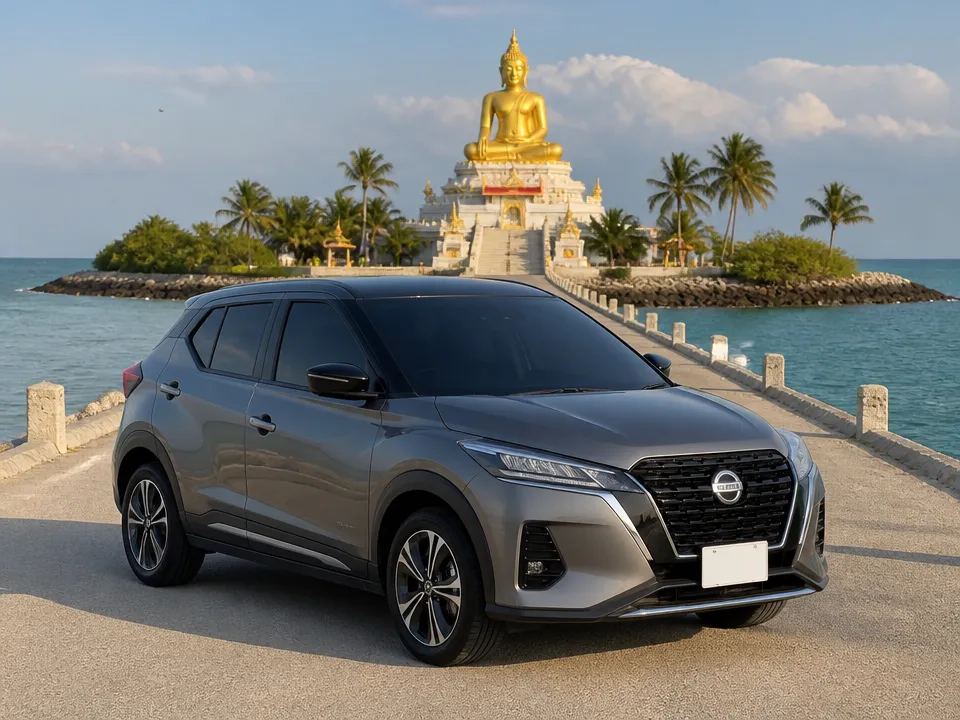
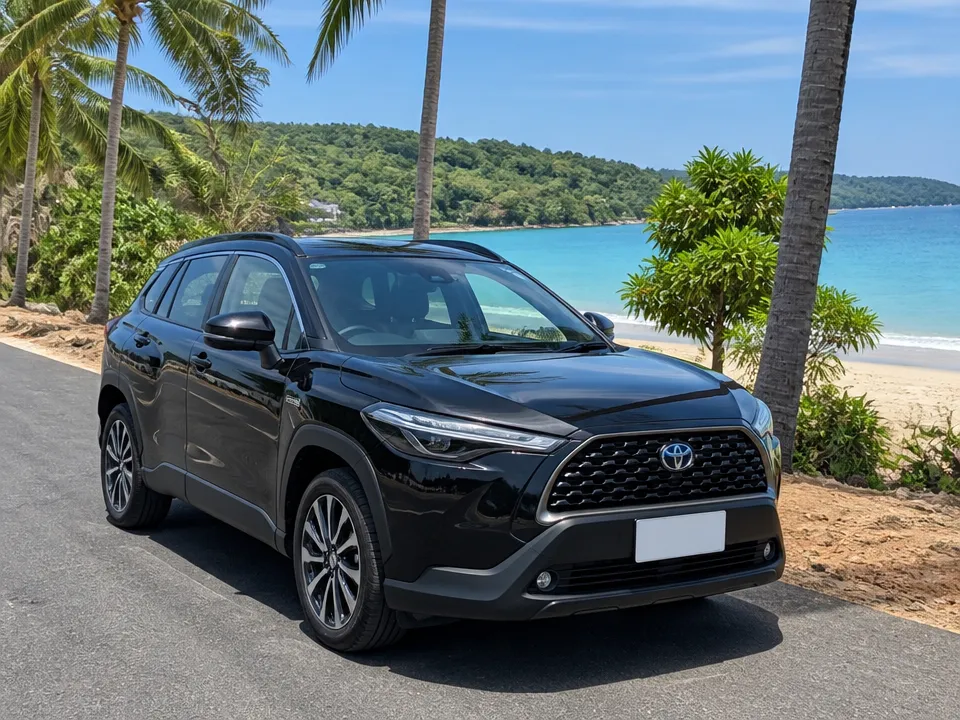
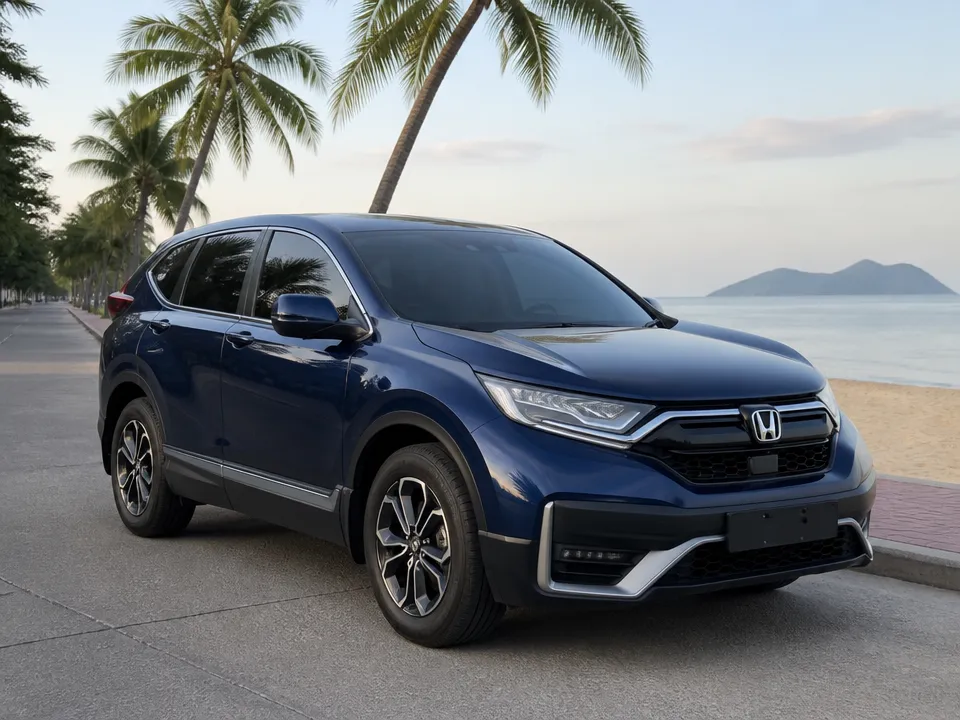
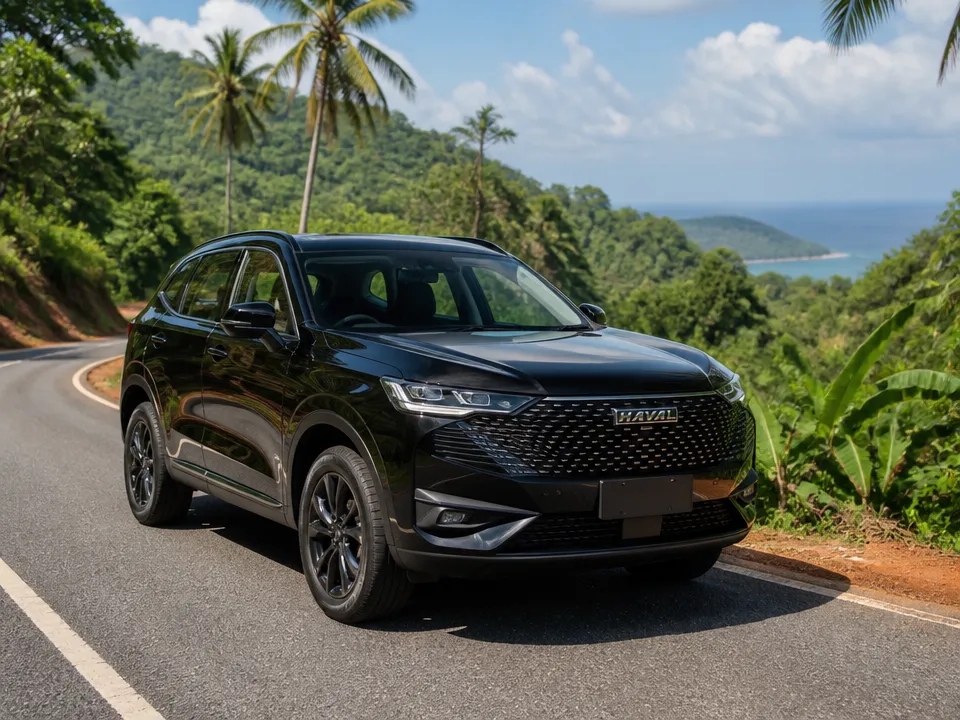
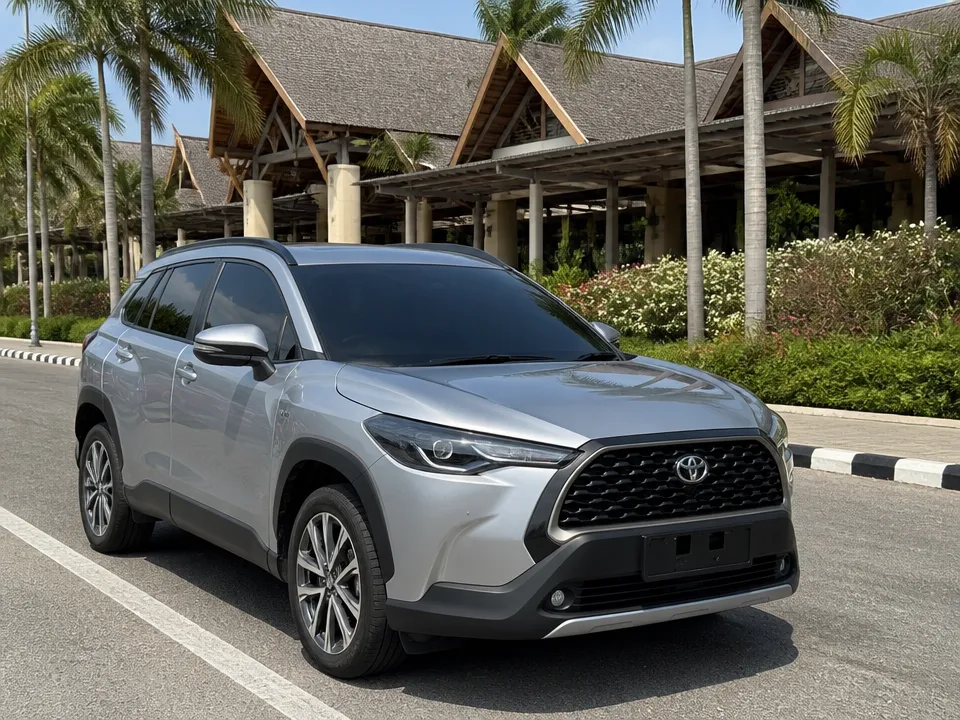
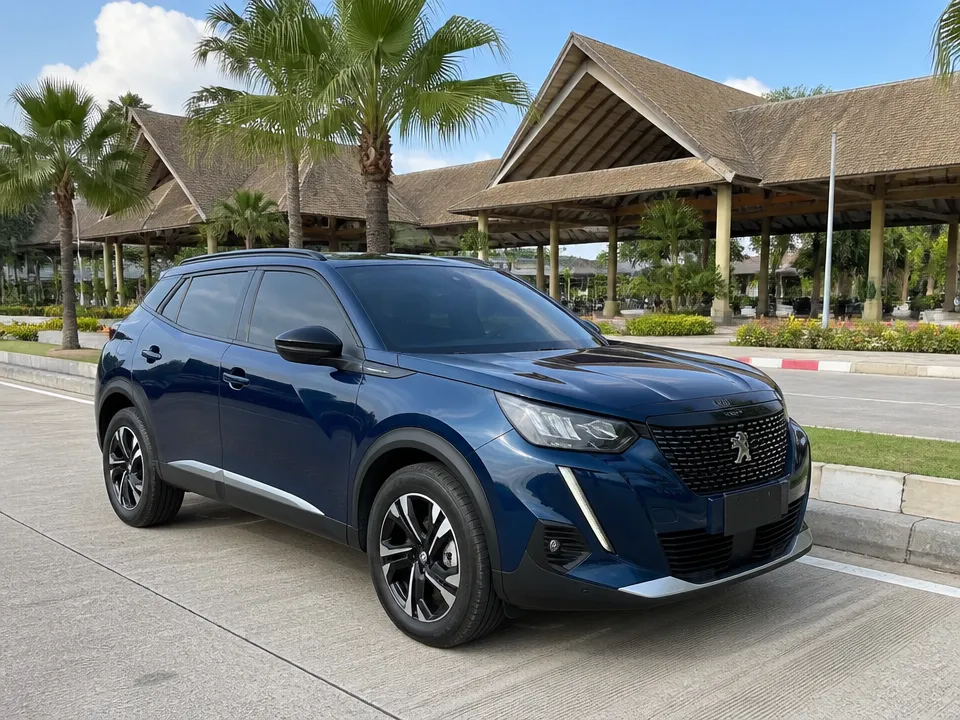
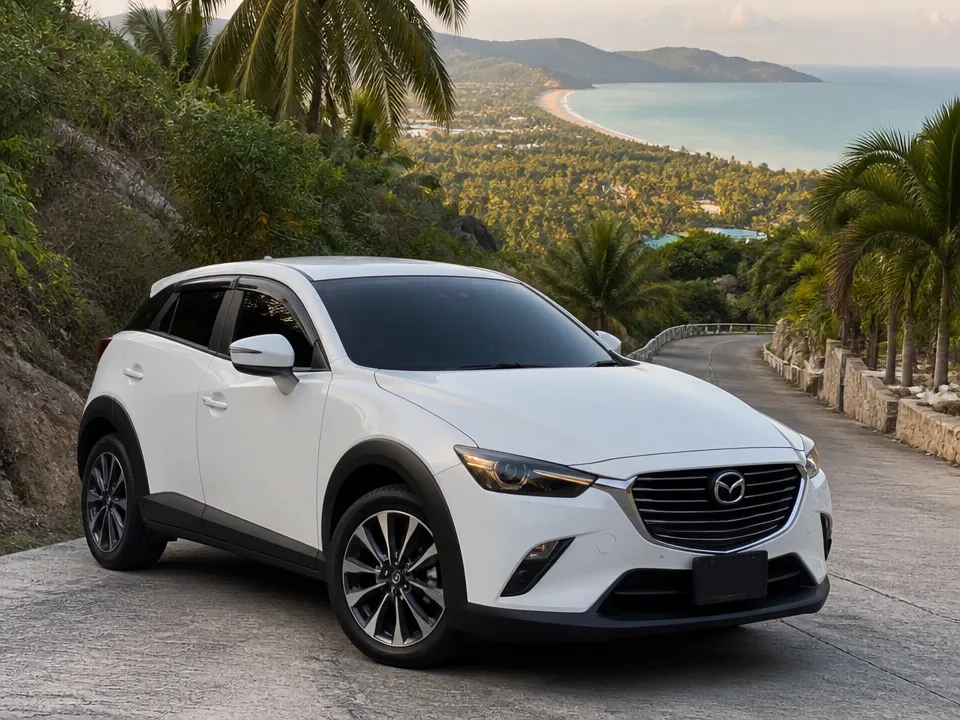
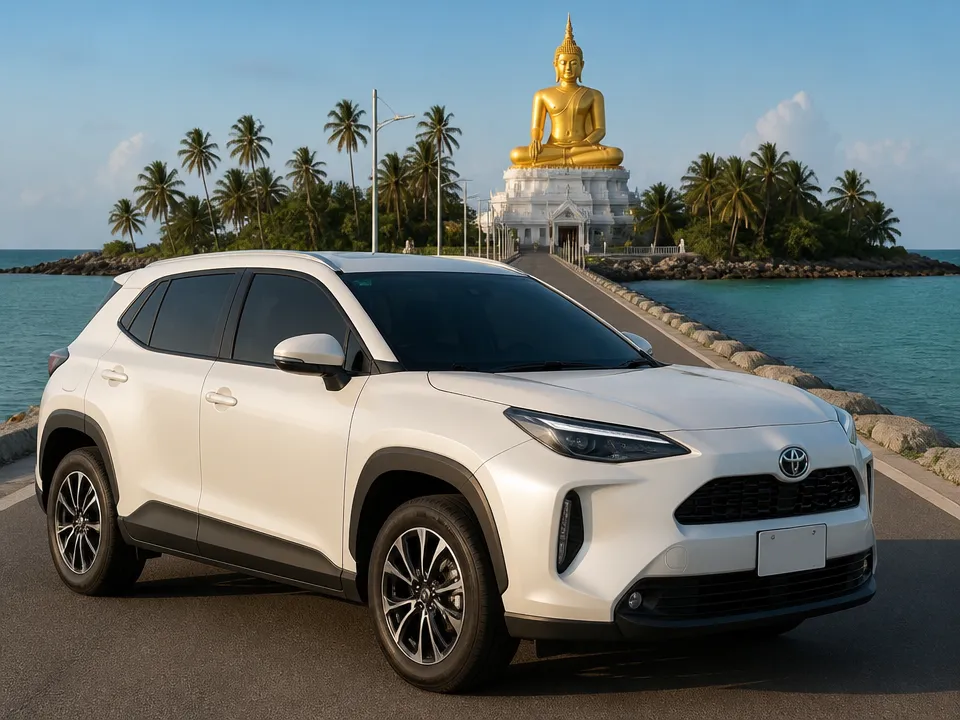
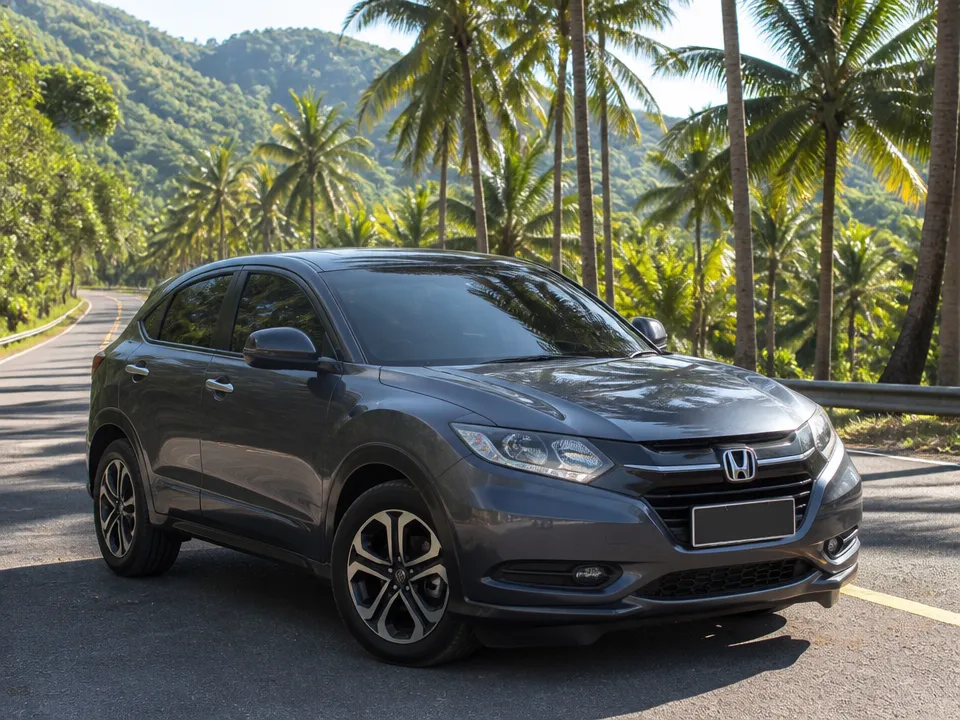
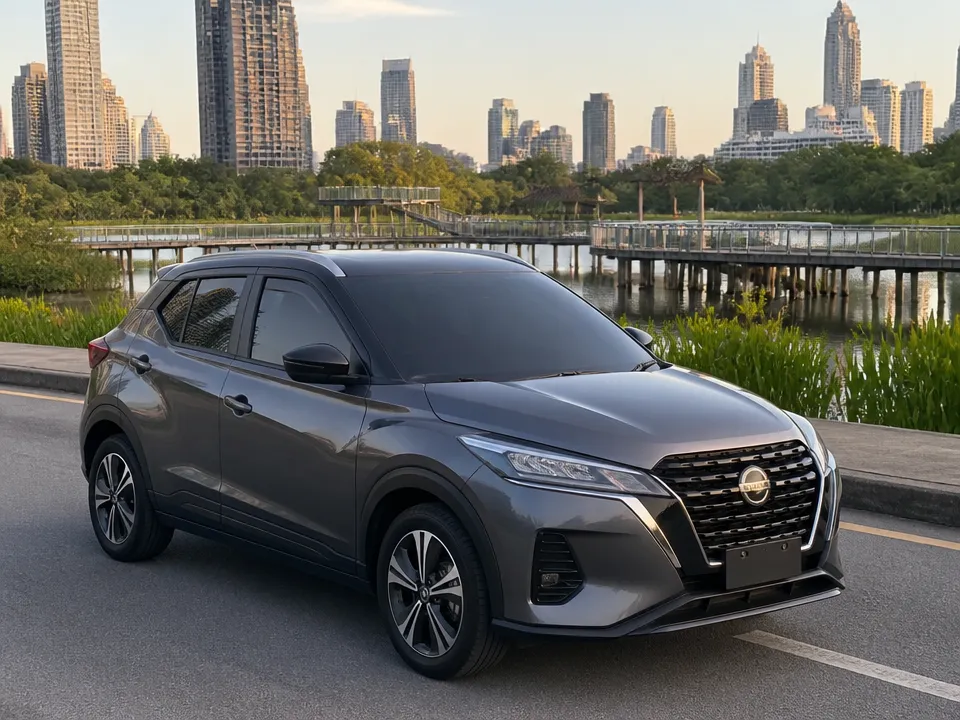
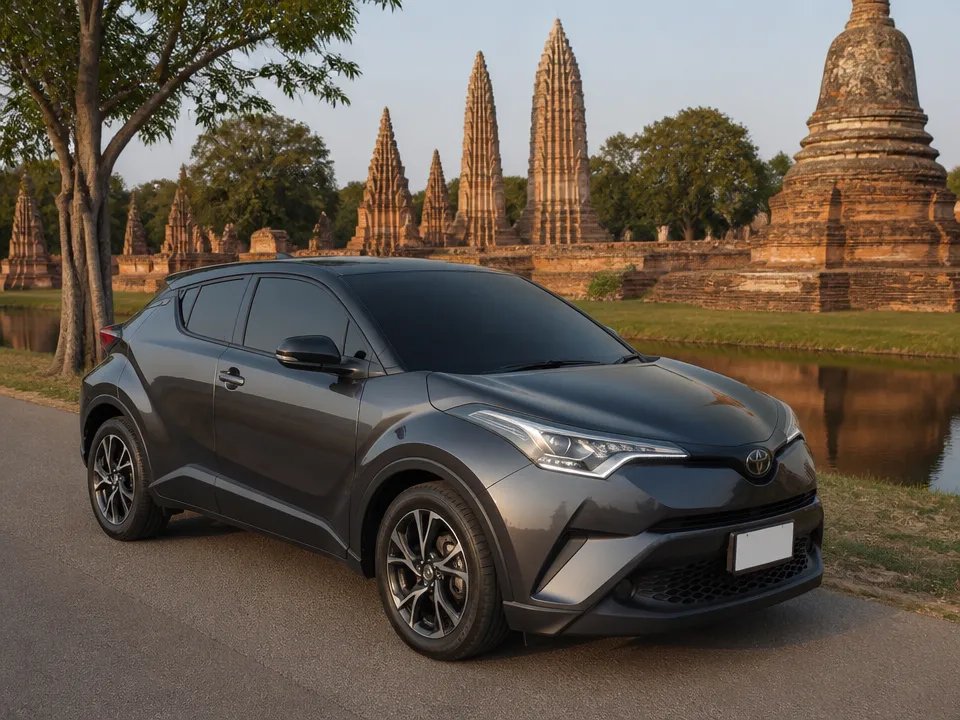
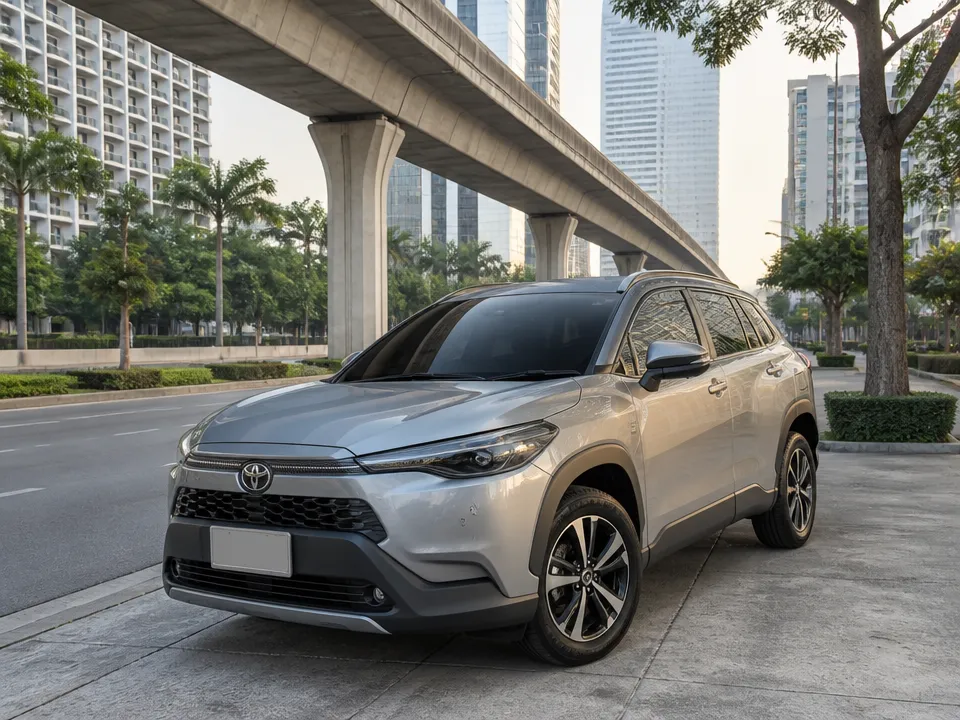
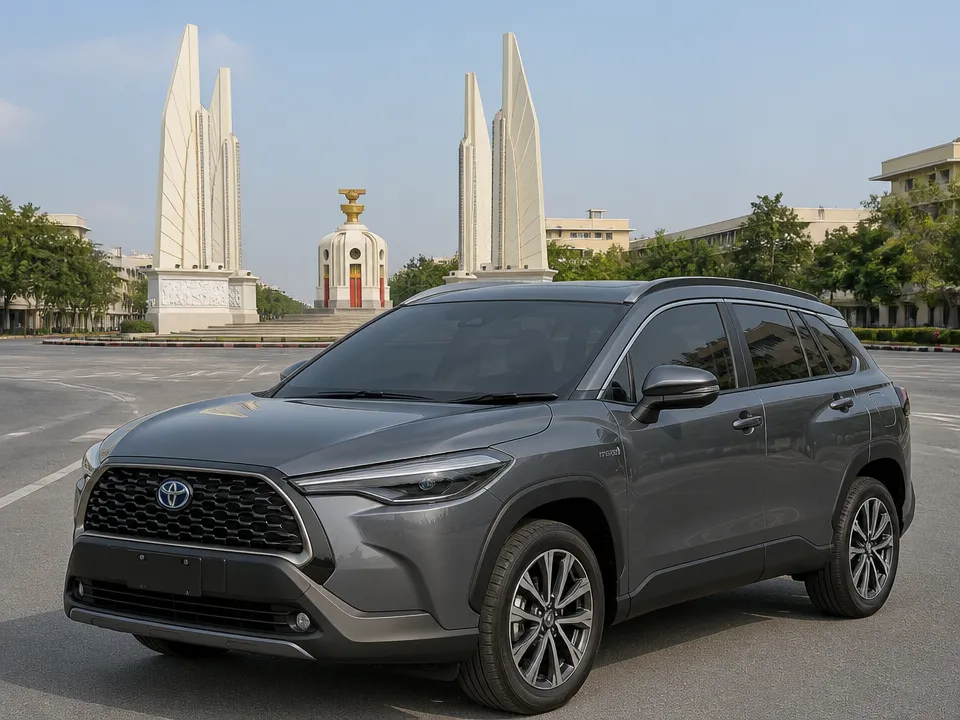
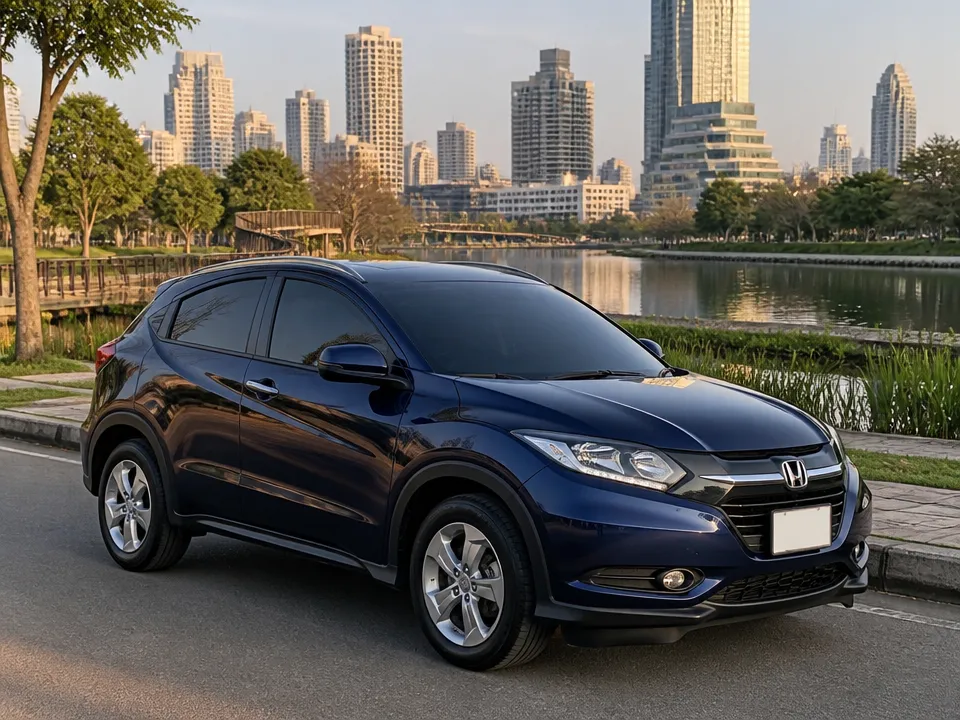
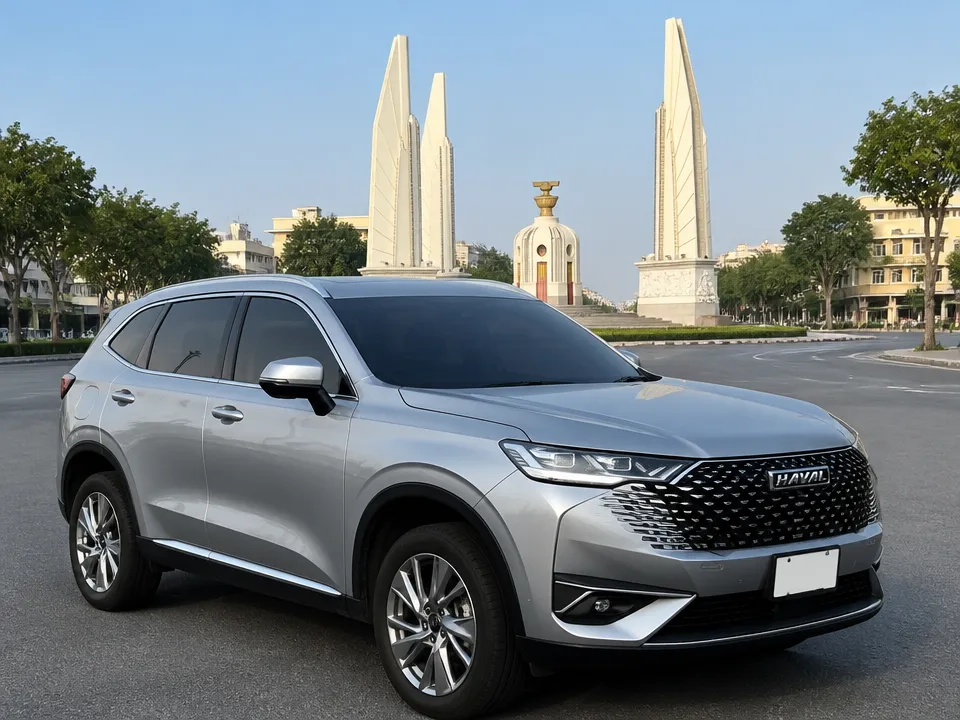










Crossovers car rental in Thailand

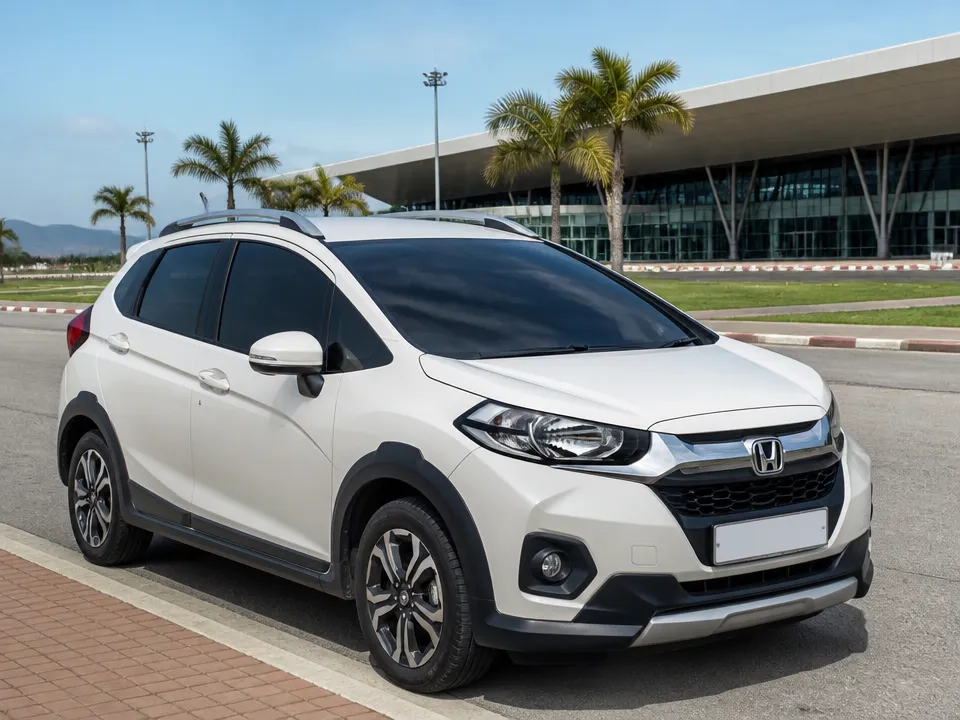
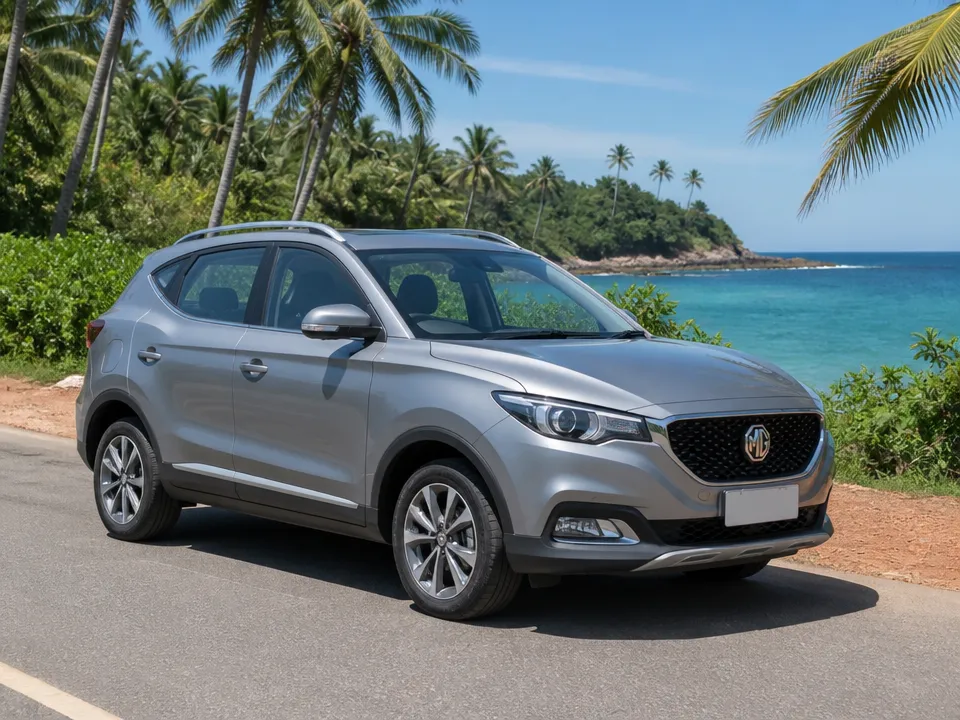
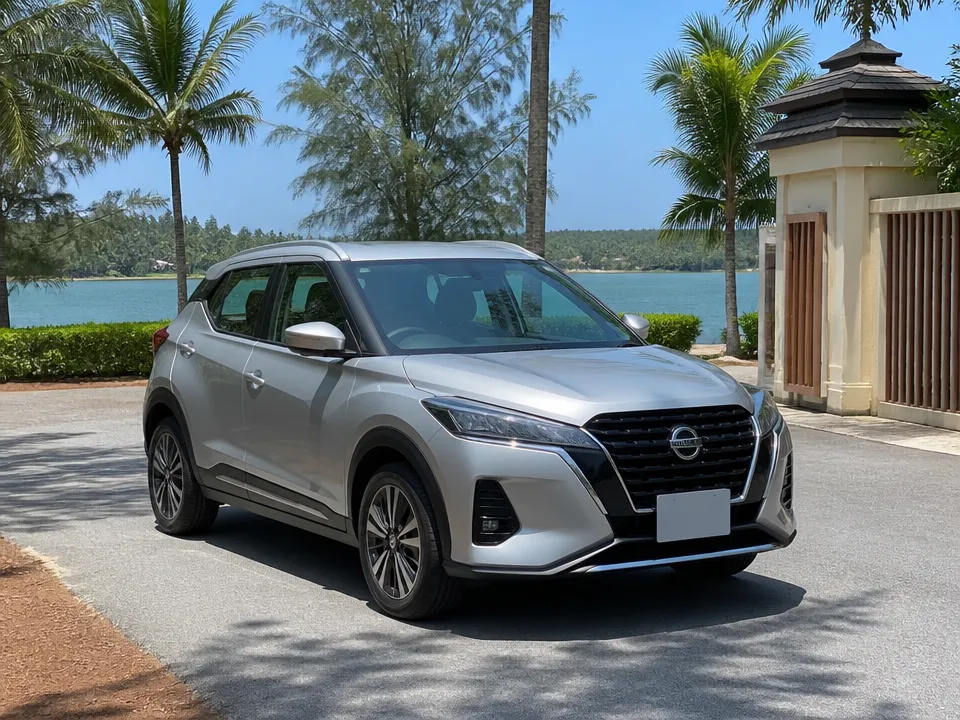
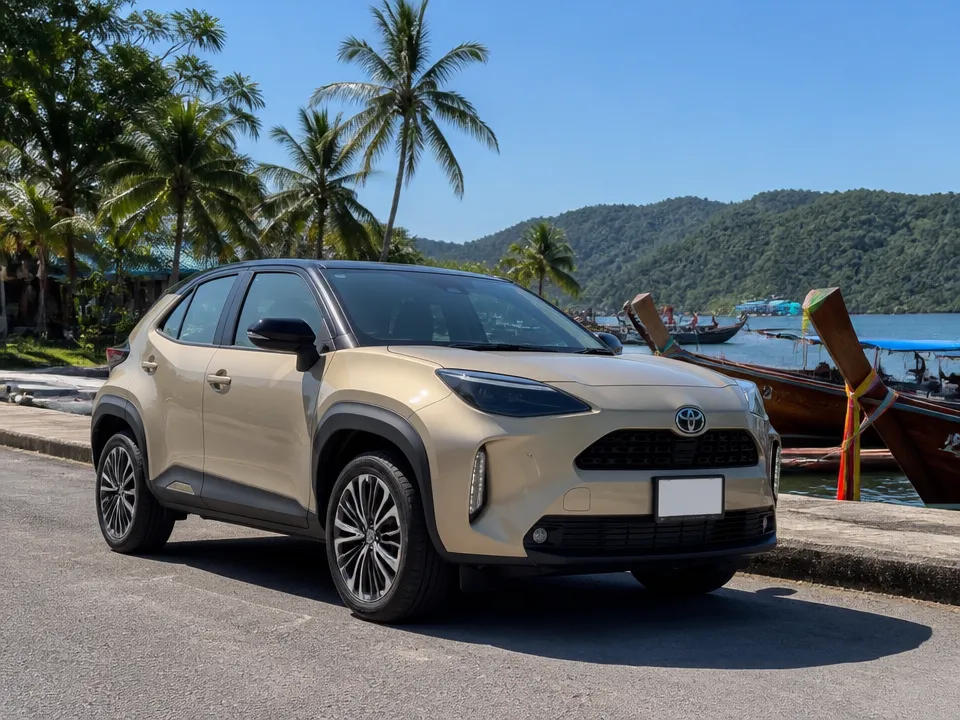
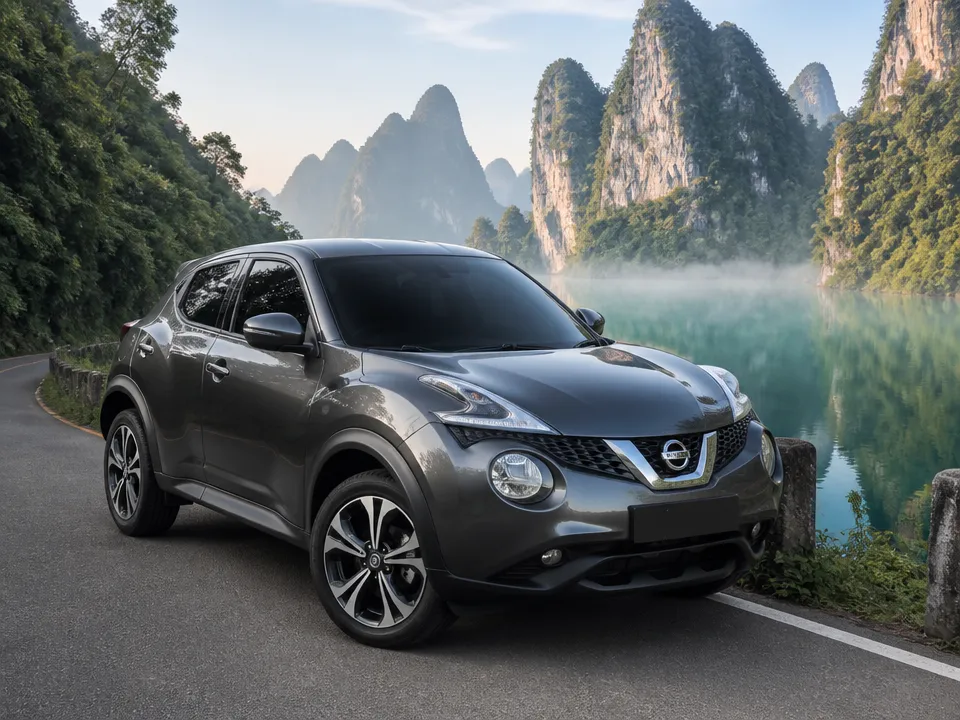
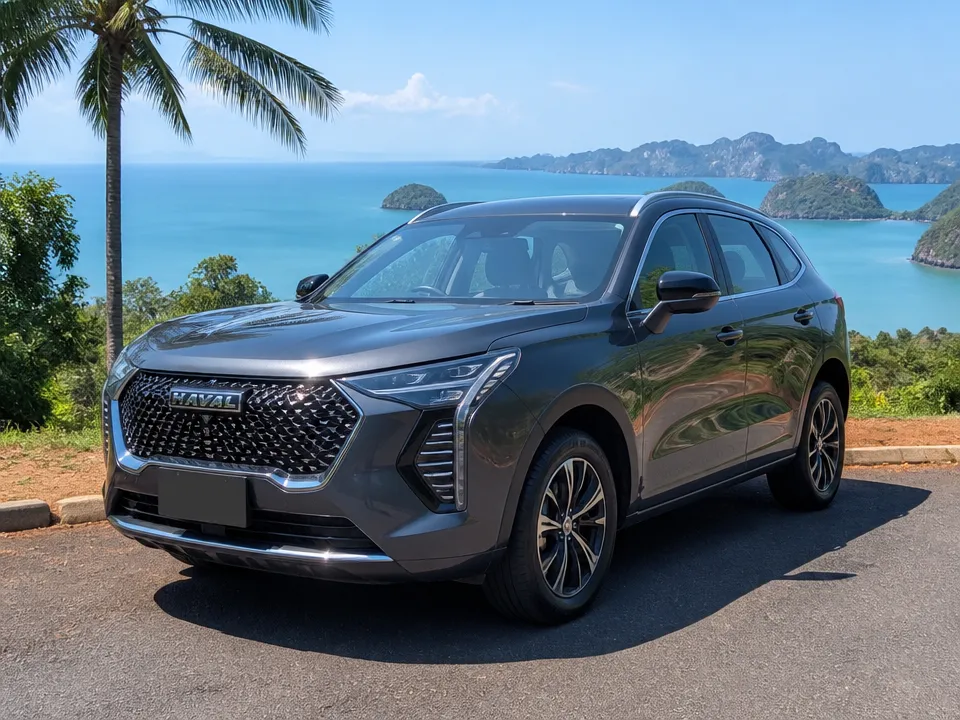
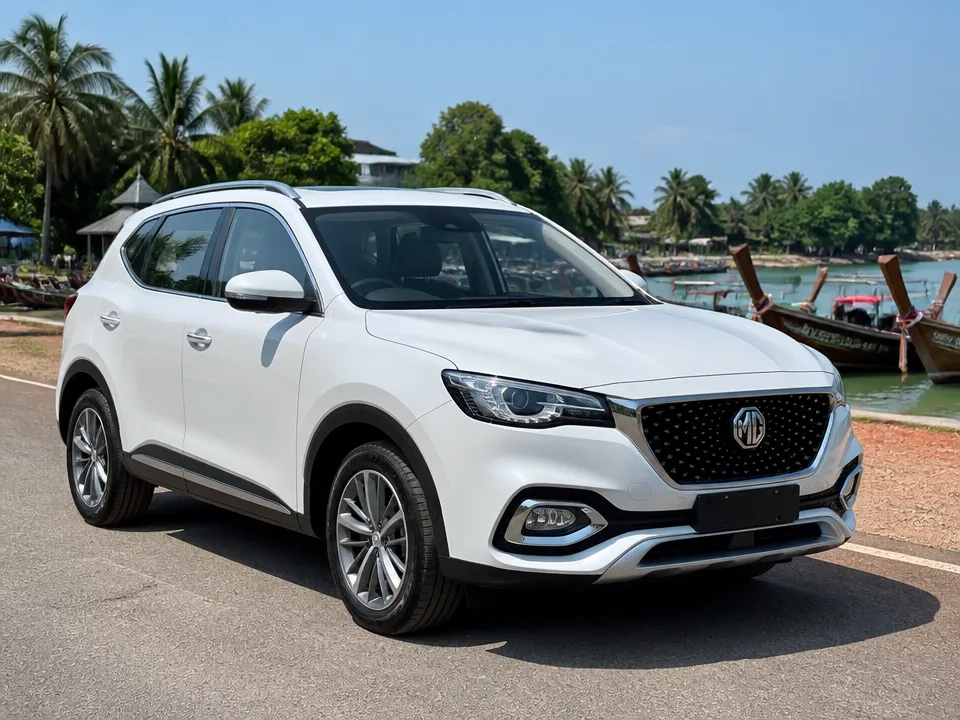
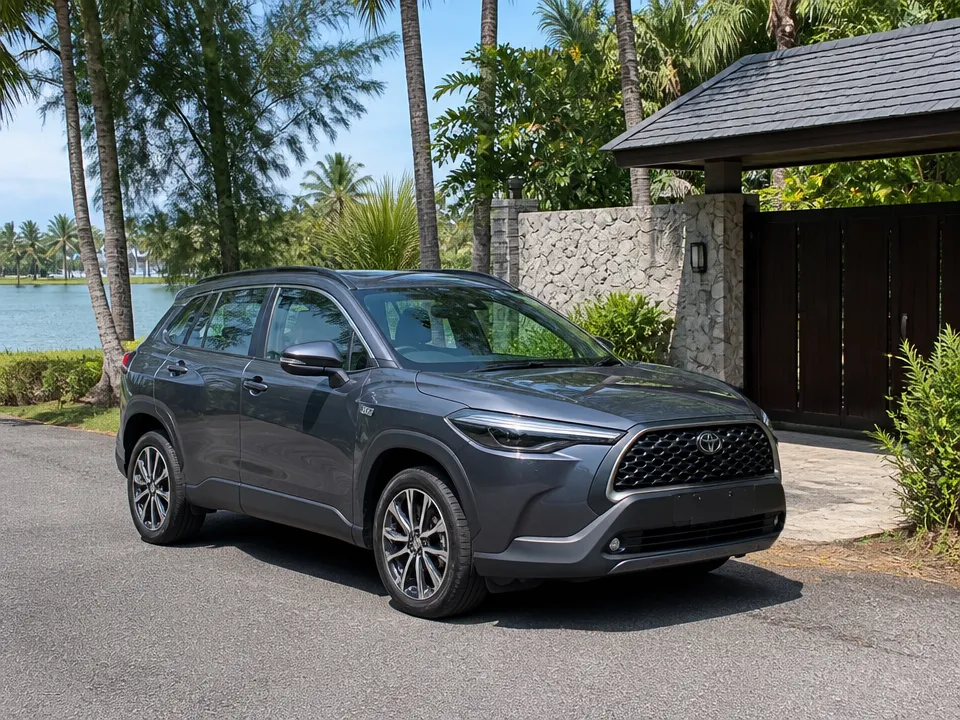
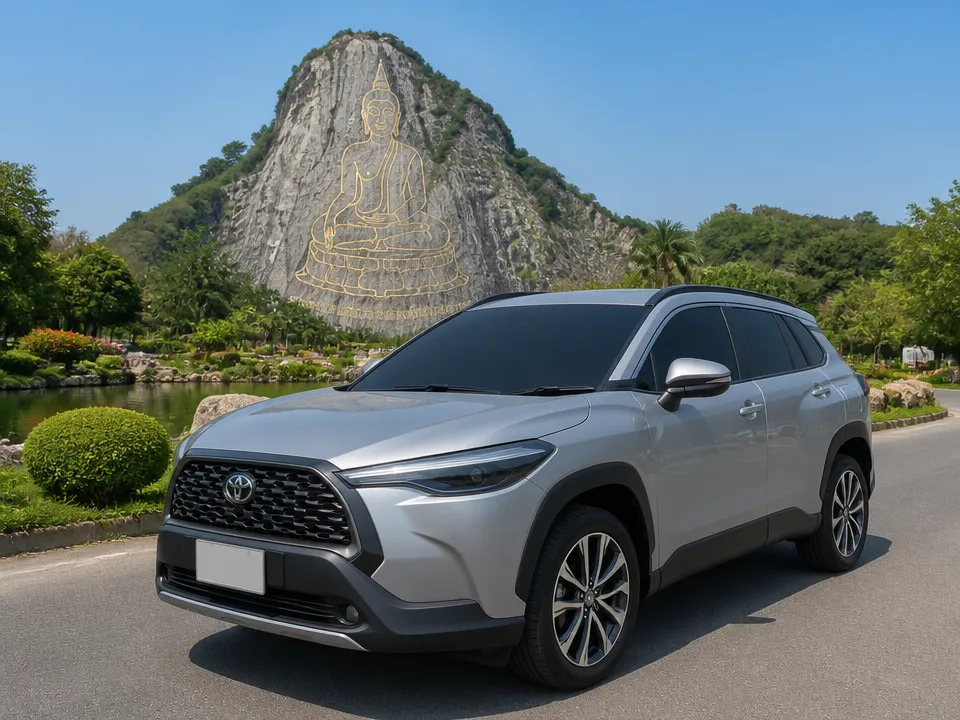
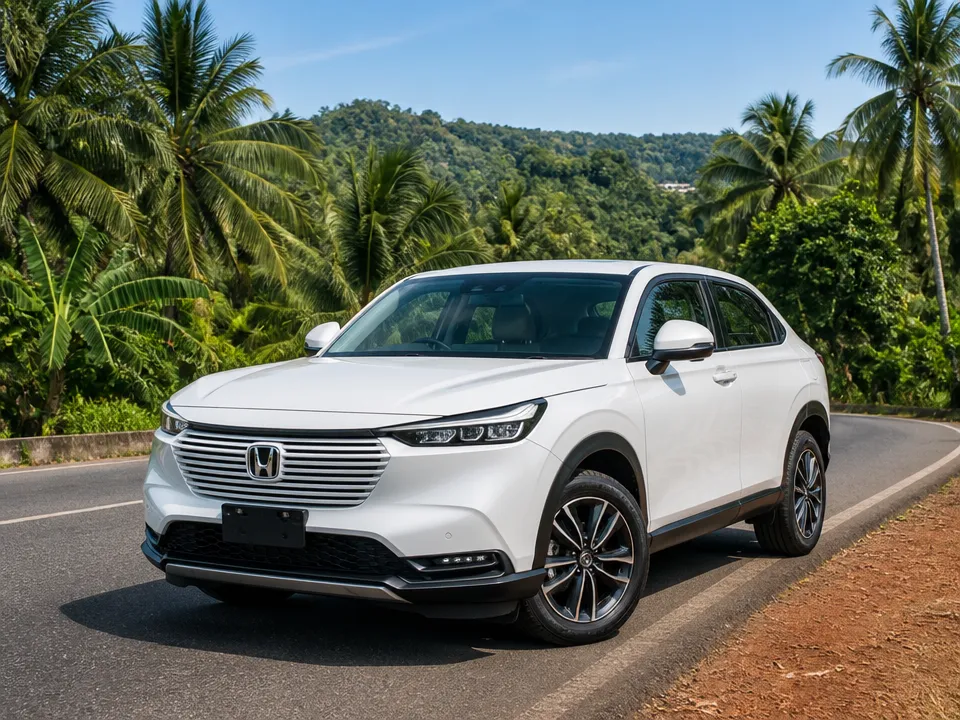
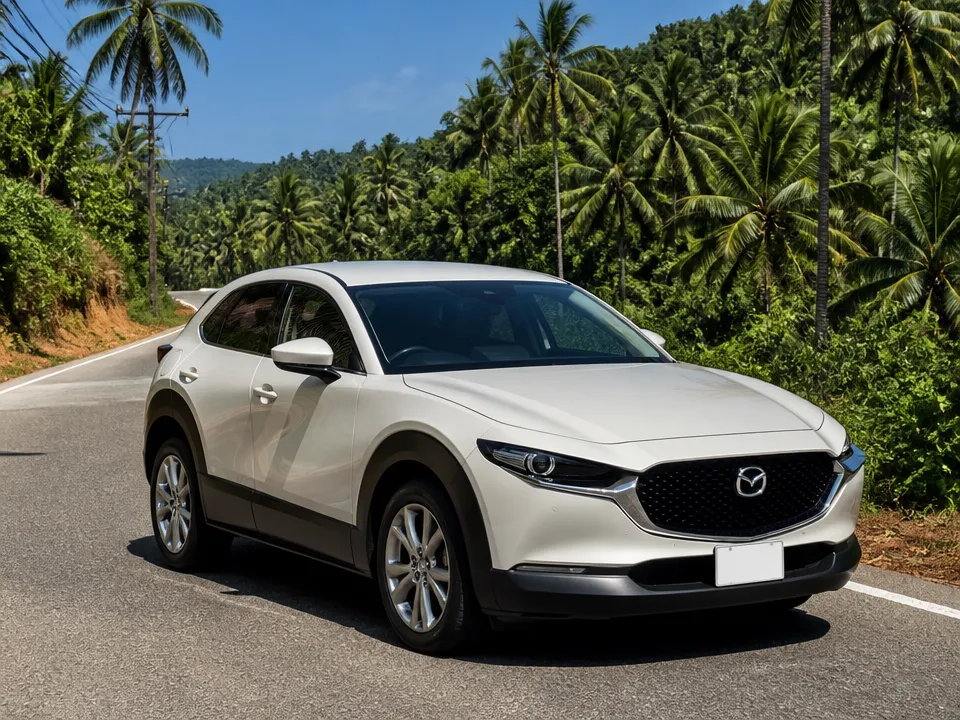
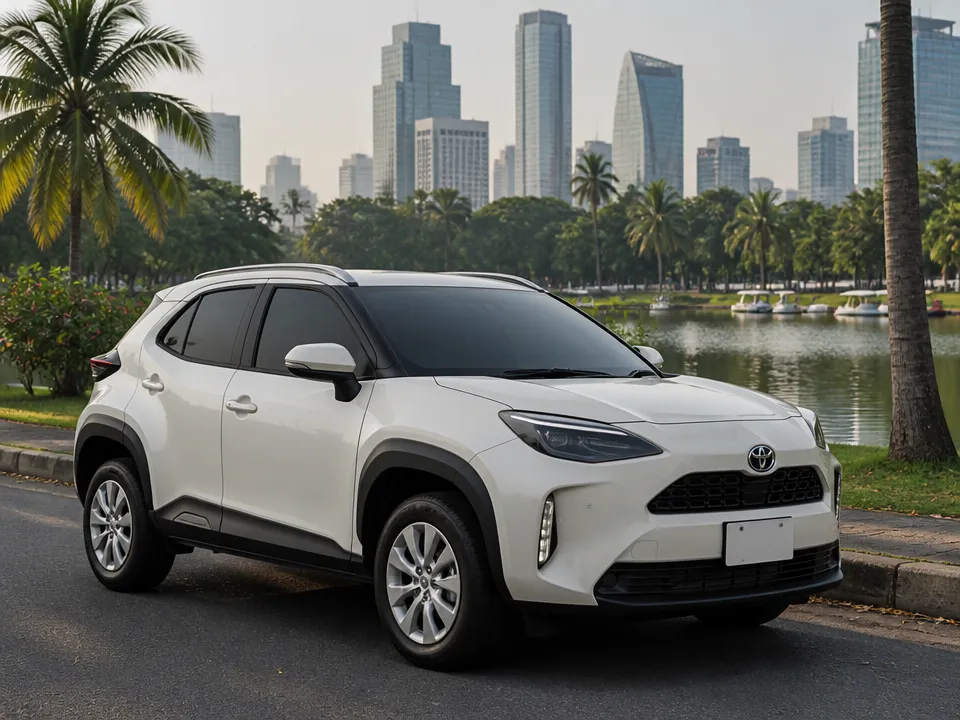
One step above the compact city cars, our crossover class puts 41 vehicles on the road in Thailand, from ฿1,050 to ฿2,500 per day, with weekly rates from ฿6,300 and monthly from ฿22,050. Every car — Honda WR-V, MG ZS, Mazda CX-30, Toyota Yaris Cross, Nissan Kicks e-Power and more — is automatic, five or seven seats, and delivered to you in Phuket, Bangkok, Koh Samui or Pattaya.
What crossovers car rental in Thailand gives you that a sedan does not
A crossover in our fleet means five or seven seats, an automatic gearbox, front-wheel drive on all but one car and a 1.2–2.0 L engine. Everything else — the badge, the trim, the colour — matters less than those four numbers when you are choosing what to drive here.
What counts as a crossover on this page
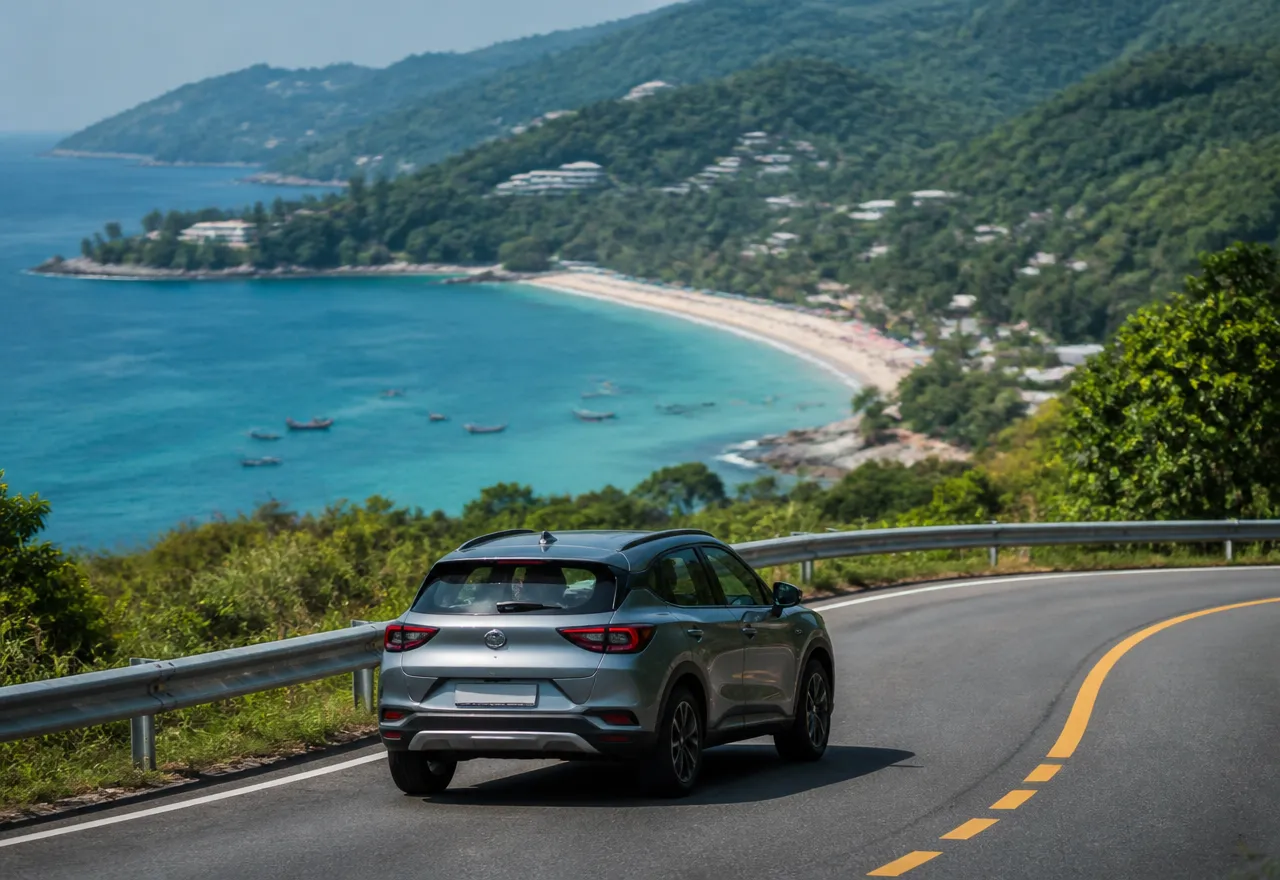
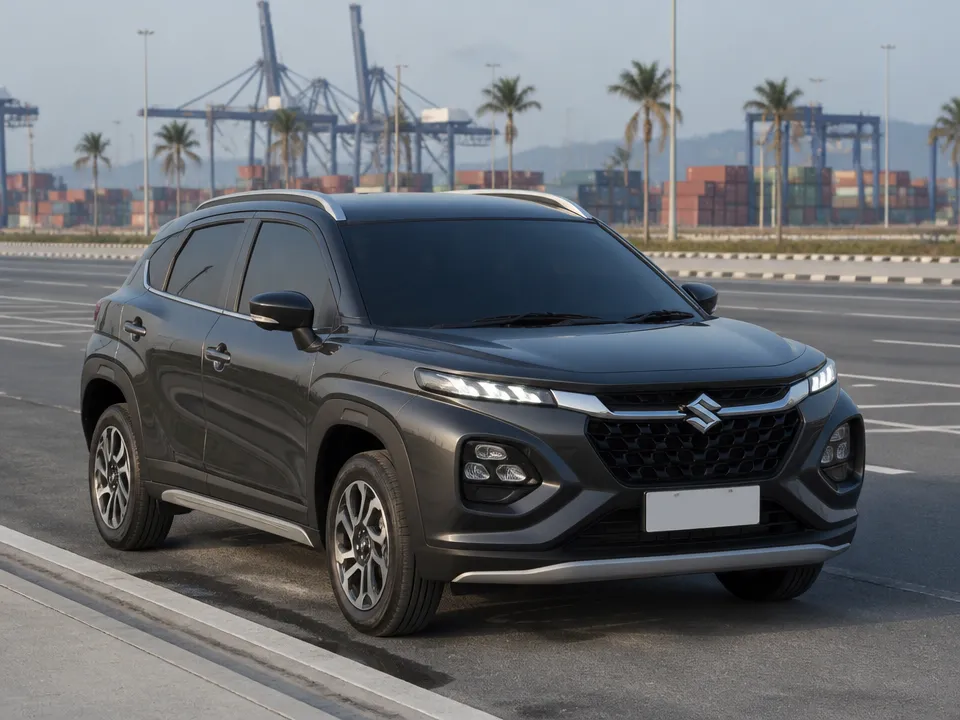
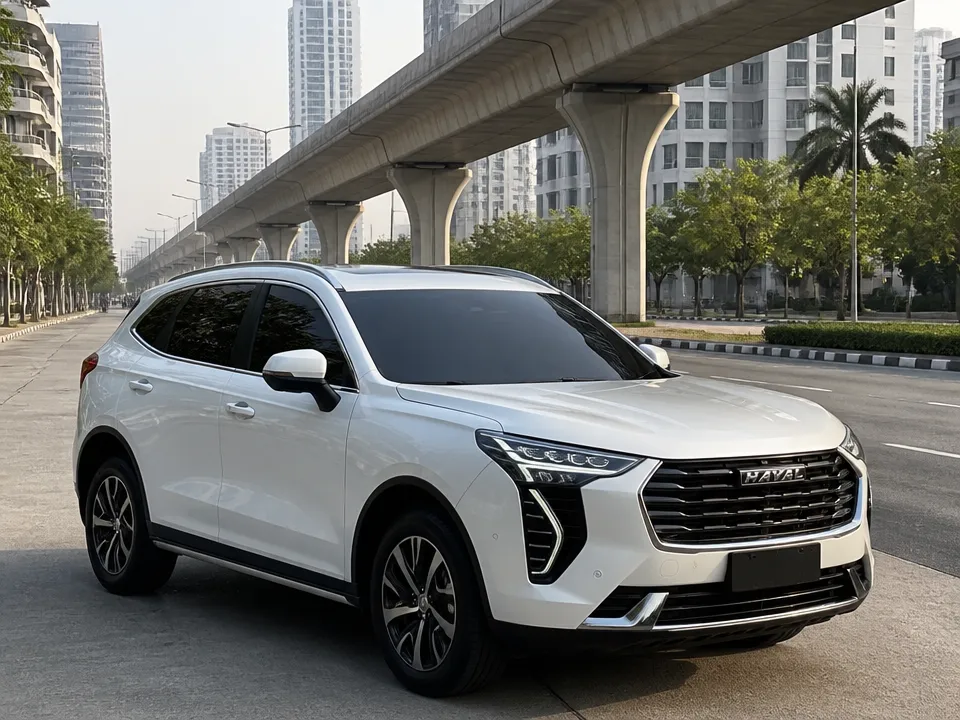
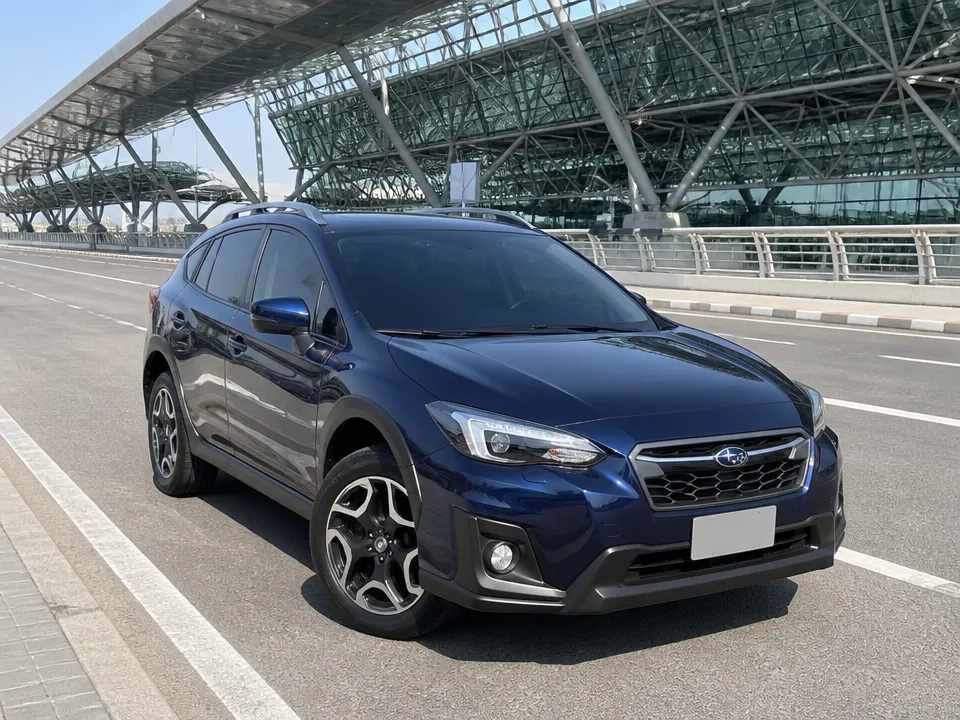
Every one of our 41 crossovers is a 5- or 7-seat automatic with a 1.2–2.0 L engine, and all but the all-wheel-drive Subaru XV are front-wheel drive. That covers the ฿1,050 Honda WR-V at the bottom of the range and the ฿2,500 Haval Jolion at the top, with the Mazda CX-30, Toyota Yaris Cross, Honda HR-V, Nissan Kicks e-Power and Suzuki Fronx sitting in between. Fuel varies more than size does: petrol, mild hybrid, hybrid and plug-in hybrid all appear on the list. A crossover sits between a sedan and a full SUV — you get the higher seat and the boot without the size that makes tight parking awkward.
Crossover or SUV — which one you are actually booking
On this page the Honda CR-V is listed inside the crossover class, so the line between the two is drawn by the car, not by the badge.
Why travellers pick one over a sedan
- One car for a group: the 7-seat Chery Tiggo 8 PHEV covers a family in a single booking instead of two sedans.
- Automatic only: all 41 cars on this page are automatic, so there is no manual-gearbox decision to make.
- Fuel choice: hybrid and plug-in hybrid options start at ฿1,290, which suits stop-start driving in built-up areas.
Rent-Trip delivers the car to an address agreed with a manager — in Phuket, Bangkok, Koh Samui or Pattaya — and the booking is fixed only after that agreement. If you are weighing a crossover against a sedan for a longer trip, remember that weekly rates are daily × 6 and monthly rates are daily × 21, so the class you pick sets the whole bill.
Crossovers car rental in Thailand with seats, engines and drivetrain
Seat count first, then fuel type, then engine size — the three choices that actually change the car you get. Everything on this page is automatic and all but one car (the all-wheel-drive Subaru XV) is front-wheel drive, so the real decision sits with how many people you carry and how you plan to fuel the trip.
Five seats or seven — the only 7-seat crossover we hire out
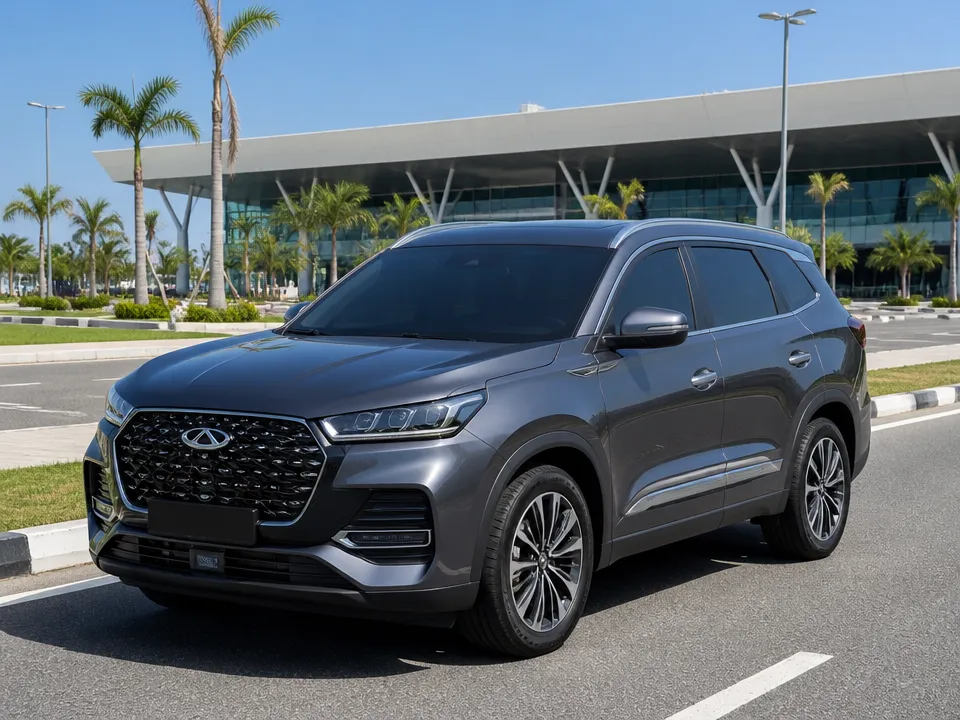
The Chery Tiggo 8 PHEV is the only 7-seat crossover on this page, at ฿1,550 per day. Every other car in the 41-strong line-up seats five. The Tiggo 8 pairs its third row with a 1.5 L plug-in hybrid drivetrain and an automatic box, so a family of six or seven gets one vehicle and one driver instead of two bookings.
Petrol, mild hybrid, hybrid or plug-in hybrid
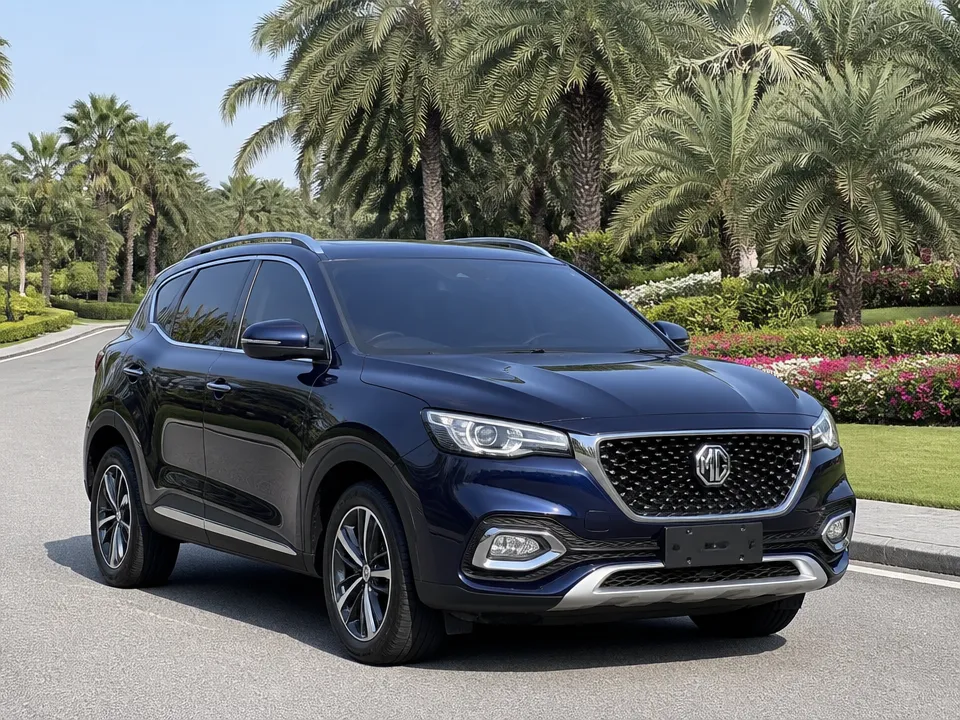
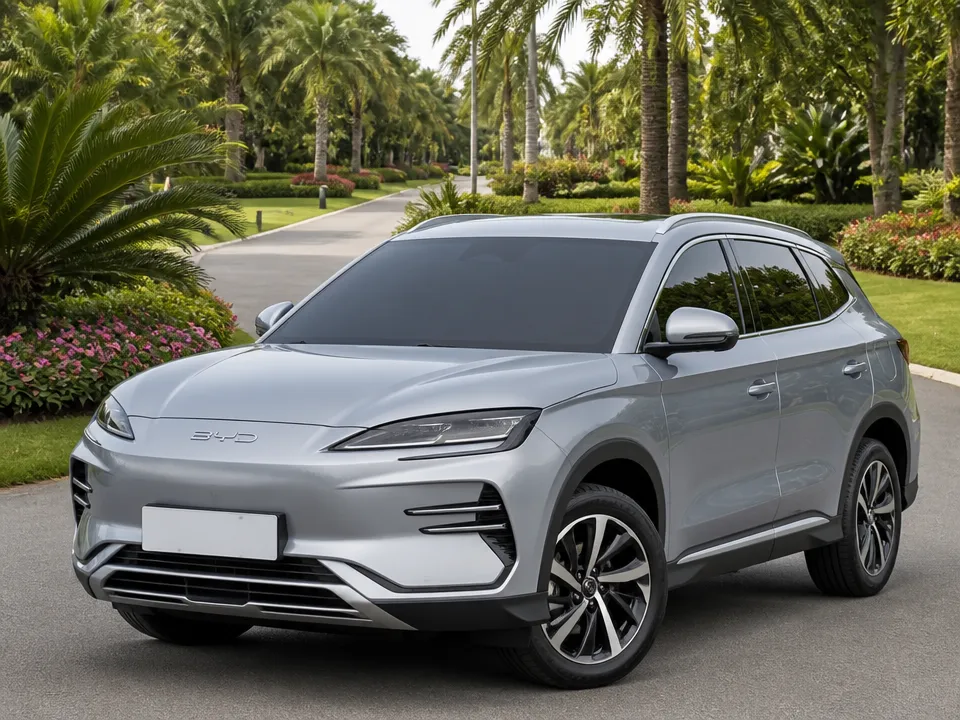
Our fleet spans petrol, mild-hybrid, hybrid and plug-in hybrid crossovers, from the ฿1,050 Honda WR-V to the ฿2,500 Haval Jolion. Petrol covers the widest spread: the MG ZS at ฿1,100, the Mazda CX-30 and Mazda CX-3 with 2.0 L engines, the 1.5 L turbo MG HS at ฿1,250 and the Toyota C-HR at ฿1,900. Mild hybrid is represented by the Suzuki Fronx at ฿1,290. Full hybrids run from the Toyota Yaris Cross at ฿1,290 and the Nissan Kicks e-Power at ฿1,300 up to the 243 hp Haval H6 at ฿1,700 and the Haval Jolion at ฿2,500. Plug-in hybrids are the BYD Sealion 5 and the Chery Tiggo 8 PHEV, both at ฿1,550.
Crossovers car rental in Thailand by model and specification
| Model | Seats | Fuel | Engine | From ฿/day |
|---|---|---|---|---|
| Honda WR-V | 5 | Petrol | 1.5 L | ฿1,050 |
| MG ZS | 5 | Petrol | 1.5 L | ฿1,100 |
| Mazda CX-30 | 5 | Petrol | 2.0 L | ฿1,100 |
| Suzuki Fronx | 5 | Mild hybrid | 1.5 L | ฿1,290 |
| Toyota Yaris Cross | 5 | Hybrid | 1.5 L | ฿1,290 |
| Nissan Kicks e-Power | 5 | Hybrid | 1.2 L | ฿1,300 |
| Mitsubishi Xforce | 5 | Petrol | 1.5 L | ฿1,300 |
| Haval Jolion | 5 | Hybrid | 1.5 L | ฿1,400 |
| BYD Sealion 5 | 5 | Plug-in hybrid | 1.5 L | ฿1,550 |
| Chery Tiggo 8 PHEV | 7 | Plug-in hybrid | 1.5 L | ฿1,550 |
| Honda CR-V | 5 | Petrol | 1.5 L | ฿1,650 |
| Haval H6 | 5 | Hybrid | 1.5 L | ฿1,700 |
Two cars can share a model name and still differ in price — the MG ZS runs from ฿1,100 to ฿1,200 depending on the unit, and the Mazda CX-30 appears at both ฿1,100 and ฿1,500. Tell the manager which seats, fuel and engine size you want when booking, and we match the request to the unit available in Phuket, Bangkok, Koh Samui or Pattaya.
Cost of crossovers car rental in Thailand by model and week
Crossovers car rental in Thailand with Rent-Trip runs from ฿1,050 to ฿2,500 per day. All 41 cars are automatic, and VAT 7% is already inside every figure you see.
How the daily rate is built
- Engine size: the 1.2 L Nissan Kicks e-Power starts at ฿1,300, while a 2.0 L Mazda CX-30 starts at ฿1,100 — displacement alone does not set the price.
- Fuel type: petrol, mild hybrid, hybrid and plug-in hybrid crossovers all sit in the same band, so the drivetrain is not a surcharge on its own.
- Trim and unit: two MG ZS cars on this page differ by ฿100 a day, and the Toyota Yaris Cross spans ฿1,290 to ฿1,800 across four units.
- Seats: the 7-seat Chery Tiggo 8 PHEV is ฿1,550 a day, which is mid-range for a car that carries two extra people.
The pattern worth knowing: identical model names hide different prices. When you compare two quotes and one looks lower, check the engine output and the trim before you assume it is the same car.
Weekly and monthly rates
A week of crossovers car rental in Thailand is charged at the daily rate multiplied by six, and a month at the daily rate multiplied by twenty-one. That means the Honda WR-V comes to ฿6,300 for a week and ฿22,050 for a month, both well under what the same number of separate days would cost. The per-day figure falls the longer you keep the car, and the reduction applies across the whole fleet, from the ฿1,100 Mazda CX-30 to the ฿2,450 Haval H6.
What the rate includes and what to confirm
- VAT 7%: already included in the ฿1,050–฿2,500 range, so the daily figure is what you pay for the car.
- Compulsory insurance (Por Ror Bor): attached to every registered car and covers injury to third parties.
- First-class (Class 1) insurance: covers damage to the car; its terms and the excess are set out in the rental agreement.
- Security hold: a bank card in the main driver's name is used for it, and the amount is set out in the agreement.
Mileage on Phuket is unlimited; for Koh Samui, Pattaya and Bangkok, confirm the mileage terms with the manager when you agree the booking.
Booking and delivery for crossovers car rental in Thailand
The sequence is short and has no hidden steps:
- Enquiry: you tell us the dates, the city and roughly how many people and bags are travelling.
- Car match: the manager offers the crossovers free on those dates — a 5-seat Honda WR-V at ฿1,050 or a 7-seat Chery Tiggo 8 PHEV at ฿1,550, depending on what is available.
- Address and time: you give the delivery address and the hour you want the car; a delivery fee, if any applies, is agreed at this point rather than added later.
- Confirmation: the booking is fixed, and the fees and penalties are set out in the rental agreement.
Since 30 December 2025 a car rental agreement in this country is a contract controlled by the OCPB, written in Thai, with every fee and penalty set out inside it — so the document you are handed is the one that governs the hire, not a summary on a website.
Delivery is free across Phuket and to Phuket International Airport, and we also bring cars to any address in Bangkok, Pattaya and on Koh Samui, including Suvarnabhumi, Don Mueang, U-Tapao and Samui International. Anywhere outside those four areas is arranged case by case and is not something we promise on the page.
If you land on an evening flight, consider a morning delivery: a car handed over after dark means your first drive is in unfamiliar traffic on the left.
Documents, licence and age rules for crossovers car rental in Thailand
Every driver of a crossover needs a valid home driving licence plus an International Driving Permit, or a national licence if they hold citizenship of an ASEAN country.
What to have ready before the car arrives
- Passport: the identity document the booking is matched against, with the main driver's name on it.
- International Driving Permit: the 1949 Geneva Convention document, recognised here under section 42 bis of the Motor Vehicle Act alongside the national licence.
- ASEAN national licence: citizens of ASEAN countries drive on their national licence, with no permit and no conversion needed.
- Bank card: a bank card in the main driver's name is used for the security hold; the amount is set out in the rental agreement.
Driving without the right paperwork is not a paperwork problem alone: the police fine runs ฿500–1,000, and an insurer may refuse a claim on a car driven by someone who should not have been behind the wheel.
Age works the same way across the crossover class: the minimum driver age is 21, and the conditions that apply to drivers under 25 are set out in the rental agreement, not quoted at the counter. Ask your manager before the booking is fixed if the driver is close to 21 or under 25, and the conditions are confirmed in writing in the agreement rather than guessed at delivery.
Insurance, deposit and fines on a rented crossover
Insurance comes in two layers: compulsory cover attached to the car and the first-class policy that protects the vehicle itself.
- Por Ror Bor: compulsory motor insurance attached to every registered car in the country; it covers injury to third parties, not damage to the vehicle you are driving.
- Class 1 insurance: first-class cover that takes in damage to the car itself; its terms and the excess are set out in the rental agreement.
- Security hold: a bank card in the main driver's name is used for the hold; the amount is set out in the agreement, not quoted here.
- Traffic-camera fines: issued to the car owner and re-invoiced to the renter, so a camera fine is settled through the rental agreement rather than at the roadside.
- The agreement itself: since 30 December 2025 a car rental agreement is a contract controlled by the OCPB, written in Thai with all fees and penalties disclosed in it.
A police fine for driving without an International Driving Permit runs ฿500–1,000, and an insurer may refuse a claim on that basis. Citizens of ASEAN countries drive on their national licence and do not need the permit.
A bank card in the main driver's name carries the security hold, and the amount is set out in the rental agreement. Minimum driver age is 21; conditions for drivers under 25 and for premium classes are also set out in the agreement. VAT 7% is already included in the prices shown. If a deposit, an excess or a young-driver condition matters to your budget, ask the manager to confirm it before the booking is fixed — that is the point where the figures become yours, in writing, rather than a general rule from a web page.
Delivery across Phuket and to Phuket International Airport is free; elsewhere a delivery fee, if any, is agreed when booking.
Driving conditions and daily checks for crossovers car rental in Thailand
Driving here is left-hand traffic in a right-hand-drive car, so the first hour behind the wheel is the one that needs your full attention.
What is different from the first minute
- Licence on board: a foreign visitor needs a home driving licence plus an International Driving Permit (1949 Geneva Convention; section 42 bis of the Motor Vehicle Act).
- The fine for driving without one: ฿500–1,000, and an insurer may refuse a claim.
- ASEAN citizens: may drive on their national licence, with no permit needed.
- Seat belts: every passenger wears one, including the rear row.
Speed limits and cameras
A crossover is a light passenger car, so the general limits apply: 80 km/h in built-up areas — Pattaya City is named a built-up area in the law — 90 km/h outside them, and 120 km/h on the motorway. On Motorway 7 the 120 km/h limit is enforced primarily by speed cameras, and a camera fine is issued to the car owner, which is the company you hired it from, then re-invoiced to the driver. A sign can lower the limit below the general figure, and the fine for speeding runs up to ฿1,000, usually ฿500 on the receipt. On Phuket, mileage is unlimited, so a long day of island driving costs you nothing extra in kilometres.
The checks worth doing before you pull away
- Fuel: the car comes clean with a full tank; petrol stations in Thailand sell gasohol 91, 95 and E20, and diesel as B20 or Hi Diesel S.
- Tax sticker: a square blue tax sticker with a hologram sits on the windscreen, and its year is written in the Buddhist calendar — the Gregorian year plus 543. On a hired car it must be current.
- Parking: never against a red-and-white or yellow-and-white kerb.
If you are not sure of a condition, ask your manager before the booking is fixed — the delivery address, the date and the time are agreed with them anyway, and the same conversation is the right place for anything the rental agreement sets out.