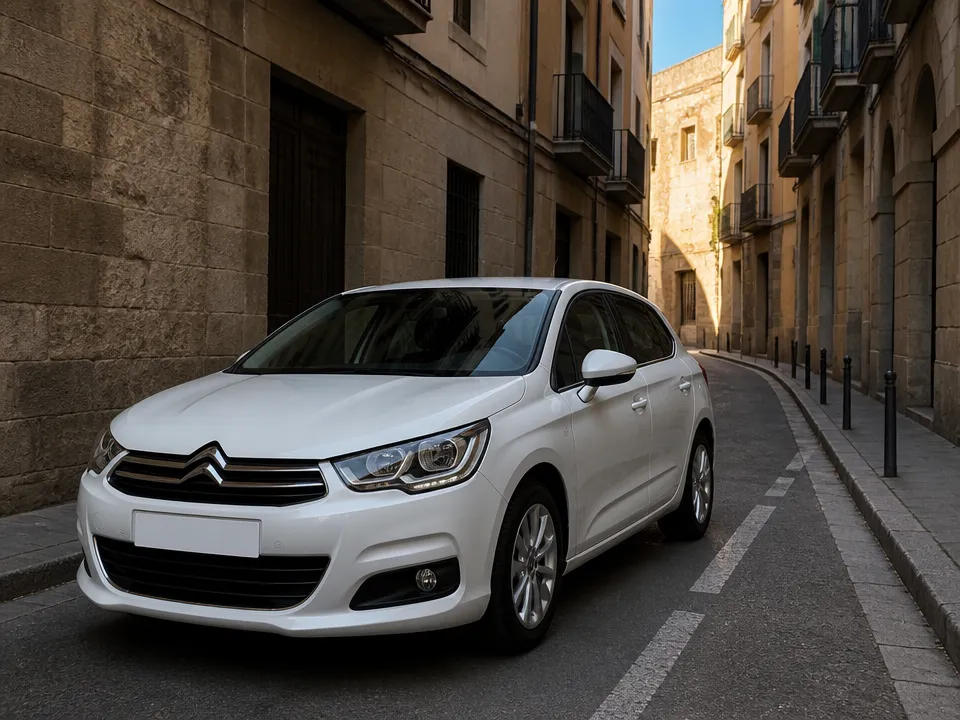
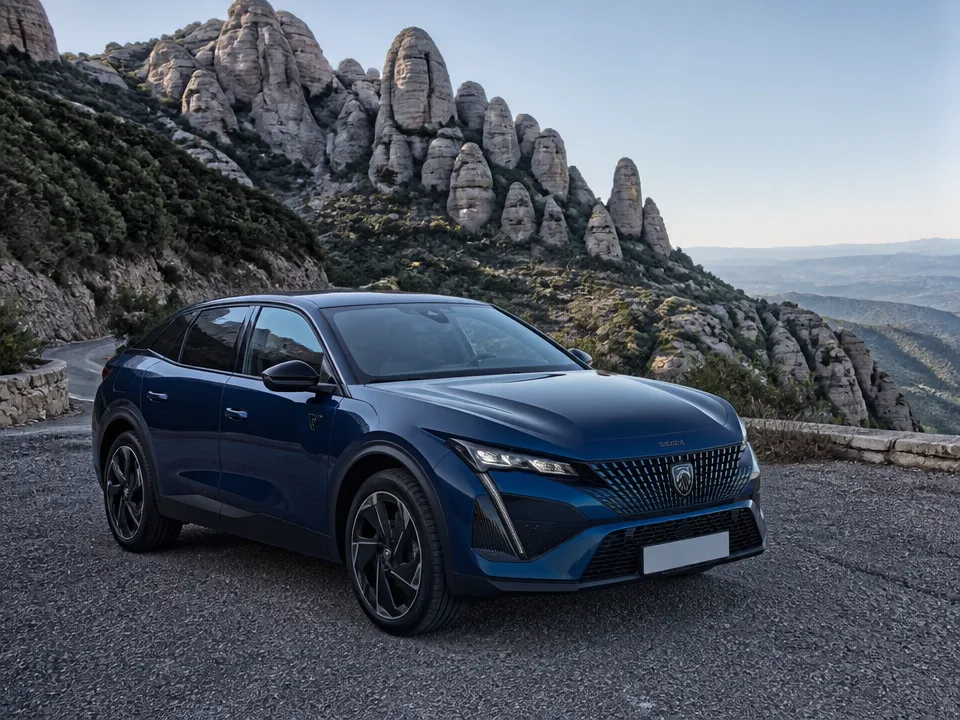
Citroen C4
★4.6· 86Manual1.2 L130 hpFront-wheel5 seats
€40per day
Book now






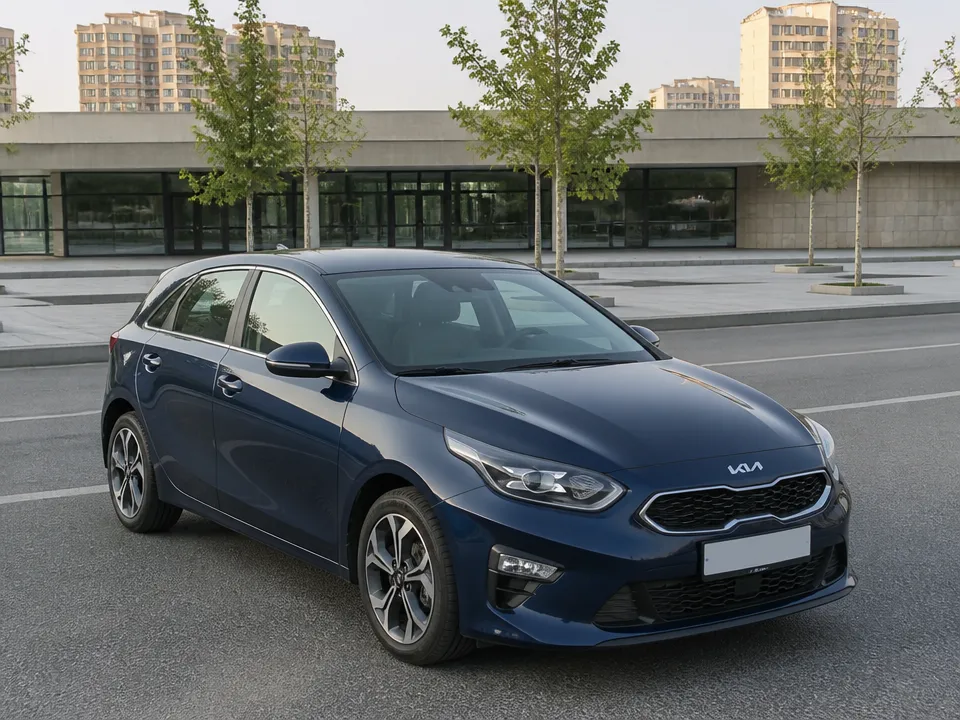
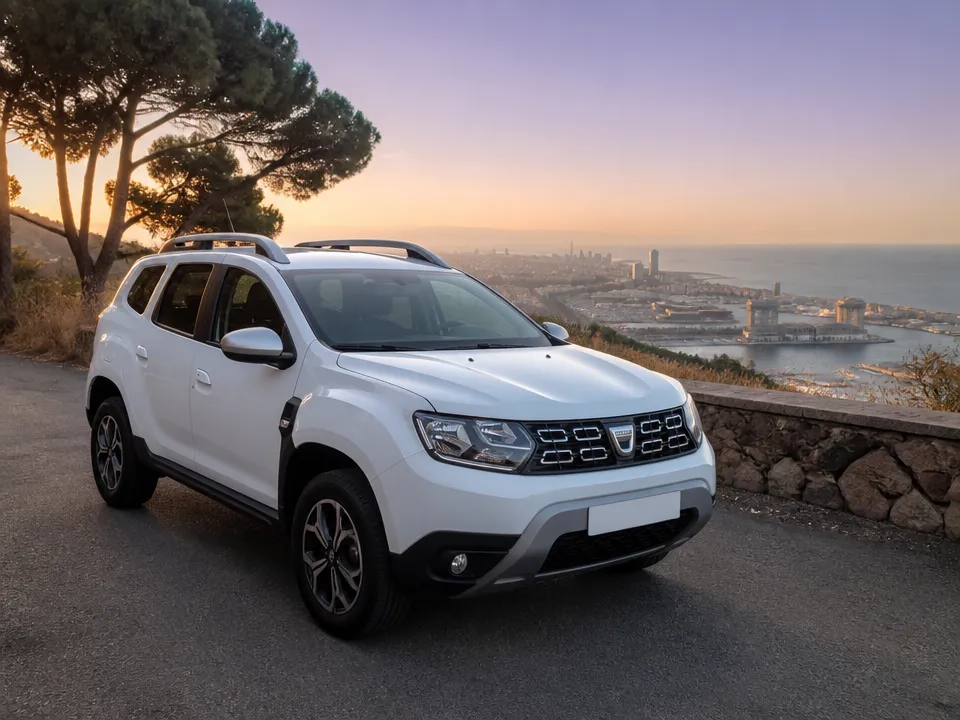
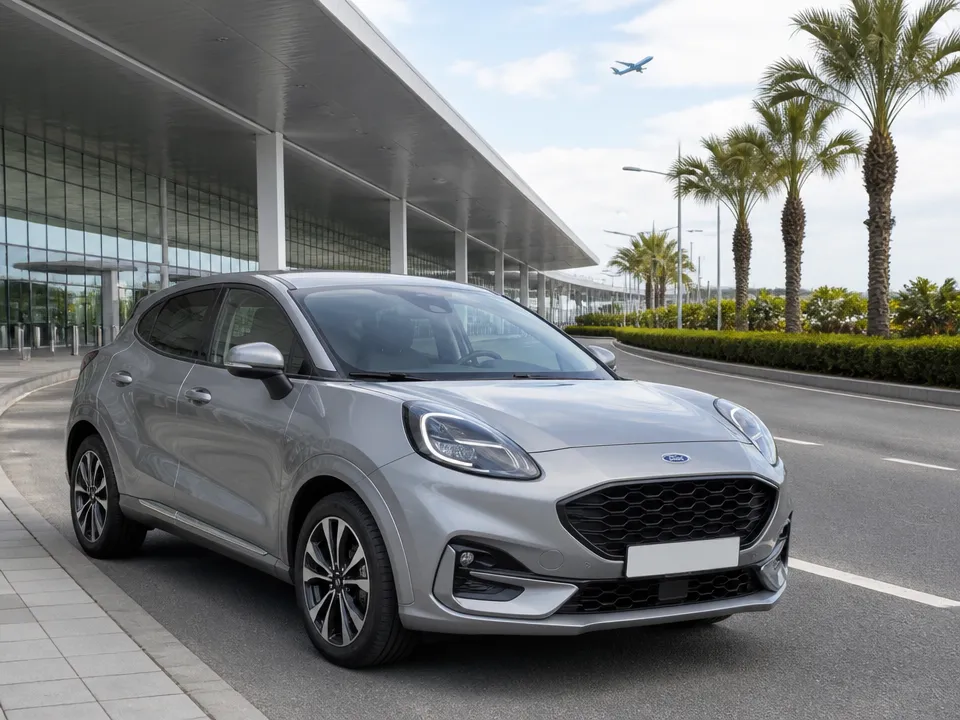
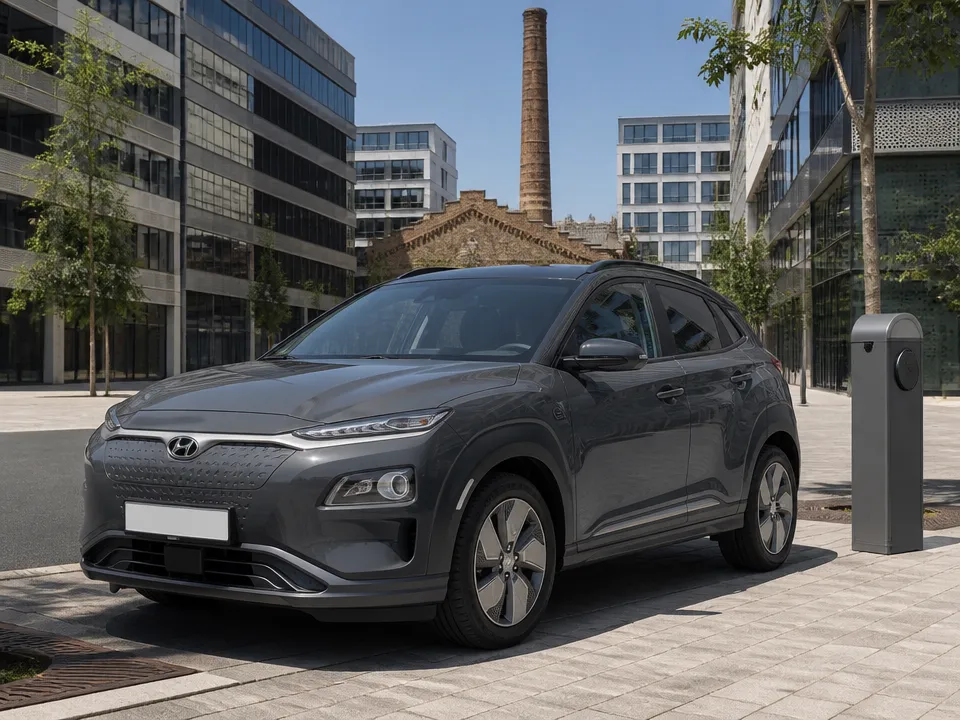
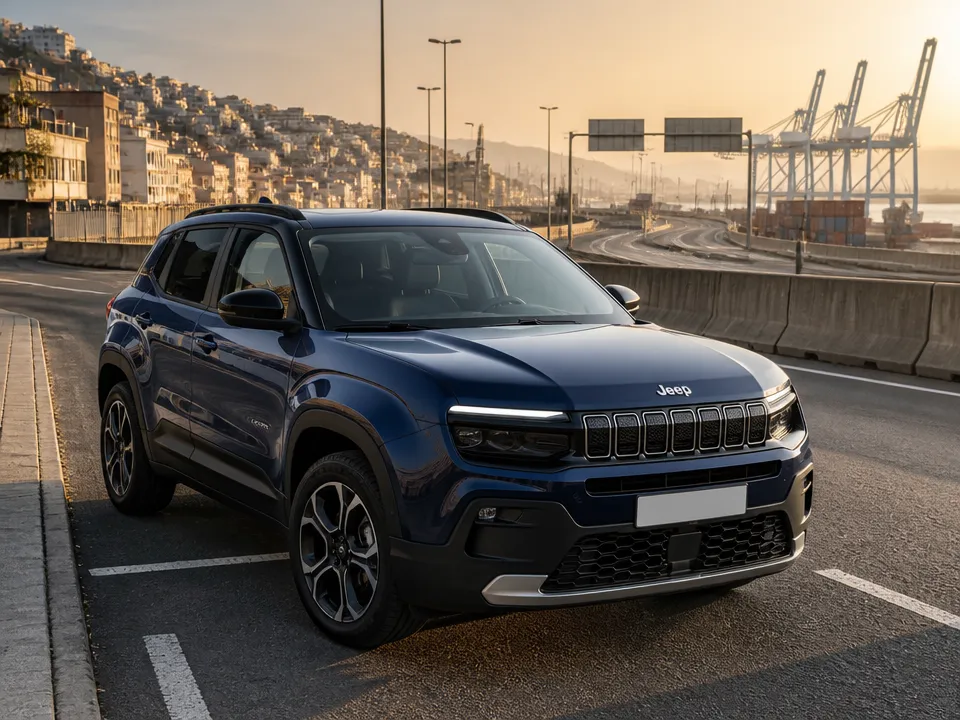
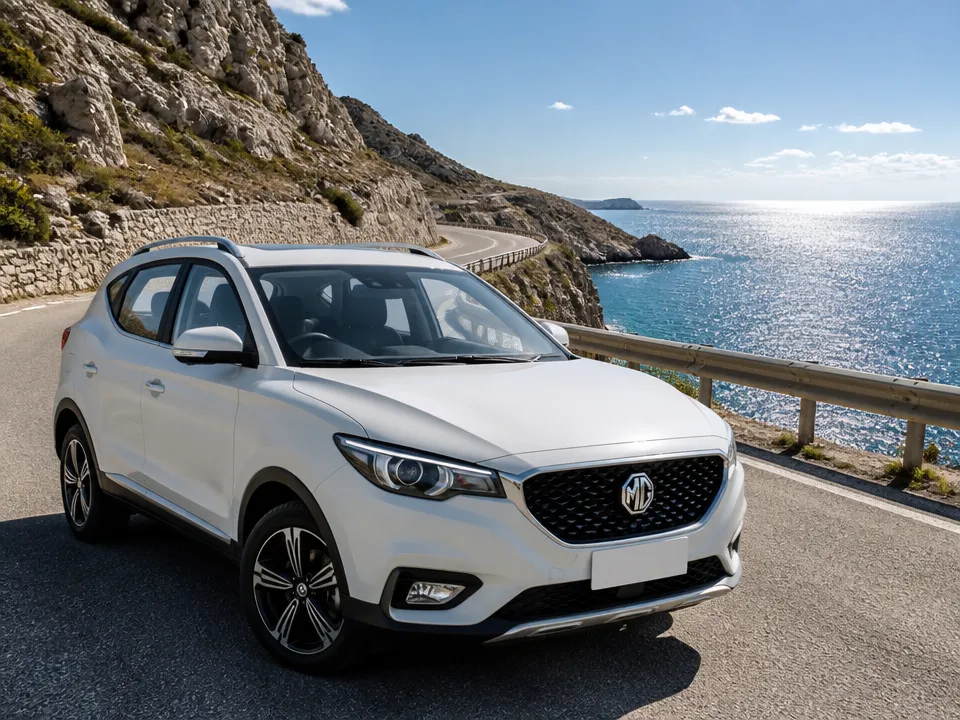
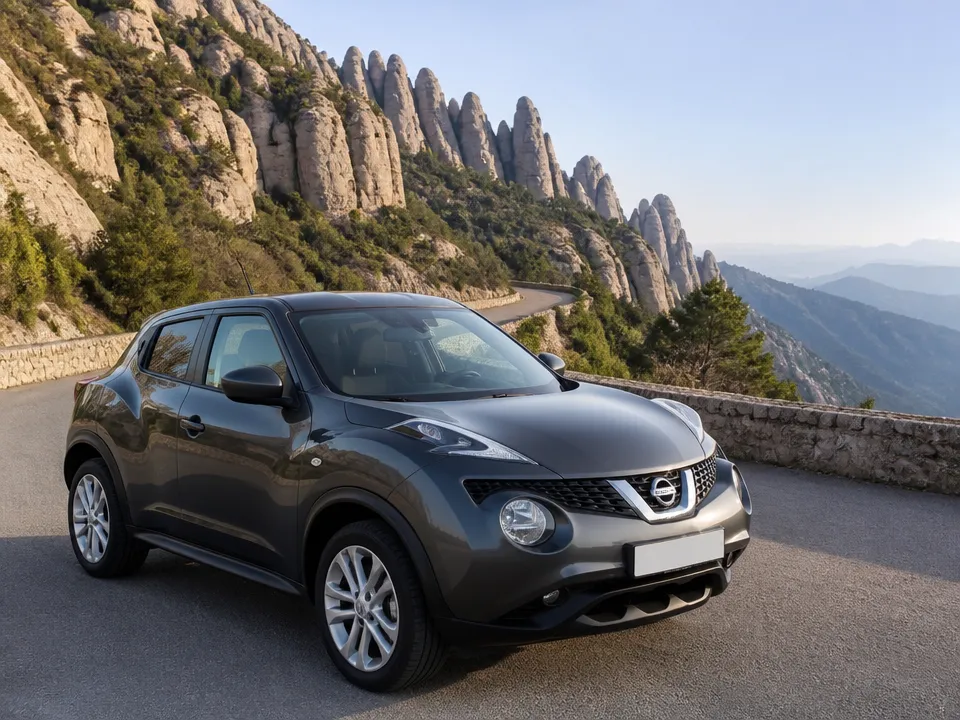
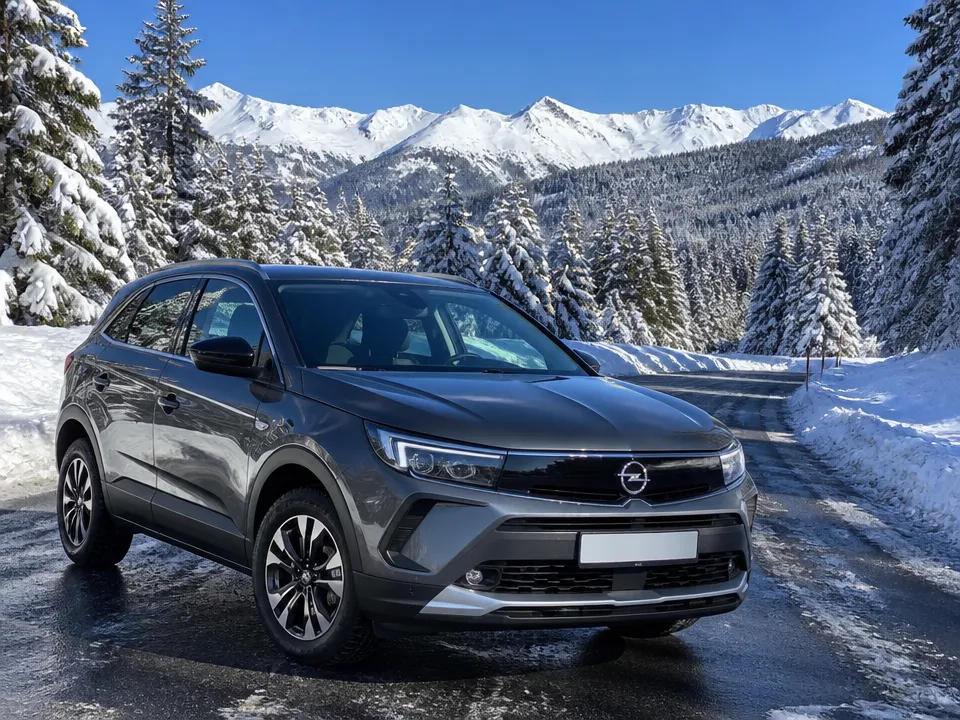
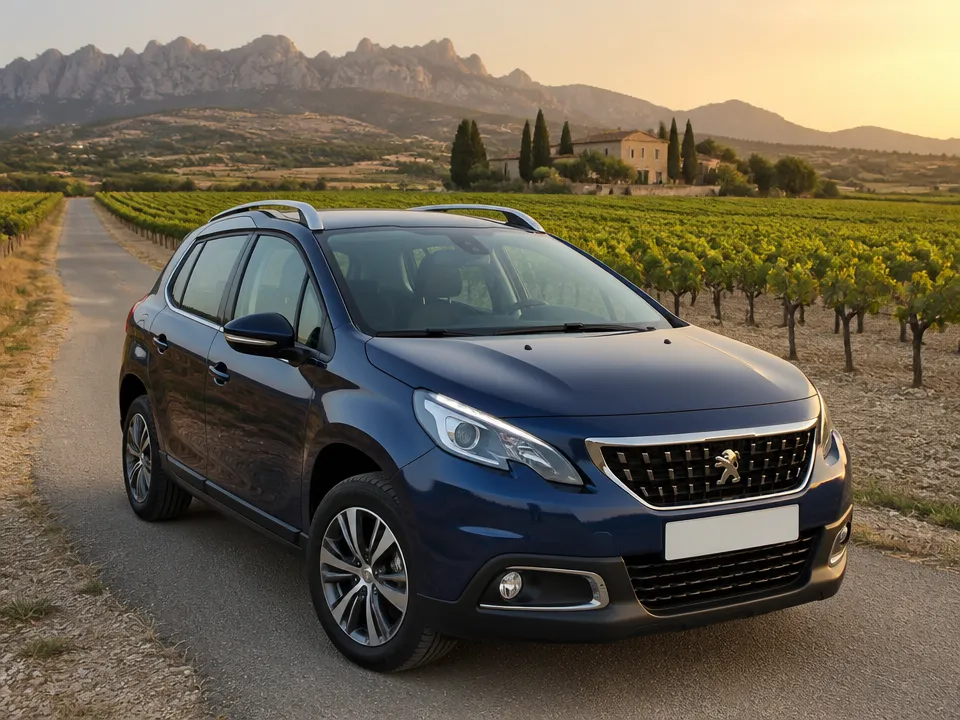
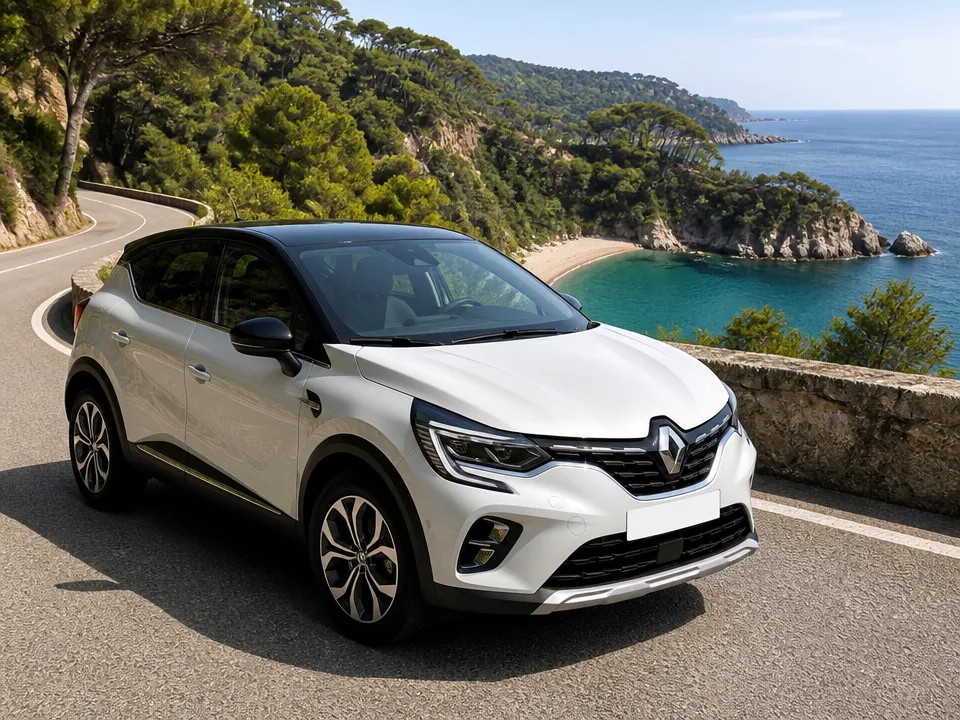
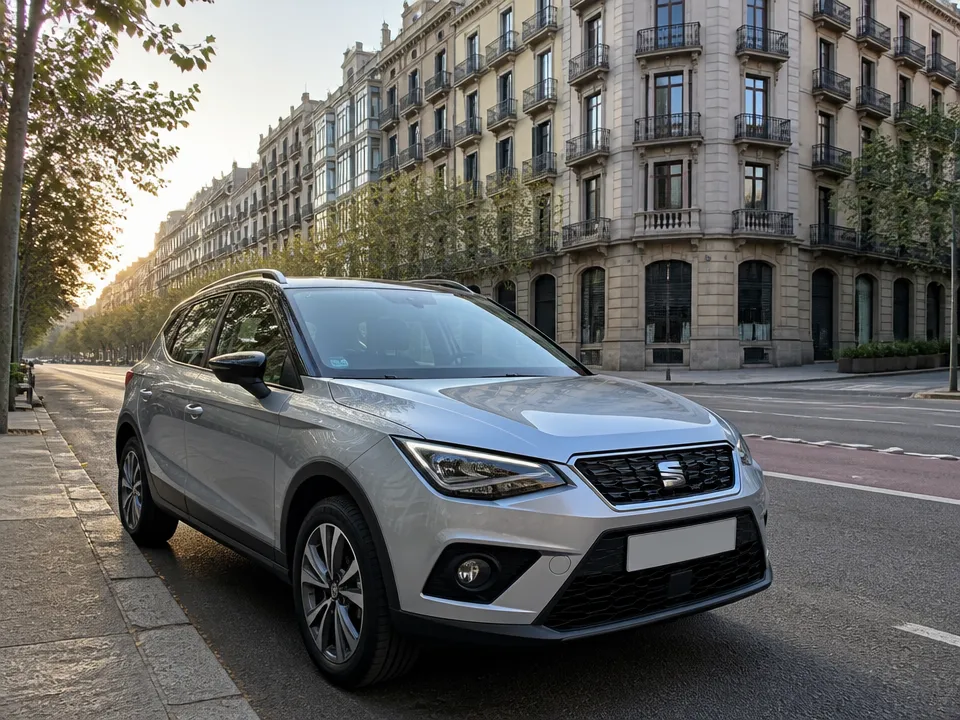
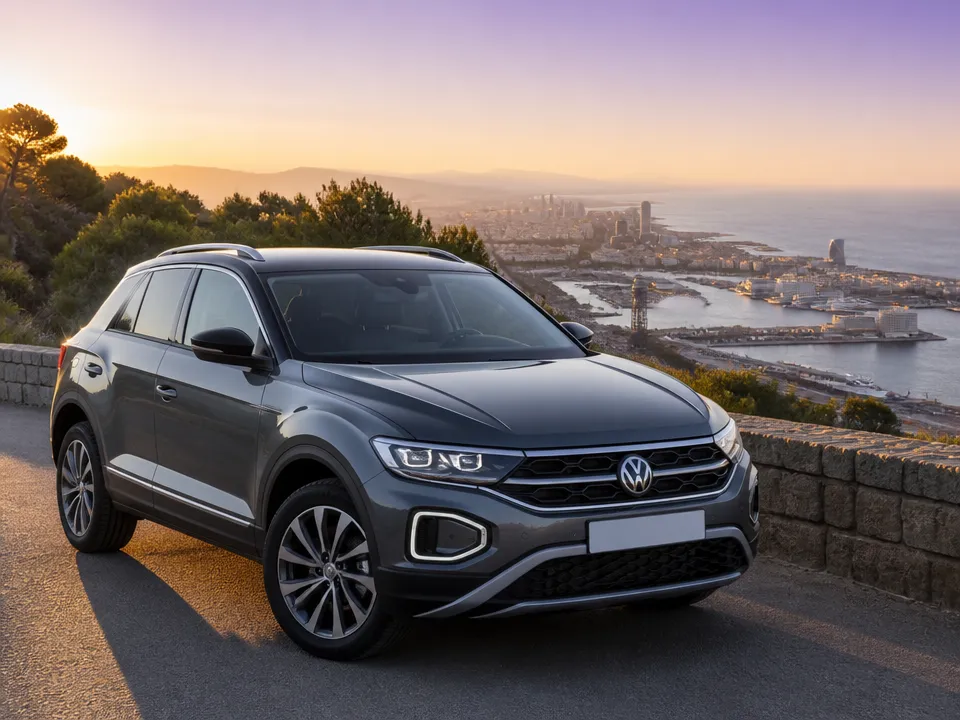
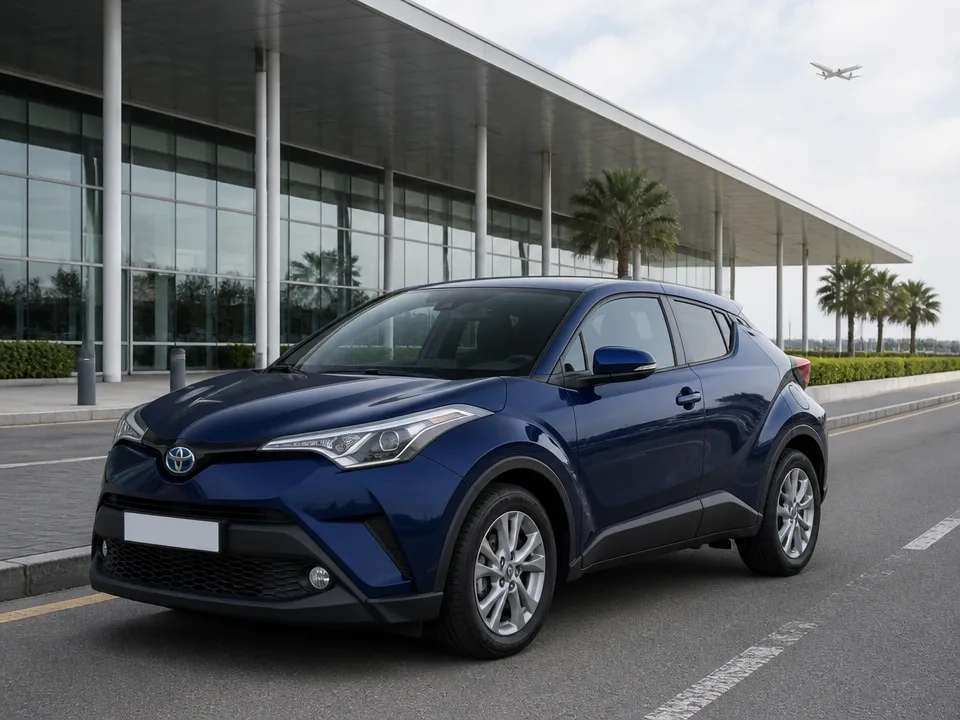
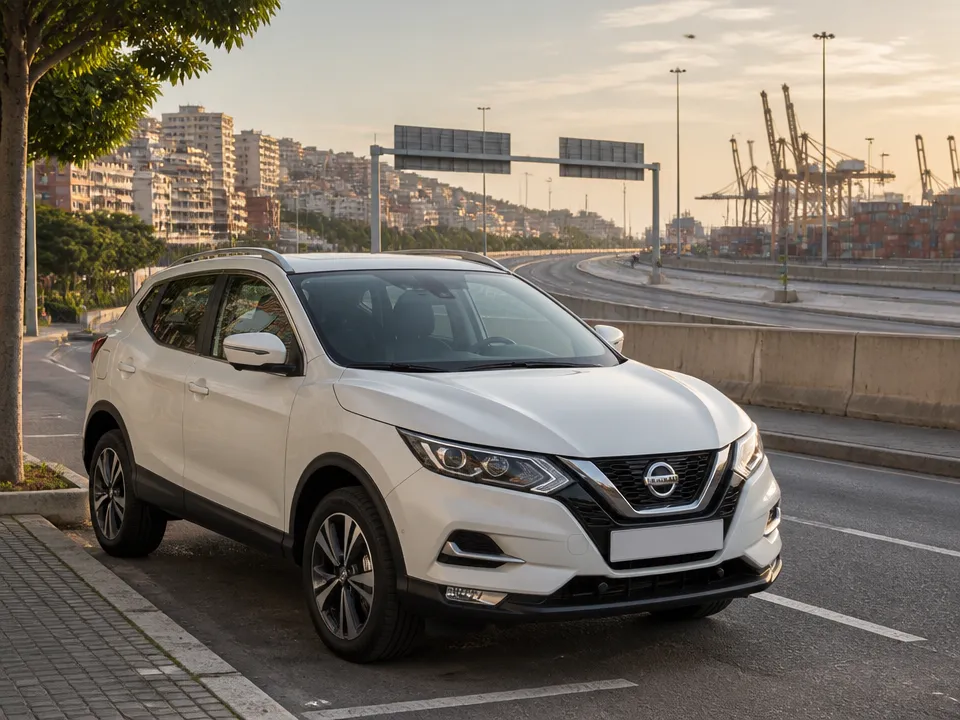
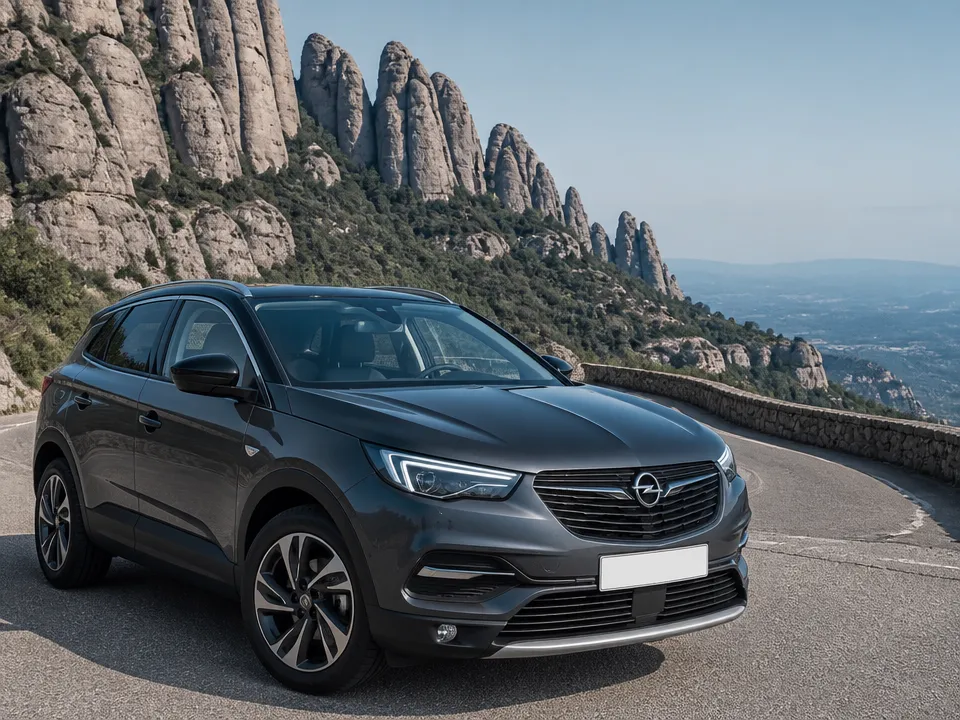
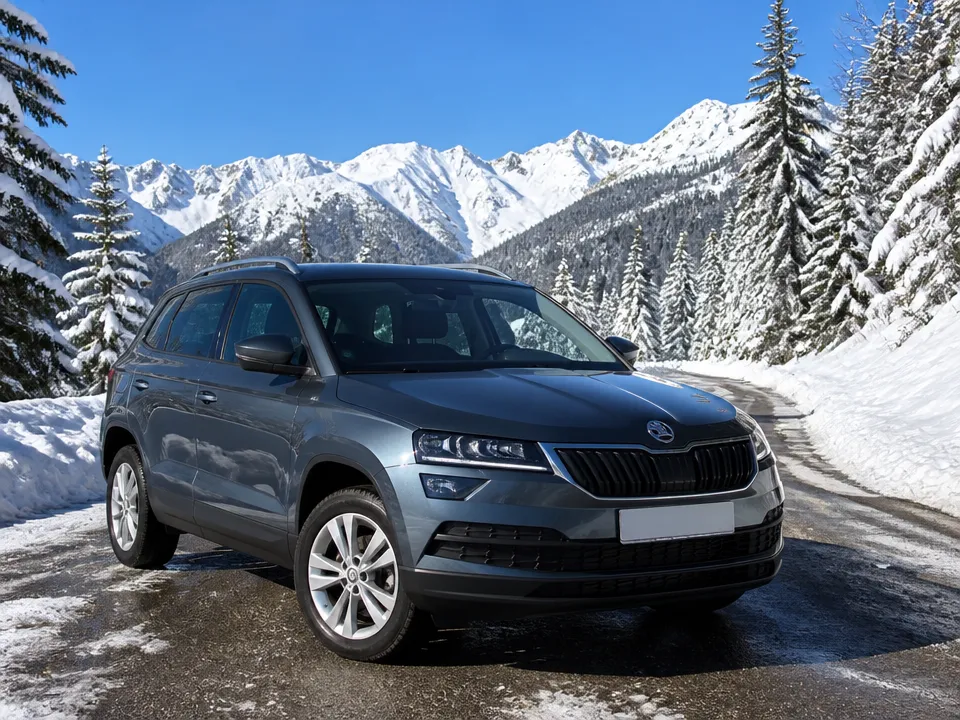
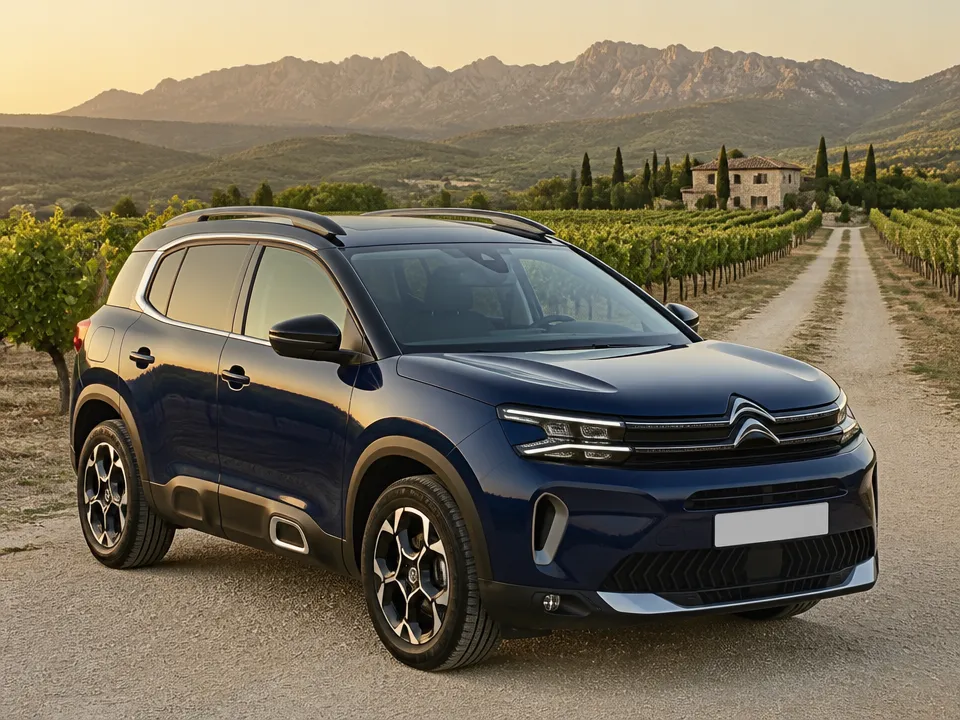
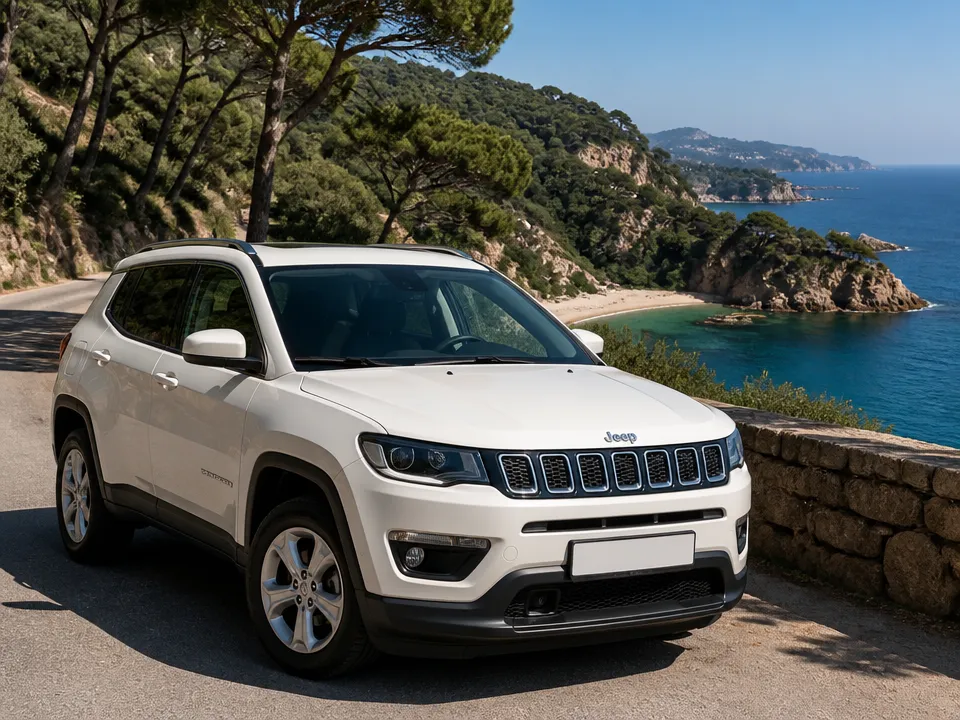
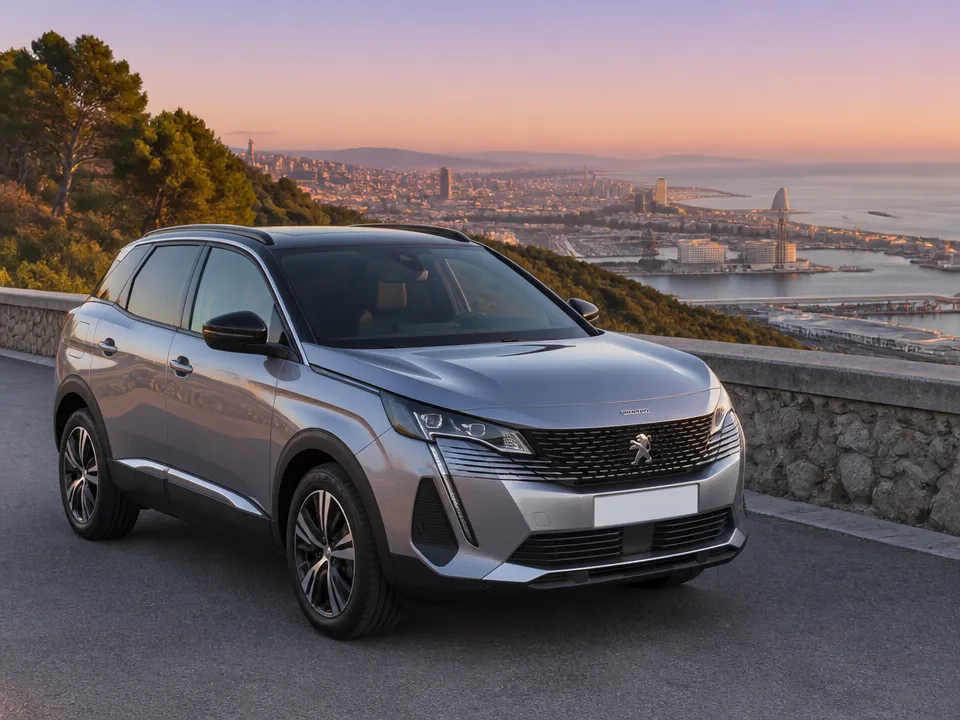
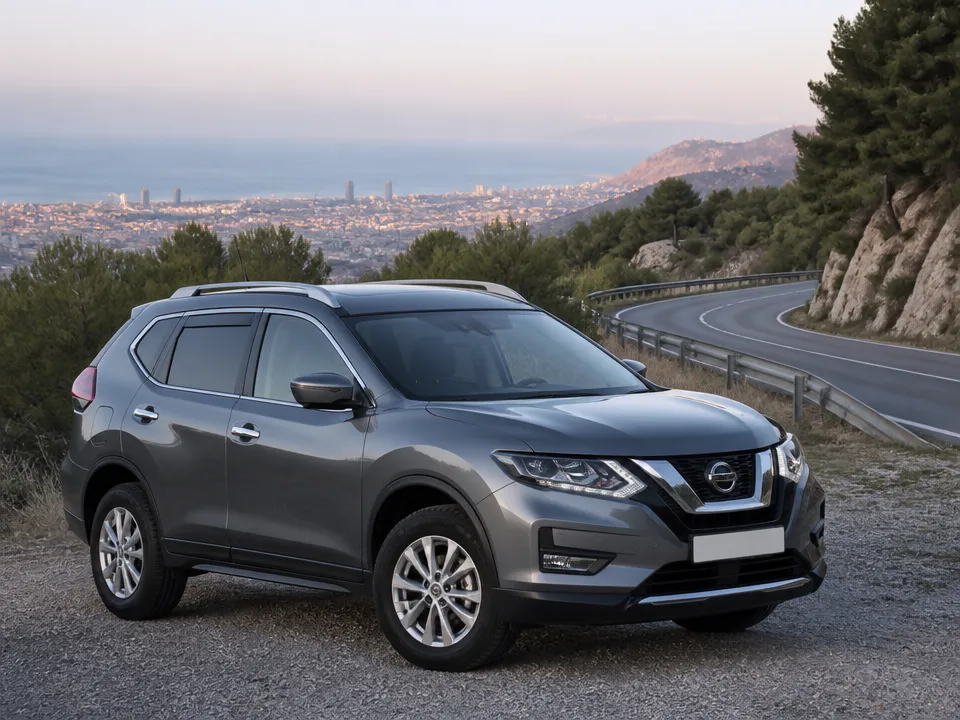
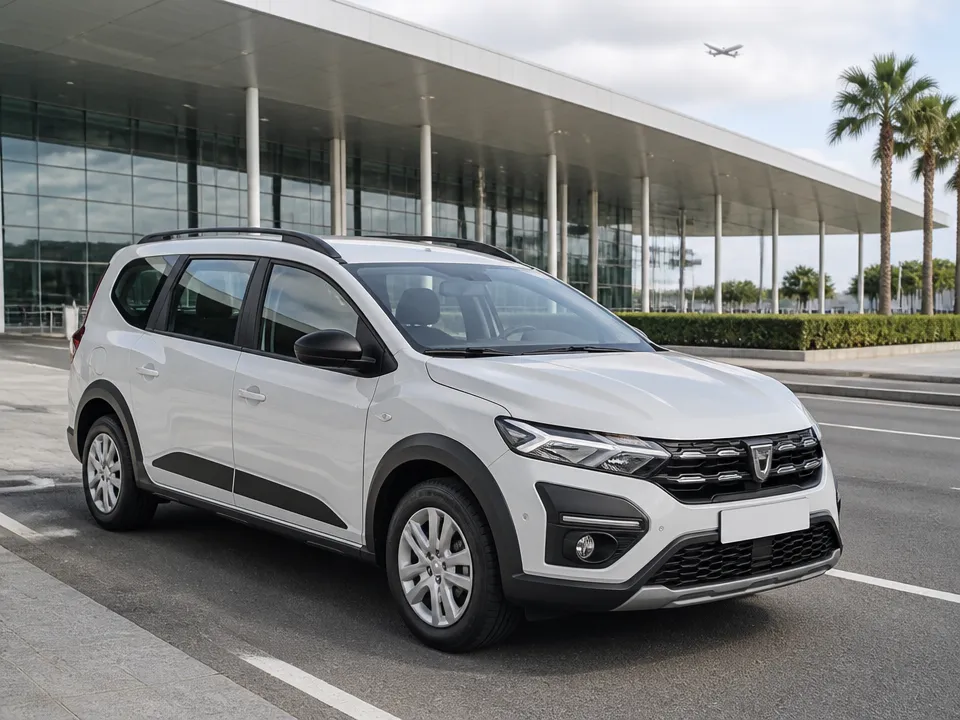
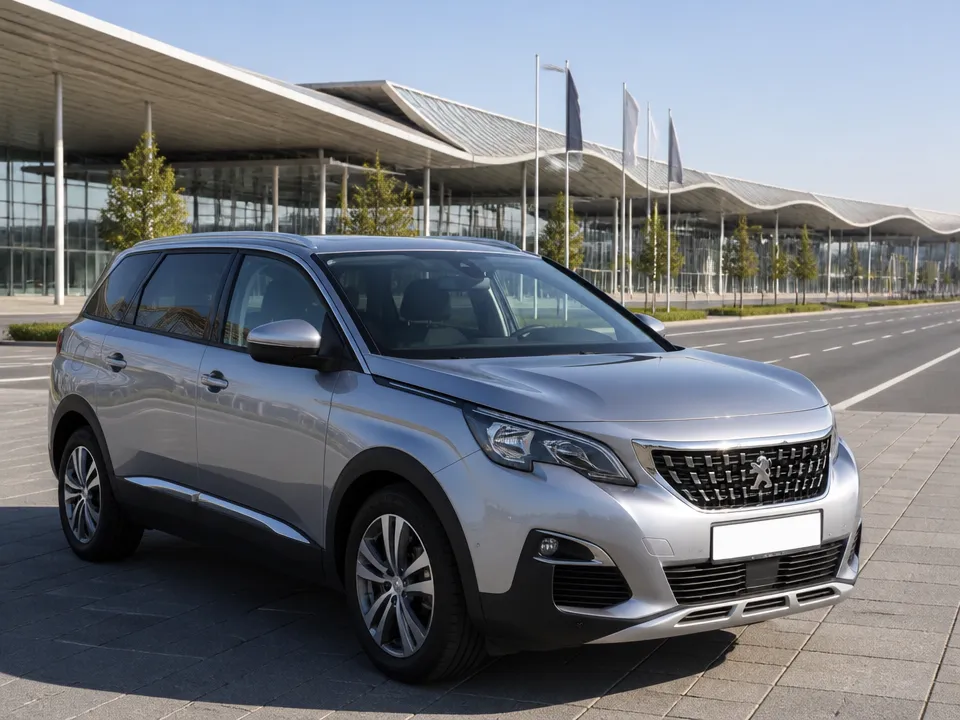
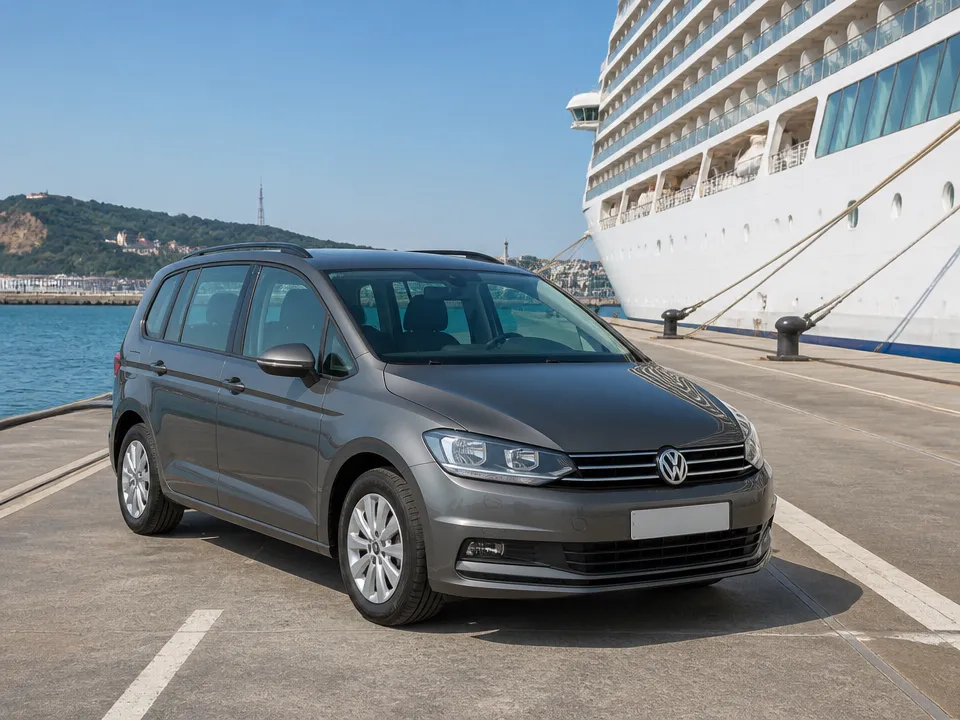
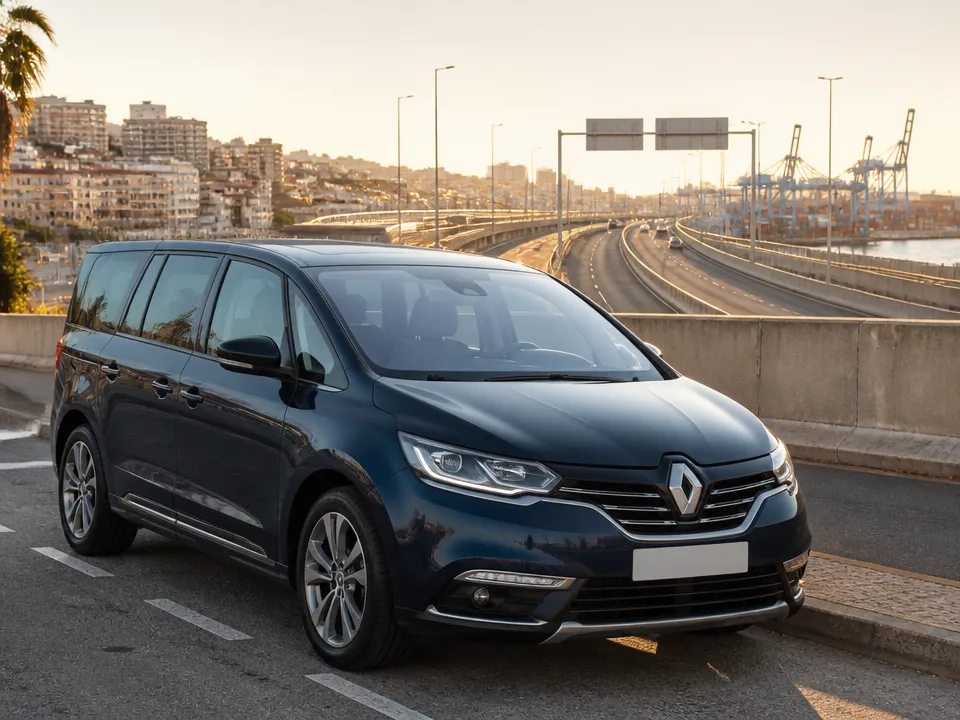
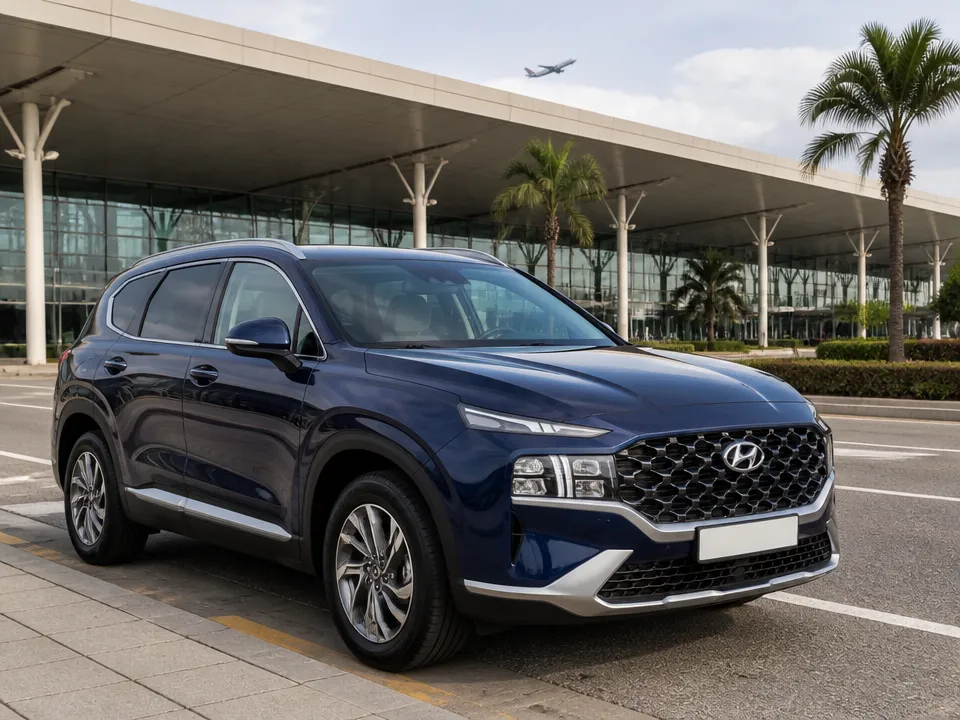
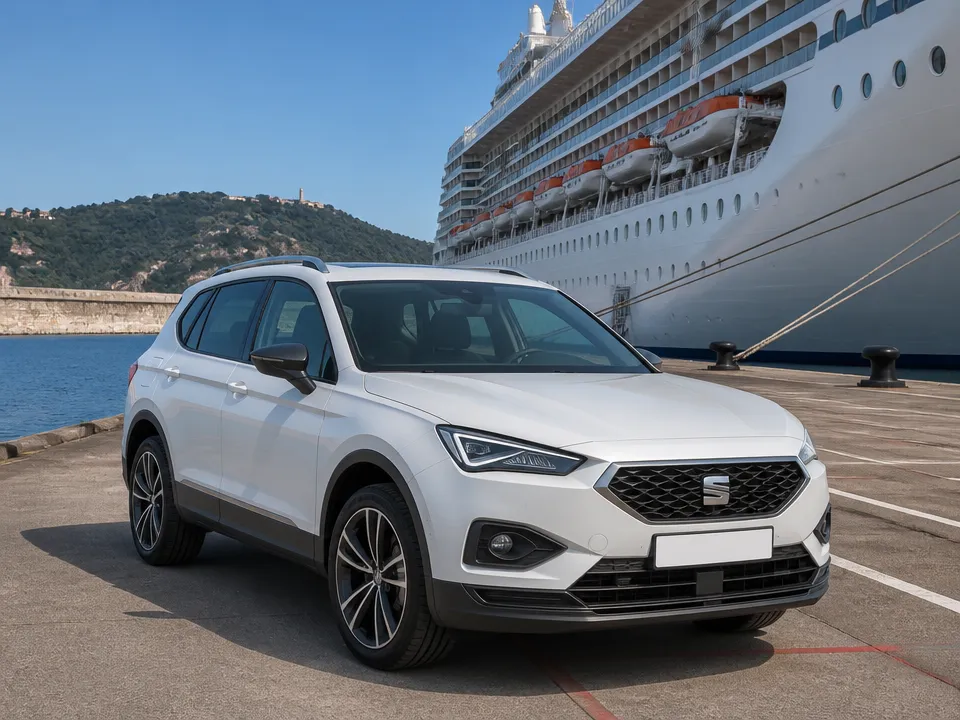
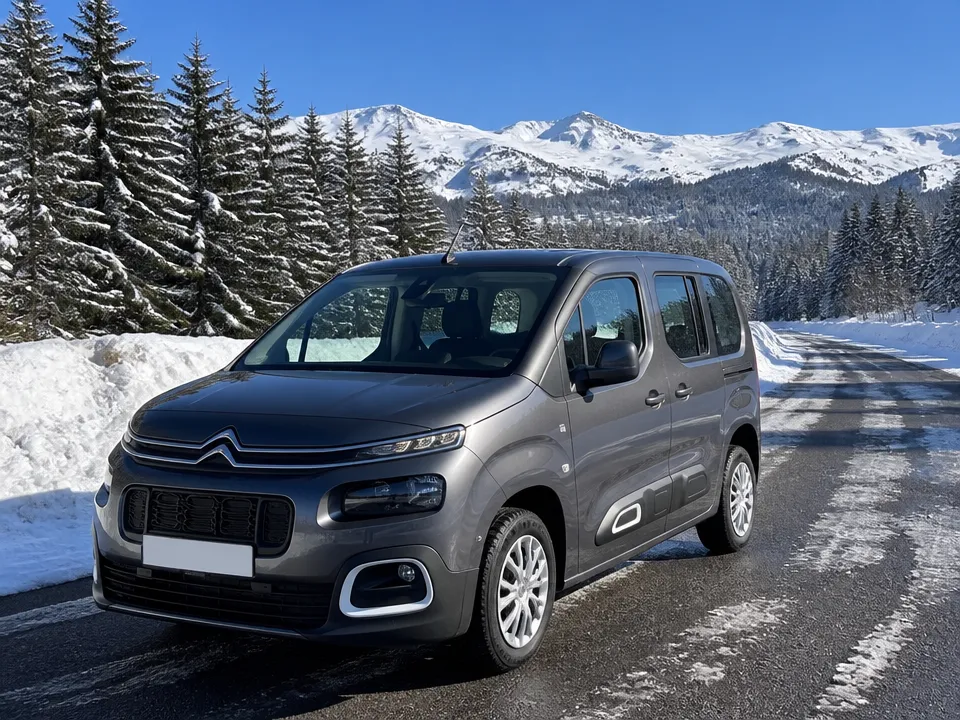
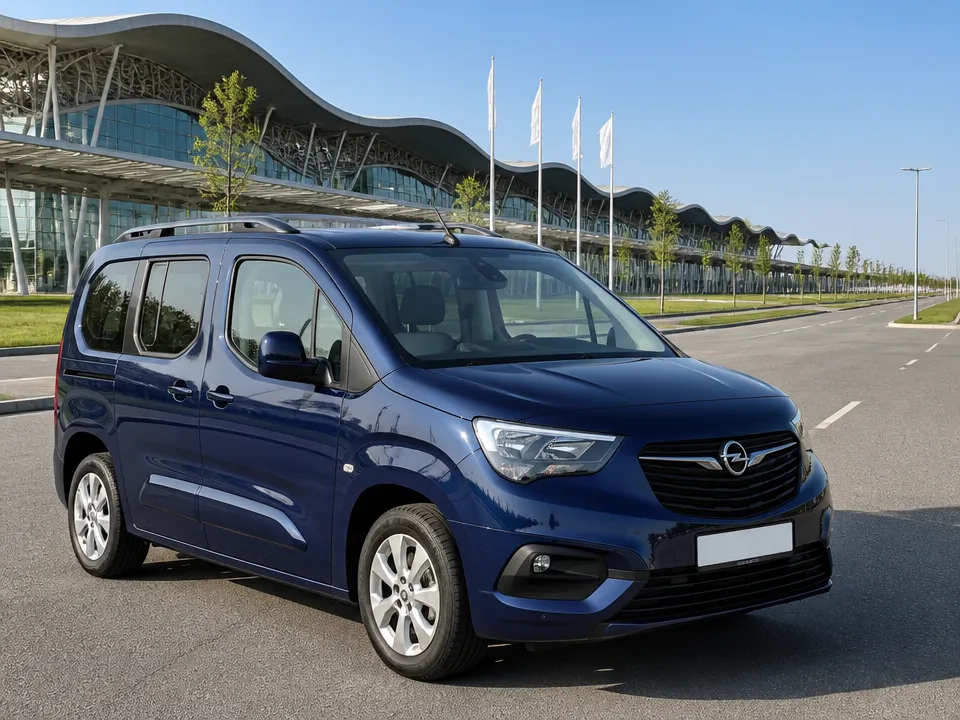

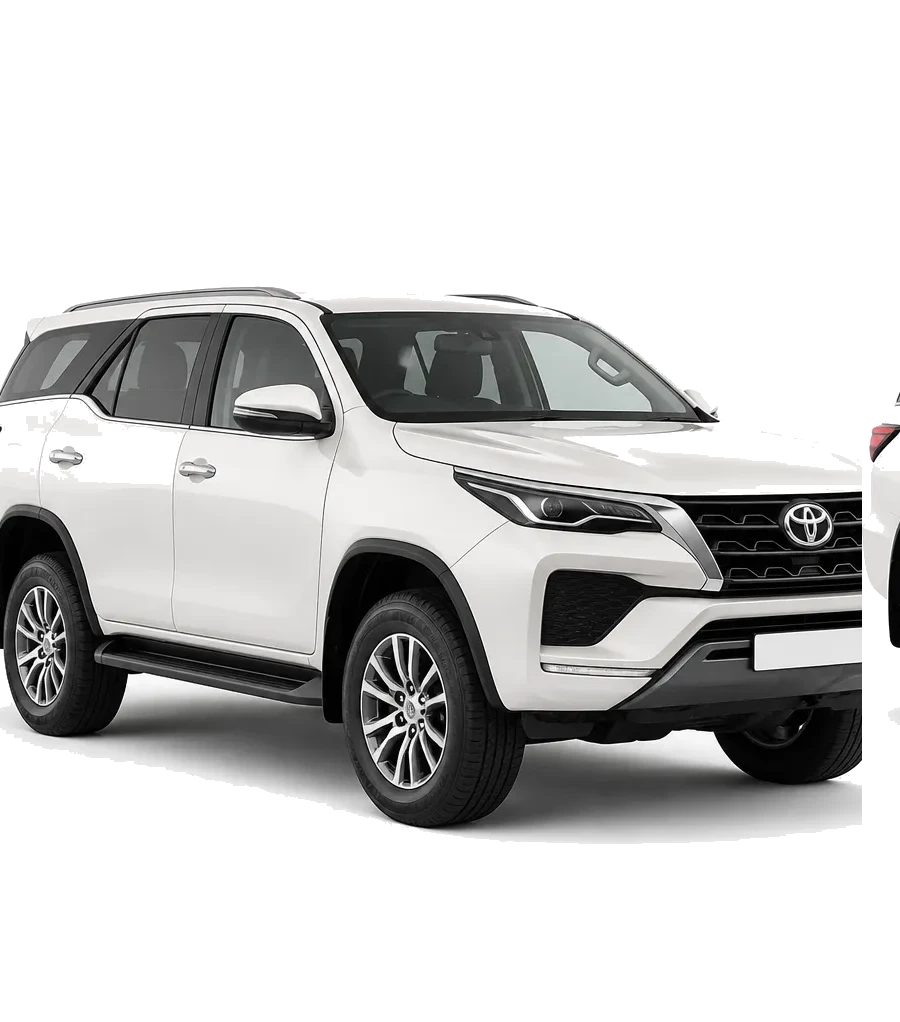

Car rental in Barcelona for a trip to Girona starts with a car delivered to you — 44 vehicles on this route, from €38 a day. Crossover, SUV, Comfort and Minivan classes cover the drive between the city and Girona's old town, with weekly bookings from €228 and monthly from €798. Tell us where you are staying and the manager agrees the hand-over when you book.
A car changes the shape of the day, not just the way you reach Girona. With us the vehicle stays in your hands from the moment it is delivered until the end of the trip, so the timetable belongs to you and nobody else.
We hand the car over in the city and you keep it for the whole trip, so the old town, the Onyar river and the Cathedral of Saint Mary of Girona are yours on your own schedule. There is no platform to find, no last departure to watch, and no luggage carried across a station concourse. You stop where the view is good, eat where the tables are full of locals, and turn back when you decide. Our 44 cars on this page run from €38 to €72 a day, which is the whole budget for the machine rather than a per-head fare. A car earns its keep on the way home as well — the Costa Brava and Tossa de Mar sit on the same road back, and a fixed timetable never allows that detour.
Yes — a vehicle from Rent-Trip is driven on the right, left-hand drive, and the whole run to Girona stays inside mainland Spain. Nothing about the journey asks for special paperwork beyond what you carry anyway. European Union and European Economic Area licences, including Iceland, Liechtenstein and Norway, are fully valid in Spain while they have not expired, and no international permit is needed for them. Licences issued outside that group are valid if they are in force and the holder meets the Spanish age requirement for the equivalent category. A licence not written in Spanish is accepted either with an official sworn translation or if it was issued on the model of Appendix 9 of the Geneva Convention or Appendix 6 of the Vienna Convention.
The real question is not whether the drive is worth it, but whether you want the day to end when a timetable says so.
Two motorways connect the city to Girona, and they could not feel more different: the AP-7 is the fast inland run, the C-32 hugs the Maresme coast. Both start the same way — through the Túnels de Vallvidrera on the C-16, the paid tunnel that carries you out of the city towards the Vallès.
The AP-7 is the direct inland motorway, while the C-32 runs closer to the coast and suits a slower, more scenic drive. Leaving the city, both routes funnel past the Túnels de Vallvidrera on the C-16, so plan the exit before you plan the motorway — a wrong turn there costs you a lap of the Rondes before you even reach the motorway. The C-32 trades twenty minutes or so for sea views and easy access to the beaches at Calella and Pineda de Mar. Fuel up before you leave the city rather than on the motorway, where the litre price runs above the municipal average, and keep small change or a card handy for the barrier.
The drive is a short motorway run north of the city, comfortably done as a day trip with the car back the same evening. Traffic leaving the city on a weekday morning costs more time than the motorway itself, so an early start buys you the old town before the coaches arrive.
| Class | Cars | From, per day | Best for this run |
|---|---|---|---|
| Crossover | 13 | €38 | The AP-7 with light luggage |
| Comfort | 10 | €40 | Two people, motorway miles |
| SUV | 13 | €42 | The coastal C-32 and the old town |
| Minivans | 8 | €52 | Seven seats for the whole group |
Weekly bookings run from €228 and monthly from €798, and the class you pick changes how the motorway feels rather than how long it takes. Our own view: for a single day trip to Girona, a Crossover at €38 does everything an SUV does. Take the bigger car only if the Costa Brava detour on the way home is part of the plan — and book it with a manager before you leave, because the hand-over point is agreed when booking.
The rental rate is only part of what a trip costs. Between the city and Girona you pay for tunnels, motorway barriers, fuel and parking, and each of those has its own price tag.
Both the AP-7 and the C-32 are peaje roads, and the Túnels de Vallvidrera on the C-16 charge separately as you leave the city. Whichever you pick, you pay twice — once out, once back — so the return leg belongs in the budget from the start. The Túnels de Vallvidrera are unavoidable on the western exit towards Sant Cugat and the Vallès, and that tariff of €4.7 applies to a passenger car as you leave the city. A VIA-T device lets you pass the barrier without stopping, but the toll is charged either way. Work out the round trip before you leave rather than at the first barrier.
Fuel in the city averages €1.953 for Gasolina 95 E5, and paid parking in an Área Blava zone costs €2.5 per hour on tariff A or €2.25 on tariff B. Those are the two running costs that follow you all day, and on a Girona day trip they add up faster than the tolls. The municipal average of €1.953 covers 74 filling stations measured across the city, with prices running from €1.758 to €2.059 — a spread wide enough that where you refuel matters. Our own cars come with a full tank under the lleno a lleno policy, so you fill up before you bring the car back rather than on the motorway, where the price per litre runs above the municipal average. Blue-zone tickets are issued at the parquímetro and the plate number on the comprovant d'estacionament has to match the car.
Keep the fuel receipt and the parking ticket with the rental agreement — they are the paperwork that shows what was spent on the road if anything is queried later.
The low-emission zone sits between you and the motorway north, so the first thing to settle before a trip to Girona is whether the car carries the right environmental sticker. The rules are enforced by camera, and any penalty is set out in the rental agreement.
The Zona de Bajas Emisiones Rondas de Barcelona (ZBE Rondes BCN) — Zona de Baixes Emissions Rondes de Barcelona in Catalan — is enforced on working days, Monday to Friday, and covers more than 95 km²: the whole municipality except the Zona Franca industrial estate and the Vallvidrera – el Tibidabo i les Planes neighbourhood, plus L'Hospitalet de Llobregat, Sant Adrià de Besòs and parts of Esplugues de Llobregat and Cornellà de Llobregat. Two DGT stickers open the zone: 0 emisiones (blue) and ECO (blue-green). Both are issued for the vehicle, not the driver, so the sticker is already on the windscreen of the car we deliver. Tell us at booking that the route starts inside the Rondes and we match you to a car that carries one.
A car on foreign plates needs prior registration in the Registre metropolità de vehicles estrangers i altres vehicles autoritzats a les zones de baixes emissions before it enters. The registration is tied to the plate, not to the booking, and it is checked against the same camera network that reads the stickers. If you are picking the car up outside the zone and driving straight out towards Girona, the file never comes into play. Ask us at booking which side of the boundary your hand-over point falls on.
In our experience the sticker question comes up most with early-morning departures, when the zone is already live and the driver has not yet looked at the windscreen. It takes ten seconds at the hand-over point and saves a penalty that follows the plate home.
The right car for the run north is decided by three things: how many of you are travelling, how much luggage goes in the boot, and whether you want the coastal C-32 on the way home. Our 44 cars on this page split into four classes, from a €38 Crossover to a 7-seat Minivan at €56.
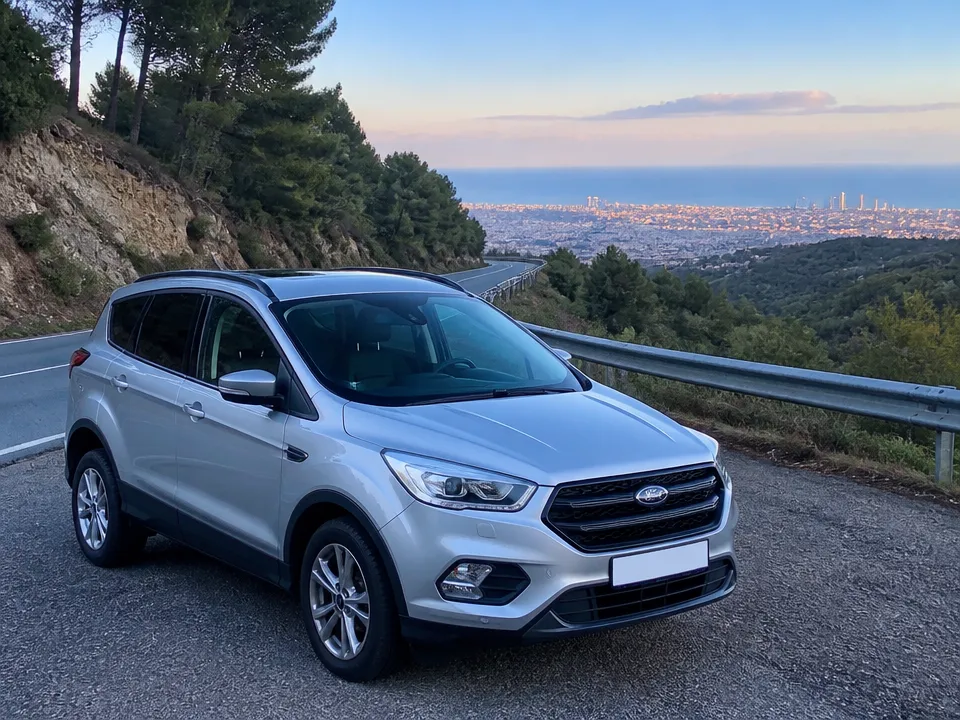
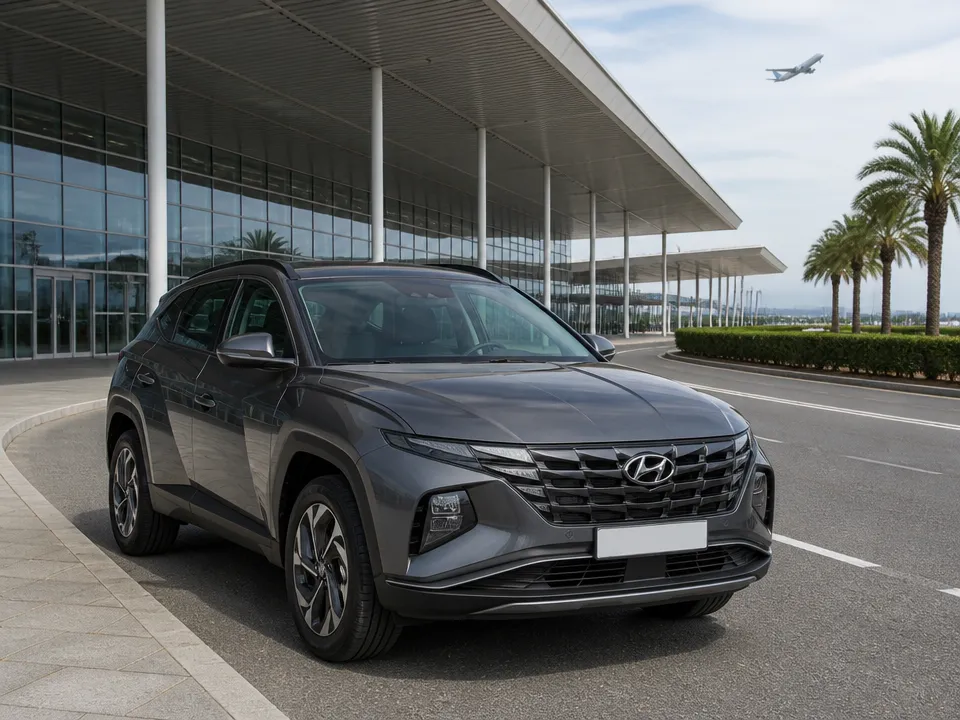
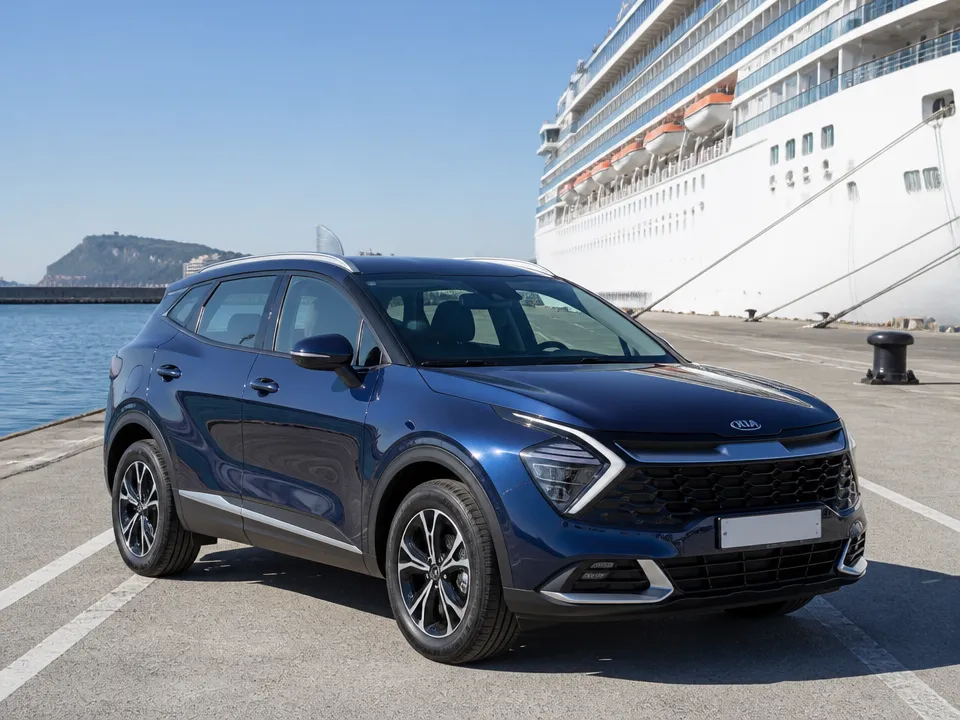
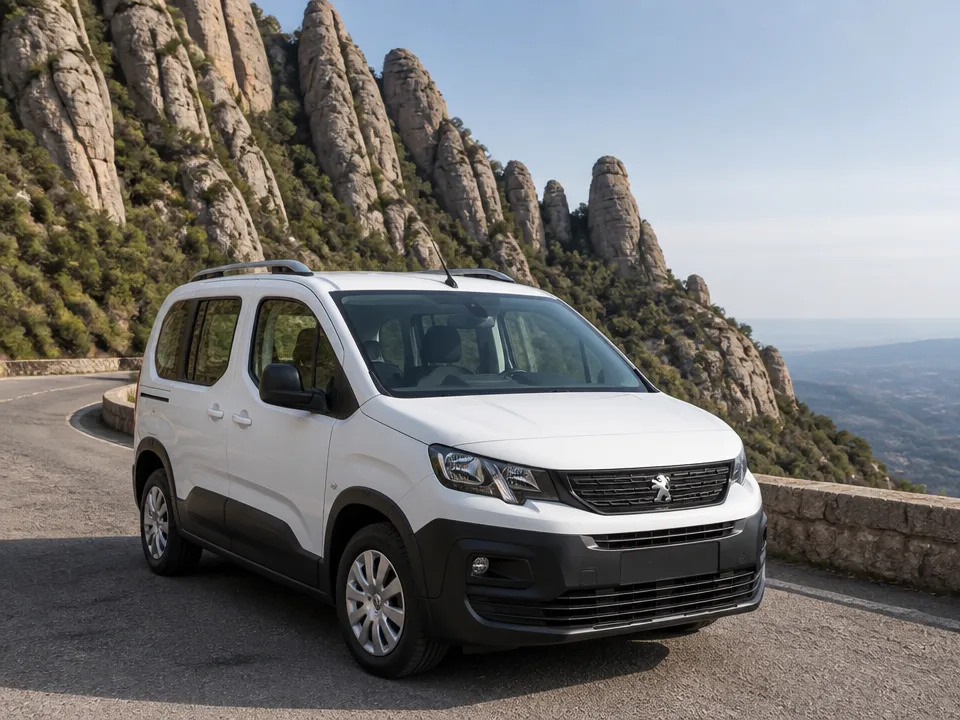
For two people and a weekend bag, a Crossover at €38–€43 does everything the route asks: 110–130 hp, front-wheel drive and enough boot for two carry-ons. Add a third passenger or a pushchair and the step to an SUV at €42–€50 buys the luggage space and the higher seating position that makes the AP-7 stretch more comfortable. Four adults with cases, or a family of five, should look straight at the Minivans — the Peugeot Rifter and Dacia Jogger are the two 7-seaters, and they are the only cars on this page that will take that many people with the seats up.
If you plan to leave the motorway for the smaller roads around the old town, remember that Girona's streets are narrow and its parking is tight. A mid-size SUV is a different proposition in a Ciutat Vella car park from a small hatchback.
Book the class you actually need rather than the cheapest one — swapping up later depends on what is free that day, and the class is confirmed with the manager when you book.
Daily rates on this page run from €38 to €72, and the longer you keep the car, the lower the effective day rate gets: a week is charged as six days and a month as twenty-one, so the same Crossover that costs €38 a day comes out at €228 for the week and €798 for the month.
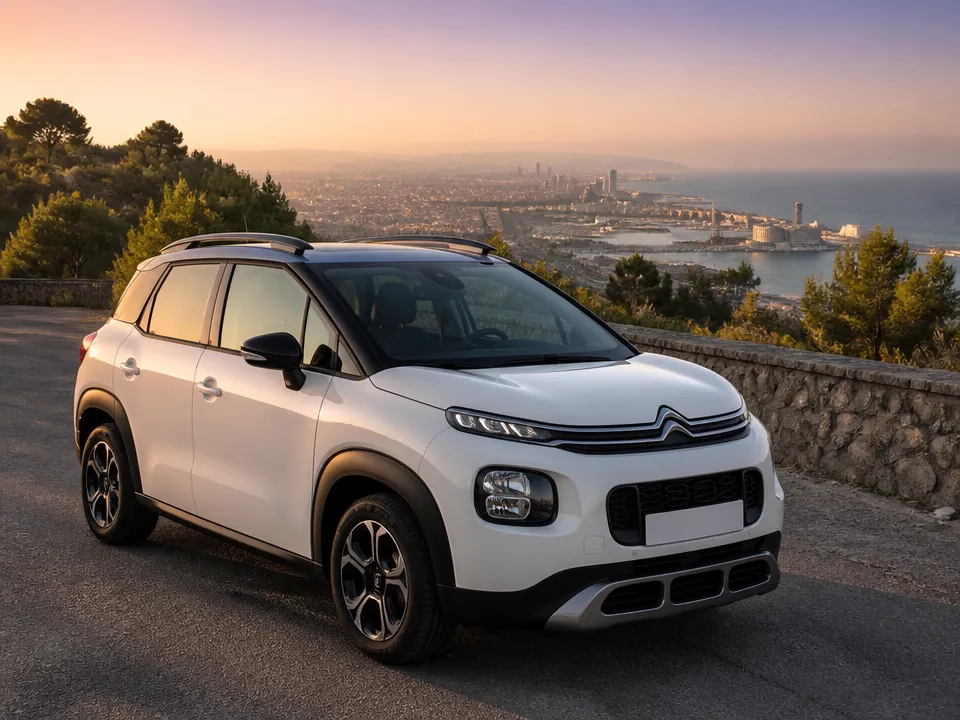
The cheapest car on the page is the Citroen C3 Aircross at €38 a day; the dearest is the Nissan X-Trail at €60. Seven seats start with the Peugeot Rifter at €55 and the Dacia Jogger at €56, both useful if the Girona run includes passengers rather than luggage alone.
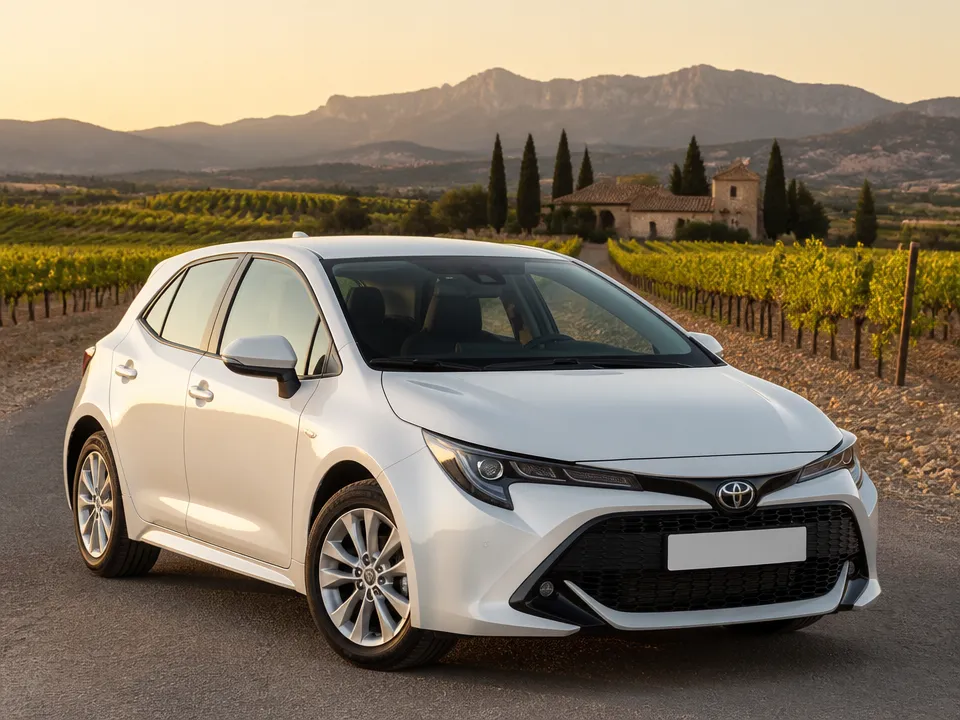
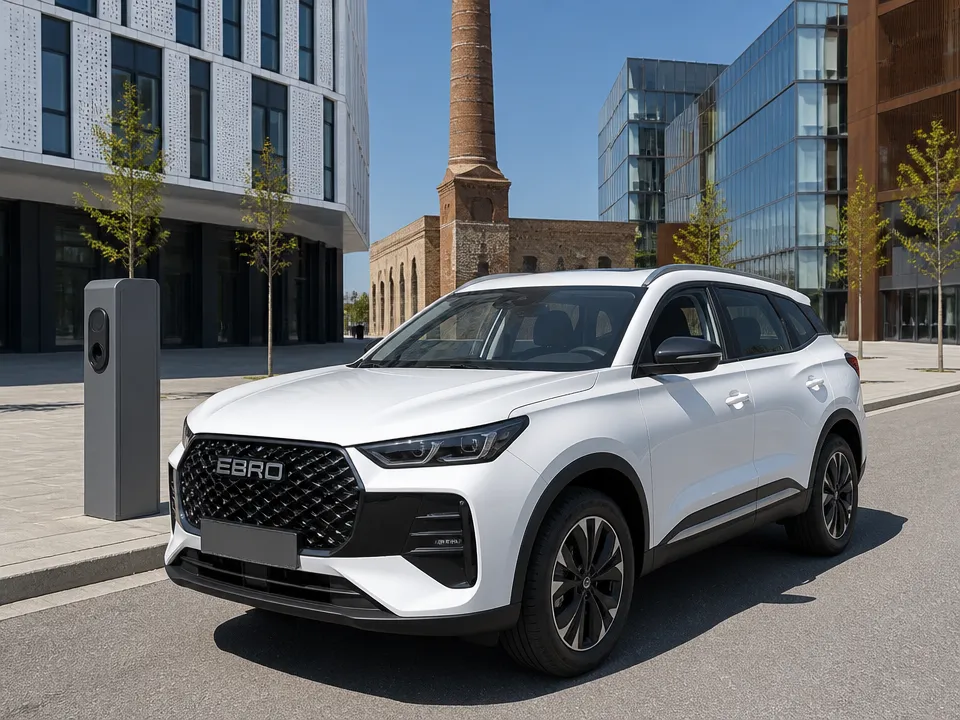
We do not run a self-service checkout. You tell us the dates and the car you want, and a manager confirms the booking with you directly, so nothing is left to a screen. Our fleet on this page is 44 cars out of 754 across the site, which means popular classes such as the automatic Ebro S400 at €40 or the hybrid Toyota Corolla at €47 can go early on summer weekends.
Pick the class by the trip, not by the badge: for the AP-7 and the C-32 to Girona a Crossover at €38–€44 covers two people and a weekend bag, while a Minivan earns its €52–€56 only if you are carrying five or more.
Paperwork is the part of the booking that travellers worry about most, and it is also the part where the rules are set out clearly. Below is what to have ready, what is already included, and what is agreed when you book.
Every car legally on a Spanish road carries Seguro Obligatorio de Responsabilidad Civil, and it is part of the booking by default — it covers injury and property damage to third parties, with limits of 70,000,000 EUR per incident for personal injury and 15,000,000 EUR for property, under Real Decreto Legislativo 8/2004, article 4.2 as amended by Ley 5/2025, in force since 26.07.2025. It does not cover the driver or the car itself. Beyond that, CDW, THW, SCDW, SPCDW, STHW and SPTHW are options: they reduce or buy out the franquicia, the amount you pay yourself after damage. Glass and tyres usually sit outside basic CDW, which is why WWI exists as a separate option.
Hand-over follows the lleno a lleno rule: the car leaves with a full tank and comes back full, and if you have driven under 100 km a fuel receipt is needed, while over 100 km the gauge reading at 8/8 is enough — refuel within 25 km of the return point. Before you drive off, check that every scratch and dent is written into the agreement or the inspection sheet, that both sides sign it and that you keep a copy; without that, damage can be pinned on you. In our experience the five minutes spent on that sheet are the cheapest insurance on the whole booking.
The drive north ends in a city where the car stops being transport and starts being a problem. Girona's old town is pedestrian, the banks of the Onyar are narrow, and the useful part of arrival is knowing where to leave the car before you go looking for the Cathedral of Saint Mary.
Girona works as a single day out of Barcelona: leave early, walk the old town and the Jewish quarter, eat, and be back before the evening. What changes the plan is the return road — the Costa Brava and Tossa de Mar sit on the same stretch of coast, so a night in Girona turns the drive home into a coastal one instead of a motorway one. On a day trip, keep the car in one car park and cover the centre on foot; on an overnight, park at the hotel and forget the car until you leave. Either way, fill the tank before you hand the car back — motorway fuel runs above the municipal average for Gasolina 95 E5.
The one thing worth doing before any of this is agreeing the return point and the time with the manager in advance: Girona is a comfortable run out and back, but only if the evening end of it is already decided.
On this page daily prices run from €38 to €72. Cars listed at €38 per day include the Citroen C3 Aircross, at €39 the MG ZS and at €40 the Citroen C4. The page lists 44 cars.
Cars on this Barcelona page have 5 or 7 seats. Transmissions are automatic and manual. Body types are Crossover, Hatchback, MPV and SUV, in the Comfort, Crossover, Minivans and SUV classes.
An EU or EEA licence, including Iceland, Liechtenstein and Norway, is fully valid in Spain while it has not expired and nothing extra is needed. For third-country licences DGT advises getting an international driving permit before the trip.