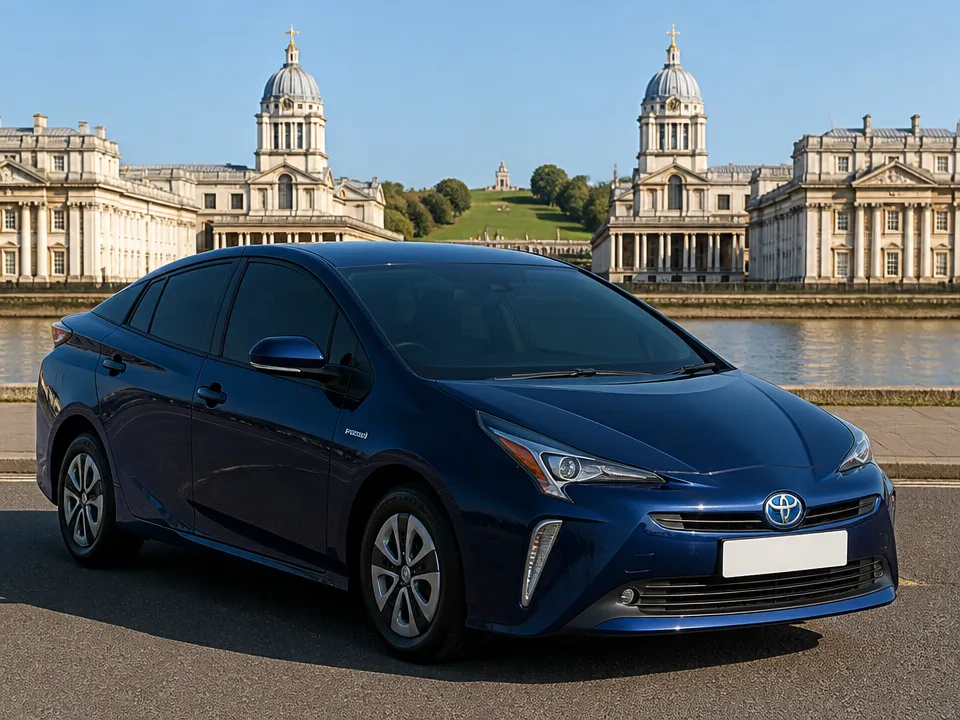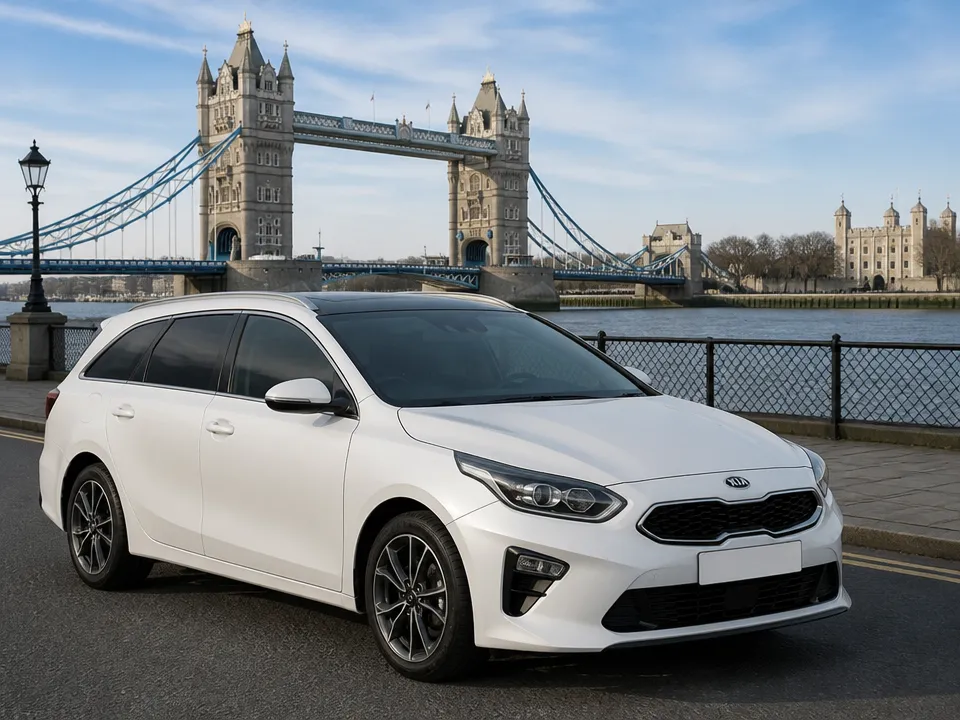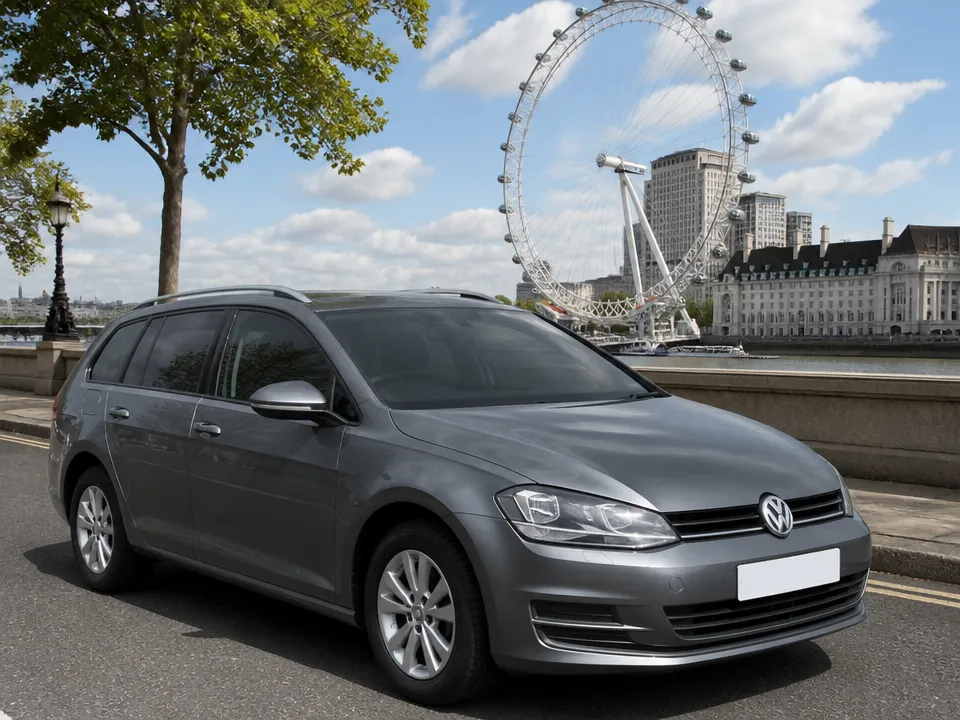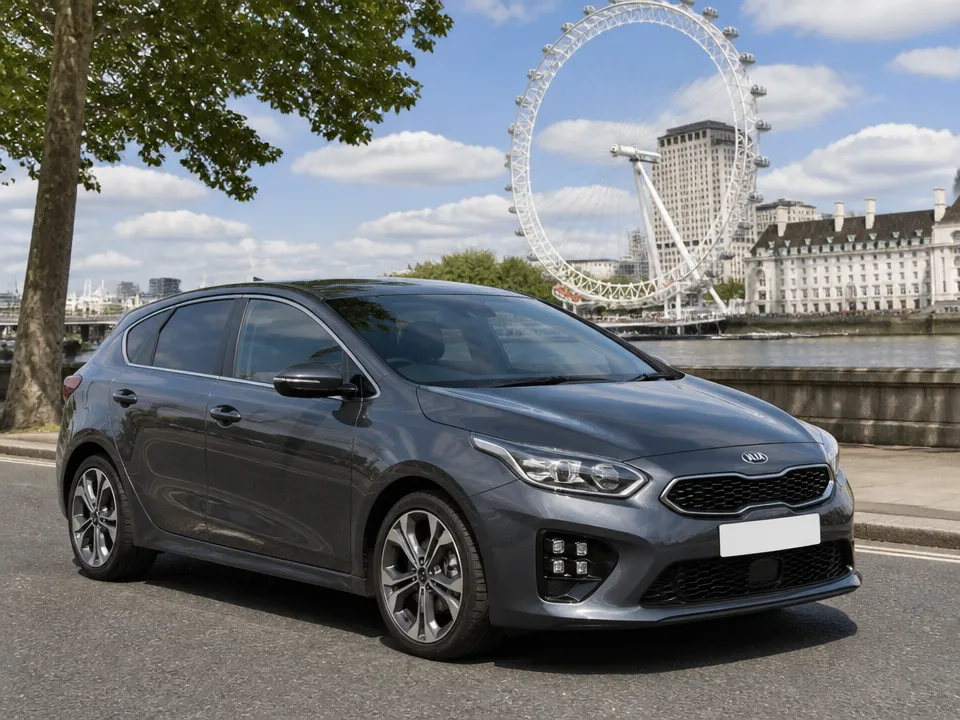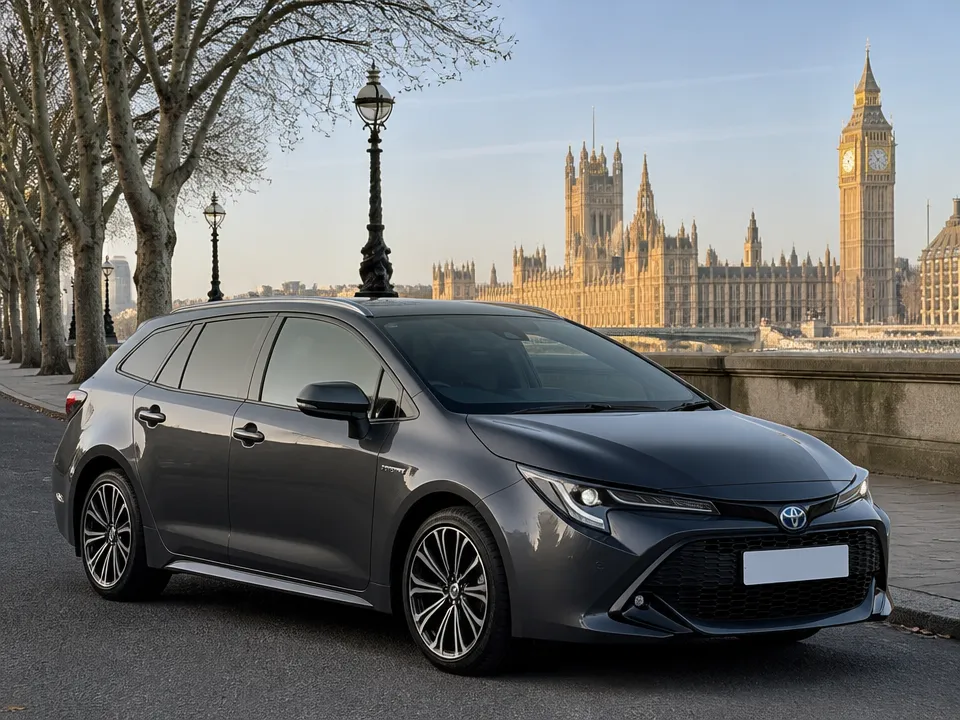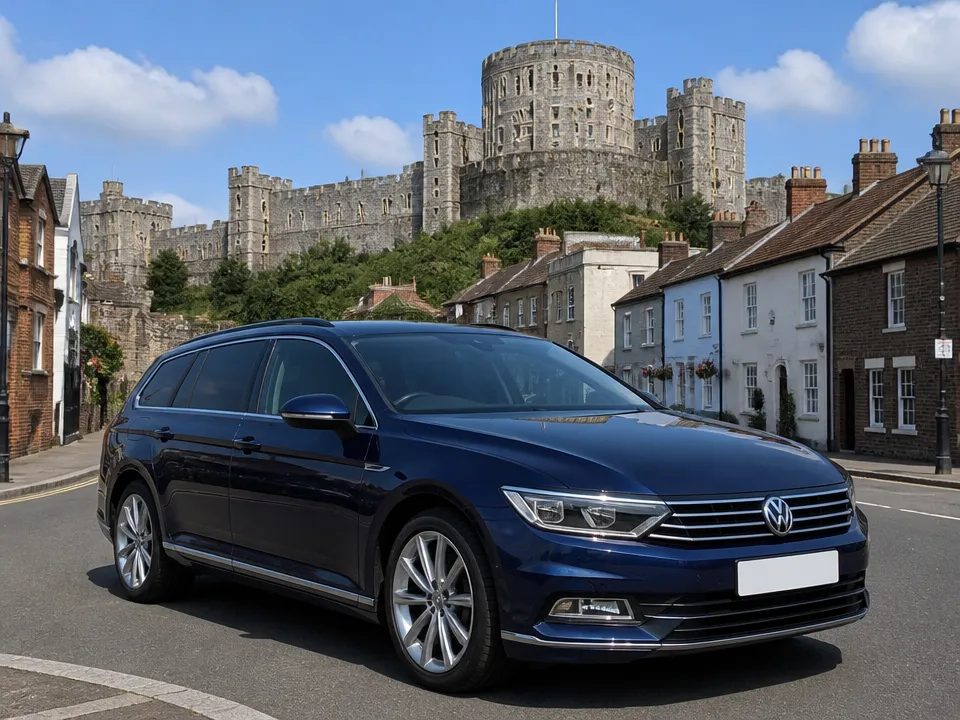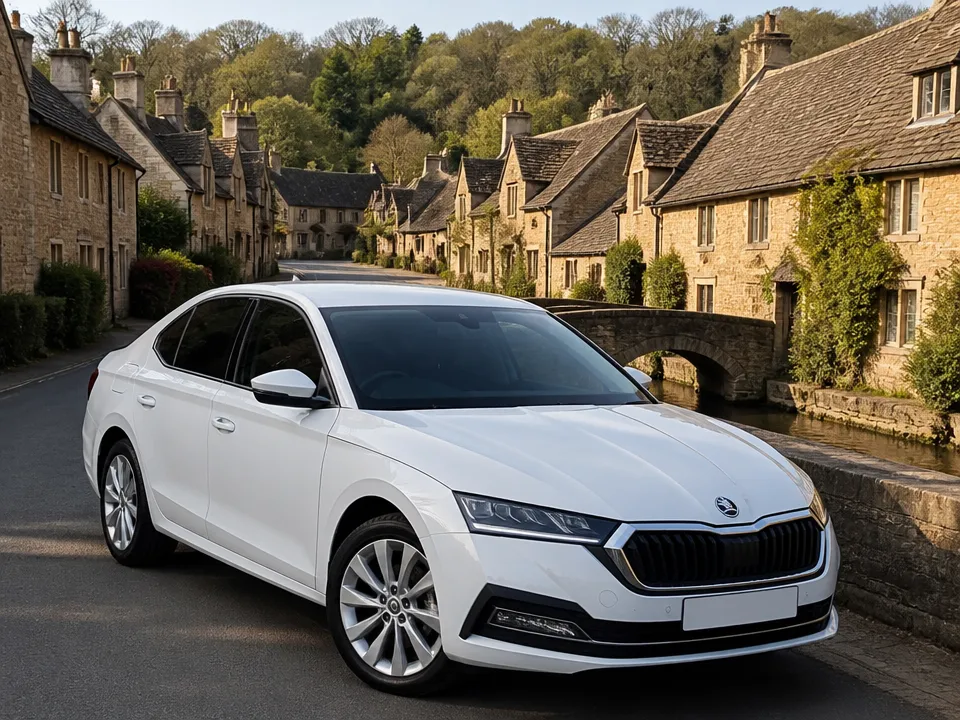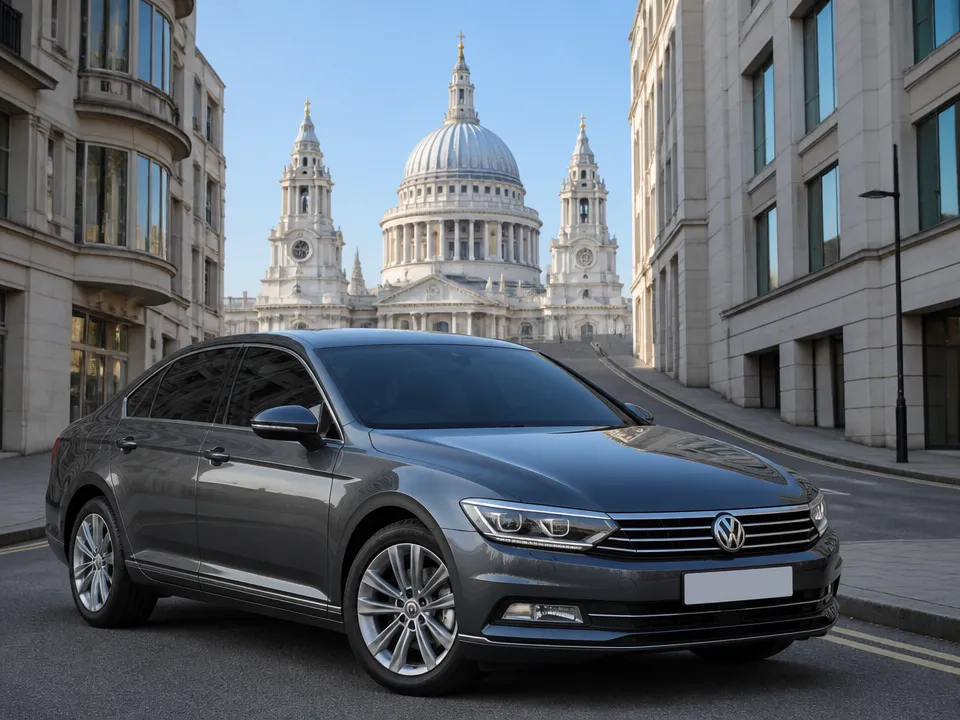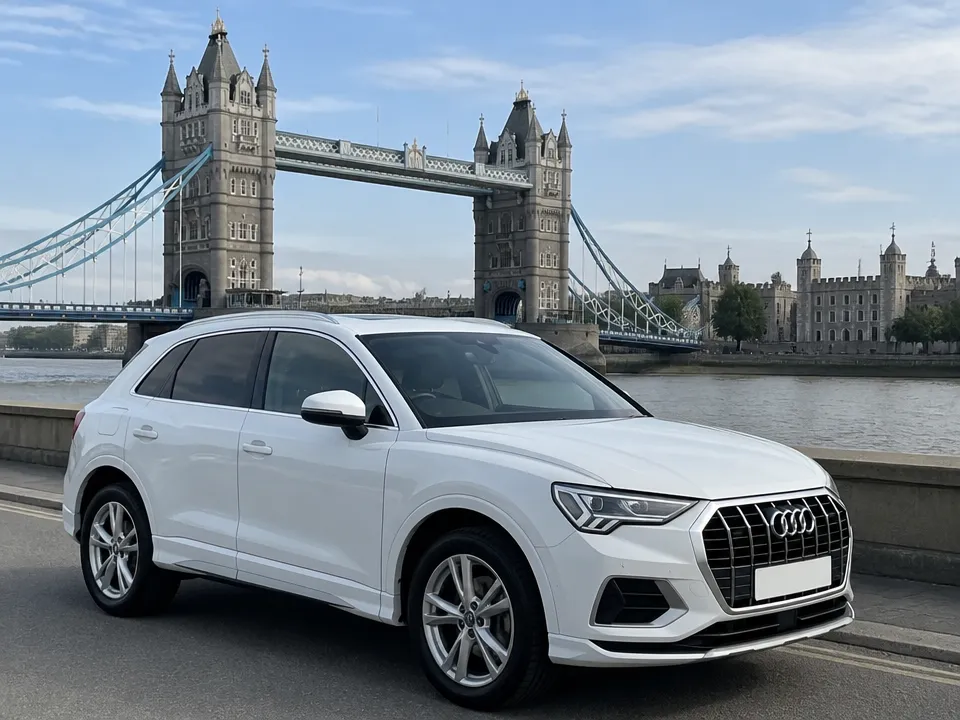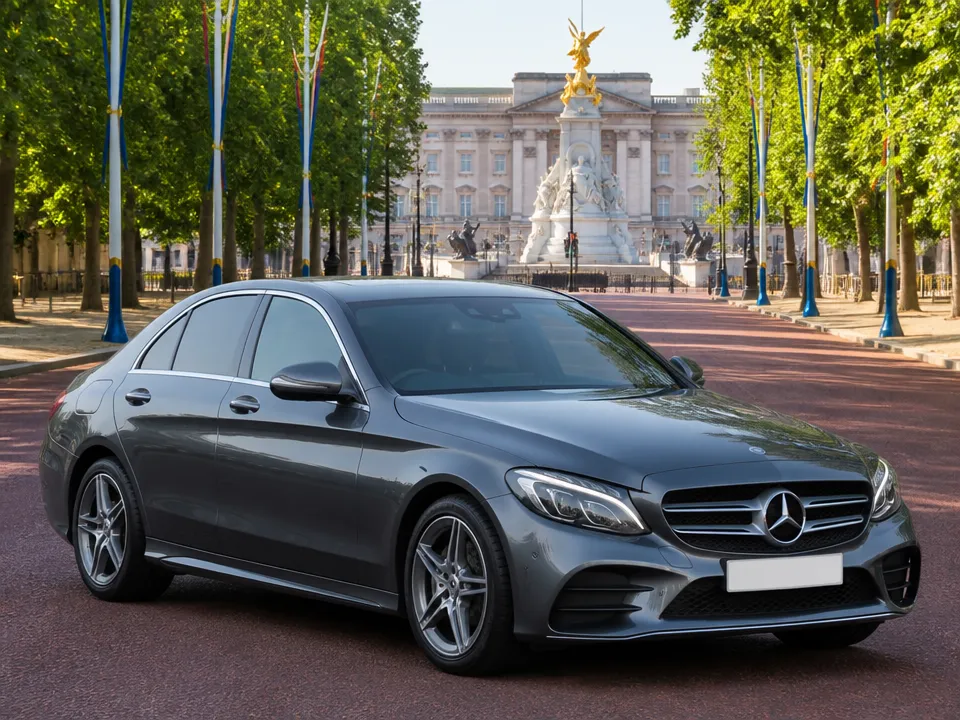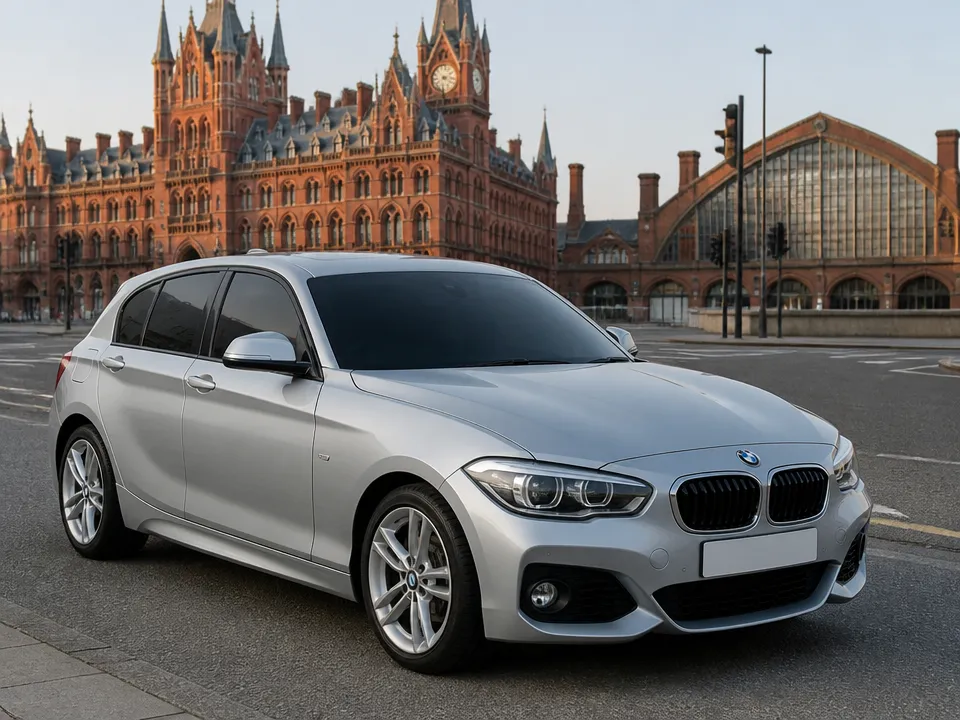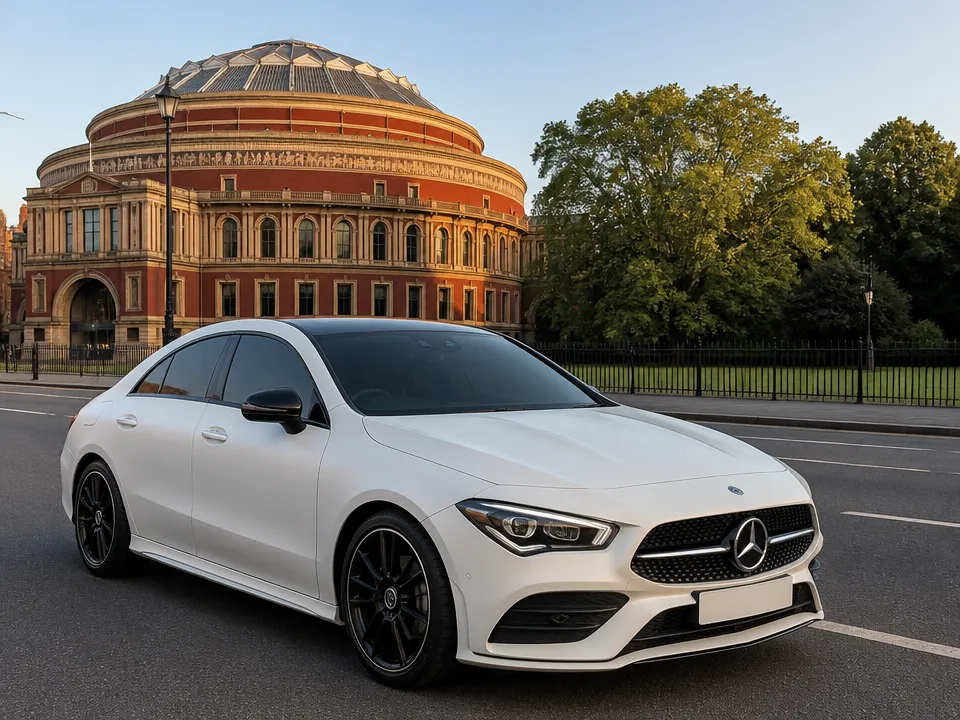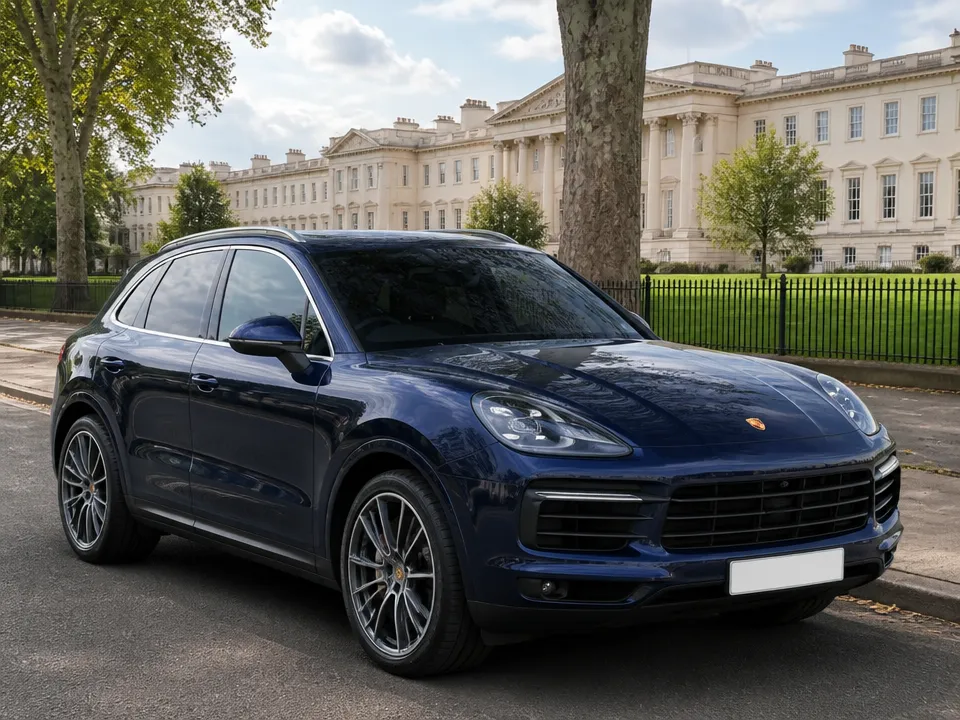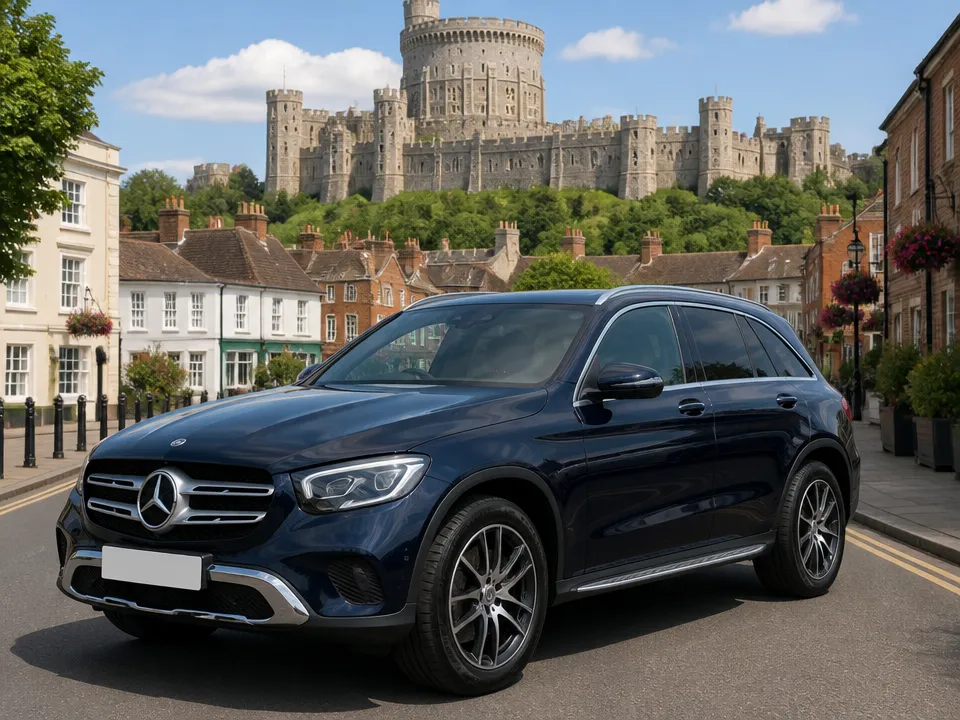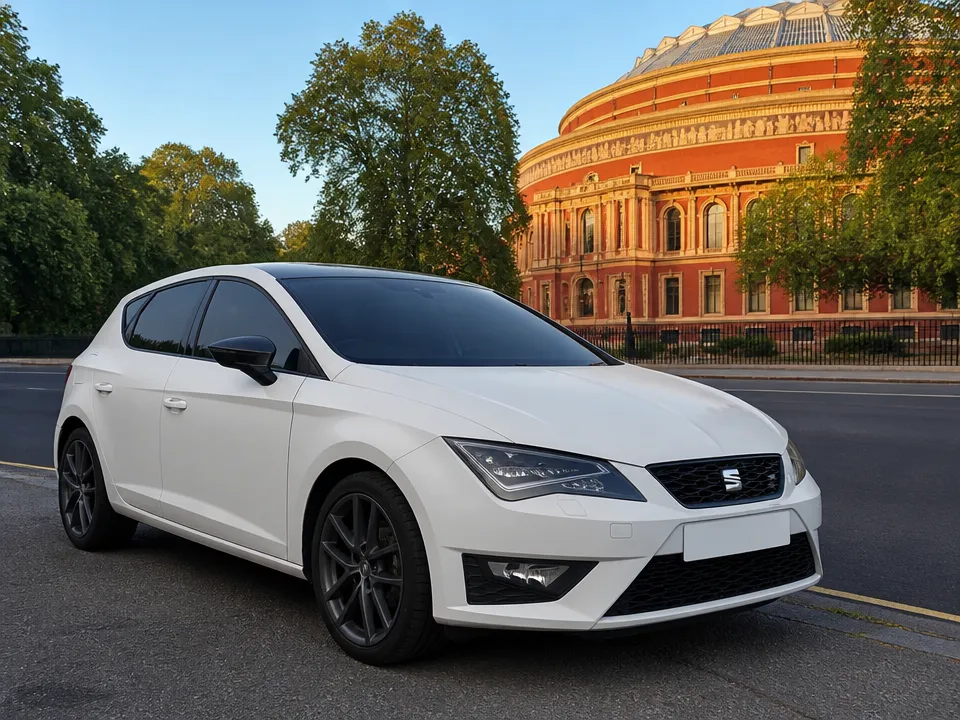
Seat Leon, Comfort
★4.5· 59Automatic1.0 L110 hpFront-wheel5 seats
£23per day
Book now




No cars match the selected filters. Remove some of the conditions.









This page lists 39 cars in Comfort, Premium and Sedan classes, with 4, 5 or 7 seats, automatic or manual transmission, and body types including hatchback, sedan, estate and SUV.
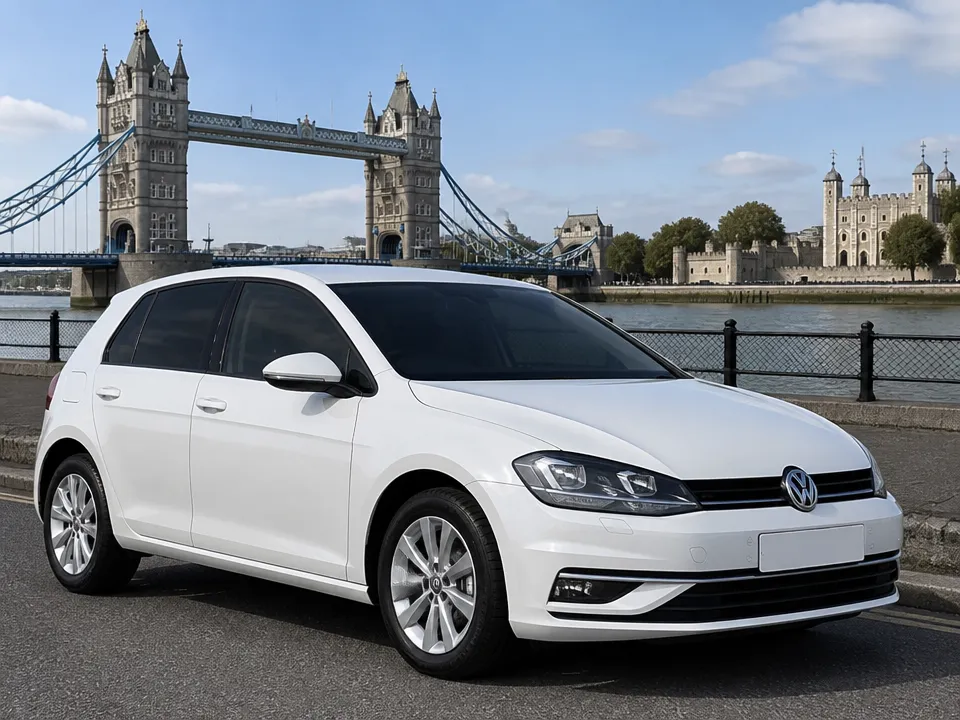
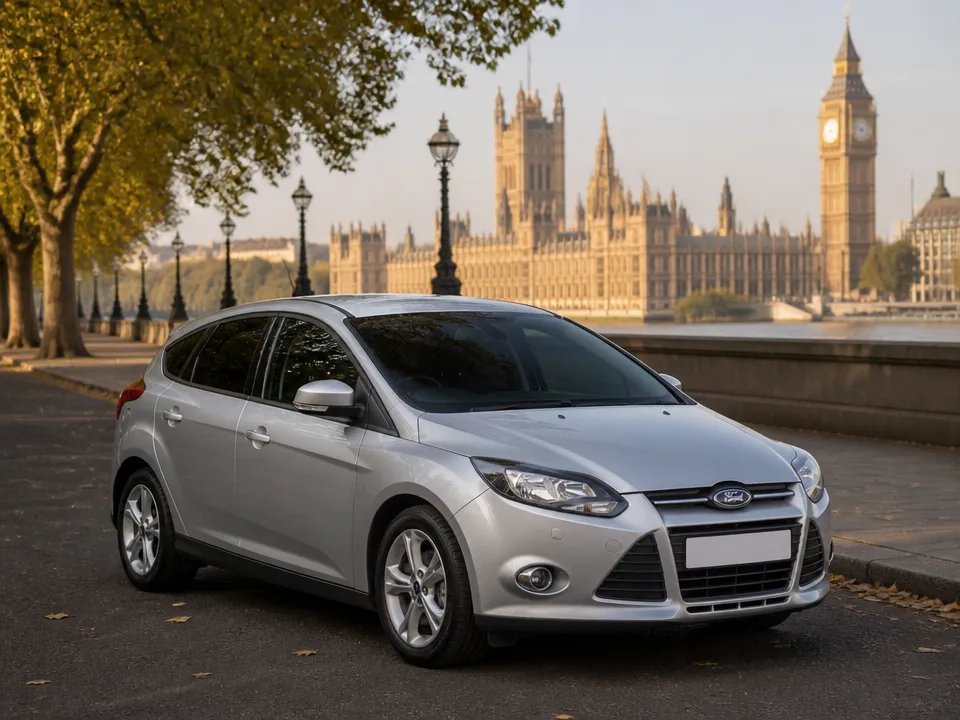
Daily prices on this page run from £23 to £299. The Seat Leon is at £23 per day, the Ford Focus at £24 per day and the Volkswagen Golf at £24 per day.
The Congestion Charge is £18 per day if paid on the day of travel or in advance, or £21 if paid by midnight on the third day after. It applies 07:00–18:00 Monday to Friday and 12:00–18:00 at weekends and on bank holidays.
If you need corporate car rental in London, Rent-Trip has 39 cars available for business use, from £23 to £299 a day, with weekly bookings from £138 and monthly from £483. We deliver the car to any address in the city and to Heathrow, Gatwick, Stansted, Luton, London City and Southend airports, and the delivery address, date and time are agreed with a manager before the booking is fixed.
Corporate car rental is a self-drive booking made for a business, and here the car comes to you rather than you going to a counter. This page lists 39 Rent-Trip cars across three classes, so a request for a specific body or gearbox is a matter of which car is free on the day, not of whether the class exists.
The section below covers how the booking is fixed and what the car arrives with.
With Rent-Trip, corporate car rental is agreed with a manager — the delivery address, date and time are settled before the order is confirmed. Delivery outside the city addresses and the six airports we cover is arranged case by case and is not promised on the site. Fixing the address and the hour first is what makes a fleet order workable; a car ordered for a morning meeting should be confirmed against the meeting time, not the other way round.
The full-to-full rule is the one cost a driver controls directly — returning the tank as it left avoids the missing-fuel charge and the refuelling service fee named in the agreement.
Three things decide whether the booking runs smoothly: who drives, where the car goes, and when it comes back. The driver side is agreed when booking — the documents a driver presents and the minimum age are not fixed on this page, so raise them with the manager rather than assuming. The route side matters because central London carries the Congestion Charge at £18 a day, running 07:00–18:00 Monday to Friday and 12:00–18:00 at weekends and on bank holidays, and the Ultra Low Emission Zone charge of £12.50 a day for non-compliant vehicles applies 24 hours a day across all 32 boroughs. A petrol car meeting Euro 4 or a diesel meeting Euro 6 avoids that daily charge entirely, so check the registration on the TfL vehicle checker when the week's driving sits inside the Ultra Low Emission Zone. Who pays road charges, tolls and penalty notices on a rental car is agreed when booking — it is not a blanket rule, so put it on the table at the same time as the delivery address. The return side is the fuel rule again: a full tank back, and the hour you agreed, because a car still out when the next booking starts is a problem for both sides.
Most of our business bookings start at an airport or a rail terminus rather than an office. Heathrow alone handled 84,481,178 passengers in the last full year on record, and the drive from it to the centre is 30.3 km by road, about 45 minutes without traffic; Gatwick is 48.6 km and roughly 70 minutes, Stansted 57.9 km and about 63 minutes, Luton 56.9 km and about 63 minutes, London City 14.5 km and around 33 minutes, and Southend 67.4 km and about 74 minutes. Traffic drives on the left here and every car is right-hand drive, which is worth a minute of the driver's attention on the first mile out of a terminal. Book the delivery slot against the flight or train arrival, not the meeting start — the drive times above are without traffic, and a 45-minute run from Heathrow is a different number at 08:00.
Three classes cover most business needs, and the split runs by body, seats and drivetrain rather than by badge on the bonnet.
| Class | Cars | Body types | Seats | From |
|---|---|---|---|---|
| Comfort | 15 | Hatchback, Estate, Liftback | 4–5 | £23 |
| Sedan | 8 | Sedan, Estate | 5 | £36 |
| Premium | 16 | SUV, Crossover | 5–7 | £55 |
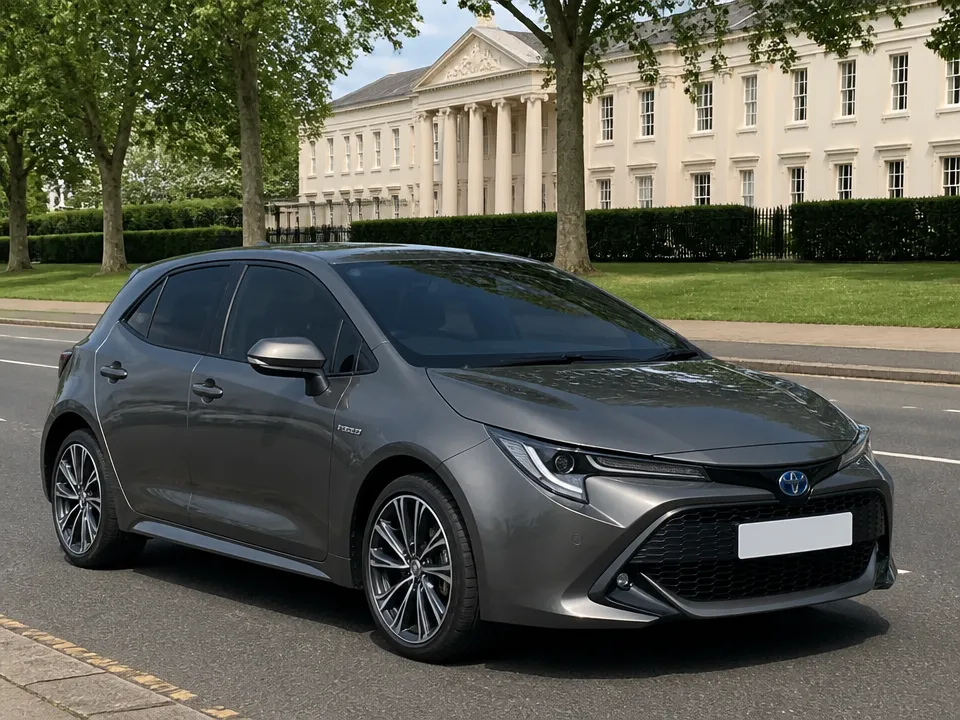
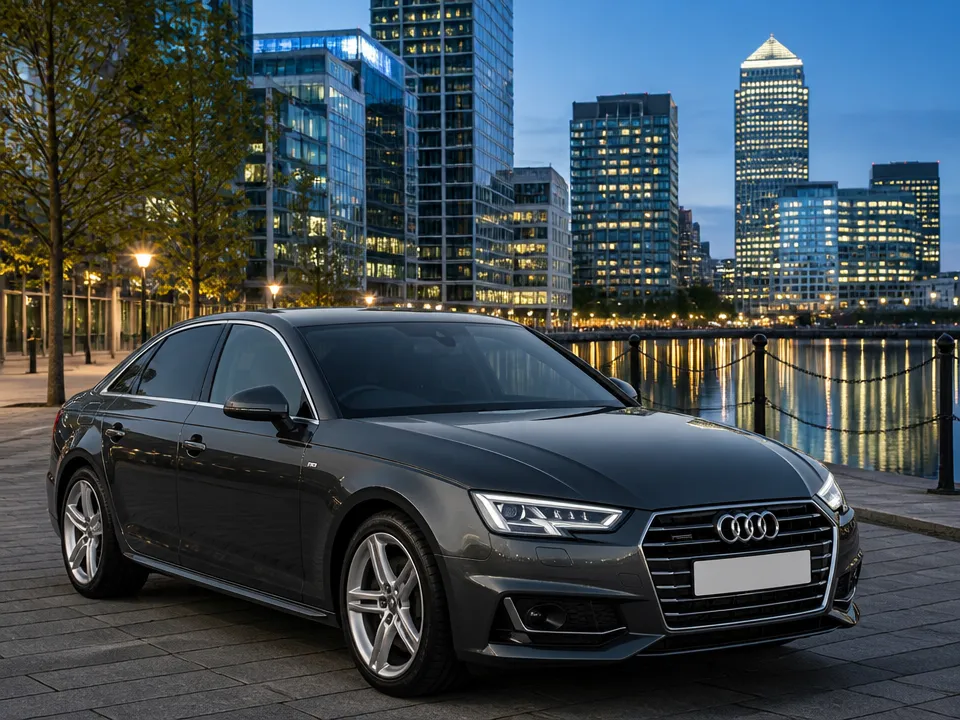
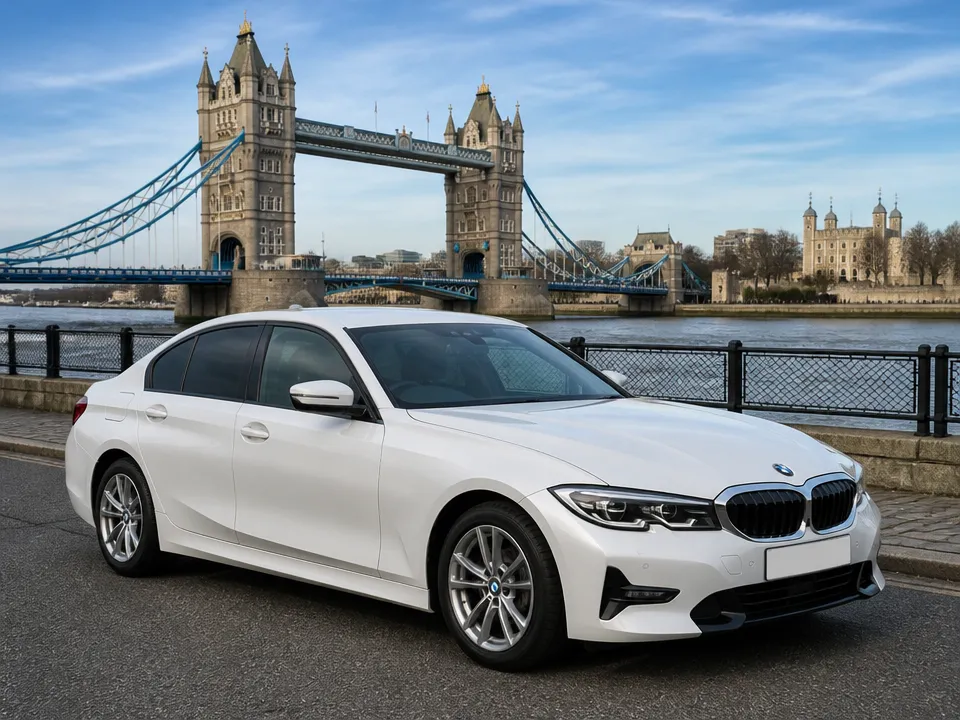
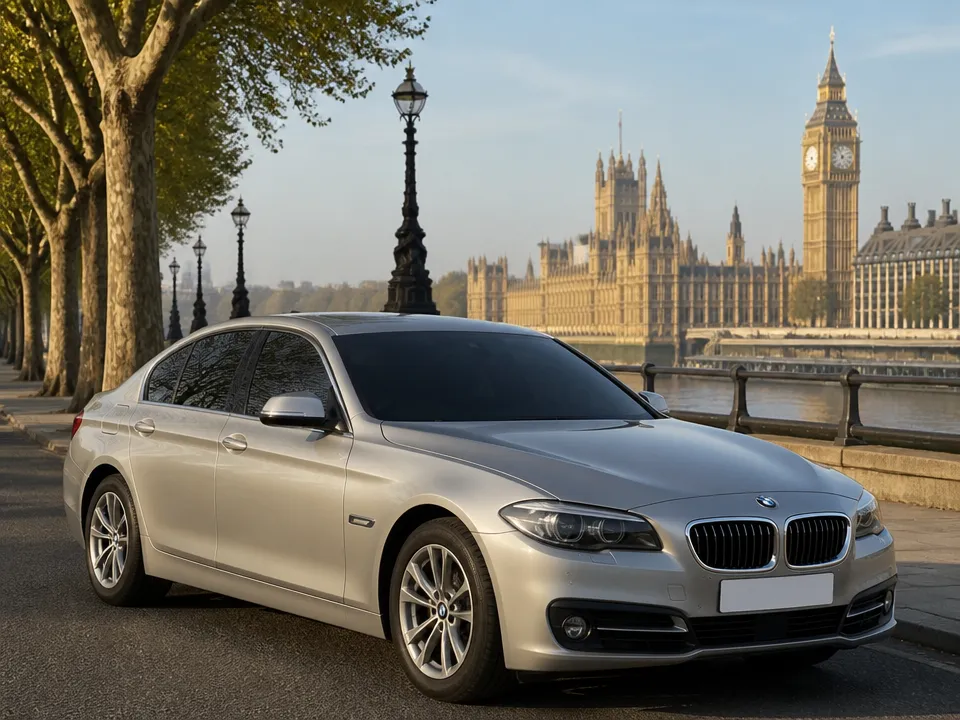
Estate bodies number 4 cars and SUVs 15, so luggage-heavy airport work has its own pool. Between those two poles the fleet spreads across 15 brands: the Seat Leon at £23 and the Ford Focus at £24 cover short site visits, the Toyota Corolla and the Toyota Prius bring hybrid drive to the daily run, and the Audi A4 at £65 and the BMW 3 Series at £77 are the saloons that most often carry clients. For a two-person client meeting the mid-tier sedans do the job without drawing attention; the estate bodies are the ones that swallow sample cases and display kit.
For the Ultra Low Emission Zone what counts is the Euro standard, not the hybrid drive: a petrol car meeting Euro 4 or a diesel meeting Euro 6 avoids the daily charge entirely.
The Passat Variant is worth knowing about separately: it is listed in the Sedan class but carries an estate body, which makes it the quiet answer for a luggage-heavy run that still has to look like a saloon at the kerb.
All 39 cars on this page are delivered to the address agreed with a manager, so the class decision can be made late — but a change of body type after the booking is fixed depends on whether that particular car is free. In our practice the estate and seven-seat cars are the first to go for a Monday morning, so a booking that needs either is worth confirming on the Friday before.
Corporate car rental in London is priced from £23 to £299 per day, and a longer booking is built on that same daily figure — weekly from £138 and monthly from £483. The multiplier is fixed: weekly is daily × 6, monthly is daily × 21. Nothing else changes for corporate car rental in London.
A weekly booking is the daily rate multiplied by six, and a monthly booking is the daily rate multiplied by twenty-one. At the bottom of the range that means the Seat Leon, the cheapest car on this page at £23 a day, carries a weekly figure from £138 and a monthly figure from £483; at the top, the Mercedes-Benz GLC at £299 a day scales by the same two multipliers. The arithmetic is identical across all three classes — Comfort from £23, Sedan from £36, Premium from £55 — so the class you pick sets the daily figure and the length of the booking does the rest. Ask for the weekly figure at the point of booking and the manager applies it to whichever car you have chosen.
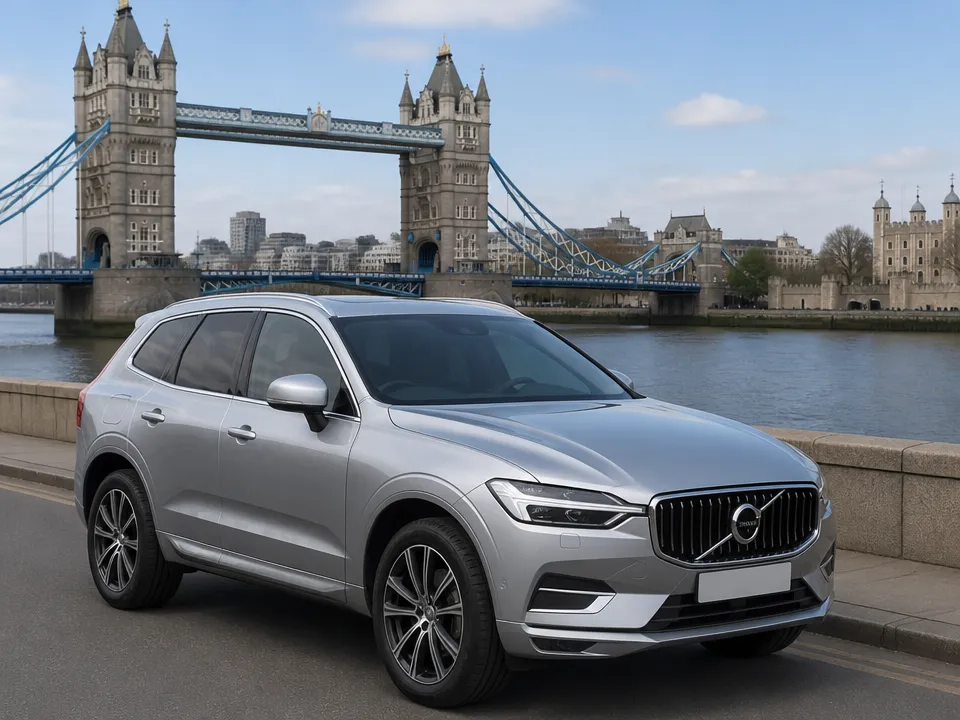
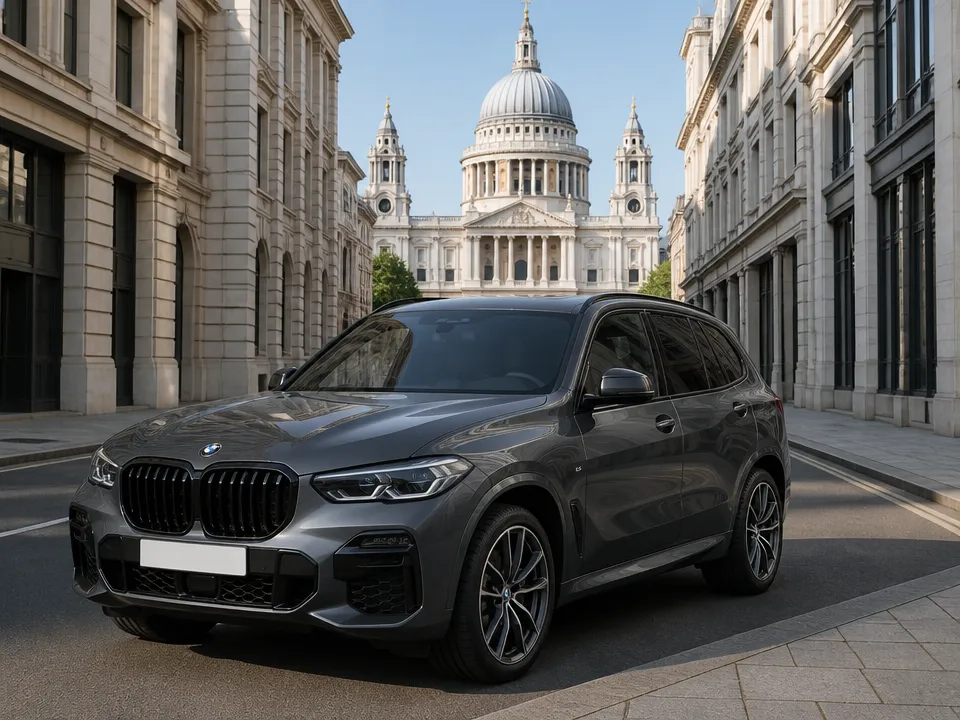
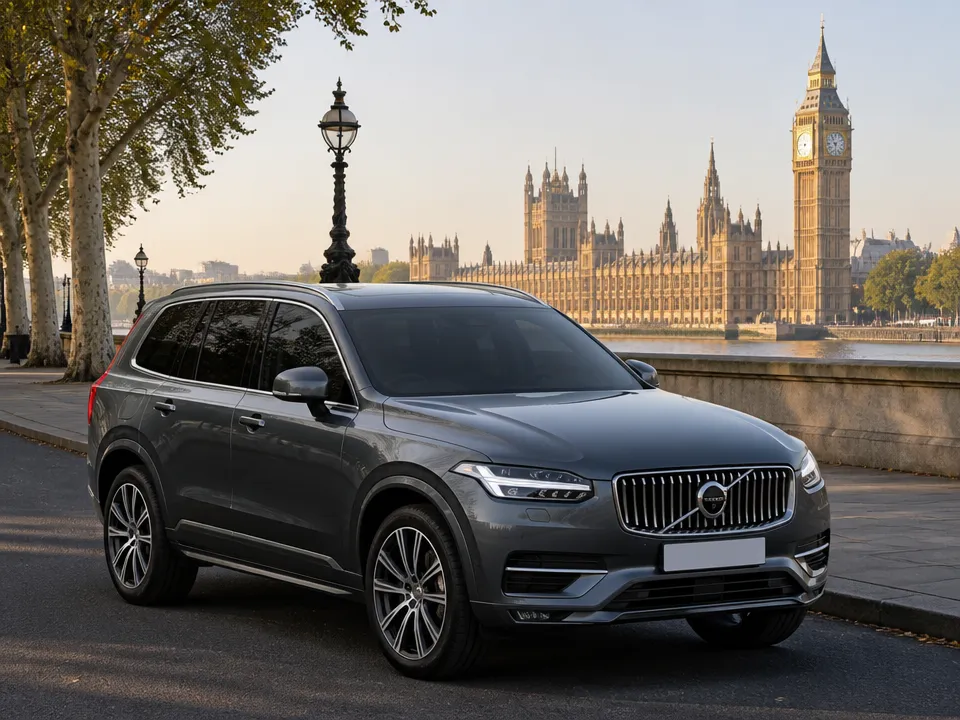
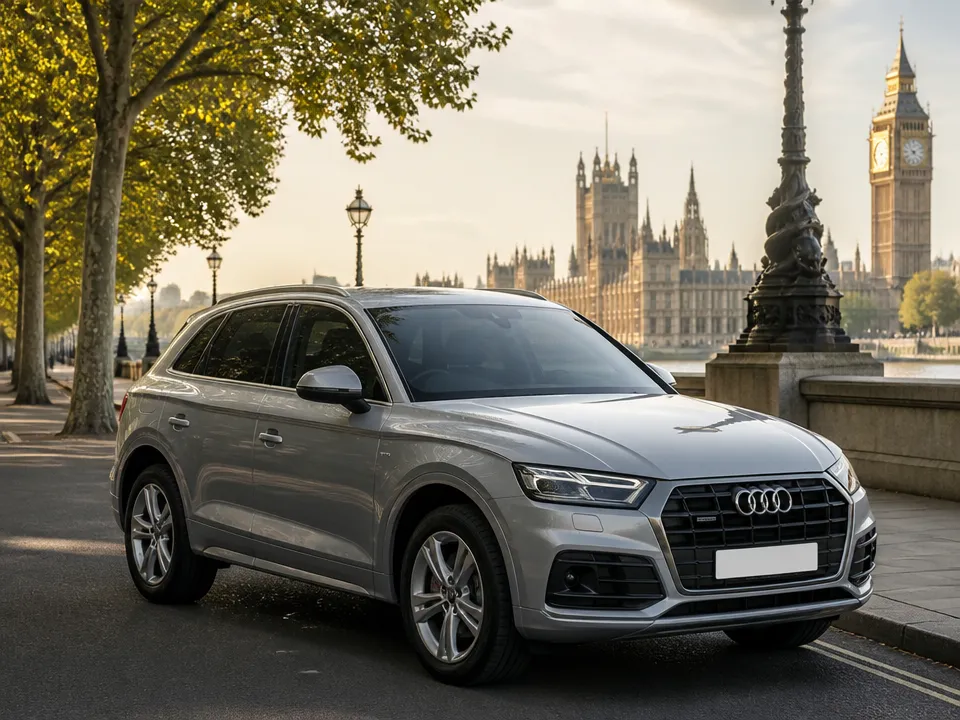
A month on a Premium SUV is a different commitment from a month on a hatchback, and the multiplier makes that difference plain before you commit. For a booking that runs four weeks or more, the sensible starting point is the smallest class that still covers the job. Comfort holds 15 cars from £23, and that band includes the estates — the Volkswagen Golf Estate, the Kia Ceed Sportswagon and the Toyota Corolla Touring Sports — which take sample cases and display kit that a hatchback will not. Sedan covers 8 cars from £36 and Premium 16 cars from £55, and the Premium band is where the all-wheel-drive SUVs sit, among them the Volvo XC60, BMW X5, Audi Q5, BMW X3 and the seven-seat Volvo XC90.
On a long booking that sits inside the Ultra Low Emission Zone, check the registration on the TfL vehicle checker first — a petrol car must meet at least Euro 4 and a diesel Euro 6 to avoid the charge of the zone, which runs across all 32 boroughs and charges £12.50 a day for non-compliant cars, 24 hours a day, seven days a week, except 25 December. Over a month that daily charge is the single item most likely to outweigh the difference between two classes, so match the car to the zone before you match it to the budget.
The delivery terms are the same whether the car goes out for two days or four weeks. We deliver to any address in the city and to the airports, and the delivery address, date and time are agreed with a manager before the booking is fixed. The car comes clean with a full tank and must be returned with a full tank — full-to-full — otherwise the missing fuel and a refuelling service fee are charged as set out in the rental agreement. The deposit, insurance excess, delivery fees and any discounts are likewise set out in that agreement rather than quoted here.
Two things are worth settling at the start of a long booking rather than at the end. The first is the Congestion Charge: £18 a day if paid on the day of travel or in advance, £21 if paid by midnight on the third day after, charged 07:00–18:00 Monday to Friday and 12:00–18:00 at weekends and on bank holidays, and not charged from 25 December to the New Year bank holiday inclusive. The second is the Dartford Crossing, £3.50 per crossing for a car, or £2.80 prepaid. Who covers road charges and tolls on a rental car is agreed when booking — fix it before the car is delivered, not after the first charge lands.
Speed limits are the other thing that catches people out over a month of driving: 30 mph in built-up areas across England, Scotland and Northern Ireland, 60 mph on a single carriageway, 70 mph on a dual carriageway and on a motorway, and 20 mph signs in many local zones that override the default. Traffic drives on the left, roundabouts run clockwise with priority to traffic from the right. Our advice for a long booking is to confirm the weekly or monthly figure and the road-charge arrangement in the same conversation with the manager — the rate is fixed by the multiplier, but everything around it is settled at booking.
Corporate car hire with Rent-Trip works from a simple starting point: the car comes to you. We deliver to any address inside the capital and to six airports, and the delivery address, the date and the time are agreed with a manager before the order is locked in. Nothing about the drop-off is assumed on our side — it is confirmed with you first.
Delivery beyond these places is arranged case by case and is not promised on the site. In our practice the honest answer is better than a hopeful one: if the address sits outside the area, ask the manager at the booking stage and you will get a yes or a no, not a maybe. Congestion Charge and ULEZ are separate from delivery — the charge applies to the vehicle while it is driven, and who covers road charges, tolls and penalty notices is agreed when booking.
The delivery address and the hour are what make a business booking workable, so we settle both before the booking is fixed. A car ordered for a 09:00 meeting should be confirmed against the meeting time; if the vehicle is needed at 08:30, the manager needs to know that before the order is locked, not on the morning. The same logic applies at the other end: a return before a flight needs the terminal and the hour on record. Fix the address and the time first and the rest of the booking — car, class, duration — falls into place around them.
Corporate car rental goes wrong in a handful of predictable places, and most of them are decided before the keys change hands. The points below are the ones we see most often.
The mistake that costs the most is the one nobody writes down: in our practice an order confirmed on the Friday before a Monday morning is the one that gets the estate or the seven-seater, because those are the first cars to go.
Corporate car rental is fixed by a rental agreement, and the deposit, insurance excess, delivery fees and any discounts are set out in that document rather than quoted on this page. The agreement is what the booking is read against, so it is worth opening before the keys change hands on any corporate car rental in London.
The one item a driver controls directly is fuel: returning the tank as it left avoids the missing-fuel charge and the refuelling service fee that the agreement names.
The documents a driver presents and the minimum age are not fixed on this page, so they are raised with the manager when the booking is agreed. What the terms do state is that a full, valid foreign licence may be used to drive for 12 months from the last entry into Great Britain — England, Wales and Scotland — which covers the length of most corporate placements. Whether an international driving permit is needed is not addressed here, and the age question is not answered on the page, so both belong in the same conversation as the delivery address. Put the driver's details on the table early: a booking that names the wrong driver is a booking that has to be reopened, and reopening it costs the slot you wanted.
The rule that catches visiting drivers first is the roundabout: traffic runs clockwise and priority sits with the right, so the first mile out of a terminal is worth taking slowly.
A week of site visits is where corporate car rental earns its keep, because the car moves between addresses that public transport links badly. The 39 cars on this page are delivered to the address you name, and the delivery address, date and time are agreed with a manager before the booking is fixed.
The pattern to avoid is a different car for every day: each change reopens the booking, and the class you want may already be out.
Who covers road charges, tolls and penalty notices on a rental car is agreed when booking, so it is settled in the same exchange as the address.
The class decision is the one a business makes before anything else, and the three bands differ by body, seats and drivetrain rather than by badge. Comfort holds 15 cars from £23, Sedan 8 cars from £36 and Premium 16 cars from £55, and the daily figure you agree is the one both multipliers are applied to.
Estate bodies number 4 cars and SUVs 15, so the two extremes of the fleet are where luggage and ground clearance live. Automatic covers 29 cars against 10 manuals, which is a wide margin but not a guarantee by class — say the gearbox out loud when booking. The seven-seat car is a single Volvo XC90 at £102 a day, hybrid and all-wheel drive, so a booking that needs six passengers is worth confirming early rather than on the morning of delivery. Fuel splits 26 petrol, 8 diesel and 5 hybrid, and when the week's driving sits inside the Ultra Low Emission Zone what matters is the Euro standard — at least Euro 4 for petrol, Euro 6 for diesel — not the hybrid drive.
In our practice the class is decided late and the body type early: a Comfort booking can be made the day before, but an estate or the seven-seater is the first thing to go for a Monday morning.
The return closes the order, and the terms on it are the same whether the vehicle went out for two days or four weeks.
A crossing charge can follow a vehicle home. The Dartford Crossing is £3.50 per crossing for a car, or £2.80 prepaid, payable by midnight the day after, and the penalty charge notice that follows an unpaid crossing is £70 under the gov.uk rules — £35 if paid within 14 days, £105 if left unpaid. Who covers road charges, tolls and penalty notices on a rental car is agreed when booking, so the arrangement is on record before the first charge lands rather than argued after it.