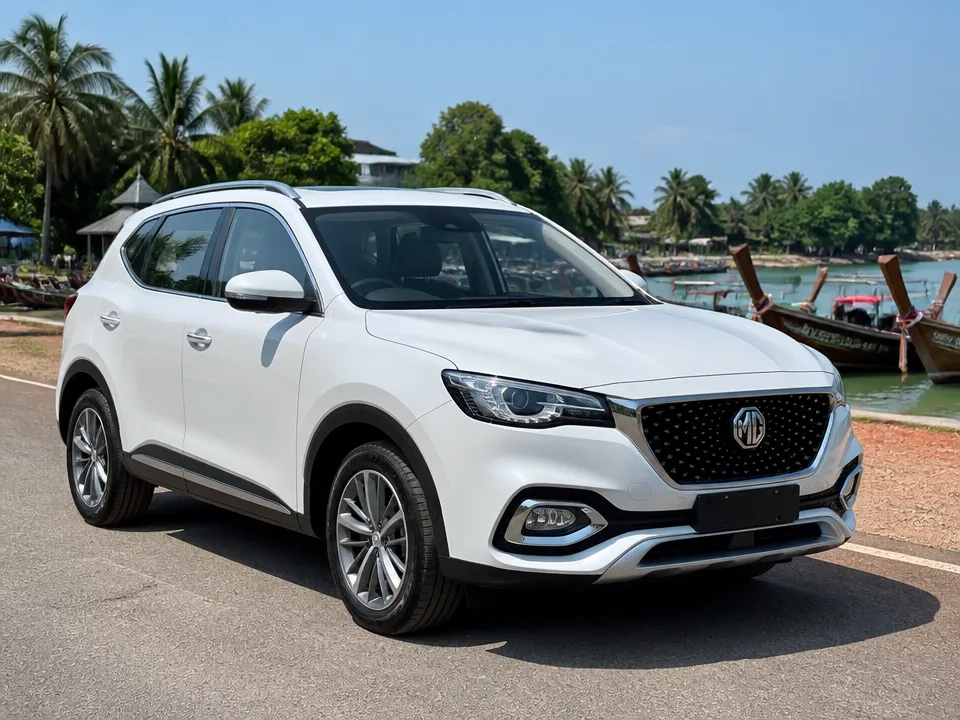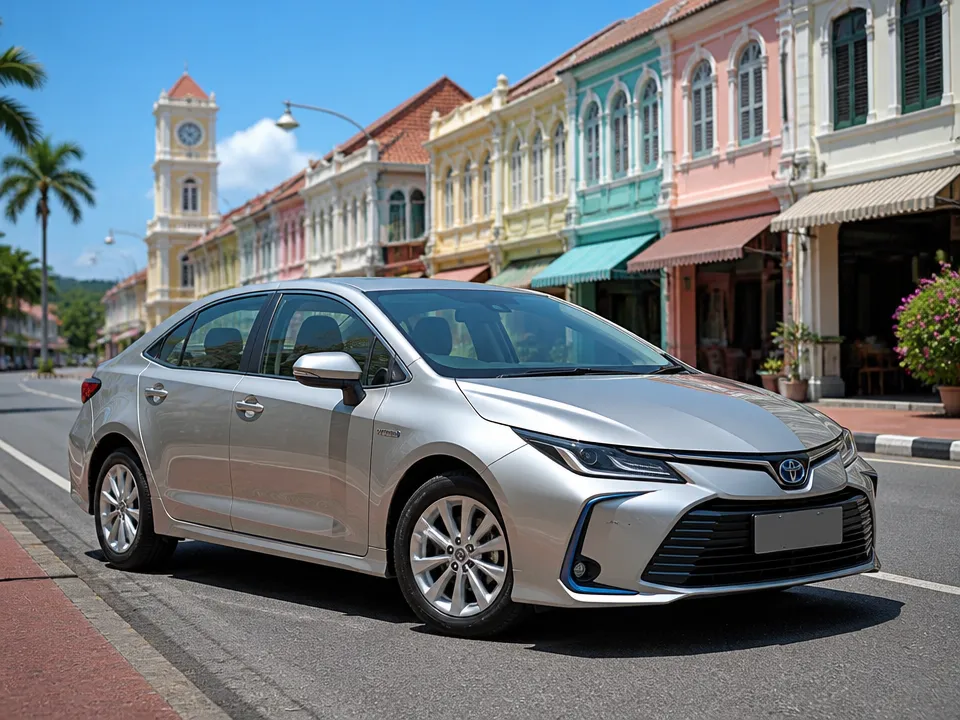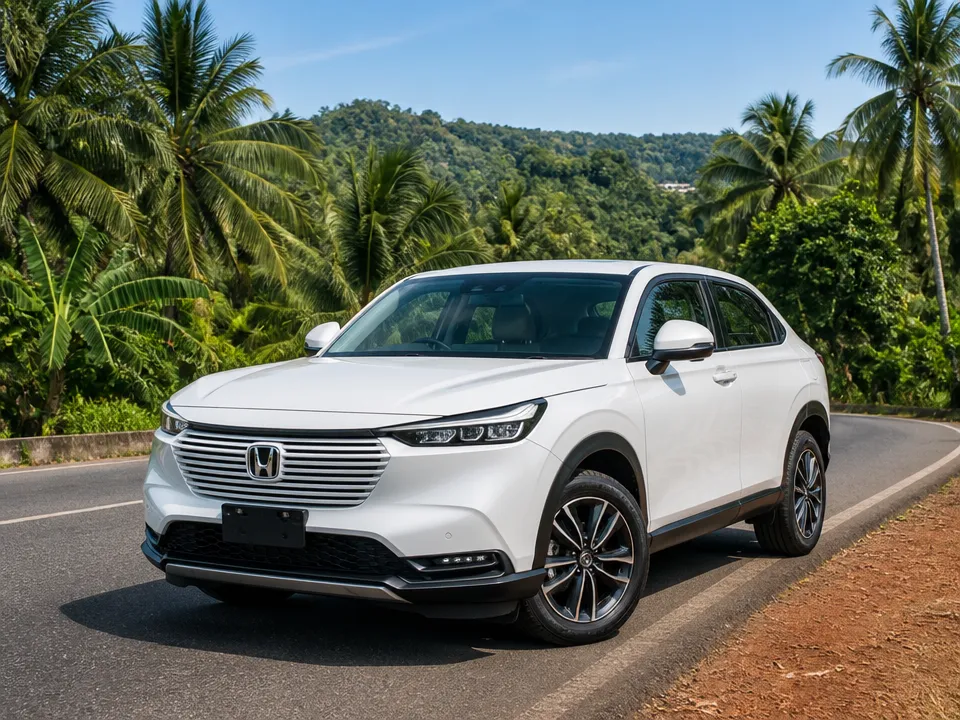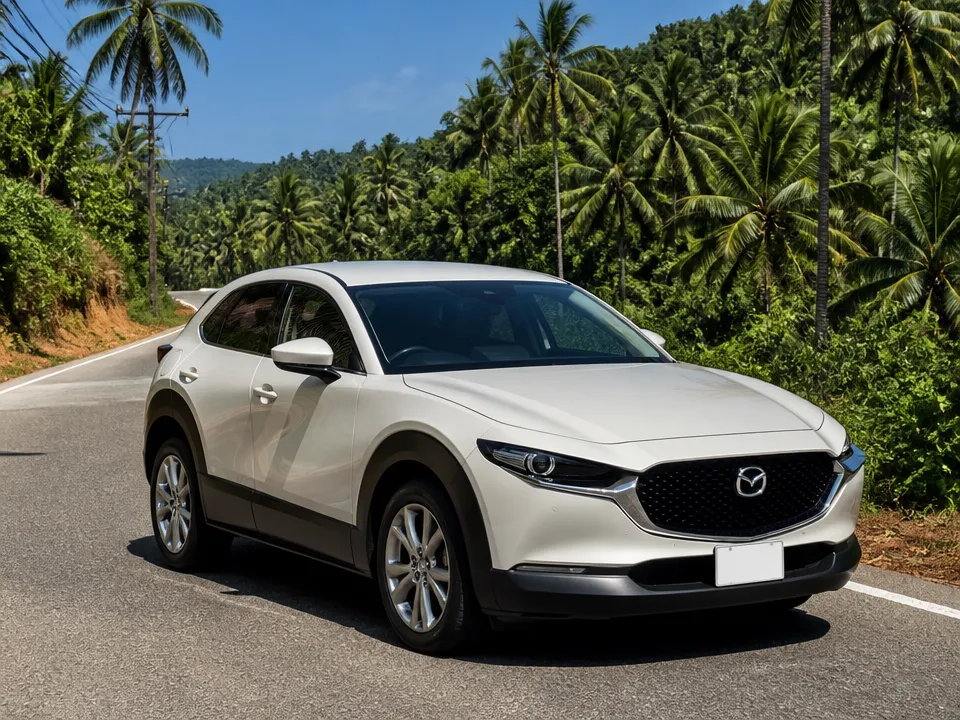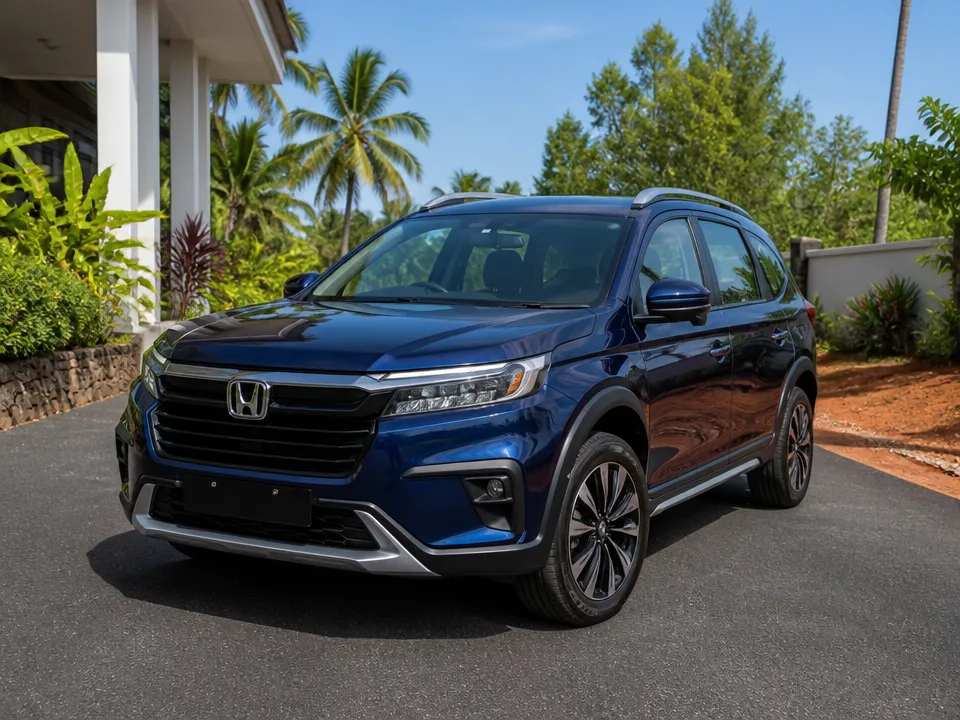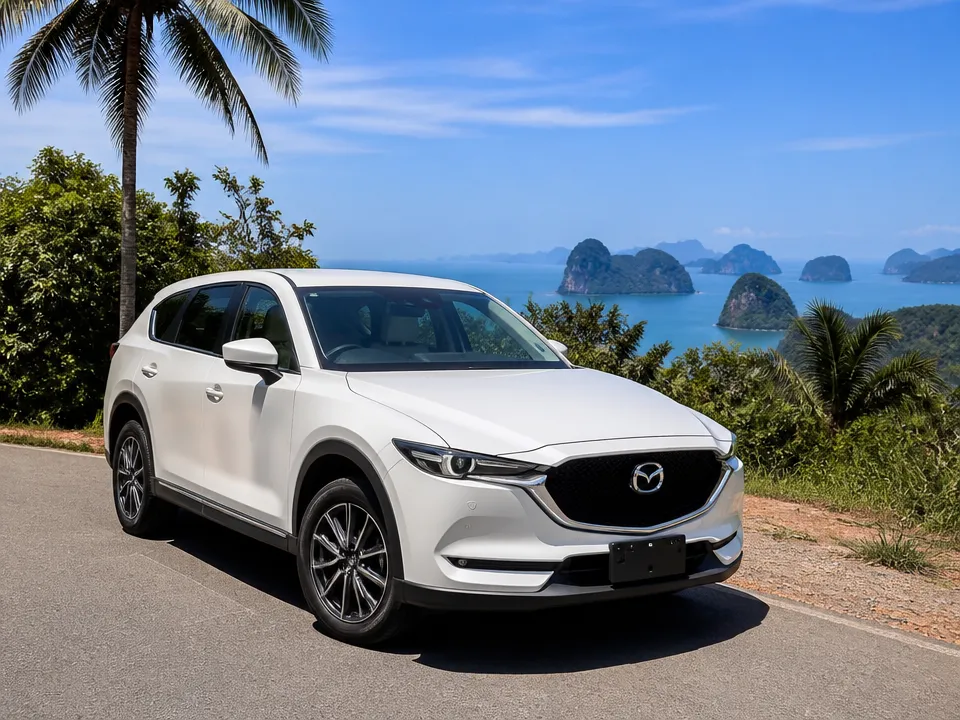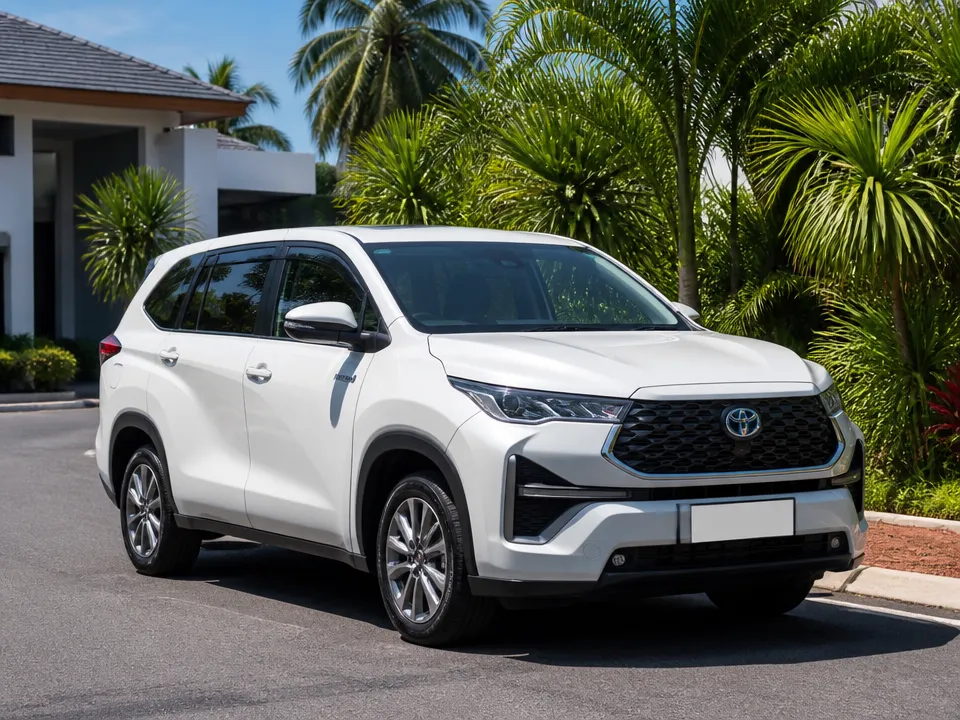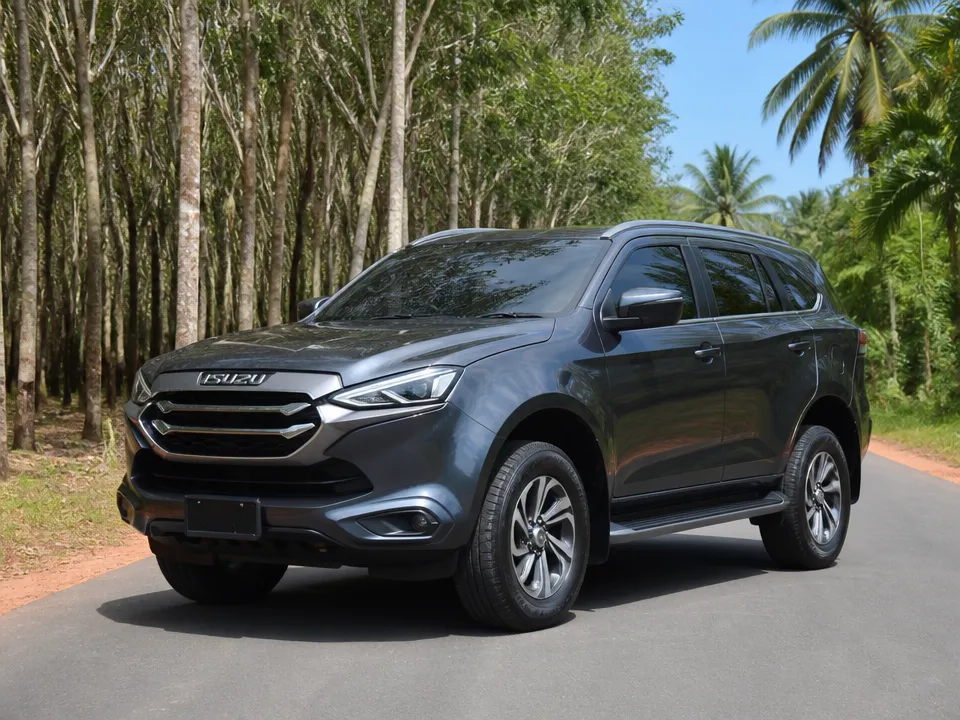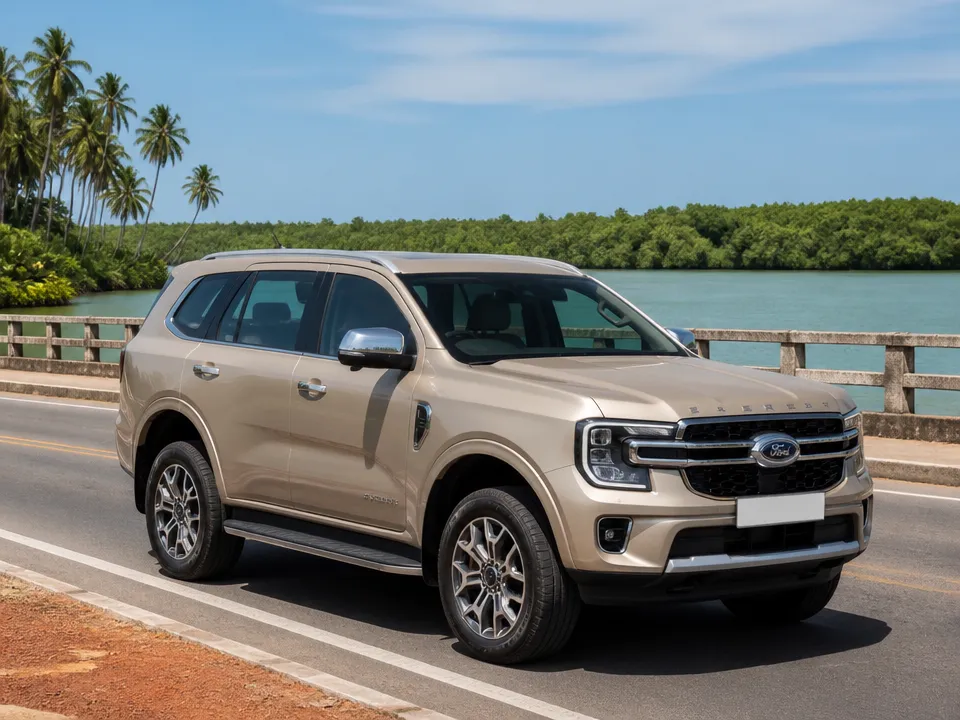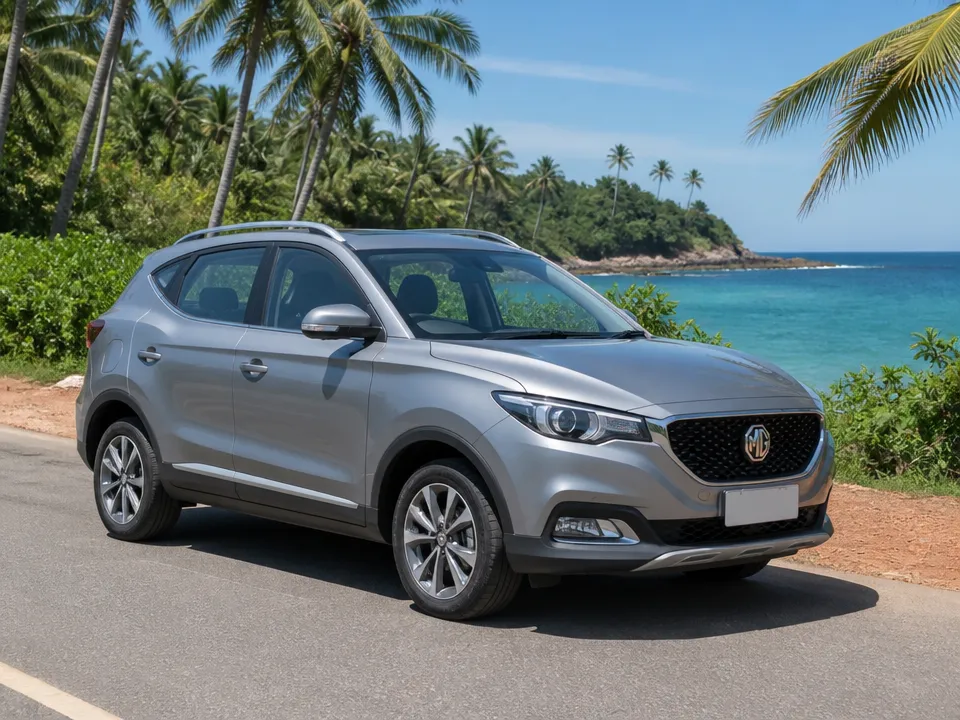
MG ZS, Crossovers
★5.0· 63Automatic1.5 L114 hpFront-wheel5 seats
฿1,100per day
Book nowVAT included



VAT included
VAT included
VAT included
VAT included
VAT included
VAT included
VAT included
VAT included
VAT included
VAT included
VAT included
VAT included
VAT included
VAT included
VAT included
VAT included
VAT included
VAT included
VAT included
VAT included
VAT included
VAT included
VAT included
VAT included
VAT included
VAT included
VAT included
VAT included
VAT included
VAT included
VAT included
VAT included
VAT included
VAT included
VAT included
VAT included
VAT included
VAT included
VAT included
VAT included
VAT included
VAT included
VAT included
VAT included
VAT included
VAT included
VAT included
No cars match the selected filters. Remove some of the conditions.






You need your passport, a valid home driving licence, an International Driving Permit (IDP) under the 1949 Geneva Convention (unless you are from an ASEAN country, where your national licence is accepted), and a bank card in the main driver's name for the security hold.
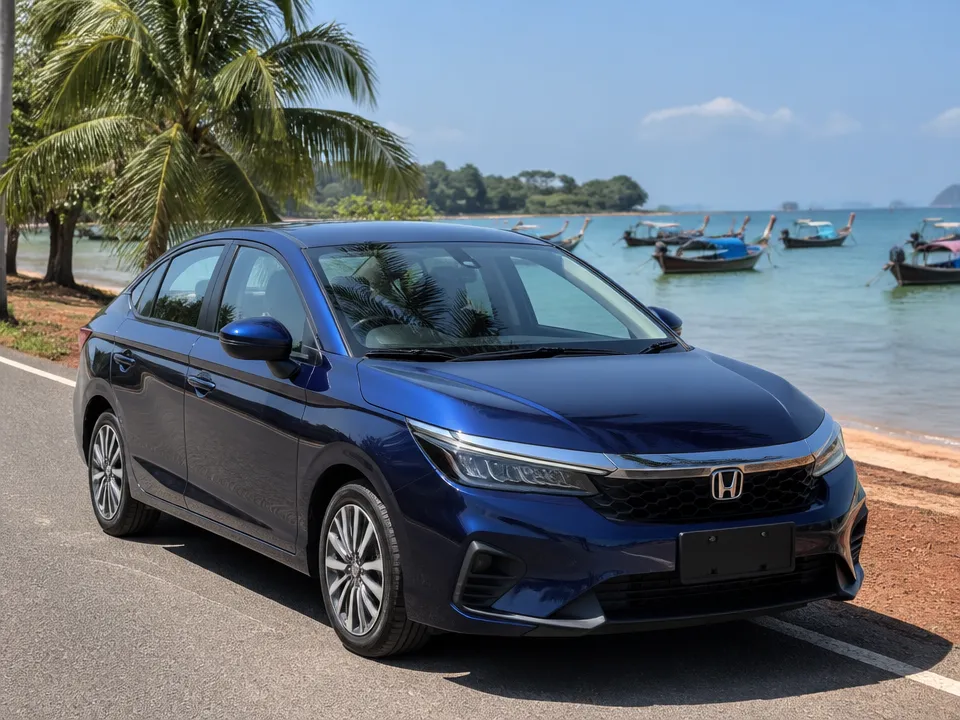
Prices start from ฿1,100 per day for a car like the MG ZS or Honda City e:HEV. Weekly rates are from ฿6,600, and monthly from ฿23,100. The exact rate depends on the car model and rental period.
Yes, we deliver cars free anywhere on Phuket, including Phuket Airport (HKT) and all hotels on the island. The car comes with a full tank and is ready to drive.
Planning a Phang Nga Bay road trip? Rent a car on Phuket and enjoy the freedom to explore at your own pace, stopping at Samet Nangshe viewpoint whenever you like—with 47 cars available, from ฿1,100/day, delivered free to any island location or Phuket Airport.
A self-drive car from Rent-Trip turns the Phang Nga Bay trip into your own itinerary rather than a coach schedule. The bay lies roughly 90 km from Phuket across the free Sarasin Bridge, and with your own wheels you decide when to leave, where to stop and how long to stay. We deliver the car to your hotel or to Phuket Airport (HKT) free of charge, so the freedom starts the moment you land.
With a Rent-Trip car you leave when you want and linger at the Samet Nangshe viewpoint for sunset, then drive back on your own timetable. Organised tours run on fixed departure times and herd visitors through the bay's stops in a set order, which rarely matches the light you want for photos. On our experience, travellers who self-drive also reach the quieter eastern shore of Phang Nga Bay that big tour boats skip. Tours cluster around midday, and the Samet Nangshe viewpoint is busiest then; by late afternoon the crowds thin out, which is exactly when the limestone karsts catch the low sun.
Split among four passengers, self-drive undercuts most organised tours, and you keep the flexibility to add an hour at the James Bond Island pier or skip a stop entirely. On our terms the weekly rate equals six daily rates and the monthly rate equals 21 daily rates, so the per-day cost drops further the longer you keep the car.
The right car for the ~180 km round trip depends mainly on your group size and how much comfort you want on the highway. Rent-Trip keeps 47 cars across 8 classes on this page, so there is a match for a couple as much as for a family of seven.
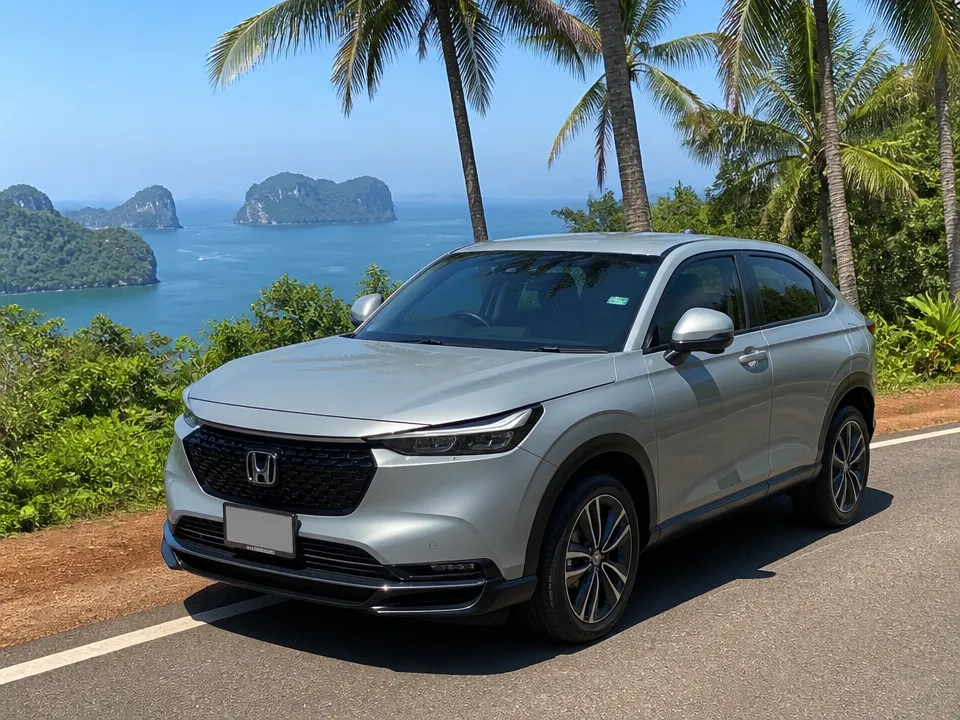
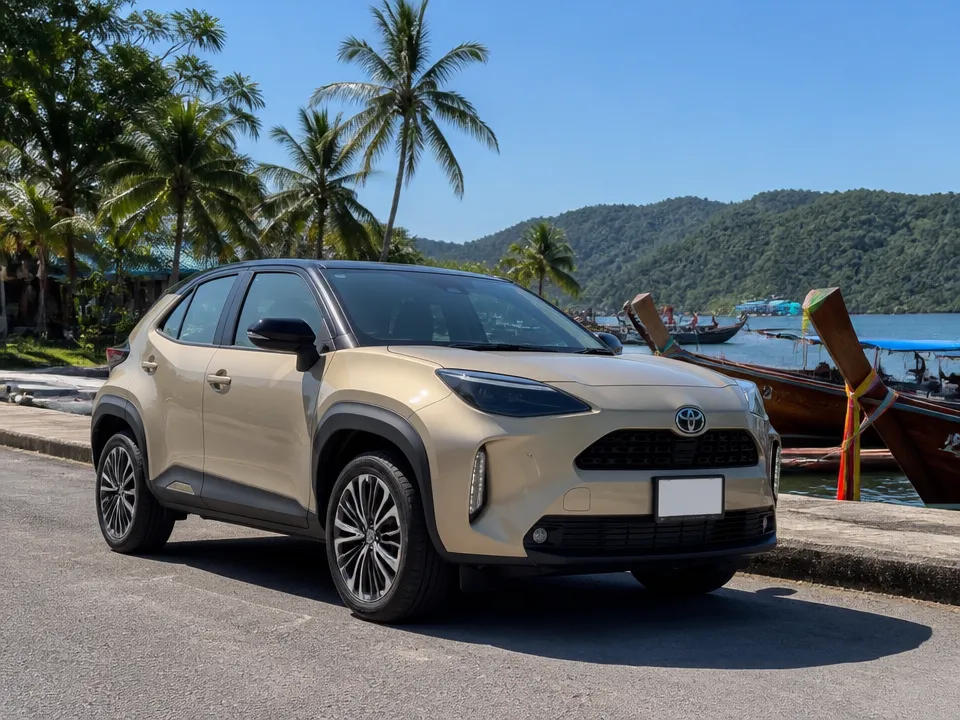
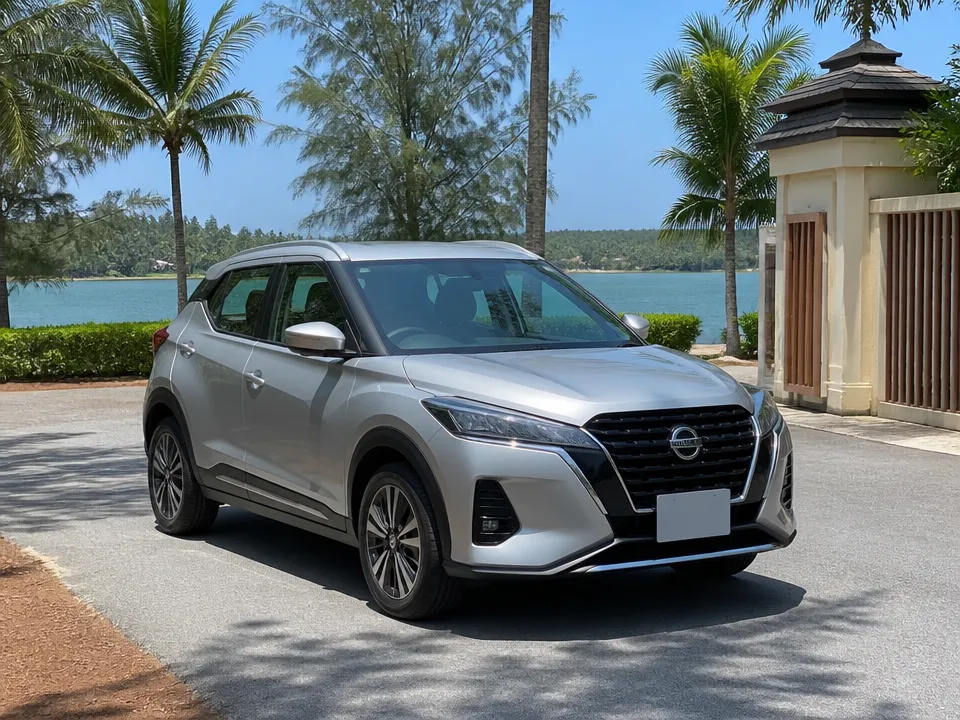
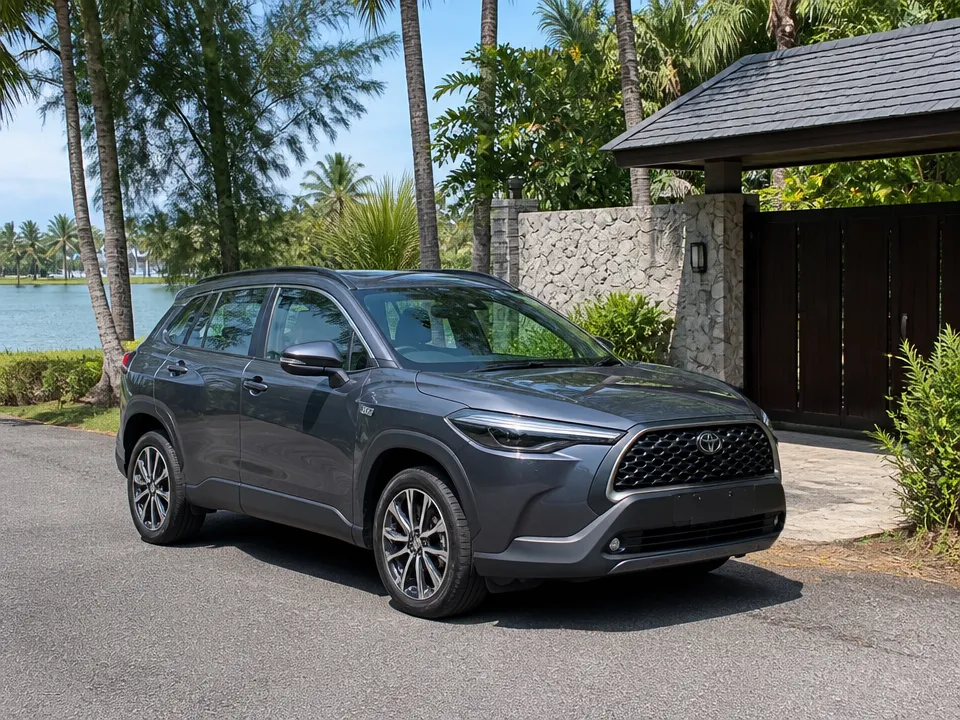
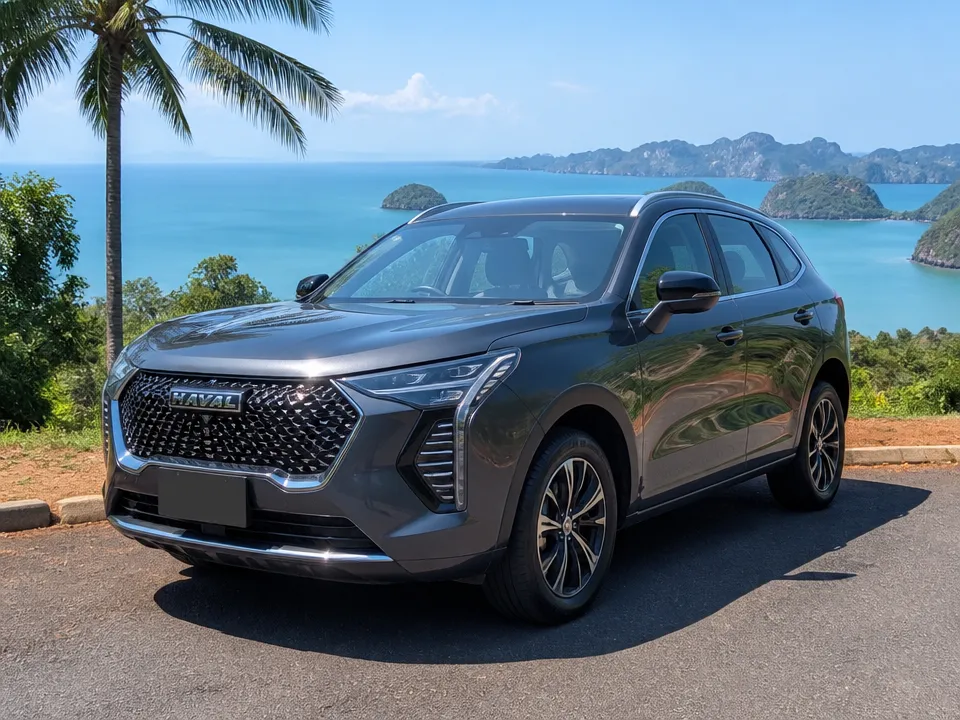
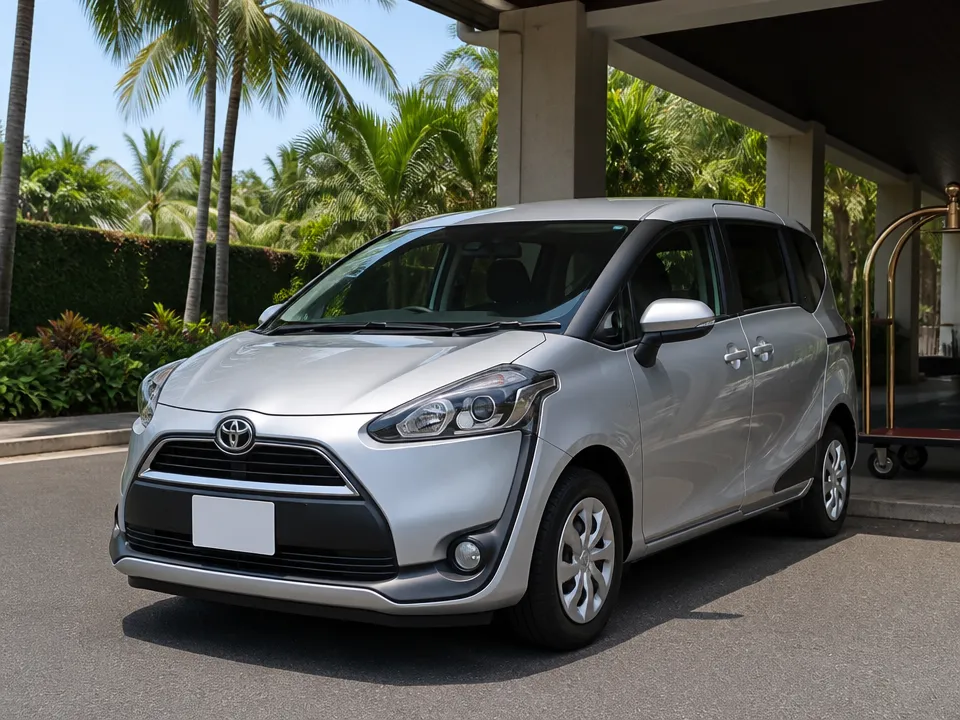
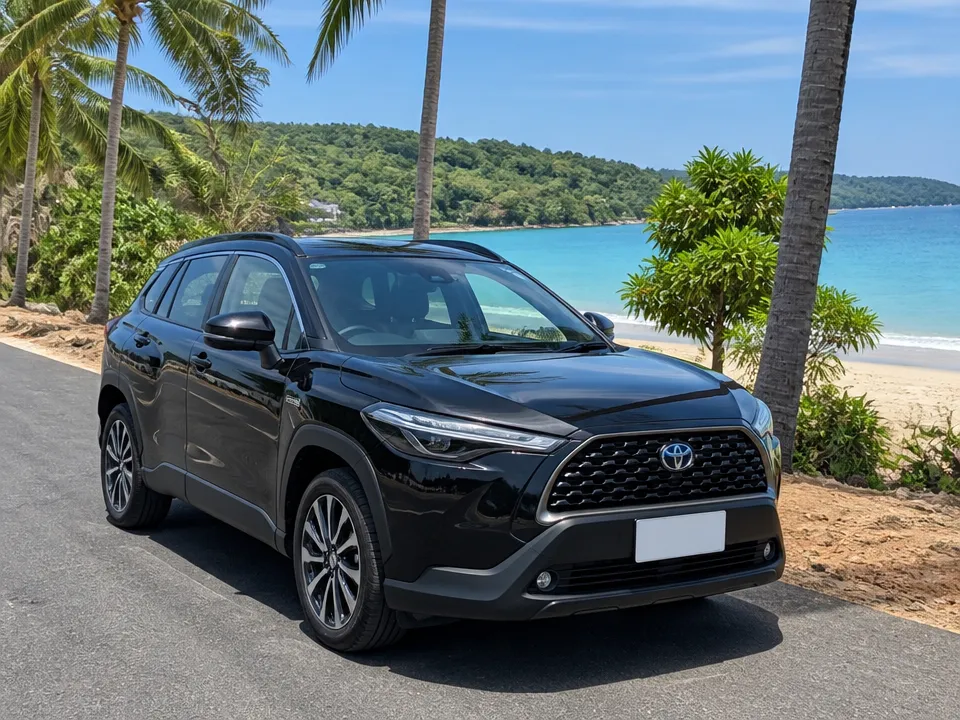
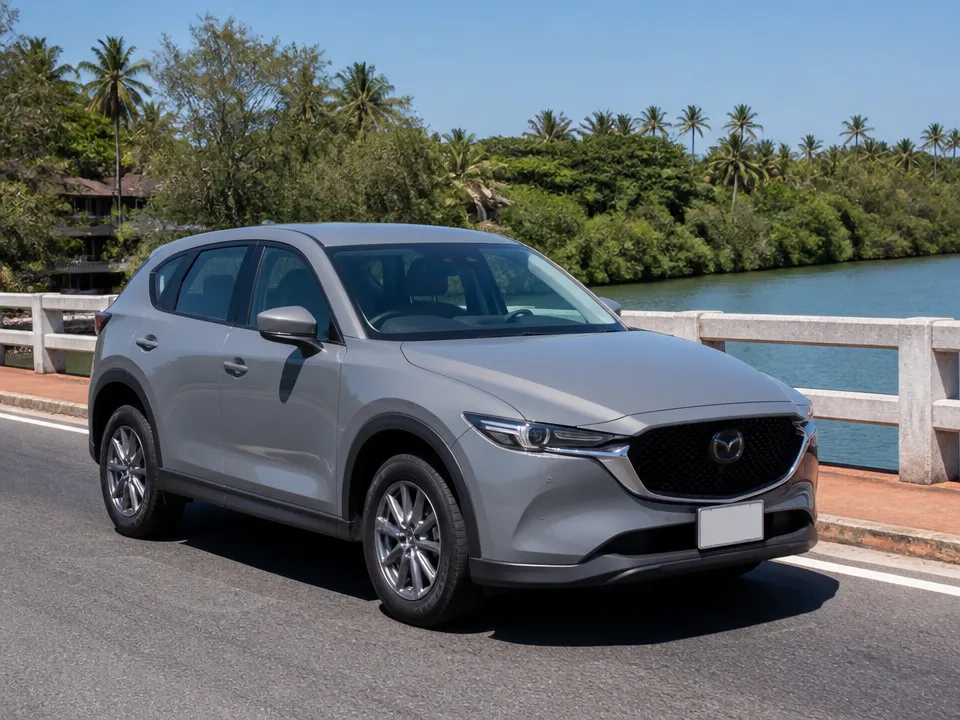
The MG ZS from ฿1,100/day and the Honda HR-V at ฿1,300/day suit two to four travellers well. Both are petrol crossovers with automatic transmission — the only type our fleet runs — and front-wheel drive, which is ample for the paved Route 4 corridor. If you prefer a hybrid for the same body style, the Toyota Yaris Cross and Nissan Kicks e-Power sit at ฿1,300/day and return noticeably better fuel figures in stop-start traffic. Crossovers sit higher than sedans, improving visibility on the winding coastal sections near the bridge approach. For a day trip with two people, the MG ZS is the most economical choice on this page.
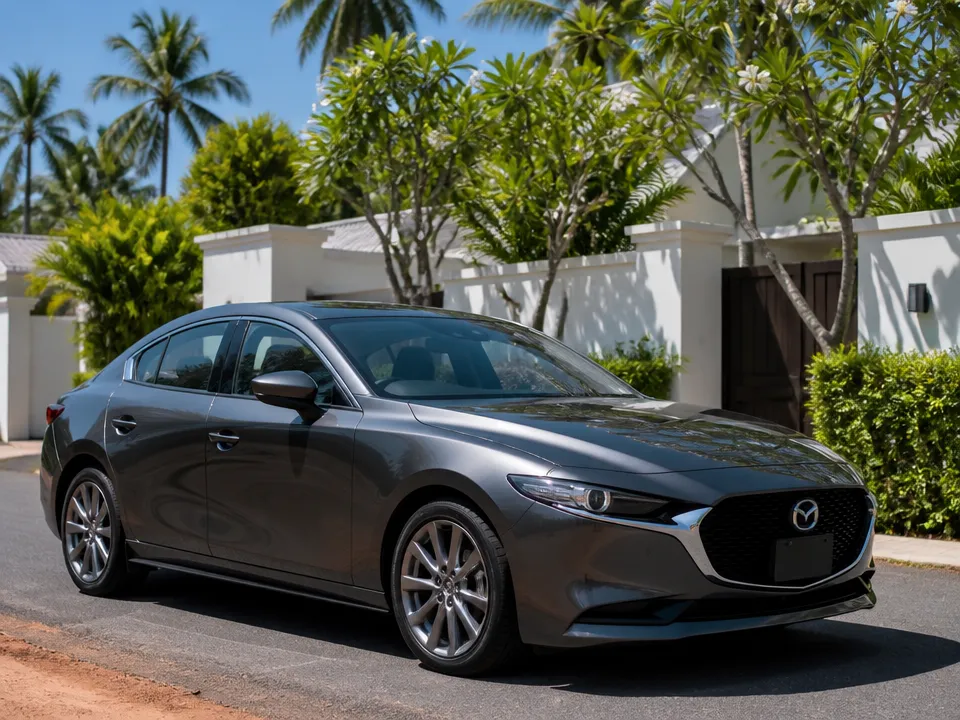
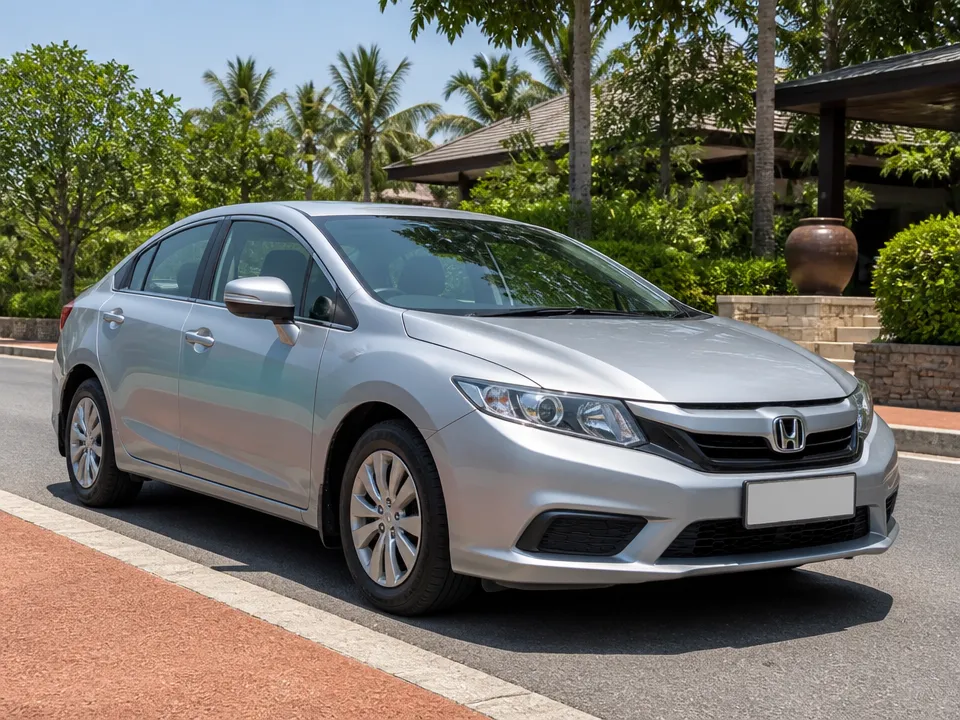
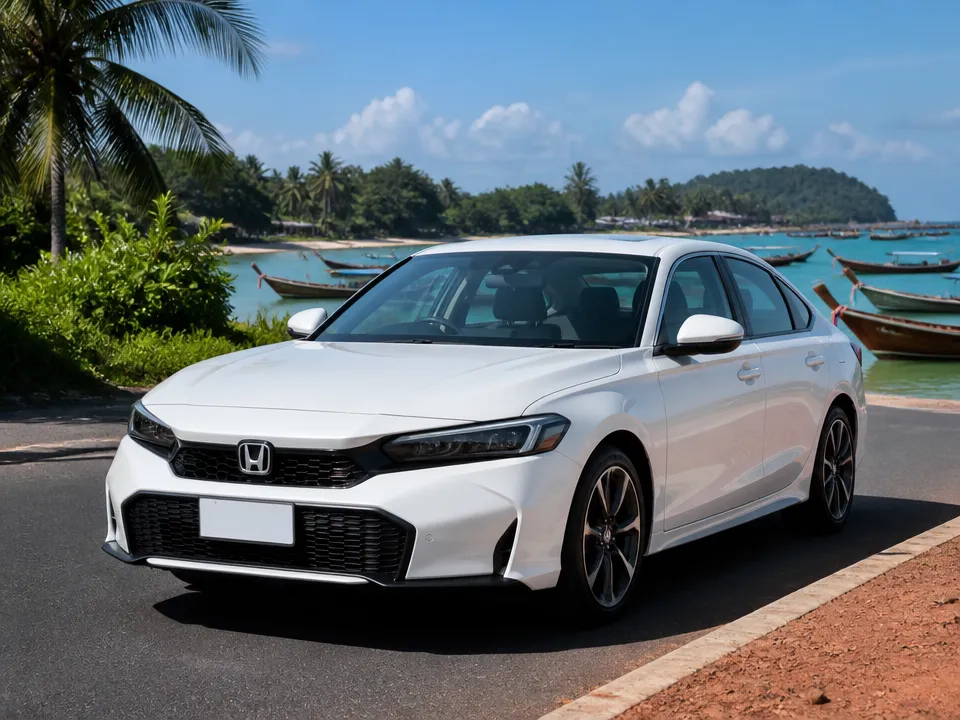
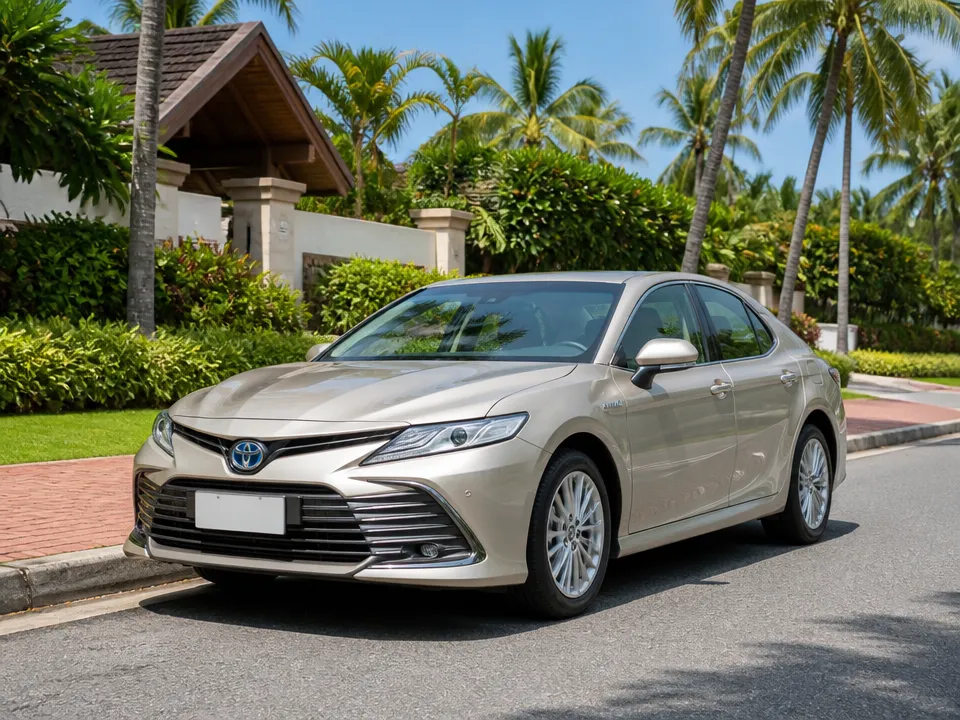
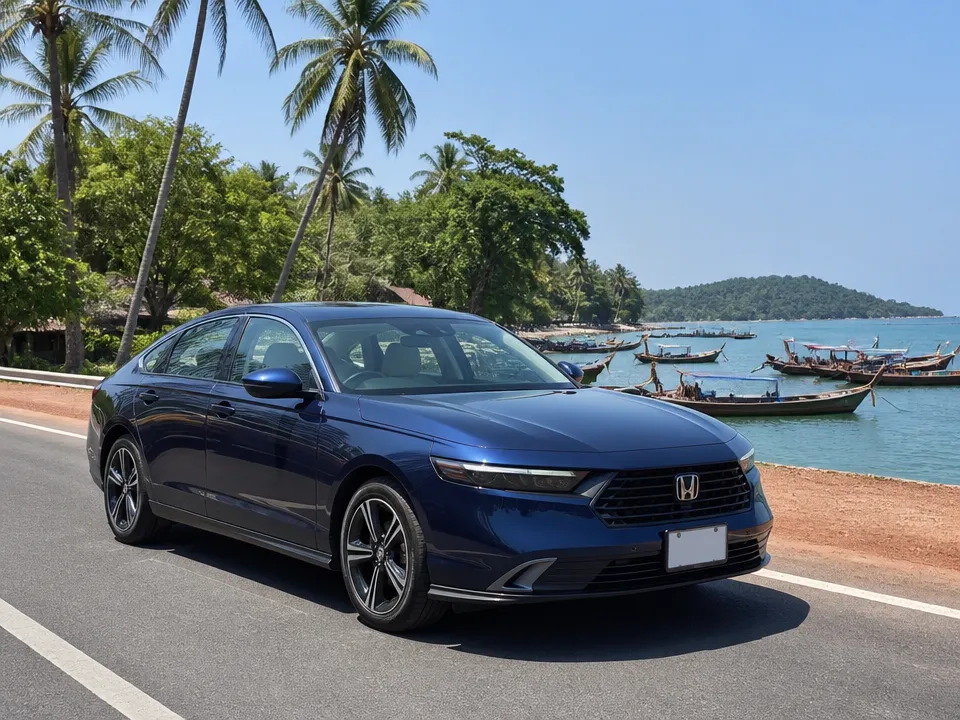
The Honda City e:HEV from ฿1,100/day cuts fuel cost on the ~180 km round trip, and it is the cheapest hybrid Rent-Trip offers on this route. Its 1.5-litre system pairs with an automatic gearbox and front-wheel drive, which is all the traction you need on the sealed road to Phang Nga Bay. Hybrids suit stop-start driving through Phuket Town traffic on the way out of the island. For a crossover hybrid, the Toyota Corolla Cross Hybrid at ฿1,600/day adds ground clearance without a big fuel penalty.
| Group | Recommended Cars | Daily Rate |
|---|---|---|
| 2 adults | MG ZS, Honda City e:HEV | ฿1,100 |
| 3–4 adults | Honda HR-V, Toyota Yaris Cross | ฿1,300 |
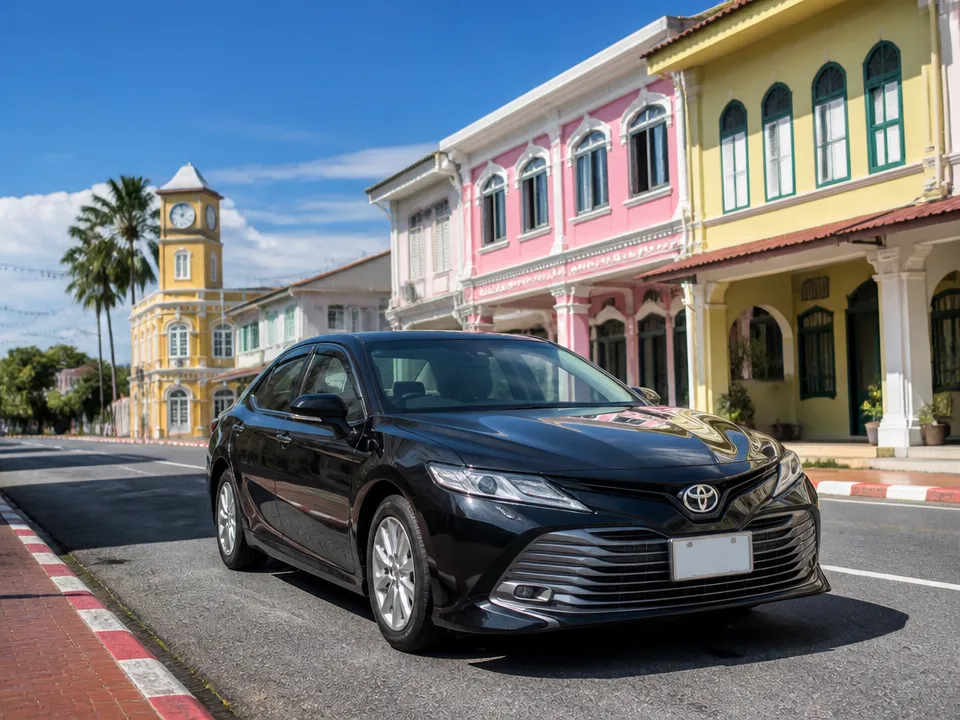
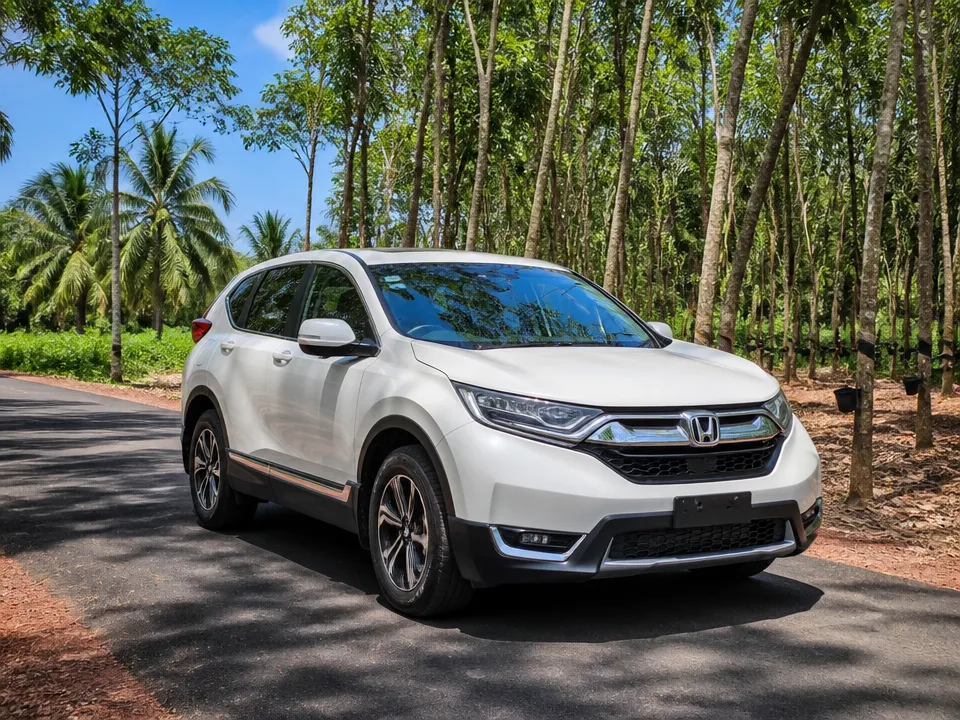
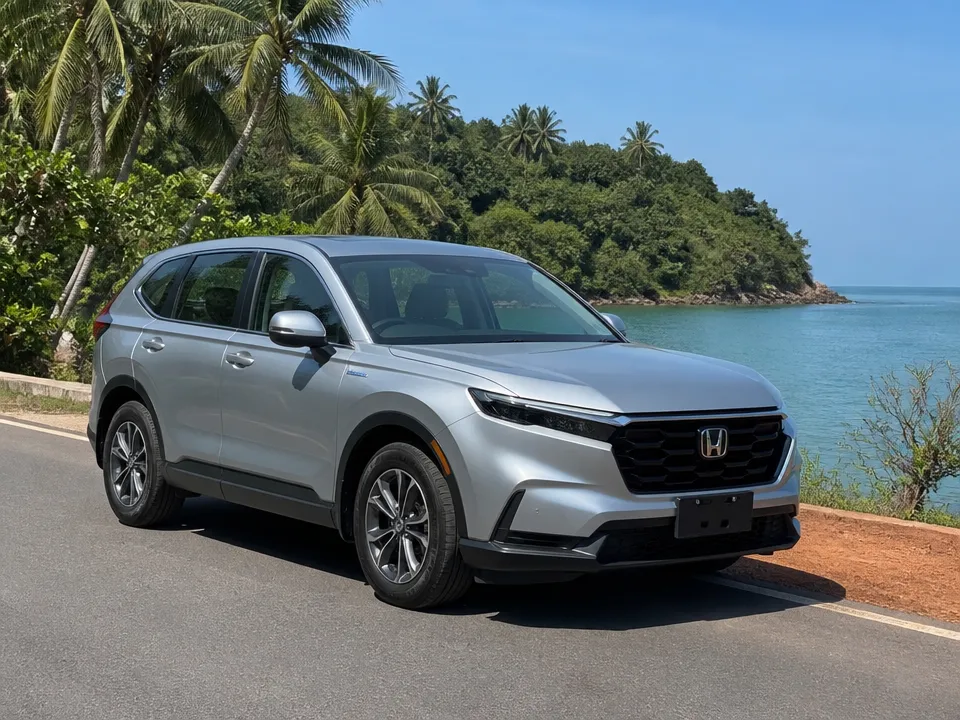
| 5 adults | Toyota Camry, Honda CR-V | ฿1,900 |
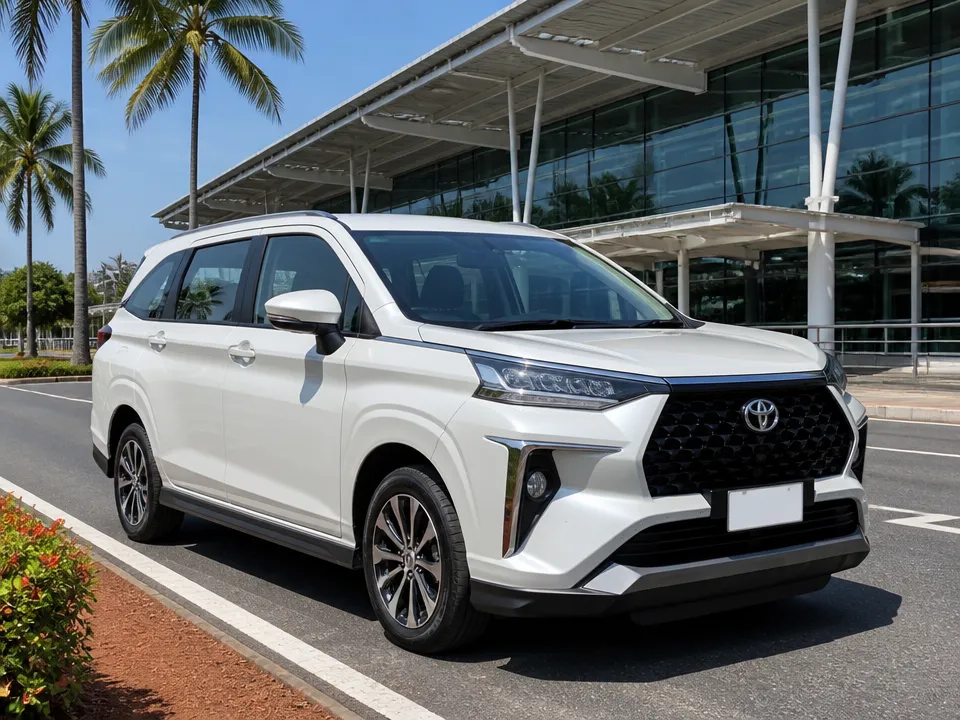
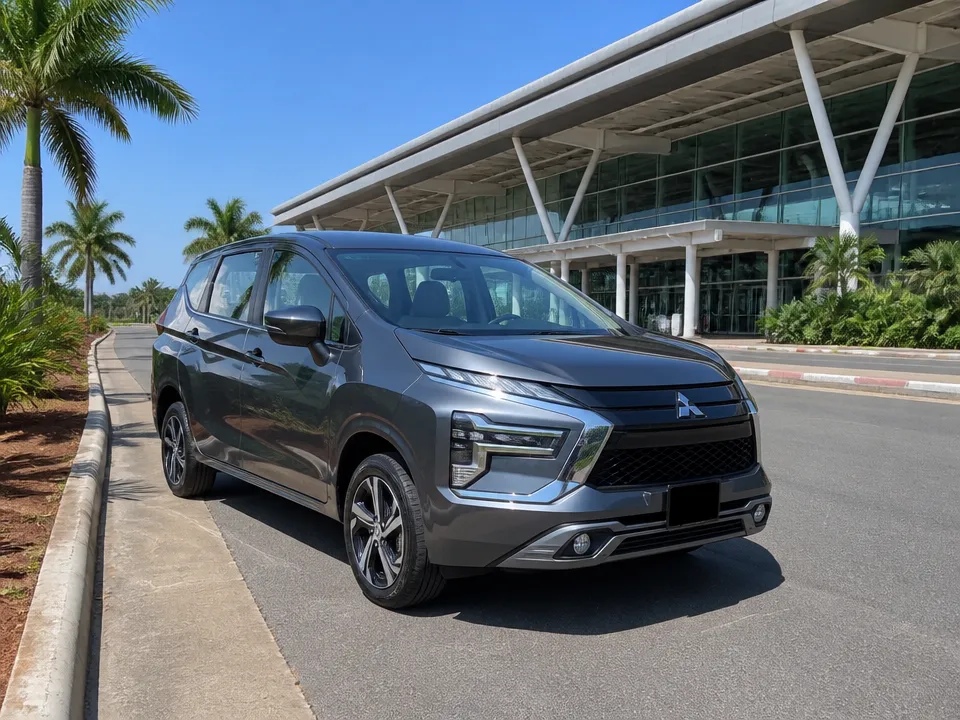
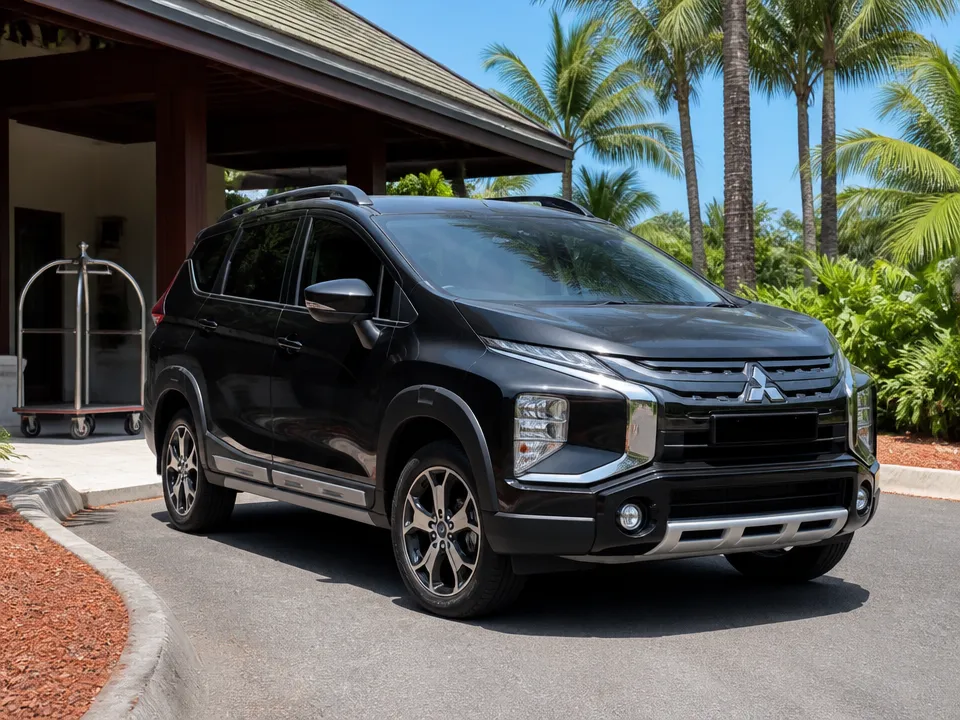
| 5–7 with kids | Toyota Veloz, Mitsubishi Xpander | ฿1,500 |
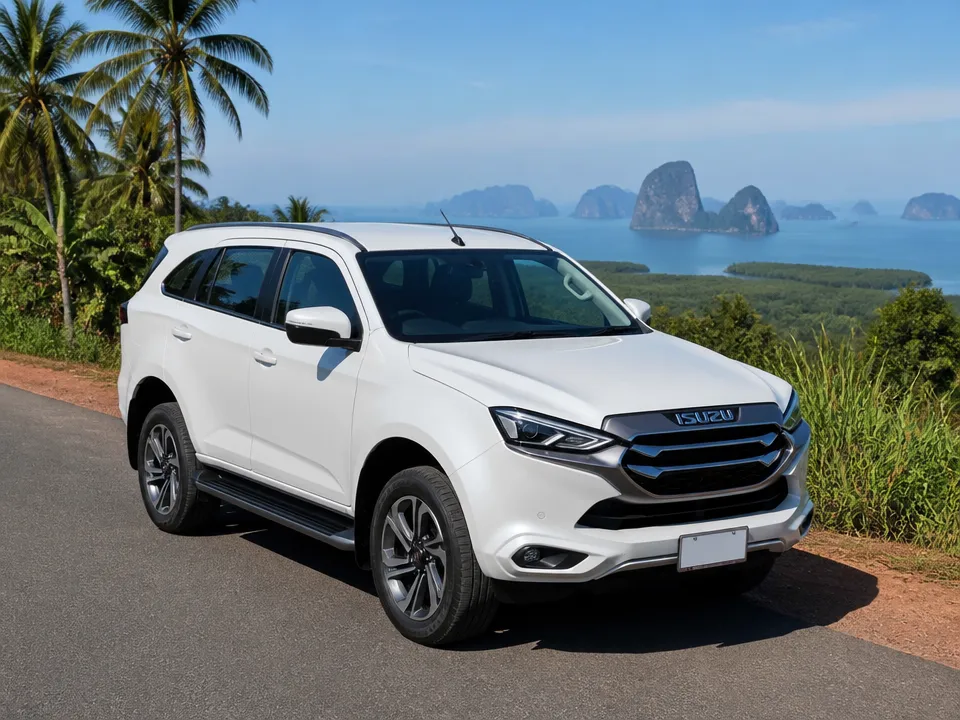
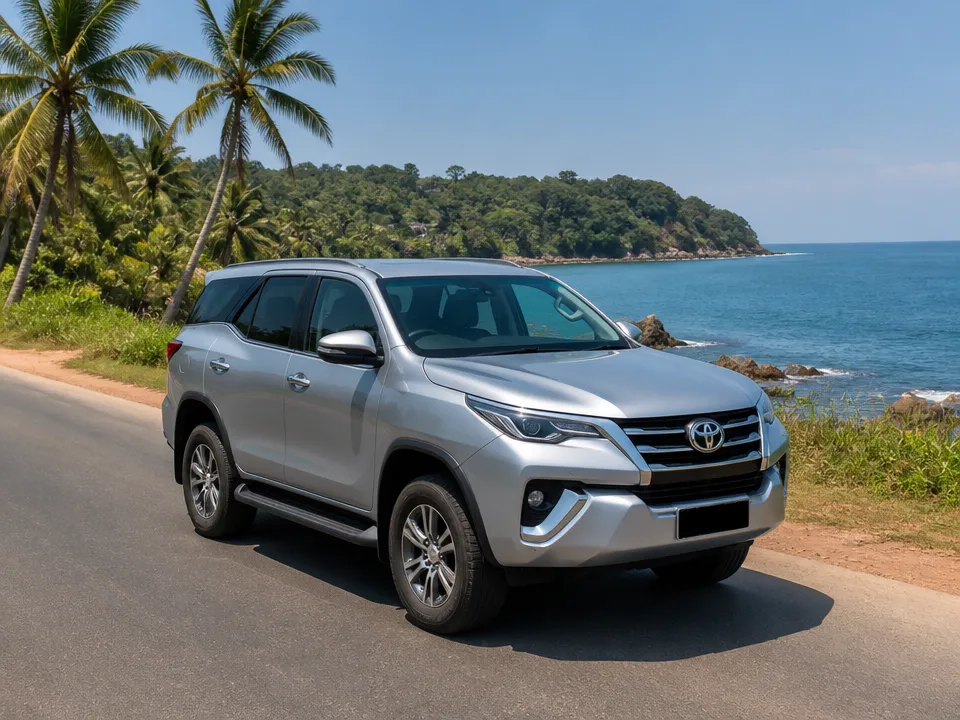
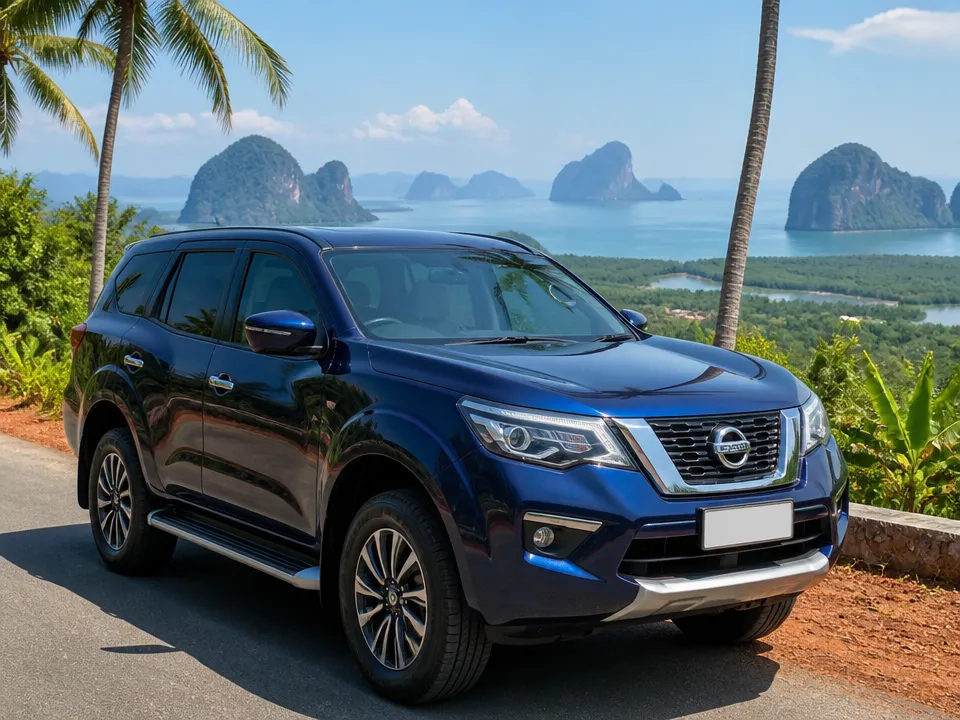
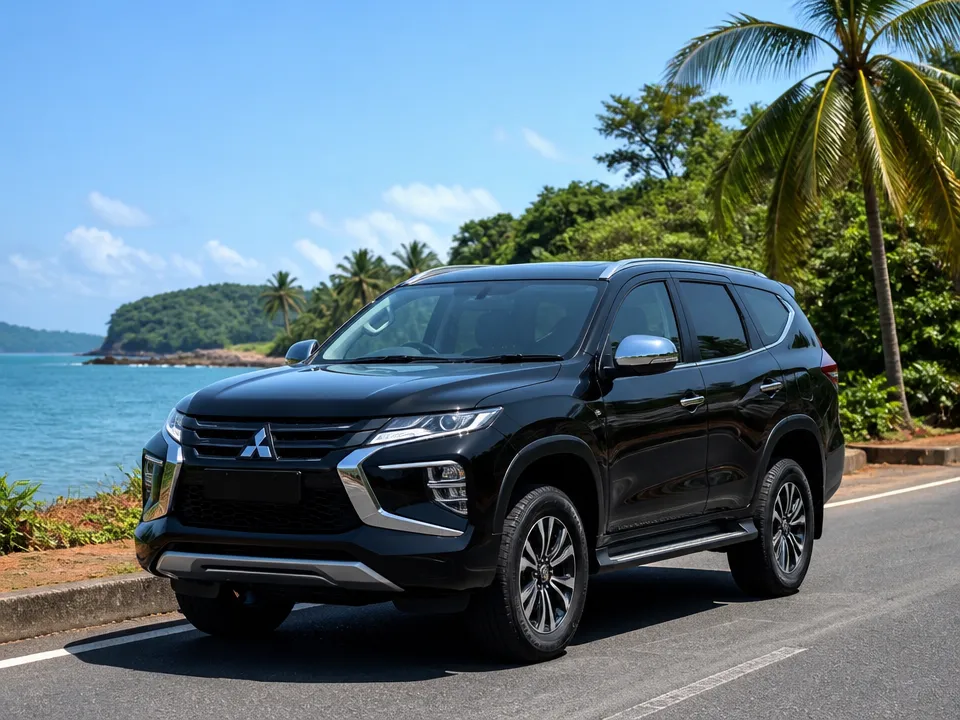
| 7 adults, luggage | Isuzu MU-X, Toyota Fortuner | ฿2,000–฿2,200 |
The drive from Phuket to Phang Nga Bay is roughly 90 km and takes about 90 minutes, with no toll roads or toll booths anywhere on the island or along the southern route. Two free bridges connect the island to the mainland, and the entire trip runs on sealed asphalt roads suitable for any car in our fleet.
Both the Sarasin and Thepkasattri bridges cross the channel to Phang Nga province, and both are completely free, so the crossing adds no cost to your trip. The older Sarasin Bridge carries traffic in one direction, while the newer Thepkasattri Bridge handles the other, and together they form the only road link between the island and the mainland. From the bridge, Route 4 takes you north through Phang Nga Town towards the bay and the Samet Nangshe viewpoint. Traffic is lightest before 08:00, so an early start gets you through Phuket Town before the school run and past the bridge before tour buses gather.
All cars in our fleet are right-hand drive, and traffic keeps to the left across Thailand, including on the bridge and Route 4. For visitors from left-hand traffic countries, the transition is usually straightforward; for everyone else, the first hour needs concentration, especially at roundabouts and when turning across oncoming traffic. We recommend taking 15 minutes on quiet roads near your hotel before crossing the bridge — it builds confidence with the steering position and mirrors before you face busier highway conditions. On the mainland, Route 4 is a well-maintained two-lane highway with occasional overtaking sections, and speed limits are posted in kilometres per hour.
If you drive downhill on Patong Hill or the Kata–Sai Yuan road, shift to a low gear to save your brakes — the gradient is steeper than it looks on the map.
Getting the paperwork right matters more than any other step, because a missing document can end your trip before you reach the Sarasin Bridge. The rules are straightforward: a foreign visitor needs a home driving licence plus an International Driving Permit issued under the 1949 Geneva Convention. Section 42 bis of the Motor Vehicle Act requires both, and the police fine for driving without the permit is ฿500–1,000. More importantly, an insurer may refuse a claim if you are involved in an accident without one — a cost that dwarfs any saving on the hire itself. Citizens of ASEAN countries may drive on their national licence alone, so the IDP requirement does not apply to them.
We check documents on delivery, and the most common gap we see is a traveller holding a valid home licence but no IDP. The International Driving Permit must be issued in the same country as your home licence, and it should be carried together with that licence at all times. If you are stopped without it, the fine is ฿500–1,000 and the officer may impound the car until the situation is resolved. The permit is valid for one year from issue, which comfortably covers a long stay or a multi-country trip through Thailand, Malaysia and beyond. Before you fly, confirm your home automobile association issues the 1949 Geneva Convention permit — some countries issue a different format that Thai police do not recognise.
Every registered car in Thailand carries compulsory motor insurance, known as Por Ror Bor, which covers injury to third parties — it is attached to the vehicle, not to the driver. On top of that, Rent-Trip cars are covered by first-class (Class 1) insurance, which extends protection to damage of the car itself. The terms of that cover, including the excess amount and any exclusions, are set out in the agreement you sign at delivery. Read that section before you drive: it states what happens with a minor scrape, a cracked windscreen or a collision. The compulsory element never varies, but the first-class conditions can differ from one agreement to another.
ASEAN citizens bring their national licence and passport only. The car arrives with a full tank and a clean interior, and the delivery driver goes through the agreement and the car's condition with you before handing over the keys — allow 15 minutes for this at the airport or your hotel.
The price structure for a Phang Nga Bay trip is straightforward: daily rates run ฿1,100–฿6,500 with VAT already included, and longer hires bring the per-day cost down. Weekly pricing equals six days of the daily rate, monthly equals twenty-one days, which suits travellers combining the bay with Khao Lak or Krabi.
| Class | Example Model | Daily Rate |
|---|---|---|
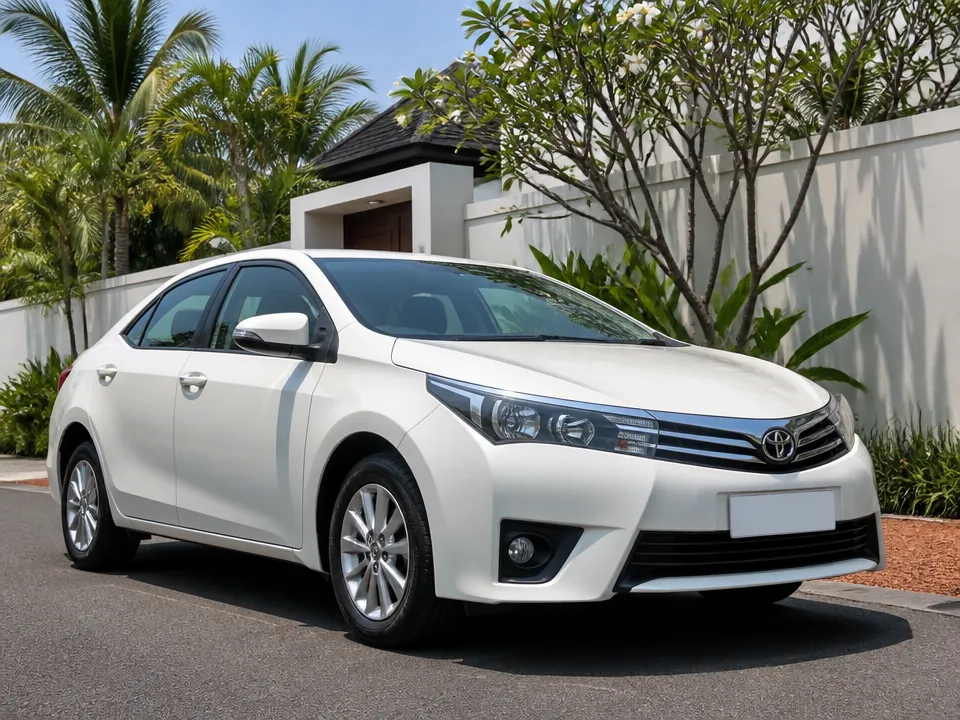
| Comfort | Toyota Corolla Altis | ฿1,300 |
| Crossover | MG ZS | ฿1,100 |
| Hybrid | Honda City e:HEV | ฿1,100 |
| MPV | Toyota Veloz | ฿1,500 |
| SUV & 4x4 | Isuzu MU-X | ฿2,000 |
Daily hire starts at ฿1,100 for an MG ZS or Honda City e:HEV, with the price you see covering the full 24-hour period and the ~180 km round trip to Phang Nga Bay. VAT at 7% is already included in every figure, so there are no hidden surcharges added at delivery or return. Our fleet on this page spans 47 cars across eight classes, from the ฿1,100 crossovers up to ฿6,500 for the largest vehicles.
Weekly hire from ฿6,600 works out to six days at the daily rate, and monthly from ฿23,100 equals twenty-one days, so the effective per-day price drops the longer you keep the car. For a three-day loop covering Samet Nangshe, Phang Nga Town and a return via the coast, a single weekly booking gives you spare days to explore Khao Lak or the quieter beaches north of the island. Rent-Trip delivers the car anywhere on the island and to Phuket Airport free of charge, so a weekly hire starting at your hotel adds no extra logistics.
Longer hires suit visitors pairing Phang Nga Bay with Khao Lak (~100 km) or Krabi (~170 km), where the per-day saving on a week or more offsets the extra distance. The car arrives clean with a full tank, and you return it with the same amount of fuel, so the only variable cost on the trip is what you burn through the ~90 km each way.
A self-drive run from Phuket to Phang Nga Bay is straightforward, but a few local habits make it smoother: where to park, when to drive, and how to handle the hills and the cameras. These are the details we usually go through when we deliver a car for this exact route.
Short, heavy showers leave the asphalt slick from May to October, especially on the coastal stretch north of the bridge. Wipers and air-conditioning demisting handle most of it, but the first 20 minutes of rain are the greasiest — ease off the throttle and lengthen your following distance. The dry season from November to April gives the calmest seas and the clearest views across Phang Nga Bay, which is why most visitors aim for those months. If you do travel in the wetter half of the year, a morning start usually beats the afternoon downpour.
Two spots deserve respect: Patong Hill on the island and the rolling gradients on Route 4 near the bay. Drop to a lower gear downhill rather than riding the brakes — every Rent-Trip car is automatic, so shift to the manual mode or use the engine braking. Traffic cameras on the mainland issue fines to the car owner, and we re-invoice them to the renter; unpaid tickets block the vehicle's registration renewal, so settle promptly. On the hills themselves, keep left and let faster traffic pass on the right.
We deliver the car anywhere on the island and to Phuket Airport free of charge, clean and with a full tank. Return it with the same level of fuel and you avoid any refuelling charge — the simplest habit is to top up at a PTT or Shell station near your hotel on the last evening. Mileage here is unlimited, so the run to Samet Nangshe and back costs nothing extra in distance.
The rental agreement is a contract controlled by the OCPB since 30 December 2025, written in Thai, with all fees and penalties disclosed in it. We go through the key clauses with you at delivery, but knowing what matters saves time at the roadside later.
A bank card in the main driver's name is used for the security hold, and the exact amount is set out in the agreement you sign. The hold is released after return, and the terms — including how long the release takes — are stated in the same document. We recommend using the same card you booked with, because swapping cards at delivery adds a step you do not need before a 90 km drive. Read the clause about the hold before you sign, not after.
Every Rent-Trip car carries compulsory Por Ror Bor insurance, which covers injury to third parties, plus first-class (Class 1) cover for damage to the car itself. The first-class terms — including the excess amount and any exclusions like a cracked windscreen or underbody damage — are set out in the agreement. Ask the delivery driver to point out the excess figure in writing before you take the keys. The compulsory element is identical on every registered Thai car, but first-class conditions vary between agreements.
Traffic-camera fines are issued to the car owner and re-invoiced to the renter, with the penalty amounts listed in the agreement. An unpaid ticket blocks the vehicle's registration renewal, which is why we settle promptly and pass the cost to you. The agreement states the administrative fee for handling a fine, so check that figure before signing. On the mainland route to Phang Nga Bay, speed cameras sit on the straight sections of Route 4 where drivers relax after the bridge.
Most issues on this route come from preparation rather than the drive itself, and we see the same patterns repeat with first-time visitors. Knowing them in advance keeps the ~180 km round trip smooth.
The most common mistake is leaving the International Driving Permit at the hotel, assuming the home licence alone is enough. Thai law under section 42 bis of the Motor Vehicle Act requires both documents, and the police fine is ฿500–1,000. An insurer may refuse a claim if you drive without the permit and have an accident — a risk no saving on preparation justifies. Keep both documents in the glovebox, not in your beach bag.
Traffic queues at the Sarasin and Thepkasattri bridges build from mid-morning as tour buses cross to the mainland. Leaving before 08:00 clears Phuket Town before the school run and puts you at Samet Nangshe in the best morning light. For visitors from right-hand traffic countries, the first hour on the left needs full attention, especially at the roundabout near the bridge approach. Take 15 minutes on quiet roads near your hotel before committing to the highway.
Cars arrive clean with a full tank, and you return them with the same level — a habit that costs nothing if you plan the last fill-up. The simplest routine is topping up at a PTT or Shell station near your hotel on the final evening, rather than hunting for a station on the morning of return. Mileage on the island is unlimited, so the distance to a cheaper station never justifies arriving with a partial tank.