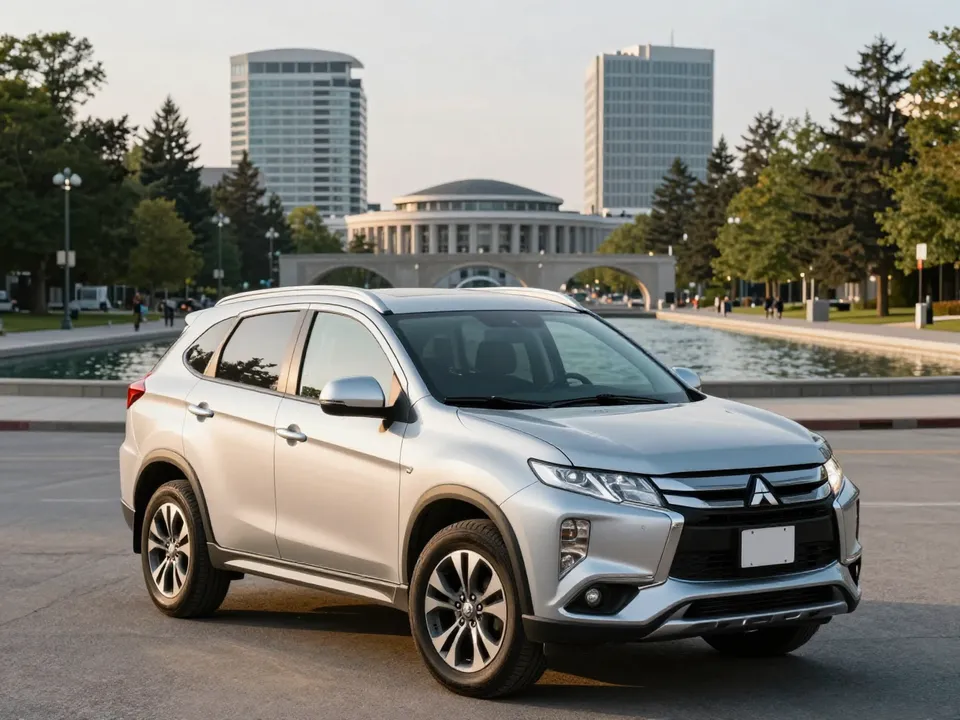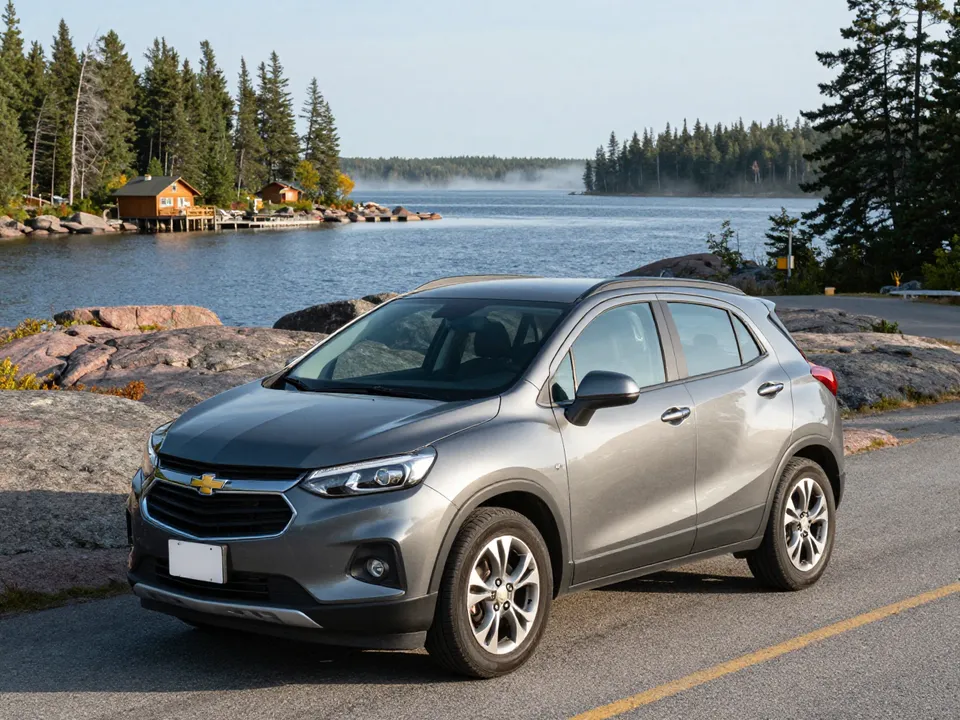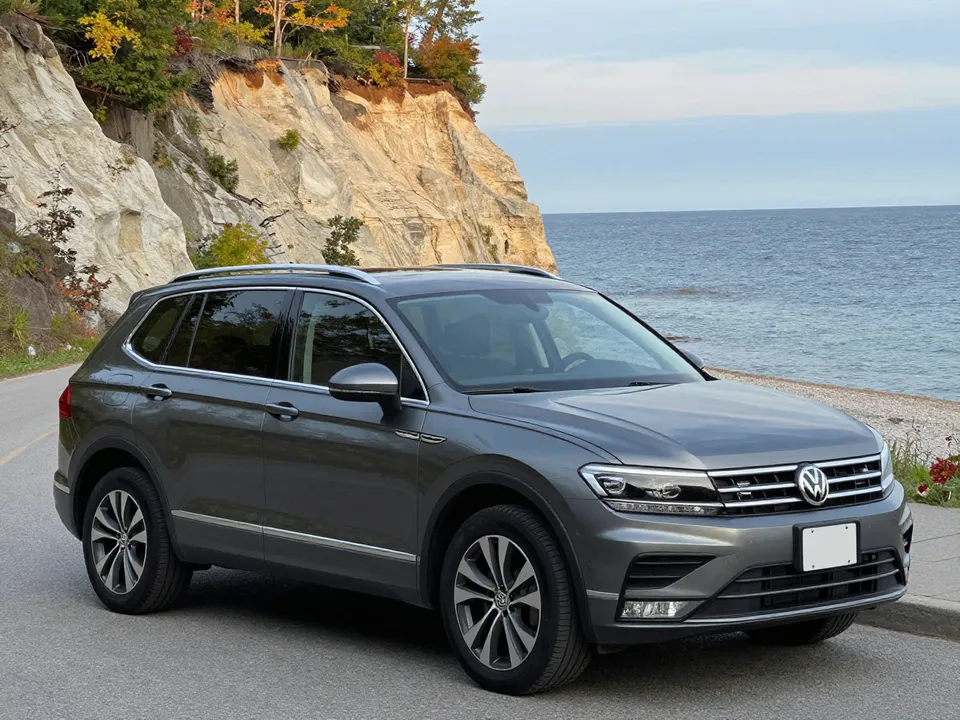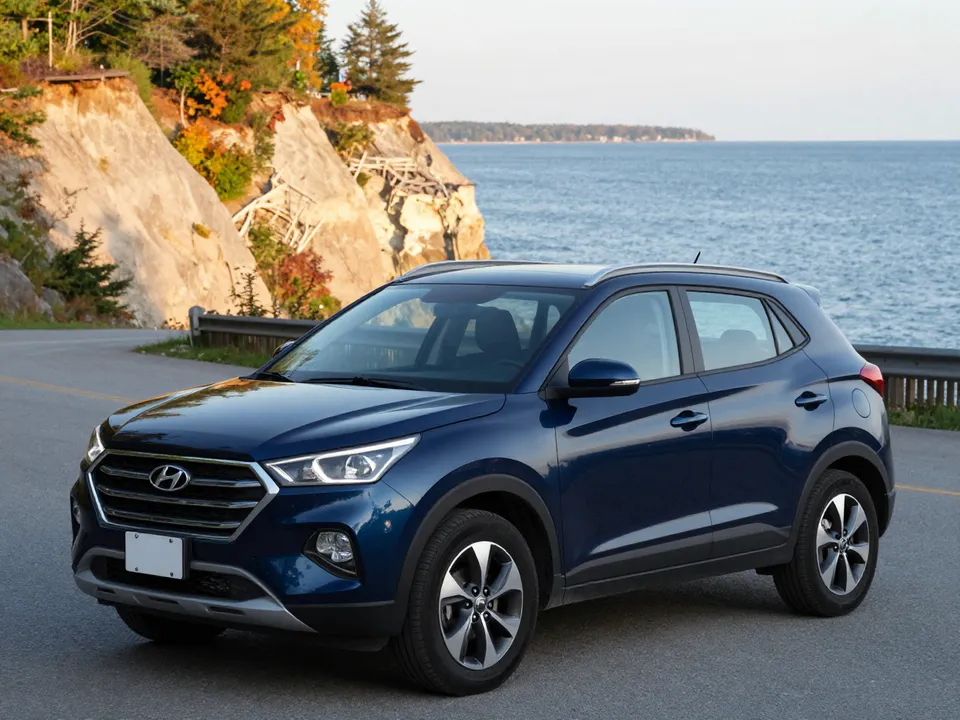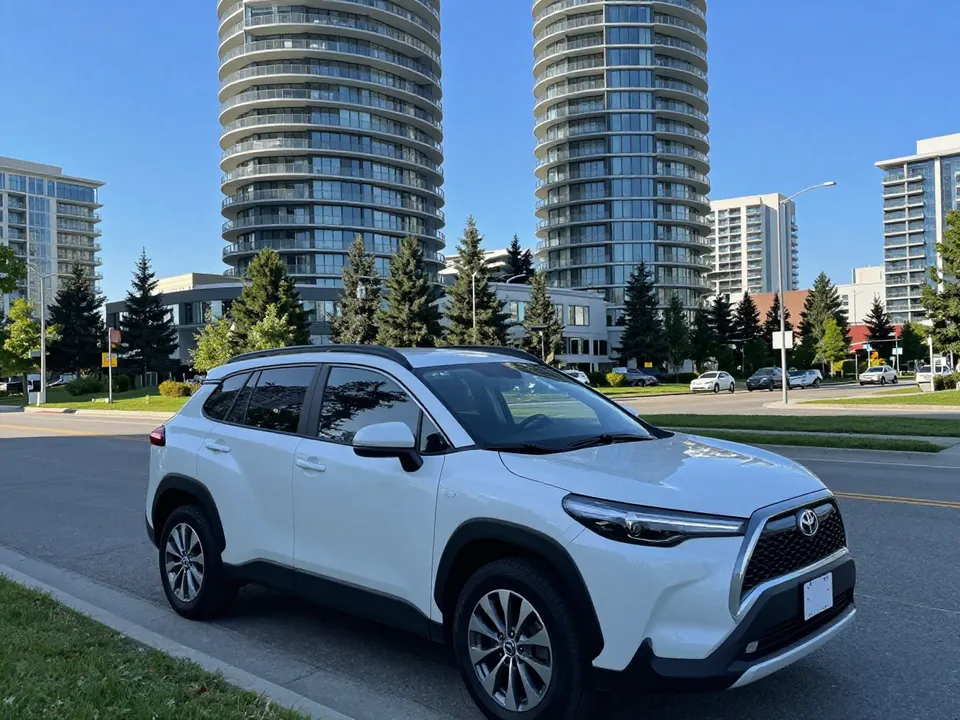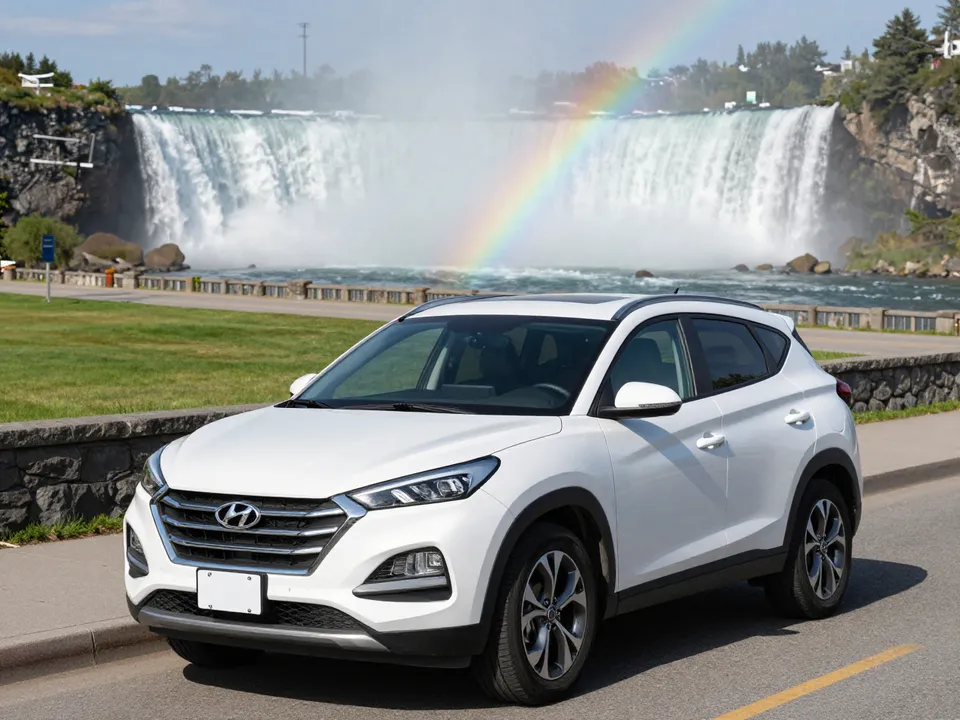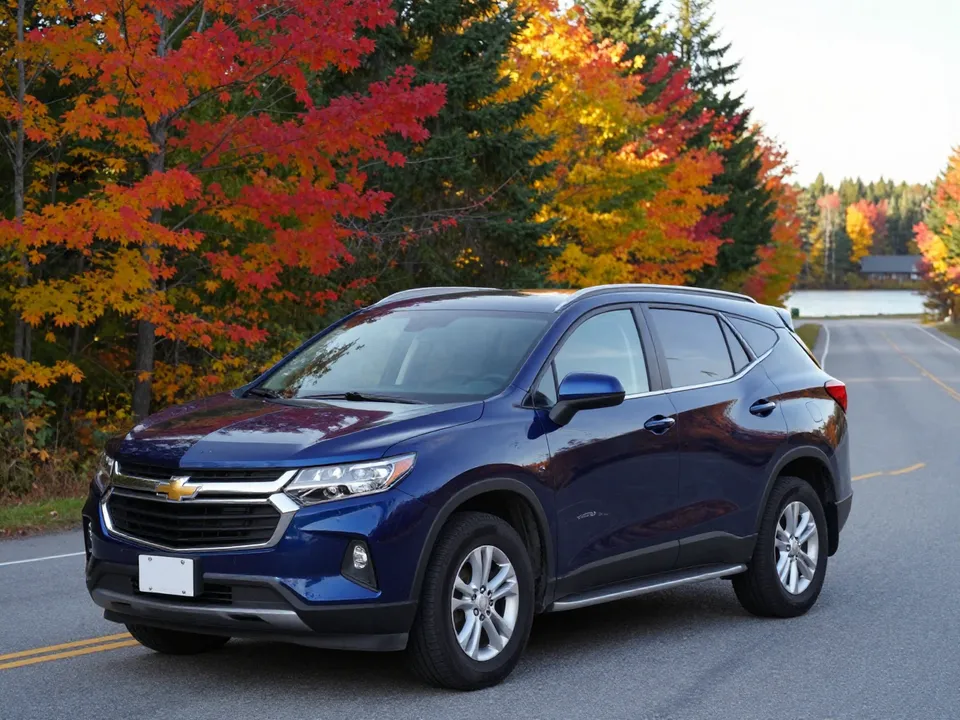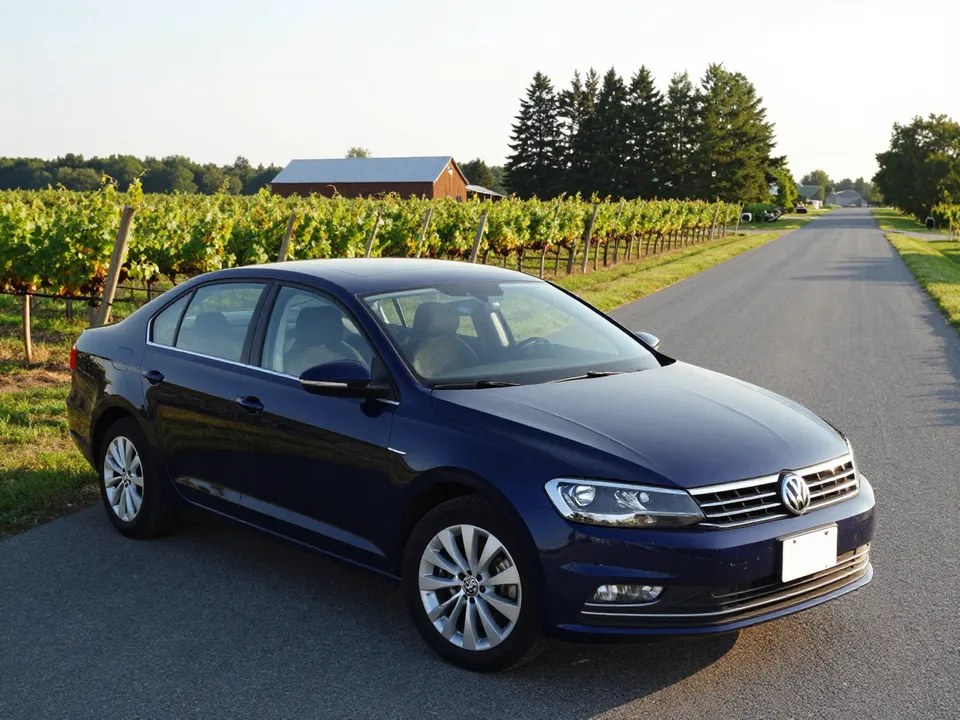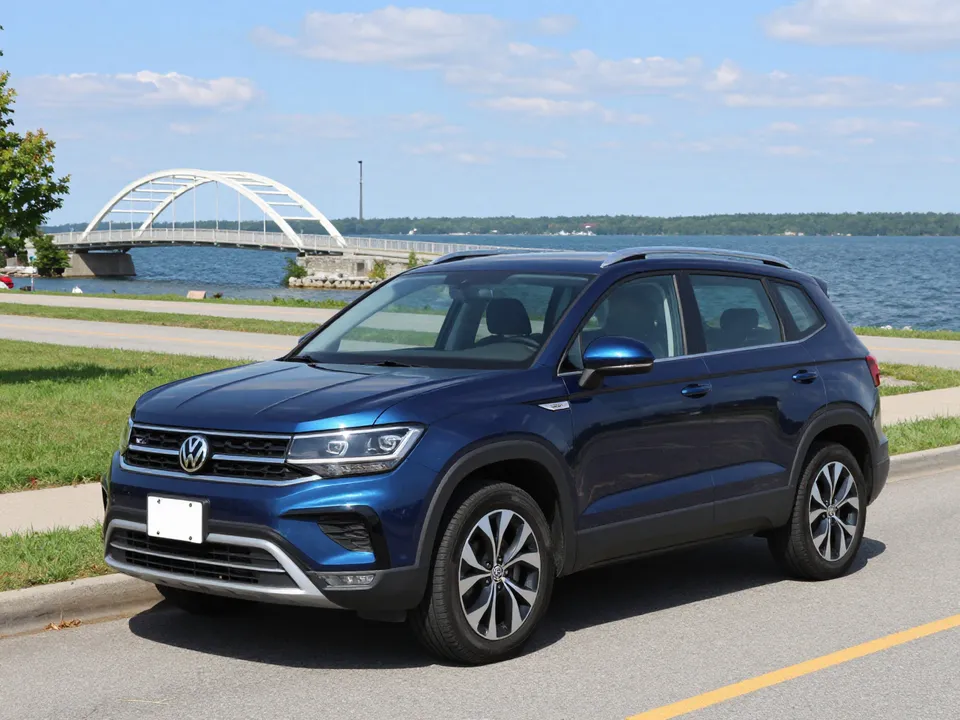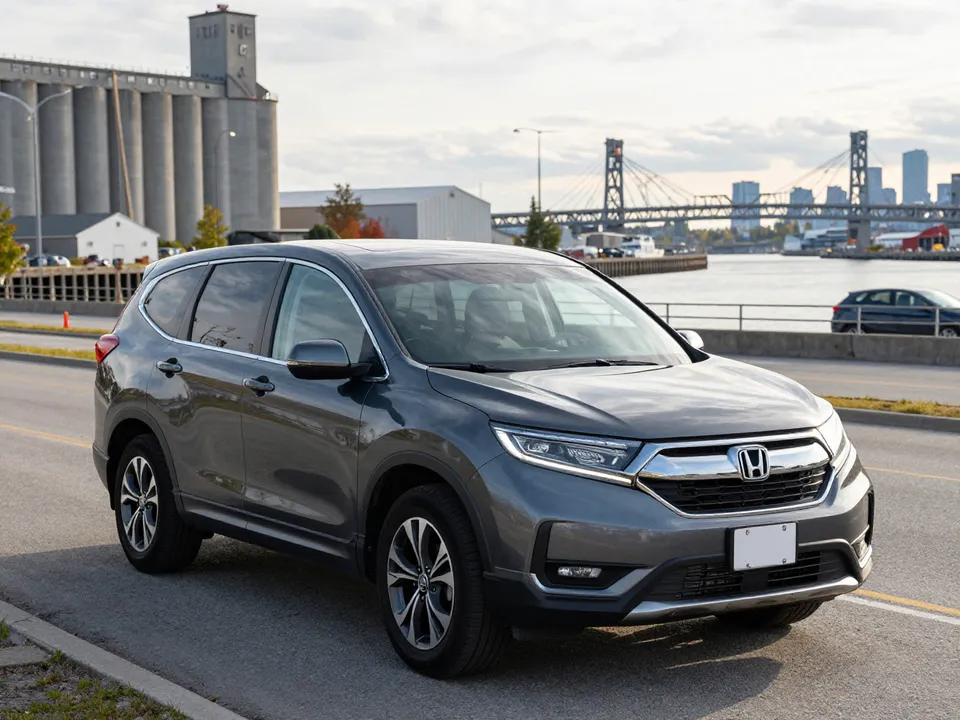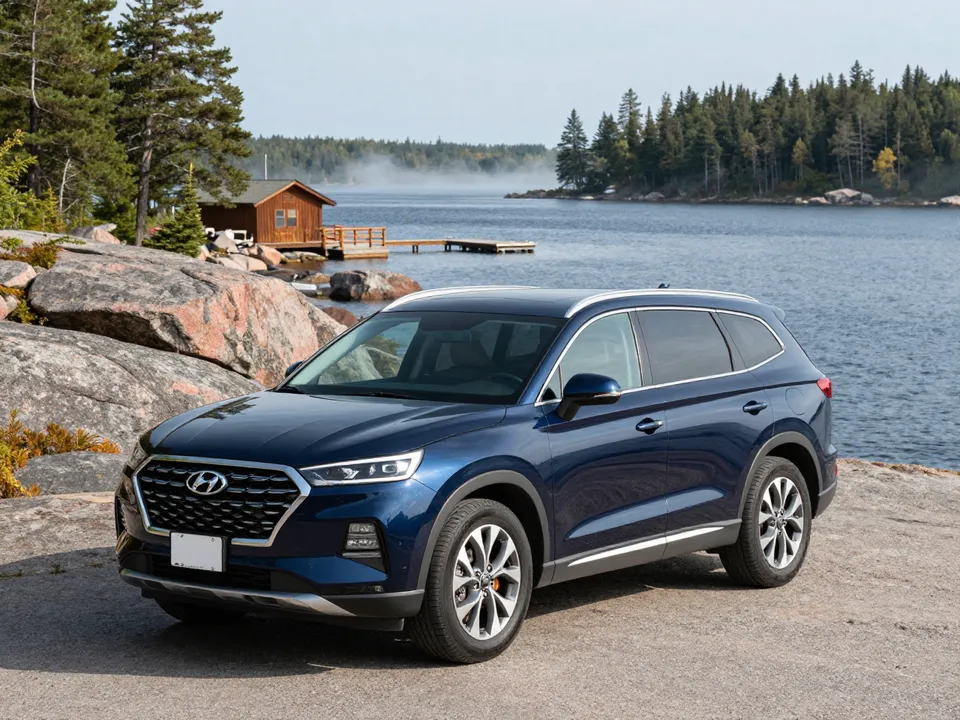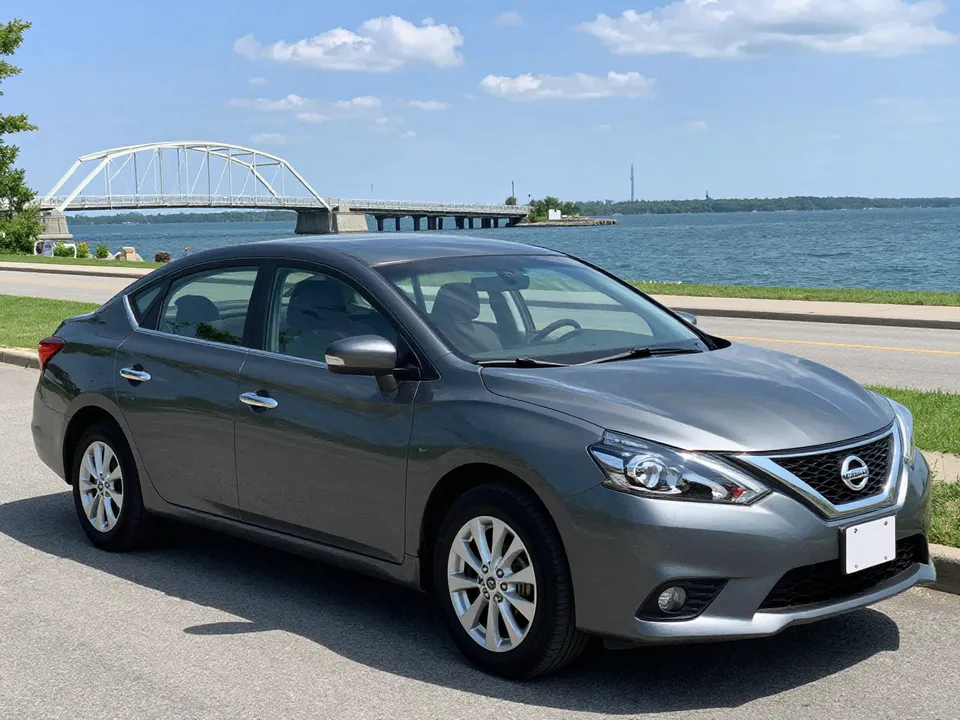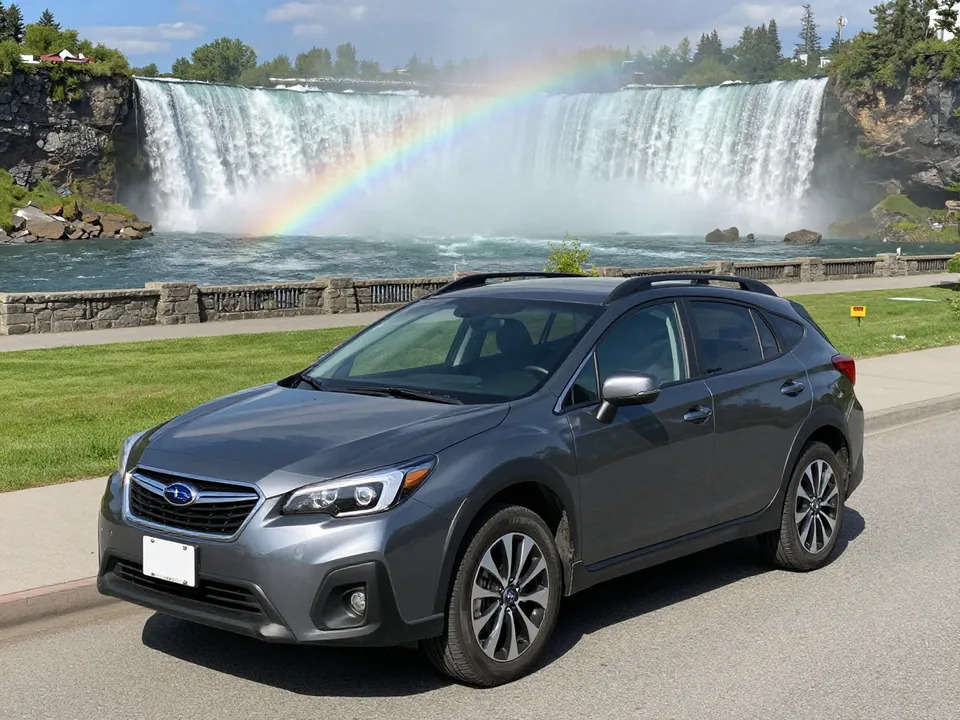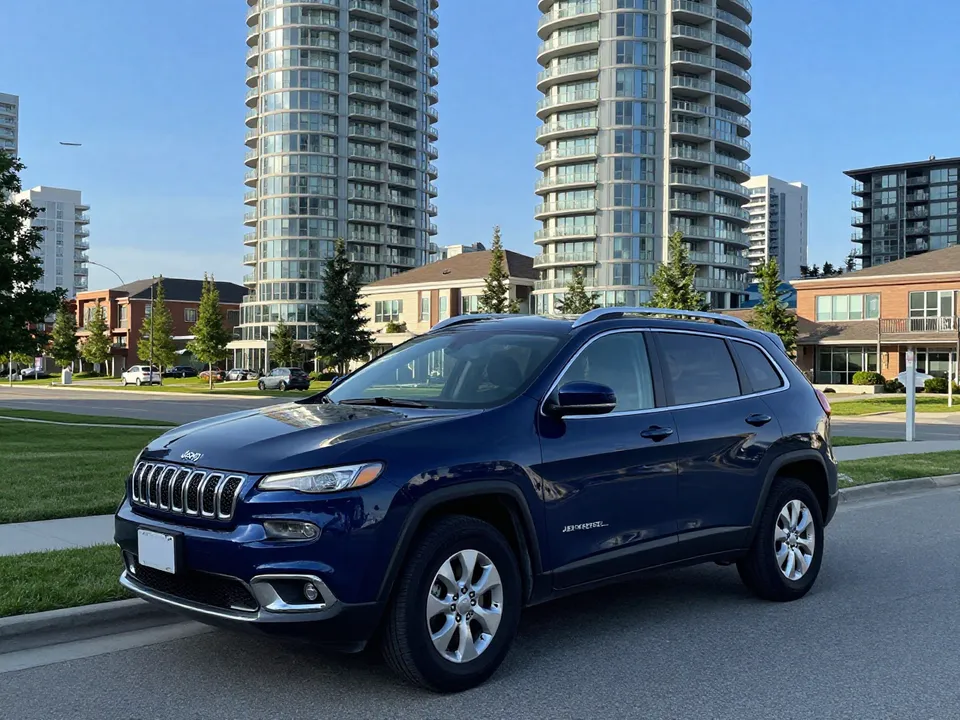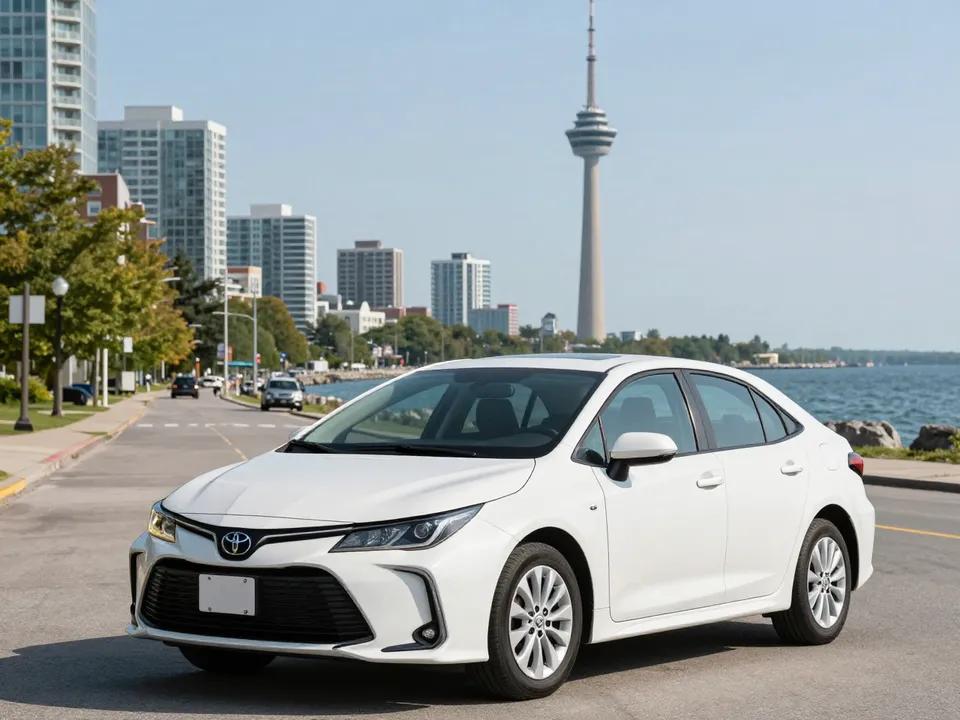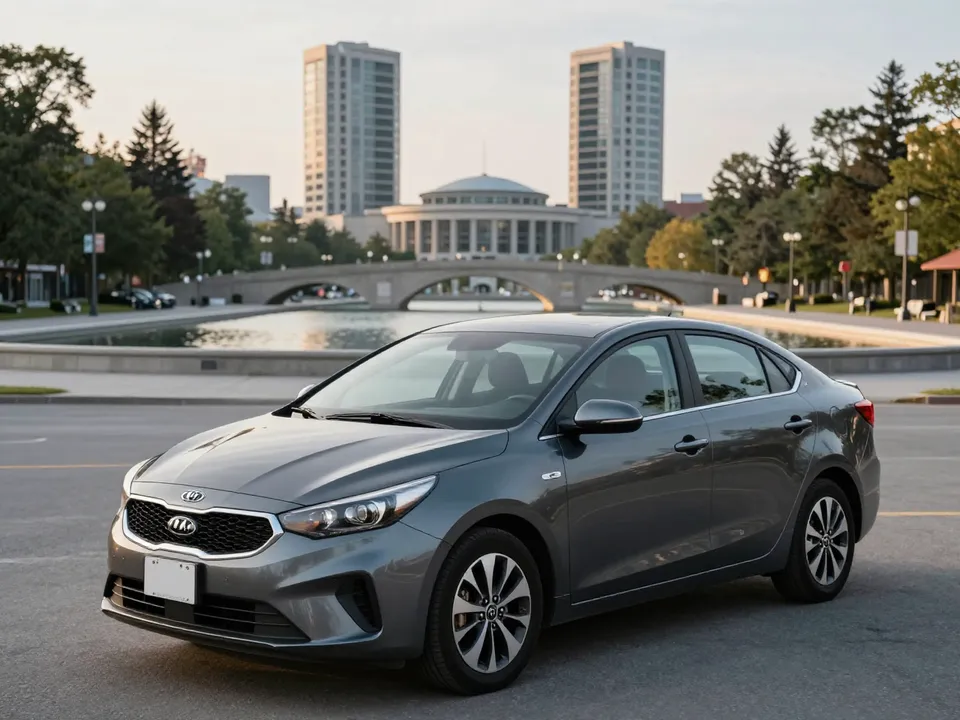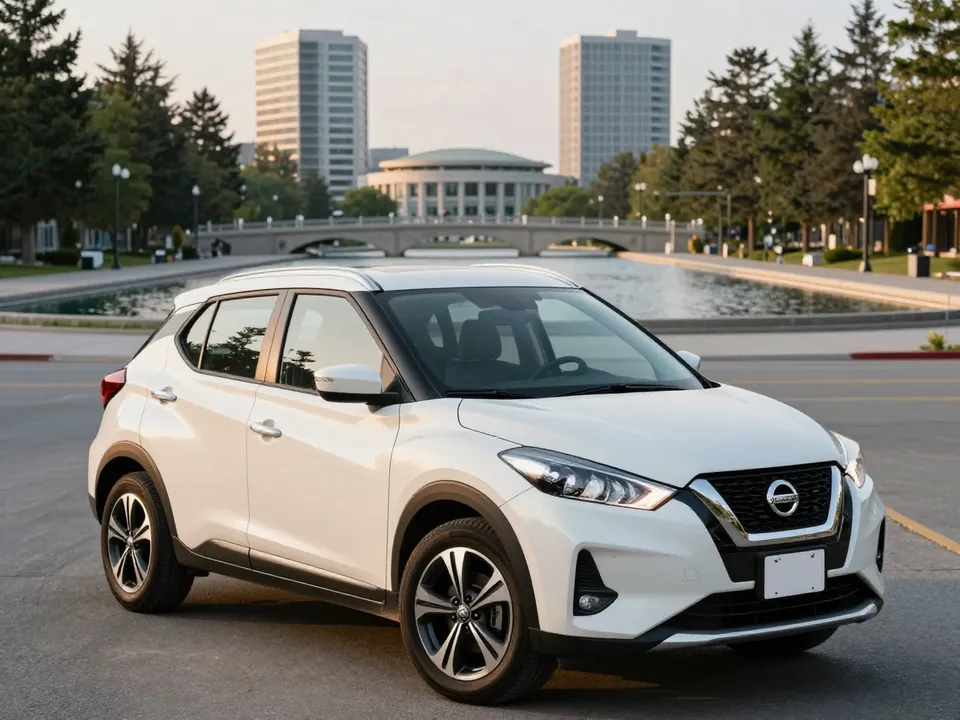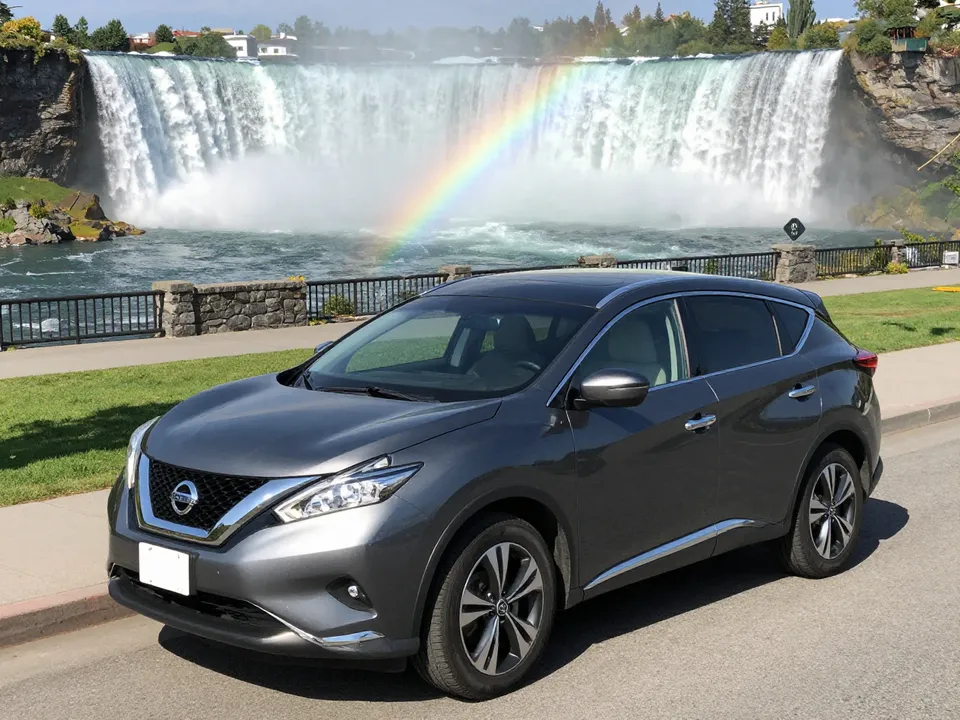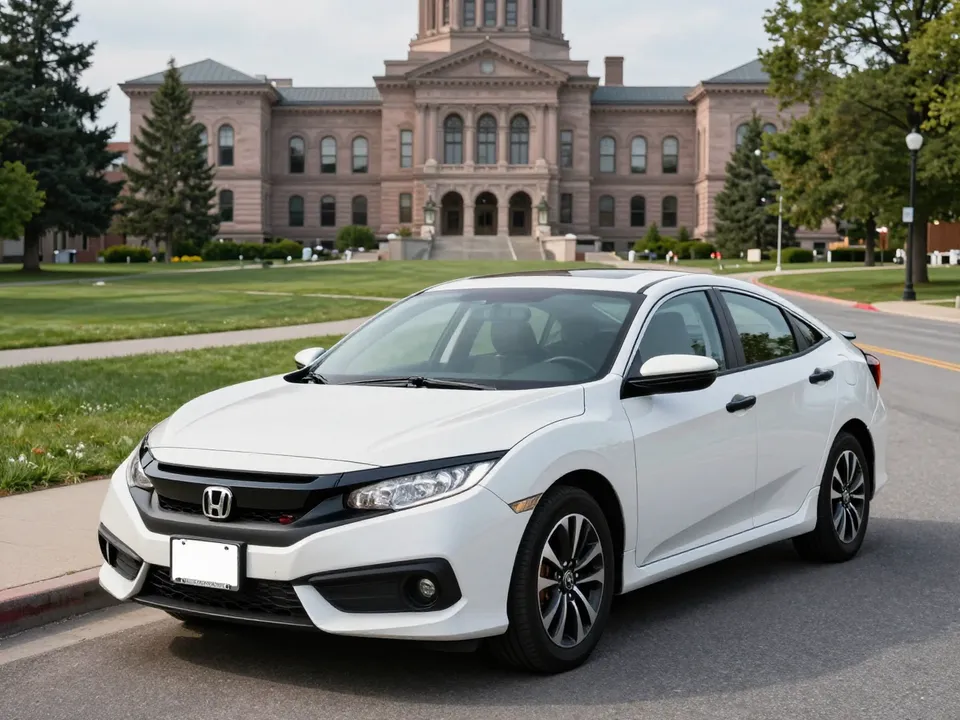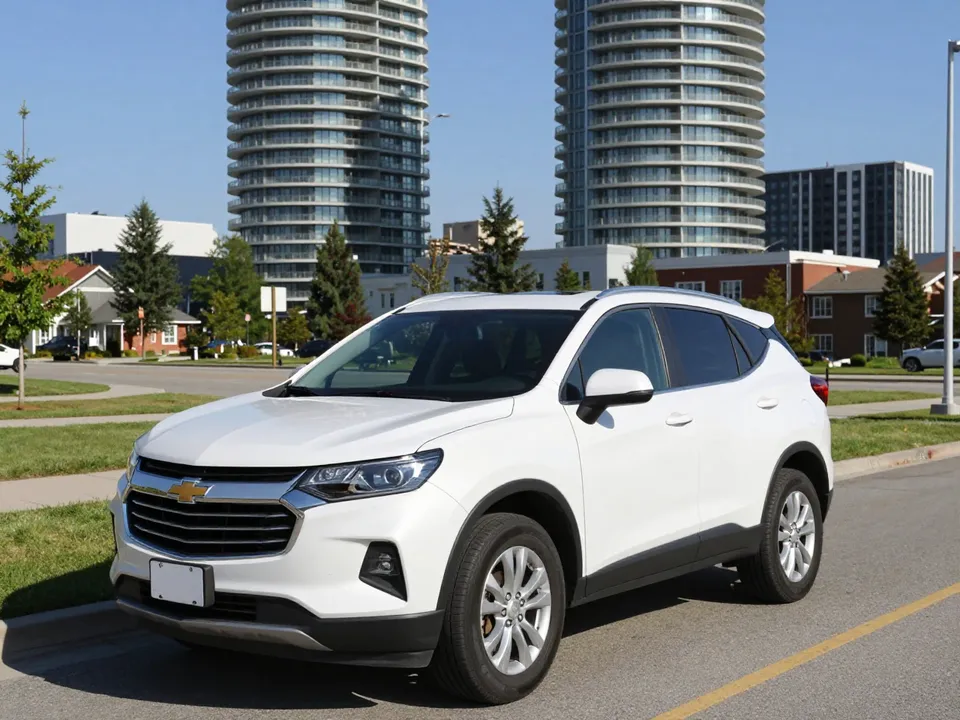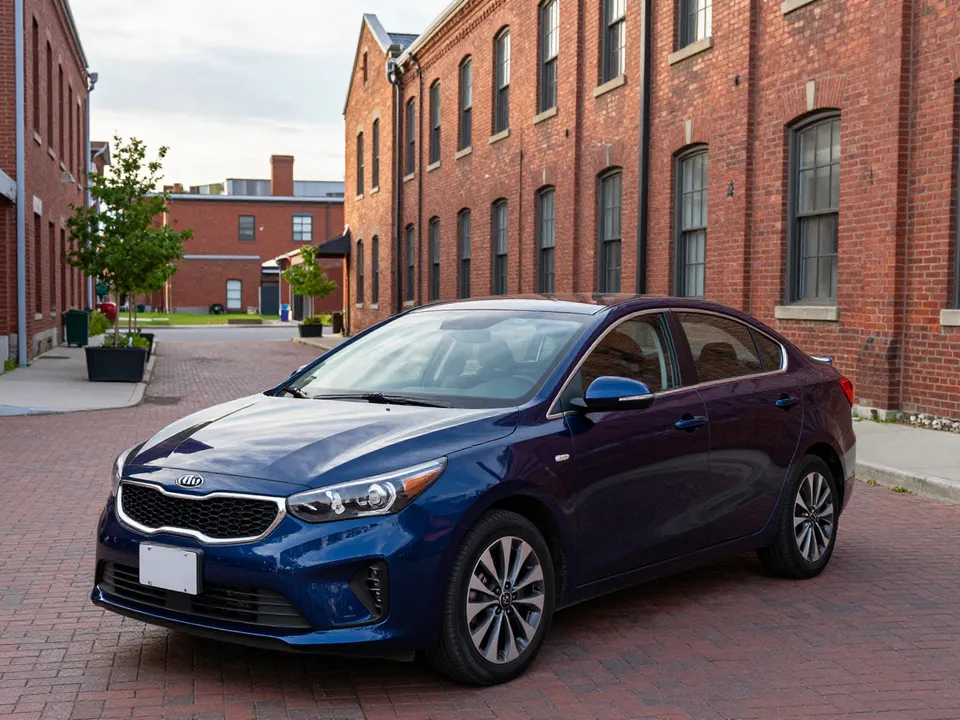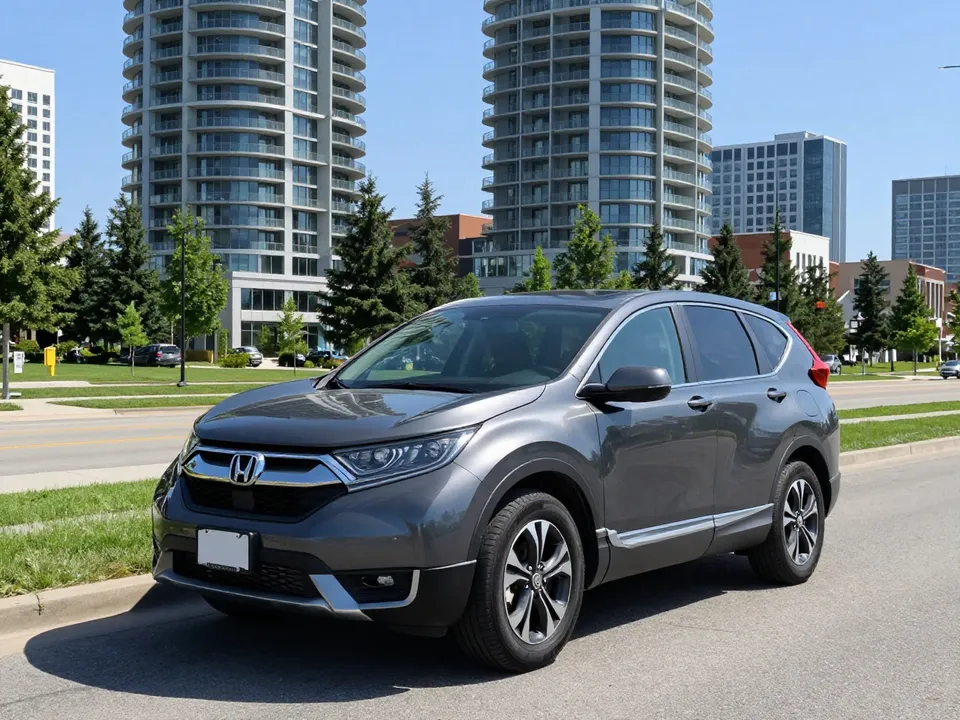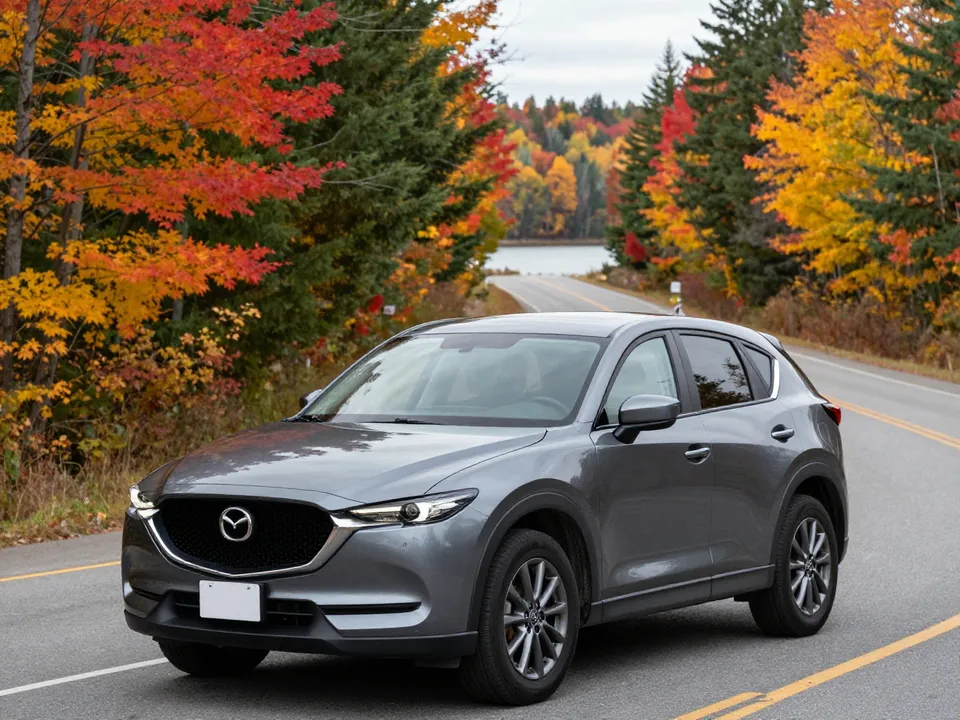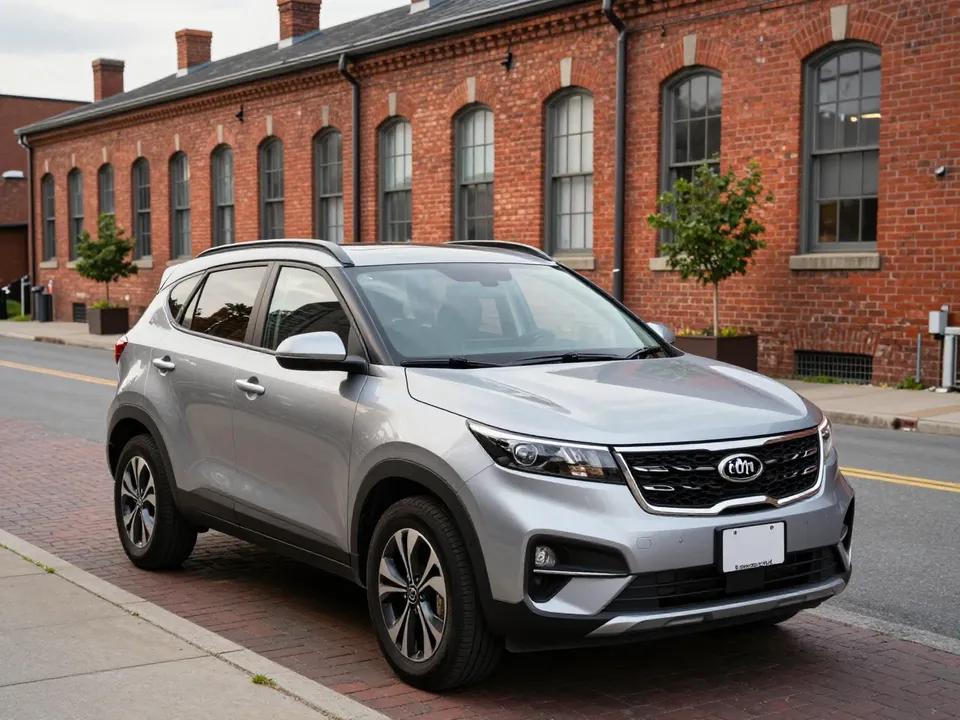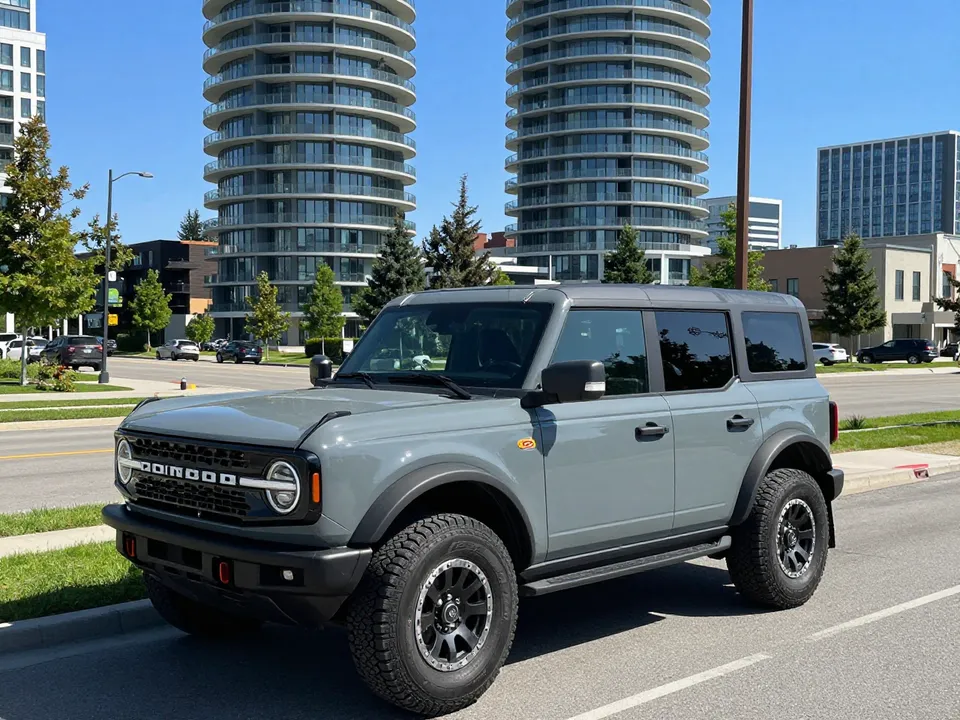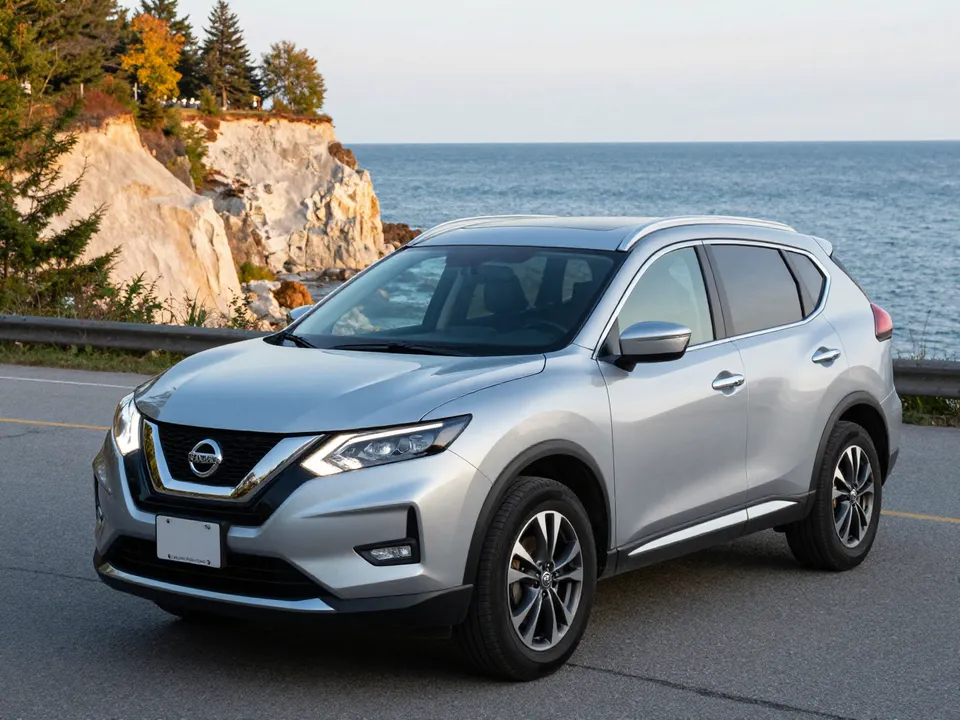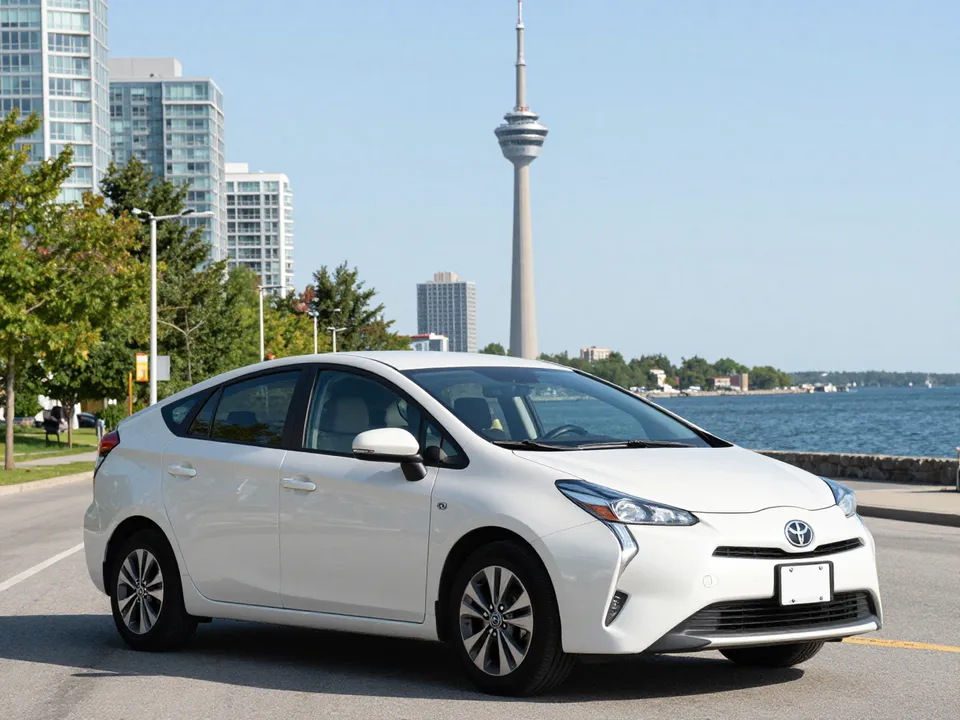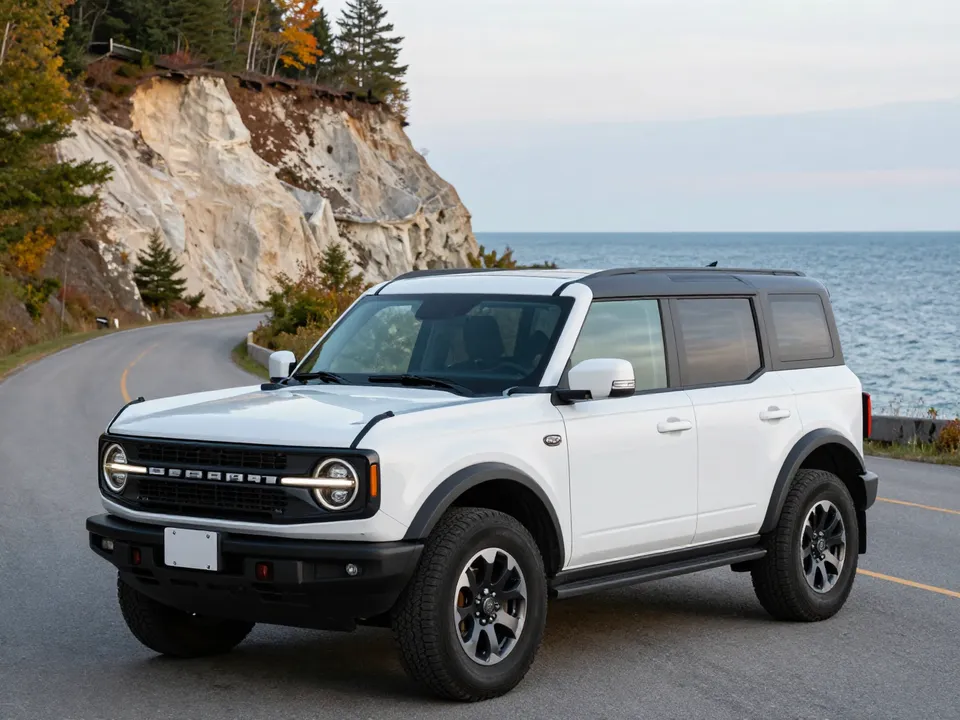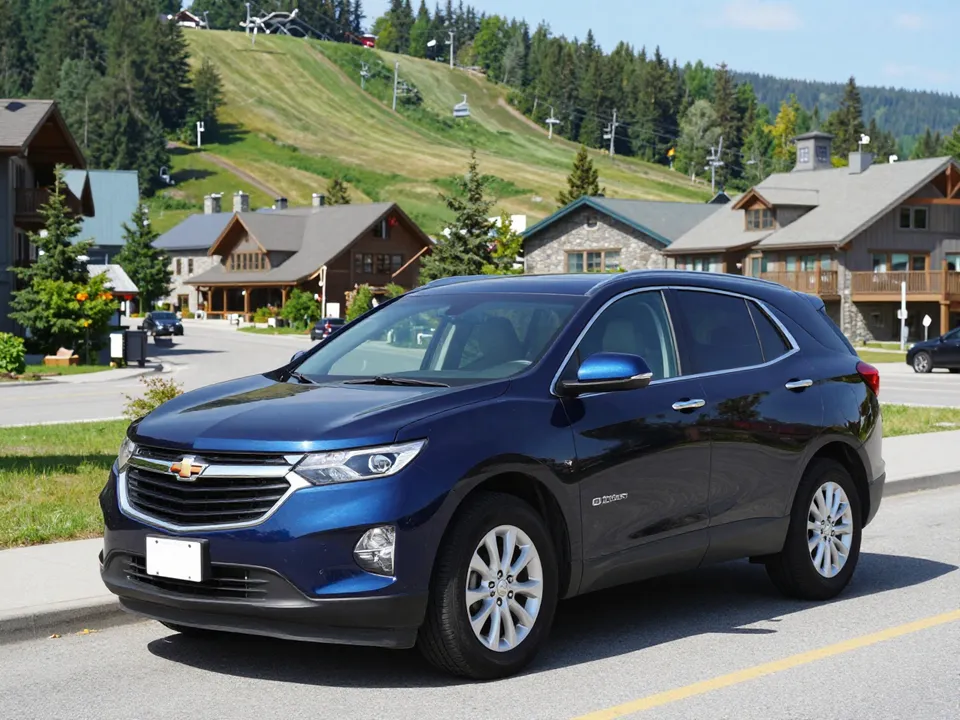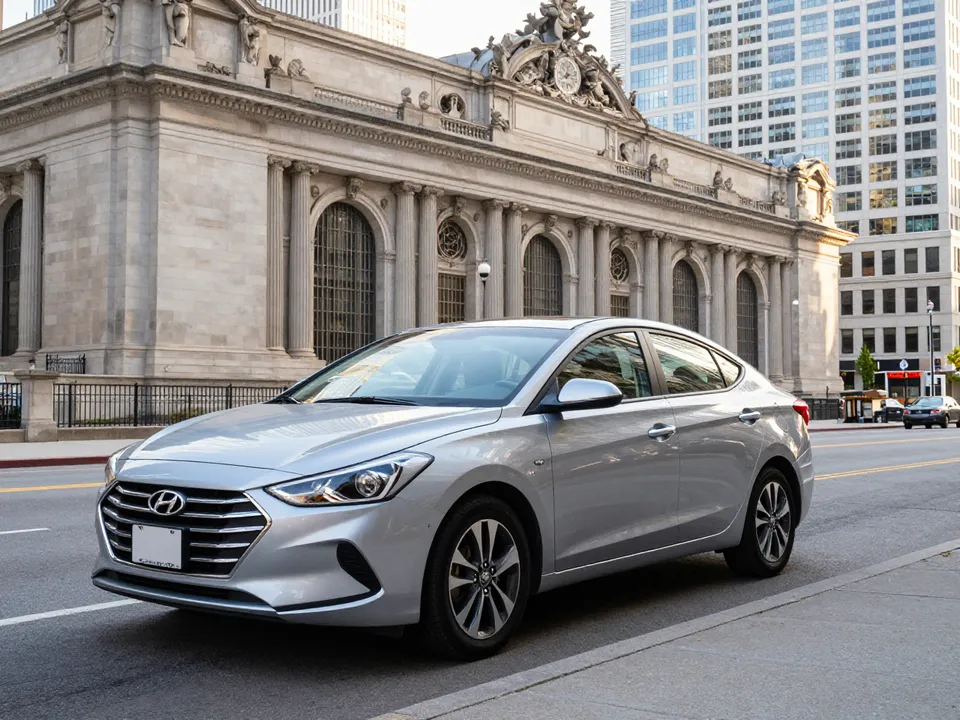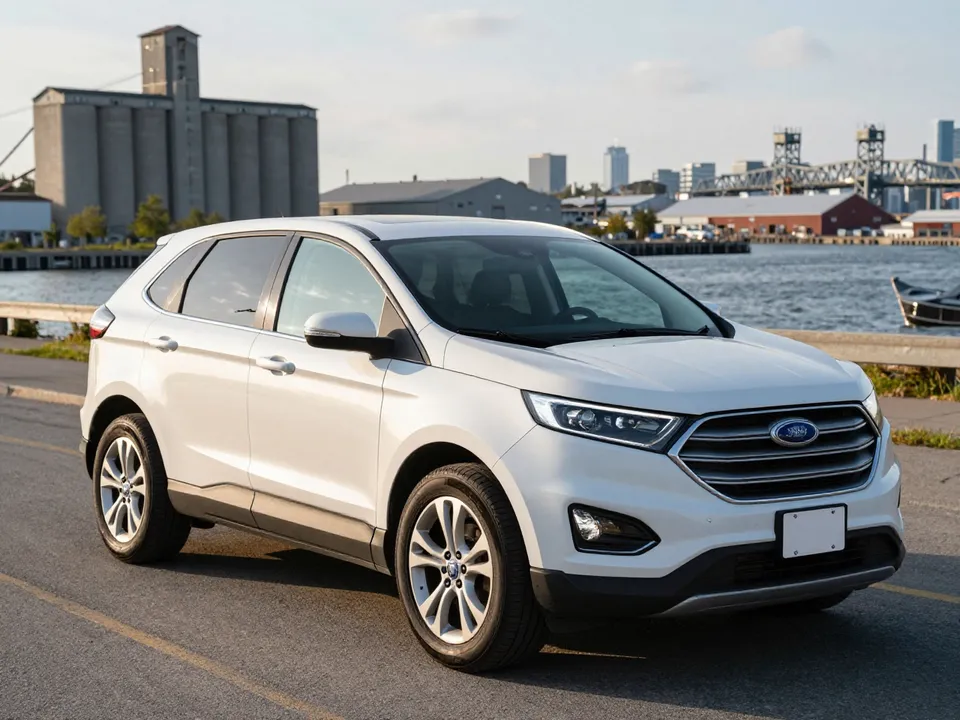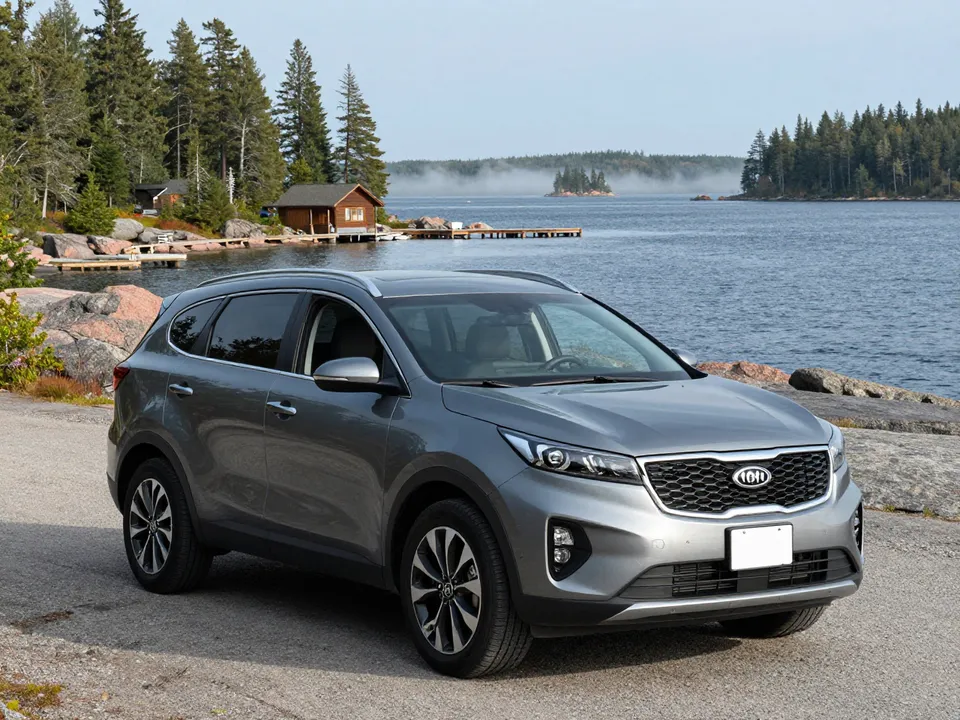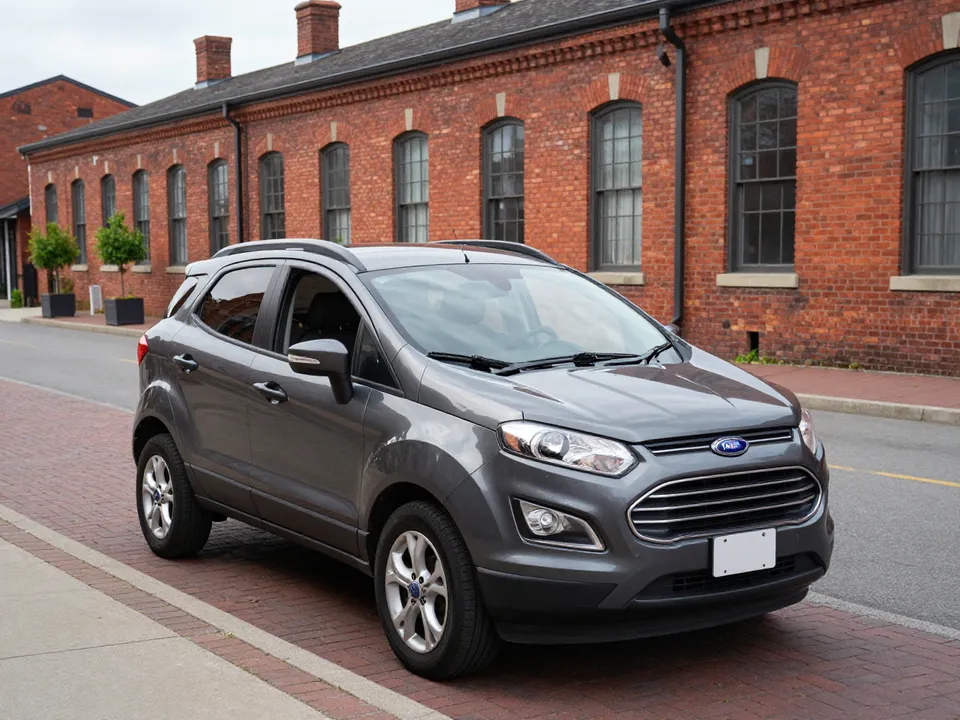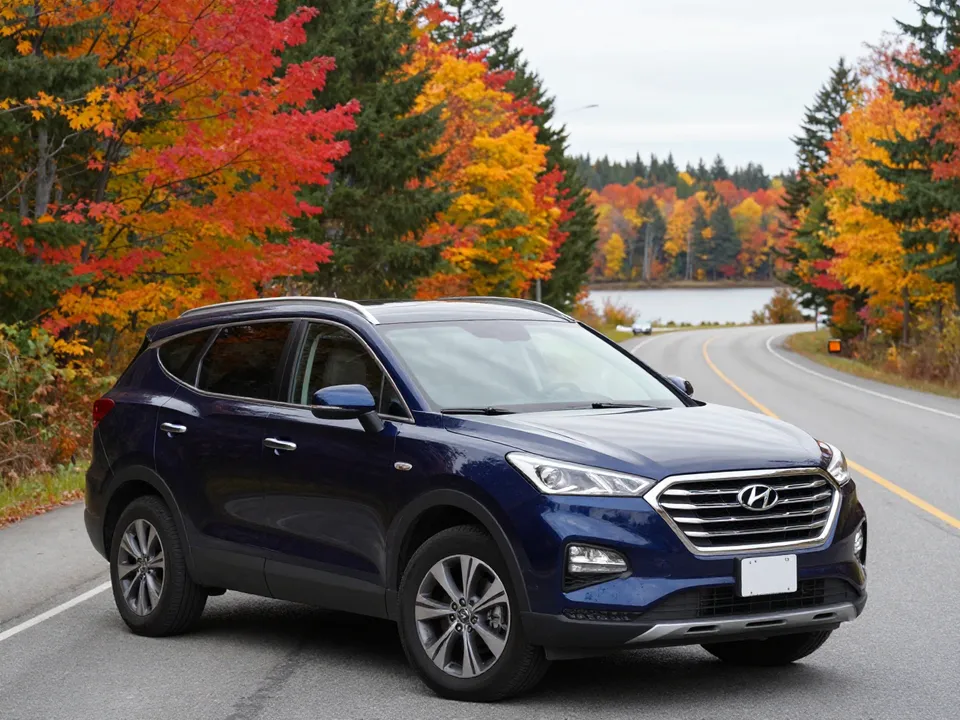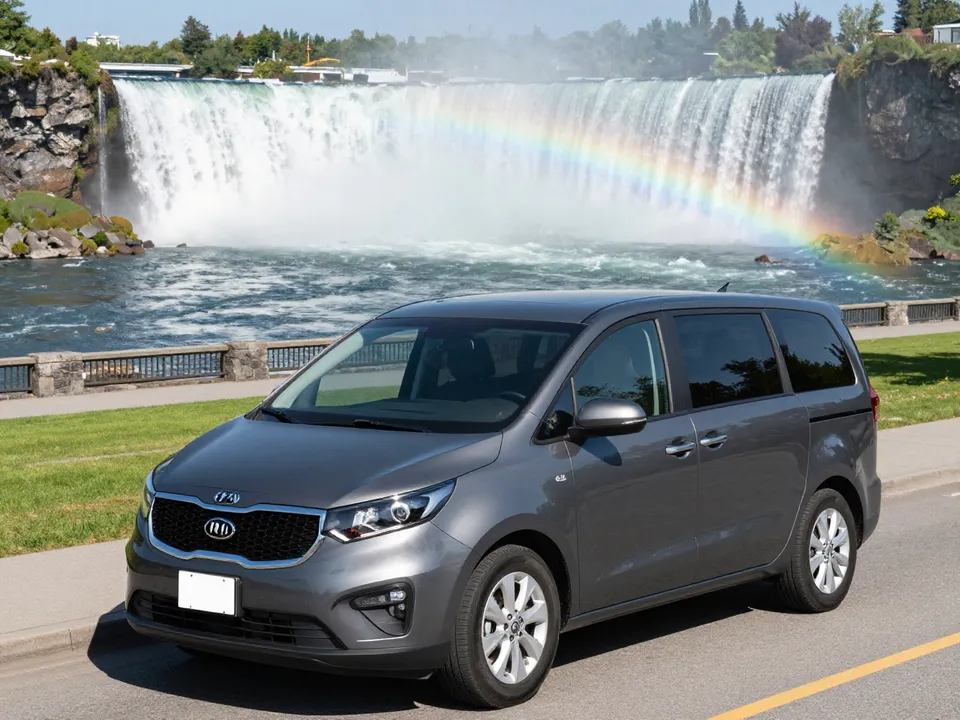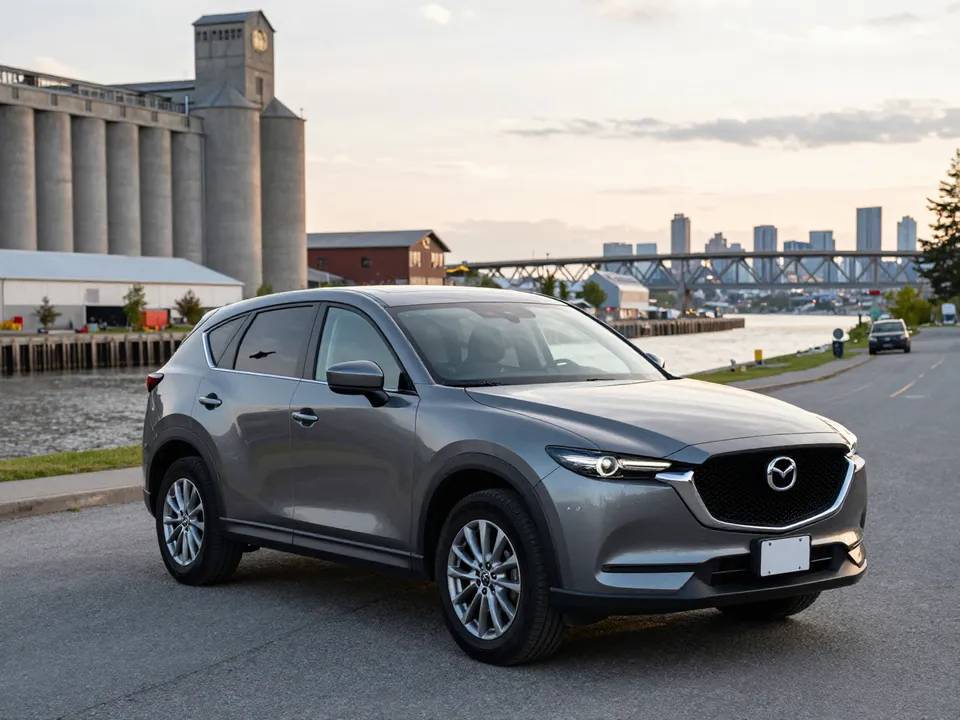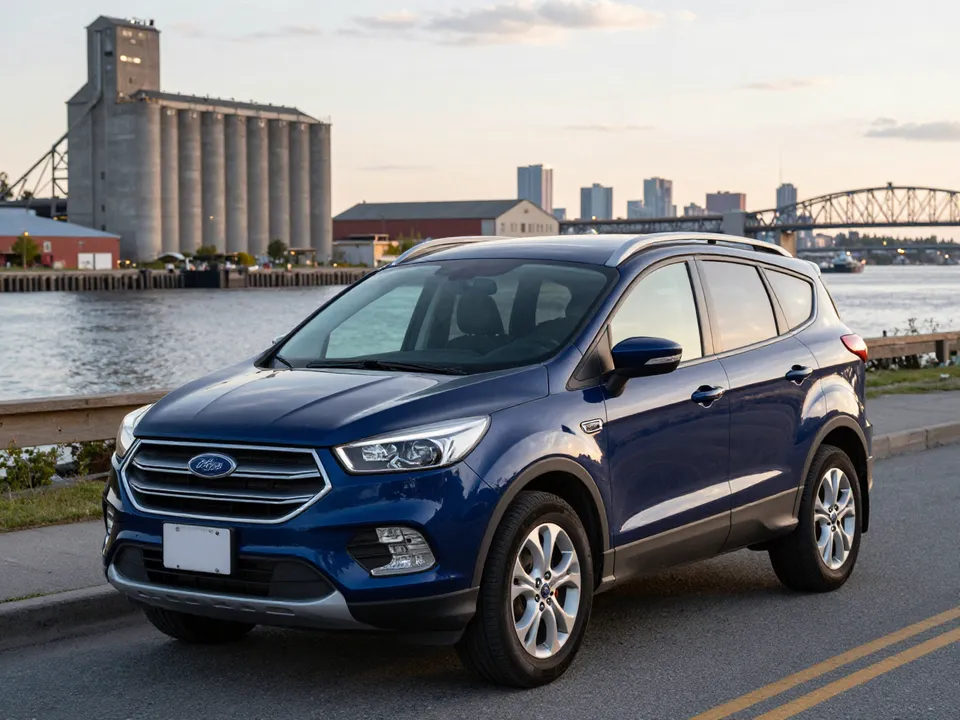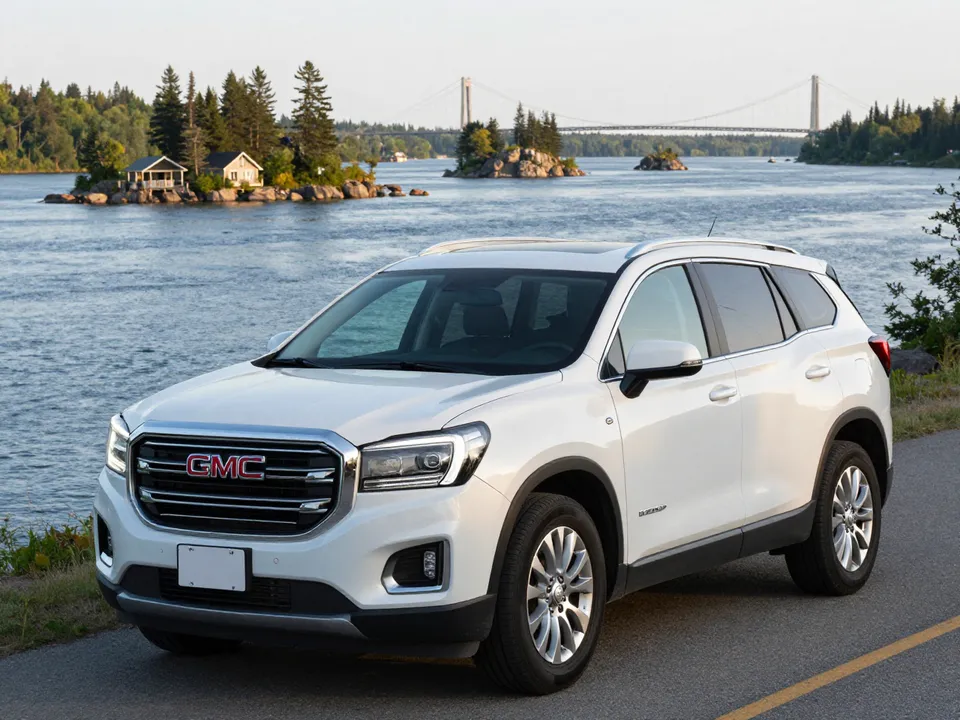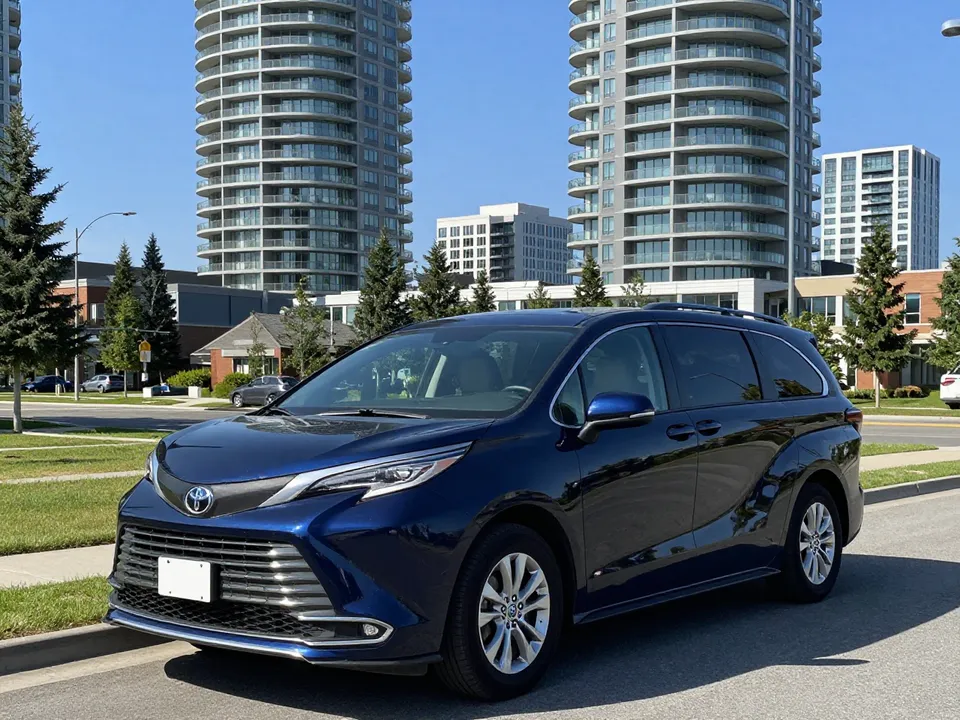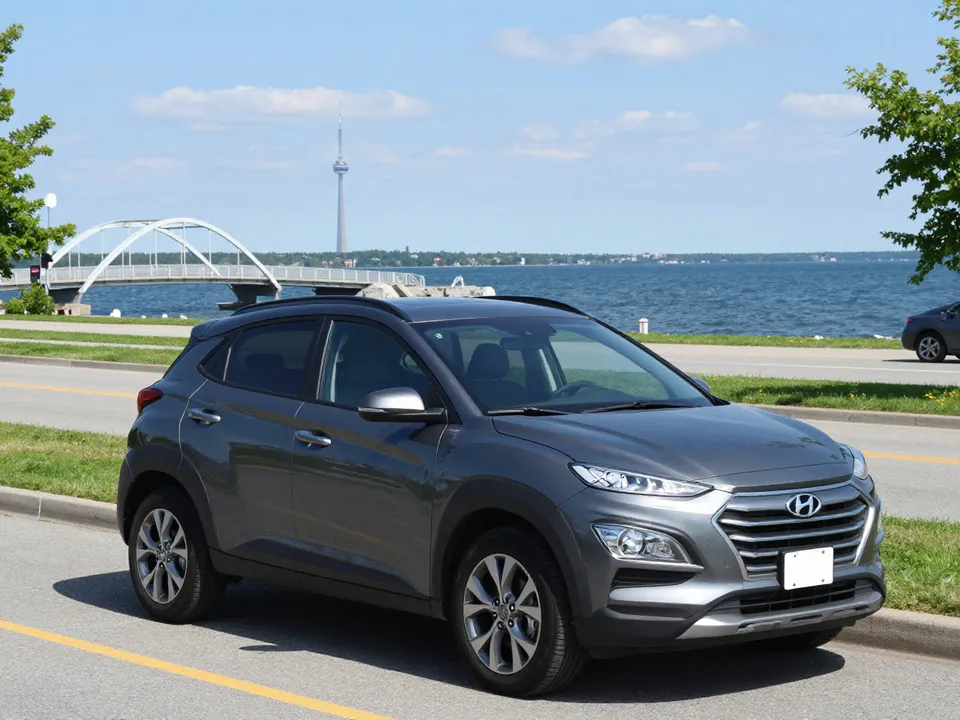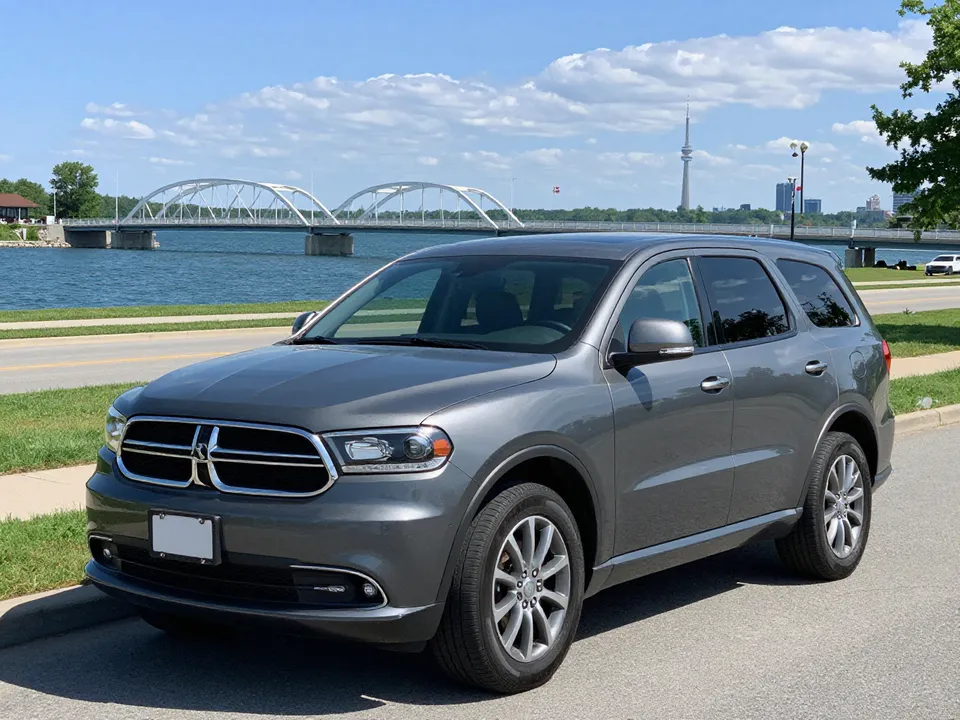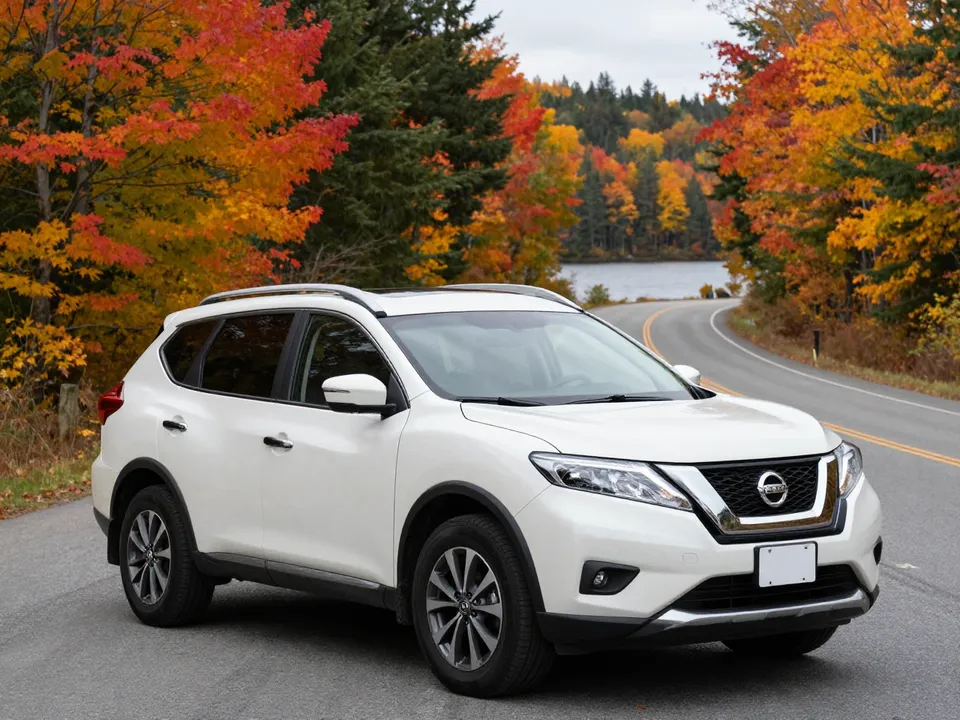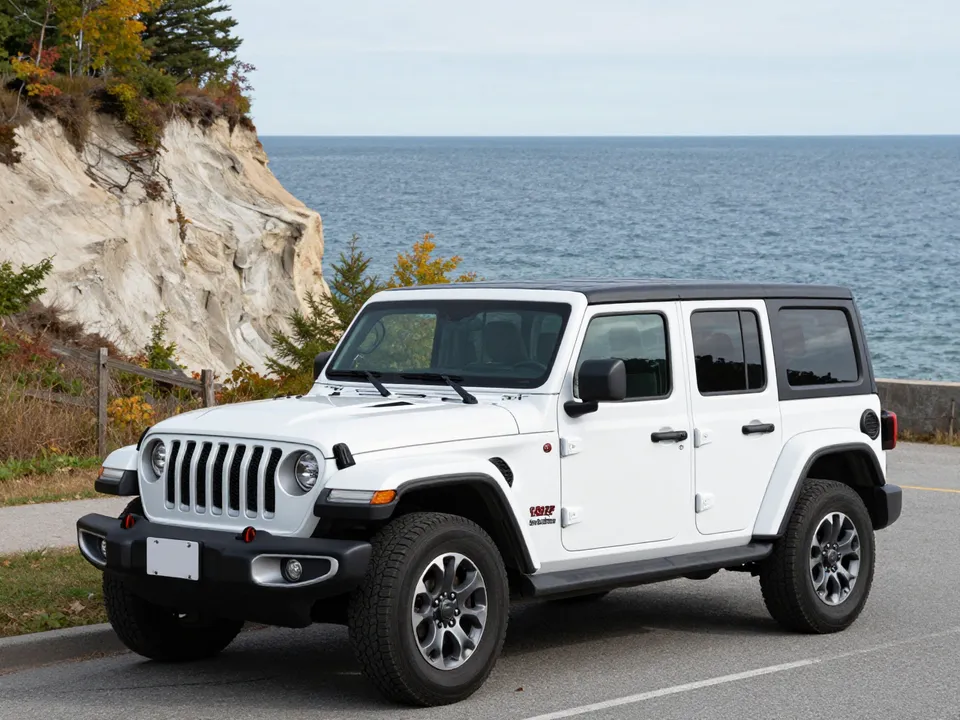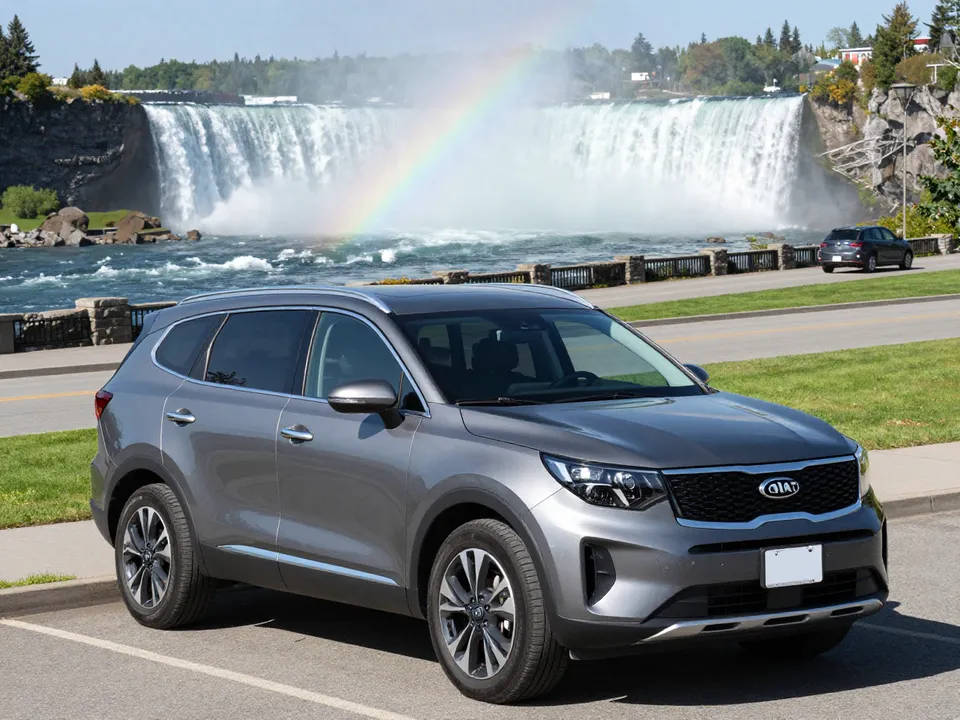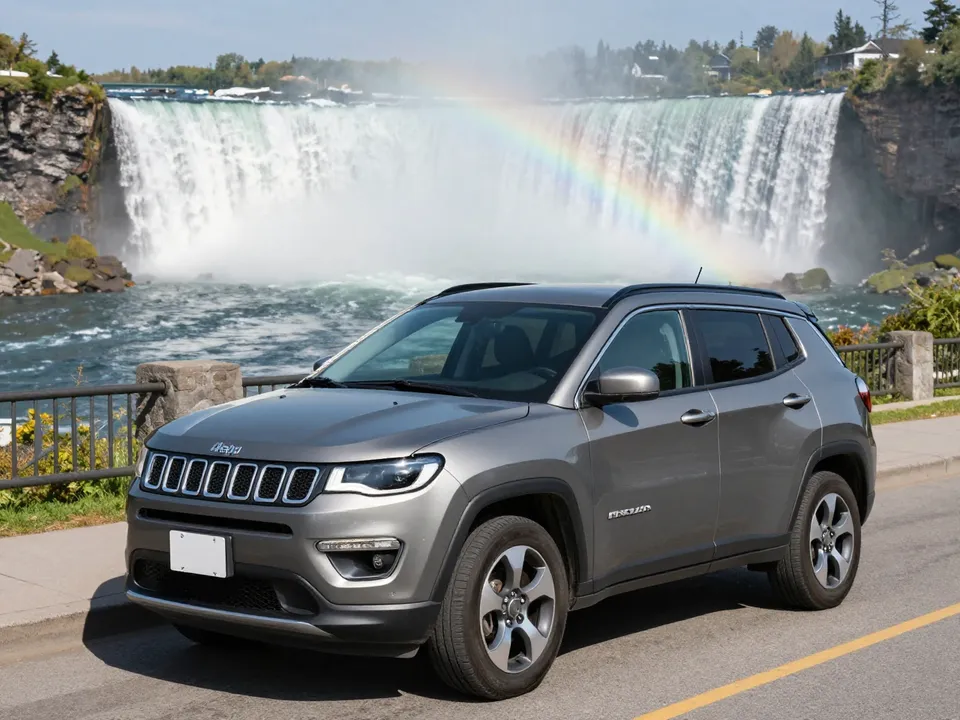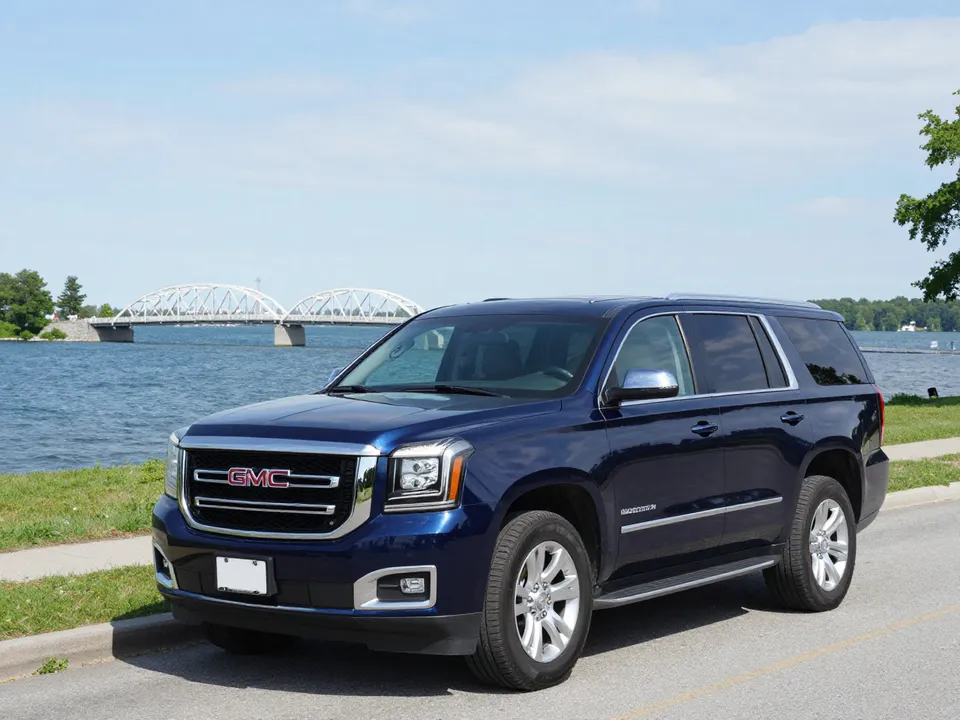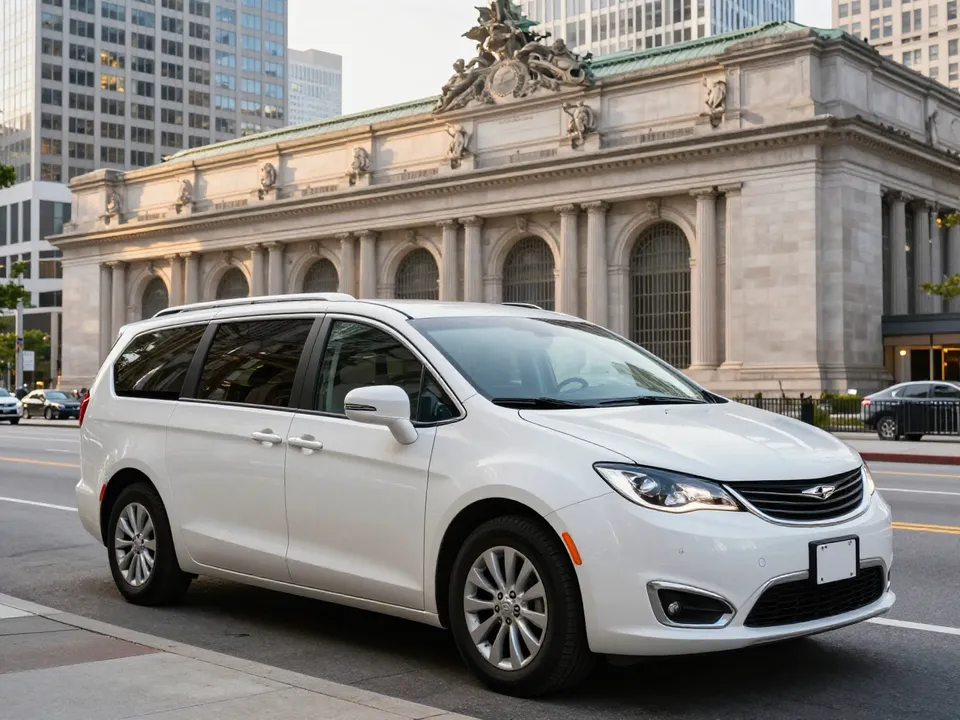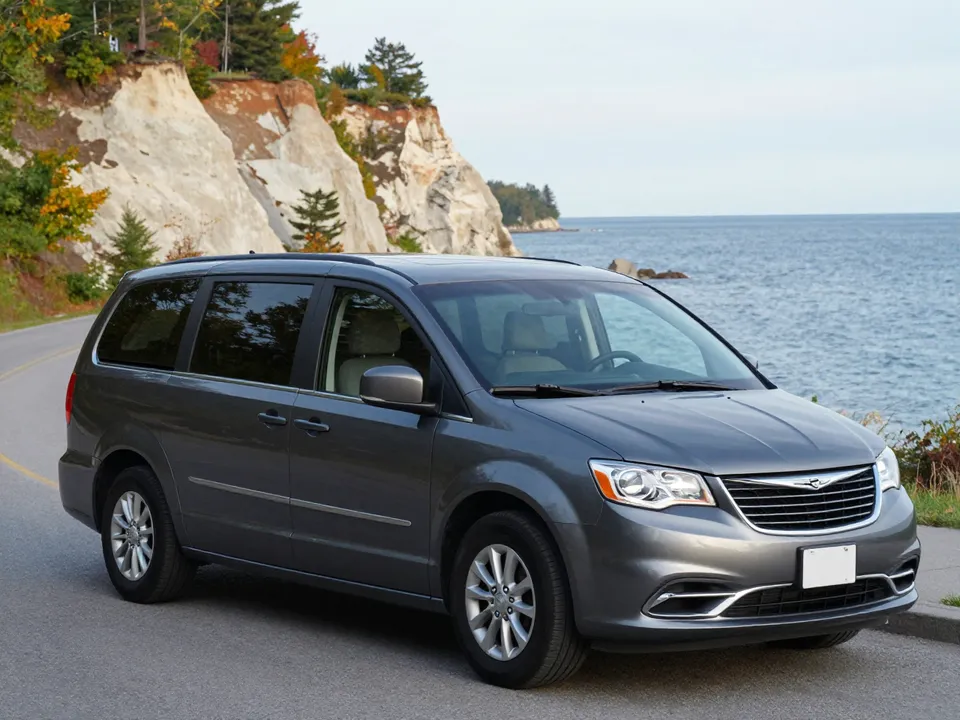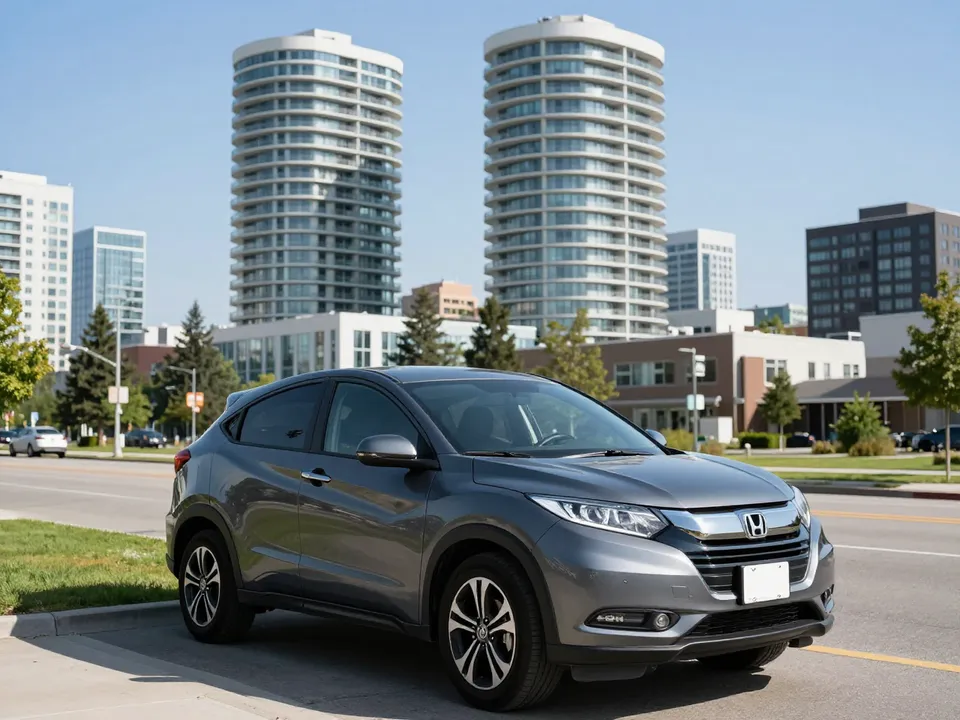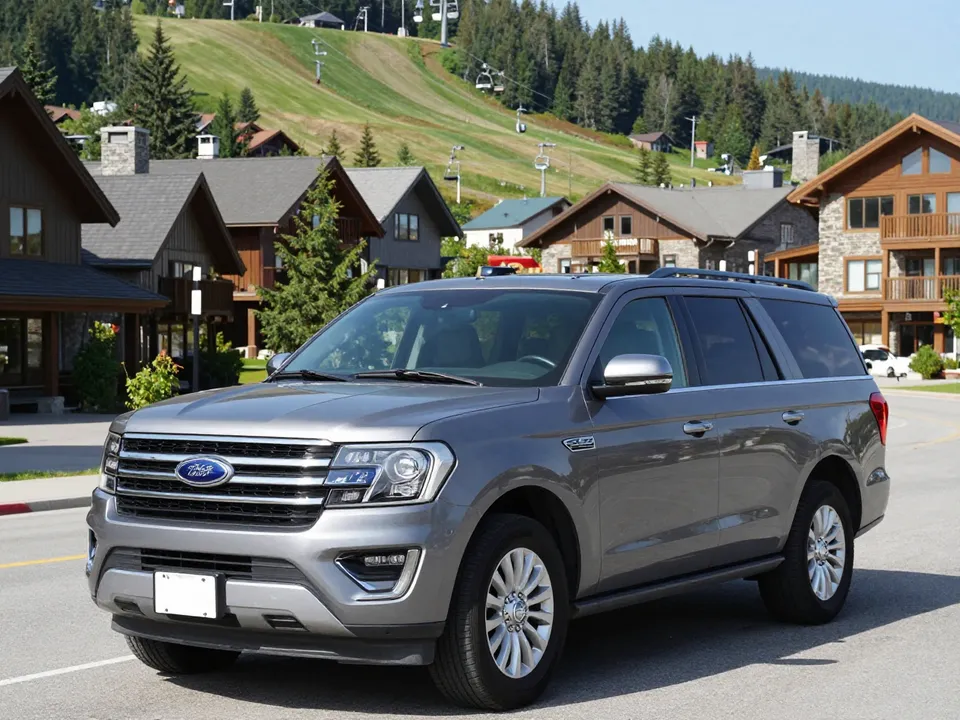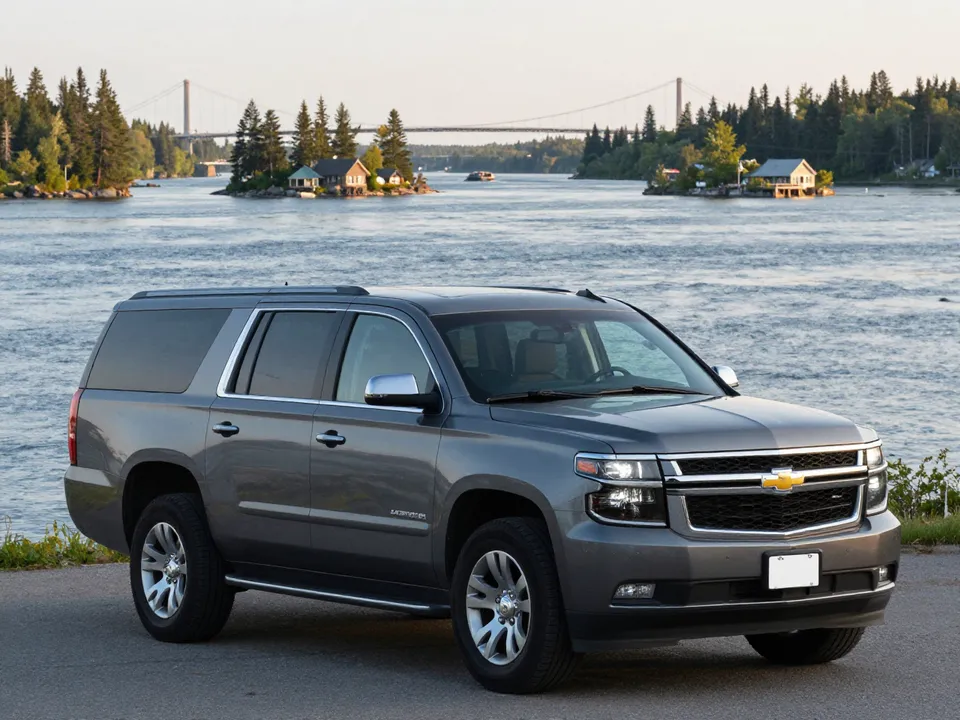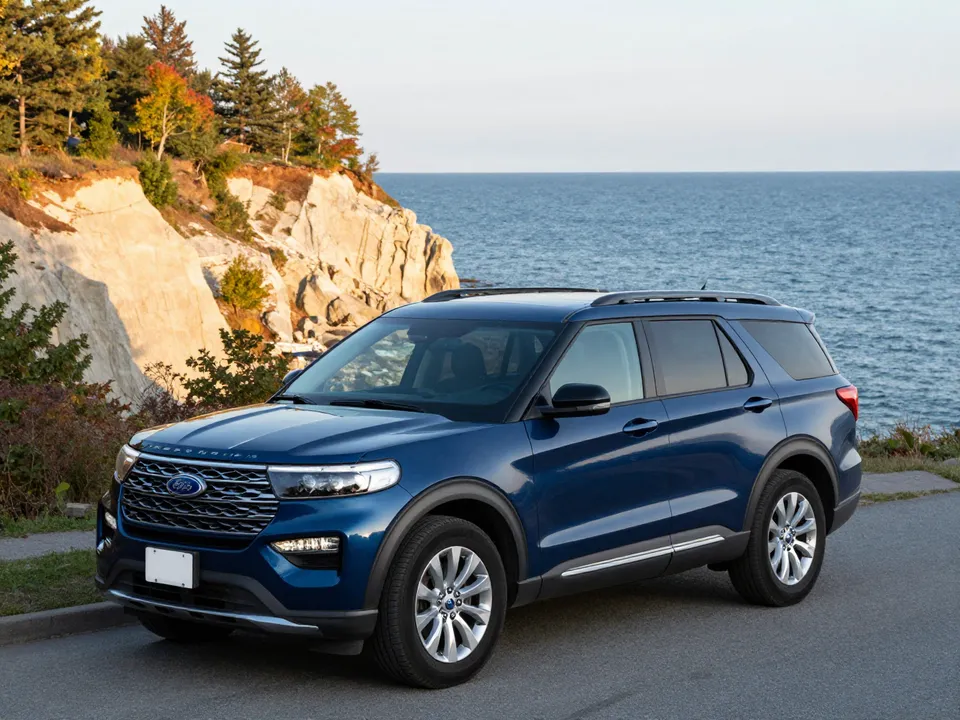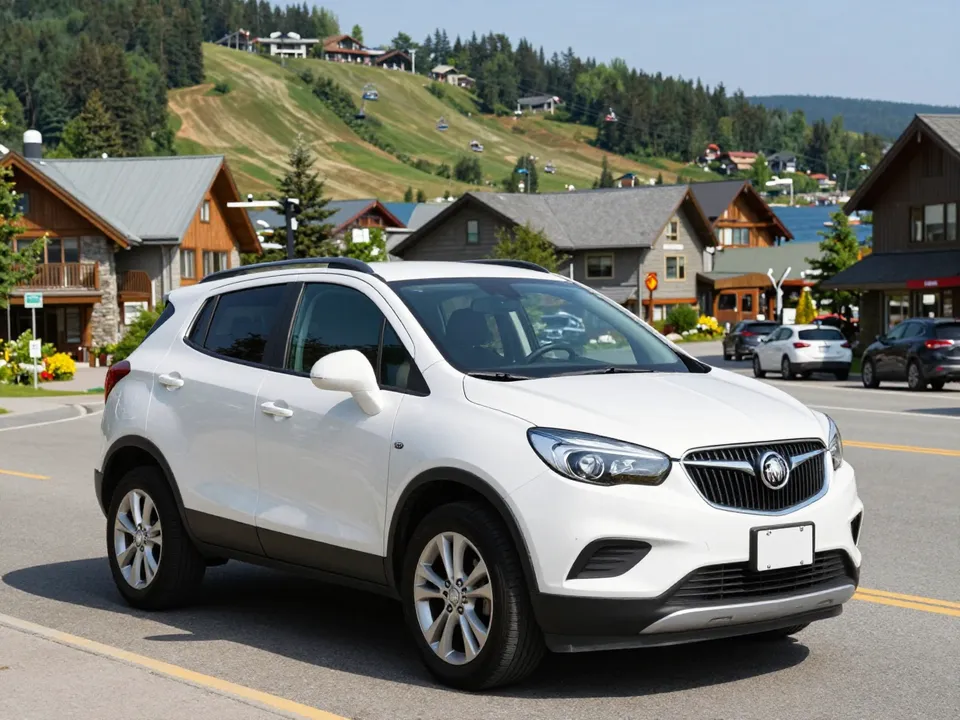
Buick Encore, Crossover
★5.0· 90Automatic1.2 L137 hpFront-wheel5 seats
C$ 49per day
Book now




No cars match the selected filters. Remove some of the conditions.






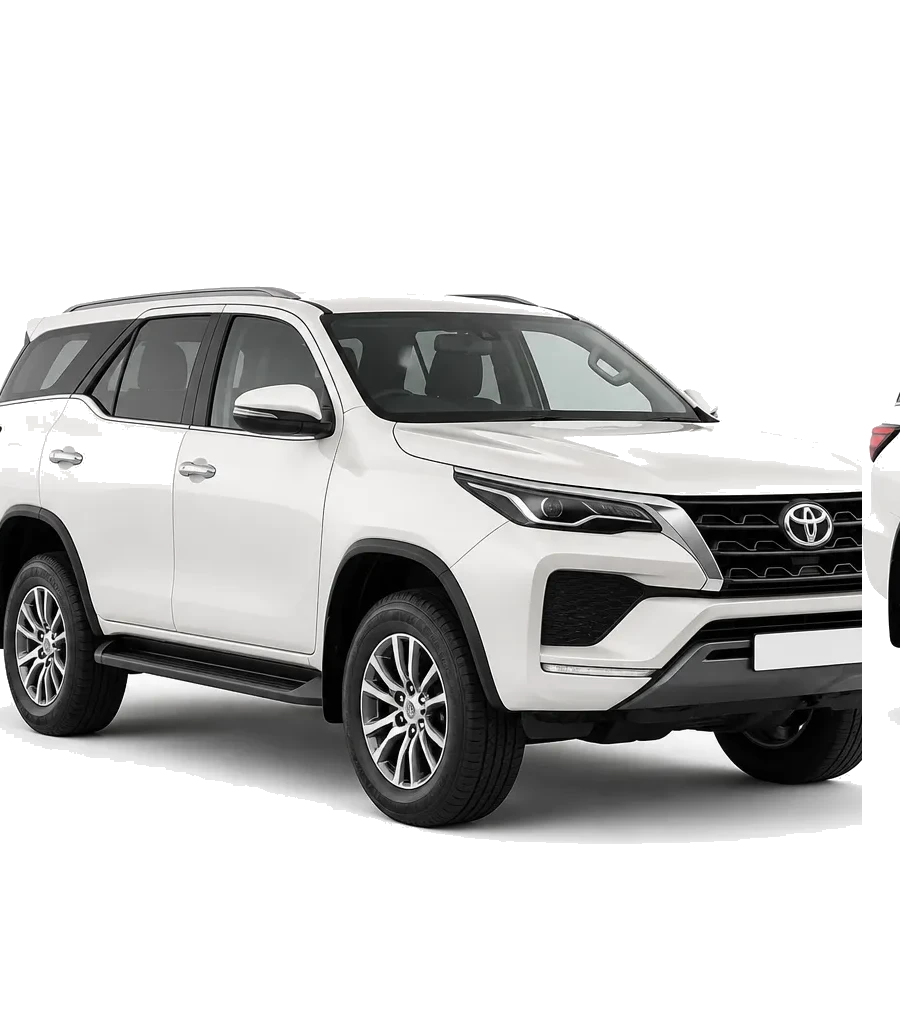

This page lists 62 cars in the Comfort, Crossover, Minivans and SUV classes, with 5, 7 and 8 seats and Automatic transmission. Daily prices run from C$ 49 to C$ 322.
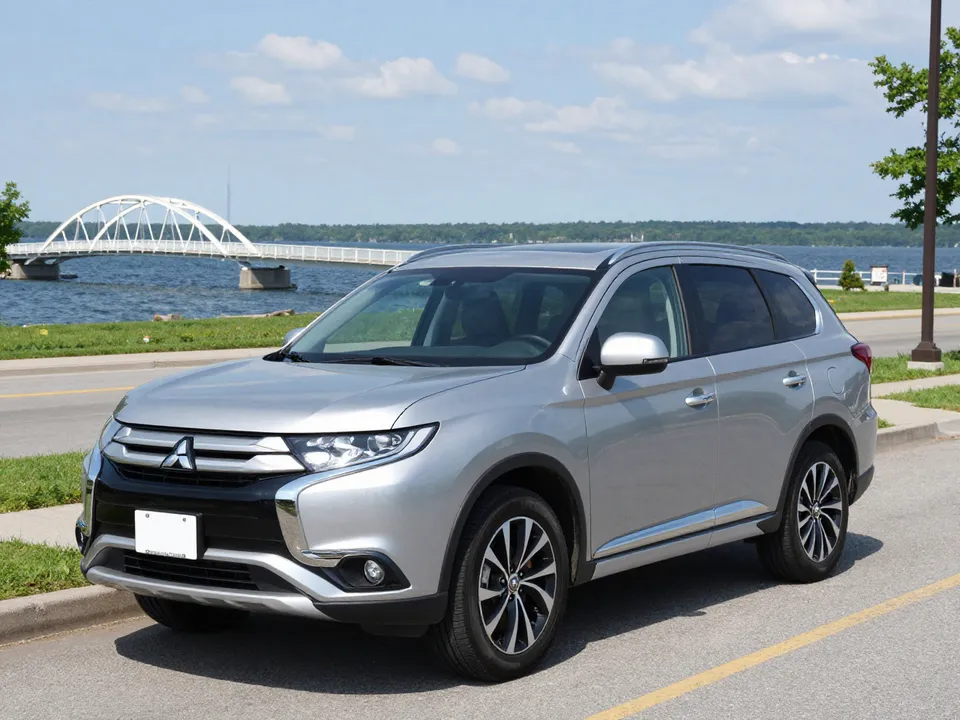
Daily prices on this page run from C$ 49 to C$ 322. The Buick Encore is C$ 49 per day, the Mitsubishi RVR C$ 53 per day and the Chevrolet Trax C$ 58 per day.
Regular petrol was C$ 1.76 per litre on 21.10.2026 in Toronto and the GTA, and diesel C$ 2.61 per litre on 22.10.2026.
A Crossover from C$ 49 a day and an eight-seat SUV from C$ 68 sit in the same 62-car fleet we run for Toronto, so the choice for a run up to Algonquin Park comes down to seats and ground clearance rather than budget.
For a park run the car is brought to you rather than collected from a lot: the address and the time window are agreed with a manager before the booking is fixed, and the vehicle arrives clean with a full tank.
The one detail worth settling first is the address, not the model. A confirmed street address and time window lock the booking; choosing between a Crossover and an SUV can wait until the manager confirms the car is free on your dates.
The delivery address, the date and the time are agreed with a manager before the booking is fixed — that conversation is what turns a request into a confirmed car.
So is the fuel rule, which is simple and does not vary: the car is supplied with a full tank and must be returned with a full tank, otherwise the missing fuel and a refuelling service fee are charged as set out in the agreement. We do not offer a pre-paid tank or a full-to-empty option.
In Rent-Trip's practice the bookings that go smoothly are the ones where the traveller names the address and the pick-up hour in the first message. Everything after that — which car, which class, how many seats — follows quickly, because the fleet is large enough to fit the trip rather than the other way round.
Sorting the licence question before the delivery day matters more than it looks: an IDP takes time to arrange in your home country, and it cannot be issued once you are already in Ontario.
Three highways do all the work on this run: north on Highway 400 out of the city, Highway 11 past Bracebridge to Huntsville, then east on Highway 60 to the park gates. The distance is fixed, the drive time is not — it depends on when you leave and what the 400 is doing that morning.
The drive runs north on Highway 400 and Highway 11, then east on Highway 60 to the West Gate and East Gate of the park. Highway 400 carries you past Barrie and up toward the Muskoka turnoffs; Highway 11 runs on through Bracebridge to Huntsville, where Highway 60 takes over before the West Gate appears. Both gates sit on Highway 60, so which one you aim for depends on where you are staying inside the park. Our fleet of 62 cars covers the run comfortably — a full tank on a Crossover gets you there with range to spare, and the long stretches north are where the 110 km/h signs on selected sections of provincial road actually matter. Leave before dawn on a Friday and the whole corridor is yours; leave at noon and the 400 north of Vaughan eats the morning. On my own trips I aim to clear Barrie by 7am — the difference between a relaxed arrival and a crawl is usually that one decision, not the car.
Highway 407 ETR is a cashless toll road, and who pays tolls and road charges on the vehicle is agreed when booking. The 407 runs east–west across the top of the city and is the standard bypass when Highway 400 is jammed; there are no booths, so charges are recorded electronically. Rates for light vehicles vary by zone and by time of entry, plus a trip toll charge, and a camera charge applies without a transponder. We do not build tolls into the daily rate — settle that point with the manager before the booking is fixed, because it is a contract term, not a surprise to discover afterwards. A practical note from our side: the 407 saves the most time on weekday afternoons, and the least at 6am on a Sunday, when the 400 is already clear.
| Class | Cars | From, per day | Seats | Best for |
|---|---|---|---|---|
| Crossover | 15 | C$ 49 | 5 | Two people, light gear, mostly front-wheel drive |
| SUV | 31 | C$ 58 | 5–8 | Park roads, all-wheel drive, roof space |
| Comfort | 10 | C$ 68 | 5 | Highway cruising, lower fuel use |
| Minivans | 6 | C$ 68 | 7–8 | Groups, tents and coolers |
A weekly booking is charged as six days at the daily rate, a monthly one as 21 days, so a longer park stay spreads the cost of the drive north across more days. Fuel on the corridor sits around C$1.75 a litre for regular, October 2026 — the tank goes out full and comes back full, so the running cost is whatever the round trip burns. Pick the class by the road, not by the photo: an all-wheel-drive SUV from C$ 58 handles the gravel access lanes and the colder mornings better than a front-wheel-drive Crossover, and for four adults with camping kit the eight-seat options at C$ 68 leave the third row folded for luggage.
Sixty-two cars in four classes, all automatic, all priced by the day — that is what you choose from when the drive north is the reason for the booking. The right pick depends less on size than on how the road to the park gate behaves.
| Class | Cars | From per day | Seats | Drivetrain |
|---|---|---|---|---|
| Crossover | 15 | C$ 49 | 5 | Front-wheel (4 all-wheel) |
| SUV | 31 | C$ 58 | 5, 7, 8 | All-wheel |
| Comfort | 10 | C$ 68 | 5 | Front-wheel |
| Minivans | 6 | C$ 68 | 7, 8 | Front-wheel |
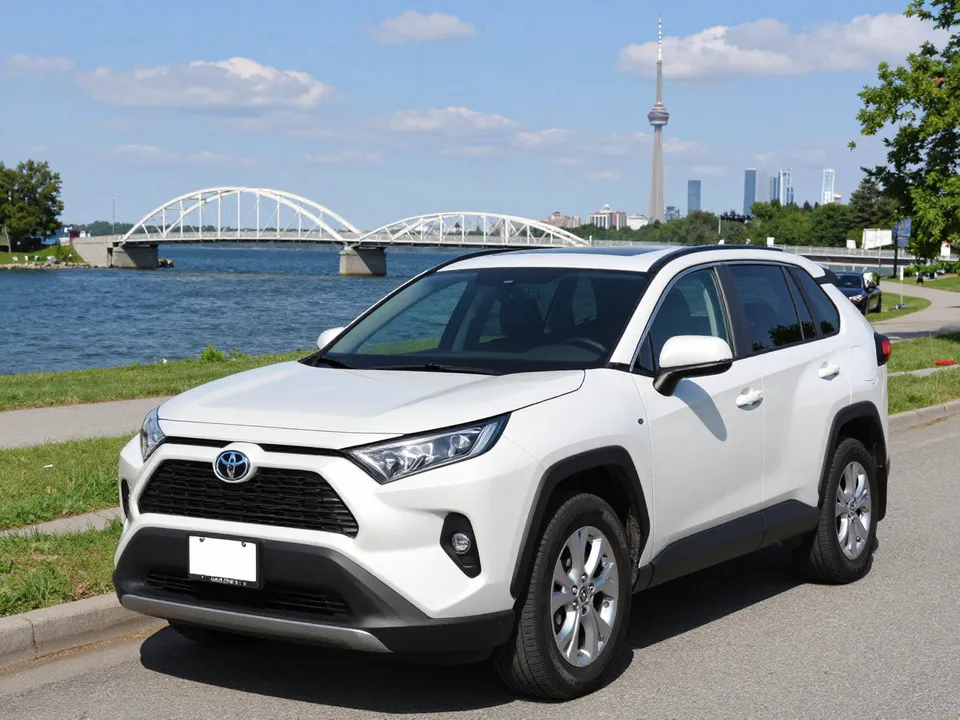
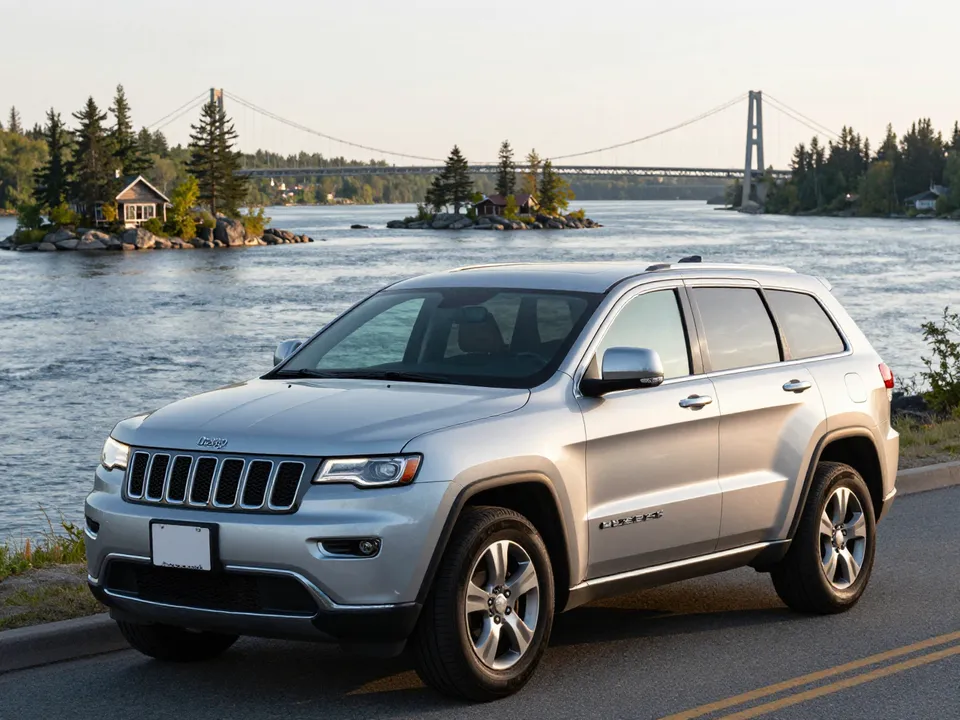
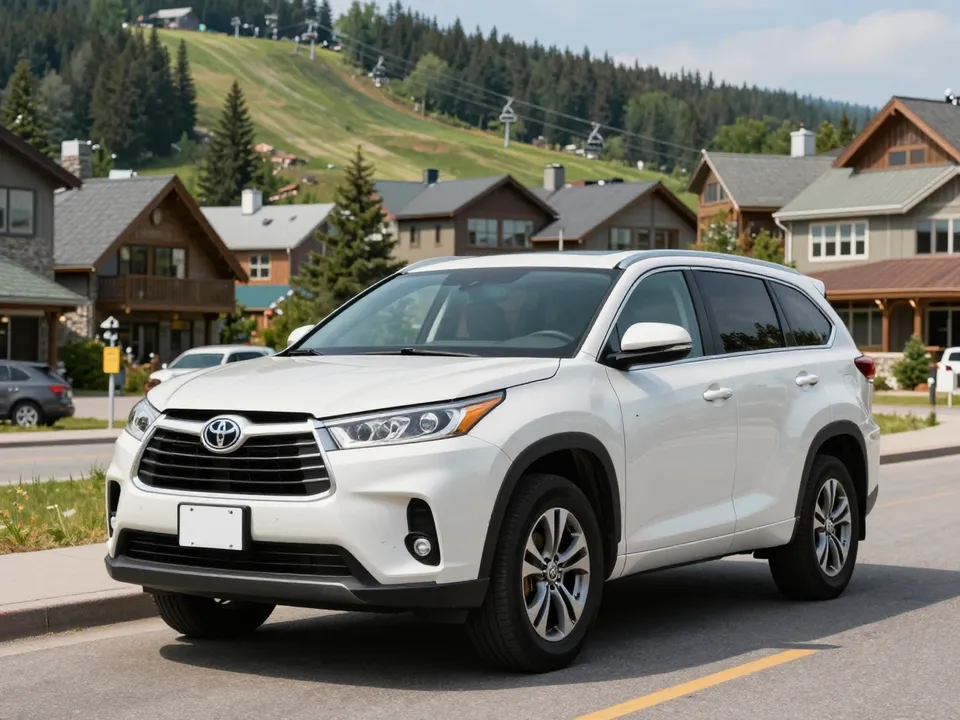
Every one of the 62 cars on this page is automatic, so nobody has to think about a clutch in stop-and-go traffic on Highway 400. All-wheel drive is a different matter: it comes on the SUV class, from the Volkswagen Tiguan at C$ 58 a day up through the Toyota RAV4 at C$ 71 and the Jeep Grand Cherokee at C$ 84, while 11 of the 15 Crossovers — Buick Encore, Mitsubishi RVR, Chevrolet Trax among them — drive the front wheels only. On the paved corridor to the West Gate that difference is small; on the gravel access lanes and the damp September mornings around Huntsville and Bracebridge it is not. In Ontario winter tyres are not mandatory, and in October the choice is decided by drivetrain and ground clearance rather than rubber. In our practice, travellers who book a Crossover for the park and then add a canoe or a wet-weather detour come back wishing they had taken the all-wheel SUV.
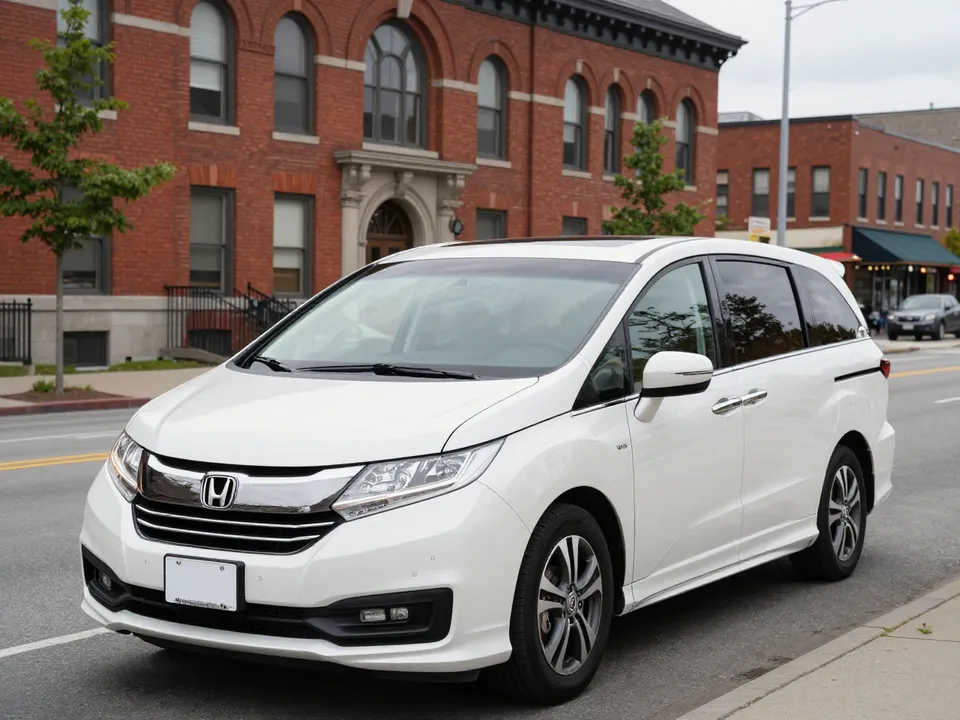
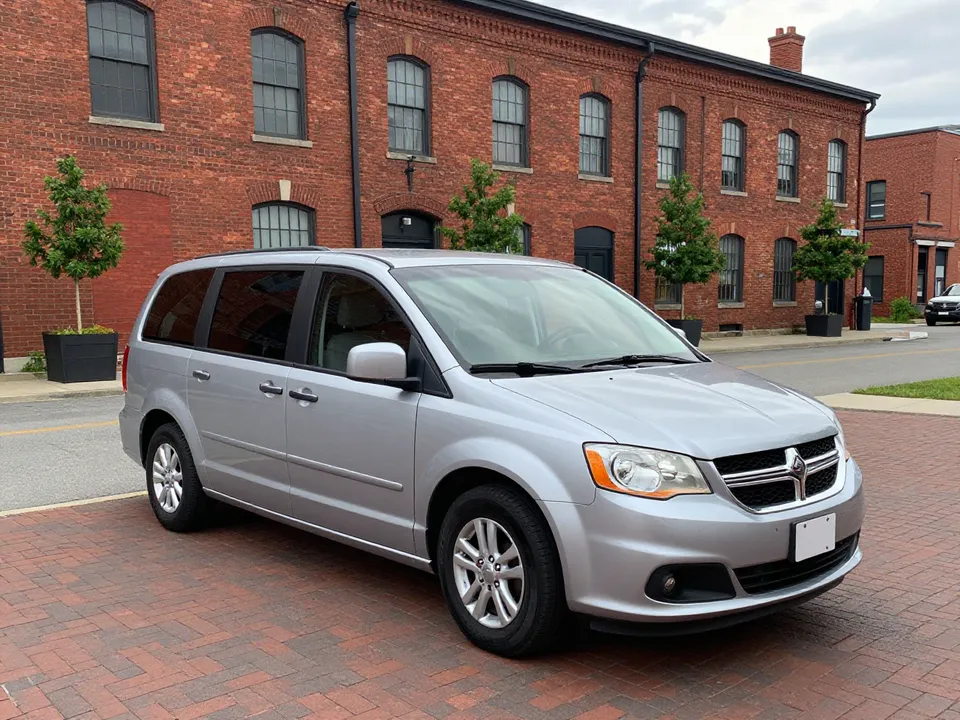
Eight seats also means eight bodies' worth of luggage, and the third row of an eight-seat SUV folds down to take rucksacks and sleeping bags when the rear seats are empty. Ask for the Odyssey if the group is eight and the load is bulky — the sliding doors and the flat floor behind the third row swallow more than a comparable SUV. Whichever class you settle on, the seat count and the model are confirmed with a manager when the booking is agreed, and the rental agreement sets out the rest.
Fuel is the one running cost on this trip you can estimate before you leave, and it is the one most renters get wrong. A car rental in Toronto for a trip to Algonquin Park runs roughly 500 km of driving there and back, plus whatever you cover inside the park itself. We hand the car over with a full tank and ask for it back full — that is the whole fuel policy, and it keeps the arithmetic simple.
The full-to-full rule on a car rental in Toronto for a trip to Algonquin Park means you pay for exactly the distance you drive. The car is supplied with a full tank and must be returned with a full tank; otherwise the missing fuel and a refuelling service fee are charged as set out in the rental agreement. No pre-paid tank and no full-to-empty option exist on this page, so there is nothing to calculate in advance beyond the litres themselves. On the 400 north of Barrie the grade stiffens and consumption climbs, which is why a smaller crossover often beats a big SUV on this route even before you look at the class price. In Rent-Trip's experience the difference between a 1.2 L Buick Encore and a 3.8 L Hyundai Palisade over a weekend in the park is noticeable at the pump, not on the invoice.
Highway 407 ETR is the cashless toll road that lets you skip the worst of the 400, and its tariff for light vehicles runs from 49.93¢ to 119.21¢ a kilometre depending on zone and time of entry, plus a C$1 trip toll charge. Without a transponder there is a camera charge of C$5.30 per trip and a C$5 monthly account fee. Who pays tolls, road charges and any penalty notice on the rental car is agreed when booking — it is not something the site settles for you, and it belongs in the rental agreement rather than in a guess.
Parking, the park's own vehicle permit and food on the road sit outside the rental entirely. The deposit, the insurance excess and any delivery fee are set out in the rental agreement, never quoted here. If the tank is the only number you want to control, pick the smallest car that fits your group and fill up before you head back south — the last stretch into the city has enough stations that running it close is a false economy.
The paperwork for a car rental in Toronto for a trip to Algonquin Park is short: a valid licence, an insurance document and the rental agreement. What the driver may use in Ontario depends on how long the visit lasts, and the age, deposit and card conditions are agreed with a manager when booking.
Highway 400 and the highways around the park are patrolled, and the numbers are not the ones European drivers expect. On selected sections of provincial highway the limit is 110 km/h instead of the former 100 km/h — that covers nearly 89 per cent of the highway where 100 km/h used to apply, 1,811 km in total, mostly the 400-series highways, with the pilot running since 26.09.2019 on the QEW Hamilton–St. Catharines, 402 and 417. Elsewhere the limit follows the posted signs. On alcohol, the criminal threshold starts at 0.08 (80 mg per 100 ml of blood); the 0.05–0.079 «warn range» brings an immediate 7-day licence suspension, an 8-hour course and a C$250 fine for a first offence. Drivers aged 21 and under, and holders of G1 or G2 licences, must show zero. In our experience the warn range catches visitors who split a bottle of wine over dinner and drive back to the motel, so the safest plan for a long run north is a driver who has had nothing at all.
Winter tyres are not compulsory in Ontario, so an October or November run to the park does not require them; the Quebec rule — mandatory from 1 December to 15 March for Quebec-registered cars, rental cars included, with a C$200–300 fine — does not apply to cars on other plates. Highway 407 ETR is a cashless toll road, and who pays tolls, road charges and penalty notices on the car is agreed when booking, not stated on the site. Most cars taken in Canada may be driven into the United States, but only with permission from the rental location, and without written permission the trip breaks the agreement and the insurance; a passport is required at the border. Ask about the US permission at the same time as the delivery address — a refusal discovered at the border costs the whole day.
The last stretch is where a good plan shows: once you leave Highway 60 behind, the park is a set of gates, parking lots and trailheads, and the car stays with you the whole time. What matters at the gates is timing, where you leave the car, and what you have in it.
A day pass or camping permit is checked at the gate, and the car is your base for the day. Keep water, layers and insect repellent in the boot rather than carrying everything on the trail. Ontario Parks issues permits per vehicle, so the number of people in your group matters less than the car you arrive in. Ticks are present in the brush along trails from spring through autumn, so long trousers and a check afterwards are worth the trouble. Bears are active near roadsides and picnic areas — food stays in the car, never at a picnic table overnight. We hand the car over clean with a full tank, and it must come back the same way; anything else is settled under the rental agreement.
The drive back to Toronto runs the same corridor in reverse, and the timing flips: Sunday afternoon on Highway 400 north of the city is the slowest window of the week, so leaving the park by mid-morning beats a late start. If your booking ends the same day, build in the return window rather than cutting it close — the delivery address and time were agreed with a manager before the booking was fixed, and that is the deadline that counts. A car returned with a full tank avoids the refuelling charge set out in the rental agreement. One practical note from Rent-Trip's own bookings: travellers who take the car for a weekly rate (daily rate times six) usually fit two park days into one trip and still return on schedule.
The same 62 cars serve a day hike, a three-night camping stay and a long weekend in a rented cabin, and the scenario decides the class long before the price does. Matching the booking to the trip you actually plan is the difference between a car that disappears into the background and one you fight with at every trailhead.
A single-day run is where the smallest car wins outright: the round trip is roughly 500 km, the tank goes out full and comes back full, and nothing about a day hike needs all-wheel drive.
In our practice the camping bookings that go wrong are the ones where the group counts people but not luggage — an eight-seat SUV with all rows up leaves very little behind the third row, so fold it and travel five-up with the kit.
Four classes, 62 cars, one automatic gearbox across the board — the comparison that matters is drivetrain, seats and how much space sits behind the second row. Everything on this page is priced by the day, and the weekly and monthly multipliers apply to whichever class you pick.
The split is simple: if your route never leaves pavement, a Crossover or Comfort car does the job at the lowest daily rate. If it includes gravel lanes, a wet September morning around Huntsville or a canoe on the roof, the all-wheel-drive SUV class earns the difference.
| Booking length | How it is charged | Effect on the daily rate |
|---|---|---|
| One to five days | Daily rate for each day | Full daily price |
| Weekly | Six days at the daily rate | Spread over seven days |
| Monthly | 21 days at the daily rate | Spread over 30 days |
A weekly booking is charged as six days at the daily rate and a monthly one as 21 days, so the longer you keep the car the less each day of the park trip costs. The multiplier is the same for a C$ 49 Crossover and a C$ 322 SUV — it scales with the daily rate rather than replacing it.
The rental agreement is where the deposit, the insurance excess, any delivery fee and the fuel rule actually live, and reading it before the delivery day is cheaper than discovering a term at the hand-over. Nothing in that document is quoted on this page, so the manager conversation is where the numbers surface.
The fuel arrangement is the one term with no variation at all: full-to-full, no pre-paid tank and no full-to-empty option. Fill up in Huntsville or Bracebridge on the way back and the return needs no discussion.
An IDP takes time to arrange at home, so start that paperwork the week you book rather than the week you fly — it cannot be issued once you are already in Ontario.
Most park trips that go sideways fail on the same handful of details, and none of them is about the car itself. Fixing them at the booking stage costs nothing; fixing them at the West Gate costs a morning.
On my own runs the single most useful habit is filling the tank before the last stretch south — the stations thin out north of Barrie, and running it close on the way back is a false economy.