














Commercial car rental in Turkey
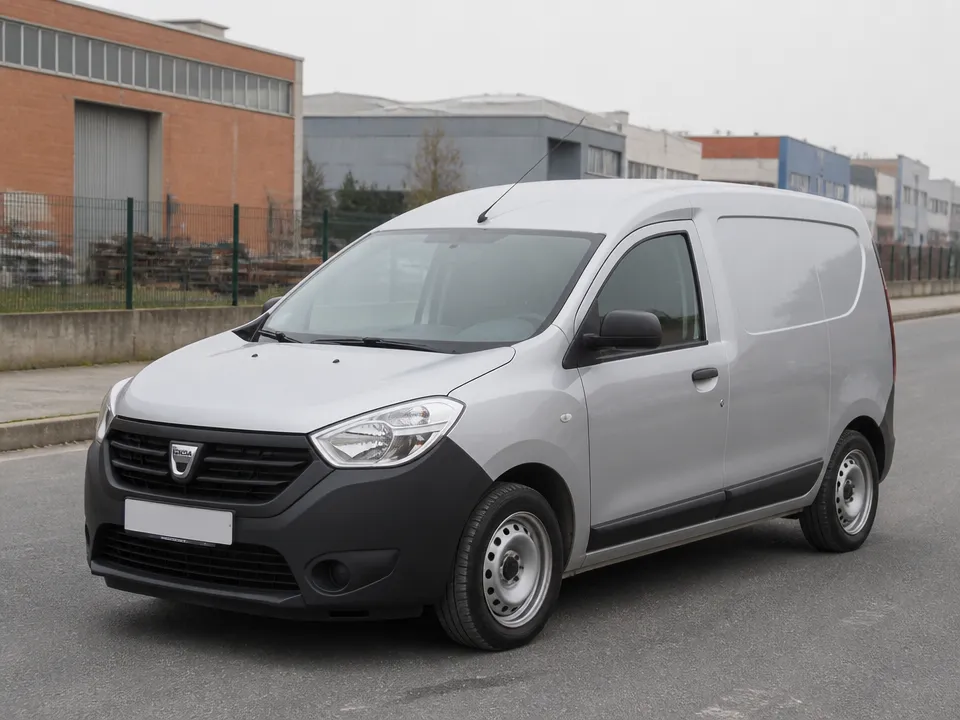
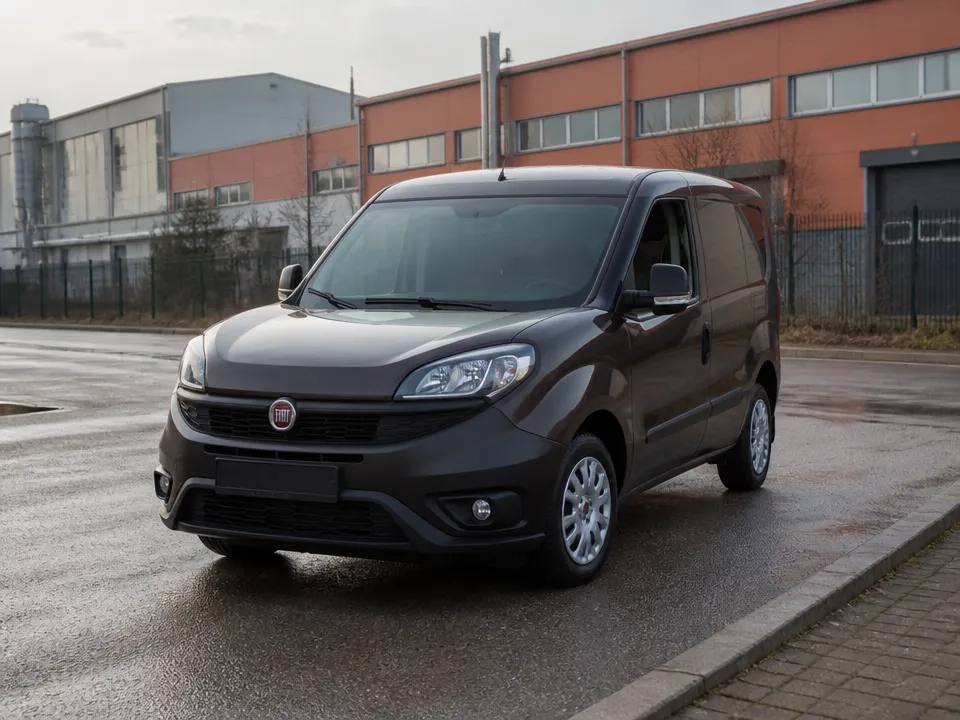
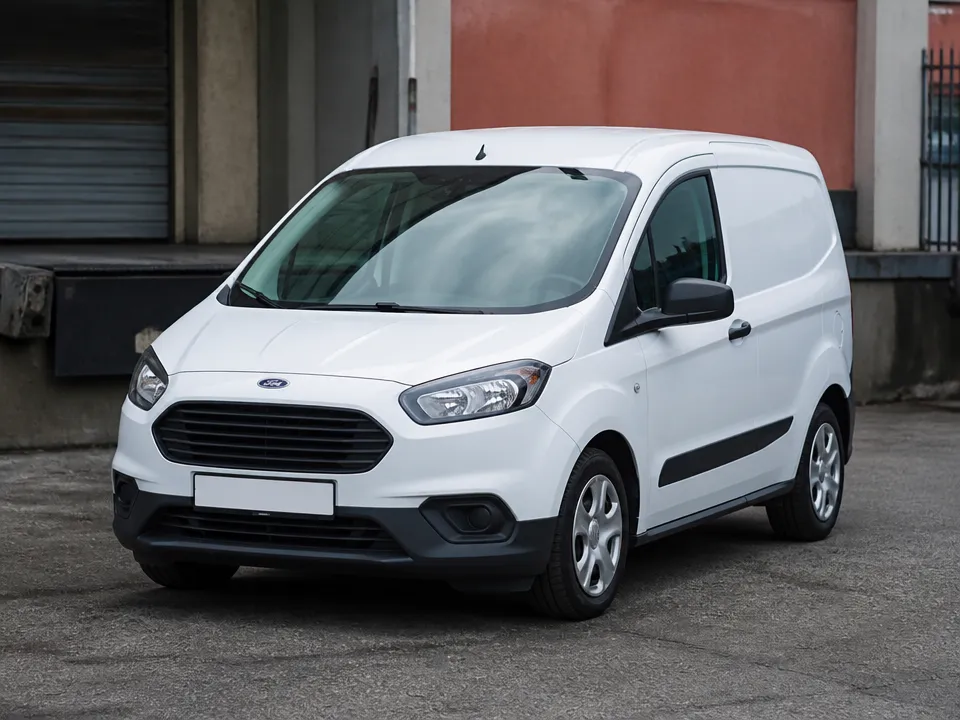
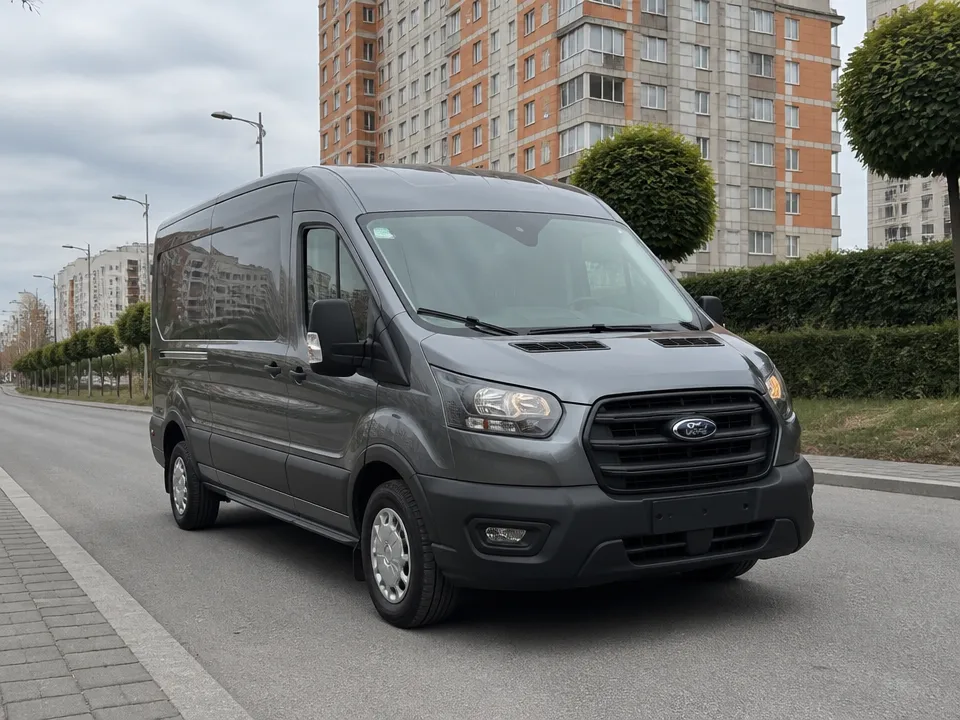
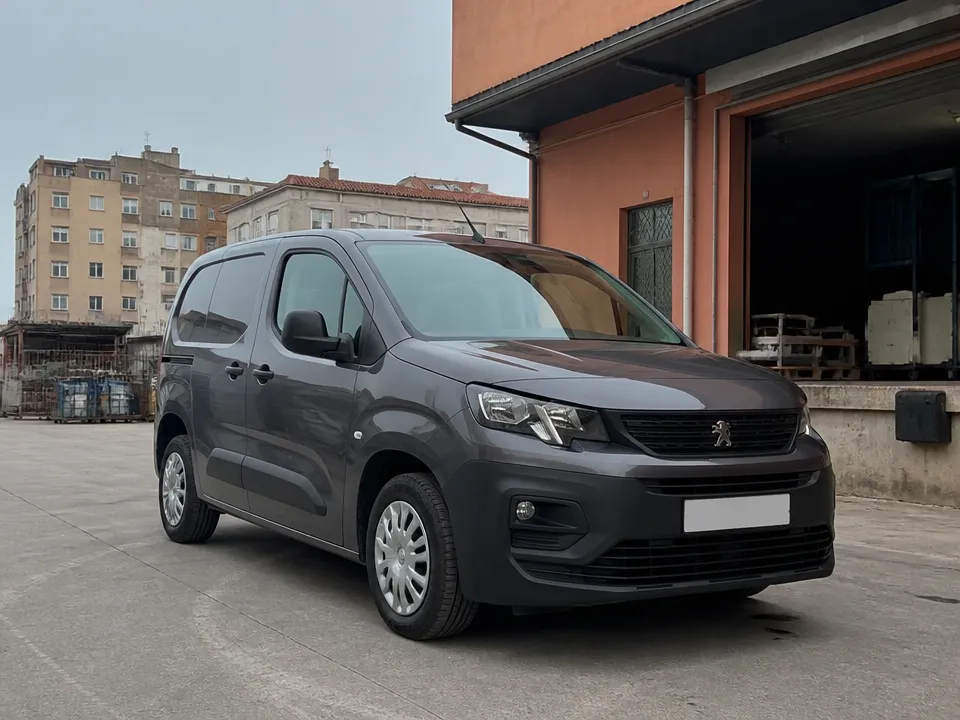
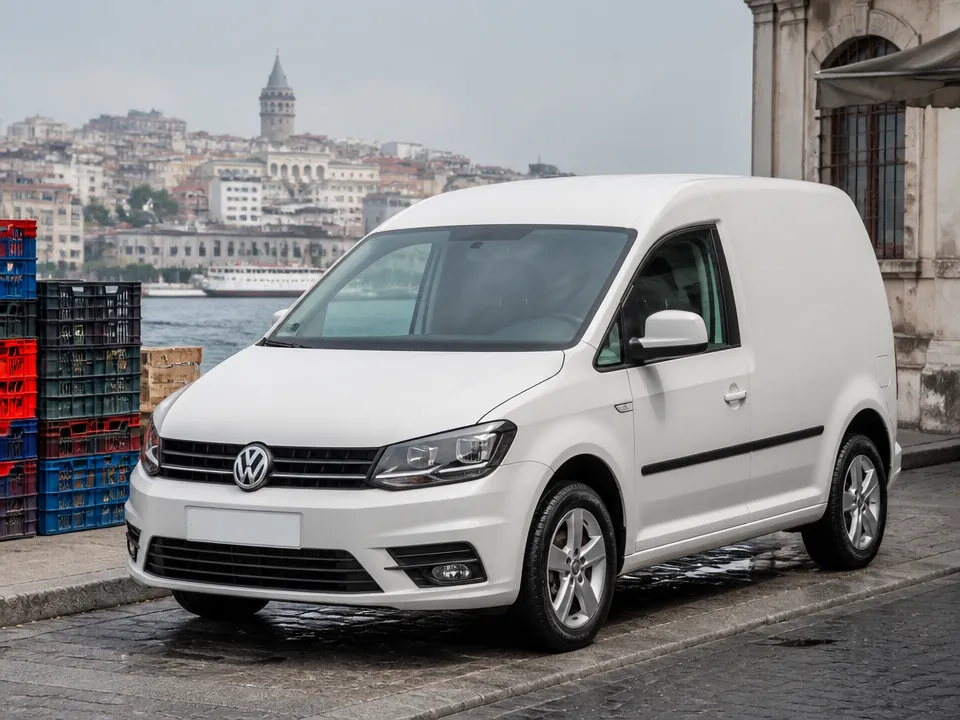
If you need a commercial vehicle in Turkey, Rent-Trip has six panel vans in the Commercial class, from ₺1,750 per day, with weekly rates from ₺10,500 and monthly rates from ₺36,750. The cars — Dacia Dokker, Ford Tourneo Courier, Fiat Doblo, Peugeot Rifter, Volkswagen Caddy and Ford Transit — are diesel, come with manual or automatic transmission, and are delivered to you in Istanbul.
Who can take commercial car rental in Turkey and what documents are needed
Commercial vehicle hire with Rent-Trip is open to foreign drivers as well as residents, and the paperwork is short: a passport, an entry stamp, a home driving licence and, when that licence is not in Latin script, an International Driving Permit. Age and driving-experience requirements rise with the class of vehicle, and the thresholds for the commercial class are set out in the rental agreement. Below is what we ask for at booking and what the agreement covers.
Documents a foreign renter needs for commercial car rental in Turkey
- Passport: the document the booking and the agreement are drawn up against, valid for the whole hire period.
- Entry stamp: proof of legal entry, checked together with the passport.
- Home driving licence: the licence you actually hold, in its original form, not a translation.
- International Driving Permit: needed when the home licence is not in Latin script — a Cyrillic or Arabic licence without one is the usual reason a booking stalls.
- Credit card in the main driver's name: required for the security hold, separate from the passport.
The same set of documents applies wherever in Istanbul the van is delivered. The commercial class runs on diesel, with a mix of manual and automatic gearboxes across the six panel vans, from the Dacia Dokker at ₺1,750 per day to the Ford Transit at ₺2,600.
Age, experience and the credit card hold
Age and driving-experience requirements rise with the class of car, and a credit card in the main driver's name is required for the security hold. The Ford Transit is the only rear-wheel-drive van of the six, so name the van you have in mind when you ask about the thresholds. The hold sits on the main driver's card only, so a booking paid by someone else still needs that person named as the driver in the agreement. Everything else — the deposit amount, what the compulsory insurance covers beyond third-party liability, and any mileage limit — is set out in the agreement when the booking is confirmed with a manager.
What we check before confirming
We go through the documents with you before the van is released, and the booking is agreed with a manager rather than completed automatically. If you hold a licence in a non-Latin script, the extra step is agreed when booking — that removes the most common cause of a delayed hand-over. Drivers who have held a licence for less time than the commercial class requires are better off on a smaller vehicle, and we will say so rather than let the booking fail later.
The commercial car rental in Turkey fleet and what each van costs
Six diesel panel vans make up our commercial fleet on this page, priced from ₺1,750 to ₺2,600 per day. Every one of them is a manual or automatic front- or rear-wheel van built for load, not for looks.
Six commercial vans and their daily rates
| Model | Seats | Transmission | Drive | ₺ per day |
|---|---|---|---|---|
| Dacia Dokker | 5 | Manual | Front-wheel | ₺1,750 |
| Ford Tourneo Courier | 5 | Manual | Front-wheel | ₺1,800 |
| Fiat Doblo | 5 | Manual | Front-wheel | ₺1,850 |
| Peugeot Rifter | 5 | Automatic | Front-wheel | ₺2,100 |
| Volkswagen Caddy | 5 | Automatic | Front-wheel | ₺2,200 |
| Ford Transit | 3 | Manual | Rear-wheel | ₺2,600 |
The two automatics sit at ₺2,100 and ₺2,200, above the three small manual vans, so if you need an automatic, budget from ₺2,100 rather than the entry rate.
Weekly and monthly rates for commercial car rental in Turkey
Weekly rates start at ₺10,500 and monthly rates at ₺36,750, both VAT included. On the Dacia Dokker at ₺1,750 a day that works out at six daily rates for a week and twenty-one for a month — the same van, a lower figure per day the longer you keep it. The gap widens on the dearer models: the Ford Transit is ₺2,600 daily, and a month of it costs less than a month of daily bookings at that rate. Longer bookings lower the per-day figure, which matters most on the Transit — the model where the daily rate is highest. If your work runs past a week, price the monthly option before you commit to seven separate days; that is where the arithmetic turns in your favour.
What the fleet is built for
All six vans run on diesel, and five of the six seat five people with front-wheel drive — the Ford Transit is the exception at three seats and rear-wheel drive. Engine sizes run from 1.5 L on the Dokker, Tourneo Courier and Rifter, through 1.6 L on the Doblo, to 2.0 L on the Caddy and Transit, with outputs between 95 hp and 130 hp. In our Istanbul bookings, the choice usually comes down to two questions: how many people ride along, and whether the load is heavy or merely bulky. For a delivery round with two people and stacked boxes, the smaller 1.5 L vans do the job at the lowest daily rate on this page.
Matching a commercial rental van in Turkey to the job
The choice here runs from the load and the number of people, not from the price list. Six diesel panel vans sit in the commercial class on this page, and the differences between them decide which one suits a delivery round, a crew move or a long motorway run.
Which van for which load
- Dacia Dokker at ₺1,750: the entry model, 1.5 L and 95 hp — enough for parcels, tools and light fittings around the city.
- Ford Tourneo Courier at ₺1,800: 100 hp from the same 1.5 L block, a small step up for a fuller load.
- Fiat Doblo at ₺1,850: 1.6 L and 105 hp, the middle of the manual group.
- Ford Transit at ₺2,600: three seats, rear-wheel drive, 2.0 L and 130 hp — the one to pick when the load is heavy rather than bulky.
- Peugeot Rifter and Volkswagen Caddy: 130 hp and 122 hp, the two automatics, at ₺2,100 and ₺2,200.
Five of the six seat five and drive the front wheels; the Transit is the exception on both counts. Rear-wheel drive puts the drive to the axle that carries the weight, which is why a loaded van climbs and pulls better with it. In our experience, drivers who book the cheapest model and then load it to the roof feel the difference on the first hill out of Istanbul.
Automatic or manual on a commercial hire
The Peugeot Rifter and the Volkswagen Caddy are the two automatics in the commercial fleet, at ₺2,100 and ₺2,200 a day. Both run a 1.5 L or 2.0 L diesel with 130 hp and 122 hp respectively, front-wheel drive and five seats — so the automatic choice costs ₺350 a day over the Dacia Dokker and buys nothing in load space.
Stop-start city work is where the automatic earns that premium: repeated clutch work in heavy traffic is tiring over a full delivery shift. On a long motorway run the manual gives the same result and saves the difference across the booking. If your route is mostly gates, kerbs and short hops, the automatic is the one to take; if it is one long haul with a few drops, the manual pays for itself. Which gearbox suits your route is worth settling with the manager before you confirm.
The same logic applies to the body: all six are panel vans, so the load area is closed and lockable rather than open like a pickup.
Insurance, deposit and the rental agreement in commercial car rental in Turkey
Every commercial car rental in Turkey carries the compulsory third-party insurance that Turkish law requires on every registered vehicle. What sits above that cover, what the deposit is set at, and any mileage terms are all written into the agreement you receive with the van. We don't quote those numbers in advance because they change with the model and the length of the booking — they are set out in the paperwork, and your manager walks you through them before you confirm.
What the compulsory cover does and does not include
- Compulsory traffic insurance: covers third-party bodily injury and property damage; it is mandatory for every registered vehicle in Turkey, so every van in our commercial fleet has it.
- Not a full-coverage package: the compulsory policy does not repair the rented van itself, and it does not cover the driver's own losses.
- Above the compulsory layer: any additional protection, and the excess that applies, are set out in the agreement for the specific van you book.
The deposit and the card behind it
A credit card in the main driver's name is required for the security hold, and this applies to commercial bookings here exactly as it does to any other class. The hold sits on that card only, so a booking paid by a company card still needs the person who will actually drive named as the main driver and present with their own card. The deposit amount is not a fixed figure across the fleet — it is set out in the agreement, and it depends on the model and the period. The deposit is agreed when booking. If the van goes back on time, undamaged and with the fuel level agreed at hand-over, the hold is released by the bank; how long that takes is the bank's timeline, not ours.
What the agreement covers, and the one thing to check before you sign
The agreement is the document that governs the booking, and it is where the deposit, the excess, the mileage terms and any restrictions are stated. Read the mileage clause before you commit if your work involves regular runs outside the city — the commercial vans are popular for delivery work, and a long weekly route can run past what the paperwork allows. Driving off-road is prohibited, which matters on the Transit and the Doblo, since both are rear- or front-wheel-drive panel vans built for tarmac, not for tracks. Anything you are unsure about, ask the manager while the booking is still being agreed rather than after the keys change hands.
Tolls and bridges on a commercial car rental in Turkey
Turkey's motorways, bridges and tunnels are paid, and every crossing on a commercial vehicle is recorded electronically through HGS. There is no cash lane to queue for and no ticket to keep — the system reads the vehicle and bills the passage to it.
How HGS works on a commercial van
HGS is Turkey's electronic toll system, and a commercial van crosses a gate without stopping. HGS is linked to the van's plate, not to the driver, and the toll is collected as set out in the rental agreement. The mechanics are set out on the HGS page. Tolls vary by vehicle class, and the system reads the plate automatically as the van passes; the exact basis for the charge is set out in the rental agreement. Because the charge follows the plate rather than the person, a driver who has never used a Turkish motorway before does not need to register anything or open an account.
What the crossings cost
Tolls vary by vehicle class and change; the figures below are the published tariffs, so ask the manager which class applies to your van.
- Yavuz Sultan Selim Bridge: ₺110 per passage, the northern bridge on the European side.
- Eurasia Tunnel: ₺280 by day and ₺140 at night, the tunnel under the Bosphorus.
- Osmangazi Bridge: ₺1,170, the crossing on the İzmit Bay route toward Bursa and Uludağ.
An unpaid passage, called unauthorized toll passage, can be penalised at four times the toll if it is not settled in time — so a van that runs a gate with a failed read is an expensive van to return.
Why this matters for a commercial booking
On a van doing daily deliveries, crossings are a running cost, not a holiday souvenir, and they are easy to lose track of across a week. In our experience, the drivers who get caught out are the ones who assume the toll is included in a fuel stop or that a barrier will simply open. It will not. If your route crosses the Bosphorus regularly, the tunnel's night rate is half the daytime rate, which changes the maths on a late shift. We settle the recorded passages with you when the van comes back, and the exact basis for that is set out in the rental agreement.
One-way and long-distance commercial car rental in Turkey
A long-distance run in a commercial van is normal here: the country is crossed by motorways with HGS gates, and a working van often has to move goods between regions rather than stay inside one city. What matters is agreeing the route and the return point when you book, because a one-way trip changes both the drop-off arrangement and what is set out in the agreement.
What a one-way booking needs
A one-way commercial booking is agreed with a manager, not picked from a list: the drop-off point and the date go into the arrangement. We do not have offices, desks or counters anywhere, so the van is handed over and collected at addresses you give us rather than at a depot — that is why the route has to be settled before the booking is confirmed rather than changed mid-trip. Return is made to the delivery point agreed in the contract; returning to a different point may carry an additional fee, which is set out in the rental agreement.
Tolls, timing and the long haul
Every bridge and motorway gate on these routes is paid through HGS, and an unpaid passage can be penalised at four times the toll if it is not settled in time, so make sure crossings are settled on time, as set out in the rental agreement, rather than weeks later. Yavuz Sultan Selim Bridge costs ₺110, the Eurasia Tunnel ₺280 by day and ₺140 at night, and the Osmangazi Bridge ₺1,170. For a genuine long haul — Cappadocia is about eight hours from the city where you collect the car — plan the run around a rest stop and check the load before you leave, because the Ford Transit with its rear-wheel drive and 2.0 L engine handles a heavy load on a motorway better than the smaller vans.
Delivery and booking for commercial car rental in Turkey
Delivery is part of how we run things. You tell us where the van should be, and we bring it to you rather than asking you to collect it from a lot. The booking itself is agreed with a manager, not confirmed automatically by a form — so the details of your job are settled with a person before the van moves.
How we deliver a commercial van
We deliver within Istanbul and to both airports, Istanbul Airport on the European side and Sabiha Gökçen on the Asian side. That covers the practical split of the city: if you land at one airport and your load is waiting on the other side of the Bosphorus, the van comes to whichever point you name. The exact delivery arrangement is set out in the rental agreement, so nothing about the hand-over is left to assumption. For a working van this matters more than it does for a passenger car — a panel van that has to be collected from a depot costs you a morning before the first job starts.
What the manager settles with you
- Vehicle and dates: which of the six commercial vans you need, from the ₺1,750 Dacia Dokker to the ₺2,600 Ford Transit, and for how long.
- Rate basis: daily, weekly from ₺10,500 or monthly from ₺36,750, all VAT included.
- Driver details: the passport, entry stamp and home licence we ask for, plus an International Driving Permit where the licence is not in Latin script.
- The hold: a credit card in the main driver's name, since the security hold sits on that card and not on whoever pays.
- Hand-over point: the address or airport where the van is brought to you, agreed when booking.
Booking as a foreign renter
The manager conversation is where a foreign booking usually gets sorted out, because the document set is the part that stalls. Bring the permit from home rather than trying to arrange one after arrival — a licence in Cyrillic or Arabic script is the usual reason a booking stops at hand-over. Age and driving-experience requirements rise with the class of car, so confirm yours against the van you want before you commit to dates. Weekly and monthly rates come in lower per day than the daily rate, which is worth checking on the Ford Transit, where the daily figure is the highest in the class.
What to settle before you confirm commercial car rental in Turkey
Six diesel panel vans, ₺1,750 to ₺2,600 a day, weekly from ₺10,500, monthly from ₺36,750 — the numbers are the easy part. What decides whether a commercial vehicle booking runs smoothly is the handful of details that are cheap to fix before you confirm and awkward to fix afterwards. Here is what we go through with hirers before a booking becomes a reservation.
- Dates and days: book the van for the days you actually need it, because the weekly rate is the daily rate times six and the monthly rate is the daily rate times twenty-one.
- Driver's documents: a passport, an entry stamp, a home driving licence and, where that licence is not in Latin script, an International Driving Permit — all four, in the main driver's name.
- The card: the security hold sits on a credit card in the main driver's name, so name that person as the driver even when somebody else is paying.
- Route and load: tell us the load and the route when you book, so the van matches the job rather than the other way round.
- Tolls: HGS covers the bridges and motorway gates, and an unpaid passage can be penalised at four times the toll, so make sure crossings are settled on time.
- Where the van goes: delivery within Istanbul and to both airports is part of what we offer, and the exact point is agreed with the manager when you book.
Everything that carries a figure we cannot state here — the deposit, the excess — is set out in the rental agreement. Ask about it at the booking stage and you will know the full cost before the van arrives; leave it until hand-over and you are reading terms in a hurry. In our experience the hirers who ask three questions up front are the ones who never call us from the roadside.
One last thing worth checking: who is actually driving. The agreement is written around the named driver, so if a colleague or a family member will take the wheel, say so when you book rather than after the keys change hands. That single sentence saves more arguments than any other line in the paperwork — and it costs nothing to add while the booking is still open.