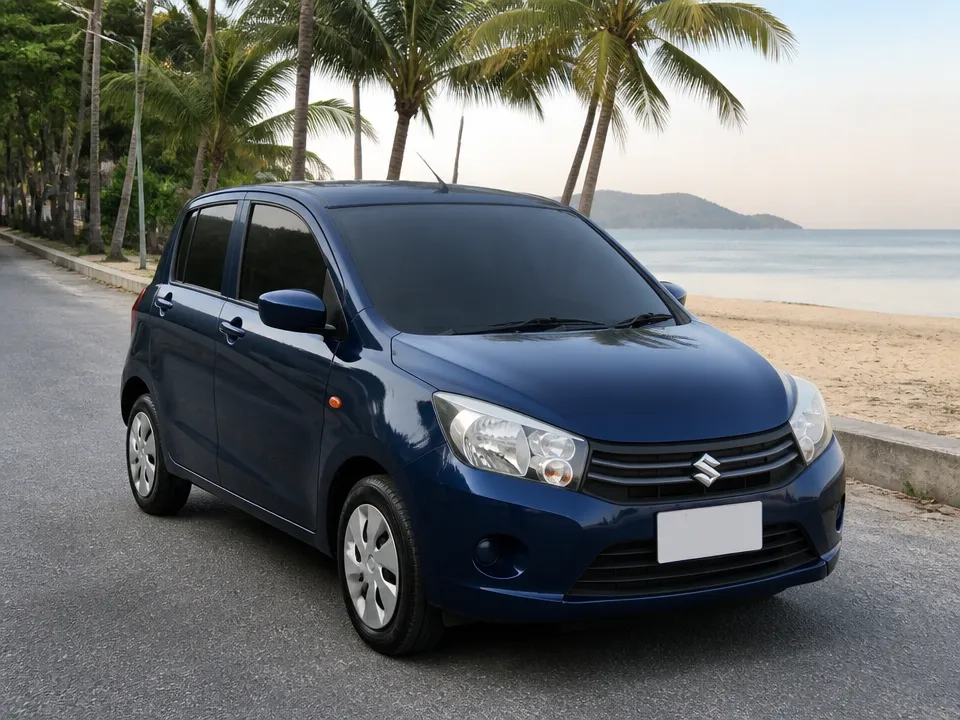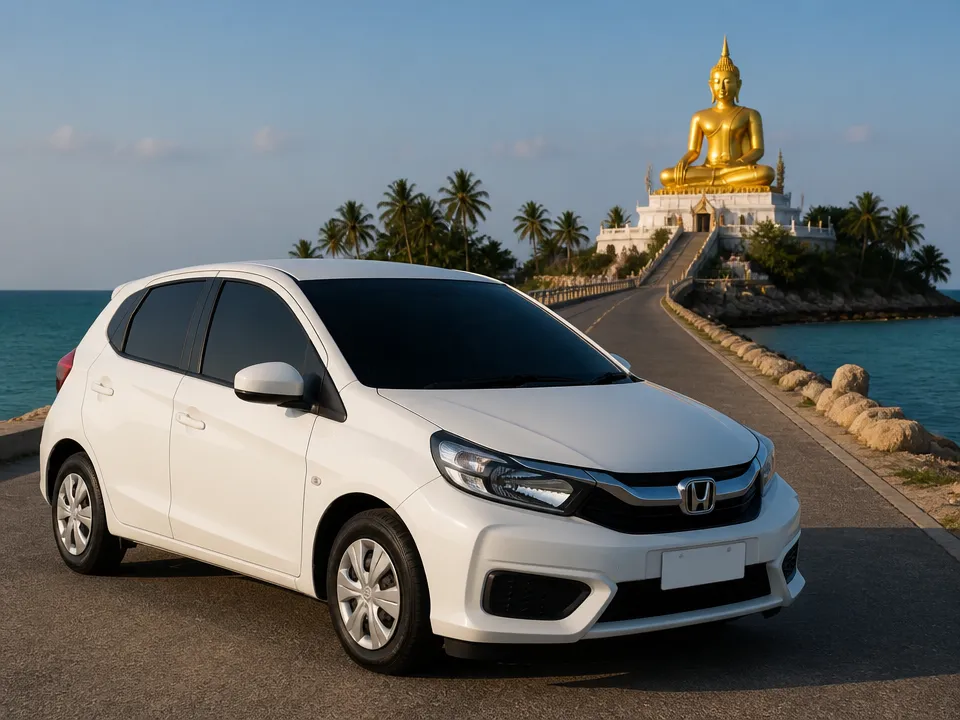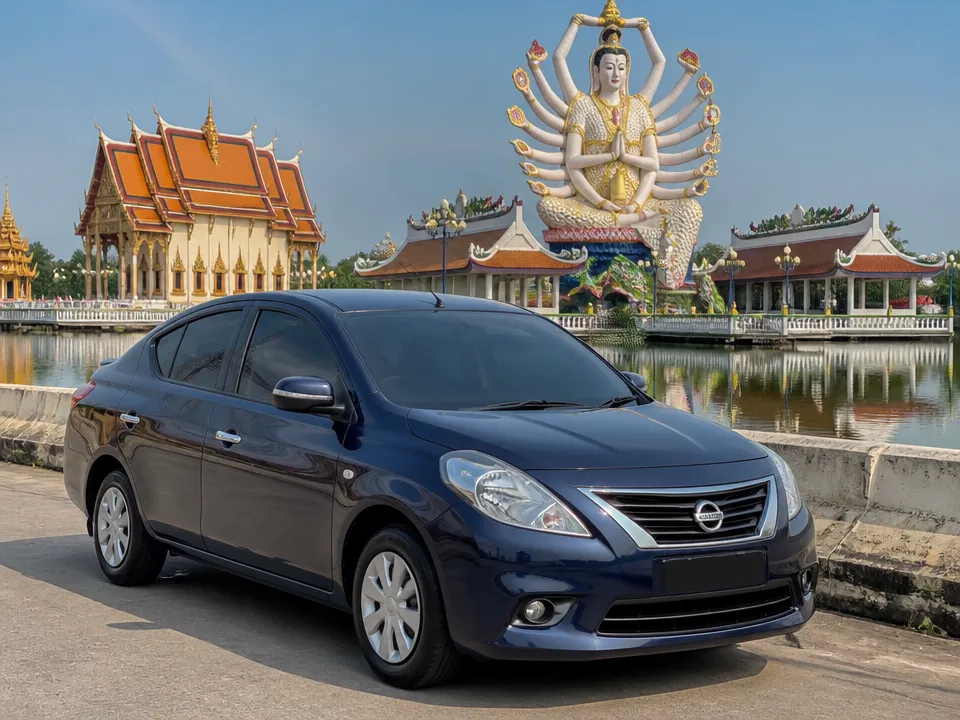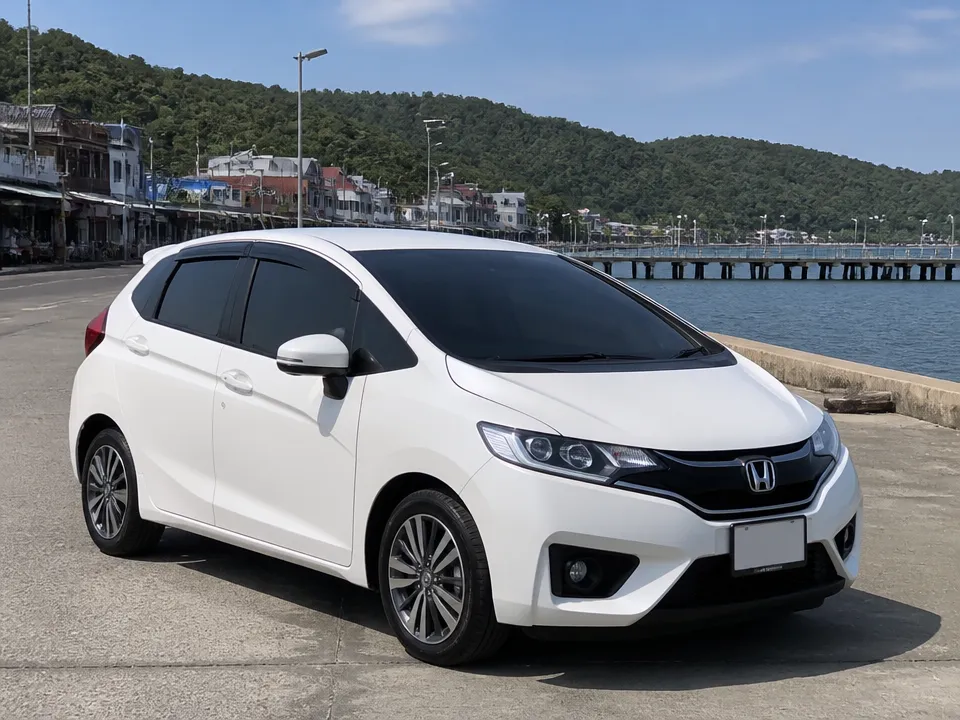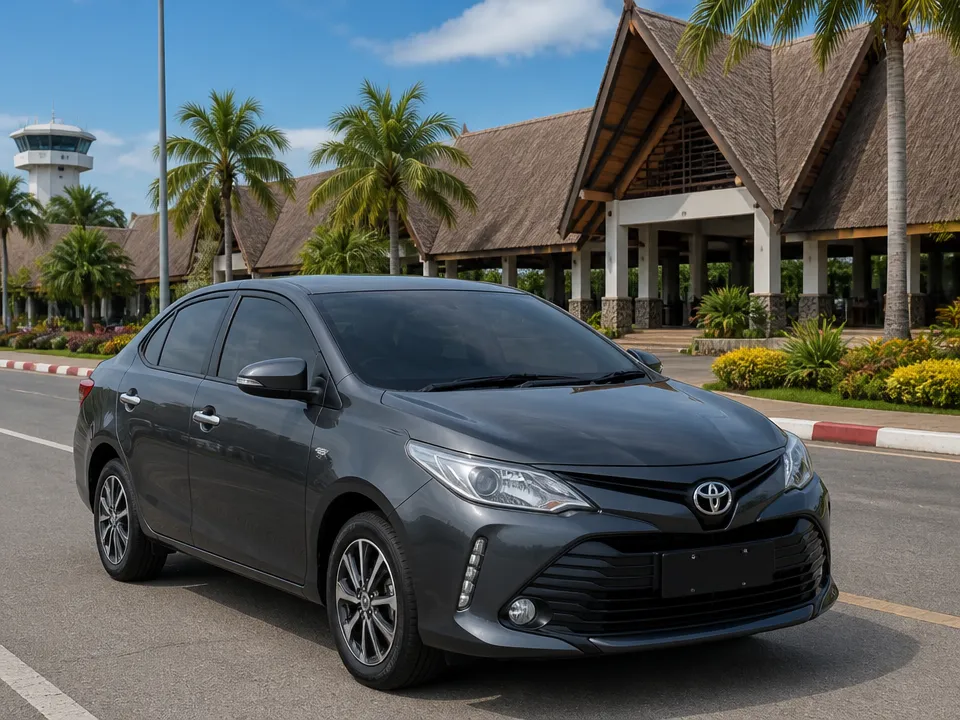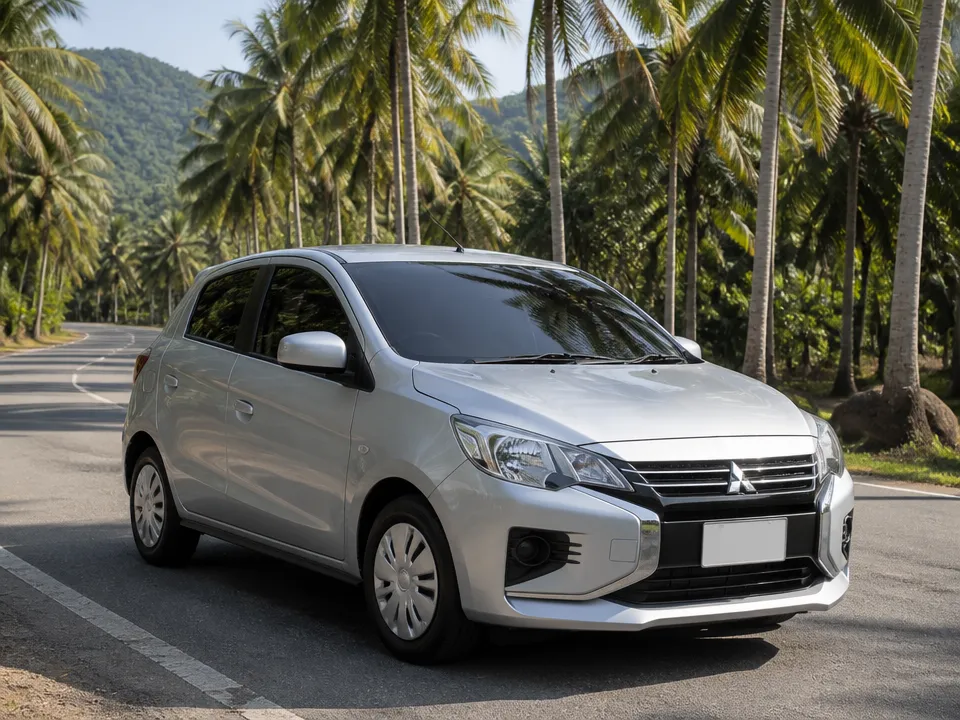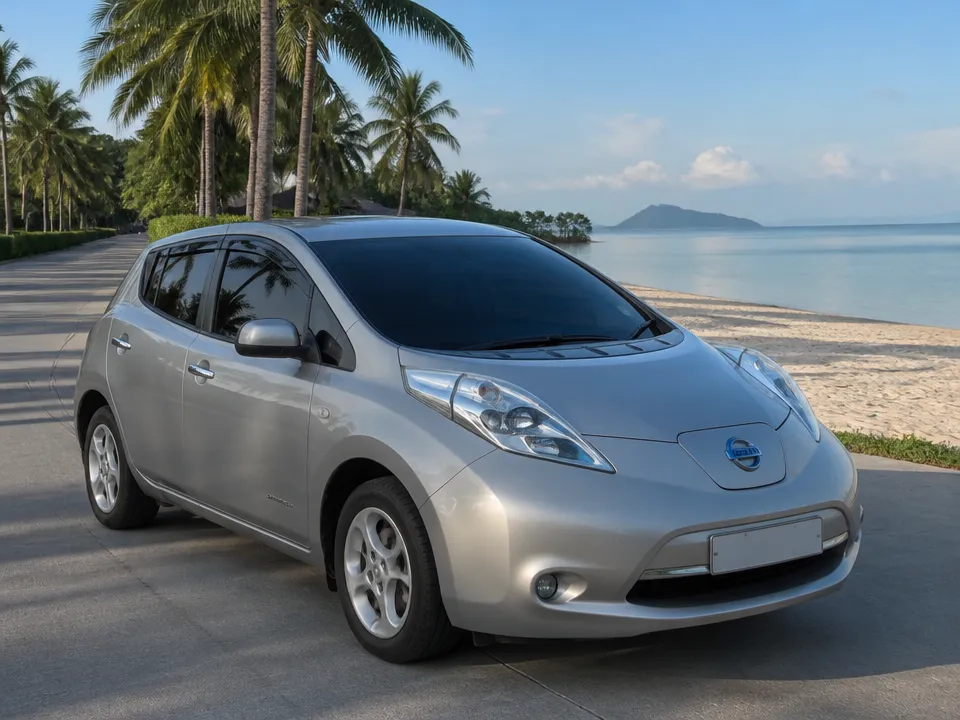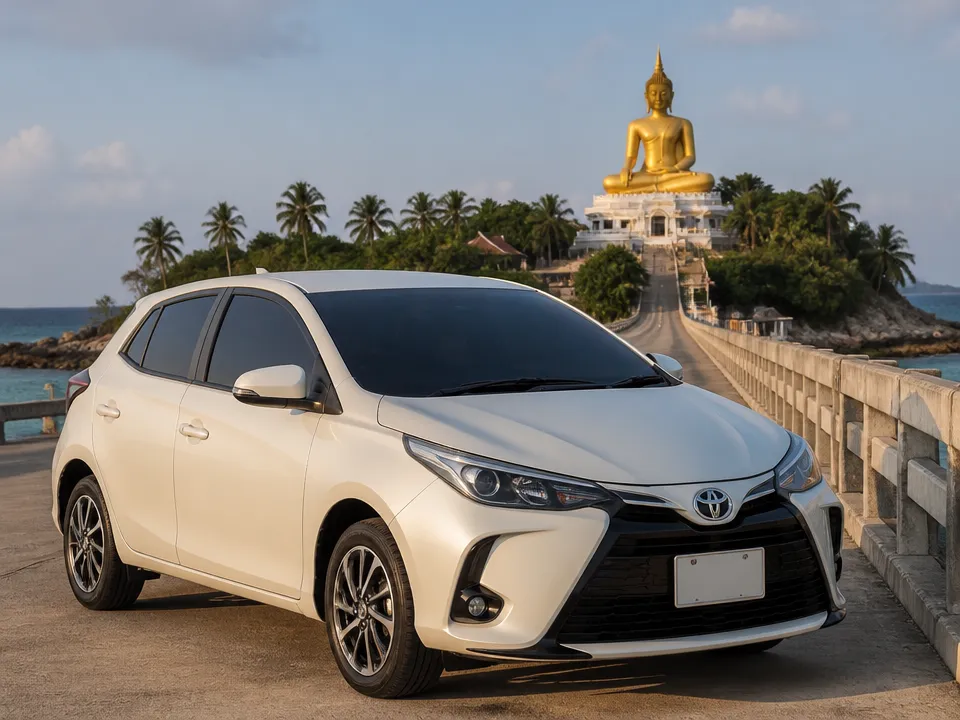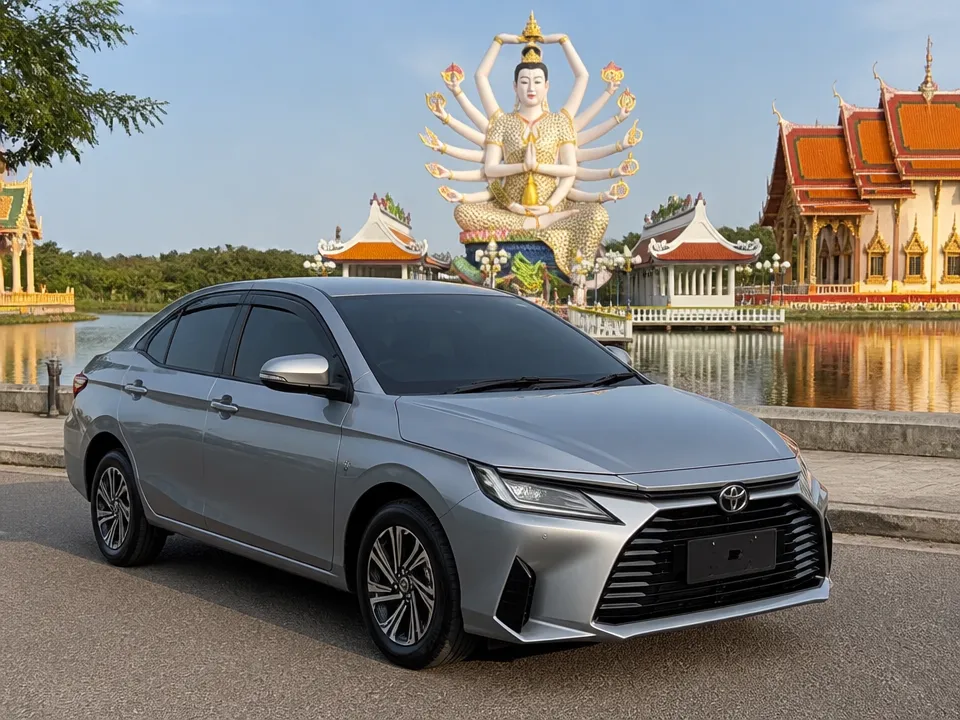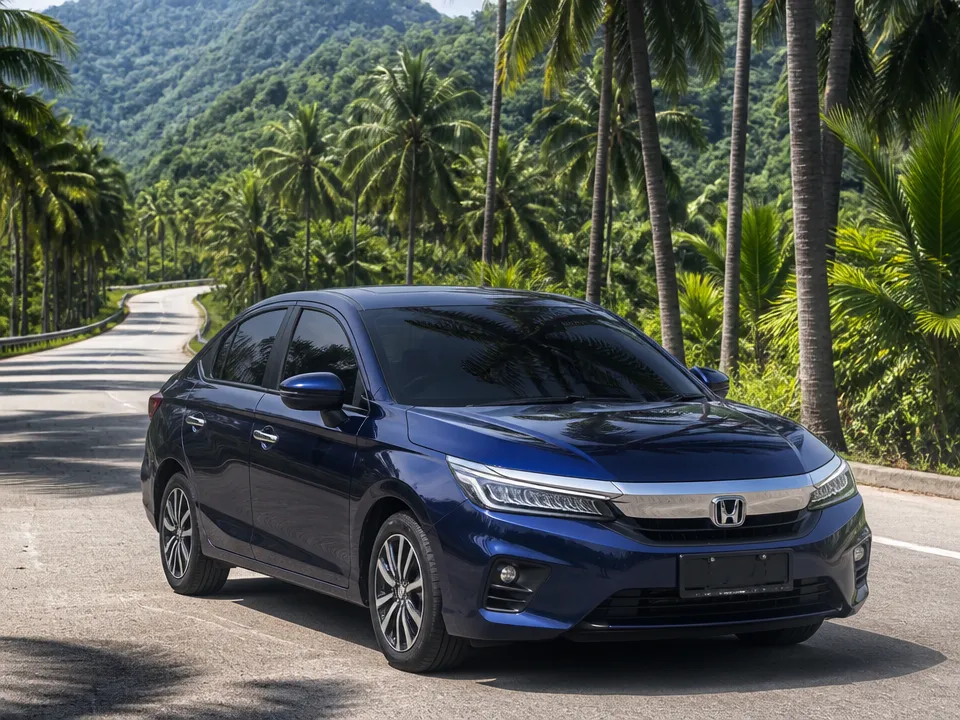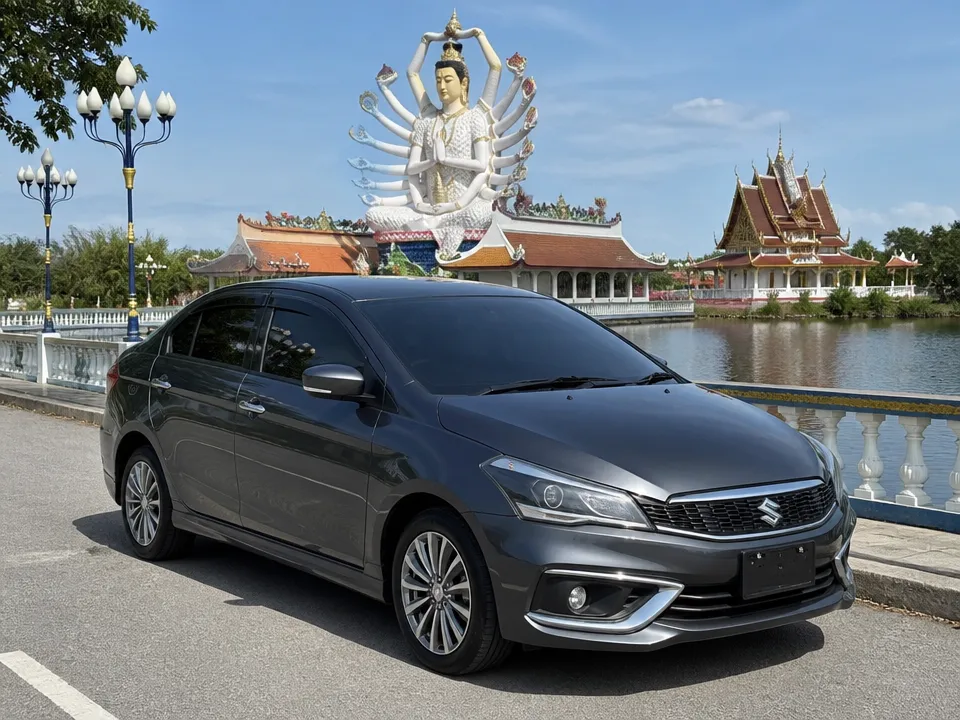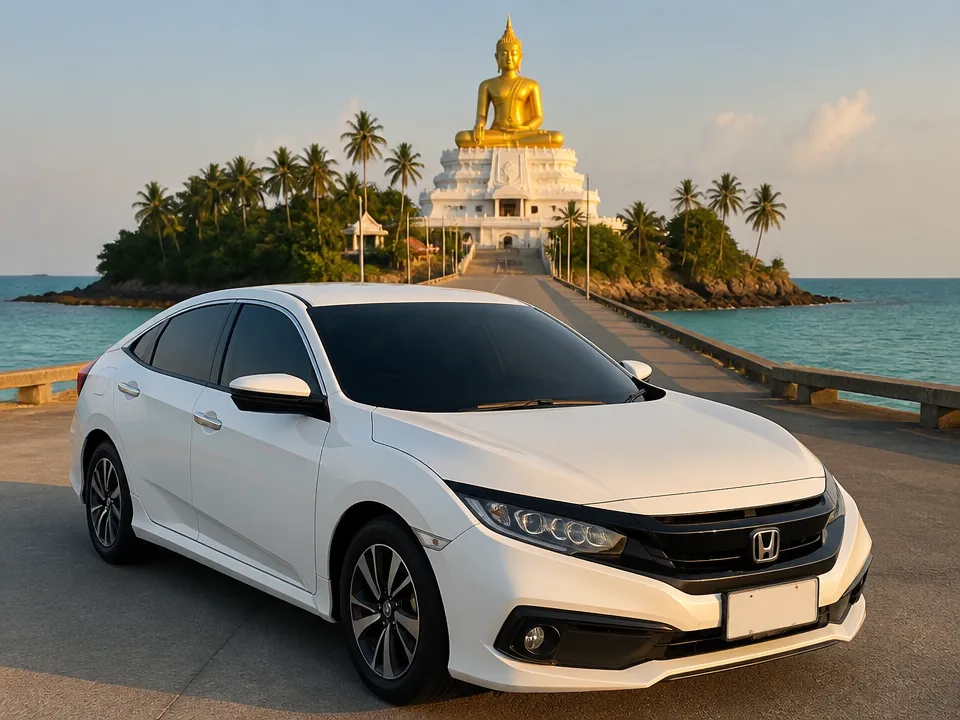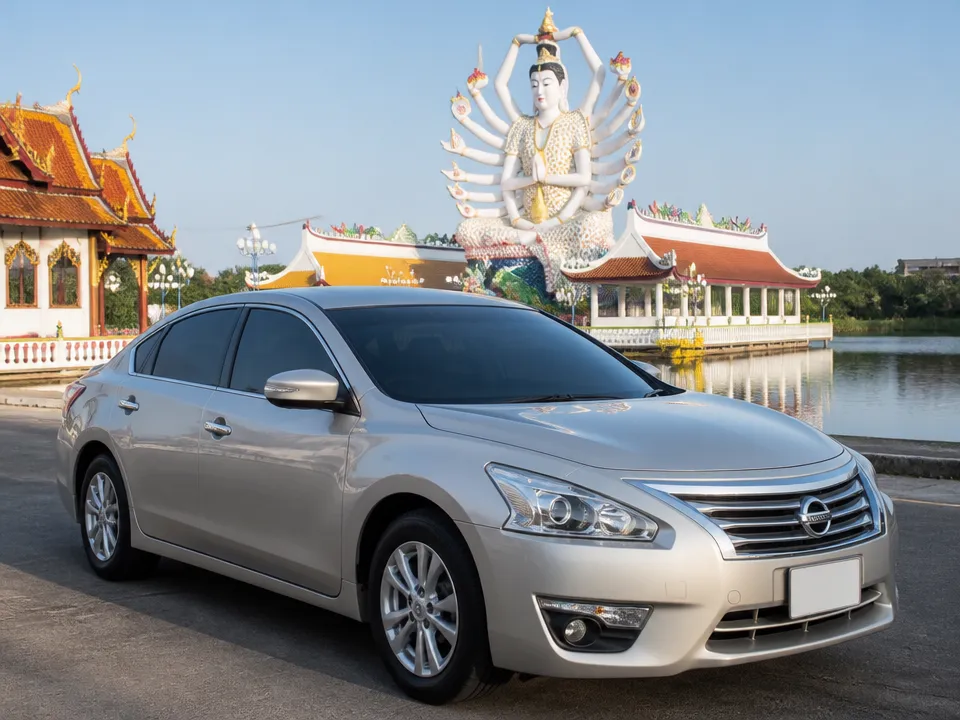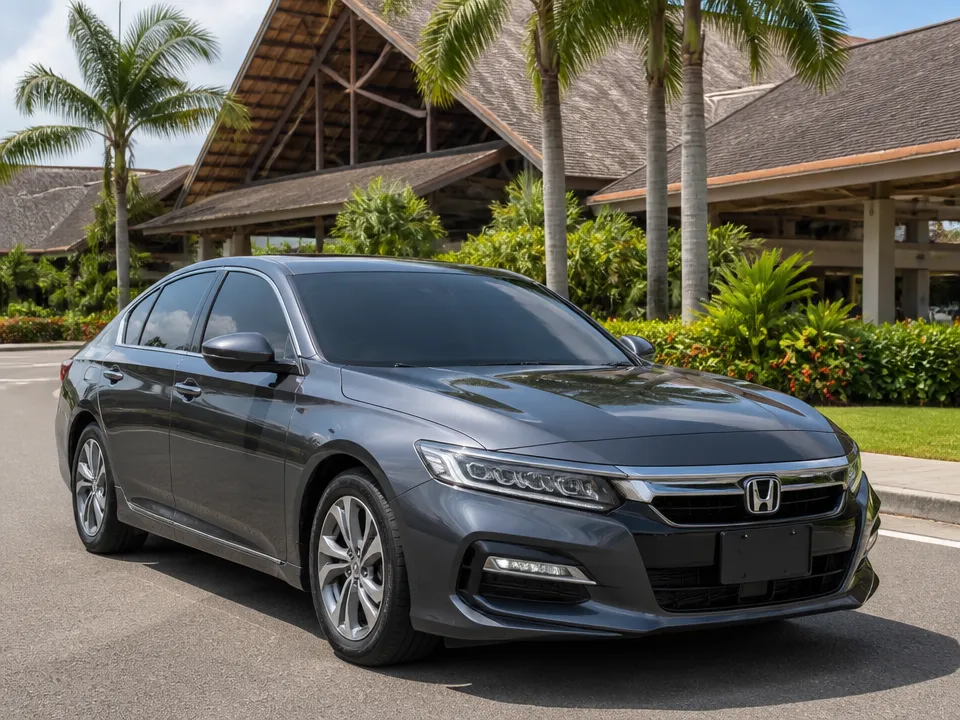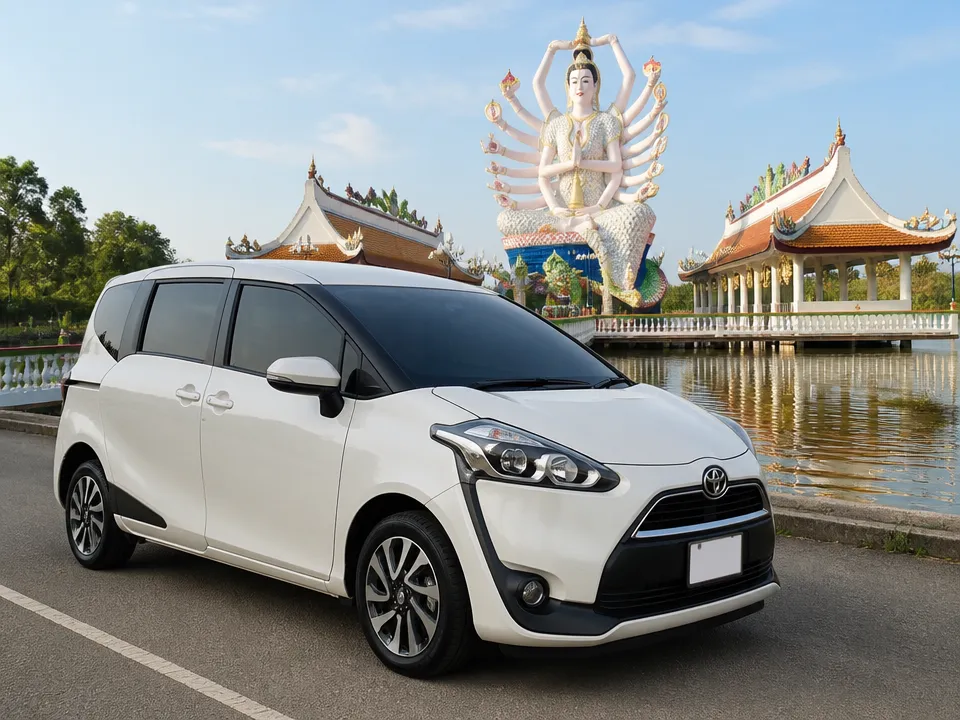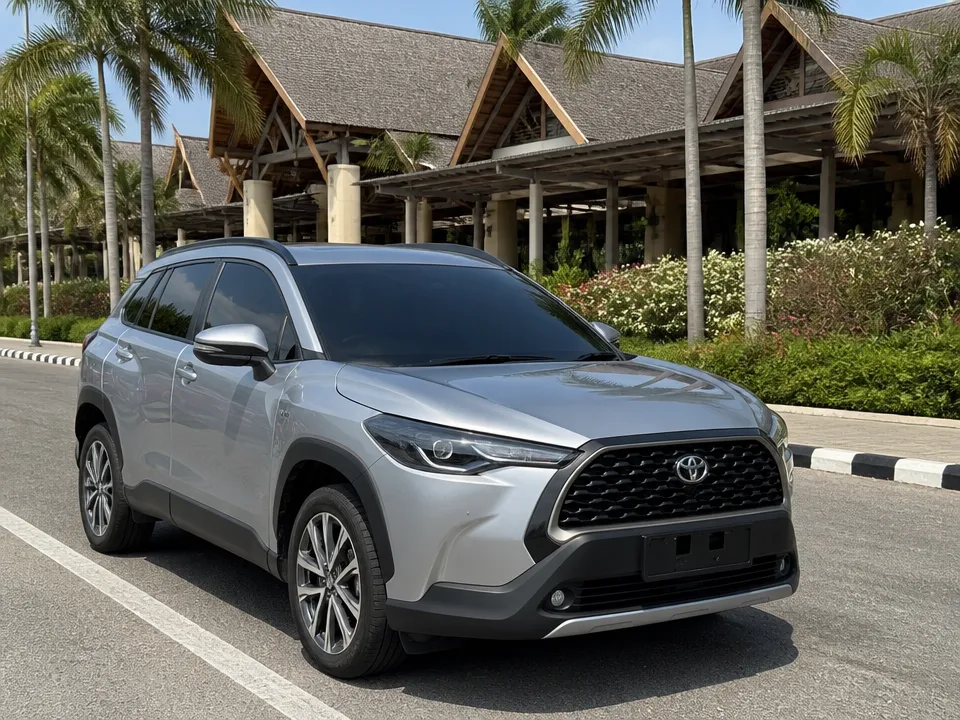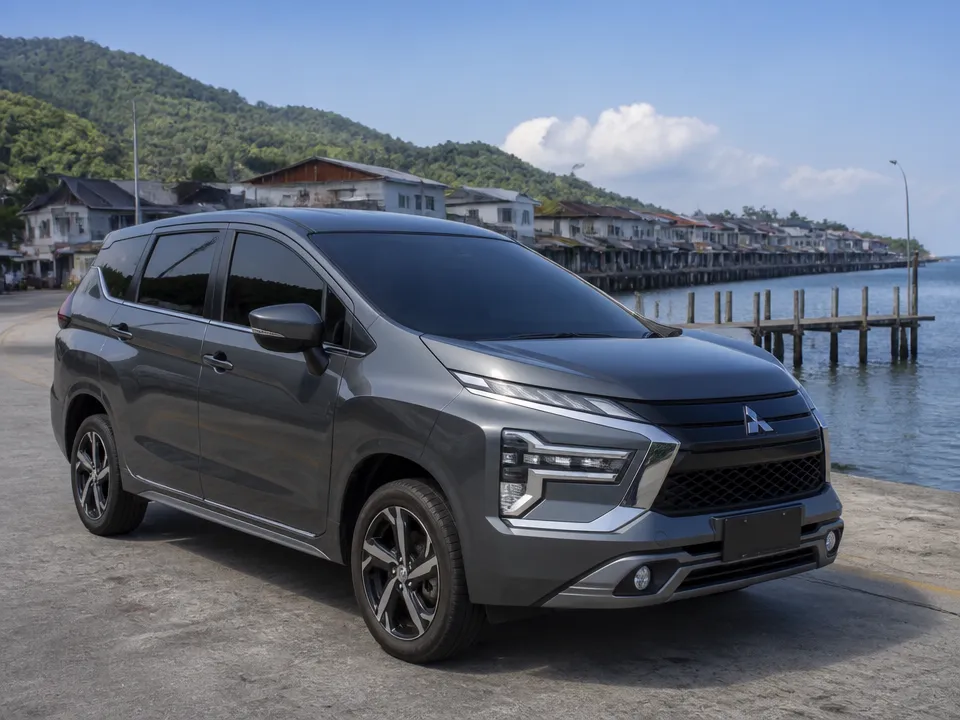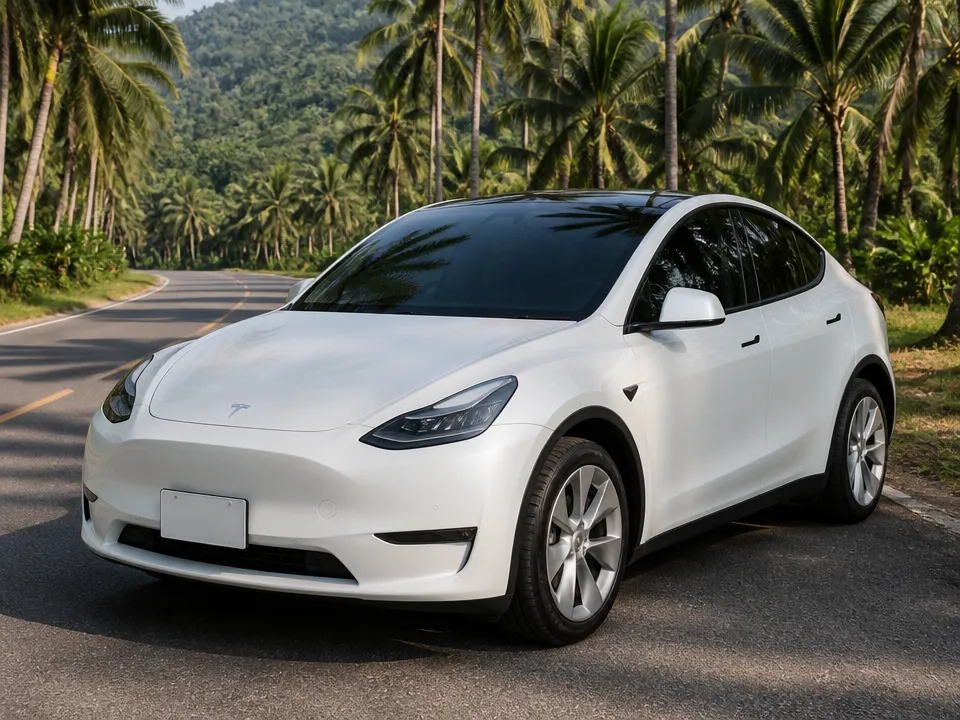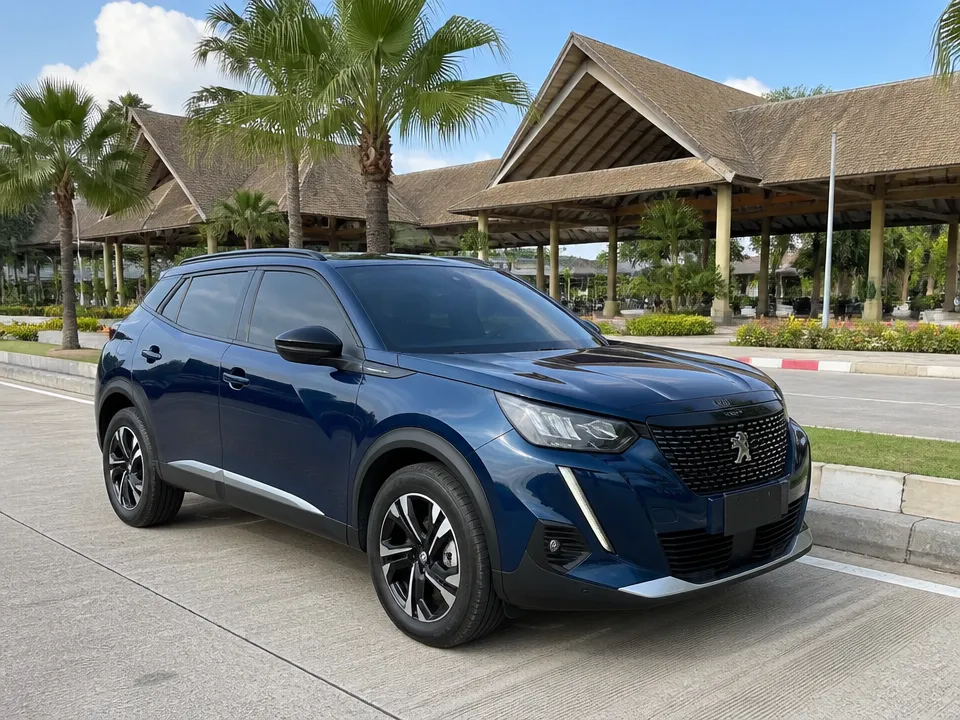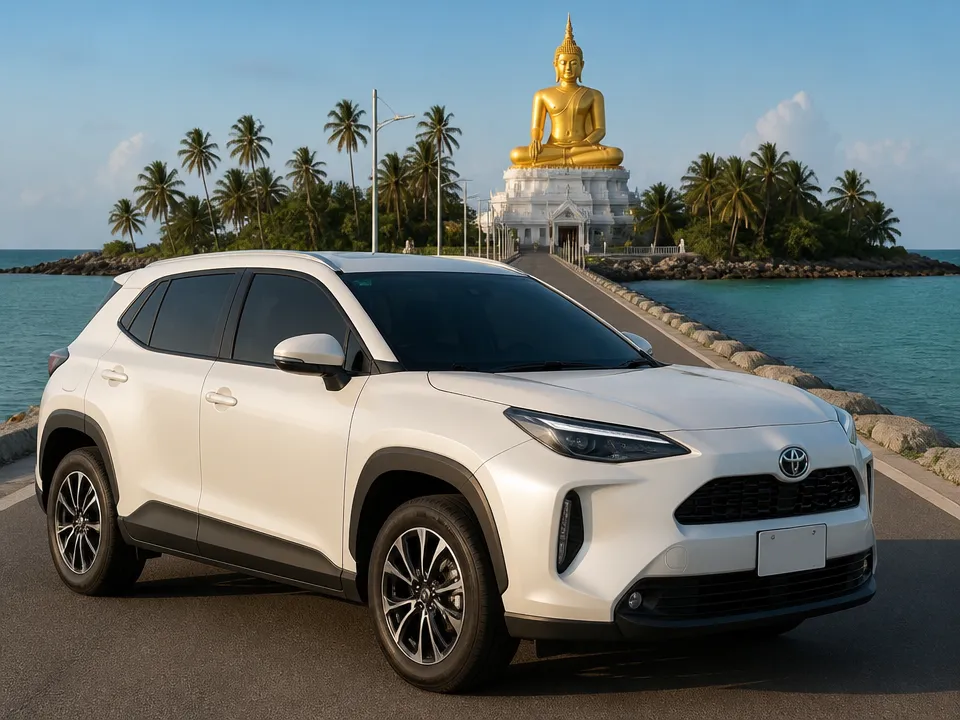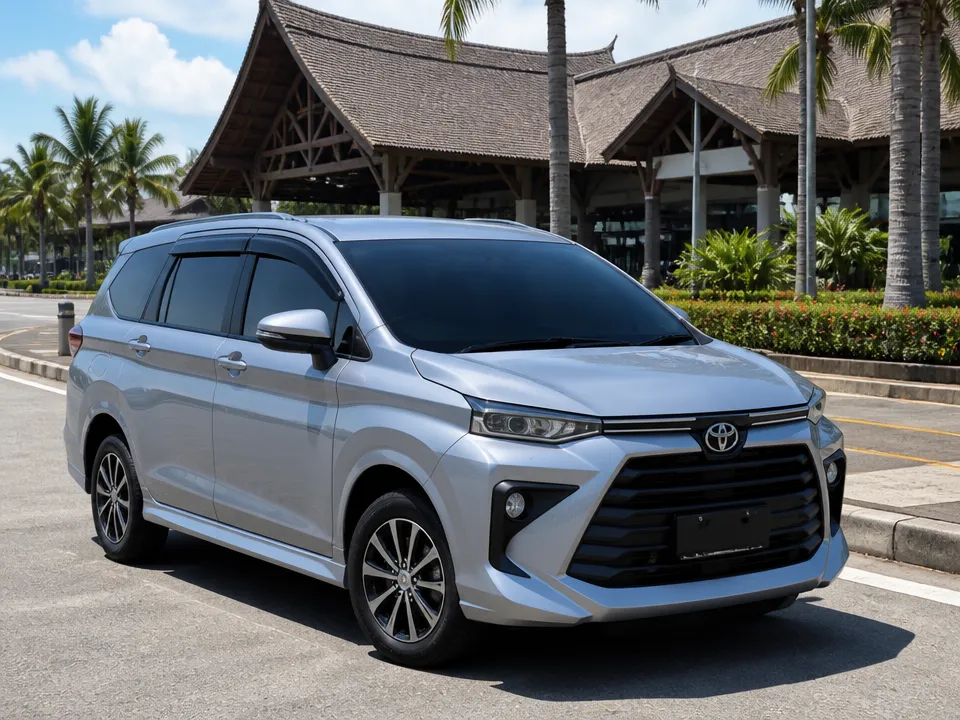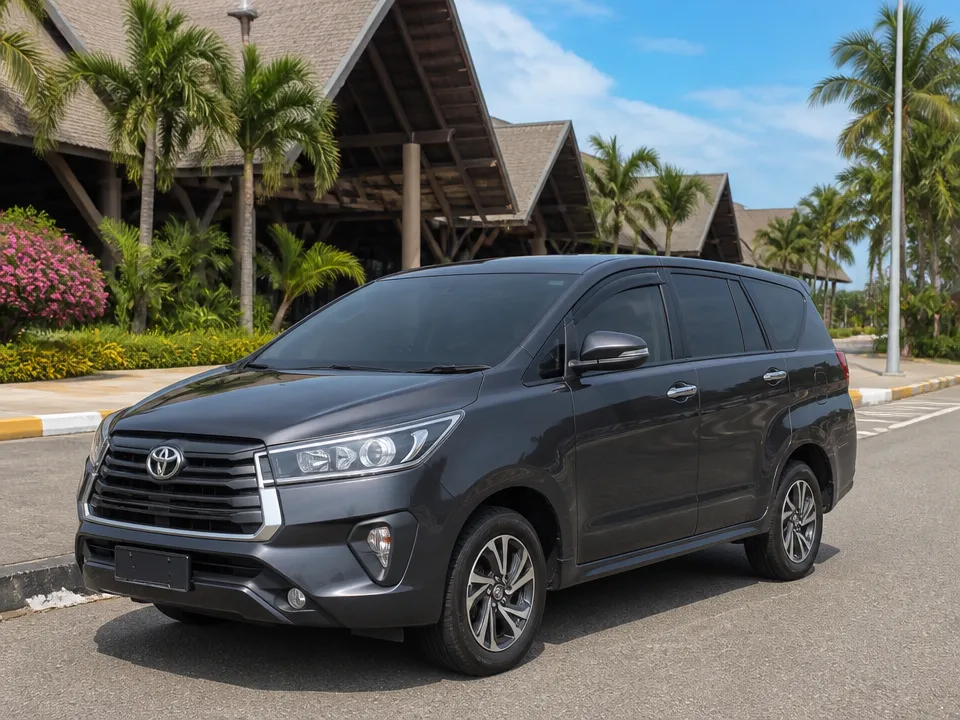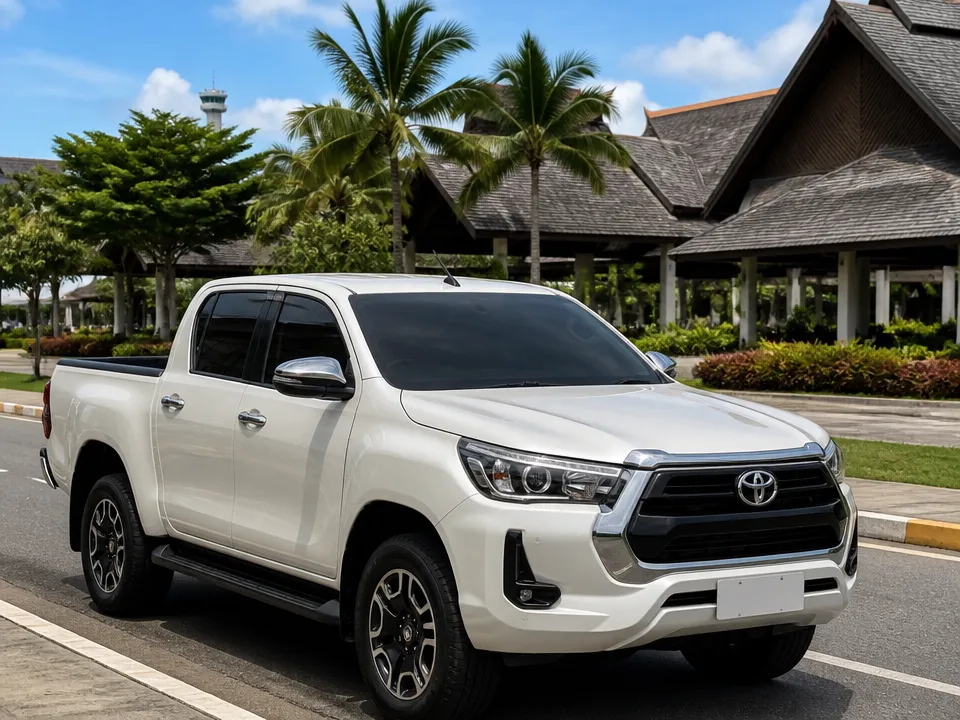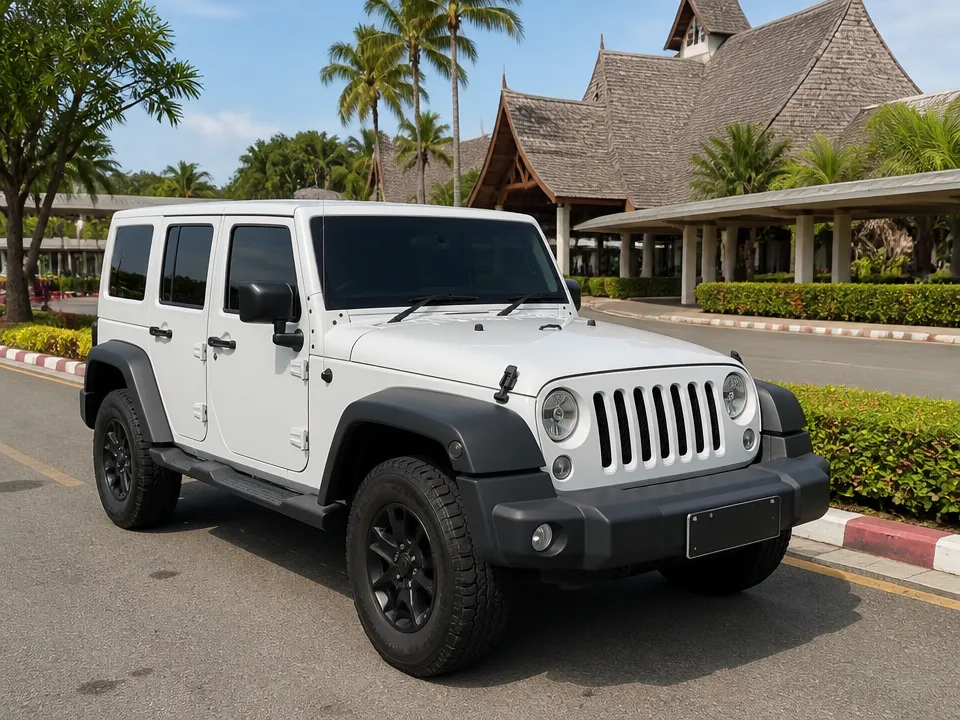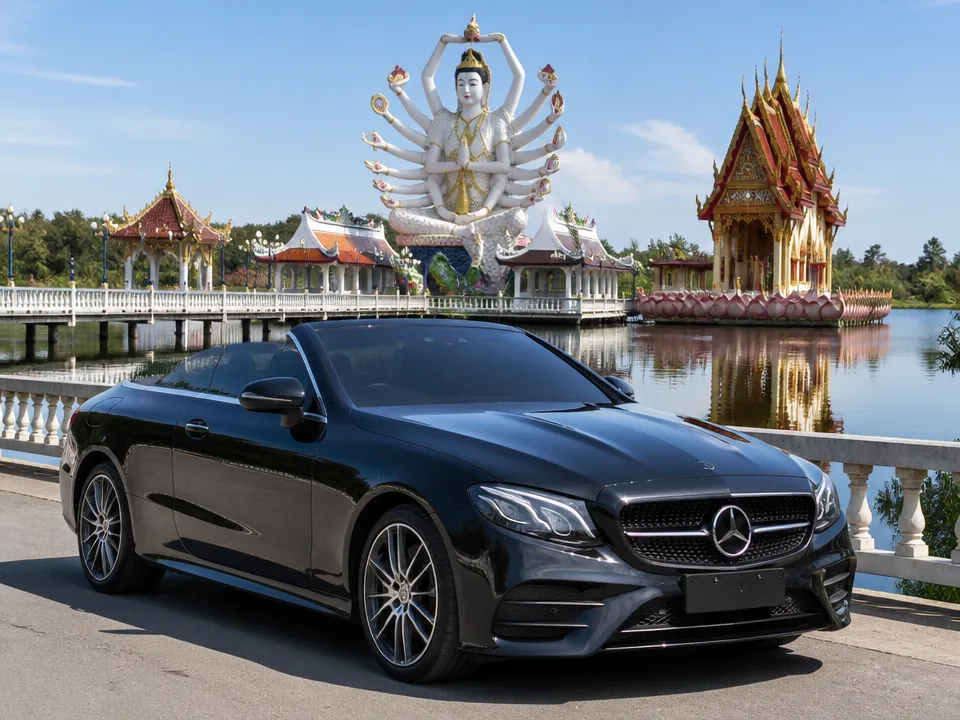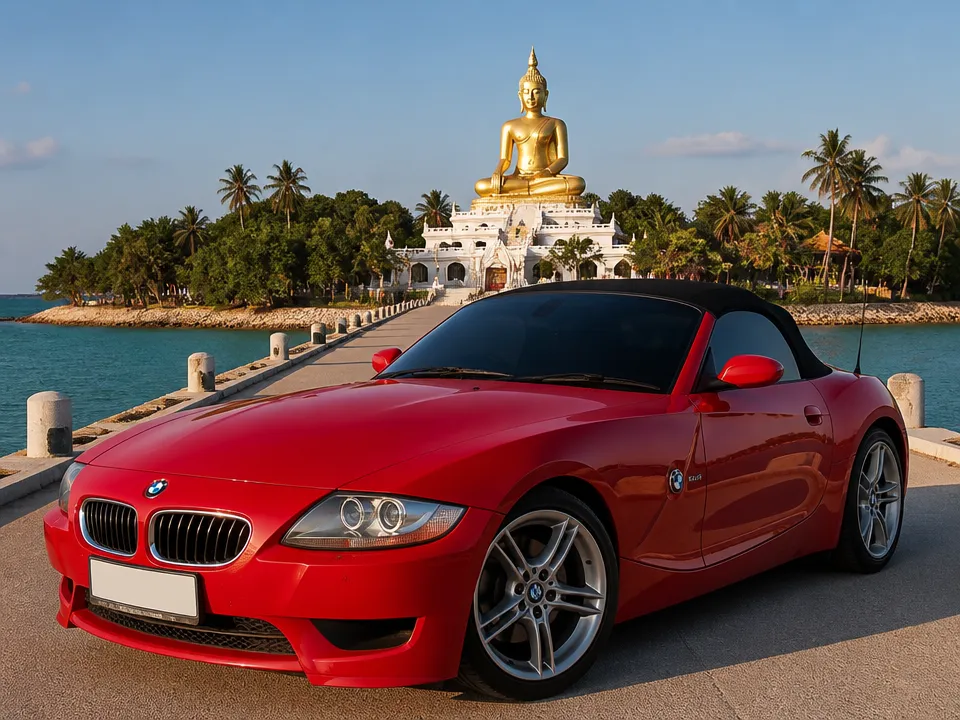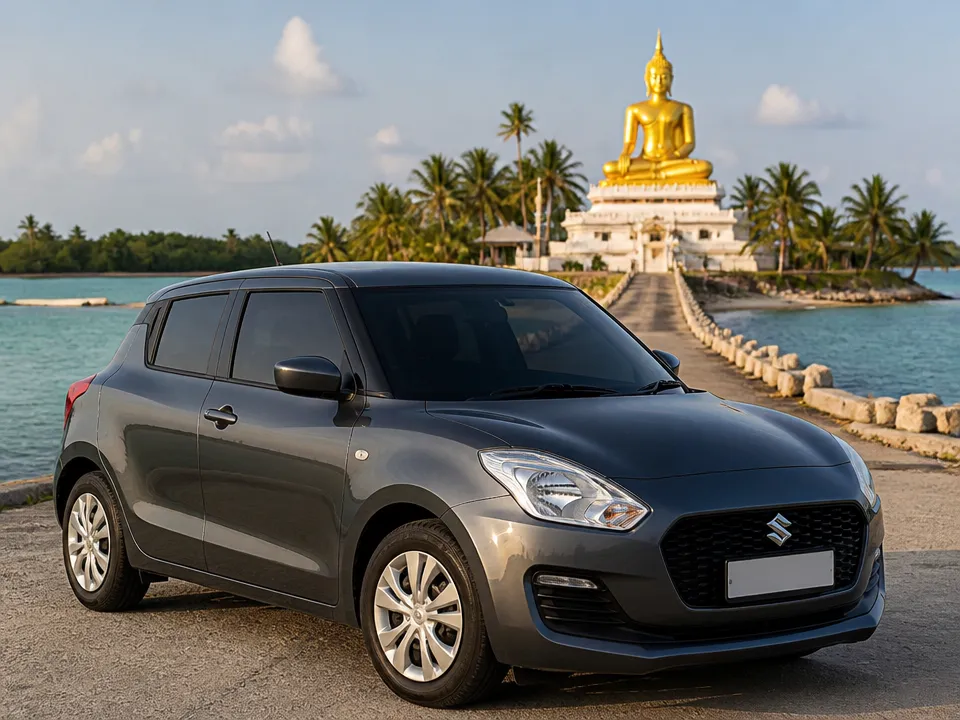
Suzuki Swift, Economy
★5.0· 100Automatic1.2 L83 hpFront-wheel5 seats
฿750per day
Book nowVAT included




VAT included
VAT included
VAT included
VAT included
VAT included
VAT included
VAT included
VAT included
VAT included
VAT included
VAT included
VAT included
VAT included
VAT included
VAT included
VAT included
VAT included
VAT included
VAT included
VAT included
VAT included
VAT included
VAT included
VAT included
VAT included
VAT included
VAT included
VAT included
VAT included
VAT included
VAT included
VAT included
VAT included
VAT included
VAT included
VAT included
VAT included
VAT included
VAT included
VAT included
VAT included
VAT included
VAT included
VAT included
VAT included
VAT included
VAT included
VAT included
VAT included
VAT included
VAT included
VAT included
VAT included
VAT included
VAT included
VAT included
VAT included
No cars match the selected filters. Remove some of the conditions.





This page lists 57 cars. Daily prices here run from ฿750 to ฿10000, with Suzuki Swift at ฿750 per day and Honda Brio and Suzuki Celerio at ฿800 per day.
Thailand's Ministry of Transport states a foreigner drives on a valid Thai licence, a valid International Driving Permit or an ASEAN licence. The document does not state any stay limits.
Filling stations on Koh Samui sell E20, 91 and 95. Payment is usually in cash, as few stations accept cards.
Compulsory insurance comes with every self-drive booking we arrange on Koh Samui, the car is handed over with a full tank, and the delivery address, date and time are agreed with a manager before the booking is fixed. Our fleet here runs to 57 cars, from ฿750 a day, with the car brought to you on the island.
A self-drive car here means the day is built around your own timetable rather than someone else's.
We hand the car to the driver, so the island runs on your schedule, not a driver's. A taxi can only take you where you already decided to go; a car lets you stop at the Na Muang waterfall, the Secret Buddha Garden or a roadside fruit stall because you spotted it. The trade is simple: you drive, you park, you keep the keys.
We deliver to any address on the island and to Samui International Airport (USM). That covers the ferry piers at Nathon and Lipa Noi, the hotels along the west coast, and the airport in Bo Phut — you say where you will be, and the car meets you there.
Rental is available from 1 day, and every car on this page is automatic, so the only new things to learn are left-hand traffic and a right-hand drive.
Nine classes and 57 cars sit behind this page, all automatic and all right-hand drive.
| Class | Cars | From (per day) |
|---|---|---|
| Economy | 14 | ฿750 |
| Electric | 10 | ฿850 |
| Crossovers | 8 | ฿1,350 |
| Minivans | 7 | ฿1,200 |
| SUV & 4x4 | 6 | ฿1,700 |
| Pickup trucks | 5 | ฿1,300 |
| Comfort | 3 | ฿1,000 |
| Premium | 2 | ฿3,500 |
| Convertibles | 2 | ฿8,500 |
Seat counts run 2, 4, 5 and 7, so match the car to the group before you look at the price.
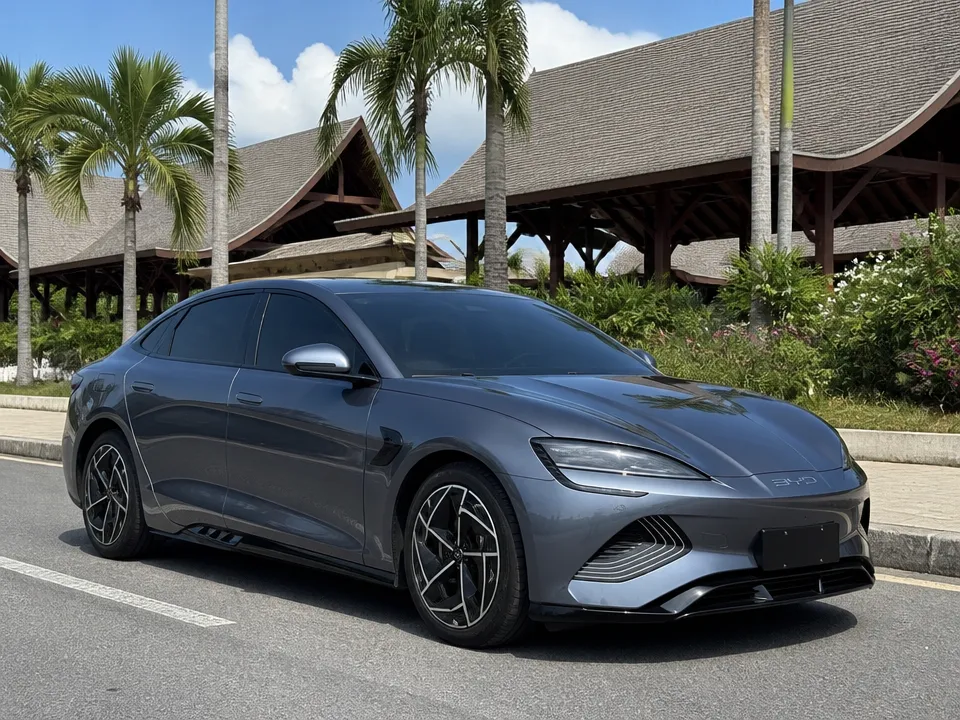
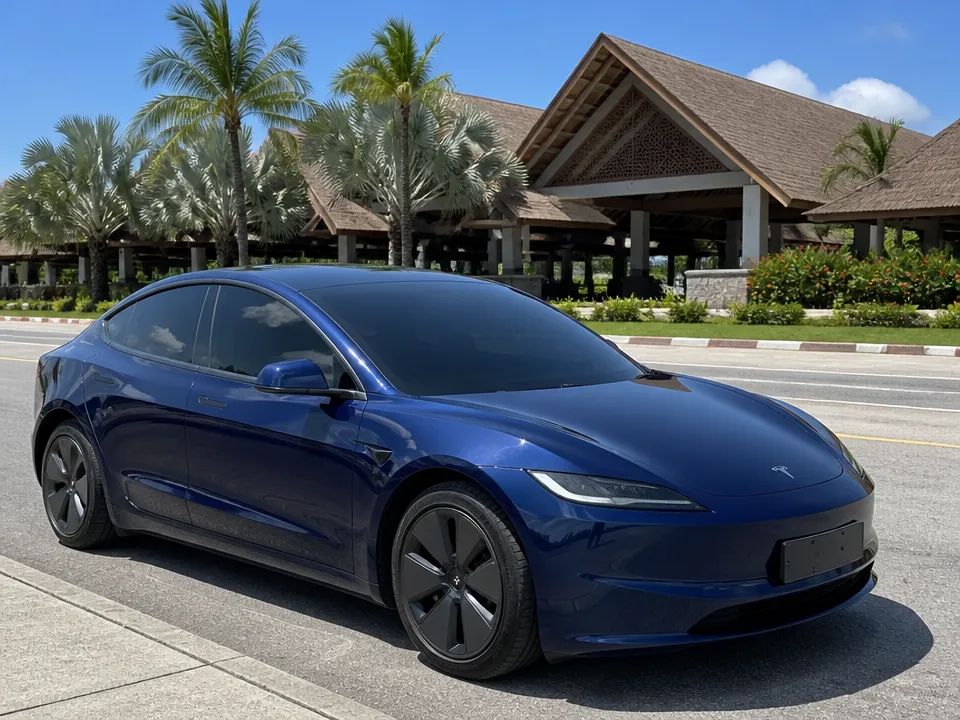
We hold 10 electric cars from ฿850 a day, among them the BYD Dolphin, GWM Ora Good Cat, Nissan Leaf, MG 4 Electric, MG ZS EV, BYD Atto 3, GAC Aion Y, BYD Seal, Tesla Model 3 and Tesla Model Y. Fuel grades on the island are E20, 91 and 95, and most stations take cash — plan a fill before a long loop.
Daily rates on this page run from ฿750 to ฿10,000, and a longer booking is charged at daily × 6 for a week and daily × 21 for a month. The class you pick moves the price more than anything else.
Weekly rates start from ฿4,500 and monthly from ฿15,750, both below the daily rate per day. Take the Economy class: 14 cars from ฿750 a day, which is ฿4,500 for a week and ฿15,750 for a month. Electric sits one step up at ฿850 and up — 10 cars, including the BYD Dolphin and the Nissan Leaf. Crossovers start at ฿1,350 across 8 cars, Minivans at ฿1,200 across 7, Pickup trucks at ฿1,300 across 5, SUV & 4x4 at ฿1,700 across 6, Comfort at ฿1,000 across 3, Premium at ฿3,500 across 2, and Convertibles at ฿8,500 across 2. Multiply your chosen daily rate by six and you have the week.
VAT 7% is included in the prices shown, and every car is automatic. The rates above are the whole of what you pay for the car itself. Anything beyond that — the security hold on a bank card in the main driver's name, the insurance excess, a delivery fee if one applies, and the terms of Class 1 cover — is set out in the rental agreement, and the delivery fee, if any, is agreed when booking. We do not quote those as numbers on this page.
If you land here with a booking already agreed, the hand-over starts straight away rather than a search along the waterfront.
Raja Ferry Port runs the Don Sak–Lipa Noi crossing in about 1 hour 30 minutes, with departures every hour from 05:00 to 19:00 in both directions. Tell the manager your sailing number rather than a clock time if you are unsure.
The police fine for driving without a valid permit runs ฿500–1,000, and an insurer may refuse a claim.
The ring road around the island is 51 km and links Nathon, Lipa Noi, Lamai, Chaweng, Bophut and Maenam, so a car turns the whole coast into one run. Fuel grades at island stations are E20, 91 and 95, most stations take cash only, and the tank comes full — fill before a long loop rather than mid-way. The square blue tax tag on the windscreen carries the year in the Buddhist calendar, 543 years ahead of the Gregorian one; a rental car should have the current one. Check it, and the spare, before you leave the pier.
The ring road is 51 km and links every resort on the coast — Nathon, Lipa Noi, Lamai, Chaweng, Bophut and Maenam all sit on it. A car turns that circle into a single unhurried afternoon.
The surface is a mix: potholes, sometimes deep ones, standing water after rain, and oil patches left by refuse trucks. Animals wander onto the tarmac. Speed limits are the national ones: 80 km/h in built-up areas and 90 km/h outside them, and there are no motorways or divided four-lane highways here, so the higher national limits never apply. Driving on the left, in a right-hand-drive car, is the one habit to unlearn before you pull out of Nathon.
October to December is the wet stretch: November alone averages 444.6 mm across 16.5 rainy days, and the middle of October through early December brings the heaviest falls of the year. That means flooded sections of road and slick asphalt, so leave more space than you would at home. Fuel is straightforward — stations on the island sell E20, 91 and 95, but most take cash only, so keep notes in the car. Two rules worth knowing before you set off: everyone in the car wears a seatbelt, including the back row, and children under six need a TISI-standard child seat, with a fine of up to ฿2,000 for going without. Parking against a red-and-white or yellow-and-white kerb is a fine too. If a speed camera catches the car, the notice goes to the registered owner and is re-invoiced to the renter — so tell your manager if you think you were flashed.
Every driver needs a home licence plus an International Driving Permit, and the police fine for going without one runs ฿500–1,000. We check nothing at the roadside — that is the officer's job — so read this part before you take the keys.
Two things matter on the island. The first is the square blue tax sticker on the windscreen: its year follows the Buddhist calendar (Gregorian plus 543) and must be current. The second is compulsory motor insurance, Por Ror Bor, which covers injury to third parties and comes attached to every registered car. Neither replaces first-class cover: Class 1 insurance handles damage to the car itself, and its terms and the excess are set out in the rental agreement.
The agreement itself is written in Thai and, since 30 December 2025, is a contract controlled by the OCPB — all fees and penalties are disclosed in it. What we cannot state here is the deposit, the excess or the young-driver conditions: those sit in the agreement, and the terms for premium classes are agreed when booking.
You tell us the dates, the delivery address and the car class you want; we confirm availability and agree the address, date and time before the booking is fixed. That matters on an island where the ferry from Donsak docks at Lipa Noi and a delayed crossing shifts everything after it.
We ask for the address and a landmark.
The security hold is taken on a bank card in the main driver's name; the amount is set out in the agreement. Minimum driver age is 21, and conditions for drivers under 25 and for premium classes are also set out in the agreement.
Since 30 December 2025 a car rental agreement in Thailand is a contract controlled by the OCPB, written in Thai with all fees and penalties disclosed in it.
Two things decide whether a booking runs smoothly: the delivery details and the documents. Both are agreed with a manager before the booking is fixed, and neither is something we leave for the day the car arrives.
The minimum driver age is 21, and the conditions for drivers under 25 and for premium classes are set out in the agreement. Traffic keeps to the left and every car is right-hand drive, so the first few kilometres take more attention than usual. Compulsory motor insurance (Por Ror Bor) is attached to every registered car and covers injury to third parties; first-class insurance covers damage to the car, and its terms and the excess are set out in the rental agreement.
One practical note from our side: tell the manager your ferry time rather than a rough hour. Raja Ferry runs every hour from 05:00 to 19:00, about 1 hour 30 minutes from Don Sak to Lipa Noi, and a boat that leaves late shifts everything after it.