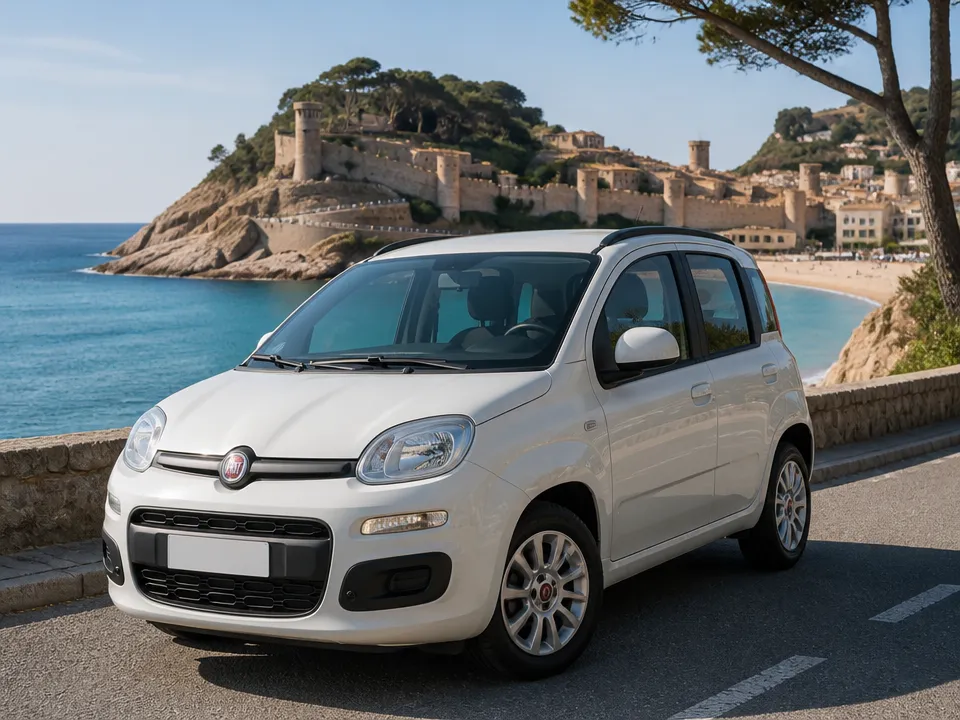
Fiat Panda
★4.5· 53Manual1.0 L70 hpFront-wheel5 seats
€24per day
Book now






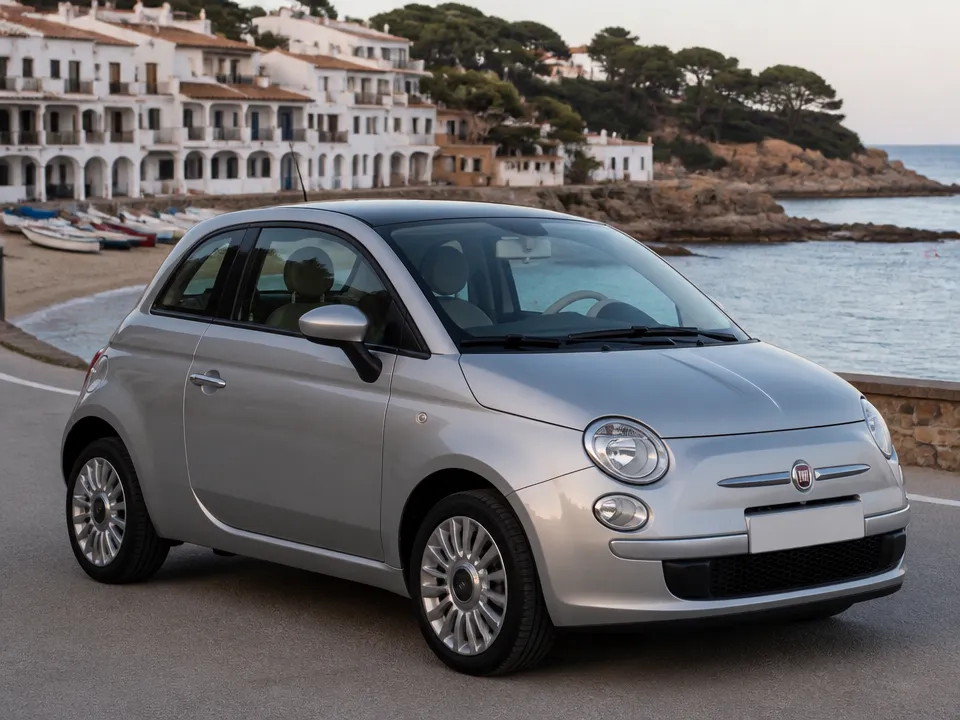
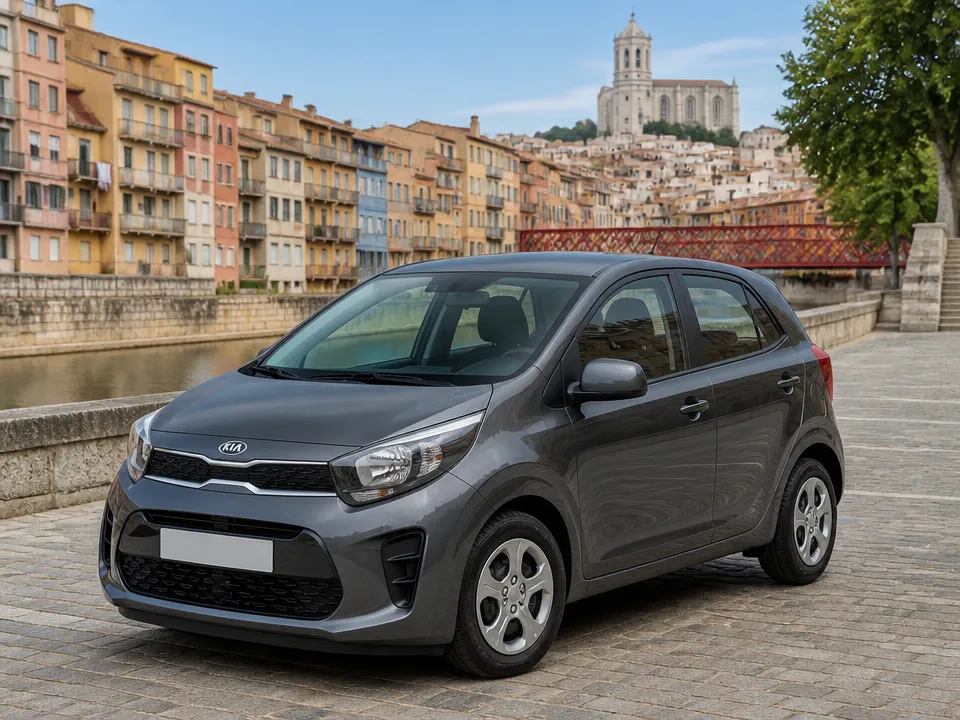
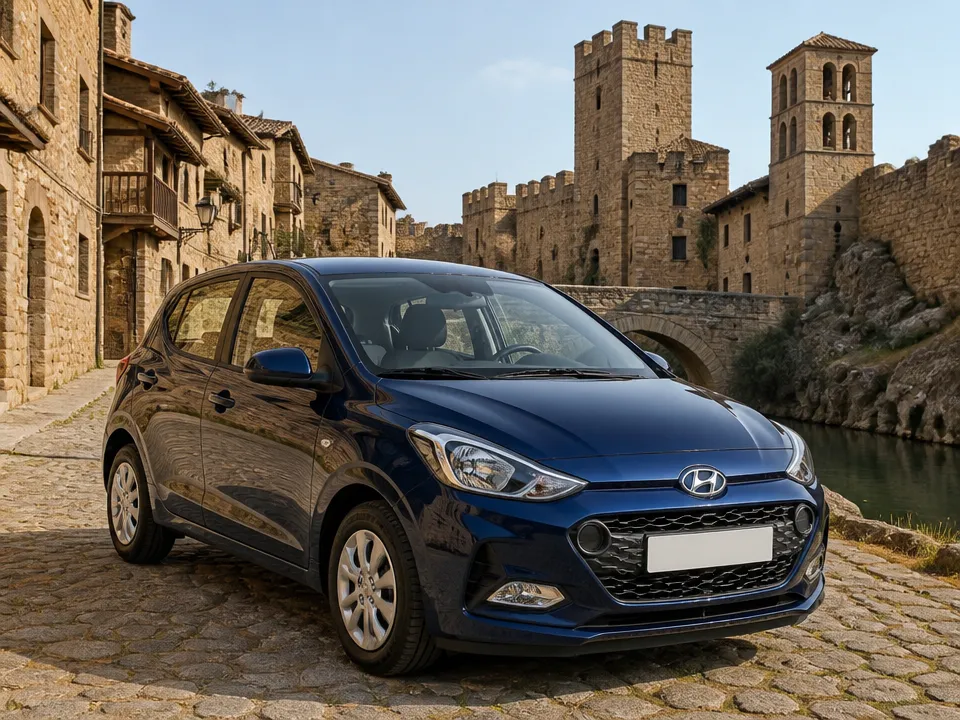
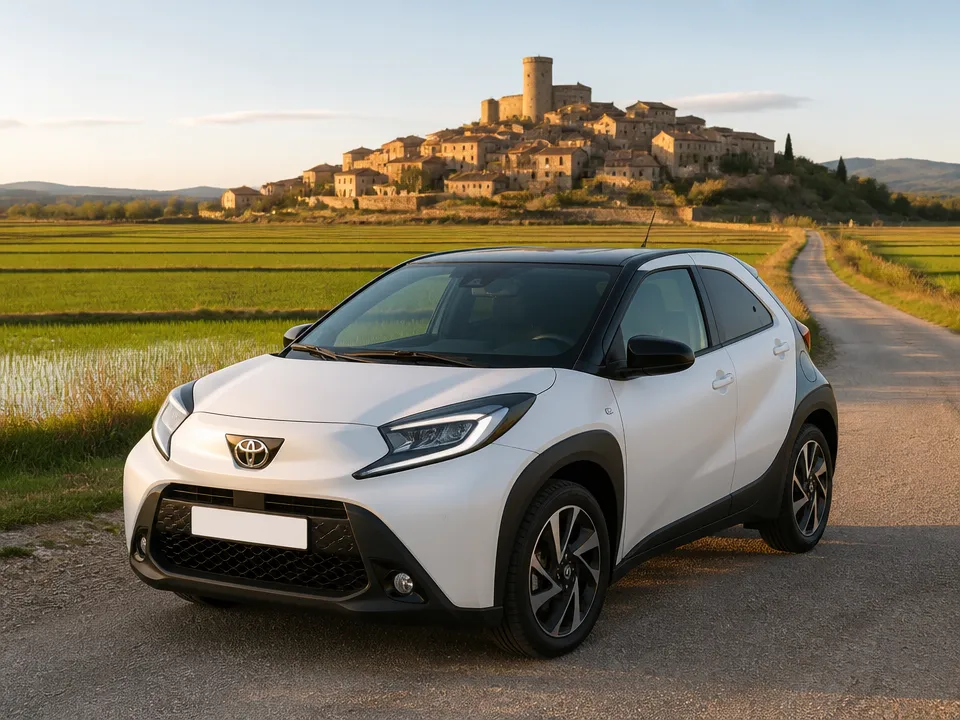
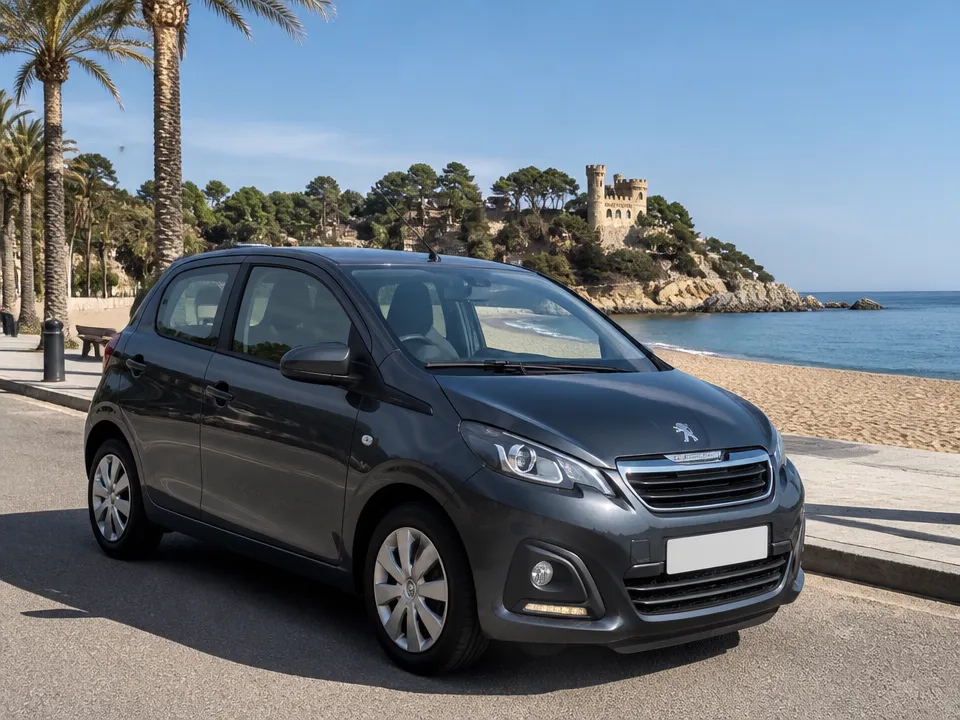
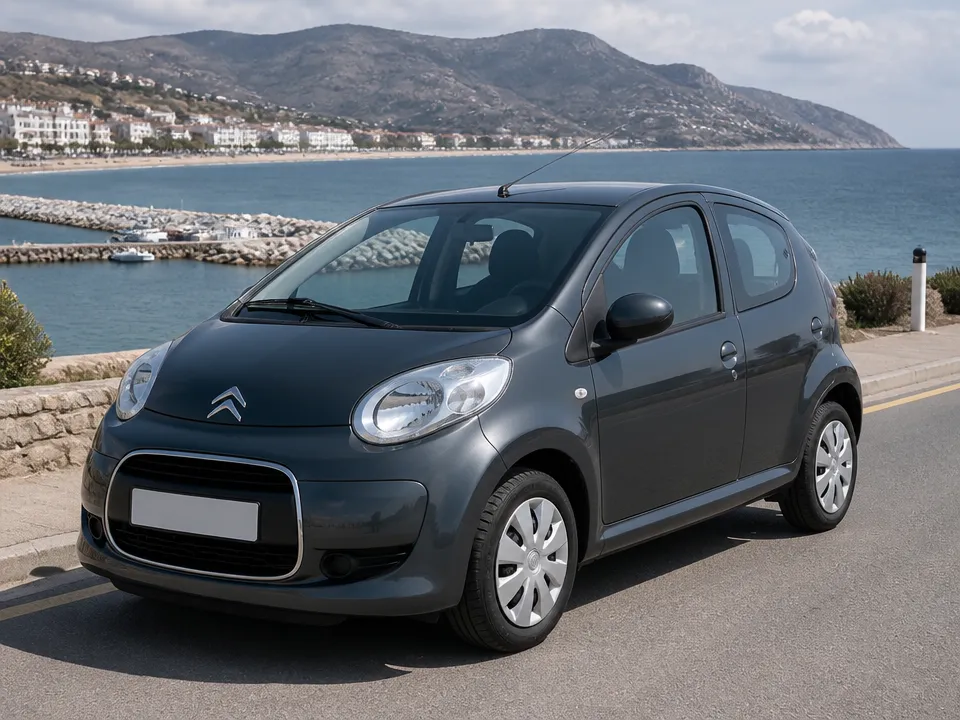
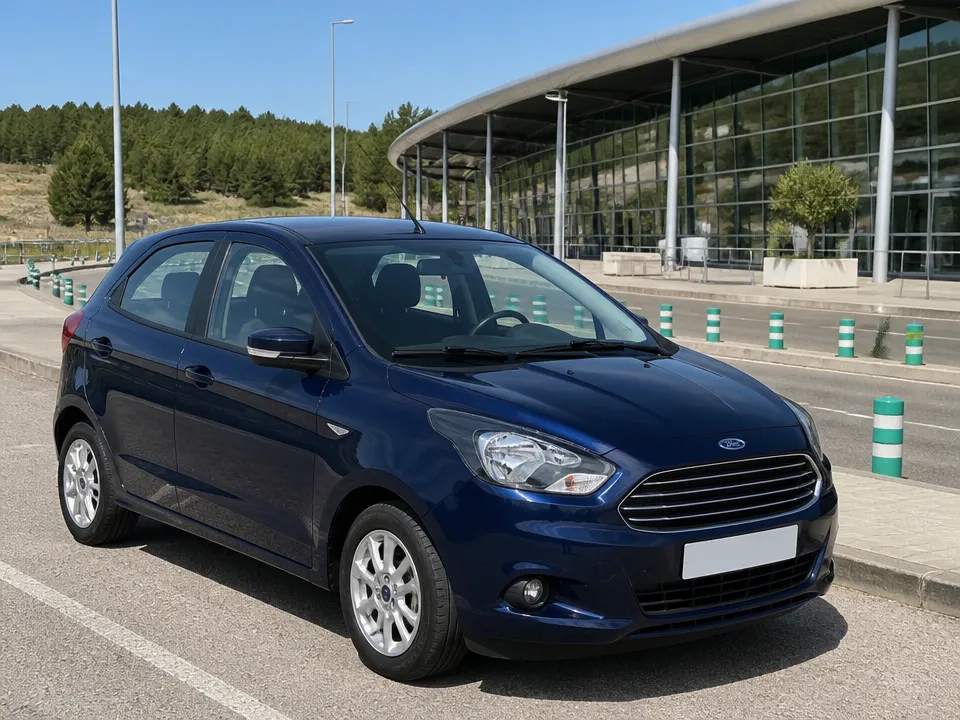
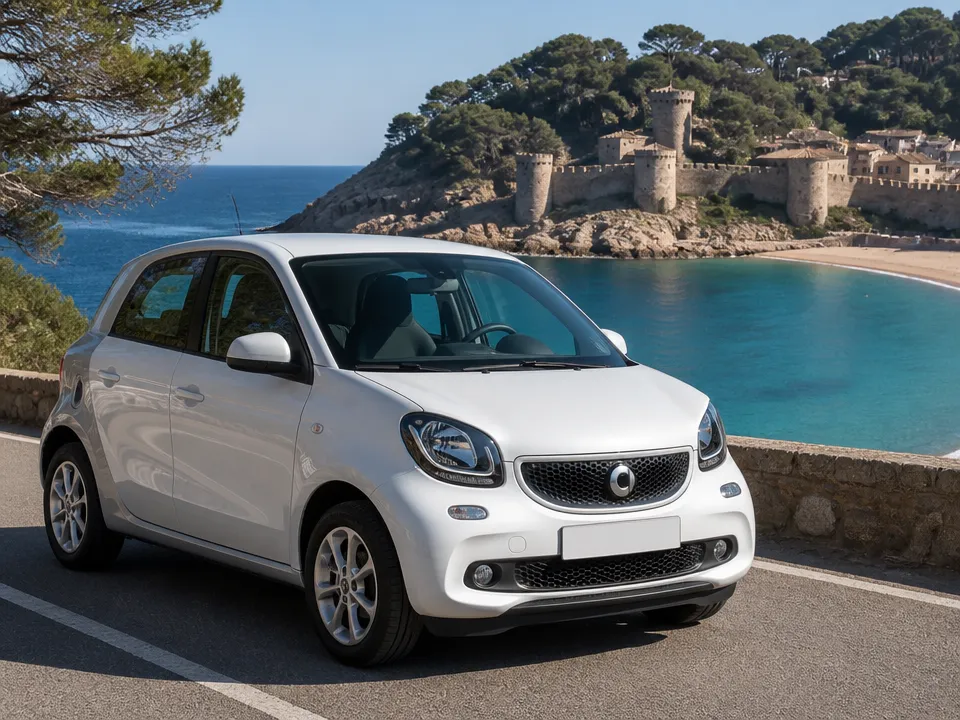
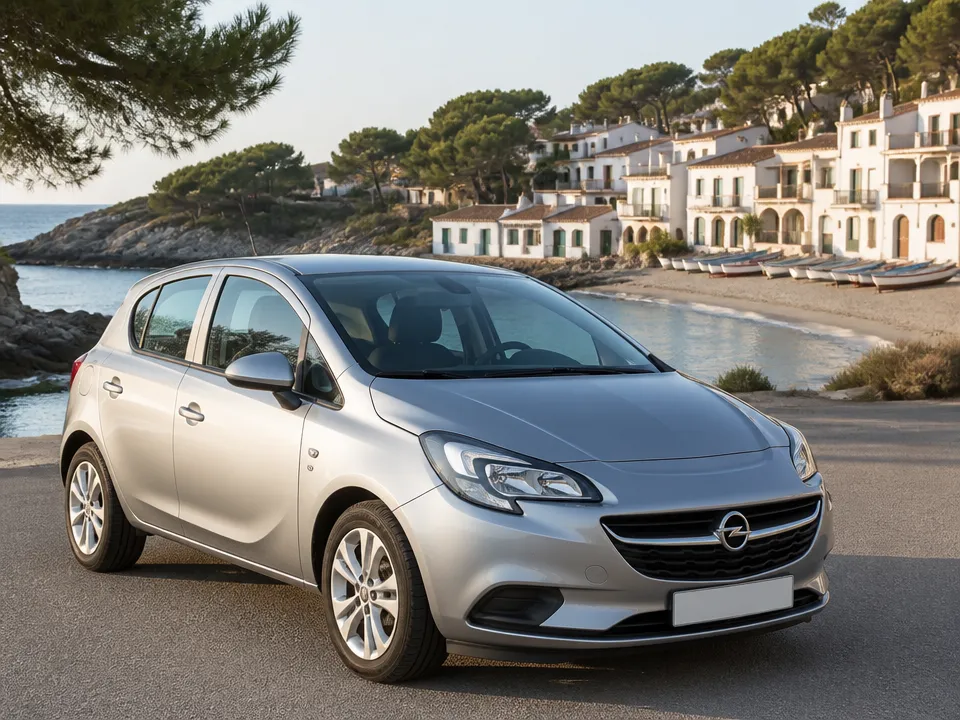
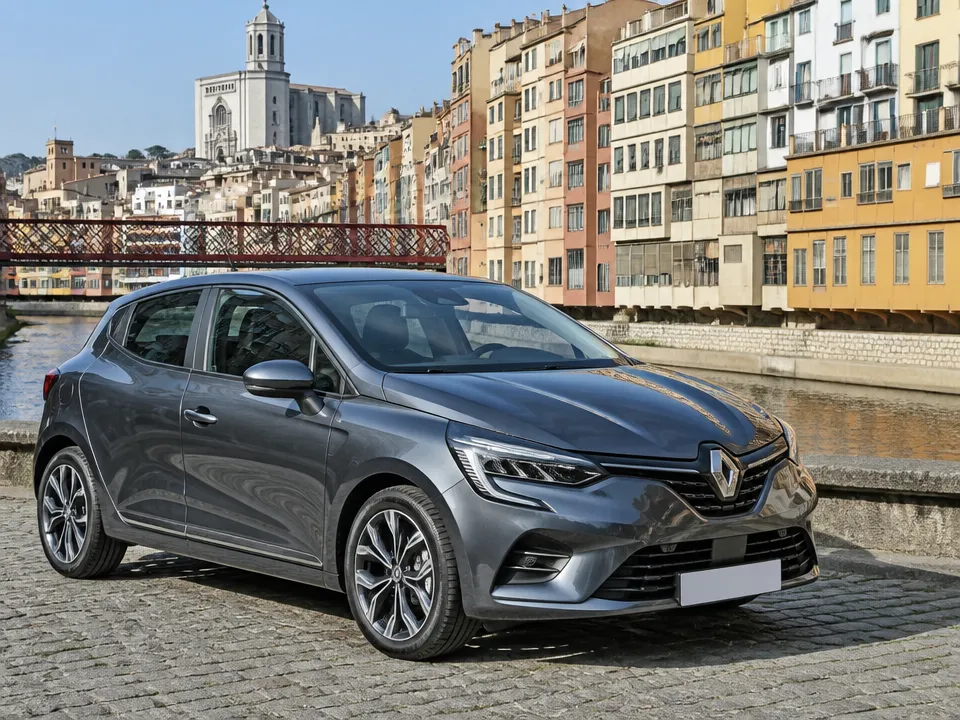
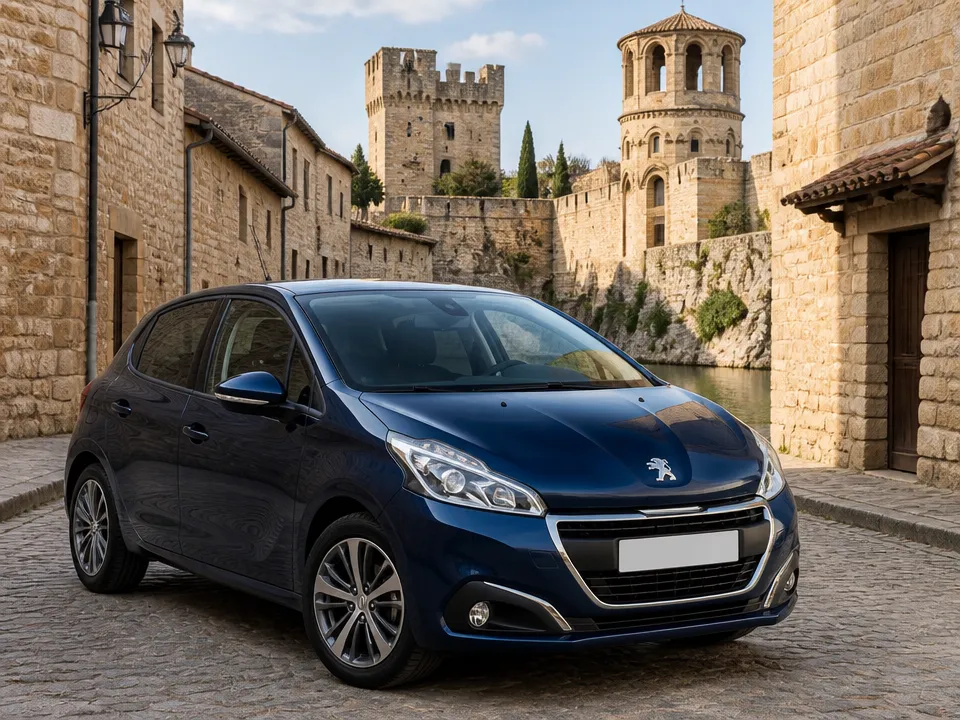
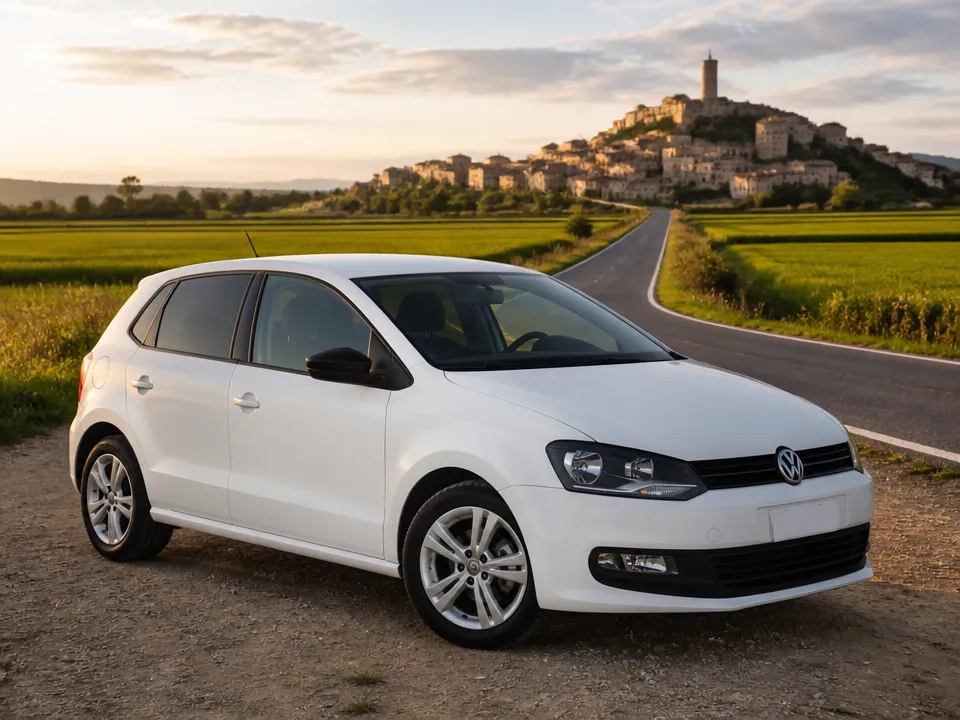
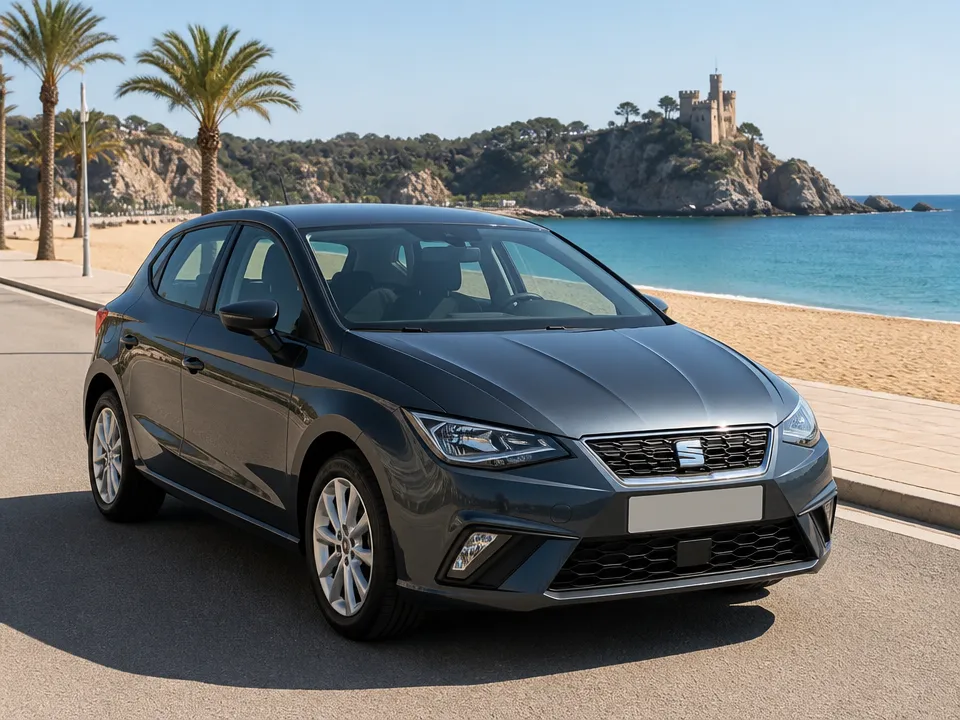
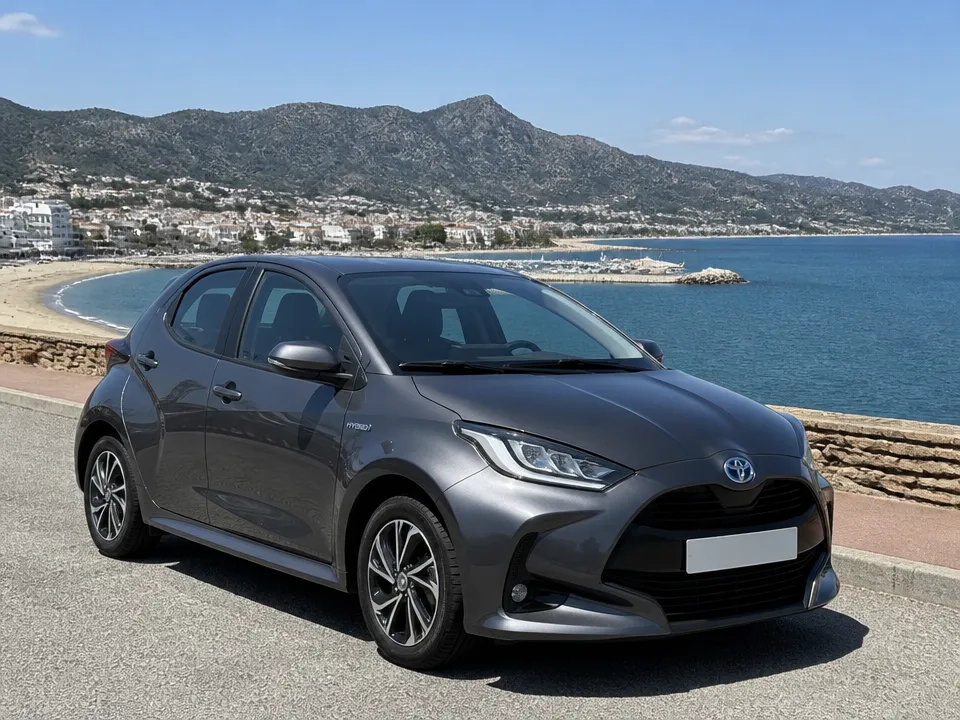
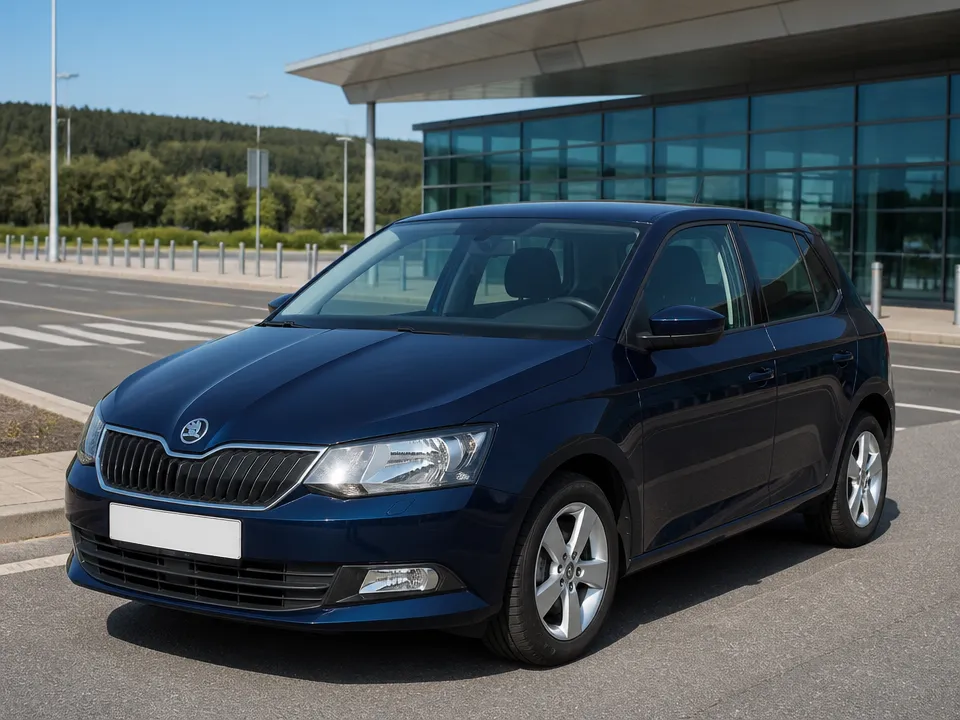
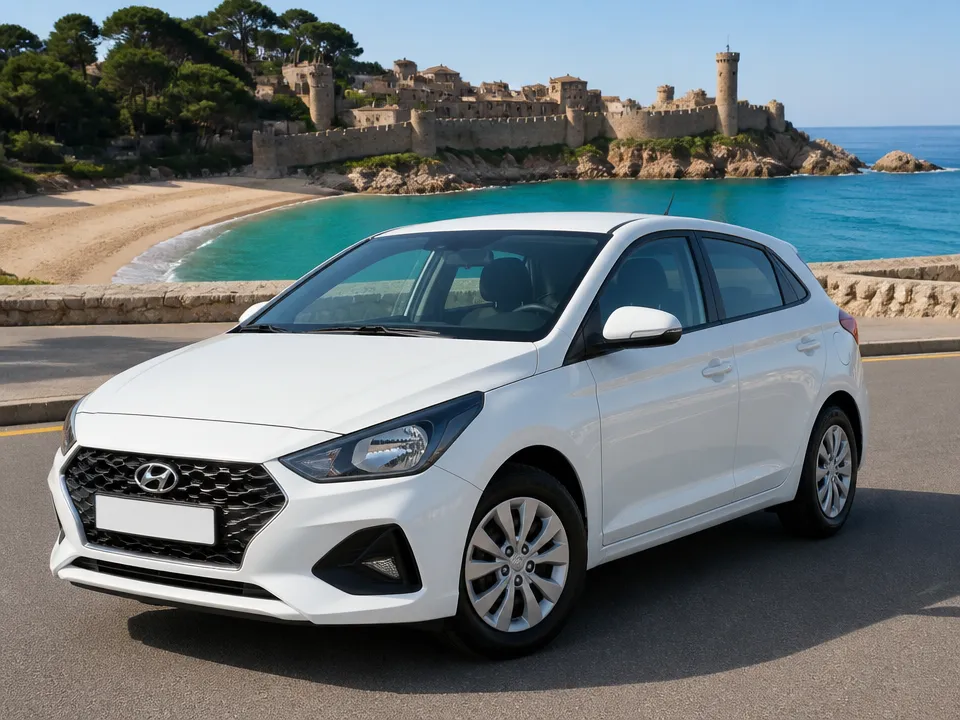
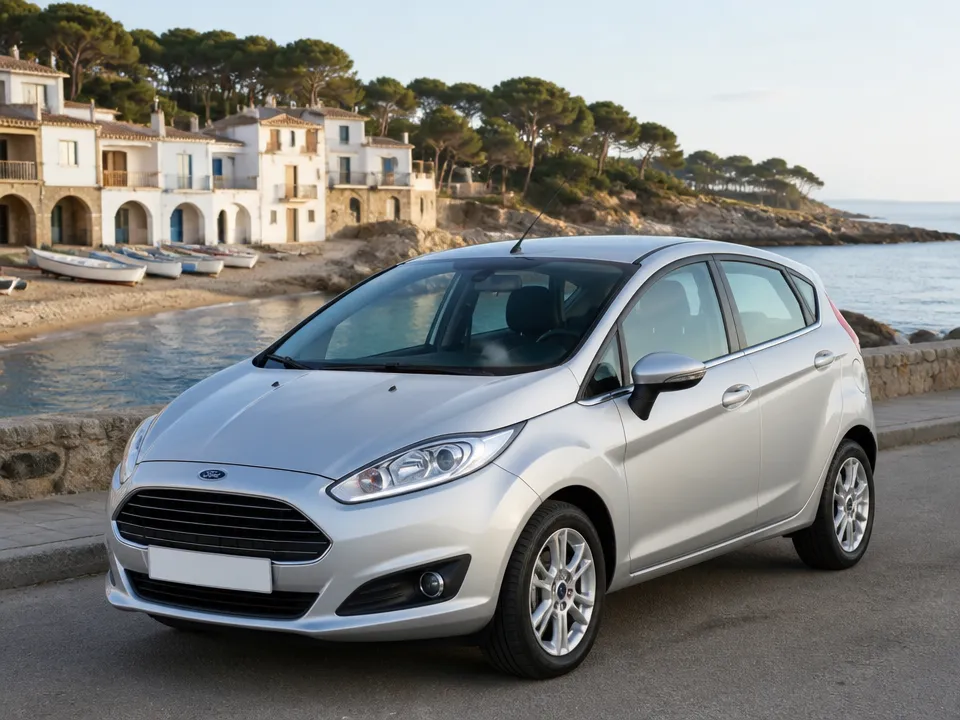
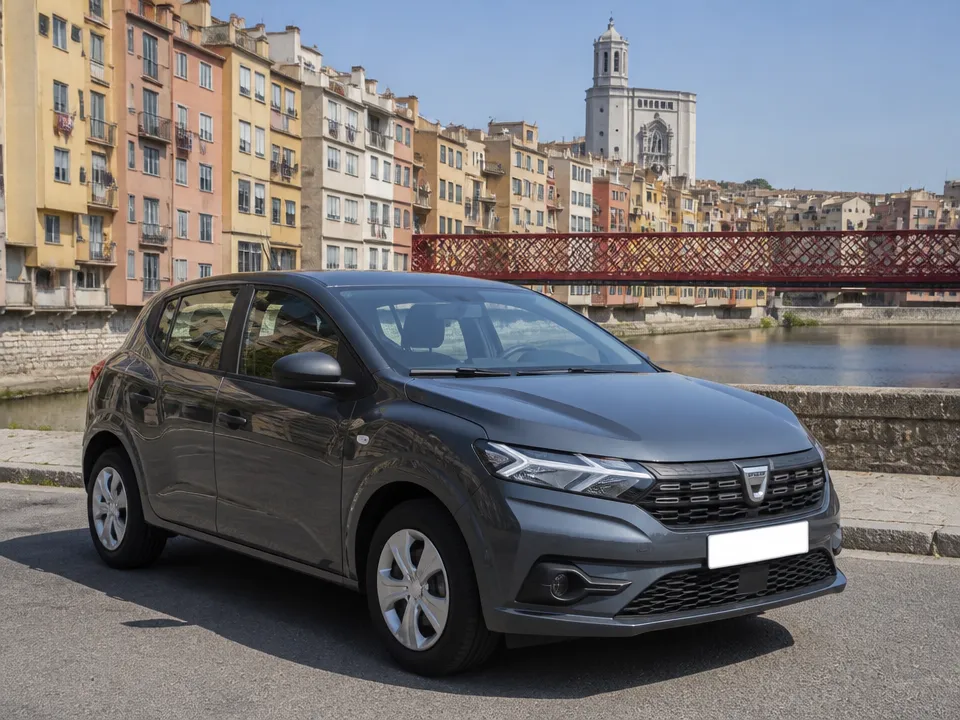
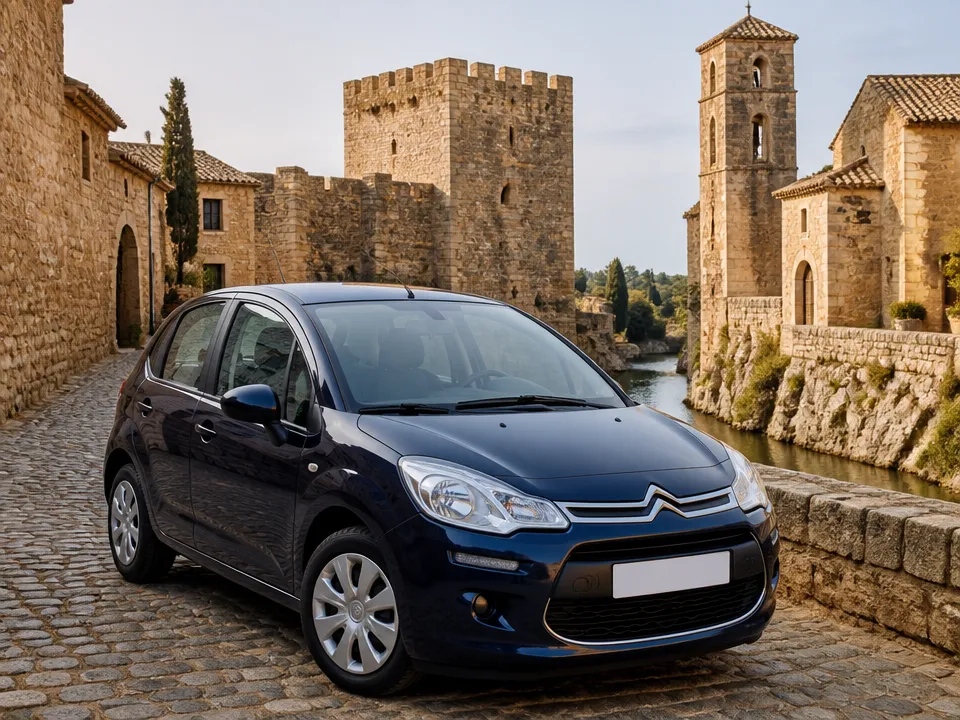
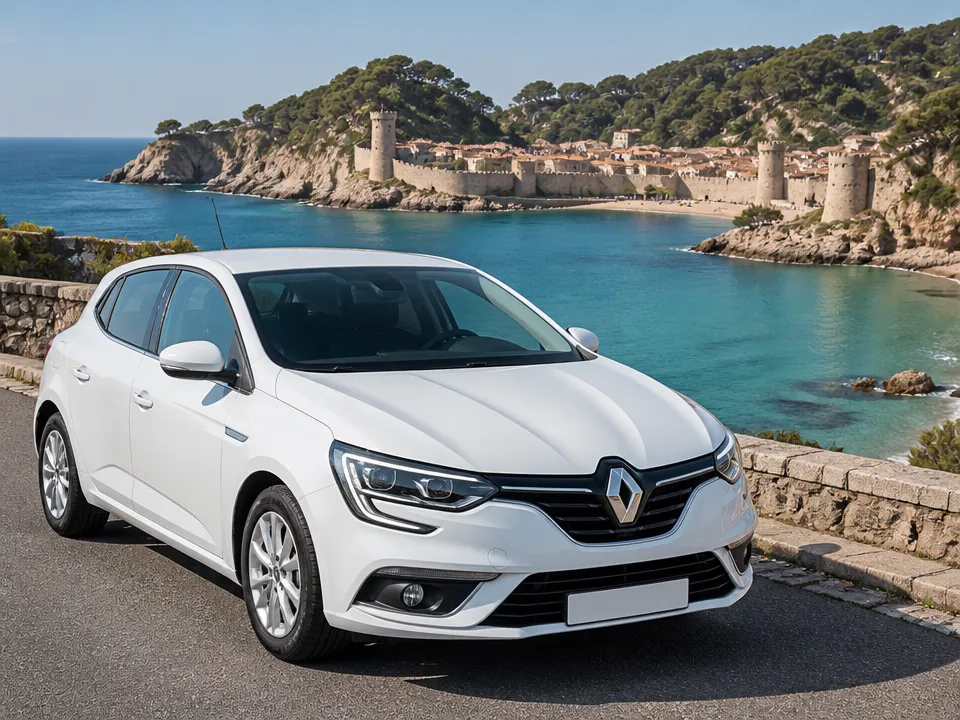
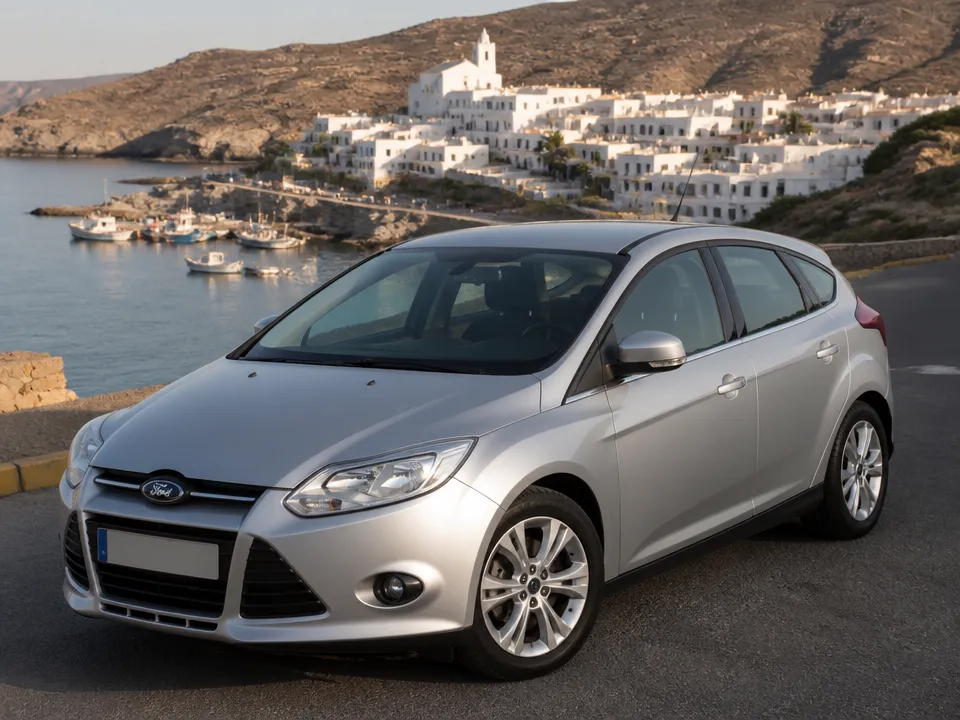
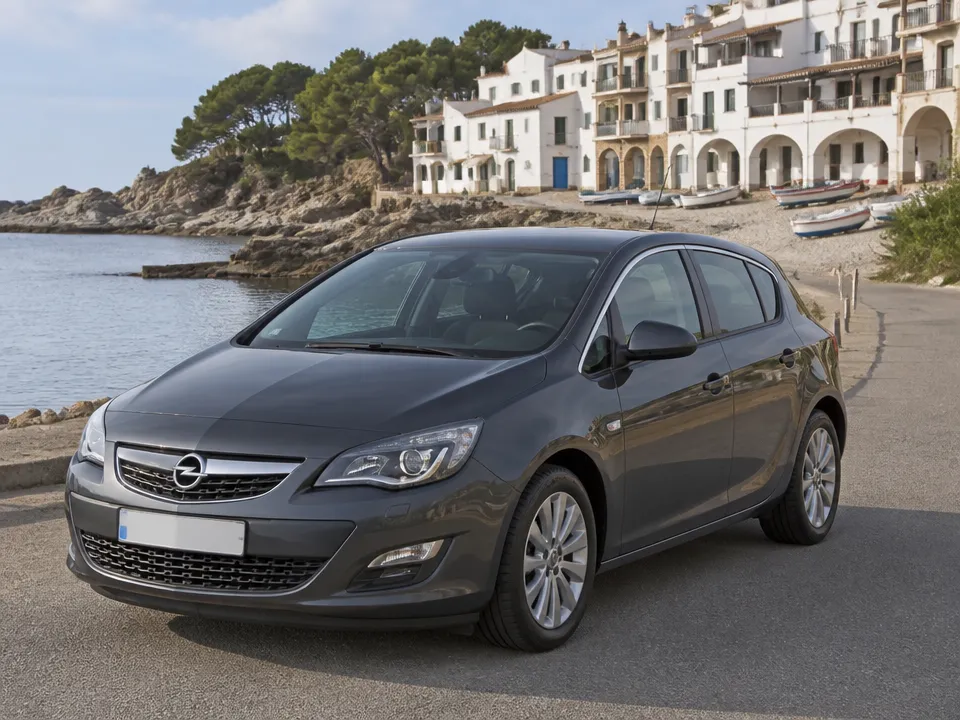
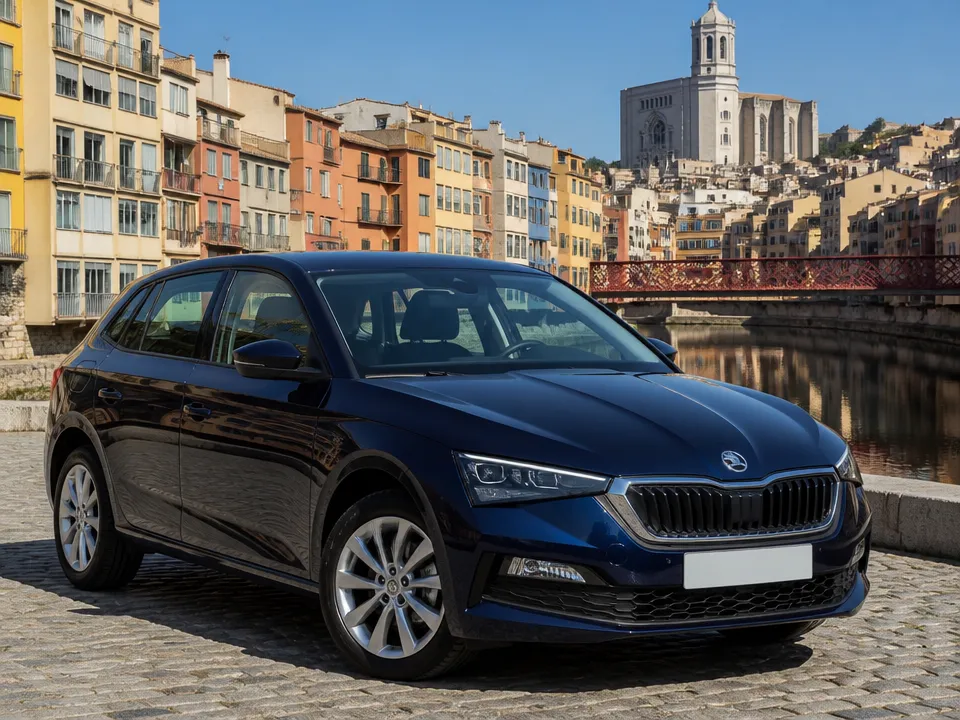
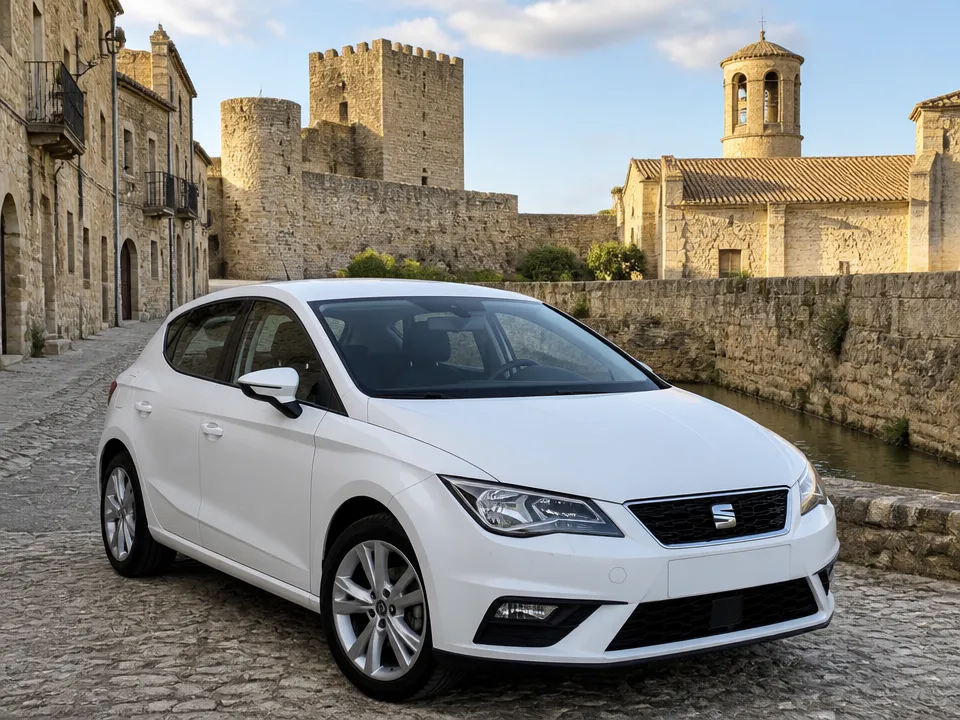
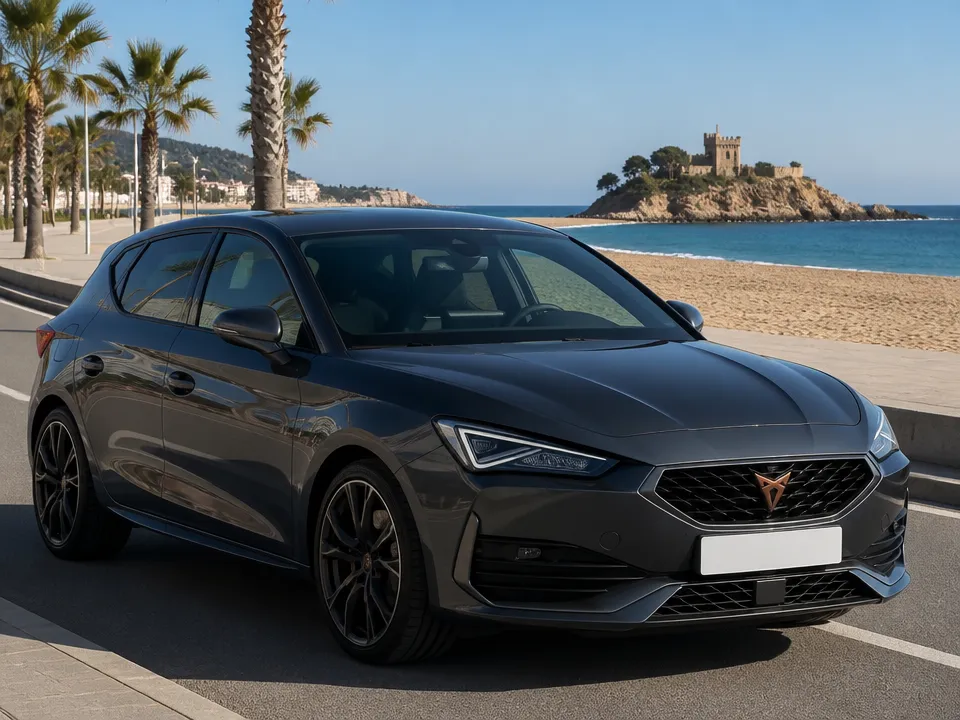
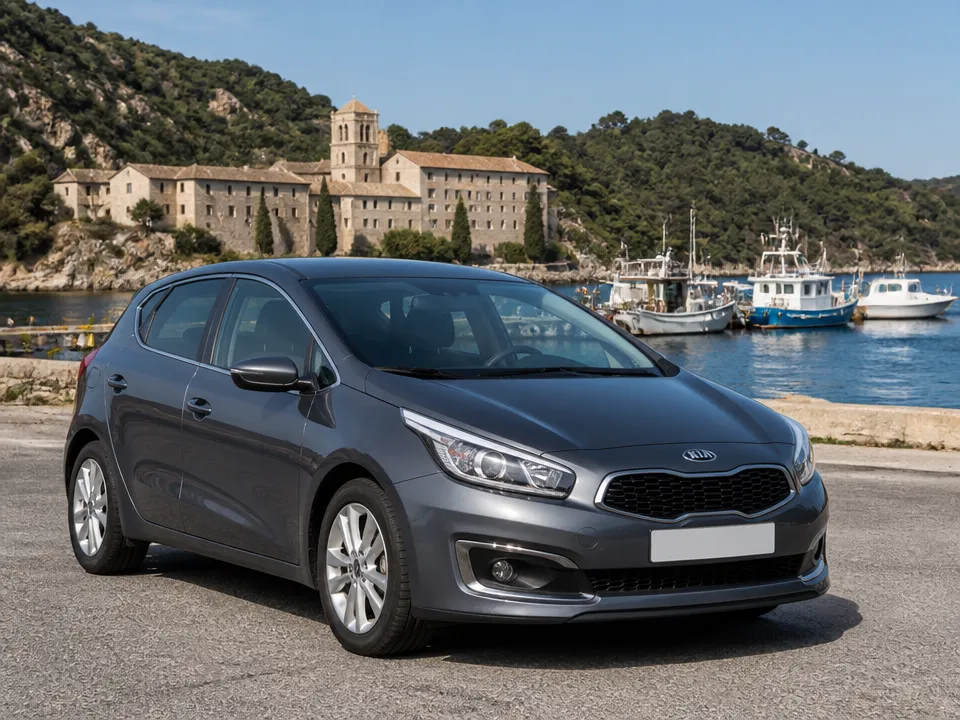
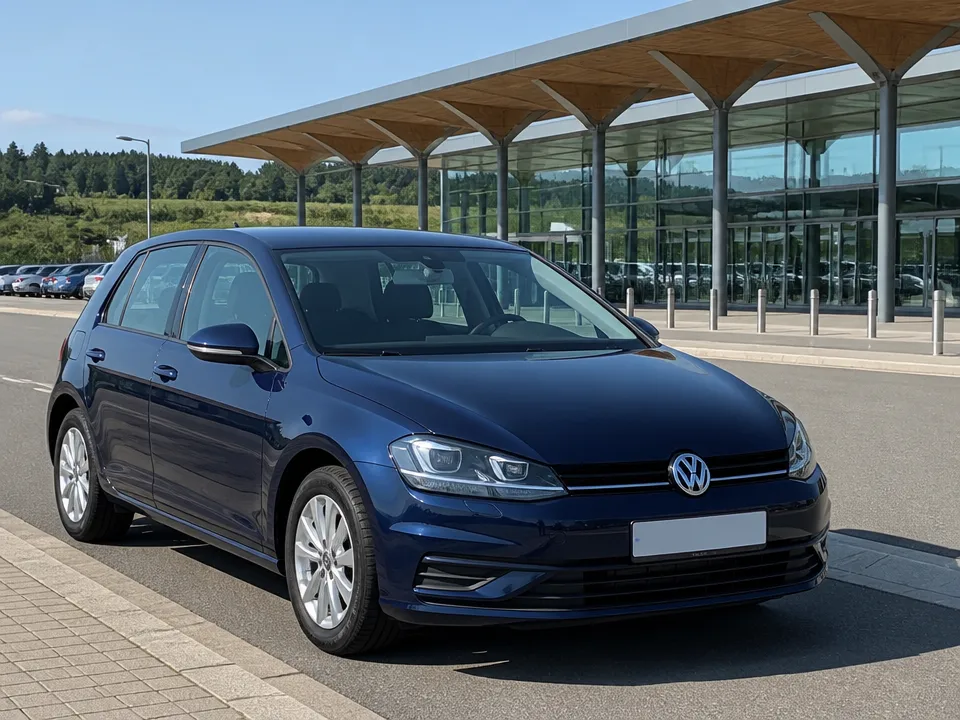
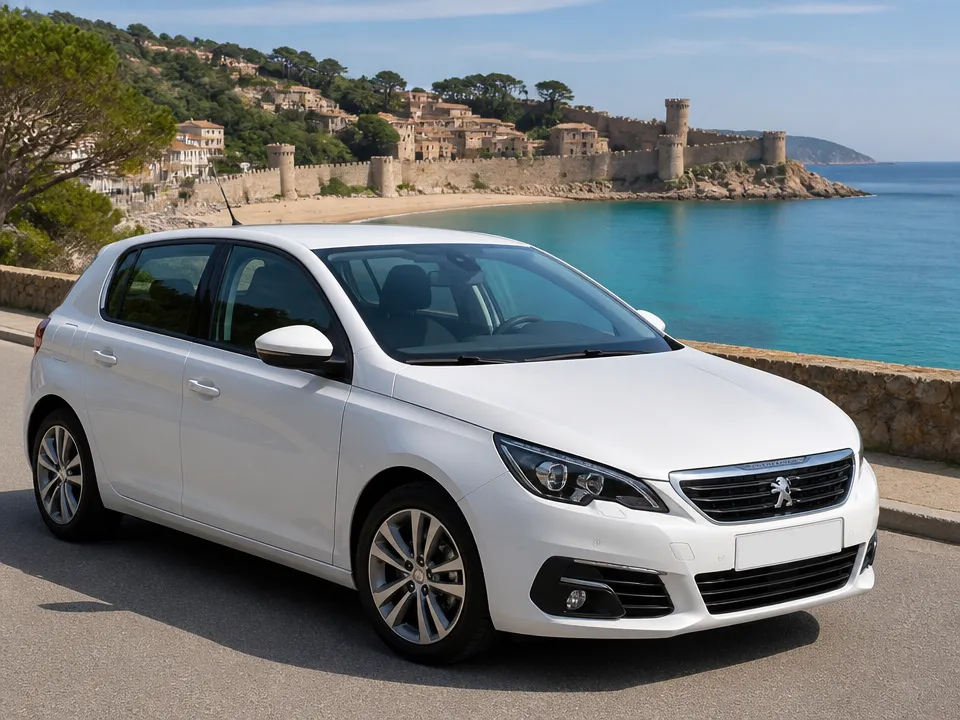
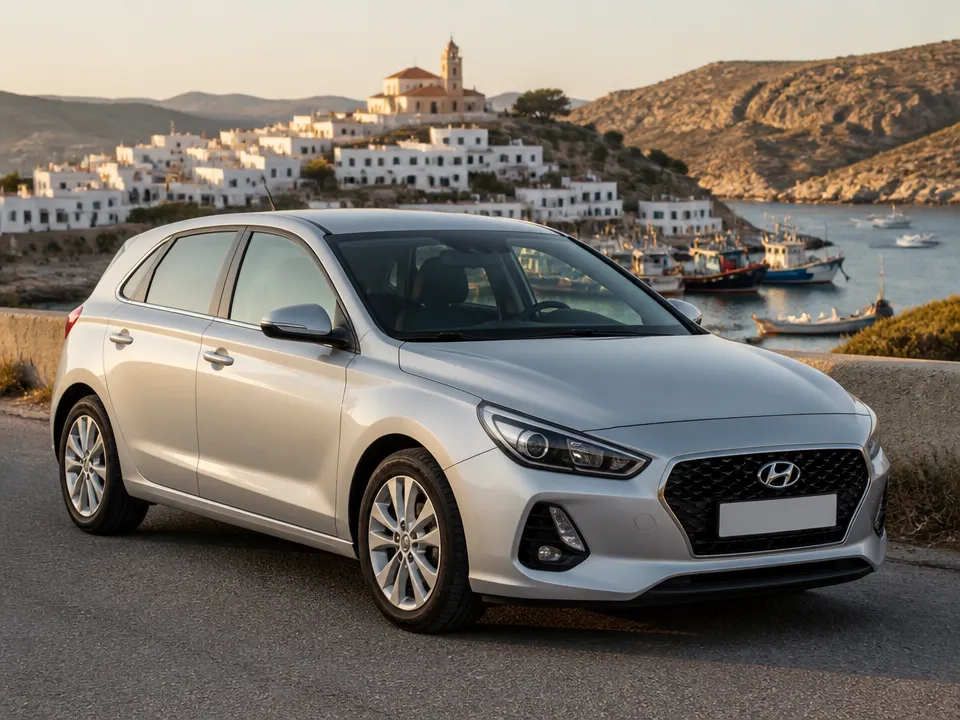
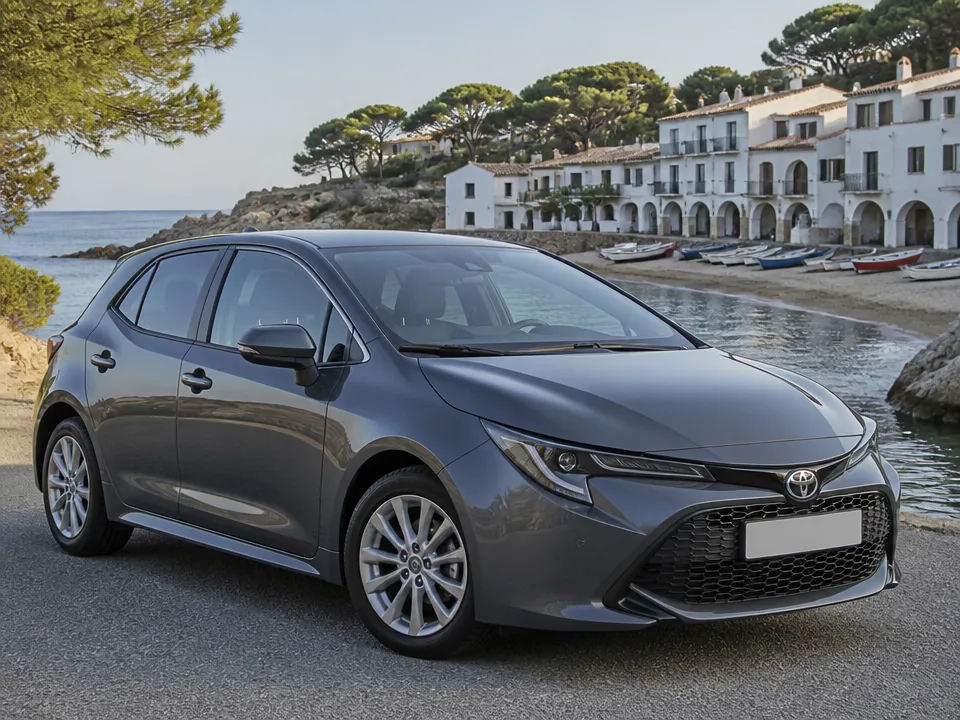
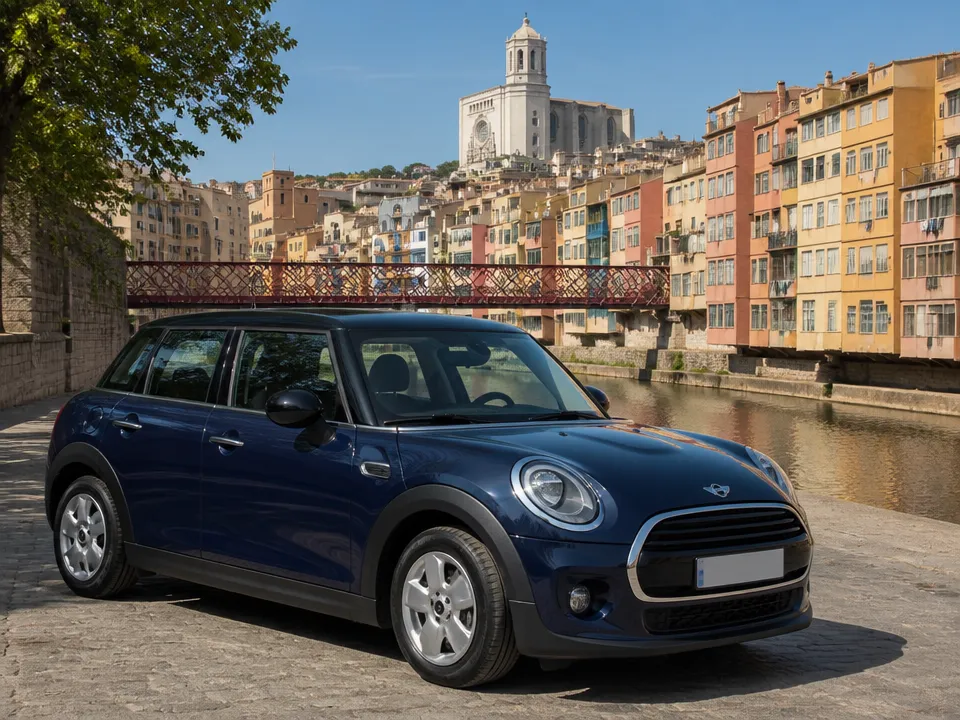
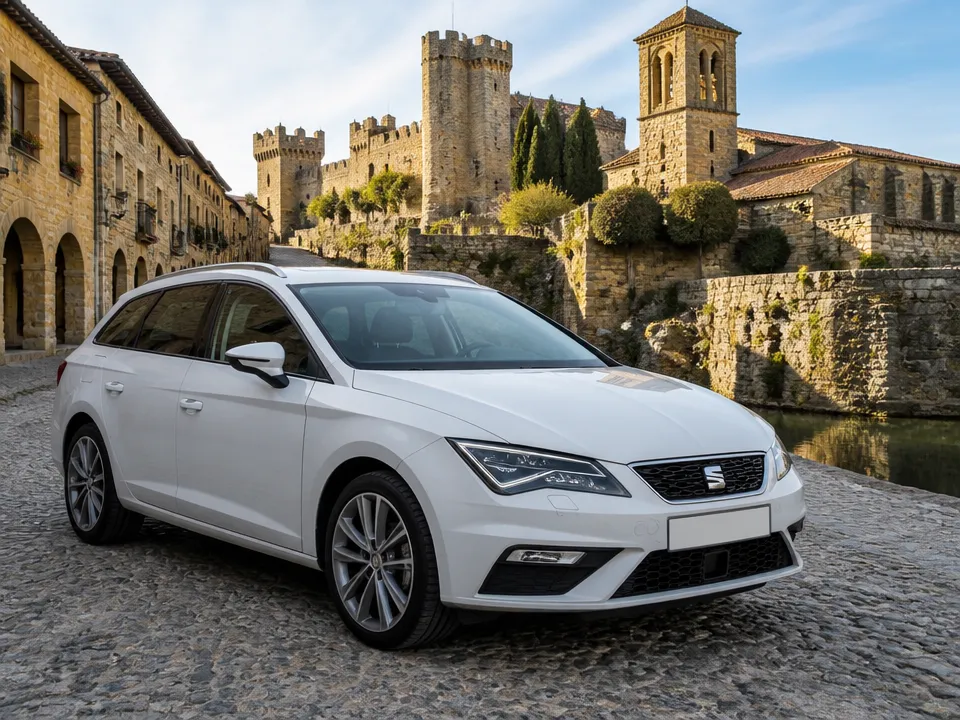
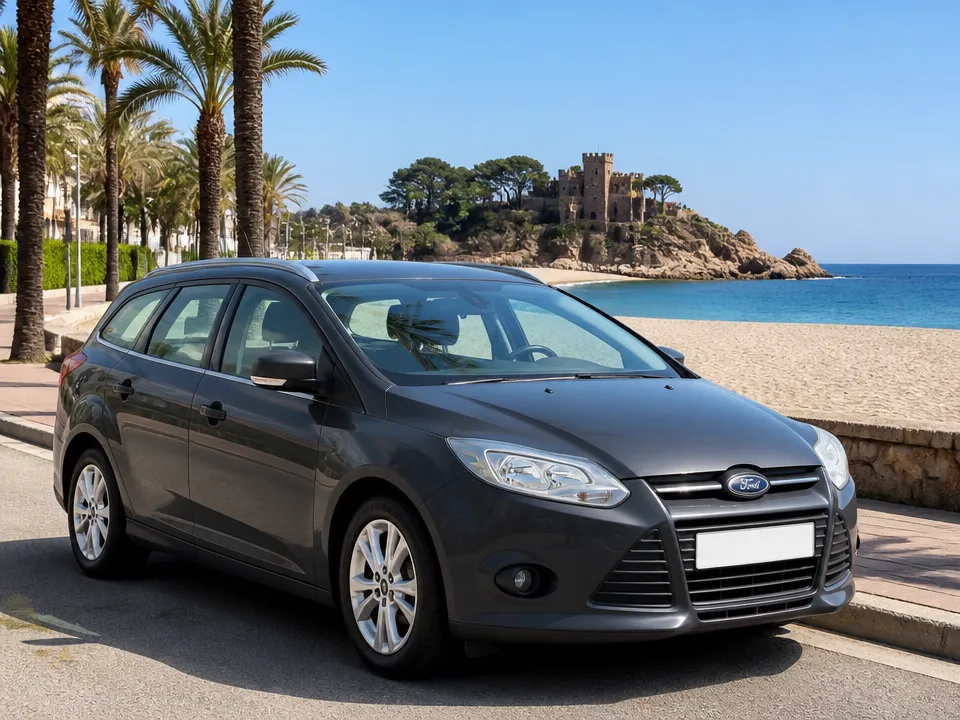
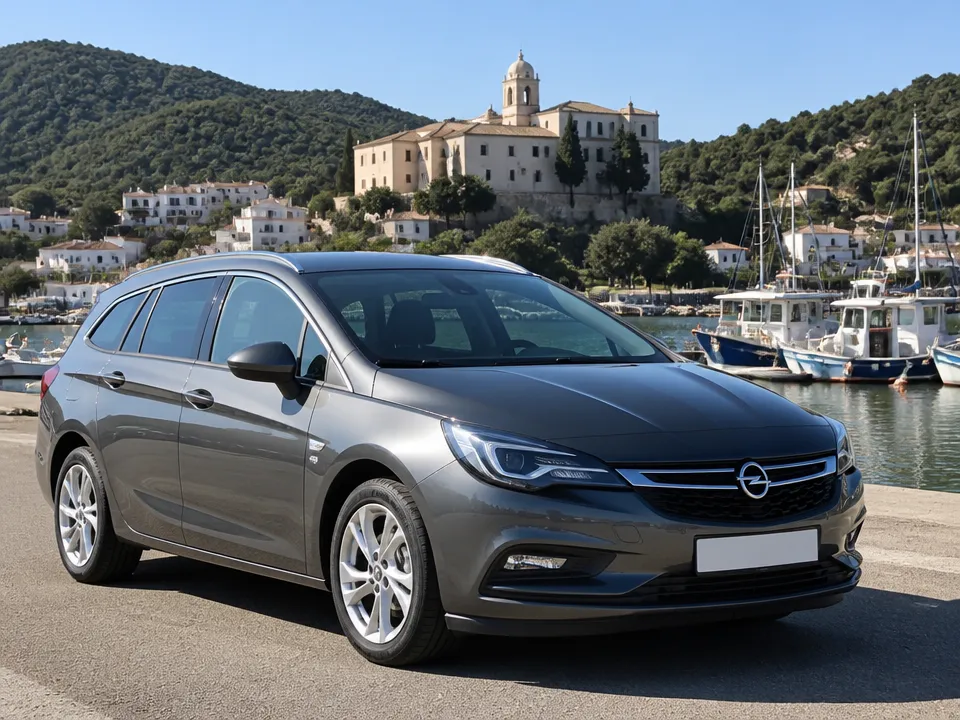
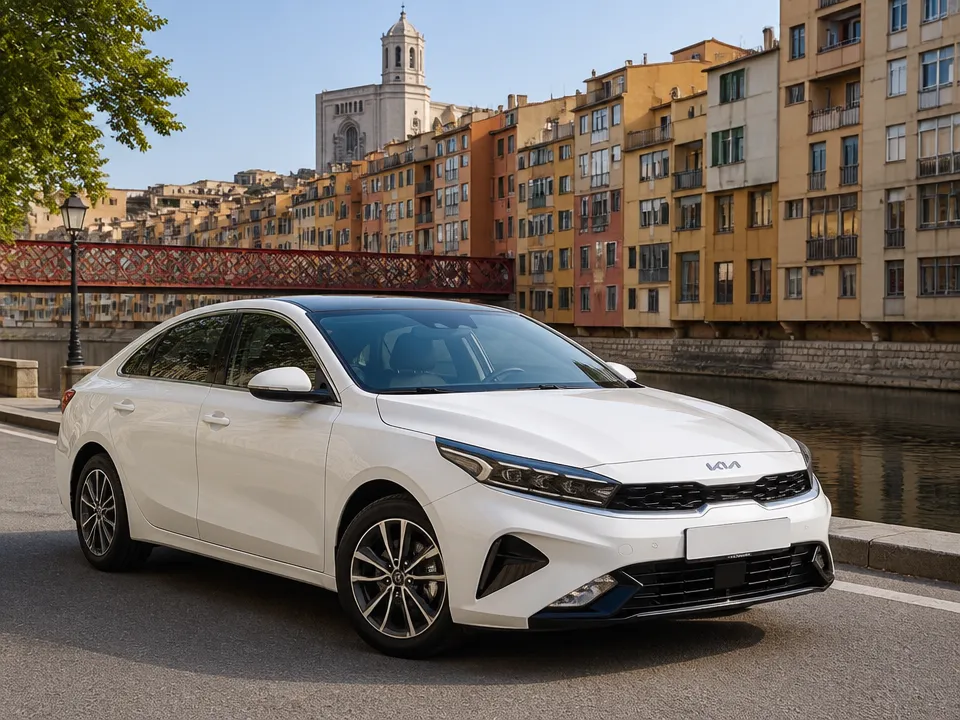
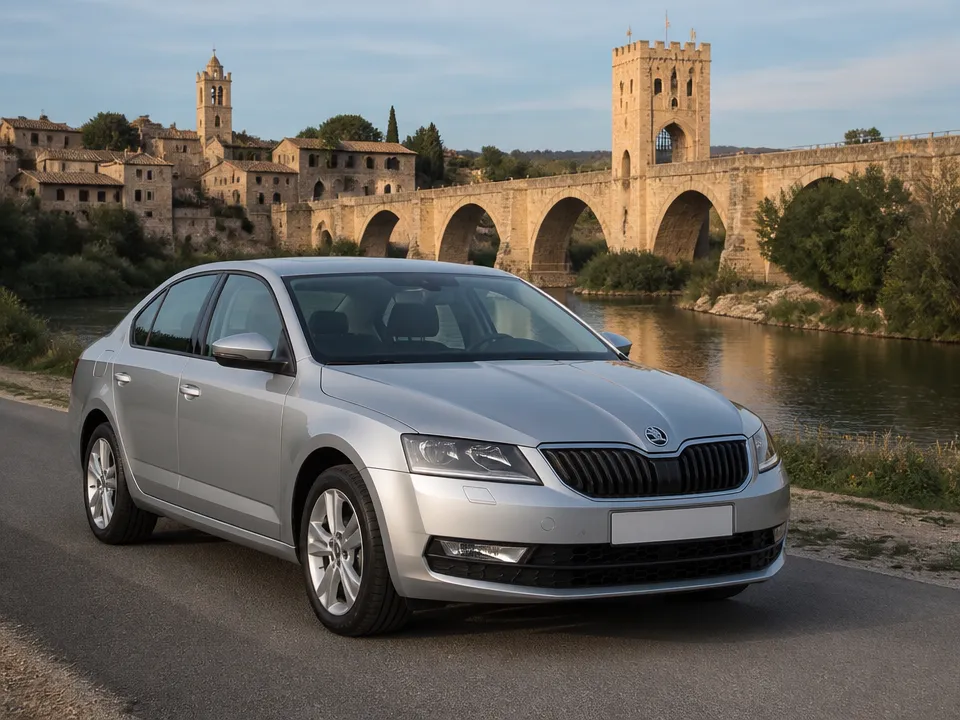
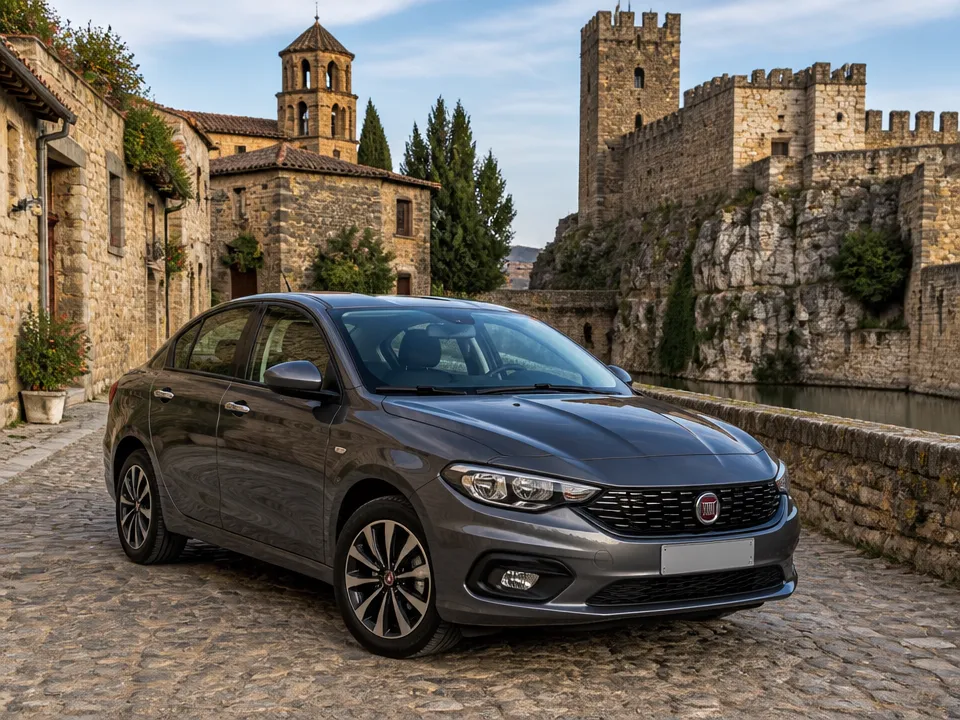
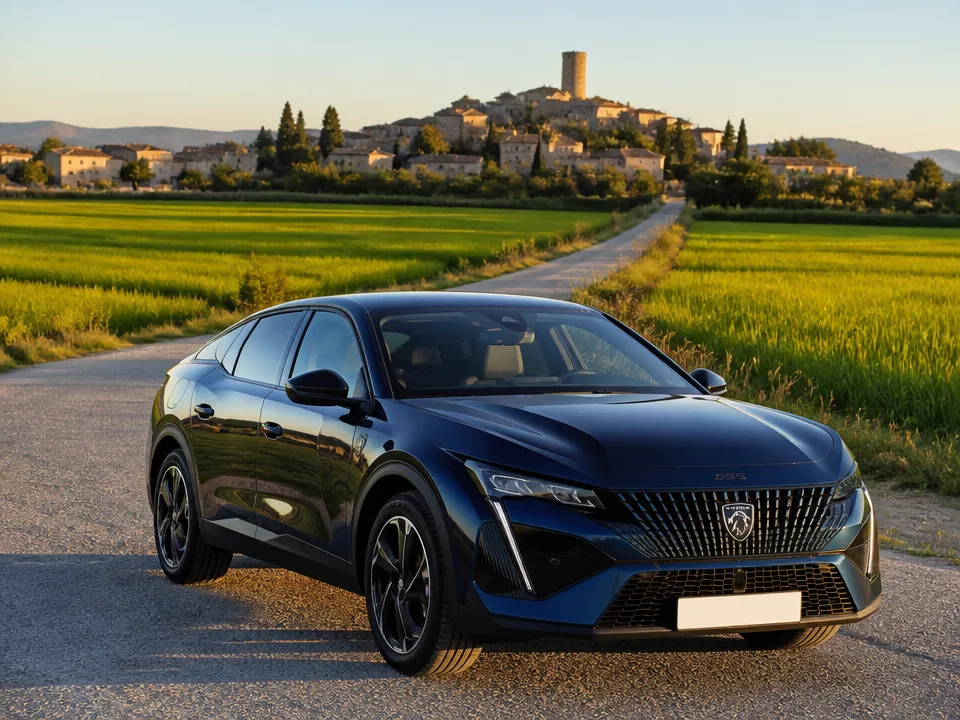
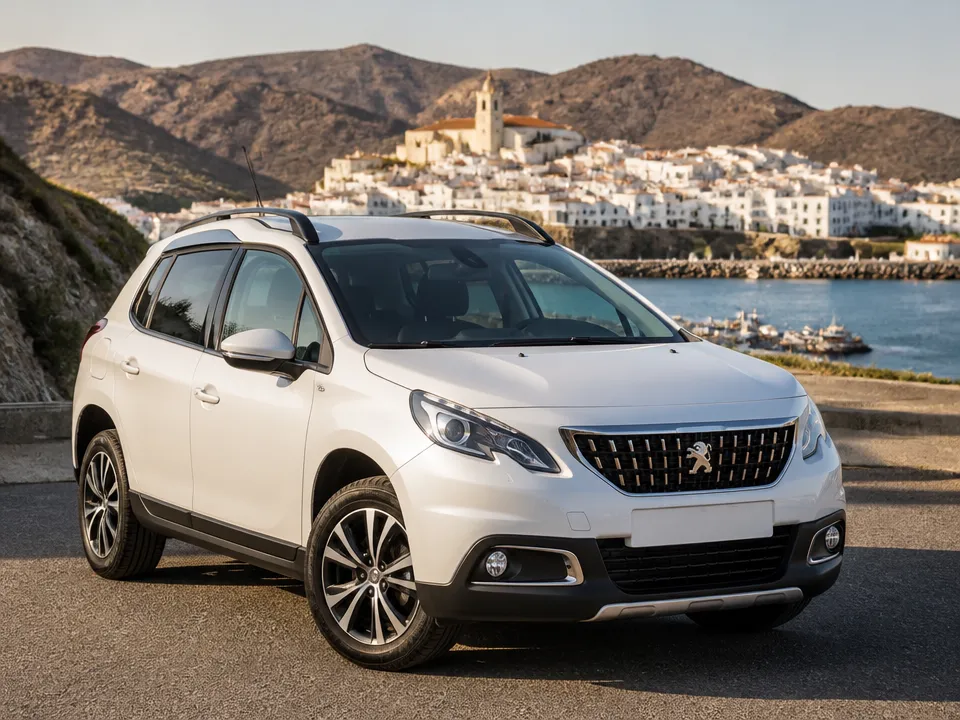
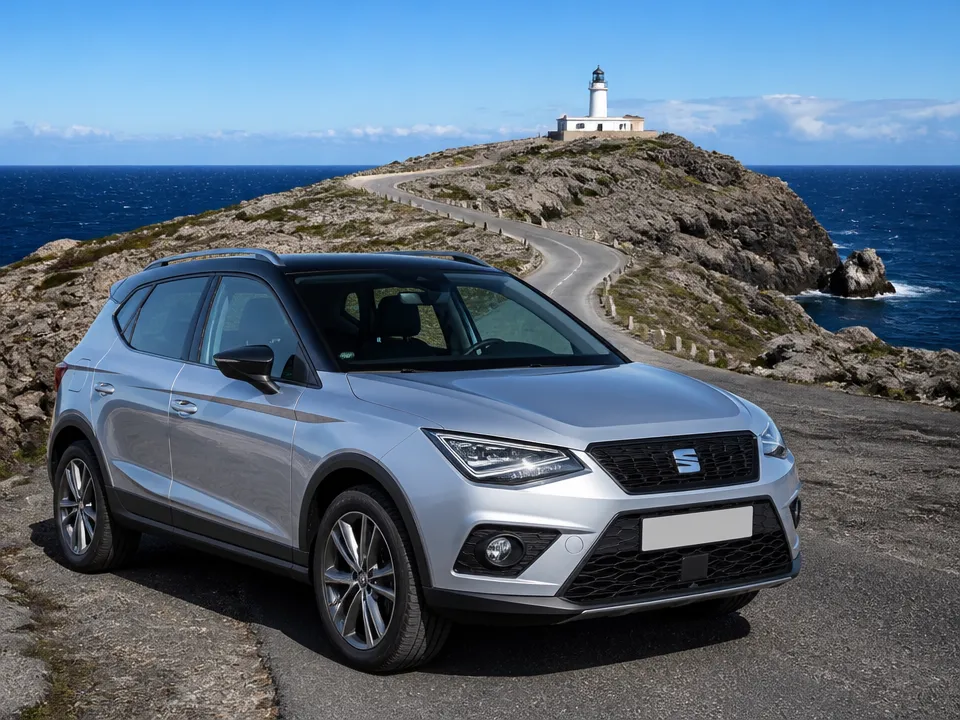
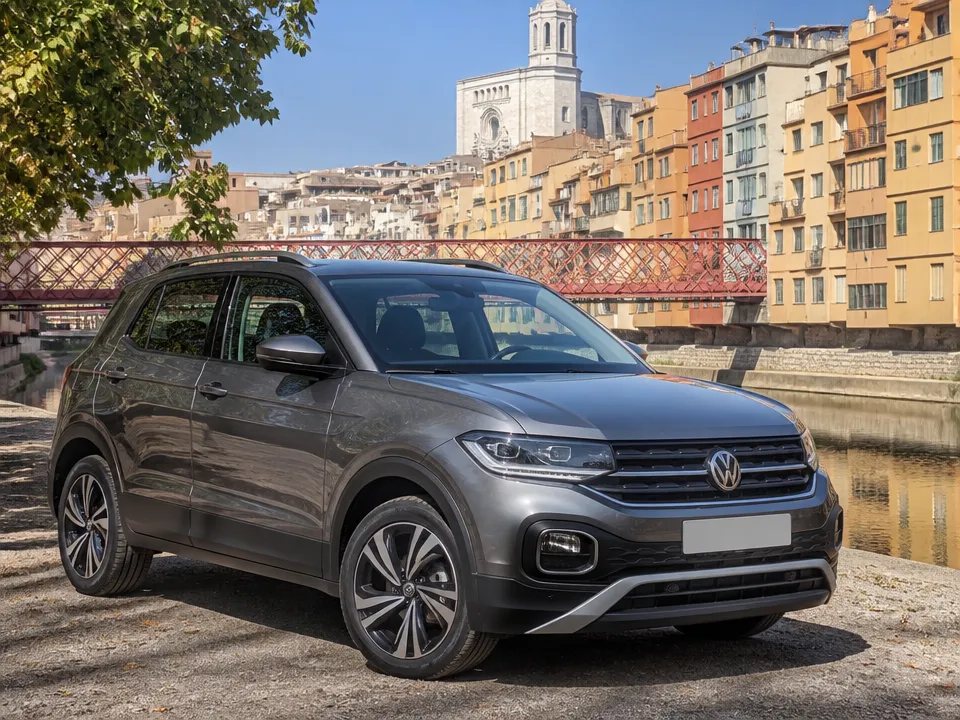
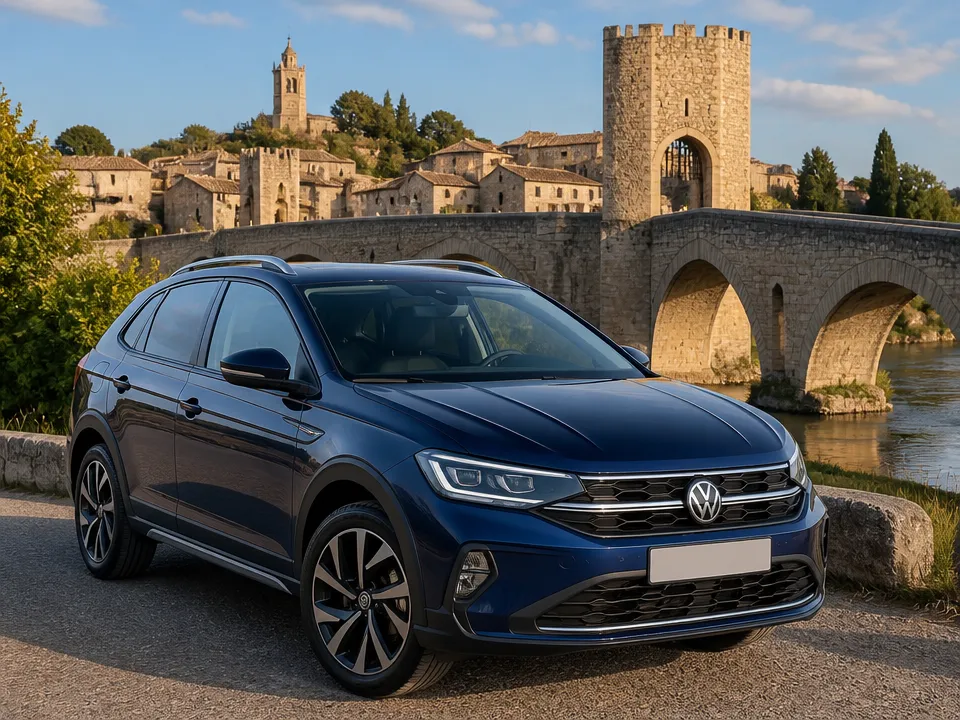
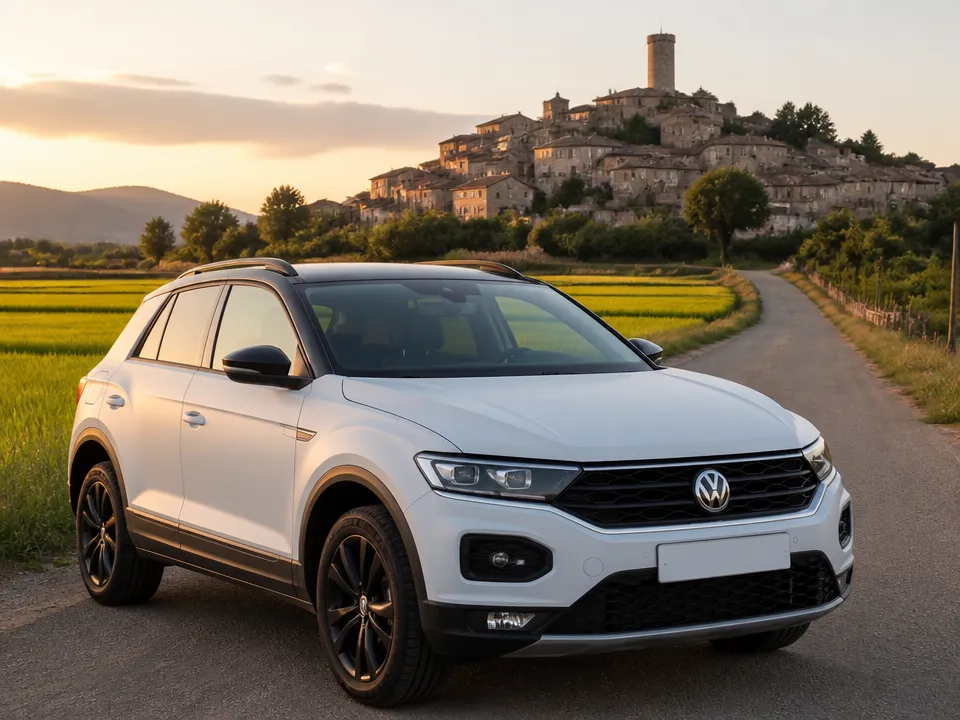
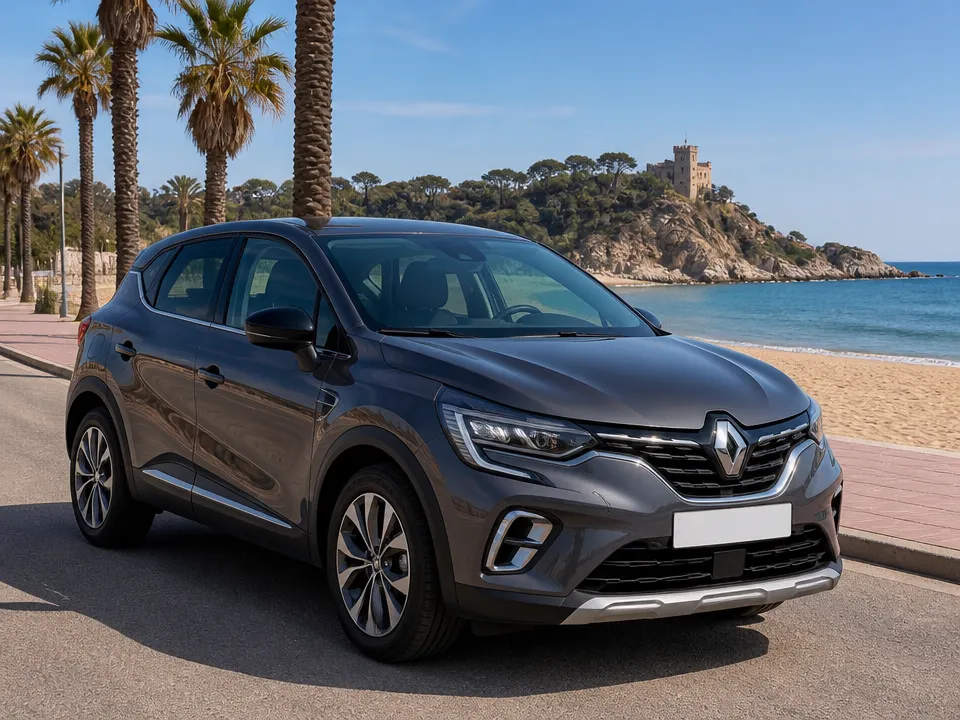
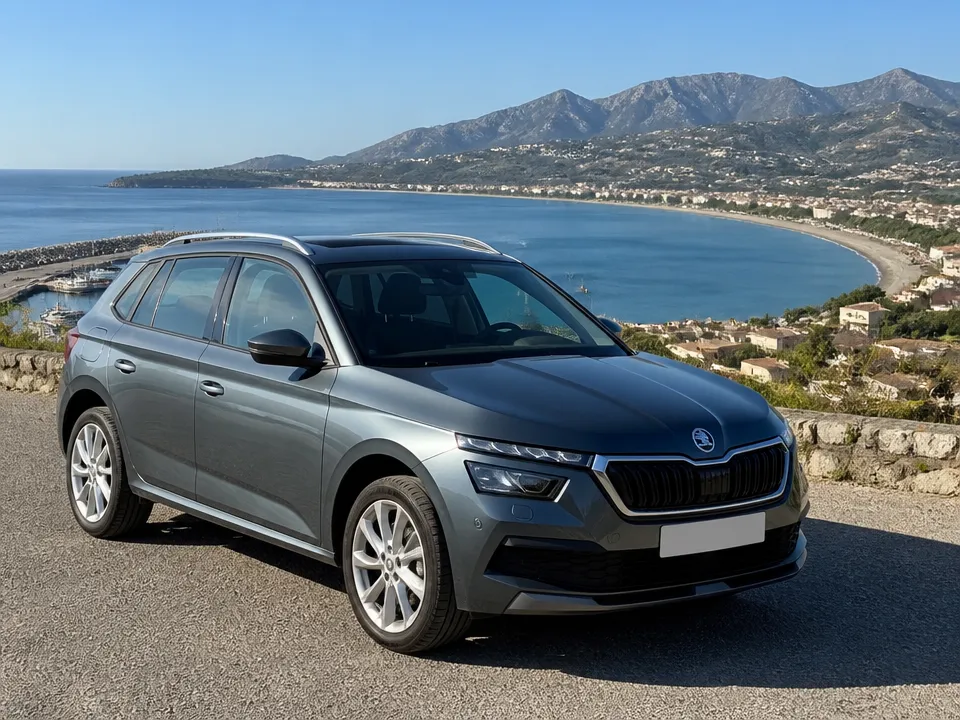
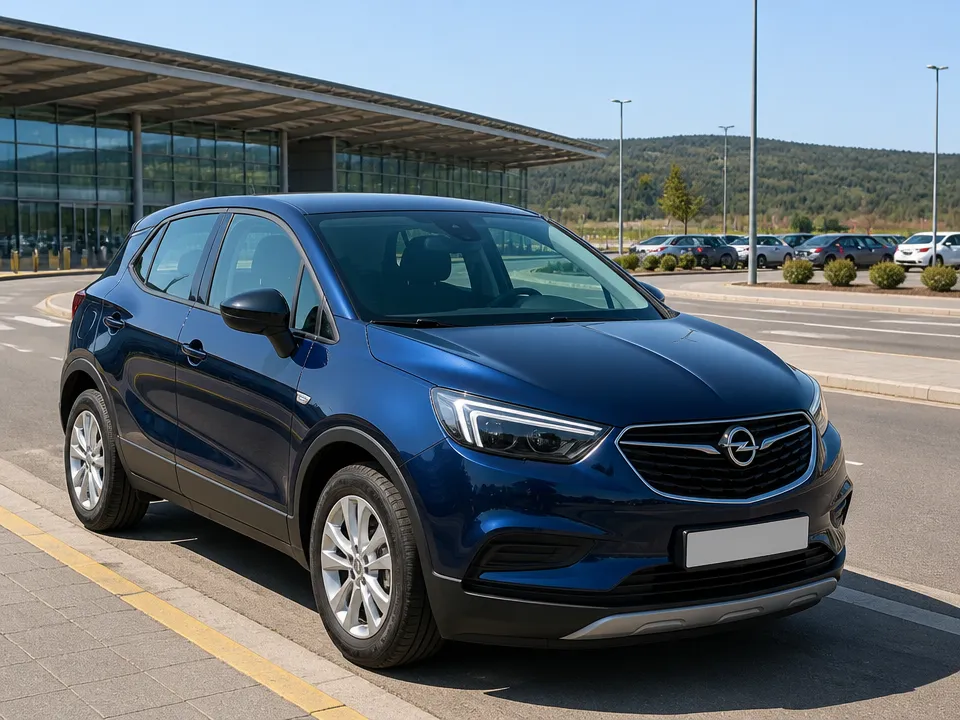
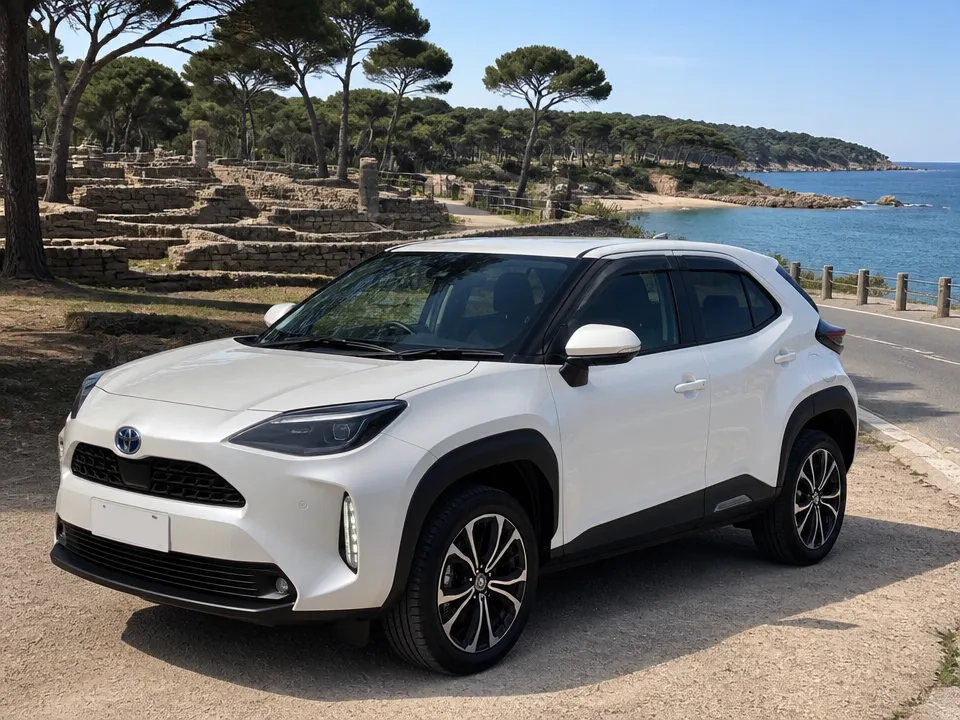
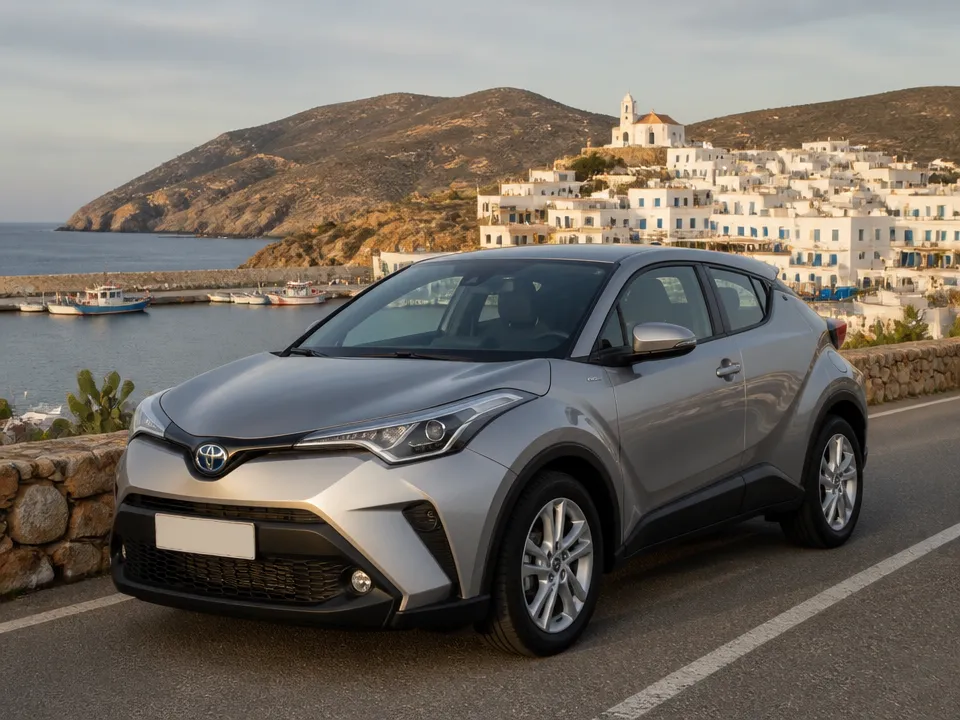
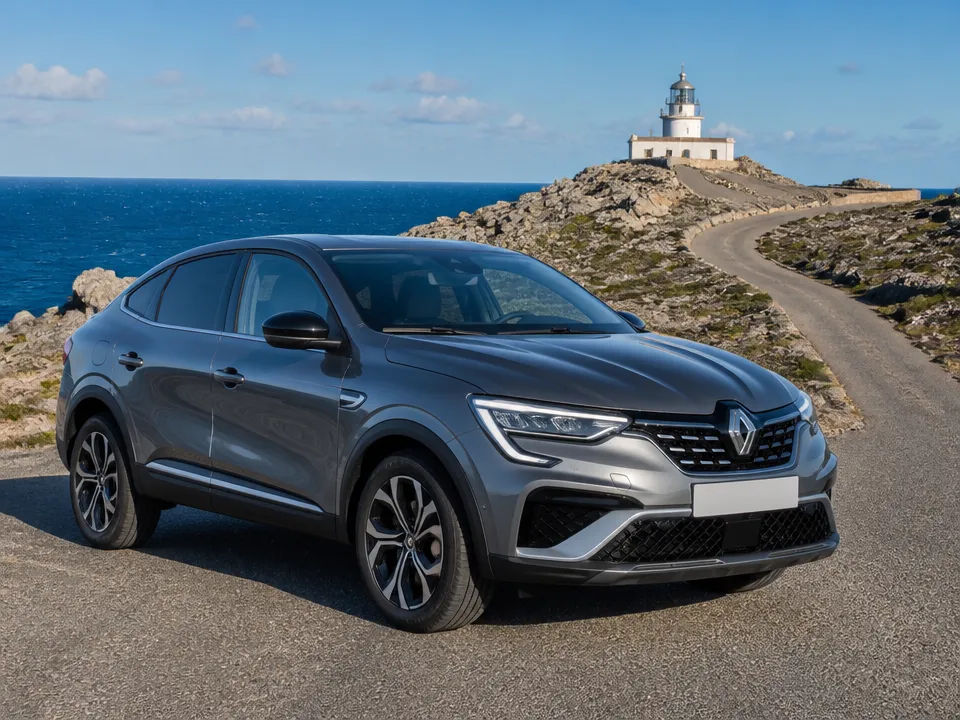
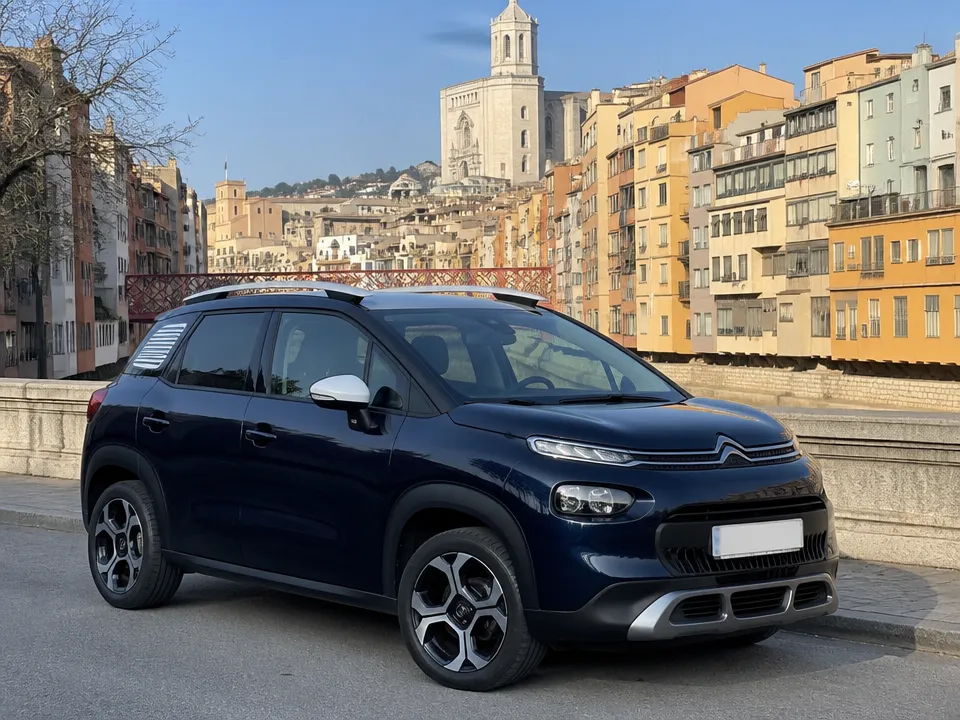
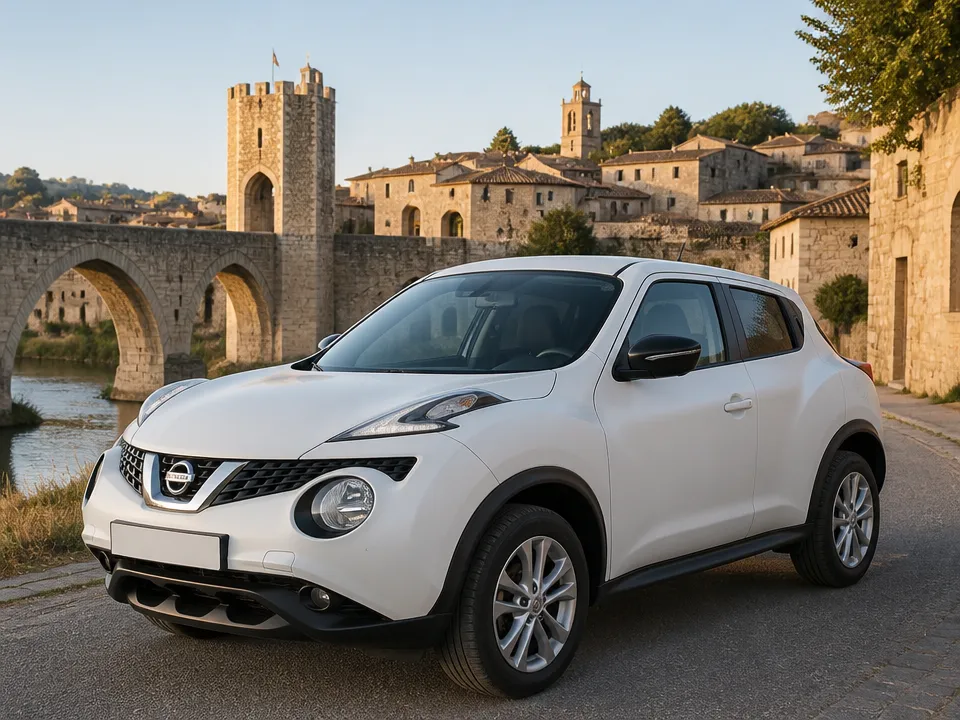
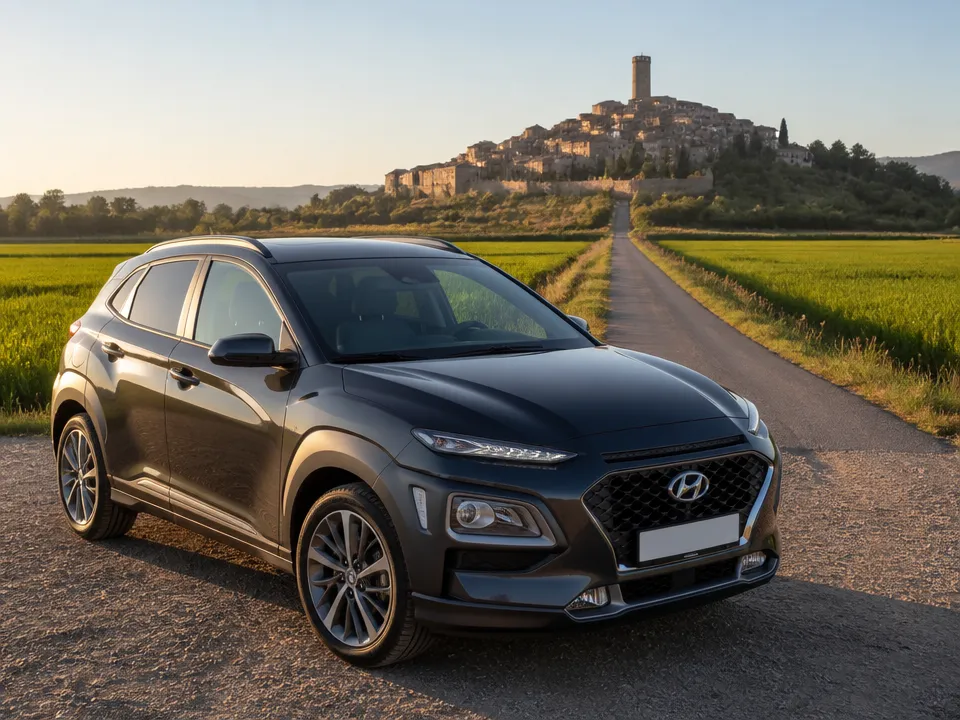
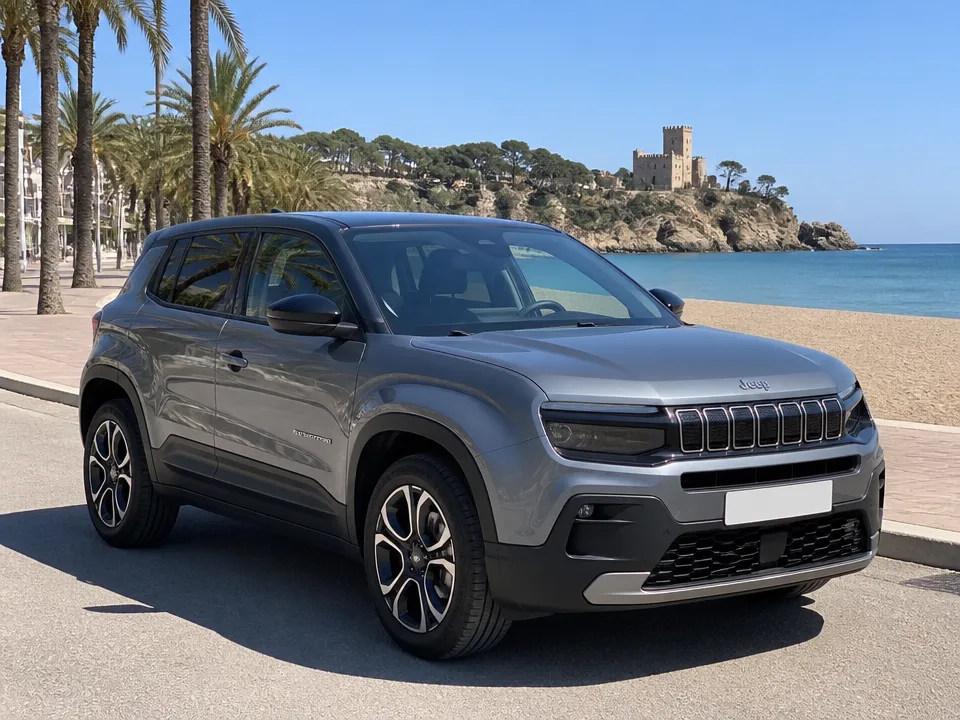
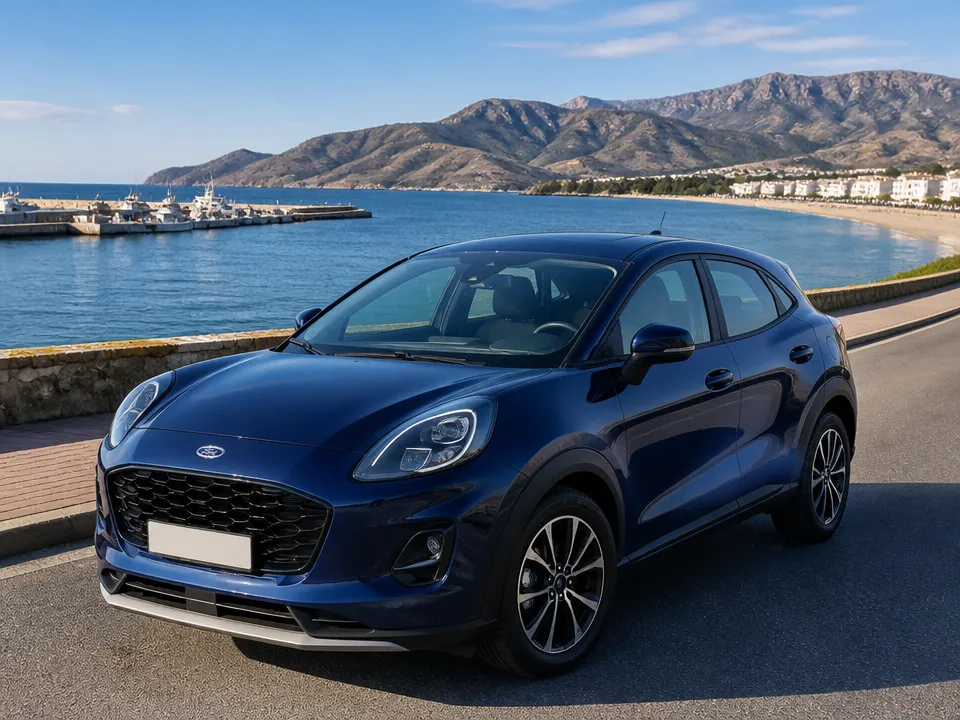
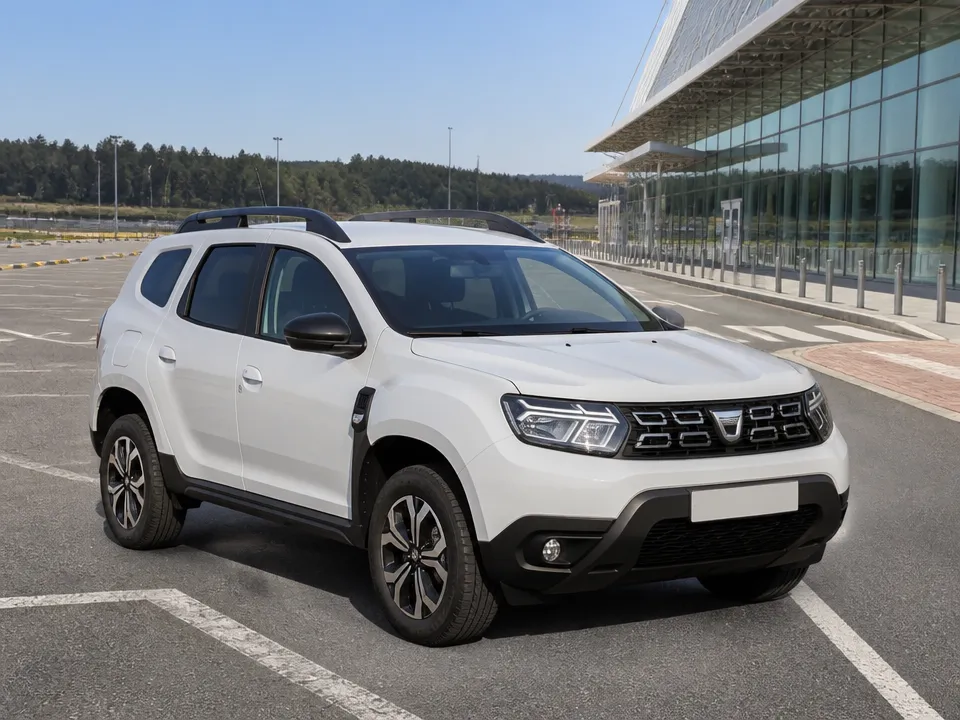
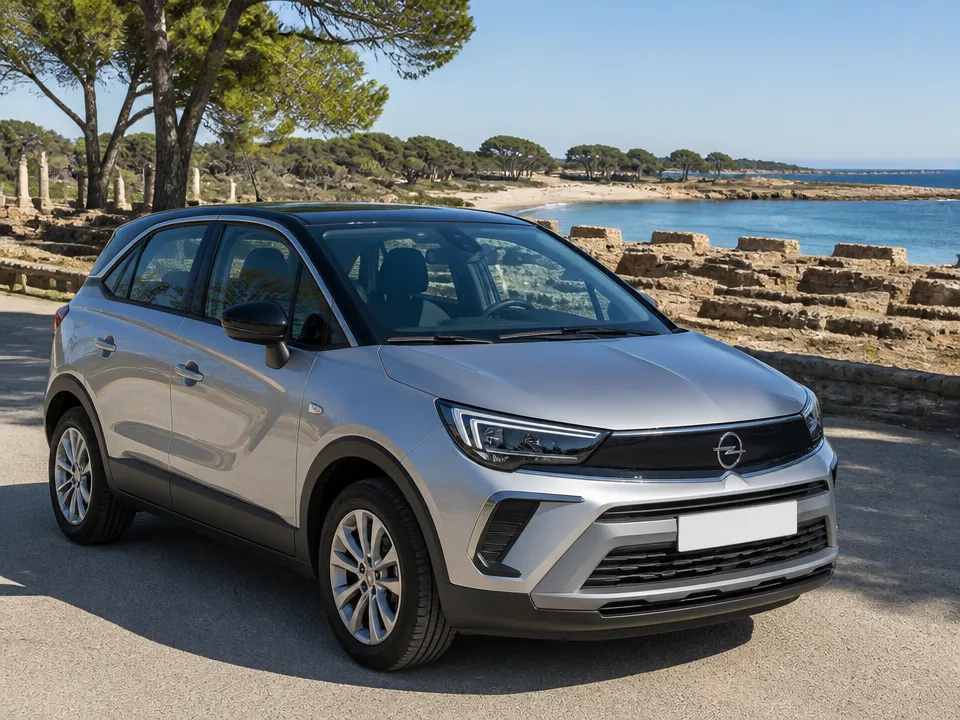
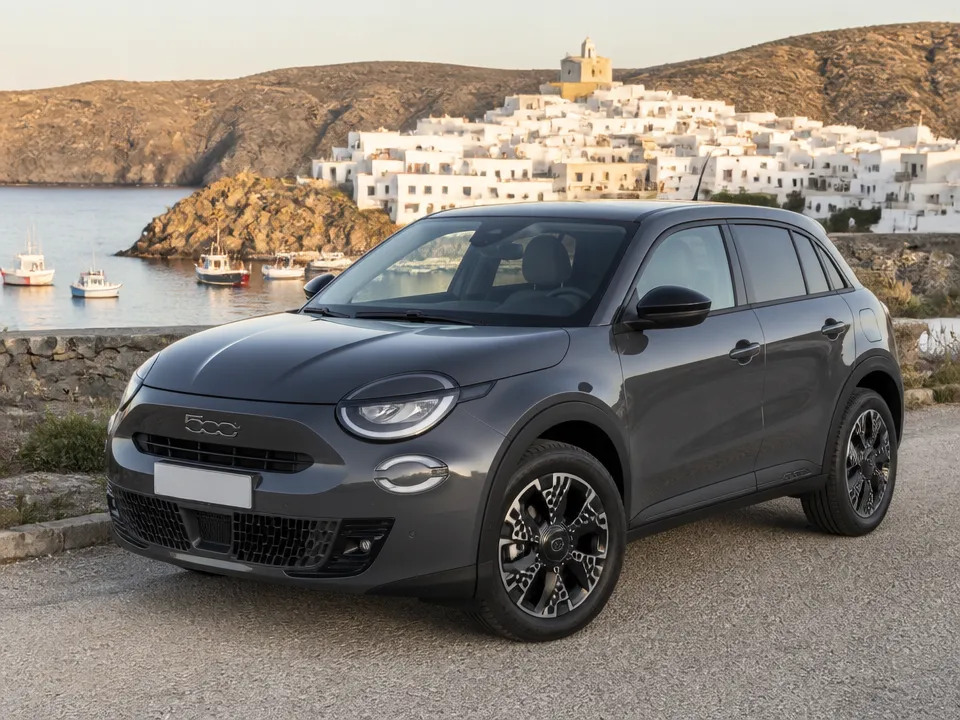
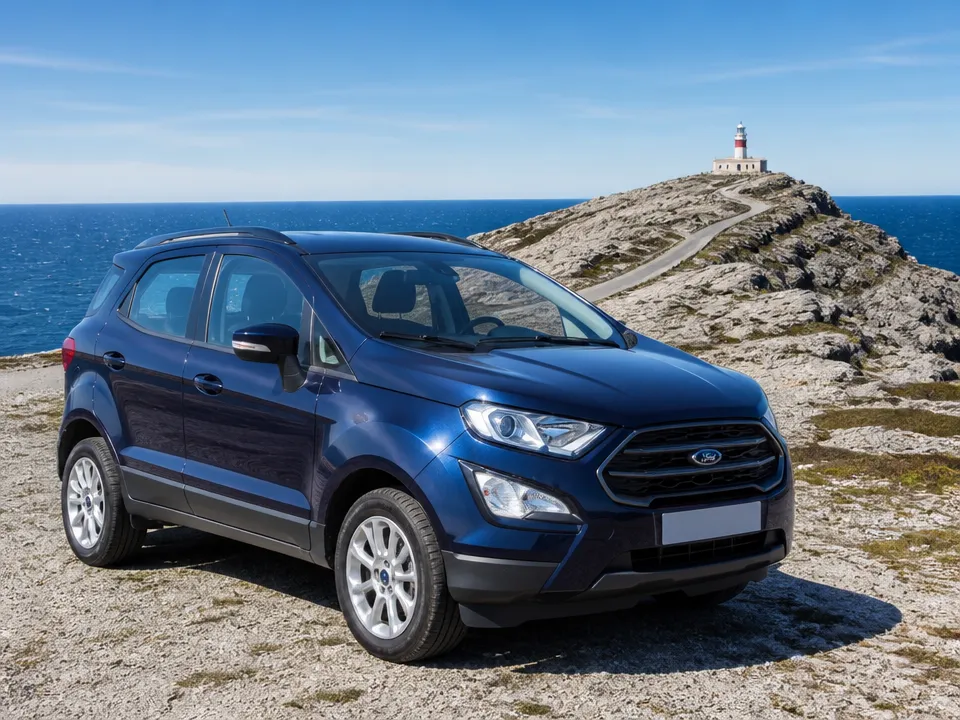
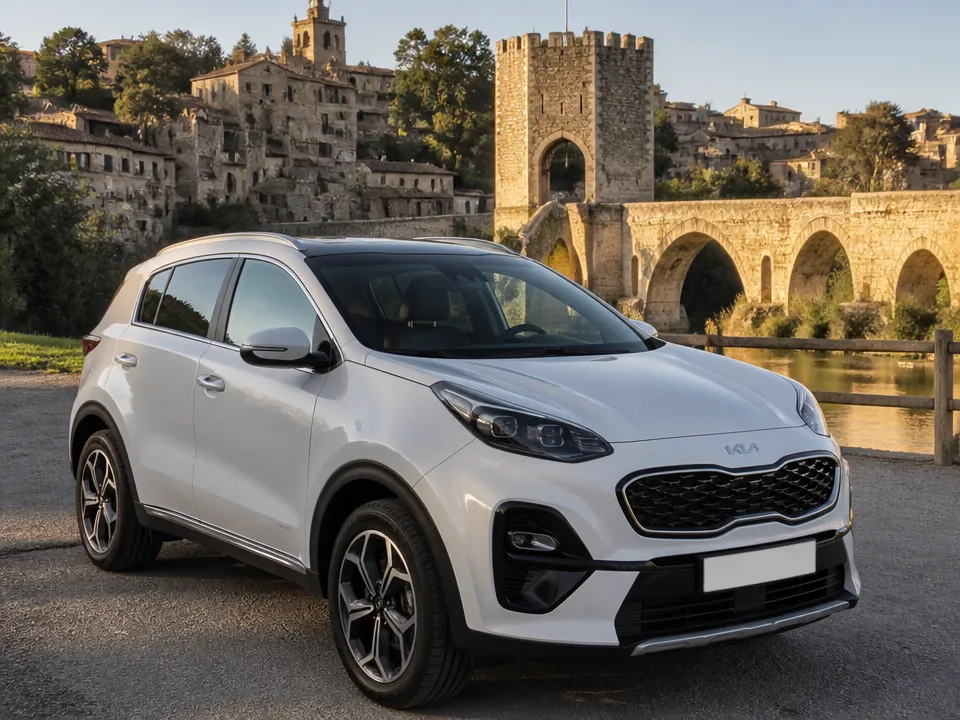
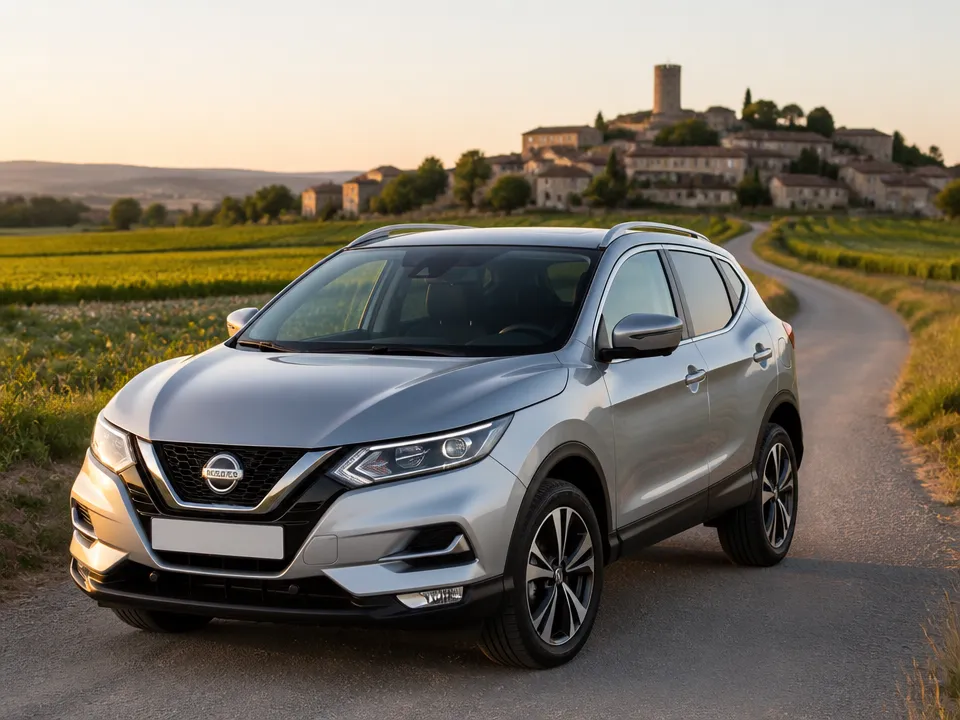
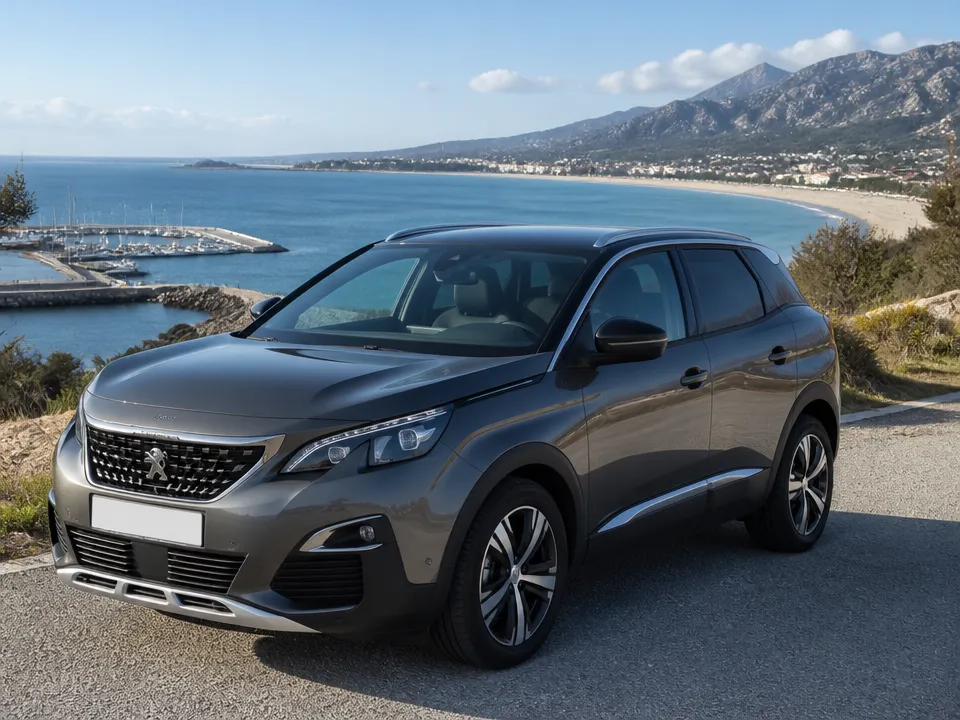
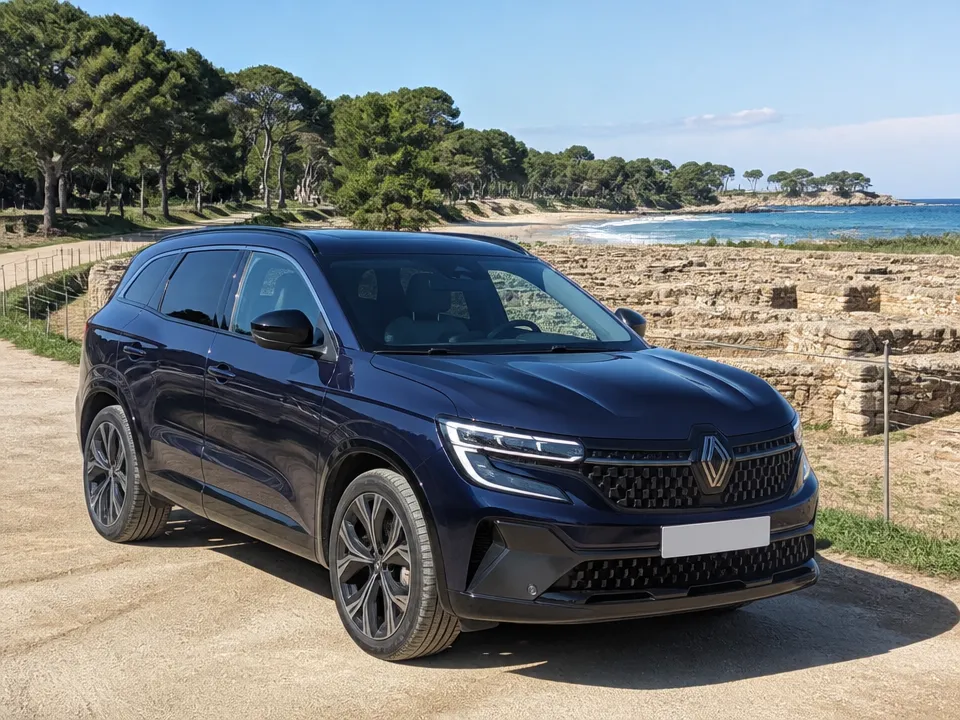
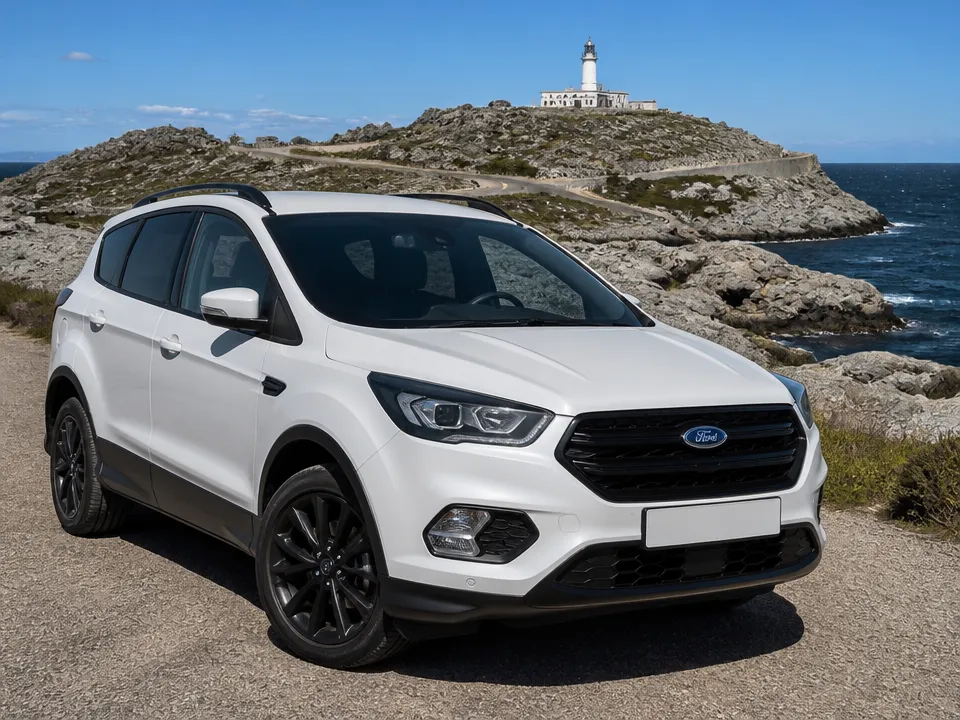
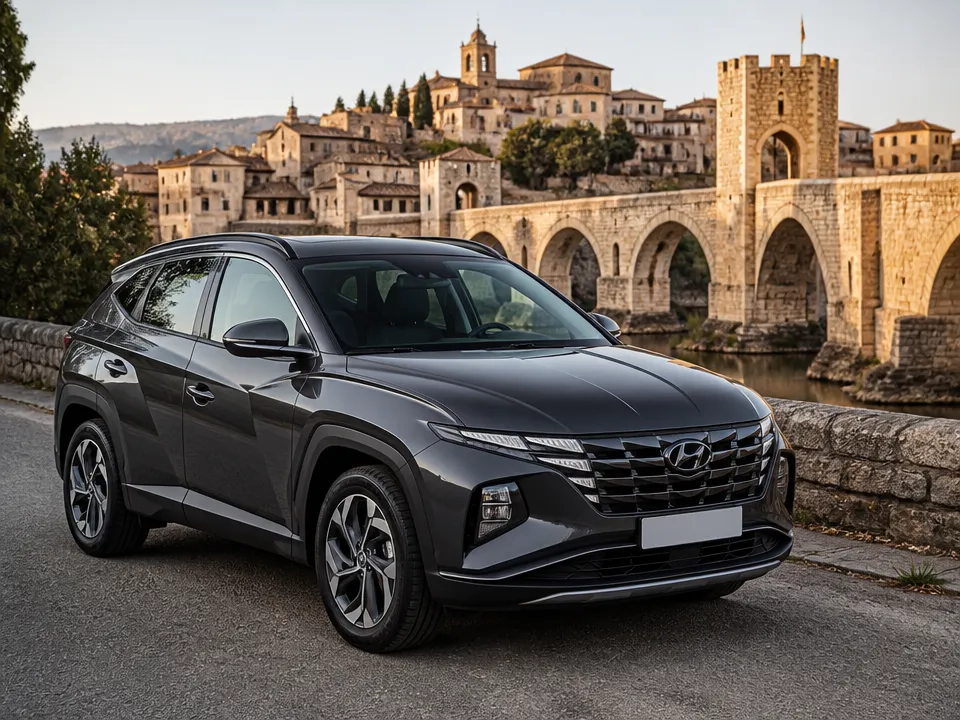
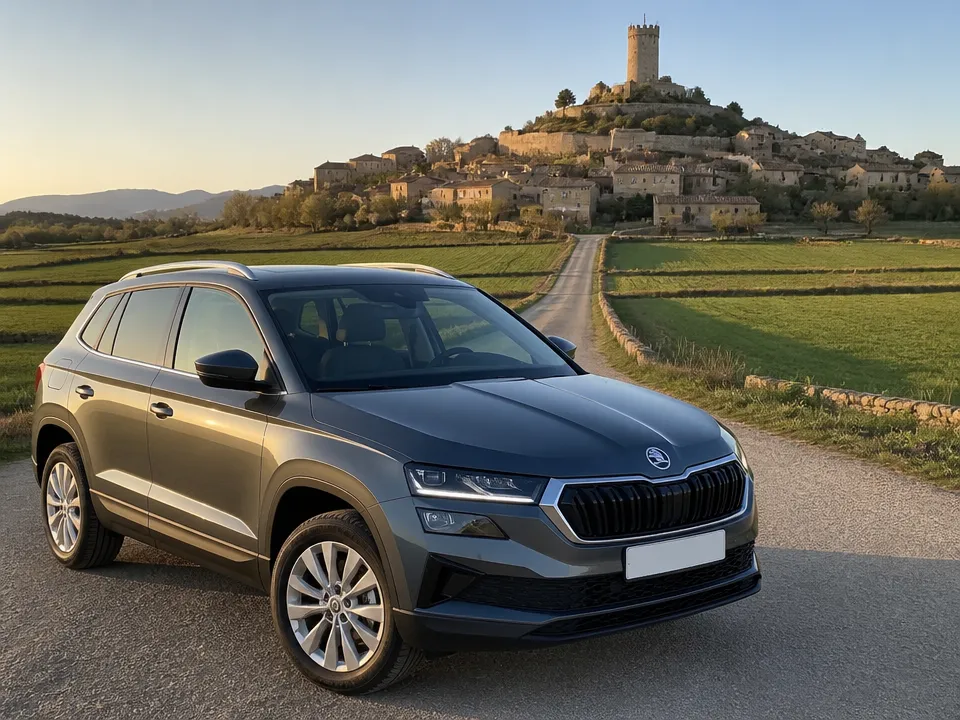
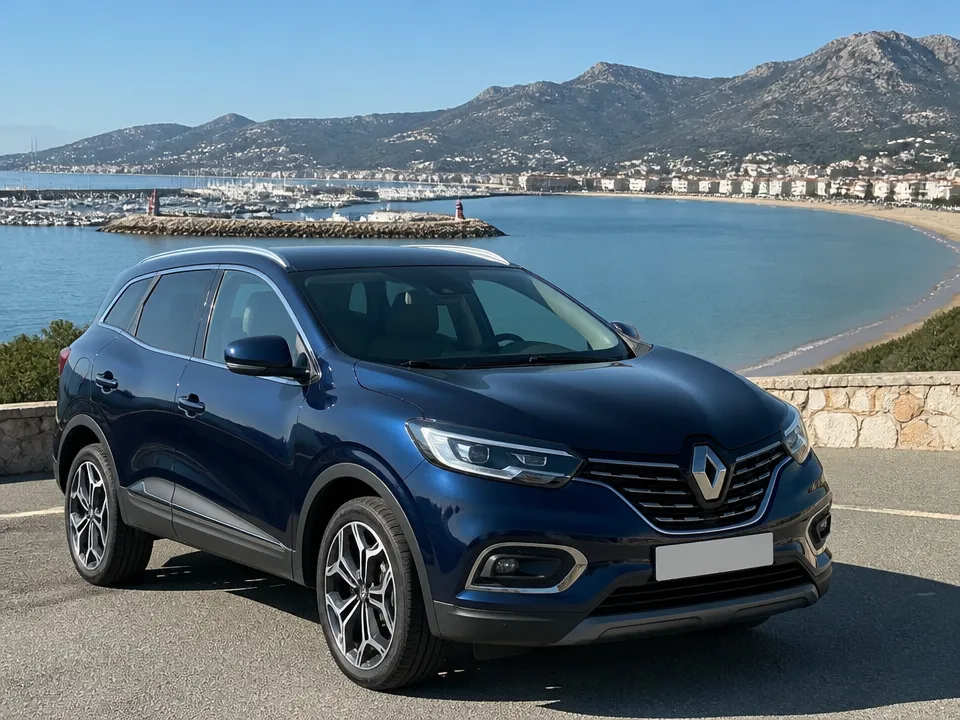
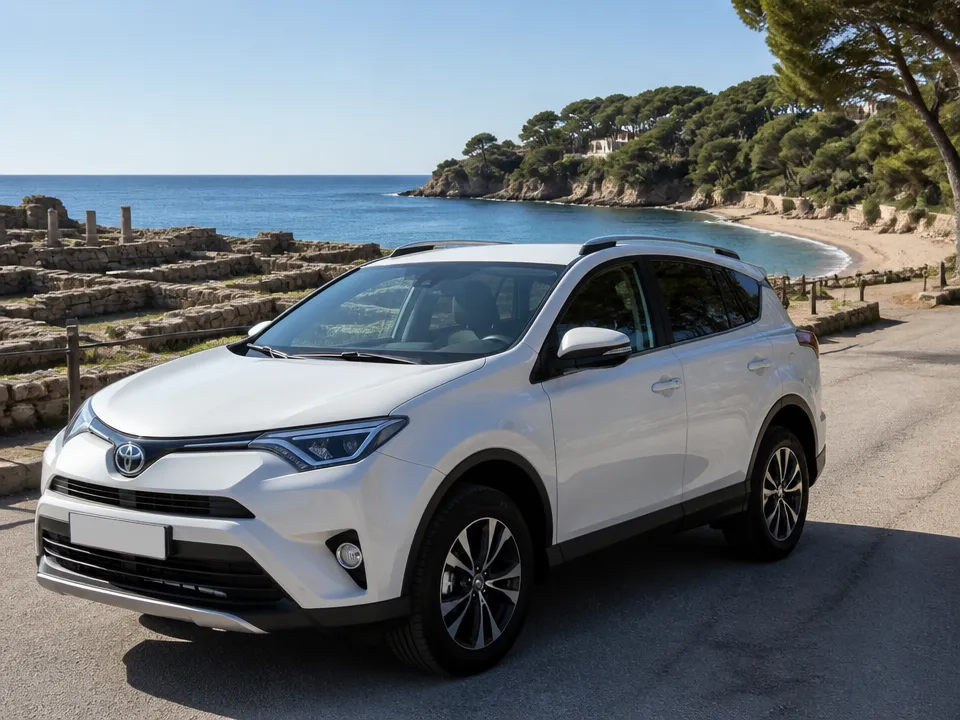
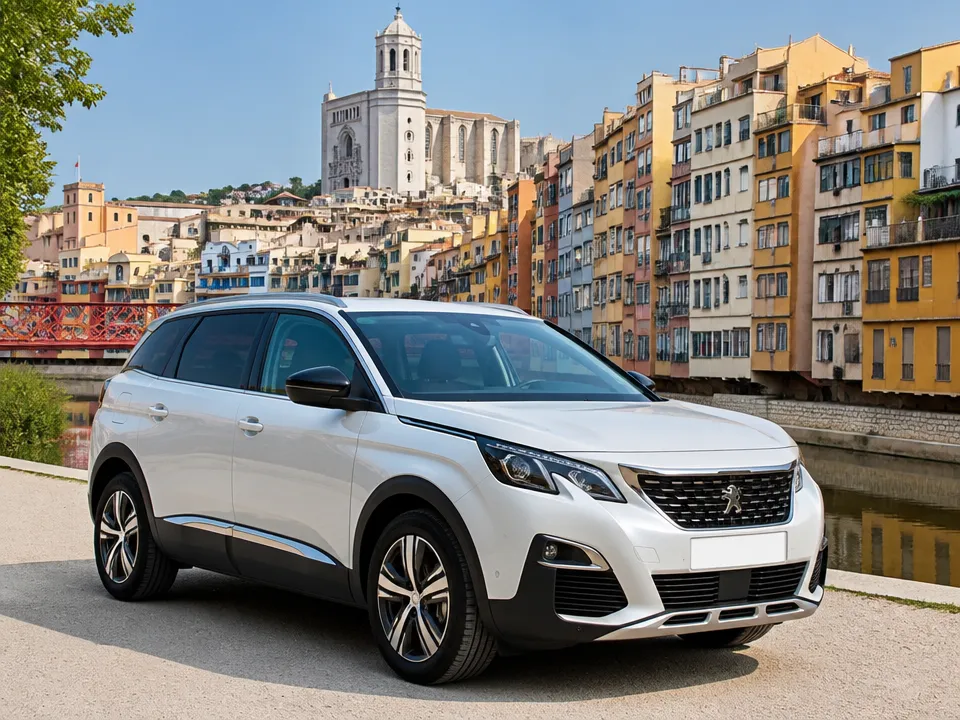
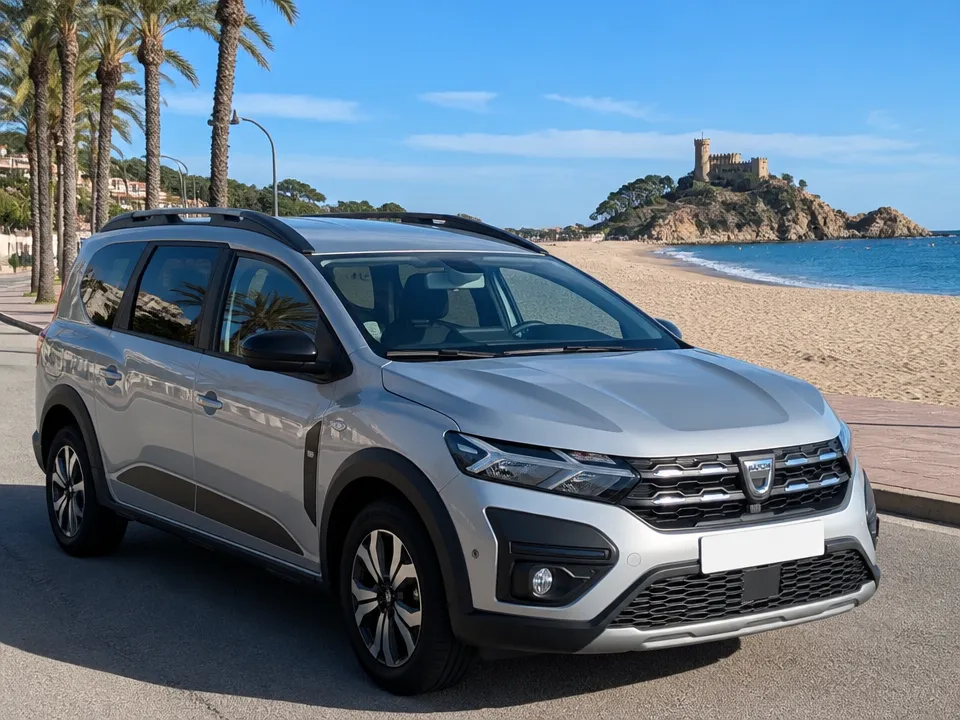
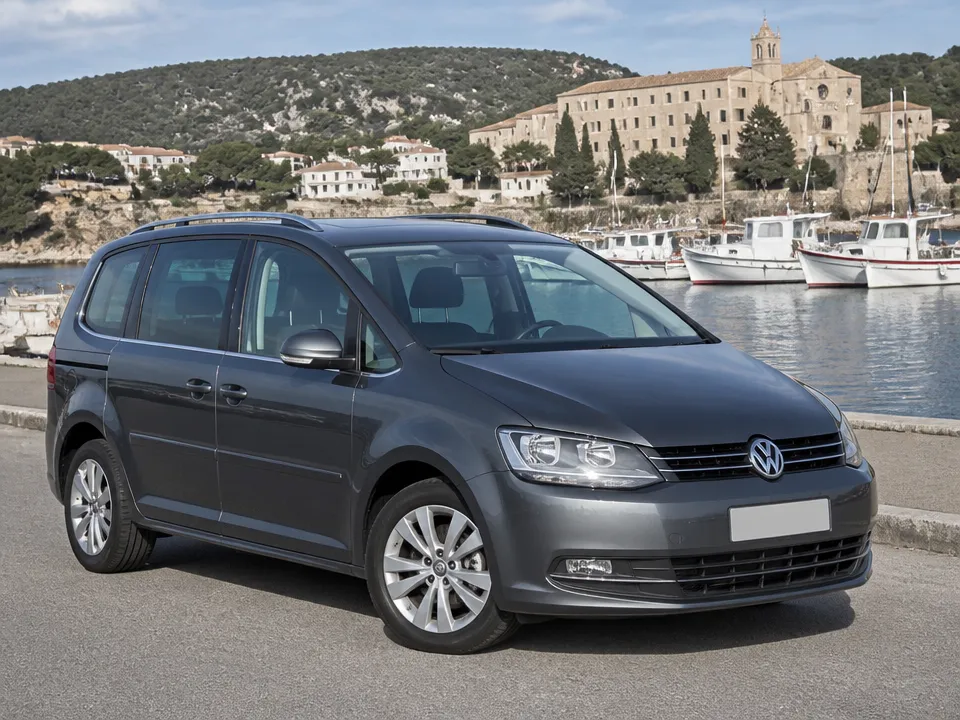
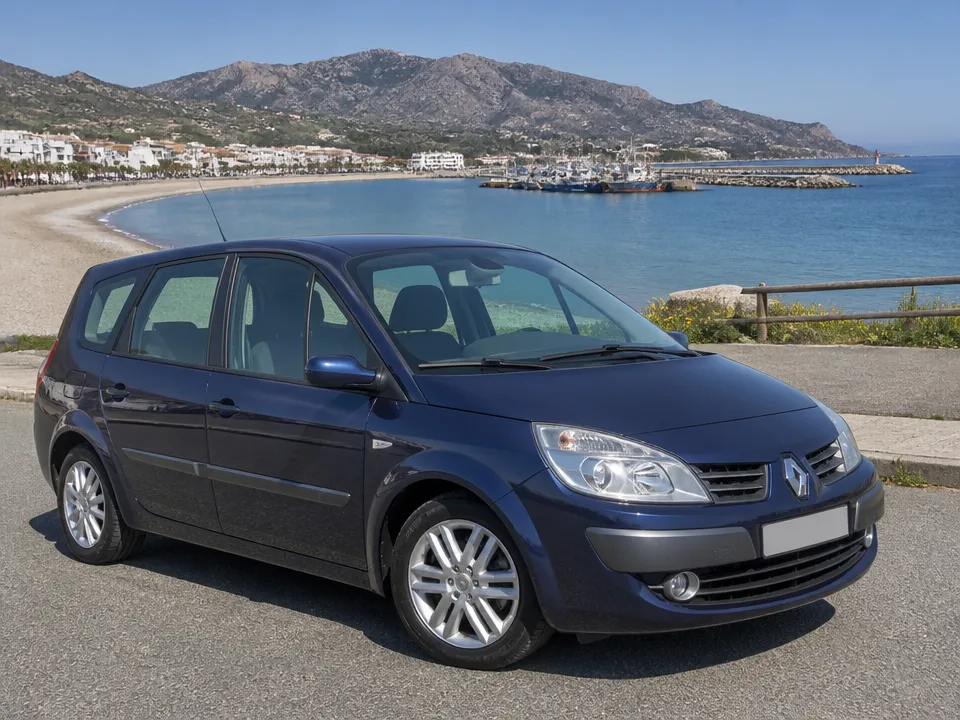
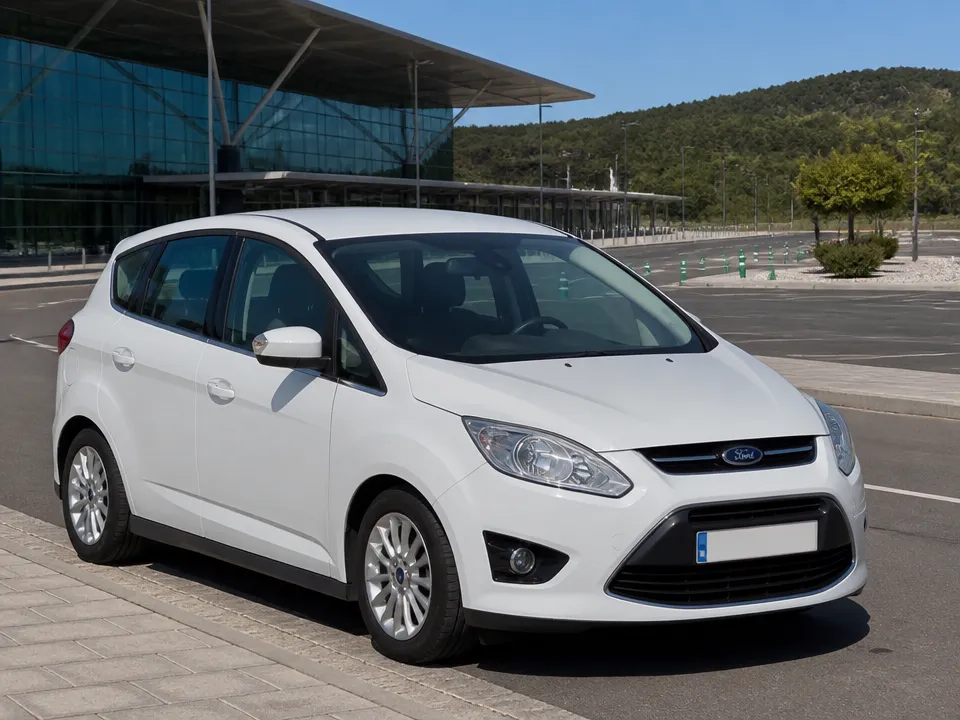
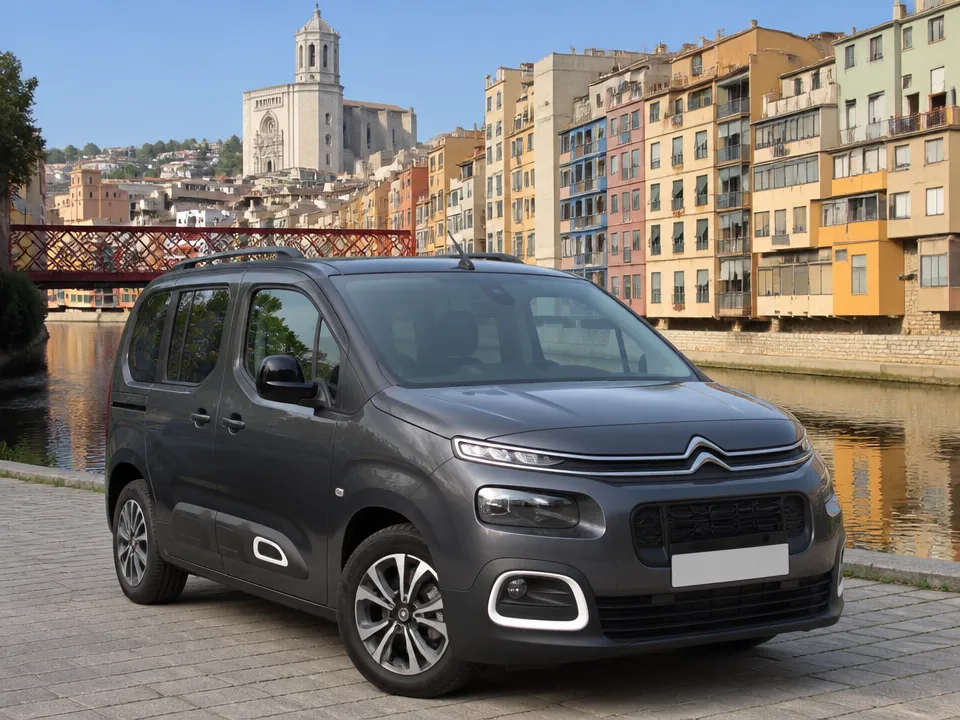
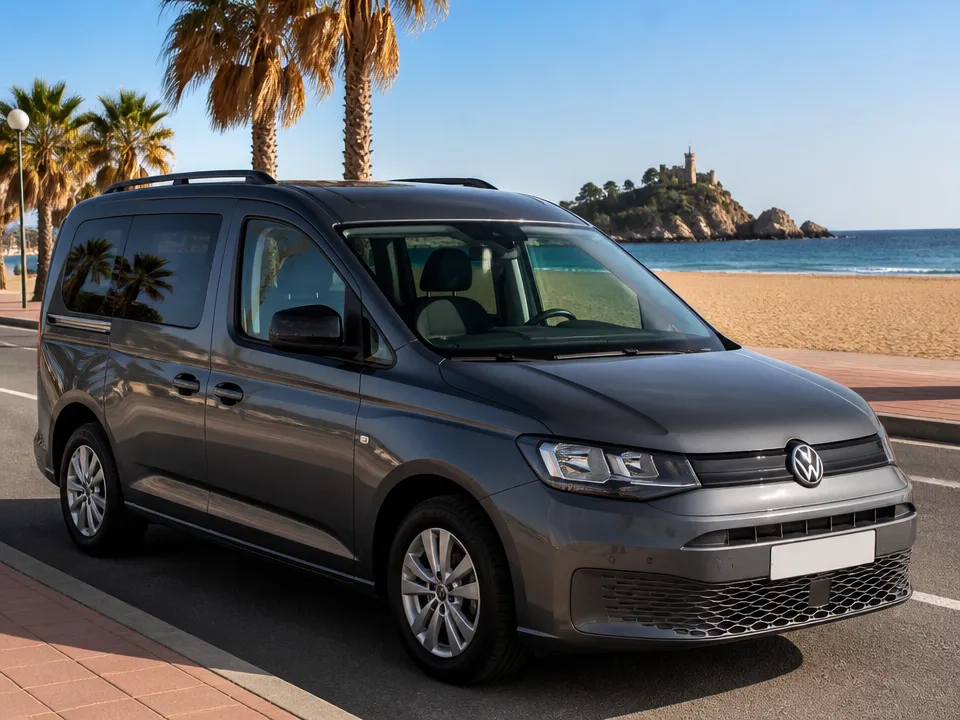
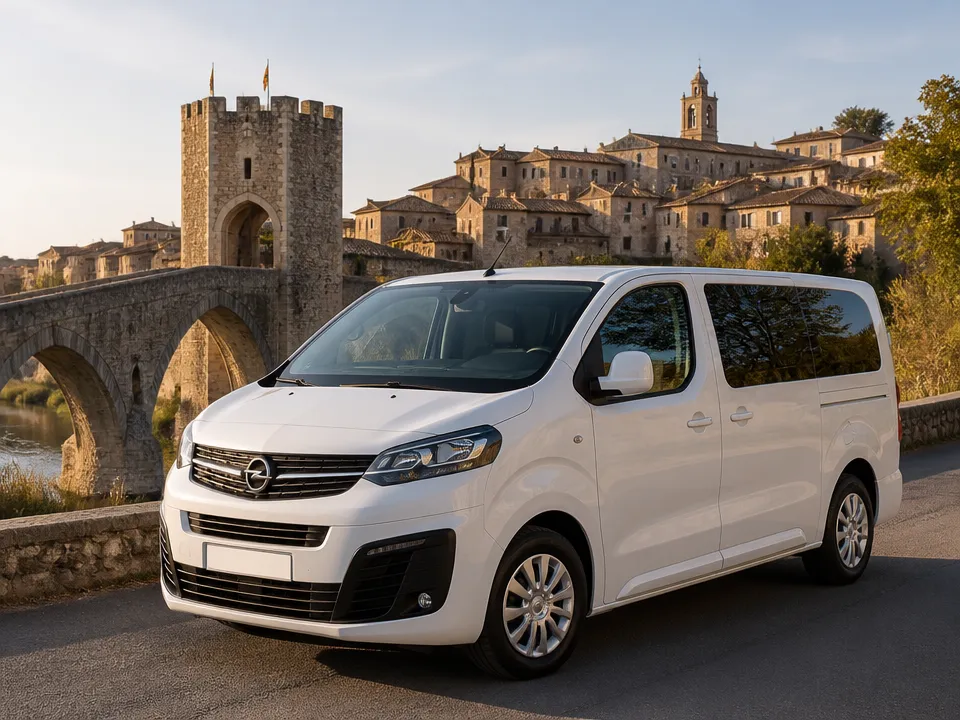
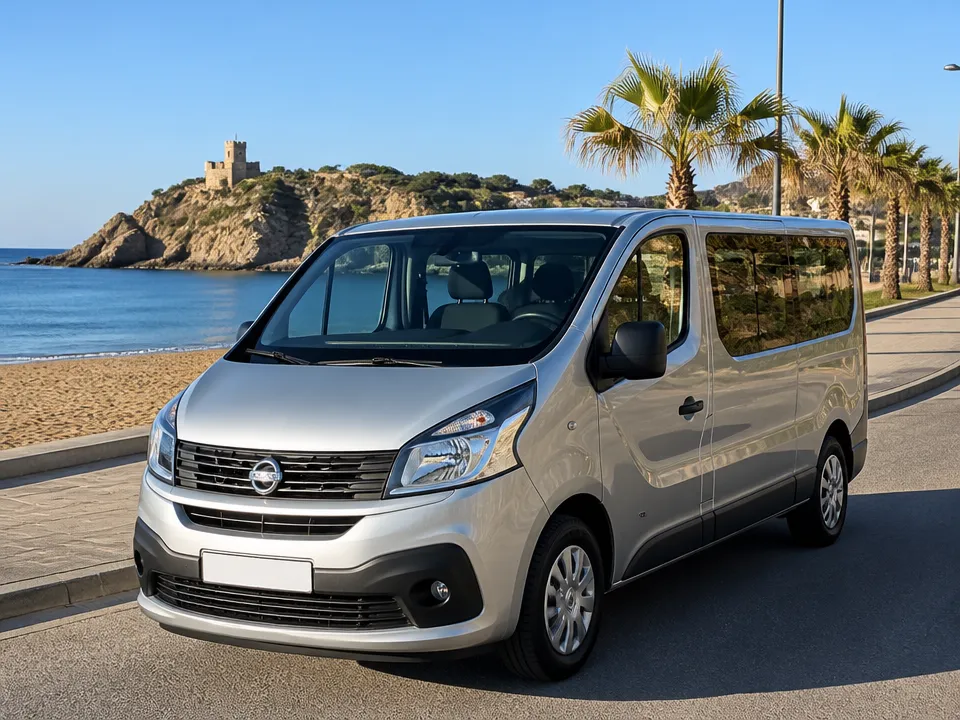
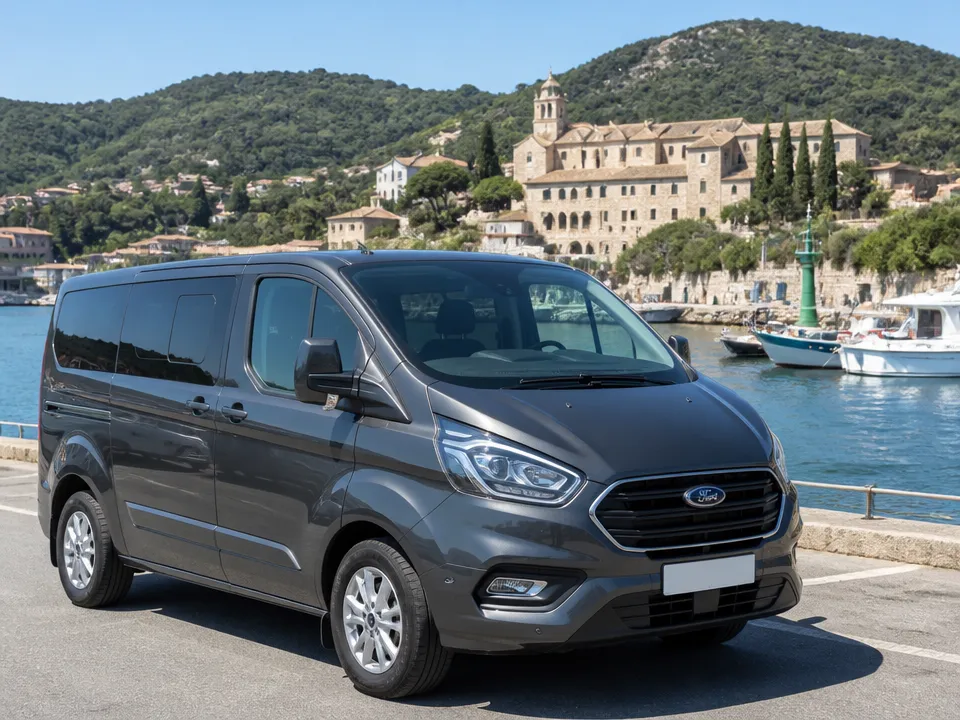
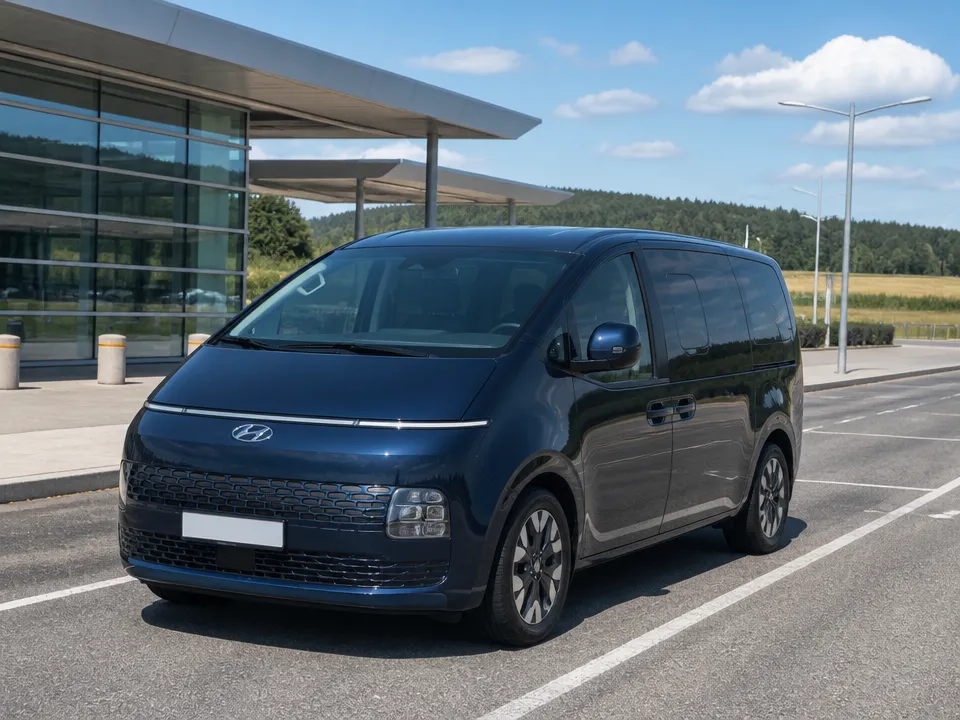
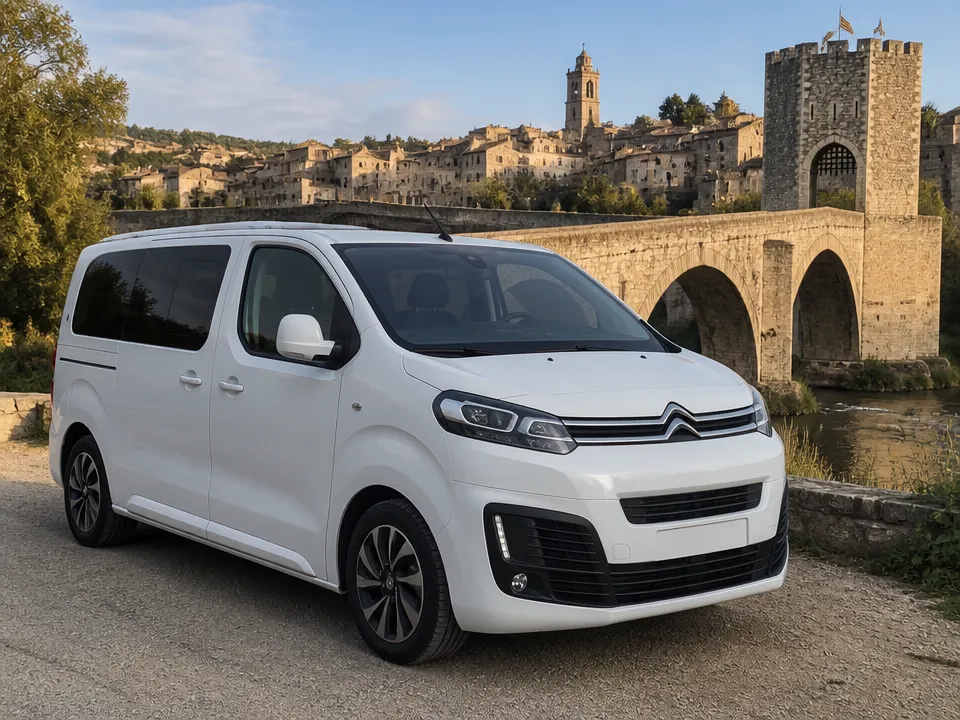
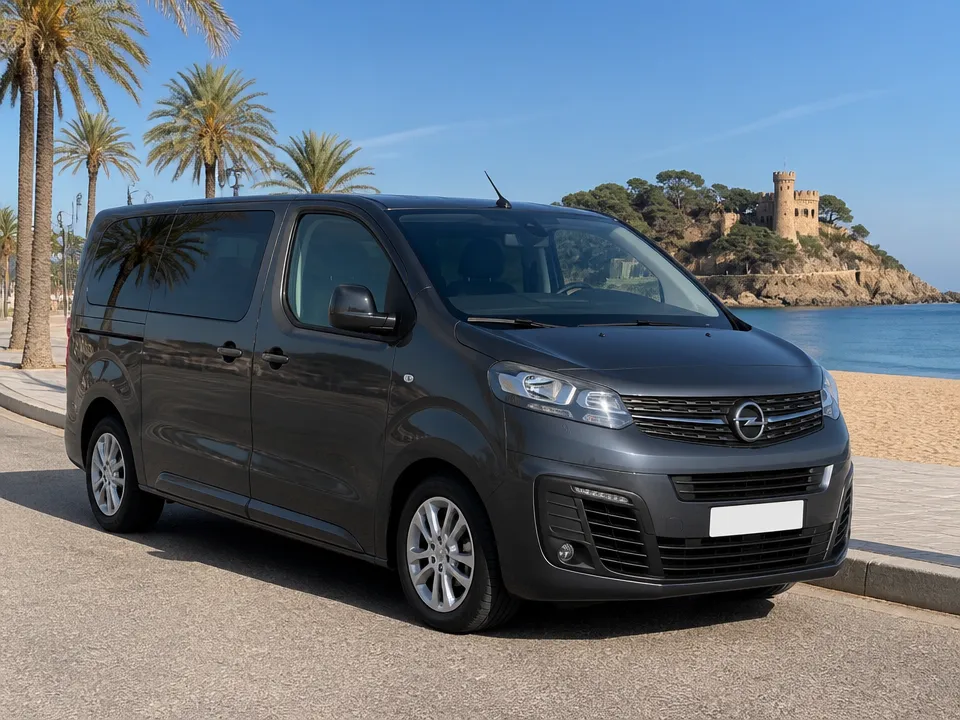
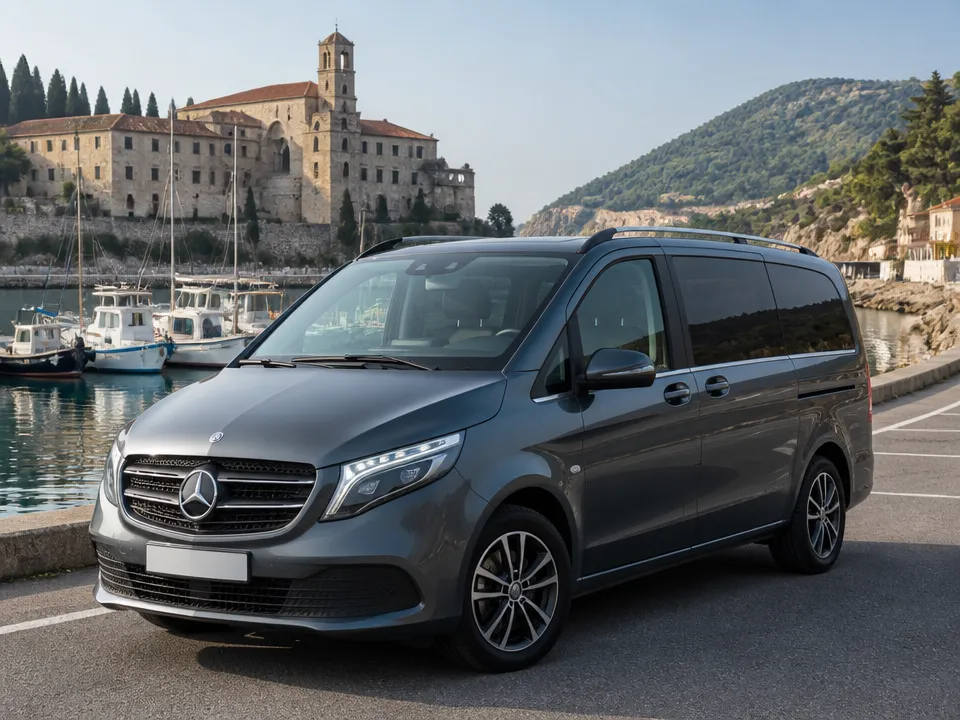
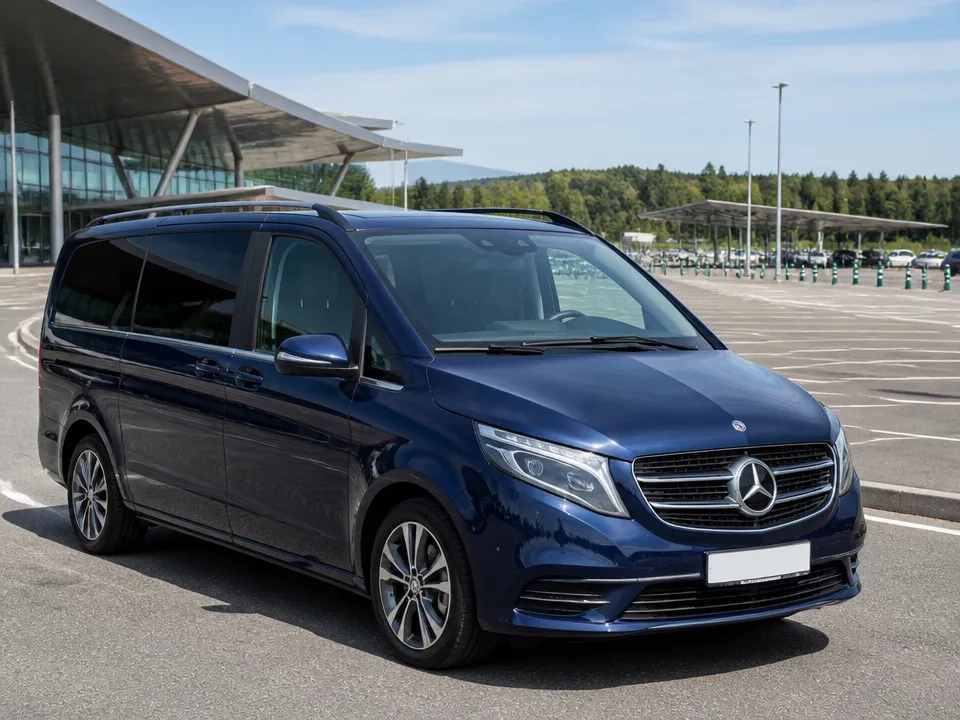
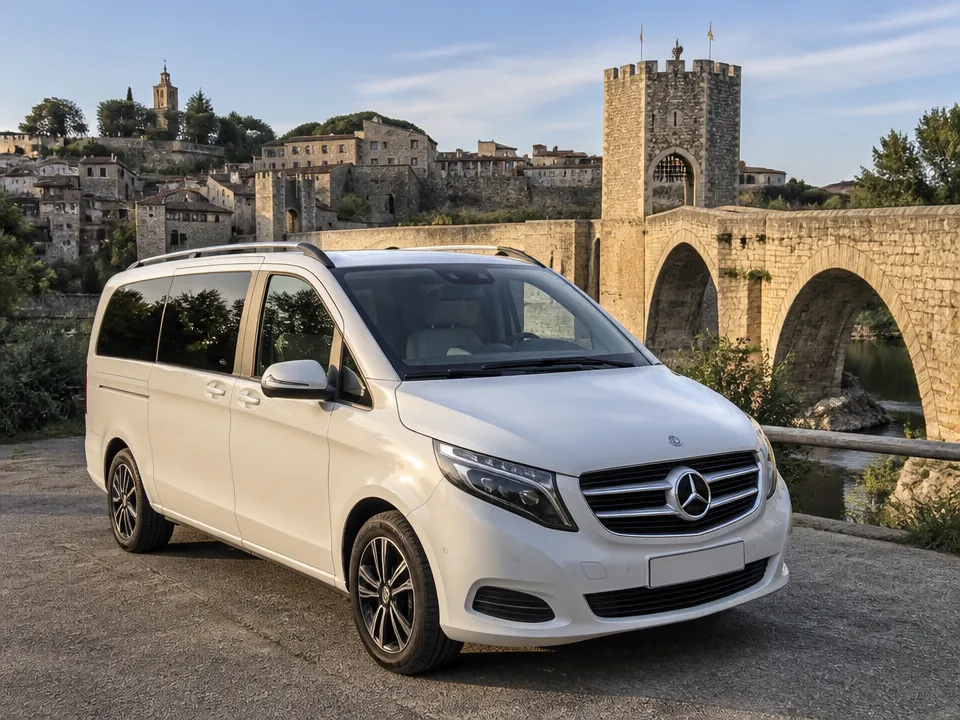
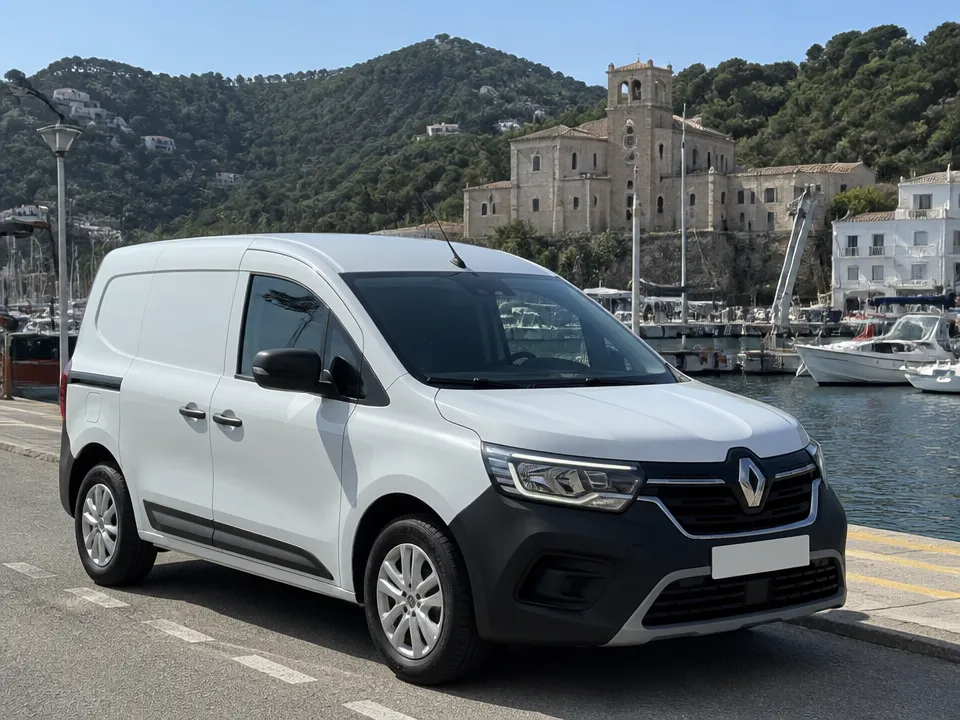
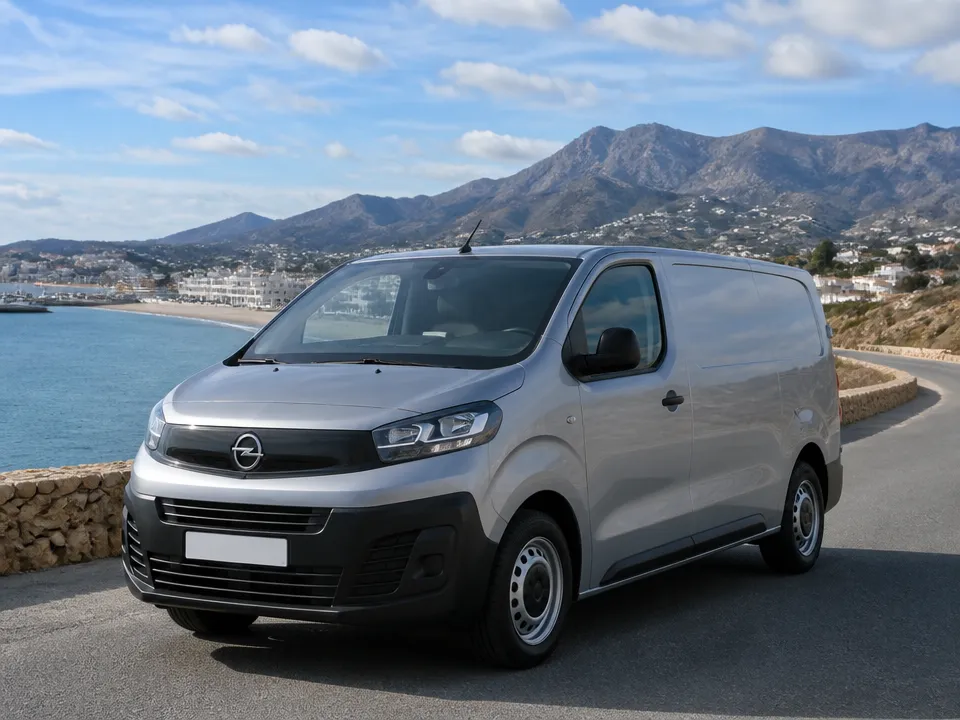
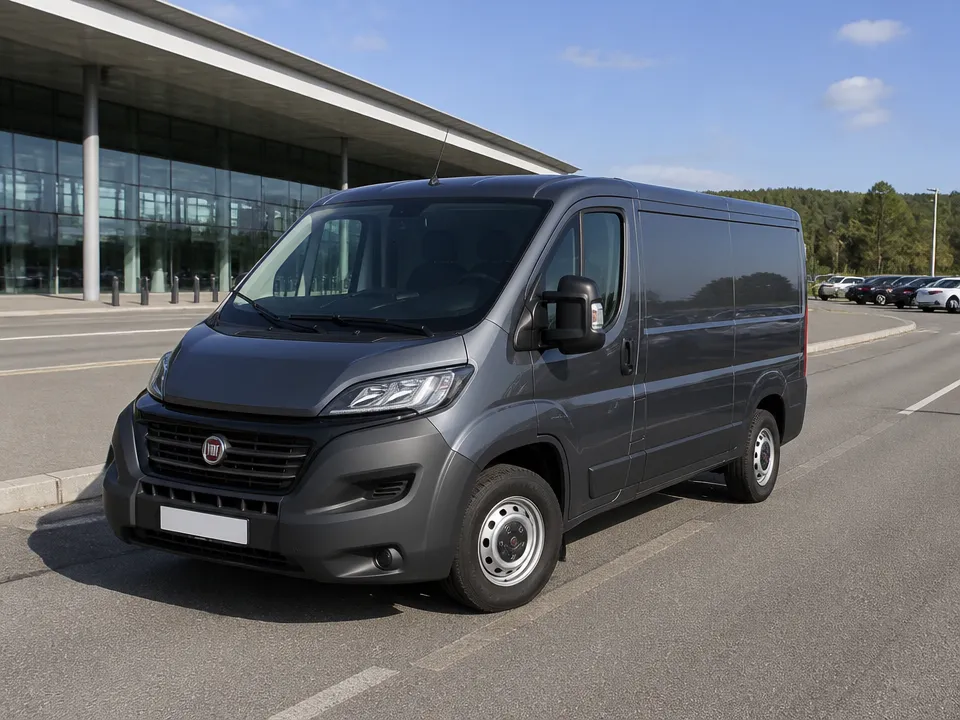
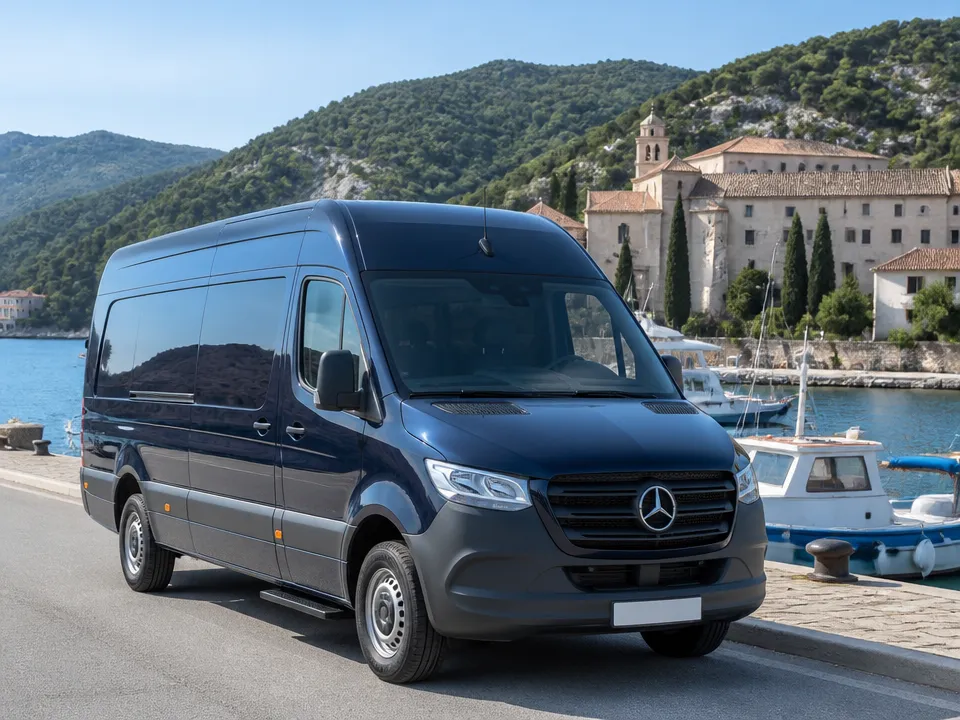
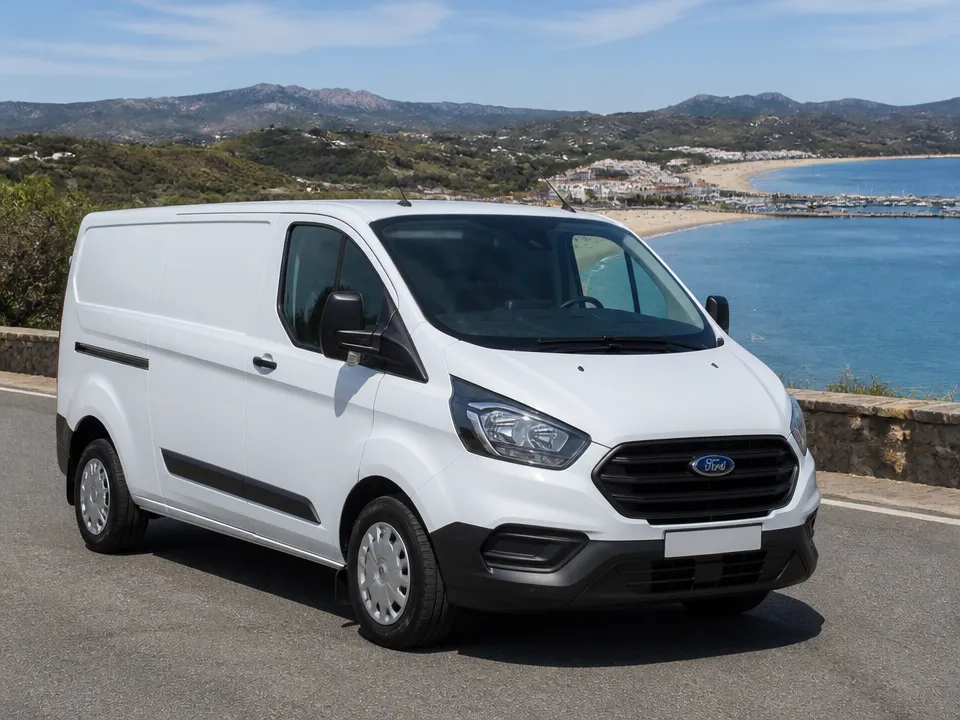
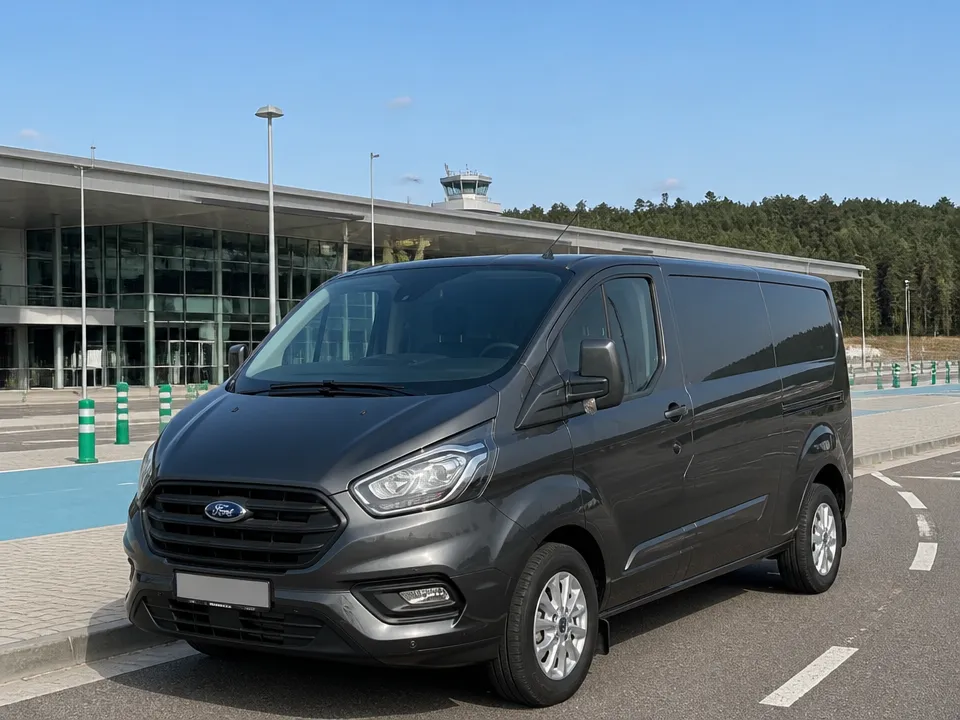
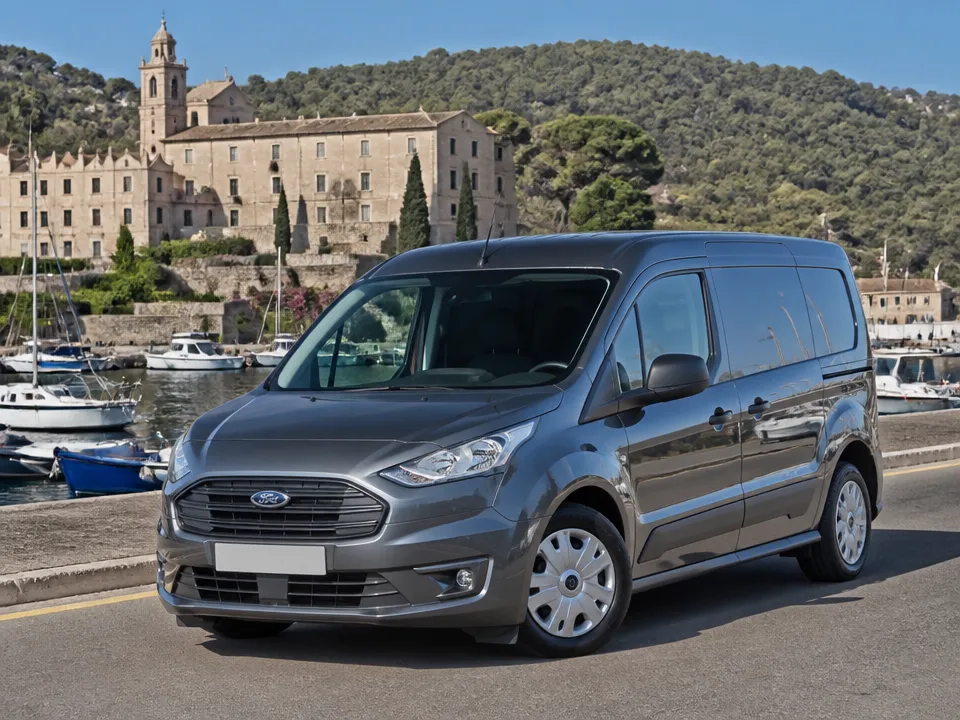
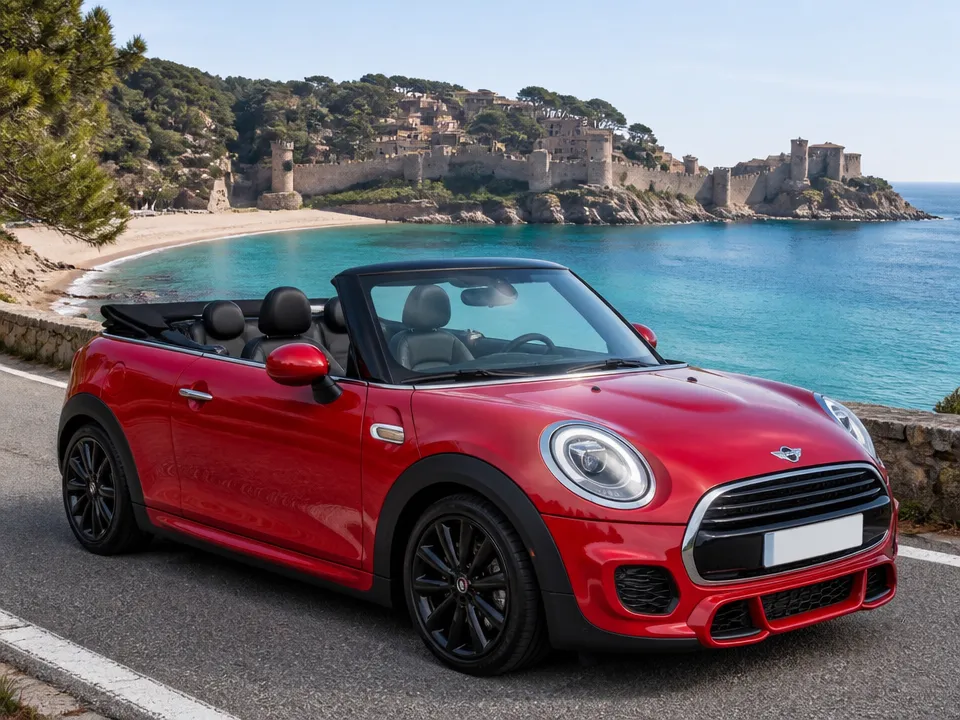
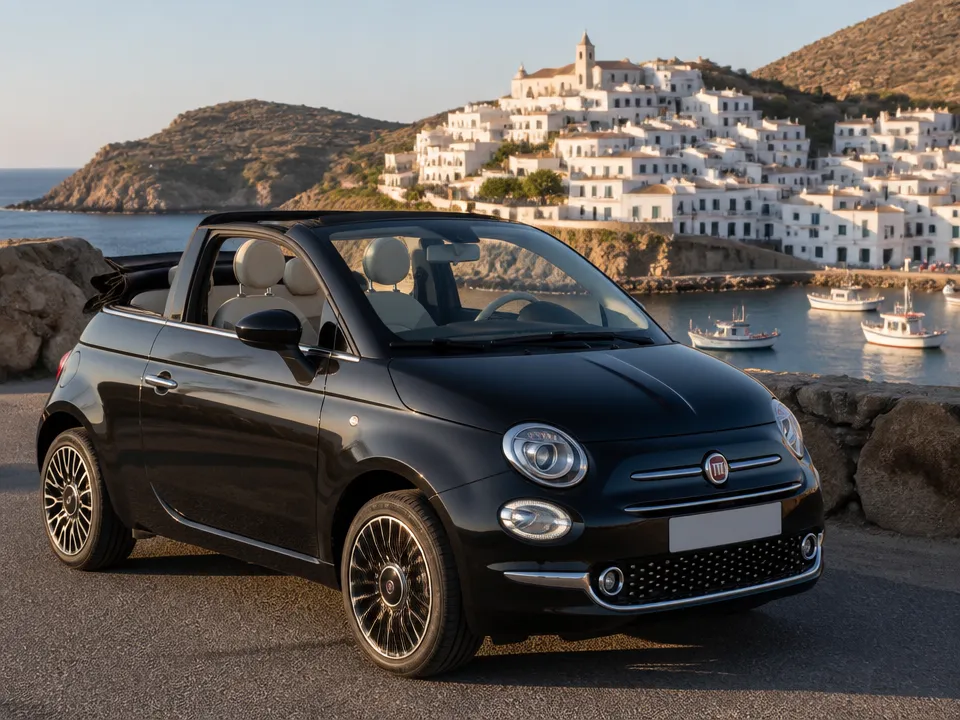
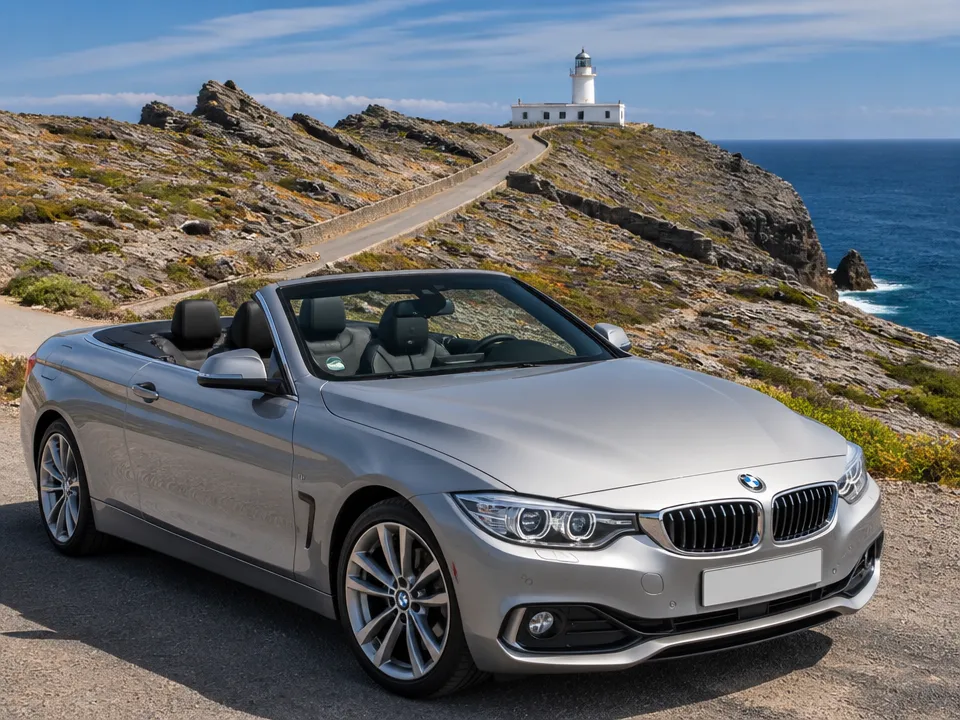
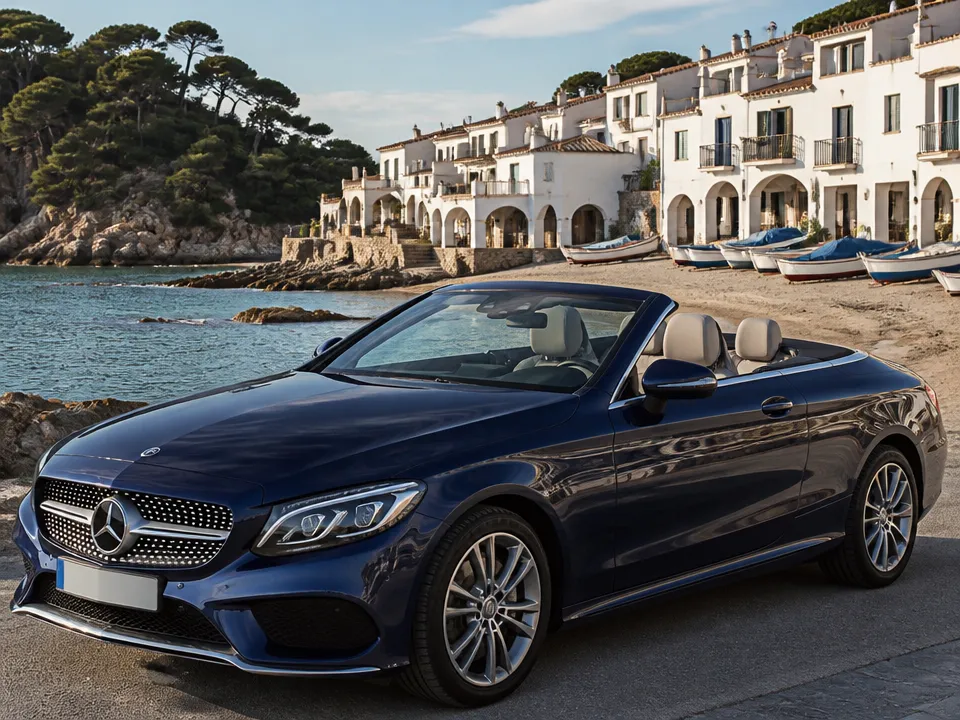
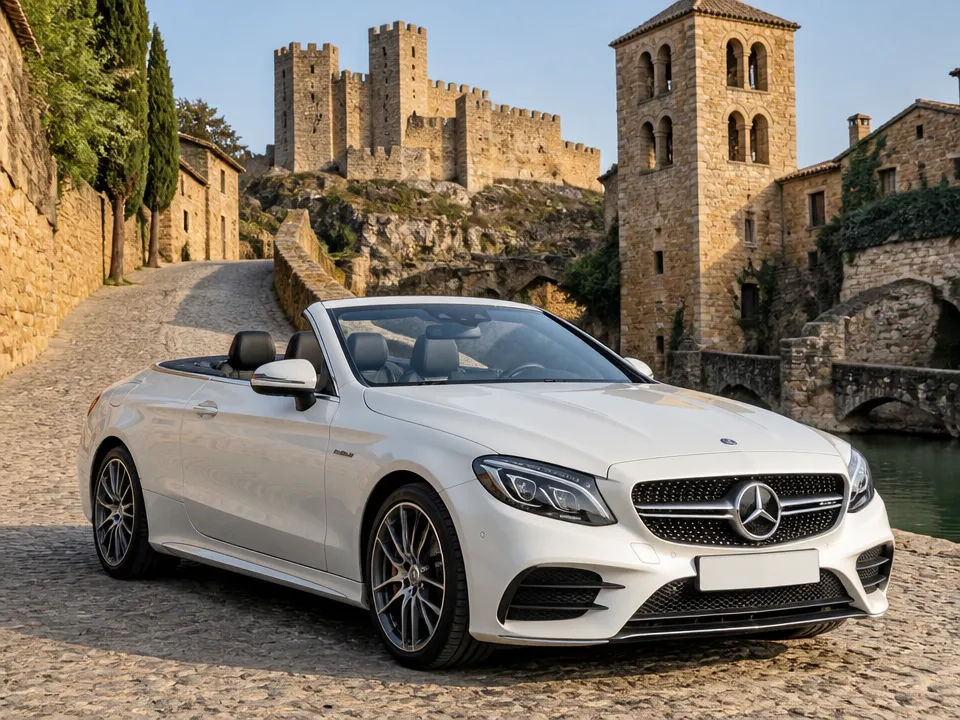
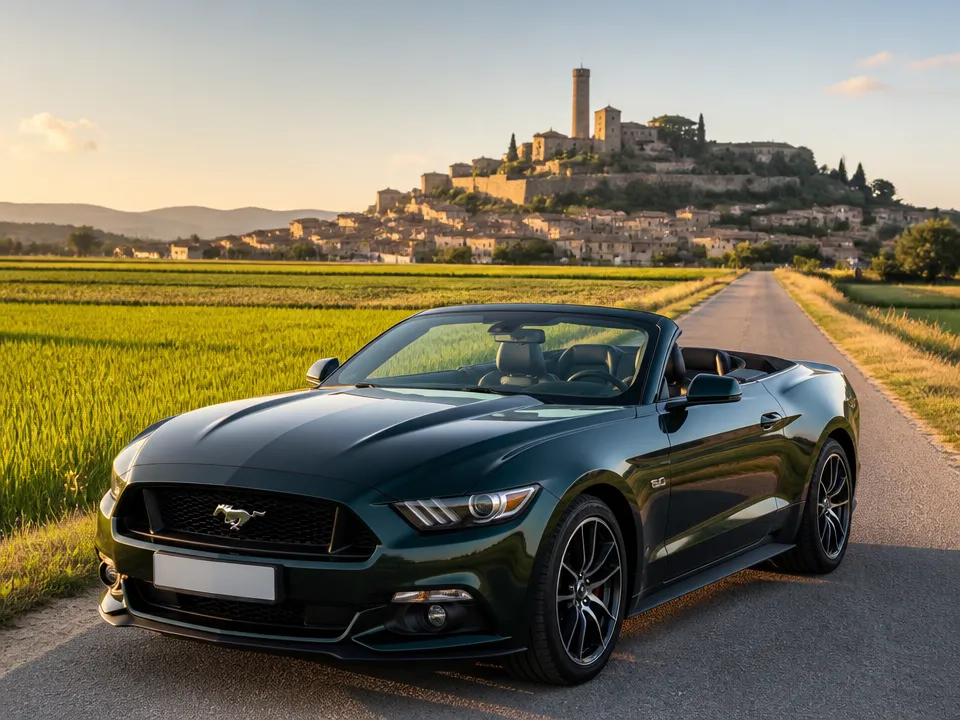
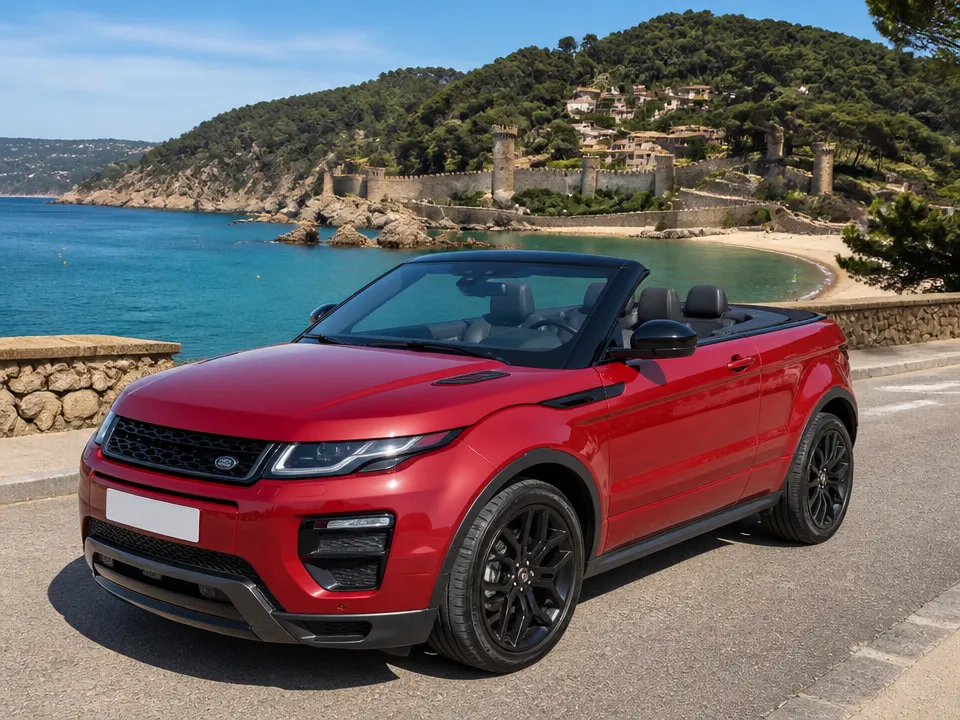
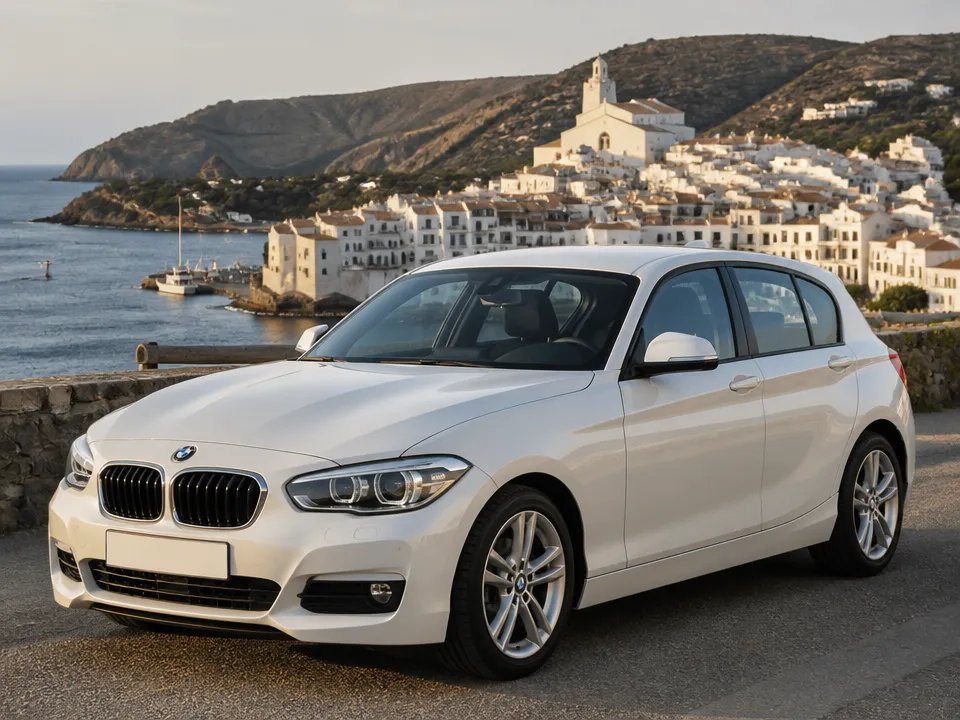
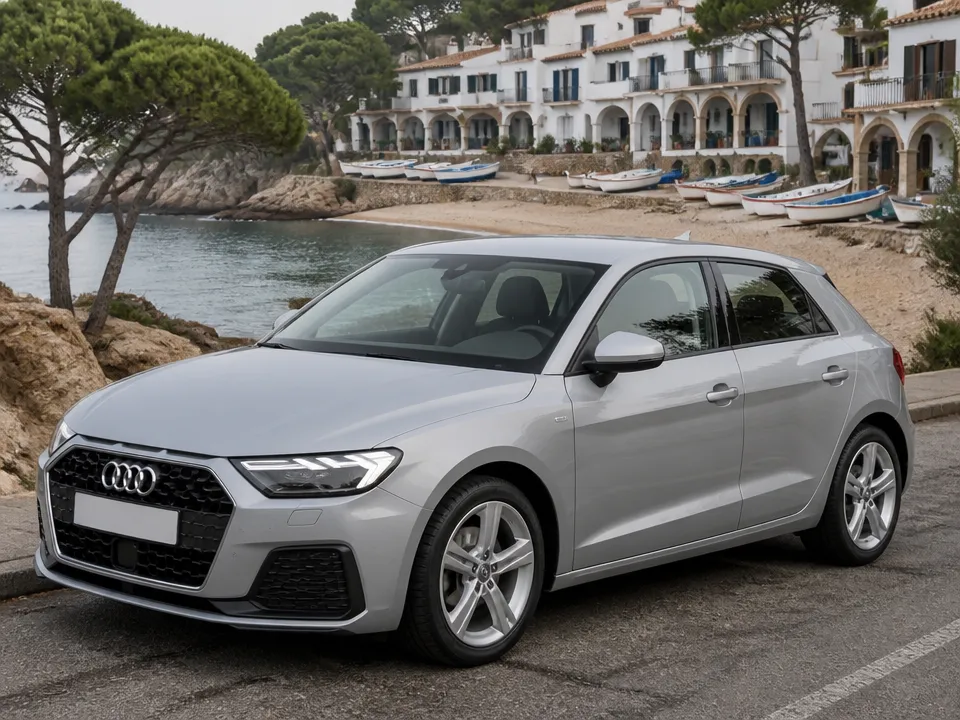
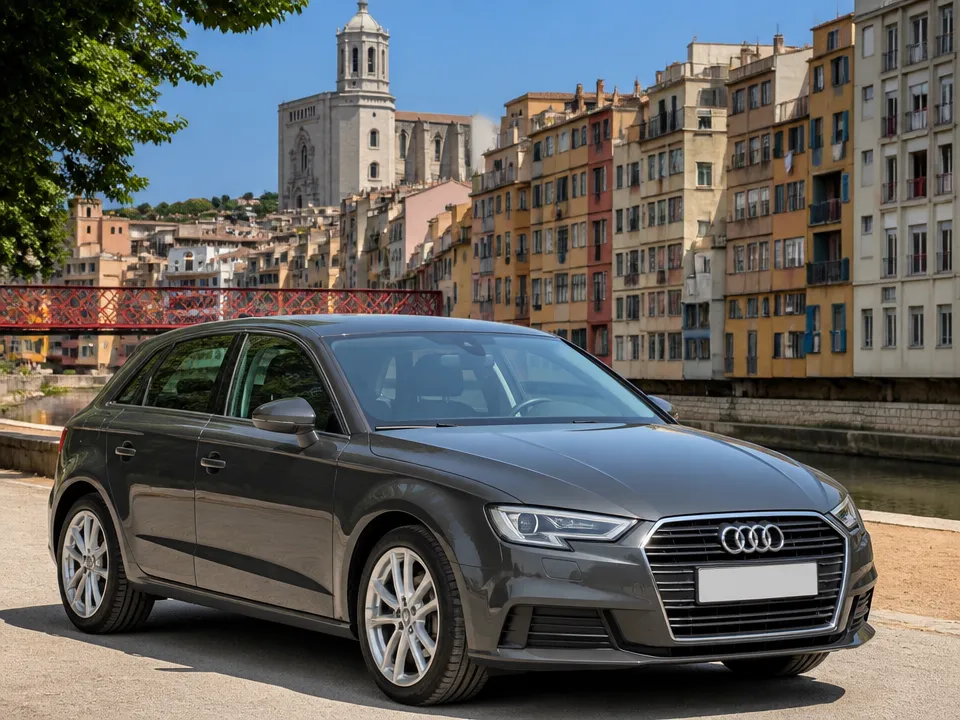
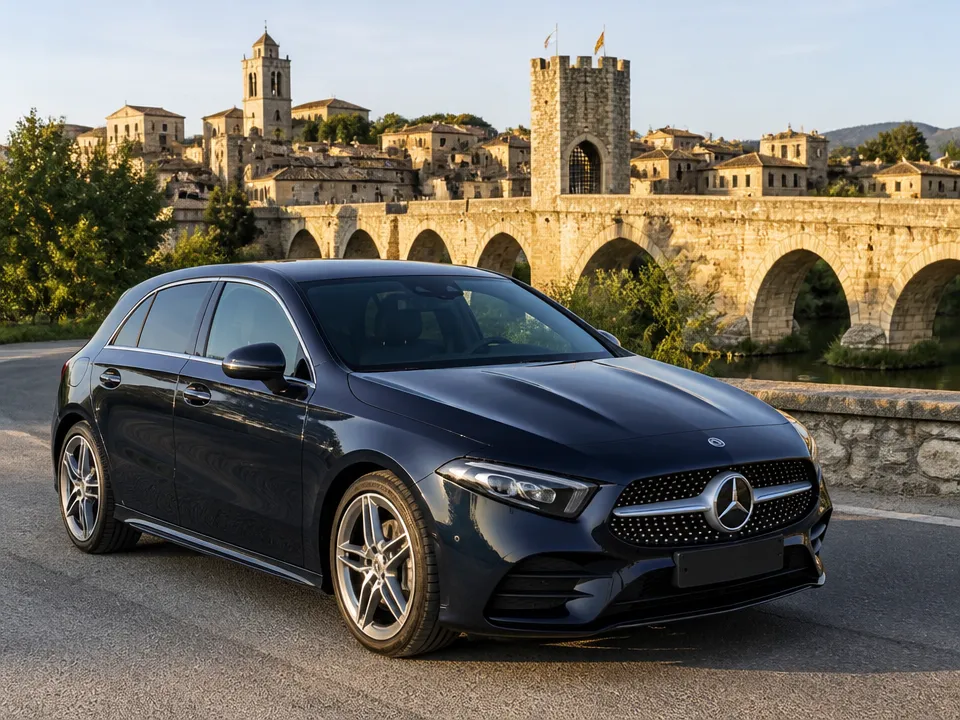
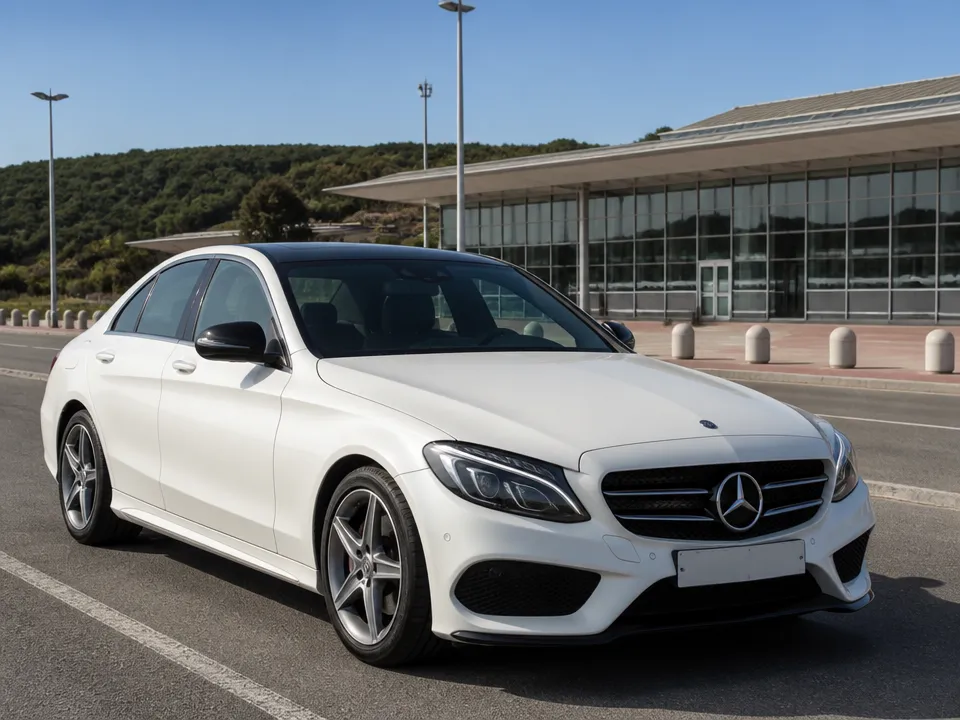
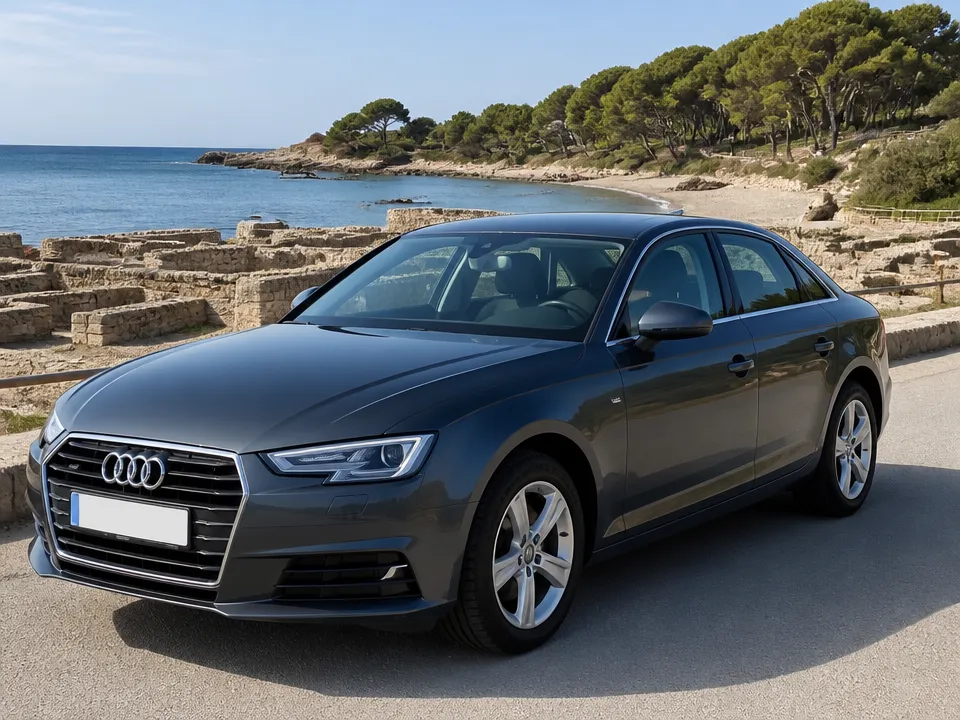
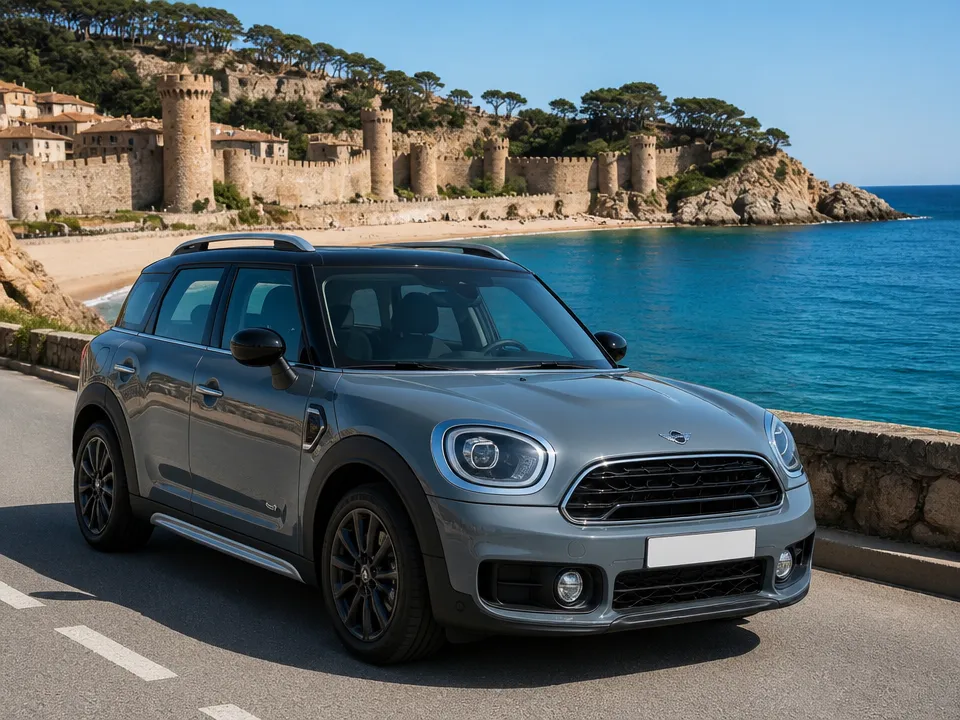
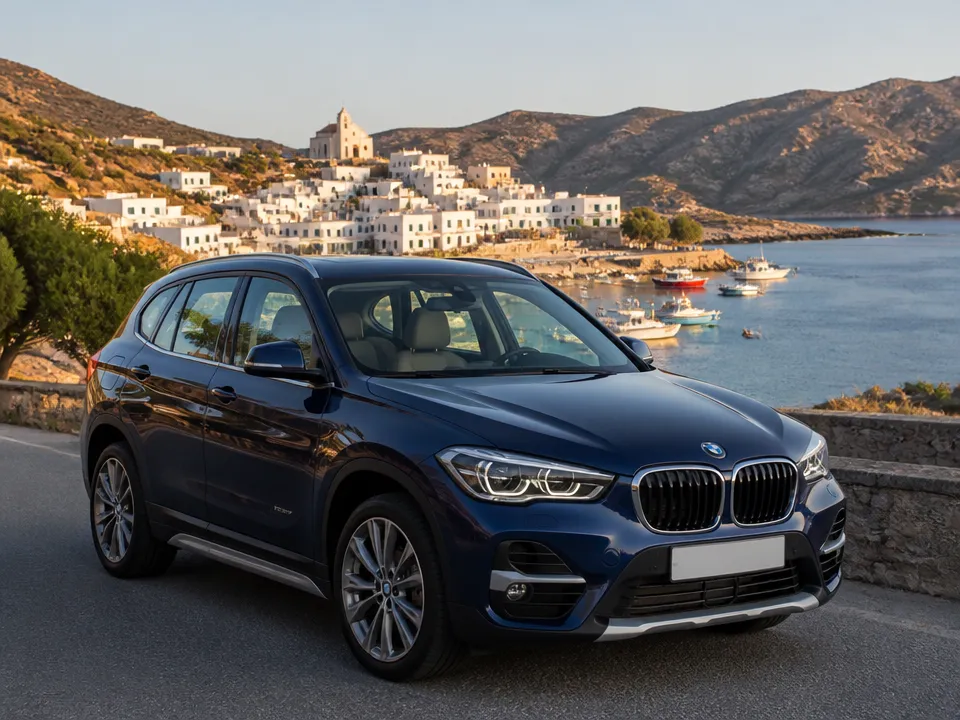
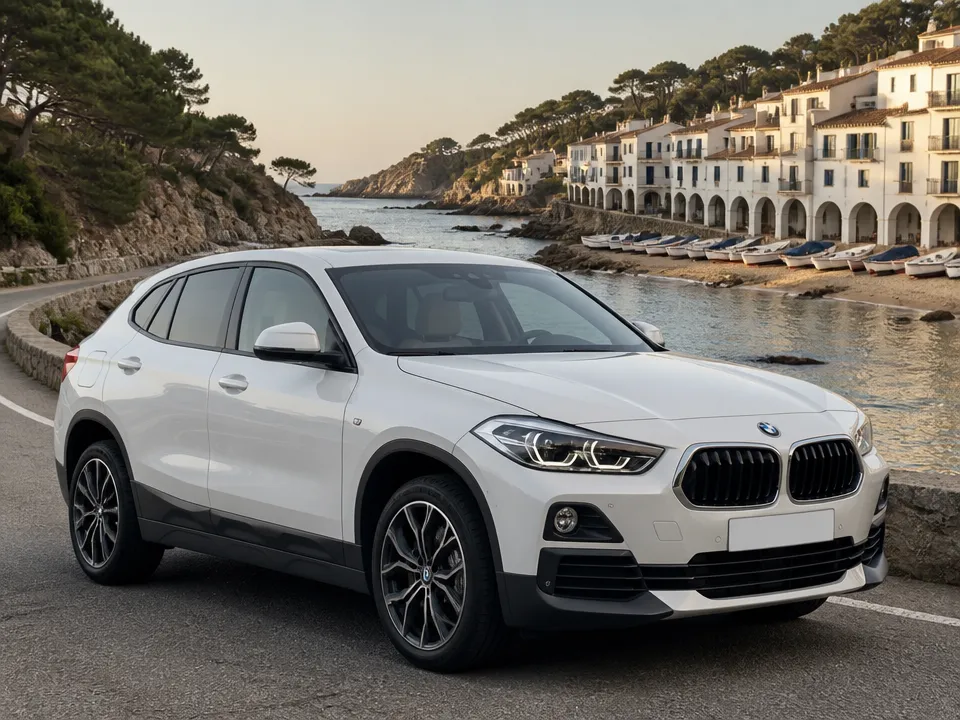
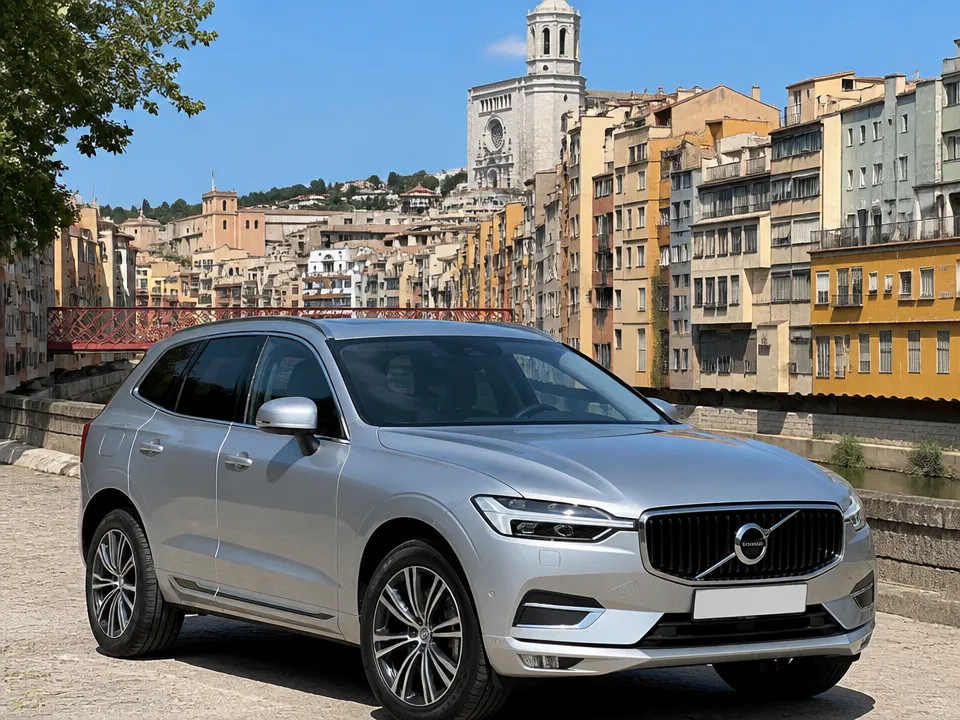
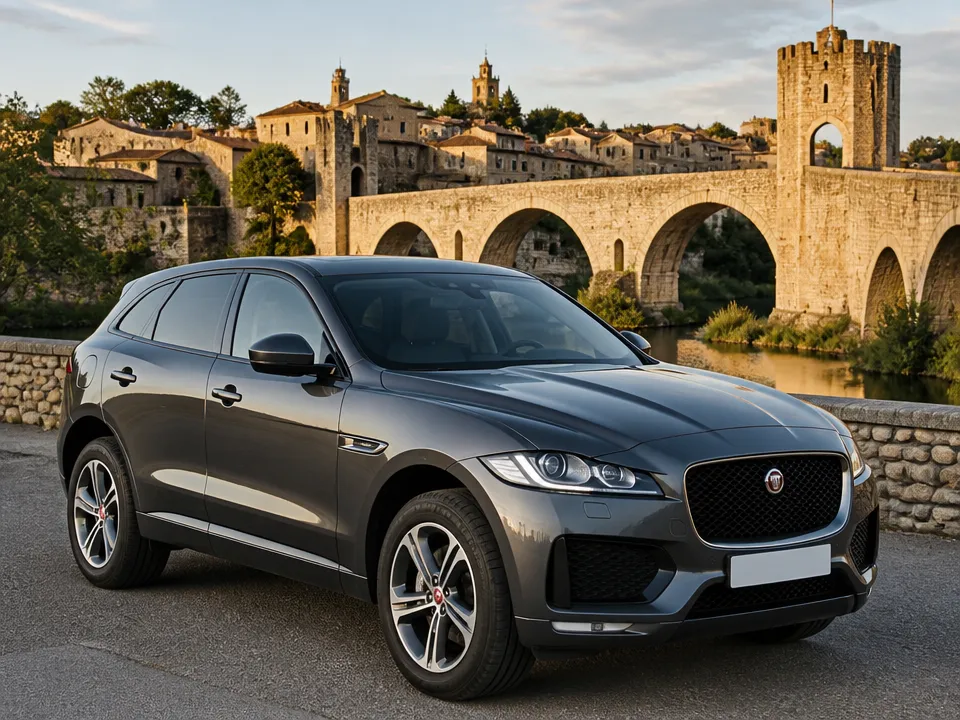
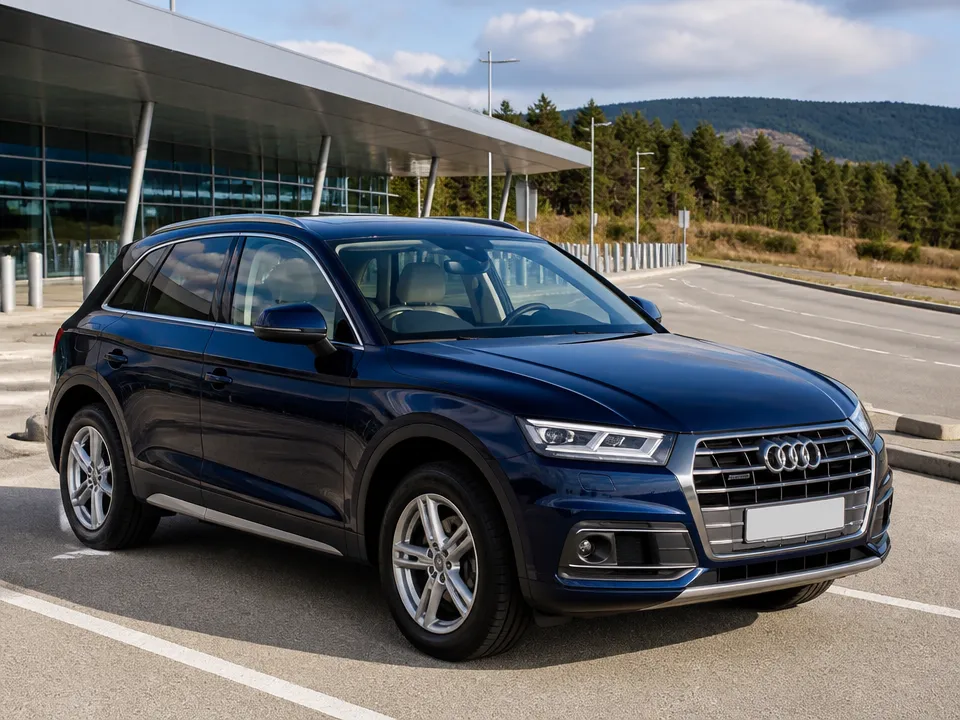
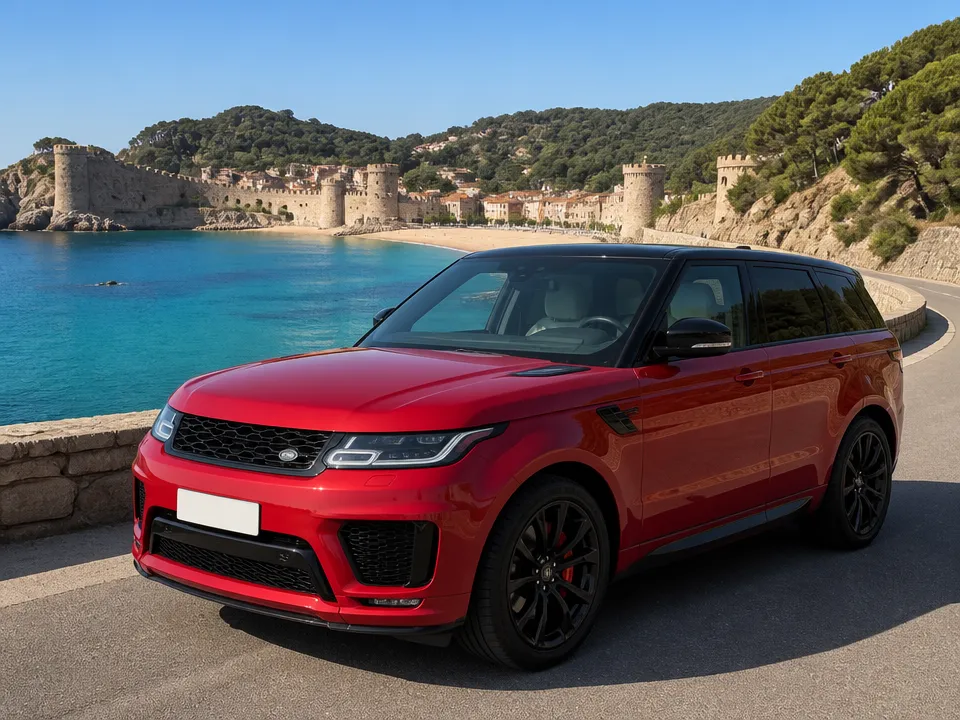
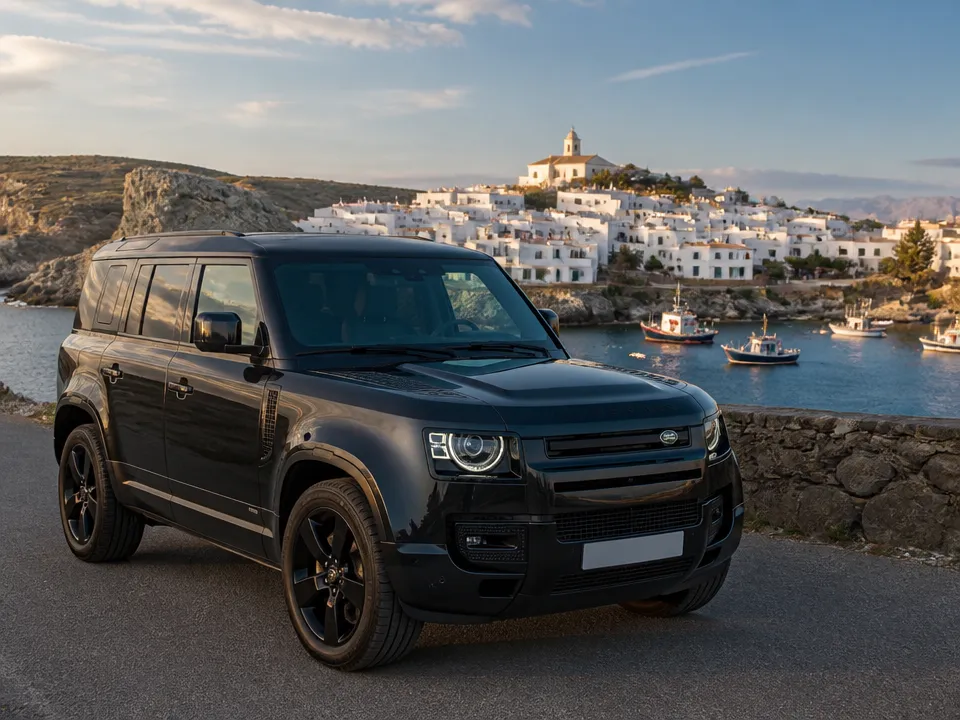
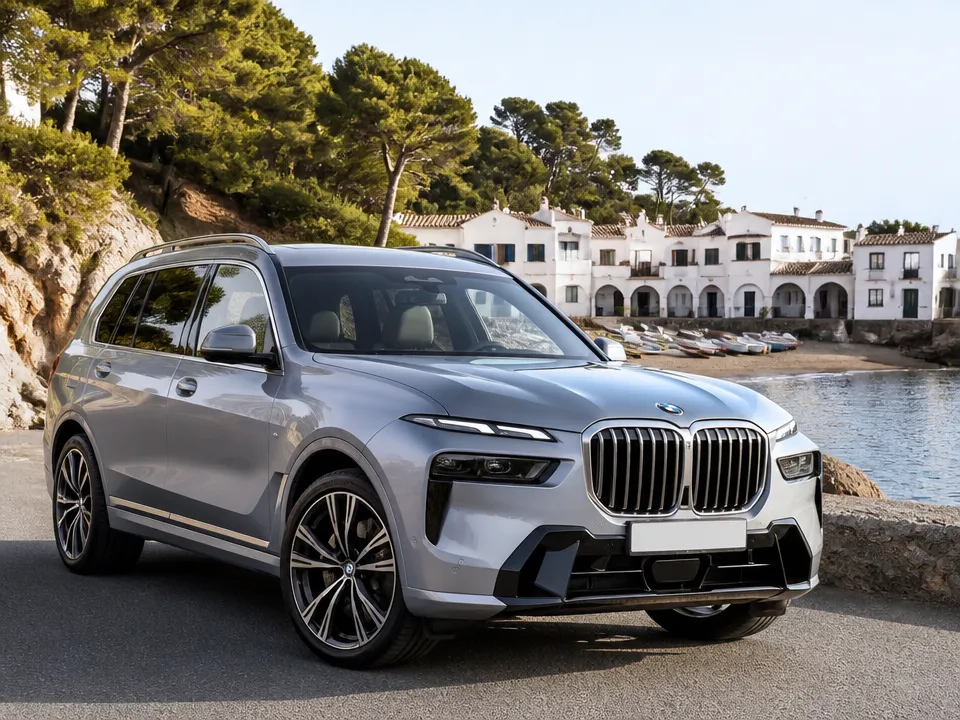
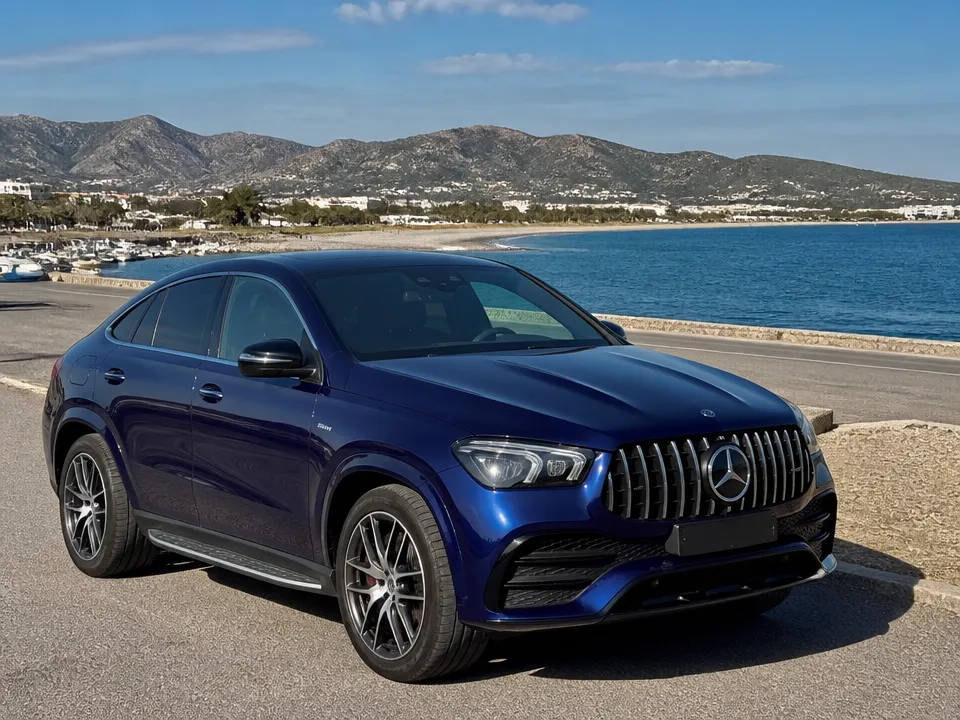
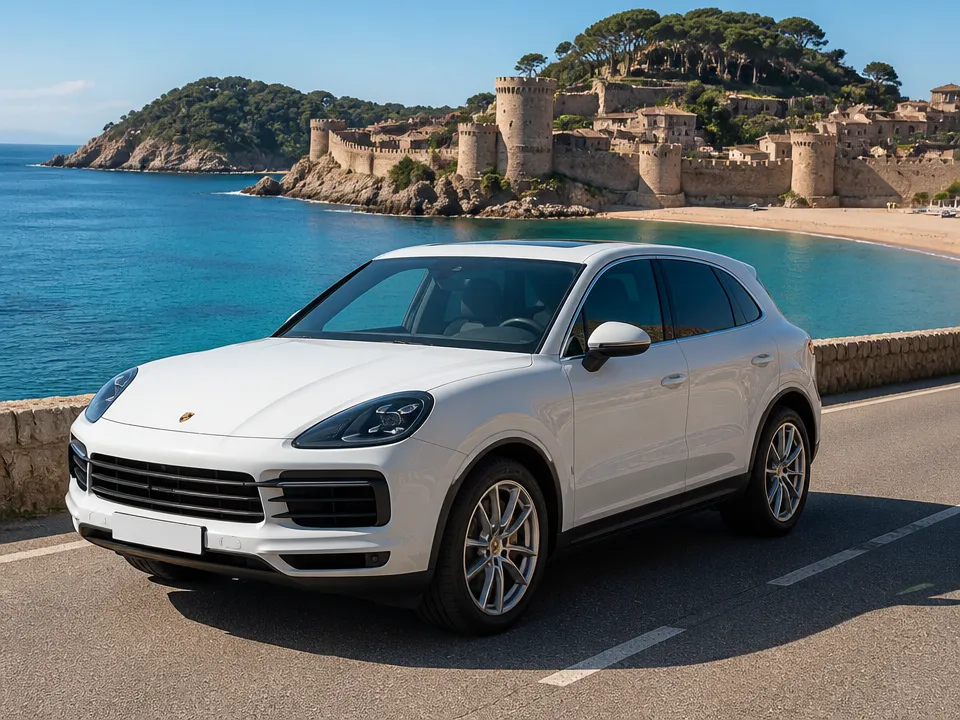
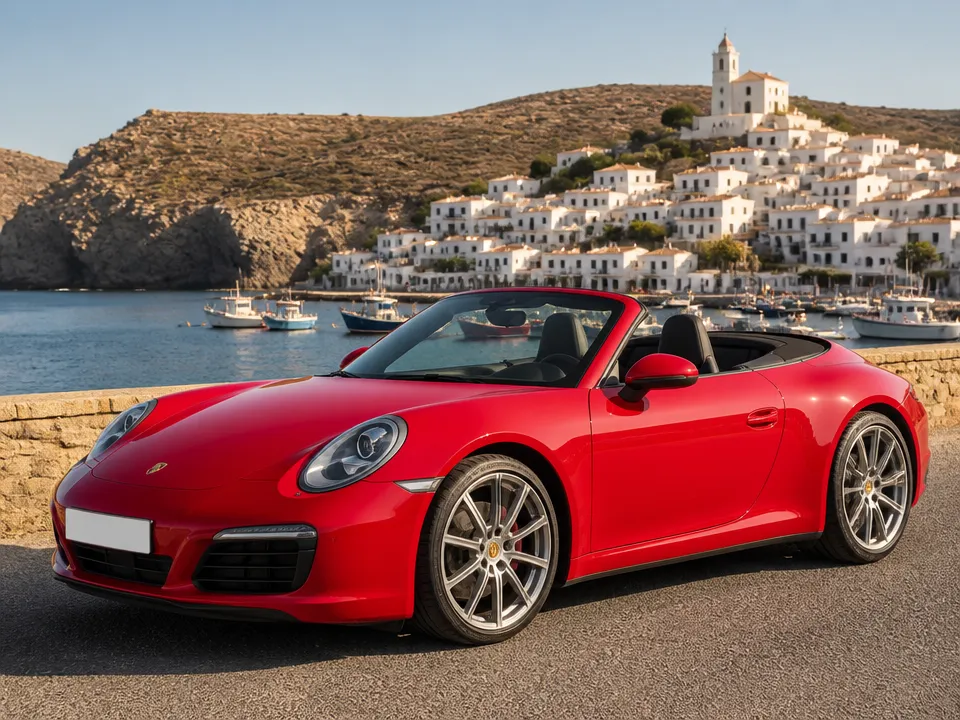
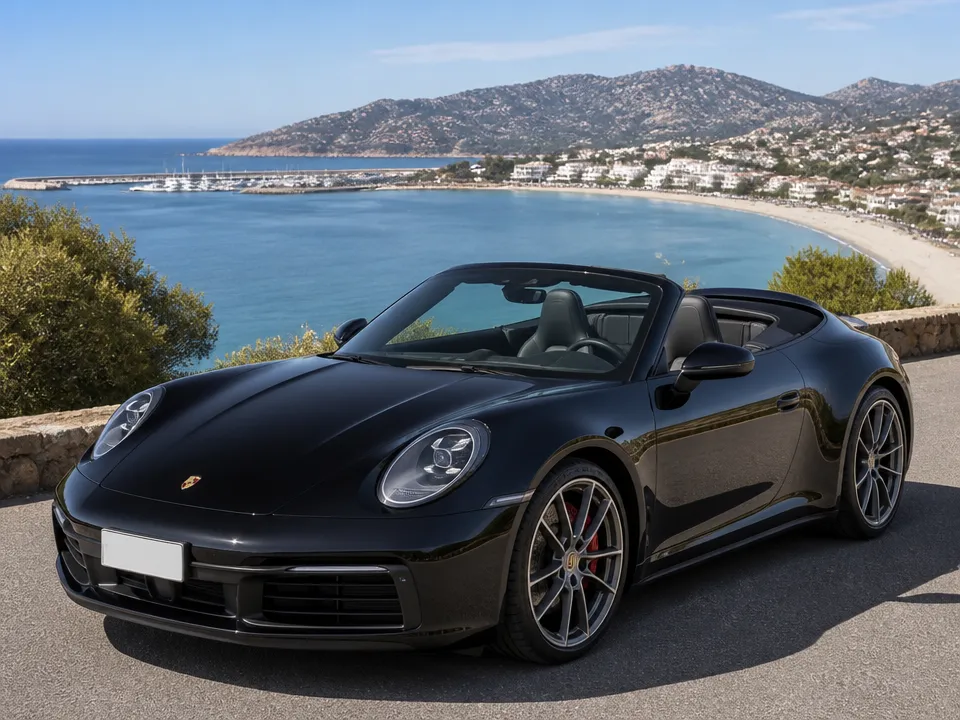
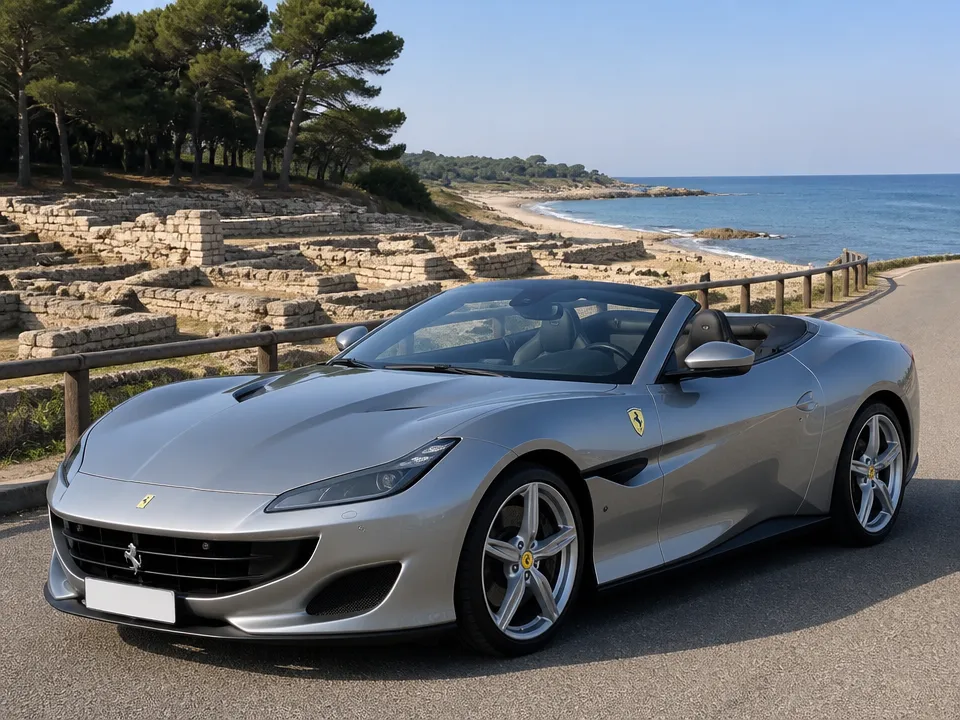
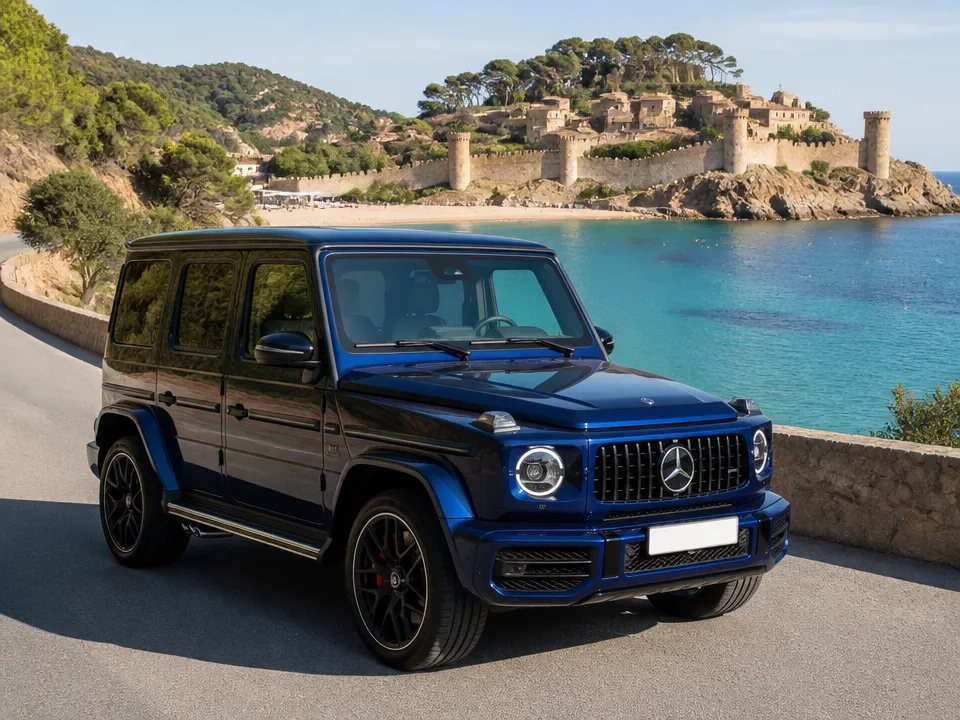
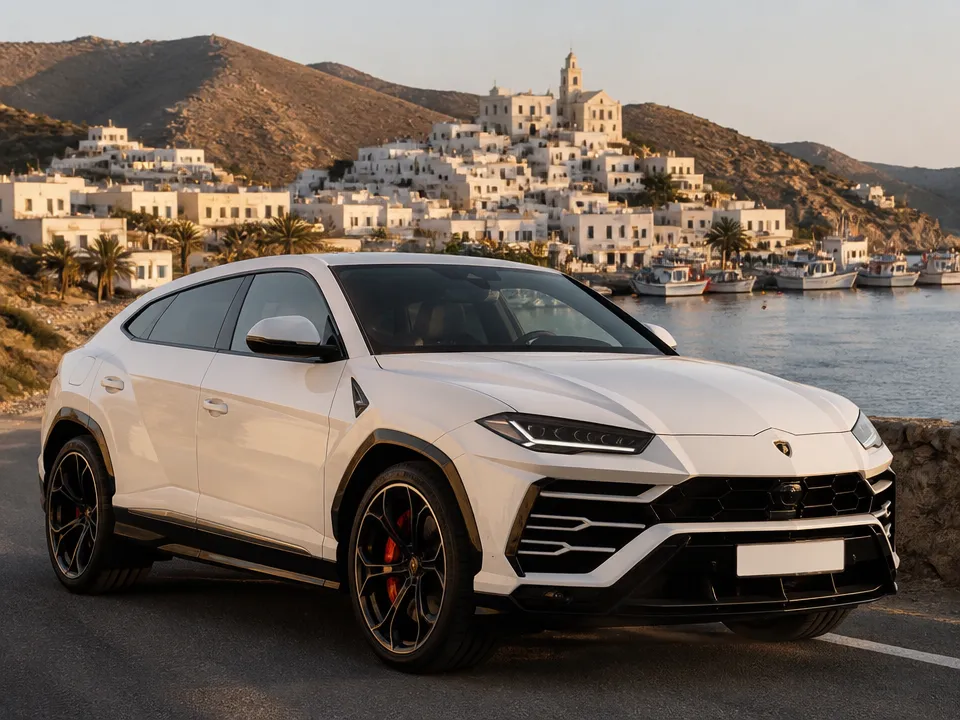
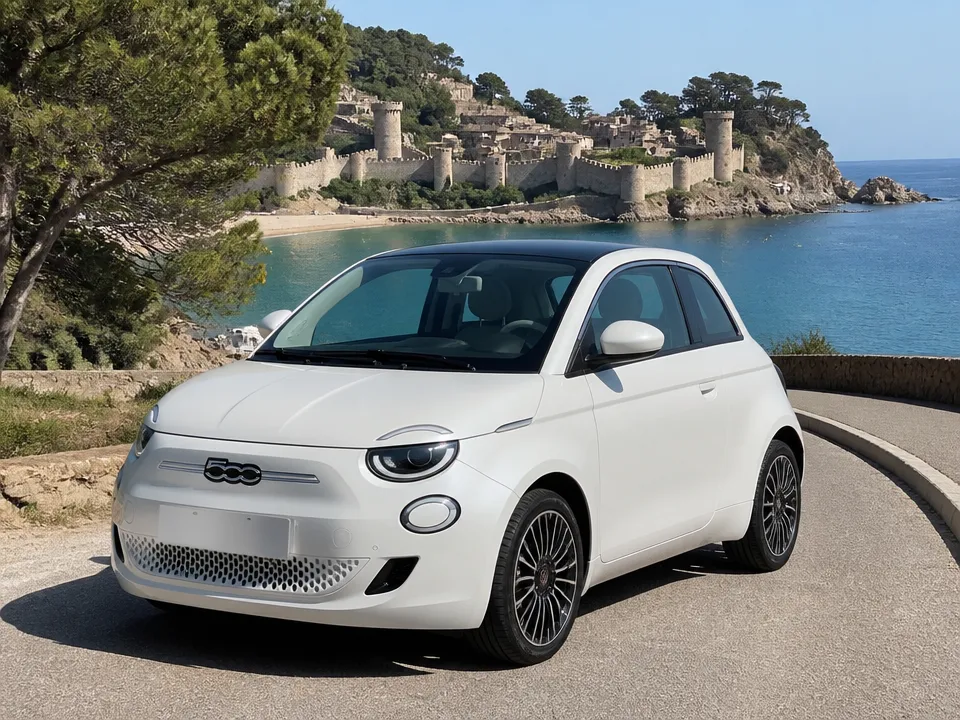
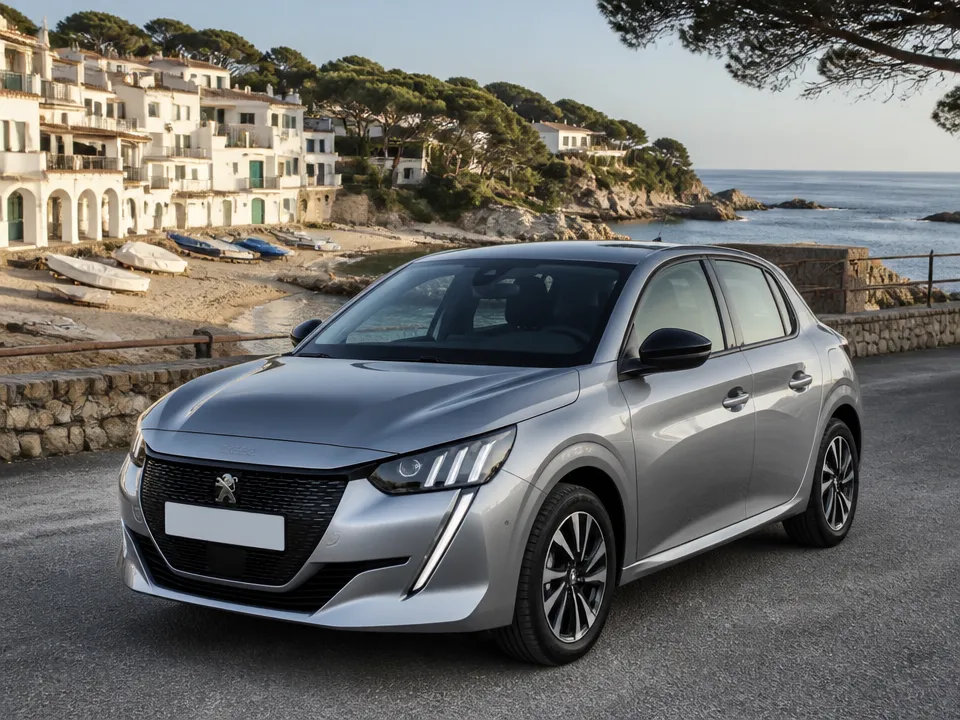
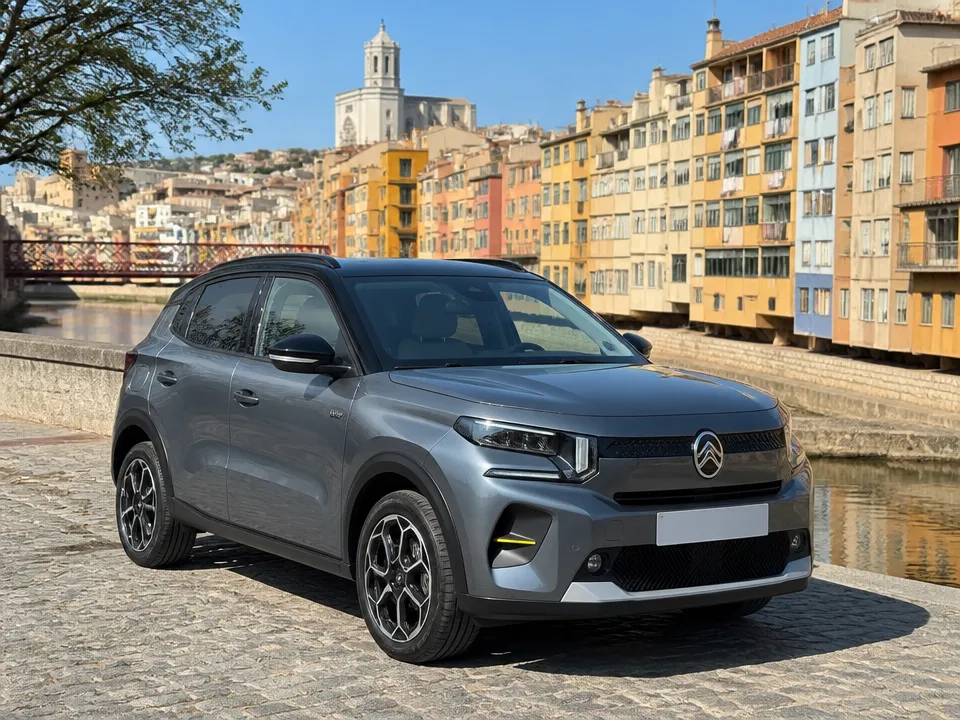
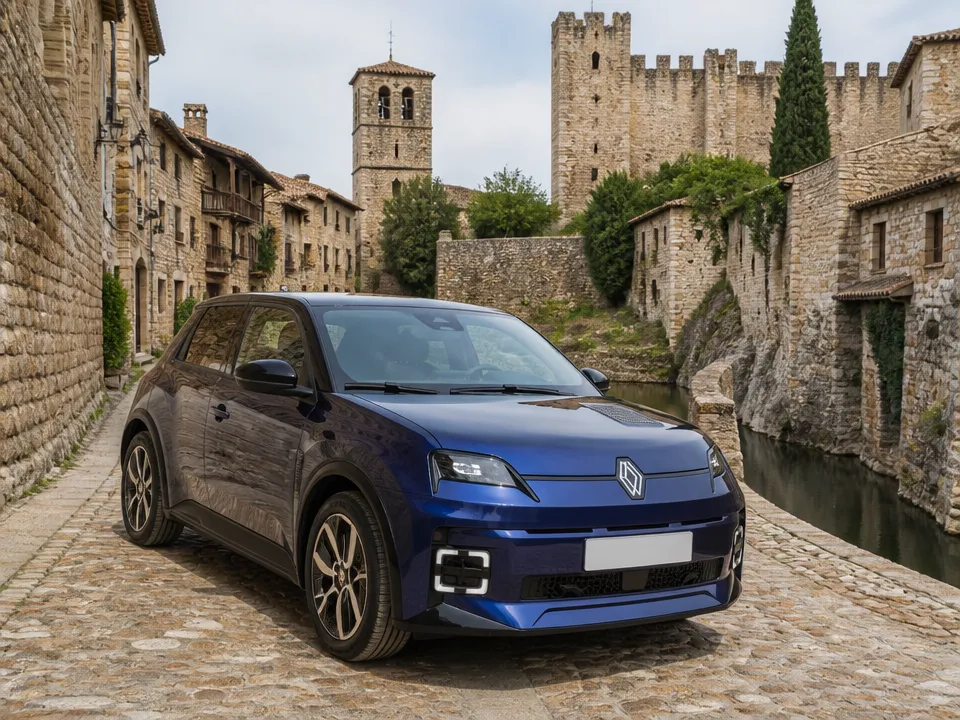
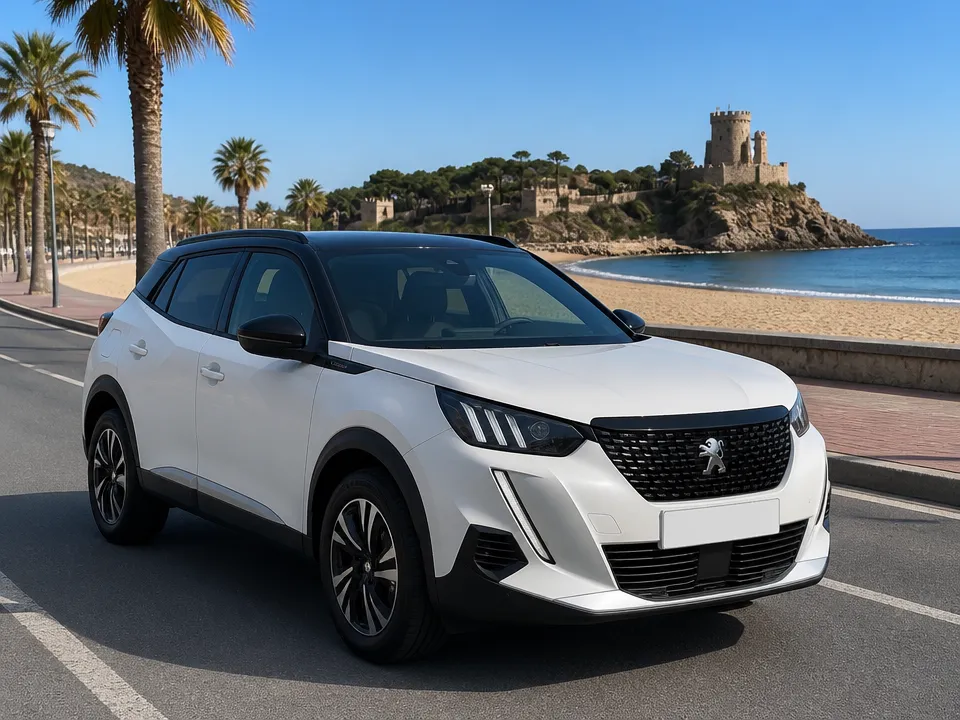




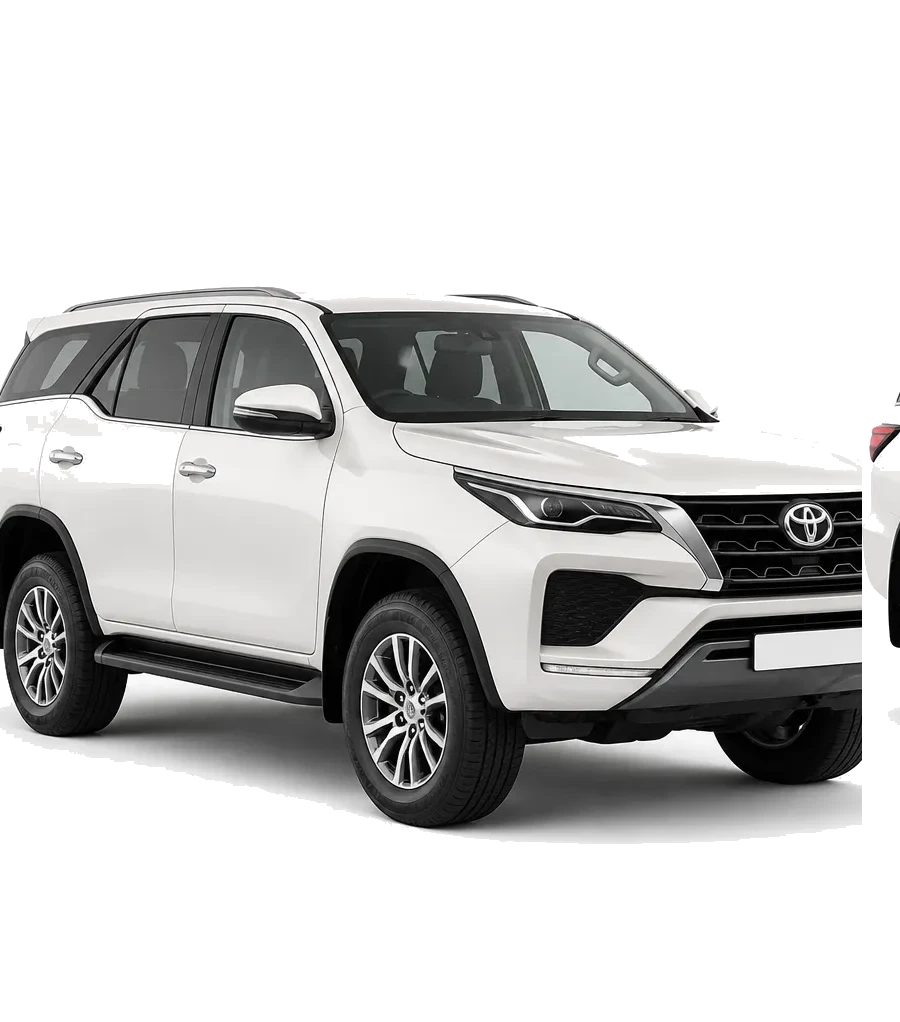

A week of coastal driving between Lloret de Mar, Tossa de Mar and Cadaqués is easier with your own car — Rent-Trip supplies 125 vehicles for car rental for foreigners in Costa Brava, from €22 per day. We deliver the car to any address in the Costa Brava towns we have a page for, and to Girona-Costa Brava Airport (GRO) and Barcelona-El Prat Airport (BCN); the delivery address, the date and the time are agreed with a manager before the booking is fixed.
A car turns that line of separate towns into one continuous holiday.
Costa Brava is a region, not a city, and that single fact decides how you move around it. The small coves — Sa Tuna, Aiguablava, Calella de Palafrugell — are easiest to reach by car.
One practical note on timing: hotel nights in the province swing from 242,712 in January to 2,451,279 in August, and 67.6 % of August guests are foreign visitors. If your dates fall in July or August, book the car with the accommodation, not after it.
EU and EEA licences — including Iceland, Liechtenstein and Norway — are fully valid in Spain while they remain unexpired, and no international driving permit is needed. Holders of licences from outside the EU/EEA may drive here if the licence is valid, if the holder meets the Spanish age requirement for the equivalent category, and if less than six months have passed since they took up ordinary residence in Spain. The DGT advises non-EU drivers to obtain a Permiso Internacional de Conducción before the trip. That permit is a supplementary document: it is shown only together with your passport and your national licence, and it is valid for one year. Licences not written in Spanish are accepted either with an official certified translation into Spanish or if they were issued on the model of Annex 9 of the Geneva Convention or Annex 6 of the Vienna Convention. For Cyrillic, Arabic and Chinese scripts this in practice means an IDP or a certified translation — carry one of the two.
| Driver | Licence accepted in Spain | IDP needed | Extra document |
|---|---|---|---|
| Non-EU, Latin script | valid for tourist driving | advised by DGT | passport |
| Non-EU, Cyrillic or Arabic | with certified translation | effectively yes | passport |
| Non-EU, Chinese or Japanese script | with certified translation | effectively yes | passport |
The minimum rental age, the young-driver surcharge, the cards accepted and the territory limit are not fixed by Spanish law — they are agreed when booking, so confirm them with a manager before you fly.
Rent-Trip keeps 125 cars on this page across 13 classes, from €22 to €1,100 per day. Weekly bookings are charged at the daily rate × 6 and monthly at the daily rate × 21, so a €22 Economy car costs €132 a week or €462 a month.
| Class | Cars | From €/day |
|---|---|---|
| Economy | 20 | €22 |
| Crossover | 20 | €38 |
| Comfort | 15 | €35 |
| Premium | 12 | €50 |
| SUV | 9 | €50 |
| Passenger vans | 9 | €90 |
| Minivans | 7 | €55 |
| Commercial | 7 | €60 |
| Convertibles | 7 | €70 |
| Electric | 5 | €40 |
| Luxury | 5 | €200 |
| Exotic | 5 | €500 |
| Sedan | 4 | €38 |
Automatic gearboxes start at €25 with the Hyundai i10 and run up through the Skoda Fabia at €28 and the Toyota Yaris Hybrid at €30.
Ask your manager which class covers your seat count and luggage before the booking is fixed — that is cheaper than stepping up a class on arrival.
The delivery address, the date and the time are agreed with a manager before the booking is fixed, so nothing is left to a guess on arrival day.
We deliver to any address in the Costa Brava towns we have a page for, and to Girona-Costa Brava Airport (GRO) and Barcelona-El Prat Airport (BCN). The delivery address, the date and the time are agreed with a manager before the booking is fixed. Delivery outside the Costa Brava is arranged case by case and is not promised on this site. If your flight lands late, say so when you book — the hand-over slot is set in the same conversation as the address, and the manager confirms both together.
If your licence is not in Latin script, carry the Permiso Internacional de Conducción or an official translation alongside the national permit, as DGT advises. For anyone staying in Girona itself, note that the Zona de baixes emissions (ZBE) de Girona runs 7–20, Monday to Friday, from 15.09.2025 — Spanish rental fleets carry the DGT environmental sticker, so a car with the badge is not restricted there.
Autopista and autovía — AP-7, A-2, C-32, C-33 — run at 120 km/h, and carretera convencional such as GI-614, GI-682 and C-260 at 90 km/h. In town the ladder drops hard: 50 km/h on streets with two or more lanes each way, 30 km/h where there is one lane each way, and 20 km/h on a single-platform street where carriageway and pavement sit level. The Zona de baixes emissions (ZBE) de Girona has run since 15.09.2025, covering the area from la Devesa park to c. d'Emili Grahit and from c. del Riu Güell to c. del Carme and Barri Vell, and it restricts cars without a DGT environmental badge that are not registered in Girona. Hours are 7–20, Monday to Friday, on working days; cameras read plates, so there is no sticker to display. The Spanish fleet carries the DGT badge, so a car from us is not restricted in the zone.
Speeding fines follow the DGT table by permitted limit and actual speed: 100 EUR with no points, then 300 EUR and 2 points, 400 EUR and 4, 500 EUR and 6, up to 600 EUR and 6. Above 60 km/h over the limit in town or 80 km/h outside it, the matter becomes a criminal offence rather than an administrative one. Alcohol runs at 0.25 mg/l of breath for ordinary drivers and 0.15 mg/l for those in their first two years and for professional drivers; above 0.60 mg/l it is a crime. Holding a phone costs 200 EUR and 6 points.
A car turns the coast into a set of day trips rather than a single resort. From Girona-Costa Brava Airport (GRO), Cadaqués sits 89.4 km away and takes about 80 minutes by AP-7, GI-614 and C-260; Lloret de Mar is 34.6 km and 37 minutes; Roses is 75.2 km and 63 minutes. Those three runs alone decide whether you see one bay or a dozen.
Cap de Creus needs planning: the road from Cadaqués to the Far de Cap de Creus is restricted on set days — 9:30–19:00 on 28–31 March and selected days through April and May, 9:30–21:30 on set June dates and daily from July to 13 September, when the Moventis line 33 shuttle runs from Cadaqués — so check the calendar before you commit a morning to it.
June, July and August are the months when the coast fills: hotel nights in the region hit 2,451,279 in August against 242,712 in January, and 67.6% of those August nights were foreign visitors. Parking follows the same curve — Lloret de Mar's Can Lloranes lot (160 spaces) charges about €15 a day from 23 June to 11 September and is free the rest of the year, while the Avinguda Alegries park-and-ride (200 spaces) is free for stays over 12 hours and includes a bus ticket into the centre from 15 June to 15 September.
Our advice: book the car for the arrival day, not the day after. A morning hand-over at your address means the first afternoon is already a route — and with 125 cars on this page from €22 a day, the difference between a resort holiday and a driving one is a single booking.
Fuel, tolls and parking are the three running costs that decide what a driving day actually costs. On this stretch of coast one of them is unusually light: the main motorway corridor is free.
Petrol 95 E5 averages €1.94 per litre across the province of Girona, with a median of €1.979, a low of €1.718 and a high of €2.122 across 250 filling stations; along the coast itself the average is €1.956 and there are 58 stations. Diesel (Gasóleo A) runs lower — €1.922 average, €1.959 median, €1.718 to €2.089 over 266 stations province-wide and €1.932 across 59 coastal ones. Petrol 98 E5 is the expensive option at €2.106 average, €2.129 median, €1.898 to €2.289, from 152 stations in the province and 36 on the coast.
Catalonia is discussing bringing back charges for fast roads, whether as a vignette or a pay-per-use scheme, but no decision has been taken.
Girona's zona blava charges €1.20 per hour with a two-hour maximum (€2.40) on working days, 9:30–13:00 and 16:00–20:00, Monday to Saturday, with different hours around Sant Narcís. The zona verda for non-residents is also €1.20 per hour, two hours maximum — Pedreres–Vista Alegre runs Mon–Fri 9:30–13:00 and 17:00–20:00 plus Sat 9:30–13:00, while Güell–Devesa runs Mon–Sat 08:00–20:00. In Lloret de Mar, Can Lloranes has 160 spaces at about €15 per day from 23 June to 11 September and free outside that window, and the Avinguda Alegries park-and-ride has 200 spaces, free for stays over 12 hours, with a free bus ticket into the centre, from 15 June to 15 September.
We hand the car over with a full tank and expect it back full — lleno-lleno. Anything missing is charged together with a refuelling service fee, as set out in the rental agreement; no pre-paid or full-to-empty option exists on this page.
A booking is fixed when a manager has confirmed the delivery address, the date and the time with you. Everything else on this page is decided before that call: which licence you carry, which car suits your route, and how the tank is handled at hand-over.
Our cars come clean and with a full tank, and the tank goes back full — lleno-lleno. If the car returns short, the missing fuel and a refuelling service fee are charged as set out in the rental agreement. The same agreement carries the deposit, the excess and any young-driver surcharge, so read it at hand-over and keep your copy. Settle the address, the hour and who signs with the manager and the rest of the trip runs on the road.
Cap de Creus, Pals and Peratallada, Besalú and the Garrotxa volcanic zone all sit within a day's drive of the coast, and the road to the Cap de Creus lighthouse is closed on set dates through the season. Check the calendar before you commit to that day, and tell the manager if your plans include it.
EU and EEA licences are valid in Spain while they remain in date; no international driving permit is needed. For non-EU licences, the DGT recommends getting an international driving permit before the trip and carrying it with your passport and national licence.
This page lists 125 cars in Costa Brava, from €22 to €1100 a day. Classes include Economy, Comfort, SUV, Minivan, Convertible, Luxury and Exotic. Seats range from 2 to 9, with Automatic or Manual gearboxes.
The Zona de baixes emissions de Girona applies from 15.09.2025, Monday to Friday, 7–20, on working days. Spanish rental fleets carry the DGT environmental sticker, and cars with that sticker have no restrictions there.