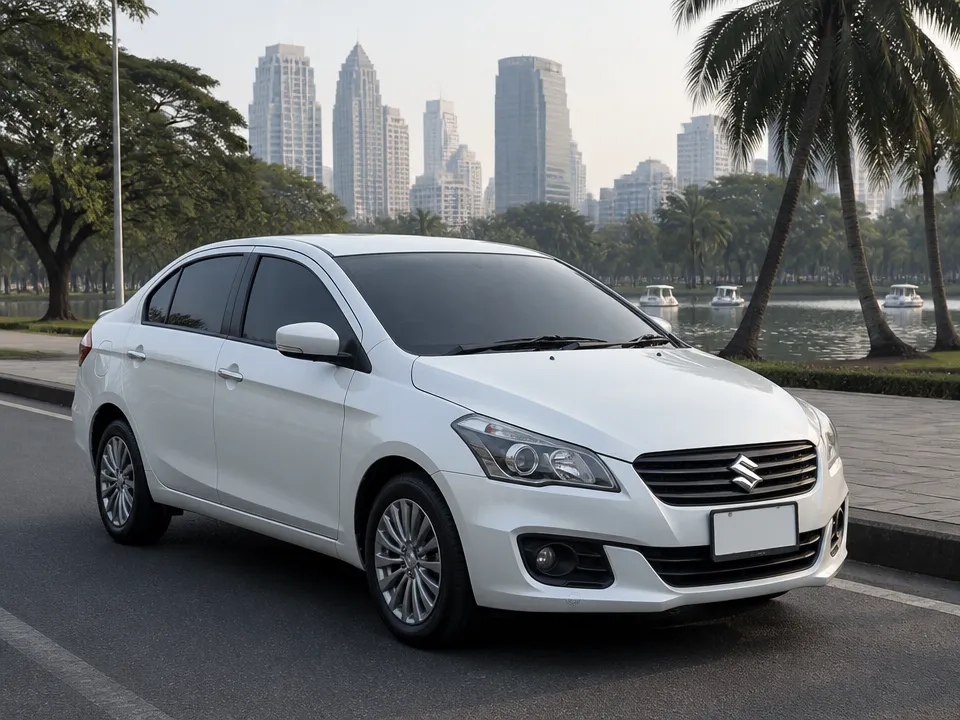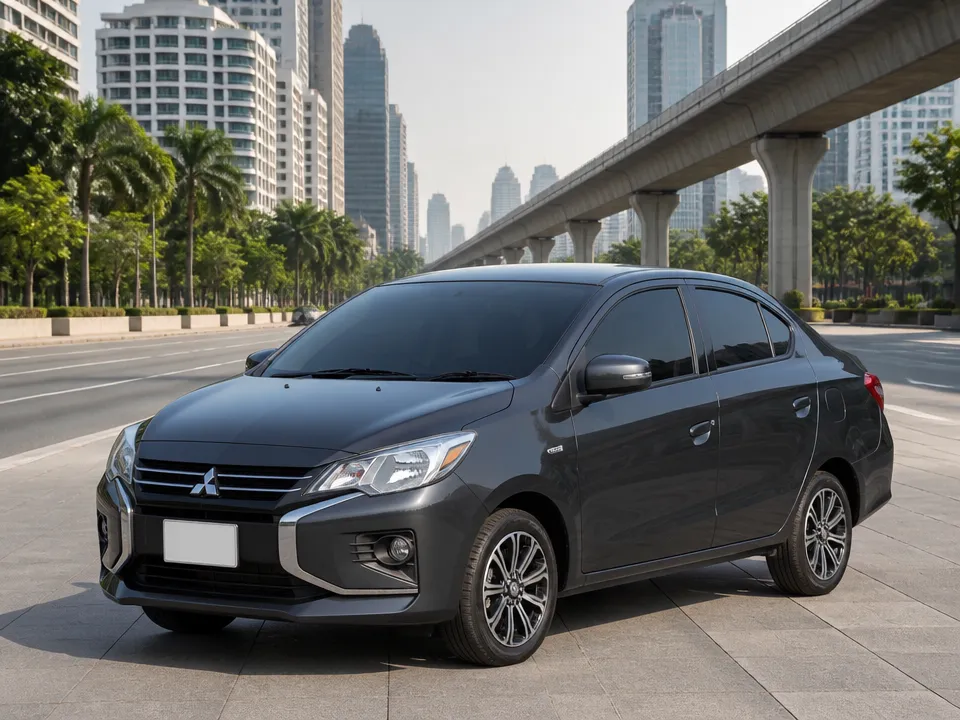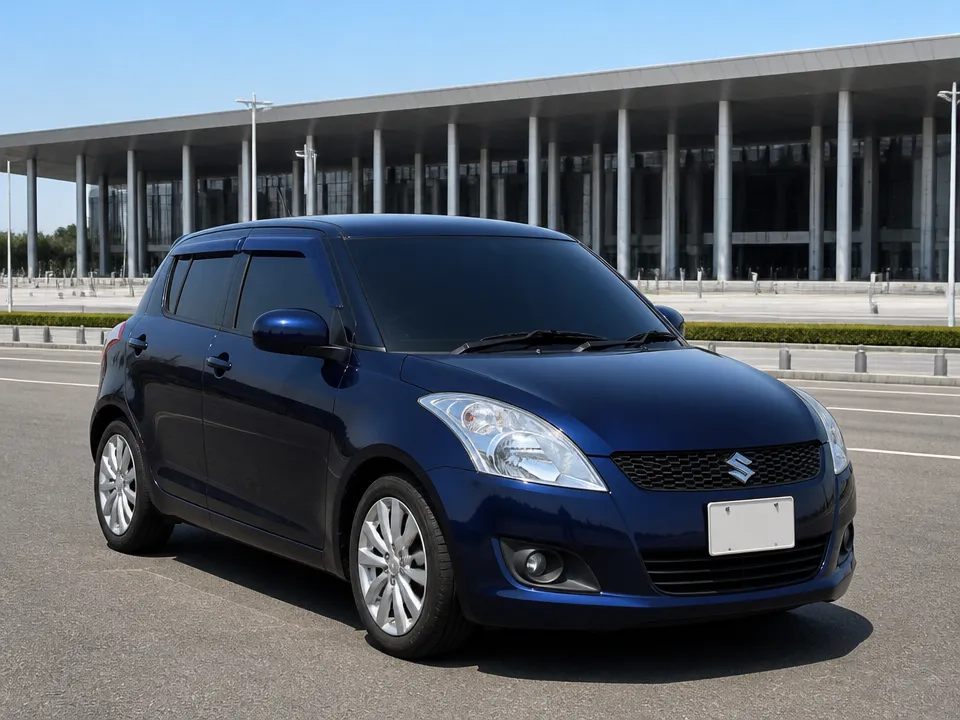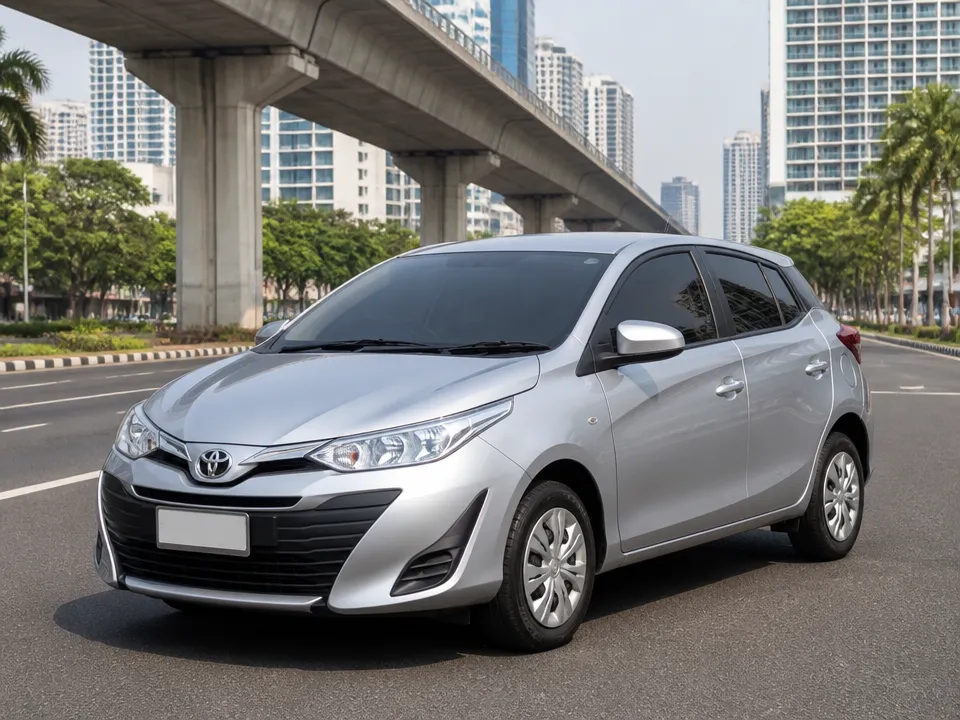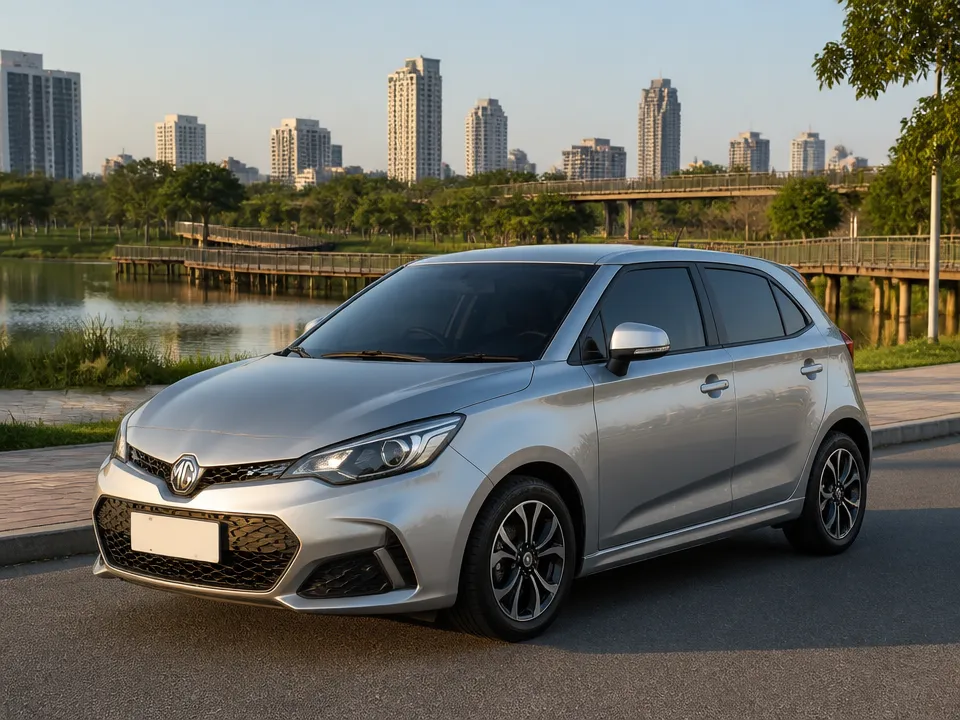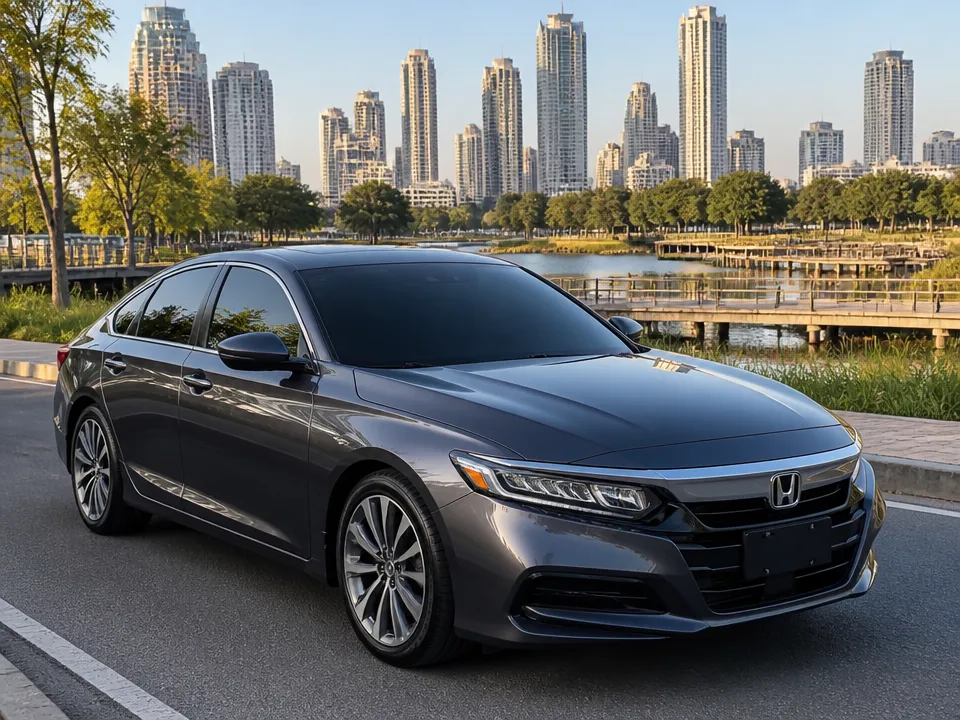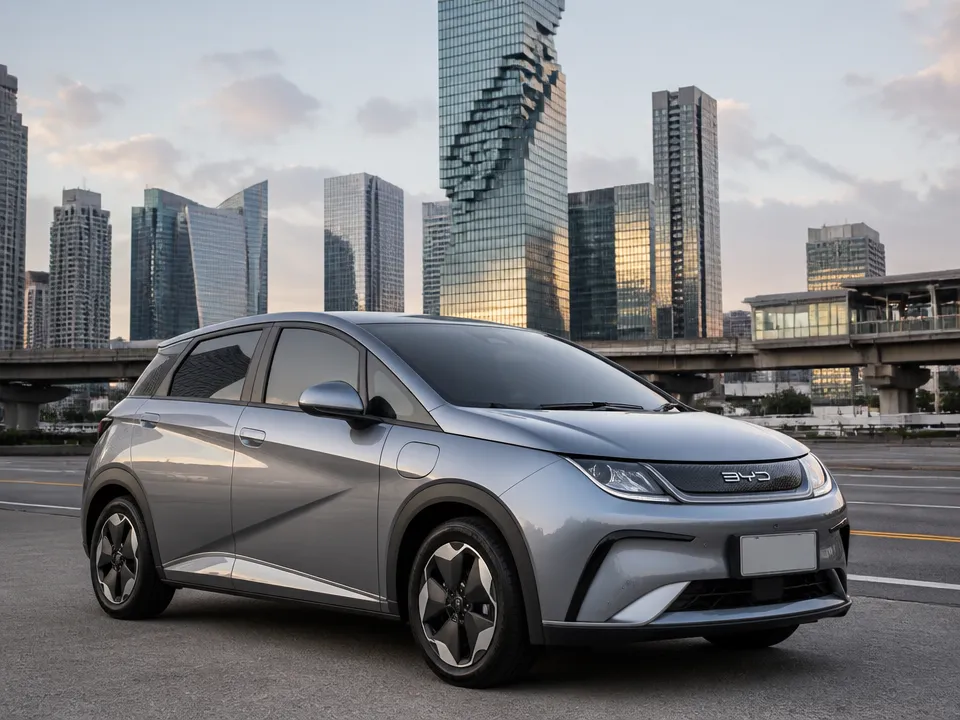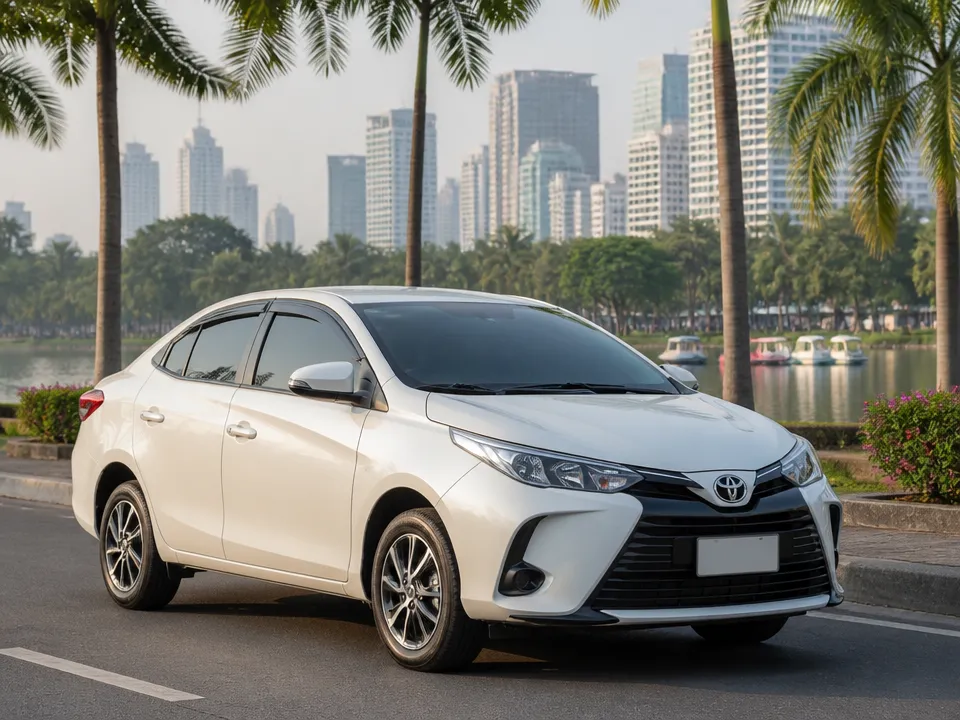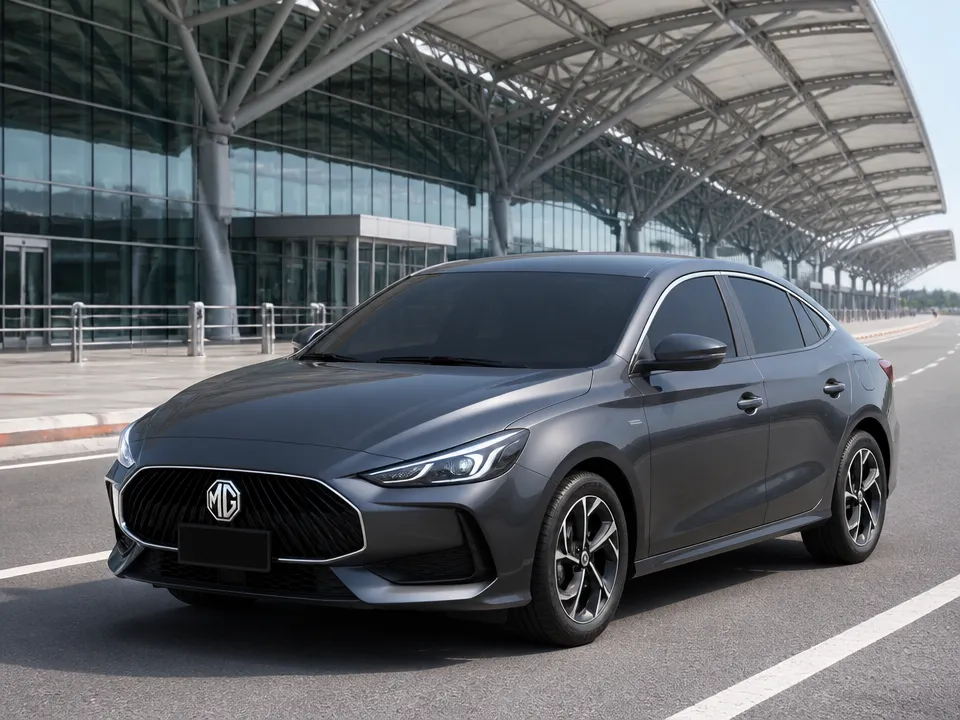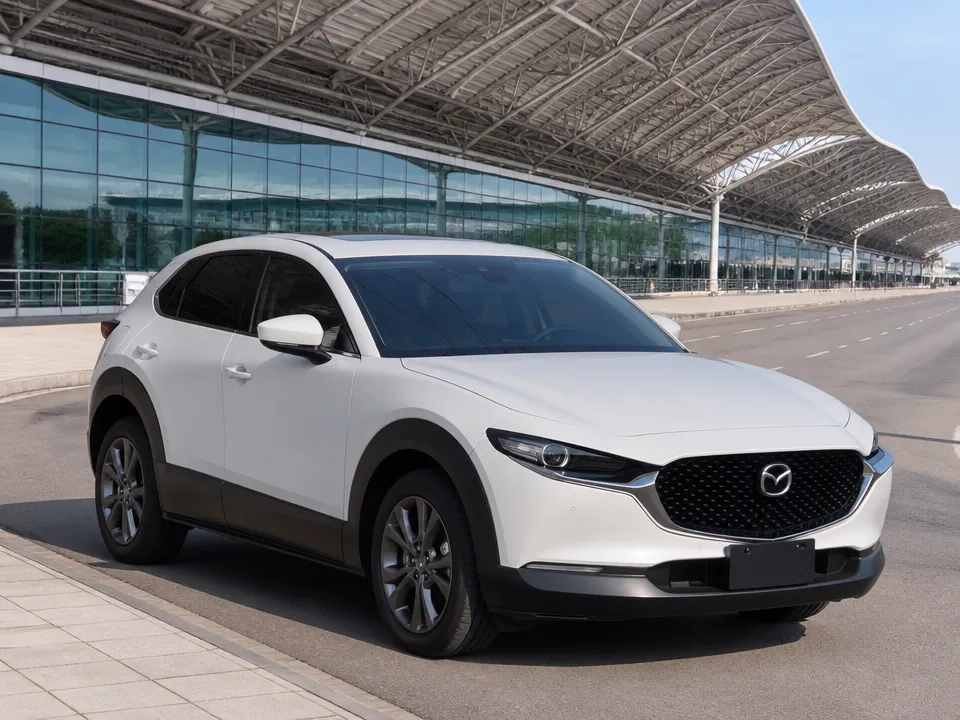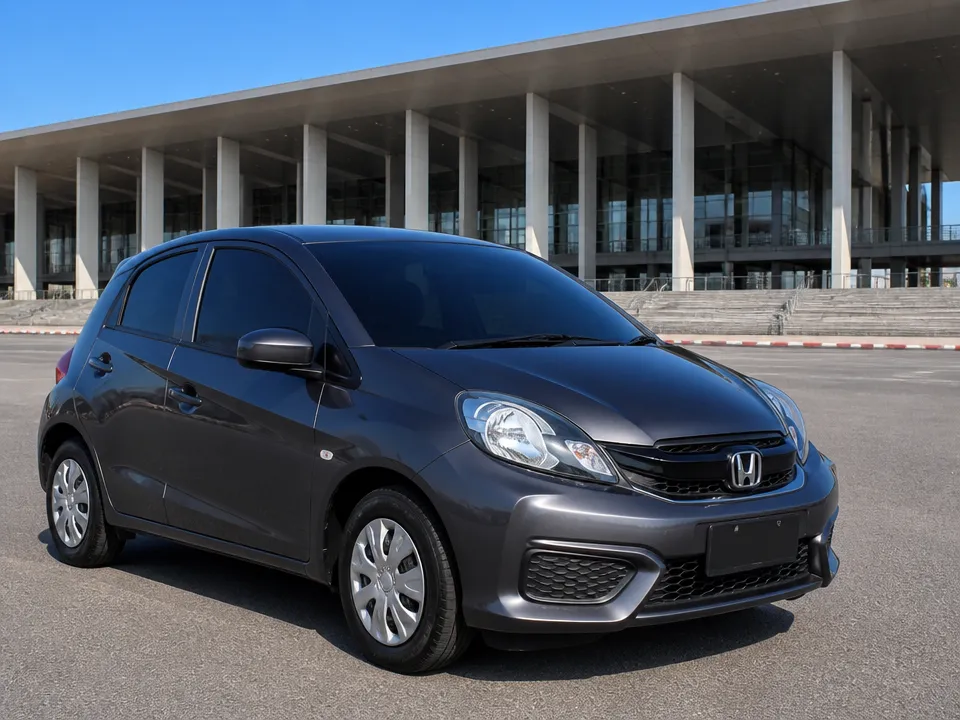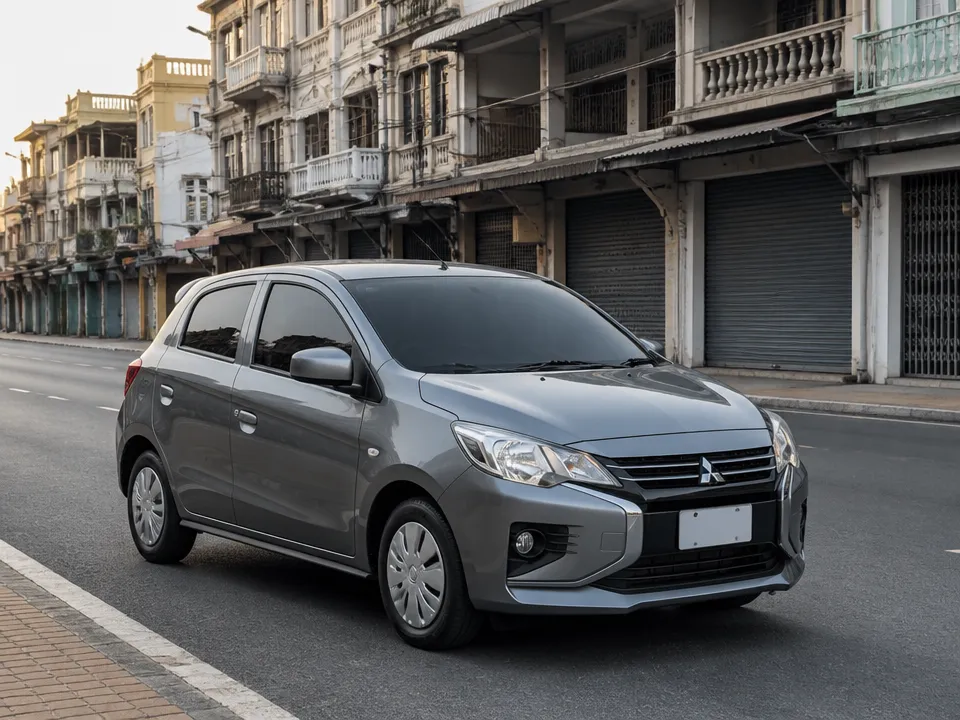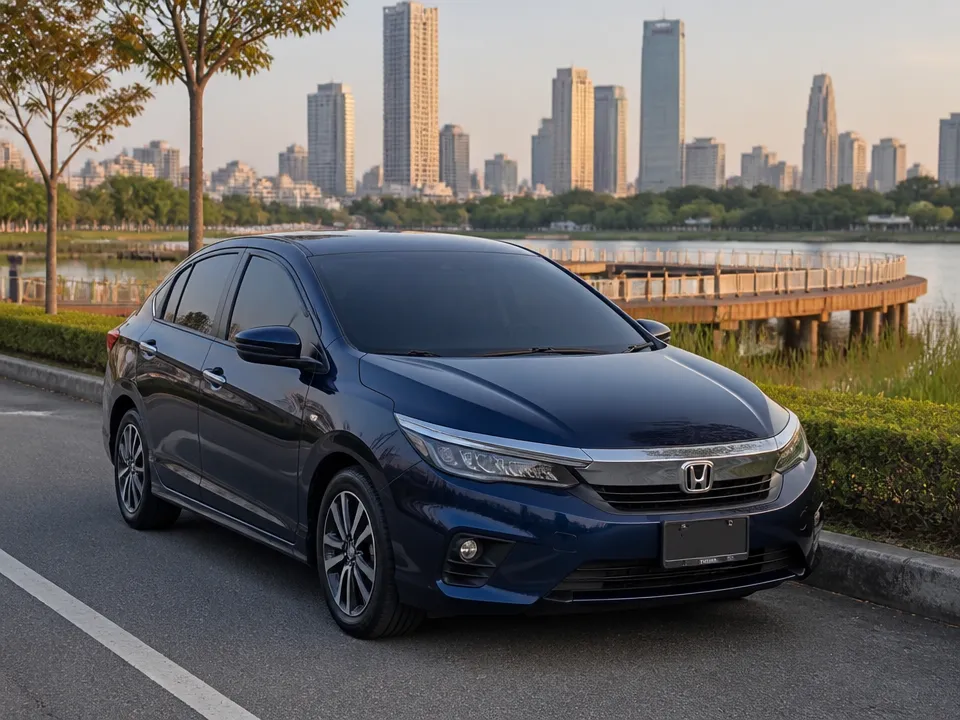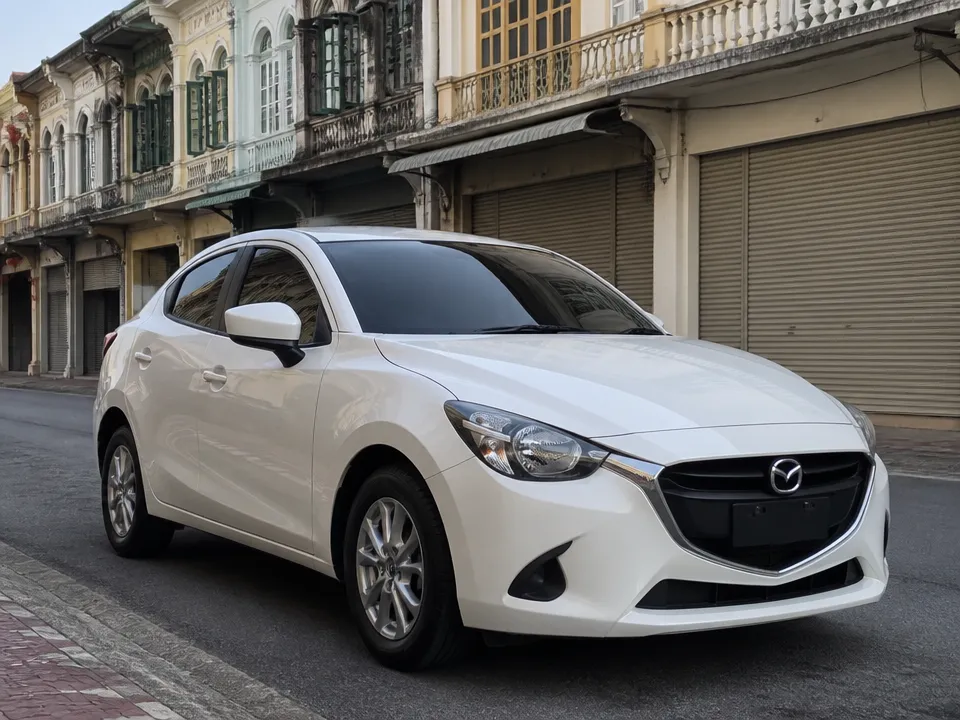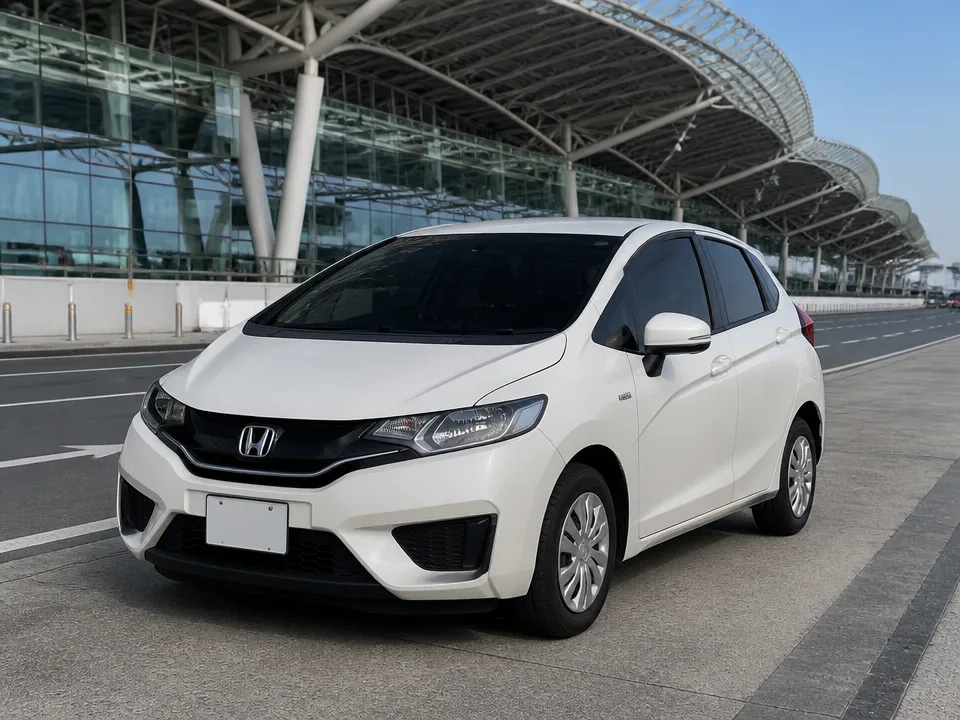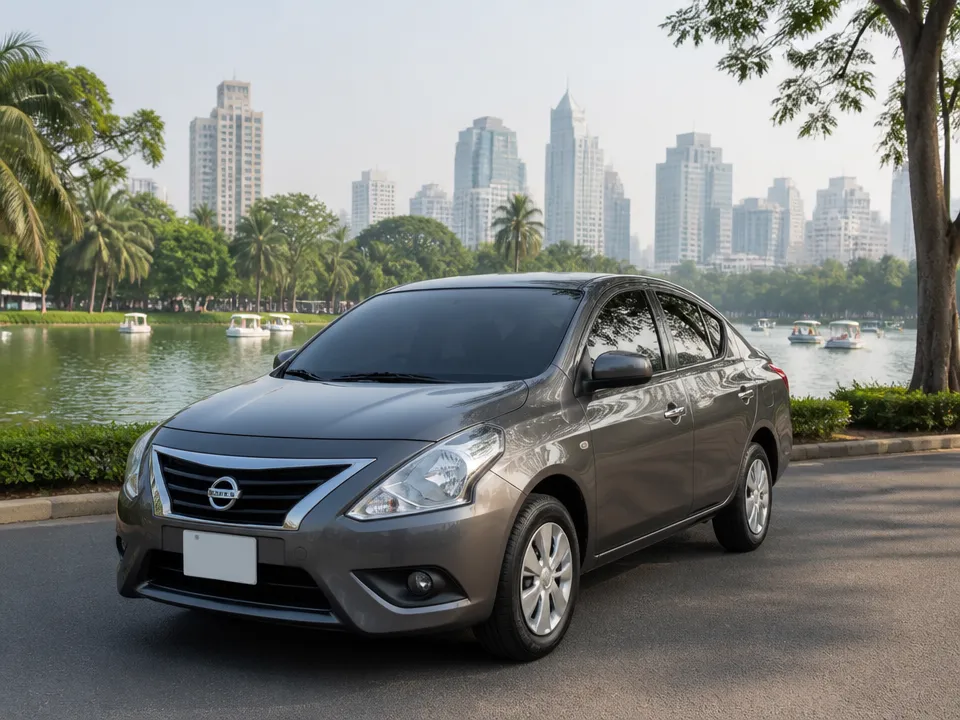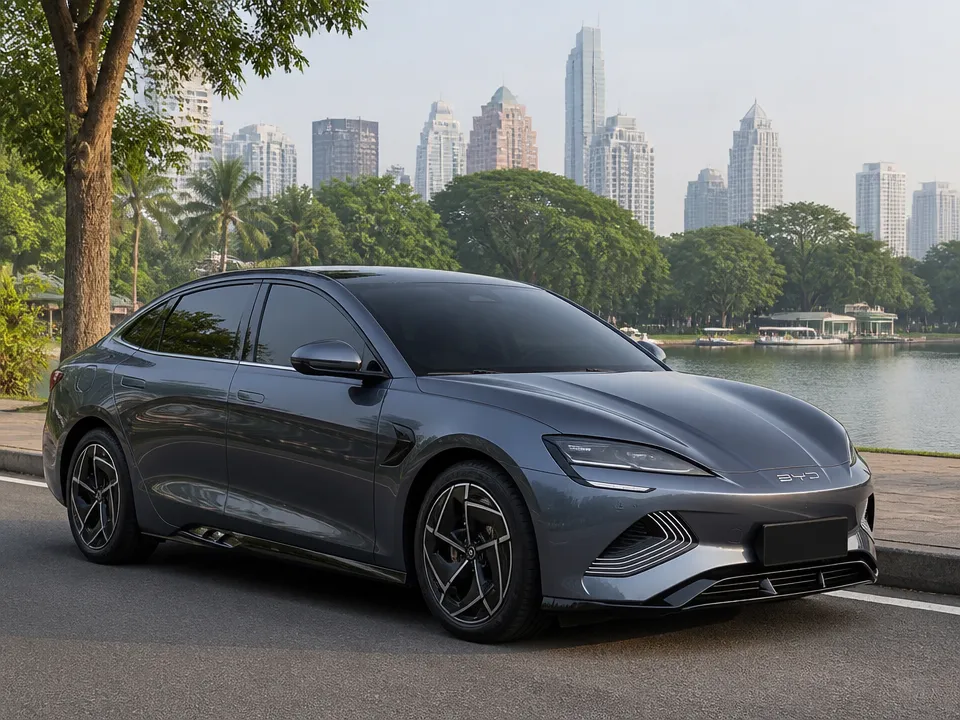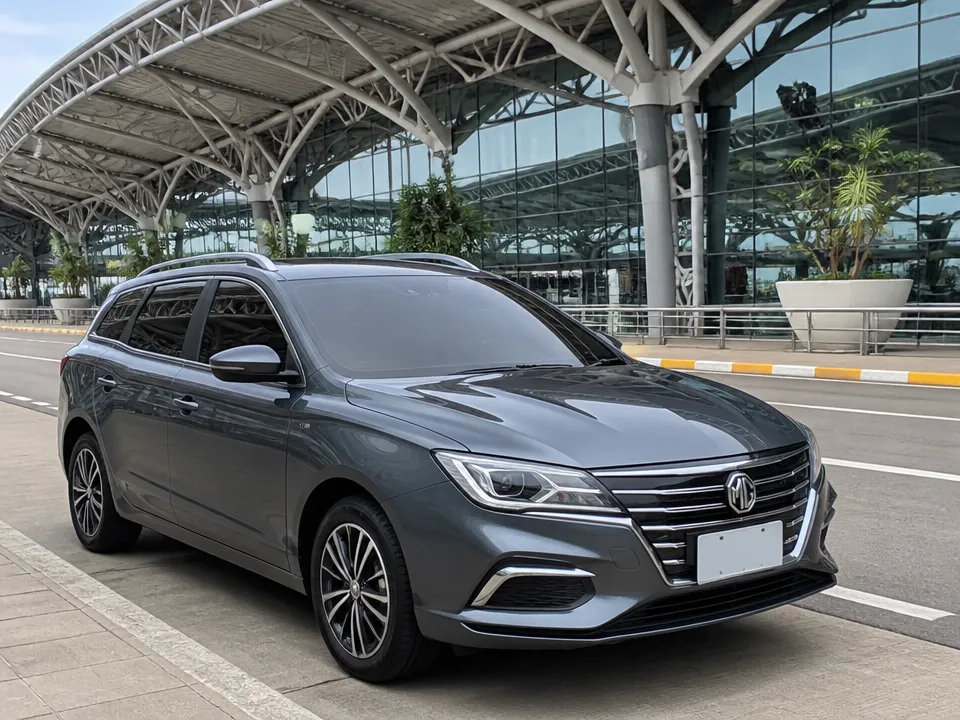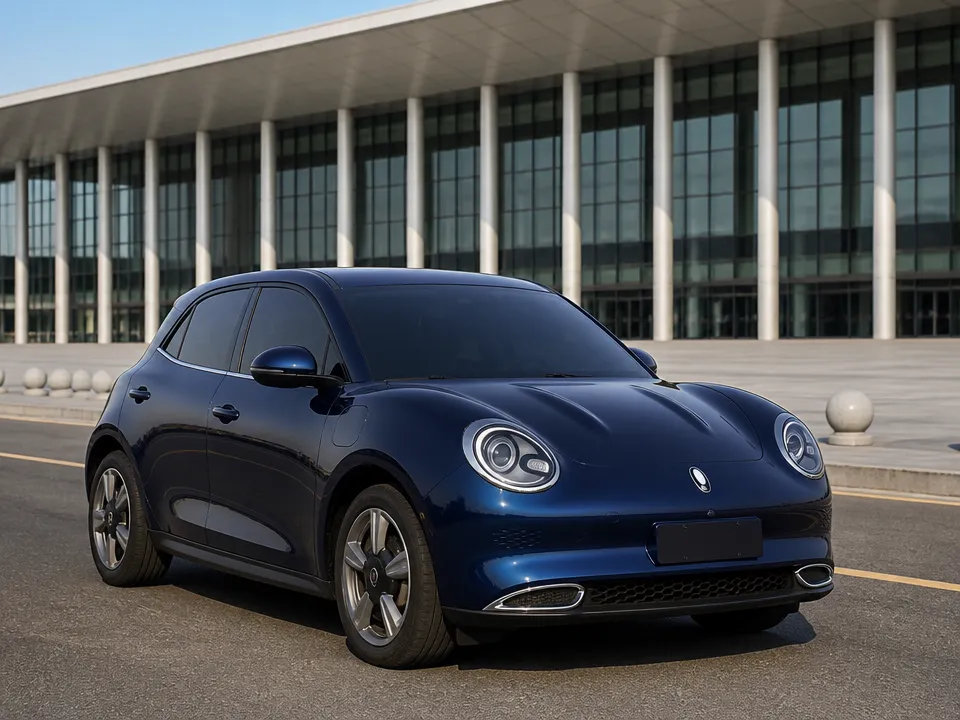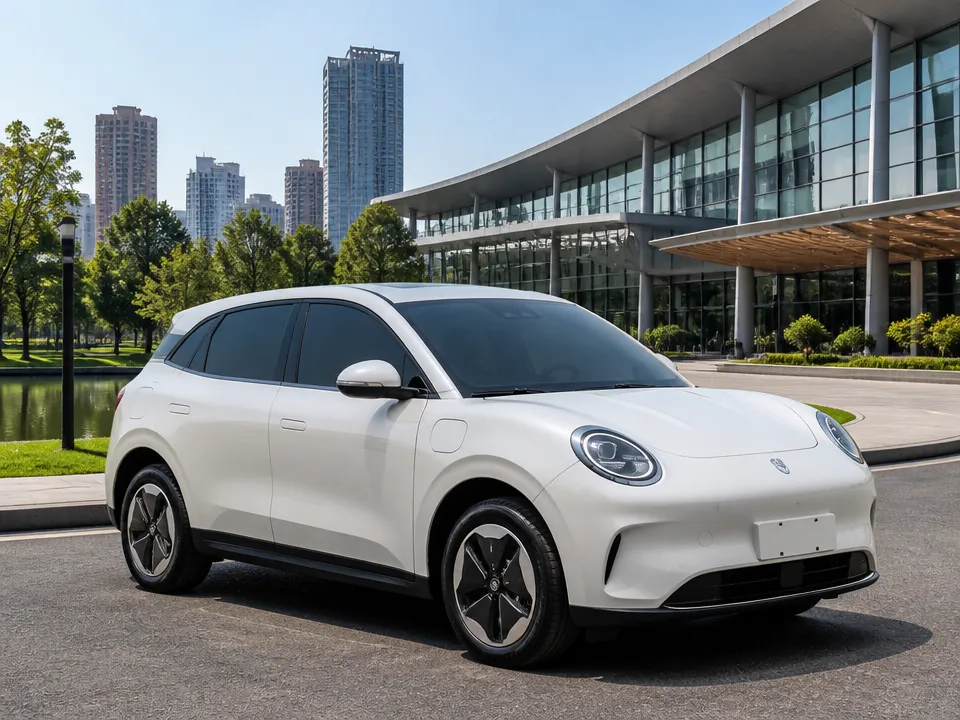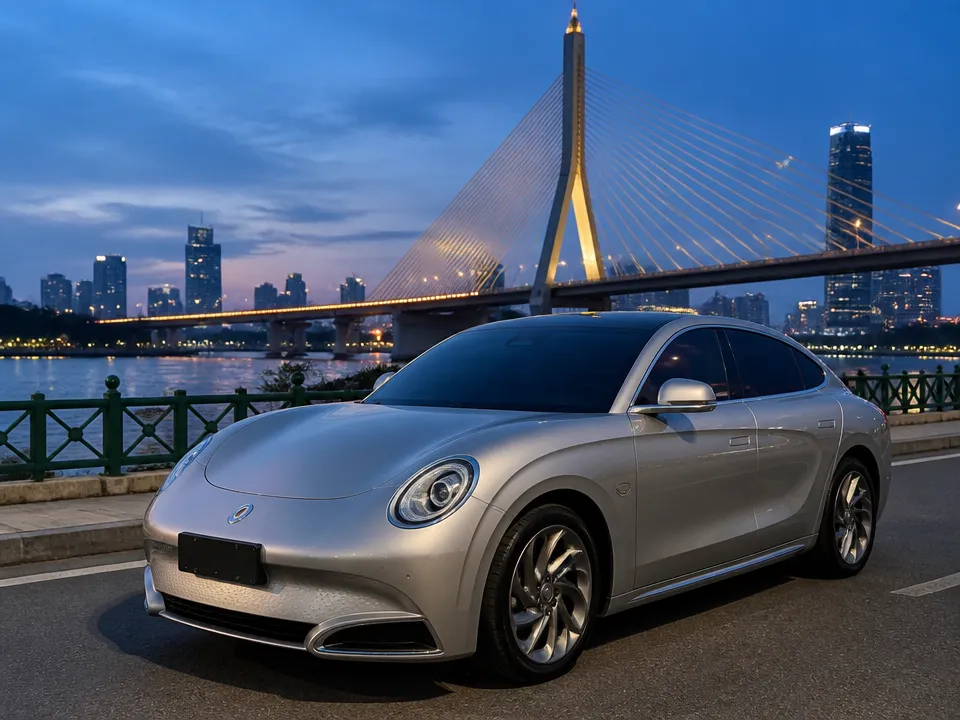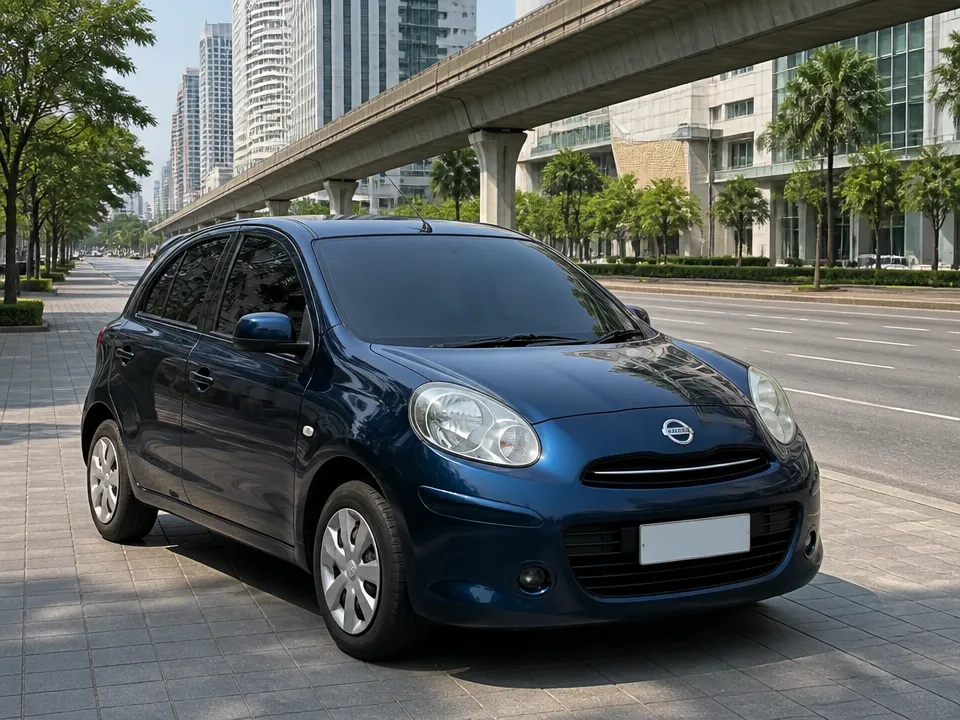
Nissan March, Economy
★4.9· 87Automatic1.2 L79 hpFront-wheel5 seats
฿700per day
Book nowVAT included




VAT included
VAT included
VAT included
VAT included
VAT included
VAT included
VAT included
VAT included
VAT included
VAT included
VAT included
VAT included
VAT included
VAT included
VAT included
VAT included
VAT included
VAT included
VAT included
VAT included
VAT included
VAT included
VAT included
VAT included
No cars match the selected filters. Remove some of the conditions.



This page lists 24 cars in Bangkok. Daily prices on this page run from ฿700 to ฿1250, and the Nissan March and the Suzuki Ciaz are ฿700 per day.
Every car on this page has 5 seats and an Automatic transmission. The body types listed here are Crossover, Hatchback, Sedan and Wagon.
In built-up areas such as Bangkok the limit is 80 km/h and outside them 90 km/h. On the motorway (M7, M9) it is 120 km/h, on expressways 110 km/h and on elevated sections 100 km/h.
If you need daily car rental in Bangkok, our fleet of 24 cars is ready from ฿700 per day, with the car delivered to any address in the city, to Suvarnabhumi Airport (BKK) or Don Mueang Airport (DMK). The delivery address, date and time are agreed with a manager before the booking is fixed, and every car comes with automatic transmission and five seats.
Daily car rental in Bangkok from Rent-Trip runs ฿700 to ฿1,250 per day, with VAT 7% already inside the prices shown and a rental period from 1 day. Delivery, the address and the hand-over time are agreed with a manager before the booking is fixed.
Rent-Trip daily rates start at ฿700 and top out at ฿1,250 per day, with VAT 7% already included in the prices shown. That band covers all 24 cars on this page across four classes — Economy, Electric, Crossovers and Comfort — so nothing in the list sits outside it. The rate is set by class and model.
A day is the minimum rental period, and the delivery address, date and time are agreed with a manager before the booking is fixed. Nothing on this page is booked instantly and silently — you tell us where the car should be and when, we confirm the slot, and only then does the reservation hold. The same conversation covers anything the day rate does not: the conditions for drivers under 25 are set out in the rental agreement rather than printed here. Rental is available from 1 day, so a single day in the city is a normal booking, not an exception we have to approve. Anything the day rate does not carry is agreed when booking — so the day rate you see is not the whole conversation.
Four classes cover the 24 cars listed, and the entry point is Economy at ฿700.
| Class | Cars | From, per day | Fuel |
|---|---|---|---|
| Economy | 14 | ฿700 | Petrol |
| Electric | 7 | ฿1,050 | Electric |
| Crossovers | 2 | ฿1,100 | Petrol |
| Comfort | 1 | ฿1,050 | Petrol |
The Comfort car sits inside the Electric price band, so the class name alone does not tell you the cost — a 1.5 L sedan and a battery hatchback can land on the same ฿1,050.
The page holds 24 cars, and the choice inside that number is narrower than it looks: every one is a 5-seat automatic, running on petrol or electricity, and all but the rear-driven BYD Seal have front-wheel drive.
All 24 cars are 5-seat automatics running on either petrol or electricity; 23 are front-wheel drive and the BYD Seal drives the rear wheels. Nothing in the list has a manual gearbox, a third row or all-wheel drive, so you never have to check those three things before booking. Body types split four ways — hatchback, sedan, crossover and one wagon — and the engines run from a 1.0 L in the Honda City to a 2.0 L in the Mazda CX-30. Electric cars skip engine capacity altogether: the BYD Dolphin, BYD Seal, GWM ORA 07, GWM ORA 5 EV, GWM ORA Good Cat, MG EP Plus and MG ZS EV are all rated in horsepower, and the range runs from the 95 hp of the Dolphin to the 313 hp of the Seal.
Electric cars start at ฿1,050 a day, from the BYD Dolphin up to the BYD Seal at ฿1,250, and petrol Economy starts at ฿700. Seven of the 24 cars are electric, and they sit in the upper half of the band: the Dolphin at ฿1,050, then the GWM ORA Good Cat, MG EP Plus and MG ZS EV at ฿1,250, alongside the ORA 07 and ORA 5 EV. Petrol covers everything from the Nissan March and Suzuki Ciaz at ฿700 up to the Honda Jazz and Nissan Almera at ฿1,250.
Fourteen Economy models are listed on this page, from the Nissan March at ฿700 to the Nissan Almera at ฿1,250. Two models share the ฿700 floor — the March and the Ciaz — so the cheapest day is also a choice of hatchback or sedan.
| Class | Cars | From, per day | Fuel |
|---|---|---|---|
| Economy | 14 | ฿700 | Petrol |
| Electric | 7 | ฿1,050 | Electric |
| Crossovers | 2 | ฿1,100 | Petrol |
| Comfort | 1 | ฿1,050 | Petrol |
The table above is the class view of the same 24 cars. The Comfort car, a Honda Accord at ฿1,050, sits inside the Electric price band, so the class name alone does not tell you the cost — the model and its engine do.
We bring the car to you rather than asking you to collect it.
We deliver the car to any address in Bangkok and to Suvarnabhumi Airport (BKK) and Don Mueang Airport (DMK). Both airports sit outside the centre: Suvarnabhumi is about 25 km from downtown, and Don Mueang stands 222 Vibhavadi Rangsit Road, roughly 20.5 km from Democracy Monument. If your stay is somewhere else in the city, the manager still needs the exact address, not just the district. Delivery elsewhere is arranged case by case and is not promised on the site — ask before you book rather than after.
Since 30 December 2025 a car rental agreement in Thailand is a contract controlled by the OCPB: it is written in Thai, and every fee and penalty is disclosed inside it. Read that document before you drive away, because traffic-camera fines are issued to the car owner and re-invoiced to the renter — how a camera fine is handled is set out in the rental agreement.
Speed limits are 80 km/h in built-up areas, 90 km/h outside them, 120 km/h on the motorway and 110 km/h on the expressways. Toll payments on the EXAT expressways and Motorway 9 run on M-PASS or Easy Pass, and one transponder is tied to one car; ask at hand-over whether a tag is fitted, because an M-Flow bill without registration has to be settled within two days or the tariff doubles.
A daily car rental in Bangkok runs on three documents and one habit: traffic keeps to the left and every car in the fleet is right-hand drive. Sort the paperwork before you fly and the hand-over stops being a conversation about rules.
Driving without the international permit carries a police fine of ฿500–1,000, and an insurer may refuse a claim after an incident — which is the part that actually costs money. The minimum driver age is 21, and the conditions that apply to drivers under 25, and to premium classes, are set out in the rental agreement rather than quoted here.
| Road type | Limit |
|---|---|
| Built-up areas, Bangkok | 80 km/h |
| Outside built-up areas | 90 km/h |
| Motorway (M7, M9) | 120 km/h |
| Expressways | 110 km/h |
| Elevated sections | 100 km/h |
The alcohol threshold is 20 mg/dl for drivers under 20, for holders of temporary licences, for drivers without a licence or with a suspended one, and for those holding a licence of the wrong category; for any other driver, treat any drink as a risk. Speed cameras on Motorway 7 issue fines to the car owner — that is us, not you — and the fine is then re-invoiced to the renter, so keep to 120 km/h on the motorway run south. Since 30 December 2025 a car rental agreement has been a contract controlled by the OCPB: it is written in Thai and every fee and penalty is disclosed inside it, which is where you should read the terms that matter to your trip rather than in a summary.
Compulsory motor insurance (Por Ror Bor) covers injury to third parties and is attached to every registered car; first-class (Class 1) insurance covers damage to the car, and its terms and the excess are set out in the rental agreement. Traffic-camera fines are issued to the car owner and re-invoiced to the renter, so a ticket follows you back to the booking rather than disappearing.
Daily car hire in Bangkok runs on two layers of cover, and neither of them is a number you can read off a page. Compulsory motor insurance, known in Thailand as Por Ror Bor, is attached to every registered car and covers injury to third parties. On top of that sits first-class cover for damage to the vehicle itself; its terms and the excess are set out in the agreement you sign, not in a price list.
A bank card in the main driver's name is used for the security hold, and the amount is set out in the agreement.
The same applies to the excess: it is written into the agreement rather than into a table.
Since 30 December 2025 a car hire agreement in Thailand has been a contract controlled by the OCPB. It is written in Thai, and every fee and penalty is disclosed inside it. That single document is the place to look for anything agreed at booking, and it is fixed in the contract — we state none of those terms on this page, because they are agreed when you book.
Traffic-camera fines are issued to the car owner and re-invoiced to the renter, so a speed camera on Motorway 7 ends up as a line on your bill rather than a surprise at the roadside. Our advice: read the agreement before you drive away and ask the manager about anything unclear — the document sets out every condition, and everything else is either compulsory or already disclosed.
The daily rate is only the entry point. Once a booking stretches past a week, the same 24 cars move to a different price ladder: weekly from ฿4,200 and monthly from ฿14,700. The car does not change, the class does not change, the delivery address does not change — only the multiplier does.
Weekly pricing is the daily rate multiplied by six, and monthly pricing is the daily rate multiplied by twenty-one. Nothing else moves. A Nissan March at ฿700 a day becomes ฿4,200 for the week and ฿14,700 for the month; a BYD Seal at ฿1,250 a day becomes ฿7,500 and ฿26,250 on the same two steps. That is the whole arithmetic, and it applies across all four classes on this page — Economy, Electric, Crossovers and Comfort. Because the multiplier is fixed rather than negotiated, you can work out your own total before you ever speak to us. Take the day rate of the model you want, multiply by six or by twenty-one, and you have the figure the manager will confirm.
Someone staying through a full work rotation or a long family visit gets a fixed monthly figure on a car they have already driven, rather than re-booking a different model every ten days.
A daily rental only pays off when the car is doing something a fixed route cannot. On a one-day booking, that means a drive out of the city and back, or several stops inside it that sit far apart on the map.
Pattaya is the classic coastal day out: Motorway 7 covers 149.3 km from Bangkok to Map Ta Phut, and the Pattaya exit is at 125.865 km. From the Lat Krabang entrance a four-wheel car pays ฿105 to Pattaya, or ฿100 to Pong and ฿25 to Bang Bo if you turn earlier. The road passes Suvarnabhumi, which is why it is the standard route for anyone starting at BKK.
One thing worth knowing before you leave the city: M-Flow on Motorway 9 reads the plate and bills later, so ask at hand-over whether the car is linked to a tag.