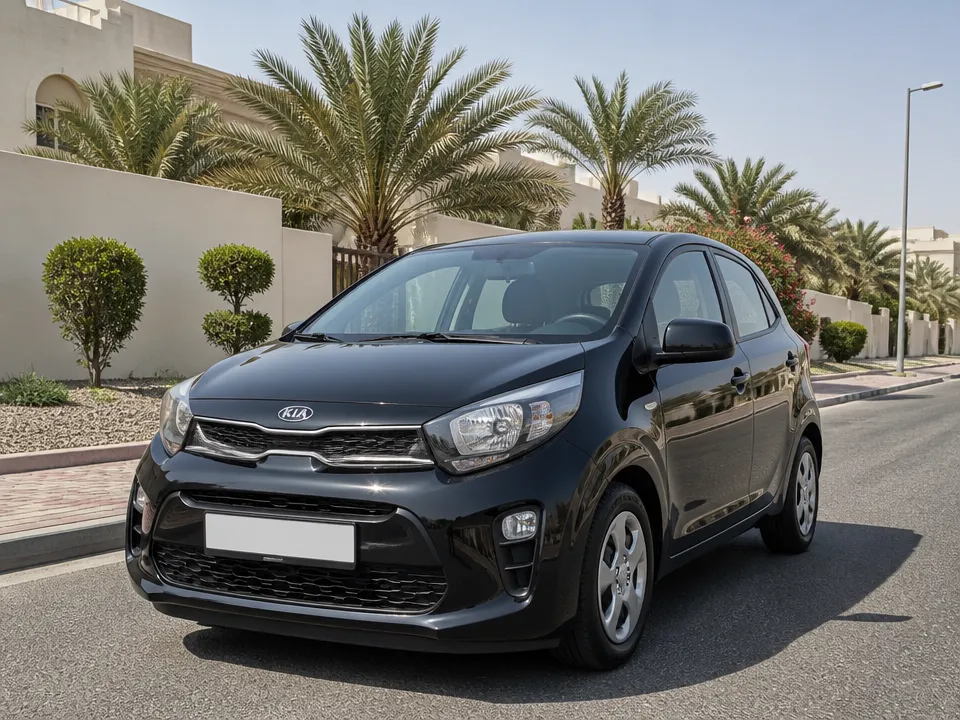
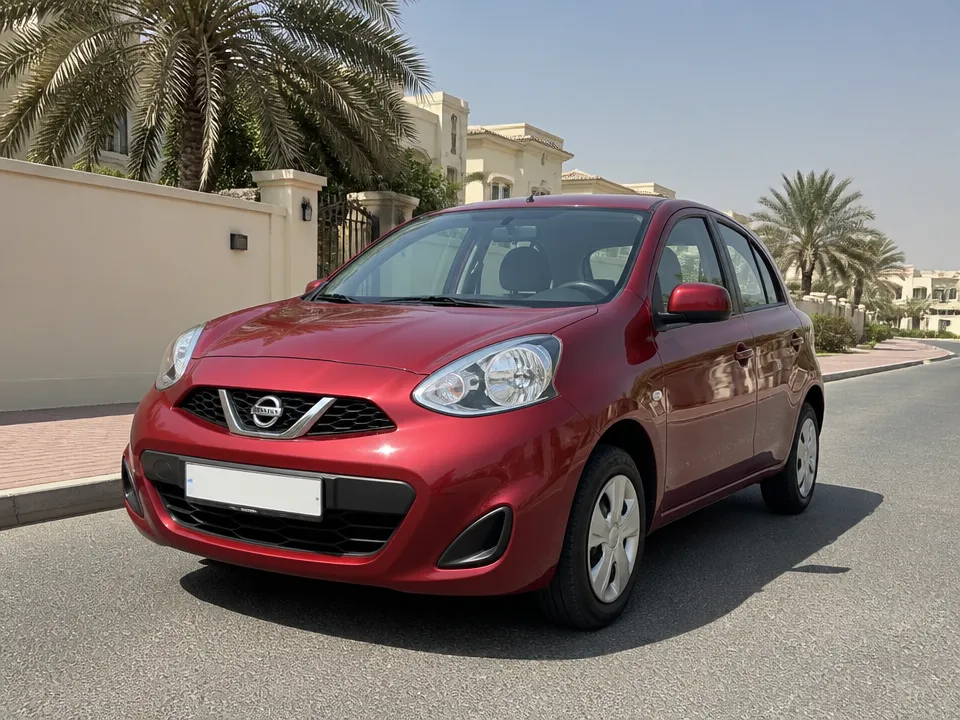
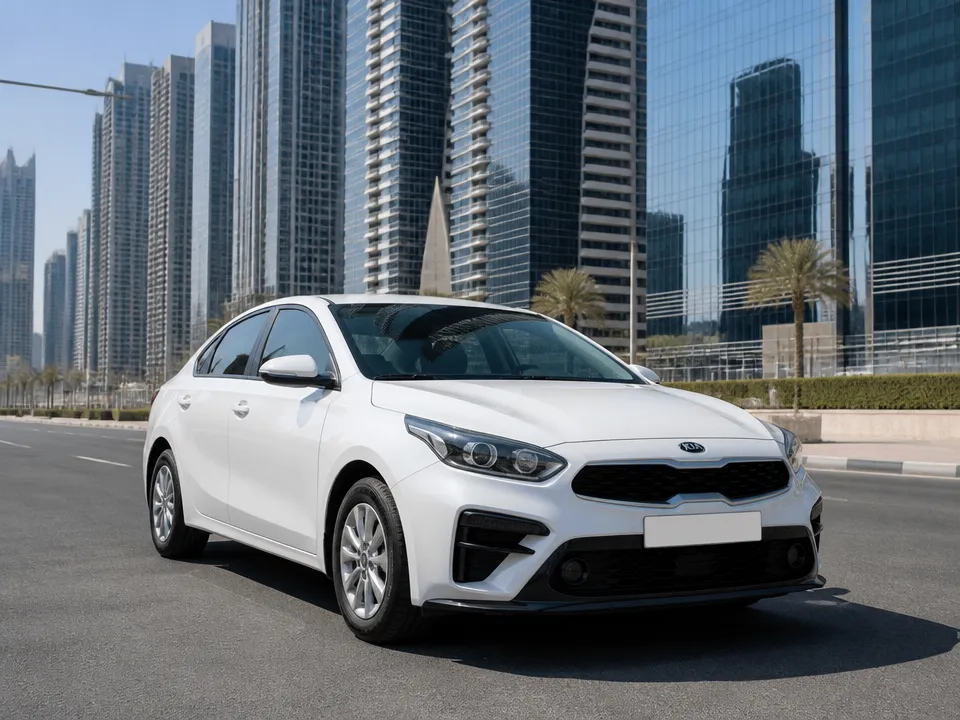
Kia Picanto
★4.9· 58Automatic1.2 L84 hpFront5 seats
AED 55per day
Book now






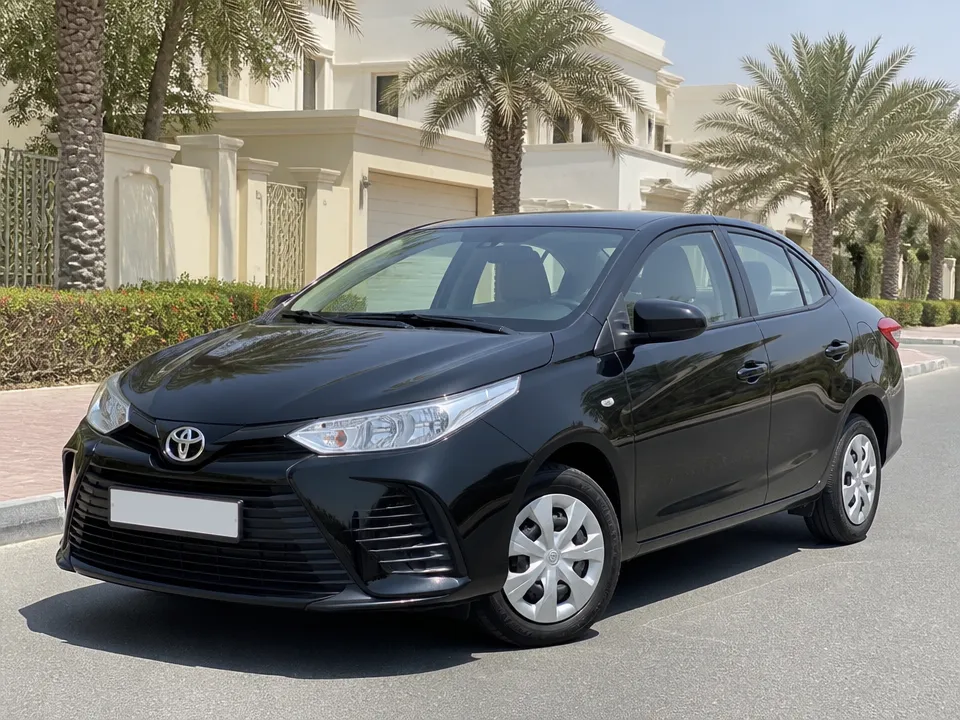
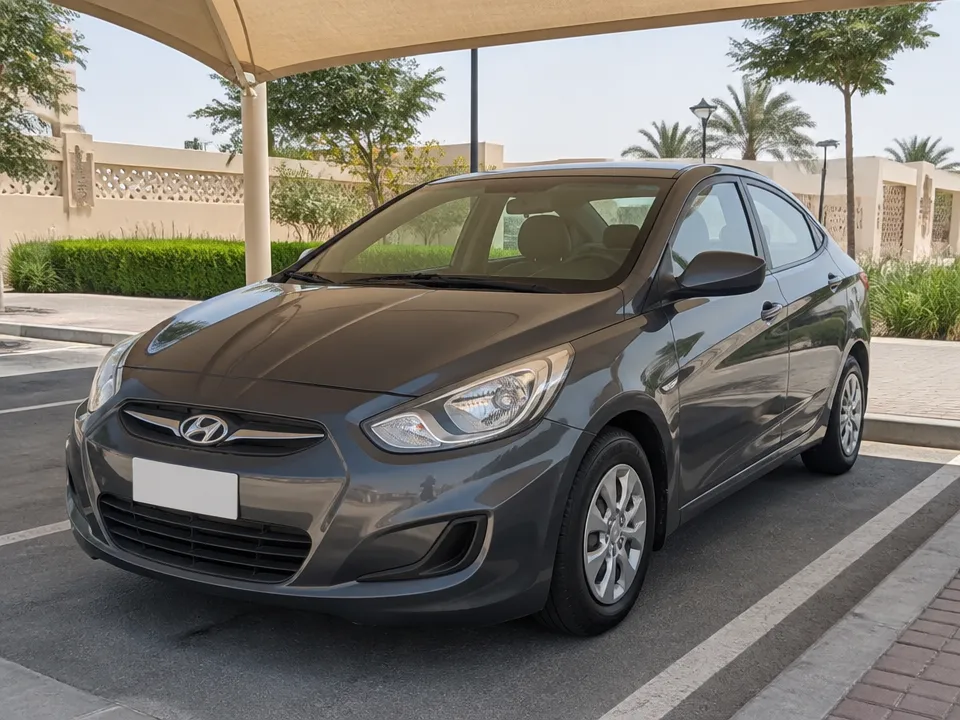
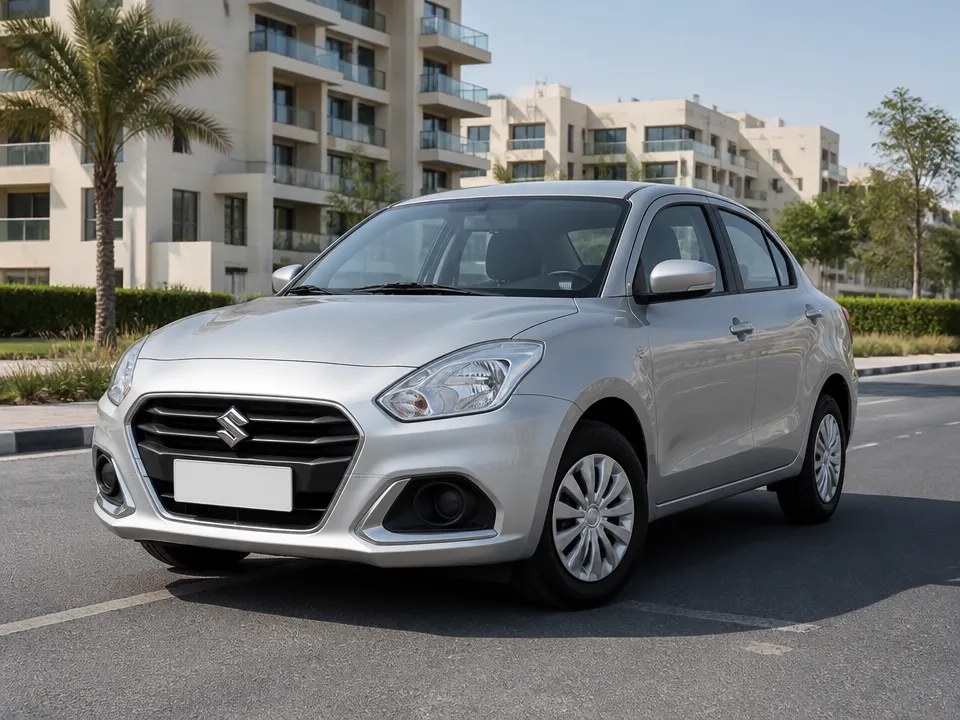
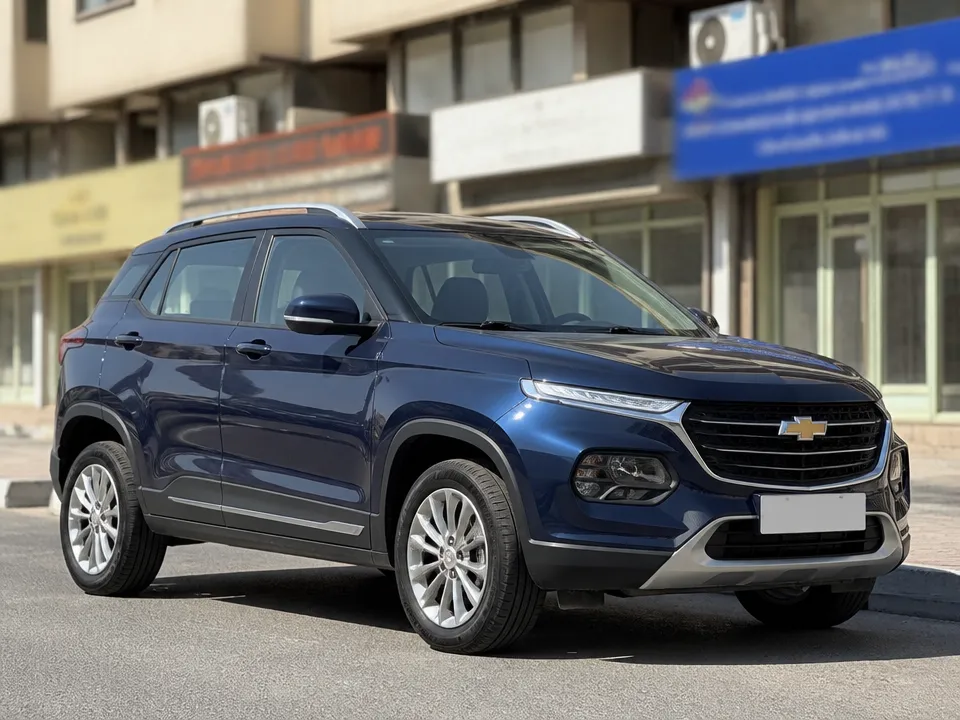
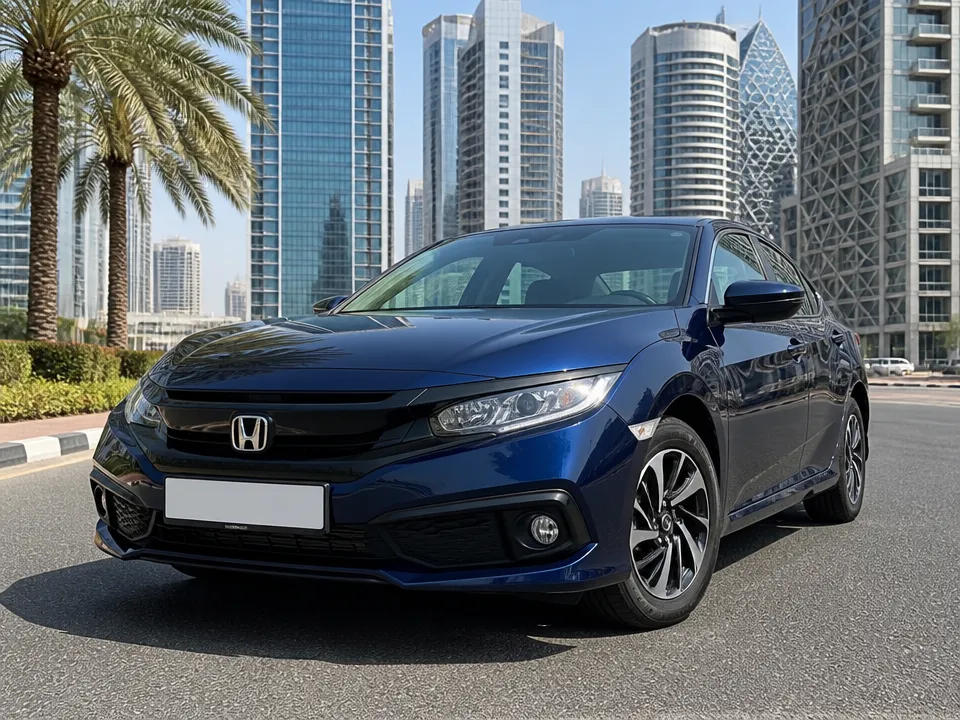
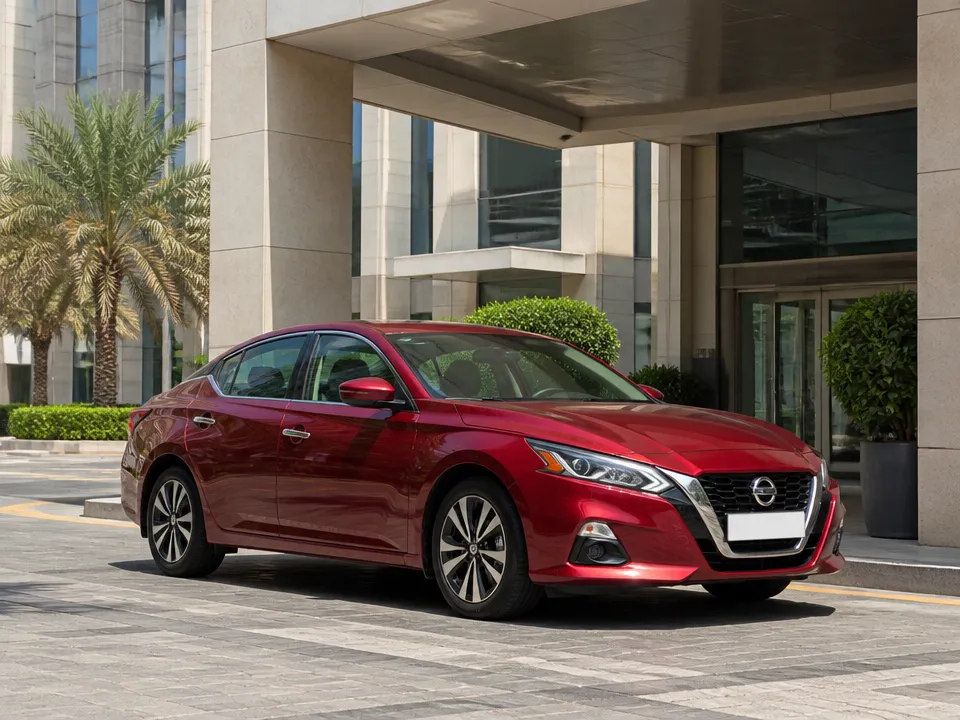
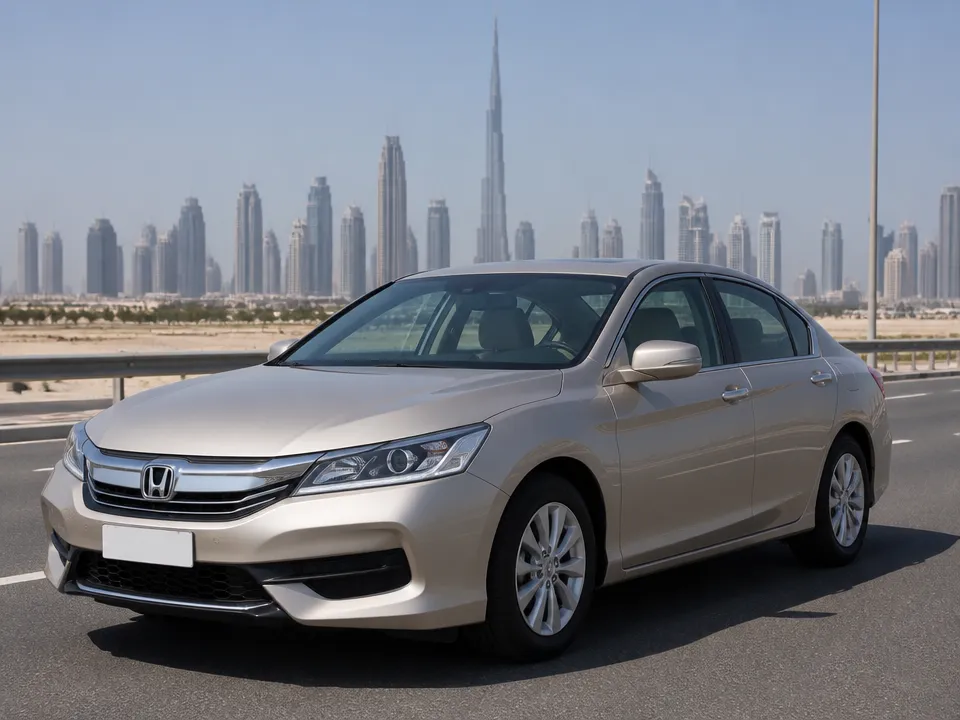
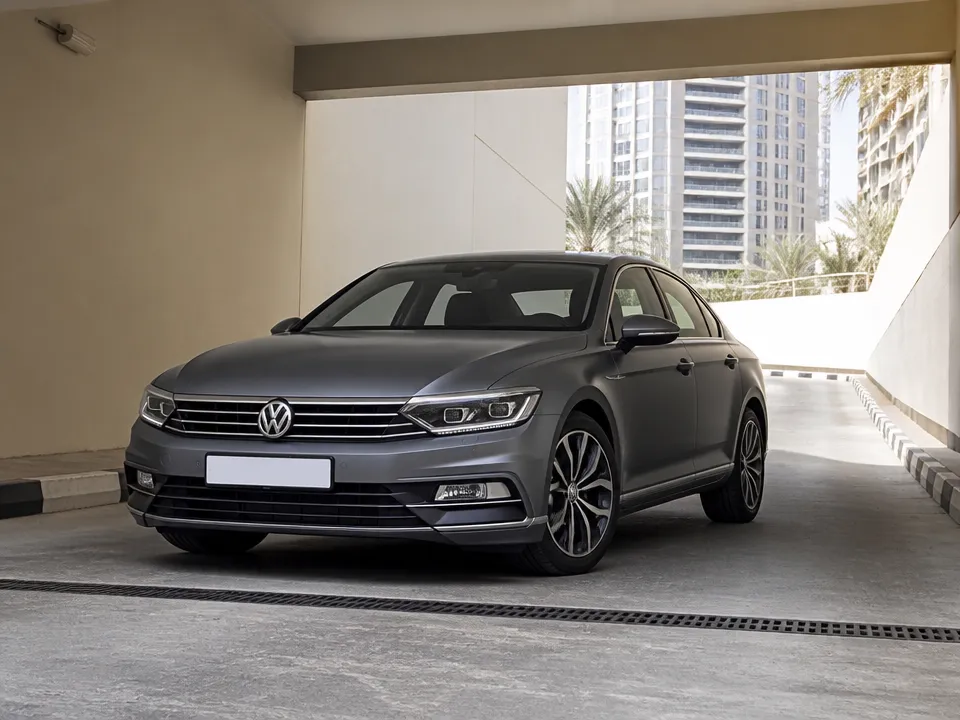
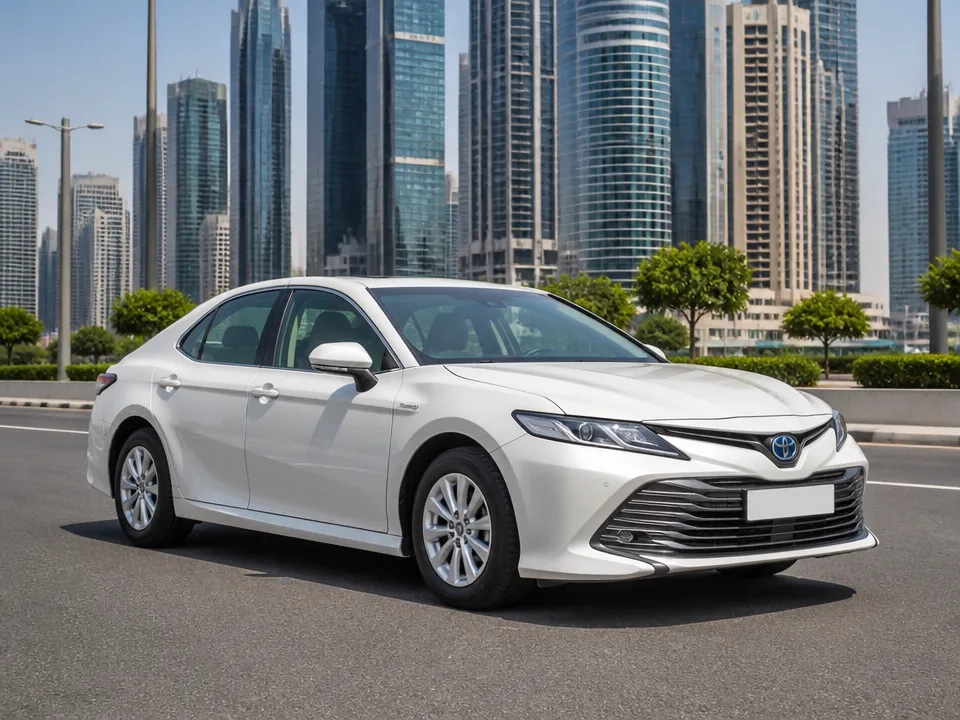
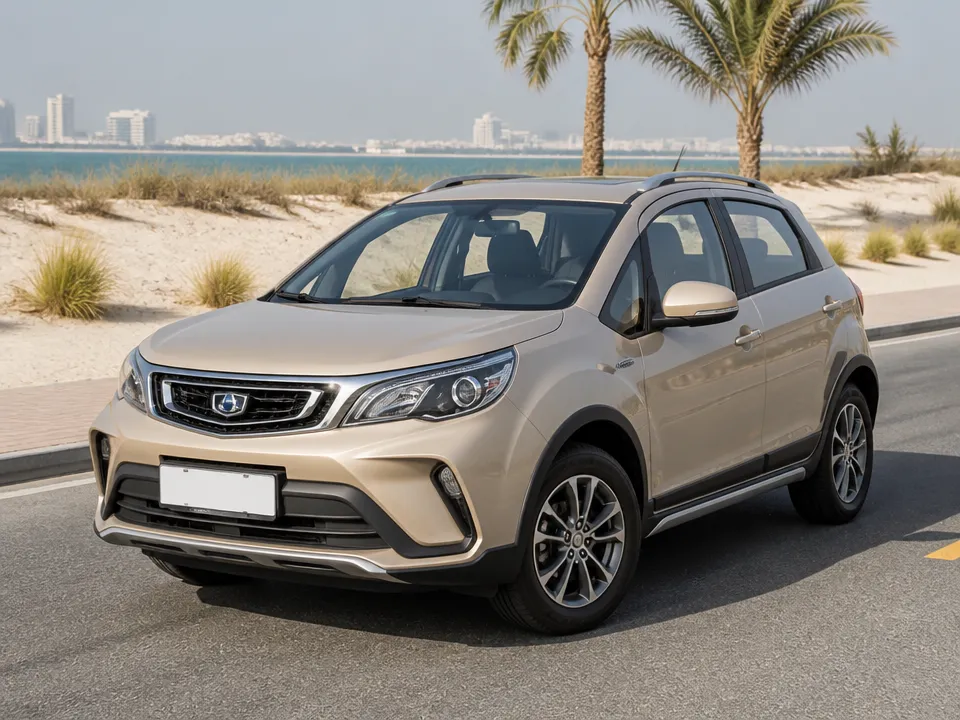
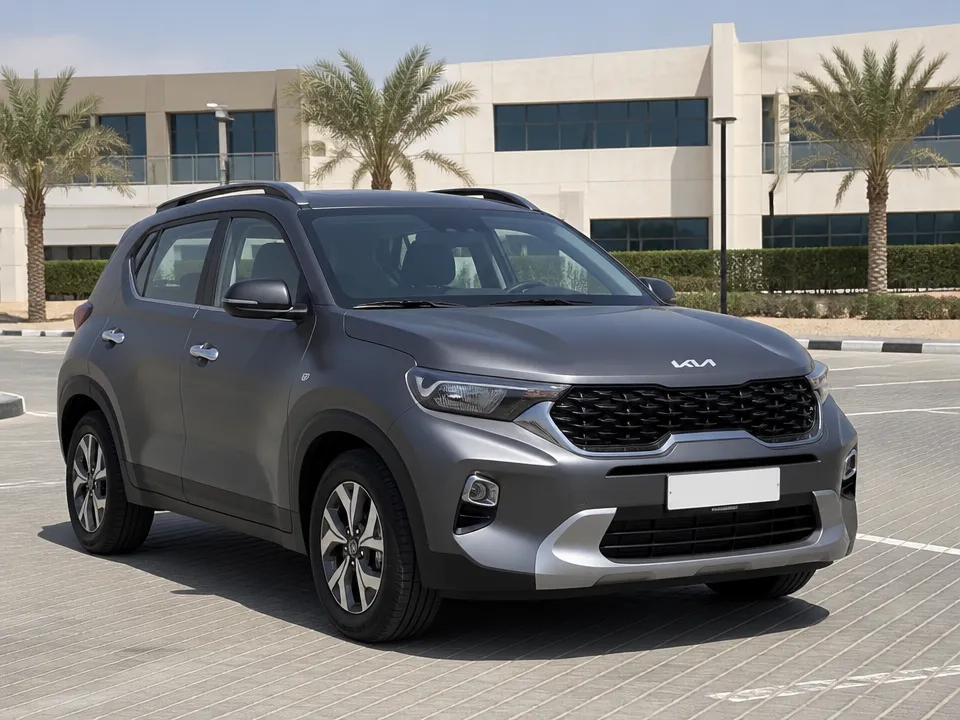
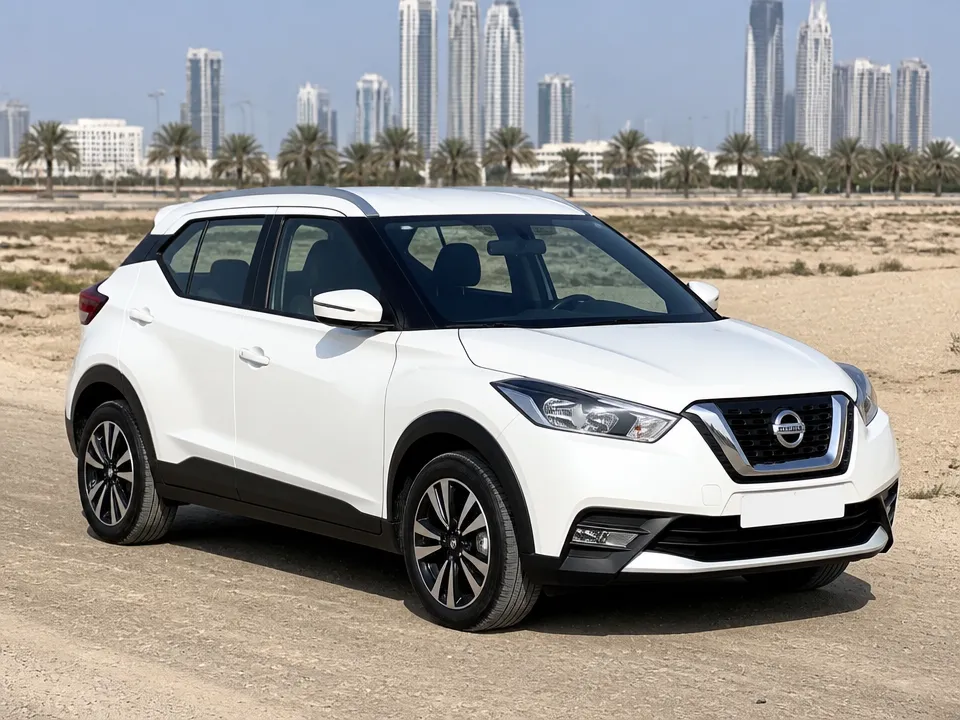

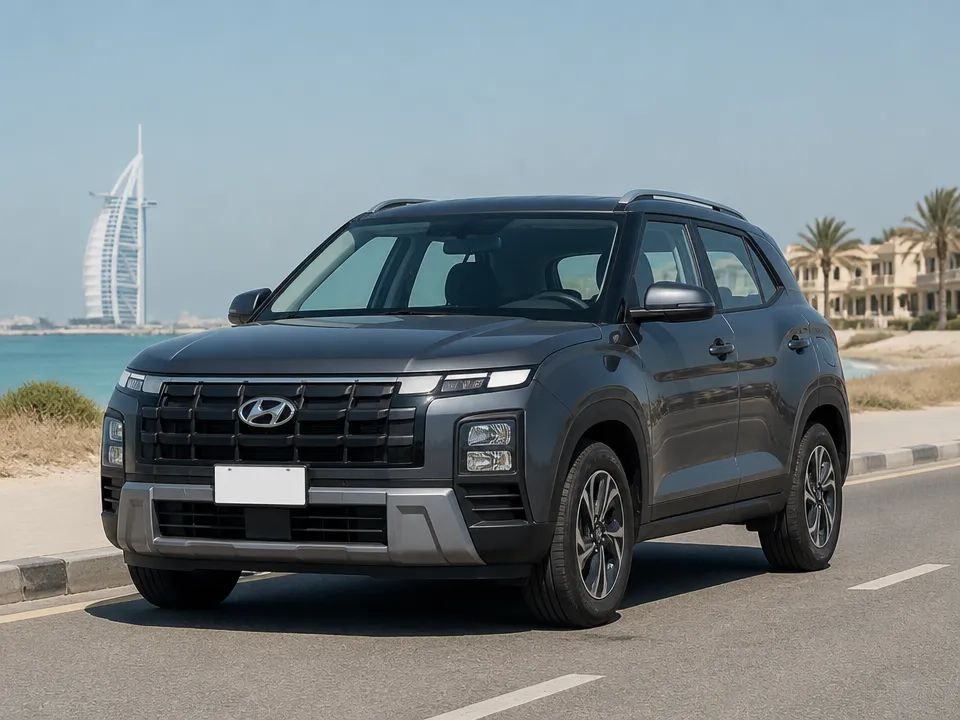
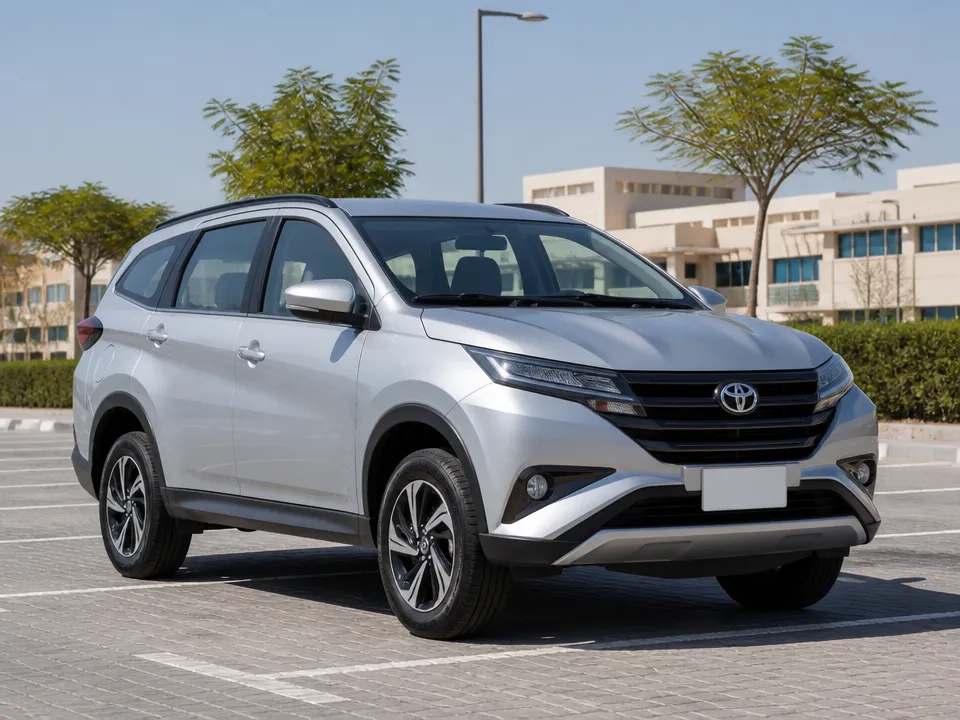
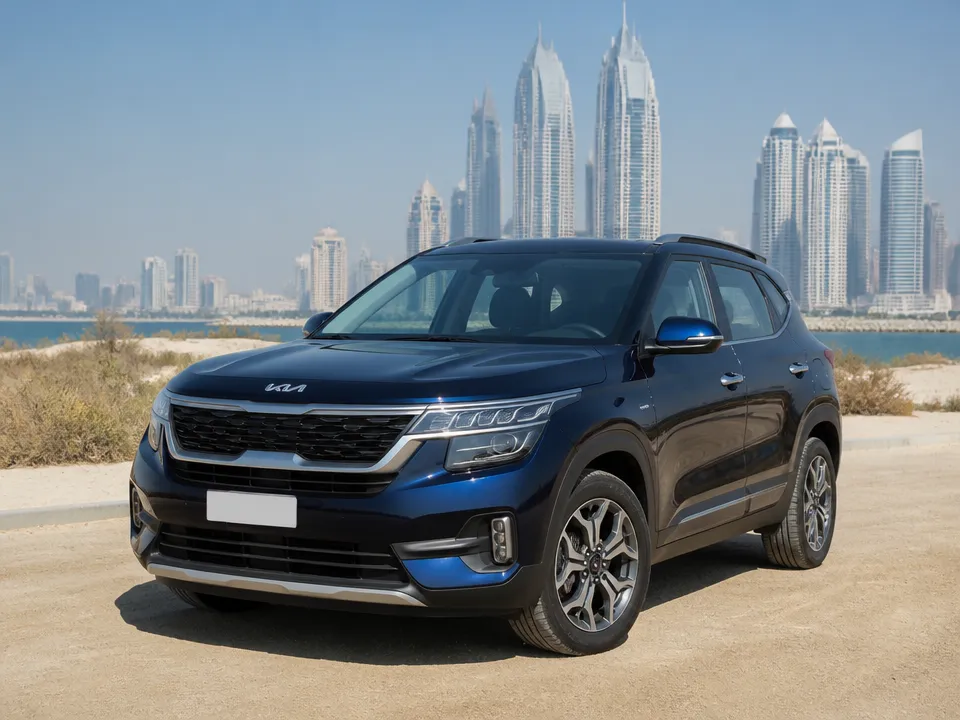
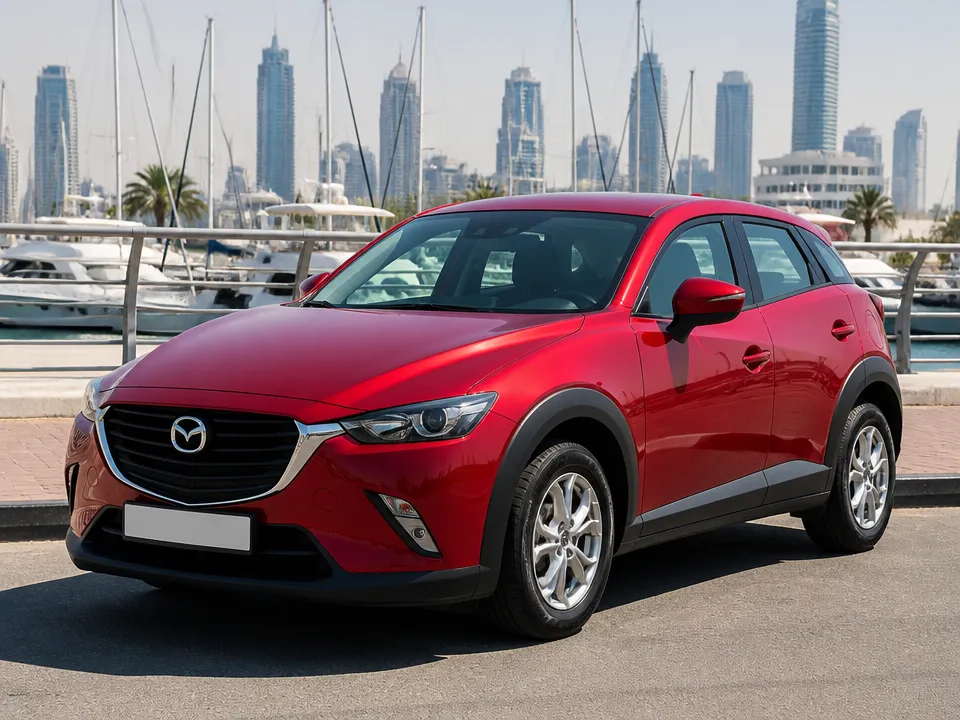




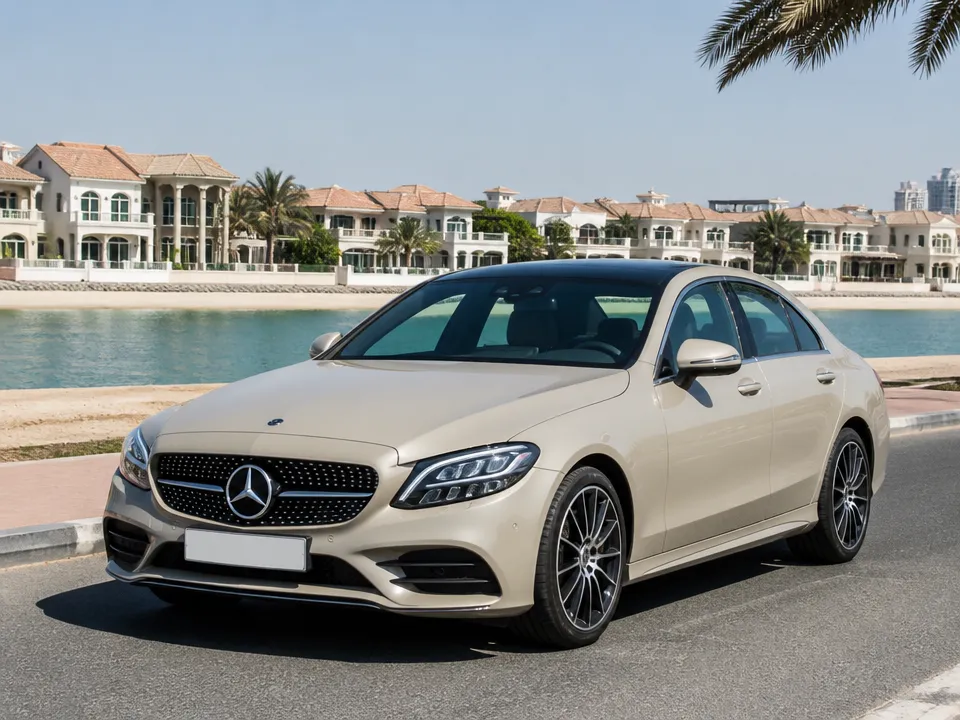

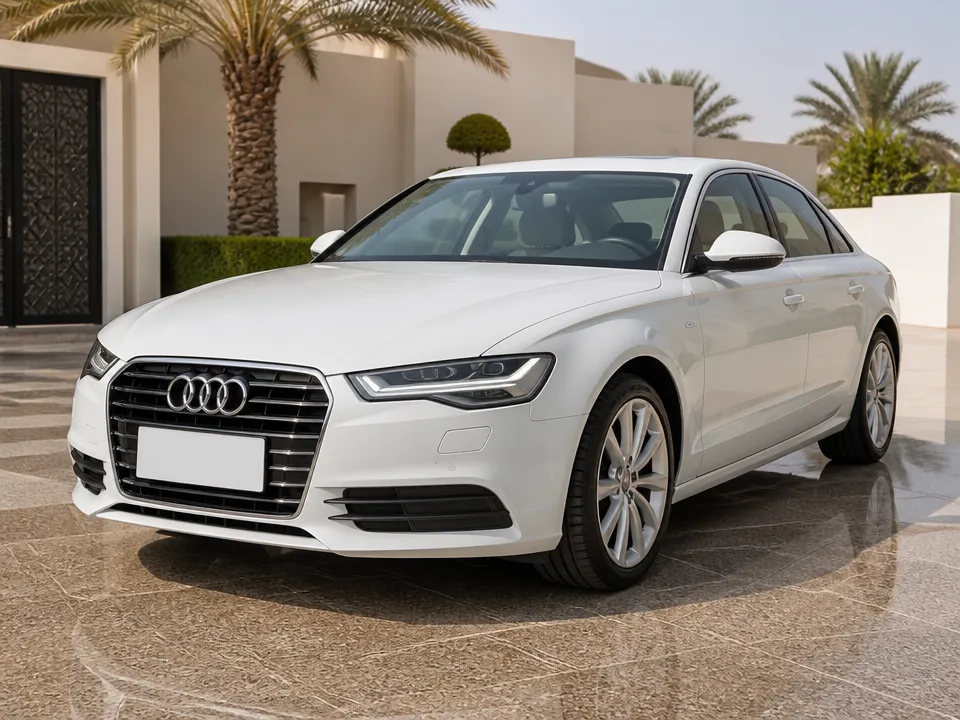
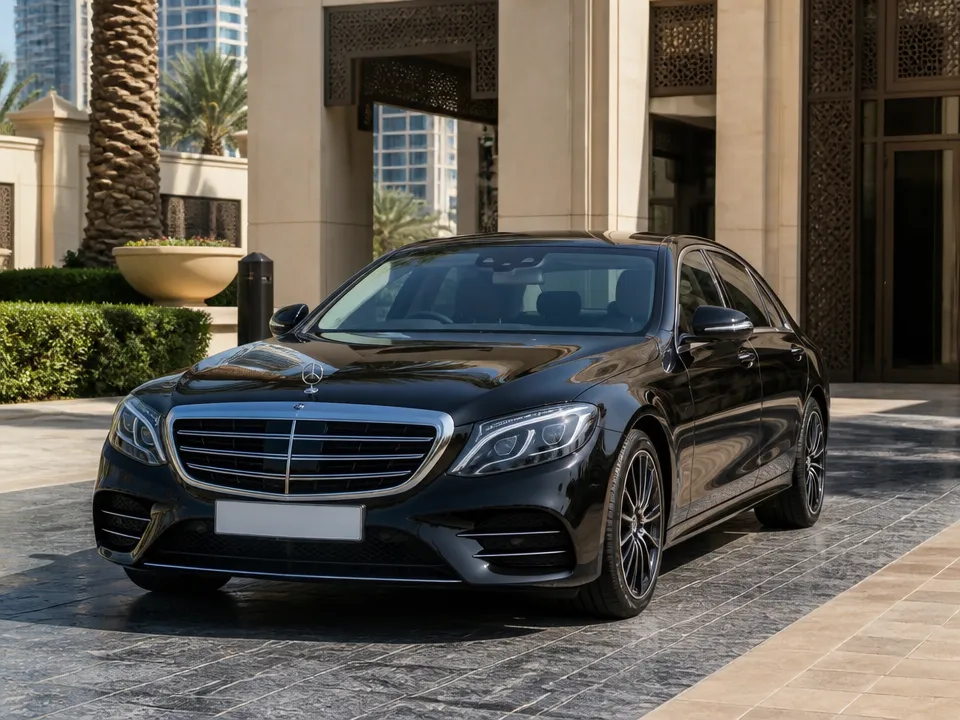



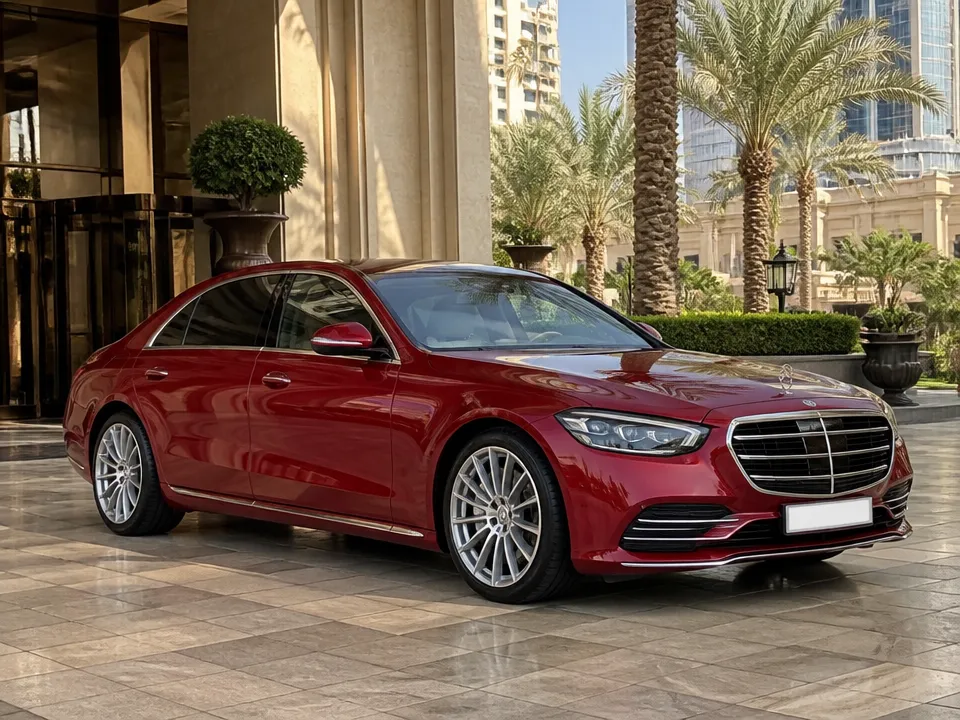
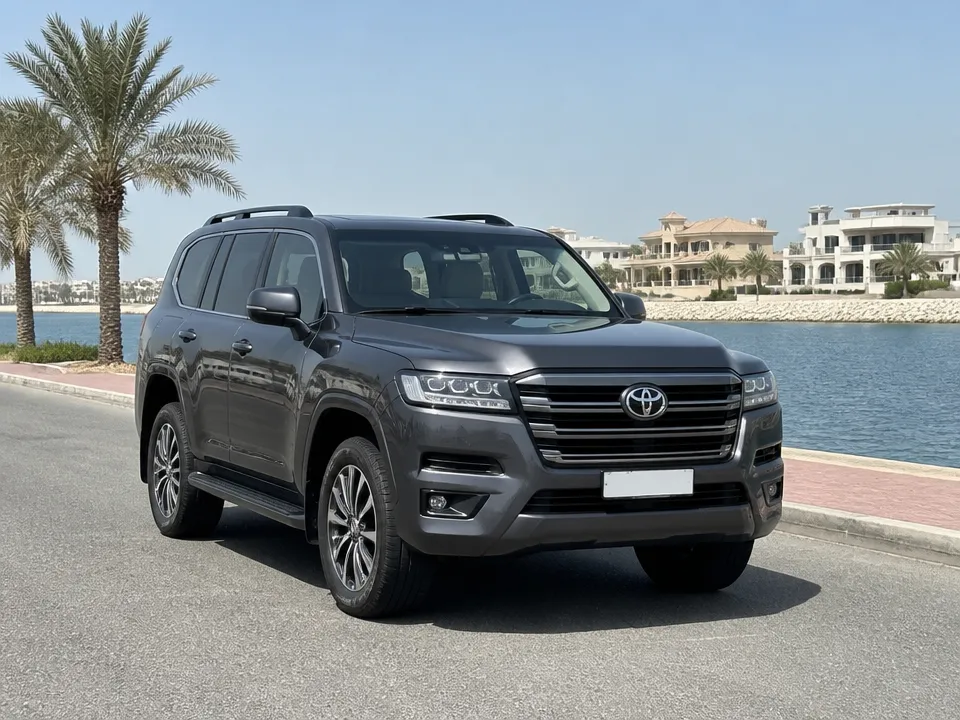

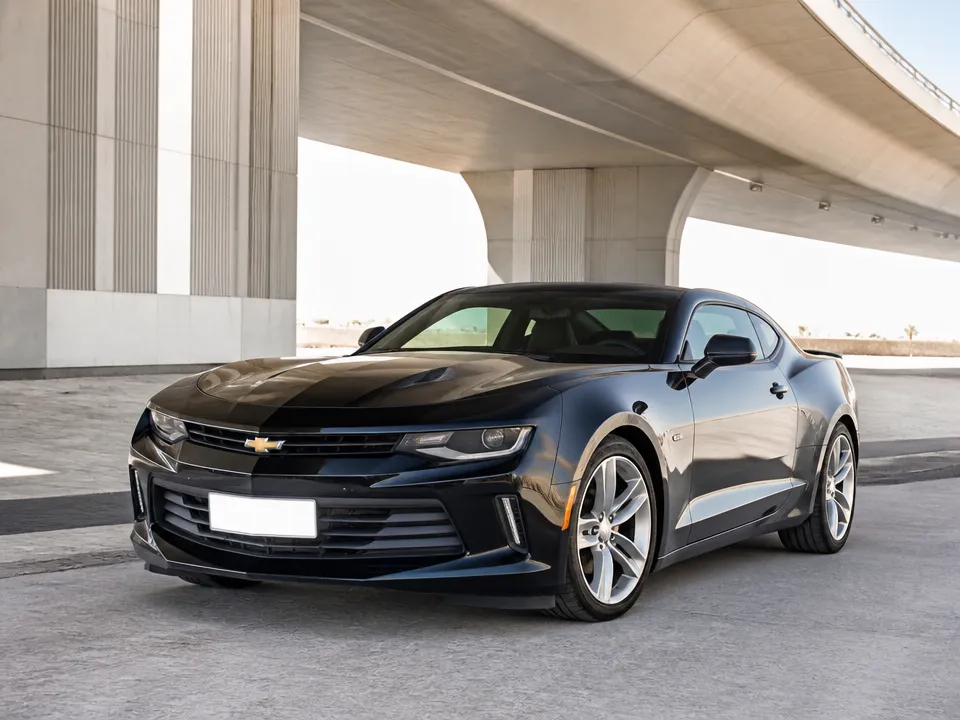







Monthly car rental in Dubai is a practical choice for residents and long-stay visitors, and Rent-Trip keeps it simple: a self-drive service that delivers the car to you anywhere in the city, 24/7, including Dubai International Airport (DXB) and Al Maktoum (DWC).
Booking a car by the month instead of paying the daily rate for 30 days is the single biggest saving on this page, and the gap starts from the very cheapest model in the fleet. Rent-Trip prices monthly rental from AED 1155, which already undercuts what the same car costs if you pay per day across a full month. The difference matters most for visitors staying four weeks or longer and for residents who need a car while theirs is being repaired.
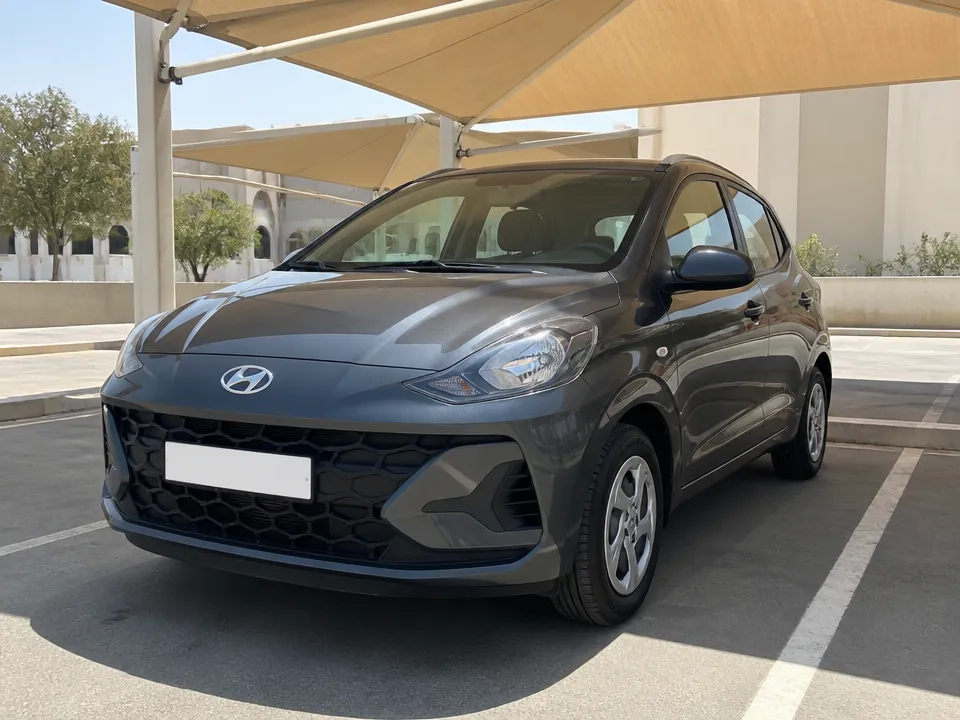
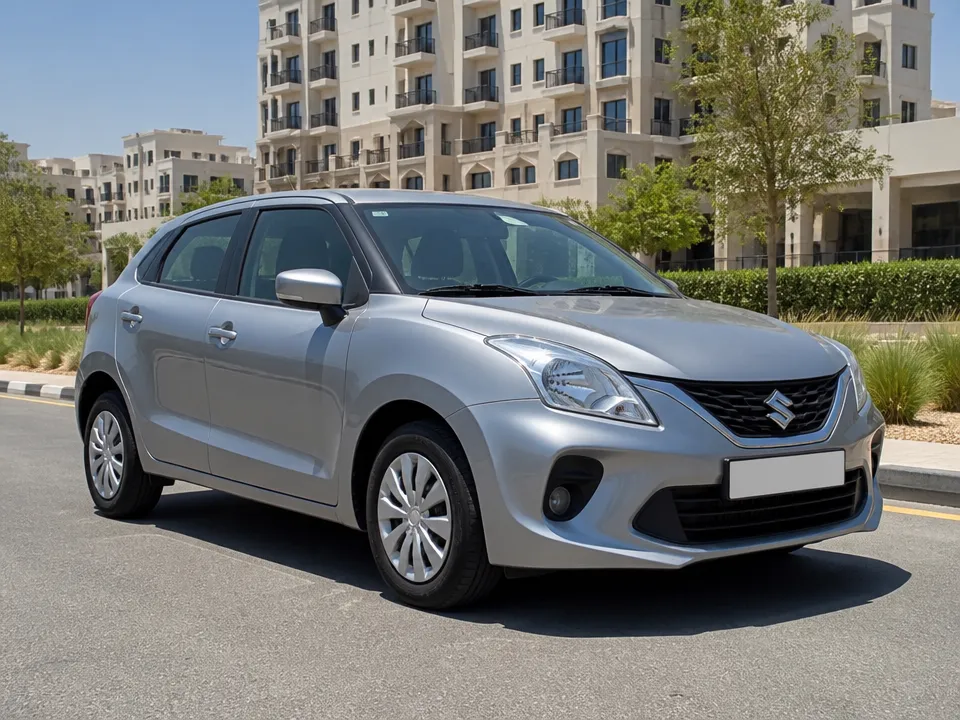
At AED 55 per day, a Kia Picanto costs AED 1650 over 30 days — AED 495 more than the monthly rate we quote for the same car. The pattern repeats across the fleet: the Hyundai Grand i10 and Suzuki Baleno at AED 60 per day land near AED 1800 for a month, while their monthly pricing starts well below that figure. Daily billing also adds friction you do not need — 30 separate payments, 30 chances for the rate to change, and a new agreement to review every time you extend. Monthly billing caps your planning in one payment and one agreement, with no daily rate surprises when you renew.
The monthly rate already folds in the insurance and daily mileage, which makes the AED 1155 starting point a fair comparison against any daily quote you see elsewhere. Extra kilometres are charged per the rental agreement, so if your commute runs past 250 km a day, step up one class or ask us about a higher mileage package before you sign.
Monthly pricing follows the same daily rate structure but removes the daily-billing penalty. Rent-Trip prices range from AED 55 per day for an economy hatchback to AED 400 per day for a Jeep Wrangler, so the class you choose shifts the monthly total by thousands of dirhams.
| Class | Example Model | Daily Rate | Monthly From |
|---|---|---|---|
| Economy hatchback | Kia Picanto | AED 55 | AED 1155 |
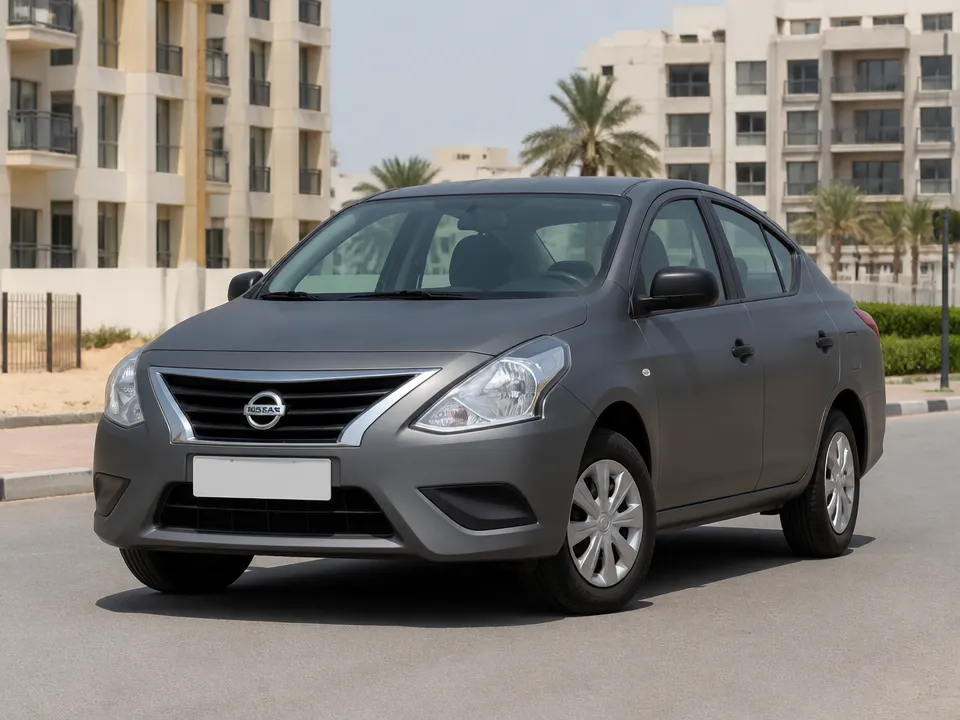
| Economy sedan | Nissan Sunny | AED 65 | AED 1365 |
| Mid-size sedan | Toyota Camry | AED 170 | AED 3570 |
| Crossover | Hyundai Creta | AED 130 | AED 2730 |
| SUV | Toyota RAV4 | AED 260 | AED 5460 |
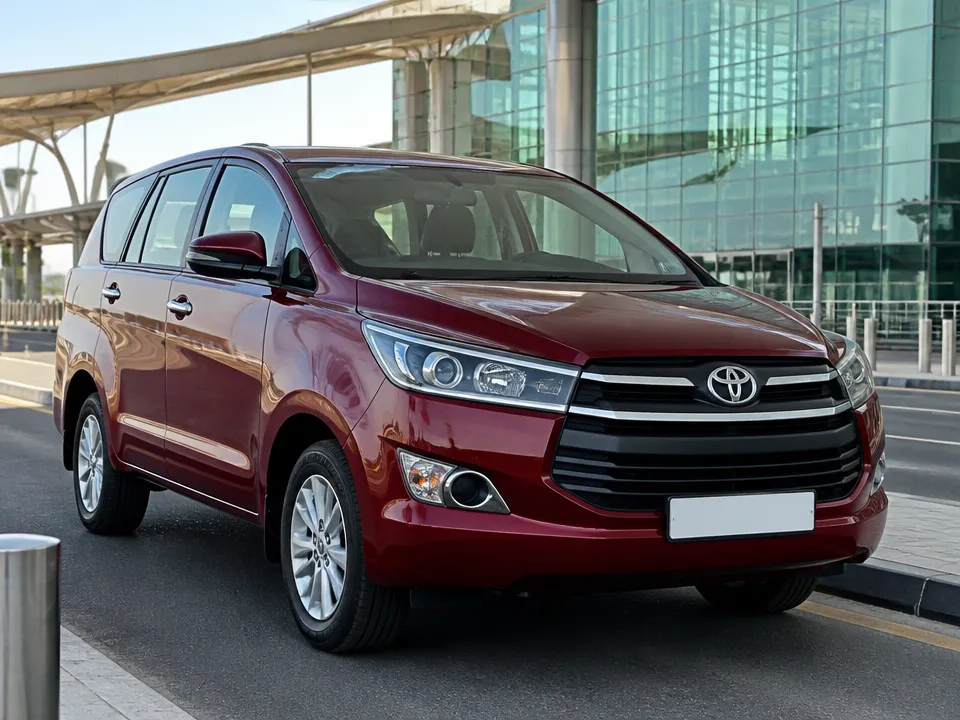
| 7-seater | Toyota Innova | AED 200 | AED 4200 |
| Off-road SUV | Jeep Wrangler | AED 400 | AED 8400 |
Monthly rates are calculated at 21 days, which is why the monthly figure is not simply the daily rate multiplied by 30. The Kia Picanto at AED 55 per day works out to AED 1155 per month, while a full month of daily billing at the same rate would reach AED 1650. The gap widens as the class rises, so the monthly commitment delivers the largest saving on premium vehicles.
A crossover adds roughly AED 50–60 per day over an economy sedan, which translates to about AED 1000–1300 per month. For city commuting, an economy sedan with a 1.5 L engine keeps fuel costs noticeably lower than an SUV with a 2.5 L unit, and parking in dense areas like Dubai Marina or Business Bay is easier in a smaller body. Mid-size sedans such as the Toyota Camry at AED 170 per day sit in a practical middle ground — more cabin space than an economy car without the fuel appetite of a full SUV. If your month involves mostly Sheikh Zayed Road commutes with occasional weekend drives to Abu Dhabi or Al Ain, a sedan or crossover covers the distance comfortably. Before booking, match the monthly rate to your actual mileage: 250 km per day is included, and extra kilometres are charged per the agreement, so a larger engine only makes sense if your route genuinely needs it.
A month behind the wheel here means the car becomes part of your daily routine, so matching it to how you actually live matters more than picking the flashiest model. Rent-Trip's fleet of 82 cars spans 2 to 13 seats, and the right choice depends on your commute, family size and weekend plans. Here is how to narrow down the options without overpaying.
A 7-seater also helps if colleagues or guests join your out-of-town drives to Abu Dhabi or Hatta, so count the usual passengers before you book.
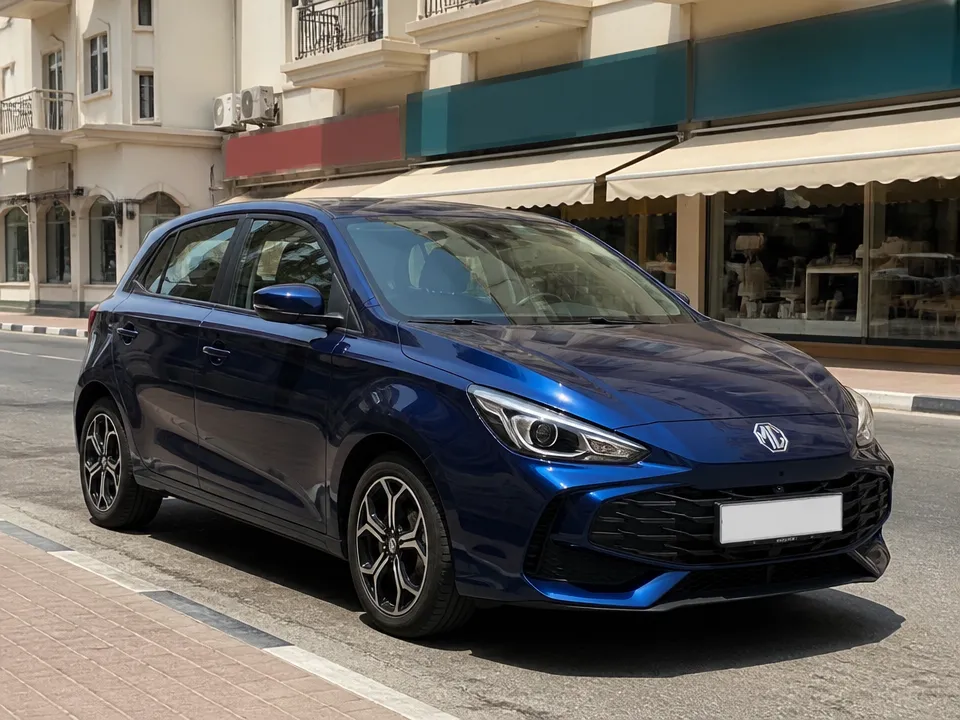
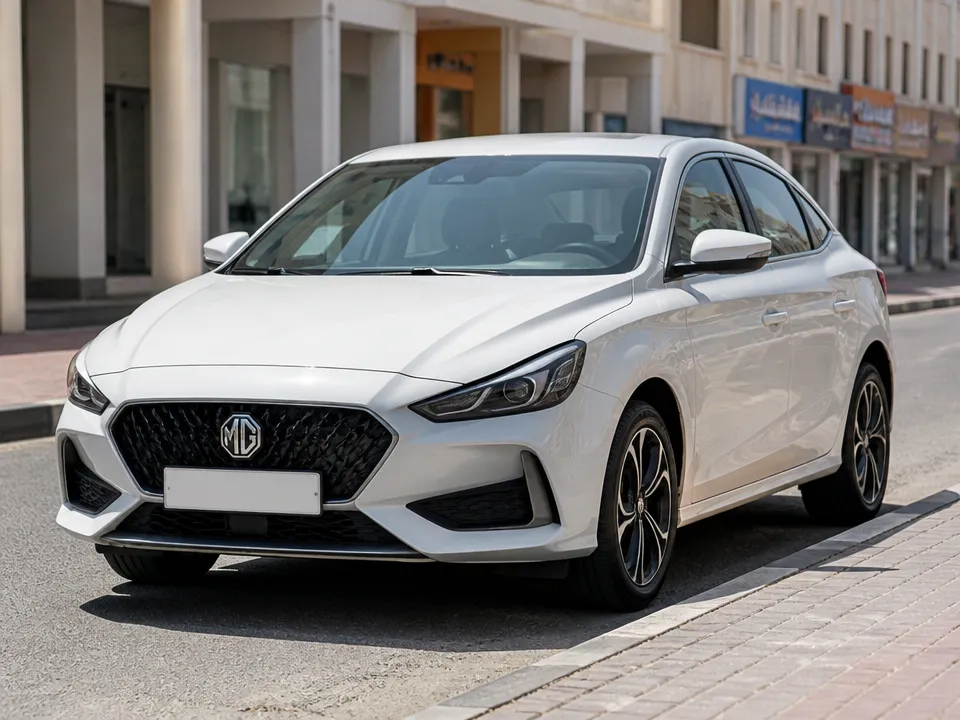
Petrol, diesel, hybrid and electric options are available across the fleet, and the choice affects both your running costs and your routine. Petrol models dominate the economy classes — the Suzuki Baleno and MG 3 at AED 60/day use a modest 1.5 L engine that keeps fuel spend low for city commuting. Hybrids and electric cars cut fuel bills further, but you need a charging plan: home or hotel charging matters here, where public stations are less convenient than a petrol stop on Sheikh Zayed Road. In the summer heat, a strong air-conditioning system matters more than extra horsepower — a 1.5 L engine that cools the cabin quickly beats a 2.5 L unit that struggles in traffic. For a month of daily use, our fleet managers usually recommend a sedan or crossover with a proven cooling system, because the climate punishes underpowered cars from June to September.
Rent-Trip has no rental counter or office to visit — the car comes to you, anywhere in the city, at any hour. Delivery is built around your arrival time, hotel location or apartment block, so the handover takes place where you actually are.
We deliver to Dubai International Airport (DXB, Terminals 1 and 3) and Al Maktoum International (DWC) around the clock, matching the handover to your landing time. You send your flight details when you book, and the car is waiting at the arrivals level — no shuttles, no counter queues, no waiting for a desk to open. The same applies to departures: we collect the car when you fly out, so the hire ends the moment you hand back the keys. A late-night arrival is not a problem either, since the delivery team works 24/7 across the city.
The security deposit is held on your card at handover and released after the hire ends, as set out in the agreement. Delivery timing is agreed when you book by WhatsApp or phone, so the car arrives when you need it — not before, not after. For residents, the handover usually takes under fifteen minutes once the documents are checked.
Getting the paperwork right matters more than the car itself — a missing document can delay your delivery. Rent-Trip keeps the list short, and the requirements differ only by whether you hold a UAE residence visa or are renting as a tourist.
Residents booking by the month usually have the simplest process — both documents are checked once, and the car is delivered to your home or office anywhere in the city, including Dubai Silicon Oasis or Al Quoz.
Tourists need a passport with a valid visa or entry stamp, plus a driving licence from their home country. If that licence is not printed in Latin script, an International Driving Permit (IDP) must accompany it. A visitor from the UK, EU or GCC can typically hire with their standard licence alone, while drivers with Arabic, Russian or Asian script licences should carry the IDP to avoid a refused delivery at DXB Terminal 1 or 3.
Monthly hire for tourists works the same as for residents: the car is brought to your hotel in Dubai Marina, Downtown or JLT at an agreed time. The deposit is held on your card and released afterwards, and comprehensive insurance (CDW) is already included in the monthly price. We recommend confirming your document set over WhatsApp before the delivery is scheduled — that way the driver arrives with the agreement ready and you sign once on the spot.
Once the keys are in your hand, a month of driving in Dubai comes down to three recurring costs: Salik tolls, fuel, and knowing where the rules tighten. None of them are complicated, but they shape a monthly budget more than the daily rate does.
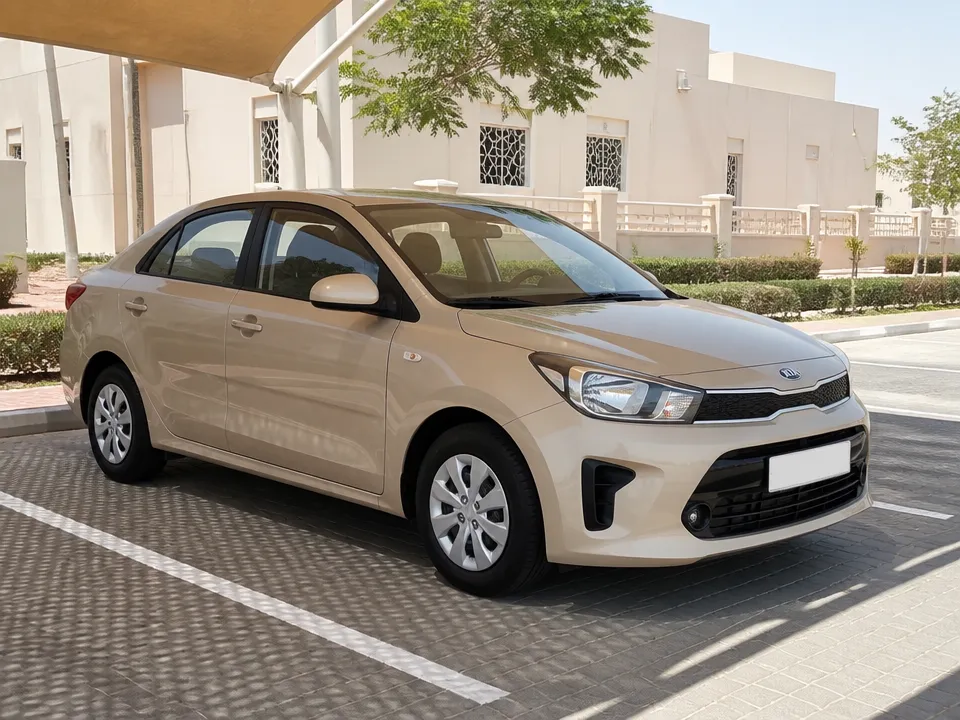
Dubai's barrier-free toll system, Salik, charges AED 4 per gate off-peak and AED 6 during peak hours. A typical commute across two gates twice a day adds up over a month on top of your rental — before a litre of fuel is bought. Petrol in the UAE is priced at the pump without state subsidy swings, so a 1.5 L economy engine like the one in the Kia Pegas or Suzuki Dzire will cost noticeably less to feed than the 2.5 L unit in a Toyota RAV4. Most monthly renters on Sheikh Zayed Road or into Dubai Marina find the salik charges unavoidable; the choice is whether the car's fuel appetite matches the distance.
A monthly rental opens the whole Emirates, but the agreement draws clear lines. Abu Dhabi, Al Ain, Hatta, Fujairah, Ras Al Khaimah and Sharjah are all reachable on the standard terms. Oman does not work the same way — crossing the border needs a separate permit and separate insurance, which we arrange only if you flag it when booking. A weekend in the Hajar mountains or a Friday drive to the Fujairah coast is straightforward; heading into the dunes is not.
Before you commit to a long out-of-town route, check the extra-kilometre charge in your rental agreement — the 250 km per day allowance covers most commutes, but a round trip to Abu Dhabi is roughly 280 km.
For a stay of one to six months, renting by the month usually beats both buying a car and relying on taxis. Ownership ties you to a down payment, loan interest and depreciation, while daily ride-hailing adds up fast — a monthly agreement splits the difference with one predictable payment.
For a short posting or a long holiday, ownership rarely makes sense unless you are settling in the UAE for years.
Ride-hailing here is convenient, but the meter runs on every trip. A daily commute from Dubai Marina to Downtown can easily reach AED 60–80 each way — that is AED 1,500–2,000 a month before any weekend driving. A monthly lease from AED 1,155 covers the whole month with 250 km per day included. Add a trip to Abu Dhabi or a Friday drive to Hatta, and the gap widens further. Taxis still win for a one-off airport run or a night out where parking is tight, but for regular movement around the city, a hired car pays for itself by the second week. If you mostly stay in one neighbourhood and never leave the city, ride-hailing may be simpler — but for anyone commuting daily or exploring the Emirates on weekends, the monthly rate is the cheaper habit.
The cheapest monthly rentals start from AED 1155 per month for economy cars like the Kia Picanto or Hyundai Grand i10, which cost AED 55 per day.
Yes, comprehensive insurance (CDW) is included in the monthly price. You may still be liable for an excess amount in case of damage.
Yes, you can drive to other UAE emirates like Abu Dhabi or Sharjah. Driving to Oman is not allowed without separate permits and insurance.